

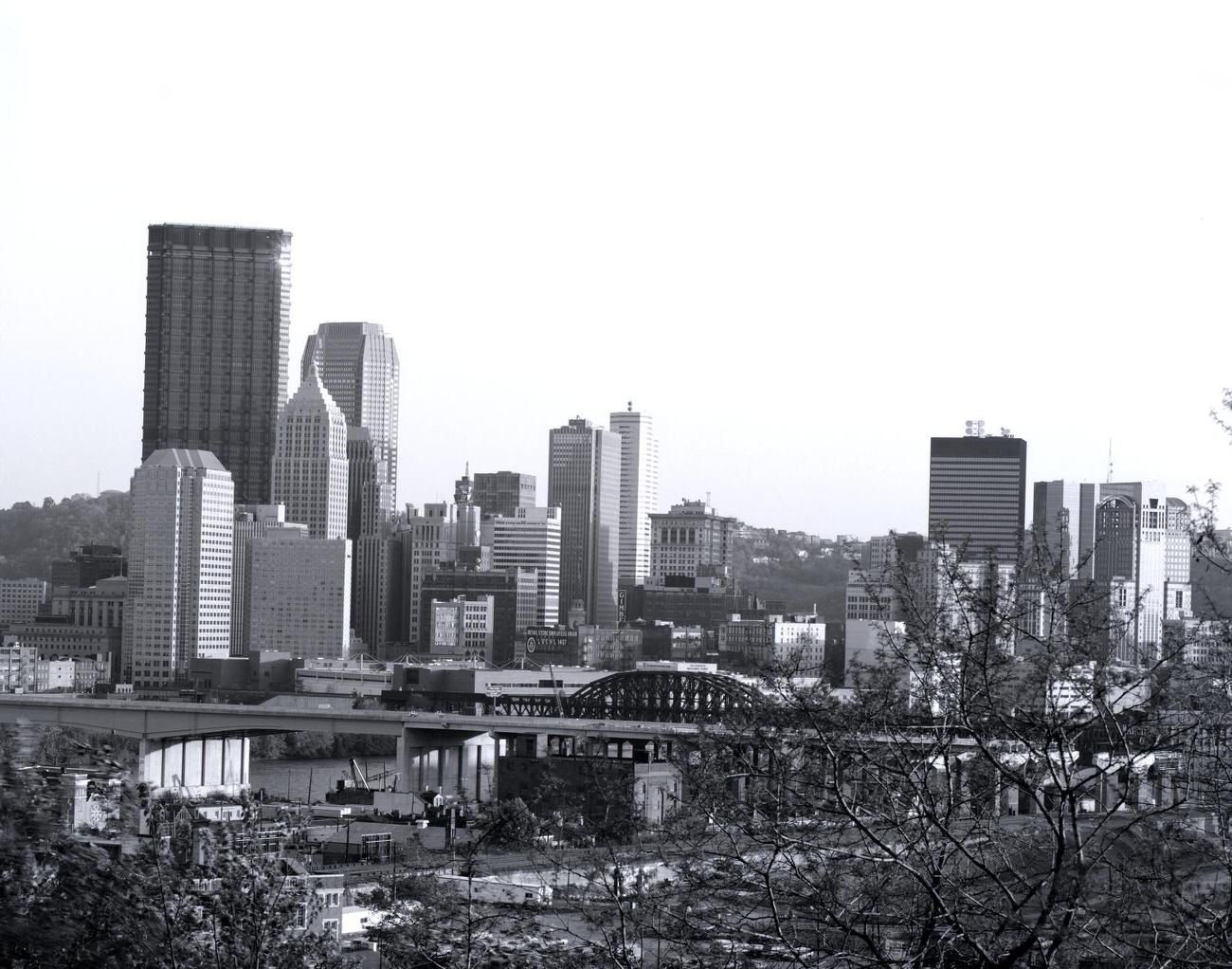
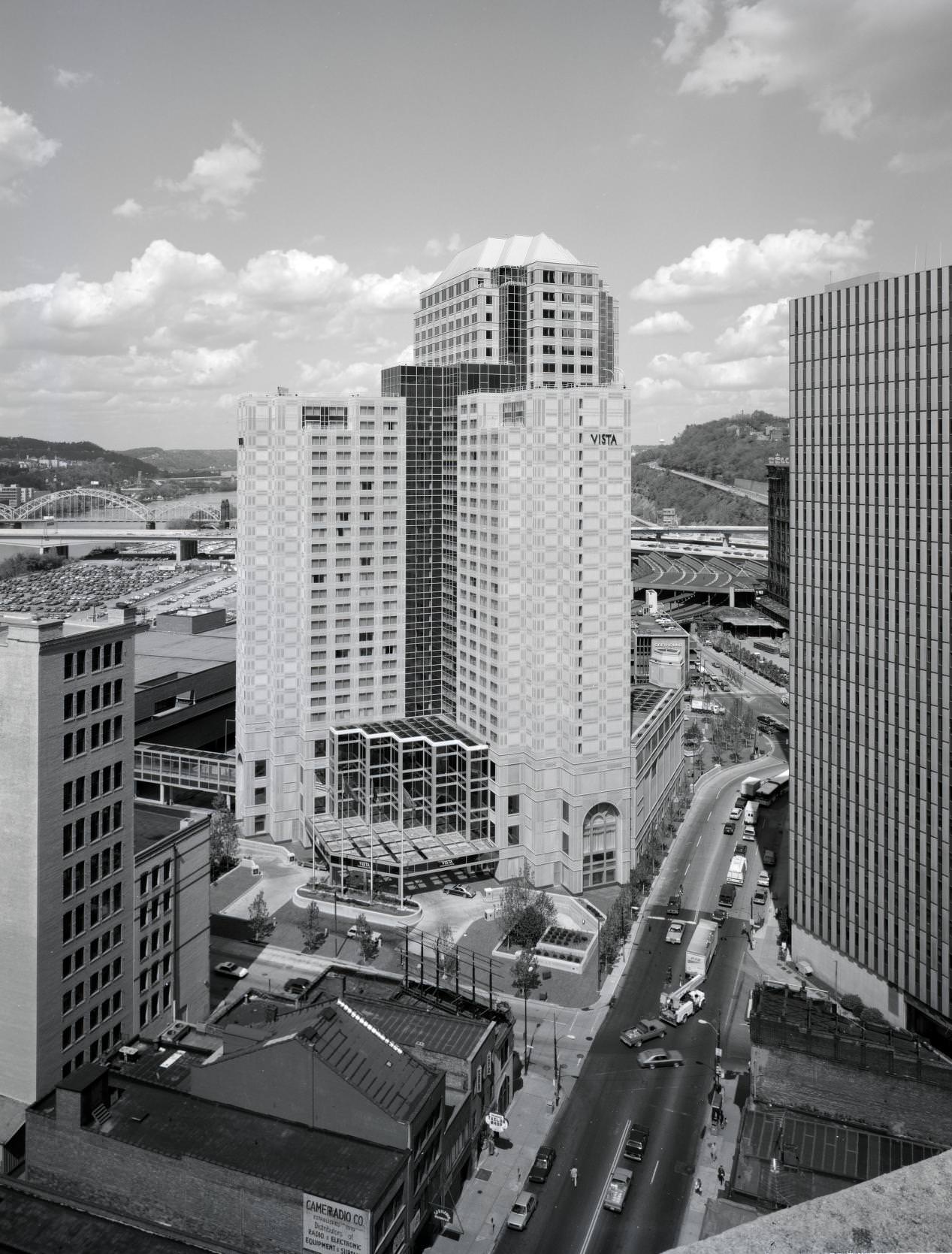
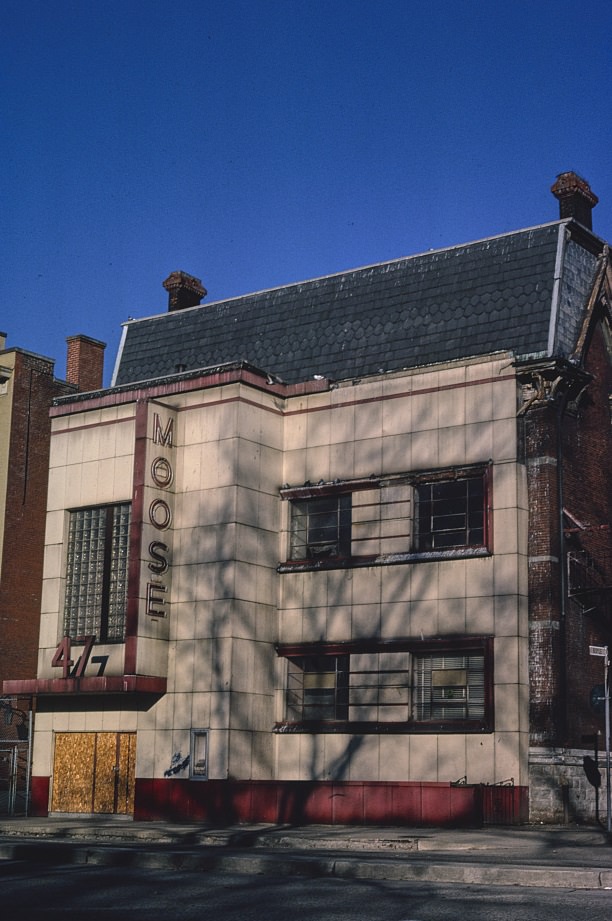
The 1980s was a time of significant change for Pittsburgh. The city, known for its steel industry, faced many challenges and transformations during this decade.
Economic Challenges
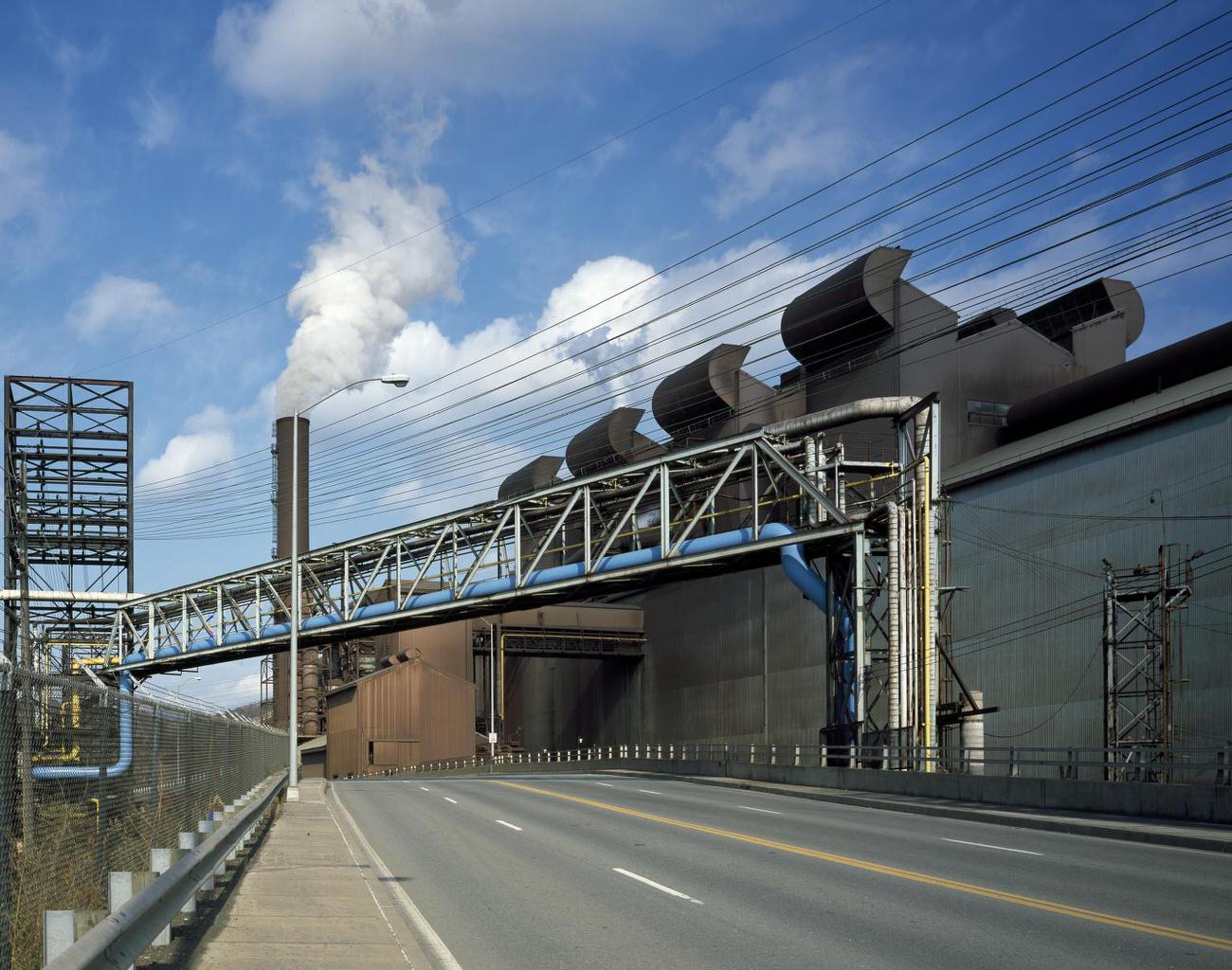
In the early 1980s, Pittsburgh’s economy was struggling. The steel industry, which had been the backbone of the city’s economy for decades, was in decline. Many steel mills closed, leading to widespread job losses. Thousands of workers found themselves unemployed. This economic downturn was a major blow to the city and its residents.
The decline of the steel industry was caused by several factors. One major factor was competition from foreign steel producers. These foreign companies could produce steel more cheaply than American companies, making it hard for Pittsburgh’s mills to compete. Additionally, the demand for steel was decreasing as other materials, like aluminum and plastic, became more popular.
Read more
Adapting to Change
Despite these economic challenges, Pittsburgh worked hard to adapt and find new ways to thrive. The city began to shift its focus from heavy industry to other sectors. This included investing in technology, healthcare, and education.
The University of Pittsburgh and Carnegie Mellon University played significant roles in this transformation. These institutions helped drive innovation and research in various fields. For example, Carnegie Mellon’s robotics and computer science programs became renowned worldwide. This shift helped create new jobs and opportunities for the city’s residents.
Revitalizing Downtown
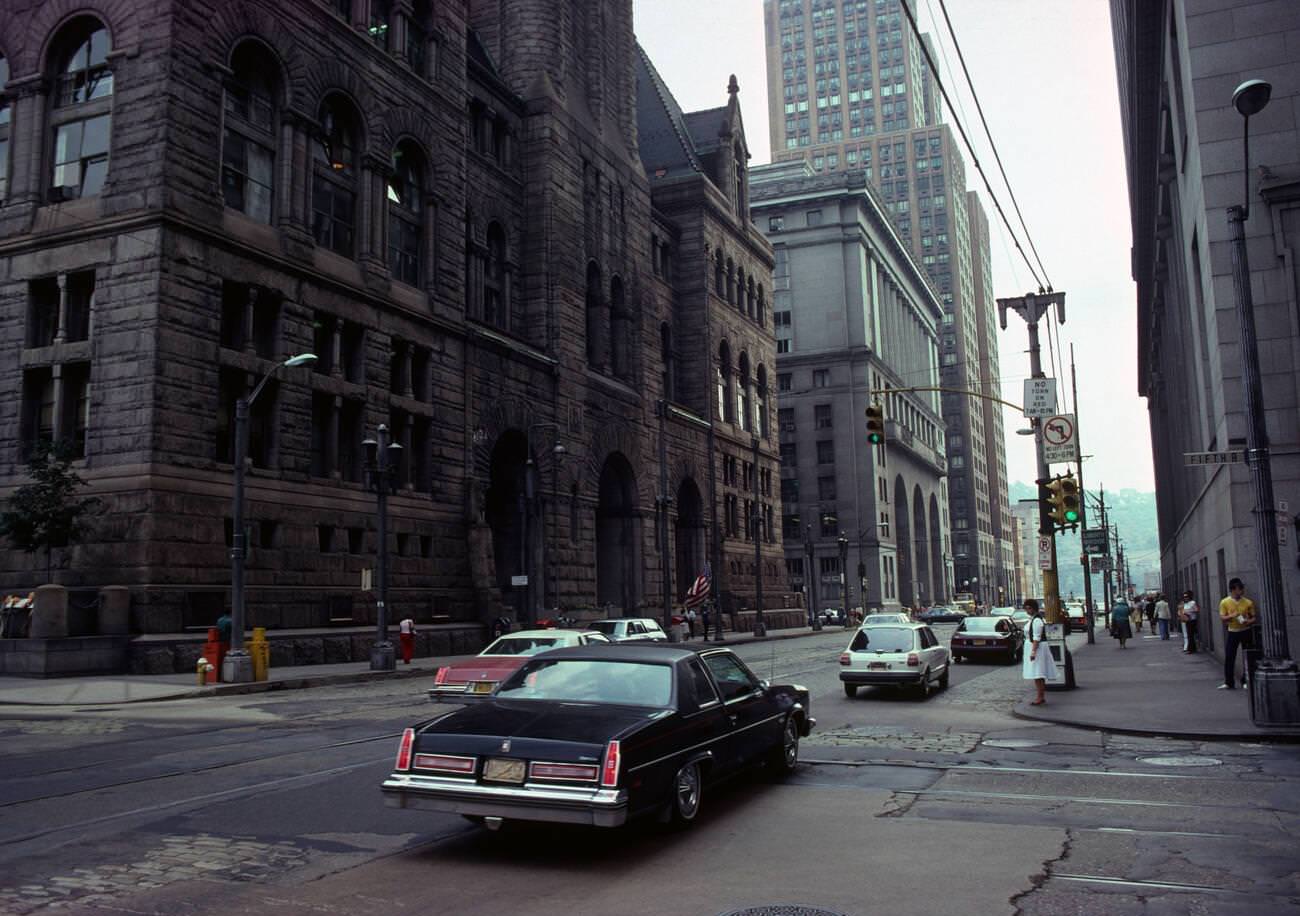
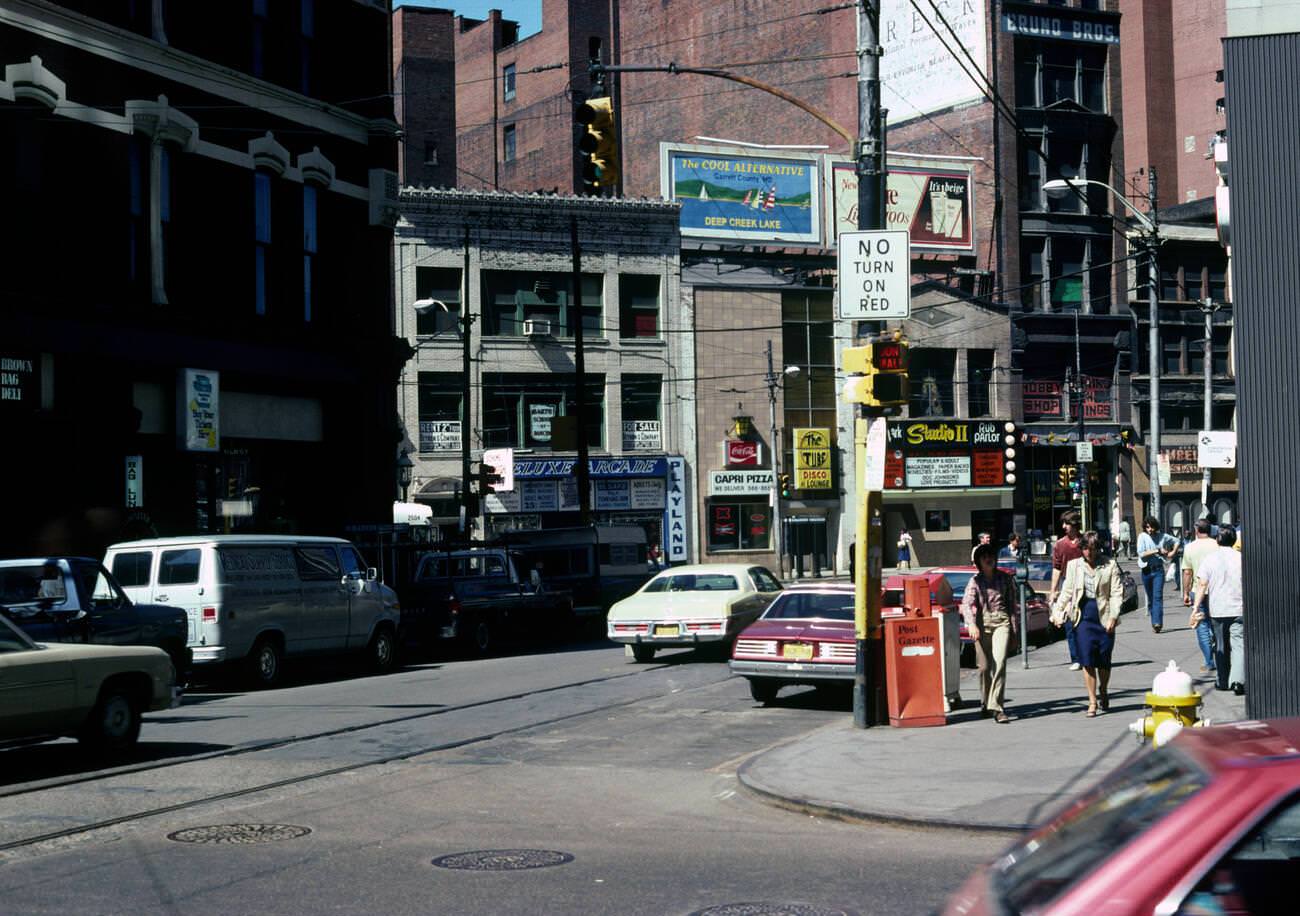
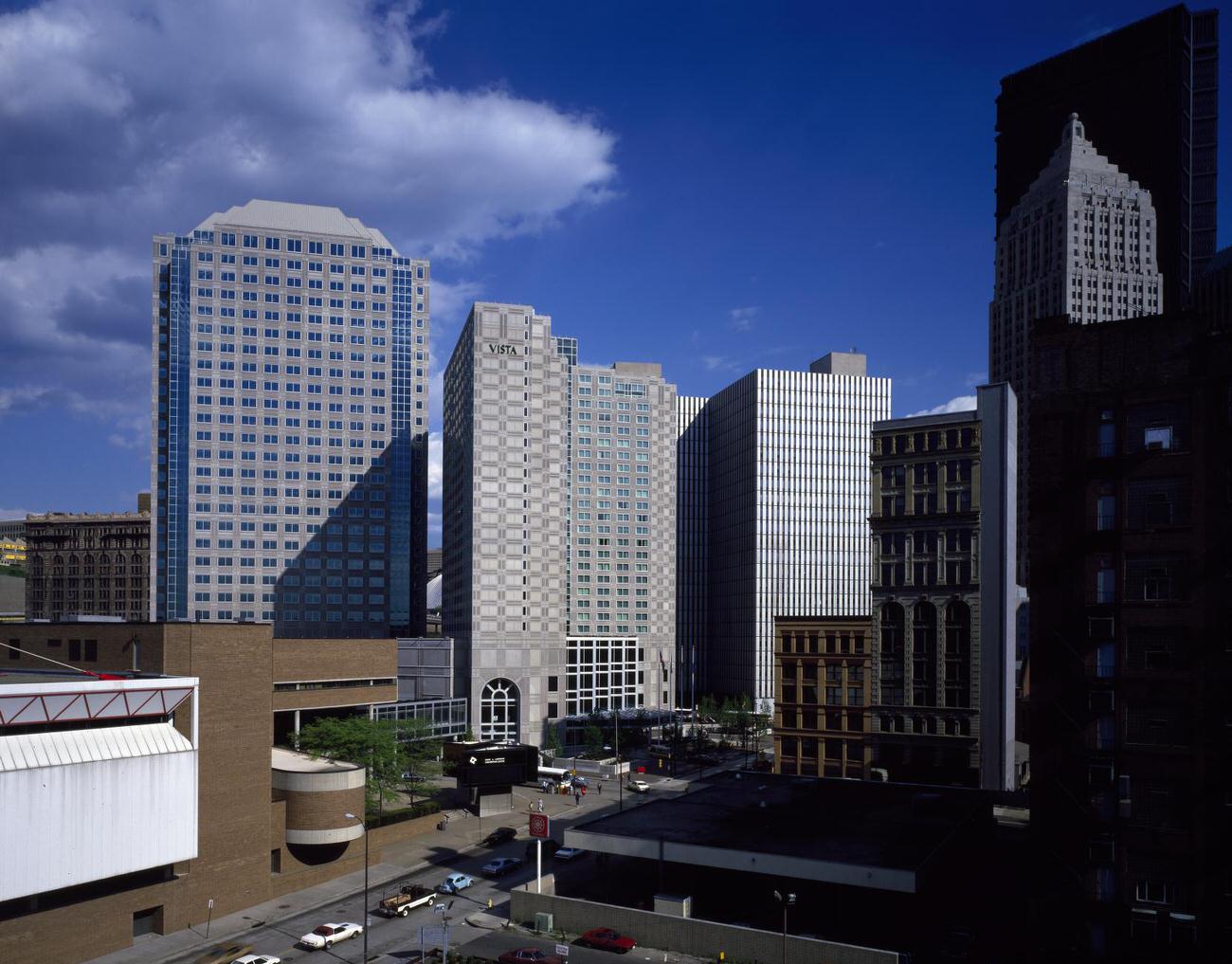
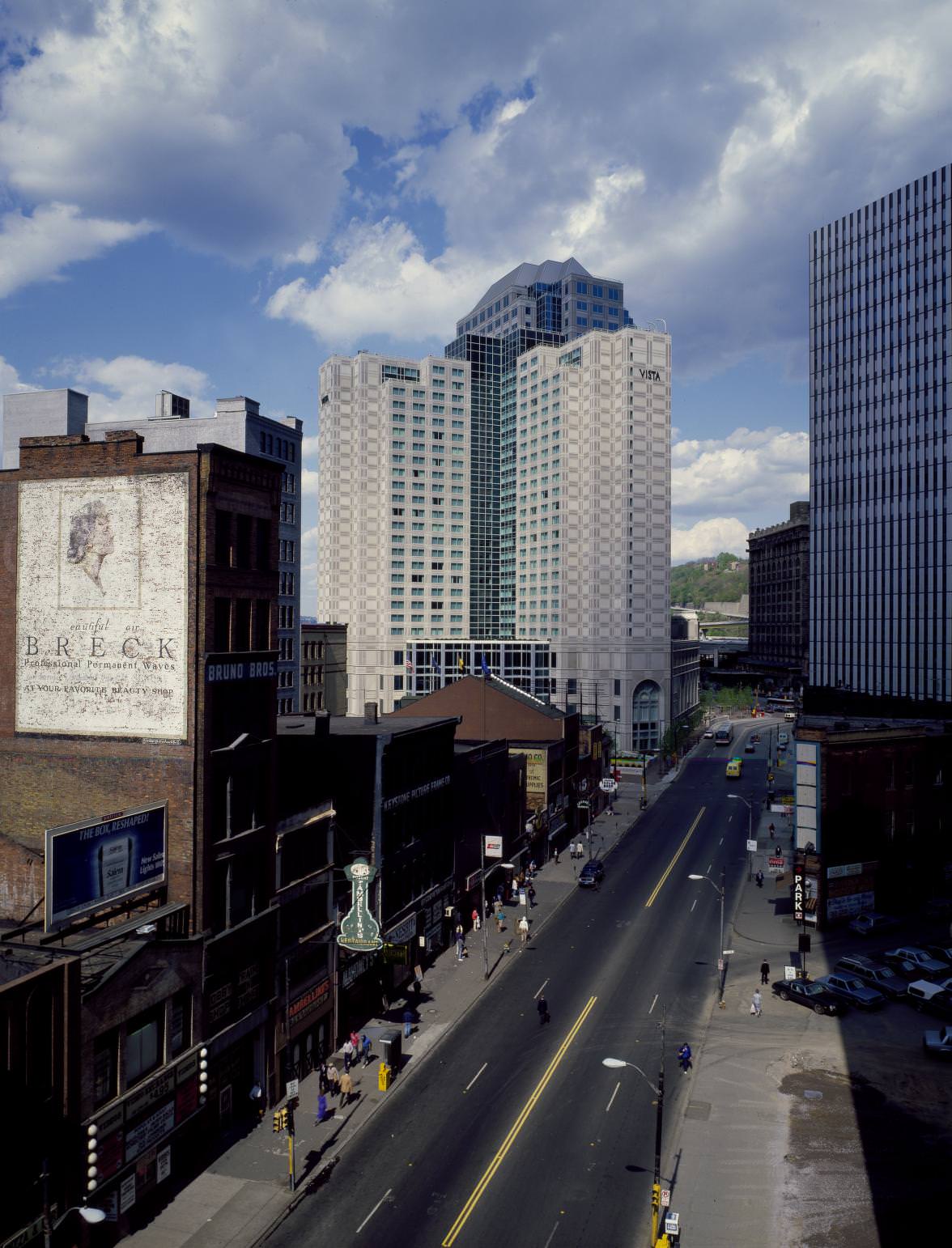
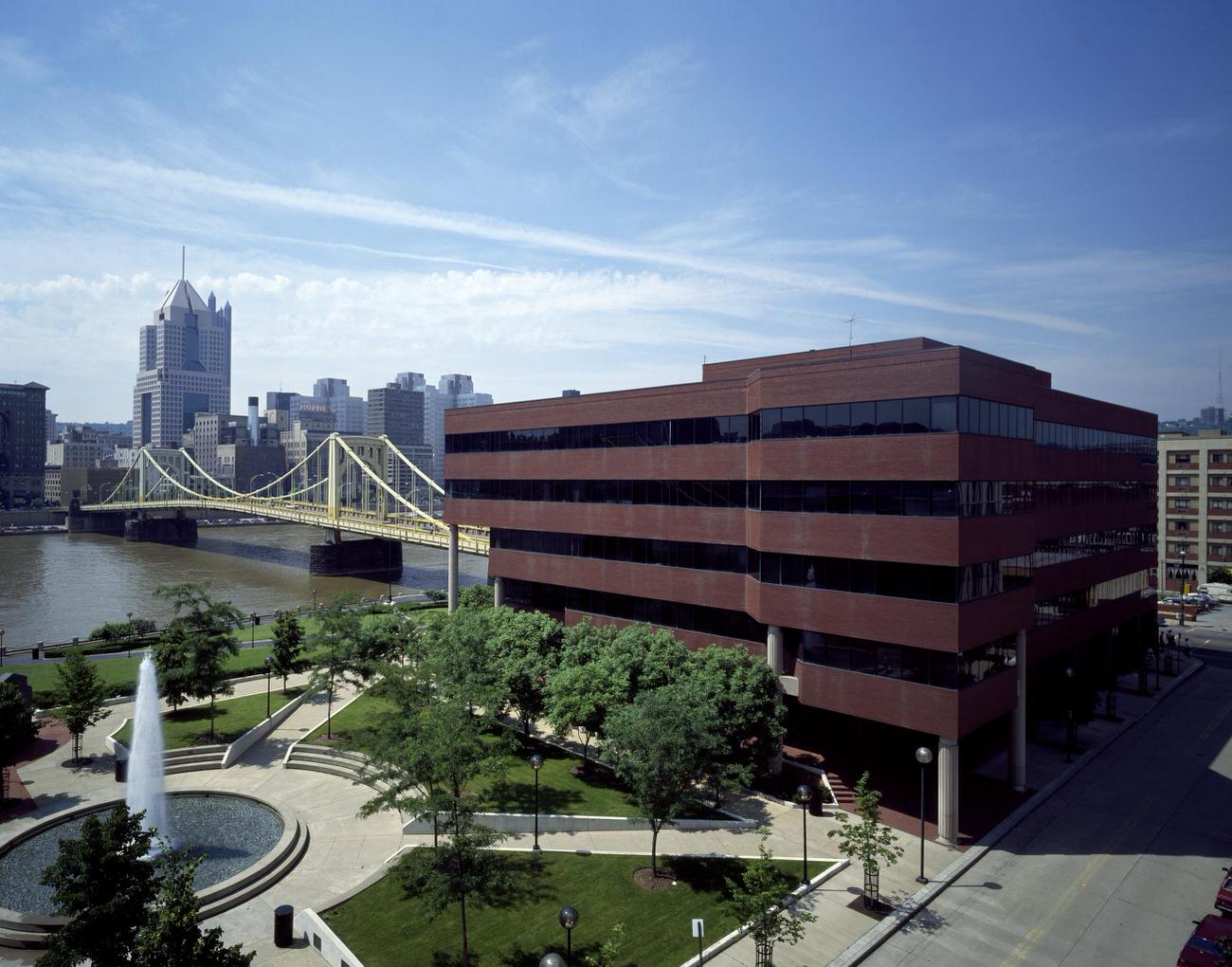
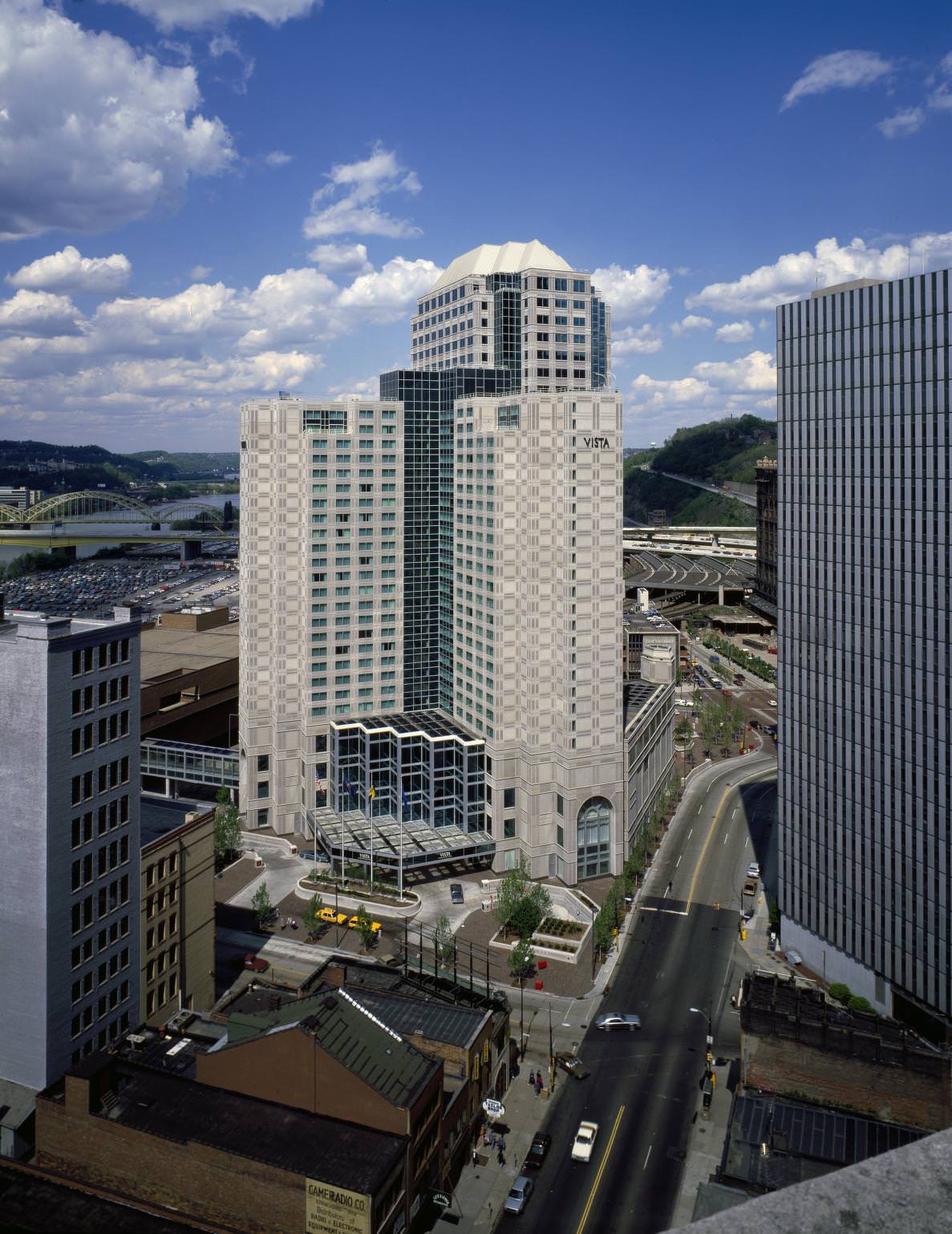
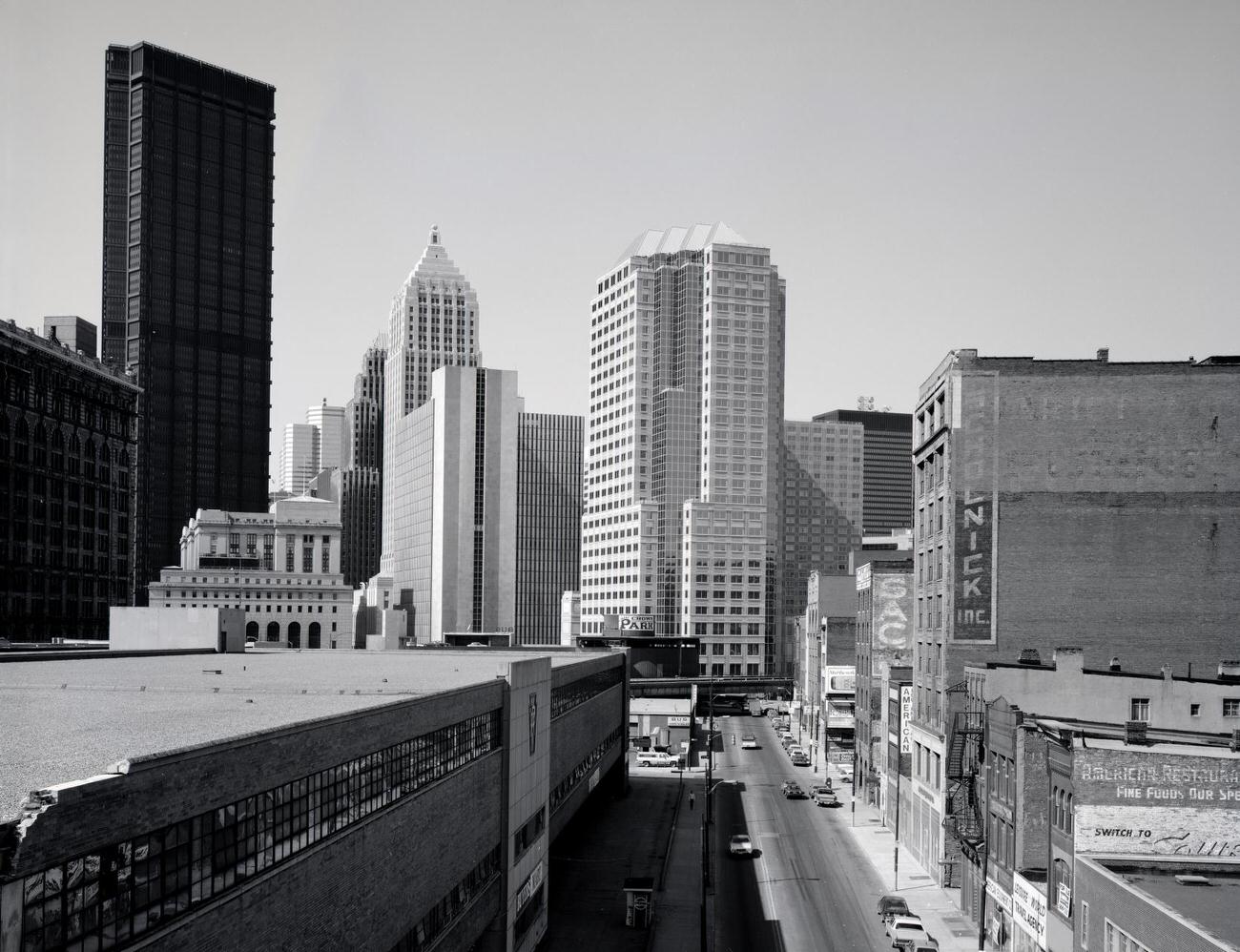
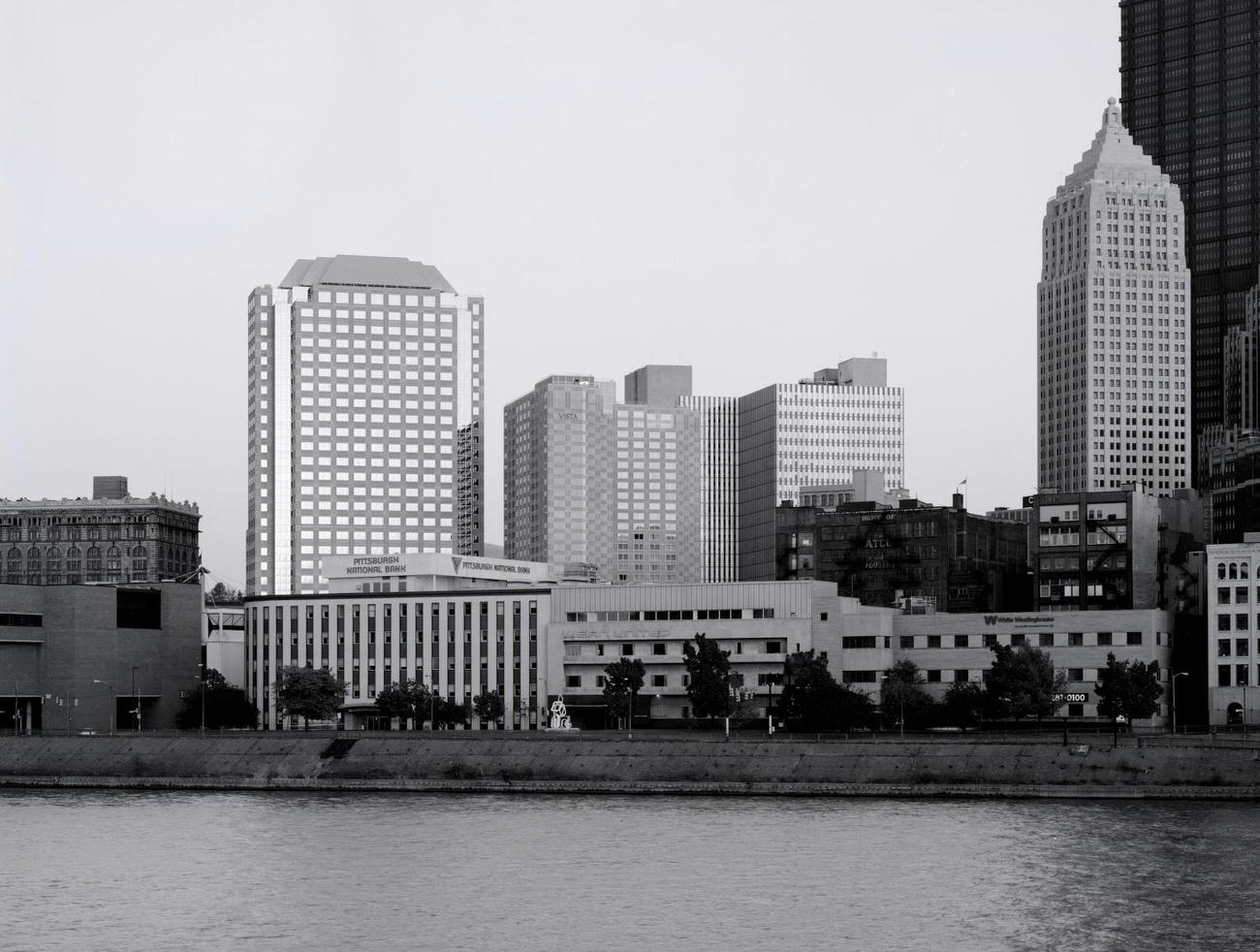
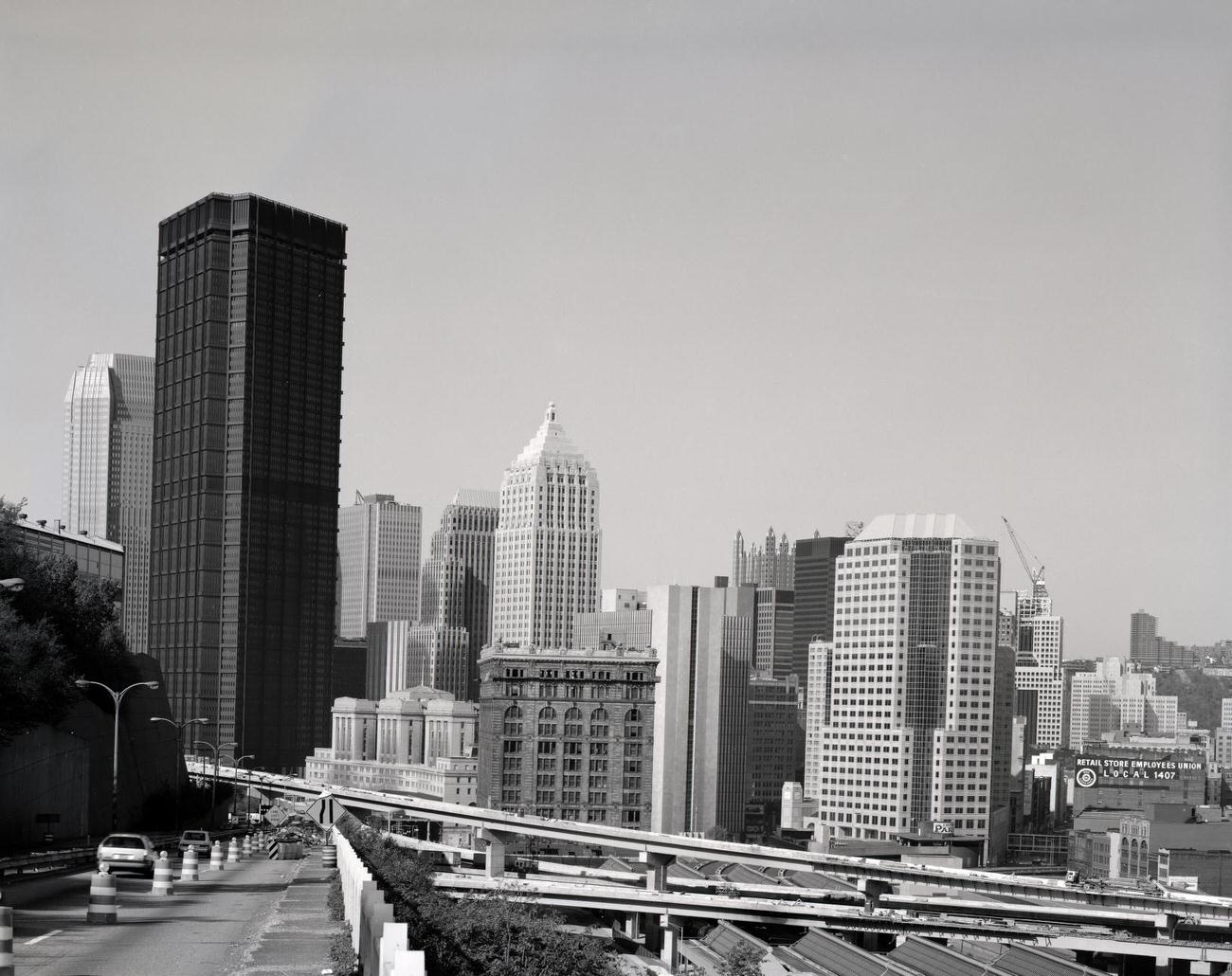
During the 1980s, Pittsburgh also made efforts to revitalize its downtown area. The city wanted to attract businesses, tourists, and residents back to the heart of Pittsburgh. One of the key projects was the construction of the Pittsburgh Cultural District.
The Pittsburgh Cultural District, located in the downtown area, became home to theaters, galleries, and restaurants. The Benedum Center for the Performing Arts, a major part of the Cultural District, opened in 1987. This theater hosted various performances, including Broadway shows, concerts, and ballet. The revitalization of downtown Pittsburgh helped breathe new life into the city and boosted the local economy.
Sports and Entertainment
Sports were a big part of life in Pittsburgh during the 1980s. The city’s professional sports teams, the Pittsburgh Steelers, the Pittsburgh Pirates, and the Pittsburgh Penguins, had a significant impact on the community.
The Pittsburgh Steelers, the city’s NFL team, had a strong presence in the 1980s. Although they did not win any Super Bowl titles during this decade, the team remained competitive and had a loyal fan base. Games at Three Rivers Stadium were a major event for many Pittsburgh residents.
The Pittsburgh Pirates, the city’s MLB team, also faced challenges during the 1980s. The team had some tough seasons but managed to build a strong foundation for future success. In 1987, the Pirates acquired several key players, setting the stage for their successful run in the early 1990s.
The Pittsburgh Penguins, the city’s NHL team, began to gain prominence in the 1980s. In 1984, the Penguins drafted Mario Lemieux, who would become one of the greatest hockey players of all time. Lemieux’s arrival marked the beginning of a new era for the team. By the end of the decade, the Penguins were becoming a force to be reckoned with in the NHL.
Cultural Changes
The 1980s brought significant cultural changes to Pittsburgh. The city embraced new forms of art, music, and entertainment. This decade saw the rise of local bands and artists who contributed to the city’s vibrant cultural scene.
Pittsburgh also became known for its diverse culinary offerings. The city’s food scene began to evolve, with new restaurants and eateries opening up. These establishments offered a wide range of cuisines, reflecting the city’s growing diversity. Food festivals and events became popular, allowing residents to explore different tastes and flavors.
Neighborhood Development
During the 1980s, many Pittsburgh neighborhoods underwent significant changes. Areas like the South Side, Shadyside, and the Strip District saw new developments and improvements.
The South Side, known for its historic buildings and industrial past, began to transform into a vibrant residential and commercial area. Old factories and warehouses were converted into lofts, apartments, and shops. The neighborhood became a popular destination for young professionals and artists.
Shadyside, a neighborhood known for its beautiful homes and tree-lined streets, saw an increase in retail and dining options. Walnut Street, the main commercial strip, became a hub for shopping and entertainment. Boutique stores, cafes, and restaurants attracted both locals and visitors.
The Strip District, historically a center for wholesale produce and goods, began to evolve as well. The area maintained its market vibe but also saw the addition of new restaurants, shops, and nightclubs. The Strip District became a popular spot for both day and night activities.
Education and Research
Education and research played a crucial role in Pittsburgh’s transformation during the 1980s. The city invested in its educational institutions to drive innovation and economic growth.
The University of Pittsburgh and Carnegie Mellon University continued to expand their programs and facilities. These institutions attracted students and researchers from around the world. The research conducted at these universities contributed to advancements in technology, healthcare, and various other fields.
In addition to higher education, Pittsburgh also focused on improving its public schools. Efforts were made to enhance the quality of education and provide better resources for students. These initiatives aimed to prepare the younger generation for future opportunities and challenges.
Transportation and Infrastructure
The 1980s saw several improvements in Pittsburgh’s transportation and infrastructure. The city worked on projects to enhance its roads, bridges, and public transit system.
One significant project was the construction of the Port Authority Transit (PAT) light rail system, also known as the “T.” This system provided residents with a reliable and efficient way to travel within the city and surrounding areas. The light rail helped reduce traffic congestion and made commuting easier for many Pittsburghers.
Environmental Initiatives
In the 1980s, Pittsburgh began to pay more attention to environmental issues. The city took steps to improve air and water quality, which had been affected by years of industrial activity.
Efforts were made to reduce pollution and promote cleaner energy sources. The city also worked on cleaning up the rivers, making them safer for recreational activities like boating and fishing. Parks and green spaces were developed and maintained to provide residents with areas for outdoor activities and relaxation.
The Pittsburgh Zoo & PPG Aquarium, located in Highland Park, also made strides in conservation and education. The zoo expanded its exhibits and programs, focusing on wildlife preservation and environmental awareness.
Health and Medicine
Healthcare became a significant focus for Pittsburgh in the 1980s. The city invested in medical research and facilities to improve health outcomes for its residents.
The University of Pittsburgh Medical Center (UPMC) grew into a leading healthcare provider and research institution. UPMC’s hospitals and clinics offered advanced medical care and treatment options. Research conducted at UPMC contributed to advancements in medicine and healthcare practices.
Pittsburgh also saw the development of new medical technologies and innovations. These advancements helped improve patient care and outcomes, making the city a hub for healthcare excellence.
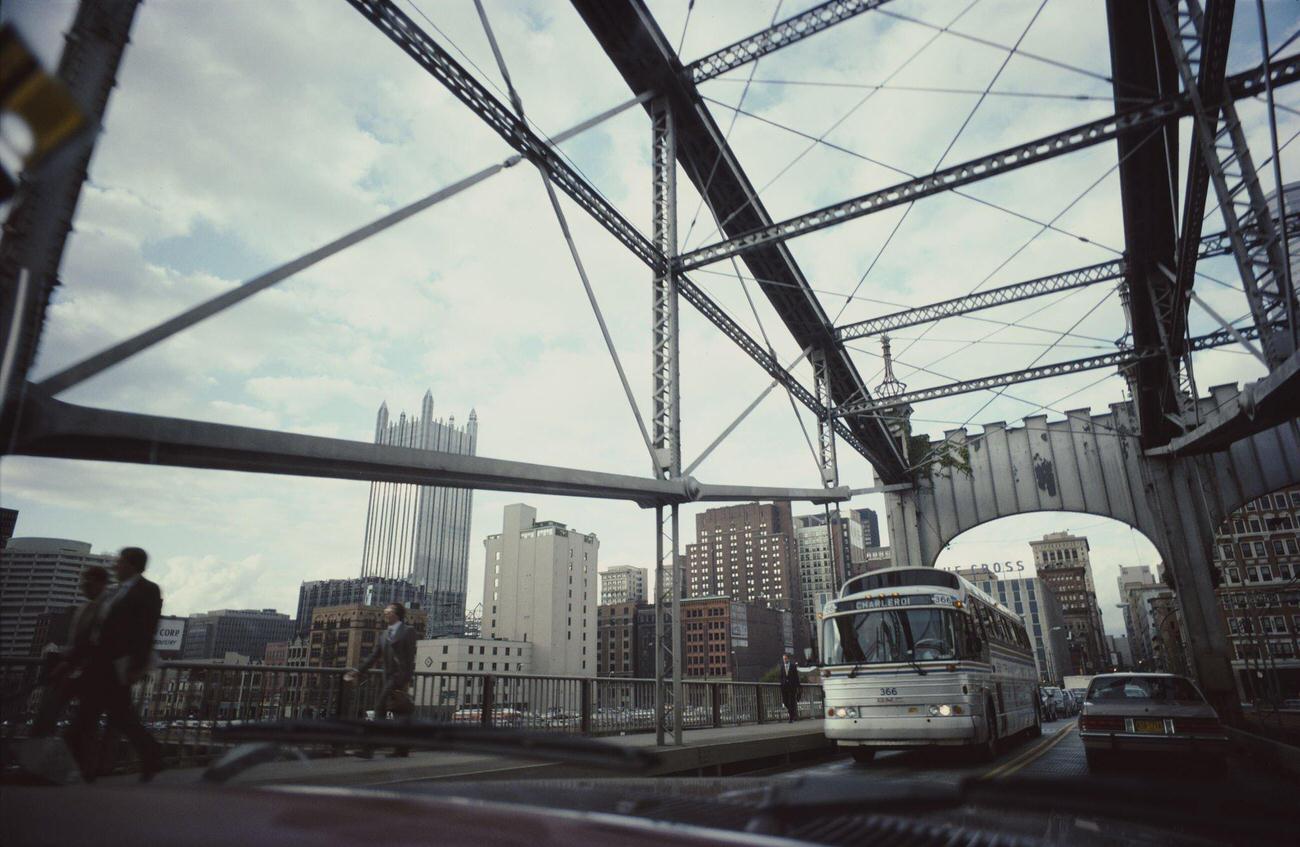
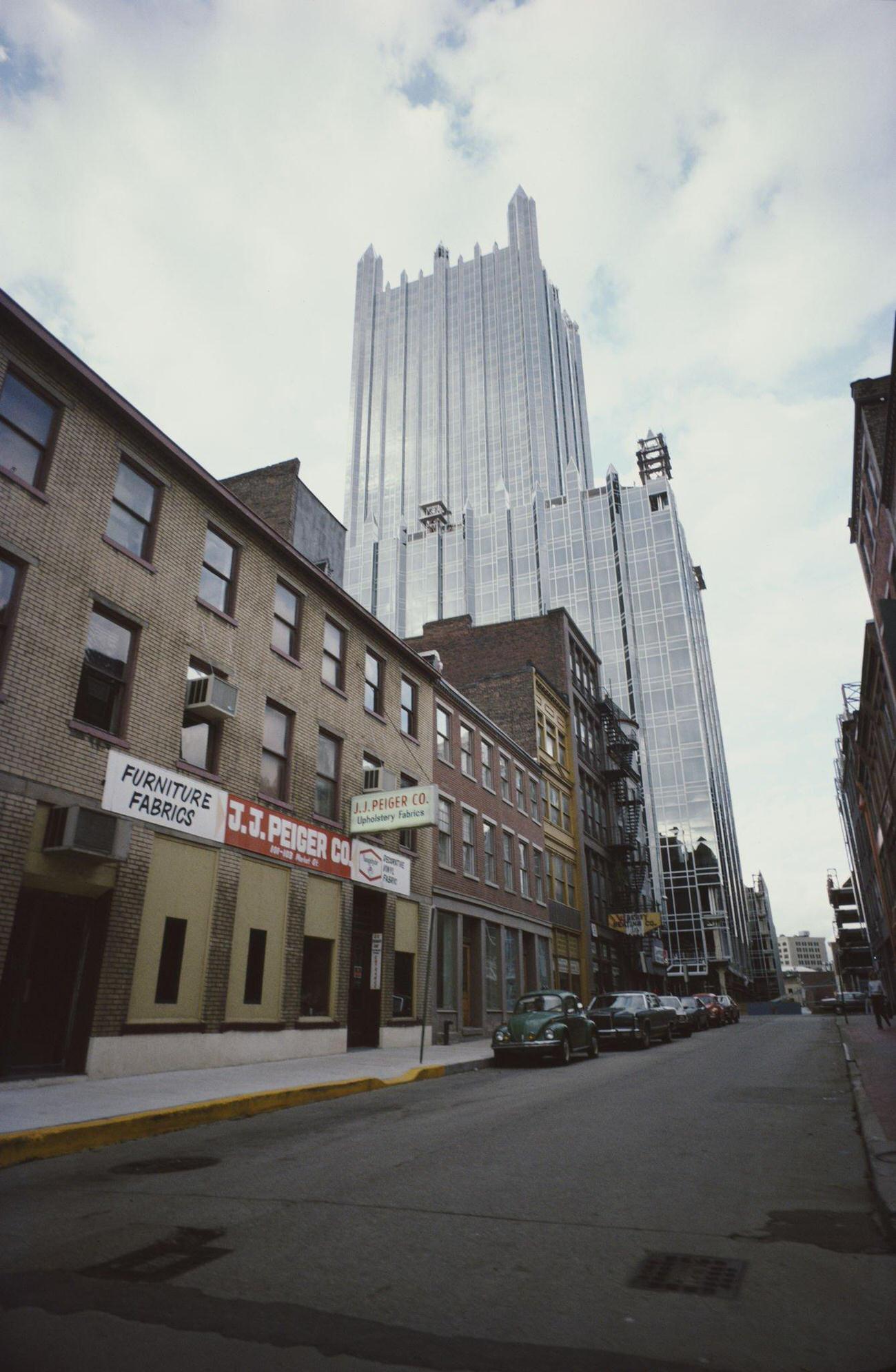
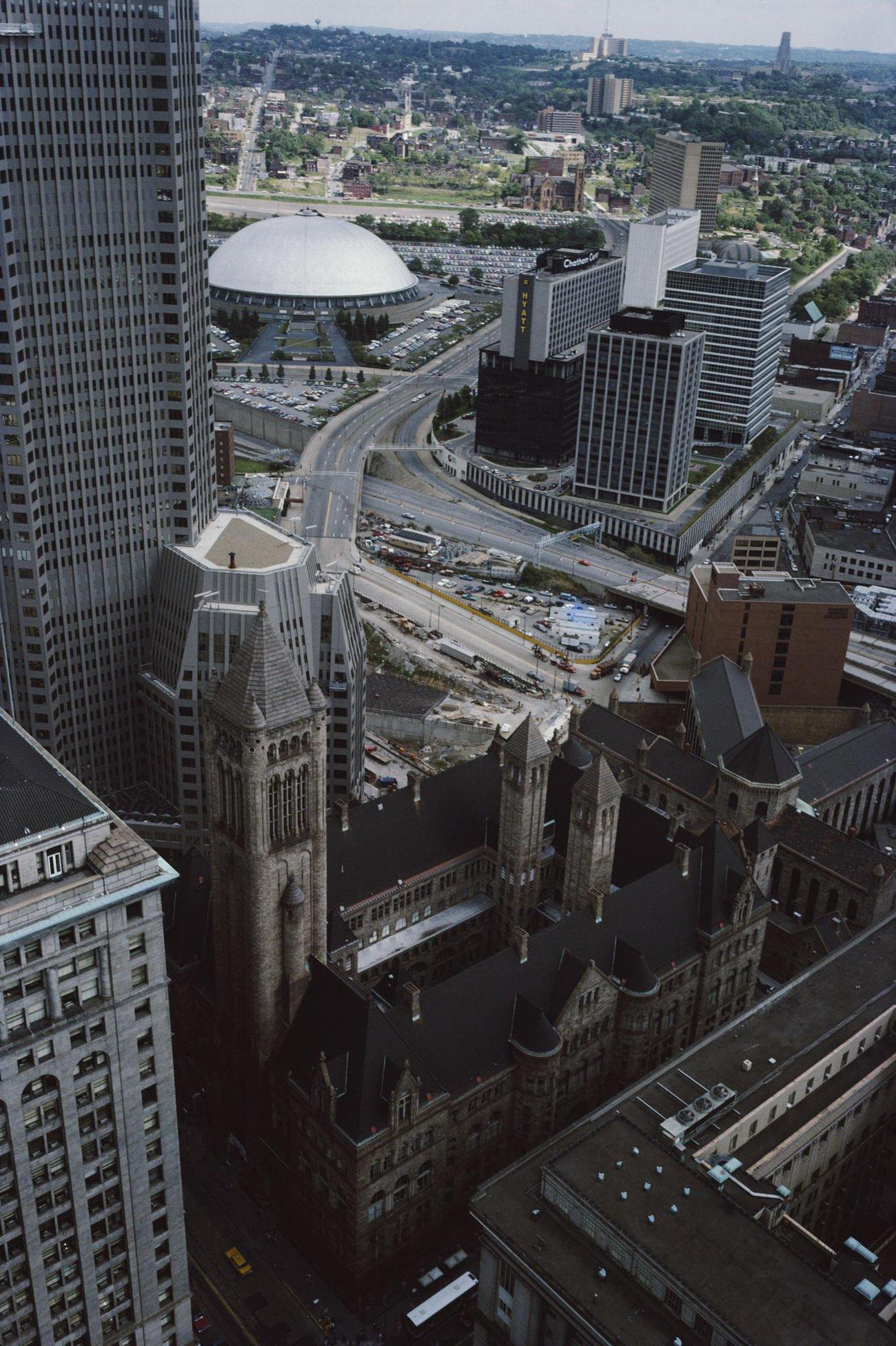
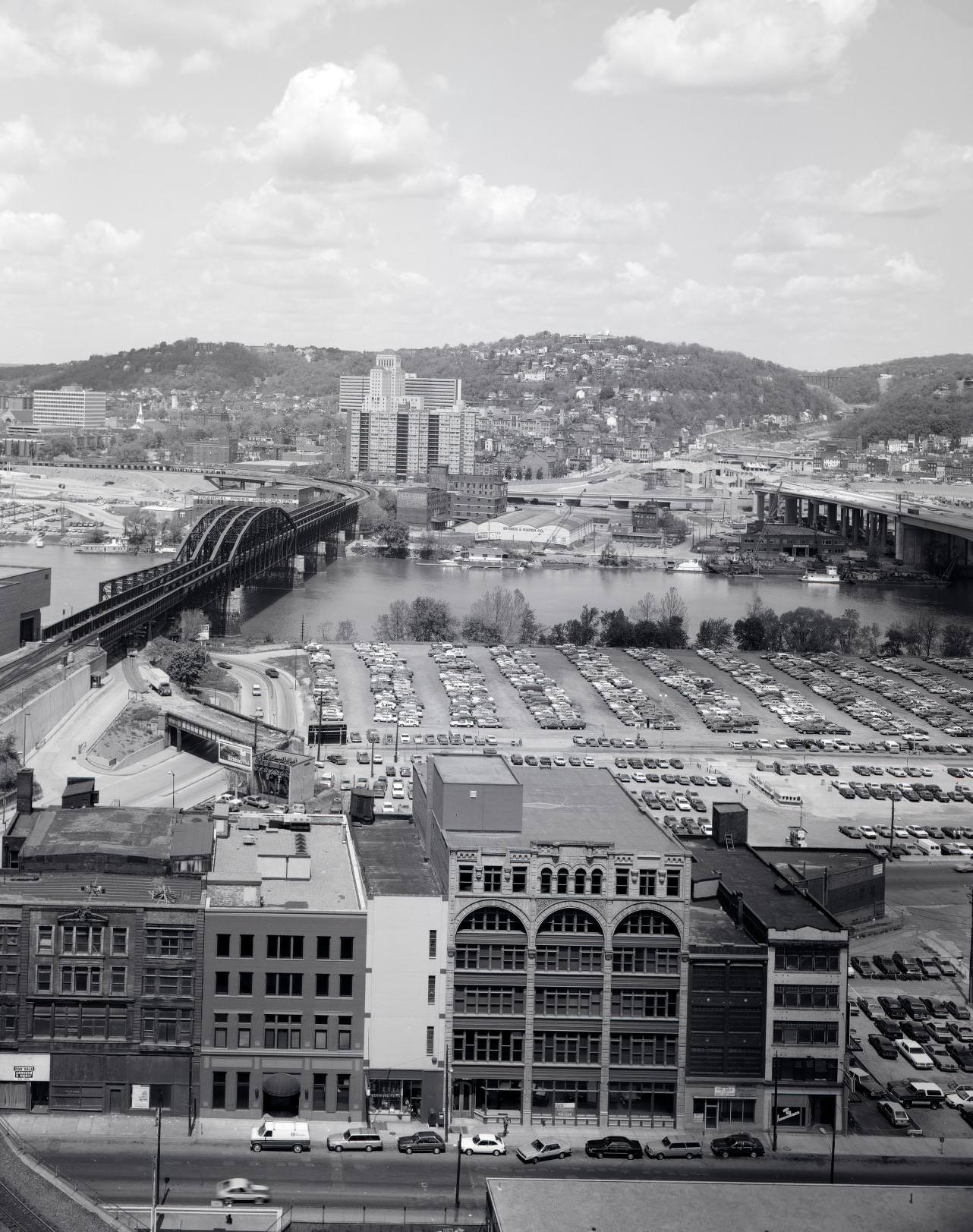

I would give up a kidney to see what Pittsburgh was like before the collapse of the steel industry. DM me if you need a kidney and have a Time Machine.
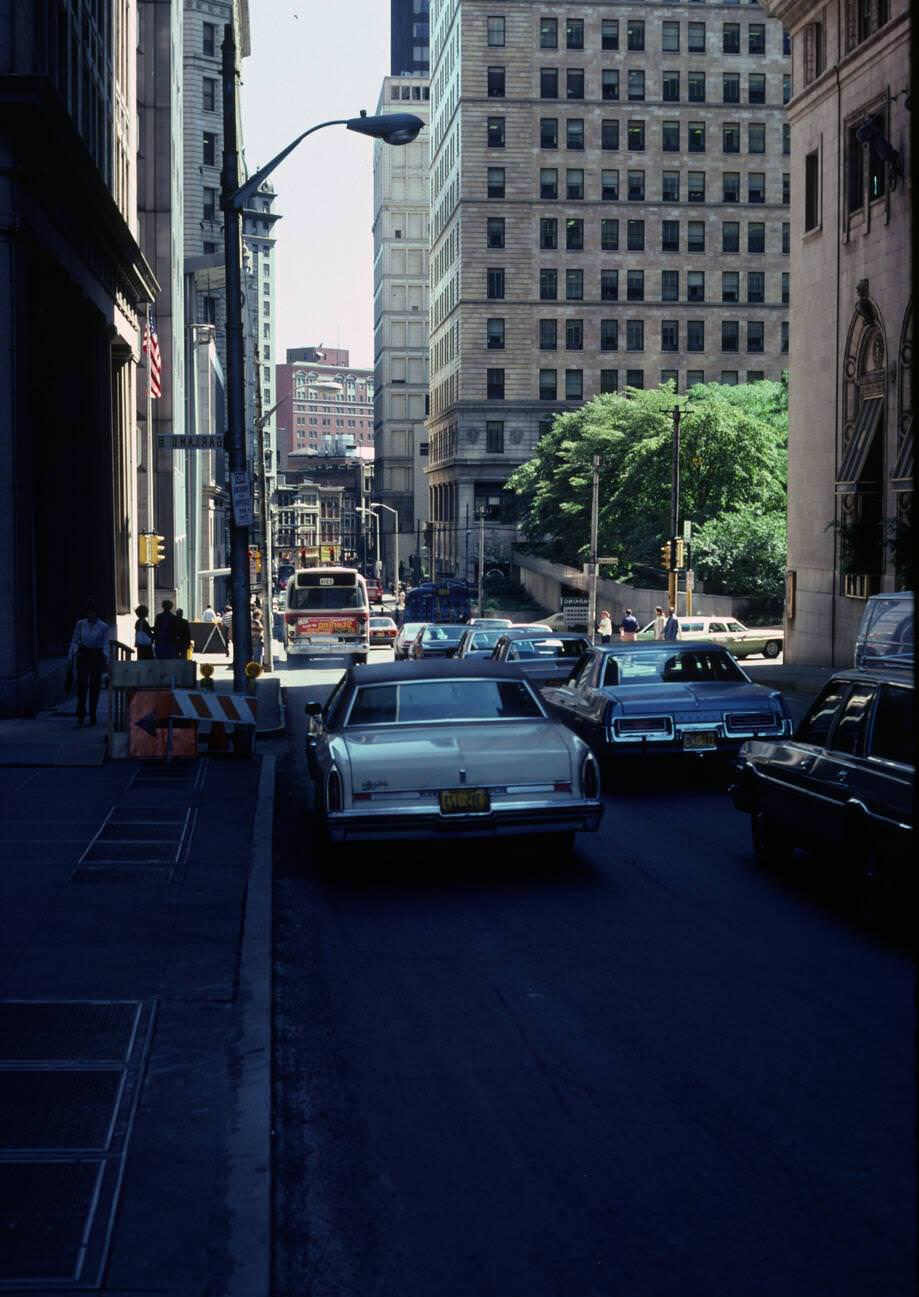
Used to love those buses with the rear window. It was fun to sit back there and watch out the back window.
At the bottom of that is a link to “pittsburgh in the ’90s” with a picture of The Decade. Ah, memories. Too much of that page natters on about the Pitt Stadium and its destruction. What, no pictures of the ’90s-era destruction of the vermin infested Skibo Hall at CMU? 🙂
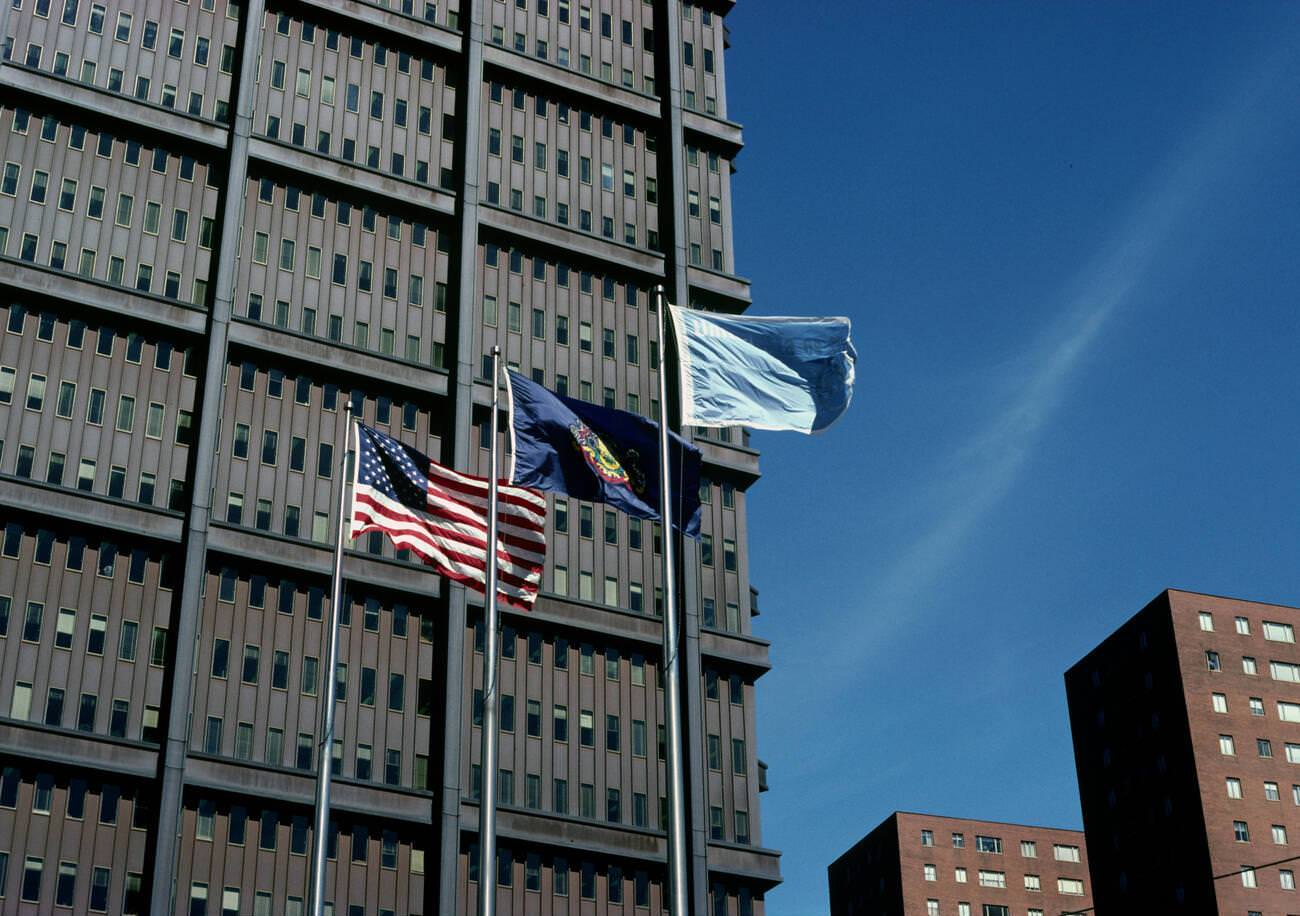
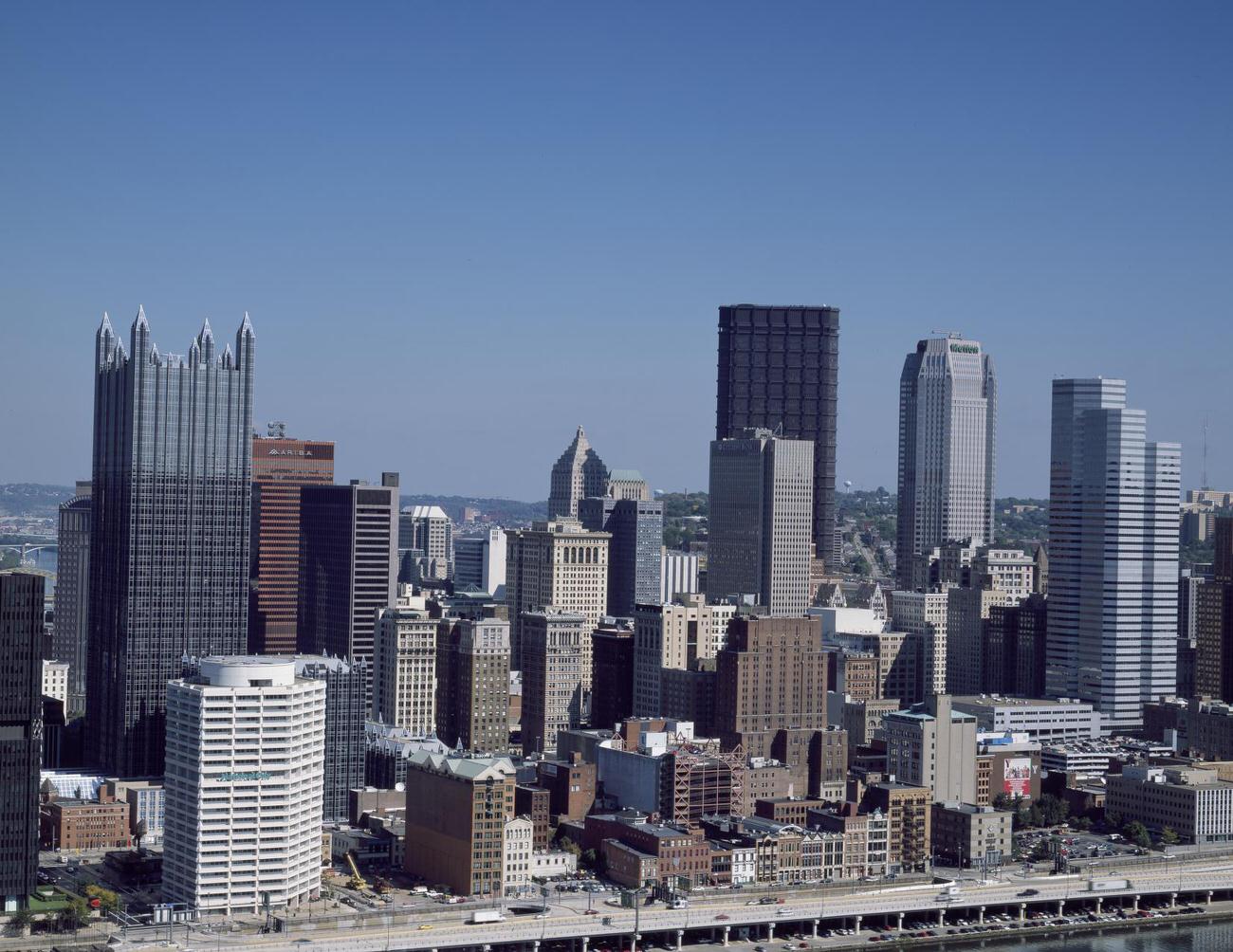
Back before UPMC ruined every photo of the Pittsburgh skyline by putting their letters on the steel building to make it into an ad.
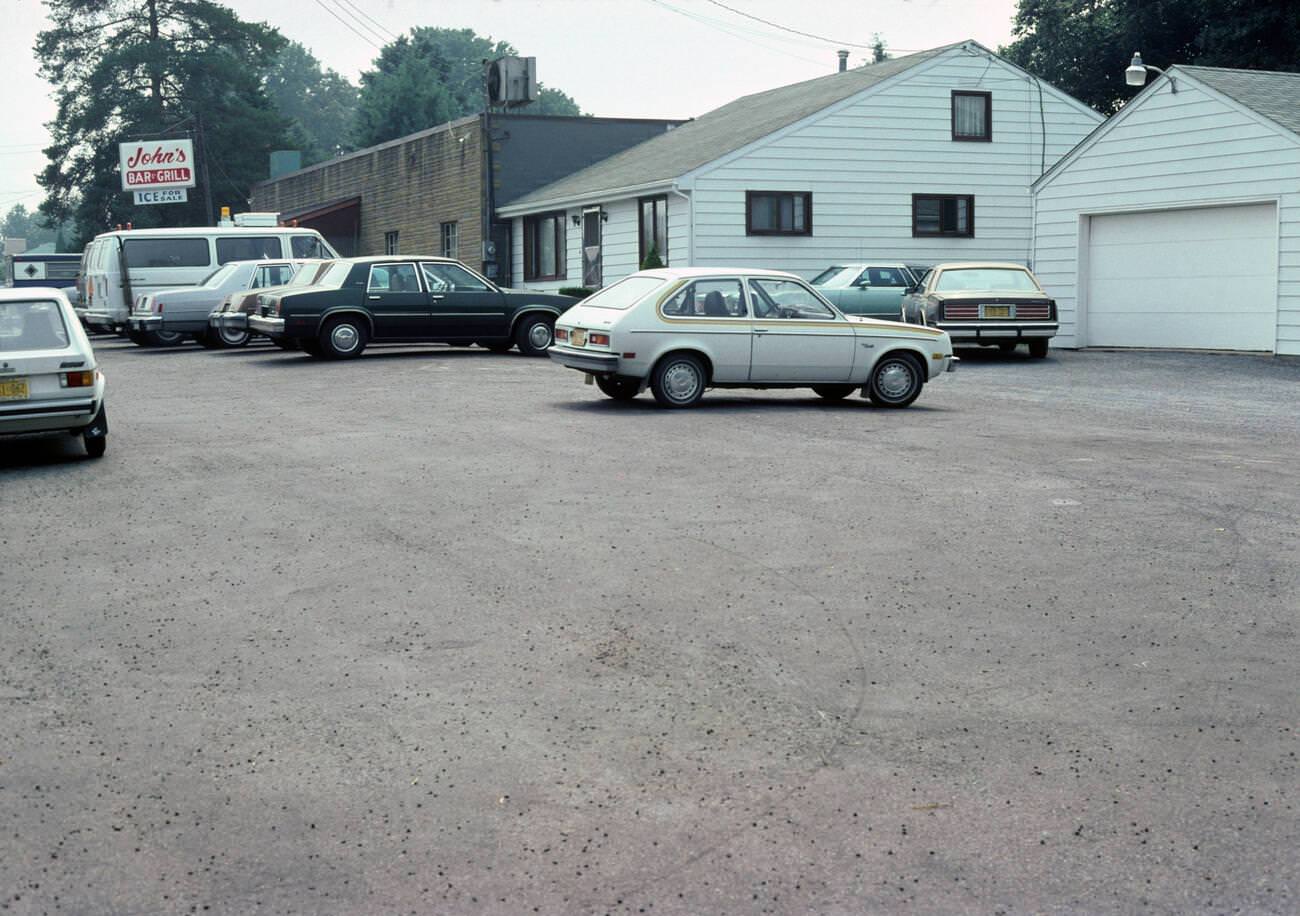
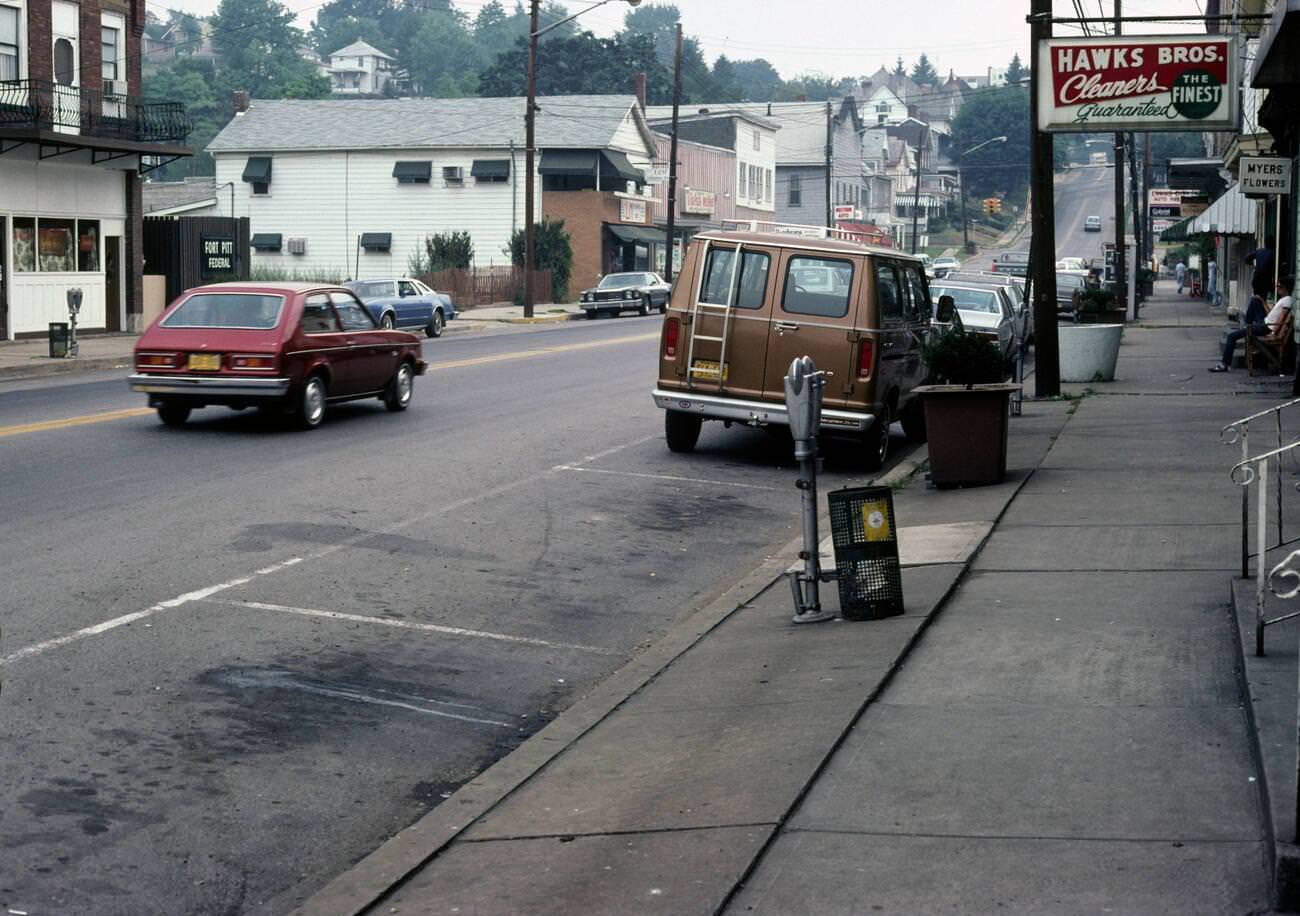
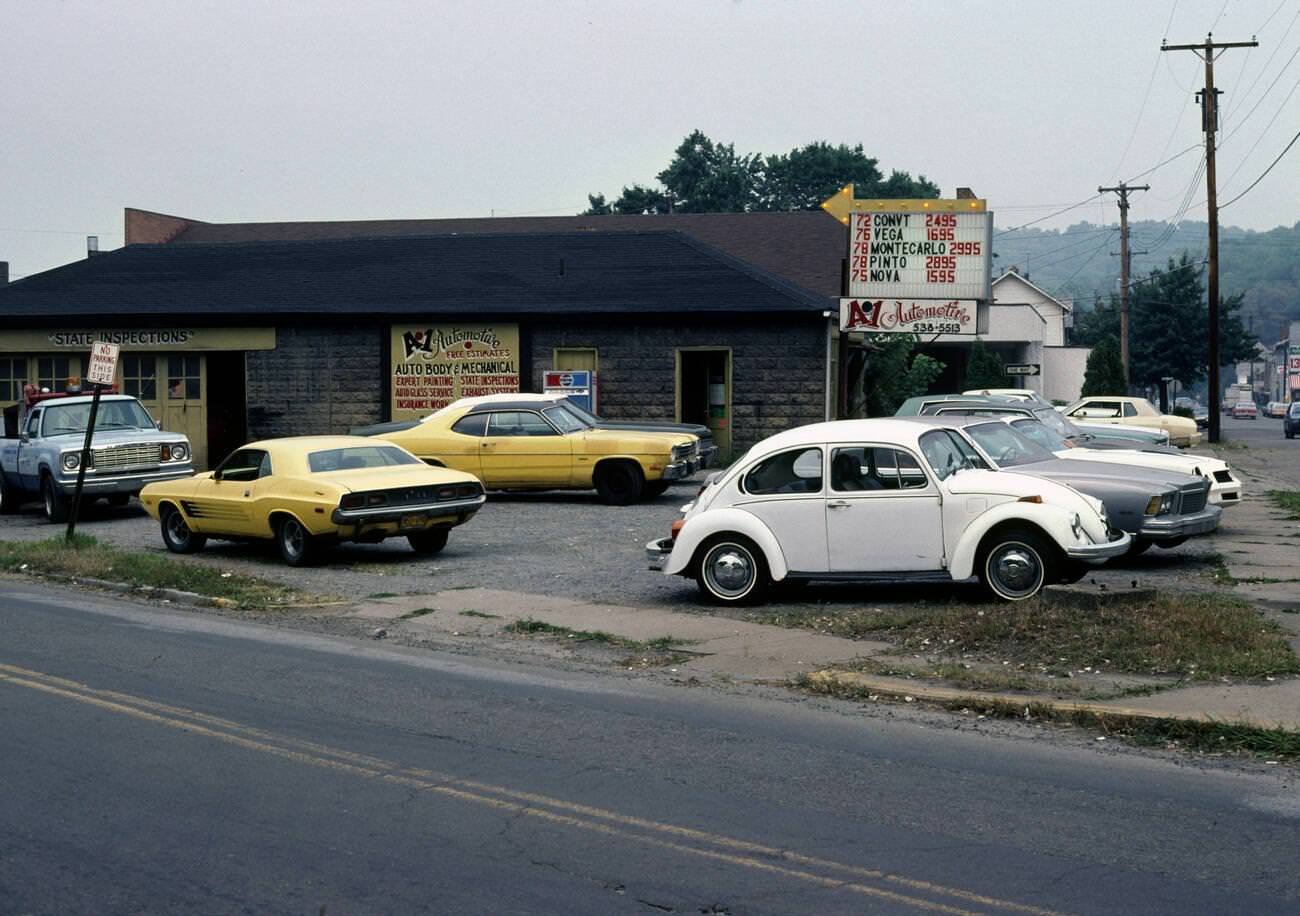
OMG, I think I spotted a Chevy Chevette in one of those pics!
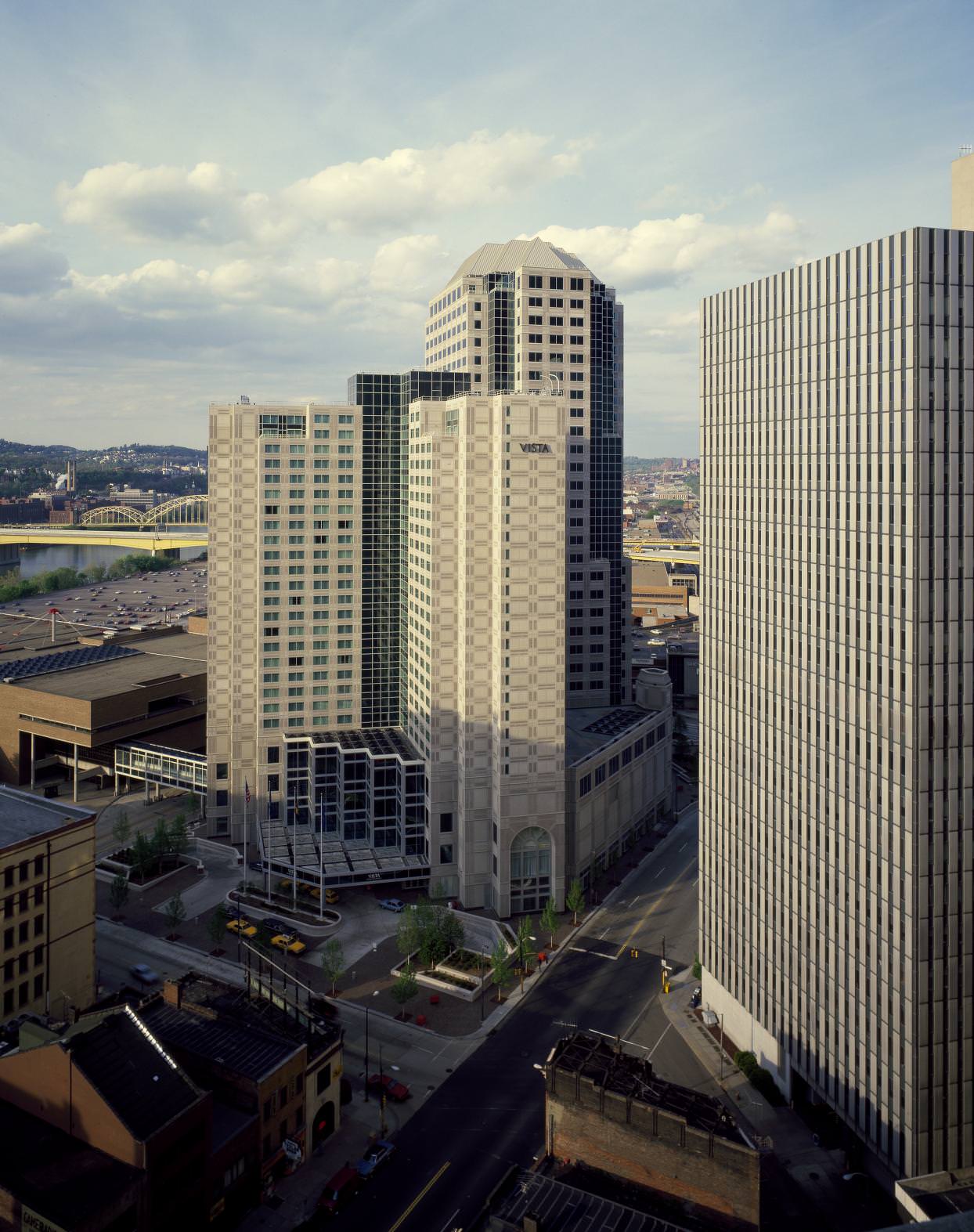
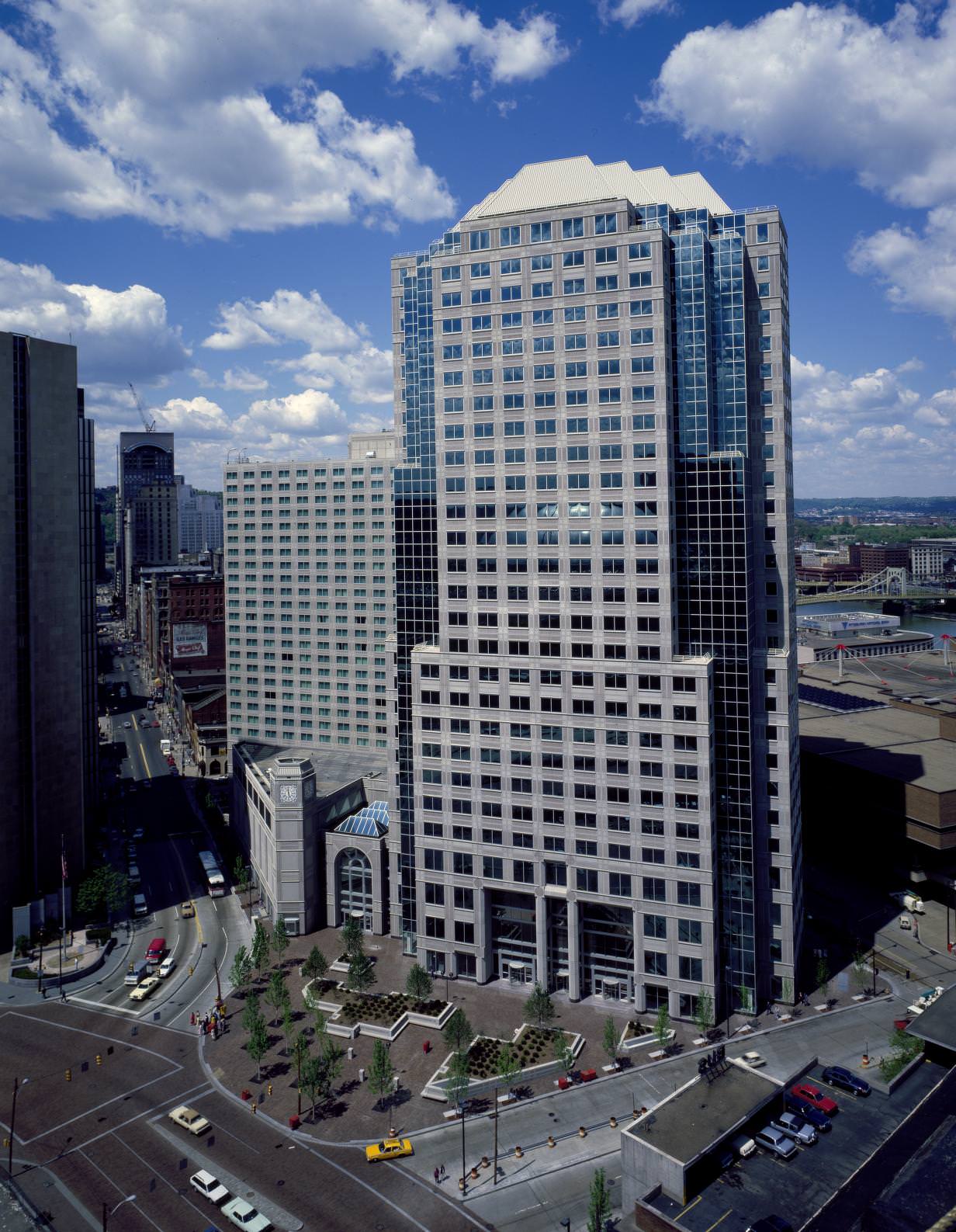
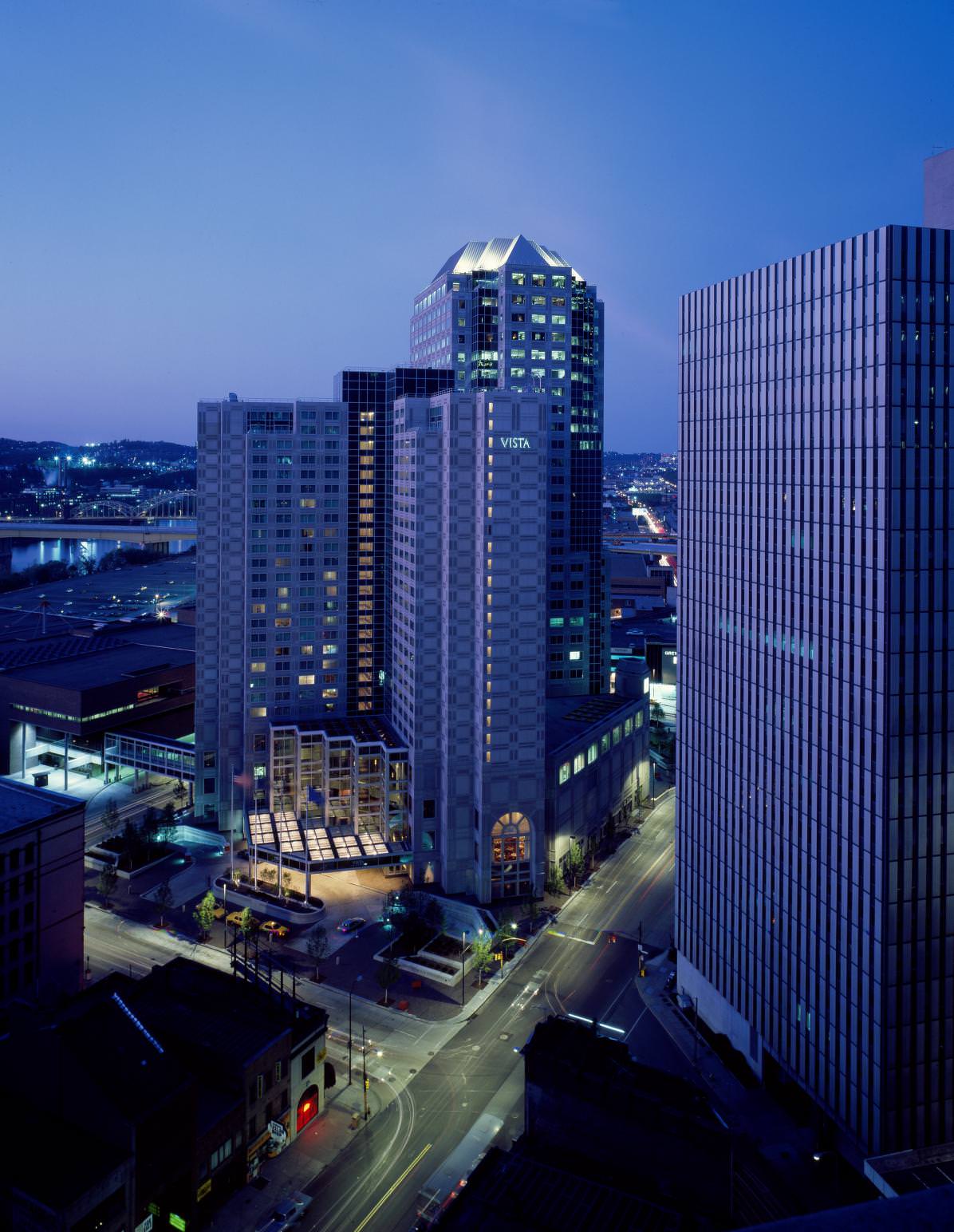
the dates are all saying 1980. Maybe just means 80s in general? There’s a few buildings that weren’t completed until after 1980 (like Fifth Avenue Place in photos #30 and #35..the Highmark building). That didn’t open until 1988).