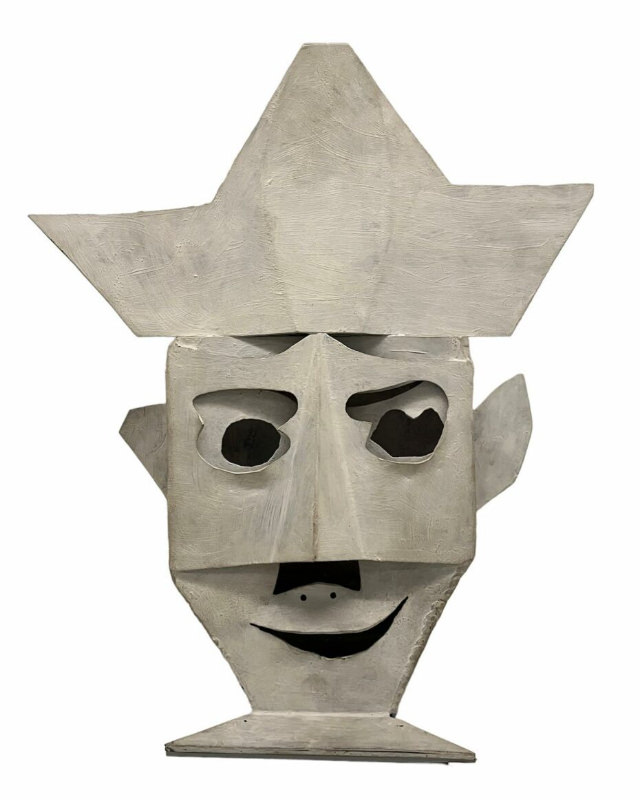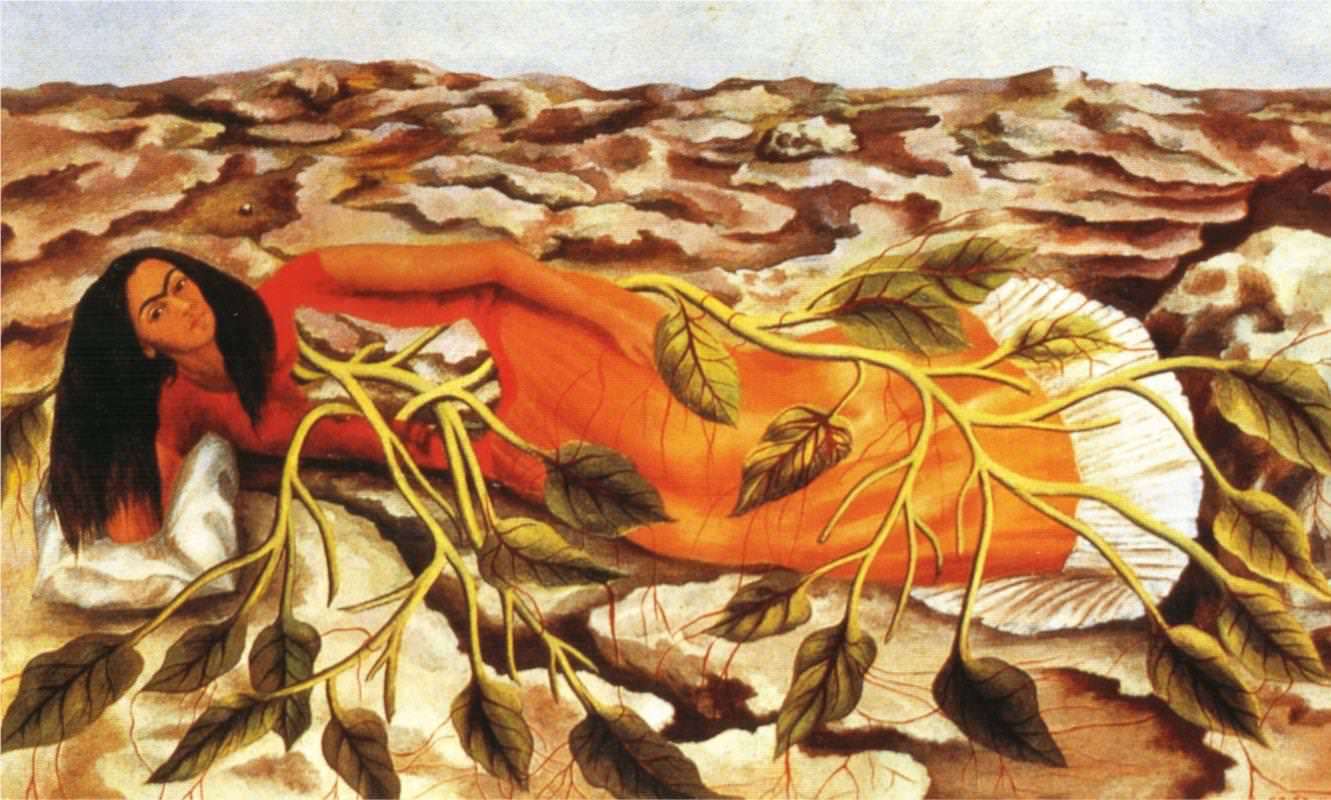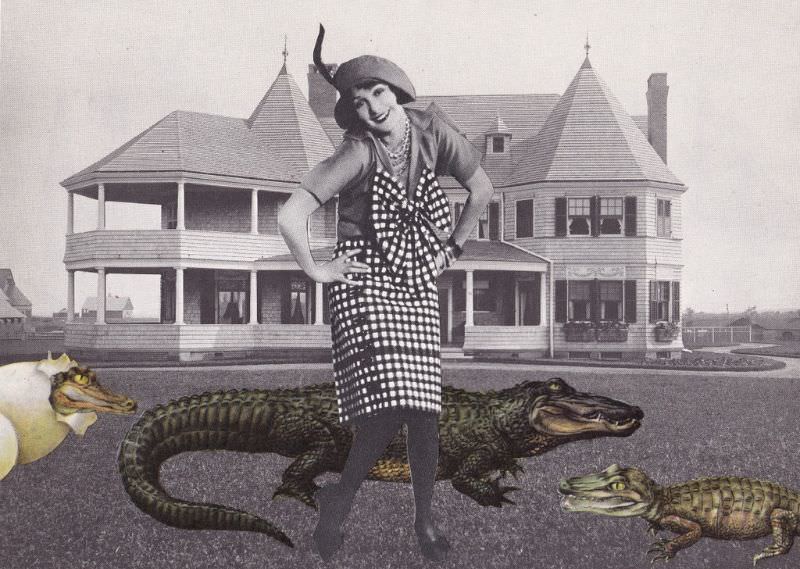
Pablo Picasso is best known for his paintings, but a quieter and rarer body of work sits at the edge of his career — one built not with a brush, but with scissors and glue. In the late 1950s and early 1960s, Picasso produced a series of cut-paper collages known as papiers découpés. These works involved cutting shapes from paper and arranging them on a flat surface to form a complete composition. They were small in scale but large in ambition, pushing boundaries that even Picasso himself had helped set decades earlier.
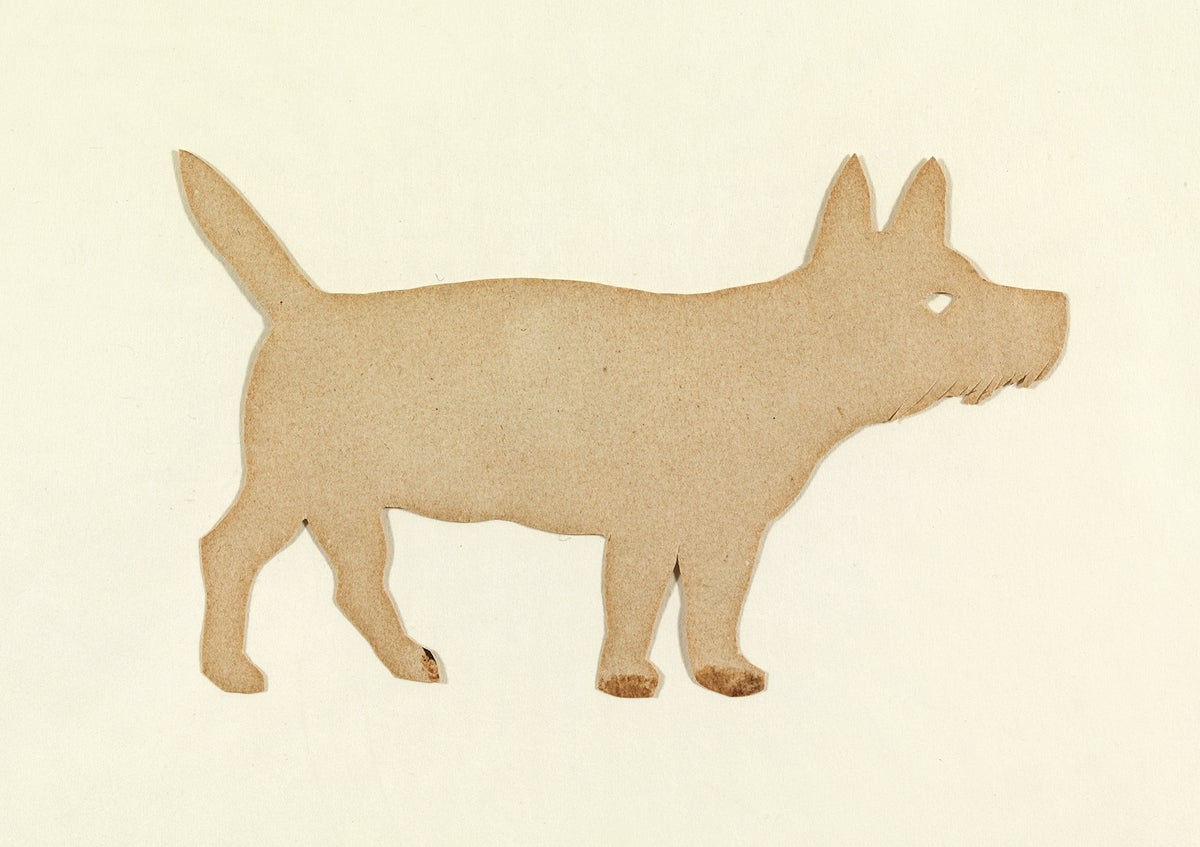
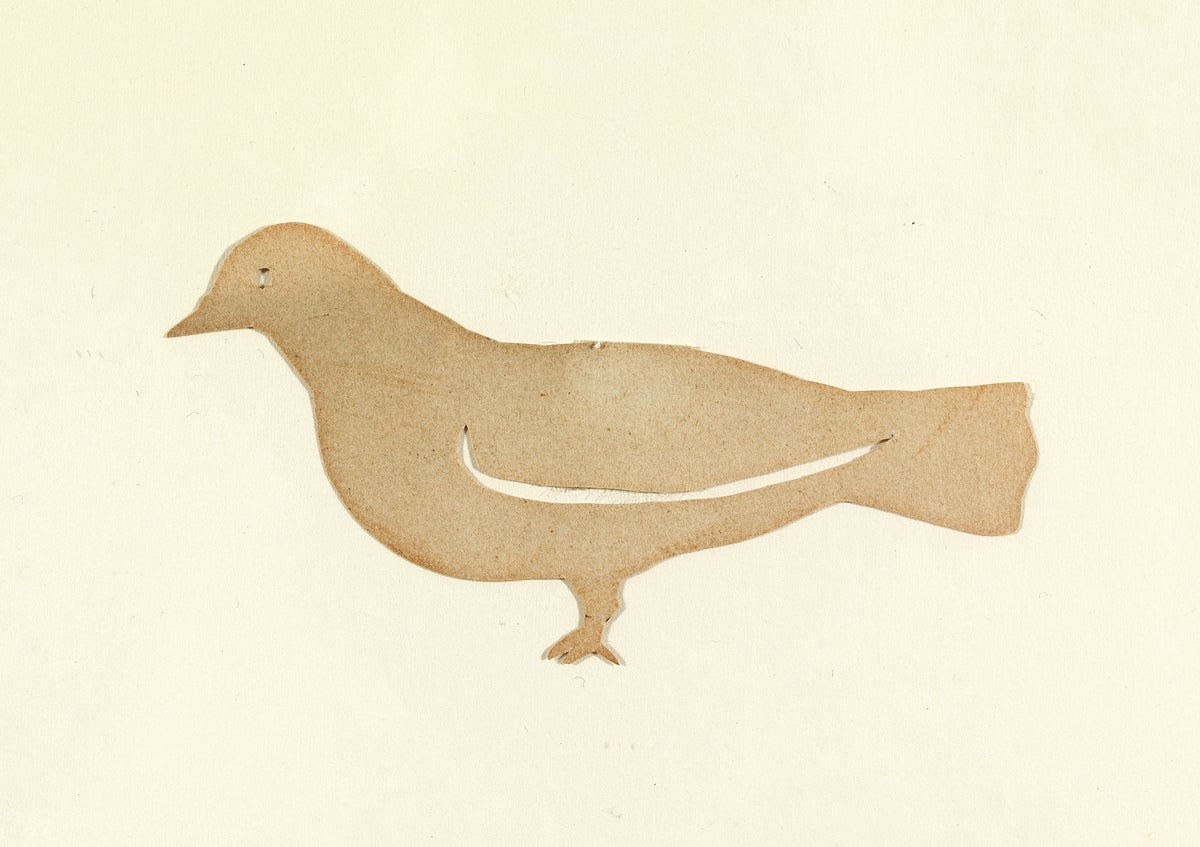
The raw materials were often pulled straight from everyday life. Picasso cut shapes from newspapers, magazines, and other printed materials. These scraps of the modern world were then reassembled into something entirely new. Rather than representing objects realistically, he broke them down into flat, simplified forms that only suggested what they depicted. A figure, a face, a bird — all reduced to their most basic shapes.
Color in these works is bold and unmodulated. There are no gradients, no shading, no blending of tones. Each cut piece holds its own flat color, and when placed against another, the contrast does the work. This directness gives the papiers découpés an almost graphic quality — closer to a poster or a printed design than a traditional fine-art composition. That was part of the point.
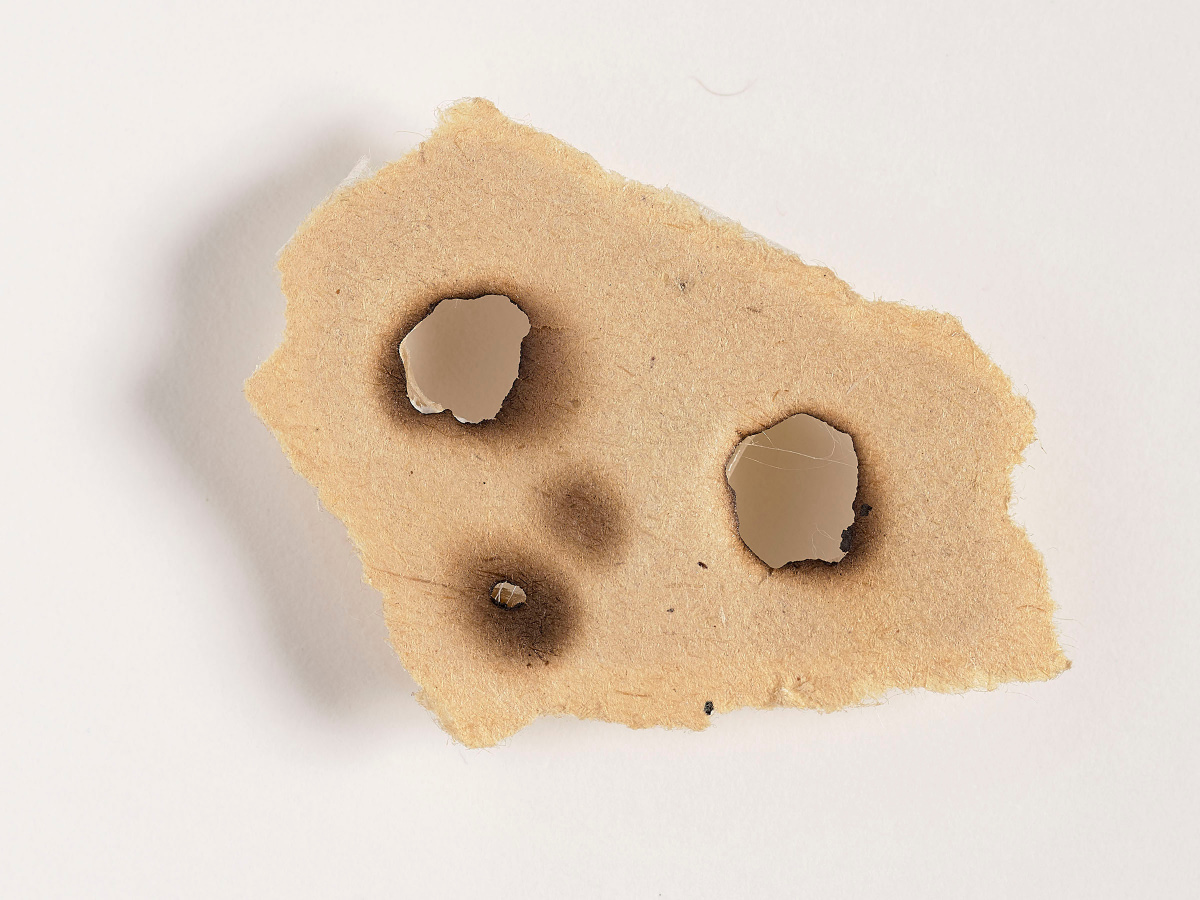
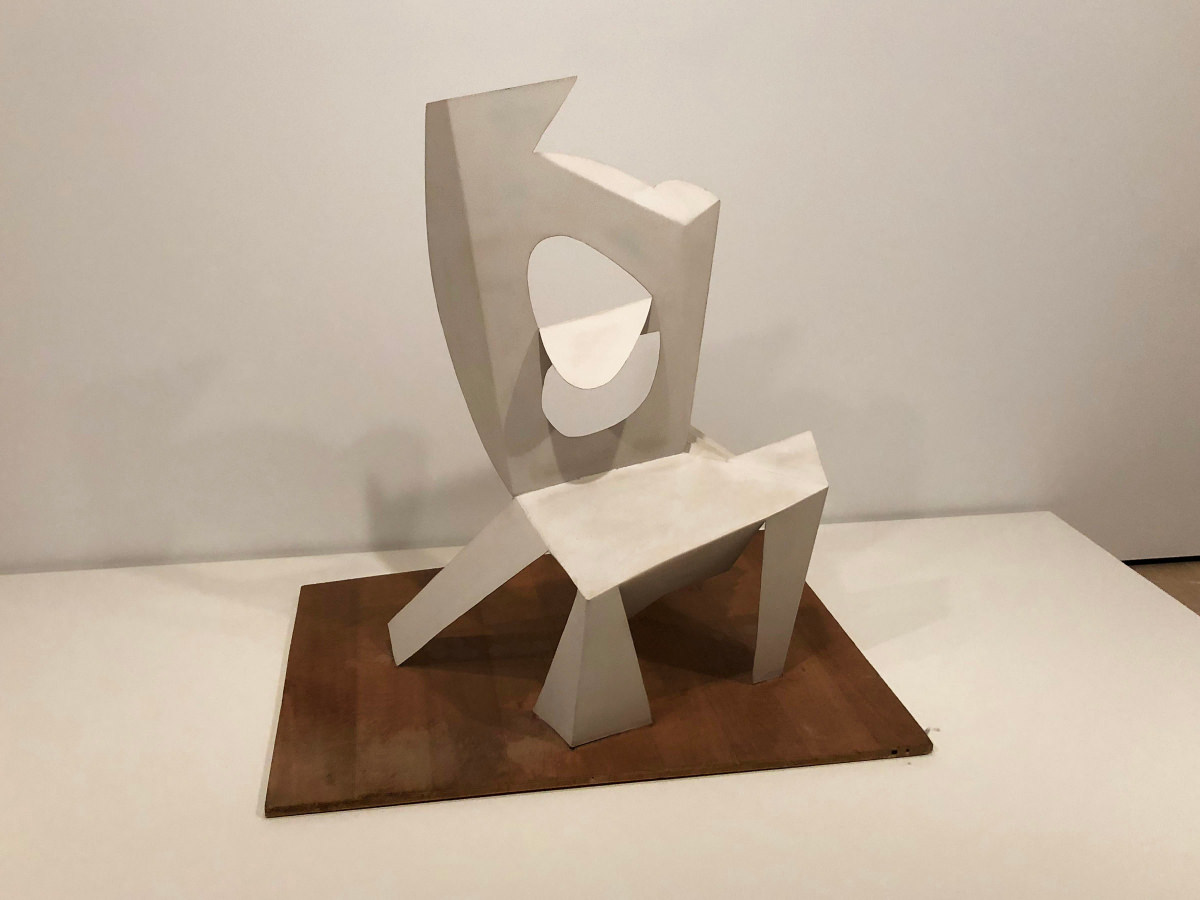
The influence of Cubism runs through all of these pieces. Picasso had co-founded the Cubist movement in the early 20th century alongside Georges Braque, and its core idea — that objects can be shown from multiple angles at once — never left his work. In the cut-paper collages, that thinking translates into layered, fragmented forms where the viewer’s eye must do some of the assembling. The image is never handed over completely.
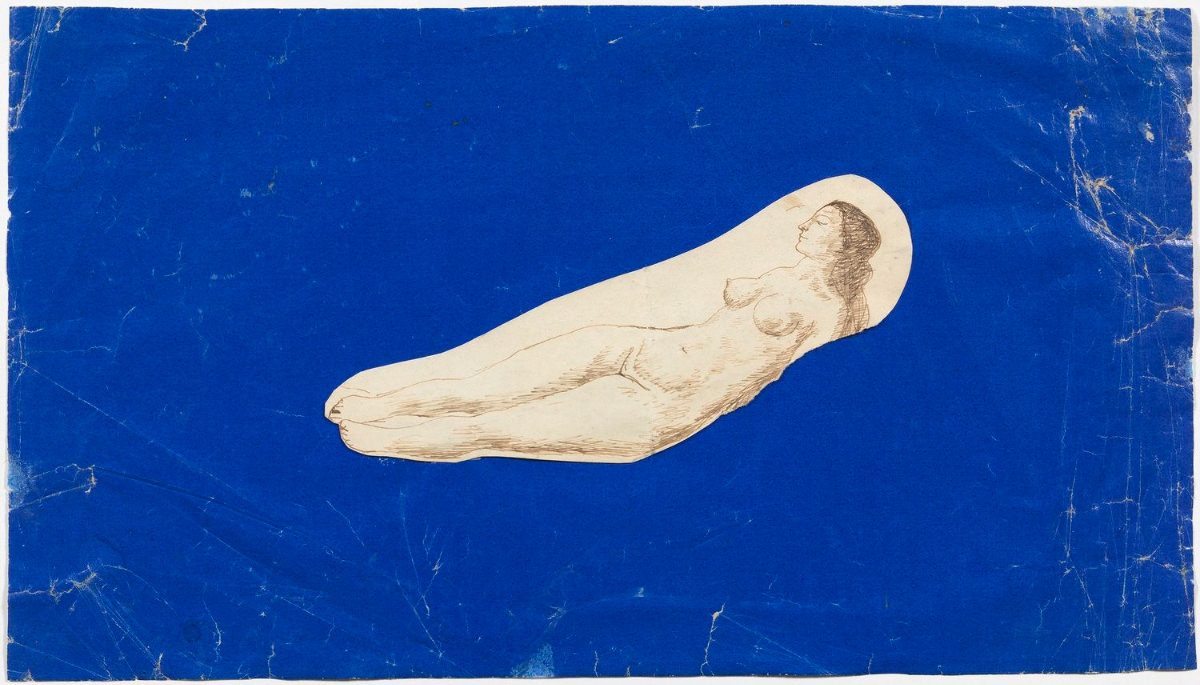
One of the most striking features of the papiers découpés is the relationship between positive and negative space. Where a piece of paper is placed matters just as much as where it is not. The bare surface beneath and around the cut shapes becomes part of the composition. Picasso treated empty space as an active element, not a background to be filled.
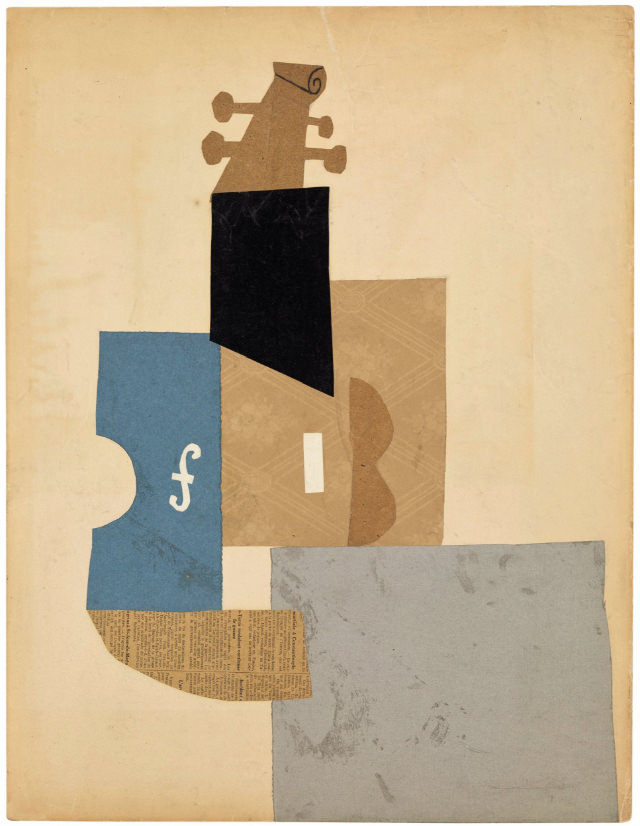
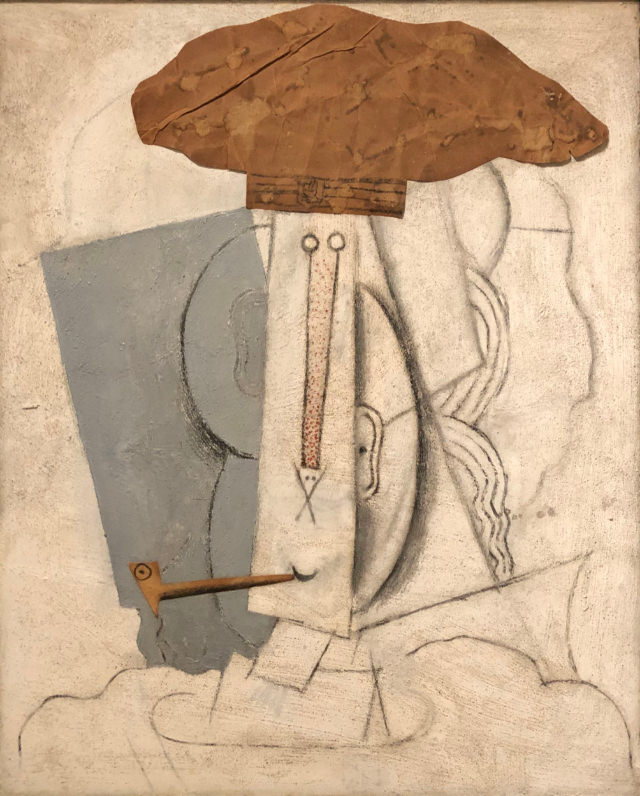
Organic forms appear frequently across the series. Curved cuts suggest leaves, limbs, waves, and wings. The scissors acted as a drawing tool — each cut line functioned like a drawn edge, defining a shape with a single decisive motion. Picasso reportedly enjoyed the immediacy of the process. There was no waiting for paint to dry, no layering of glazes. A shape was either right or it wasn’t, and you knew the moment you lifted the paper.
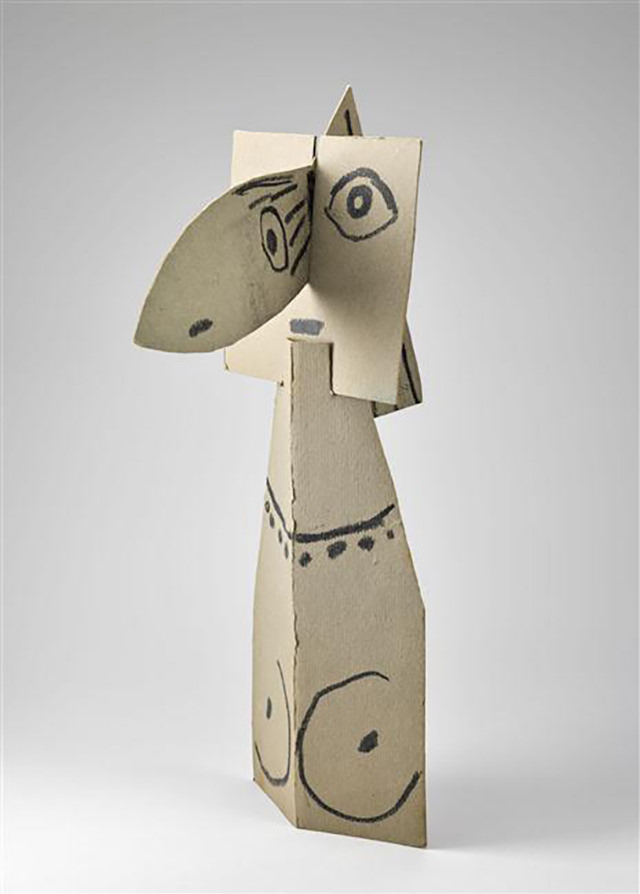
Movement and depth are also present, despite the flatness of the medium. Picasso created the illusion of depth by overlapping pieces and varying the size of shapes. Larger forms appear closer; smaller ones recede. Overlapping layers give the eye a path to travel across the surface. These are not static arrangements — they have rhythm.
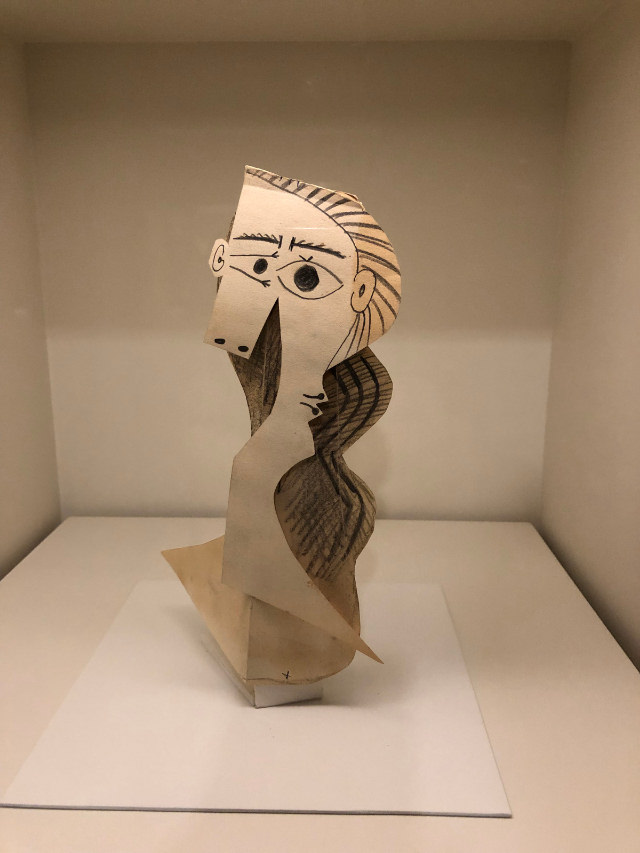
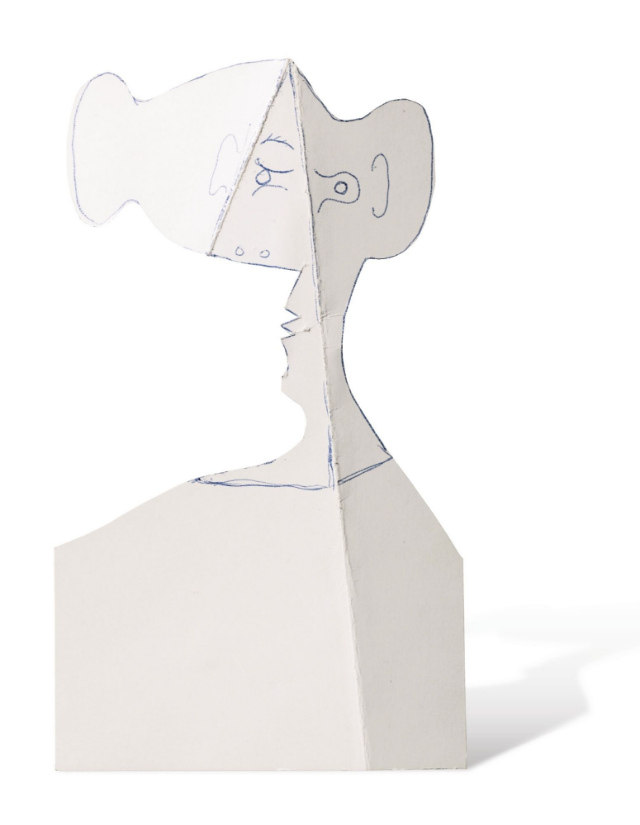
The papiers découpés were a genuine departure from Picasso’s earlier methods. For most of his career, canvas and oil paint were his primary tools. The shift to cut paper was not a minor stylistic adjustment — it was a change in the fundamental logic of how a picture gets made. Painting builds up; collage assembles. The two processes require different kinds of thinking.
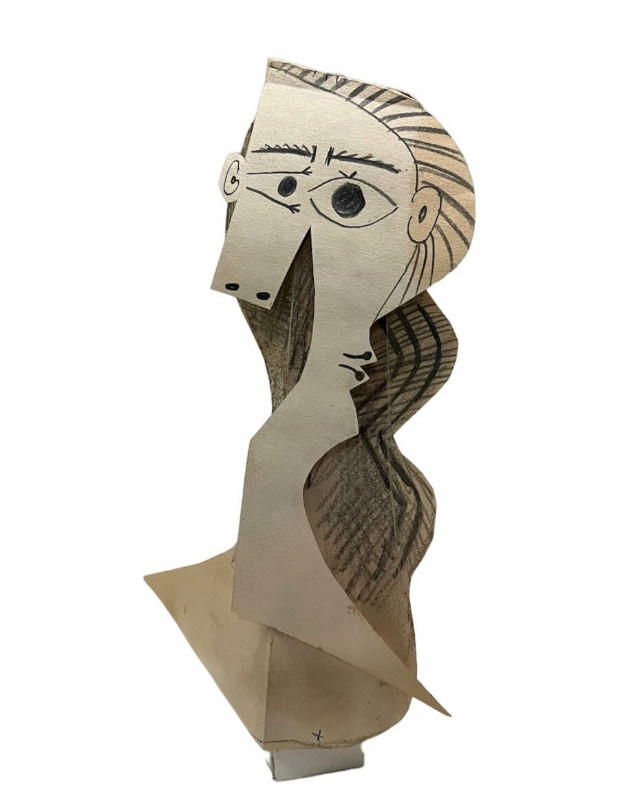
That said, collage itself was not new to Picasso. As early as 1912, he and Braque had incorporated newspaper clippings and other materials into their Cubist paintings. Those early experiments planted the seed. The papiers découpés of the late 1950s and early 1960s were a return to that idea, but on a grander and more resolved scale. They were not exploratory sketches — they were finished works.
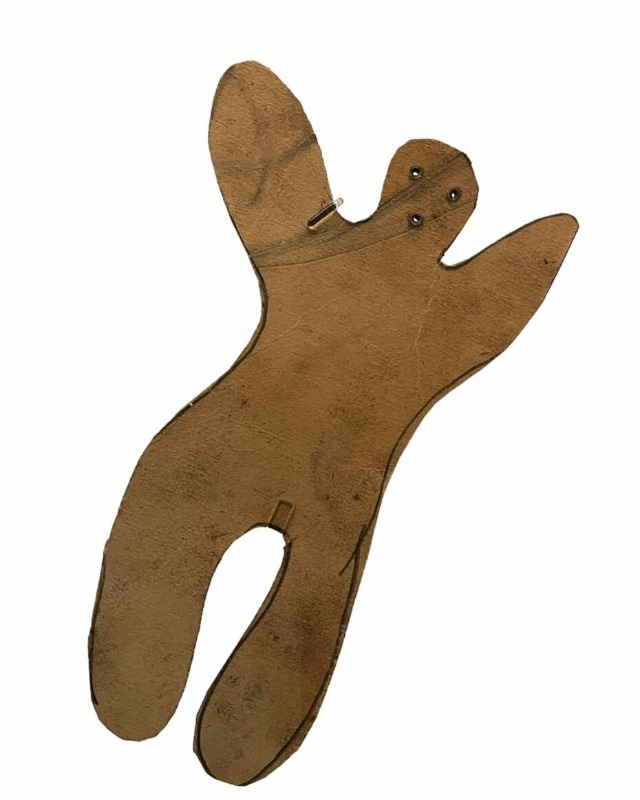
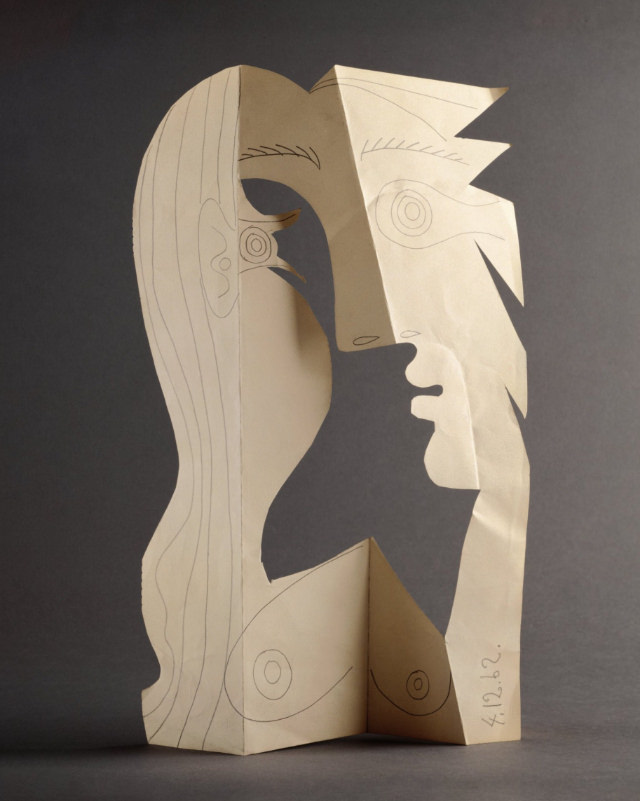
The series also raised questions about what art is made of. By using printed paper — material already carrying text, images, and commercial intent — Picasso forced a collision between the world of mass media and the world of fine art. A fragment of newsprint placed deliberately on a surface is no longer just newsprint. Its context changes entirely.
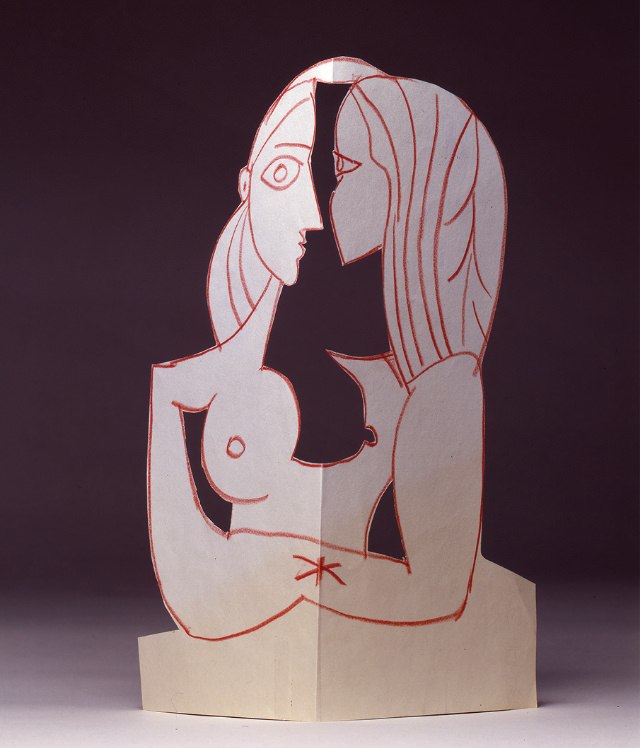
These works are relatively rare compared to Picasso’s paintings and prints. He produced far fewer papiers découpés, and because of the fragile nature of paper, not all of them have survived in good condition. The ones that remain are held in major museum collections around the world and are treated as primary documents of his late creative period.
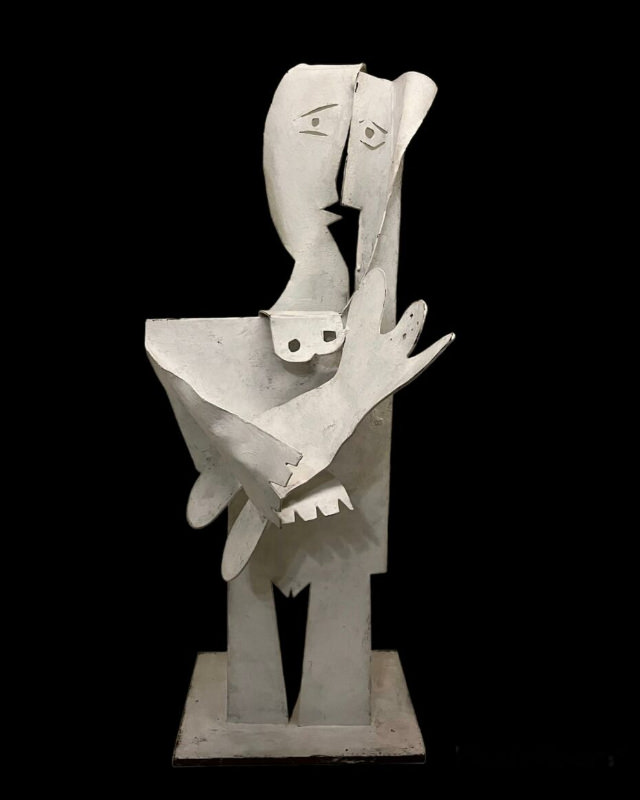
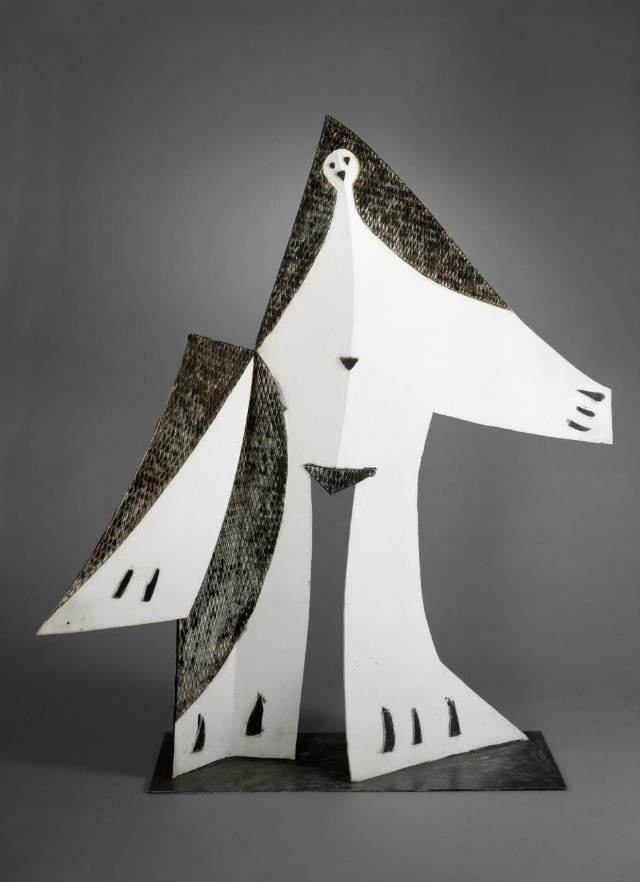
Picasso was in his mid-to-late seventies when he made most of these pieces. At an age when many artists slow down or repeat themselves, he was cutting paper into new shapes and asking new questions about form. The papiers découpés show an artist who had not settled — someone still genuinely interested in what a picture could be and how it could be put together.
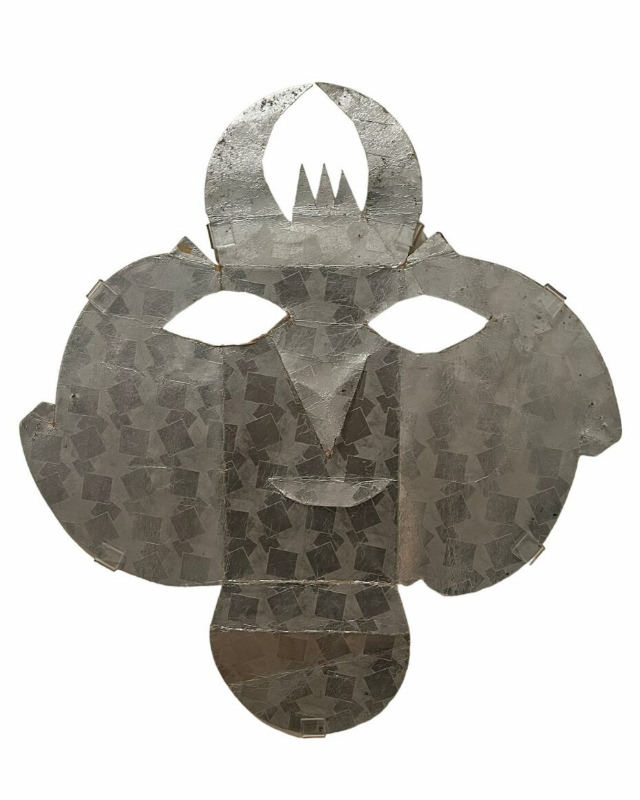
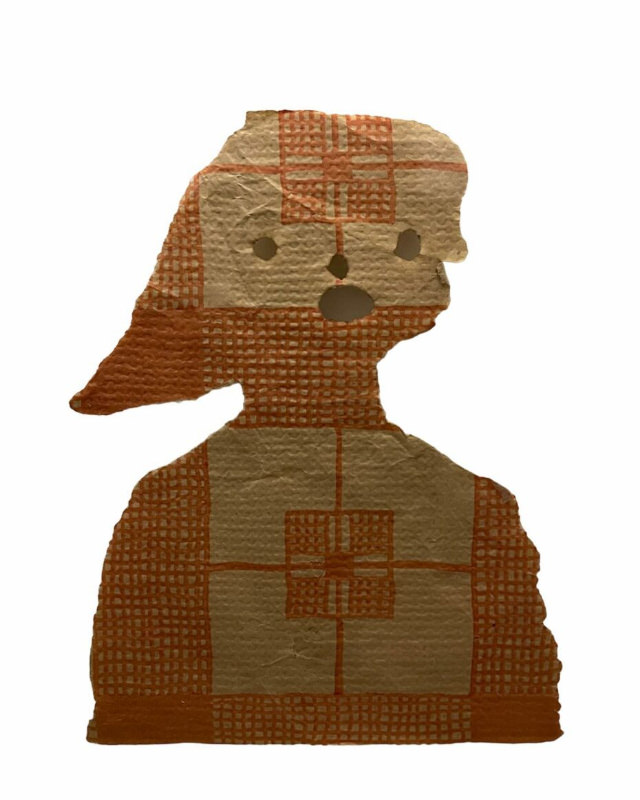
Each piece in the series rewards close looking. The cut edges, the layering, the choice of which printed text or image appears in which position — none of it is accidental. Picasso made decisions at every step, and those decisions are visible in the final works. The papiers découpés are precise, deliberate, and deeply considered objects built from the simplest of materials.