Before radio, television, or the internet, reading was one of the most common ways people spent their free time. In the early 1900s, books, newspapers, and magazines filled homes of every kind — from modest farmhouses to well-furnished parlors. These photographs capture quiet, personal moments that reveal just how central reading was to daily life across generations.
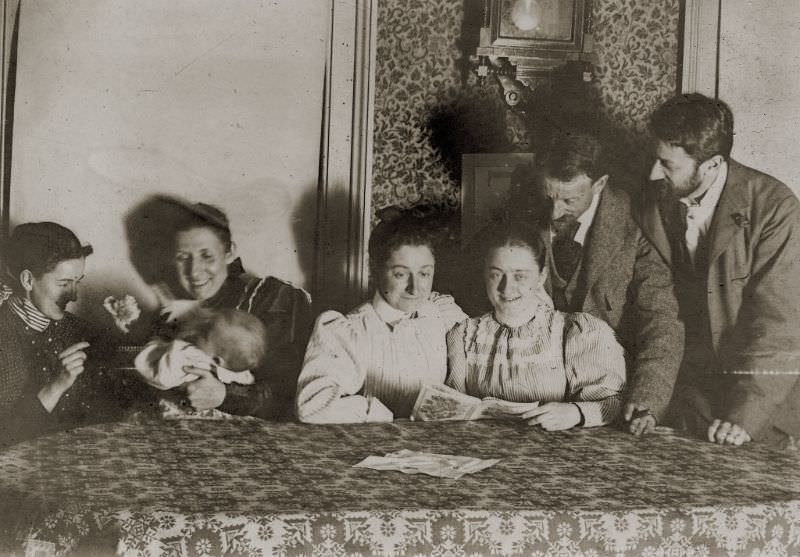
Reading together as a family was a normal evening routine at the turn of the century. Before electric light became widespread, families gathered around a single lamp or candle to share books and newspapers aloud. It was both a practical and social habit. The dining room table served as a gathering point not just for meals, but for learning.
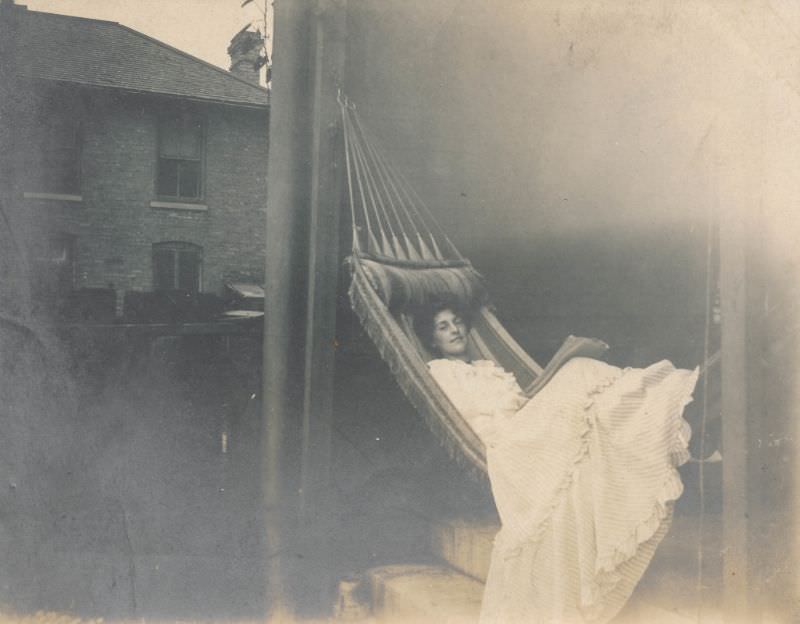
Reading outdoors was just as common as reading inside. A hammock strung between two trees offered a comfortable escape on a warm afternoon. Women in the early 1900s often read novels, poetry collections, and women’s magazines during their leisure hours.
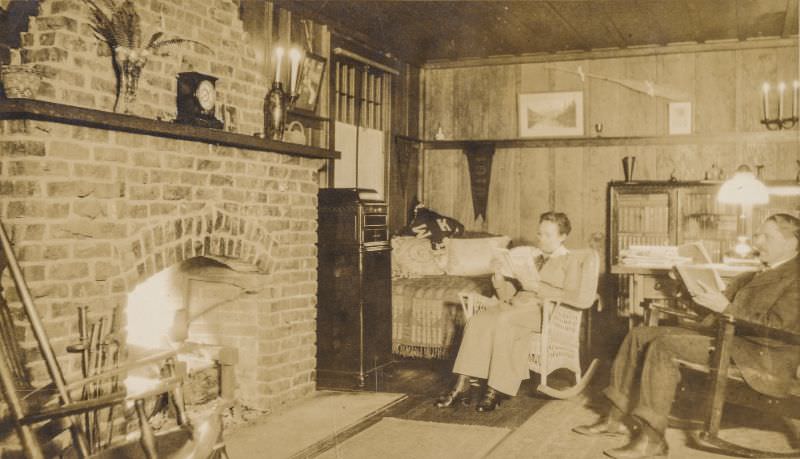
Fireside reading was a fixture of domestic life in the 1910s. Couples often spent quiet evenings reading side by side, each absorbed in their own book. The fireplace provided both warmth and light in homes that still relied on limited artificial lighting.
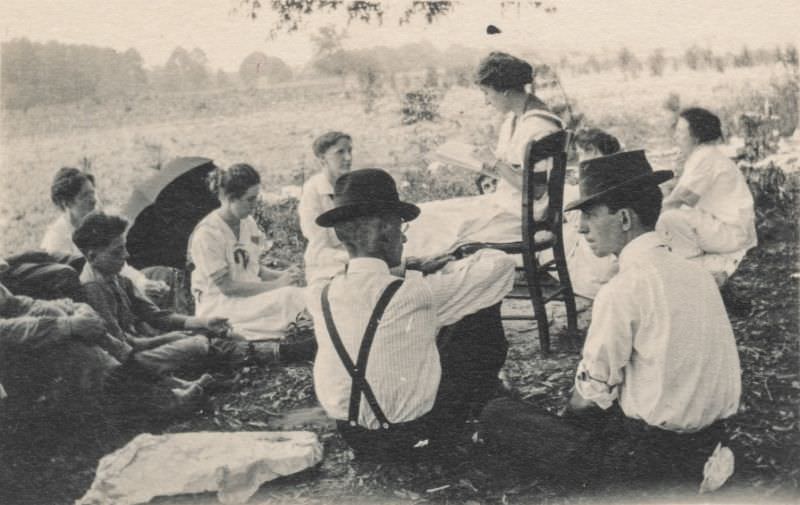
Reading aloud to a group was a common social activity in the early 20th century. One person — often the most confident reader in the room — would read while others listened. This was especially popular in households where not everyone was fully literate, and it doubled as entertainment during long evenings at home.
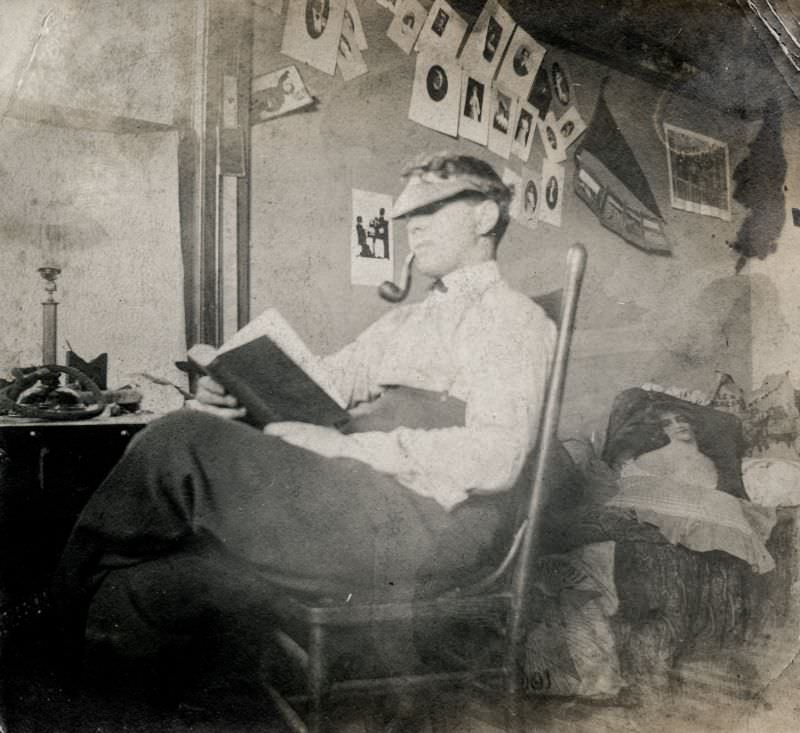
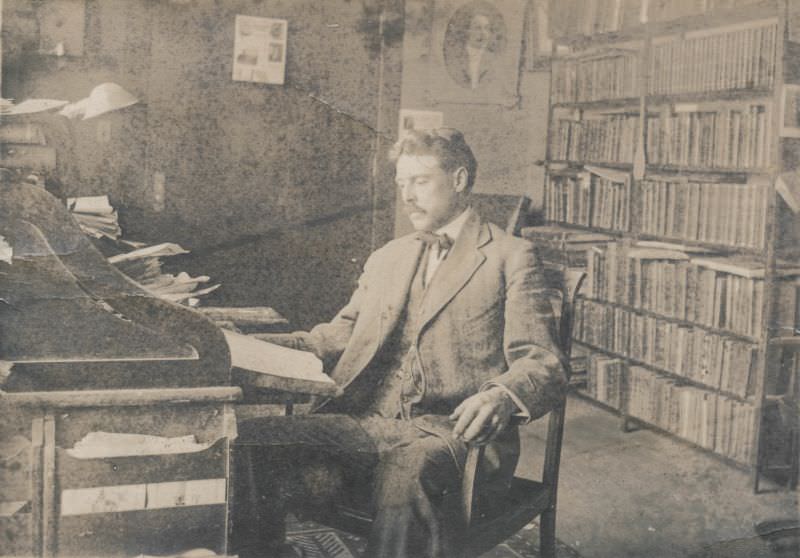
For men of a certain social standing, a personal library was a mark of education and status. Having shelves lined with books signaled intellectual seriousness. By 1912, home libraries were common among the professional class, stocked with history, science, literature, and law.
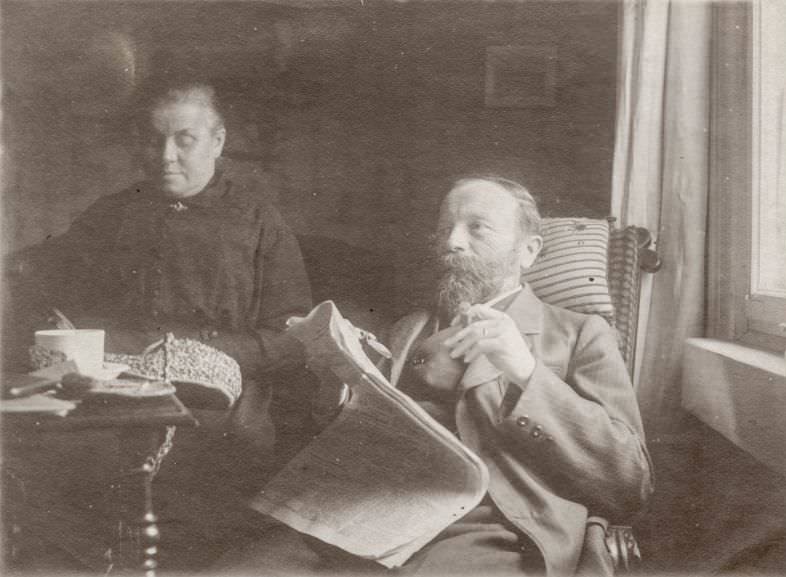
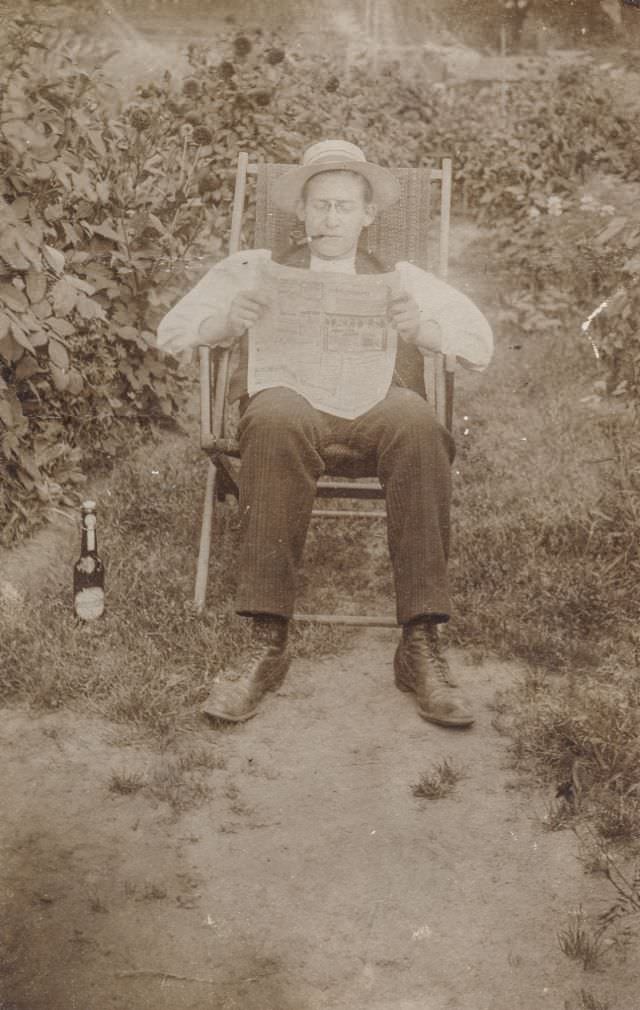
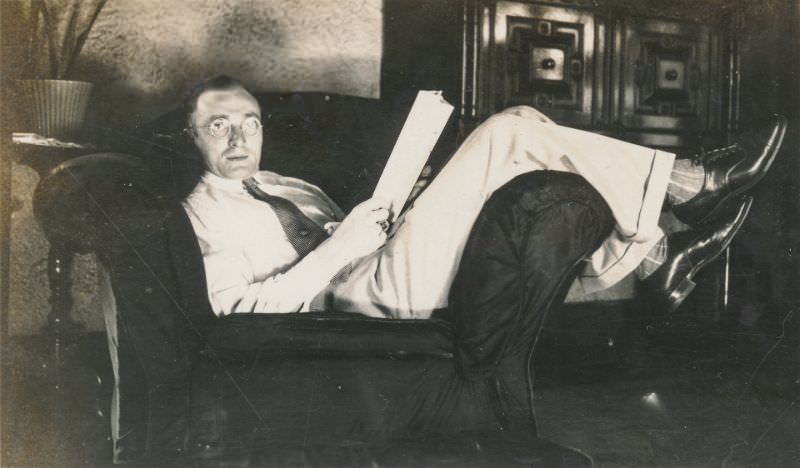
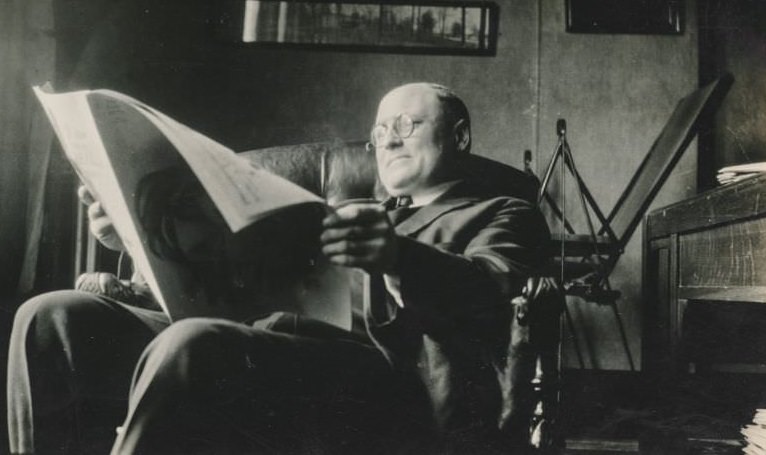
The daily newspaper was a staple of American life in the 1910s and 1920s. Men typically read the paper in the morning before work or in the evening after dinner. Smoking while reading was so common that the two habits became closely associated. Cigars and pipes appeared in countless photographs of men at leisure.
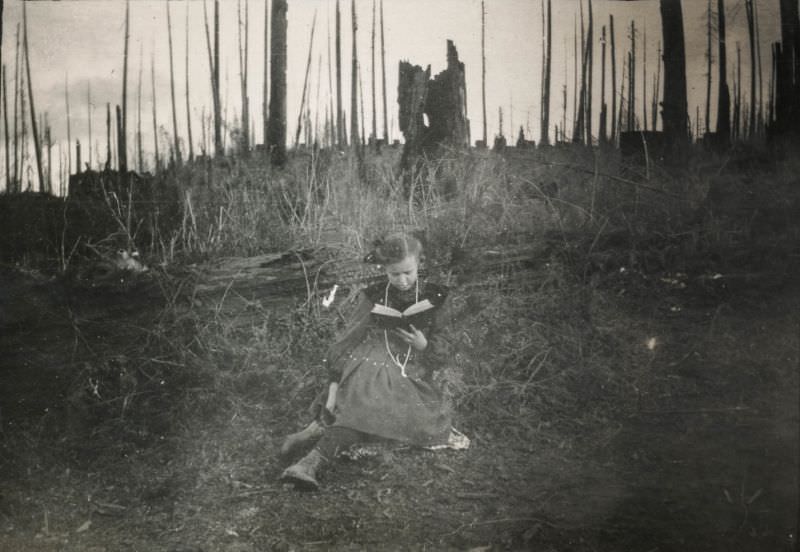
Children in the 1920s read wherever they found a comfortable spot — indoors or out. This photograph of a young girl reading in a burned-out forest is a striking image. It shows how naturally children turned to books as a source of comfort and escape, even in unusual surroundings.
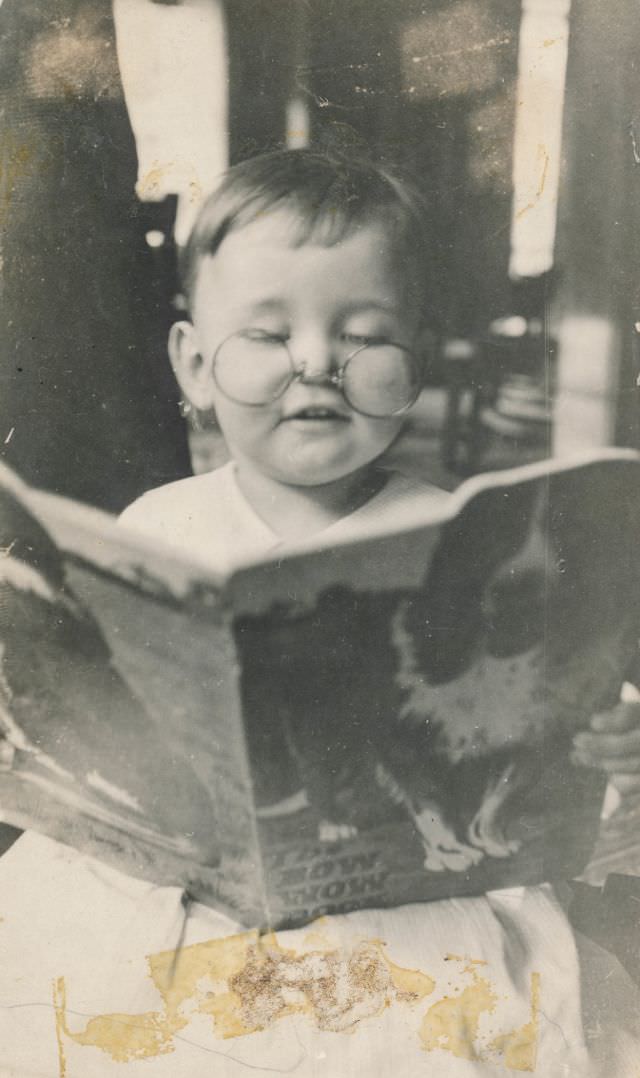
Children’s publishing grew rapidly in the early 20th century. By the 1920s, illustrated books designed specifically for young readers were widely available. Books like “The Bow Wow Book” used simple language and colorful pictures to help children build reading skills from an early age.
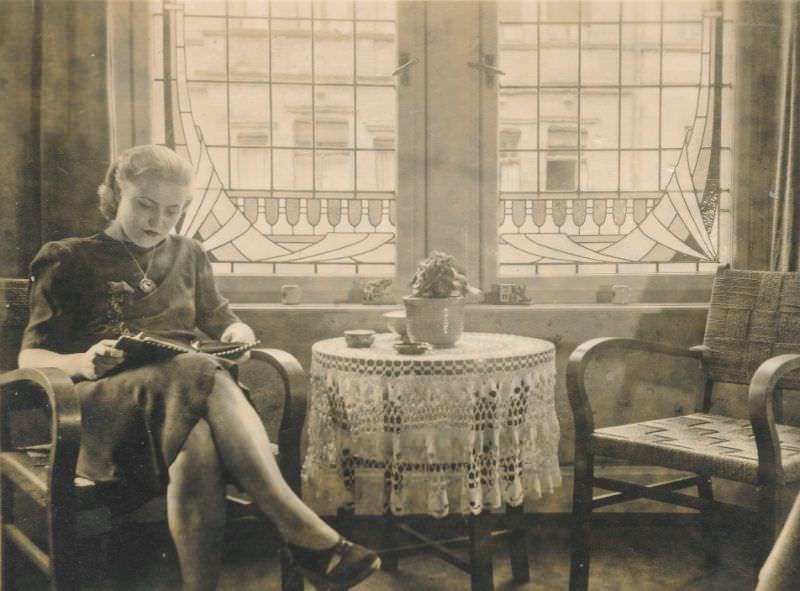
Tea and reading became a refined pairing in middle and upper-class households through the 1930s. Women often read novels, fashion magazines, or literary journals during afternoon tea. It was a moment of personal time carved out of busy domestic schedules.
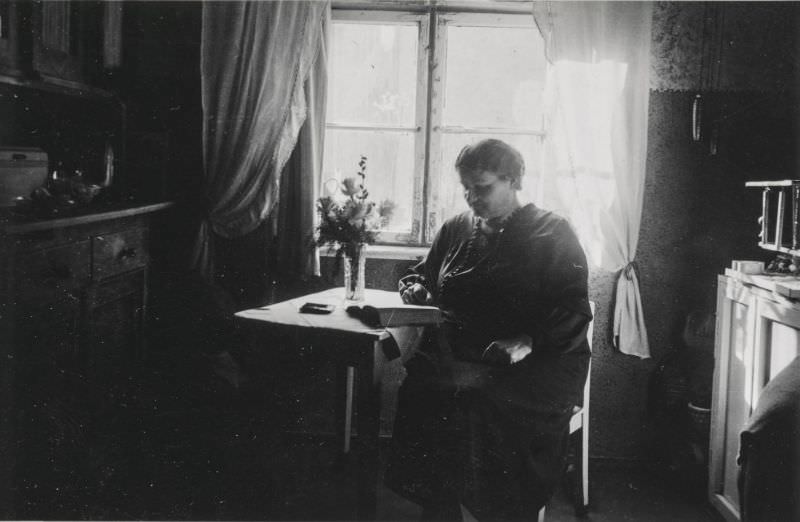
The Great Depression of the 1930s made reading an even more valued pastime. It was free, it was quiet, and it required nothing beyond the book itself. Public library usage surged during this period as people sought entertainment and information without spending money.
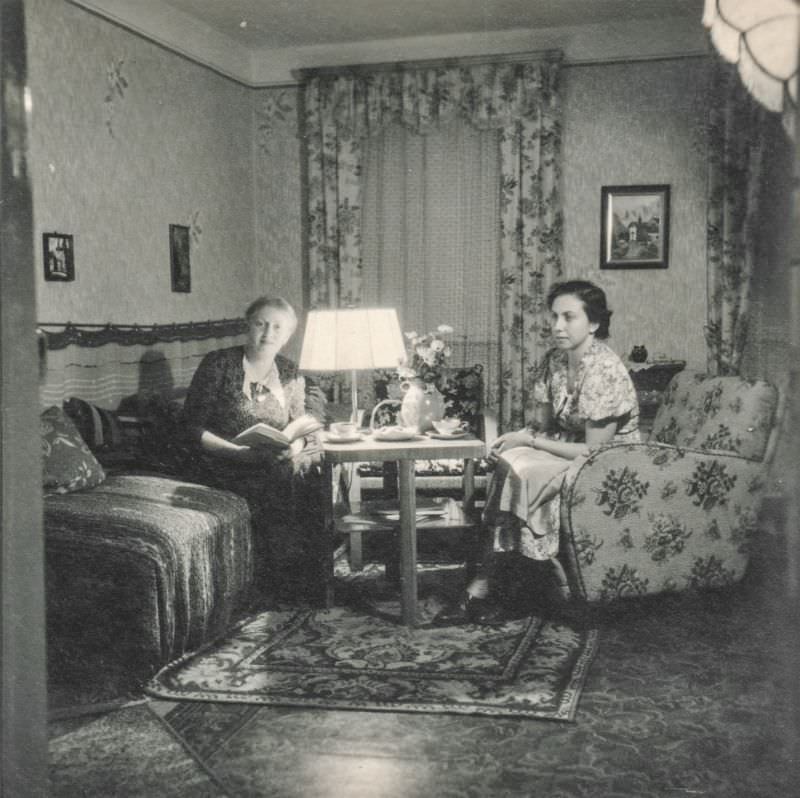
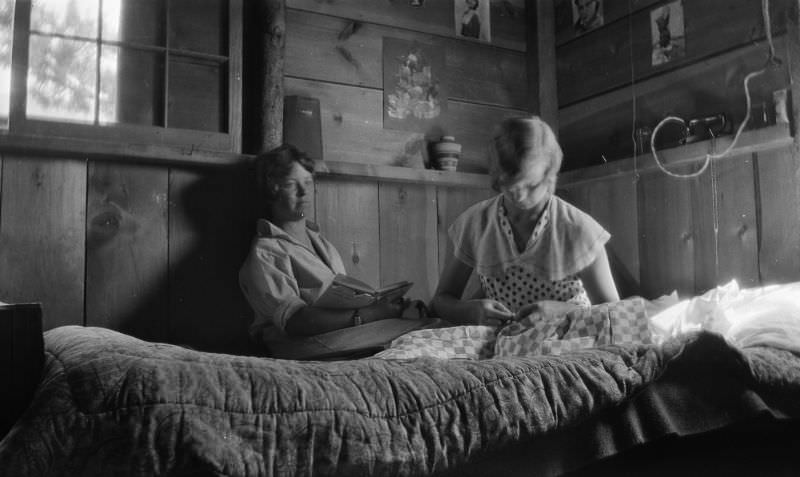
Reading wasn’t always a solitary act. Women often shared books and discussed what they were reading with friends or neighbors. Book clubs and literary societies were active in many towns throughout the 1930s, giving women a structured space to engage with literature.
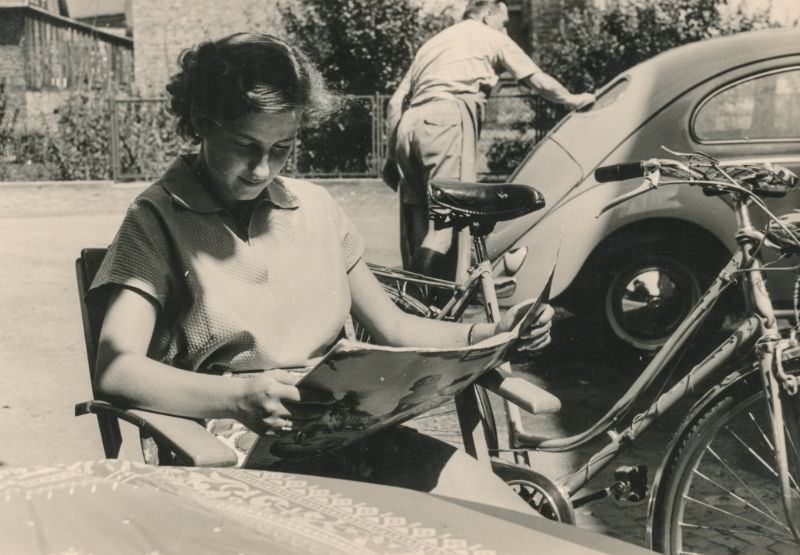
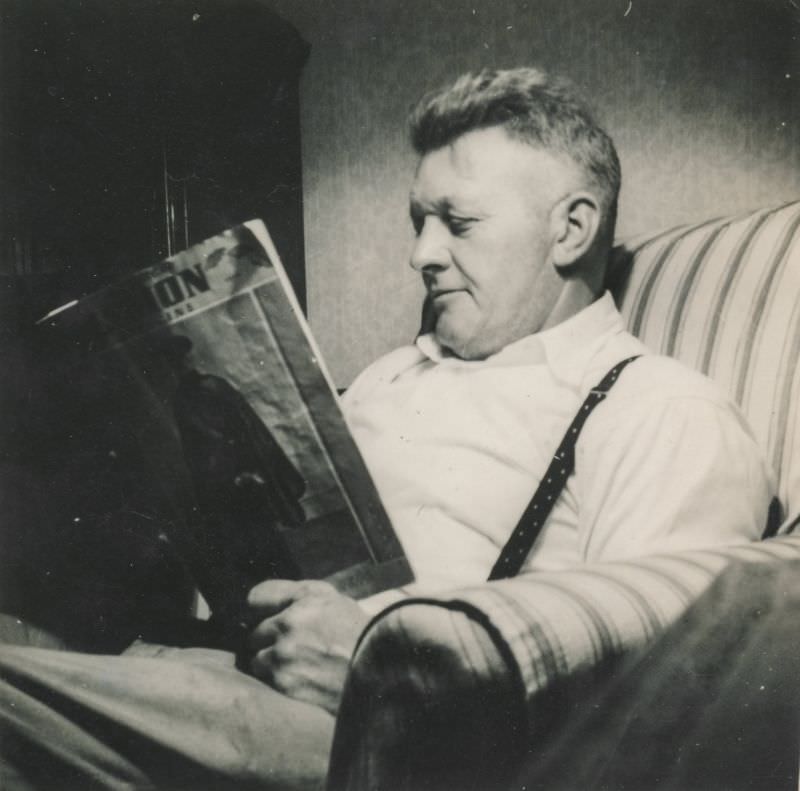
Magazines became the dominant reading format for many Americans by the 1940s. Publications like Life, The Saturday Evening Post, and Reader’s Digest offered news, short stories, photography, and opinion pieces all in one affordable package. They were passed around households and shared with neighbors long after the original reader had finished them.
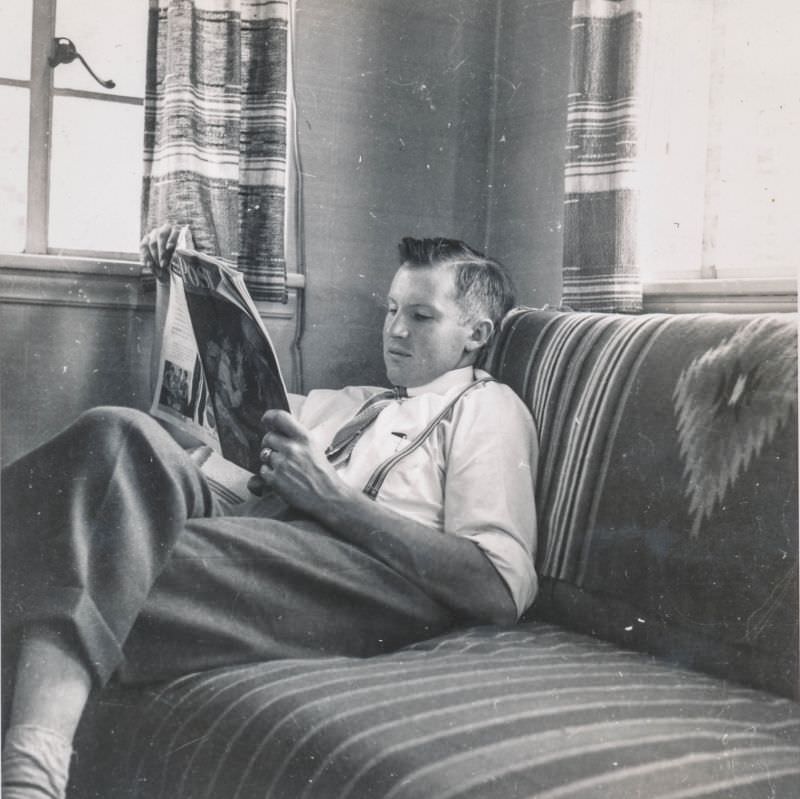
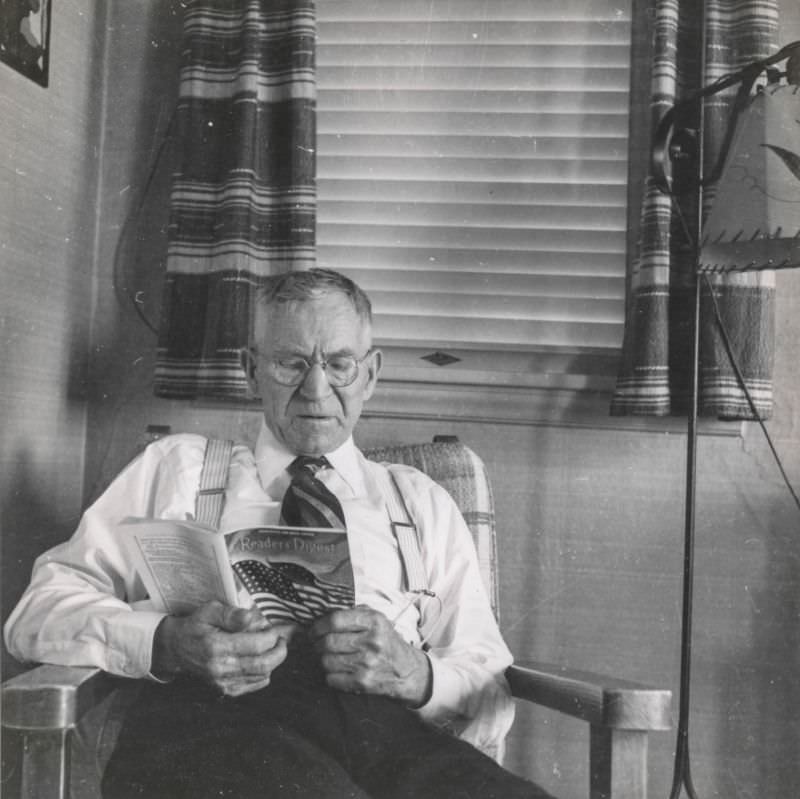
Reader’s Digest, founded in 1922, became one of the best-selling magazines in American history. By 1943, it was in millions of American homes. Its condensed articles covered everything from health advice to wartime news, making it popular with readers of all ages, especially older adults.
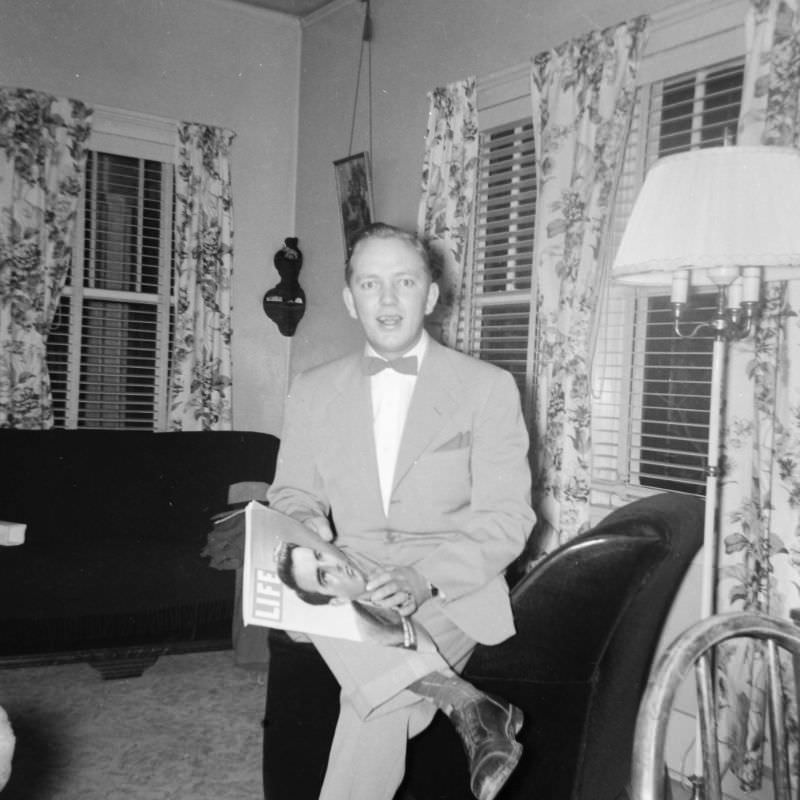
Life Magazine defined visual journalism in mid-20th century America. Its large-format pages were filled with striking photographs and detailed reporting on world events. Reading Life was a weekly ritual for millions of Americans throughout the 1940s and 1950s.
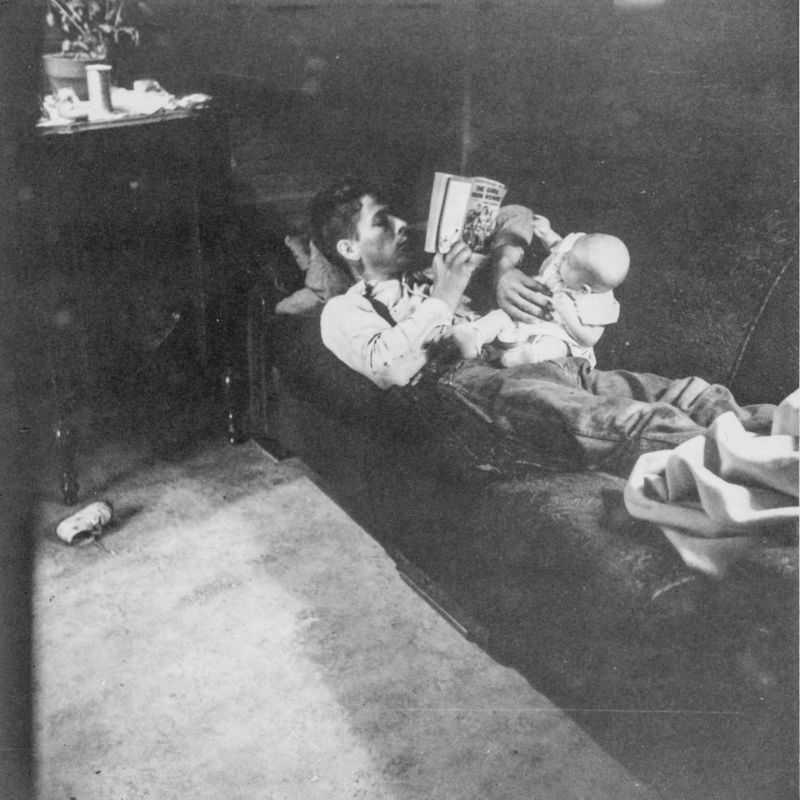
By the late 1950s, reading remained a core part of everyday home life, even for busy parents. This photo from July 1957 shows a man balancing a book in one hand and an infant in the other — a small but telling detail about how people fit reading into the rhythms of their daily lives.
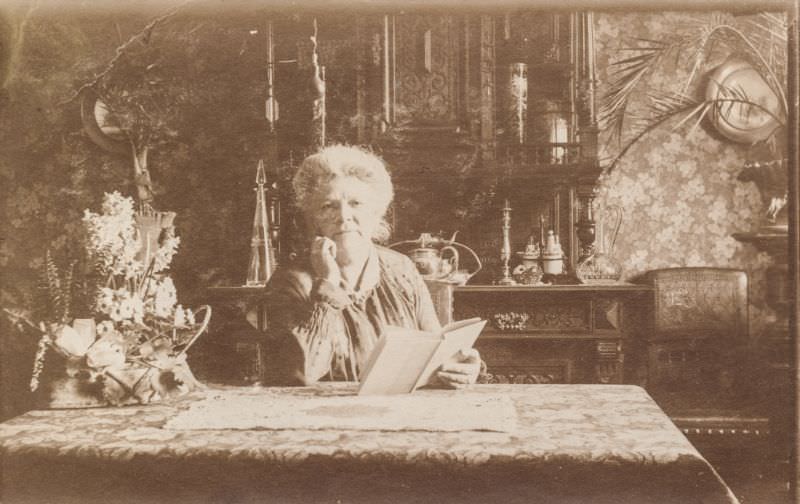
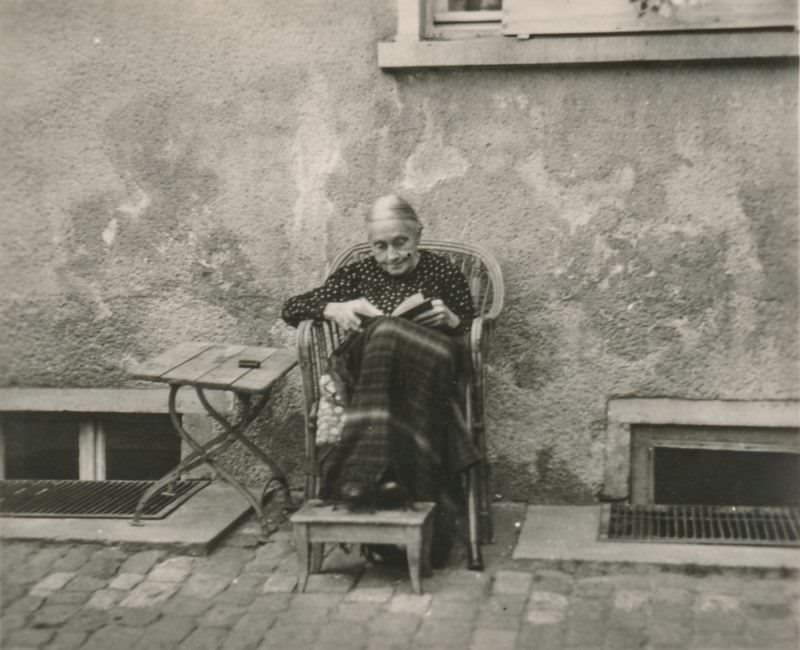
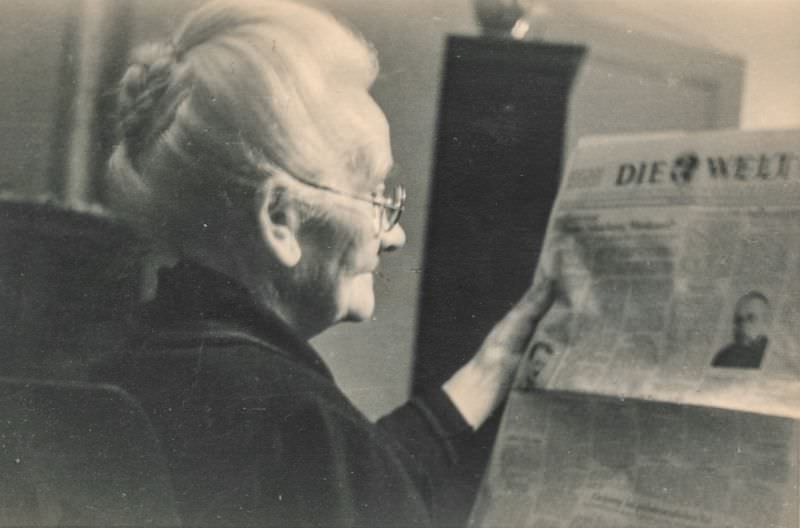
For older adults, reading was a lifelong habit. Whether in a parlor, on a porch, or at the kitchen table, books and newspapers remained constant companions well into old age. These photographs show that reading didn’t belong to any one generation — it was a habit people carried with them throughout their entire lives.
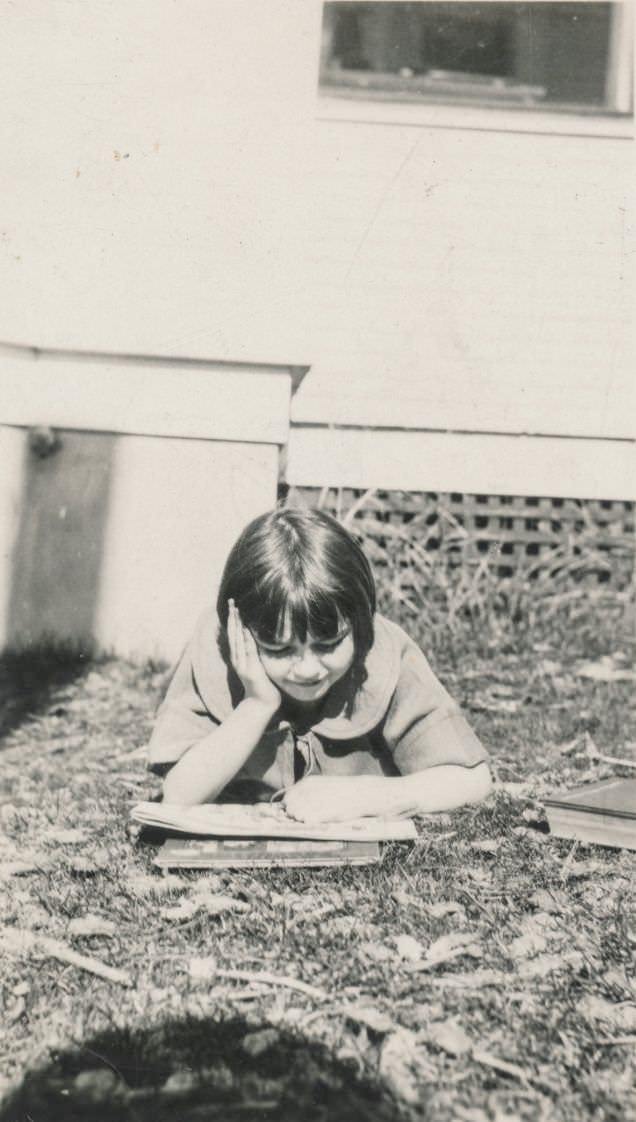
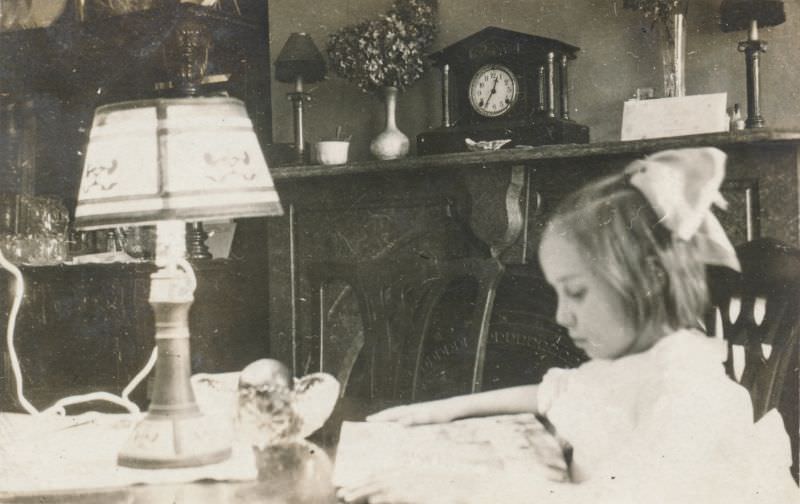
Children who read early developed strong vocabulary skills that carried into adulthood. Schools in the early 20th century encouraged reading at home, and parents reinforced the habit by keeping books within easy reach. Girls, in particular, were often photographed with books — reading was seen as both an educational and a respectable activity for young women.
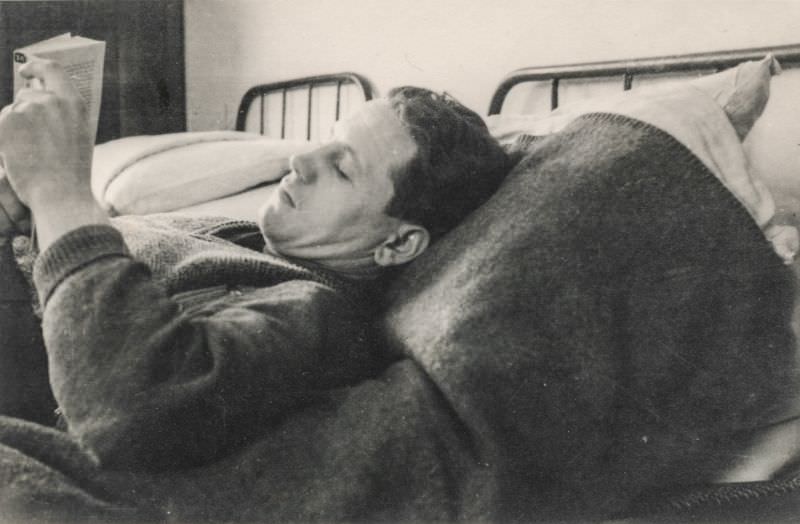
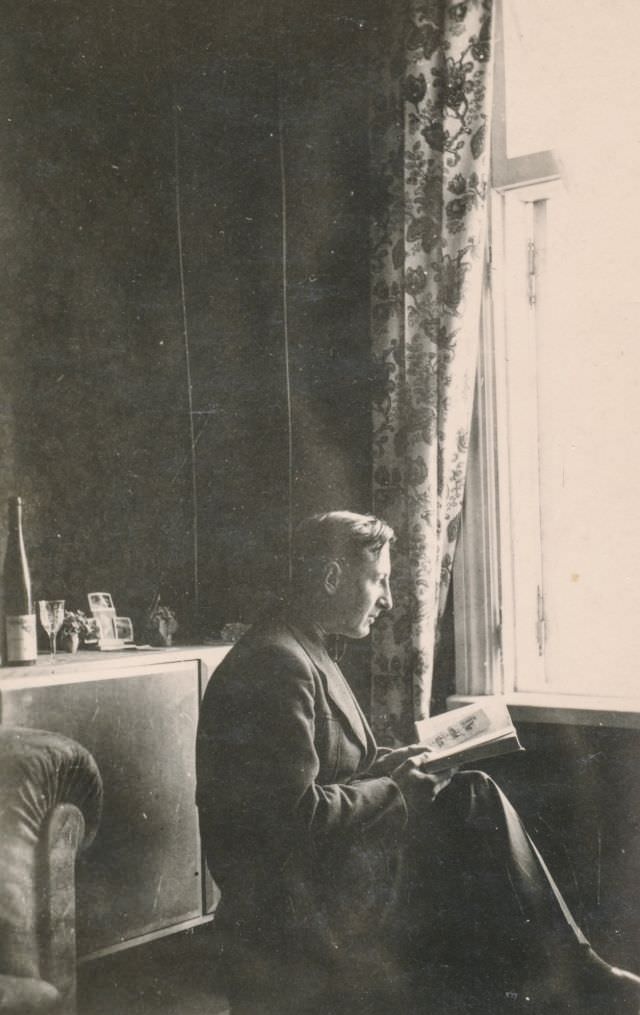
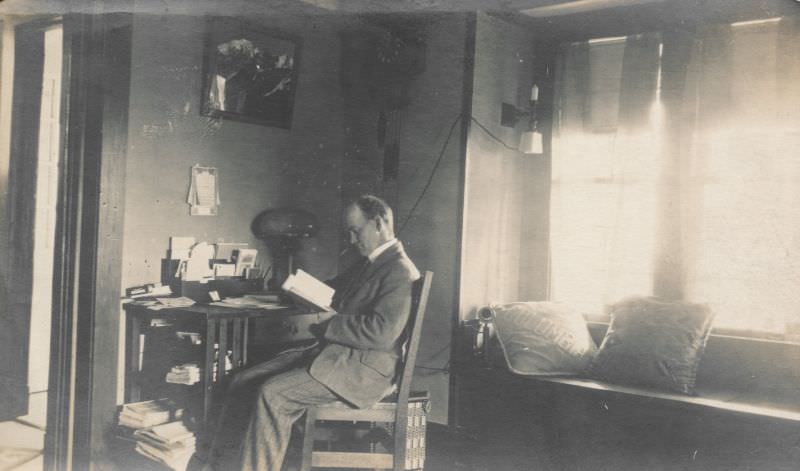
Men read in every available space — on the bed, by the window, at the office desk. Natural light from a window was the most reliable reading light before the electric lamp became standard in homes. Reading during work hours was also common for professionals who needed to stay current in their fields.
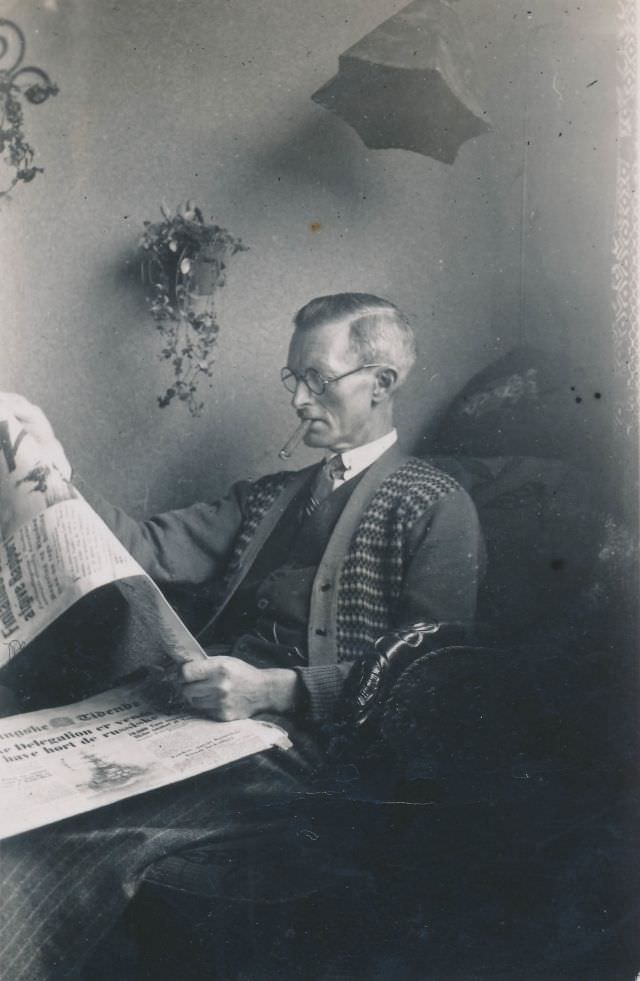
Across different countries, the image of a man reading a newspaper while smoking was universal. This photograph of a Danish man reading the paper captures a moment that could have been taken in any Western country during the same era. The newspaper was the primary source of world news for most of the 20th century.
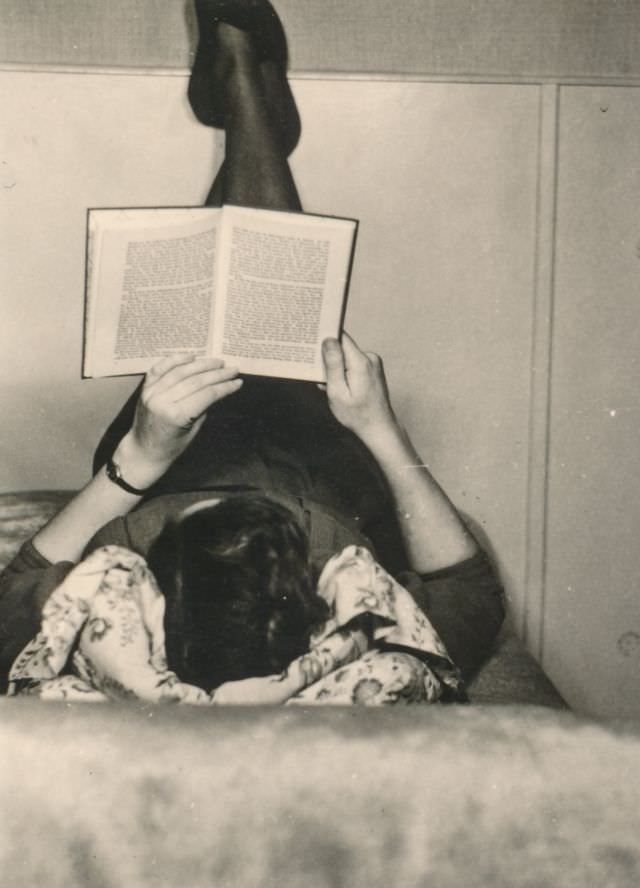
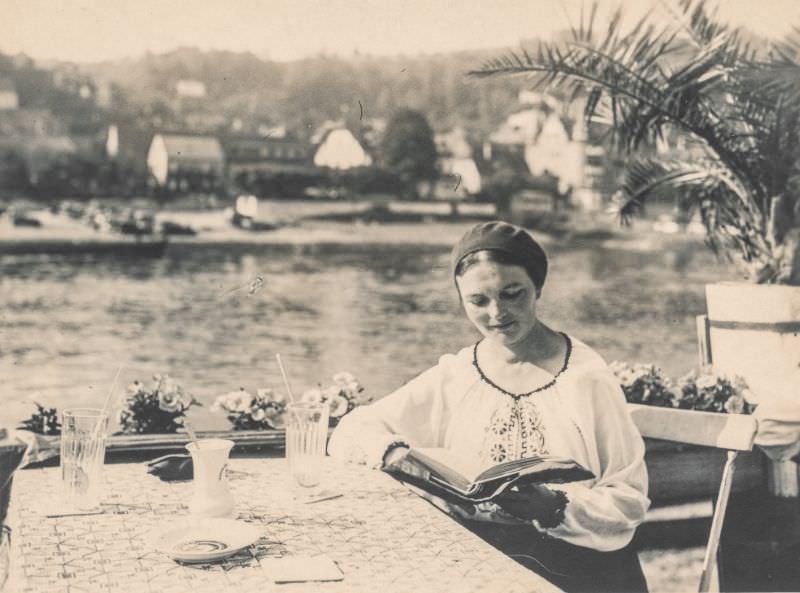
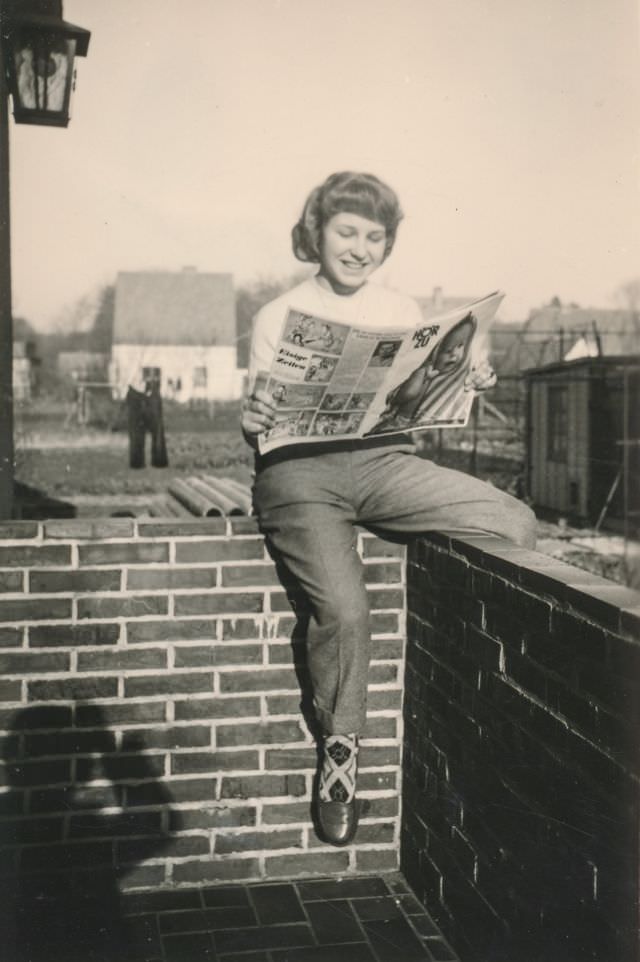
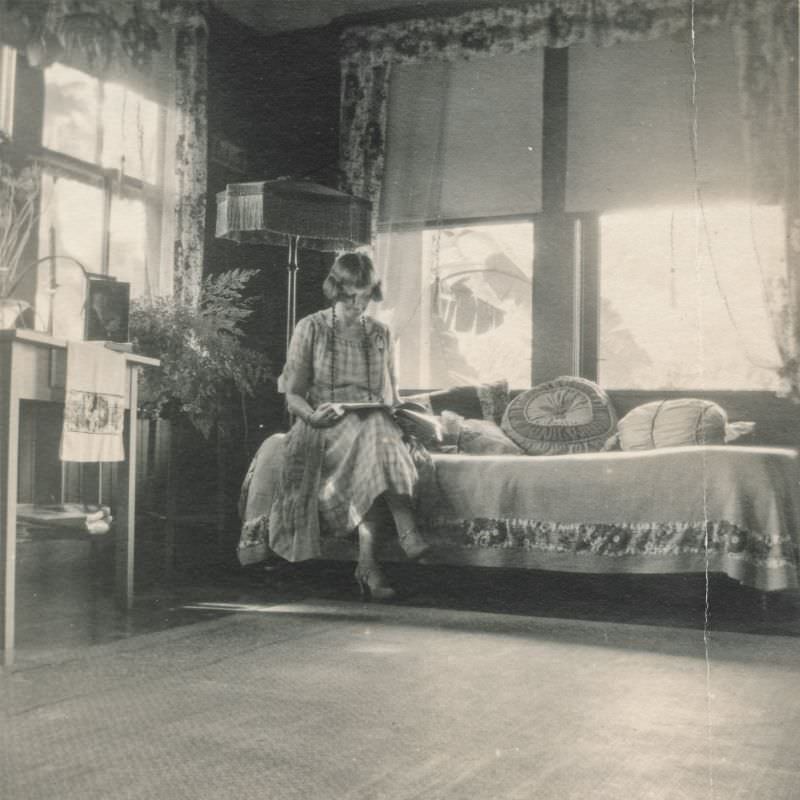
Women read in bed, on garden benches, and in the grass. Whether it was a novel, a magazine, or a collection of poetry, reading gave women a private space for thought and imagination. These photographs show women fully absorbed in their reading, undistracted by the world around them.
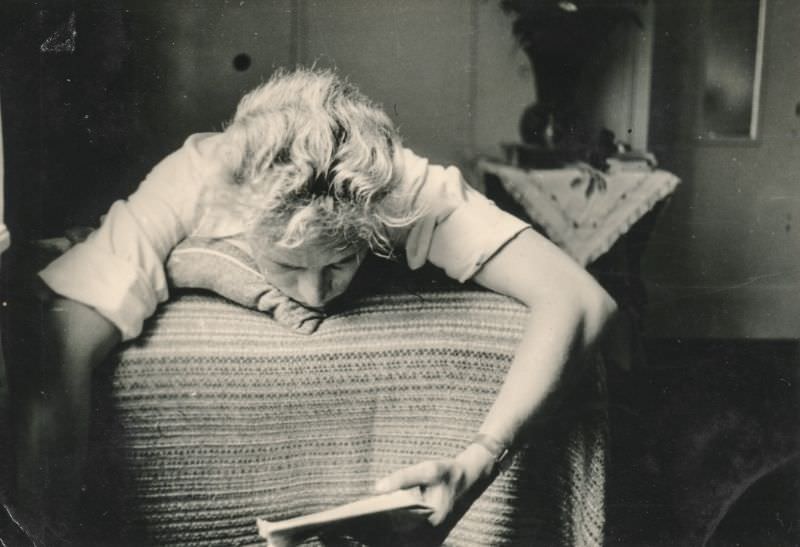
These photographs span more than half a century of everyday life. Together, they document a world where reading was not a chore or an assignment — it was simply what people did. In quiet rooms, in open fields, in offices and rocking chairs, people across all ages, backgrounds, and countries turned to the printed page as a constant part of their lives.