
In June 1972, Canadian journalist Mark Gayn became one of only four foreign reporters allowed inside North Korea. A veteran Asia correspondent for The Toronto Star, Gayn traveled extensively across the country and published four detailed features in July 1972. His photographs offer a rare, unfiltered look at North Korean industry, daily life, and infrastructure at a time when the outside world knew almost nothing about what was happening inside its borders.
Gayn’s hosts during the trip were the Union of Journalists — a state-run organization that carefully managed what the reporters saw. Their goal was clear: to present North Korea as a modern, industrialized nation, sophisticated and prosperous under Kim Il Sung. Gayn described their pitch as casting North Korea as “a sort of Asian Belgium, industrialized, sophisticated, well-off.” The state also promoted the claim that Kim Il Sung had abolished manual labor in the countryside. Gayn took note of these assertions and documented what he actually observed with his camera.
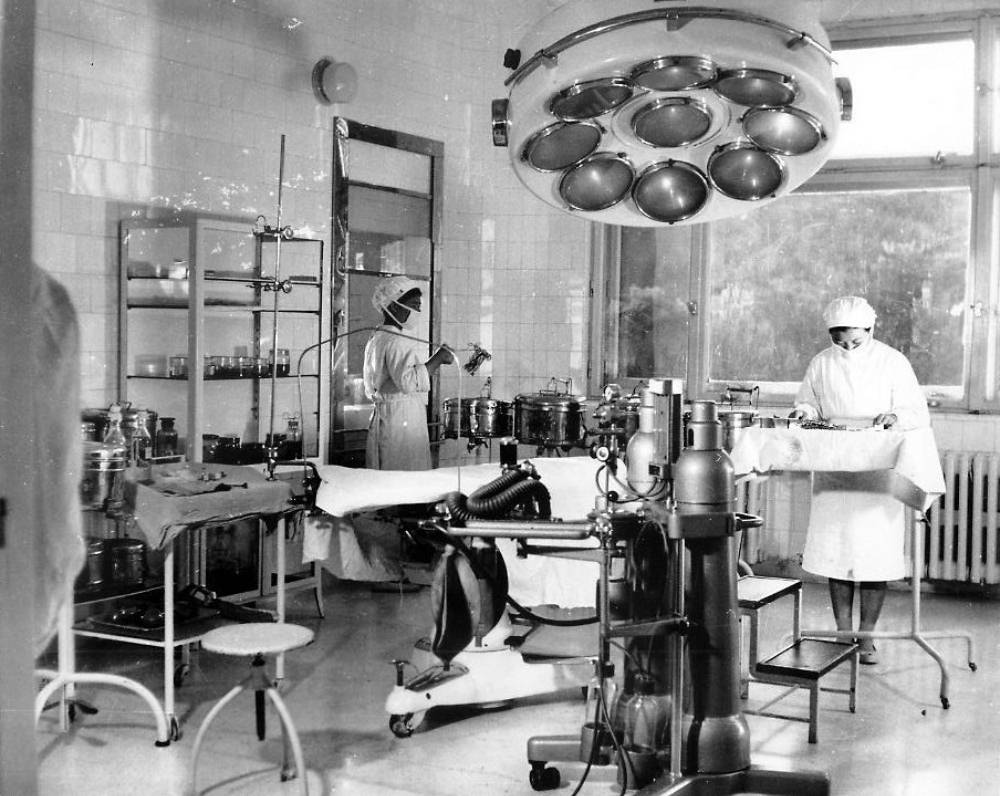
Healthcare was one of the areas the North Korean government put on display. Medical facilities in Pyongyang were shown to the press as evidence of a functioning welfare system. Gayn noted that Kim’s North Korea operated as a welfare state that made most other Communist nations look comparatively modest by contrast. State-run healthcare extended beyond the capital, reaching into cooperative farms and rural communities.
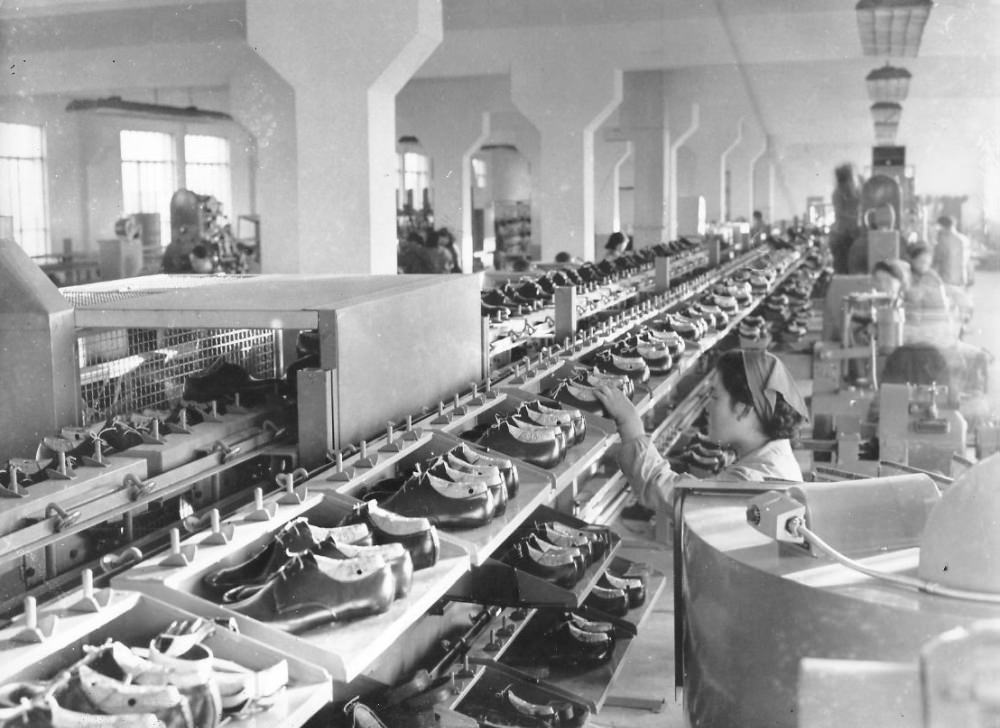
Factories were a central part of the image North Korea wanted to project. An automated shoe factory in Pyongyang showed machinery performing work that in many other parts of Asia was still done by hand. Whether this level of automation was widespread or selectively showcased for foreign visitors, it formed a key part of the industrial narrative Gayn’s hosts were building.
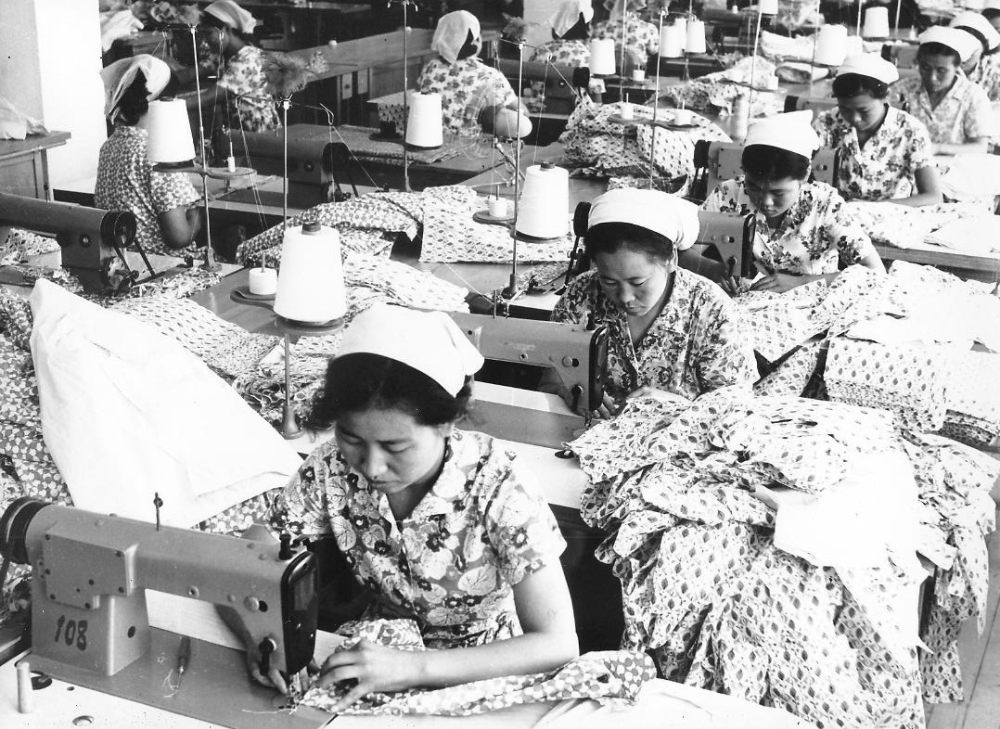
Textile production was another industry prominently featured during the tour. Mills in Pyongyang were fully operational, with workers — many of them women — running looms and processing fabric. The textile sector was closely tied to the state’s broader push to show self-sufficiency in consumer goods.
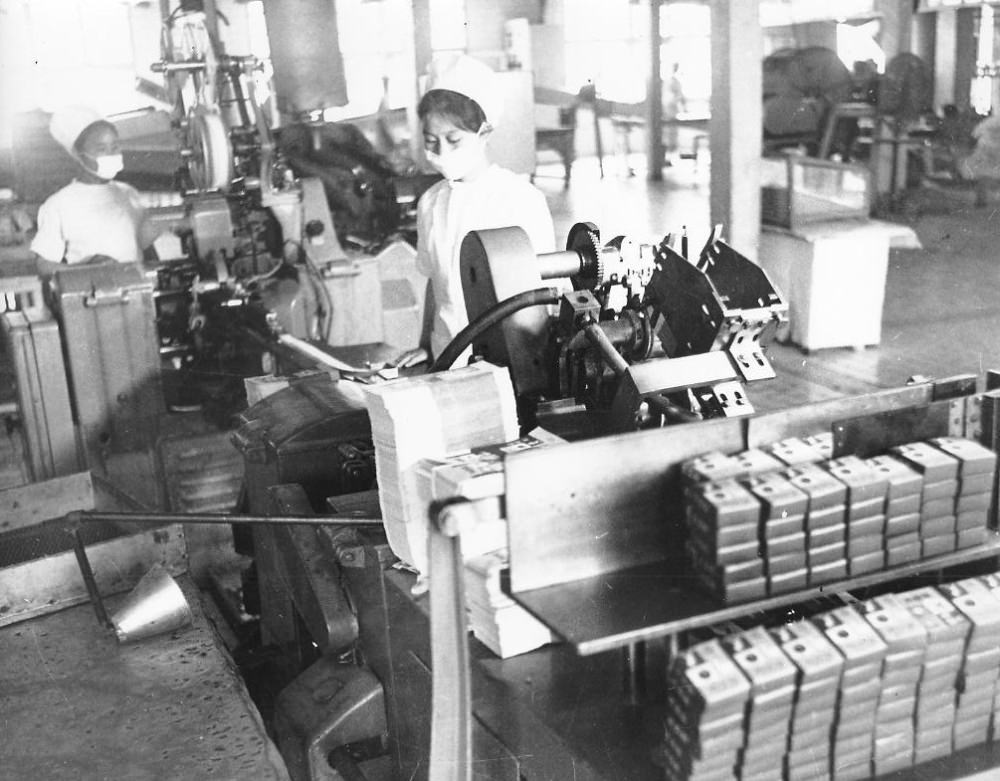
A printing factory, described by its handlers as modern, gave Gayn a look at how the state produced its vast volume of political literature, publications, and official materials. In a country where state messaging was tightly controlled, the printing industry was not just an economic operation — it was a tool of governance.
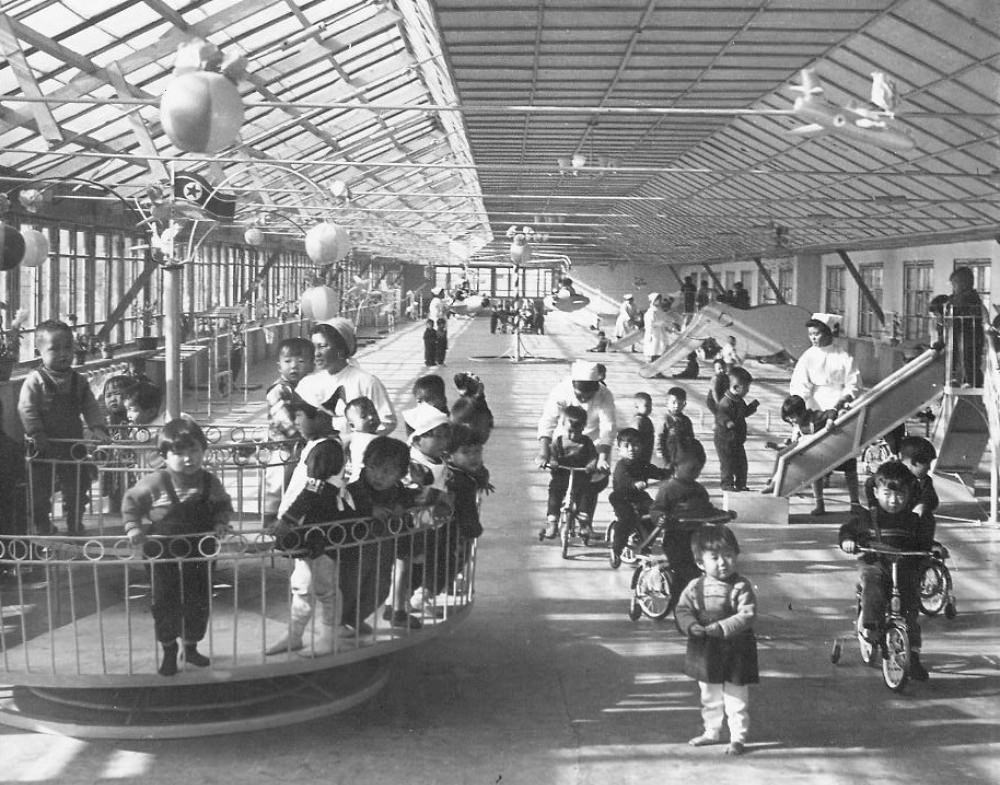
The state’s push to bring women into the workforce required a support system, and large state-run kindergartens filled that role. These facilities were set up specifically for the children of female laborers and office workers, allowing mothers to work full days while the government managed childcare. It was a practical extension of North Korea’s centrally planned economy.
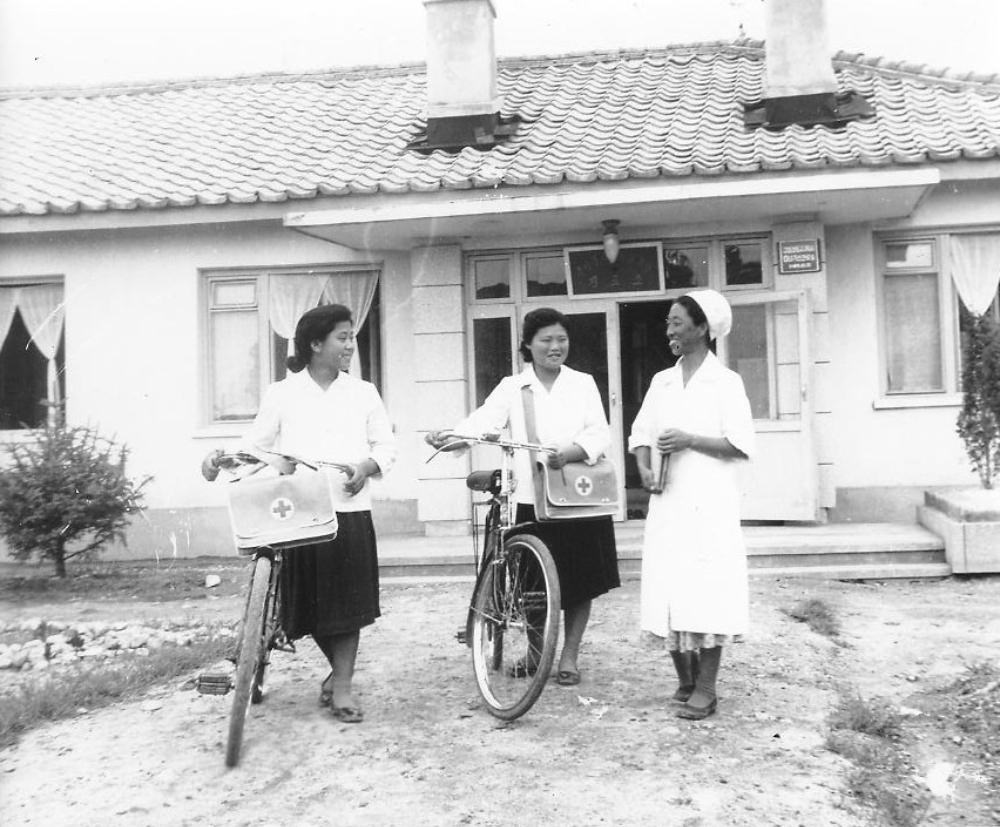
Outside Pyongyang, Gayn traveled to Hamhung, North Korea’s second-largest city and a major industrial hub. There, cooperative farms operated their own dispensaries — small medical outposts attached to agricultural and military supply operations. The Hungsan military supplies cooperative farm dispensary was one such facility, showing how healthcare was integrated directly into the country’s collective farming structure.
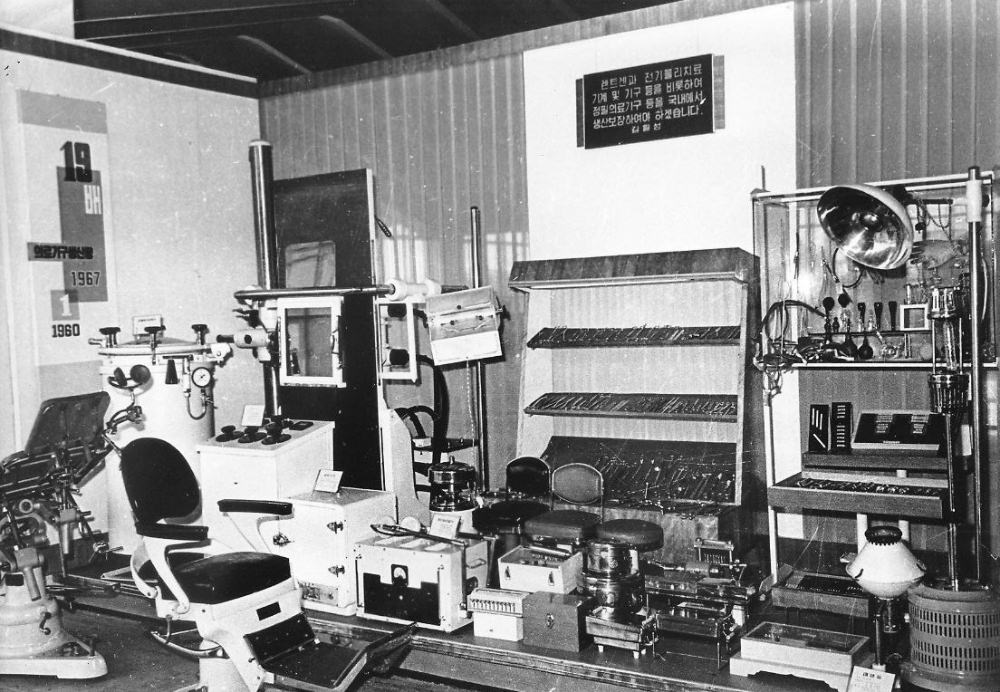
North Korea’s ambition to be self-reliant extended into medical manufacturing. A dedicated medical equipment factory produced the hardware needed to supply the country’s health facilities. Domestic production of medical equipment was part of the Juche ideology — Kim Il Sung’s policy of national self-reliance that guided nearly every sector of the economy.
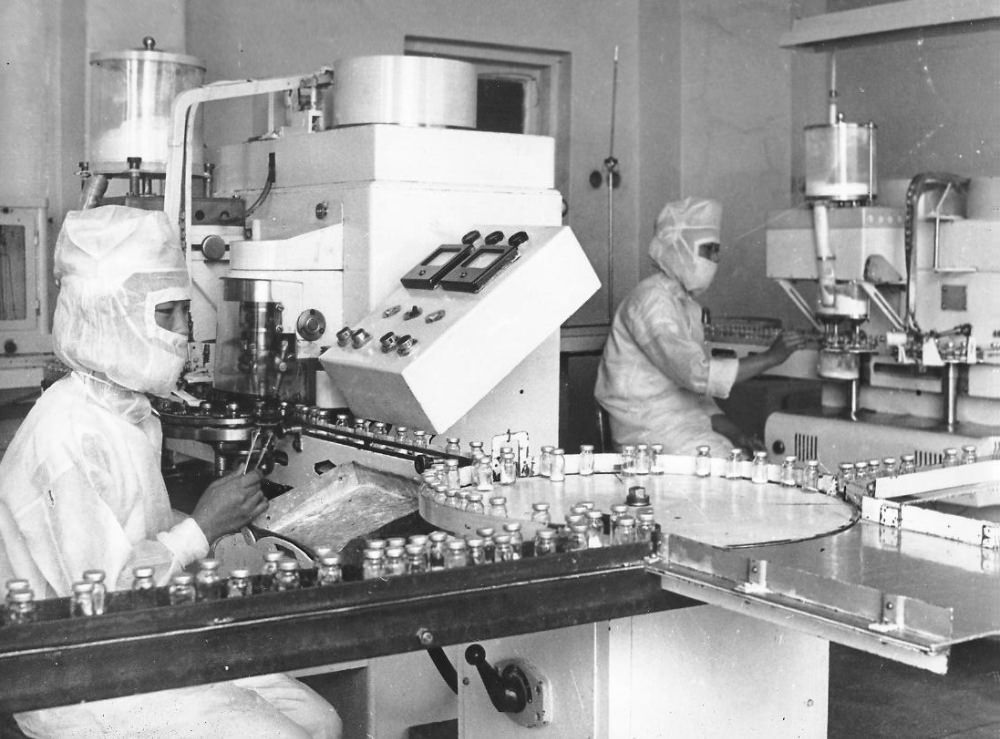
Alongside medical equipment, pharmaceutical production was handled domestically. A pharmaceutical factory photographed by Gayn in June 1972 showed workers producing medicines within a highly structured, state-run operation. Consumer goods, including everyday products, were also on display elsewhere during the trip.
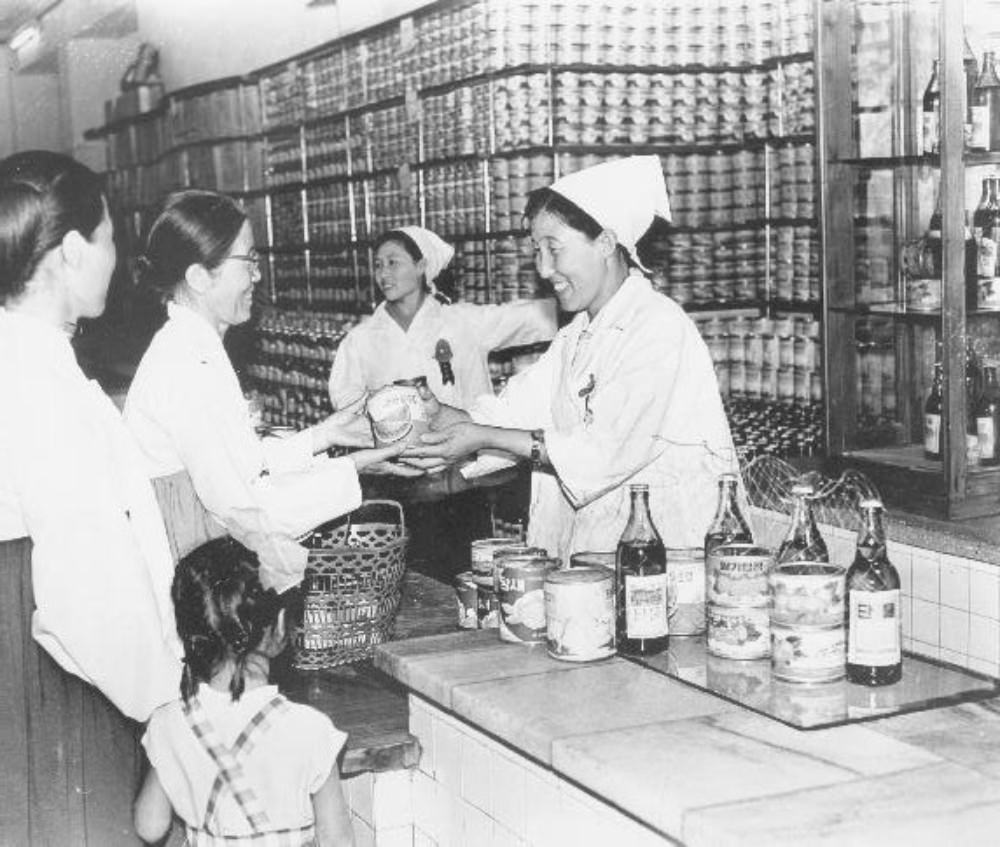
State-run shops in Pyongyang stocked a range of canned and bottled goods — strawberries, watermelon, vegetables, and juice. Clerks sold these items in organized retail settings, part of the government’s effort to show that ordinary citizens had access to food variety. Whether this availability extended beyond Pyongyang’s showpiece districts was a question Gayn’s controlled itinerary made difficult to answer.
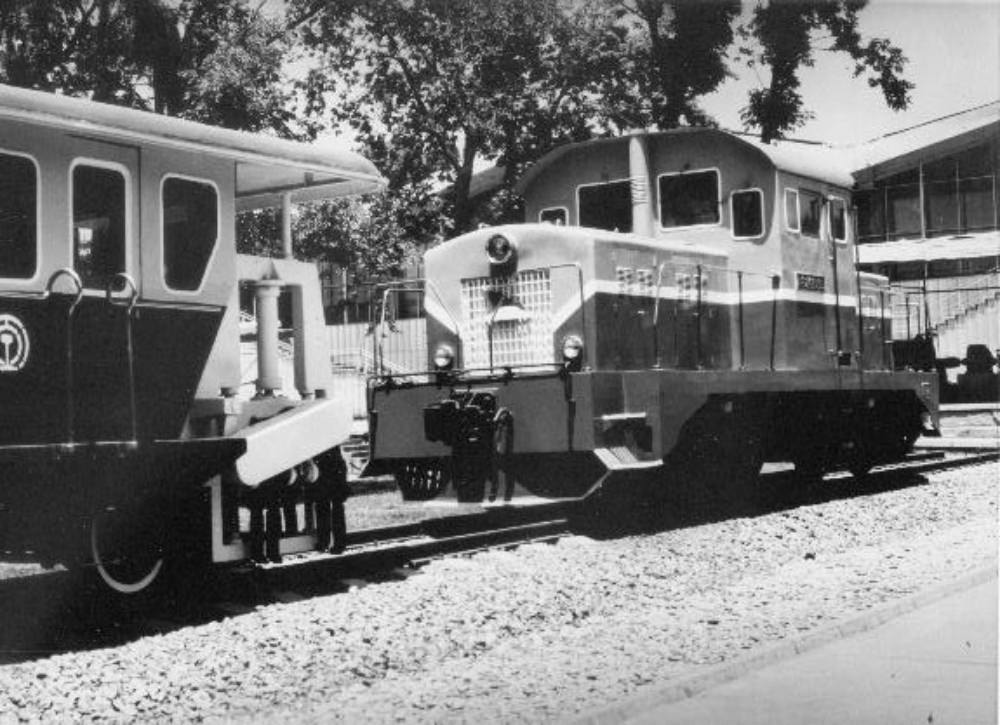
Transportation infrastructure was another point of pride. The Kim Jong Tae Electric Locomotive Factory in Pyongyang produced trains used across the country’s rail network. Electric locomotives were a significant industrial achievement for any developing nation in the early 1970s, and North Korea’s domestic production of them was held up as proof of industrial capability. Gayn photographed the trains as part of his broader documentation of the country’s manufacturing sector.
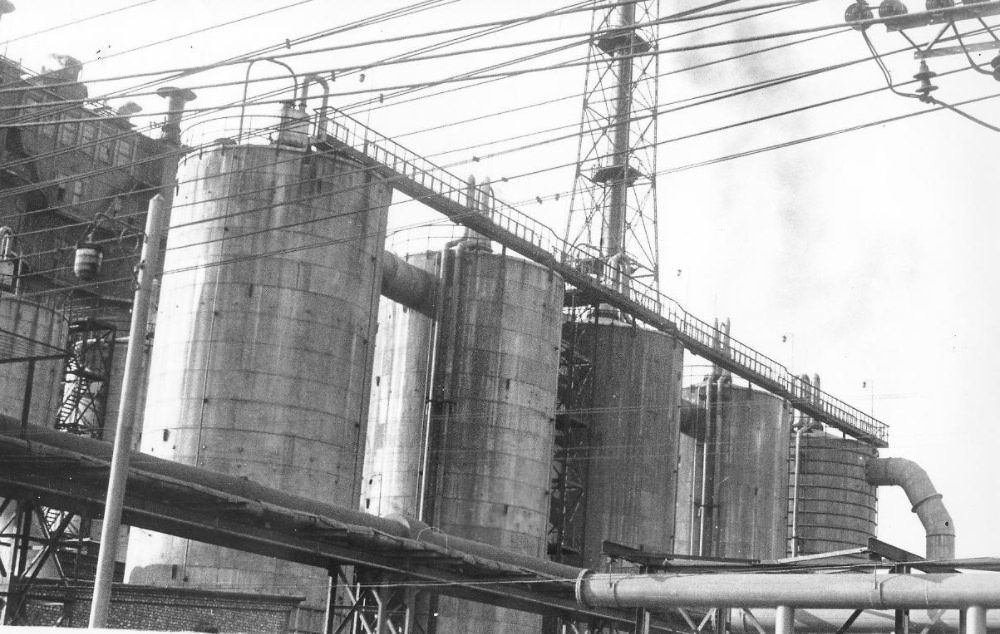
Hamhung was home to major heavy industry, including large-scale fertilizer production. Fertilizer plants in the city supported the agricultural cooperatives that fed the population, linking industrial output directly to food security. Gayn photographed the facility as part of his documentation of the Hamhung industrial zone.
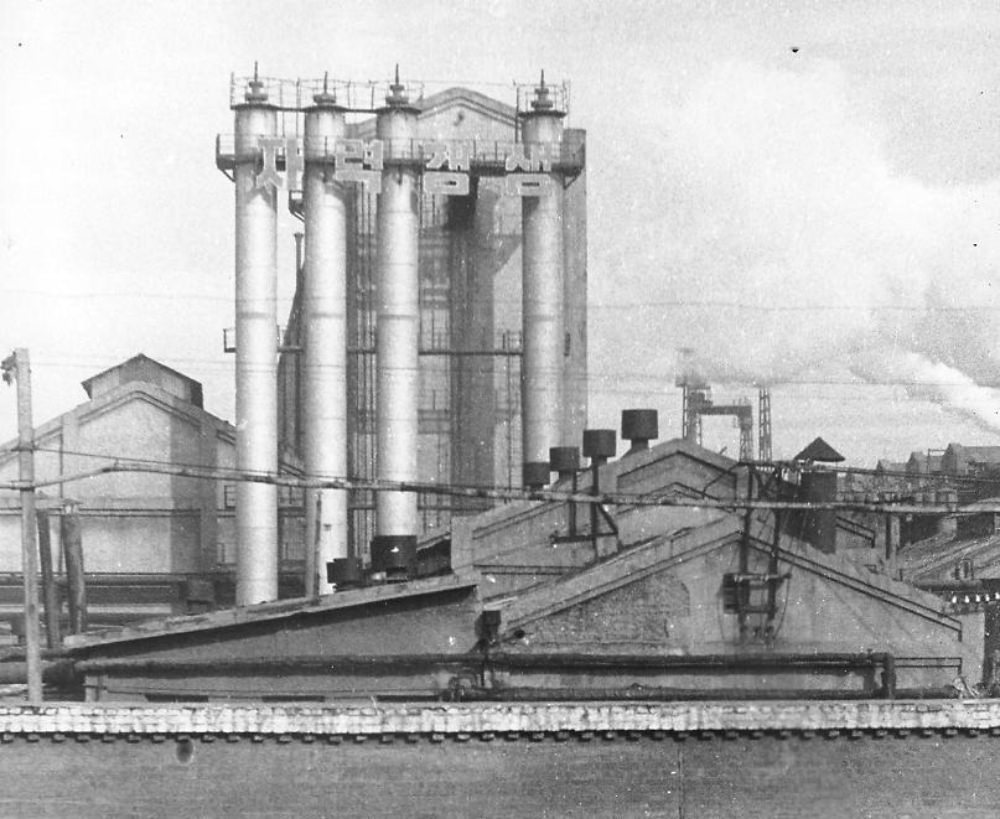
A second look at the Hamhung fertilizer plant underscores just how central chemical production was to North Korea’s industrial identity in 1972. Gayn’s observations, while filtered through a carefully managed tour, still captured a country investing heavily in the physical machinery of a modern state. Whether the reality matched the image being sold was another matter — but the factories, the workers, and the infrastructure were real, and his photographs remain among the most detailed Western records of North Korea’s industrial world from that era.




