
Manchester’s streets once hummed with the chatter of packed pub vaults and the glow of cinema marquees. From the tight terraced corners of Hulme to the grand facades of Oxford Street, the city’s social life played out in these buildings every single day. The photos in this collection span the 1960s through to the early 1990s, capturing pubs and picture houses that most Mancunians will remember — and many that are long gone.
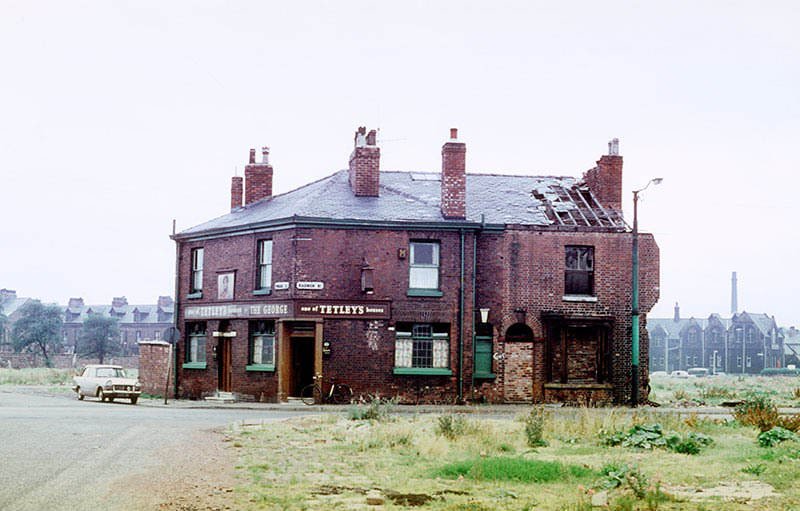
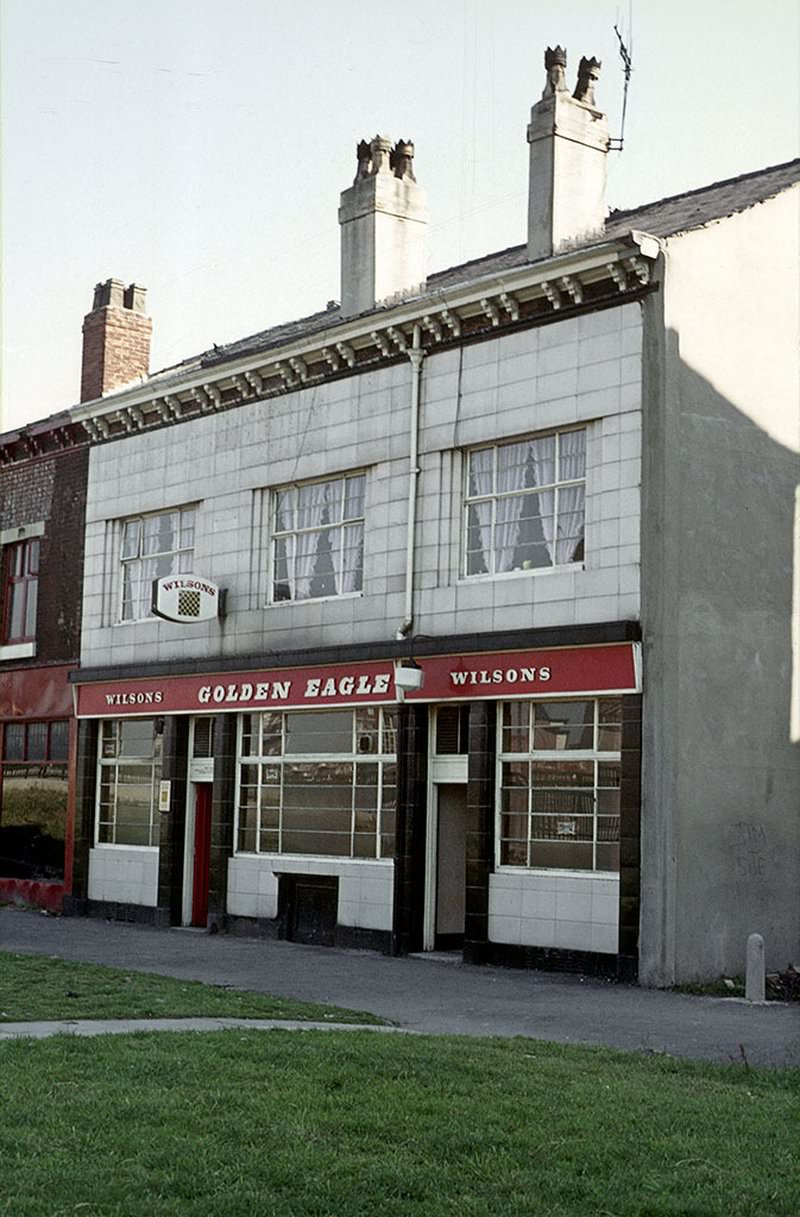
Hulme was home to a dense cluster of neighbourhood pubs in the 1960s, each one sitting at the heart of its local community. The George Inn at Radnor Street and Pinder Street was a classic example — a corner pub built to serve the streets around it. Not far away, the Golden Eagle on Hulme Walk was another well-known local, photographed in the years before its closure in 1976.
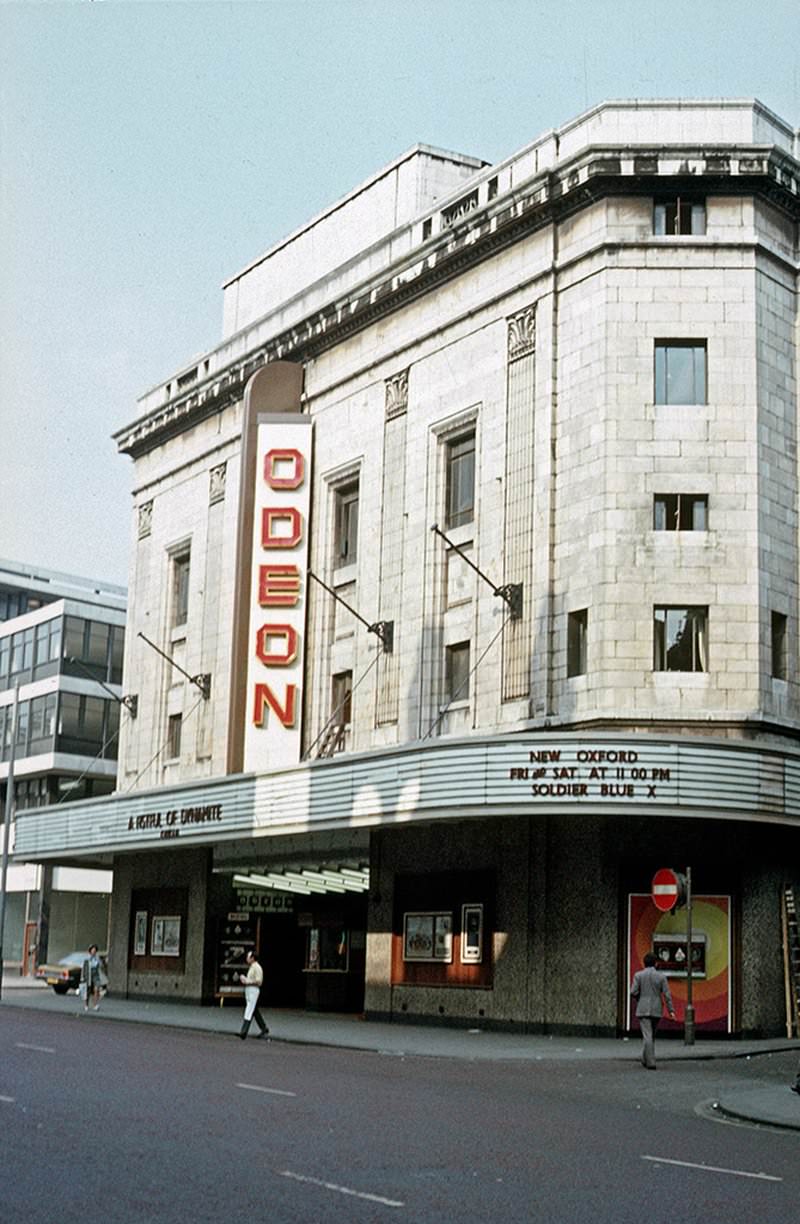
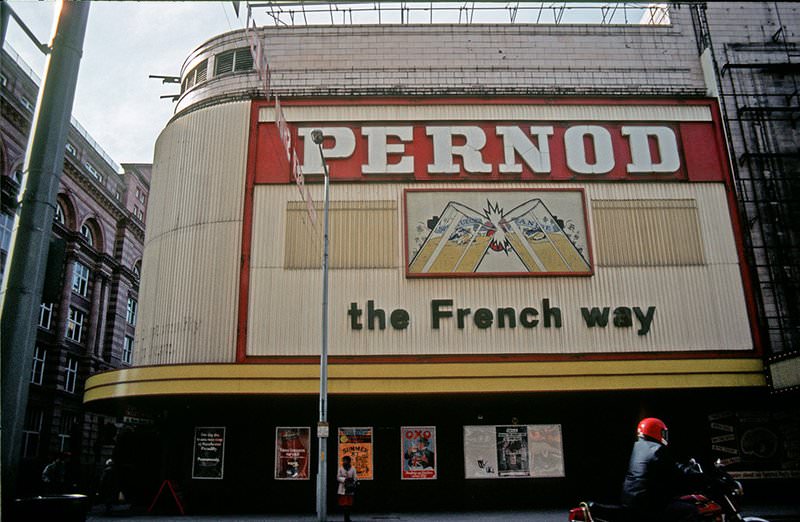
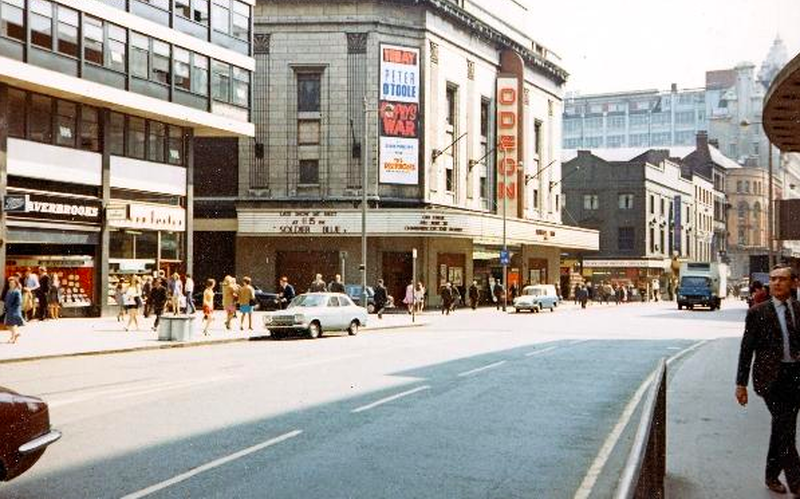
Oxford Street was the city’s cinema corridor. The Odeon stood as one of its most recognisable landmarks, photographed both in September 1972 and again later in the decade.
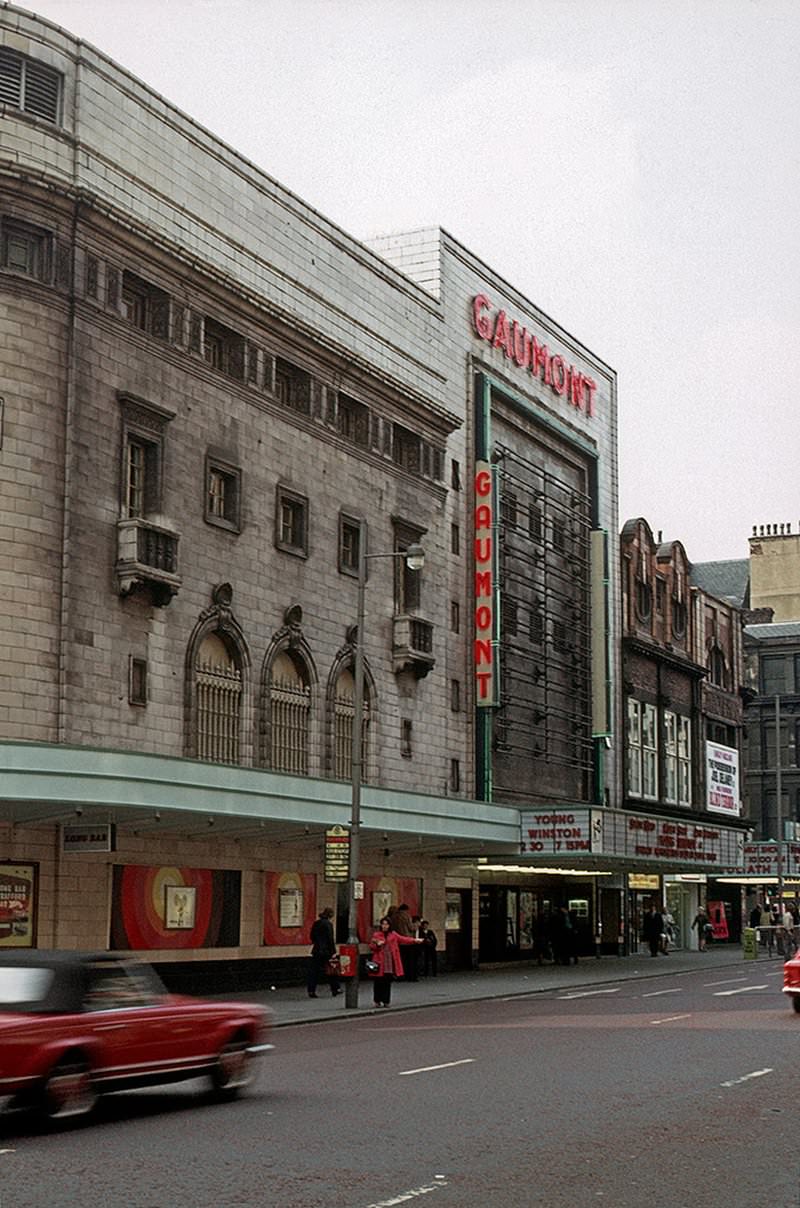
The Gaumont on the same street drew crowds throughout the 1970s and into the 1980s. By 1987, it was still standing, its exterior largely unchanged from the early 1970s when it was photographed alongside the Odeon as part of Oxford Street’s thriving entertainment strip.
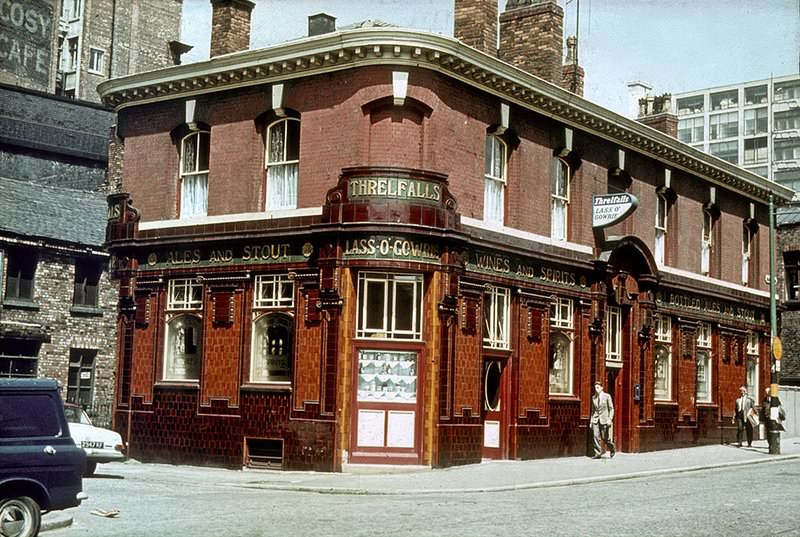
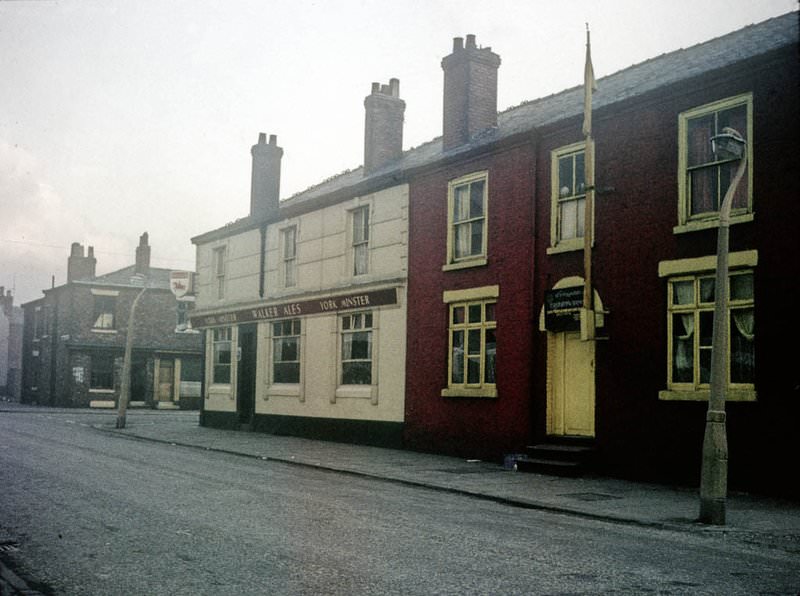
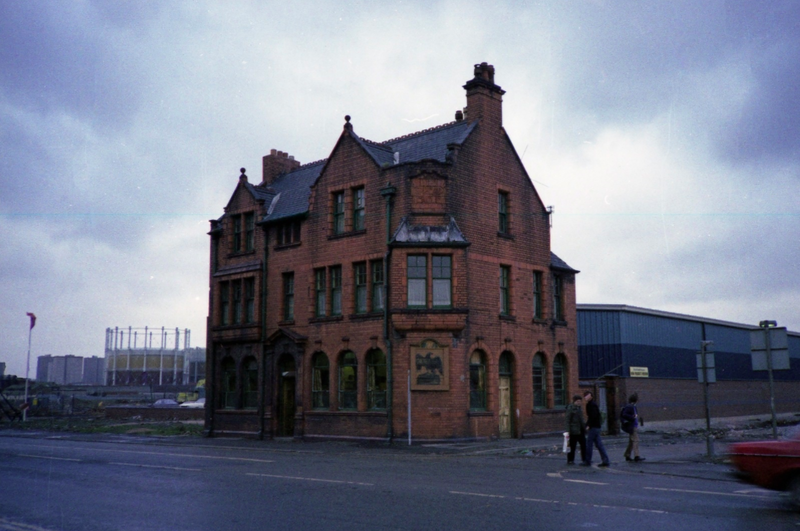
Back in the pubs, Charles Street was home to the Lass O’ Gowrie, one of Manchester’s most distinctive drinking establishments, captured here in the late 1960s. Around the same time, the York Minster stood on the corner of Higher Chatham Street, photographed around 1967.
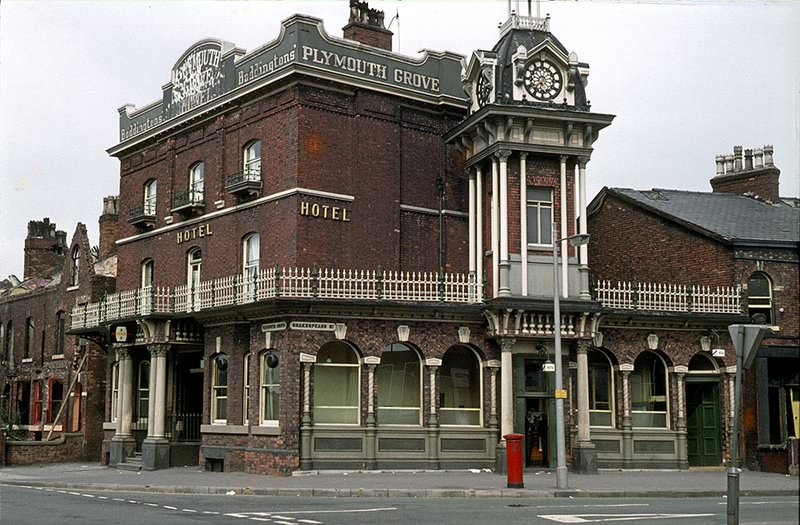
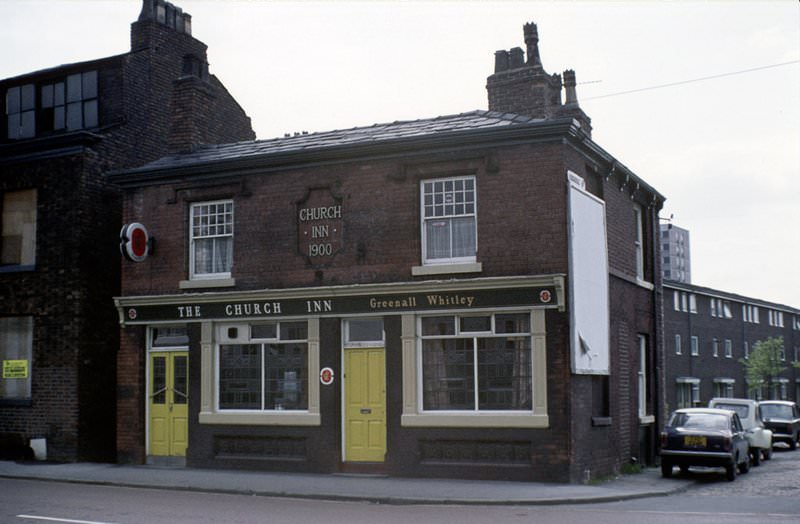
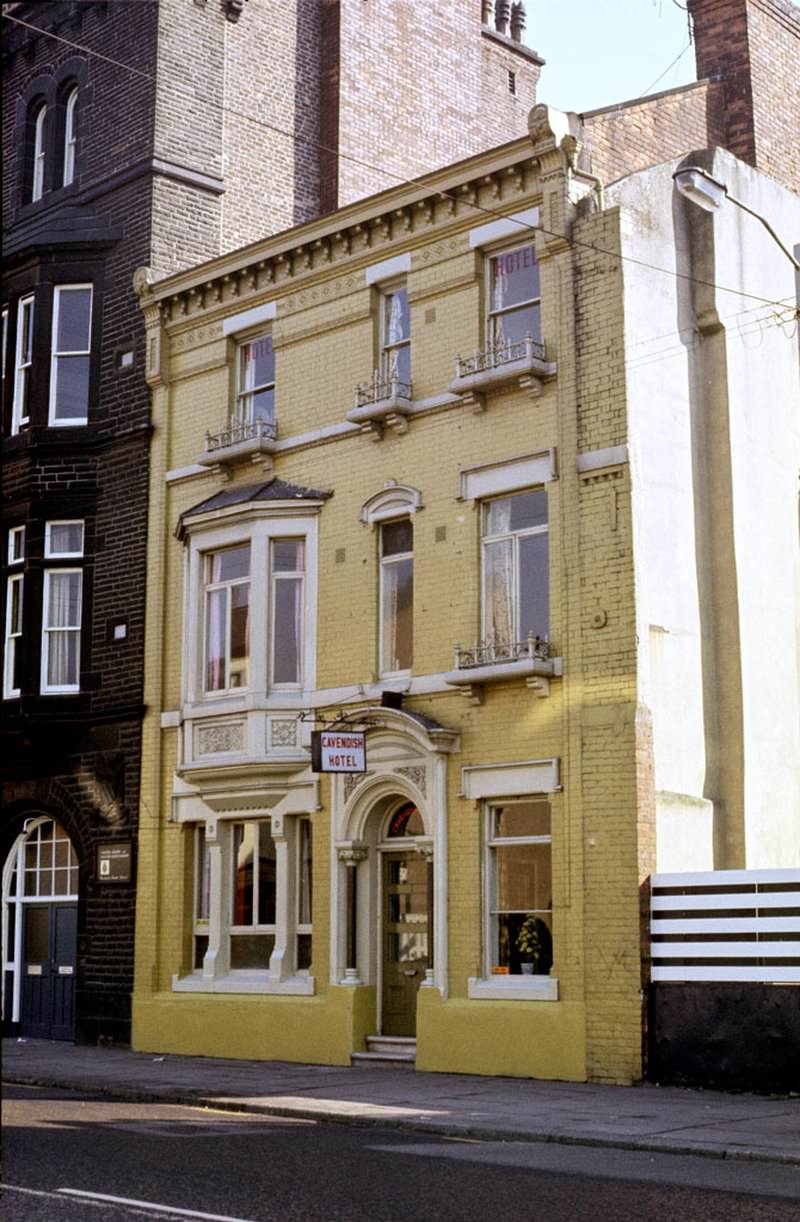
The Plymouth Grove Hotel sat at the junction of Plymouth Grove and Shakespeare Street, photographed around 1969. The All Saints area had its own tight-knit pub scene too, with the Church Inn on Cambridge Street and the Cavendish Hotel on Cavendish Street both captured around 1972.
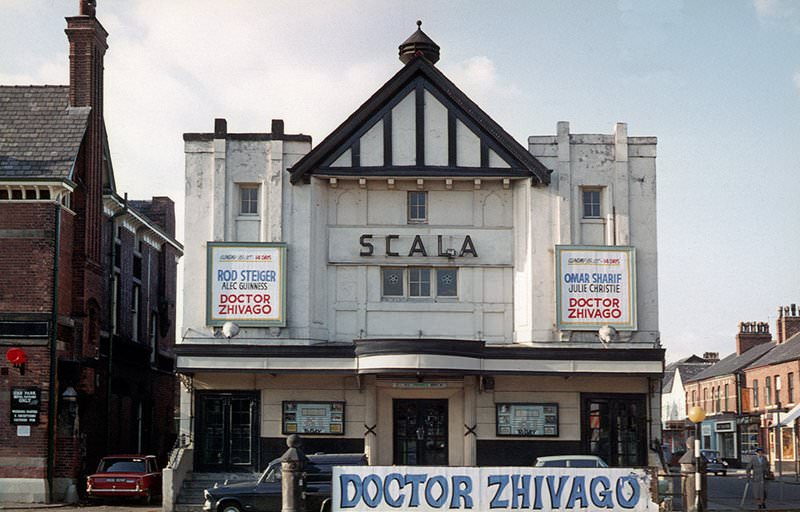
The Scala cinema on Wilmslow Road in Withington was photographed in October 1969, representing the many neighbourhood picture houses that served communities well beyond the city centre.
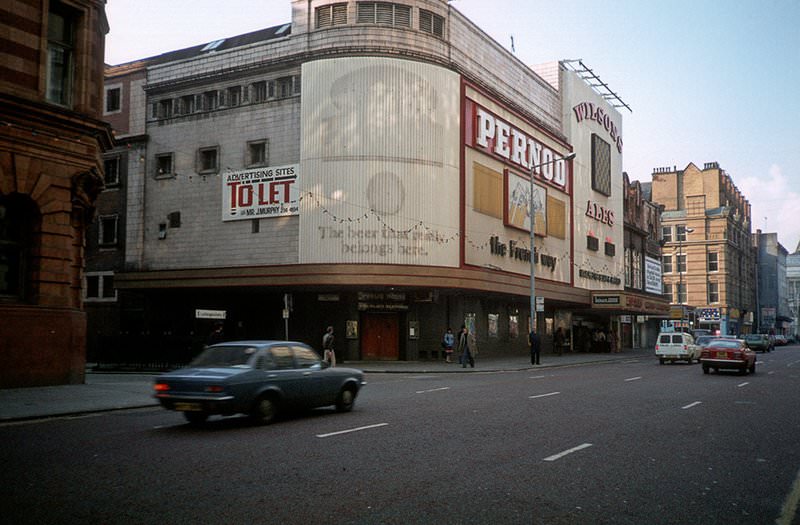
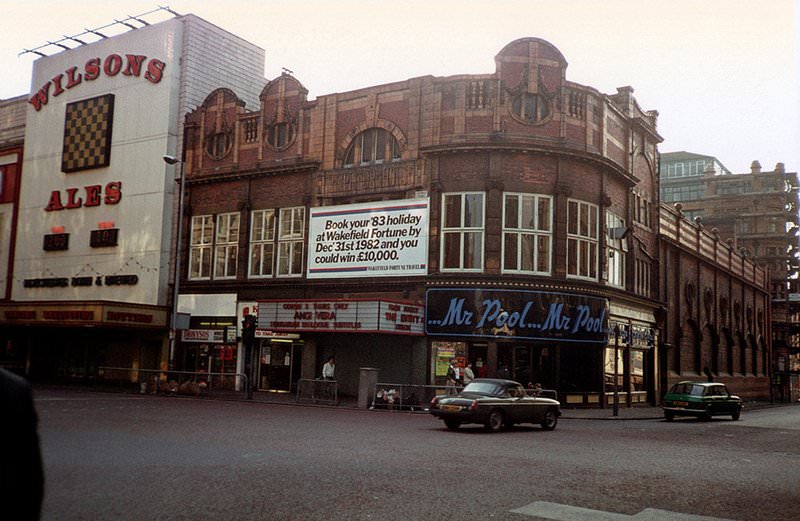
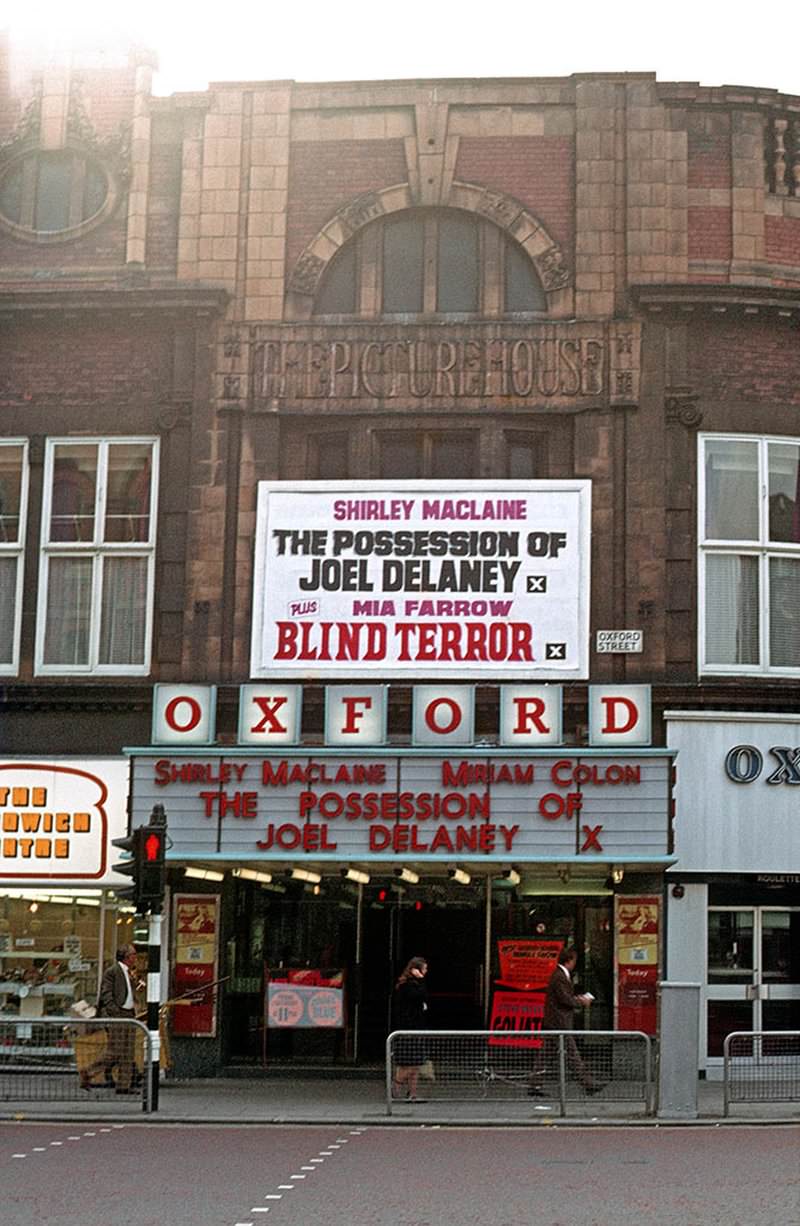
Oxford Street’s former Picture House had already changed its name by the early 1970s. By September 1972 it was operating as the Oxford cinema, also known as the New Oxford. A decade later, in 1982, the same building was photographed again — its history as a picture house still visible in its architecture.
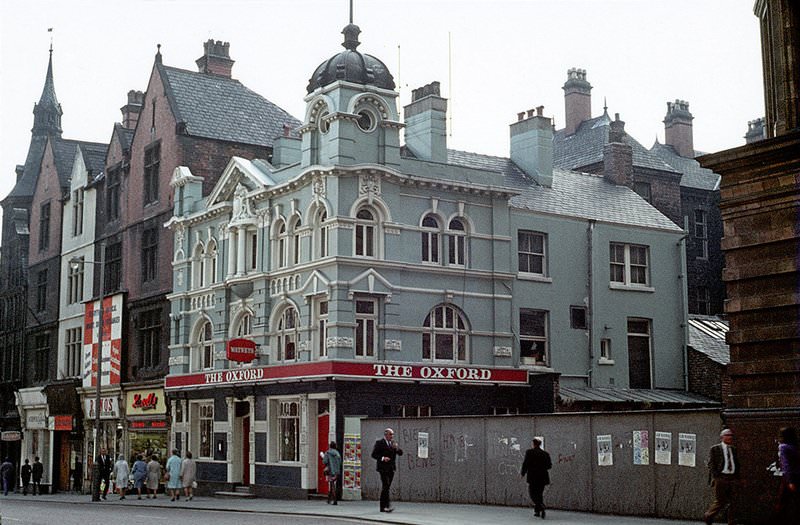
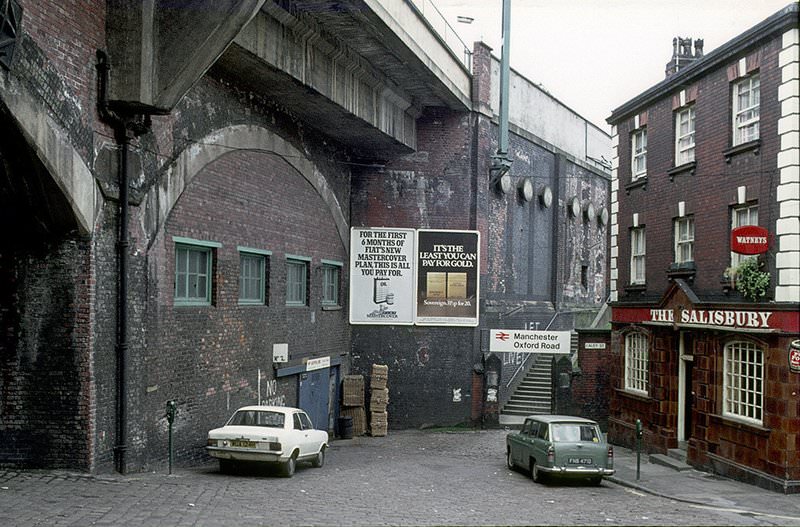
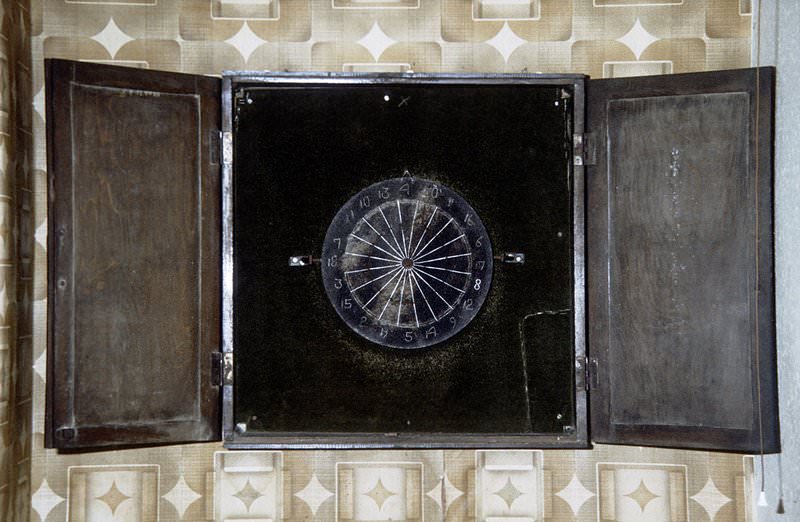
A view along Wakefield Street toward Oxford Road Station around 1974 shows the Salisbury pub anchoring the far end of the street. In the same period, the Lloyds Arms on Higher Ormond Street, All Saints, offered a glimpse inside with photos of its vault interior and a well-used dartboard — the kind of details that bring a pub to life more than any exterior shot.
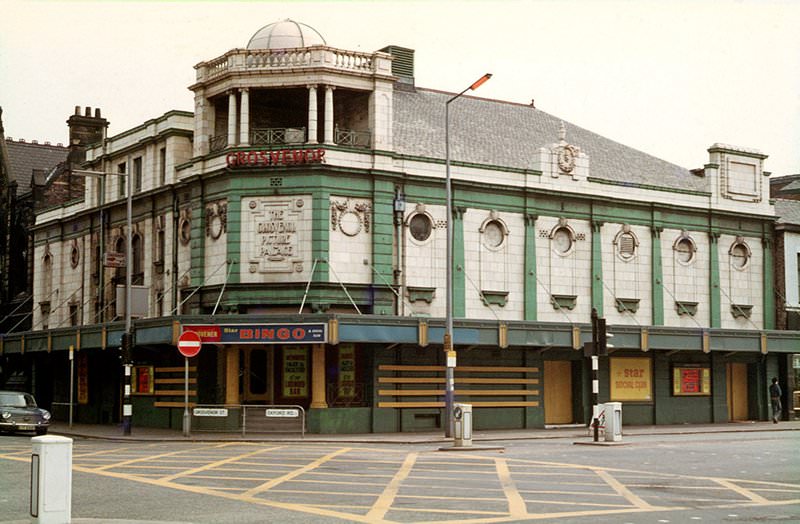
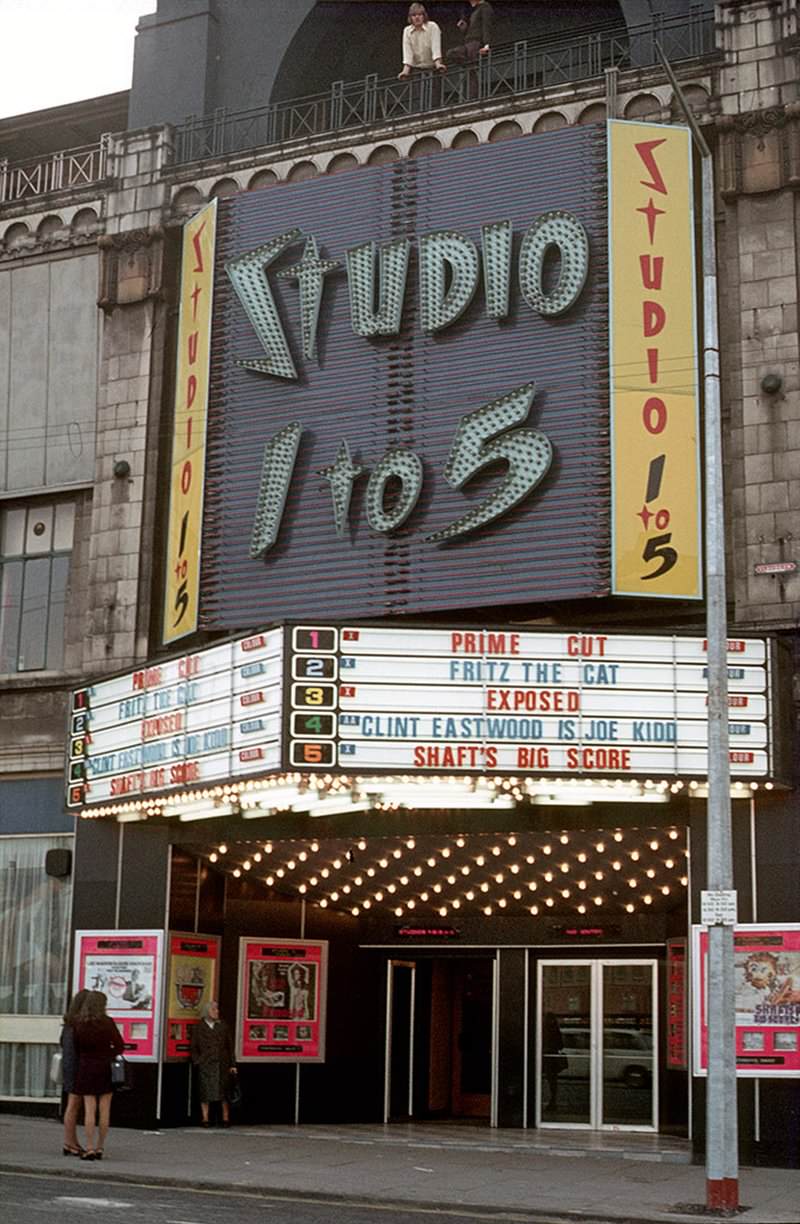
The Grosvenor Picture Palace at All Saints was photographed around 1971 and again in 1985, showing the building in two very different eras. The Studio 1 to 5 cinema on Oxford Road, photographed in September 1972, was another multi-screen venue serving the city centre.
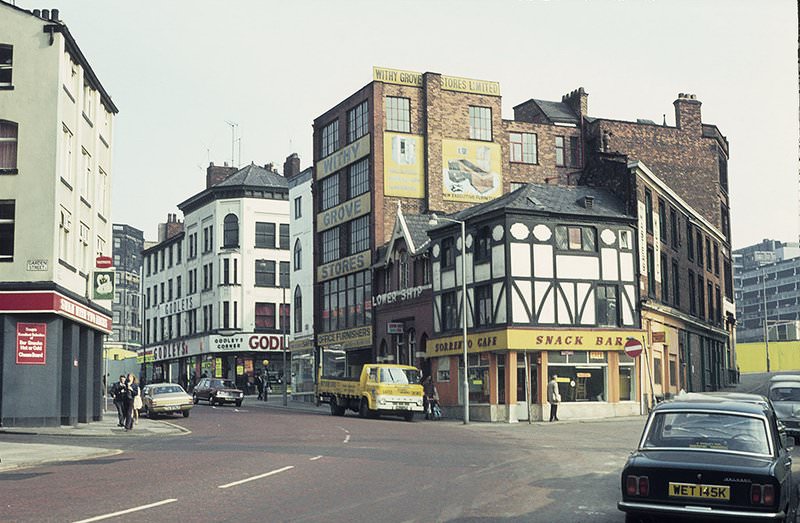
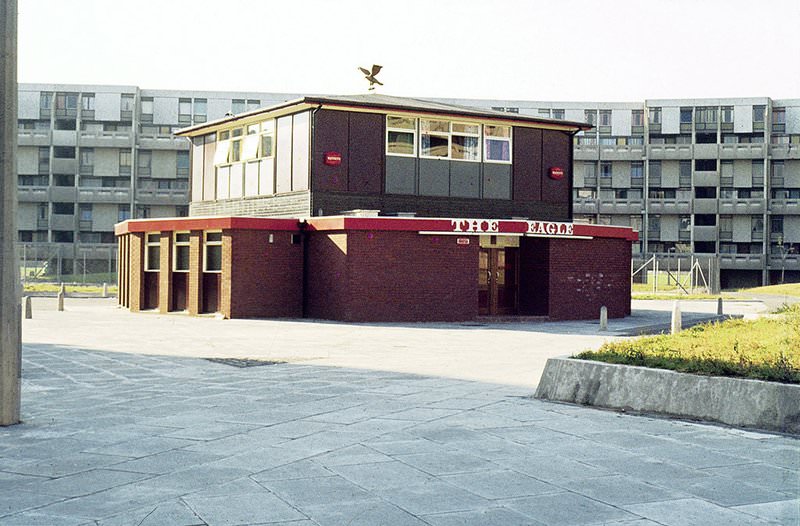
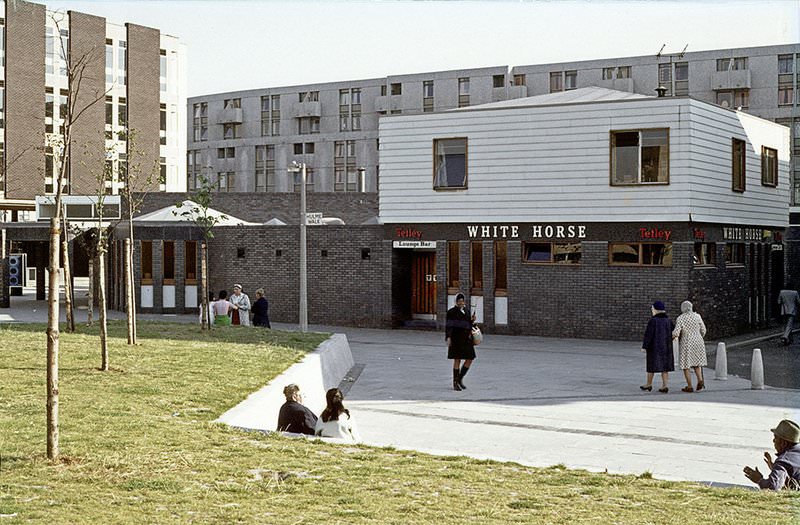
Hulme Walk continued to support multiple pubs within a short stretch. The White Horse and the Eagle both stood there around 1972, serving a neighbourhood that was undergoing significant change throughout the decade. Over on Withy Grove, the Swan with Two Necks — a pub with a name long debated by locals — was photographed looking toward Shude Hill around the same year.
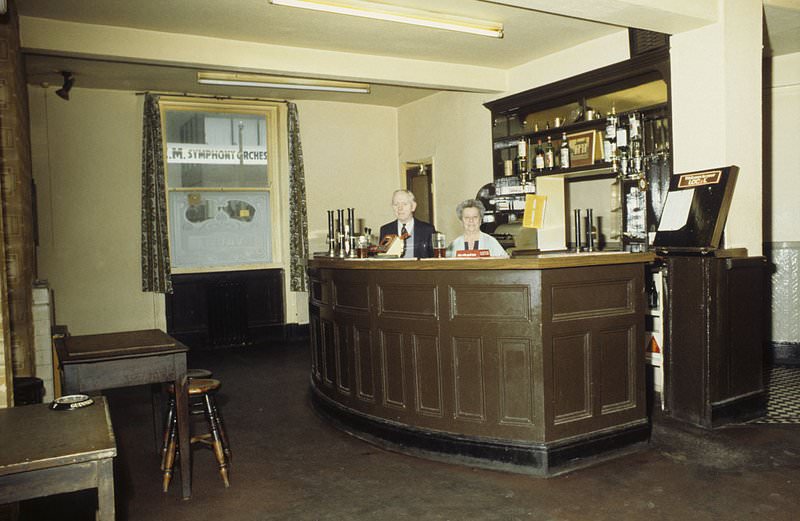
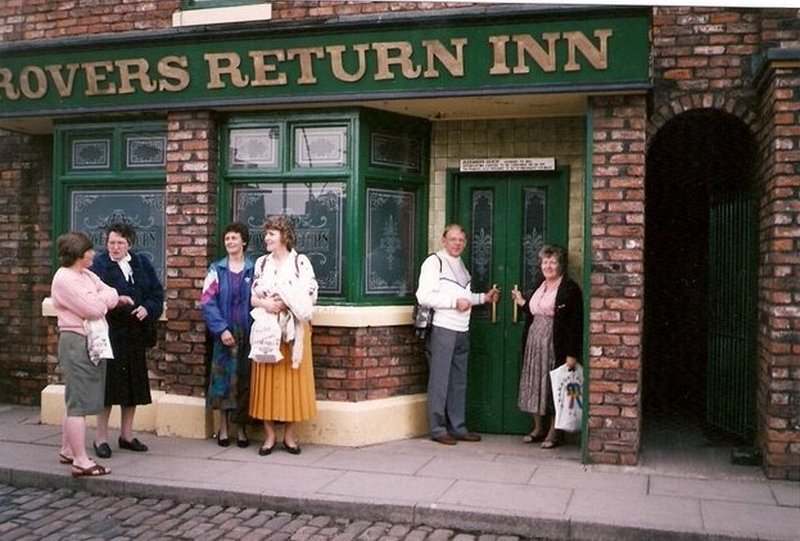
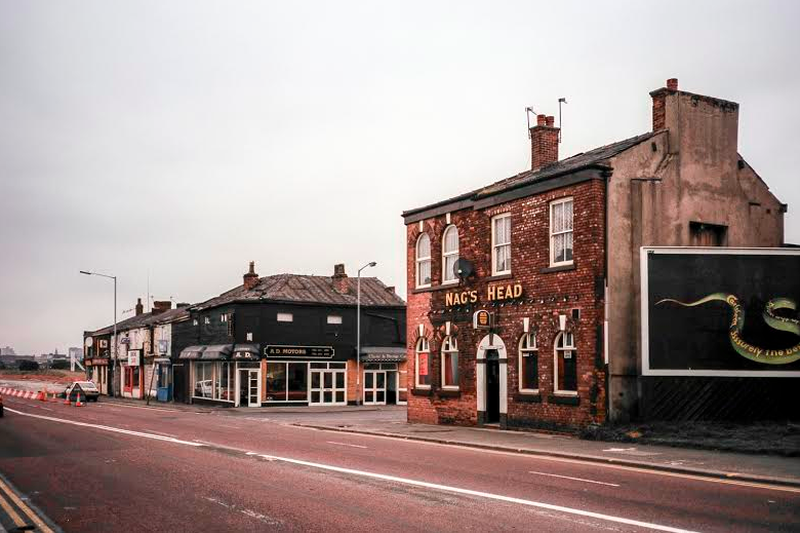
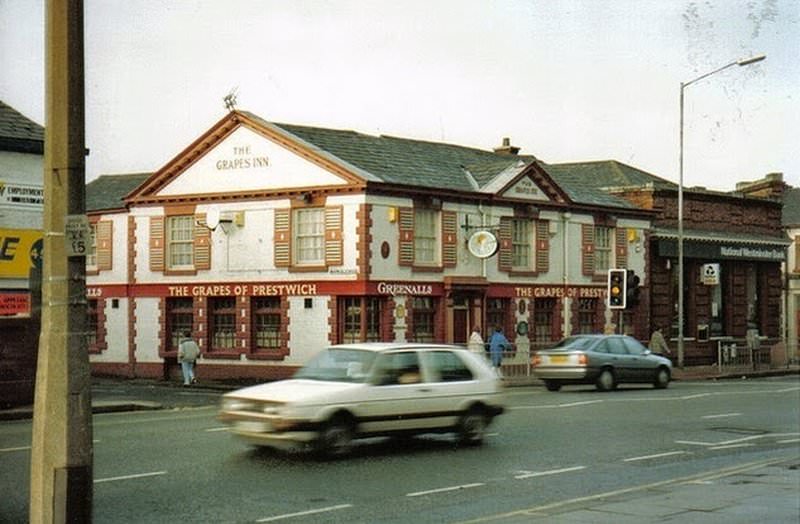
By the early 1990s, the city’s pub landscape had shifted again. The Rovers Return was photographed in 1991, as was Monroe’s on London Road. The Nags Head in Gorton and the Grapes of Prestwich on Bury New Road, Prestwich, were both caught on camera in the same period, representing the wider Greater Manchester pub scene beyond the city centre.
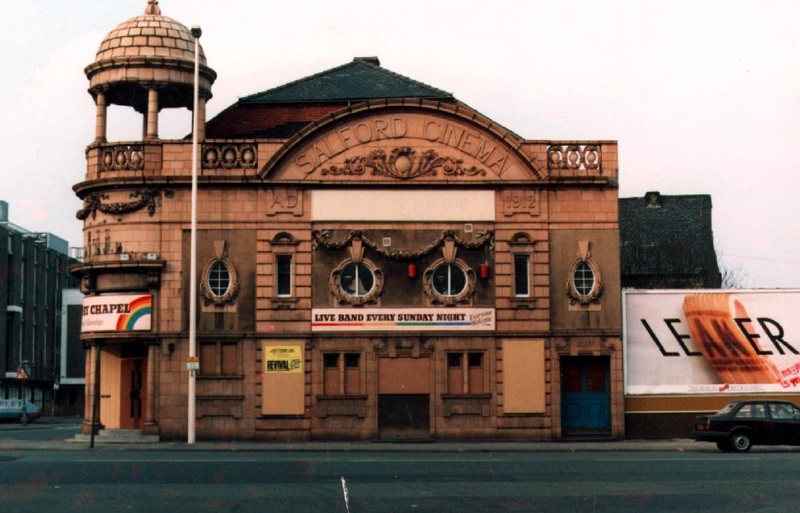
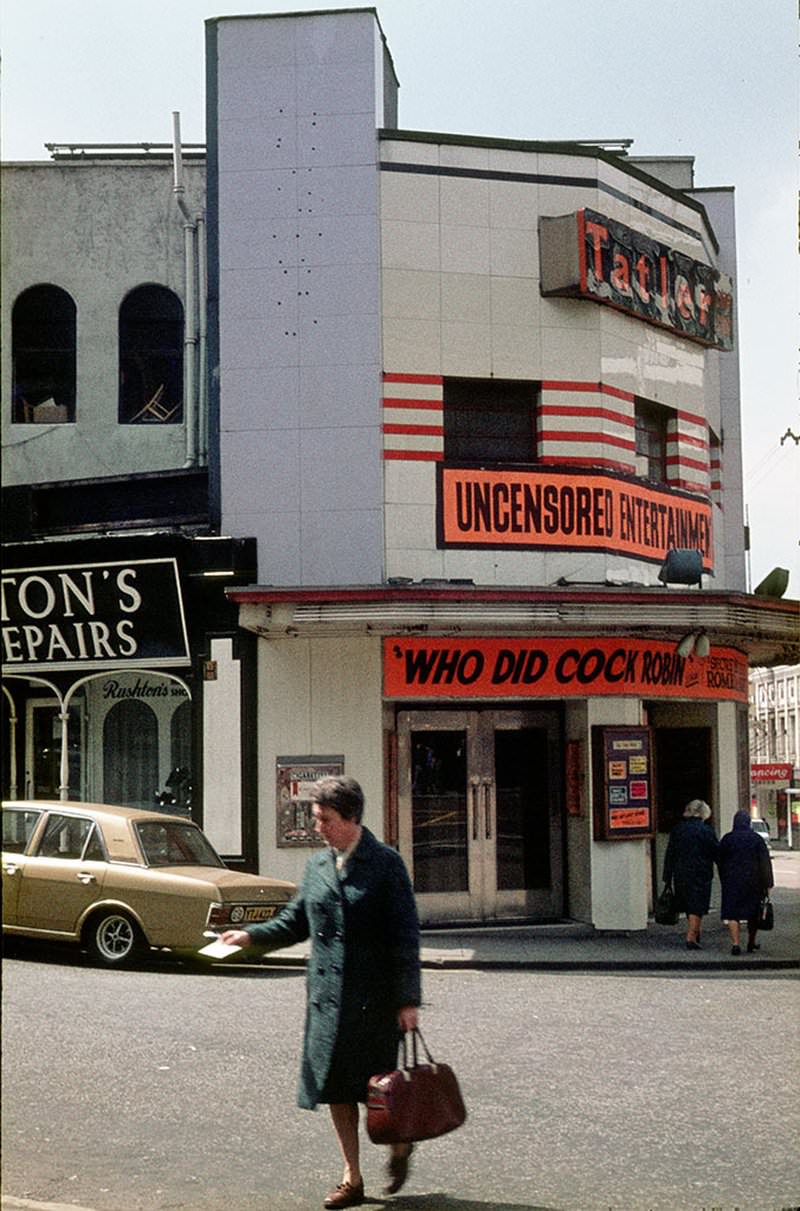
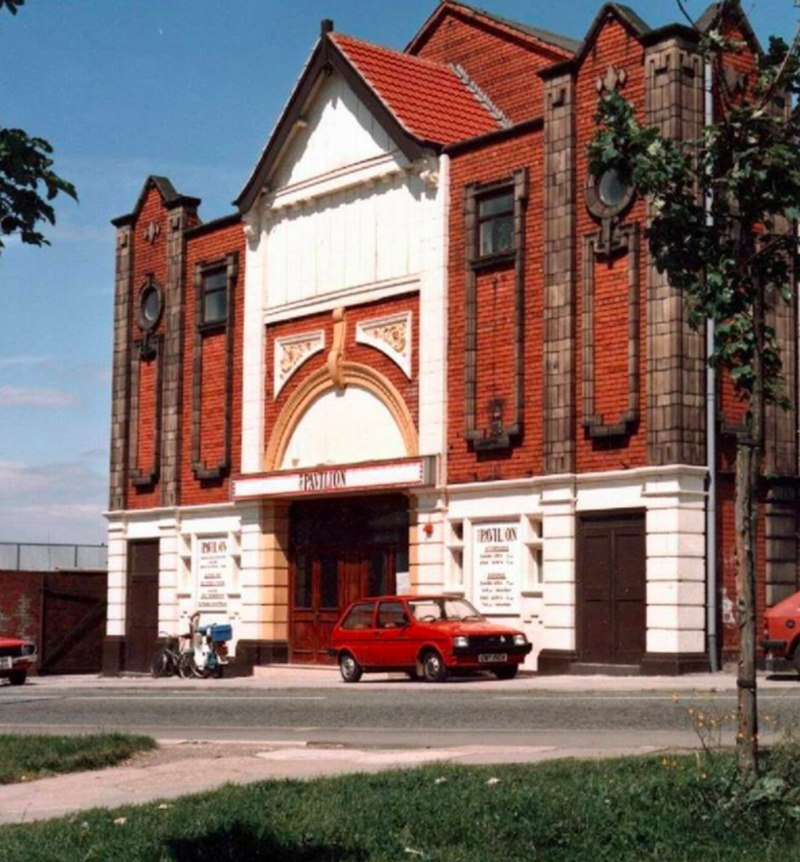
The Tatler cinema on the corner of Whitworth Street and Oxford Road Station Approach was photographed in 1974. It later became part of the Cornerhouse arts venue, one of the few cinema buildings in this collection to find a second life rather than face demolition. The Salford Cinema, photographed in 1986, and the old Pavilion Cinema and bingo hall in Newton Heath, also captured in 1986, represent how many of these buildings transitioned — or simply disappeared — across the decades.
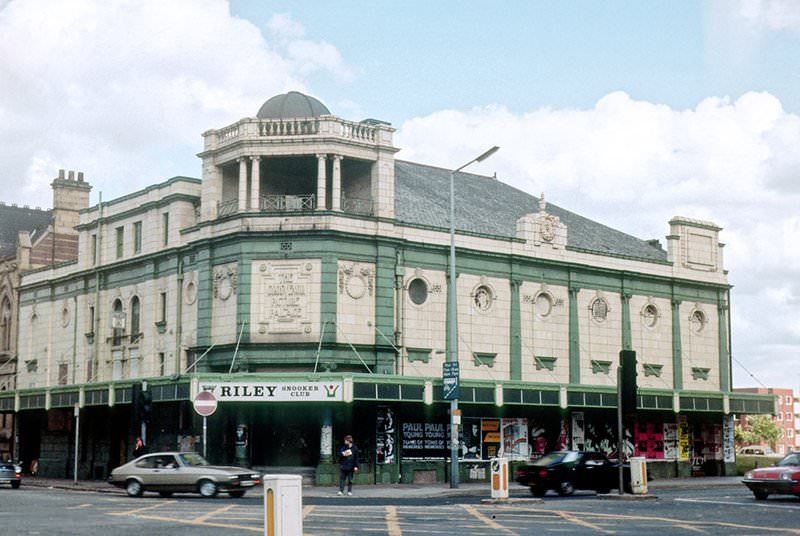
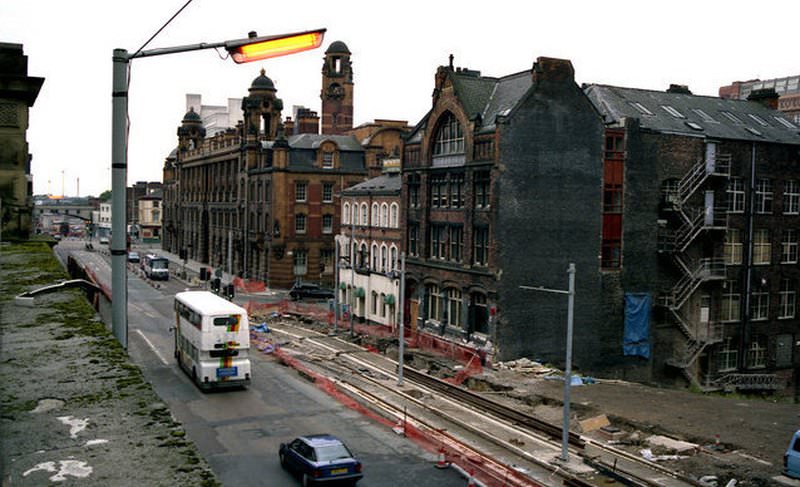
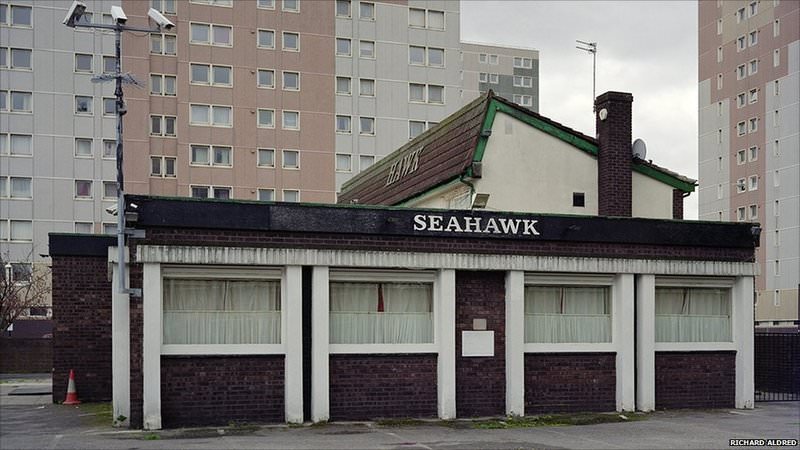
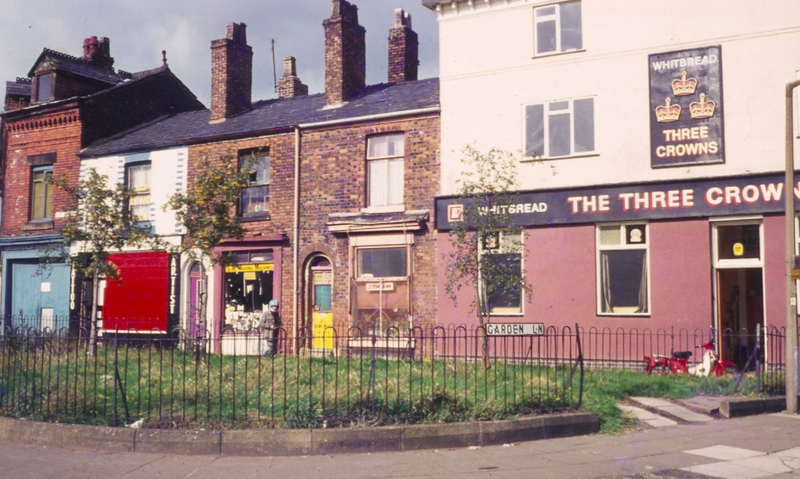
Salford and the surrounding areas contributed their own memorable venues. The Spread Eagle on Regent Road in Salford was photographed in 1984, and the Seahawk on Bold Street in Old Trafford sits among the collection without a precise date — a reminder that not every photo came with a full record. The Three Crowns on Garden Lane, captured in 1983, rounds out a set of images that together document a Manchester that existed before widespread demolition and redevelopment reshaped the city’s skyline.





Who’s going to tell them that the Rover’s Return is not a real pub?