In the fall of 1964, the U.S. government buried a nuclear bomb nearly half a mile underground in rural Mississippi and set it off. It was not an act of war. It was not an accident. It was a carefully planned experiment designed to answer a troubling question: could a country cheat on a nuclear test ban treaty without anyone noticing? The answer, as it turned out, was yes — and proving it shook homes, cracked chimneys, and flooded kitchens for miles around.
The project was called Project Dribble, and it was run by the U.S. Atomic Energy Commission. It centered on a site called the Tatum Salt Dome, located near Hattiesburg in Lamar County, Mississippi. The experiment involved two underground nuclear detonations — the first codenamed Project Salmon in 1964, and the second codenamed Project Sterling in 1966. Together, they were meant to study how well underground nuclear blasts could be hidden from seismic detection equipment.
The backdrop to all of this was the Limited Nuclear Test Ban Treaty (LTBT), signed by the United States, the Soviet Union, and other nations after nine years of negotiations. The treaty banned nuclear explosions in the atmosphere, in outer space, and underwater. But it left a gap: it said nothing about underground testing. Seismographs could generally pick up underground blasts, but the U.S. government wanted to know exactly how reliable that detection was — and whether a determined nation could fool the instruments entirely.
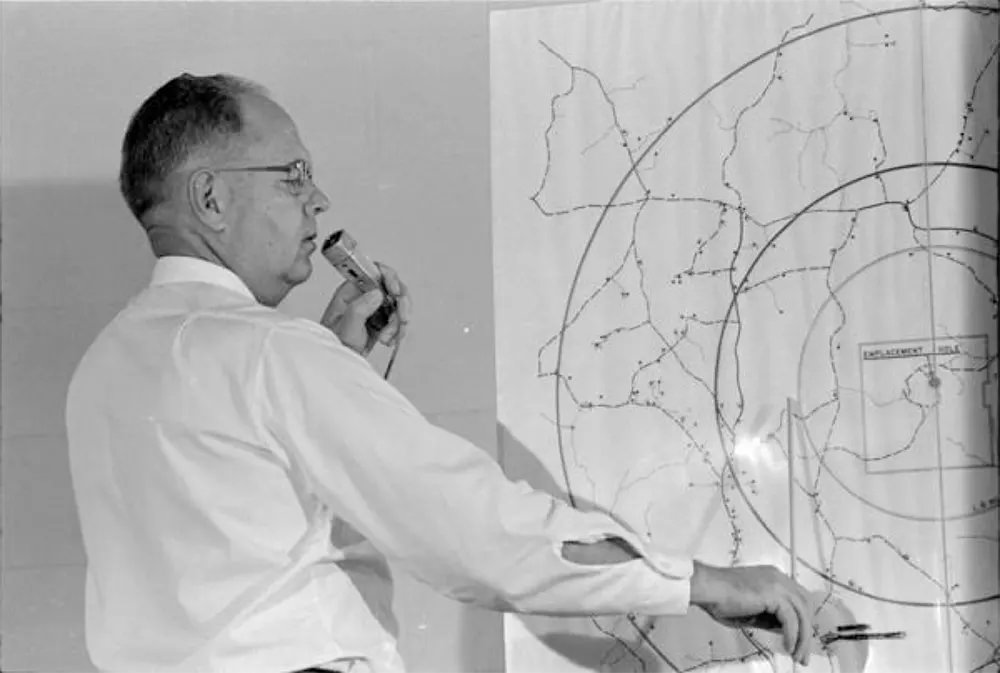
The plan was straightforward in theory. Project Salmon would detonate a nuclear device 2,700 feet below the surface inside a solid salt formation. The explosion would carve out a large underground cavity. Then Project Sterling would detonate a smaller bomb inside that cavity. The empty space would absorb and muffle the shockwaves, dramatically reducing what seismographs above ground would register. If it worked, it would prove that a cheating nation could mask a nuclear test behind the natural dampening effect of an underground void.
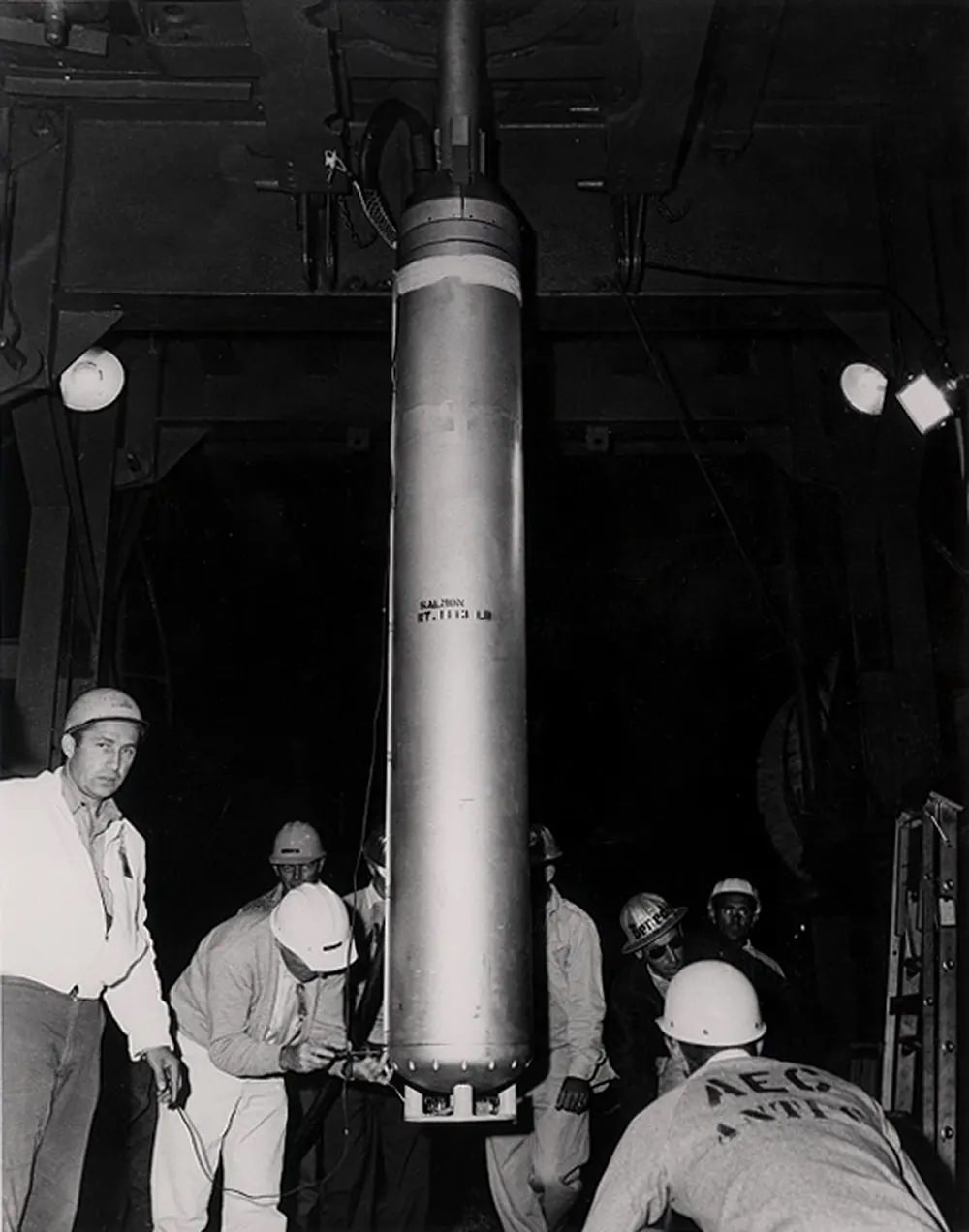
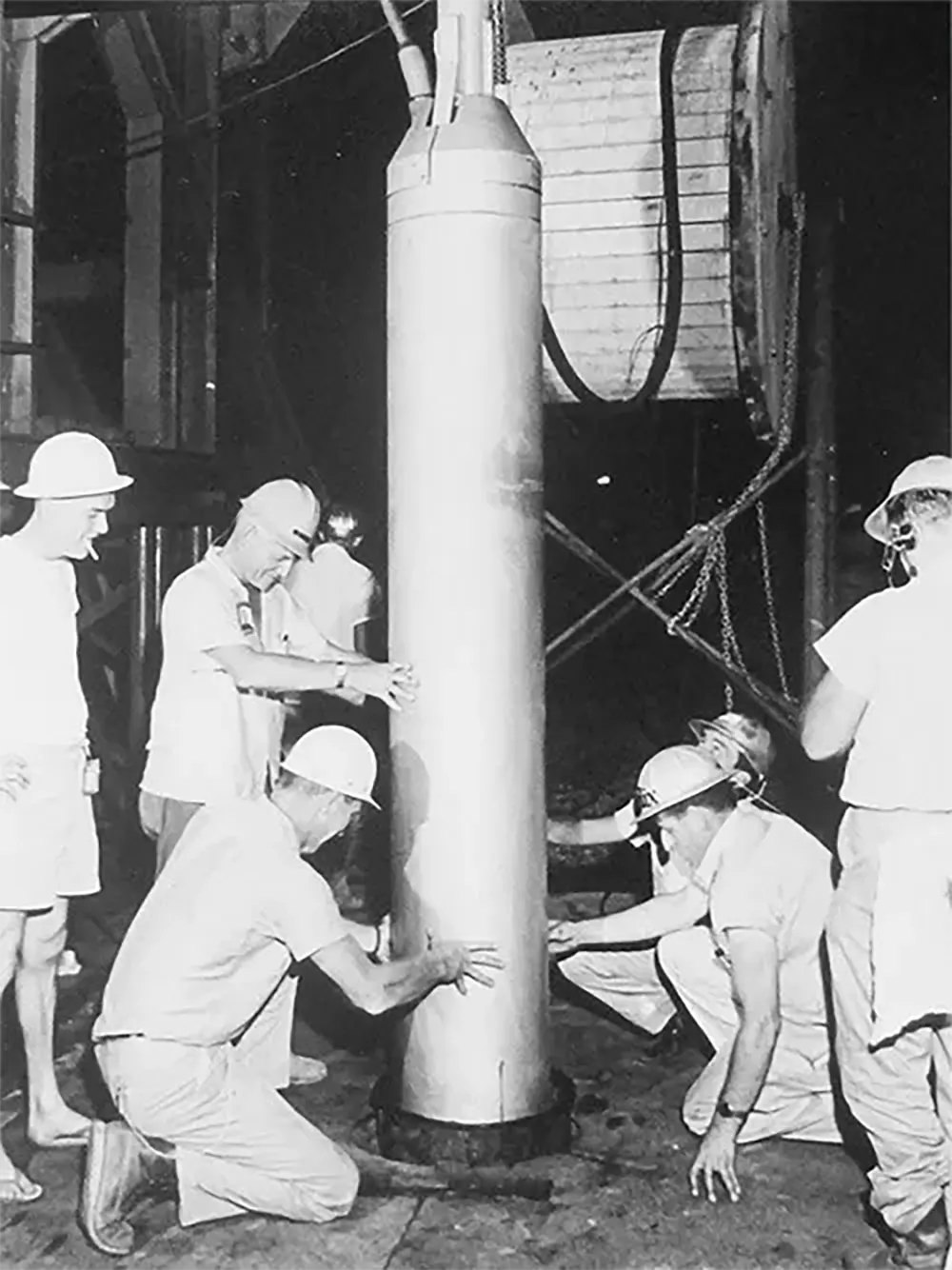
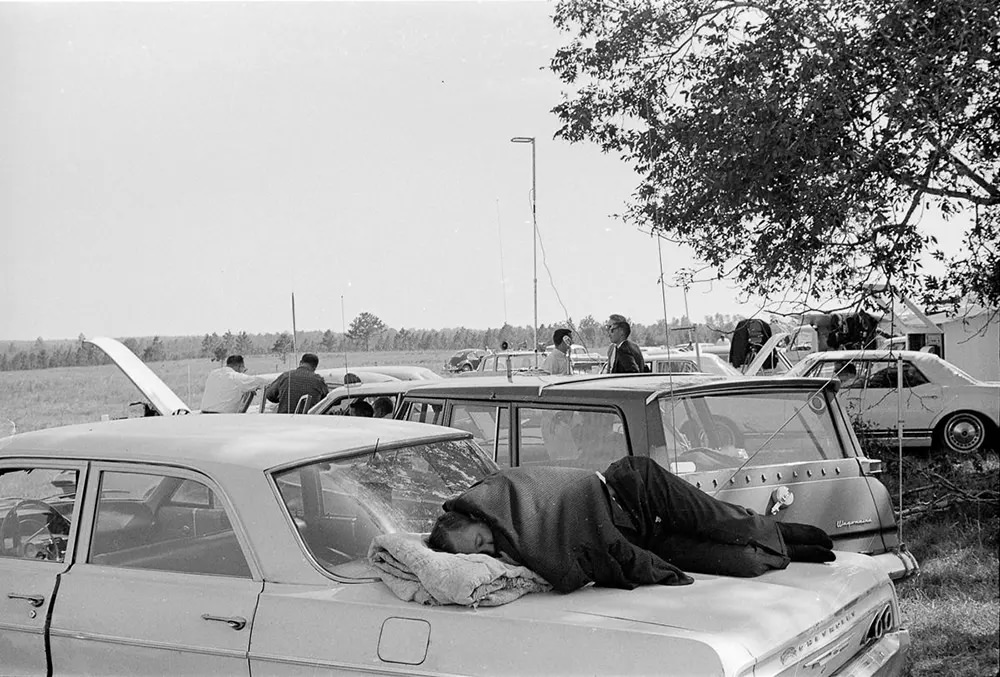
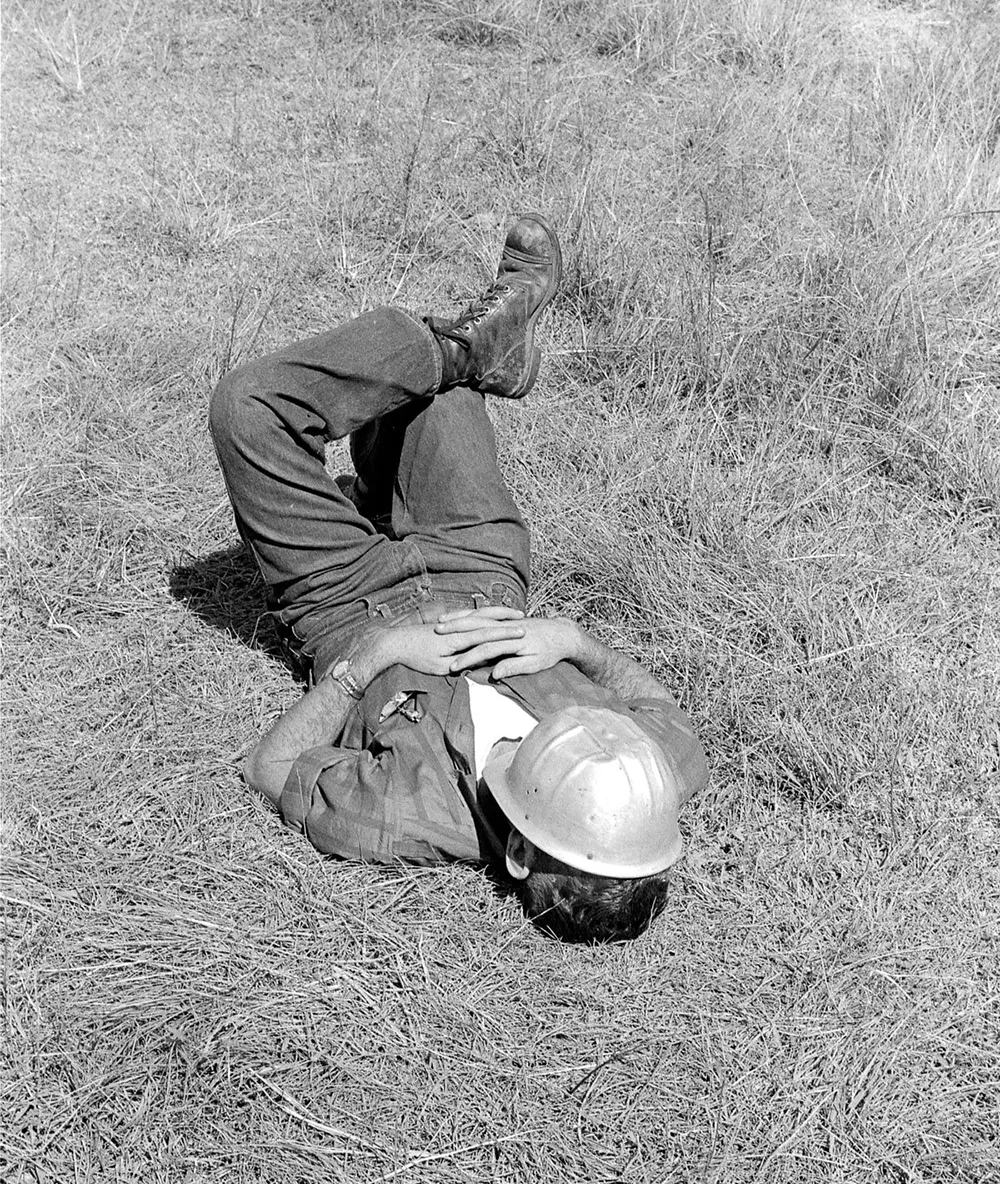
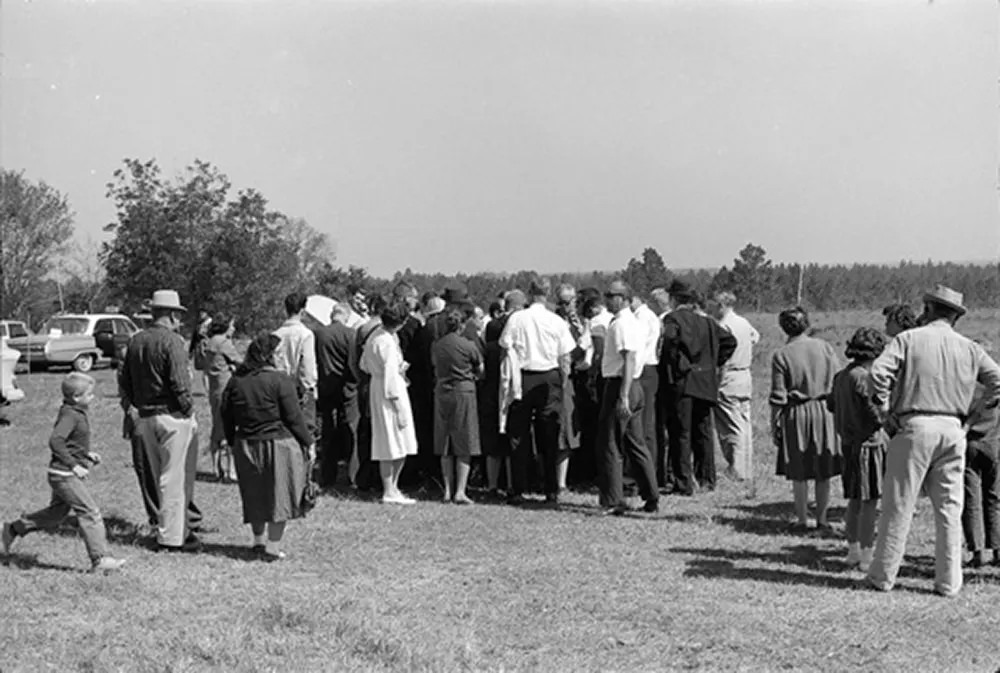
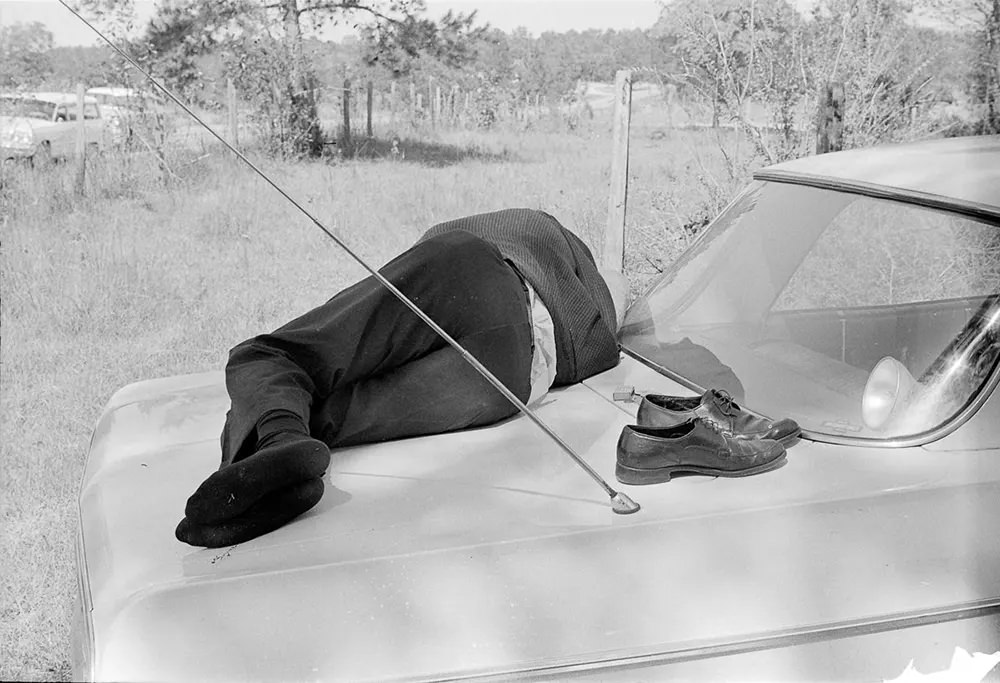
Preparation at the Tatum Salt Dome site began in 1964. More than 100 residents of Lamar County were hired for the project, mostly driving trucks and heavy equipment or feeding the workforce. The test was first scheduled for September 22, 1964, but wind conditions forced a postponement. Reporters, workers, and curious onlookers spent days waiting at observation points, some catching sleep on car hoods or in folding chairs while officials monitored weather reports.
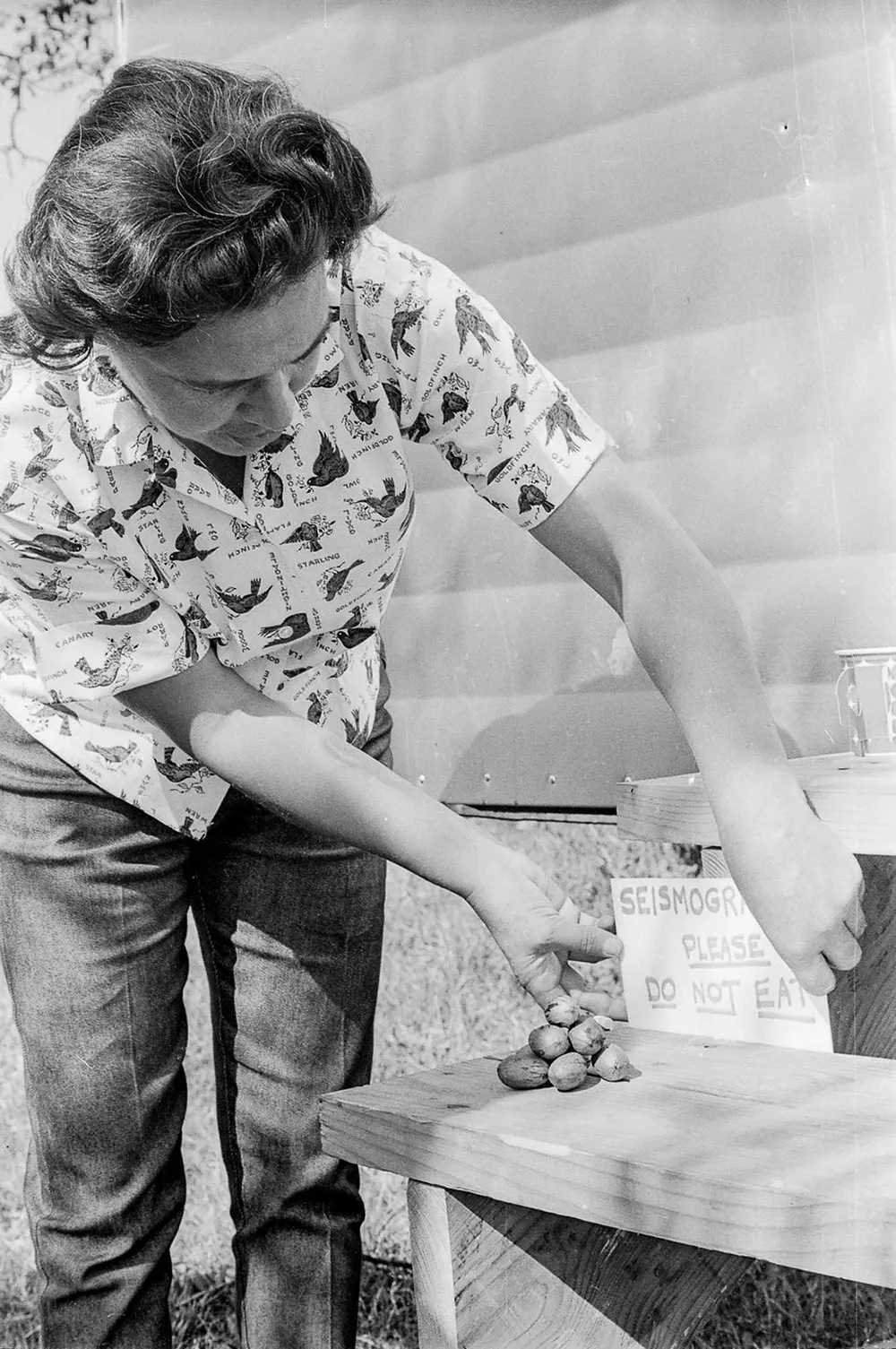
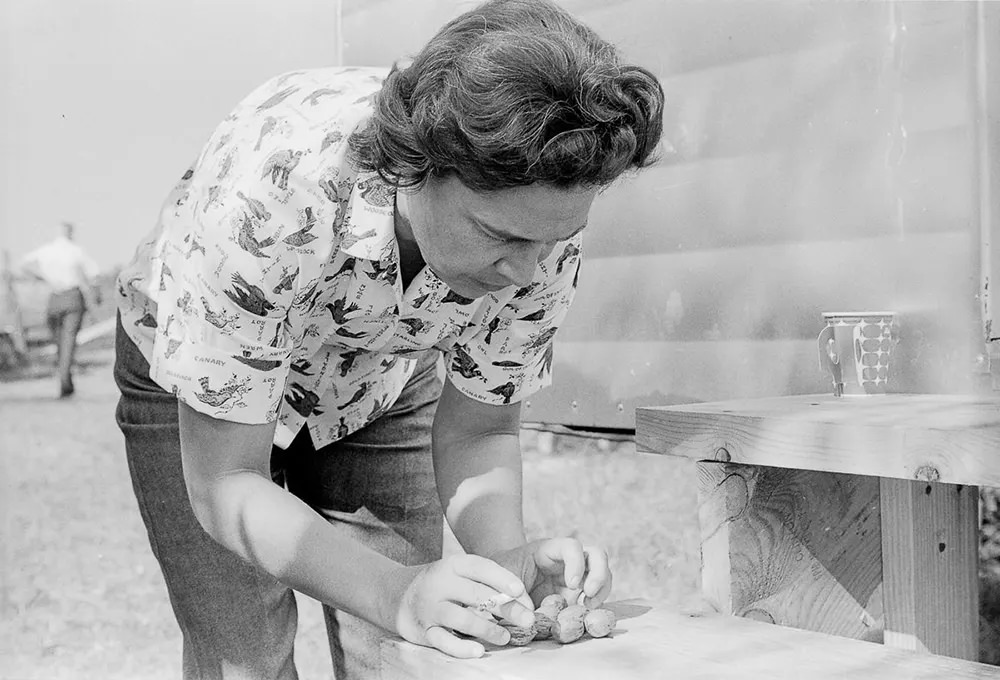
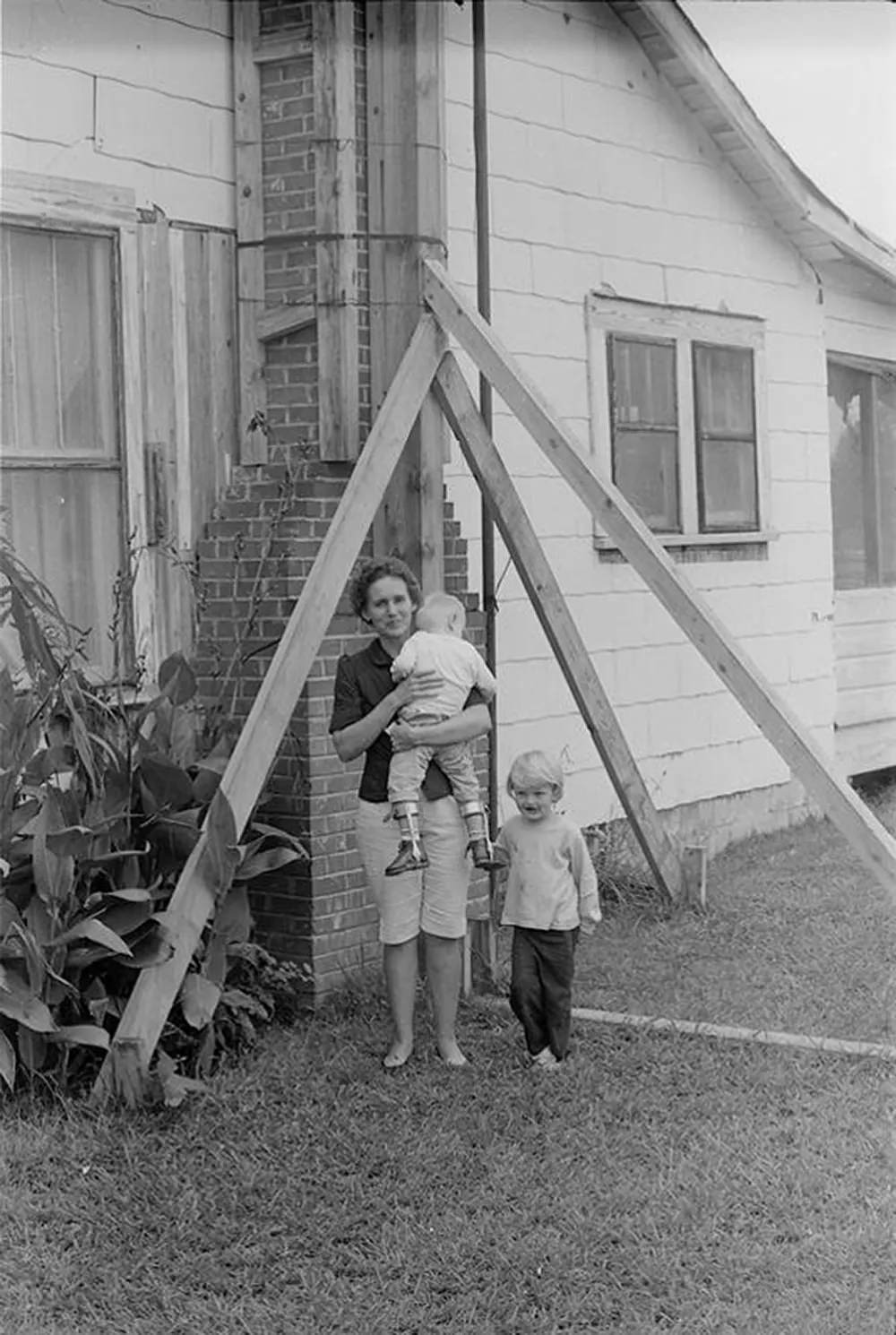
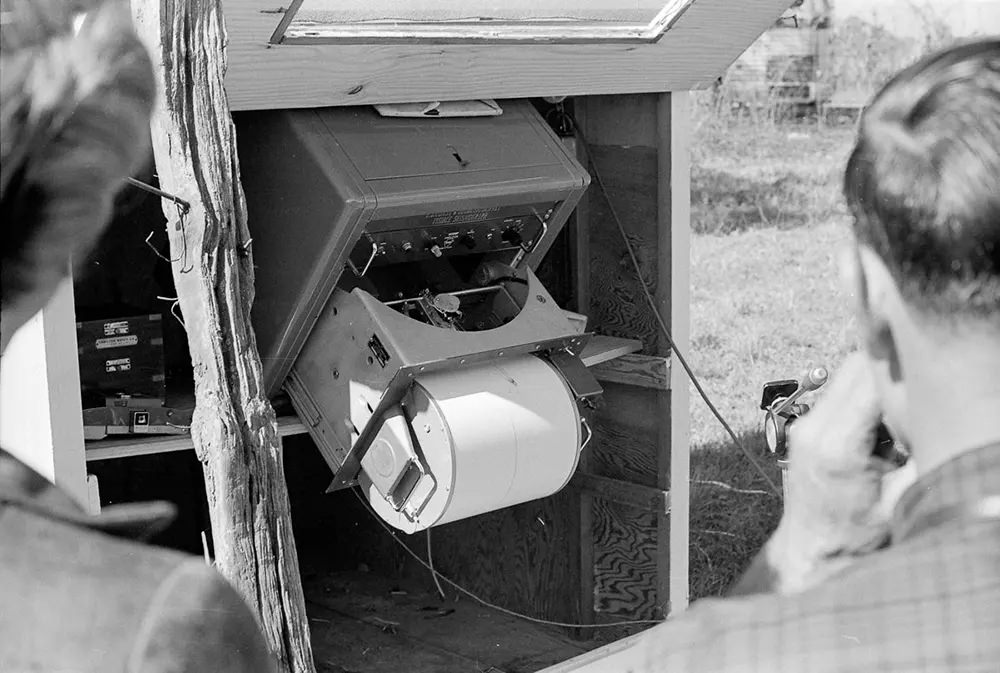
When October 22 finally arrived with acceptable wind conditions, 400 residents in the surrounding area were evacuated. The government paid adults $10 and children $5 for the inconvenience. Many of those residents found ways to prepare. Some built homemade seismographs to record the event themselves. Others reinforced vulnerable structures on their property before leaving.
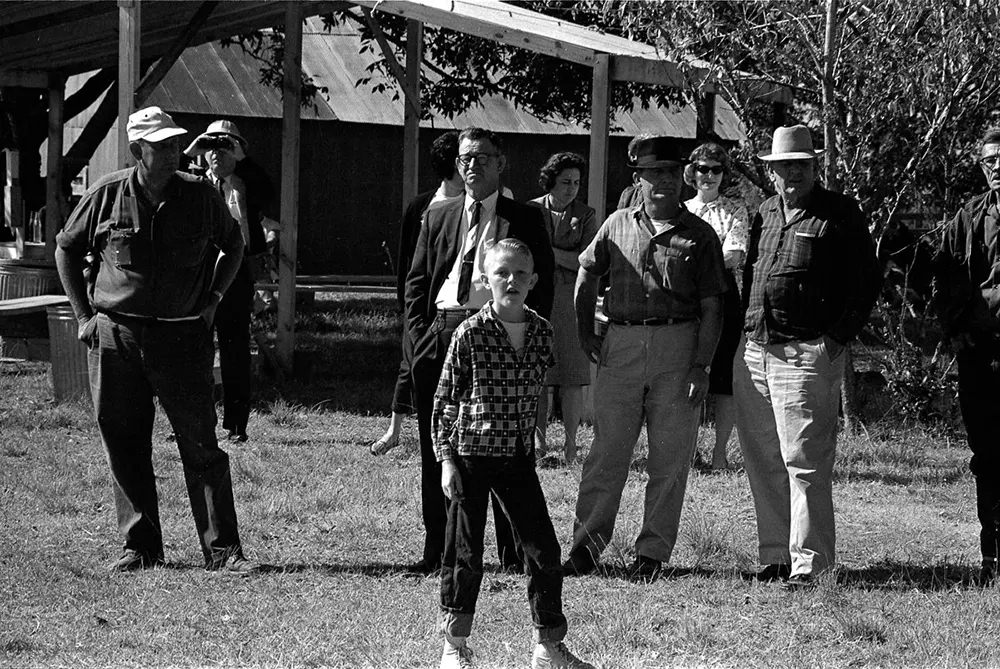
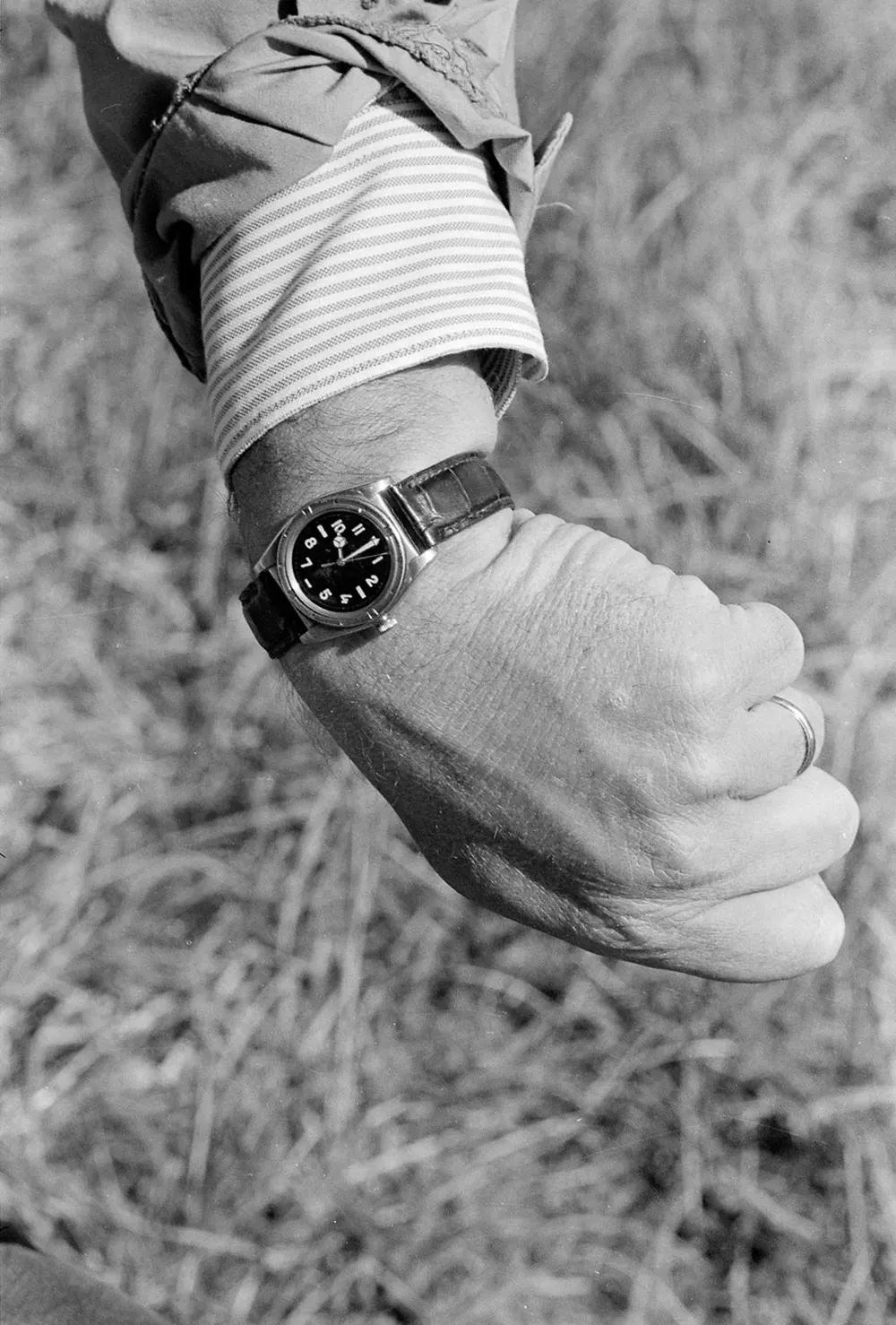
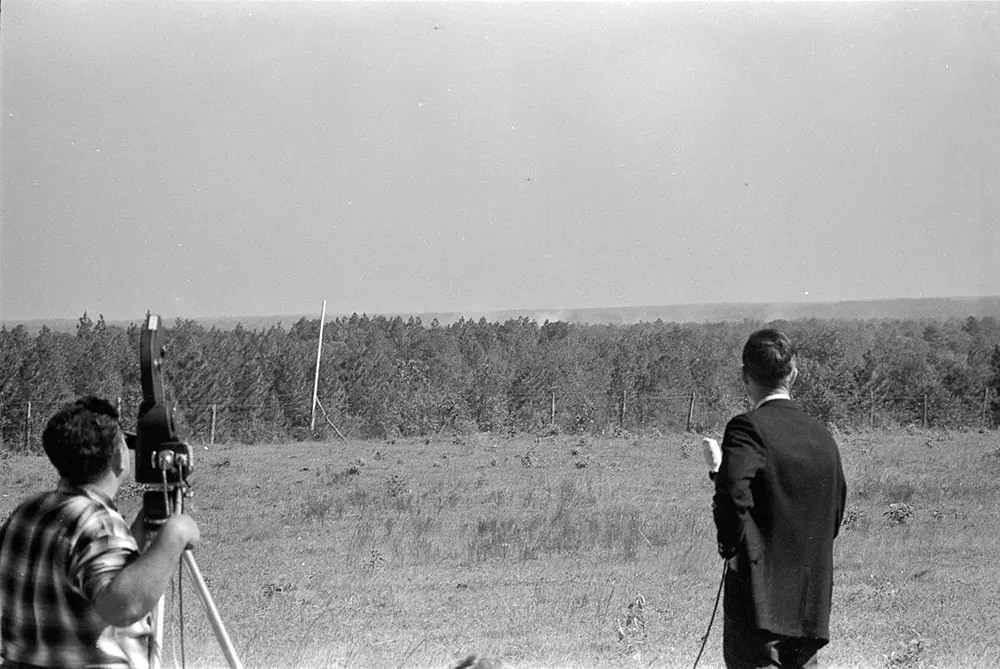
At the scheduled moment, observers checked their watches and waited. The detonation carried the force of 5,000 tons of TNT — roughly one-third the power of the bomb dropped on Hiroshima in 1945. It carved out a spherical cavity 110 feet in diameter in the underground salt formation, exactly as scientists had predicted.
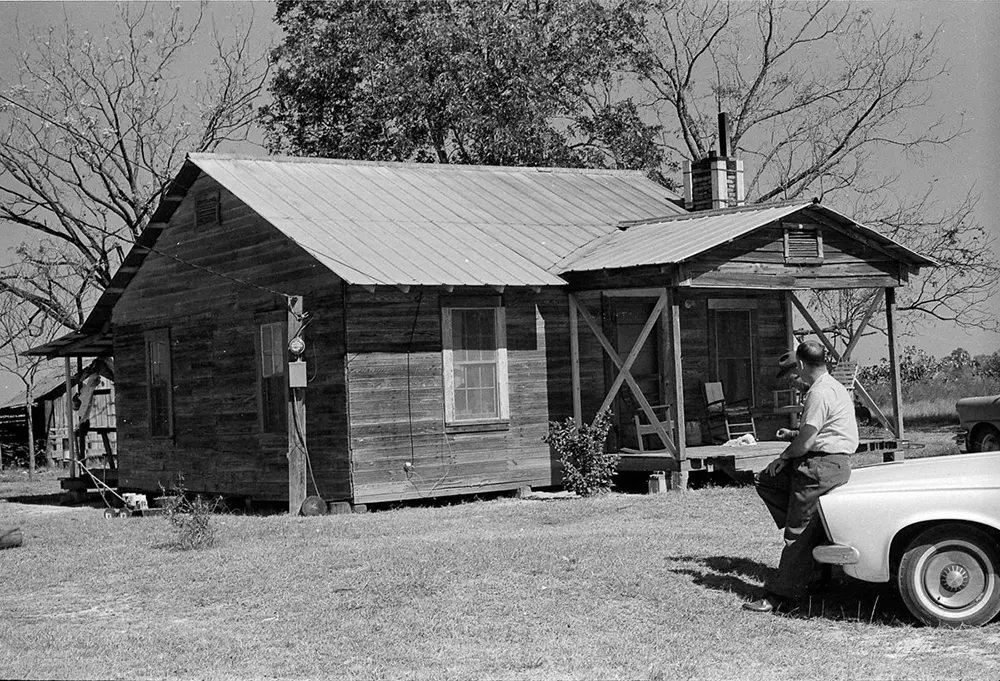
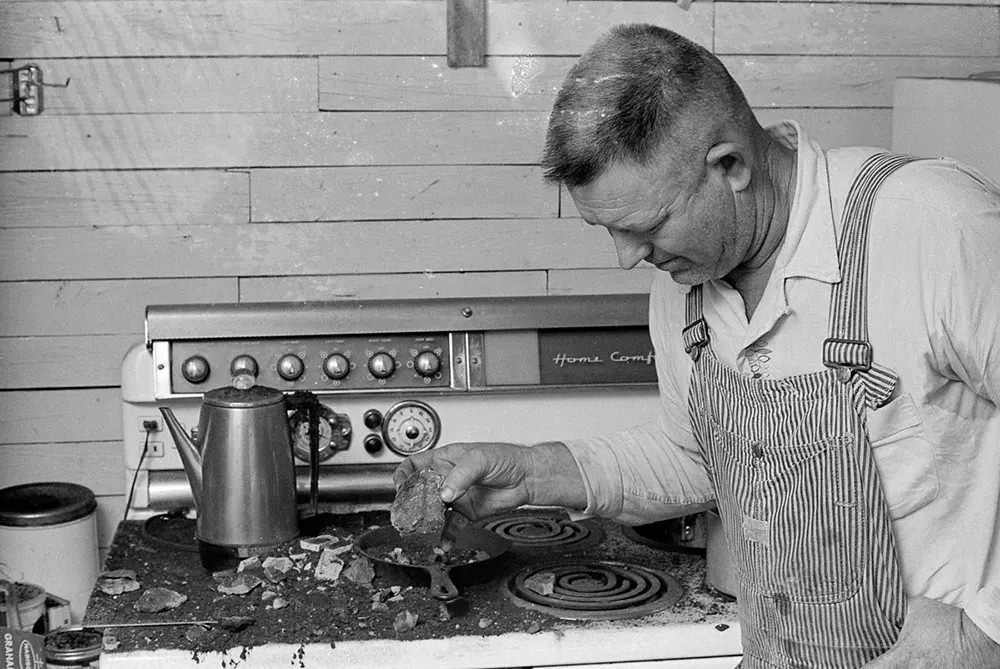
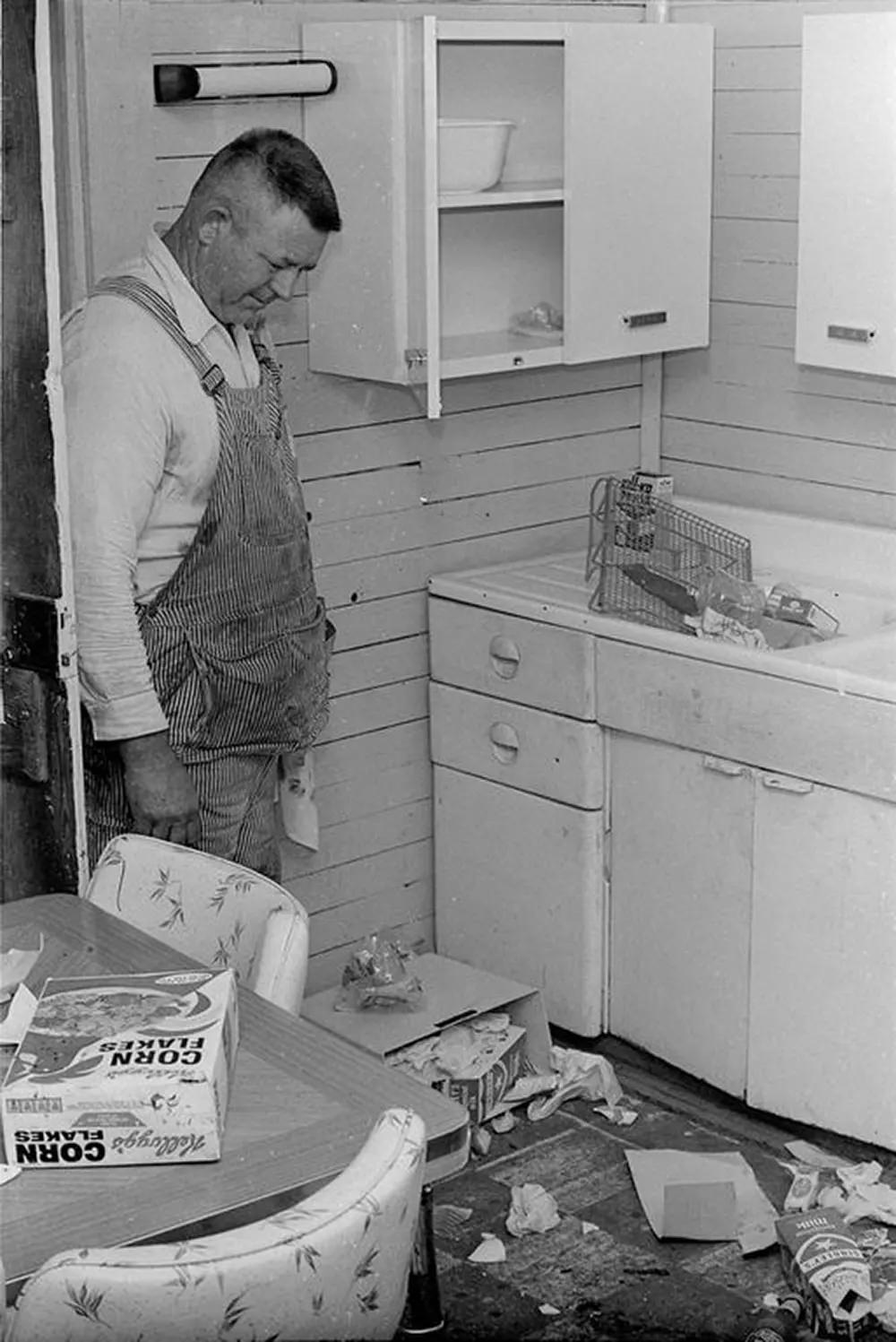
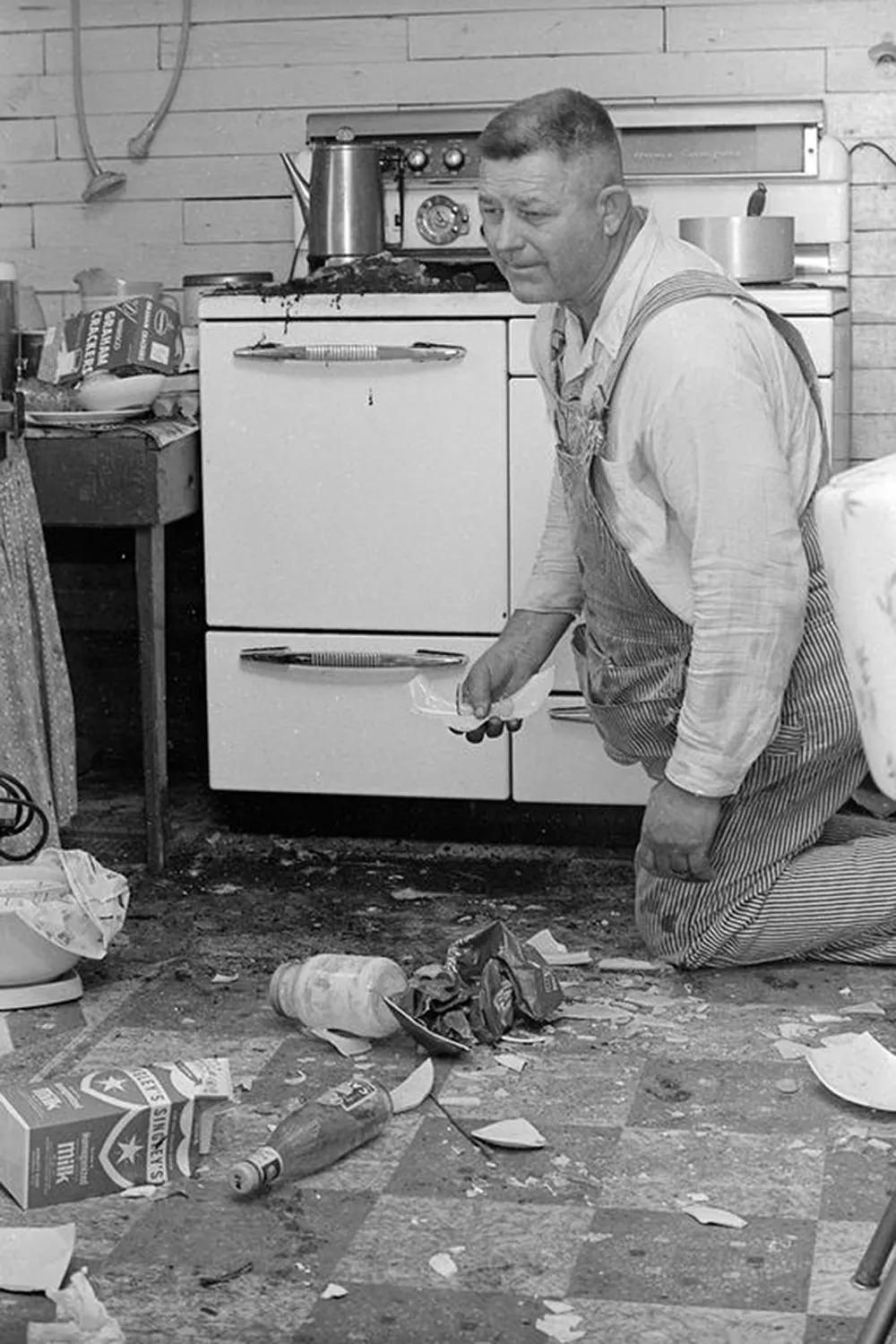
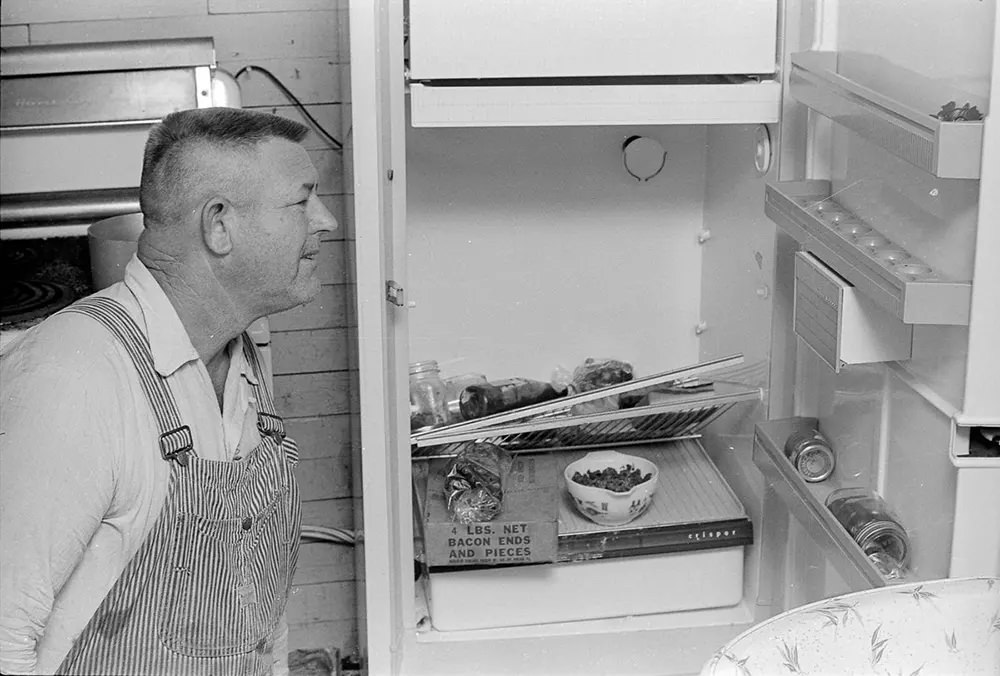
What the residents had not been fully prepared for was the violence of the shockwave. The editor of the Hattiesburg American, living about 30 miles away, felt the ground shake for nearly three minutes. Within seven days of the blast, more than 400 nearby residents had filed damage claims with the federal government. Horace Burge, who lived about two miles from the detonation site, came home to find his three-room house in serious disarray. His fireplace and chimney were heavily damaged, with bricks scattered across the living room floor. His kitchen was covered in broken dishes and shattered jars, his refrigerator shelves had collapsed, and pipes under his kitchen sink had burst, flooding the house. His electric stove was coated in ash and pieces of concrete.
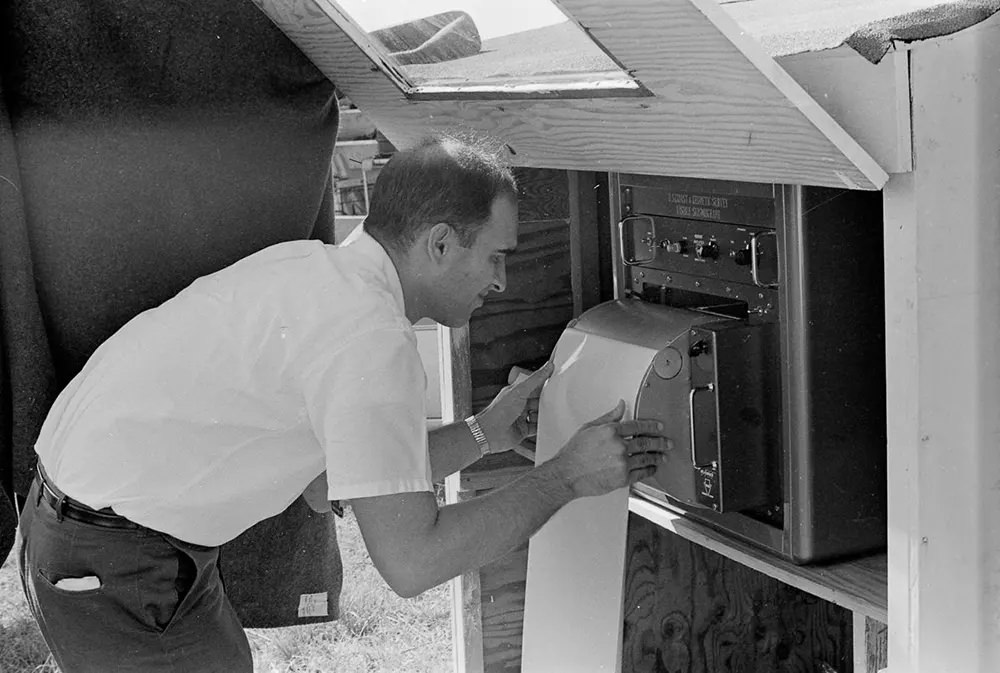
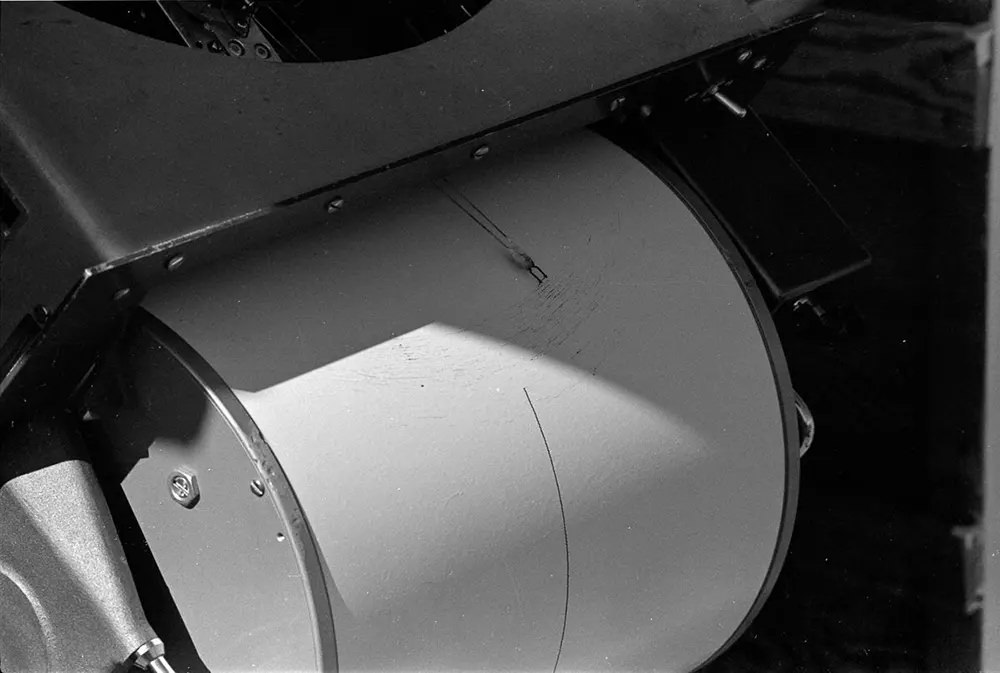
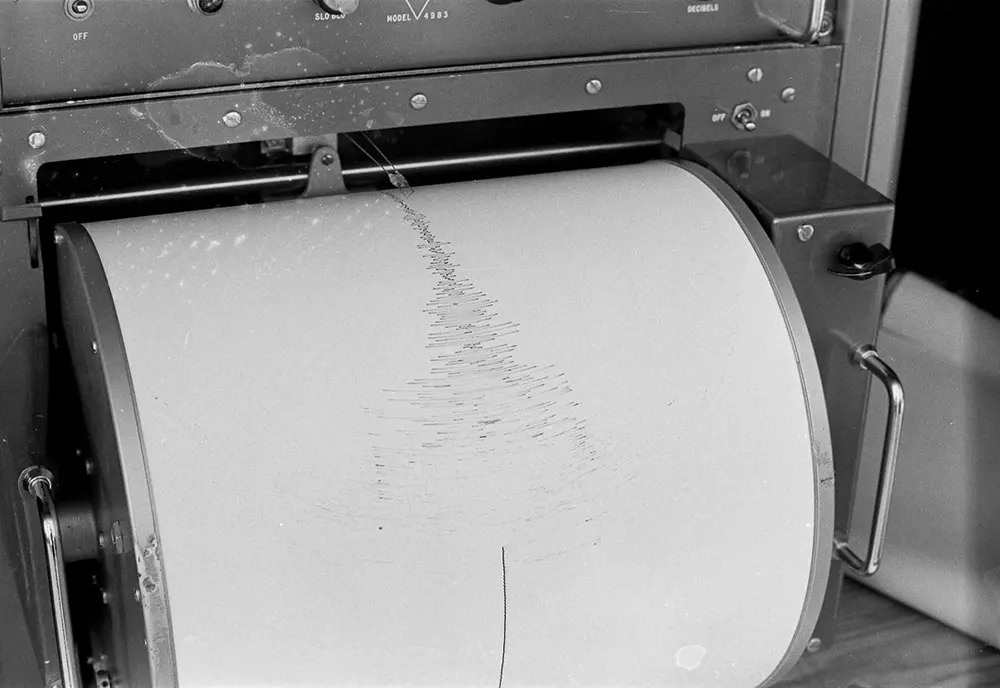
The government moved quickly to address the damage claims, with reimbursements going out to affected residents within days. Scientists, meanwhile, moved to the seismographic data. Instruments at the observation point had captured the full record of the shockwaves moving through the earth, giving researchers detailed readings to analyze.
Project Sterling followed on December 3, 1966. This second bomb was far smaller — equivalent to only 350 tons of TNT, compared to Salmon’s 5,000 tons. It was detonated inside the cavity left by the first explosion. Observers standing two miles away barely felt a tremor. The cavity had done exactly what the scientists expected, absorbing the energy and leaving almost no seismic trace above ground. Government officials declared both tests a success.
The findings from Project Dribble confirmed what U.S. officials had feared: a nation could detonate a nuclear device underground and, by using a pre-existing cavity, reduce the seismic signal enough to slip past monitoring systems. At the same time, the tests helped atomic scientists develop better tools for identifying and measuring hidden explosions — making future detection more precise even when a blast had been partially concealed.
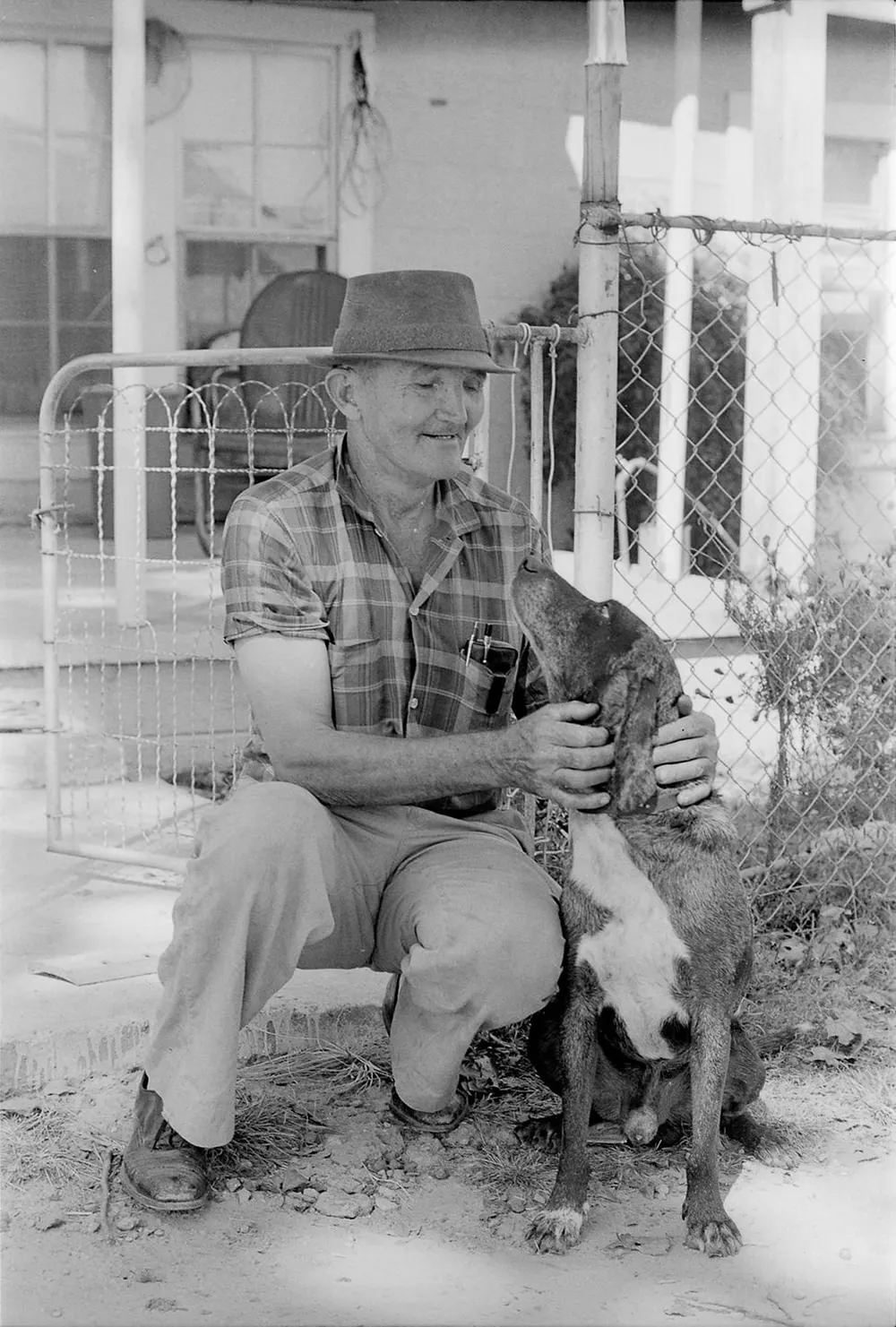
Life near the Tatum Salt Dome returned to a kind of normalcy after the tests, though not without lasting consequences. Some neighbors, like Baxterville Postmaster C.E. Bond, were photographed simply trying to comfort their rattled pets after the ordeal. But the longer-term harm was far more serious. Beginning in the 1990s, cancer-related deaths began appearing among people connected to the project — former workers, contractors, and residents of Mississippi who had lived in the area during the tests. In 2015, the federal government paid out $16.8 million to those individuals and their families.
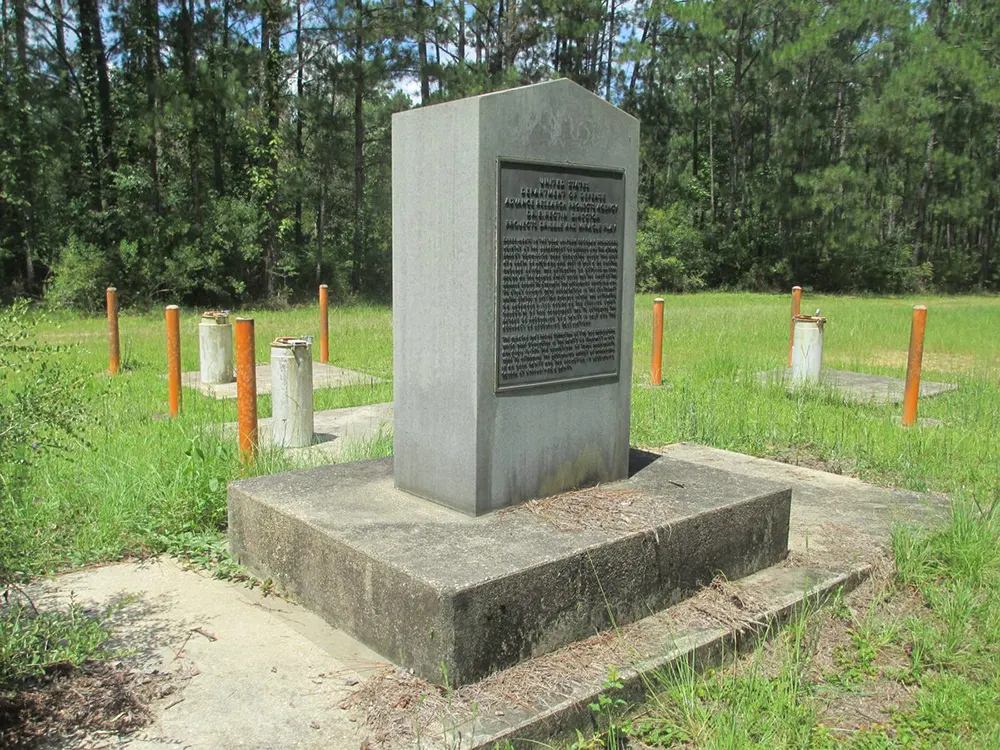
Today, the site of the two detonations is marked by a granite monument surrounded by test wells, standing quietly in the Mississippi countryside as a physical record of what happened there during the Cold War arms race.