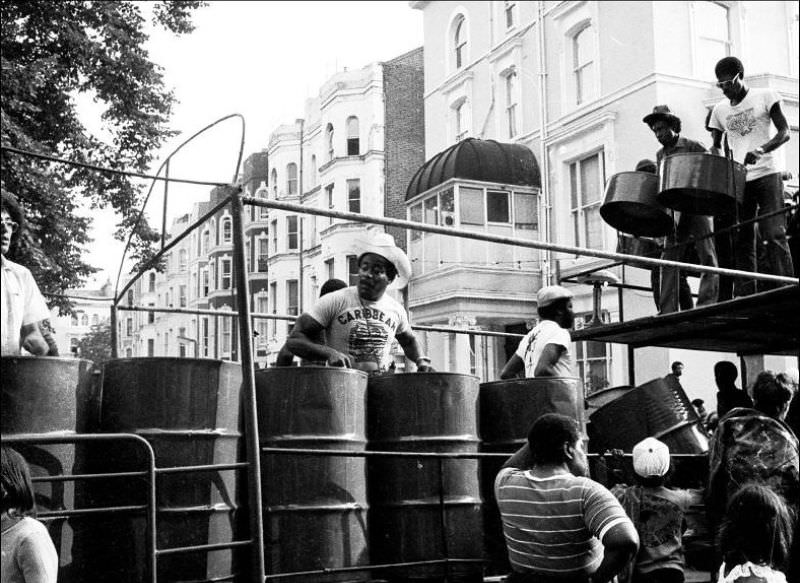
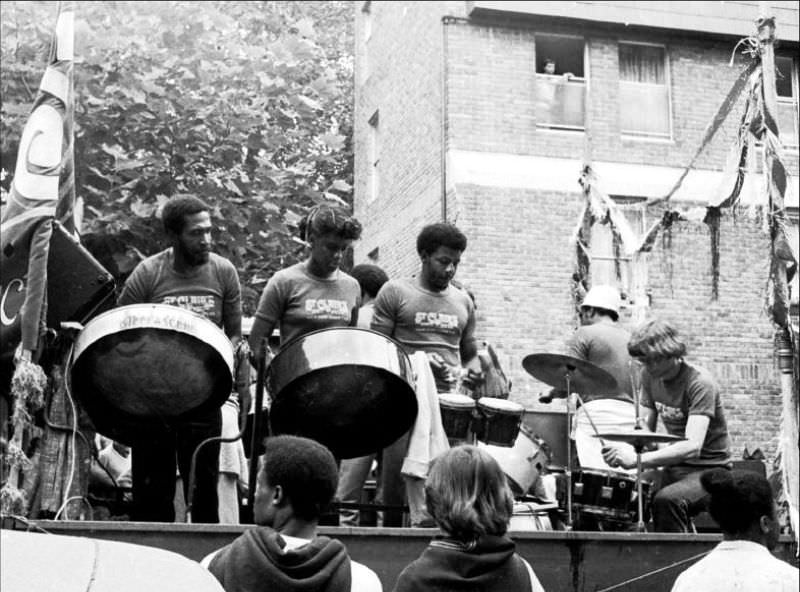
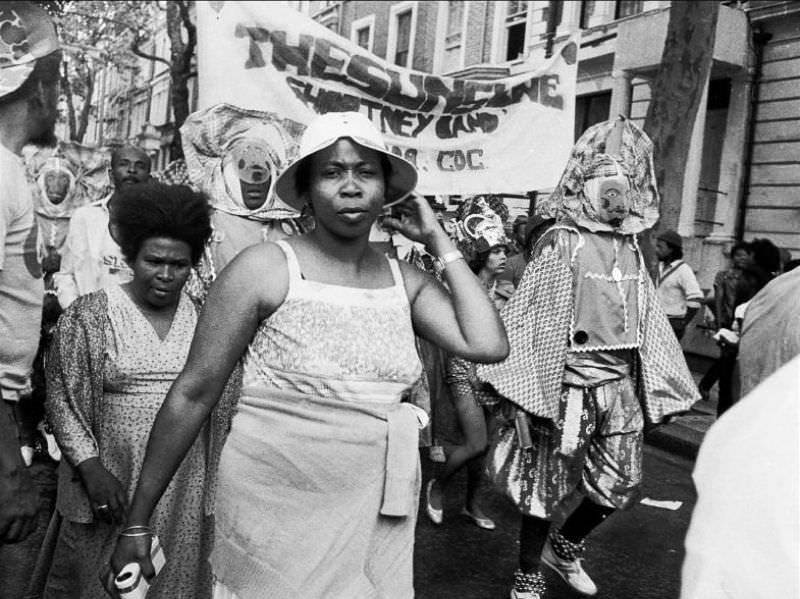
Every August, the streets of Kensington’s Notting Hill neighborhood in London transform into one of the most vibrant spectacles on earth. The Notting Hill Carnival has run every year since 1966, taking place across two days — the August bank holiday Monday and the Sunday before it. By 1981, it had already grown into a defining event in Black British culture, drawing enormous crowds to the capital’s west end.
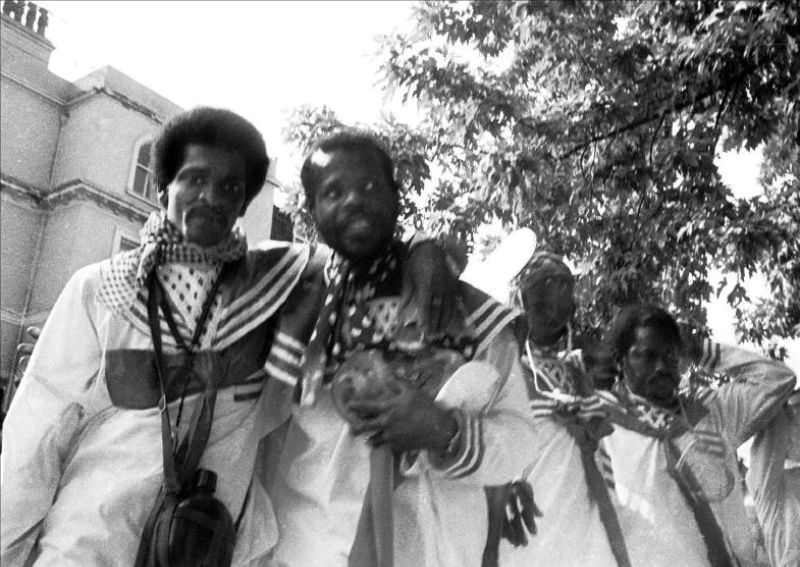
The carnival draws around 2.5 million people annually, placing it among the largest street festivals anywhere in the world. In 1981, that scale was already apparent — roads packed shoulder to shoulder, sound systems thundering from every direction, and color filling every corner of the neighborhood.
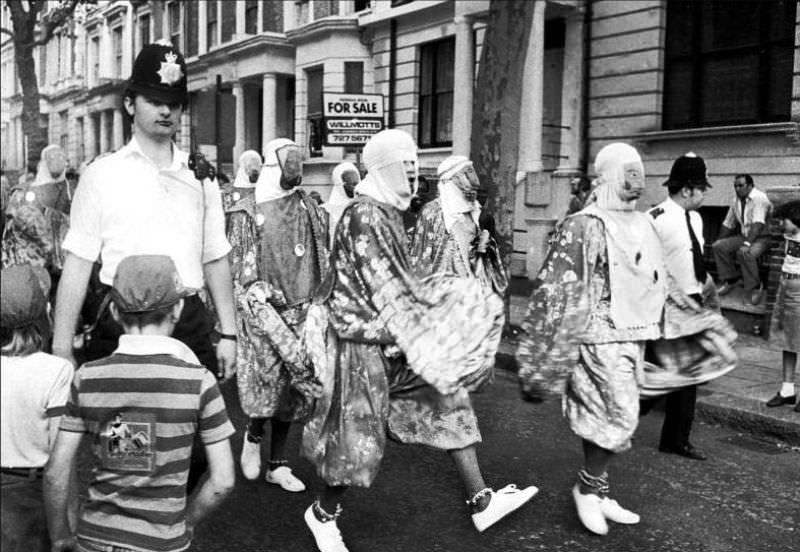
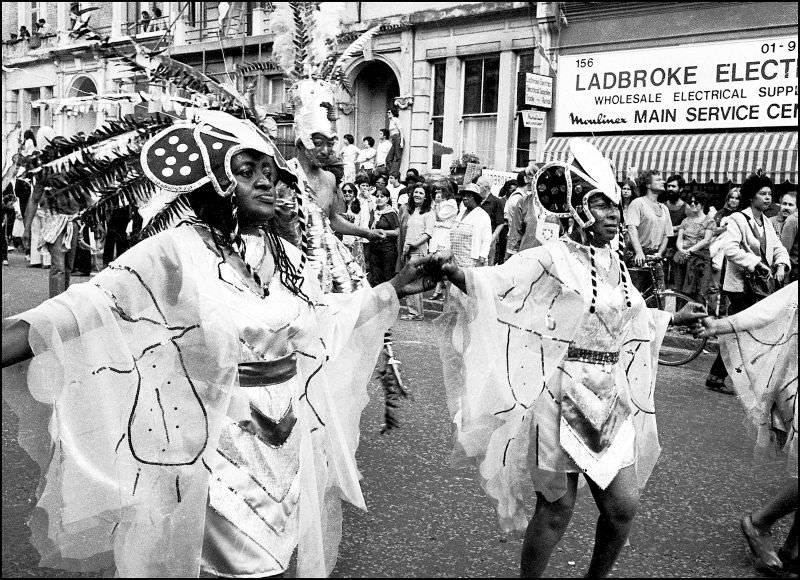
Steel drums, reggae, calypso, and soca set the soundtrack for the two-day event. Performers and revelers alike dressed in elaborate costumes, many taking months to construct. The 1981 carnival unfolded against a tense backdrop — earlier that summer, riots had broken out across several British cities, including the Brixton riots in April, fueled by racial tension and heavy-handed policing.
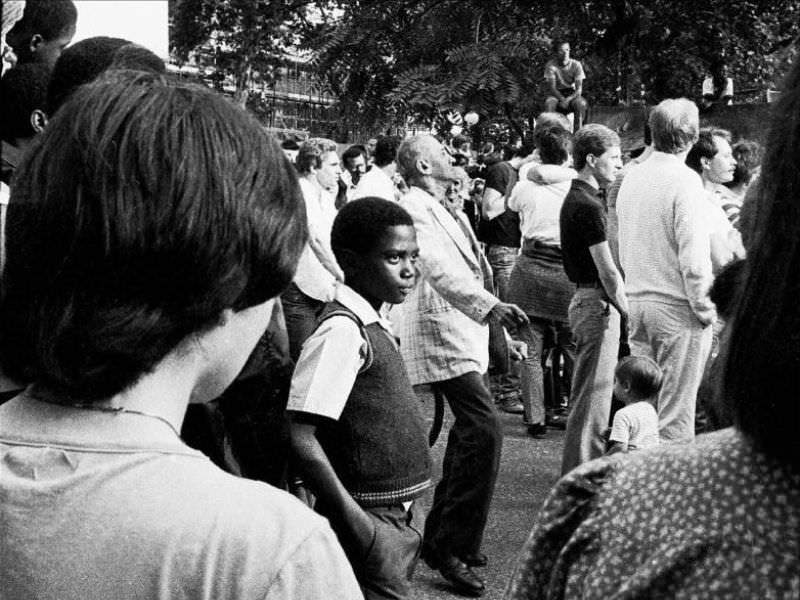
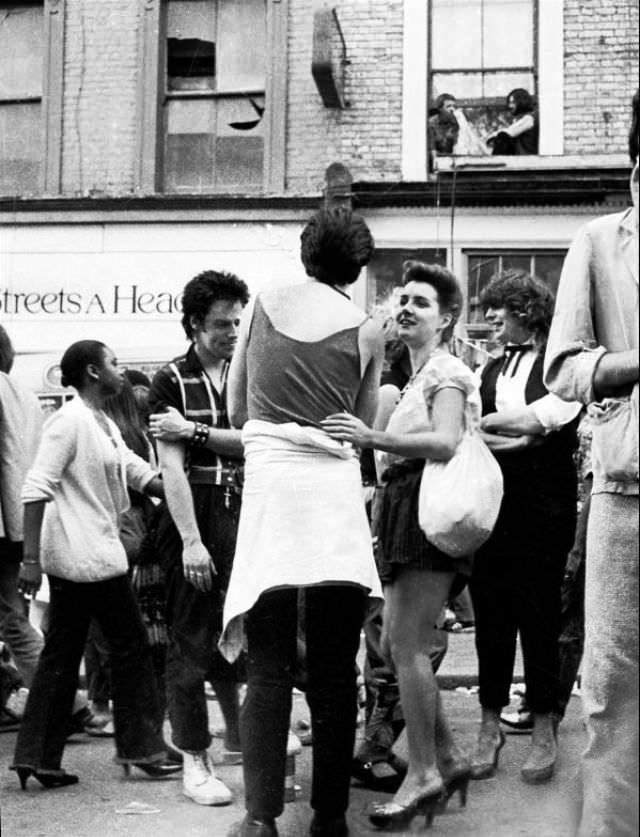
Despite that climate, the carnival went ahead. For many in London’s Caribbean and Black British communities, it was an act of cultural assertion. The festival had roots in Trinidad’s carnival tradition, brought to the UK by Caribbean migrants who settled in the Notting Hill area after World War II.
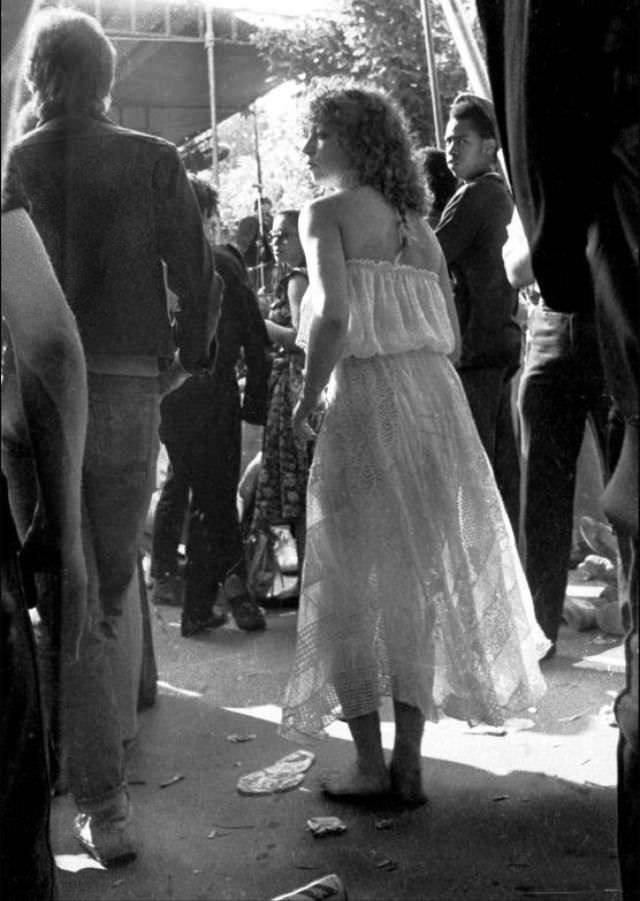
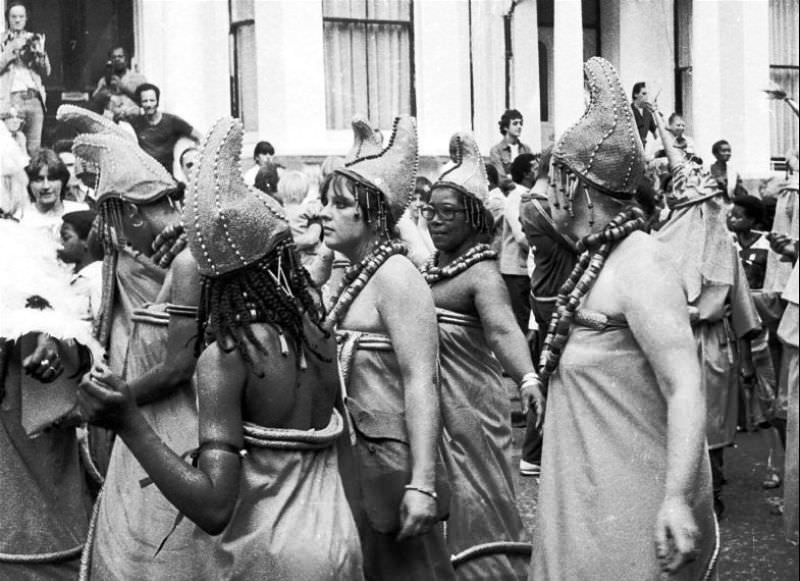
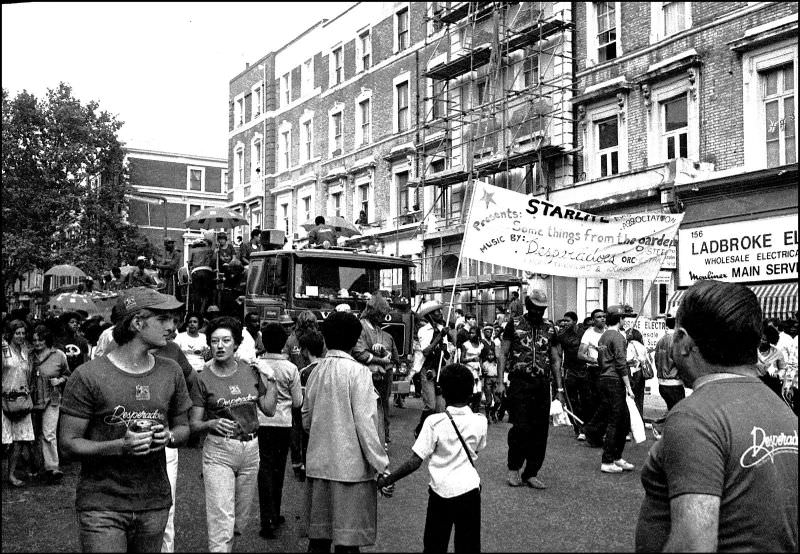
Floats moved slowly through the packed streets while masquerade bands marched alongside them. Children danced on the pavement. Vendors lined the routes selling jerk chicken, rice and peas, and fried plantain. The smells and sounds of the Caribbean filled a corner of west London for 48 hours straight.
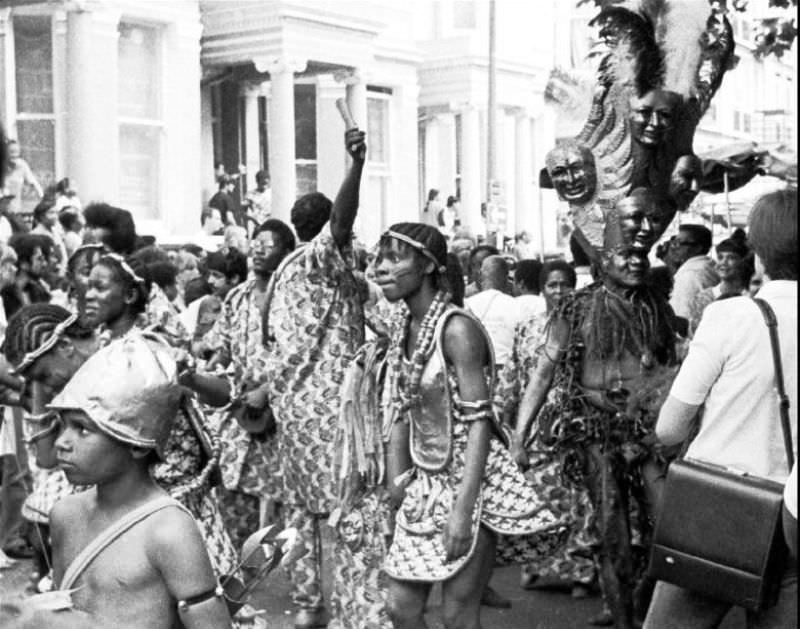
Photographers who documented the 1981 carnival captured a community in full celebration — faces painted, feathered headdresses towering above the crowd, drummers keeping rhythm in the August heat. These images are a direct record of Black British life at a pivotal moment in the country’s social history.
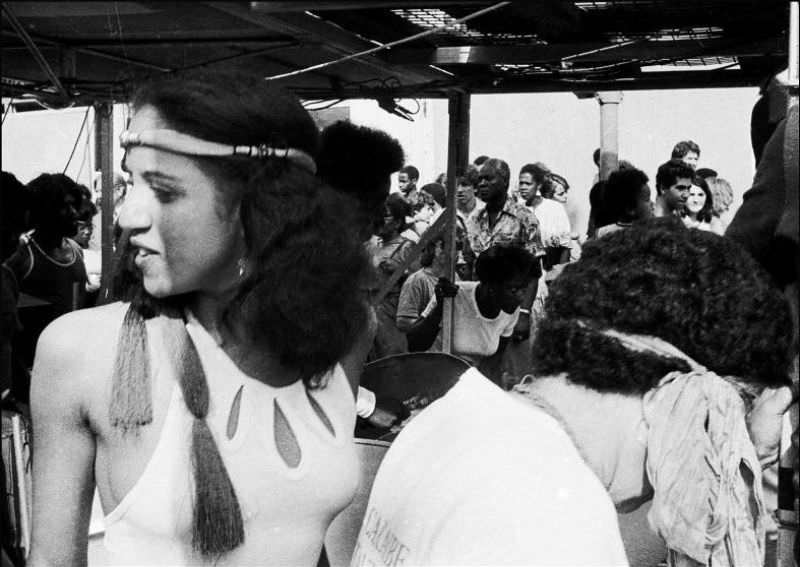
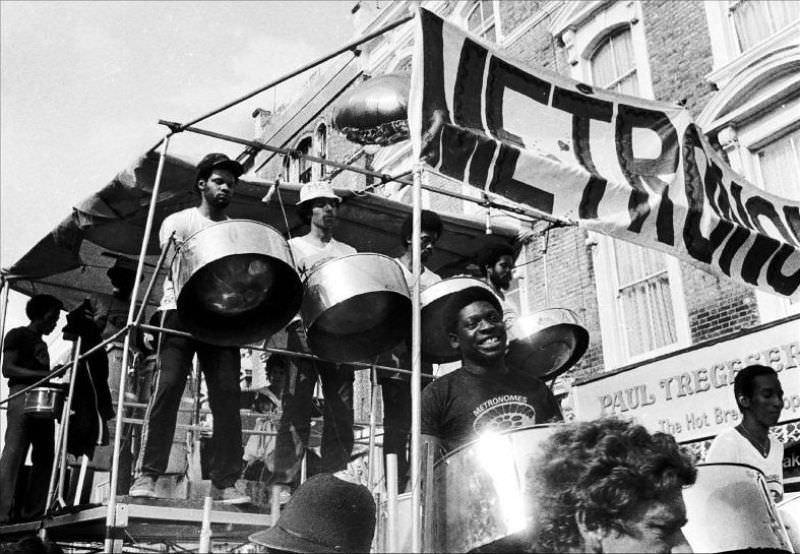
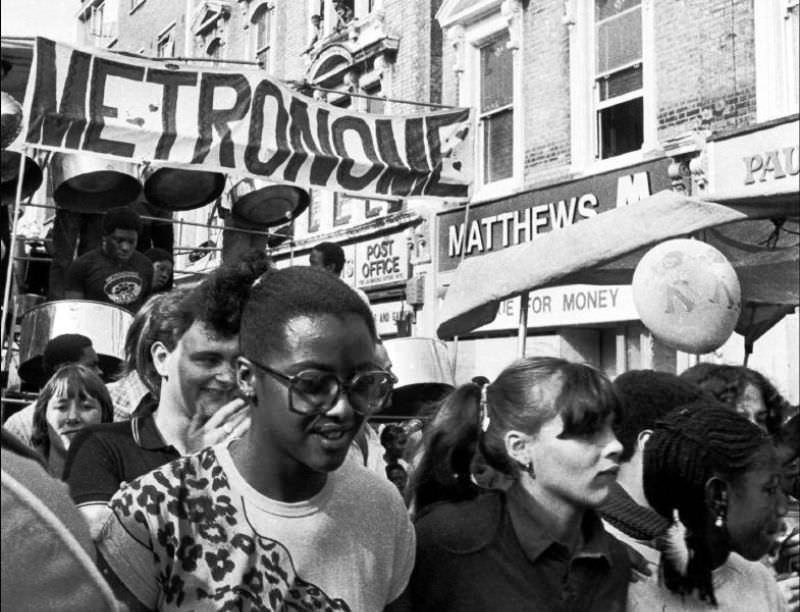
The carnival’s organisation involved dozens of community groups, sound system operators, and costume makers working together for months in advance. By 1981, the event had its own established structure, with designated routes, judged costume competitions, and scheduled performances.
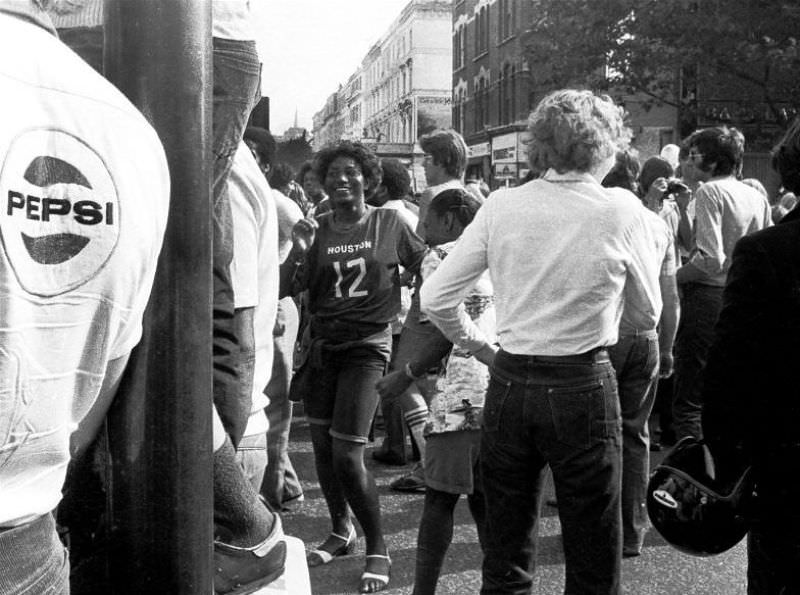
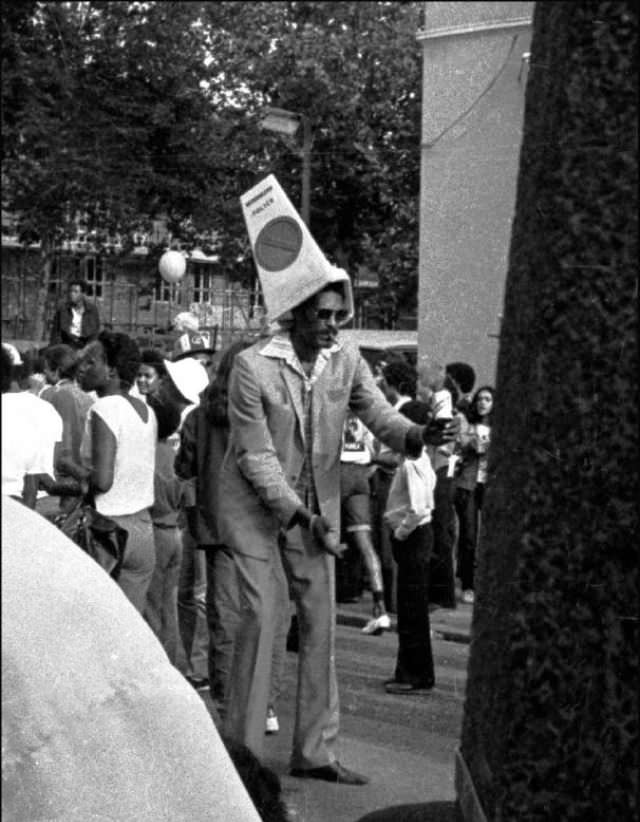
Steel pan orchestras — known as steel bands — were a centrepiece of the parade. The instrument itself originated in Trinidad in the 1930s and 1940s, and its presence at Notting Hill was a direct link to the Caribbean roots of the festival. Bands competed for titles, drawing large crowds of their own along the route.
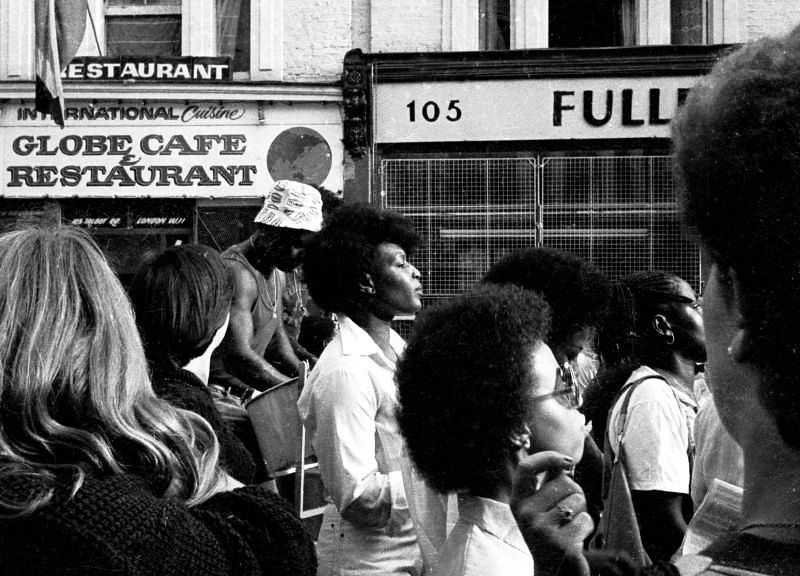
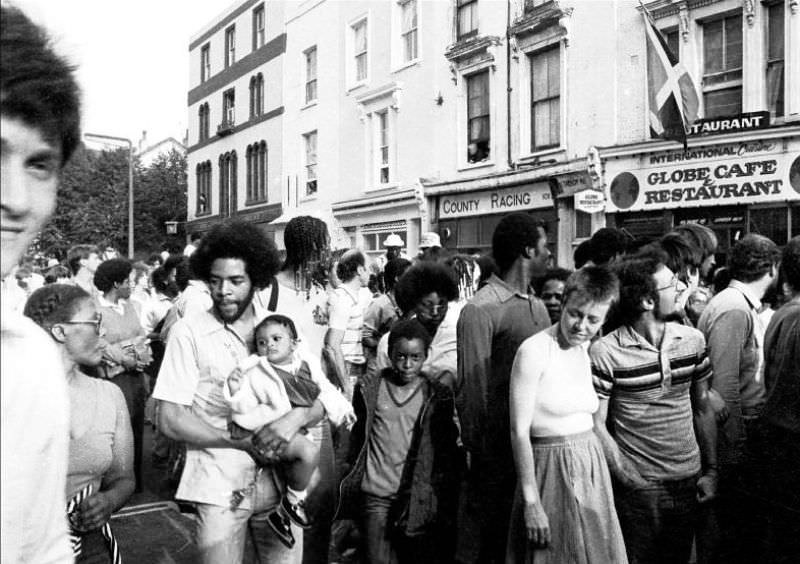
The UK public voted the Notting Hill Carnival onto a list of English icons in 2006, formally recognising what communities in west London had known for decades. But in 1981, that recognition was still 25 years away. What the photographs from that year show is something more raw — a festival that existed on its own terms, for its own people.
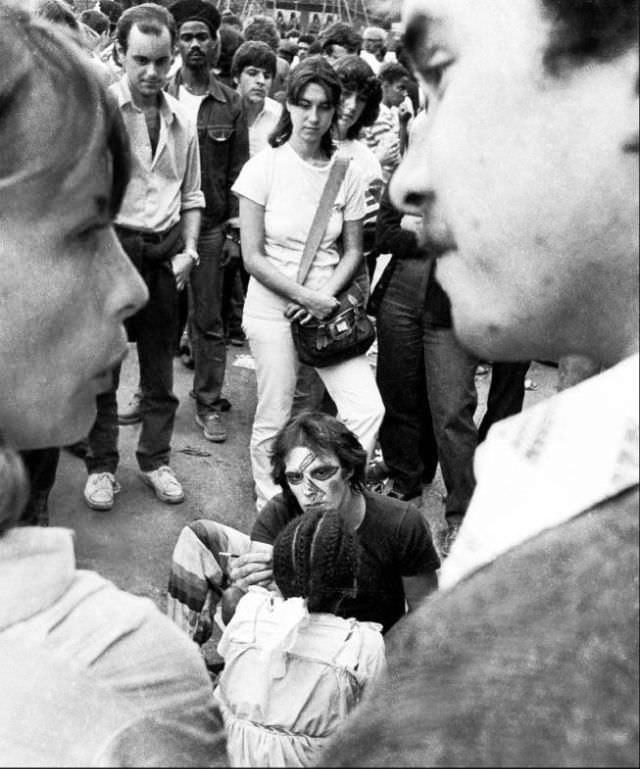
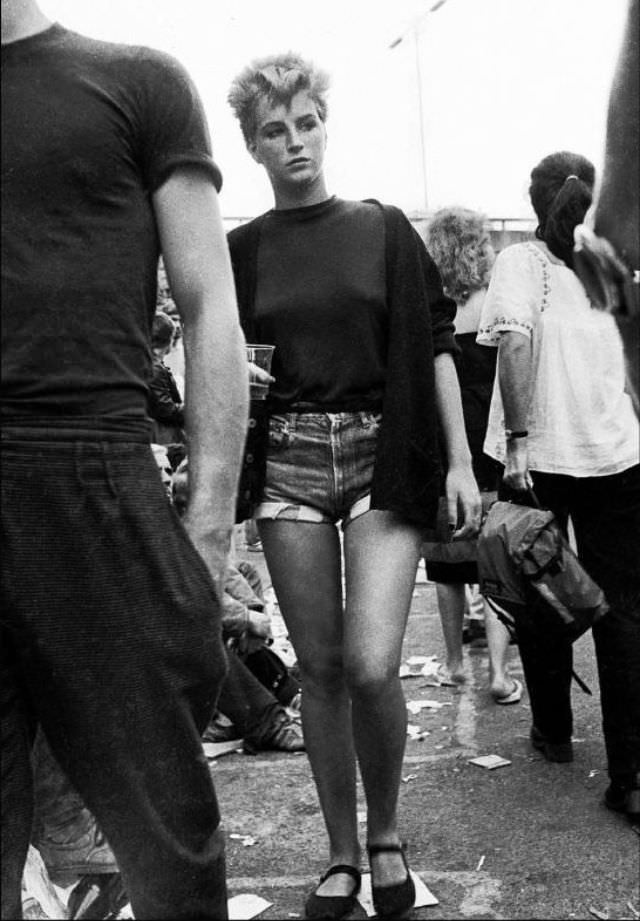
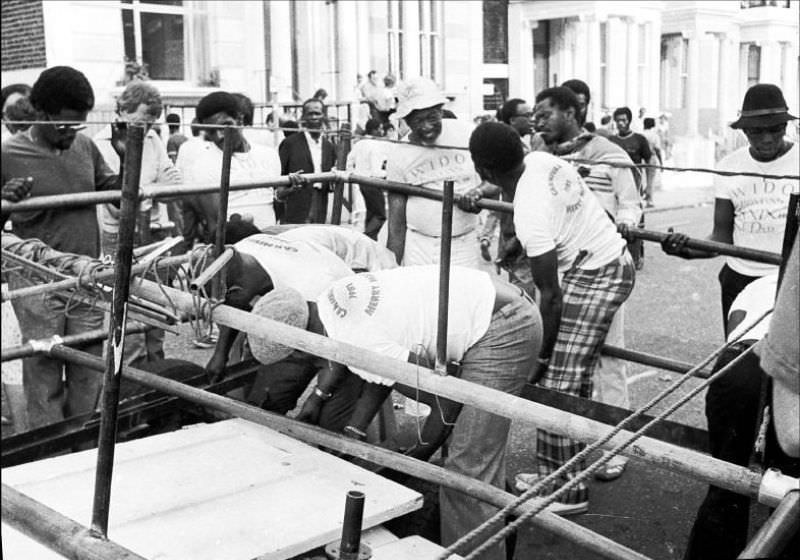
Costume design at the carnival drew on African, Caribbean, and wider diaspora traditions. Feathers, sequins, beading, and bold colour defined the aesthetic. Entire families participated together, with children’s costumes often mirroring the designs of the adult masquerade bands they marched with.
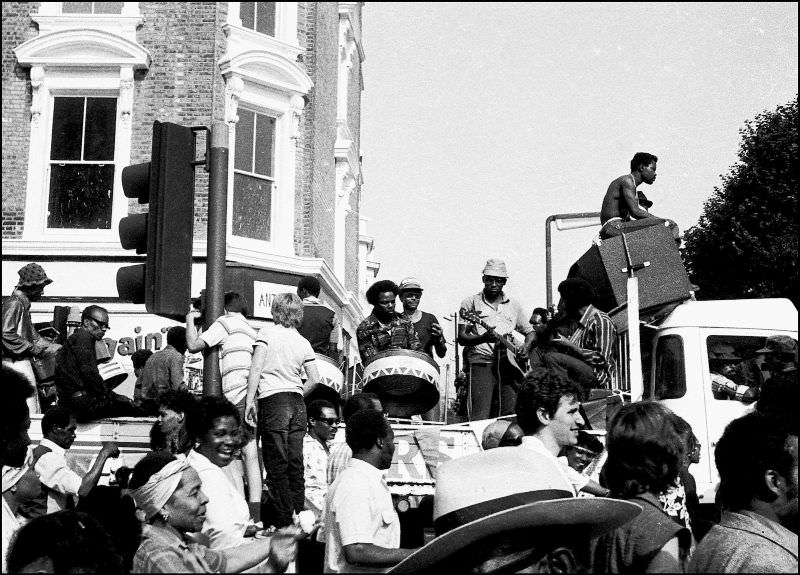
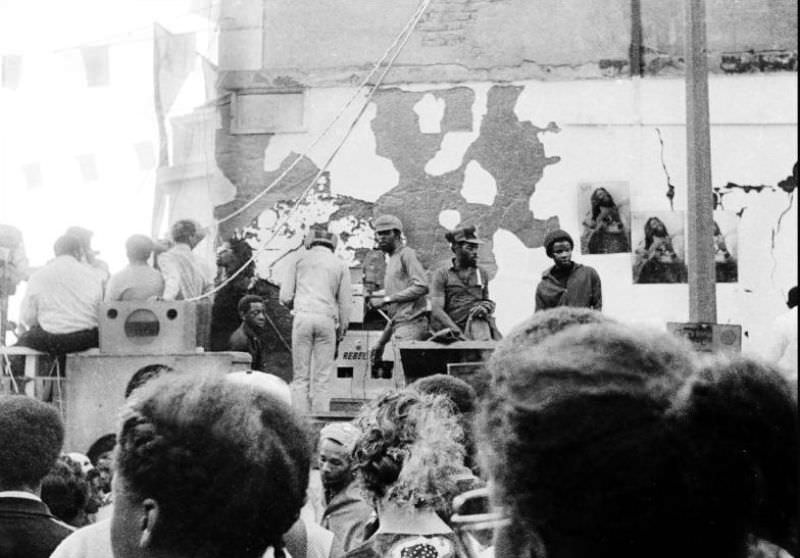
Sound systems set up at fixed points along the route played continuously through both days. In 1981, those systems pumped out lovers rock, roots reggae, and early dancehall — the dominant sounds of the Black British music scene at the time. Each system had its own loyal following, and the rivalry between them was part of the carnival’s fabric.