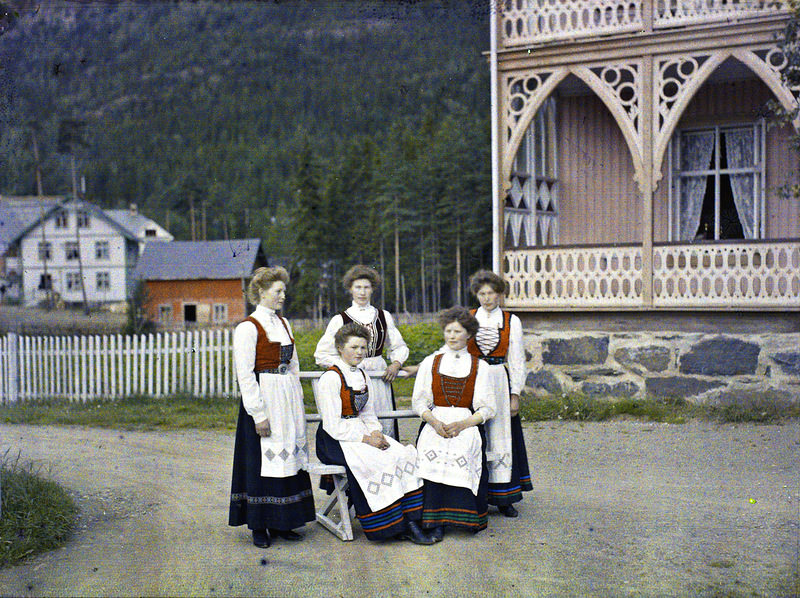
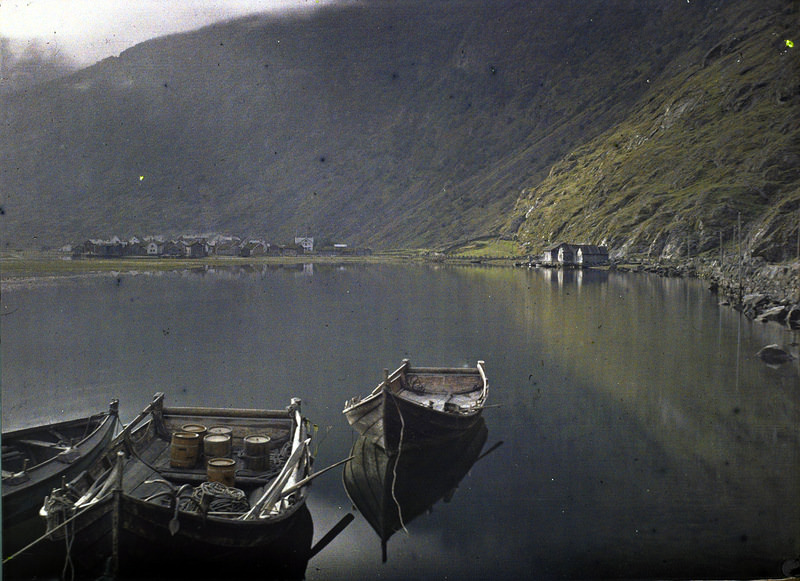
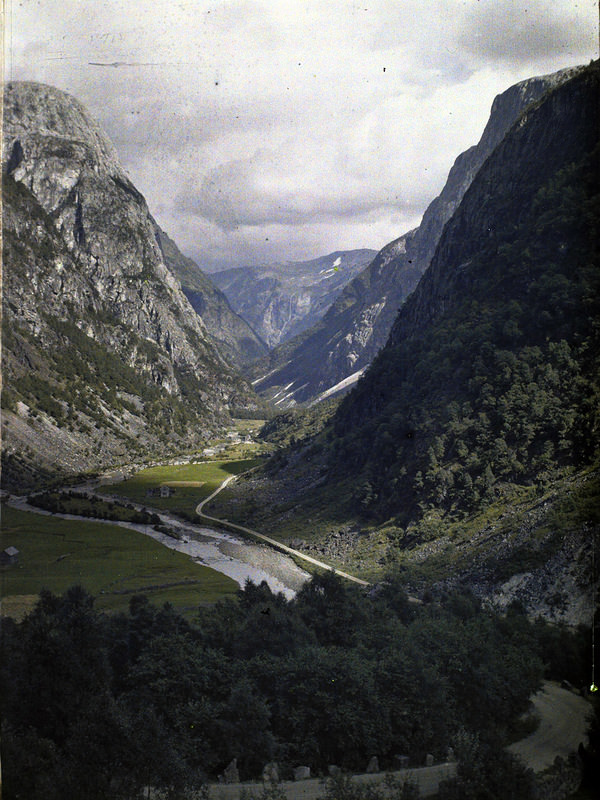
In 1910, color photography was still a novelty. Most people had never seen a photograph that wasn’t black and white. That makes this set of images from Norway all the more remarkable — they show the country exactly as it looked more than a century ago, in full, vivid color.
The man behind the technique was Adolf Miethe, a German scientist and photographer. He helped invent the camera flash, making low-light photography far more practical. He also became a leading figure in early color photography through a method called color separation, which layered filtered exposures to produce a realistic color image.
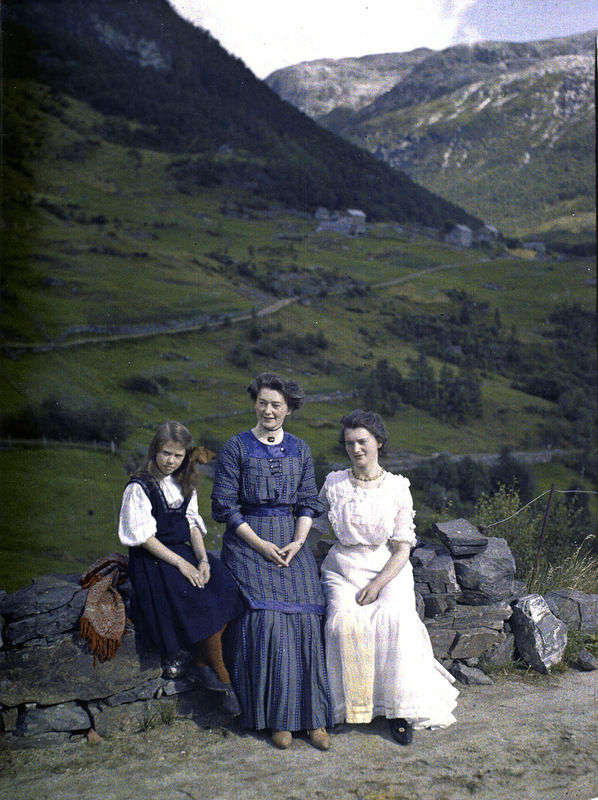
The Norwegian photographs capture everyday life with striking detail. People stand on docks, likely waiting for boats. Men wear suits and hats; women wear long dresses and bonnets. Wooden buildings painted in bright colors line the backgrounds.
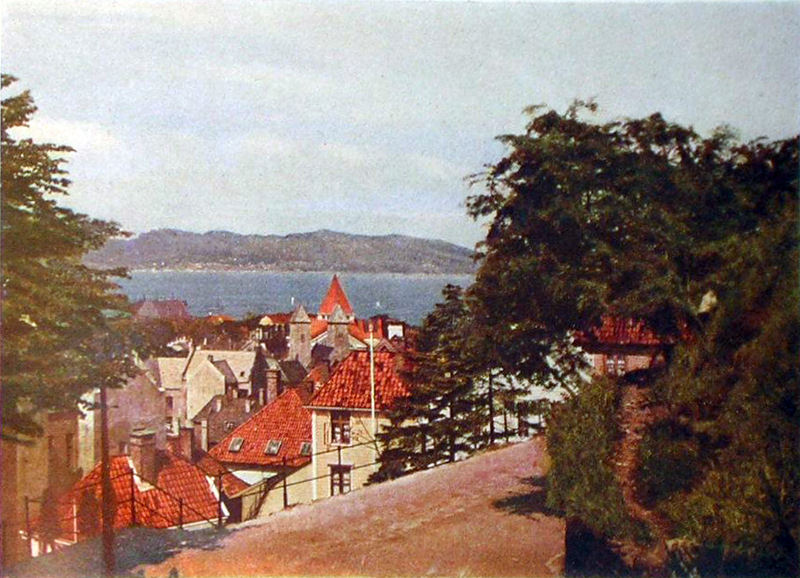
Street scenes in small towns show horse-drawn carriages moving along roads while pedestrians walk the sidewalks. The buildings are tall and narrow, packed tightly together with rows of windows facing the street.
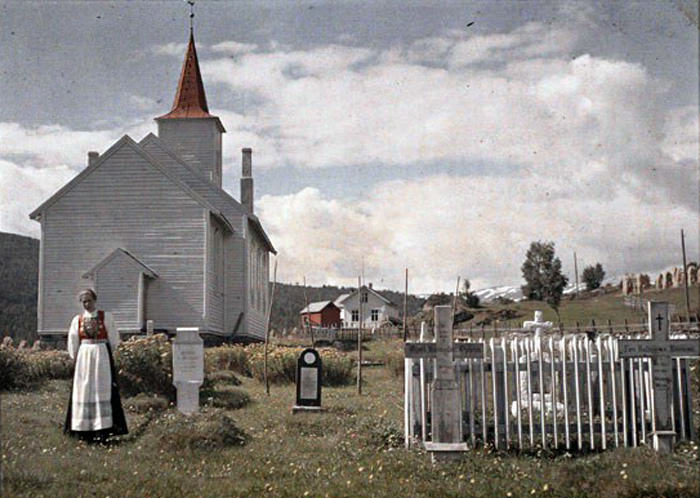
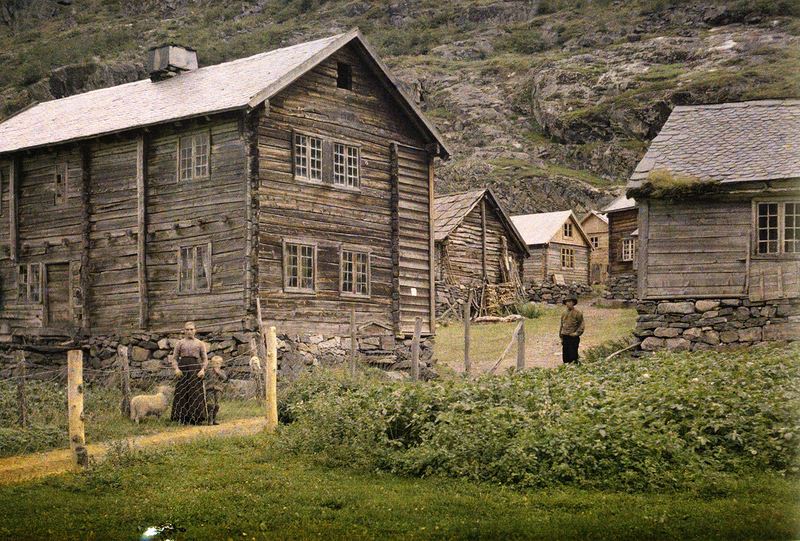
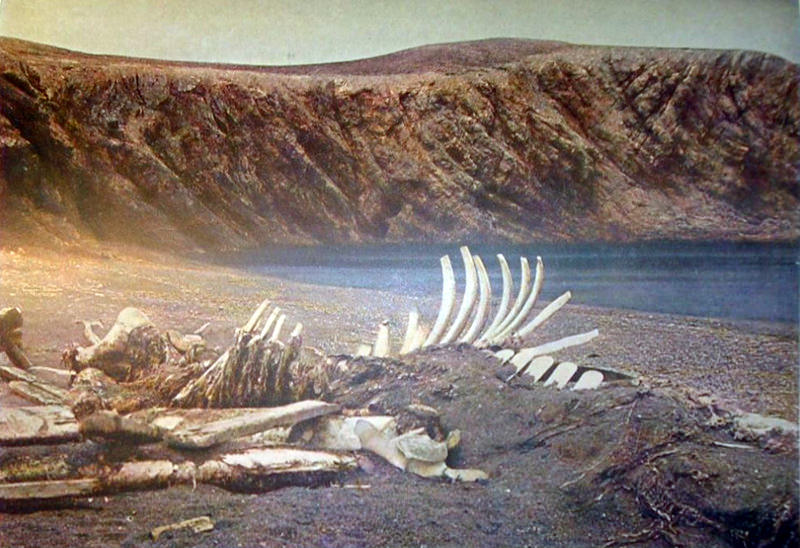
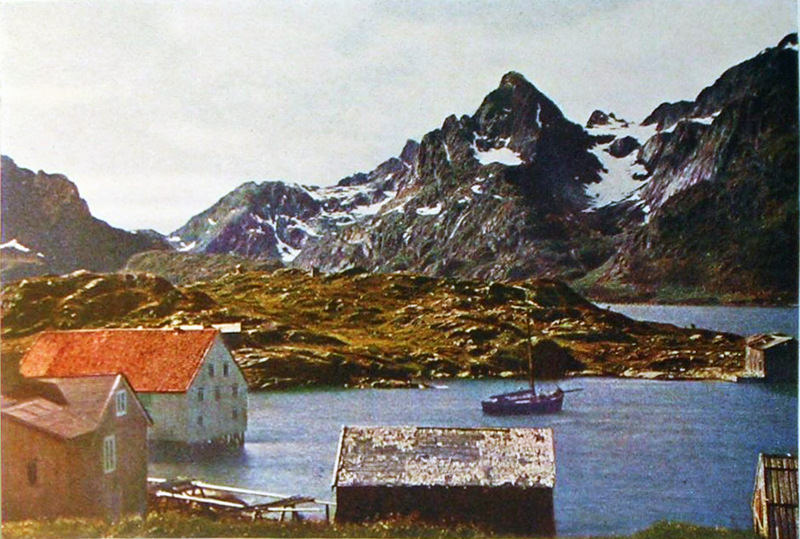
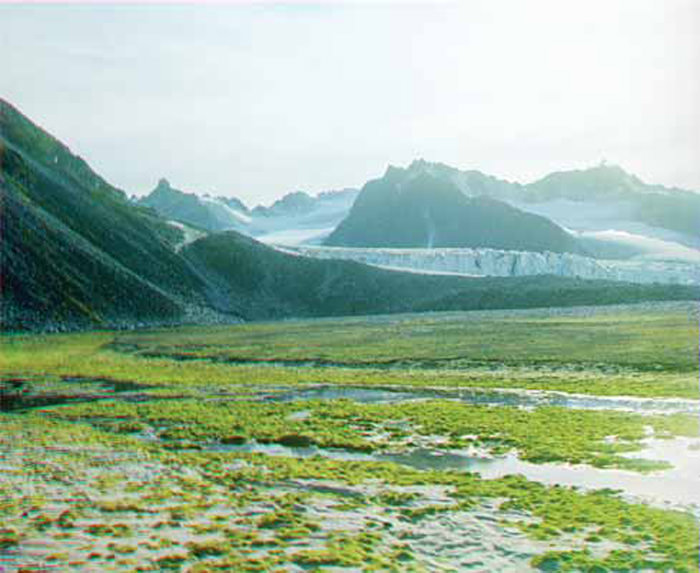
Norway’s natural landscape appears just as striking. The photographs show mountains, fjords, and waterfalls rendered in deep greens and blues. Fjord waters appear blue-green beneath pale skies, with tree-covered slopes rising sharply in the distance.
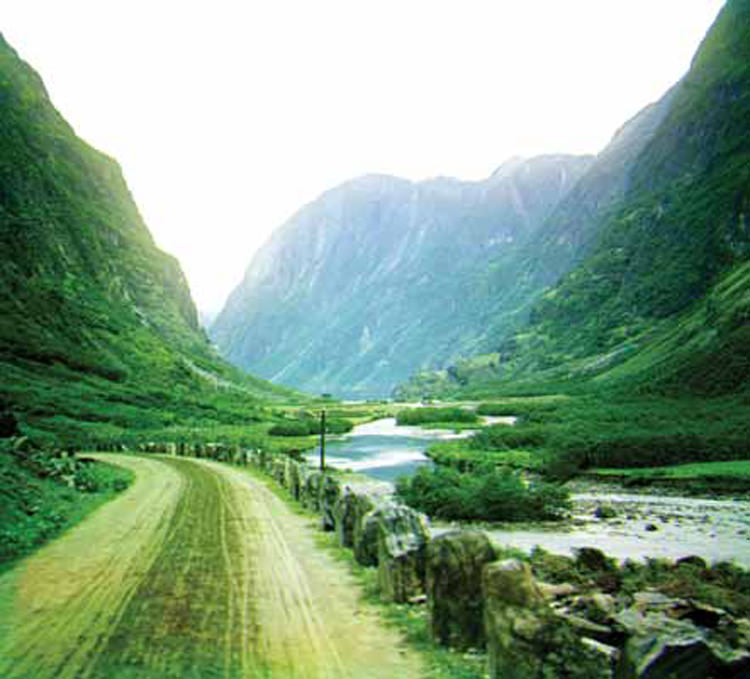
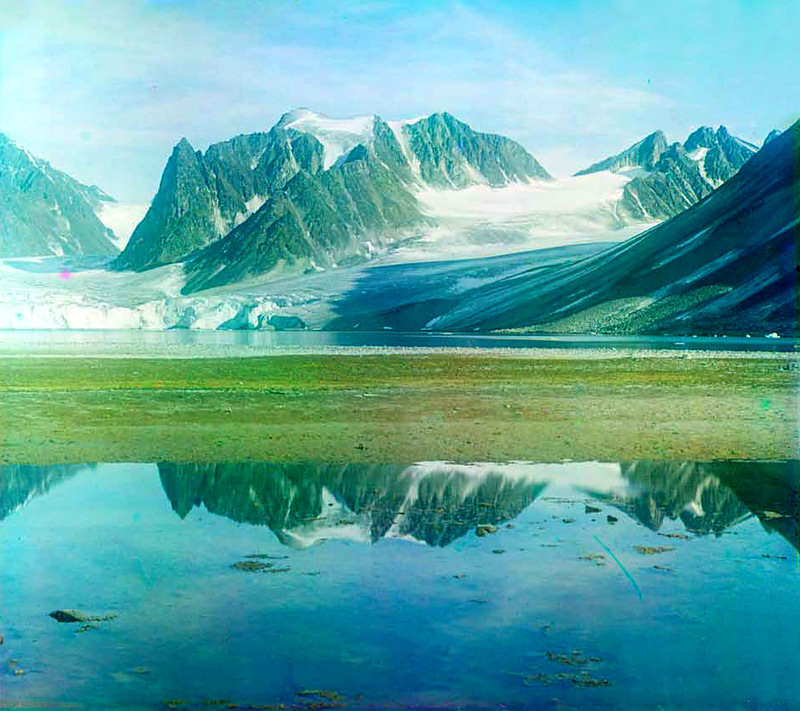
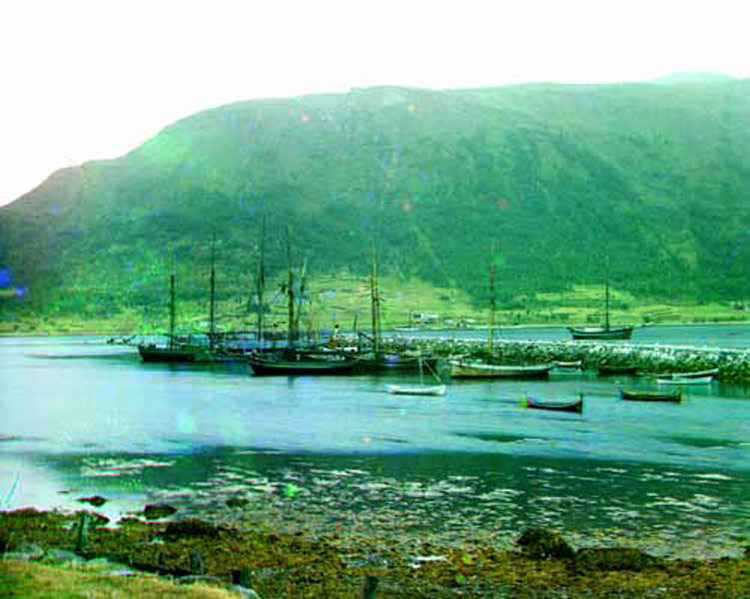
The colors throughout are vibrant and true to life — a direct result of Miethe’s careful process. At a time when color images were rare, these photographs gave viewers something they had almost never seen: Norway as it actually was.