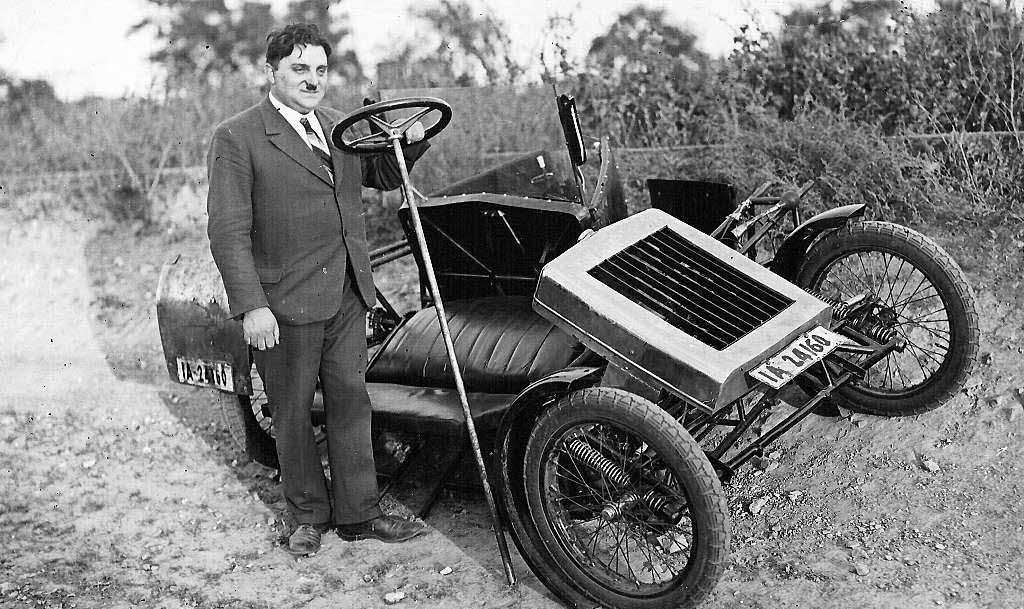
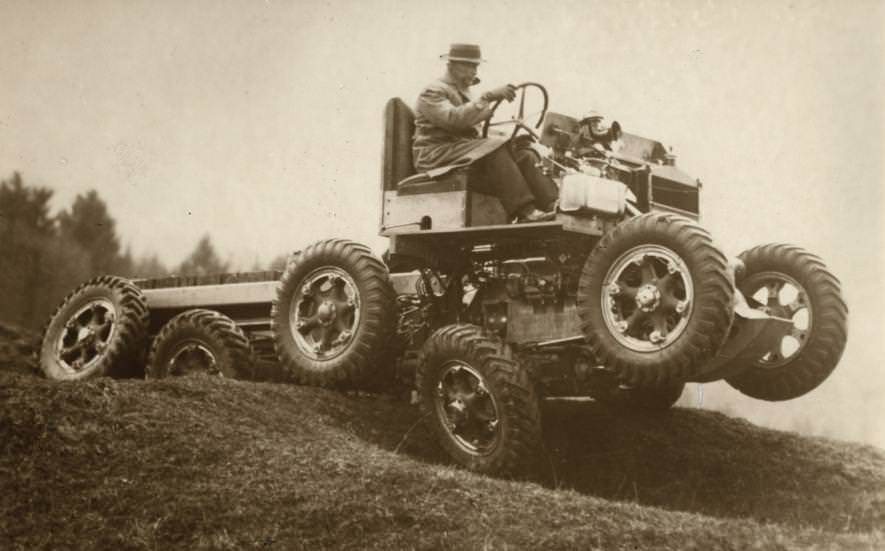
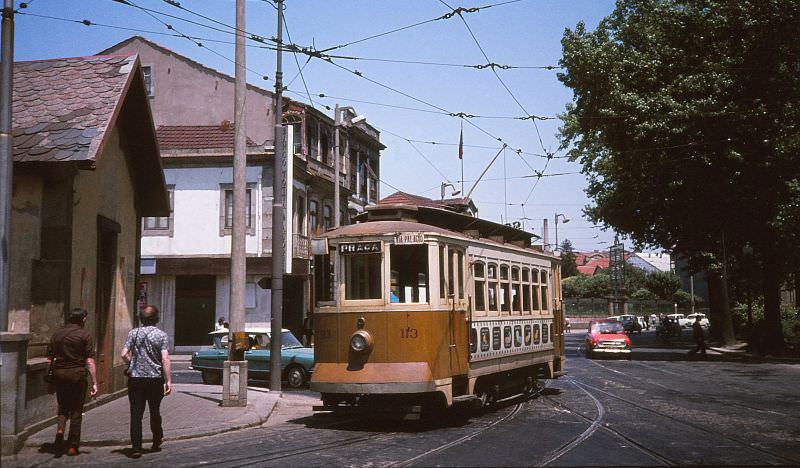
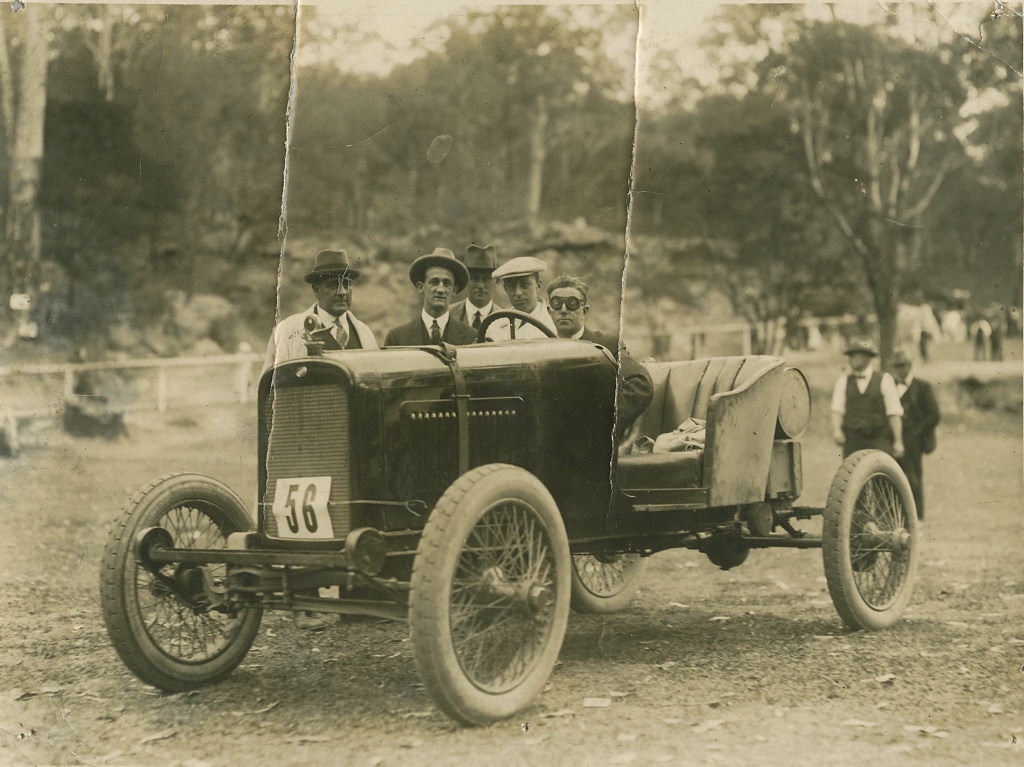
Motor racing in the 1920s and 1930s was nothing like the sport we know today. There were no safety crews on standby, no carbon-fiber cockpits, and no detailed regulations to keep drivers alive. Speed was the goal, and almost everything else came second. Cars were often built on standard road frames with powerful engines bolted in. Seatbelts were rare. Roll cages barely existed. Drivers wore leather helmets and goggles — and sometimes not even that.
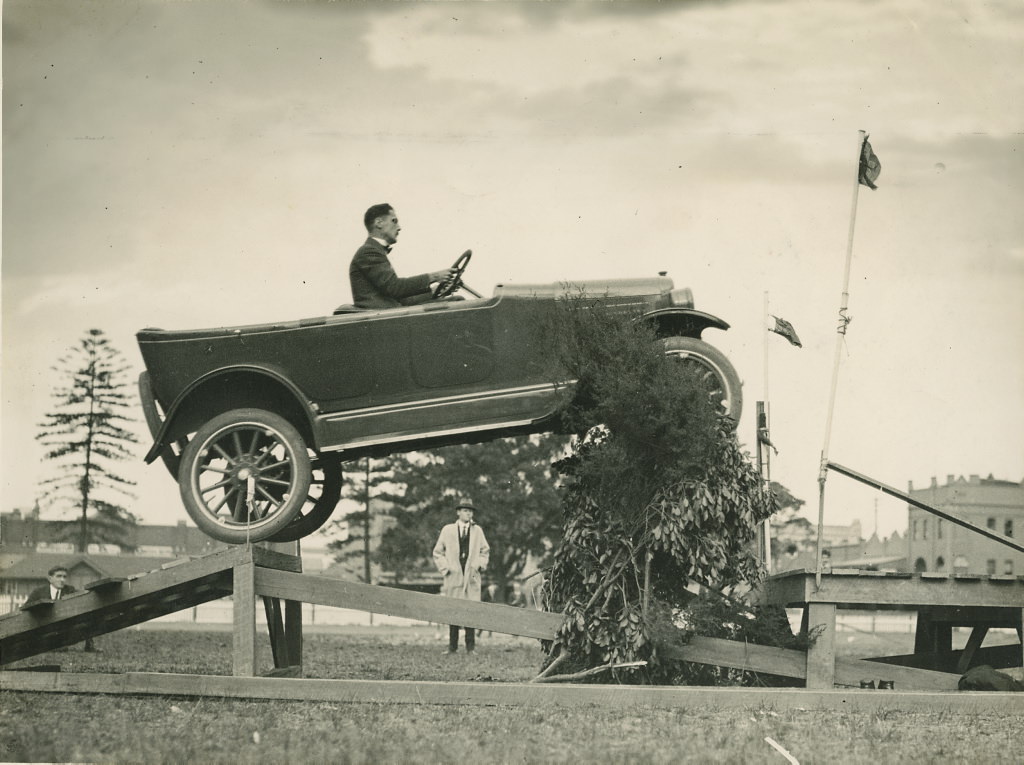
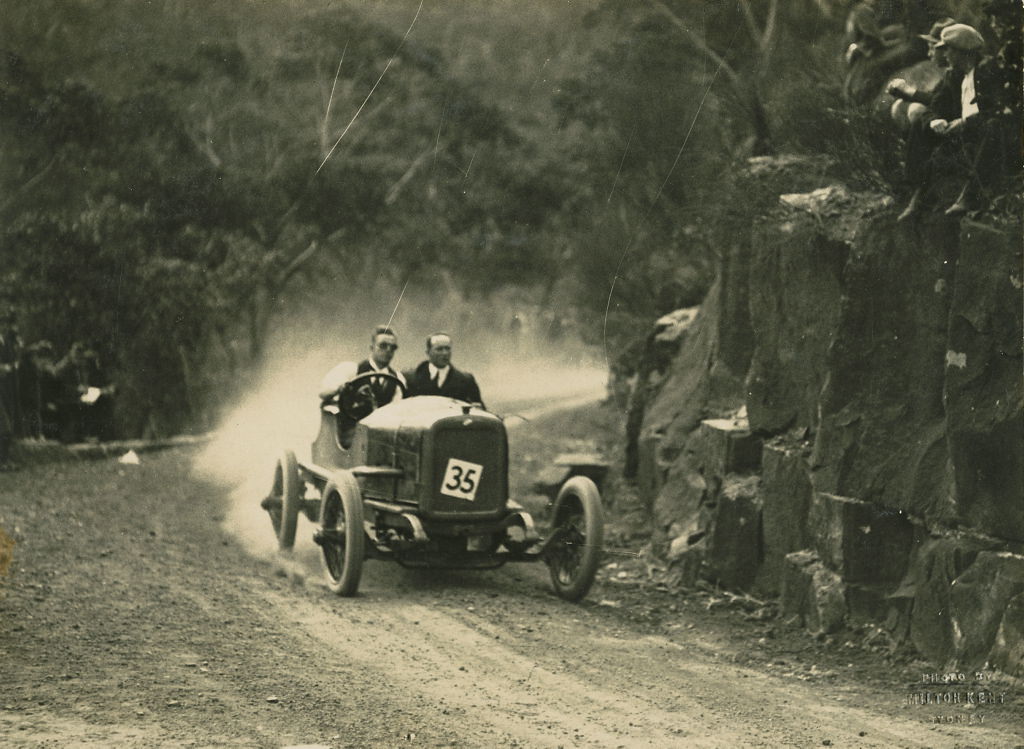
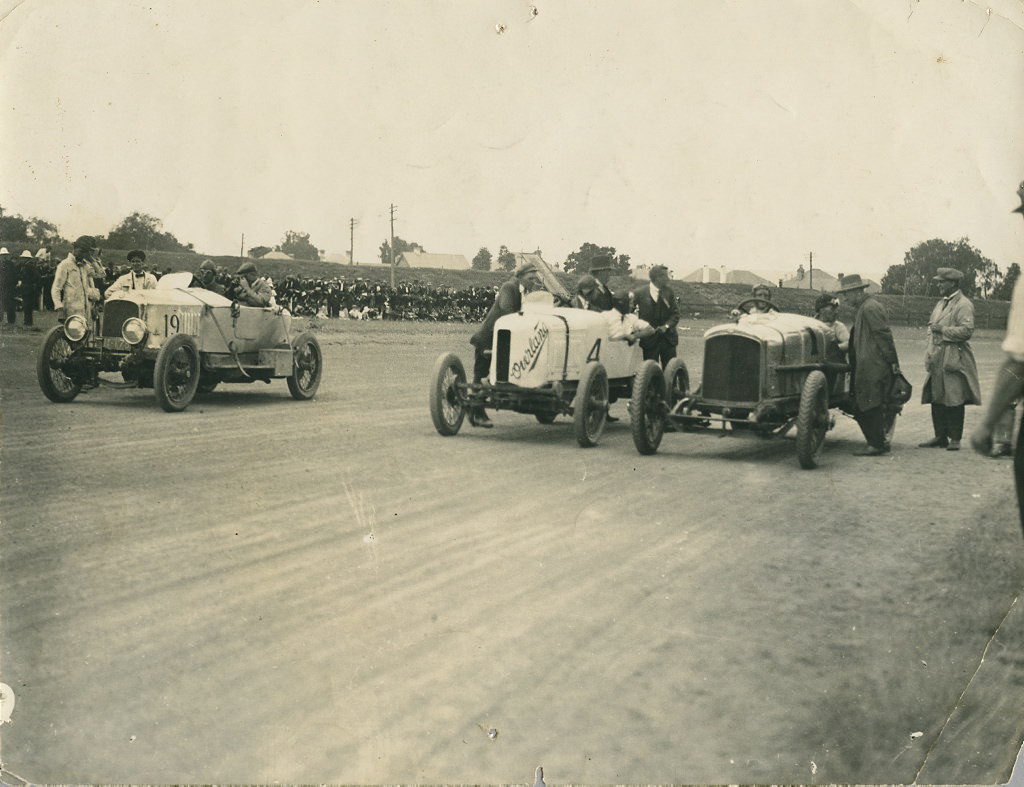
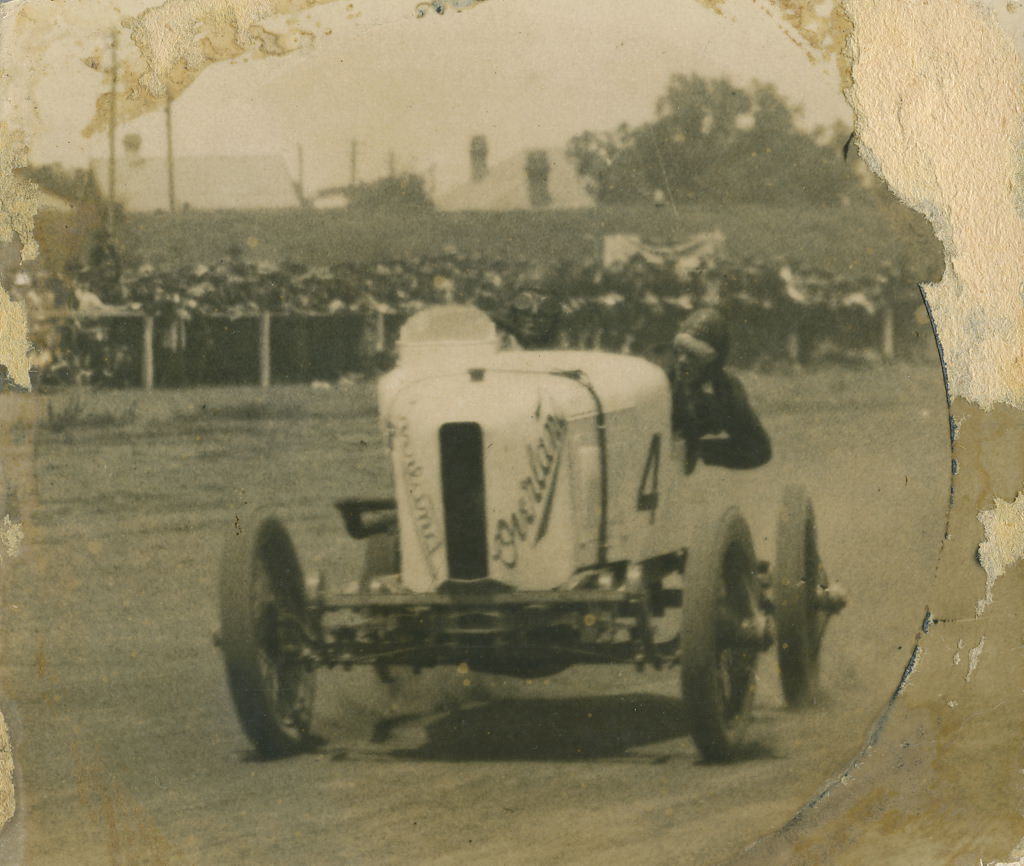
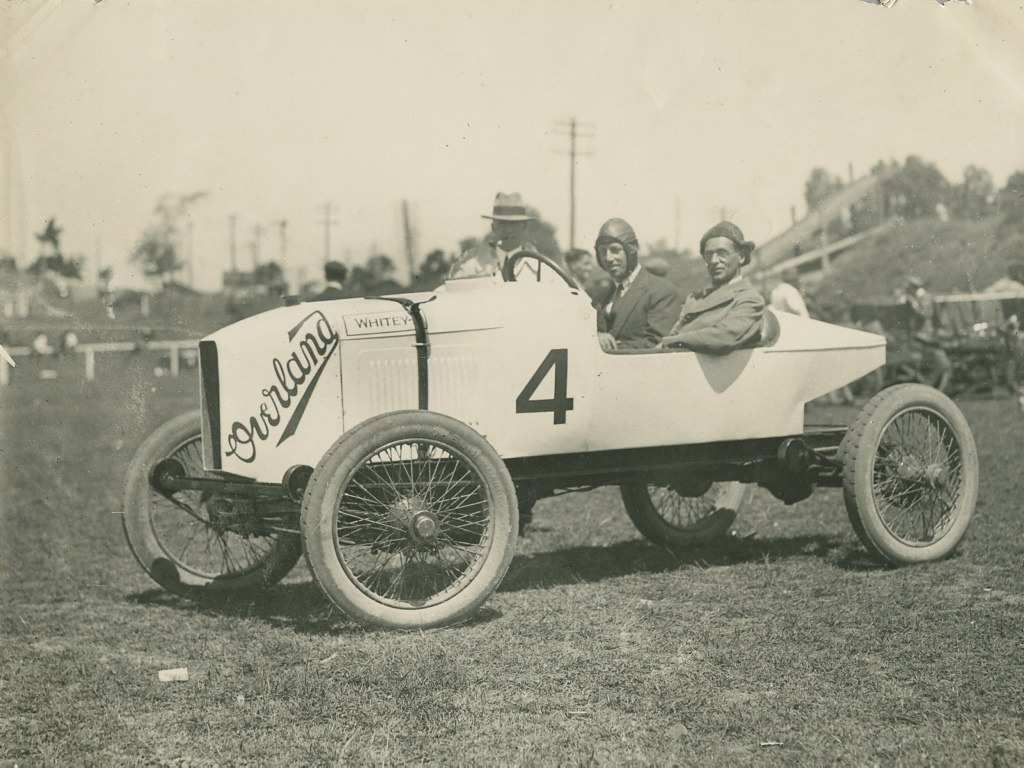
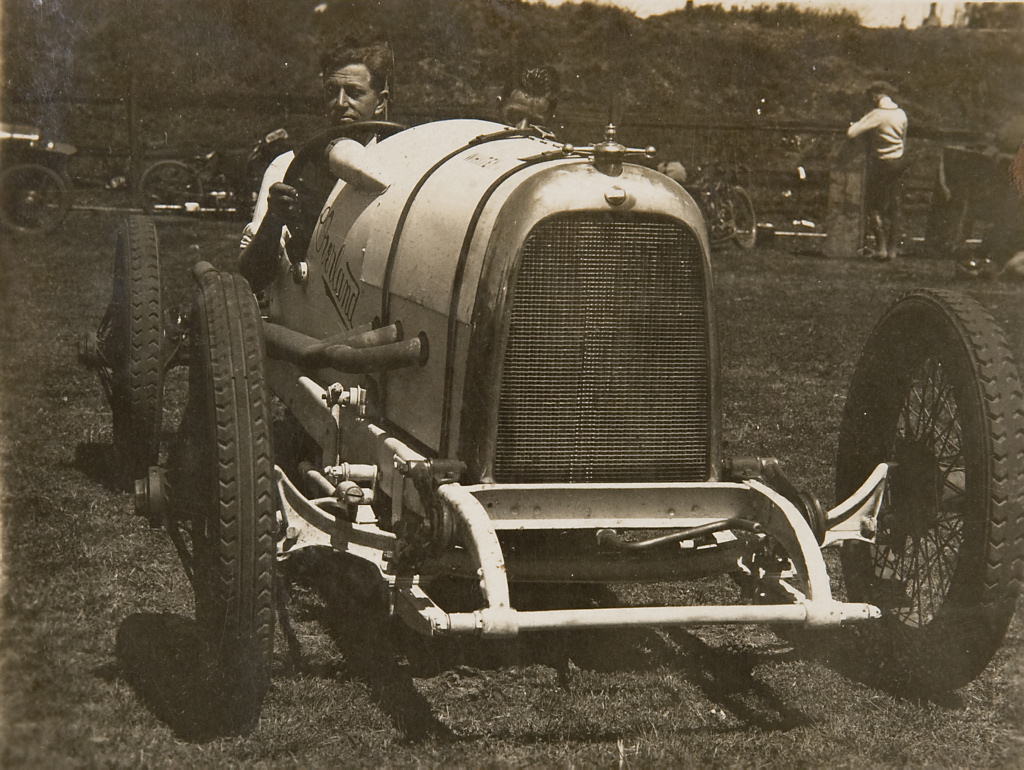
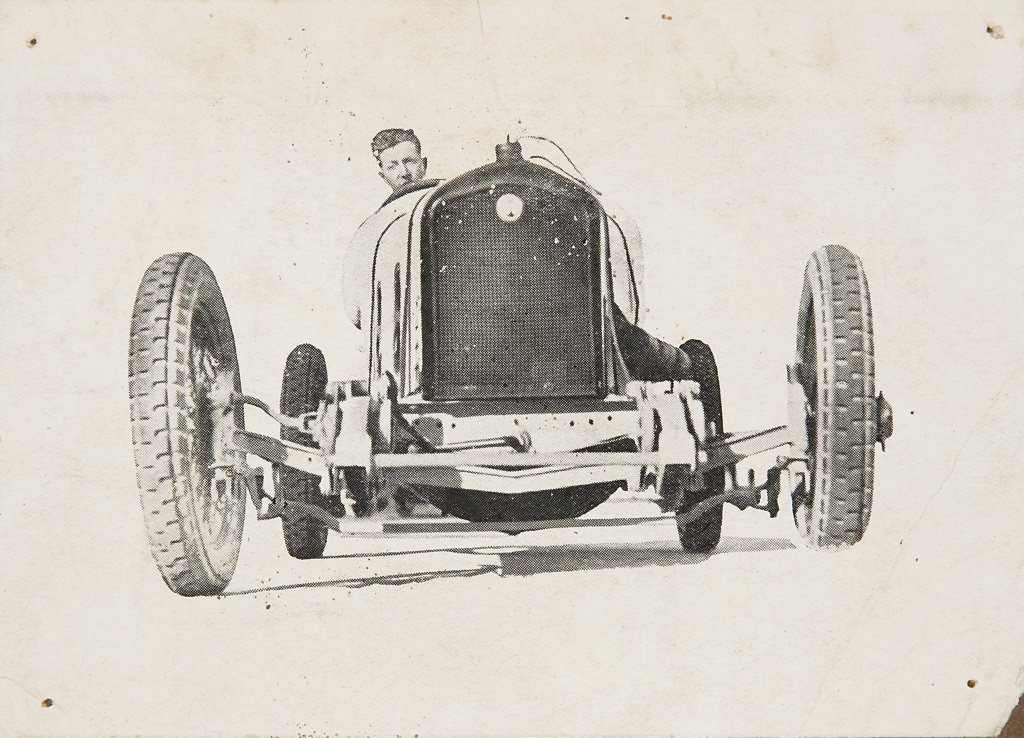
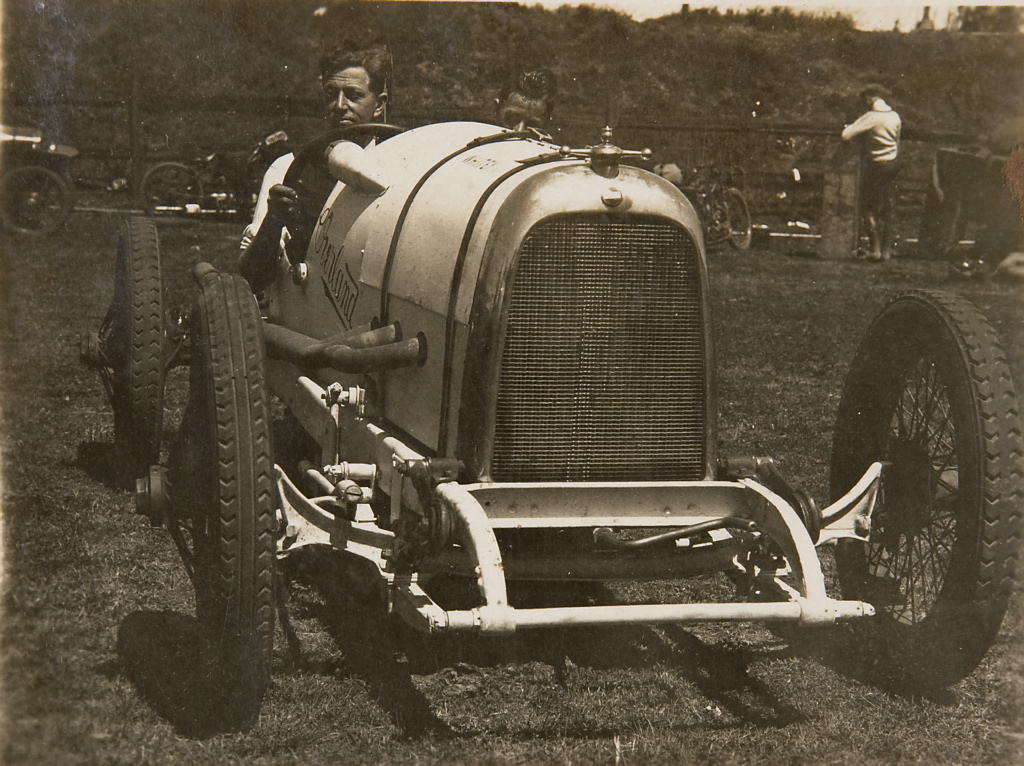
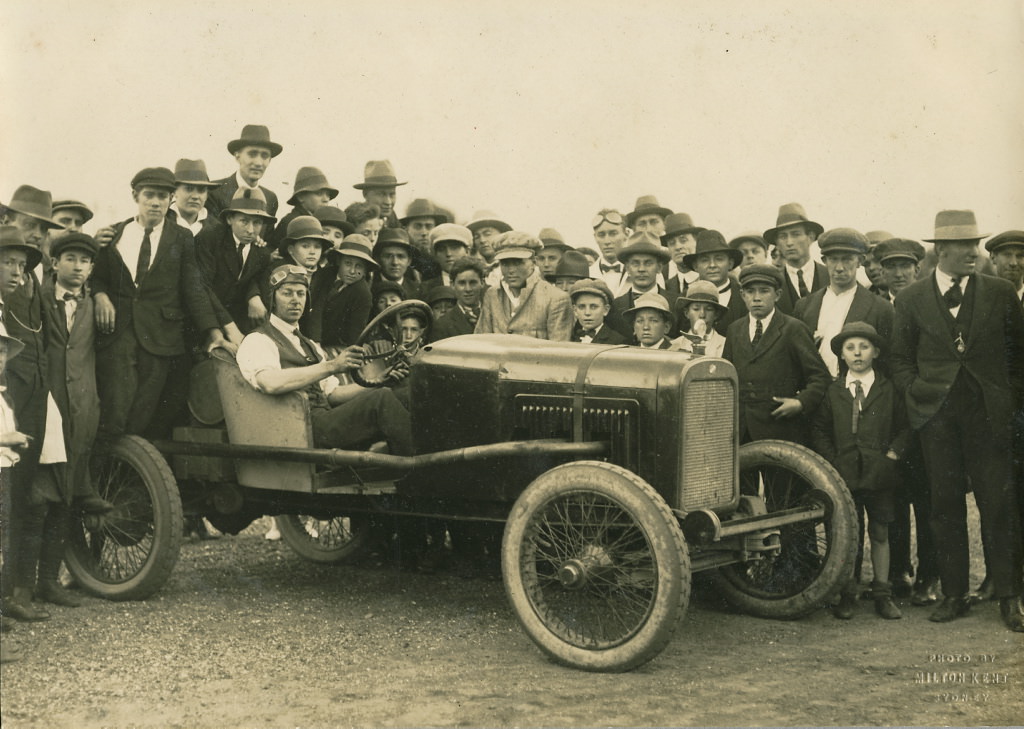
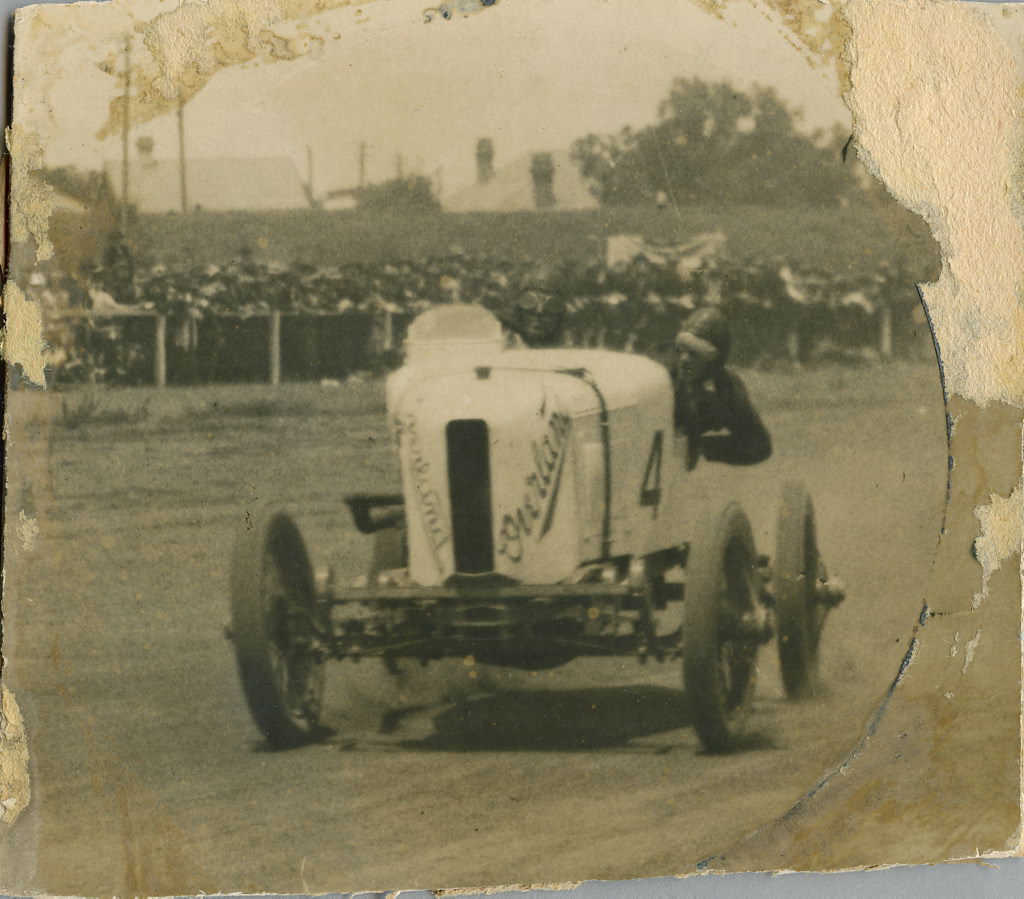
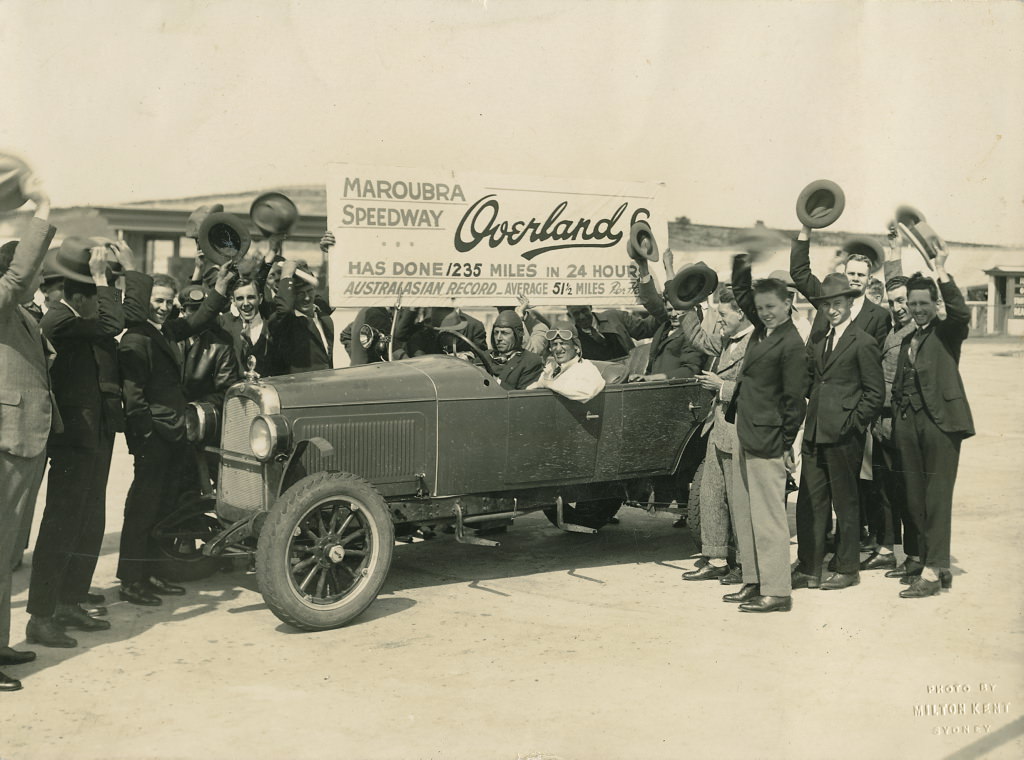
Tires were thin and offered poor grip, making cars difficult to control at high speeds. Braking technology was primitive, so slowing down required real strength and skill. One of the key figures in Australian motorsport during this era was Don Harkness, who raced a modified Overland Sports car nicknamed “Whitey.” Harkness pushed his machines hard on local tracks and hill climbs, and eventually set the Australasian 24-hour record behind the wheel of an Overland 6.
Many races took place on public roads that were unpaved and rough. Dedicated tracks were often made of dirt or bricks. The Indianapolis Motor Speedway was originally paved with bricks — earning it the nickname “The Brickyard” — and hosted its first race in 1911. The 24 Hours of Le Mans began in 1923, sending drivers through day and night in a brutal test of endurance. European Grand Prix racing also drew large crowds and pushed car technology forward race by race.
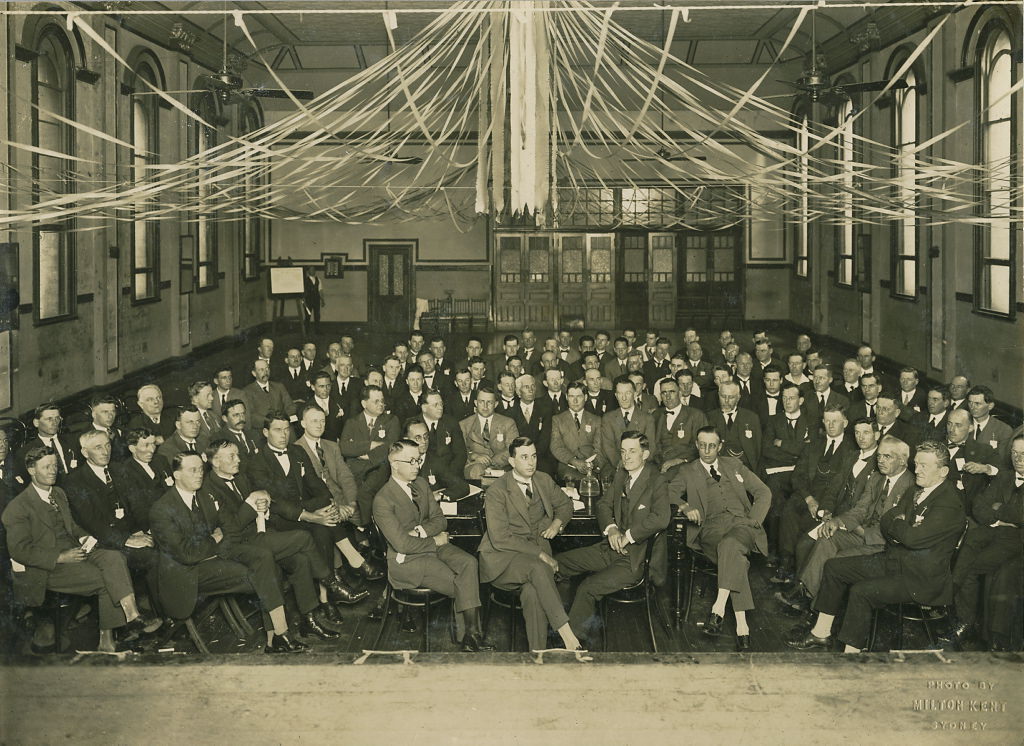
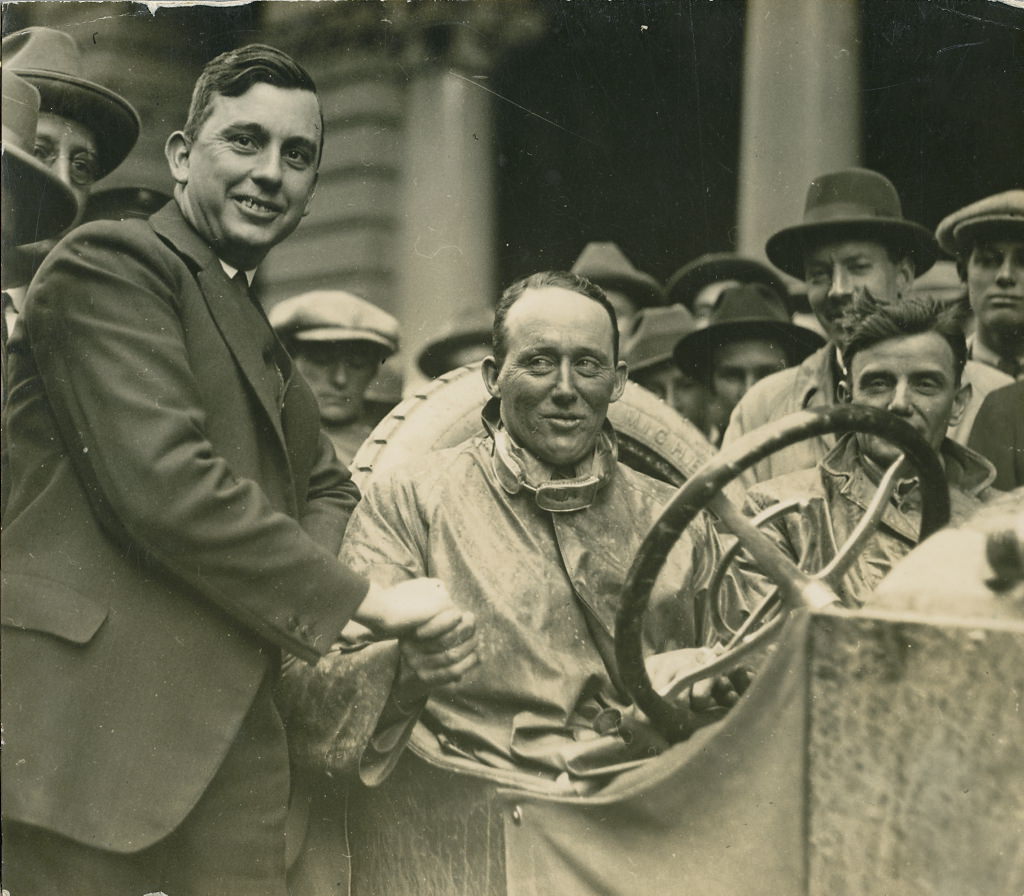
Spectator safety was almost nonexistent. Barriers between the track and the crowd were minimal. Cars that lost control could — and sometimes did — end up among the onlookers. Drivers were treated as heroes regardless, seen by many as fearless gladiators who put their lives on the line for sport and glory. Some came from working-class backgrounds and used racing as a path to fame and financial stability.
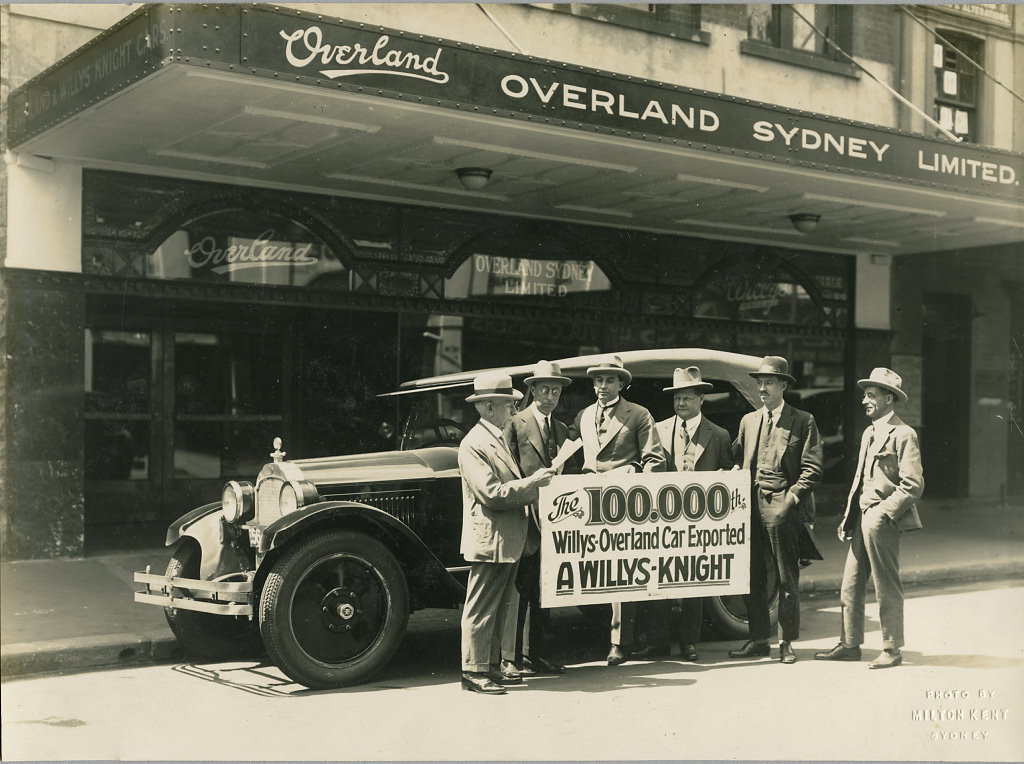
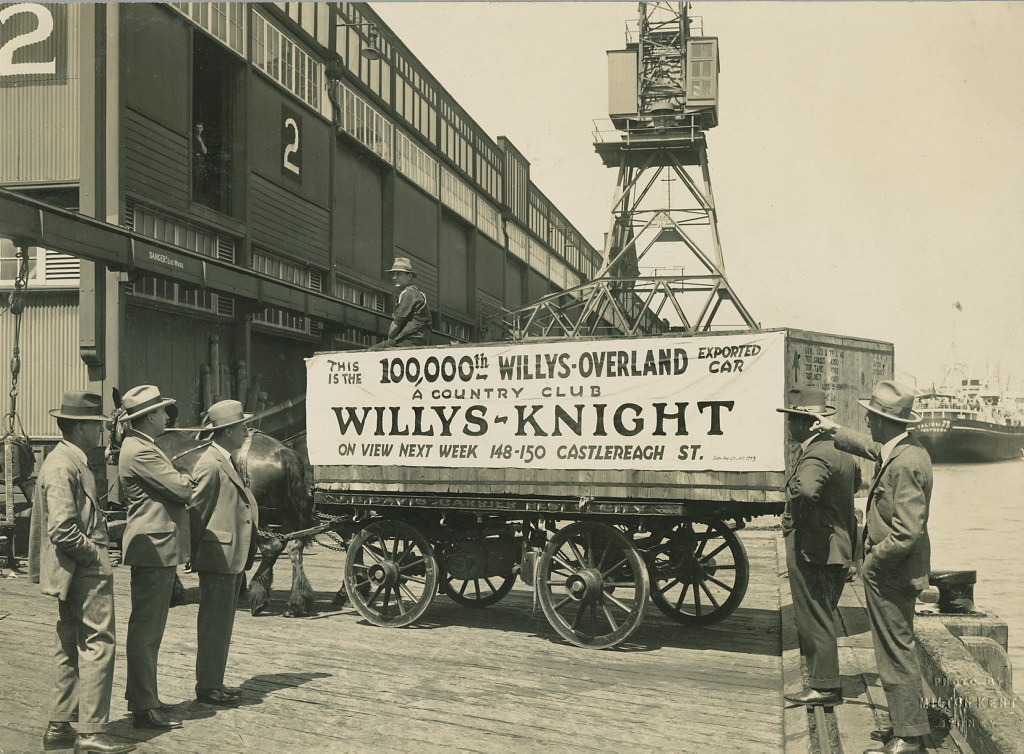
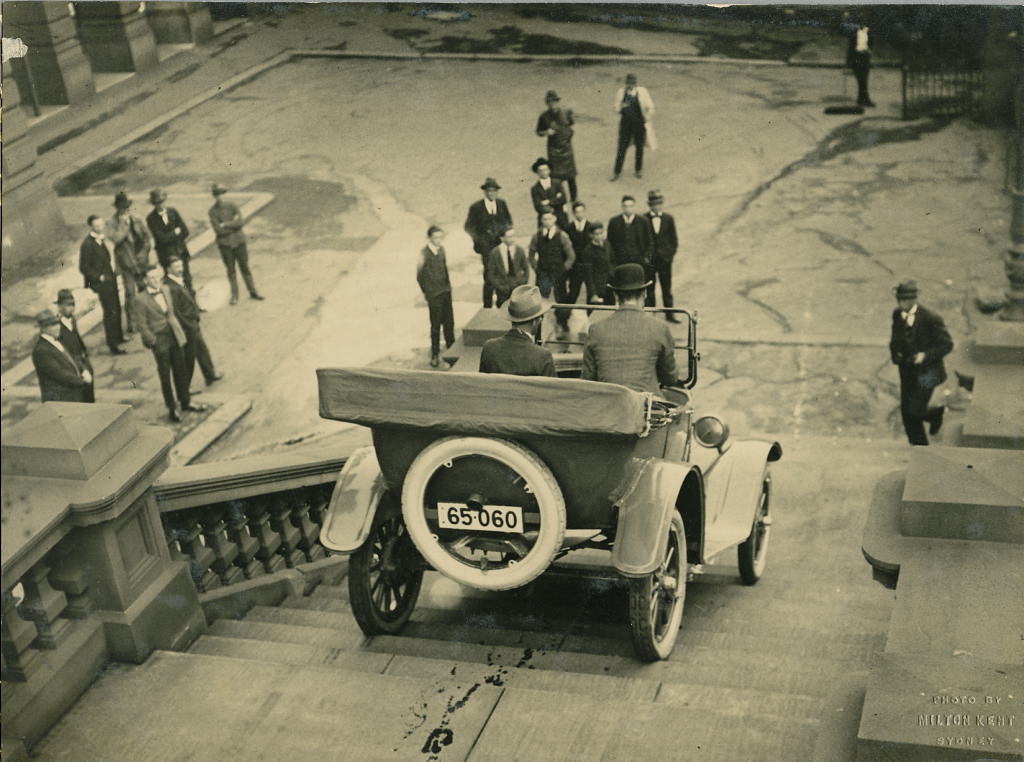
The Willys-Overland company was a major force in the Australian automotive scene during this period. Their cars were used not just for racing but also for bold promotional stunts — including jumping fallen bridges and driving down the steps of Sydney Town Hall — to prove the durability of their vehicles to the public.
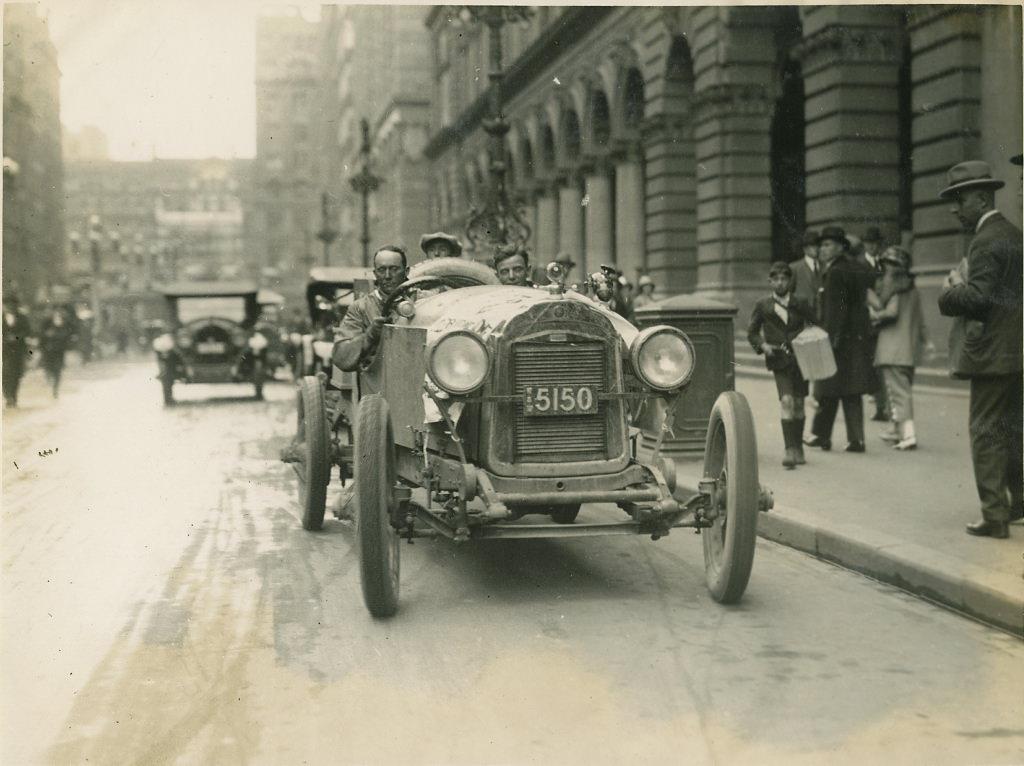
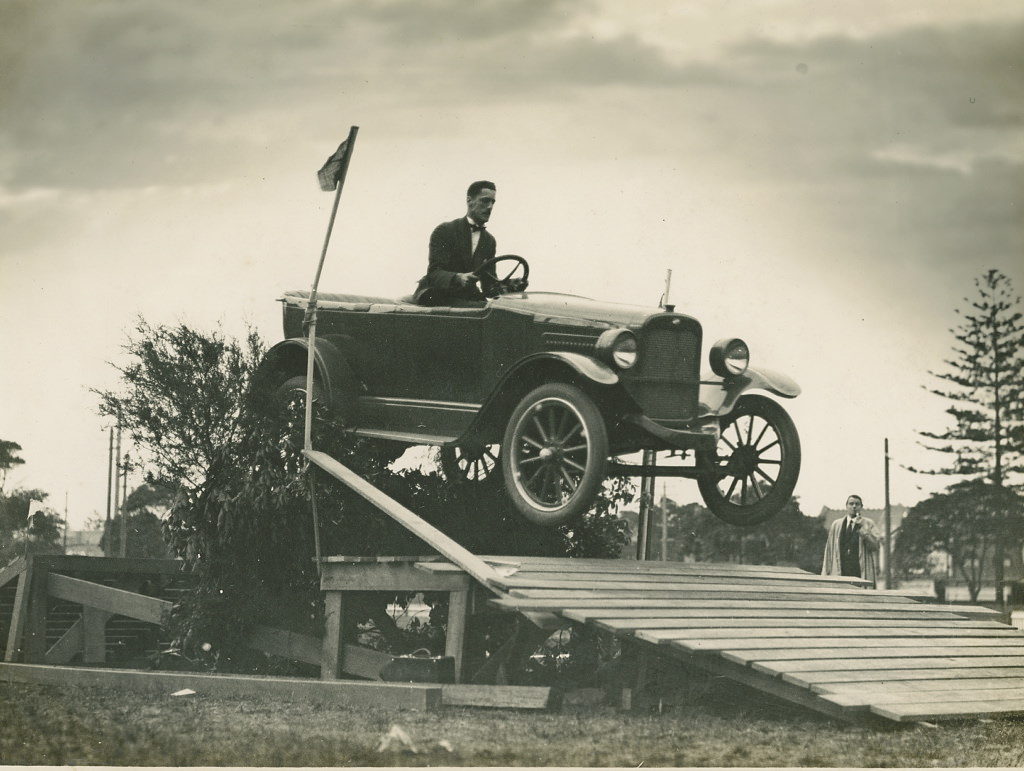
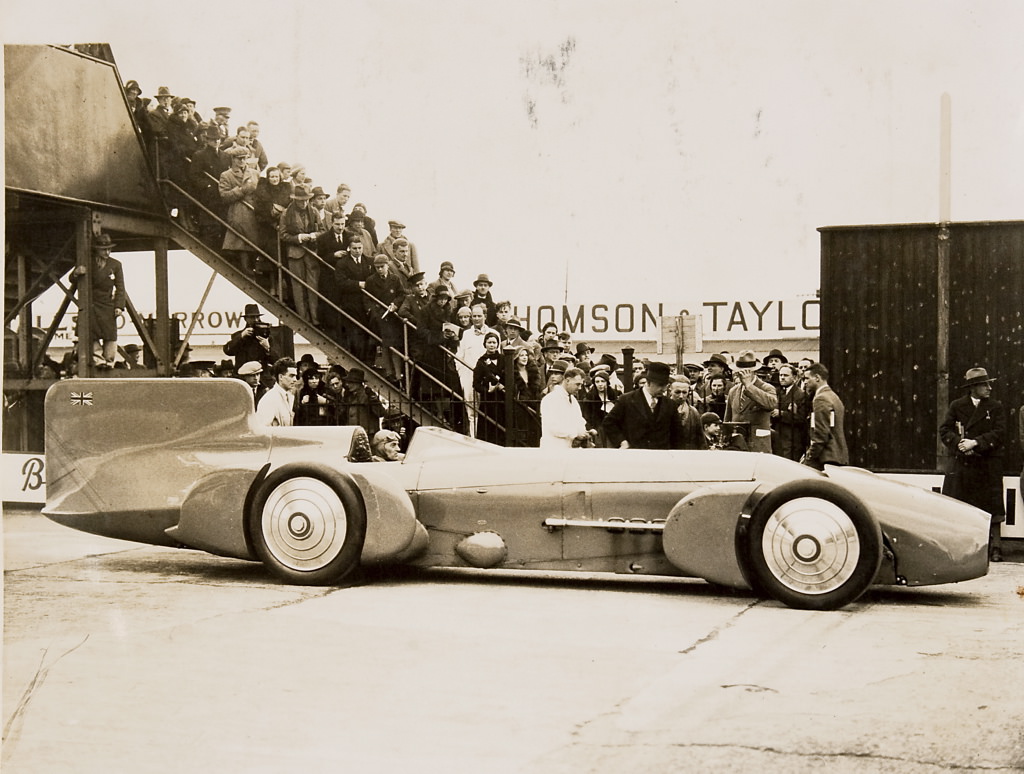
Prominent names defined the global racing scene. Ralph DePalma, an Italian-American, won the 1915 Indianapolis 500. Englishman Sir Henry Segrave set multiple land speed records. German driver Bernd Rosemeyer dominated mid-1930s racing with remarkable skill. Sir Malcolm Campbell, another British record-breaker, raced his famous Bluebird car to speeds that stunned the world.
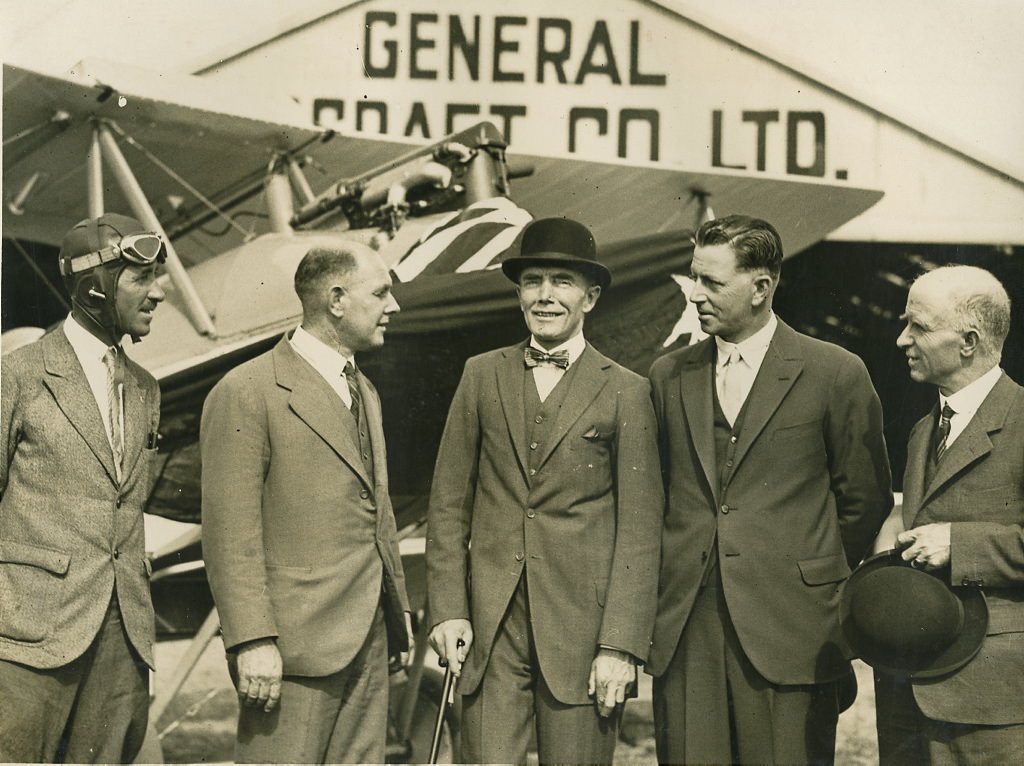
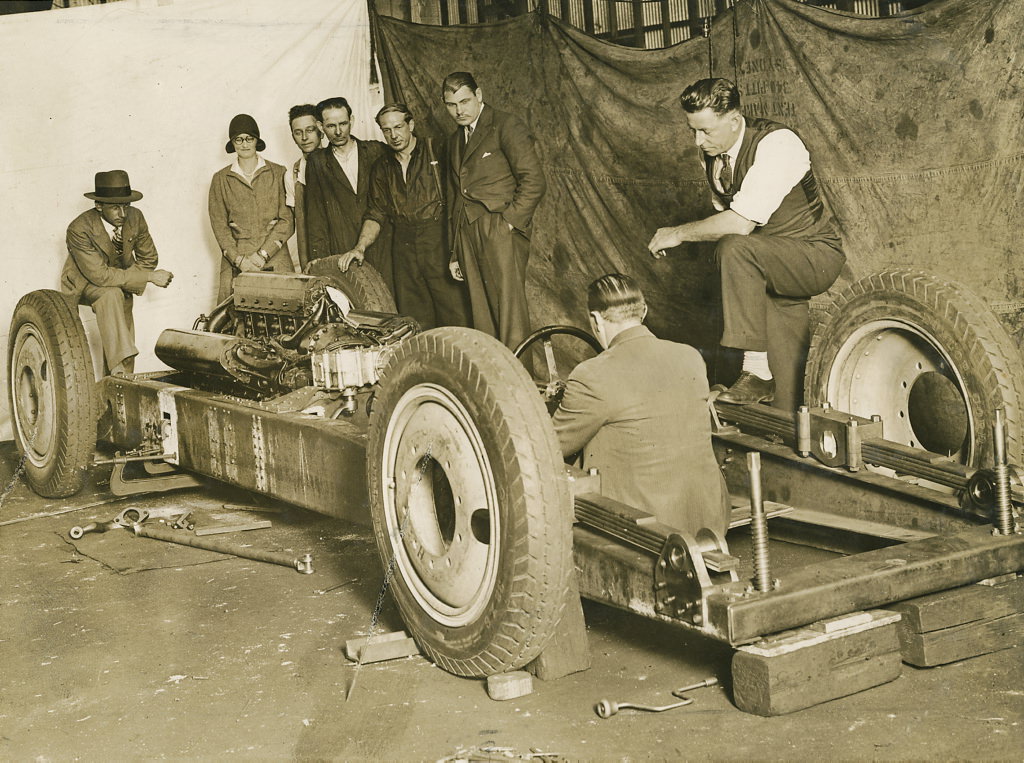
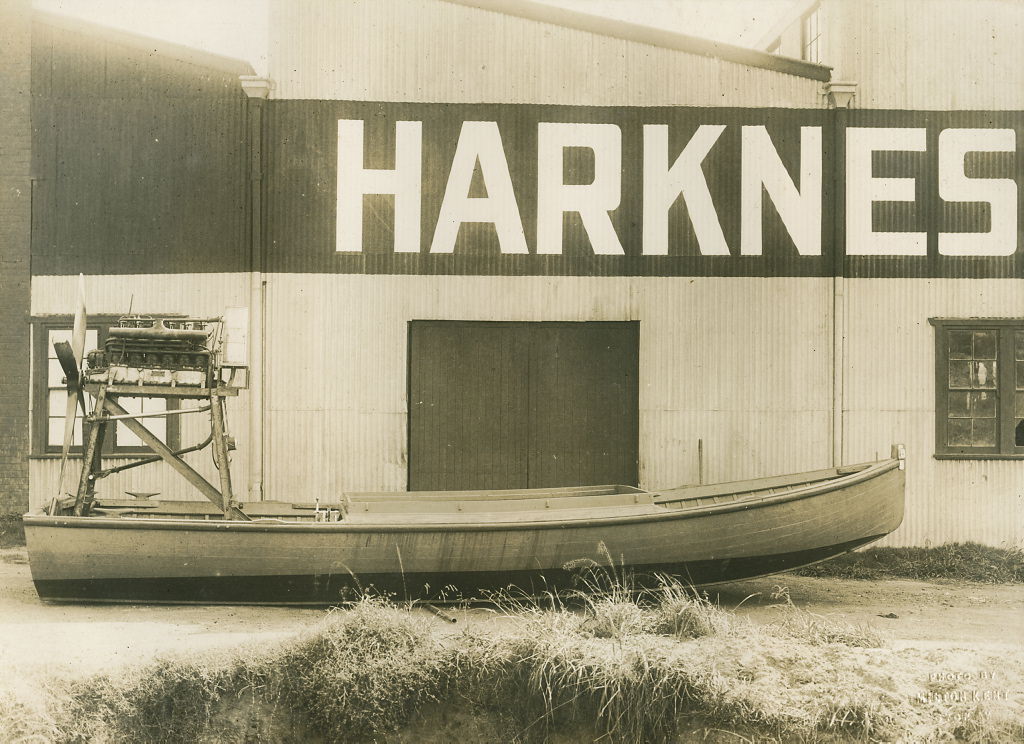
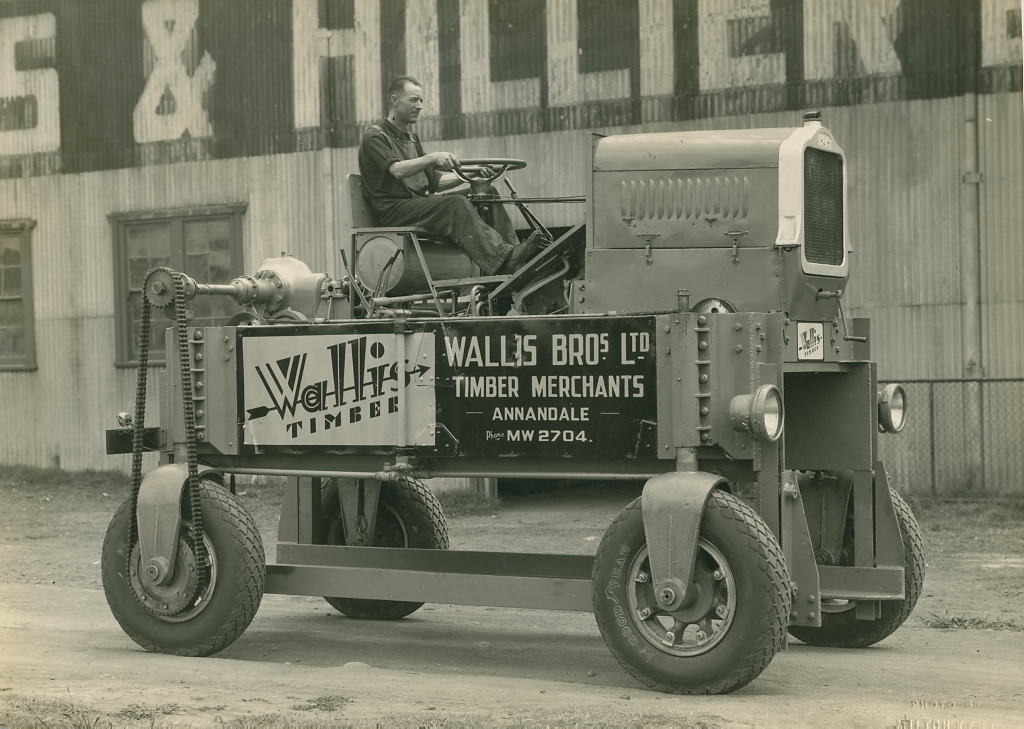
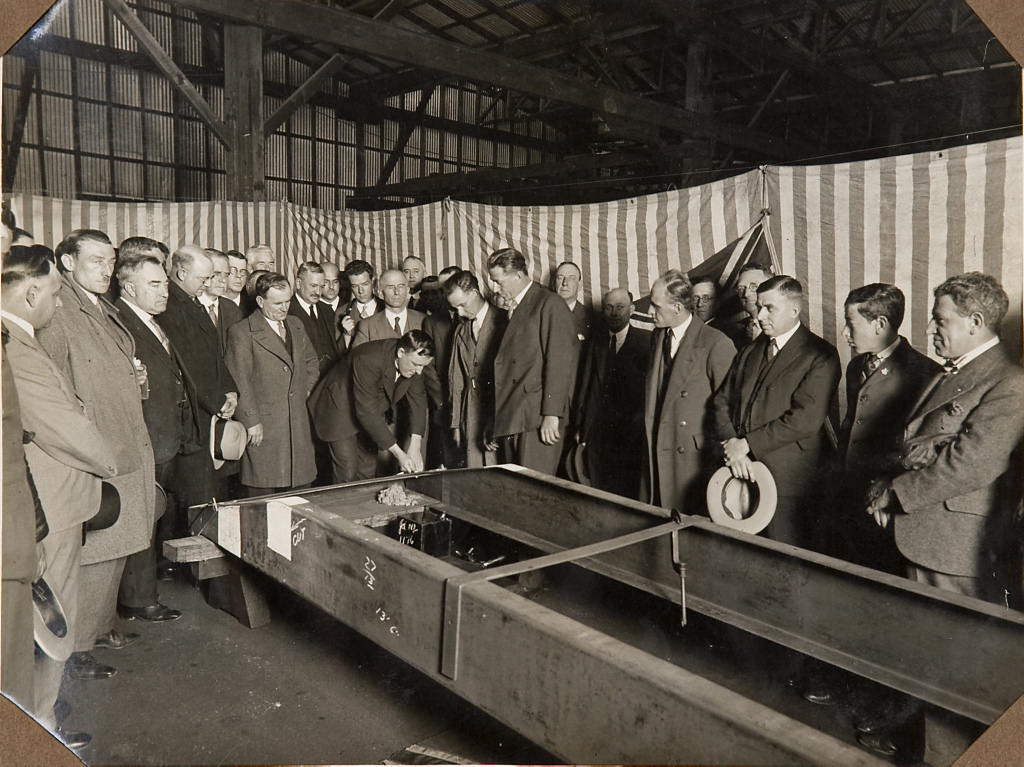
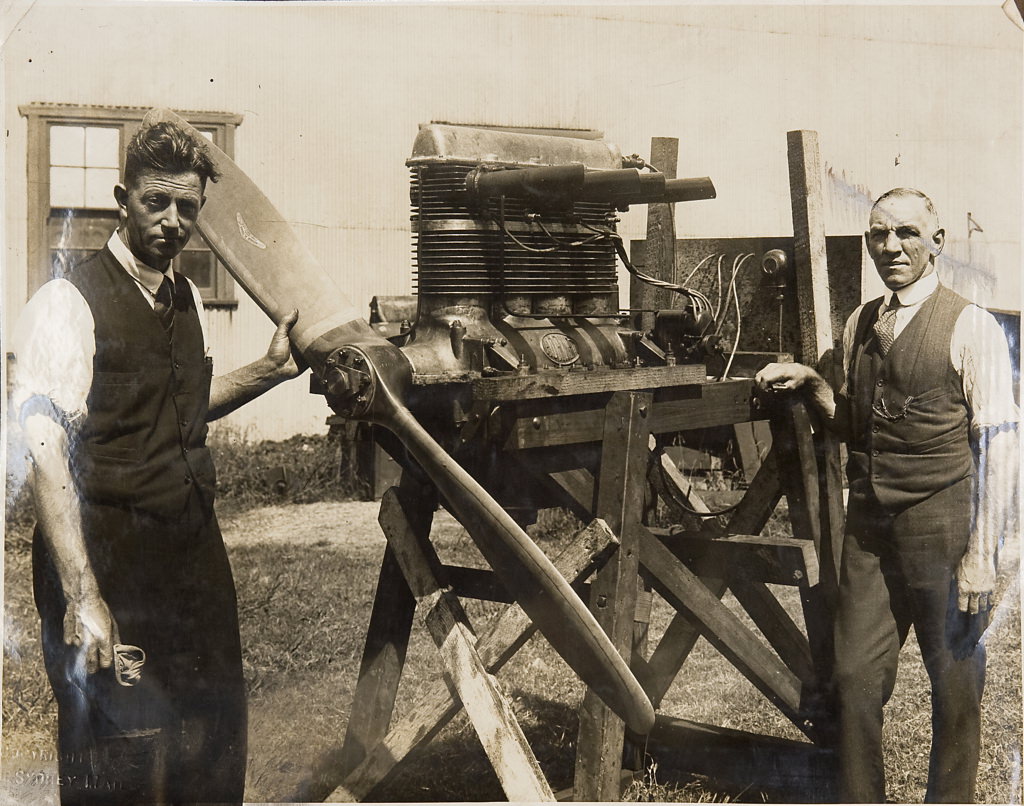
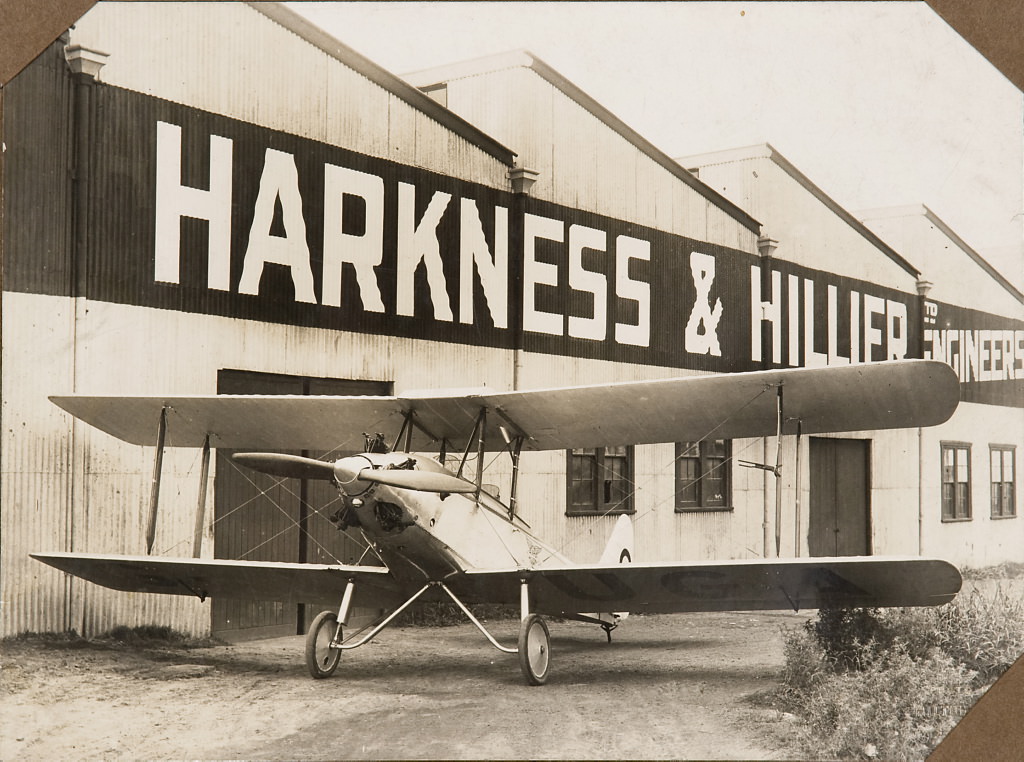
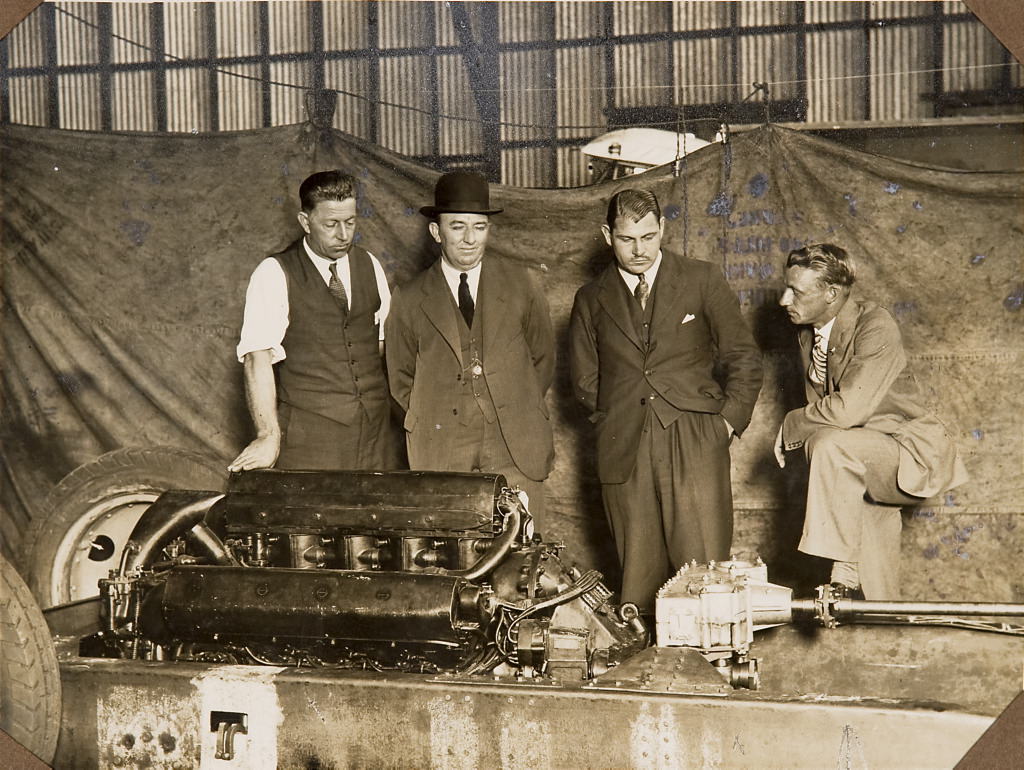
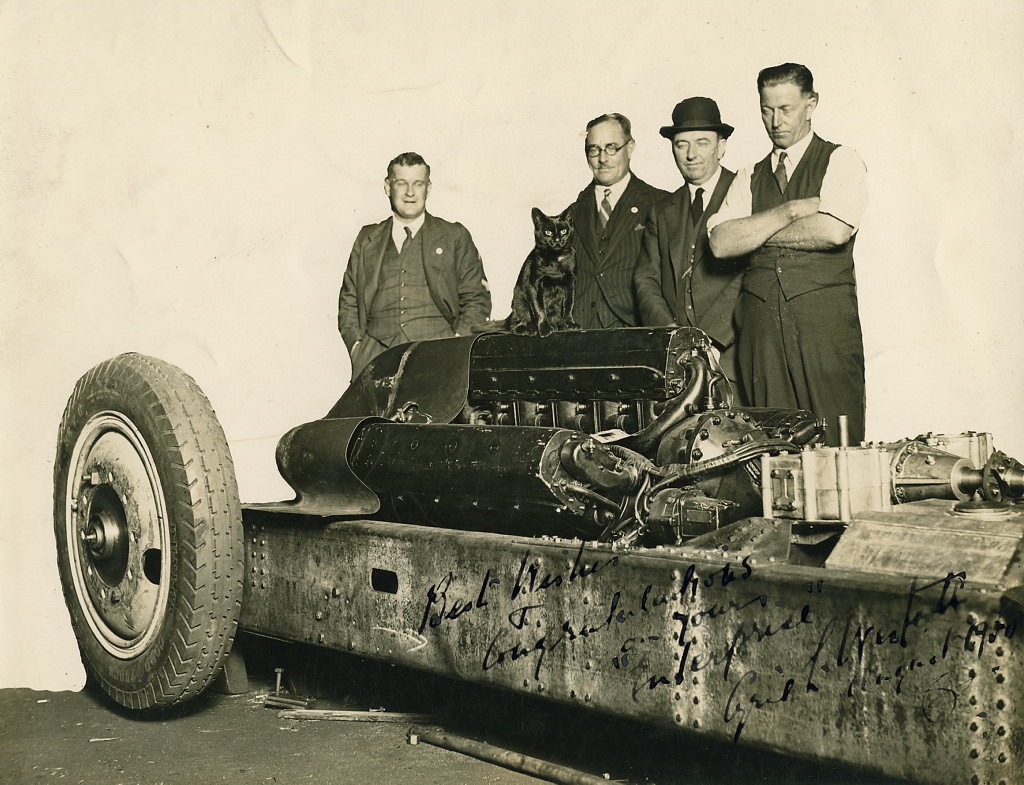
Back in Australia, the motorsport community was tightly connected to other engineering pursuits. Harkness and his associates at the Five Dock firm Harkness & Hillier were involved in building hydrogliders and inspecting early aircraft — reflecting how closely tied speed, engines, and mechanical innovation were across different fields in this era.
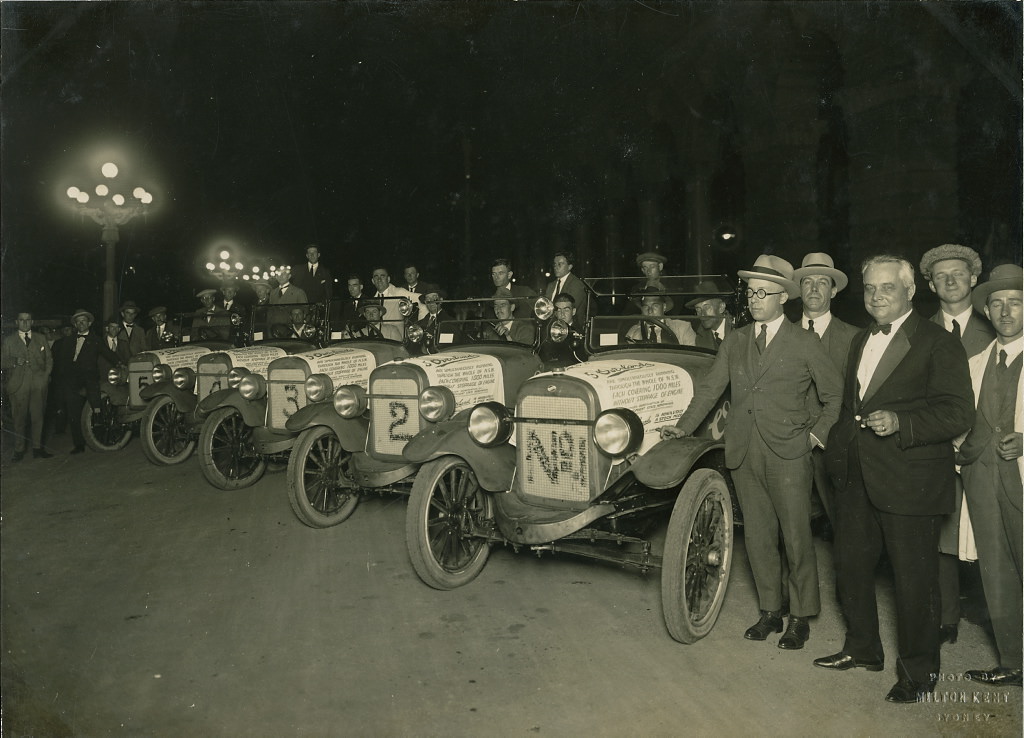
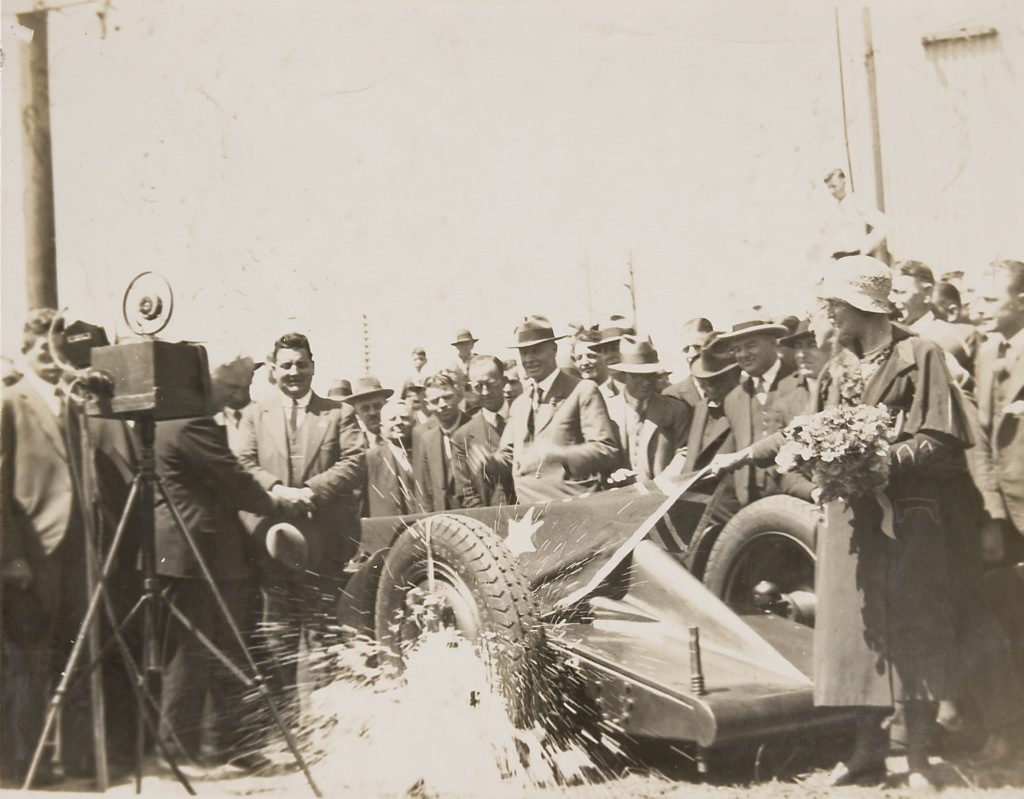
![Anzac car [with Harkness & Hillier staff at Five Dock], 1928 - 1929](https://www.bygonely.com/wp-content/uploads/2024/12/Motor_Racing_1920s_1930s_14.jpg)
![Norman Wizard Smith and Don Harkness and two other men (on steps of Sydney Town Hall], 1926 - 1936](https://www.bygonely.com/wp-content/uploads/2024/12/Motor_Racing_1920s_1930s_25.jpg)
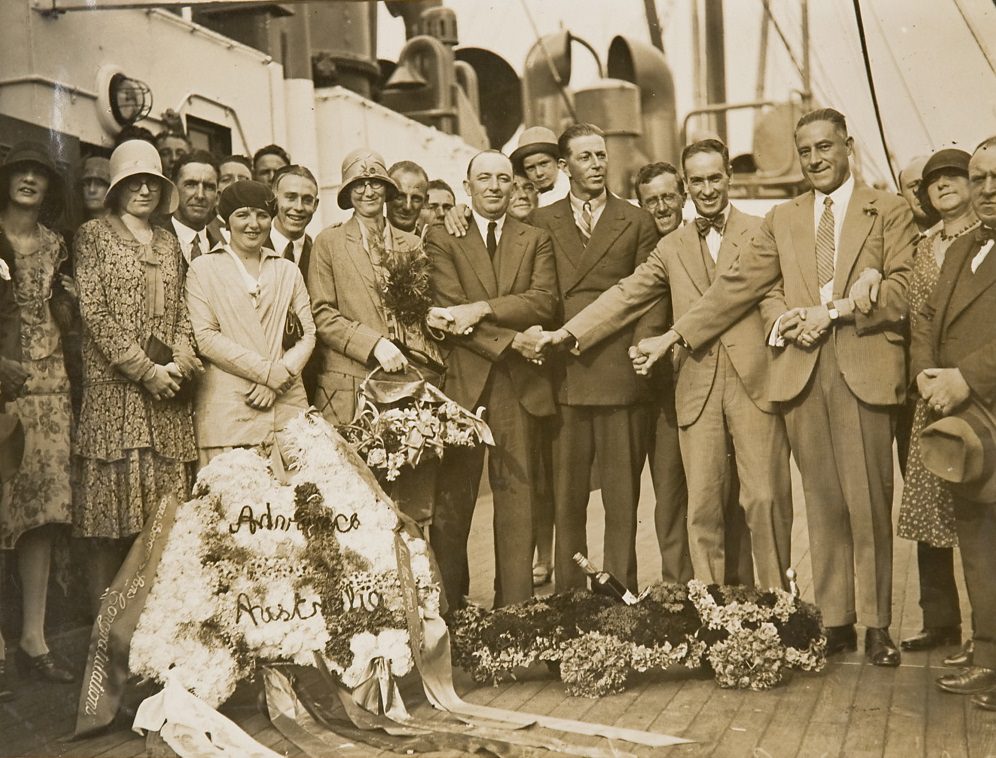
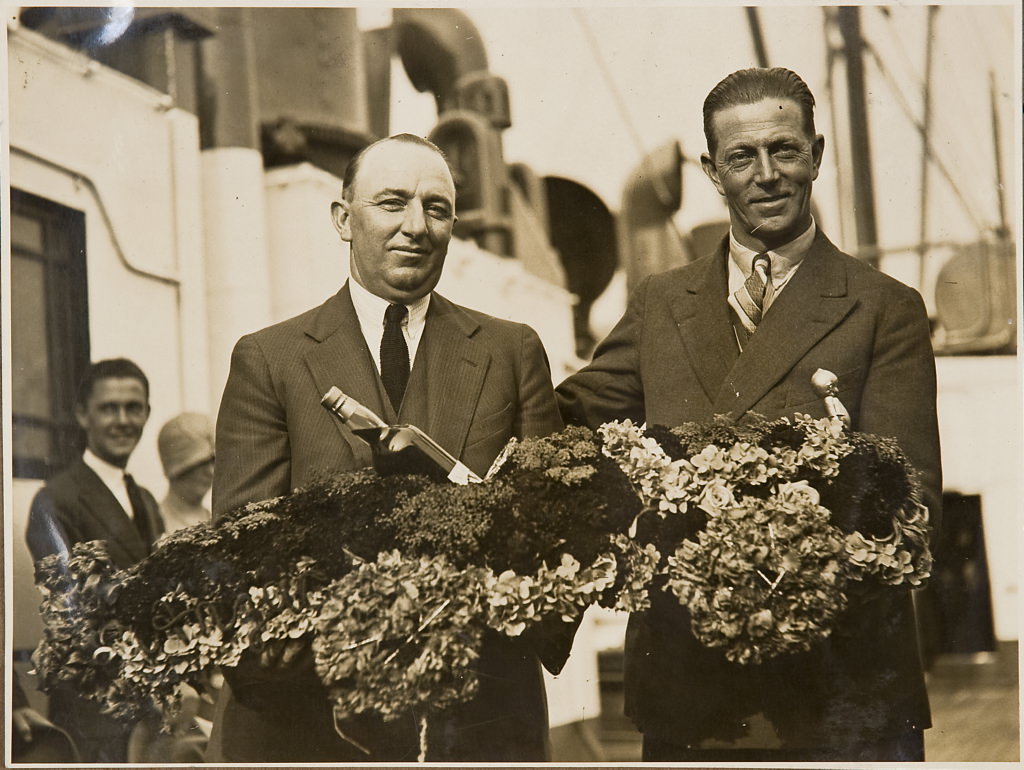
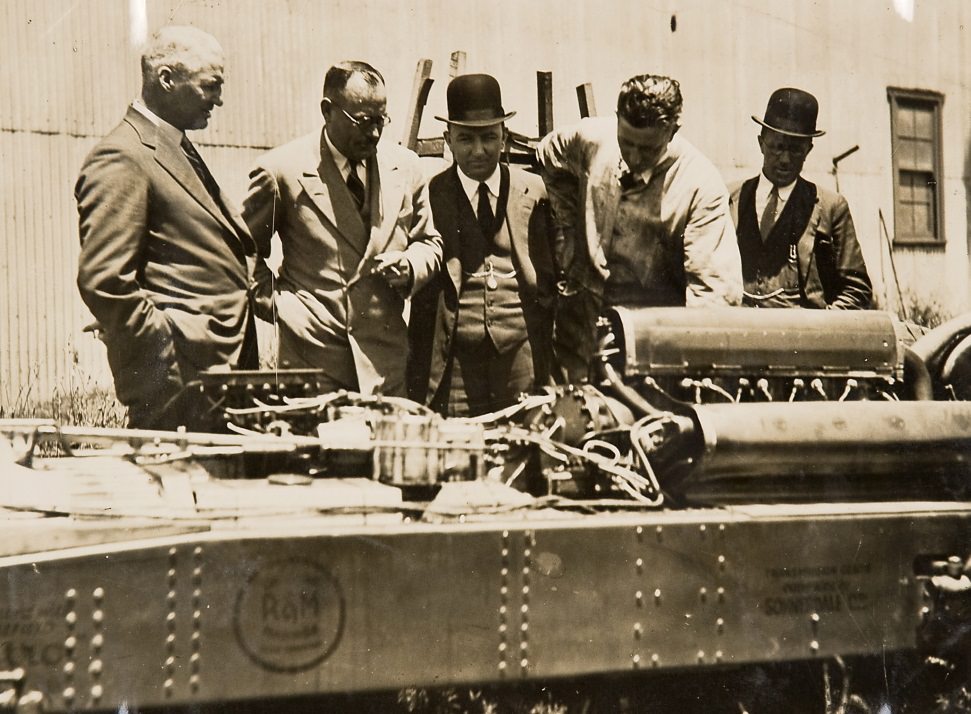
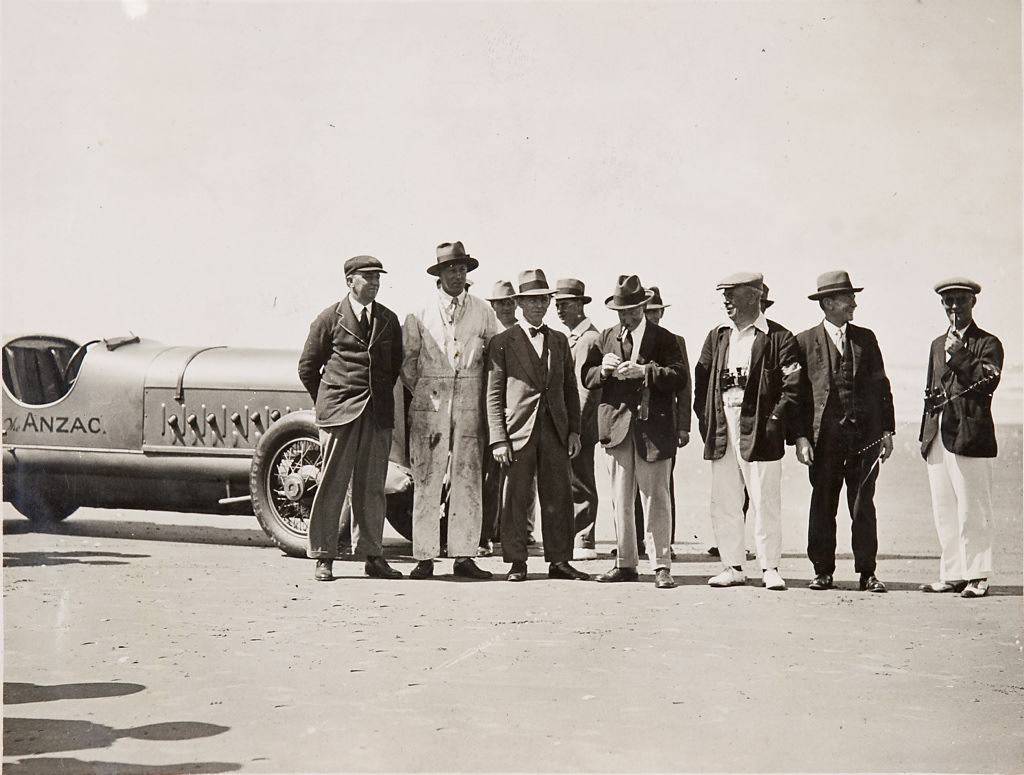
![Anzac car [with Harkness & Hillier staff at Five Dock]](https://www.bygonely.com/wp-content/uploads/2024/12/Motor_Racing_1920s_1930s_38.jpg)