
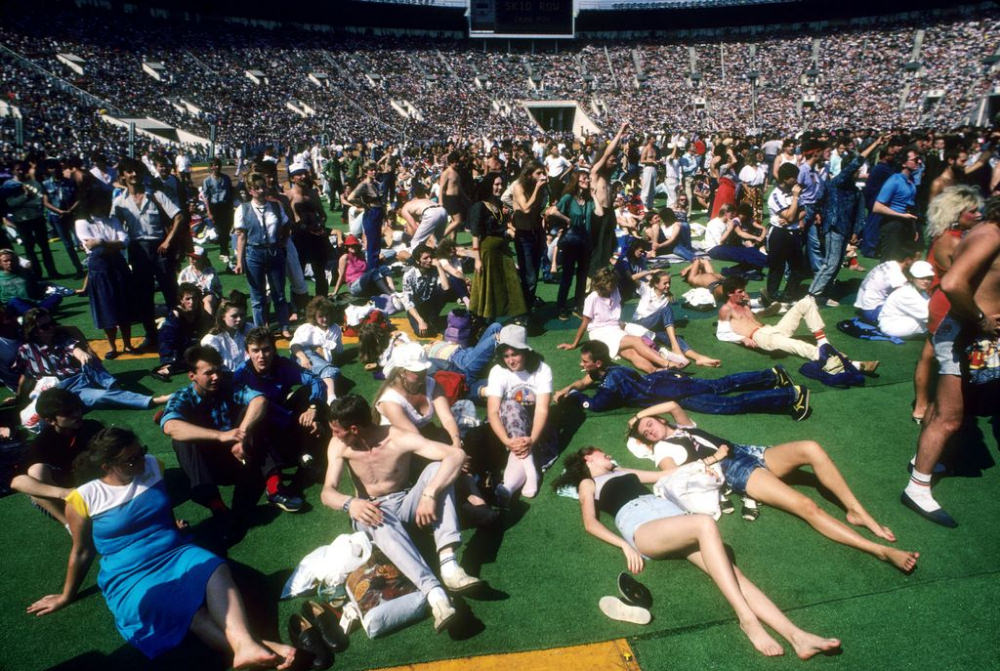
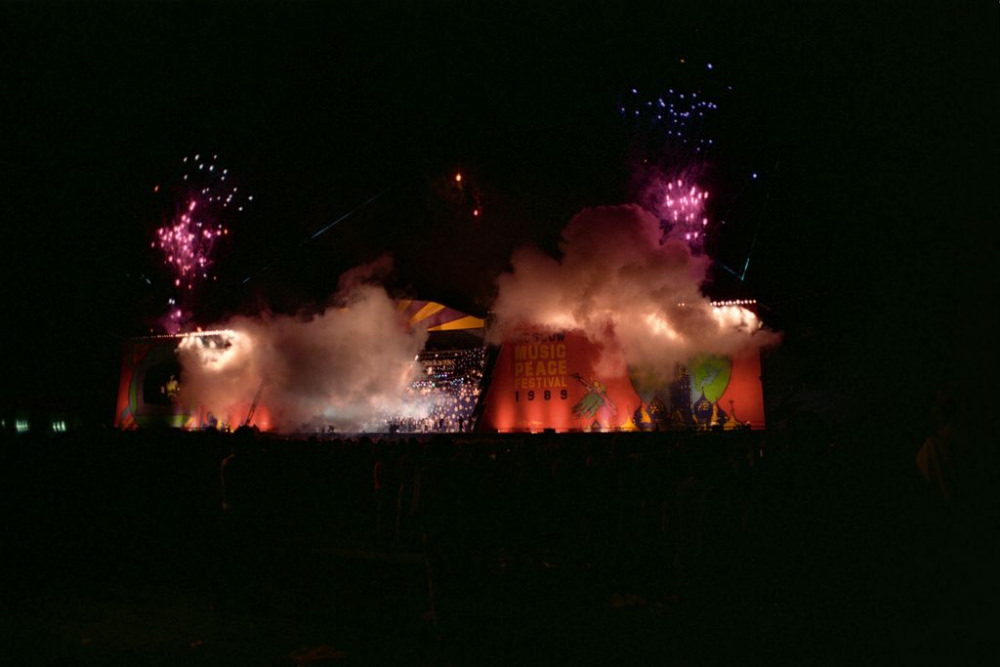
On August 12 and 13, 1989, Luzhniki Stadium in Moscow became the center of the rock world. More than 100,000 people packed the venue over two days for the Moscow Music Peace Festival — a live event that brought Western rock acts and Soviet bands onto the same stage during the final years of the Cold War. The timing was extraordinary. The Berlin Wall would fall just three months later.
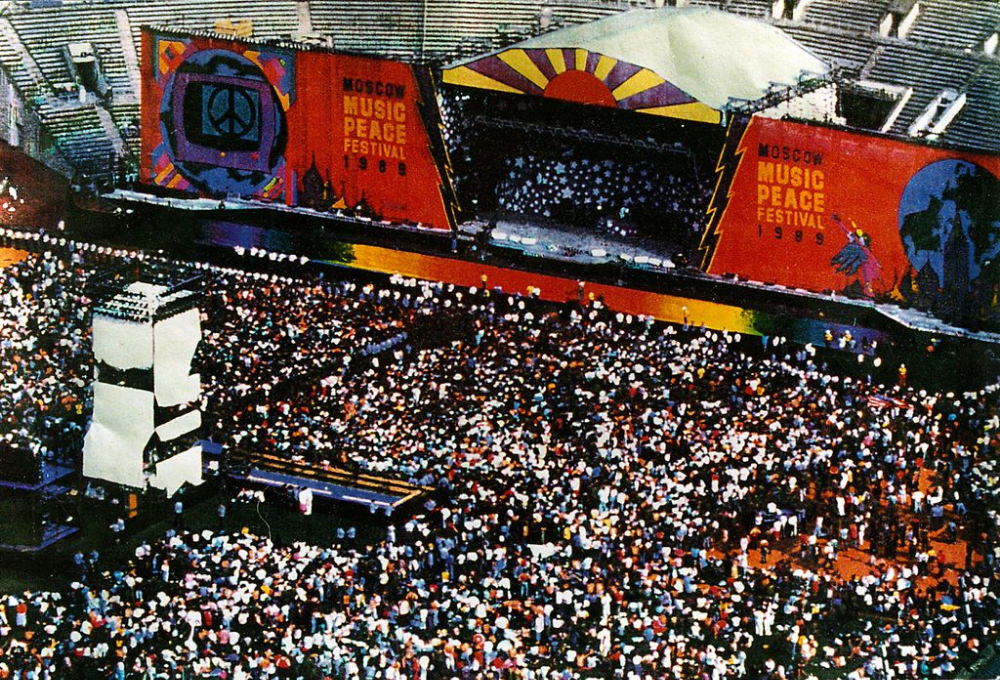
The festival was organized around a clear purpose beyond the music. It raised funds to fight drug and alcohol addiction, channeling proceeds to the “Make a Difference” foundation. That foundation was created in memory of Razzle, the drummer for Finnish rock band Hanoi Rocks, who died in a drunk-driving accident in 1984. Every performance at the festival carried that cause with it.
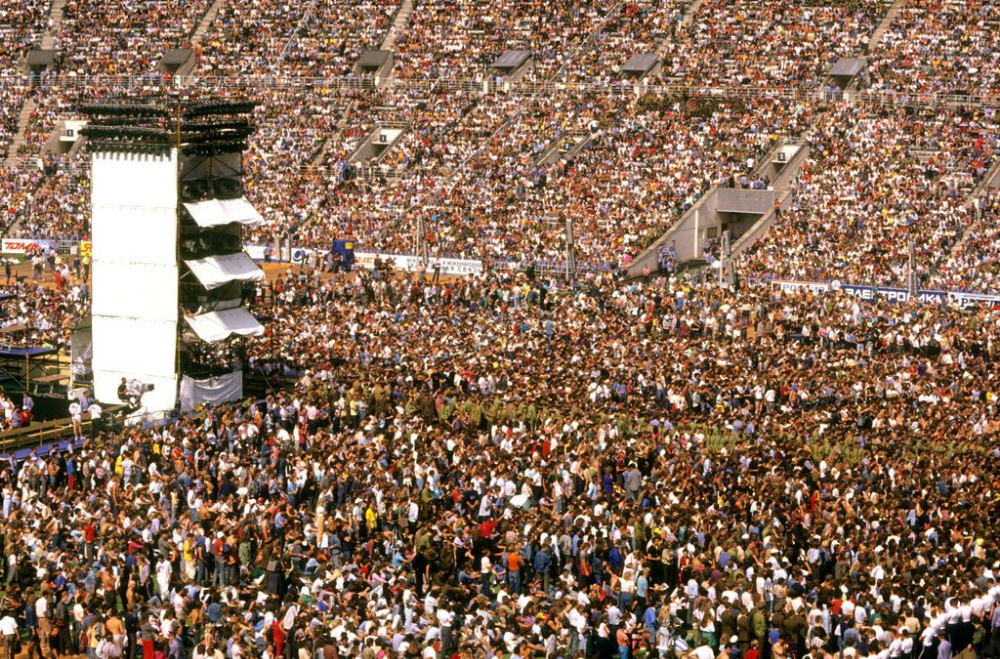
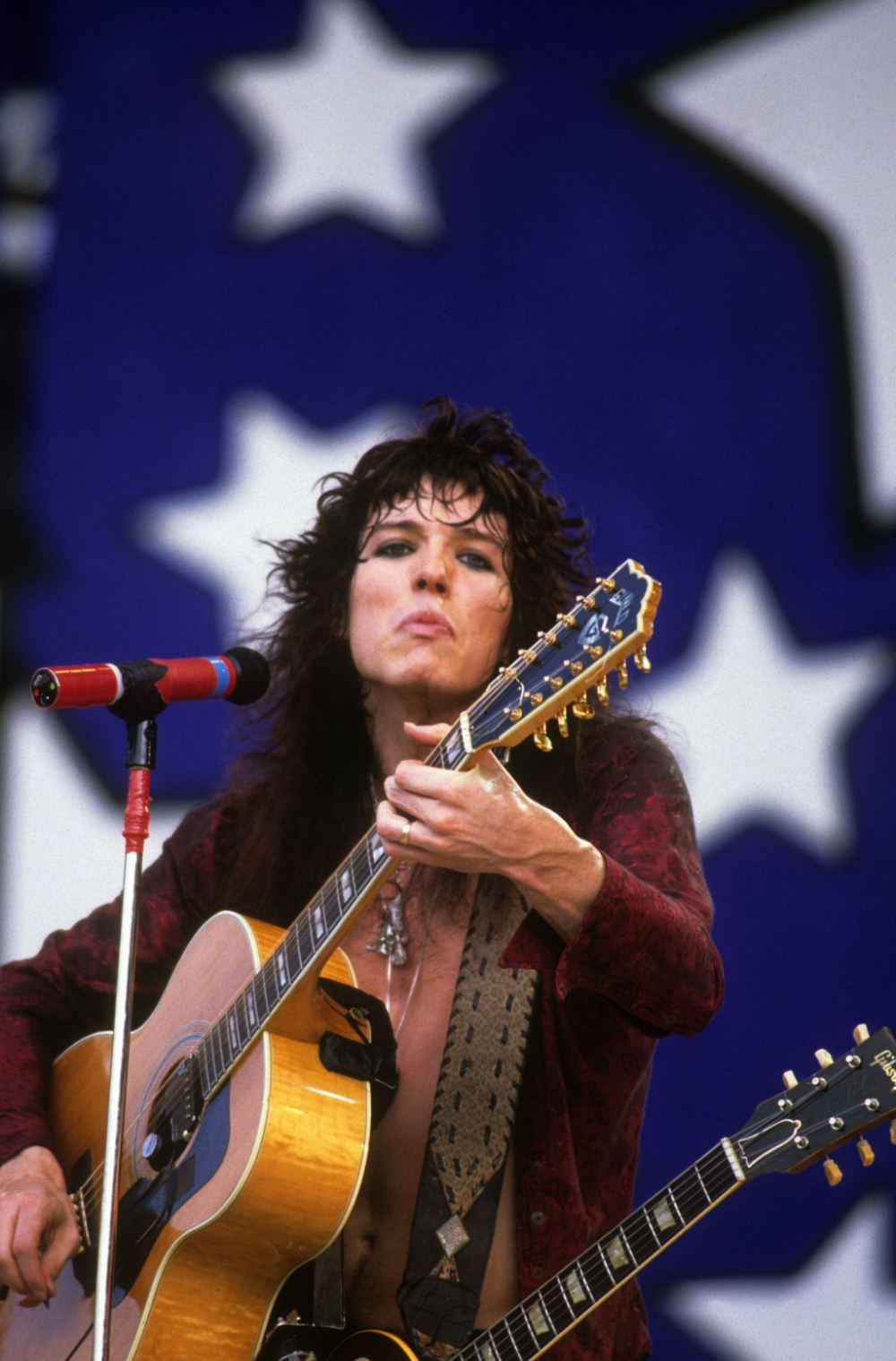
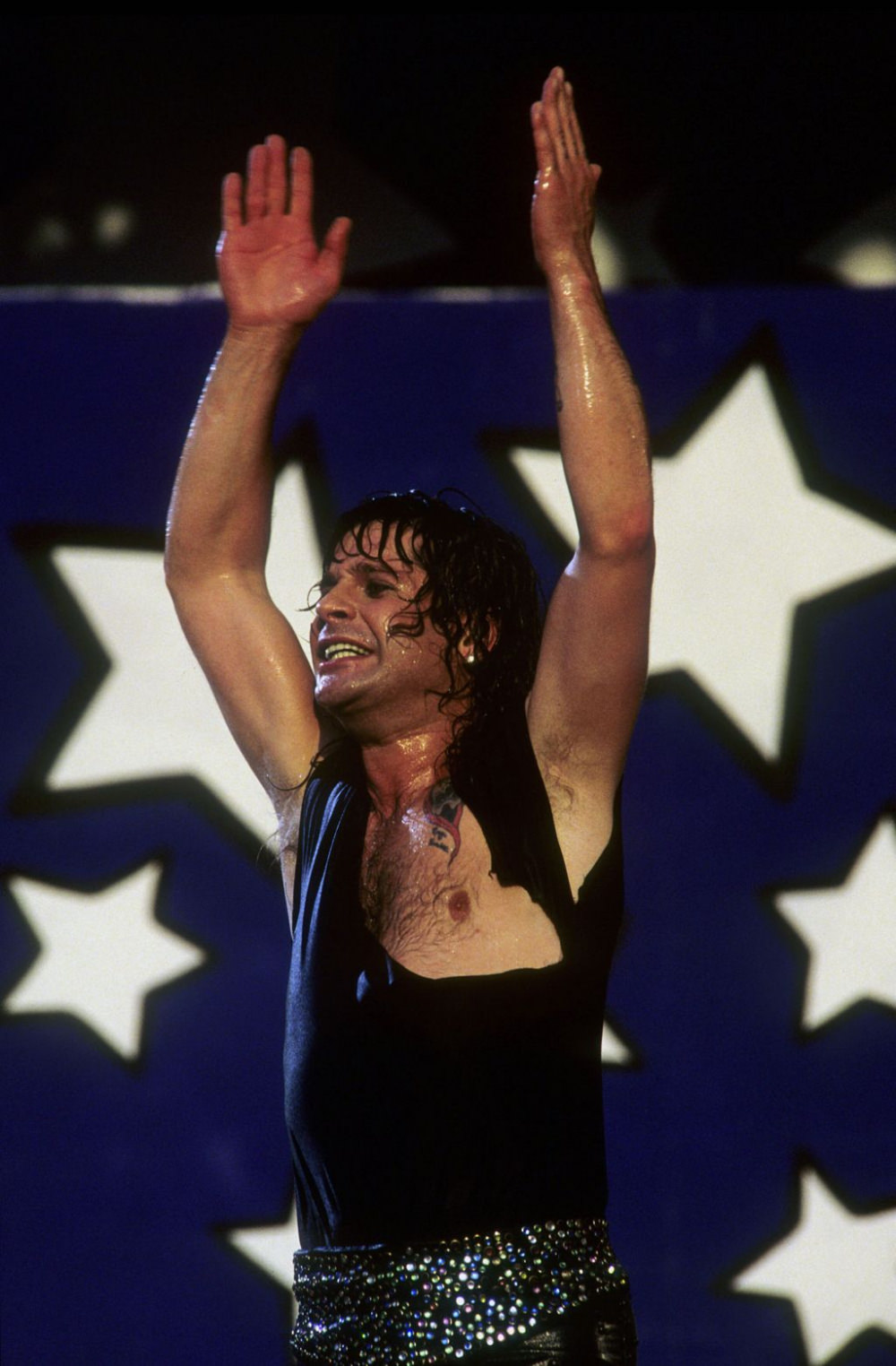
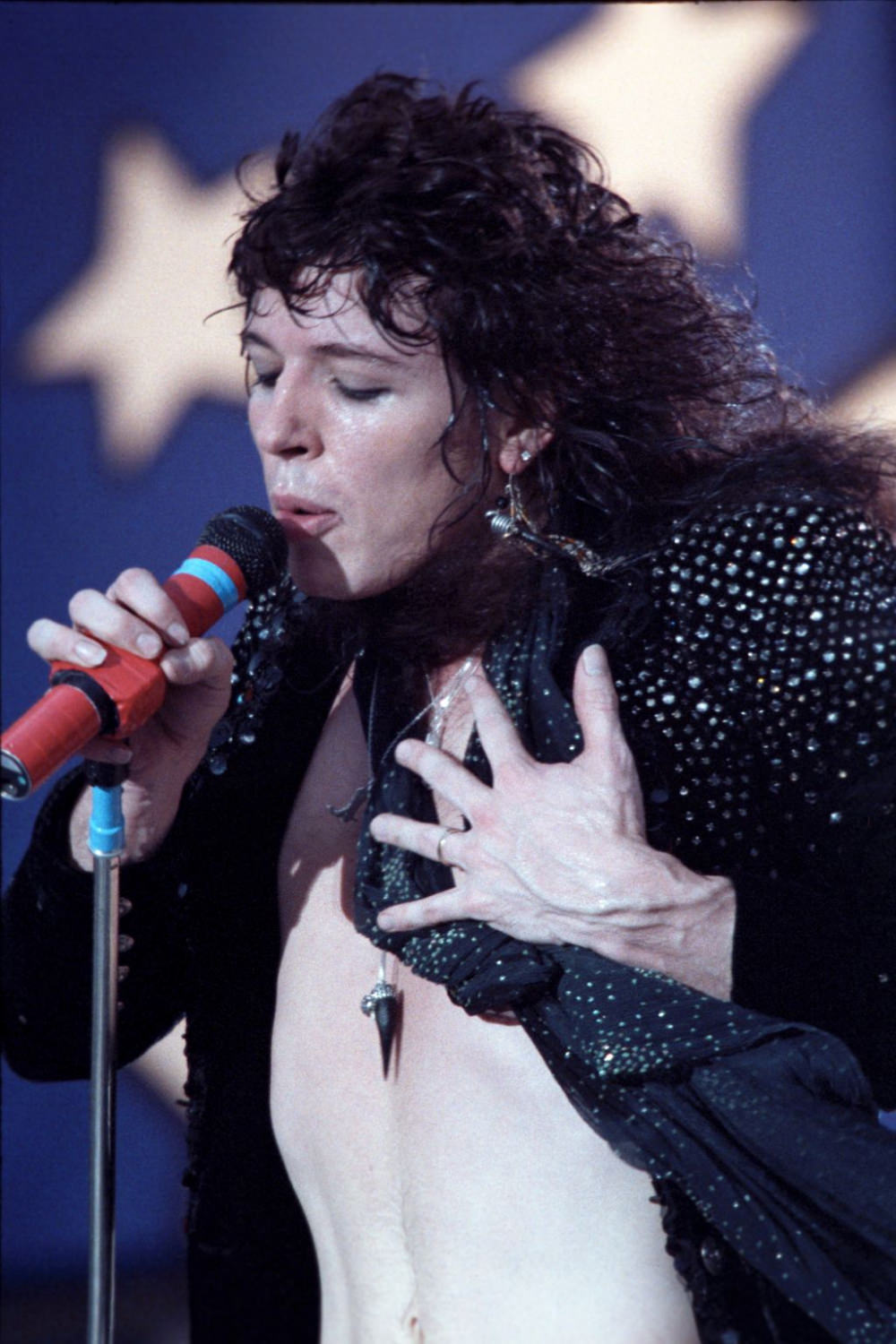
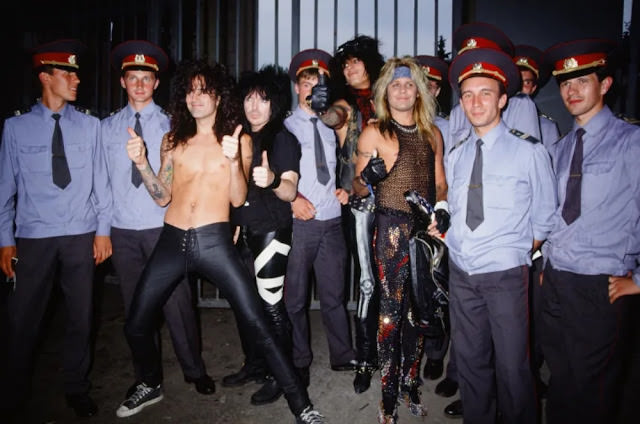
The lineup was stacked. Bon Jovi, Ozzy Osbourne, Mötley Crüe, Scorpions, Cinderella, and Skid Row all made the trip to Moscow. Soviet rock band Gorky Park performed alongside them, giving the festival genuine cross-cultural weight. For many young Soviets in the crowd, this was their first time seeing Western rock performed live.
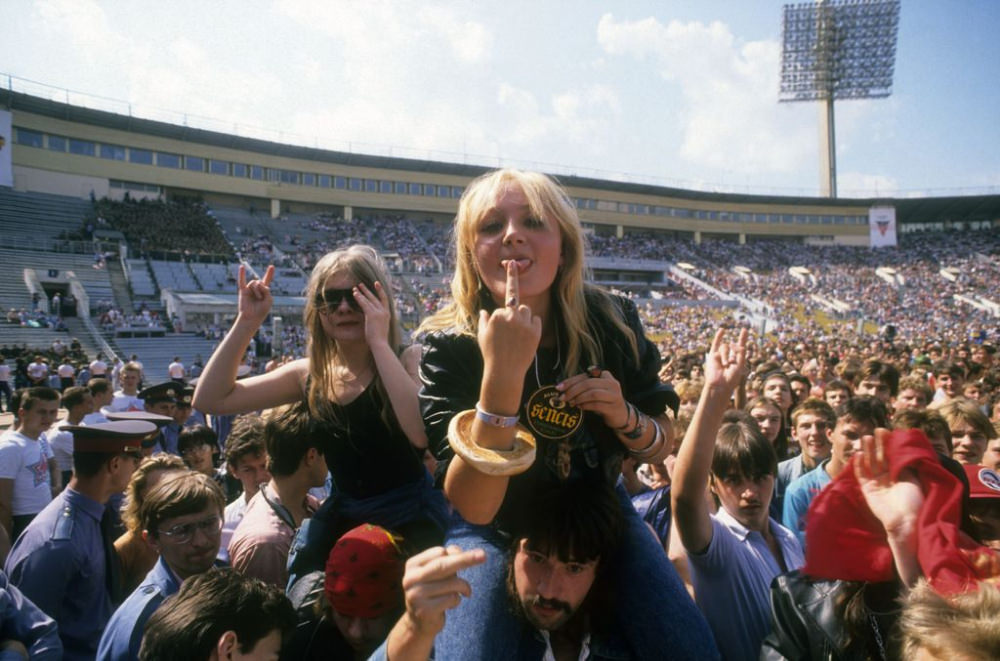
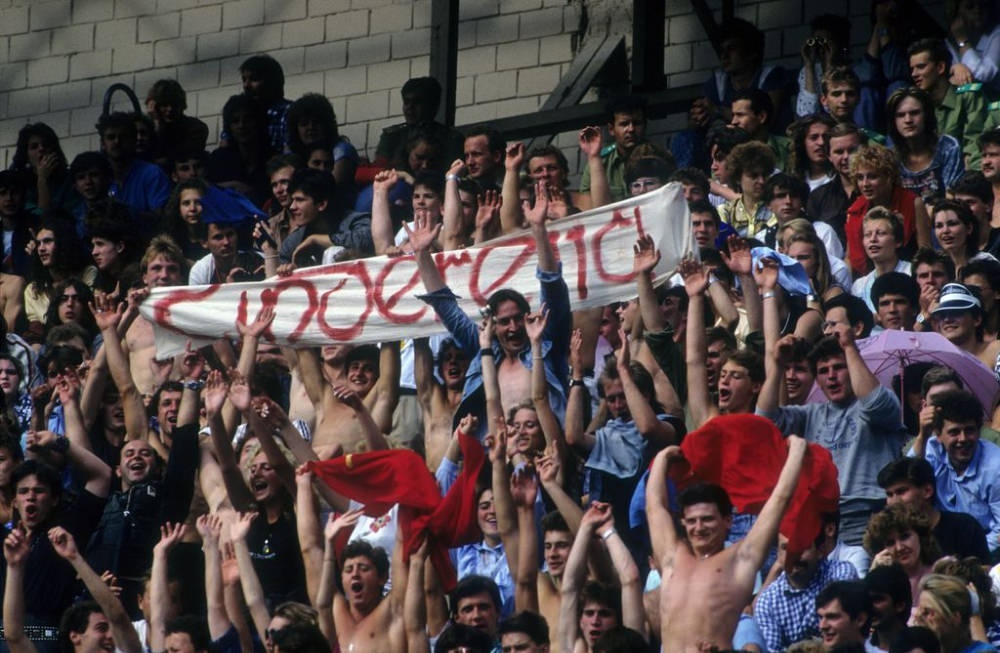
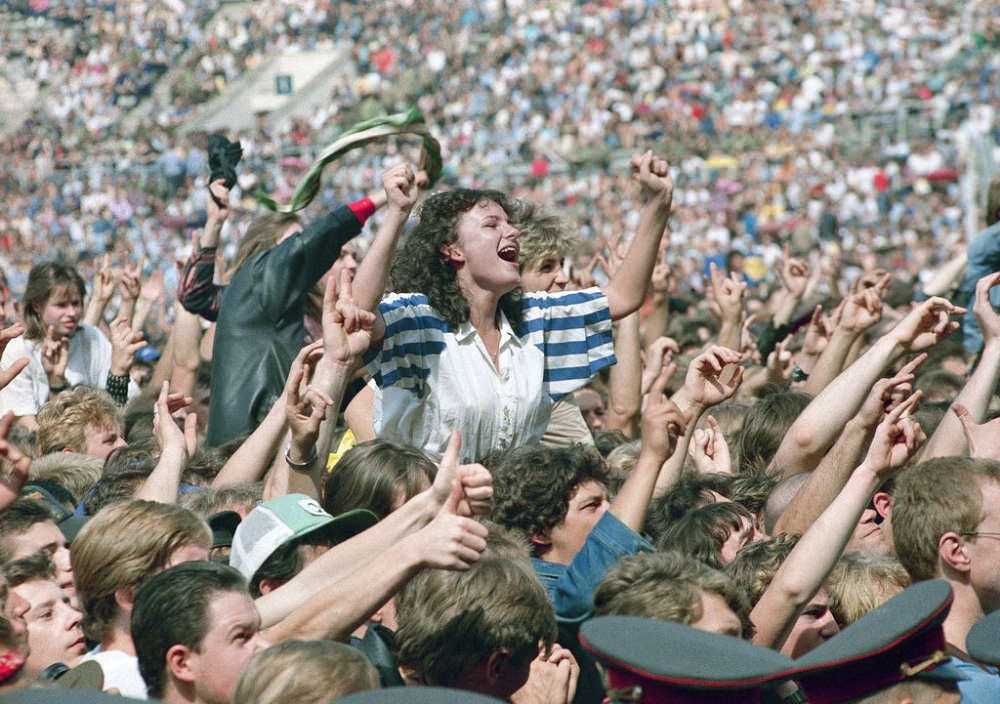
The crowd that showed up was overwhelmingly young. Soviet youth had grown up hearing about Western rock music but rarely had access to it. At Luzhniki, they got the full experience — the volume, the energy, the spectacle. The audience responded with the kind of intensity that matched anything seen at Western concert venues.
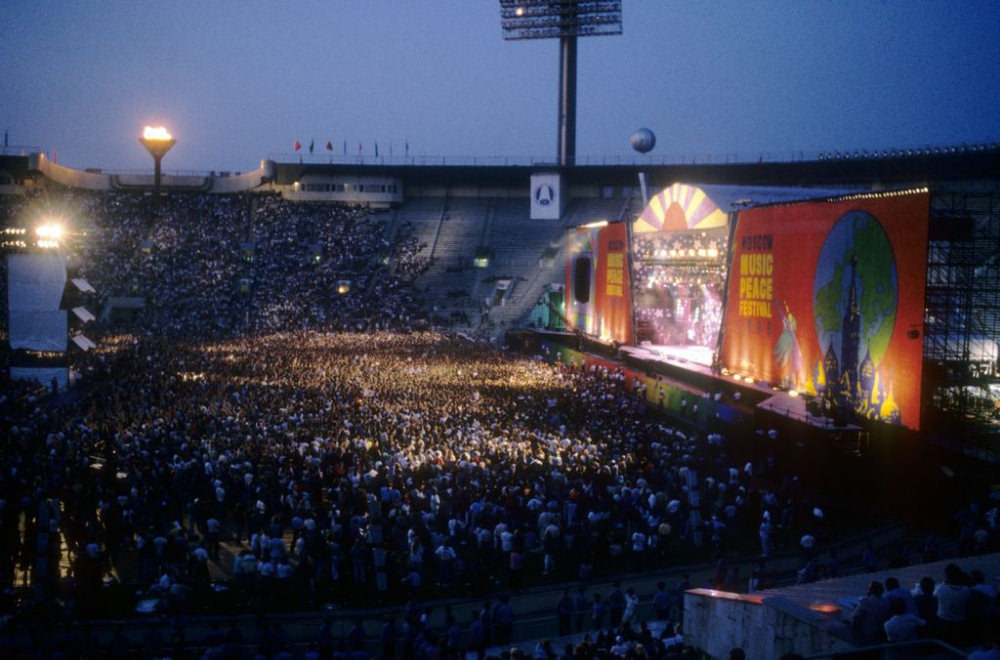
The broadcast reach of the festival was massive. The concert aired live in 59 countries. MTV in the United States carried the event, bringing footage of Luzhniki Stadium into American living rooms. For viewers on both sides of the world, the broadcast made the festival feel immediate and real.
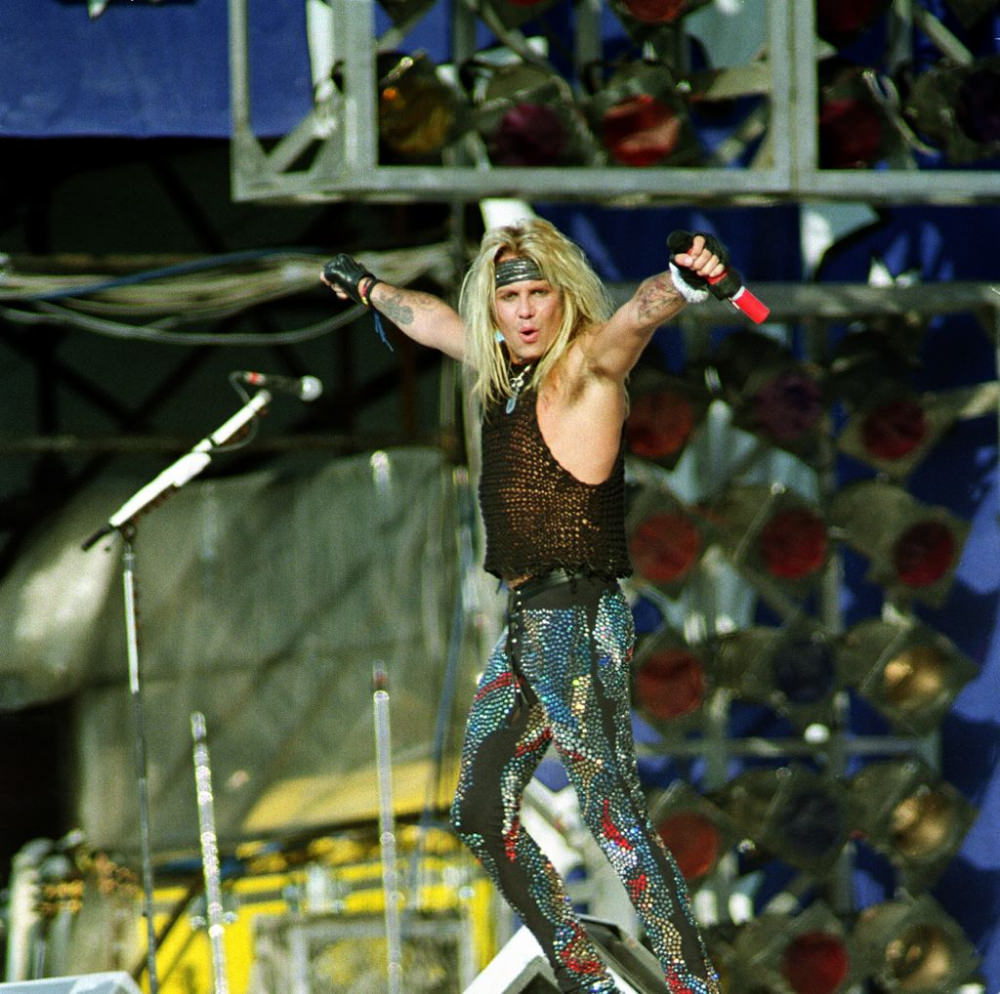
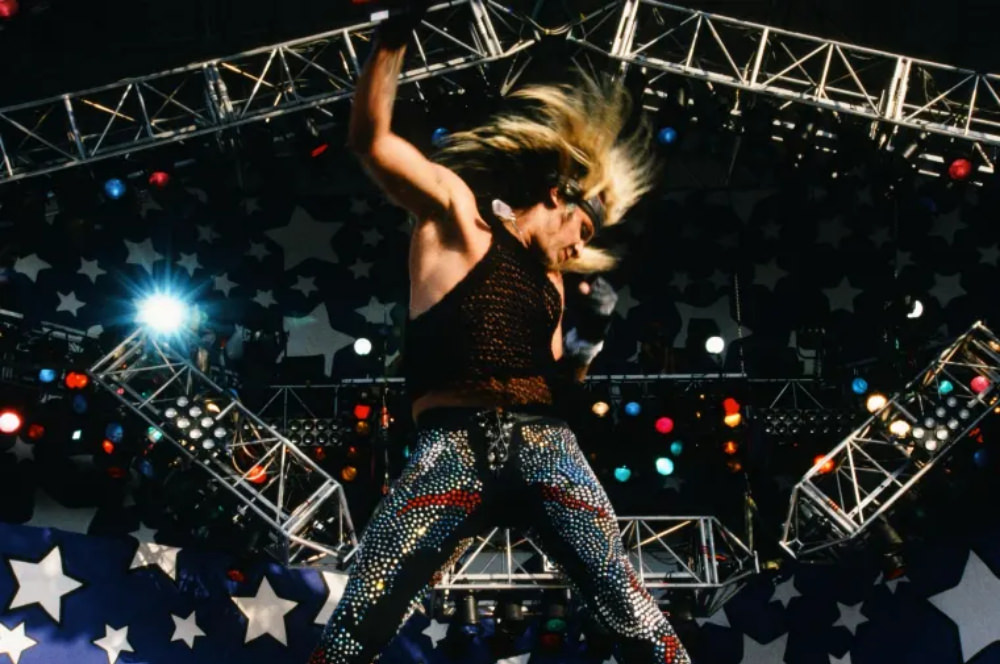
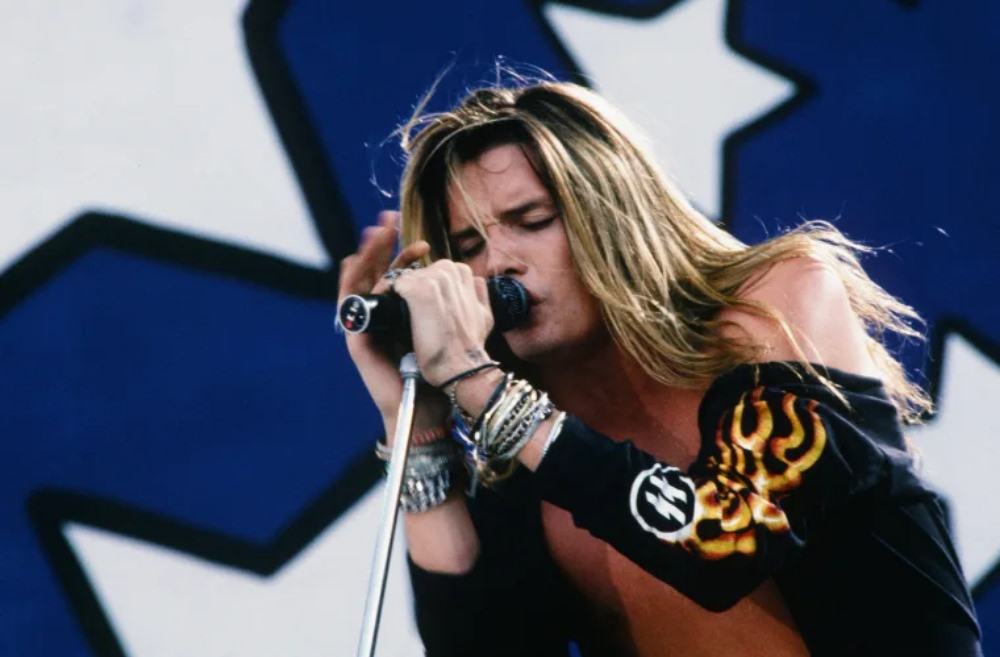
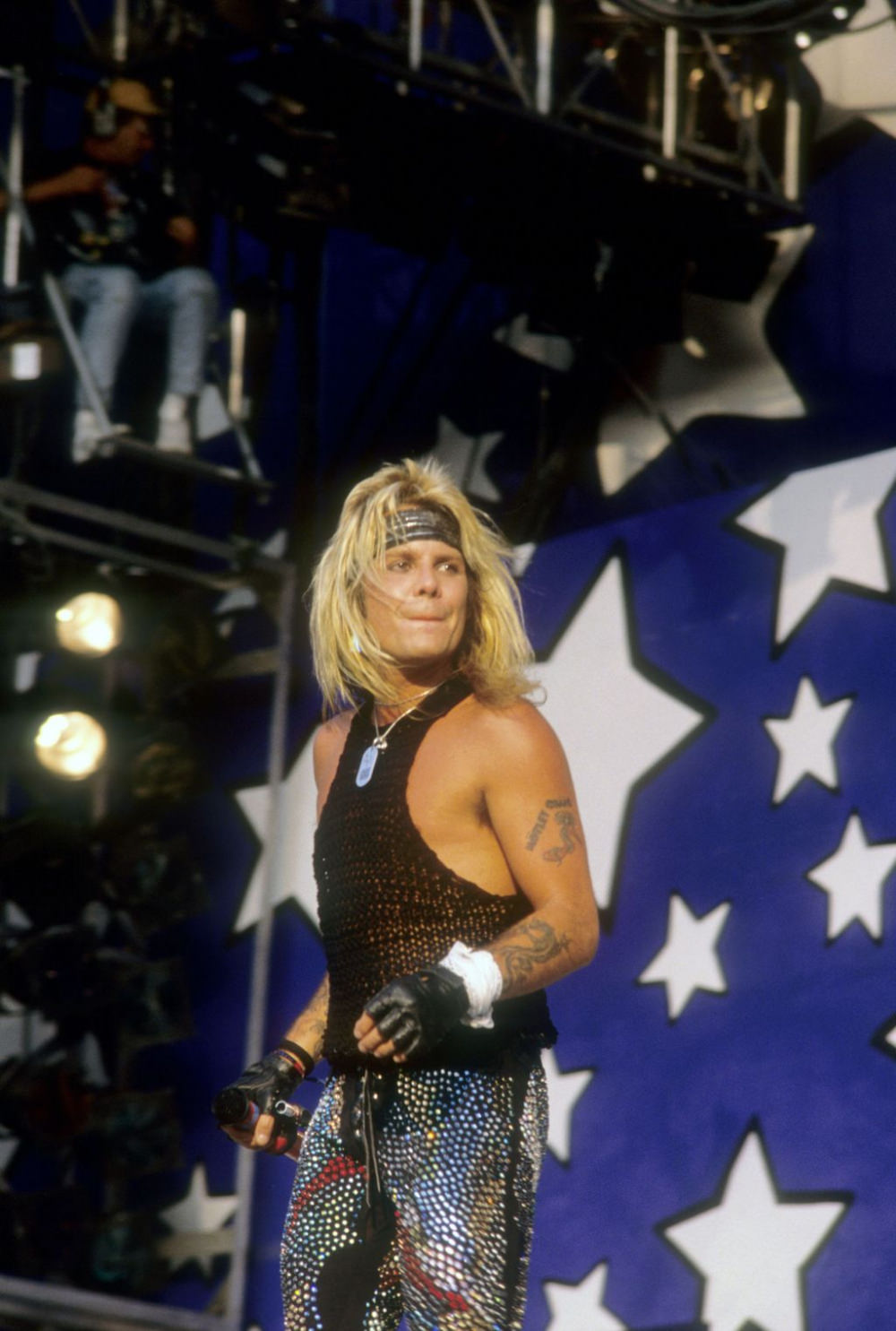
Mötley Crüe frontman Vince Neil commanded the stage in front of tens of thousands of Soviet fans who sang back every word. The band’s high-energy set was one of the defining performances of the two-day run.
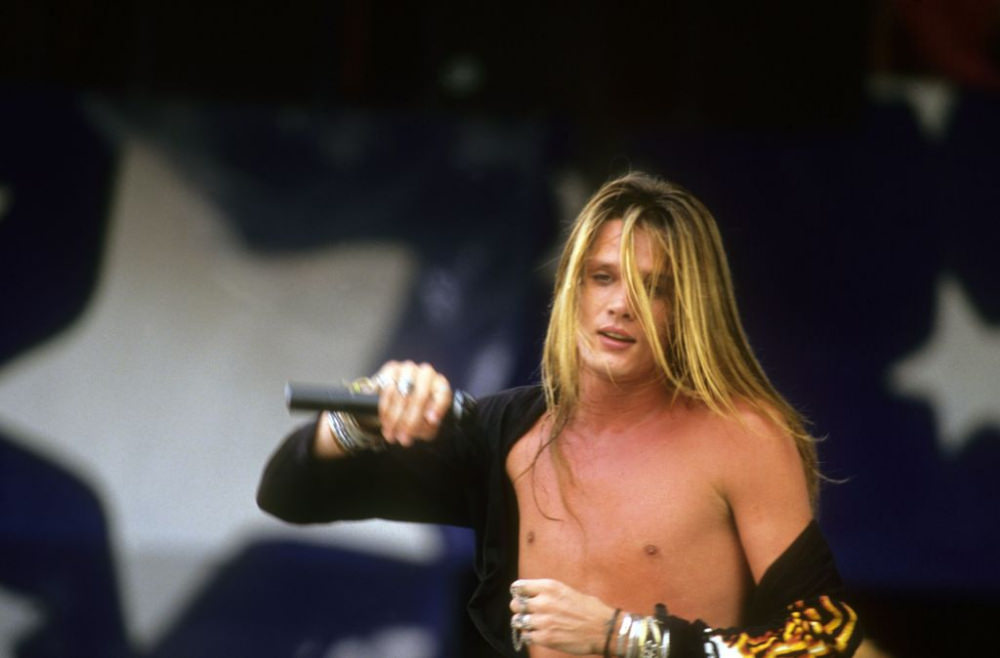
Skid Row’s Sebastian Bach was one of the younger frontmen on the bill. The band had released their debut album earlier that same year, making their Moscow appearance one of the biggest stages they had played to that point.
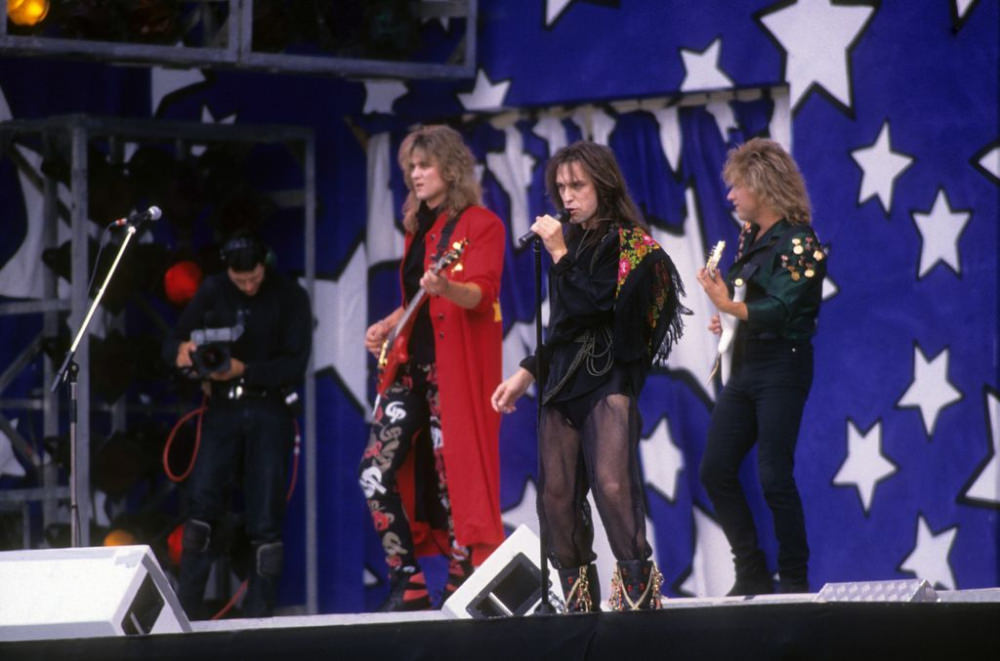
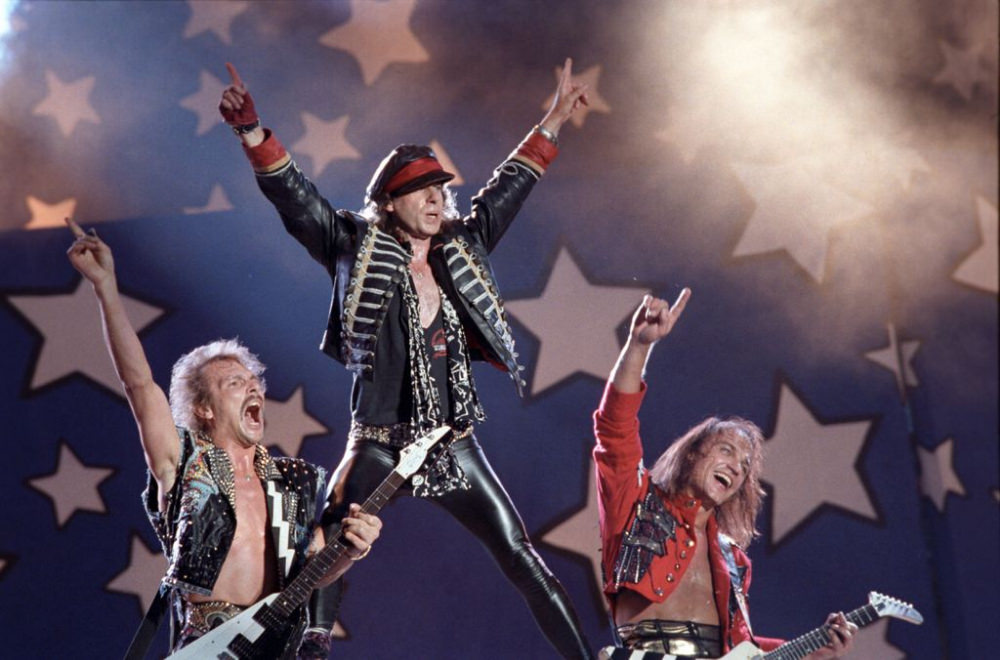
The Scorpions had a particularly meaningful connection to this moment in history. The German band had been building ties with the Soviet Union throughout the 1980s and would go on to write “Wind of Change” directly inspired by this visit to Moscow. Their set at the festival was one of the most emotionally charged of the weekend.
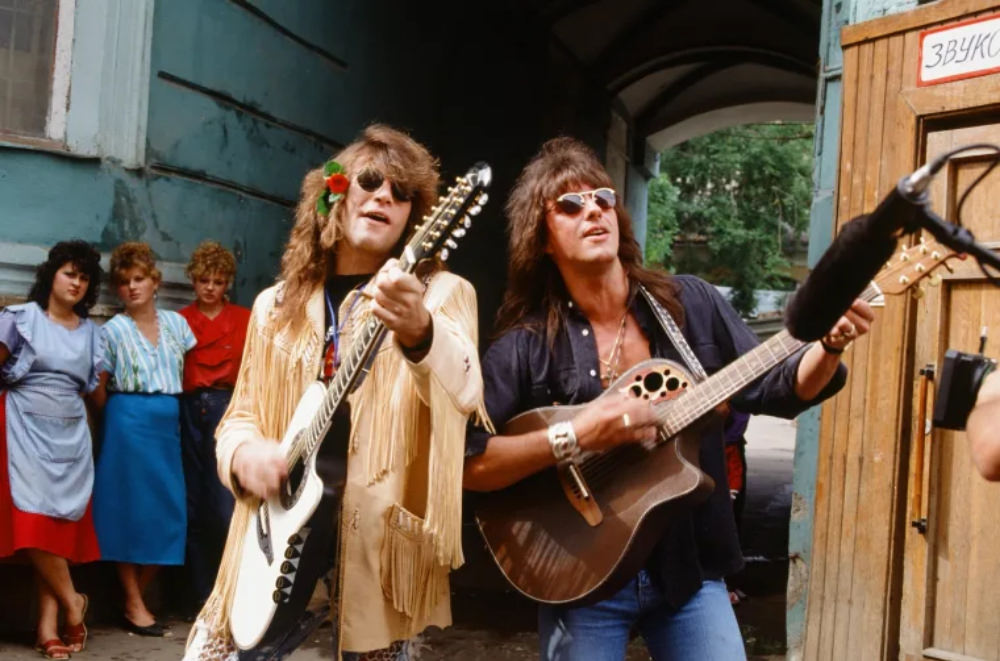
Off stage, the visiting musicians explored the city. Jon Bon Jovi and guitarist Richie Sambora took to the streets of Moscow for an impromptu busking session, drawing a small crowd well away from the stadium setting.
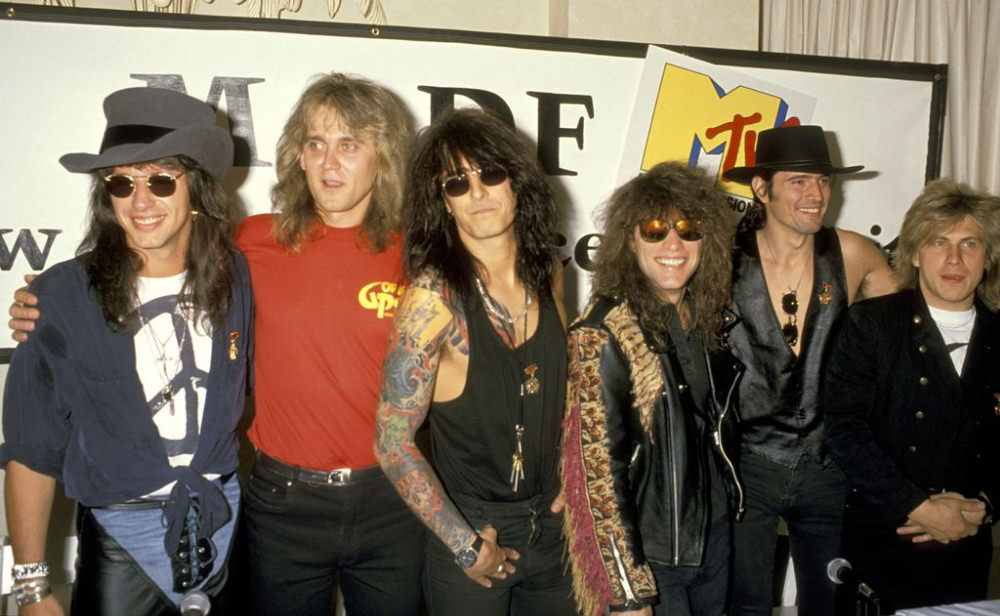
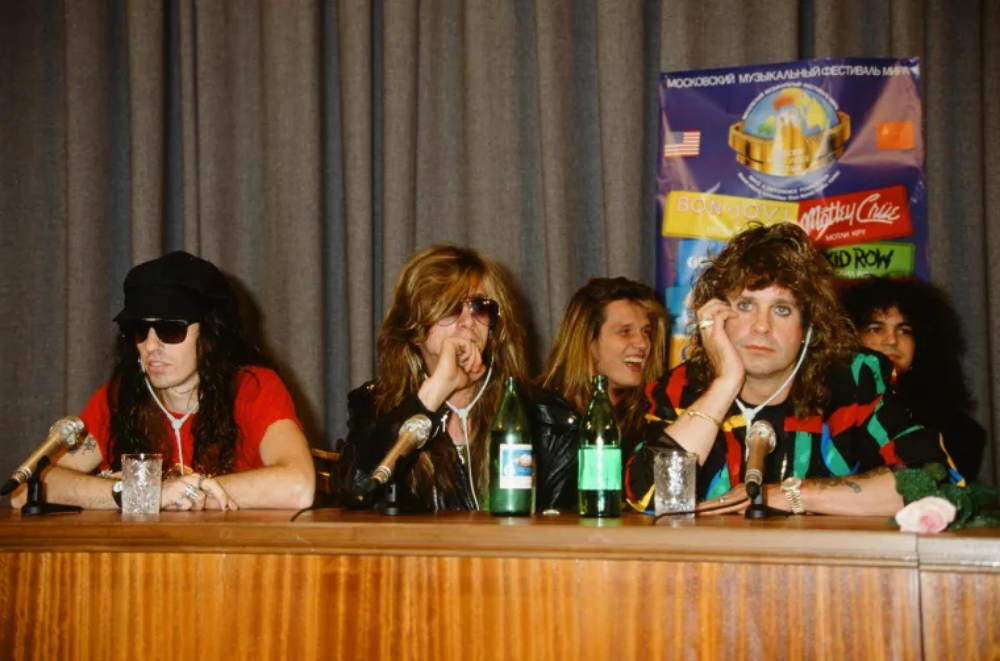
The press conference ahead of the festival gathered the artists together in a more subdued setting. Ozzy Osbourne, Skid Row’s Rachel Bolan and Dave “Snake” Sabo, Sebastian Bach, and Cinderella’s Fred Coury were all present, giving a glimpse of the personalities behind the performances.
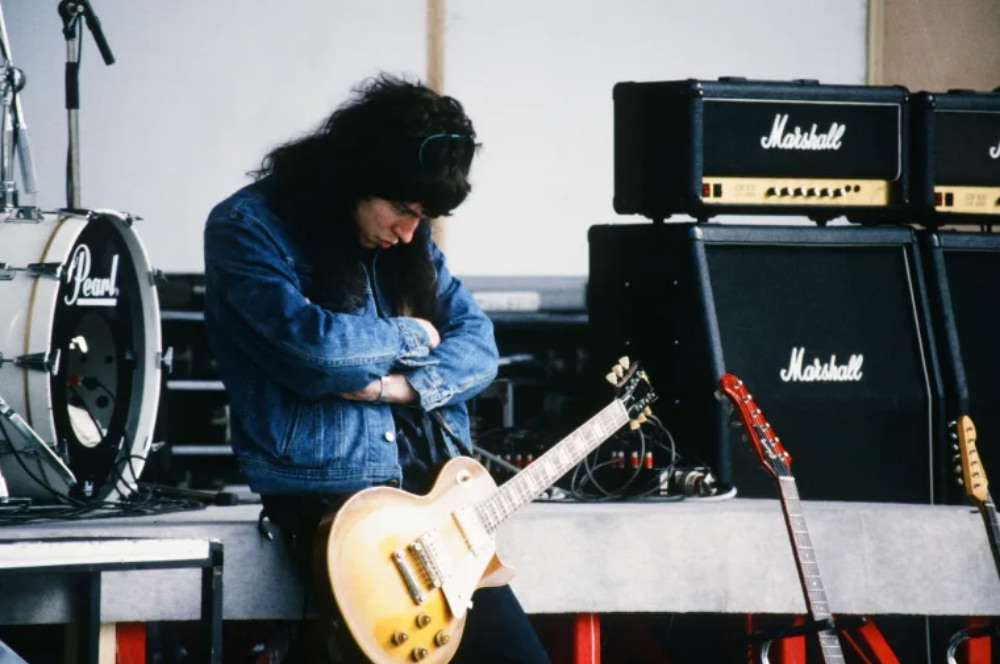
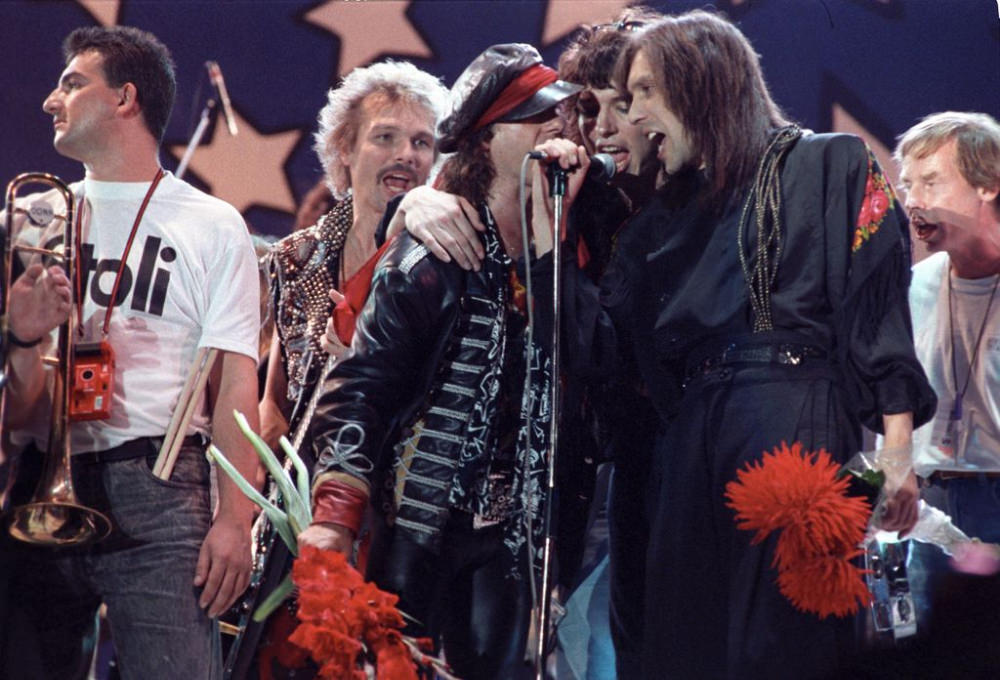
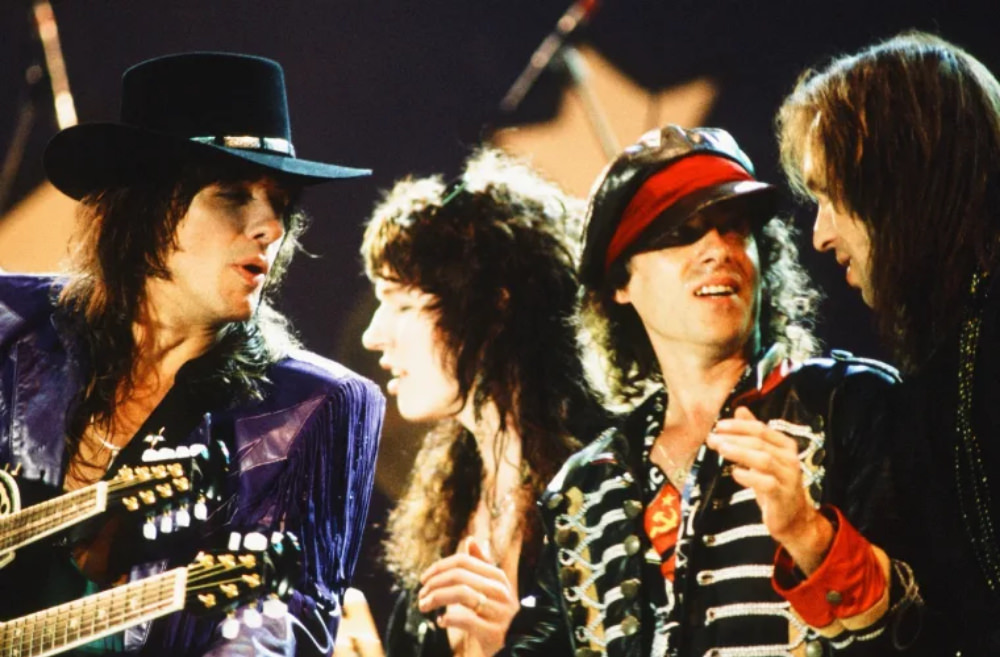
The festival closed with an all-star jam that brought musicians from different bands together on the same stage. Richie Sambora, Cinderella’s Tom Keifer, Scorpions vocalist Klaus Meine, and Gorky Park’s Nikolai Noskov all shared the spotlight during the finale — a fitting end to an event built on collaboration.
The artists arrived in Moscow together, landing as a group that included Tom Keifer, Gorky Park’s Alexei Belov, Klaus Meine, Ozzy Osbourne, Jon Bon Jovi, and Richie Sambora. For Soviet audiences and officials alike, the sight of this many Western rock stars on Soviet soil was genuinely unprecedented.
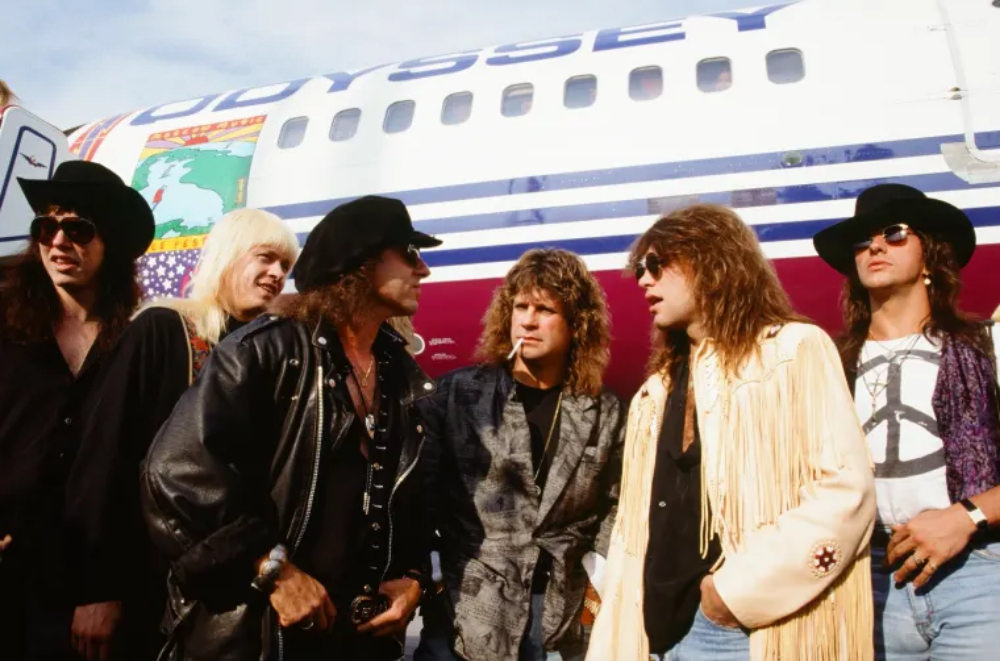
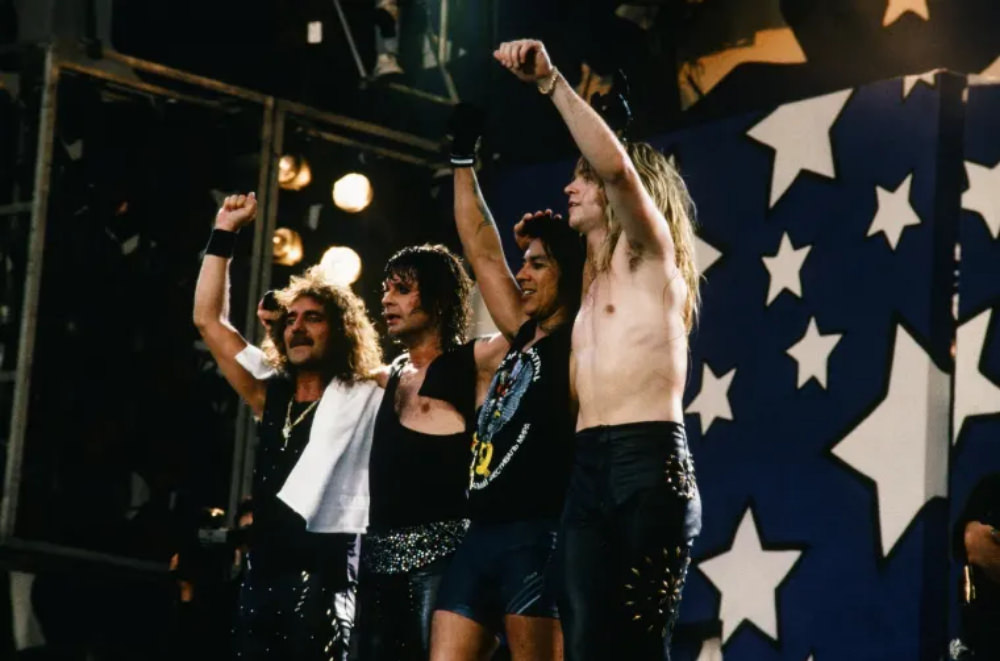
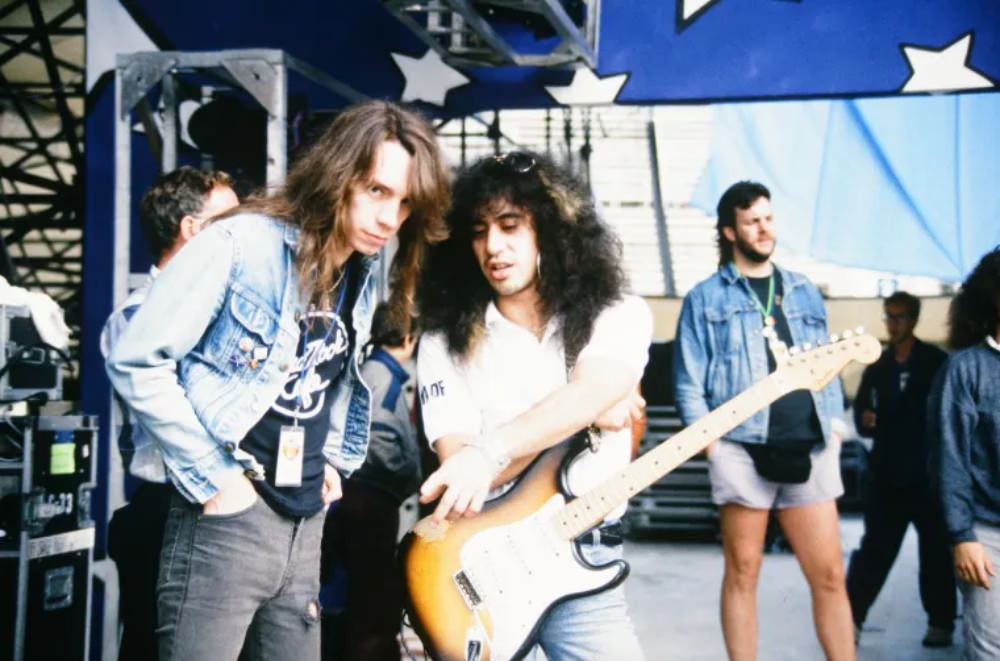
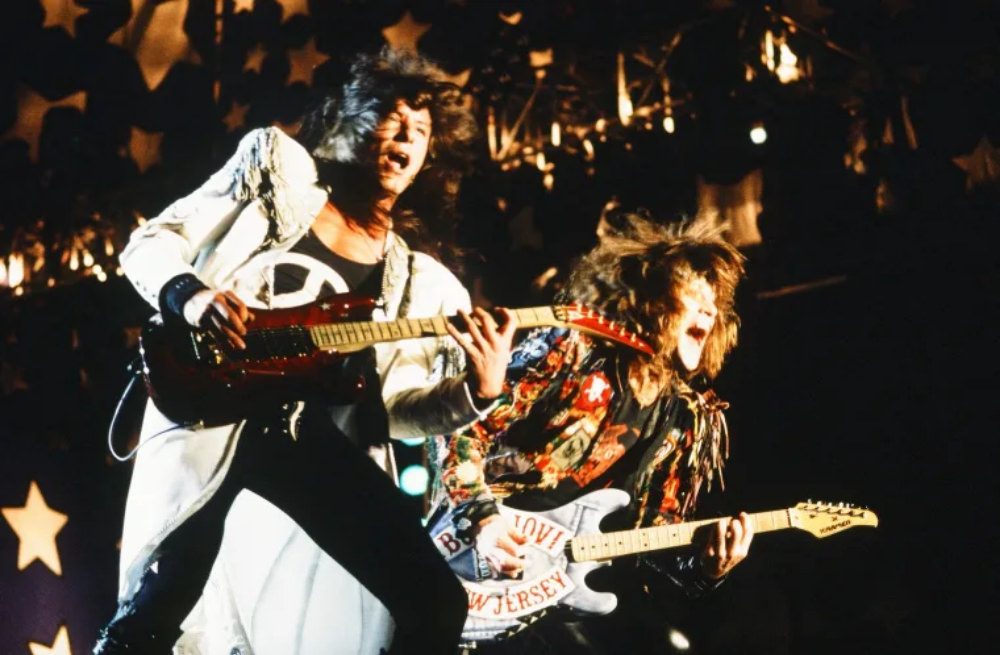
Bon Jovi’s night set at Lenin Stadium was one of the most visually striking moments of the festival. Jon Bon Jovi and Richie Sambora performed under the stadium lights to a crowd that stretched across the enormous Soviet-era venue.
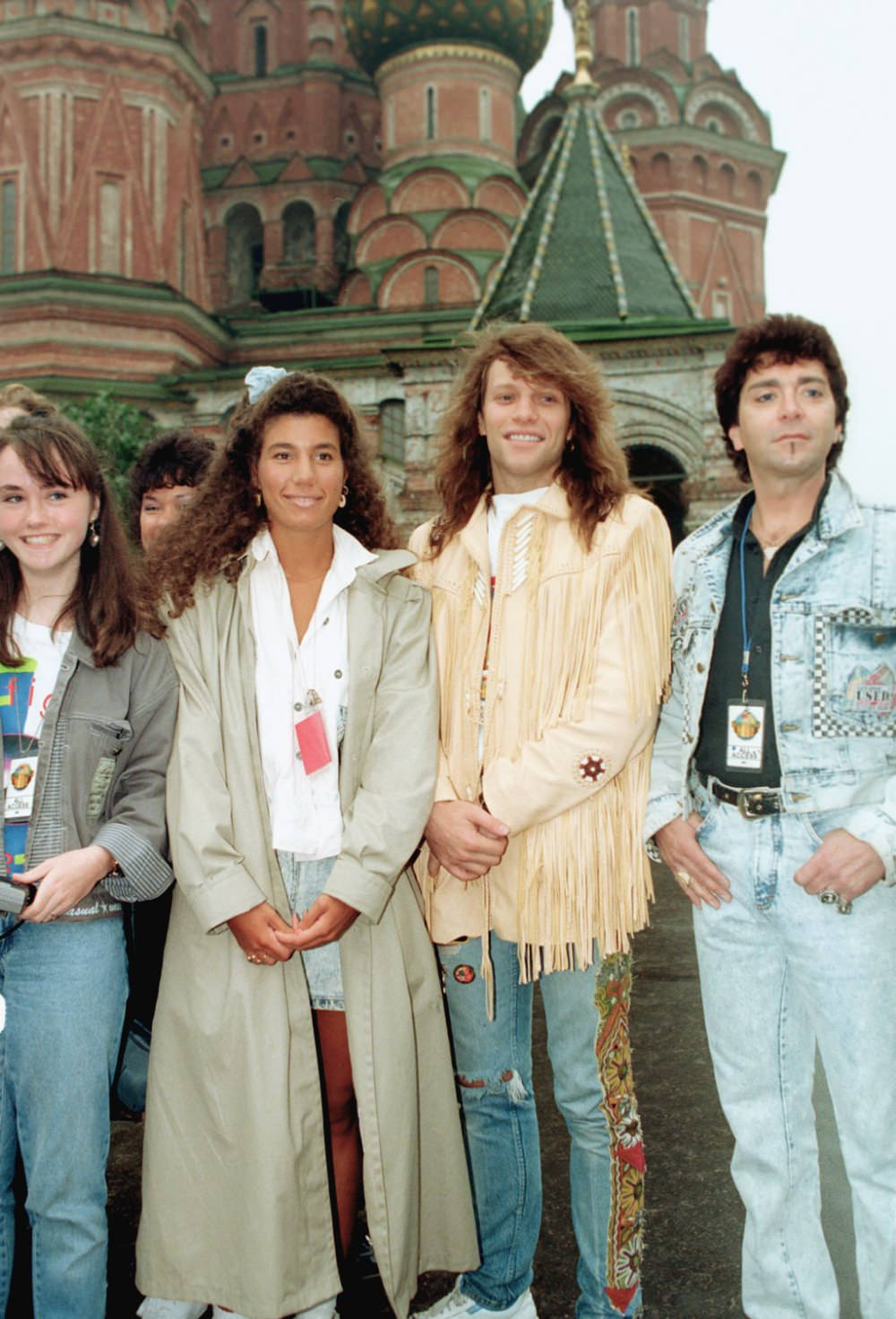
Between sets, many of the musicians visited Red Square. Jon Bon Jovi and others from the touring party posed for photos in front of Saint Basil’s Cathedral — an image that captured just how far rock and roll had traveled from its origins.

Wind of change. Too sad it blew in the wrong direction.