By 1988, the Soviet Union was a different place than it had been just a decade before. Under General Secretary Mikhail Gorbachev, a wave of social reforms was reshaping daily life across the country. Restrictions that had stood for decades were being lifted, and Soviet citizens were experiencing freedoms that had been unthinkable under previous leadership. One of the most visible — and surprising — signs of this change came not from a political speech or a government decree, but from a stage inside the Luzhniki Palace of Sports in Moscow.
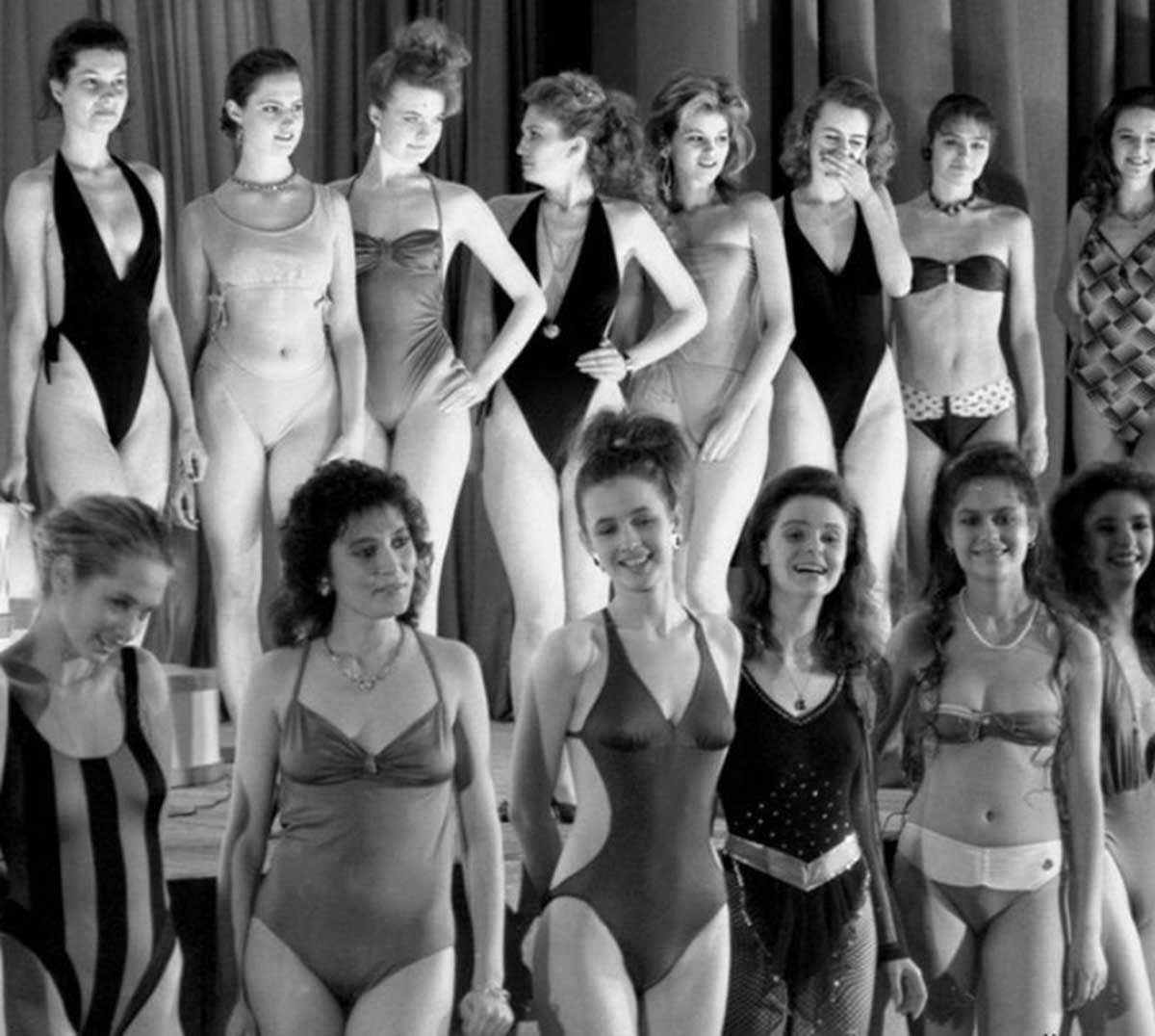
The Soviet Union had banned beauty pageants in 1959, viewing them as a symbol of Western decadence and moral corruption. For nearly 30 years, no such event had been held on Soviet soil. That changed in 1988 with ‘Moscow Beauty 1988,’ the country’s first official beauty contest. The event was a sensation — not just inside the USSR, but around the world. Foreign media took notice immediately. The sight of Soviet women competing in a beauty pageant was, for many observers abroad, a clear signal that the Cold War era was shifting in a fundamental way.
The contest was sponsored by Burda Moden, an upscale German fashion magazine with wide international reach. Mrs. Burda herself served as an honorary member of the jury, lending the event a credibility that connected it directly to the Western fashion world. The organizers made a deliberate choice to reject standard beauty pageant body requirements. Girls of all shapes and sizes were allowed to compete — a decision that set this contest apart from its Western counterparts.
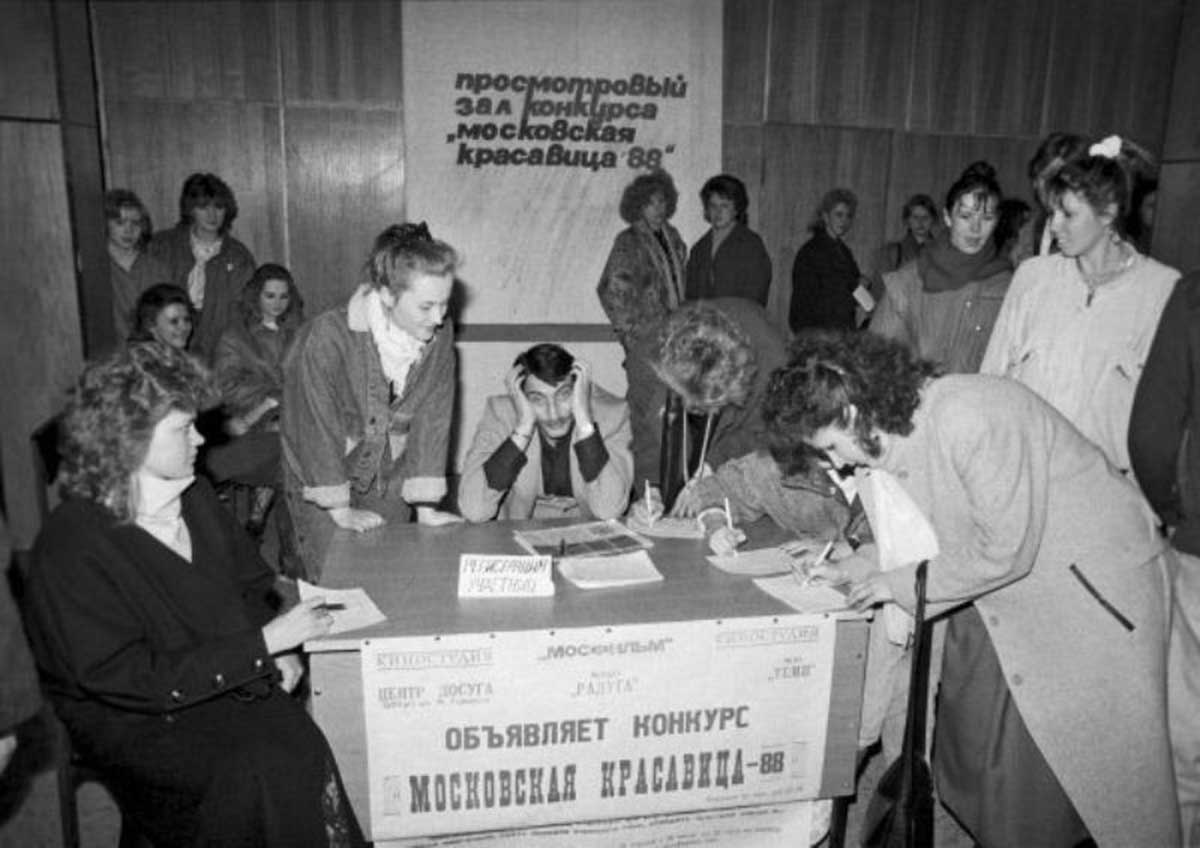
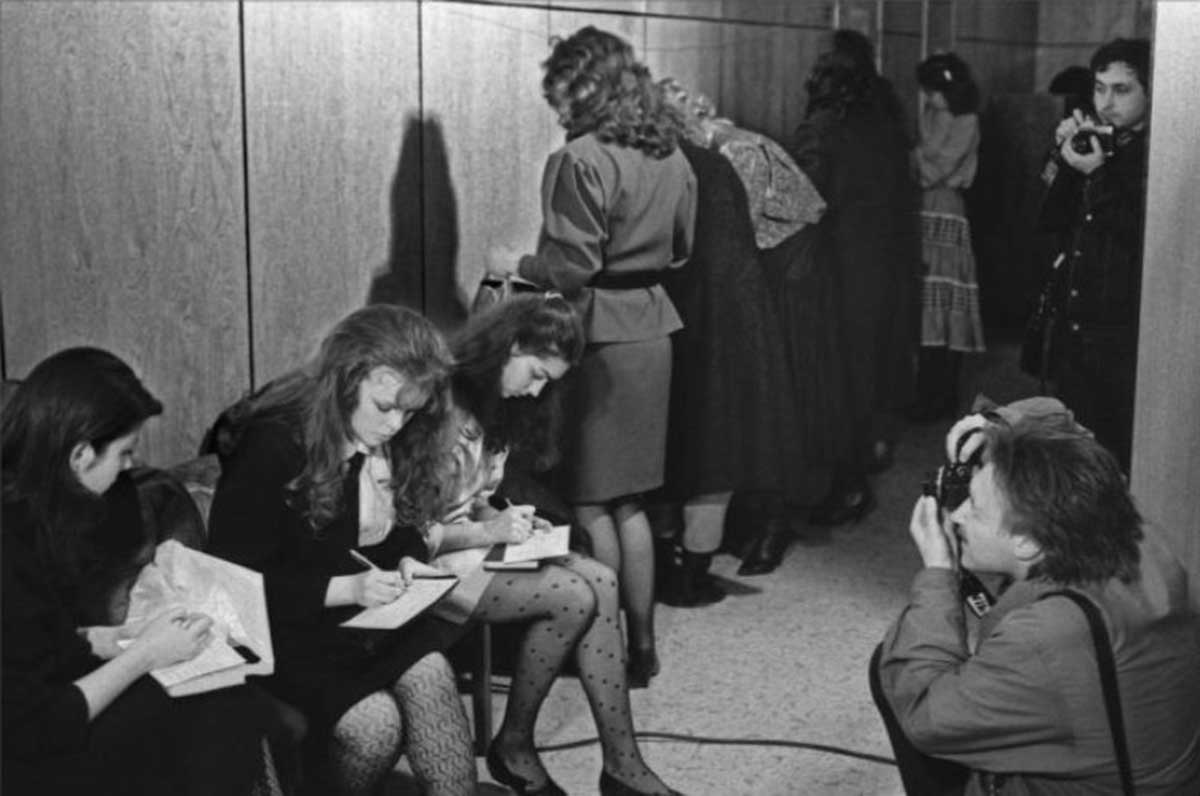
More than 5,000 girls signed up to compete. The sheer number of applicants reflected both genuine enthusiasm and the cultural weight the event carried. For Soviet women, this was an entirely new kind of public stage. But participating came with a social cost. Public opinion had not fully shifted alongside Gorbachev’s reforms, and a strong current of disapproval still ran through Soviet society. Many people associated beauty contests with immodesty and low moral standards. Women who chose to compete risked being labeled as disgraceful or indecent by their communities.
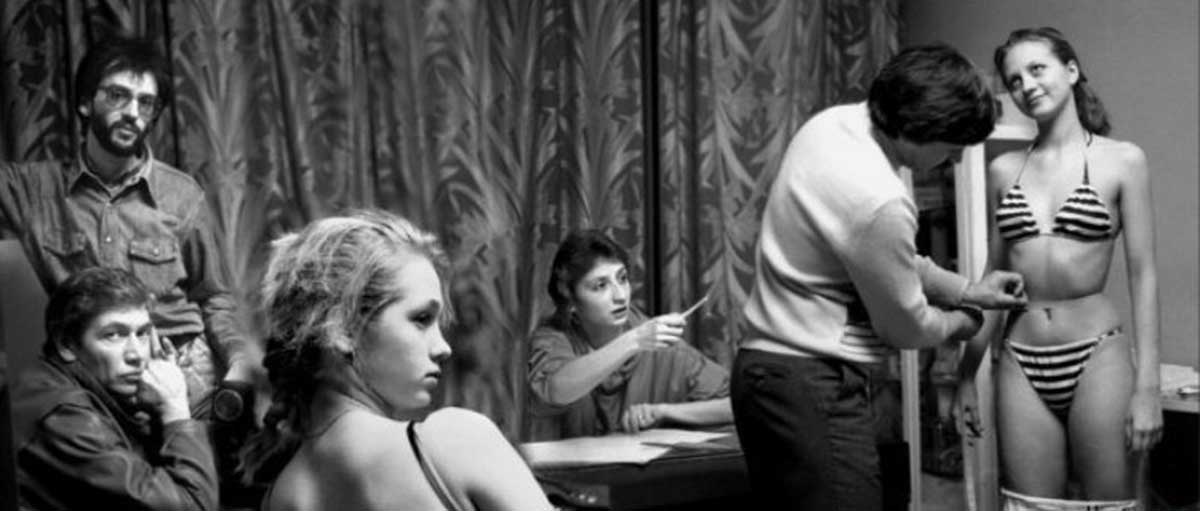
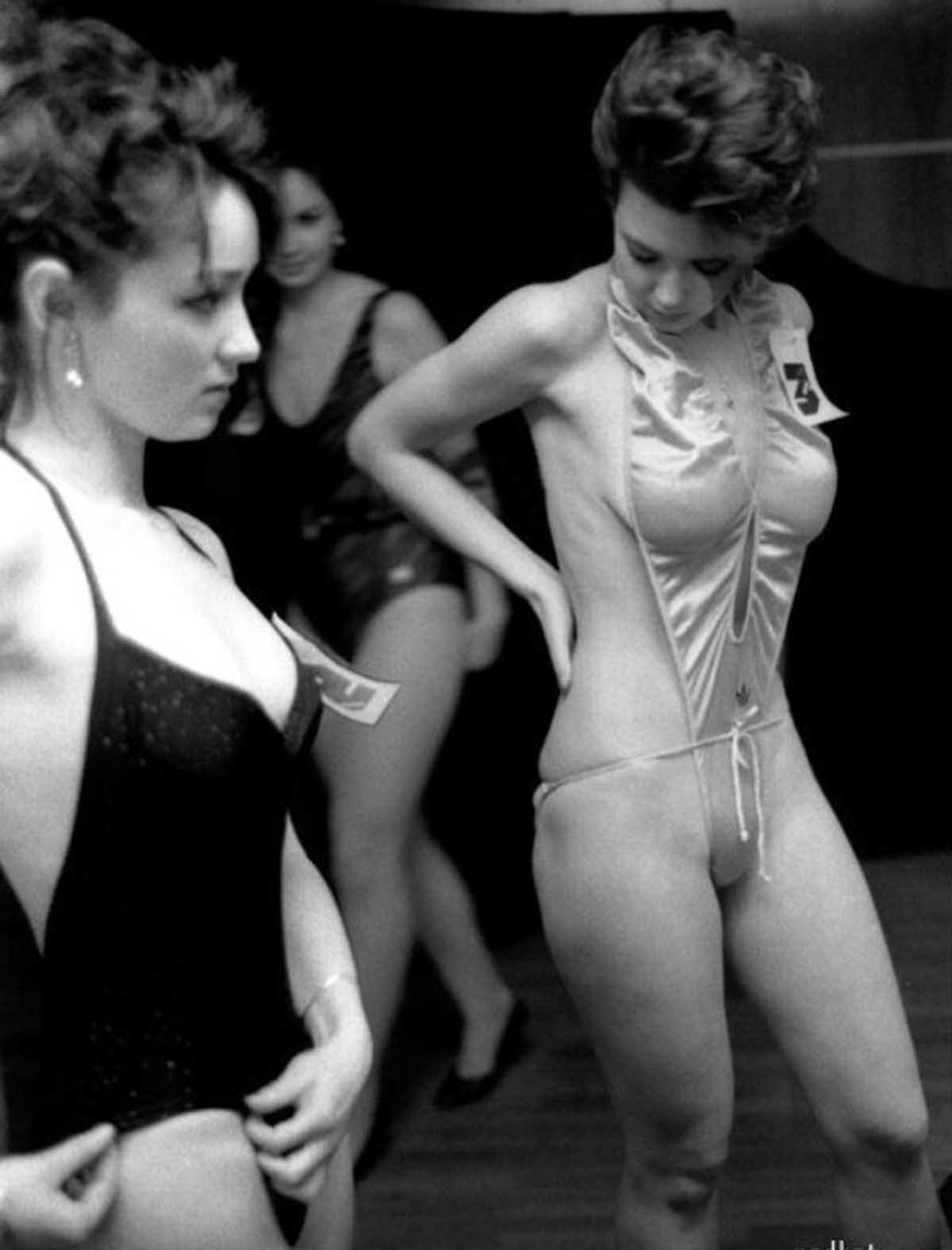
This tension was real and widely felt. Soviet television broadcast the contest to millions of viewers across the country — many of whom had never seen anything like it on state-run programming. Women in swimsuits walking across a stage was a jarring image for a society that had spent decades under conservative state-enforced norms. The broadcast itself became a cultural flashpoint, with reactions ranging from excitement to outrage.
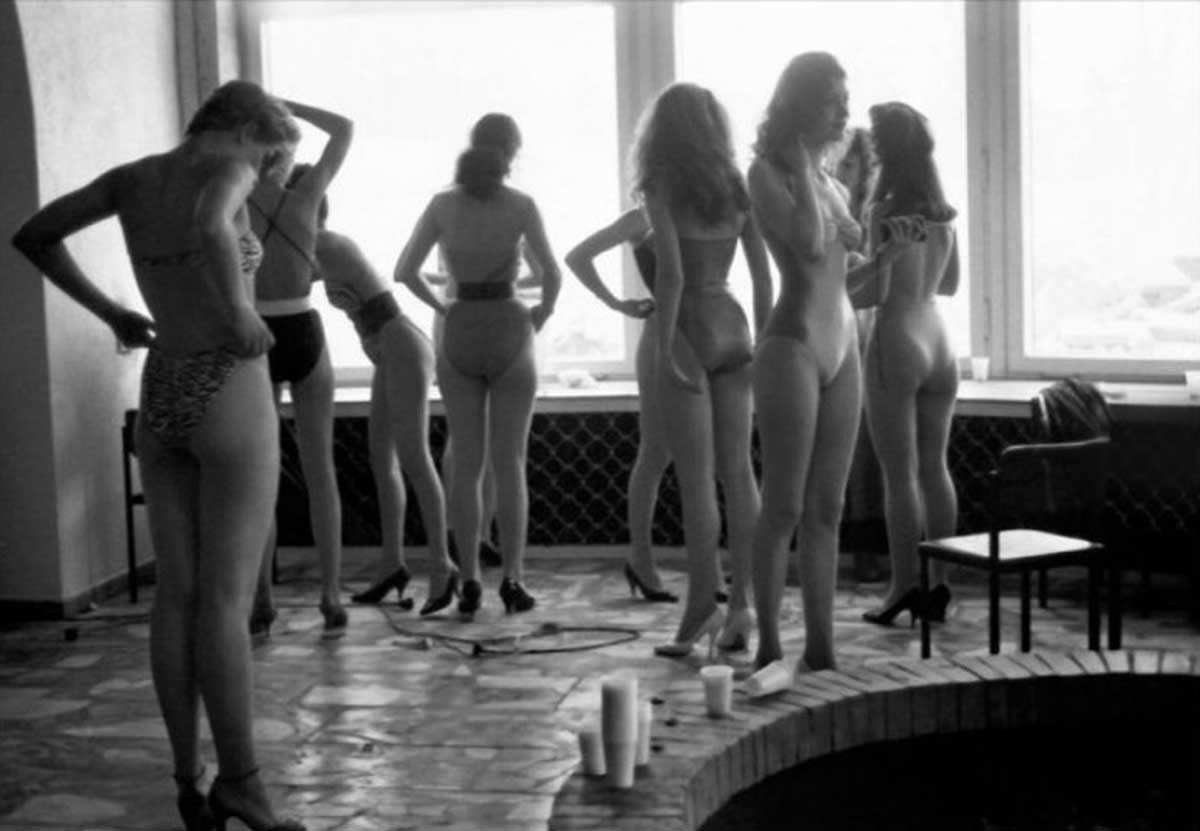
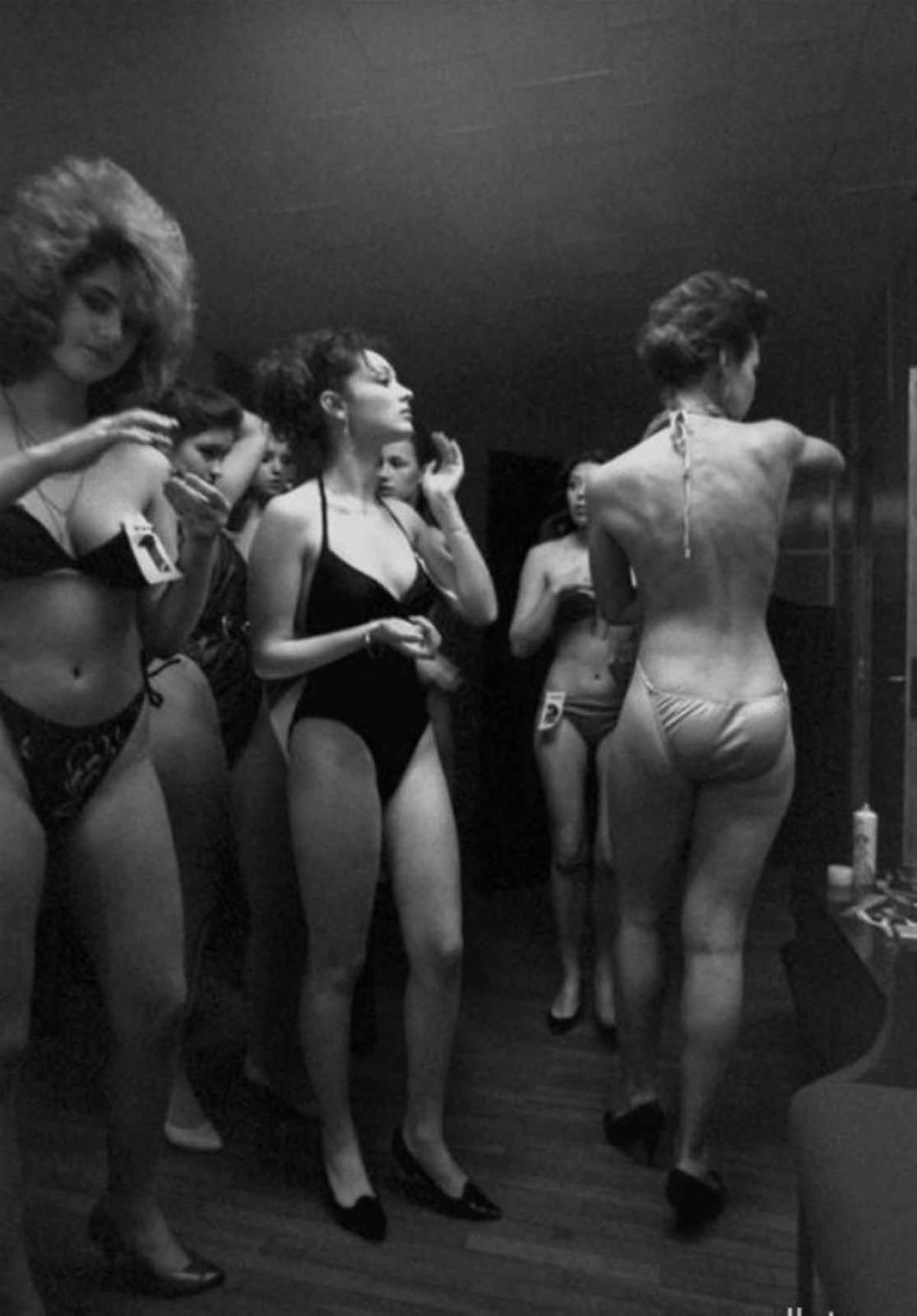
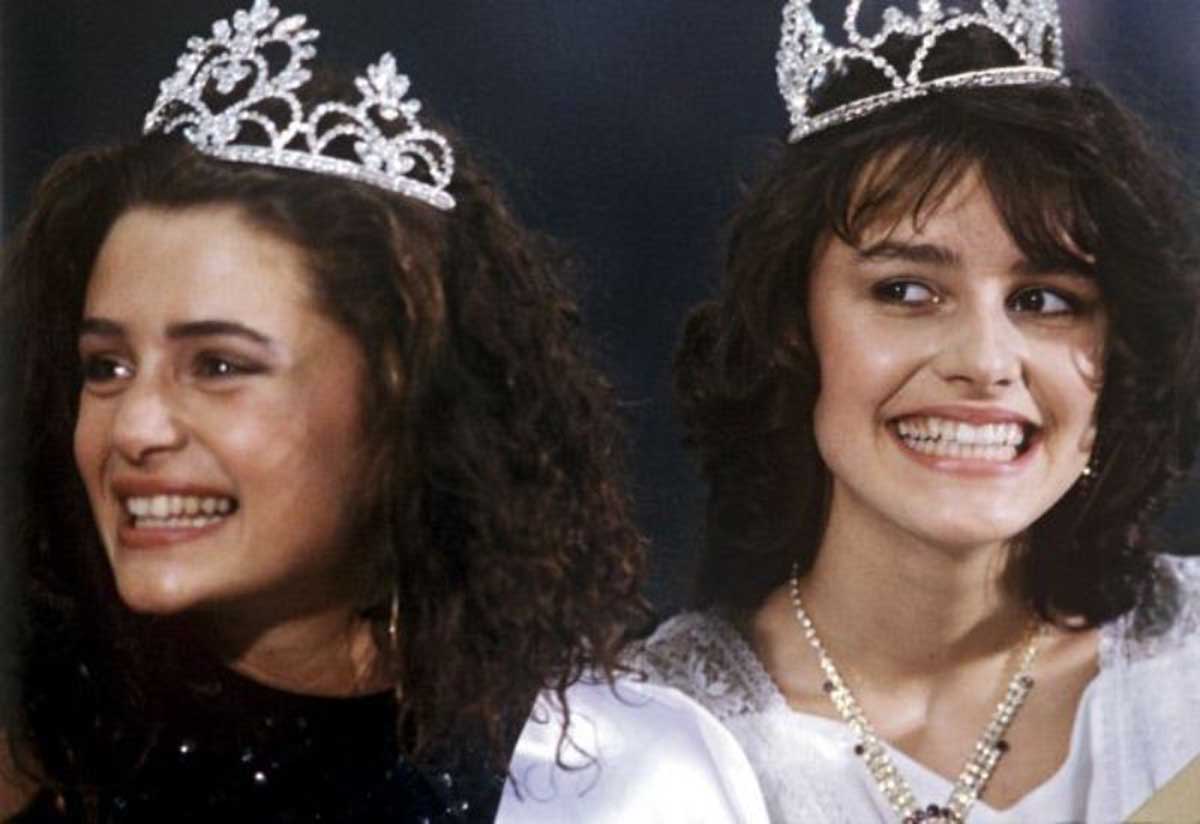
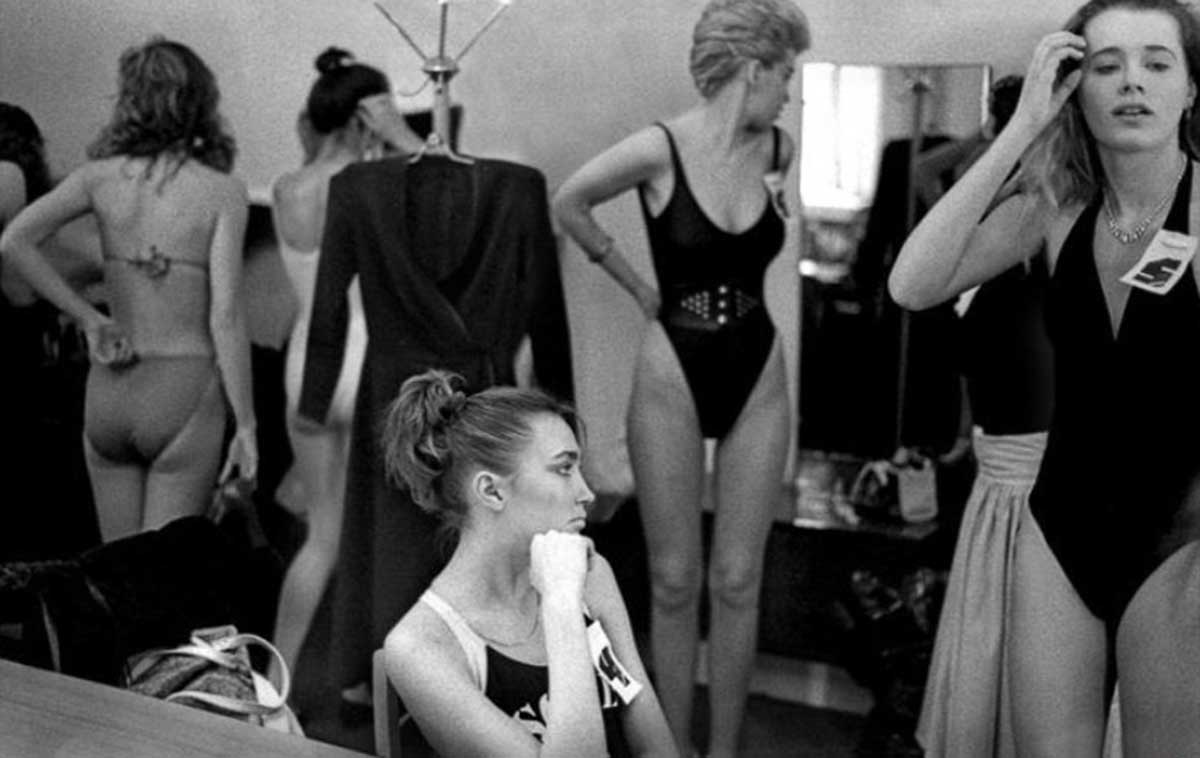
Behind the scenes, preparation was intensive. The contestants trained on how to walk across a stage, practiced their presentation, and endured strict pre-contest routines. Some reportedly subsisted on water alone in the days leading up to the event. The backstage atmosphere blended nerves, ambition, and the unmistakable look of the late Soviet 1980s — bold hairstyles, experimental fashion, and the excitement of young women stepping into territory their mothers never could have entered.
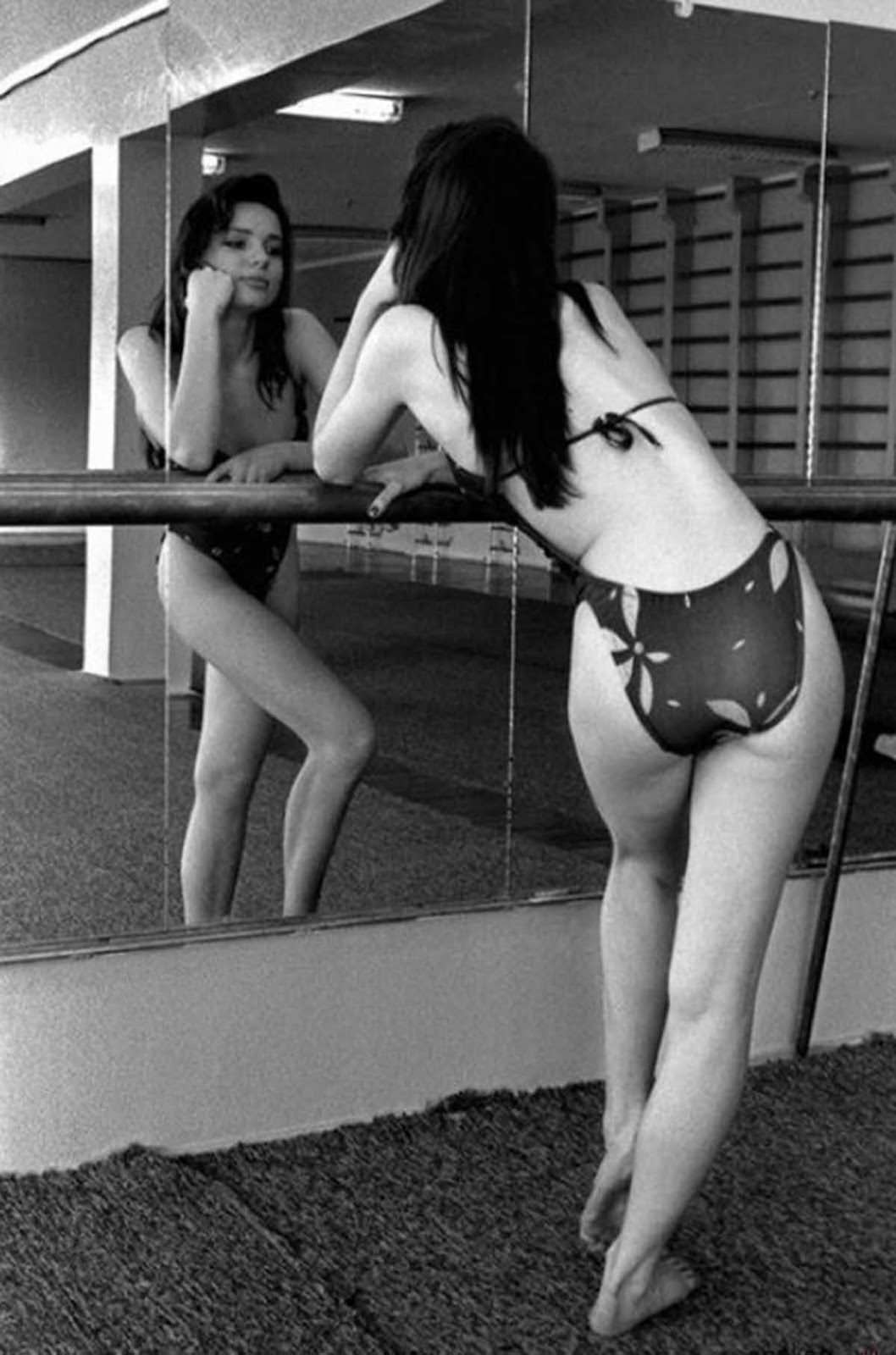
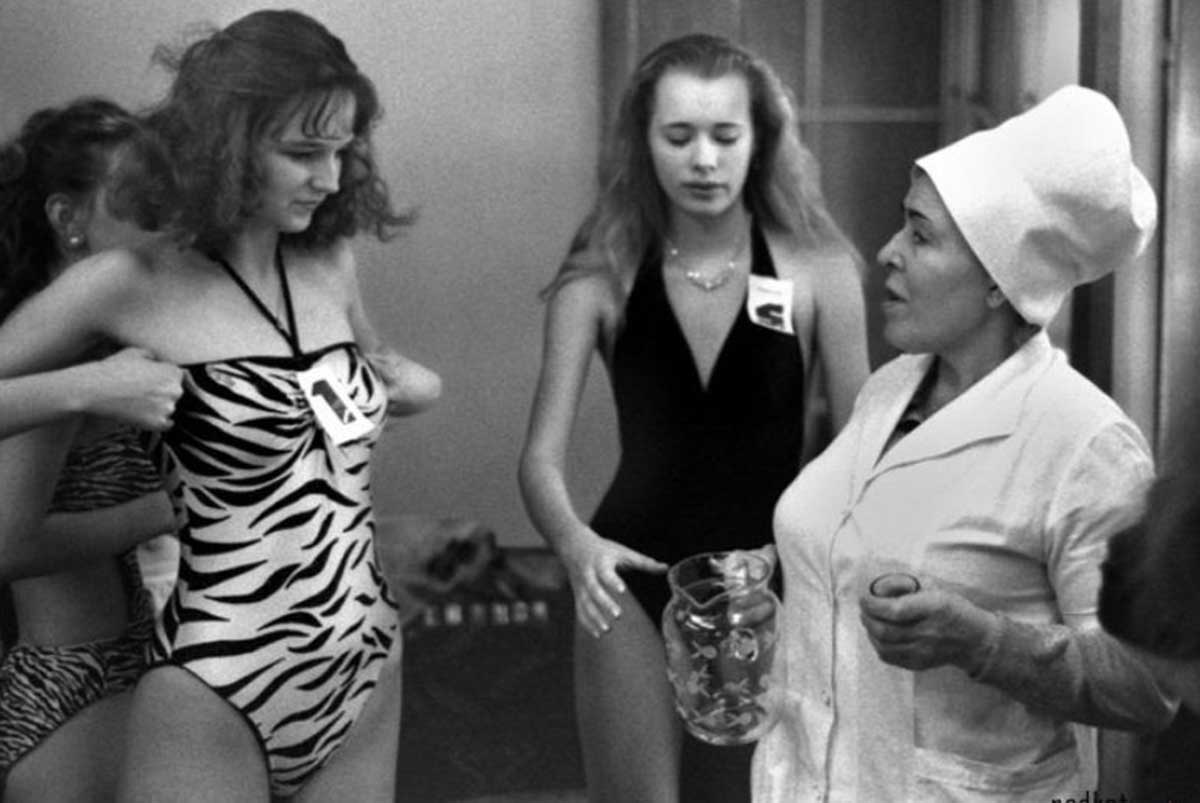
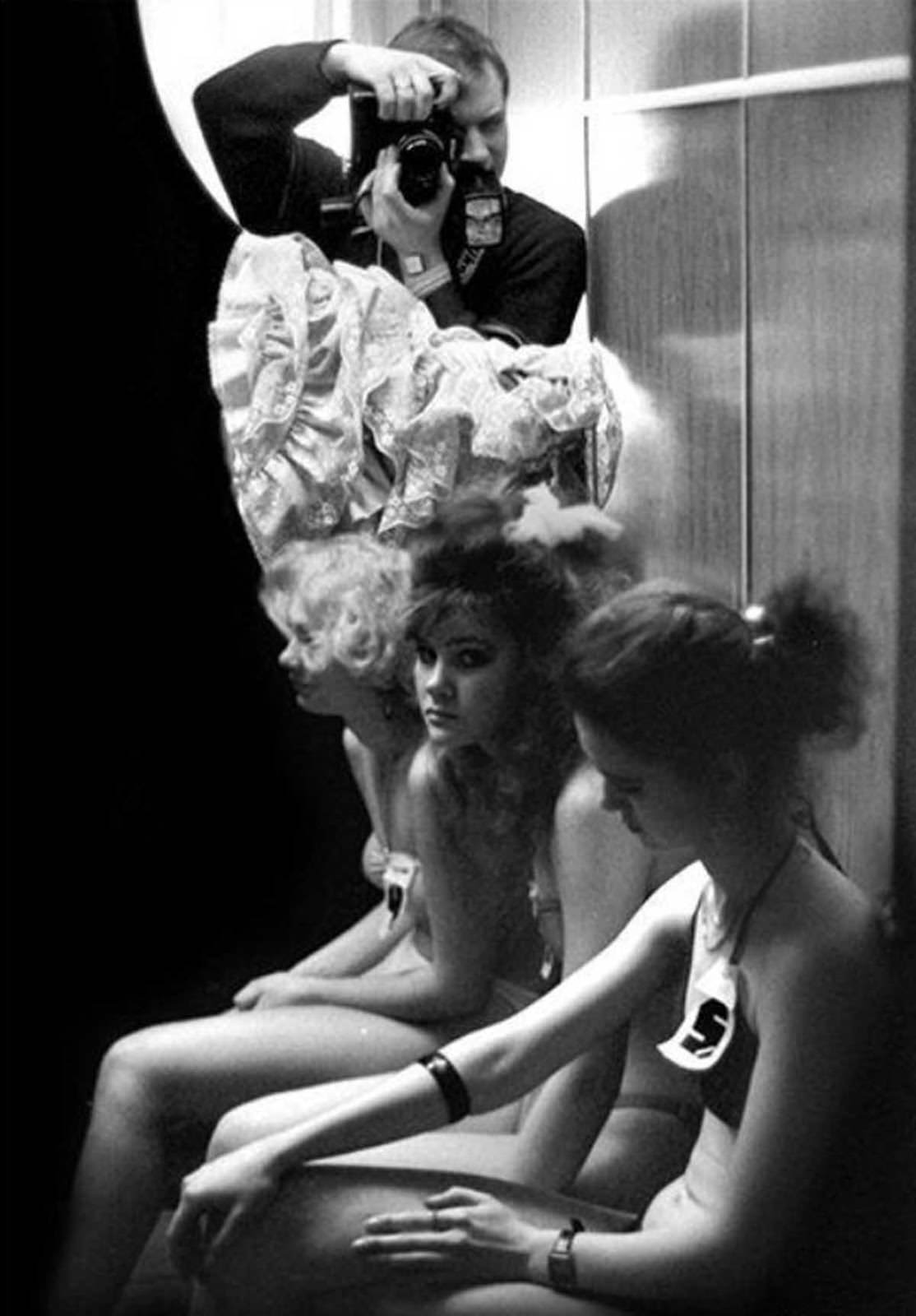
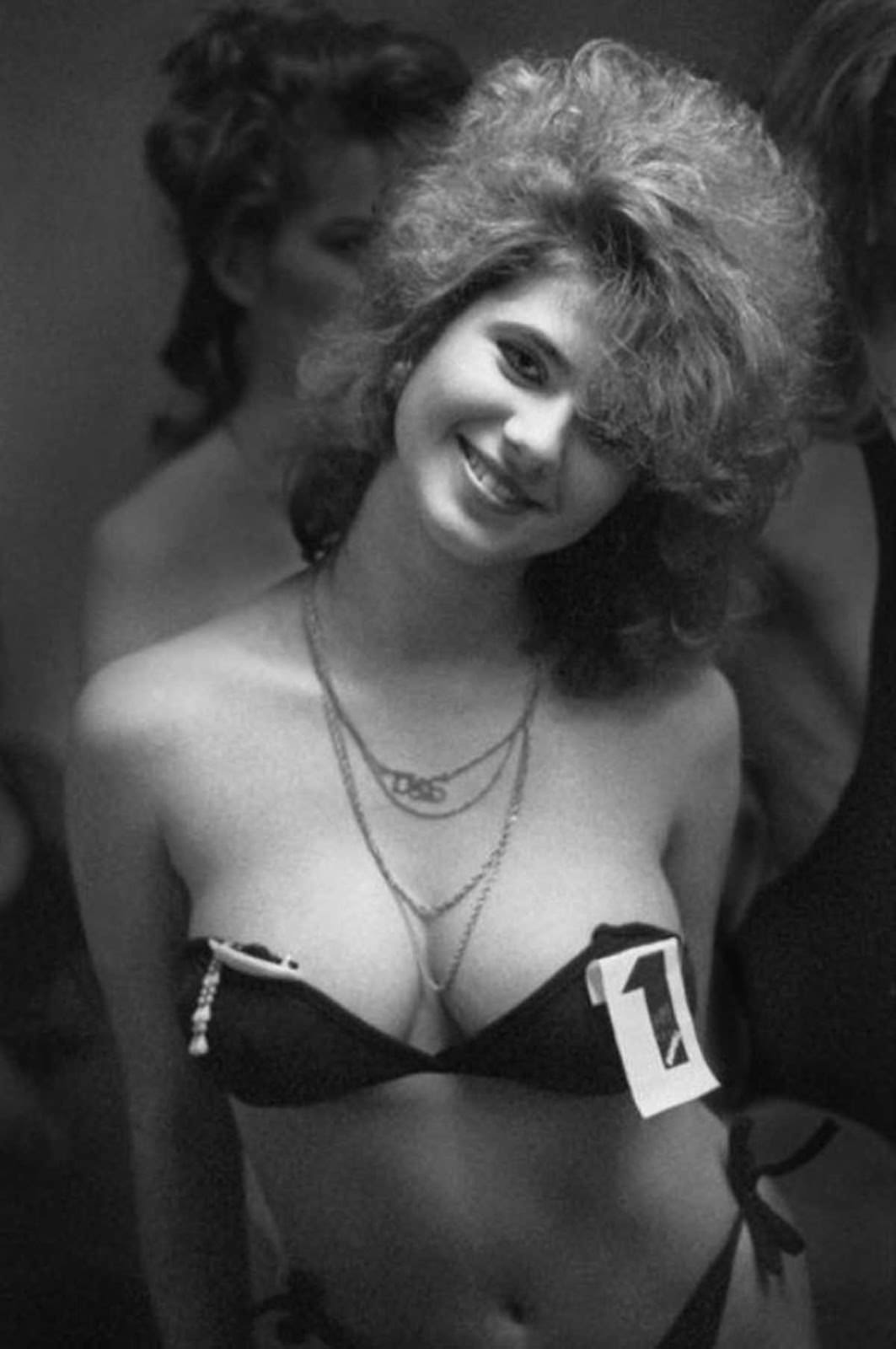
The prizes on offer were extraordinary by Soviet standards. Winners received cash, luxury goods that were virtually impossible to obtain through normal Soviet channels, and — most coveted of all — travel passes for trips abroad. In a country where international travel was tightly restricted, the chance to leave the USSR legally was a prize unlike anything a domestic competition had ever offered.
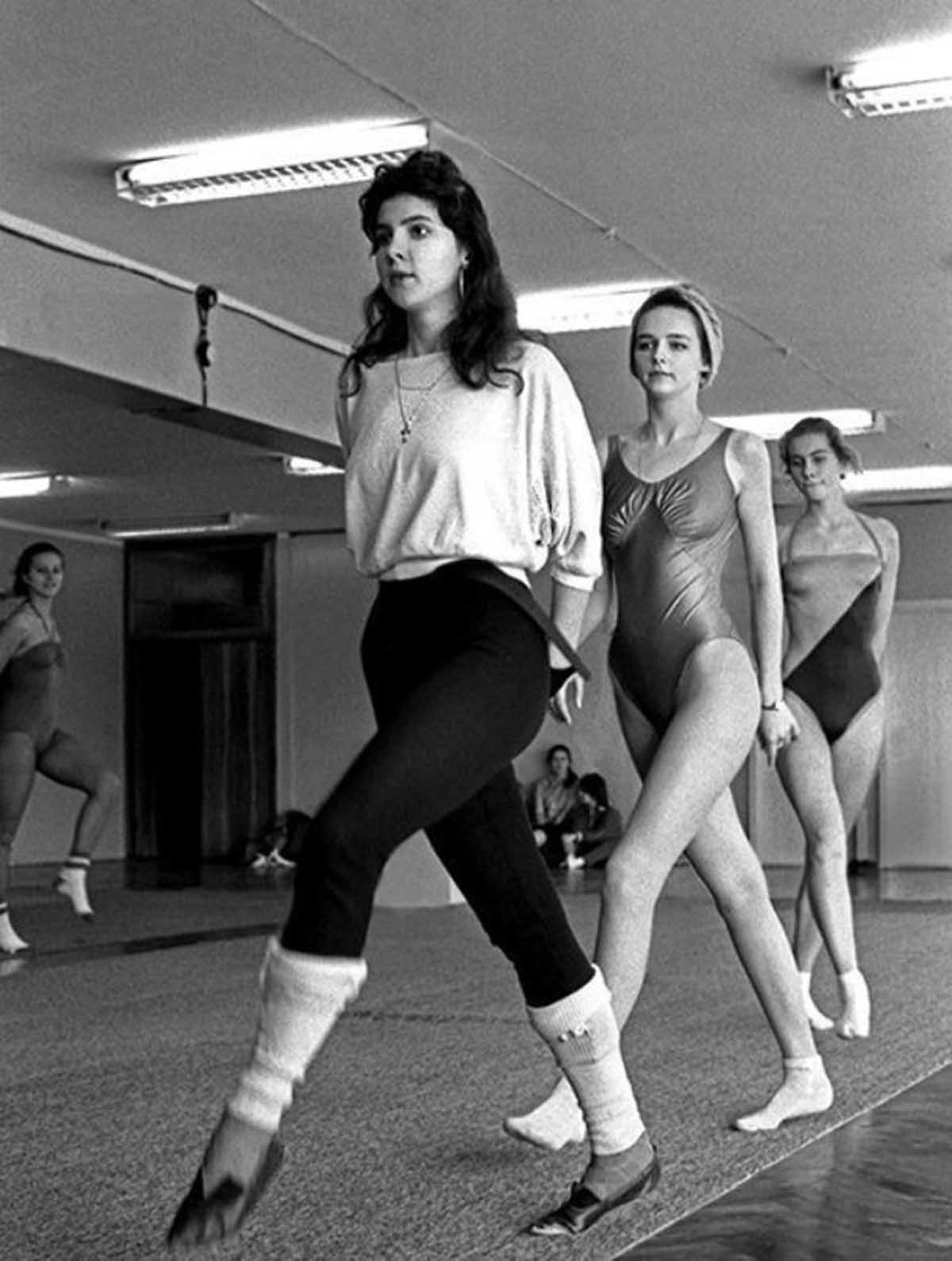
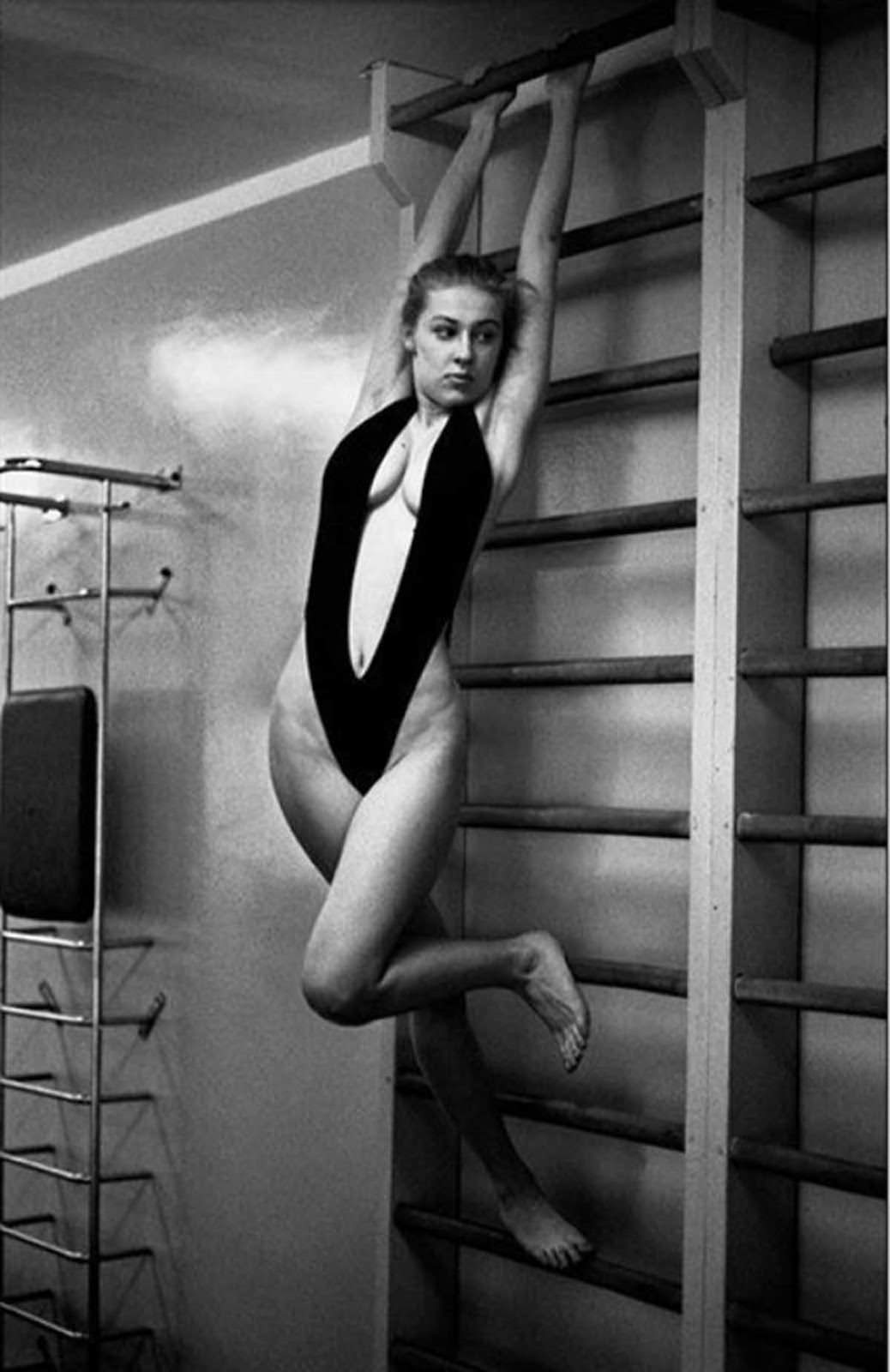
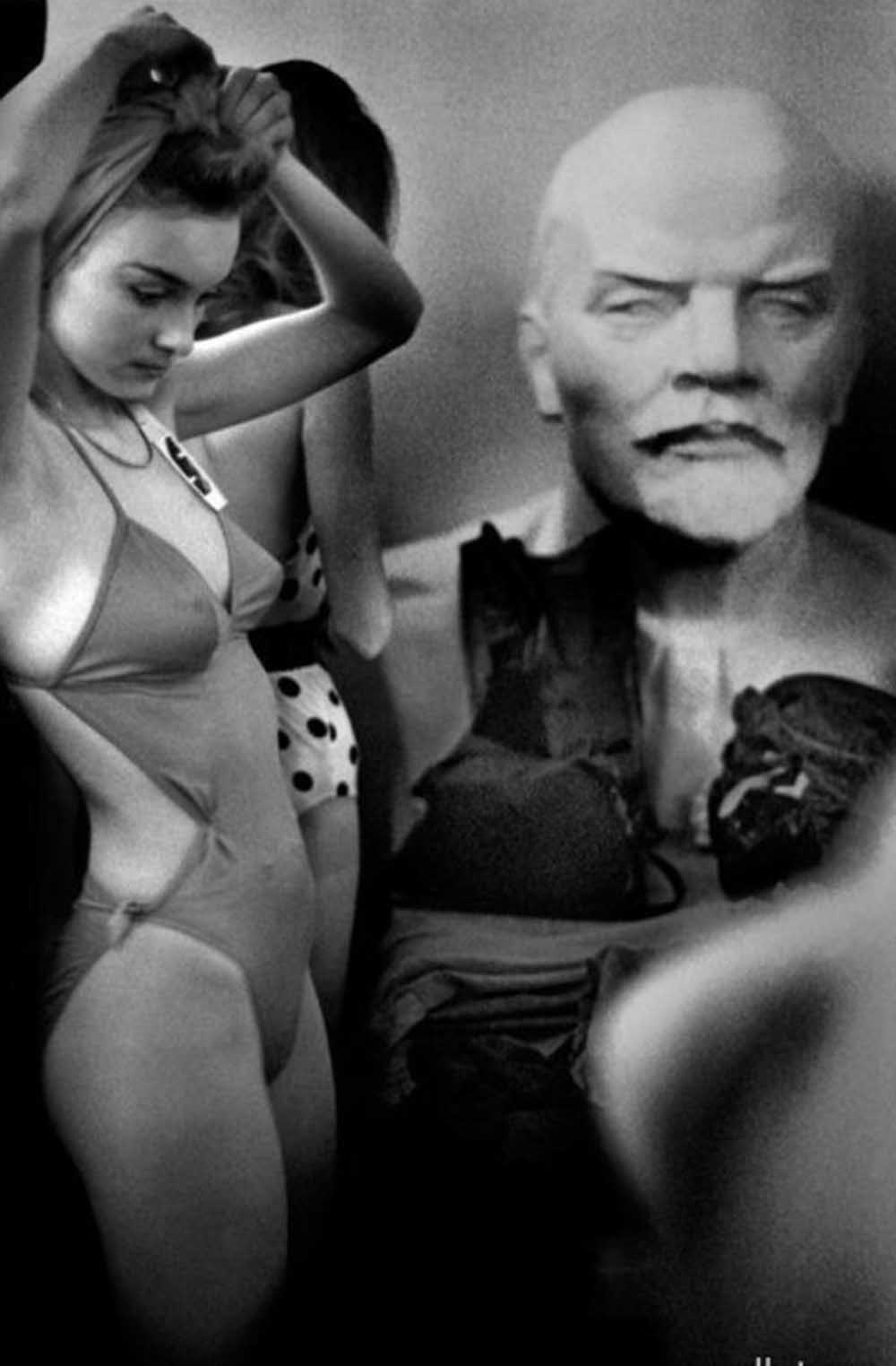
When the night of the contest arrived at the Luzhniki Palace of Sports, the audience inside the arena was as captivated as the millions watching at home. Film producers, fashion photographers, foreign investors, and international fashion designers were all present, scanning the stage for faces and figures that could work in their industries. Soviet women, long invisible to the Western fashion world, were suddenly very visible indeed.
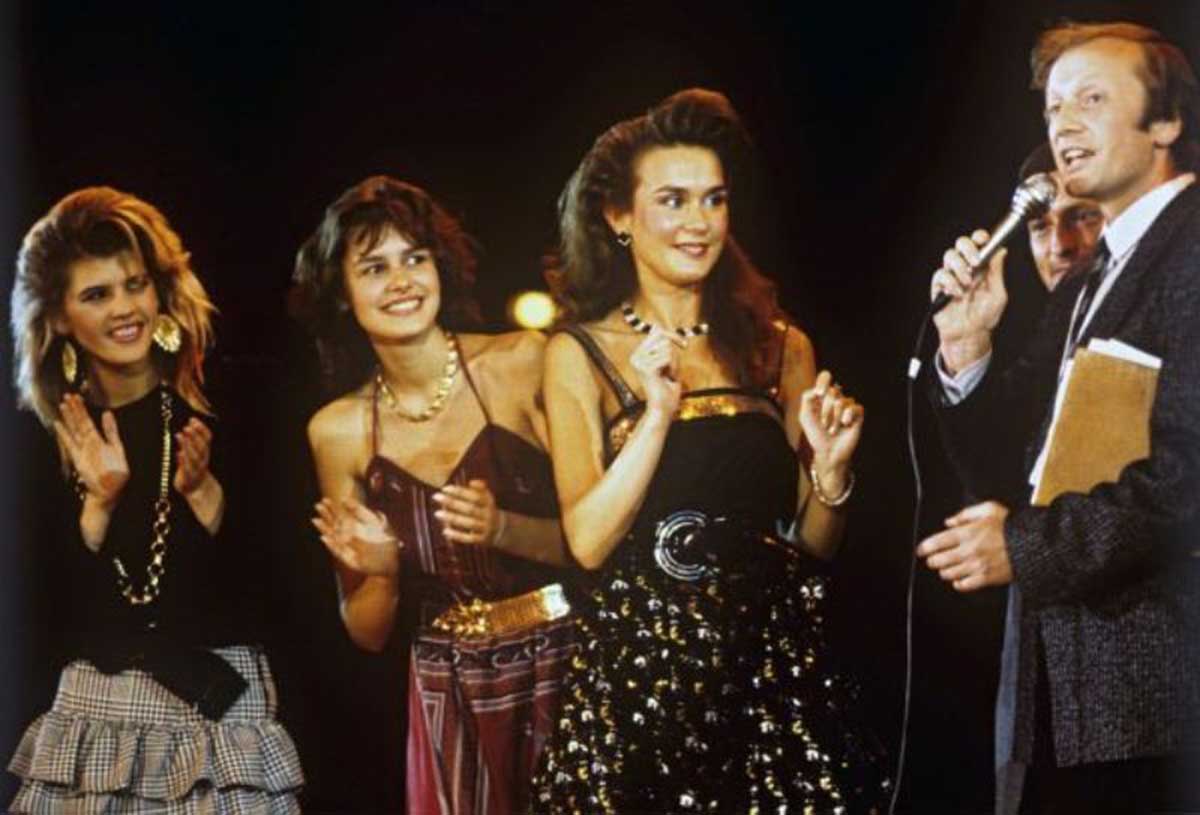
The winner was not a professional model or an experienced performer. She was a teenage schoolgirl named Masha Kalinina. Her victory was a genuine upset in the best sense — a young, unknown girl walking away with the title of Moscow Beauty in the Soviet Union’s first pageant in nearly three decades. Before the night was over, Burda Moden had offered her a modeling contract. She signed it, and the deal opened a door that led far beyond Moscow. Kalinina eventually moved to the United States, enrolled in a Hollywood acting school, and appeared in several films under the name Maria Kalin. Her acting career produced a few notable roles, though it never reached the heights that her pageant victory had seemed to promise. Today, she lives in Los Angeles, where she runs her own studio teaching Kundalini yoga.