In the 1950s, cars were more than machines. They were symbols of freedom, optimism, and personal style. Designers packed them with sleek lines, bold chrome trim, and vivid colors that demanded attention. Photographers took full advantage of this visual energy.
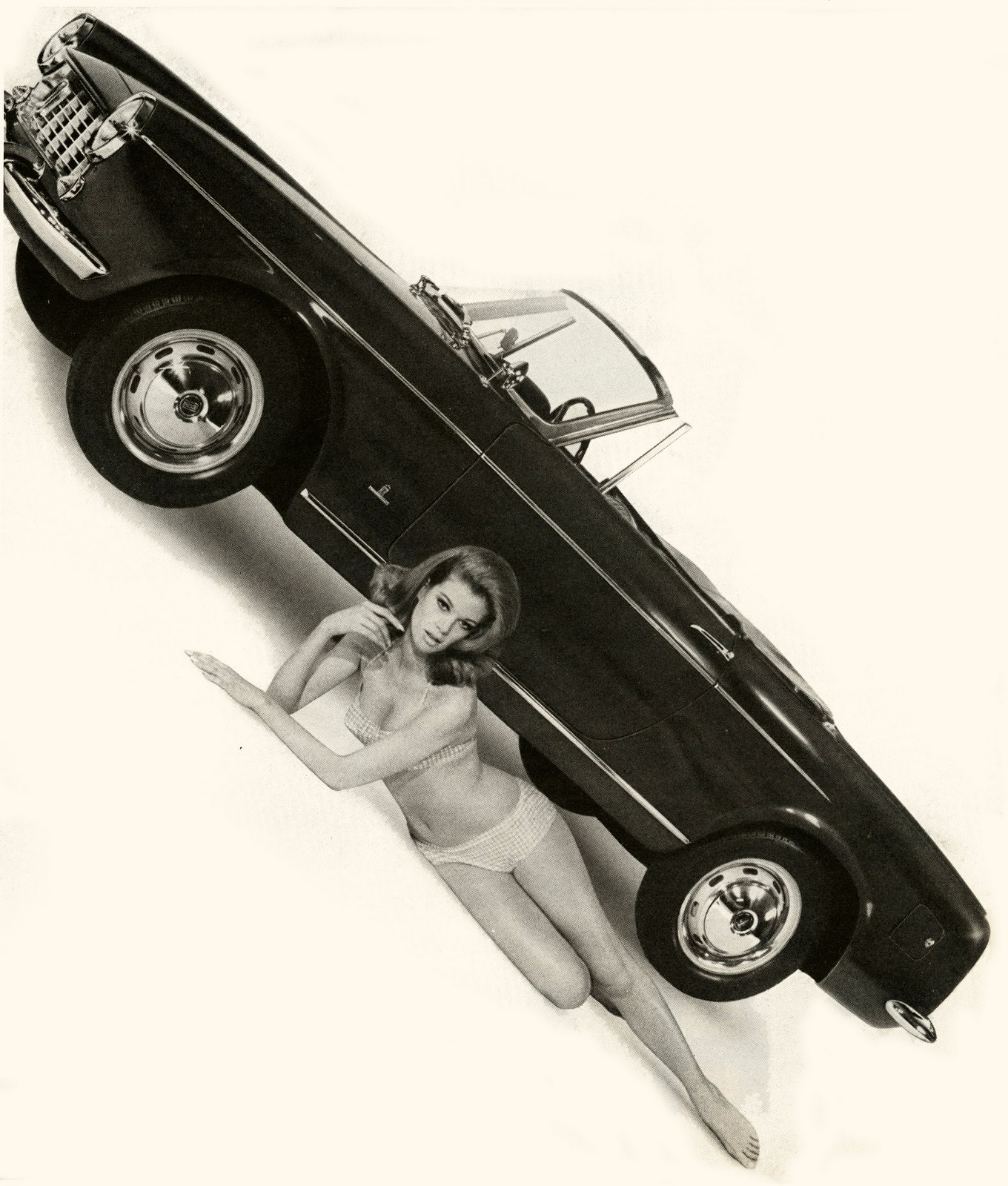
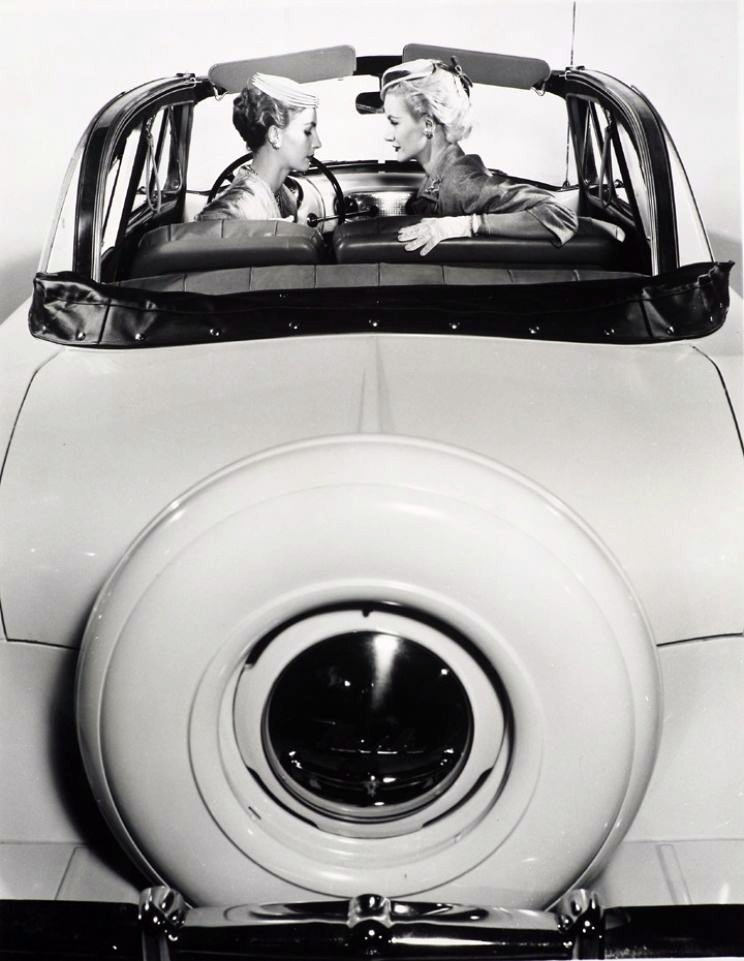
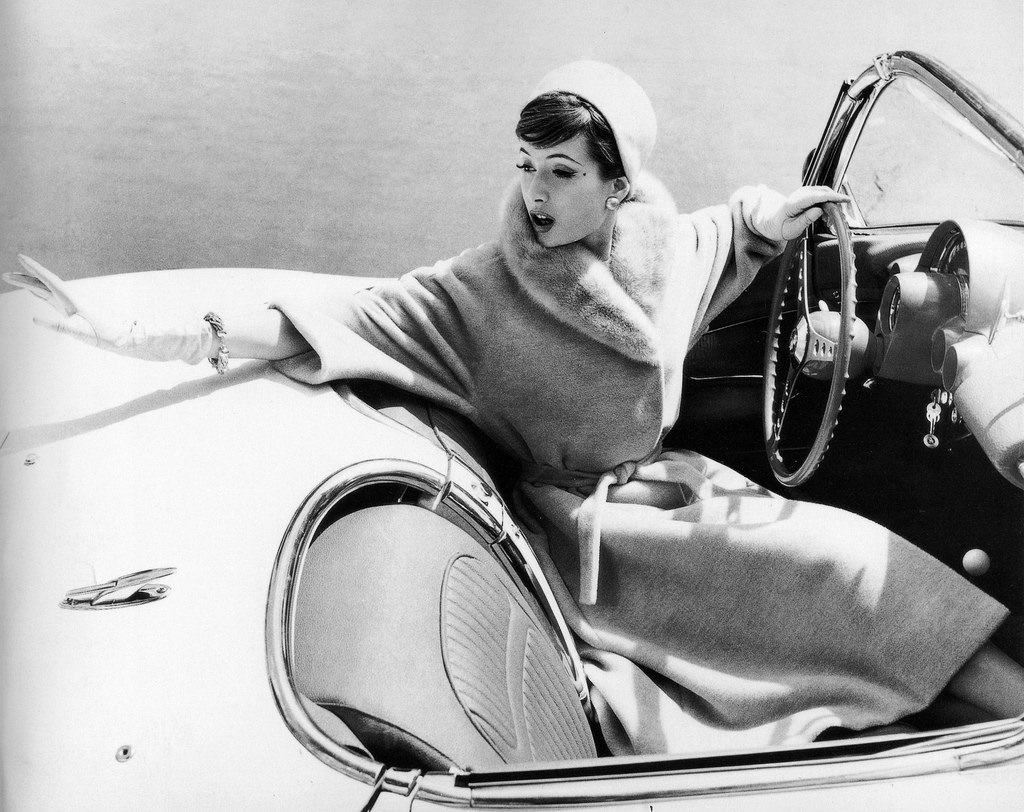
Magazines and advertisers paired models with automobiles to sell a lifestyle as much as a product. The model’s clothing, pose, and expression worked alongside the car’s polished surfaces to project glamour and aspiration. Photographers like John Rawlings and Erwin Blumenfeld led this visual movement, shooting for major publications like Vogue and ELLE.
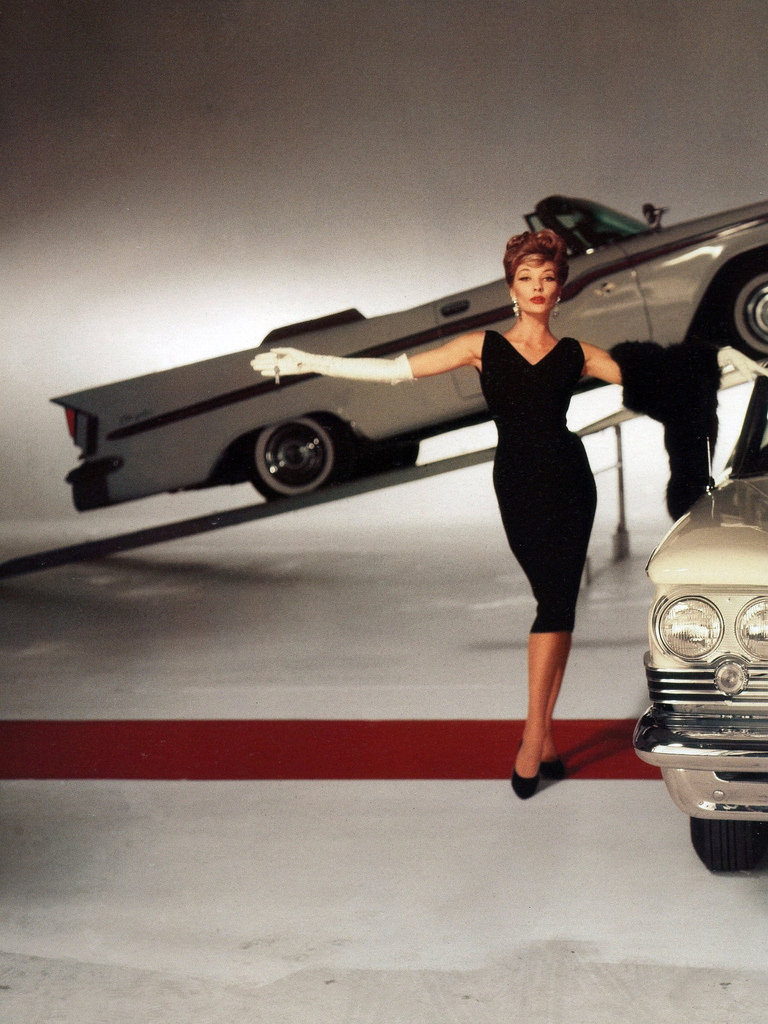
Rawlings frequently used Chrysler models as backdrops for high-fashion shoots. The long, low convertible bodies complemented the tailored dresses and elegant silhouettes worn by his subjects, creating a natural visual harmony between the car and the model.
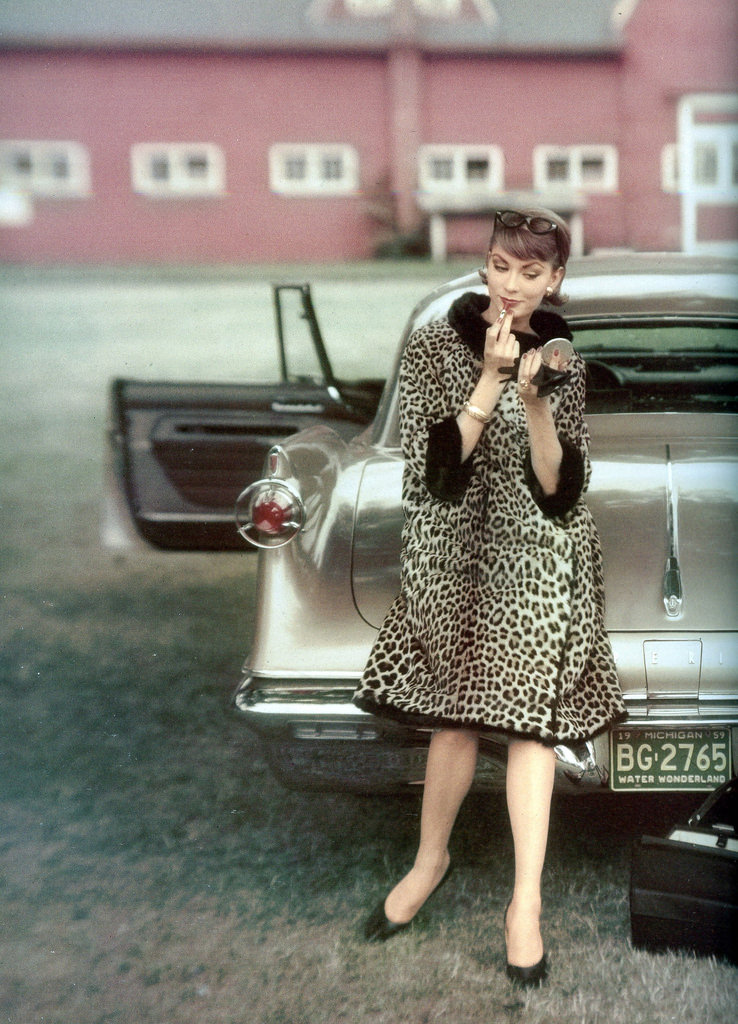
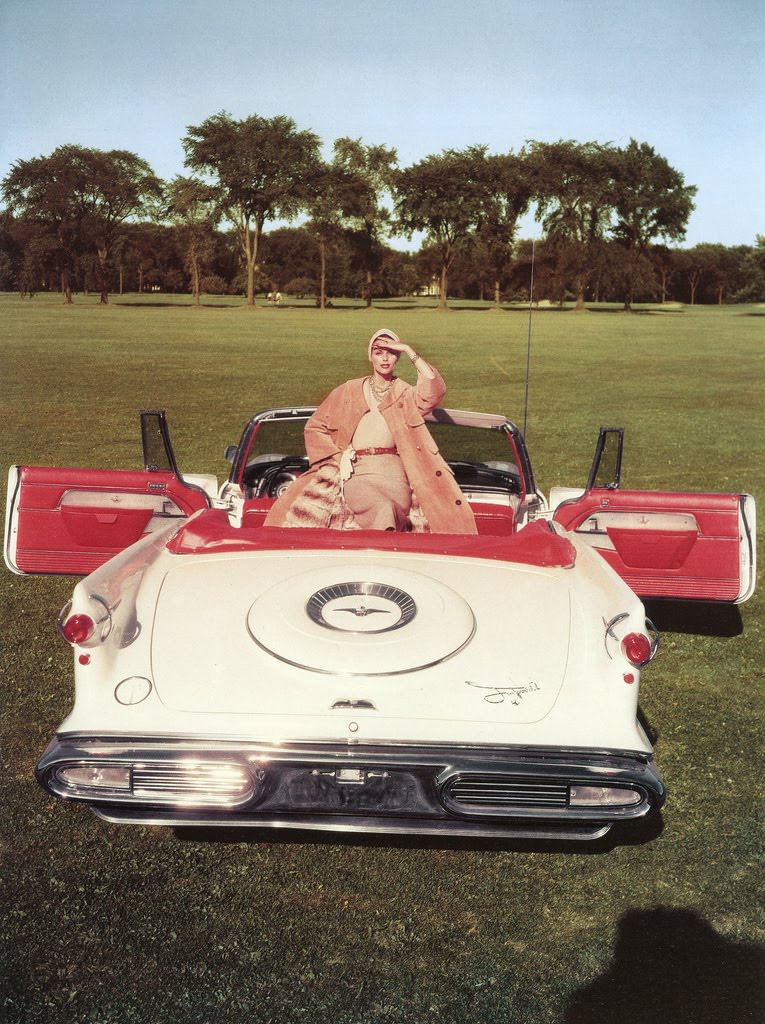
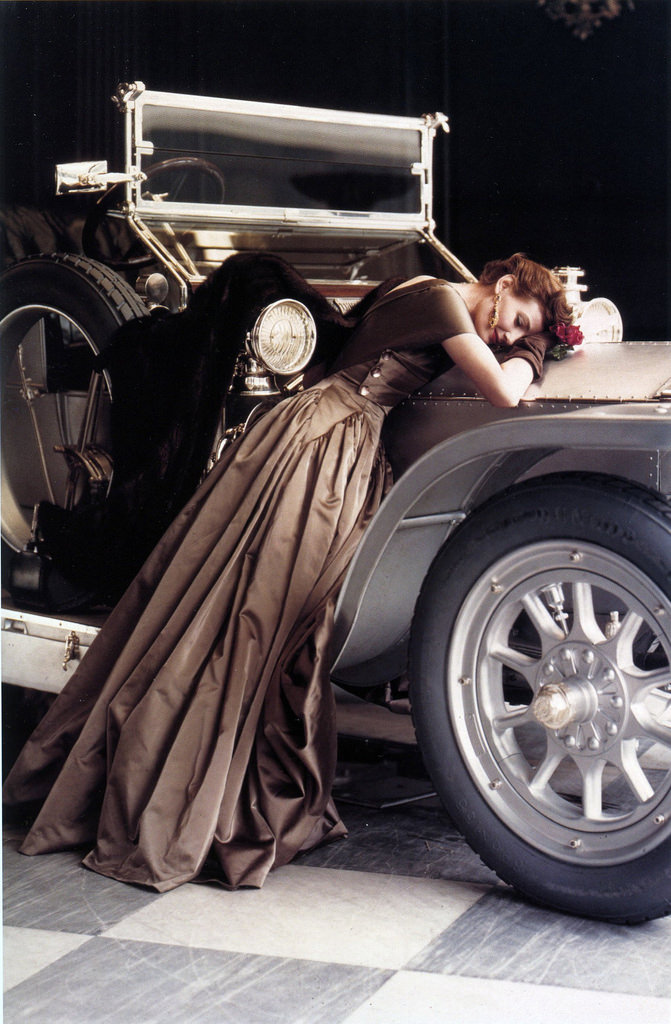
Not all pairings featured brand-new models. Wenda Parkinson posed beside a 1907 Silver Ghost Rolls-Royce for Vogue in April 1950, connecting classic automotive heritage with contemporary fashion in a single frame.
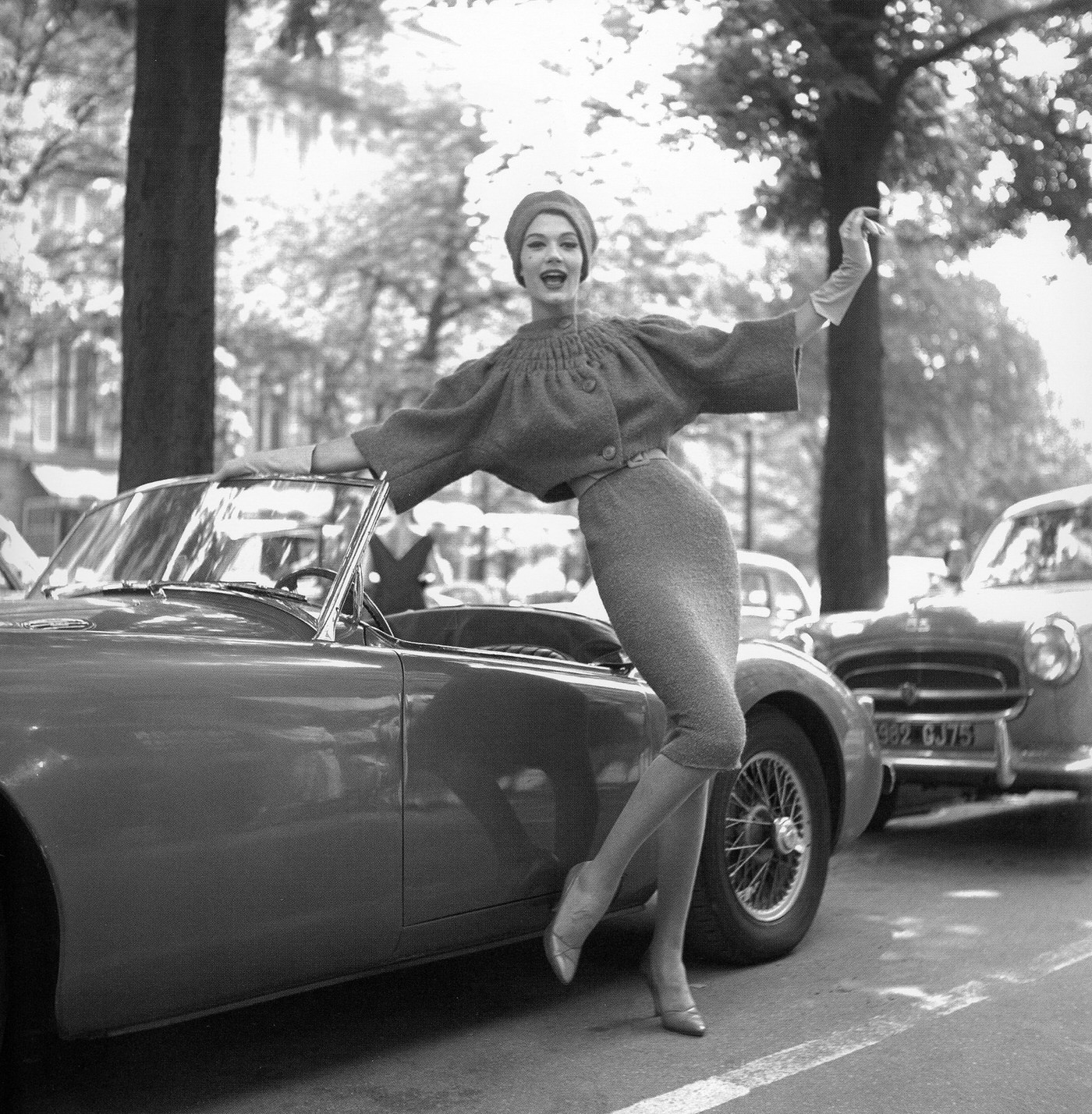
European photographers brought their own flair to the format. Georges Dambier shot Simone d’Aillencourt alongside an MG for ELLE in Paris in 1957, capturing a sportier, more relaxed energy than the polished American studio work of the same era.
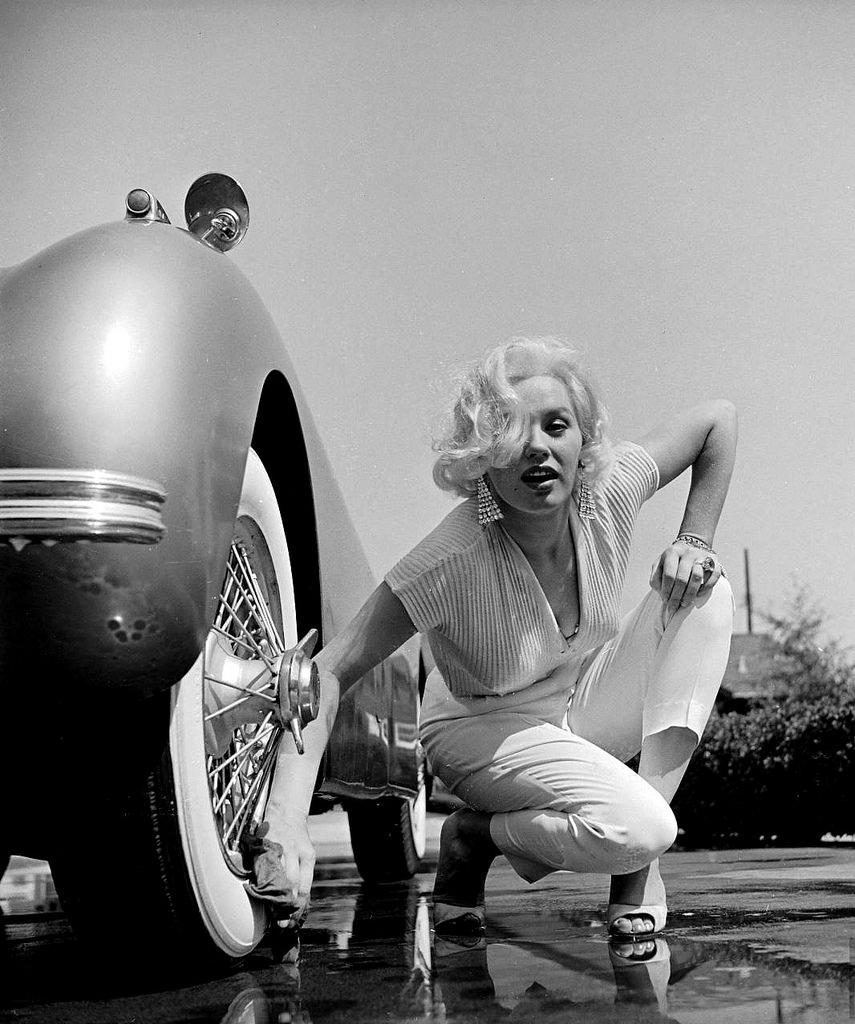
Actress Mamie van Doren brought a candid energy to the format when Loomis Dean photographed her washing her own Jaguar in Los Angeles in 1954. It was a rare, unguarded moment compared to the staged elegance typical of the era.
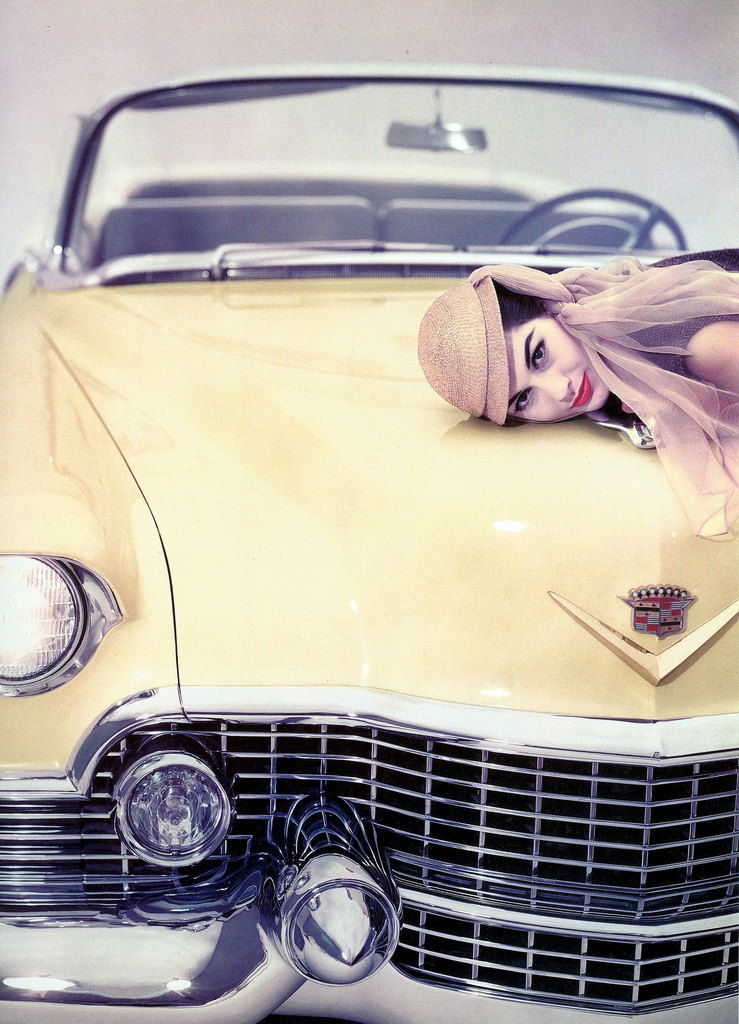
Blumenfeld’s 1954 Cadillac advertisement featured Georgia Hamilton and Sunny Harnett together, using two models to amplify the sense of luxury and social prestige the brand was selling to American consumers.
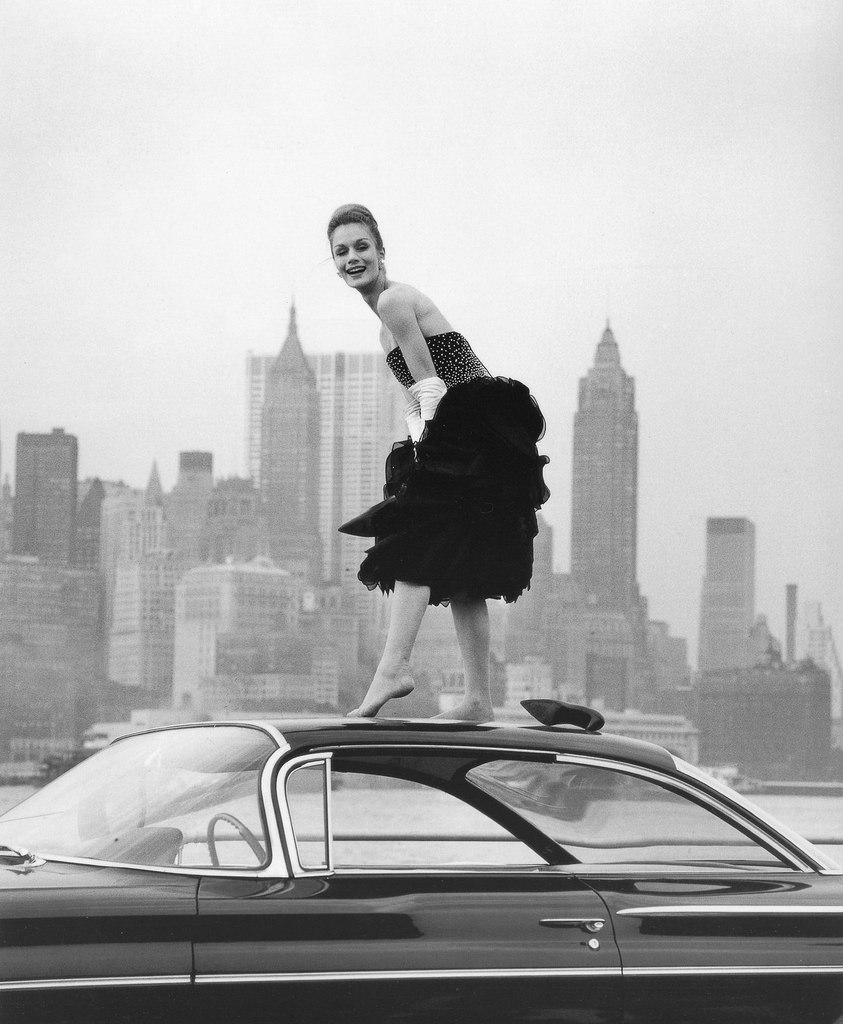
French Vogue embraced the same formula. Gitta Schilling’s August 1959 shoot demonstrated how broadly the car-and-model aesthetic had spread across international fashion media by the decade’s close.
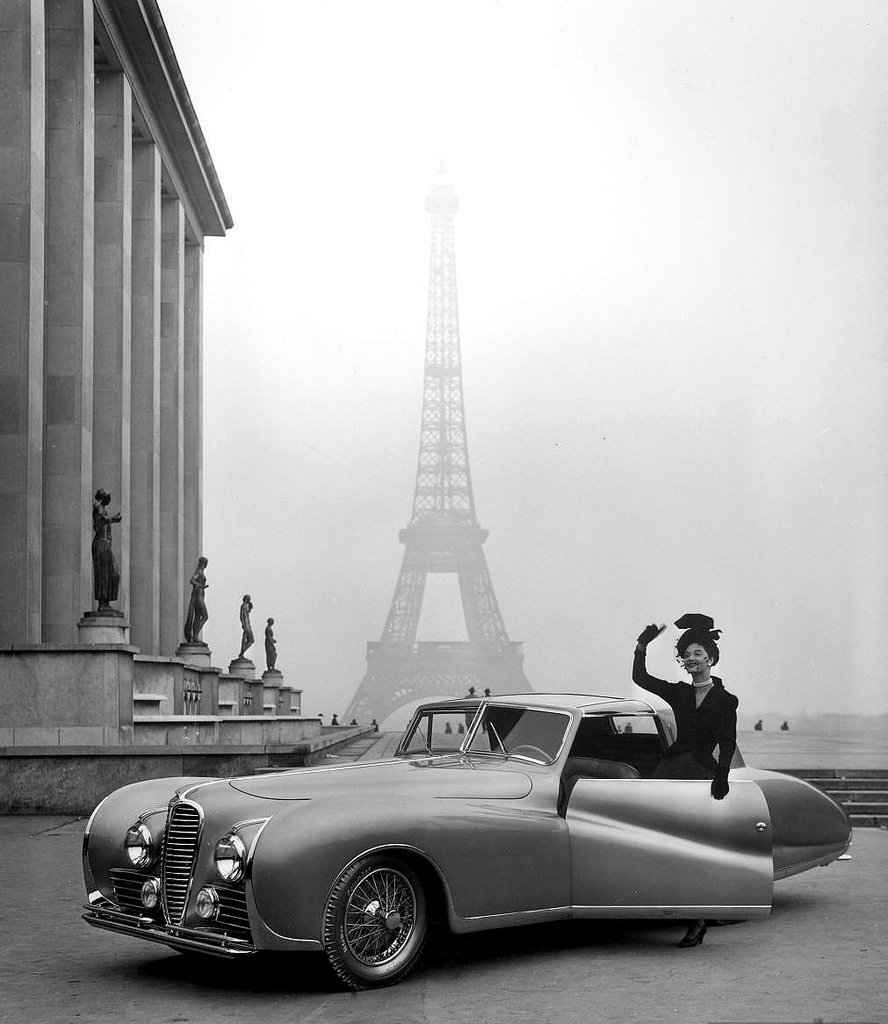
The tradition stretched back even further than the 1950s. Tony Linck photographed a model alongside a 1947 Delahaye in front of the Eiffel Tower, proving that pairing beautiful cars with beautiful people was already a well-established visual language well before the decade began.