
In October 1939, photographer Marion Post Wolcott arrived in the Mississippi Delta with a camera and a government assignment. She worked for the Farm Security Administration (FSA), a New Deal agency tasked with documenting poverty across rural America. What she found in the Delta was a world shaped by decades of racial segregation, economic hardship, and cotton — always cotton.
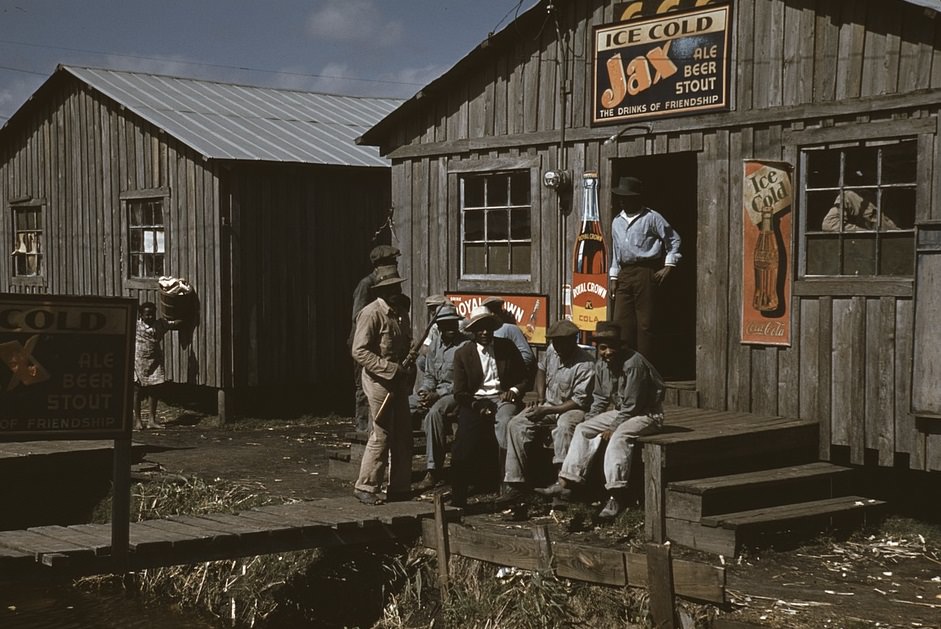
Wolcott was born in 1910 in New Jersey and spent time working as a schoolteacher before photography became her calling. Her time in classrooms gave her a firsthand look at poverty’s reach. She later studied photography and drew inspiration from Trude Fleischmann, a well-known Viennese photographer who reviewed her early work and encouraged her to pursue the craft professionally. By the late 1930s, she was one of the FSA’s most active field photographers, traveling through the rural South to create a visual record of American hardship.
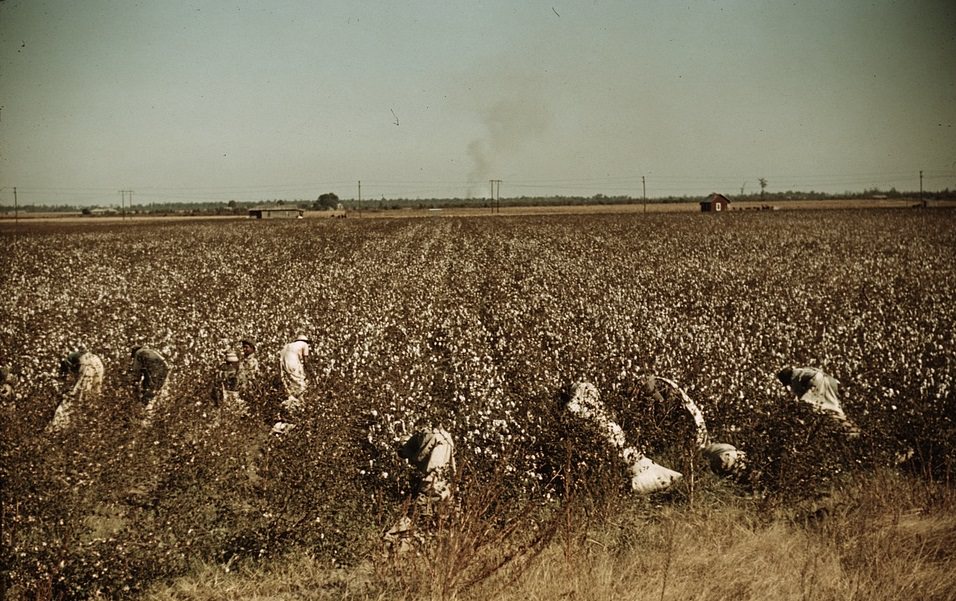
The Mississippi Delta’s history is long and complicated. After the Civil War, roughly 90% of the Delta’s bottomlands remained undeveloped. Black and white migrants poured into the region, drawn by the possibility of owning land. Many cleared timber from the land and sold it to raise money for property purchases. During Reconstruction, a significant number of freedmen — formerly enslaved people — did become landowners and farmers.

That progress was reversed. When white Democrats retook control of the Mississippi state legislature in the late 19th century, they passed a new state constitution in 1890 that stripped African Americans of their voting rights. Disenfranchisement came with sweeping consequences — loss of political power, loss of legal protections, and eventually, loss of land. Combined with enforced segregation, financial crises, and a long drop in cotton prices, Black landowners were pushed off their property at a steady pace.
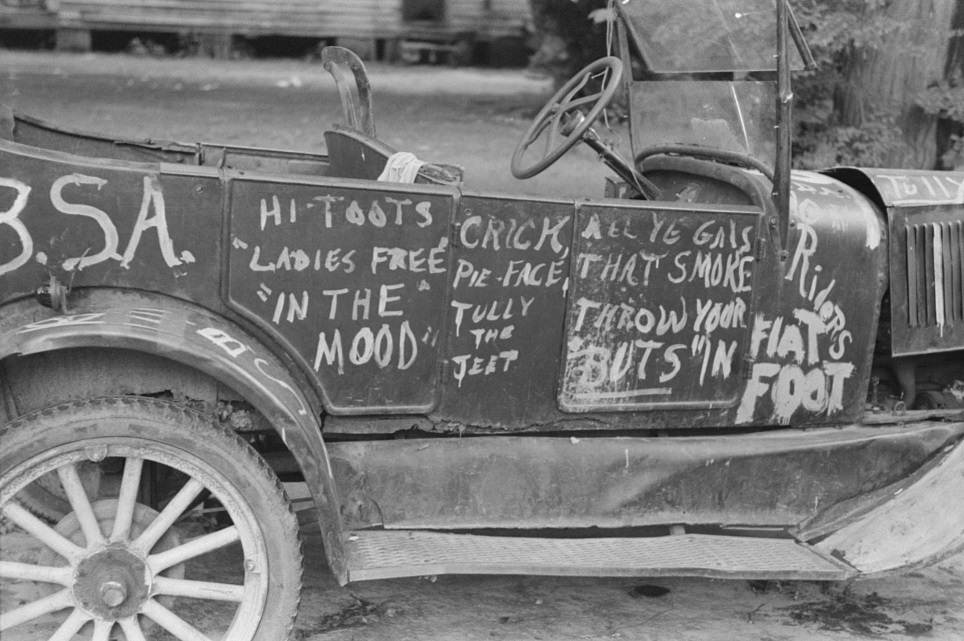
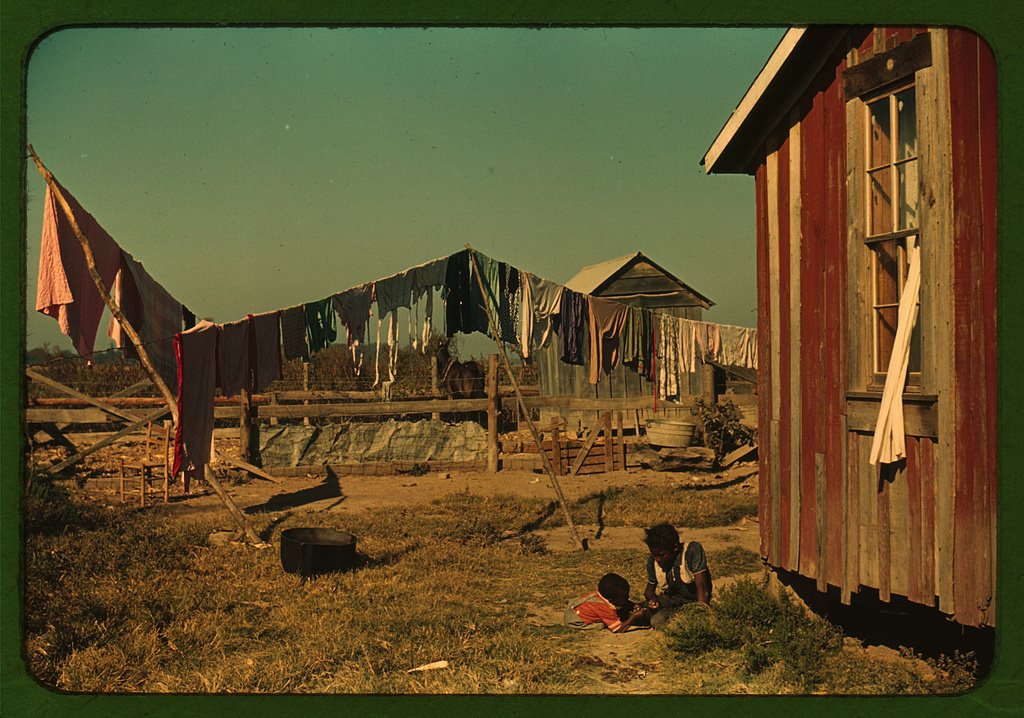
By 1920, the majority of Black residents in the Delta were sharecroppers or tenant farmers — working land they did not own, paying rent in a share of whatever crop they raised. It was a system that kept families in a cycle of debt with little room to save or advance. Wolcott’s photographs captured this cycle in vivid detail: the labor, the waiting, the small transactions that marked the end of a picking week.
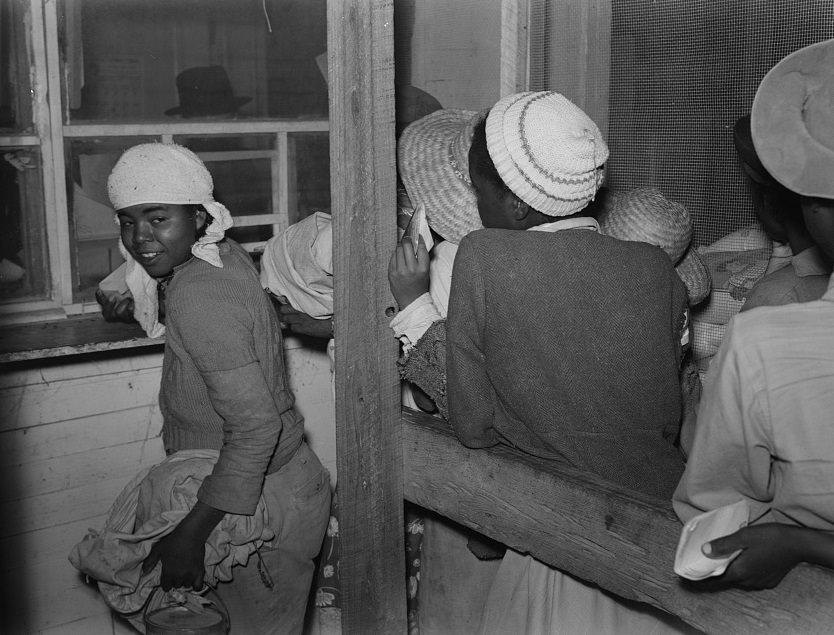
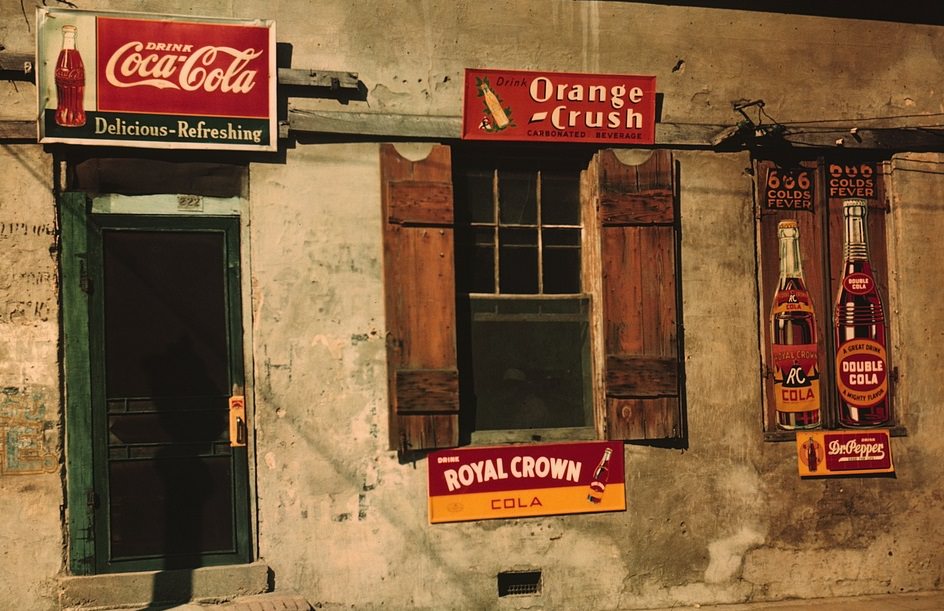
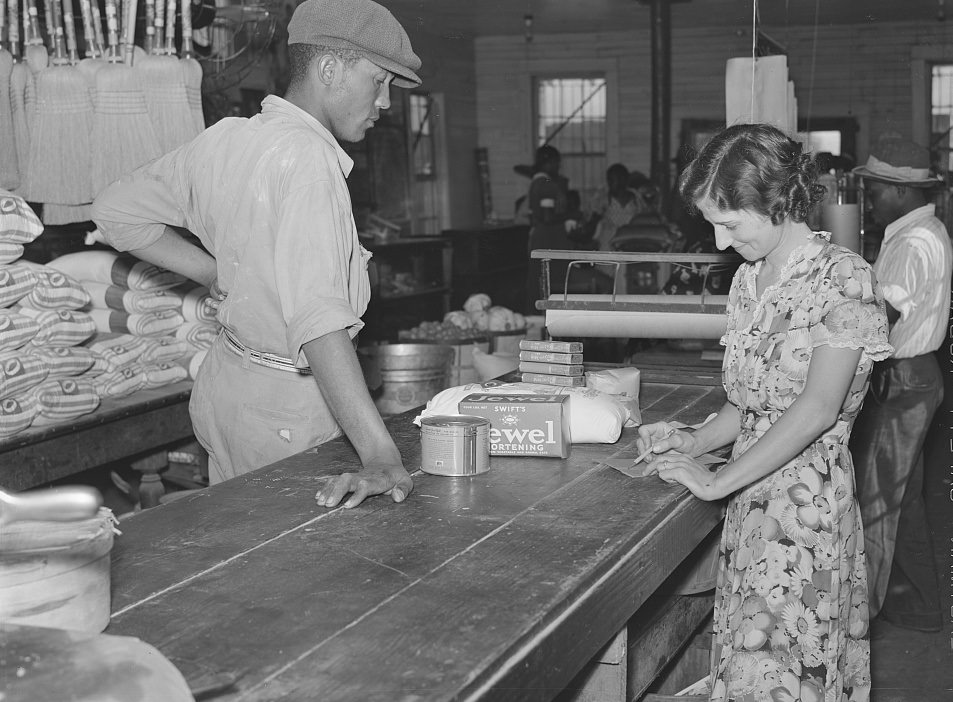
The plantation store was a fixture of Delta life. Workers who had spent the week in the fields would collect their wages and immediately spend them inside these stores, often owned by the same planters who employed them. It was a closed economic loop that kept laborers financially dependent on the plantation system.
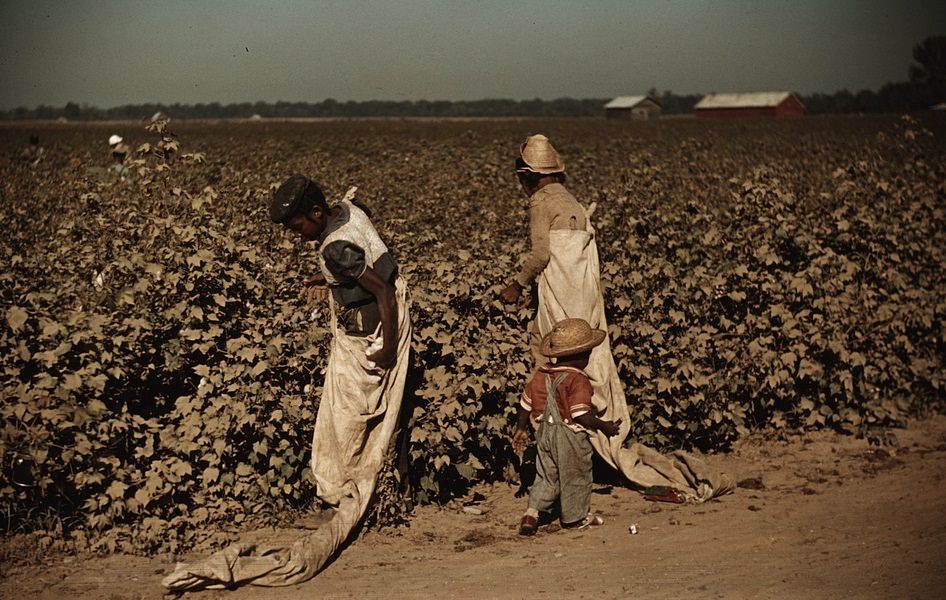
Cotton dominated every aspect of life in the Delta. Children picked alongside adults, and school schedules bent to the harvest. Attendance in plantation schools stayed poor until December each year, after the cotton had been brought in. Teachers taught in crowded, under-resourced classrooms, and the school year itself was shortened to fit around the demands of the crop.
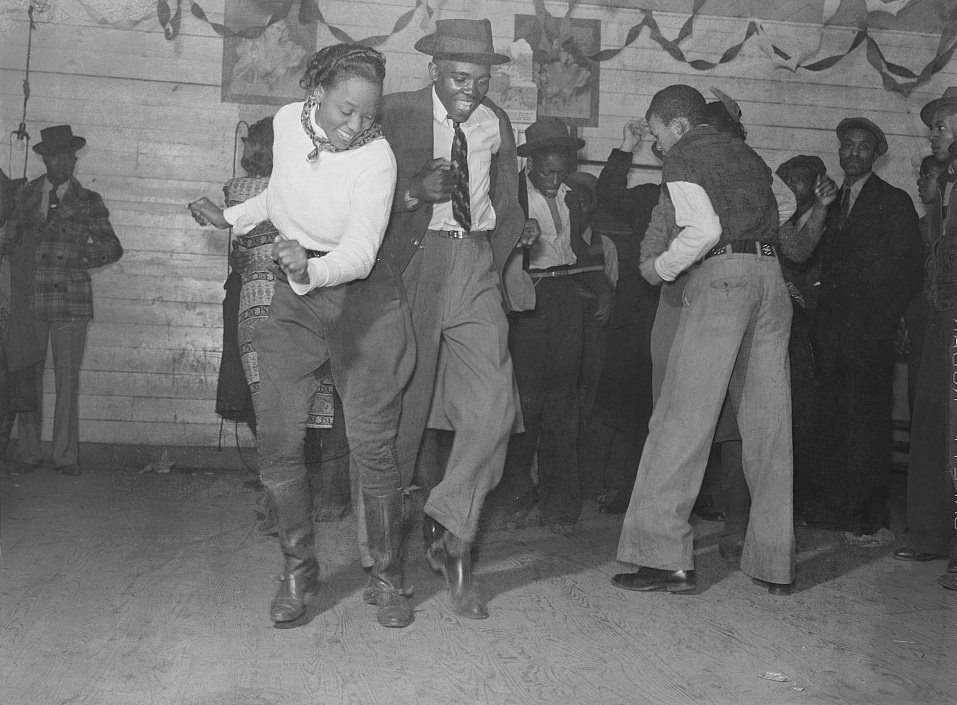
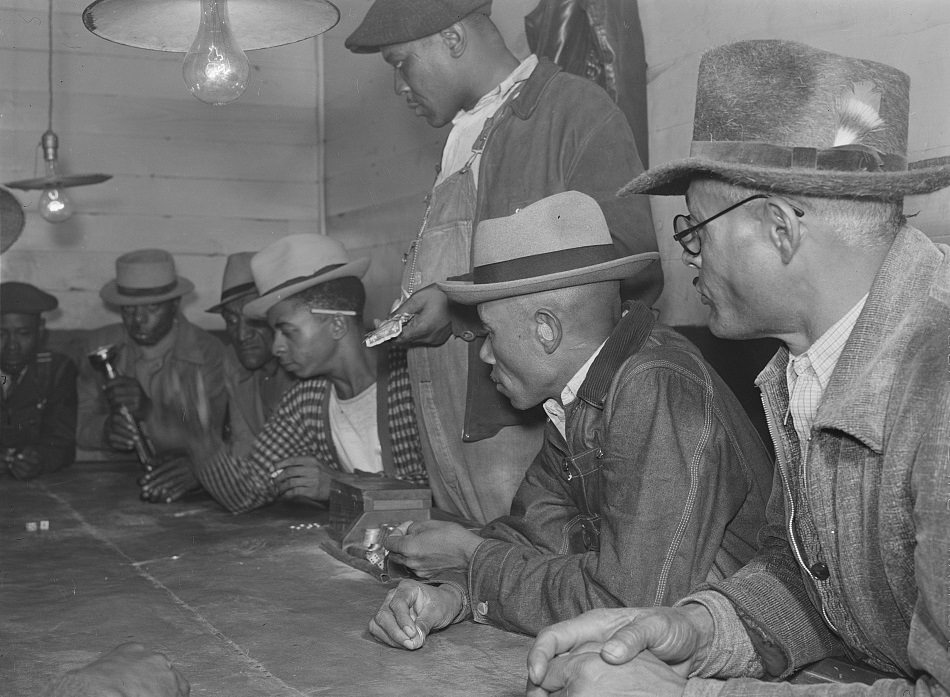
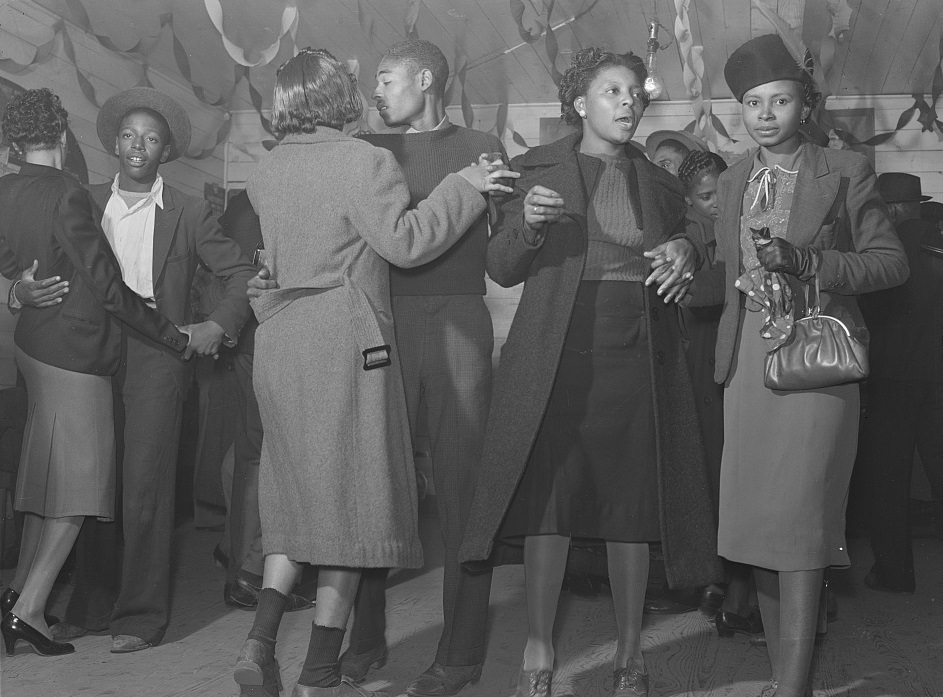
Saturday nights brought a different kind of energy to the Delta. Juke joints — small, informal venues that served food, drinks, and music — filled up after the week’s work was done. Workers danced, gambled, and socialized in the few hours of freedom the week allowed. Wolcott photographed these moments too, capturing not just suffering but also the social life that communities built despite their circumstances.
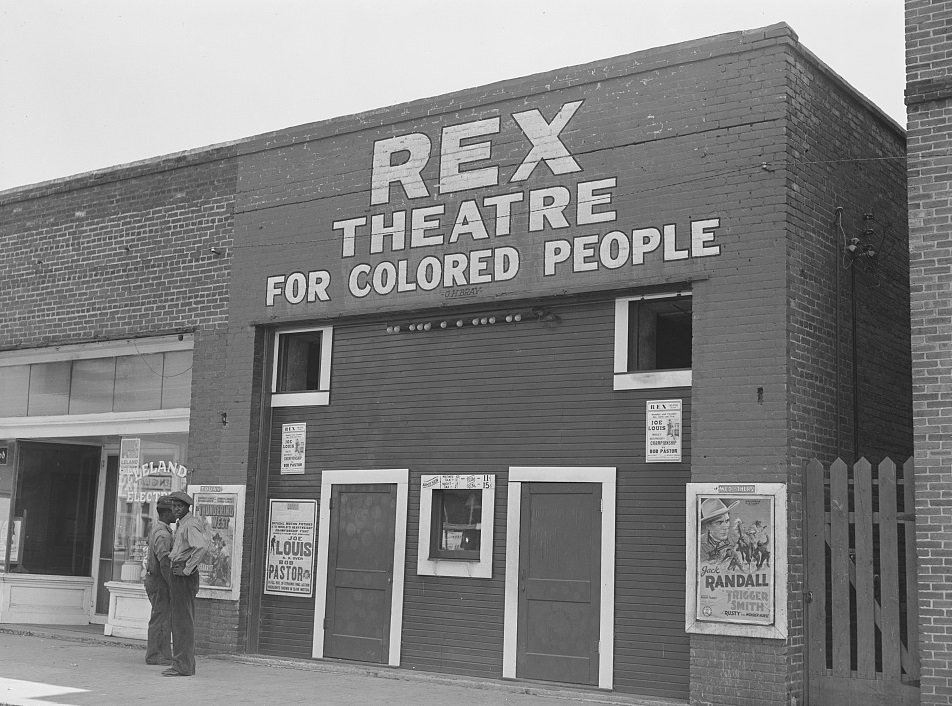
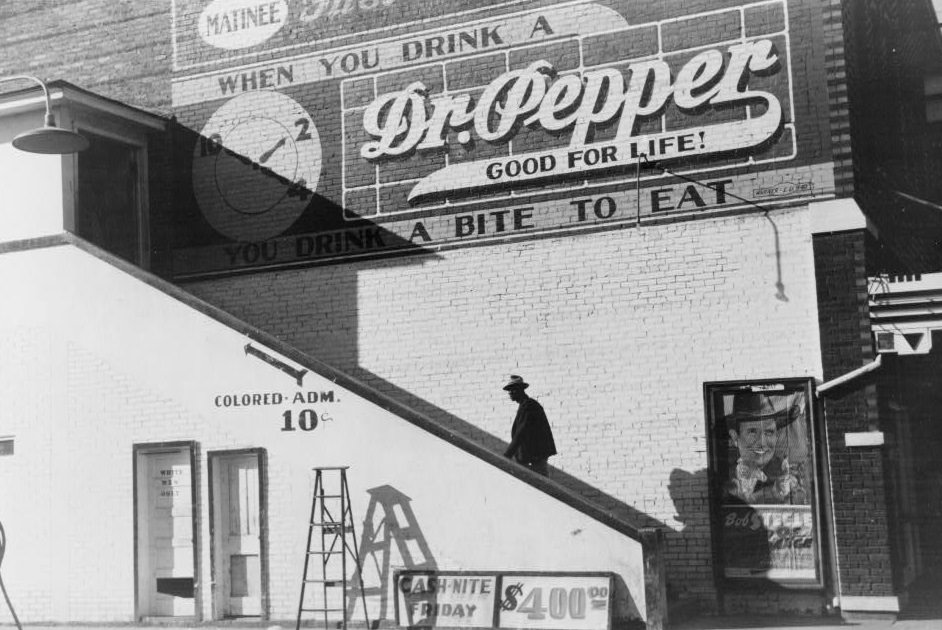
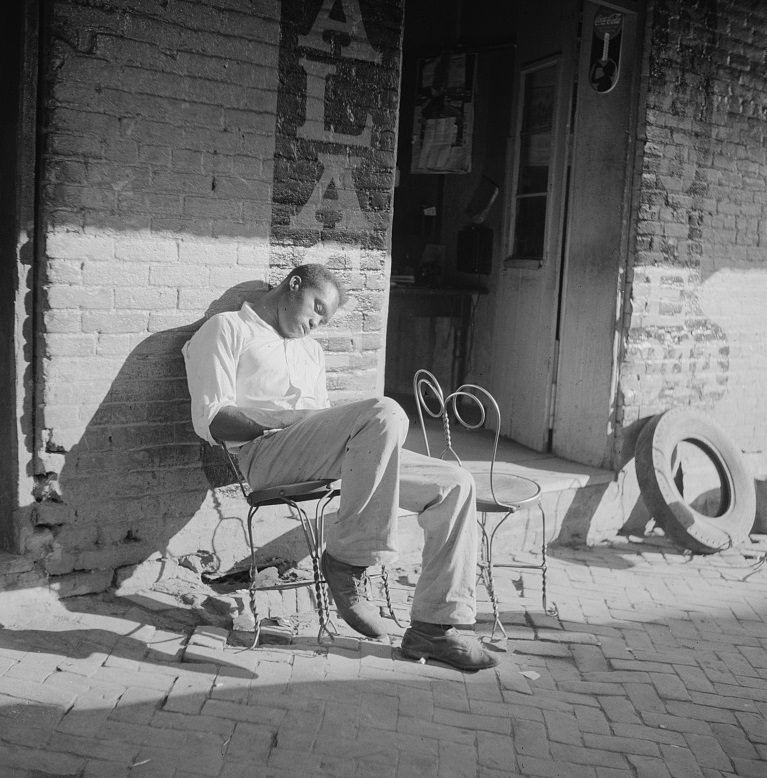
Racial segregation was written into every public space. Movie theaters, stores, and gathering places all maintained separate entrances, separate seating, and separate rules for Black and white residents. Signs marked who belonged where, and the law backed them up. Wolcott documented these divisions plainly, without staging or editorializing — her camera simply recorded what was there.
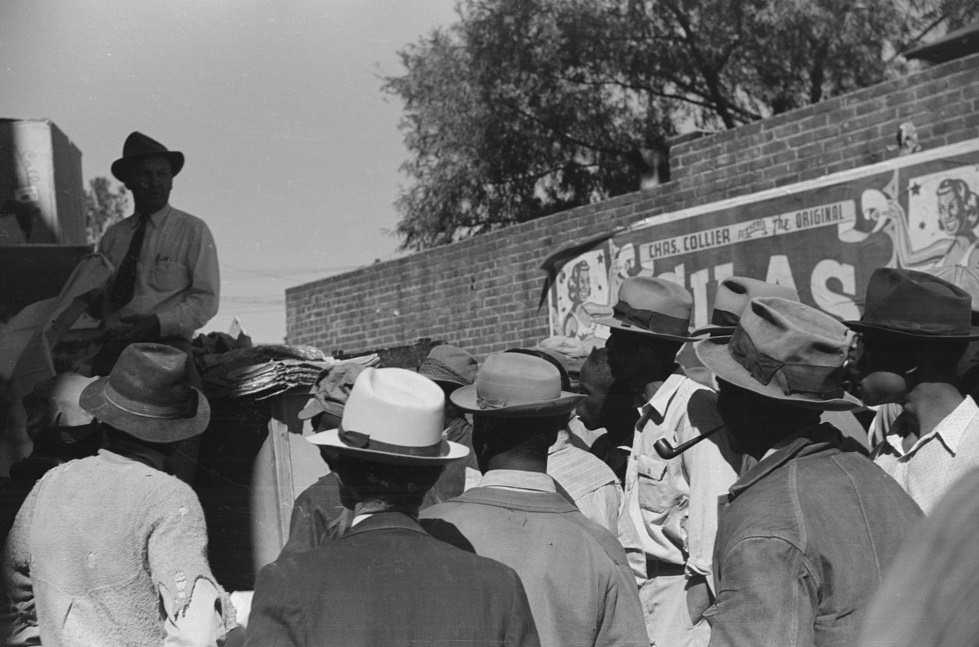
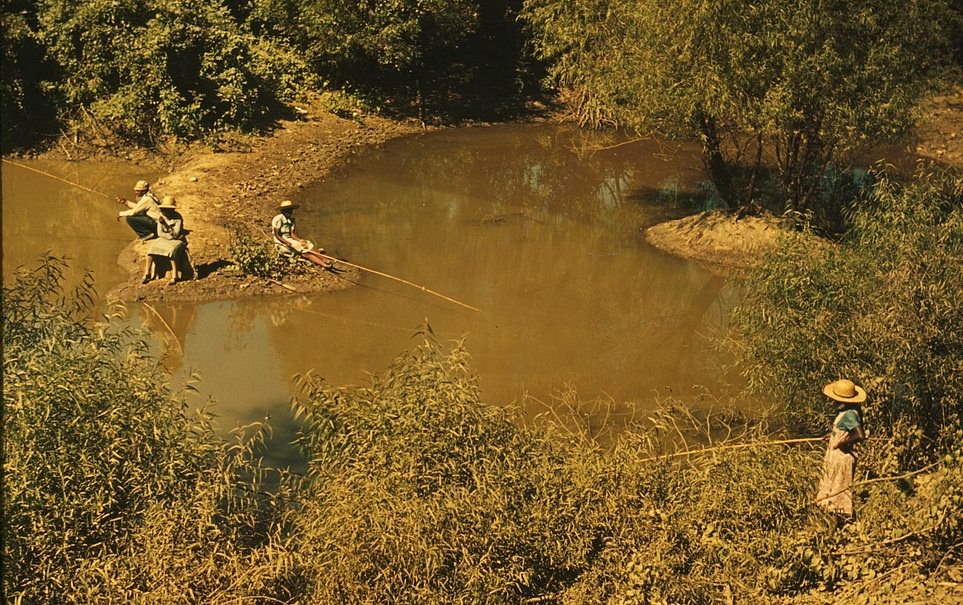
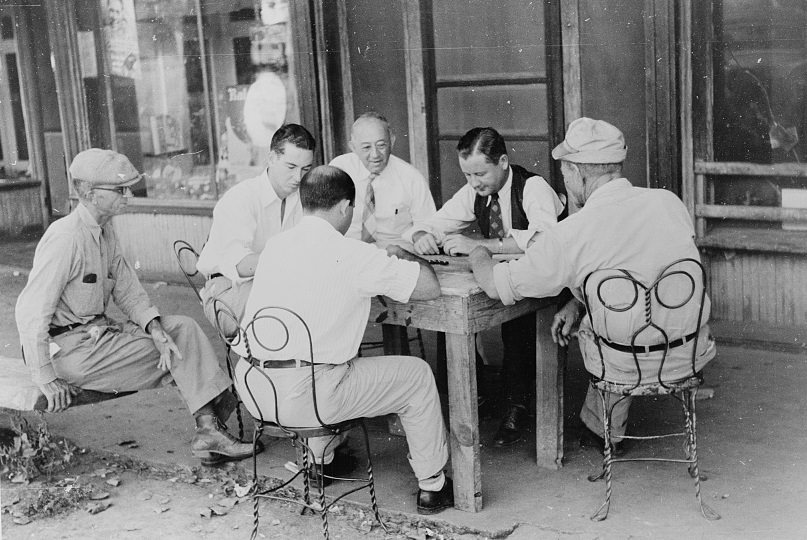
Beyond the fields and stores, daily life in the Delta included small, ordinary moments. People fished in the creeks near plantations, played dominoes outside drugstores on Saturday afternoons, and bought goods from traveling salesmen who rolled through town in trucks. These scenes sit alongside the harder images in Wolcott’s archive, together forming a full picture of what life actually looked like.
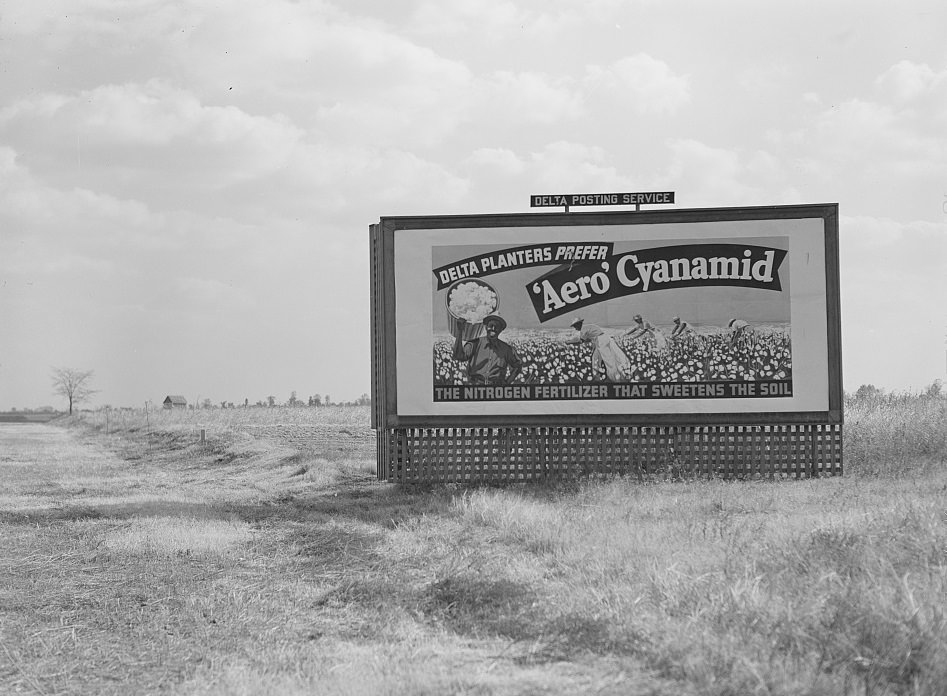
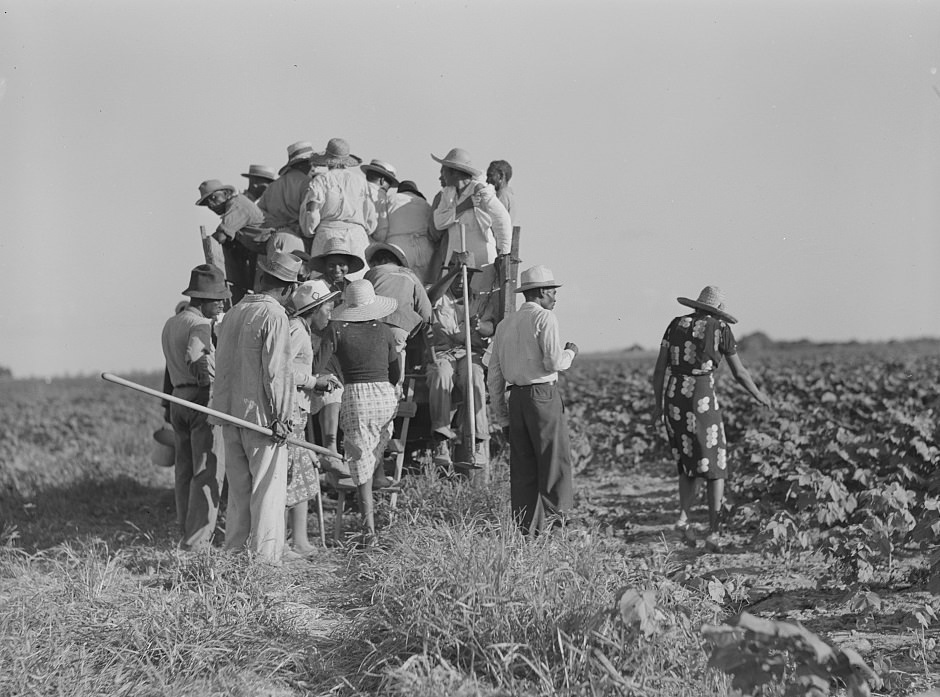
Technology was beginning to reach the Delta by 1939. Aerial crop dusting was already being advertised on roadside billboards, and tractors were displacing tenant farmers on some plantations. At the Hopson Plantation near Clarksdale, day laborers were trucked in from nearby towns — paid between seventy-five cents and one dollar a day — replacing the older tenant system entirely. These workers had no ties to the land and no housing provided; they came, worked, and left.
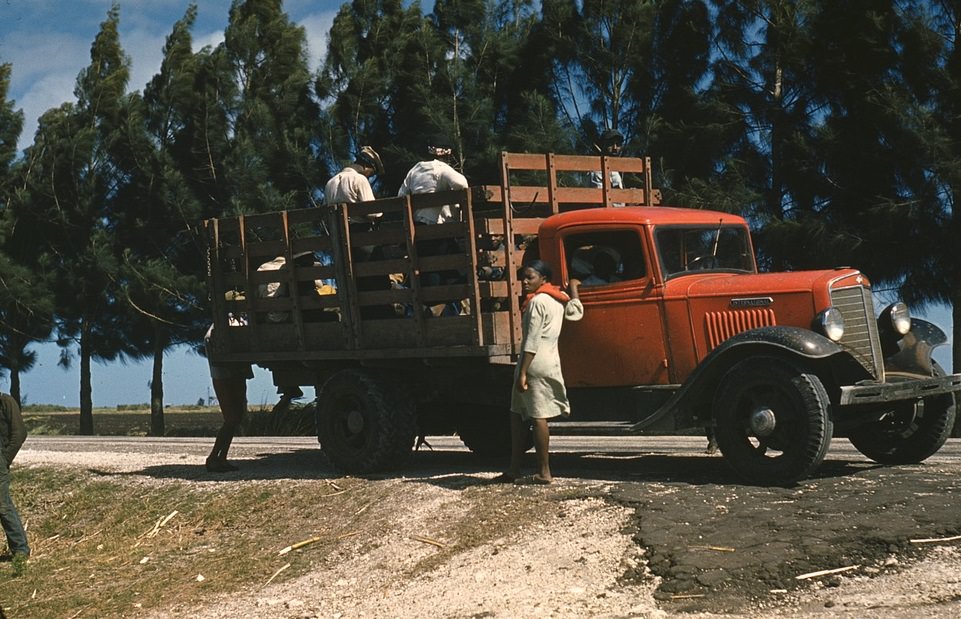
The truck was a central tool of this system. Workers were loaded into the beds of trucks and transported to and from fields, stores, and towns. It was cheap, impersonal transport that reflected how day laborers were viewed by plantation operators — as replaceable units of labor rather than rooted community members.
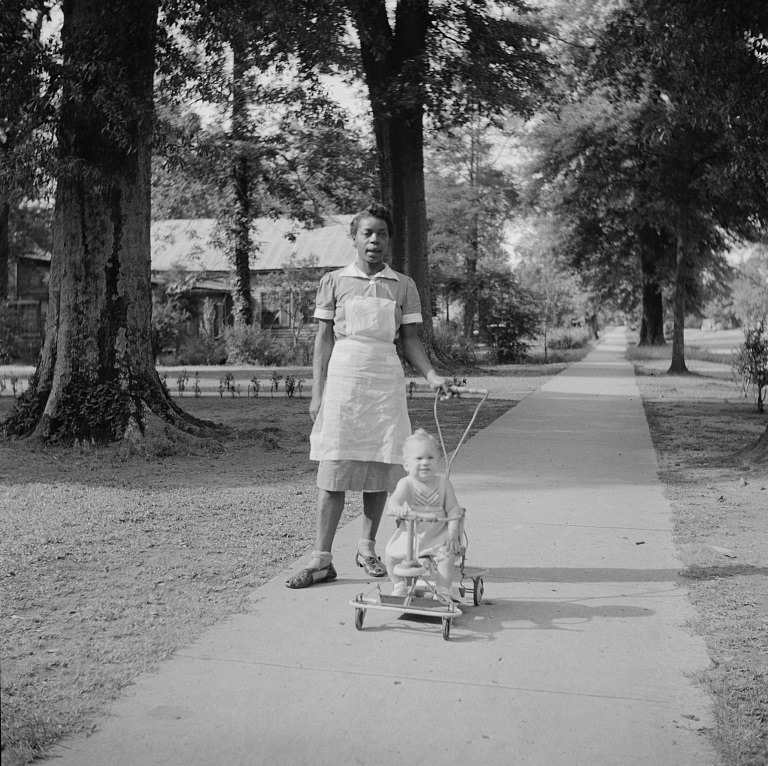
Not all Delta residents lived at the absolute bottom of the economic ladder. Some project farmers — those who had received land and loans through New Deal programs — were building more stable lives. In the 1940s, a portion of Black residents acquired land through low-interest federal loans, giving them a foothold that earlier generations had been denied.
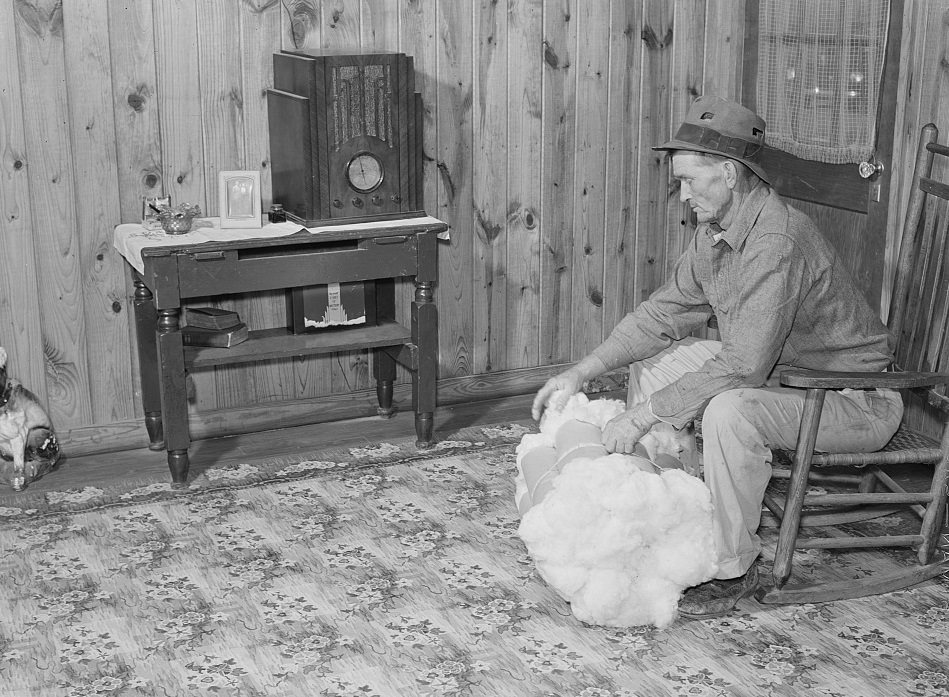
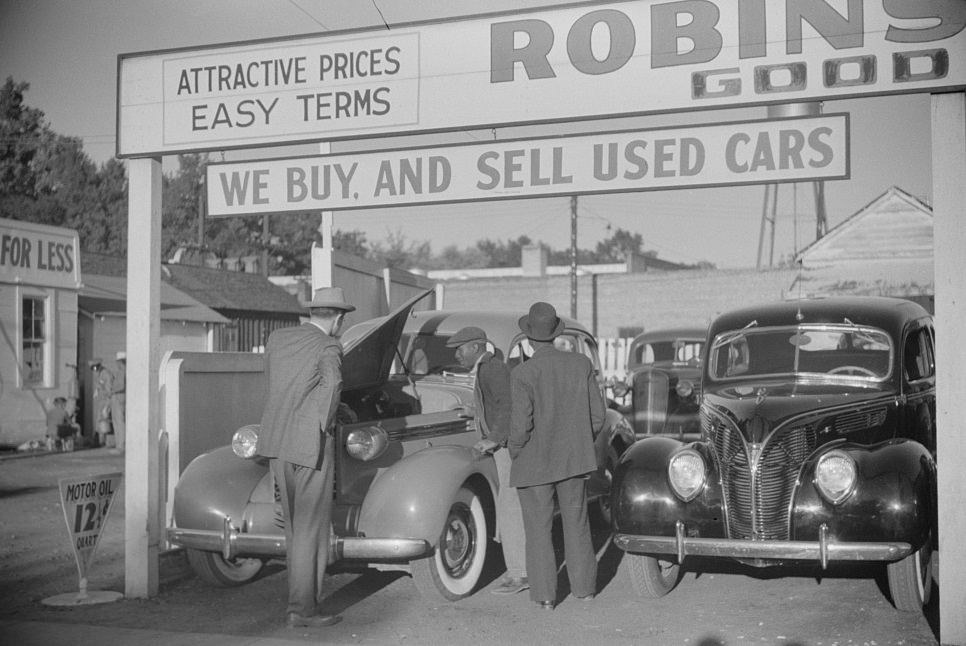
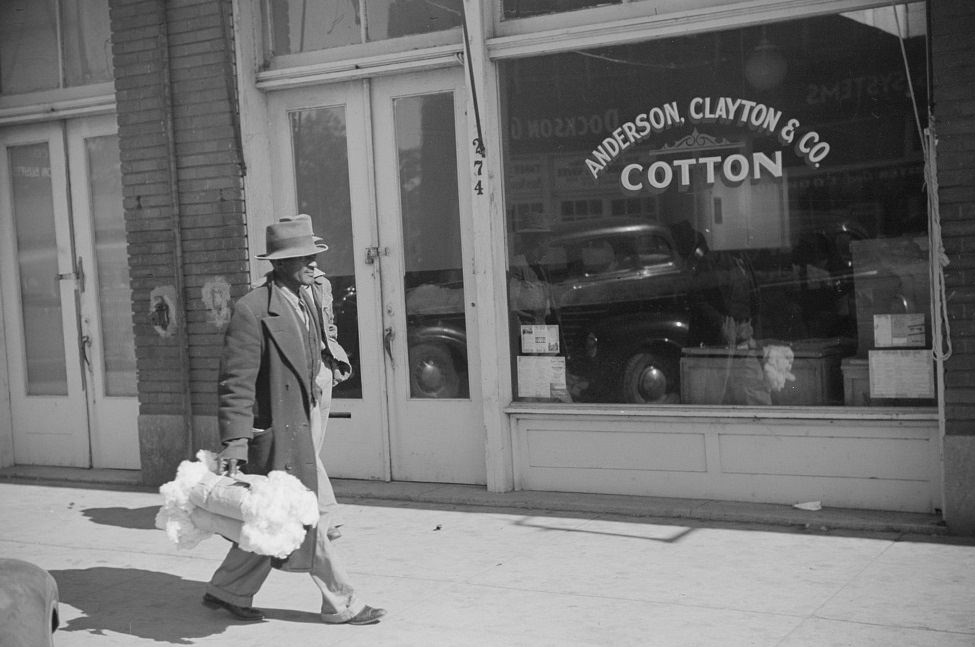
At the end of picking season, merchants and brokers moved quickly to capture wages before they disappeared. Cotton samples were brought into brokers’ offices in Clarksdale and other Delta towns, where prices were negotiated and money changed hands. Stores ran major sales to pull in the income that pickers had earned over weeks of labor in the fields.
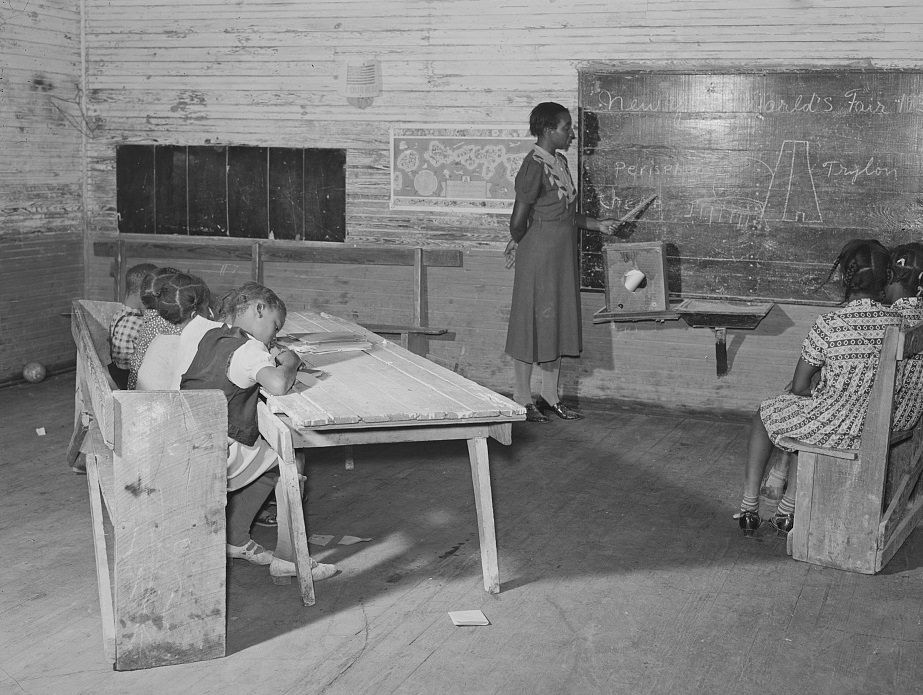
The schoolroom photographs are among the most telling in Wolcott’s Delta collection. Classes on plantation land didn’t begin in earnest until December, after the children had spent the fall months helping bring in the harvest. The school year was structured around the cotton calendar, not the other way around.
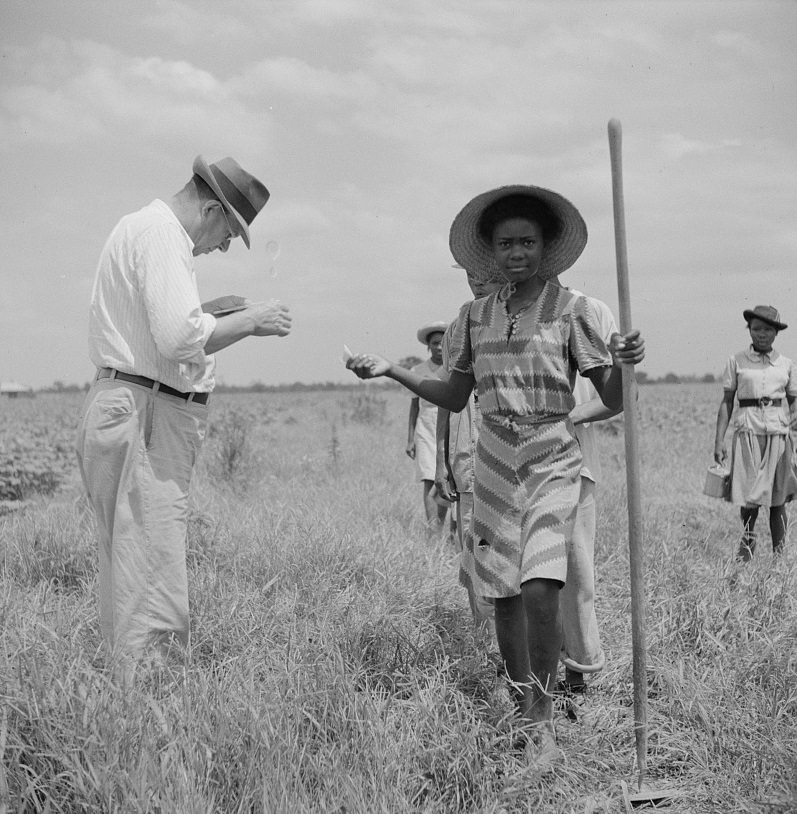
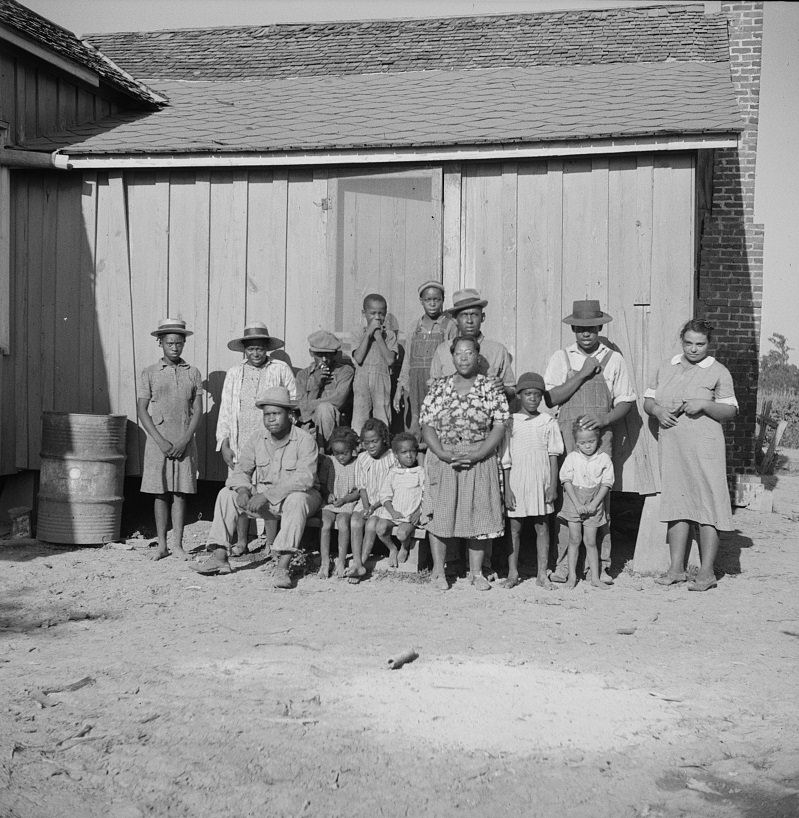
The large plantations — Hopson, King and Anderson, Marcella, Mileston, Sunflower — were not relics of the antebellum past. They were active, functioning agricultural operations in 1939 and 1940, producing cotton for national and international markets. The scale of these operations, and the degree to which they depended on low-wage Black labor, is visible in nearly every frame Wolcott shot.
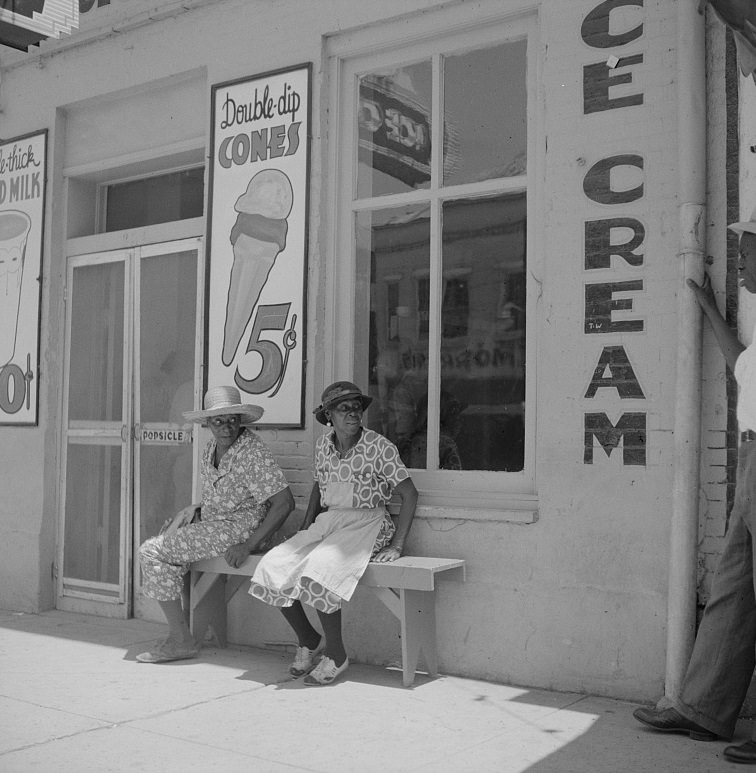
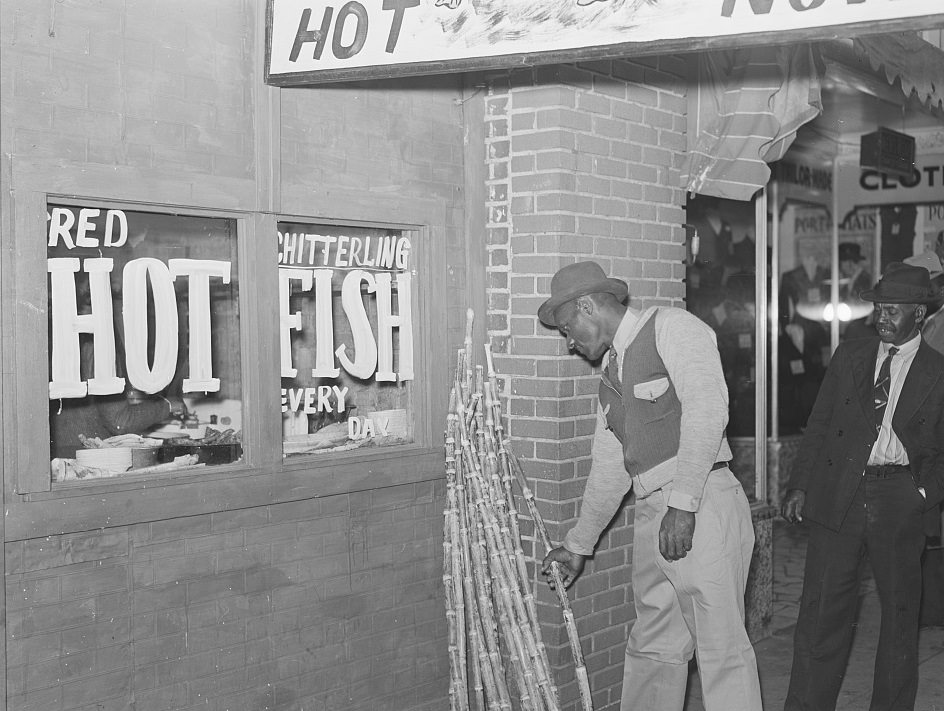
Street food vendors in Clarksdale’s Black neighborhood sold chitterlings, fish, and sugarcane on Saturday afternoons — the one full day most workers had away from the fields. The bustle of these streets stood in sharp contrast to the isolation of the plantation quarters during the week. Saturday in town was a brief, compressed version of community life.





What an exciting and frightening look into the recent past.
Look how tall cotton used to be
Thanks for sharing 🙂
That same Artist had a showing in Columbus Arts Gallery on the corner of Main & heading to Hwy 45 , Very outstanding showing.