Alfred Hitchcock’s Marnie, released in 1964, is a psychological thriller that has earned a firm place among the director’s most compelling — if underappreciated — works. The film was made on a budget of $3 million and went on to gross $7 million at the box office. Hitchcock directed from a screenplay written by Jay Presson Allen, who adapted Winston Graham’s 1961 novel of the same name. The result was a film packed with psychological tension, complex characters, and some of the most striking cinematography of Hitchcock’s career.
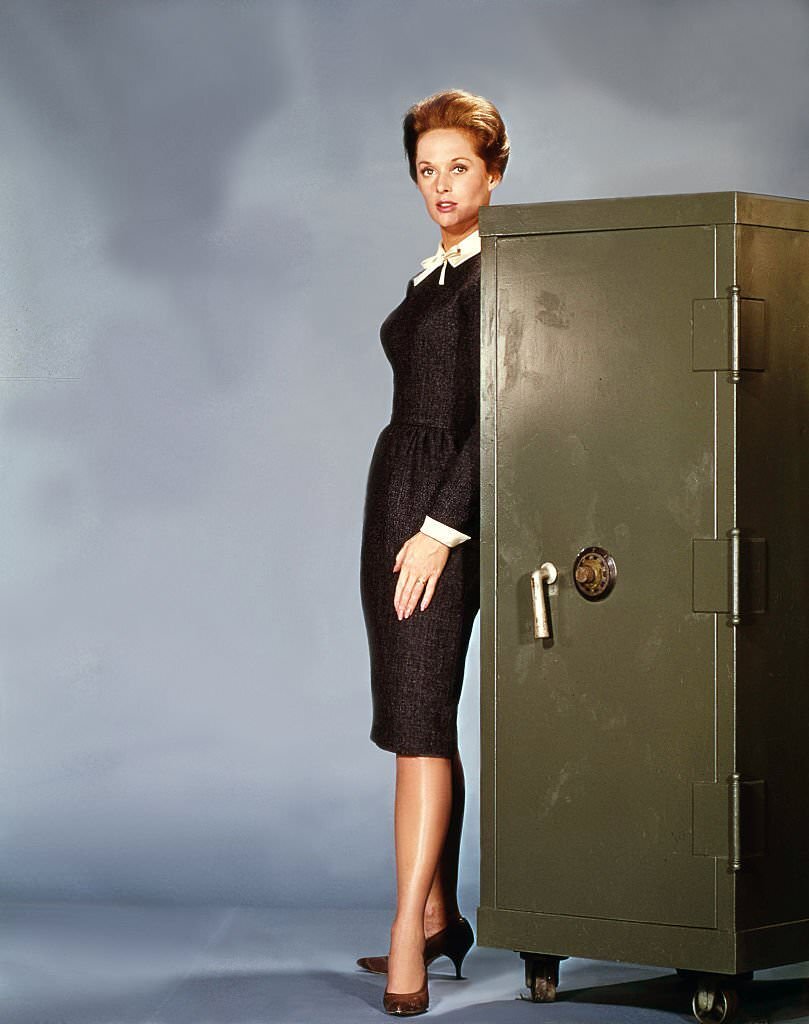
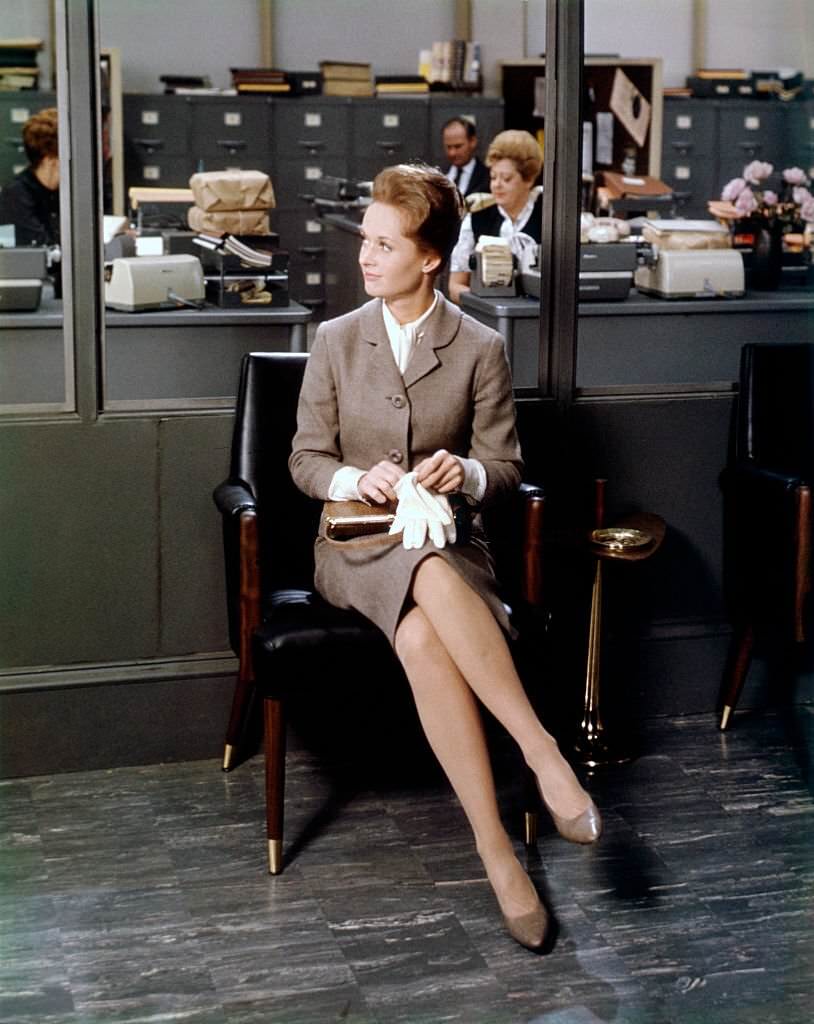
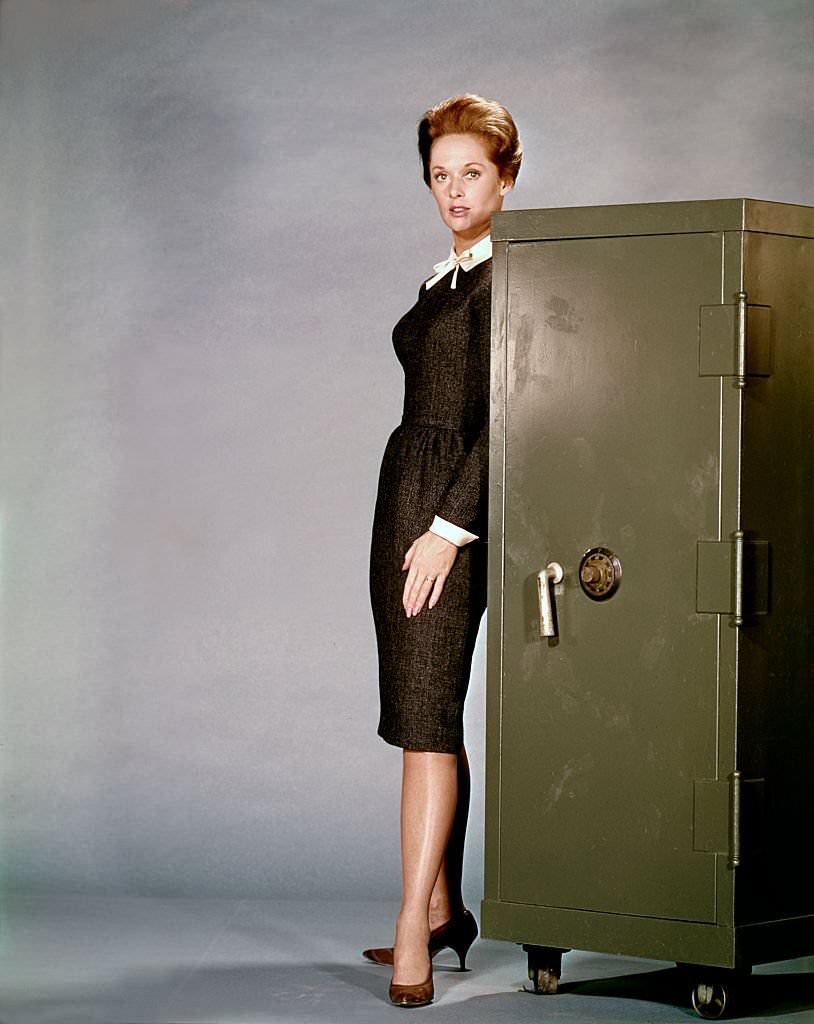
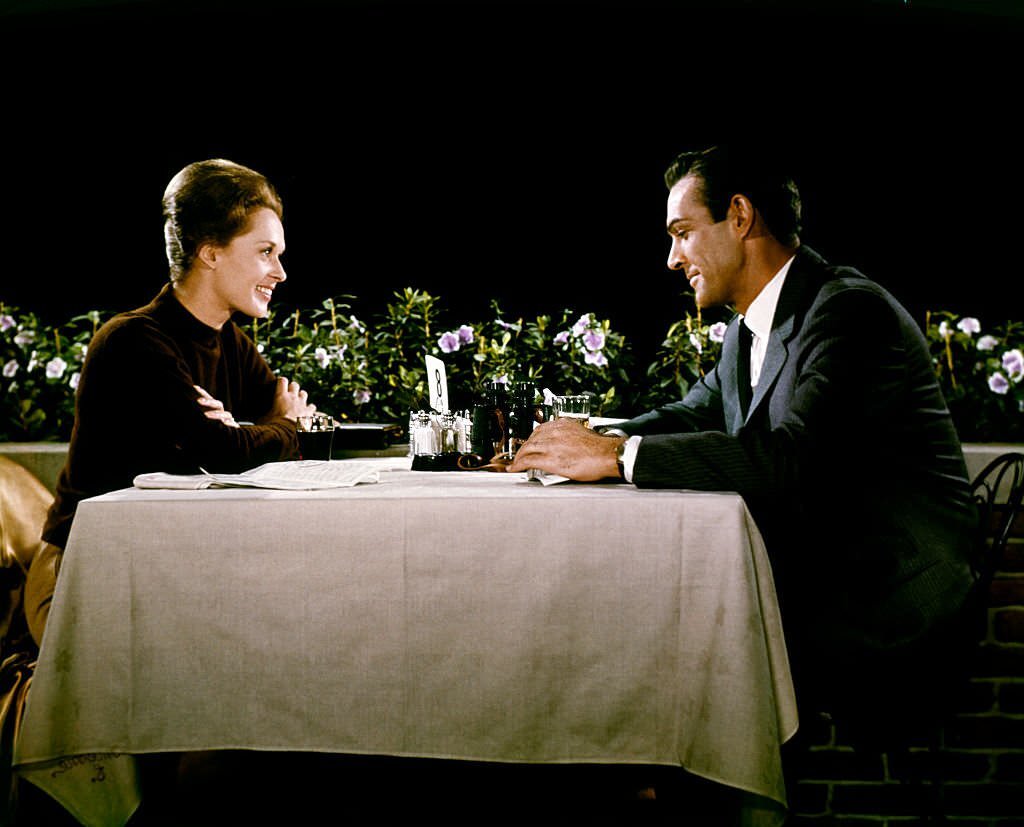
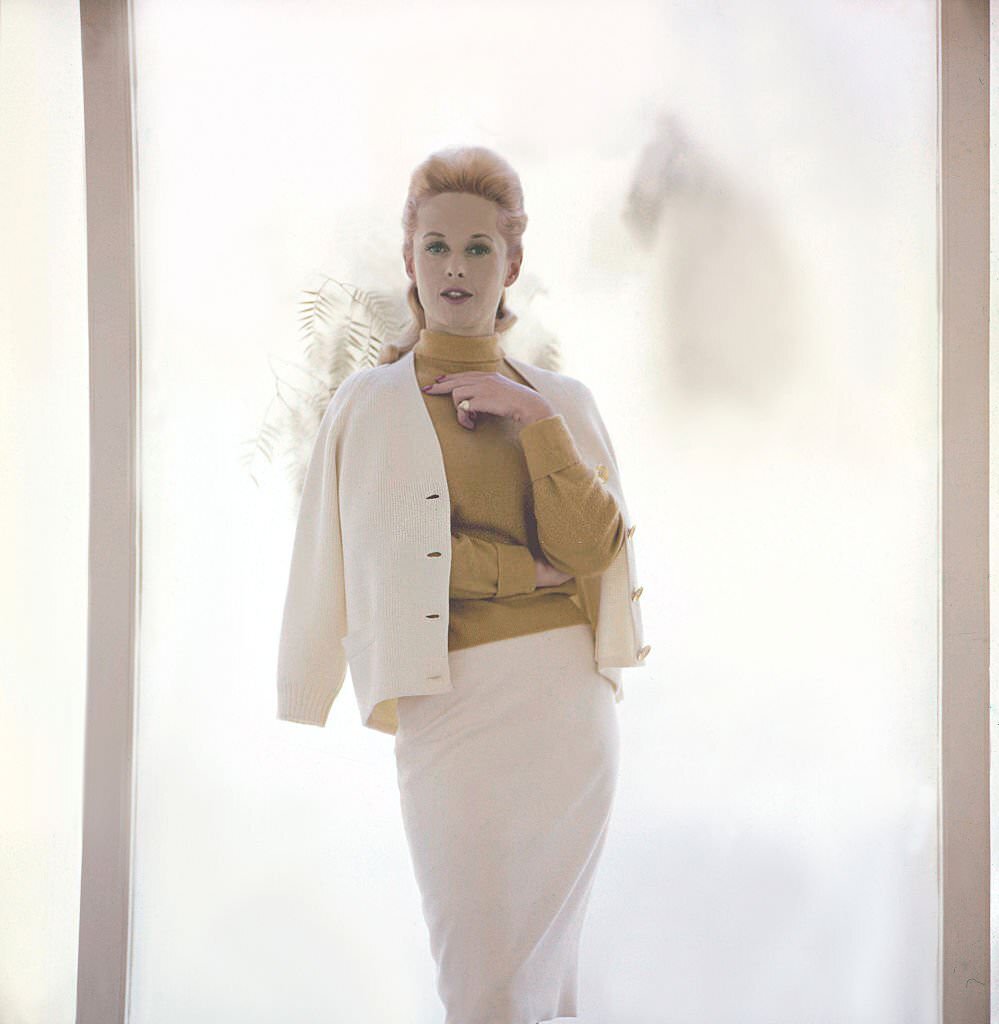
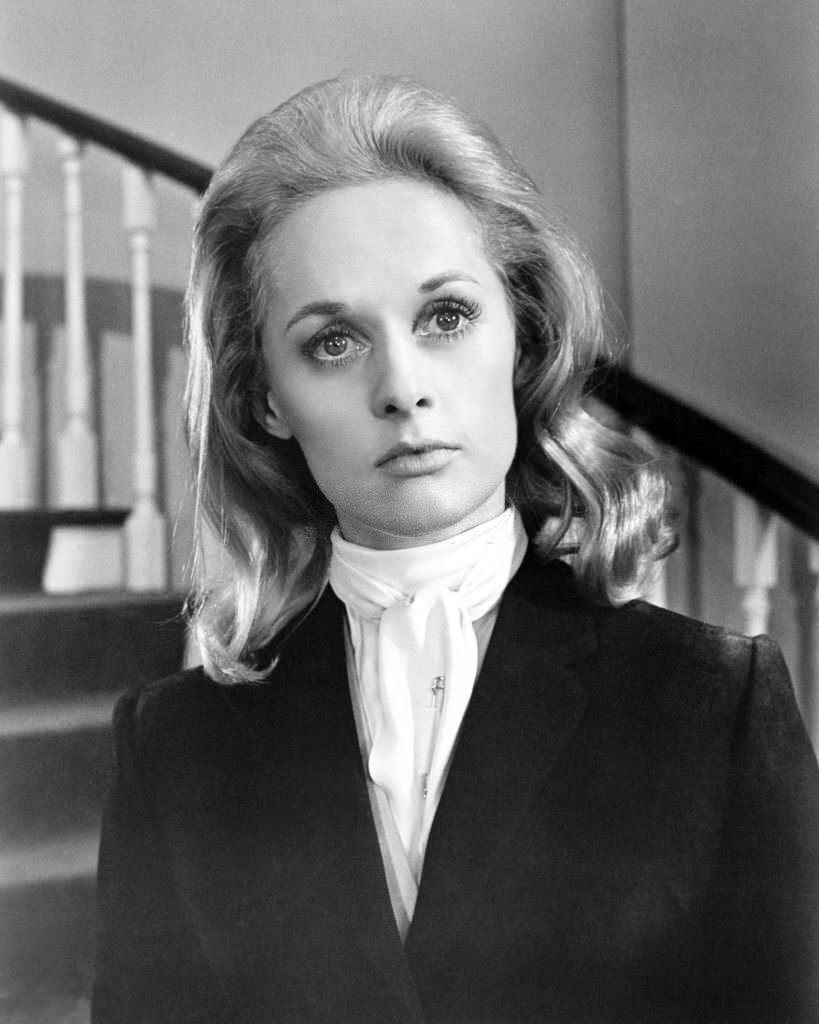
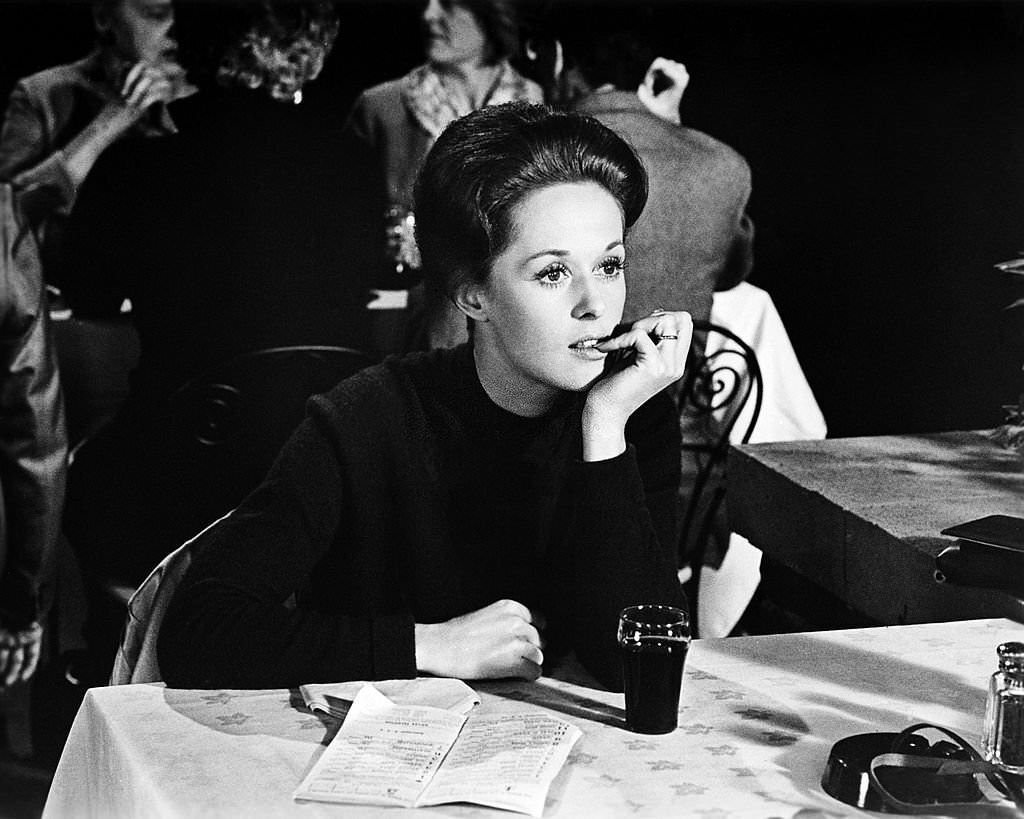
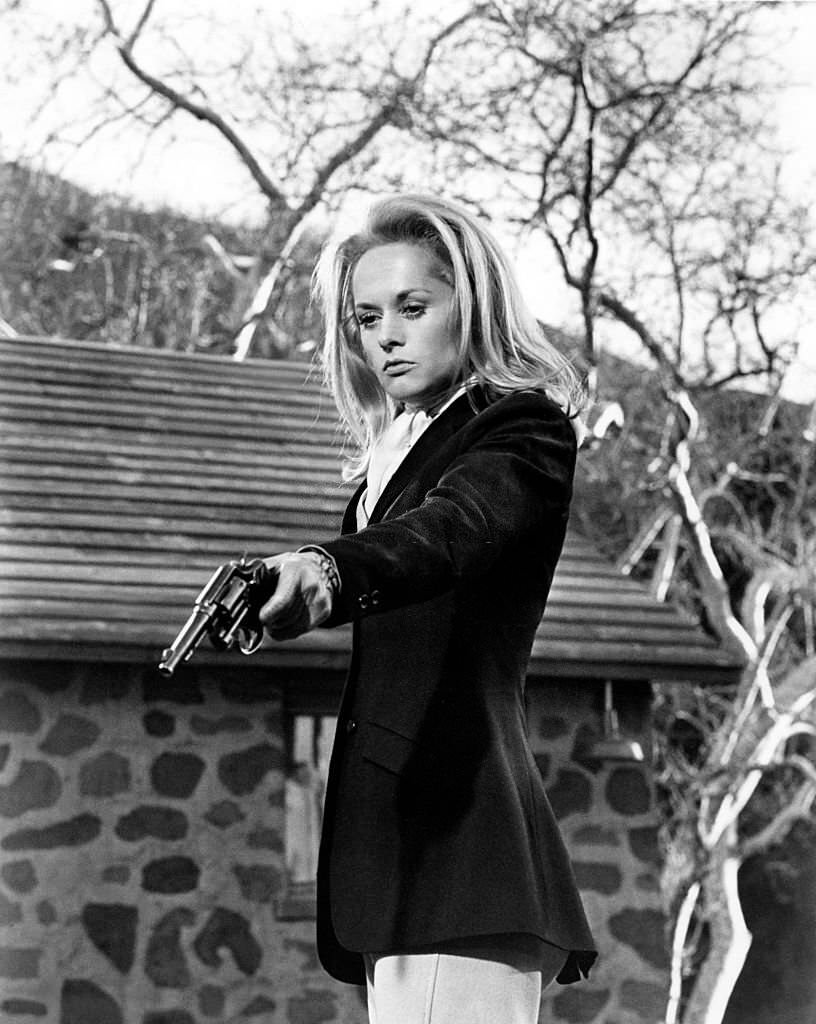
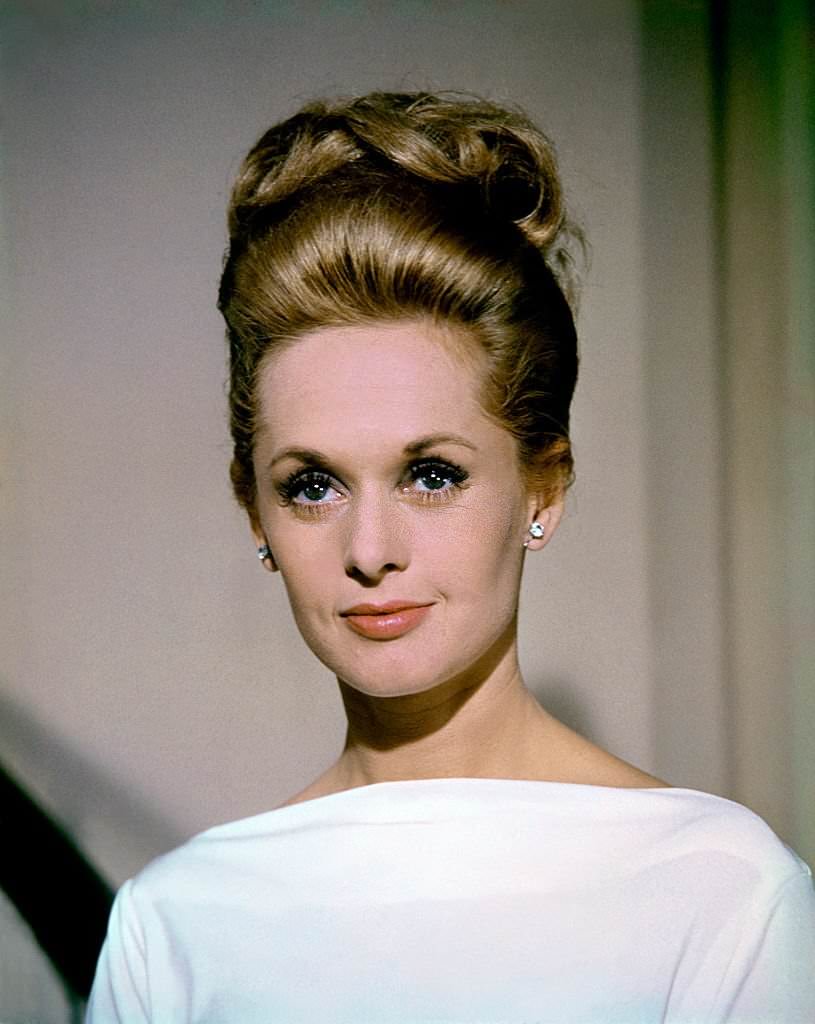
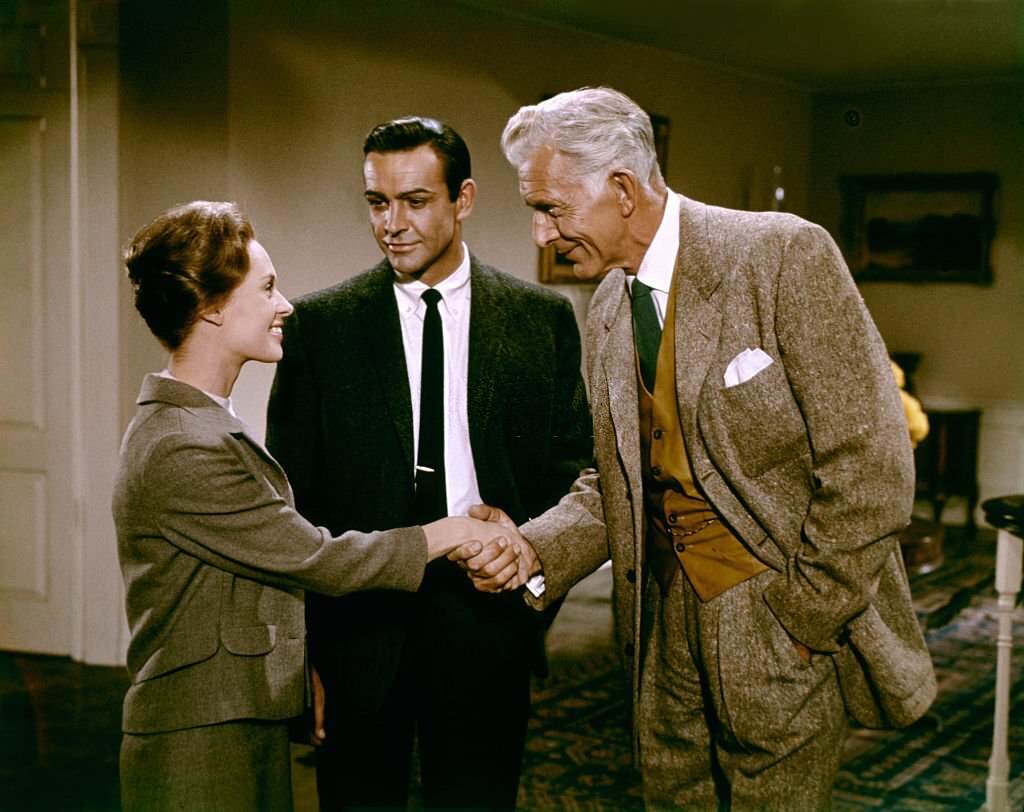
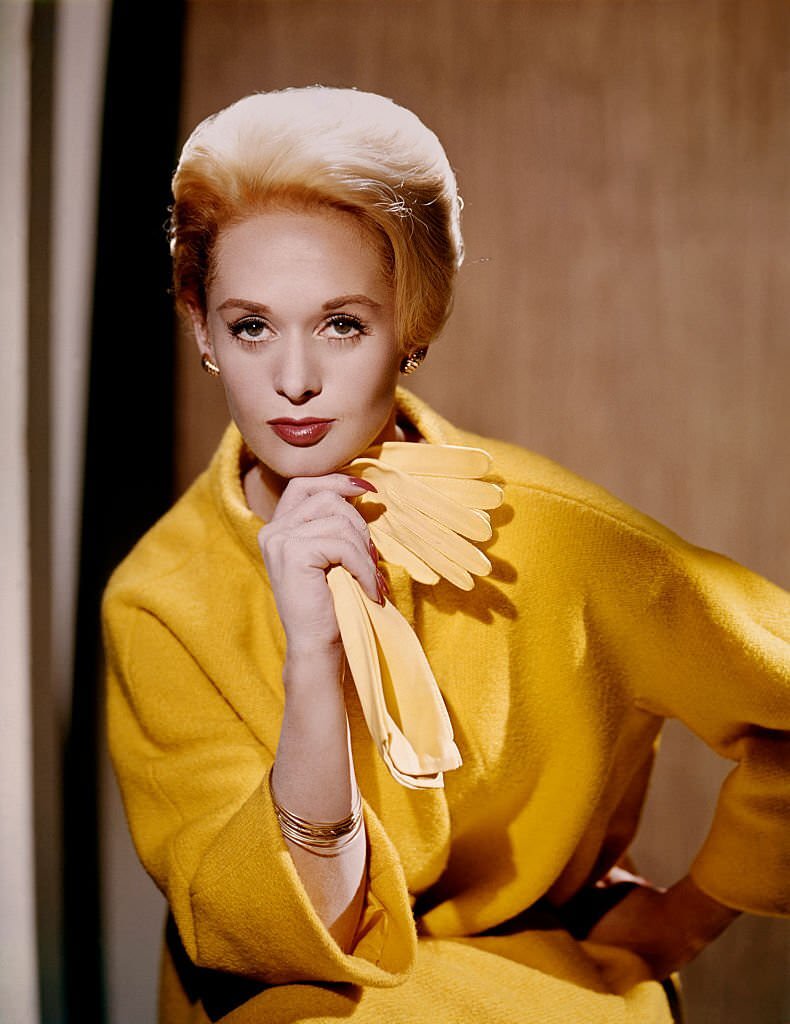
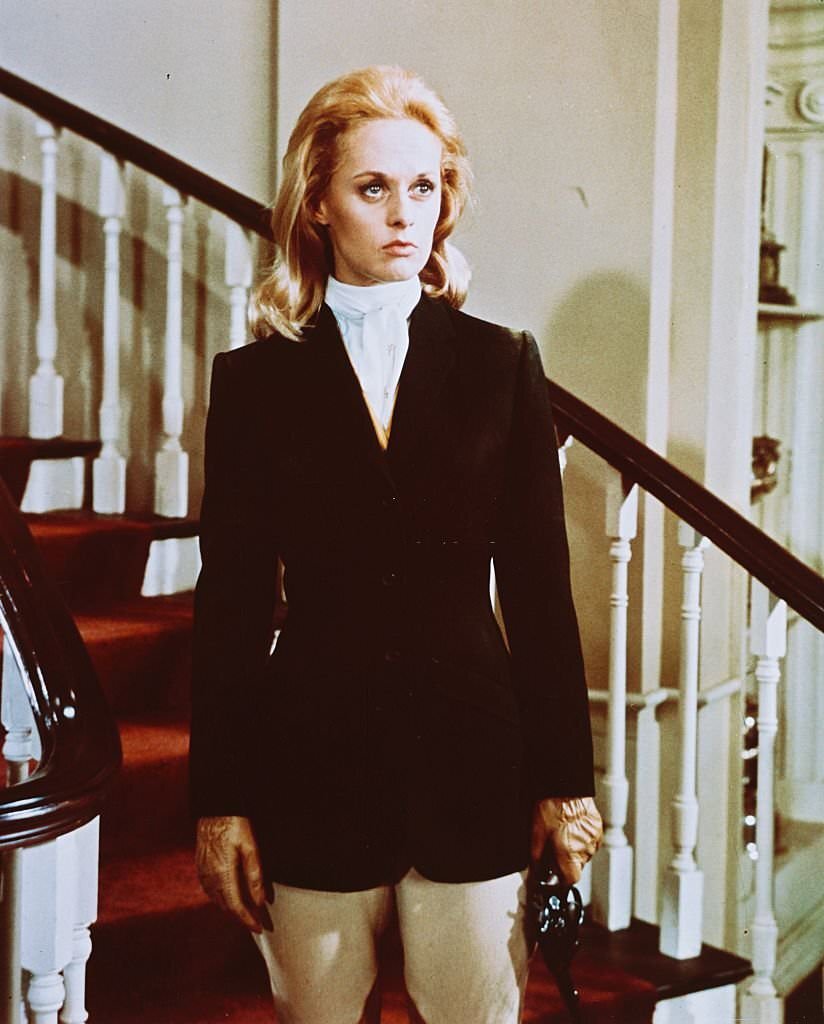
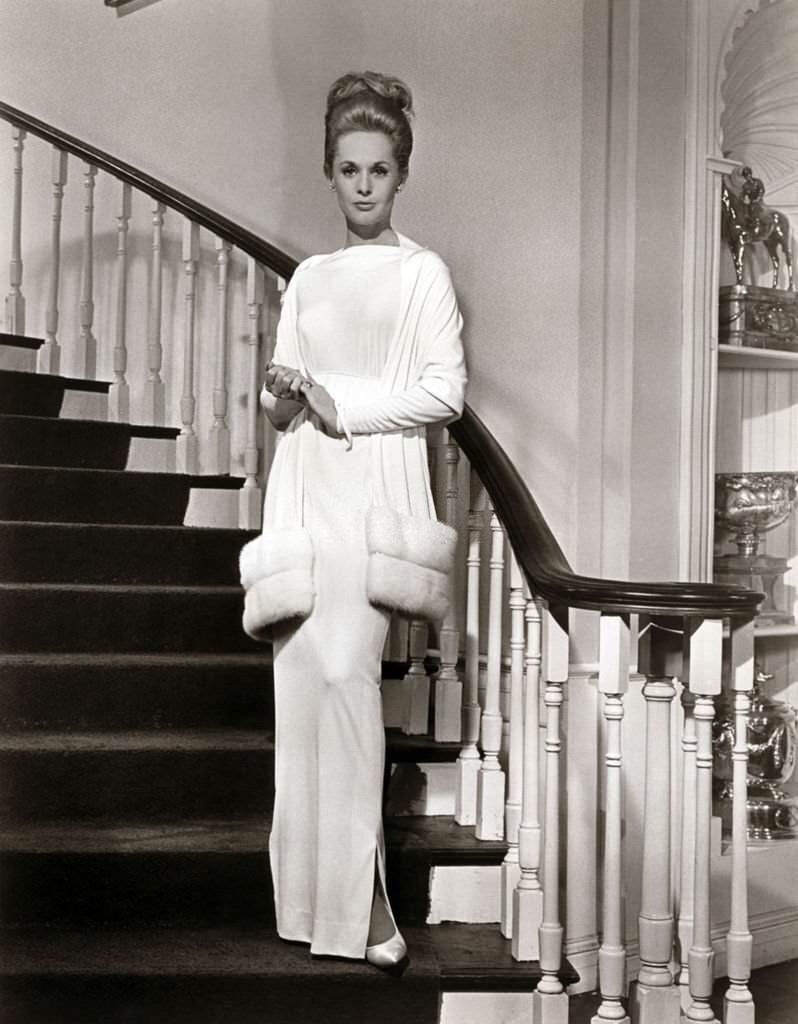
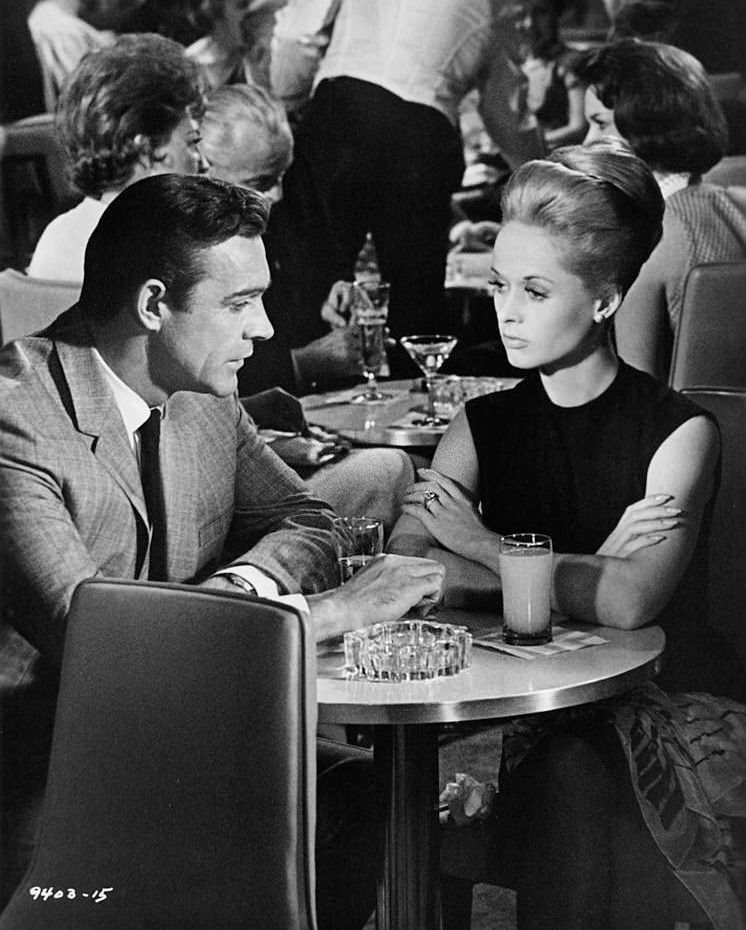
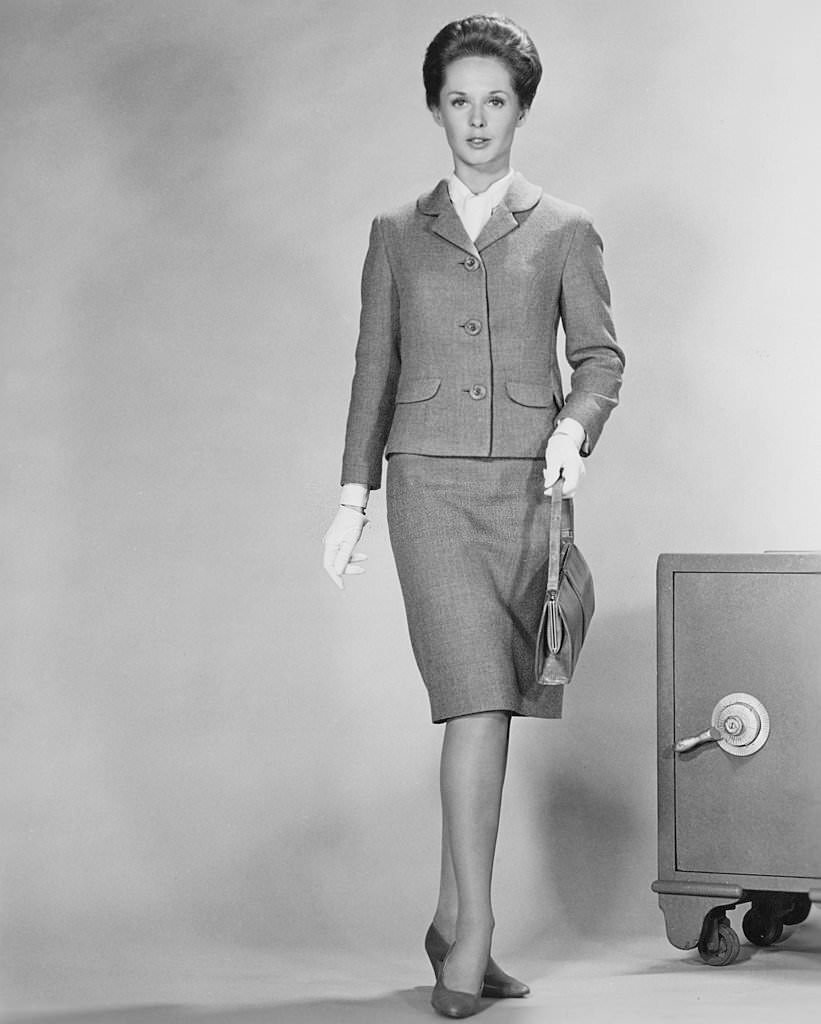
At the center of the film is Tippi Hedren, who plays Marnie Edgar — a compulsive thief with deep psychological wounds she can’t explain. Hedren brings a cold precision to the role, making Marnie both difficult to trust and impossible to look away from. Her performance walks a fine line between vulnerability and deception, and she holds that tension throughout the entire film.
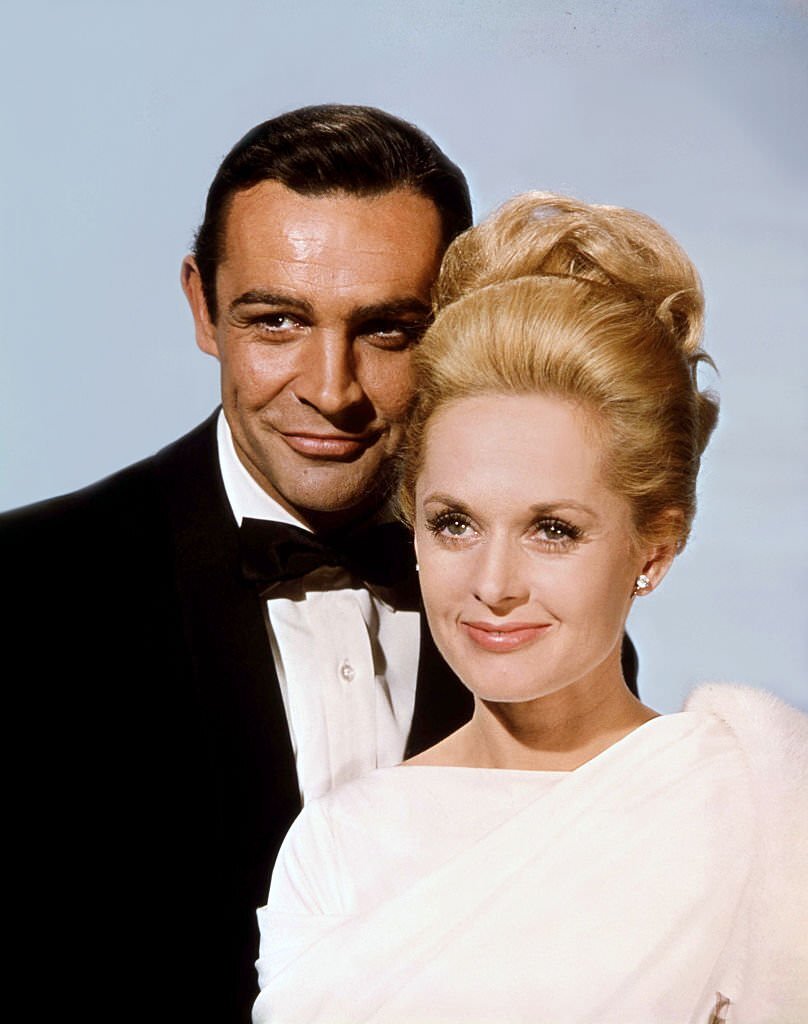

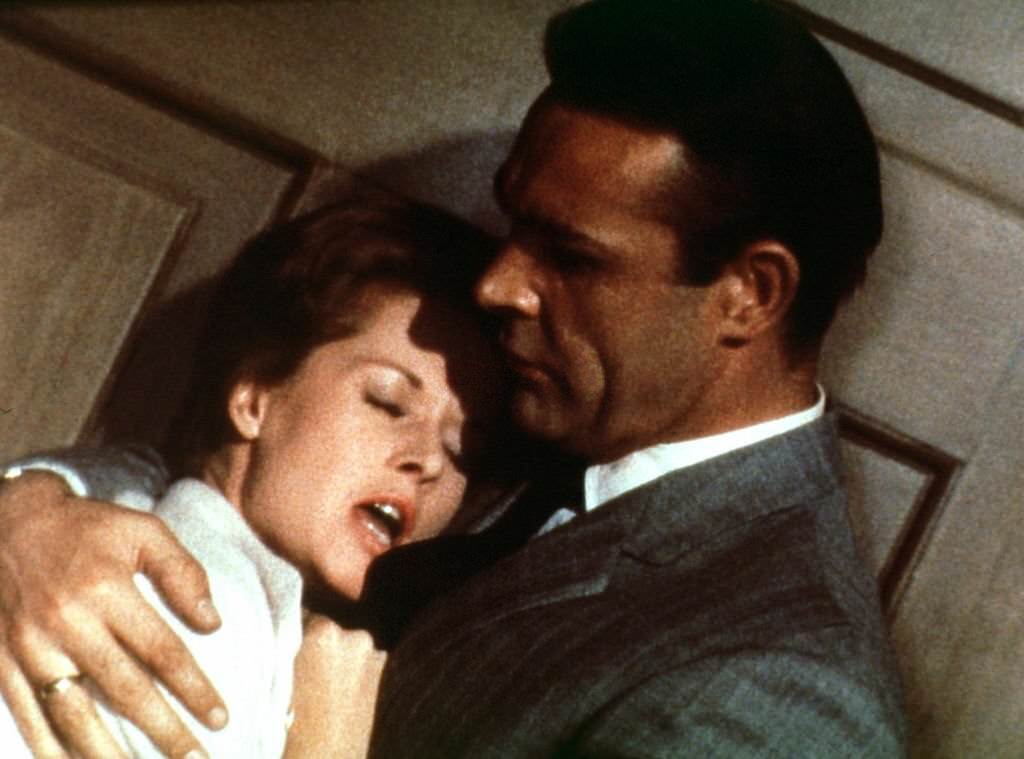
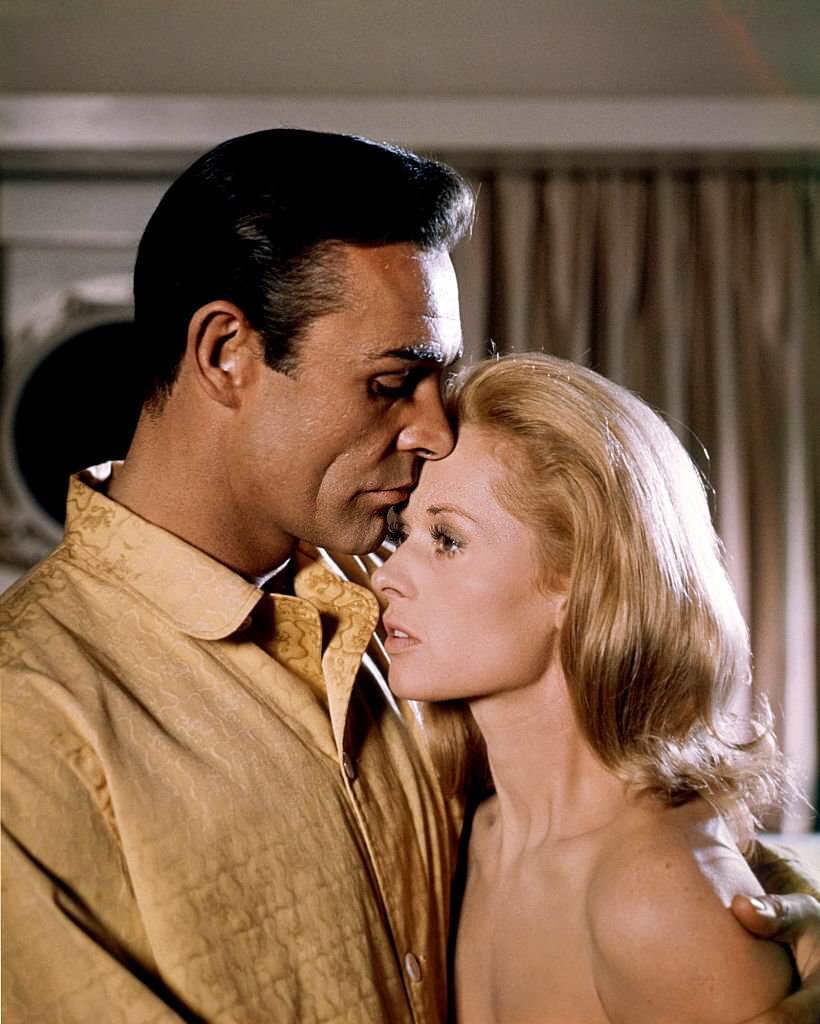
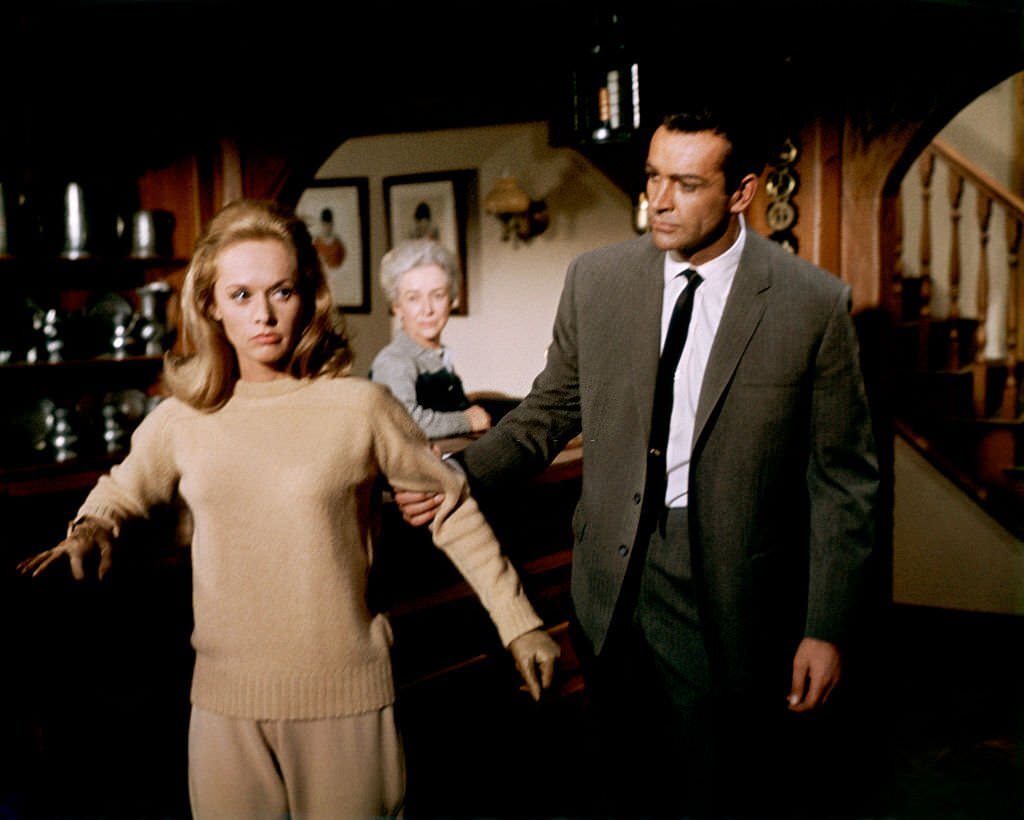
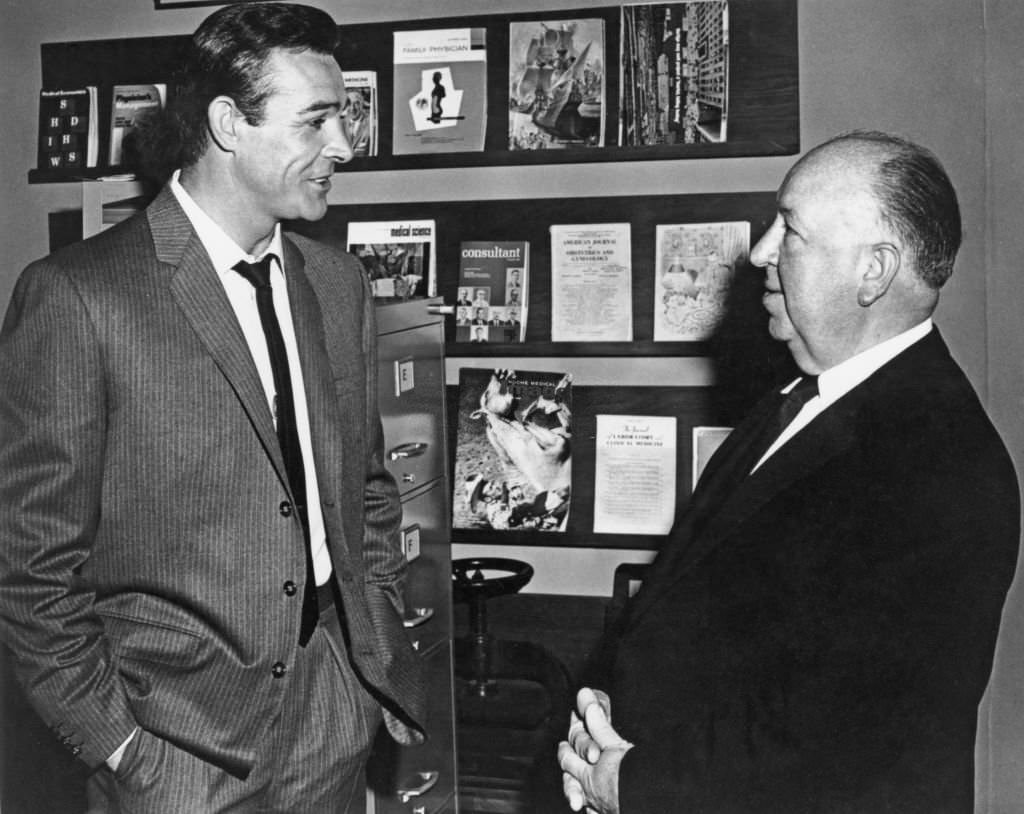
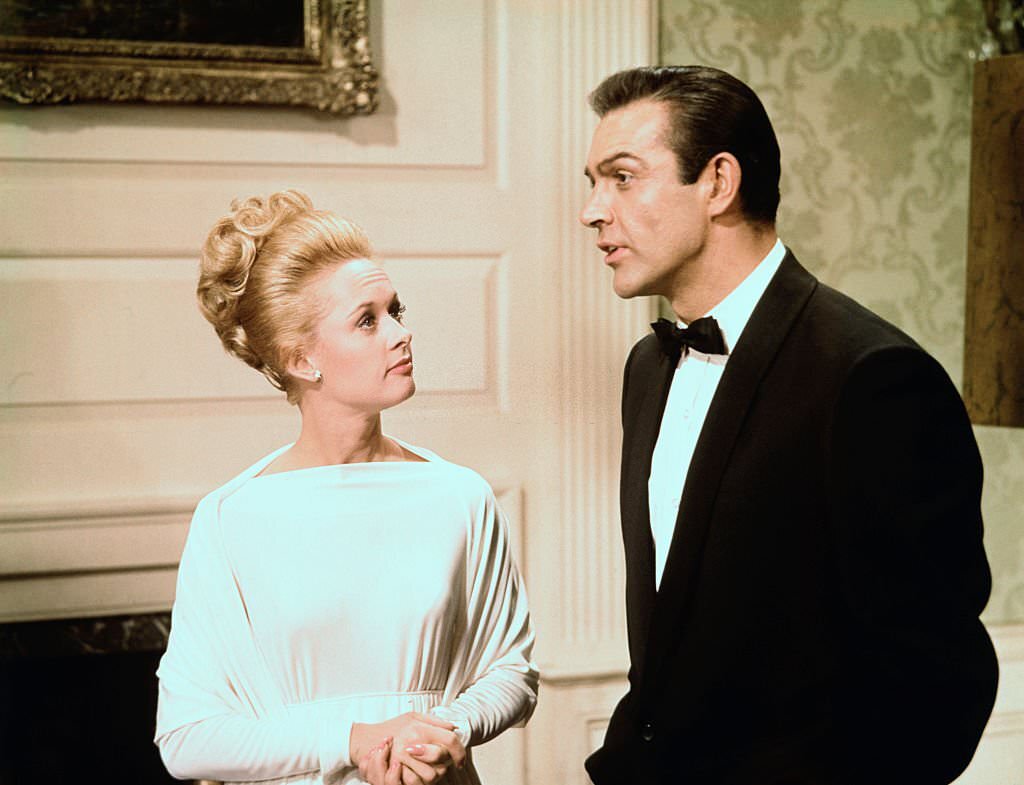
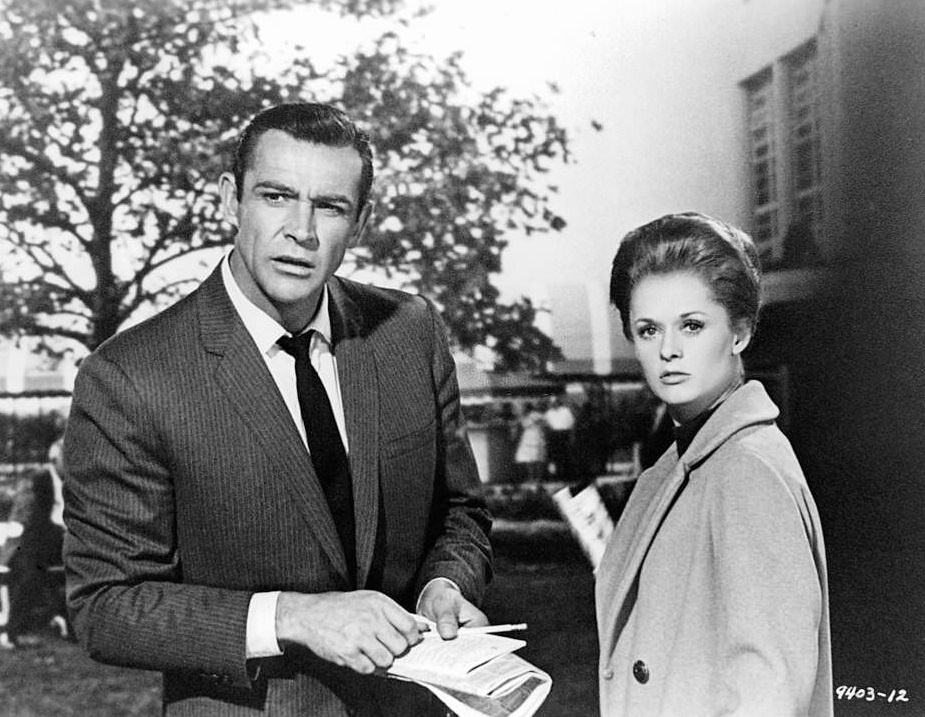
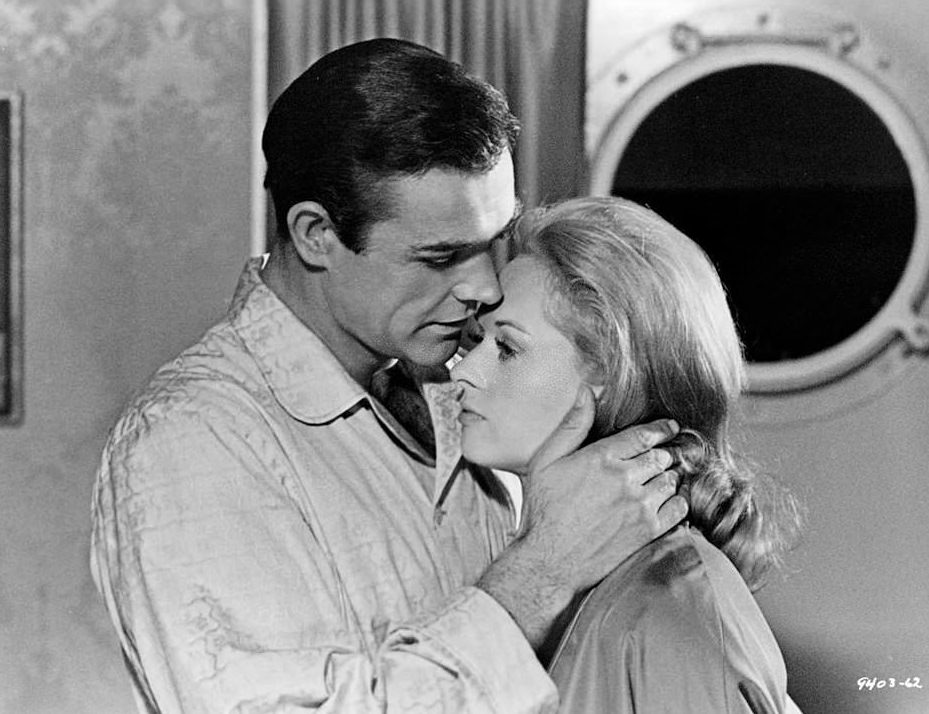
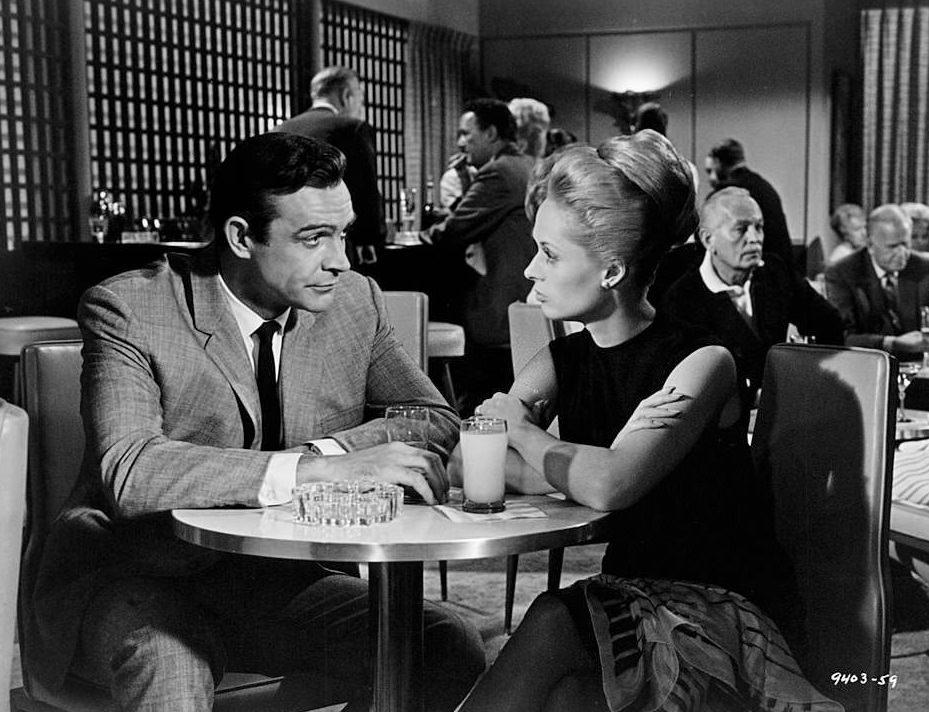
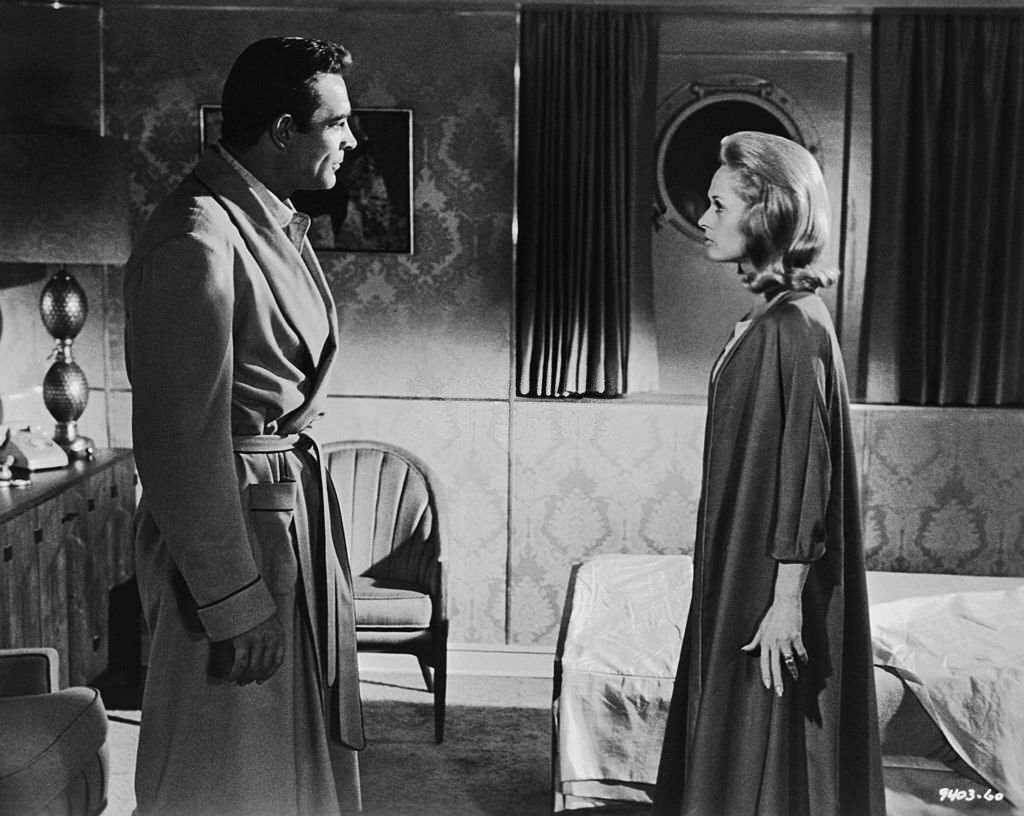
Sean Connery plays Mark Rutland, the man who catches Marnie stealing from his company and chooses to marry her rather than turn her in. The role was a sharp departure from the James Bond persona Connery was known for at the time. Mark is calculating and emotionally detached, yet Connery layered the character with enough quiet charm to keep audiences engaged. It remains one of the more unusual roles of his early career.

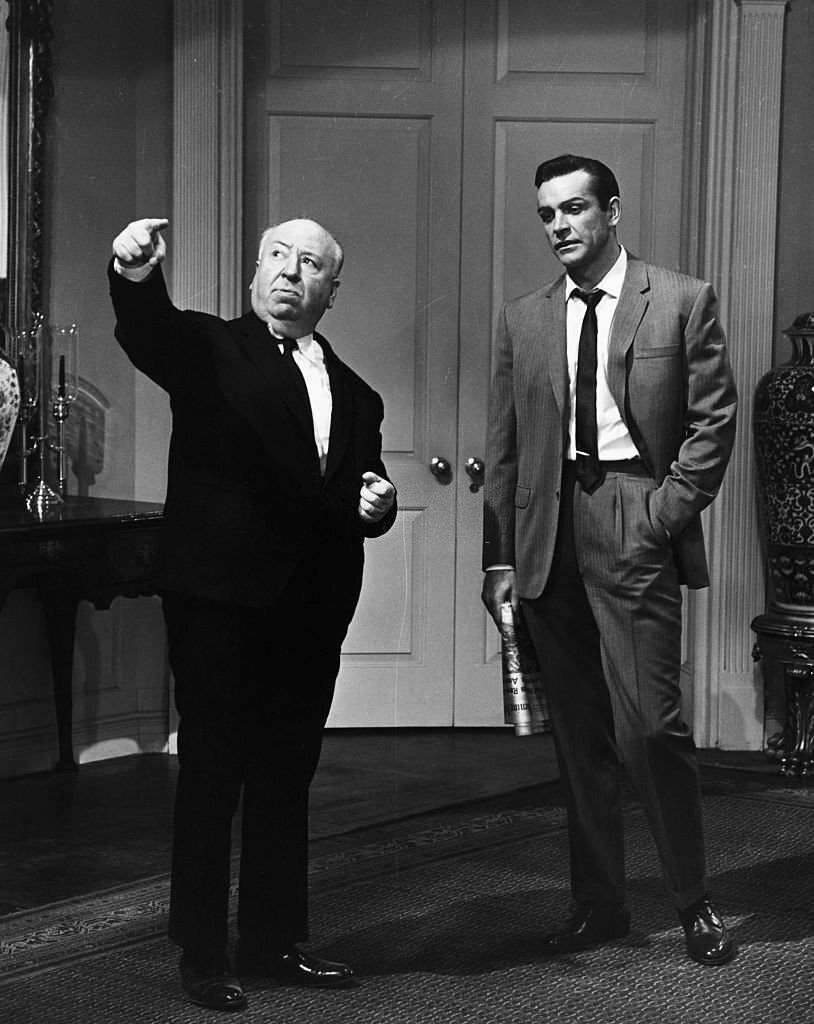
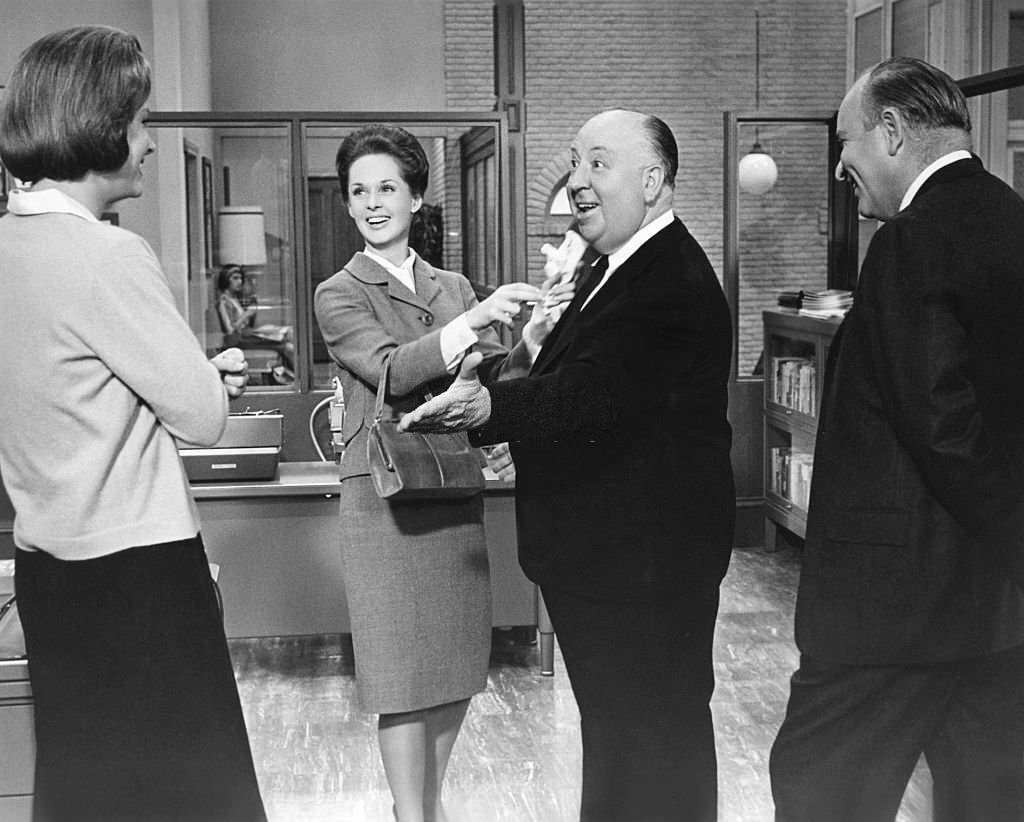
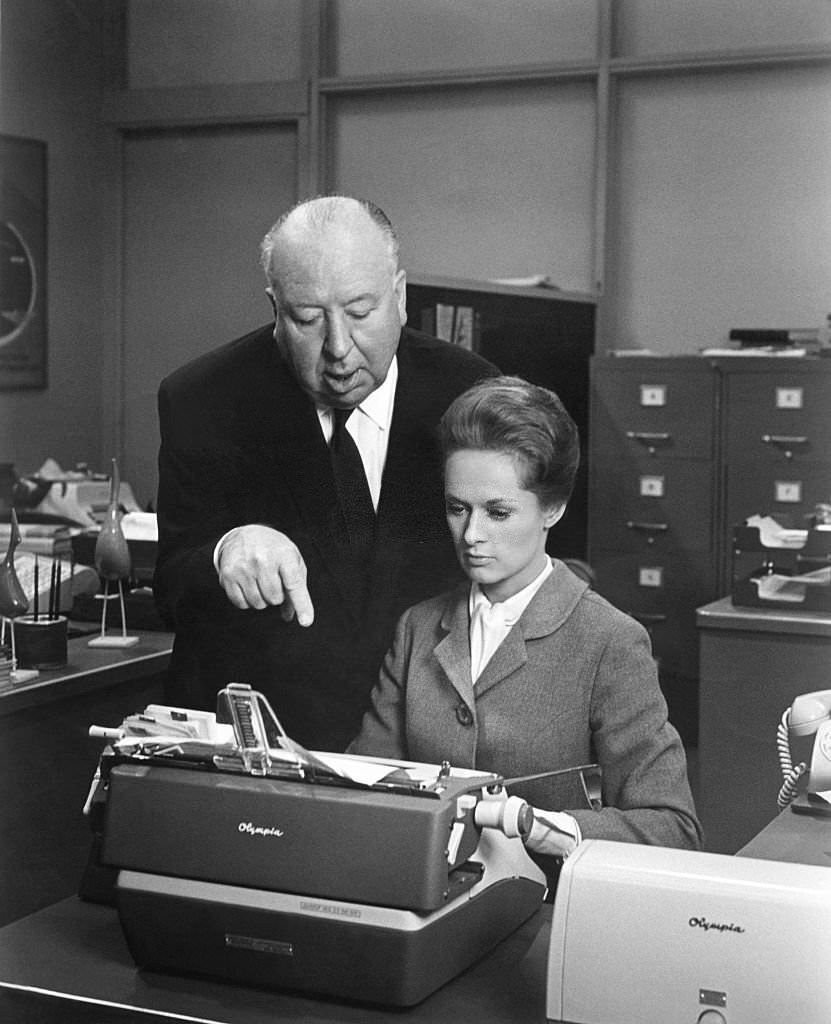
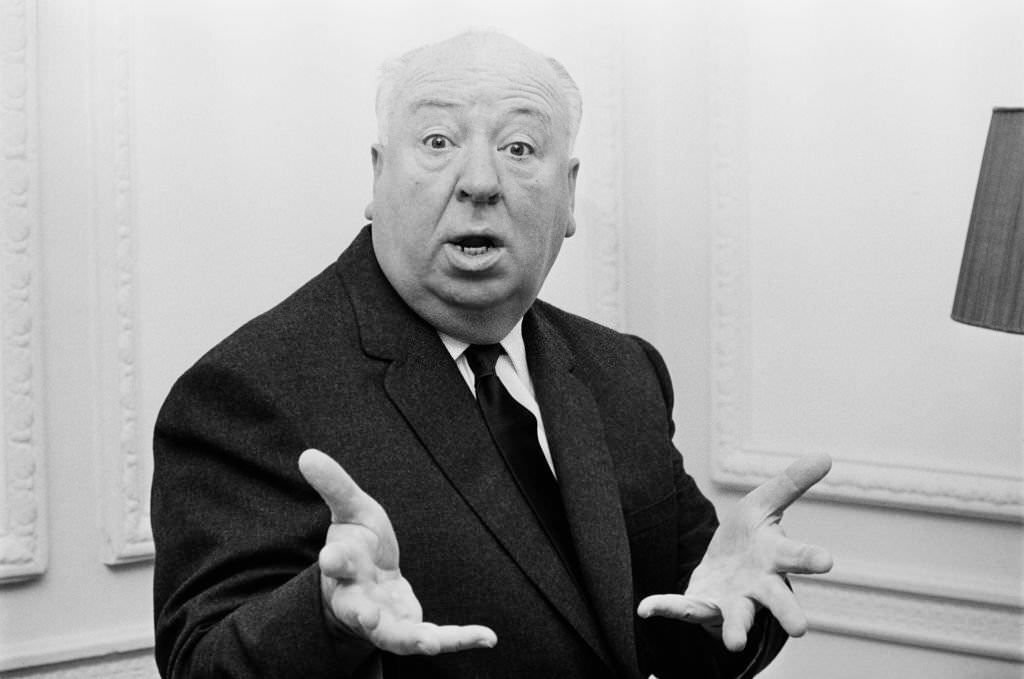
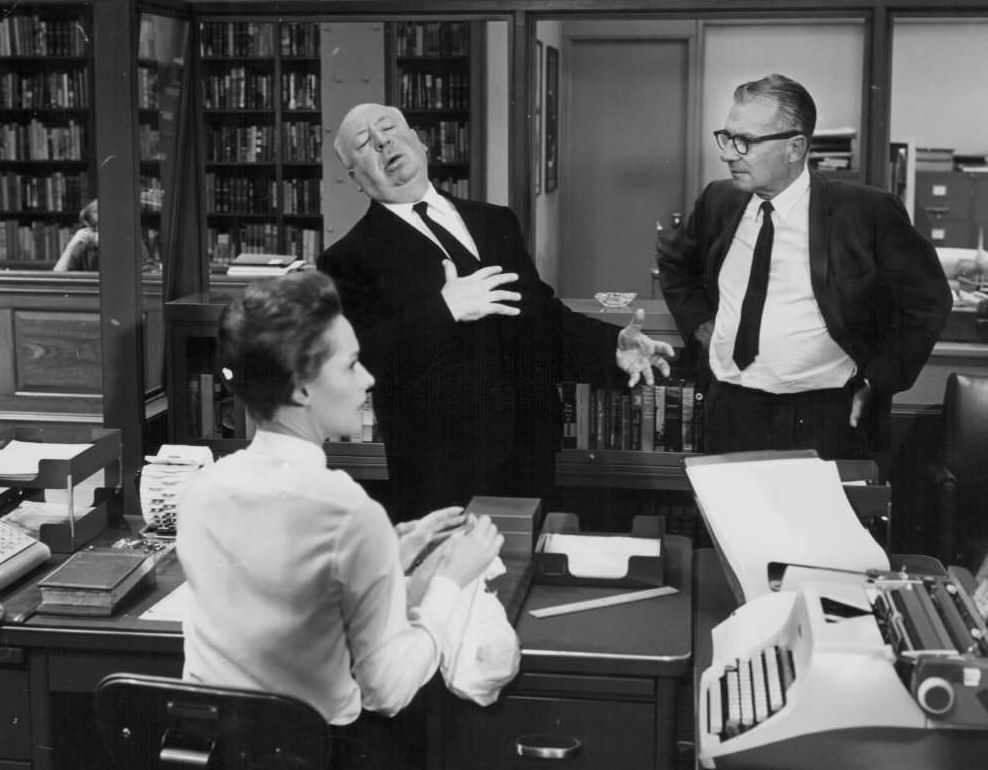
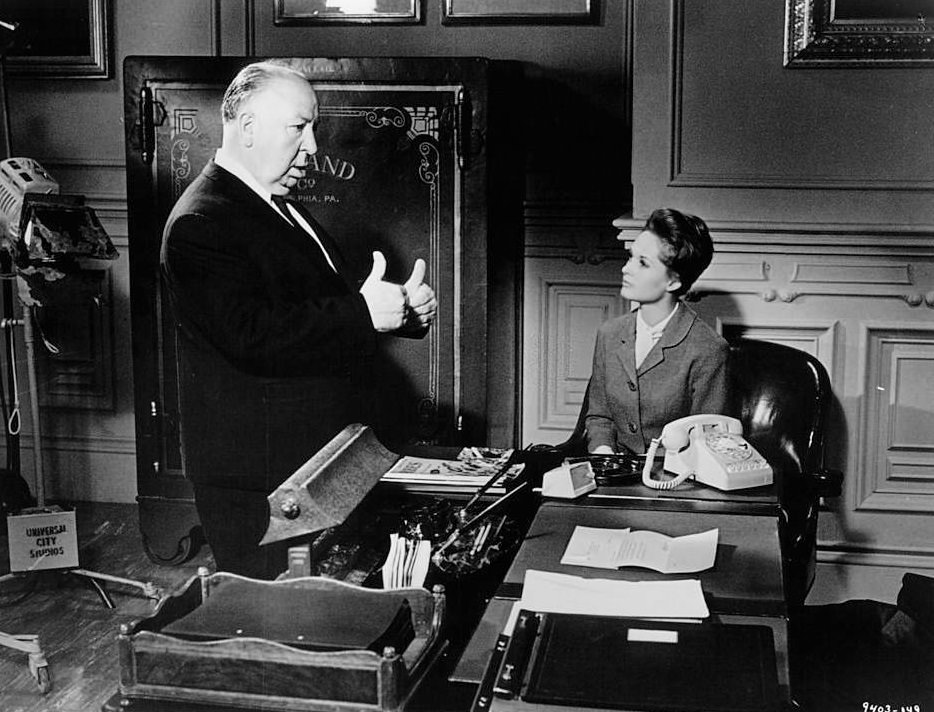
Hitchcock was deeply involved in every detail of the production. On set, he was known for carefully staging each scene and walking actors through their movements step by step. Cameraman Bob Burks, who had collaborated with Hitchcock on numerous films, was behind the lens for Marnie. The two worked closely to achieve the film’s atmospheric visual style, marked by deliberate framing, muted palettes, and sudden bursts of jarring red — Marnie’s psychological trigger color.
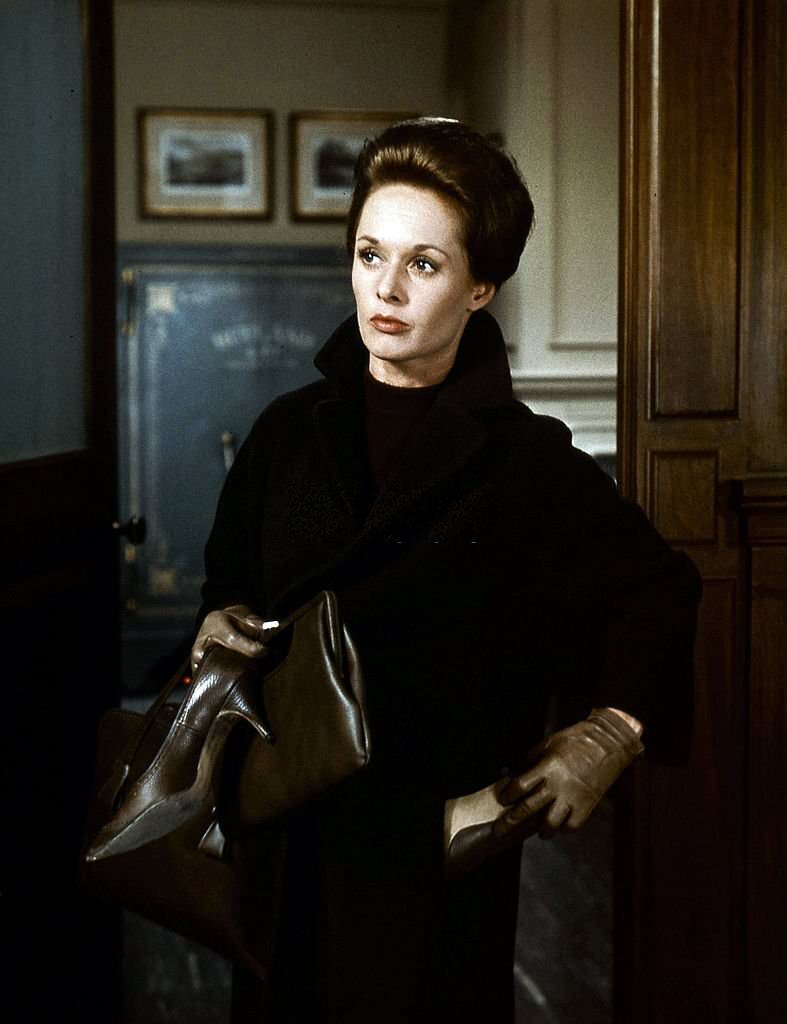
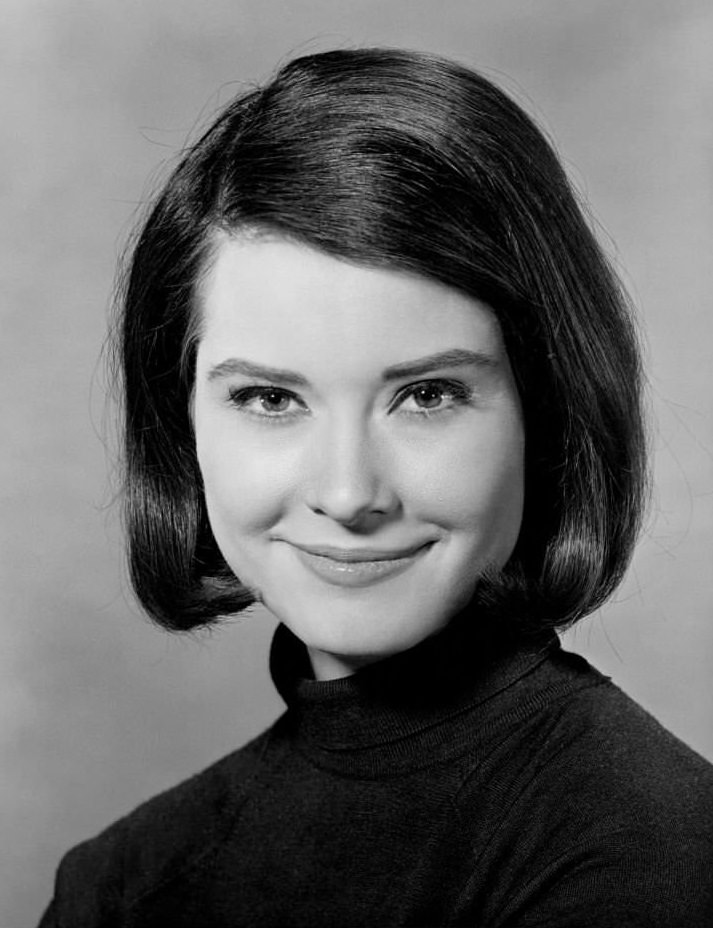
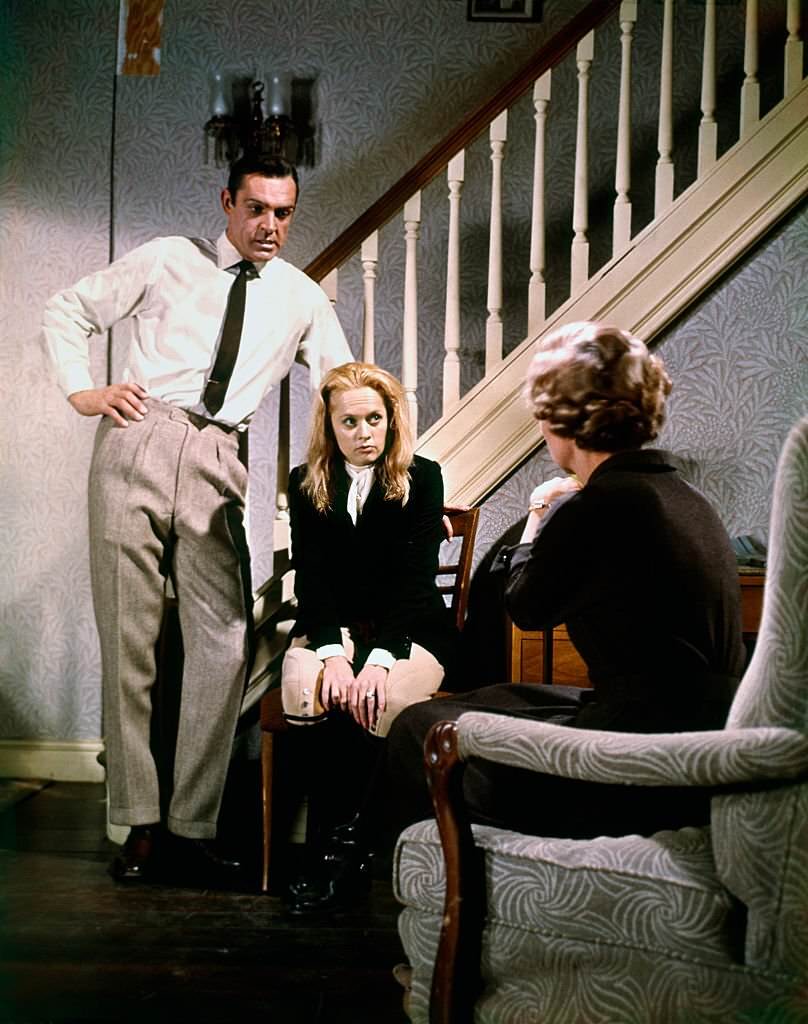
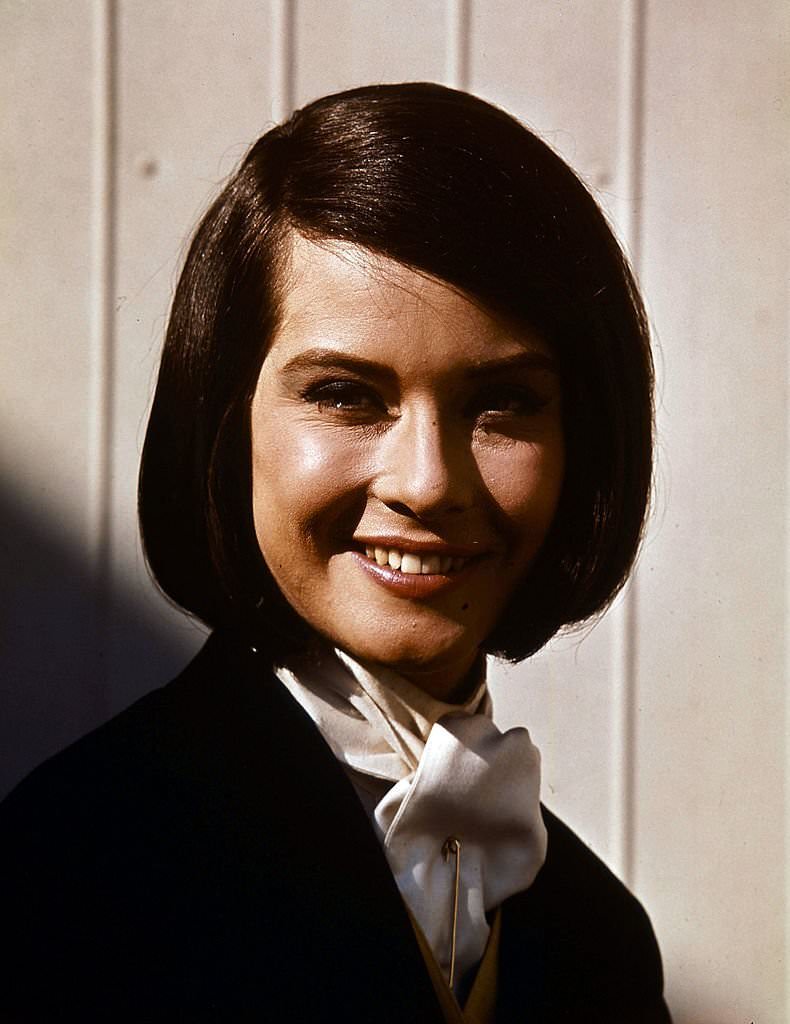
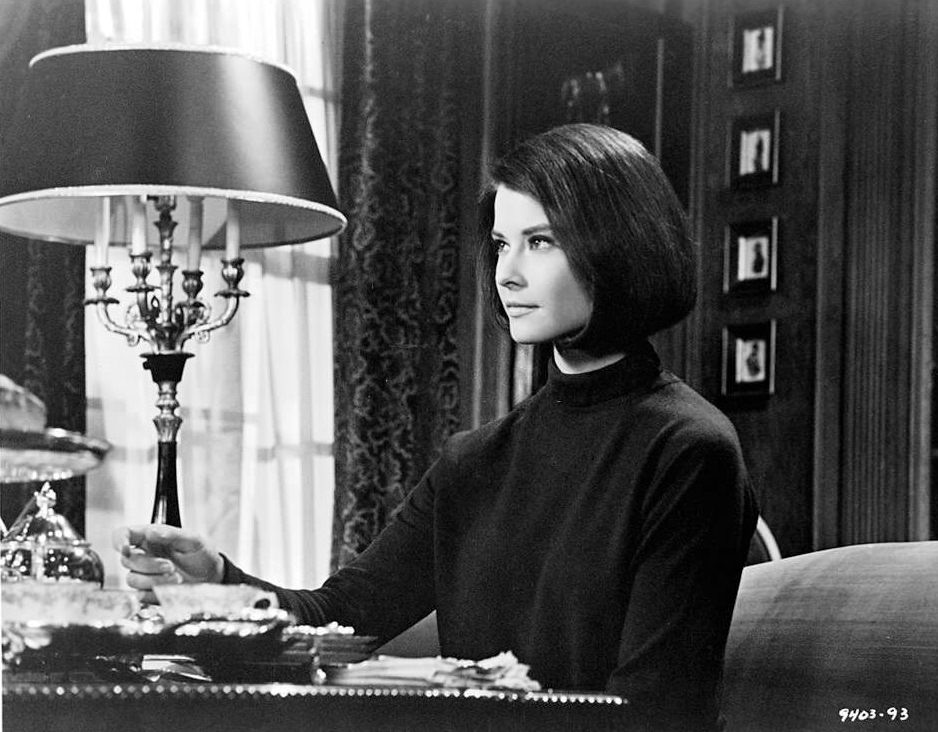
The supporting cast added considerable weight to the film. Diane Baker plays Lil Mainwaring, Mark’s sister-in-law, who becomes increasingly suspicious of Marnie. Louise Latham plays Marnie’s emotionally guarded mother — a performance that is genuinely unsettling in its restraint. Martin Gabel and Bruce Dern appear in smaller roles but contribute to the film’s tight, watchable ensemble.
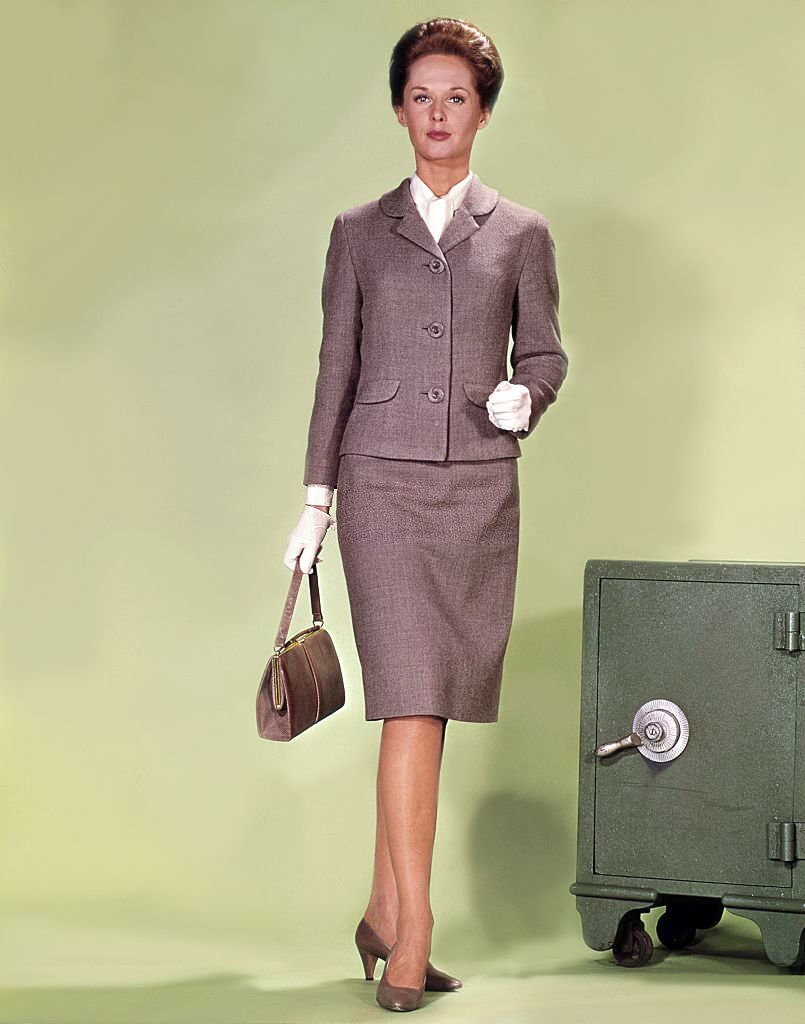
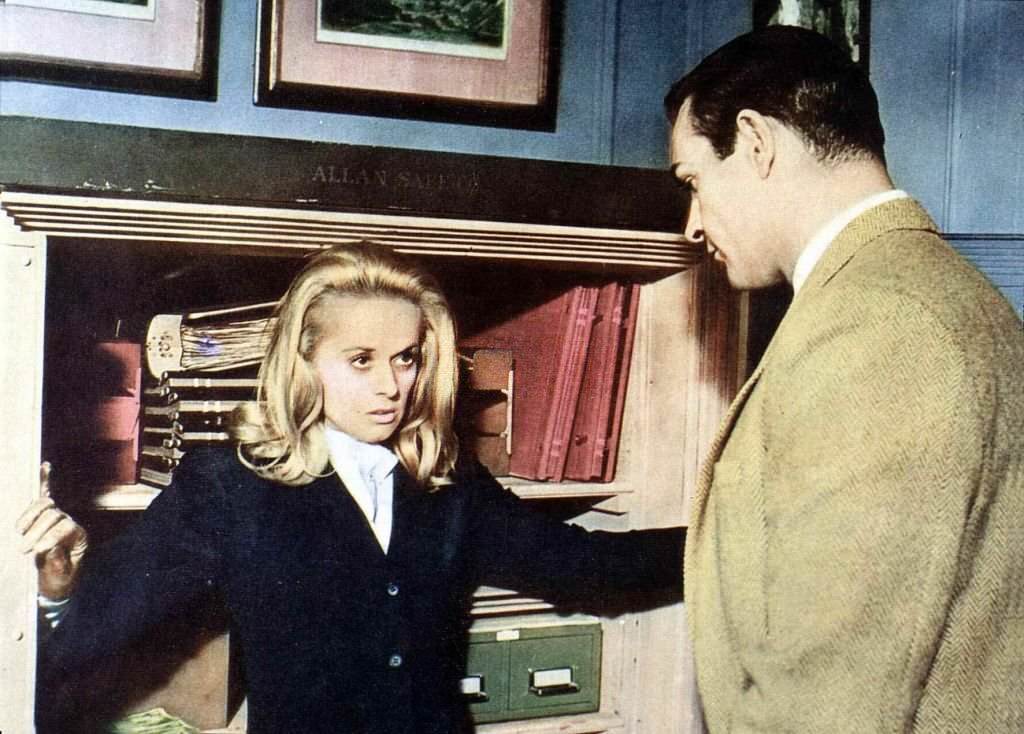
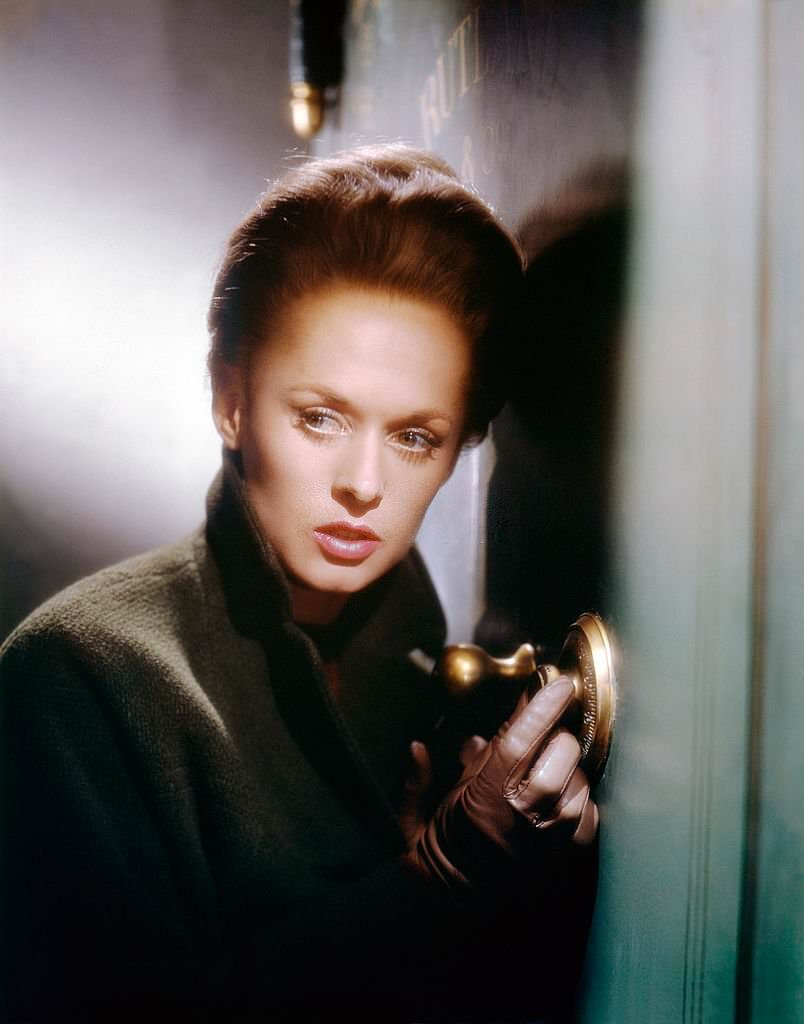
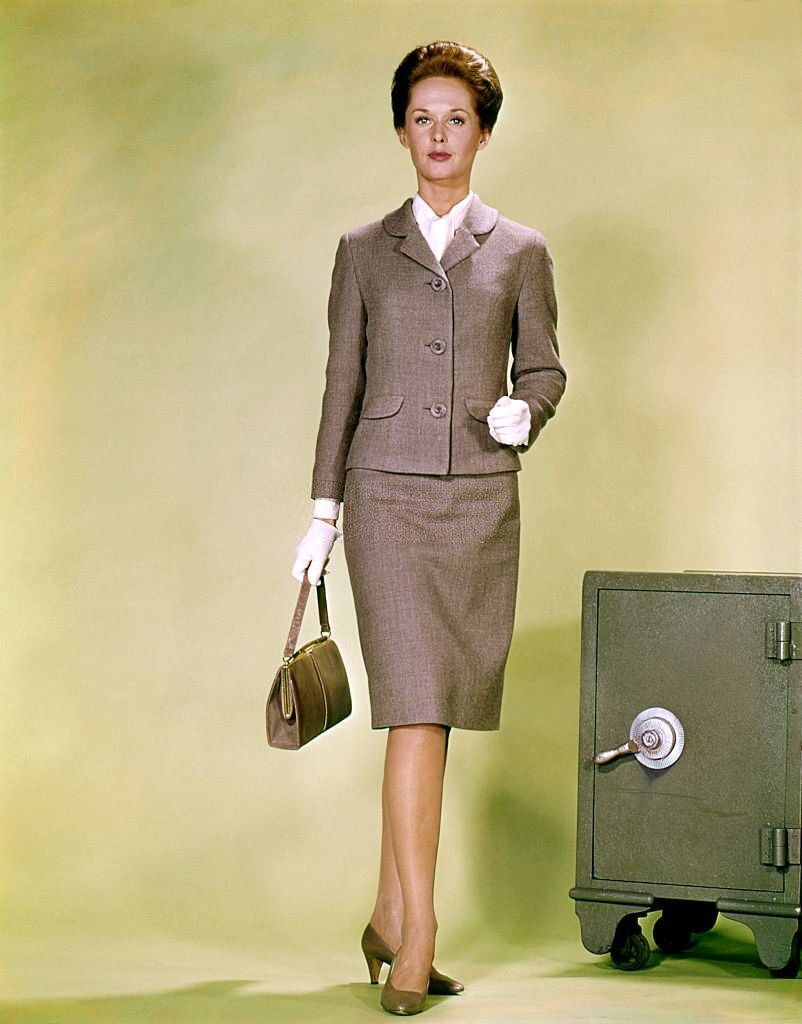
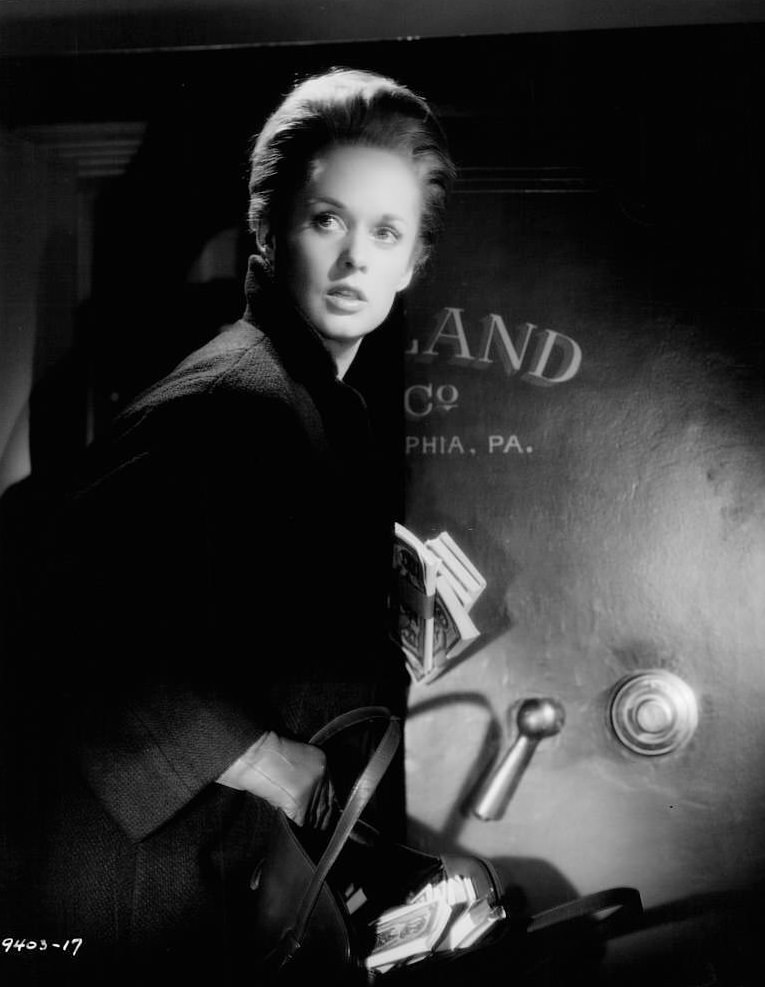
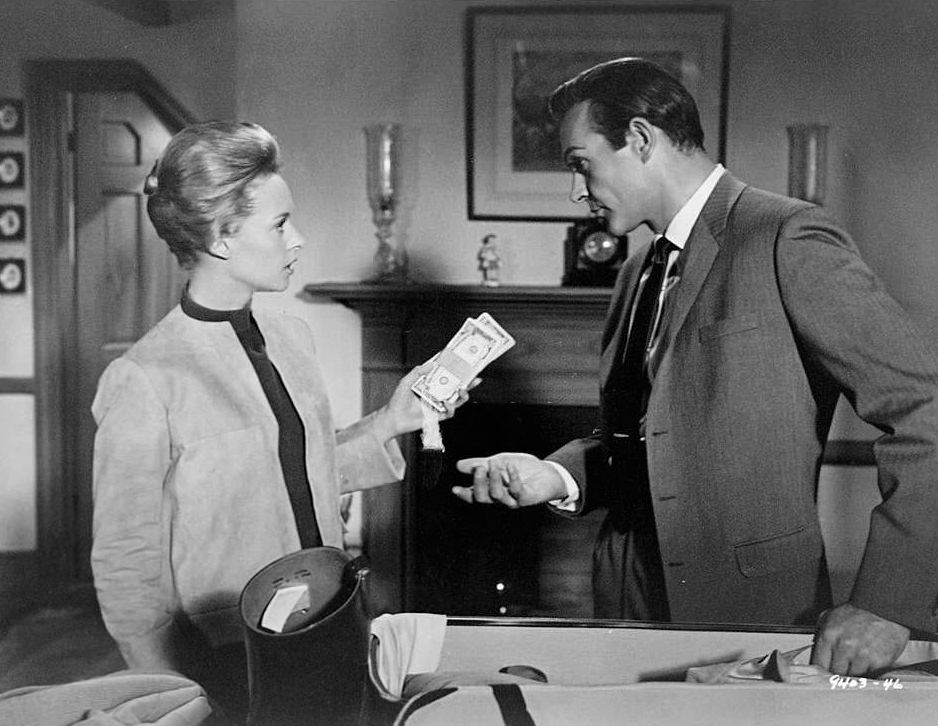
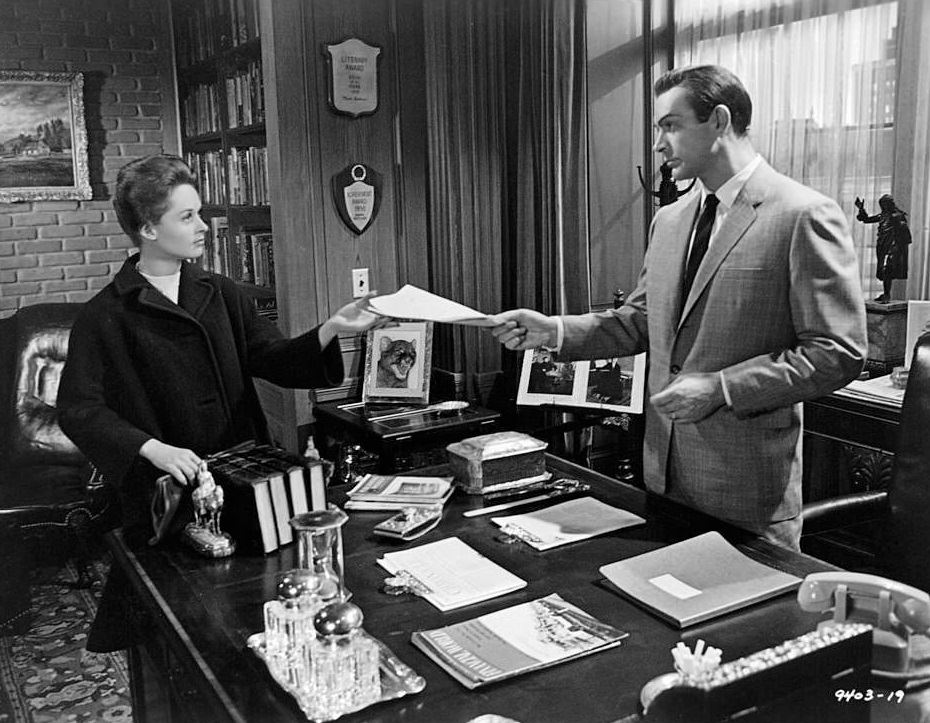
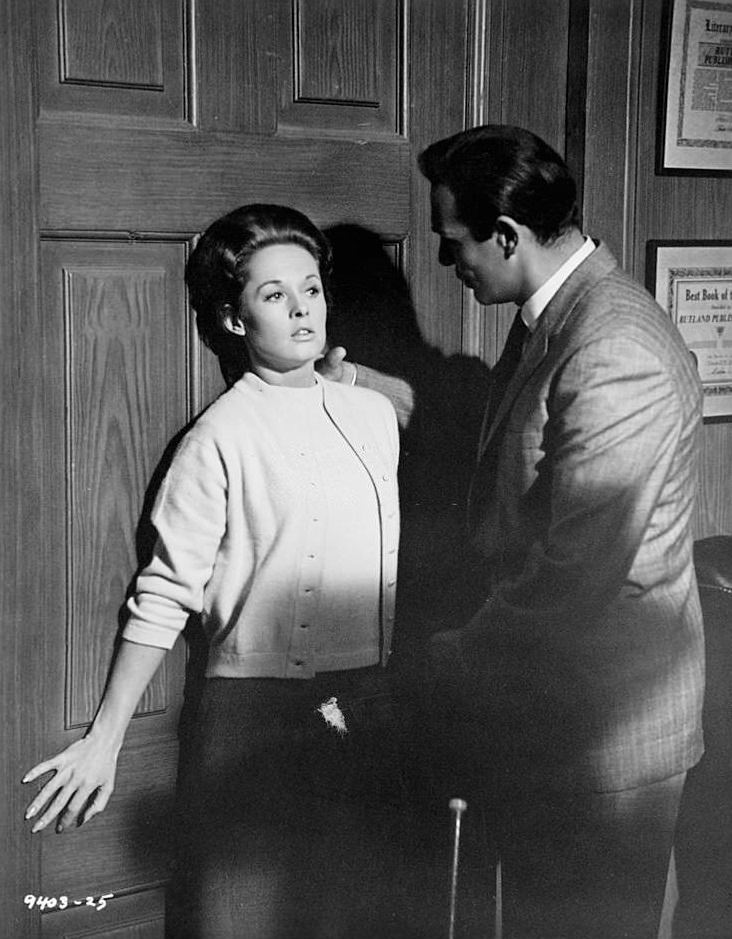
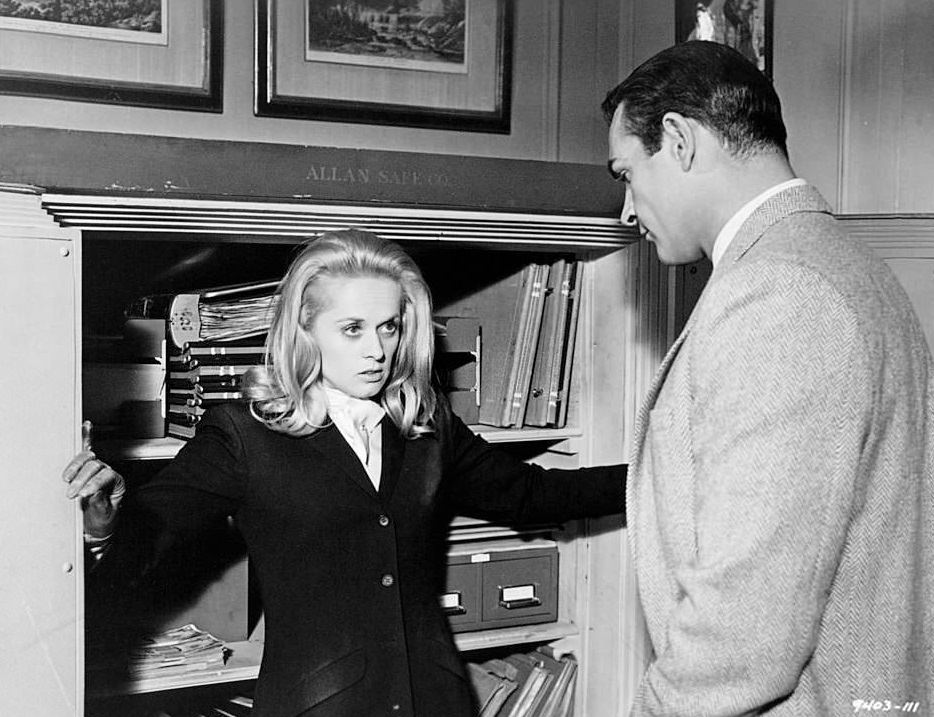
Much of the film’s dramatic engine runs on theft. Marnie repeatedly targets the companies she works for, cracking safes and disappearing before anyone suspects her. One of the film’s key turning points comes when Mark catches her in the act at his own office — and instead of alerting authorities, he uses the situation to pull her deeper into his life.
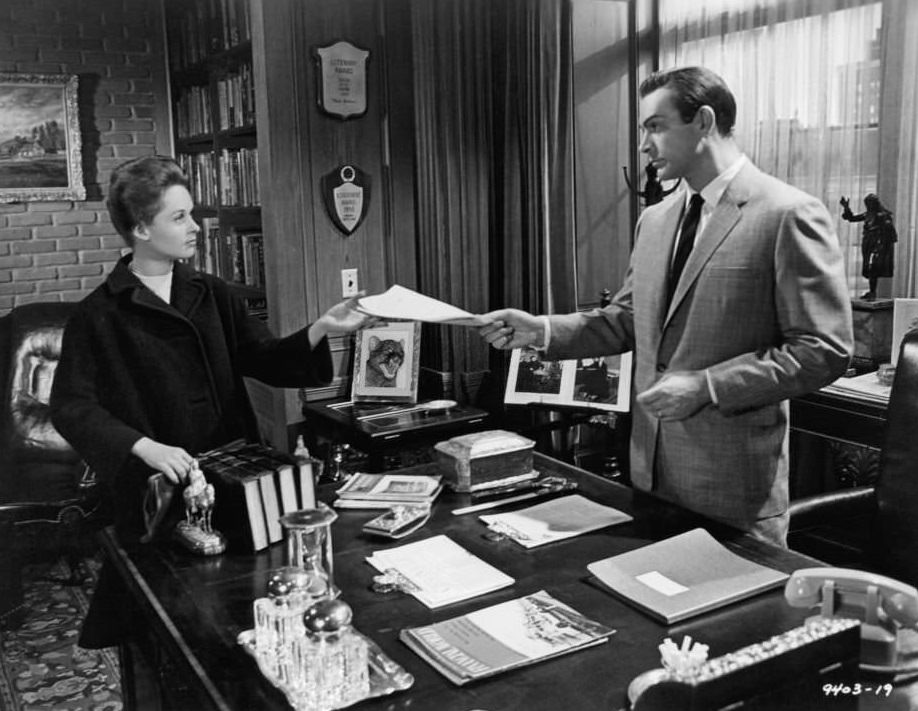
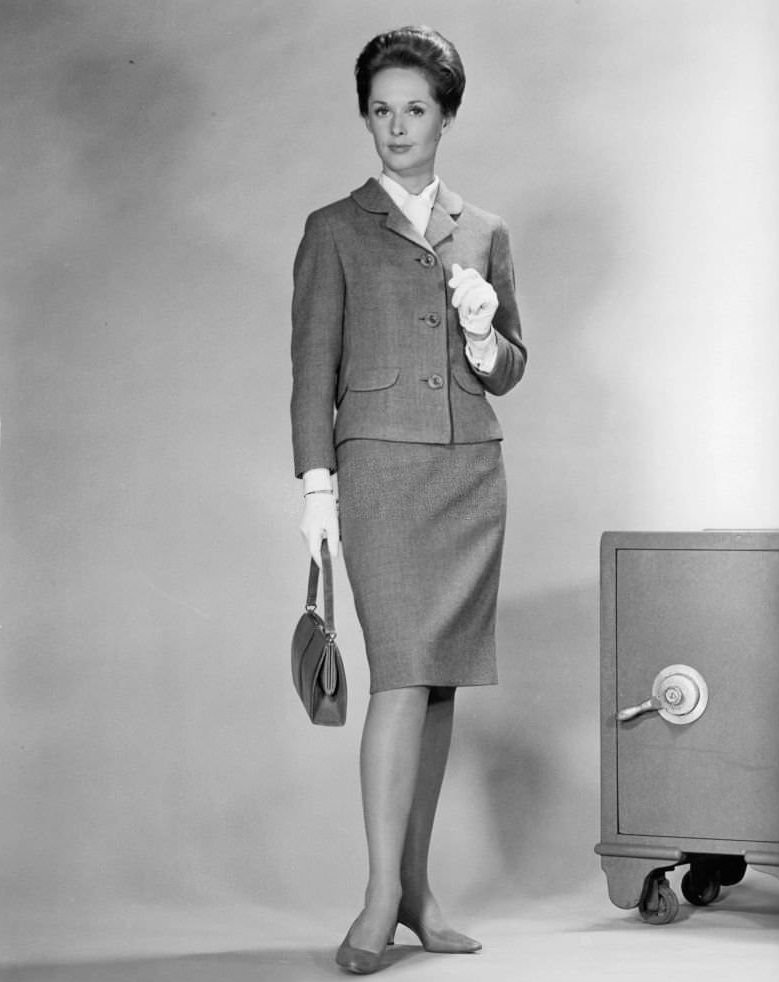
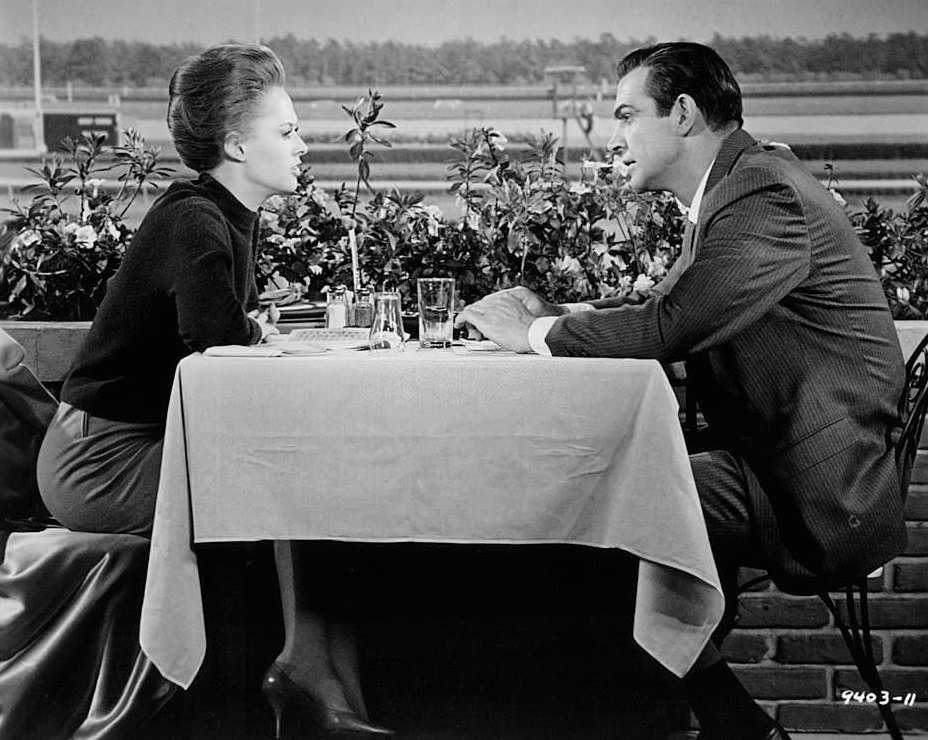
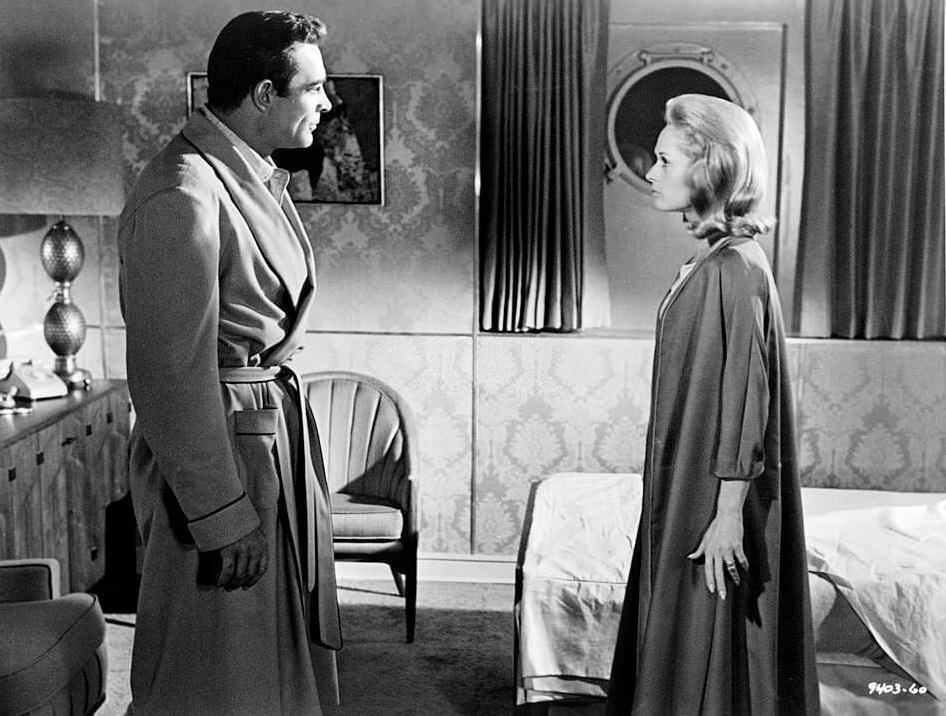
The relationship between Mark and Marnie is the film’s most complex element. Mark is determined to understand his wife’s psychological fears — her terror of thunderstorms, her violent aversion to the color red, and her complete rejection of physical intimacy. He pushes into her past with a controlling persistence that the film neither fully condemns nor endorses, leaving the viewer to sit with the discomfort.
Bernard Herrmann composed the film’s score. While critics generally considered it a step below his work on Vertigo and Psycho, the music fits Marnie’s tone precisely. It has a haunting, restless quality that mirrors Marnie’s fractured inner state and swells effectively during the film’s most tense sequences.
Diane Baker’s character Lil Mainwaring operates as a quiet antagonist throughout the film. She digs through private papers, watches Marnie with barely concealed suspicion, and works to expose the truth about her brother-in-law’s secretive wife. Baker handles the role with composure, making Lil one of the film’s more interesting secondary figures.
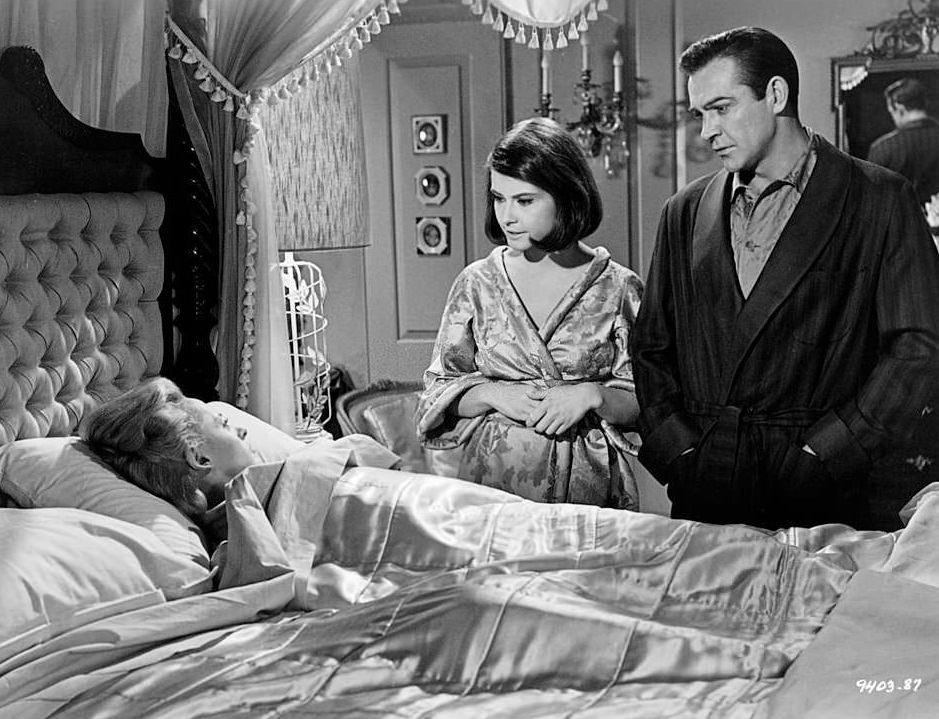
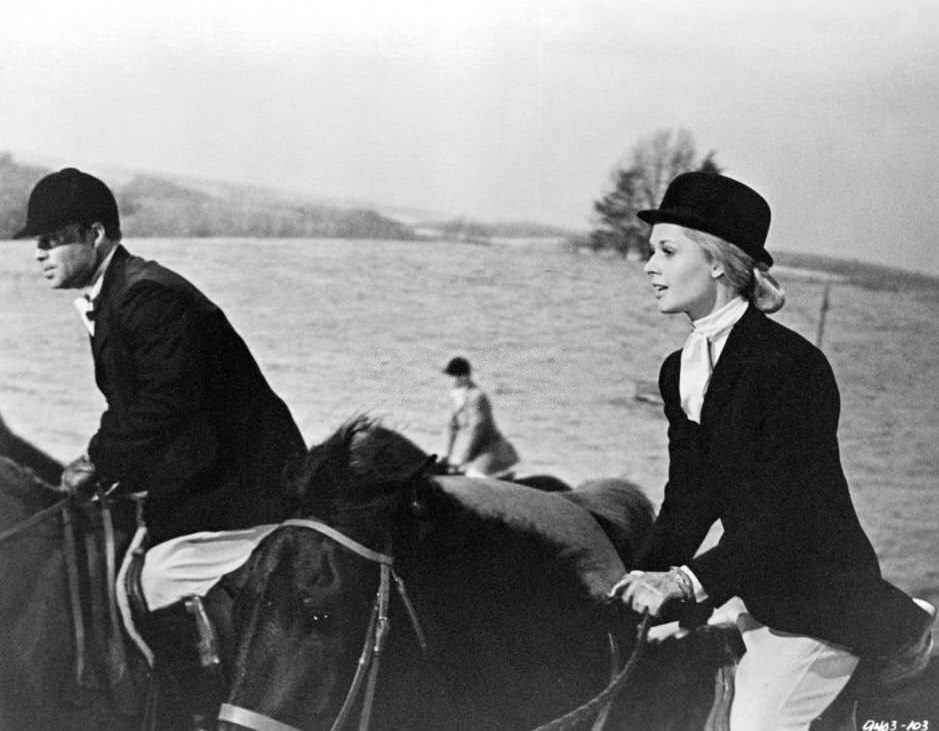
The film moves at a deliberate pace, but it never loses its grip. Hitchcock fills the slower stretches with sharp dialogue and reveals about Marnie’s psychology that reward close attention. A fox hunt sequence and a tense stormy night in a darkened room are among the film’s standout set pieces — the kind of carefully constructed scenes Hitchcock was known for crafting late in a picture.
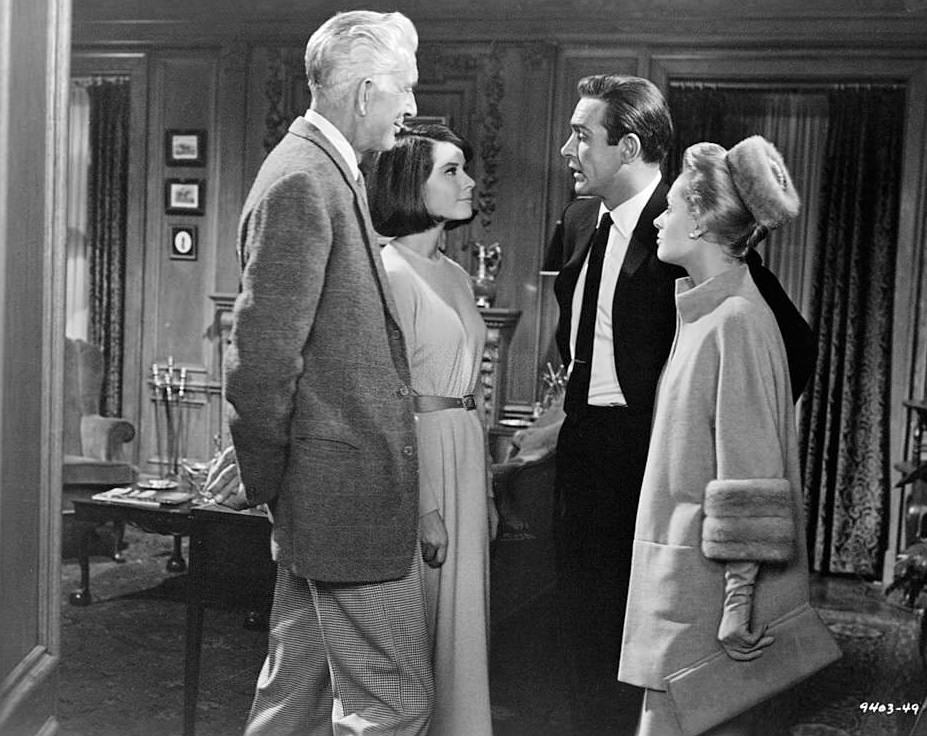
The safe-robbery scenes are staged with real suspense. Marnie moves through darkened offices with quiet efficiency, and the scenes are shot to generate maximum dread from minimal action. When Mark catches her in the act, the confrontation carries the full weight of everything the film has built to that point.
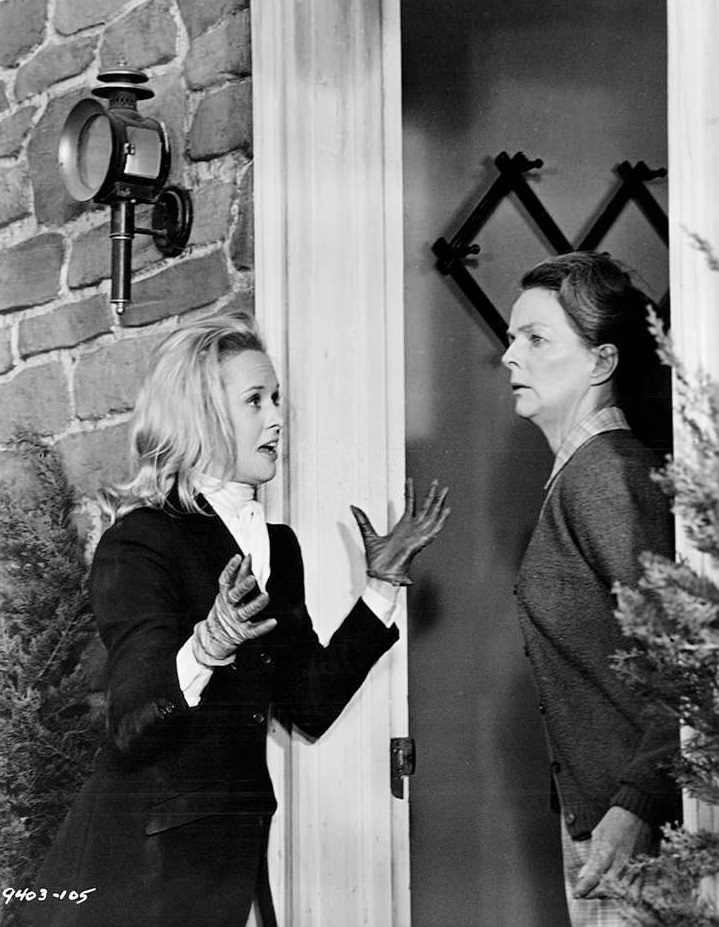
The final thirty minutes of Marnie are the film’s most intense. Mark pushes Marnie back to the source of her trauma — her childhood home in Baltimore — and the truth behind her psychological condition is forced into the open. Hitchcock builds the finale with the same methodical tension he used in his best work, and the payoff lands hard.
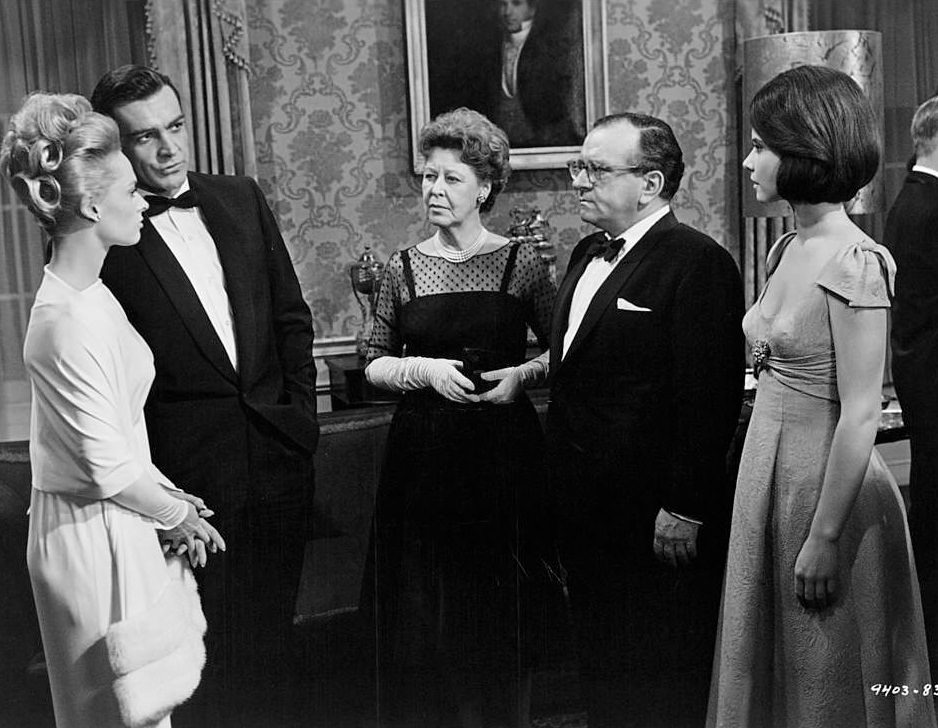
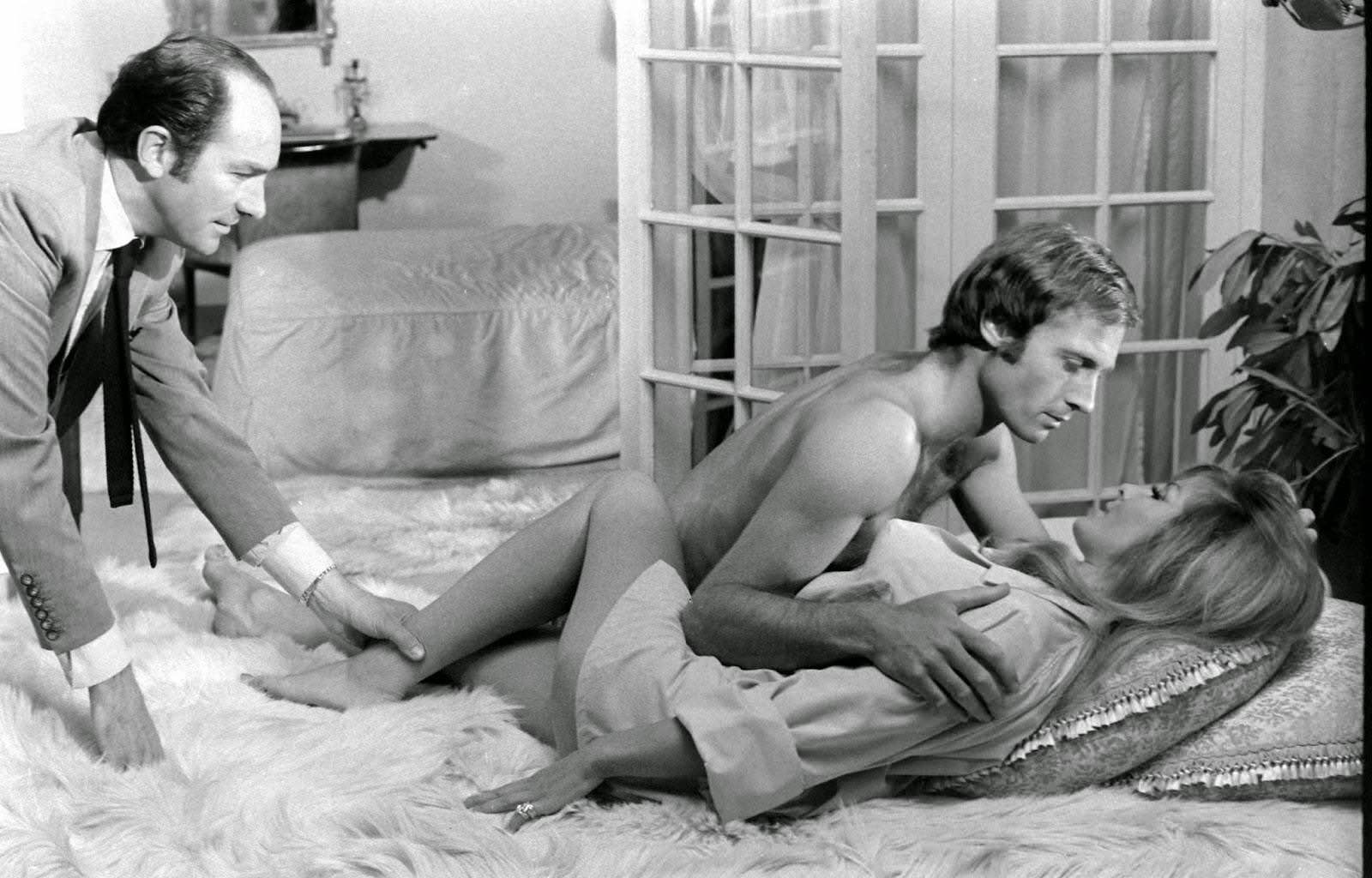
Behind the camera, Hitchcock directed with the same exacting control he was known for throughout his career. He gave precise instructions to every actor and shaped each scene with a clear visual intention. These on-set moments between Hitchcock and his cast offer a window into how carefully the film was constructed.
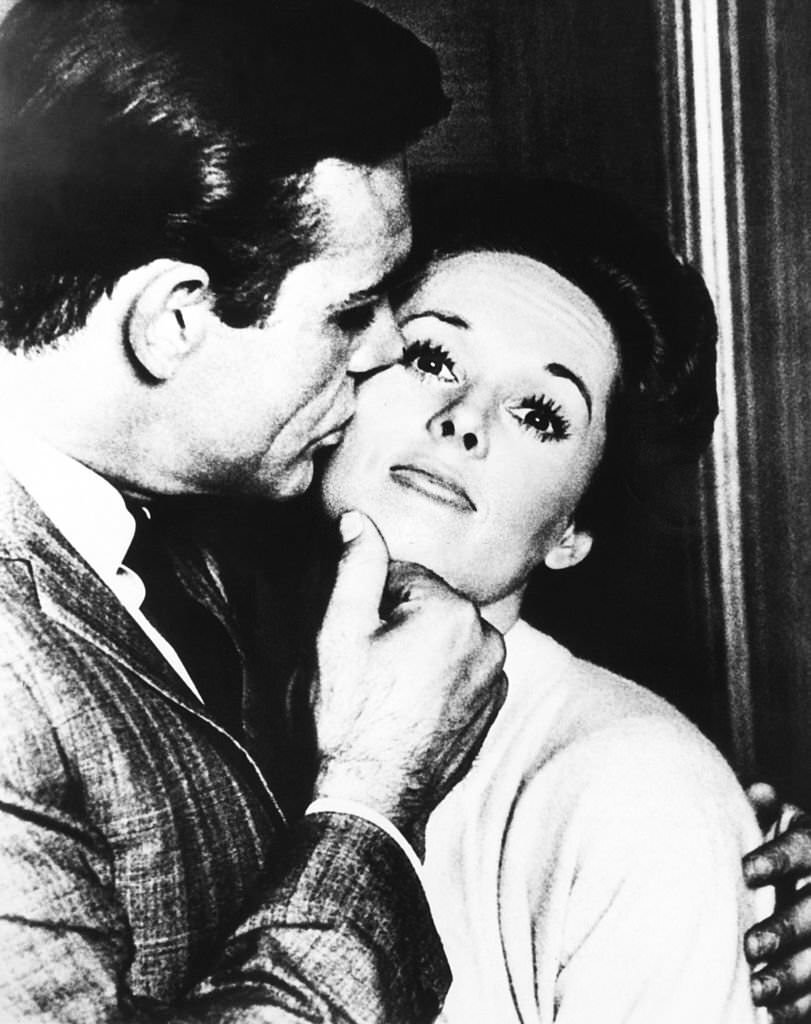
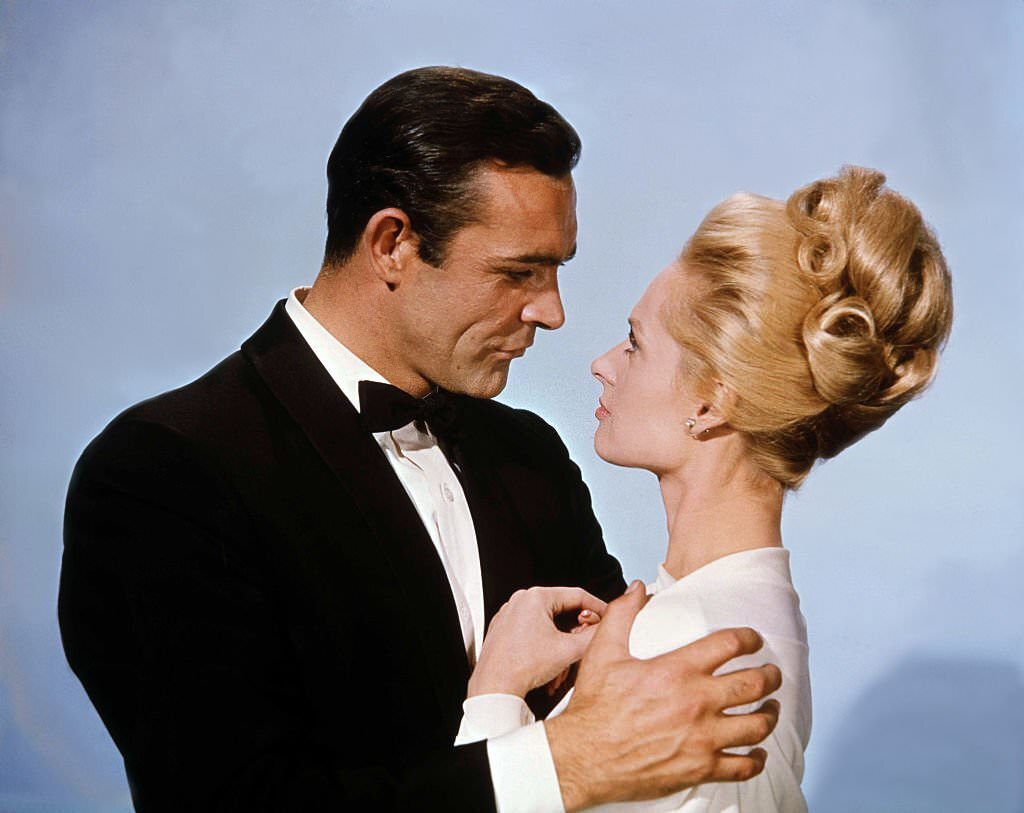
Connery and Hedren’s chemistry on screen carries a strange tension — part suspicion, part attraction — that makes their scenes together compelling to watch. The dynamic between their characters is never straightforward, and both actors commit to the ambiguity without softening it.
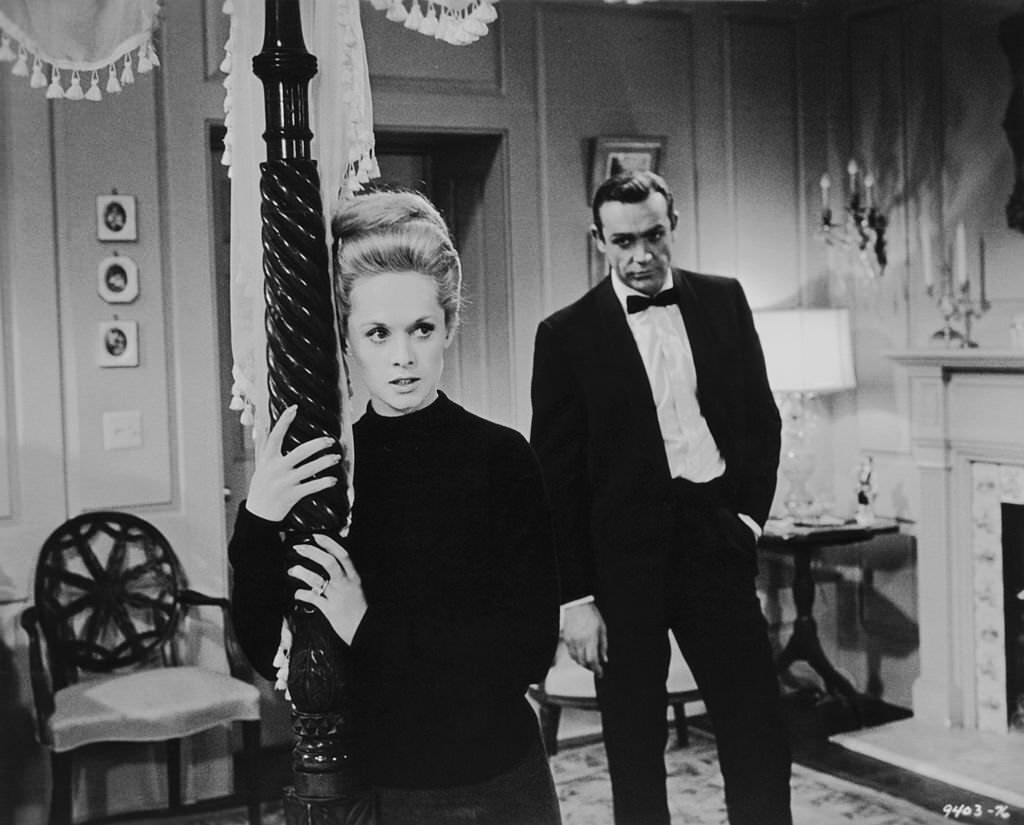
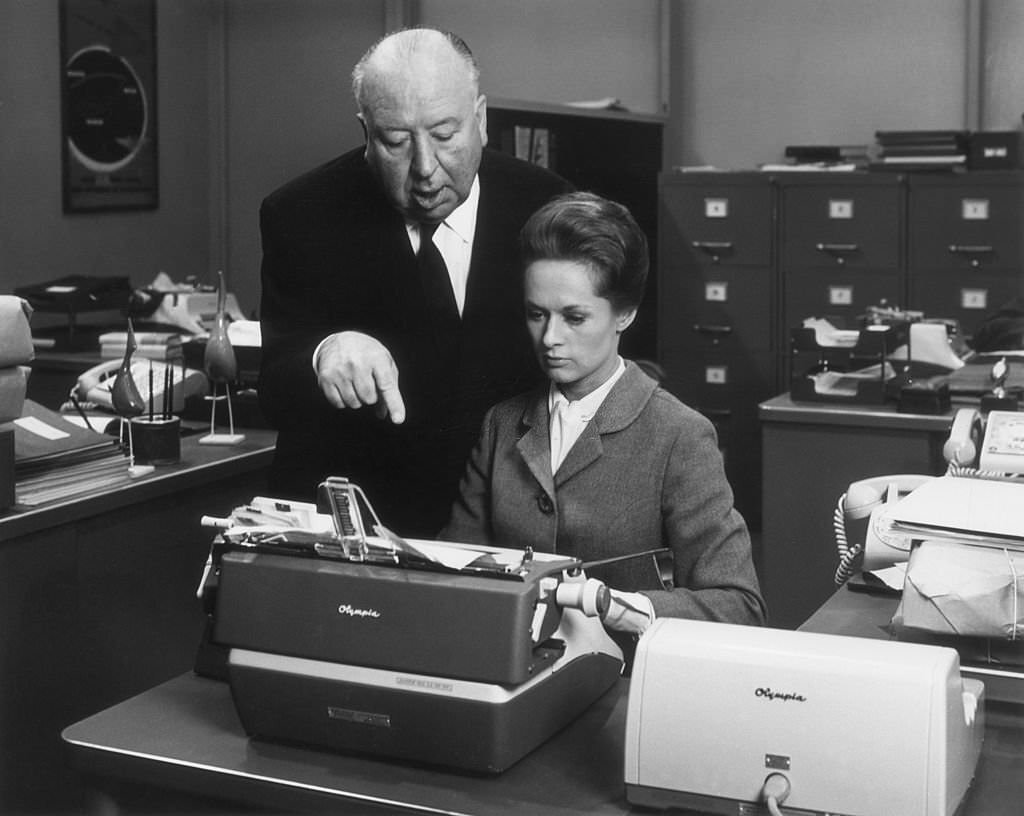
Photographs taken on set capture a production that was highly organized and carefully managed. Hitchcock can be seen working through scenes with his cast, adjusting details, and conferring with Connery between takes. These images show the methodical process behind a film that, on screen, feels seamless.