Marilyn Monroe struggled with insomnia for most of her adult life. It was not an occasional restless night — it was a chronic, grinding sleeplessness that left her alone with her thoughts in the early hours of the morning. On one such night in 1953, she picked up the phone and called photographer Andre de Dienes.
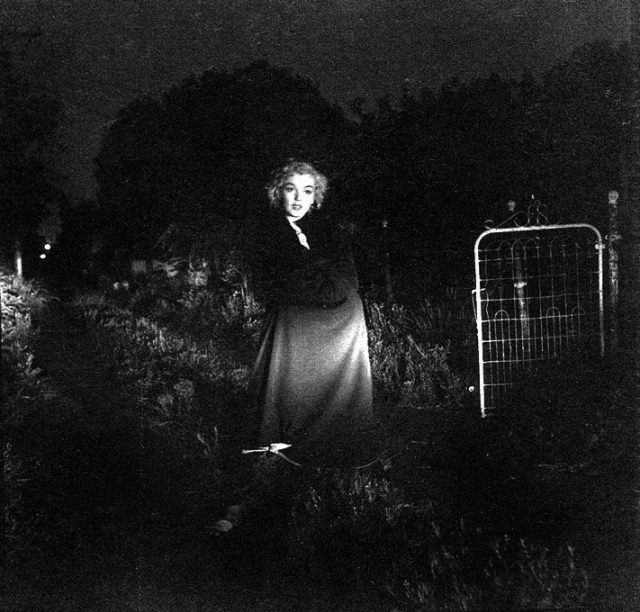
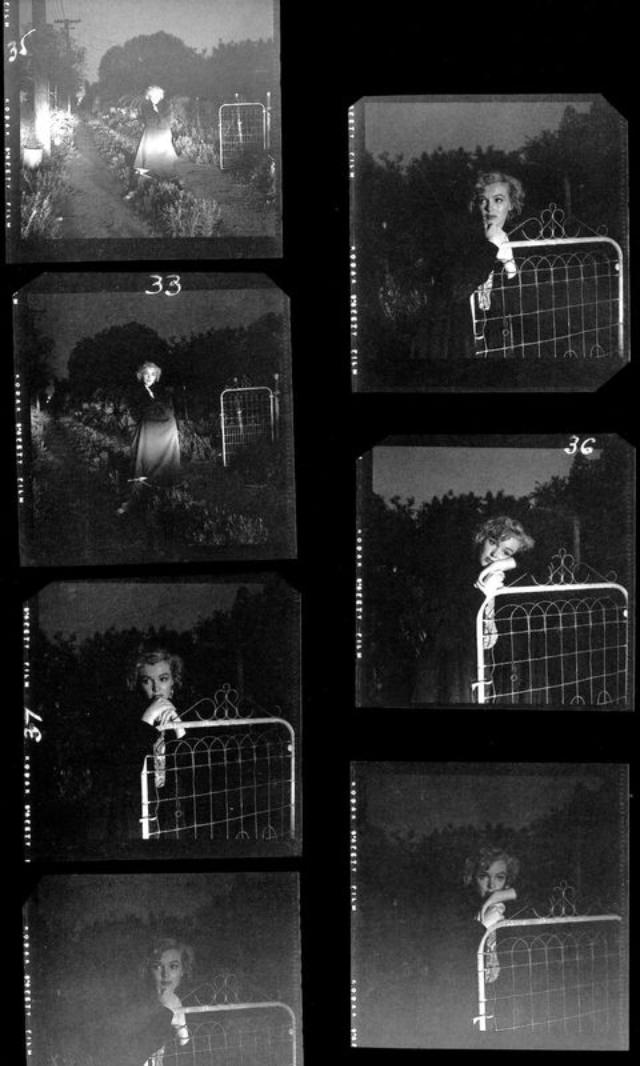
De Dienes had known Monroe for years. He was one of the first photographers to work with her seriously, long before she became a global icon. When she called that night, he came. She had a specific idea in mind — not a studio shoot, not a carefully planned session, but something rawer. She wanted to use the dark, quiet streets of Beverly Hills as a backdrop.
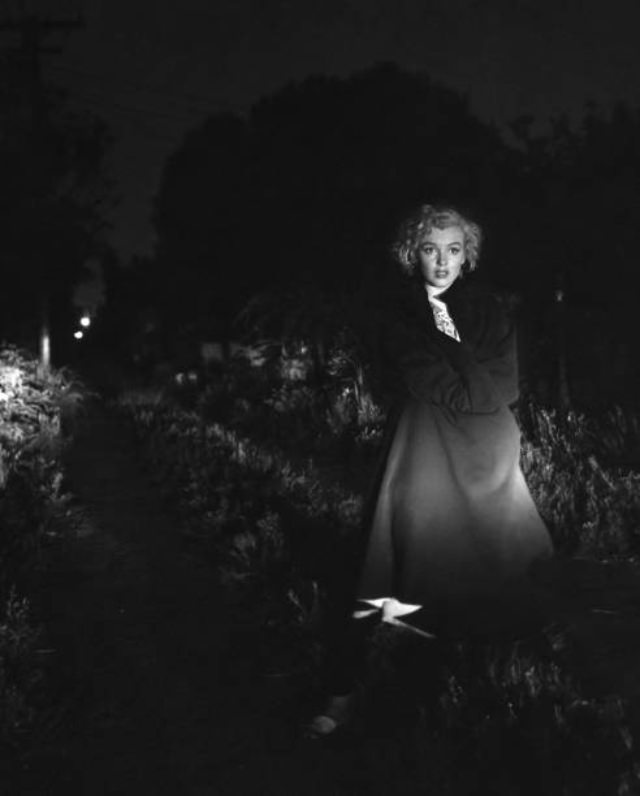
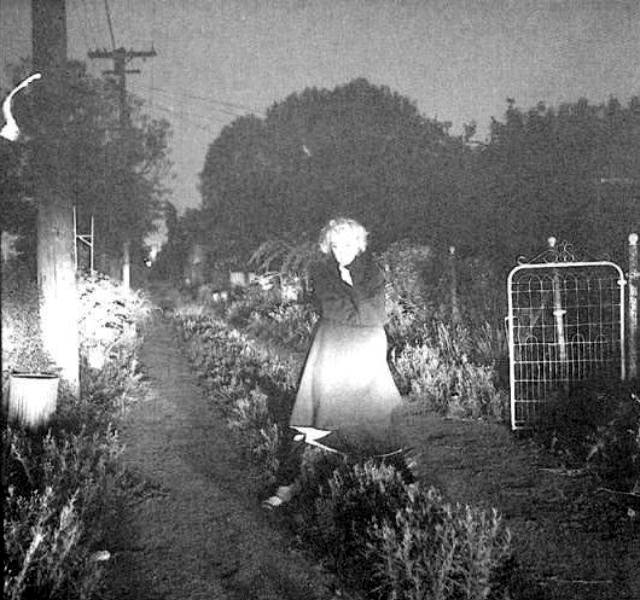
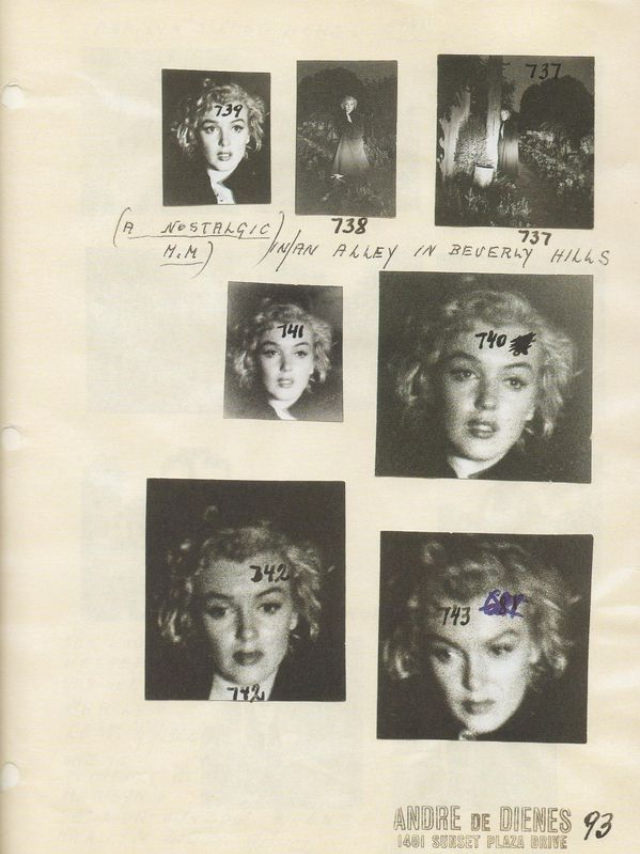
Monroe suggested they meet in a shadowy valley in Beverly Hills. There were no studio lights, no flash equipment, no crew. De Dienes lit her face using only the headlights of his car. The result was something far removed from the glamorous, polished images the public knew. The light was harsh and directional, casting deep shadows across her face.
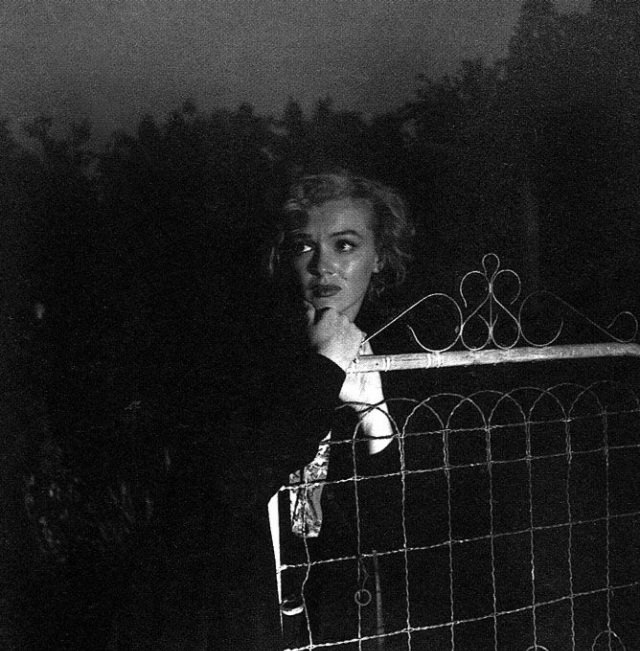
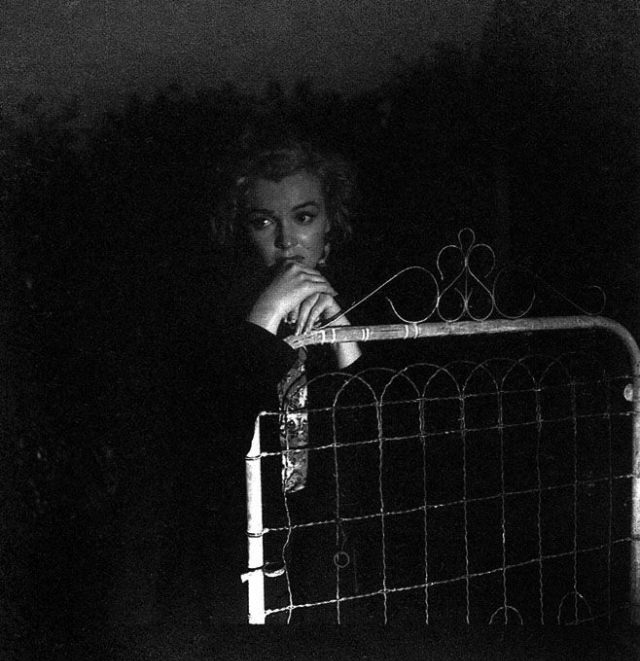
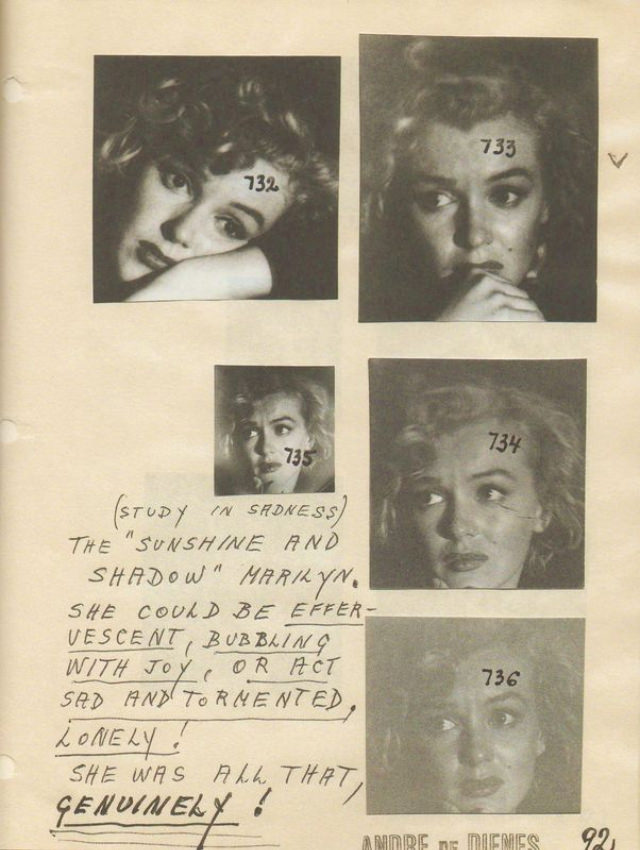
For de Dienes, this night marked a turning point in how he understood her. He later described it as the first time he had truly seen the dark side of Marilyn Monroe. She was alone, unhappy, and on the edge of despair. The woman standing in those headlights was not performing for anyone.
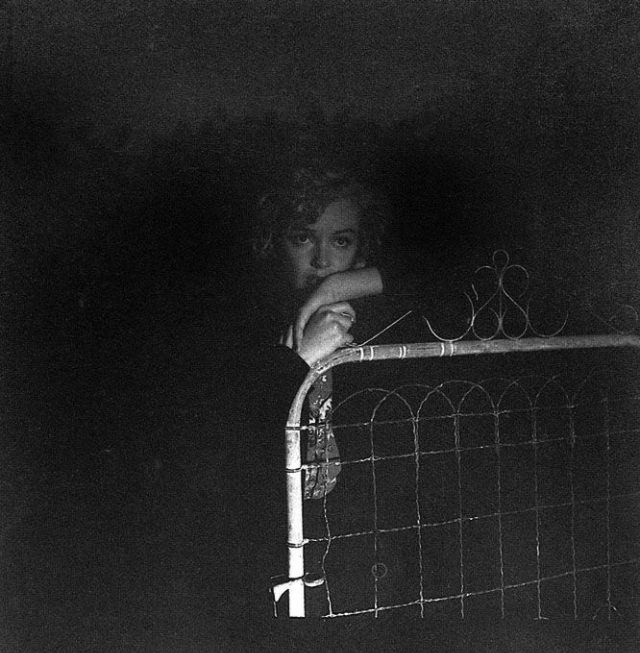
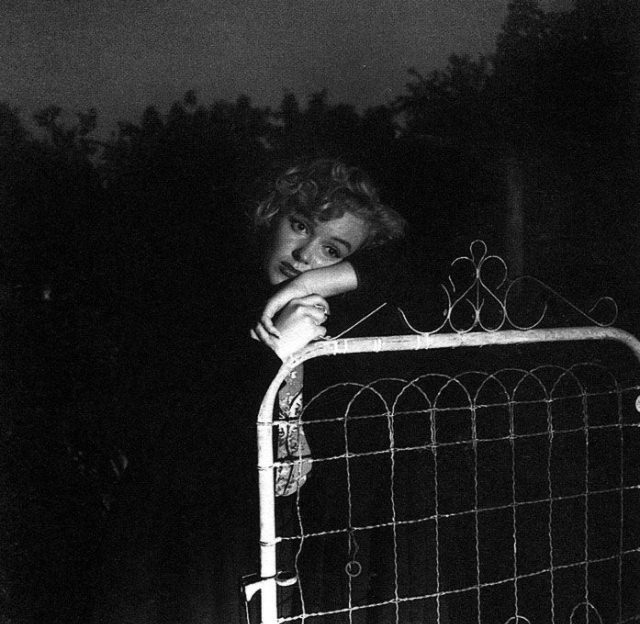
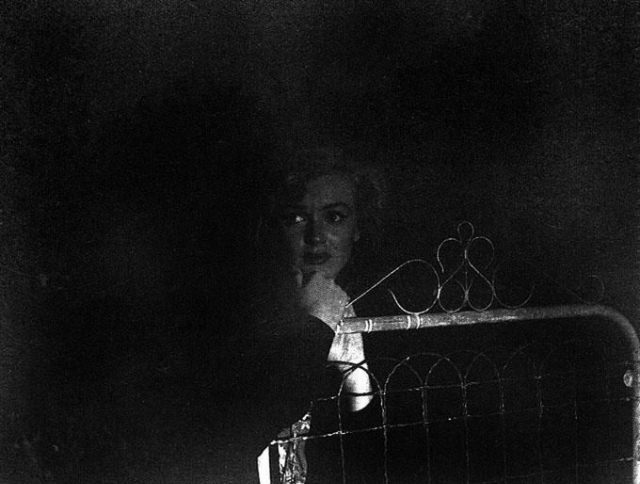
The photographs taken that night are striking precisely because of what they lack. There is no careful styling, no flattering soft light, no sense that Monroe is projecting the image the world expected of her. Instead, the images show exhaustion, vulnerability, and a kind of quiet anguish that her public persona rarely revealed.
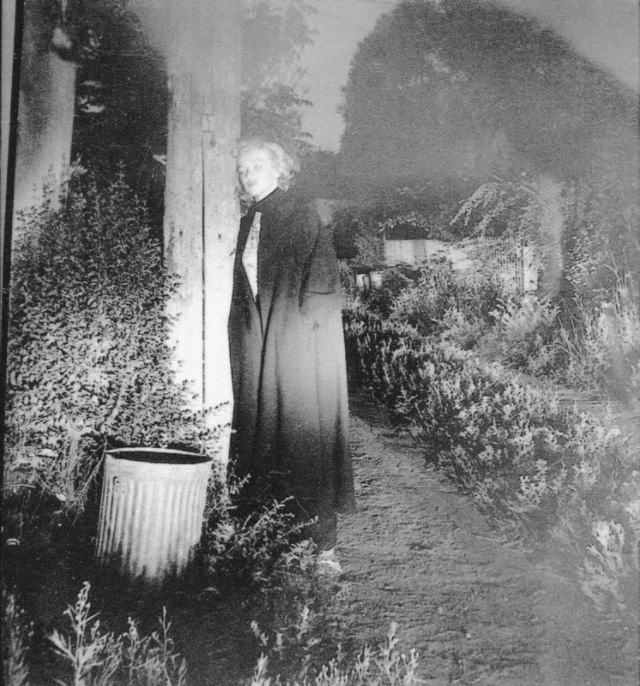
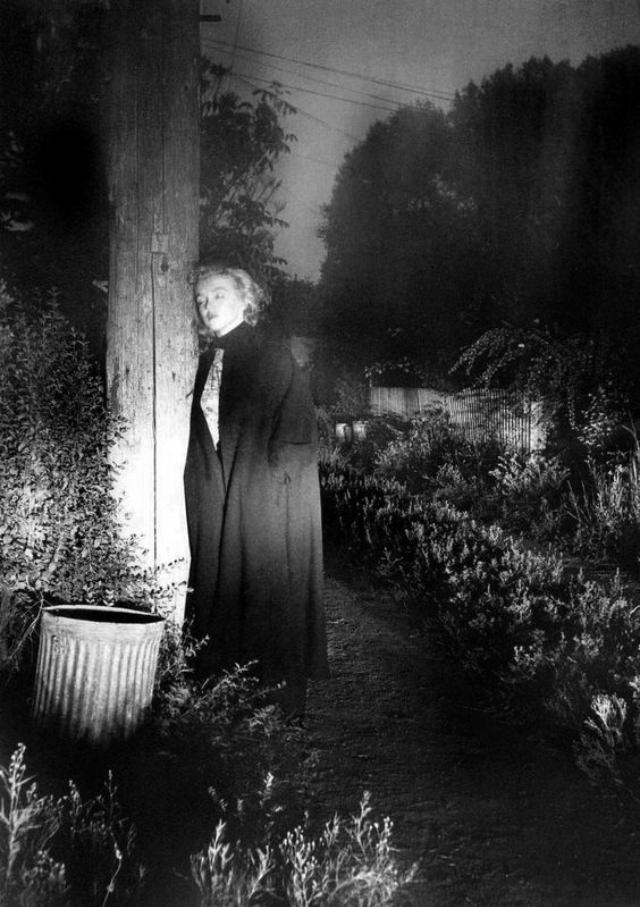
This session turned out to be the last time de Dienes ever photographed Monroe. He did attempt to arrange another shoot with her in the years that followed. She agreed in principle — but the session never happened. De Dienes stayed in contact with Monroe all the way until her death in August 1962, but he never raised a camera to her again.
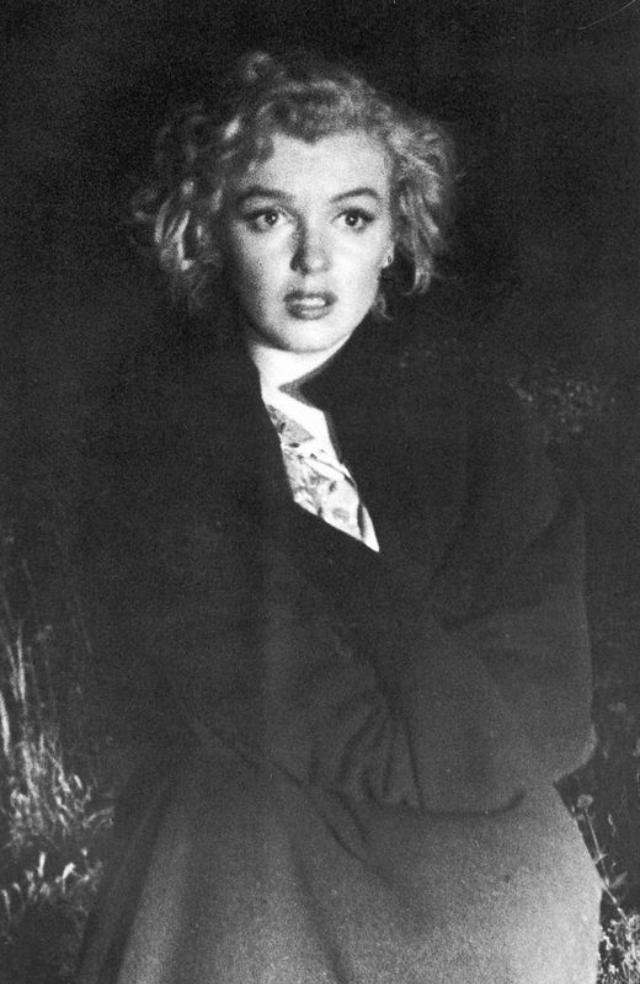
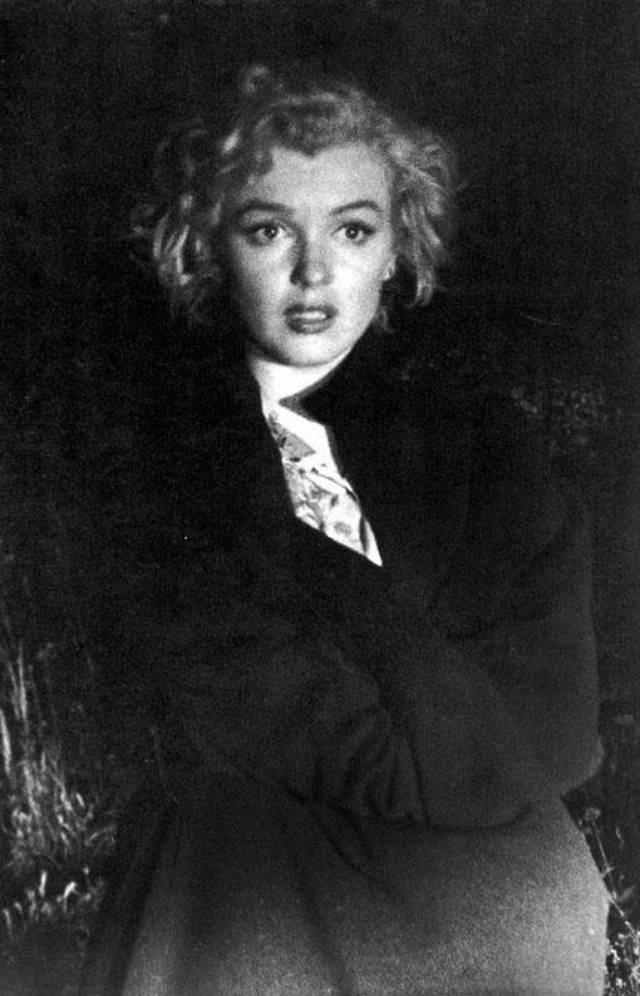
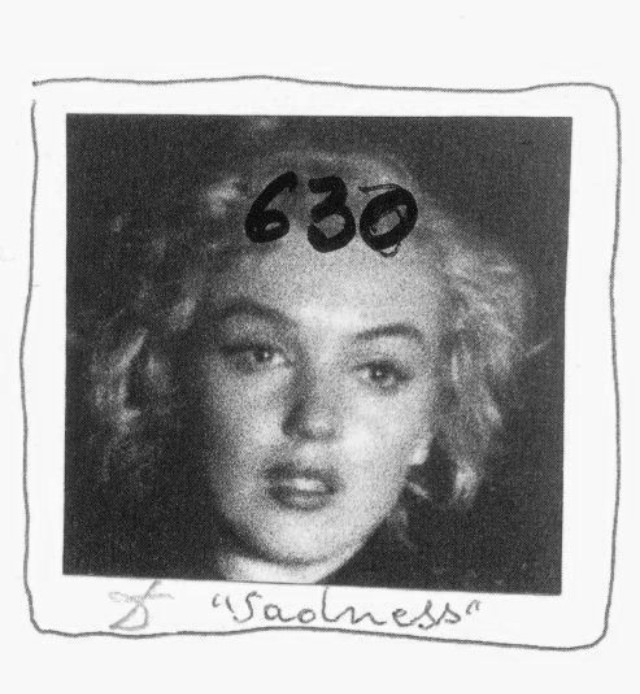
What makes the 1953 shoot so unusual in Monroe’s photographic history is the complete absence of artifice. Every other major session from this period — whether for movie studios, magazine covers, or publicity campaigns — was controlled and constructed. This one was not. It happened because a woman couldn’t sleep and needed someone to come to her.
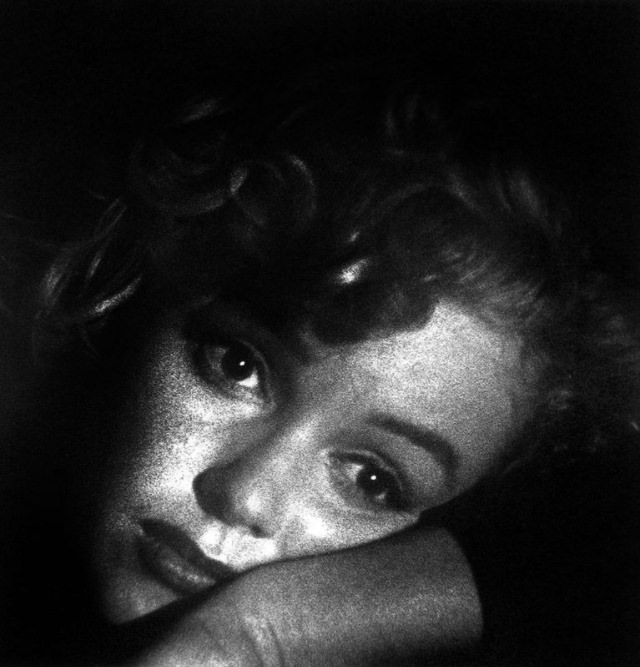
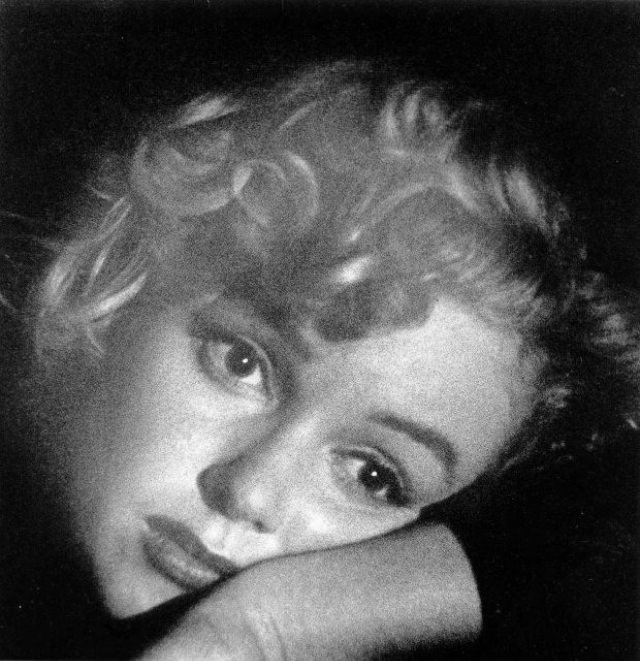
By 1953, Monroe was already one of the most recognized faces in Hollywood. She had appeared in Gentlemen Prefer Blondes and How to Marry a Millionaire that same year. Yet here she was, standing alone on a darkened Beverly Hills street in the middle of the night, lit by car headlights, asking a photographer she trusted to simply document where she was emotionally.
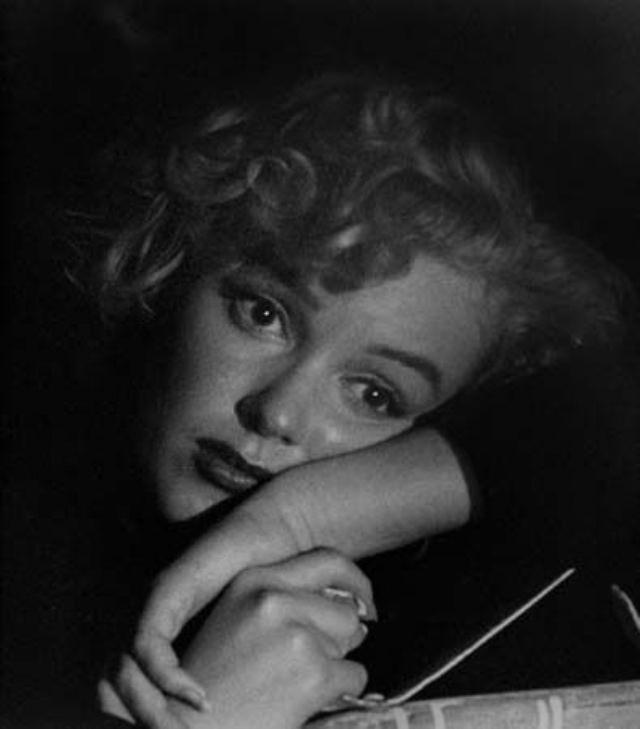
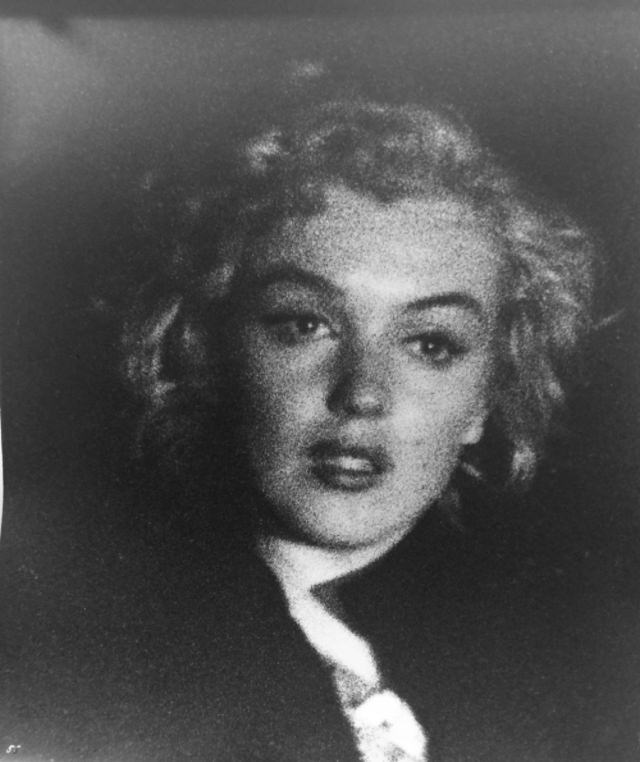
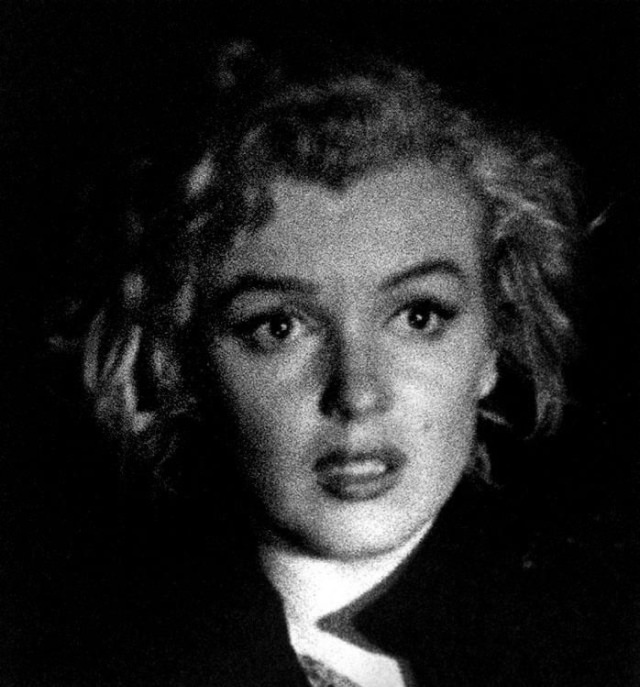
De Dienes worked without professional lighting gear throughout the entire session. The car’s headlights gave the photos a stark, almost theatrical quality — not by design, but by necessity. Shadows fell heavily. The background was dark and uncontrolled. These were not conditions any professional photographer would typically choose for a shoot with one of the world’s biggest stars.
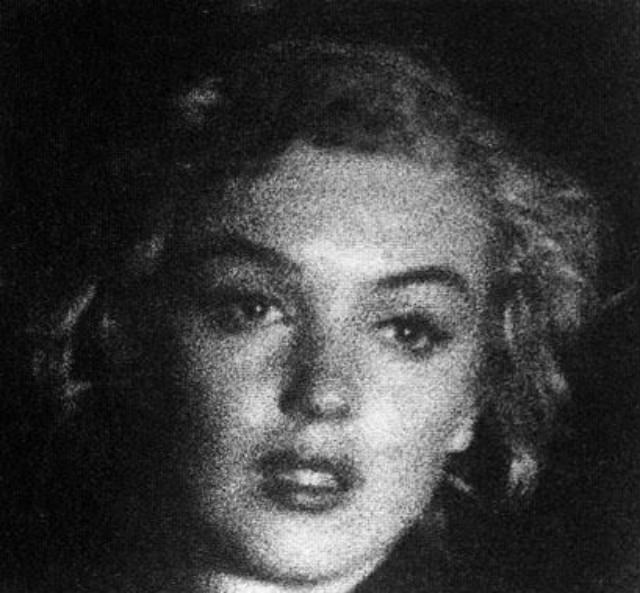
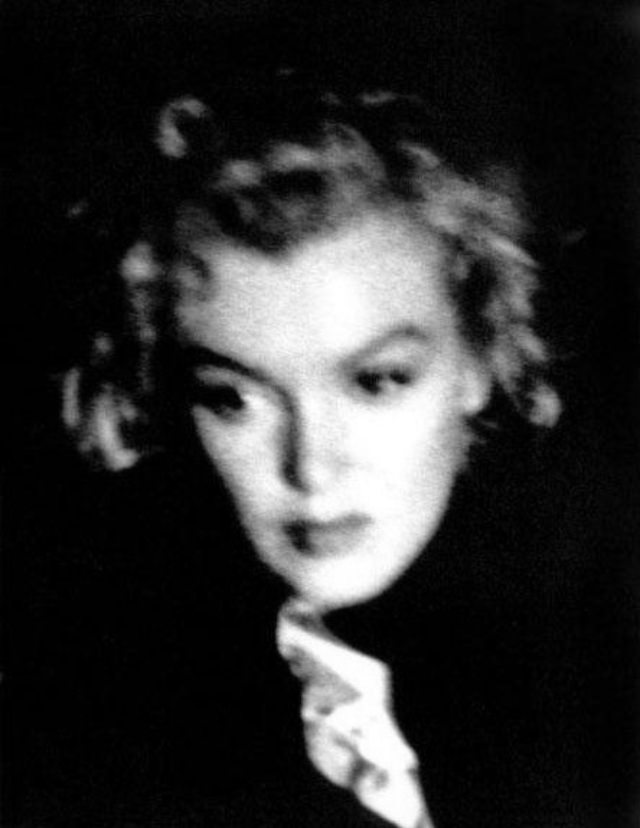
Monroe’s insomnia was well-documented by those close to her. Friends, colleagues, and her own writing all confirm that nights were difficult for her. She relied on sleep aids and often spent long hours awake and alone. The decision to call de Dienes that night — to turn her sleeplessness into something visual — reflects both her relationship with the camera and her state of mind.
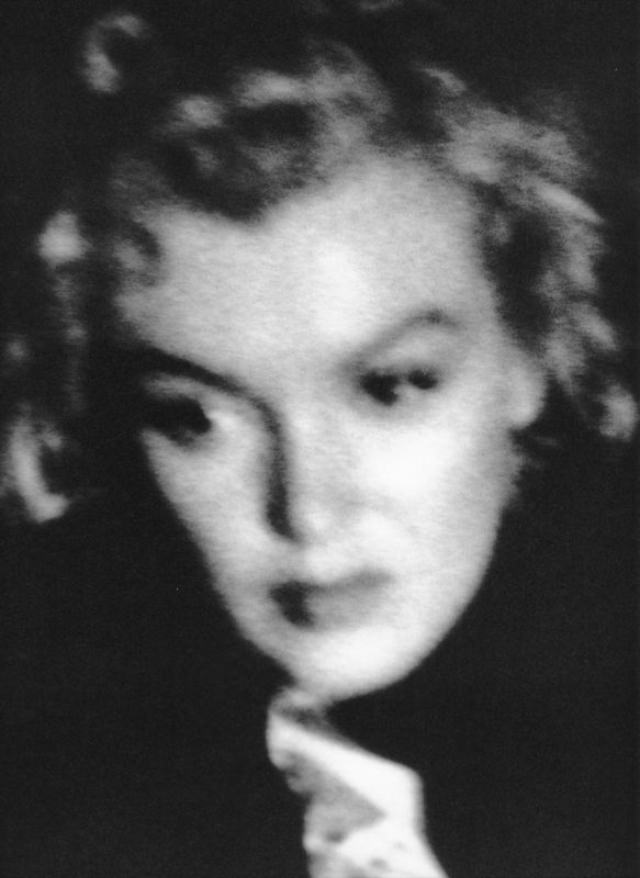
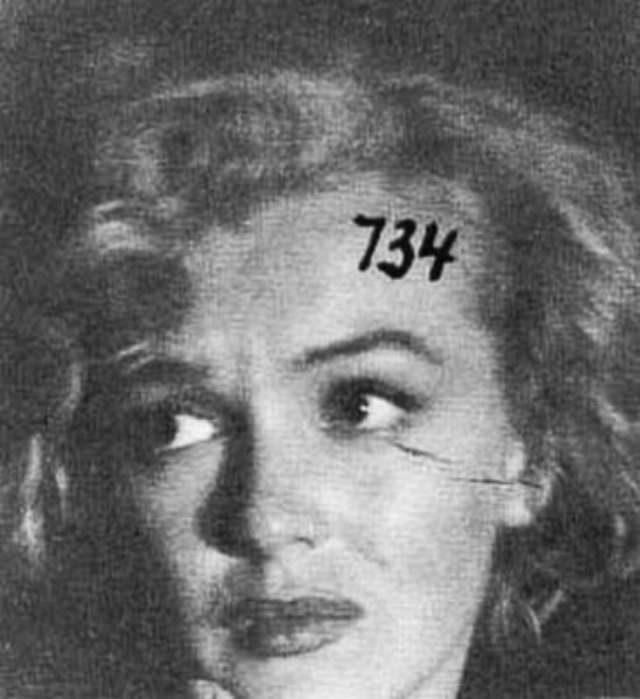
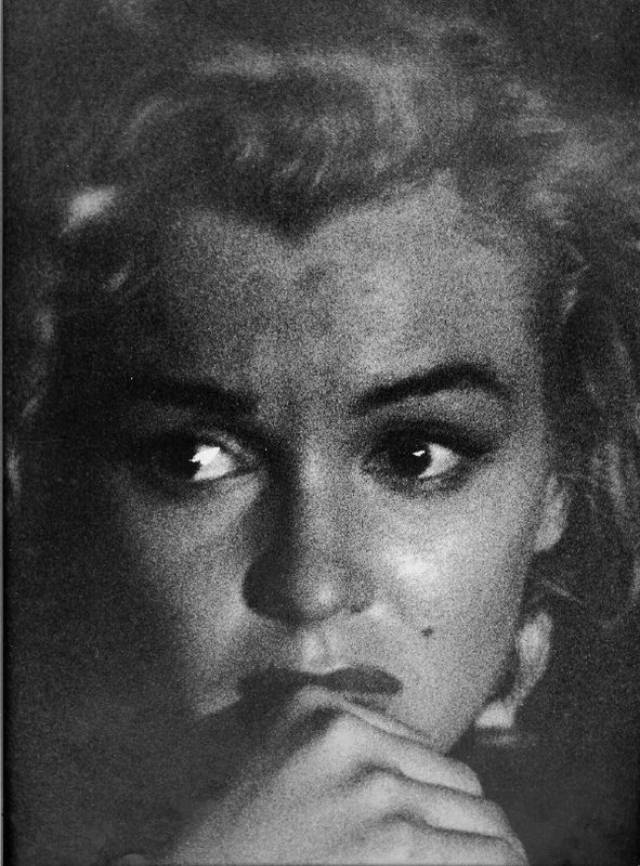
Andre de Dienes had a long working relationship with Monroe that dated back to 1945, when she was still Norma Jeane Dougherty and largely unknown. He shot some of the earliest photographs that helped launch her career. The 1953 session represents the final chapter of that photographic partnership — a relationship that ended not with a formal goodbye, but with a late-night call and a set of images made in the dark.