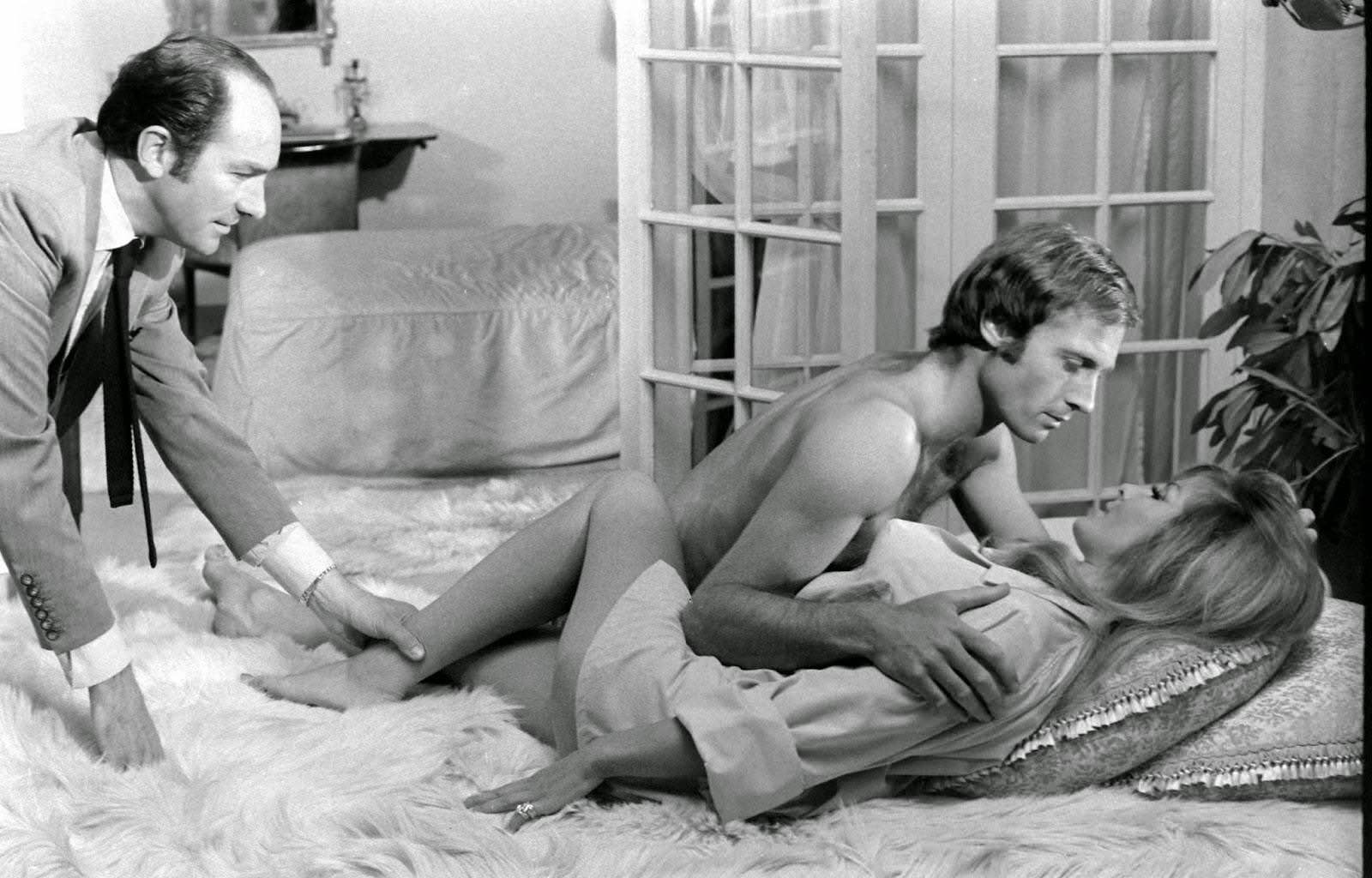
In 1954, director Walter Lang brought the musical film There’s No Business Like Show Business to the big screen. The title came directly from the hit Irving Berlin song made famous in the stage musical Annie Get Your Gun. The film featured a star-studded cast, and among them was Marilyn Monroe, playing a supporting role that would add plenty of glamour to the production.
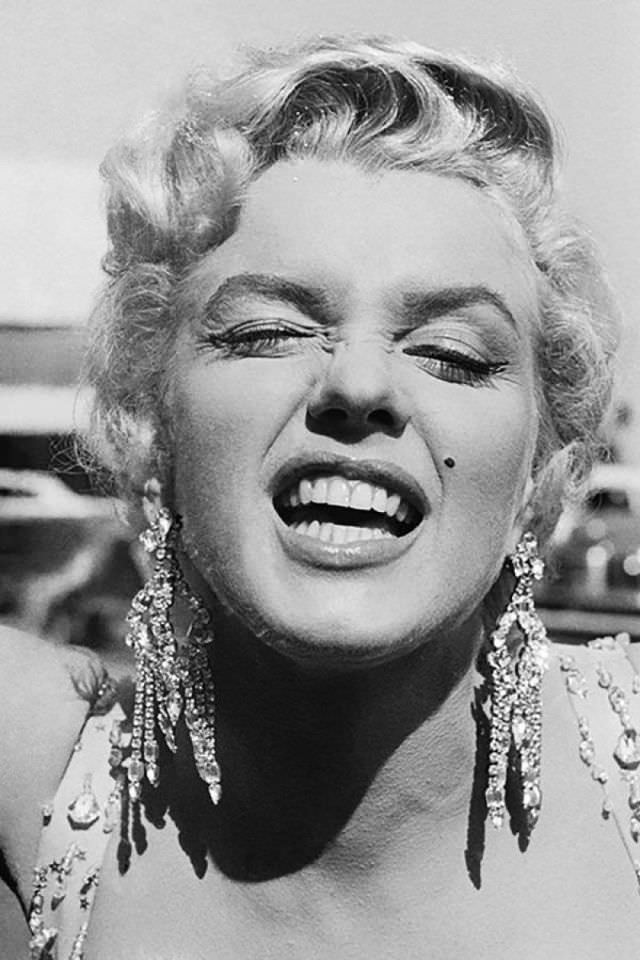
Monroe played Vicky Hoffman — a name later changed to Vicky Parker — a hat-check girl who rises to become a Broadway star. Her character gets drawn into a romance with Tim, one of the film’s central figures. It was a role that leaned into Monroe’s well-established screen persona: charming, funny, and undeniably magnetic.
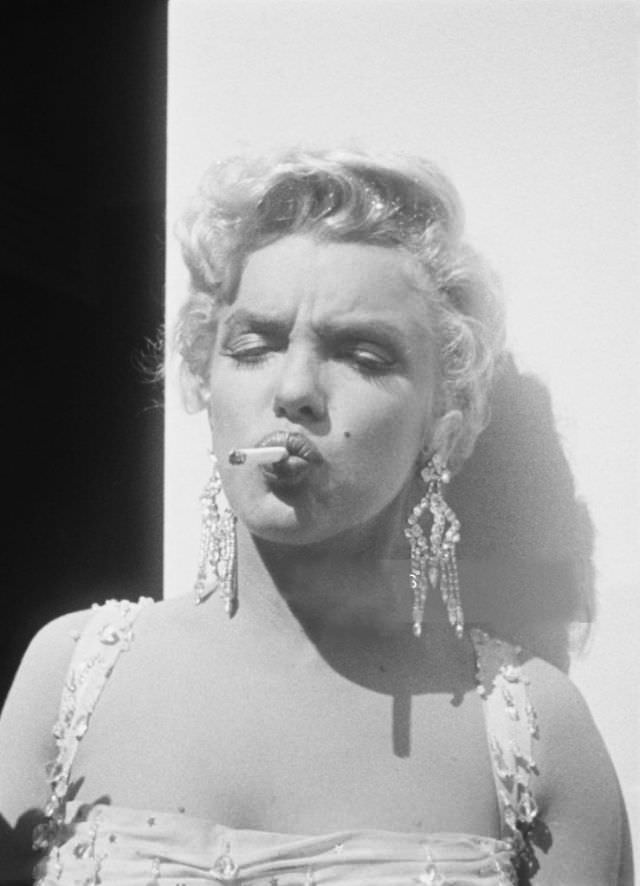
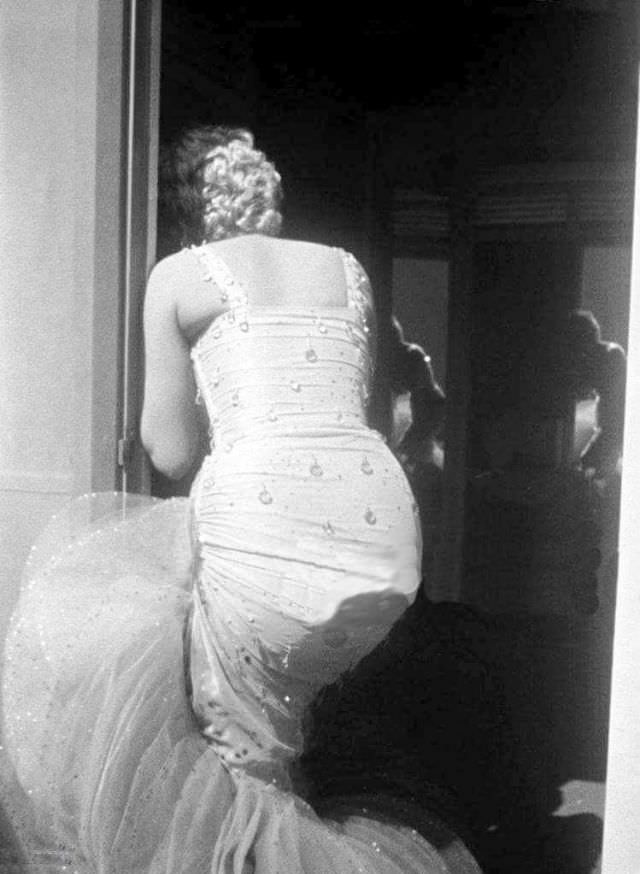
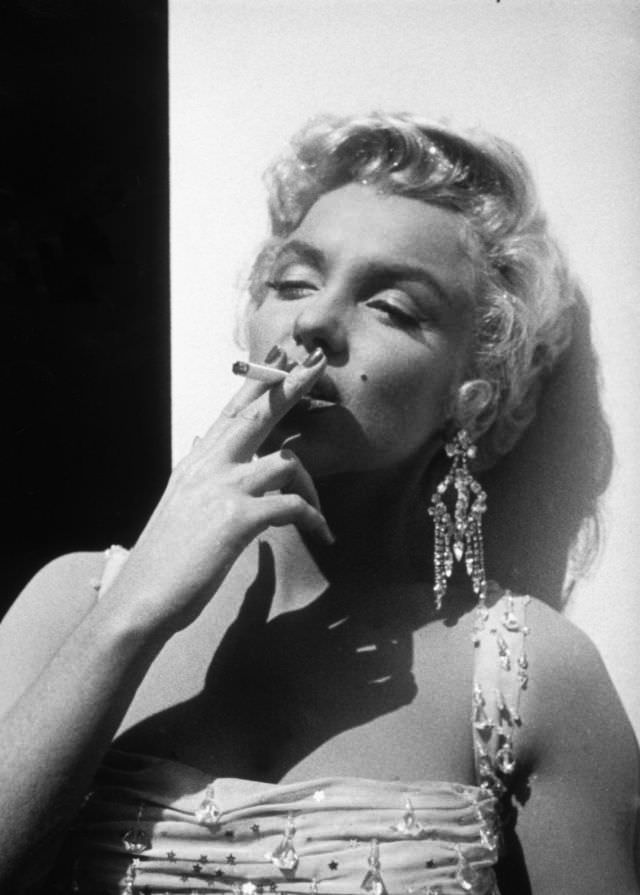
Between takes on set, Monroe was photographed by Gene during a cigarette break. These candid shots offer a rare look at Monroe away from the lights and the camera — relaxed, unguarded, and still effortlessly photogenic. She poses from the side, cigarette in hand, completely at ease.
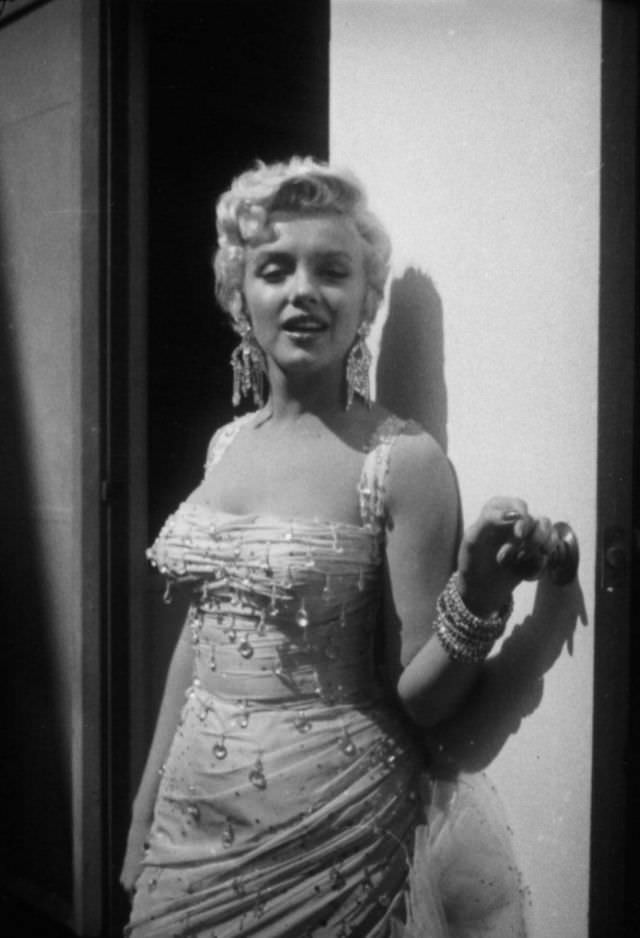
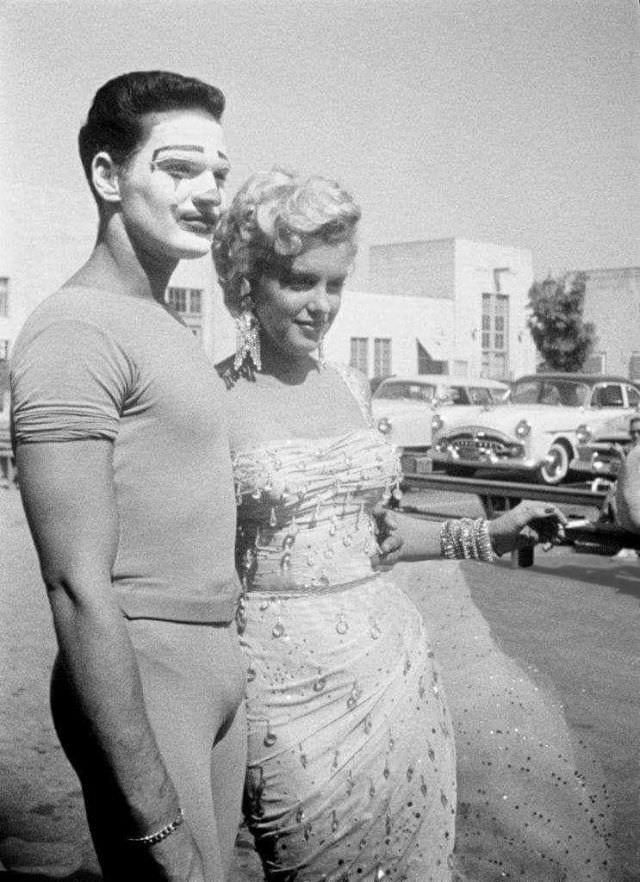
What makes these photographs stand out is their informality. On a film set in the 1950s, behind-the-scenes moments like these were rarely documented with such attention. Photographer Gene caught Monroe in a natural state — not performing for an audience, but simply taking a few quiet minutes for herself between the demands of production.
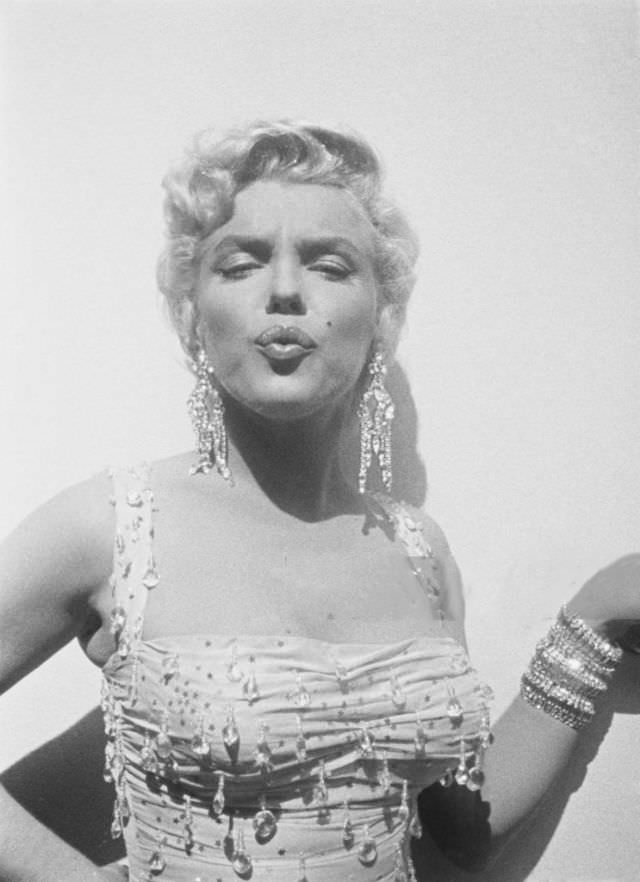
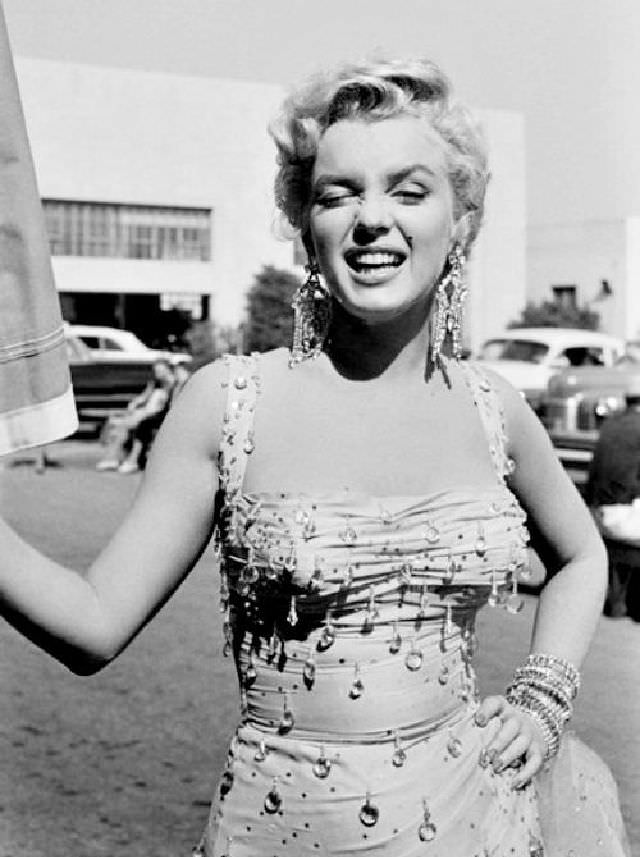
By 1954, Monroe was already one of Hollywood’s biggest names. Films like Gentlemen Prefer Blondes and How to Marry a Millionaire had cemented her star status just the year before. Her casting in There’s No Business Like Show Business reflected the studio’s confidence in her box-office pull, even in a supporting part.
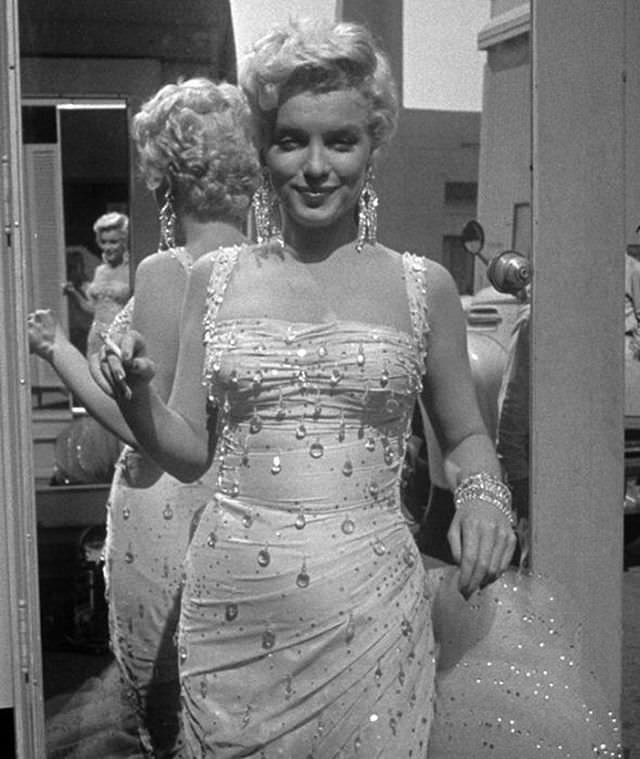
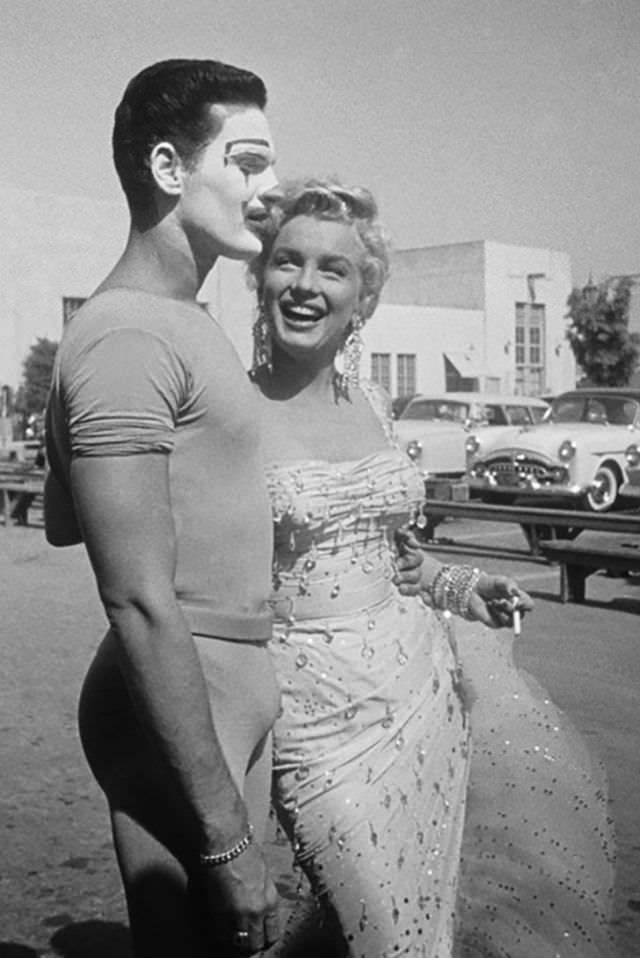
The film itself was shot in CinemaScope and Technicolor, giving it the bold, vibrant look that defined big-budget musicals of the era. The production was elaborate, with large song-and-dance numbers, elaborate costumes, and a full ensemble cast. Monroe’s scenes were carefully choreographed, making the downtime between shots all the more striking to witness in these photos.
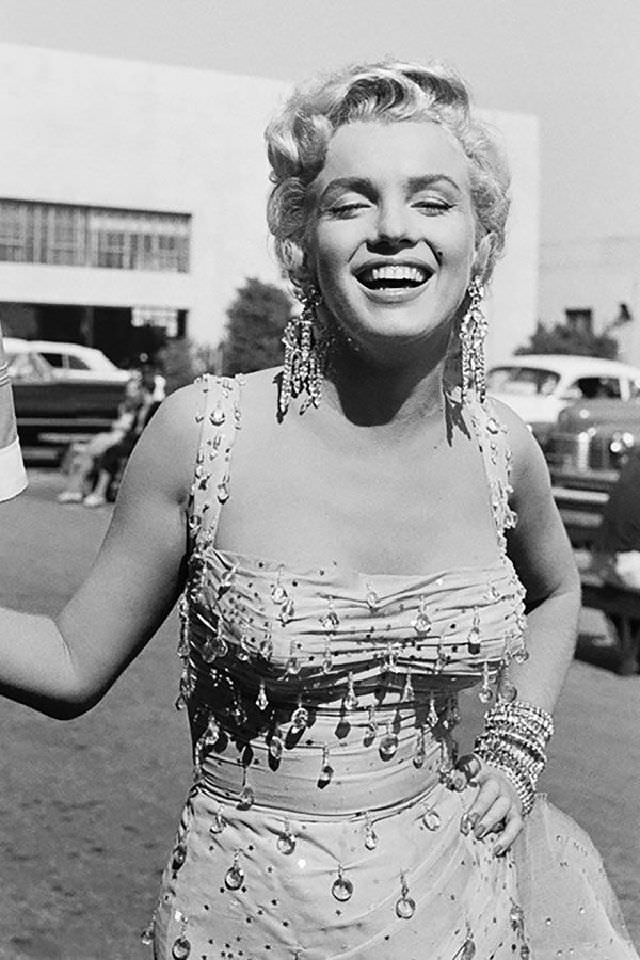
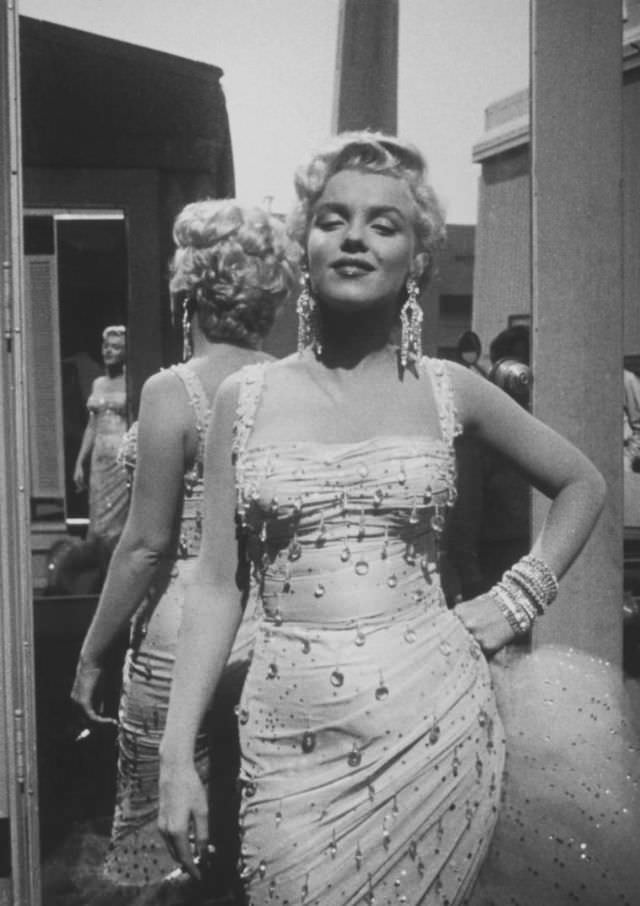
The side-profile shots Gene captured show Monroe in her costume and makeup, still in full character preparation but clearly taking a genuine break. A cigarette was a common fixture on film sets of the period, and for Monroe, these brief pauses were part of the rhythm of a long shooting day.
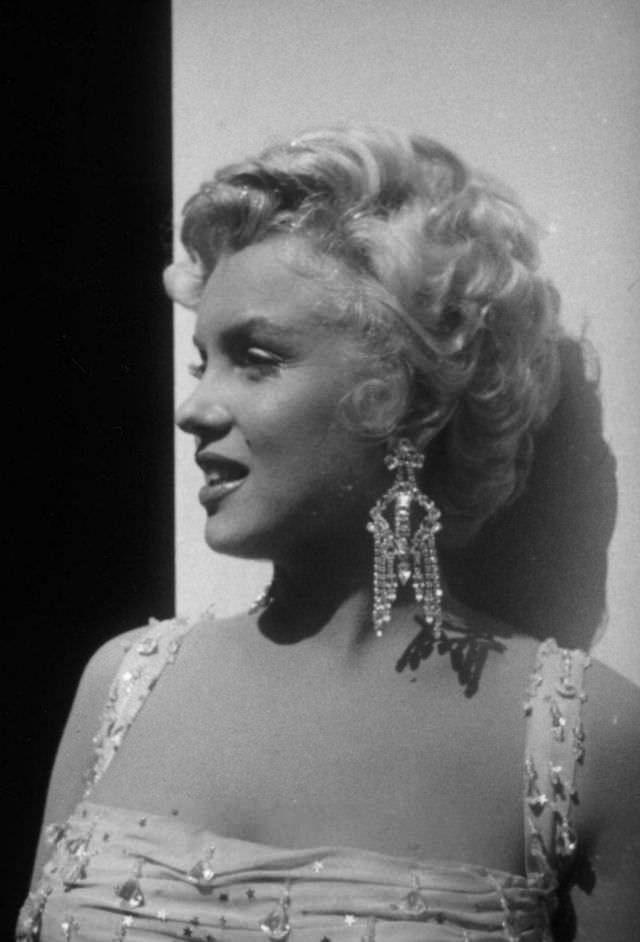
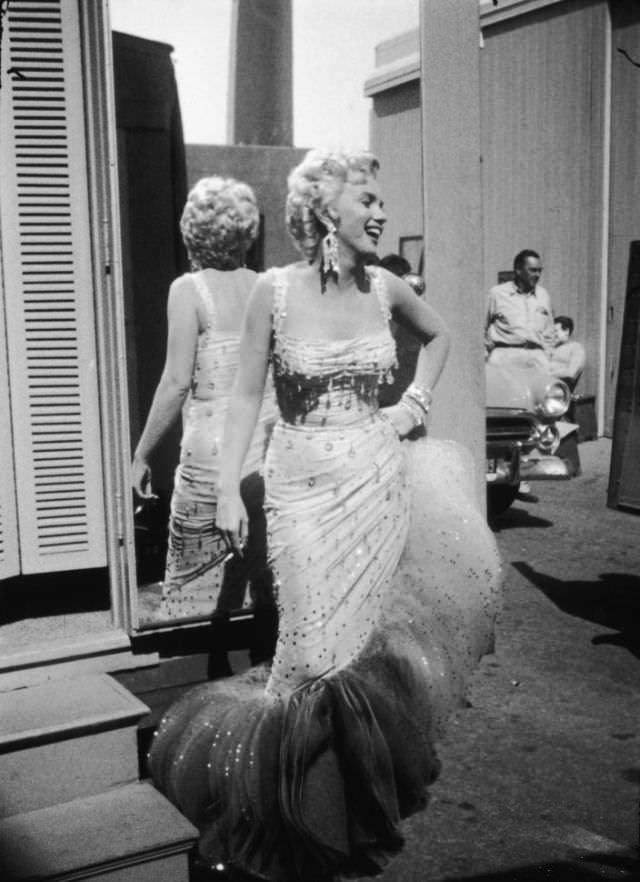
These fourteen photographs form a cohesive set — a documentary snapshot of a single afternoon on a Hollywood lot in 1954. Together, they preserve a moment that would otherwise have been lost: Marilyn Monroe, mid-production, stepping outside the frame for just a little while.