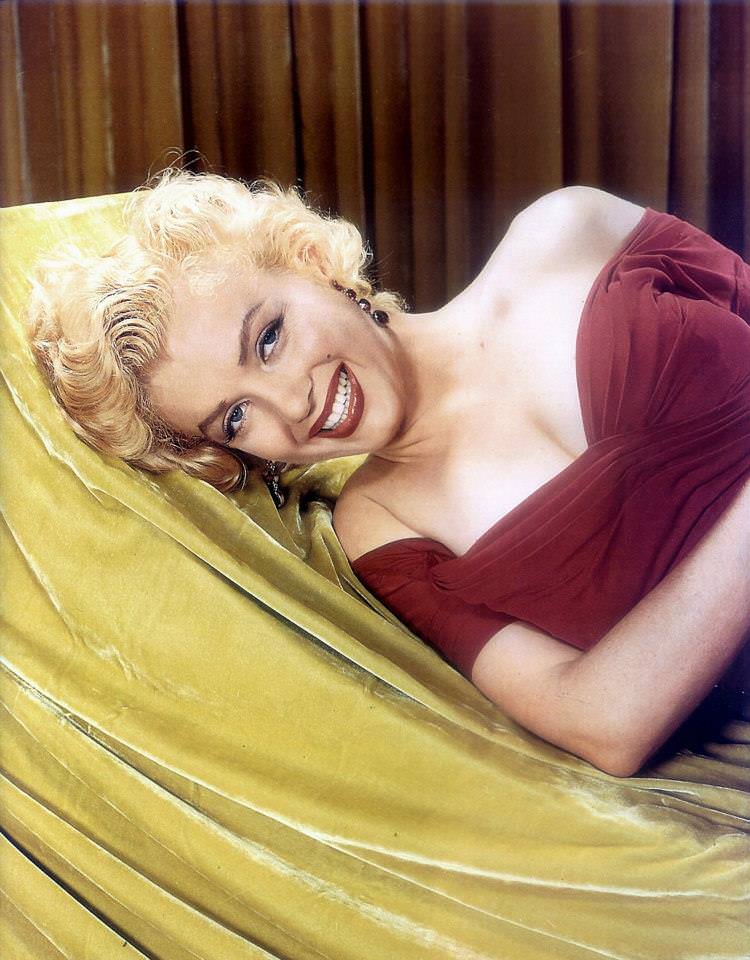
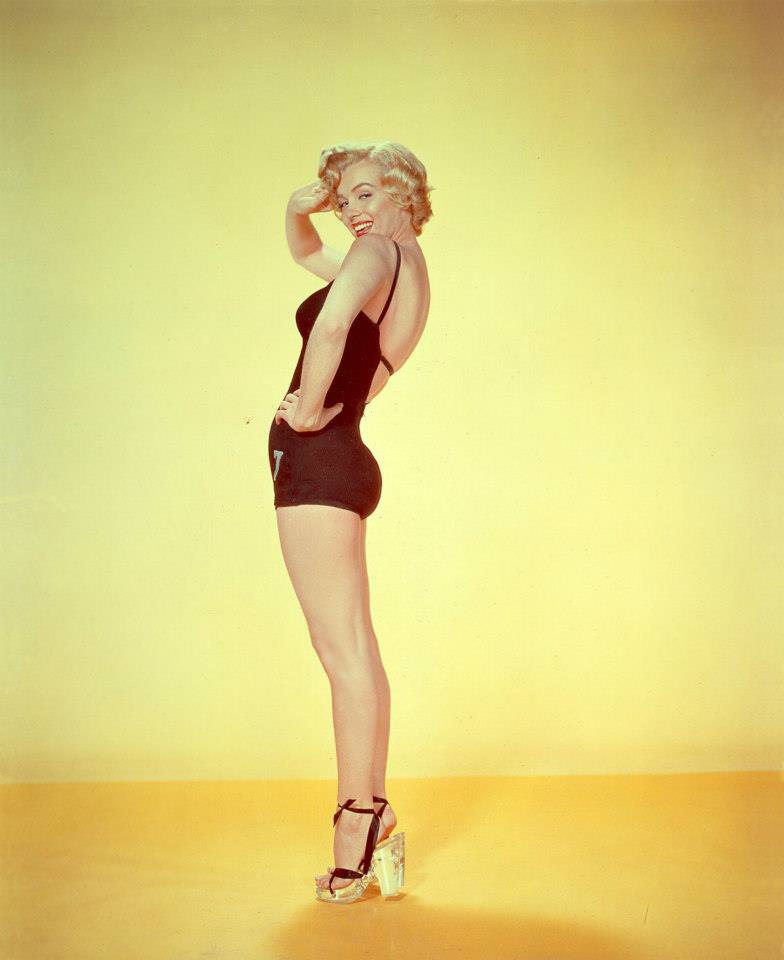
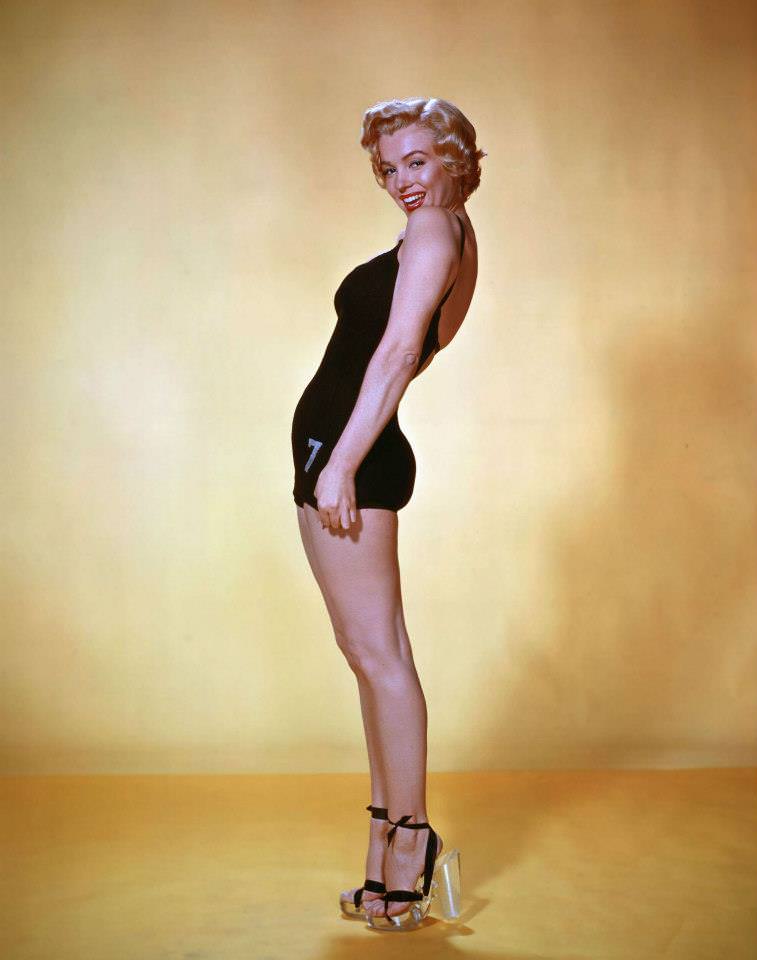
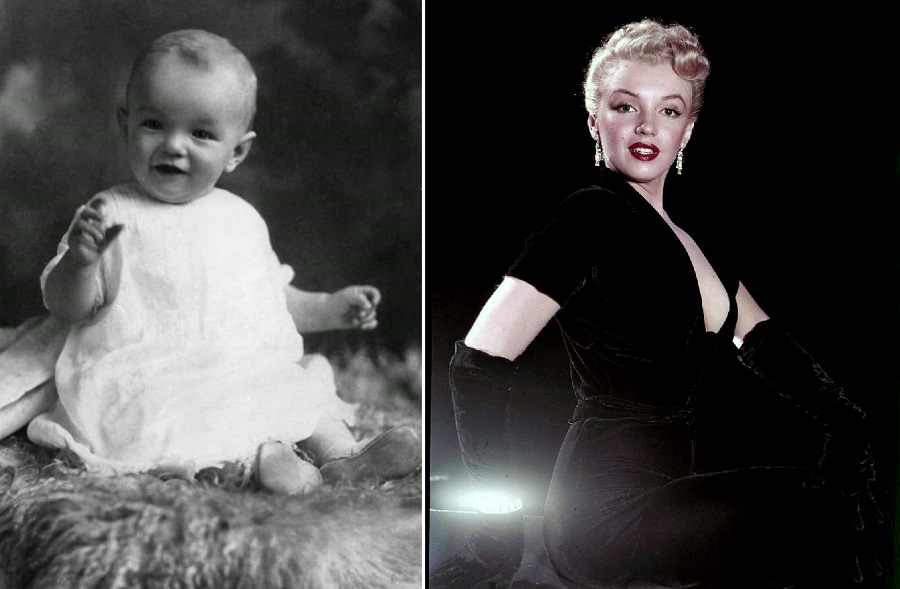
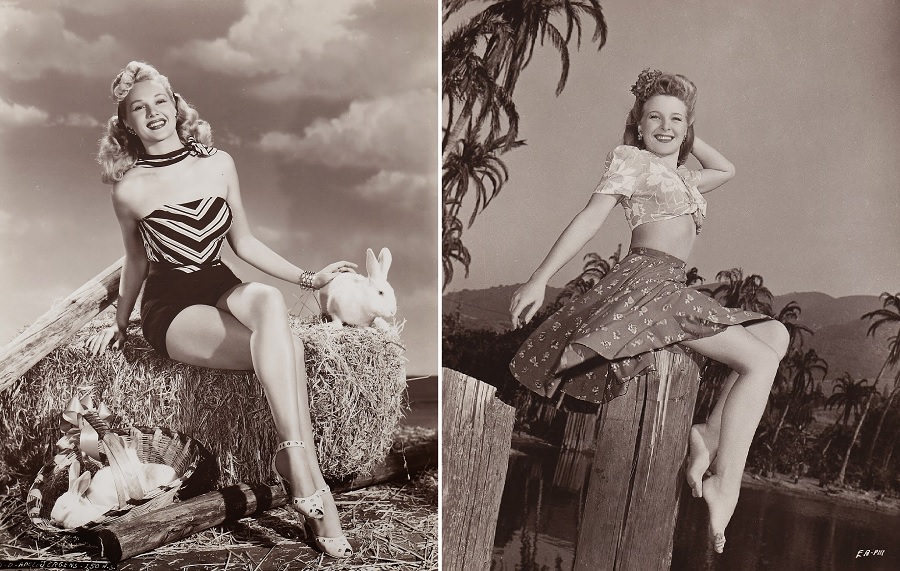
In 1952, Howard Hawks directed ‘Monkey Business,’ a screwball comedy that brought together some of Hollywood’s biggest names. Cary Grant, Ginger Rogers, and Charles Coburn all starred in the film. Also on set was a fast-rising talent: Marilyn Monroe, who played Lois Laurel, a ditzy corporate secretary.
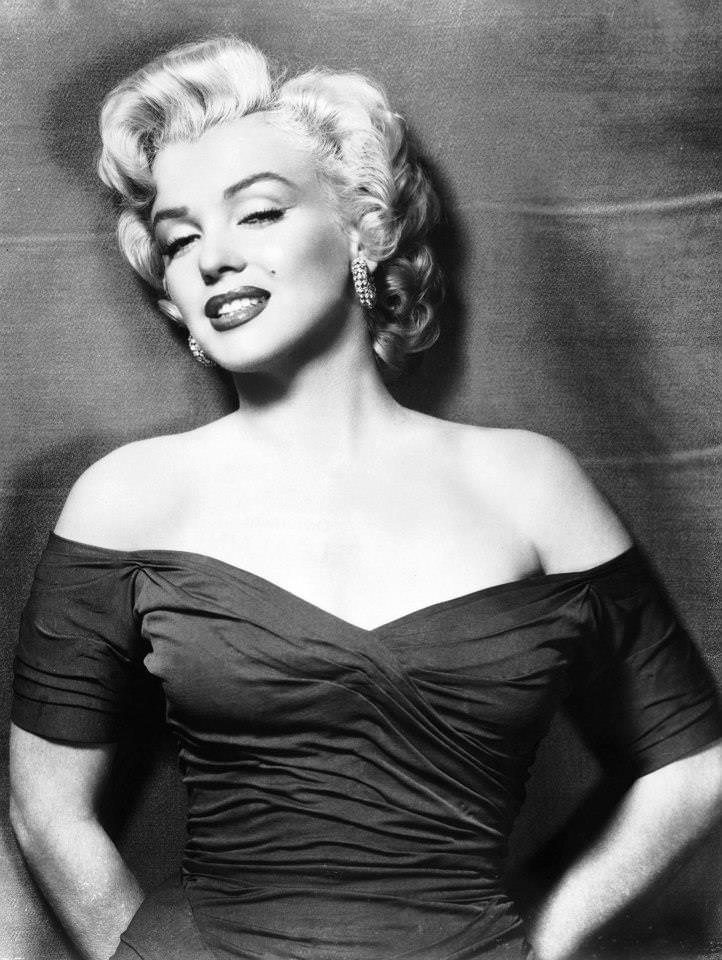
Monroe’s role was not the lead, but her screen presence made it hard to ignore her. The studio knew her growing popularity was a powerful marketing asset, and they put it to work well before the film hit theaters.
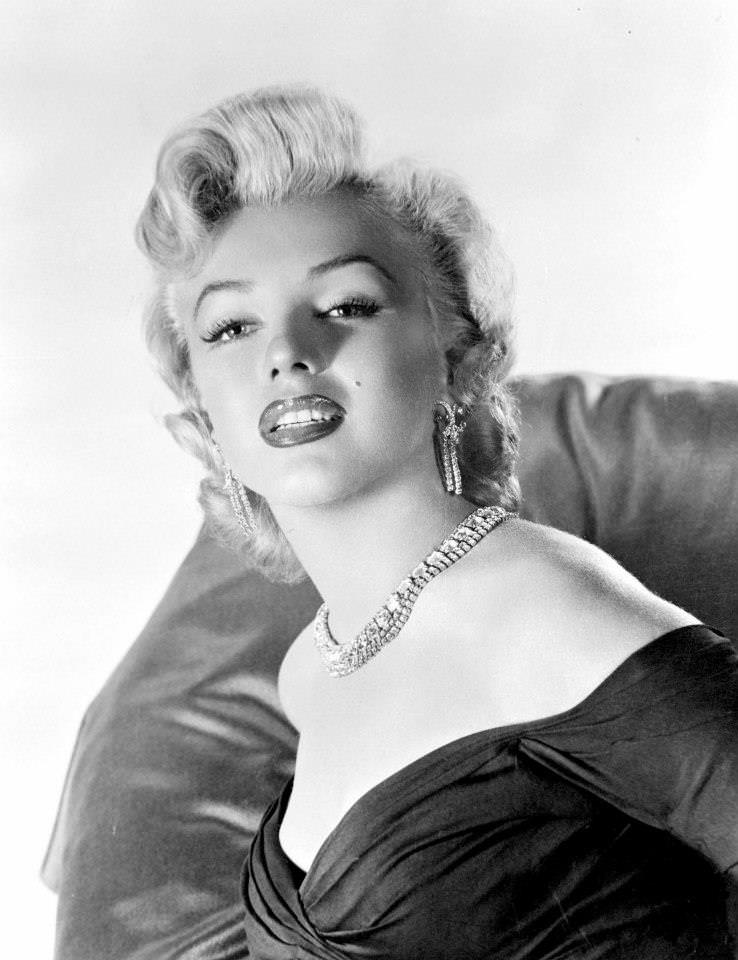
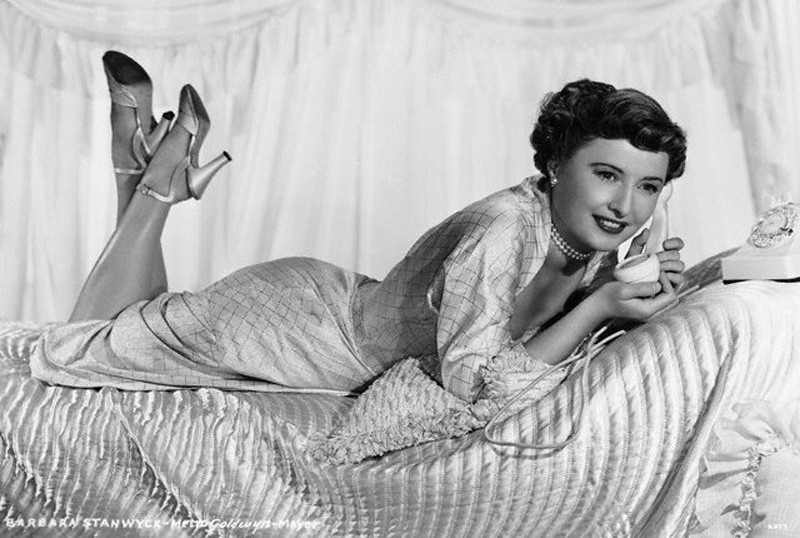
Publicity stills were a standard and essential part of Hollywood’s promotional machine in this era. Studios arranged dedicated photoshoots separate from filming, producing polished images designed specifically for advertising. These were not candid snapshots — they were carefully staged photographs built to sell a film.
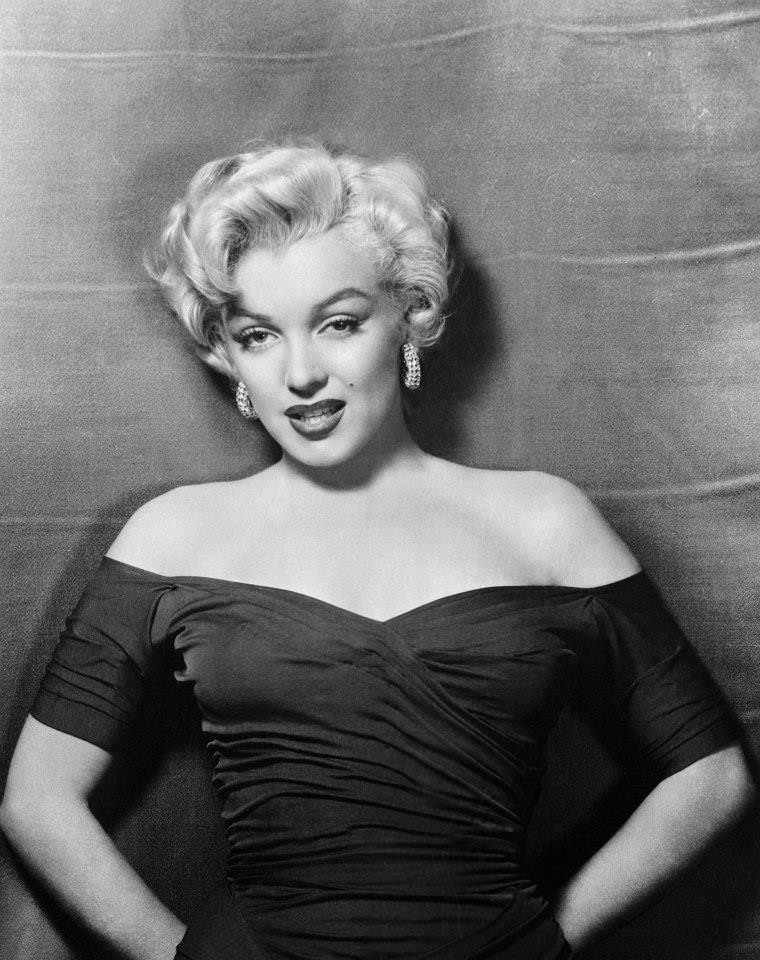
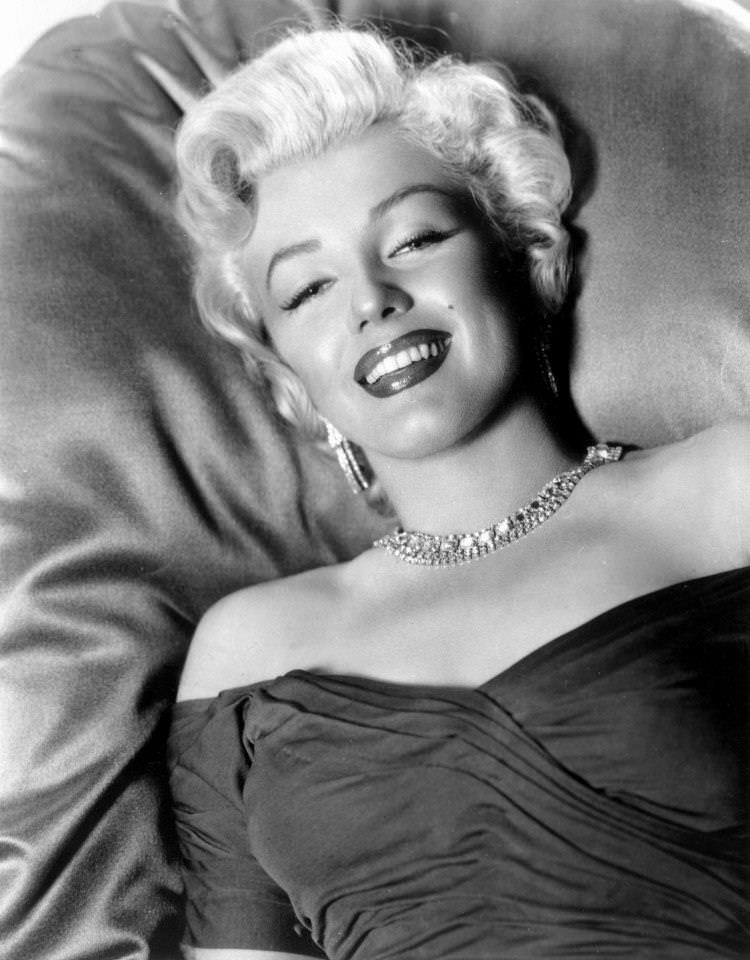
Once produced, the stills were distributed directly to newspapers and magazines across the country. Editors would run them alongside film coverage and reviews, putting the stars’ faces in front of millions of readers before opening day.
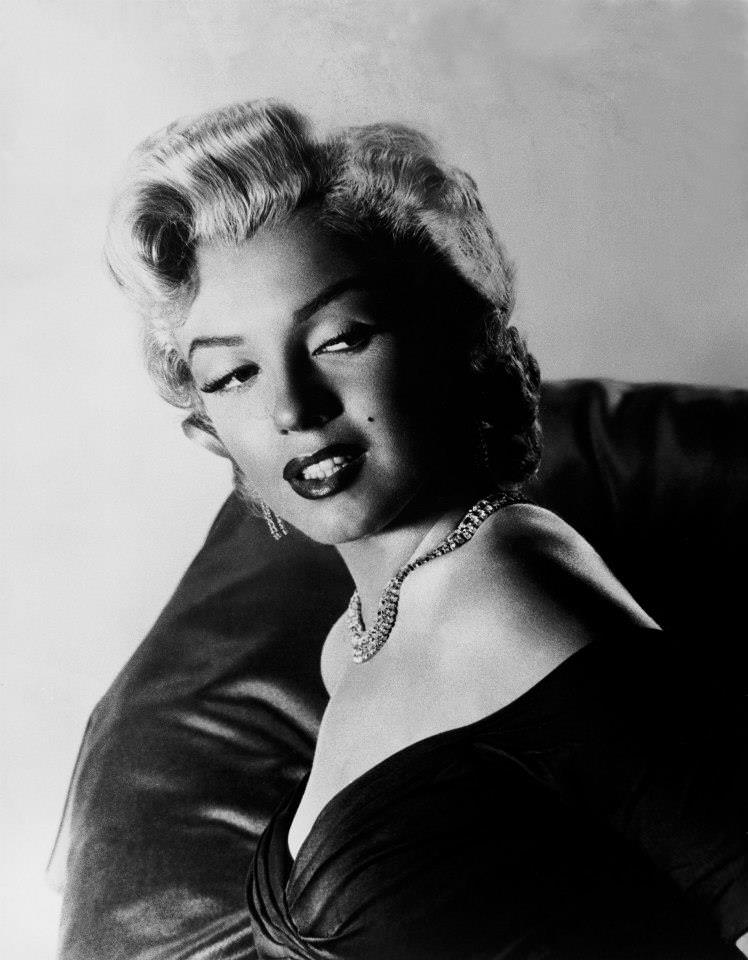
Theater owners also relied on these photographs. Glass display cases mounted outside cinema entrances would hold a rotating selection of stills, giving passersby a visual preview of what was showing inside. For many people, those cases were the first encounter with a film.
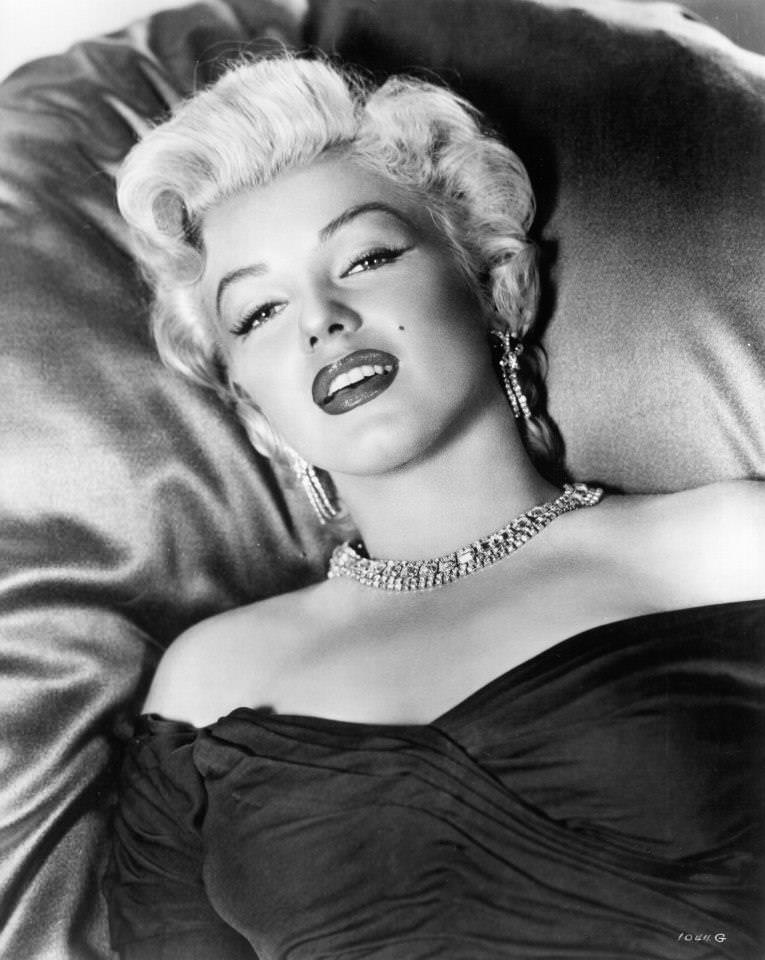
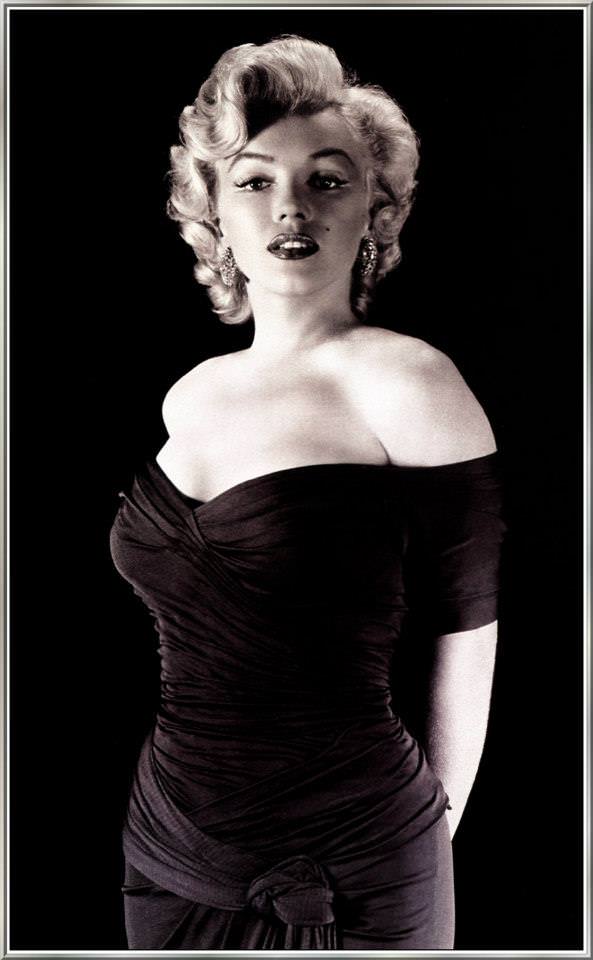
Monroe’s photoshoot for ‘Monkey Business’ captured her at a pivotal moment. She had already drawn attention in small roles, and 1952 marked the year her profile was climbing sharply. The images produced for this film document that transition clearly.