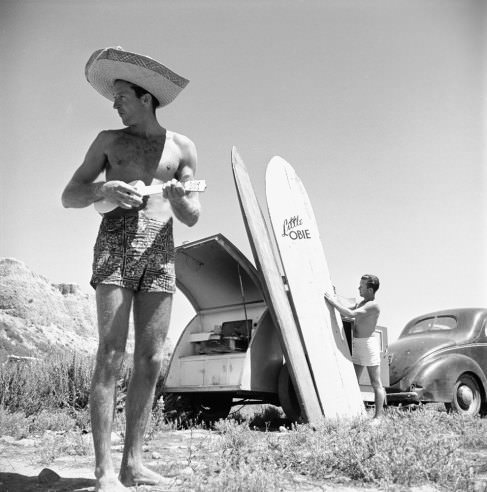
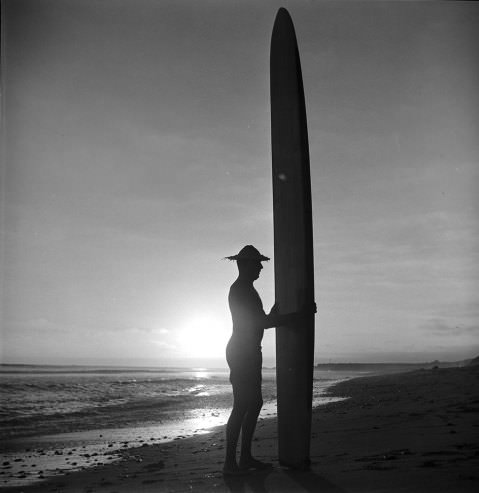
The 1950s and 1960s were a turning point for surfing. What had long been a tradition in Hawaii was spreading fast — down the California coast, across the Pacific to Australia, and thousands of miles south to Peru. A sport once practiced by a small community was becoming a way of life for thousands of people around the world.
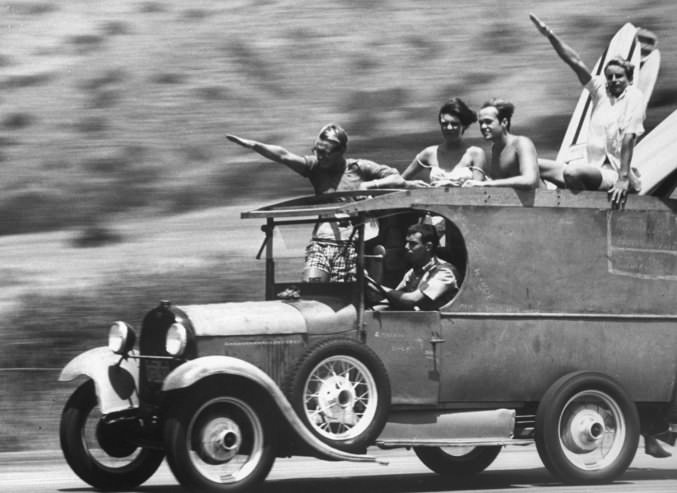
California became one of the sport’s busiest hubs. Spots like Malibu and San Onofre drew surfers who spent entire days scanning the horizon and paddling for the next ride. The boards were long and heavy by today’s standards, and riding one well took real strength and timing.
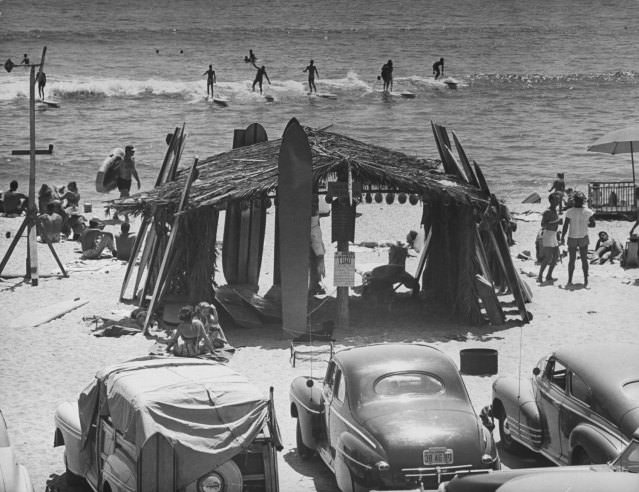
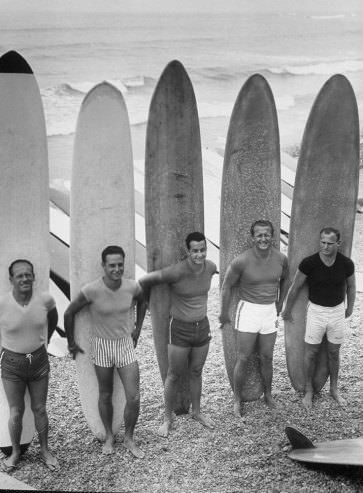
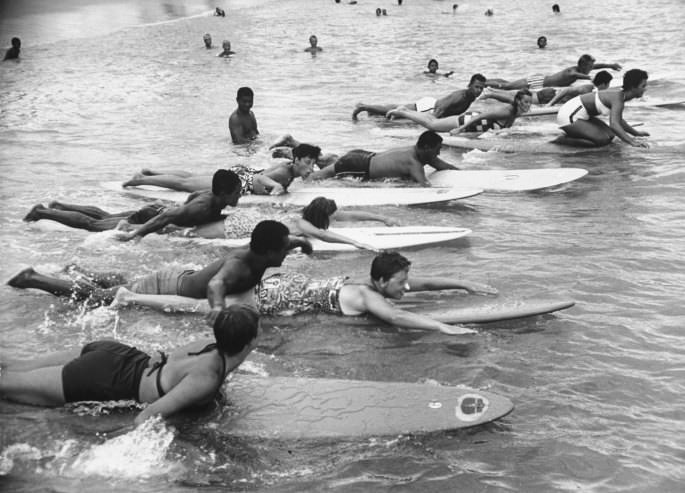
Peru had its own thriving surf scene along its Pacific coastline. By 1959, Lima’s beaches hosted a dedicated group of local surfers who rode the steady swells rolling in from the open ocean. They shared the same obsession with wave reading, timing, and the particular joy of a clean ride that defined the sport everywhere else.
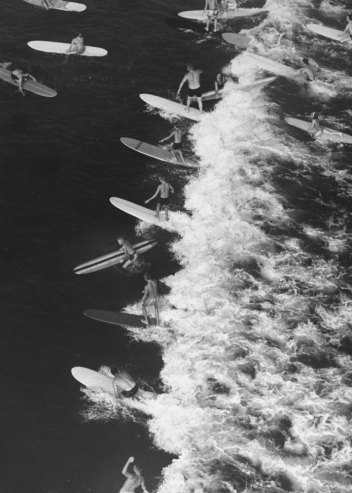
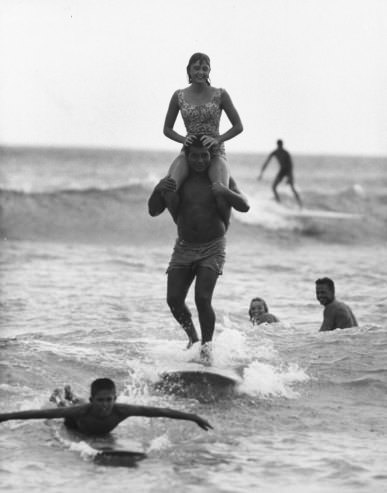
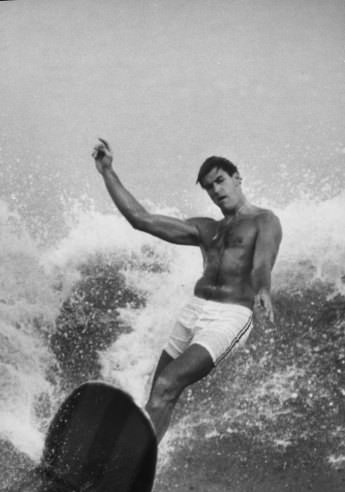
Hawaii remained the spiritual center of surfing throughout this era. Waikiki drew beginners and veterans alike, while the powerful breaks of the North Shore challenged the most experienced riders. Hawaiian surfers had grown up with the ocean as a constant presence, and their mastery of heavy longboards on large swells set the standard for the rest of the world.
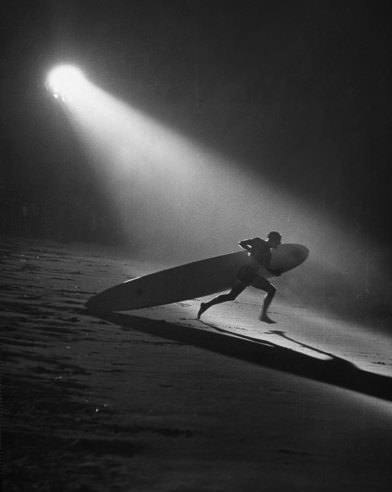
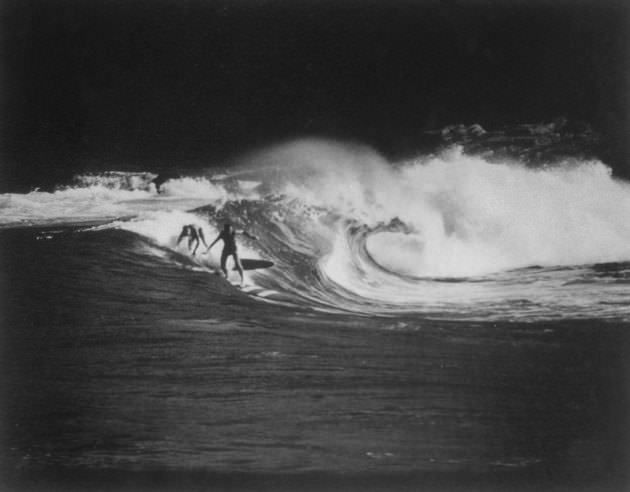
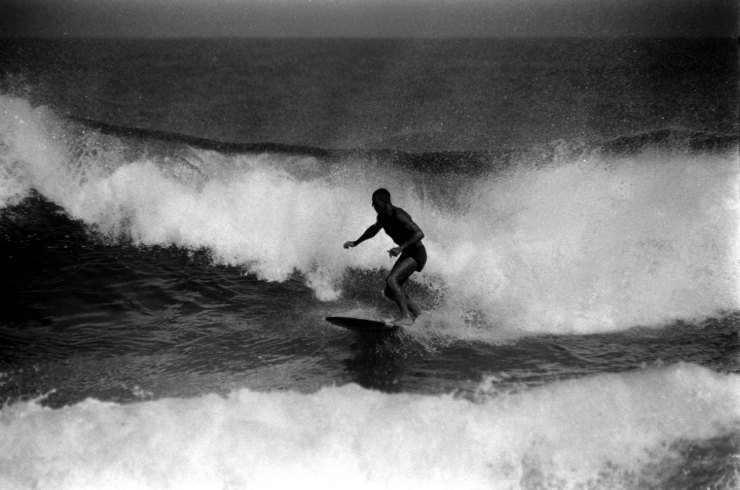
Australia was also developing a serious surf culture by the late 1950s. Surfers there embraced the same stripped-down approach seen elsewhere — boards, boardshorts, and an intimate knowledge of local breaks. The equipment was simple, but the skill required was anything but.
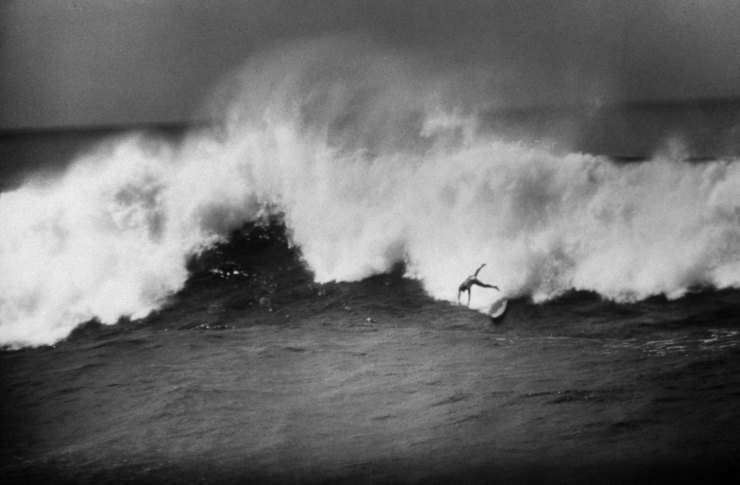
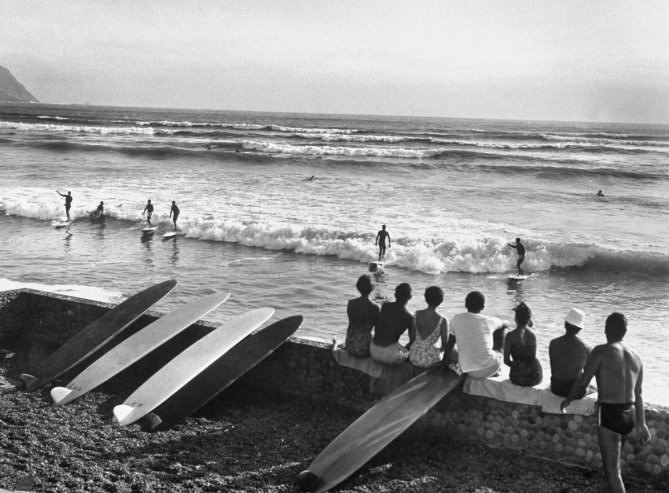
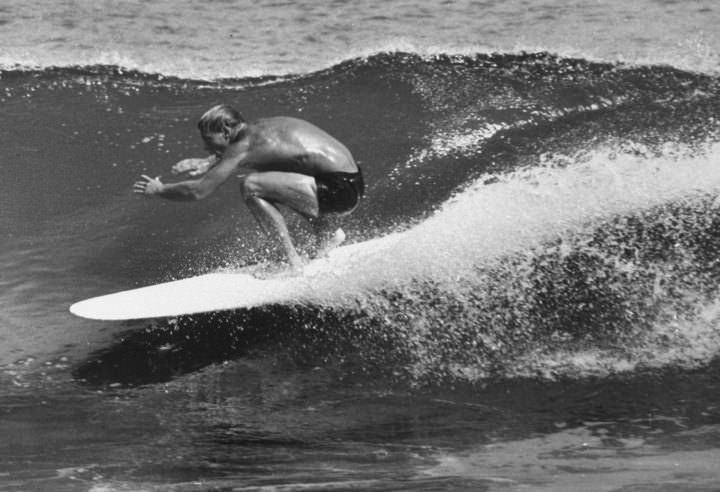
Back in California, Malibu produced some of the most photographed surfing of the decade. The wave there was long and consistent, making it ideal for the graceful, cross-stepping style that defined 1960s longboarding. Surfers would walk to the nose of their boards mid-ride, balancing on the tip above the water in a move that became one of the era’s defining images.
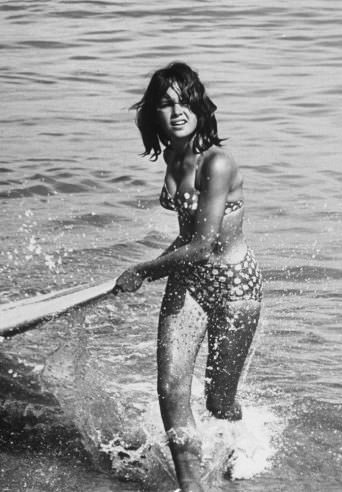
One of the most iconic figures to emerge from Malibu in the late 1950s was sixteen-year-old Kathy Kohner. She surfed alongside the local crew at Malibu and earned the nickname “Gidget” — a mashup of “girl” and “midget.” Her experiences later inspired a novel and a film franchise that introduced millions of Americans to surf culture.
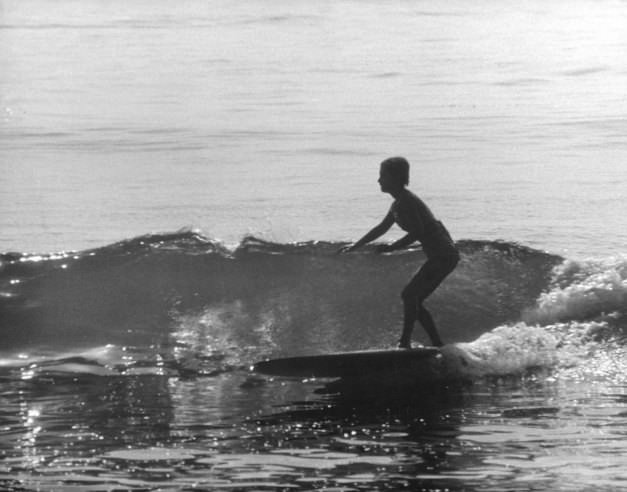
The San Onofre beach in Southern California was another gathering point for the early surf community. As early as 1950, groups of surfers were meeting there regularly, building friendships around the shared rhythm of tides and swells. It was less about competition and more about the ritual of showing up, paddling out, and riding whatever the ocean offered.
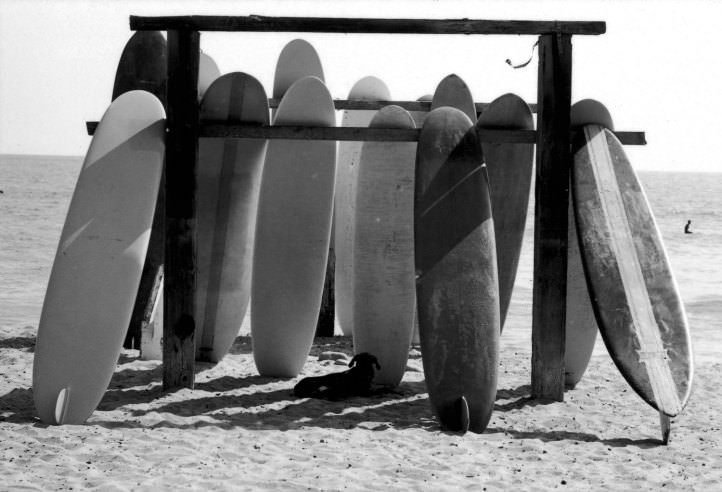
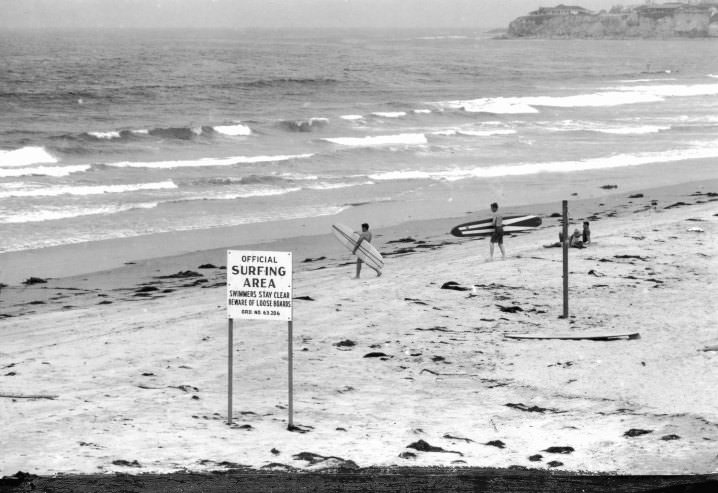
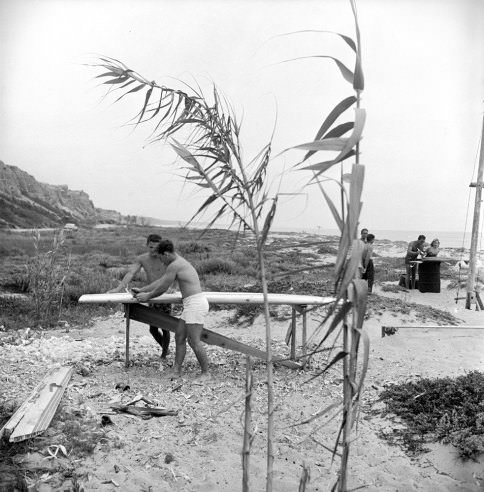
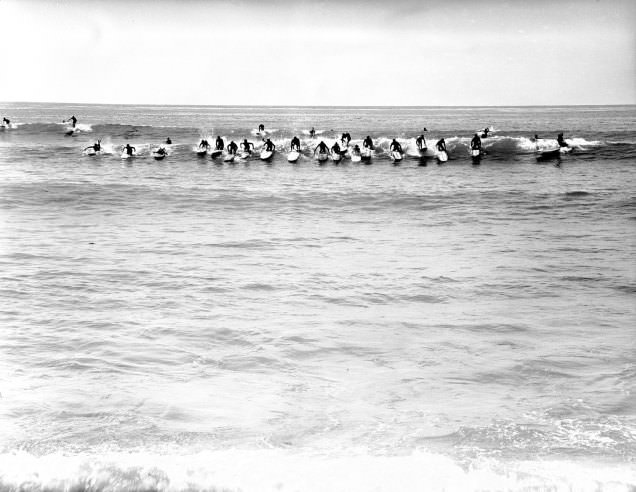
In Lima, the surf scene grew quietly but steadily through the late 1950s. The photographs taken there in 1959 show surfers at ease in the water, carrying boards across the sand and paddling out with the kind of casual confidence that only comes from years of practice. Peru’s cold Humboldt Current produced reliable waves, and the local surfers learned every one of them.
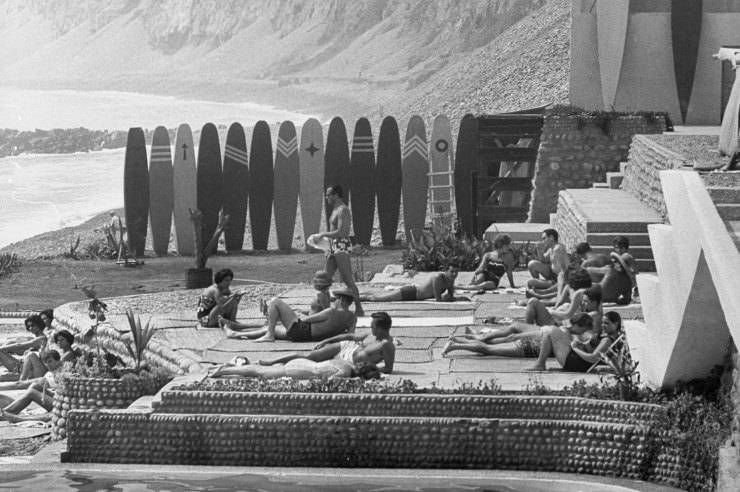
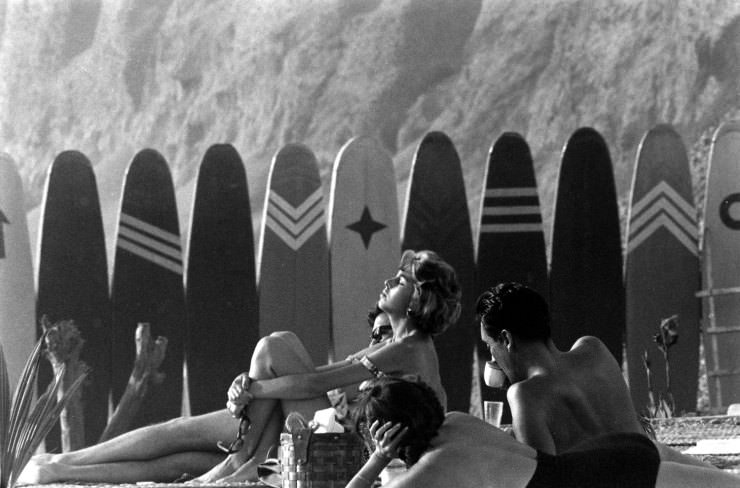
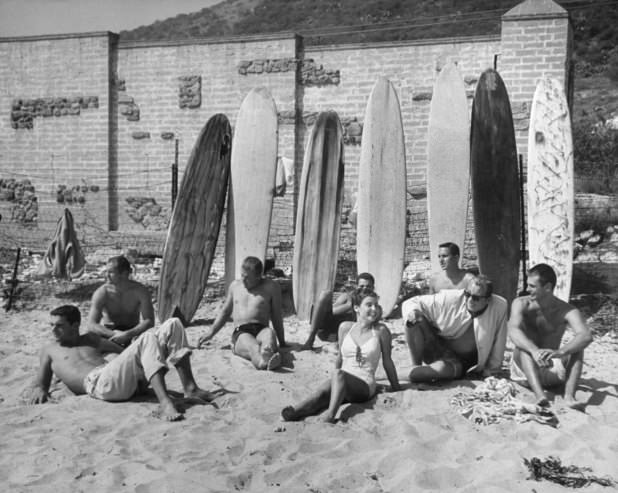
Whether at San Onofre in 1950 or on the North Shore of Hawaii in 1963, surfers of this era shared a common thread. The sport asked for patience, physical strength, and a deep respect for the ocean. These photographs capture that relationship in real time — not posed or polished, but alive.