Hey There! Before You Go. 😧
Get the best vintage content straight into your inbox!

Don't worry, we don't spam

Margaret Lockwood: Life Story and Gorgeous Photos of Britain’s Most Popular Actress of the 1940s

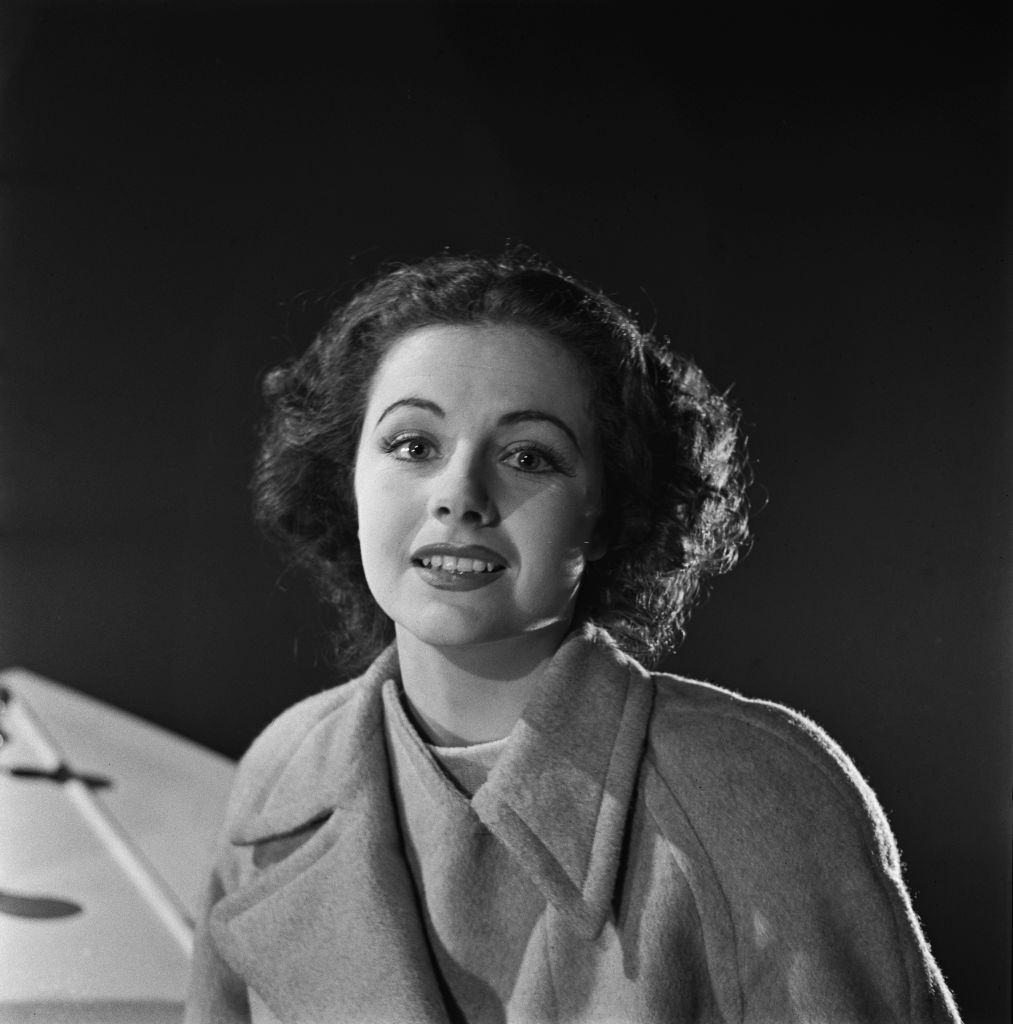
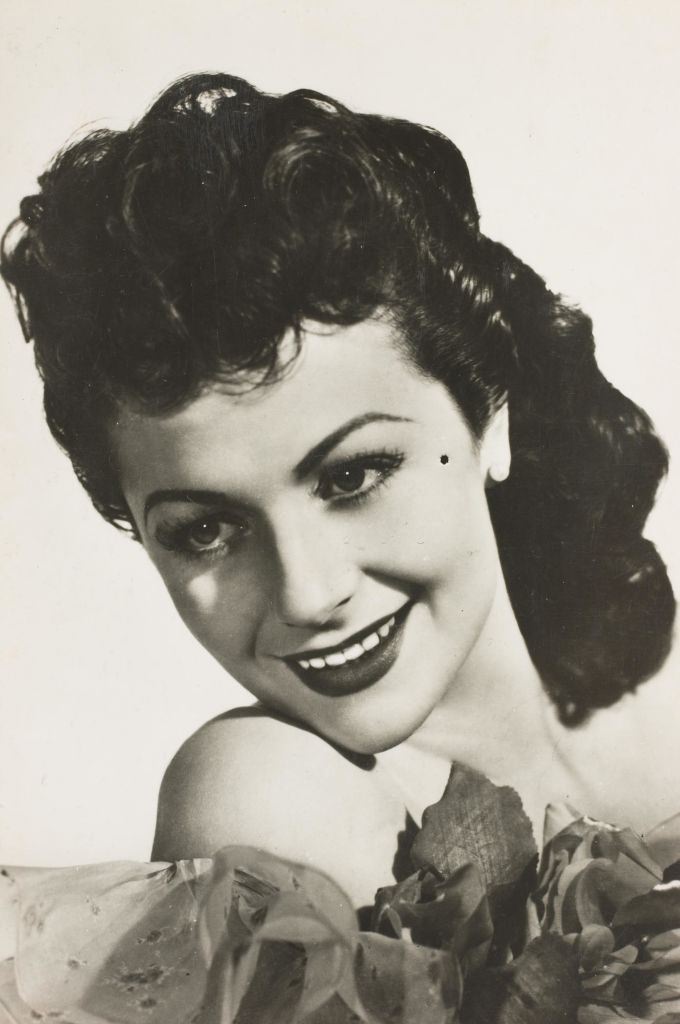
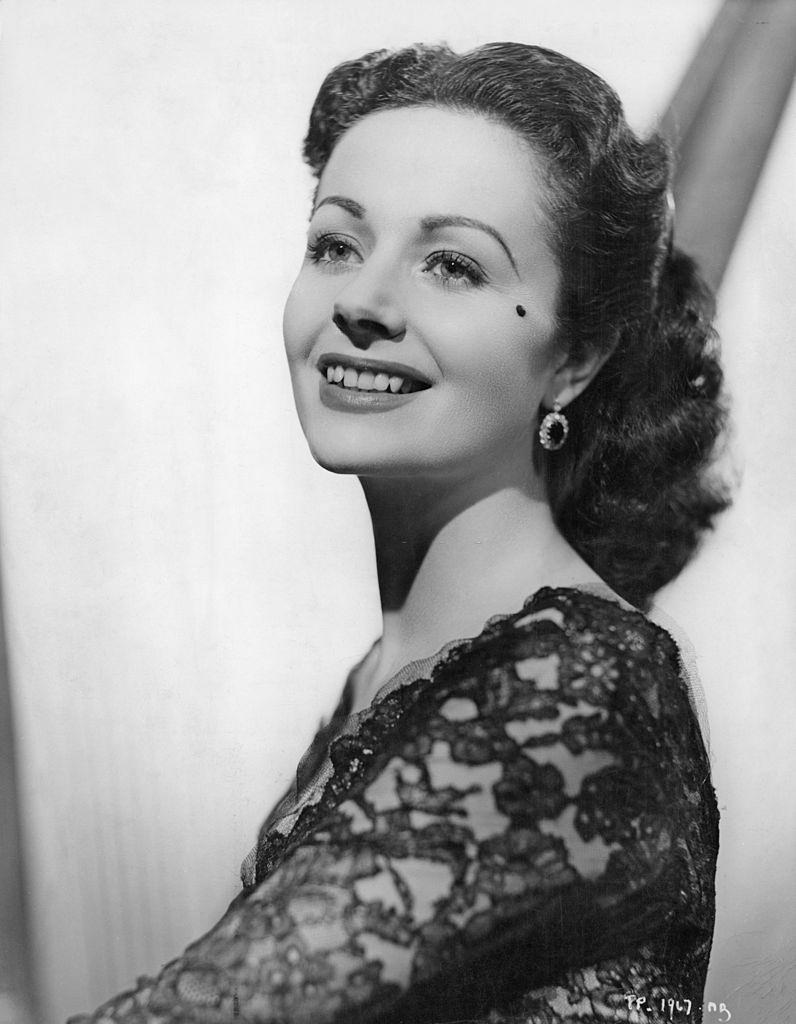
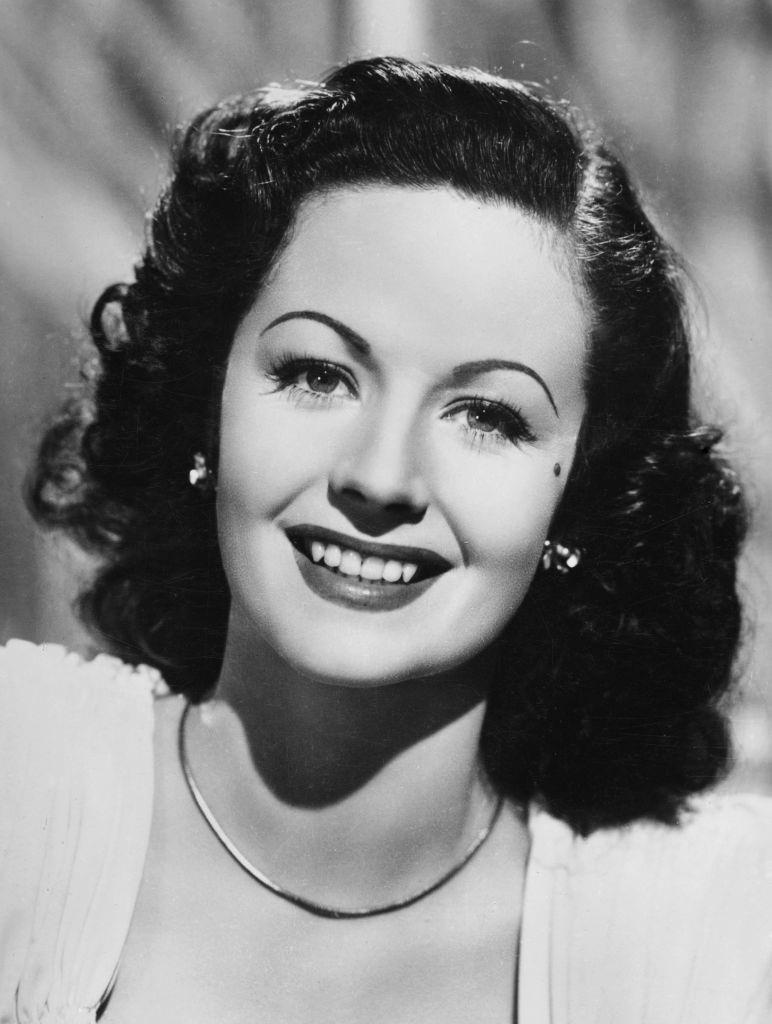
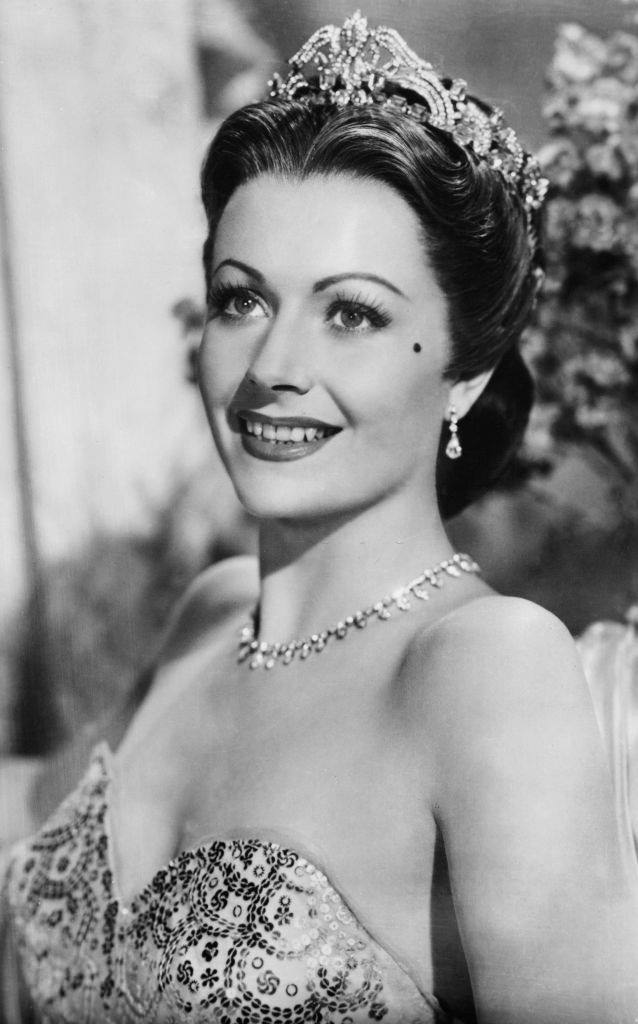
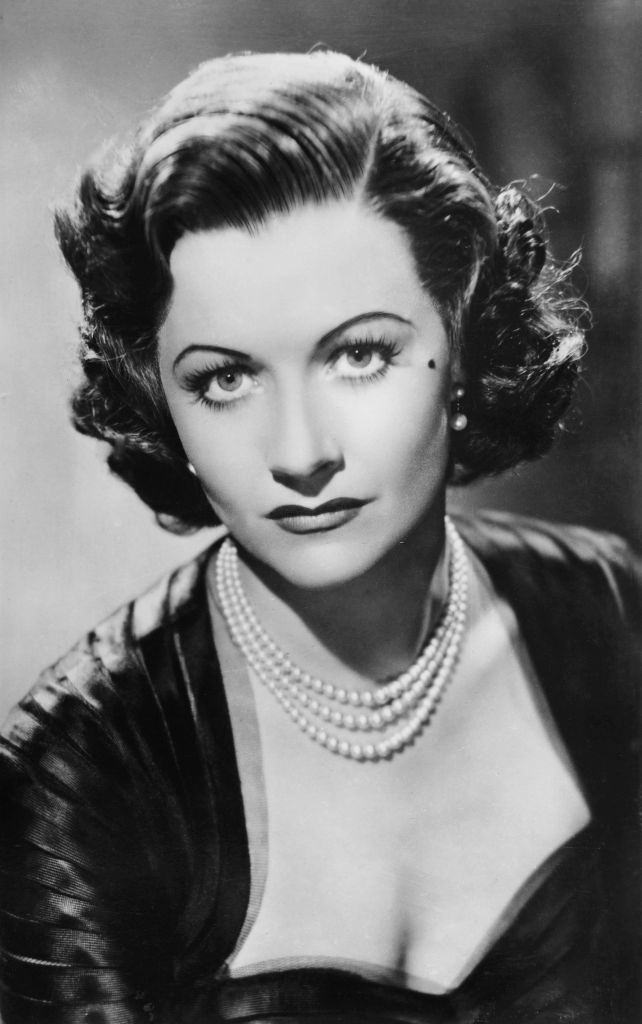
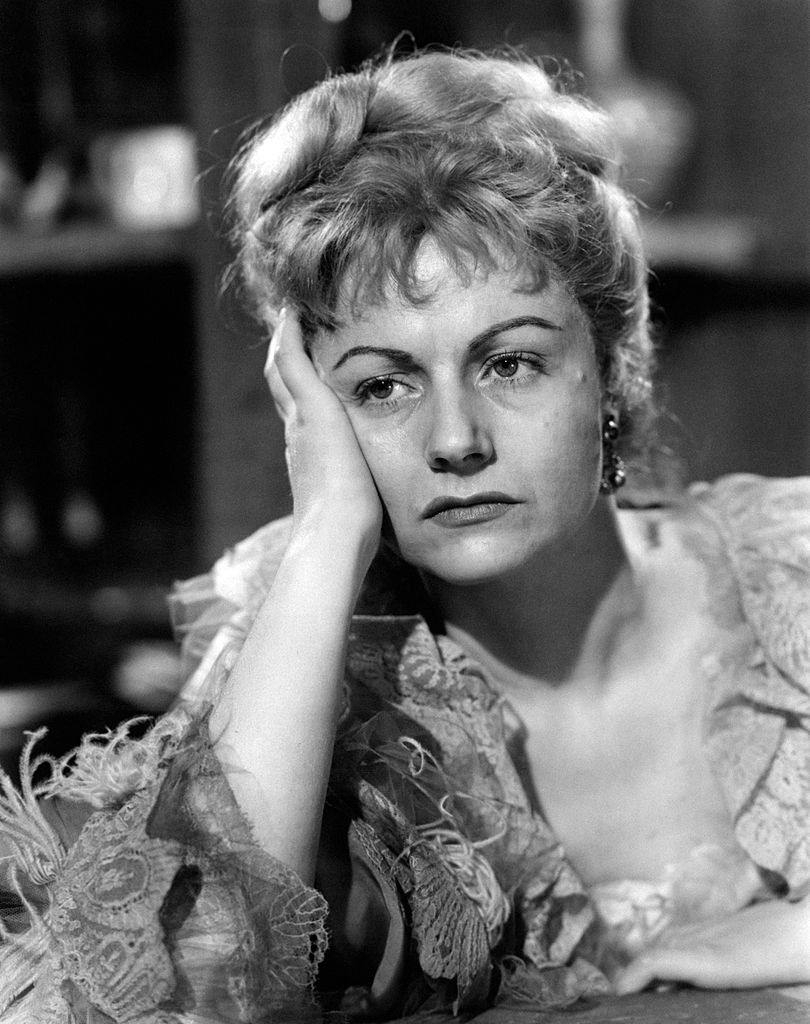
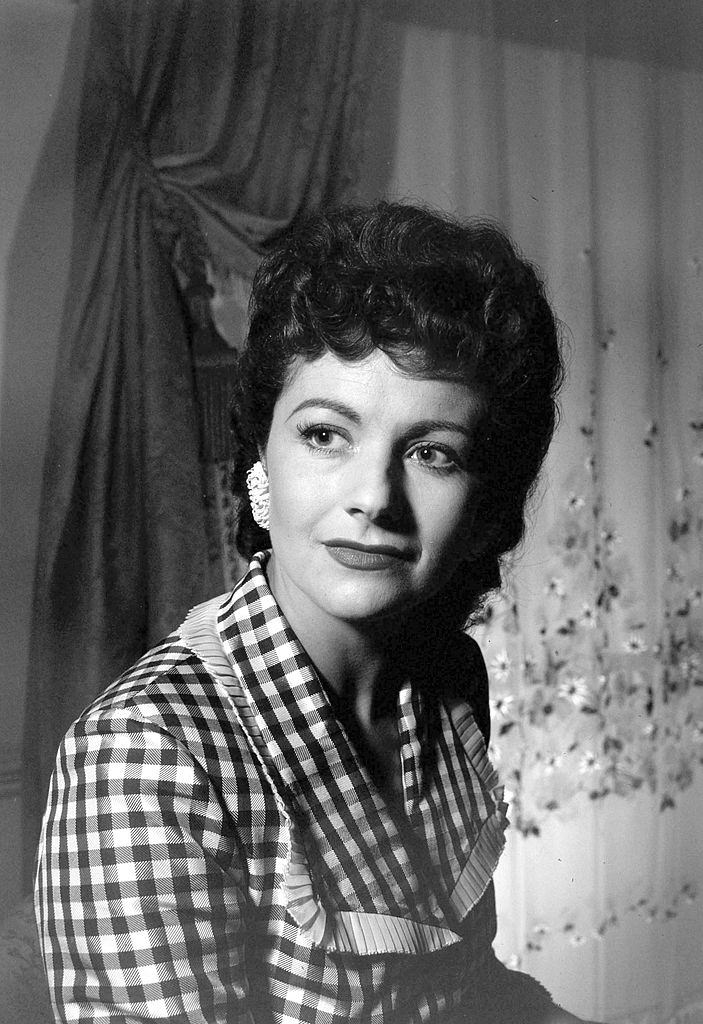
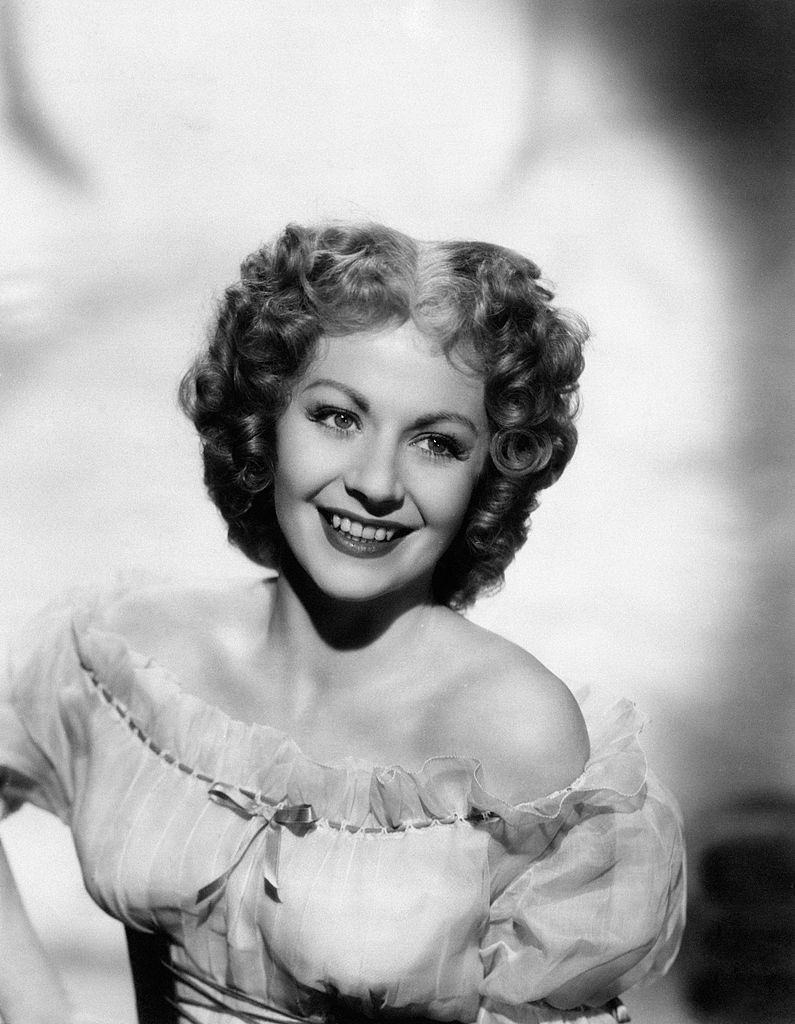
Margaret Lockwood was the biggest female star in British cinema during the 1940s. A striking brunette with a natural beauty spot on her left cheek, she became known for her sharp screen presence, her range as an actress, and a string of hit films that kept audiences coming back. She was not simply a pretty face — she was a performer who could carry a film on her own, and British audiences loved her for it.

Born in 1916, Lockwood showed an early passion for performance. At twelve years old, she began training at the Italia Conti Academy of Theatre Arts in London, one of the most respected performing arts schools in Britain. In 1928, she made her stage debut in a production of ‘A Midsummer Night’s Dream.’ The following year, she appeared at the Scala Theatre in the pantomime ‘The Babes in the Wood.’ Through the 1930s, she continued building her stage reputation, taking on a variety of theatrical roles before the film world took notice.
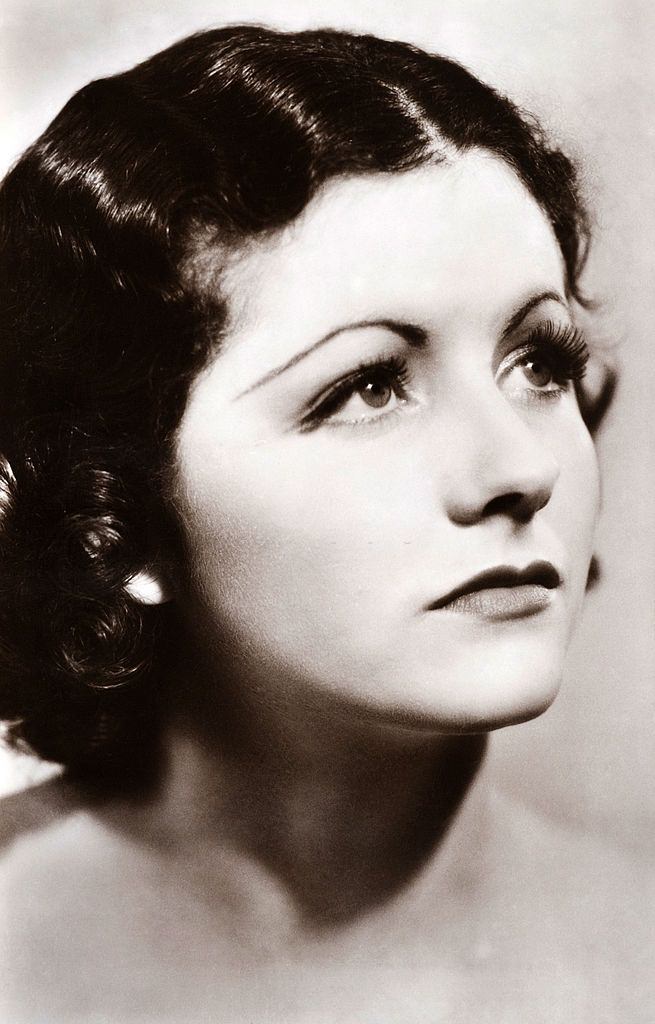
Margaret Lockwood, 1934.

Lockwood made her screen debut in 1934 with the drama film ‘Lorna Doone.’ That same year, she appeared on stage alongside Jack Livesey at the Ambassadors Theatre in ‘Family Affairs,’ showing she was equally at home in front of a live audience or a camera.
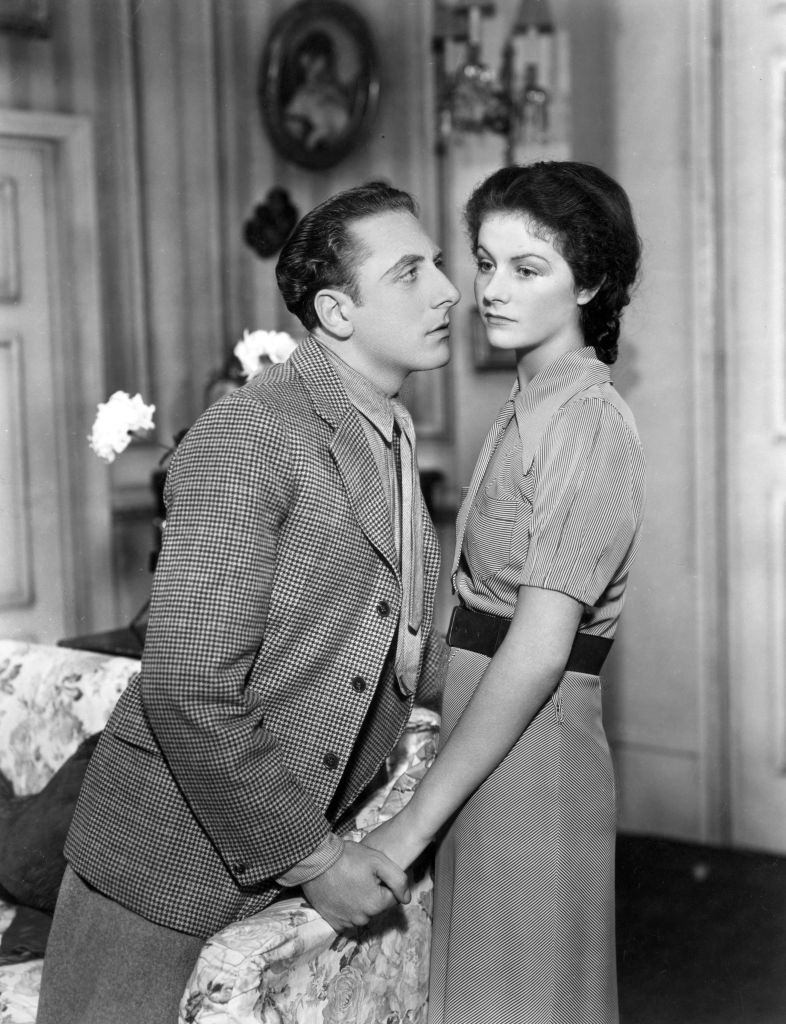
Margaret Lockwood with  Jack Livesey in the play 'Family Affairs' at The Ambassadors Theatre, 1934.
Margaret Lockwood with Jack Livesey in the play ‘Family Affairs’ at The Ambassadors Theatre, 1934.

Her film work grew steadily throughout the mid-1930s, and by 1935 she was appearing regularly in front of the camera. Her natural ease on screen helped her stand out in an era packed with talented British actresses.
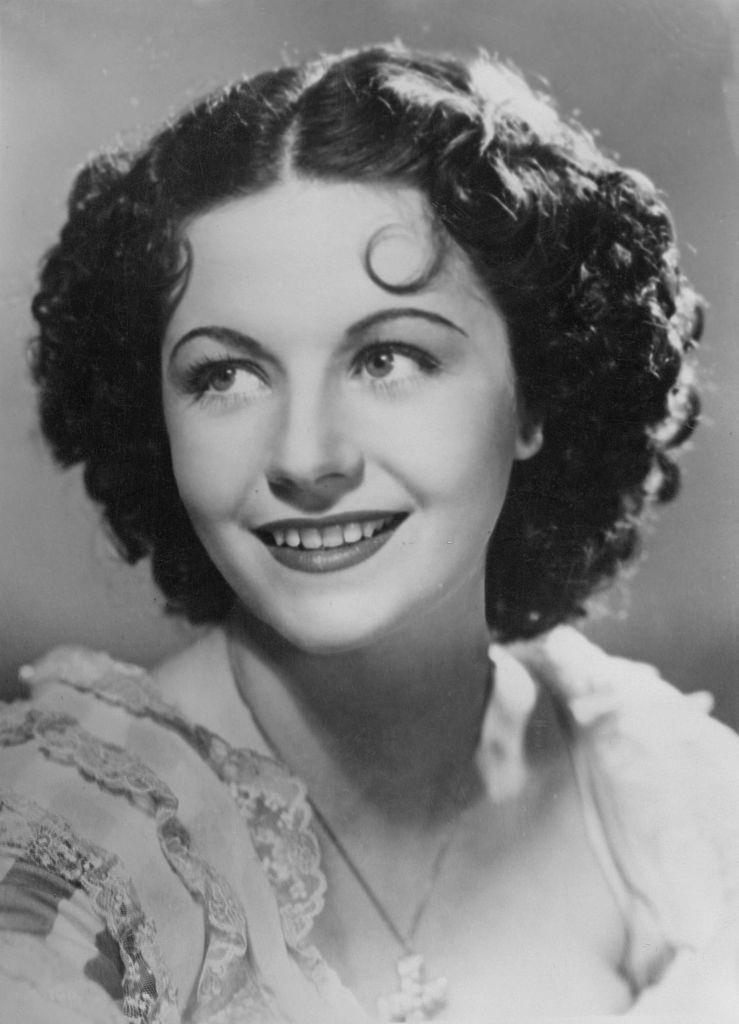
Margaret Lockwood, 1935.

The film that truly launched her career was the 1938 drama ‘Bank Holiday,’ produced by Gaumont. Lockwood later called it ‘My first really big picture.’ The film performed well at the box office, and Gaumont rewarded her with an extended contract — stretched from three years to six. She was no longer just a promising newcomer. She was a star the studio wanted to hold onto.
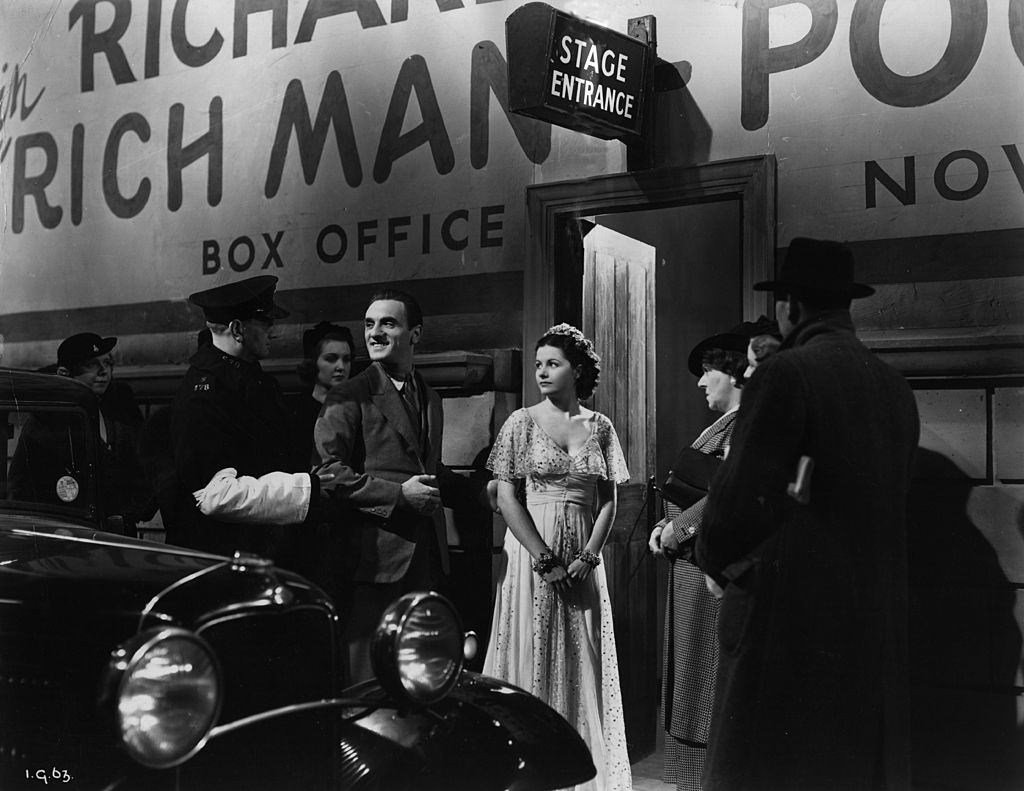
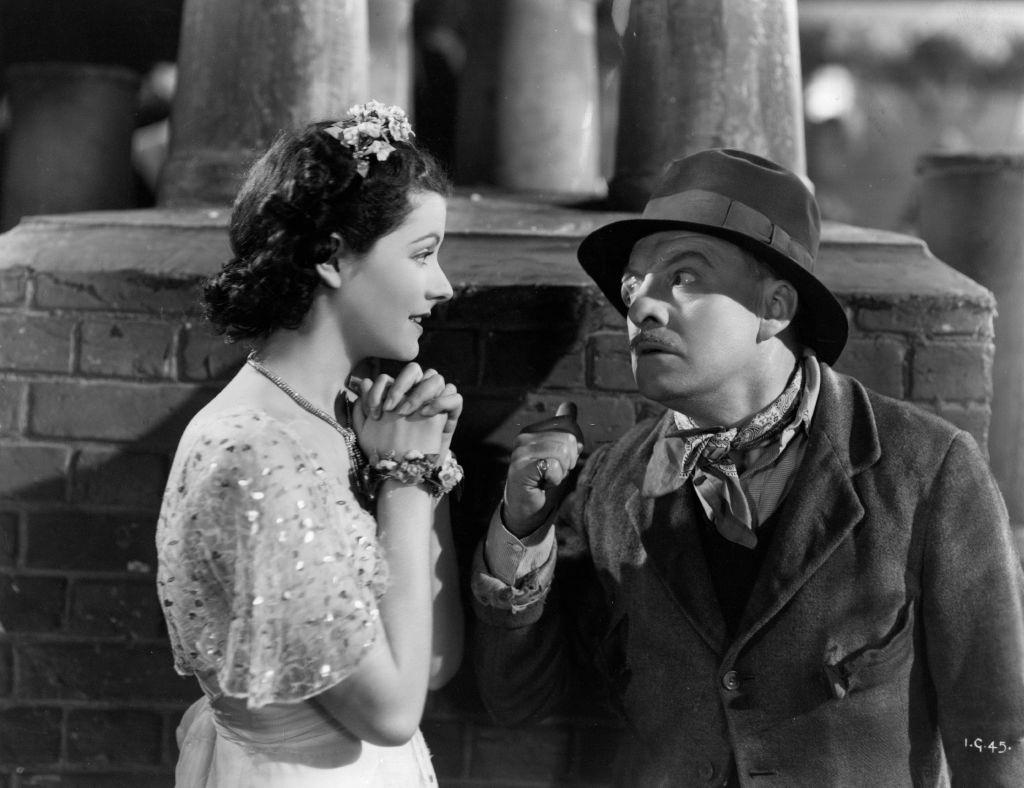
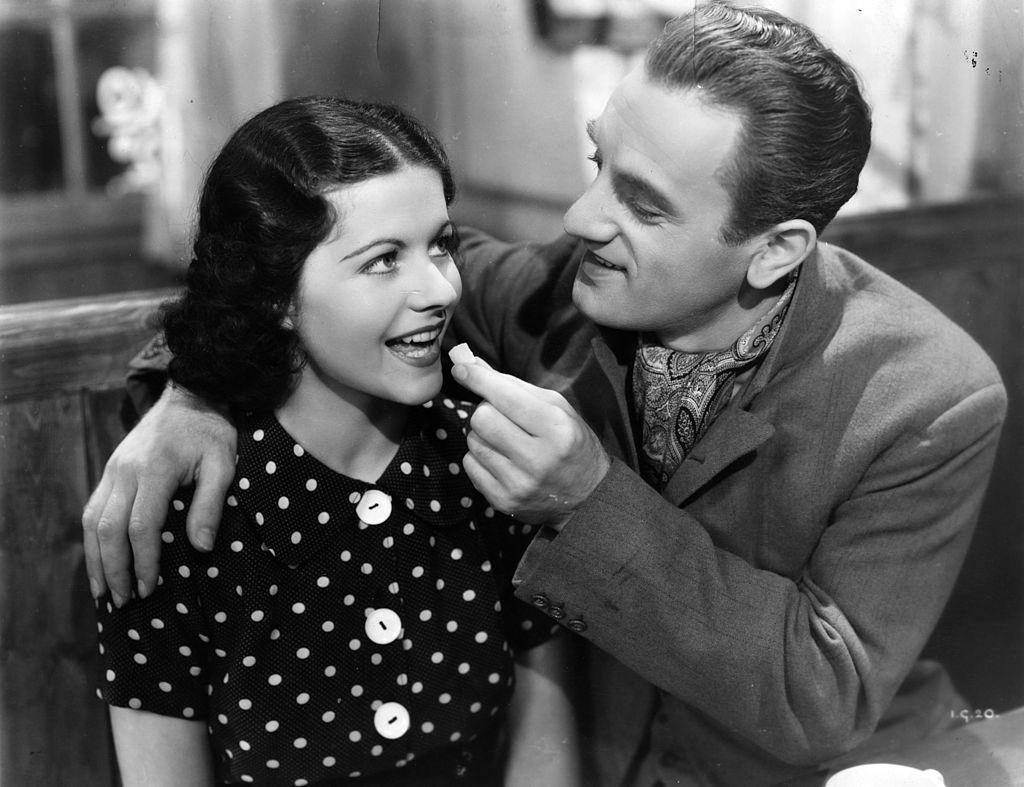
Margaret Lockwood in the movie 'Interval for Romance', 1937.
Margaret Lockwood in the movie ‘Interval for Romance’, 1937.
Margaret Lockwood with Hugh Wakefield , 1937.

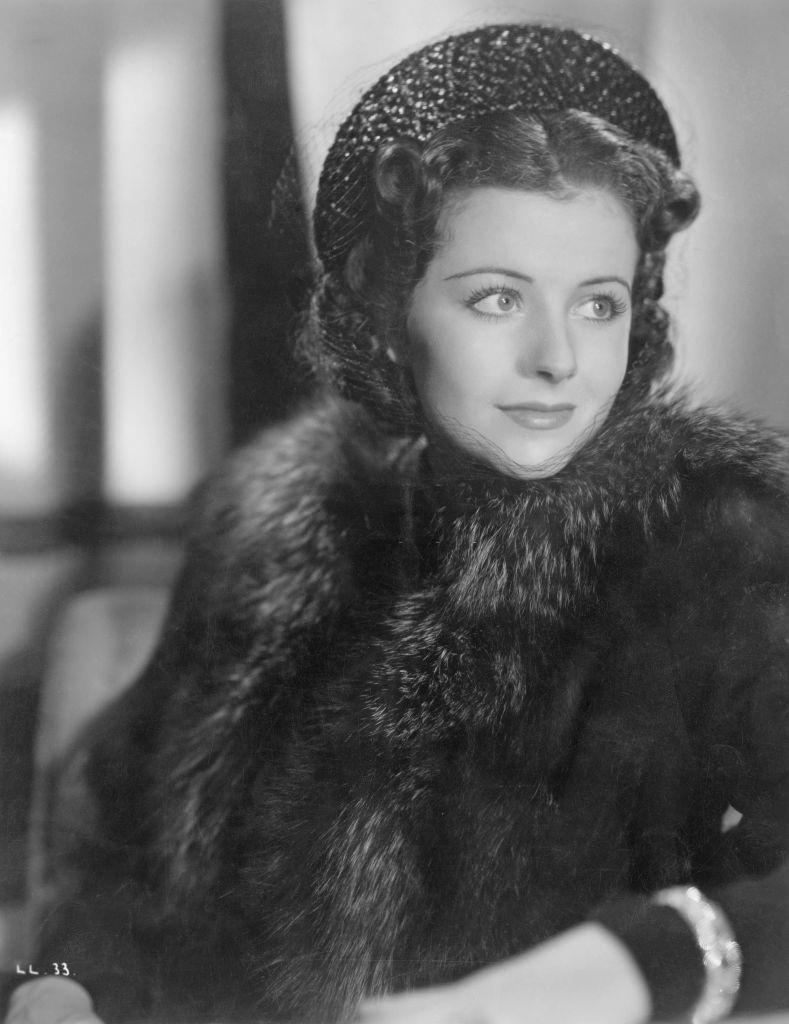
Also in 1938, Alfred Hitchcock cast Lockwood in ‘The Lady Vanishes,’ opposite Michael Redgrave, who was still relatively new to film at the time. The story follows a young woman on a train journey who becomes convinced that an elderly fellow passenger, played by May Whitty, has mysteriously disappeared — though no one else on the train will believe her. Lockwood played the lead with intelligence and conviction, holding her own against a tightly constructed thriller that became one of Hitchcock’s most celebrated British films.
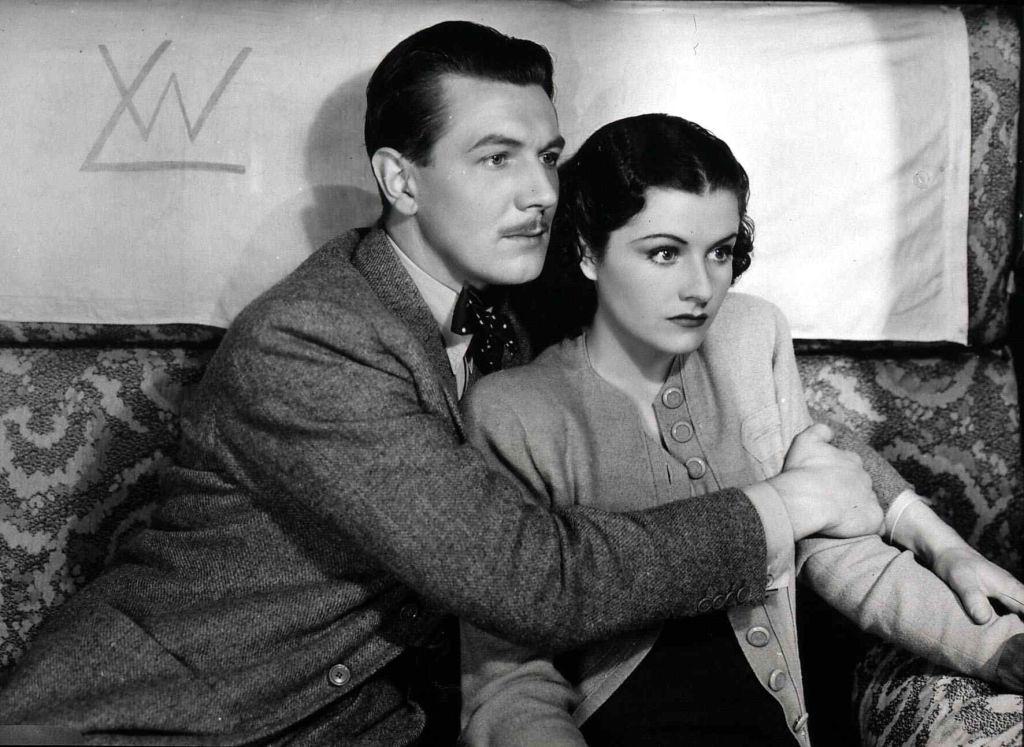
Margaret Lockwood with Michael Redgrave in the movie 'The Lady Vanishes', 1938.
Margaret Lockwood with Michael Redgrave in the movie ‘The Lady Vanishes’, 1938.
Margaret Lockwood as she appears in 'The Lady Vanishes', 1938.
Margaret Lockwood as she appears in ‘The Lady Vanishes’, 1938.

Around the same time, she appeared alongside John Loder in ‘Owd Bob’ (1938), another film that demonstrated her growing range on screen.
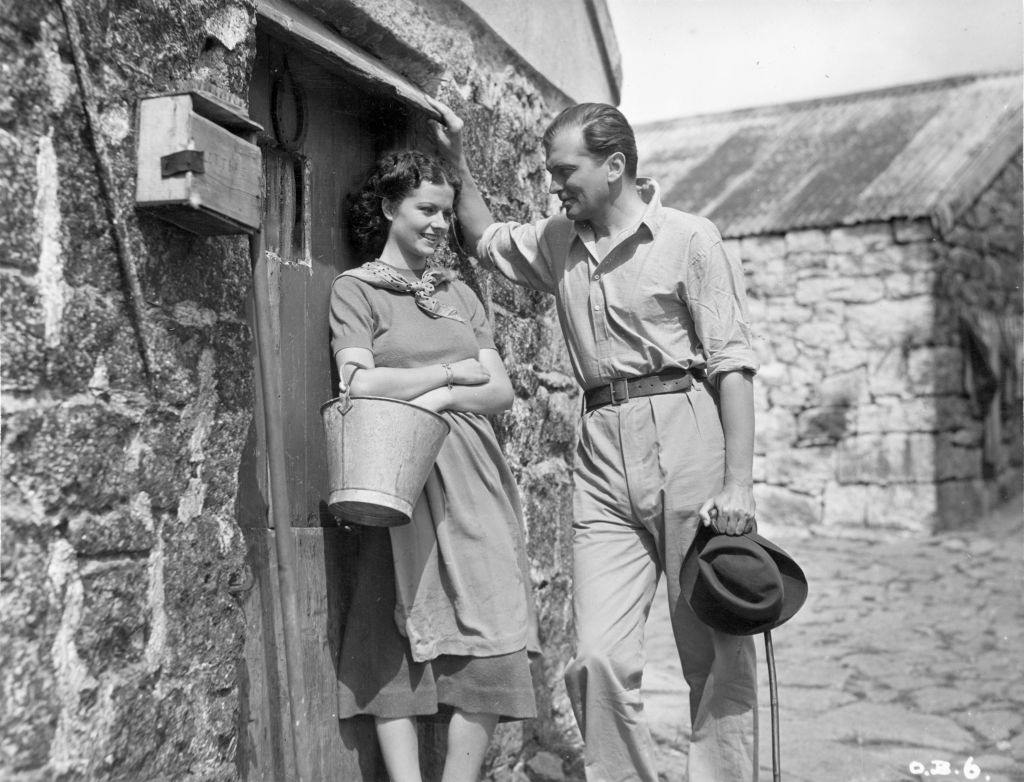
Margaret Lockwood  with John Loder  in the film 'Owd Bob', 1938.
Margaret Lockwood with John Loder in the film ‘Owd Bob’, 1938.

In June 1939, Lockwood returned to Britain after a period working abroad. Plans to make film adaptations of ‘Rob Roy’ and ‘The Blue Lagoon’ were already in place, but the outbreak of World War II in September 1939 shelved both projects. The war reshaped the entire British film industry, and Lockwood adapted with it. In 1939, she appeared in ‘Rulers of the Sea’ alongside Douglas Fairbanks, and the following year she was cast in the war thriller ‘Night Train to Munich’ with Rex Harrison.
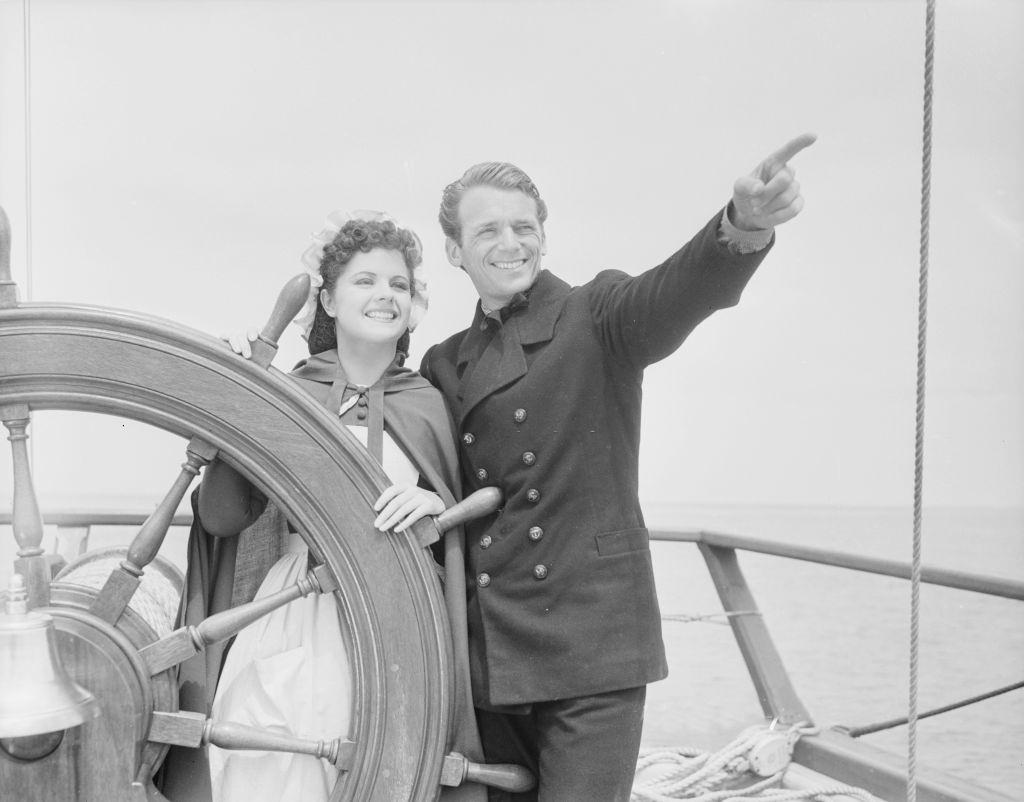
Margaret Lockwood with Douglas Fairbanks in the movie 'Rulers of the Sea', 1939.
Margaret Lockwood with Douglas Fairbanks in the movie ‘Rulers of the Sea’, 1939.
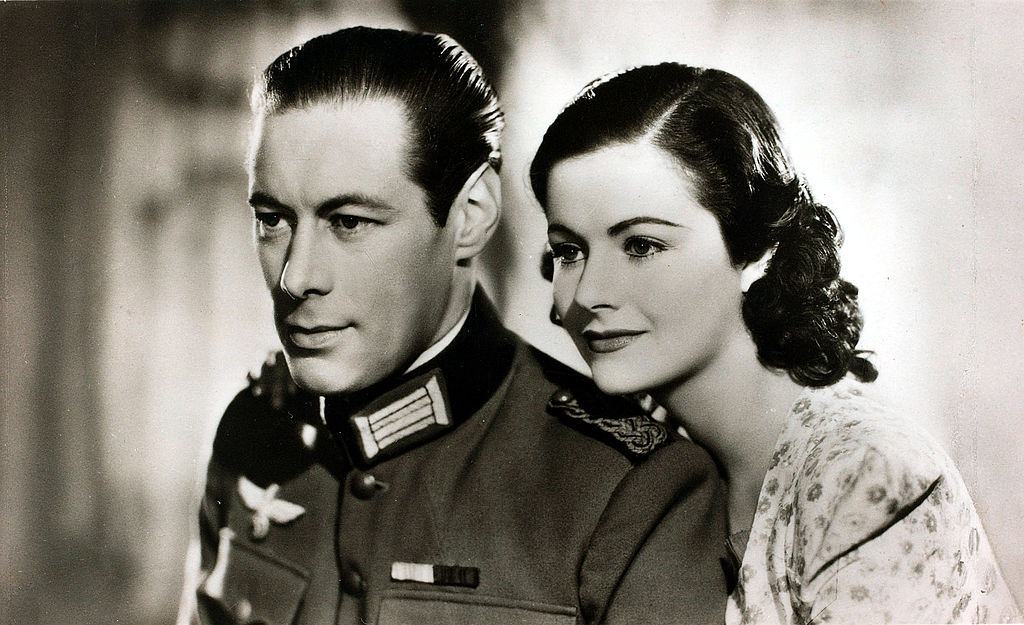
Margaret Lockwood with Rex Harrison in the movie 'Night Train to Munich', 1940.
Margaret Lockwood with Rex Harrison in the movie ‘Night Train to Munich’, 1940.

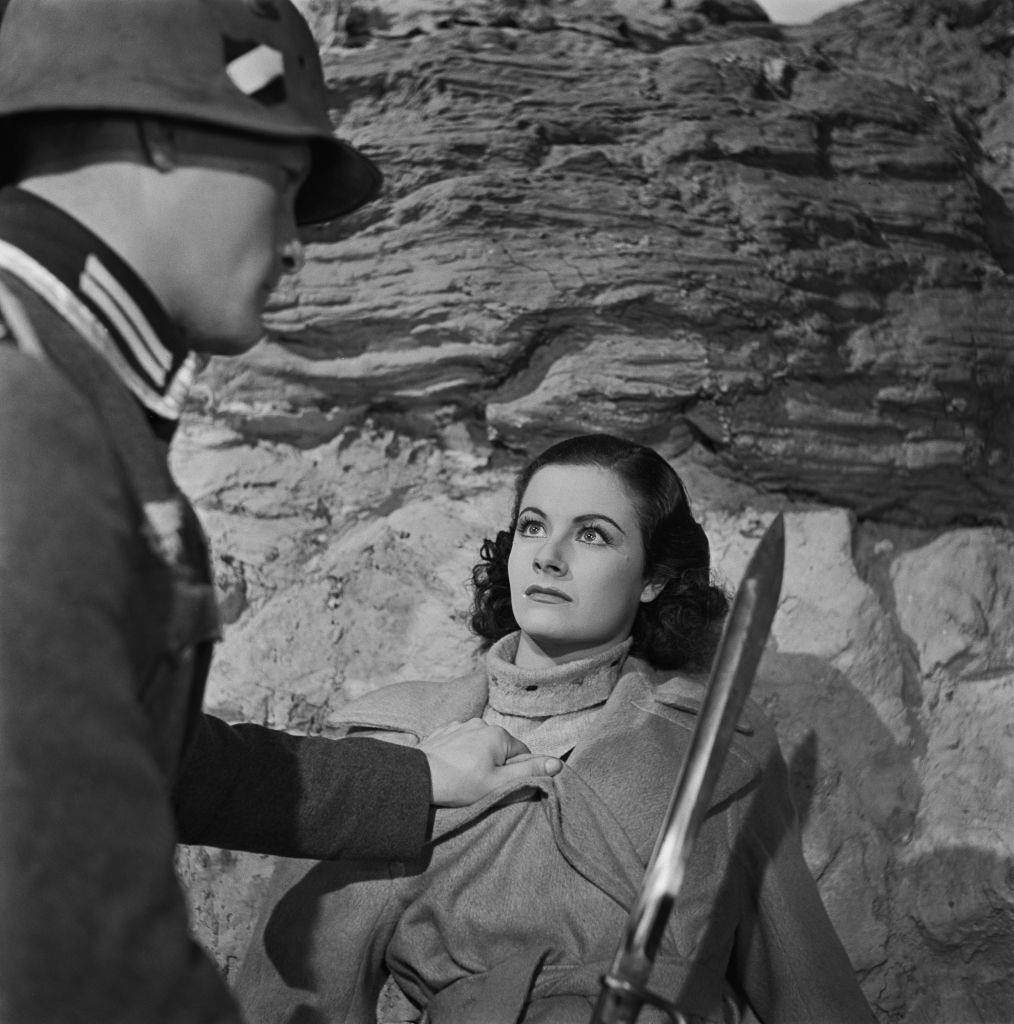
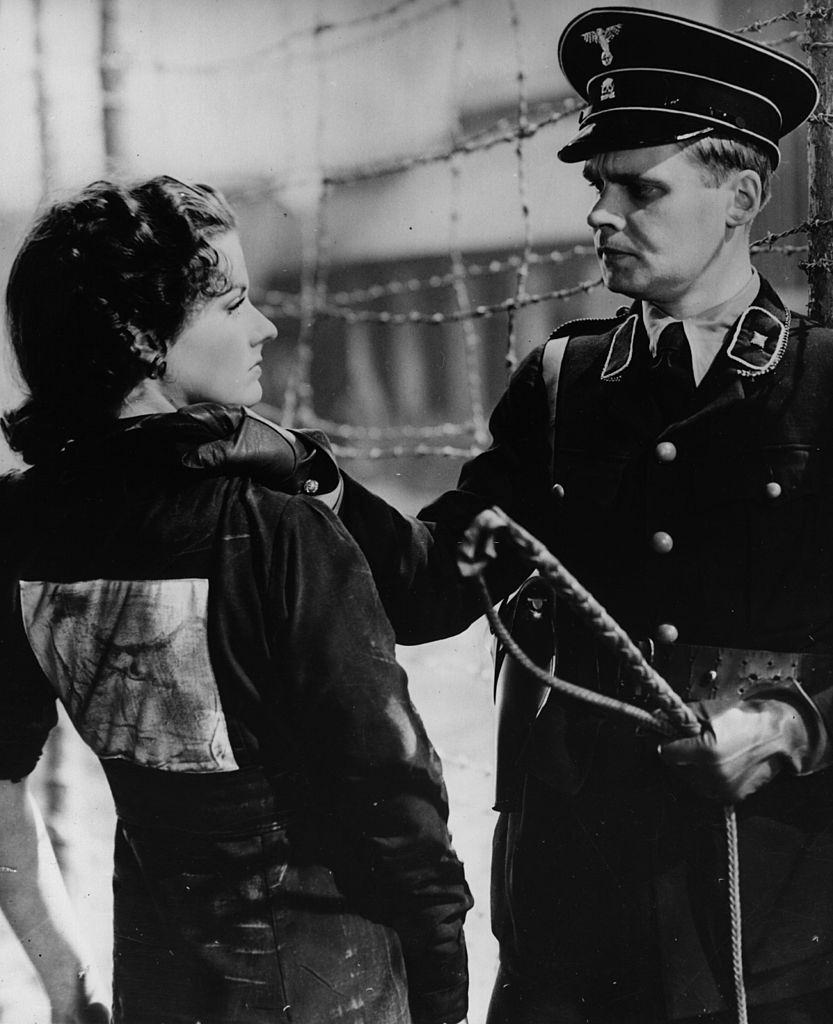
The 1940 film ‘Night Train to Munich’ — also released under the title ‘Gestapo’ — was a major production. Lockwood played Anna Bomasch, a woman caught up in a wartime espionage plot, and she appeared opposite Paul Henreid in several key scenes. The film was shot during the actual war, giving it an added sense of urgency that audiences felt.
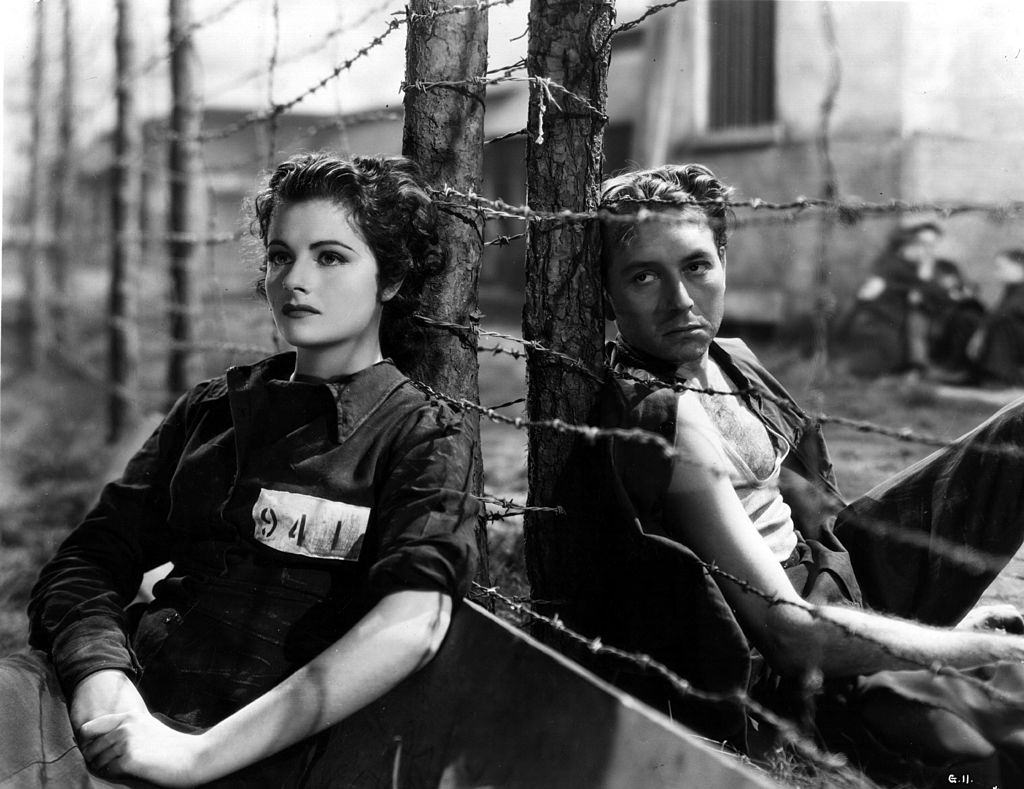
Margaret Lockwood as a prisoner-of-war with Paul Henreid in the movie 'Gestapo', 1940.
Margaret Lockwood as a prisoner-of-war with Paul Henreid in the movie ‘Gestapo’, 1940.
Margaret Lockwood in the movie  'Gestapo', aka 'Night Train to Munich', 1940.
Margaret Lockwood in the movie ‘Gestapo’, aka ‘Night Train to Munich’, 1940.
Margaret Lockwood dressed in character as Anna Bomasch, during the shooting of a scene from the war thriller film 'Night Train to Munich', 1940.
Margaret Lockwood dressed in character as Anna Bomasch, during the shooting of a scene from the war thriller film ‘Night Train to Munich’, 1940.
Margaret Lockwoodduring the shooting of a scene from the war thriller film 'Night Train to Munich', 1940.
Margaret Lockwoodduring the shooting of a scene from the war thriller film ‘Night Train to Munich’, 1940.
Margaret Lockwood with Arthur Tracy in the movie 'Interval For Romance', 1940
Margaret Lockwood with Arthur Tracy in the movie ‘Interval For Romance’, 1940
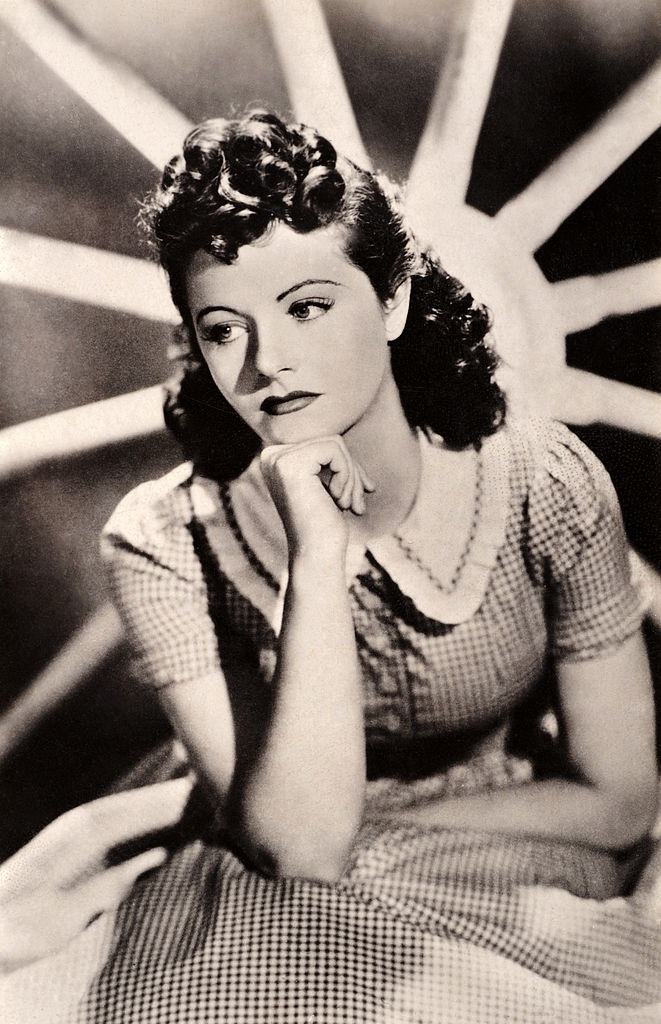
Margaret Lockwood posed, 1940.
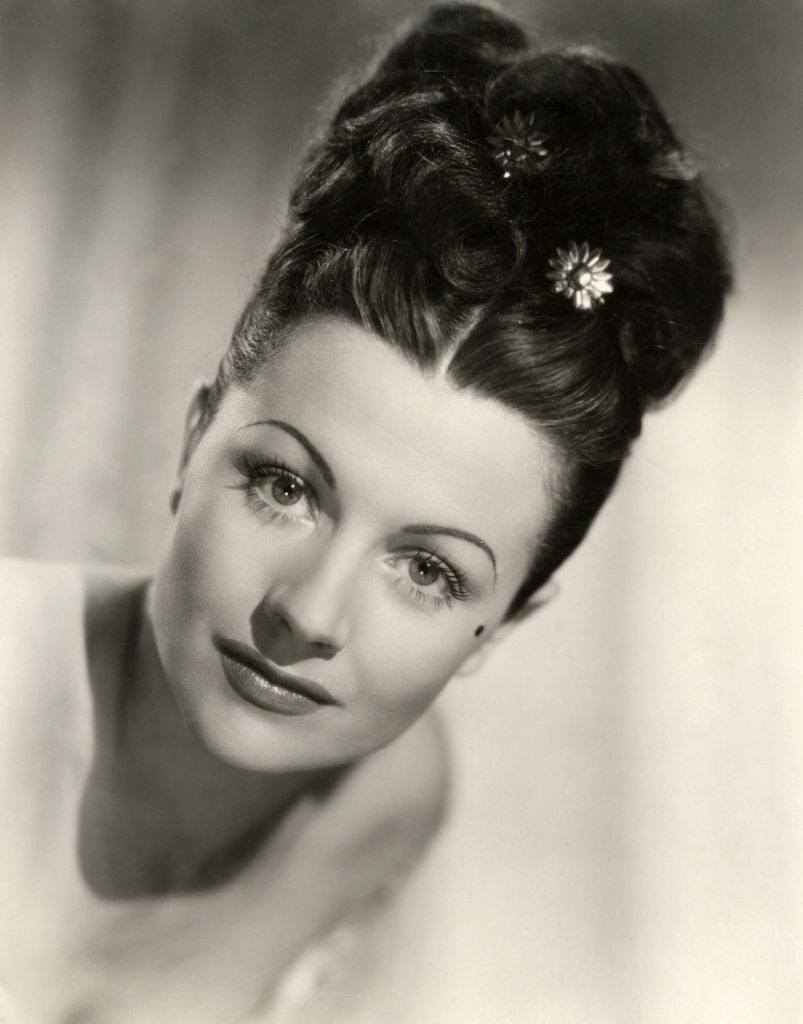
Margaret Lockwood, 1940.
Margaret Lockwood with hands under his chin, 1940.

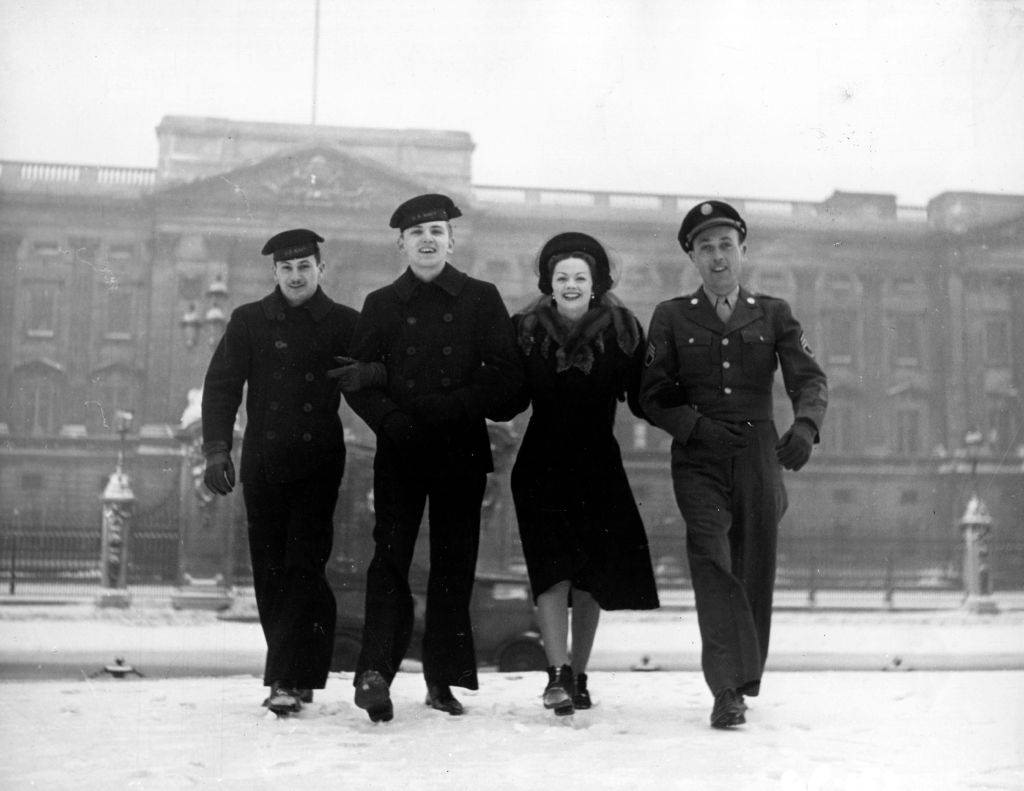
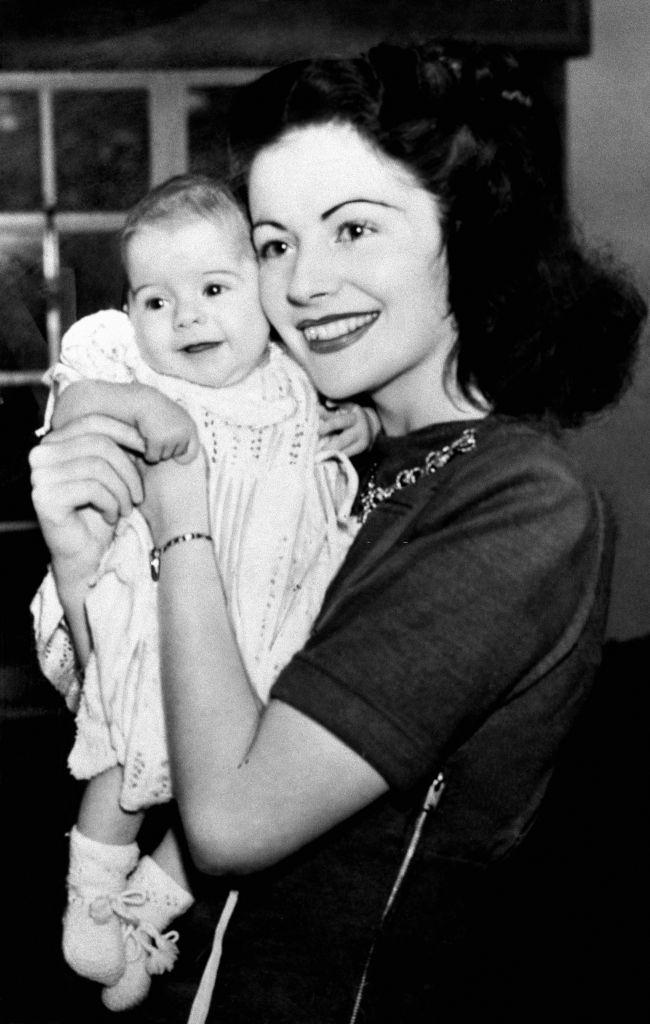
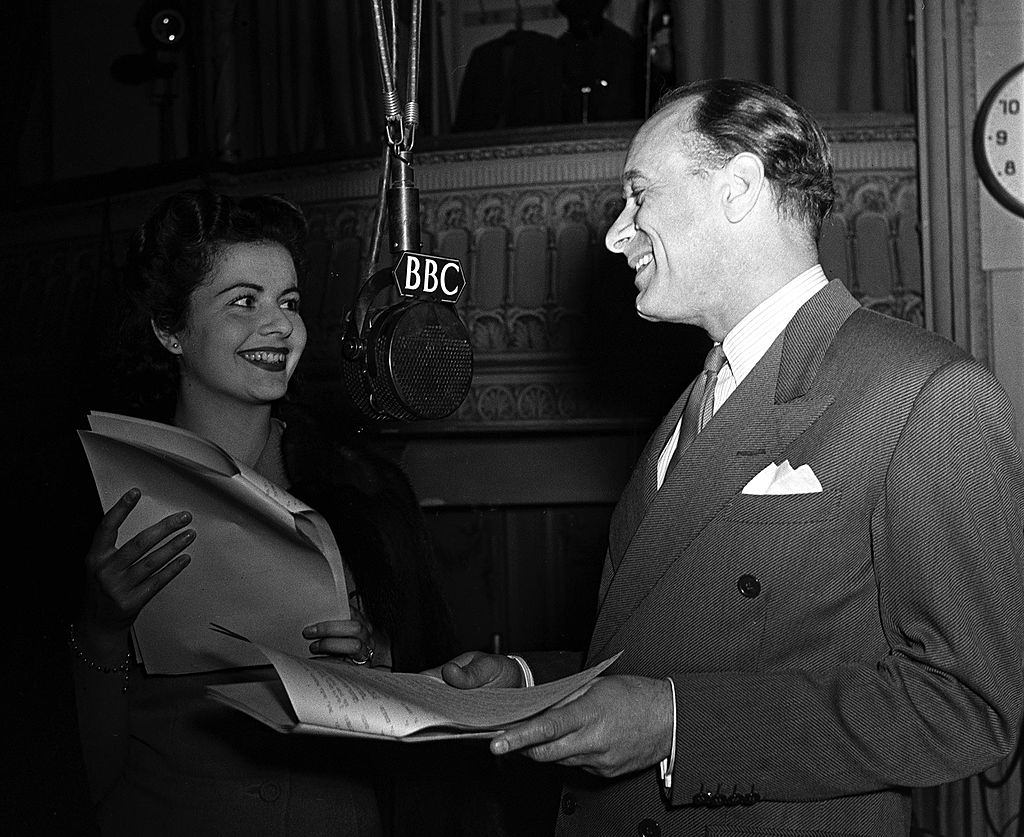
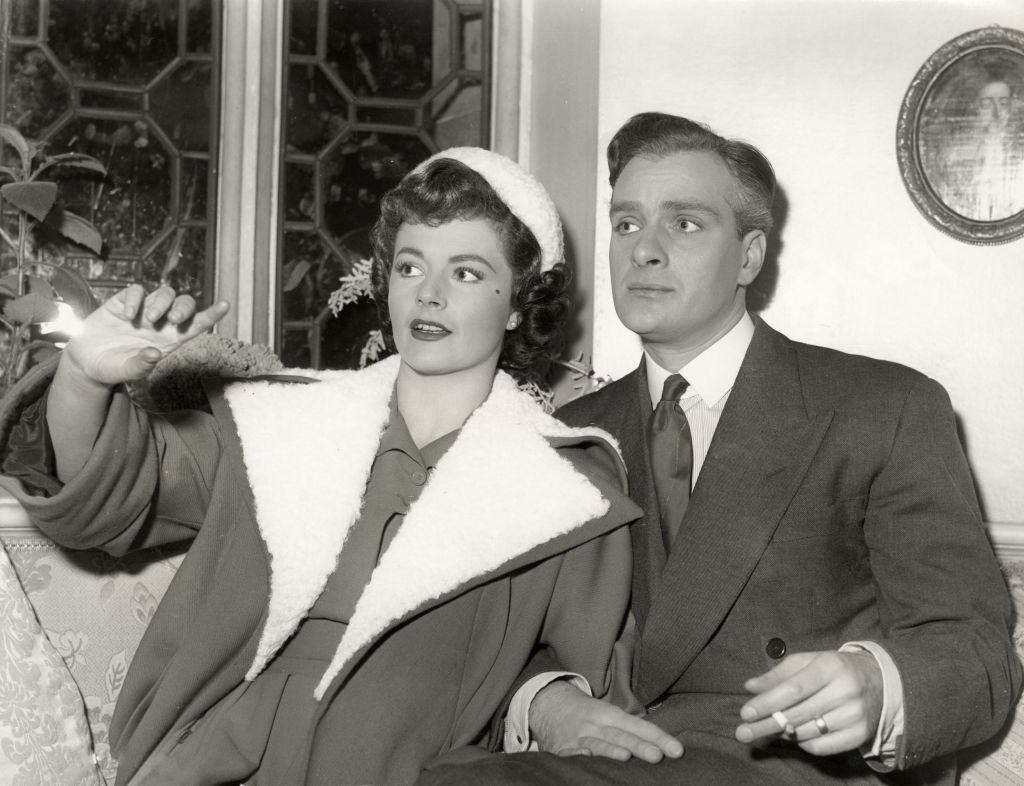
Off set, Lockwood remained a public figure during the war years. In 1943, she was photographed outside Buckingham Palace with American servicemen, and she participated in BBC broadcast programmes supporting the war effort, including ‘Yankee Doodle Doo.’ That same year, she and her husband Rupert Leon — whom she had married in 1937 — welcomed a daughter, Margaret Julia Leon, at their home in Hampshire.
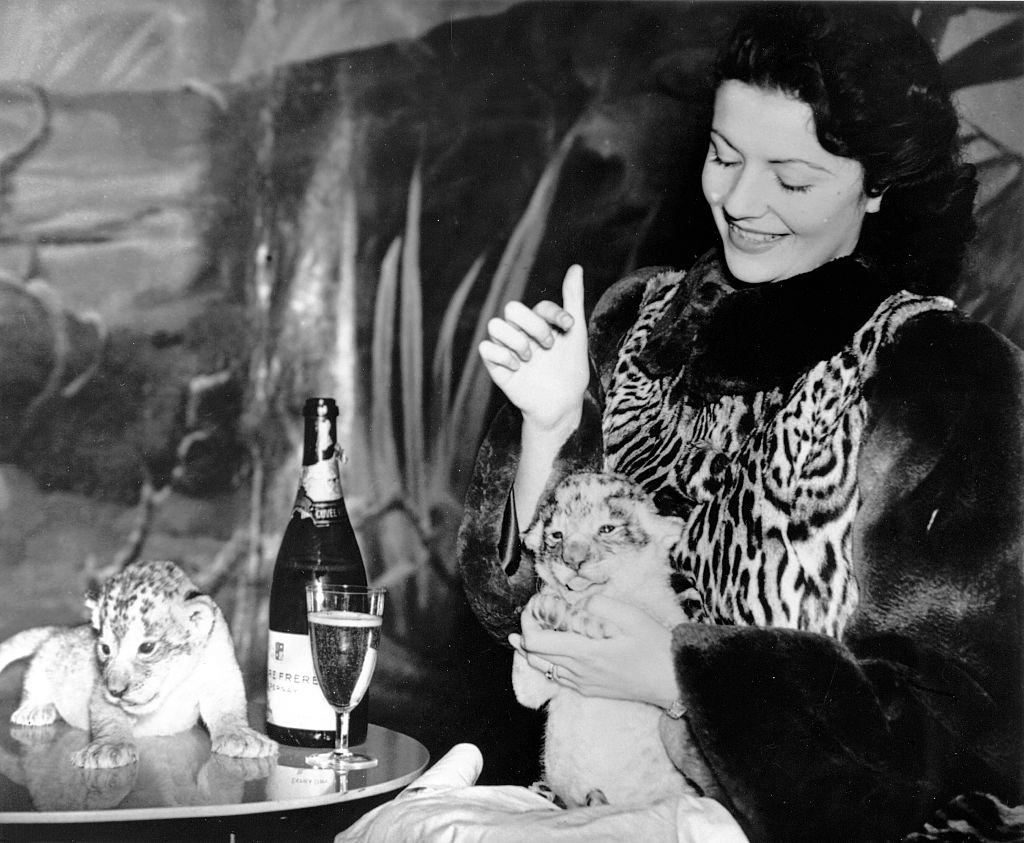
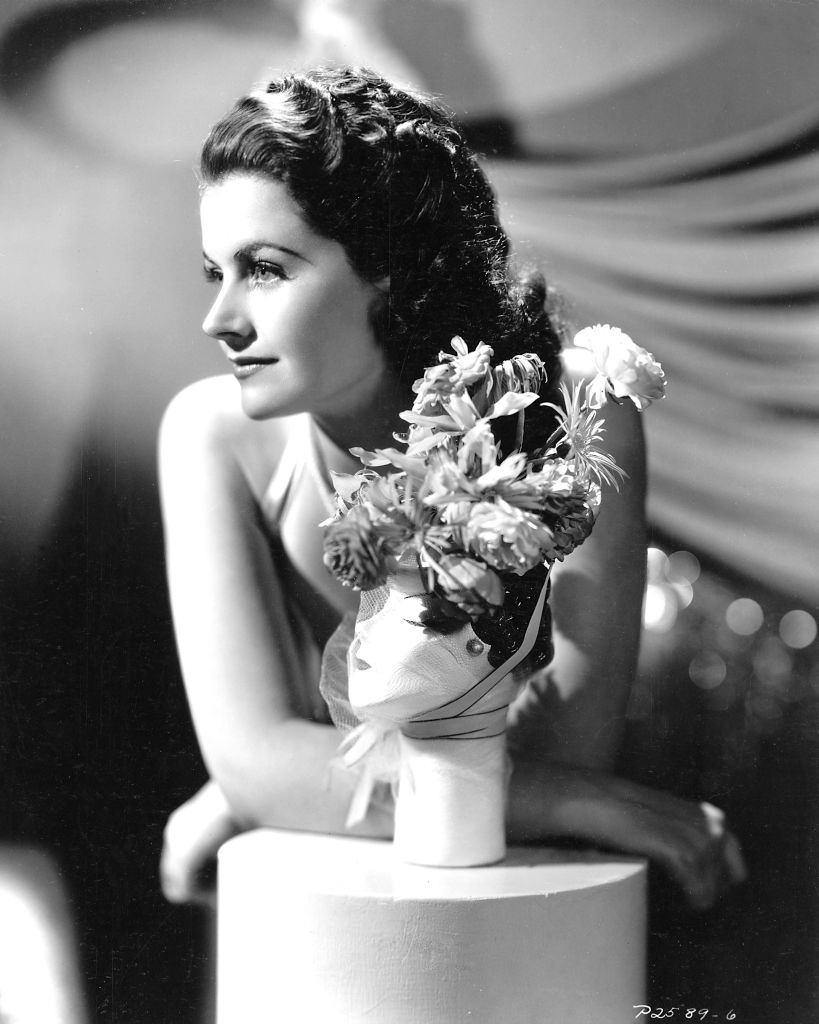
Margaret Lockwood with a tiger baby in the London zoo, 1940.
Margaret Lockwood, 1941.
Margaret Lockwood  outside Buckingham Palace with three American Servicemen, 1943.
Margaret Lockwood outside Buckingham Palace with three American Servicemen, 1943.
Margaret Lockwood with her baby, Margaret Julia Leon, at their Hampshire home, 1943.
Margaret Lockwood at the BBC Broadcast programme 'Yankee Doodle Doo', 1943.
Margaret Lockwood at the BBC Broadcast programme ‘Yankee Doodle Doo’, 1943.

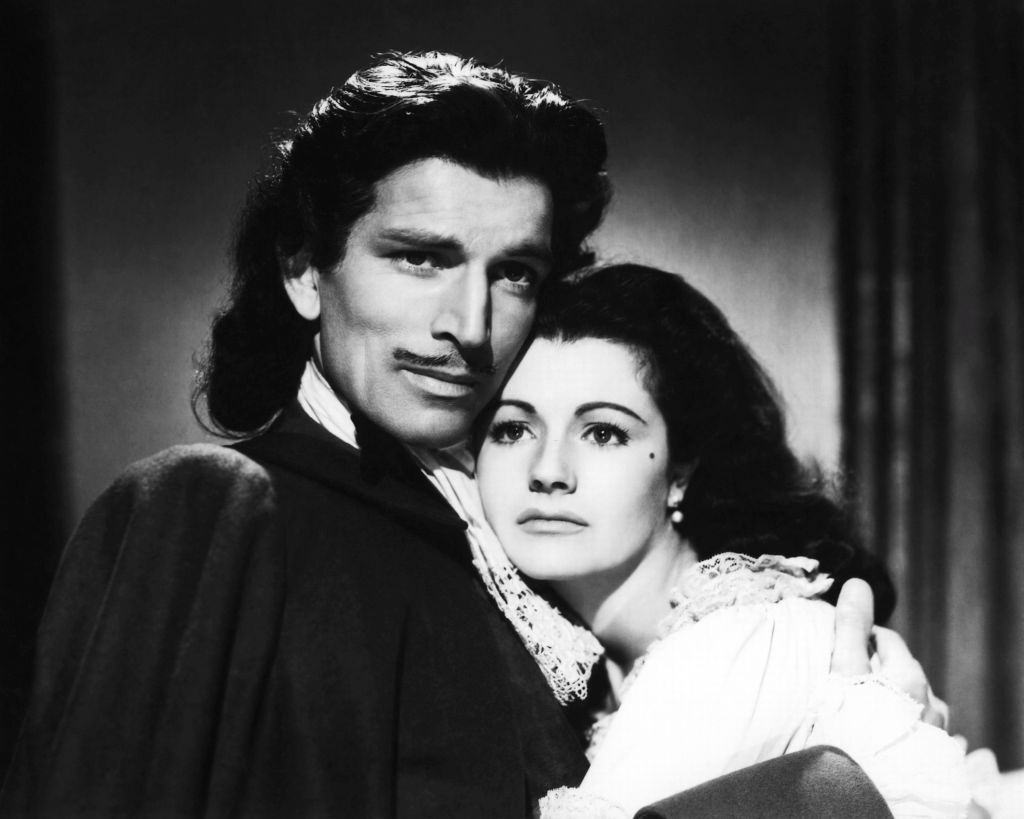
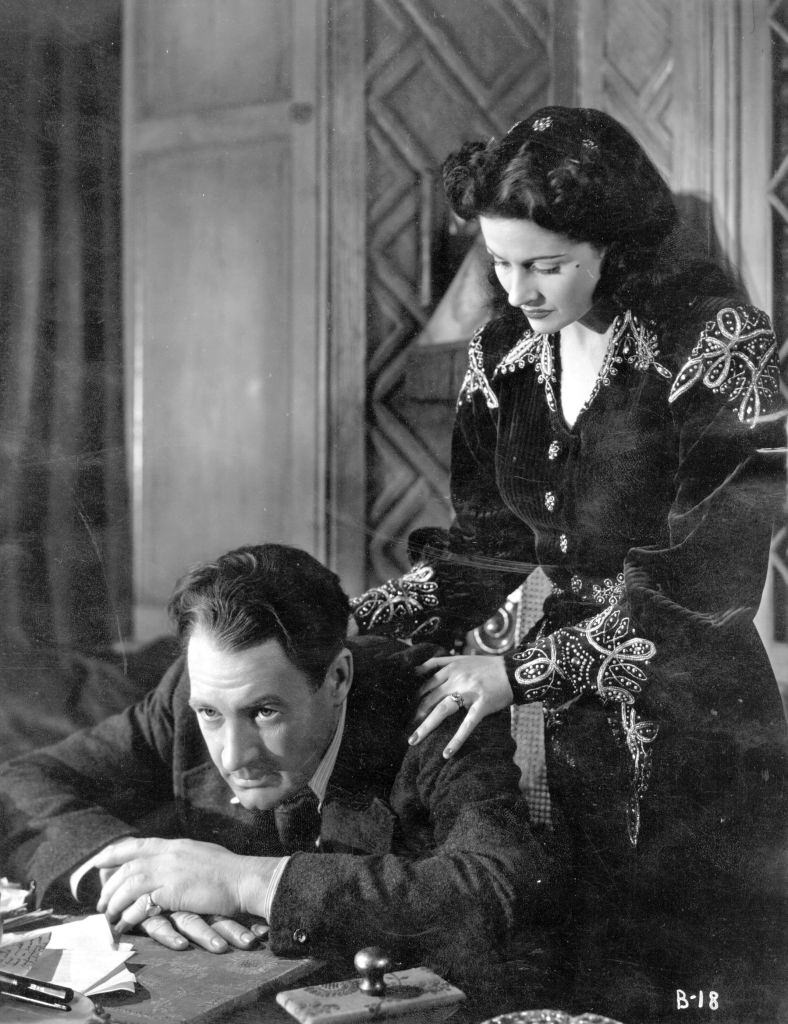
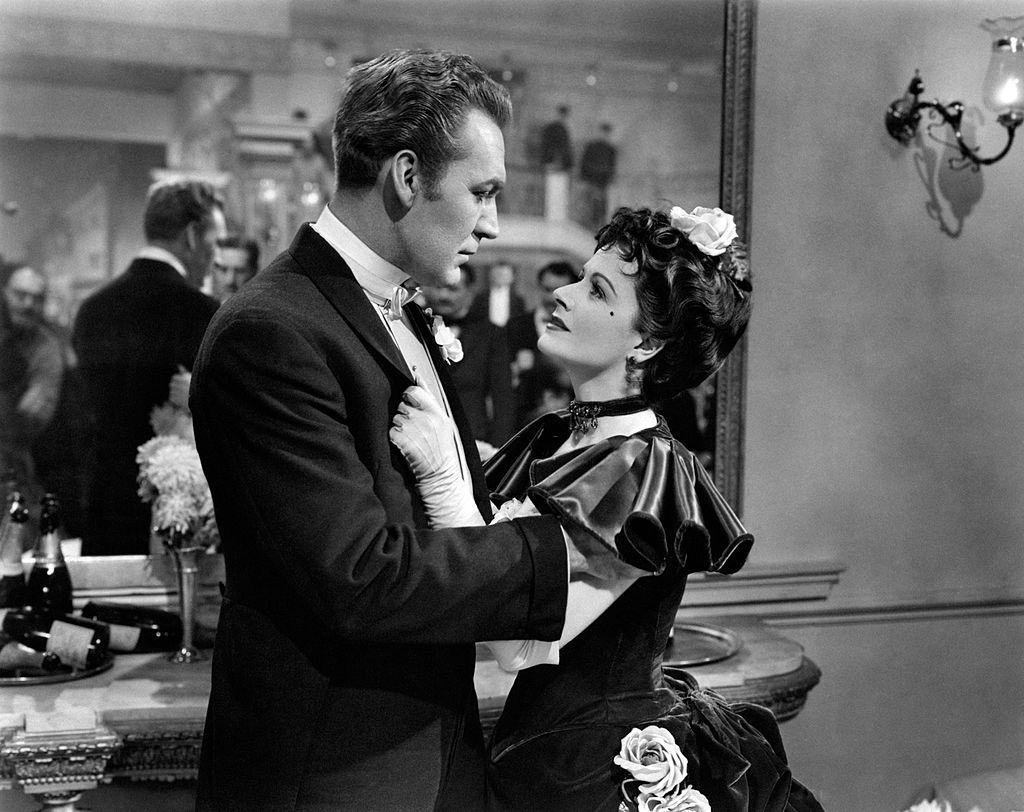
The peak of Lockwood’s film career came in 1945 with ‘The Wicked Lady,’ in which she played a noblewoman who secretly becomes a highwaywoman and murderer. The film was the biggest box office success in Britain in 1946, and Lockwood’s performance as the ruthless, glamorous villain electrified audiences. She was not playing a victim or a heroine — she was playing a woman who made brutal choices and owned every one of them. The role made her the defining screen villain of her era.
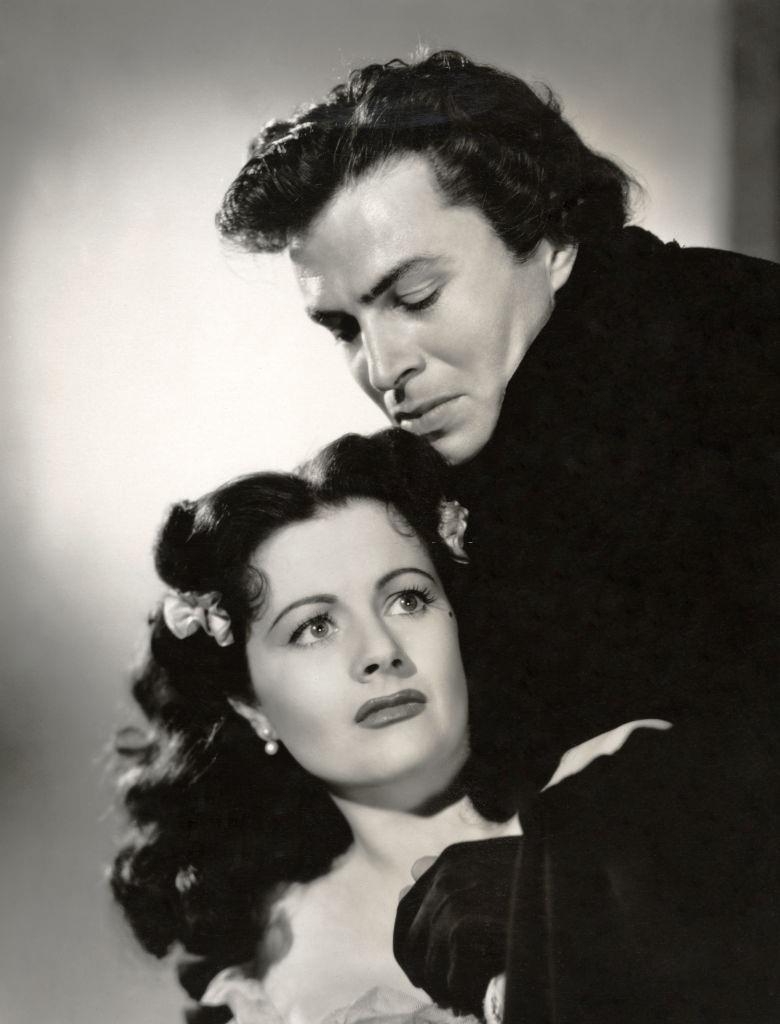
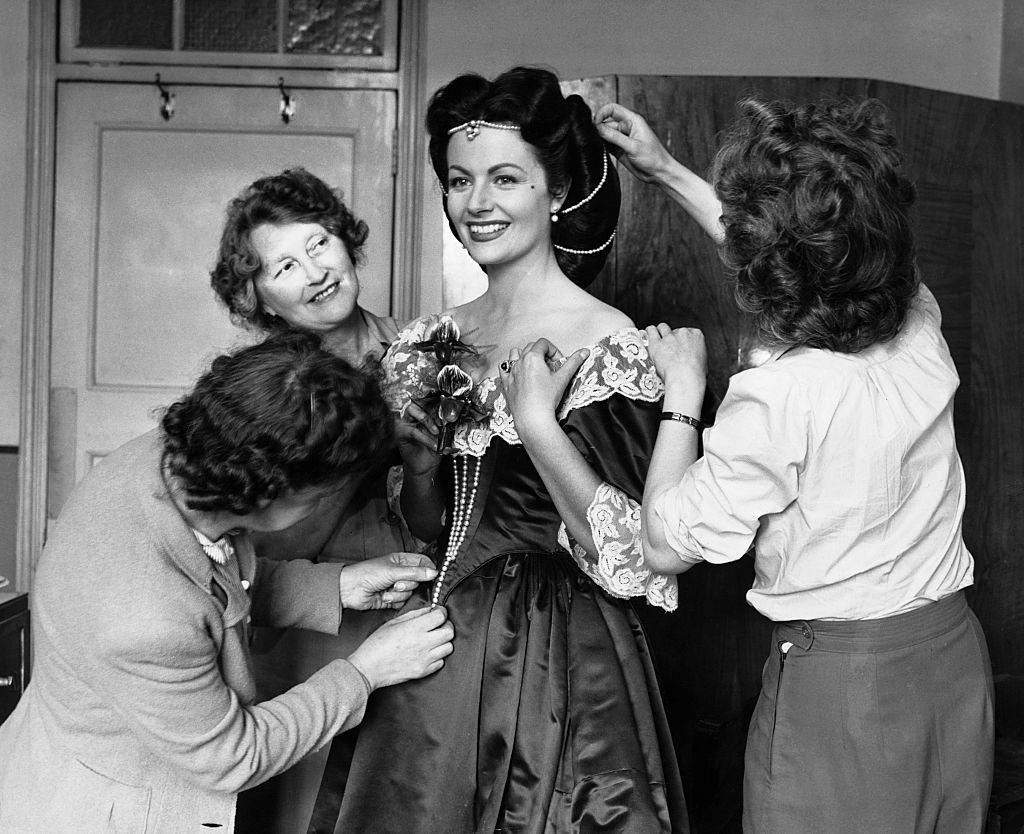
Margaret Lockwood with James Mason, in a dramatic scene from "The Wicked Lady", 1945.
Margaret Lockwood with James Mason, in a dramatic scene from “The Wicked Lady”, 1945.
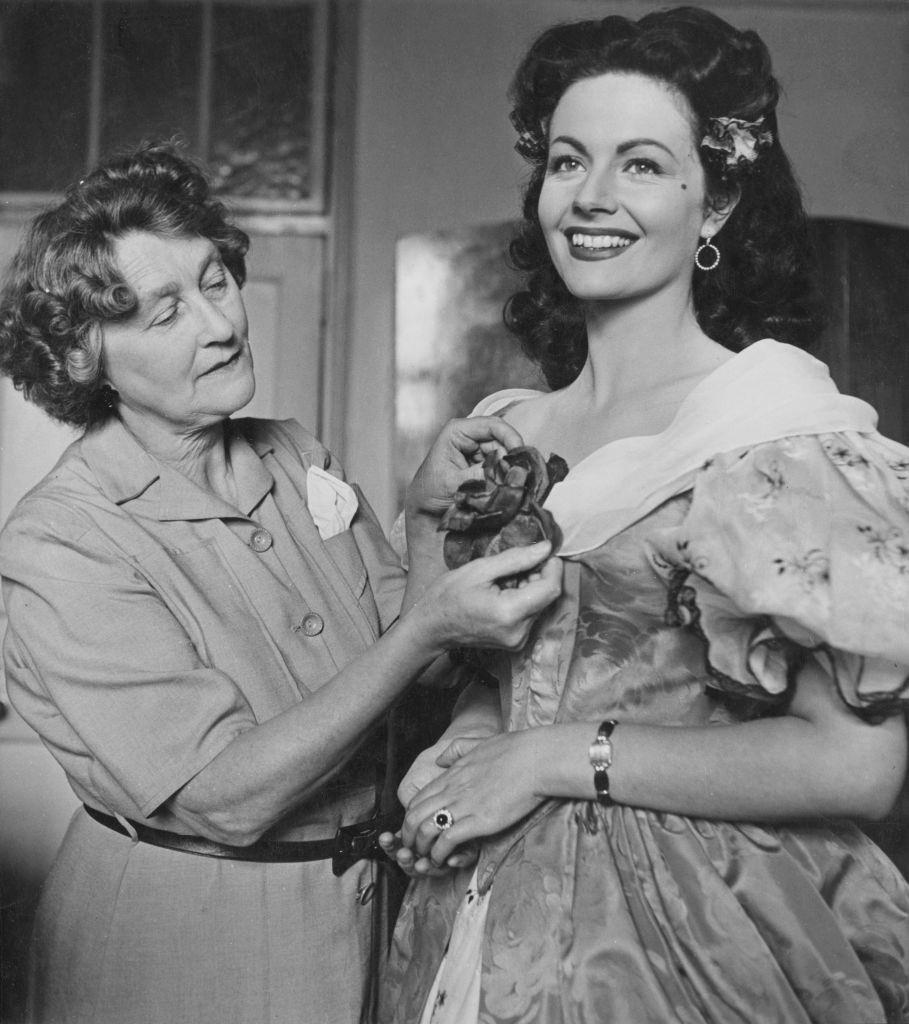
Margaret Lockwood undergoes a costume fitting during the remaking of 'The Wicked Lady', 1945.
Margaret Lockwood undergoes a costume fitting during the remaking of ‘The Wicked Lady’, 1945.
Margaret Lockwood with Michael Rennie in the movie 'The Wicked Lady', 1945.
Margaret Lockwood with Michael Rennie in the movie ‘The Wicked Lady’, 1945.
Margaret Lockwood, 1945.

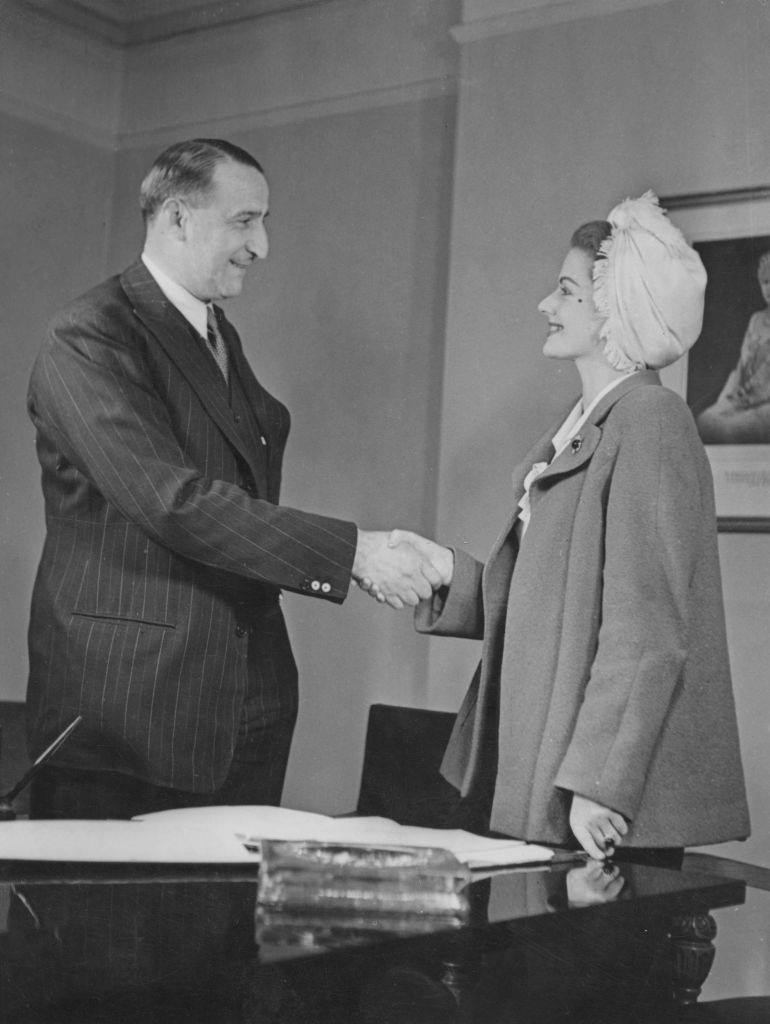
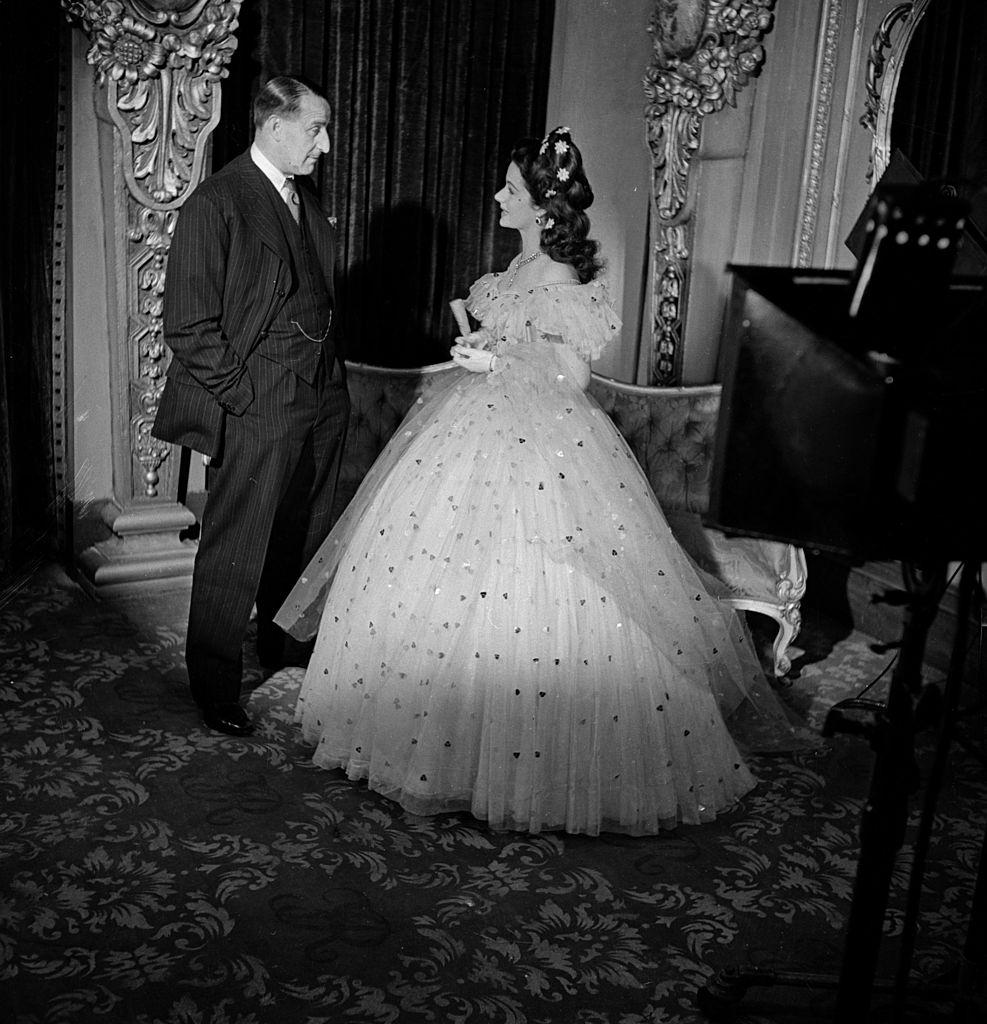
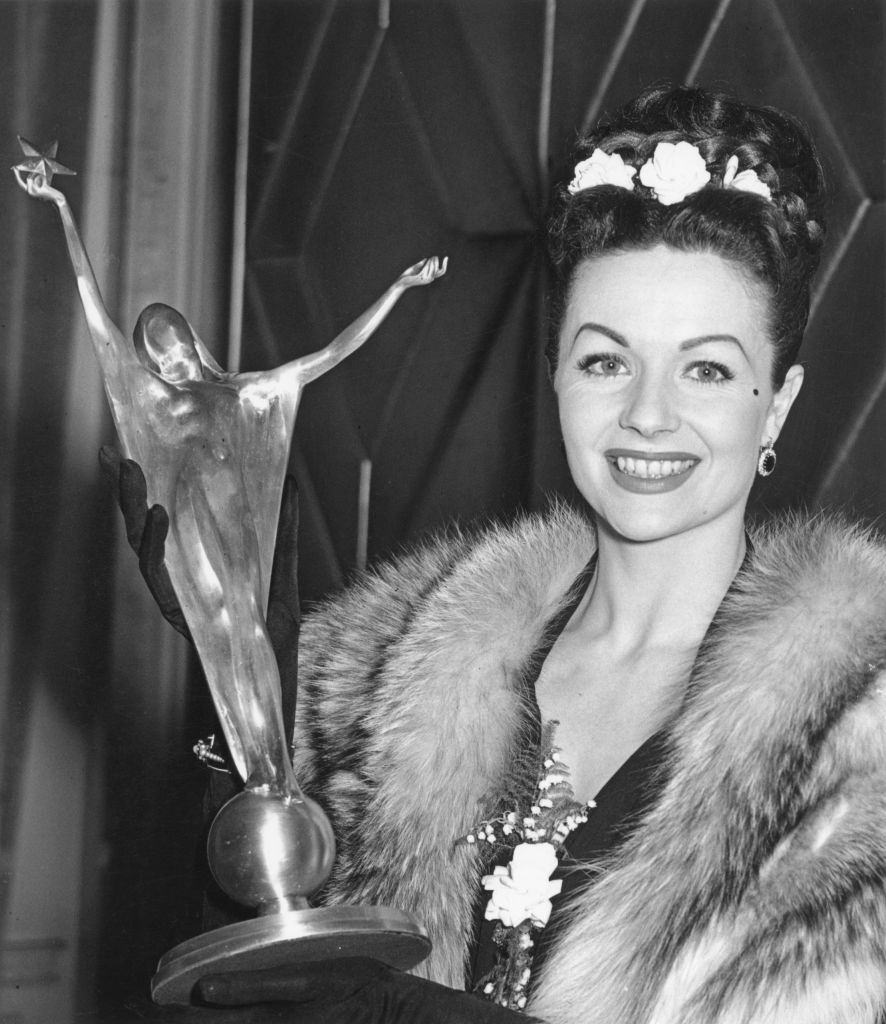
Following ‘The Wicked Lady,’ Lockwood won the first prize for most popular British film actress at the Daily Mail National Film Awards. She also signed a six-year contract with Rank on 19th June 1946, cementing her position at the top of British cinema. That year, she appeared in ‘Bedelia,’ playing a murderess who poisons her husbands — another villainous role she handled with cool precision. She also appeared alongside J. Arthur Rank on the set of ‘Hungry Hill’ and was fitted for her costume for ‘The Wicked Lady’ as the film was being finalised.
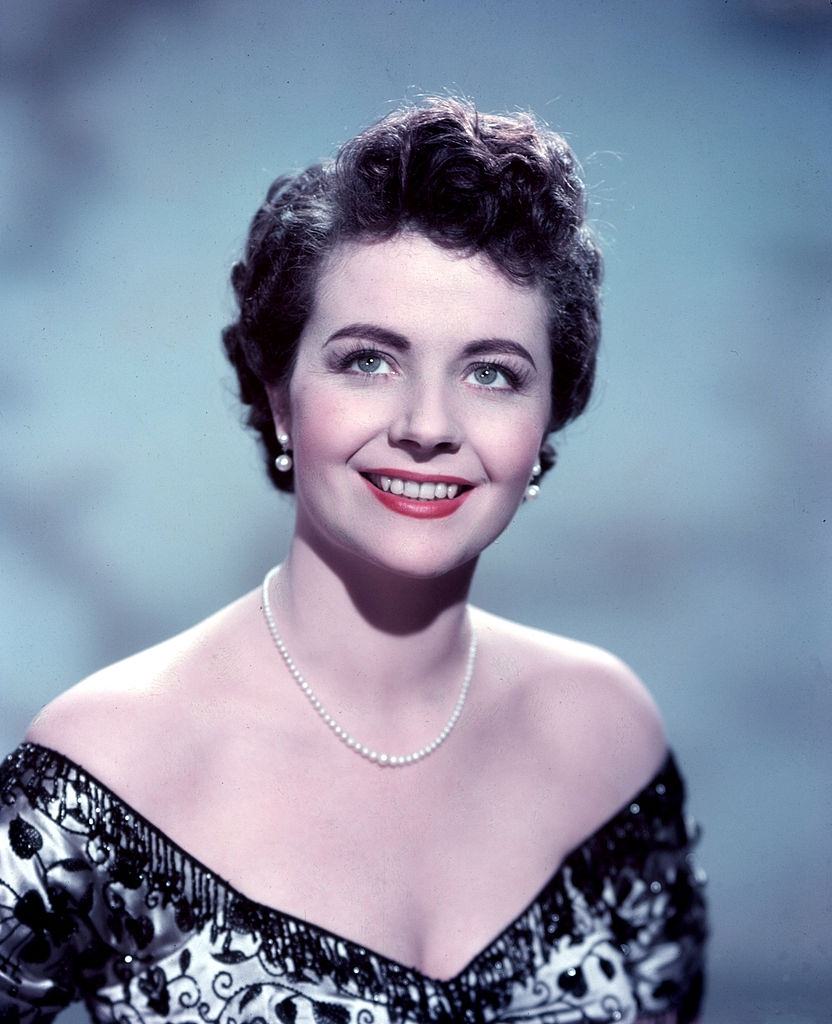
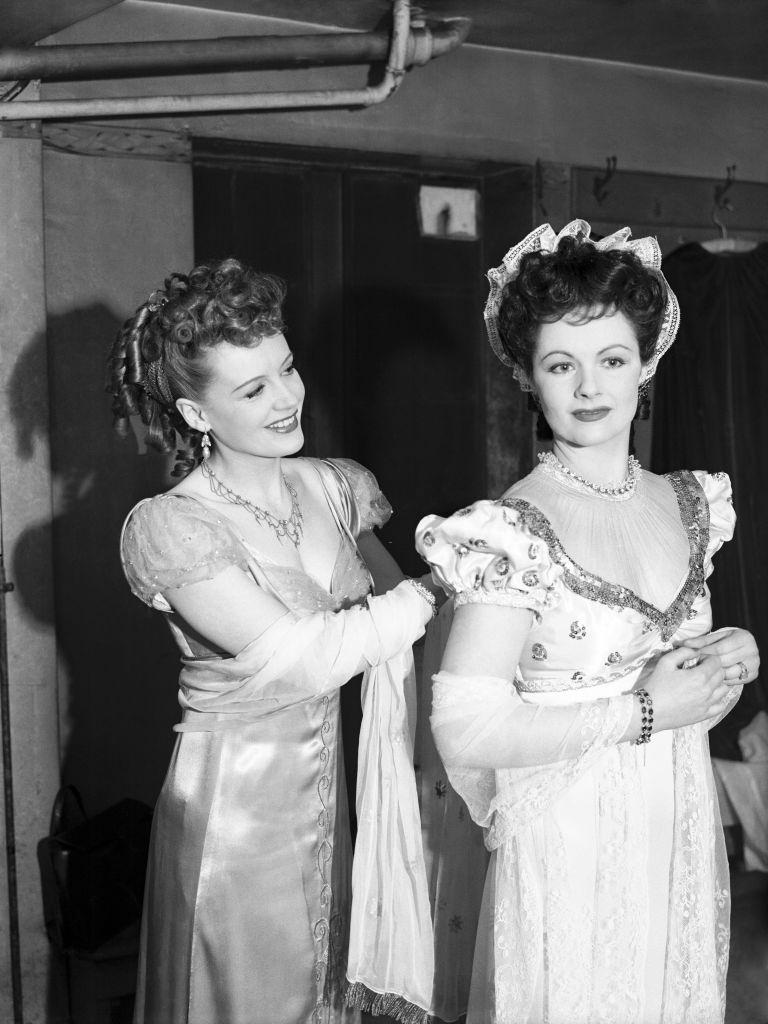
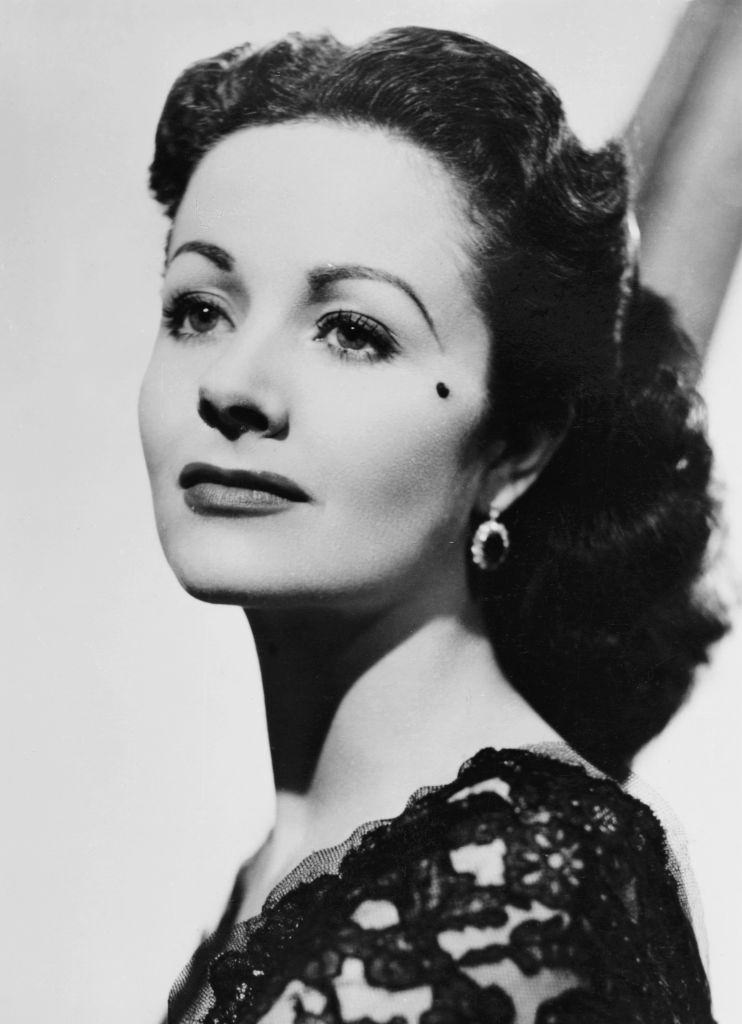
Margaret Lockwood, 1940s.
Phyllis Calvert and Margaret Lockwood putting finishing touches to their costumes before re-enacting their roles in "Man in Grey".
Phyllis Calvert and Margaret Lockwood putting finishing touches to their costumes before re-enacting their roles in “Man in Grey”.
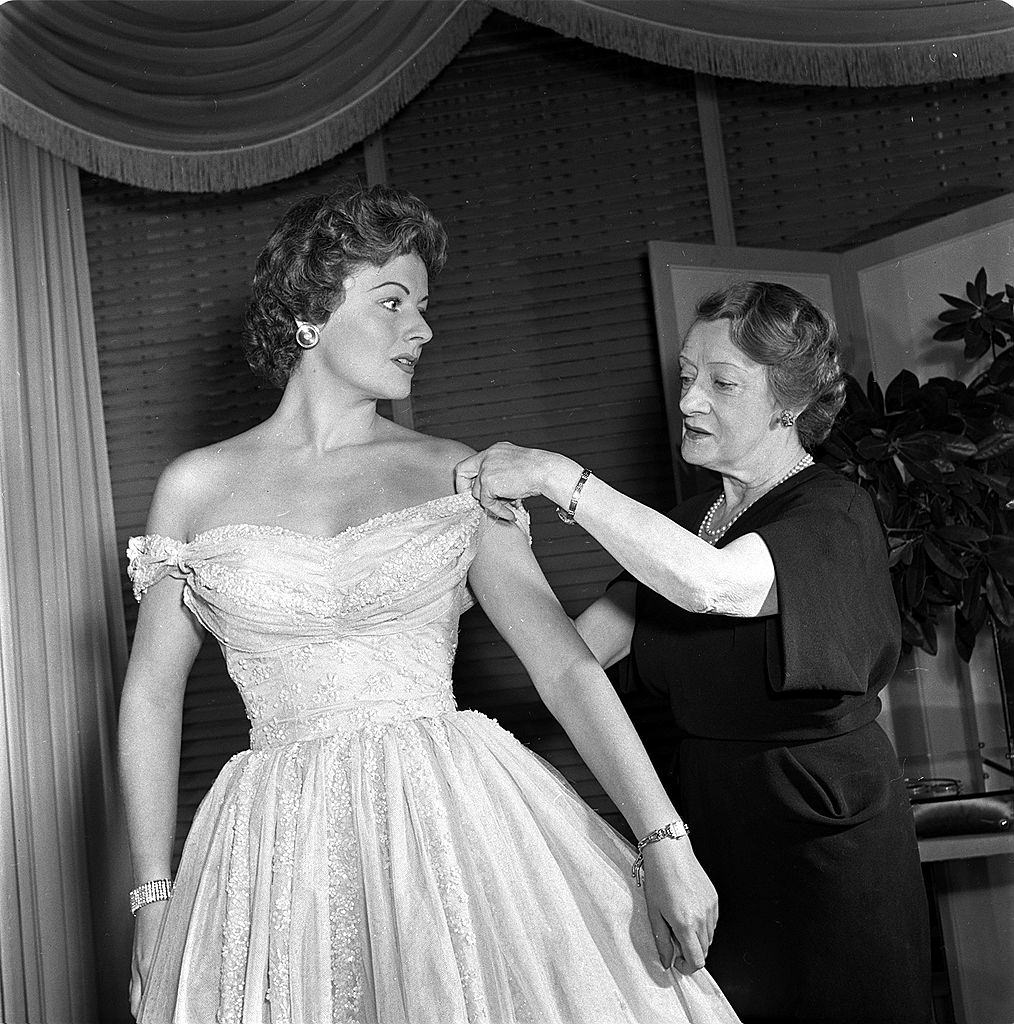
Margaret Lockwood is fitted for her costume in the film 'The Wicked Lady', August 1946.
Margaret Lockwood is fitted for her costume in the film ‘The Wicked Lady’, August 1946.
Margaret Lockwood signs a six-year contract with Rank studio head J. Arthur Rank at his London office, 19th June 1946.
Margaret Lockwood with J Arthur Rank on the set of 'Hungry Hill', 1946.
Margaret Lockwood with J Arthur Rank on the set of ‘Hungry Hill’, 1946.
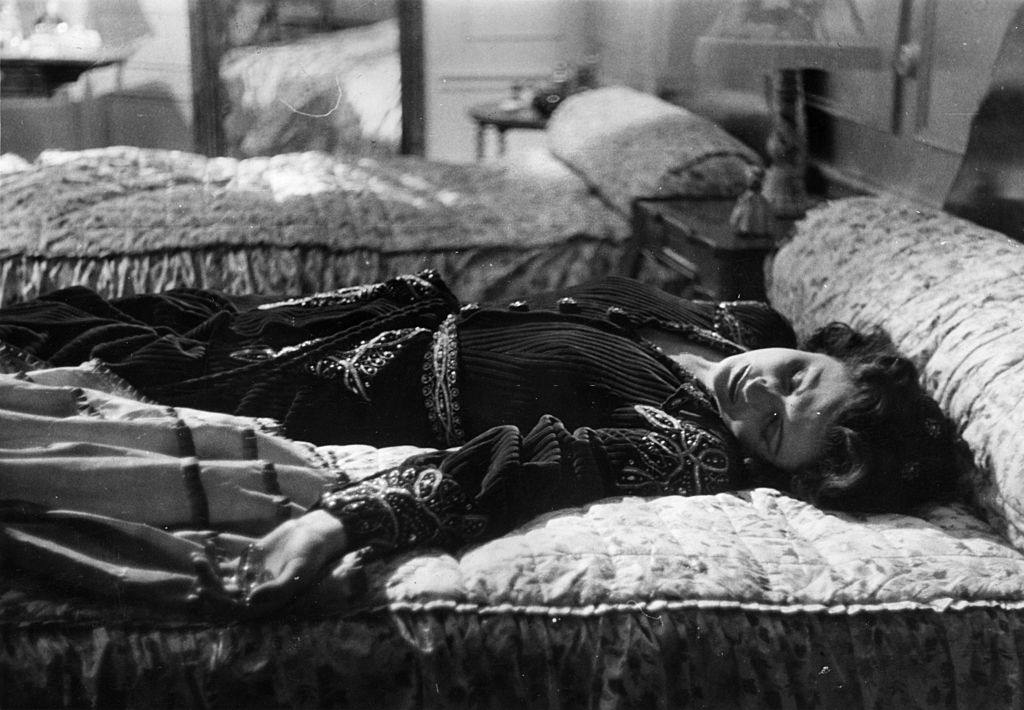
Margaret Lockwood plays a murderess who takes her own life, swallowing poison, in the film 'Bedelia', 1946.
Margaret Lockwood plays a murderess who takes her own life, swallowing poison, in the film ‘Bedelia’, 1946.
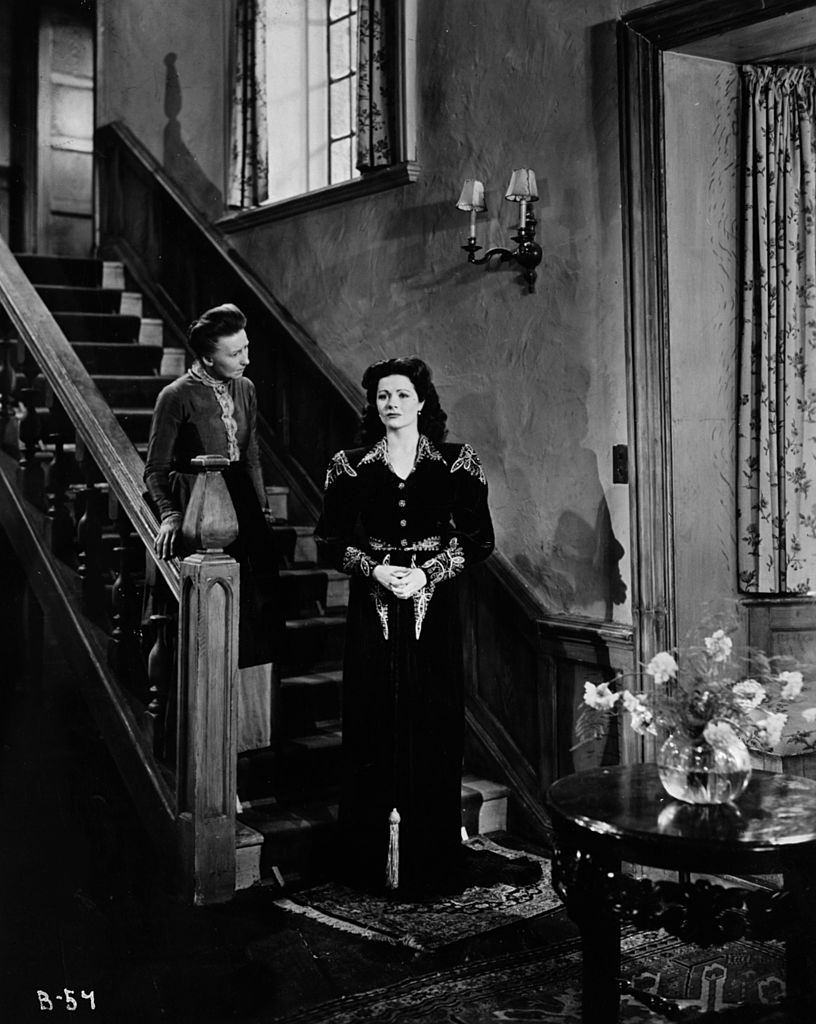
Margaret Lockwood in the movie 'Bedelia', 1946.
Margaret Lockwood in the movie ‘Bedelia’, 1946.
Margaret Lockwood in a scene from the GFD film 'Bedelia', 1946.
Margaret Lockwood in a scene from the GFD film ‘Bedelia’, 1946.
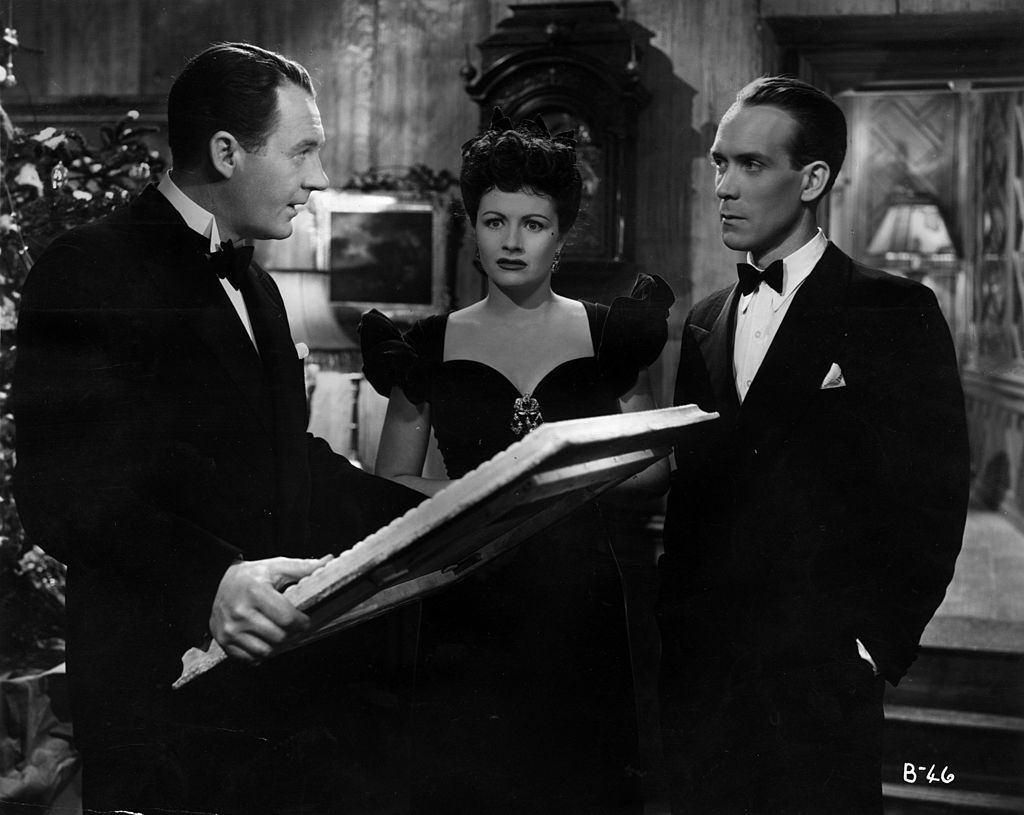
Margaret Lockwood with Ian Hunter and Barry K Barnes in the movie 'Bedelia', 1946.
Margaret Lockwood with Ian Hunter and Barry K Barnes in the movie ‘Bedelia’, 1946.
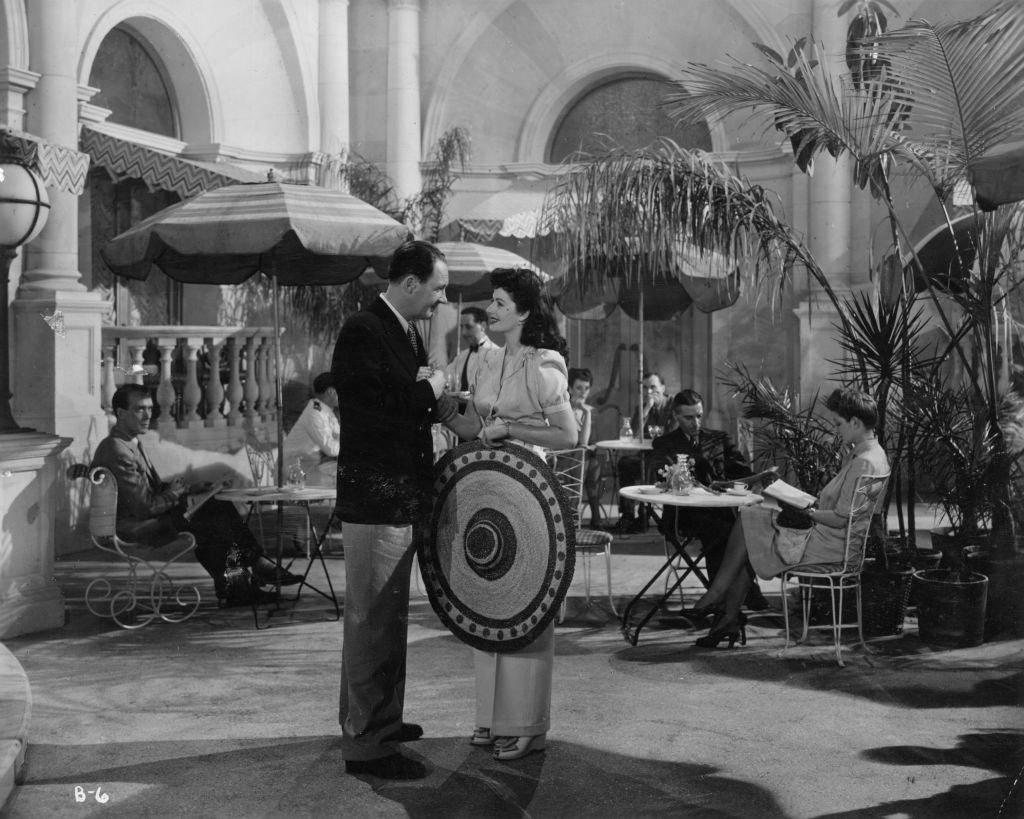
Margaret Lockwood with Ian Hunter in the movie 'Bedelia', 1946.
Margaret Lockwood with Ian Hunter in the movie ‘Bedelia’, 1946.
Margaret Lockwood with her Silver Star award for Best British actress of 1946
Margaret Lockwood, 1946.
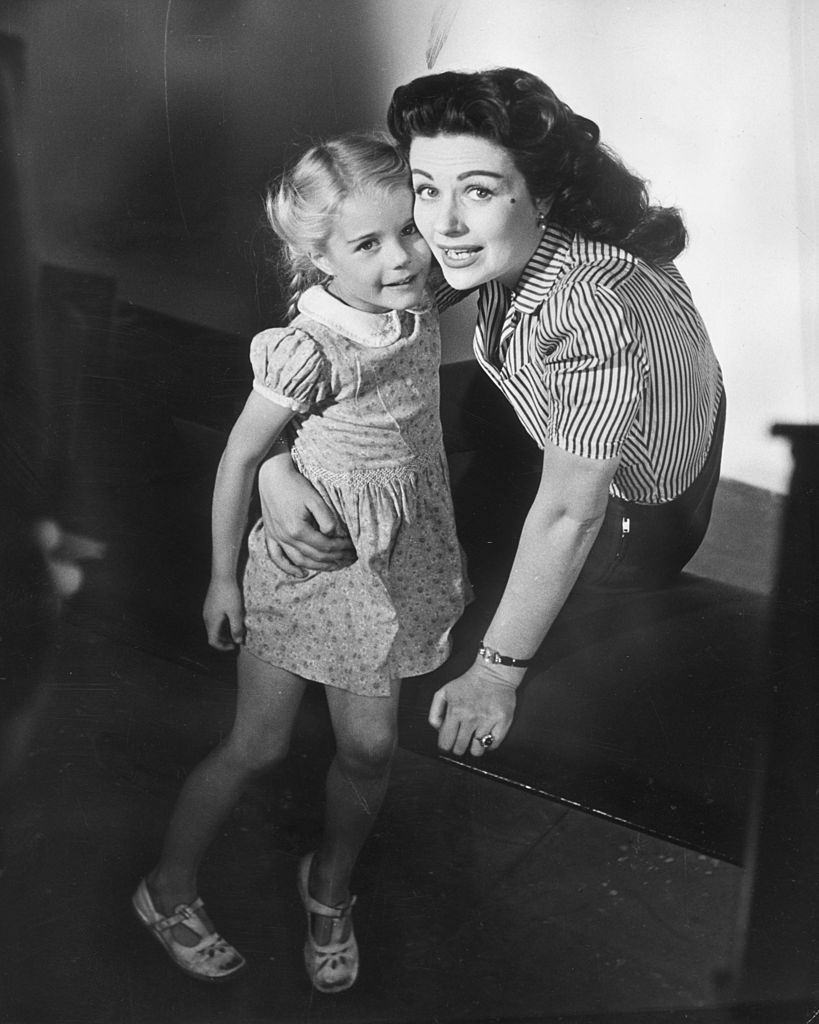
Margaret Lockwood with her daughter, 1946.

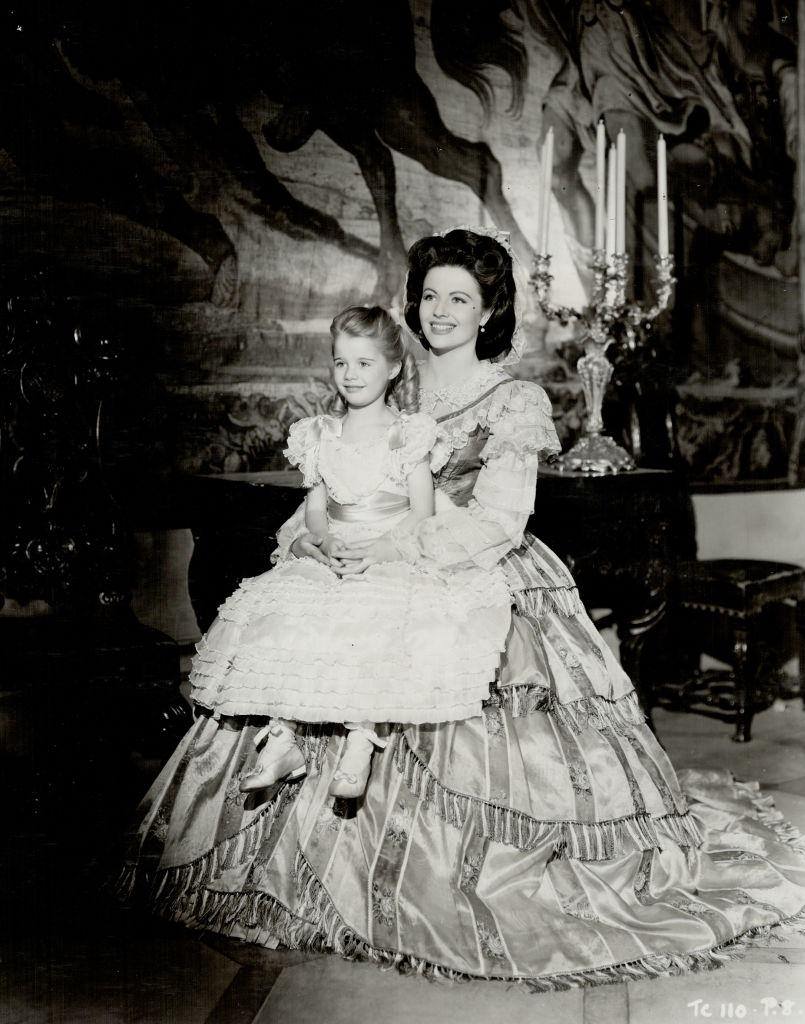
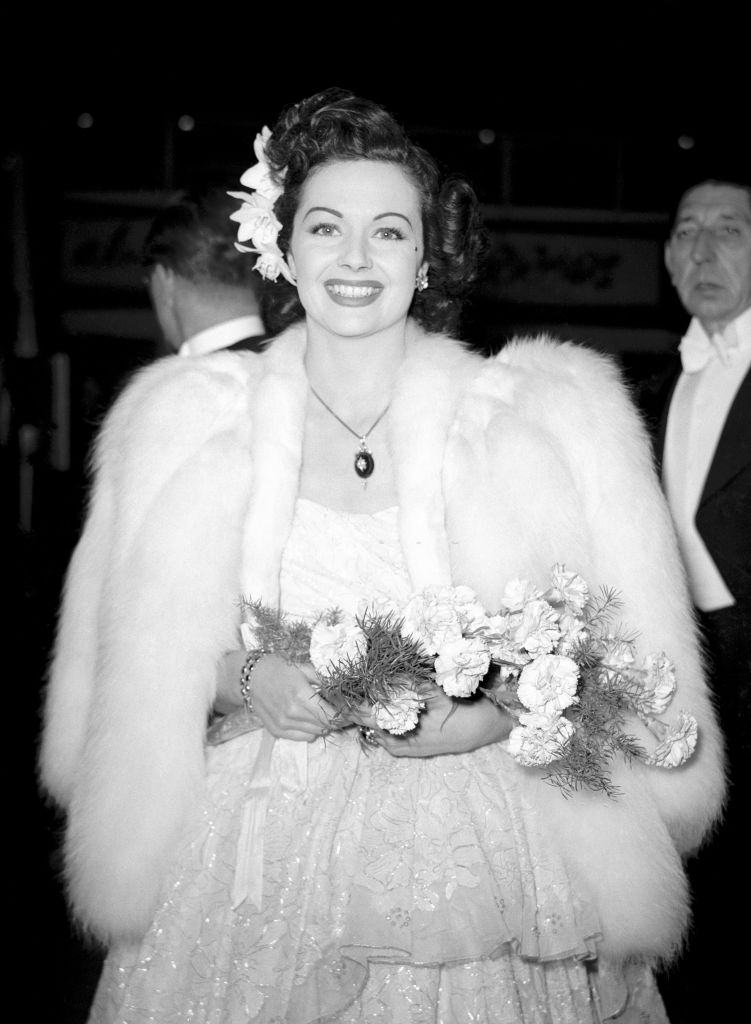
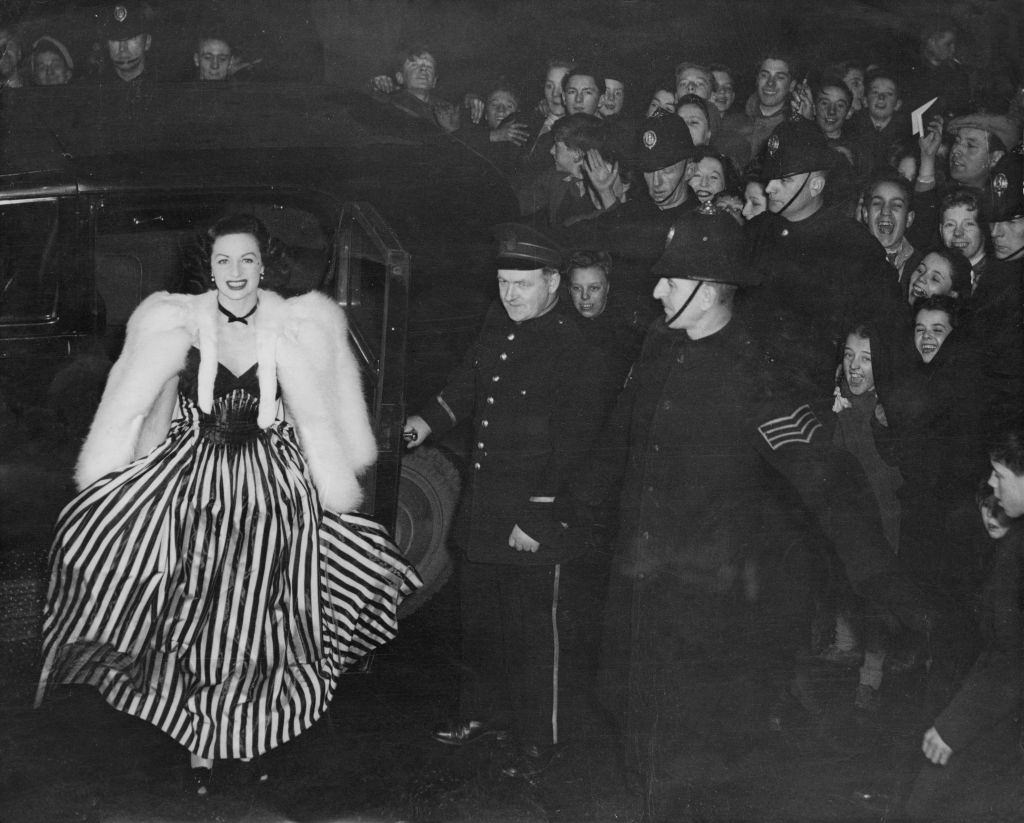
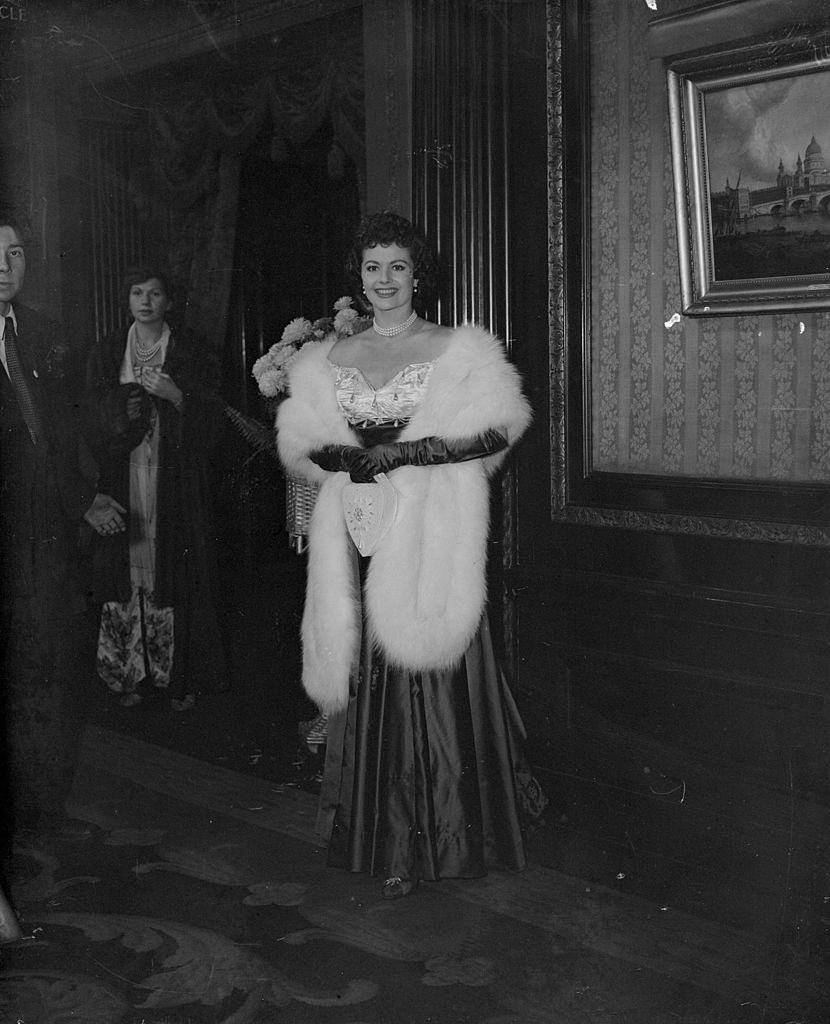
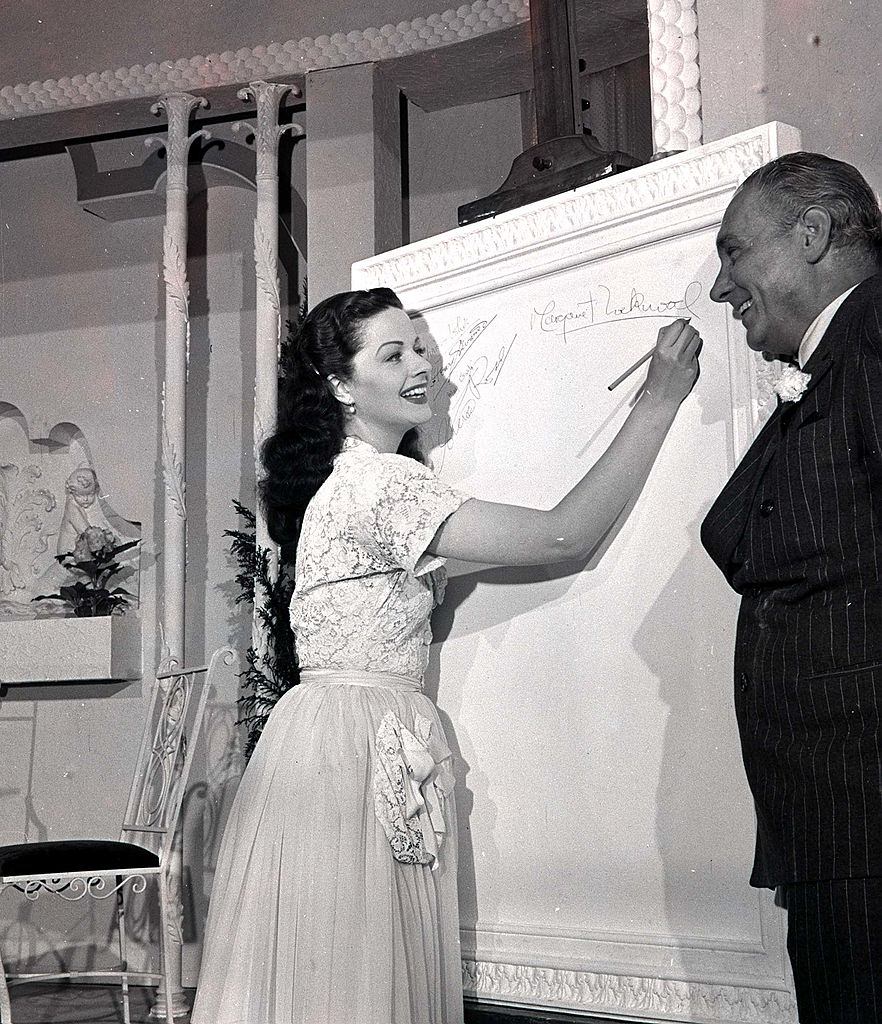
In 1947, Lockwood signed the ‘Roll of Fame’ in front of photographer Henry Edwards and attended the premiere of ‘The White Unicorn’ in white furs. She also appeared in the film itself alongside her daughter Julia, who was beginning to follow her mother into acting. Lockwood continued working at a high pace throughout the late 1940s, taking on a wide range of roles.
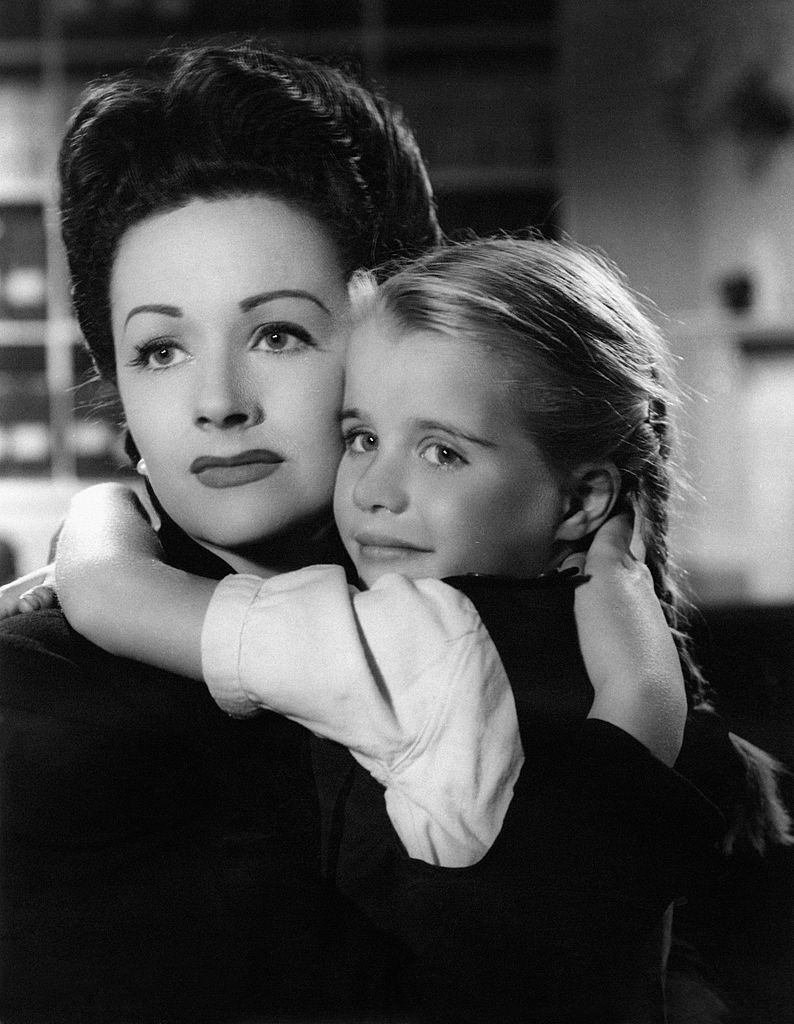
Margaret Lockwood acting with her daughter Julia in the film 'The White Unicorn'. Great Britain, 1947
Margaret Lockwood acting with her daughter Julia in the film ‘The White Unicorn’. Great Britain, 1947
Margaret Lockwood  as she signs the "Roll of Fame" watched by Henry Edwards, 1947.
Margaret Lockwood as she signs the “Roll of Fame” watched by Henry Edwards, 1947.
Margaret Lockwood holding her daughter, 1947.
Margaret Lockwood arrives for the premiere of White Unicorn, waring white furs, 1947.
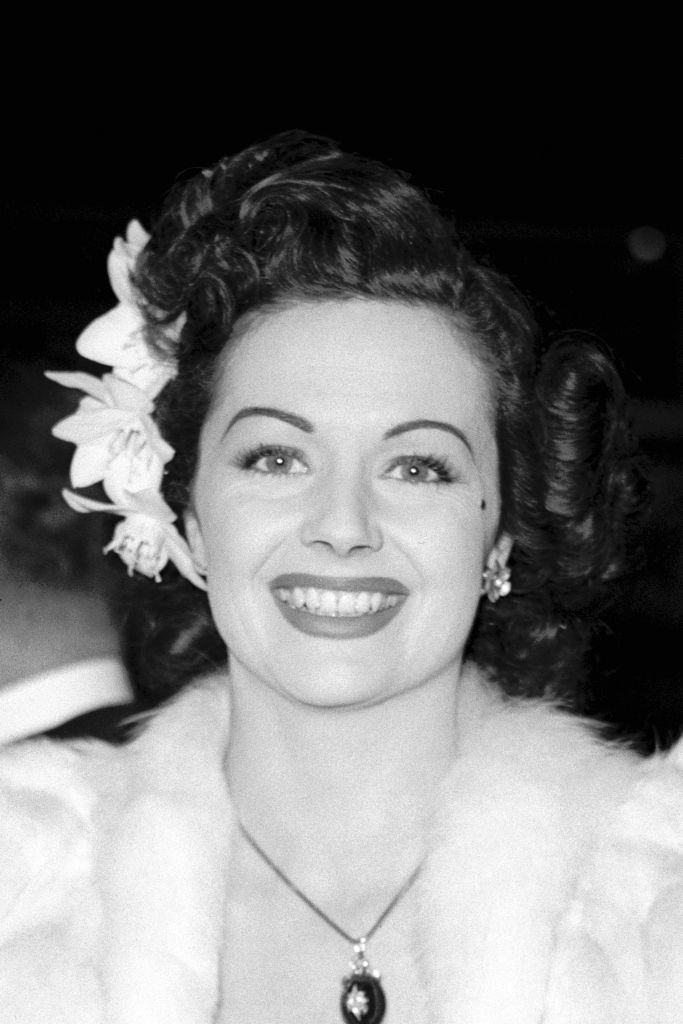
Margaret Lockwood arrives for a premiere sporting a pin curl hairstyle, 1947.

By 1948, Lockwood’s run of blockbuster villainesses was giving way to broader material. She took on her first slapstick role in ‘Cardboard Cavalier,’ a comedy that required a very different kind of performance. She also appeared in ‘Look Before You Love’ with Griffith Jones and attended the Royal Command Film Performance of ‘Scott of the Antarctic’ at the Empire Theatre in London. Her marriage to Rupert Leon ended after thirteen years, though she and Leon had by then gone their separate ways.
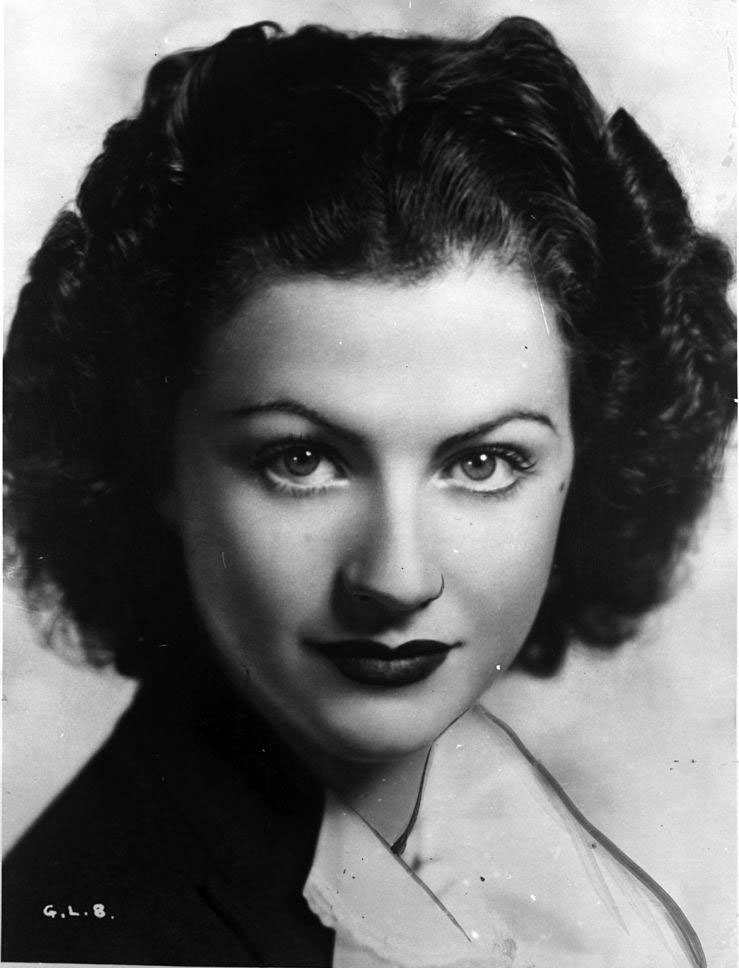
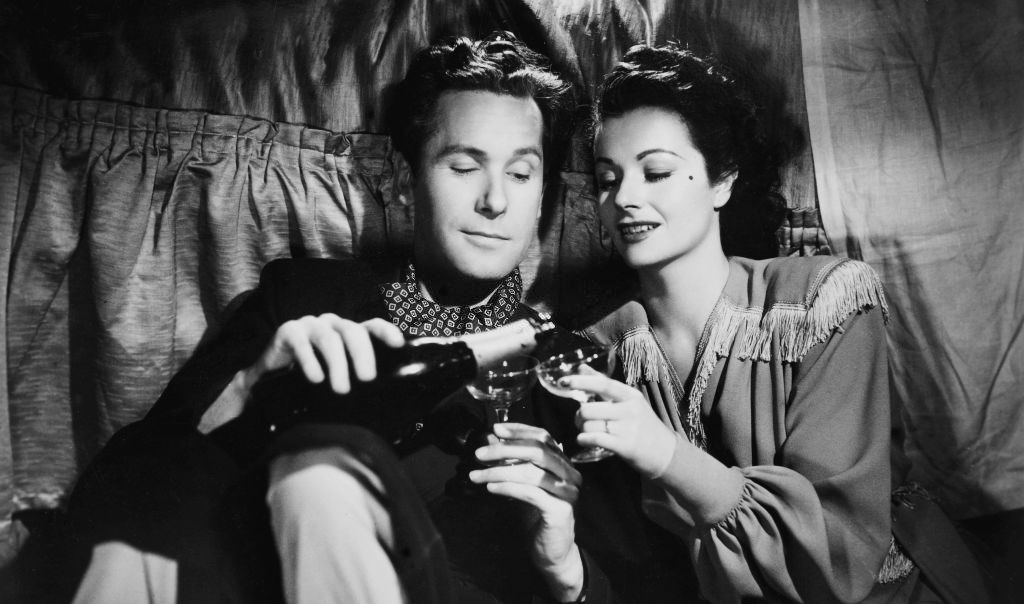
Margaret Lockwood, 1940's.
Margaret Lockwood, 1940’s.
Margaret Lockwood with Griffith Jones in the movie 'Look Before you love', 1948.
Margaret Lockwood with Griffith Jones in the movie ‘Look Before you love’, 1948.
Margaret Lockwood leaves the Parade Cinema in Dennistoun, 1948.
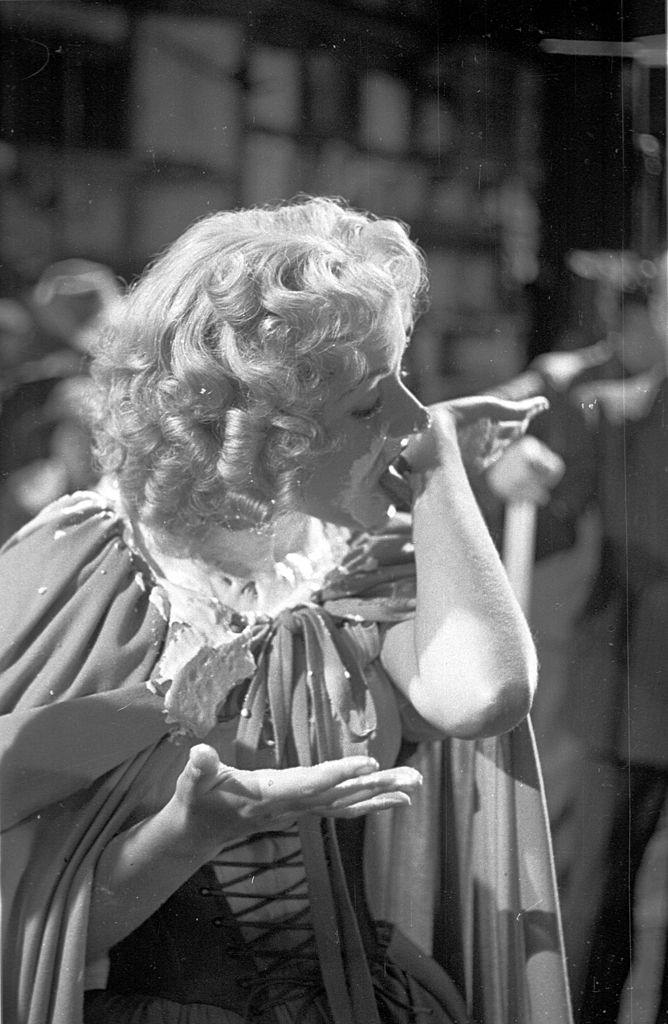
Margaret Lockwood icks her arm after getting a pie in the face during the making of her first slapstick film 'Cardboard Cavalier', 1948.
Margaret Lockwood icks her arm after getting a pie in the face during the making of her first slapstick film ‘Cardboard Cavalier’, 1948.
Margaret Lockwood at the Empire Theatre, London, for the Royal Command Film Performance of 'Scott of the Antarctic', 1948.
Margaret Lockwood at the Empire Theatre, London, for the Royal Command Film Performance of ‘Scott of the Antarctic’, 1948.
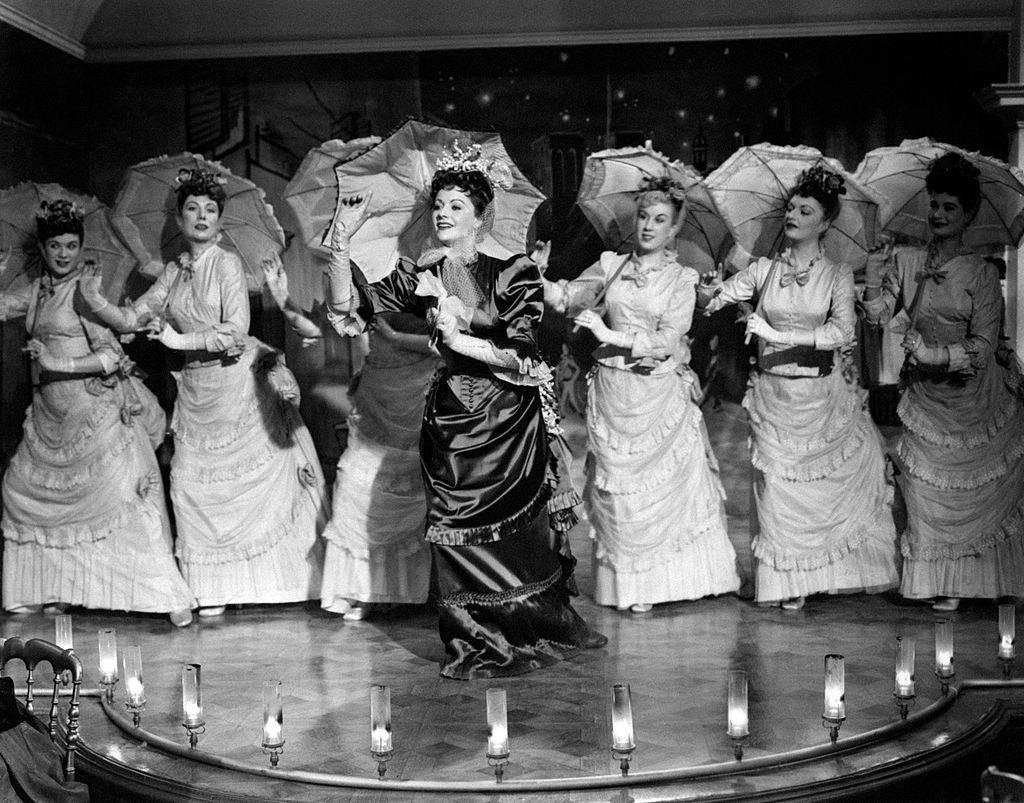
Margaret Lockwood holding a parasol and singing in the film Laughing Anne, 1948.
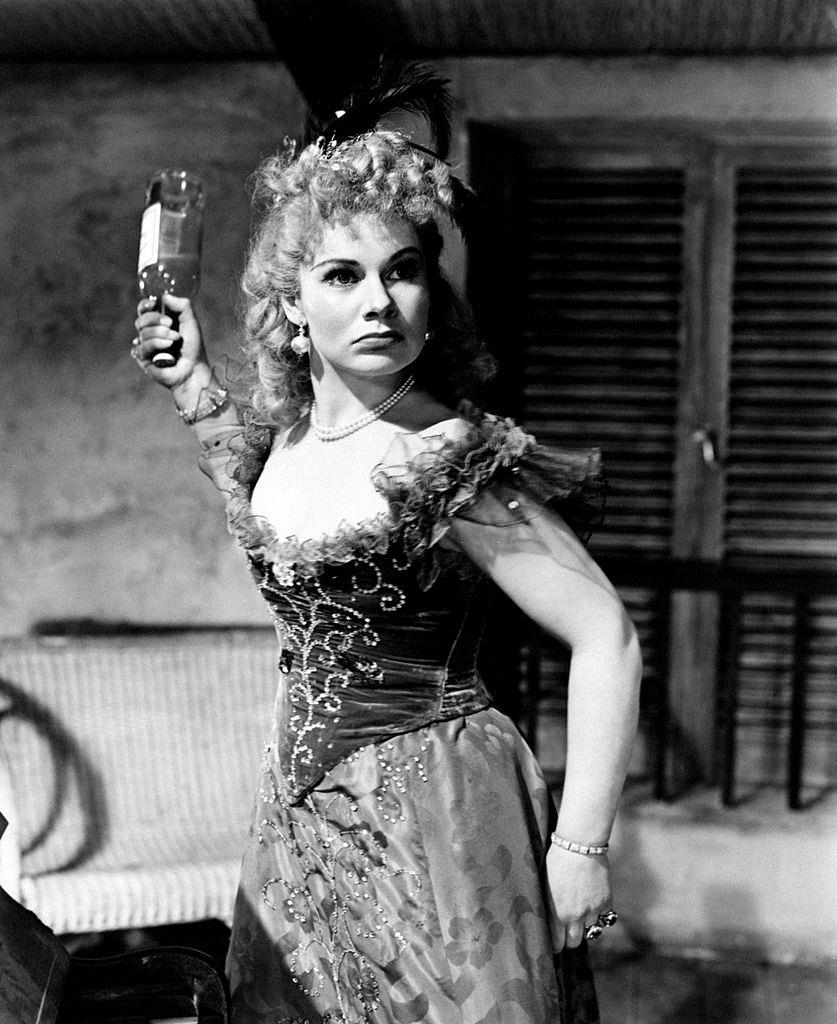
Margaret Lockwood threatening someone with a bottle in the film Laughing Anne, 1948.
Margaret Lockwood with Forrest Tucker, 1948.
Margaret Lockwood a leading lady one of the cinema's most popular villianesses of the 1940's
Margaret Lockwood a leading lady one of the cinema’s most popular villianesses of the 1940’s

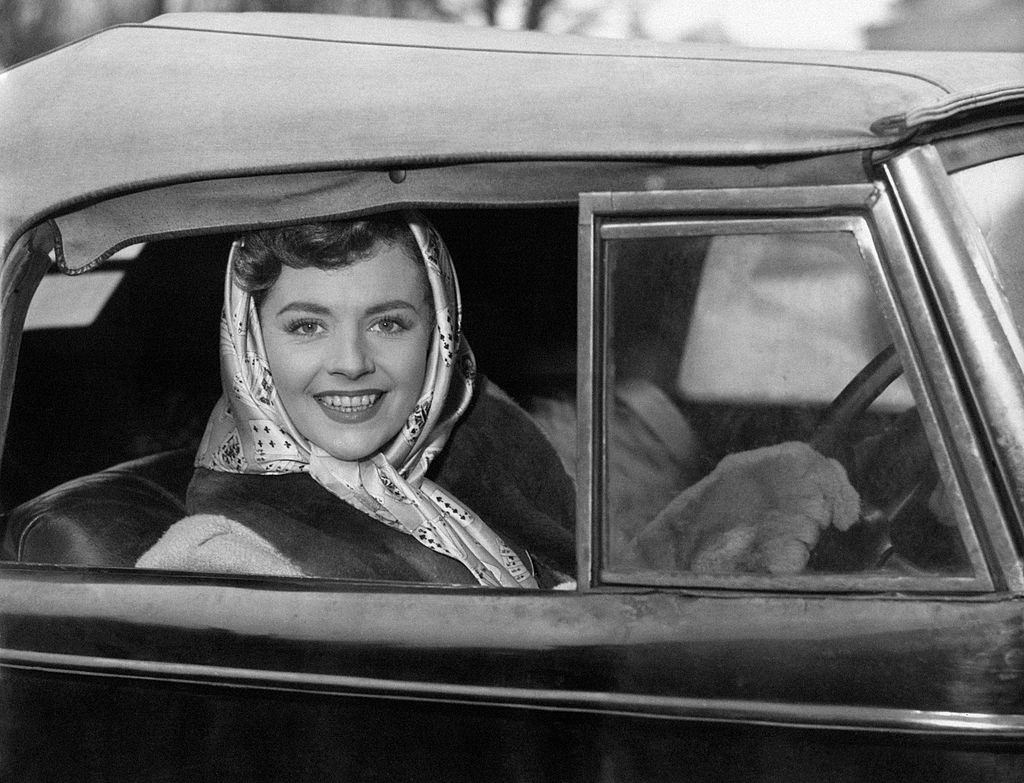
In 1949, Lockwood starred in ‘Madness of the Heart’ alongside Paul Dupuis and continued her work on ‘Cardboard Cavalier’ with Sid Field. She was also photographed arriving at Denham Film Studios in a convertible — a small detail that captured how much a public figure she remained even as the decade drew to a close.
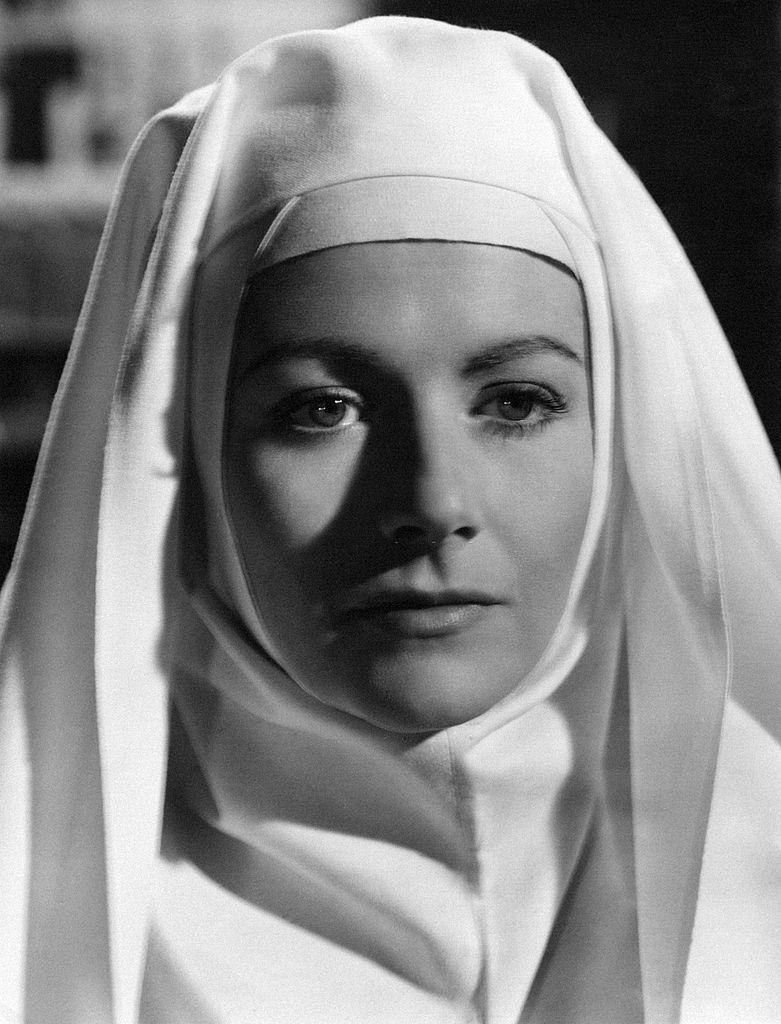
Margaret Lockwood acting in the film 'Madness of the Heart', 1949.
Margaret Lockwood acting in the film ‘Madness of the Heart’, 1949.
Margaret Lockwood reaching Denham Film Studios on board her convertible, 1949.
Margaret Lockwood acting in the film 'Cardboard Cavalier', 1949.
Margaret Lockwood acting in the film ‘Cardboard Cavalier’, 1949.
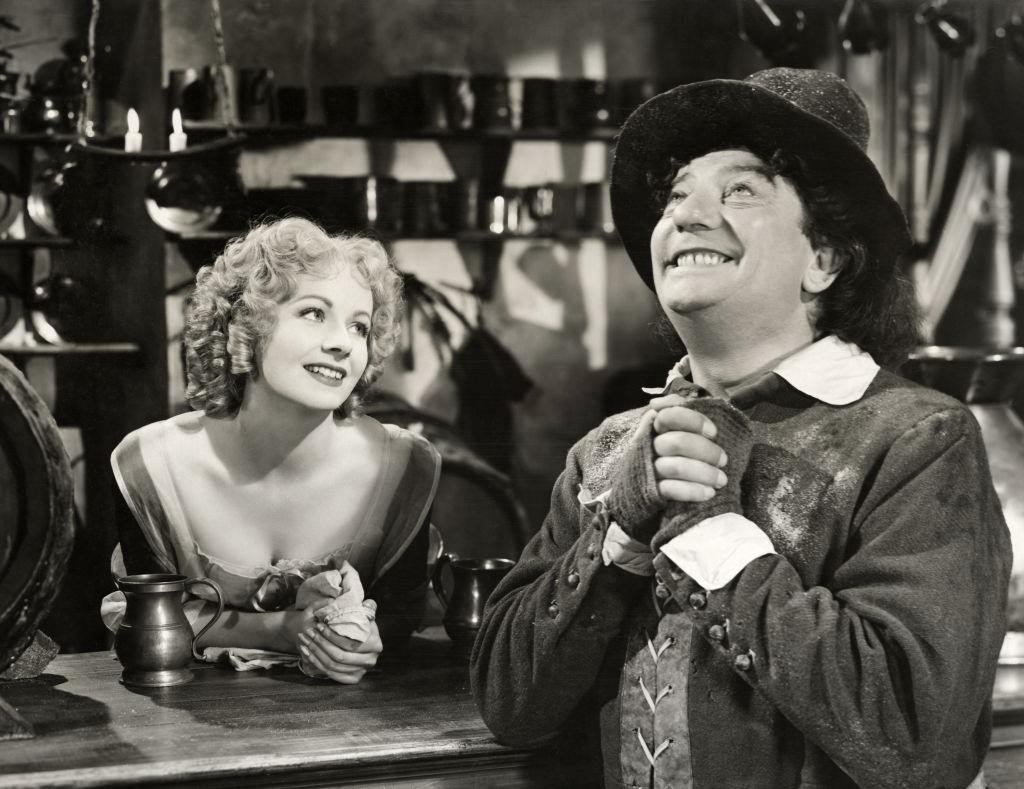
Margaret Lockwood  with d Sid Field as a Cromwellian barrow-boy, in a scene from the film "Cardboard Cavalier", 1949.
Margaret Lockwood with d Sid Field as a Cromwellian barrow-boy, in a scene from the film “Cardboard Cavalier”, 1949.
Margaret Lockwood with Paul Dupuis n the film 'Madness of the Heart', 1949.
Margaret Lockwood with Paul Dupuis n the film ‘Madness of the Heart’, 1949.

The 1950s brought a shift in Lockwood’s career. Her popularity at the cinema faded as audience tastes changed and a new generation of British stars emerged. She appeared in ‘Highly Dangerous’ in 1950, ‘Trent’s Last Case’ in 1952, and ‘Trouble in the Glen’ in 1954, but the massive box office pulls of her peak years did not follow her into the new decade. She adapted by moving toward television, where she made her debut in 1948 playing Eliza Doolittle in a television production of the same name.
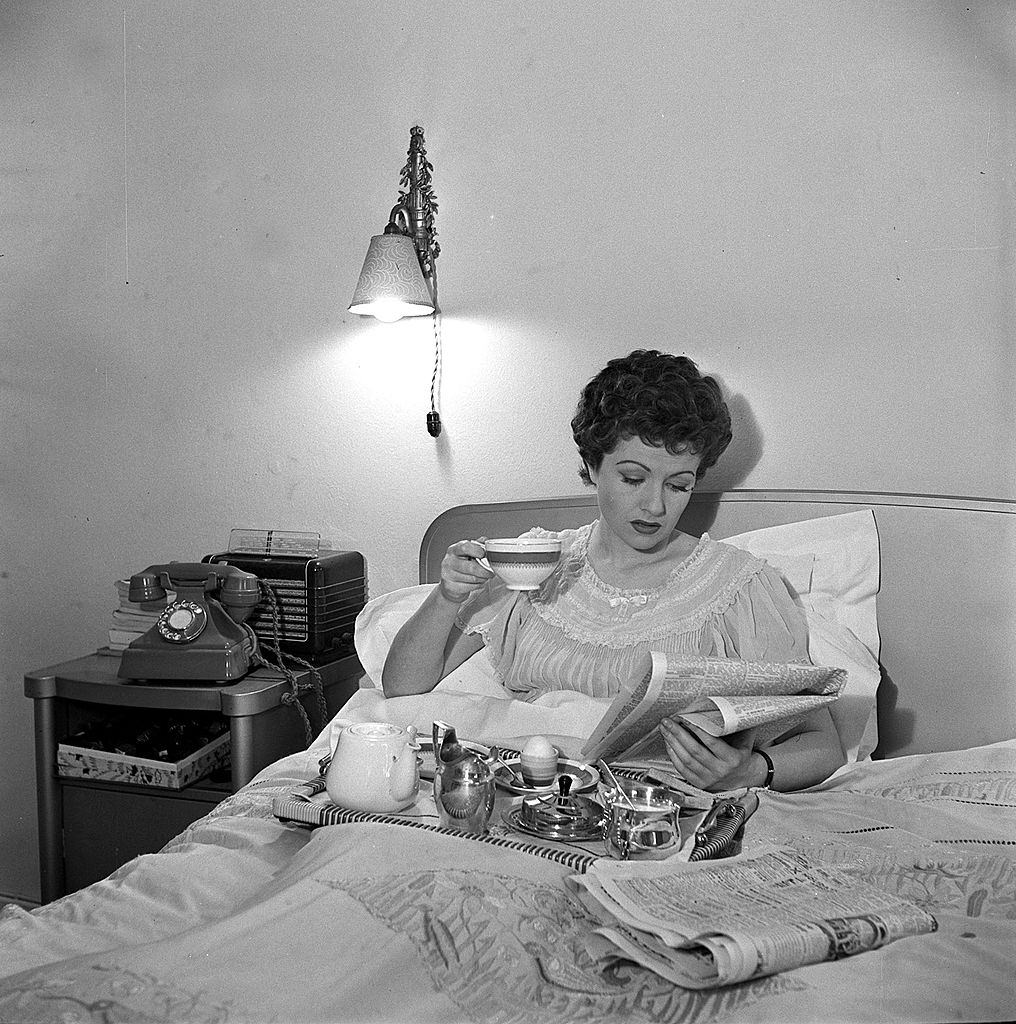
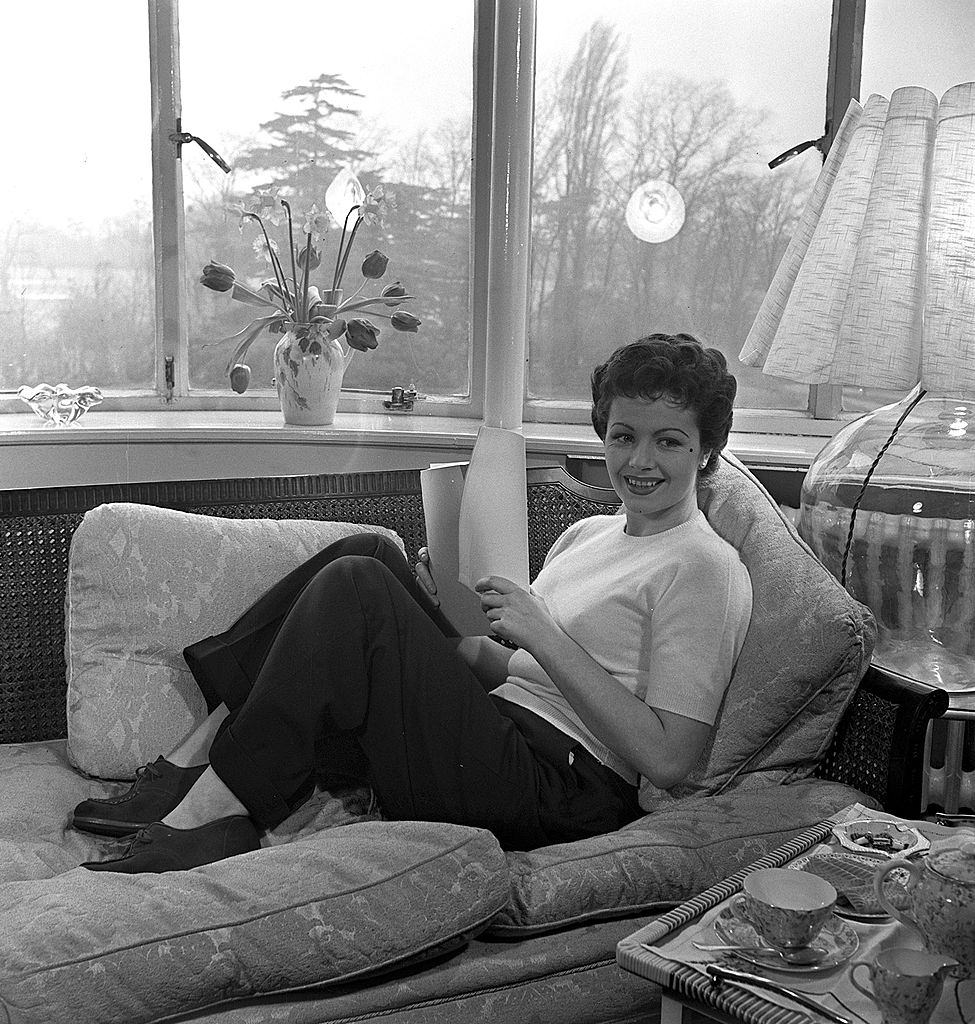
Margaret Lockwood is pictured reading the newspapers as she enjoys breakfast in bed, 1950
Margaret Lockwood  relaxing at her home, 1950.
Margaret Lockwood relaxing at her home, 1950.
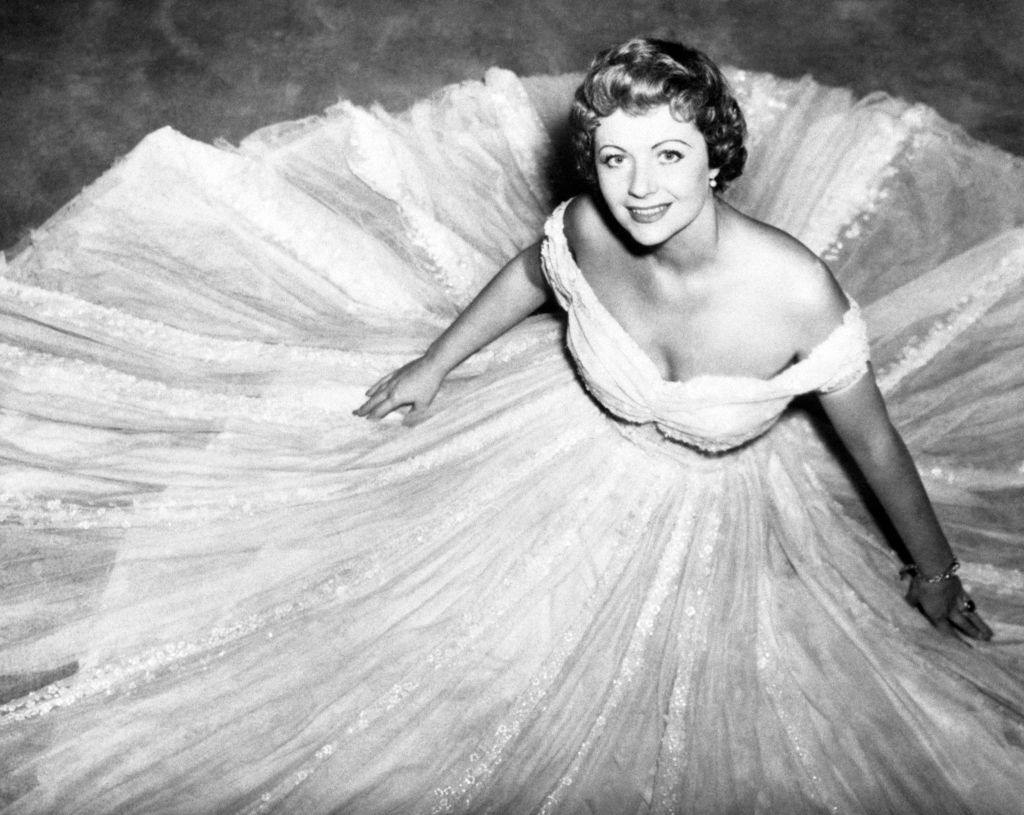
Margaret Lockwood wearing a new gown for the Royal Command Performance, 1950.
Margaret Lockwood in  the film "Highly Dangerous", 1950.
Margaret Lockwood in the film “Highly Dangerous”, 1950.
Margaret Lockwood acting in the film 'Highly Dangerous', 1950.
Margaret Lockwood acting in the film ‘Highly Dangerous’, 1950.
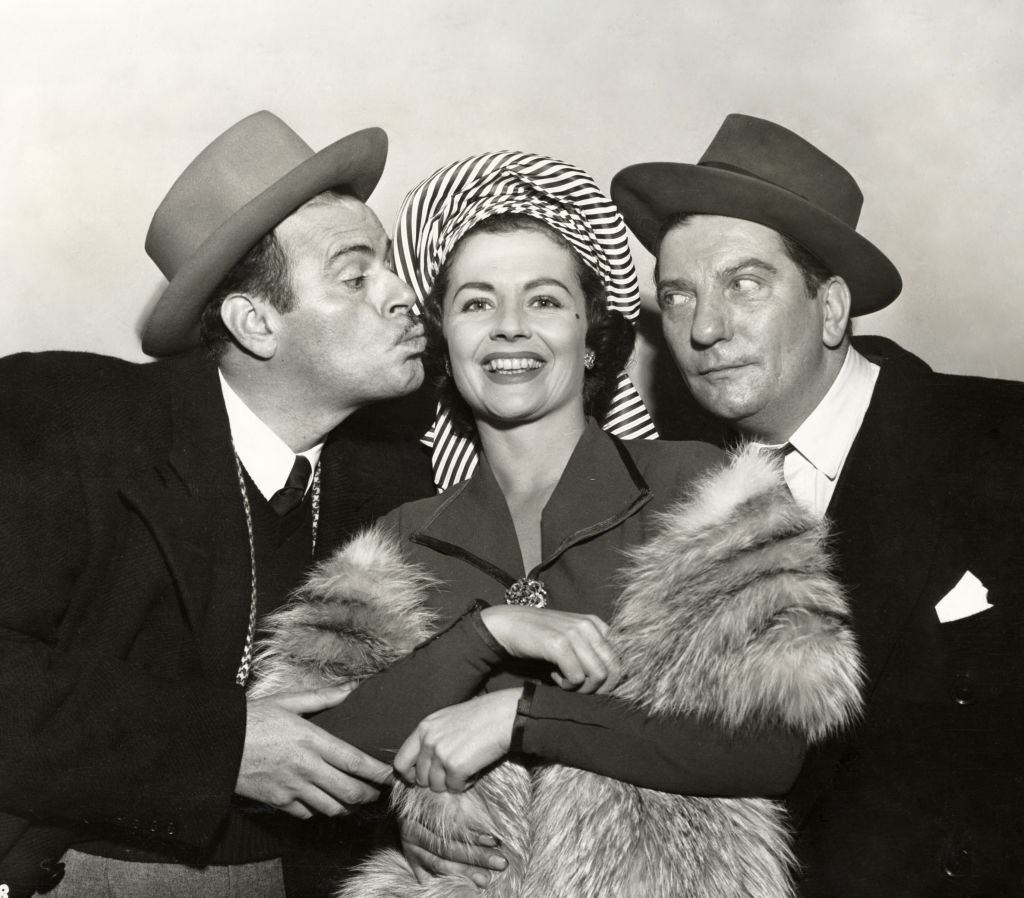
Margaret Lockwood with Billy De Wolfe and Sid Field, 1950.
Margaret Lockwood, 1950.
Margaret Lockwood, wearing a gown made by Norman Hartnell, 1950.
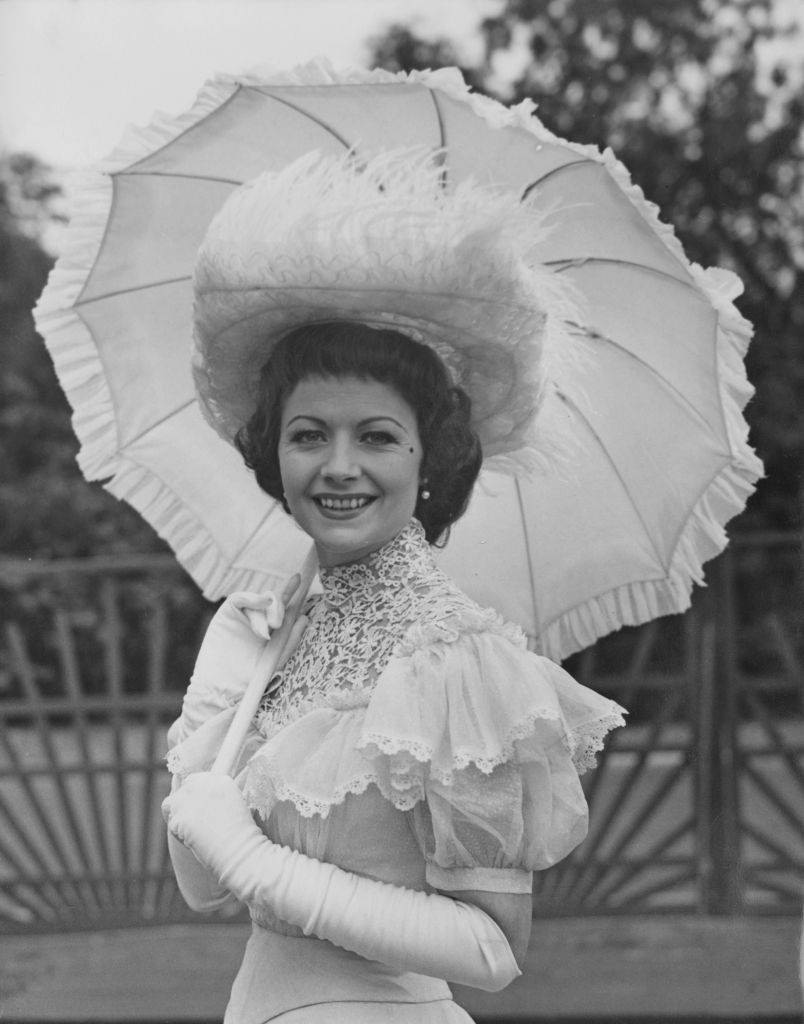
Margaret Lockwood wearing period fashion to the Theatrical Garden Party at the Chelsea Royal Hospital, 1951.
Margaret Lockwood from the movie 'Trents Last Case', 1952.
Margaret Lockwood from the movie ‘Trents Last Case’, 1952.
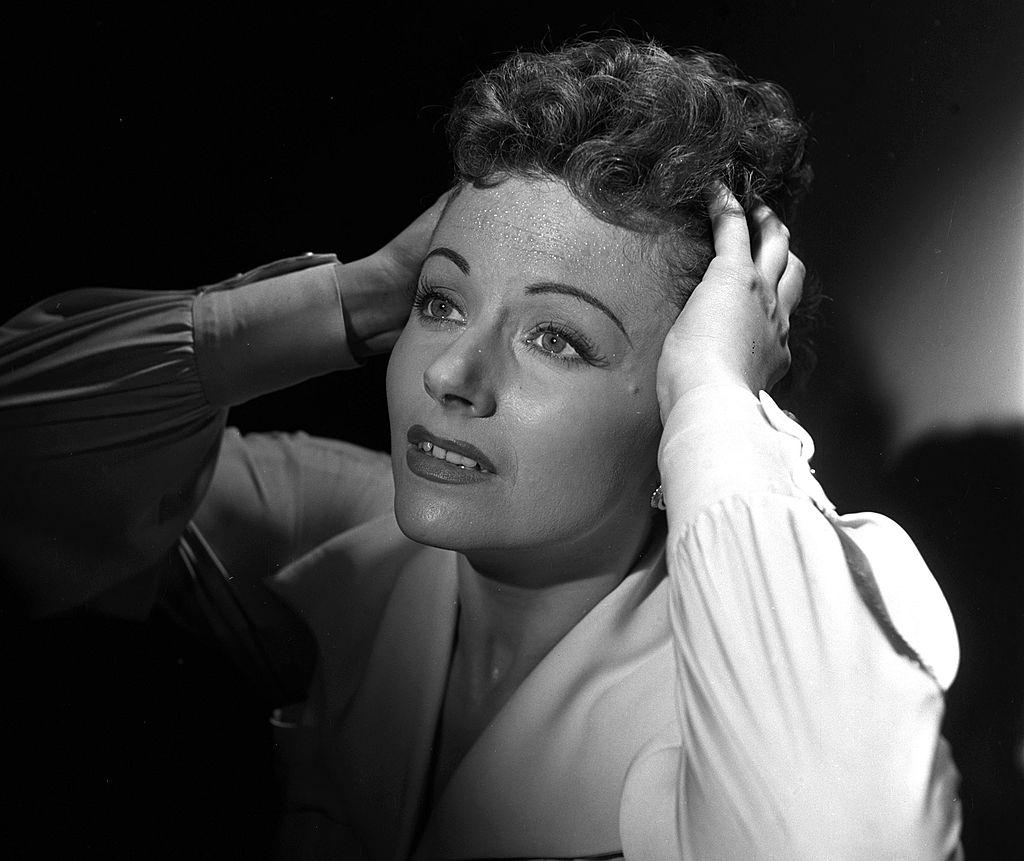
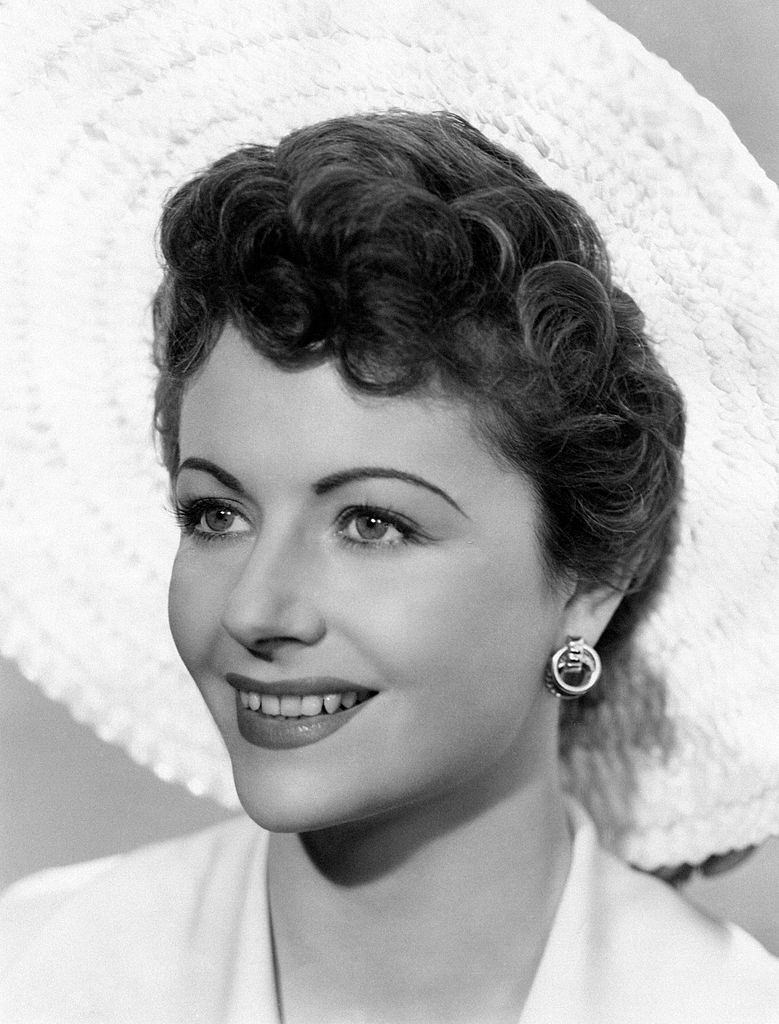
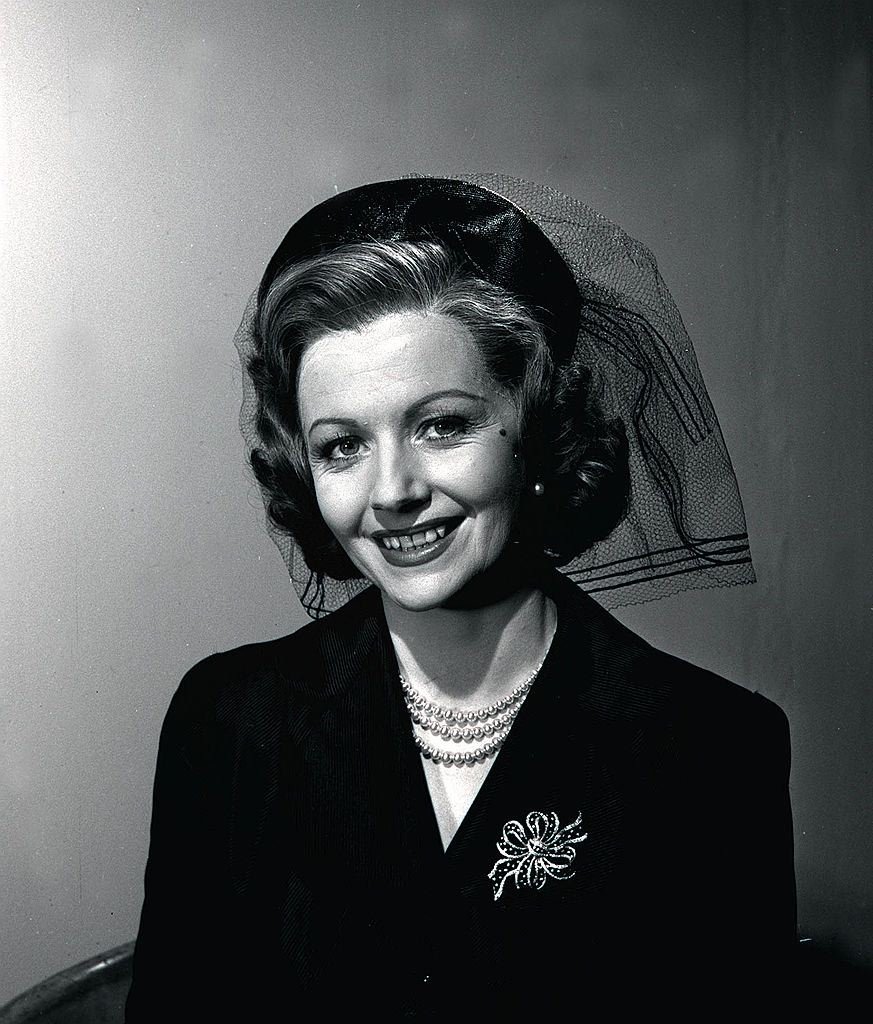
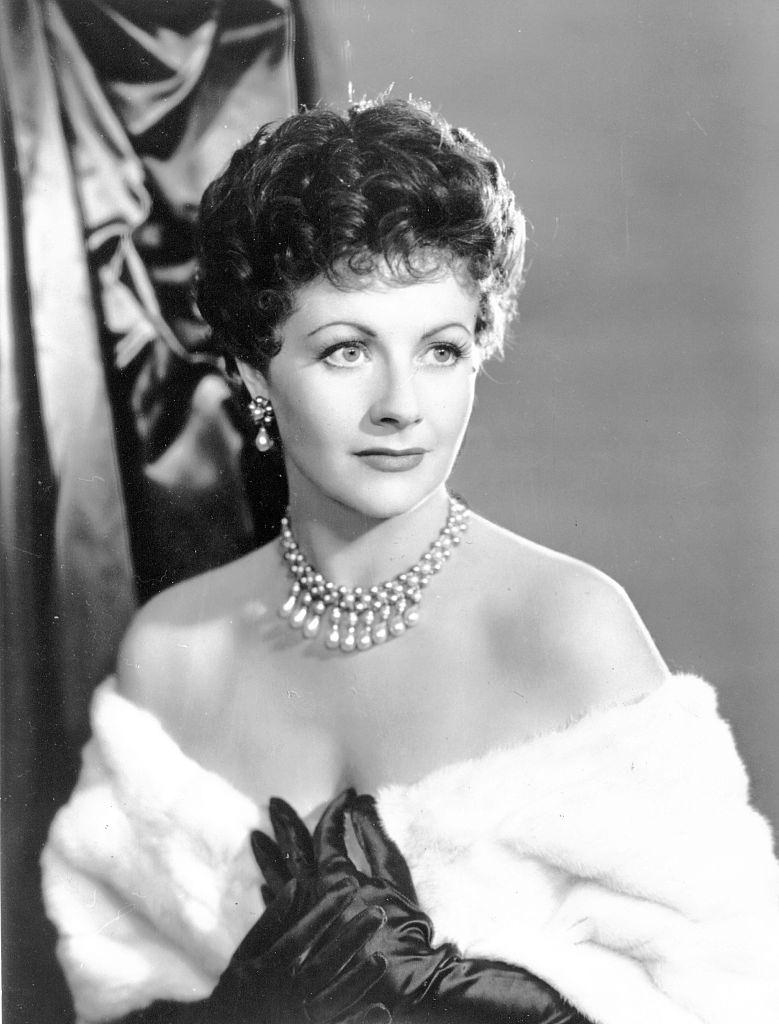
Margaret Lockwood, 1950s.
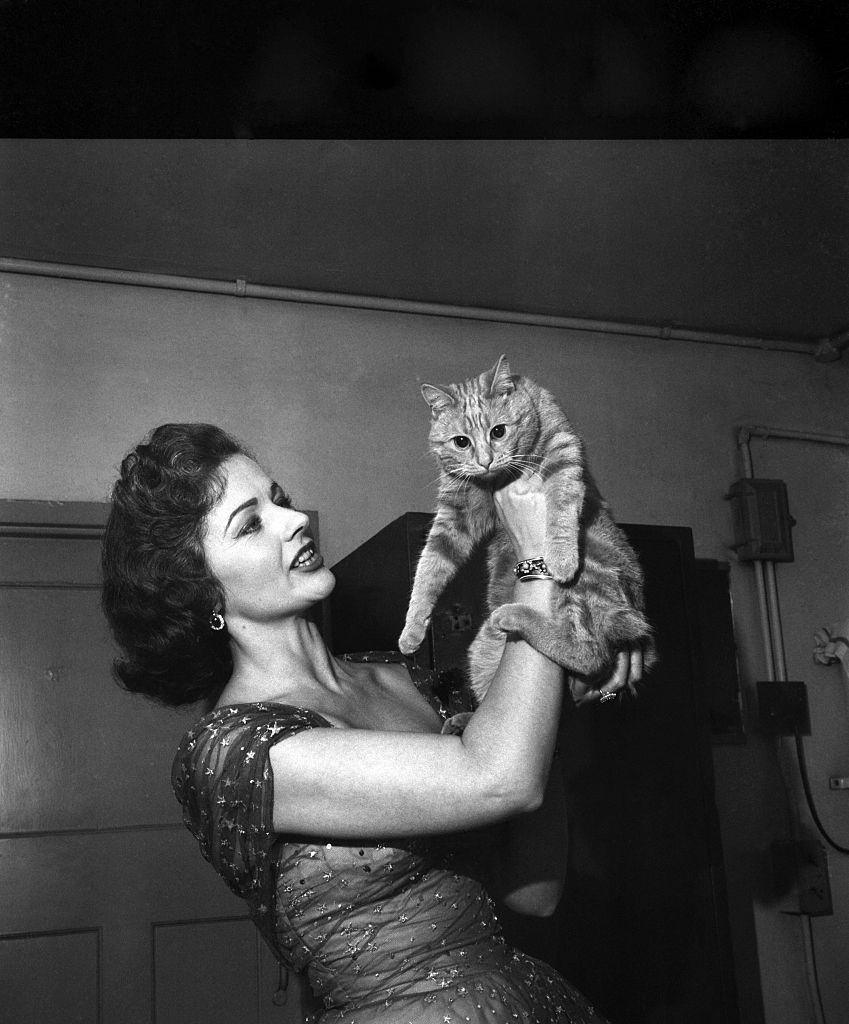
Margaret Lockwood with her cat, 1953.
Margaret Lockwood in 'Trouble in the Glen', 1954.
Margaret Lockwood in ‘Trouble in the Glen’, 1954.

On television, Lockwood found a second audience. She starred in the ‘Royalty’ series from 1957 to 1958 and was a regular presence on TV anthology programmes throughout that period. Her most notable television role came in 1969, when she played barrister Julia Stanford in ‘Justice is a Woman.’ The character proved popular enough that Yorkshire Television developed a full series around her — simply titled ‘Justice’ — which ran for three seasons and 39 episodes between 1971 and 1974. In 1980, she made her final professional appearance on stage, playing Queen Alexandra in Royce Ryton’s theatrical production ‘Motherdear.’ She spent her final years in seclusion in Kingston upon Thames, London. Margaret Lockwood died from cirrhosis of the liver at the age of 73. Her body was cremated at Putney Vale Crematorium, and she was survived by her daughter, the actress Julia Lockwood.
Enjoyed this post? Get new ones in your inbox.

Leave a Comment

Your email address will not be published. Required fields are marked *

Share this Post 🥺

Please take a moment to share this content. Your support is greatly appreciated! 🙌🙏

Share this Post 🥺

Please take a moment to share this content. Your support is greatly appreciated! 🙌🙏
Scroll to Top
 
Hey Friend, Before You Go.. Please like & follow for more interesting content