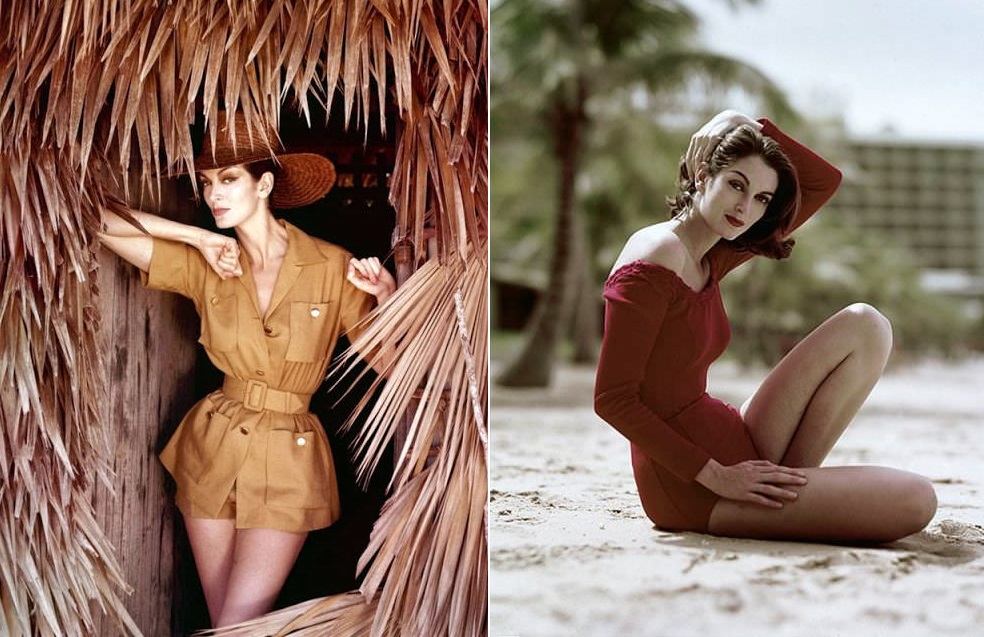
After the strict rationing and drab utility clothing of World War II, 1950s fashion surged back toward glamour and refinement. Paris led the charge, and among its couturiers was Madeleine de Rauch — a designer who carved out her own distinct space in that crowded, competitive world. She trained under Lucien Lelong before opening her own couture house, and by the early 1950s, her work was appearing in the pages of Vogue, Harper’s Bazaar, and L’Officiel.
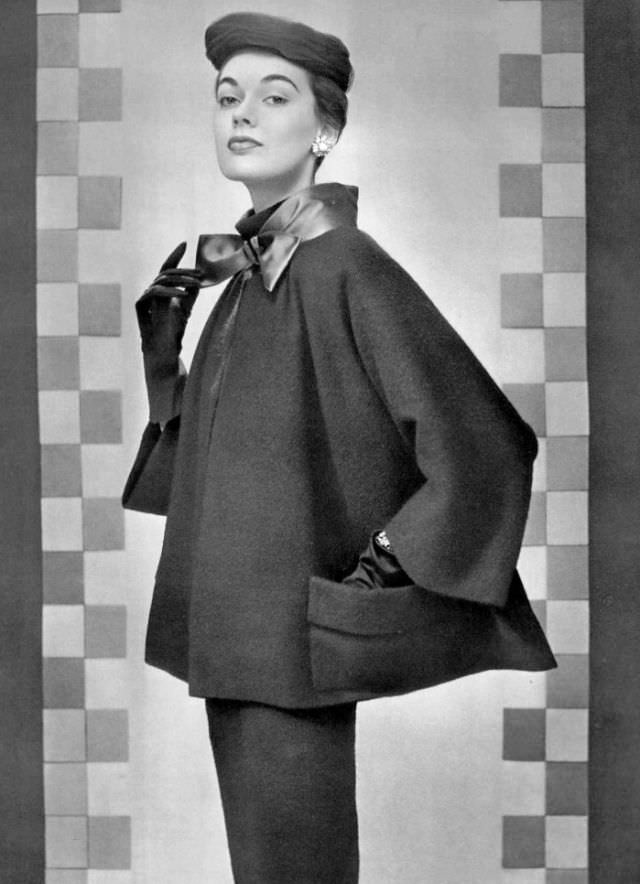
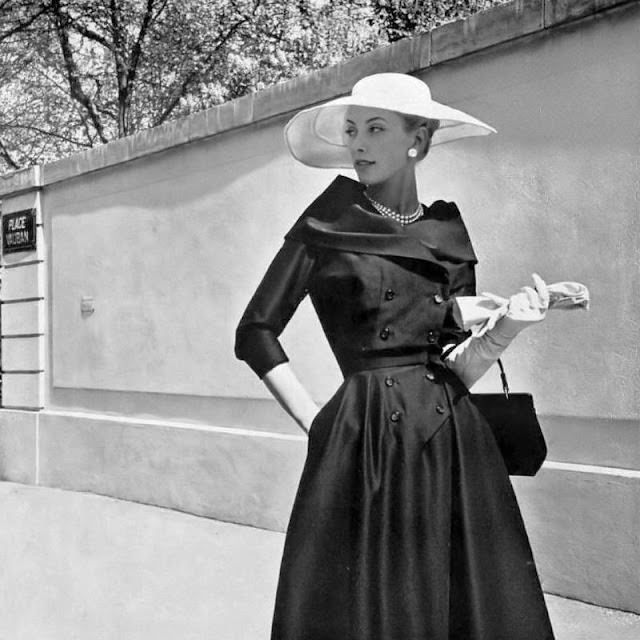
De Rauch’s aesthetic stood apart from the dominant trends of the day. While Christian Dior’s “New Look” leaned on full, sweeping skirts and cinched waists, de Rauch favored sleek, tailored silhouettes. Her designs were feminine without being fussy — structured forms built from luxurious fabrics that did the talking on their own. She worked often in mousseline, satin, silk, flannel, and tweed, using fabric weight and drape in place of heavy ornamentation.
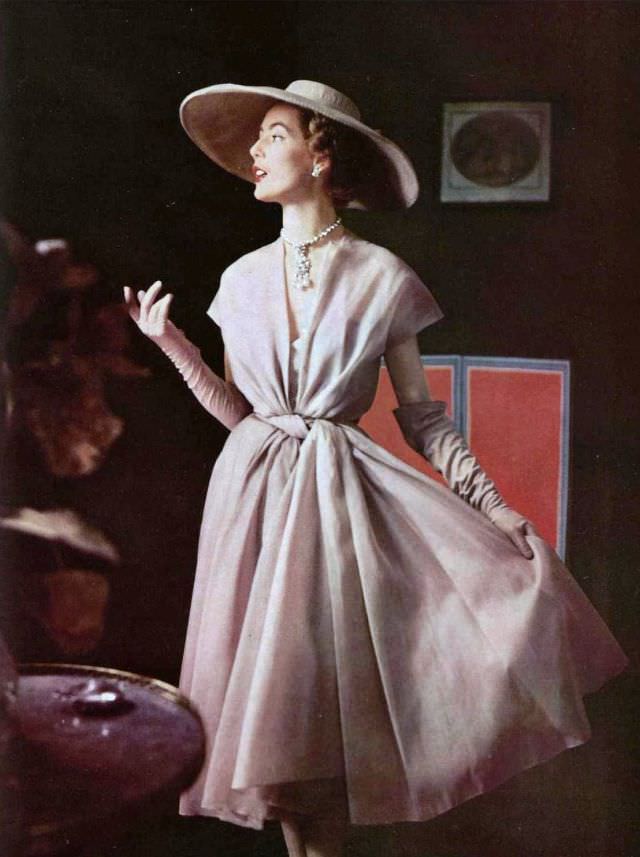
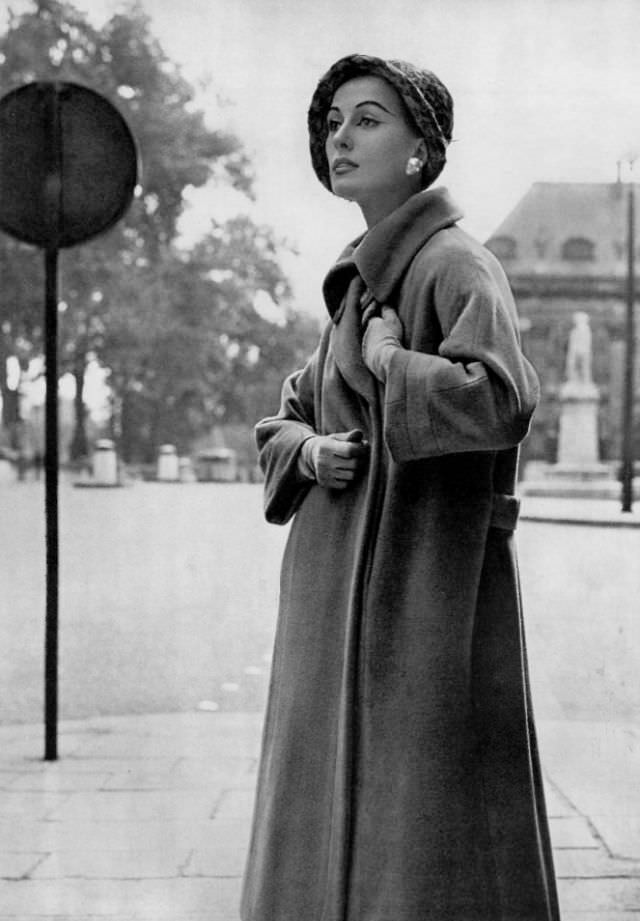
Her 1952 collections were especially well-documented. Photographers like Philippe Pottier and Georges Saad captured her garments with precision, and leading models of the era wore them in major editorial shoots. That year, de Rauch dressed models in everything from flowing mousseline to structured camel-hair coats, demonstrating her range across both daywear and formal dressing.
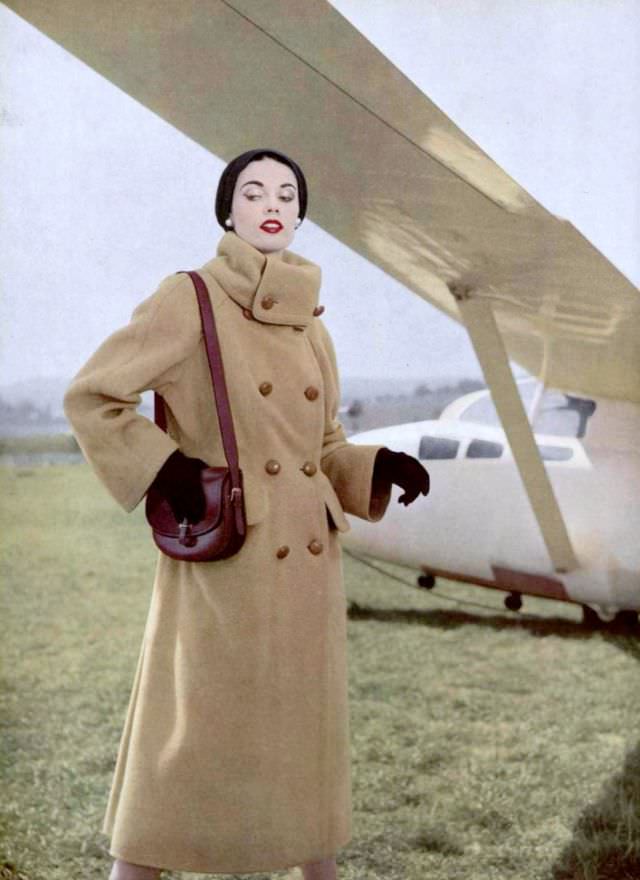
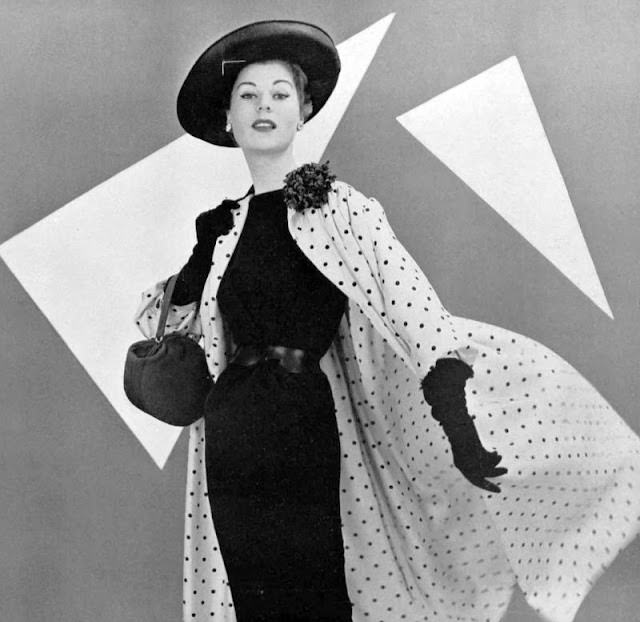
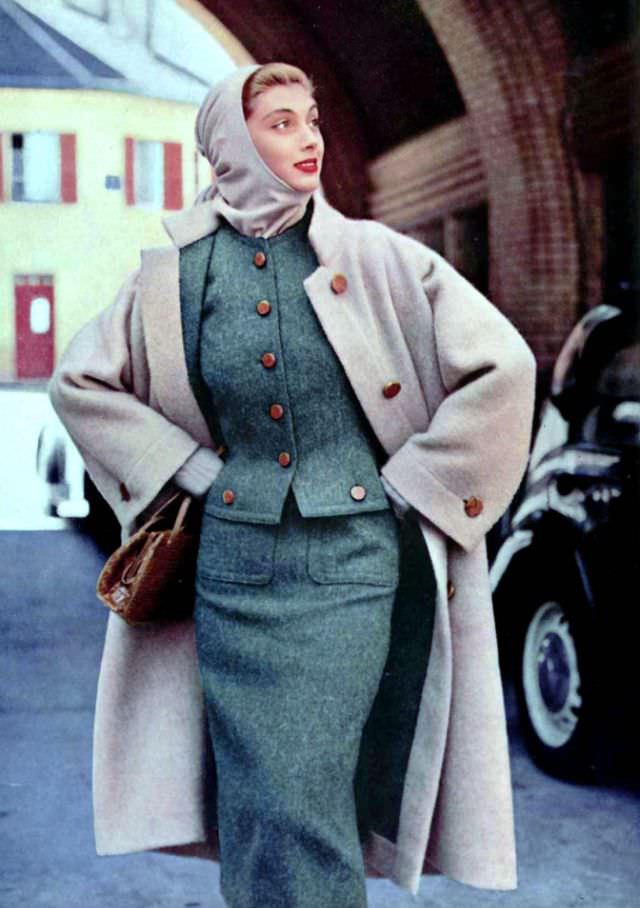
Accessories were never an afterthought in de Rauch’s world. She treated hats, gloves, bags, and shoes as essential parts of the total look, not decorative extras. Her pairing of pieces — like coordinating a camel-hair coat with Hermès accessories — reflected a holistic approach to dressing that was ahead of how many houses thought about styling at the time.
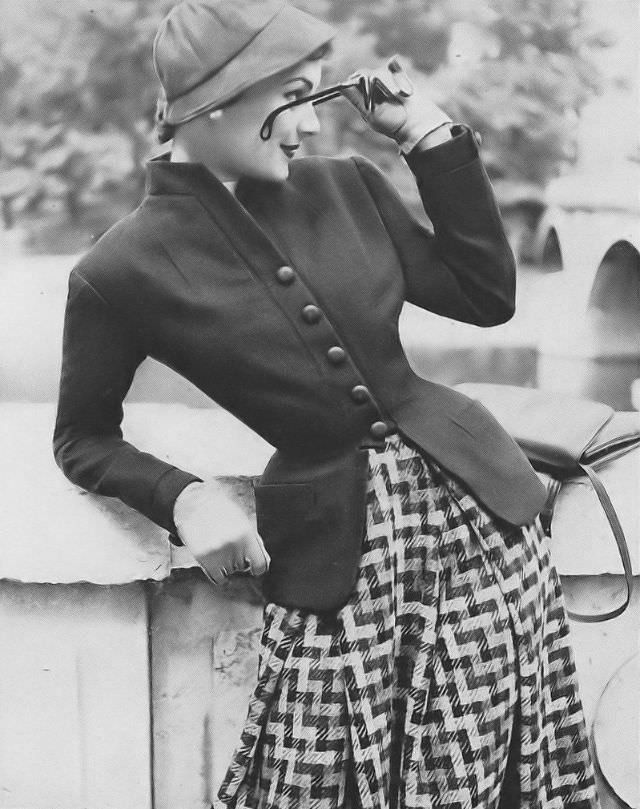
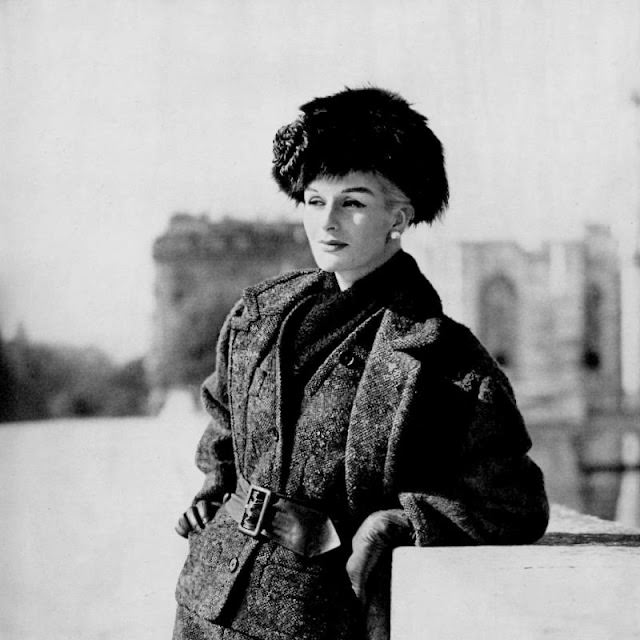
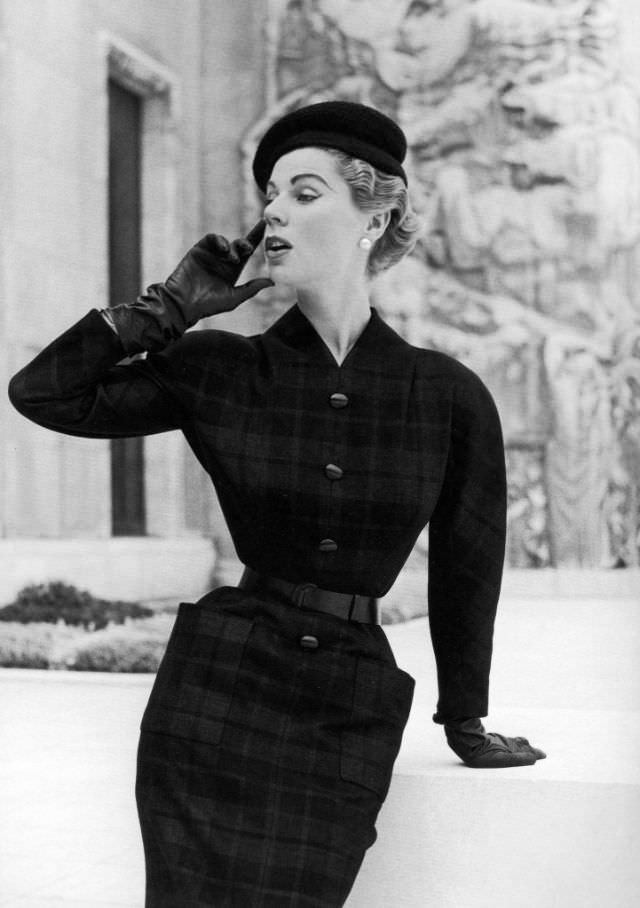
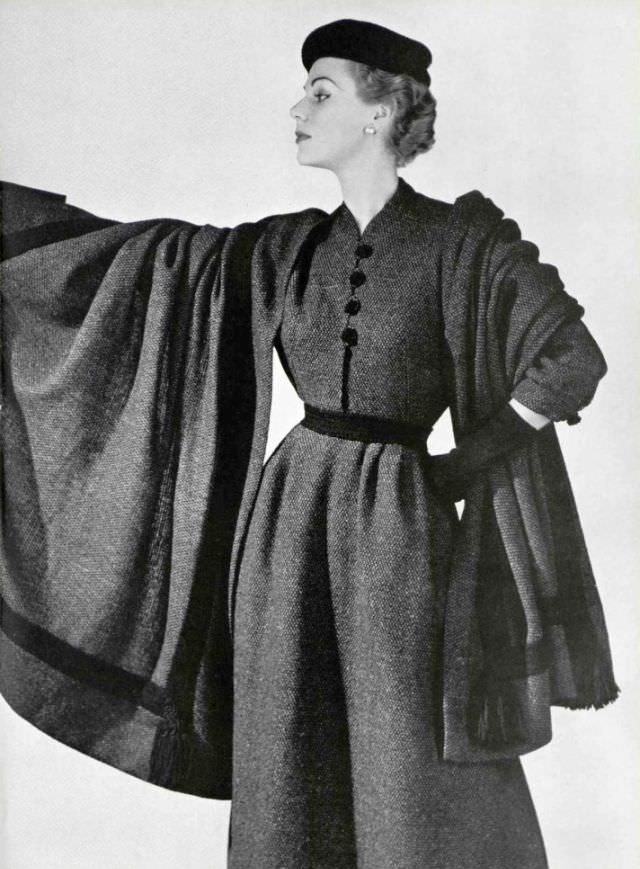
For daywear, de Rauch consistently turned to textured fabrics — tweed, wool, flannel — cut into clean, precise shapes. Her gray flannel and tweed combinations from 1952 appeared in Vogue, reflecting a preference for muted, sophisticated tones. The palette across her daywear tended toward neutrals: grey, camel, greige, and black, with occasional floral prints or plaids for variety.
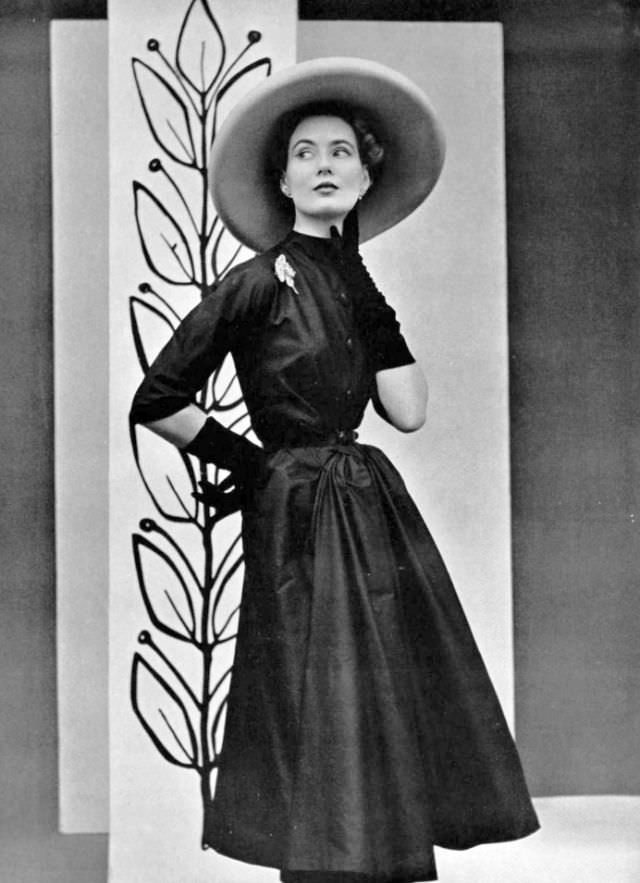
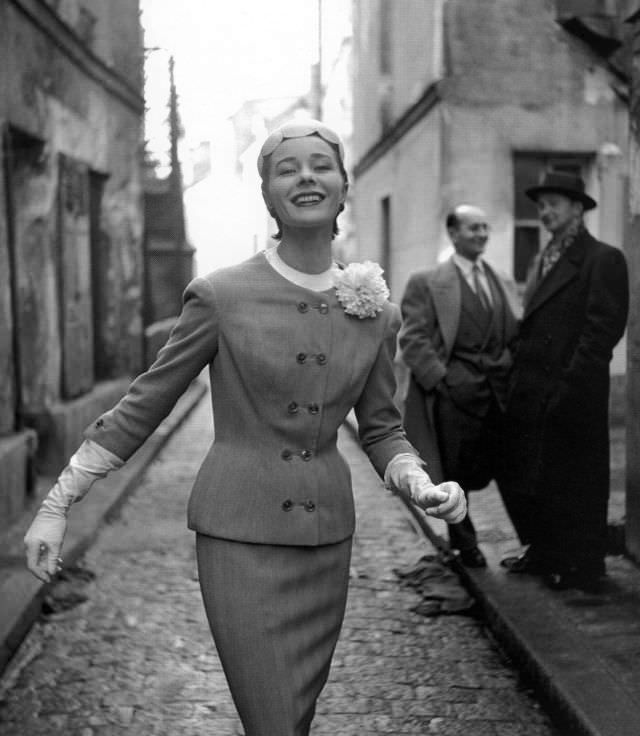
By 1953, top models including Bettina Graziani were wearing de Rauch’s suits in major French fashion magazines. Bettina, one of the most recognized faces in Paris at the time, appeared in de Rauch’s tailoring in Elle. That same year, model Stella wore multiple de Rauch looks — a wool plaid afternoon dress, a silk coat over an alpaca dress, and a tweed day-dress — each one an example of her controlled, refined design language.
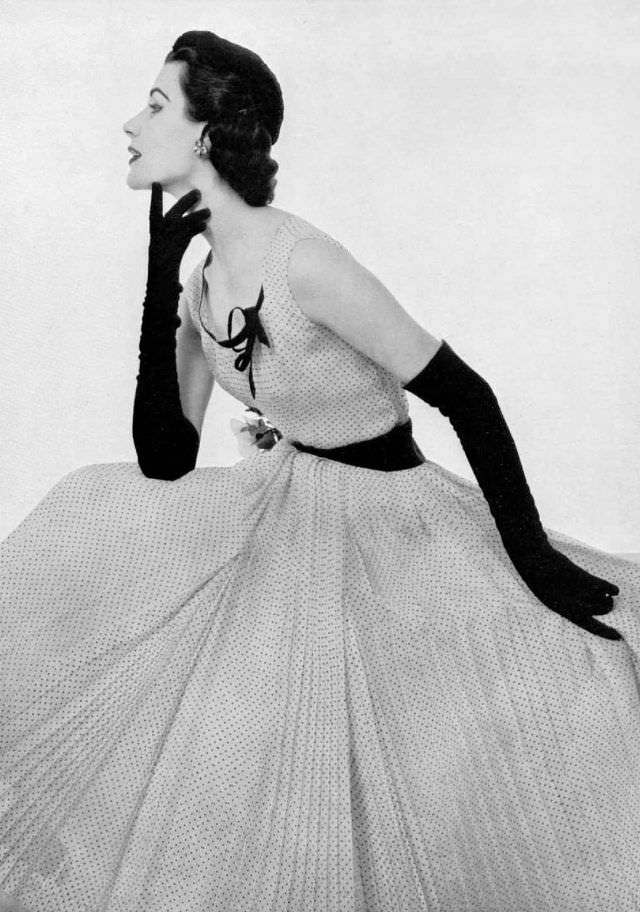
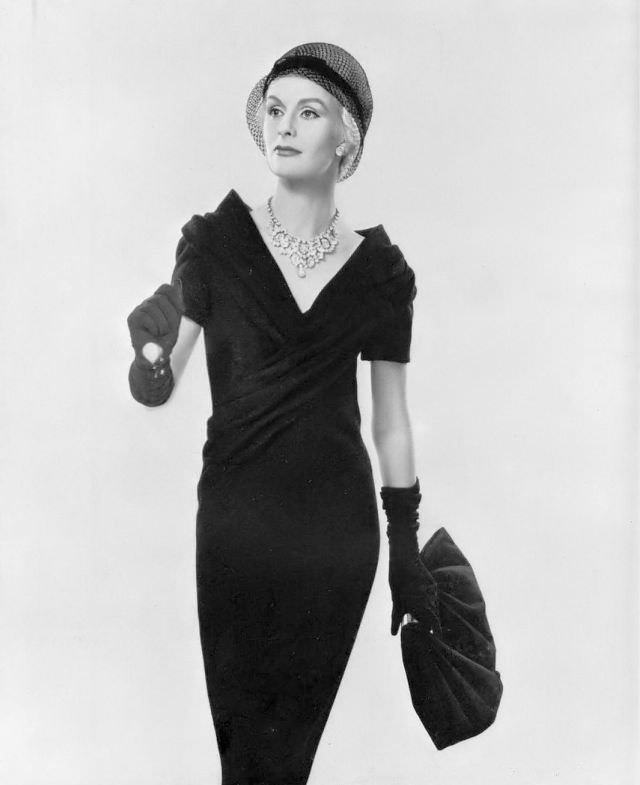
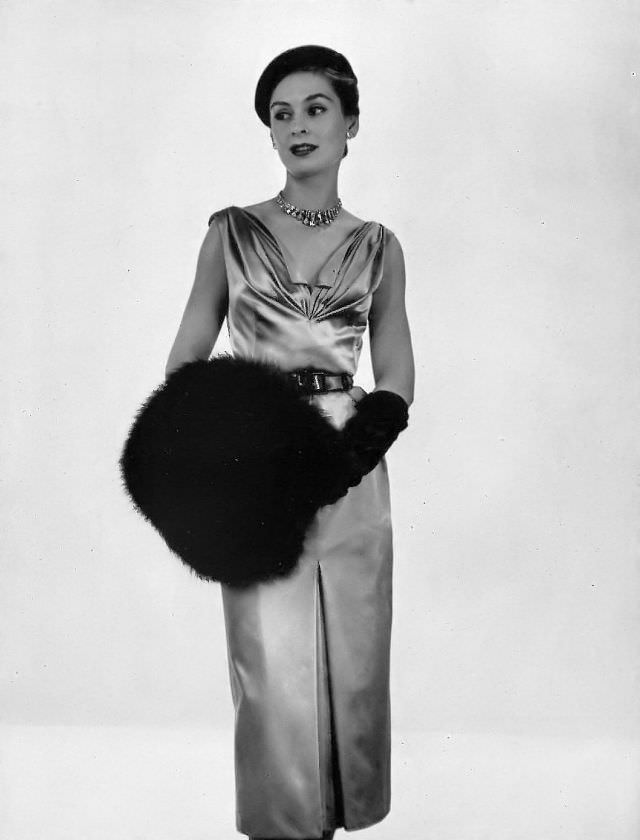
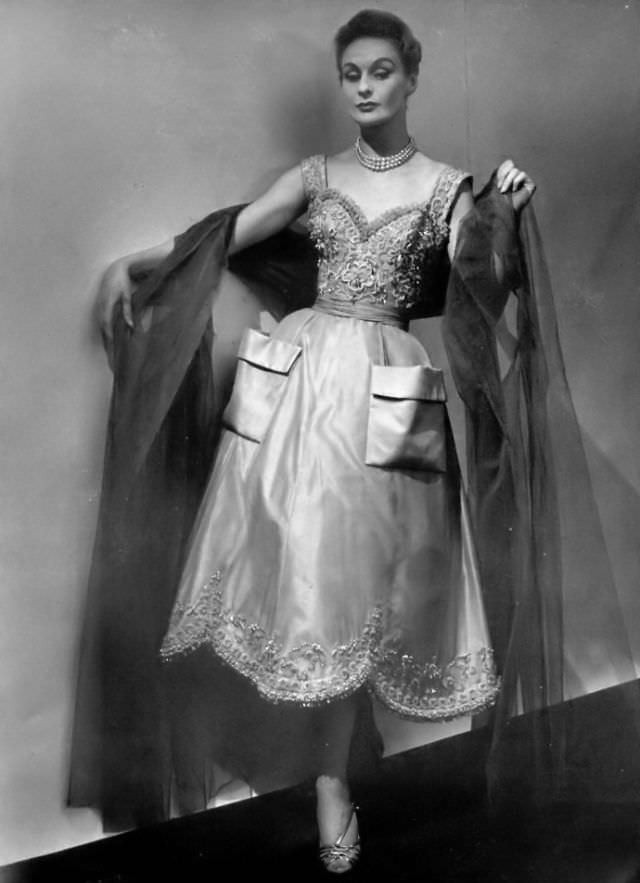
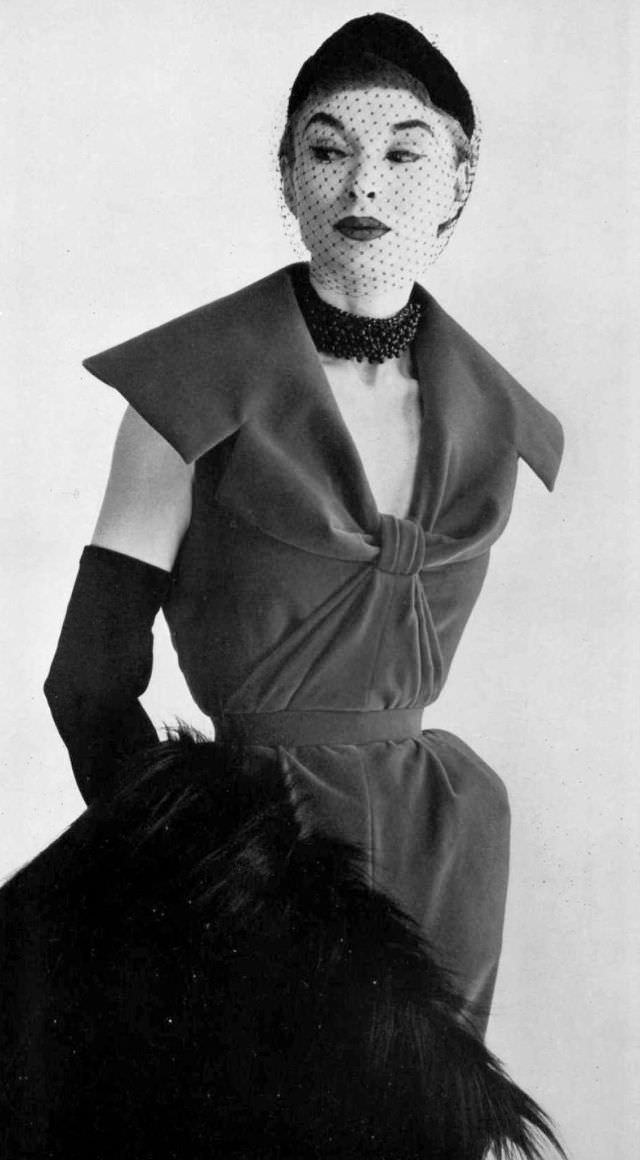
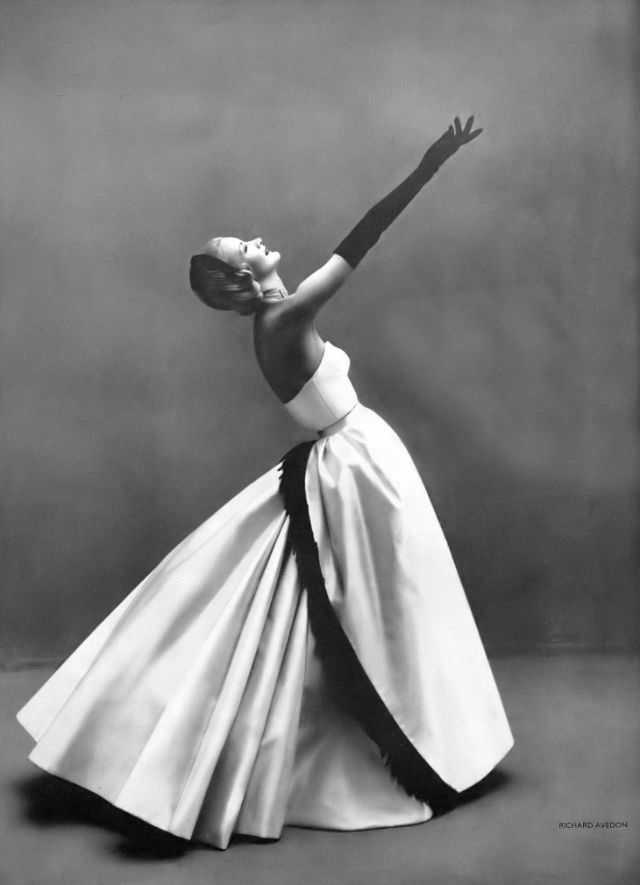
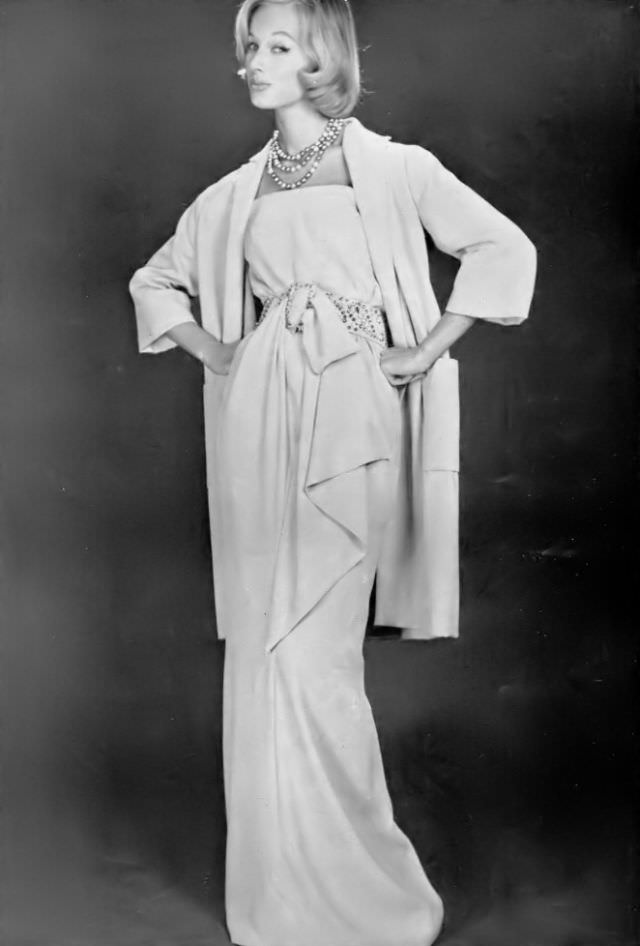
Evening wear revealed a different dimension of de Rauch’s craft. She relied on the cut and drape of rich fabrics — silk, satin, velvet, chiffon, crêpe — rather than heavy beading or embellishment. Her honey-colored satin dance dress from 1954 and her white satin gown shot for Harper’s Bazaar UK that December show a designer who understood how a fabric’s natural movement could create drama without excess.
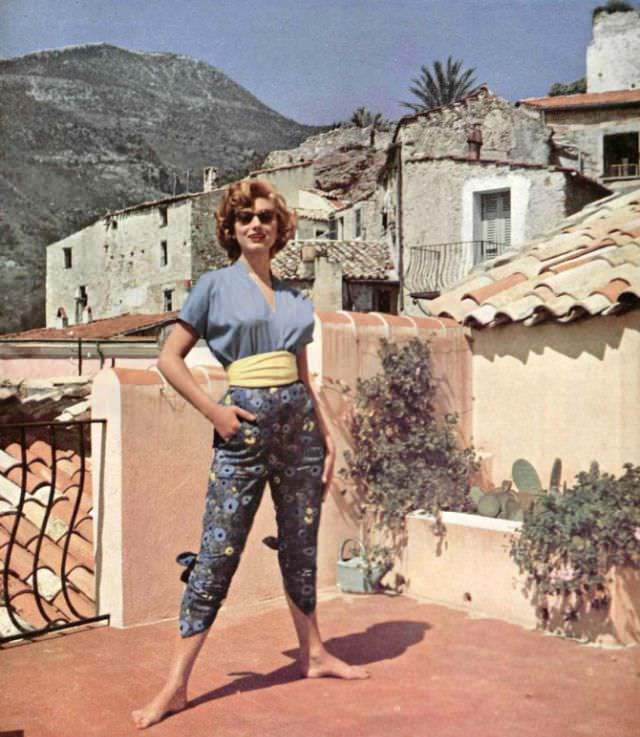
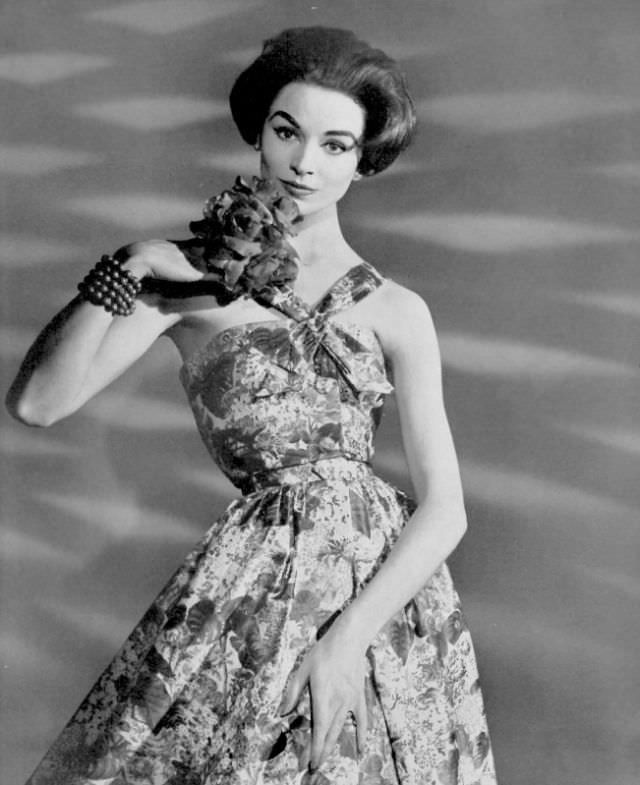
De Rauch also showed a lighter, more casual side in resort and vacation dressing. Her floral print pirate pants, photographed at Roquebrune in 1954, and her cotton print halter dress from 1957 point to a designer comfortable across the full spectrum of a woman’s wardrobe — from black-tie evenings to sun-drenched afternoons on the French Riviera.
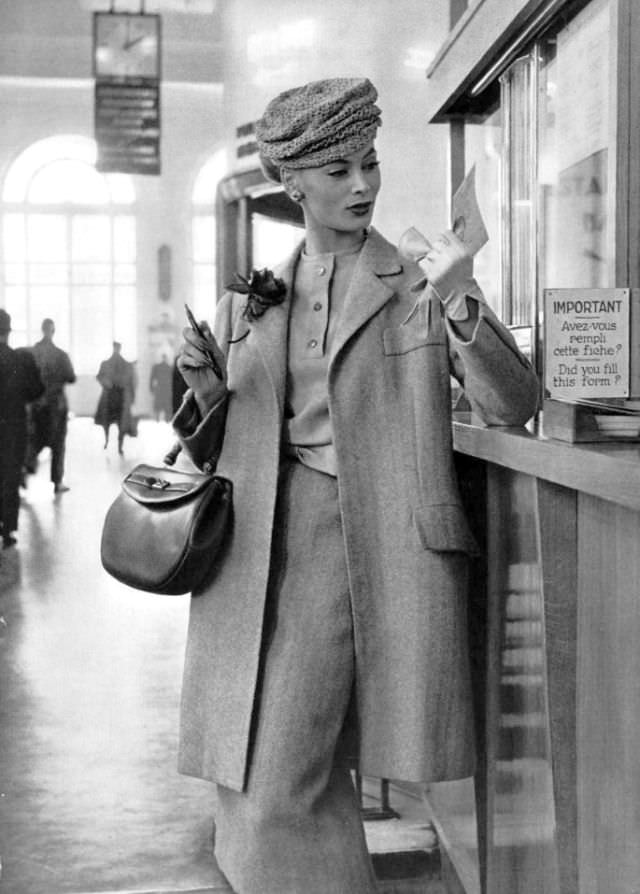
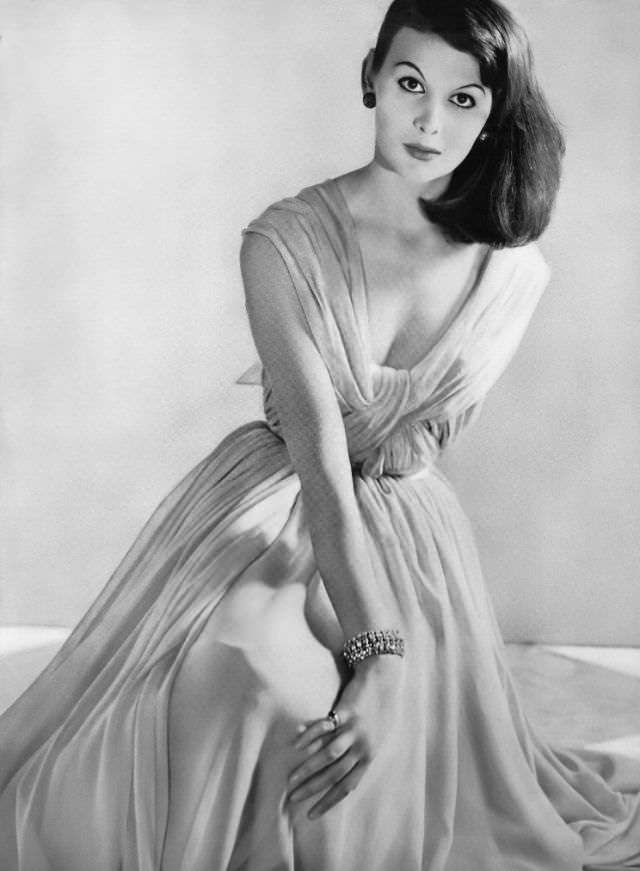
Travel dressing was a growing category in mid-decade fashion, and de Rauch addressed it directly. Her 1956 travel ensemble, worn by Ghislaine Arsac, reflects the demand for clothes that were polished enough for arrival but practical enough for the journey. That same year, Isabella Albonico wore one of de Rauch’s chiffon gowns for a Vogue shoot — a garment as light and fluid as her evening wear could get.
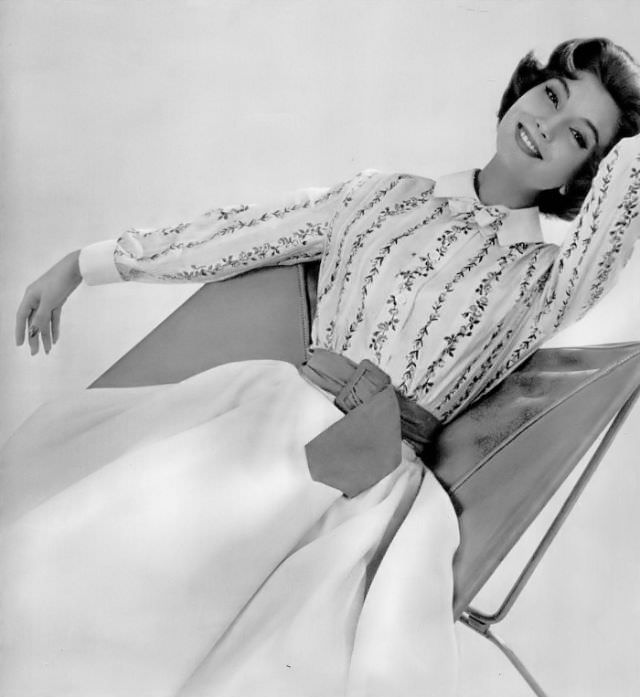
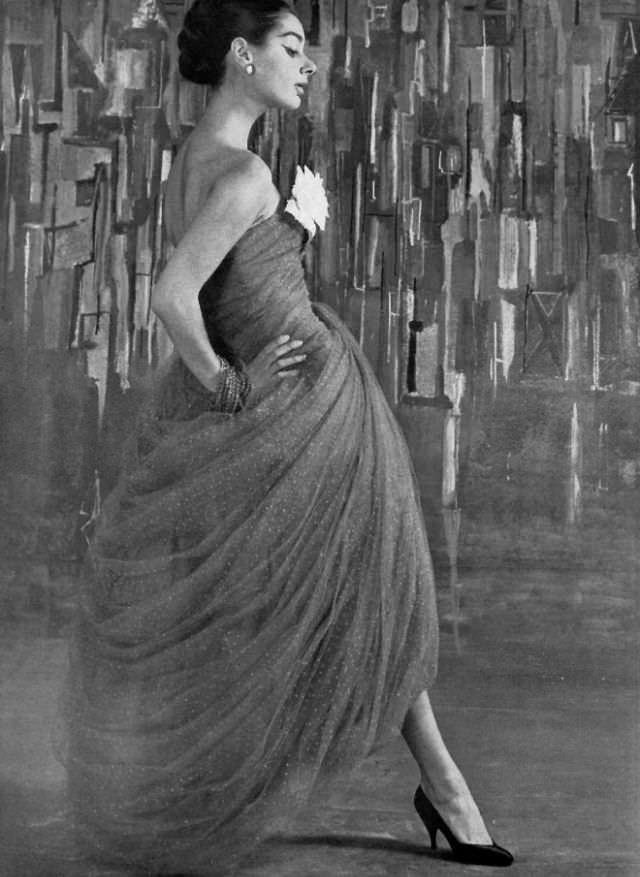
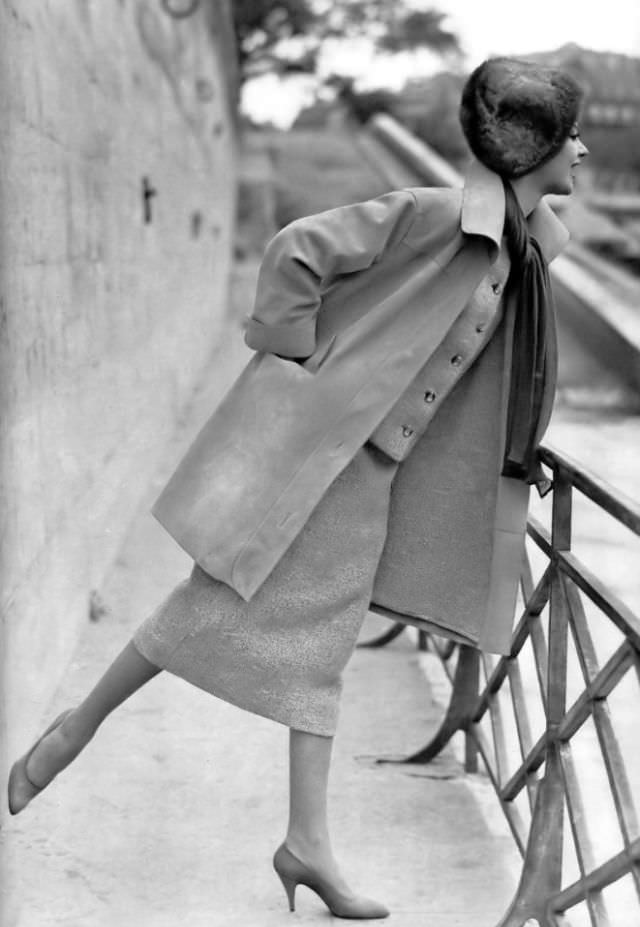
The late 1950s saw de Rauch continue to refine her signature look. Her 1957 output included a silk organdie ensemble featured in Vogue, a crêpe evening ensemble, and a greige suede coat worn over a tweed suit — the kind of tonal layering that defined her understated approach to dressing.
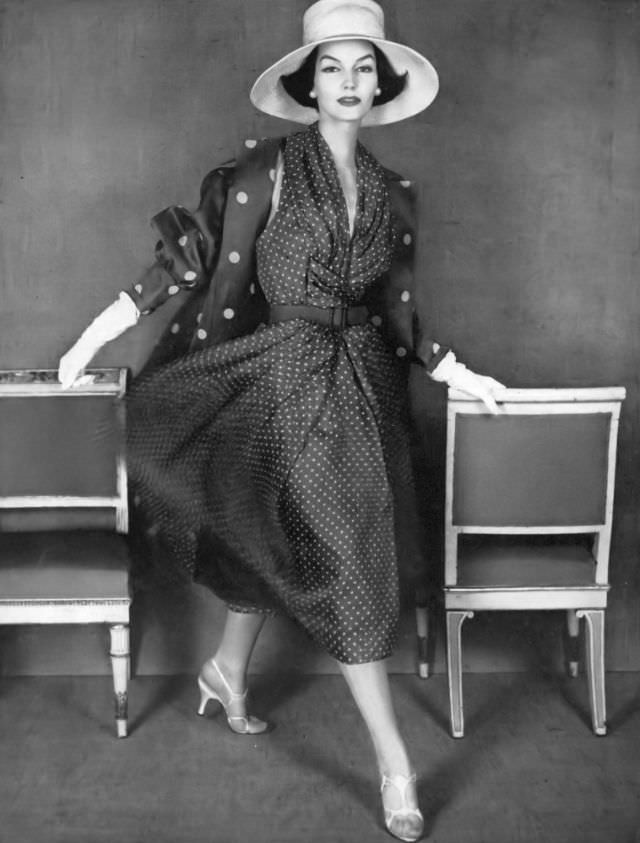
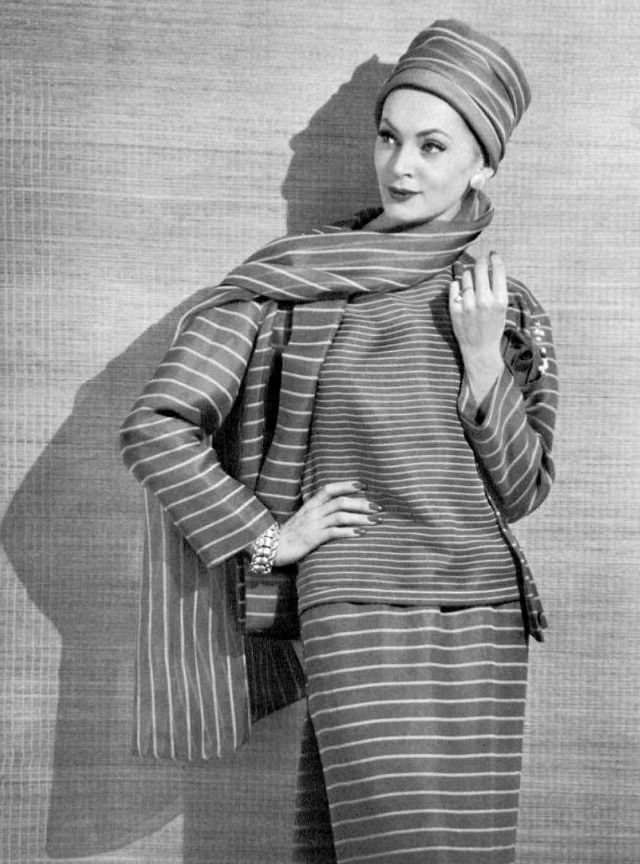
As the decade closed, de Rauch’s work remained consistent in its commitment to clean construction and quality fabric. Her black crêpe sheath from 1958, her striped organdy ensemble, and her green tweed suit and coat from 1959 all carry the same design logic that defined her work from the start — precise tailoring, rich materials, and a confidence that simplicity, done well, is its own form of elegance.