In the 1990s, London’s bus network was going through a period of real change. London Buses had been broken into separate business units from 1989, and individual routes were gradually handed to private companies through a tendering process. The government had even floated the idea of fully deregulating bus routes in London, though that proposal never fully took hold. One visible side effect of privatisation was colour. Unlike the all-red fleet that Londoners had long known, private operators were free to paint their buses in other colours — at least until 1997, when tender rules required that buses be at least 80% red, a change pushed by tourism groups keen to protect the city’s iconic look.
Running alongside these changes was the slow decline of the Red Arrow network. Launched by London Transport in 1966 and expanded in 1968, the Red Arrow routes were express services numbered in the 500s. They connected mainline railway stations to the West End and the City of London, moving commuters quickly through central areas. Over the course of the 1990s, most of these routes were phased out. Today, only two survive — the 507 and the 521.
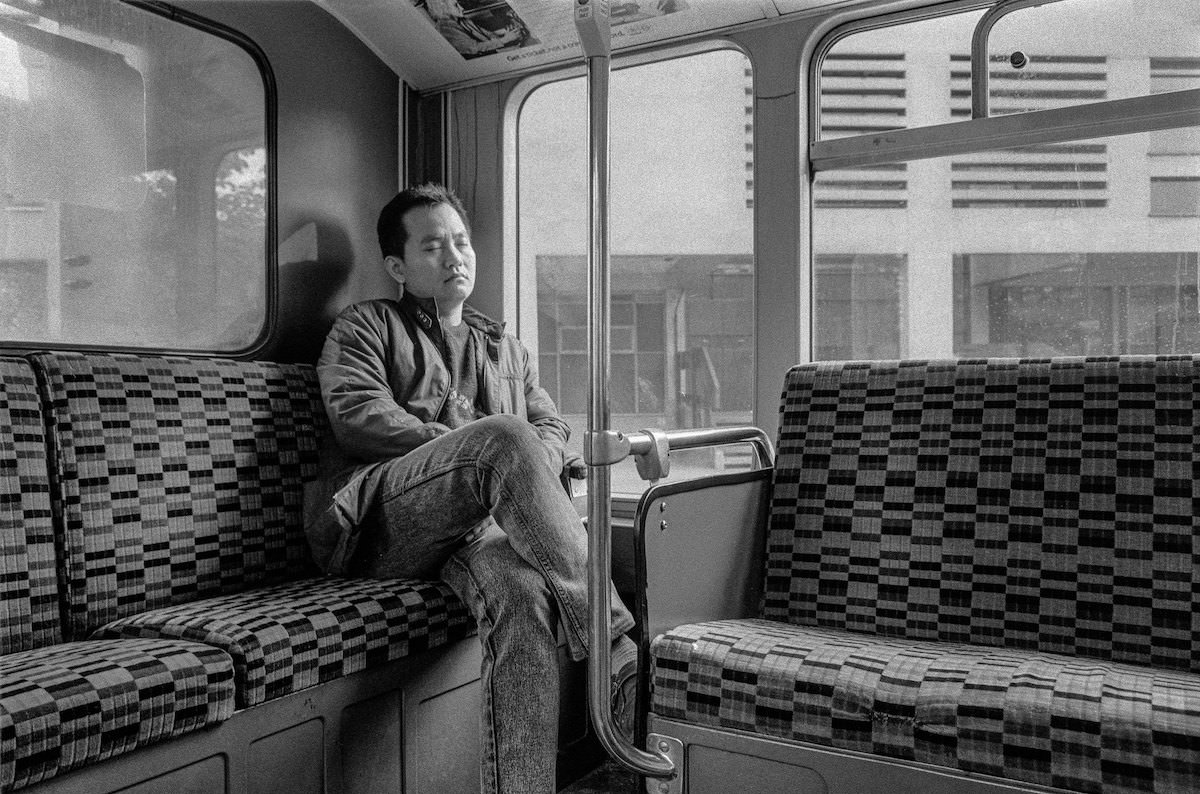
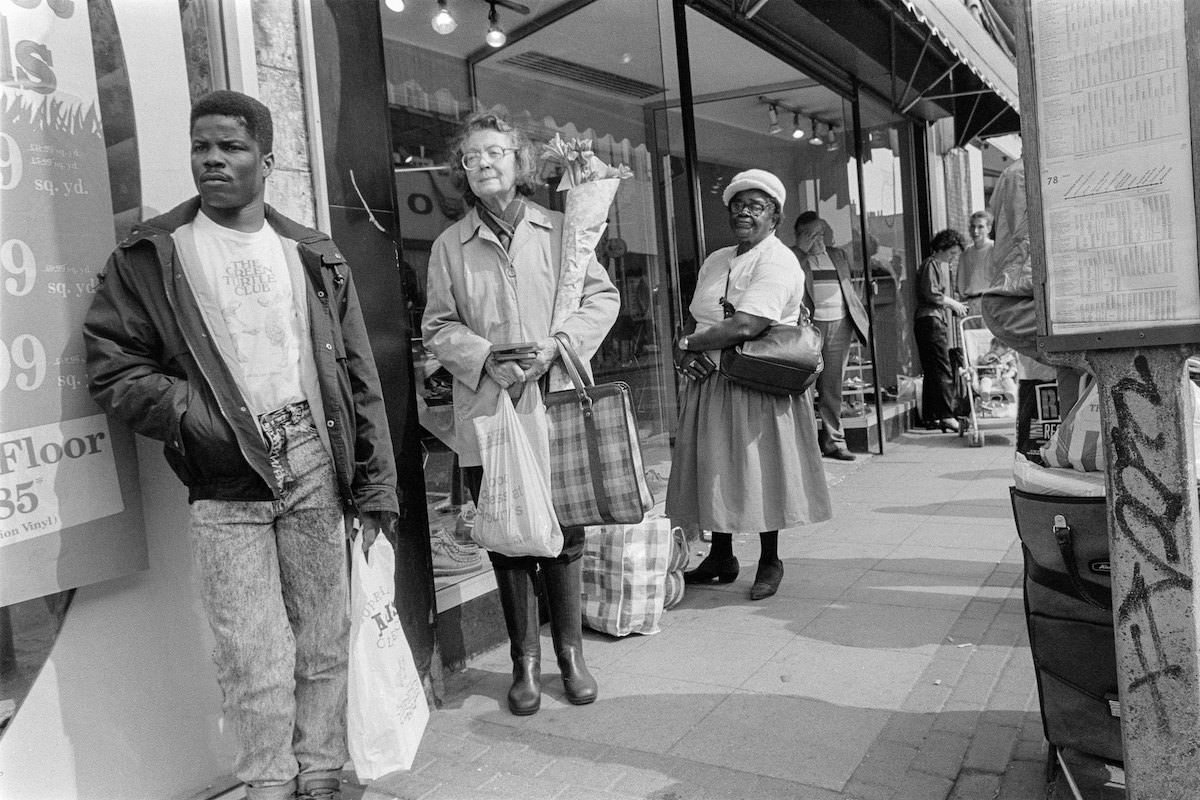
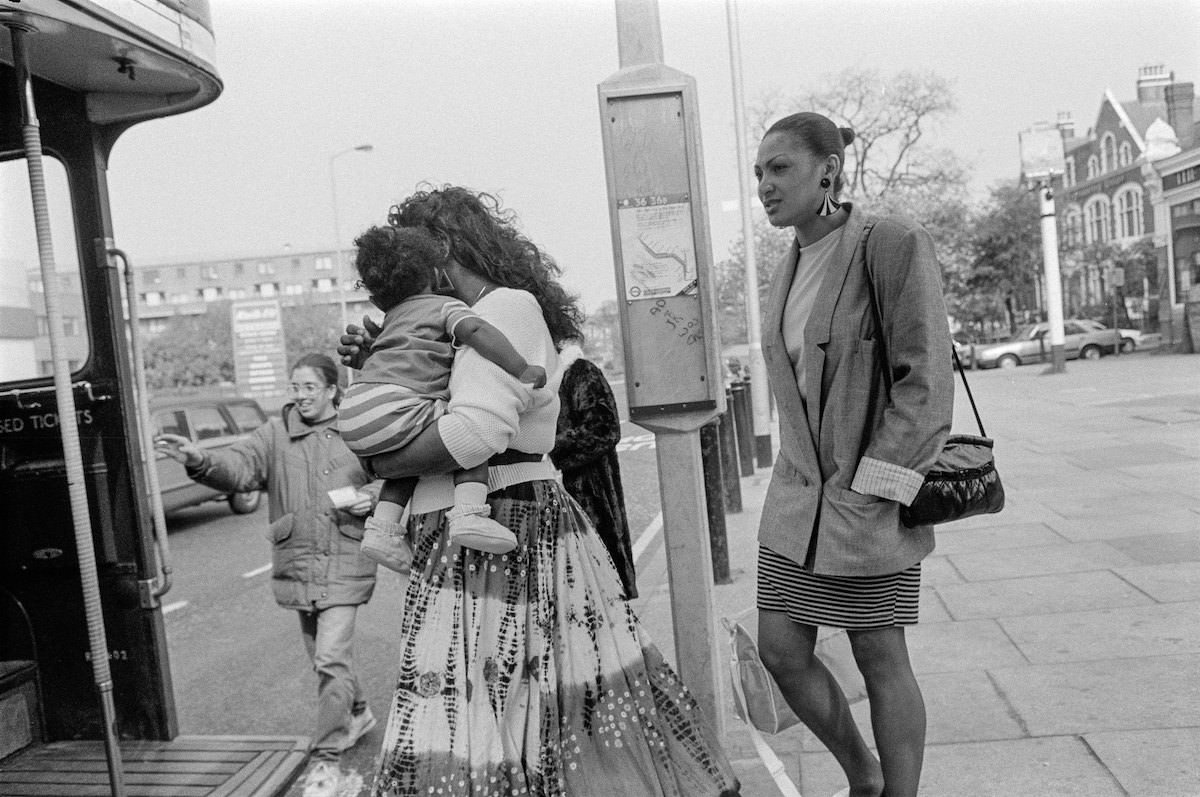
Photographer Peter Marshall was on the streets — and on the buses — throughout this decade, documenting everyday life across London. South of the river, his camera caught the texture of bus travel in a way that official records never could: waiting passengers, conductors at work, people stepping on and off at stops in neighbourhoods like Peckham and Battersea. Some of his photographs were taken in Peckham, a busy hub in south-east London.
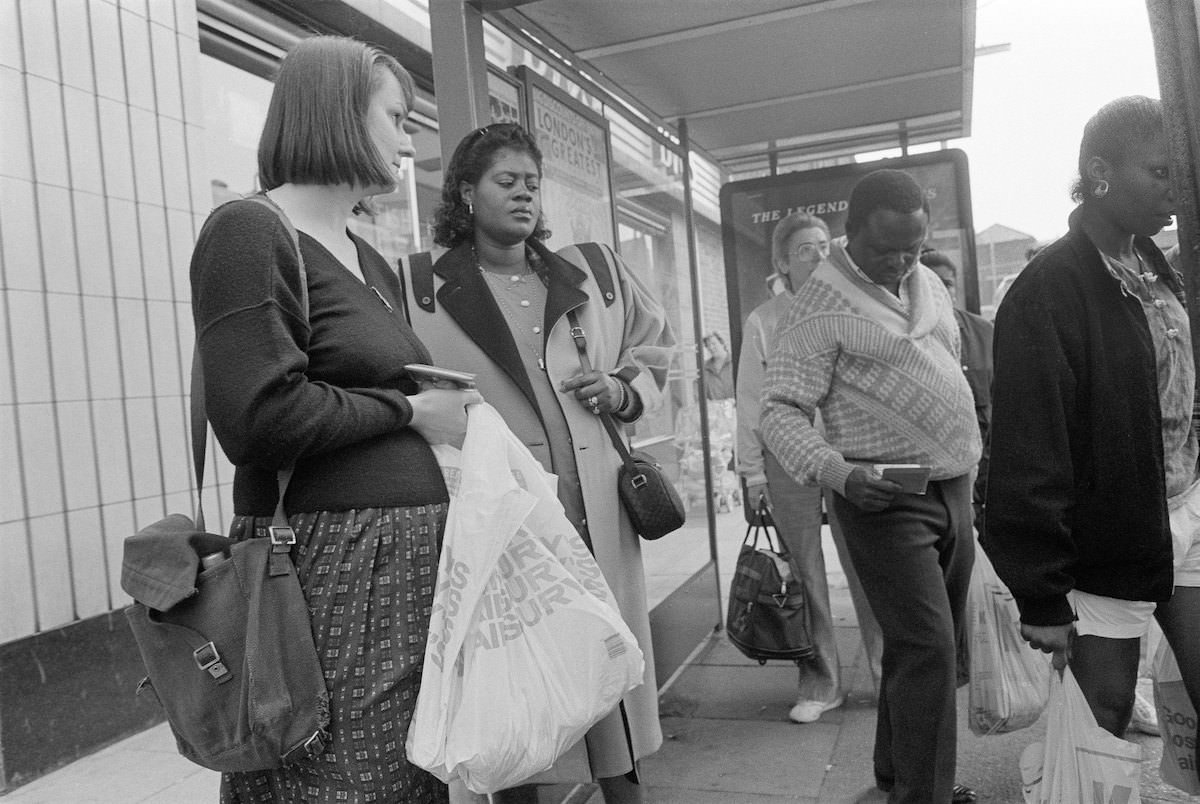
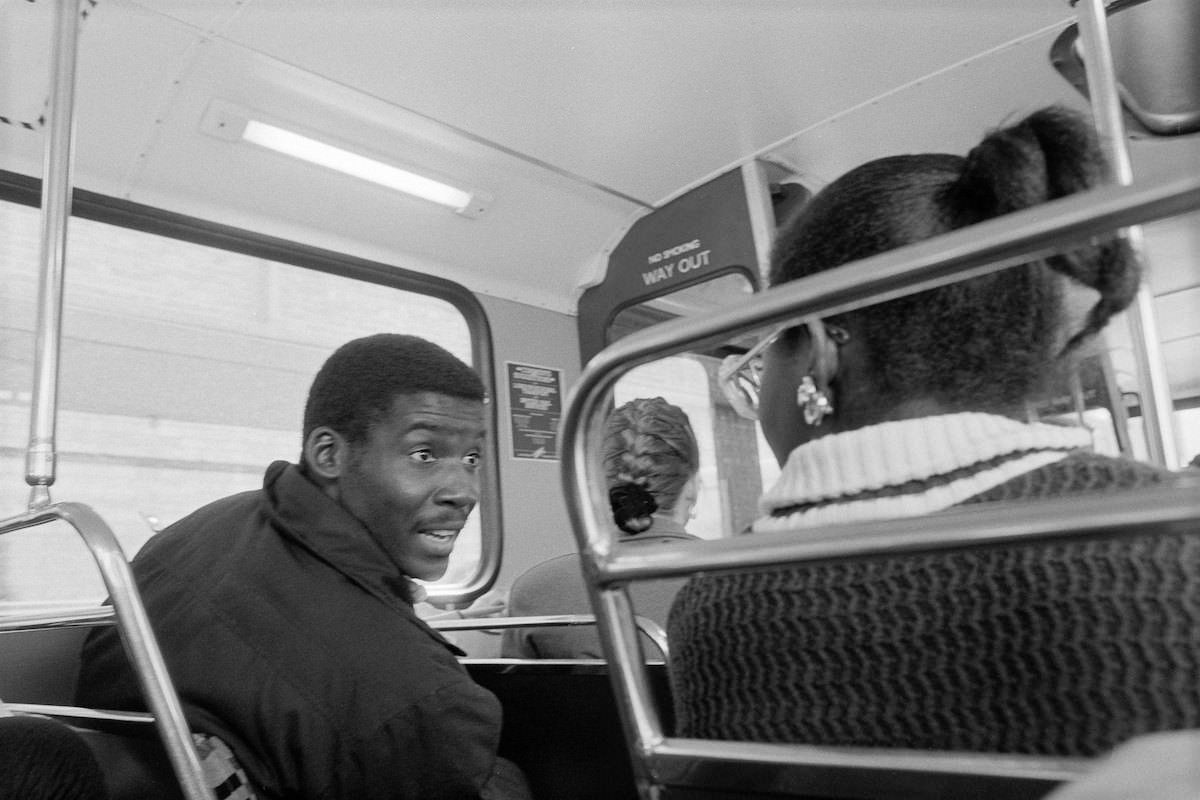
One of the stops Marshall documented was bus stop 78 in Peckham. Route 78 ran north over Tower Bridge and through the City toward Shoreditch, or south in the direction of Nunhead. It was a route that stitched together very different parts of London — the historic financial district, the working docks area, and the residential streets south of the Thames.
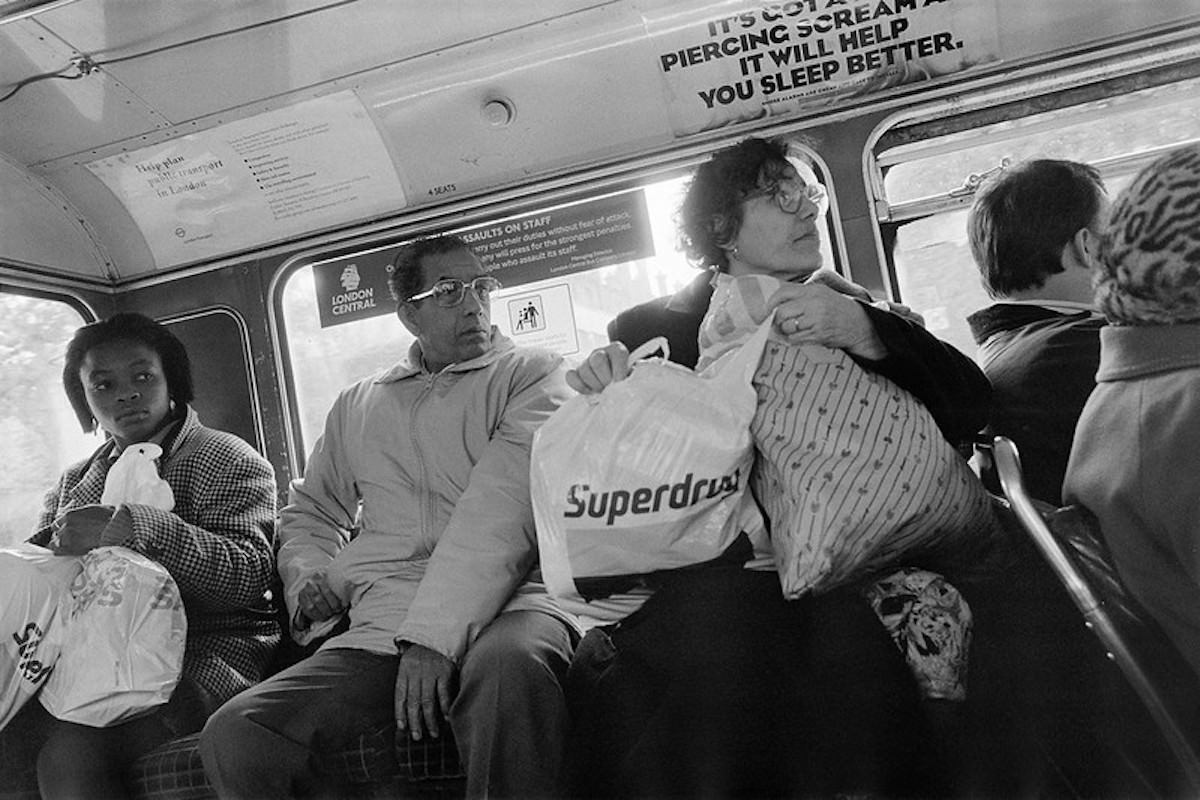
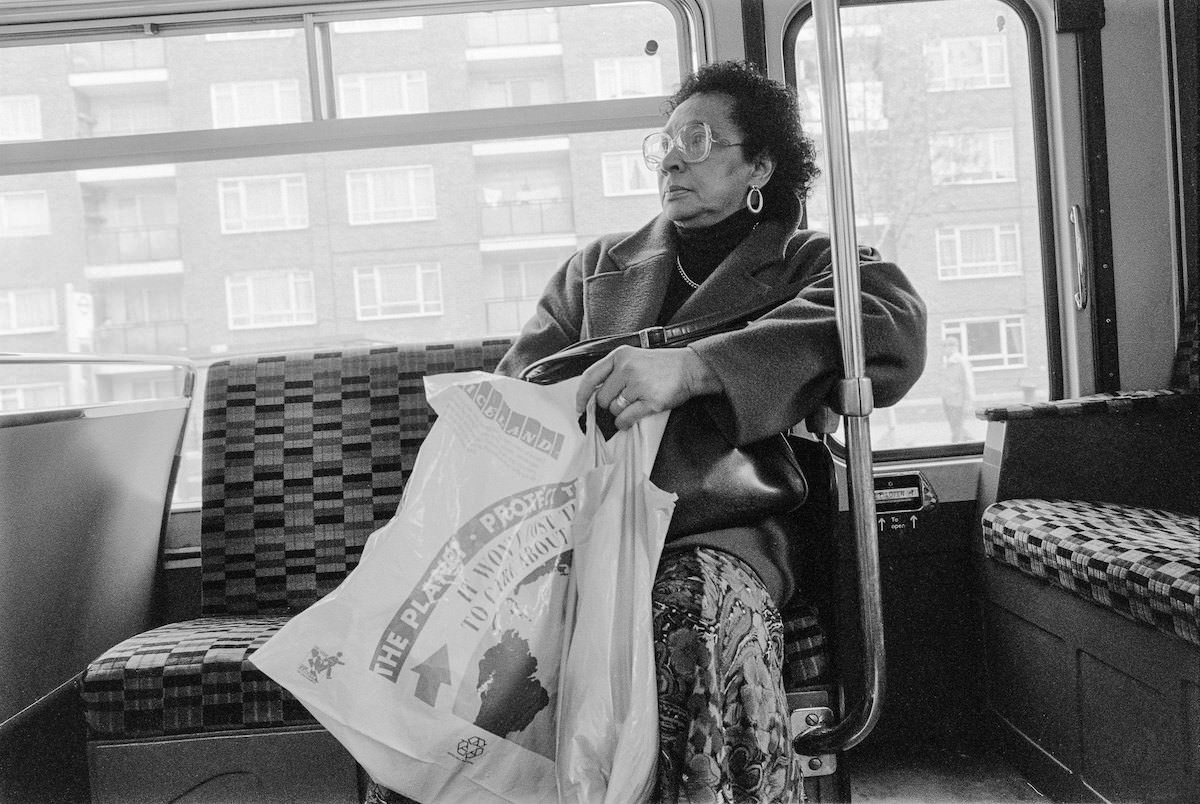
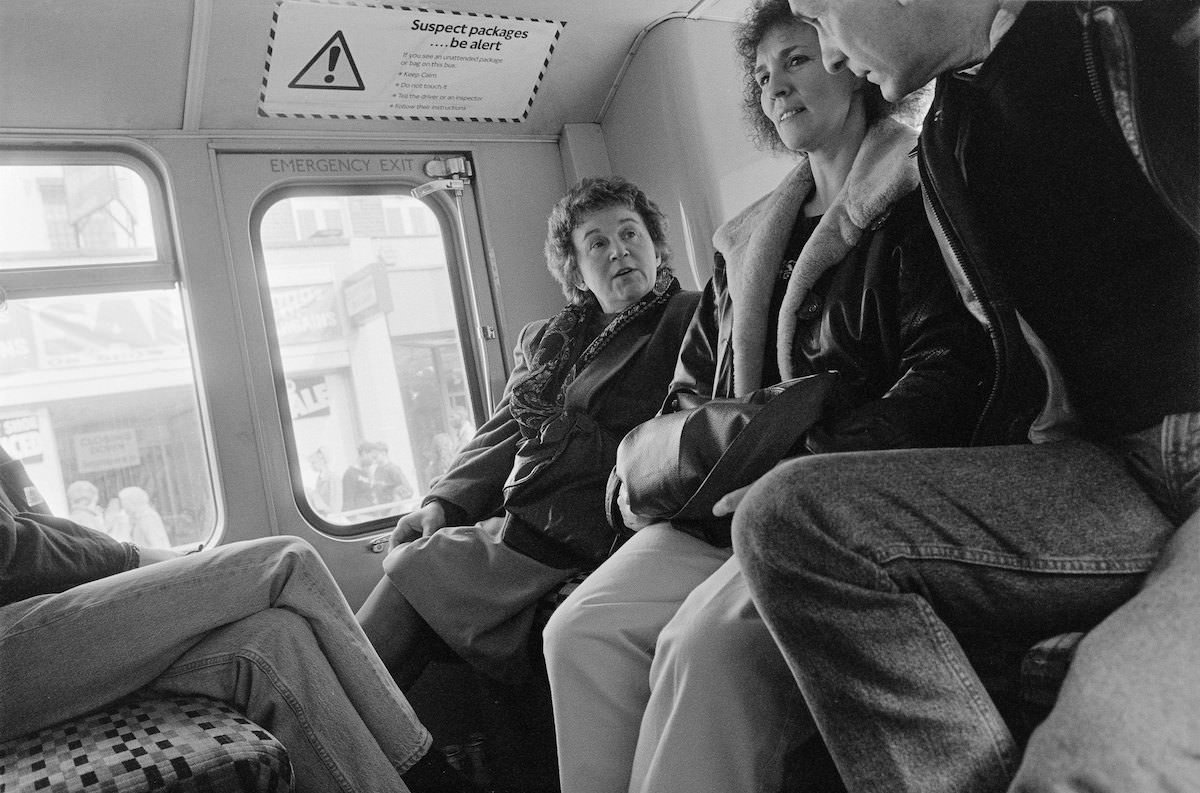
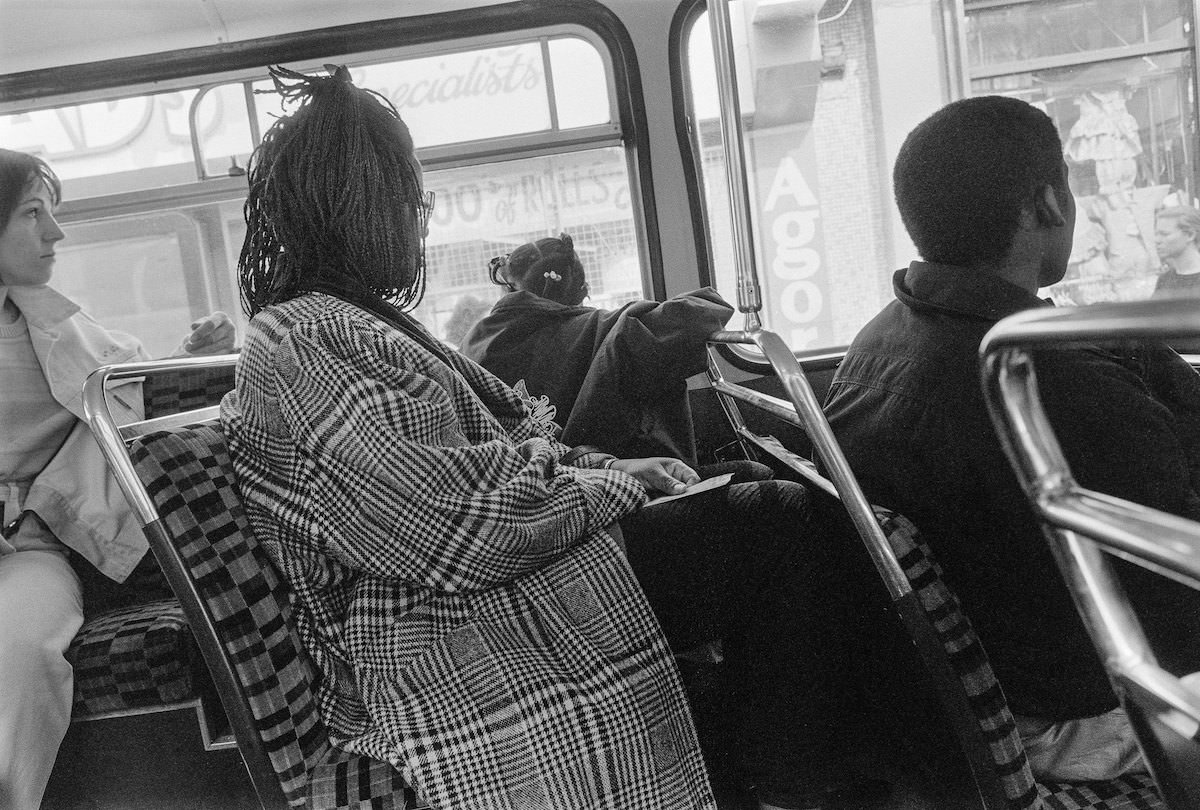
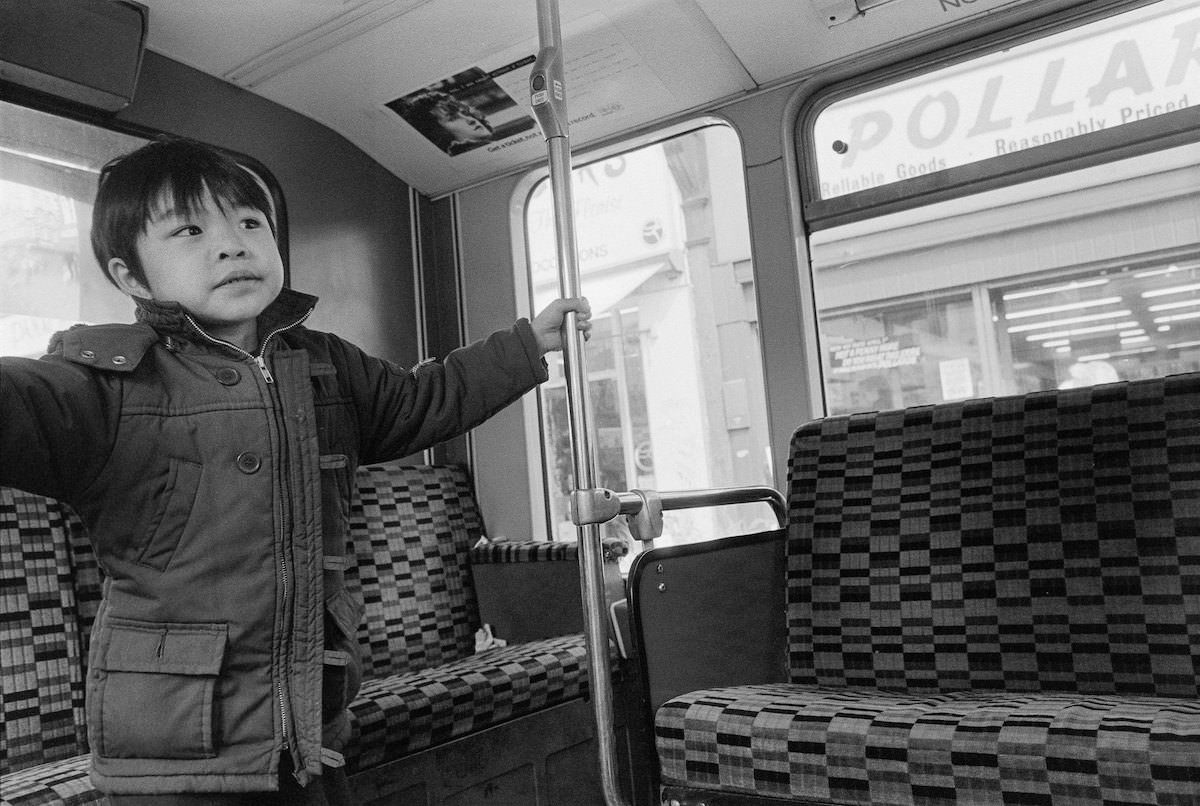
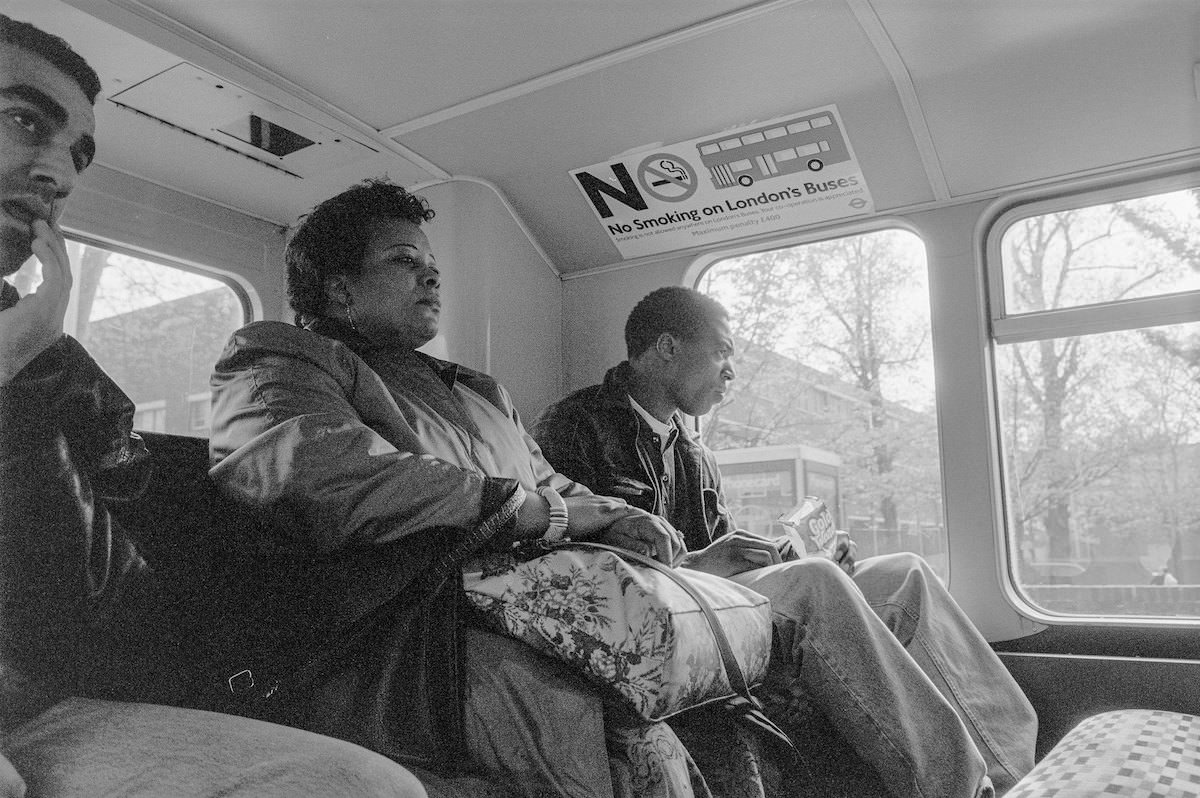
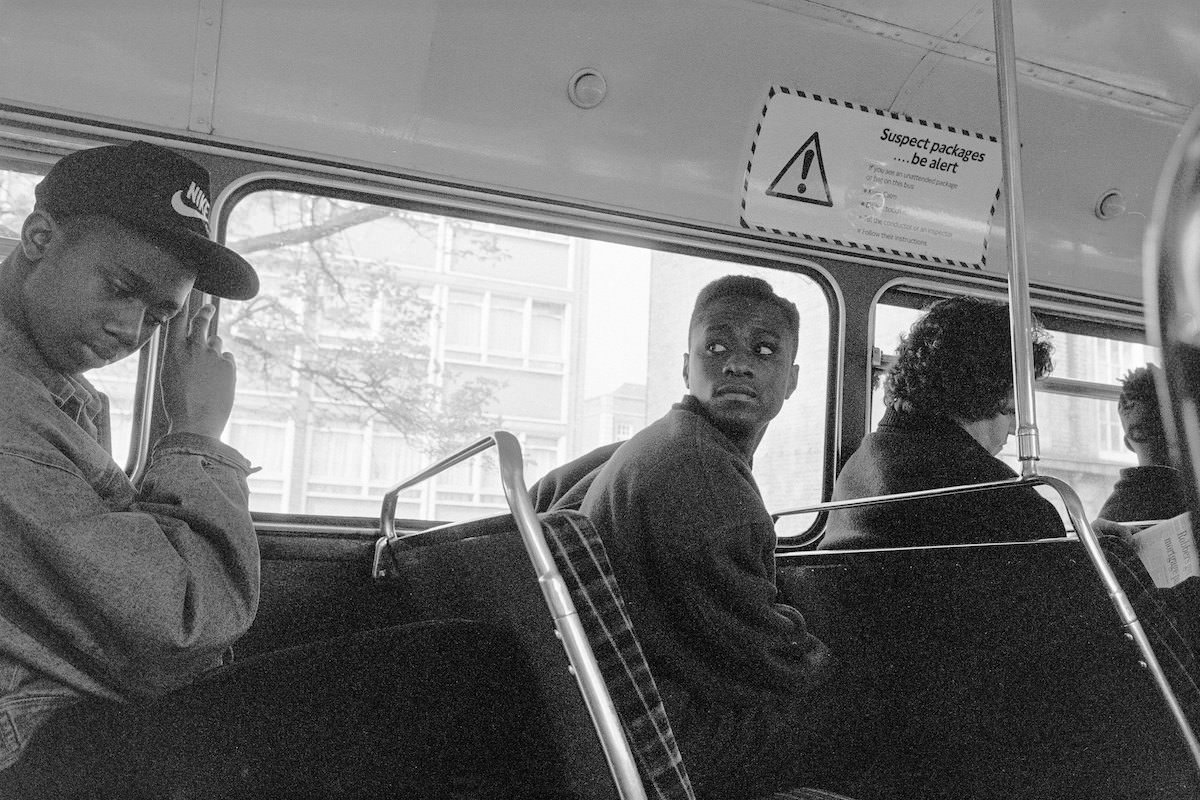
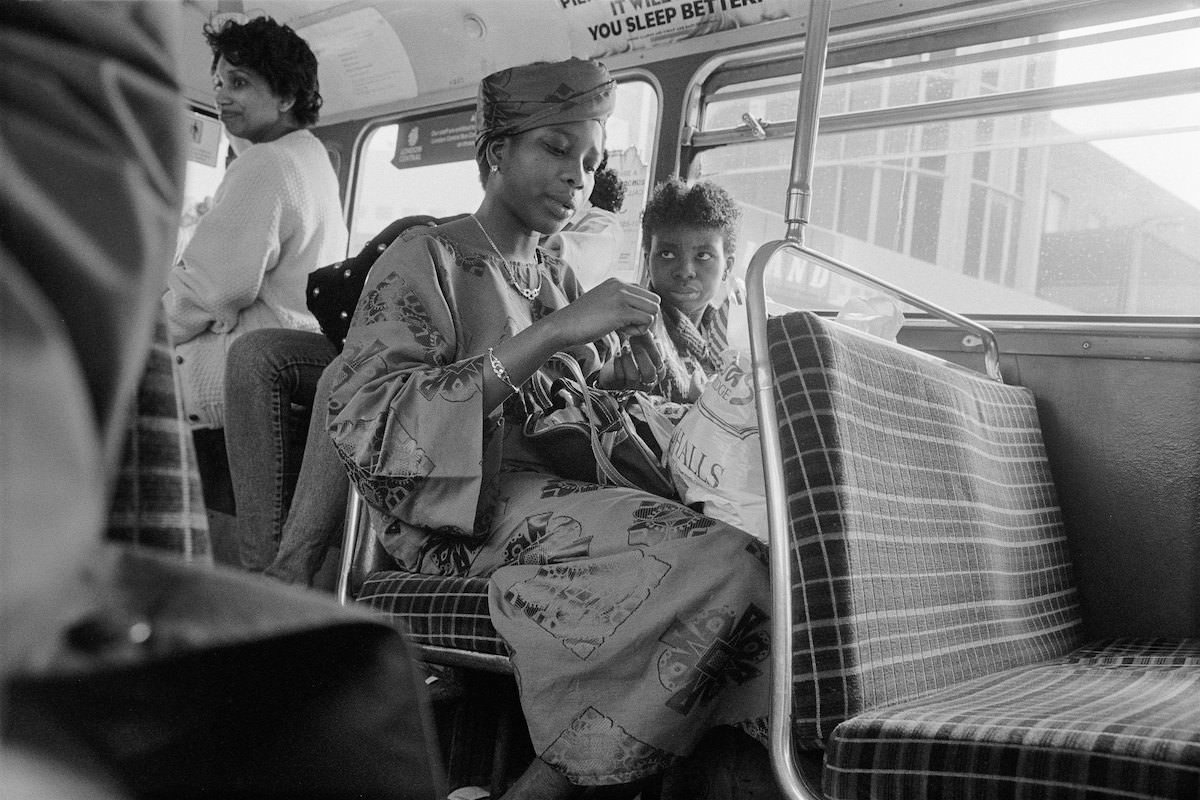
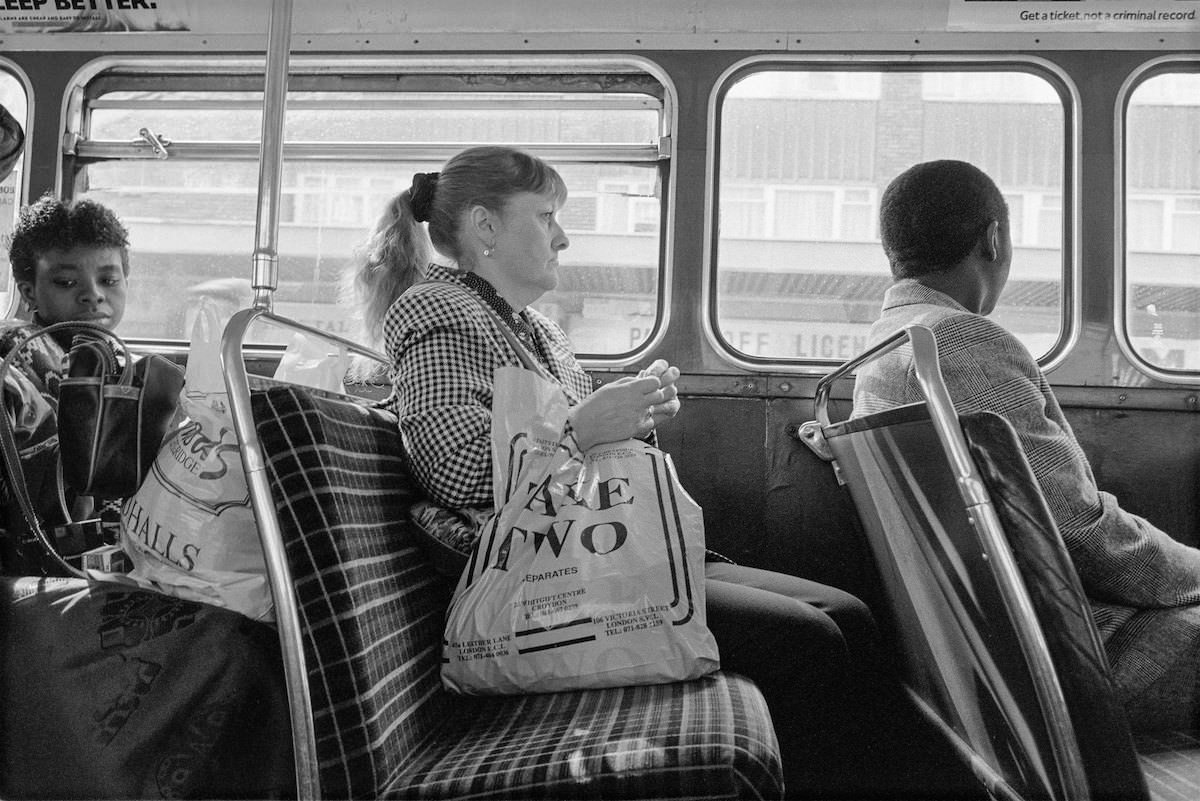
Marshall’s Battersea photographs from 1991 show the buses and street scenes of another south London neighbourhood in transition. Battersea in the early nineties still carried the marks of its industrial past, and the buses running through it served a community that relied heavily on public transport.
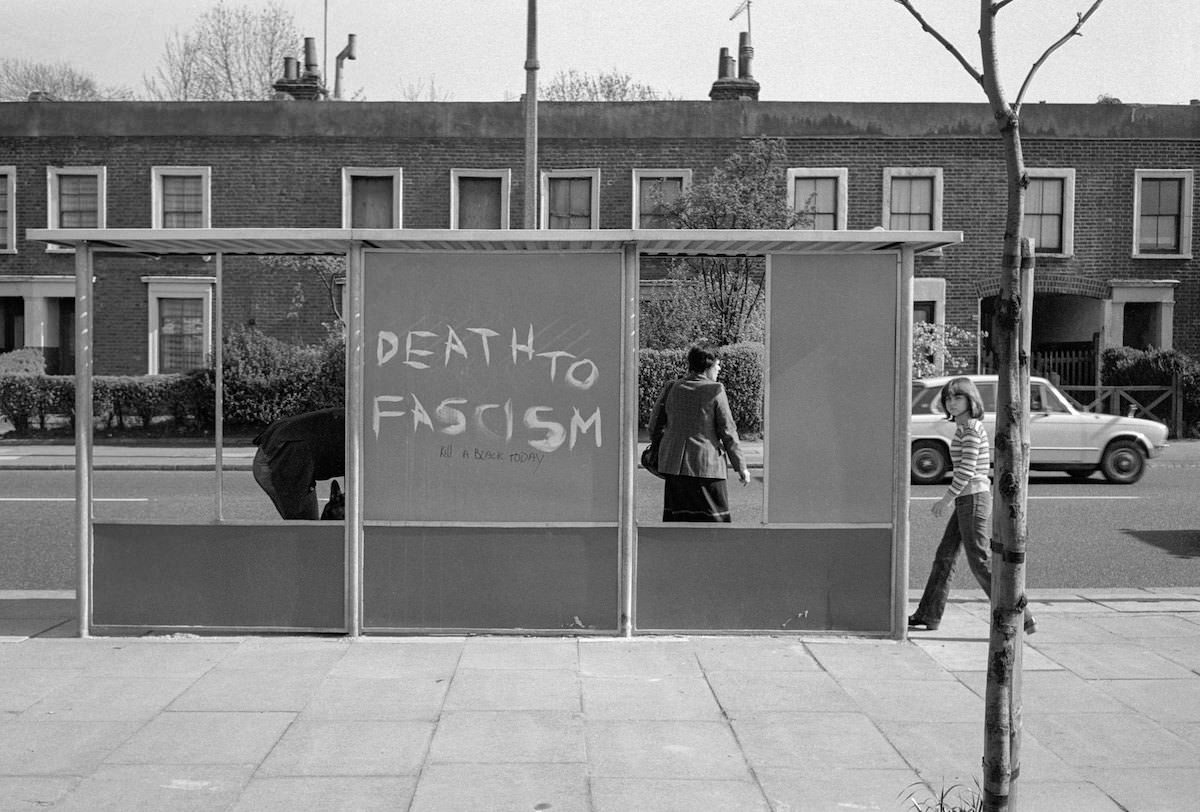
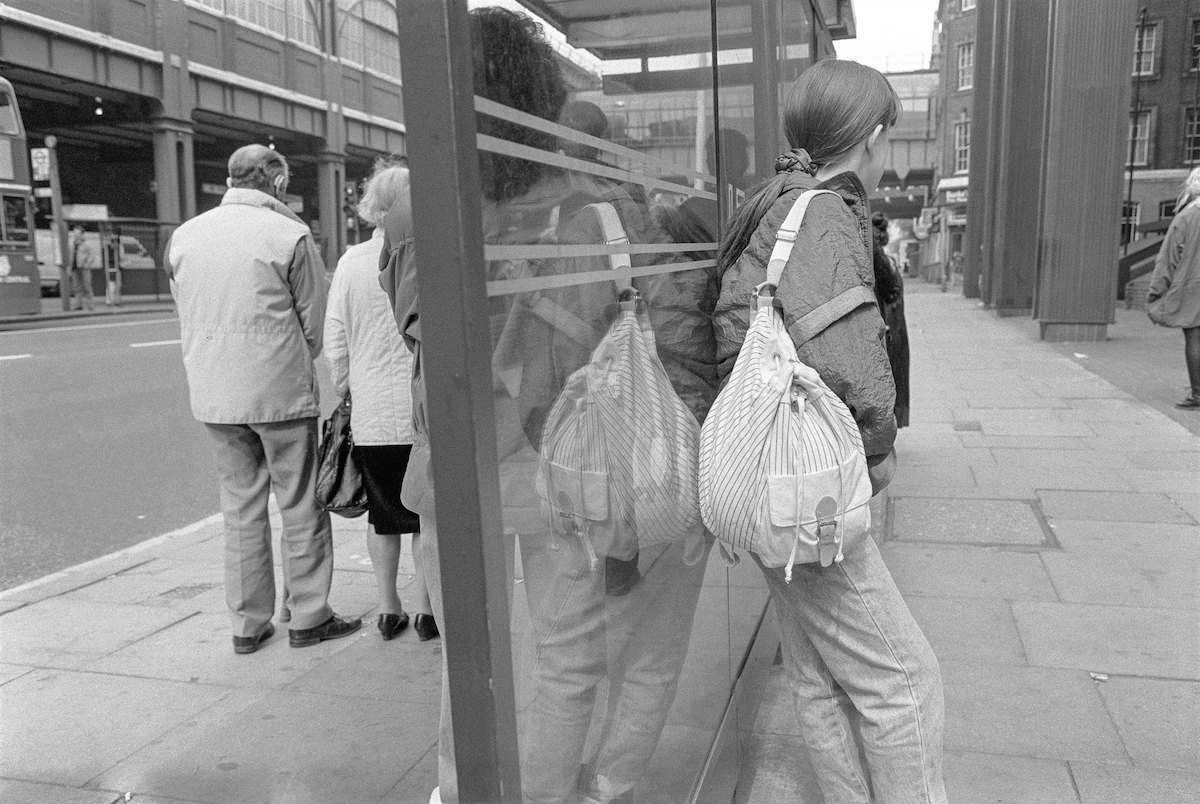
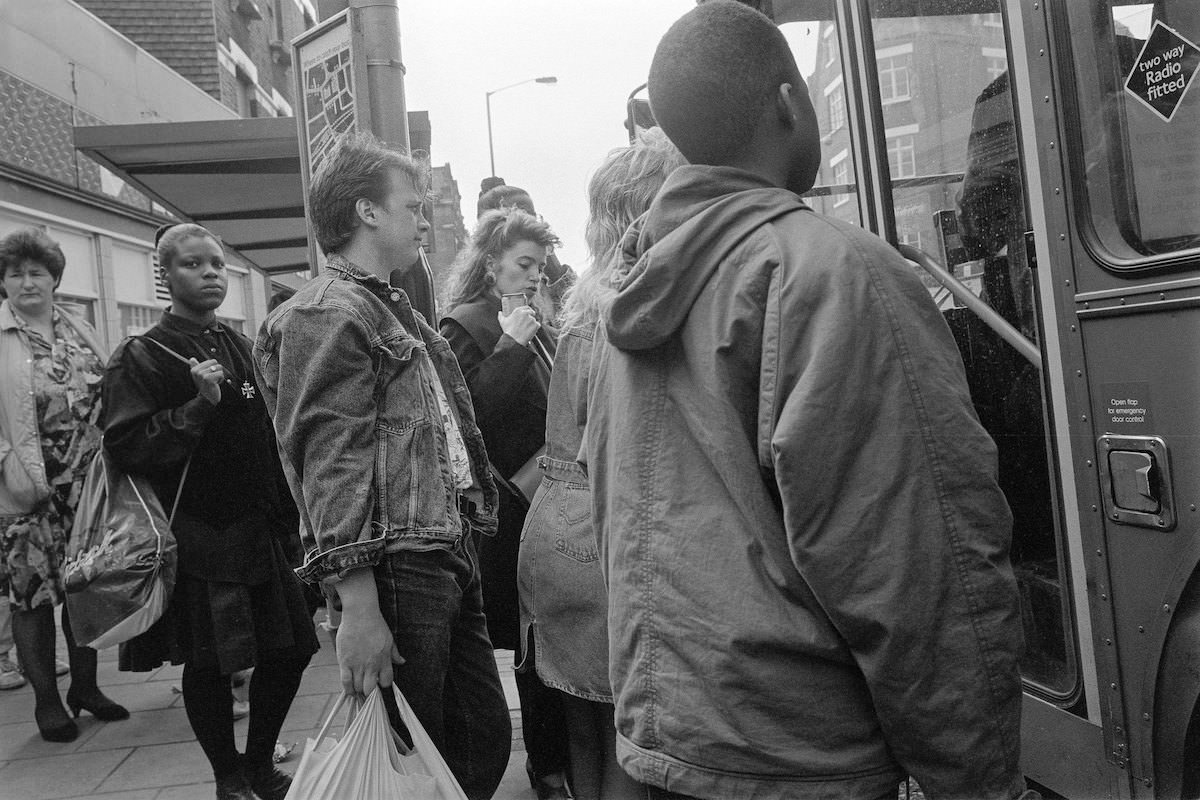
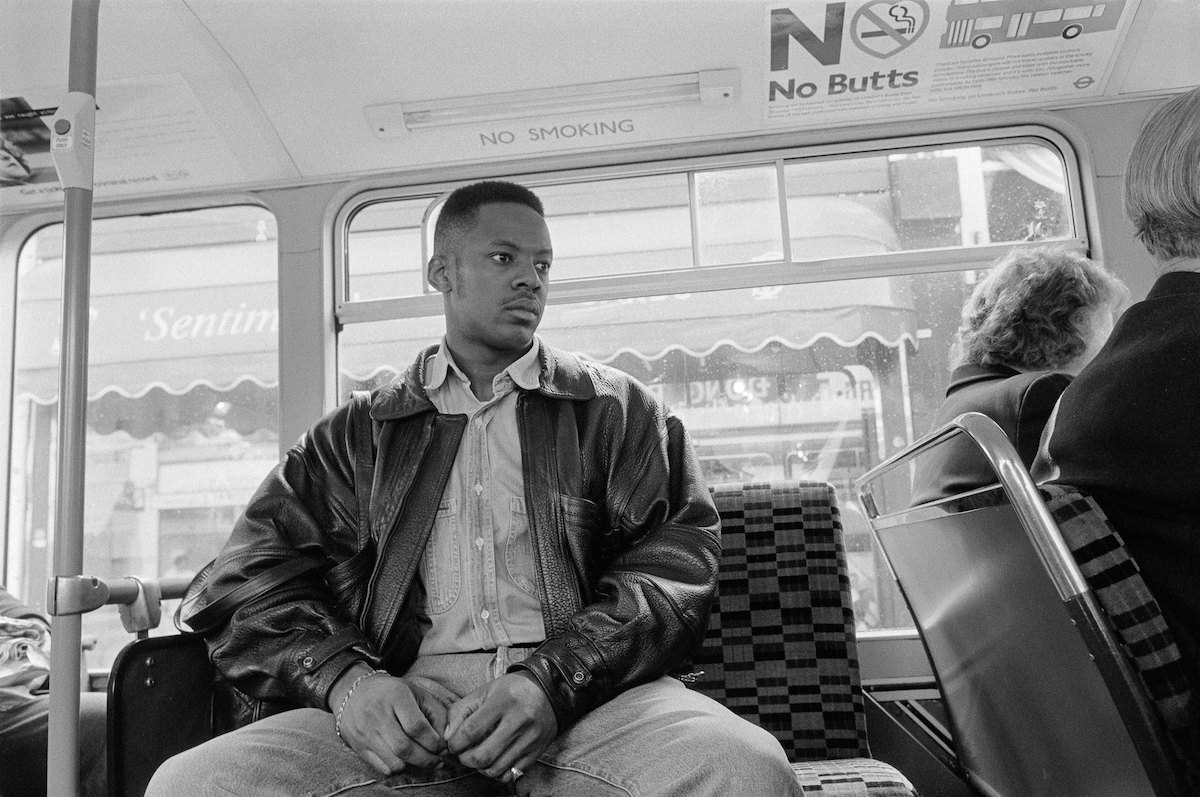
Back in Peckham in 1991, Marshall’s frames recorded passengers going about their daily routines — boarding, waiting, moving through the city. These are not posed shots. They are the unguarded moments that make up real transit life.
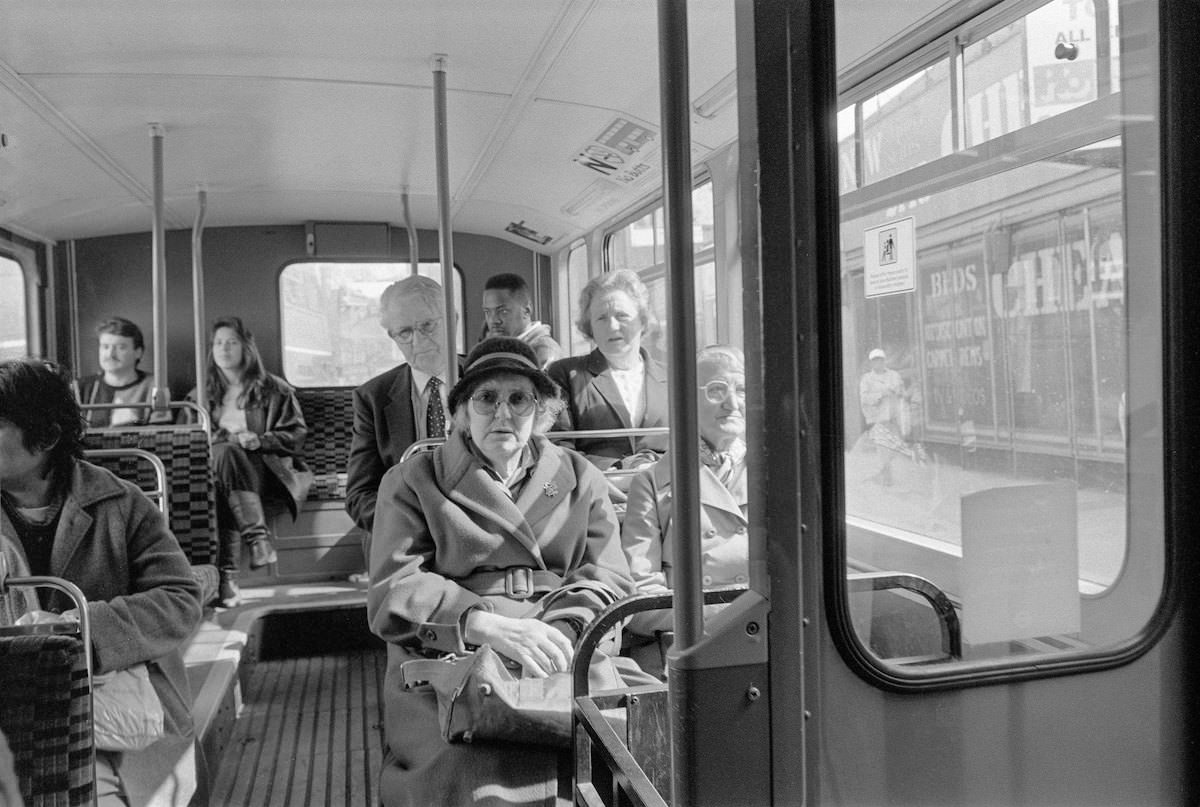
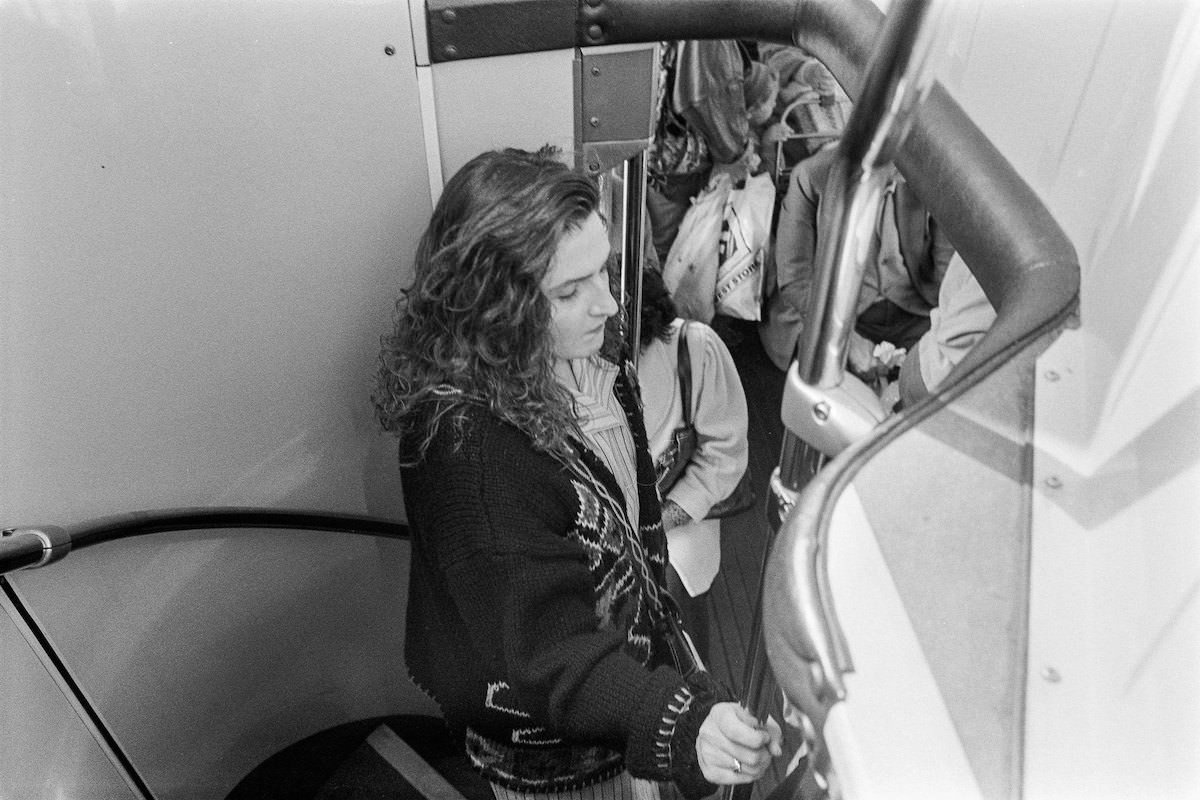
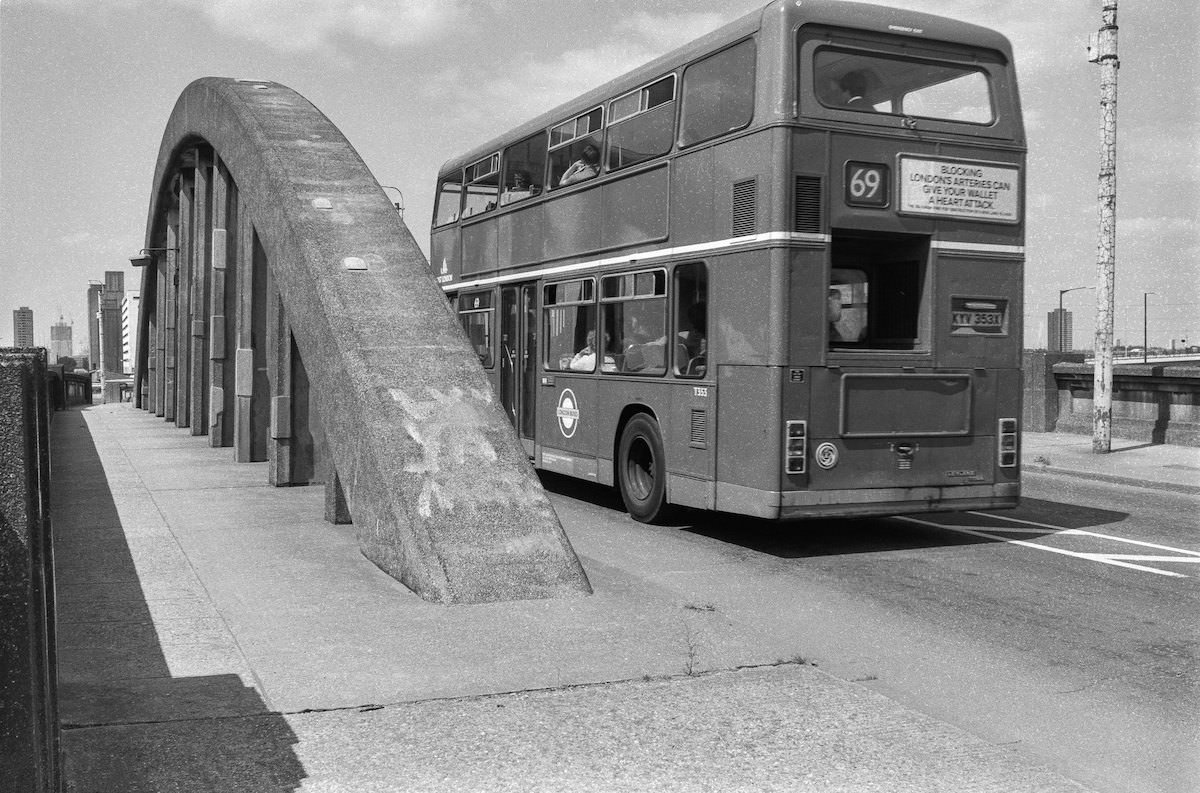
Marshall also photographed at Silver Town Bridge in 1990. Silvertown sat in the east end of London, close to the docks, and its bridges and bus routes connected a working-class area that was still feeling the impact of deindustrialisation after the closure of much of the London docklands through the 1980s.
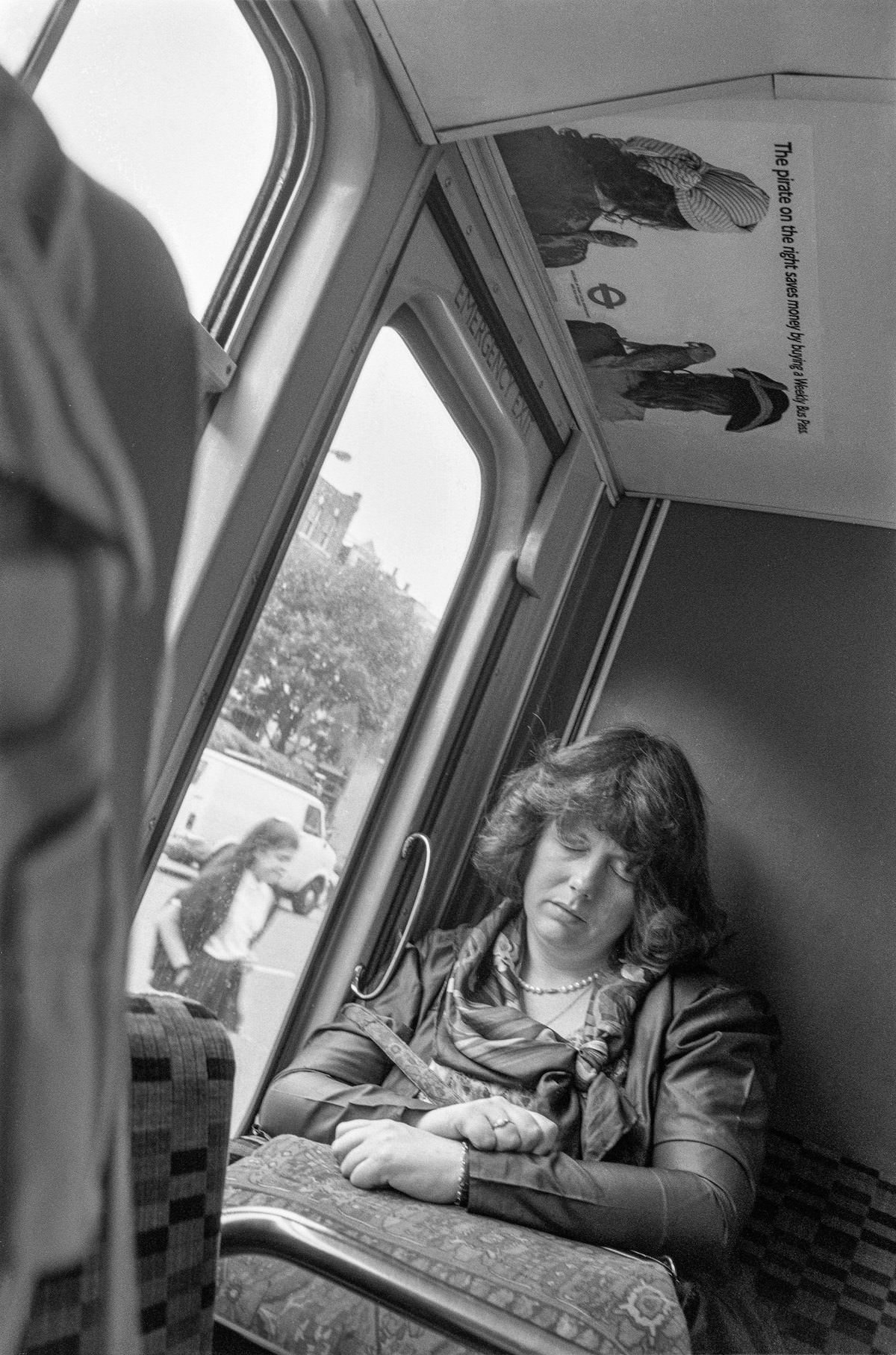
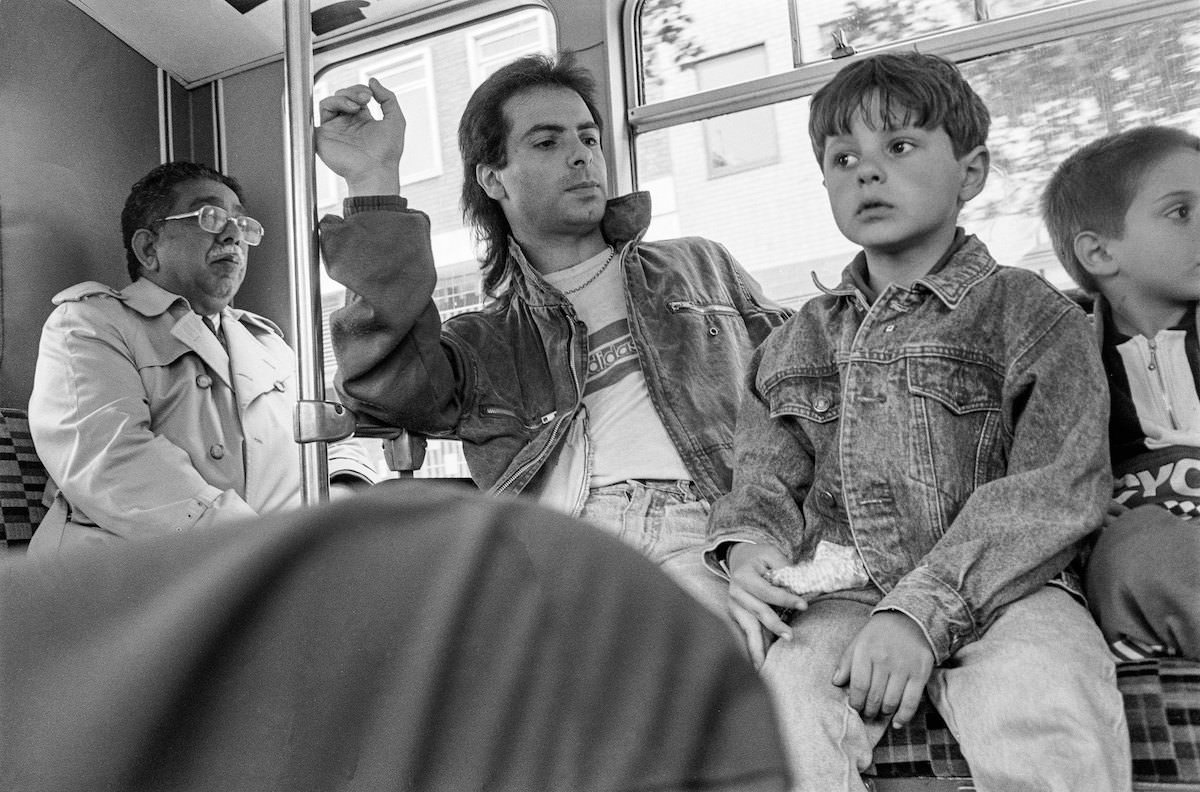
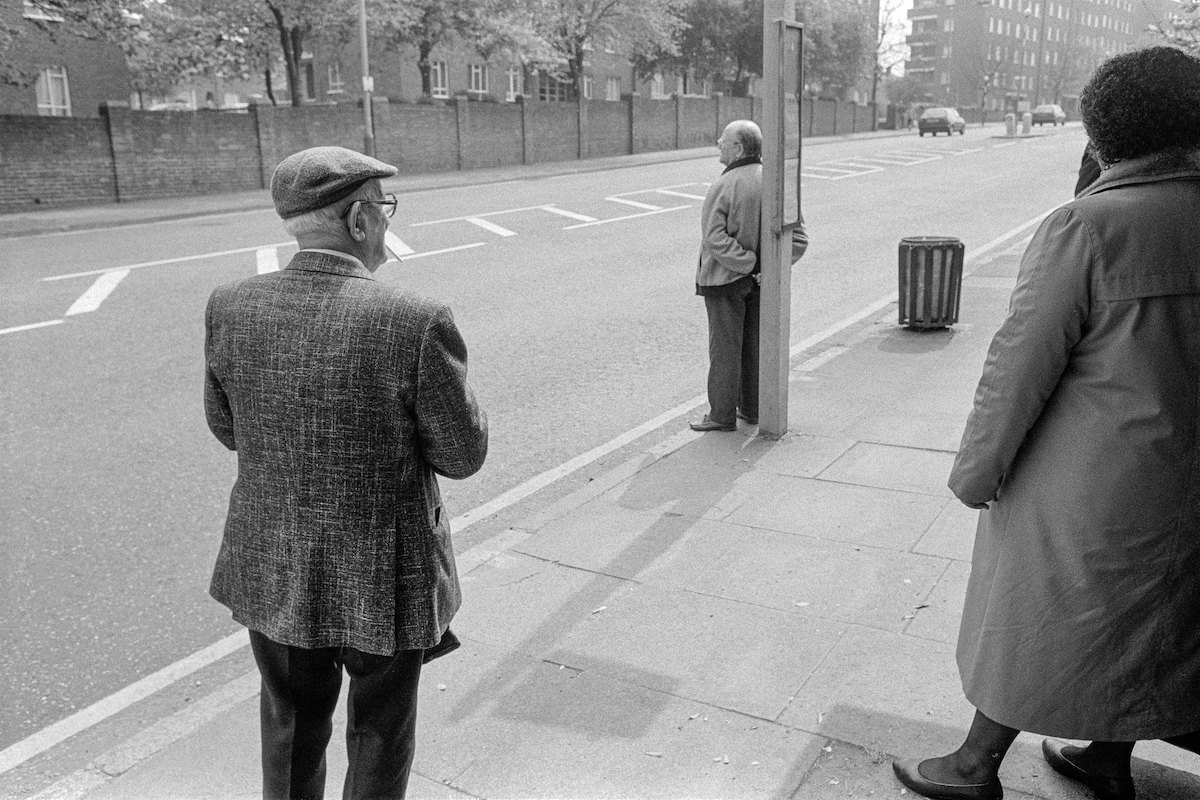
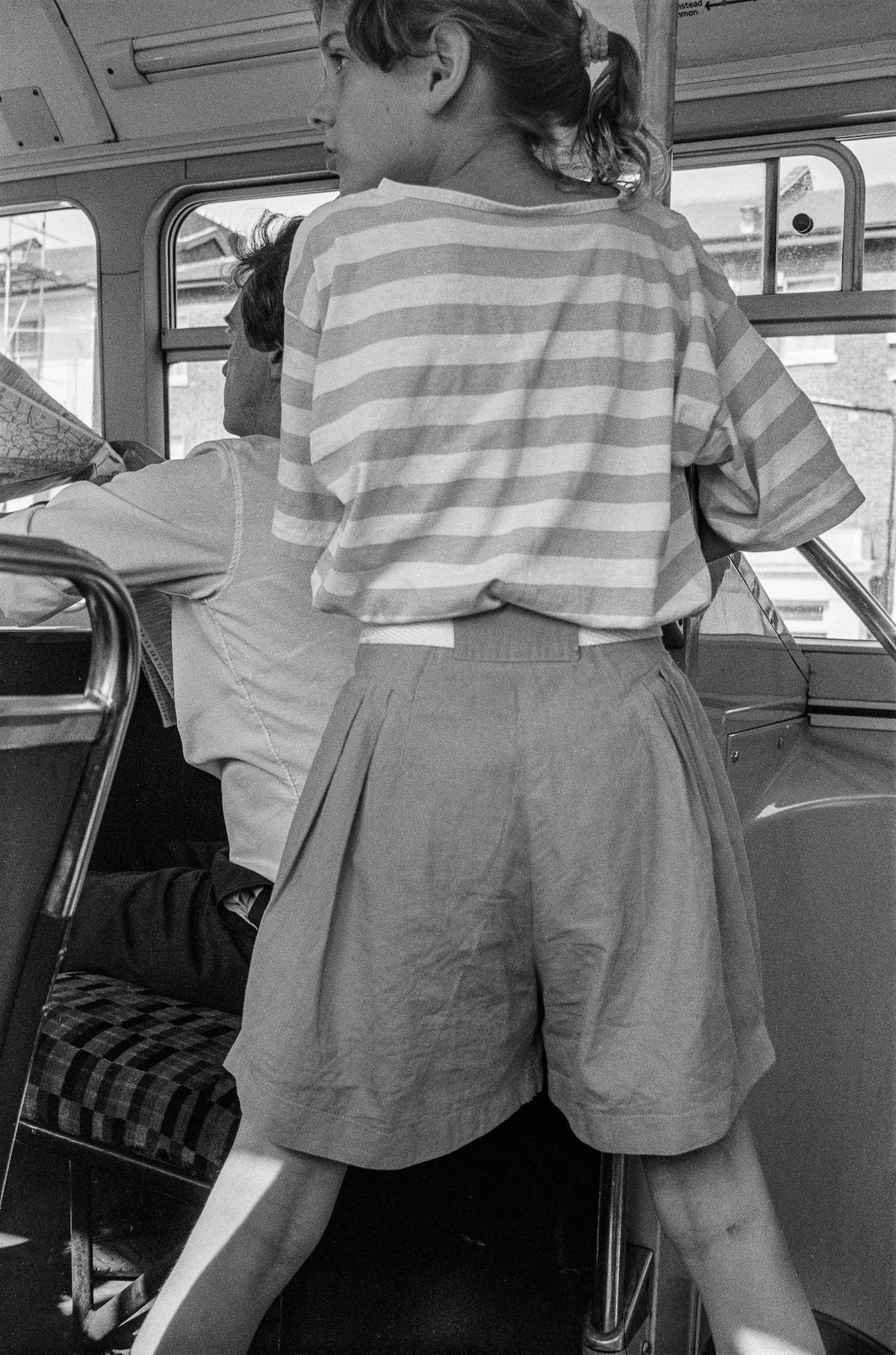
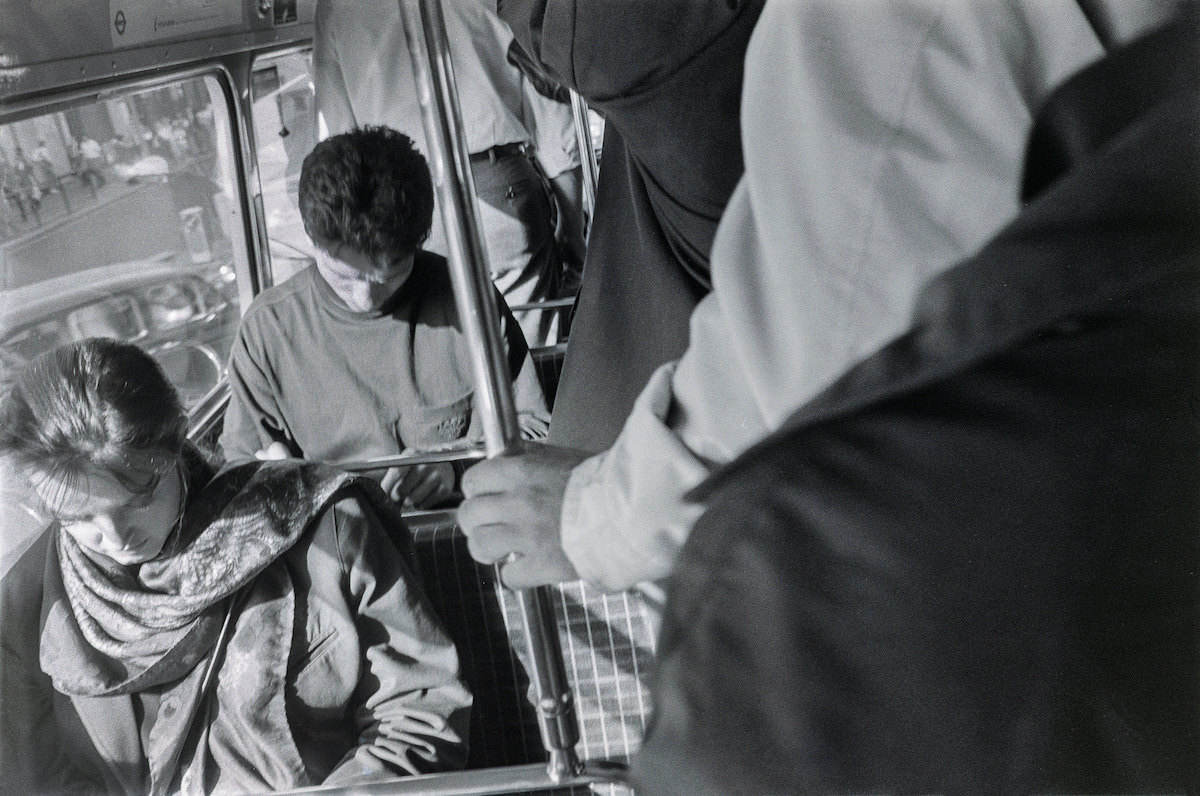
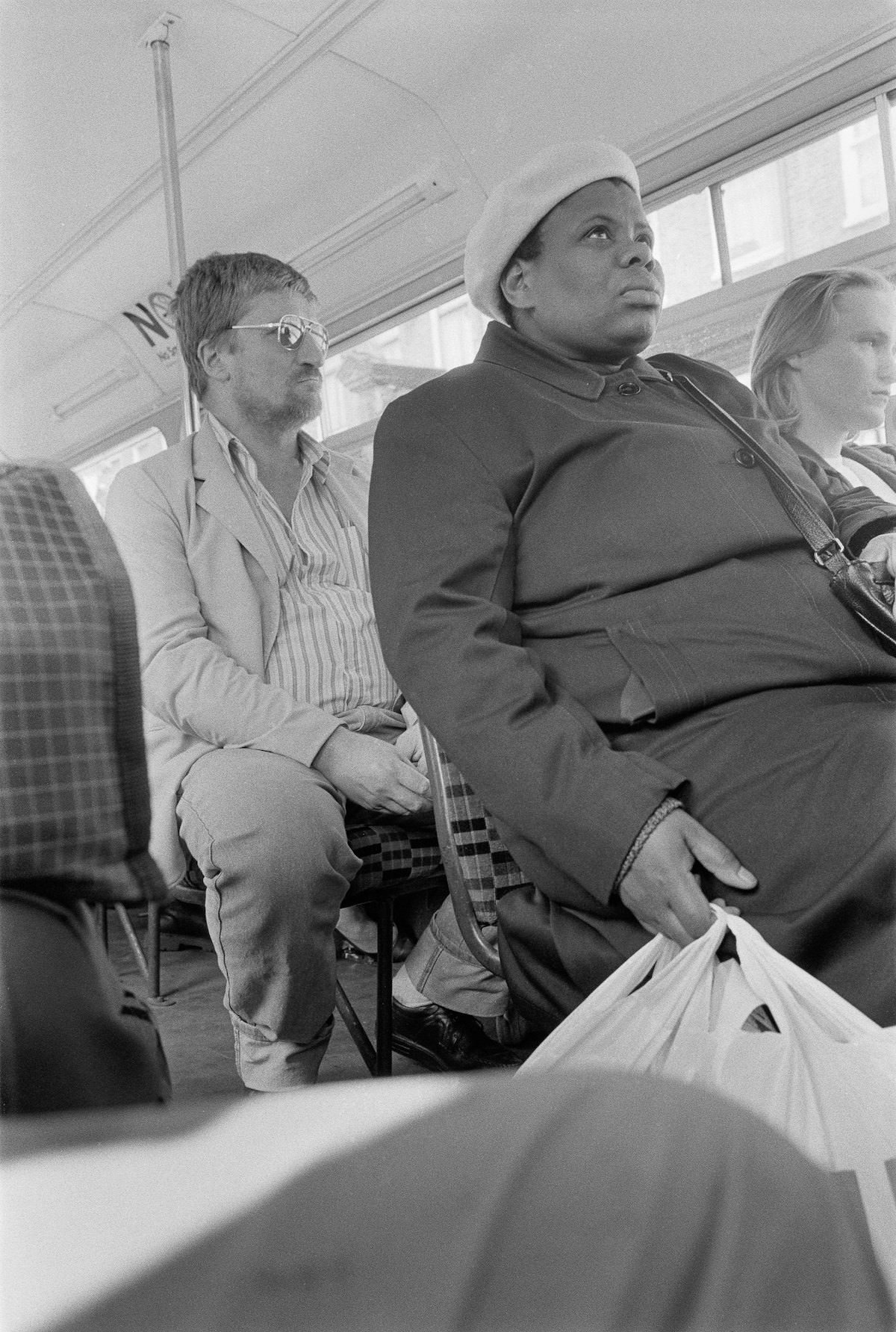
Among the most direct images in the collection are those showing passengers and bus staff up close. A 1991 shot captures a group of passengers on board a south London bus. Others show a conductor at work and passengers stepping off — small moments that together build a precise picture of how Londoners used their buses in this era.
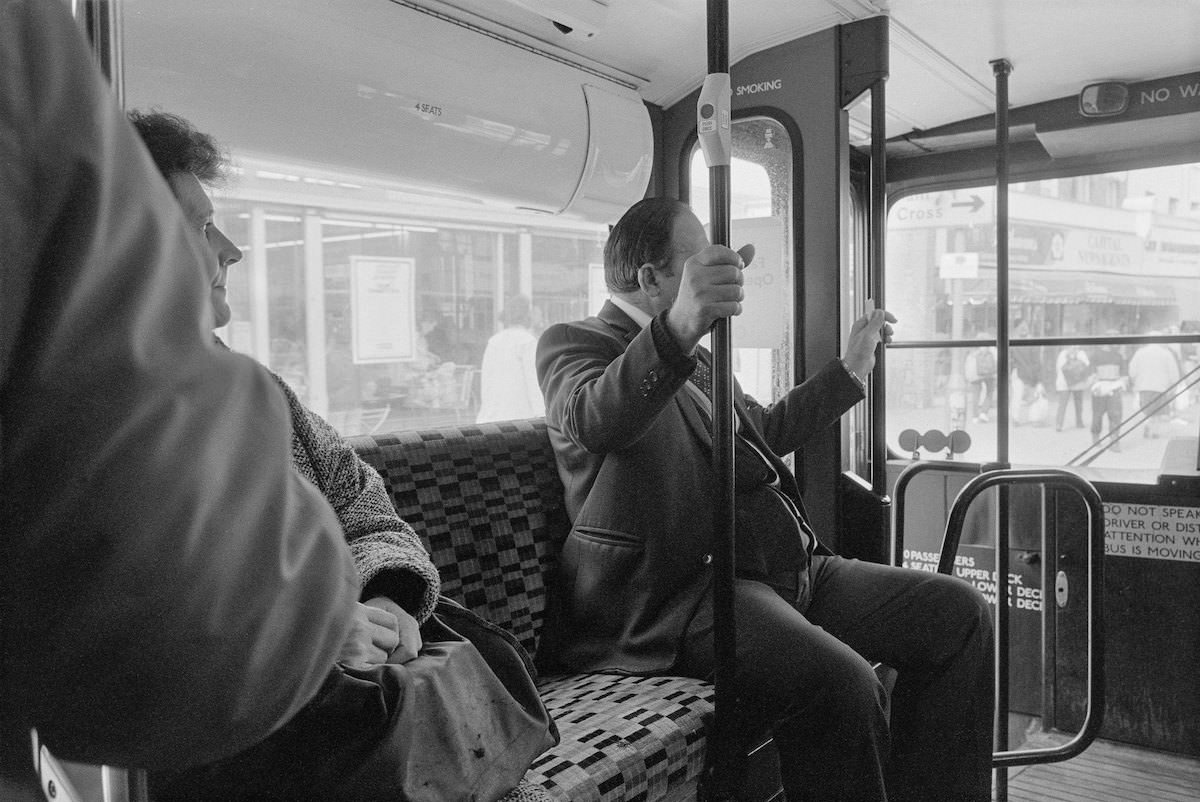
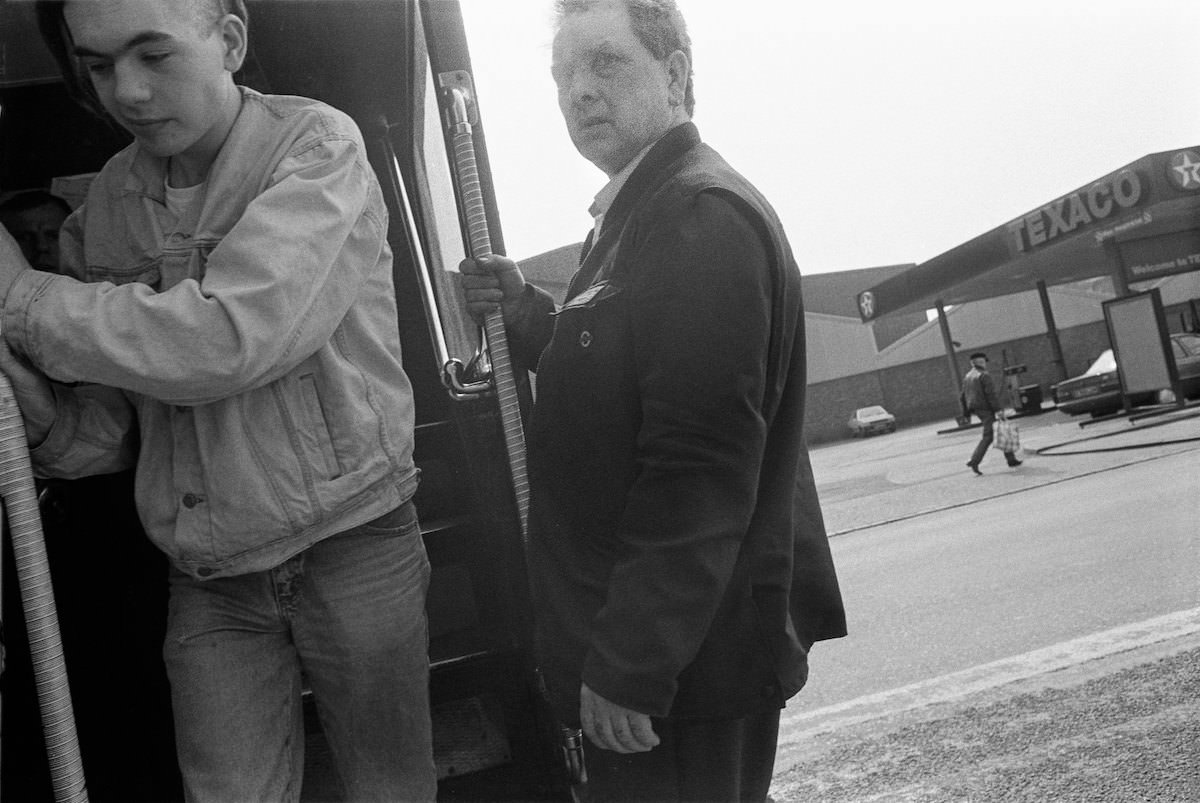
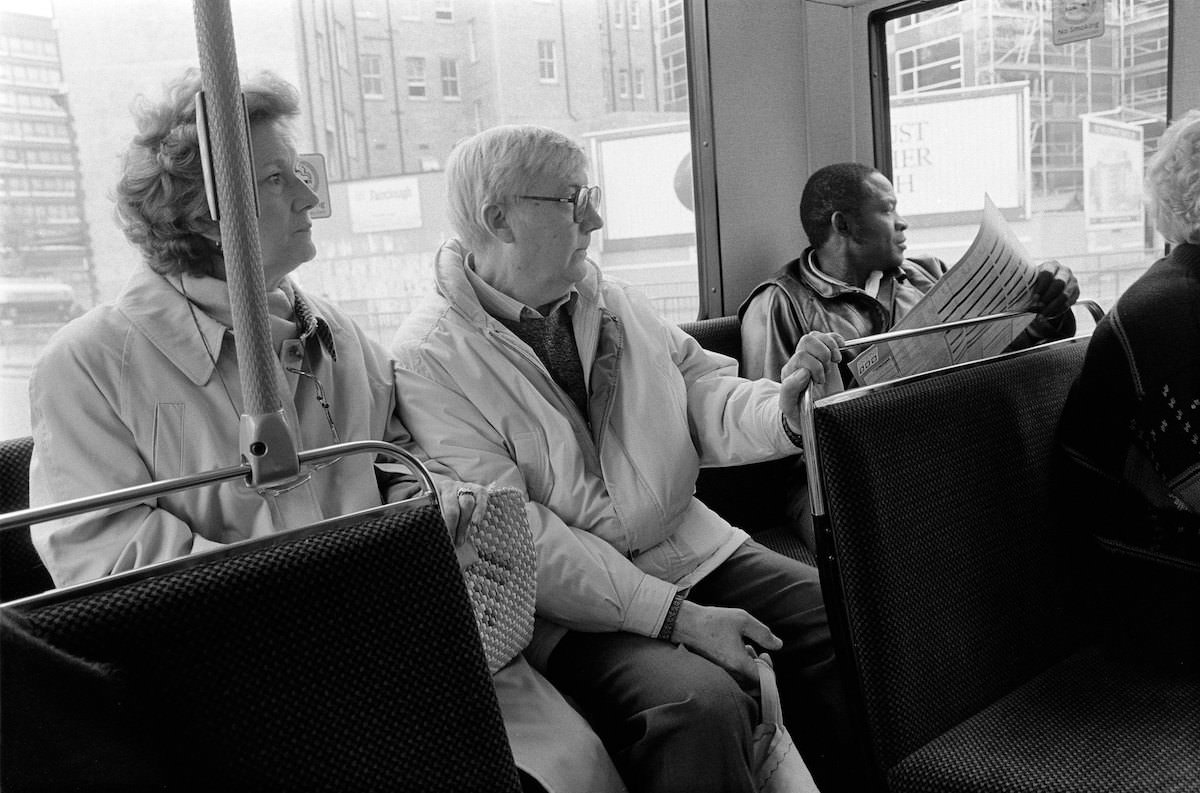
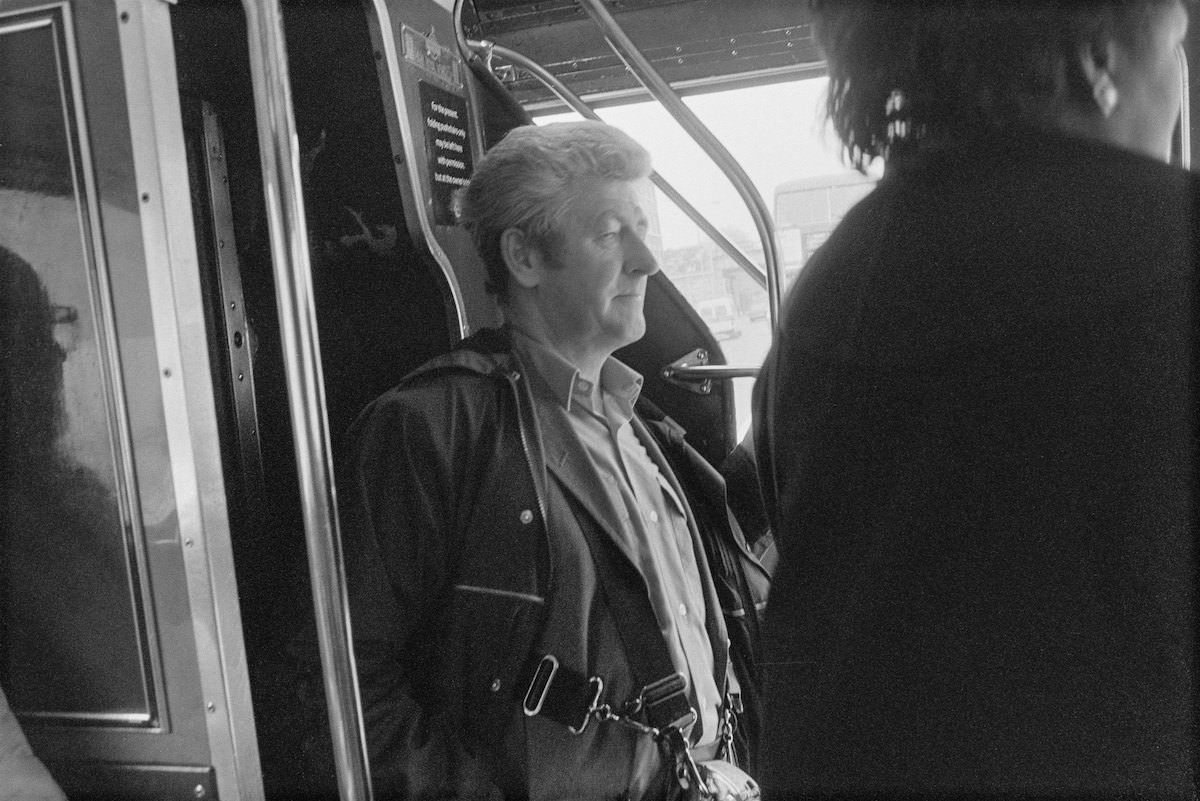
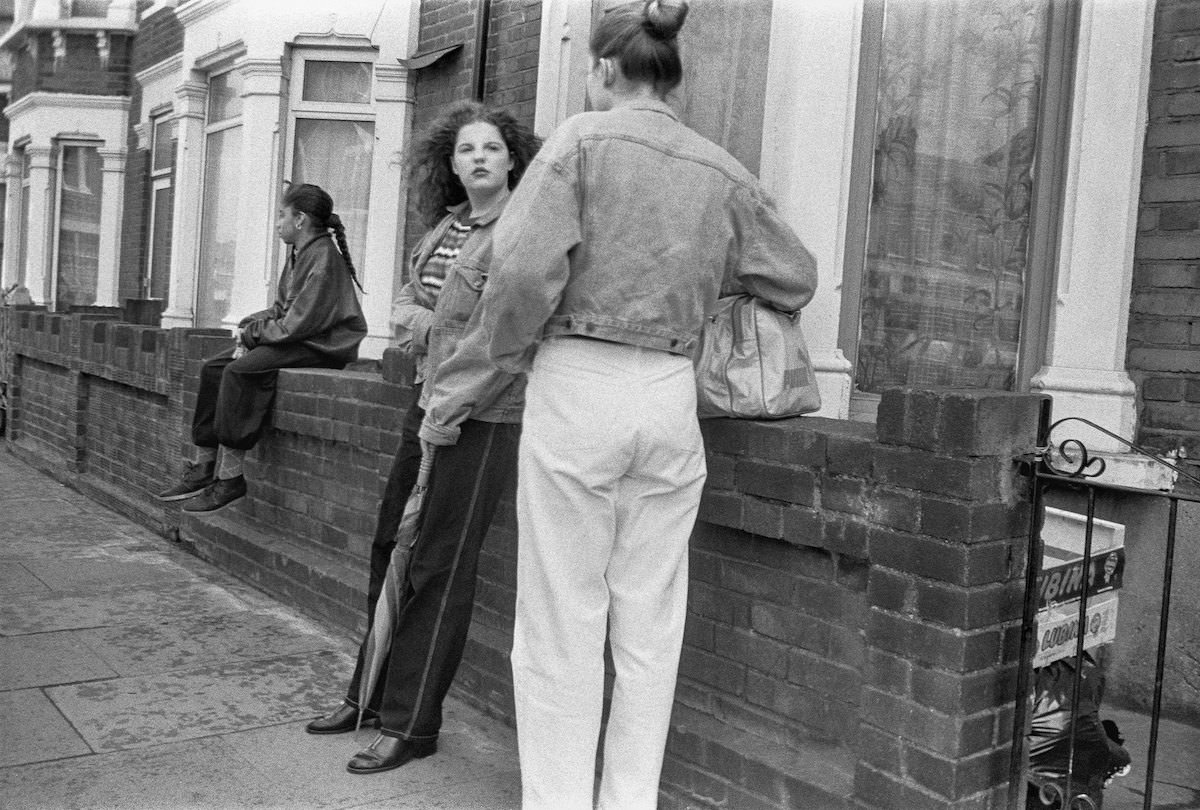
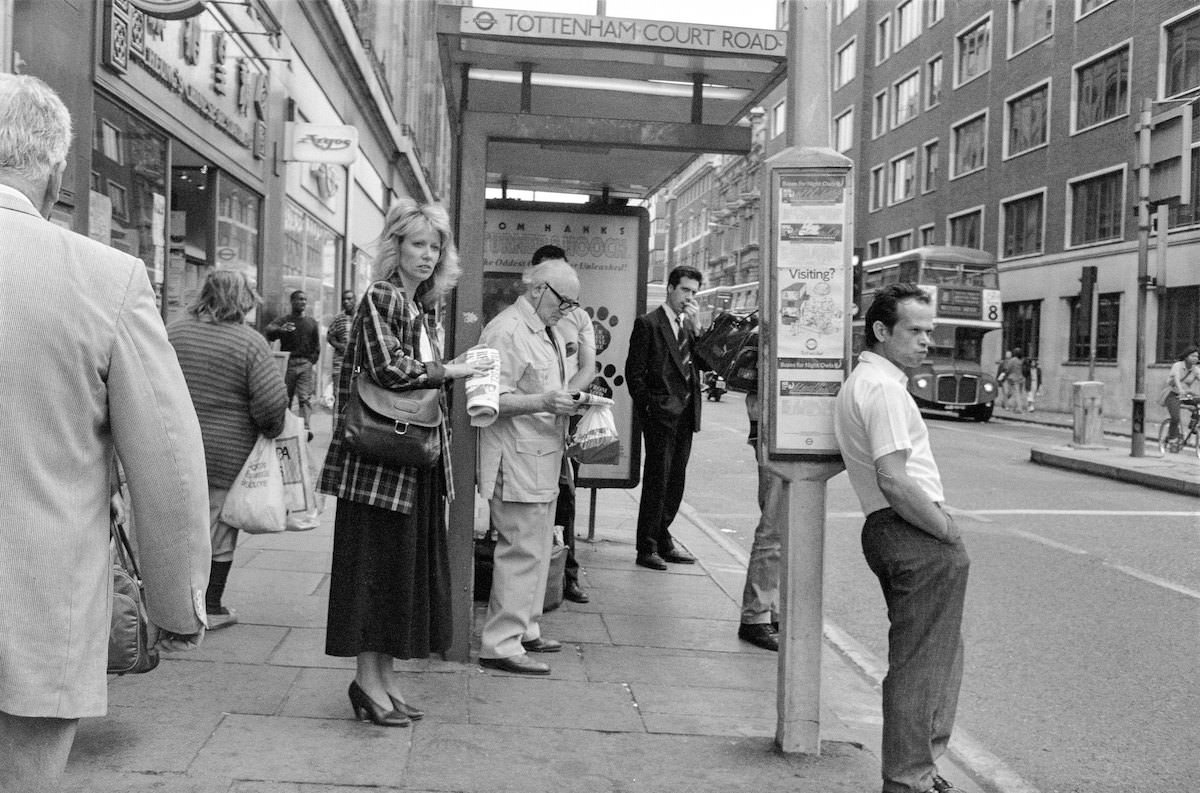
Marshall’s work spans several south London communities and multiple years. At a Peckham stop in 1991, riders board in the ordinary rush of a weekday. In Manor Park, Newham — east London — a 1991 photograph catches people waiting at a stop, a reminder that Marshall’s lens ranged beyond the south alone. A 1990 shot at Tottenham Court Road in Camden completes the spread, placing his documentation across a wide sweep of the city’s bus network.