Lillian Marcuson Rekas was one of the most sought-after models of the late 1940s and 1950s. Born in Hartford, Connecticut, she was the daughter of a Swedish immigrant mother and a father who owned the Viking Bakery in West Hartford. Standing five feet seven inches tall, with blue eyes and brown hair, she was frequently compared to Grace Kelly — a compliment that followed her throughout her career. She landed her first modeling job at 18, and within a year, she was on the cover of Vogue.
That 1949 Vogue cover changed everything. Fashion magazines, top designers, and major advertisers immediately took notice. Brands like Revlon, Coty, Pepsodent, Brooks Brothers, and Knickerbocker all hired her for campaigns. She appeared on the covers of Cosmopolitan, Charm, Look, and Life magazine — the last of which featured her three separate times. Photographers including Irving Penn, Horst P. Horst, Francesco Scavullo, and Richard Avedon all worked with her regularly. By 1950, she was one of the most recognizable faces in American fashion.
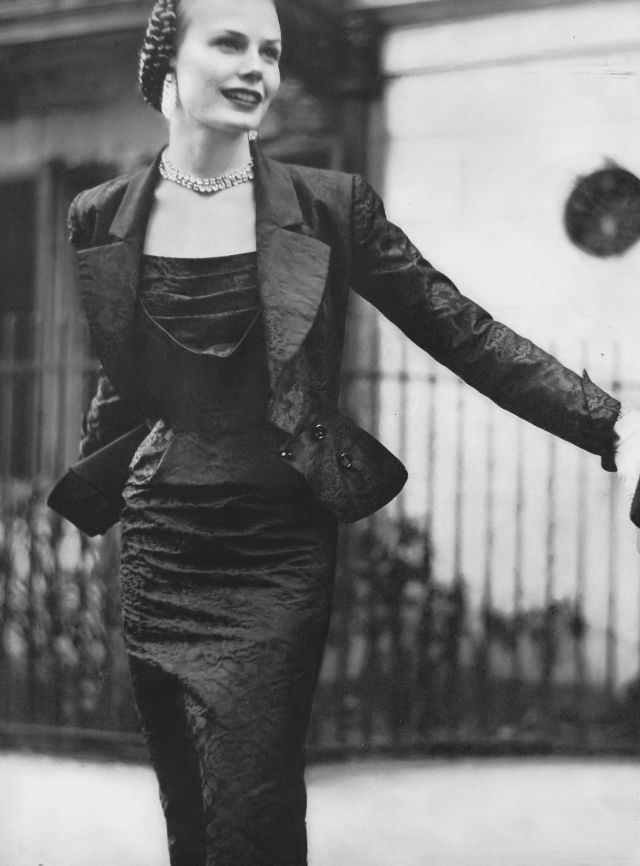
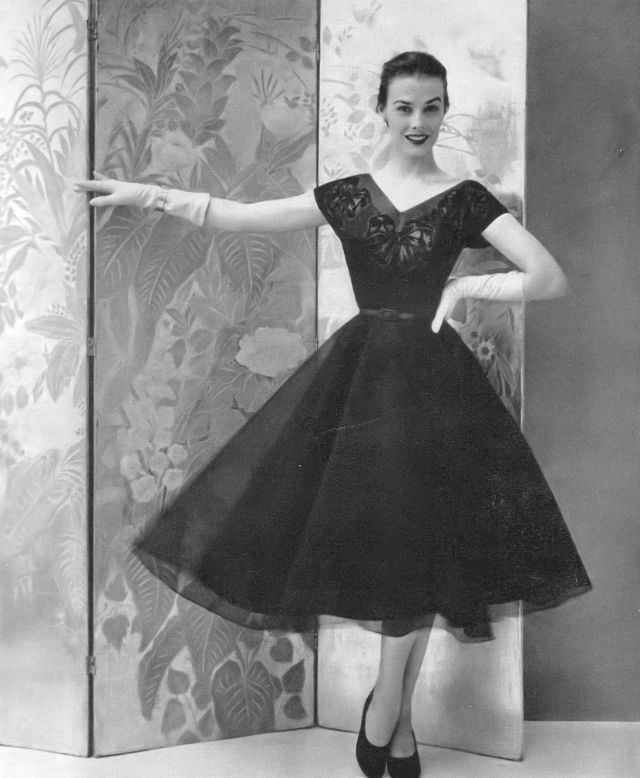
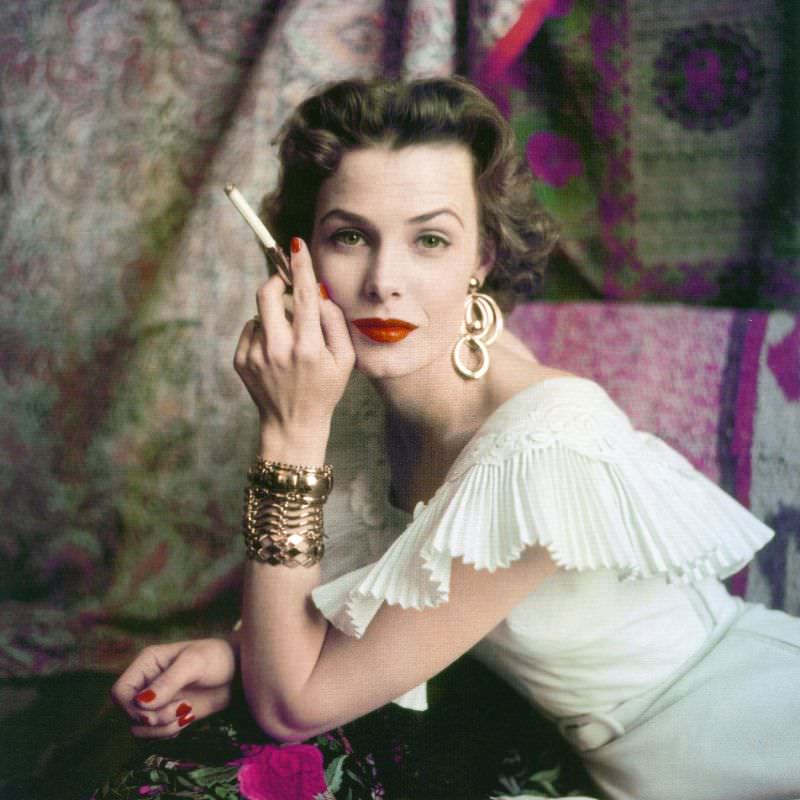
The year 1950 was particularly prolific for Marcuson. She appeared across multiple issues of Vogue and Harper’s Bazaar, modeling everything from tailored daywear to dramatic evening gowns. Each image showcased a different facet of mid-century American fashion — structured silhouettes, luxurious fabrics, and careful attention to accessories.
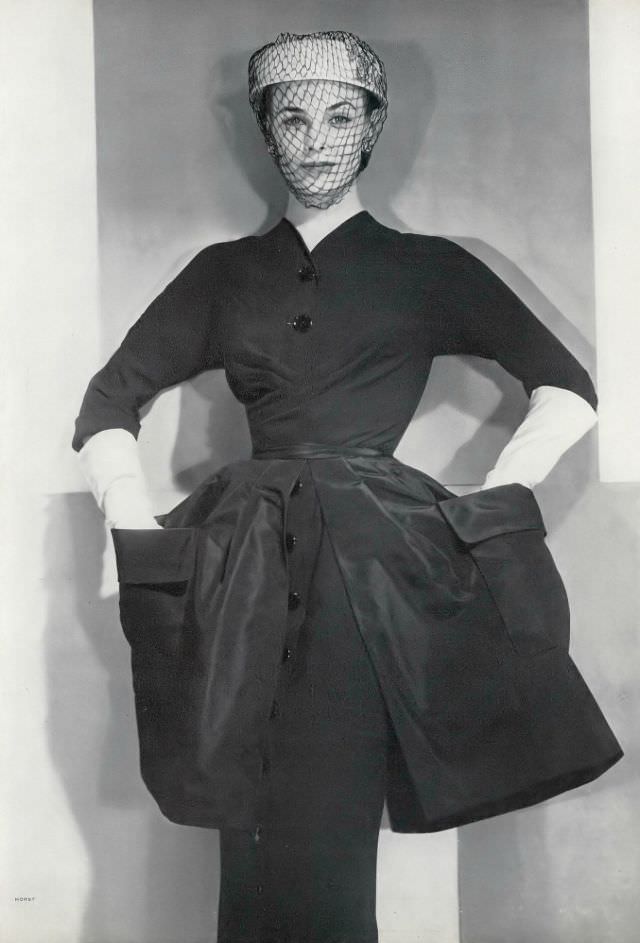
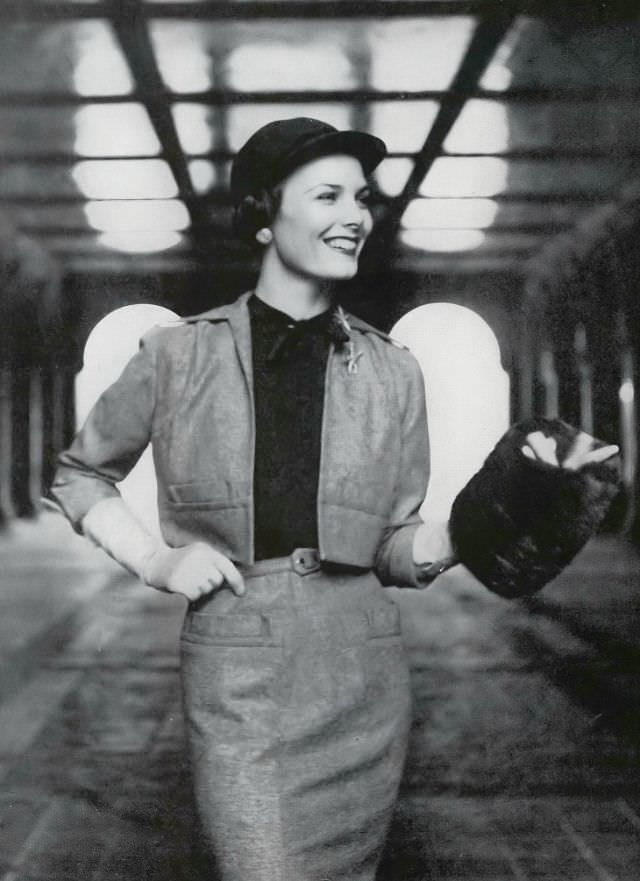
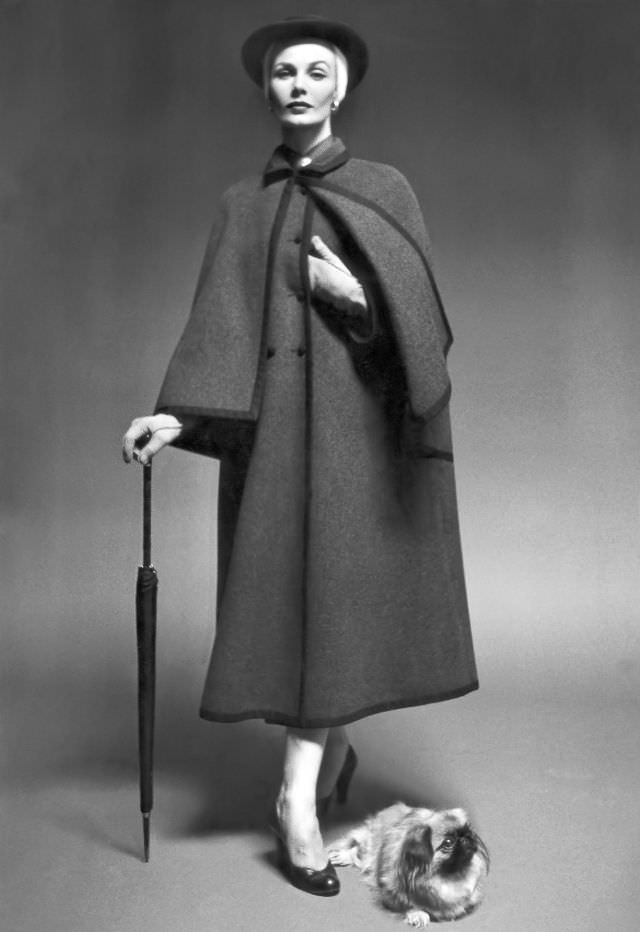
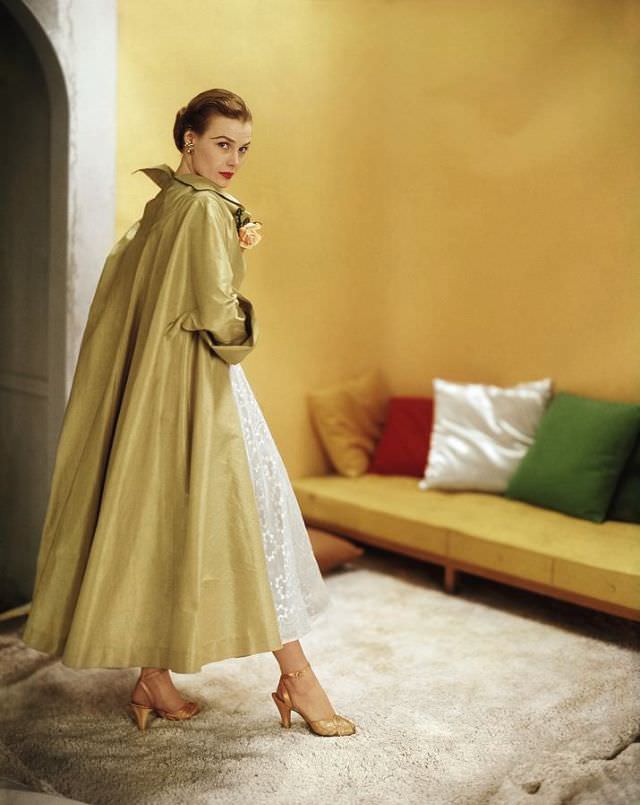
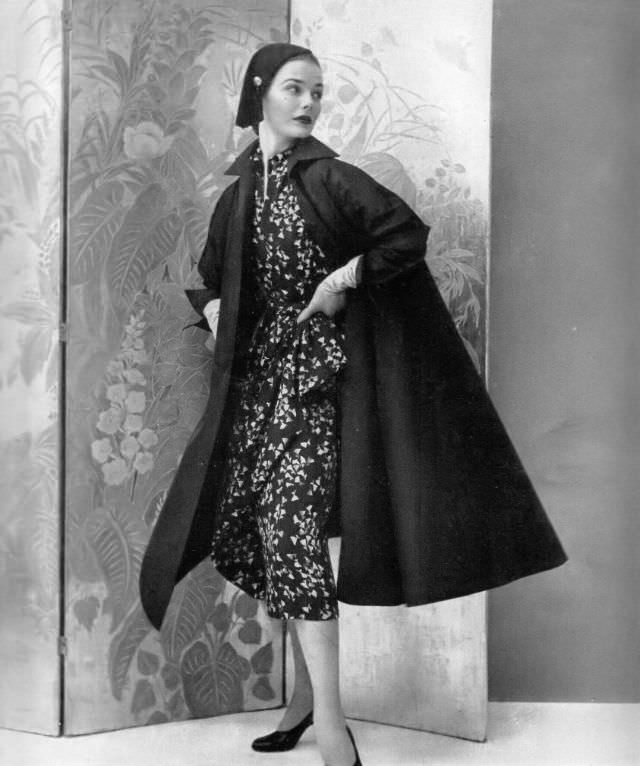
Her range as a model was broad. She wore sporty daytime looks with the same ease as lavish evening wear. The full-length cape below is a strong example of how Marcuson carried dramatic pieces with quiet confidence.
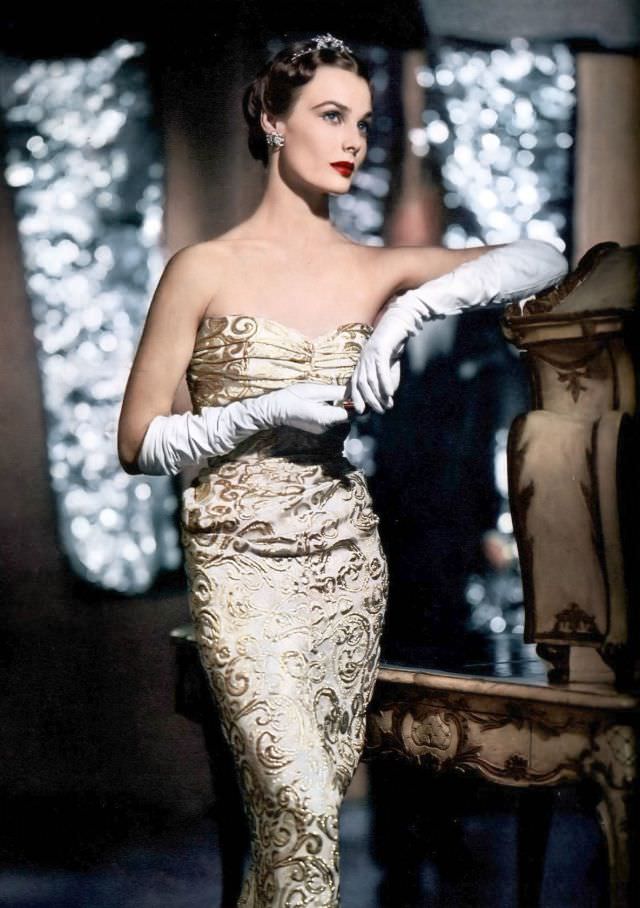
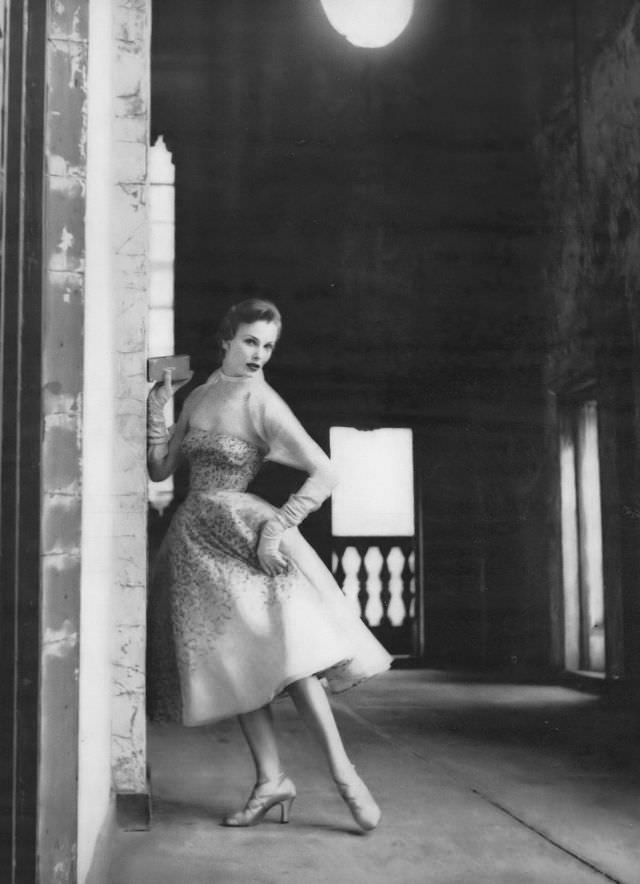
Marcuson’s Vogue appearances in 1950 spanned the full editorial calendar, from spring florals to autumn suiting. The variety of designers she worked with — from Adrian to Hannah Troy to Adele Simpson — reflected just how widely trusted she was as a model to showcase a collection at its best.
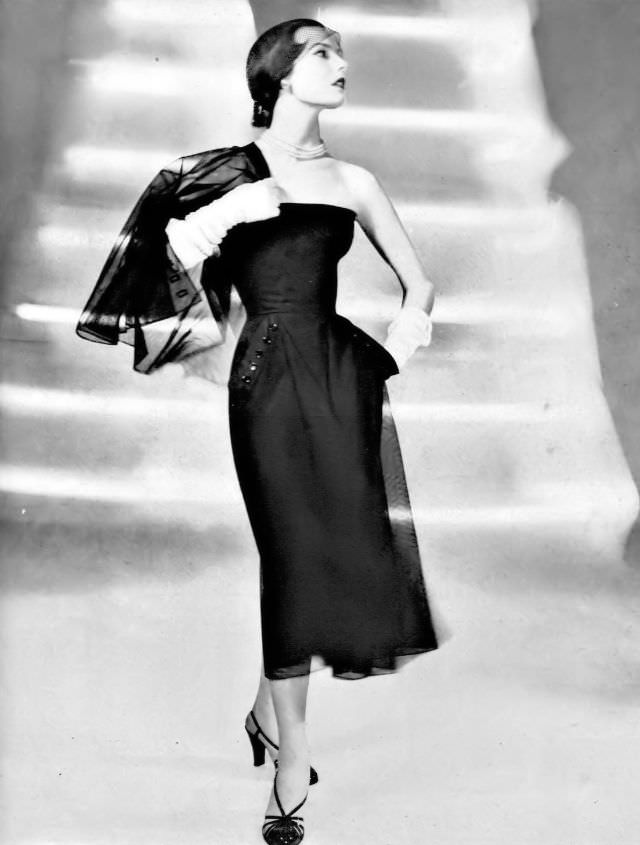
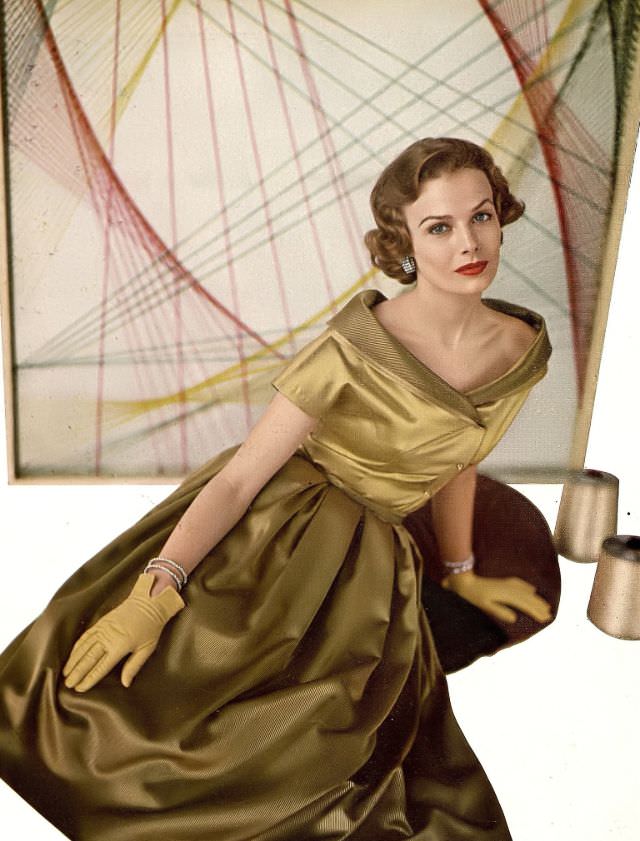
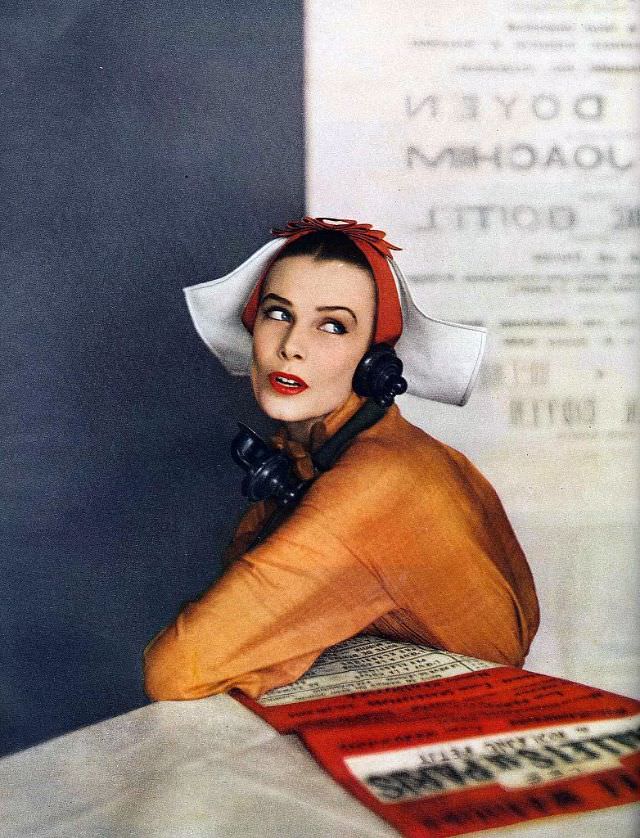
These early 1950 portraits capture Marcuson at the height of her first major wave of fame. Her look was polished and precise, perfectly suited to the era’s ideals of elegance.
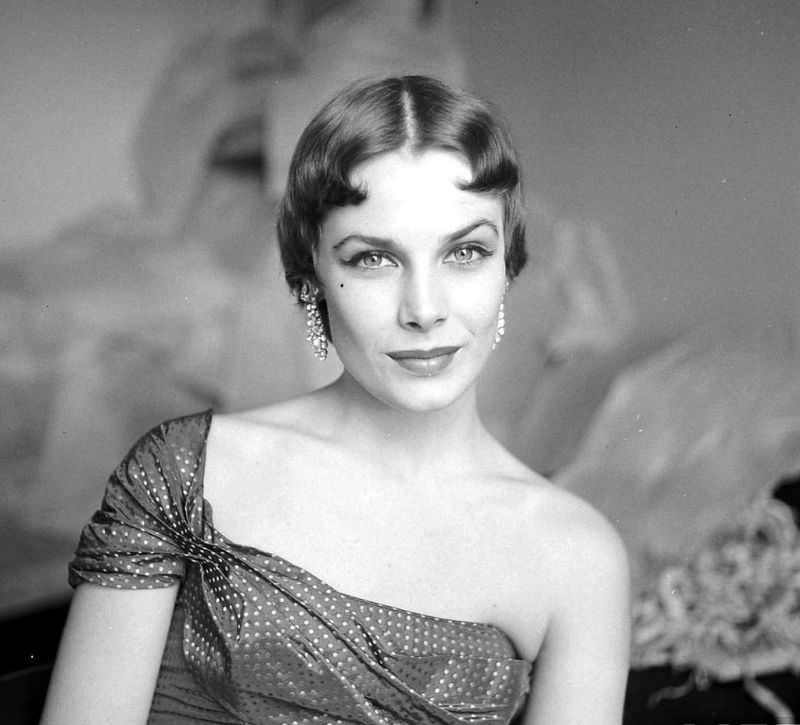
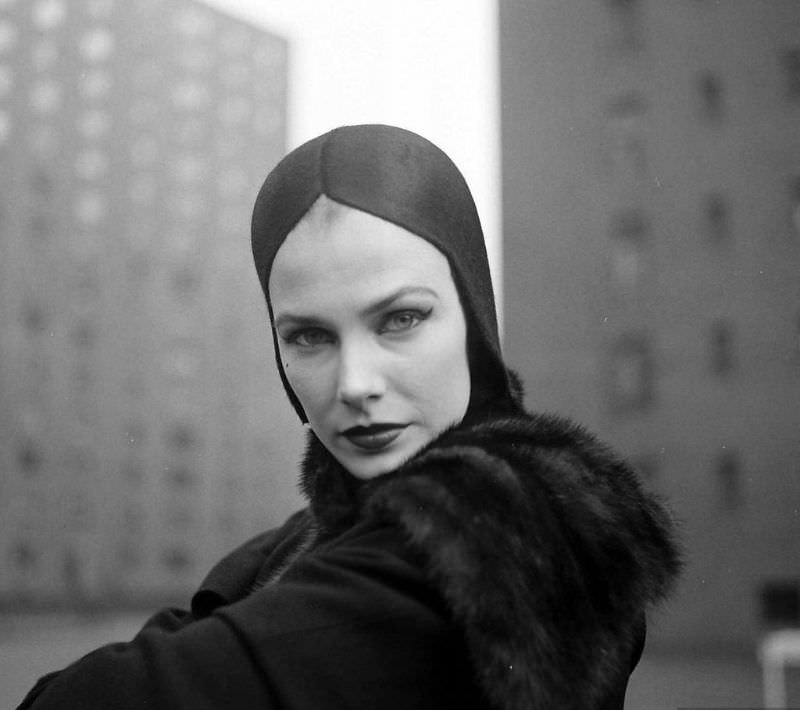
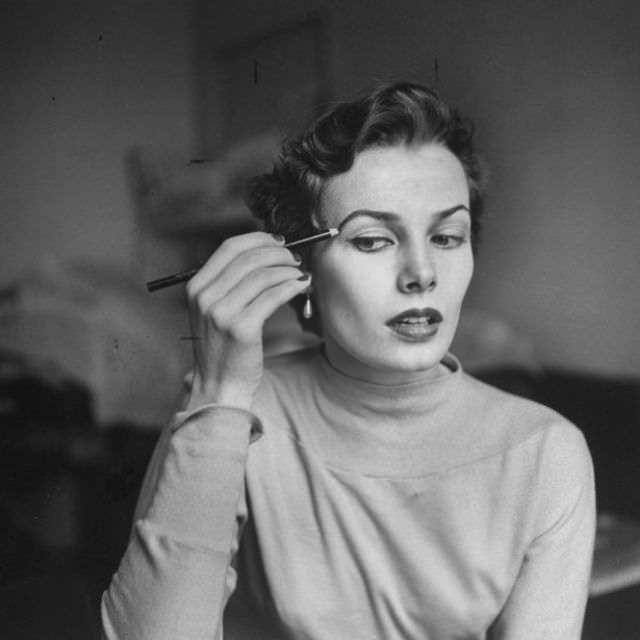
In January 1950, Life magazine spotlighted Marcuson in a feature on makeup, making her one of the few models of the era to be given that kind of instructional editorial spotlight. It reinforced her status not just as a fashion figure but as a beauty authority in the pages of one of America’s most widely read publications.
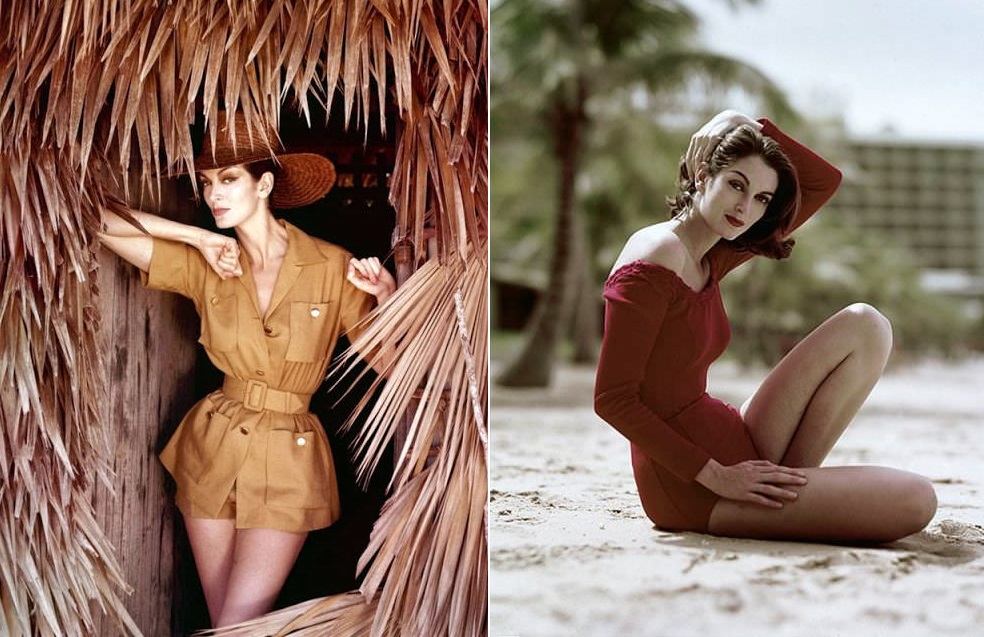
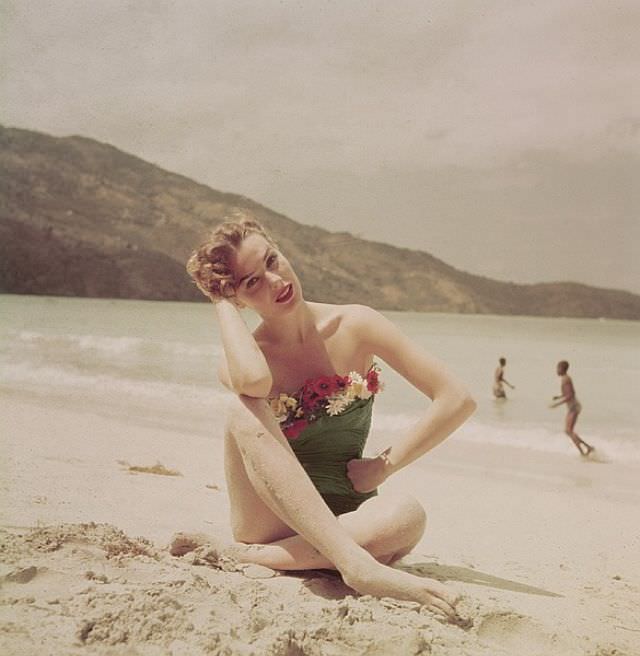
By 1951, Marcuson’s editorial work had expanded to include swimwear and resort fashion. Life sent her to Magen’s Bay in St. Thomas for a bathing suit spread — a sign of the growing American appetite for vacation-themed fashion content in the postwar years.
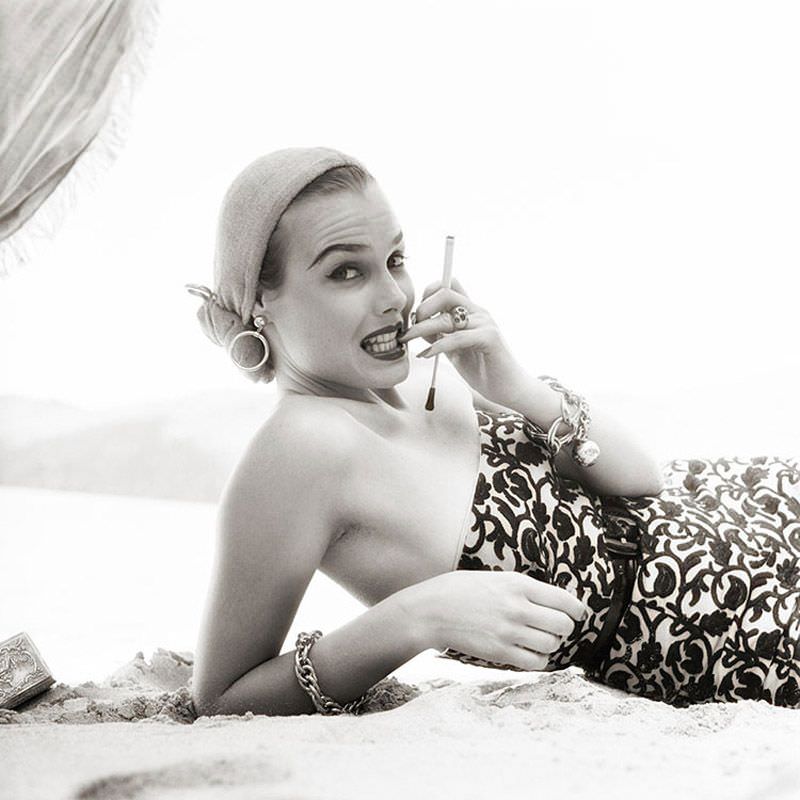
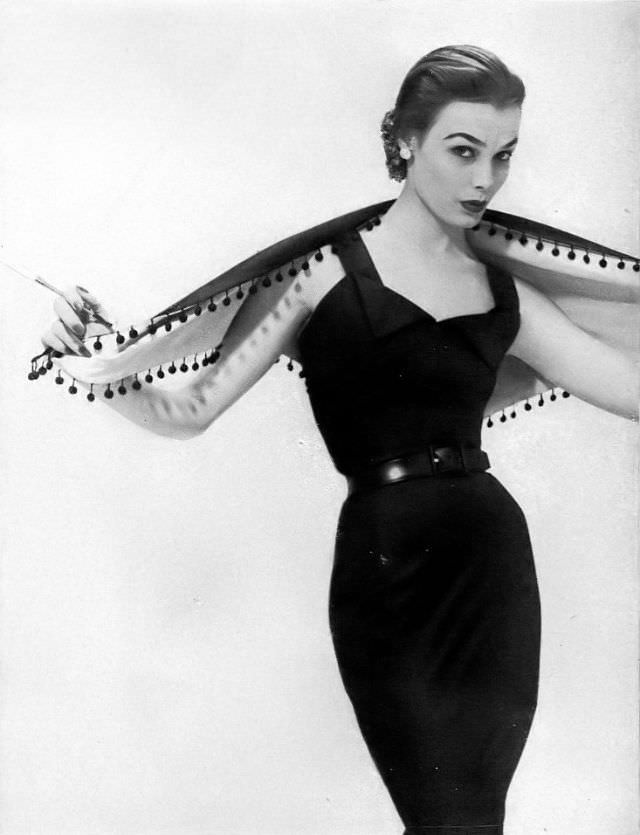
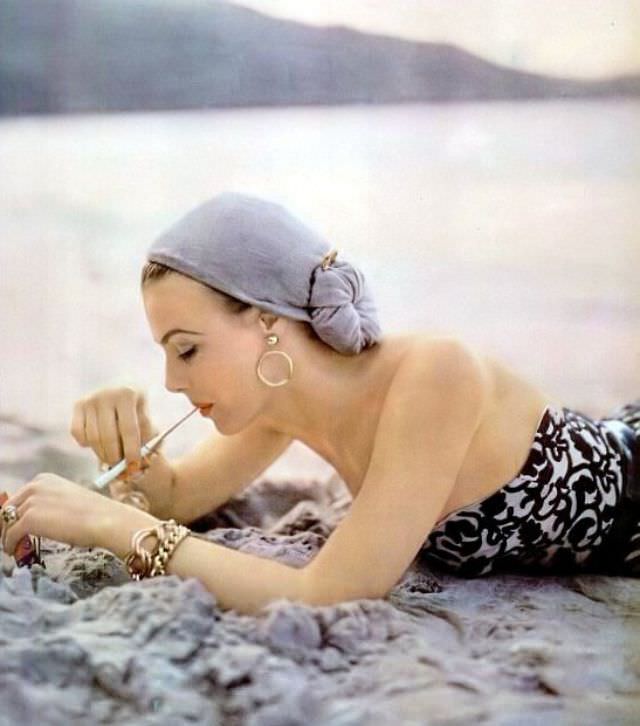
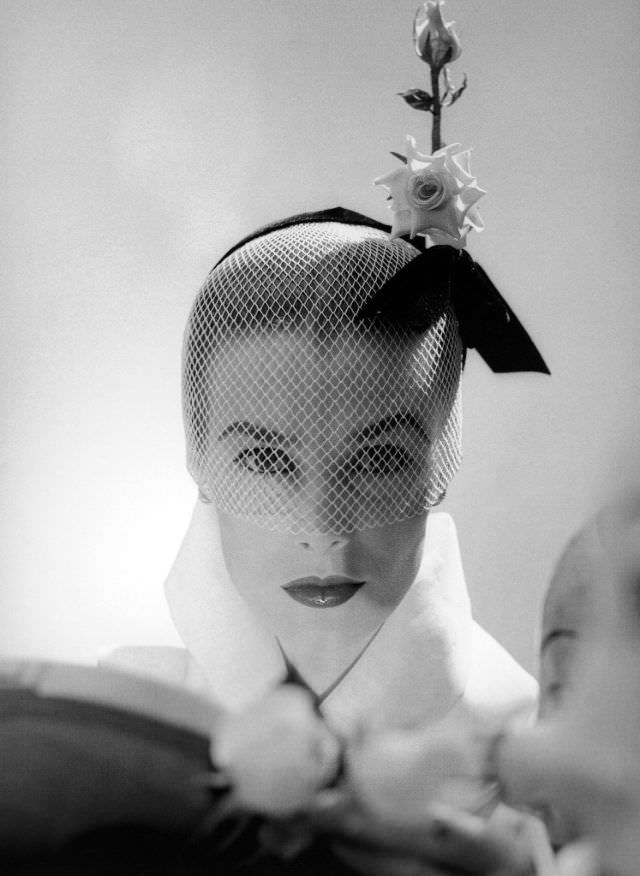
Millinery was a major part of mid-century fashion, and Marcuson regularly worked with top hat designers of the era. Lilly Daché was among the most celebrated milliners in New York, and this Life magazine feature from February 1951 shows just how central accessories were to the complete fashion image of the time.
Marcuson’s January 1951 Vogue cover cemented her place among the top models working in New York. Earning a Vogue cover at the start of a new year was a major distinction — the January issue set the tone for the fashion calendar ahead.
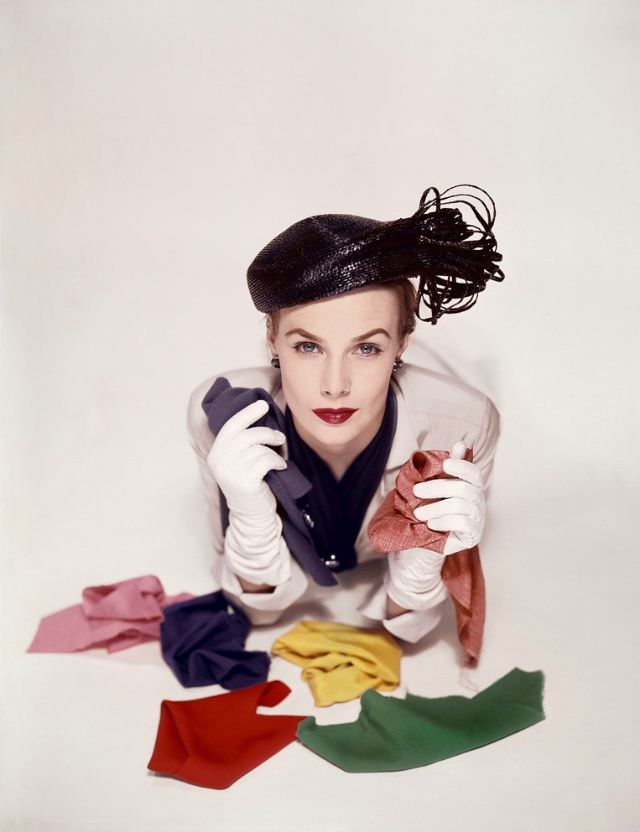
In 1952, Marcuson sat for Horst P. Horst, one of the most technically accomplished fashion photographers of the twentieth century. Known for his dramatic lighting and precise composition, Horst’s portraits of Marcuson belong to the finest fashion photography of the era.
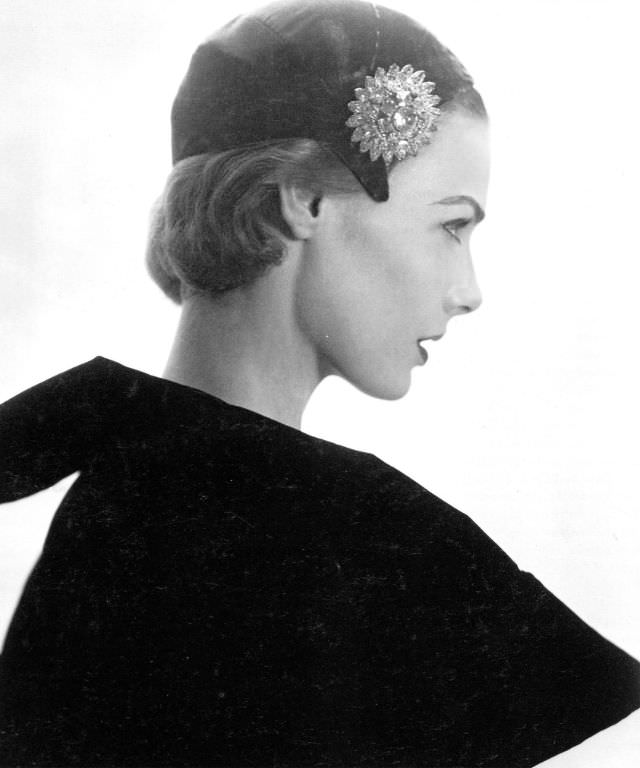
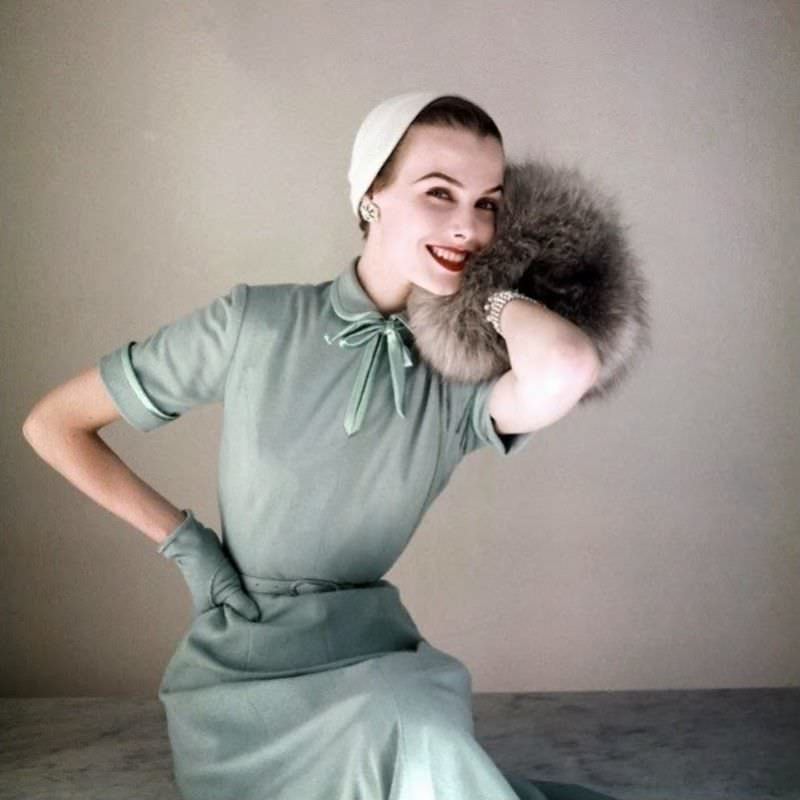
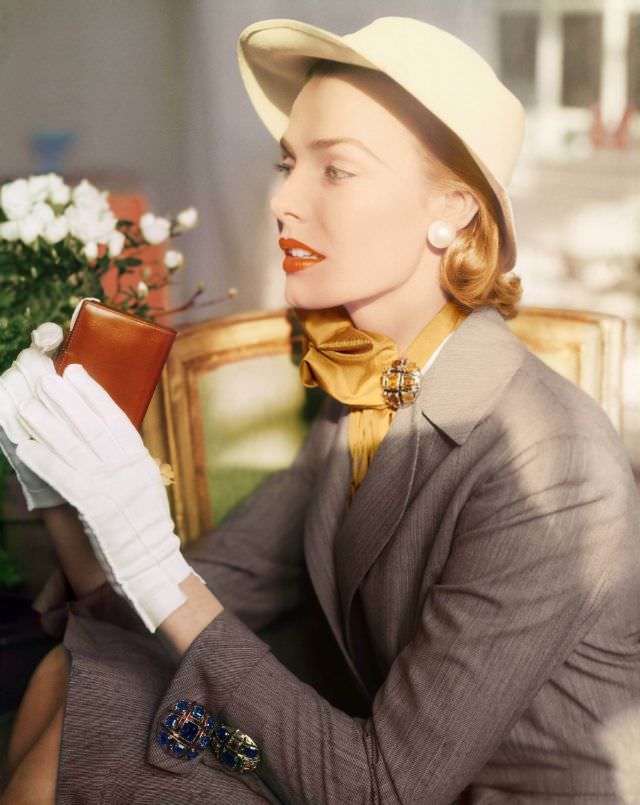
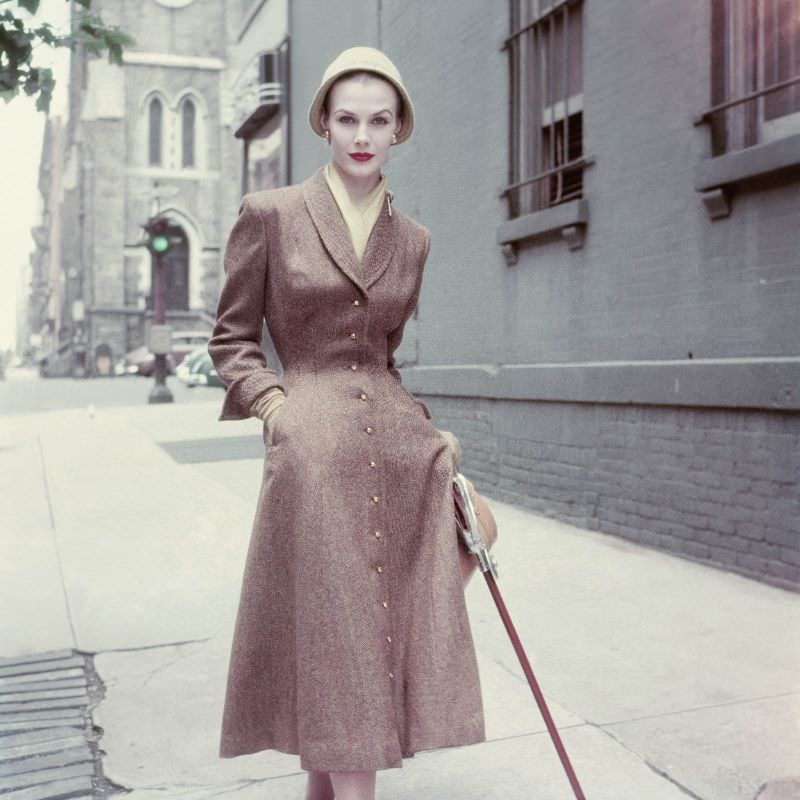
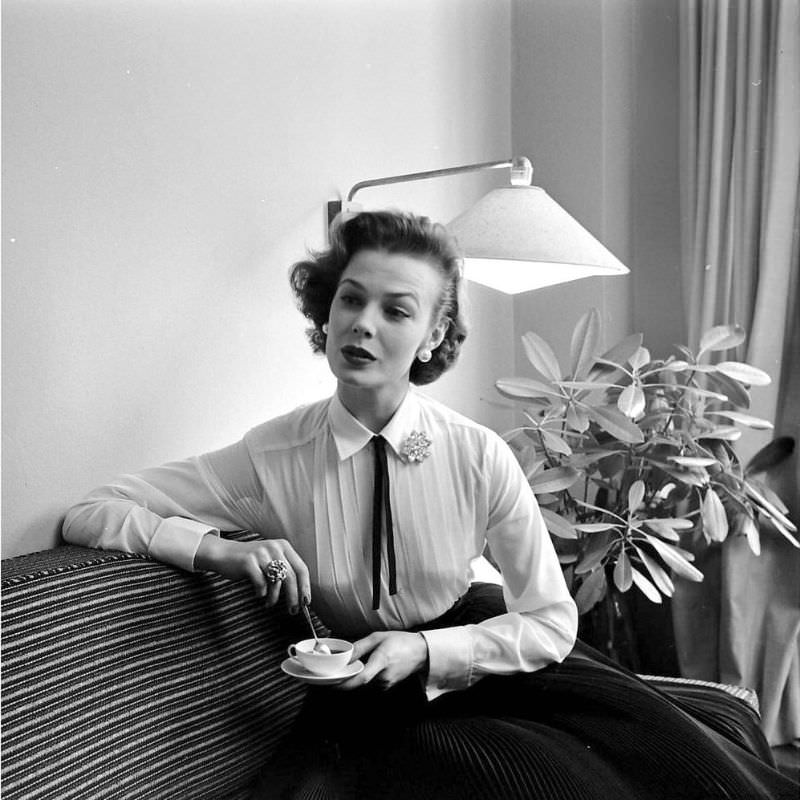
By 1954, Marcuson’s relationship with Brooks Brothers had become a defining part of her advertising work. The brand hired her for a series of editorial campaigns that ran that year, showing her in their signature robes, dressing gowns, and tailored shirts. It was an unusual pairing — Brooks Brothers was known as a men’s clothier — but the ads signaled a shift toward women’s lifestyle marketing in postwar American retail.
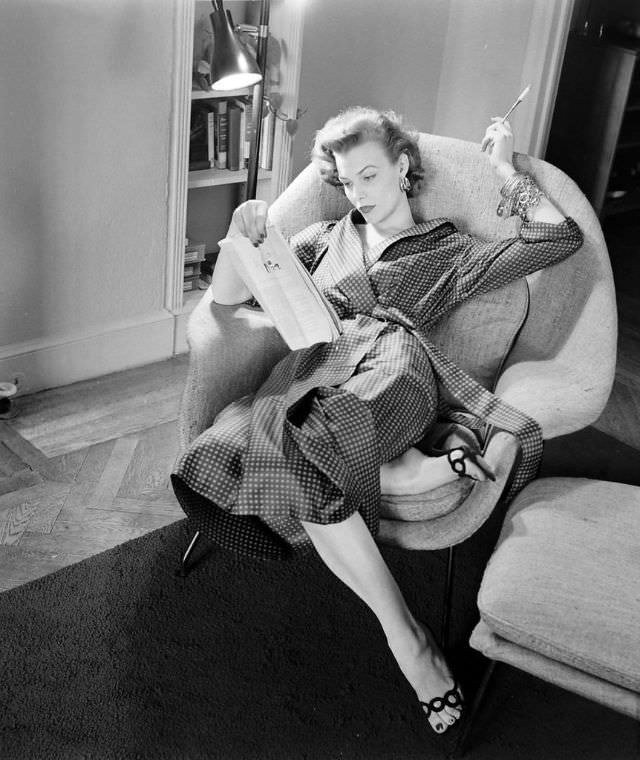
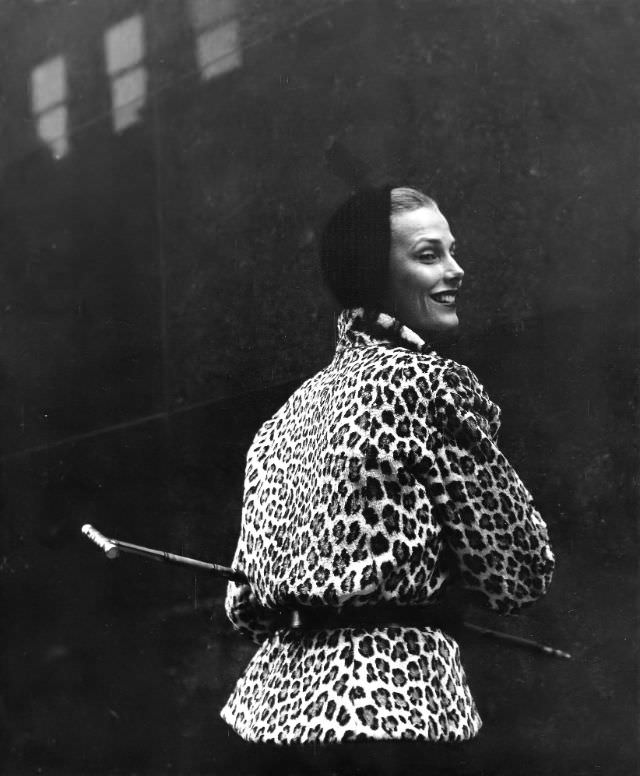
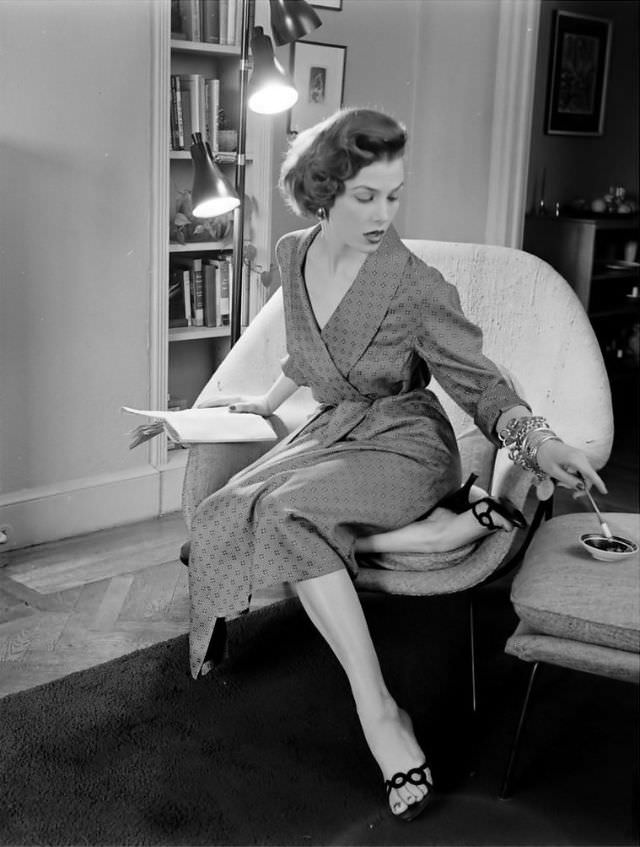
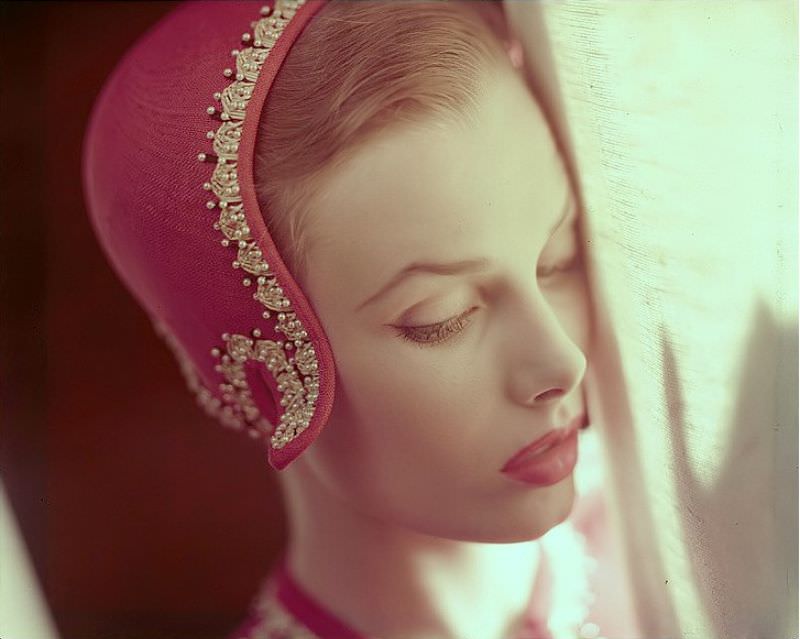
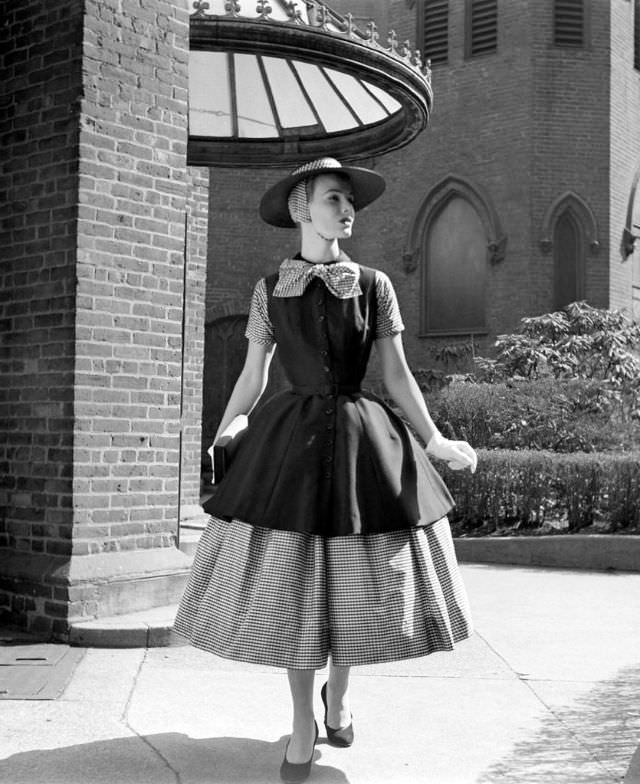
In 1955, Marcuson appeared in an inventive two-part editorial featuring convertible fashion by Traina-Norell, paired with coordinating hats by milliner Emme. The concept — one outfit that transformed from a town look into a party look by removing outer layers — captured the practical elegance that defined American fashion in the mid-1950s.
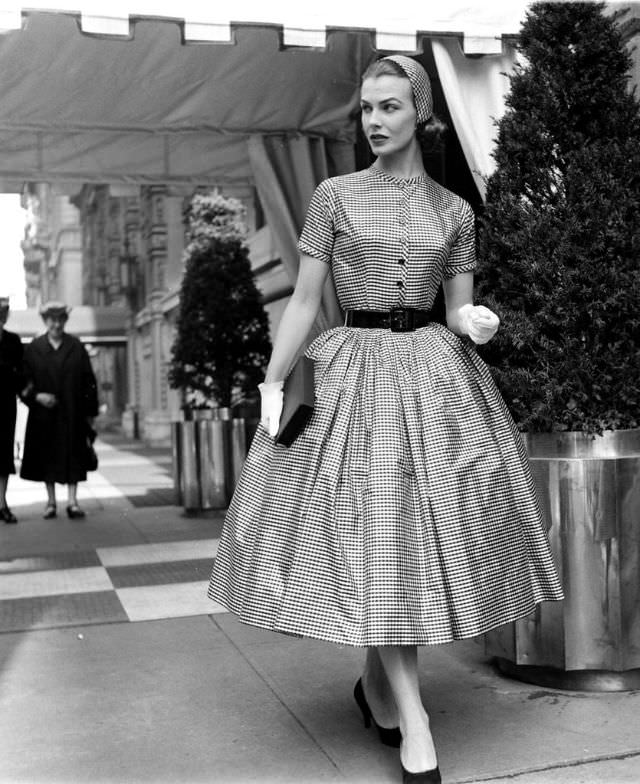
After her marriage, Marcuson stepped away from modeling for 25 years. When she returned at age 52, most agencies were not interested in working with older models. Ford Models was an exception — the agency had begun building a roster of mature women, and Marcuson signed with Ford vice president Sicular. Her first assignment after returning was with Viking Cruise Lines, where her husband was also employed. She went on to appear on the cover of Newsweek, book television work, and land fashion assignments, though high-end editorial fashion remained reluctant to feature older women. Beyond modeling, she appeared in the films Ghostbusters and The Cotton Club, and had roles in the soap operas One Life to Live and As the World Turns. Lillian Marcuson Rekas died on May 24, 2019.