
The 1950s were a decade of sharp contrasts. On the surface, life in much of the Western world looked bright — new homes, new cars, new gadgets. Beneath that, old social orders were cracking. These vintage photographs capture both sides of that world: the road trips and backyard cookouts, the wide-open highways and crowded city sidewalks. Together, they tell the story of a decade that felt settled and restless at the same time.
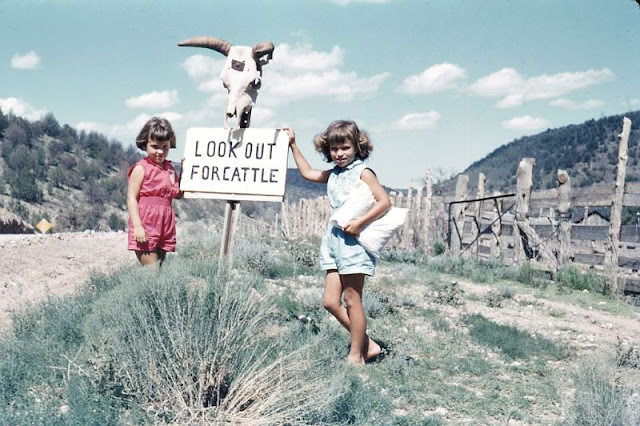
After World War II ended, the U.S. economy surged. Factories that had built warships and bombers switched to making washing machines and refrigerators. Returning soldiers used GI Bill benefits to buy homes in newly built suburbs. Developers scraped farmland flat and laid out street after identical street of ranch houses. Families moved in by the thousands. A house with a lawn, a car in the driveway, and a television in the living room became the standard picture of success.
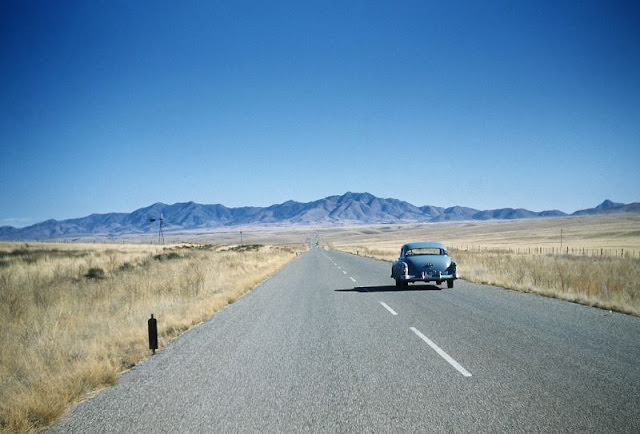
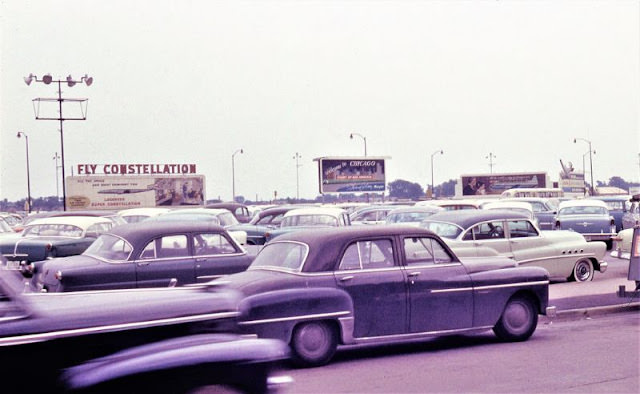
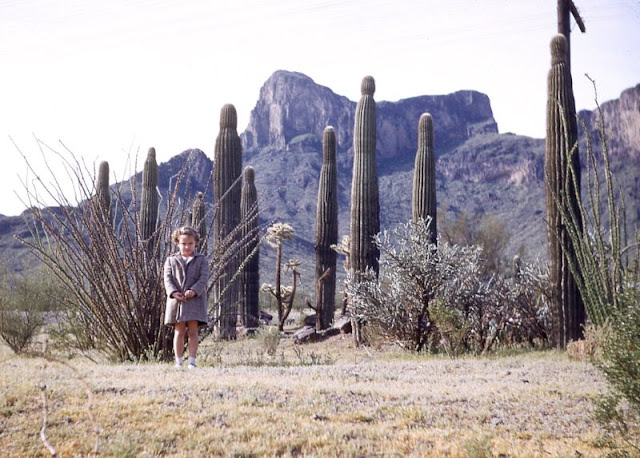
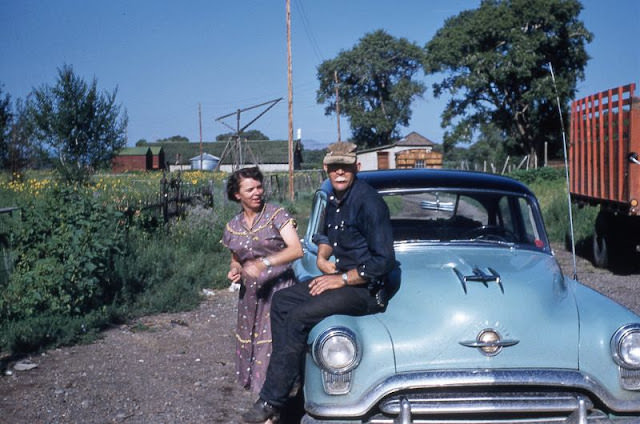
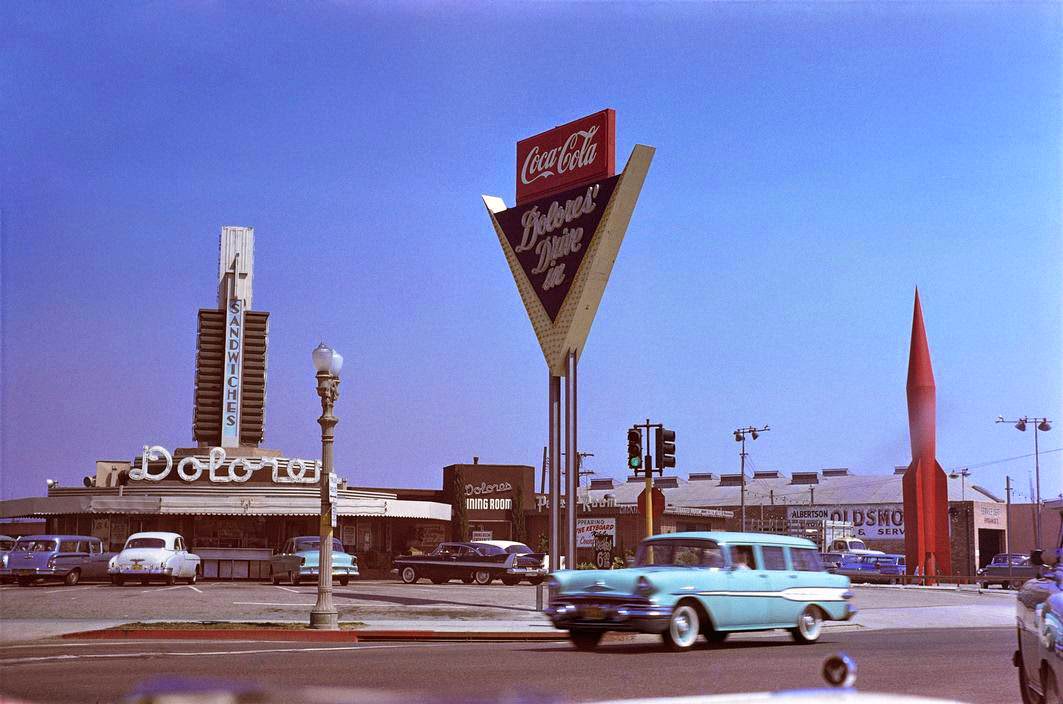
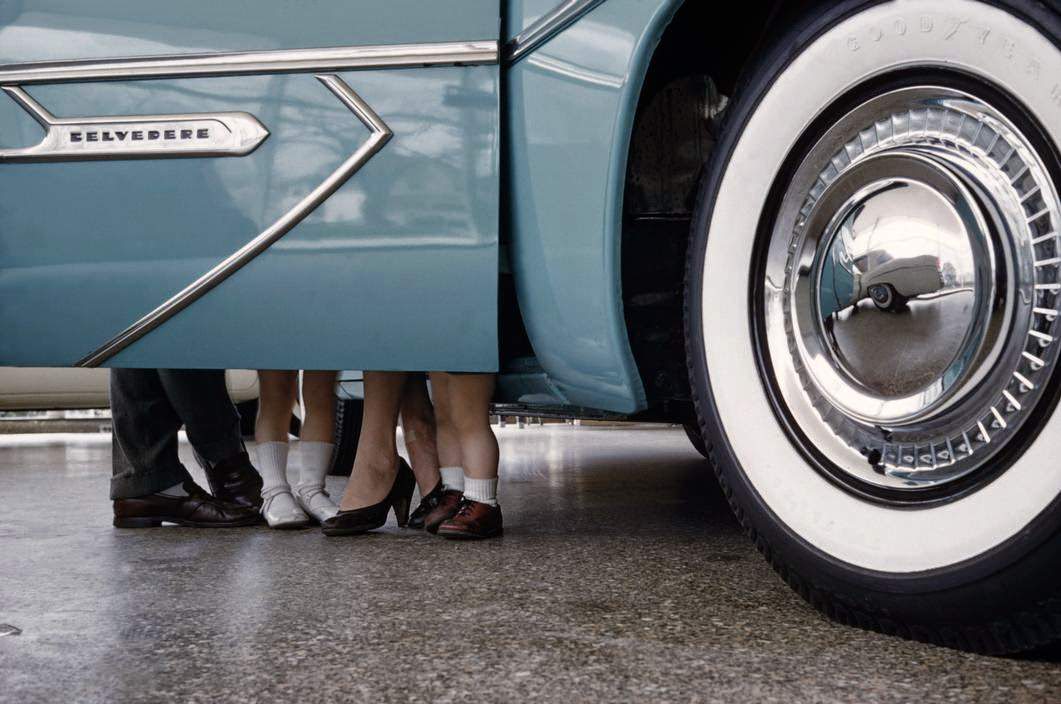
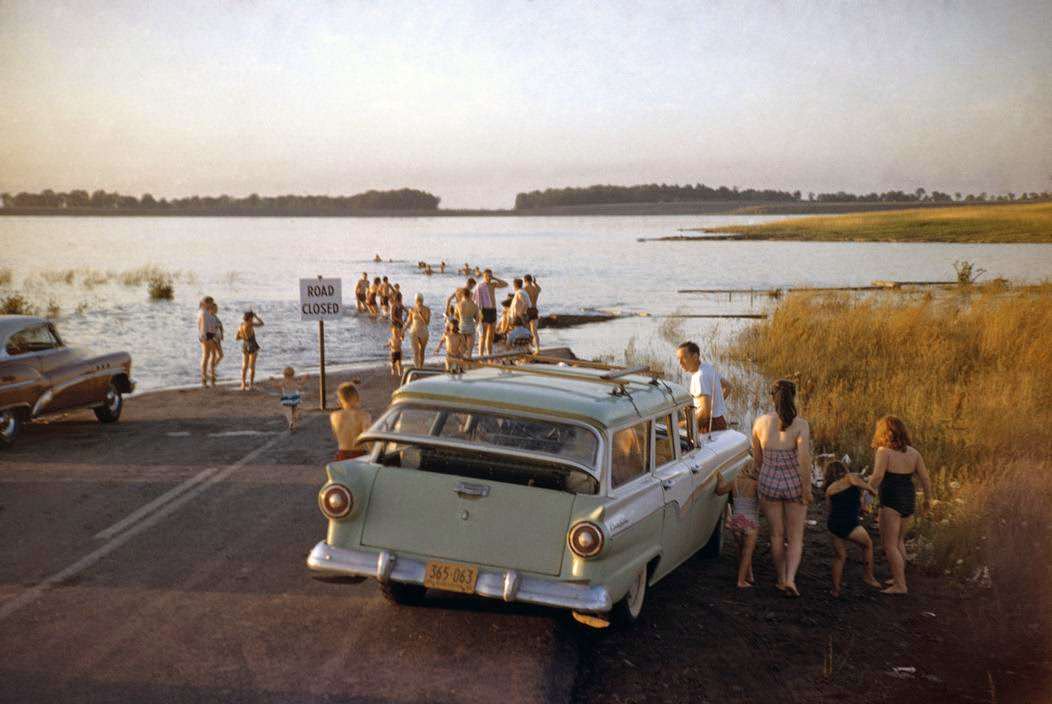
The car was central to 1950s life. Detroit’s automakers competed to produce the flashiest, most powerful vehicles on the market — chrome bumpers, tail fins, two-tone paint jobs. With the federal highway system expanding rapidly across the country, families loaded up their Oldsmobiles, Fords, and Buicks and hit the open road. The American road trip became a ritual, stretching from the desert highways of Arizona to the green lanes of the Pacific Northwest.
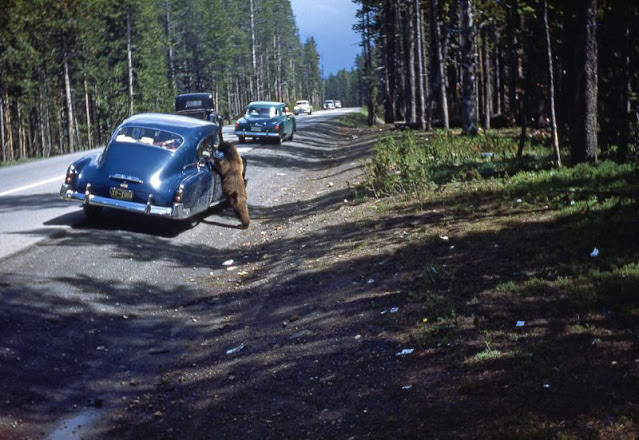
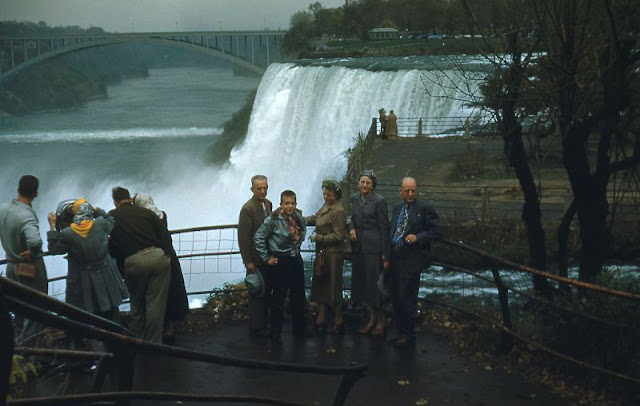
National parks drew millions of visitors every year. Yellowstone, Yosemite, and Niagara Falls became must-see stops on the family vacation circuit. Fathers packed coolers, mothers folded road maps, and children pressed their faces to the rear windows of station wagons. These weren’t just leisure trips — they were a shared national experience, a way of claiming the American landscape as something belonging to ordinary people.
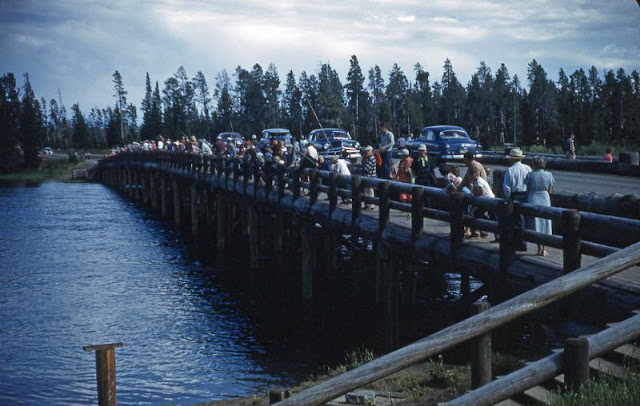
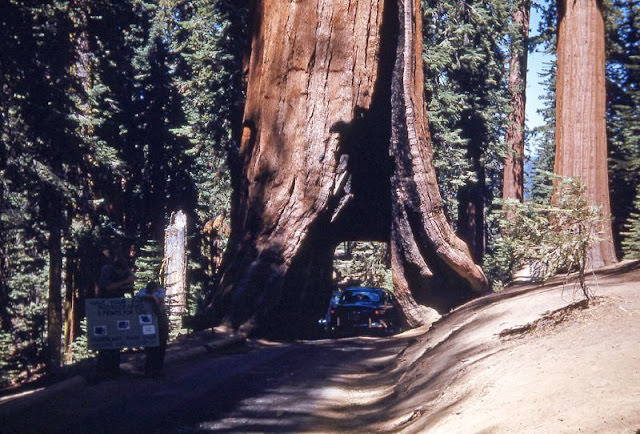
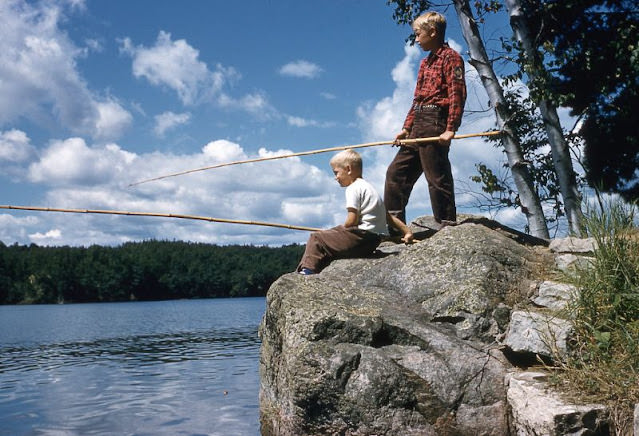
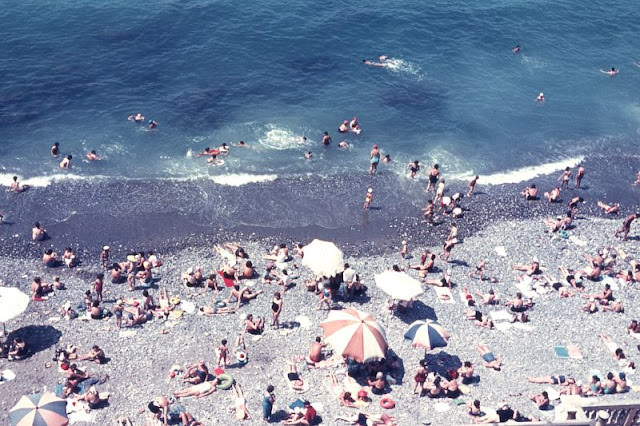
For many Americans, summer meant stepping outside. Boys fished at bridges and creek banks without much supervision. Groups of friends stretched out in fields or on beaches. Leisure was simple and local. Few families had the money for overseas vacations, but they didn’t feel the lack of it — there was plenty of country to explore without crossing an ocean.
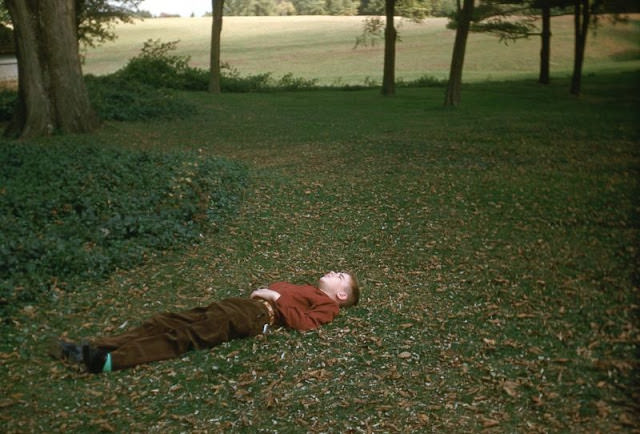
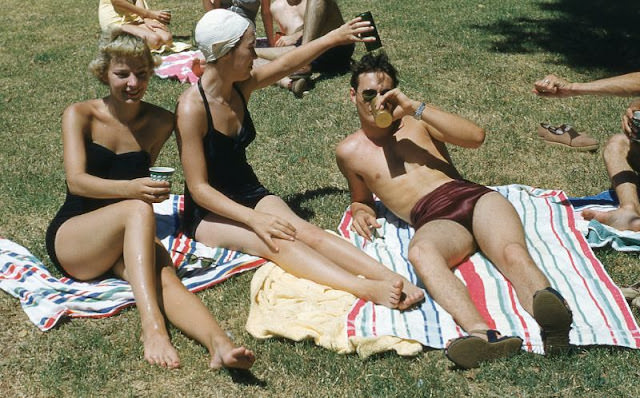
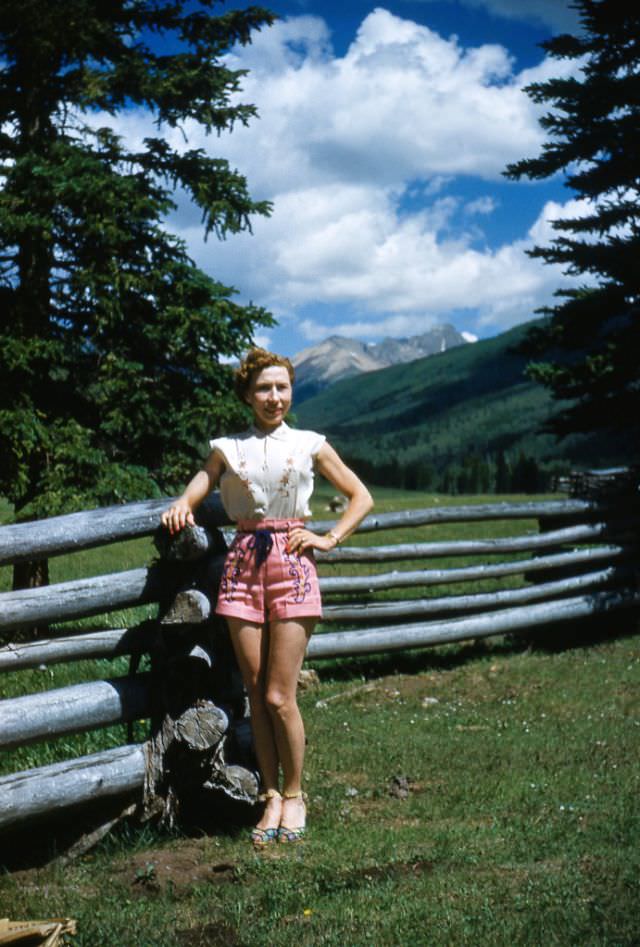
Fashion in the 1950s had a clear set of rules. Women wore full skirts, cinched waists, and nylon stockings. The poodle skirt — a felt circle skirt with a poodle appliqué — became the decade’s most recognizable clothing item. Men kept their hair slicked back and their shirts tucked in. Ready-to-wear clothing had made fashion affordable for working-class families, so even a factory worker’s wife could dress like the women in the magazine ads.
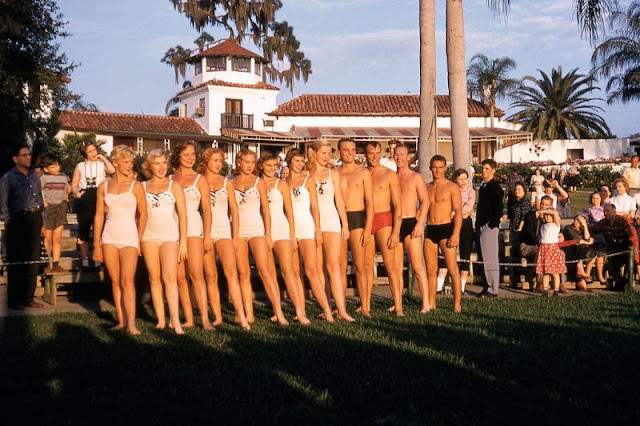
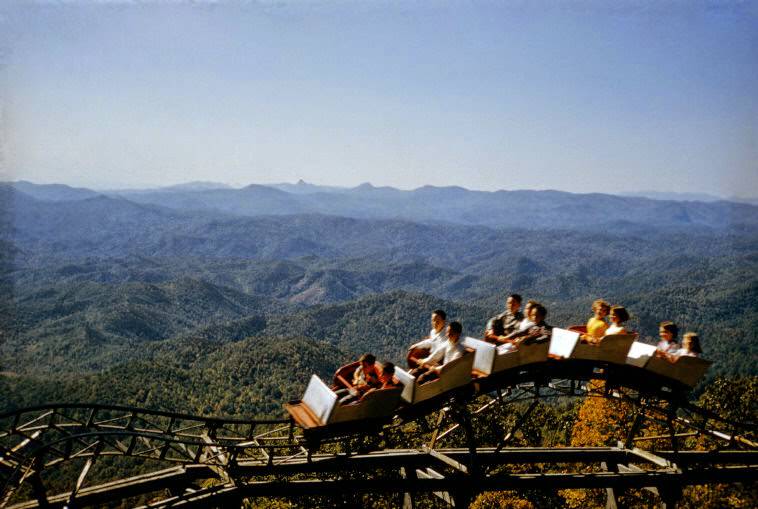
Entertainment came in many forms. Drive-in movie theaters lined the outskirts of towns across America. Soda fountains inside drugstores served as social hubs for teenagers. Amusement parks and water shows drew weekend crowds. And television, still a novelty at the decade’s start, had become a fixture in most living rooms by 1955. Families gathered around the set in the evenings the same way earlier generations had gathered around the radio.
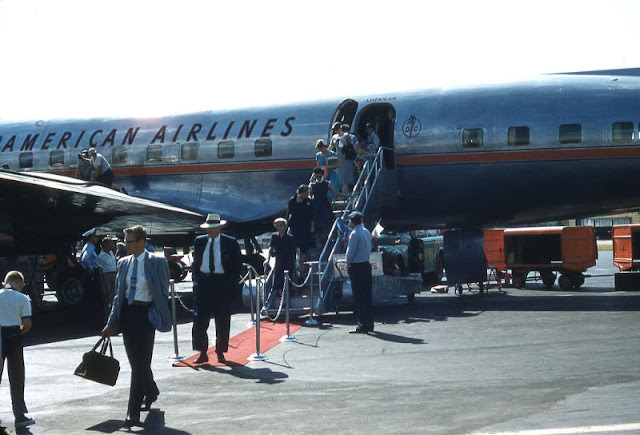
The postwar years also brought a boom in air travel. Commercial aviation was expanding fast, with carriers like American Airlines adding new routes and new passengers. Airports were modernizing, and flying — once the exclusive domain of the wealthy — was becoming available to more Americans. Still, it carried a sense of occasion. Passengers dressed up for flights. Arriving at an airport felt like an event.
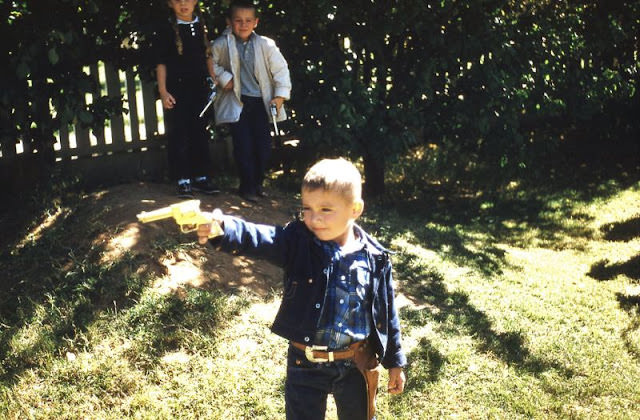
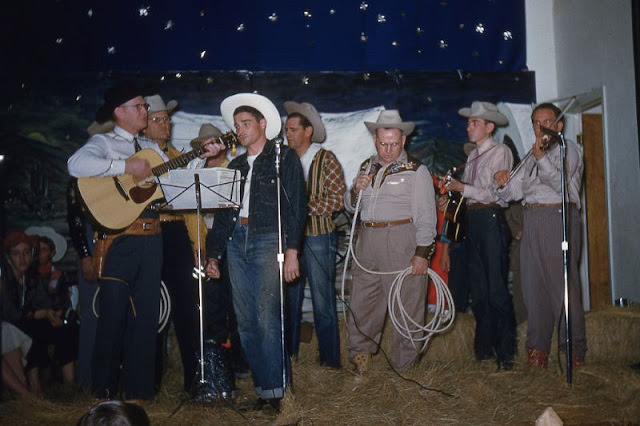
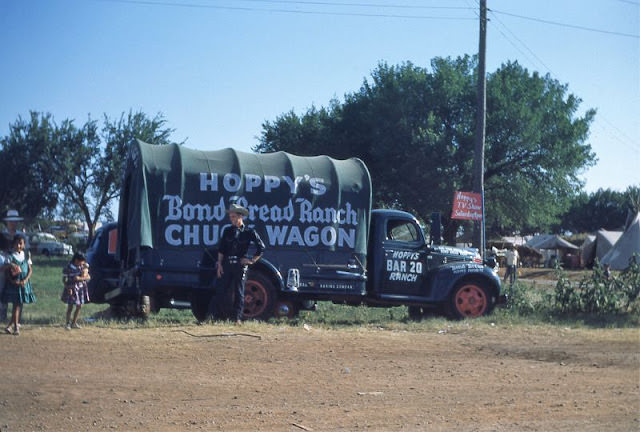
Children in the 1950s had a different kind of childhood than what came before or after. They played outdoors for hours without adult supervision. Cowboys and Western heroes like Roy Rogers and Hopalong Cassidy dominated television programming, and kids brought those characters into their backyards with toy guns and matching shirts. The Western was everywhere — on TV, at the movies, and at promotional events staged by companies eager to capitalize on the craze.
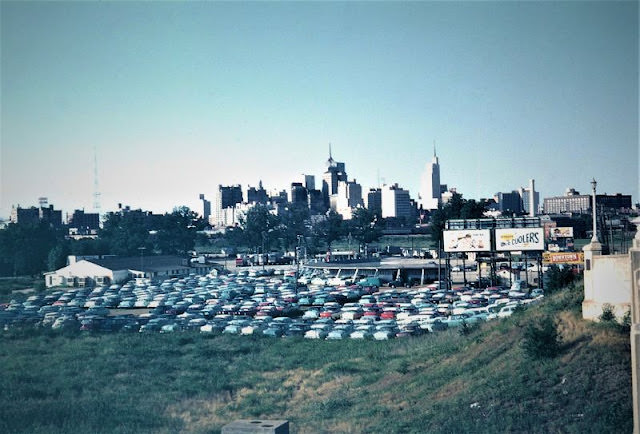
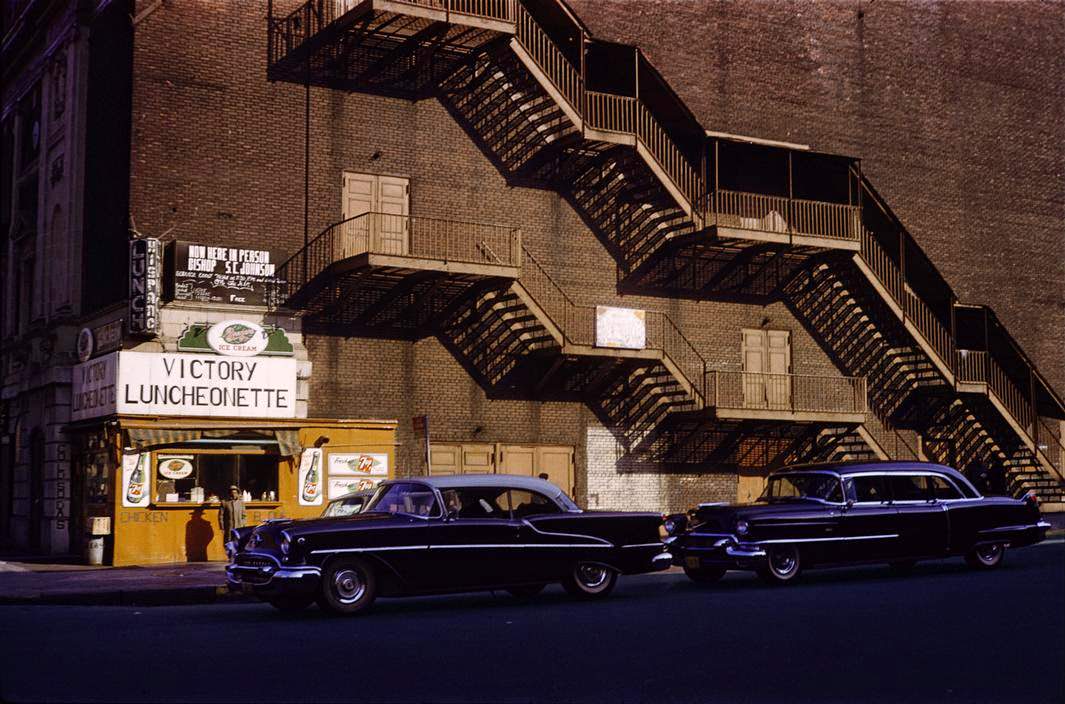
American cities were growing and changing in the 1950s. Dallas, Chicago, and New York all saw significant development. Skylines climbed higher. Highways sliced through old neighborhoods. Urban populations started shifting as white middle-class families moved to the suburbs, leaving behind cities that were slowly being reshaped — economically, racially, and architecturally. The Civil Rights Movement was gaining momentum during this same period, challenging the racial segregation that was written into law across the South and embedded by custom in the North.
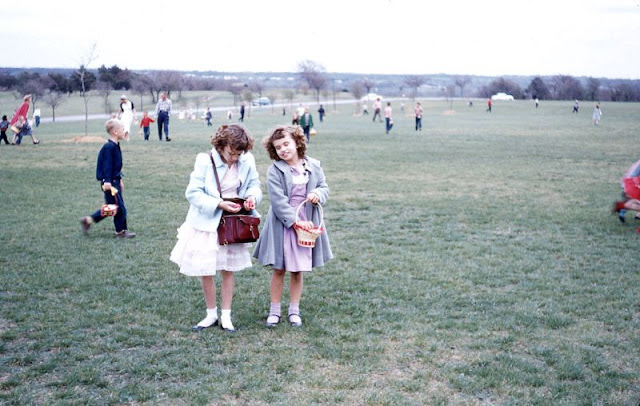
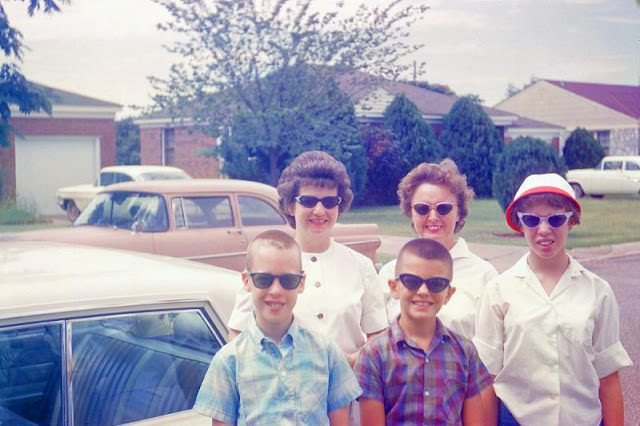
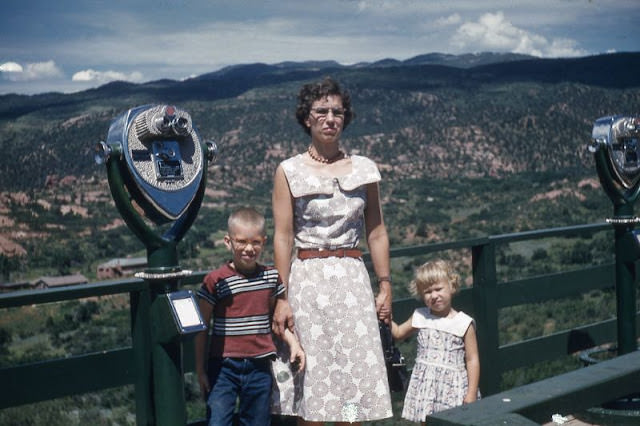
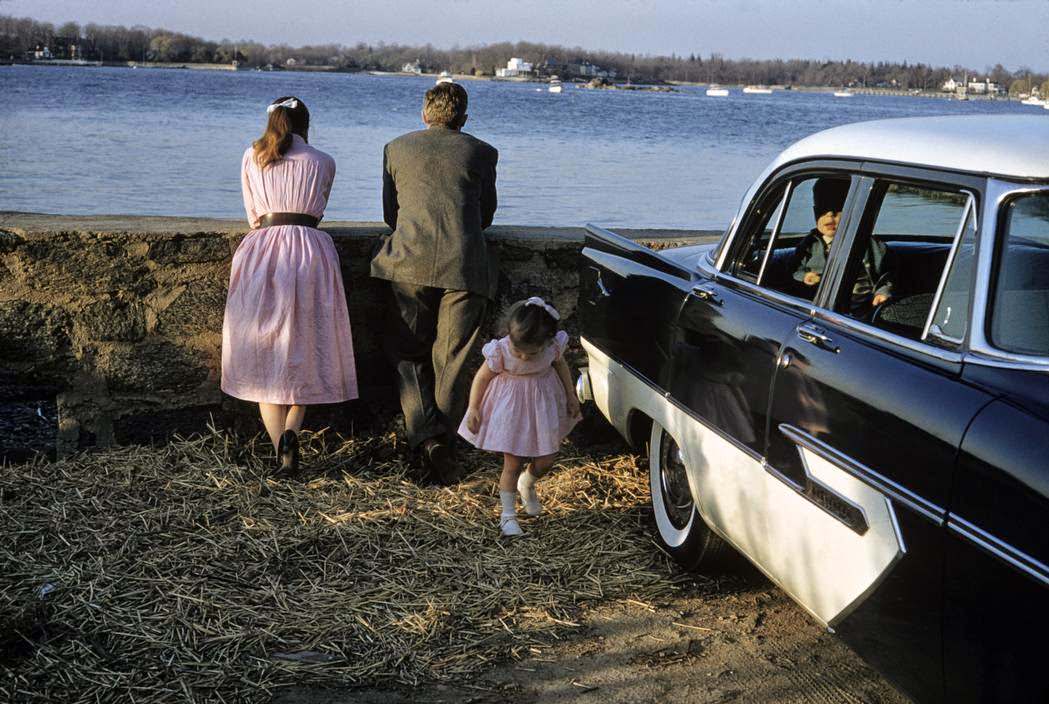
Family life revolved around shared rituals. Easter egg hunts, holiday meals, weekend drives, and church attendance were woven into the fabric of the week. Families posed for photographs at every opportunity — in front of the new car, at the scenic overlook, on the front porch. These photographs weren’t just mementos. They were proof of a life lived the right way, at least by the standards of the era.
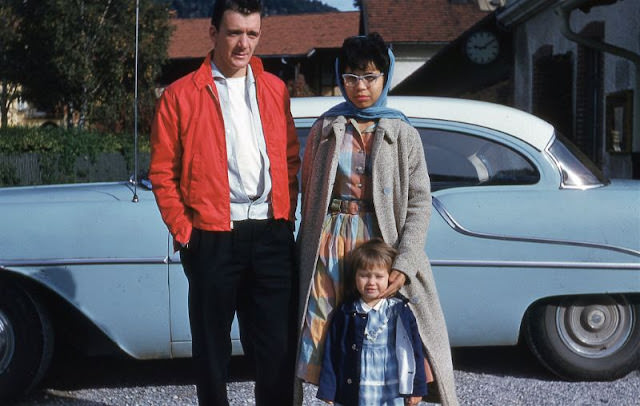
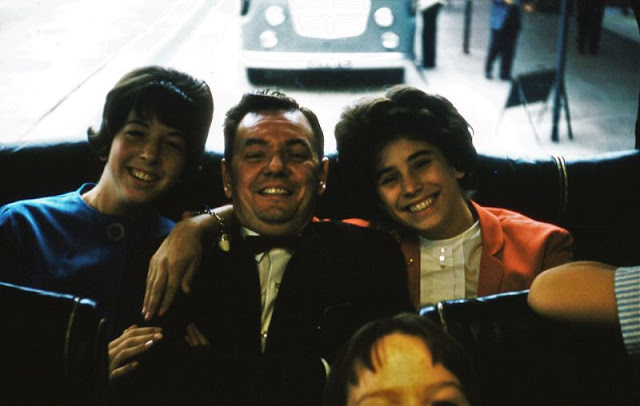
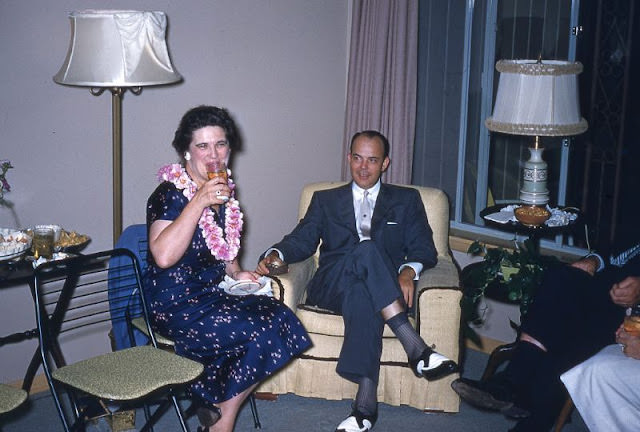
Humor and playfulness were never far away. Couples clowned around on vacation. Friends piled into cars and made faces at the camera. Social gatherings filled living rooms with laughter. There was a lightness to these moments that the photographs preserve well — a sense that people knew, even then, that life was good and worth recording.
The 1950s kitchen was a point of pride. New appliances — electric ranges, modern refrigerators, automatic toasters — filled the spaces of suburban homes. Advertising told women that domestic life was fulfilling, and many embraced it genuinely. But by the end of the decade, more women were questioning whether the kitchen was the limit of their ambitions. The feminist movement that would define the 1960s was already forming in the frustrations of the 1950s.

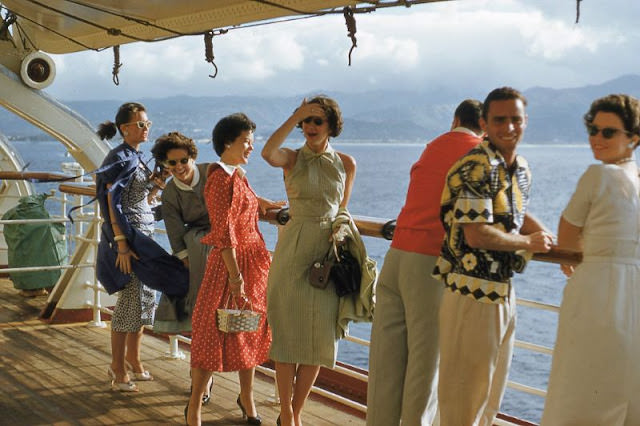
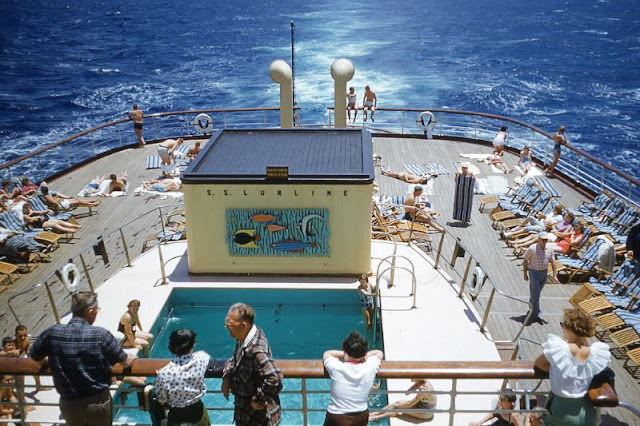
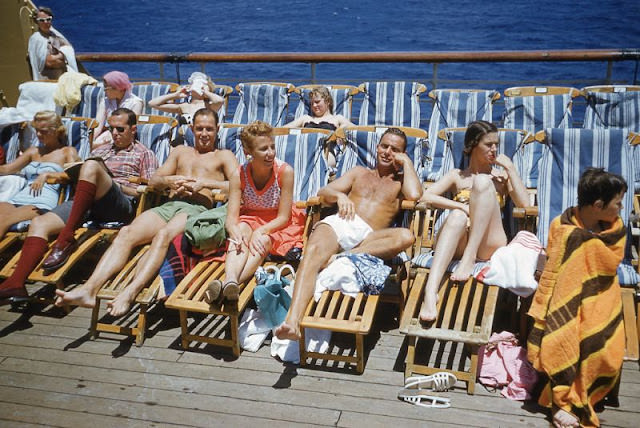
The decade’s prosperity also made travel a possibility for more people than ever. Cruise ships crossed the Atlantic and Pacific carrying tourists to Europe, Hawaii, and beyond. The S.S. Lurline, for example, carried passengers between California and Hawaii regularly. Sundecks were crowded, shuffleboard courts were busy, and evenings meant dancing in the ship’s ballroom. For the passengers on these voyages, it felt like the good life had finally arrived.
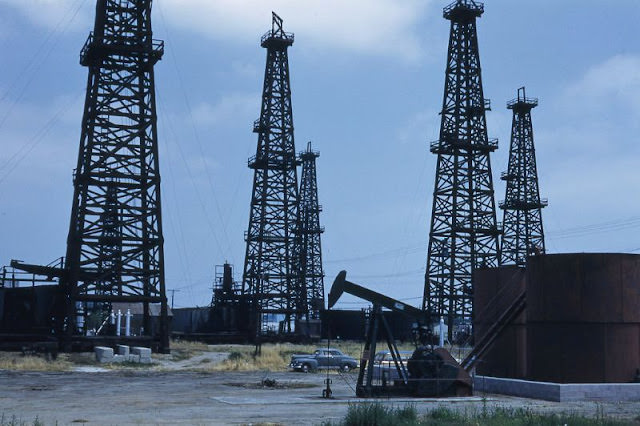
Oil powered it all. The wells of Texas and Oklahoma fed the refineries that produced the gasoline filling tanks from California to New York. The American economy ran on fossil fuels, and no one questioned whether that would last forever. The country had oil, it had highways, and it had cars — the combination felt permanent.
Youth culture was shifting fast by the mid-1950s. Rock ‘n’ roll arrived like a thunderclap. Elvis Presley, Chuck Berry, and Little Richard gave teenagers music that belonged entirely to them — loud, physical, and deeply rooted in Black American musical traditions. Parents found it alarming. Teenagers found it liberating. The teenager, as a distinct cultural category, was essentially a 1950s invention, and the music they claimed as their own defined the decade’s rebellious edge.
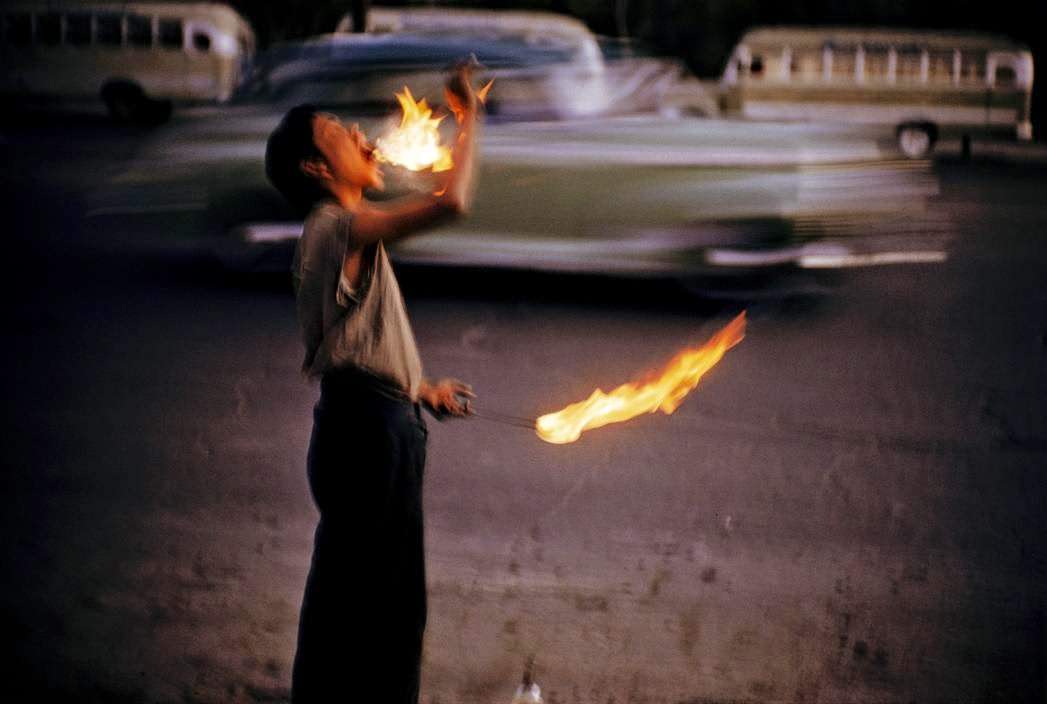
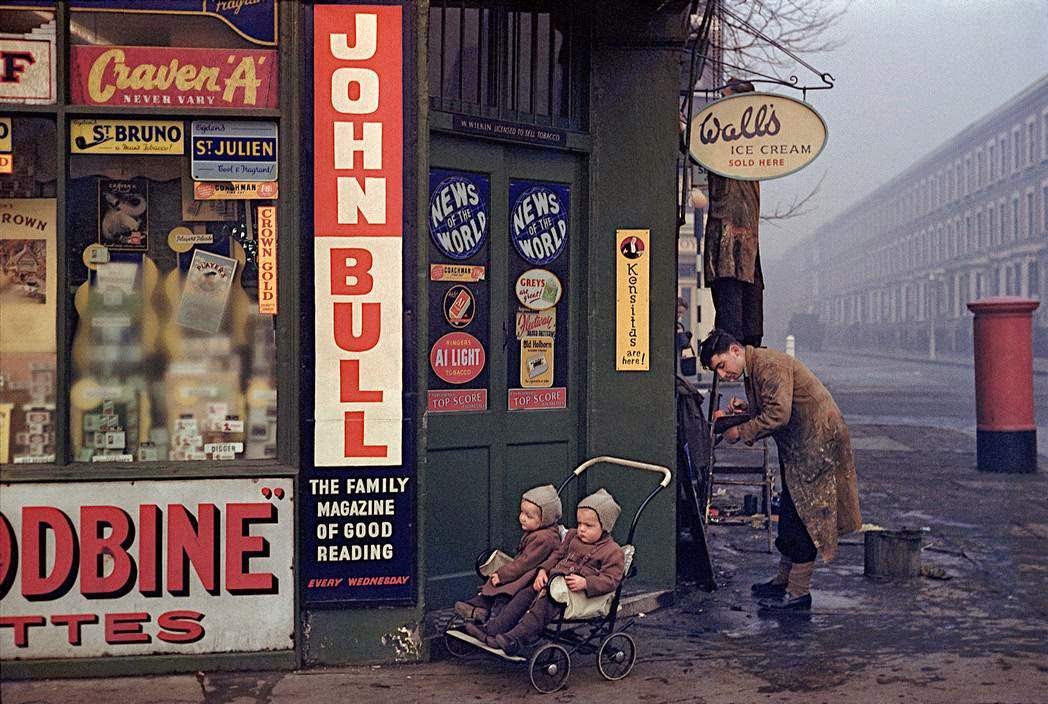
While Americans road-tripped and sunbathed, the rest of the world was also moving through a period of major change. London was still rebuilding from wartime bombing. Spain under Franco held its festivals and bullfights under authoritarian rule. Havana in 1959 was on the edge of revolution. Kenya was navigating the end of British colonial rule. These photographs from outside the United States show a world that was restless in its own ways, each country carrying its own weight of history.
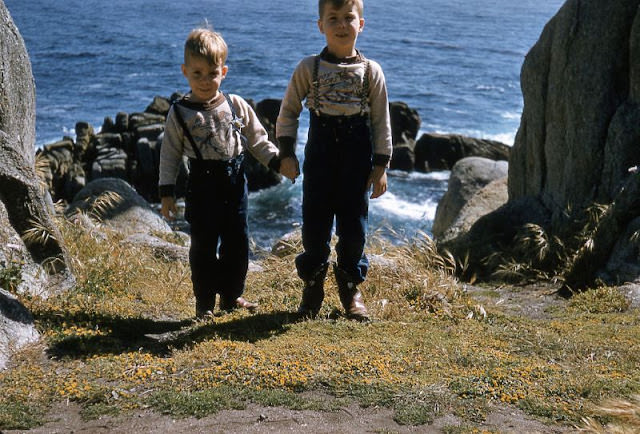
Western fashion, cowboy culture, and pop icons like Roy Rogers crossed not just state lines but oceans. Two brothers in matching Roy Rogers shirts captured in a single photograph represent how television turned local heroes into national ones. The credit card, introduced in the early 1950s, made buying easier. Sputnik launched in 1957 made the sky feel smaller. The space race between the United States and the Soviet Union began not with wonder, but with fear — each country watching the other’s rockets with suspicion.
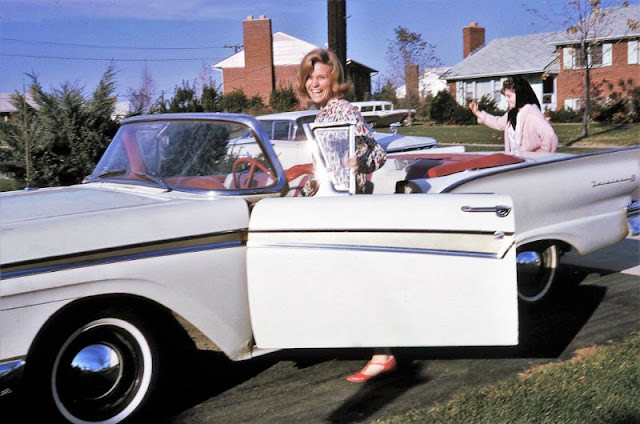
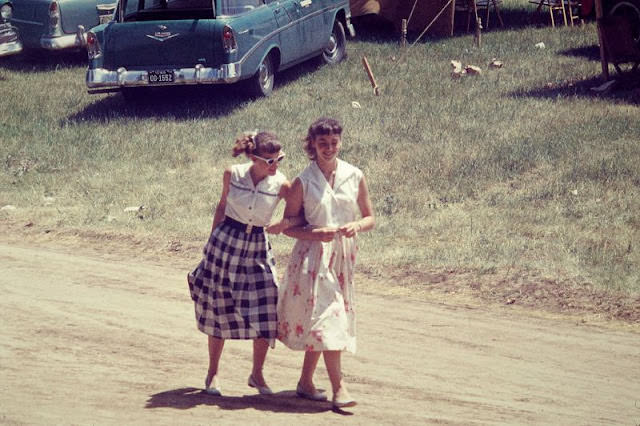
Young women in the 1950s were beginning to stretch the boundaries of what was expected of them, even if those boundaries hadn’t formally moved yet. They went to the beach, drove convertibles, walked arm in arm through town, and gathered in parks and open spaces. Their photographs show confidence and ease, even within the decade’s rigid social norms.
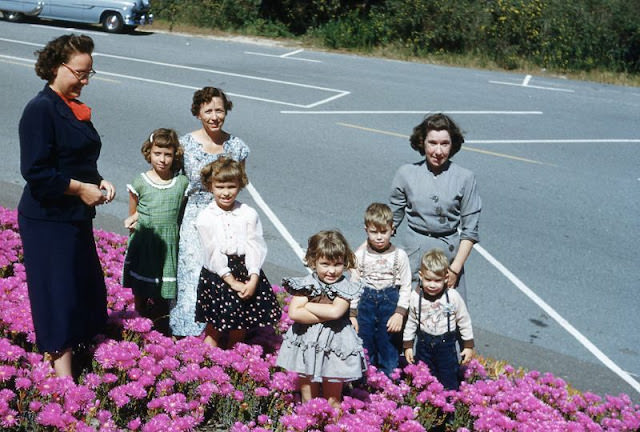
At home, life had its rhythms. A young woman relaxing on the couch. A family gathering around the dinner table. Children running through the yard. These images weren’t posed for history — they were snapped in the middle of ordinary afternoons by people who just wanted to hold onto the moment. That instinct, to stop time with a photograph, is as old as the camera itself.


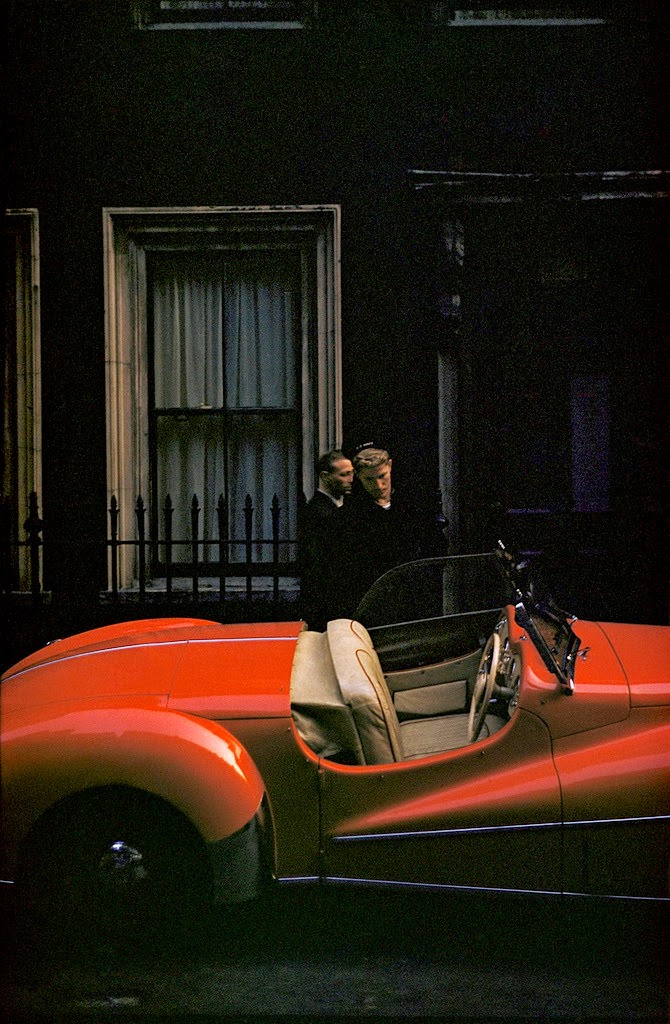
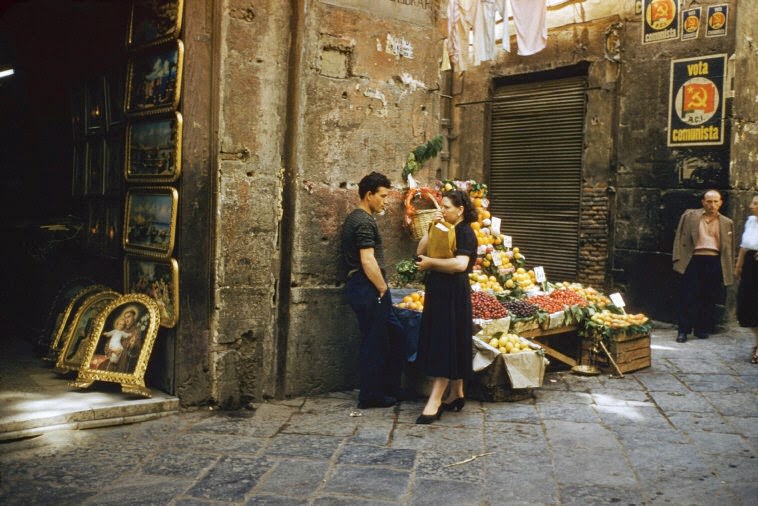
Across the Atlantic, European cities were rebuilding their identities. London in the early 1950s still carried the scars of the Blitz. Rome and Paris attracted American tourists eager to experience Old World culture. The Marshall Plan had pumped American dollars into Western Europe, and the recovery was visible — cafés filled up again, streets got repaired, and cities began to look like themselves once more.
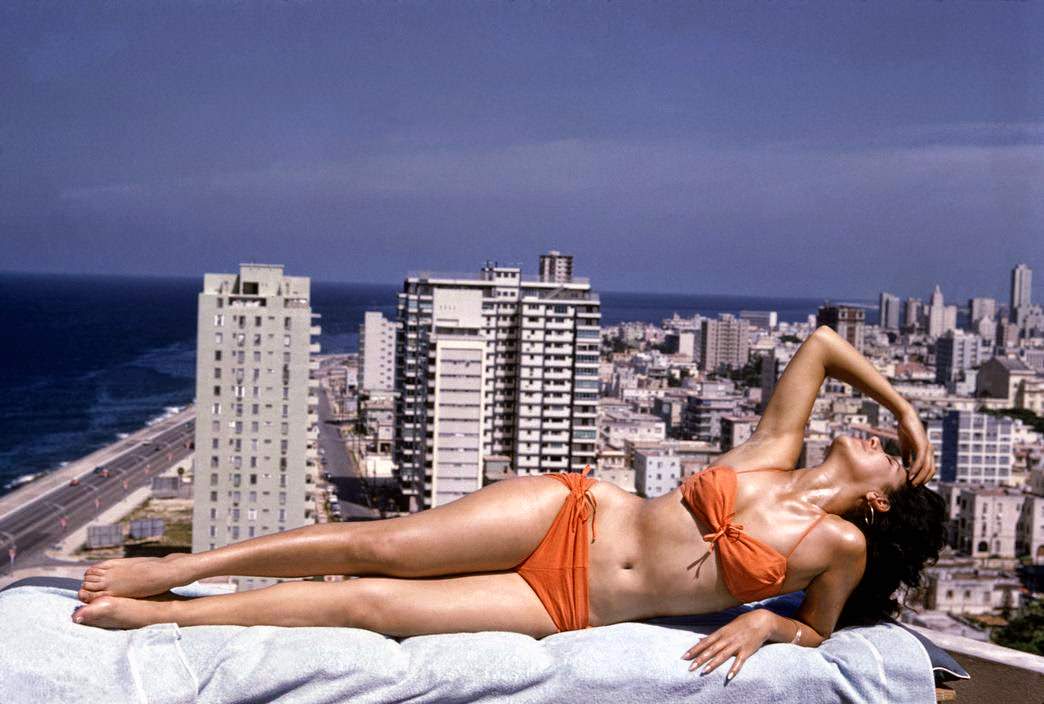
Cuba in 1959 stood at a crossroads. Havana had been a playground for American tourists through most of the decade — casinos, nightclubs, and beaches drew visitors from across the U.S. But Fidel Castro’s revolution overthrew the Batista government in January 1959, and the relationship between Cuba and the United States changed permanently. The photograph of Havana taken that year captures a city mid-transformation, its old life not yet gone but its new one already beginning.
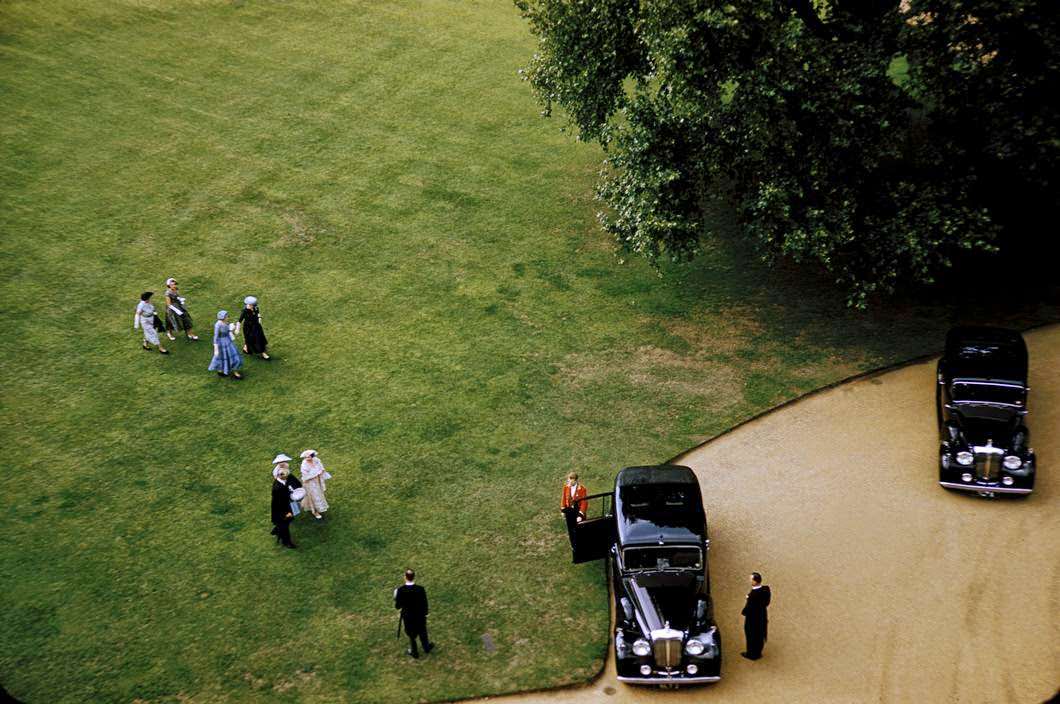
In Britain, the monarchy remained a powerful symbol of national identity. Queen Elizabeth II had been crowned in 1953, and the coronation — broadcast on television — drew enormous audiences. Garden parties at Buckingham Palace continued the tradition of royal social events, blending formality with a sense of public occasion. Across the Channel, the south of France offered a different kind of elegance — lavender fields, coastal roads, and a slower pace of life that attracted artists and tourists alike.
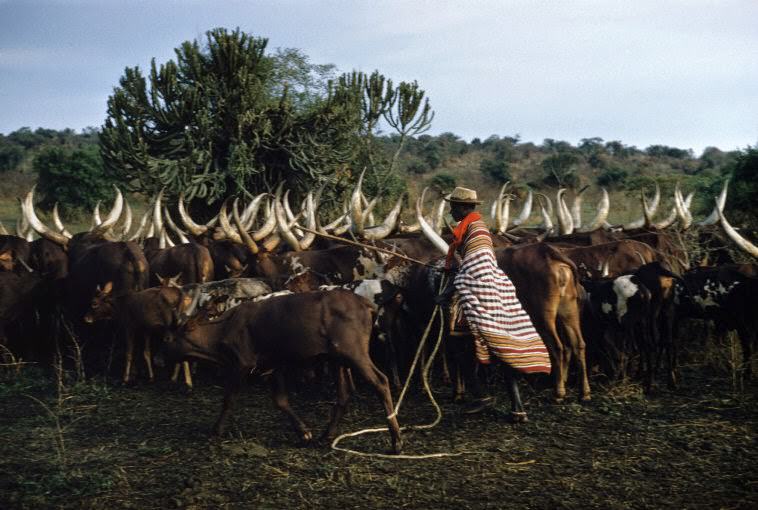
Africa in the late 1950s was beginning its long process of decolonization. Kenya had been in the grip of the Mau Mau Uprising since 1952, a violent conflict between British colonial forces and Kenyan independence fighters. By 1958, British authority was weakening and Kenyan independence — which would come in 1963 — was becoming inevitable. The wider continent was shifting: Ghana had already gained independence in 1957, and others would follow rapidly in the years ahead.
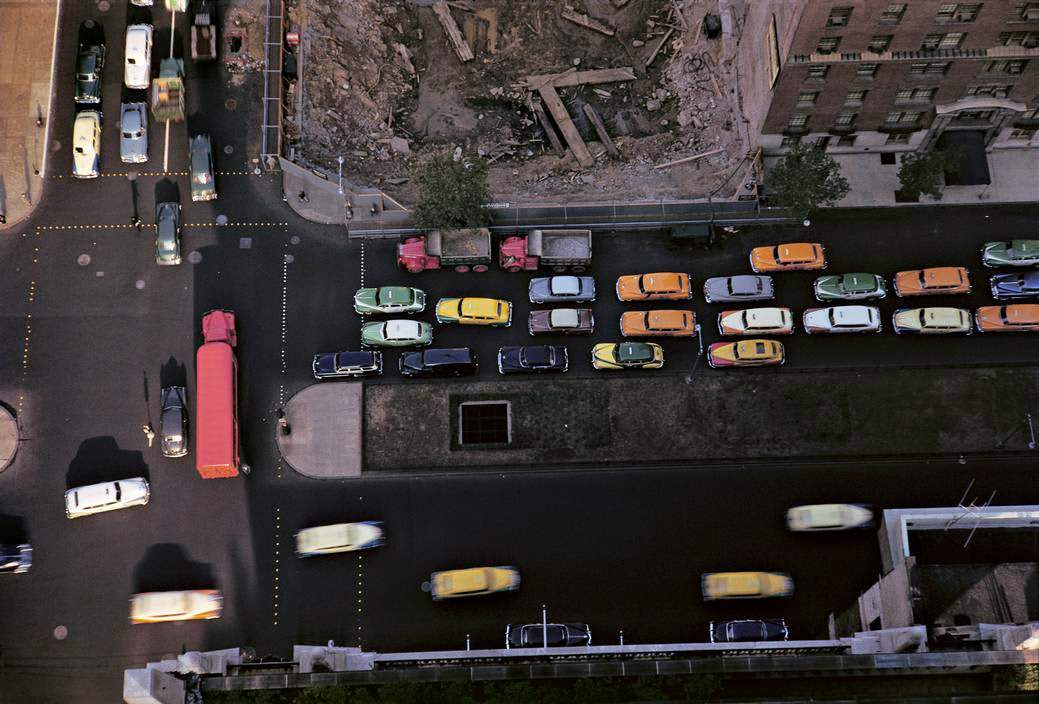
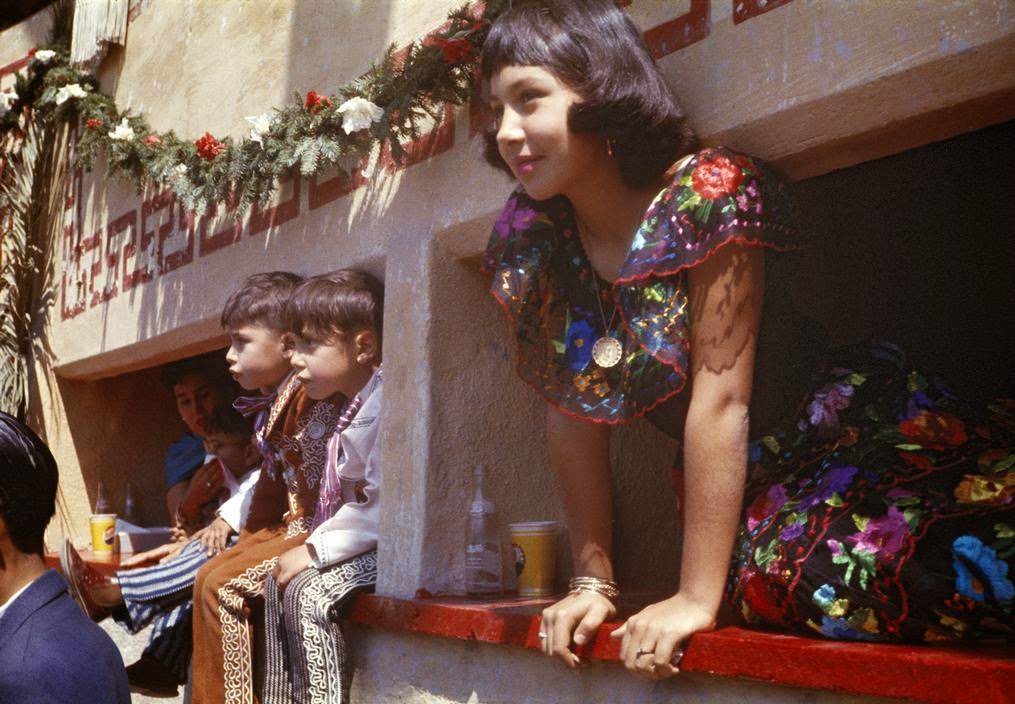
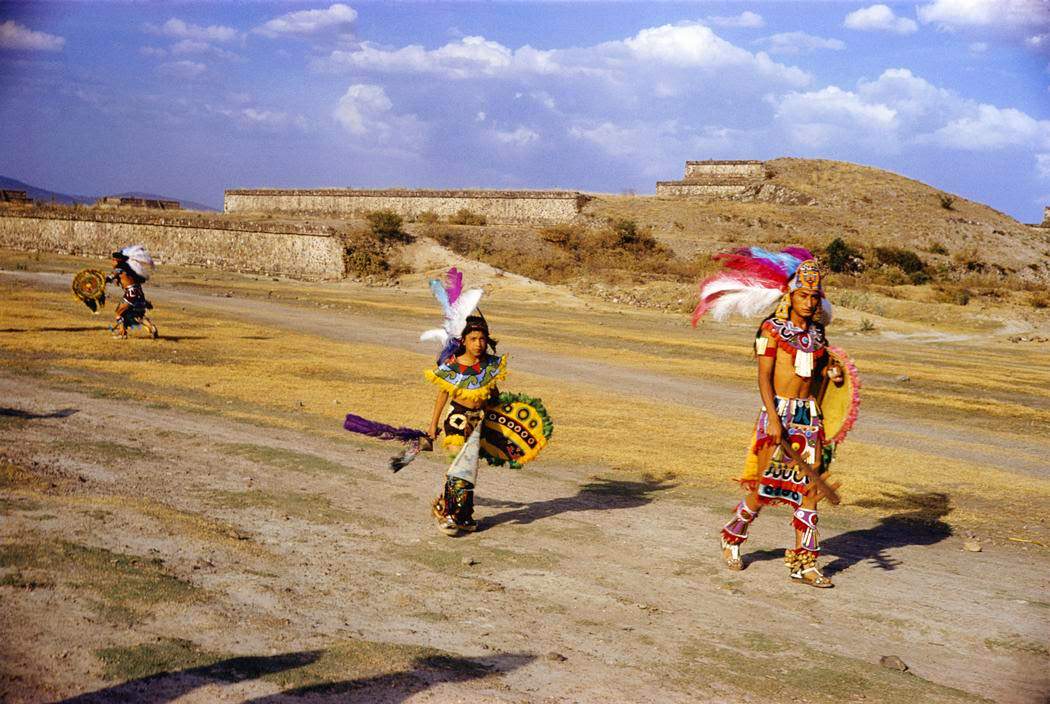
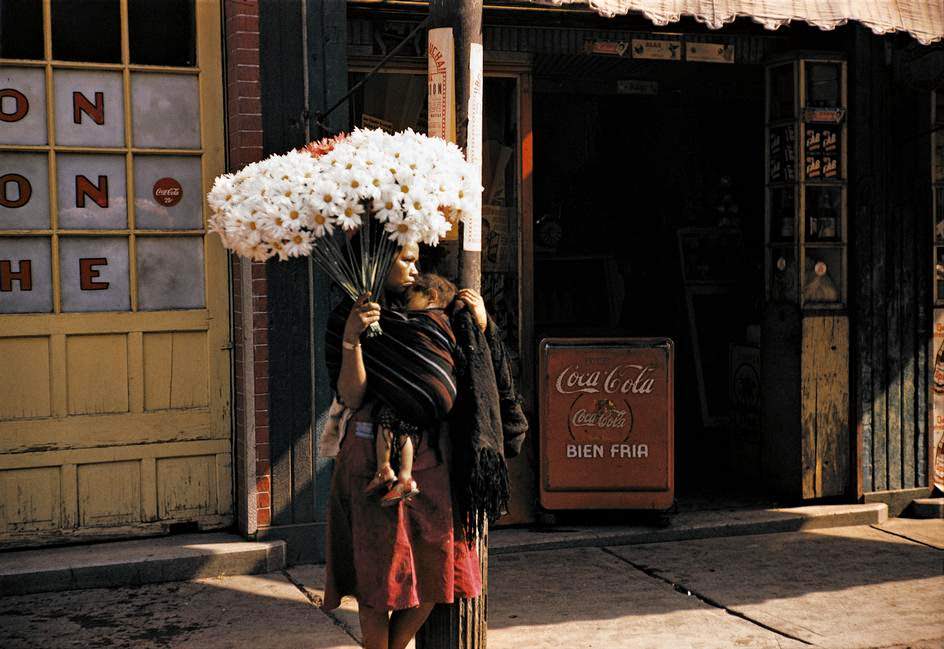
New York City in the 1950s was the cultural capital of the world. Jazz clubs in Harlem, galleries in lower Manhattan, and the theater district on Broadway all drew talent from around the globe. The city’s streets hummed with energy at every hour. Meanwhile, Mexico and its ancient sites were drawing a different kind of visitor — travelers who wanted to stand inside the pyramids at Teotihuacan or wander the markets of Mexico City, connecting with a civilization that predated Europe’s discovery of the Americas by centuries.
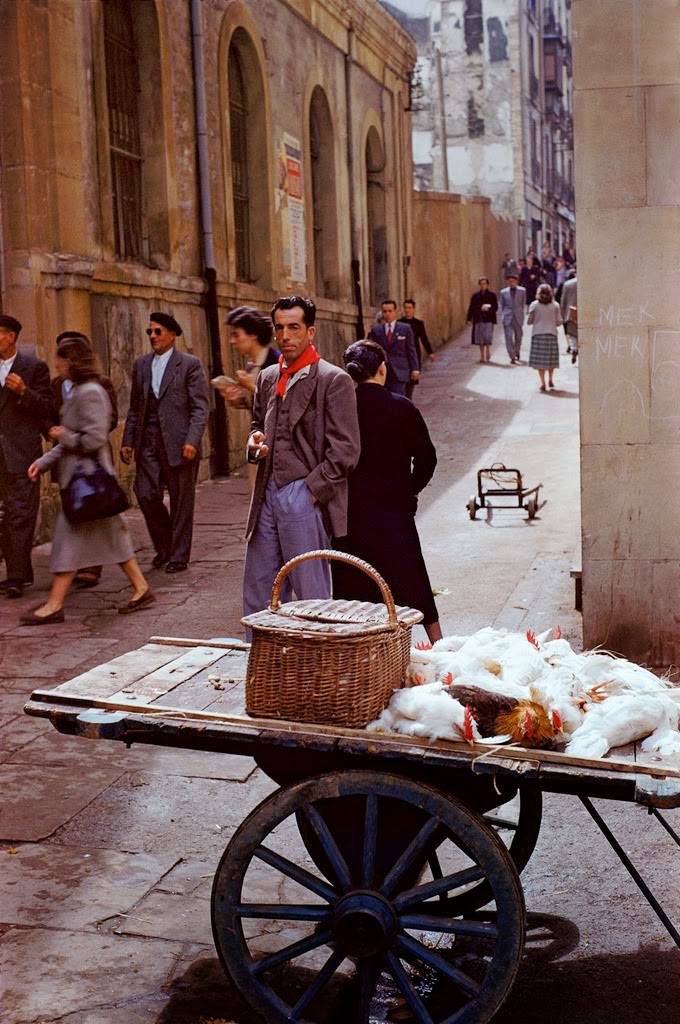
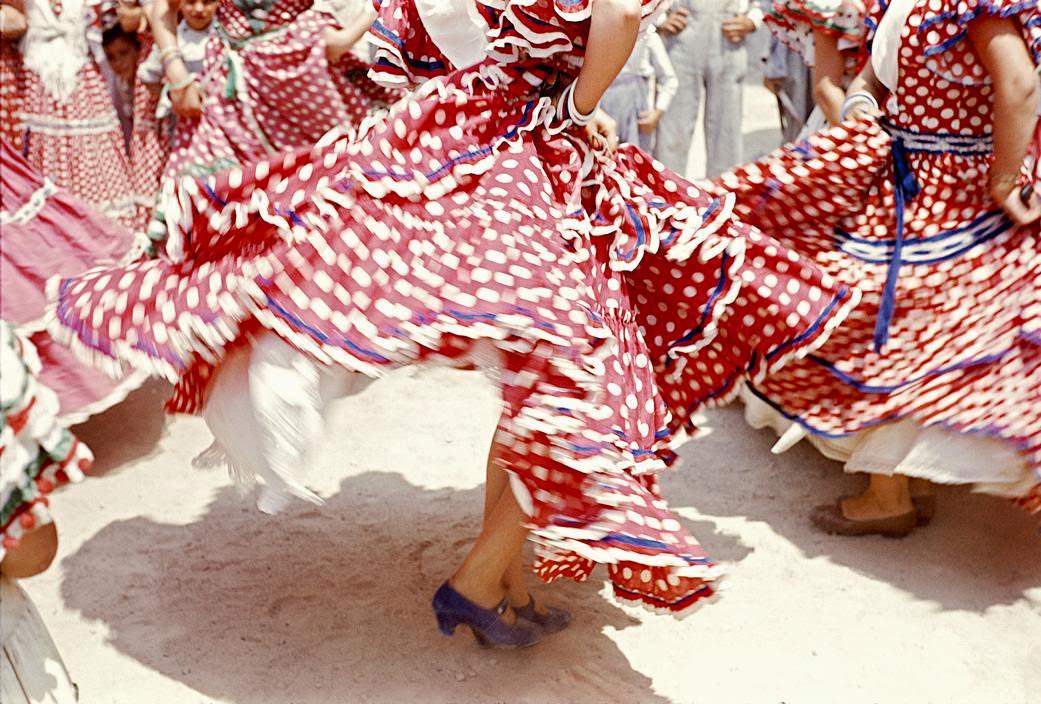
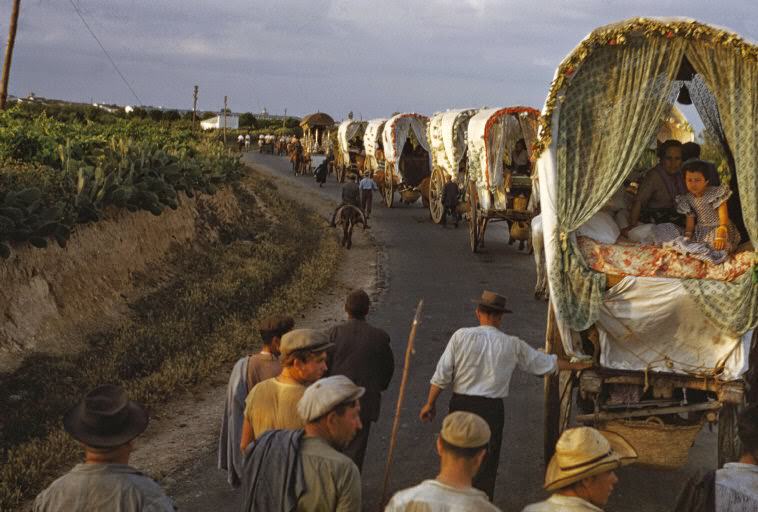
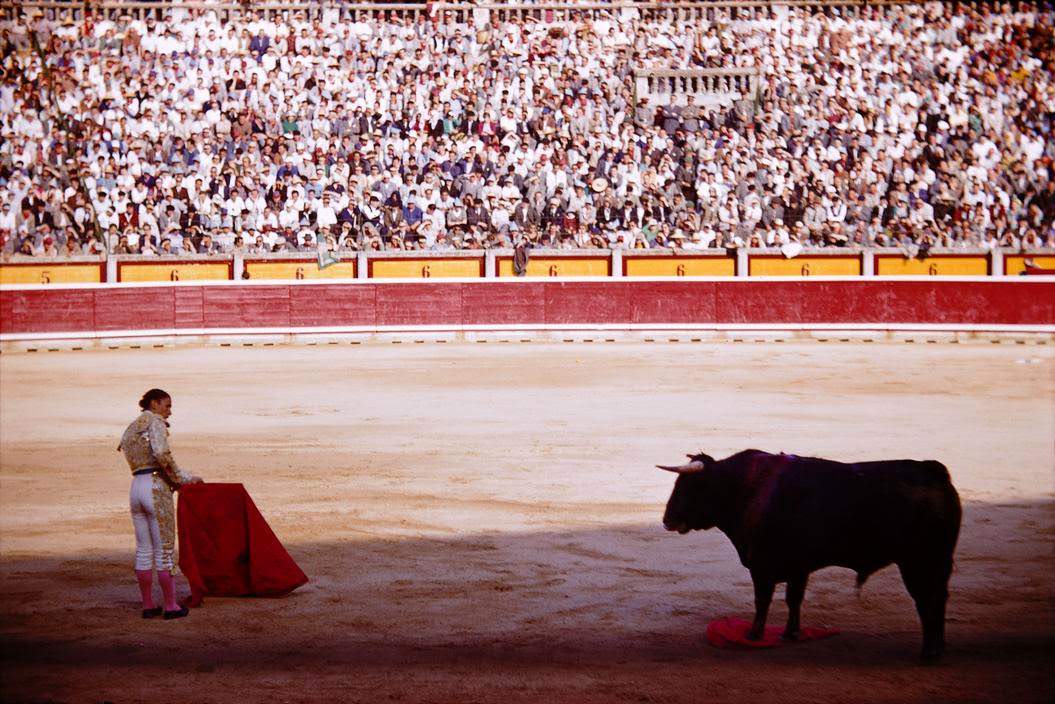
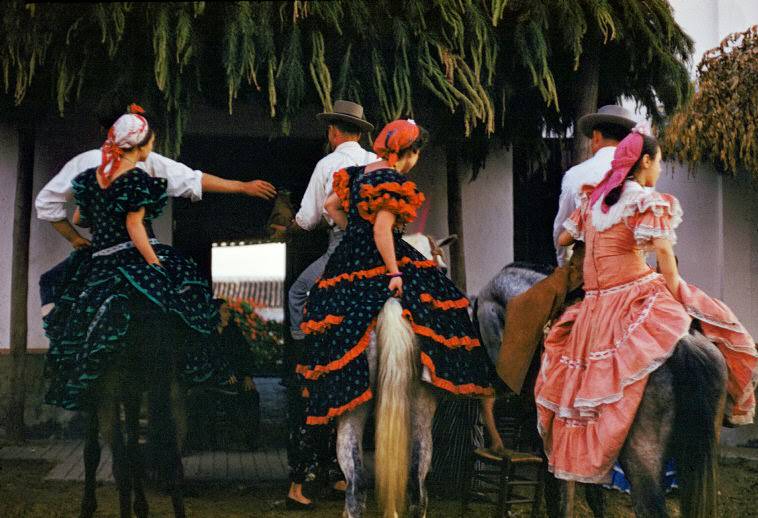
Spain’s cities carried a particular kind of life in the 1950s. Seville’s streets were full of religious processions and flamenco. The Romería del Rocío in Andalucía drew hundreds of thousands of pilgrims each spring to the shrine of the Virgin of El Rocío — a tradition that had continued for centuries and showed no sign of fading. In Pamplona, the Plaza de Toros filled for the San Fermín festival, with the running of the bulls drawing both locals and foreign visitors who had read Hemingway and wanted to see it for themselves.
Hollywood at the end of the 1950s was navigating its own upheaval. Television had eaten into movie ticket sales. The big studios were losing their grip on actors and directors. But the product coming out of Hollywood was still impressive — Ben-Hur, Some Like It Hot, and Vertigo all came out in 1957 to 1959. Stars like Marilyn Monroe and James Dean had become global icons, their faces as recognizable in Tokyo and Paris as they were in Los Angeles.
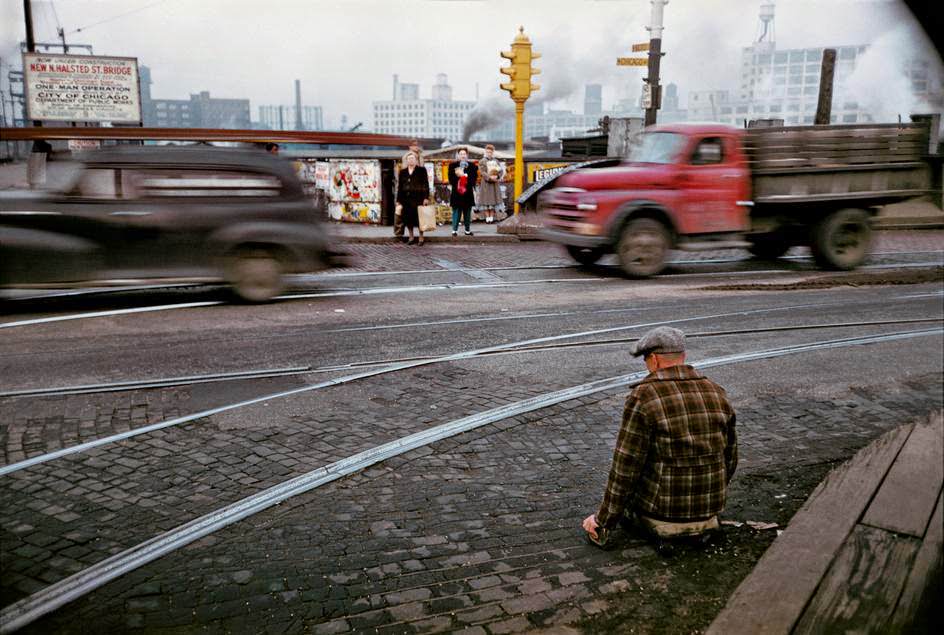
Chicago in the 1950s was a city of industry, jazz, and politics. It was also a city of racial tension. The Great Migration had brought hundreds of thousands of Black Americans north from the Jim Crow South in the decades before, and by the 1950s, Chicago’s neighborhoods were deeply segregated. Housing discrimination kept Black families out of the suburbs, confining them to overcrowded areas on the South and West Sides. The prosperity of the decade was not shared equally — that reality sat just beneath the surface of every cheerful family photograph.
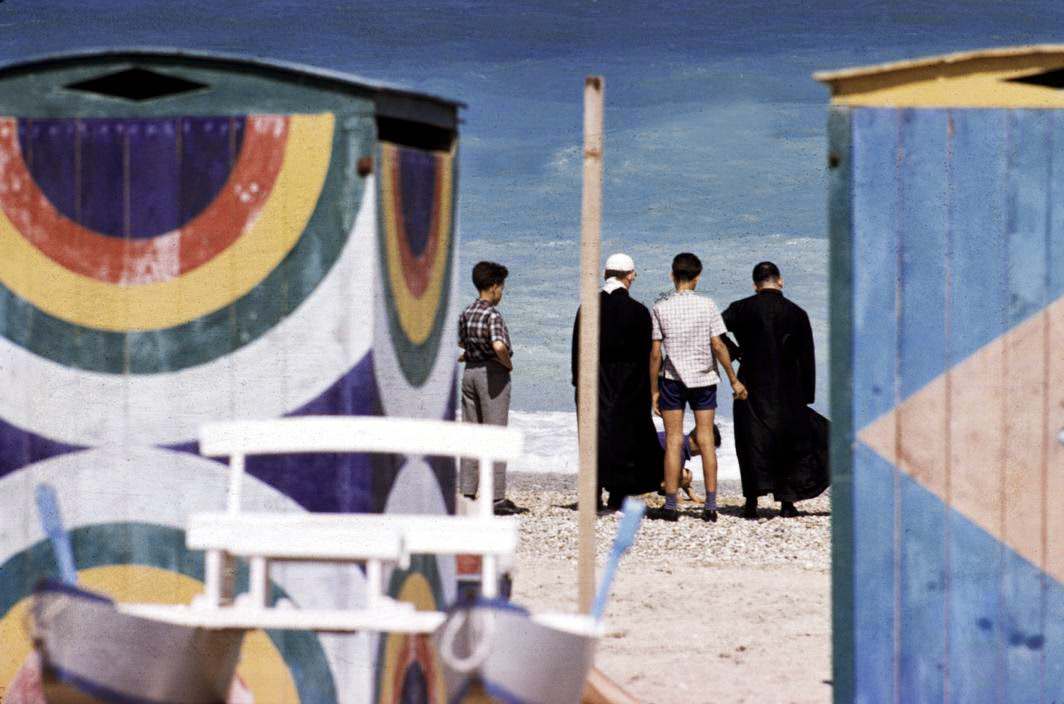
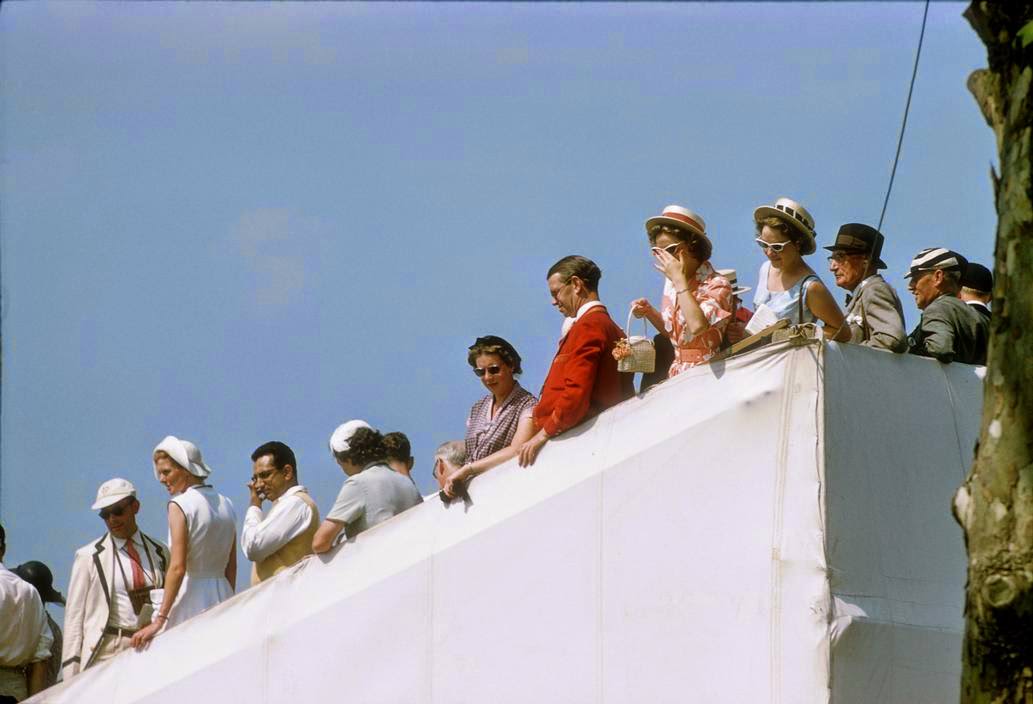
The Adriatic coast of Italy and the regatta at Henley in England represented a European leisure culture that had survived two world wars and was slowly returning to its prewar rhythms. Boats glided across calm water. Crowds gathered on riverbanks dressed for the occasion. These were scenes of a continent reasserting its capacity for ordinary pleasure after a decade and a half of devastation.
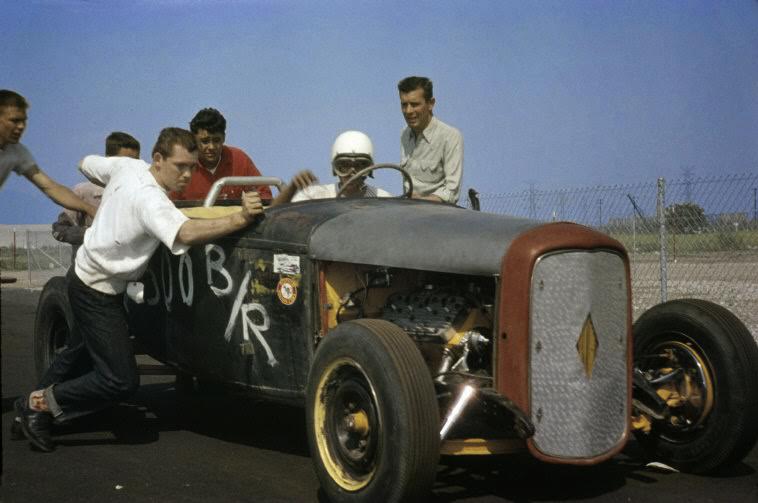
In the United States, car racing drew massive crowds. Oval tracks and drag strips were packed on weekends with fans who came to see machines pushed to their limits. Speed was a national obsession, and the cars Detroit was building — long, low, and powerful — fed it perfectly. Back in New York, the streets told a different story of American ambition: commerce, movement, and the endless churn of a city that never stopped.
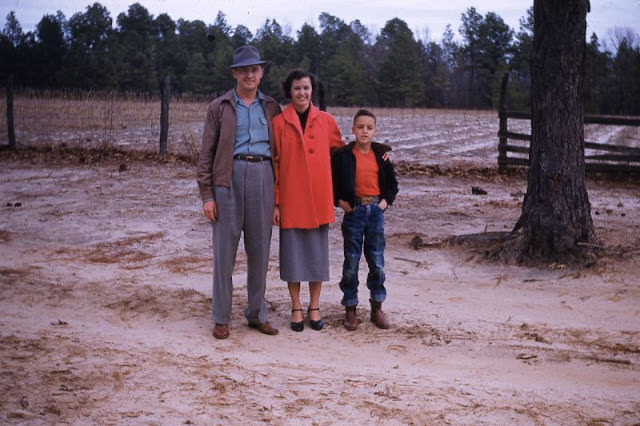
The American South in the mid-1950s was a region in open conflict with itself. North Carolina, like other Southern states, maintained racial segregation in schools, restaurants, and public spaces. The Supreme Court’s 1954 ruling in Brown v. Board of Education declared school segregation unconstitutional, but resistance from white Southern leaders was fierce and organized. The Civil Rights Movement — led by figures like Rosa Parks and Martin Luther King Jr. — was fighting not for abstract principles but for the daily dignity of Black Americans in places like North Carolina’s towns and cities.
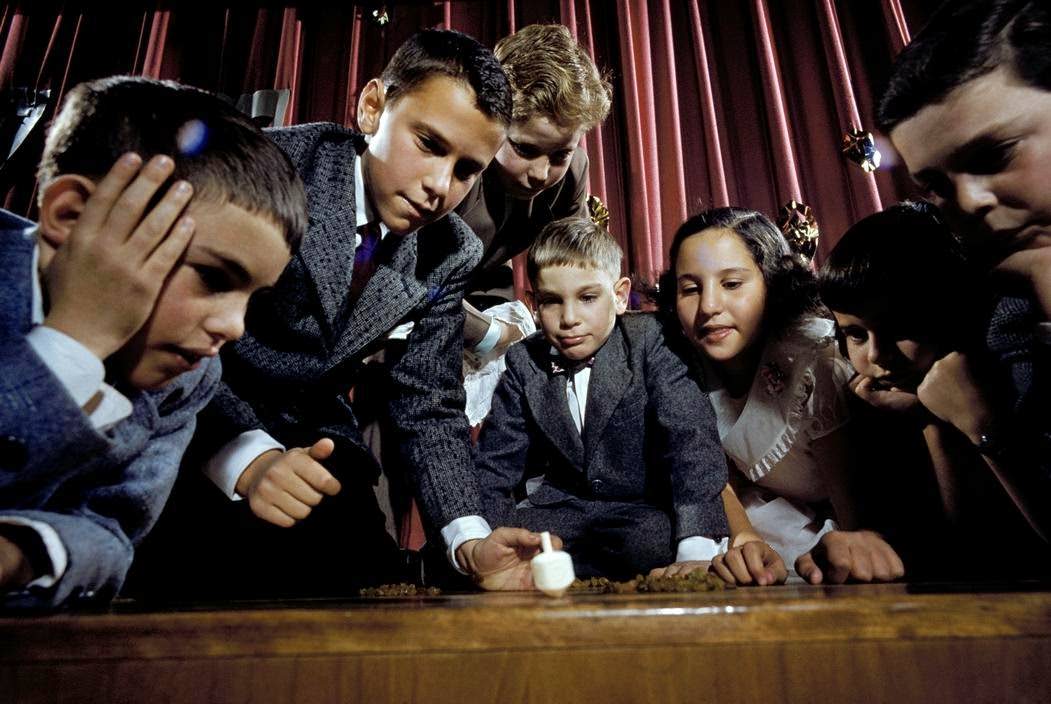
Religious and community life remained strong across the decade. Jewish families celebrated Hanukkah with the same candles and traditions their grandparents had brought from Europe. In Rome, the ancient city drew pilgrims, tourists, and artists who came to stand inside the Colosseum and walk streets that had been walked for two thousand years. Paris still held its position as the center of fashion, art, and intellectual life — its cafés were full of writers, philosophers, and painters arguing over ideas that would shape the coming decade.
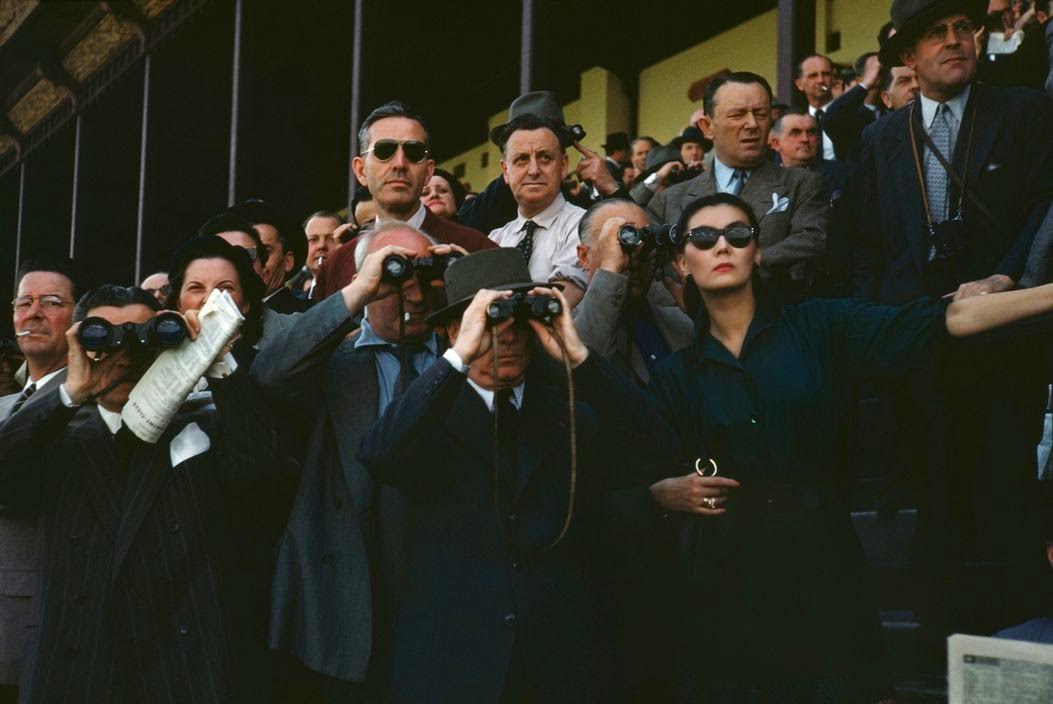
Car racing in America was more than a sport — it was a proving ground for the same engineering that built the cars in suburban driveways. Speed records fell regularly. Manufacturers used the results to sell vehicles to consumers who wanted a piece of that power, even at highway speeds. Mexico, meanwhile, offered landscapes that felt entirely different from anything in the American Midwest — volcanoes, deserts, and colonial cities that had been standing since the sixteenth century.
The bullfight at Pamplona’s Plaza de Toros drew a crowd that came not just for sport but for ritual. The corrida de toros was embedded deeply in Spanish culture, with roots going back centuries. By the 1950s, foreign tourists — Americans and British especially — were filling the stands alongside local aficionados. Spain under Franco was officially closed off from much of the democratic world, but its culture remained vivid, fierce, and entirely its own.
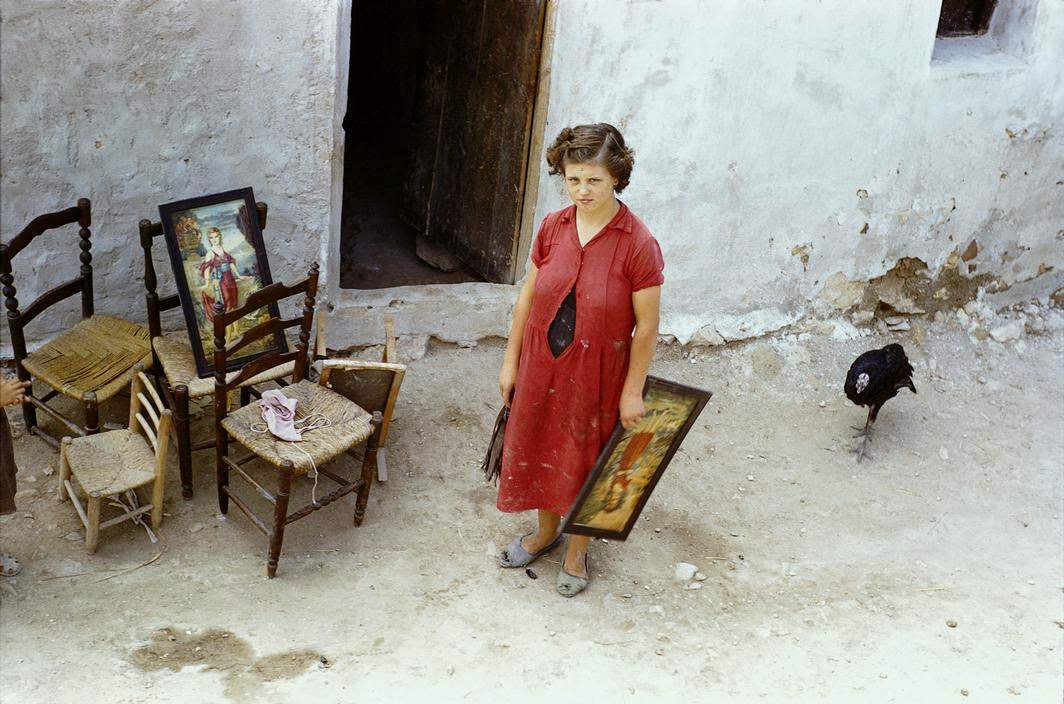
Andalucía in southern Spain moved at its own pace. Villages like Puerto Lumbreras baked under the summer sun, their whitewashed walls reflecting the heat. Life there looked nothing like the suburbs of Ohio or the boulevards of Paris, but it shared something with all the other images in this collection — people going about their lives, finding their pleasures where they could, unaware that the world was about to shift again.
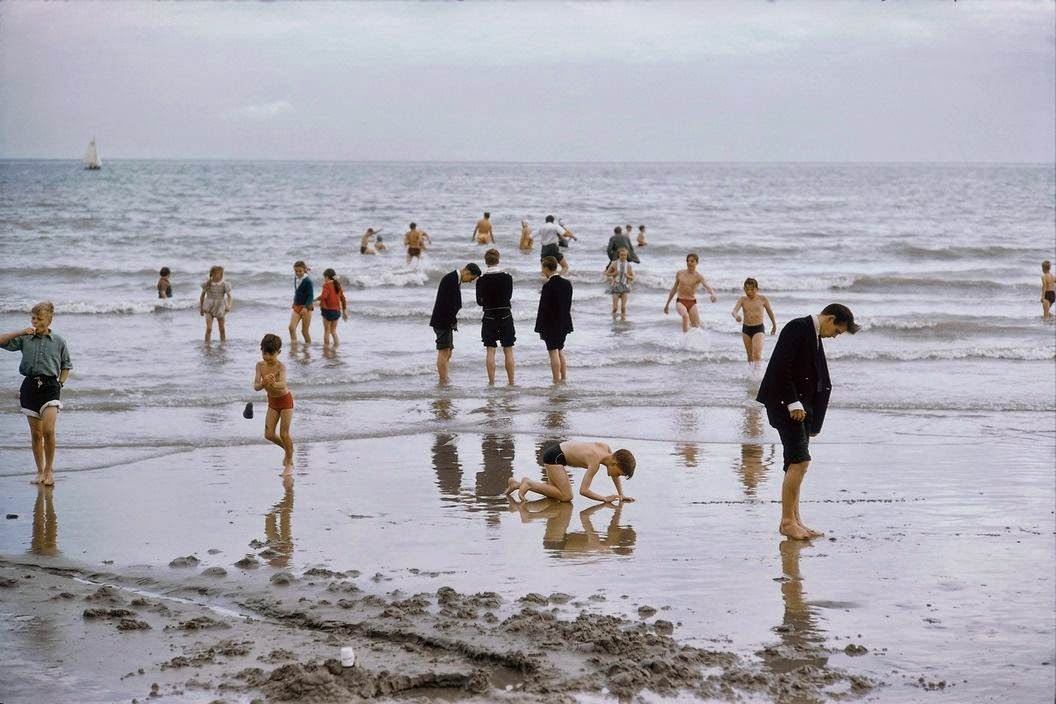
Brighton’s seafront in 1956 looked much as it had before the war — piers, promenades, and crowds in their summer clothes. England was still rationing some goods as late as 1954, and the release from wartime restriction was still fresh. People went to the seaside with real enthusiasm, as though the simple act of eating an ice cream by the ocean was worth celebrating. In a way, it was. These photographs, taken across two continents and dozens of locations, all point toward the same basic fact: the 1950s were a decade when ordinary life felt like an achievement, because for many people, ordinary life had only recently become possible again.




