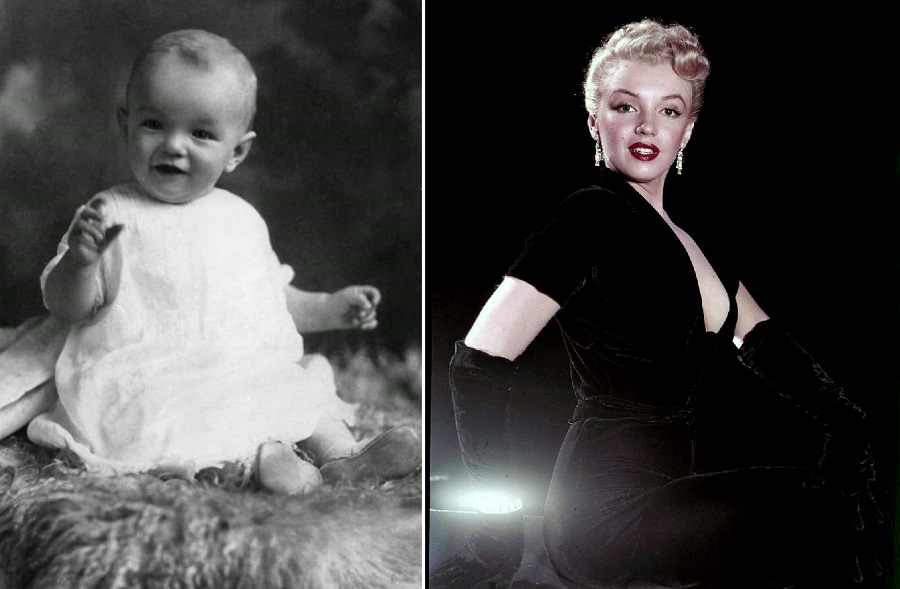
On the morning of September 21, 1938, the skies over New England finally cleared after a week of steady rain. For Katharine Hepburn, one of Hollywood’s biggest stars, it was the perfect chance to get outside. She headed down to Long Island Sound near her family’s home in Fenwick, Connecticut, and went for a swim. The water was unusually rough, but she had no reason to think anything was wrong. There were no warnings. No alerts. No way to know that a massive hurricane was already tearing up the Eastern Seaboard at 60 miles per hour.
In 1938, weather forecasting was a far cry from what it is today. There were no satellites, no radar, and no storm-tracking aircraft. Meteorologists relied on ship reports and eyewitness accounts to piece together a storm’s path. That morning, forecasters believed the hurricane forming off the North Carolina coast would curve out to sea — a common pattern for Atlantic storms. It didn’t. Instead, it drove straight north toward New England, and it moved so fast that communities had almost no time to react.
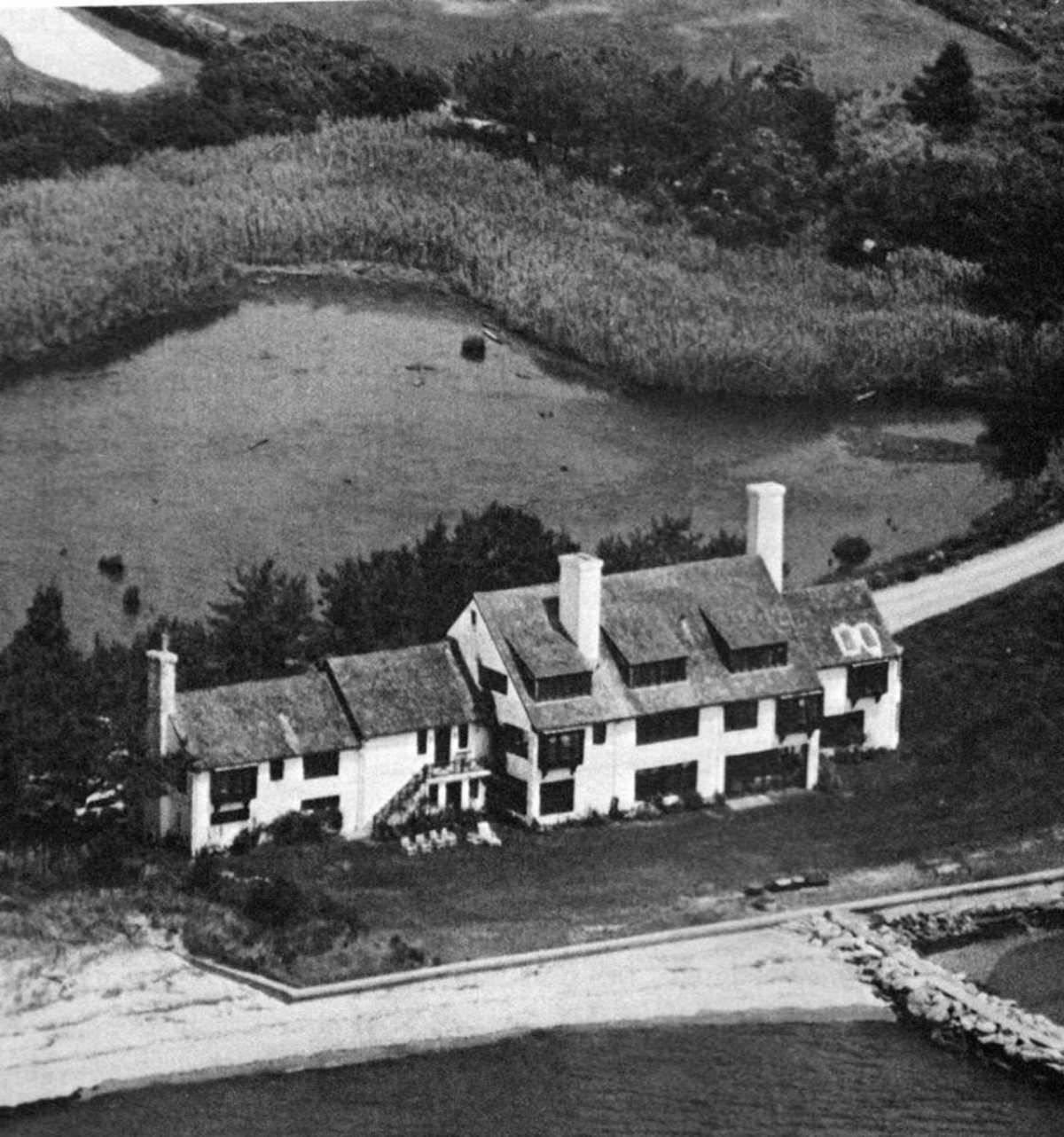
The Hepburn family’s beach cottage sat directly in the storm’s path. By the afternoon, the calm morning had vanished. Winds screamed in off the Sound, and the storm surge — a wall of ocean water pushed inland by the hurricane’s force — began swallowing the coastline. Hepburn, her mother, and her brother realized the house was flooding fast. They climbed out through a kitchen window and ran. Minutes later, the surge wiped the house off its foundation entirely.

The storm made landfall as a Category 3 hurricane with sustained winds of 120 mph. The damage was worst east of the eye, right across Eastern Connecticut and Rhode Island — exactly where Fenwick sat. In New London, Connecticut, the storm surge reached a record 10 feet above normal tide levels. Rhode Island saw surges even higher. The coastline was unrecognizable when the water finally pulled back.

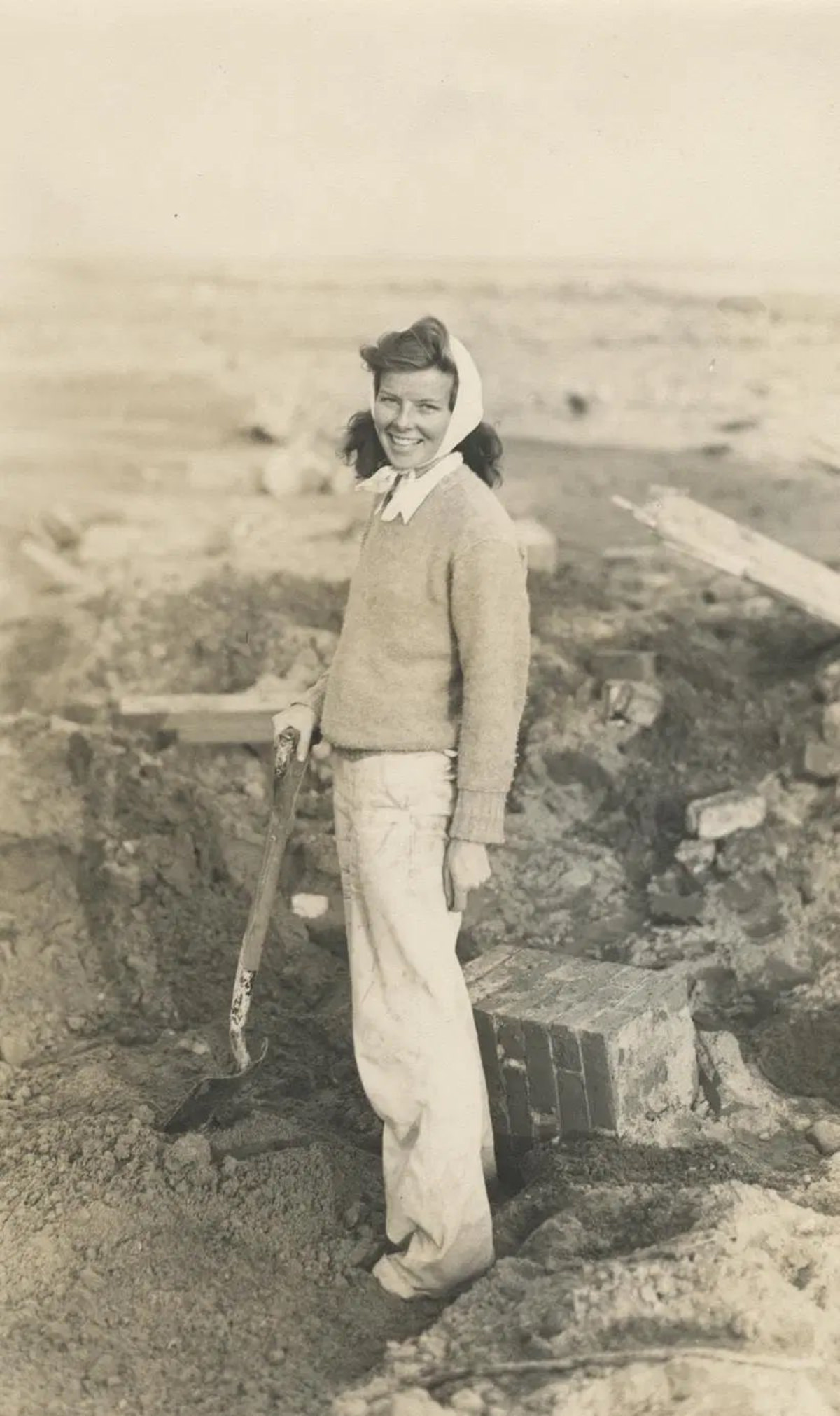
When Hepburn returned to Fenwick, she found wreckage where her family’s home had stood. Furniture, structural beams, and personal belongings were scattered across the mud and sand. She was photographed picking through the debris — a famous actress reduced to salvaging whatever the storm had left behind. The images captured something raw: no studio glamour, just a woman sifting through the remains of her family home.

Across the region, the scale of destruction was staggering. The Long Island Express — as the storm came to be known — killed 700 people and left 63,000 homeless. The total damage reached $620 million in 1938 dollars, an almost incomprehensible figure for the era. Communities from Long Island to Cape Cod were battered. Milford, Connecticut was heavily hit, and Rhode Island suffered some of the worst casualties of any state in the storm’s path.
Hepburn had been in the water just hours before the storm hit land. The timing of her morning swim and the family’s escape through the kitchen window meant the difference between life and death. Had the storm arrived even slightly sooner, or had they hesitated even a few minutes longer, the outcome could have been catastrophic.

The storm reshaped miles of the New England coastline in a single afternoon. Entire beach communities were erased. The Long Island Express remains one of the deadliest and most powerful natural disasters ever to strike the northeastern United States. For Hepburn, it was a close escape that few people today associate with her name — a brush with death on an otherwise ordinary September morning.