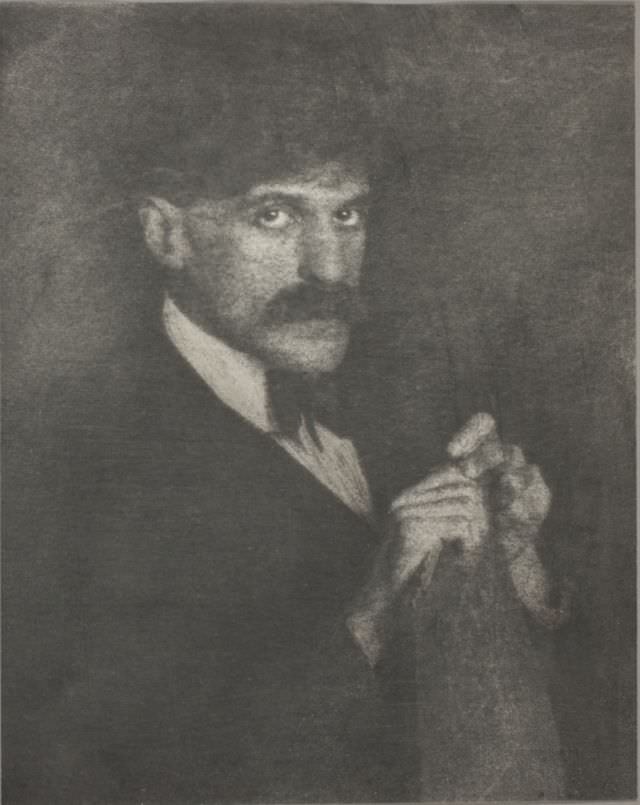
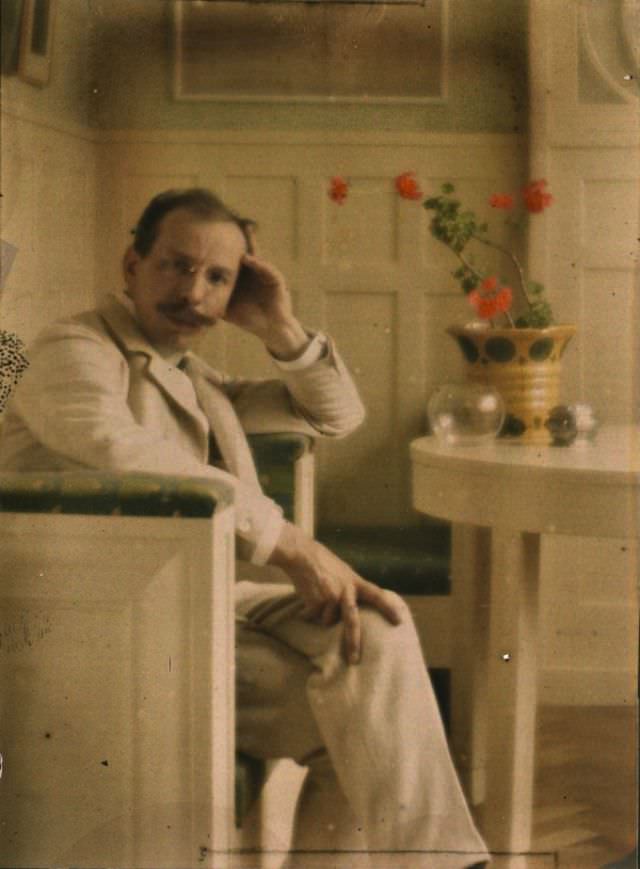
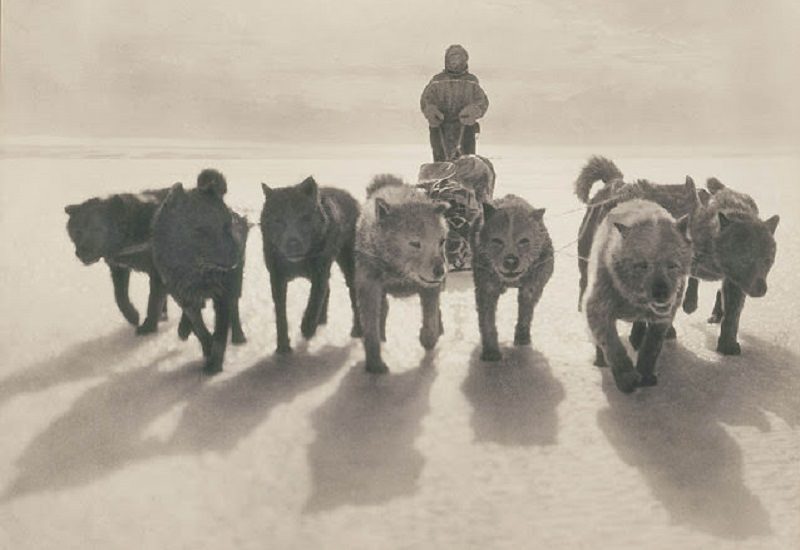
Heinrich Kühn — born Carl Christian Heinrich Kühn — was an Austrian-German photographer who helped turn photography into a recognized art form. He started using a camera during his medical studies, but by the 1890s he had walked away from medicine entirely to pursue art. That decision set him on a path that would define fine art photography for decades.
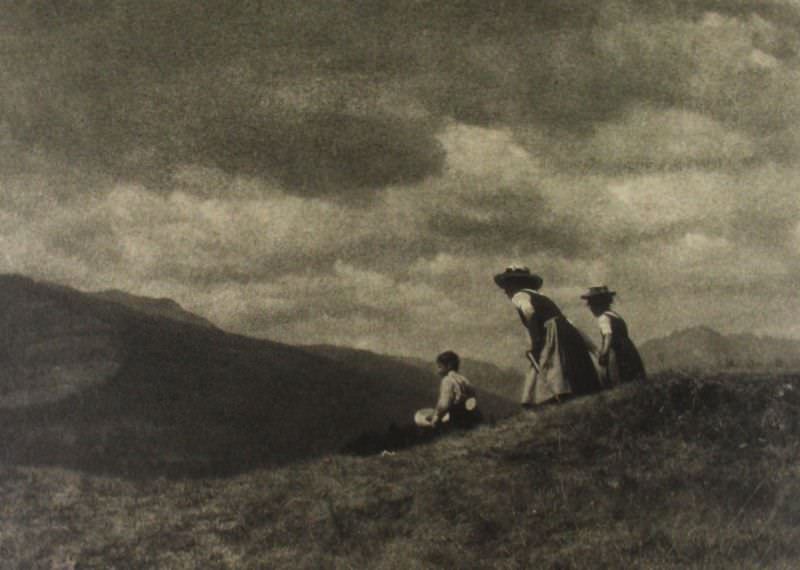
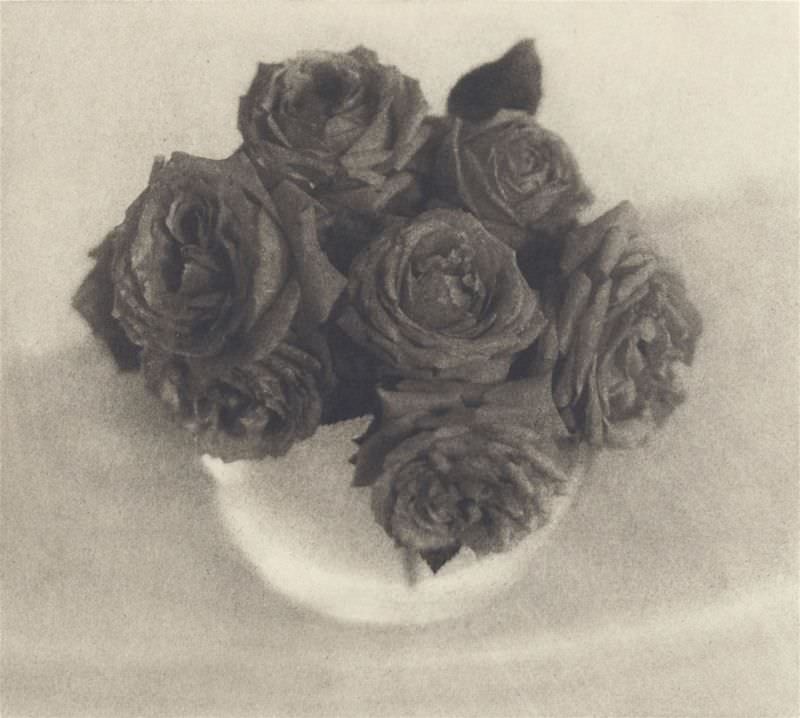
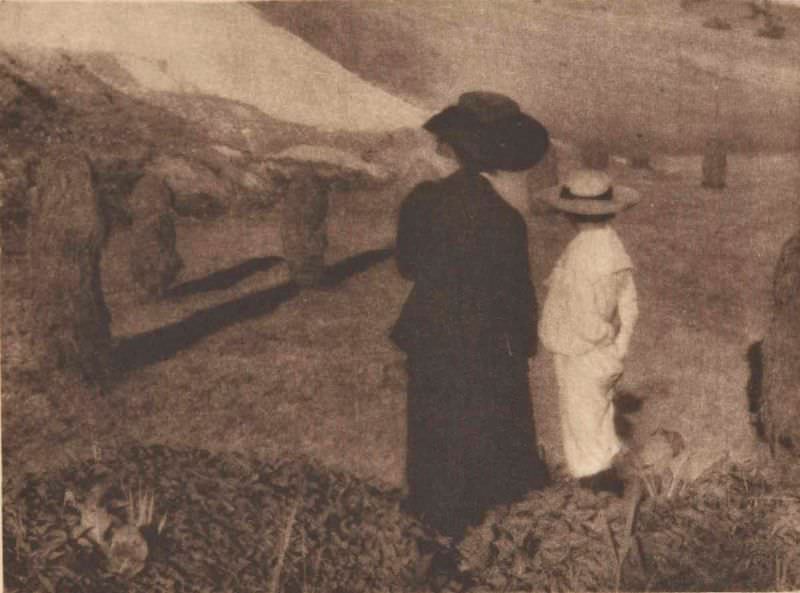
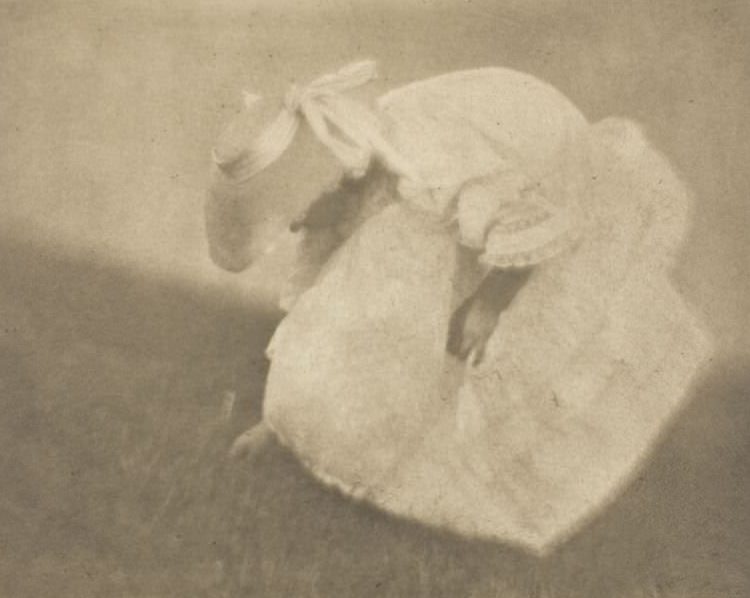
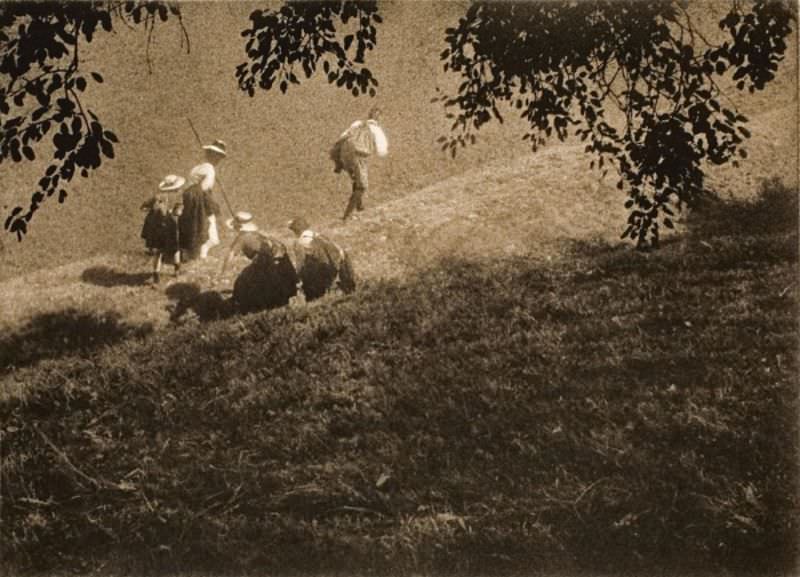
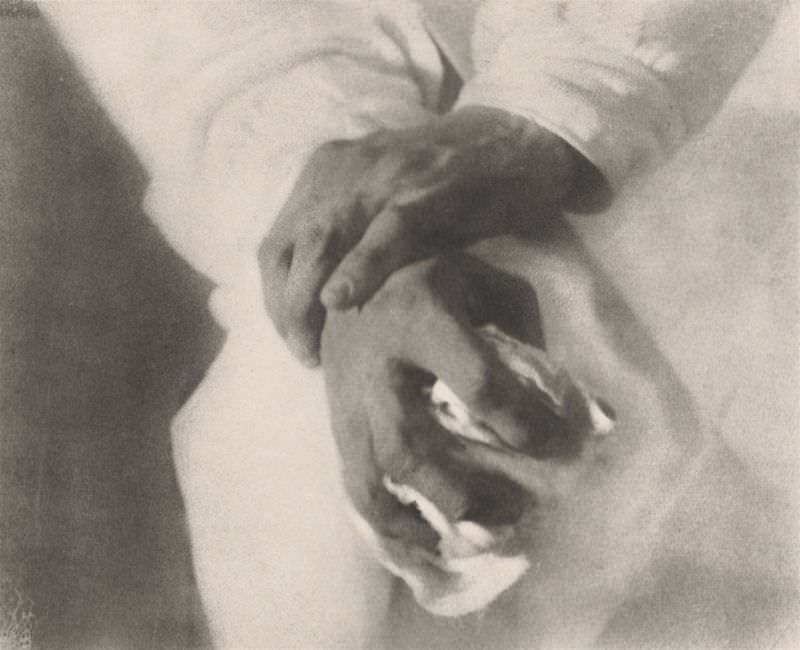
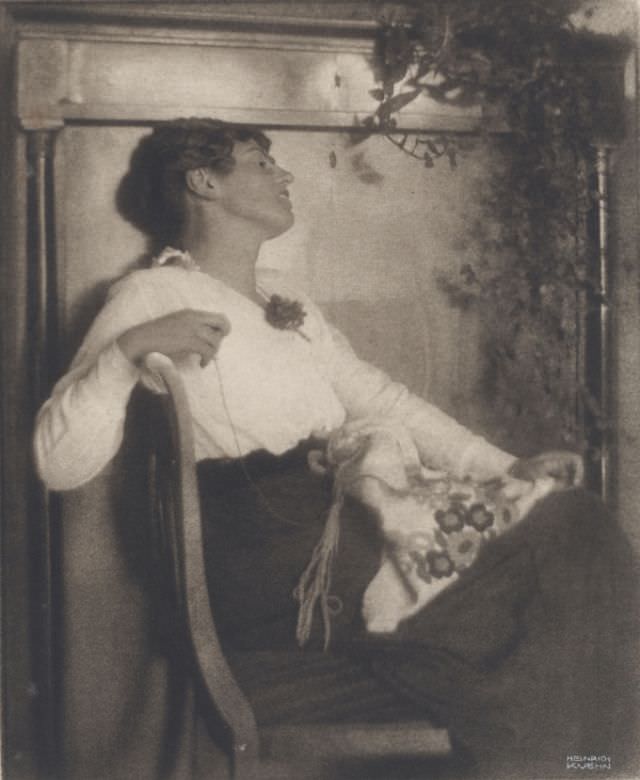
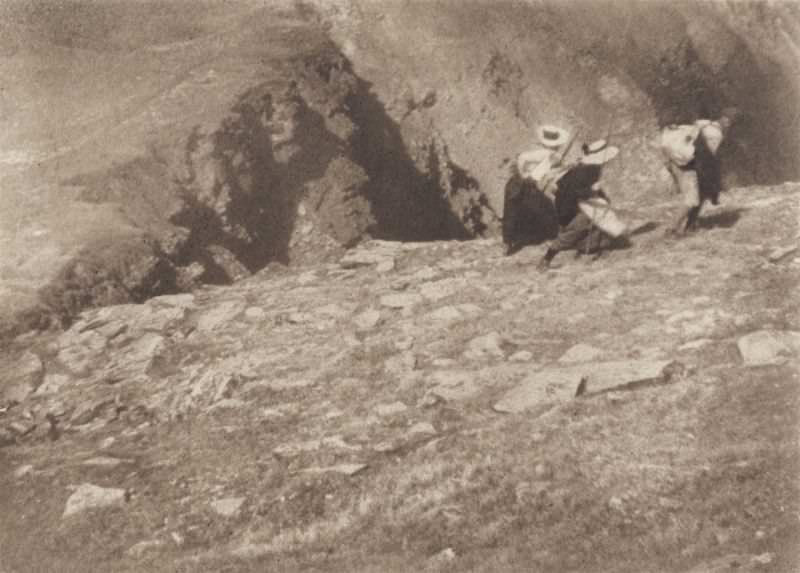
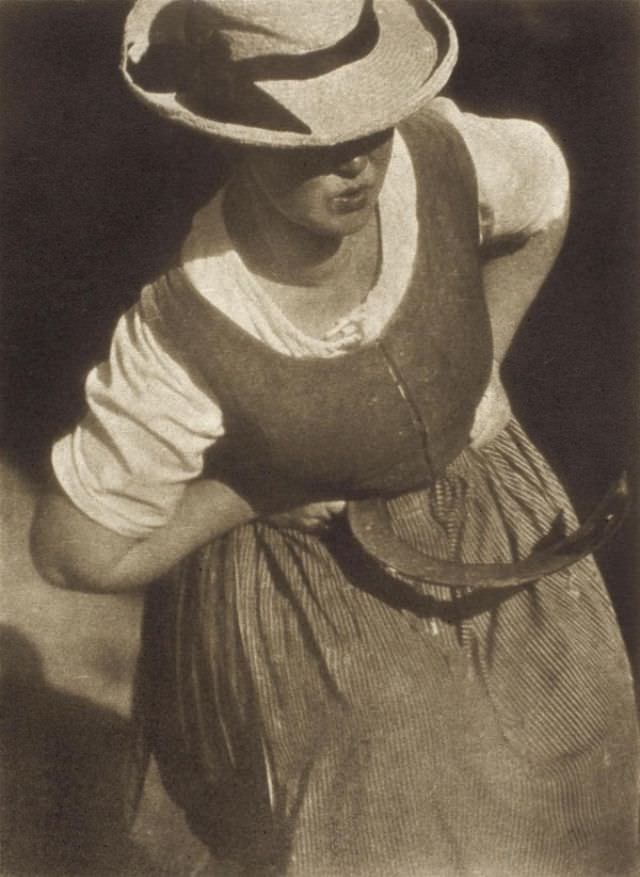
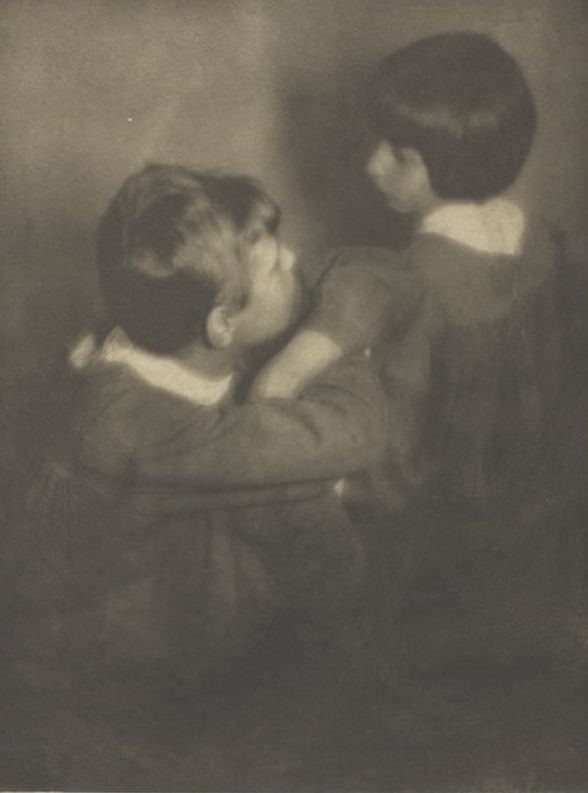
Kühn’s photographs stand out for their soft, glowing quality. He favored diffused light and selective focus, giving his images a painterly feel that closely resembles Impressionist work. This was no accident — he carefully controlled every element of the process, from the lens to the final print.
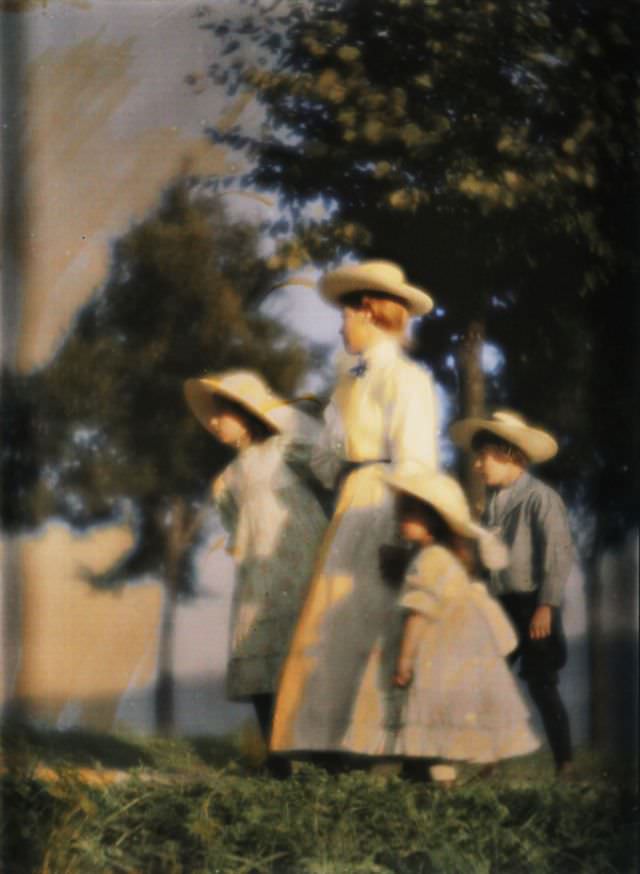
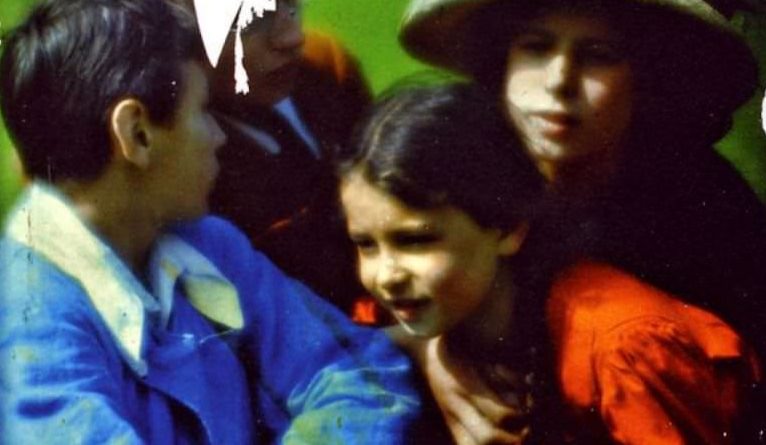
He was a key figure in the Pictorialist movement, which argued that photography deserved the same respect as painting or drawing. As part of the so-called Viennese Trifolium — a trio of photographers based in Vienna — Kühn was among the first to adopt gum bichromate printing in German-speaking countries. In 1896, he presented the first gum bichromate prints in Germany, a milestone that brought this expressive printing method to a wider audience.
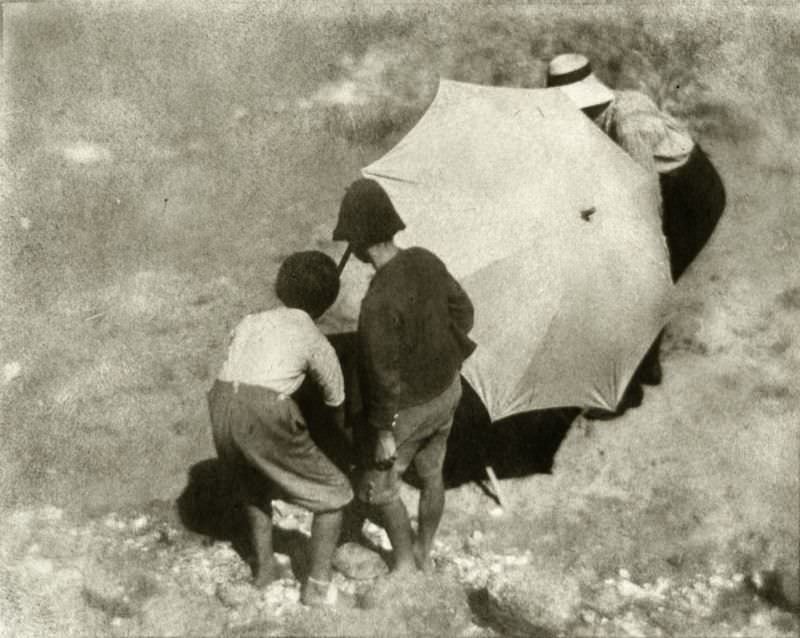
Gum bichromate printing uses a light-sensitive mixture of gum arabic and pigment to produce rich, painterly prints with deep tonal range. The photographer has direct control over the final colors and textures, making each print nearly unique. Kühn mastered this process and pushed it further than almost anyone else of his era.
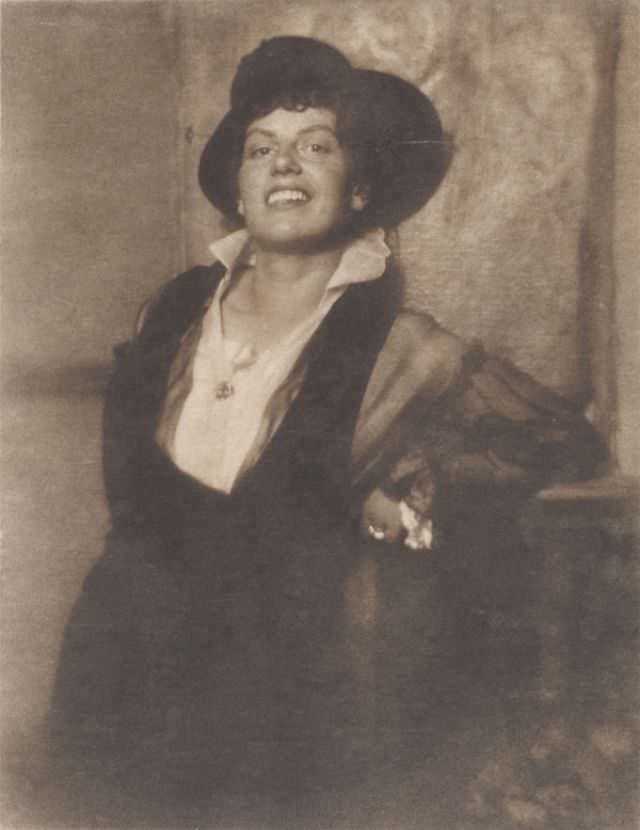
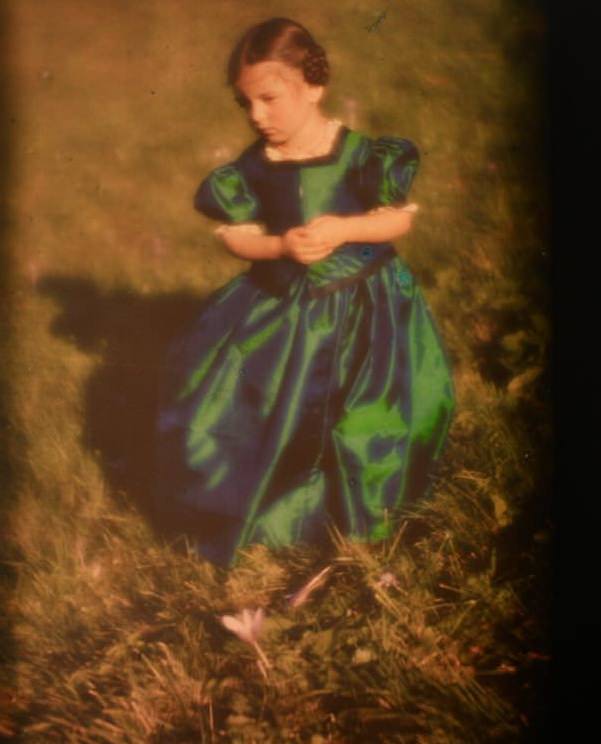
In 1911, he invented the Gummigravure technique, which combined photogravure — an engraving-based printing method — with gum bichromate. The result was a hybrid process that gave prints an even richer surface quality. He also developed the Leimdruck technique, which replaced gum arabic with animal glue as the binding agent, producing images with a similar aesthetic to gum prints but through a different chemical path.
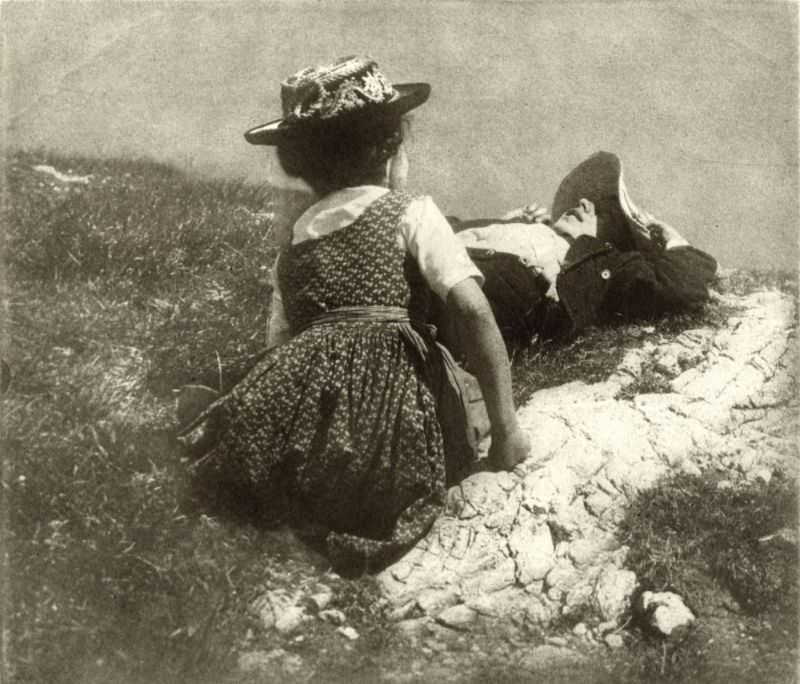
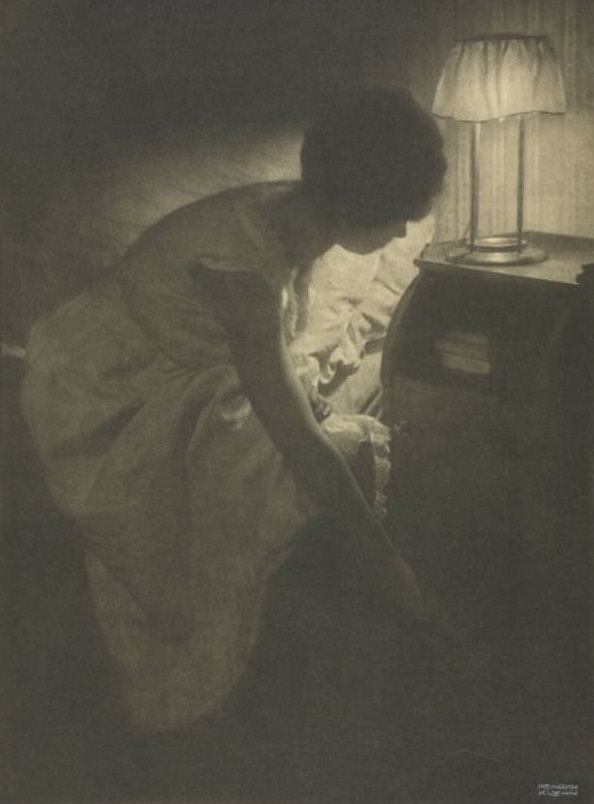
Kühn’s most technically ambitious invention was the Syngraphie. This forgotten process combined two negatives with different light sensitivities into a single image, capturing a broader range of tones than any single negative could achieve. It was a remarkably sophisticated idea for the early 1900s, anticipating concepts that modern photographers still grapple with today.
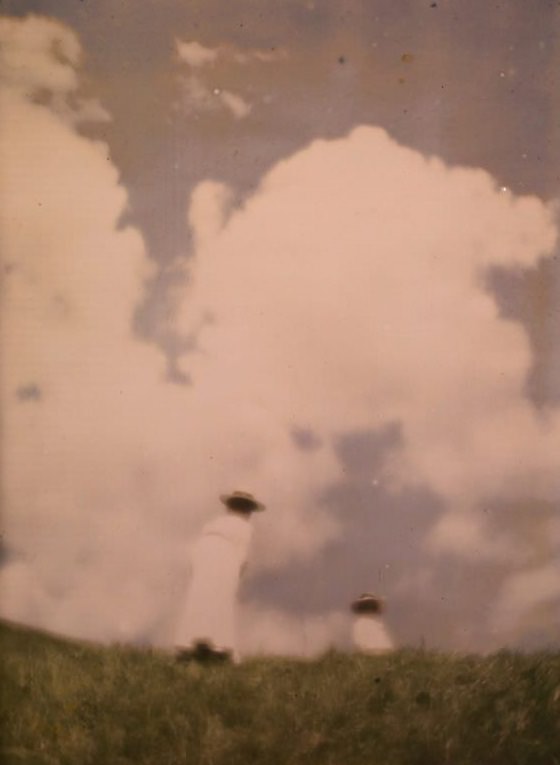
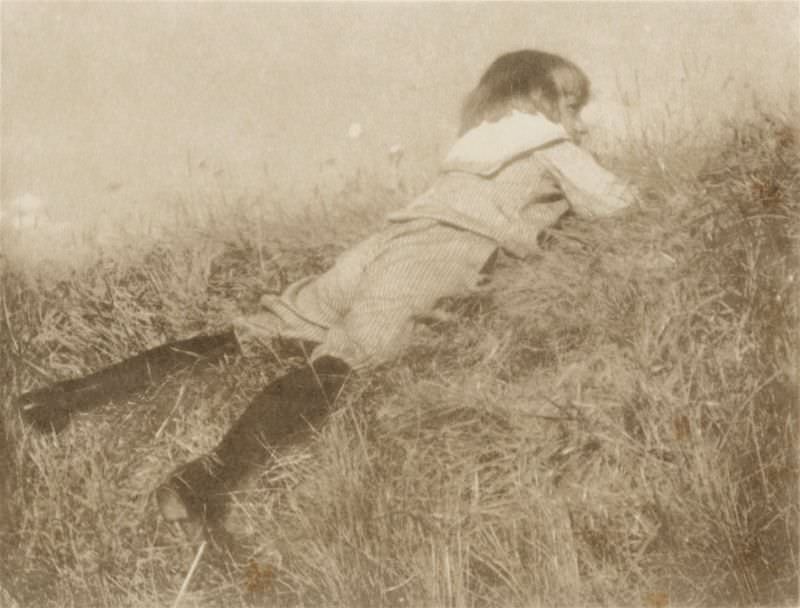
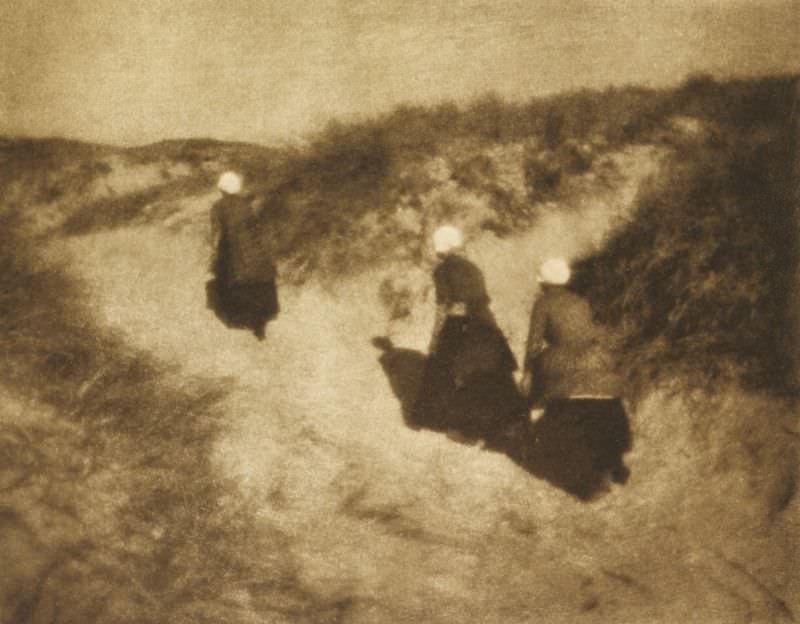
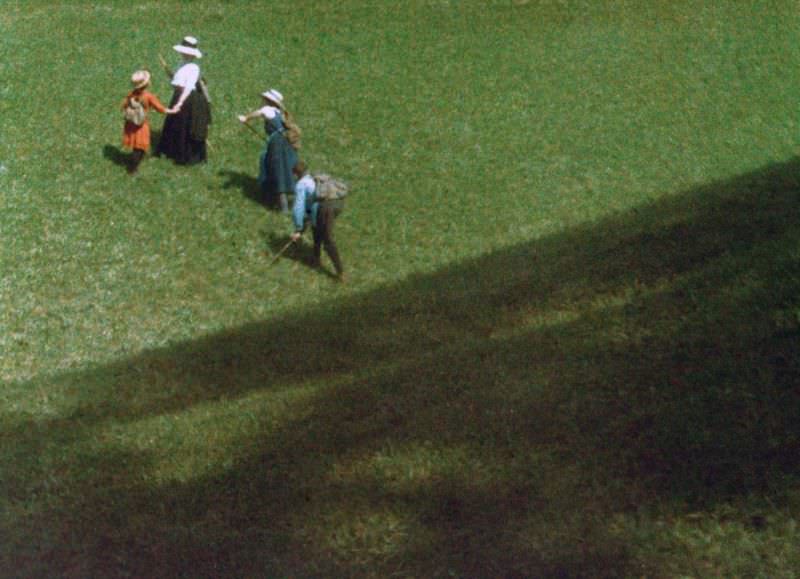
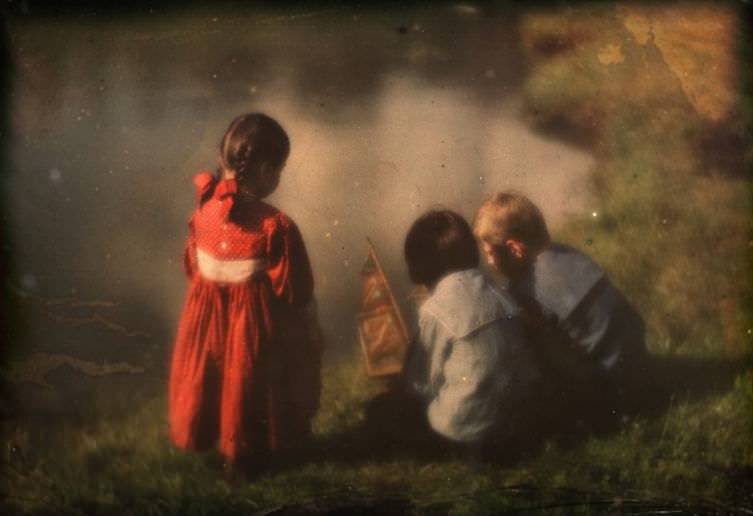
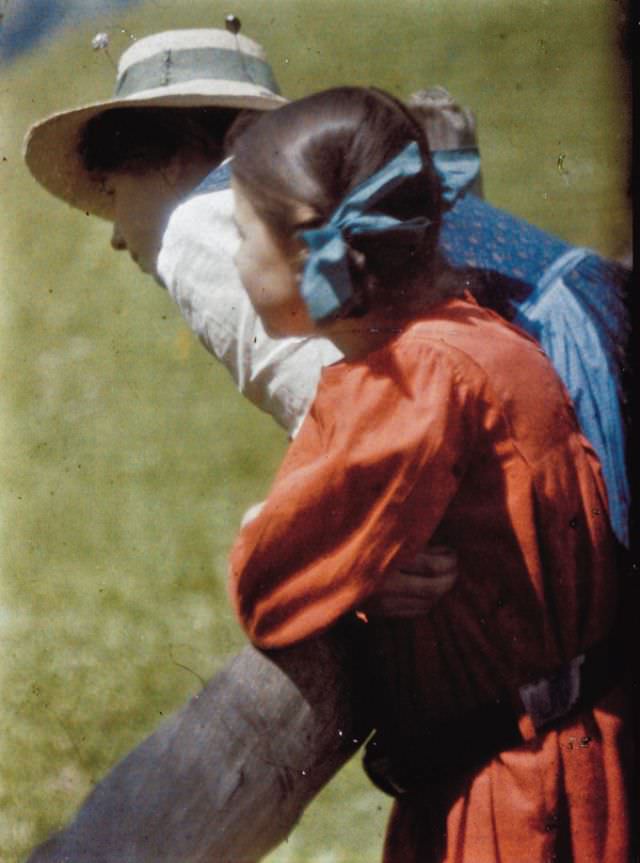
His autochrome photographs — made using the early color process invented by the Lumière brothers — carry a dreamlike warmth. The autochrome plate uses dyed starch grains to filter light, producing soft, slightly grainy color images that look more like pointillist paintings than conventional photographs. Kühn used this process with exceptional skill.
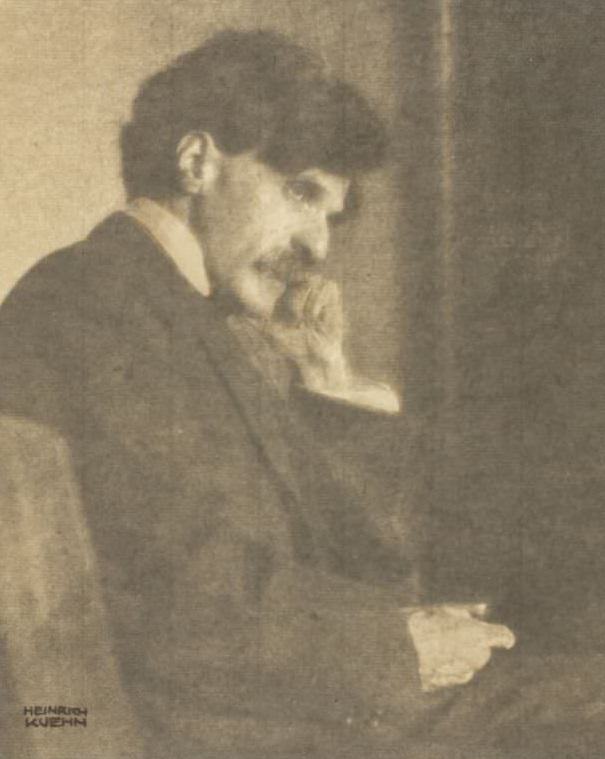
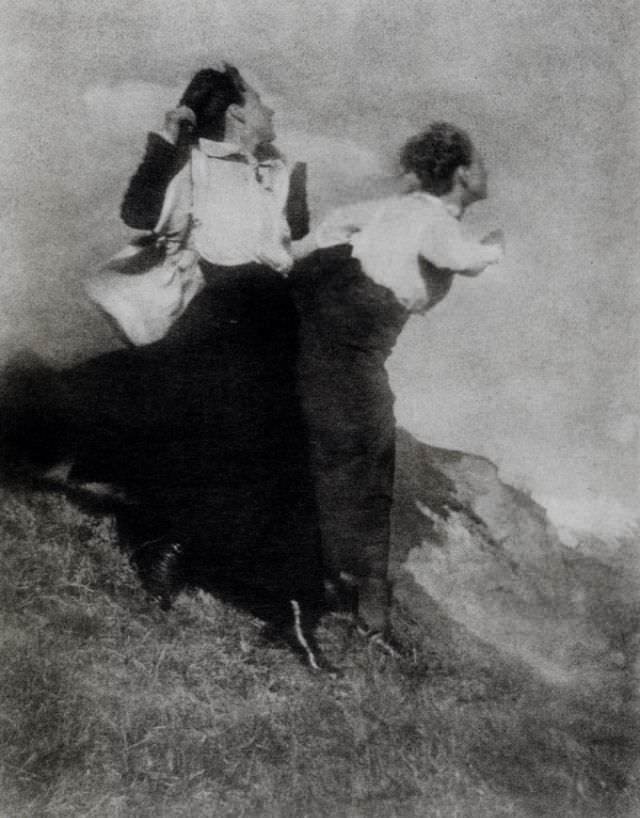
His subjects were often domestic — children playing outdoors, figures in gardens, quiet everyday moments bathed in natural light. These scenes feel unhurried and intimate, which was a deliberate artistic choice. Kühn was not interested in sharp documentary images. He wanted photographs that conveyed mood and atmosphere above all else.
Kühn’s grandfather was a sculptor, and that family connection to visual art clearly shaped how he thought about image-making. He approached photography the way a sculptor approaches material — with patience, technical discipline, and a strong sense of form.
Beyond his personal work, Kühn contributed to the broader photographic community through writing. In his later career, he regularly published articles on photographic techniques in trade magazines, sharing his knowledge of printing processes, lenses, and tonal control with a wide readership.
His work with lenses was just as serious as his printing experiments. Kühn spent years researching and developing new photographic lenses, seeking the exact quality of softness and light diffusion that his images required. This technical obsession underpins every photograph he made — each one is the product of both artistic vision and rigorous experimentation.