When World War II ended, something shifted across America. Optimism replaced fear. Jobs replaced unemployment lines. And families — many of which had been put on hold through years of economic hardship — finally began to grow. The Baby Boom was not just a demographic trend. It was a direct response to years of waiting.
In January 1946, there were 222,721 live births recorded in the United States. By October of that same year, that number had climbed to 339,499. Couples who had delayed starting families during the Great Depression were now making up for lost time. By the end of the 1940s, 32 million babies had been born — compared to just 24 million in the previous decade.
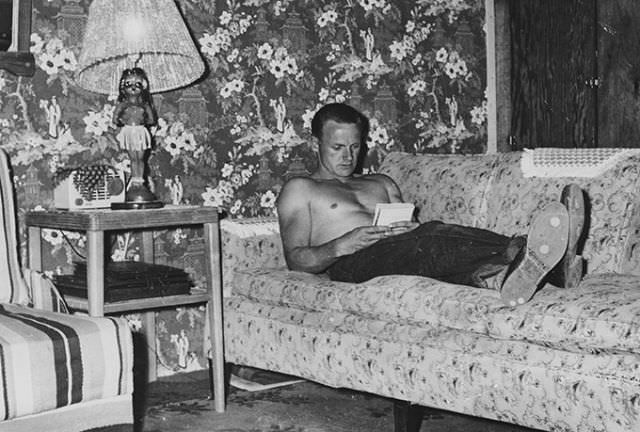
The numbers kept climbing. Annual births surpassed four million in 1954 and stayed above that mark until 1965. By that point, four out of every ten Americans were under the age of 20. Young families were everywhere — in the suburbs, in small towns, and out in the wide-open Southwest.
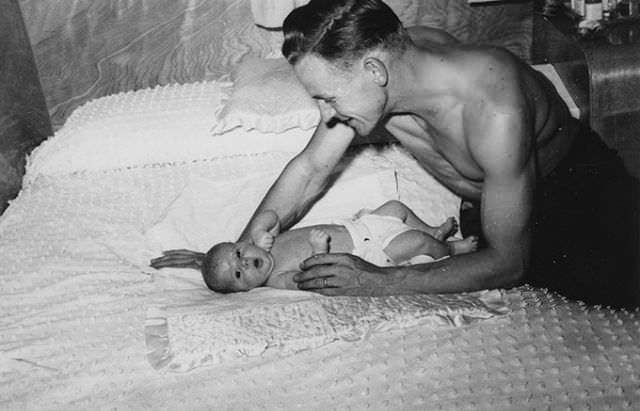
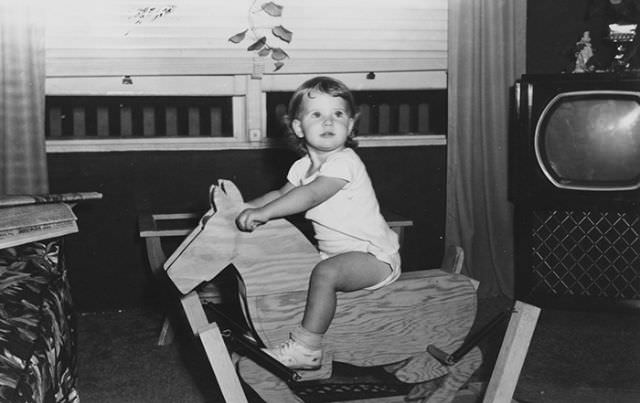
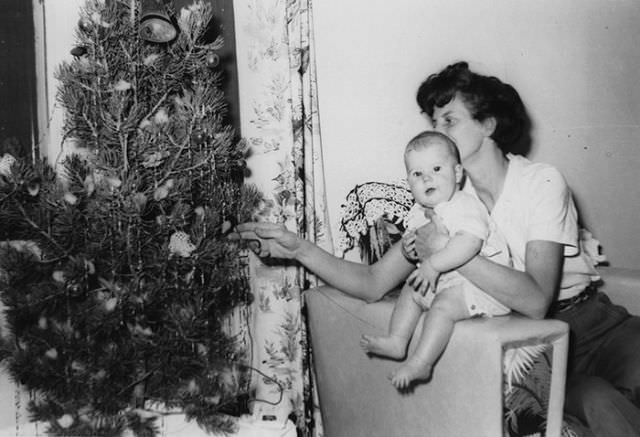
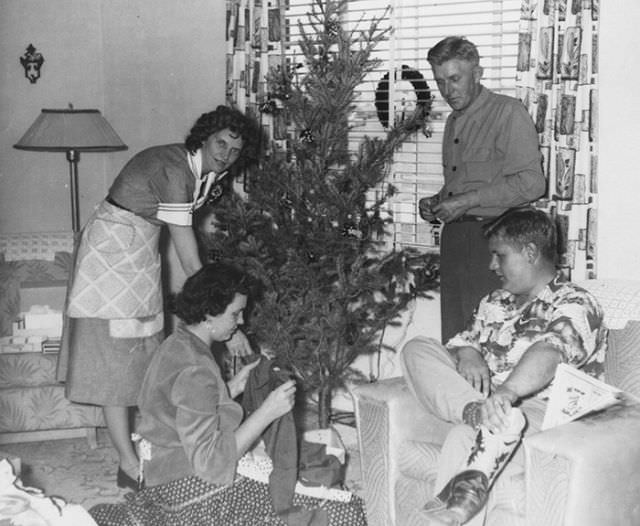
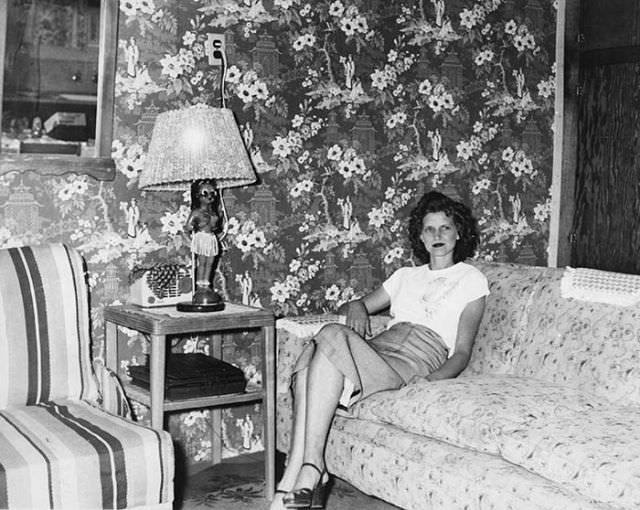
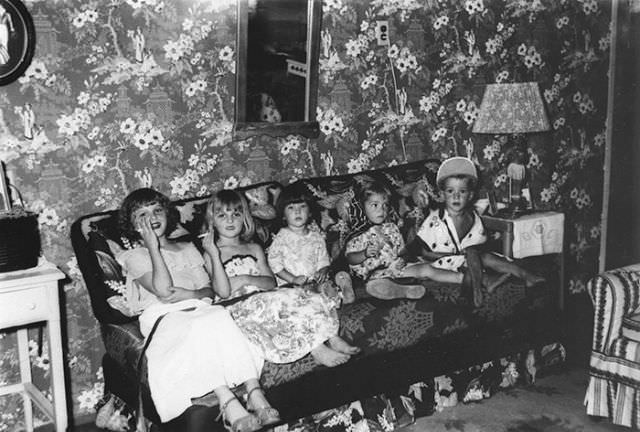
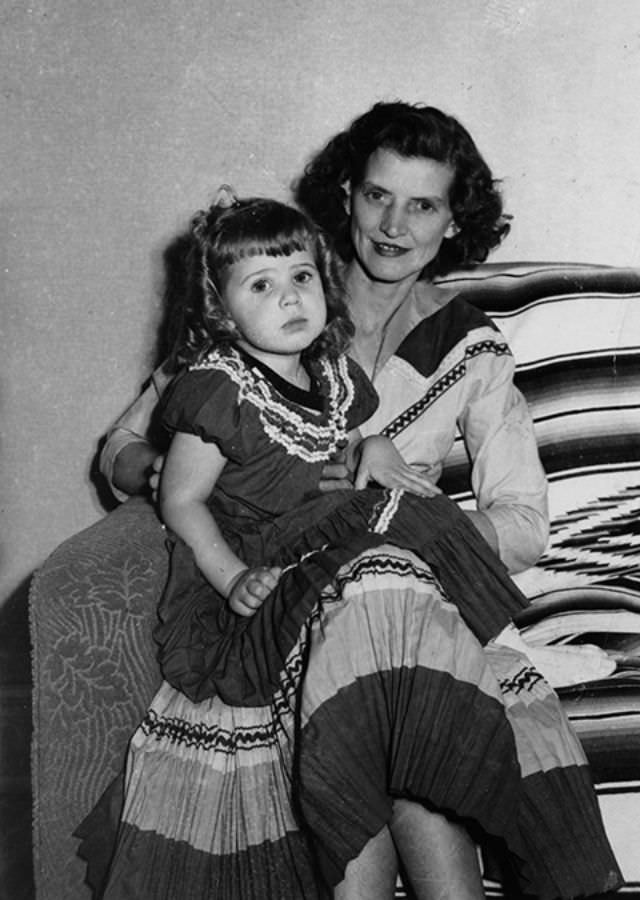
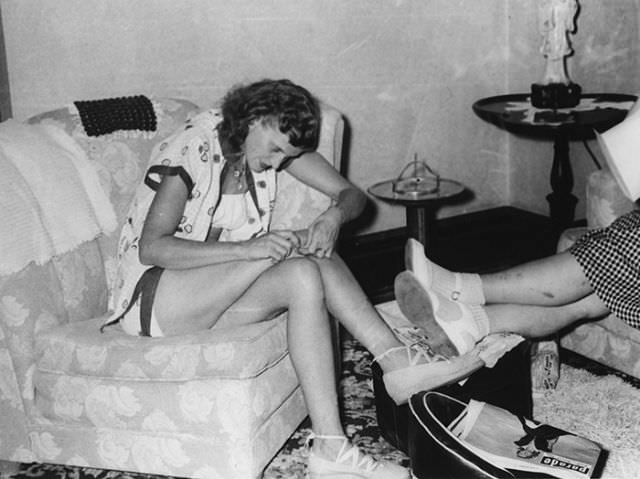
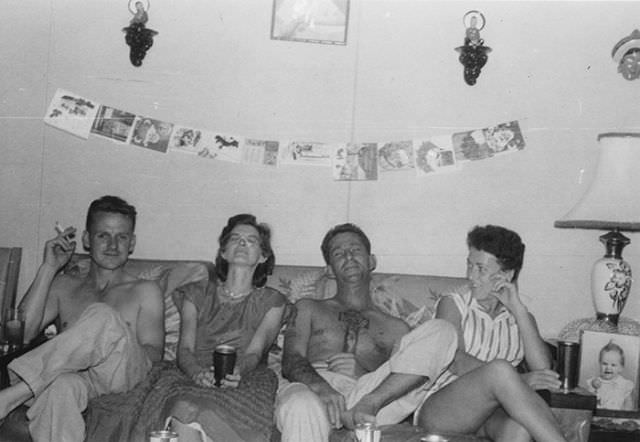
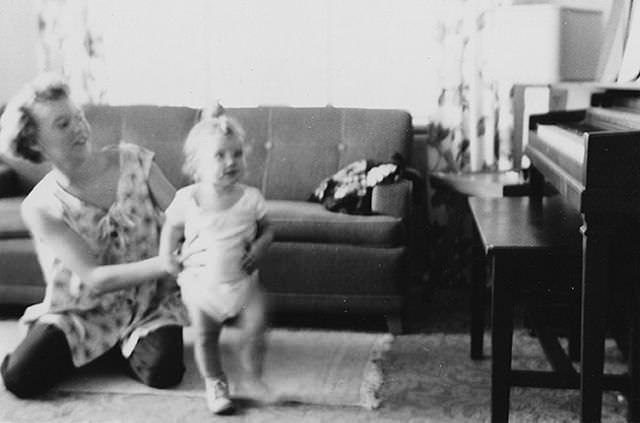
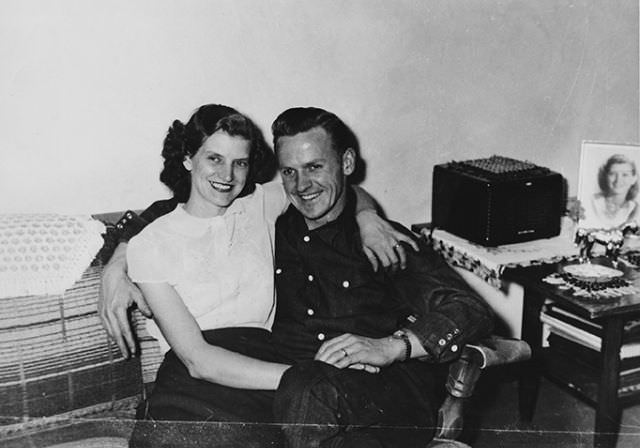
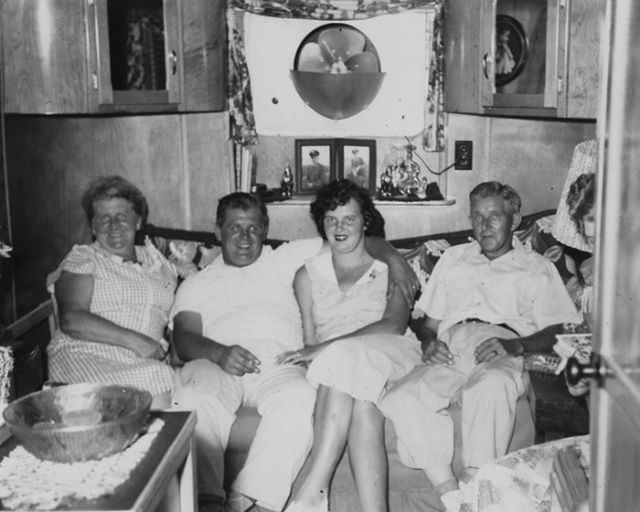
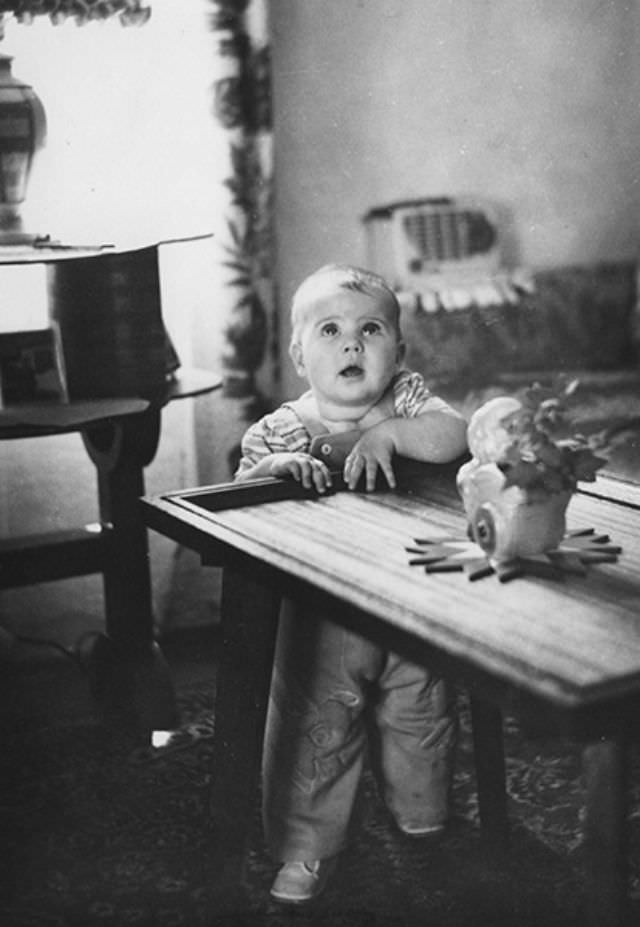
The photos featured here come from Blueberry Paula’s collection and document one Arizona family between 1950 and 1955. They offer an unfiltered look at everyday domestic life during this era — birthdays, backyards, children at play, and the quiet routines that made up the postwar American home.
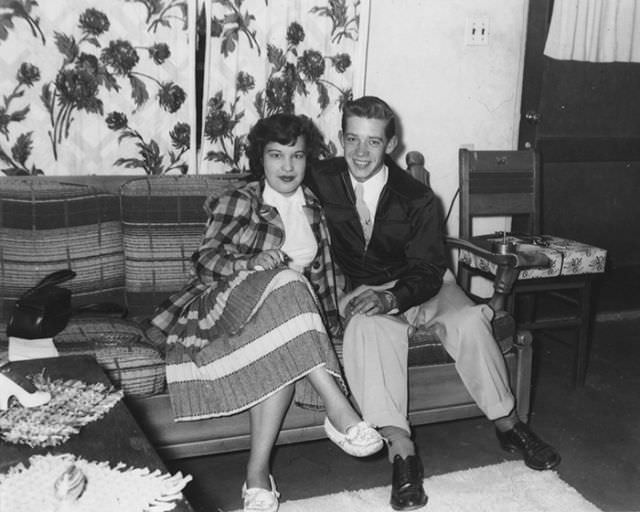
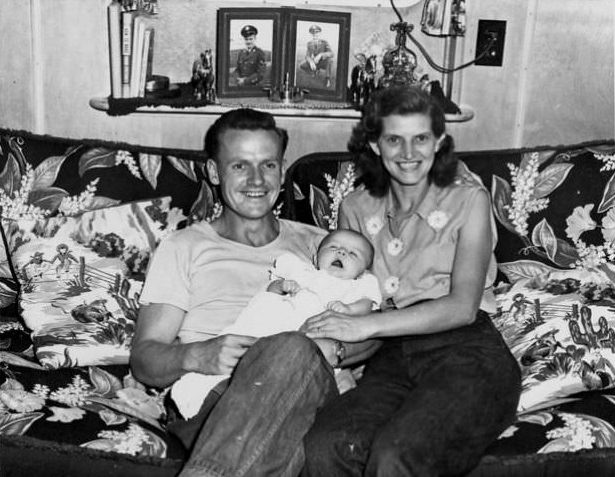
Veterans who returned home after the war faced the task of rebuilding their civilian lives from scratch. Many settled down quickly, bought homes, and started families. The G.I. Bill helped millions access education, housing loans, and job training. For many, the early 1950s represented a stability they had never known before.
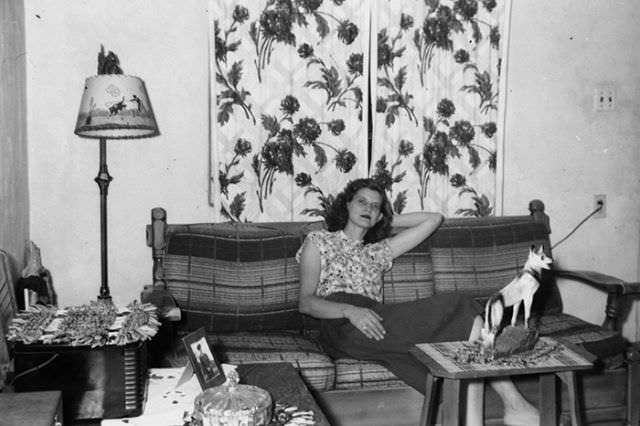
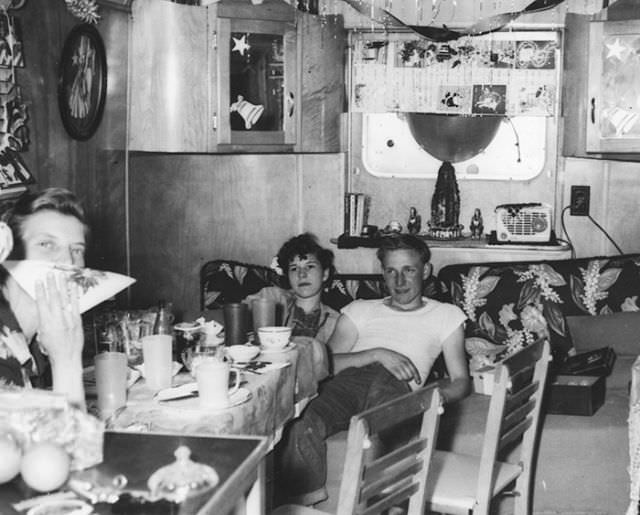
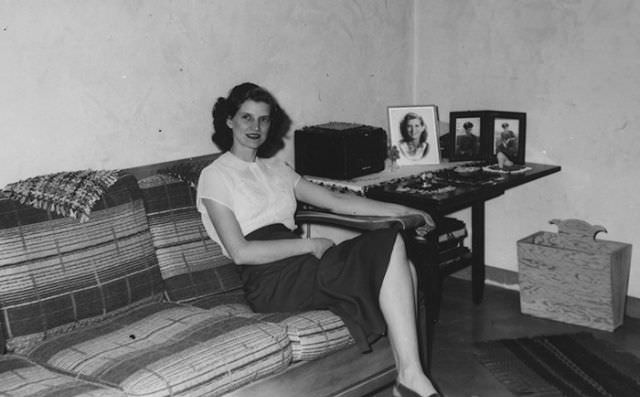
Arizona in the early 1950s had its own distinct character. The state’s population was growing rapidly, driven by a warm climate, affordable land, and expanding industries. Cities like Phoenix and Tucson were transforming from small regional centers into fast-growing urban areas. Families who settled there did so with a sense of possibility.
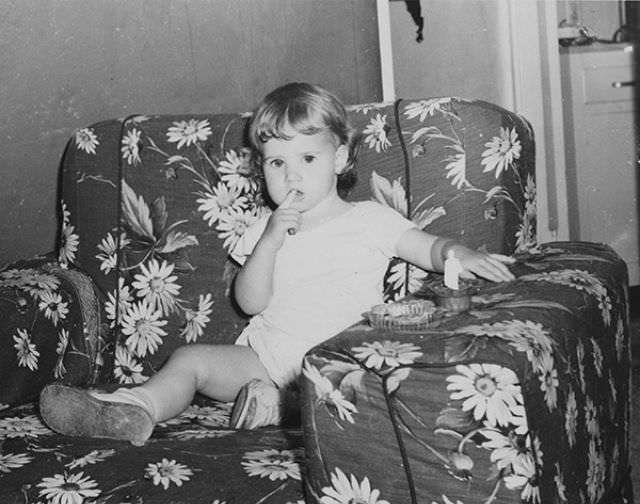
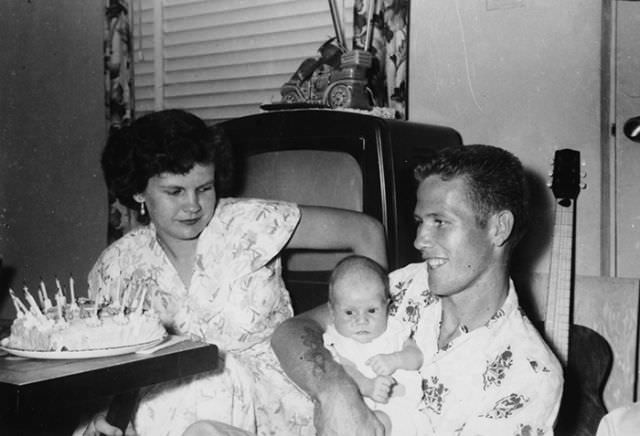
Daily life for American families in this period revolved around the home. Mothers managed the household while fathers brought in wages — a division that was common and expected. Children were central to family identity, and photos of them were taken often and proudly displayed.
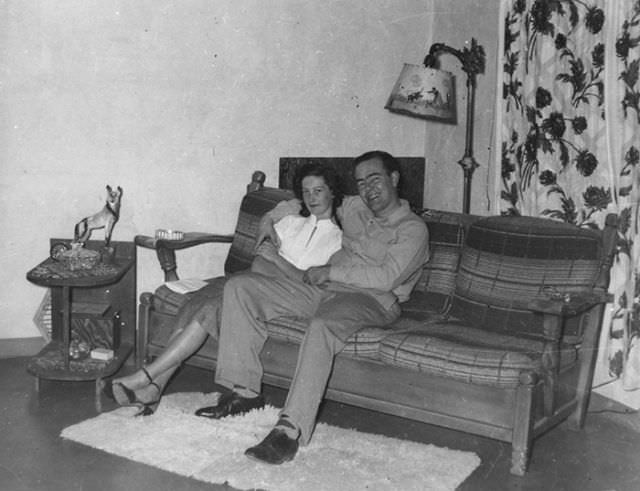
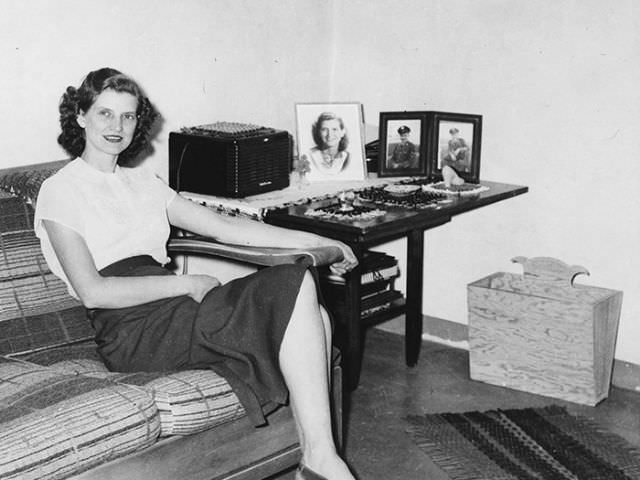
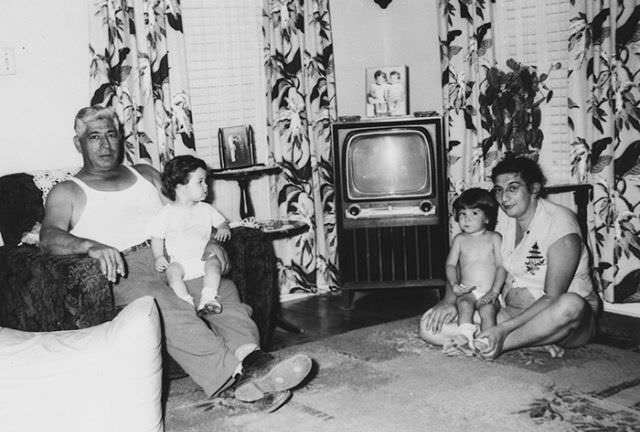
Consumer culture was booming. Refrigerators, washing machines, and television sets were moving into American homes at a rapid pace. Owning these items was a marker of success. Families who had gone without during the Depression and wartime years were now eager to build comfortable lives with modern conveniences.
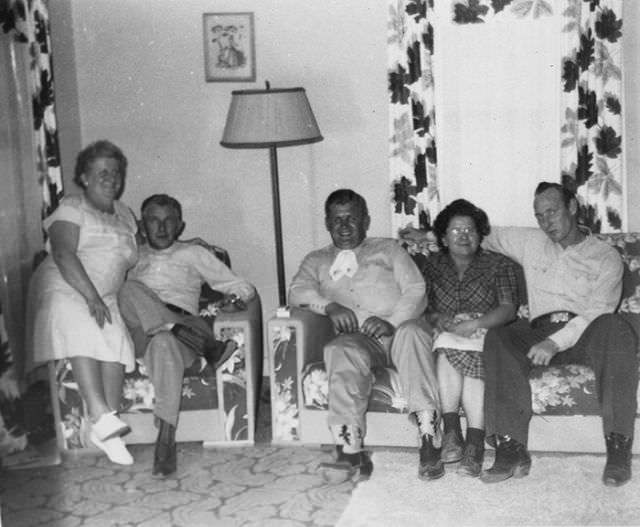
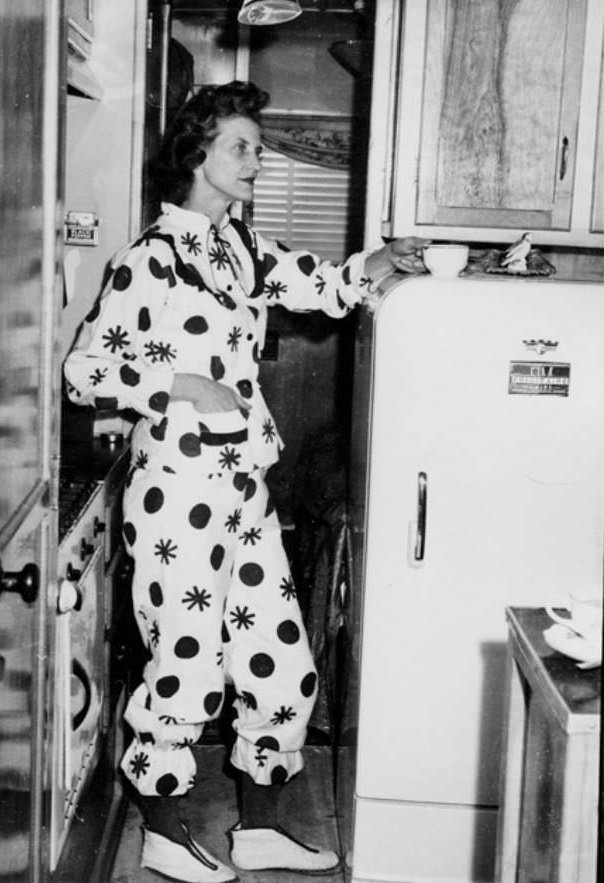
Backyard gatherings, holiday meals, and neighborhood socializing were regular parts of life. Communities were tight-knit, especially in smaller cities and towns. Neighbors knew each other, kids played outside until dark, and social events were often centered around the family unit.
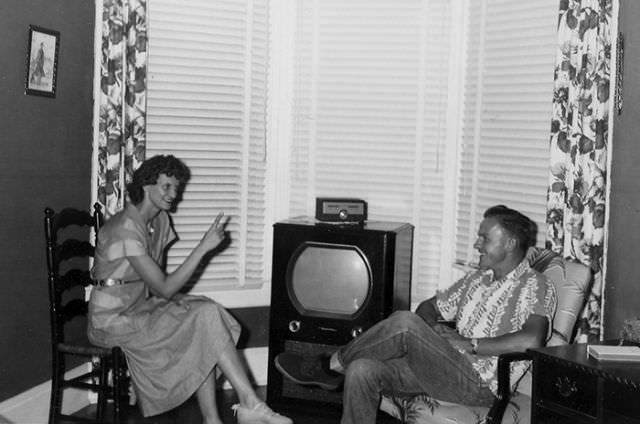
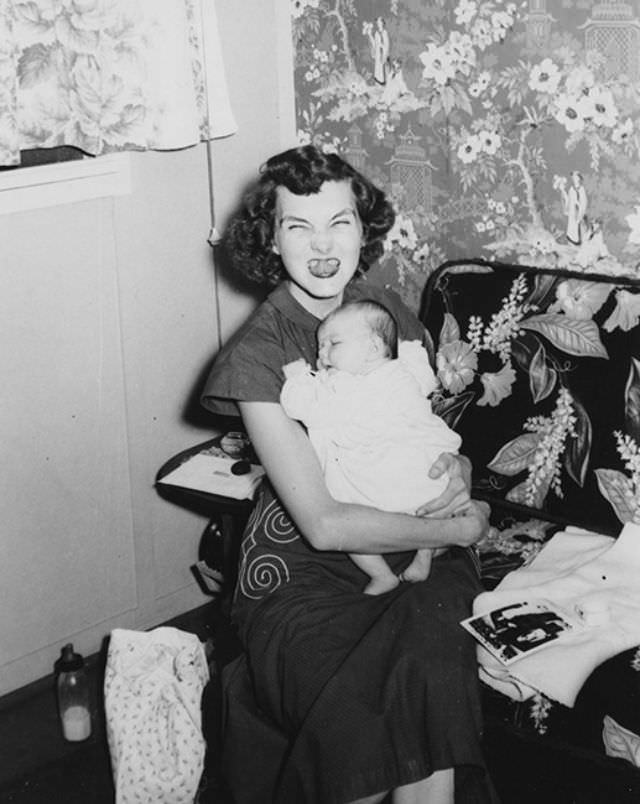
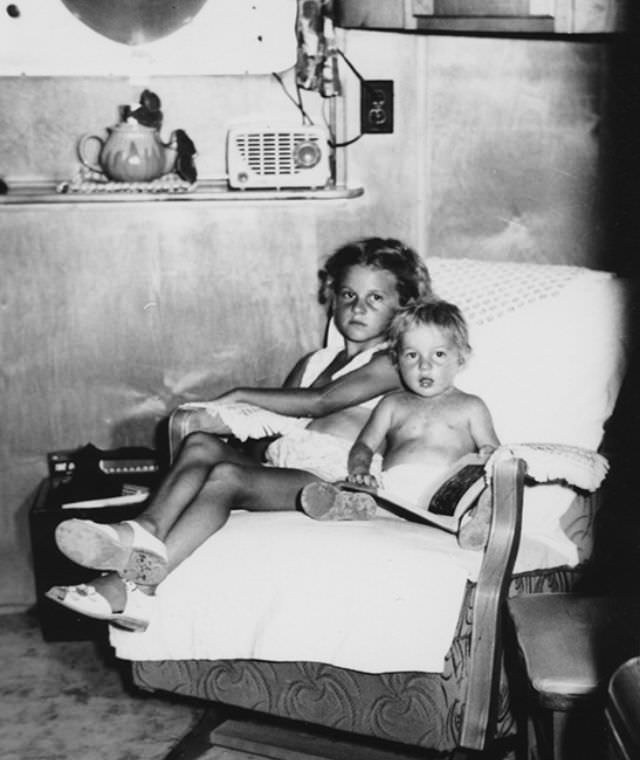
Photography in this era was a deliberate act. Cameras were not always cheap or easy to use, so photos were taken with intention. Birthdays, holidays, vacations, and milestones were all carefully documented. The images from this Arizona family reflect that same care.
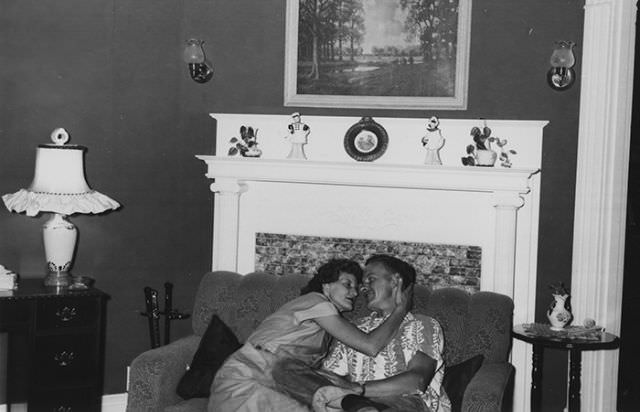
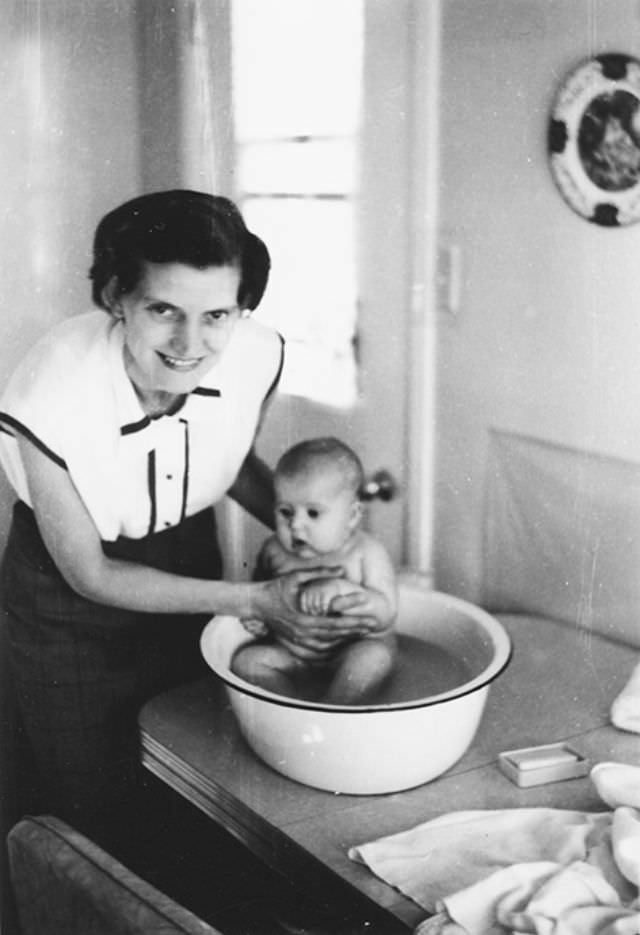
Children born in the late 1940s and early 1950s grew up in a world still shaped by recent war. Their parents carried memories of rationing, loss, and sacrifice. Yet the homes these children grew up in were filled with a conscious effort toward normalcy, comfort, and joy.
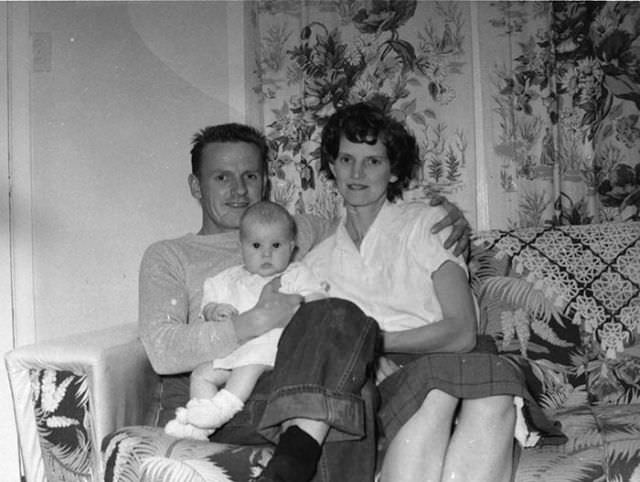
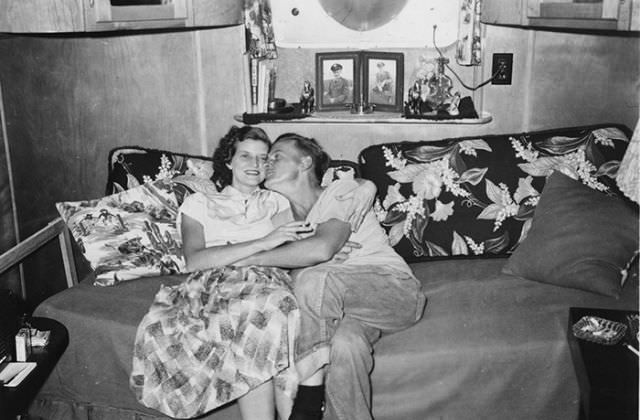
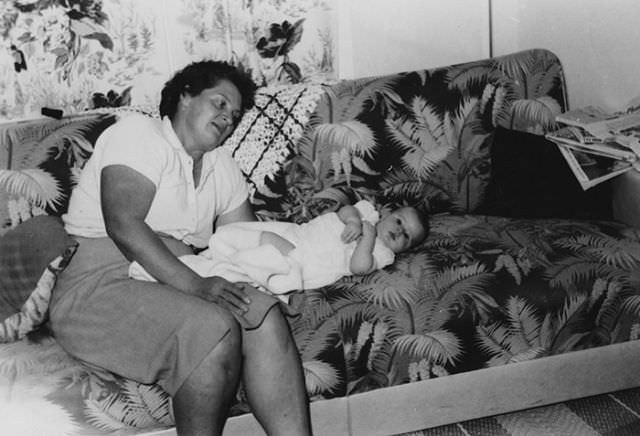
The American Southwest offered its own version of postwar life. Dry heat, desert landscapes, and long sunny days shaped the rhythms of families living in states like Arizona. Outdoor activities, road trips through open terrain, and a slower pace of life were all part of the regional experience.
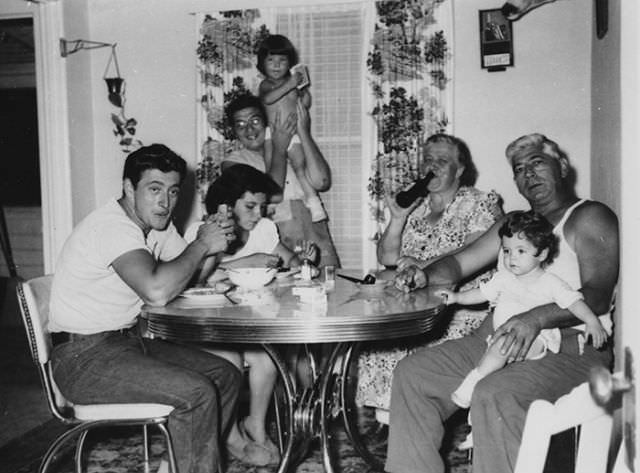
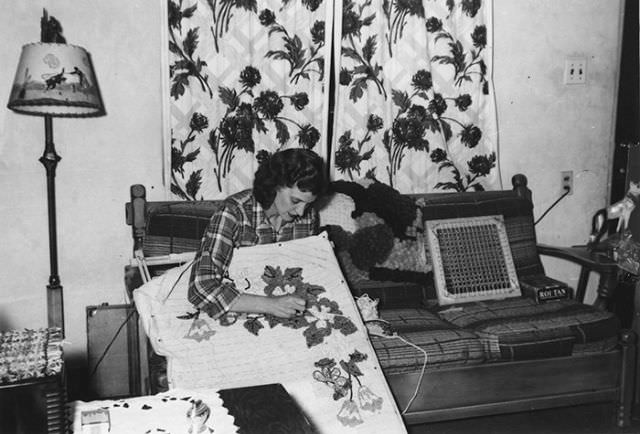
Fashion in the early 1950s was neat and structured. Women wore dresses and skirts, often with aprons at home. Men dressed in slacks and collared shirts even for casual occasions. Children’s clothing mirrored adult styles in miniature form — little girls in frocks, little boys in suspenders and dress shoes for any notable event.
Automobiles played a big role in 1950s family life. Car ownership expanded significantly after the war, and for many families, the car represented freedom and status. Weekend drives, trips to relatives, and cross-country vacations became common ways to spend leisure time.
Religion and community organizations were central to social life. Churches, civic clubs, and school events brought neighbors together regularly. For many families, these institutions provided structure, identity, and a sense of belonging in rapidly changing times.

By 1955, the Baby Boom was in full swing. Schools were overcrowded, suburbs were expanding fast, and American industry was producing goods at a rate the world had never seen. The family captured in these Arizona photos was living right in the middle of one of the most defining periods in modern American history.
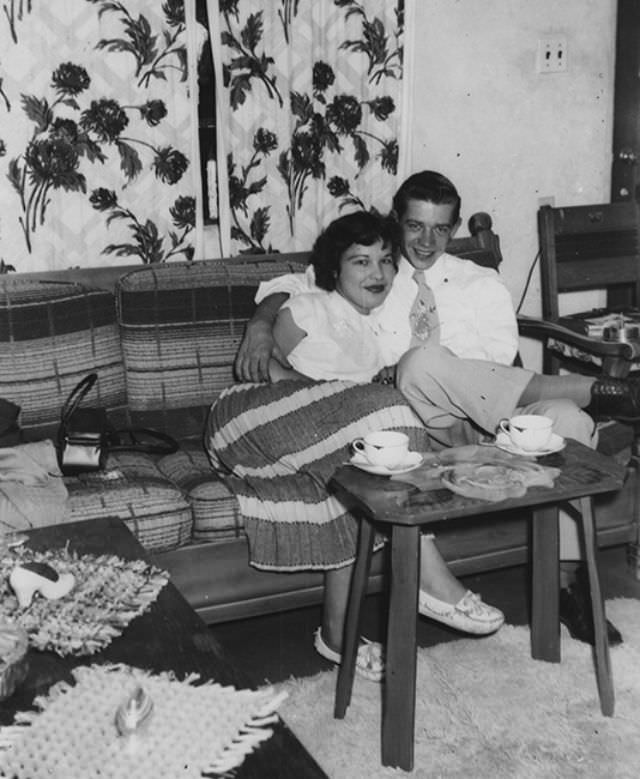
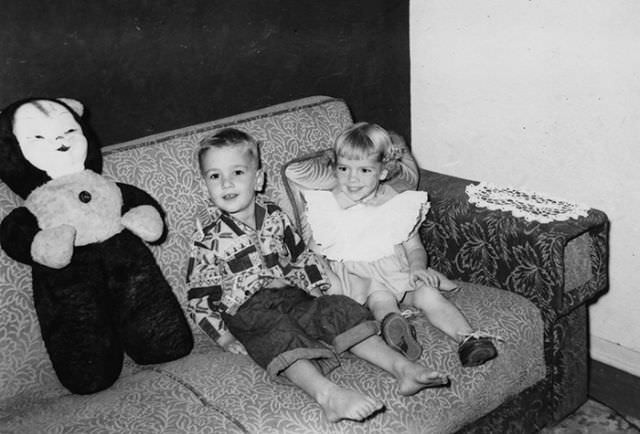
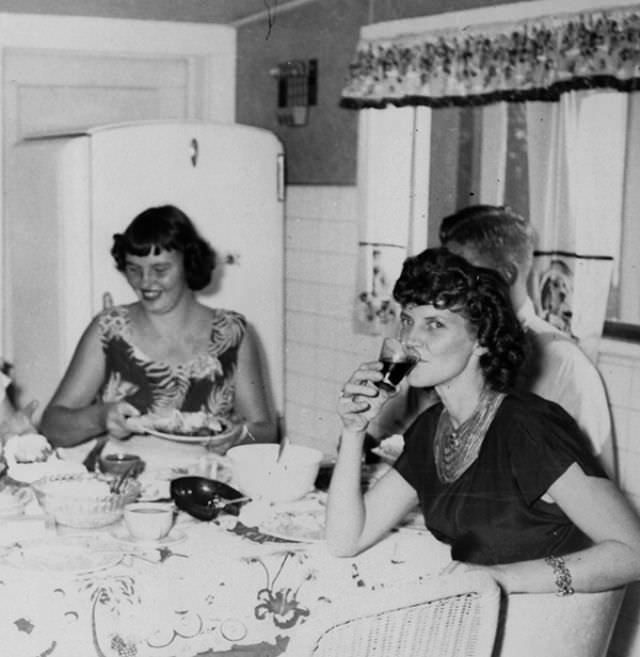
These photographs preserve what no written record fully can — the texture of daily life. The way a child squints in the desert sun, the style of furniture in a living room, the cut of a dress, the make of a car in the driveway. Each frame holds a moment that was ordinary then and irreplaceable now.