
On the morning of December 6, 1917, the residents of Halifax, Nova Scotia woke up to what seemed like an ordinary Thursday. By 9:05 a.m., that ordinary morning had become the deadliest single day in Canadian history. The Halifax Explosion killed nearly 2,000 people, injured 9,000 more, and flattened over two square kilometers of the city in an instant. It remains the largest man-made explosion before the nuclear age.
The disaster began with a collision in the Narrows, the tightest stretch of Halifax Harbor. The SS Mont-Blanc, a French cargo ship, was making its way into the harbor that morning. Its hold was packed with some of the most volatile explosives used in World War I: 2,300 tons of picric acid, 200 tons of TNT, 35 tons of high-octane benzol stored in drums on deck, and 10 tons of guncotton. The ship was, in every sense, a floating bomb.
Traveling in the opposite direction was the SS Imo, a Norwegian relief vessel. Running behind schedule and moving faster than the rules of the harbor allowed, the Imo cut into the wrong lane. Attempts to correct course came too late. The two ships collided, and the impact knocked the benzol drums on the Mont-Blanc’s deck loose, sparking a fire. The crew knew immediately what would follow. They launched the lifeboats, abandoned ship, and rowed hard for shore, shouting warnings as they went.
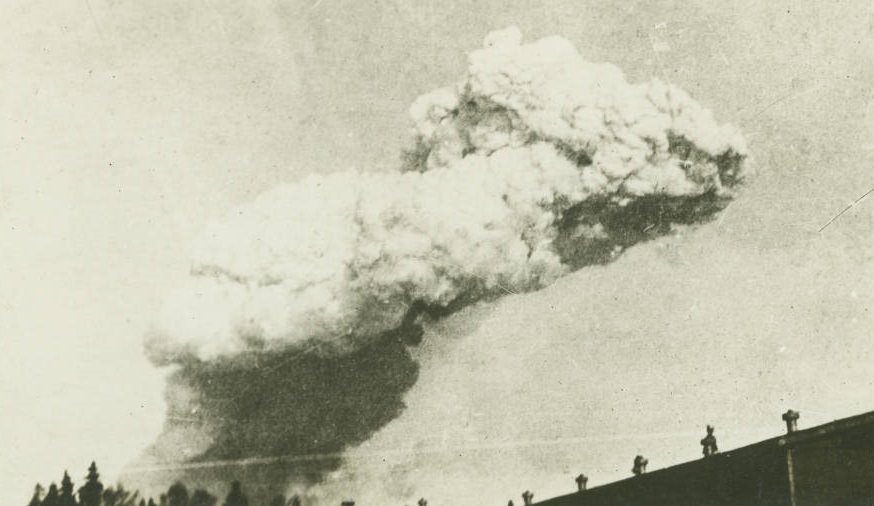
Many people on the Halifax waterfront did not understand what the burning ship meant. Workers, children at school windows, and curious onlookers gathered to watch the fire. They had roughly 20 minutes. At 9:04:35 a.m., the Mont-Blanc detonated. The explosion released energy equivalent to about 2.9 kilotons of TNT. The blast wave traveled outward at supersonic speed, shattering windows up to 80 kilometers away. A tsunami generated by the explosion surged across the harbor.
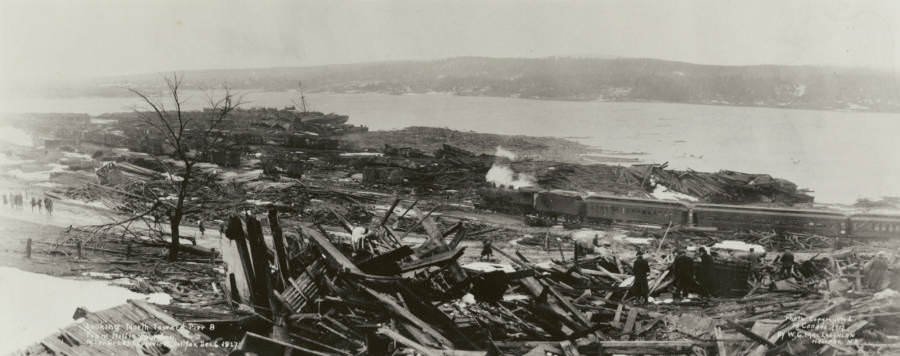
One of the most consequential acts of heroism that day came from telegraph operator Vince Coleman. Working at the Richmond rail yard near the harbor, Coleman learned that an inbound passenger train was minutes away. Instead of running, he stayed at his telegraph key and sent a warning message that stopped the train before it reached the devastated zone. Coleman died at his post when the blast hit, but his message saved hundreds of lives.
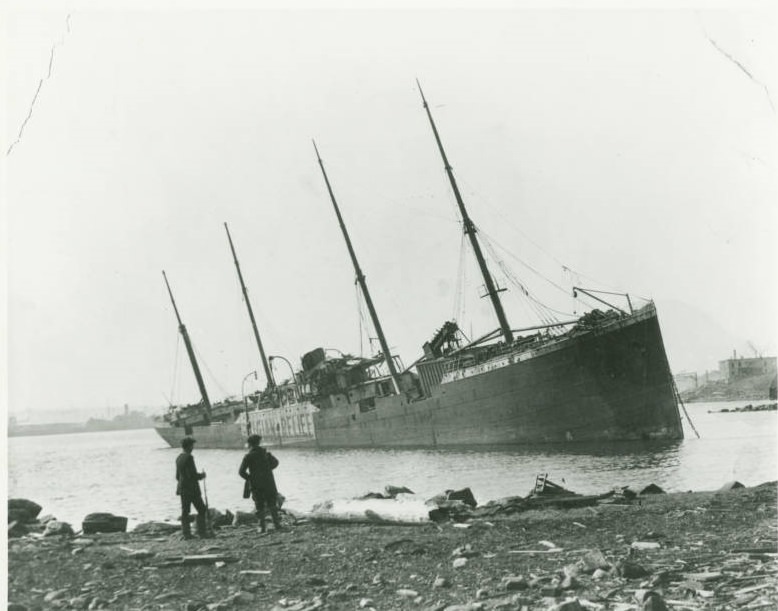
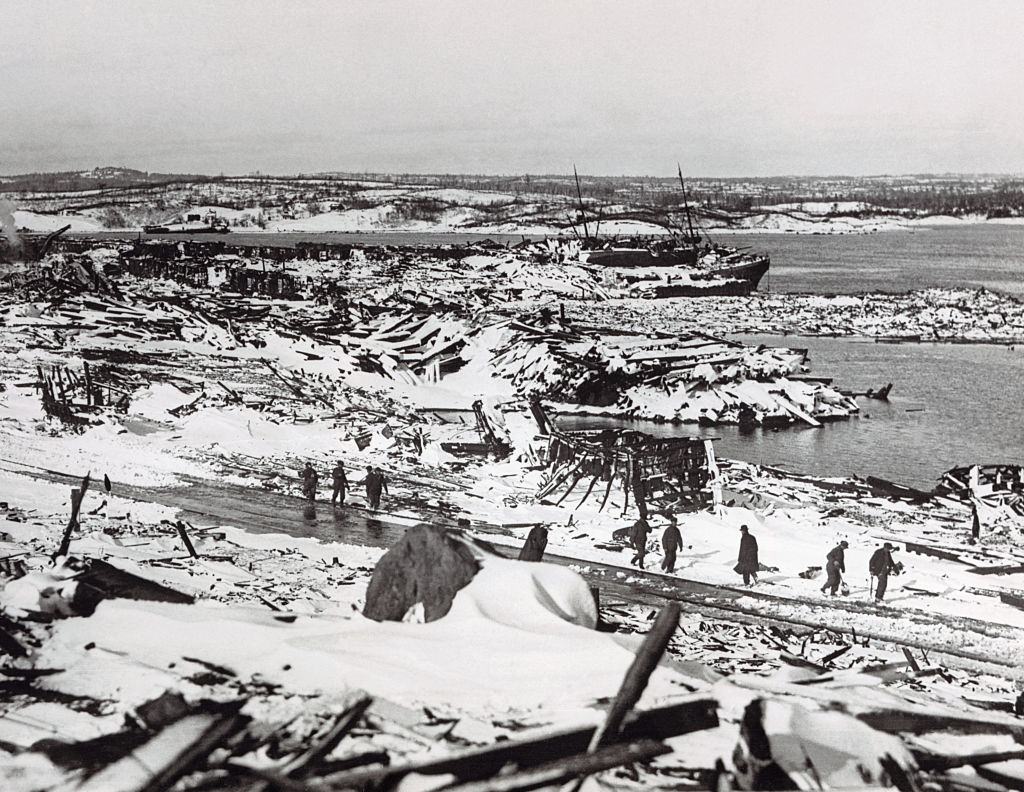
The harbor itself was transformed within seconds. Ships were tossed onto land. The Mont-Blanc was completely vaporized — its anchor shank, weighing over half a ton, landed more than four kilometers away. The SS Imo was hurled onto the Dartmouth shore across the harbor.
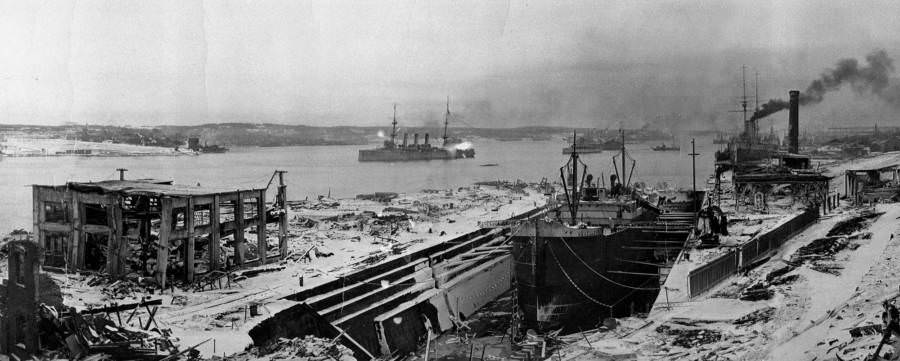
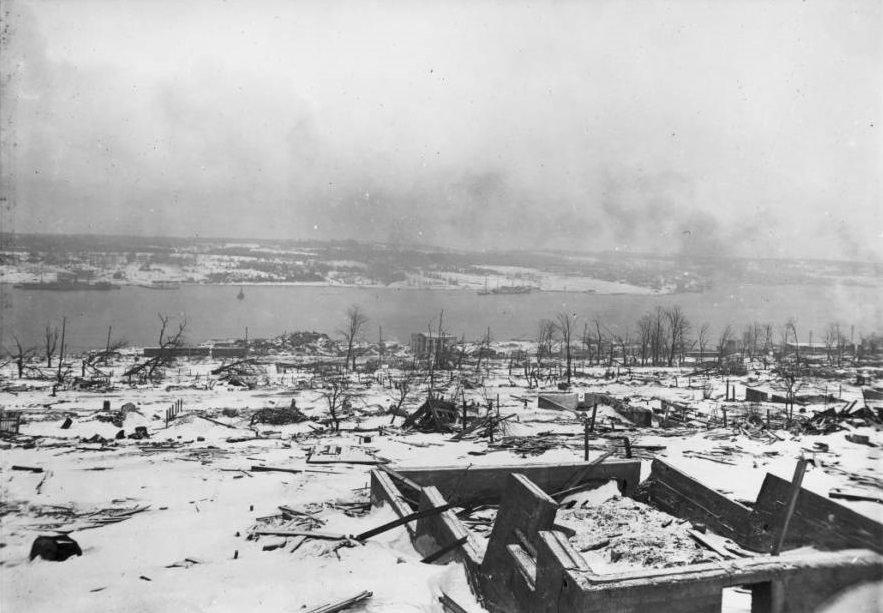
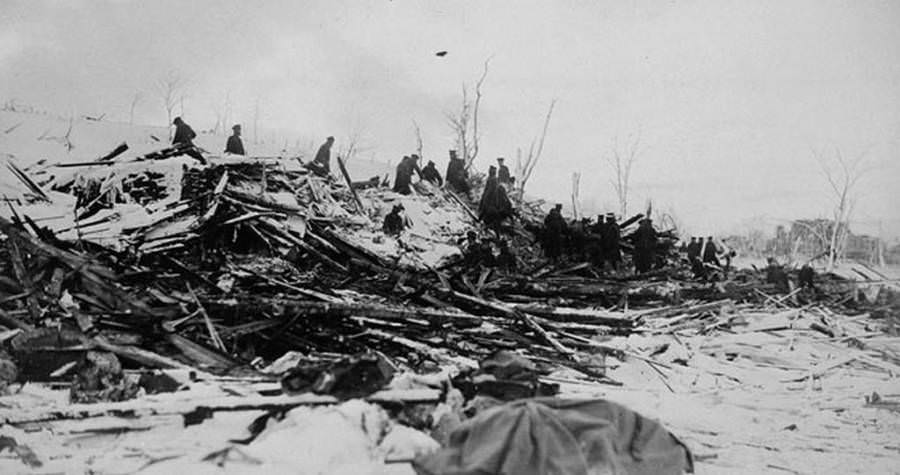
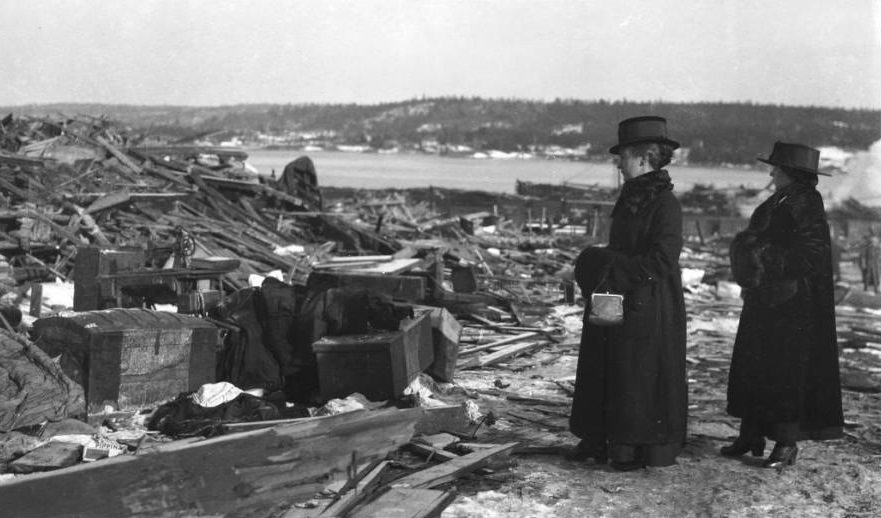
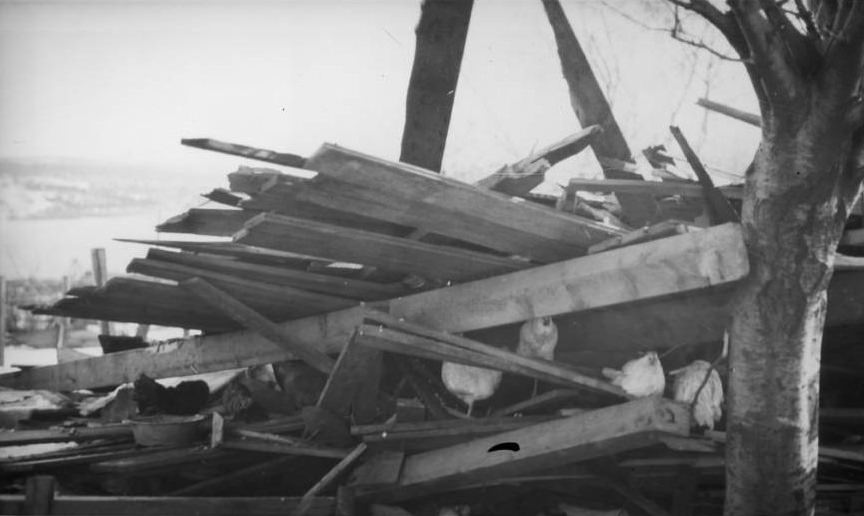
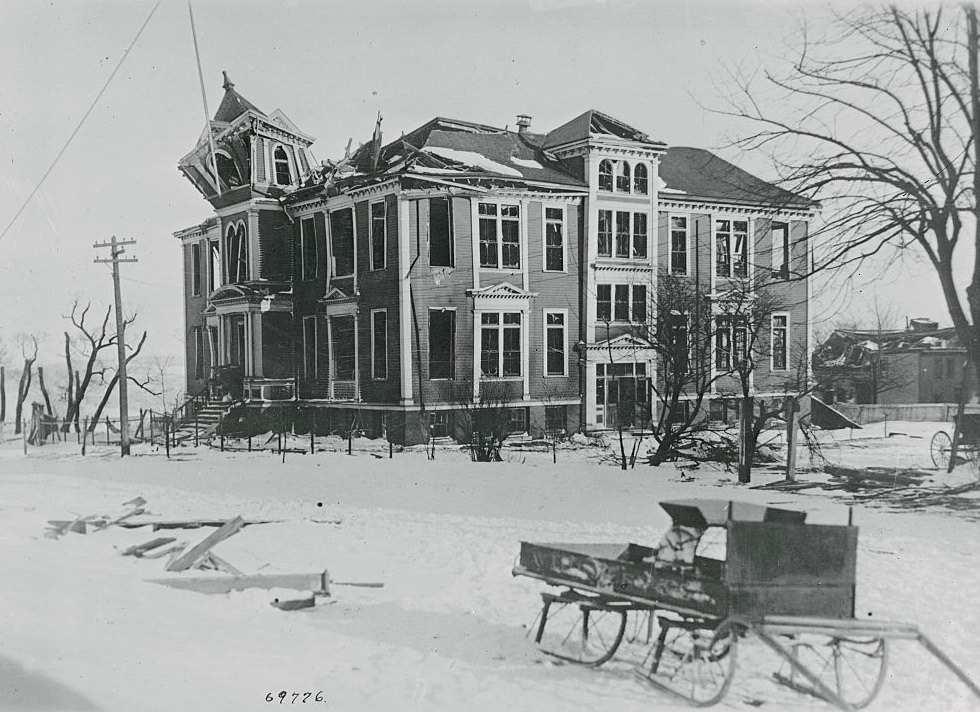
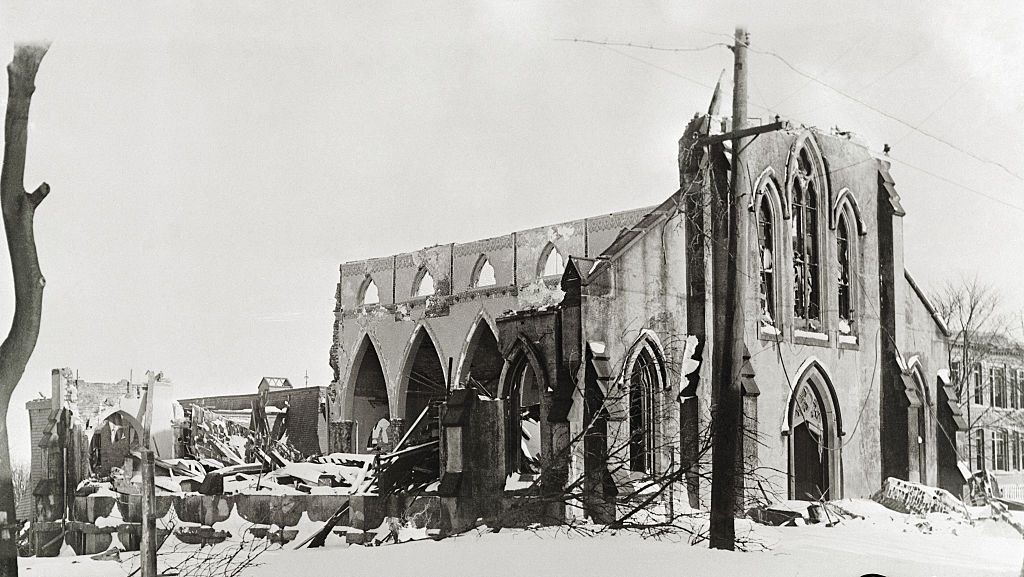
On land, the destruction was total within a half-mile radius. The Richmond district of Halifax, a densely populated working-class neighborhood closest to the harbor, was completely obliterated. Factories, churches, schools, and homes were reduced to splinters. The tsunami that followed swept across Tufts Cove, wiping out the Mi’kmaq First Nation community that had lived there for generations.
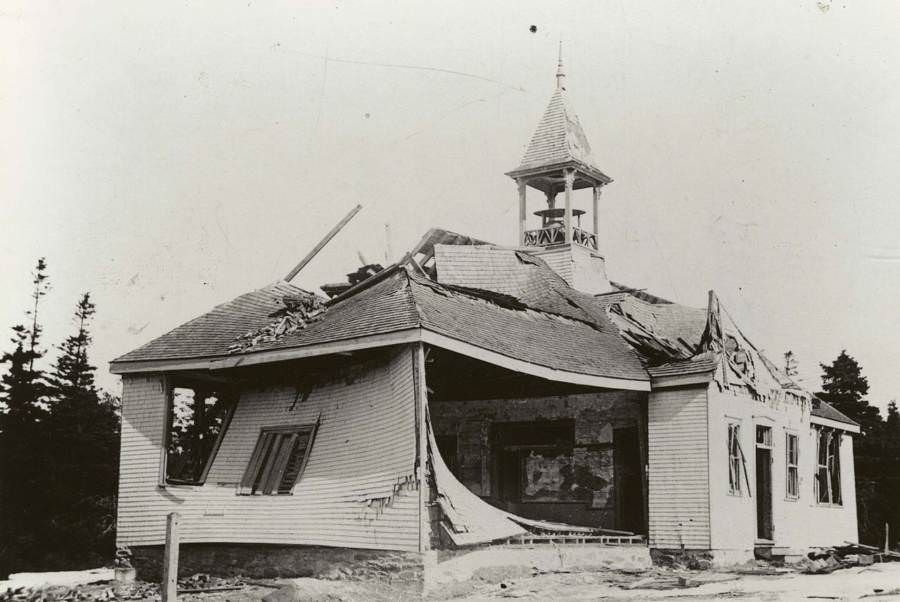
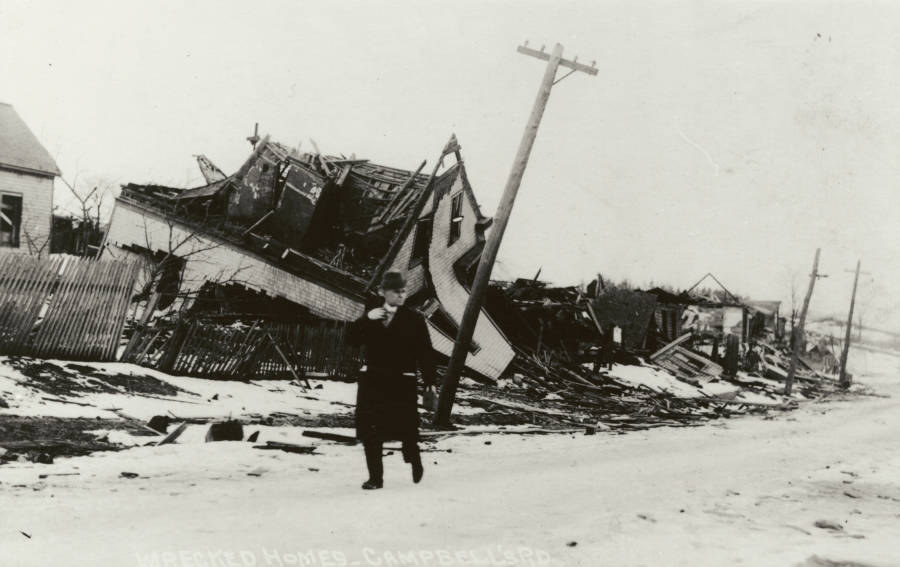
More than 1,900 people were killed outright. Approximately 25,000 residents — nearly half of Halifax’s entire population — were left without adequate shelter. Hundreds of survivors were blinded by flying glass as they stood at windows watching the fire on the Mont-Blanc just before it blew.
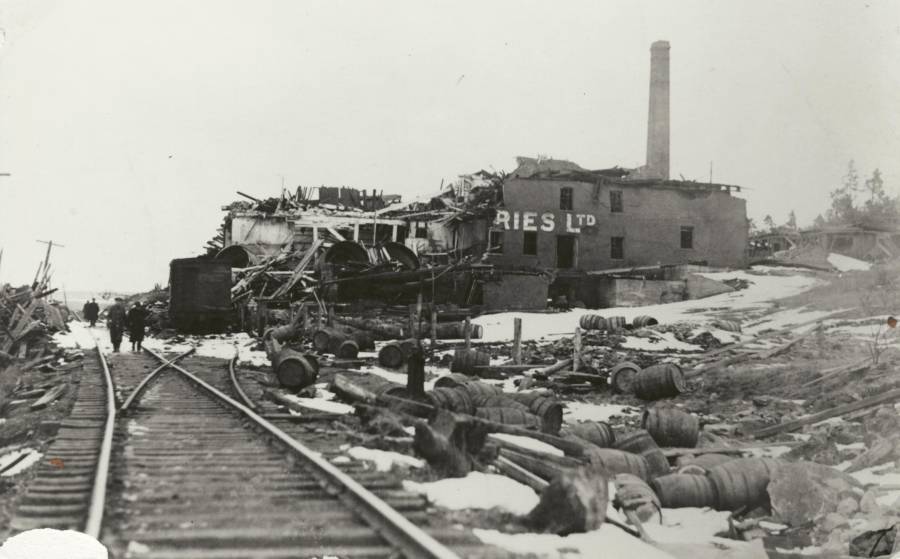
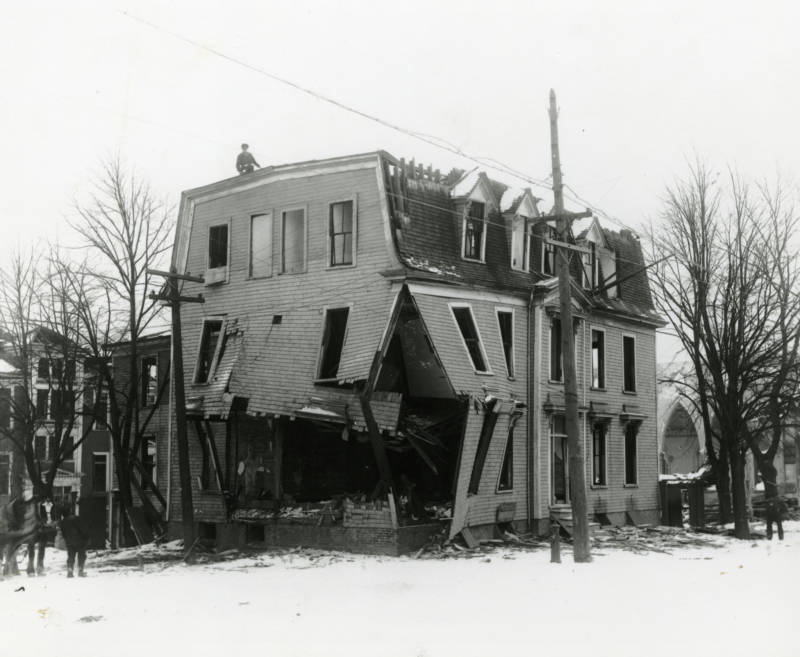
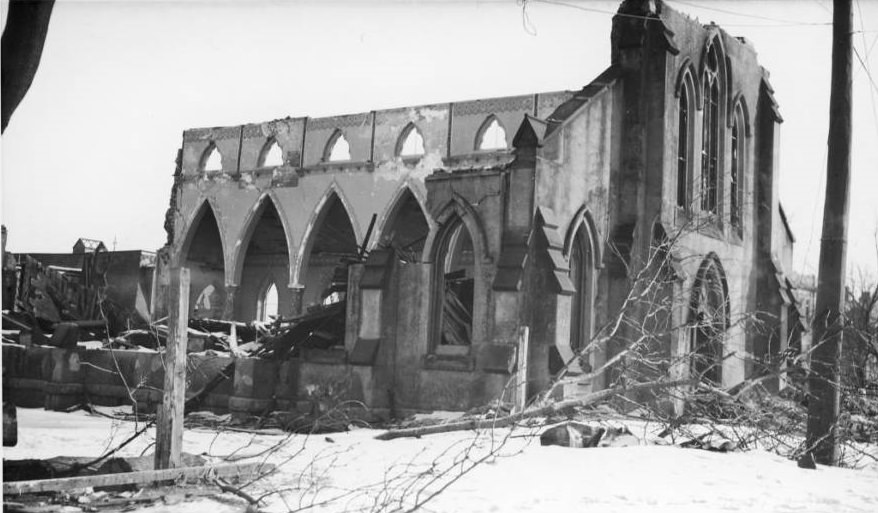
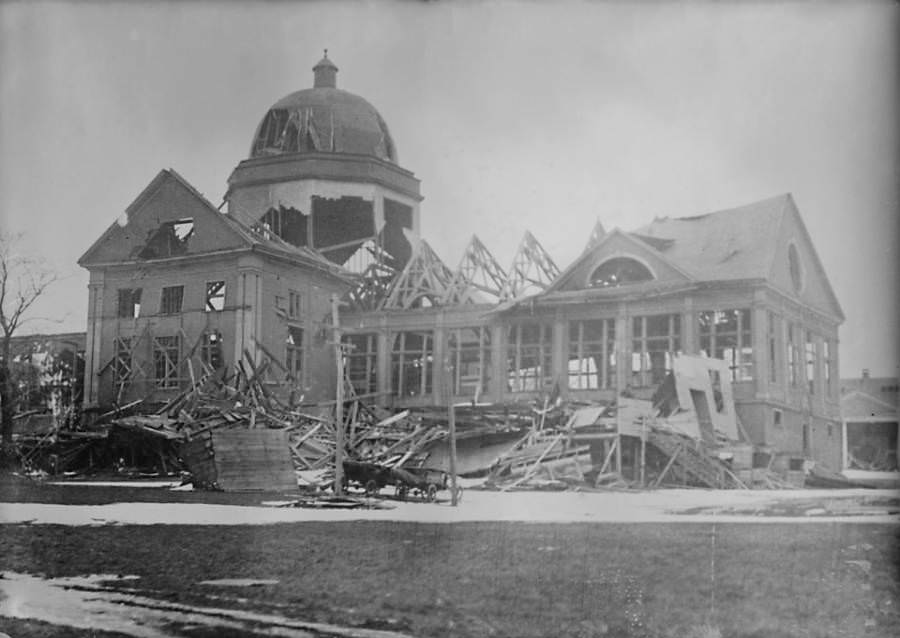
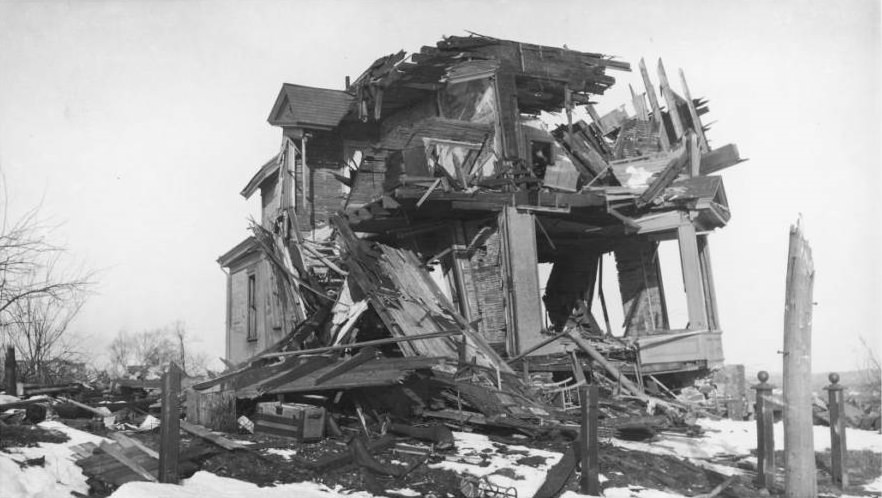
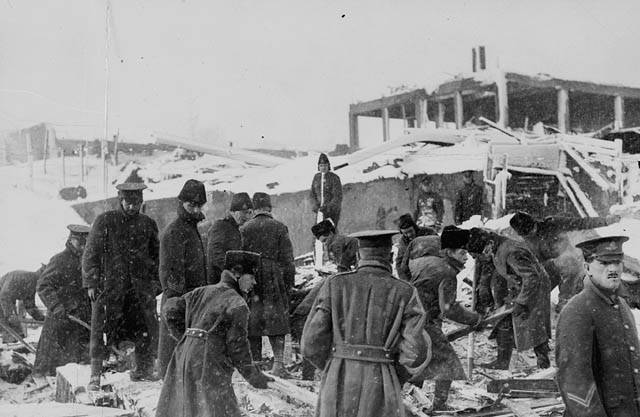
Rescue efforts began almost immediately, despite the fact that rescuers were themselves dealing with injuries and loss. Soldiers, volunteers, and medical personnel flooded in from across Nova Scotia and neighboring provinces. The wounded overwhelmed every available space — churches, schools, and commercial buildings were converted into makeshift hospitals on the spot.
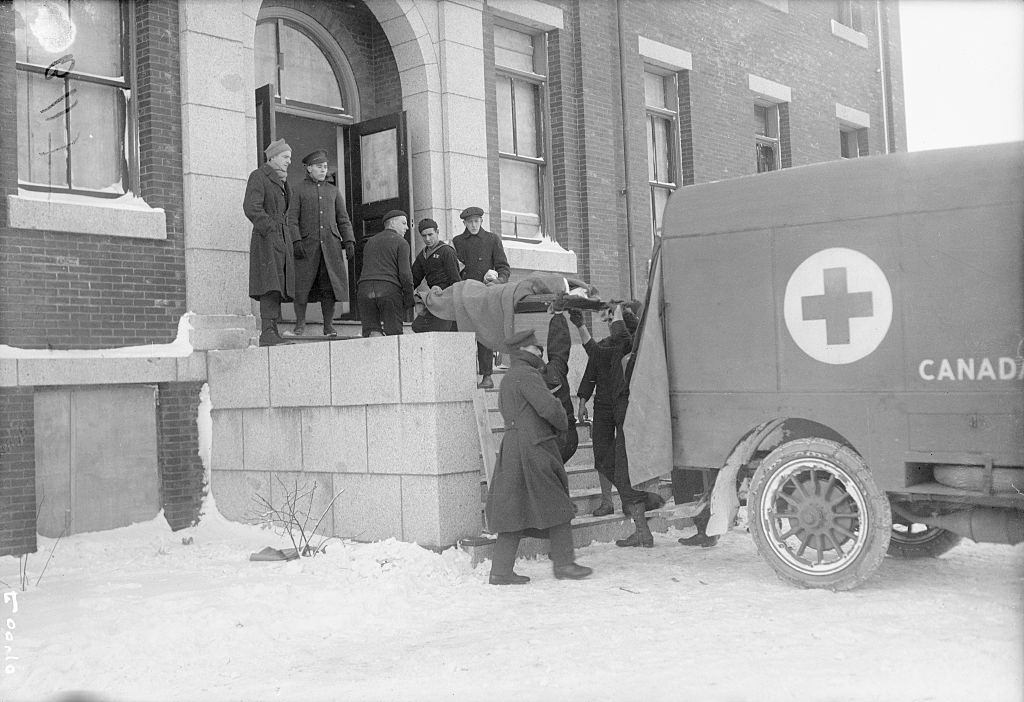
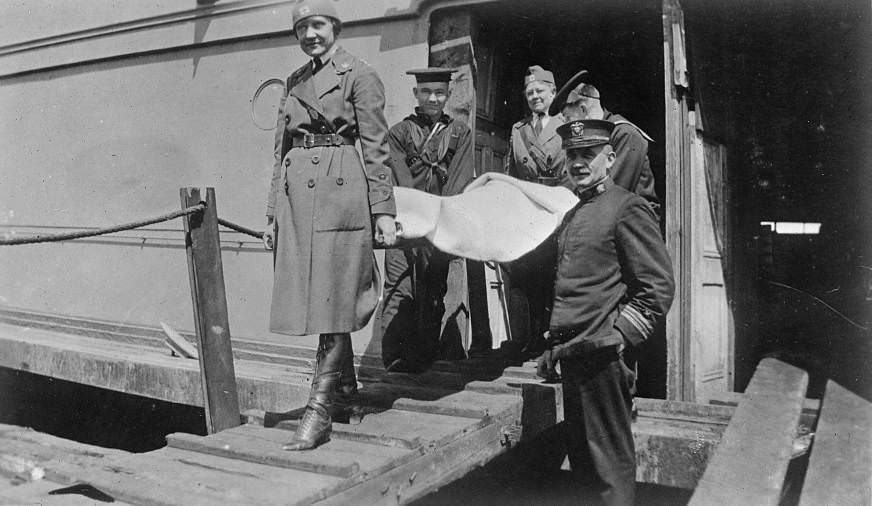
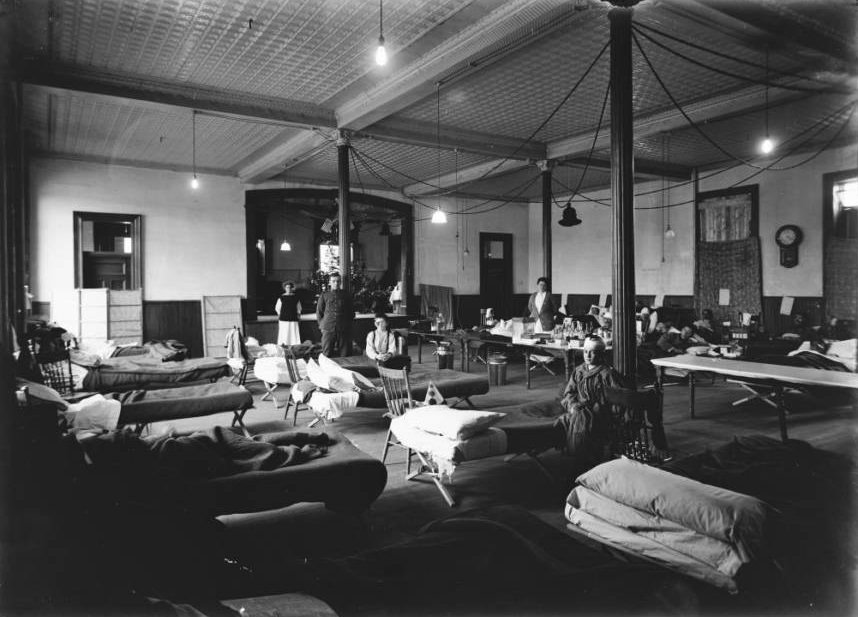
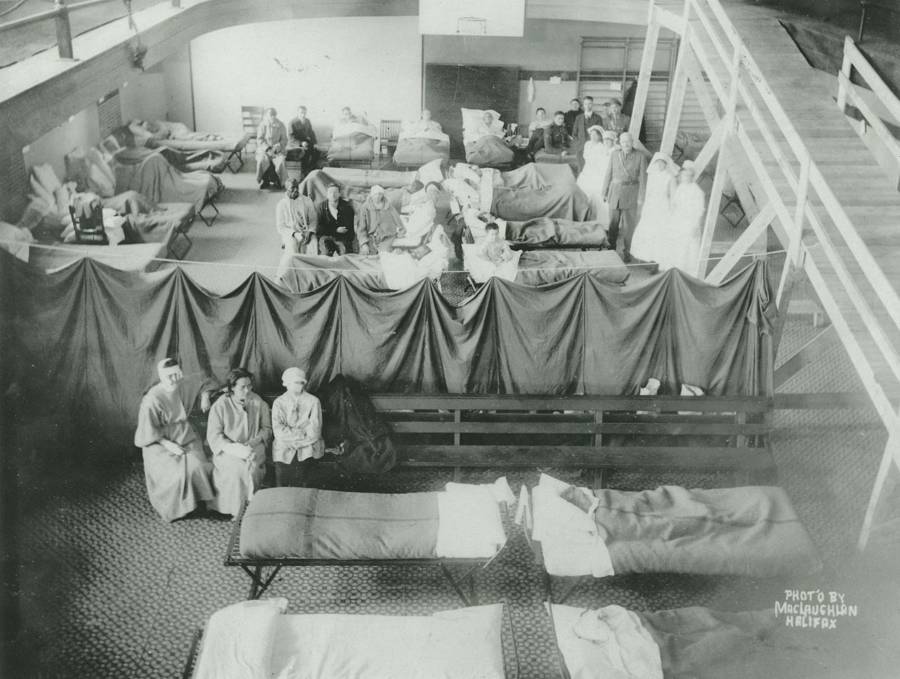
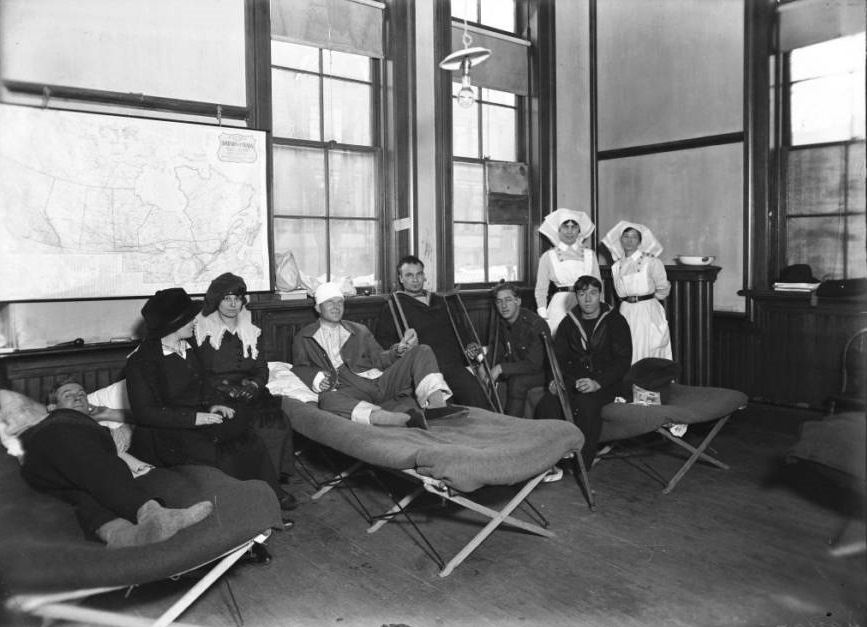
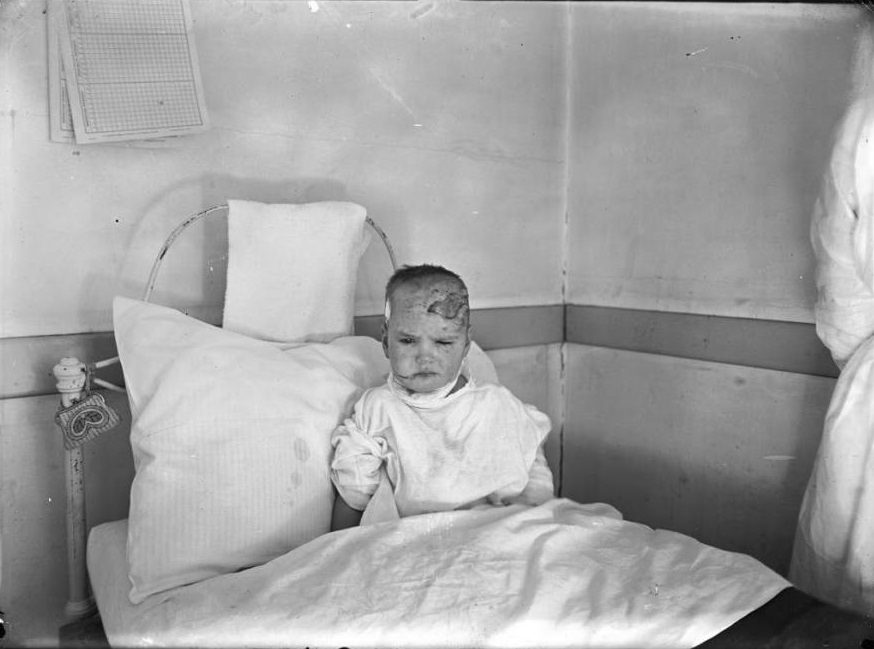
Children were among the most visible victims. Many had been sitting at school windows watching the burning ship when the blast hit. The hospitals filled quickly with young patients, some with severe burns, others with deep lacerations from shattered glass.
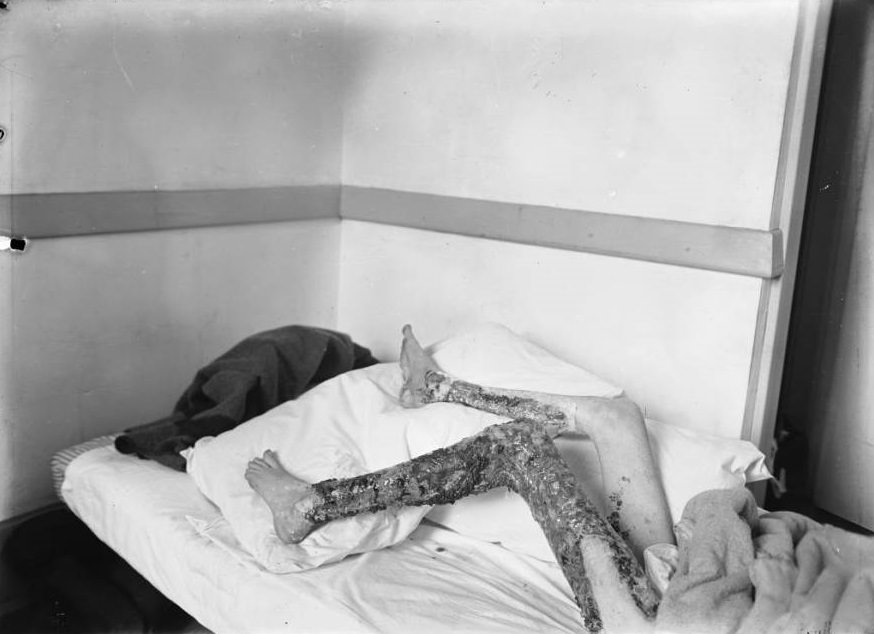
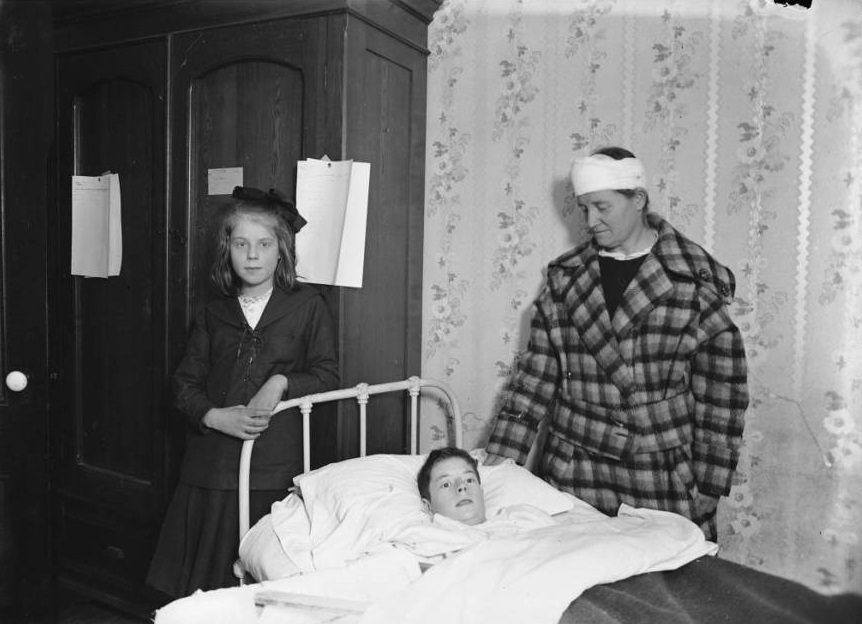
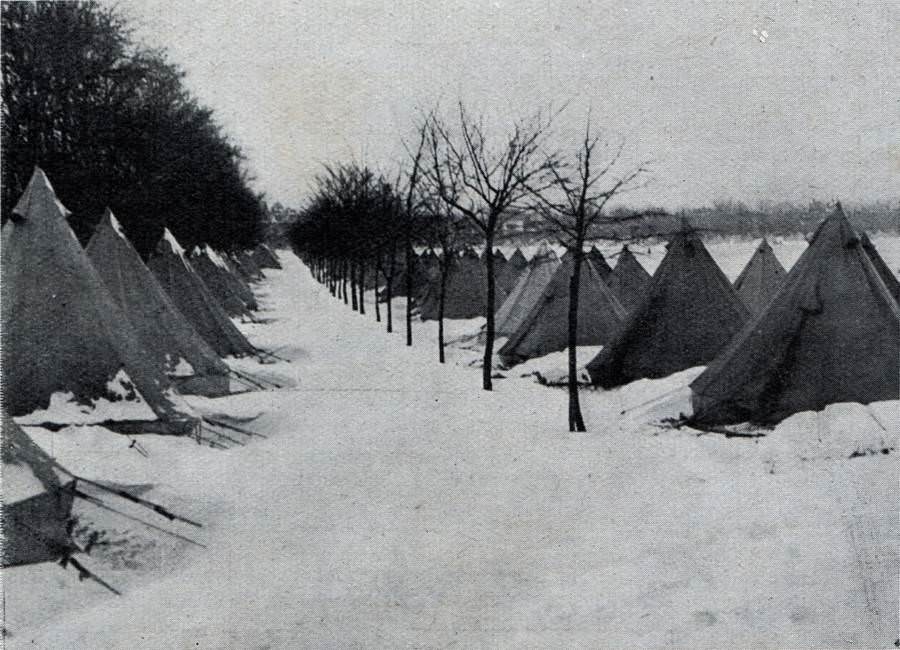
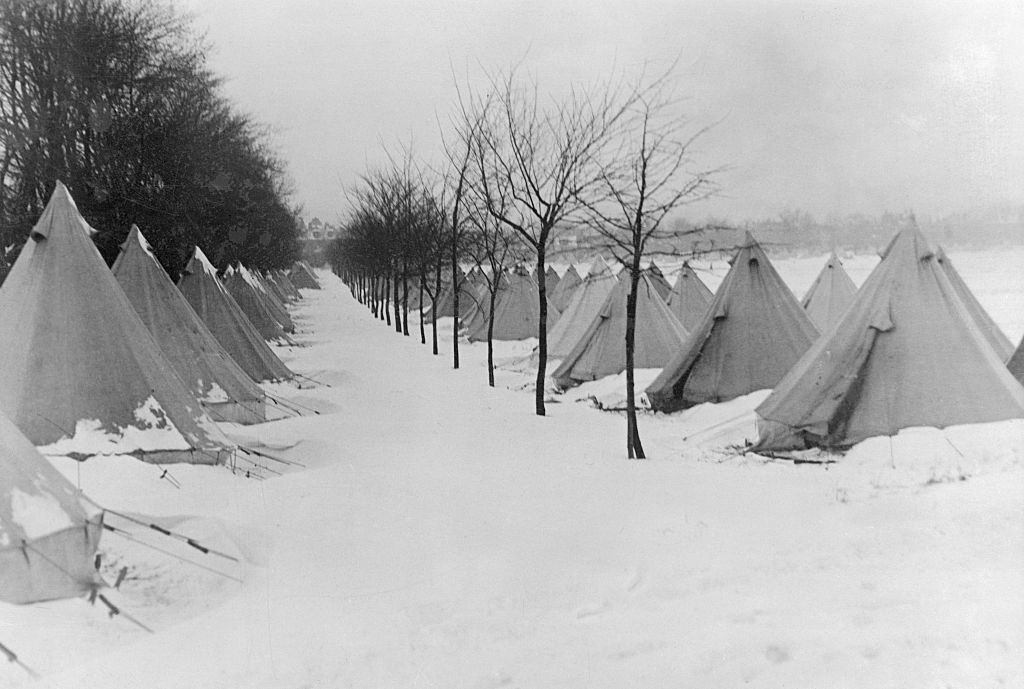
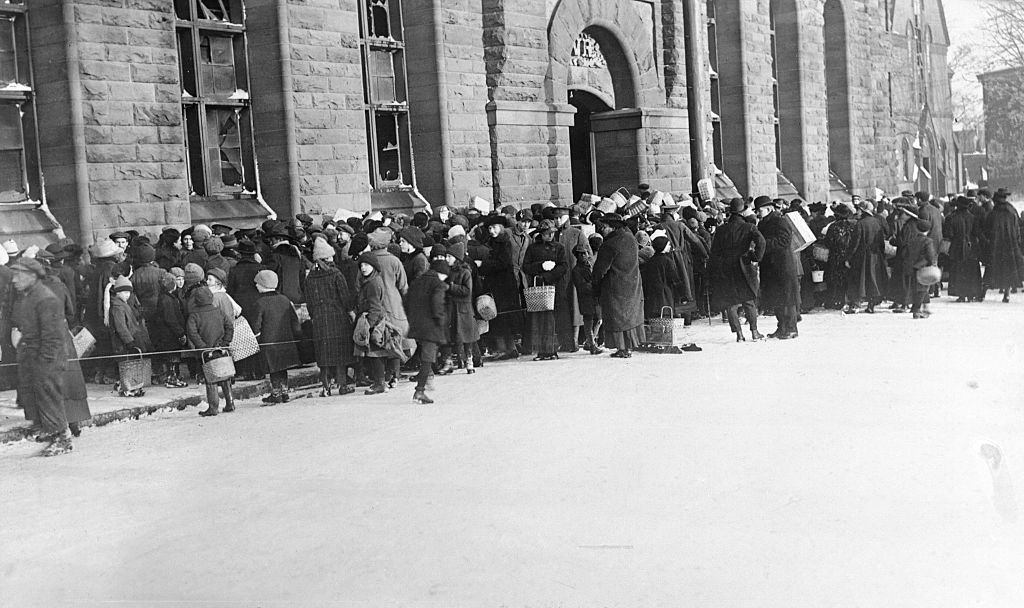
Survivors who were not in hospitals needed somewhere to go. Tent cities went up across the city to house the tens of thousands left without shelter. Winter in Halifax is brutal, and the blast had struck just weeks before Christmas. A blizzard hit the city the following day, burying the rubble and the bodies still trapped beneath it under fresh snow.
Aid poured in from across North America. The city of Boston sent one of the fastest relief trains ever assembled — loaded with doctors, nurses, and supplies — within hours of hearing the news. Relief supplies were loaded at rail yards and rushed north as quickly as logistics allowed.
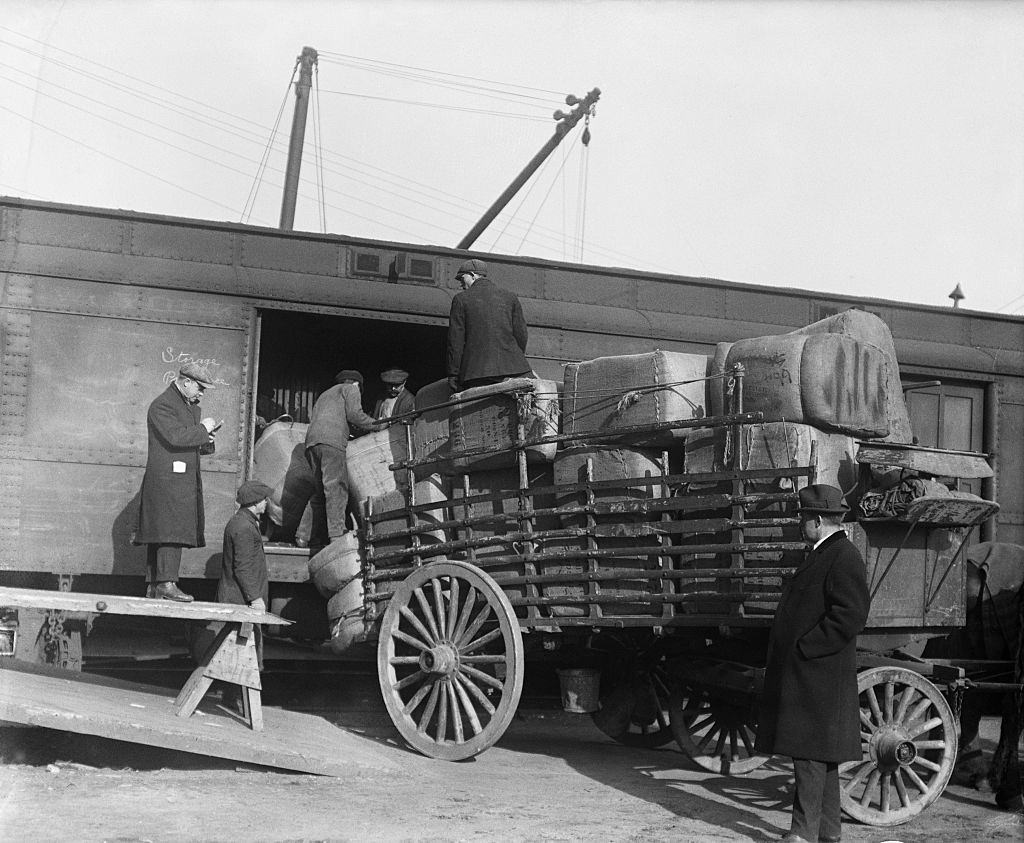
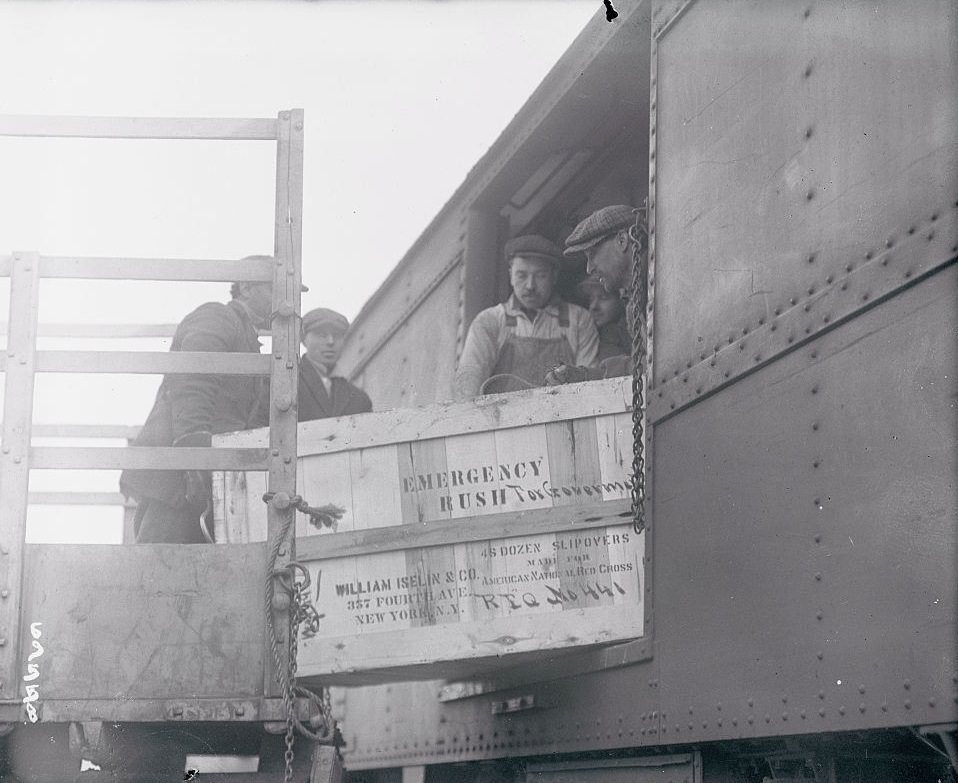
Recovering the dead was a slow, grim process. Bodies were pulled from the rubble for days and weeks after the explosion. Identification was often impossible. Caskets were lined up for mass burial as the city tried to account for everyone who had been lost.
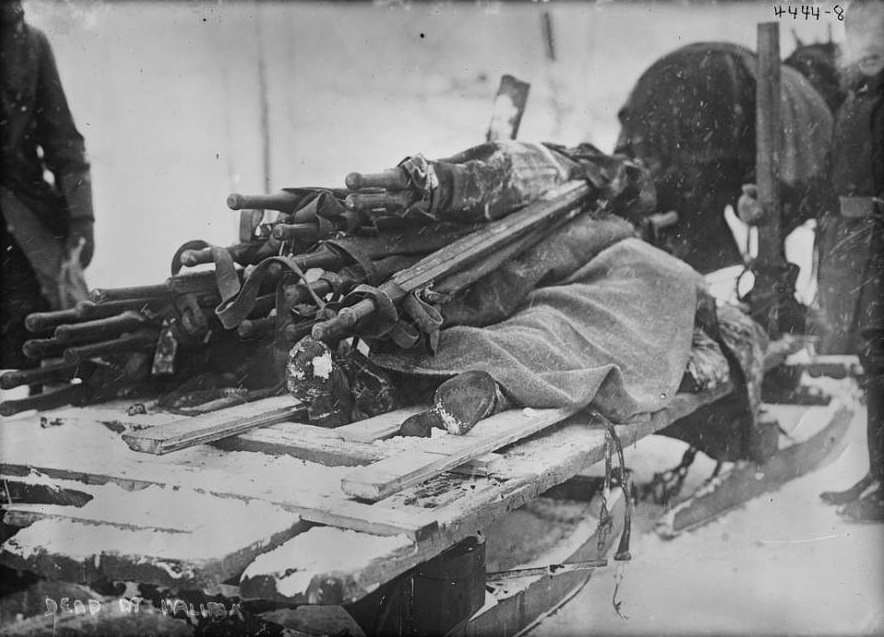
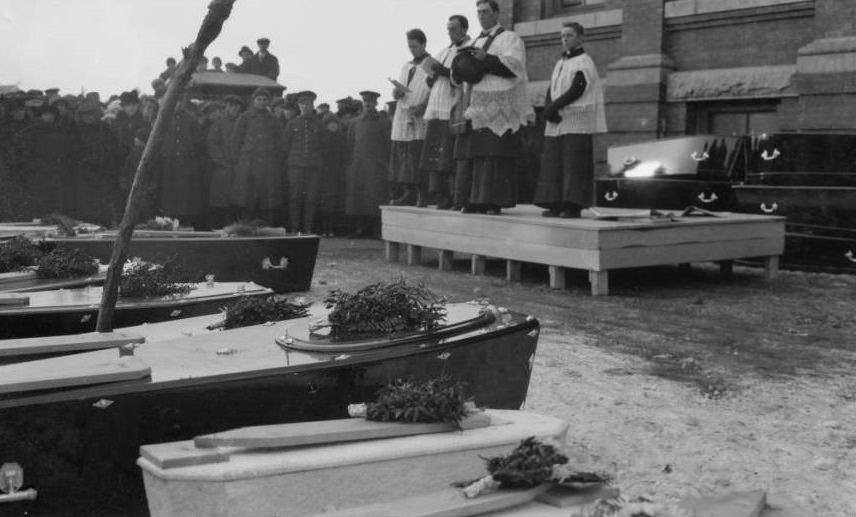
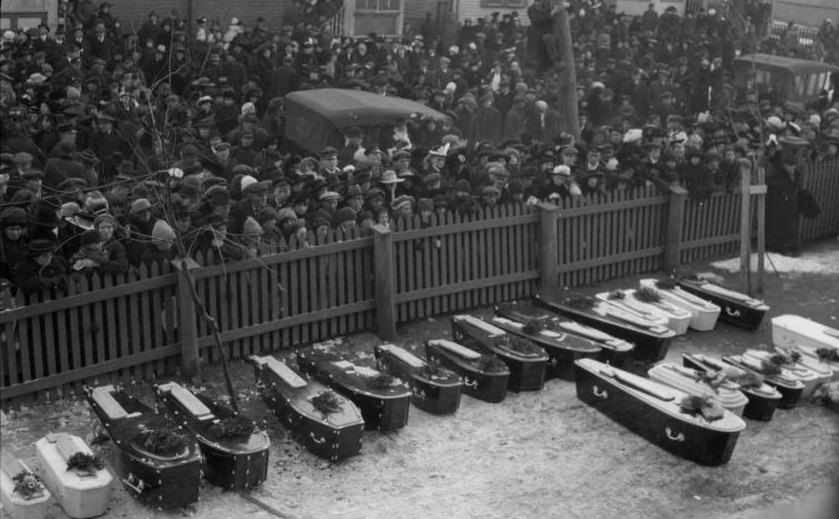
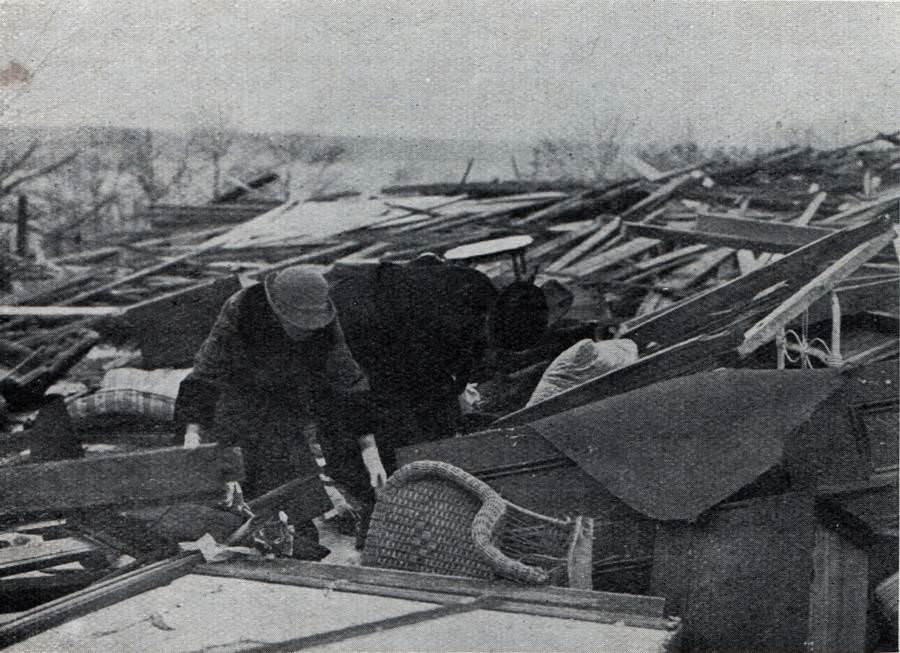
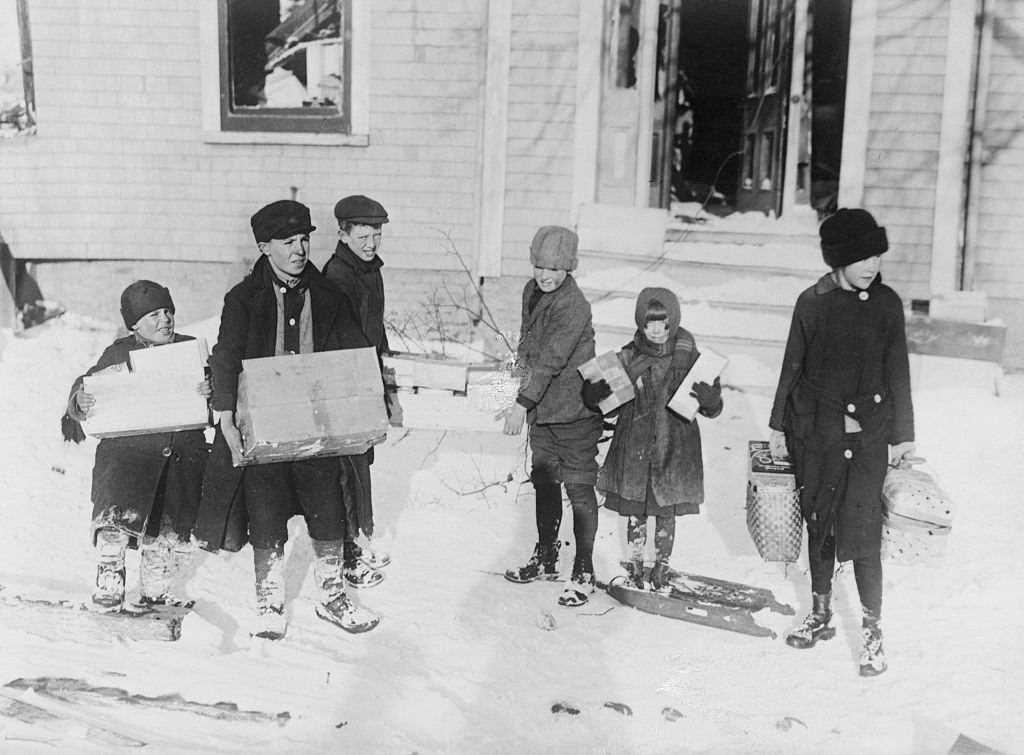
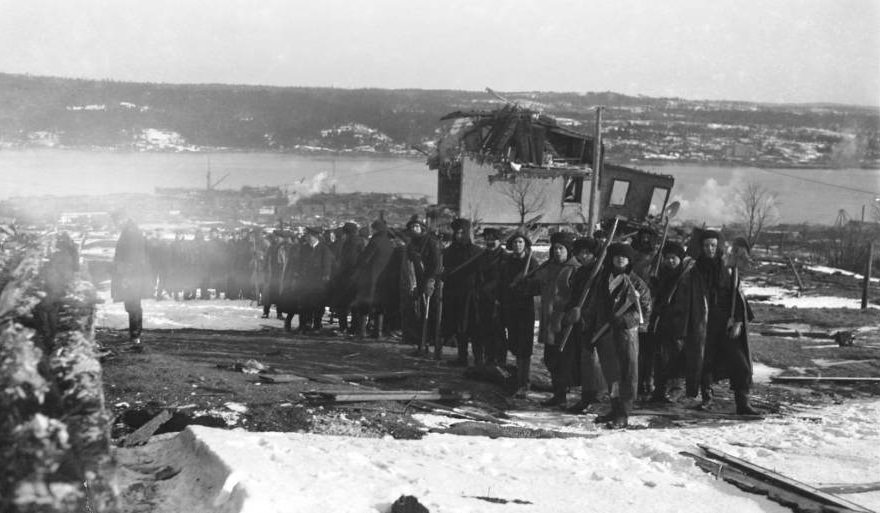
As the dead were buried, survivors began the work of assessing what remained. Crews moved through the rubble looking for anything that could be saved — belongings, building materials, anything that could be pulled from the wreckage.
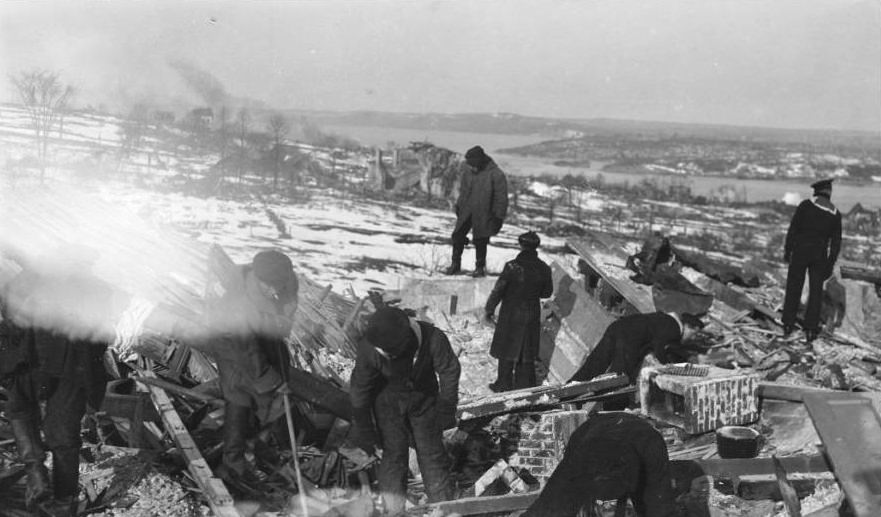
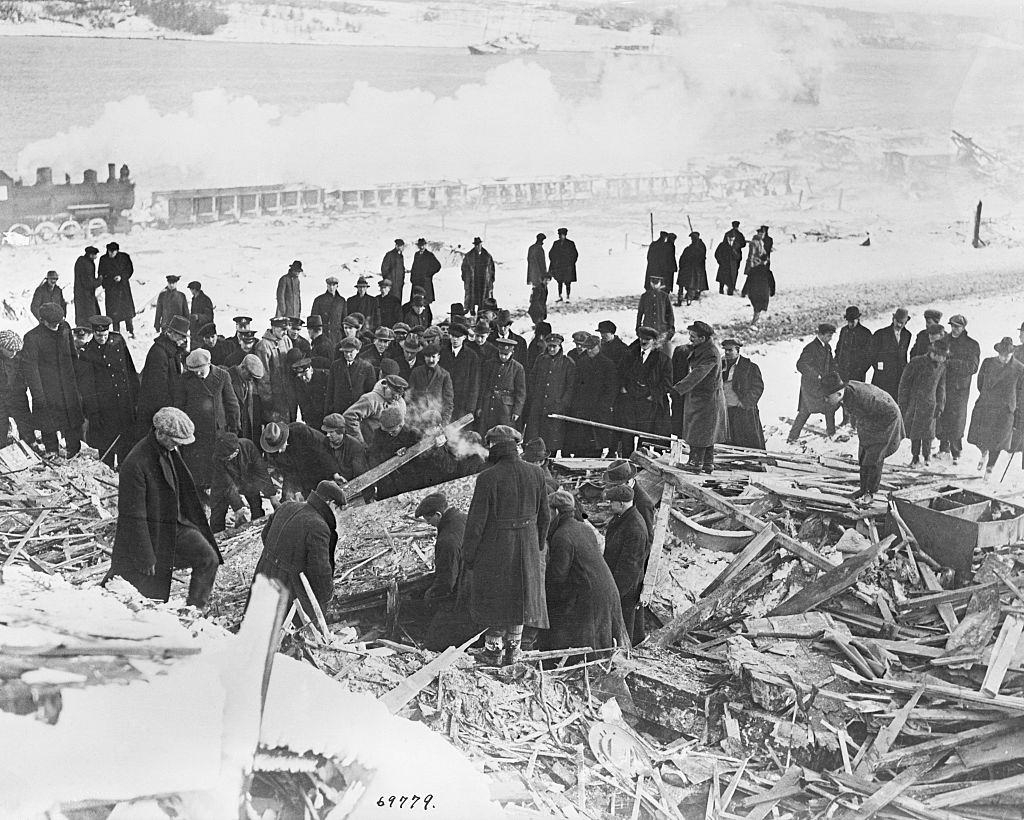
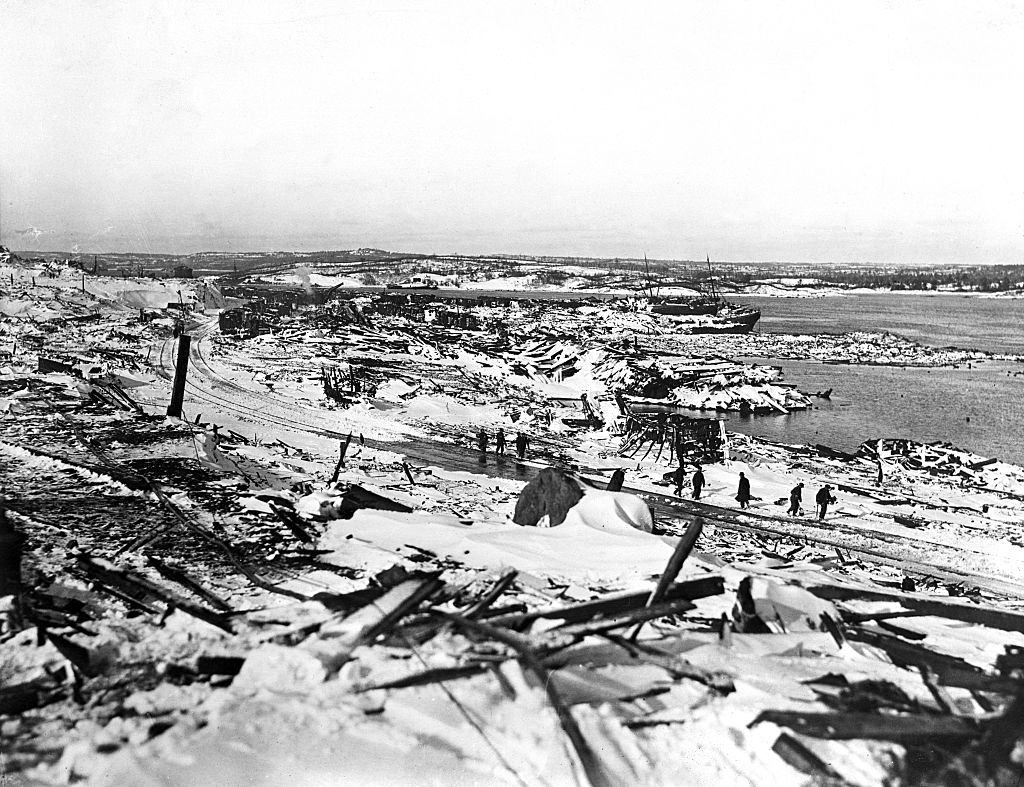
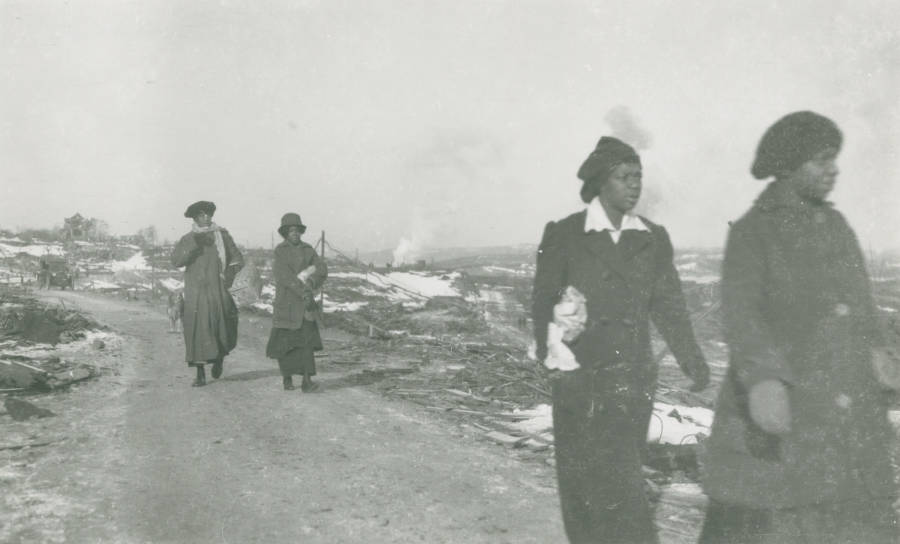
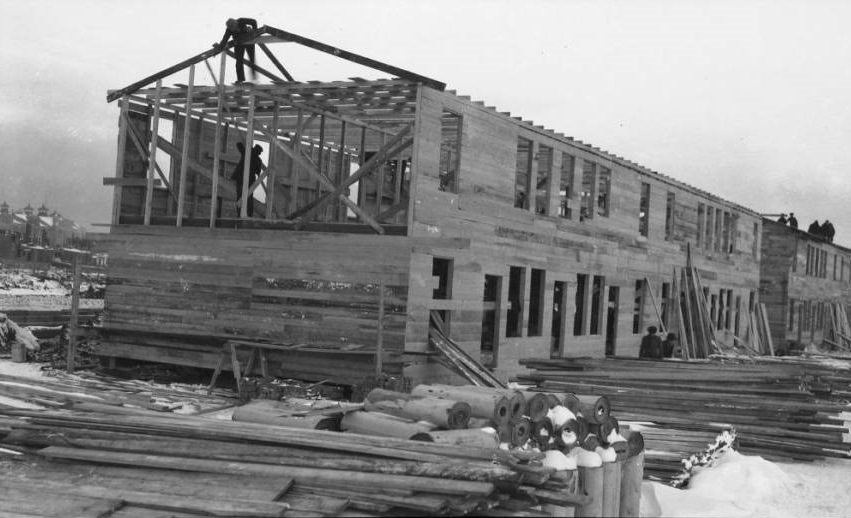
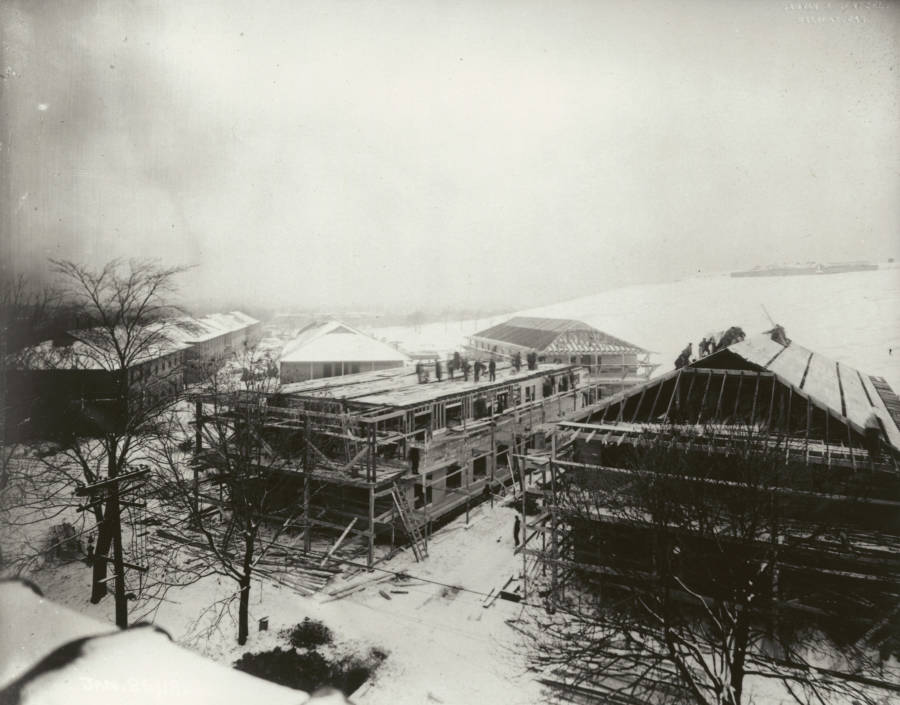
Reconstruction of Halifax was funded through a combination of Canadian federal aid and international donations. The work was enormous. Entire neighborhoods had to be built from scratch, not just repaired. The city’s infrastructure — water lines, roads, rail connections — needed to be rebuilt alongside the homes and buildings.
Boston’s response to the Halifax Explosion was so swift and generous that Halifax has sent a large Christmas tree to the city of Boston every year since 1971 as a formal expression of gratitude — a tradition that continues to this day.

Boston sent up help after the explosion, and Halifax has since sent us giant Christmas trees to thank them.
It seems they first did it in 1918, then there was a gap until 1971 when they started doing it annually, but the point is they still do it, and I love that they do.
A radio operator called Vince Coleman warned an incoming train to stop despite knowing that it probably meant his death so that the death toll would have been much higher. In his last message, he said, “Hold up the train. There is a fire on the ammunition ship in the harbor. It’s going to explode. Bye, boys.” Not only did the warning stop the train, but it also alerted others and led to faster emergency response, saving more lives. He deserves to be remembered.
People on the streets died of the bitter cold. Frozen bodies were found on the streets. It was a terrible time in my city’s history. Steel pieces can still be found miles up the coast line from the explosion. A lot of them have been left as monuments.
I believe this was the largest explosion before humans developed nuclear weapons
They studied it while building the first nukes too
It is difficult to comprehend the hardships people faced: the First World War and the stress of losing loved ones, the Halifax explosion, the 1918 pandemic…
Here are some photos I hadn’t seen before.
I remember a telegraph operator who stayed behind to warn away an incoming train. He saved a lot of lives giving his.
Over 1,000 residents lost their sight due to shattered glass and flying debris. One in 50 Halifax residents was blinded or suffered serious eye damage that day. In the two weeks following the deadly blast, doctors and nurses removed or treated hundreds of people’s damaged eyes. There were 206 people who lost one eye and dozens who lost both. More than a hundred people had glass embedded in their eyes.
I lost my great aunt just shy of 100 years ago, one of the last survivors. It was a blessing that she wasn’t hit by glass or other debris. It’s strange that to me and my family, the explosion is common knowledge, but to nearly everyone I mention it to in the states, it’s completely new information.
There was an old woman I knew who survived the explosion. She was about 6 or 7 years old at the time. In addition to the explosion, a snowstorm the next day compounded the disaster.
A number of people who were trapped in the rubble died of hypothermia because of the snowstorm.
It is an often overlooked and forgotten disaster. A childhood friend’s family had a piece of steel that had crashed through their grandmother’s bedroom window, sparing the young baby. Every year, she brought it to school on the anniversary of its purchase.
I saw a documentary about this disaster on HBO or something like that… In order to satisfy my childhood curiosity, I did a great deal of research when I was quite young. Without a doubt, this was a horrible moment in history.
My grandfather was walking to school in the north end when it happened. He was saved by a stone wall near Stad.
Compared to the blast in the Port of Beirut in August of 2020, it was only a third the size of the Halifax Explosion… Can you imagine how people would have handled this in a pre-nuclear world??
It was pre-nuclear, and a snowstorm had engulfed most of Canada, stalling relief efforts.
This is assumed to be the largest non-nuclear detonation in history! Everything within a half mile was completely leveled.
More than 1,000 people lost their vision from shattering glass because so many people were watching the fire and explosion through their windows. Eventually, the Canadian National Institute for the Blind was established in Halifax, where it operates to this day.
Thousands of pounds of anchors, cannons, and shit have monuments built where they landed after the explosion. Walking down a random street an hour away from the harbor, there will be a monument with half an anchor that flew that far.
In response, the city of Boston sent a ship to Halifax with supplies and support, and Halifax still sends a large Xmas tree to Boston every year.
In WW1, my wife’s grandfather (Canadian field artillery) complained about packages that were lost in the explosion from home he was expecting. In the explosion, cookies, chocolates, and chewing tobacco were lost.
A series of events lead up to and in the aftermath of the explosion in Hugh MacLennan’s Barometer Rising.
There is a section on this disaster in the maritime museum in Halifax. The story is harrowing and unbelievable. I highly recommend it. The Titanic graveyard is just a few minutes away. (If nothing else, read the Wikipedia entry on it and be floored.
Two ships collided at one knot, igniting a shipment of benzol barrels. Over 800 meters away, the explosions cause a pressure wave that snaps trees and bends iron for kilometers. As a result, a water void in the bay created a tsunami wave that destroyed Halifax.
There was a record set for the longest distance flown by a living human projectile during the Halifax explosion: One man, William Becker, was lucky: He was in a rowboat 300 feet from the ship when it exploded, which sent him 1,600 yards across the harbor. He swam to safety and lived until 1969.
My mom’s elementary school teacher survived the explosion but lost an eye to a shard of glass. To freak out the children, she would remove her glass eye whenever they misbehaved.
At the mueseum, they have some of the clothes of people that died on display. That was quite a sad thing to see.
SS Imo, one of the two ships directly involved in the eruption, was launched in 1889 under the name Runic for the White Star Line (which later built Titanic, Britannic, and Olympic). The ship collided with the Mont Blanc, which was carrying explosives. After the collision, the MB ignited and exploded. The Runic had changed owners and names many times by the time of the Halifax Explosion, eventually becoming the South Pacific Whaling Company. The ship was named Ino at the time of the explosion, and was later renamed Guvernøren in 1920. In 1921, she ran aground off the Falklands and was abandoned.
Boston’s official Christmas tree is donated every year by the people of Nova Scotia as a thank you for helping with the aftermath
In addition, it was one of or the biggest incidents of mass blindness in history. When the munitions ship exploded, so many people were looking out their windows at it that windows shattered into their faces.
In a book called “Great Canadian Disasters,” I recall reading about at least one man returning home to find his house in ruins and a chalked message on one of the surviving walls that read “Your family has gone to paradise.”. It must have taken someone a few moments to explain to him that a tent city had been erected in a nearby park called Paradise Park for people made homeless by the blast.
One of the two ships was absolutely stuffed with explosives. The largest manmade explosion before the nuclear bomb was not caused by a simple boat collision
They were both horrible explosions. But being able to put in perspective with the Beirut one really tells you how bad it was.
Interestingly, they studied the explosion before detonating the nuclear bombs. They learned that detonating bombs in the air would have a more destructive effect than on the ground.
Isn’t science fun?
During this time, a train was supposed to come into Halifax, but a brave man risked his life sending morse code rather than trying to escape. Over 100 people were saved, but a couple thousand people died because of the explosion.
Using wood stoves for heating and cooking didn’t help. They were overturned in the rubble and started many fires, burning the poor people trapped inside. Then, the next day was a deep freeze and blizzard. Halifax suffered a great deal in a short period of time. Thankfully, Boston sent a trainload of nurses and doctors to assist. There have been reports of people cutting down trees around here and finding shrapnel embedded inside.
Still can’t believe that made it the city Mascot.
Immediately after the disaster, Halifax sent a Christmas tree to the City of Boston in gratitude and remembrance of the Boston Red Cross and the Massachusetts Public Safety Committee. The Lunenburg County Christmas Tree Producers Association revived that gift in 1971, donating a large tree every year to promote Christmas tree exports and thank Boston for its support. During the holiday season, the tree is lit on Boston Common as Boston’s official Christmas tree by the Nova Scotia Government in an effort to promote trade and tourism. The Nova Scotia Department of Natural Resources has specific guidelines for selecting the tree due to its symbolic significance for both cities.
When the development of nuclear weapons began, the Halifax explosion was analyzed in detail, as it was the only example of an explosion that large hitting a city.
One of the people on the incoming train that stopped because of Vince Coleman is directly descended from me. It’s possible I owe my existence to him.