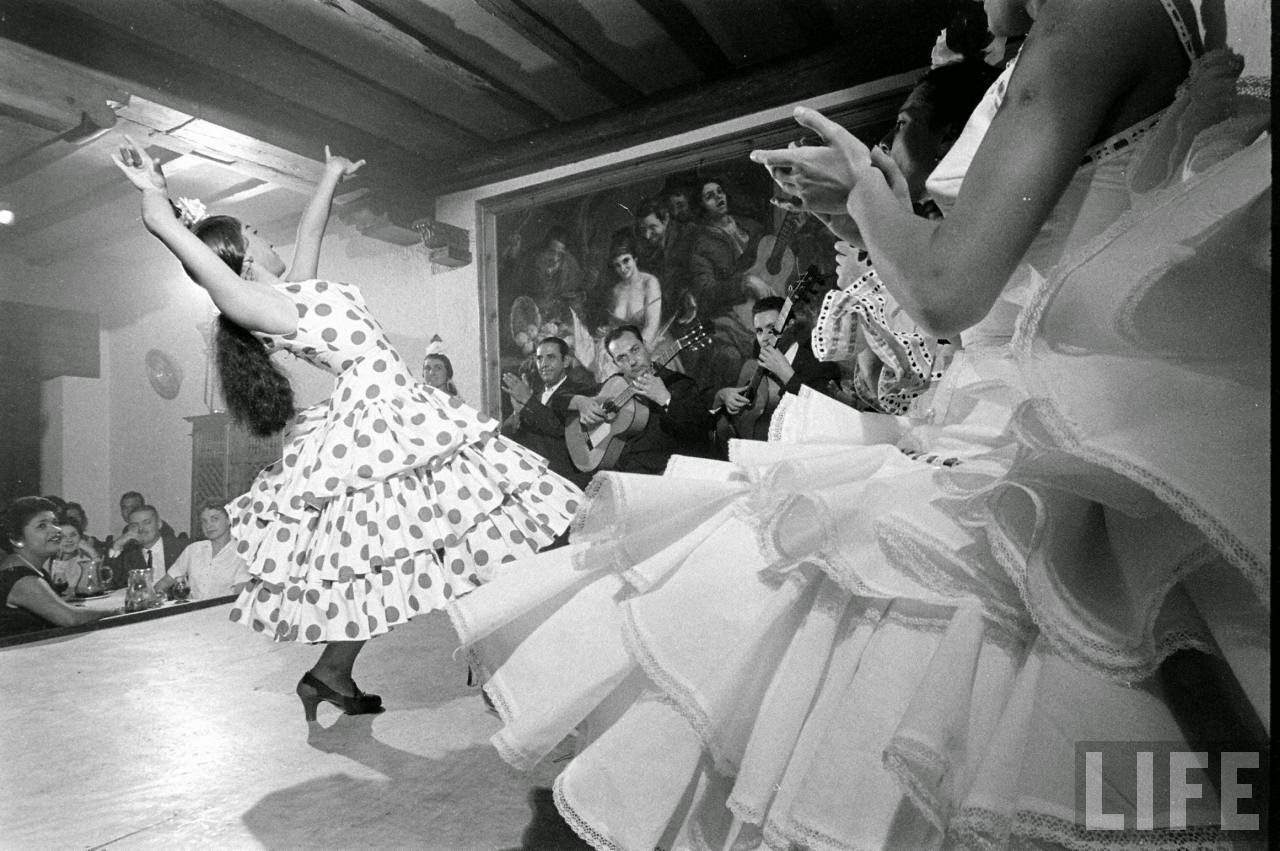
For centuries, the Romani people — widely known as Gypsies — have been celebrated for their extraordinary talents in dance and music. These art forms are not simply entertainment. They are the primary way Romani communities record and pass down their history, their struggles, and their identity. With no written historical record, every stomp of a heel and strum of a guitar carries the weight of generations.
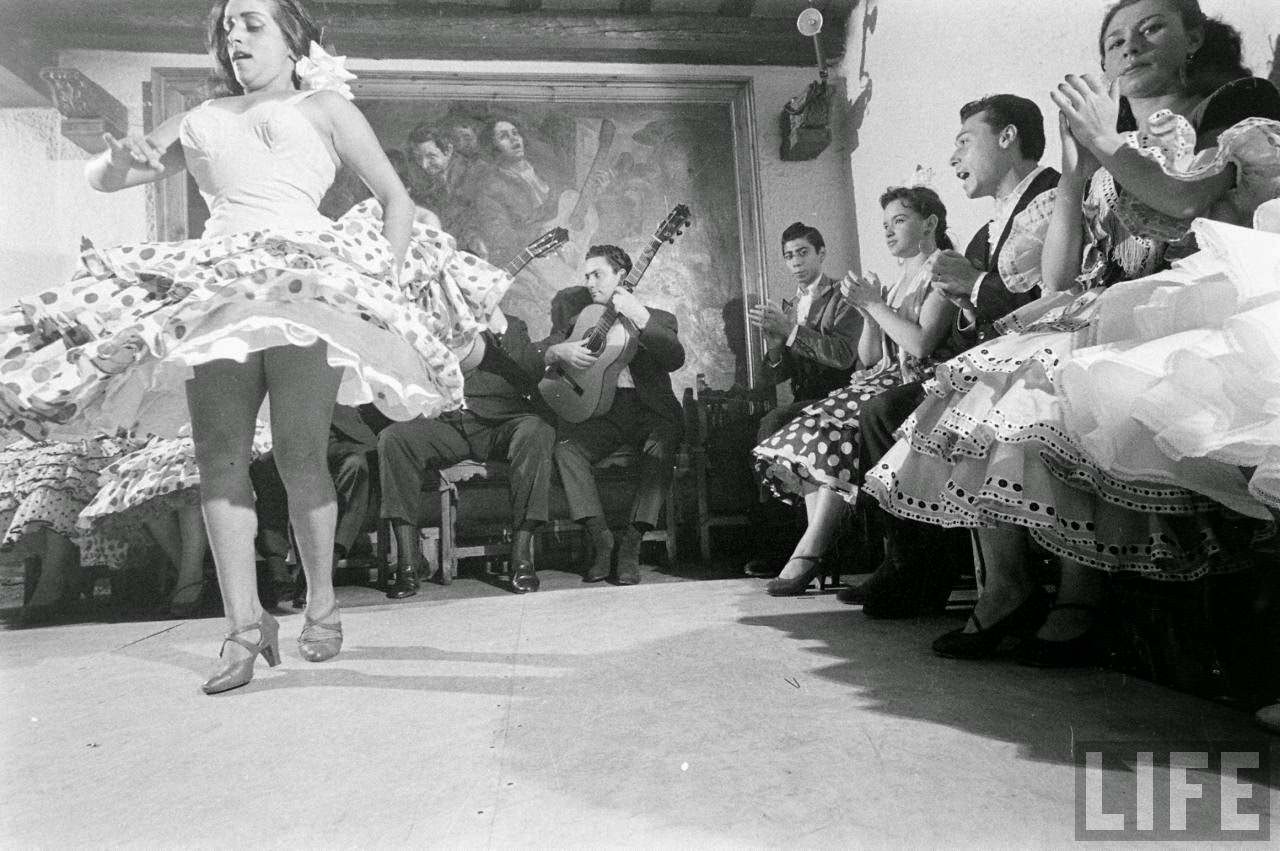
The origins of the Romani people trace back to Rajasthan in northern India, where they were known as the Roms. Over the centuries, wars, famines, and the search for work pushed them westward. Early migrations were recorded as far back as the 5th century A.D. The first groups traveled through Afghanistan and Persia before reaching the eastern shores of the Mediterranean.
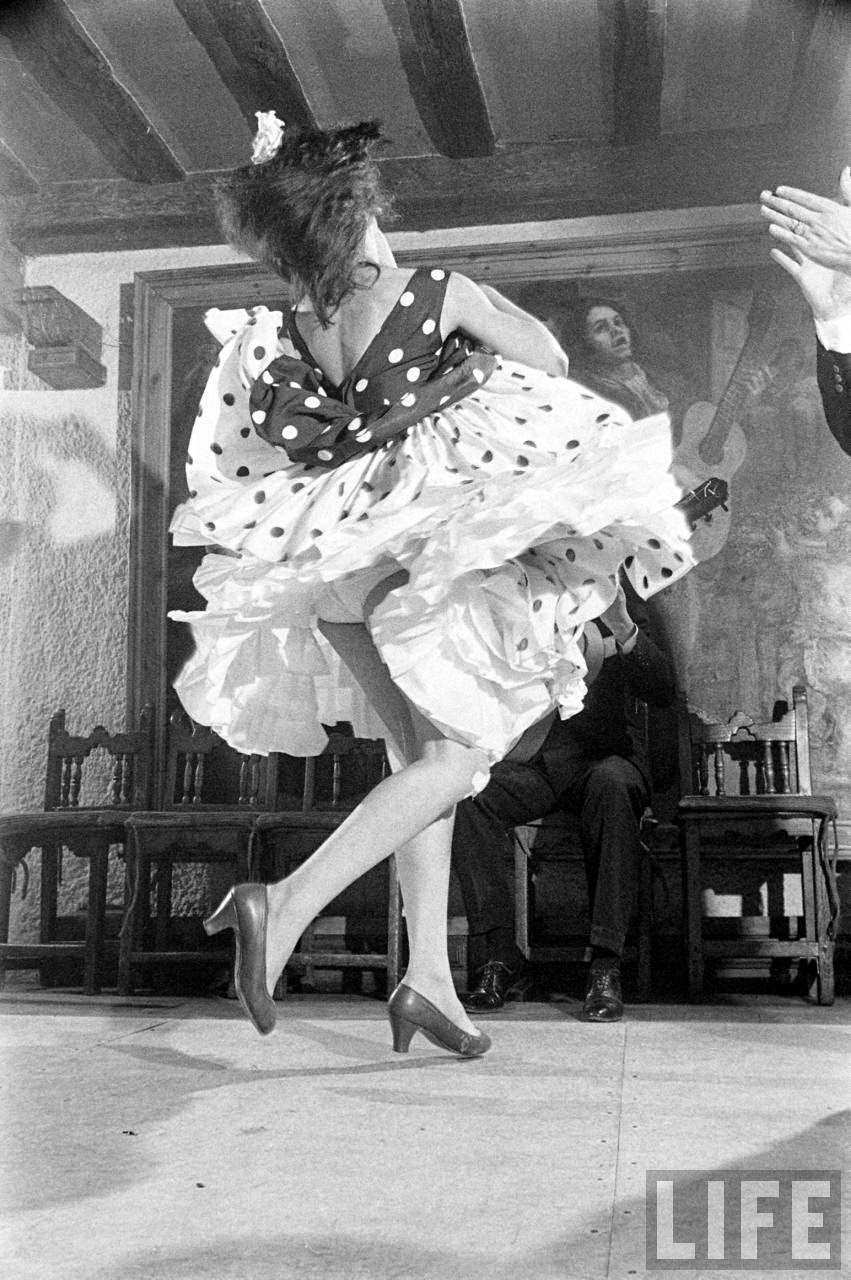
At the crossroads of Palestine, the migrating tribes split. Some turned north into Europe. Others moved south through Palestine into Egypt and across North Africa. This division helps explain why Romani culture today carries so many distinct regional flavors, from the flamenco of Spain to the music of Eastern Europe.
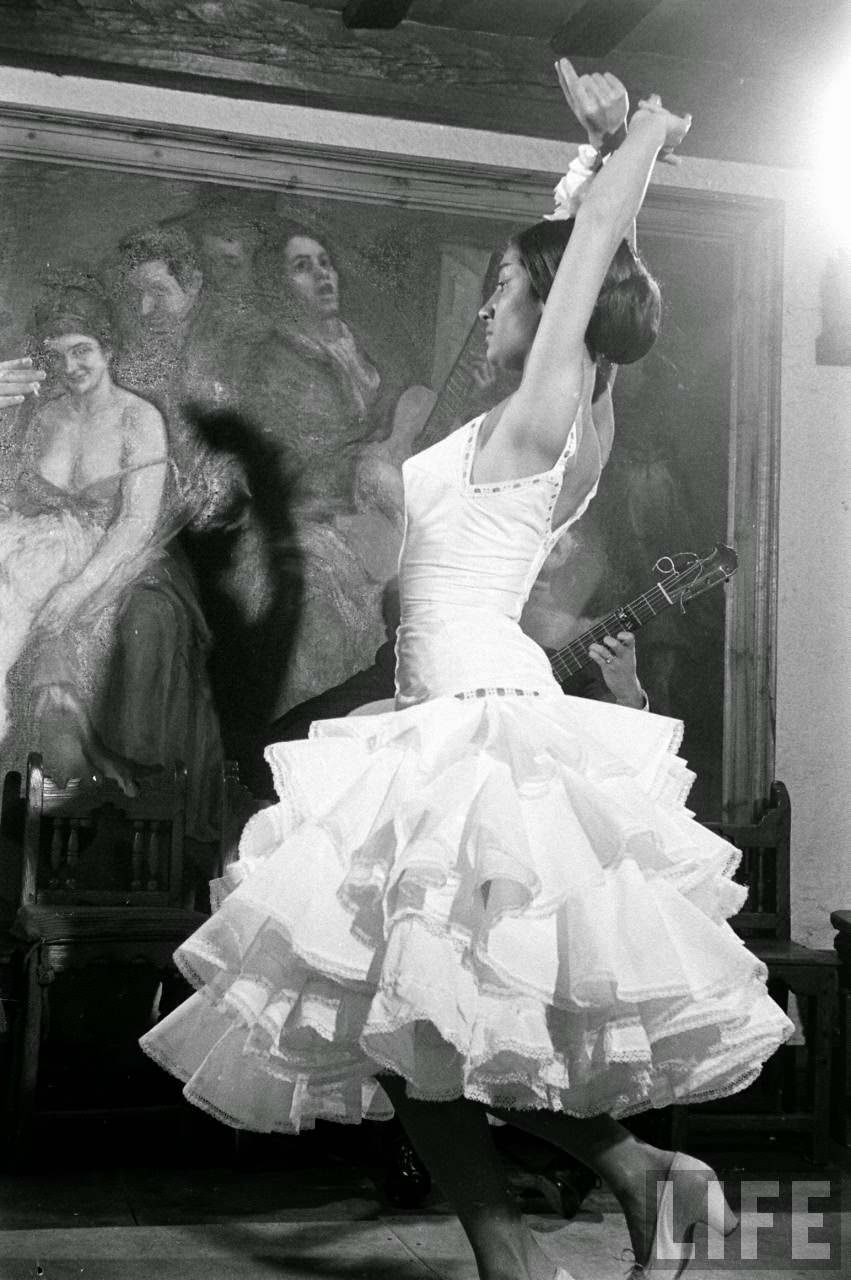
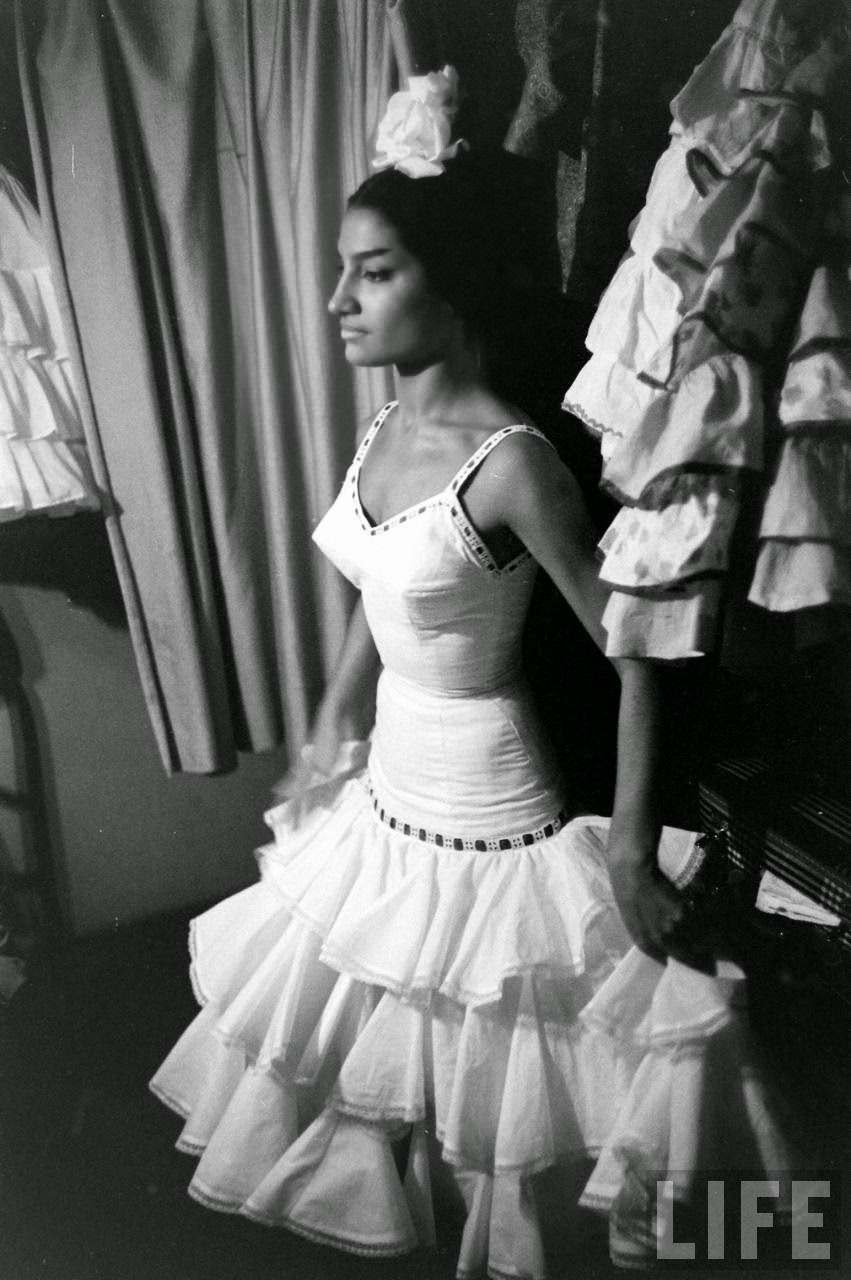
Spain’s Romani population has a particularly layered history. Historical records show that Spanish Gypsies arrived from two directions — through Europe from the north and through Morocco from the south. Several famous Spanish Romani singers even reference Egypt in their songs, pointing directly to that ancient migration route through North Africa.
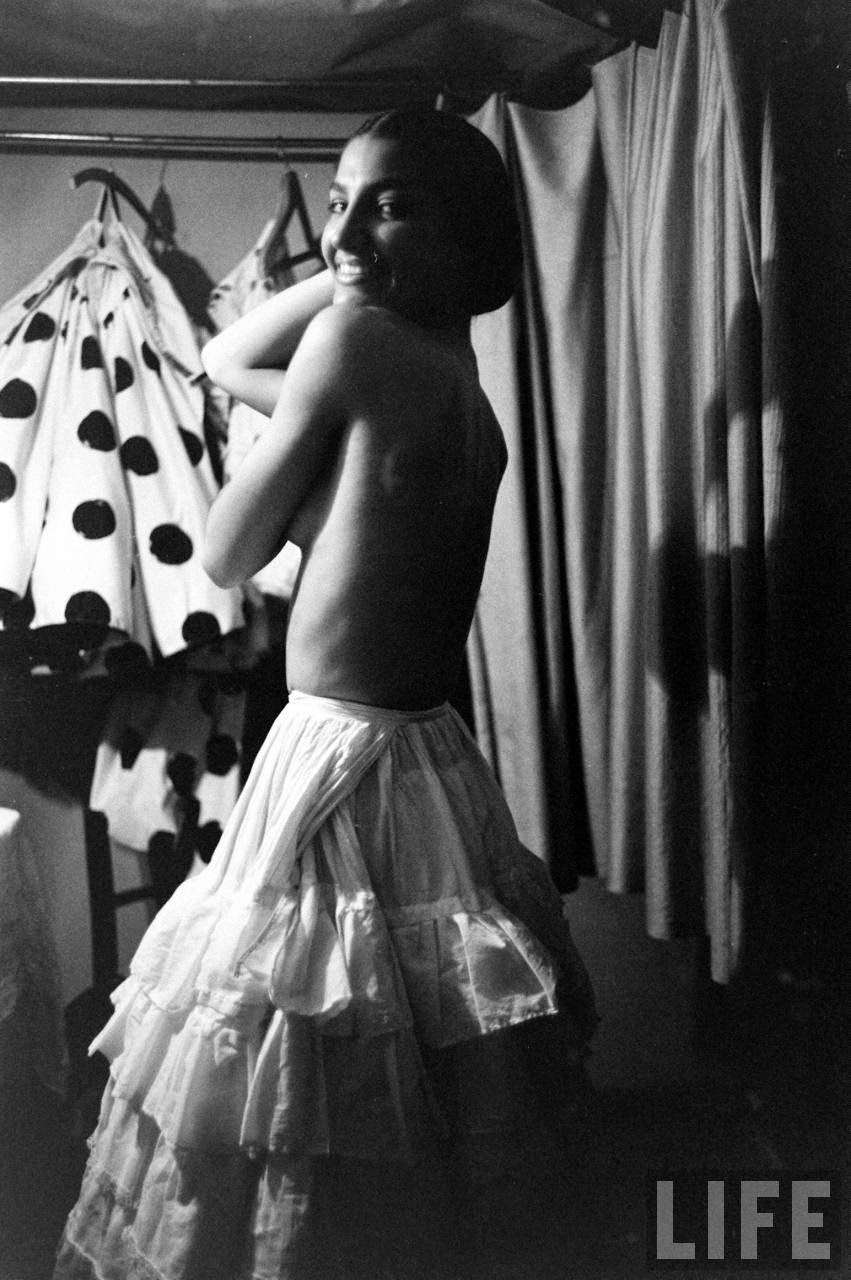
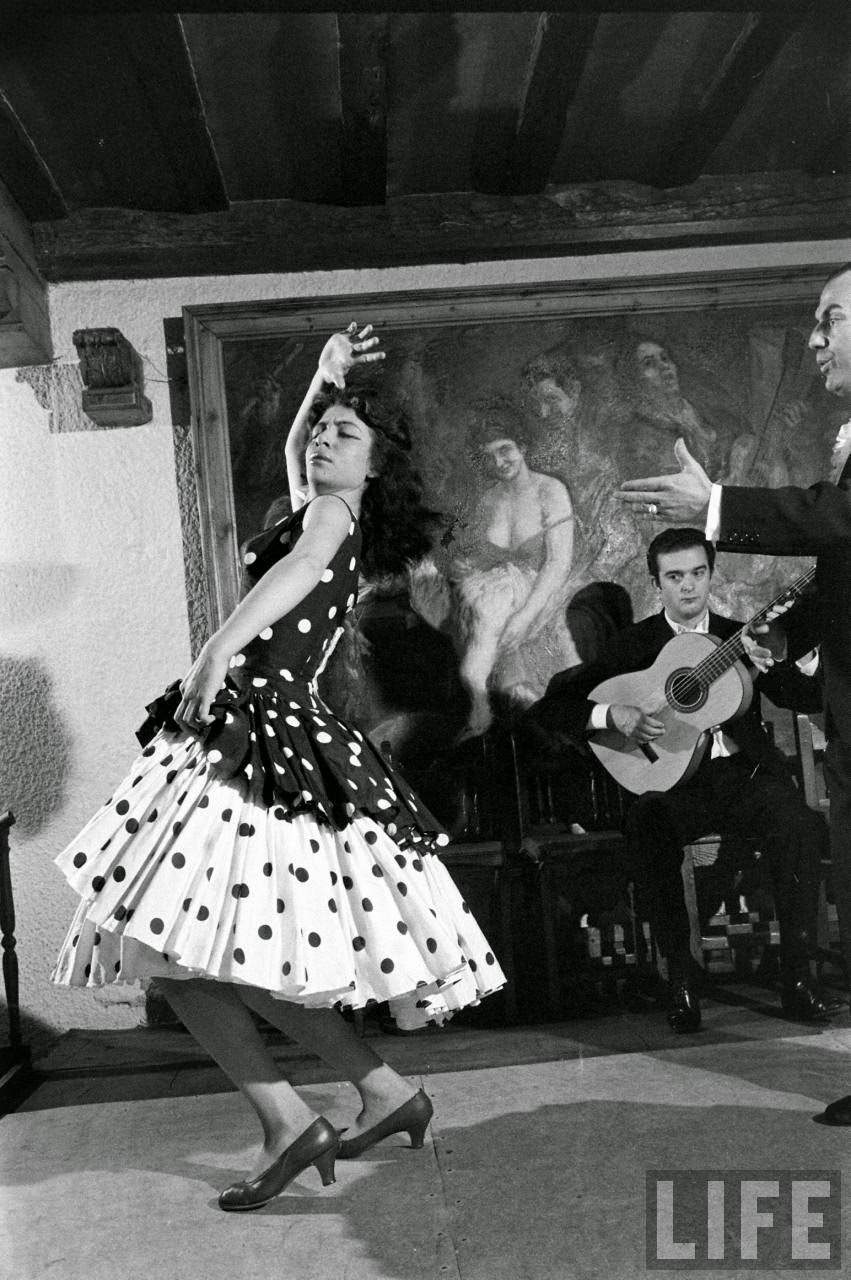
Dance, music, and puppetry are the tools the Romani people use to tell their stories. Because there is no written record, these performances carry historical and cultural meaning that goes far beyond what an audience sees on the surface. A single performance can carry echoes of a journey spanning thousands of miles and hundreds of years.
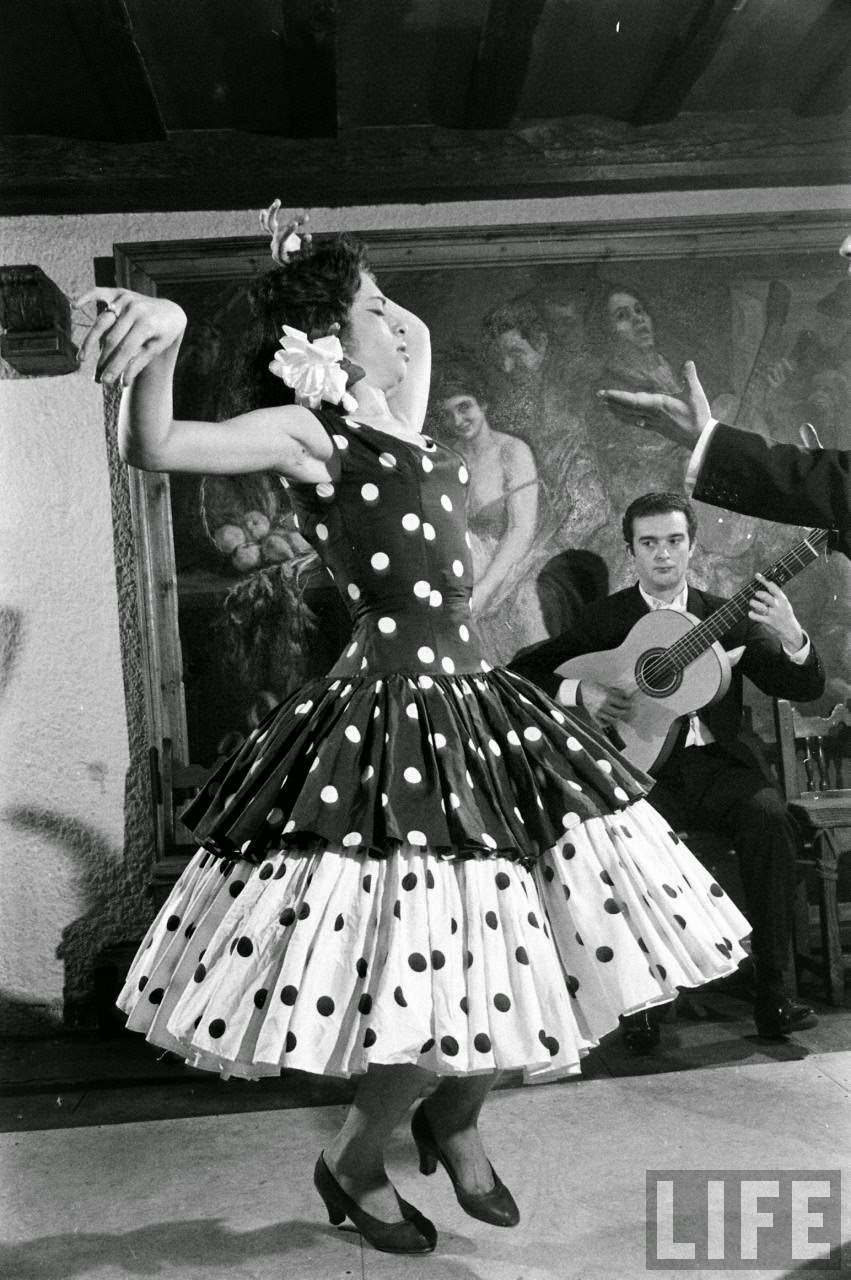
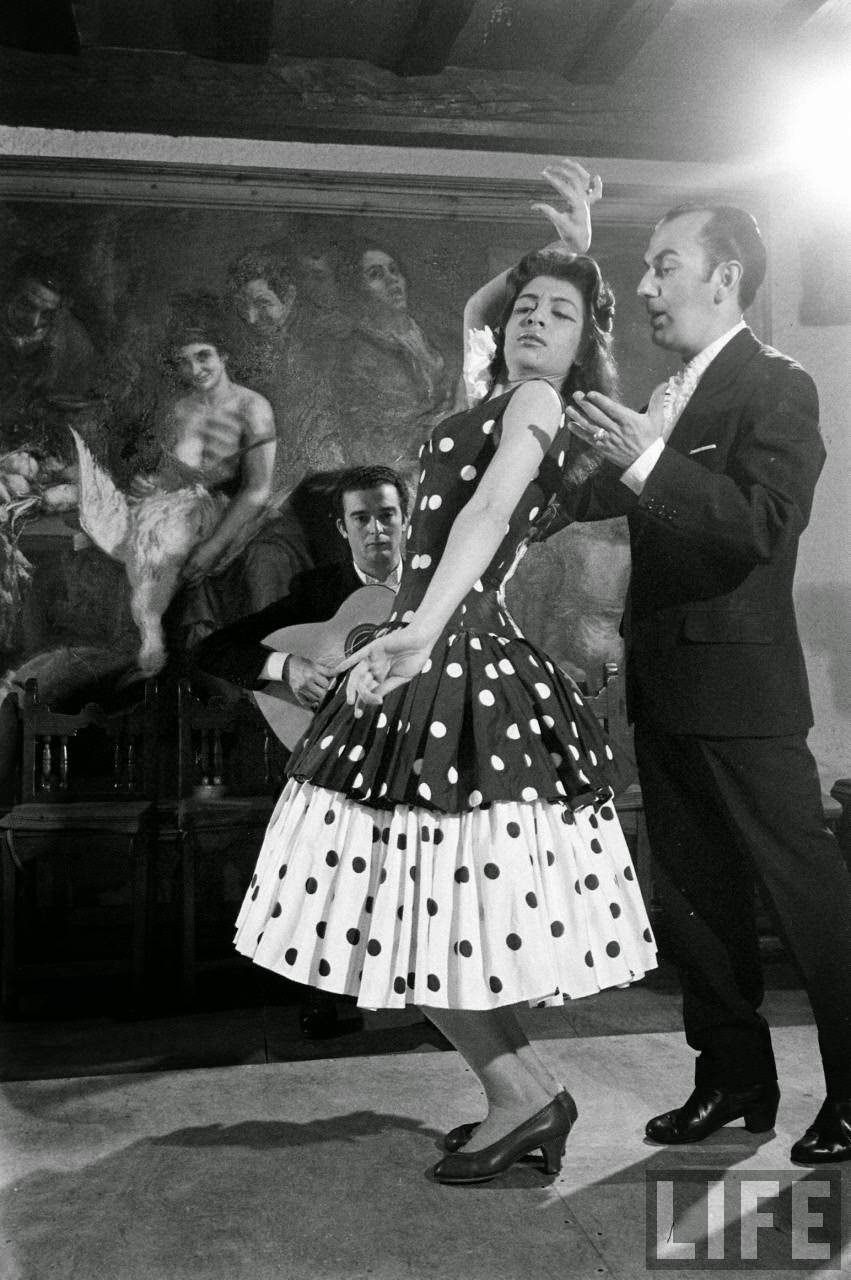
In 1960, LIFE magazine photographer Loomis Dean traveled to Madrid and captured a remarkable series of photographs documenting Gypsy dancers in action. Dean was one of LIFE’s most accomplished photographers, known for his ability to get close to his subjects and capture raw, unguarded moments. His Madrid work is a prime example of that skill.
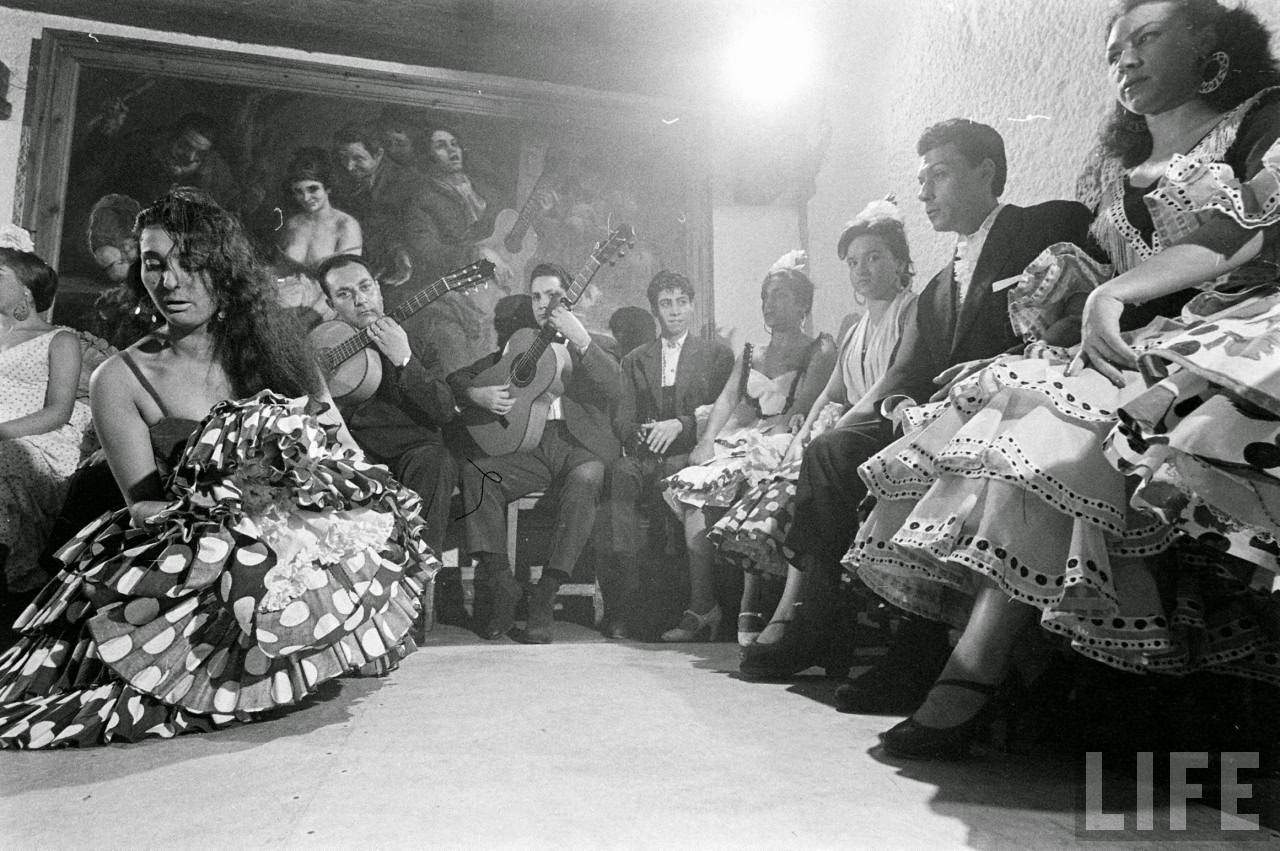
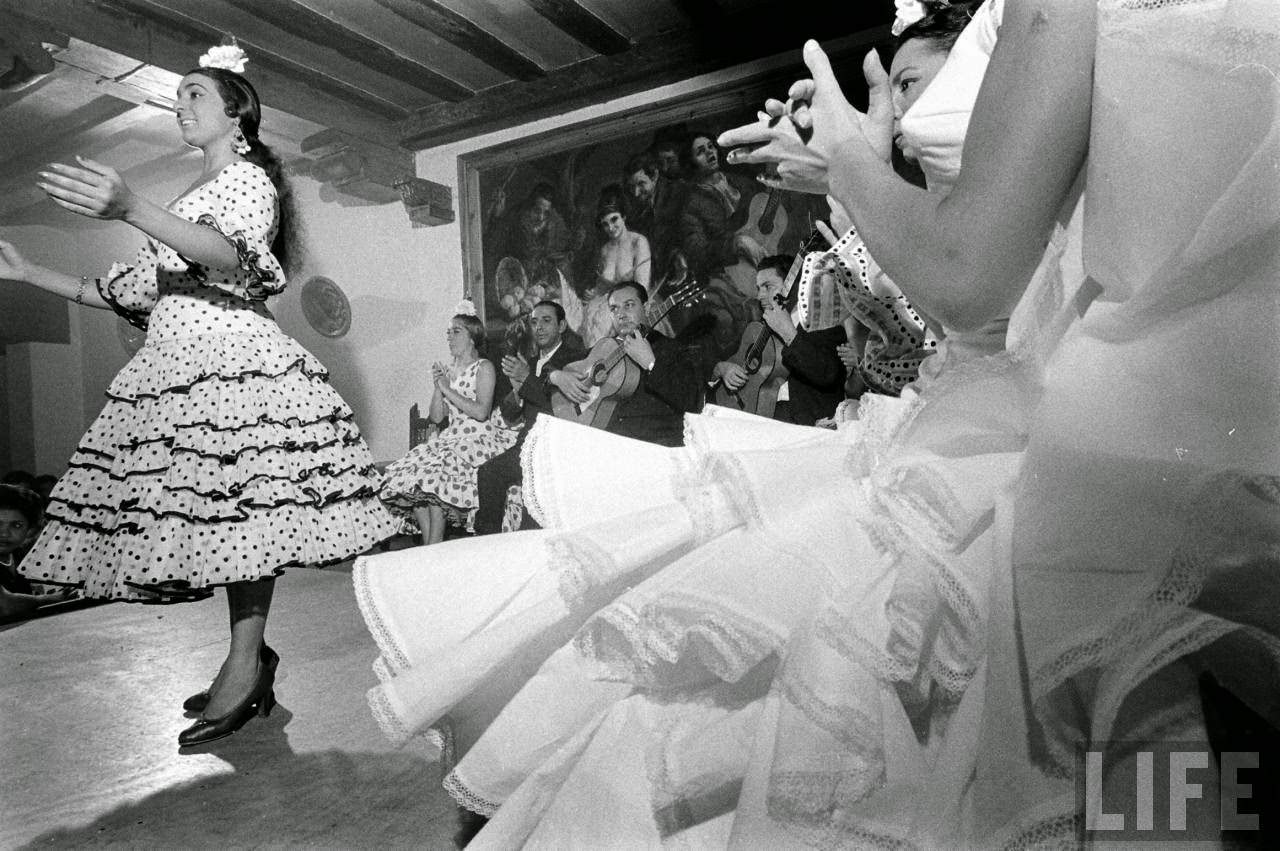
The photographs show dancers mid-performance — arms raised, skirts in motion, expressions fierce with concentration. These are not posed studio shots. They are living, breathing moments frozen in black and white, full of energy and intensity.
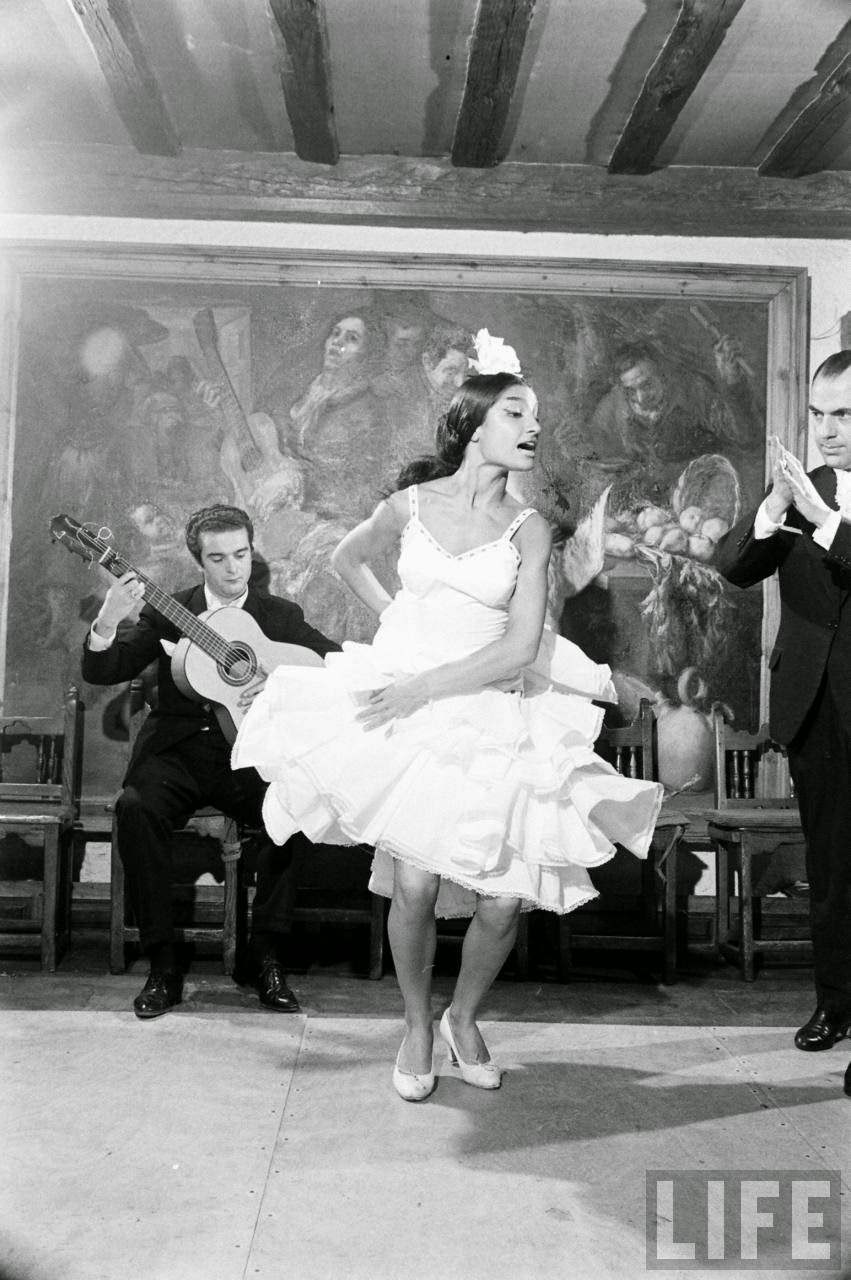
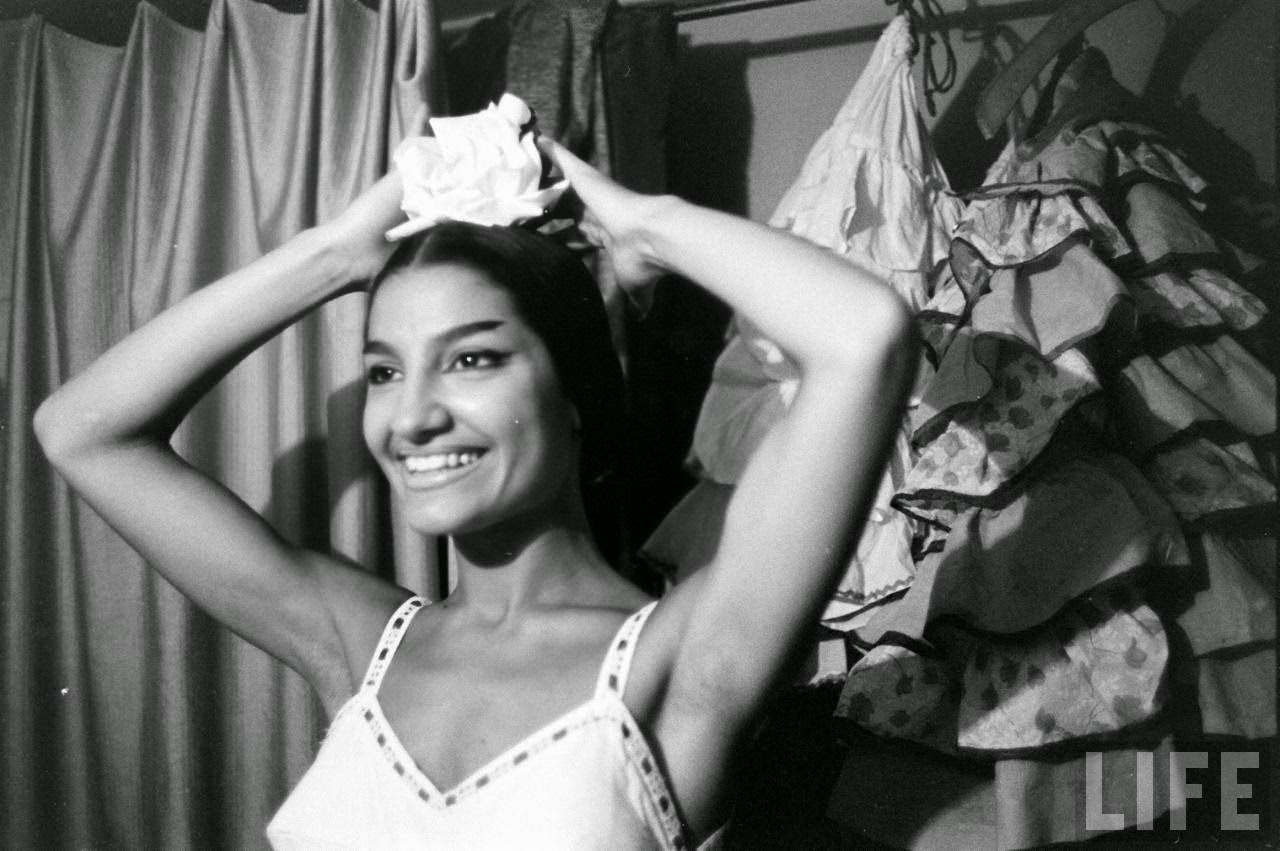
Madrid in 1960 was a city where traditional Romani performance culture thrived alongside a growing tourist scene. Flamenco clubs and tablaos drew both locals and visitors eager to see the art form up close. Dean’s lens documented this world at a time when it still had a raw, unpolished edge.
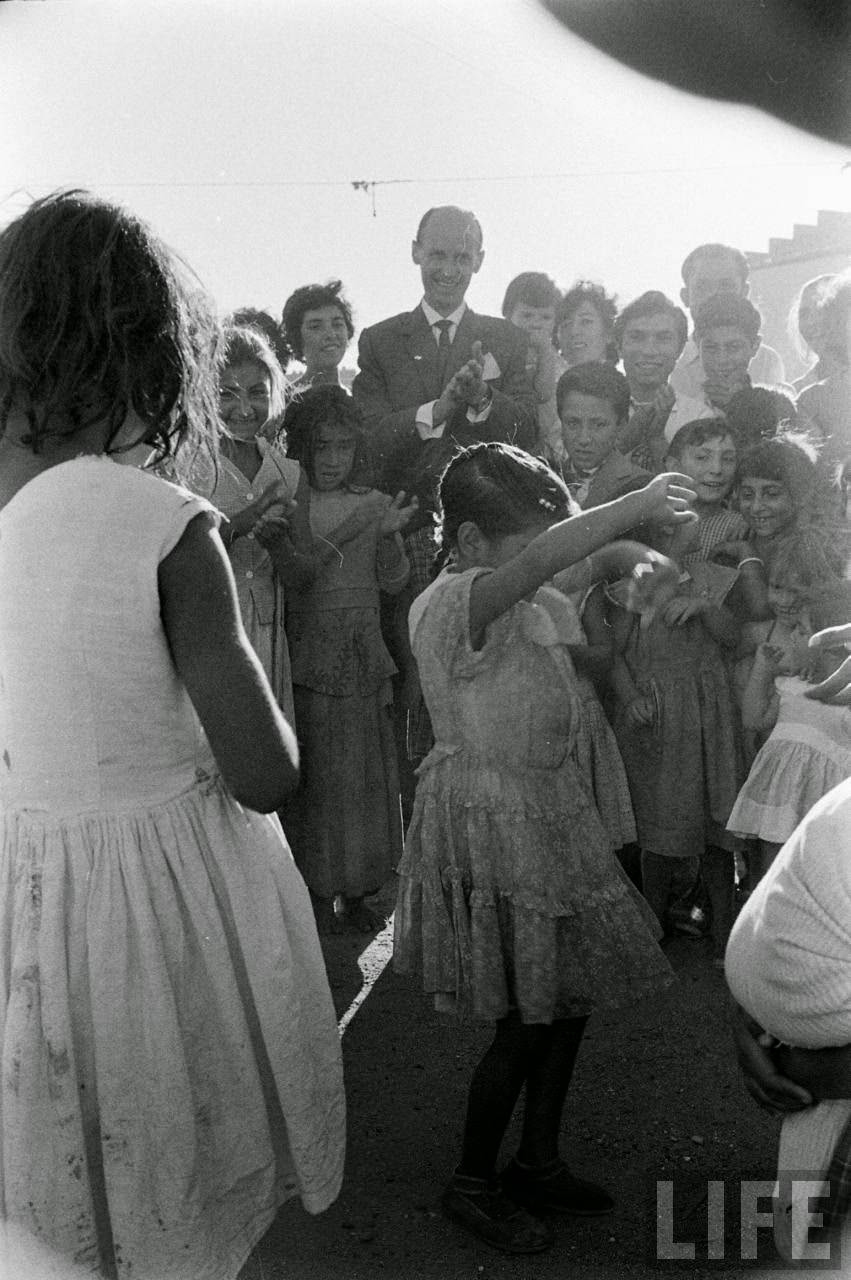
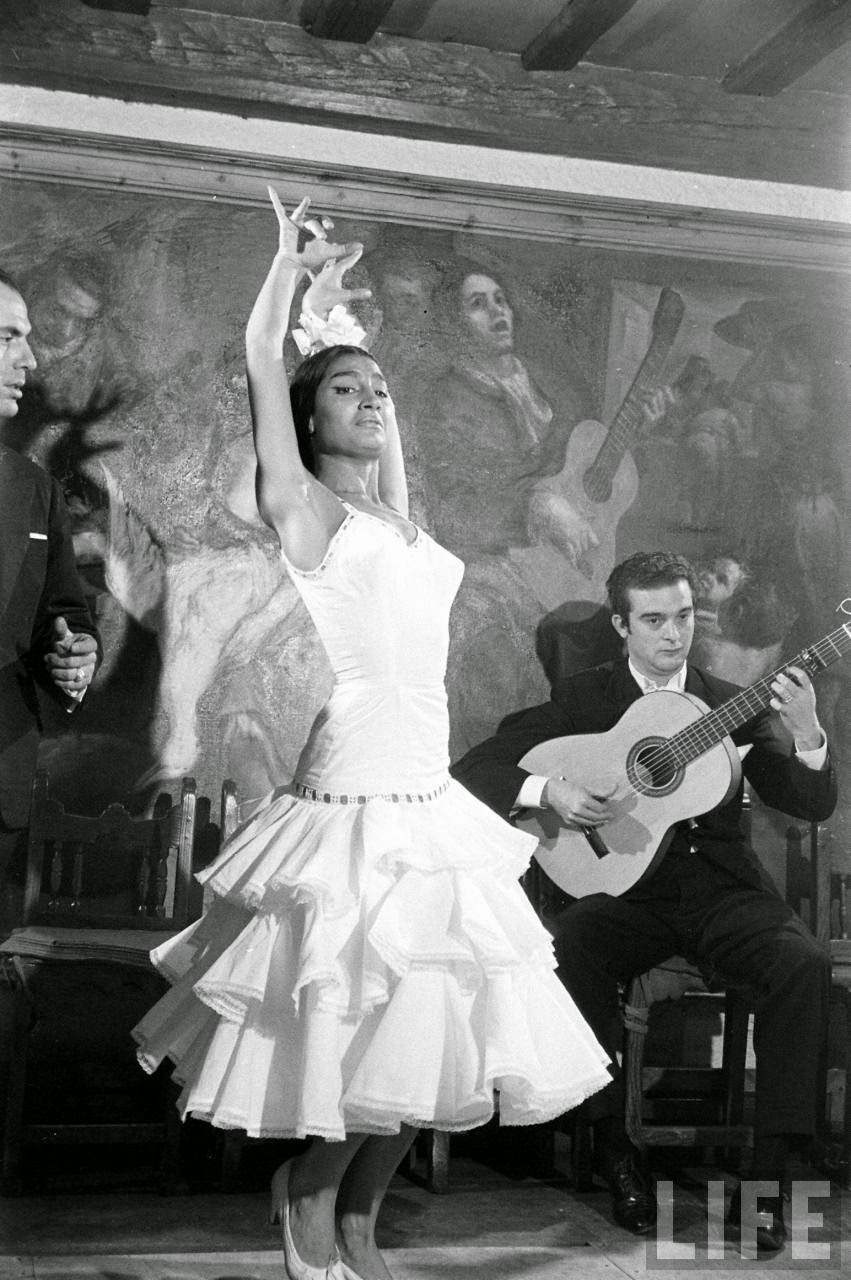
Flamenco — the art form most closely associated with Spanish Romani culture — combines precise footwork, hand gestures, and vocal expression into one unified performance. Each element has a specific name and technique. The zapateado is the percussive footwork. The braceo refers to the movement of the arms. Together, they create a conversation between the dancer and the music.
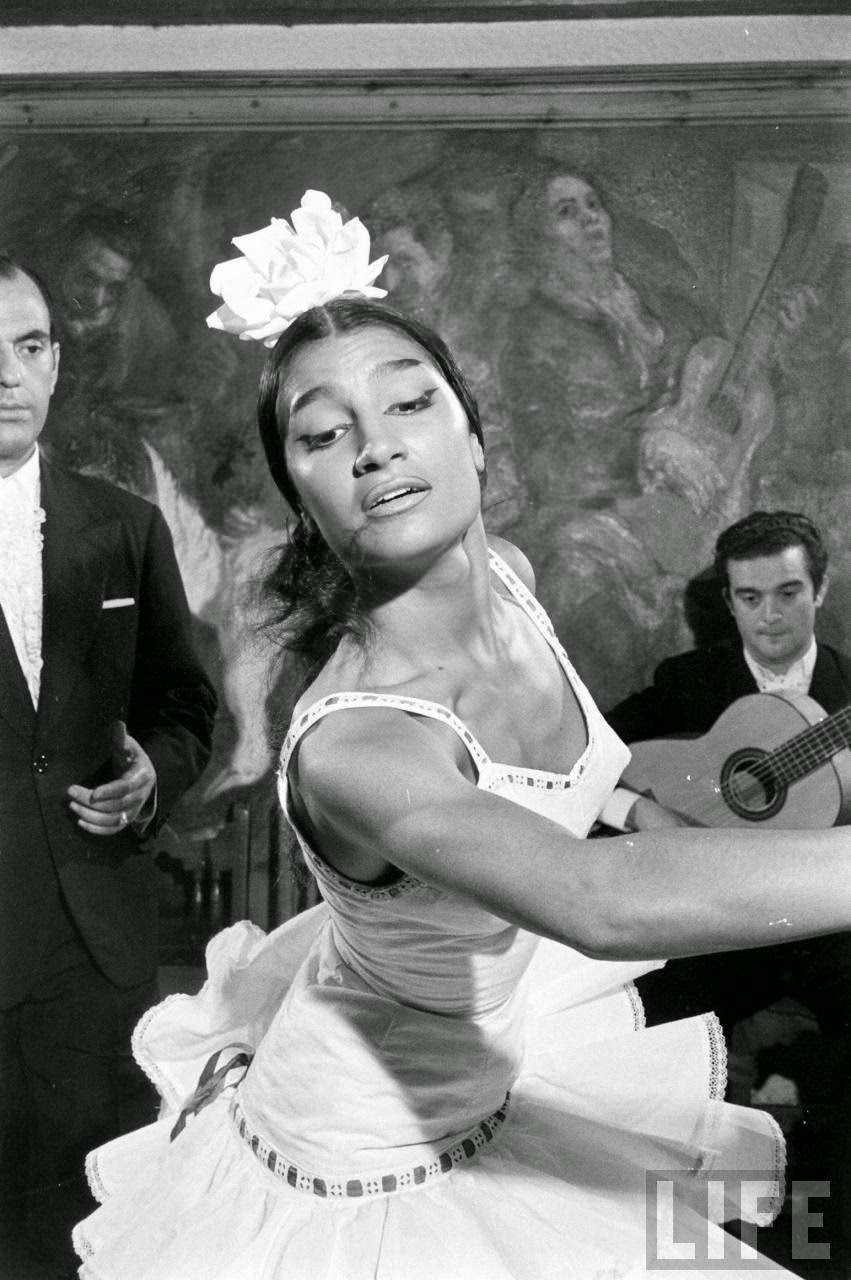
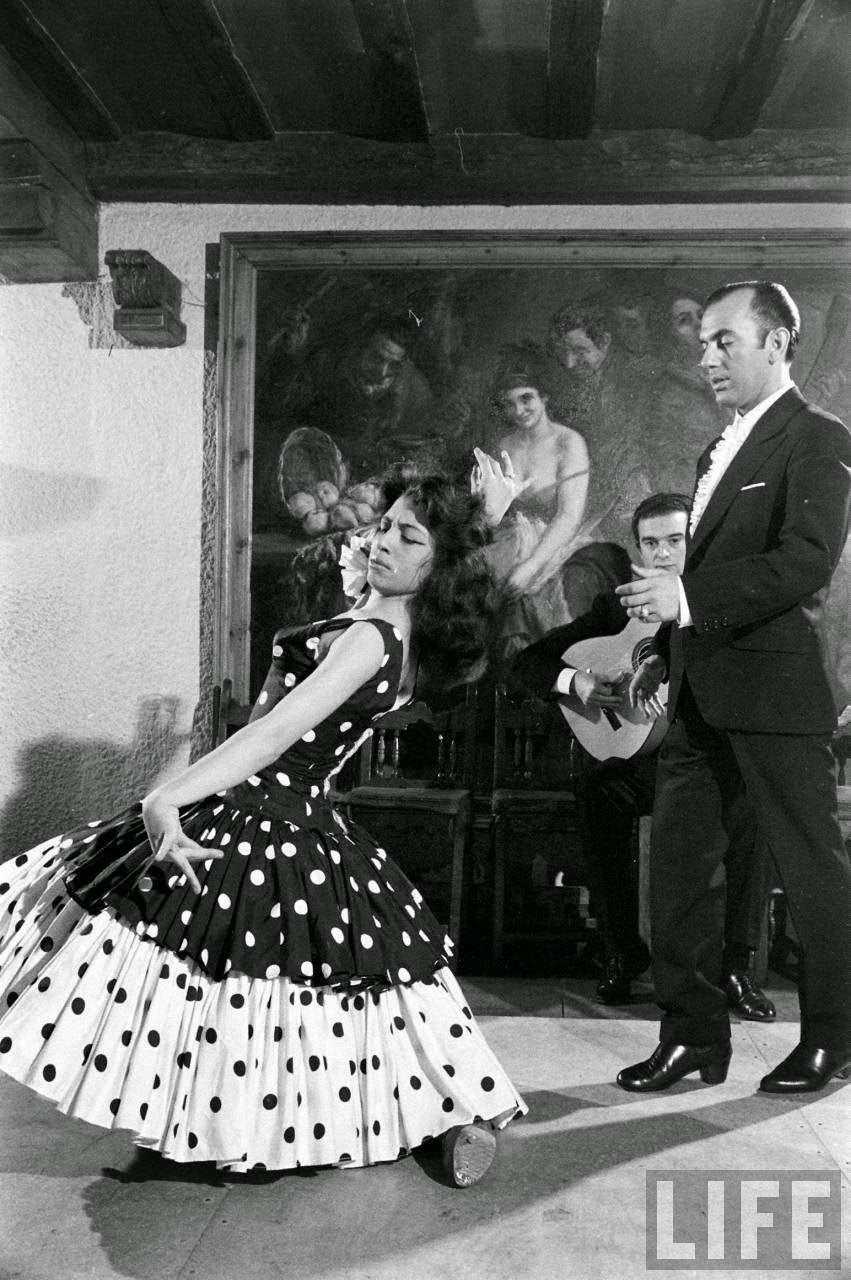
The musicians in Dean’s photographs are just as central to the performance as the dancers themselves. Guitarists and singers — known in flamenco as cantaores — provide the rhythmic and emotional backbone. The relationship between dancer and musician is immediate and reactive, shifting in real time during a performance.
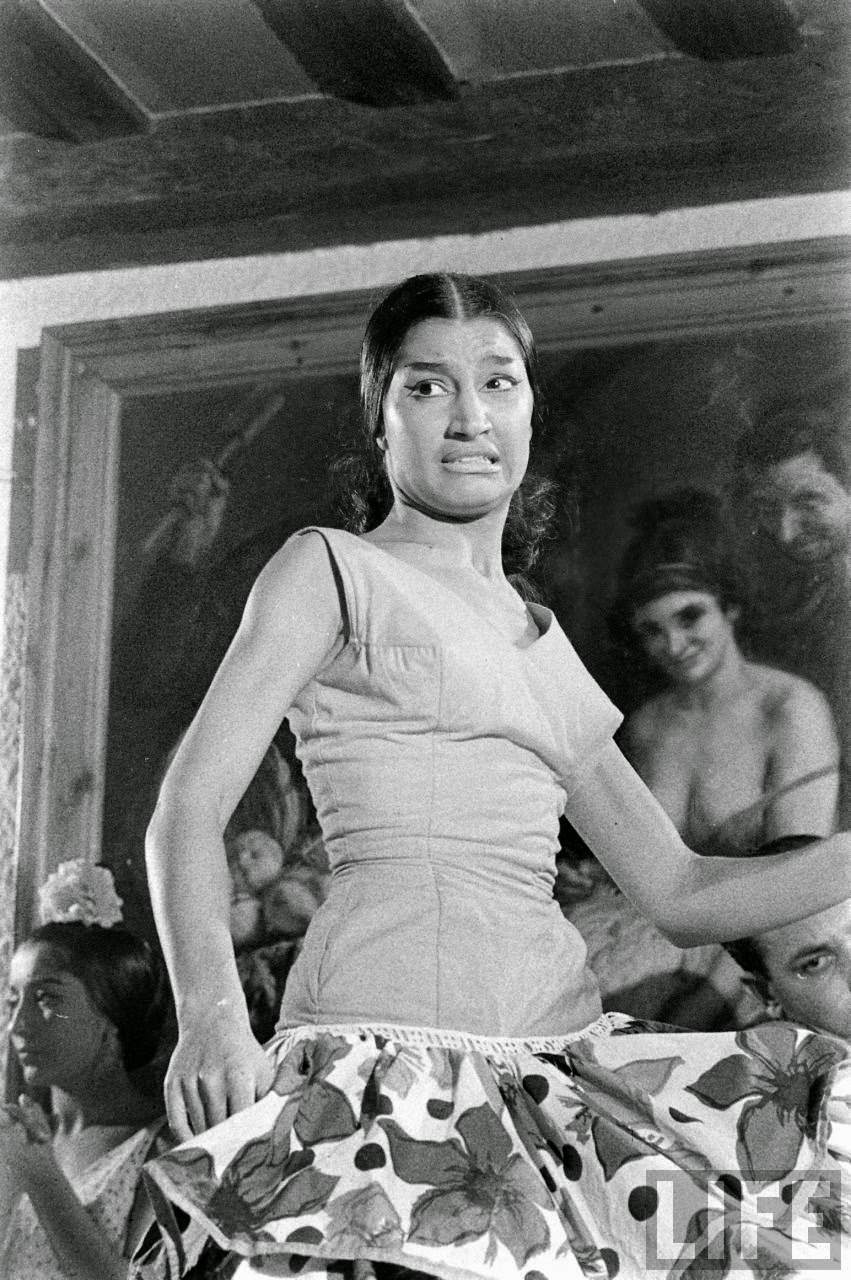
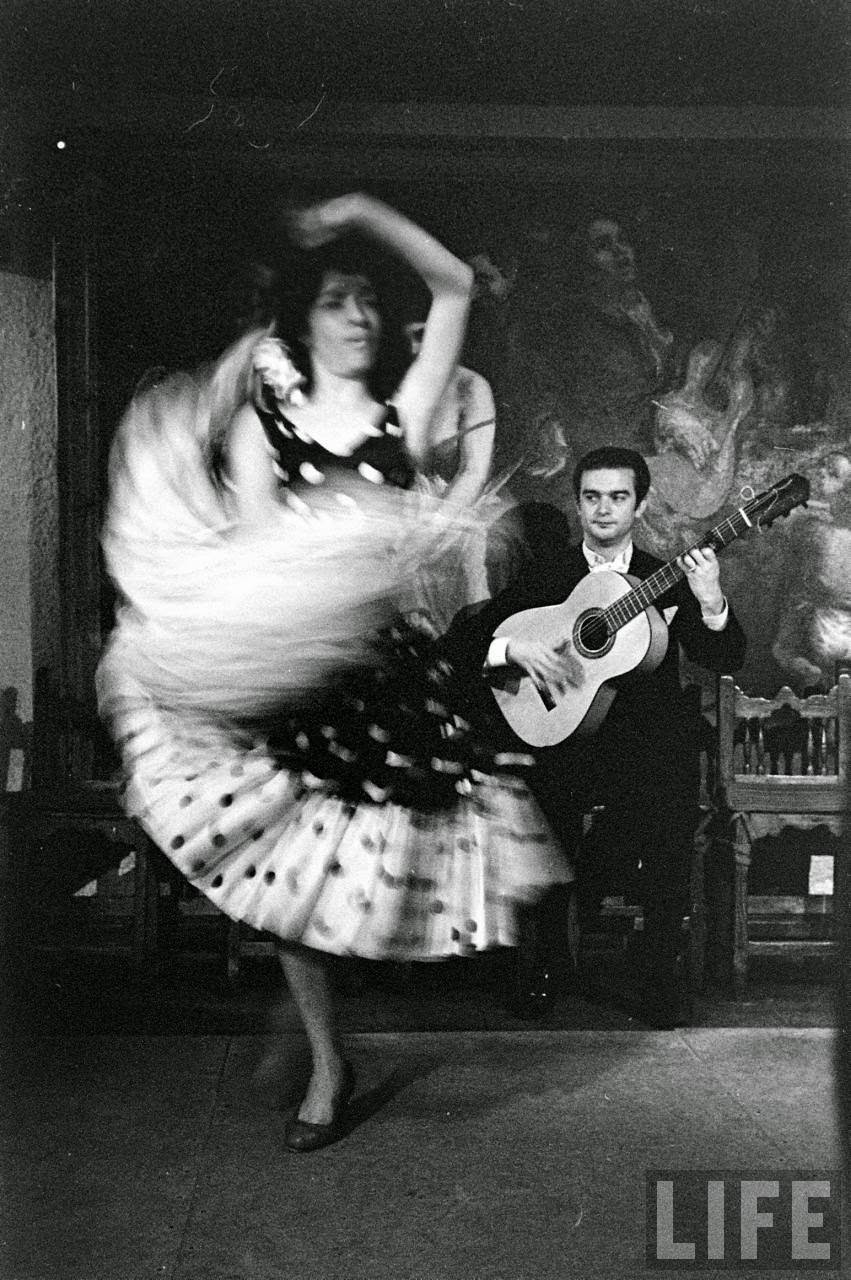
Women’s costumes in these photographs feature the classic bata de cola — the long, ruffled dress with a dramatic trailing skirt. The movement of the fabric is a deliberate part of the performance, used to amplify gestures and fill the visual space of the stage. Men typically wore fitted trousers and short jackets, allowing full freedom of movement.
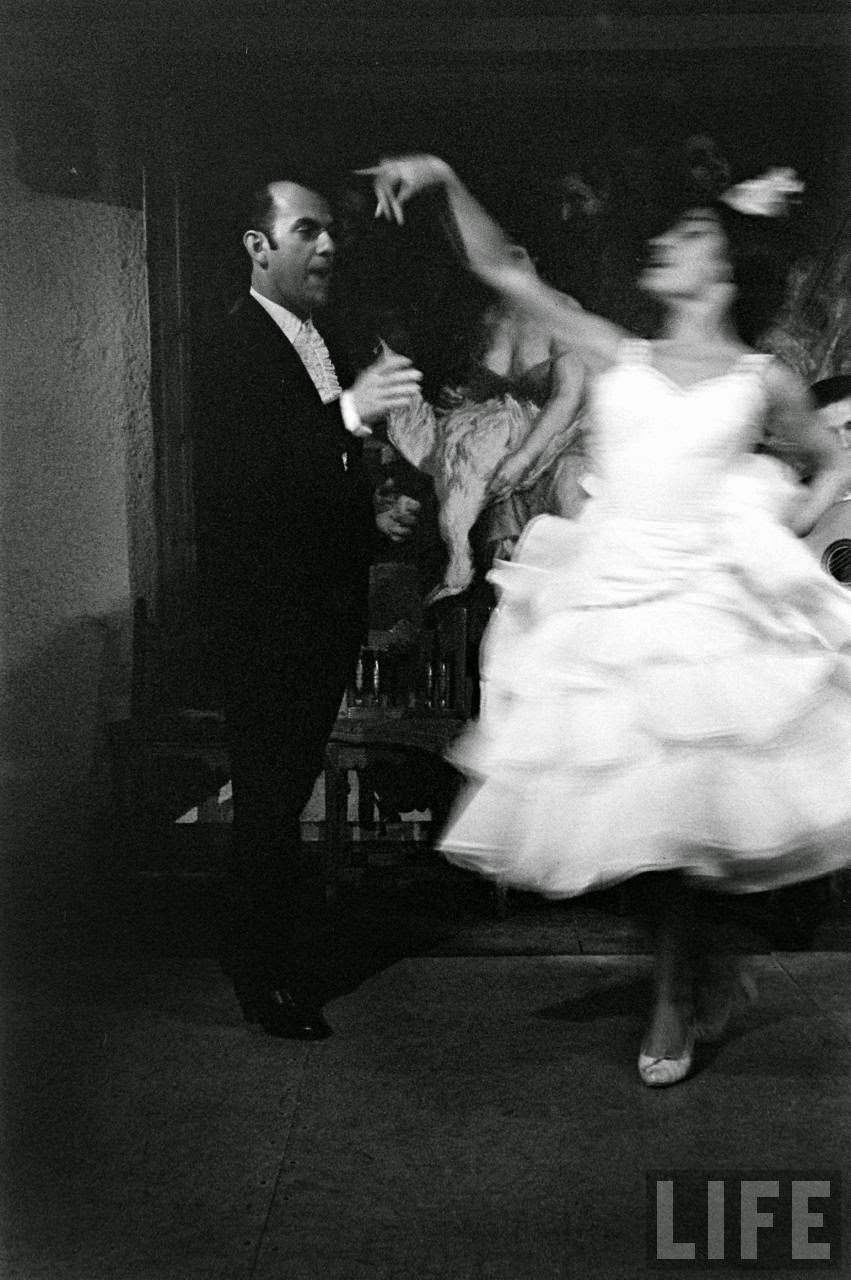
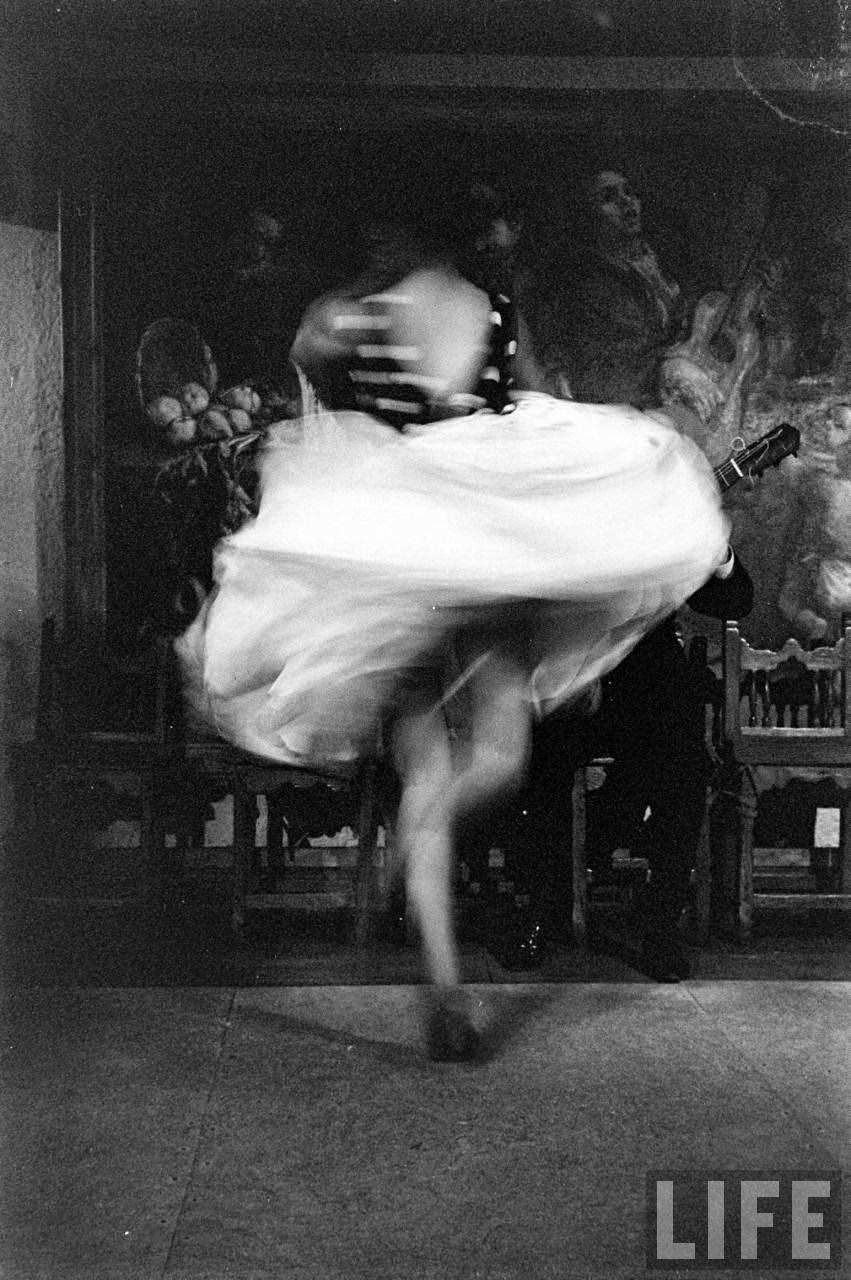
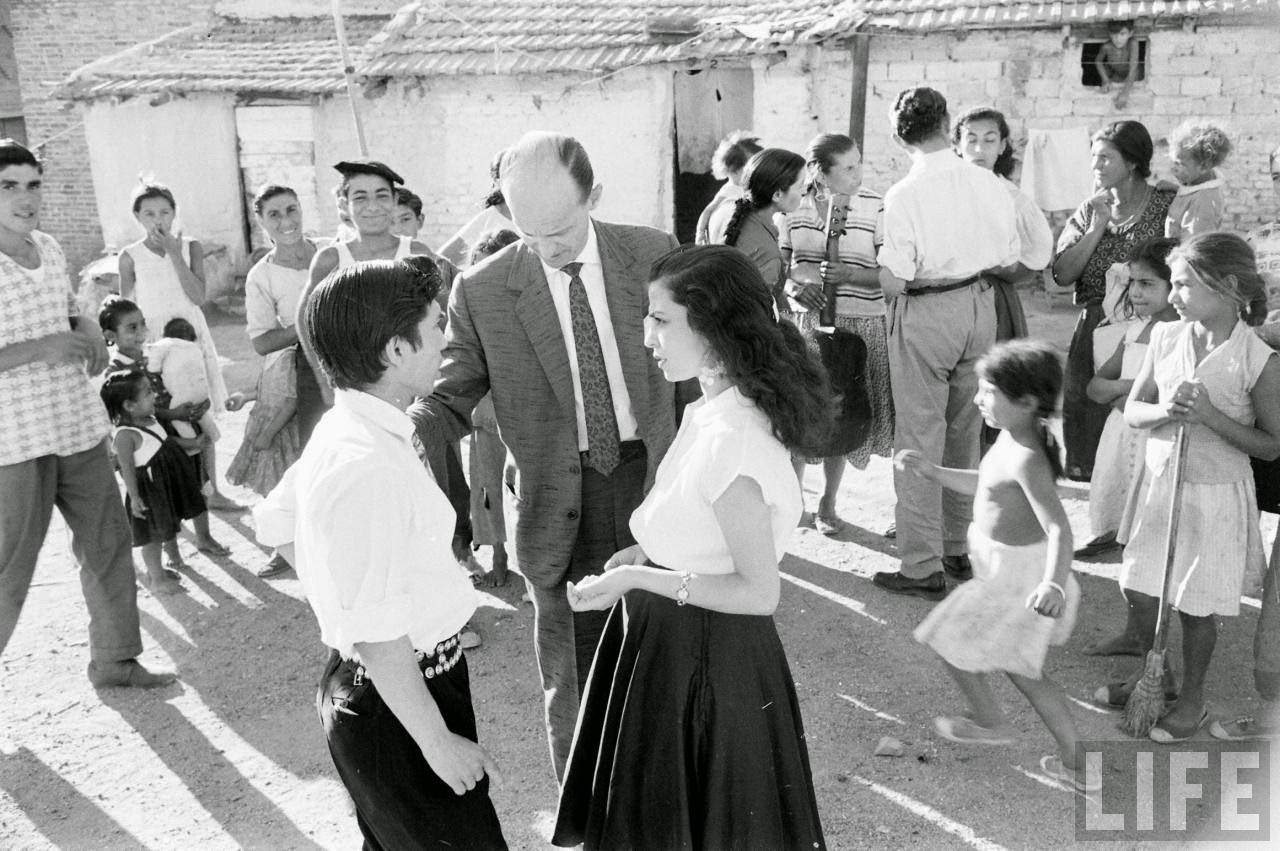
Dean photographed both the performances themselves and the quieter moments surrounding them — dancers resting backstage, musicians tuning their instruments, small groups gathered in conversation. These behind-the-scenes shots give the collection a depth that pure performance photography often lacks.
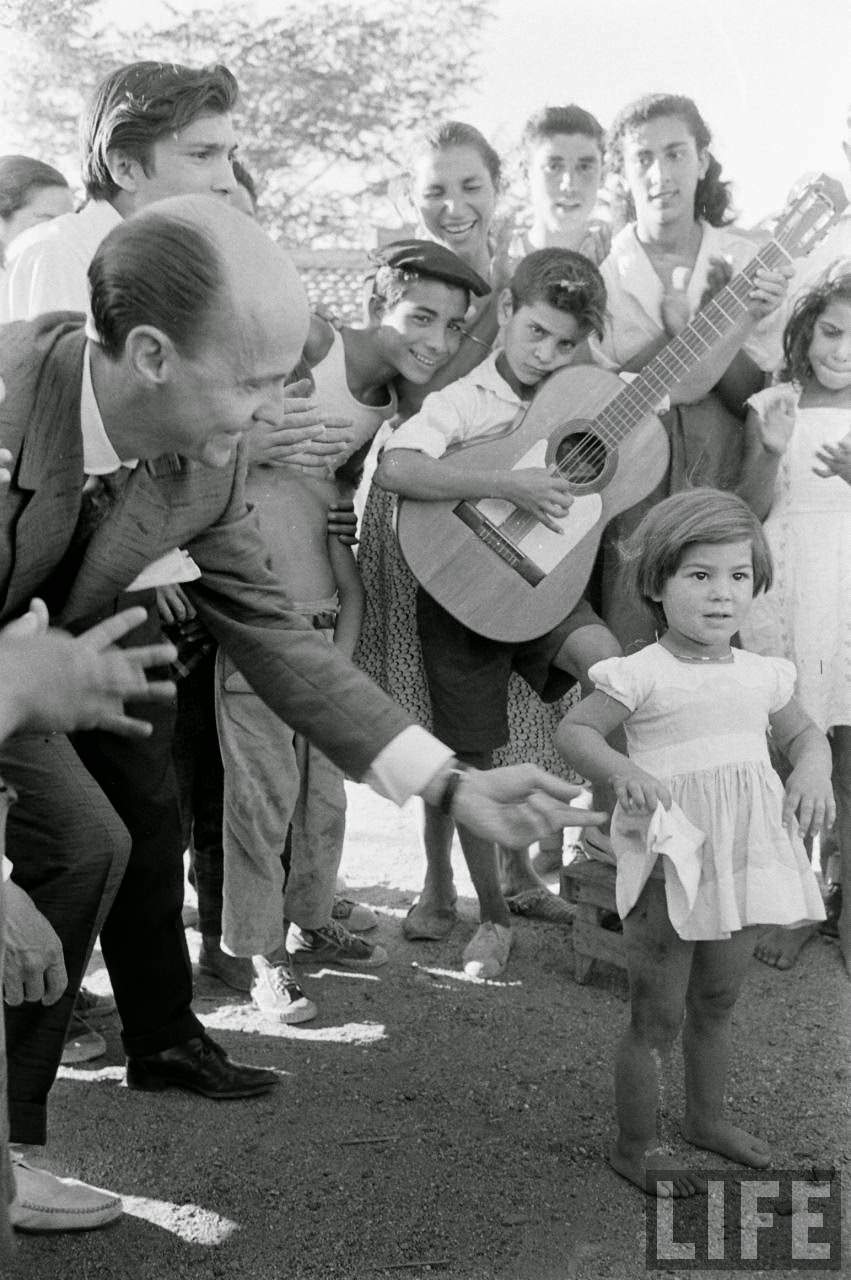
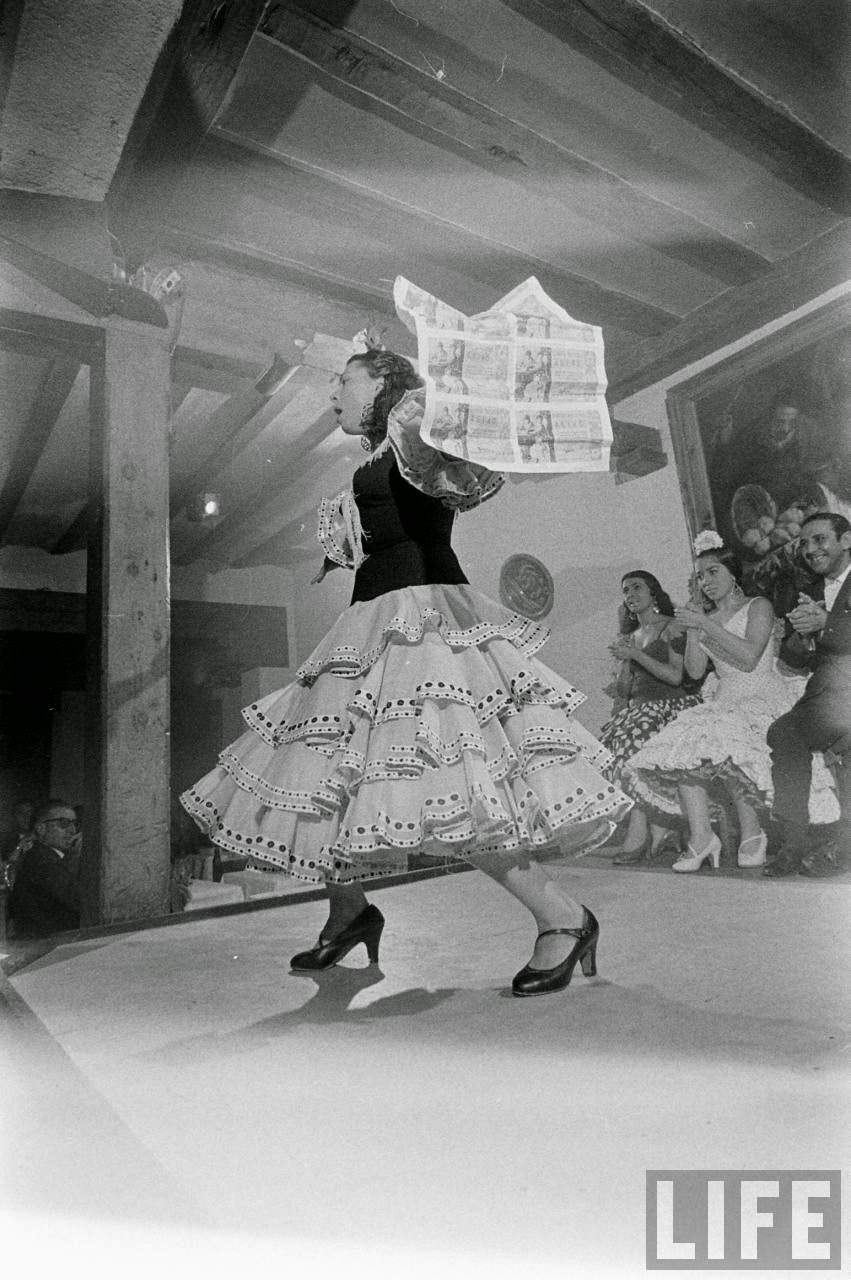
The Romani community in Madrid at this time lived largely in specific neighborhoods, with the Sacromonte area in nearby Granada being one of the most well-known Gypsy enclaves in Spain. Many performers traveled between cities, and Madrid’s venues offered steady work for skilled dancers and musicians.
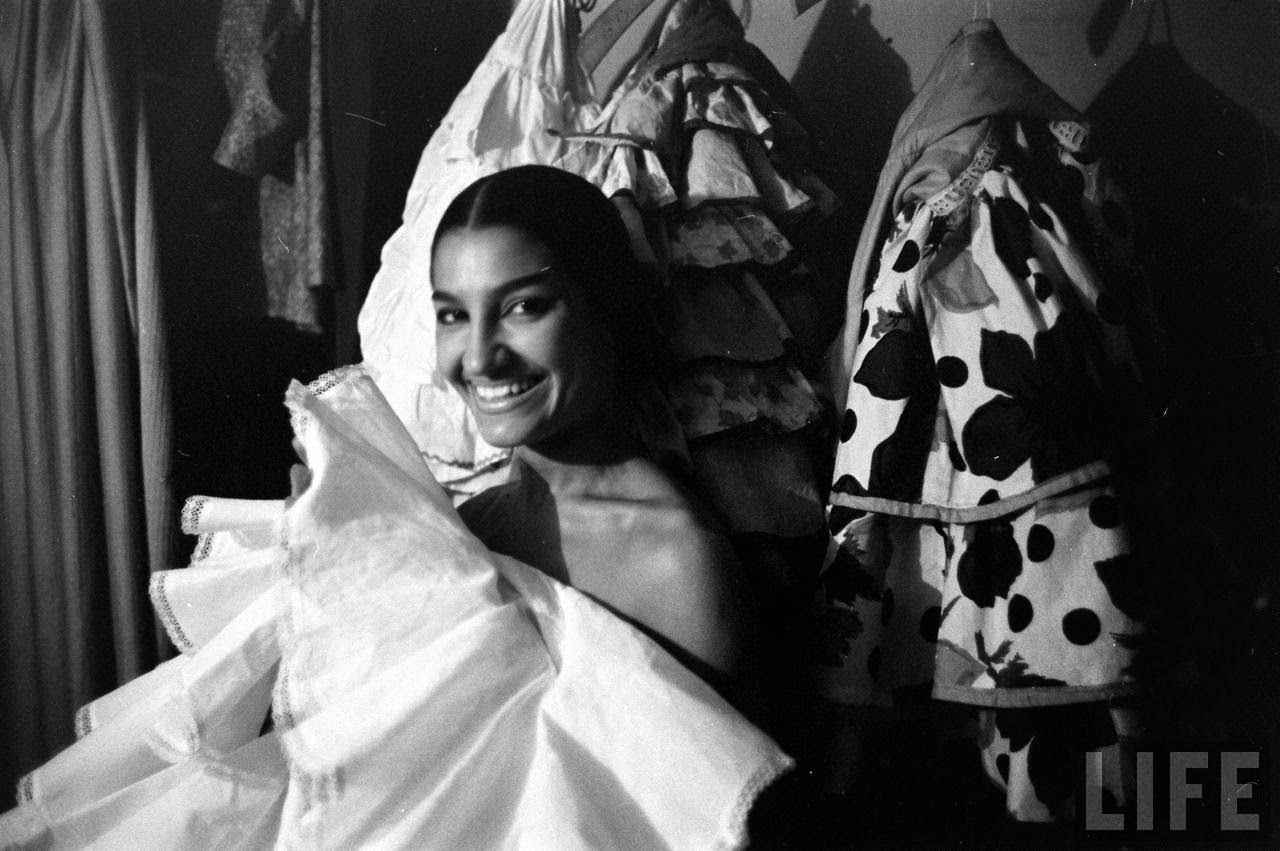
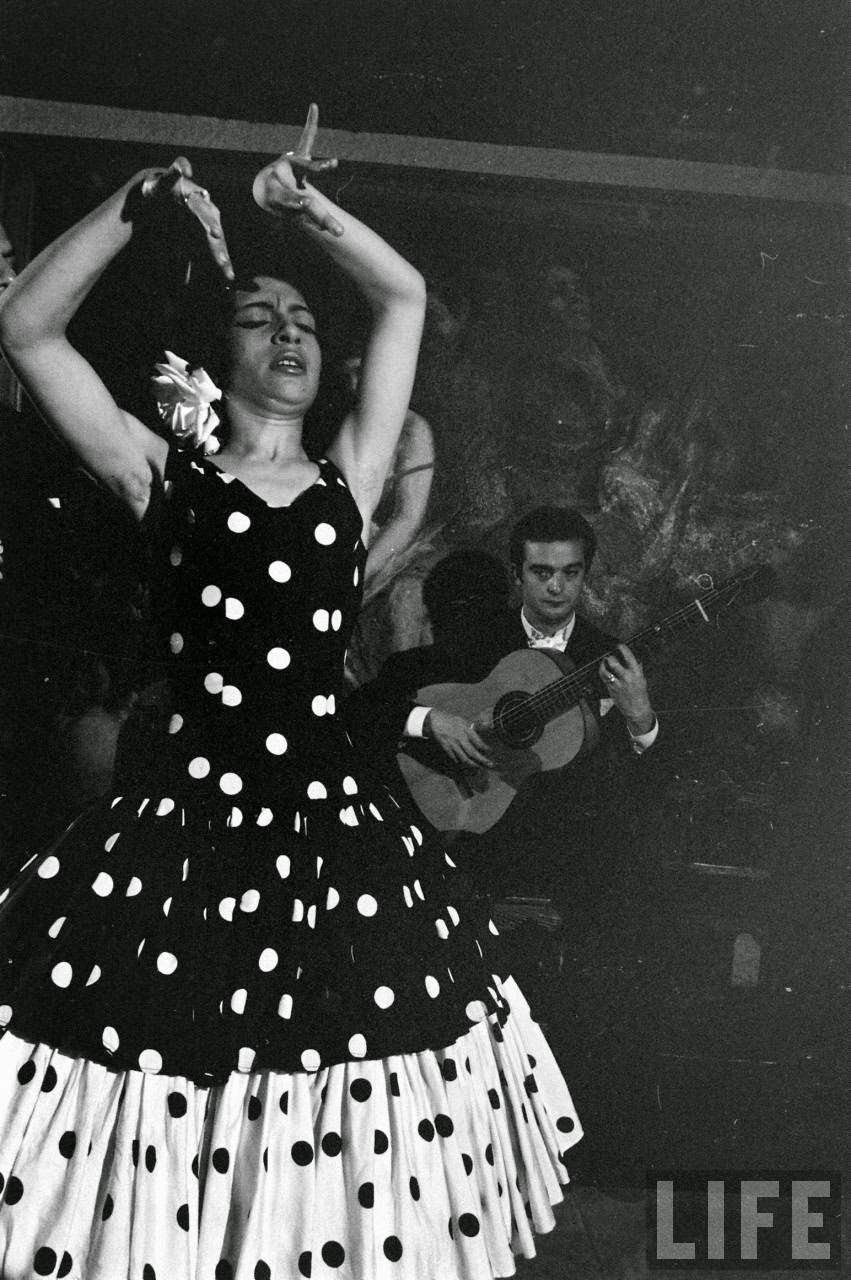
What makes this collection especially valuable is its timing. By the late 1960s and into the 1970s, commercial pressures began to reshape flamenco performance, making it more polished and tourist-friendly. Dean’s 1960 photographs capture the art form before that shift — rougher, more spontaneous, and closer to its Romani roots.
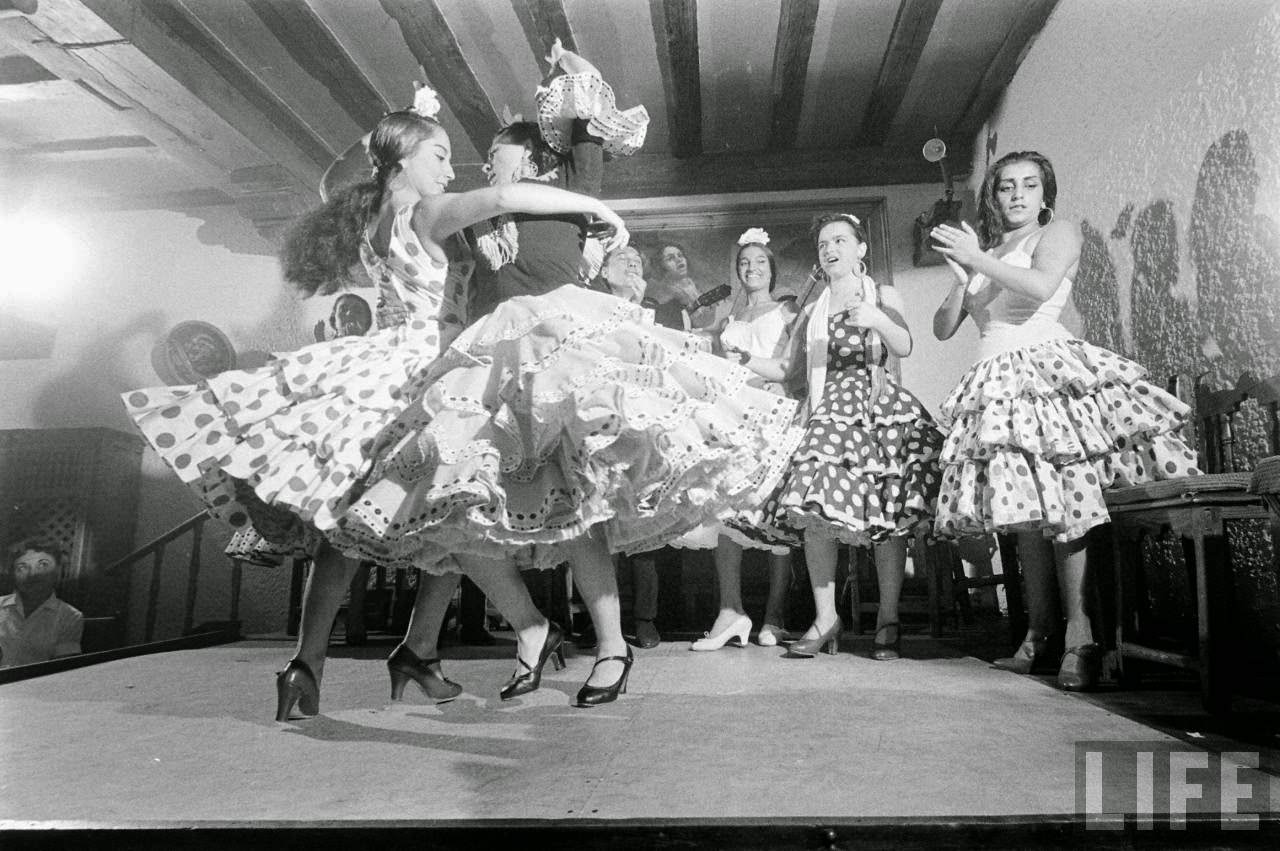
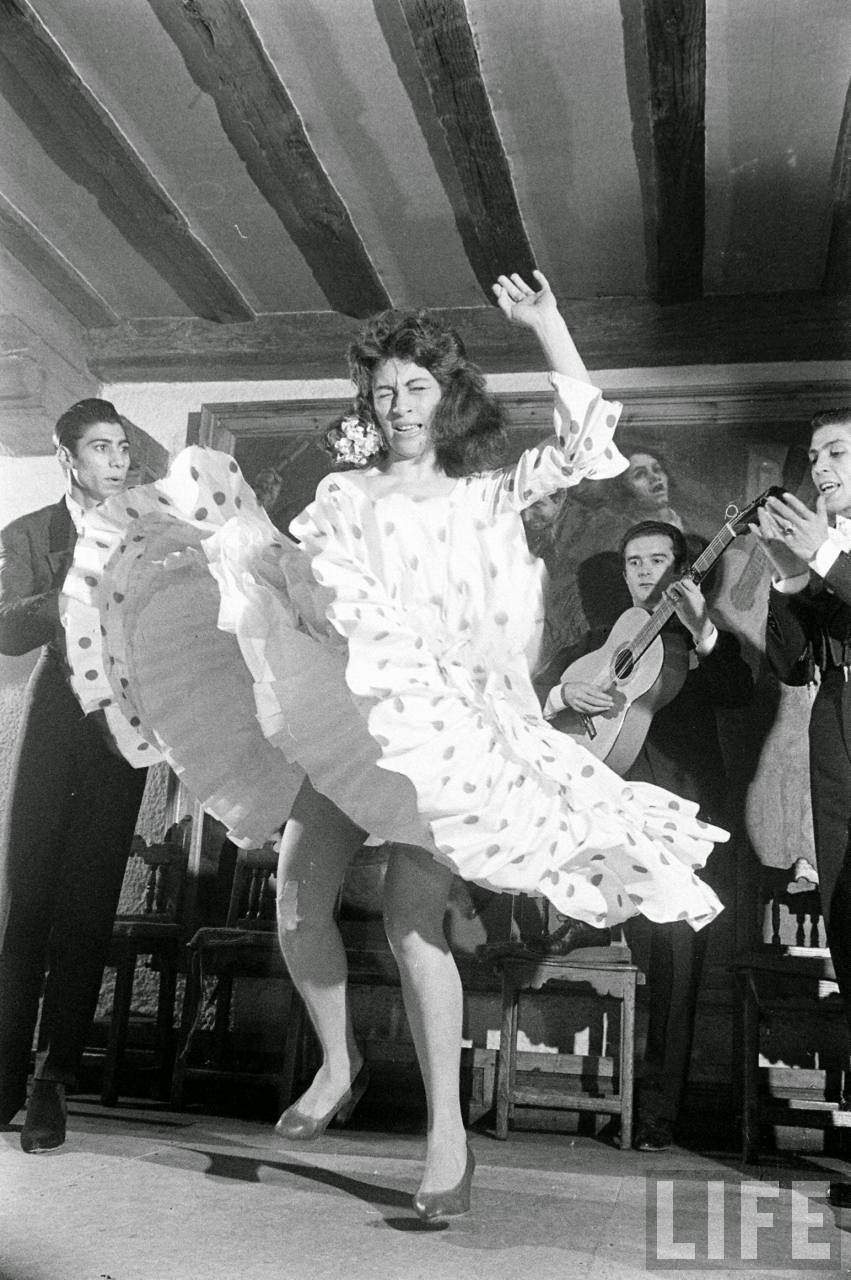
The faces in these photographs tell their own stories. Concentration, exertion, and pride are all visible in equal measure. These performers were not hobbyists. Dance and music were their livelihood, their identity, and their direct connection to a heritage stretching back centuries to the plains of northern India.
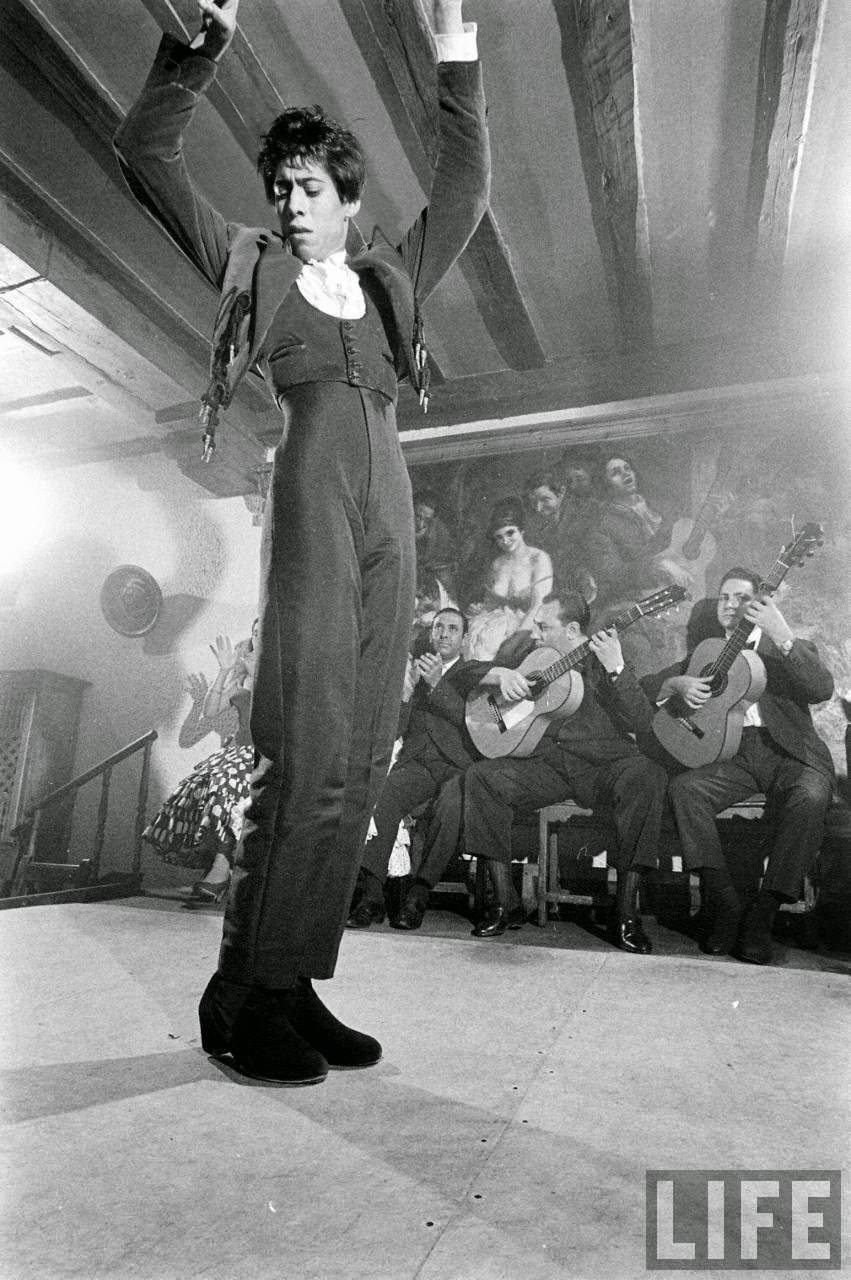
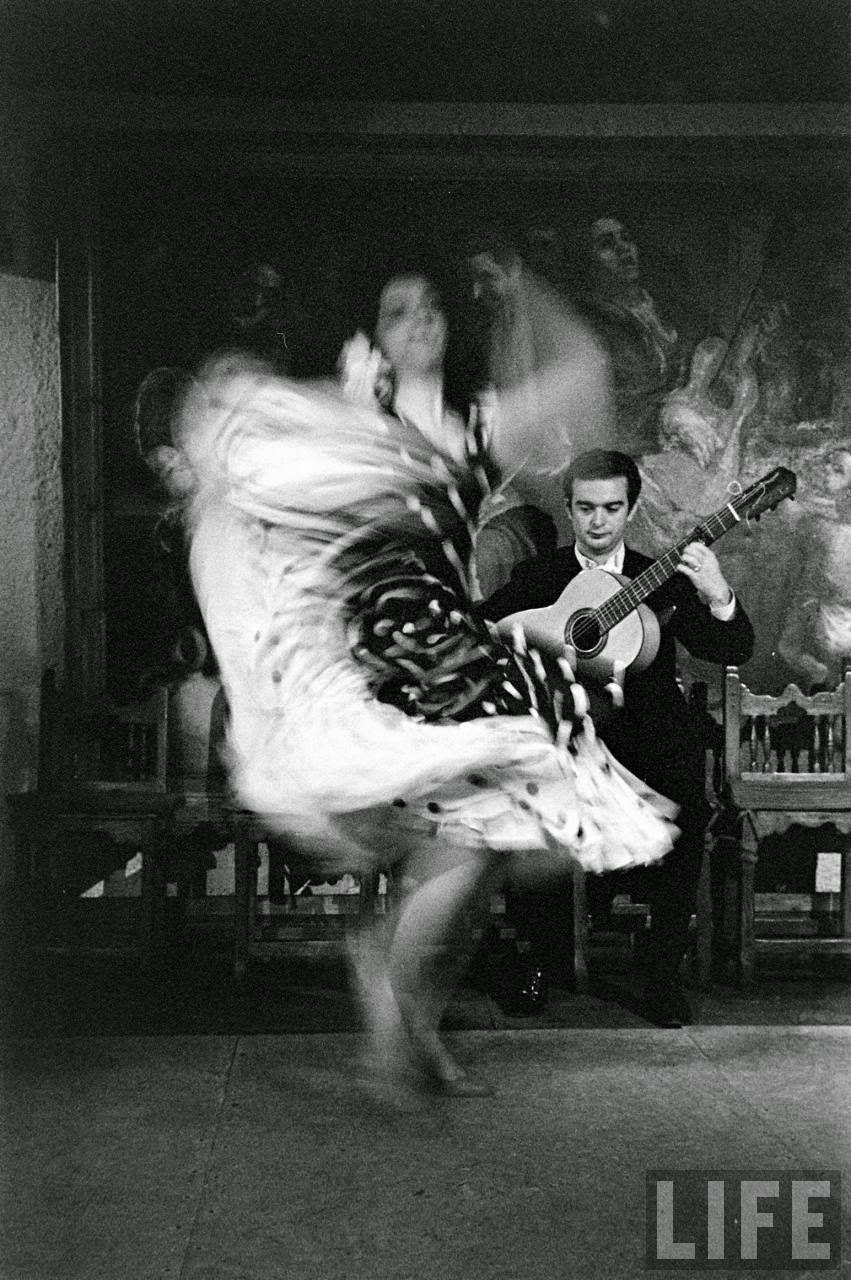
Loomis Dean’s Madrid photographs stand as a rare and detailed visual record of Romani performance culture at a specific moment in time. Taken for LIFE magazine, they were seen by millions of readers across the United States and beyond, bringing the world of Madrid’s Gypsy dancers to a global audience for the first time.