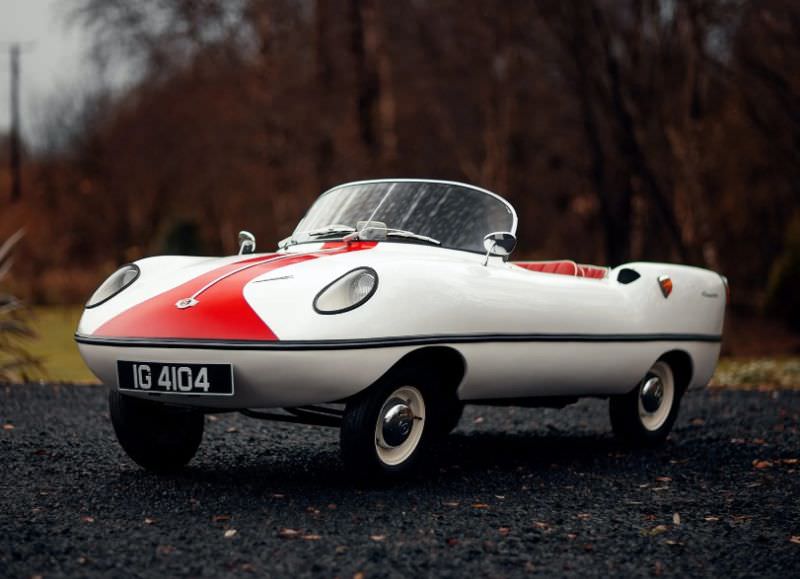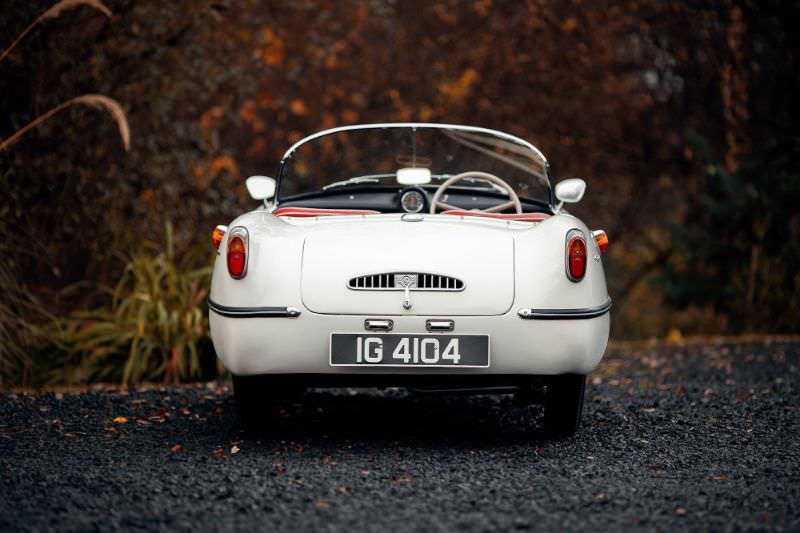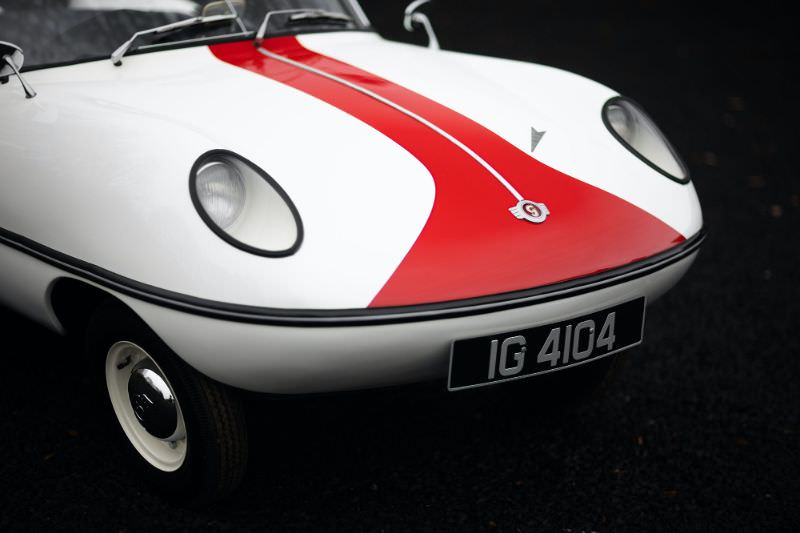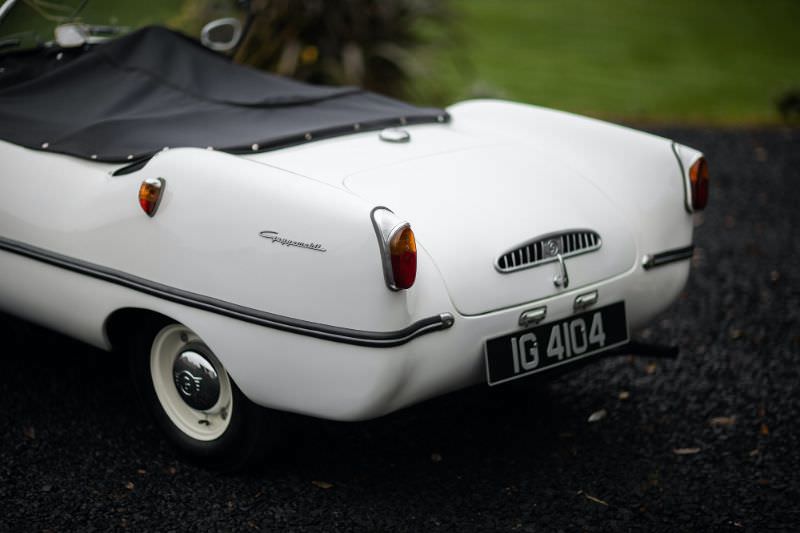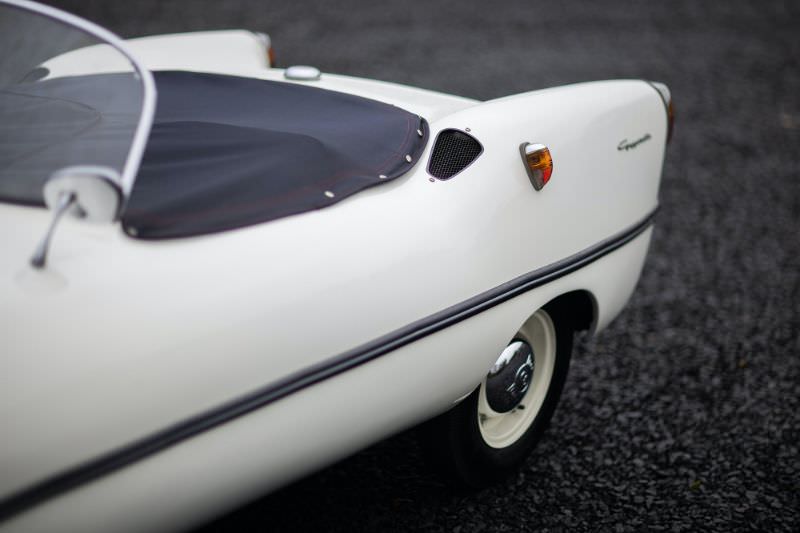

When microcars were flooding European streets in the 1950s and 1960s, most were boxy, slow, and built purely for utility. The Goggomobil Dart was different. It arrived with a sleek, aerodynamic body that made it stand out immediately from the crowd of cramped city runabouts.

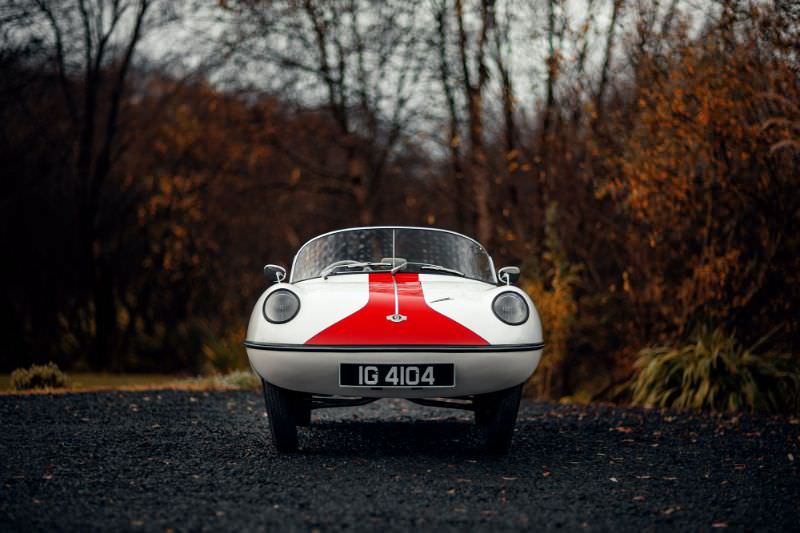
The Dart was produced by Glas, a Bavarian manufacturer already known for its Goggomobil line of small cars. While the standard Goggomobil was a practical economy car, the Dart was a two-seat roadster with a body that looked like it belonged in a sports car showroom. Available in a wide range of colors, it also came with options like a sunroof, side screens, and a retractable roof.

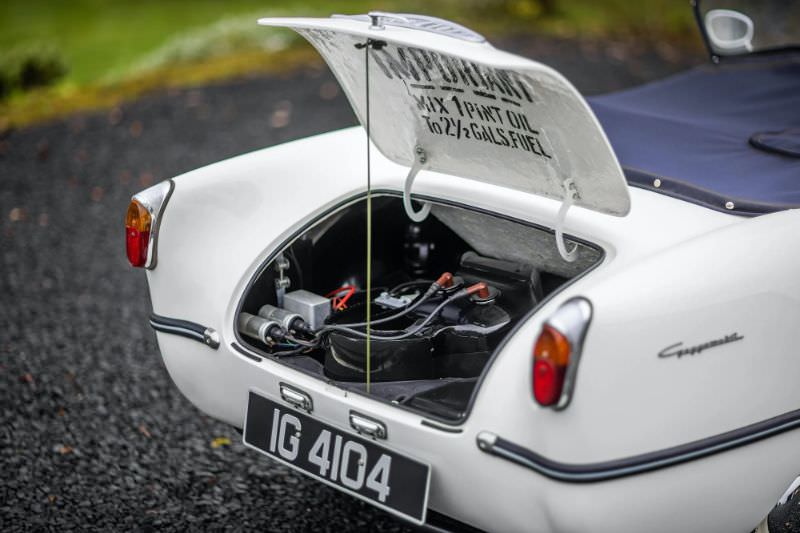
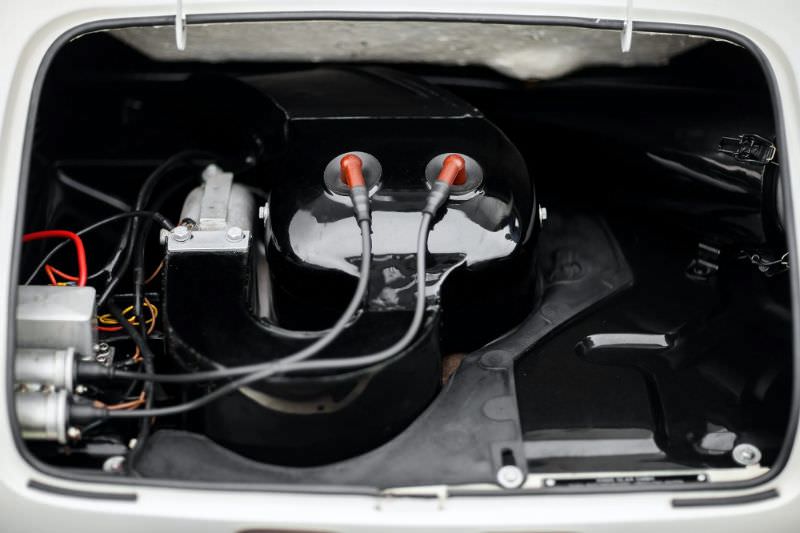
Under the hood sat a small two-stroke engine producing up to 9 horsepower. That figure sounds modest, but in a car this light, it was enough to push the Dart to a top speed of around 75 km/h. For navigating city streets and handling short trips, that was more than adequate.

What really set the Dart apart from its rivals was how it drove. Many microcars of the era felt unstable and difficult to handle, especially at higher speeds. The Dart was light and nimble, with a tight turning radius that made parking and maneuvering in traffic genuinely easy.

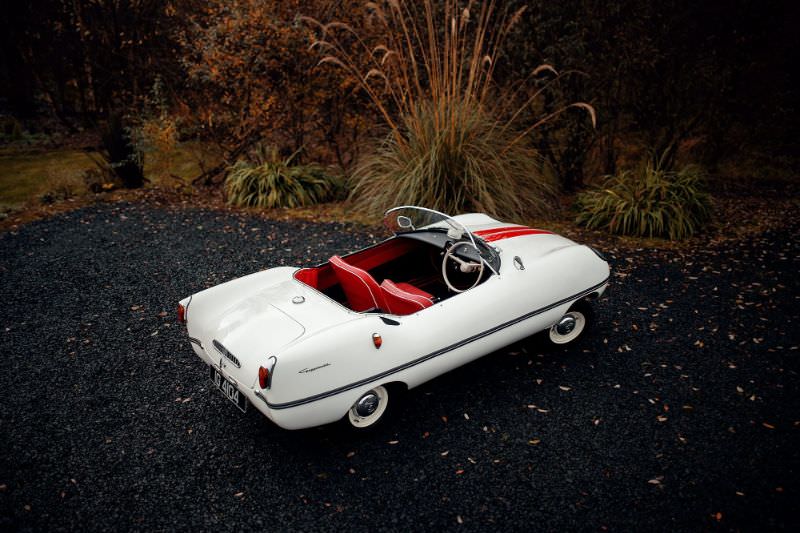
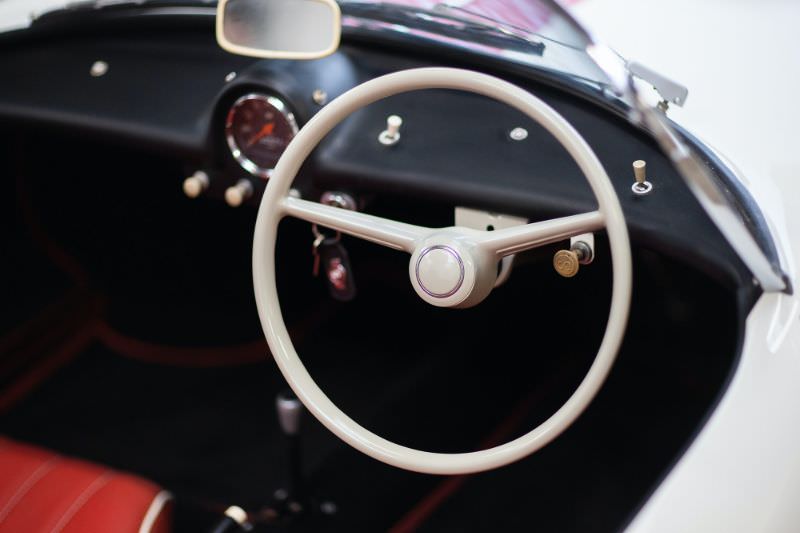
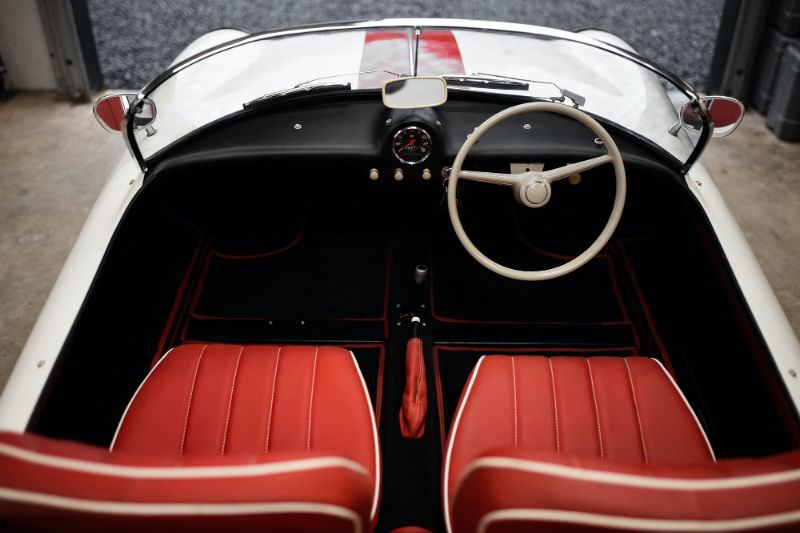
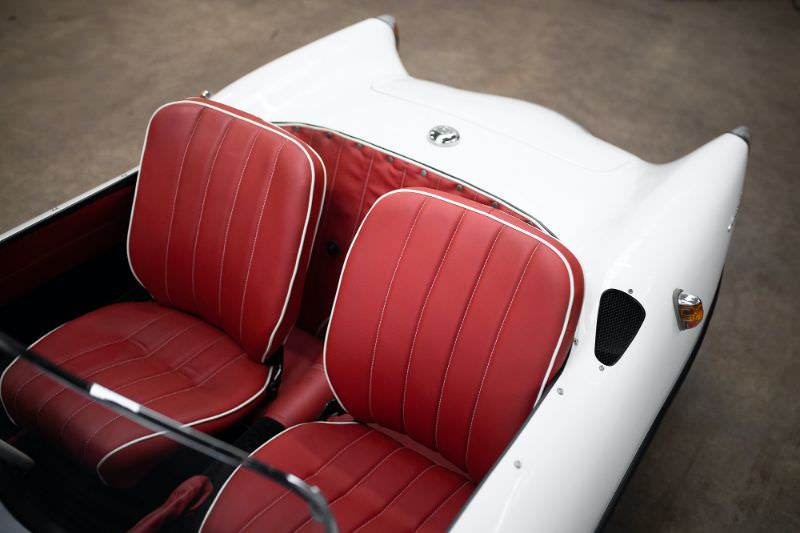
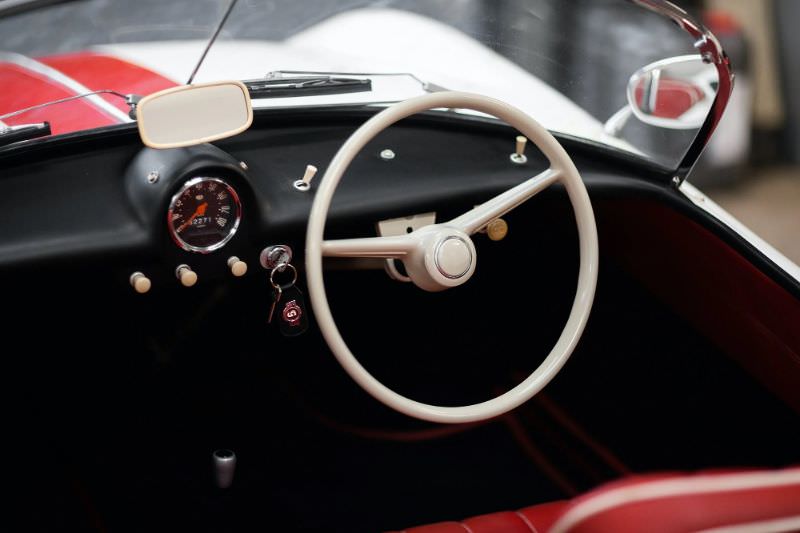
Inside, the Dart offered a comfortable and well-appointed cabin for two passengers. Storage space was limited, as expected from a car this small, but the interior quality was a step above what buyers typically found in competing microcars.

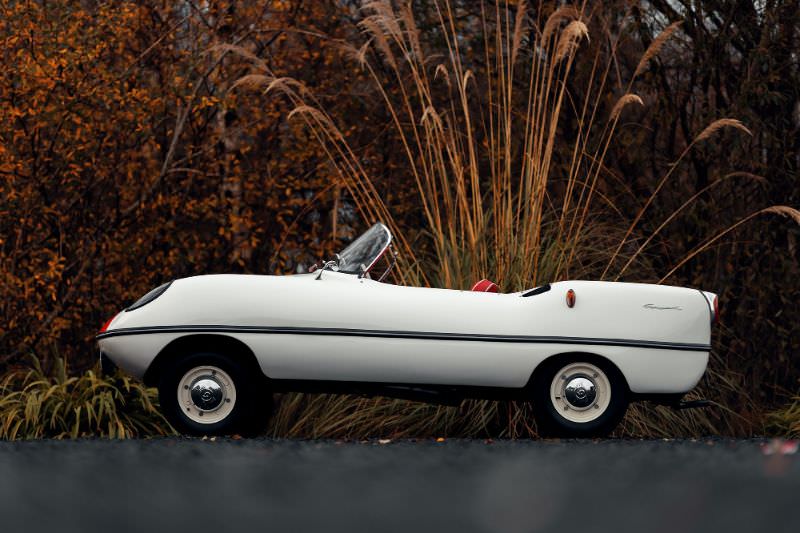
The Dart’s body design was a major selling point. Its low roofline, curved panels, and forward-leaning stance gave it a sense of motion even when parked. This was not an accident — the aerodynamic shape was a deliberate design choice that helped reduce drag and improve performance at the car’s modest power levels.

The public responded warmly to the Dart. It sold steadily throughout its production run, which lasted for over a decade. Thousands of units were built during that time, making it one of the more successful microcar roadsters of its era.

The Dart’s appeal cut across different types of drivers. Some wanted an affordable second car for city use. Others were drawn to its sporty looks and fun driving character. A small car that genuinely felt enjoyable to drive was a rare thing in this segment.

Today, surviving Goggomobil Darts are actively sought by collectors. Their combination of distinctive styling, historical significance, and small footprint makes them appealing to enthusiasts with limited garage space as well as those who simply appreciate an unusual piece of automotive history.

Well-preserved examples command serious attention at classic car auctions. The rarity of surviving roadsters in good condition — especially those retaining original color and trim — drives significant interest among collectors worldwide.

Restoration work on the Dart presents its own challenges. Two-stroke engines of this era require careful maintenance, and original parts are not easy to source. Despite that, dedicated restorers continue to bring examples back to running condition.

The Goggomobil Dart represents a specific moment in automotive design — a time when small cars were pushed to look and feel like something much larger and more exciting. It succeeded on both counts in a way few of its competitors managed.