Sabine Weiss was born in Switzerland in 1924 and went on to become one of the most celebrated photographers of the 20th century. Working in a photojournalistic style, she built her career around a single, consistent pursuit: finding the extraordinary inside the ordinary. A child playing in the street, a couple sharing a quiet moment, a postman making his rounds — these were the scenes that drew her lens.
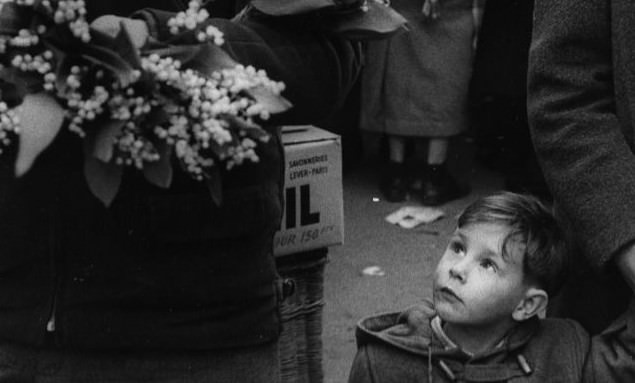
Weiss launched her career in the late 1940s as a freelance photographer, contributing to major international publications including Life, Vogue, and Paris Match. These assignments took her across France, Spain, Portugal, Italy, Greece, and the United States, giving her access to an enormous range of human experience. She photographed all of it — streets and churches, racetracks and riversides, city crowds and solitary figures.
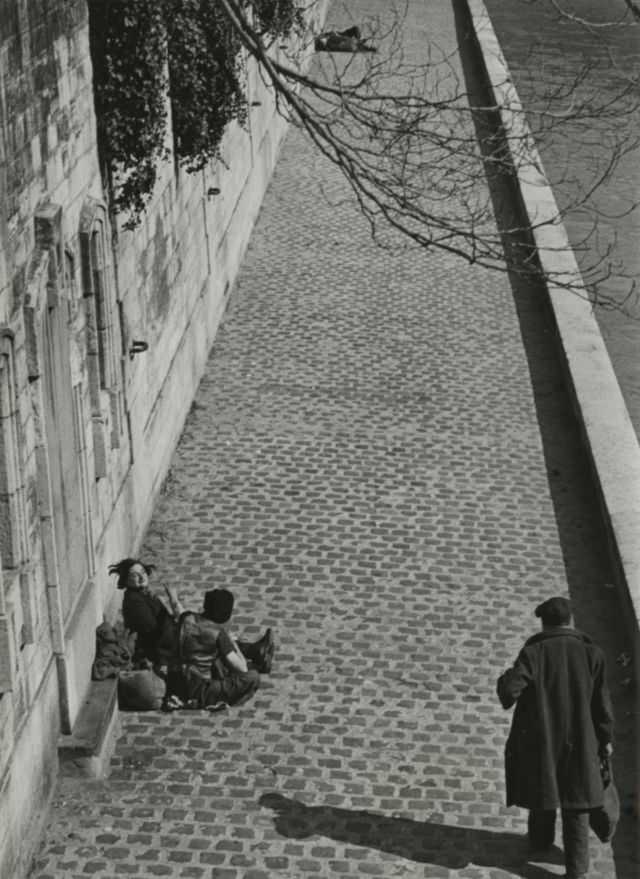
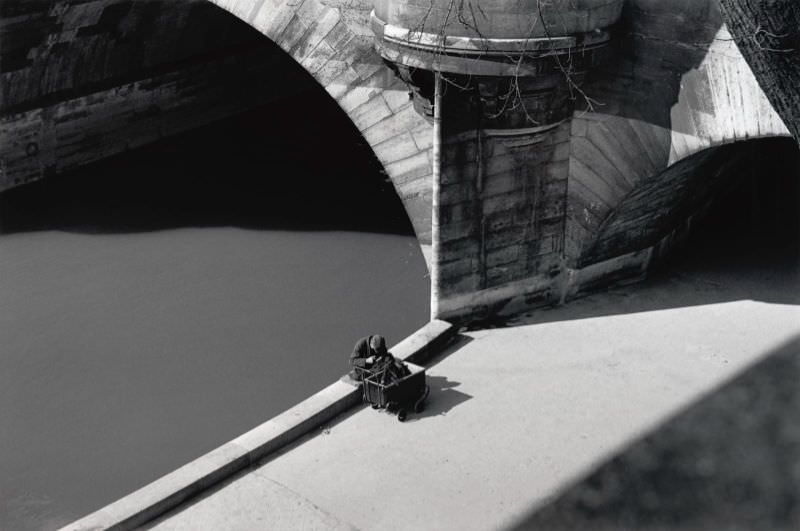
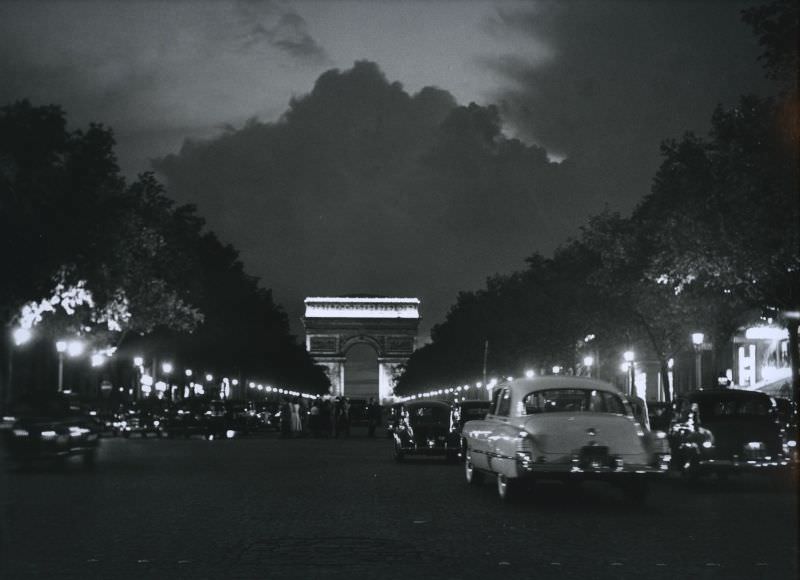
Paris was her home base and a constant source of material. Her early images from 1948 and 1949 show a city still finding its footing after World War II — pedestrians crossing the Pont Neuf, life unfolding along the Champs-Élysées. Her camera was always close at hand, and her timing was precise.
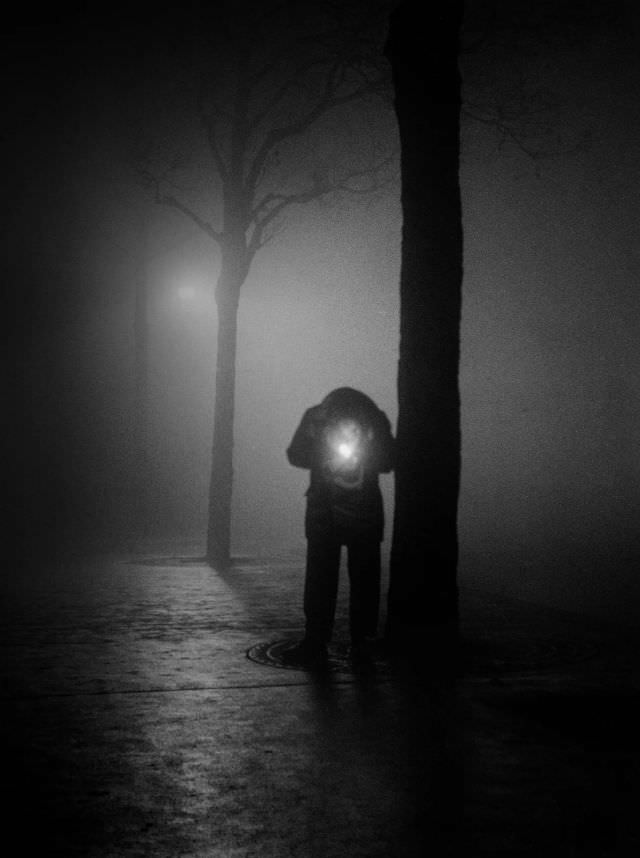
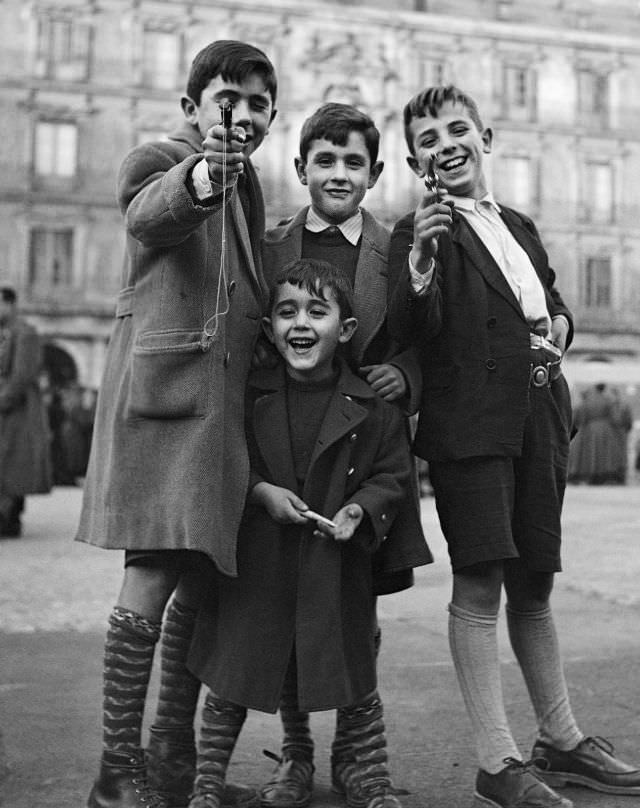
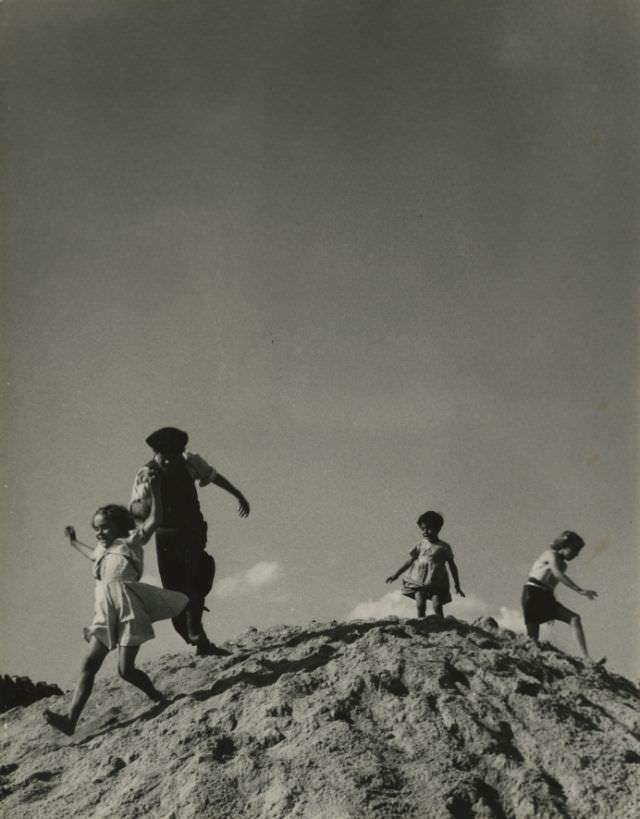
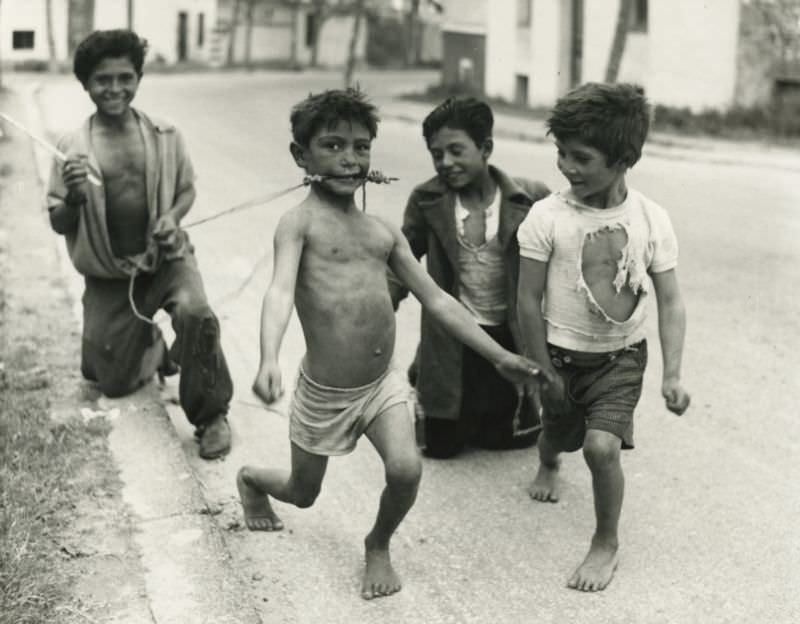
In 1950, Weiss traveled to Lyon and Madrid, expanding her documentary range. Her Lyon series is especially striking — a postman at work, a misty morning, the texture of provincial French life rendered in sharp monochrome. In Madrid, she turned her lens on a group of boys whose energy and spontaneity leapt off the frame.
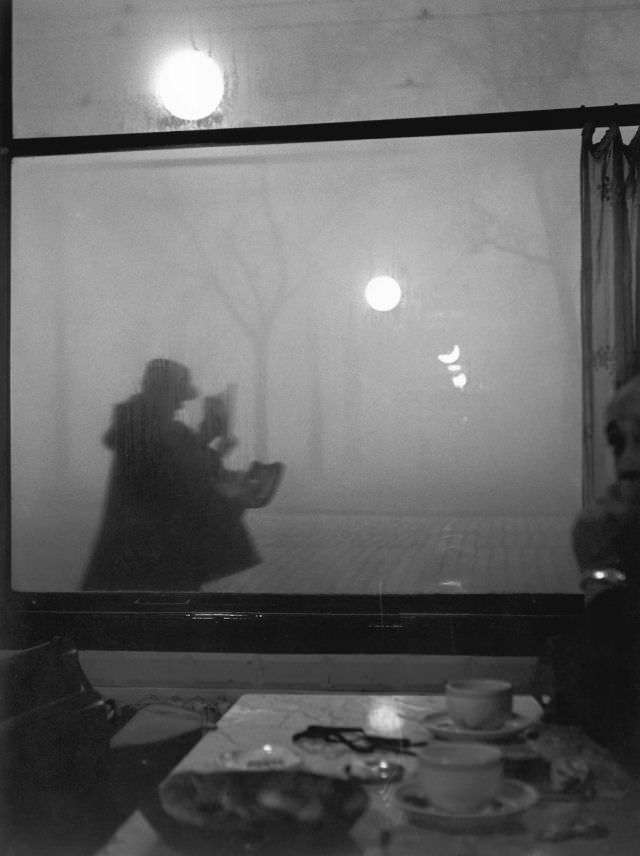
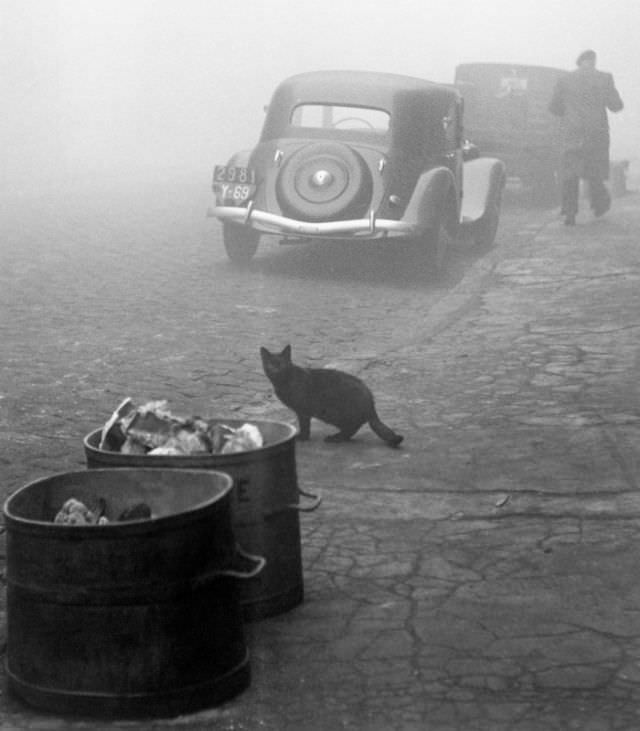
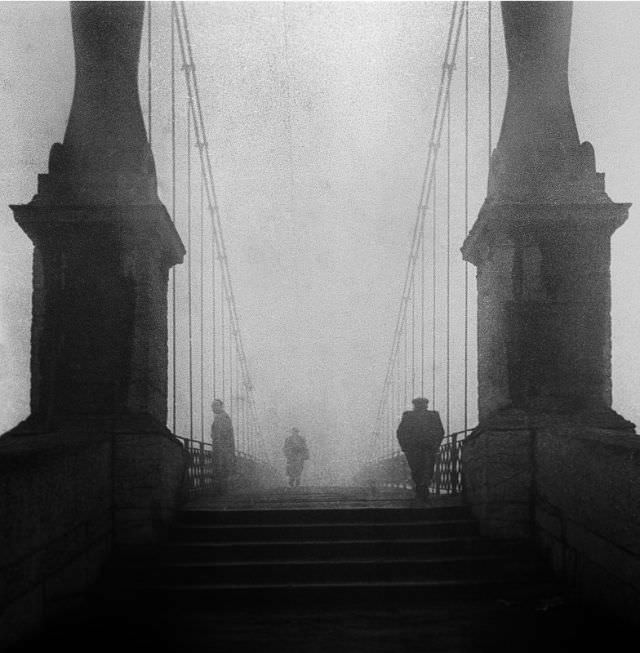
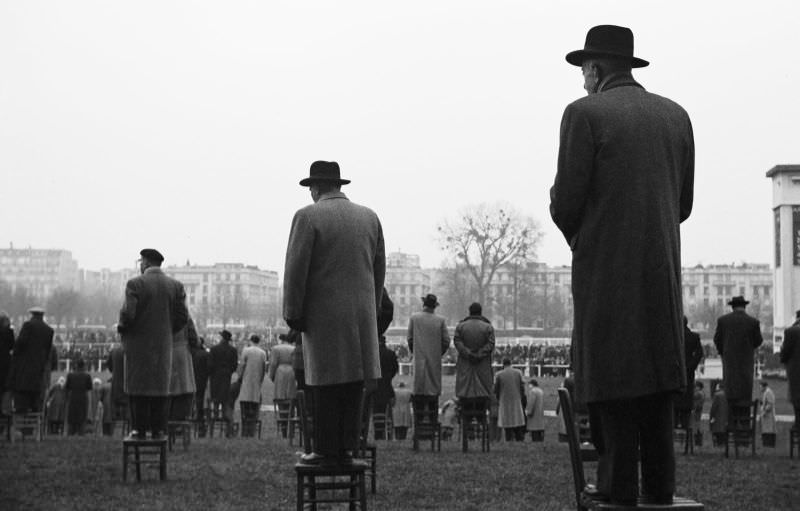
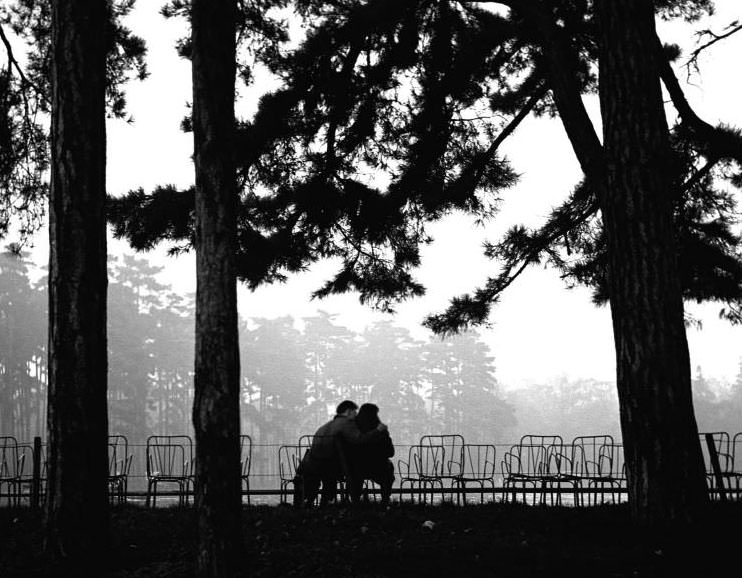
By 1952, her work had grown in both scope and intimacy. She photographed horse races at Auteuil, lovers in the Bois de Boulogne, and a portrait of painter and decorator Félix Labisse in Neuilly-sur-Seine. Each image demonstrated her ability to shift between the public and the personal without losing her documentary edge.
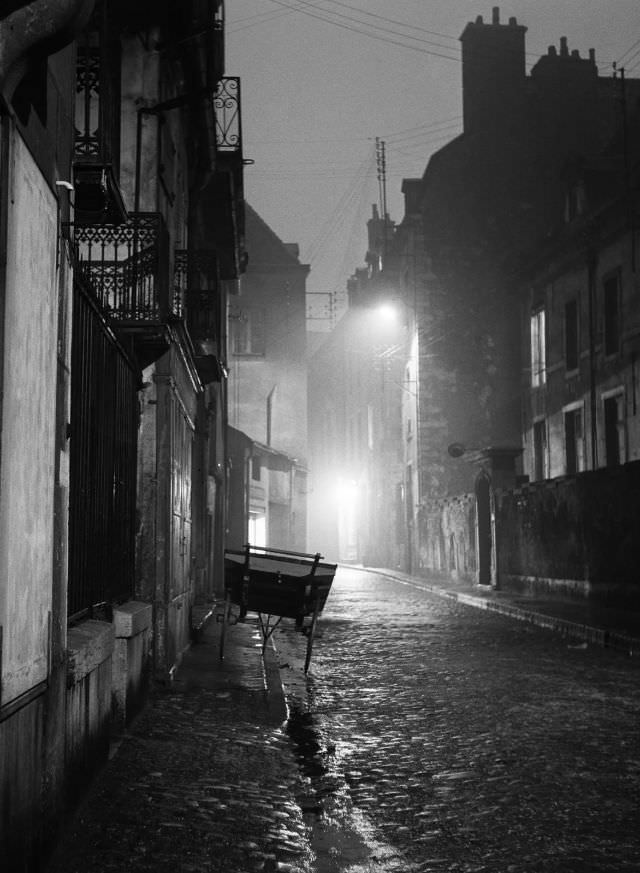
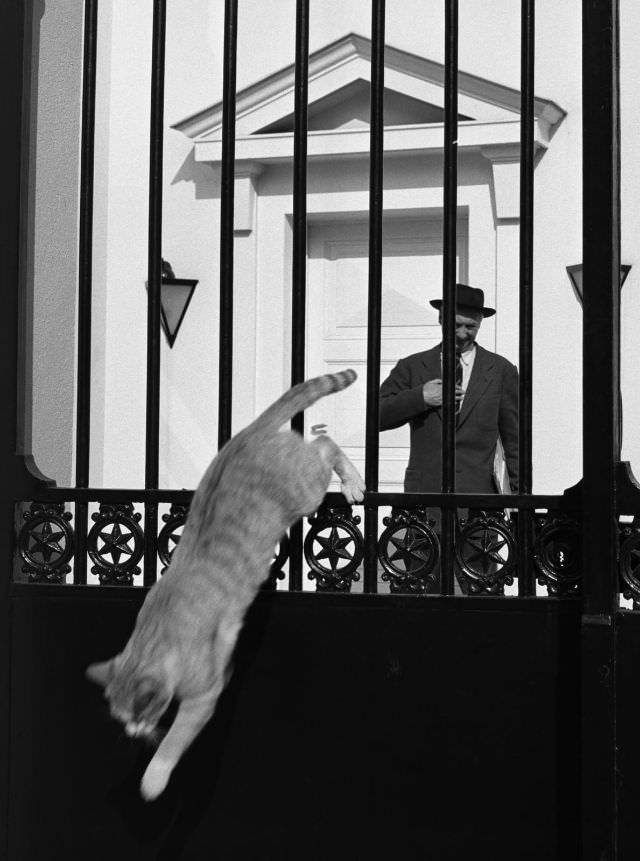
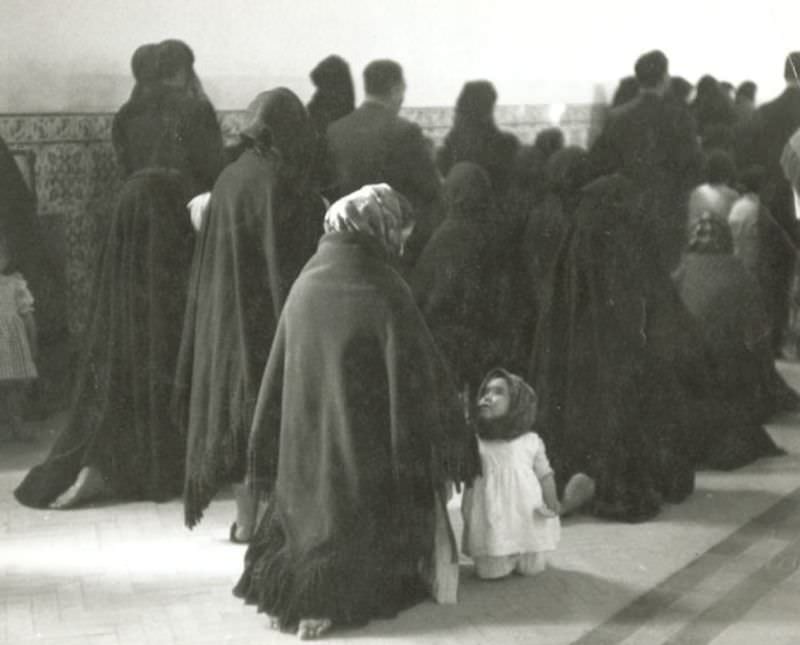
Her 1953 and 1954 work shows a photographer at the height of her observational power. On the streets of Paris, she caught a running man mid-stride. In Italy, she framed the still interior of a church. In Portugal, she documented a mass. In Spain, a child played at being a horse. These images move across moods and countries with total ease.
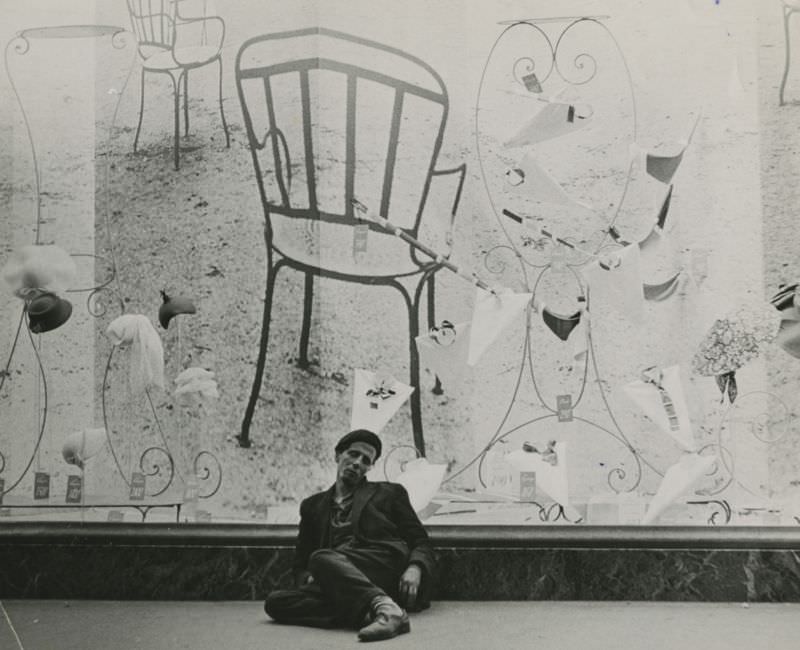
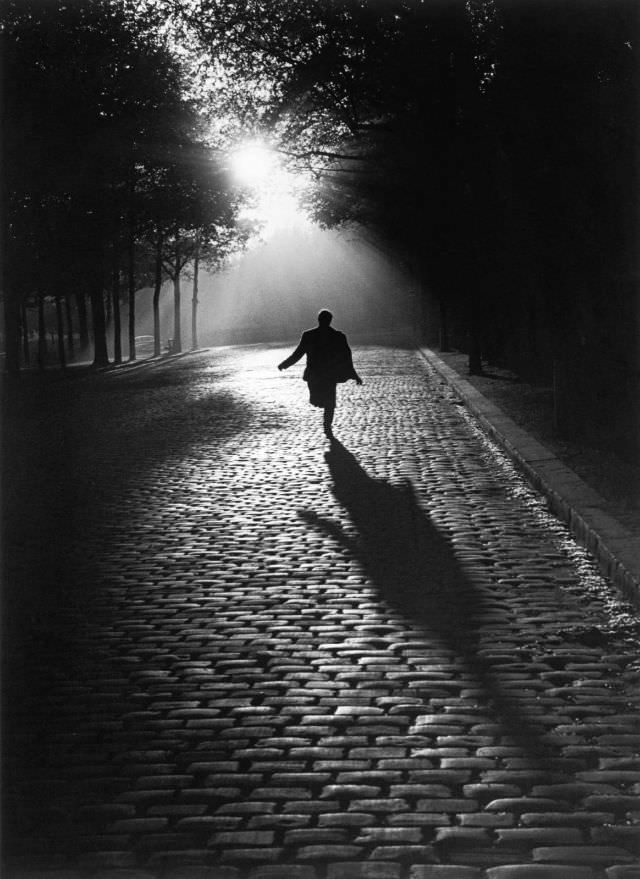
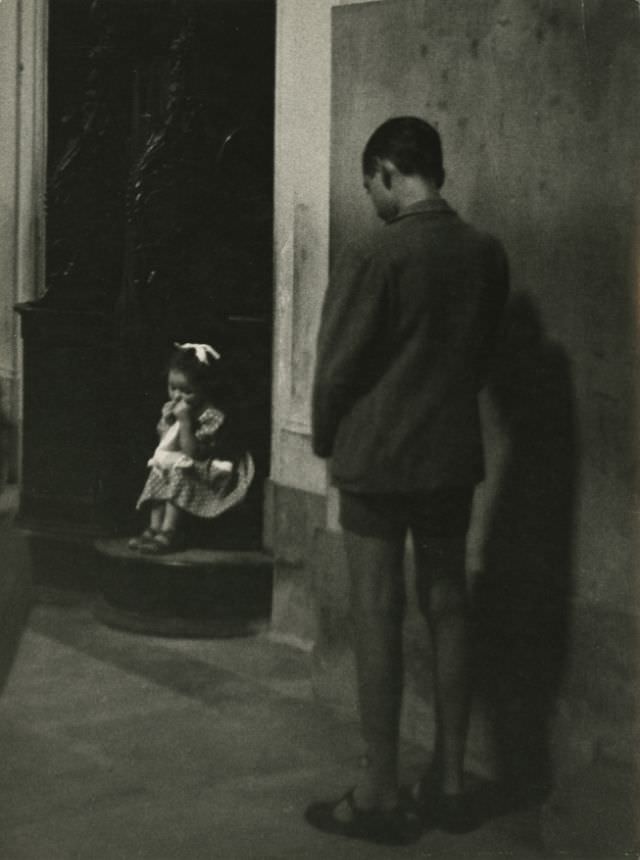
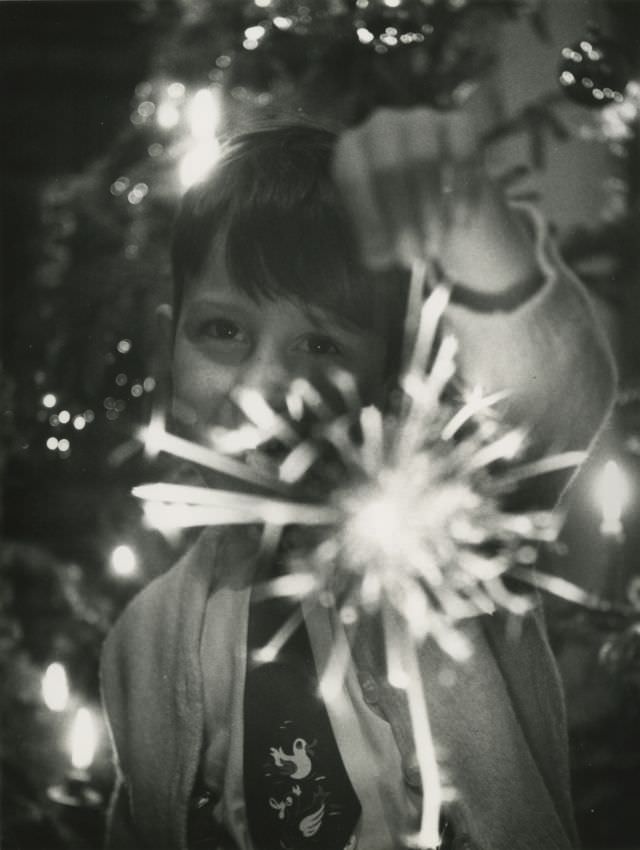
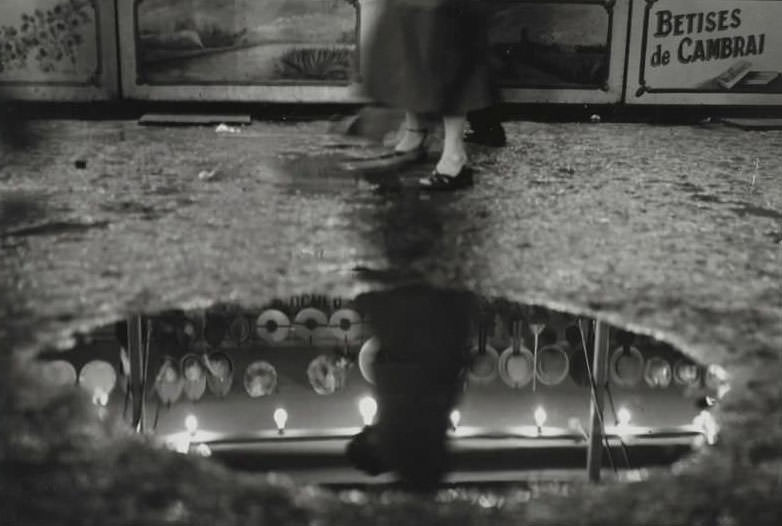
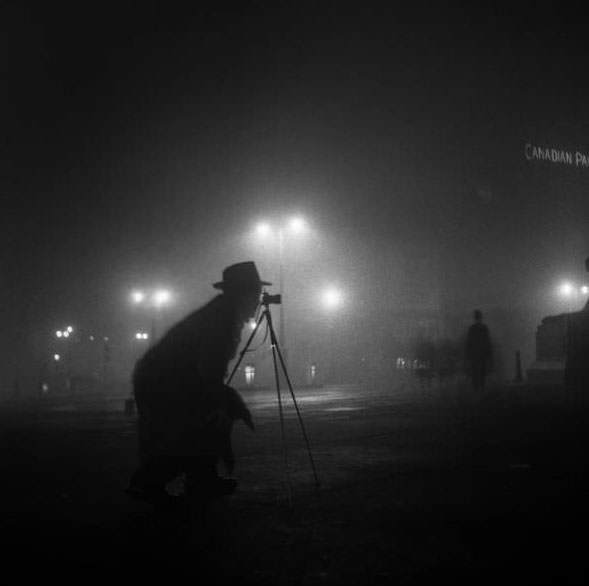
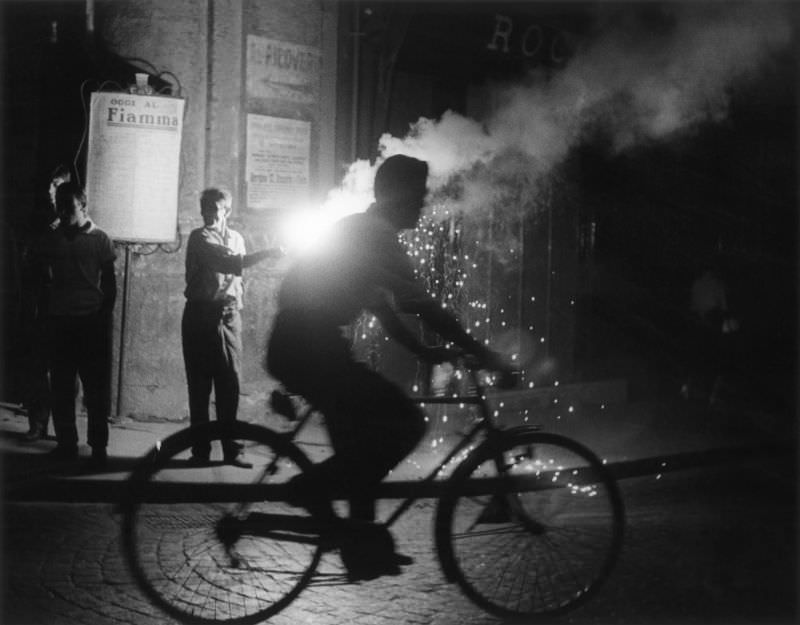
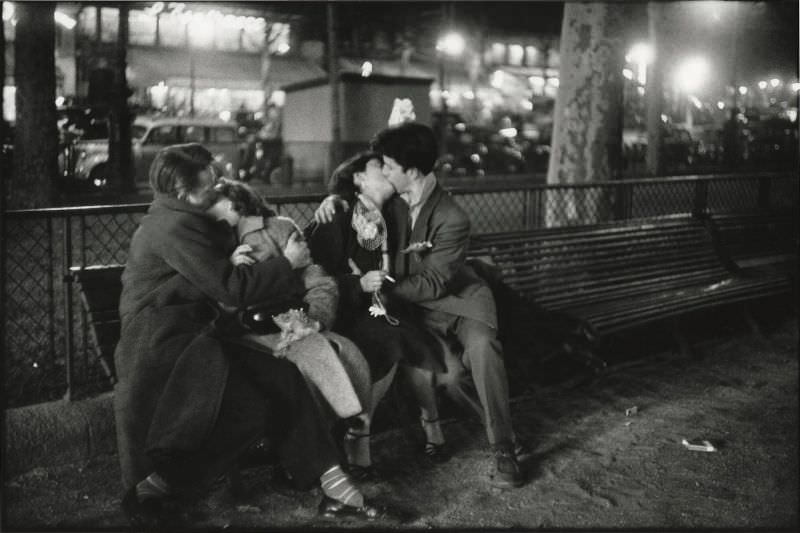
Weiss documented Bastille Day celebrations in Paris on July 14, 1954, and the glow of Bengal fires in Naples the same year. A photographer caught at work in London. Lovers at the Place de la République in December. Each frame was chosen with intention — she never filled a roll just to fill it.
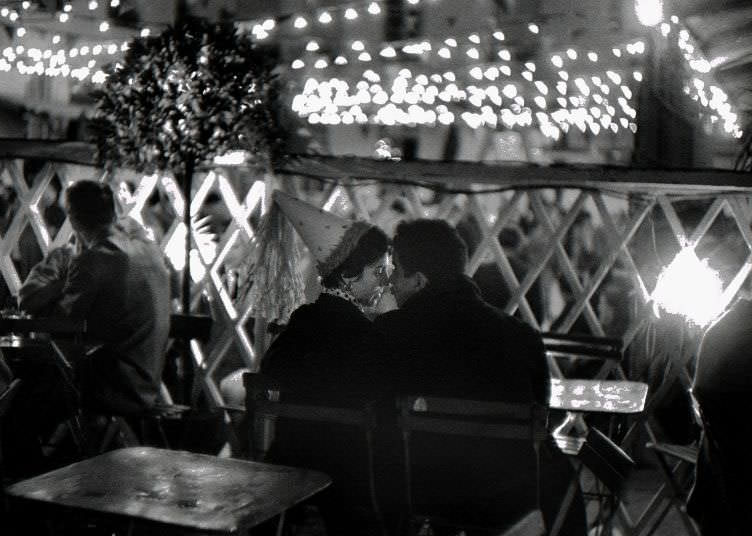
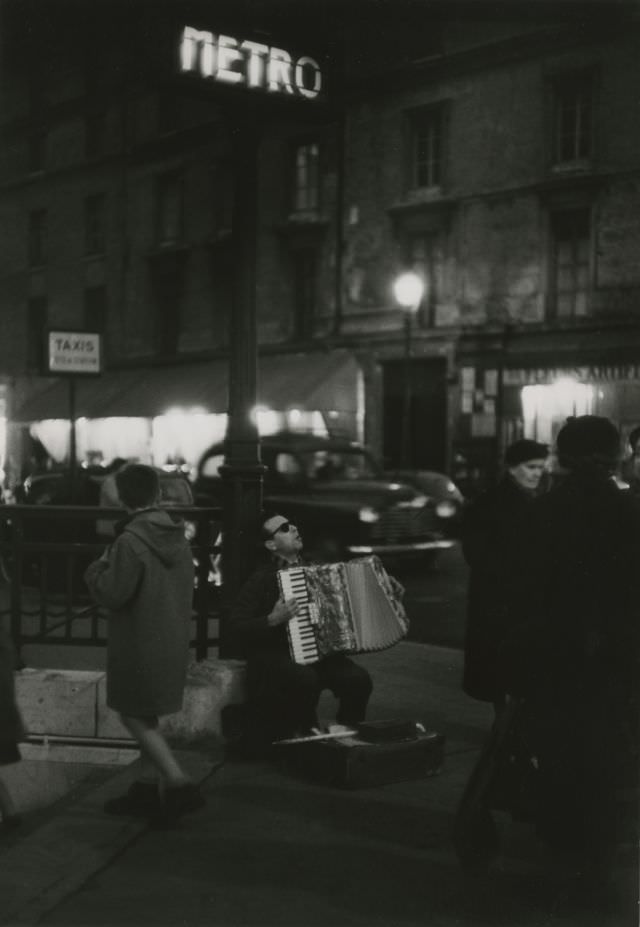
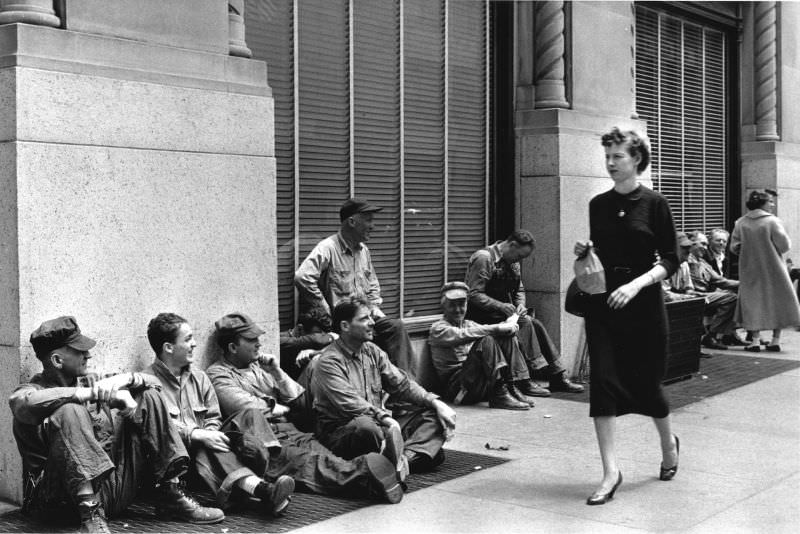
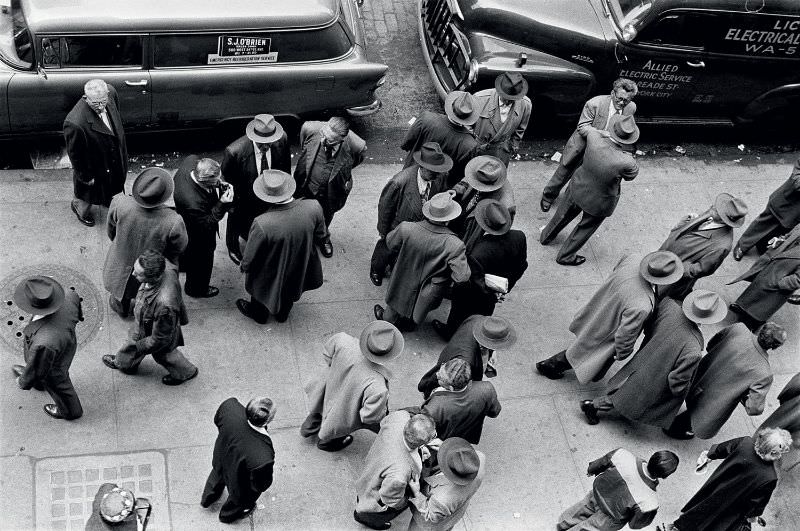
In 1955, Weiss crossed the Atlantic. Her New York and Atlantic City images brought a fresh energy — the scale of American cities, the rhythm of their sidewalks, the particular weight of crowds in motion. Back in Paris, she captured the bustle of a metro exit and the spirit of May Day marchers.
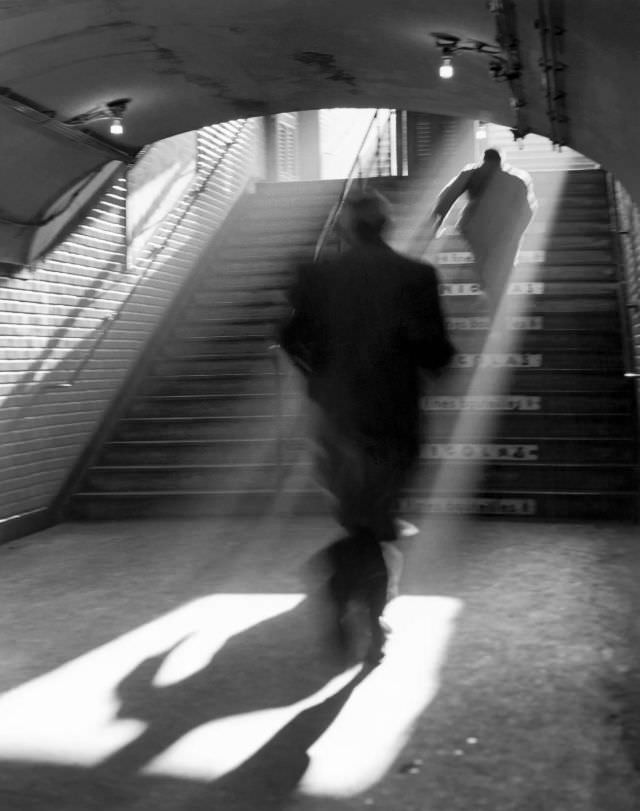
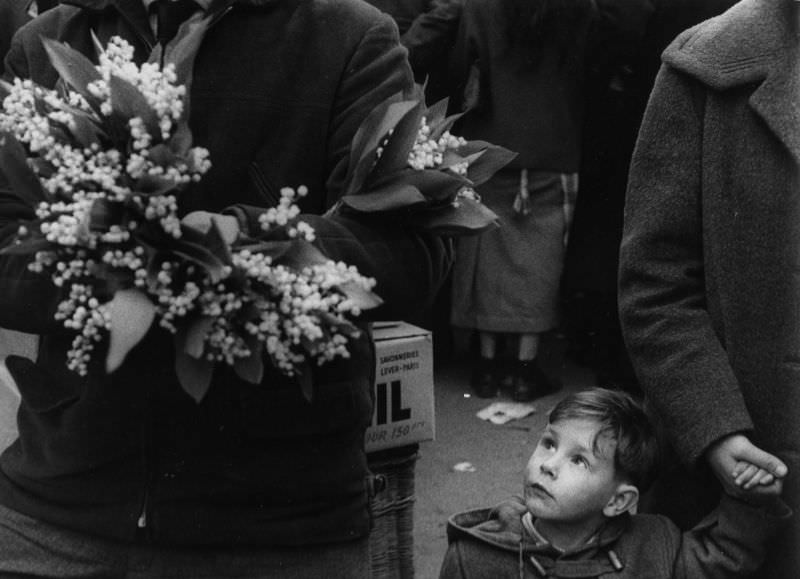
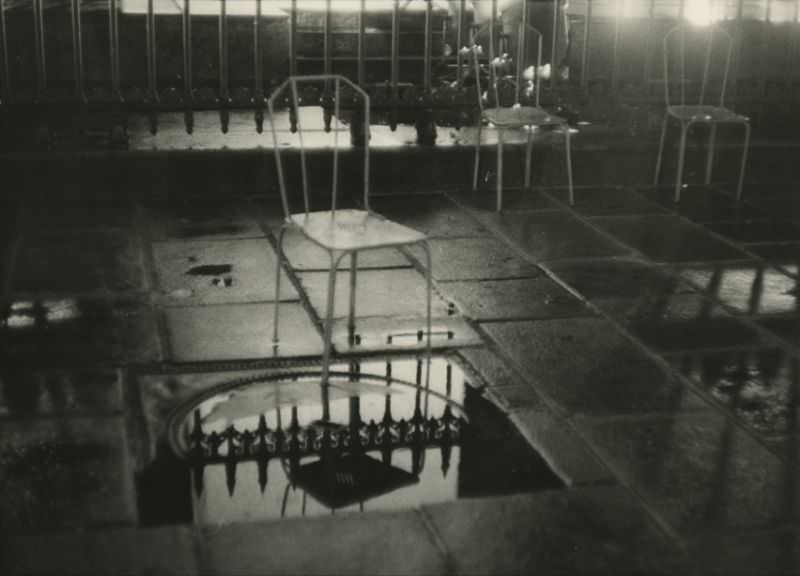
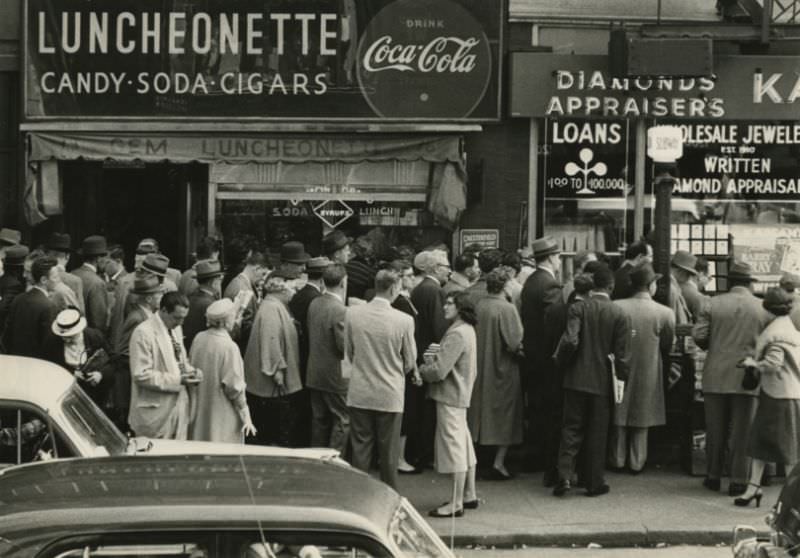
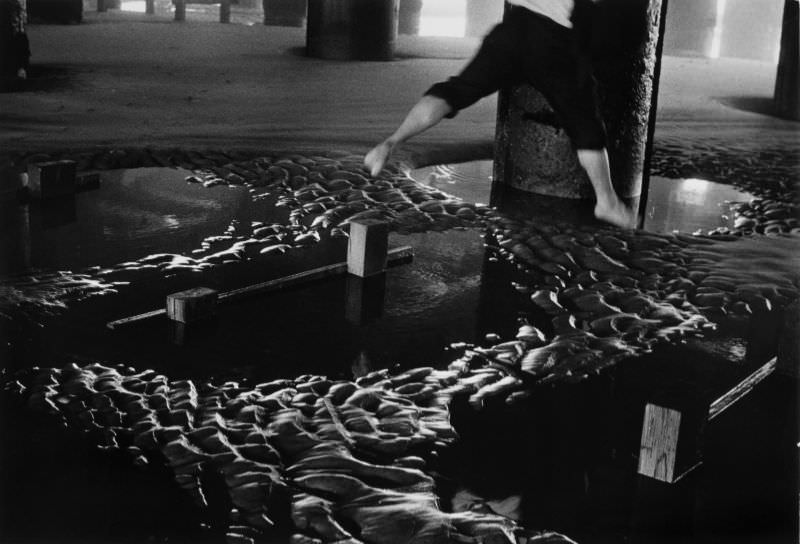
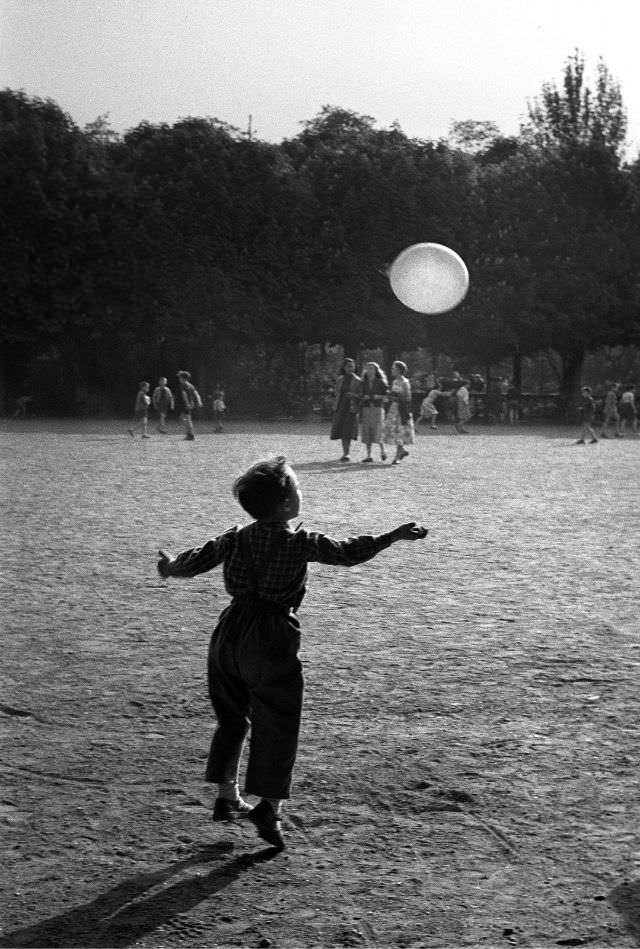
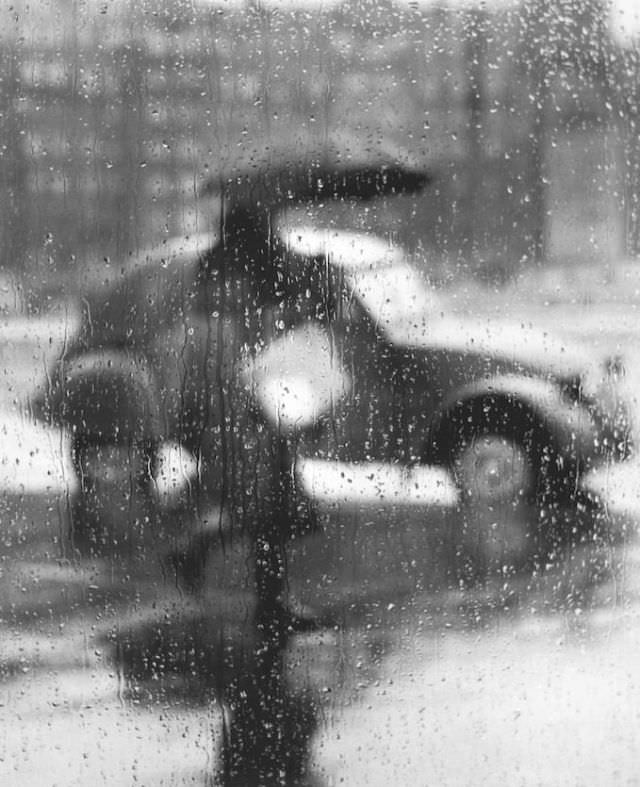
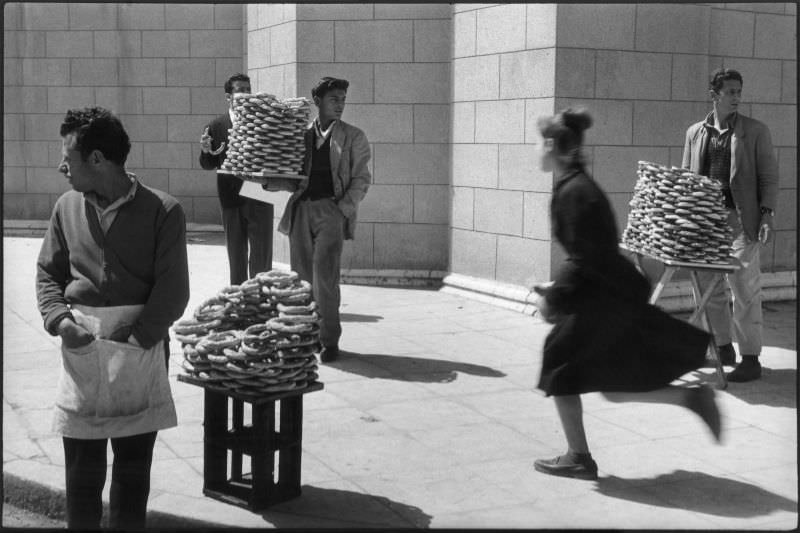
The late 1950s brought more city scenes — children in the Luxembourg Gardens, a rain-soaked Citroën 2CV on a Paris street, and the ancient streets of Athens in 1958. Weiss moved between the familiar and the foreign without adjusting her approach. Her black-and-white aesthetic stayed consistent whether she was in France or Greece.
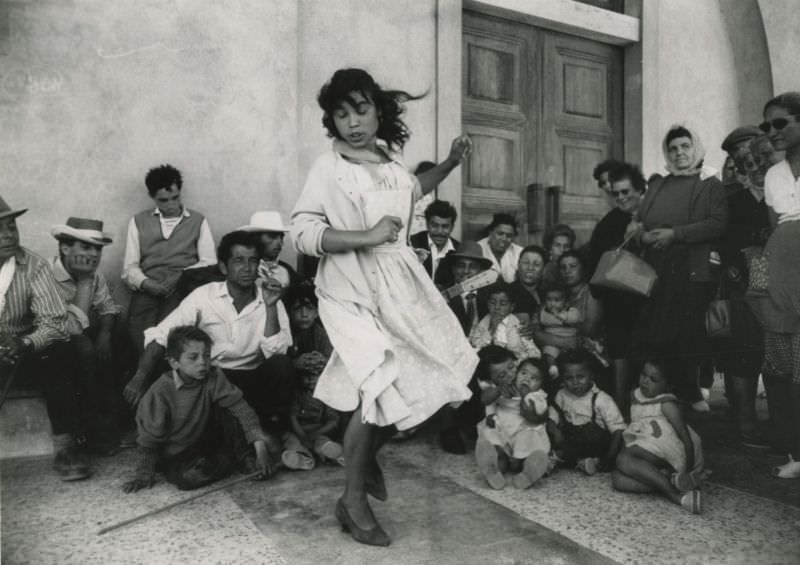
Weiss also photographed marginalized communities throughout her career, using her work to draw attention to their lives and experiences. Her 1960 image of a Romani woman at the pilgrimage of Saintes-Maries-de-la-Mer is one of her most recognized portraits — a direct, dignified image that refuses to look away. Her commitment to human rights ran through everything she shot.
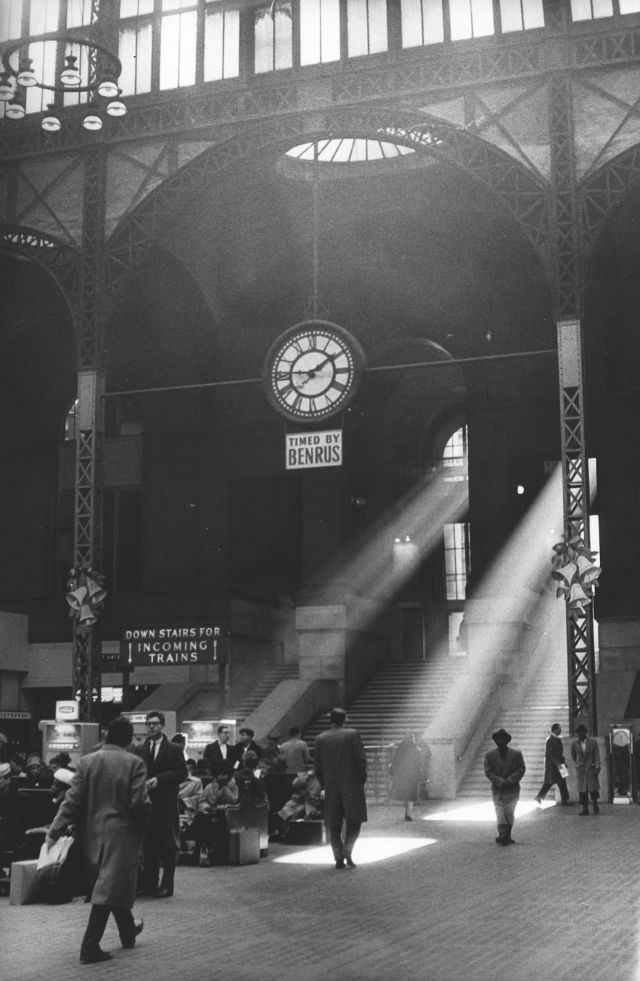
Her 1962 photograph inside Pennsylvania Station in New York captures the grand architecture of a building that would be demolished just one year later, in 1963. Weiss preserved it in black and white — commuters moving through shafts of light beneath iron and glass. It is the kind of image only a photographer of her instinct would think to take.