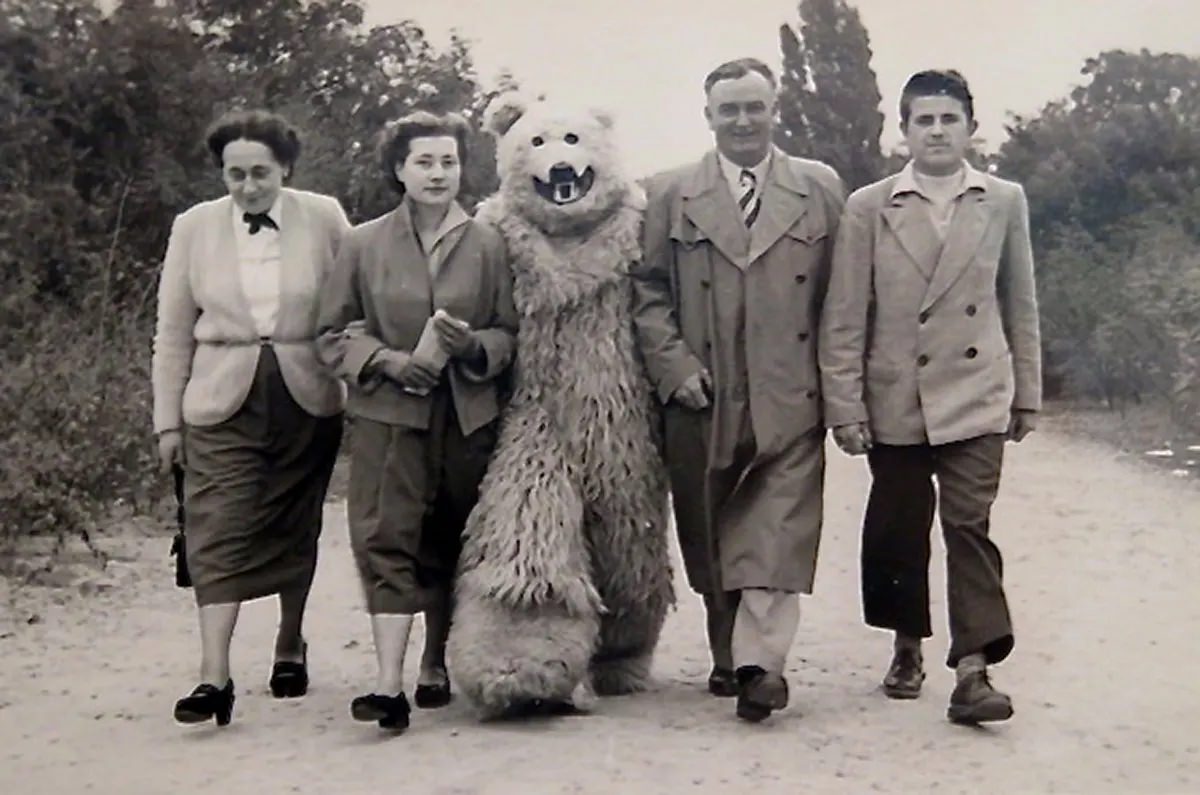
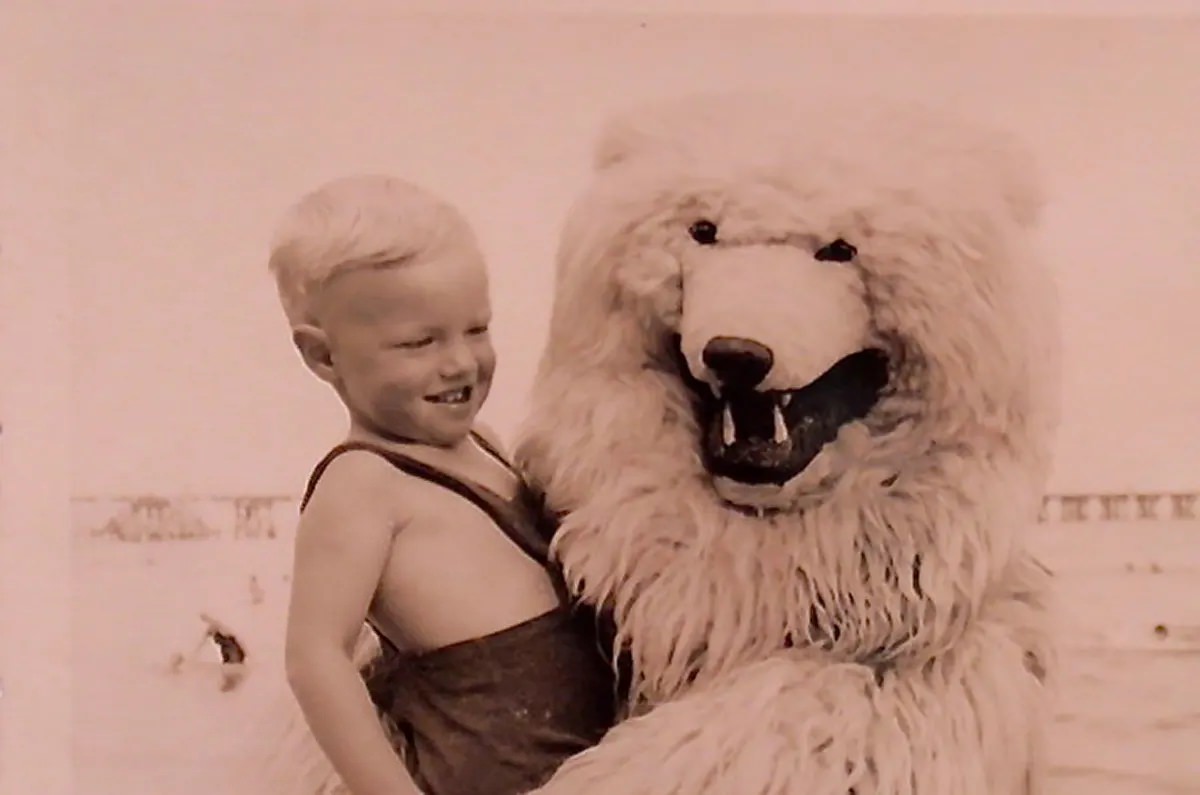
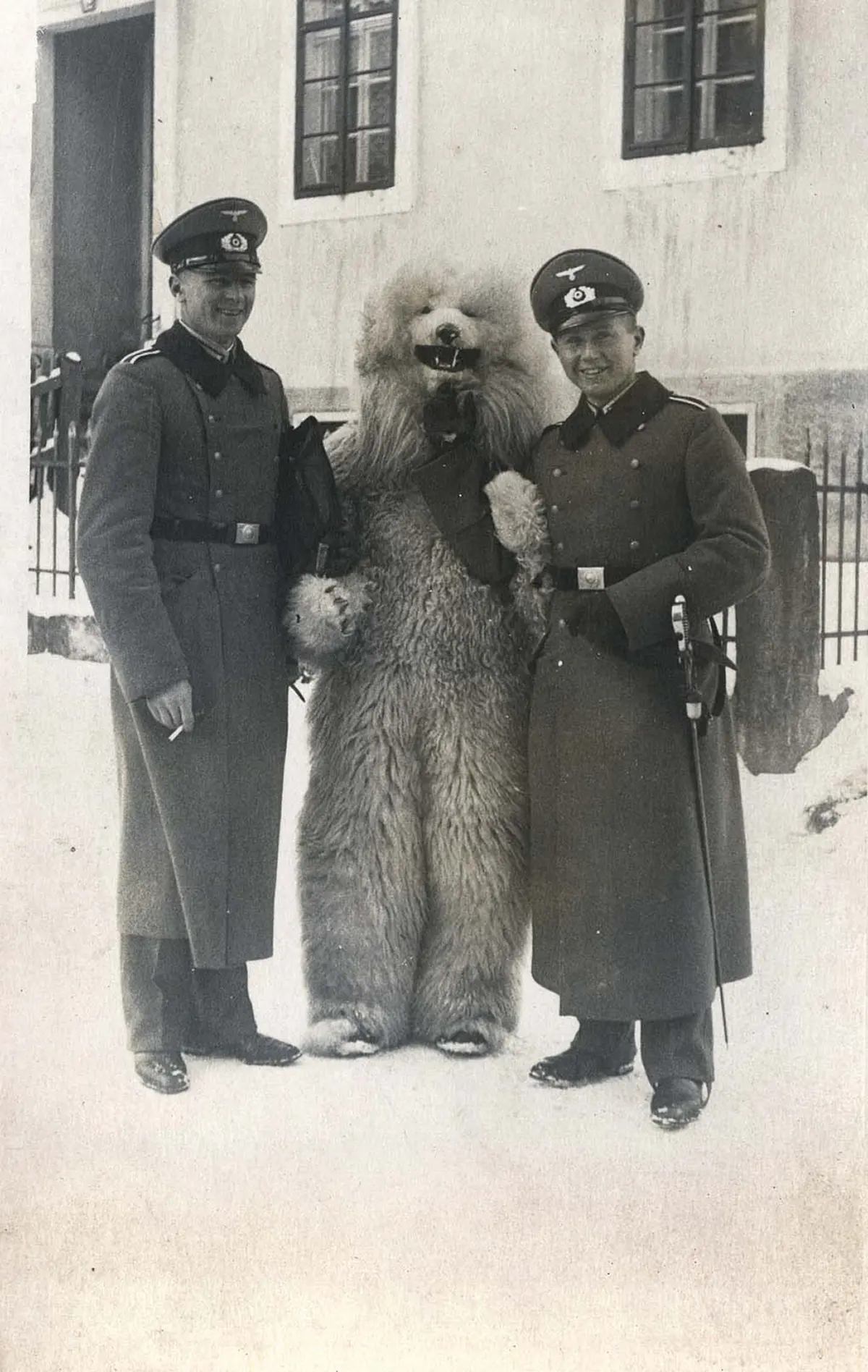
From the 1920s through the late 1960s, a peculiar tradition swept across Germany. People of all ages — families, couples, lone travelers — lined up to pose for photographs with actors dressed in shaggy polar bear suits. The images are funny and oddly unsettling at the same time. The bear’s costume barely changes from photo to photo. The grin is fixed. The pose shifts only slightly. Yet the people beside it beam with genuine delight.
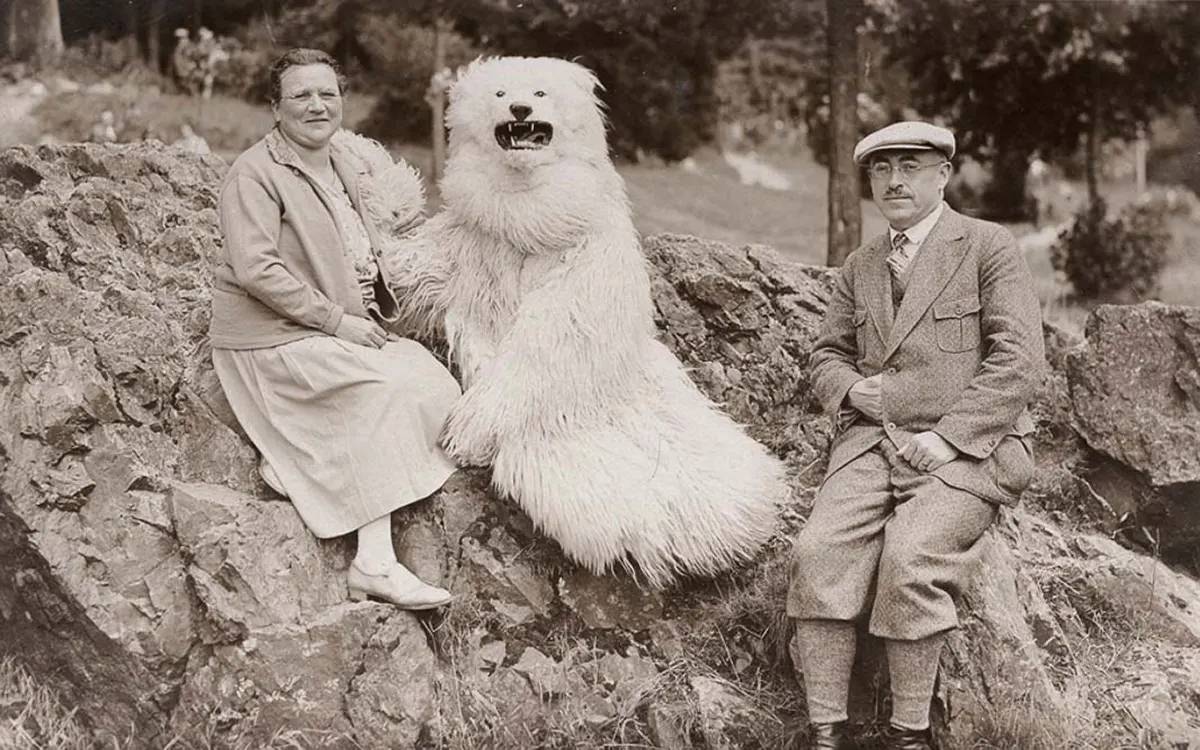
It all started in the early 1920s when two real polar bears arrived at the Berlin Zoo. Their arrival was a major event. Families traveled from across the country to catch a glimpse of the animals. Outside the zoo gates, entrepreneurs in polar bear suits were already waiting — ready to welcome visitors and pose for pictures. The zoo became the birthplace of a nationwide craze.
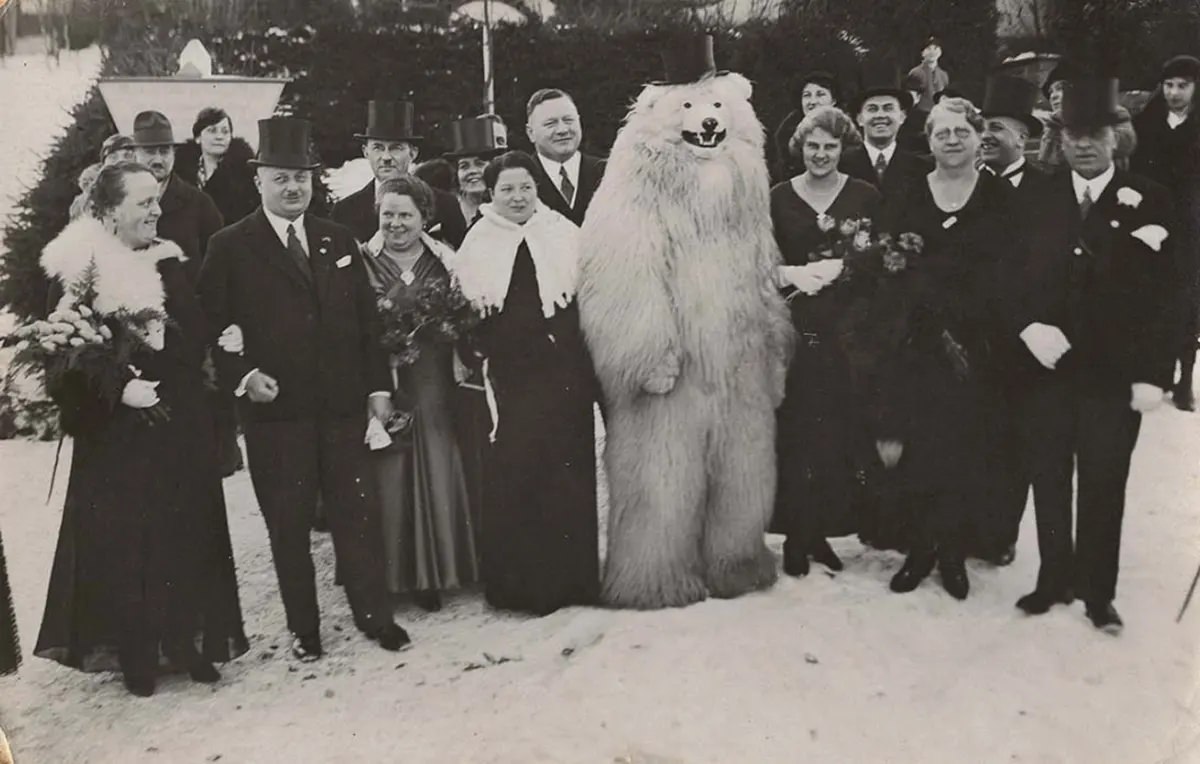
The bear suit performers outside Berlin’s zoo gates drew enormous crowds on their own. For many visitors, a photograph with the costumed bear was just as exciting as seeing the real animals inside. Word spread, and before long, polar bear impersonators appeared at tourist spots, public events, and street corners all over Germany.
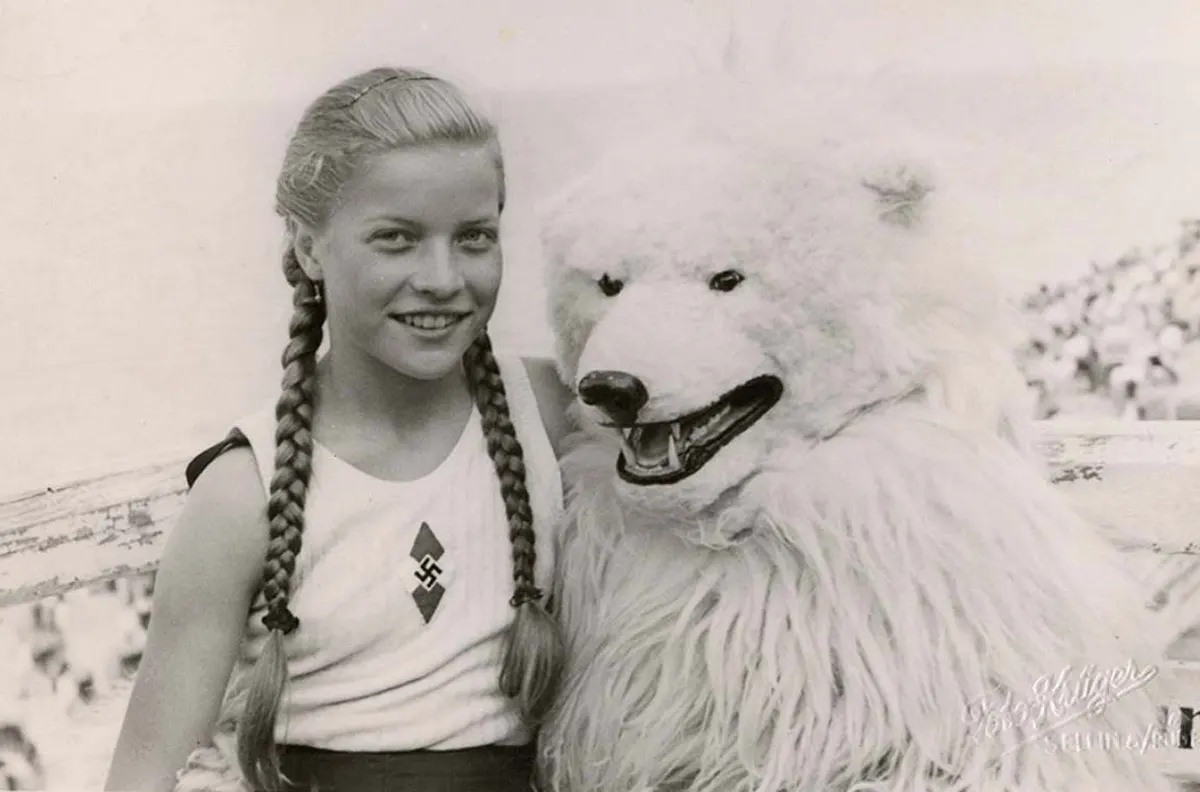
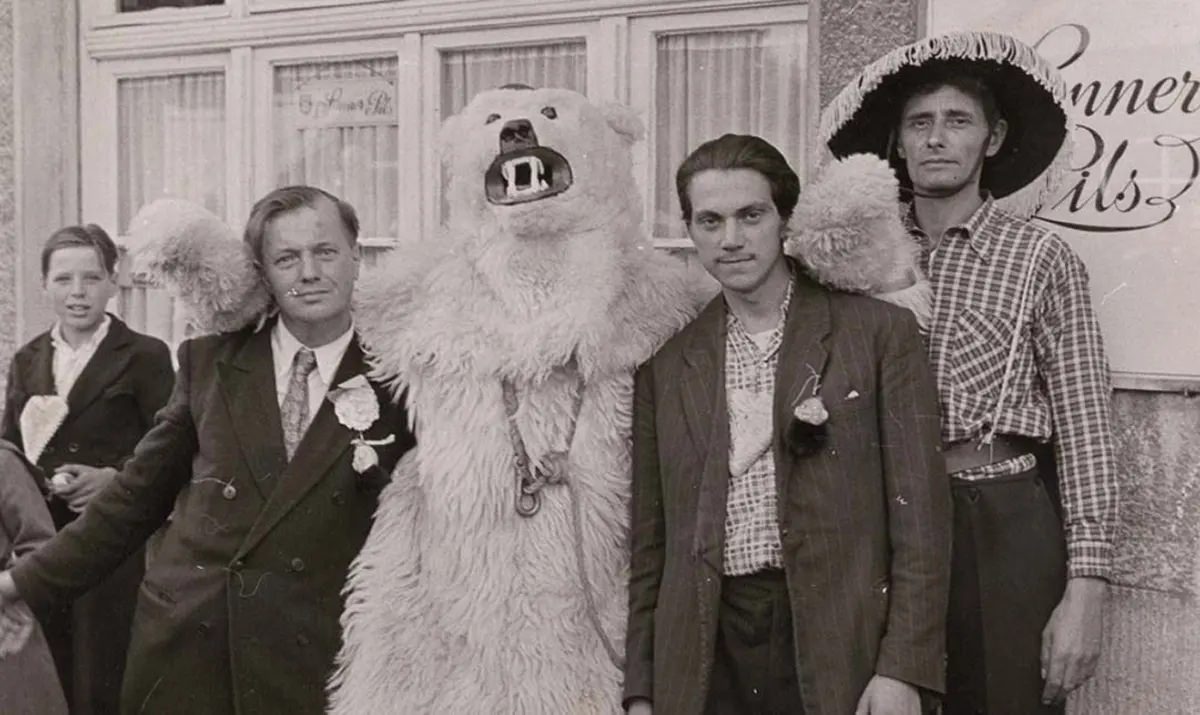
French collector Jean-Marie Donat spent 20 years tracking down these photographs. His obsession began when he came across a single image of a polar bear impersonator strolling down a Berlin street. That one photo sent him on a four-decade-spanning hunt across Germany to find more. The result of his search is a remarkable archive now published in the book TEDDYBÄR.
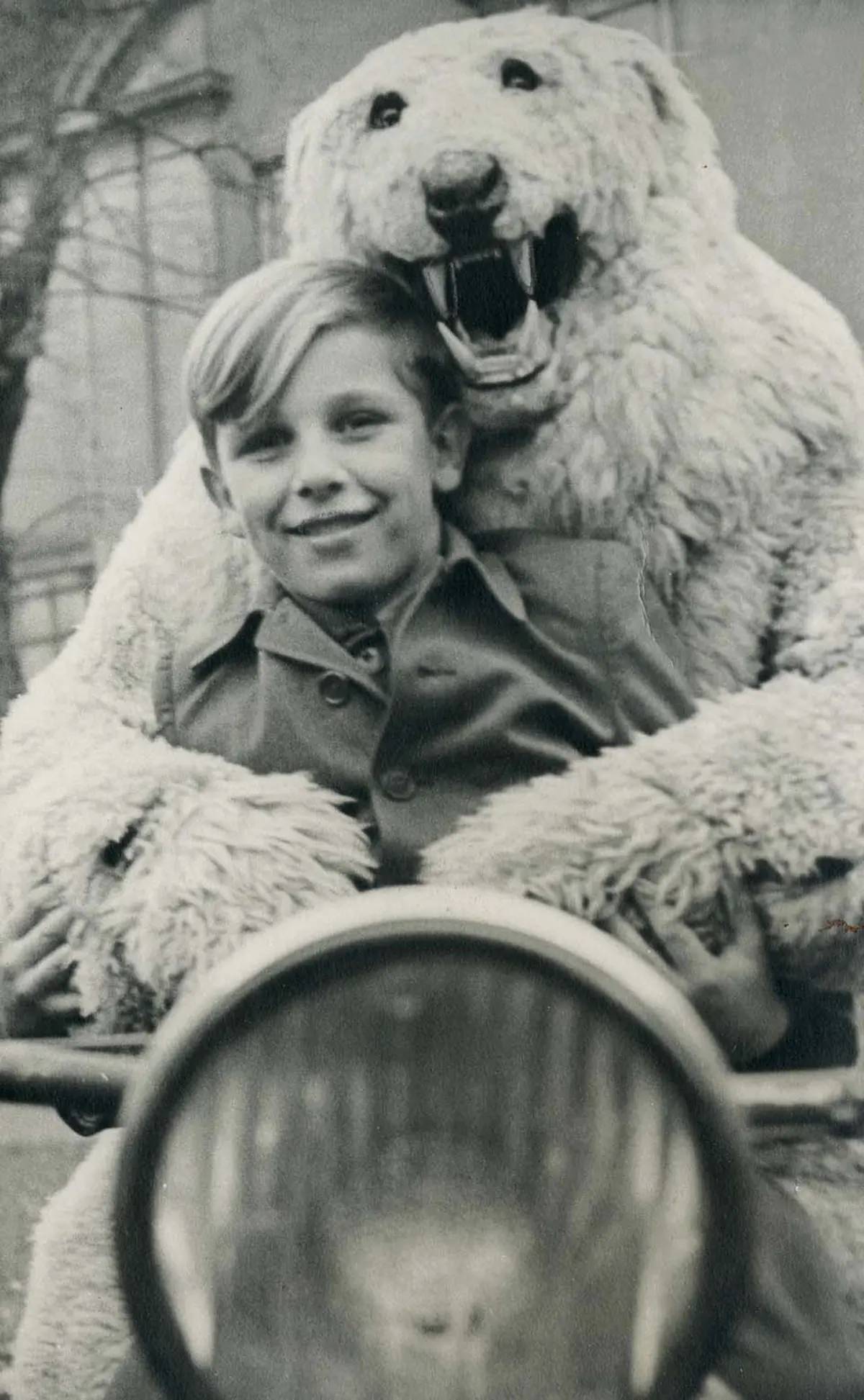
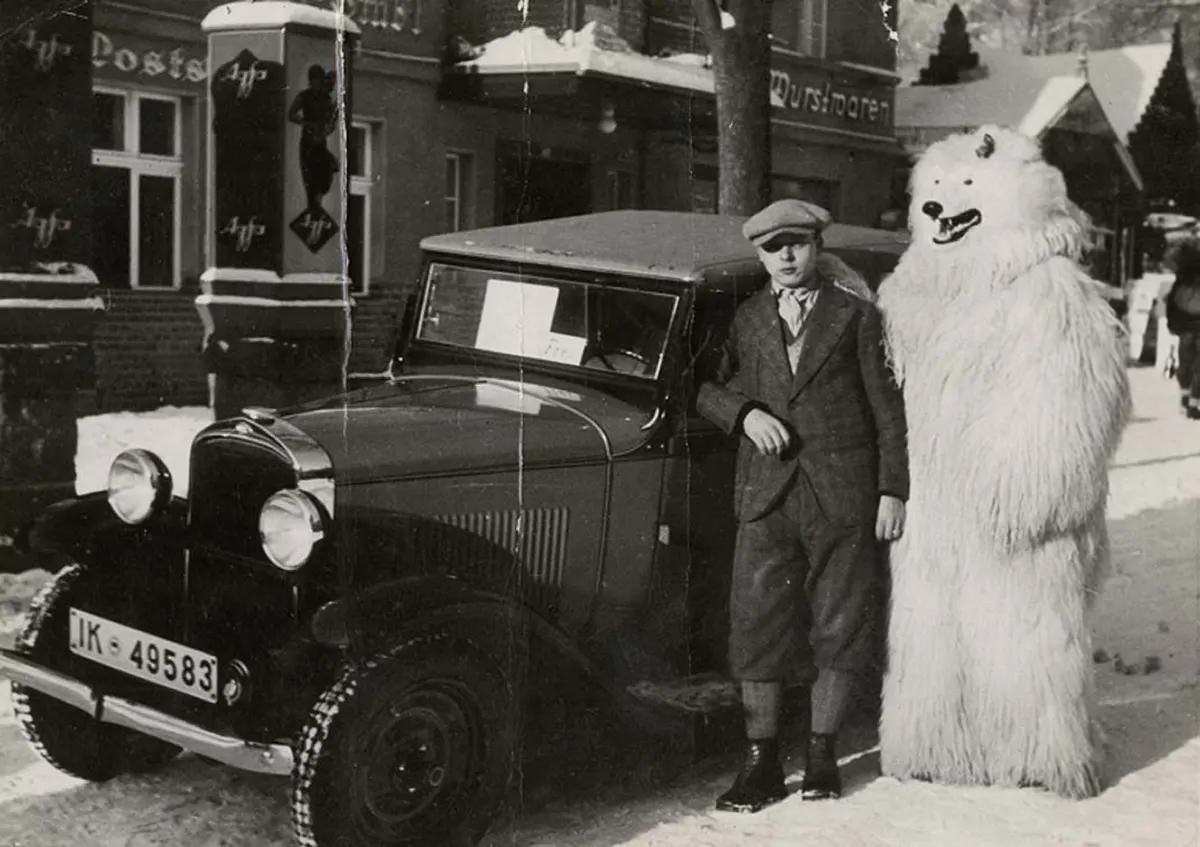
The collection spans the period from the end of World War I to the early 1960s. Donat gathered photos from all over Germany, not just Berlin. The images show just how widespread the tradition became. Small towns, large cities, seaside resorts — the bear suit followed German tourism wherever it went.
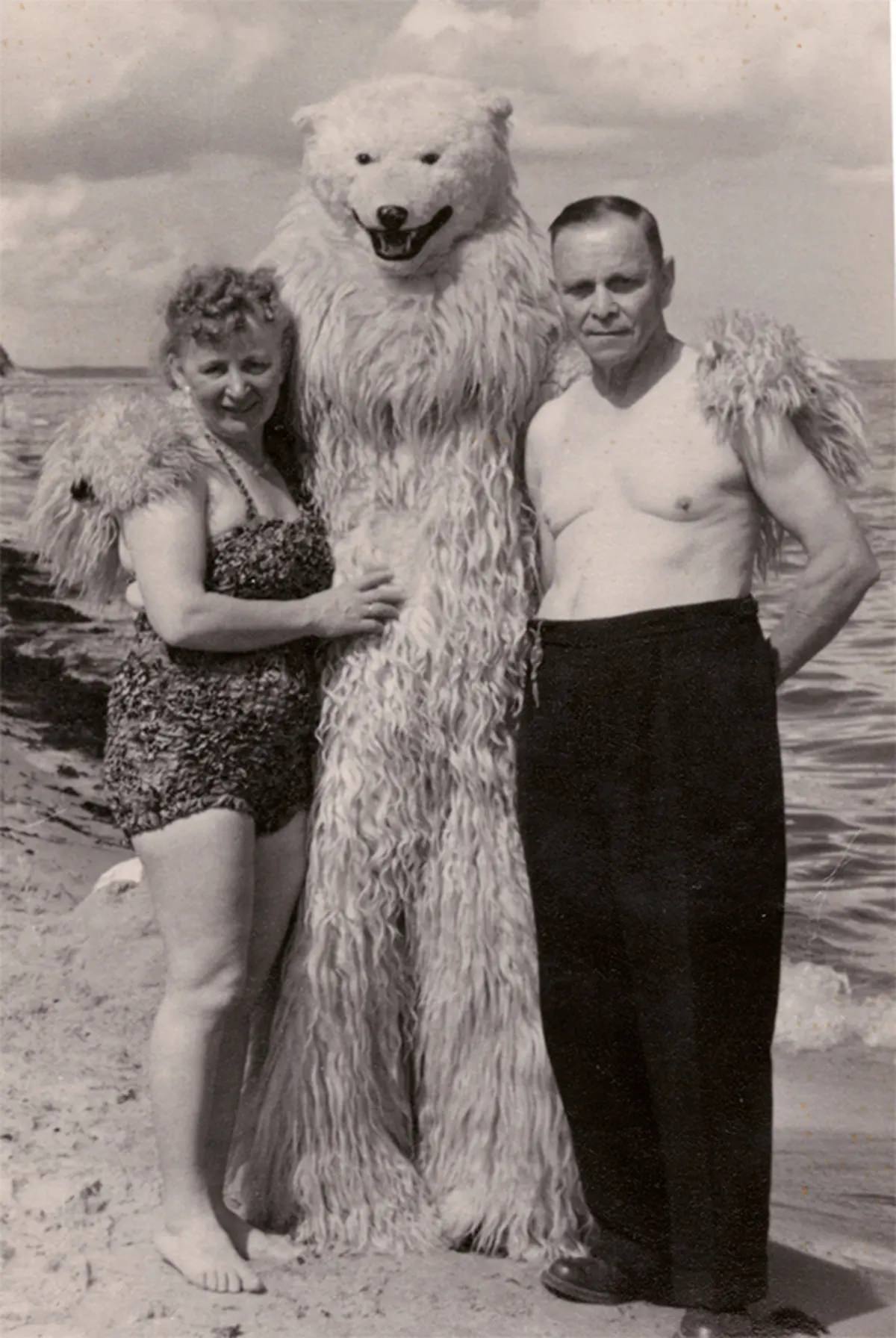
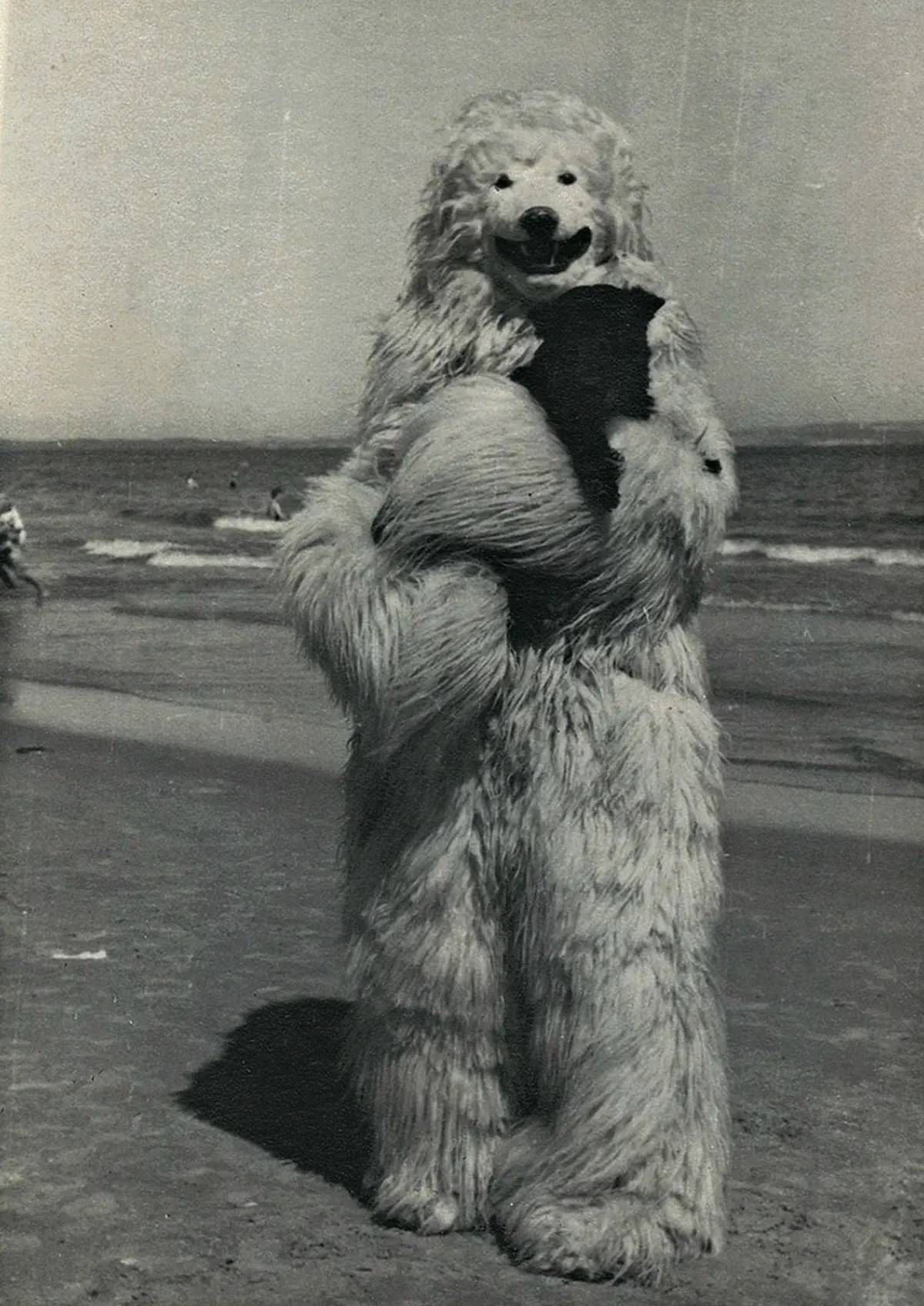
Looking at the photographs closely, a few things stand out. The suits are remarkably consistent in style across different decades and regions. Most feature the same wide, stitched grin and thick shaggy fur. The performers inside them strike similar poses — an arm around a shoulder, a paw raised in greeting. The people posing alongside them look genuinely thrilled.
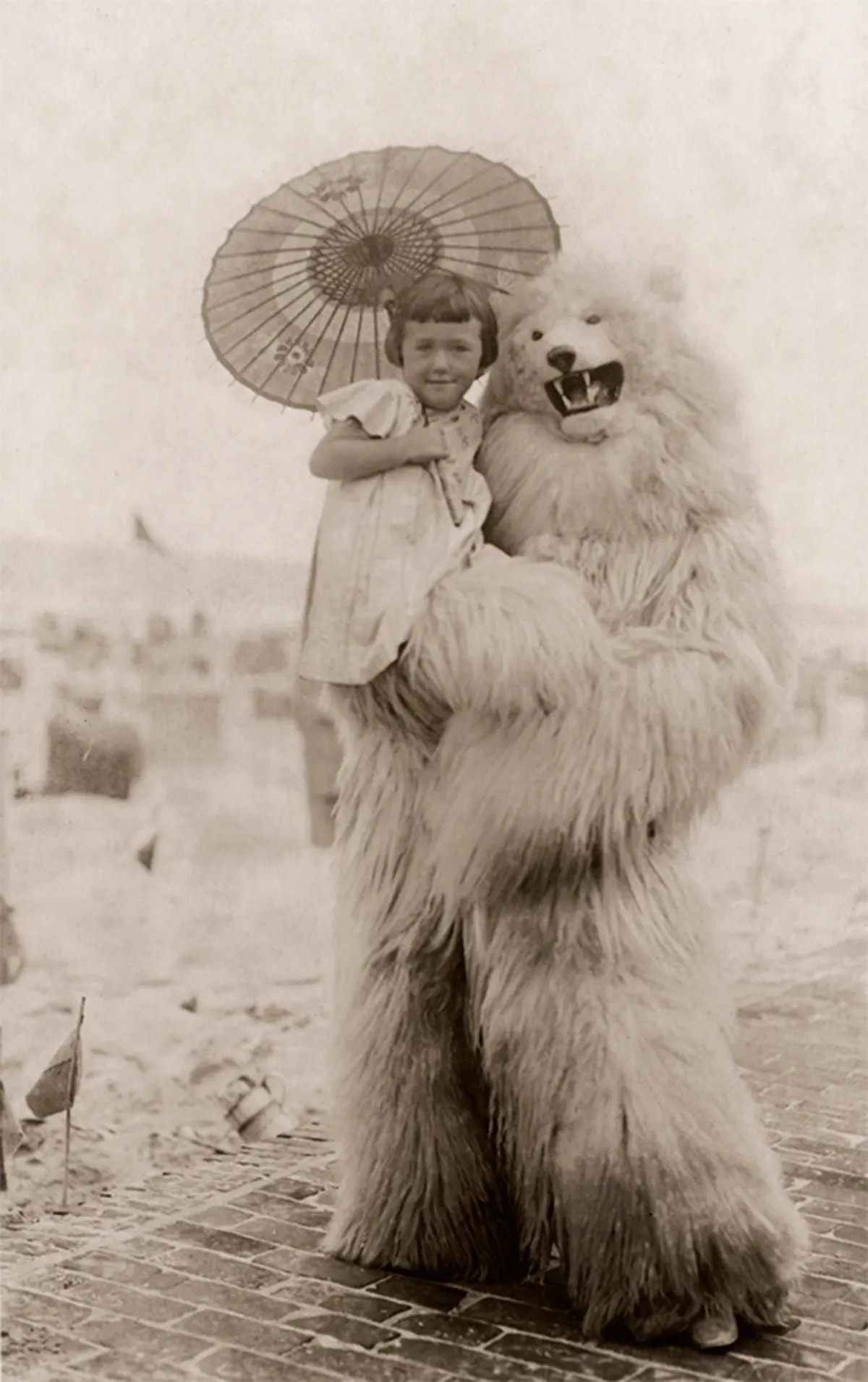
Bear suits have a long history well before German tourism made them a photo prop. Humans first wore bear costumes during shamanic rituals, using the bear’s image as a symbol of strength and spiritual power. By the 20th century, that symbolism had softened into something far more lighthearted — a tourist attraction and a bit of street theater.
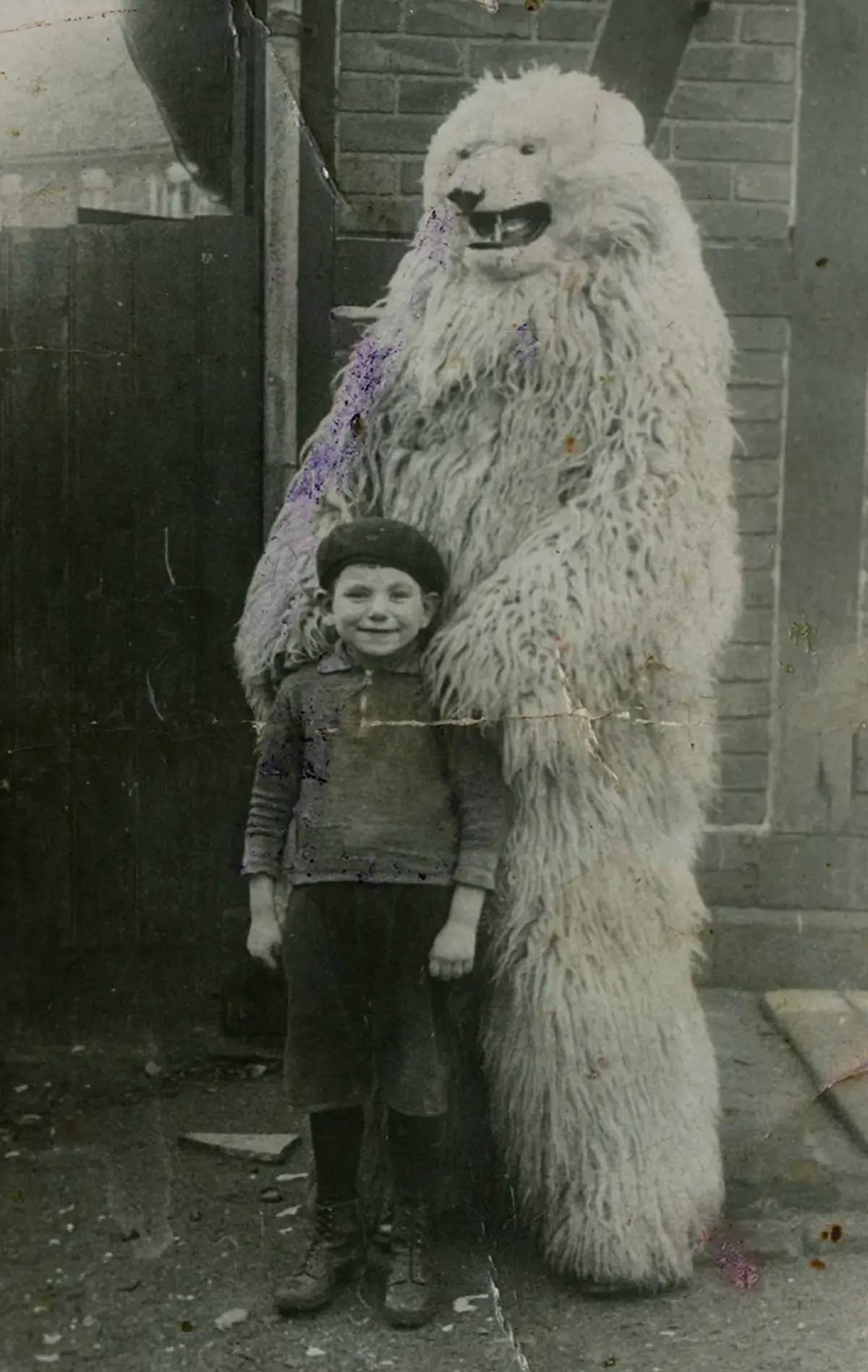
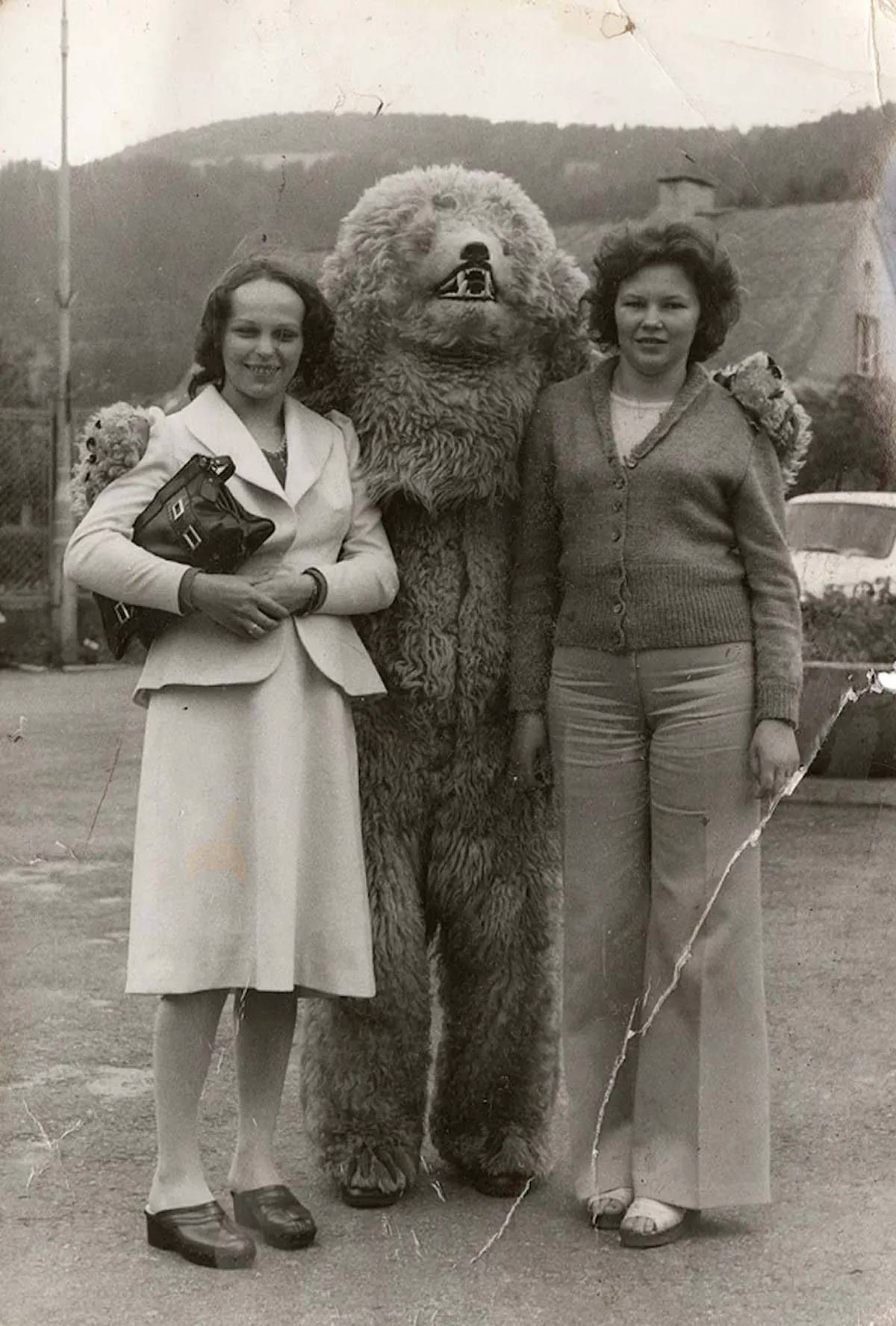
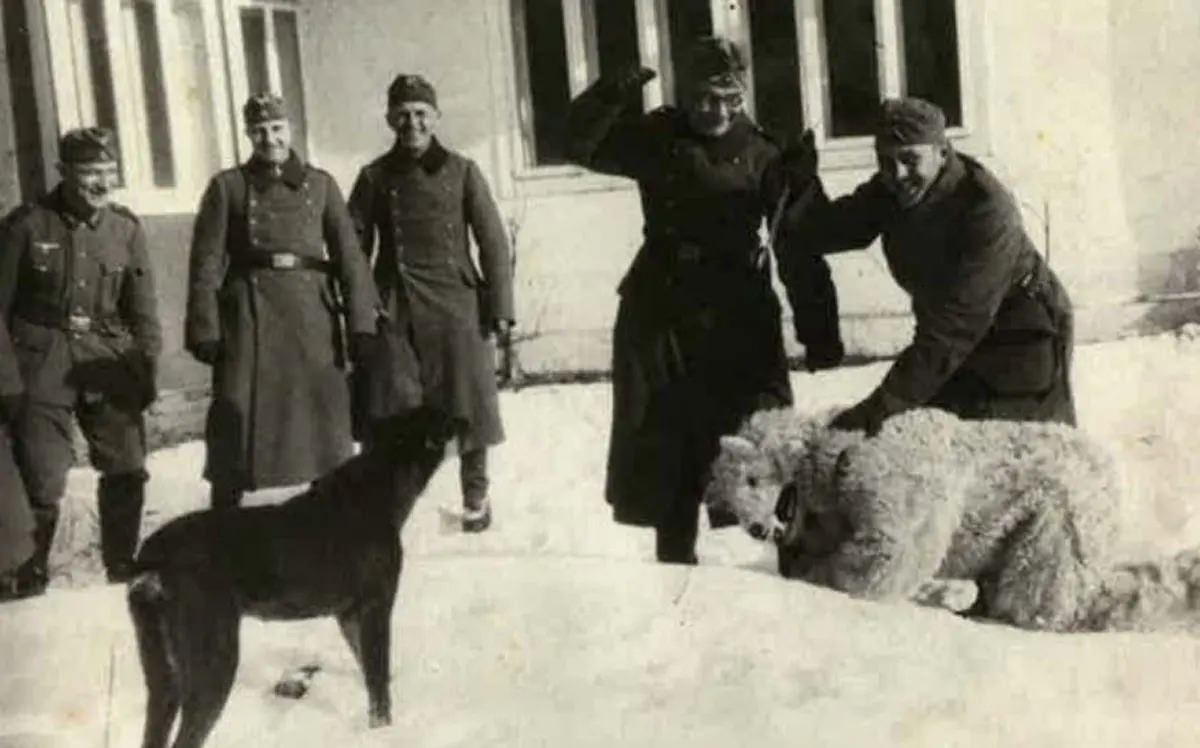
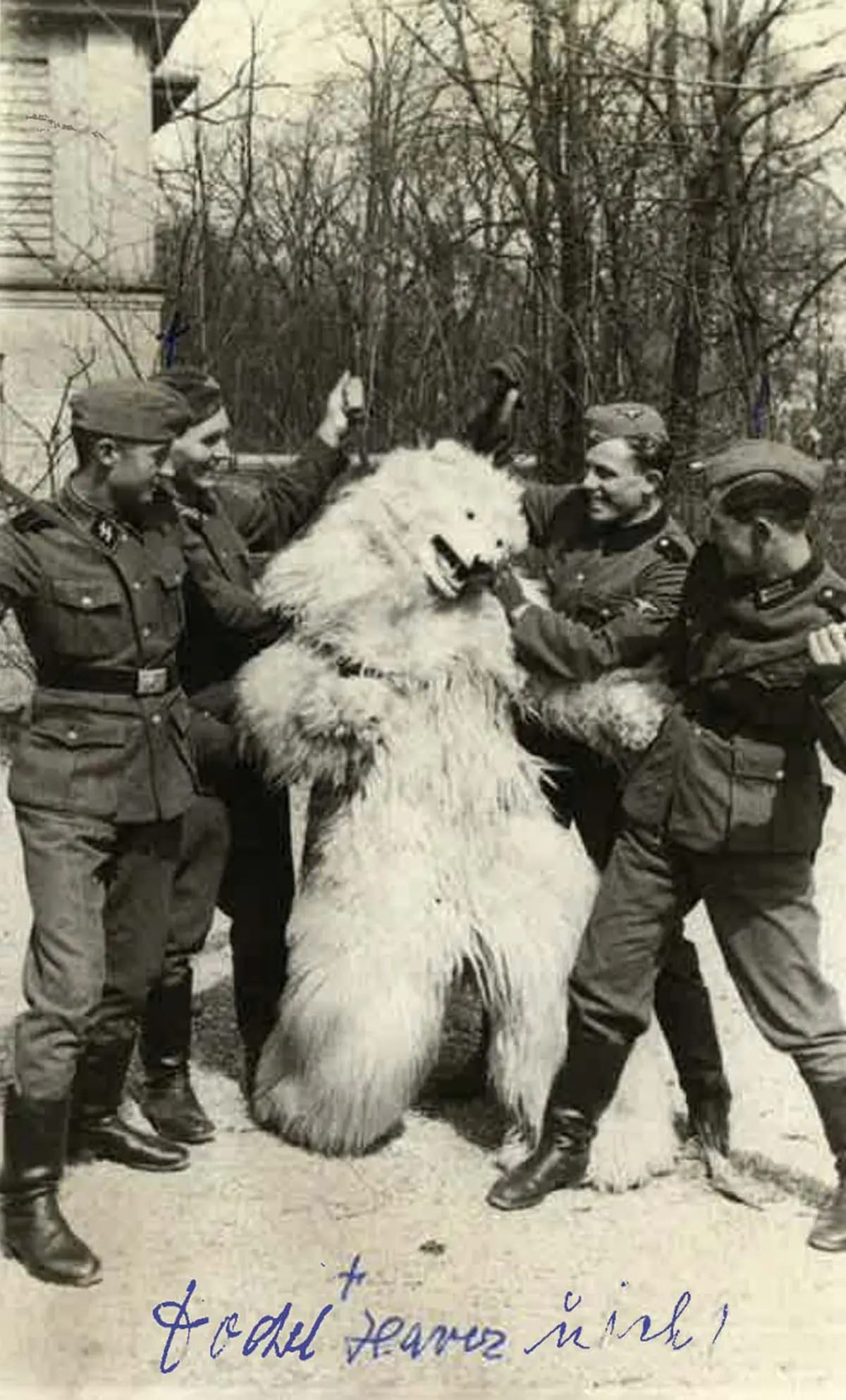
The photos in Donat’s collection capture ordinary German life across several turbulent decades. World War II sits right in the middle of this timeline. Yet the bear suit photos continue on either side of it, suggesting that this small, cheerful tradition persisted through extraordinary historical upheaval.
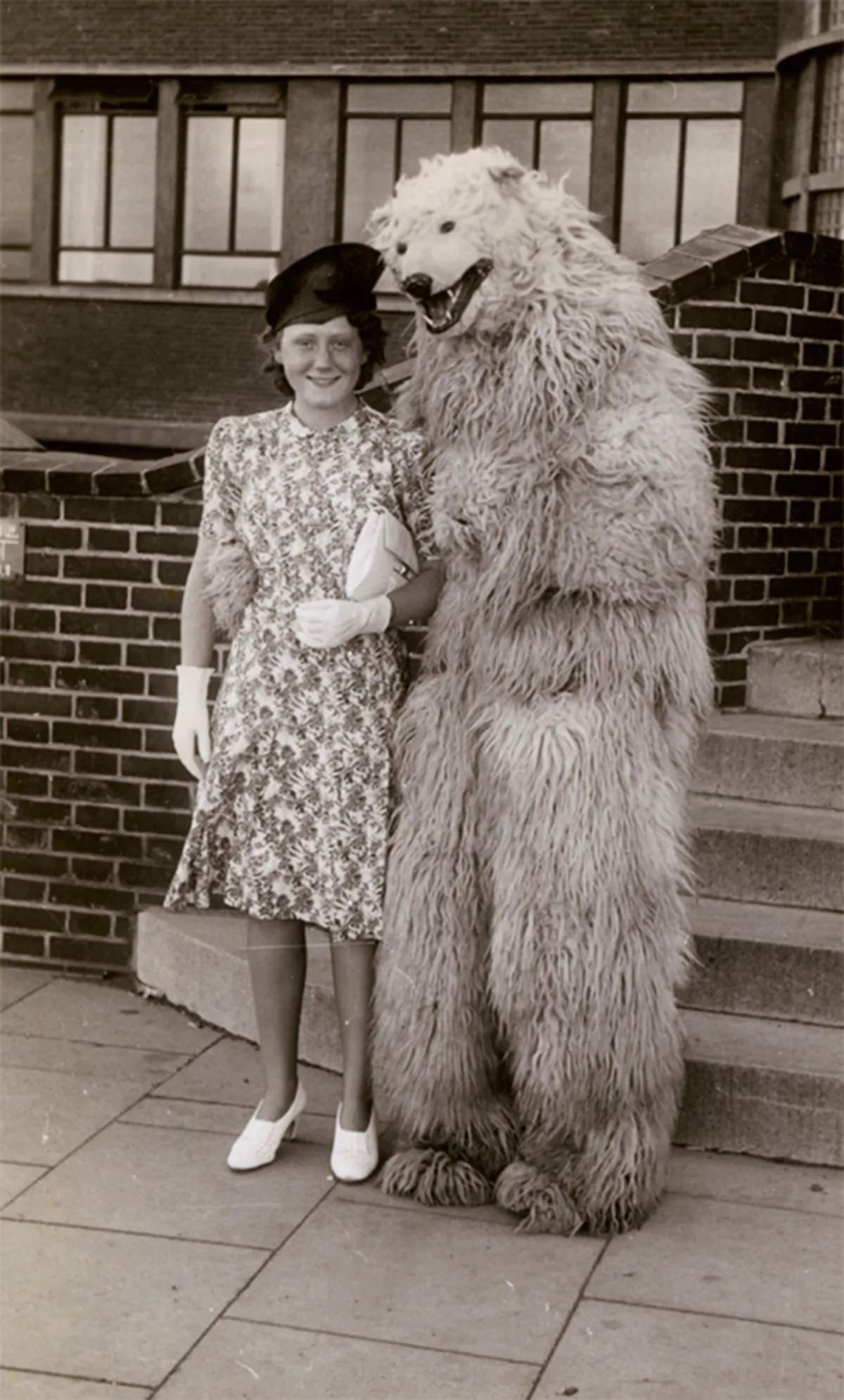
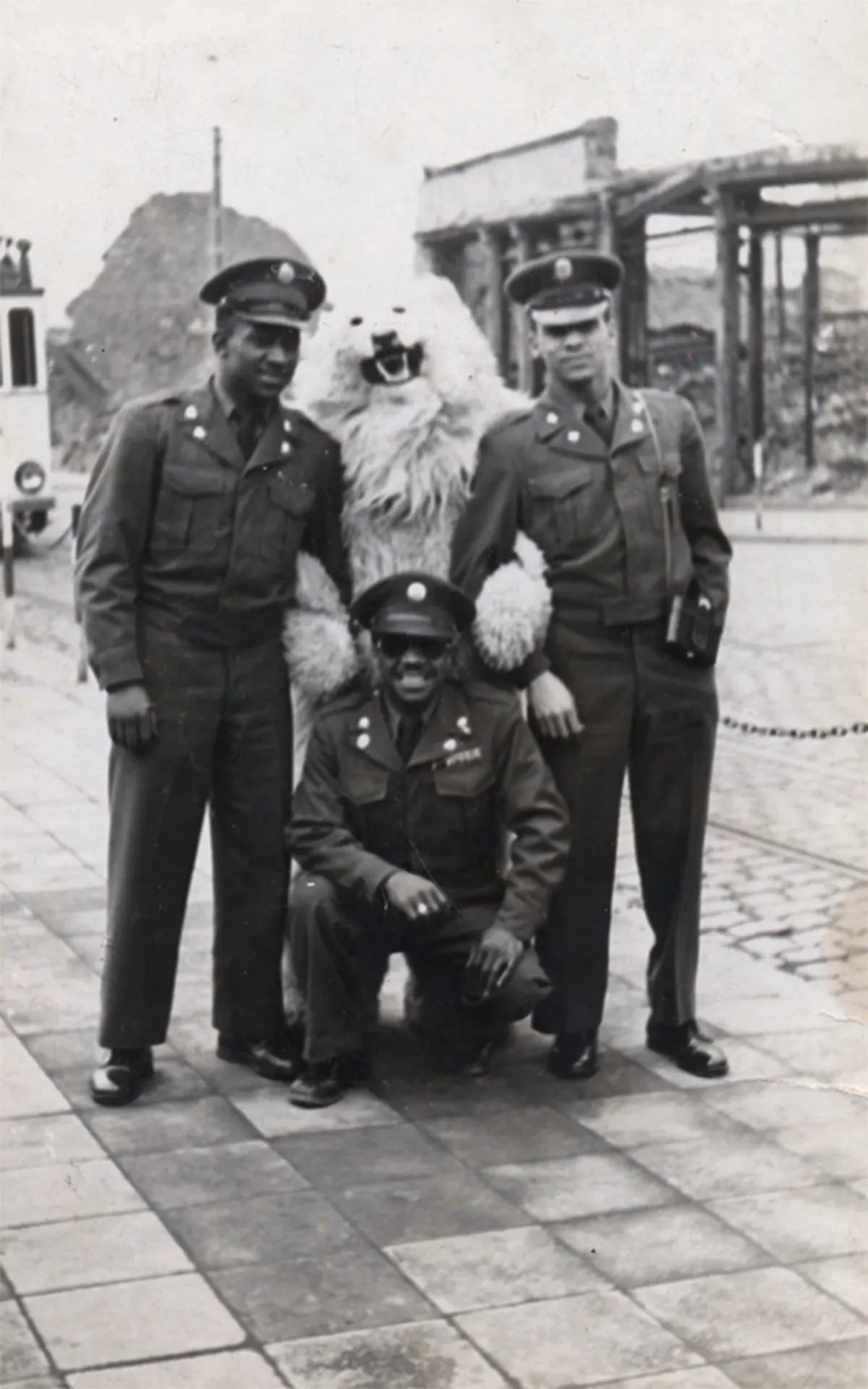
By the late 1960s, the polar bear craze had largely faded. The phenomenon lasted roughly four decades — an impressive run for what began as a novelty outside a zoo. Donat’s archive preserves those decades in snapshot form, one grinning bear at a time.
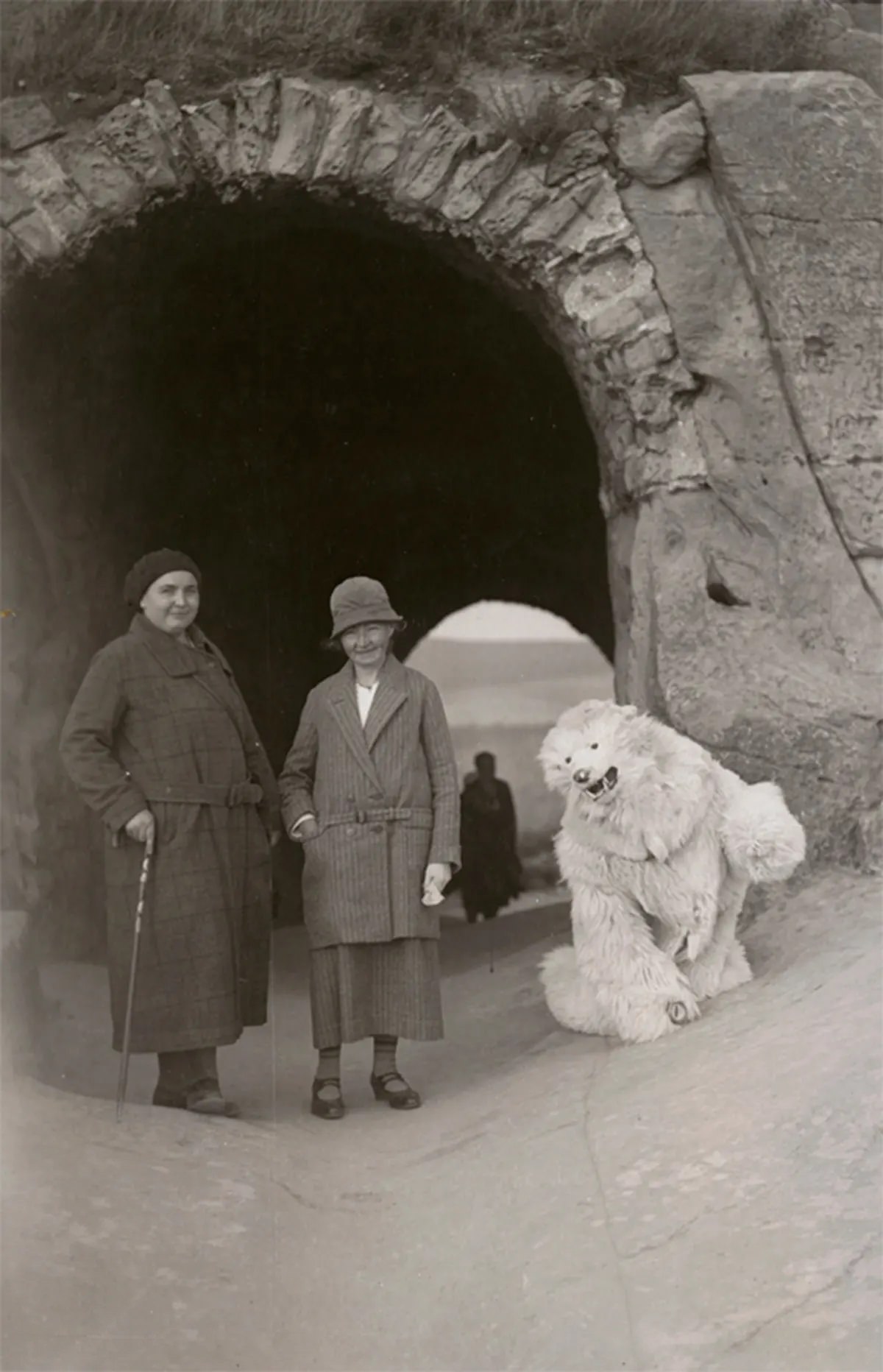
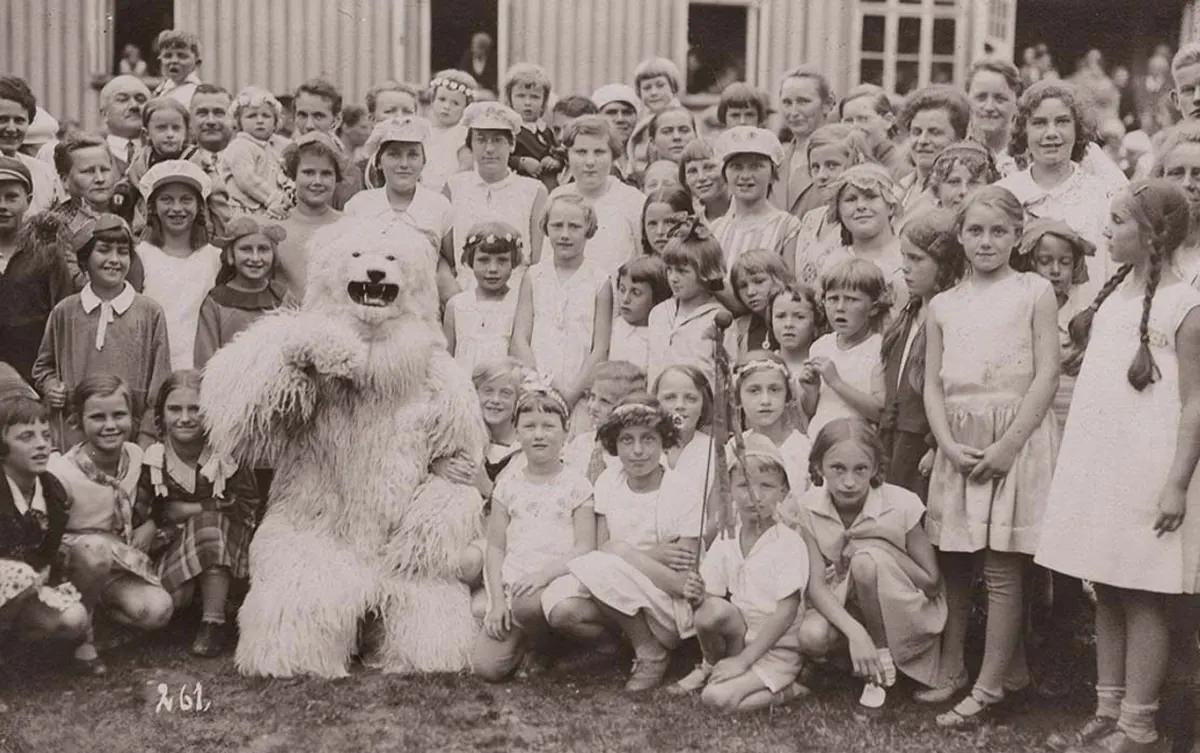
What makes these photos so striking today is how earnest they are. Nobody looks embarrassed. Nobody seems to think the experience is strange. The bear is treated like an old friend, a celebrity, a worthy subject for a keepsake photo. These weren’t ironic snapshots — they were treasured memories.