In 1999, Time magazine named Emmeline Pankhurst one of the 100 Most Important People of the 20th Century. The editors wrote that she “shaped an idea of objects for our time” and “shook society into a new pattern that could never be reversed.” That recognition did not come cheaply. Pankhurst spent decades being arrested, imprisoned, force-fed, and publicly humiliated in pursuit of one goal: winning British women the right to vote. Her story begins not in the halls of Parliament, but in a working-class home in Manchester, England.
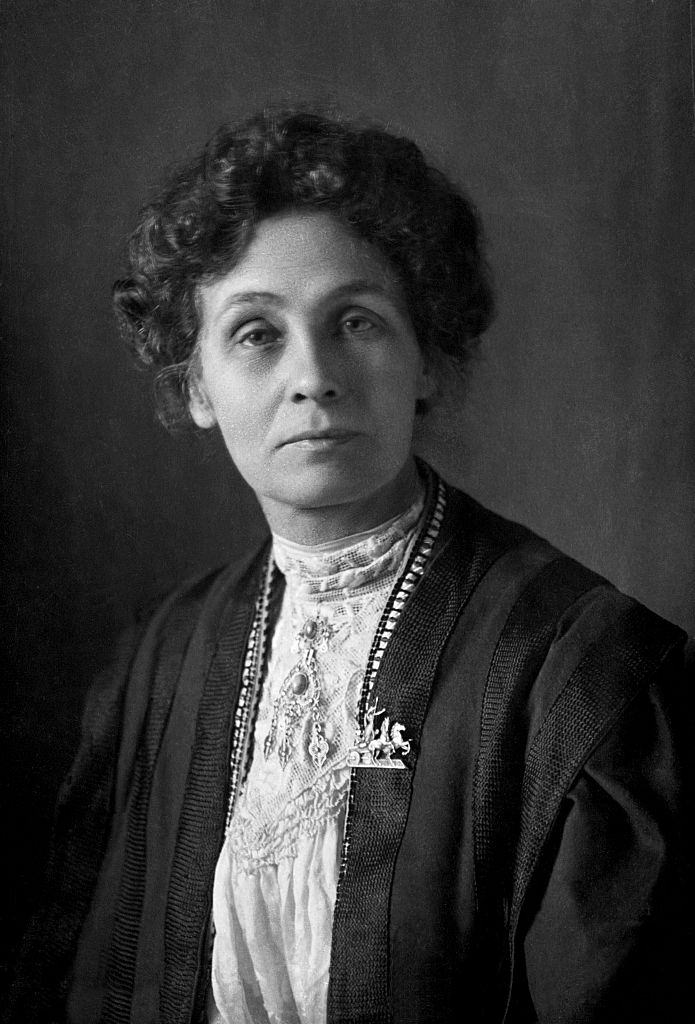
Emmeline Goulden was born in July 1858, the eldest of ten children. Her parents were abolitionists and supporters of female suffrage, so political conversation was a regular part of family life. At just 14 years old, her mother brought her to her first women’s suffrage meeting. Despite the progressive atmosphere at home, Emmeline noticed that her parents put more effort into educating her brothers than her. That inequality stayed with her.
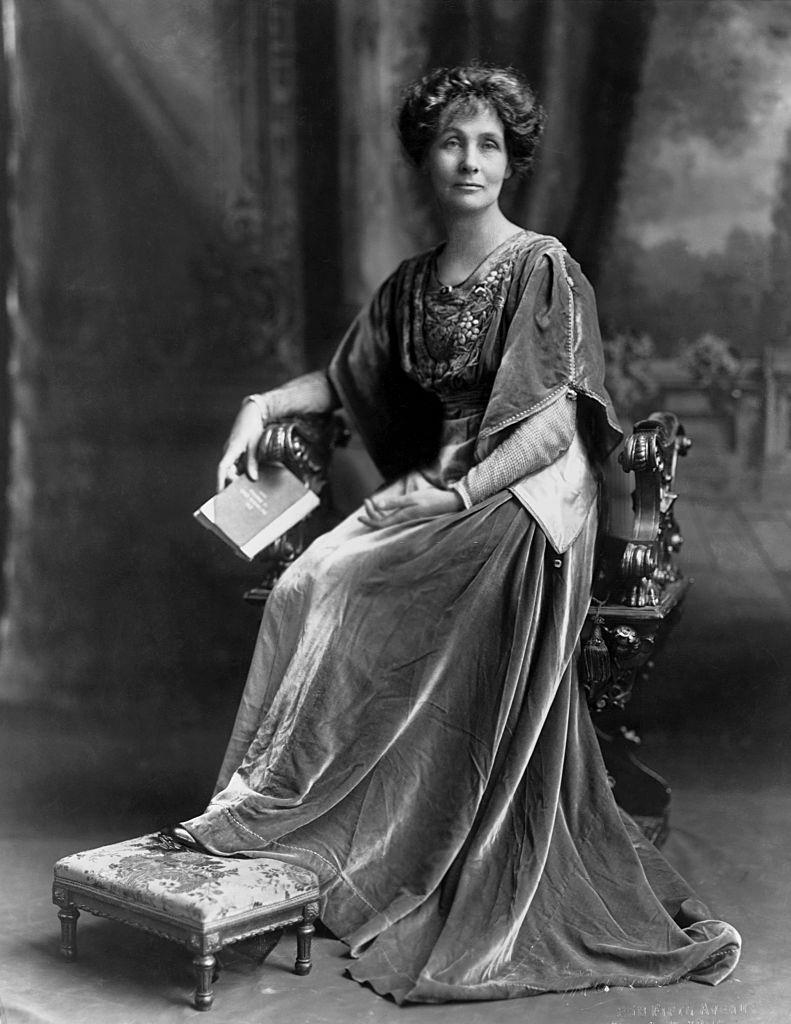
When Emmeline returned to Manchester in 1878, she met Dr. Richard Pankhurst, an attorney known for supporting radical causes, including women’s suffrage. The two married in December 1879, despite Richard being 24 years her senior. Over the next decade, she gave birth to five children. Even with a full household to manage, she campaigned alongside her husband during his unsuccessful runs for Parliament and hosted political meetings in their home.
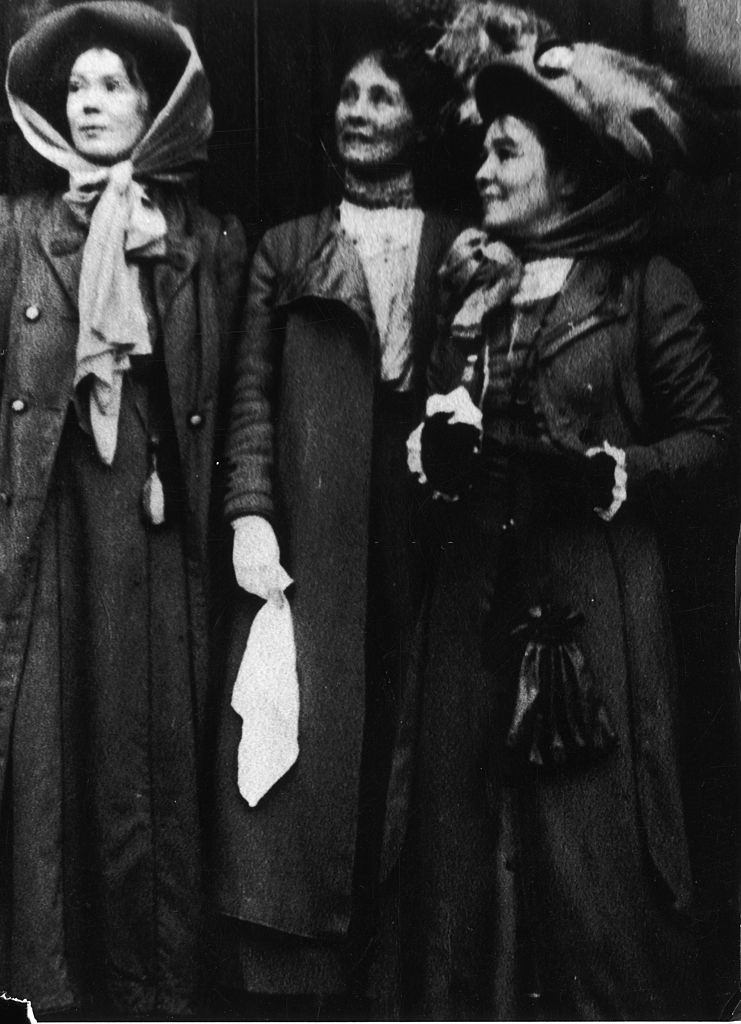
In 1889, Emmeline became an early supporter of the Women’s Franchise League, an organization founded that year with the goal of winning the vote for all women — not just widows or single women, as some groups at the time preferred. Richard encouraged her work in these causes until his death in 1898. His passing left her a widow with children and a cause she was not willing to abandon.
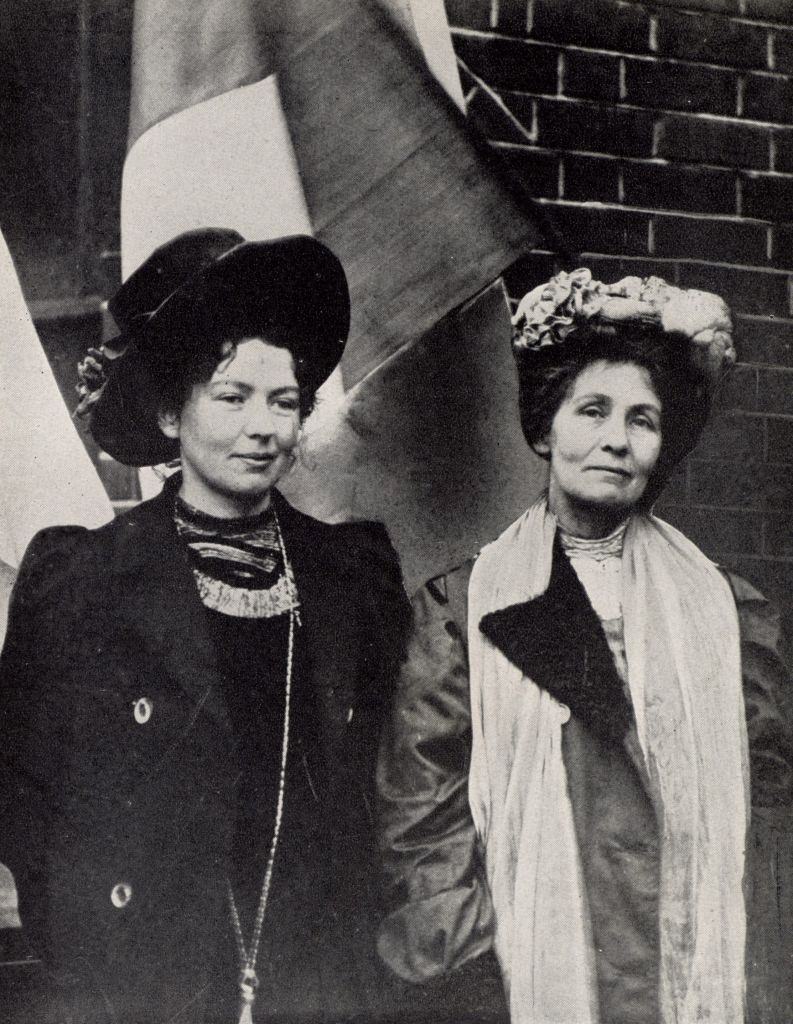
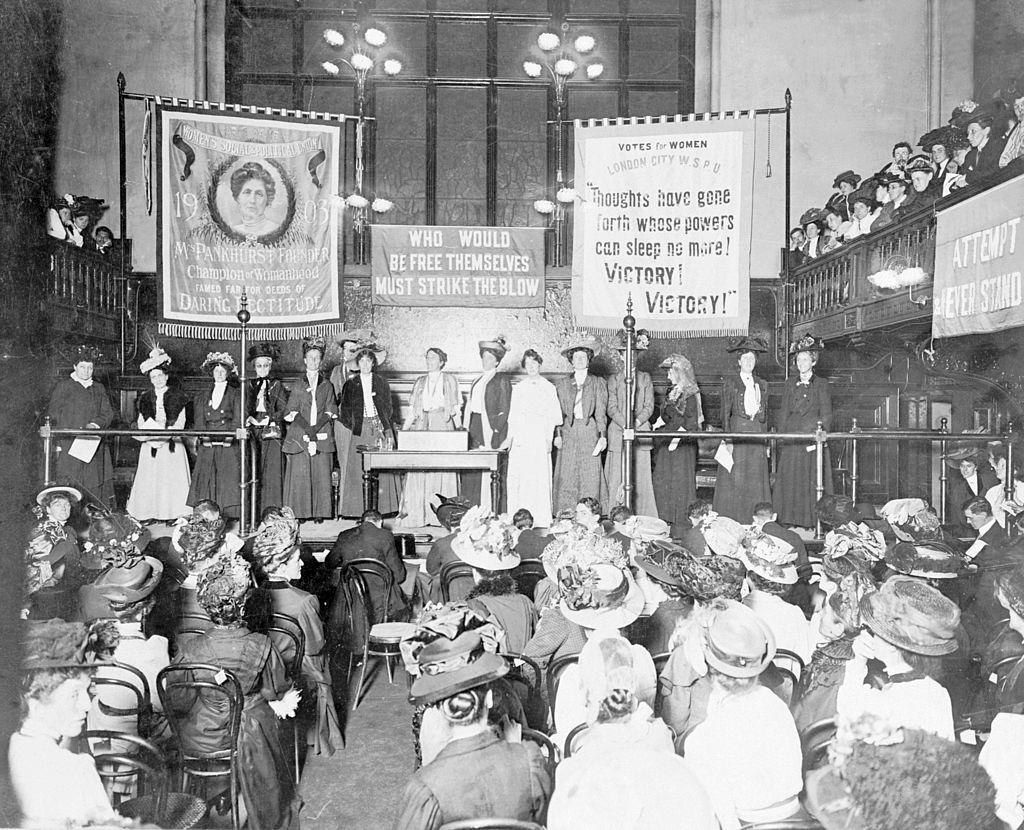
In 1903, Pankhurst founded the Women’s Social and Political Union, the WSPU. The organization’s motto was deeds, not words — and it meant exactly that. The WSPU broke from the polite lobbying methods used by earlier suffrage groups and adopted a far more aggressive approach. The shift came in part from a pivotal confrontation: Pankhurst’s daughter Christabel and fellow WSPU member Annie Kenney attended a Liberal Party meeting to demand support for women’s suffrage. Both women were arrested after a confrontation with police. The attention their arrest generated convinced Pankhurst that provocative, confrontational tactics produced results that quiet petitioning never had.
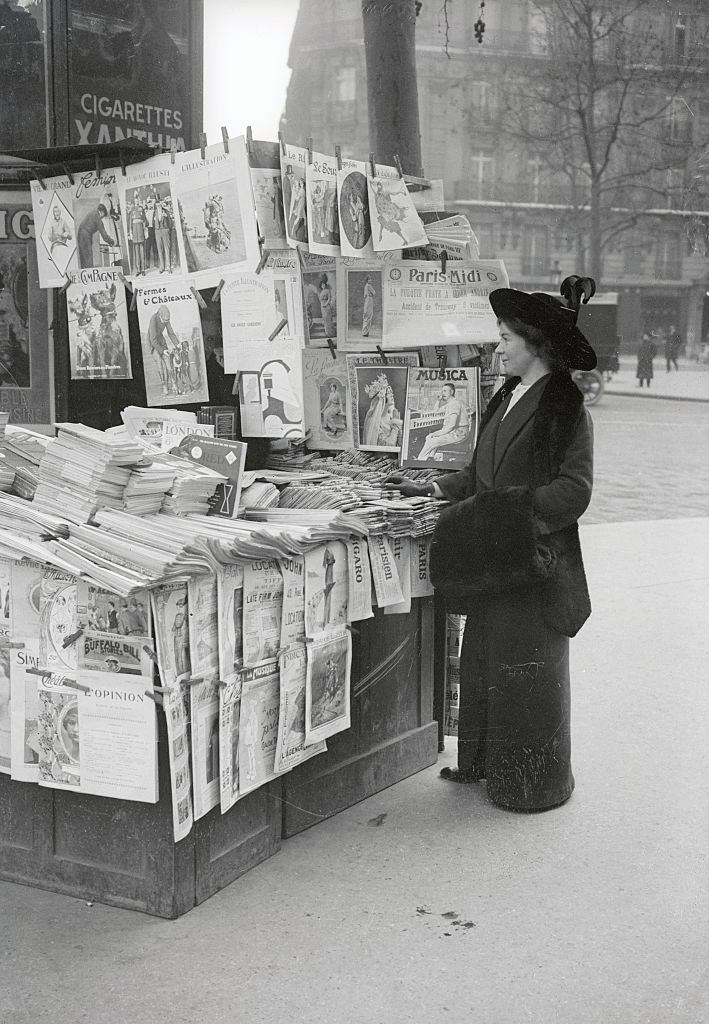
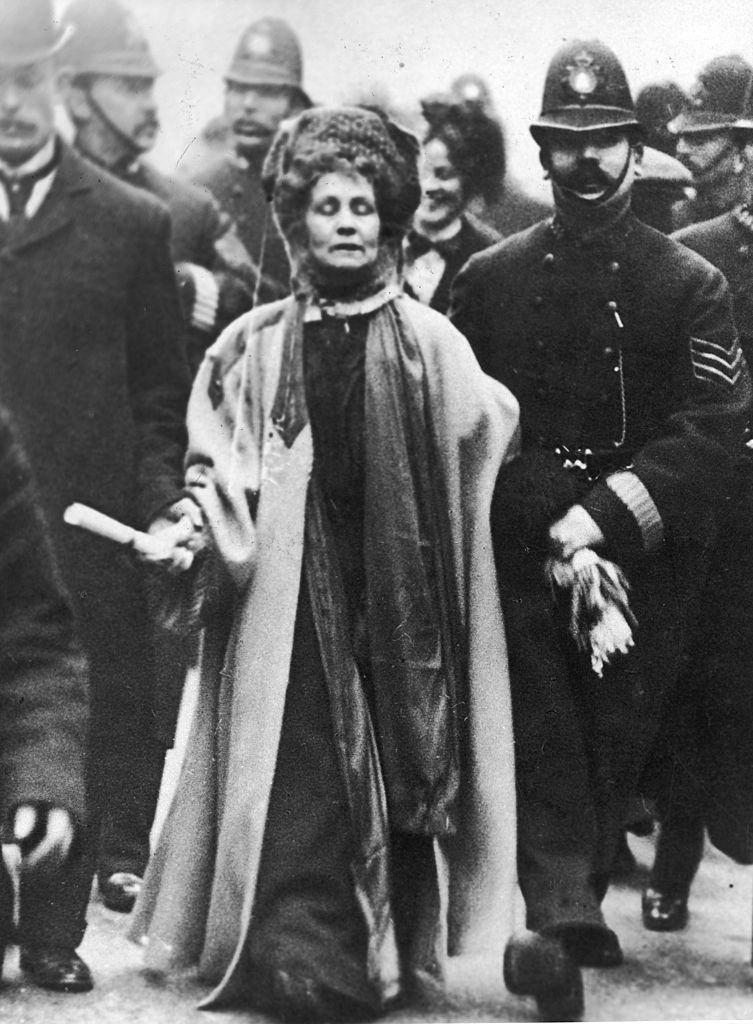
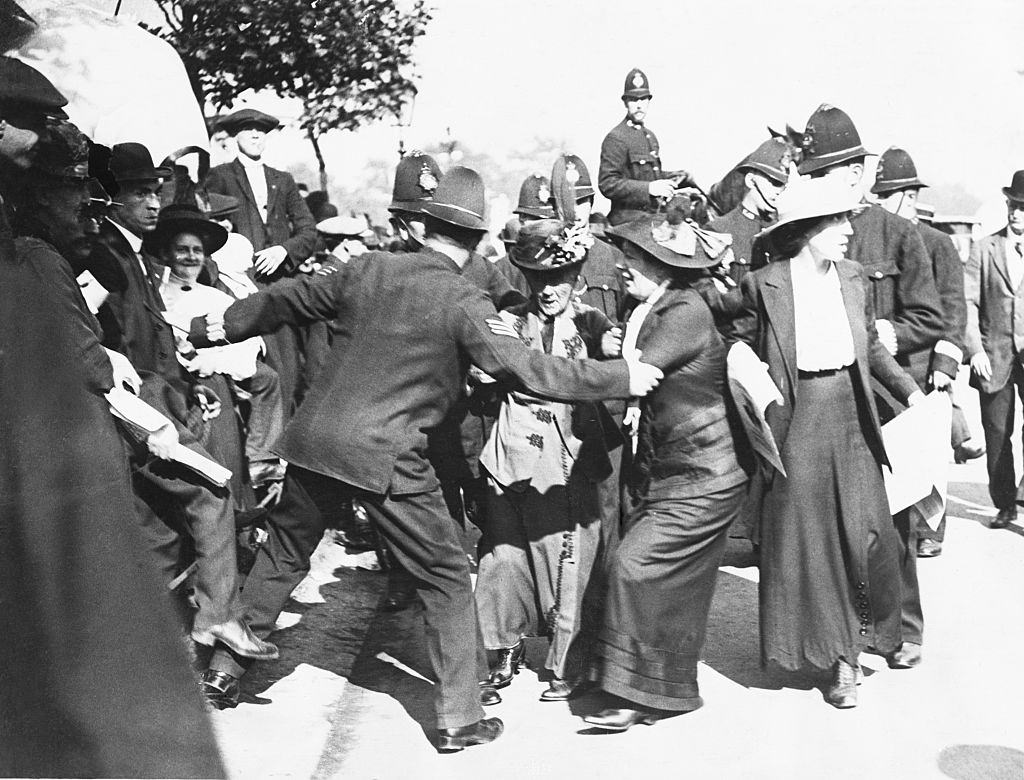
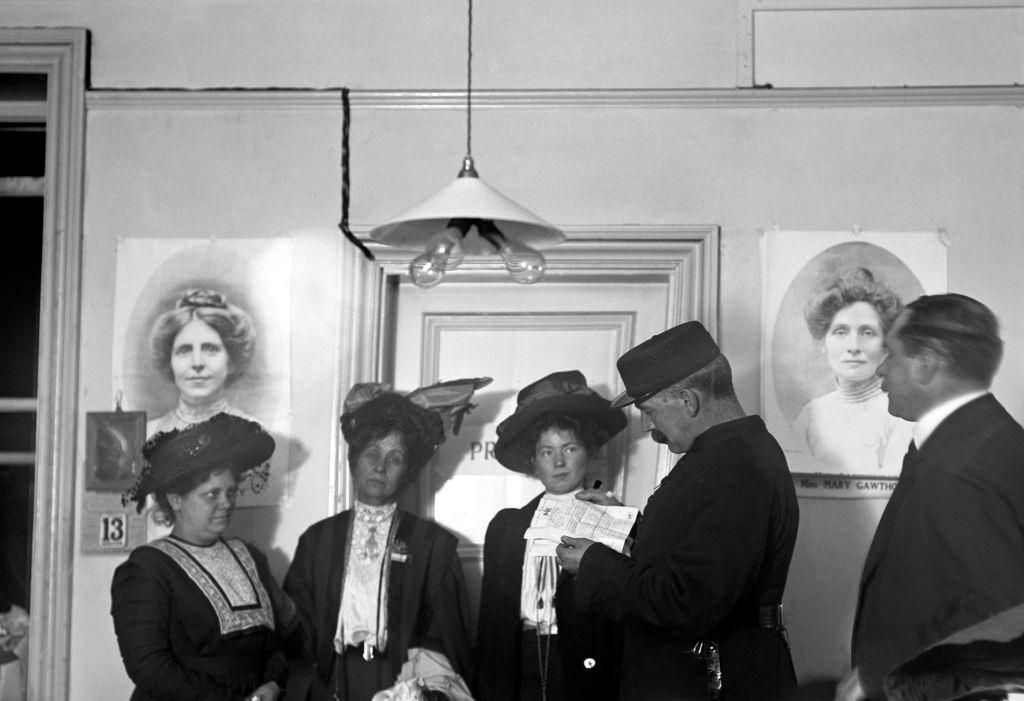
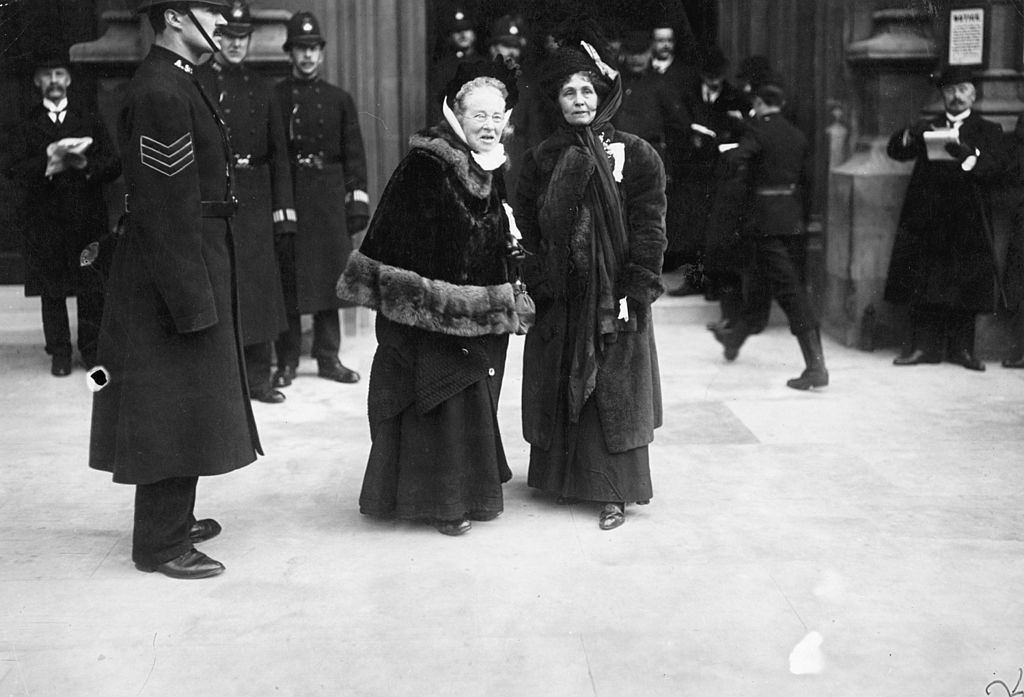
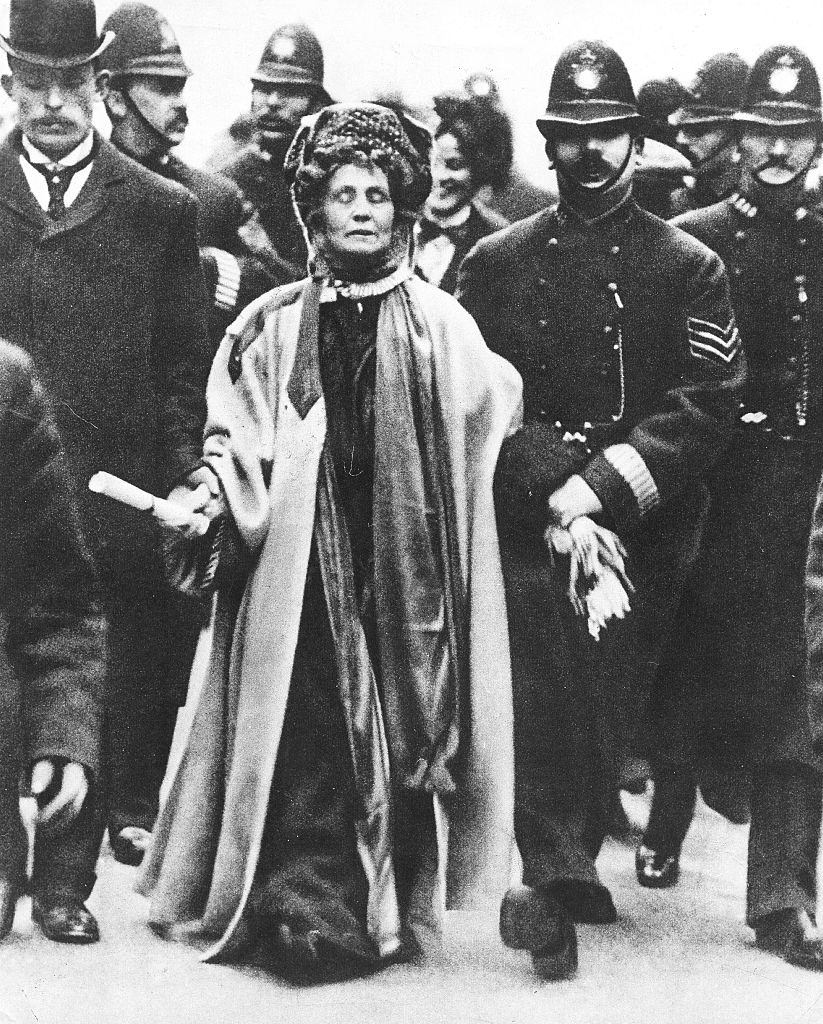
The WSPU’s demonstrations grew steadily more disruptive through the early 1900s. Members broke windows, vandalized public art, and set fires. When bills that included women’s suffrage — known as the Conciliation Bills — failed to advance in Parliament, protests escalated further. Throughout these years, Pankhurst herself was a frequent target of police. She was arrested repeatedly, each time drawing more press coverage and public debate.
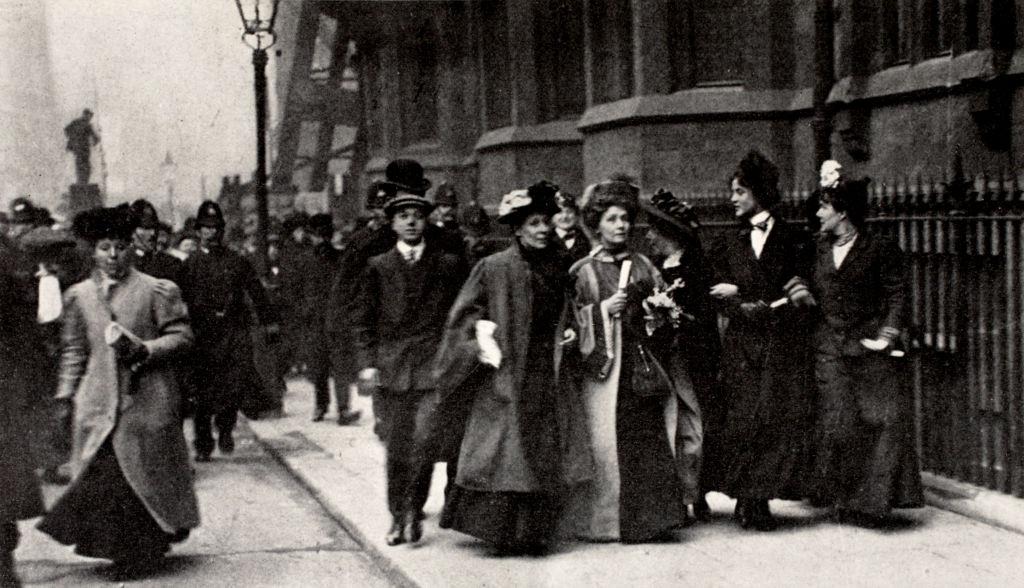
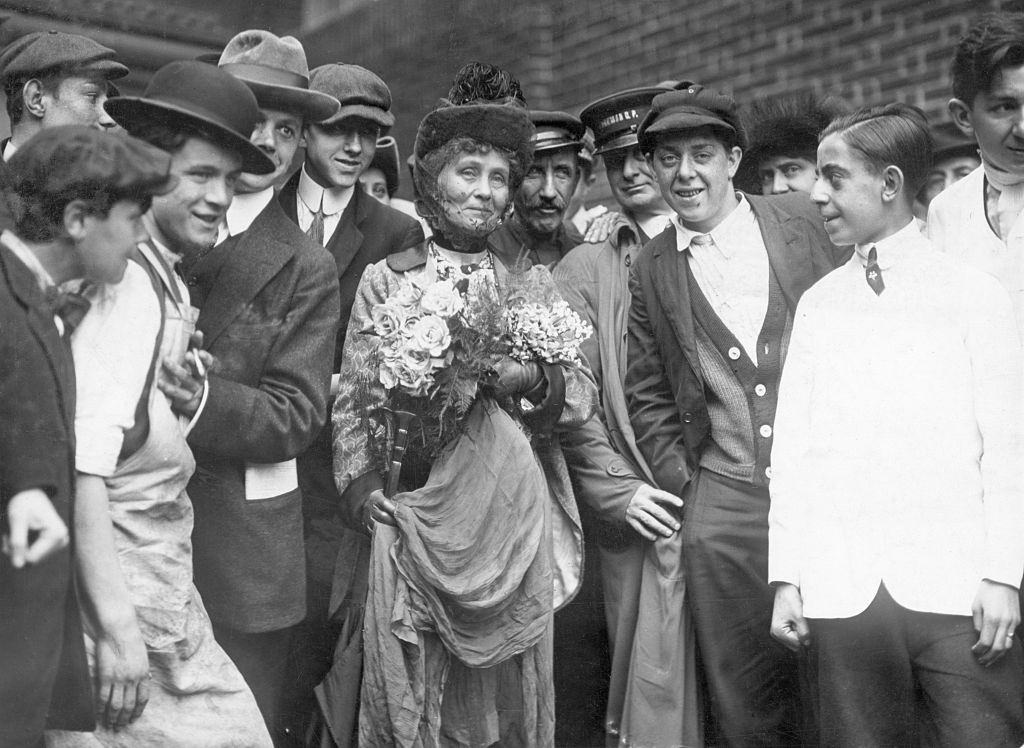
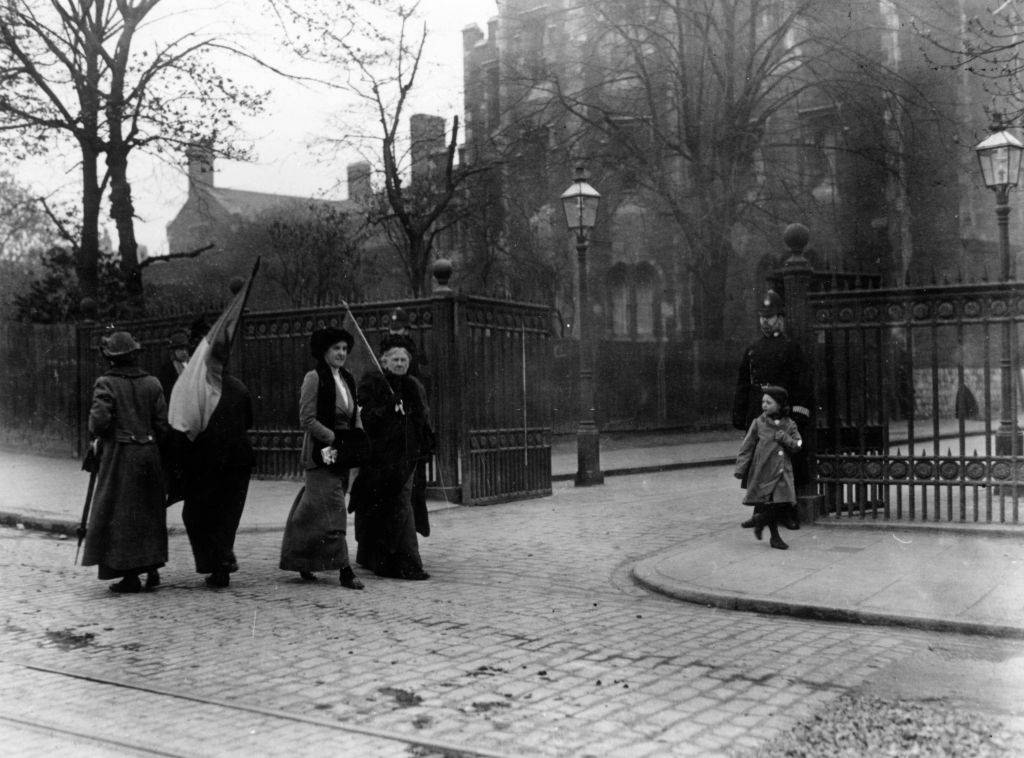
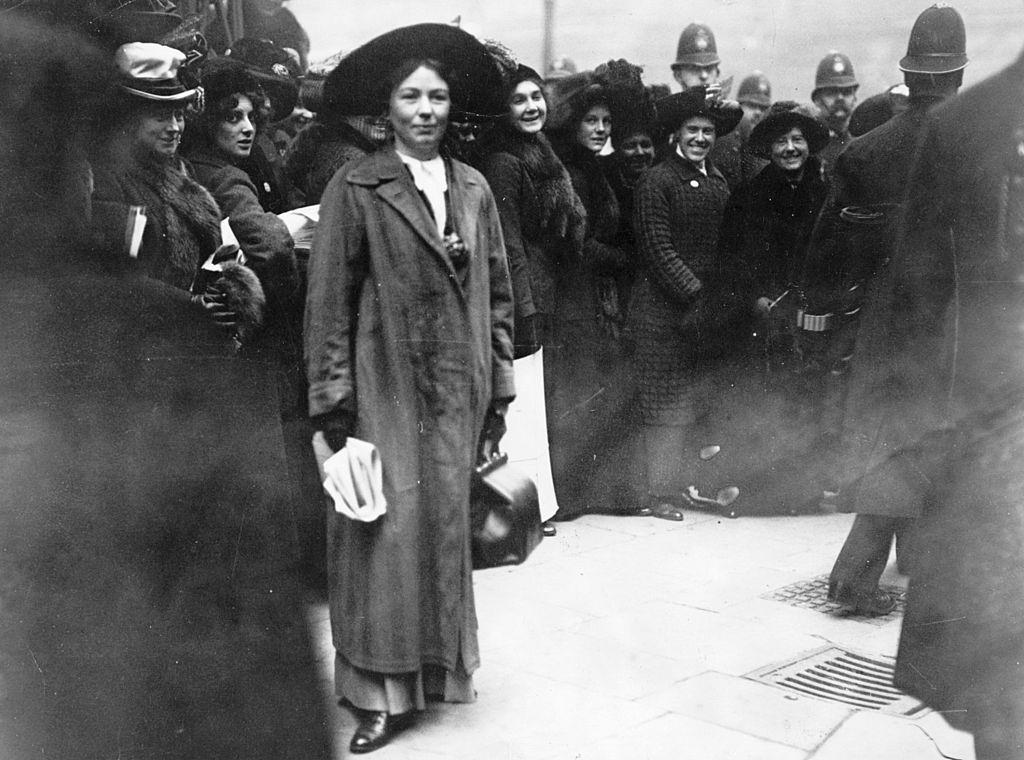
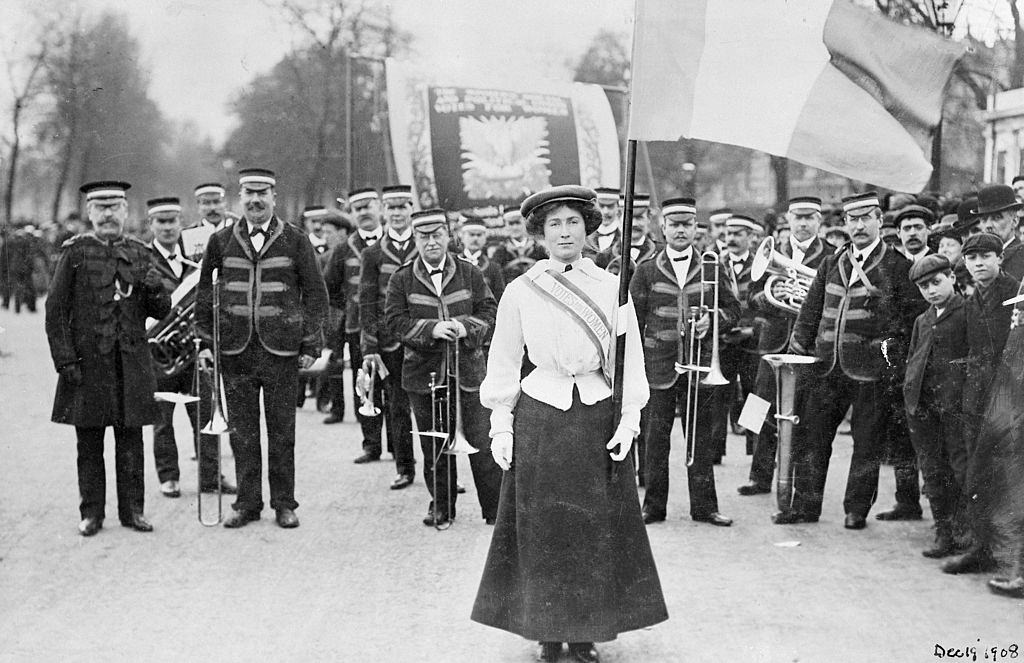
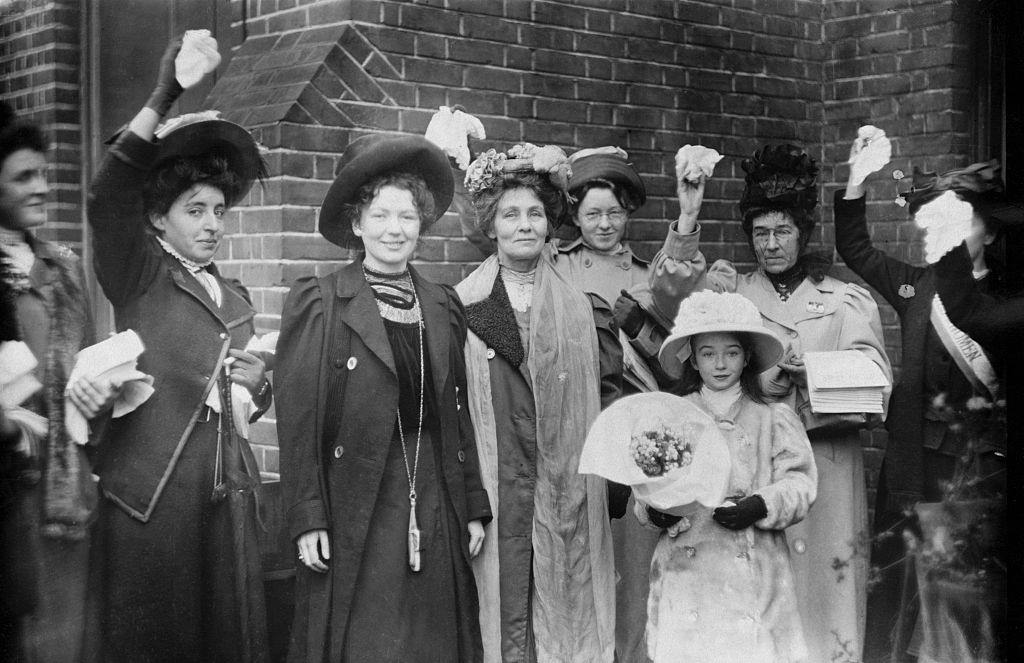
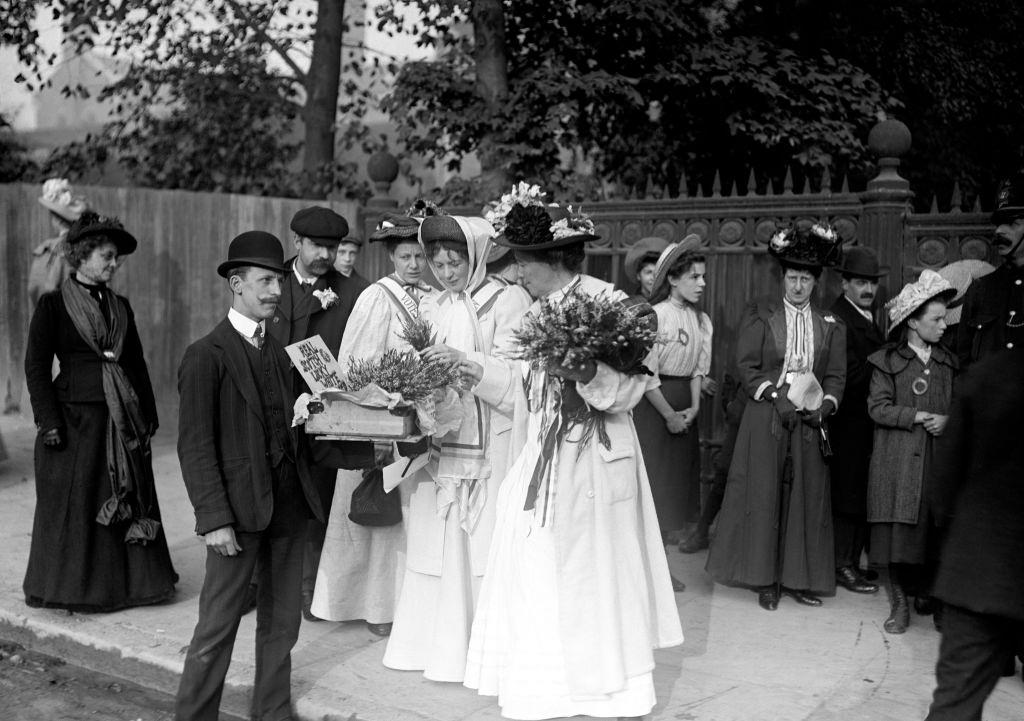
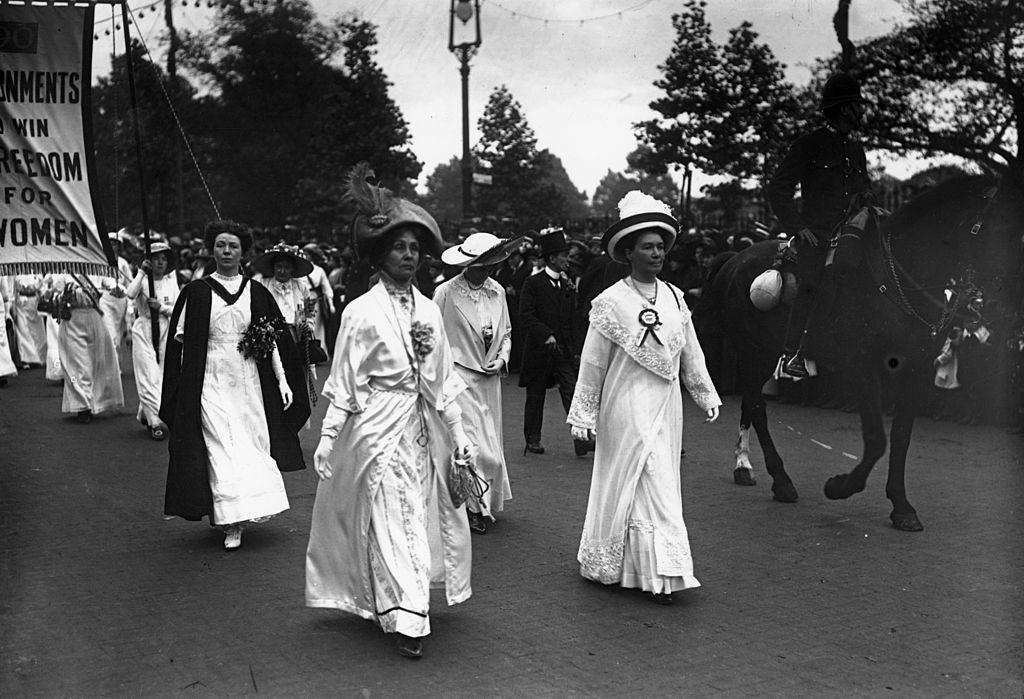
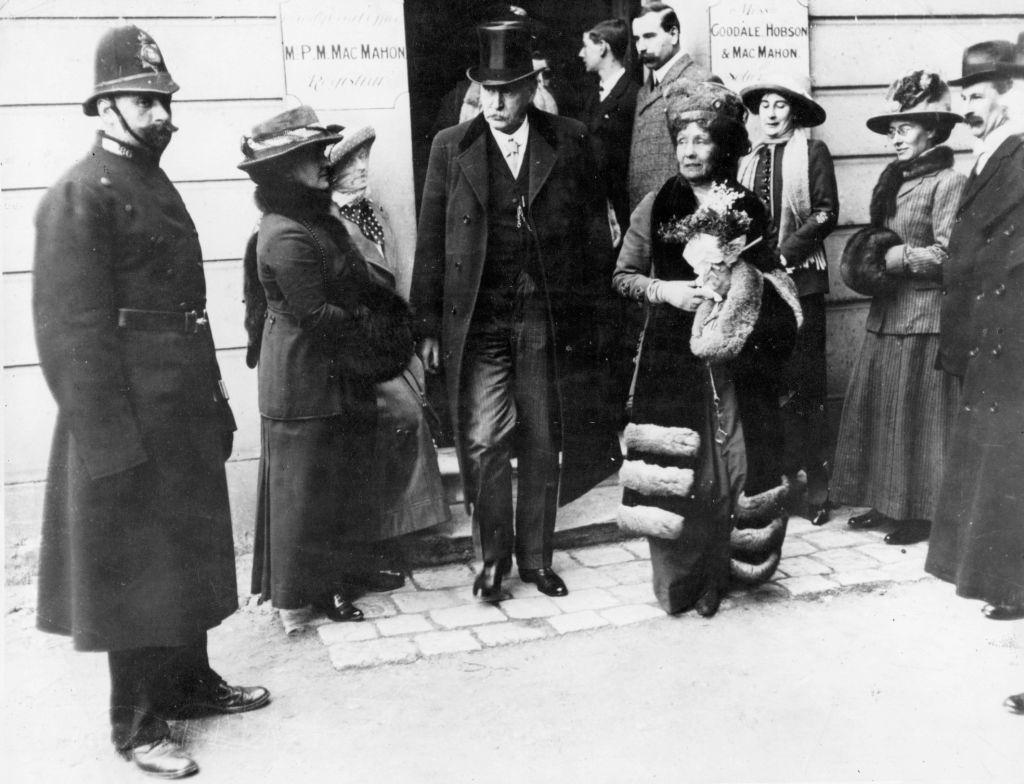
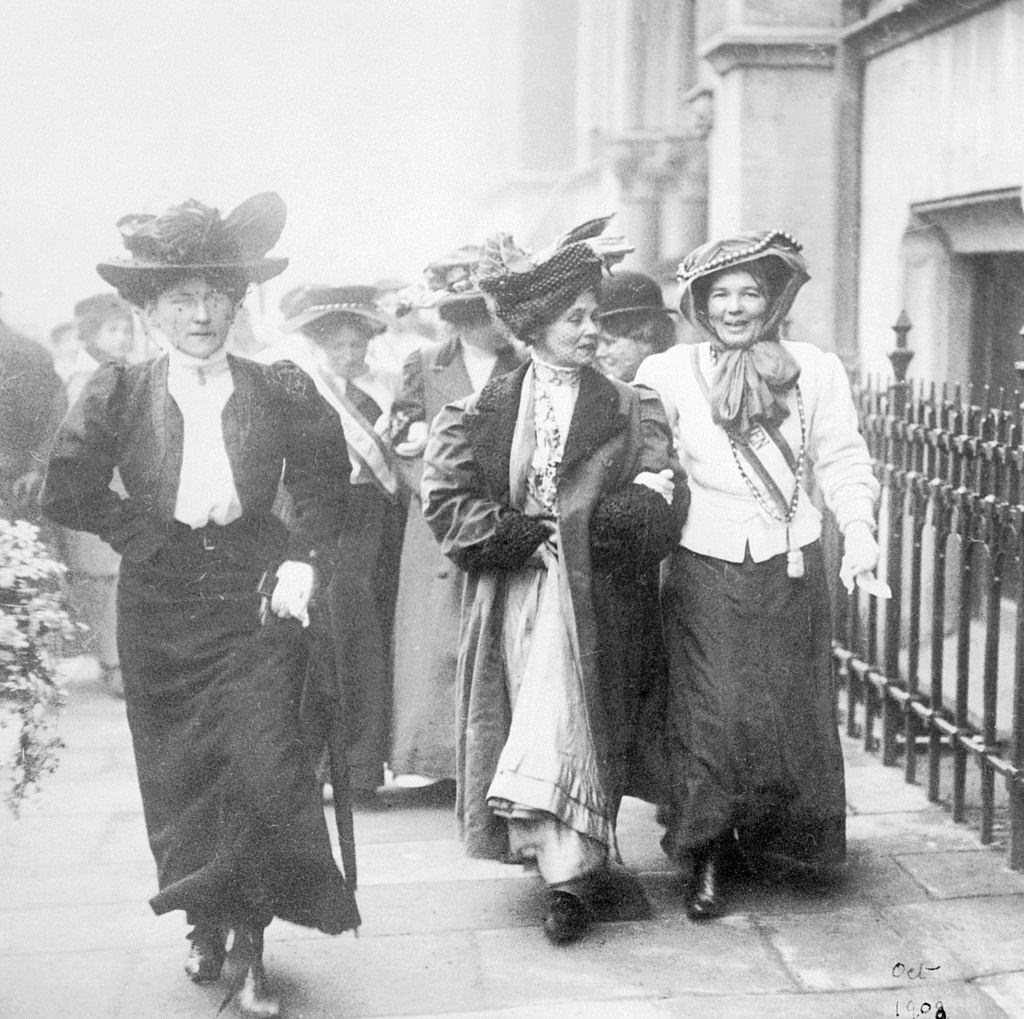
By 1908, Pankhurst and her daughter Christabel had both been imprisoned in Holloway Gaol. Their releases were met with organized welcomes from fellow suffragettes. That same year, a meeting at Caxton Hall served as the launching point for the “Rush the House of Commons” demonstration, where suffragettes attempted to storm Parliament directly. These weren’t isolated incidents — they were part of a coordinated campaign that kept the suffrage question in front of the public and the government.
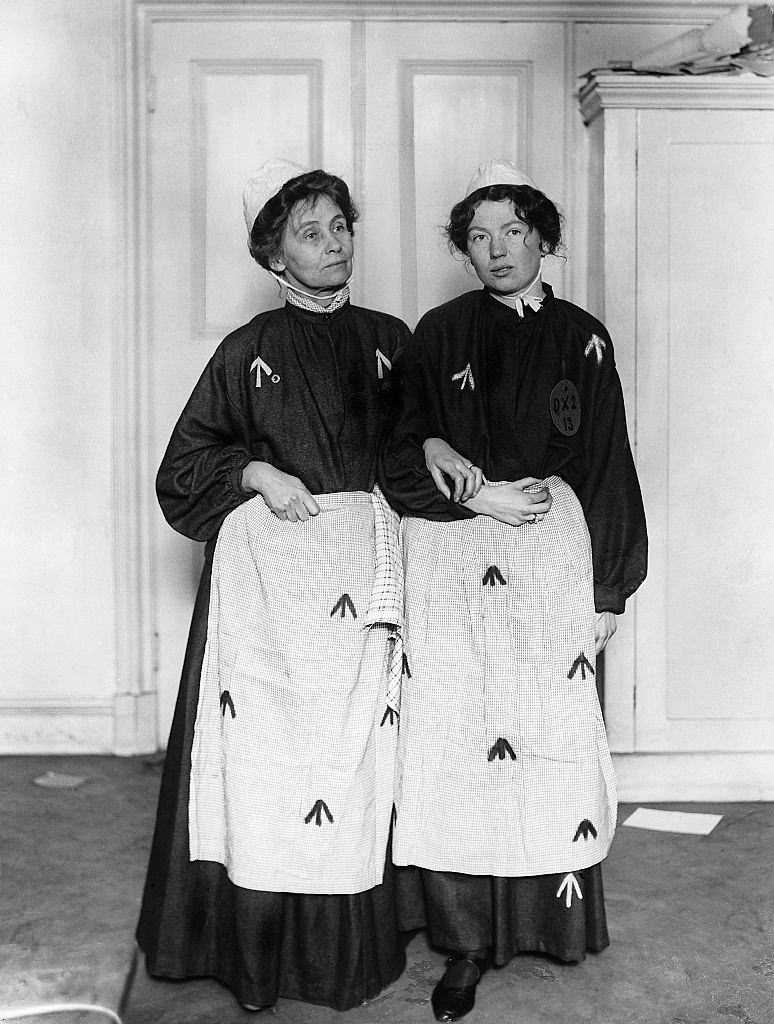
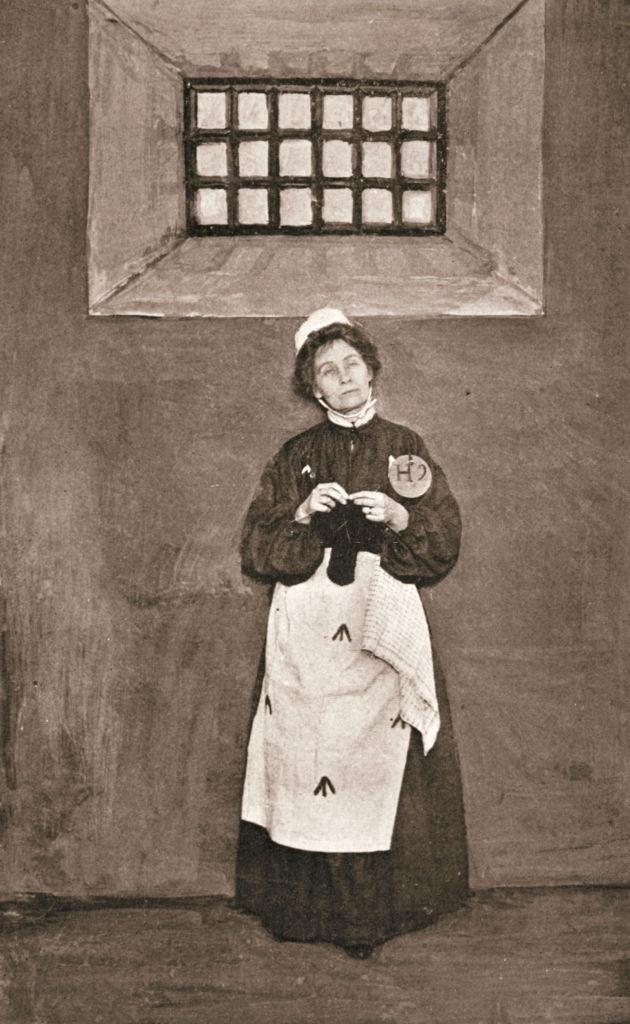
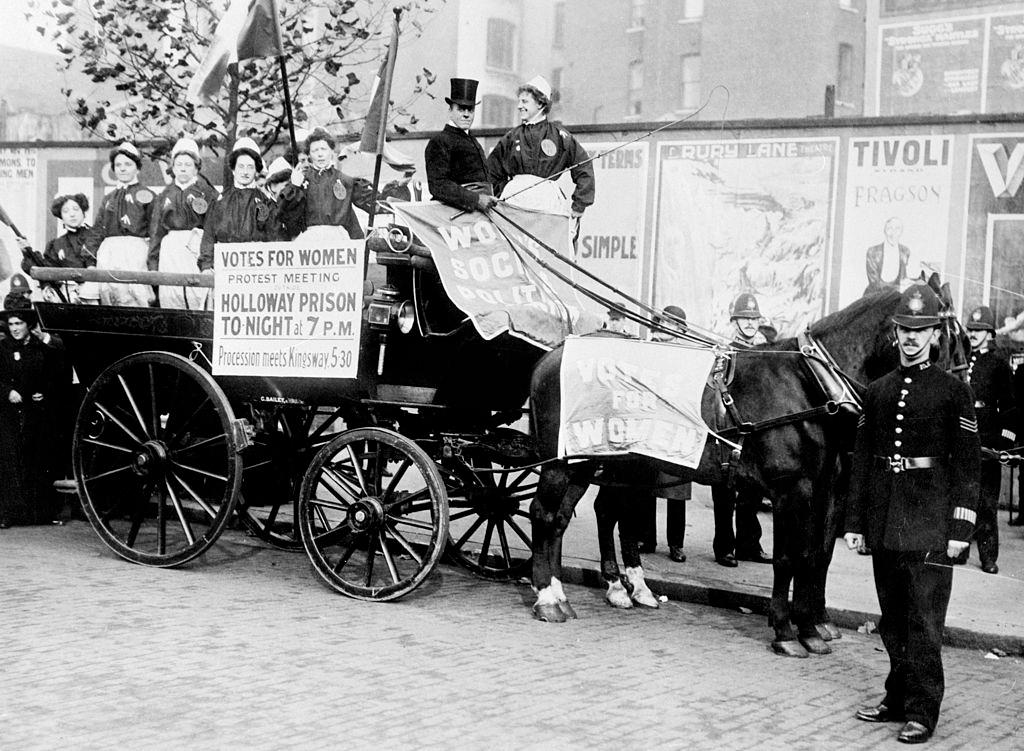
Arrests became so routine that women who had served prison sentences wore replica prison clothing in public to advertise protest meetings outside Holloway Gaol. The imagery was deliberate — a way to show the public that imprisonment had not broken their resolve. Inside prison, the suffragettes escalated their resistance further. Beginning in 1909, many went on hunger strikes to protest their treatment as common criminals rather than political prisoners.
Prison authorities responded to hunger strikes with forcible feeding. Pankhurst herself endured this treatment — being force-fed through the nose while incarcerated. The physical toll was severe. Many suffragettes were released early due to the medical risks caused by prolonged hunger strikes, but the government soon found a way around early releases.

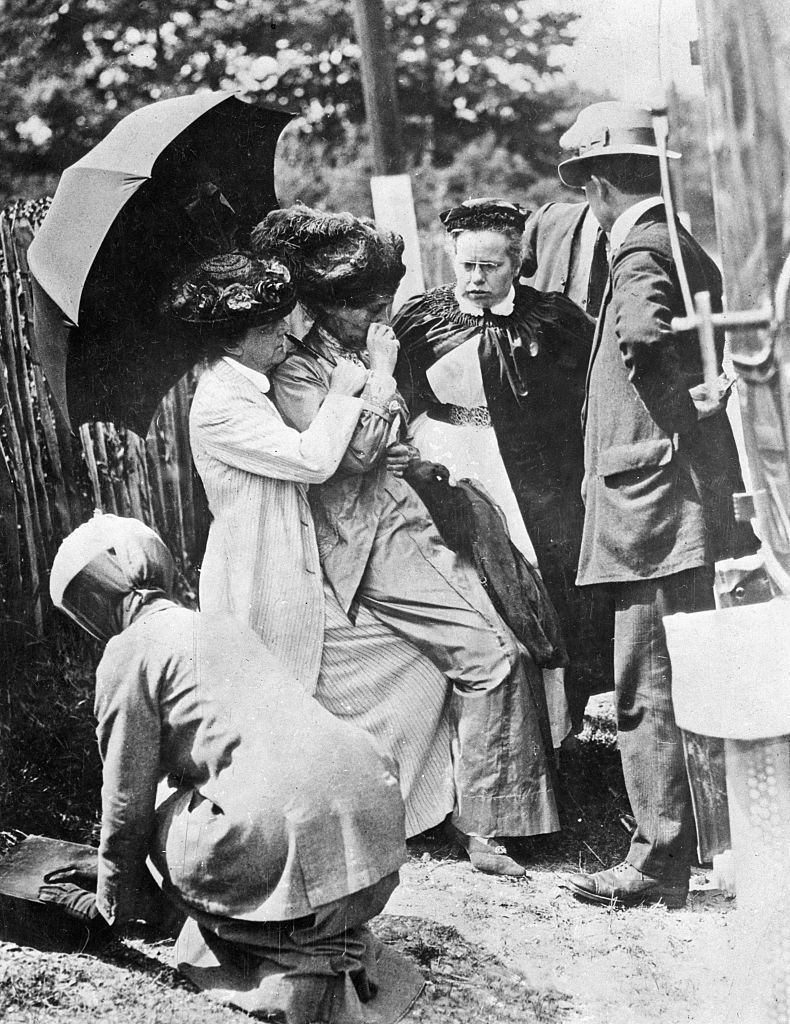
The Prisoners (Temporary Discharge for Ill Health) Act of 1913 — known widely as the Cat and Mouse Act — allowed authorities to release a hunger-striking prisoner until she recovered, then re-arrest her to resume her sentence. For Pankhurst, this meant a cycle of imprisonment, hunger strike, release, and re-arrest that continued for years. In 1913 alone, after forcible feeding had seriously damaged her health, she attempted to leave a nursing home during a furlough and was intercepted by detectives in a state of semi-collapse.
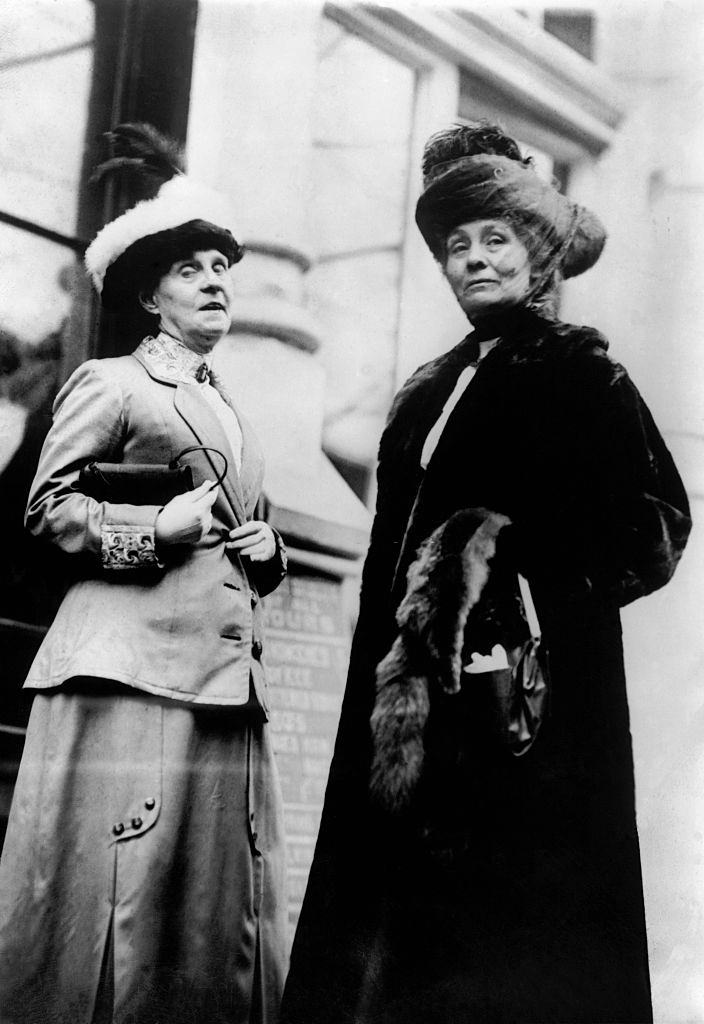
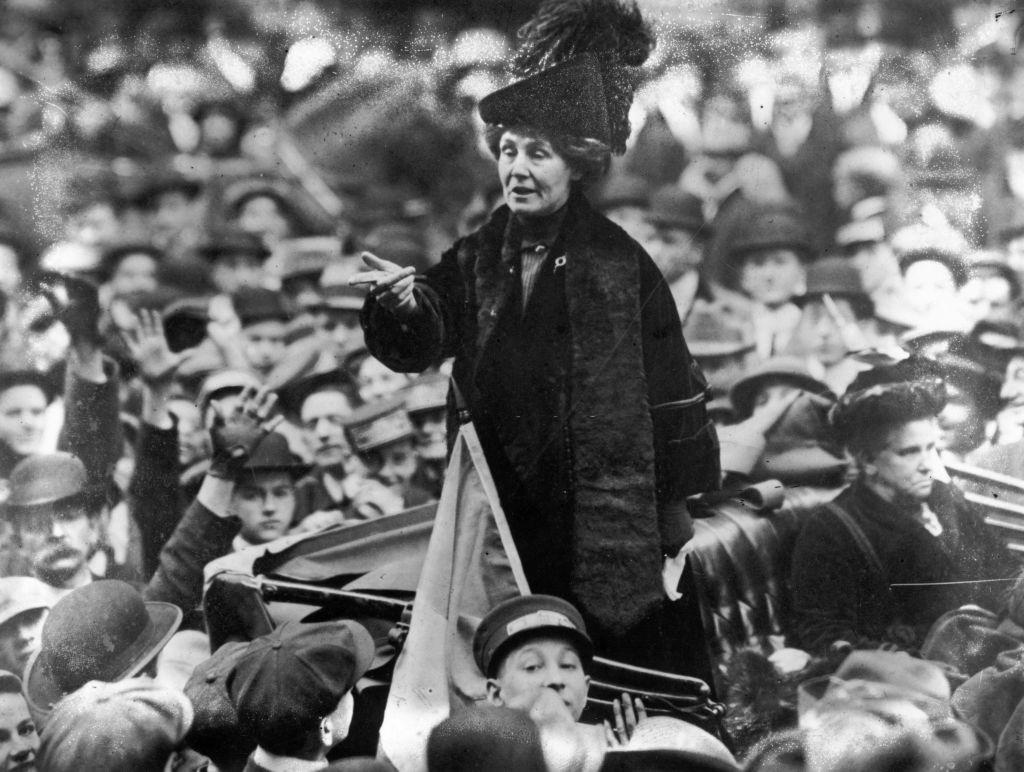
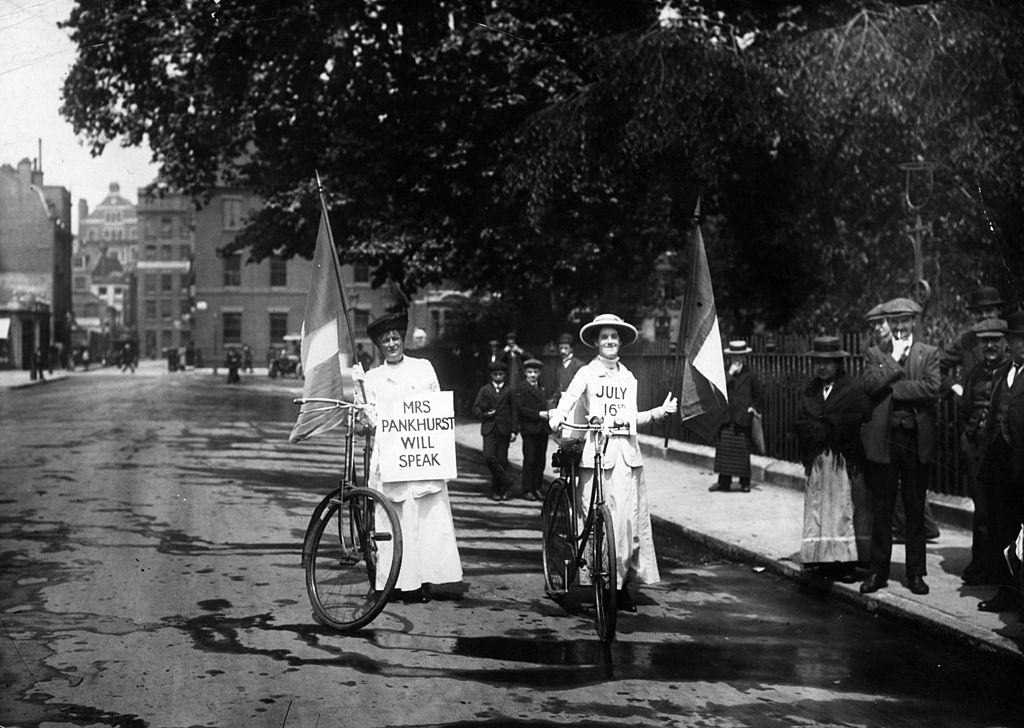
That same year, Pankhurst was sentenced to three years of penal servitude for inciting the crime that led to an incendiary device detonating in an unoccupied house being built for David Lloyd George, the Chancellor of the Exchequer. A hunger strike resulted in her early release, but the Cat and Mouse Act kept pulling her back. Between arrests, she traveled to the United States to raise funds and lecture on women’s suffrage, drawing both enthusiastic supporters and hostile crowds.
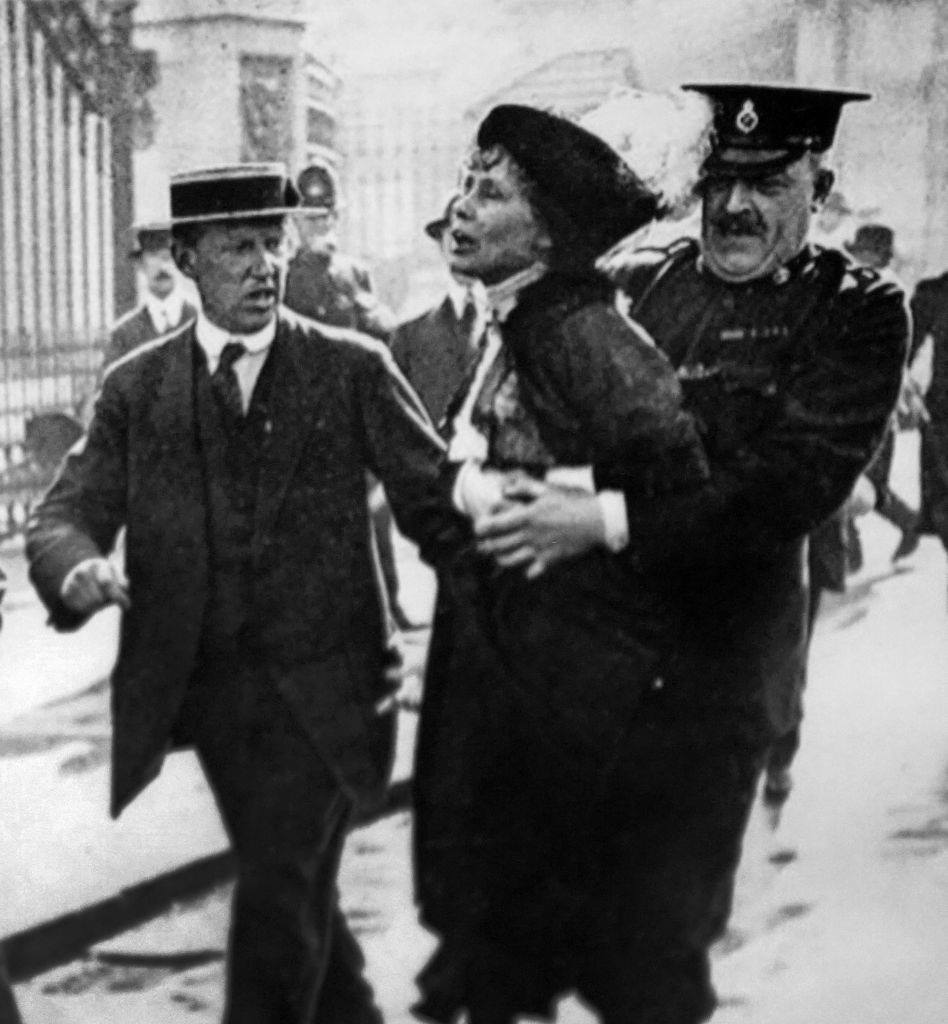
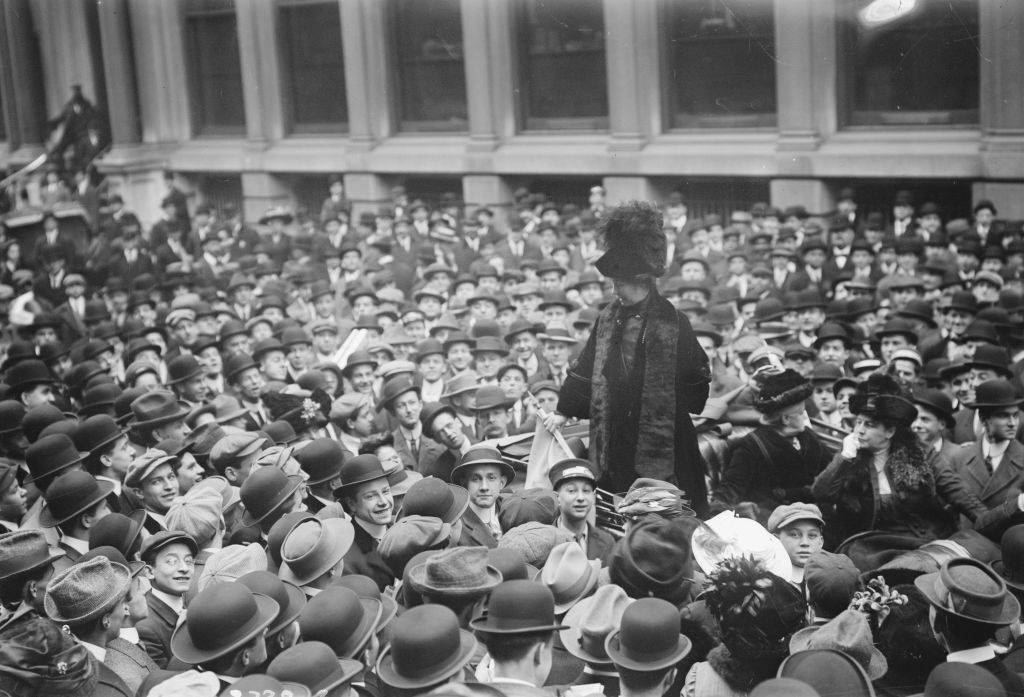
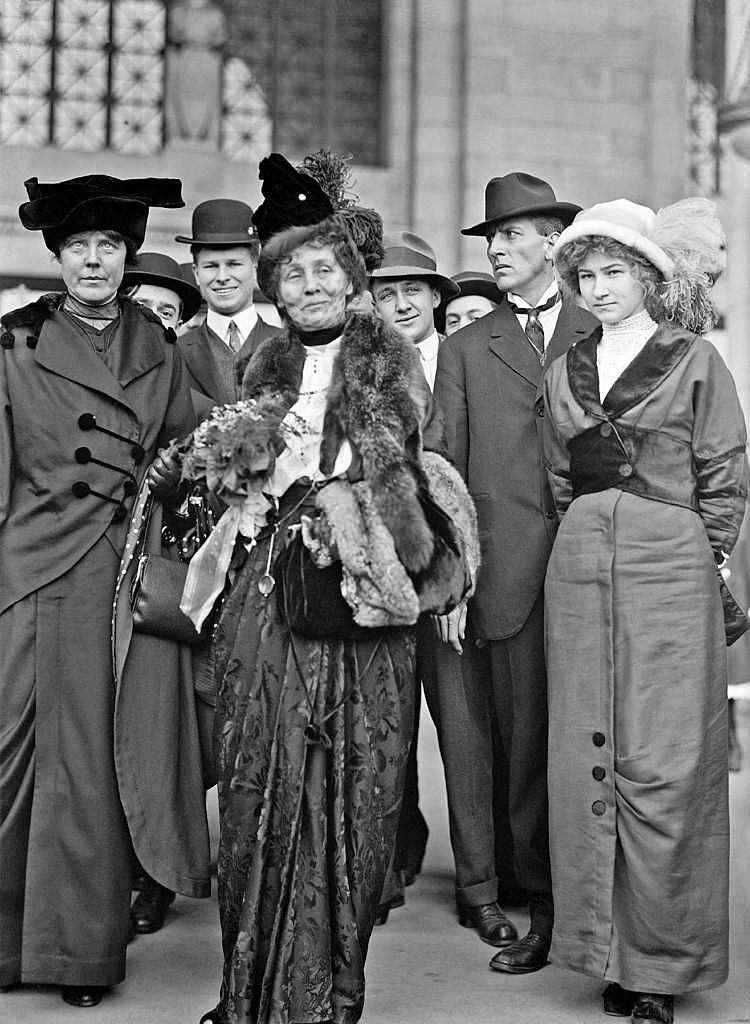
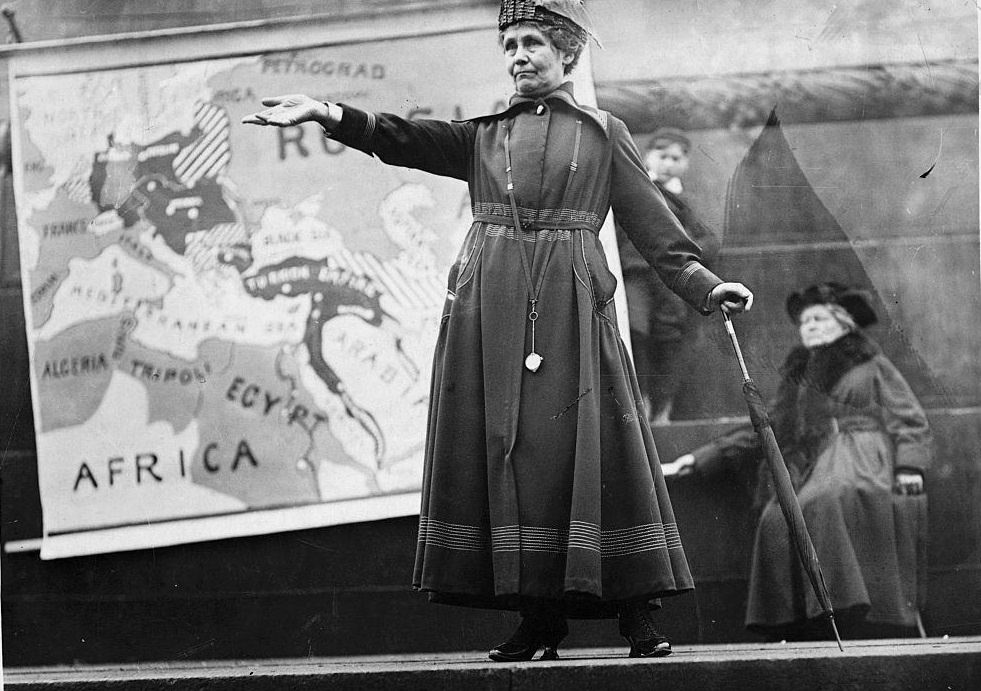
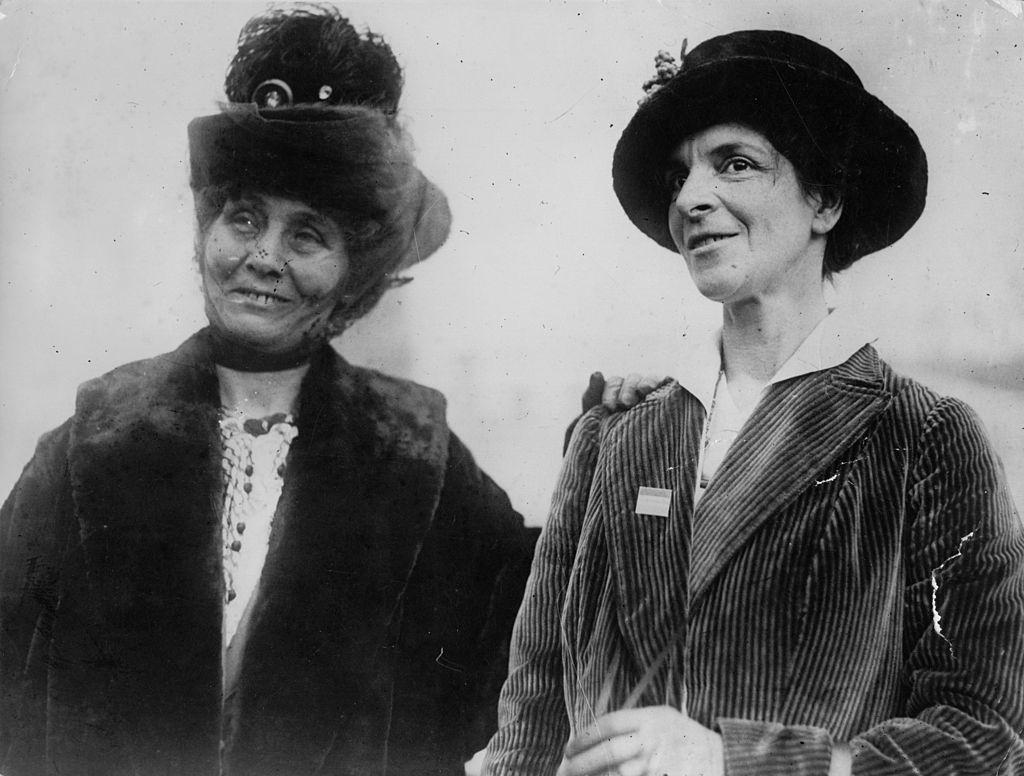
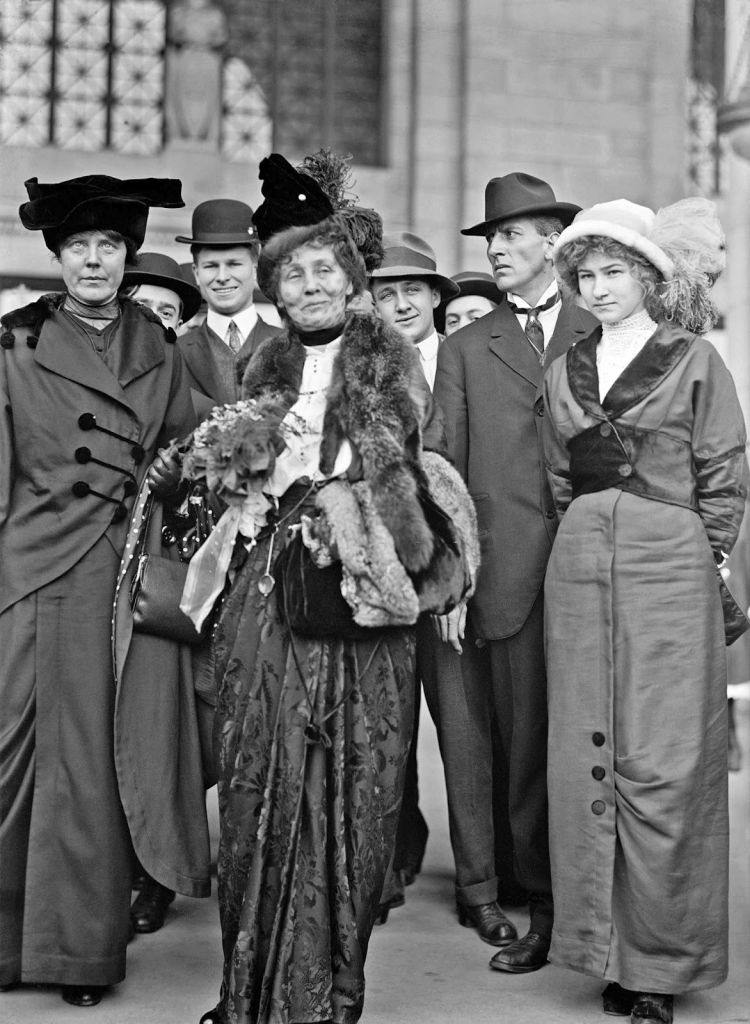
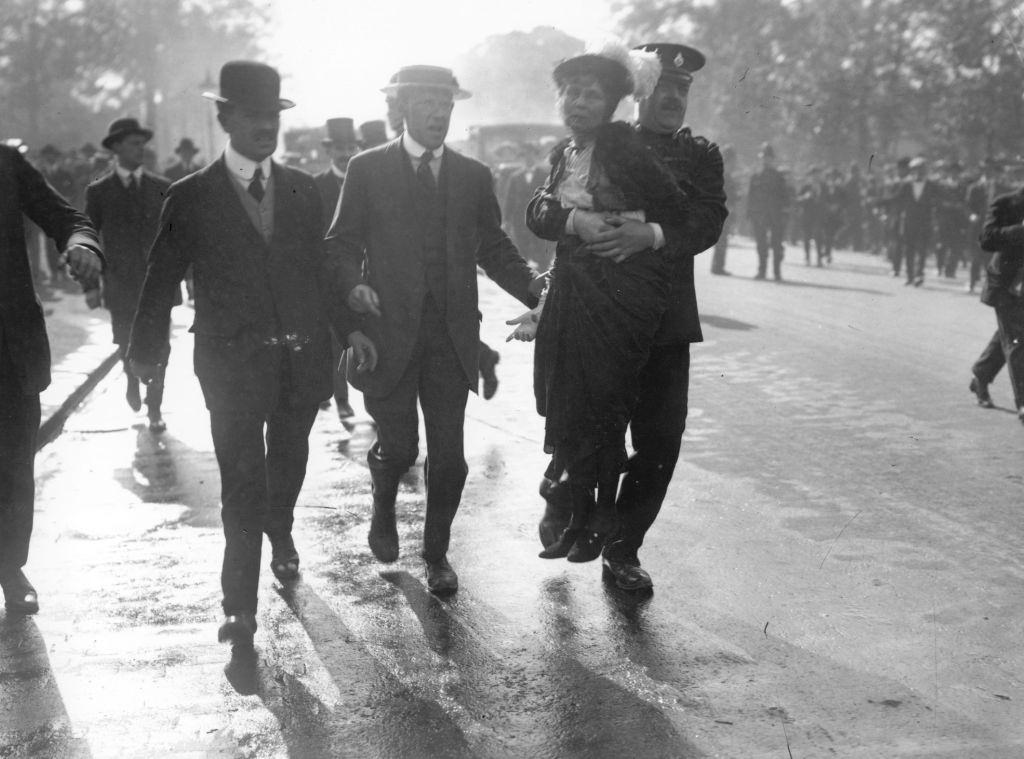
Pankhurst’s arrests continued at a relentless pace. By 1914, she had been arrested eight times in three years, and eventually faced an eleventh arrest as well. Each arrest was documented and publicized, both in Britain and abroad. She also made connections with American suffragettes during her tours of the United States, speaking on platforms in New York and Washington alongside figures like Lucy Burns.
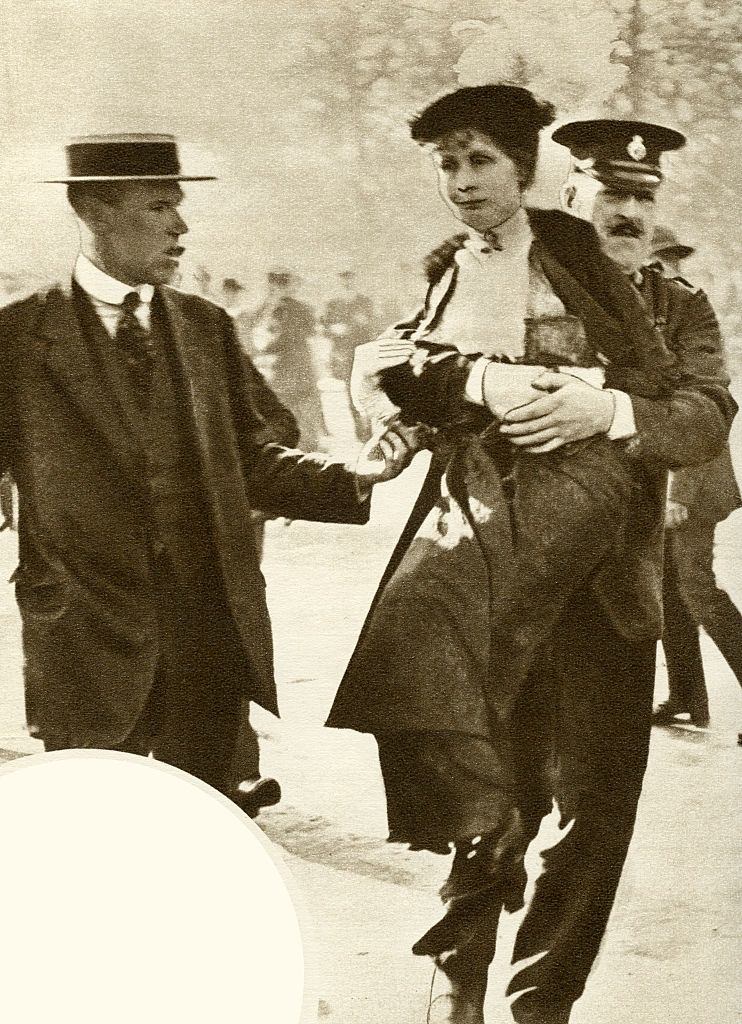
In May 1914, Pankhurst organized a march to petition King George V and was carried away by Superintendent Rolfe during the demonstration. Weeks later, the world changed. When World War I broke out in August 1914, Pankhurst made a sharp tactical decision: she called a complete halt to WSPU militancy and demonstrations. In exchange, the government released all WSPU prisoners. Pankhurst then threw her energy into the war effort, encouraging women to take factory jobs vacated by men heading to the front lines.
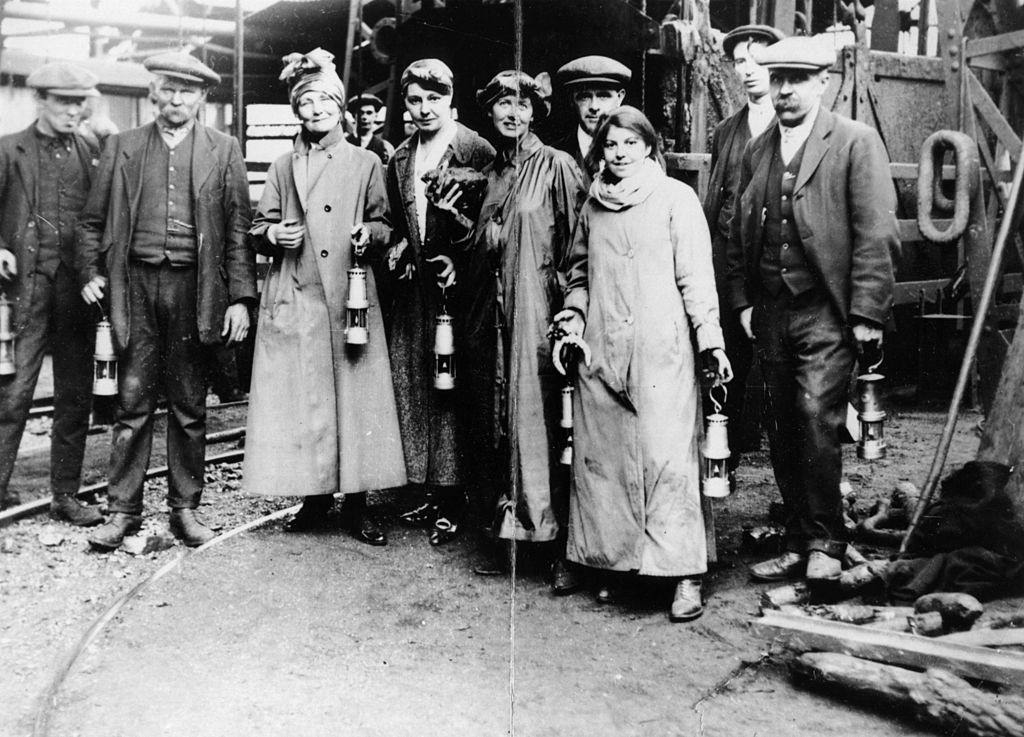
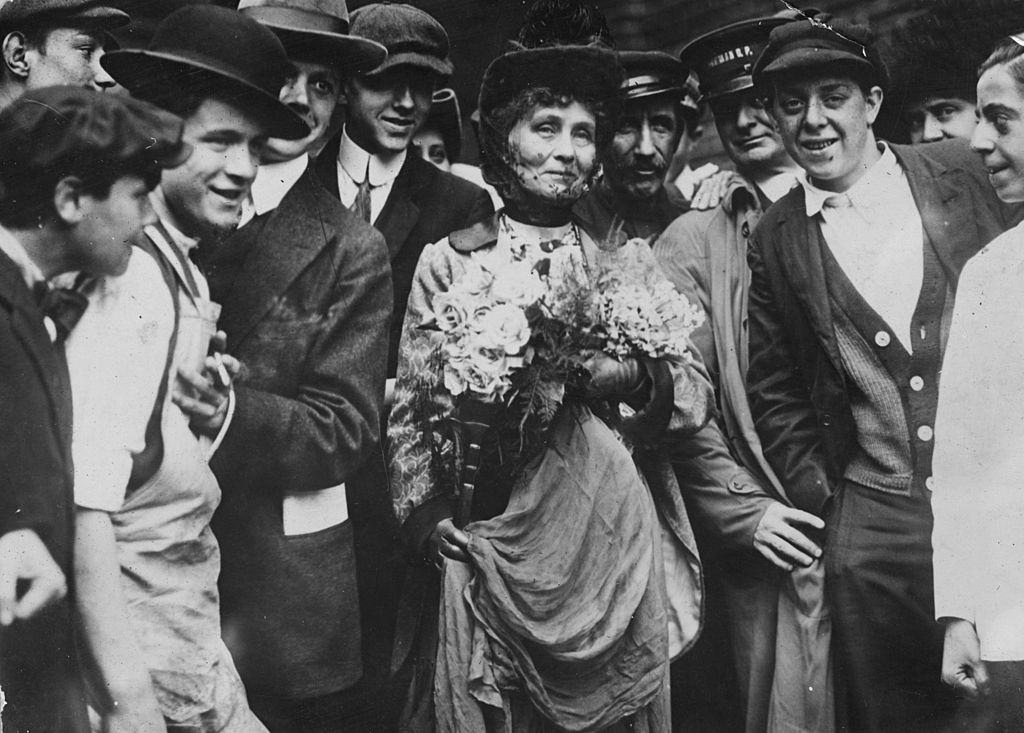
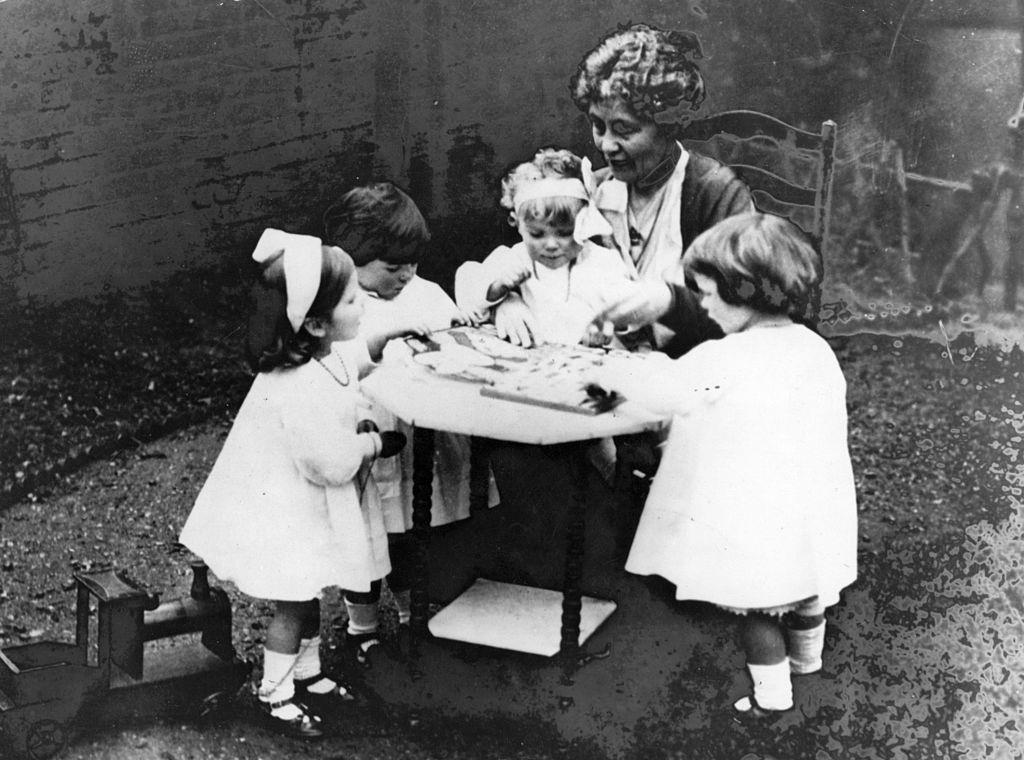
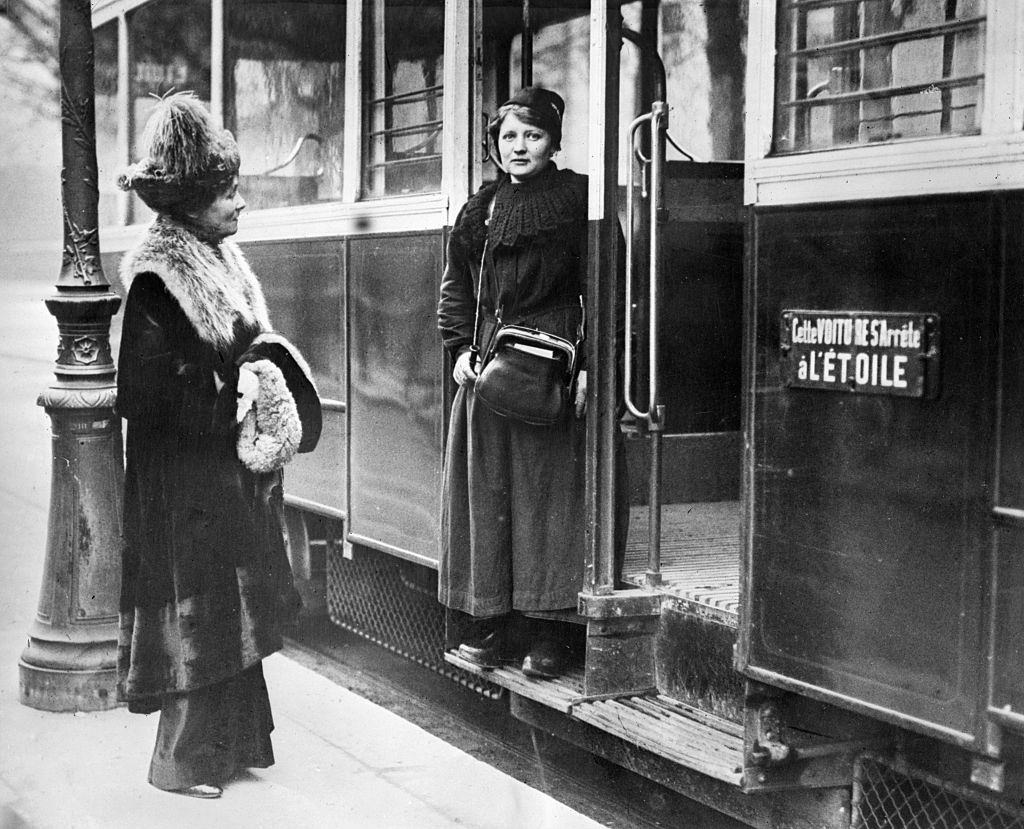
During the war years, Pankhurst adopted four war orphans and continued to speak publicly on topics tied to the national effort. She talked directly with women on the front lines of the wartime workforce, including women working as street car conductors — jobs that had been exclusively held by men before the war. Women’s contributions to the war effort built a powerful argument that the government could no longer easily dismiss.
In 1918, Parliament passed the Representation of the People Act, granting limited voting rights to women who were at least 30 years old and met a property requirement. A second bill passed later that year cleared the way for women to stand for election to Parliament. The victory was partial, but real. Not all of Pankhurst’s family shared in the celebration. Her daughter Sylvia had publicly opposed Pankhurst’s support of the war effort, creating a lasting rift. Her daughter Adela had emigrated to Australia. Only Christabel stood beside her mother to mark the limited suffrage win.
After the war, Pankhurst’s politics shifted considerably. Alarmed by the rise of Bolshevism, she joined the Conservative Party — a move that surprised many of her former allies. She ran for Parliament as a Conservative candidate, but illness disrupted her campaign. On June 14, 1928, Emmeline Pankhurst died in London at the age of 69. Eighteen days later, on July 2, 1928, Parliament passed the Equal Franchise Act, giving women the same voting rights as men. She did not live to see it.
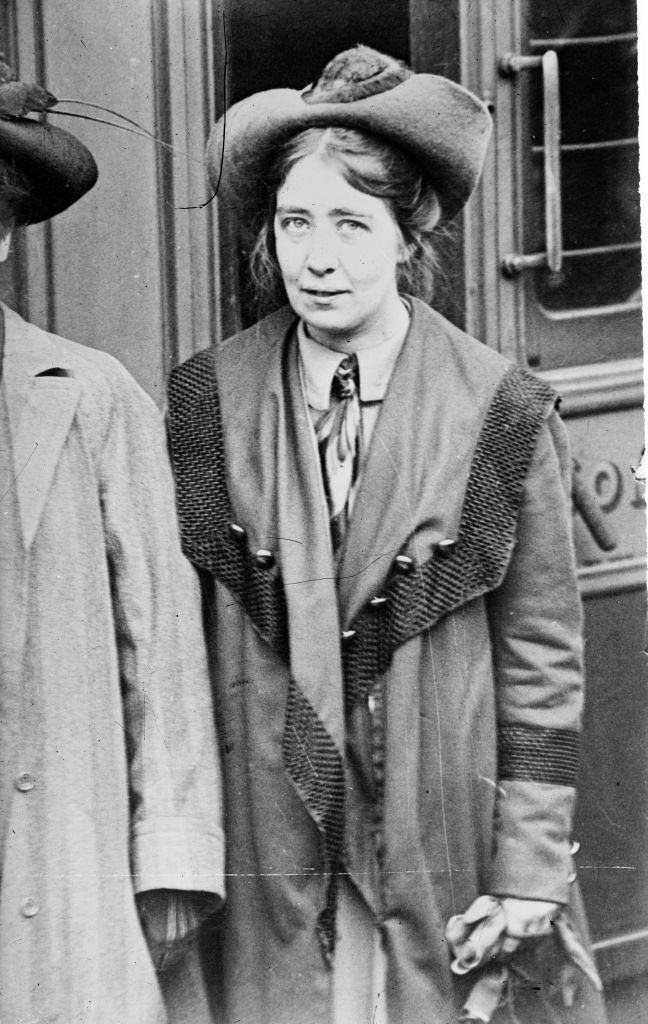
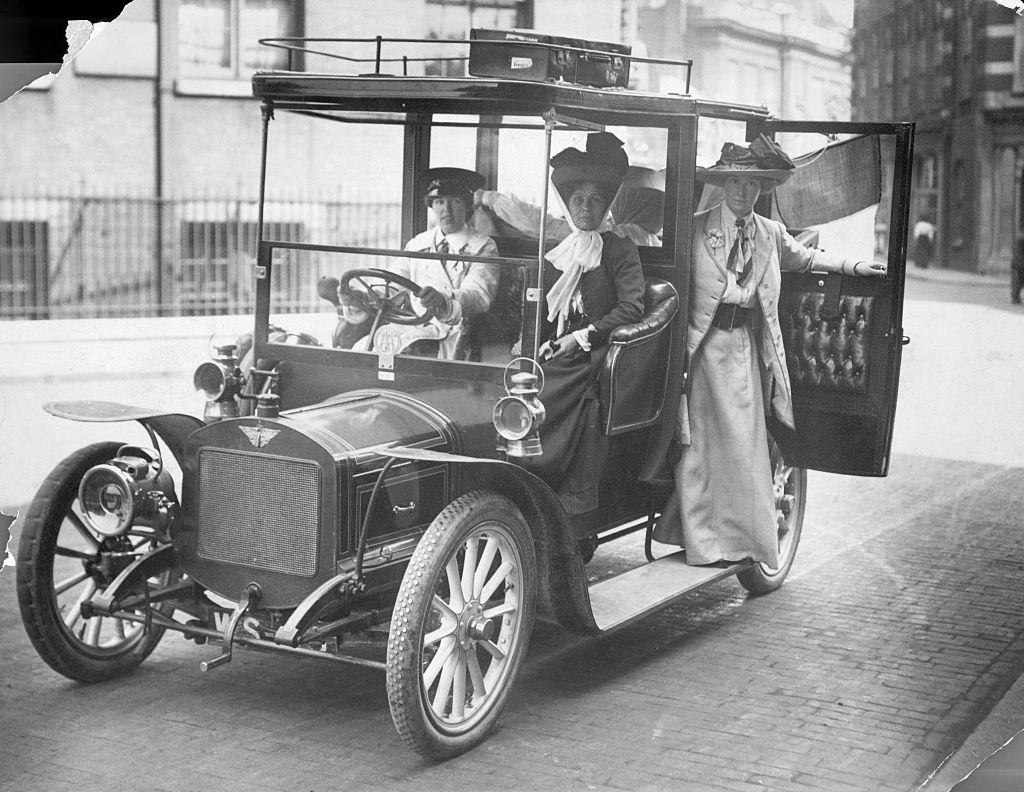
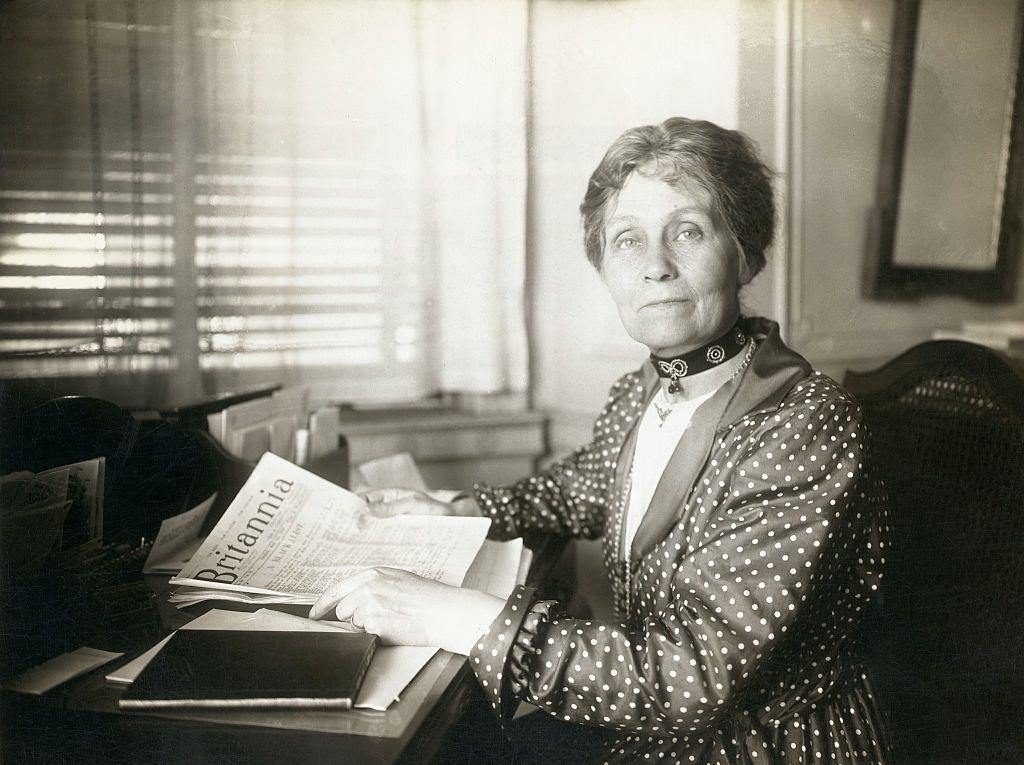
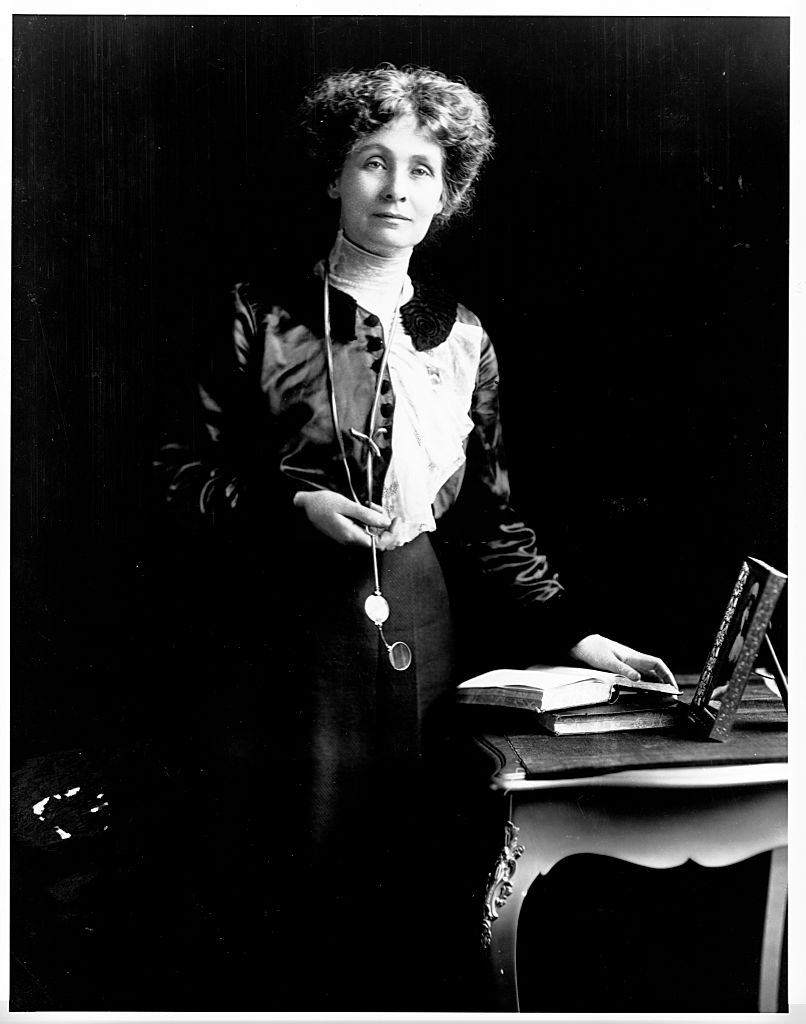
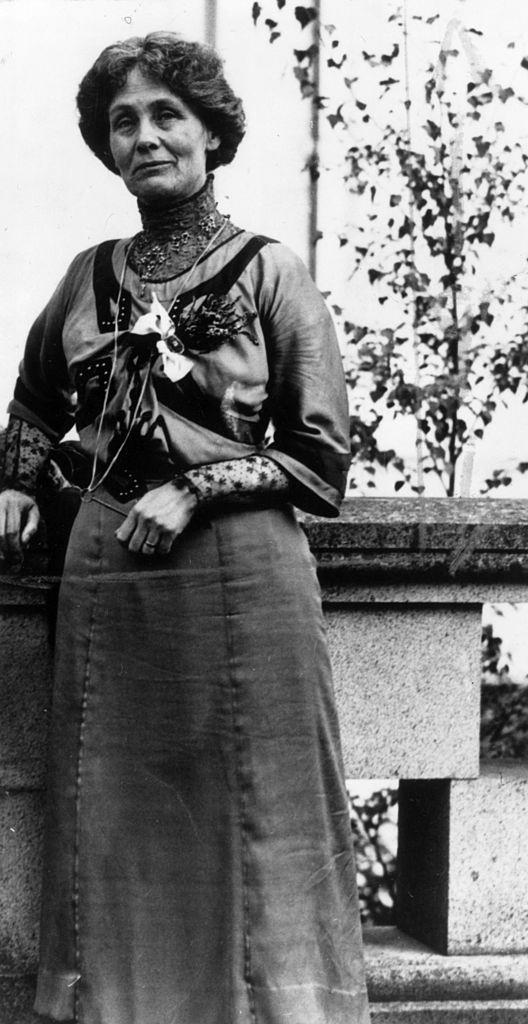
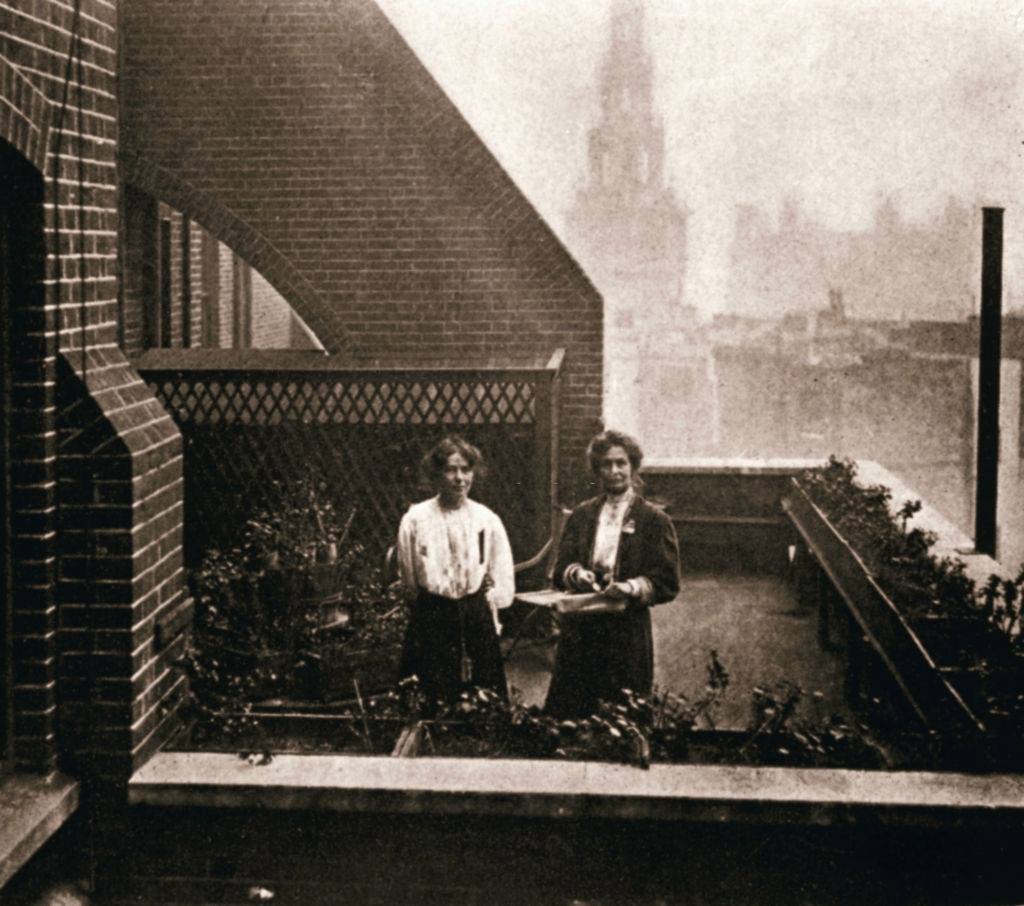
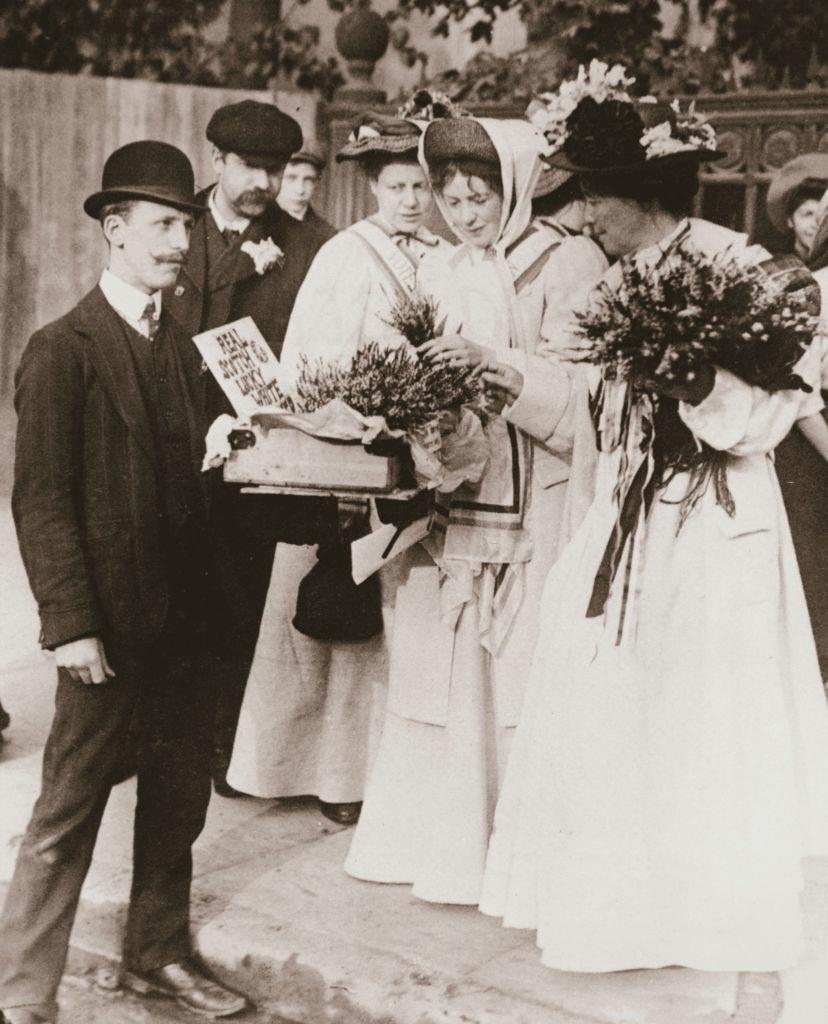
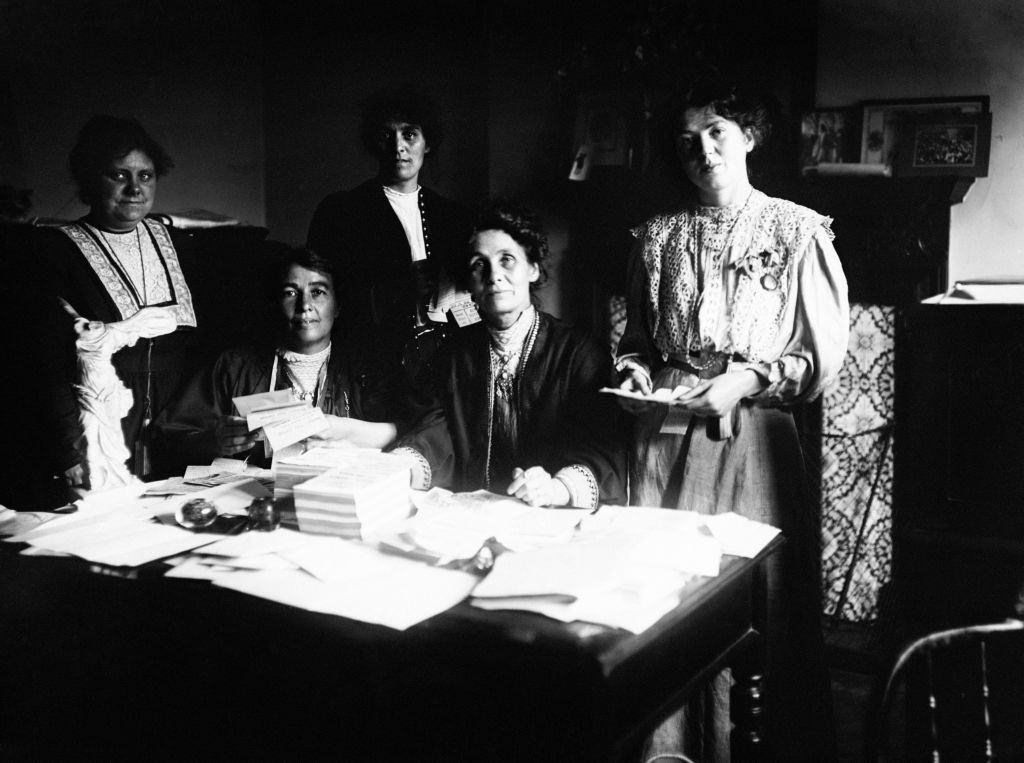
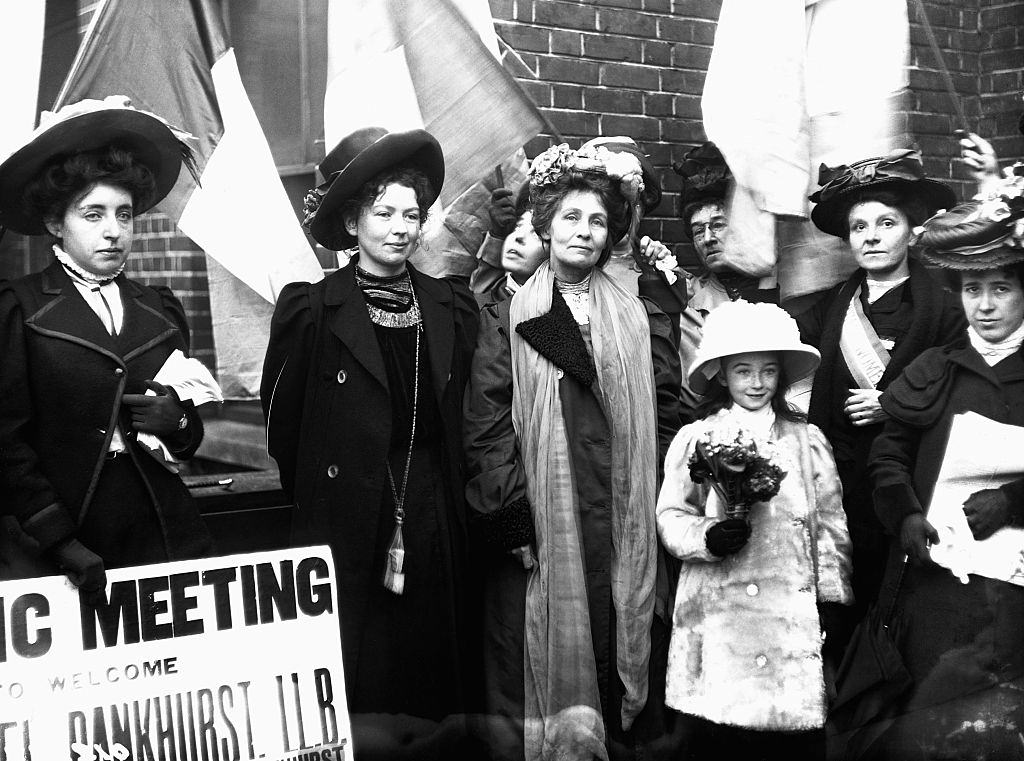
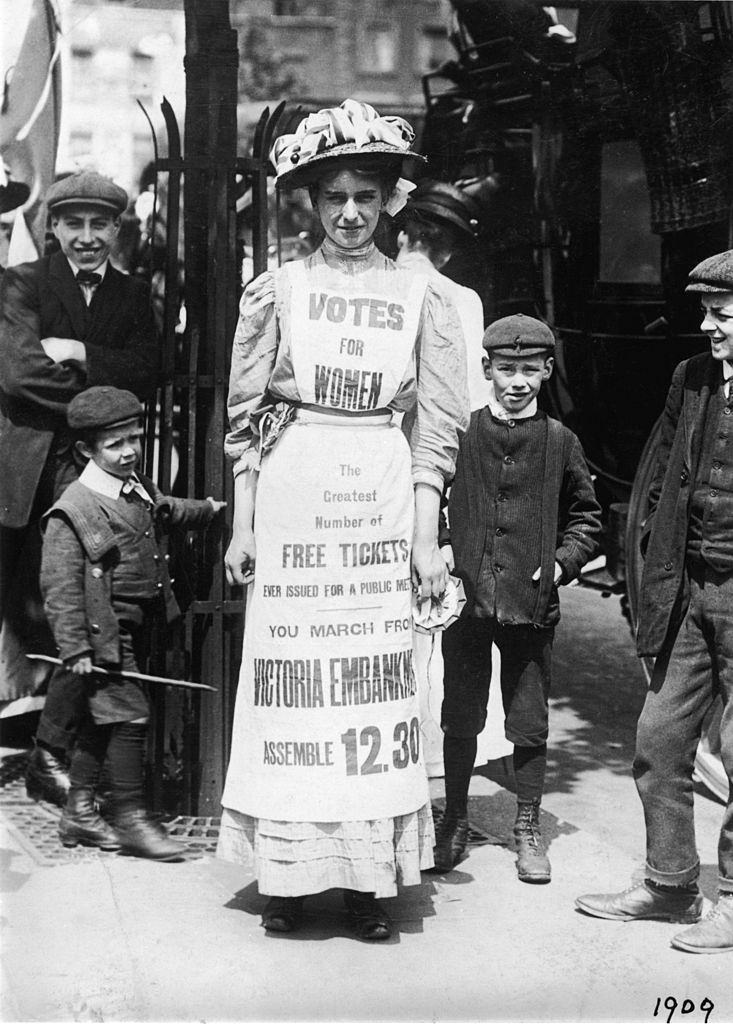
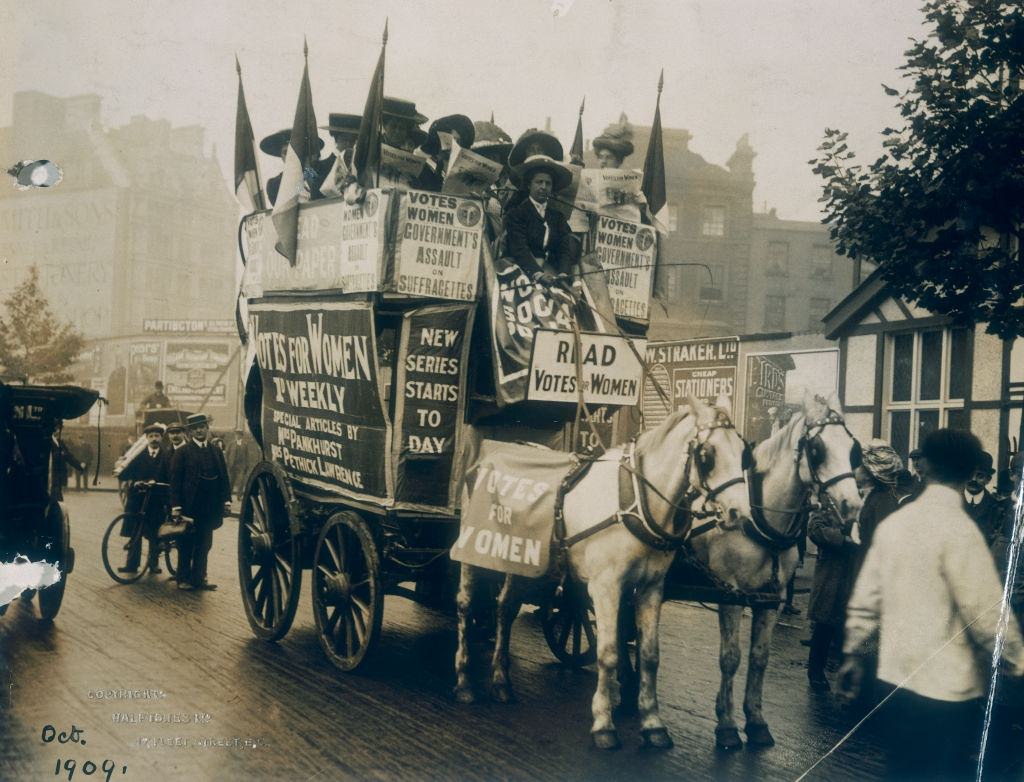
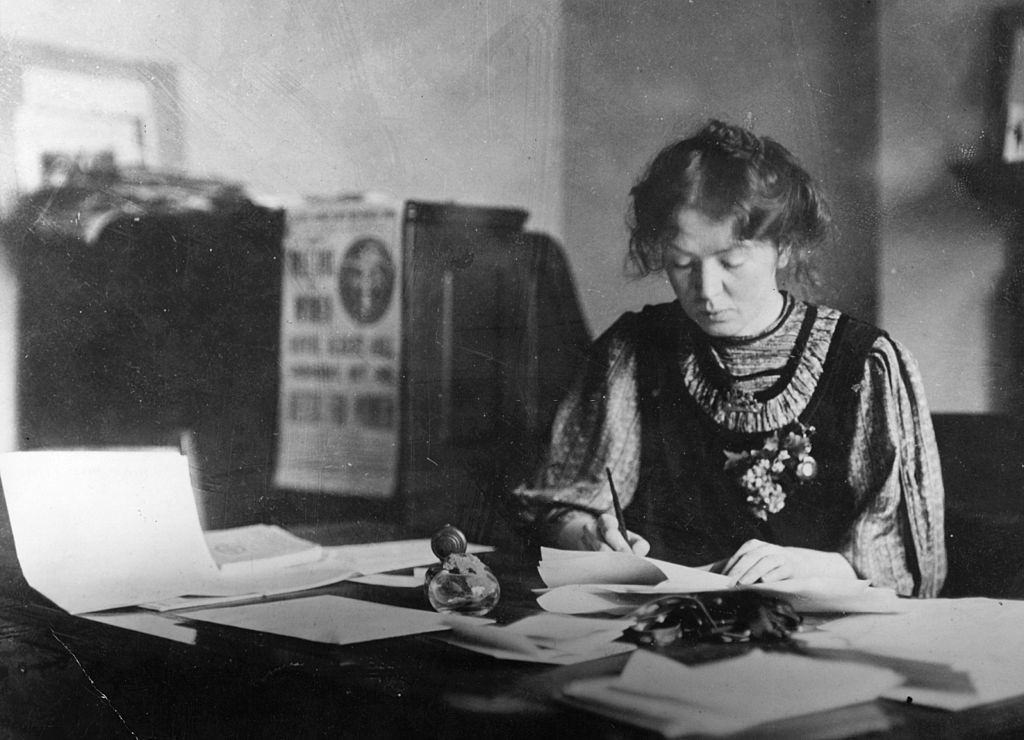
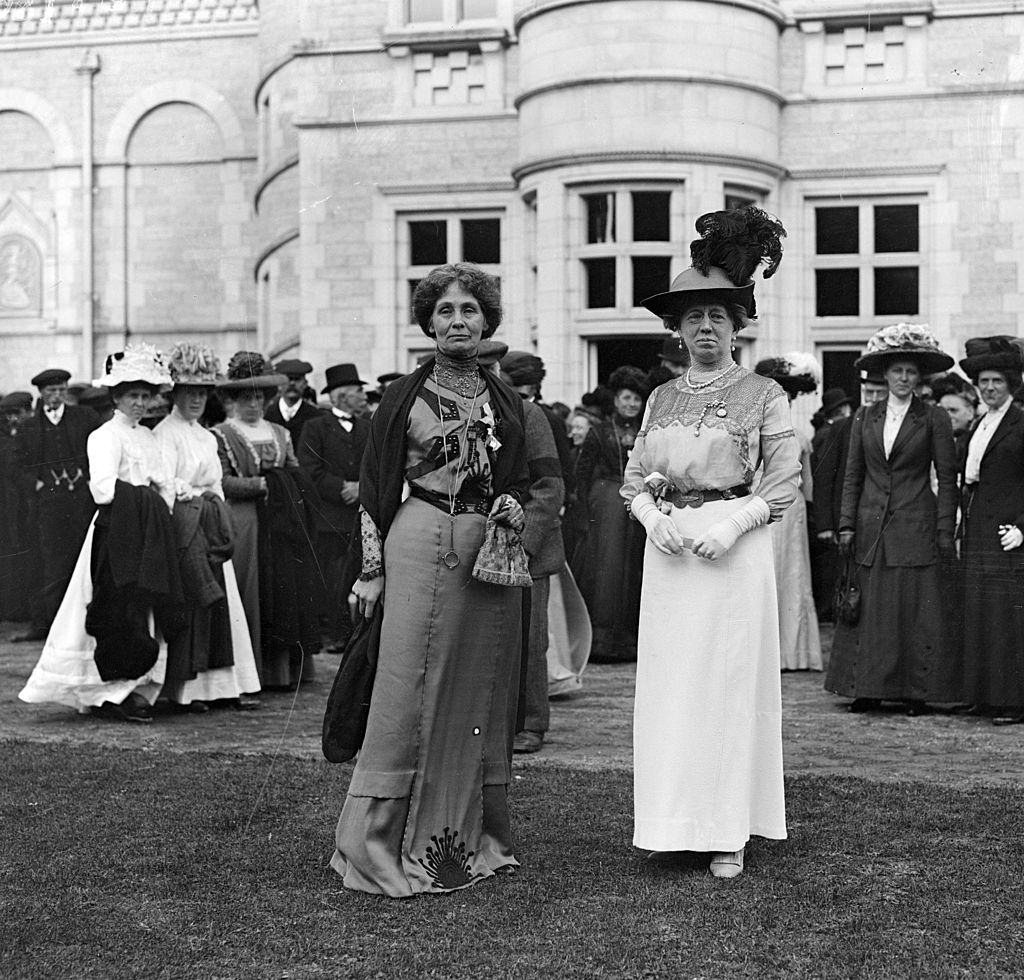
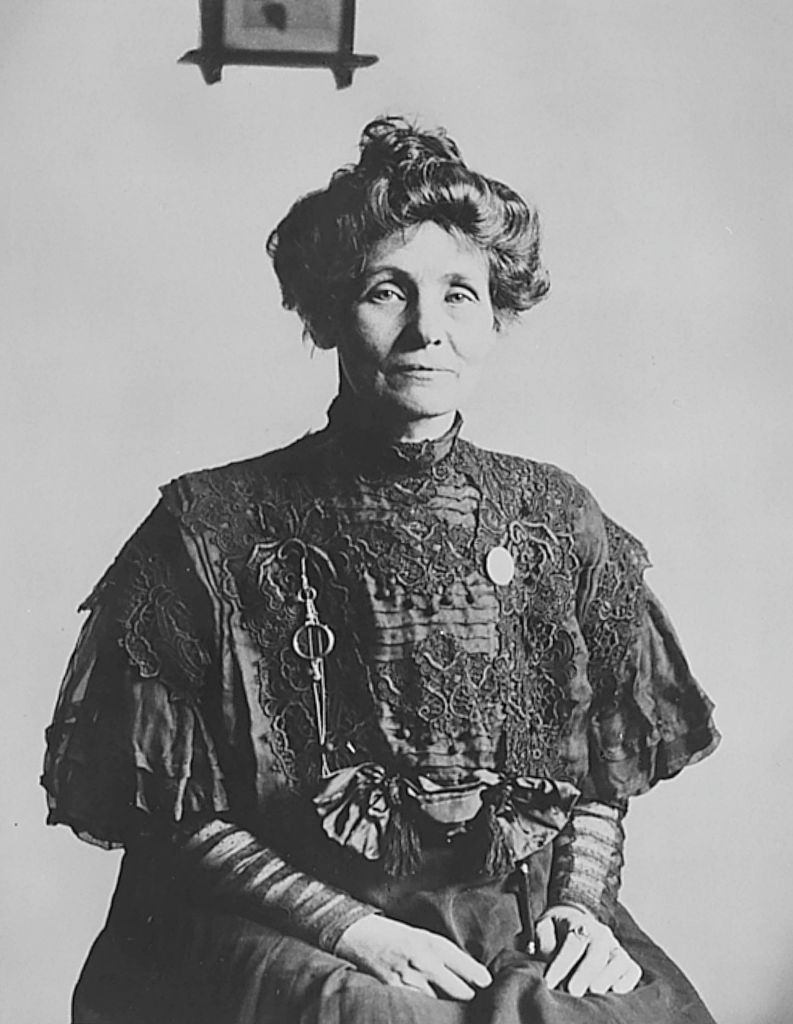
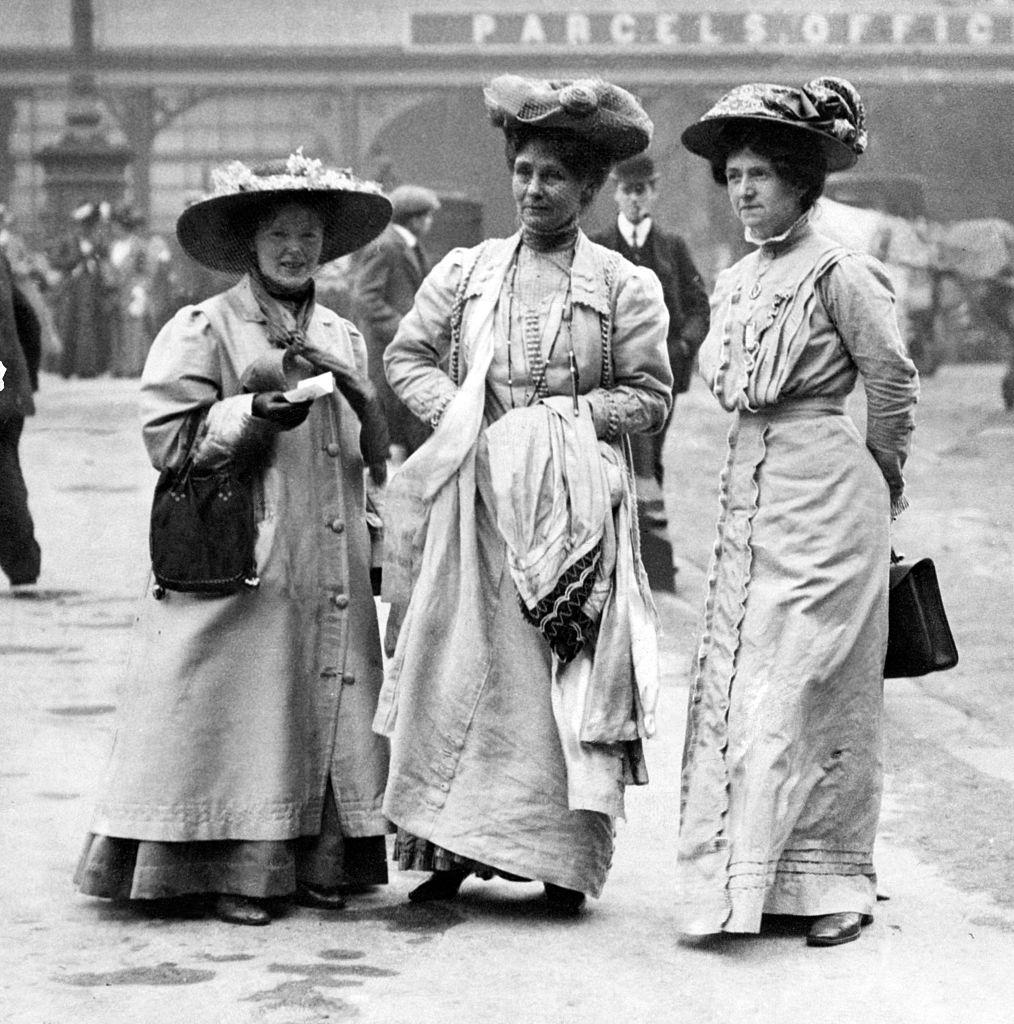
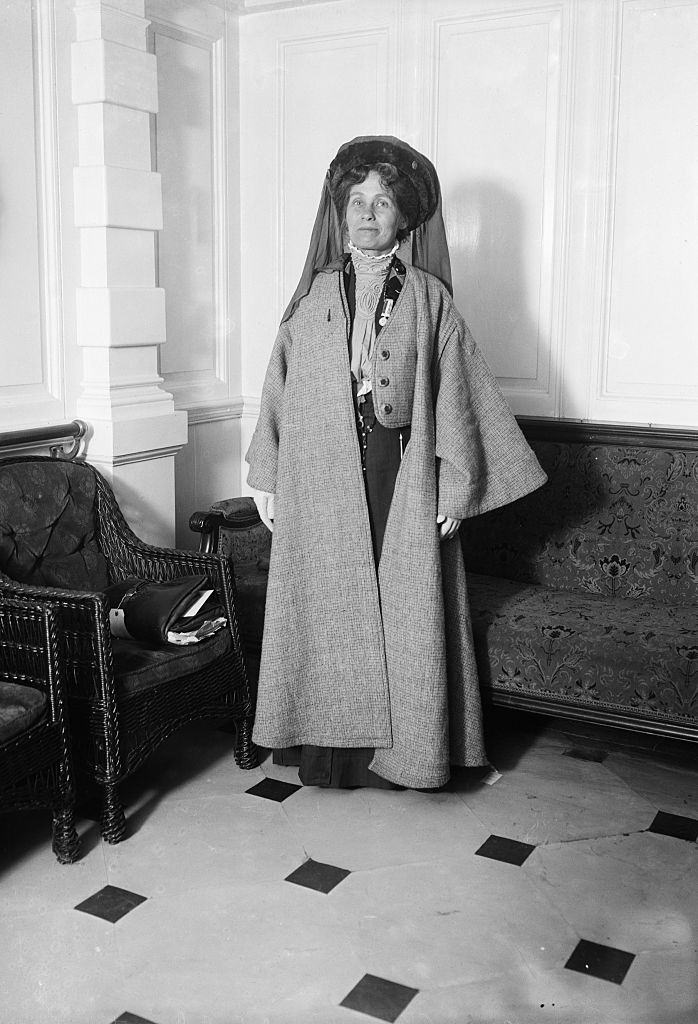
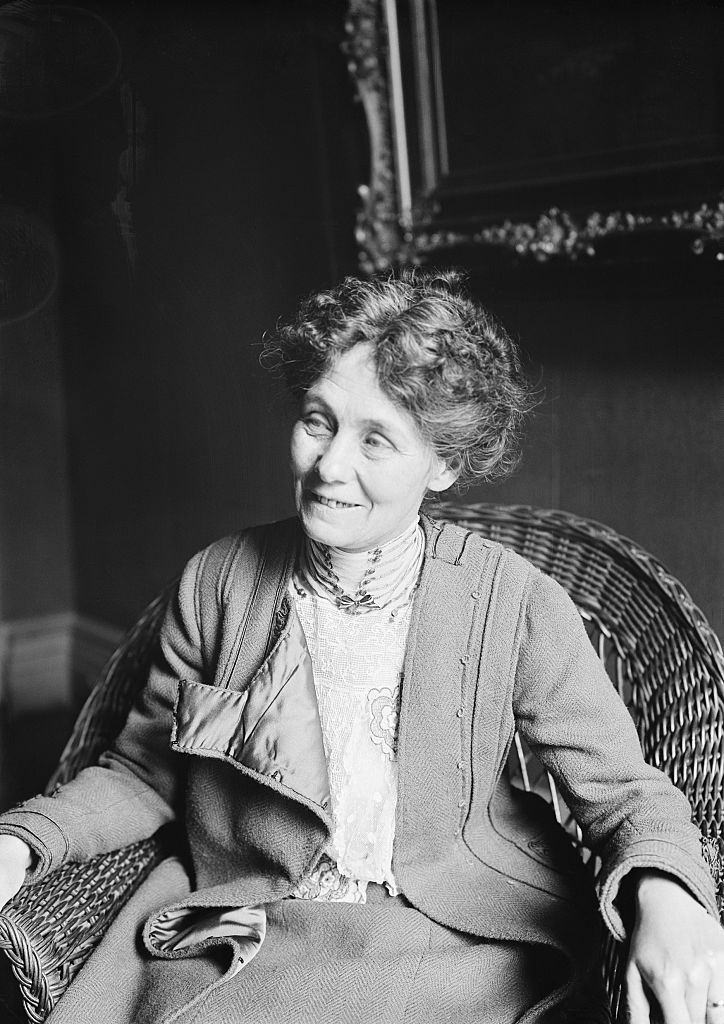
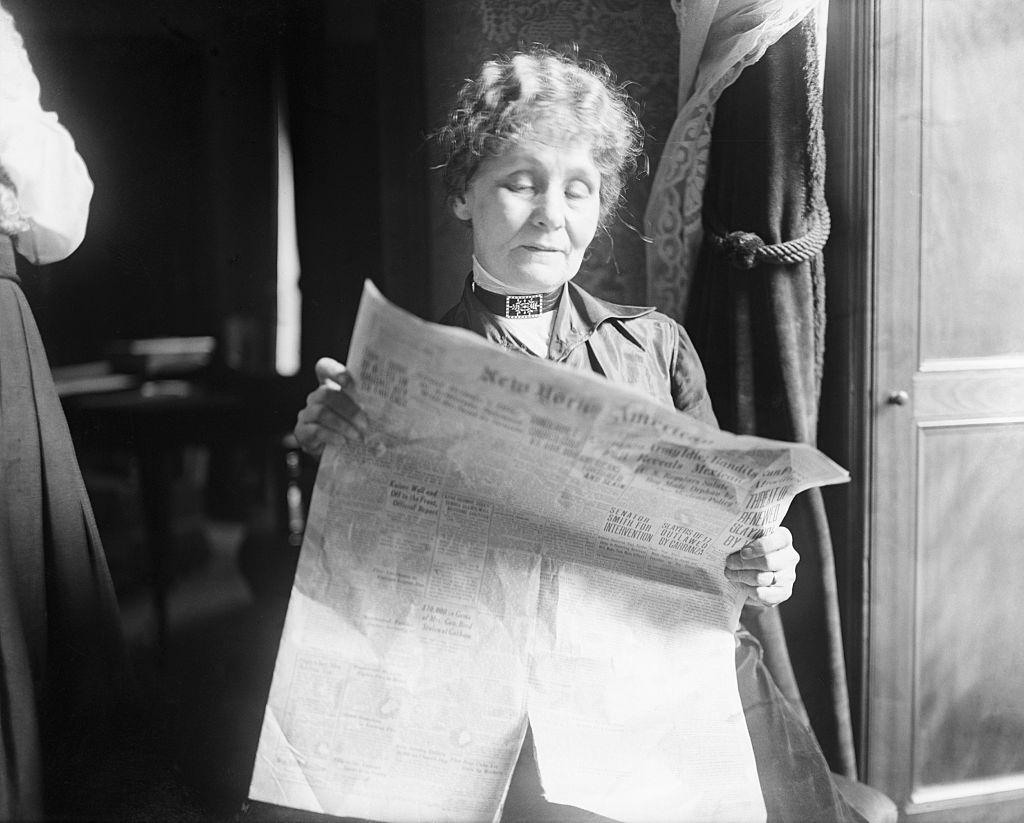
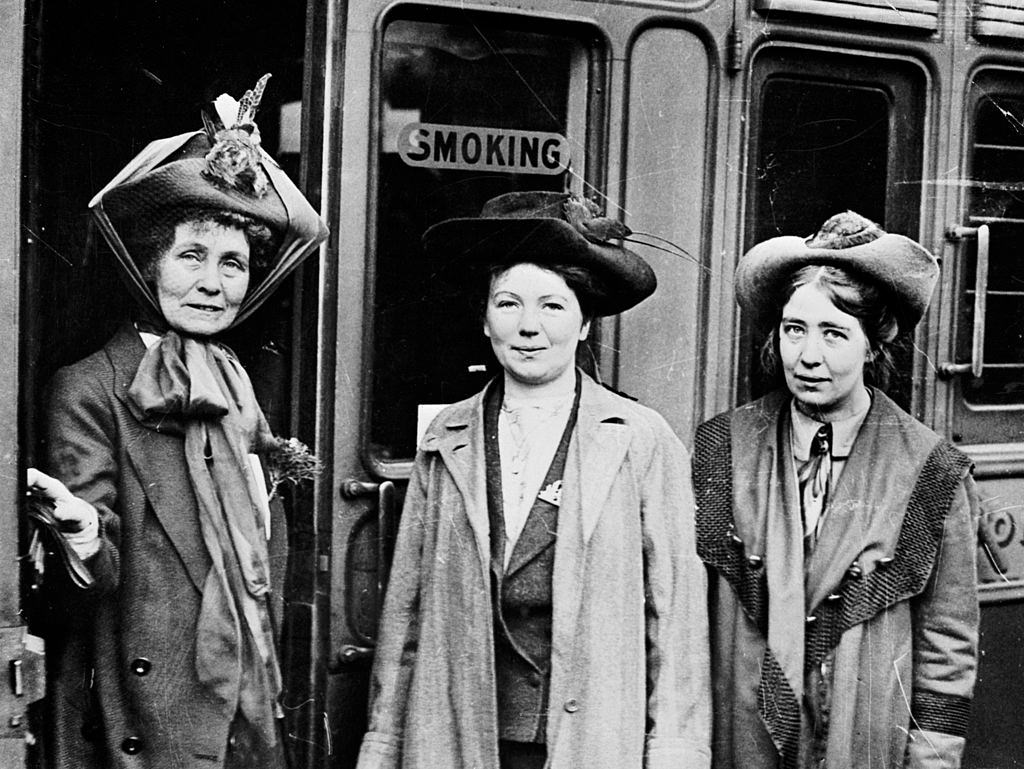
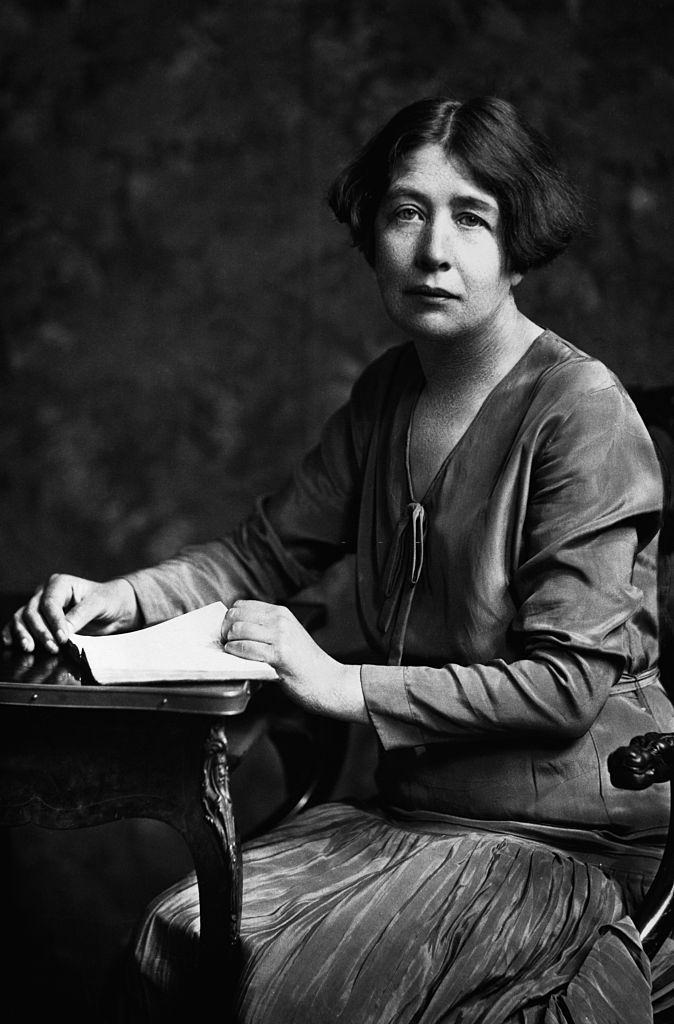
The photographs below offer a direct look at the life Emmeline Pankhurst lived — her campaigns, her arrests, her allies, and the movement she built from the ground up.