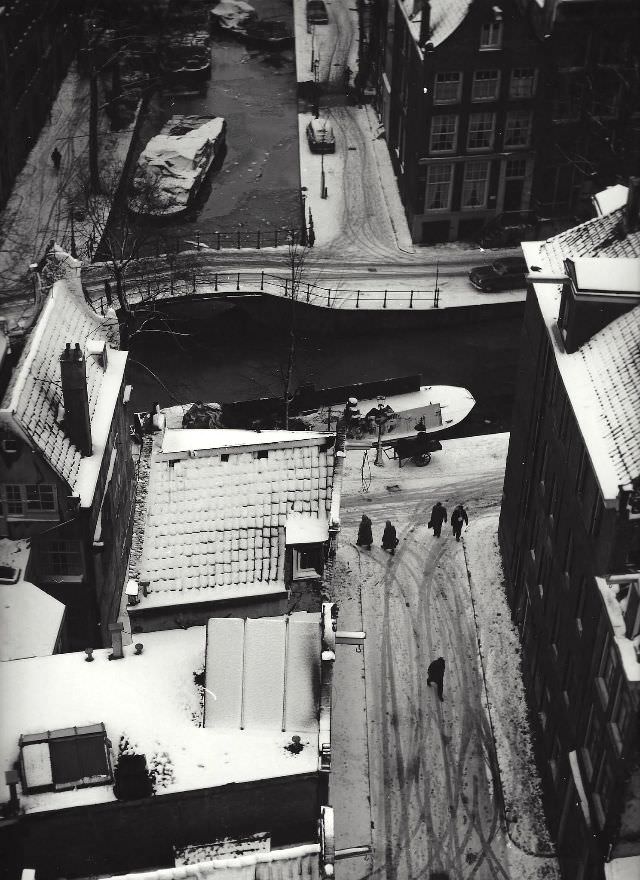
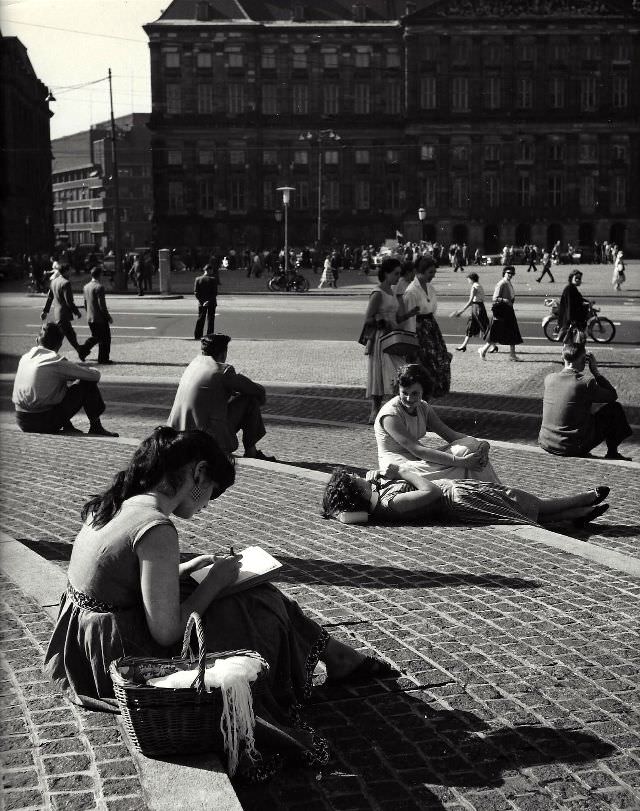
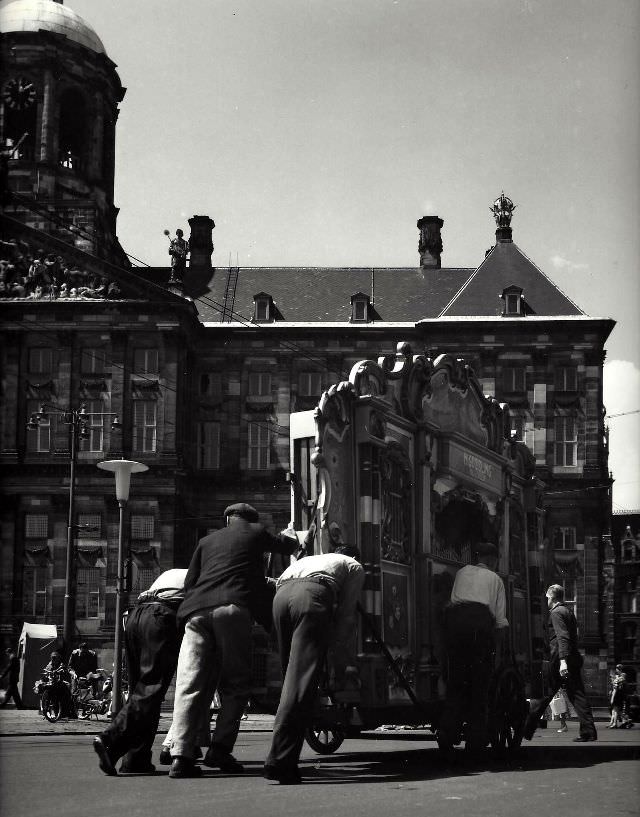
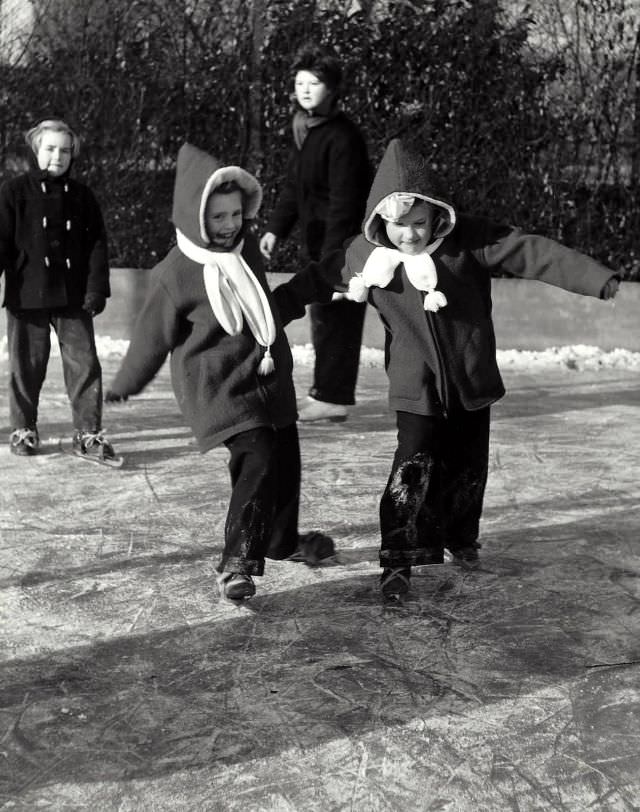
Amsterdam in the 1950s was a city finding its footing again. World War II had ended just years before, and the Dutch capital was rebuilding — not just its streets and buildings, but its daily rhythms. The city had grown into a major center of the diamond trade, and a new sense of energy was taking hold. In 1952, Amsterdam even put forward a bid to host the Summer Olympic Games, though the honor went to Helsinki, Finland. Life moved on, and the city’s canals, markets, and neighborhoods hummed with activity.
Much of what we know about Amsterdam’s streets during this decade comes from the lens of one man: Kees Scherer. Born on April 16, 1920, in the Jordaan — one of Amsterdam’s most iconic and working-class neighborhoods — Scherer grew up with photography in his hands. As a boy, he held onto his Agfa box camera not just for its function, but for its sentimental weight. That early attachment grew into a lifelong passion.
After the Netherlands was liberated in 1945, Scherer began working as a freelance photographer for newspapers and magazines. He became one of the early pioneers of photojournalism in the country. His most recognized work came from covering the catastrophic 1953 Dutch floods — known as the Watersnoodramp — and the Hungarian Revolution. These were some of the defining news events of the era, and Scherer was there to document them.
In 1955, Scherer and his colleague Bram Wisman — both working at the Labour Press at the time — developed the concept for World Press Photo. The idea was straightforward: an annual international competition recognizing the best press photography from around the world. That competition still runs today and is considered the most prestigious photography award in the field.
From 1955 through 1985, Scherer traveled the world and published widely in Dutch general-interest magazines, particularly Margriet and Avenue. His reports brought distant places and faces to Dutch readers at home. He also produced more than twenty photographic books published in the Netherlands alone, covering a wide range of subjects and places.
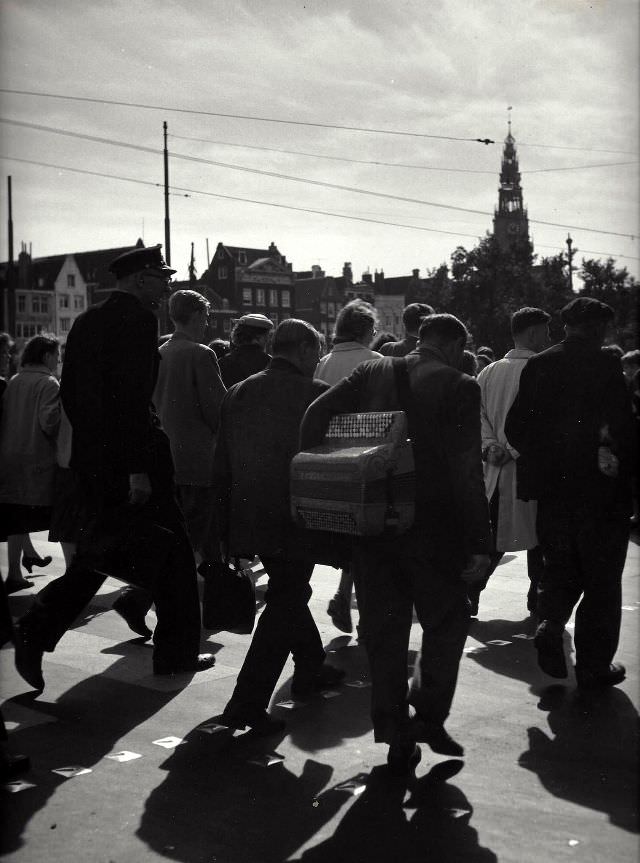
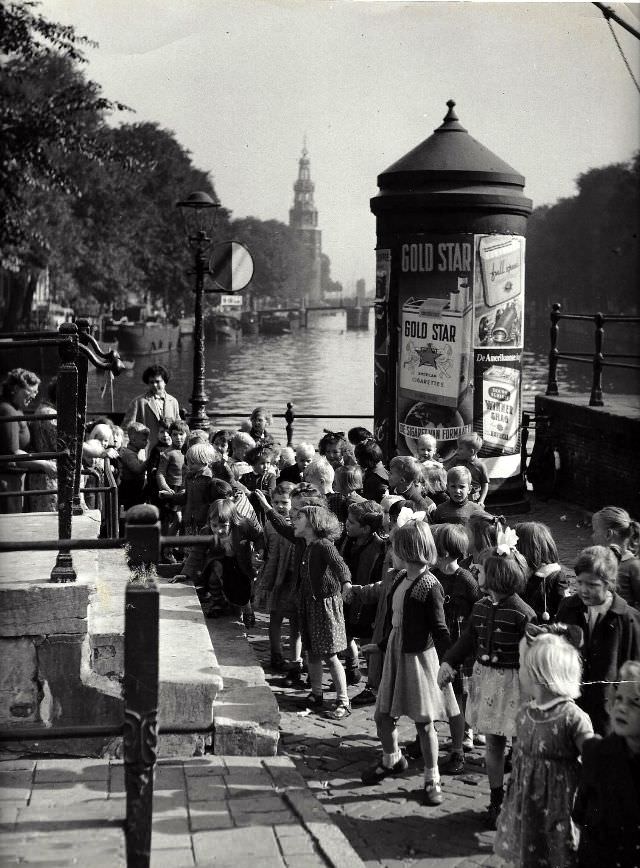
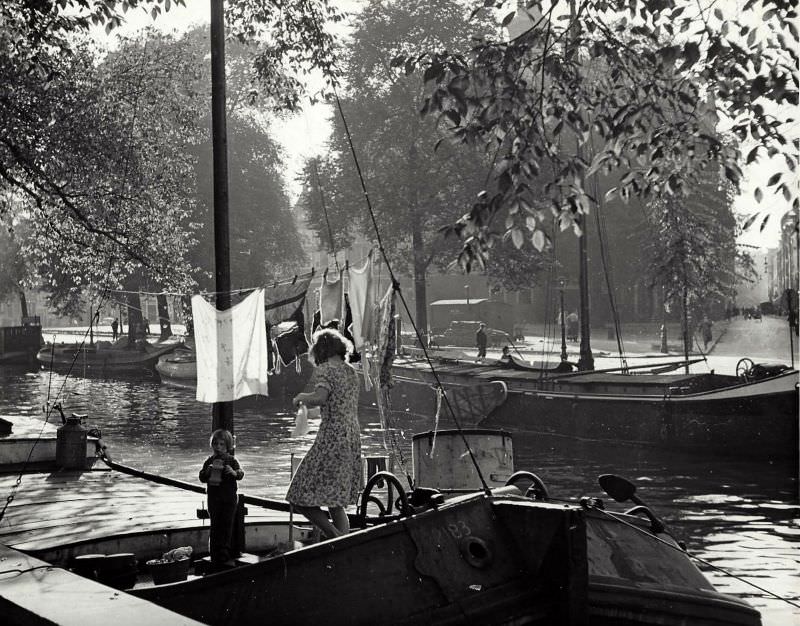
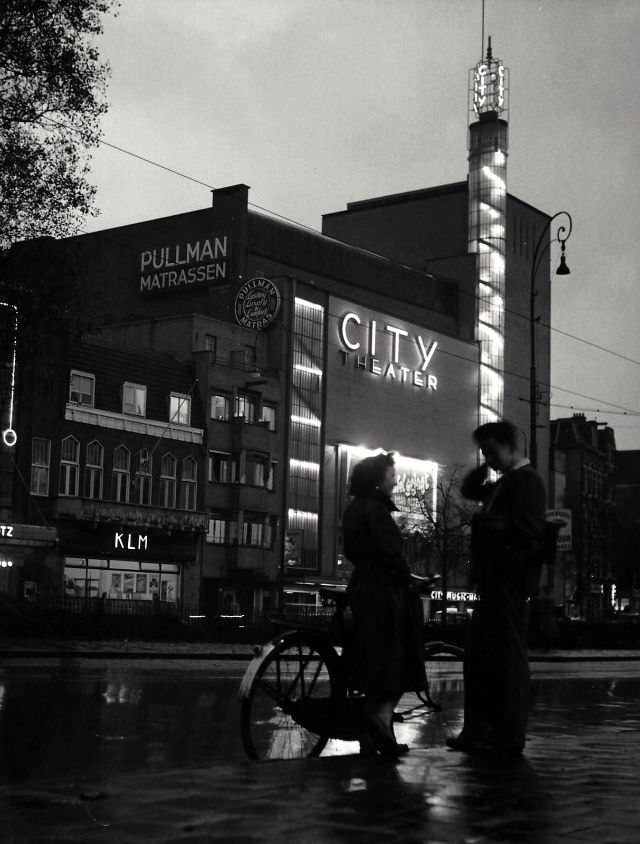
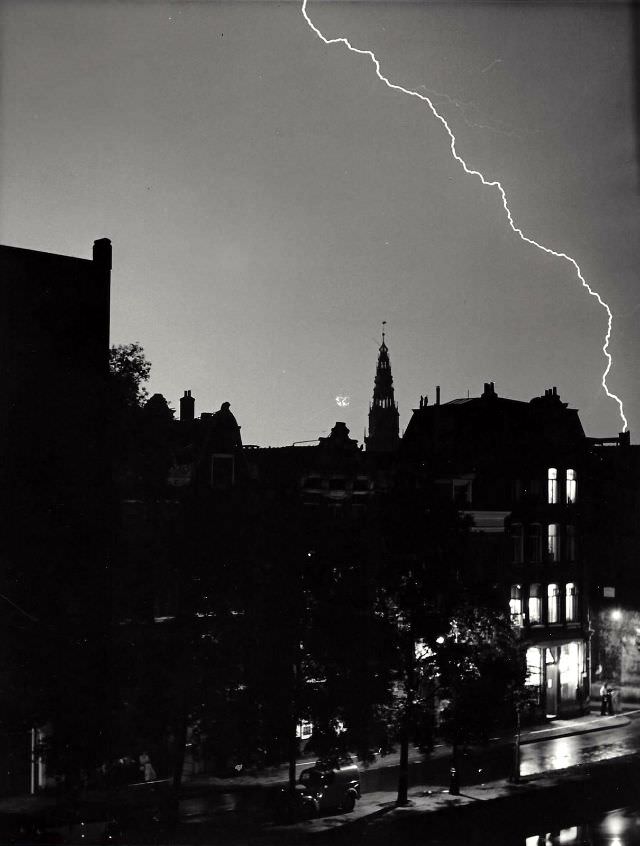
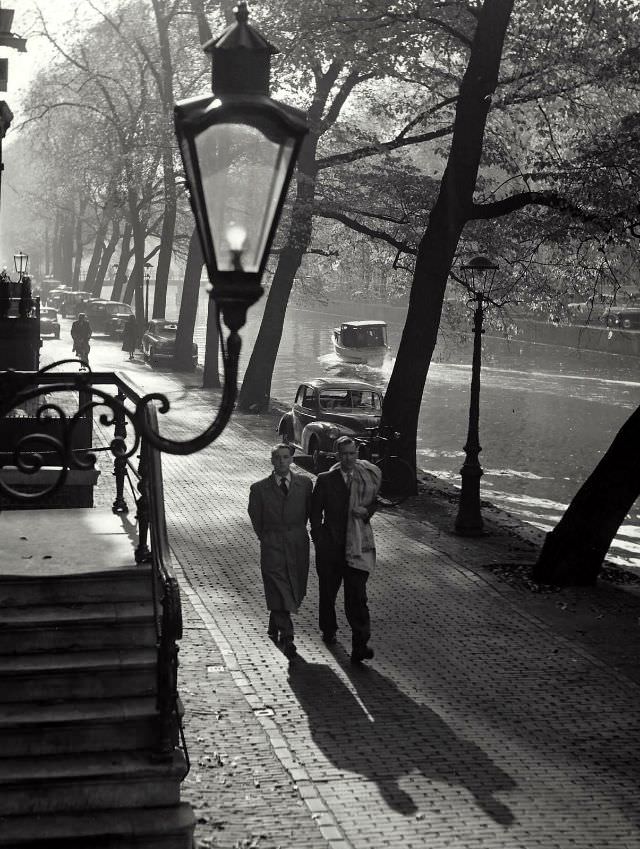
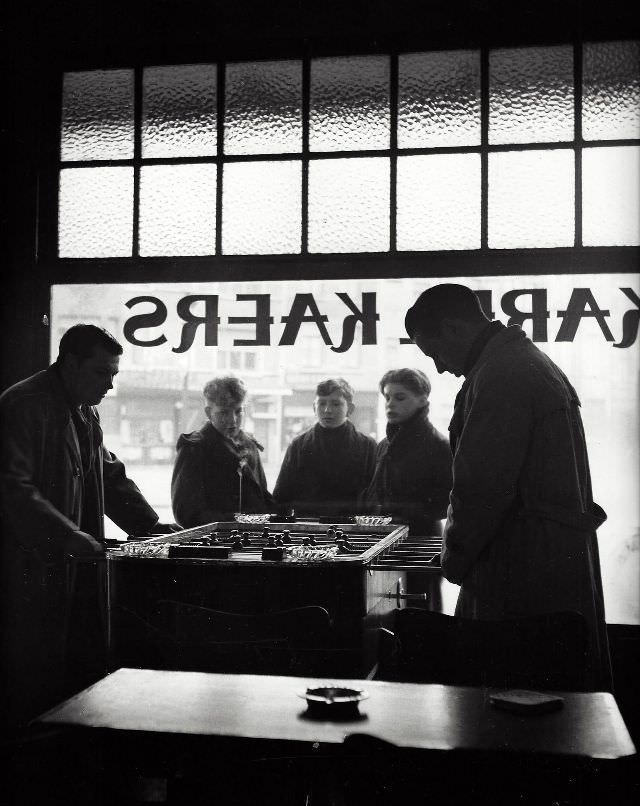
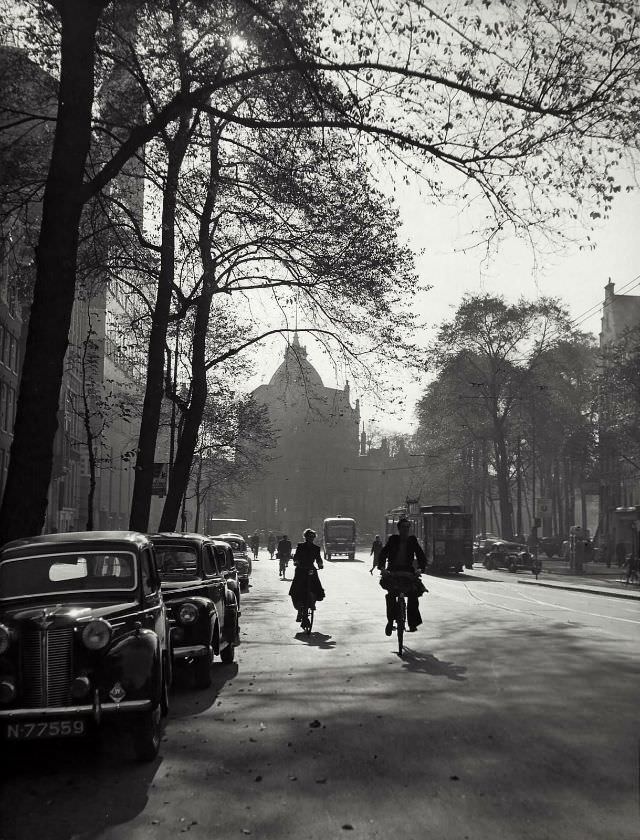
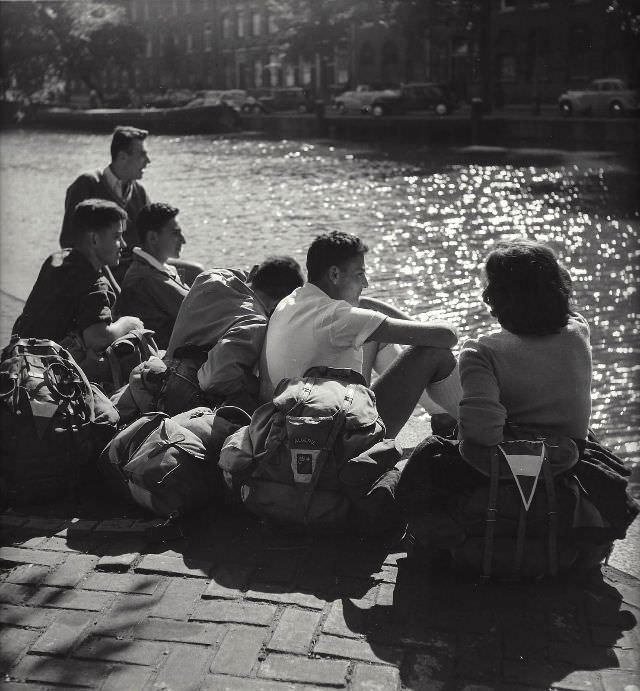
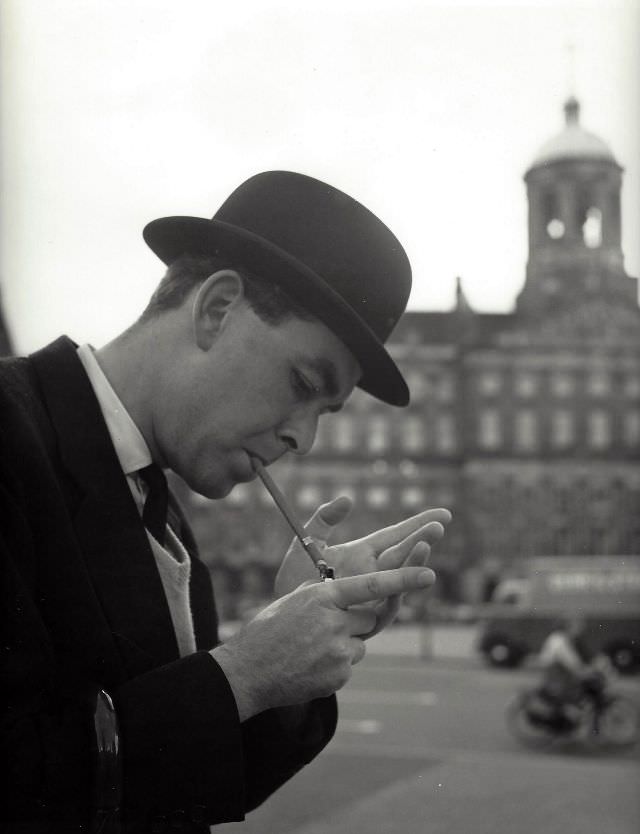
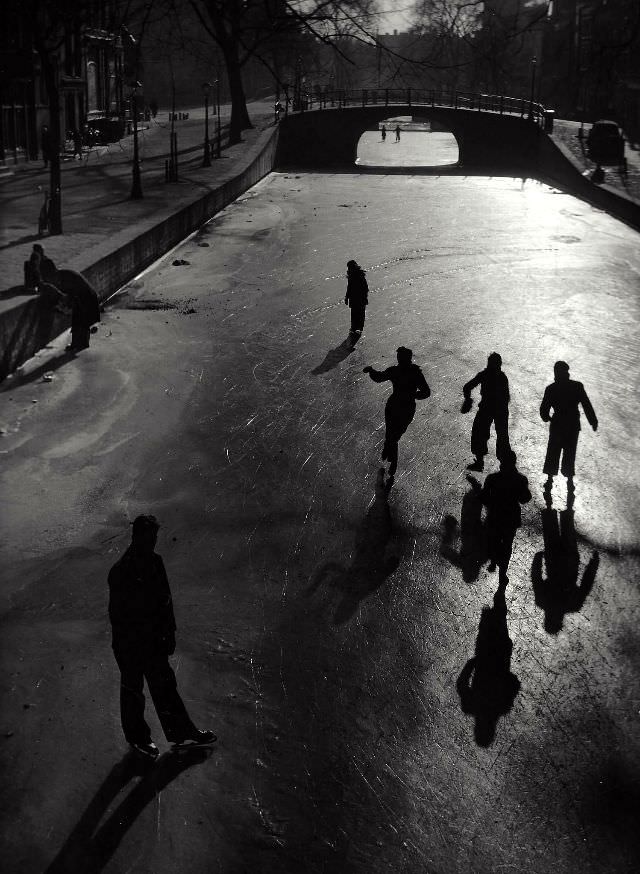
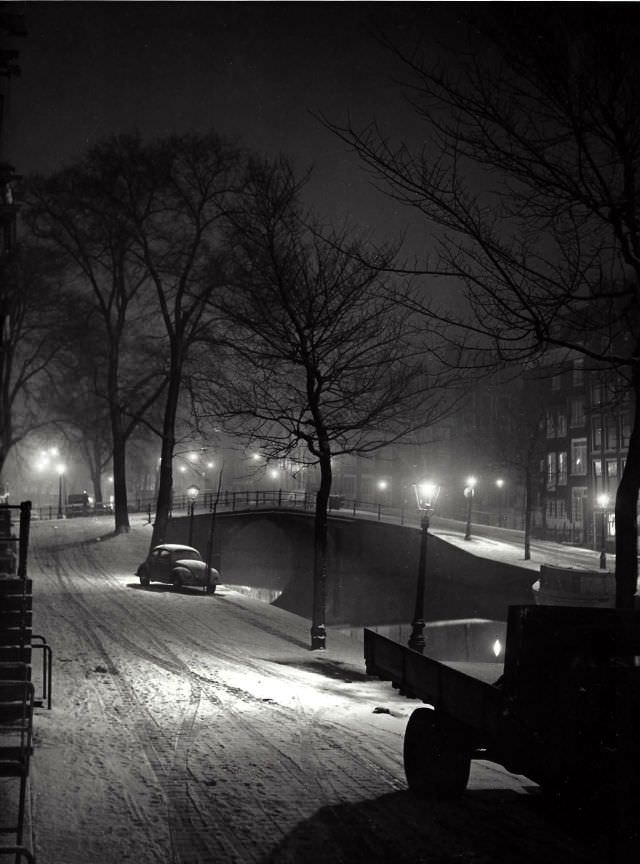
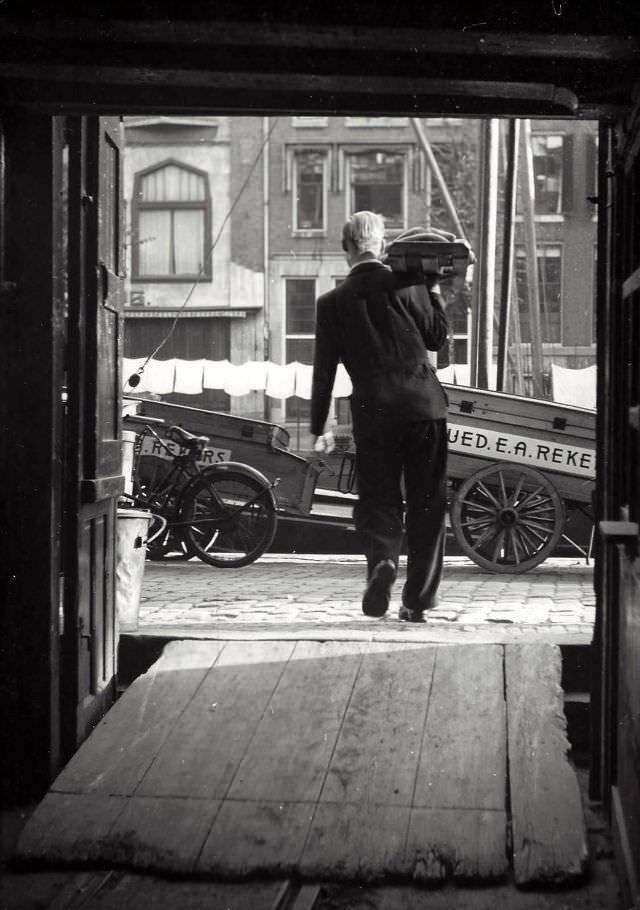
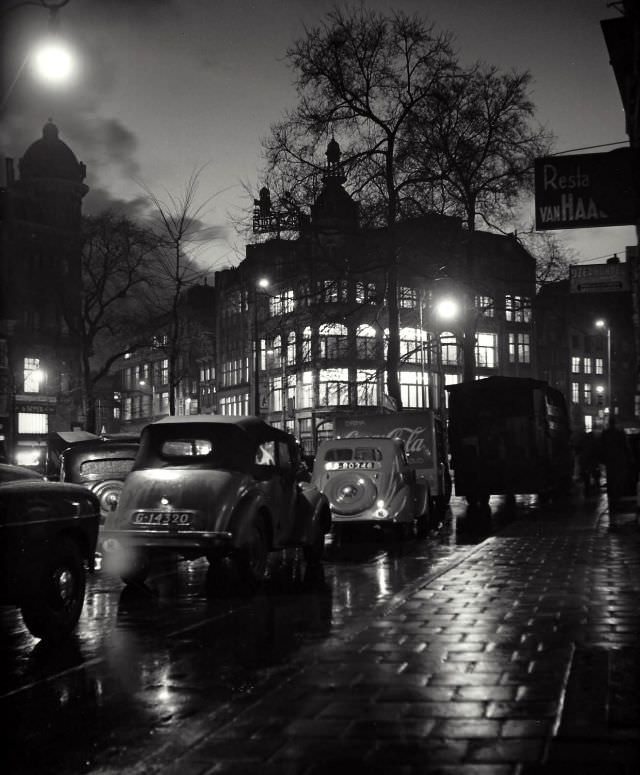
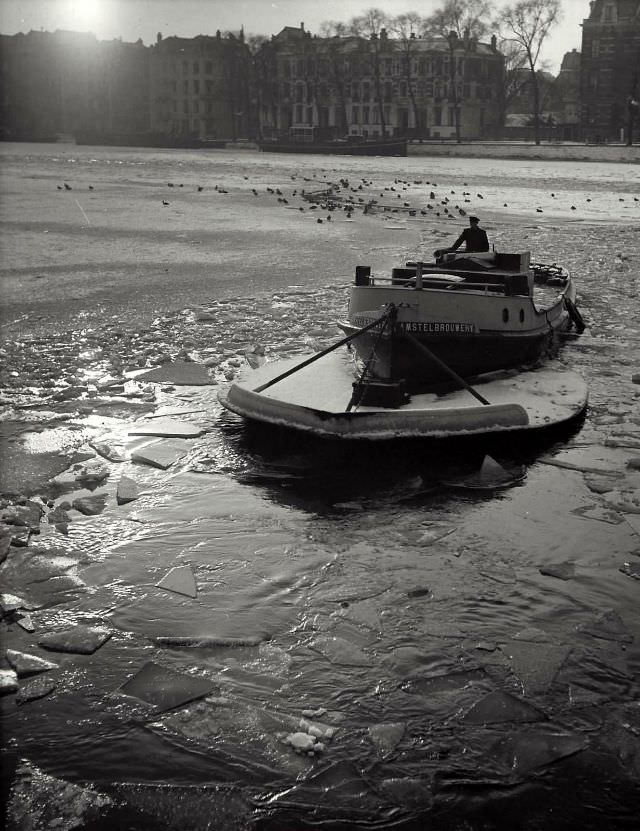
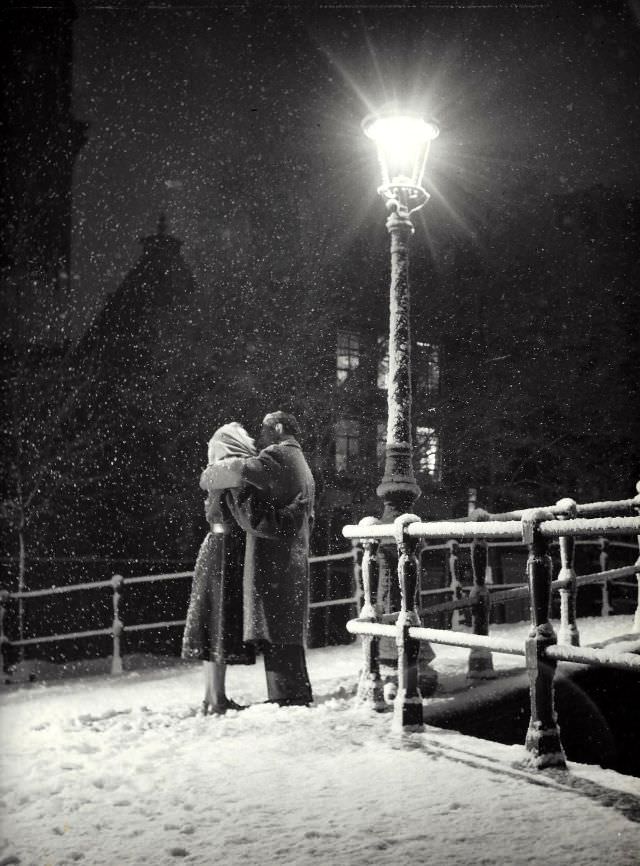
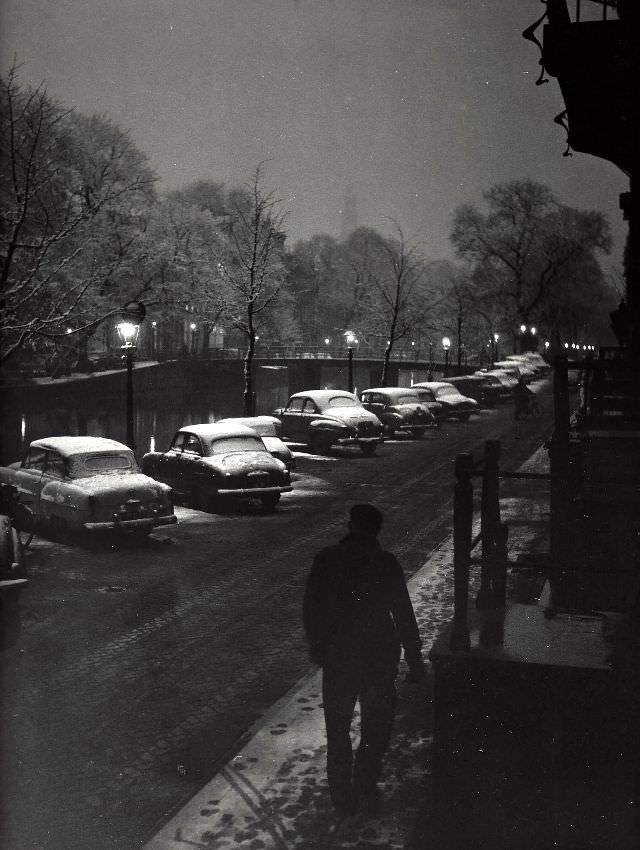
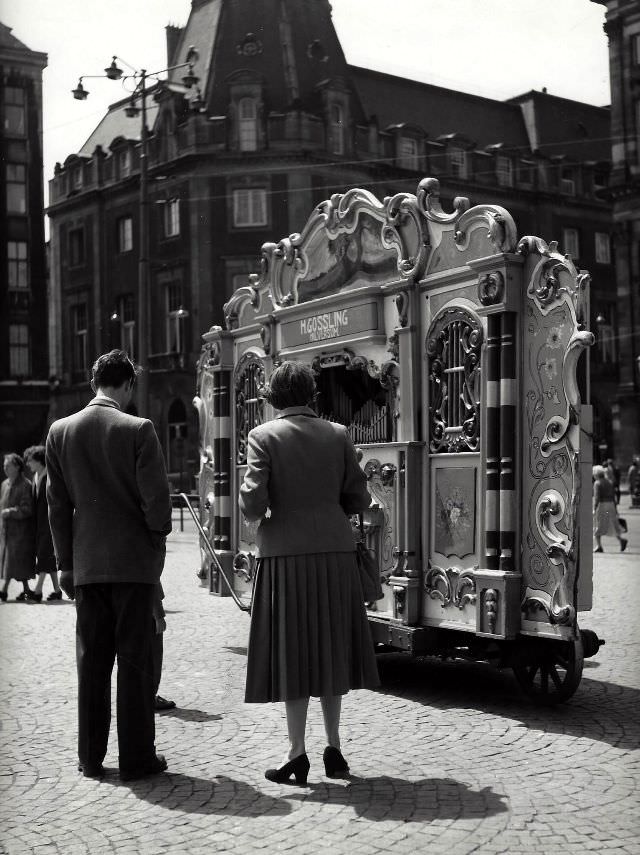
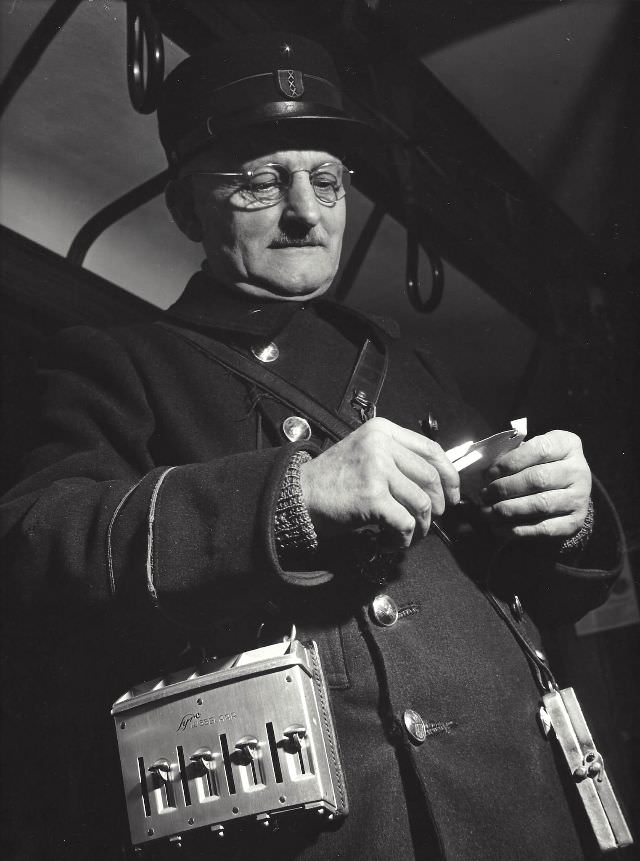
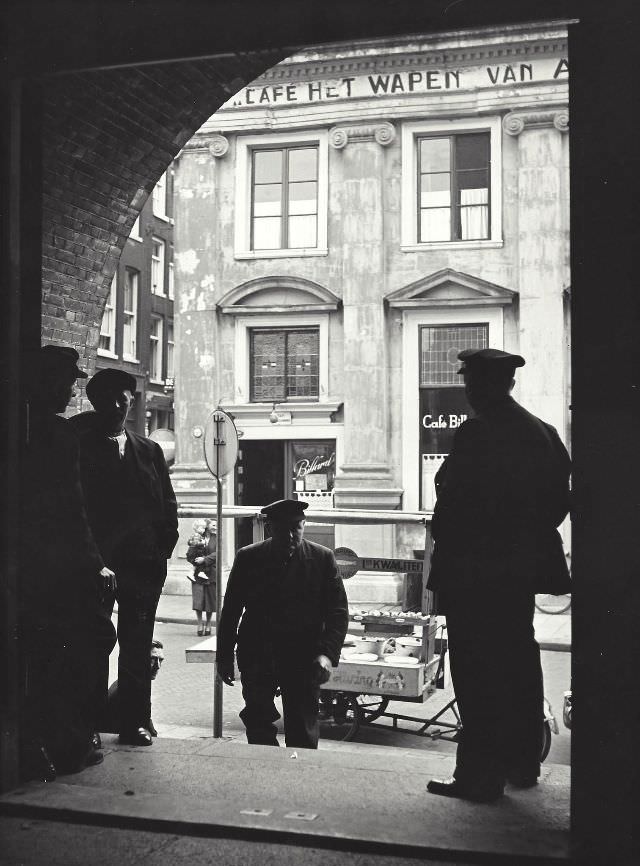
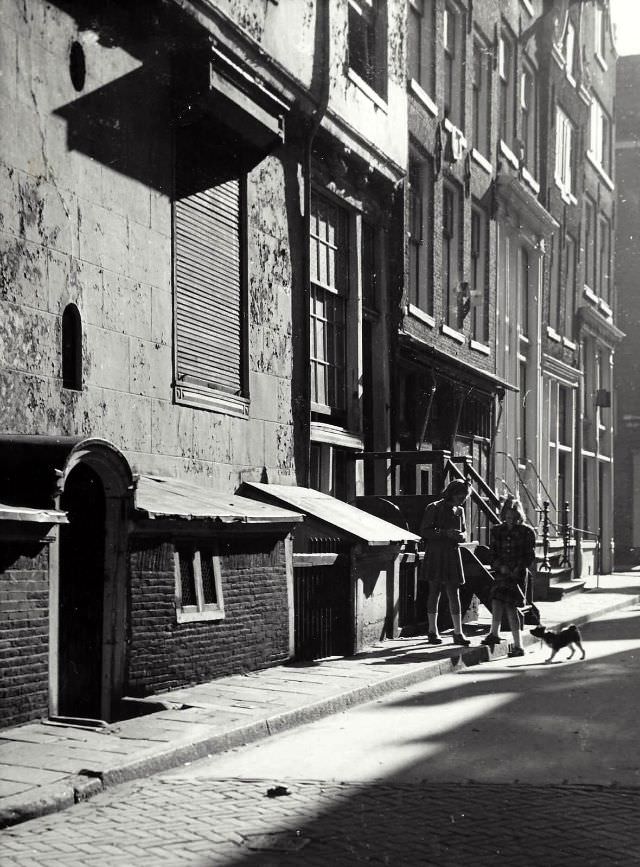
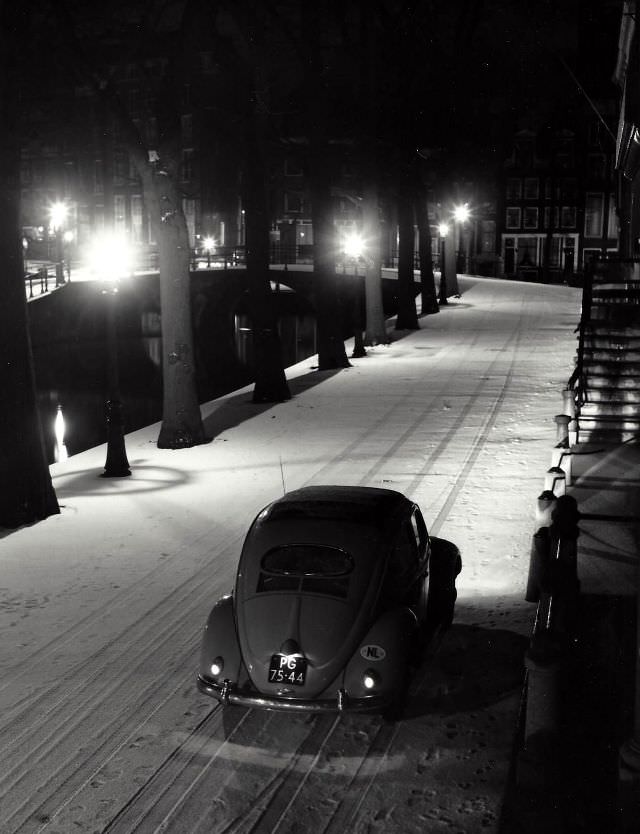
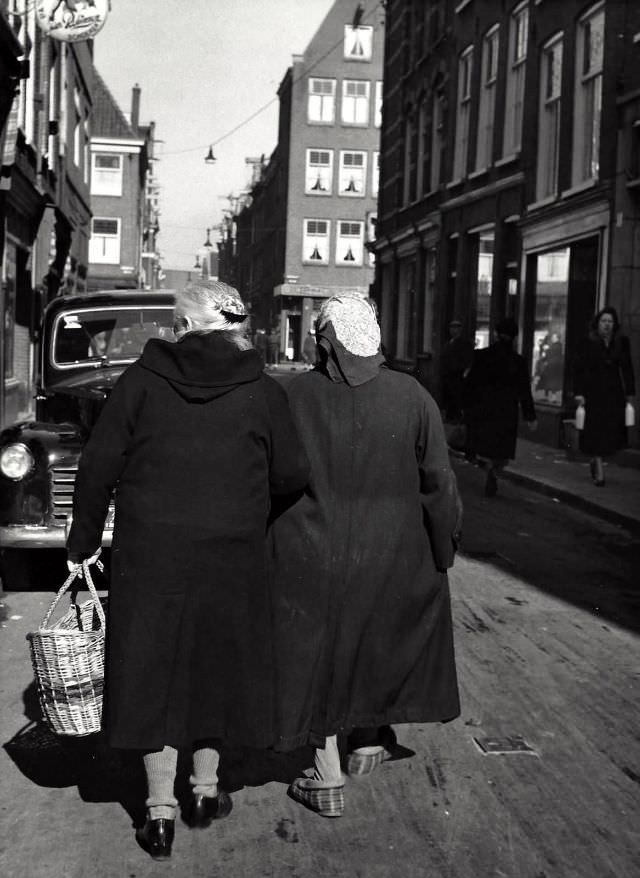
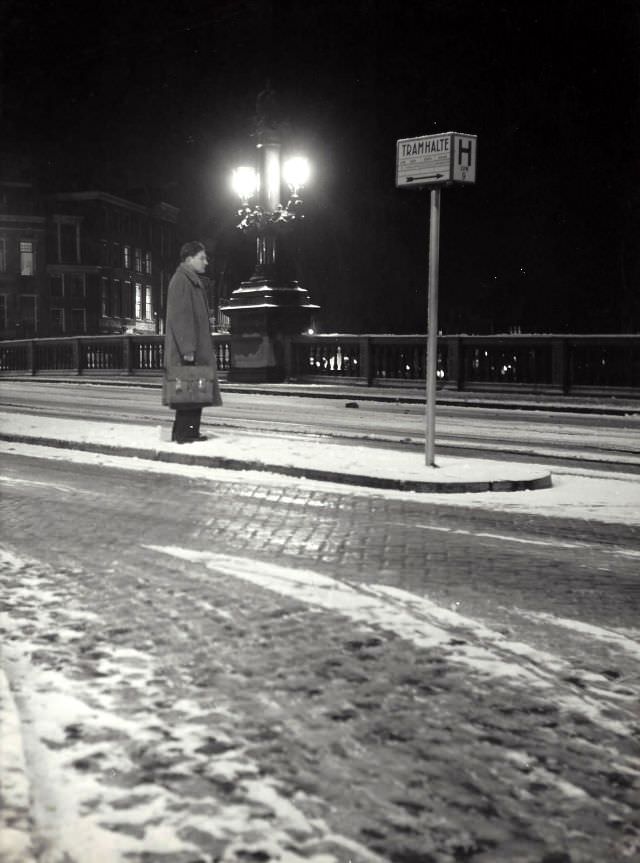
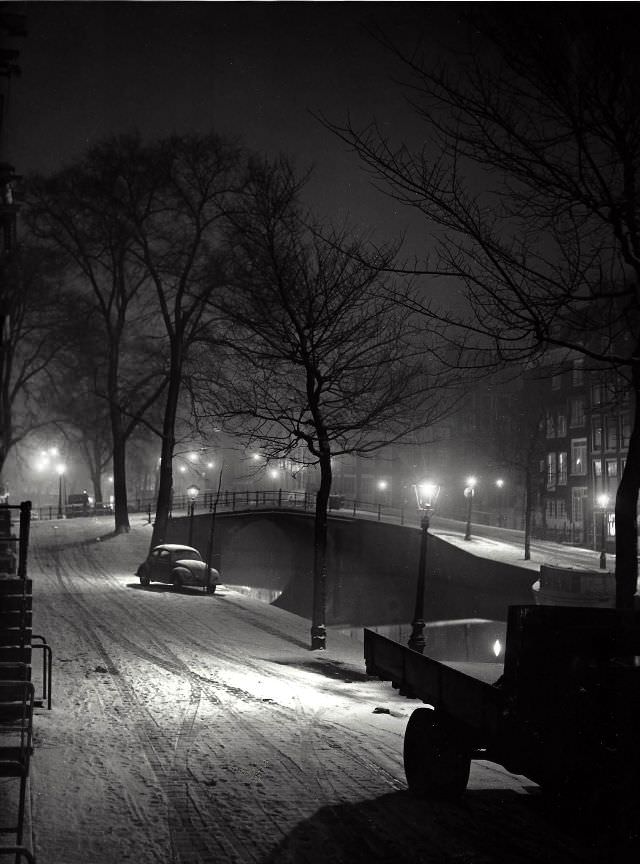
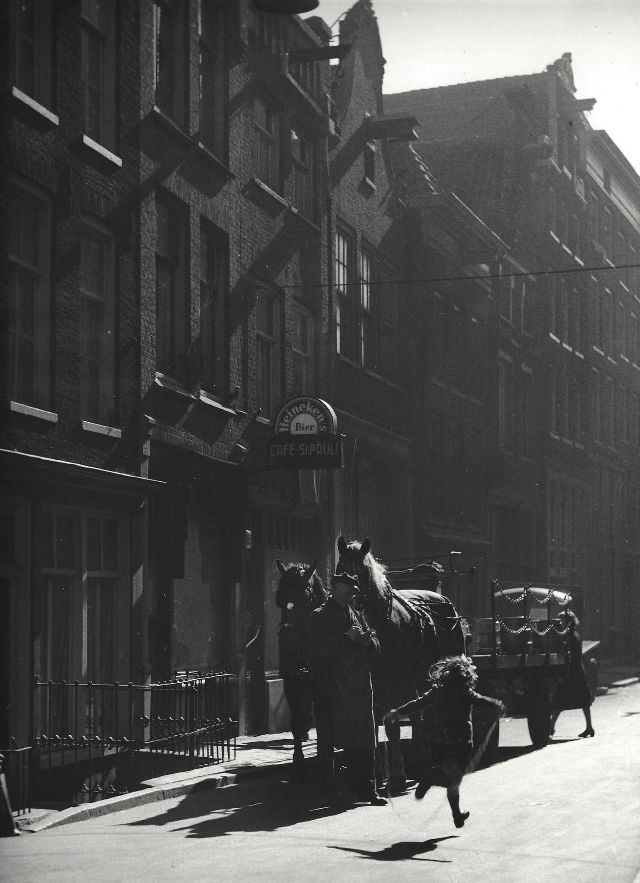
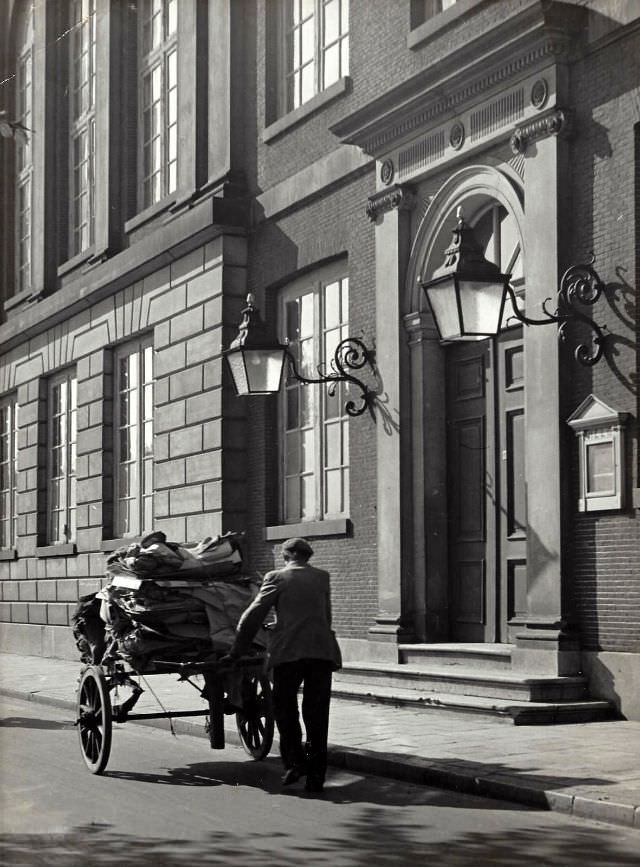
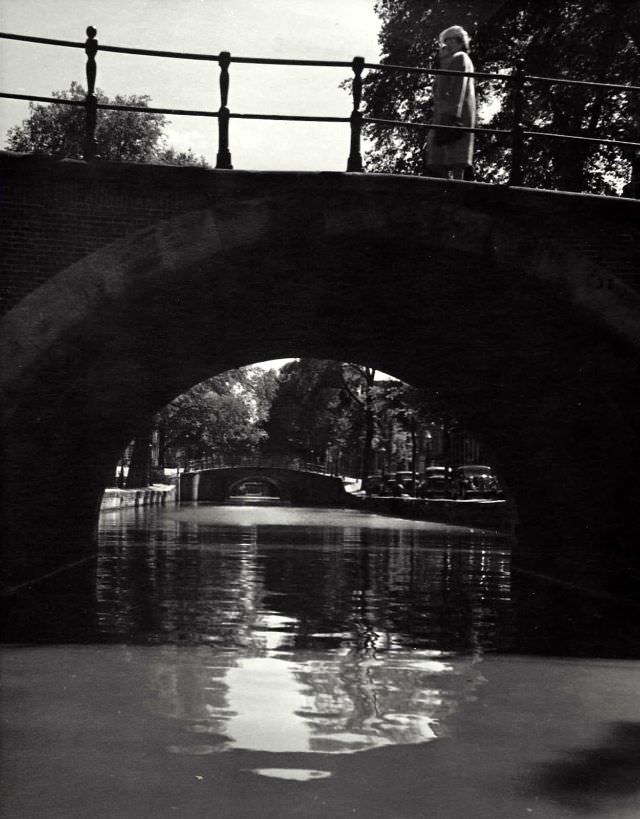
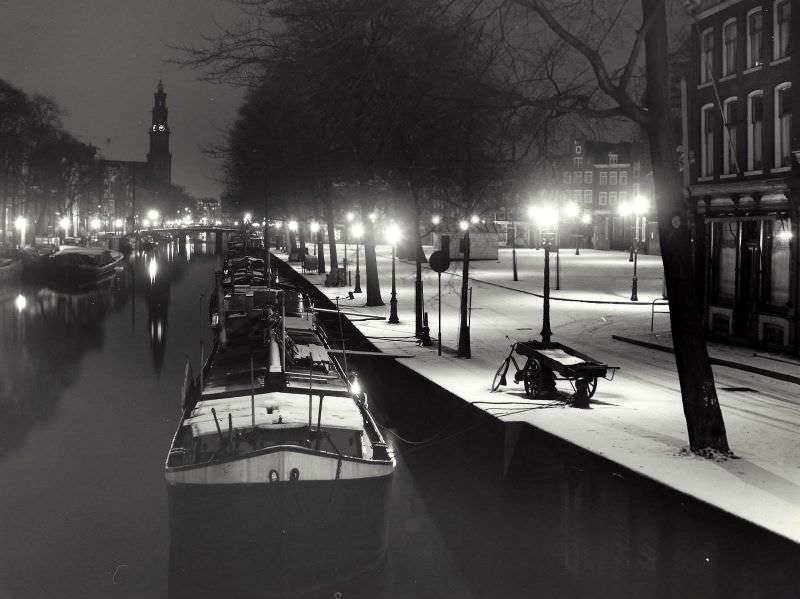
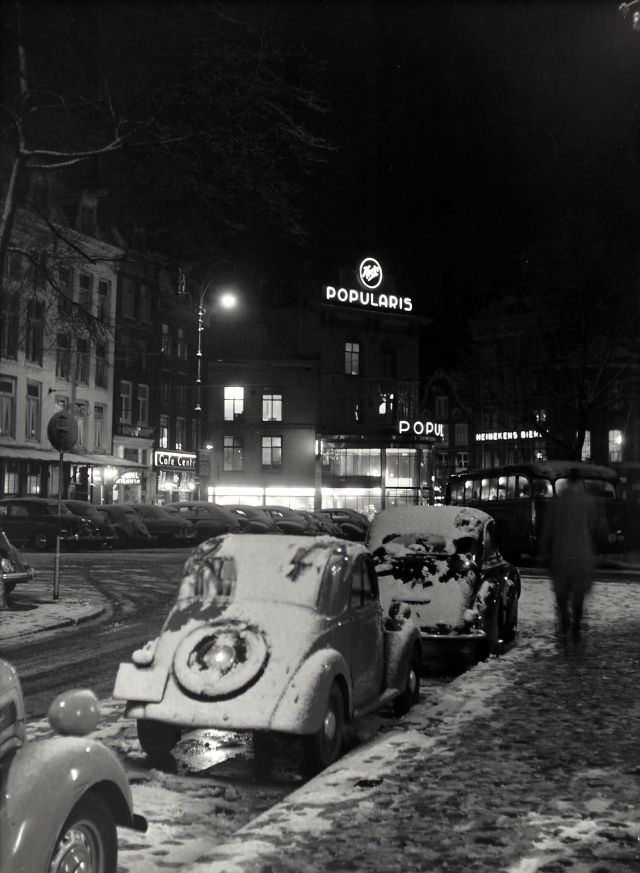
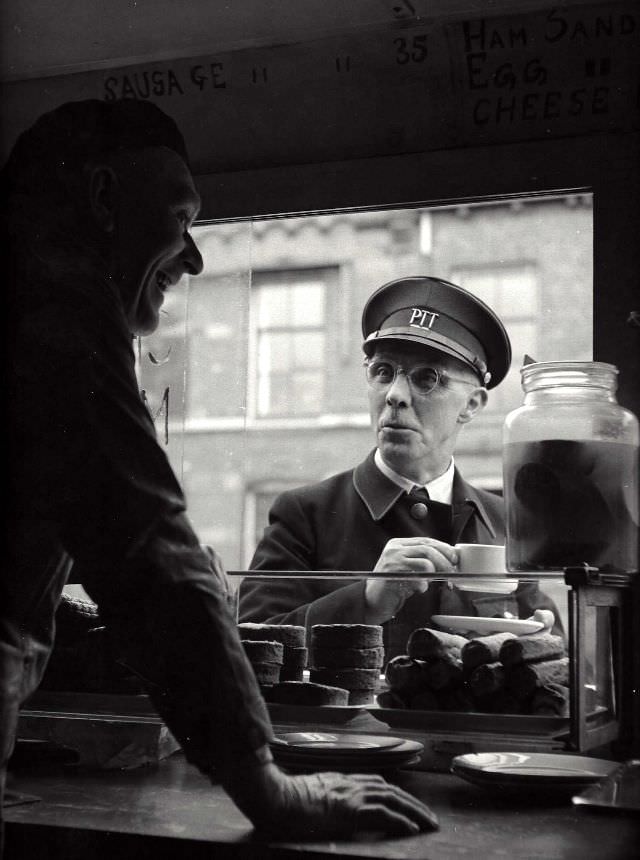
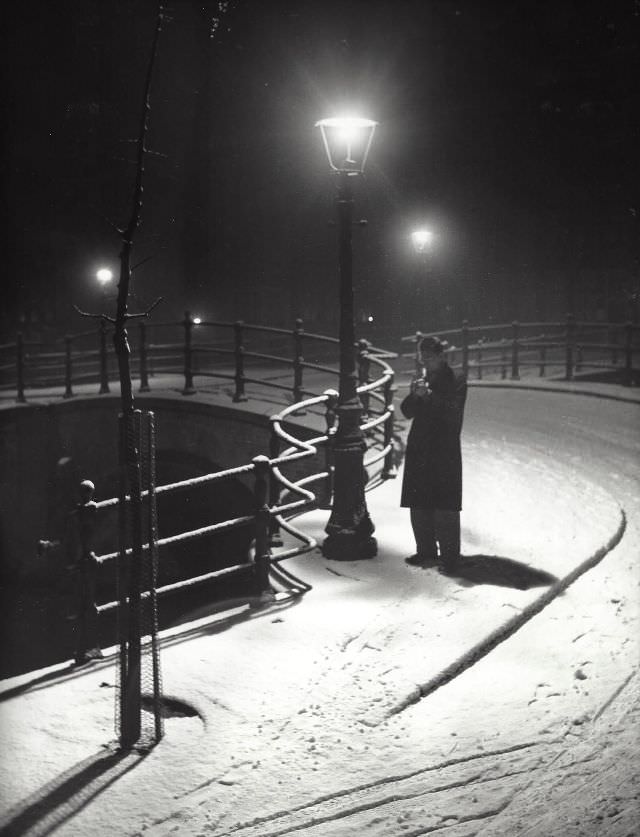
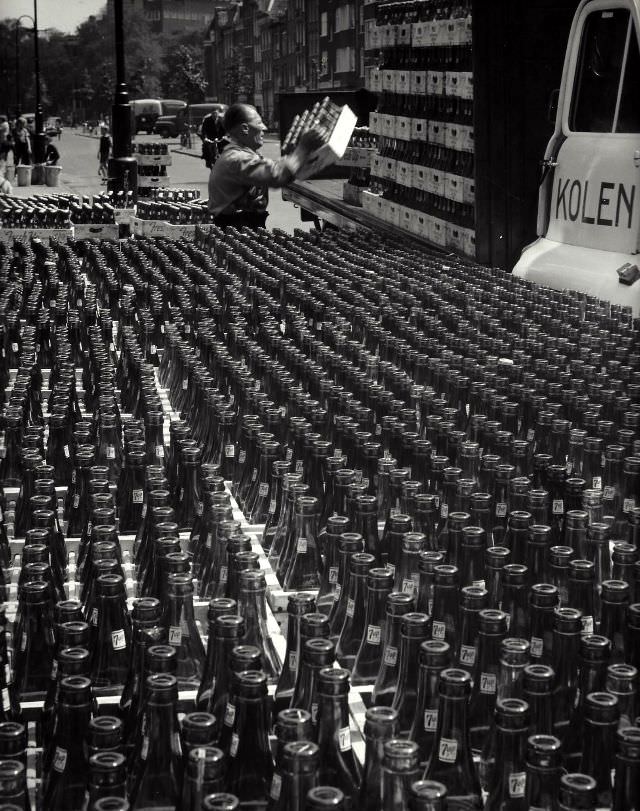
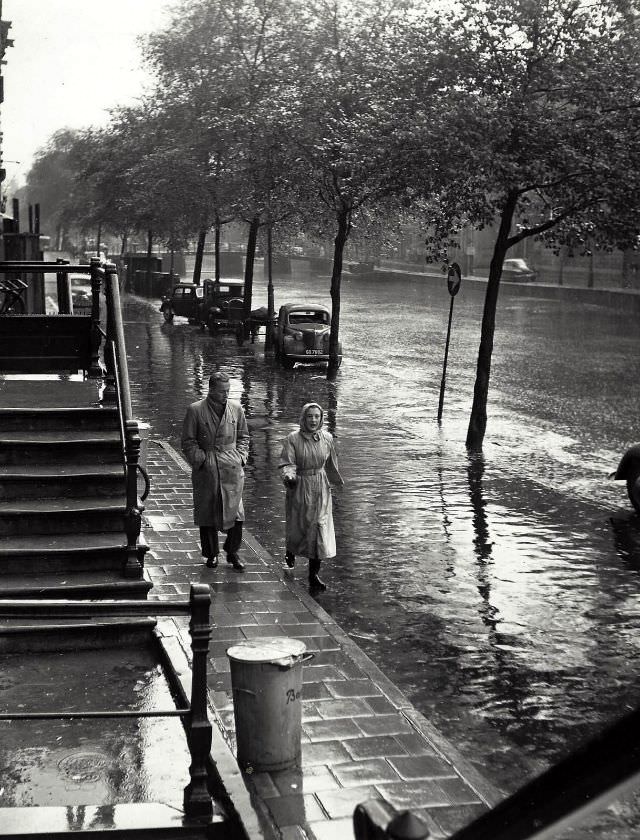
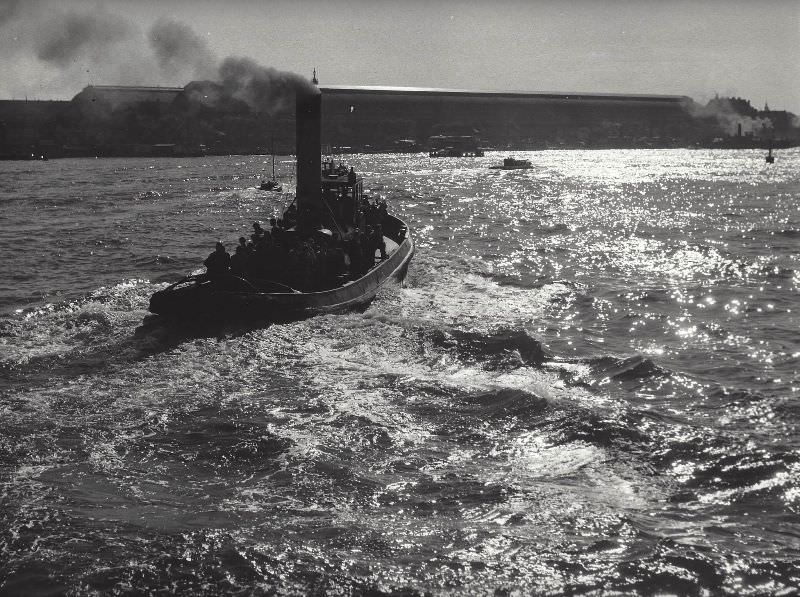
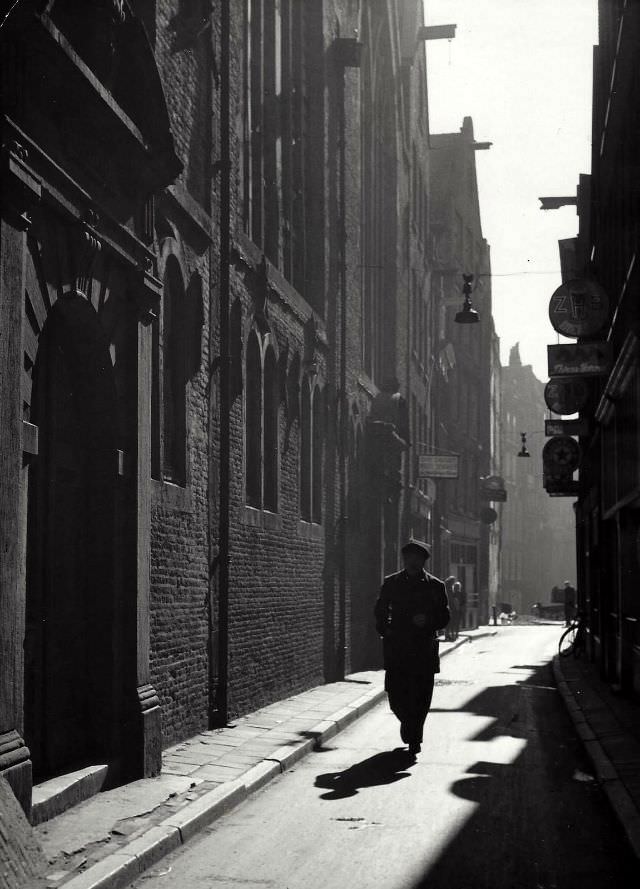
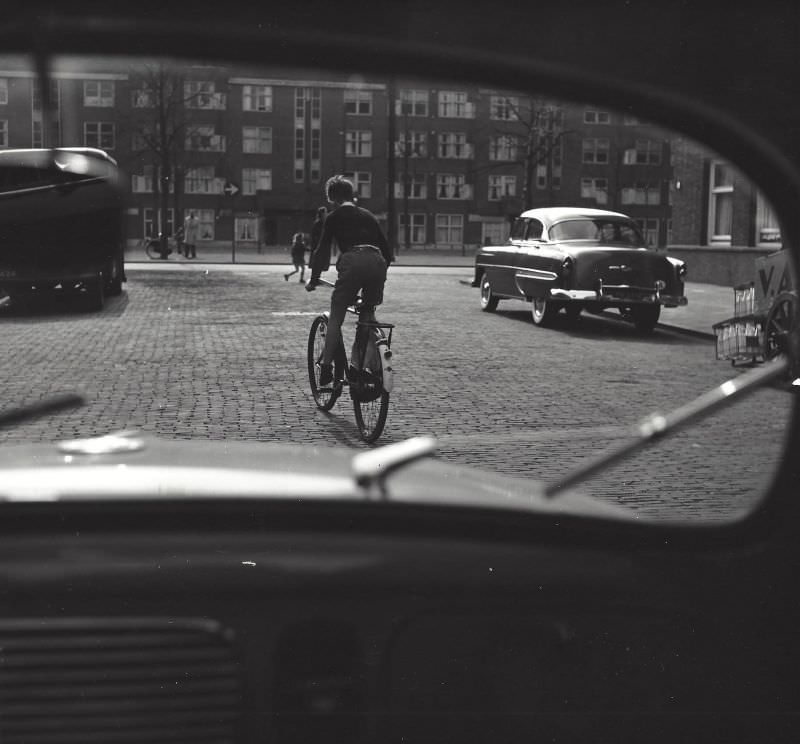
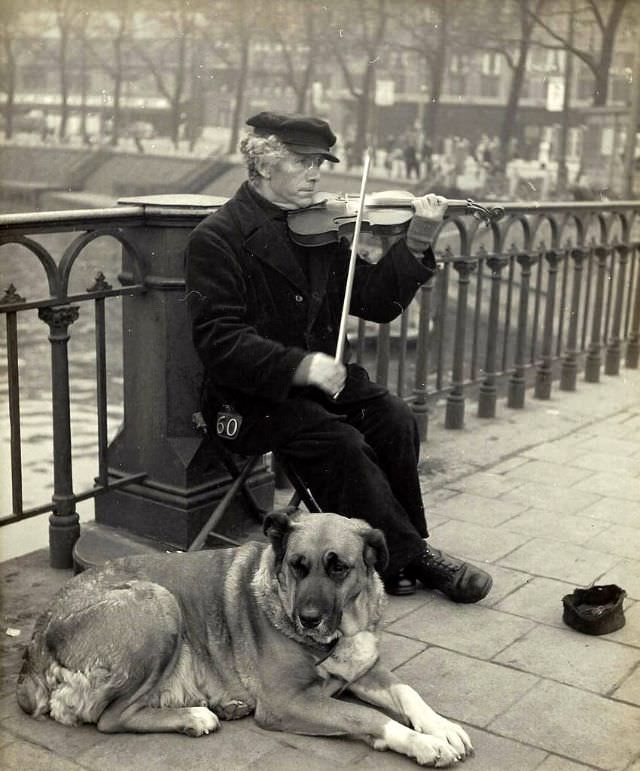
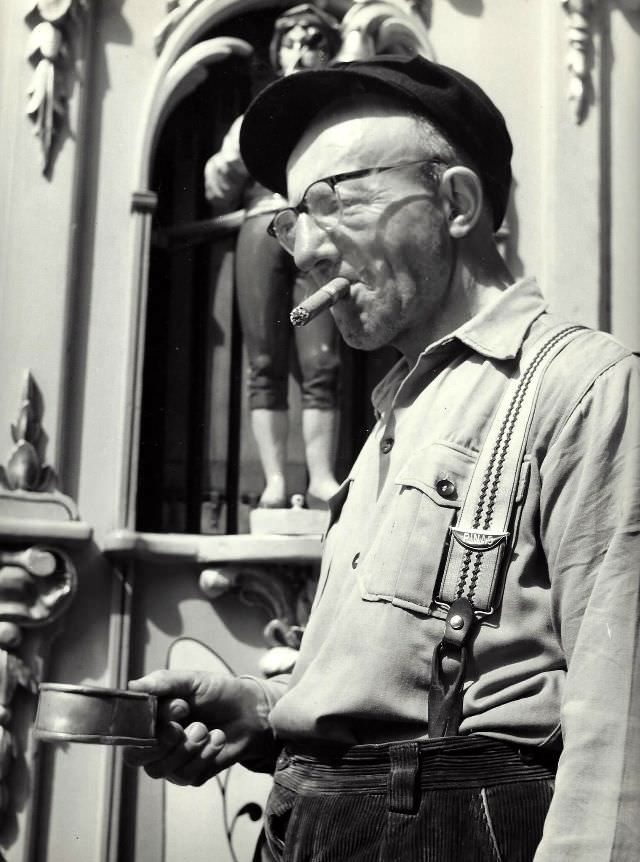
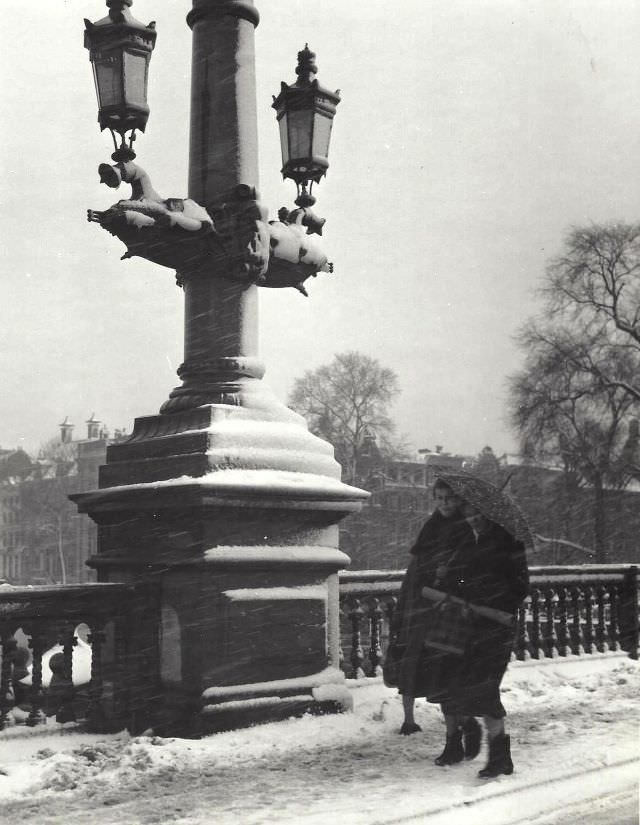
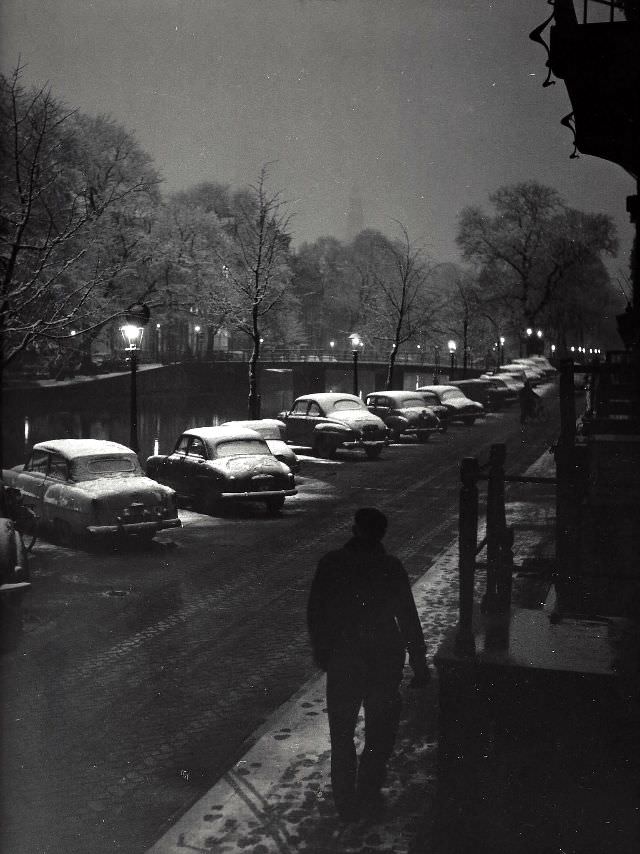
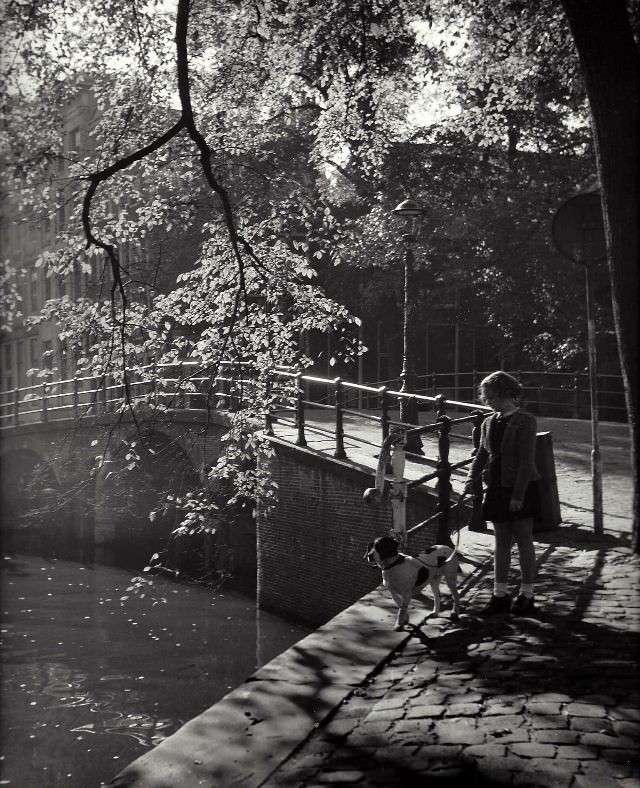
But Amsterdam always held a special place in Scherer’s work. His photographs of the city stand apart from his broader journalism. Mattie Boom, conservator at the Dutch Rijksmuseum, noted that Scherer’s Amsterdam photographs are dominated by backlighting and the interplay of light and shadow. Rather than pushing a message or telling a pointed story, his images make a quiet statement about the nature of things. His work, she wrote, is more poetic than anecdotal.
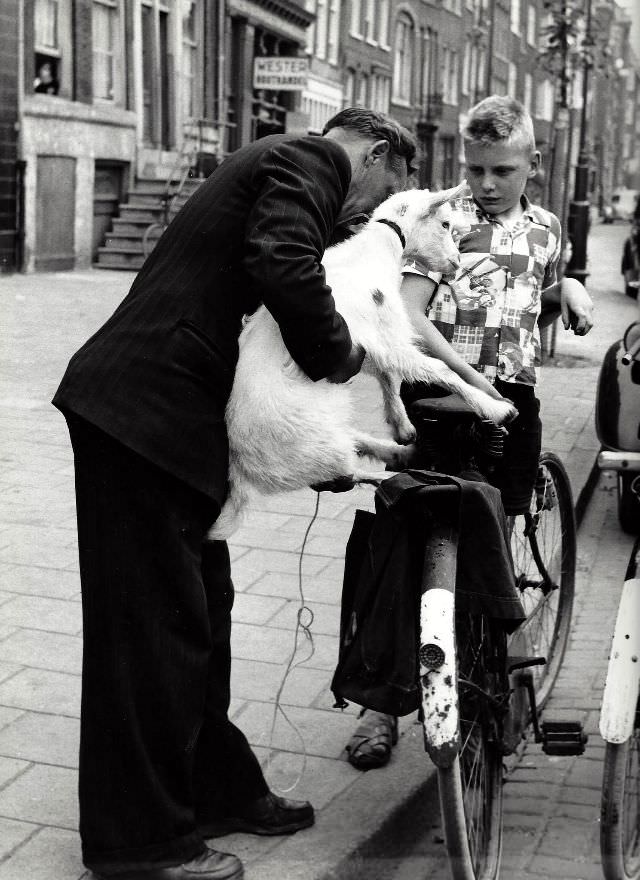
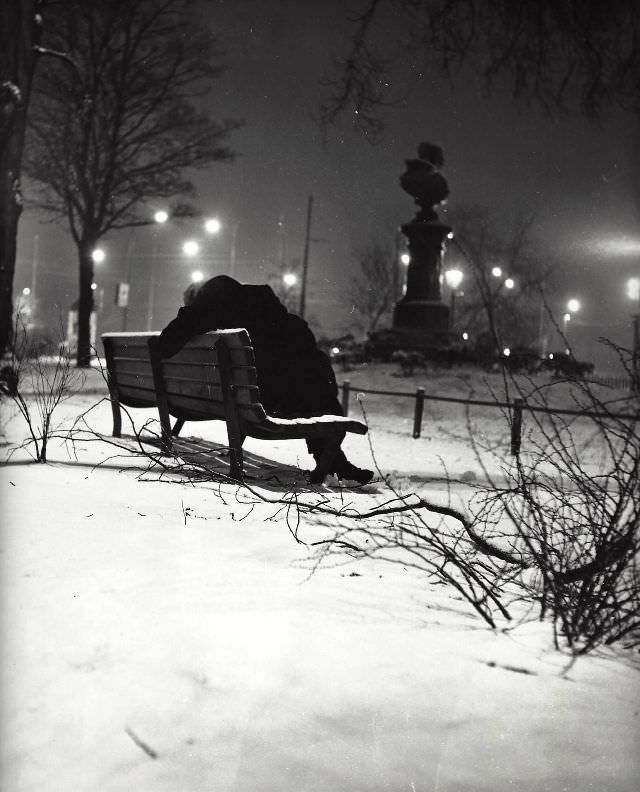
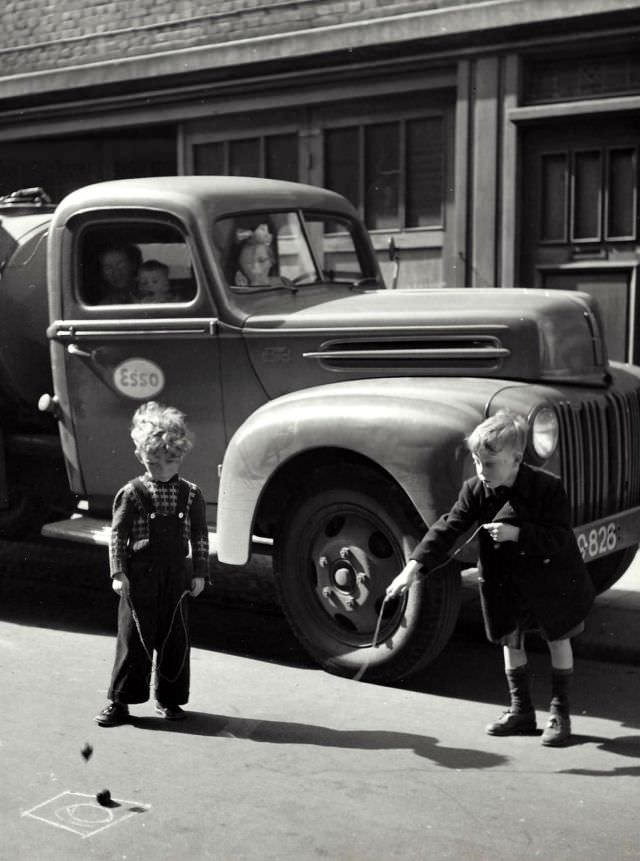
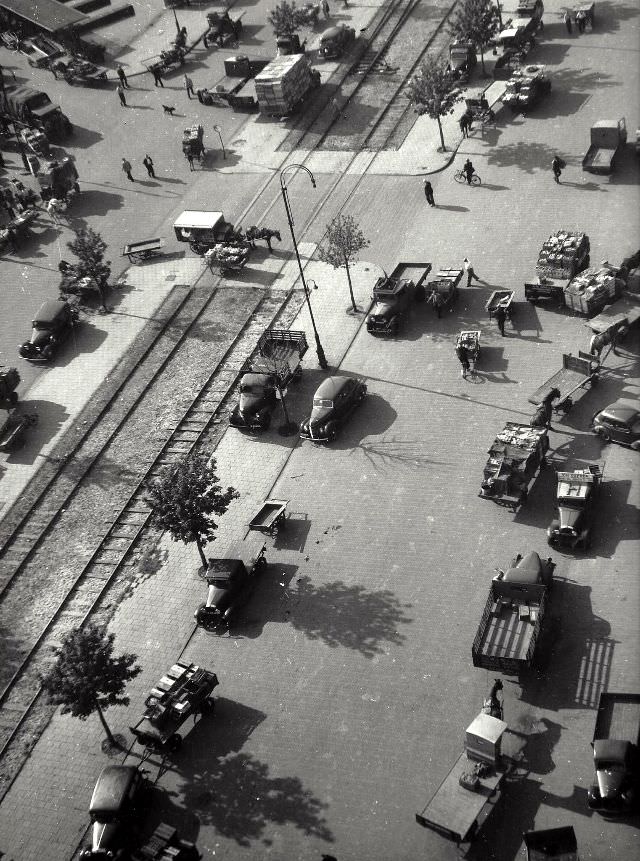
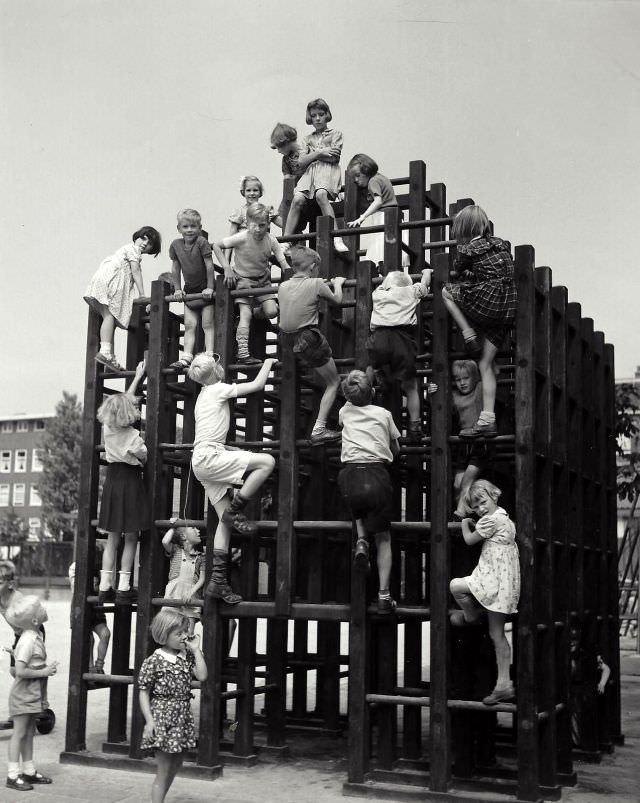
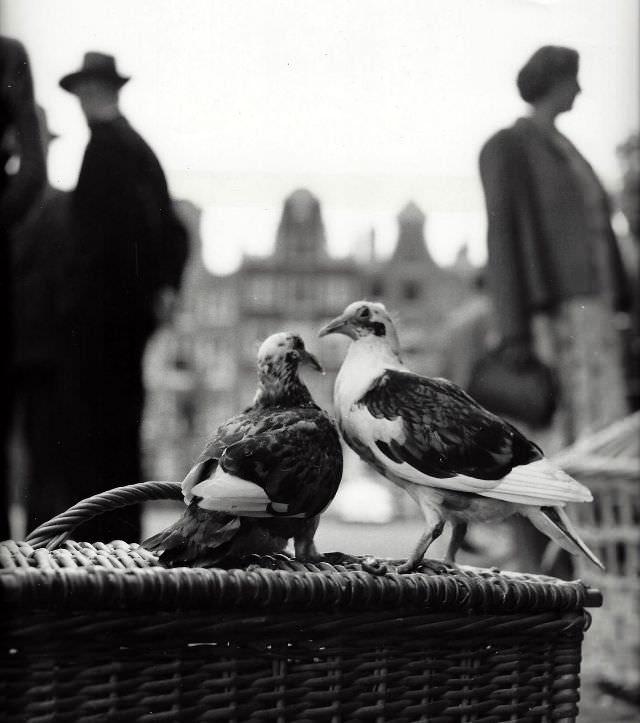
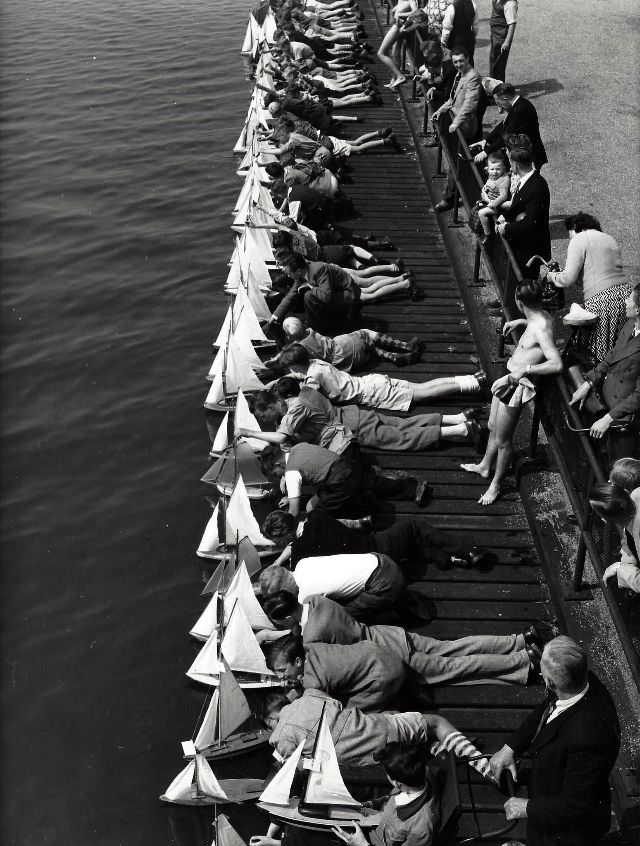
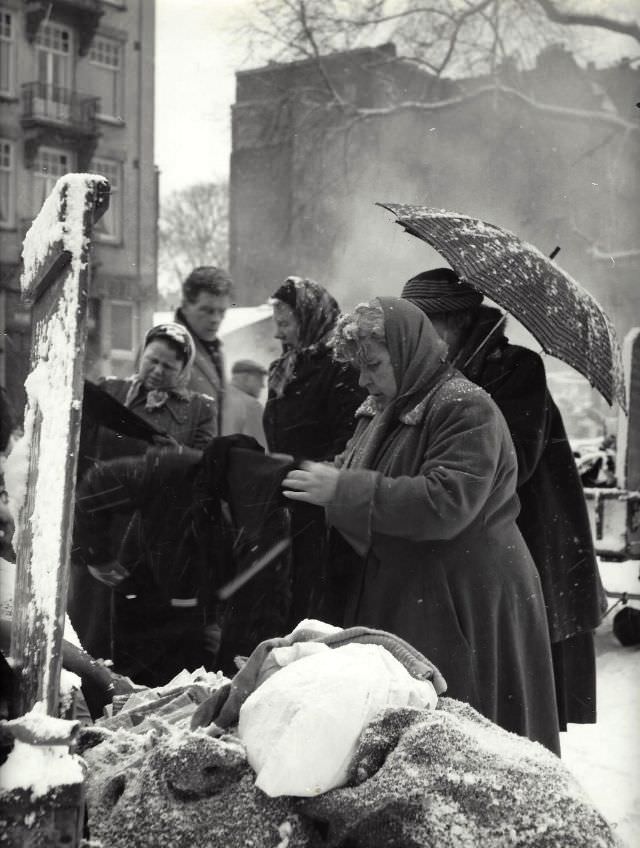
Scherer was drawn less to what his subjects were doing and more to how light fell across them. A bicycle propped against a canal railing, children playing near a bridge, vendors at an outdoor market — in his hands, each became a study in tone and texture. He was exploring photography as a medium in its own right, not simply using it as a tool to record events.
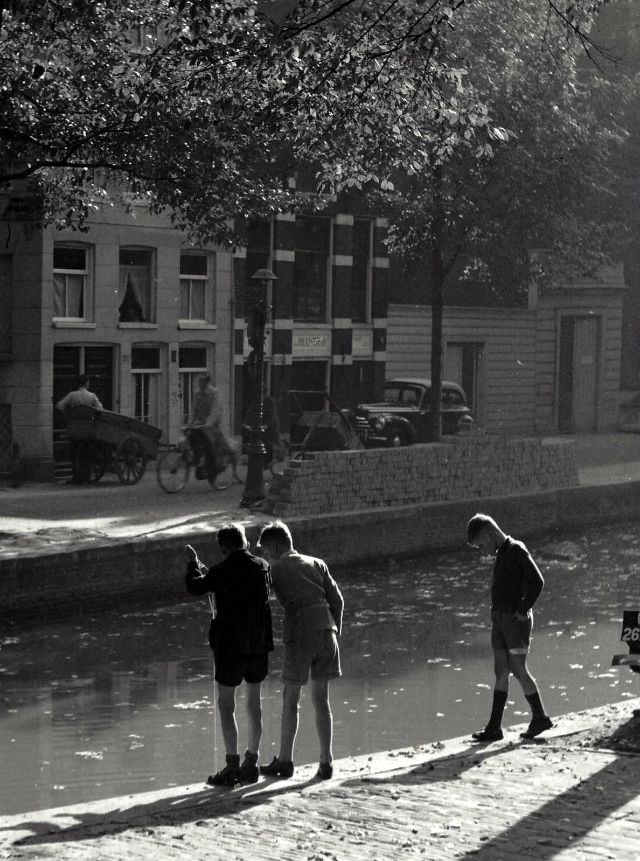
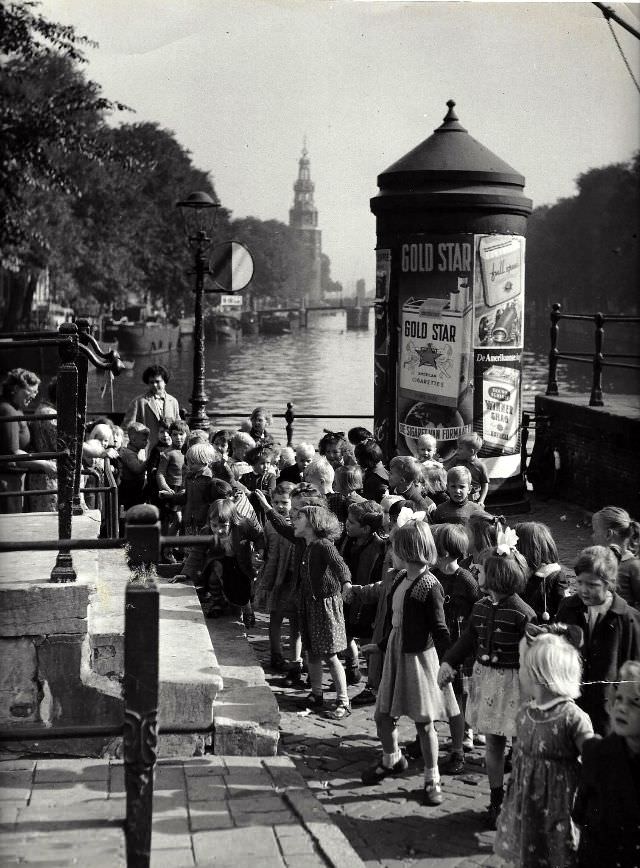
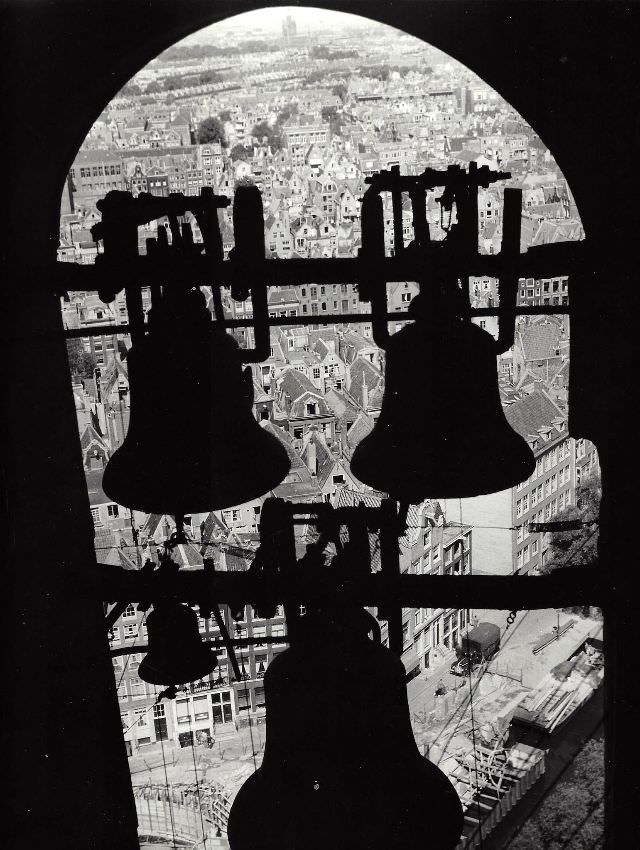
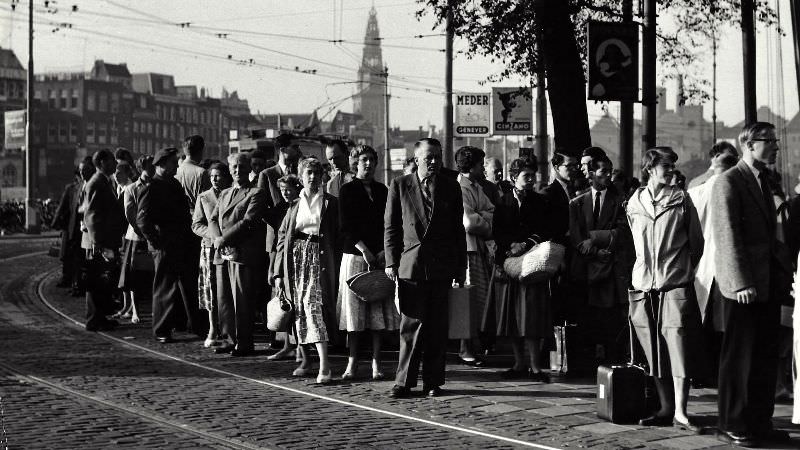
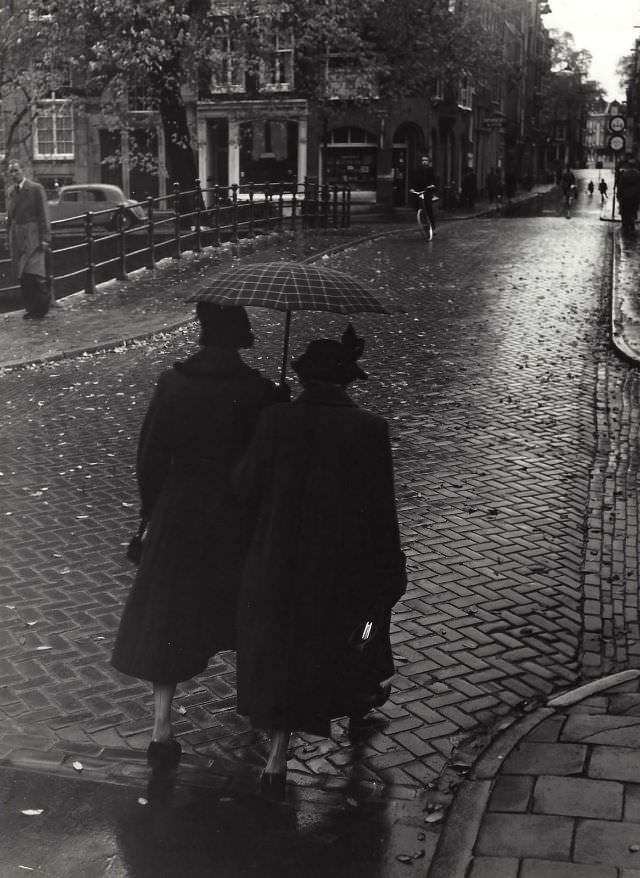
The Amsterdam he captured was one of narrow streets and open skies, of working people and quiet corners. The postwar decade brought real change to the city, but the everyday scenes — the canal reflections, the busy tram stops, the neighborhood life of the Jordaan — carried a timeless quality in his photographs.
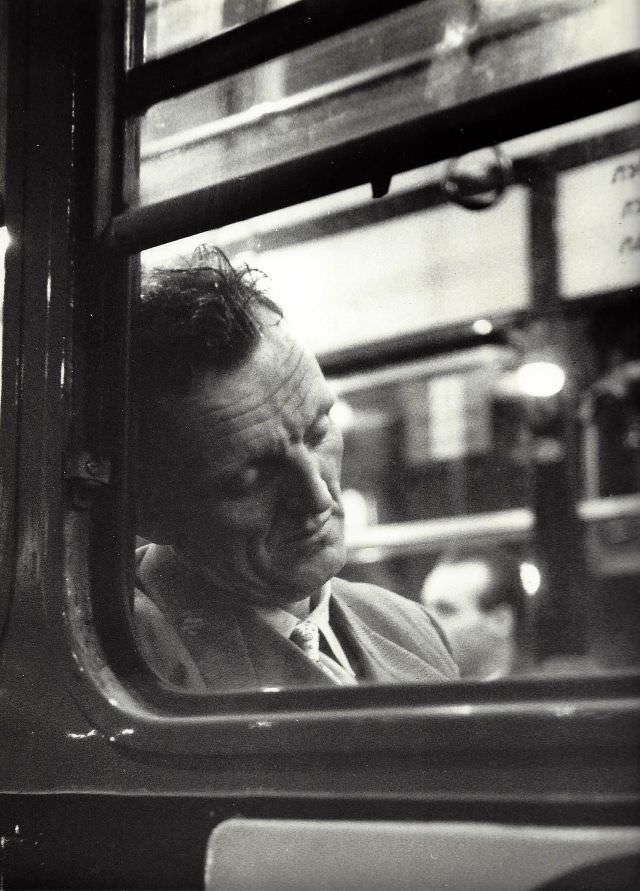
Scherer’s career came to an abrupt end on the same day his book Zuiderzee, dood water, nieuw leven was released. He suffered a stroke that day and never spoke, wrote, or took photographs again. He died on January 19, 1993, at Het Zonnehuis hospice in Amstelveen.
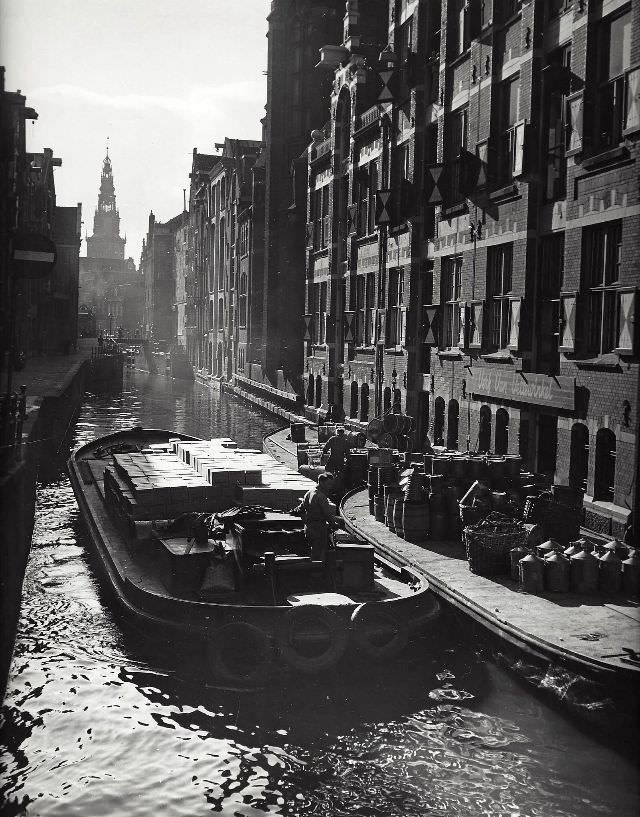
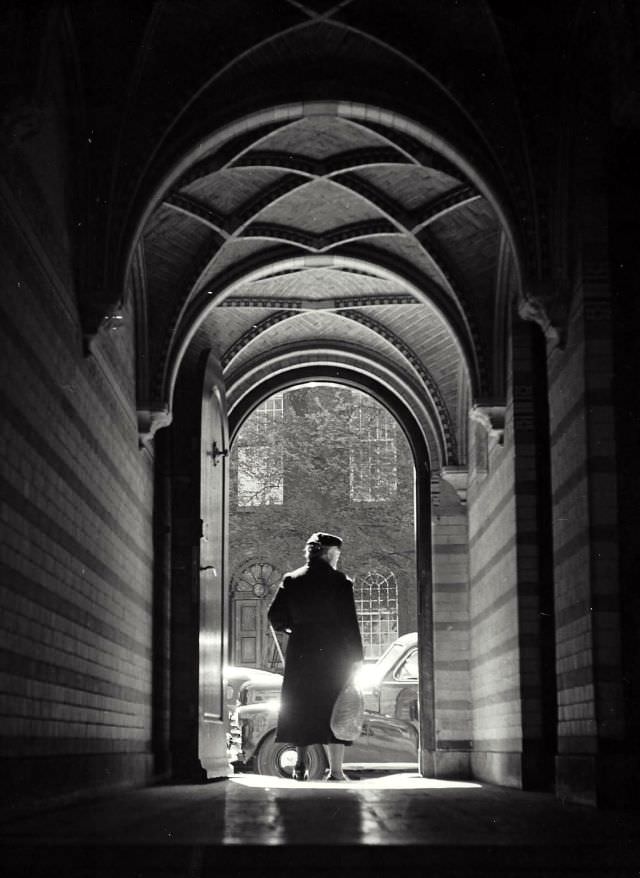
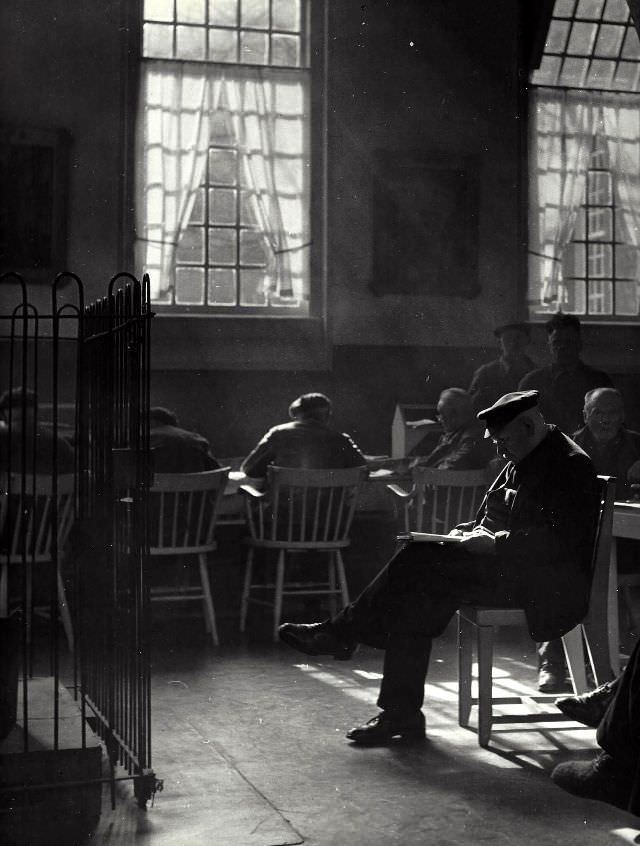
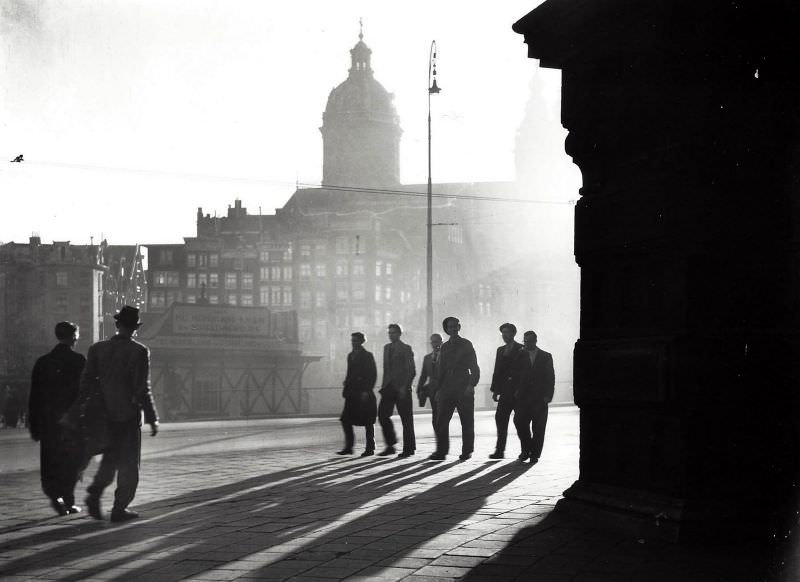
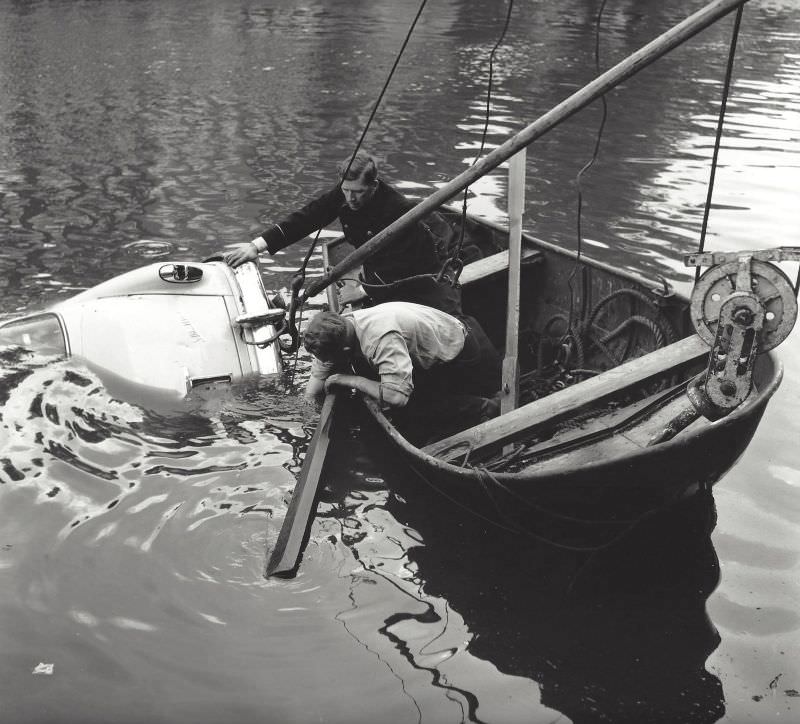
The photographs collected here offer a direct window into Amsterdam’s streets, neighborhoods, and daily life during the 1950s. Each frame reflects Scherer’s instinct for light and his deep familiarity with the city where he was born and raised.