In the 1940s, Hollywood was building stars as fast as factories were building warships. Few rose as quickly — or as brilliantly — as Elizabeth Taylor. She arrived at MGM as a child and, within a few short years, became one of the studio’s most photographed faces.
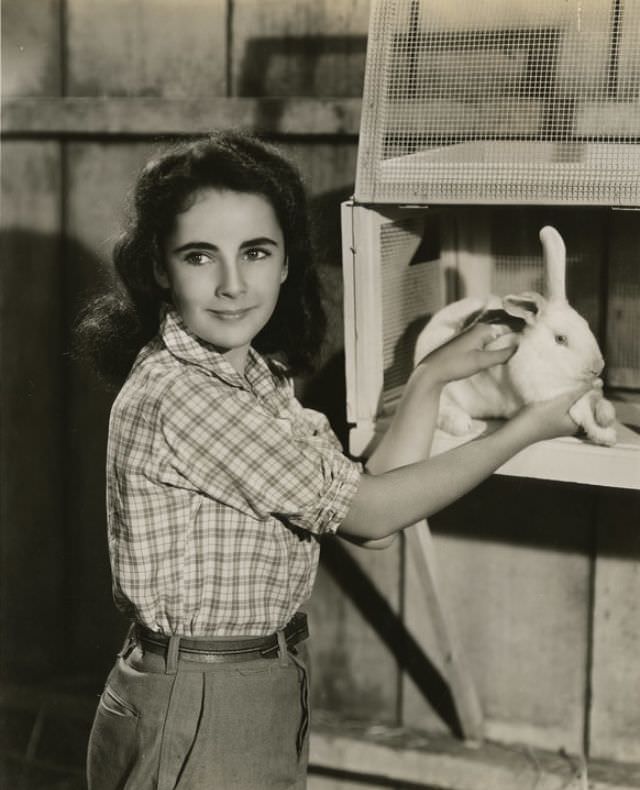
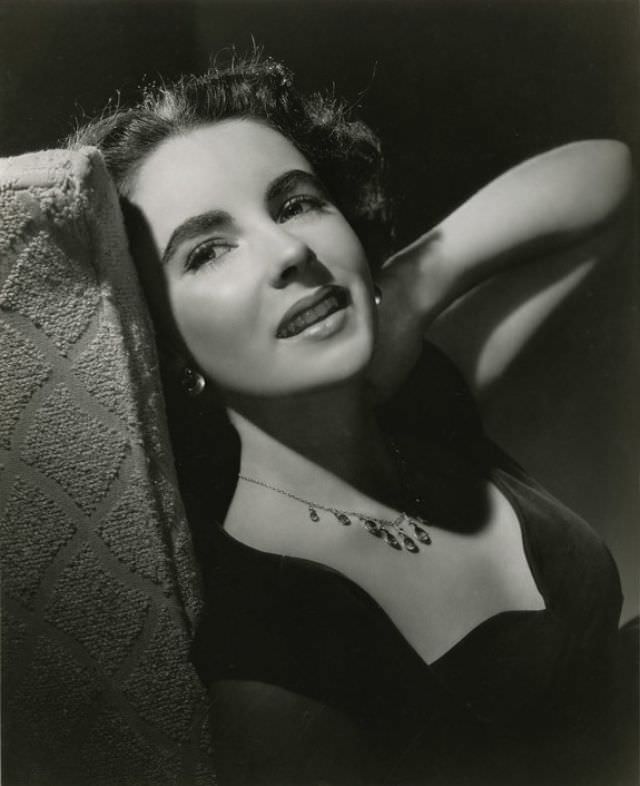
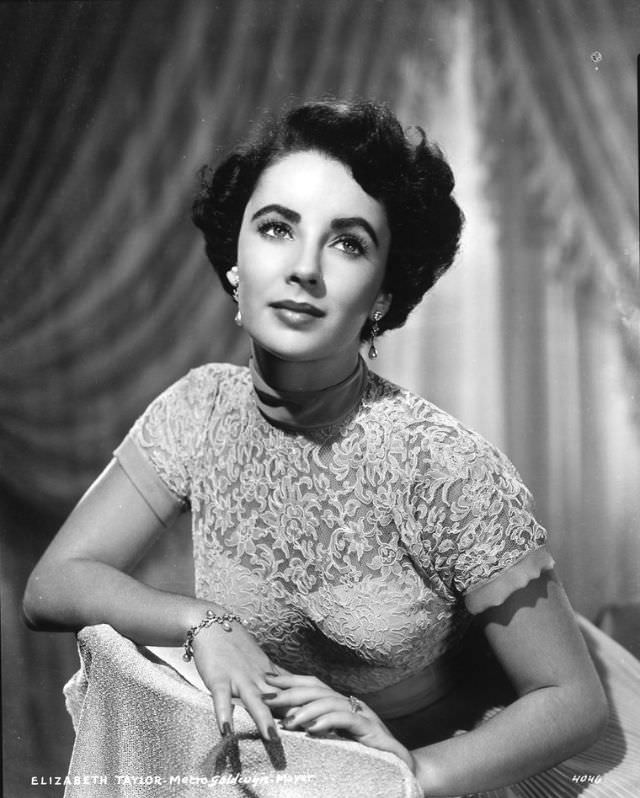
The man tasked with capturing that face was Clarence Sinclair Bull. He served as head of MGM’s stills department for nearly 40 years, photographing icons from Greta Garbo to Clark Gable. His skill was in finding the inner life of a subject and pulling it to the surface.
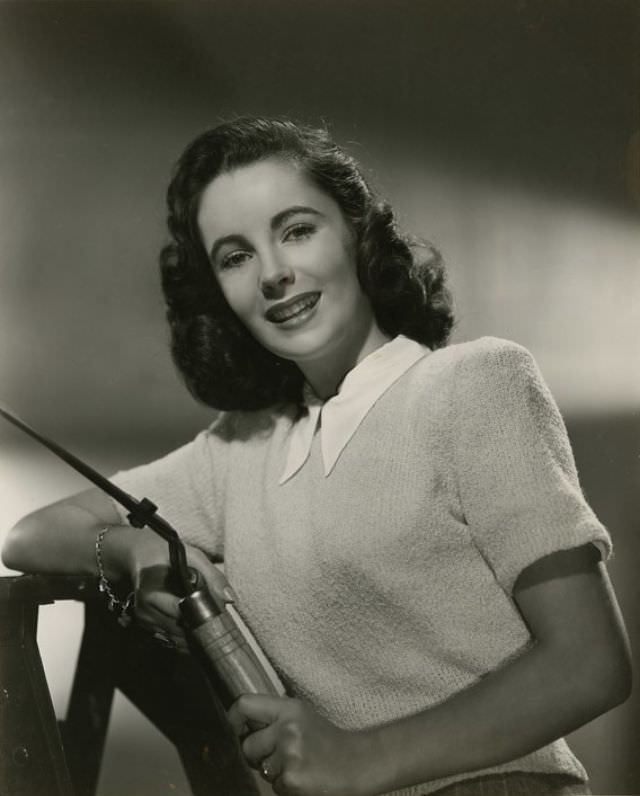
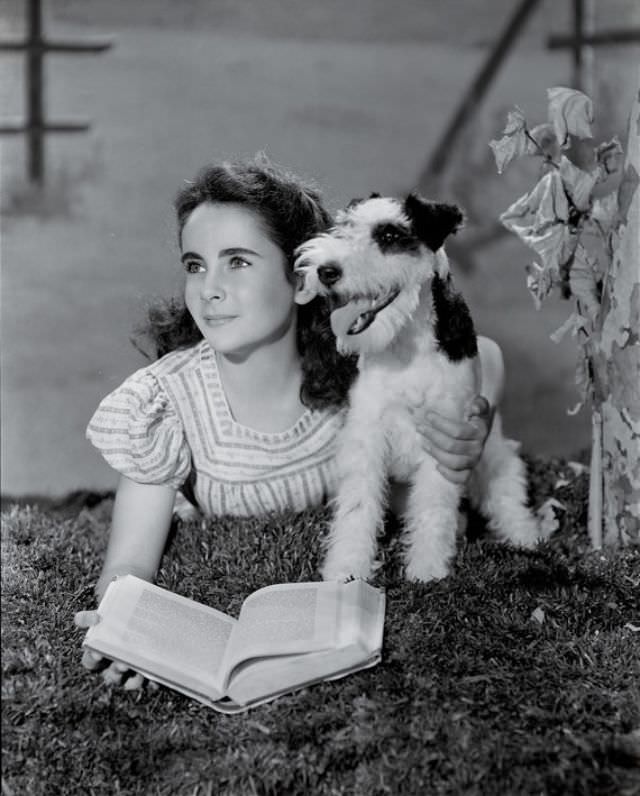
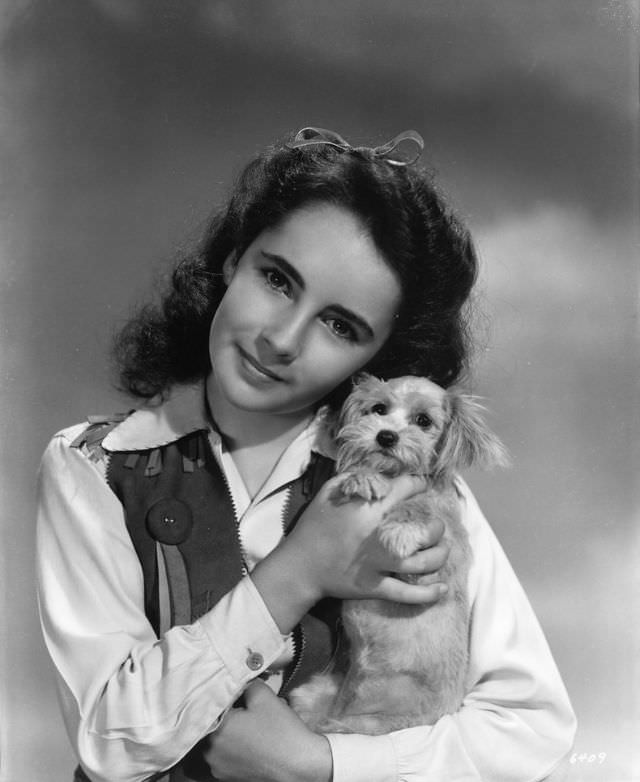
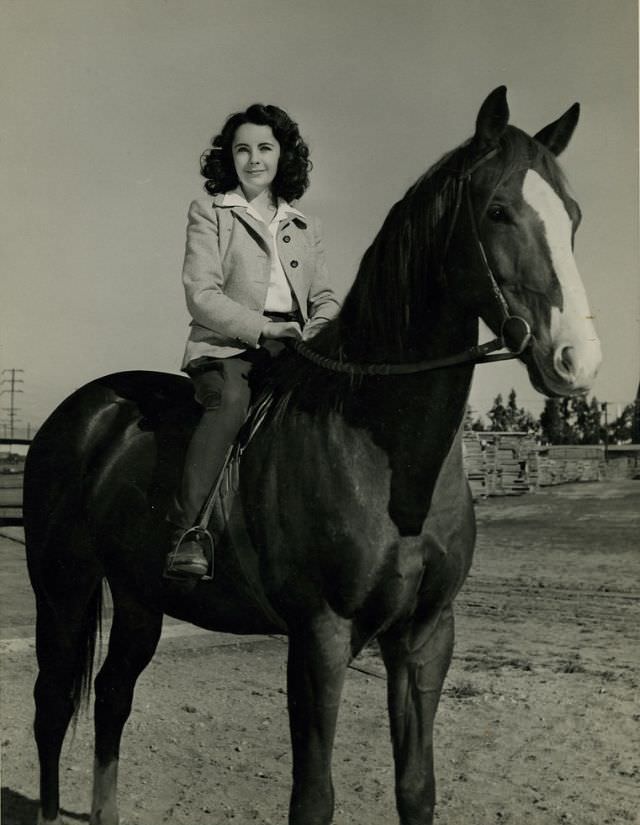
Taylor began the decade with a supporting role in Lassie Come Home (1943). By 1944, she had the lead in National Velvet — a film that made audiences take her seriously. Bull was photographing her throughout this rise, documenting each stage of her transformation.
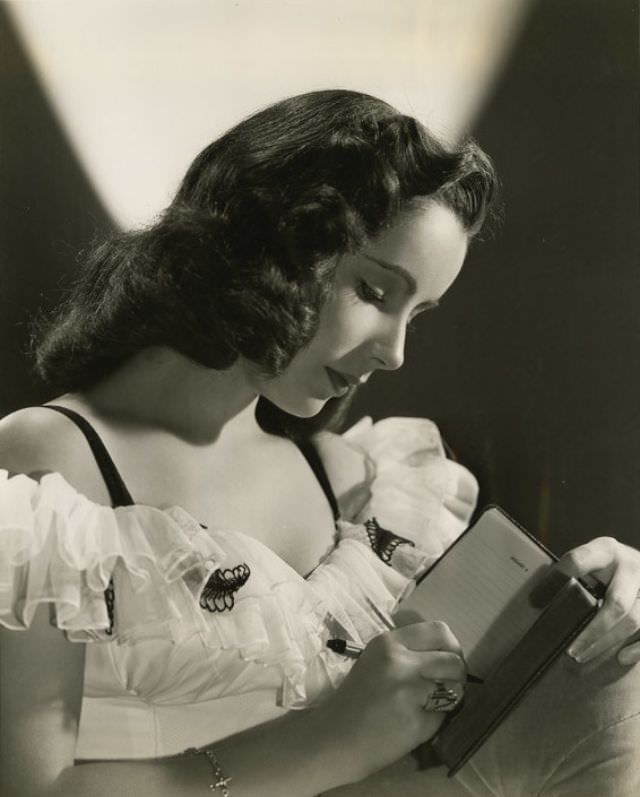
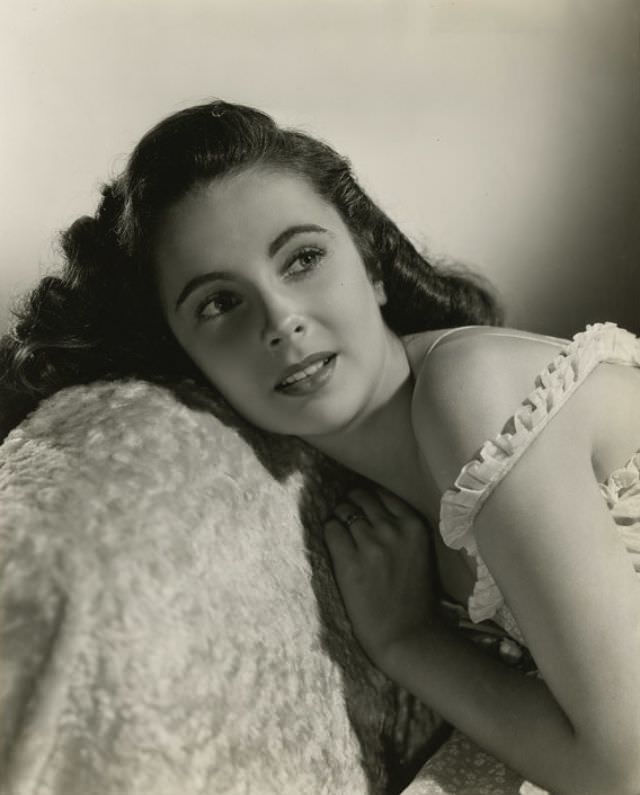
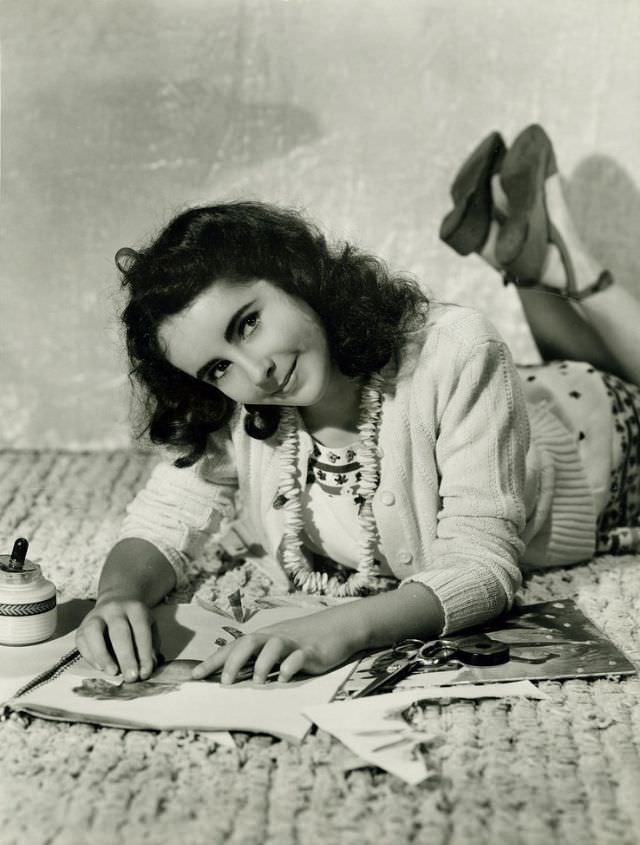
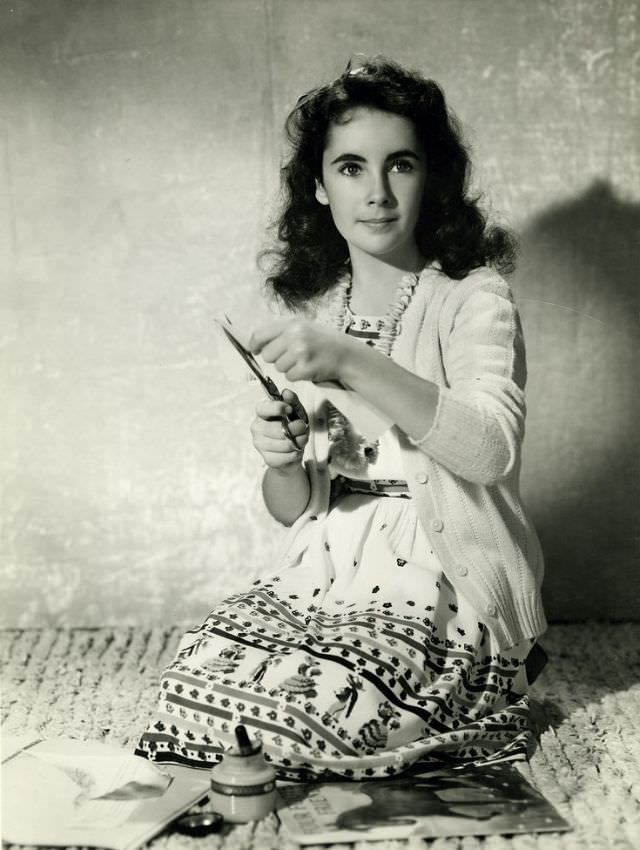
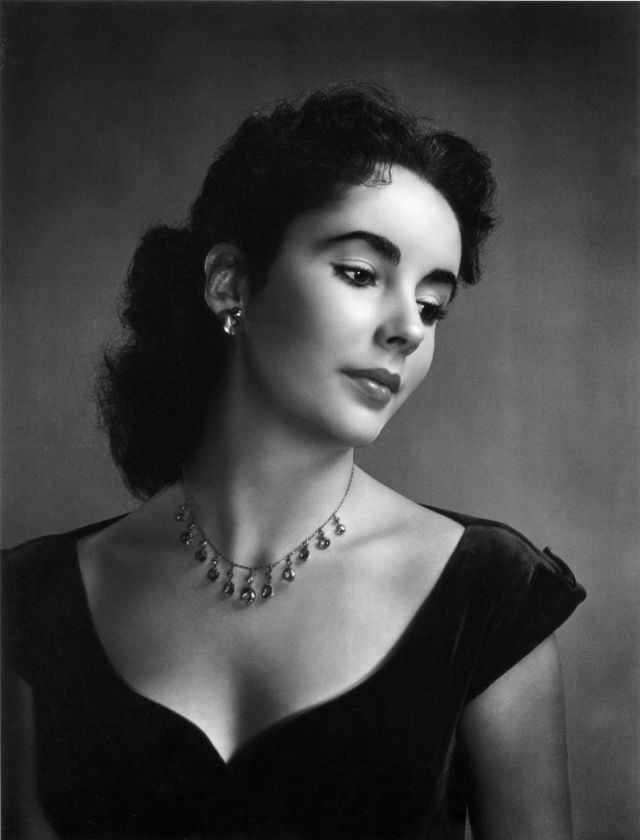
What made Bull’s portraits distinctive was his use of light. He diffused it carefully across Taylor’s face, creating a softness that felt natural rather than staged. Her violet eyes — a rare genetic trait caused by a double row of eyelashes — became the focal point of many sessions.
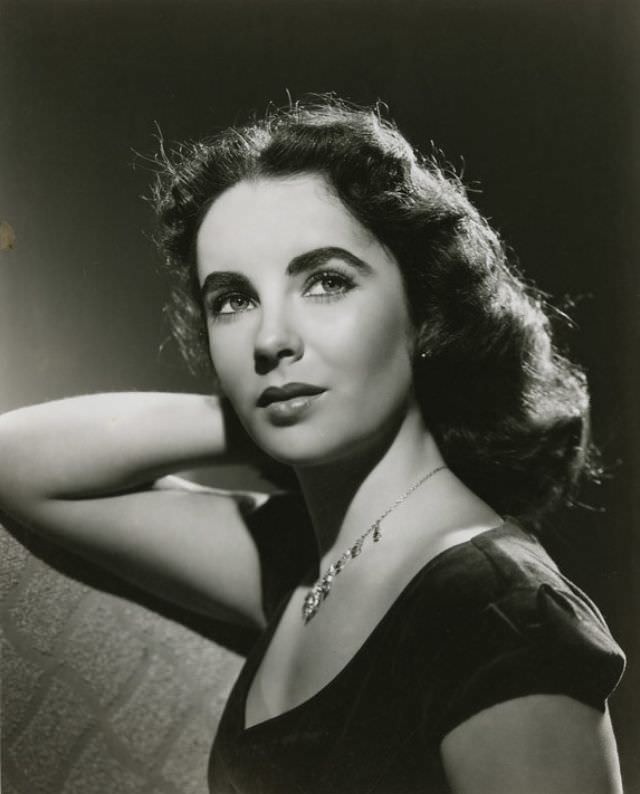
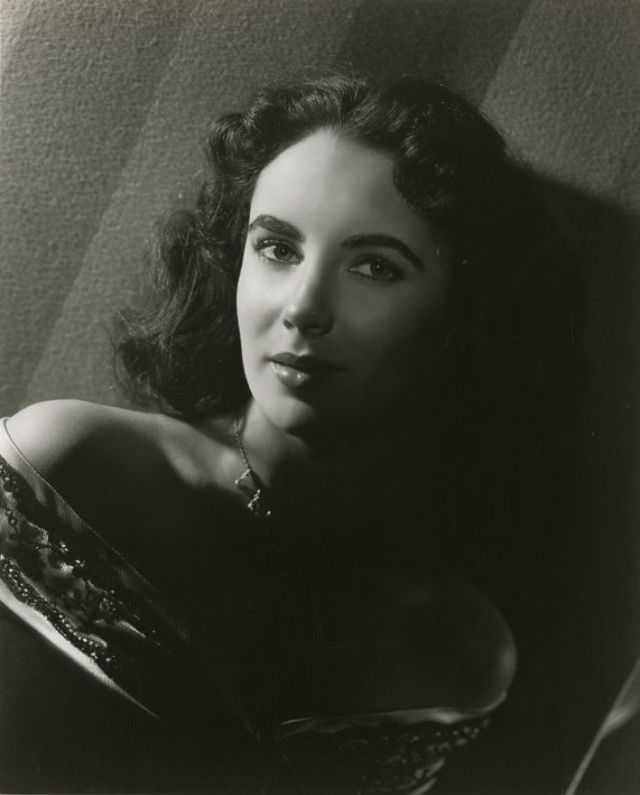
Bull understood that Taylor sat at an unusual crossroads — still a teenager, yet carrying the screen presence of a seasoned performer. His photographs hold that tension clearly. They show a young woman who has not yet fully arrived, but is unmistakably on her way.
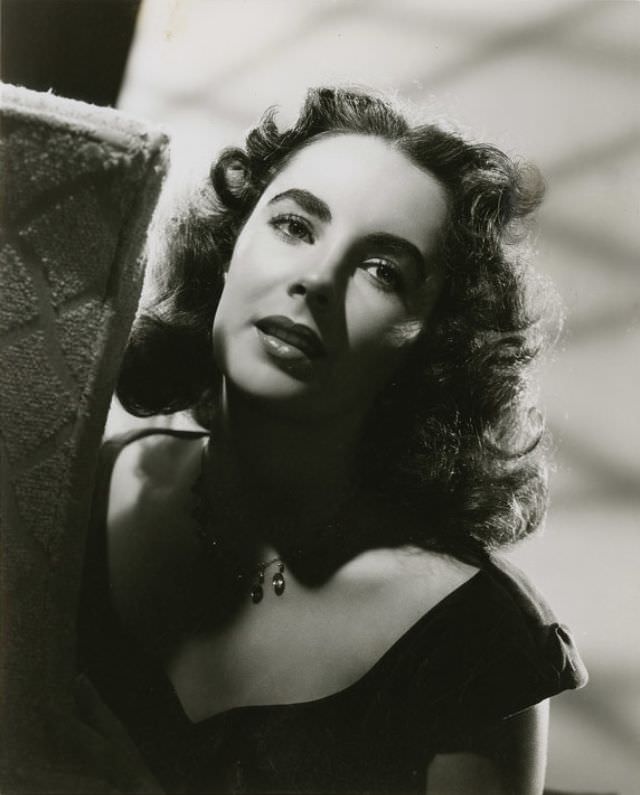
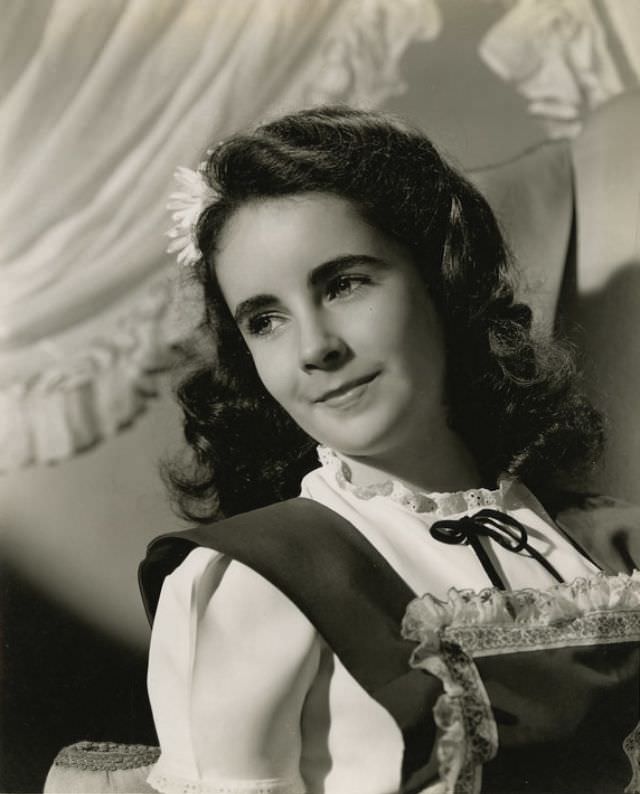
MGM used these portraits extensively for publicity. They appeared in fan magazines, press kits, and promotional materials distributed across the country. Each image was a calculated statement about who Elizabeth Taylor was — and who the studio intended her to become.
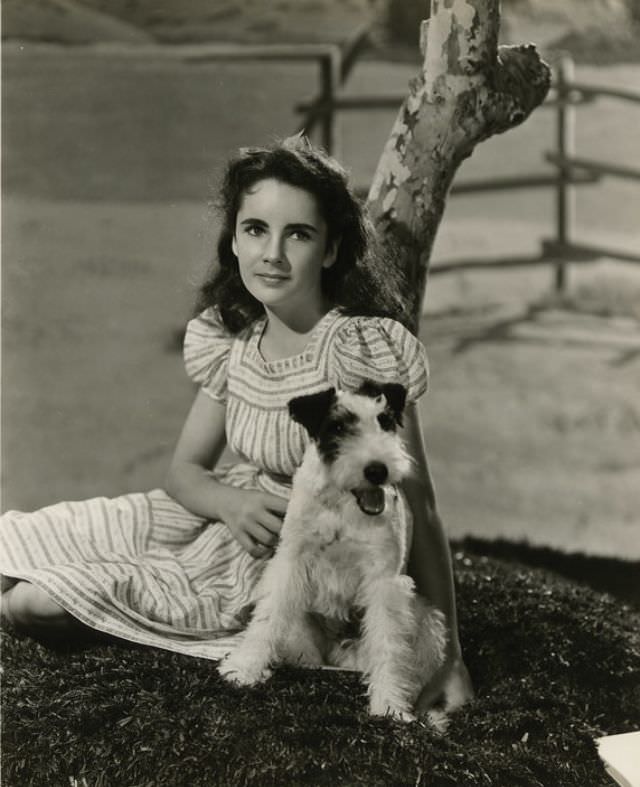
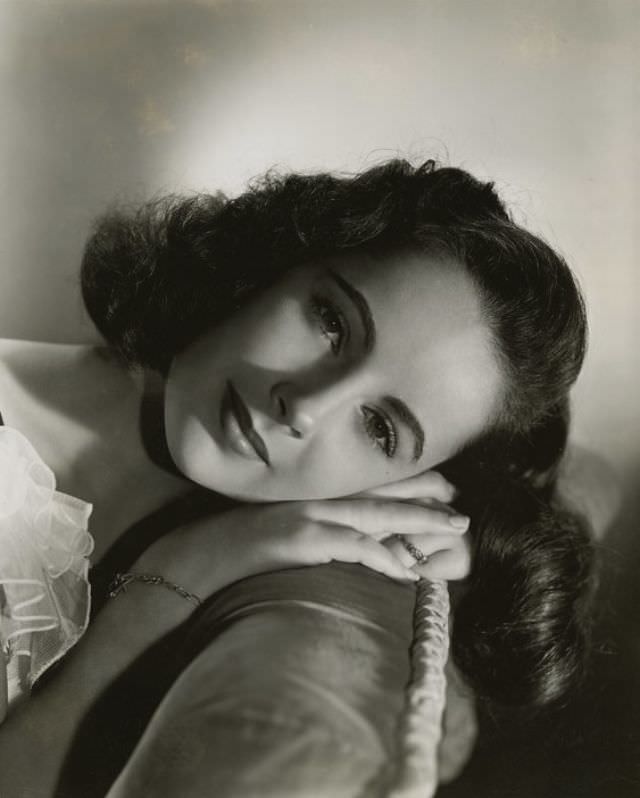
The sessions were not simply glamour exercises. Bull posed Taylor in ways that emphasized her maturity without erasing her youth. The results were portraits that felt honest — a quality rarely guaranteed in the studio system of that era.
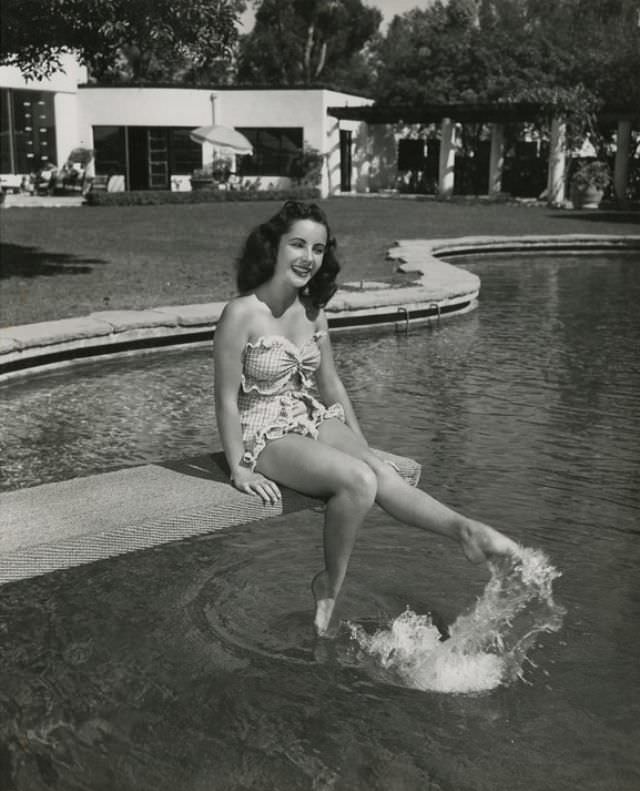
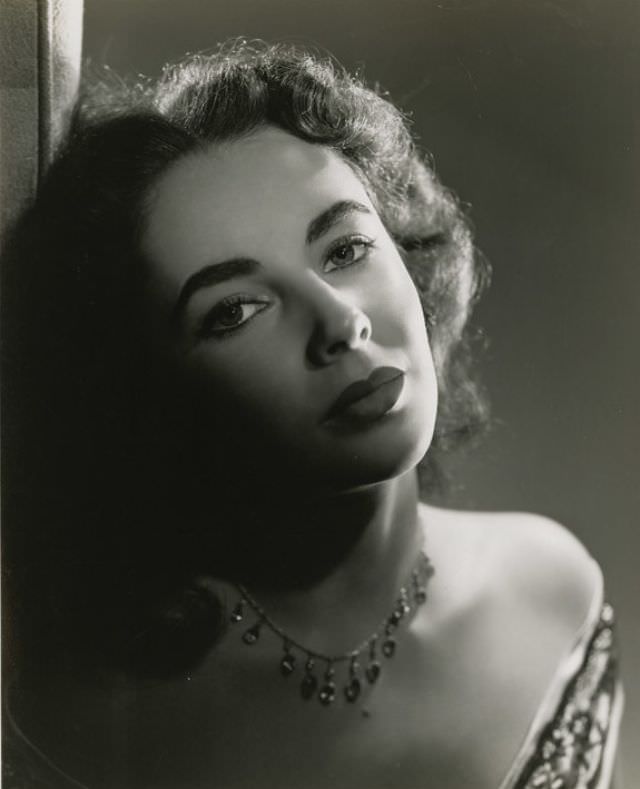
By the late 1940s, Taylor was no longer a child actress navigating early roles. She was a bona fide star, and Bull’s body of work from this decade stands as a visual record of exactly how that happened — one carefully lit portrait at a time.