In February 1970, Berlin was a city split in two — not just by a wall of concrete and wire, but by two entirely different ways of life. These rare color photographs capture both sides of that divide in vivid detail, from the landmarks of East Berlin’s socialist state to the busy commercial streets of West Berlin.
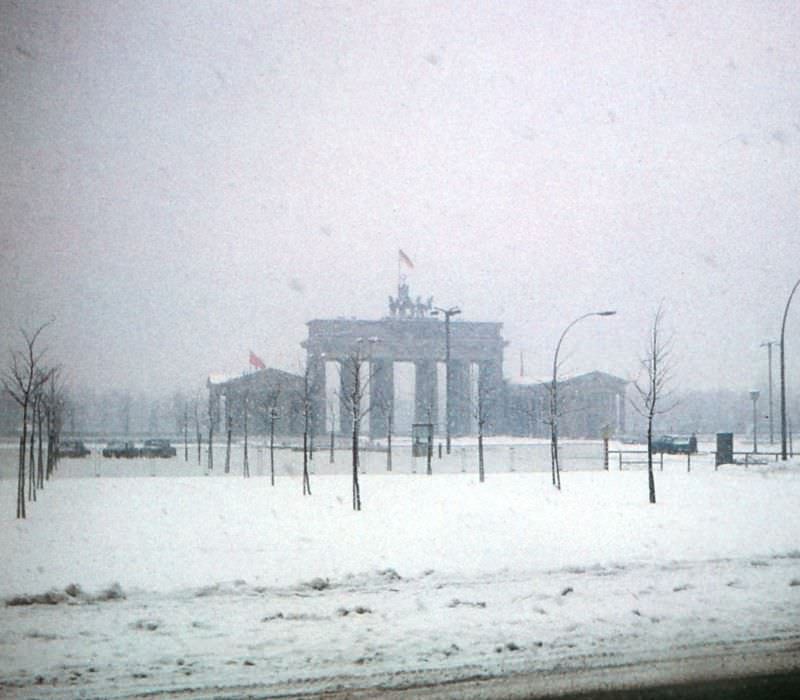
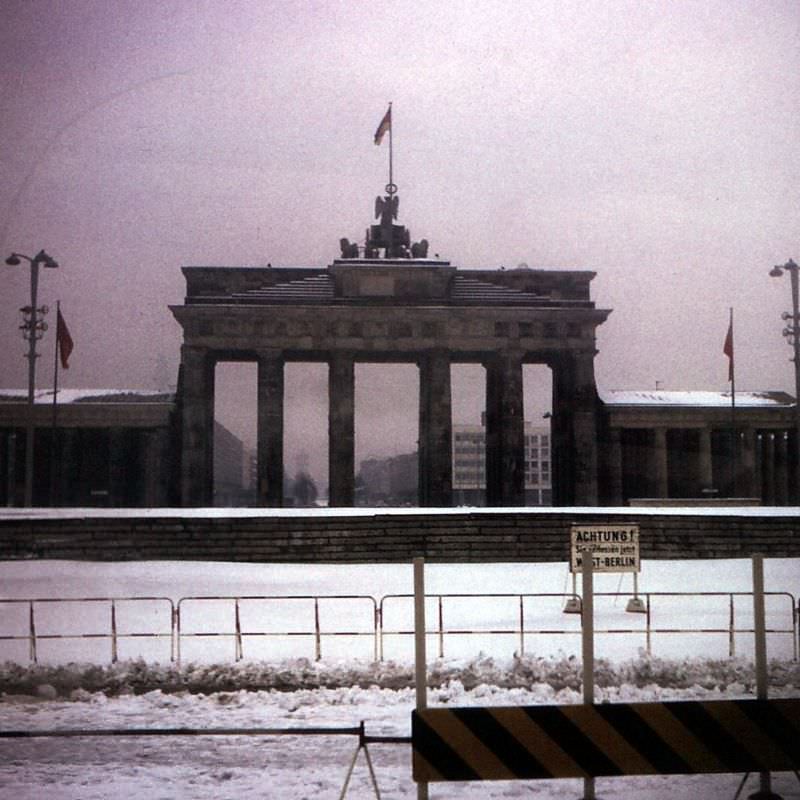
The Brandenburg Gate stood as one of the most powerful symbols of the city’s division. Located in East Berlin, it was unreachable to West Berliners and served as a backdrop to the Wall itself. Just meters away, the Wall cut through the city, watched over by armed East German guards.
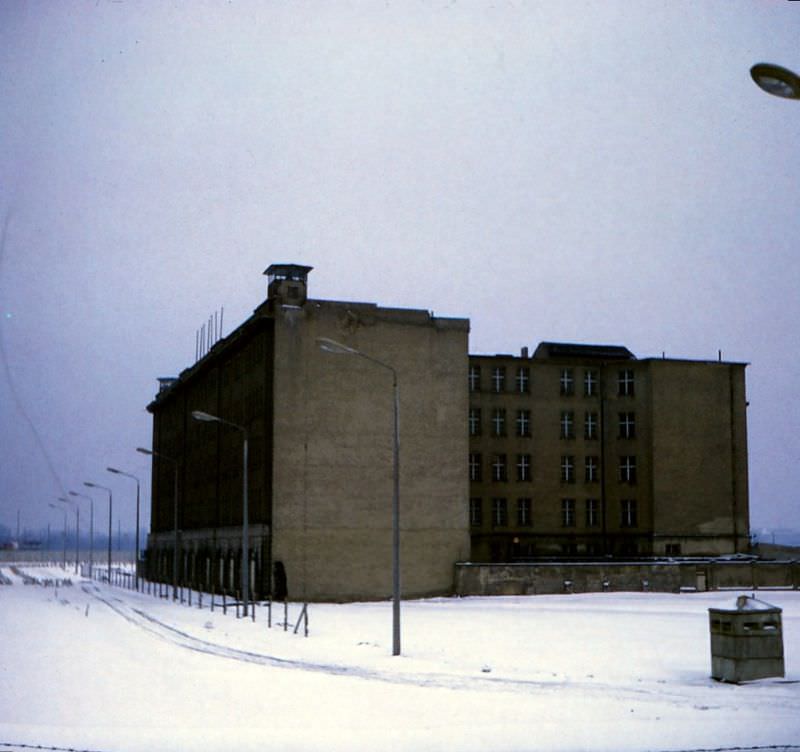
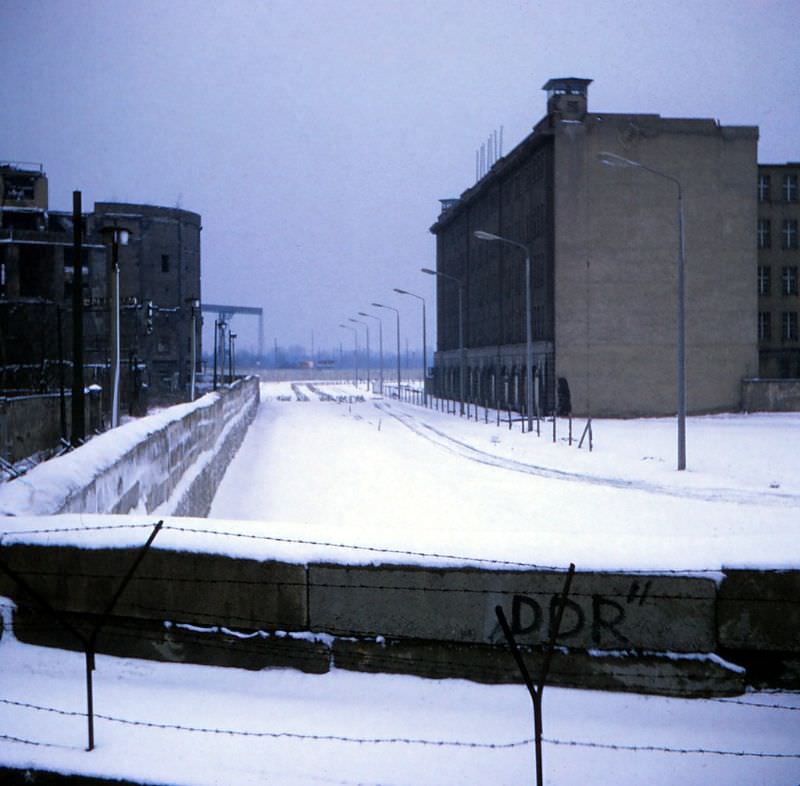
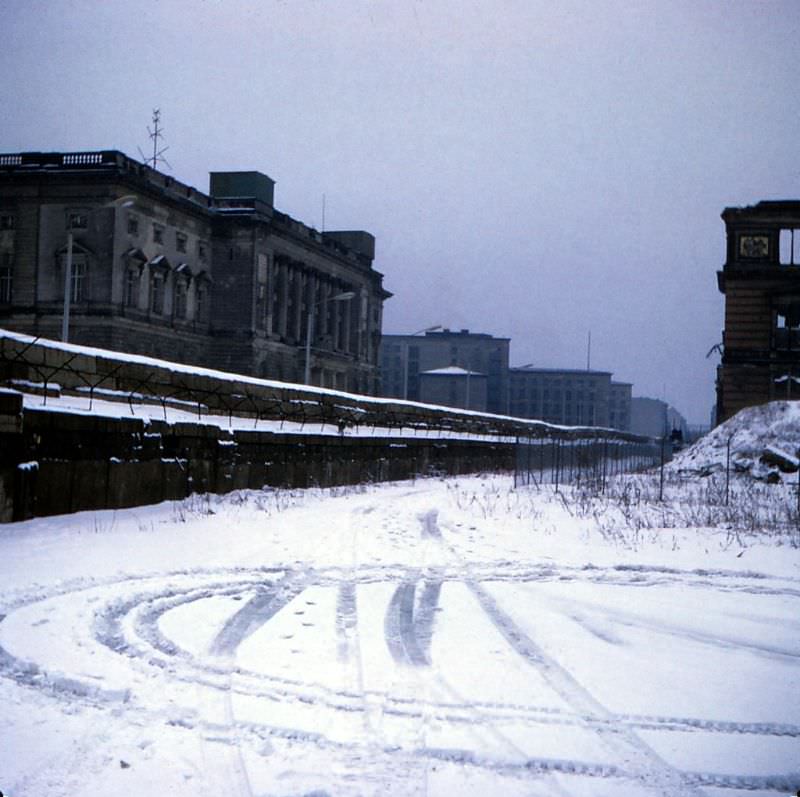
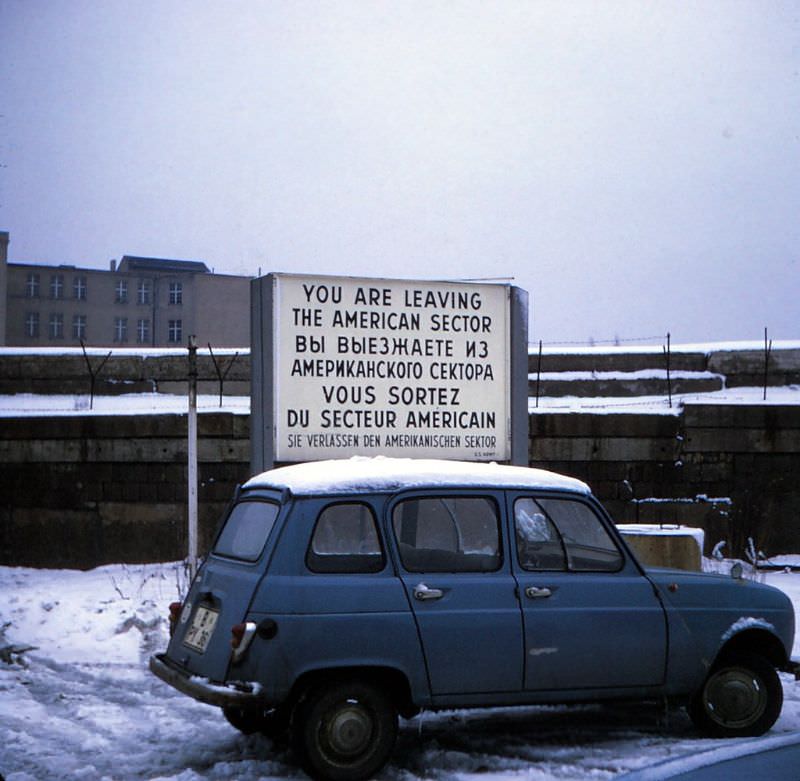
The Berlin Wall was far more than a single barrier. Between East and West ran a heavily fortified strip of land — a network of fences, floodlights, tripwires, and patrol roads. People attempting to cross were shot. Some lost their lives trying to reach the West, making the Wall one of the deadliest borders of the Cold War era.
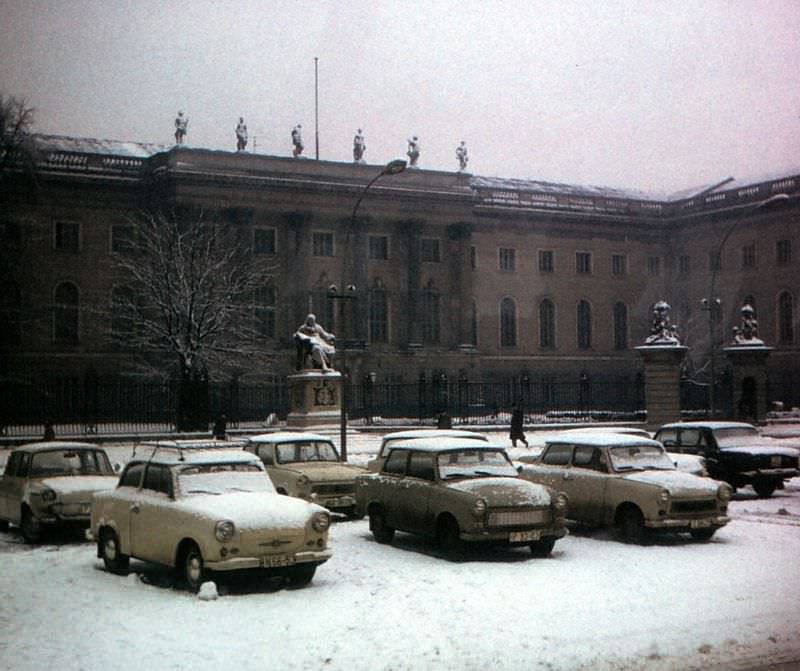
East Berlin was home to Humboldt University, one of Germany’s oldest and most prestigious institutions. Students who came to study here frequently chose to stay after graduating. The East German government actively encouraged this — educated young people were essential to building and sustaining the socialist state.
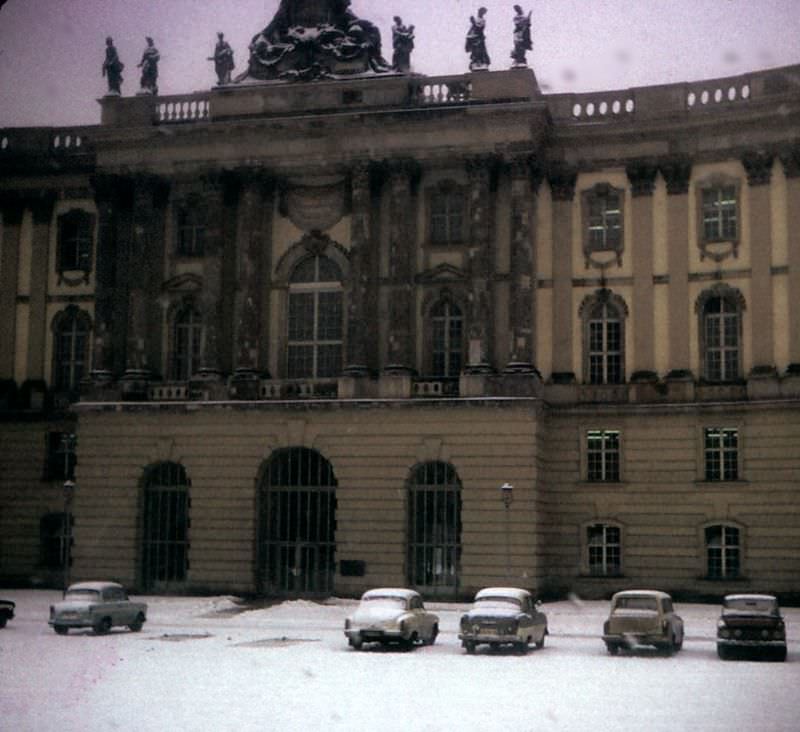
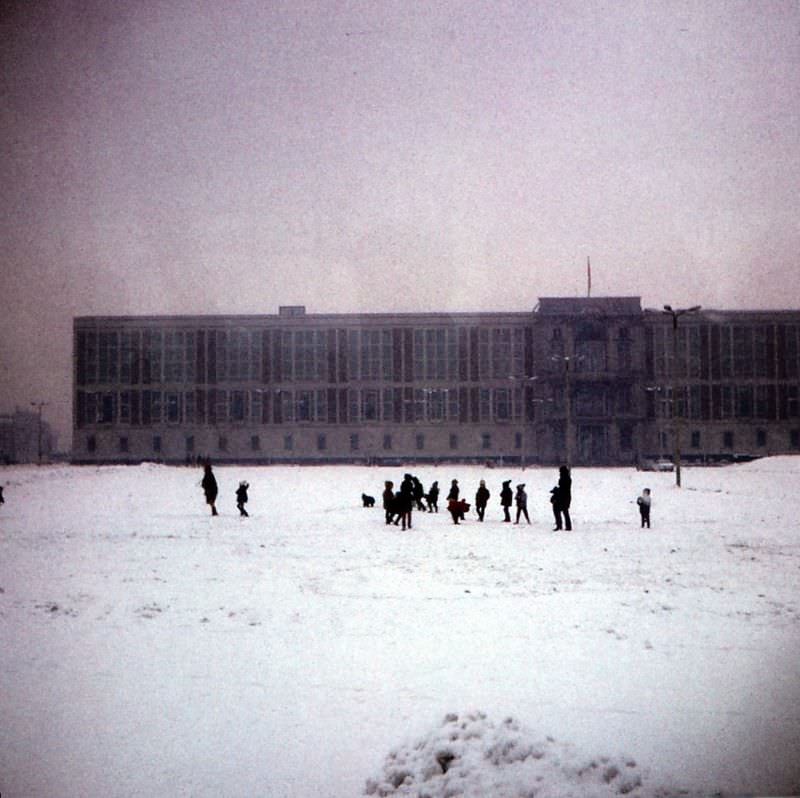
Marx-Engels Platz served as East Berlin’s main ceremonial square, flanked by the Council of State Building. It was a deliberate statement of political identity — a wide open space designed for state parades and public gatherings under the banner of the German Democratic Republic.
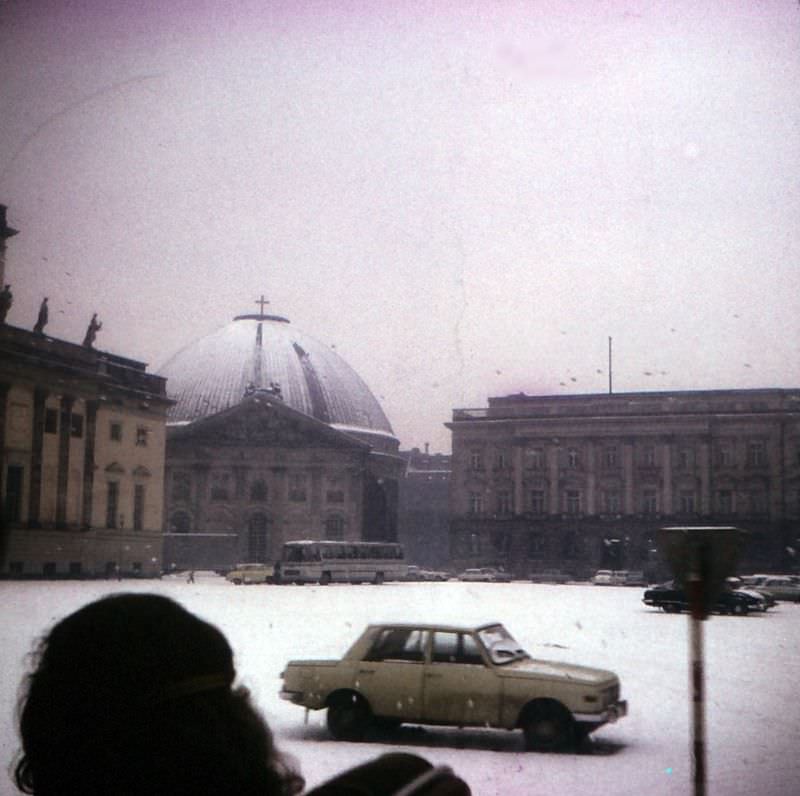
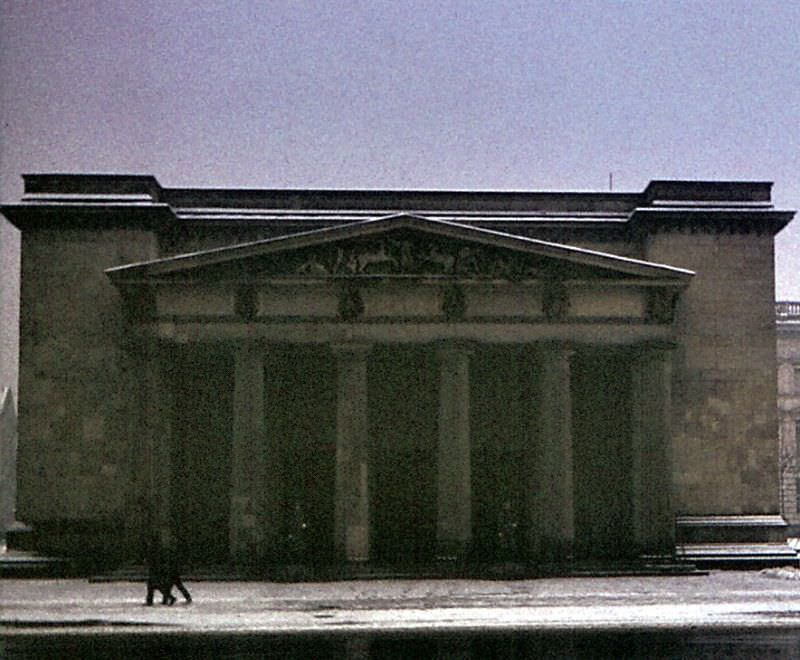
The Neue Wache, originally a Prussian guardhouse built in the early 19th century, had been rededicated by the East German government as a memorial to the victims of fascism and militarism. It stood on Unter den Linden, East Berlin’s grand central boulevard, alongside other historic monuments the GDR had repurposed for socialist commemoration.
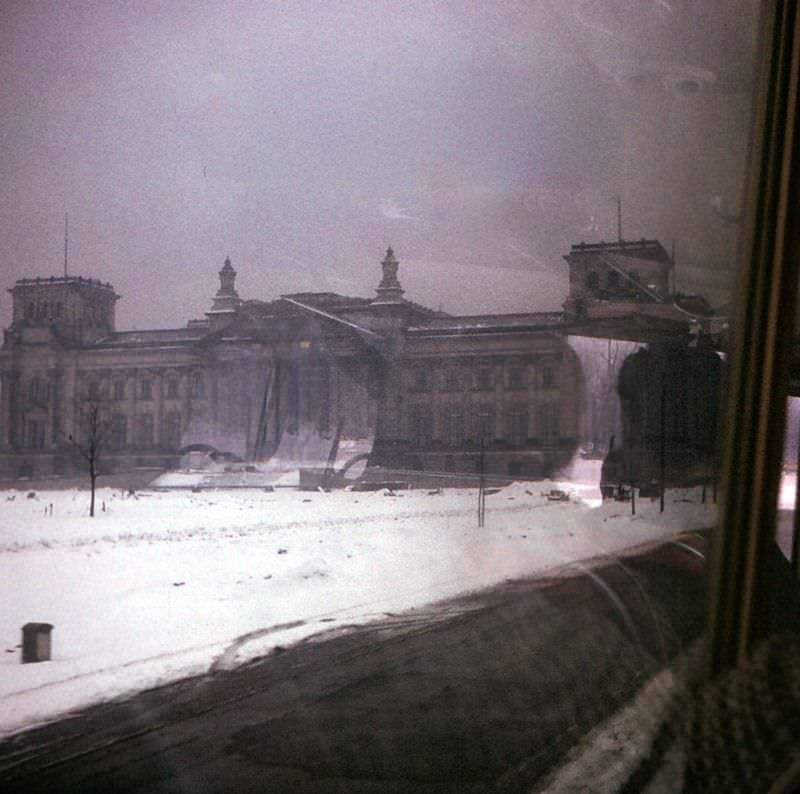
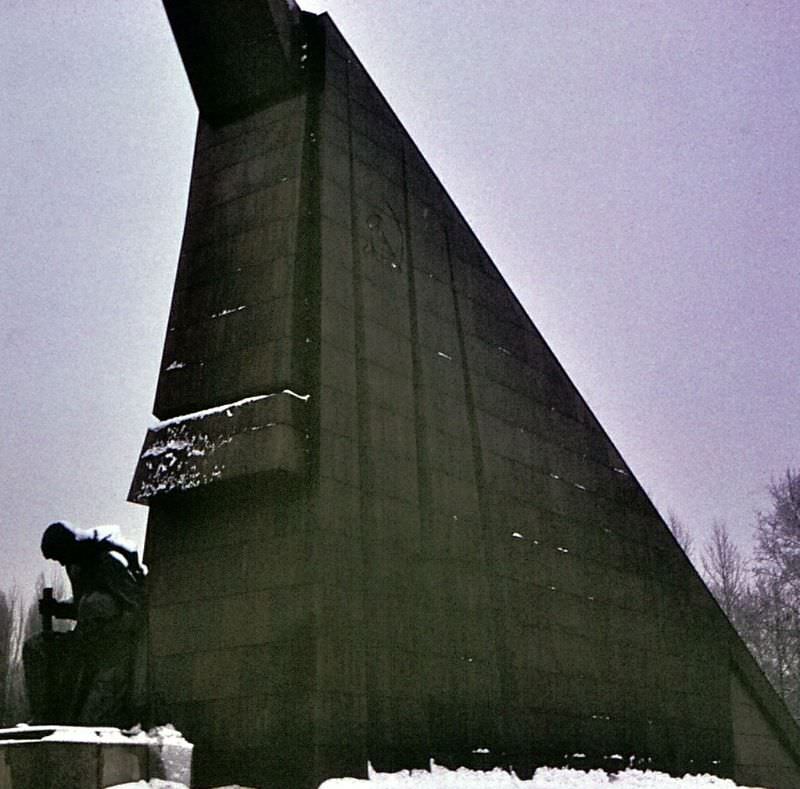
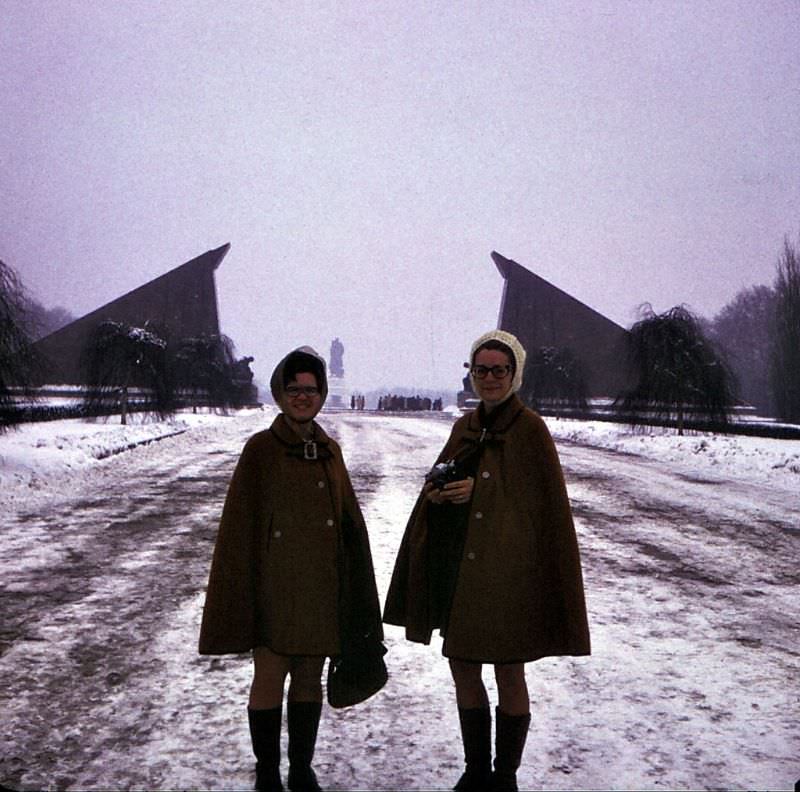
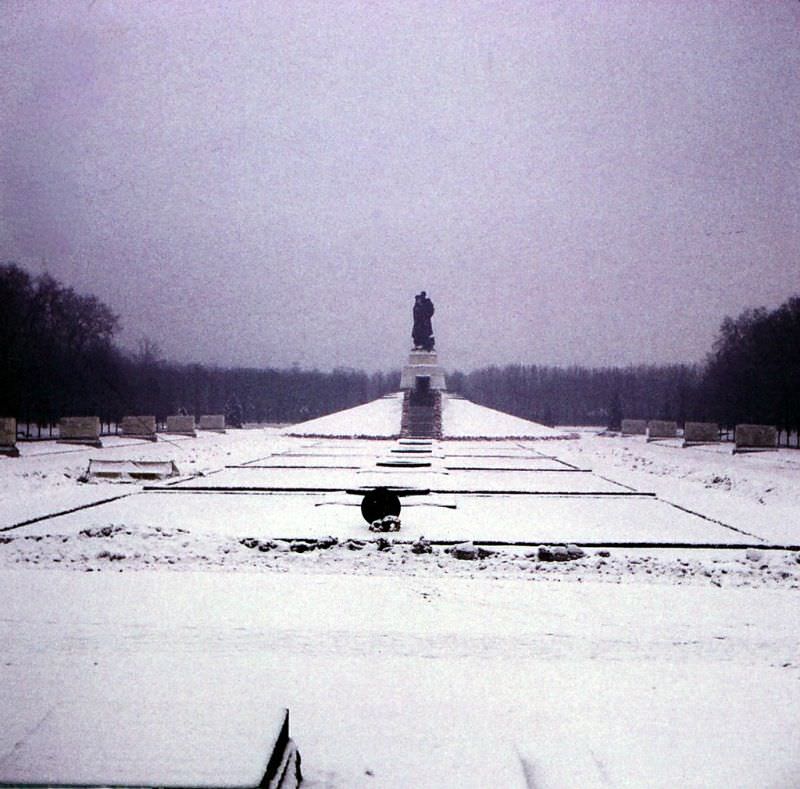
The Treptower Soviet War Memorial, located in Treptow Park, was one of the largest Soviet war memorials outside the USSR. Built in 1949, it honored the roughly 80,000 Soviet soldiers who died in the Battle of Berlin in 1945. Sixteen sarcophagi, each representing one of the Soviet republics, lined the main walkway leading to a massive central statue of a Soviet soldier.
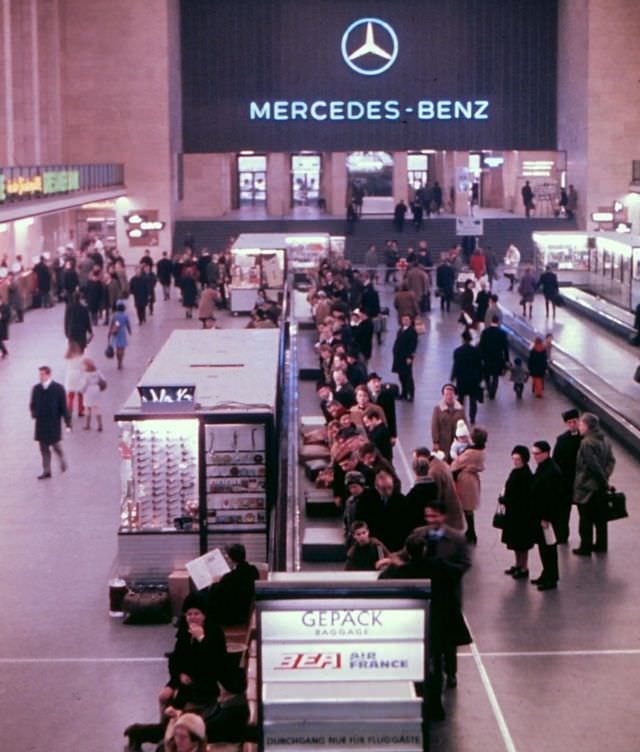
West Berlin presented a sharply different picture. By 1970, one in five West Berliners was over the age of 65 — an aging population that concerned city planners deeply. The West Berlin Senate introduced a program known as the Berlin Bonus, offering financial incentives to attract young skilled workers from West Germany. The city needed new blood to keep its economy running.
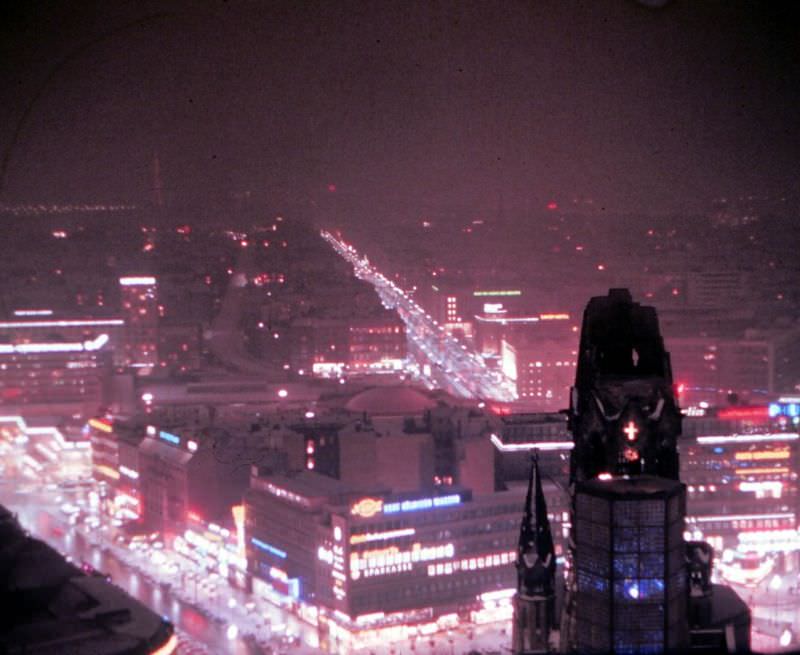
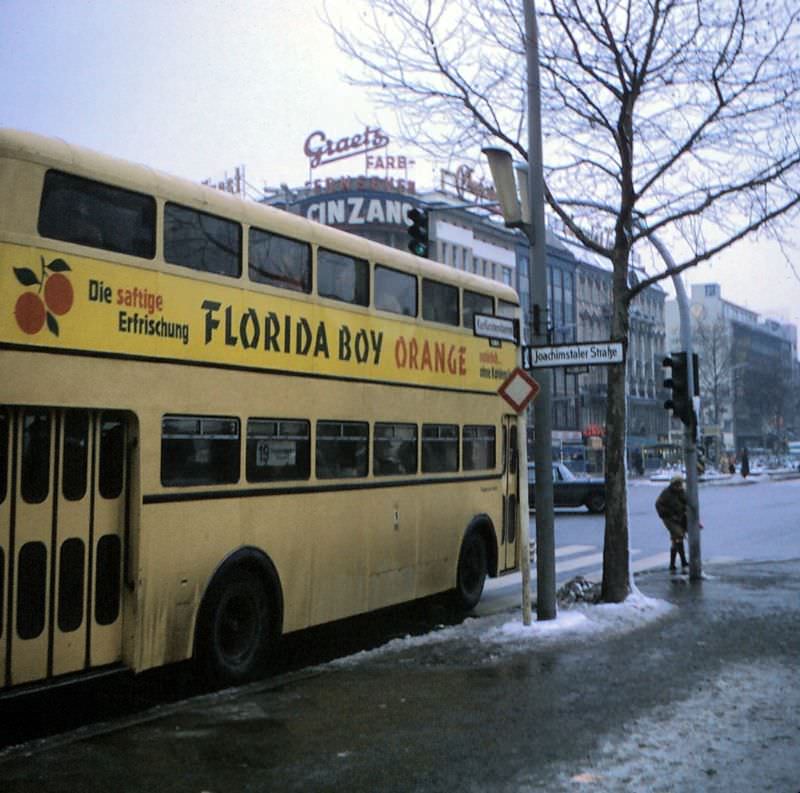
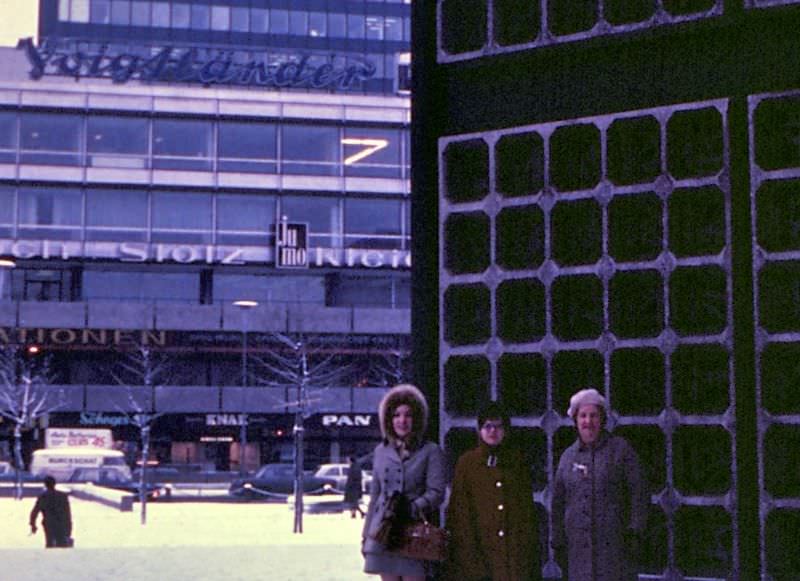
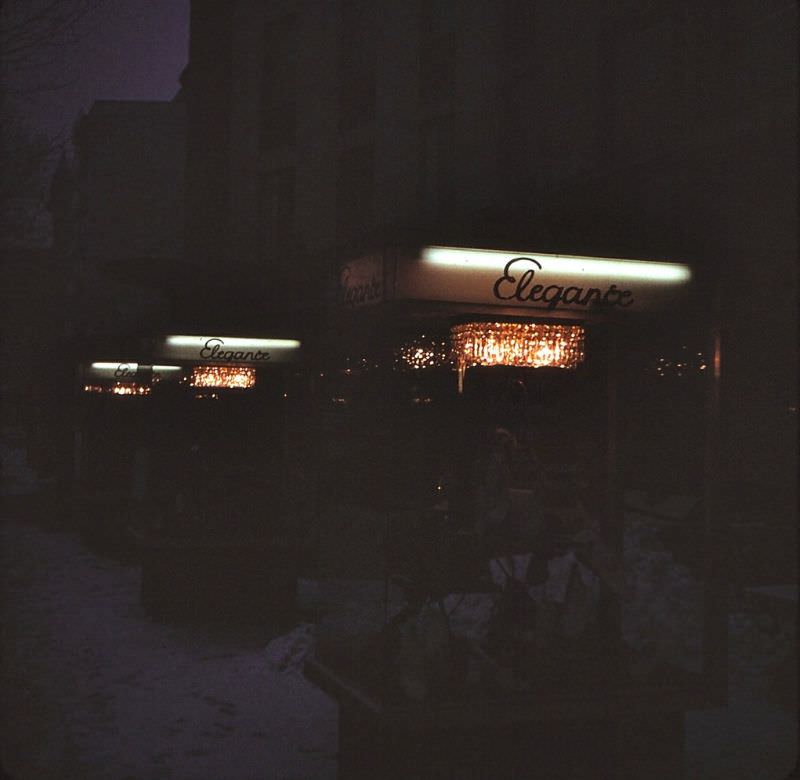
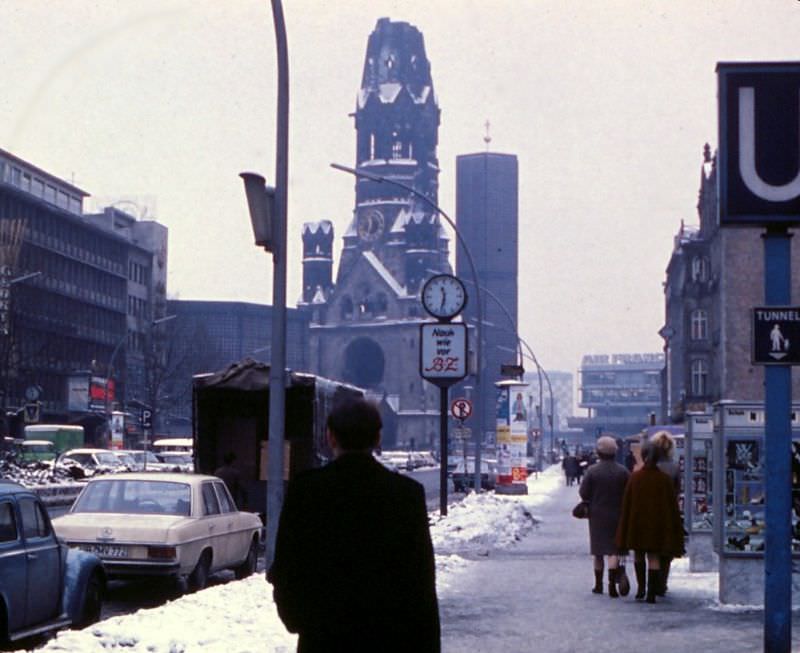
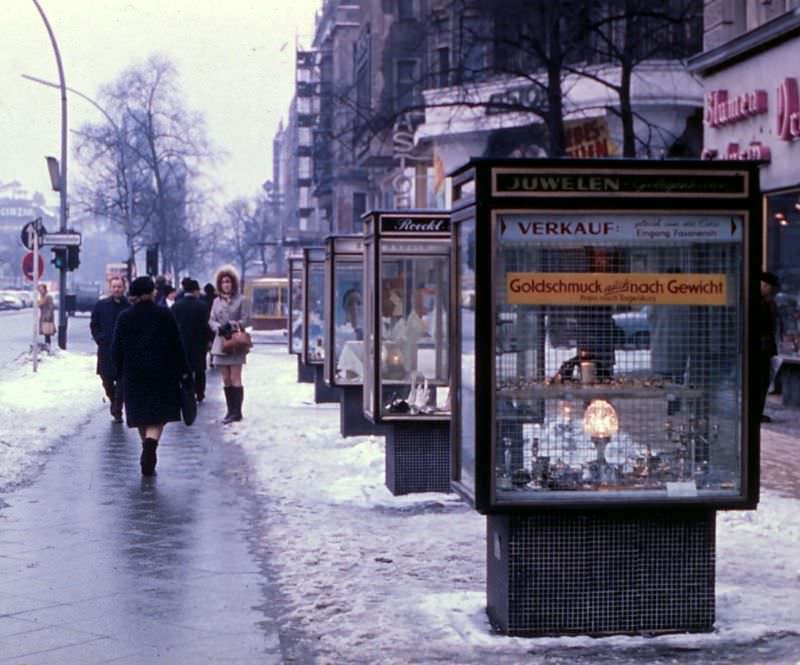
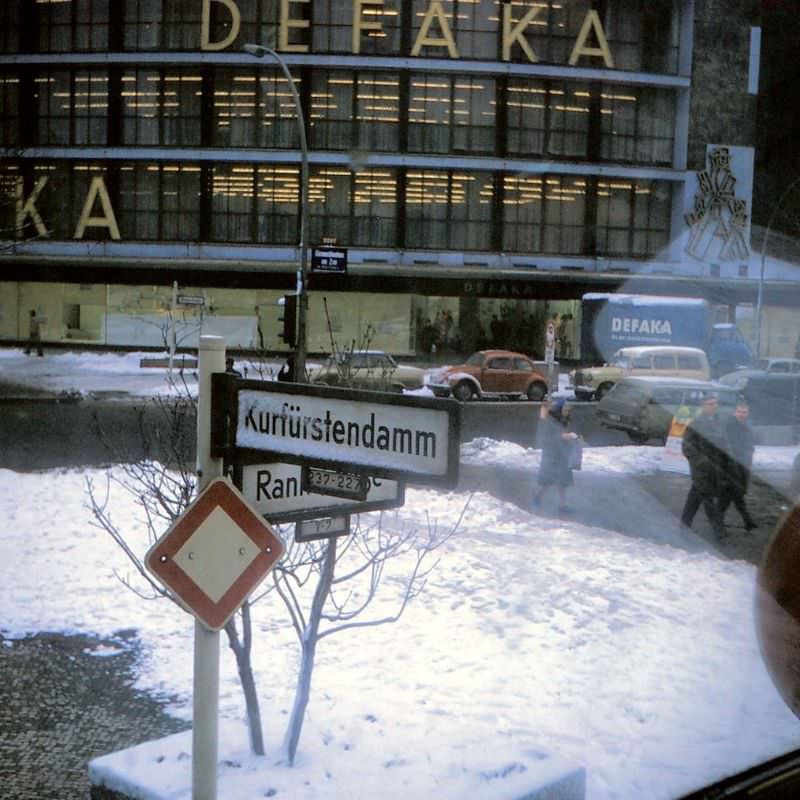
At street level, West Berlin buzzed with commercial energy. The Kurfürstendamm — known locally as the Ku’damm — was the city’s main shopping and entertainment boulevard, lined with shops, cafés, and cinemas. It stood in direct contrast to the measured, state-planned streets of East Berlin.
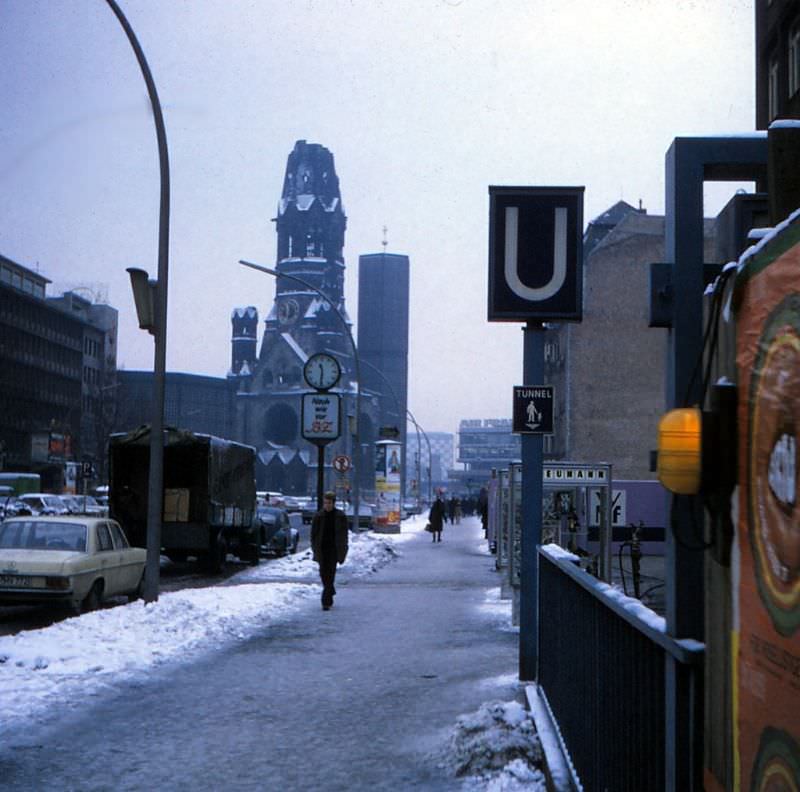
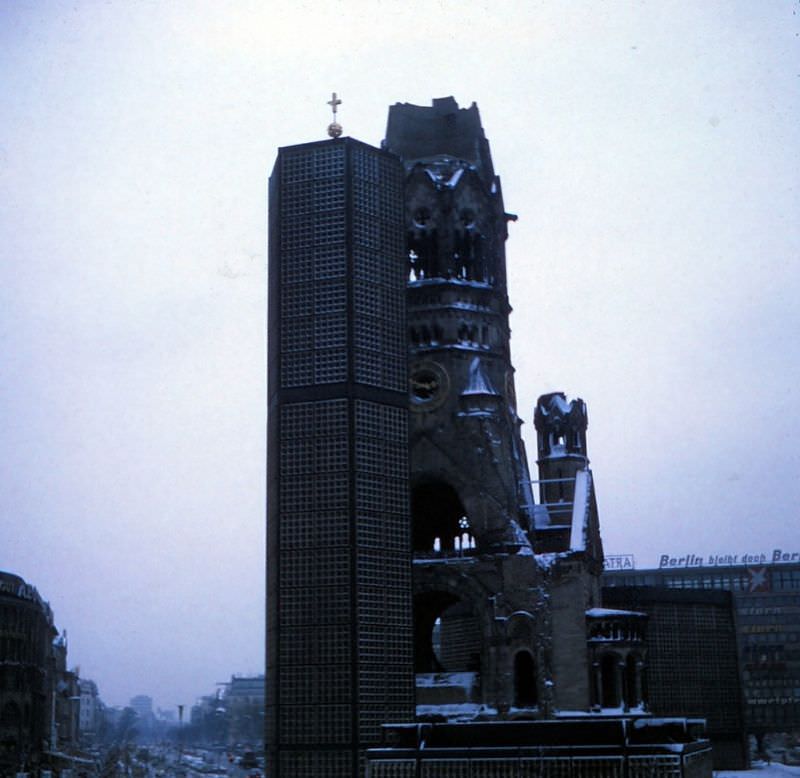
The Kaiser Wilhelm Memorial Church — known to locals as the Gedächtniskirche — was one of West Berlin’s most recognized landmarks. Damaged by Allied bombing in 1943, its broken spire was deliberately left standing as a war memorial. A modern annex was built beside it in the 1960s, creating a striking contrast between old ruin and new construction.
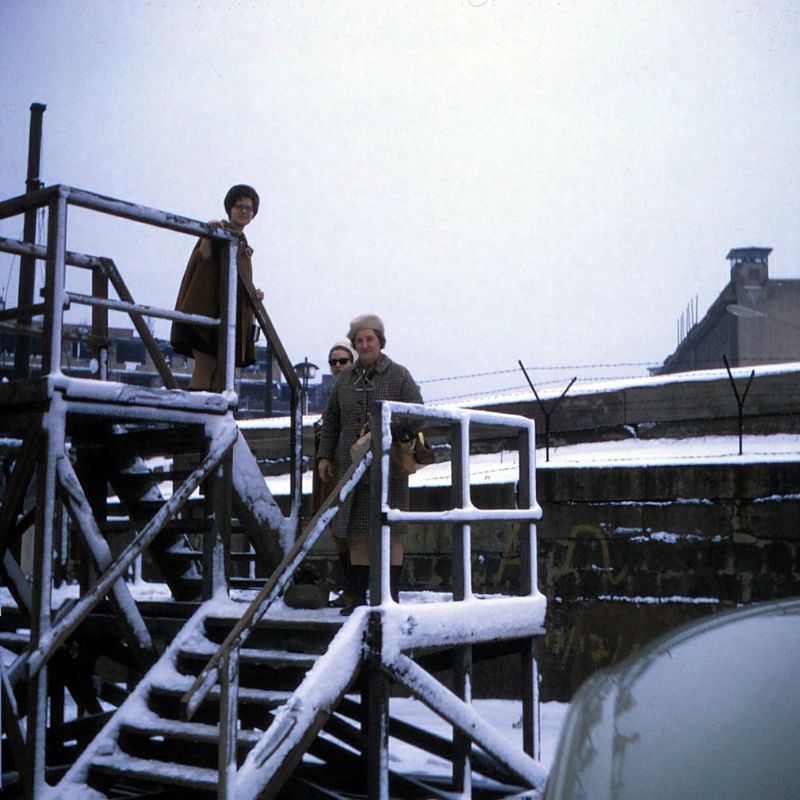
From observation platforms on the western side of the Wall, visitors could look directly into the Death Strip — the fortified no-man’s-land between the two barriers. East German guard towers loomed over the zone, their searchlights sweeping the ground at night.
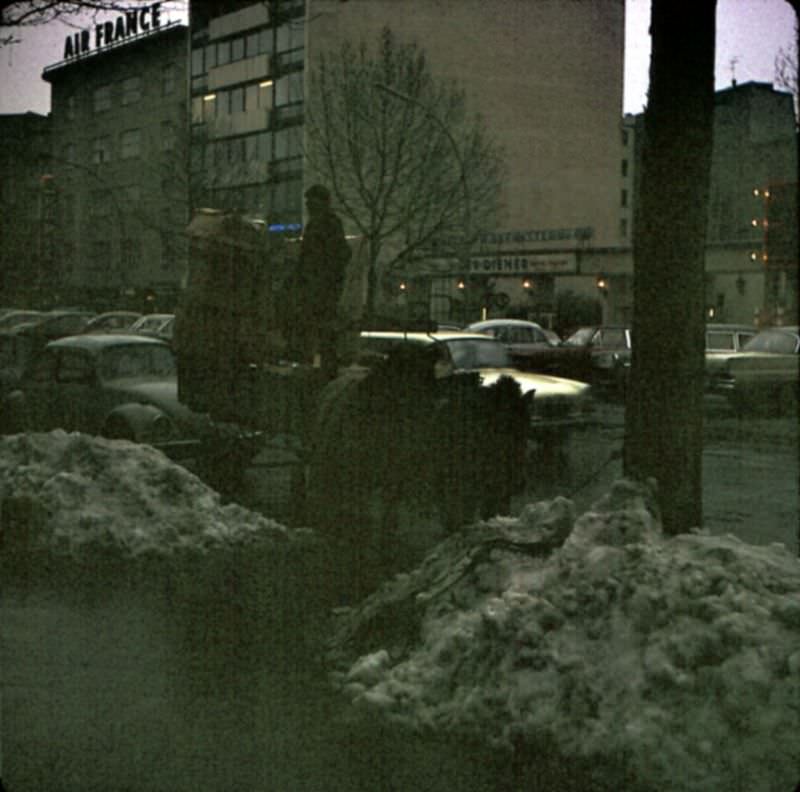
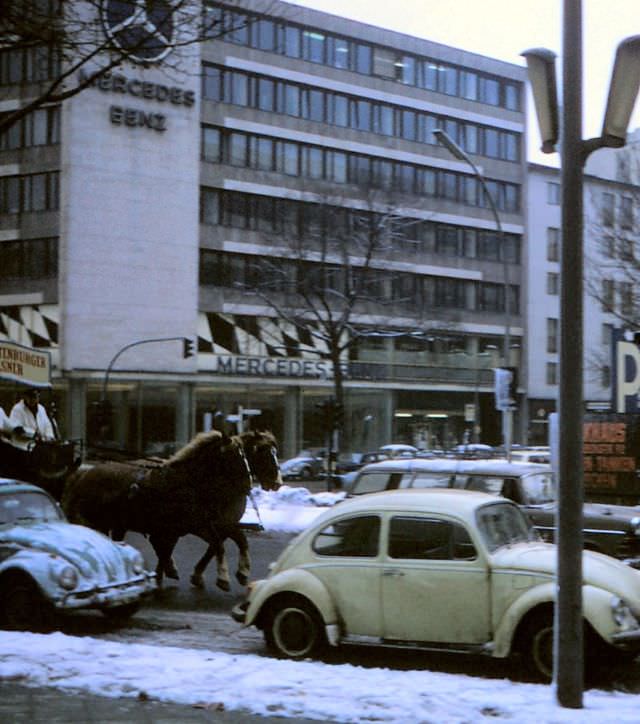
Not all of West Berlin operated at the same modern pace. Horse-drawn wagons still made deliveries on certain routes through the city in 1970, a practical tradition that survived well into the postwar decades alongside the automobiles and trams sharing the same streets.
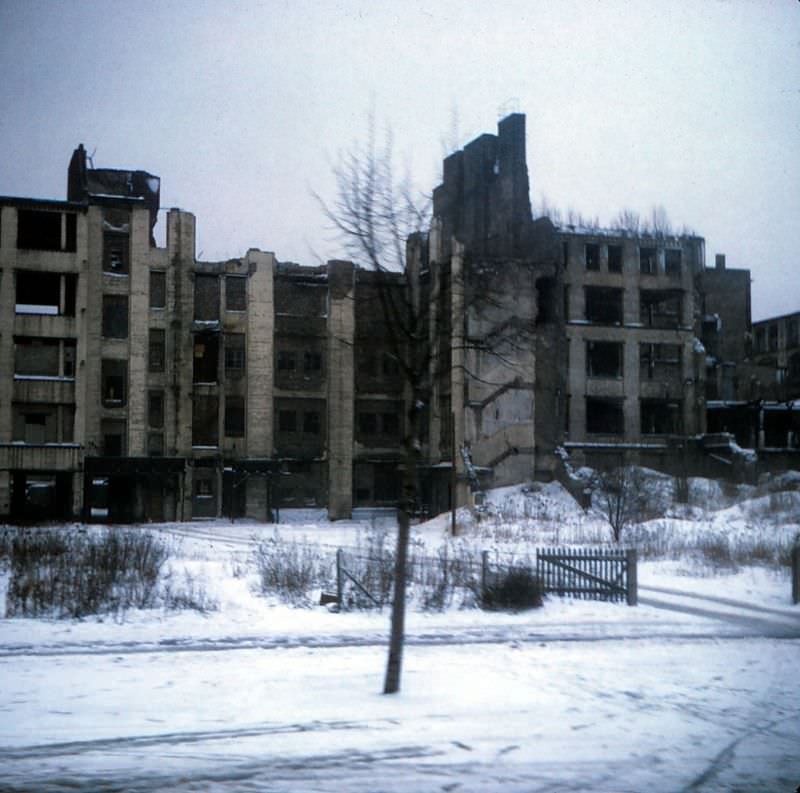
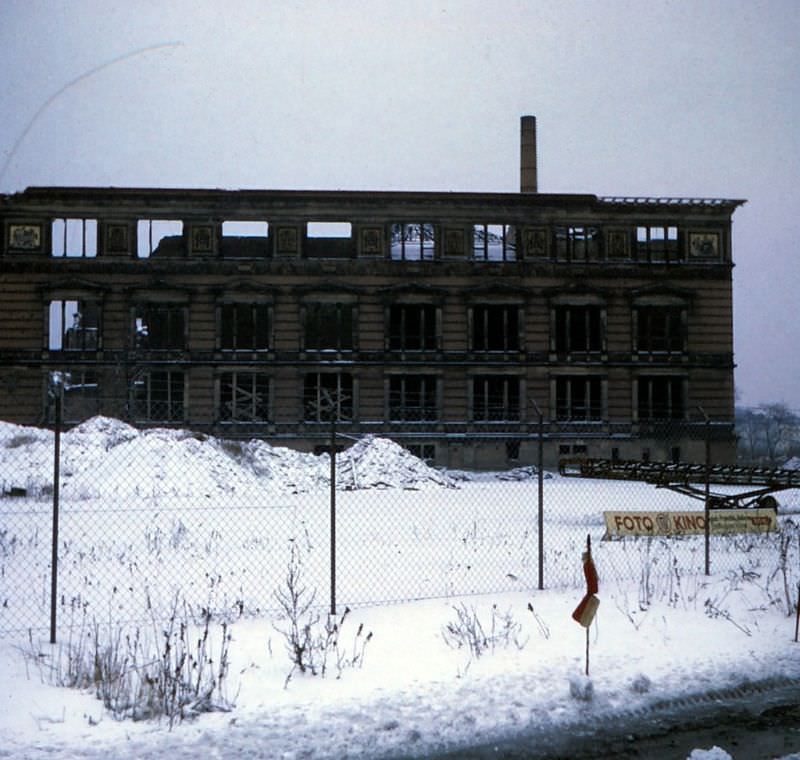
Close to the Wall on the western side, the destruction of World War II was still visible in 1970. Bombed-out ruins and cleared lots sat alongside standing buildings, a reminder that reconstruction in this isolated city took decades. The Wall itself had cut off entire neighborhoods, leaving some streets and structures stranded at the edge of the divide.
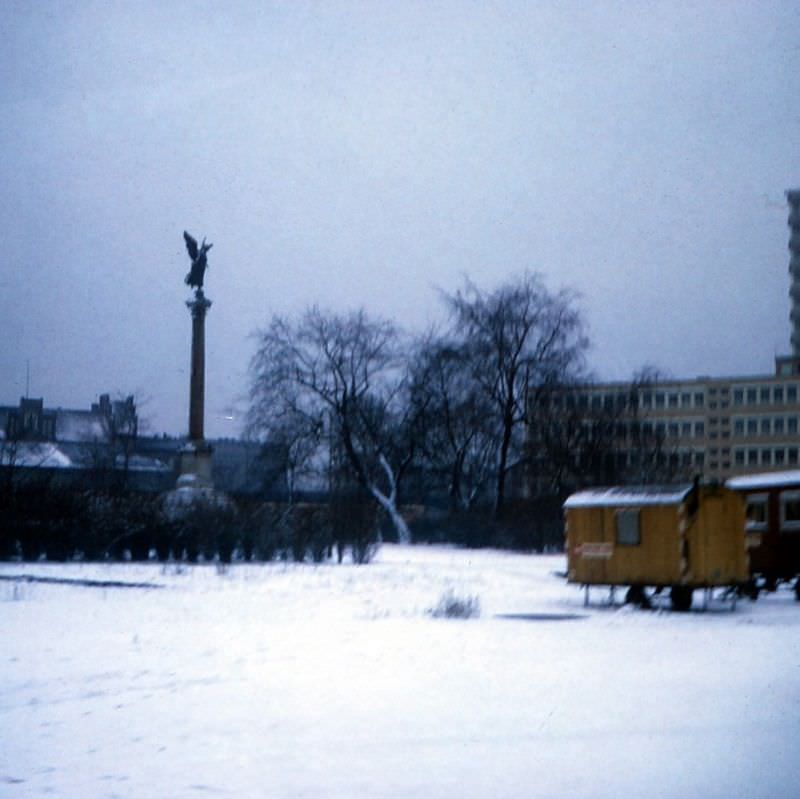
The Berlin Victory Column — the Siegessäule — stood at the center of the Tiergarten, a monument to Prussia’s 19th-century military victories. In West Berlin, it became a landmark of a very different kind of city: democratic, Western-aligned, and striving to appear normal despite being an enclave surrounded by a foreign state.
From the western side, the Brandenburg Gate appeared across a forbidden stretch of land — visible but completely out of reach. West Berliners and tourists could see it from a distance, yet crossing to it was impossible. The Gate had been closed since 1961, the year the Wall went up.
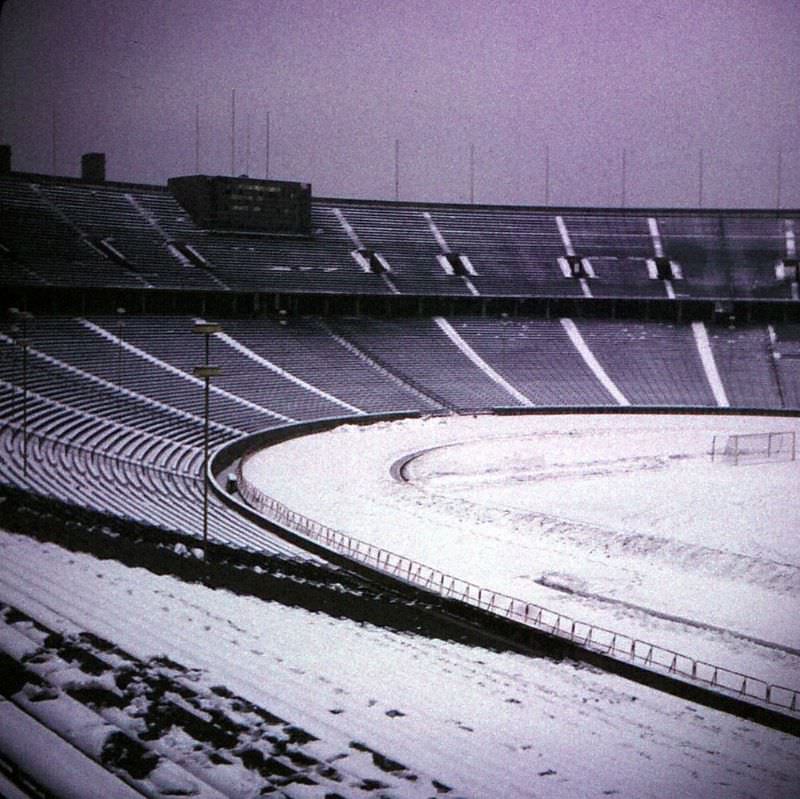
The 1936 Olympic Stadium, built under the Nazi regime to showcase Germany to the world, still stood in West Berlin in 1970 and remained in active use. It hosted the 1936 Summer Olympics, during which Jesse Owens won four gold medals in front of Adolf Hitler. By 1970 it served as a regular sports venue for the city.