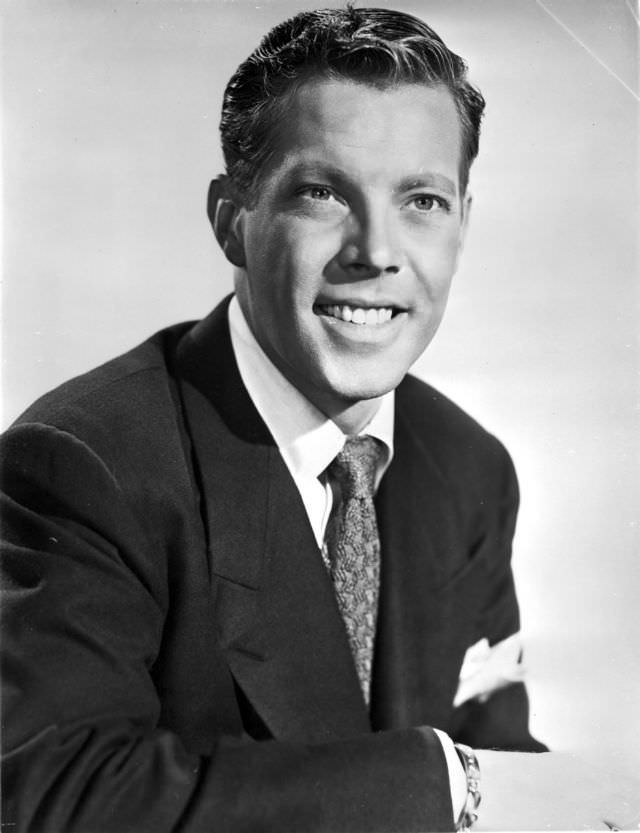
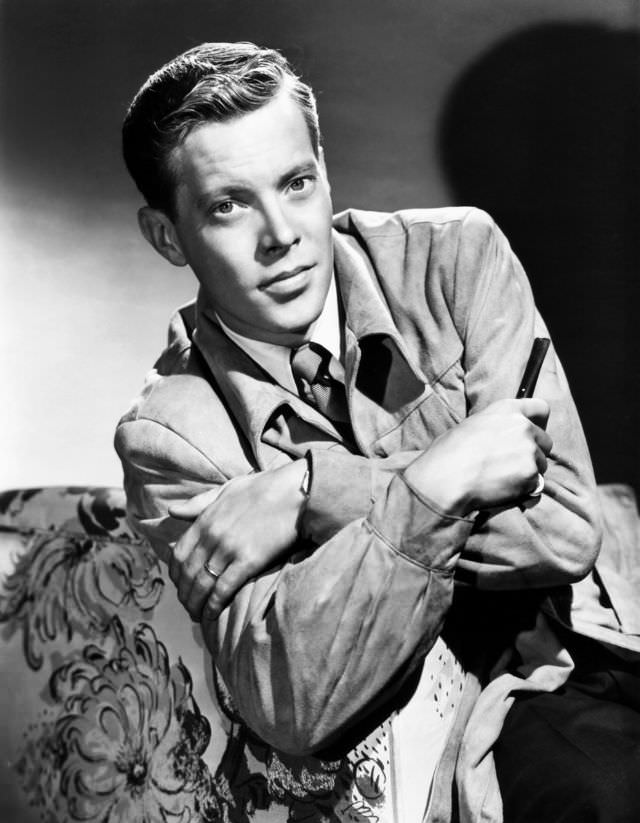
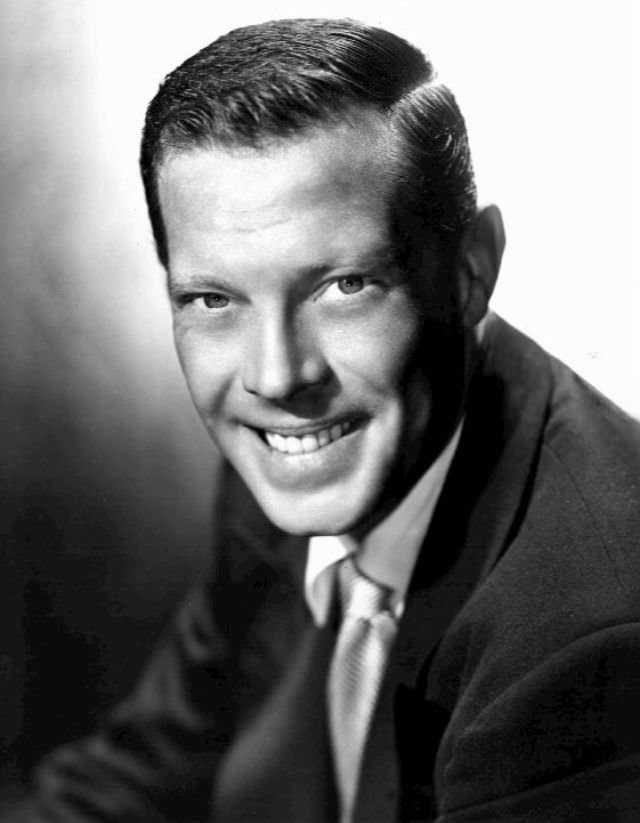
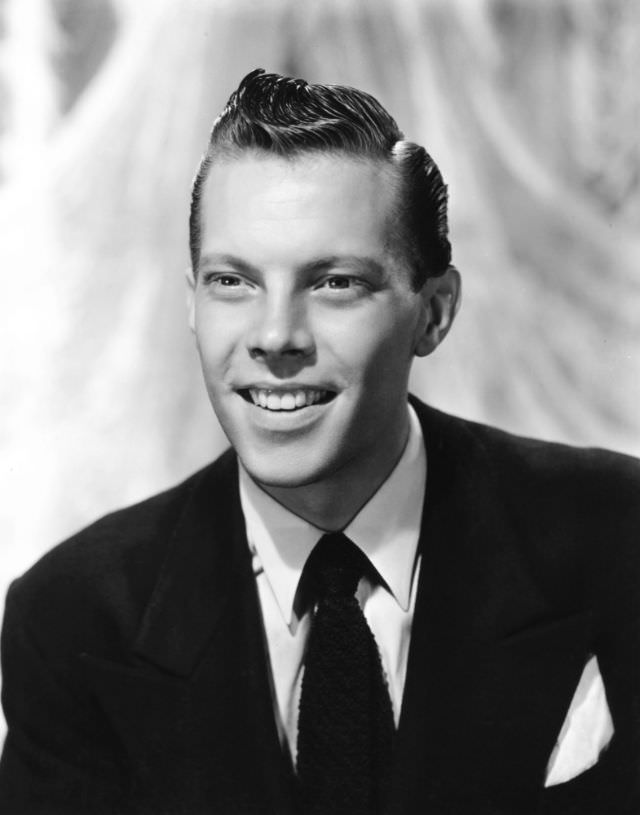
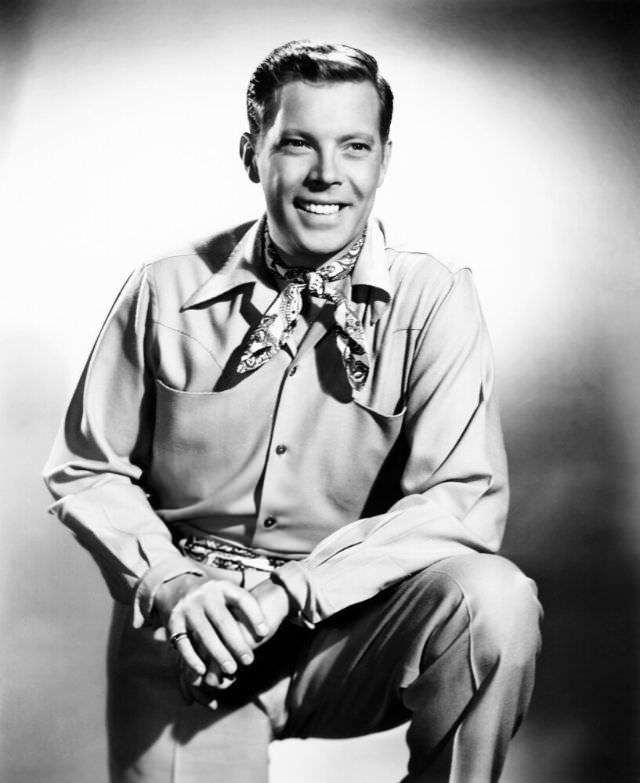
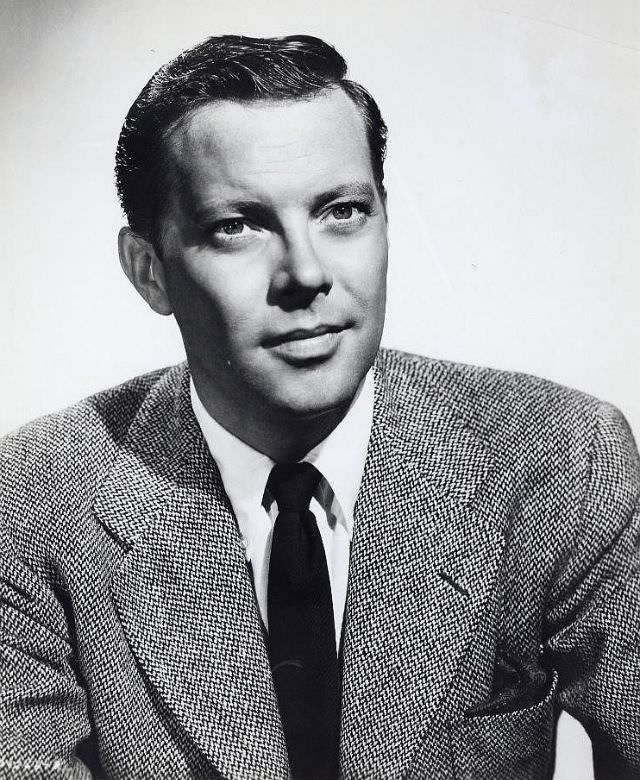
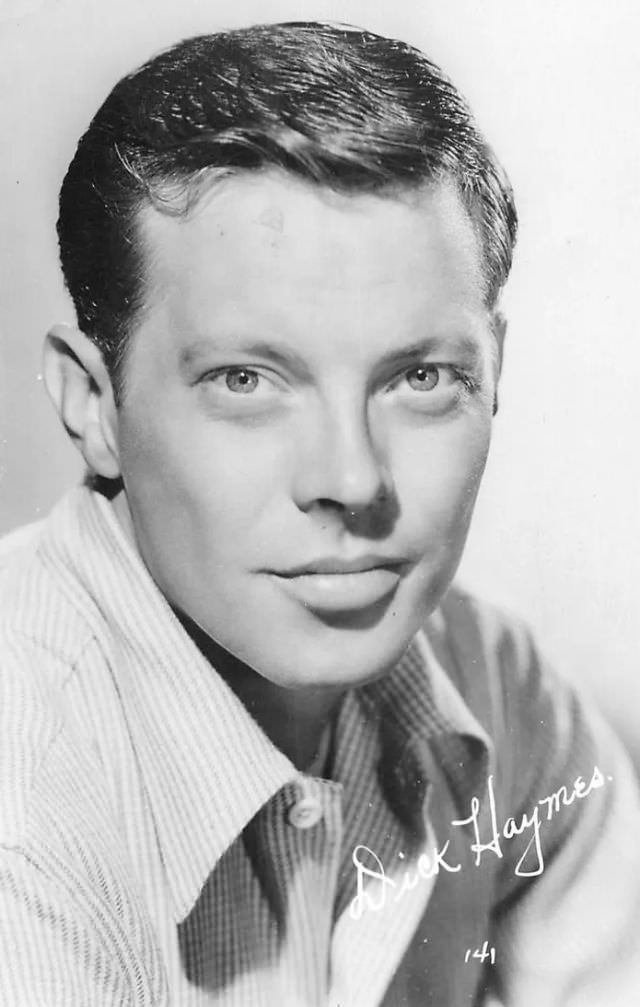
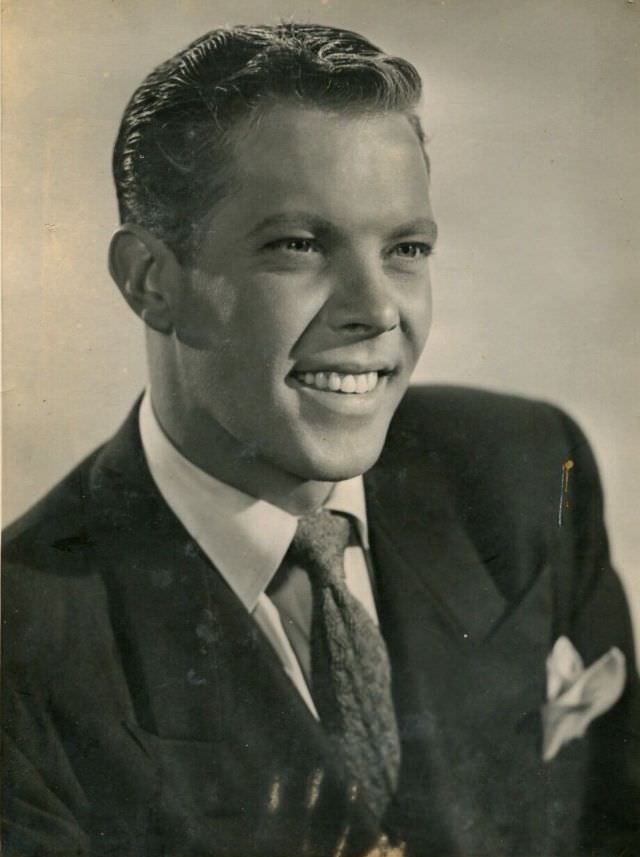
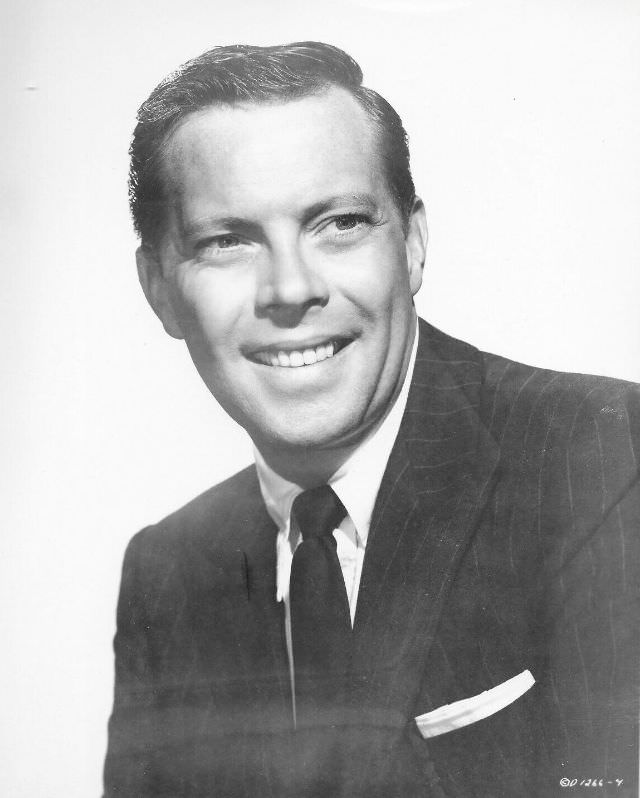
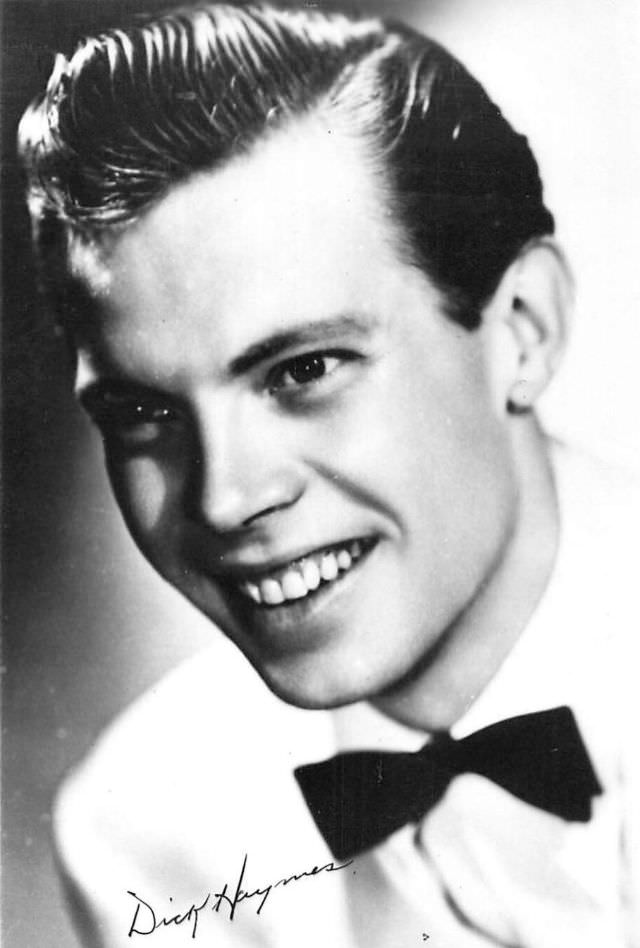
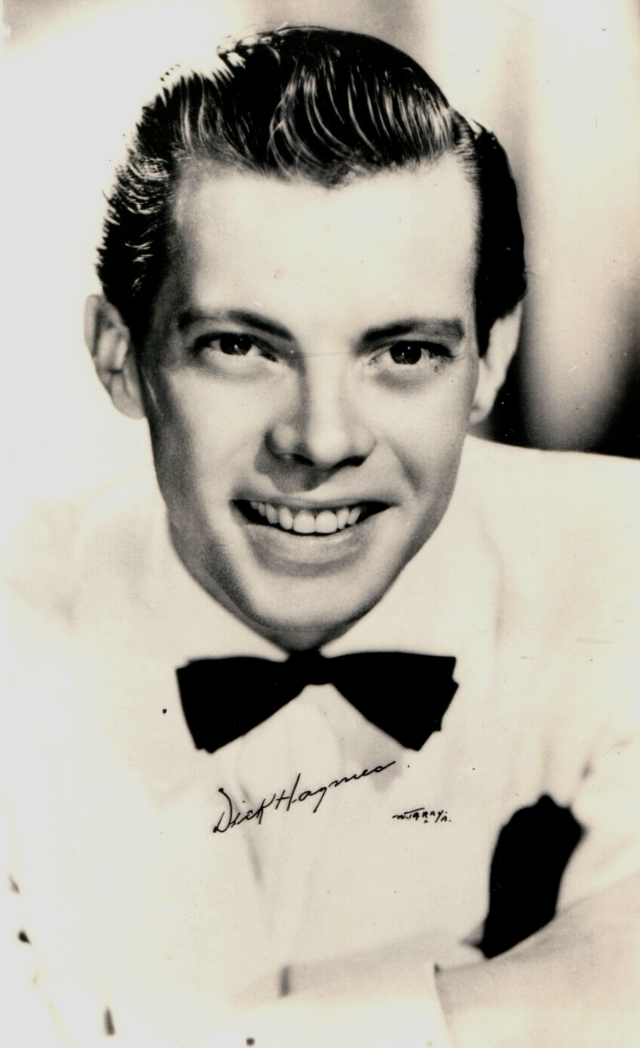
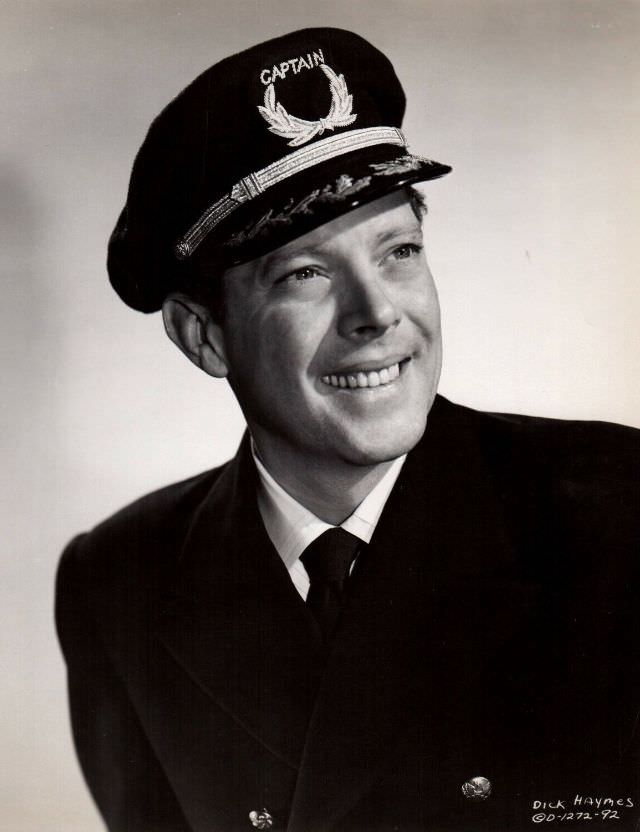
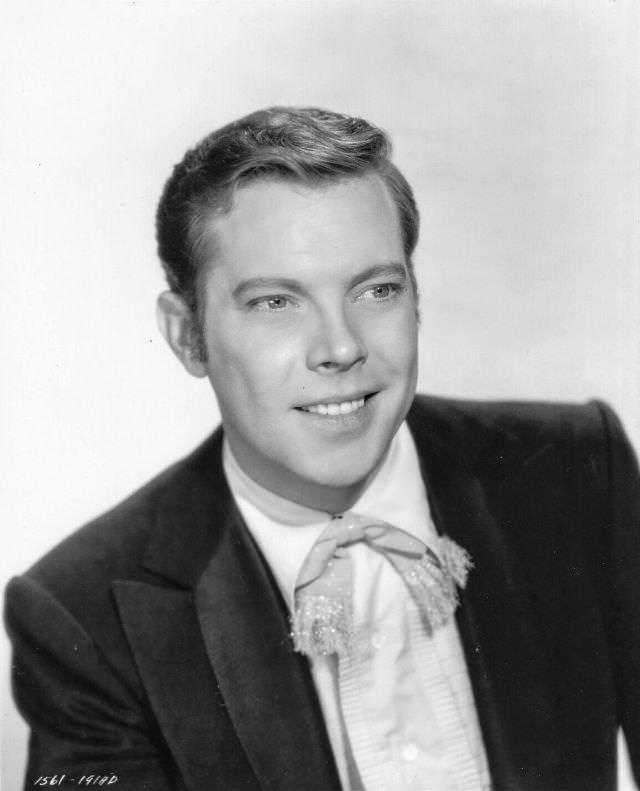
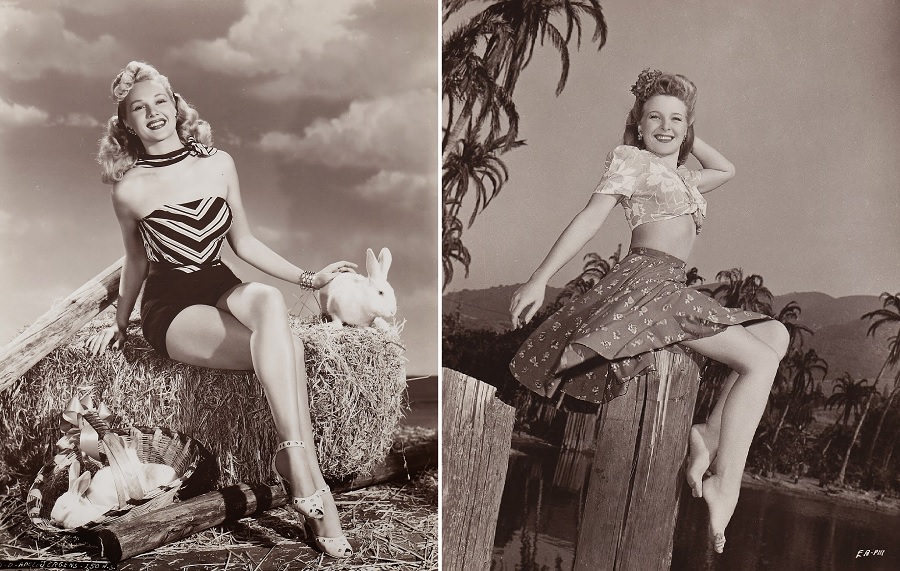
Dick Haymes was born Richard Benjamin Haymes on September 13, 1918, in Buenos Aires, Argentina, to British parents. His family moved to the United States when he was young, and growing up in a musical household set the stage for everything that followed. By the time the 1940s arrived, he was ready to make his mark.
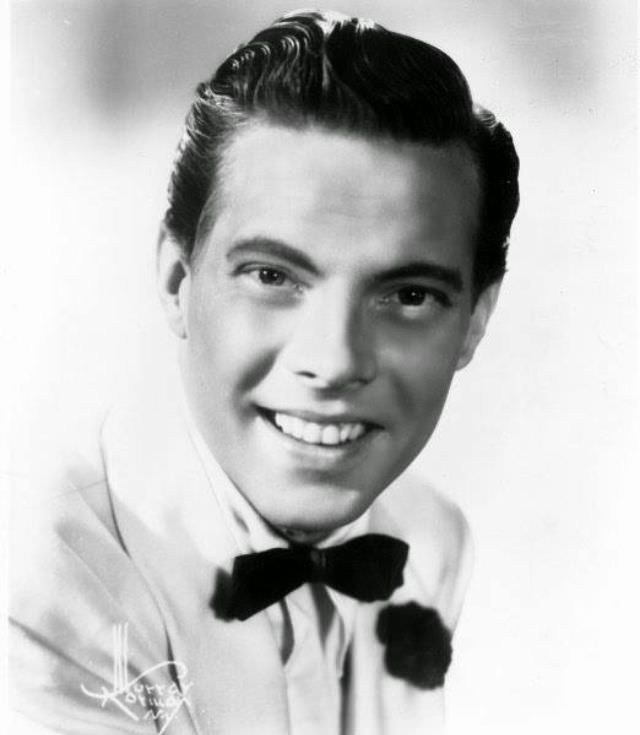
His first major break came when he joined the Harry James Orchestra as lead vocalist — stepping into the same role that Frank Sinatra had just vacated. That was no small pressure, but Haymes handled it. His smooth, deep baritone quickly earned him fans of his own.
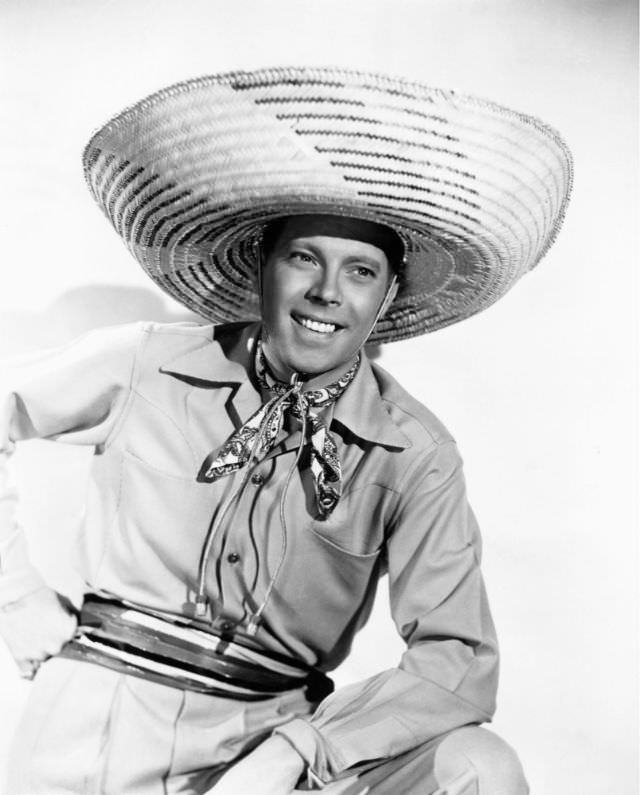
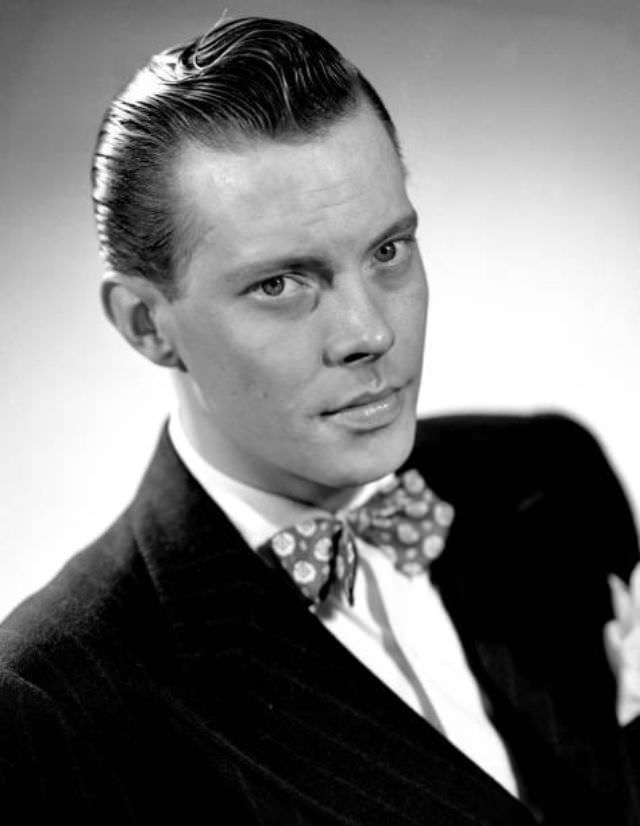
Decca Records signed him shortly after, and the hits followed. He released a steady stream of popular singles throughout the decade, becoming one of the label’s most reliable stars. His voice had a warmth that suited the era’s taste for lush, romantic ballads.
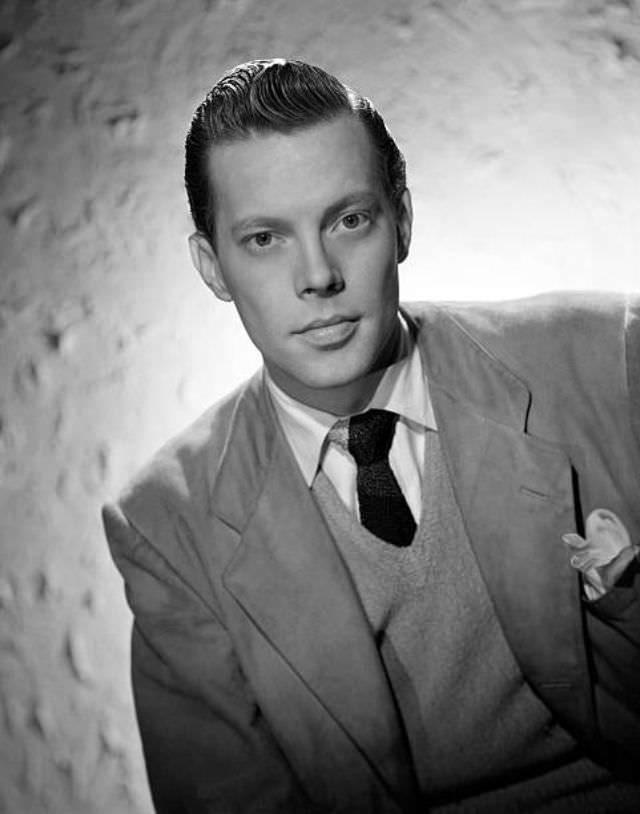
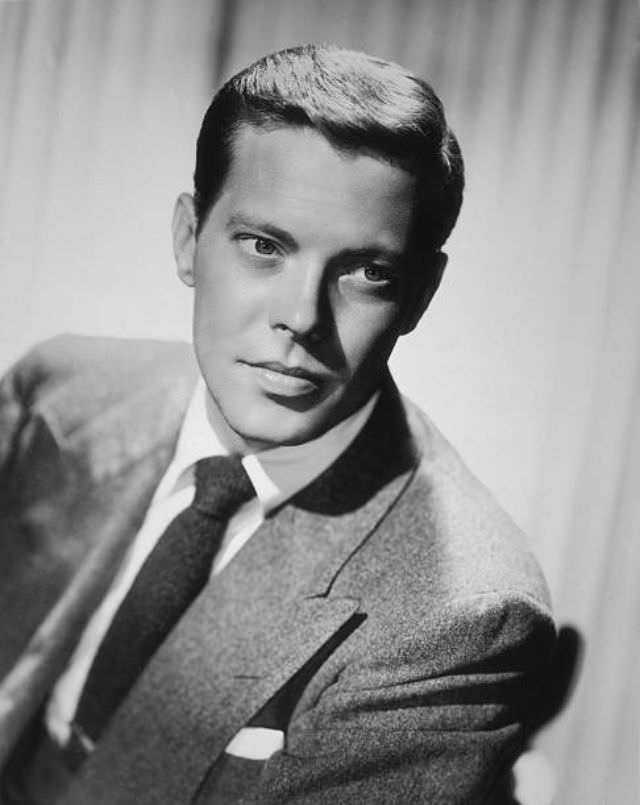
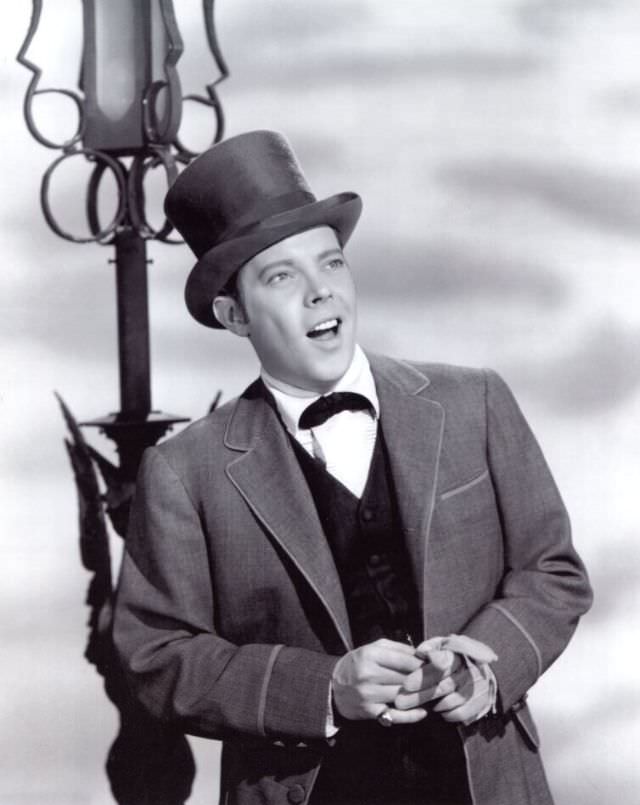
Hollywood came calling too. Haymes appeared in a string of films during the 1940s, most notably the musical “State Fair” in 1945 and “One Touch of Venus” in 1948. His looks and screen presence made him a natural fit for the big screen, and studios were happy to cast him.
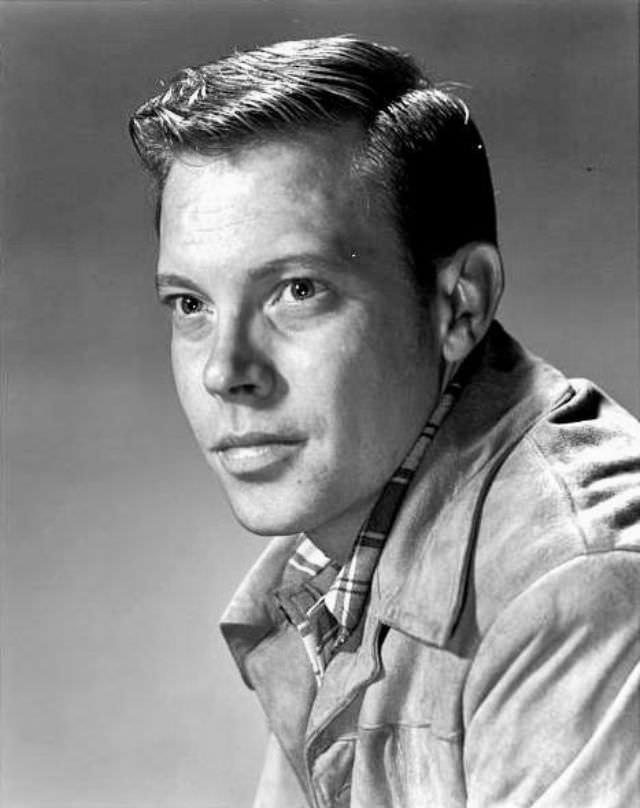
One of the highlights of his recording career was his collaborative work with other vocalists. He recorded duets with Helen Forrest and Judy Garland, both of which produced chart-topping hits. These pairings showcased his ability to share the spotlight while still standing out.
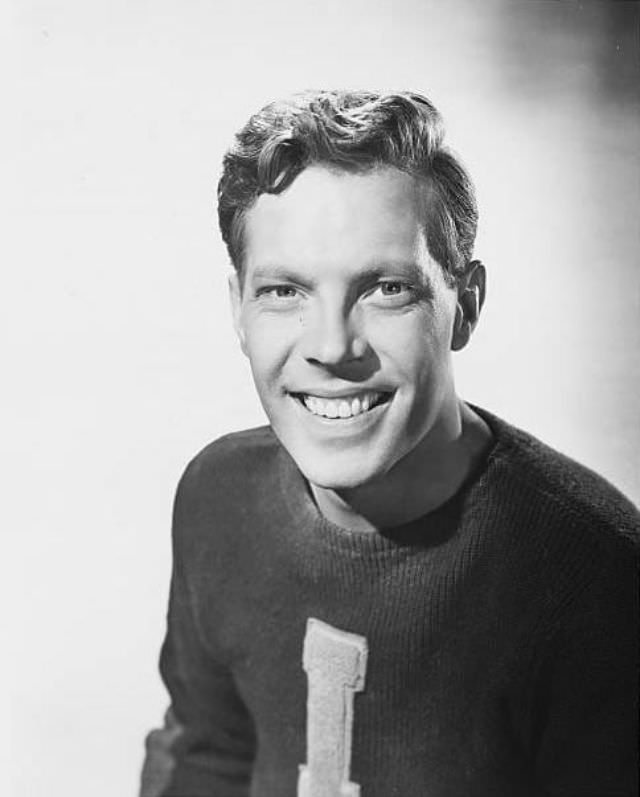
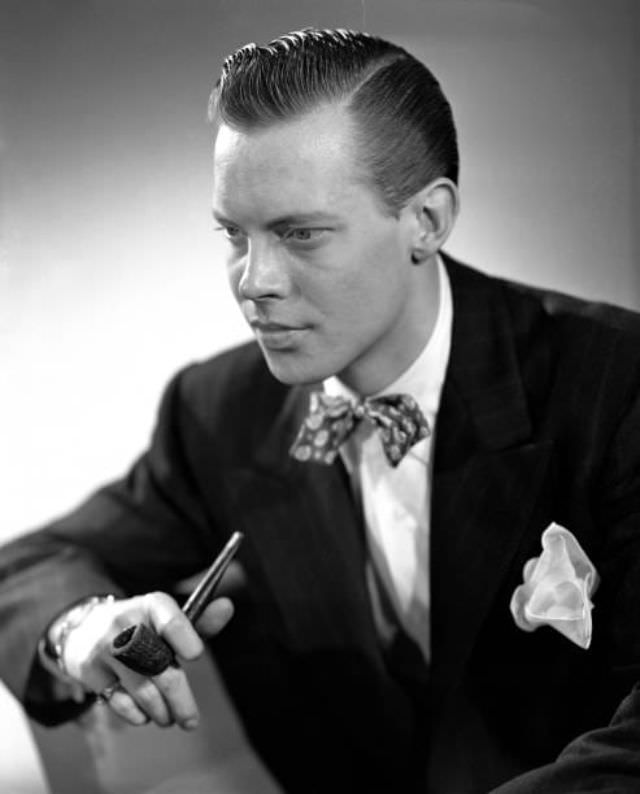
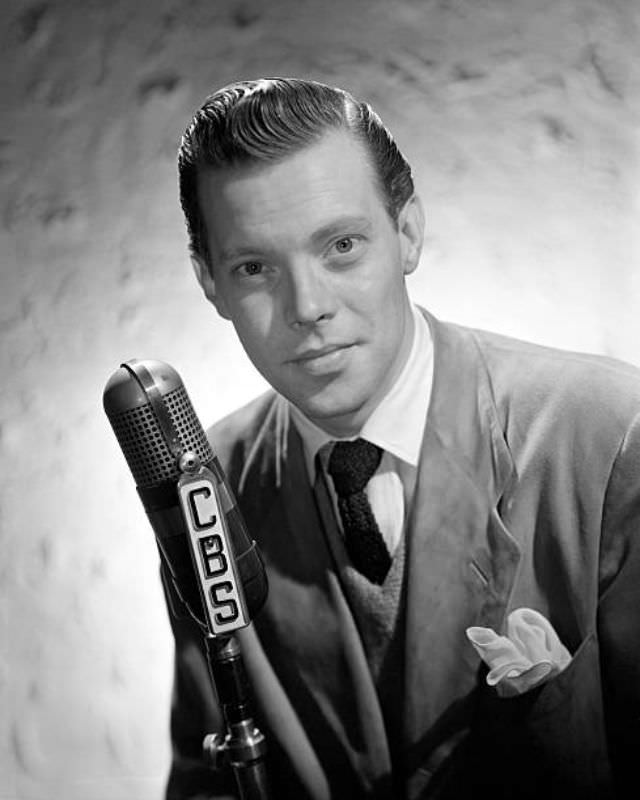
Radio gave him yet another avenue. “The Dick Haymes Show” ran for several years and drew a loyal audience. He was a natural on-air personality, and listeners tuned in regularly to hear him perform and entertain.
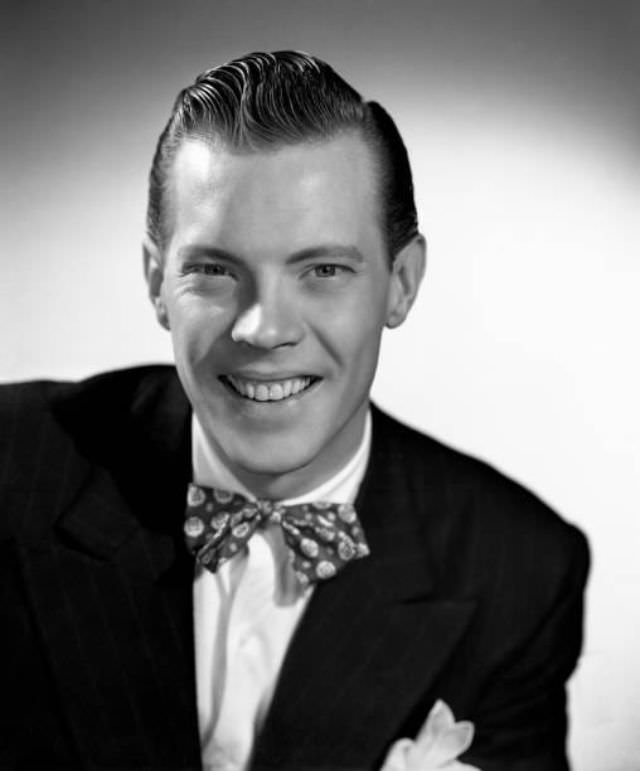
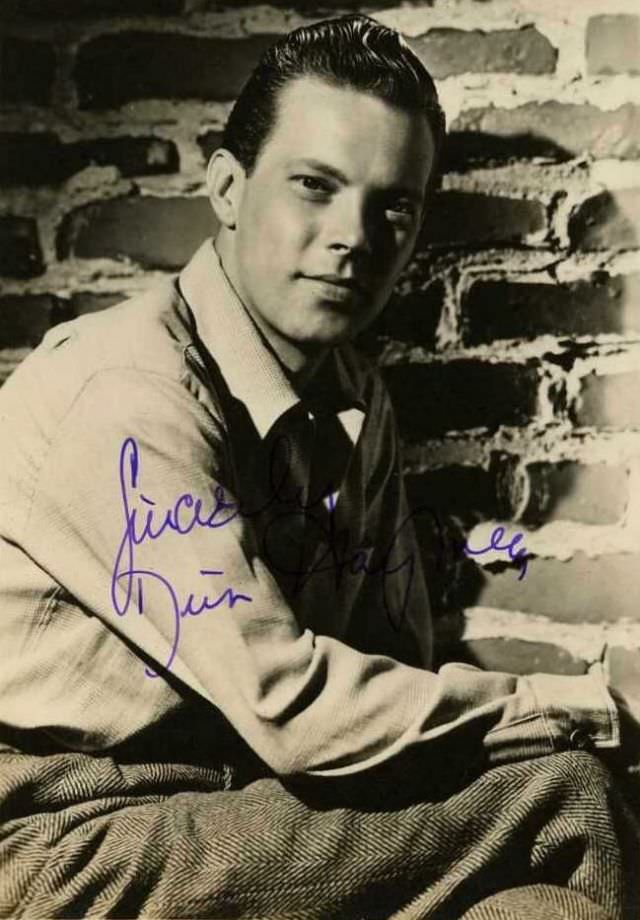
As the 1950s arrived, the music world began to shift. Rock and roll pushed Big Band and traditional pop to the margins. Haymes continued to record and moved into television, guest-starring on various shows and appearing in TV films. He adapted where he could.
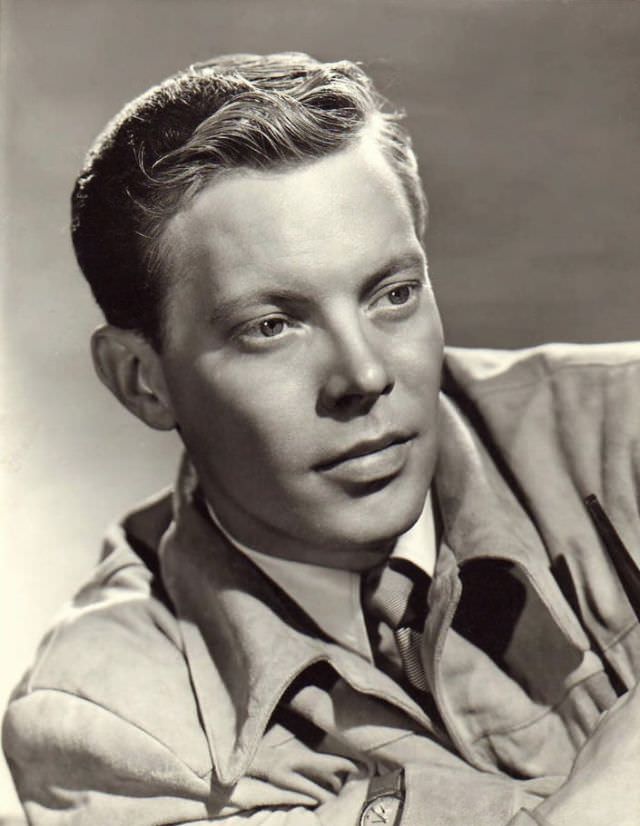
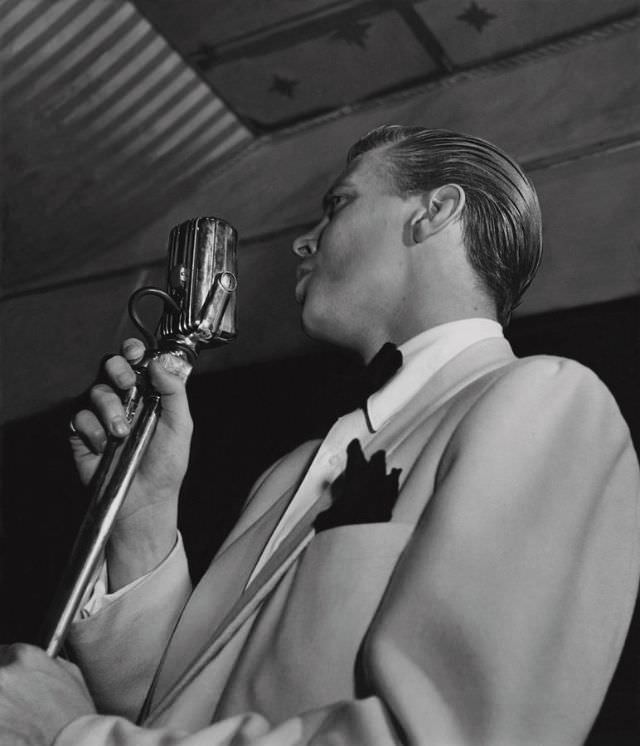
The 1950s also brought personal and financial difficulties. Haymes was married six times, and each relationship drew heavy media coverage. Legal troubles and money problems added further strain, making an already complicated decade even harder to navigate.
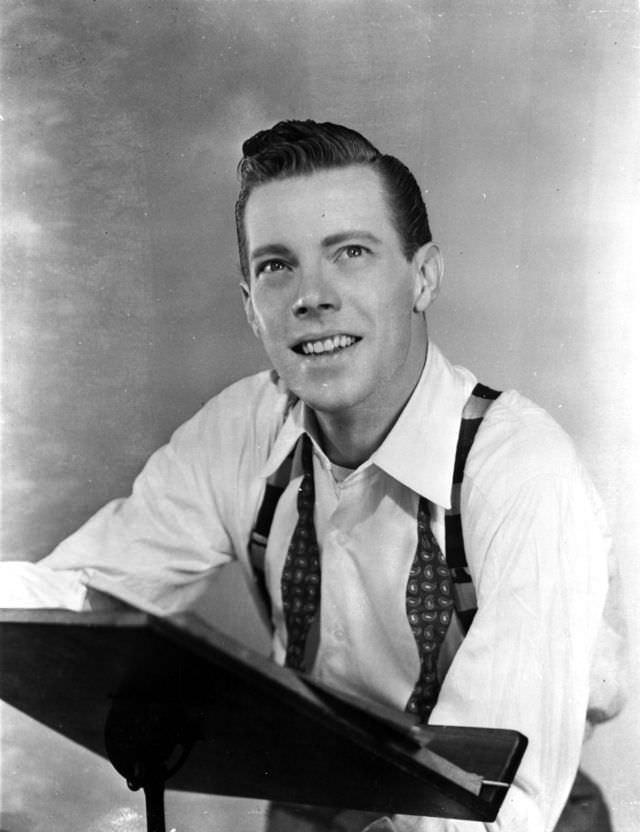
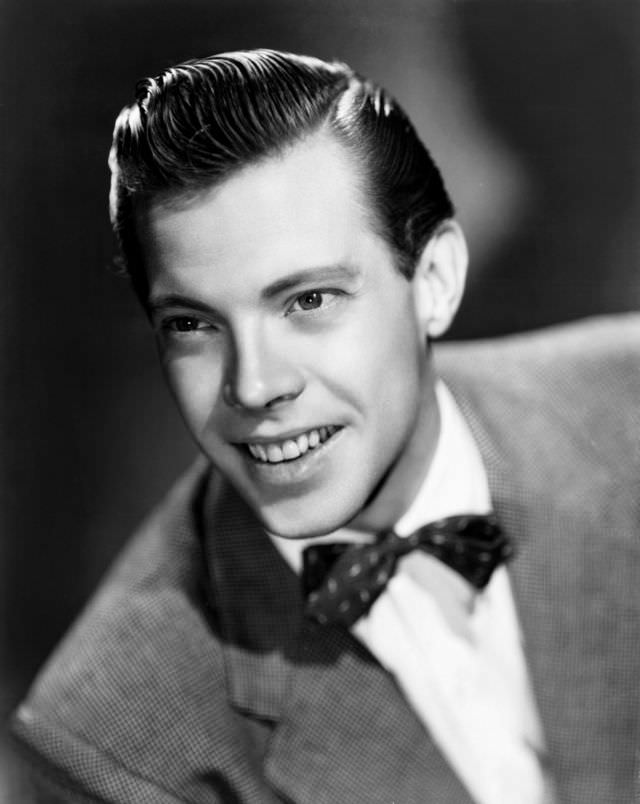
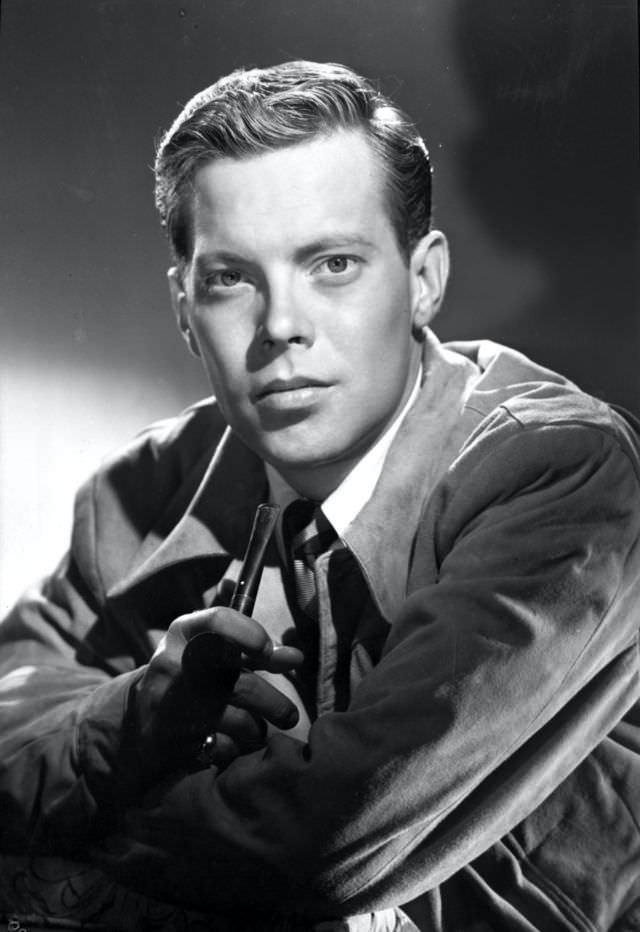
Through it all, the photographs from these two decades tell their own story. They capture a man at the center of American entertainment — on stage, on screen, and in the studio — during one of the most vibrant periods in popular culture.