
At the turn of the 20th century, Dallas was not just a growing city — it was a city on a mission. Sitting at the crossroads of Southern commerce, it had already carved out a dominant role as the leading market for paper jewelry and wholesale liquor across the entire Southwest. Cotton, grain, and even buffalo moved through its trade networks. The city was loud, ambitious, and crowded with people who believed they were building something that would last.
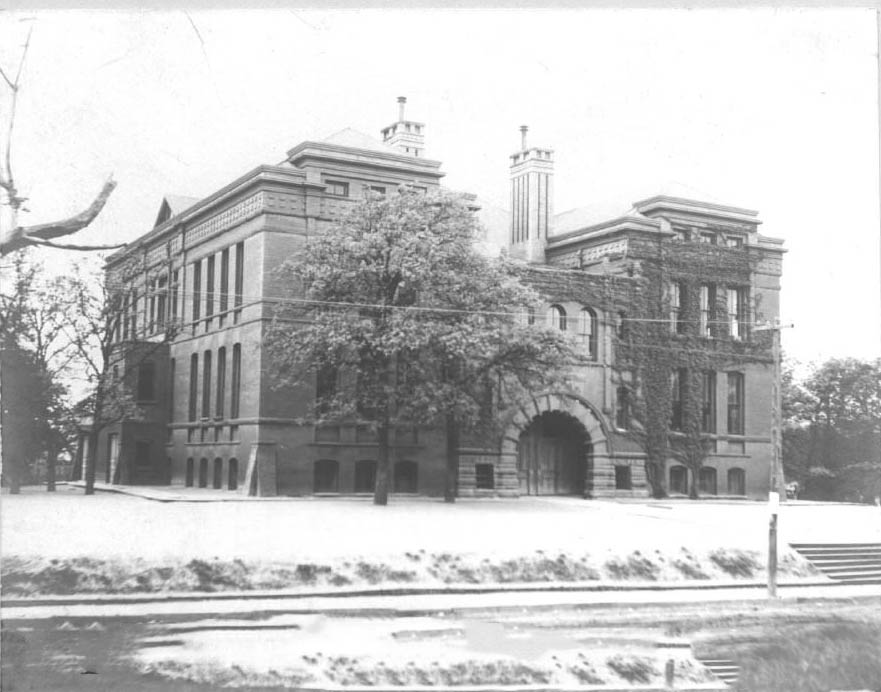
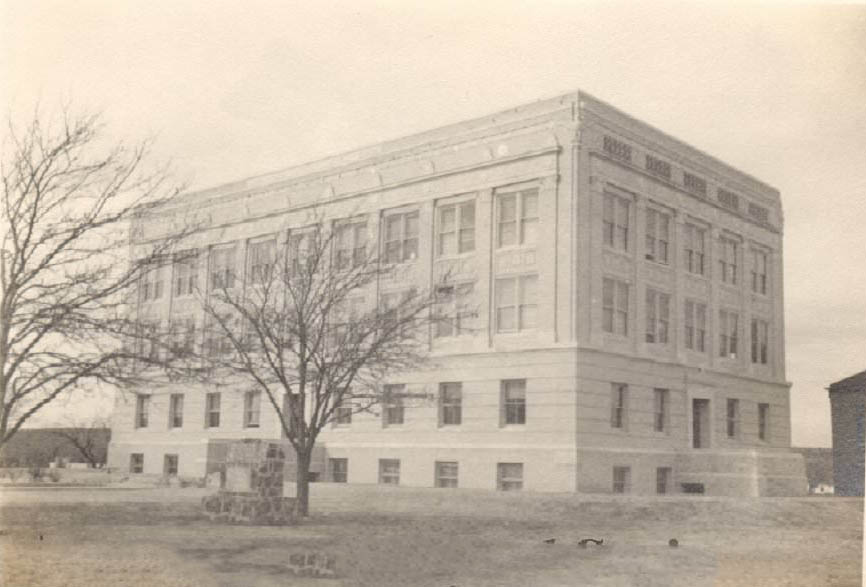
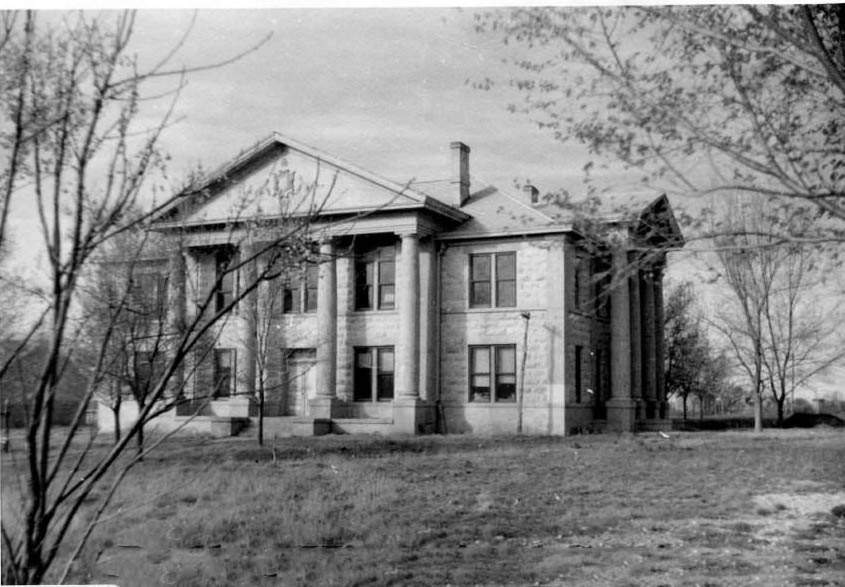
Schools were a sign of a city’s confidence in its future. As Dallas expanded block by block, new institutions appeared across the urban grid. The Columbian School, photographed in May 1901, represented the city’s push to educate a rapidly growing population. Children from across the city’s many neighborhoods filed into buildings like this one as Dallas tried to keep pace with its own growth.
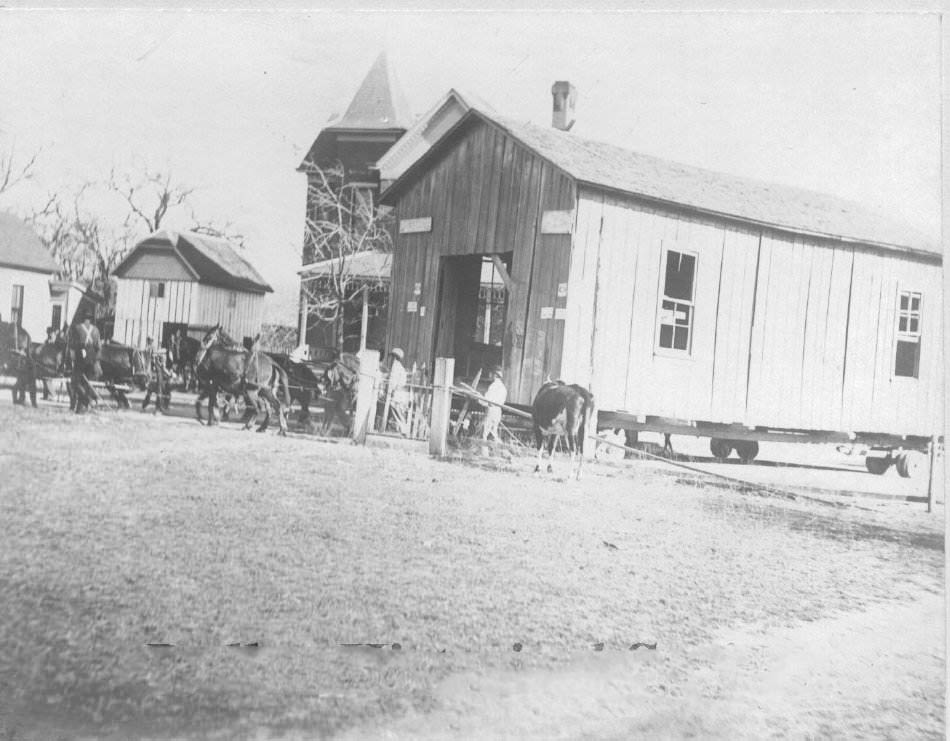
Dallas in 1901 was still a city in motion — literally. Entire structures were relocated as the city’s layout shifted and neighborhoods reorganized around new streets, rail lines, and commercial corridors. The moving of a hut, house, or barn was not an unusual sight. Workers used rollers, teams of horses, and sheer determination to drag buildings to new lots, preserving what they could while the city reshaped itself around them.
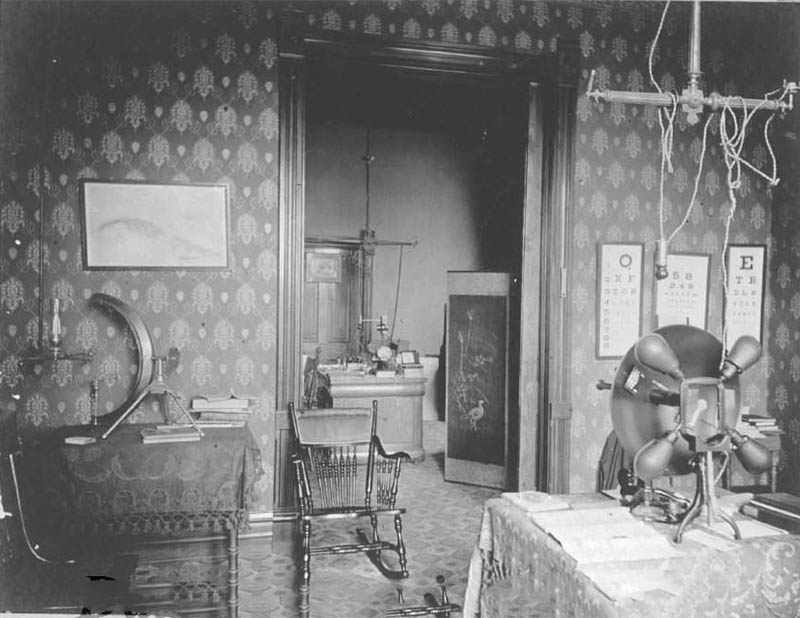
Commerce was the engine of early Dallas. Office spaces along Main Street were already filling up with merchants, brokers, and professionals staking their claim in a city that was quickly becoming a regional powerhouse. Main Street was the spine of the business district, where deals were struck and reputations were built.
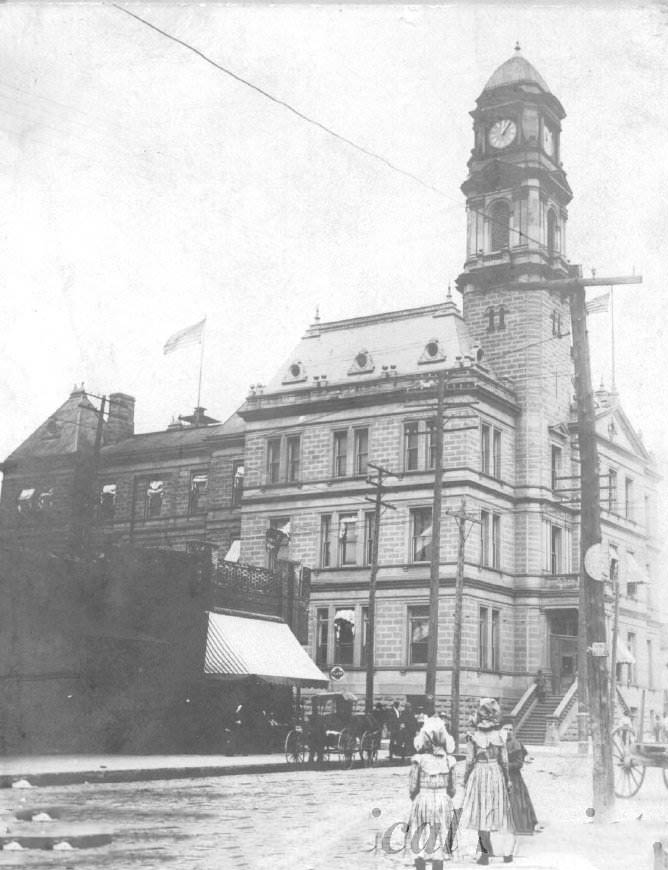
Federal institutions were anchoring themselves in Dallas as well. The post office at Commerce and Ervay Streets stood as a symbol of the federal government’s recognition that Dallas was a city worth investing in. Mail connected Dallas to the rest of the country, and a proper post office meant the city had grown too large to operate without one.
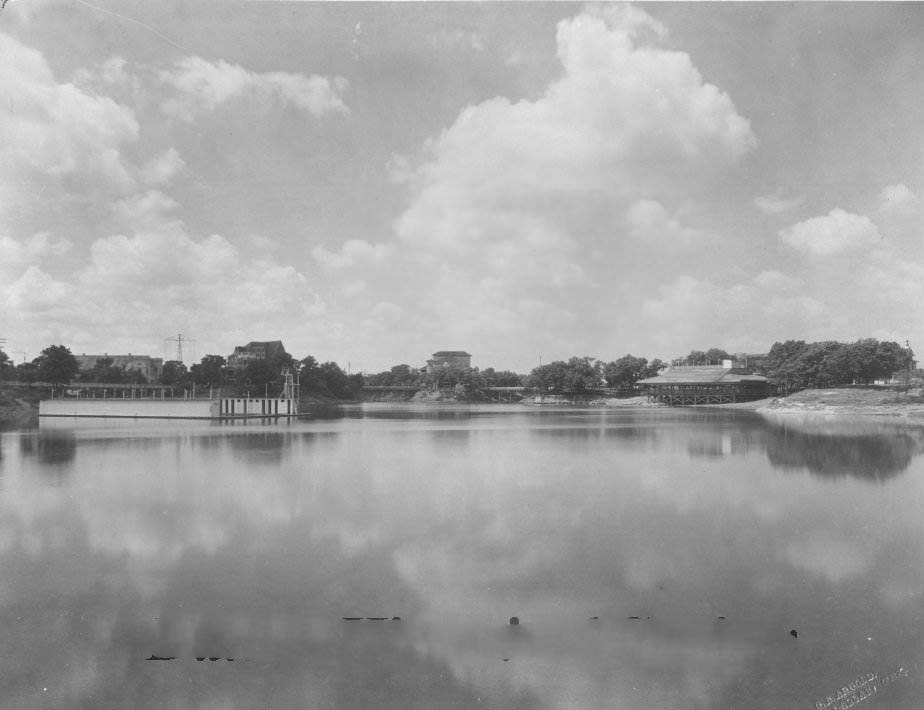
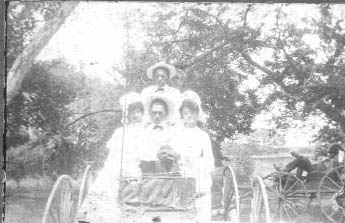
Not all of Dallas life was about commerce and construction. Lake Cliff in Oak Cliff offered residents a place to step away from the noise of the growing city. The area around the lake became a destination for families and couples looking for leisure in a city that rarely slowed down. It was a rare quiet corner of an otherwise bustling urban landscape.
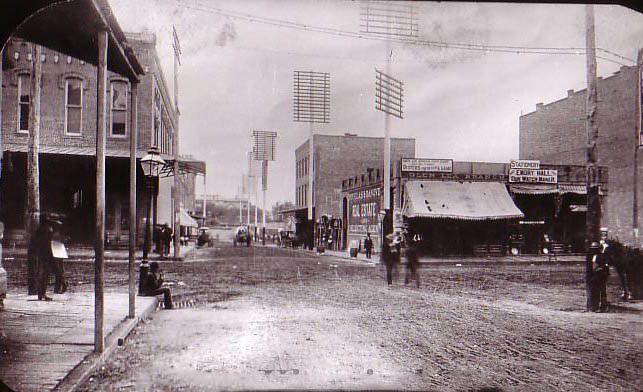
The street grid of early Dallas was already taking the shape that would define the city for decades to come. Akard Street, photographed looking south from Pacific in 1901, showed a city where horse-drawn vehicles and early infrastructure shared the same unpaved and partially paved roads. The street was alive with movement — vendors, workers, and residents navigating a city in mid-transformation.
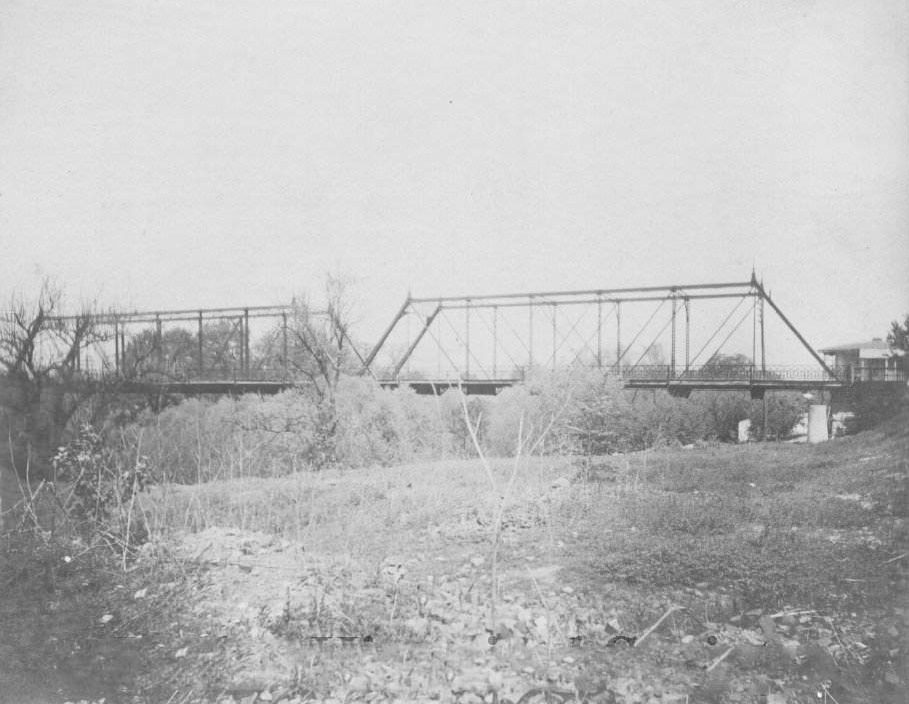
Photography itself was evolving alongside the city. The Commerce Street Bridge was one of the first subjects used to test a wide-angle lens in 1901, capturing the sprawling infrastructure Dallas was building to connect its neighborhoods across the Trinity River. Bridges like this one were essential — they were not just engineering feats but the physical links that kept a growing, spread-out city functioning.
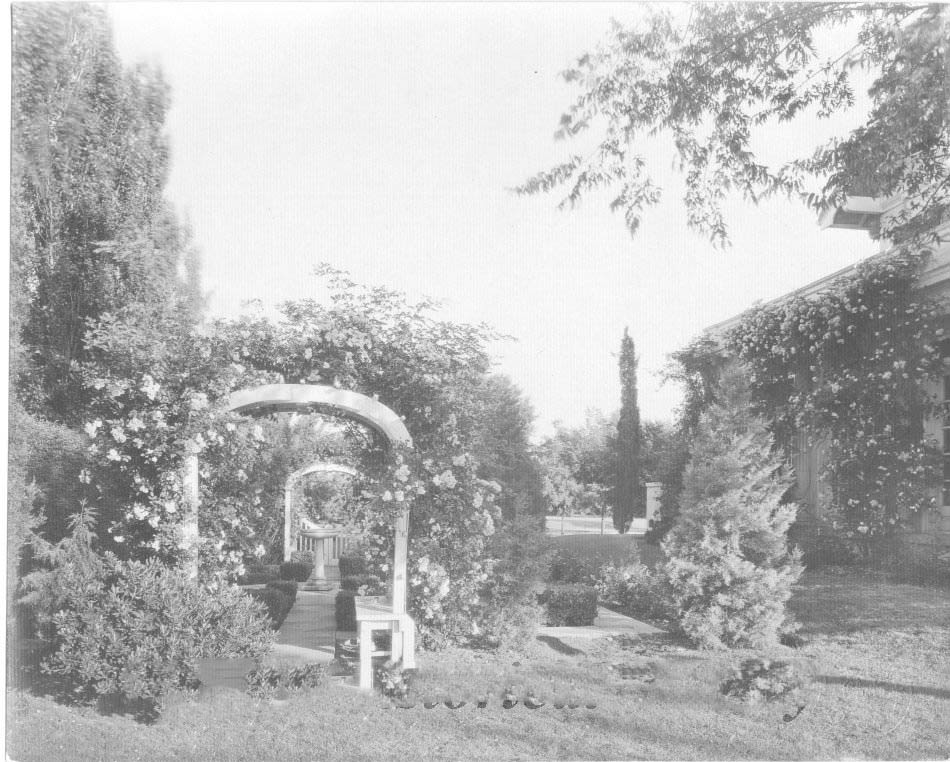
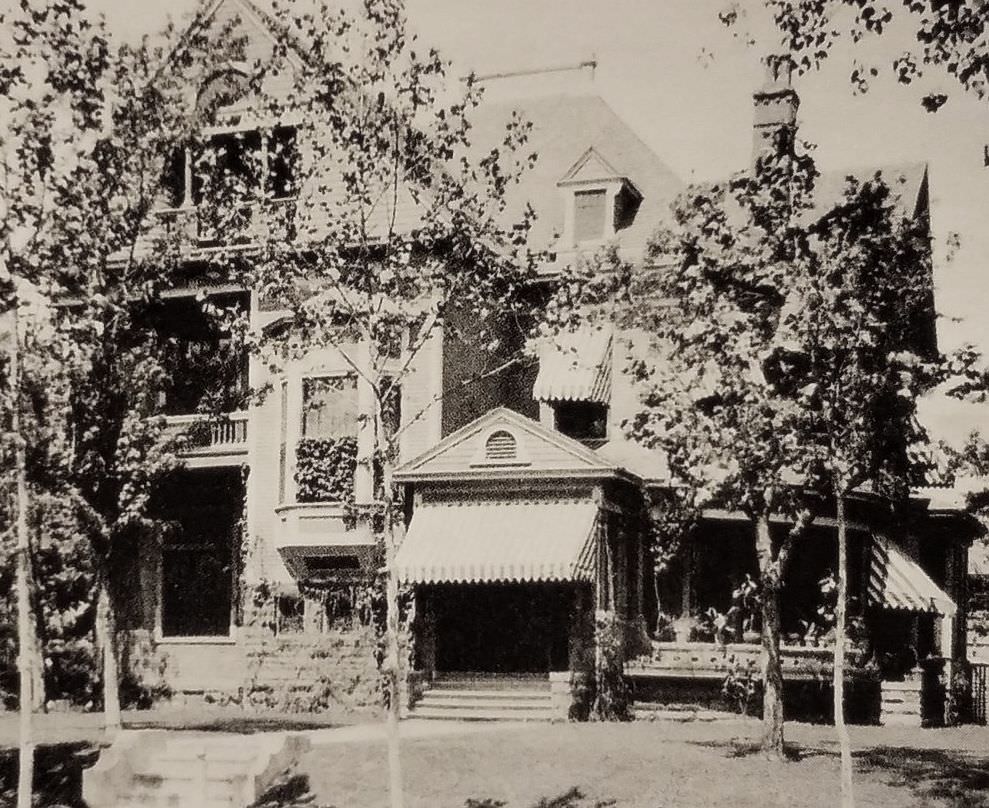
Wealthy Dallas residents were building homes along Swiss Avenue that reflected their status and aspirations. The Frederick P. Wilson home, situated at the corner of Swiss Avenue and Oak Street, was one of the more prominent residential properties of the era. Homes like this one demonstrated that Dallas prosperity was not only commercial — it was personal and domestic, built into the very architecture of its neighborhoods.
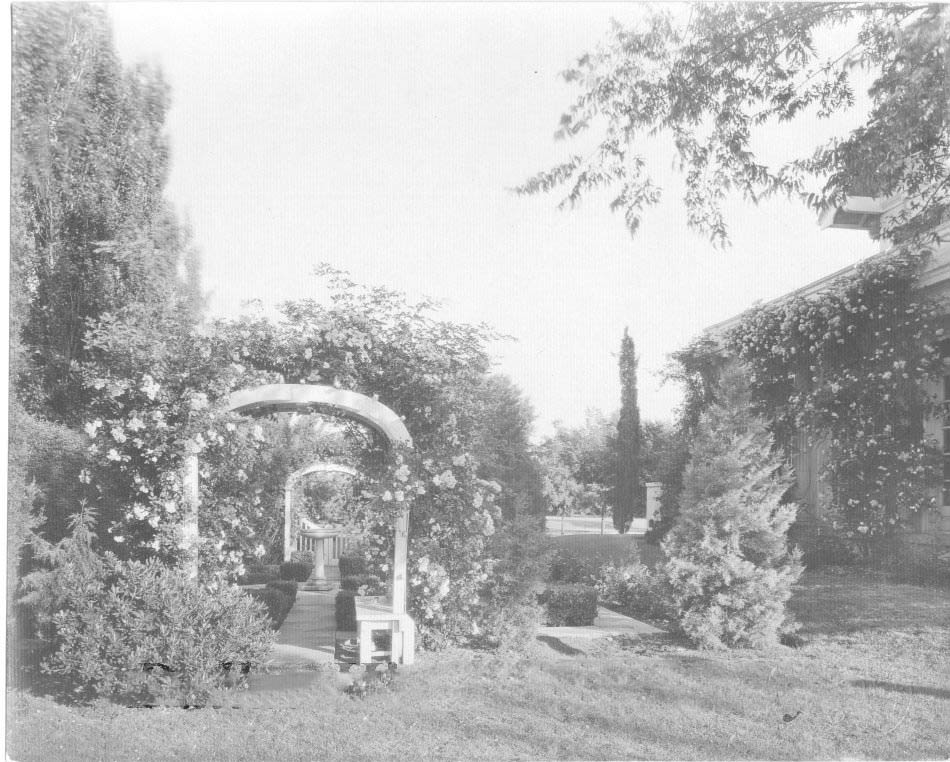
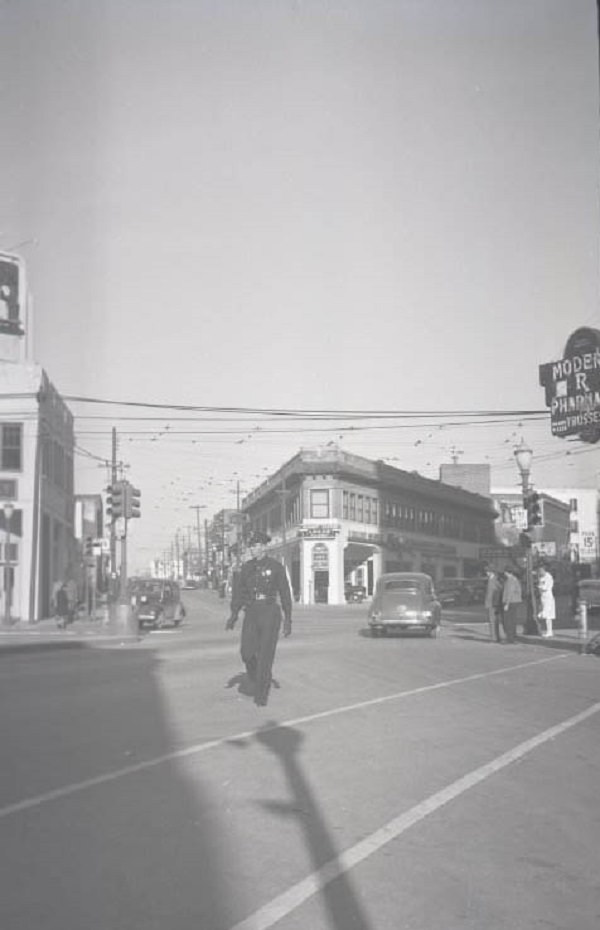
By 1902, Dallas streets were busy enough to require traffic management. A policeman photographed at the intersection of Pacific, N. St. Paul, and Live Oak streets was doing the job of keeping order at one of the city’s busier crossings. This kind of visible law enforcement at street level signaled that Dallas had grown beyond the informal systems of a smaller town and now needed organized, professional city services.
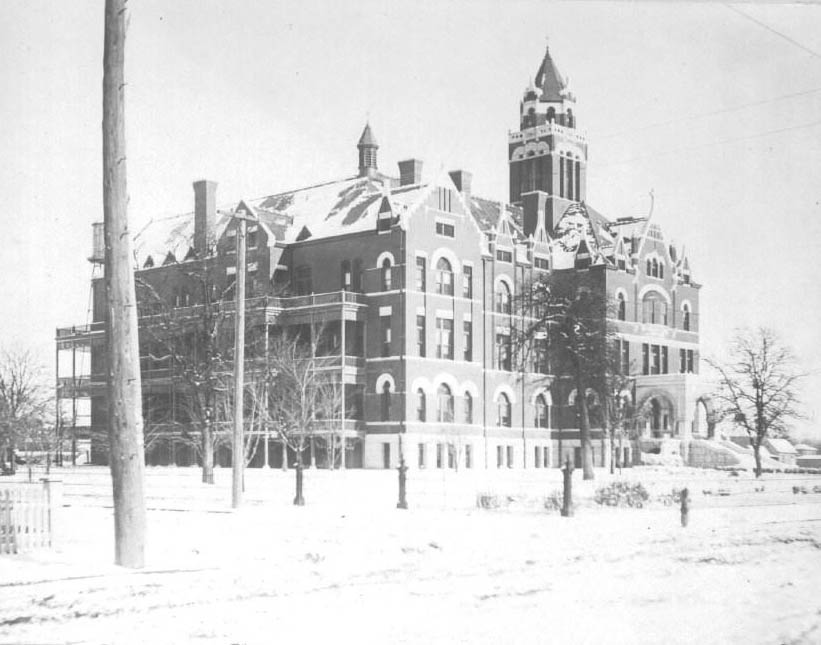
Healthcare infrastructure was also expanding. St. Paul’s Sanatorium, photographed in February 1902, was part of Dallas’ effort to build medical facilities capable of serving a growing urban population. The demand for hospitals and clinics grew in direct proportion to the number of people flooding into the city for work and commerce.
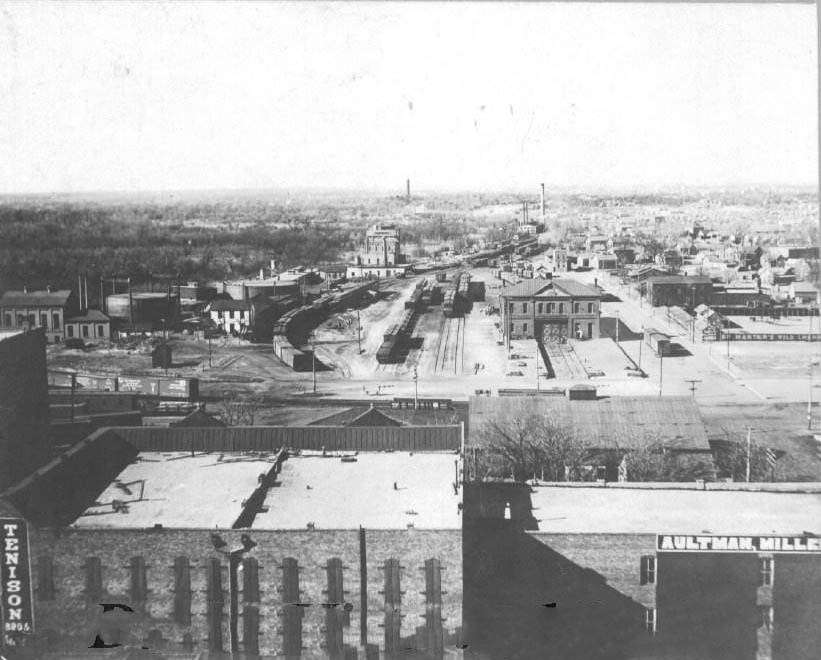
The West End of downtown Dallas in 1902 captured the city at a pivotal moment. Buildings were going up, streets were being formalized, and the commercial district was rapidly taking on a density that earlier decades could never have supported. The West End photo shows a Dallas that had committed to becoming a real city, not just a regional market town.
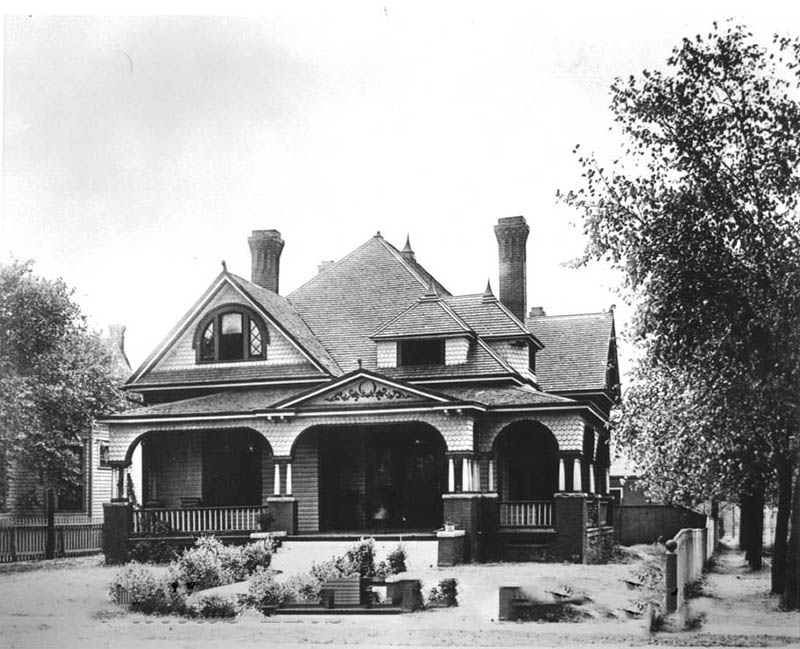
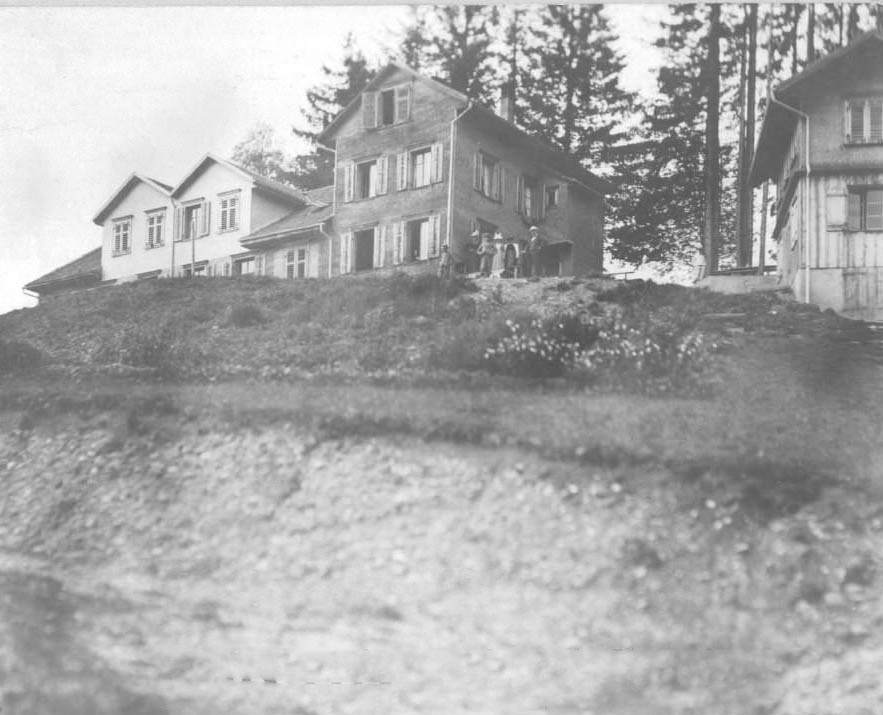
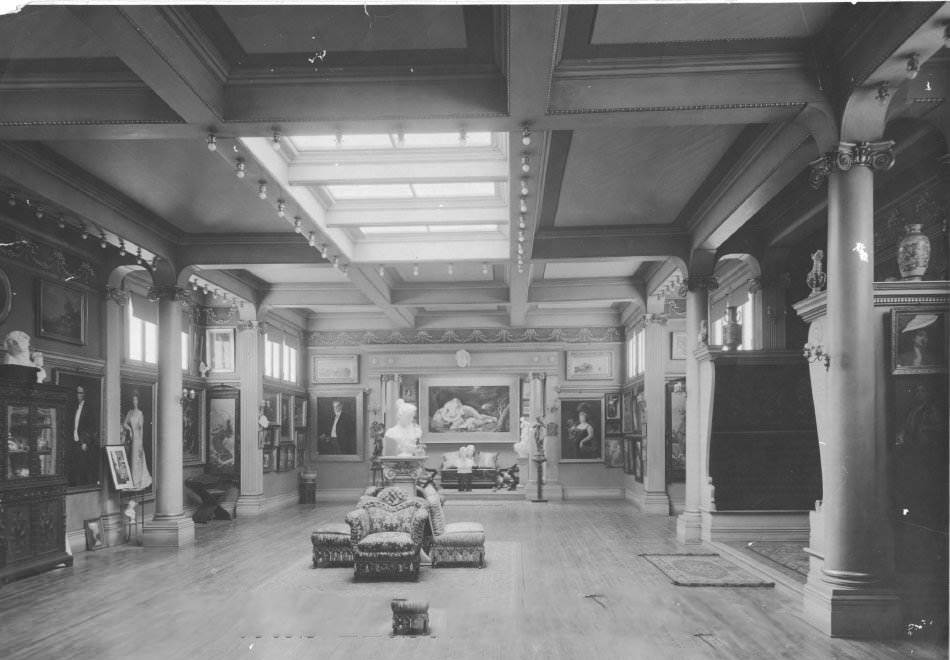
The arts were finding their place in Dallas as well. The Aunspaugh Art School on Bryan Street, run by artist Vivian L. Aunspaugh, operated out of an old house in what was then the Bryan Place neighborhood. Clothes dried on a line in the yard behind the building while students worked inside — a slice of everyday Dallas life layered against the backdrop of cultural ambition.
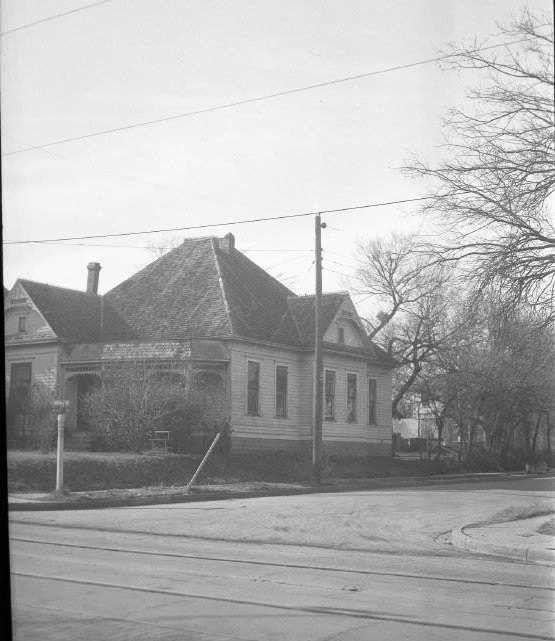
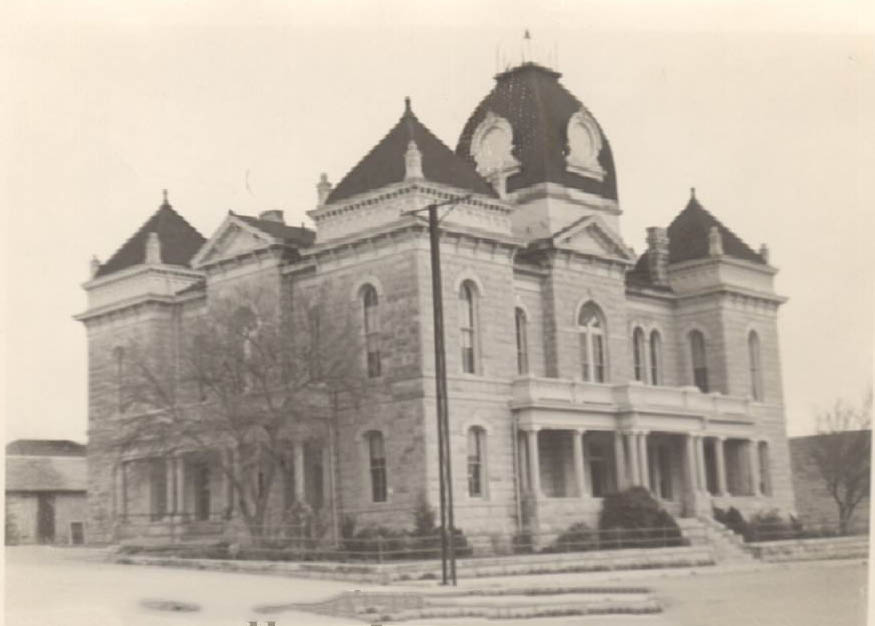
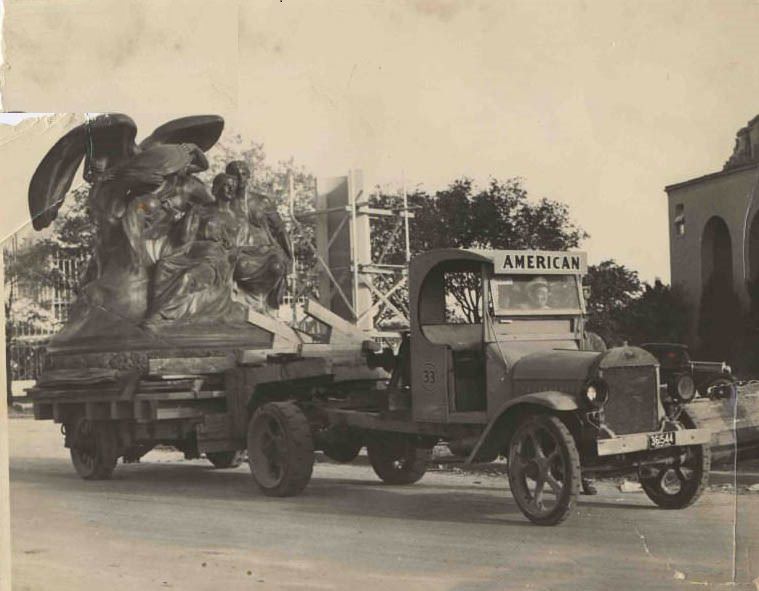
Fair Park was becoming a defining feature of Dallas civic life. In 1904, the American Mayflower Company moved a fountain into the park grounds — an act that spoke to the city’s investment in public spaces and spectacle. Fair Park would go on to host the State Fair of Texas and serve as a gathering point for residents across all parts of the city.
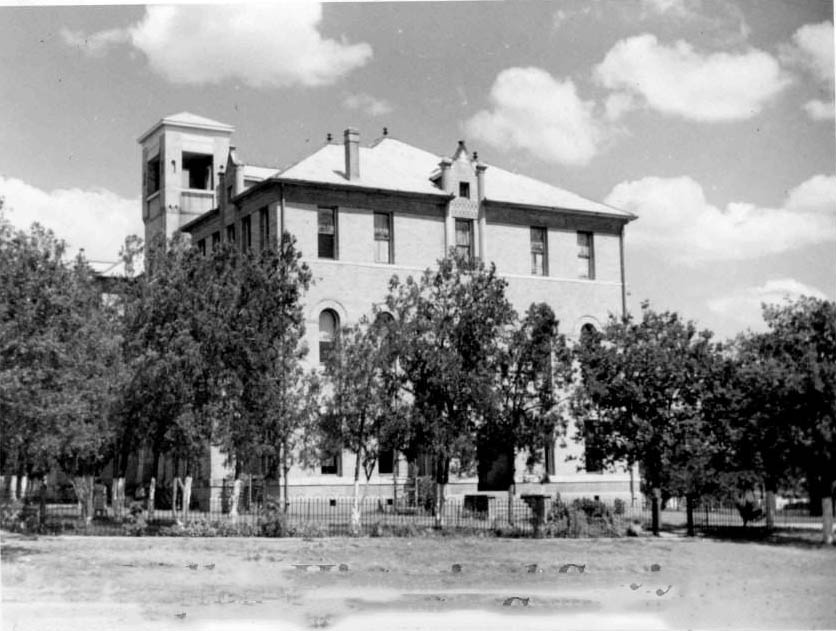
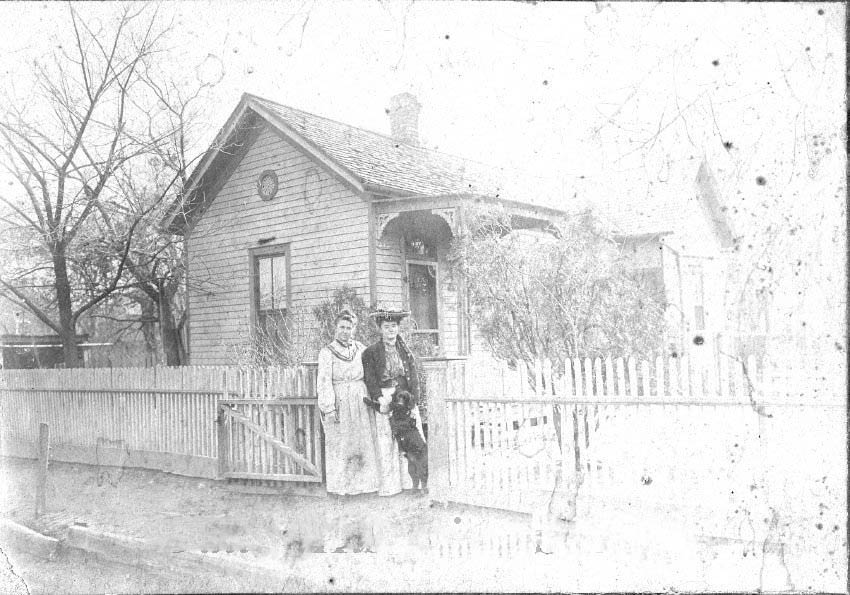
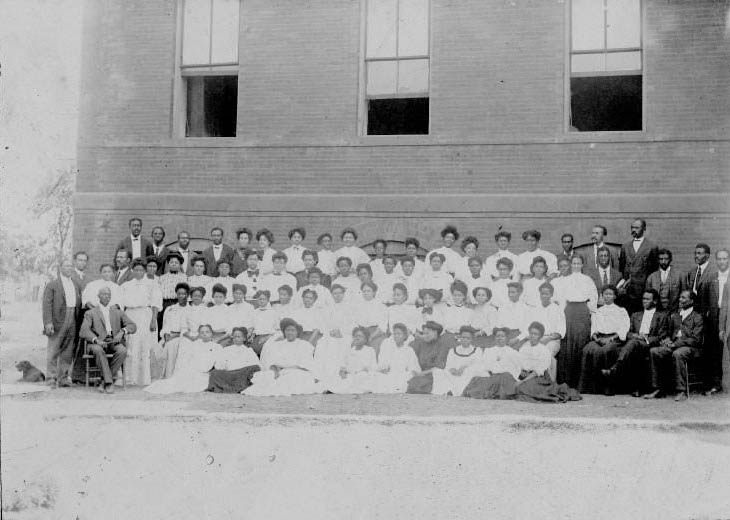
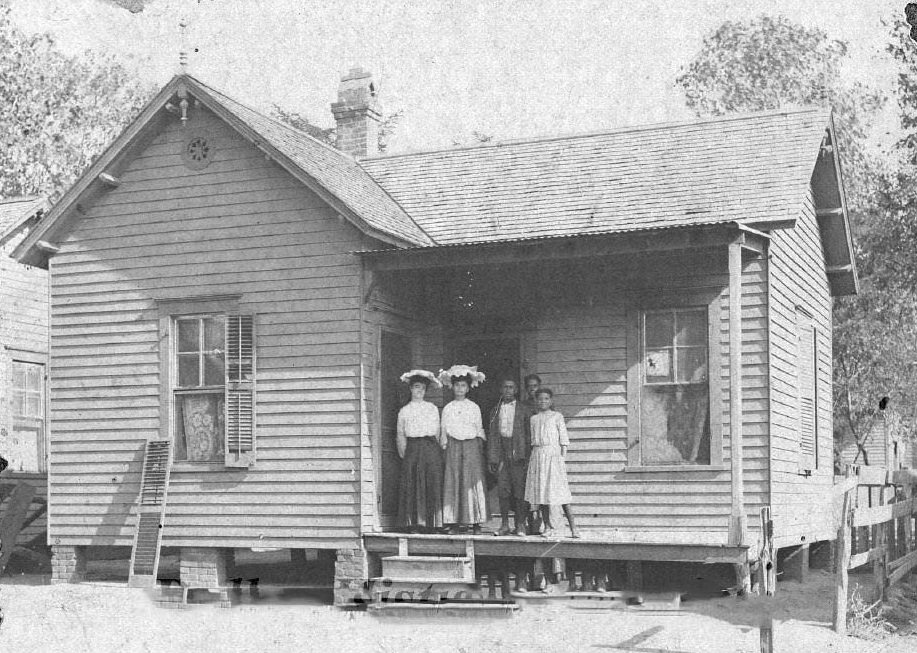
Education for Black Dallas residents was formalized in schools like JP Starks Elementary, photographed in 1905. Despite operating in a racially segregated city, the school served as a community anchor. Institutions like JP Starks represented the determination of Black Dallasites to build educational foundations for their children within a system that treated them unequally.
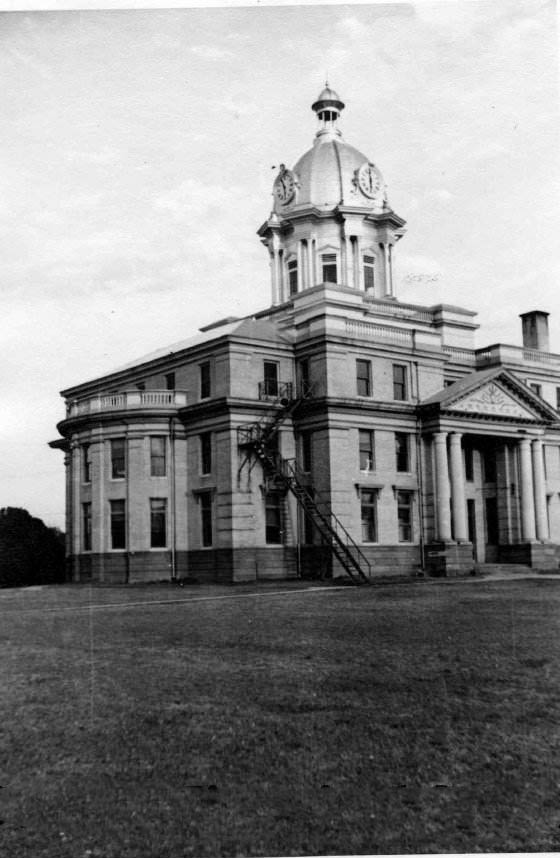
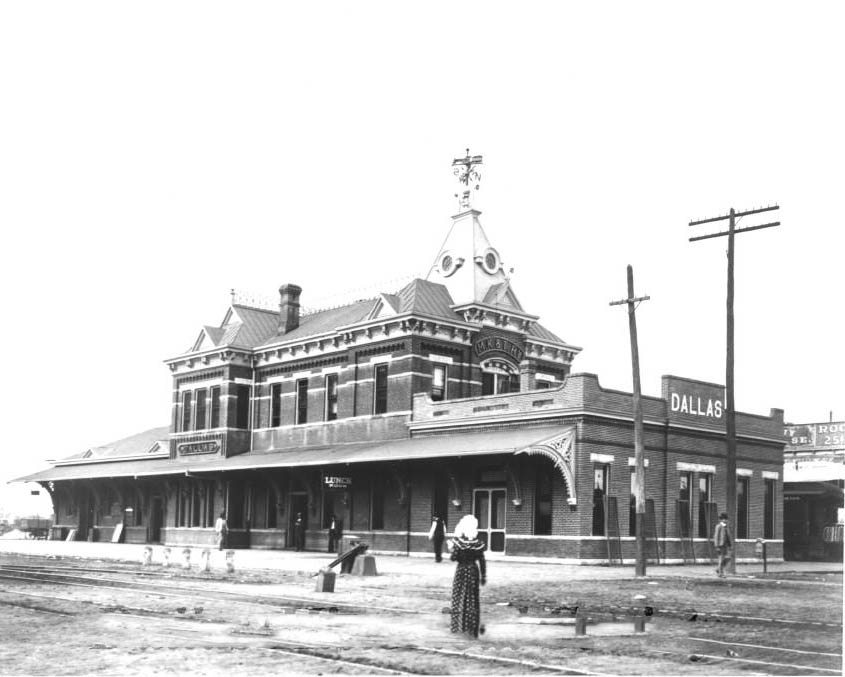
Railroad infrastructure shaped commerce in Dallas just as much as any road or river. The MK&T Railroad station, photographed in 1905, was one of the hubs through which goods and people moved in and out of the city. Dallas was a rail city, and its status as a regional trade center depended heavily on the efficiency of its rail connections. Cotton, grain, and manufactured goods all passed through stations like this one.
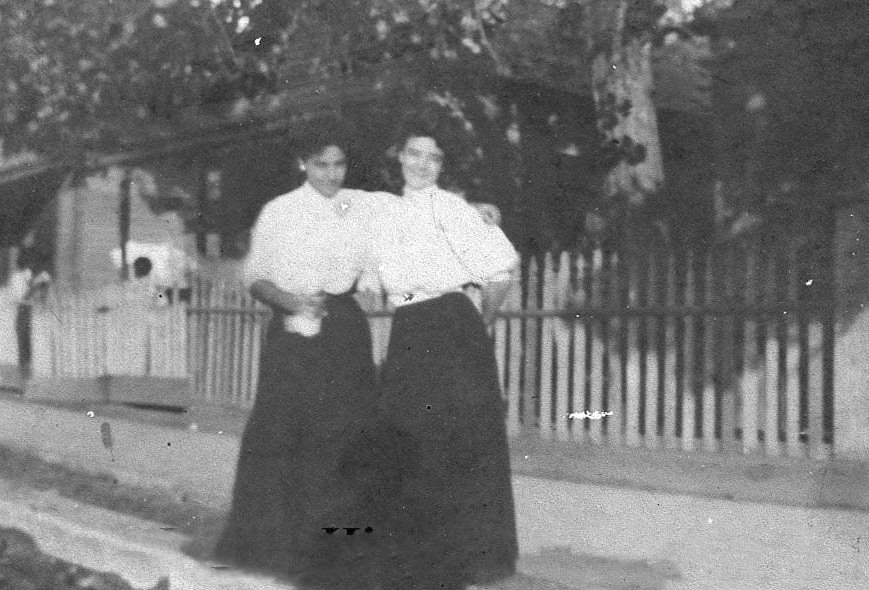
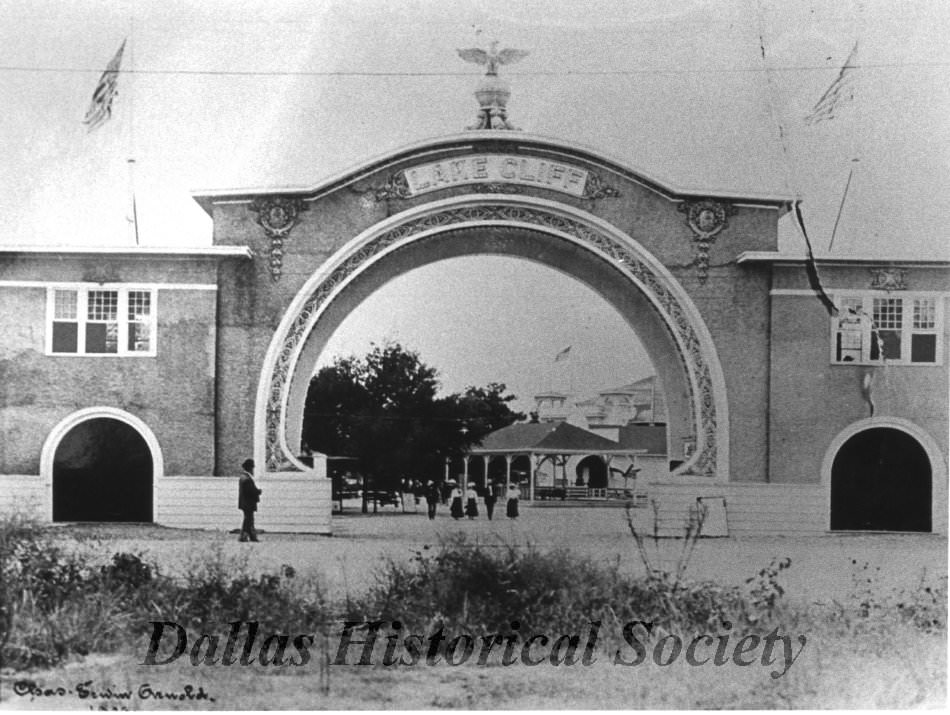
Lake Cliff Park, by 1906, had developed a proper entrance that welcomed visitors from across Dallas and the neighboring Oak Cliff community. Recreation was not a luxury for Dallas residents — it was part of the social fabric of a city where working people needed somewhere to go on Sundays and summer evenings. The park entrance photo shows just how seriously Dallas took its public leisure spaces.
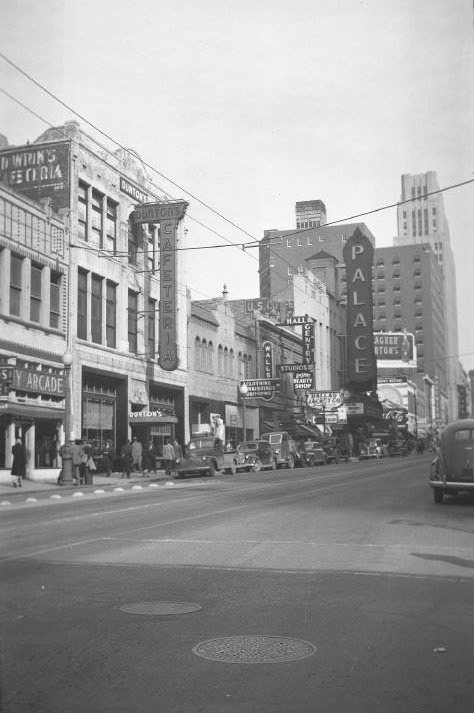
Elm Street in 1907 was one of the main commercial arteries running through the heart of downtown Dallas. Looking east from around Stone Street, the north side of Elm showed a dense row of storefronts, signage, and foot traffic that reflected the city’s commercial energy. The Dallas Cotton Exchange had been founded that same year, cementing the city’s standing as one of the largest cotton markets in the United States.
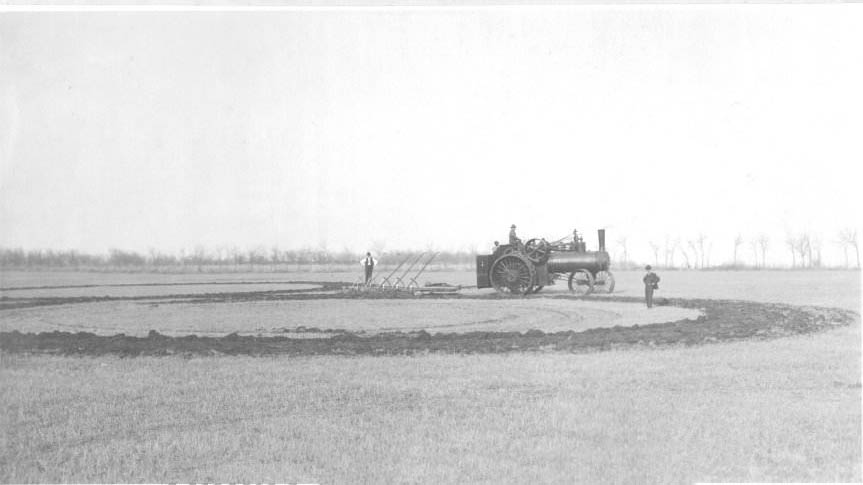
Agriculture still played a major role in the economy surrounding Dallas, even as the city itself industrialized. A tractor photographed in a field in 1907 illustrated the mechanical shift already underway in Texas farming. Dallas was a top producer of cotton-ginning machinery, and the equipment changing rural Texas was in many cases manufactured by or traded through the city itself.
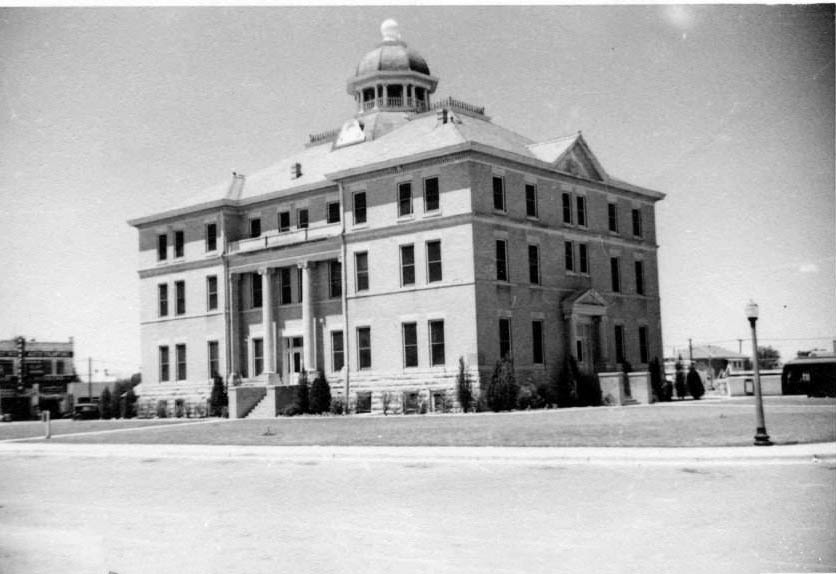
Rail bridges were the backbone of Dallas’ connectivity to the wider region. The Texas and Pacific Railroad Bridge, captured on a postcard in 1908, was both a functional structure and a symbol of the city’s integration into national commerce. The Texas and Pacific line ran goods and passengers east and west, making Dallas a node in a much larger economic network stretching across the country.

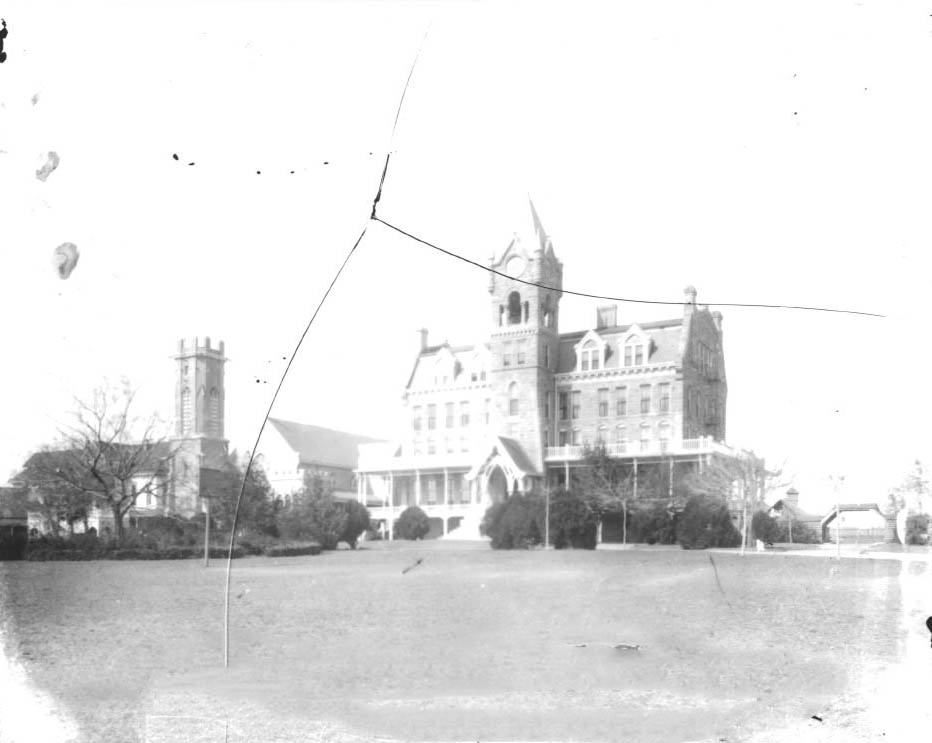
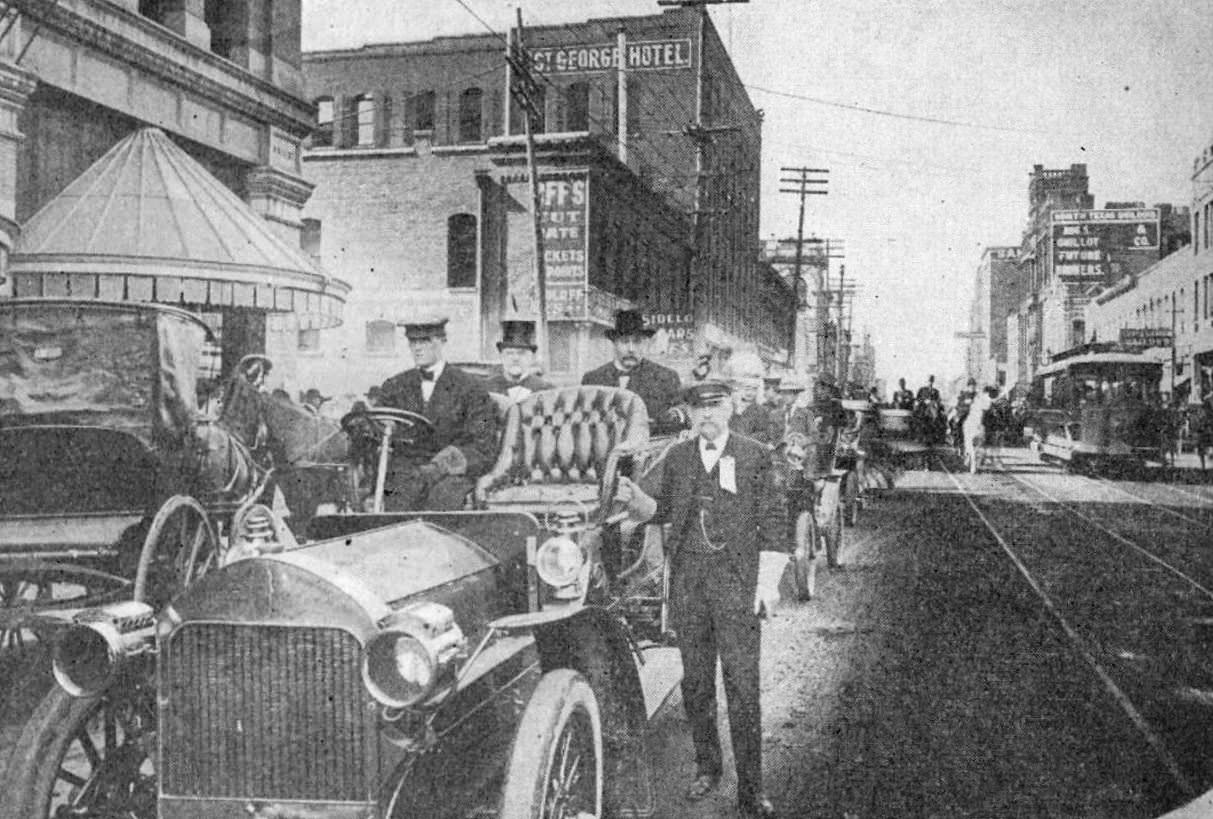
By 1908, the commercial district of Dallas was a mix of horse-drawn carriages and electric trolley cars sharing the same streets. The two technologies existed side by side — the old and the new, neither yet dominant. This was exactly the kind of transition period that defined early 20th-century American cities, and Dallas was no exception. The streets were busy, the storefronts were packed, and the noise of commerce was constant.
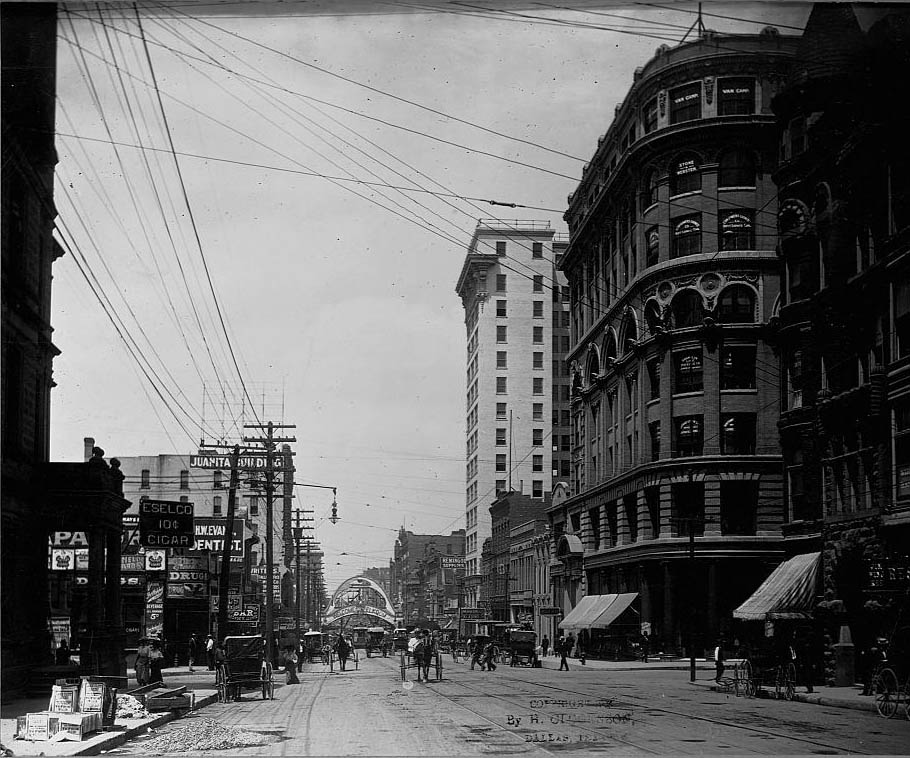
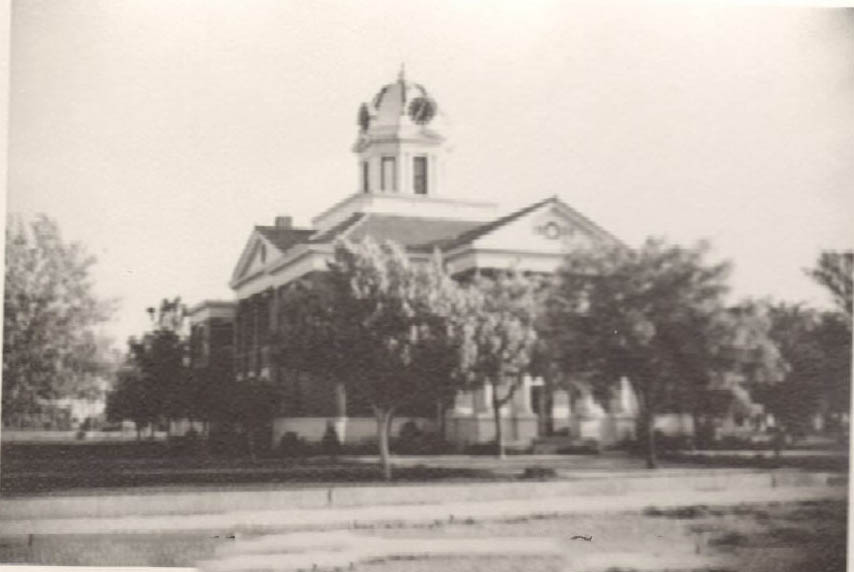
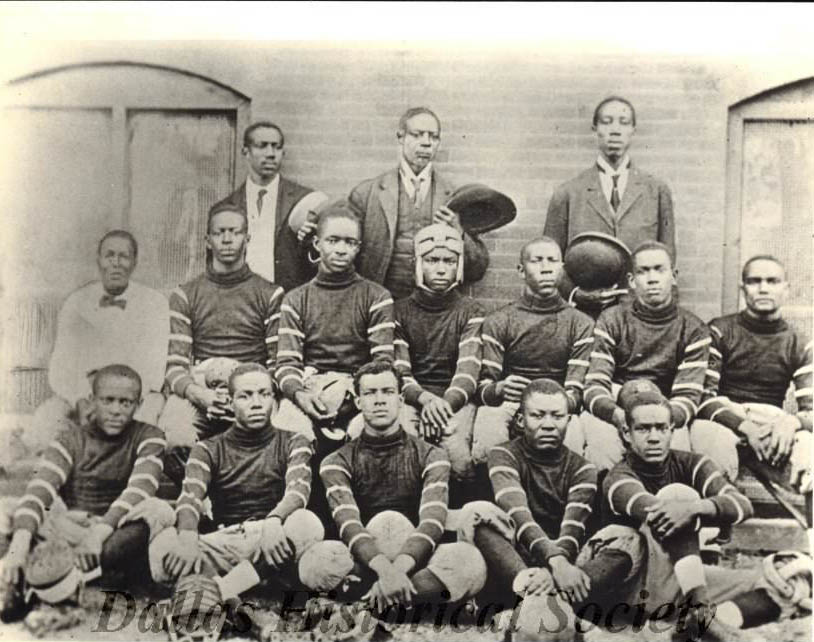
Black students in Dallas were building institutions of their own in spite of segregation. The Dallas Colored High School football team, photographed in 1909, showed a community investing in youth, sport, and school pride. Athletics was one of the few arenas where Black Dallasites could compete and be celebrated, and photographs like this one are among the few surviving records of that community’s organized life during the era.
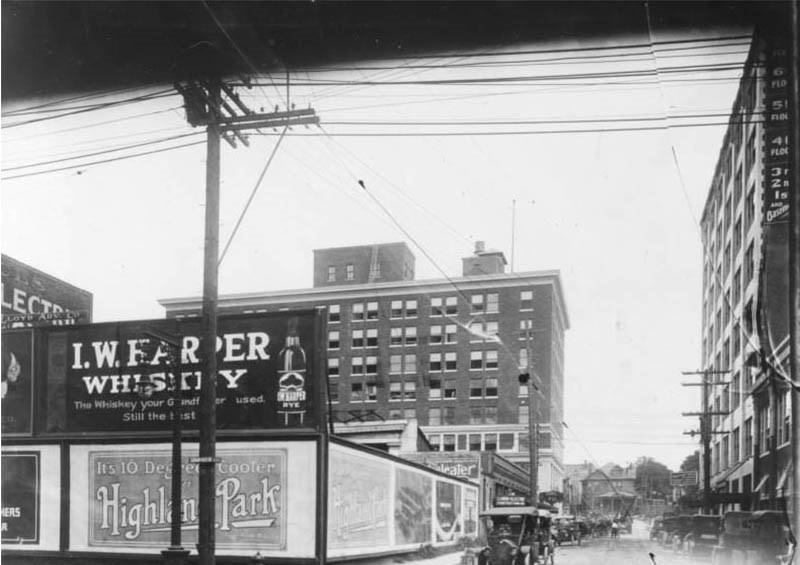
The corner of Commerce and Browder in 1909 showed a Dallas that was filling in its downtown blocks with permanent brick structures, pushing out the wood-frame buildings that had characterized the earlier city. The push toward taller, denser development was driven by rising land values and a business community that saw no ceiling on Dallas’ growth. By 1910, the so-called 150,000 Club was actively working to push the city’s population to that target figure.
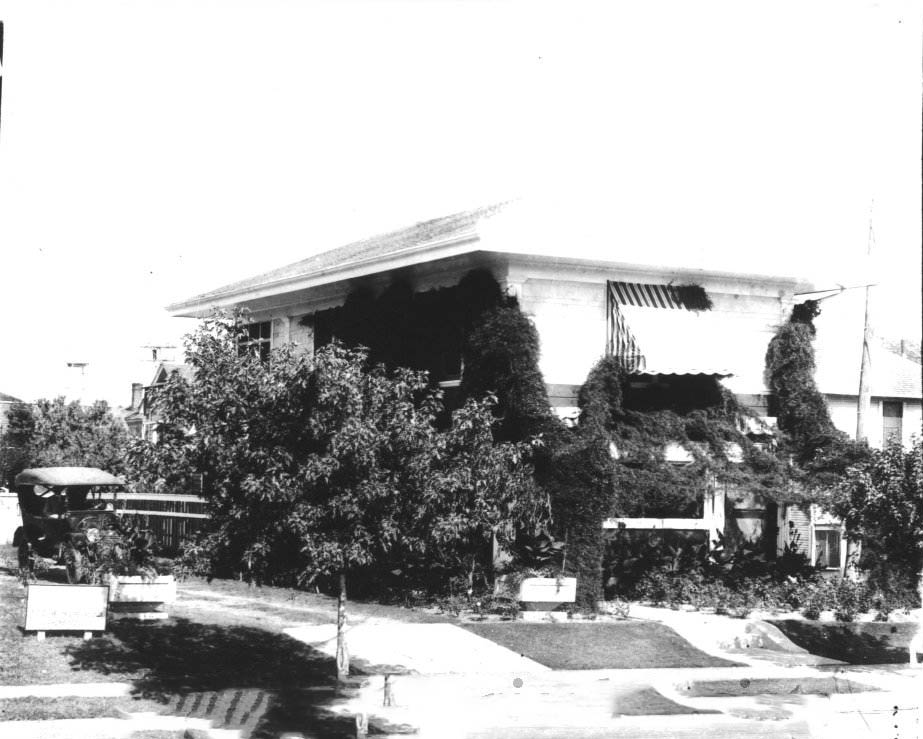
Wealthy Dallas families built homes that matched the city’s growing confidence. The M. B. Terrill home, photographed in 1910, was one of many large residential properties that lined the better streets of Dallas during this period. As job opportunities multiplied and the city’s economy diversified into food processing, textiles, leather goods, and automobiles, its professional class expanded — and their homes reflected it.
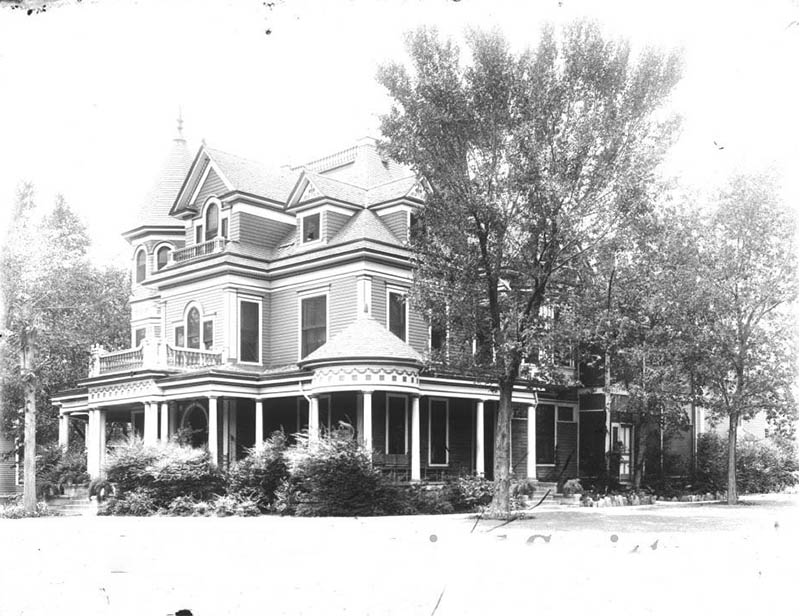
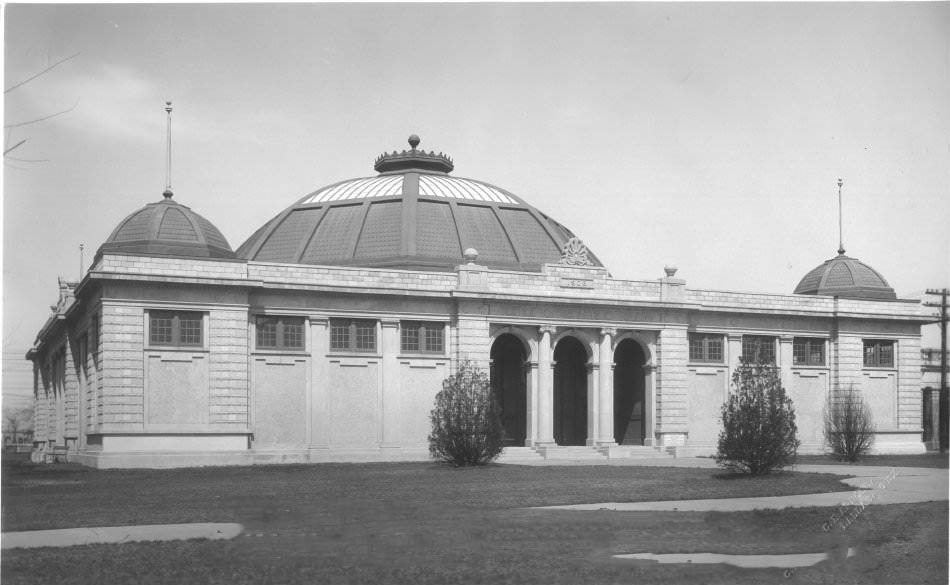
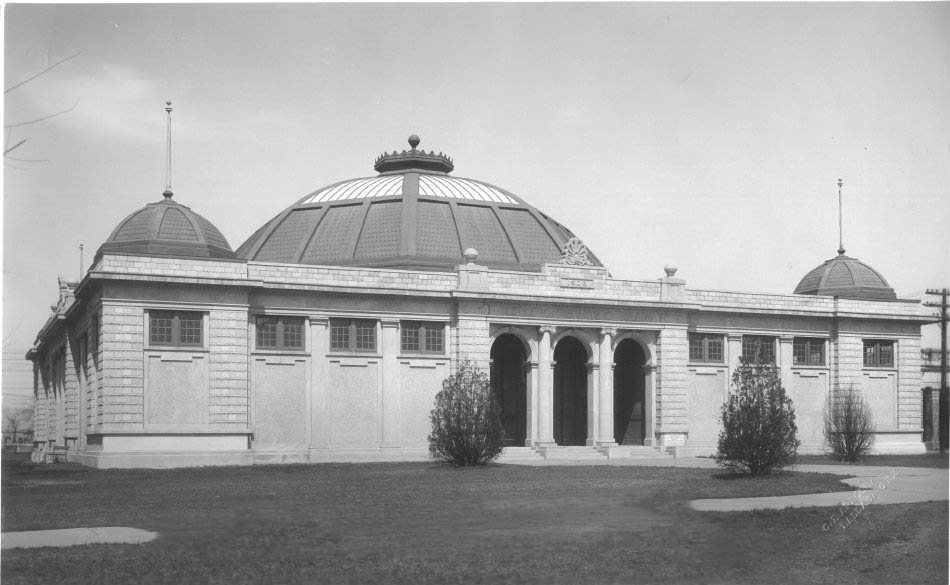
Fair Park continued to grow as a showcase for Dallas progress. The Textile and Fine Arts Building, photographed in 1910, housed exhibits that put the city’s industrial and cultural production on display. Dallas was a center for textiles and leather products, and the State Fair gave local manufacturers a platform to show what they made to audiences from across Texas and beyond.
Dallas High School on Bryan Street sat in a neighborhood that was rapidly becoming one of the city’s defining educational corridors. The 2200 block of Bryan Street in 1910 showed wide, tree-lined streets fronting the school building — a physical environment designed to convey order, civic seriousness, and permanence. Dallas was building institutions it expected to last, and the high school was one of them.
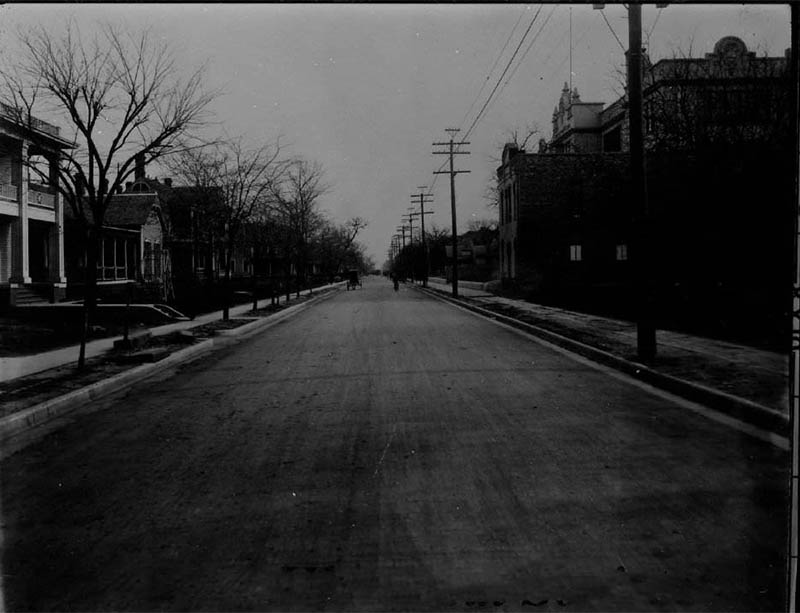
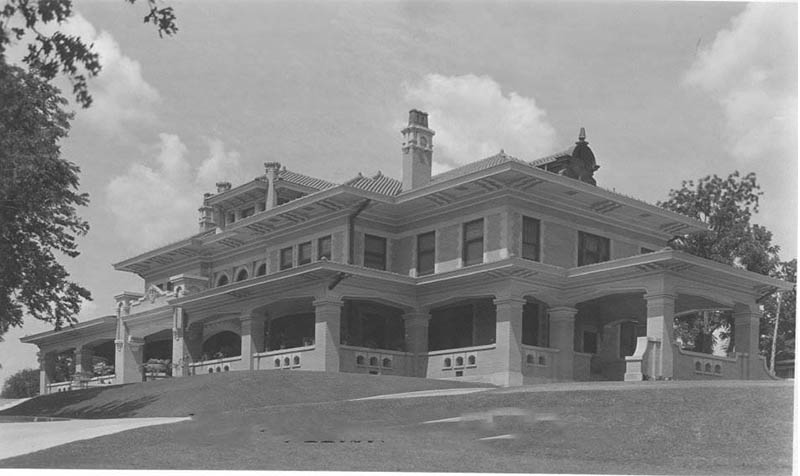
Downtown Dallas in 1910 was a city that had visibly arrived. Tall buildings defined the skyline, streets hummed with commerce, and the 15-story Praetorian Building — completed in 1909 — stood as the tallest structure in Texas and the first true skyscraper west of the Mississippi River. Its construction was not just a real estate achievement. It was a statement that Dallas had moved beyond its frontier origins and into the ranks of American cities that mattered.
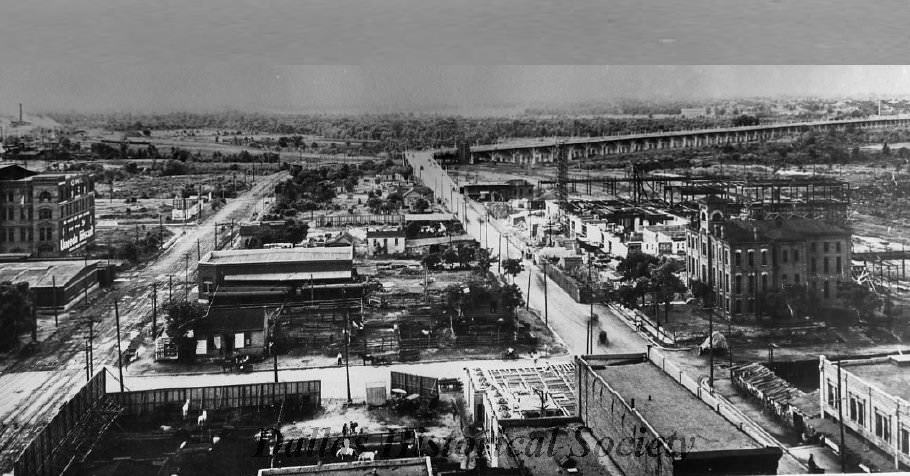
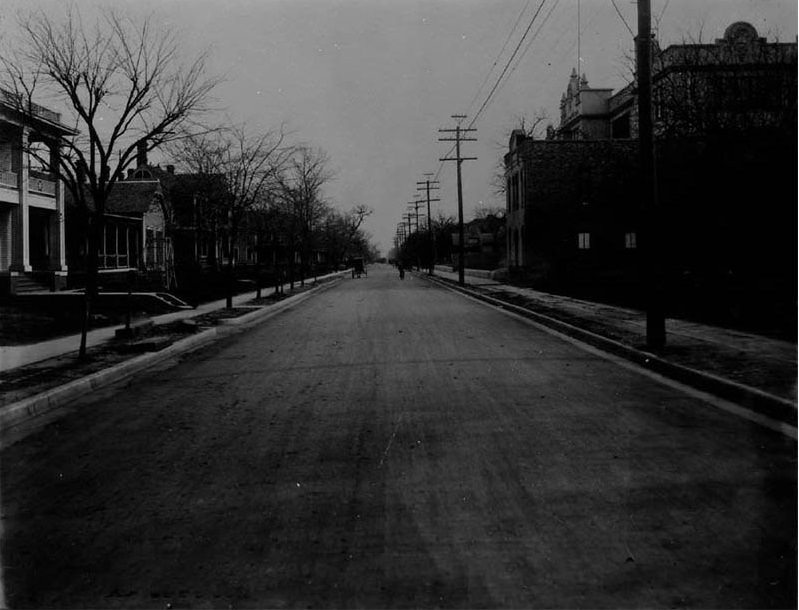
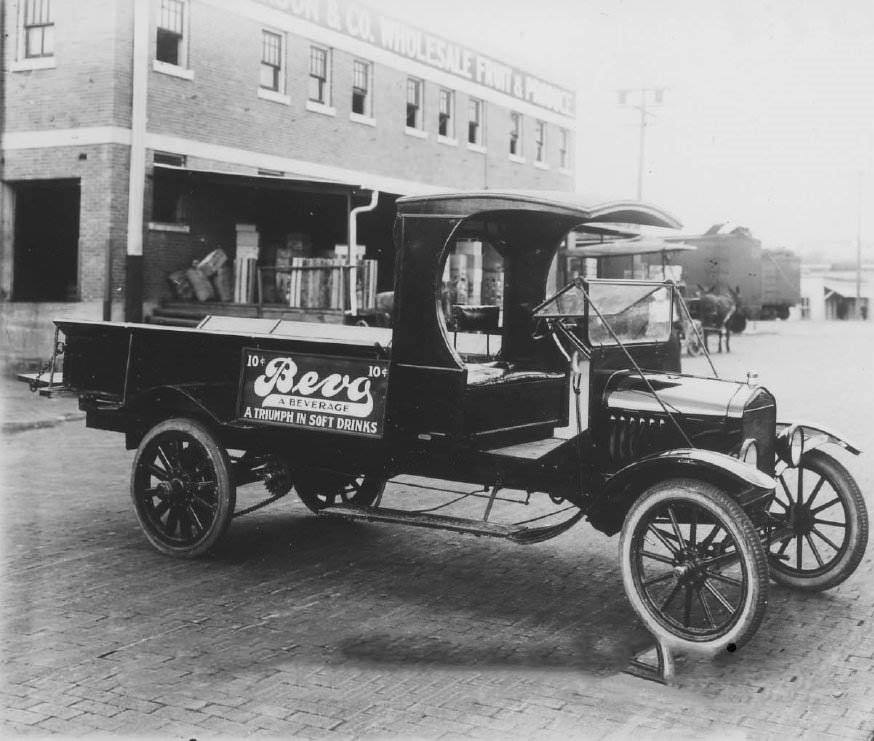
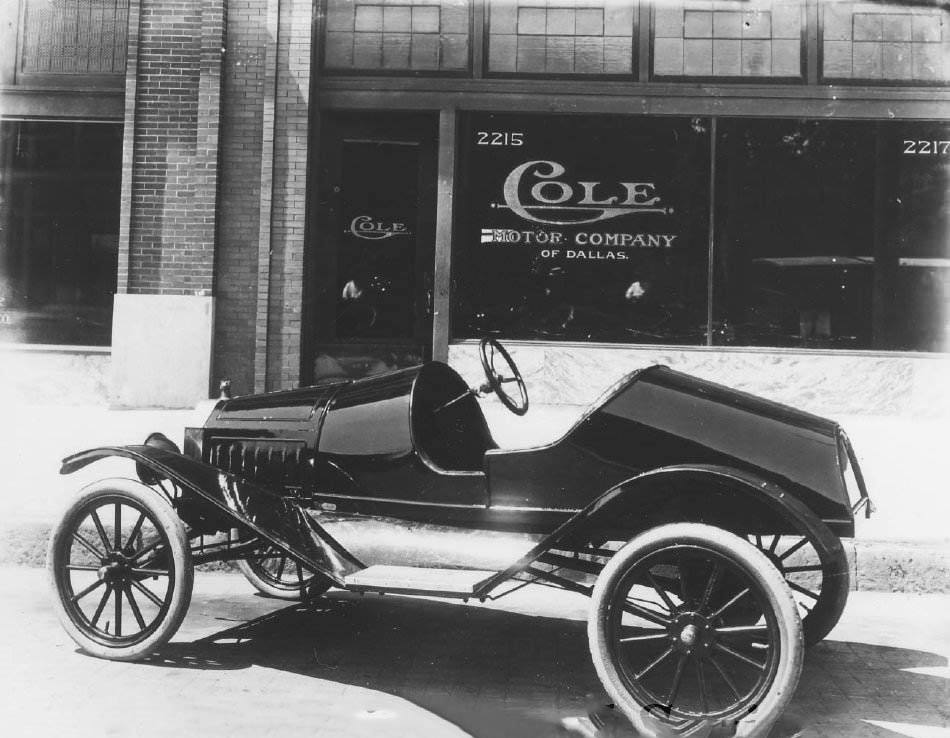
The automobile had arrived in Dallas by 1910, and dealerships like the Cole Motor Company were already operating on the city’s streets. A new roadster photographed in front of the Cole Motor Co. of Dallas captured the moment when the car went from novelty to commercial product. Dallas had an automobile factory within its broader region, and city residents with money were buying in. The horse-drawn world was not gone yet, but it was losing ground fast.
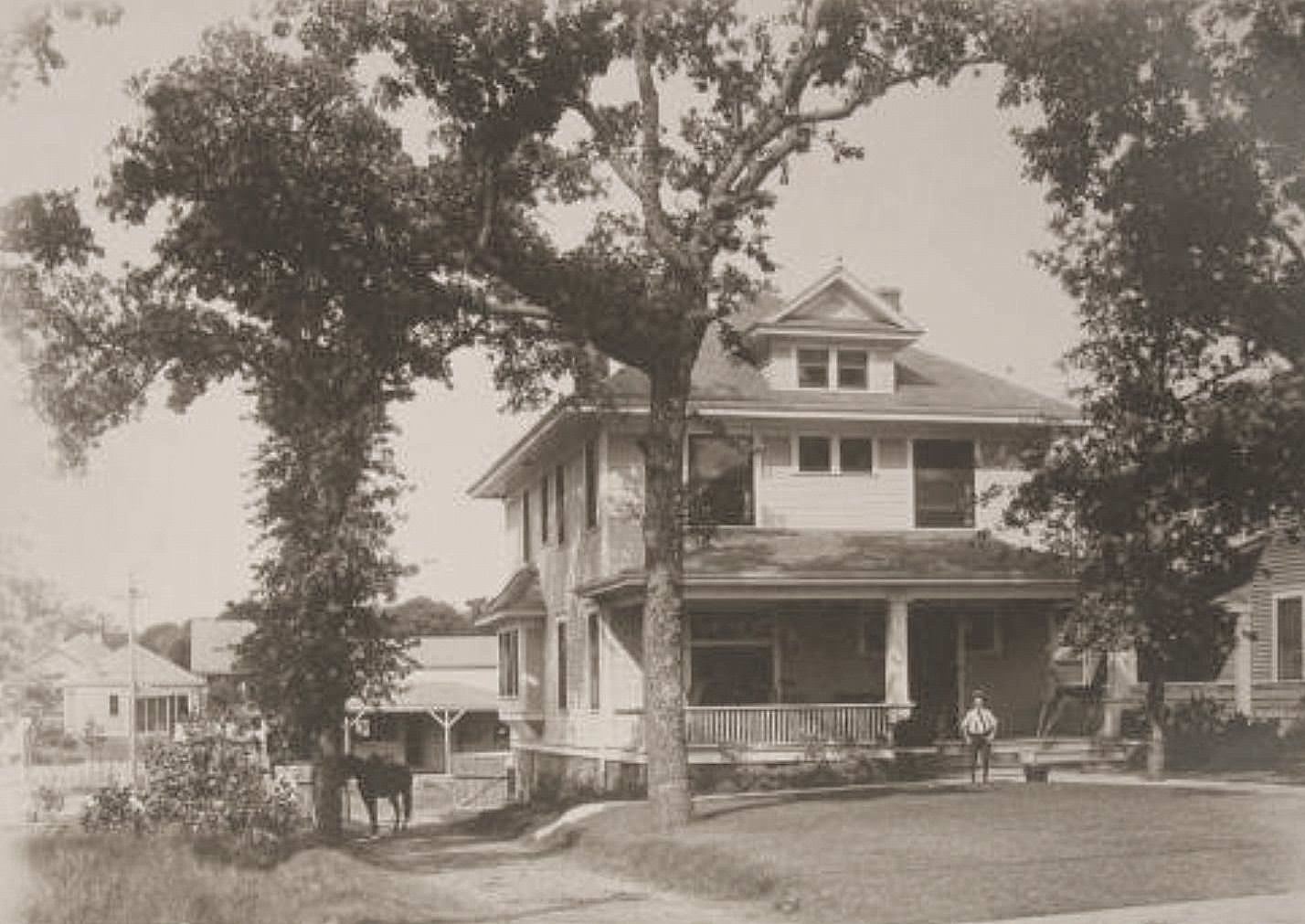
Lamar Street, looking south from Pacific Avenue in 1902, was one of the arteries connecting different commercial and residential zones of the early city. The view down the street showed a Dallas that was still finding its permanent form — a mix of wooden storefronts, brick buildings going up, and dirt roads that would eventually be paved.
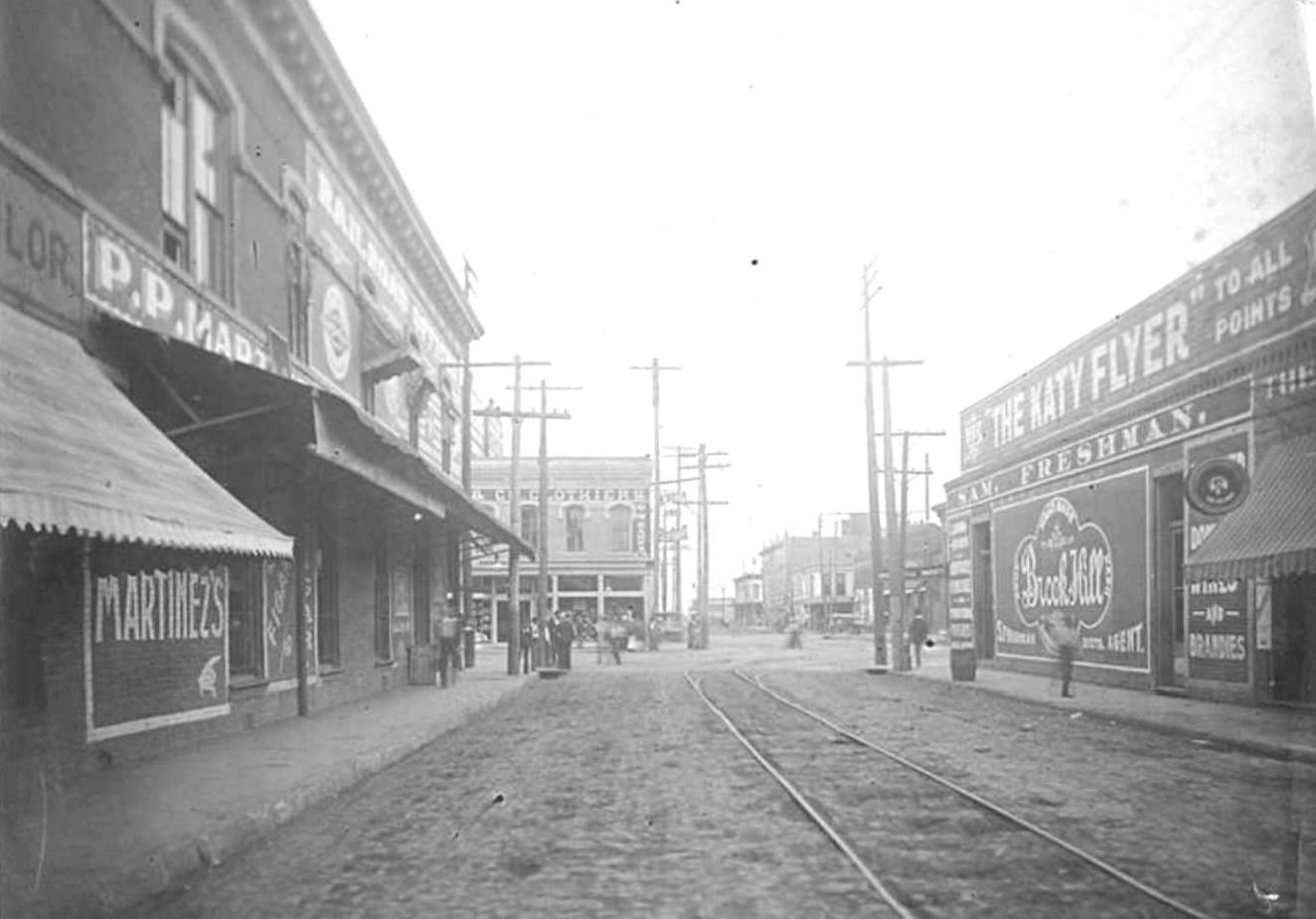
Elm Street looking east in 1909 showed a downtown that had grown dramatically since the early part of the decade. More buildings, more signage, more pedestrians, and more vehicles filled the frame. The streetcar tracks running down the center of the road were a sign that Dallas had moved toward a more organized system of urban transit, one that could move larger numbers of people across a city that was rapidly outgrowing its old informal rhythms.
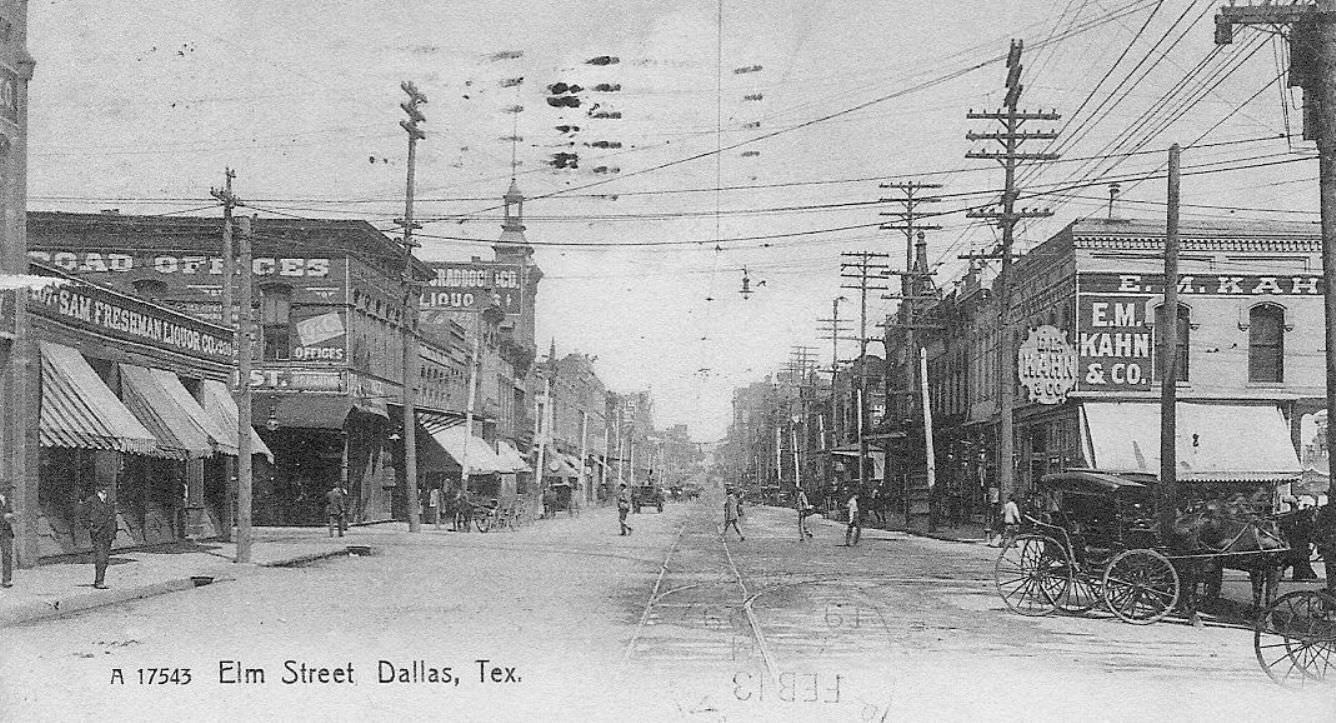
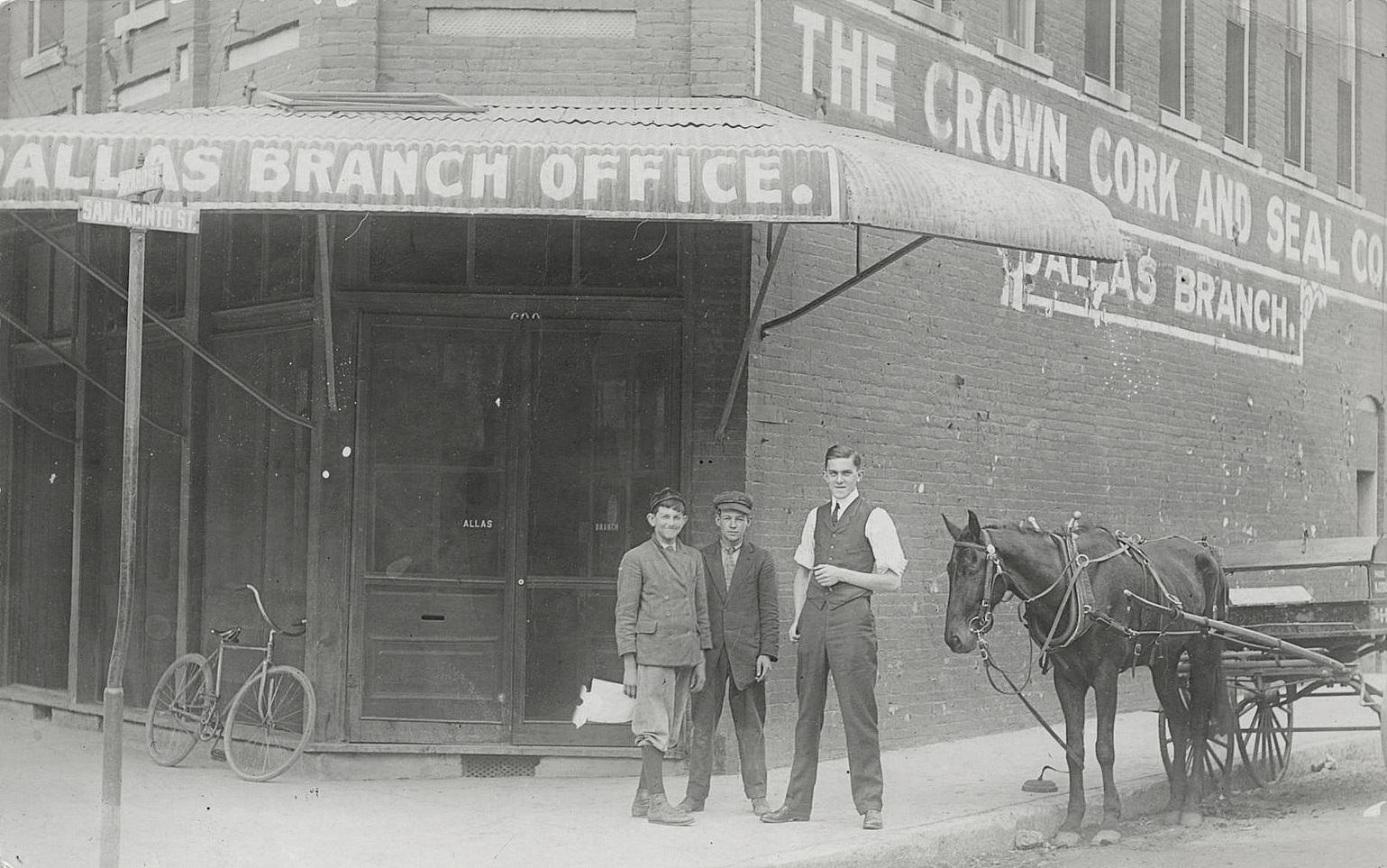
Main Street, looking west in 1910, captured the full weight of Dallas commerce in a single frame. This was the street where the city’s financial and retail life concentrated — banks, shops, offices, and hotels lining both sides. A branch of the Federal Reserve System operated in Dallas by this point, confirming the city’s place as the financial capital of the region. Job competition and housing demand had both surged as newcomers flooded in looking for a piece of what Dallas was building.
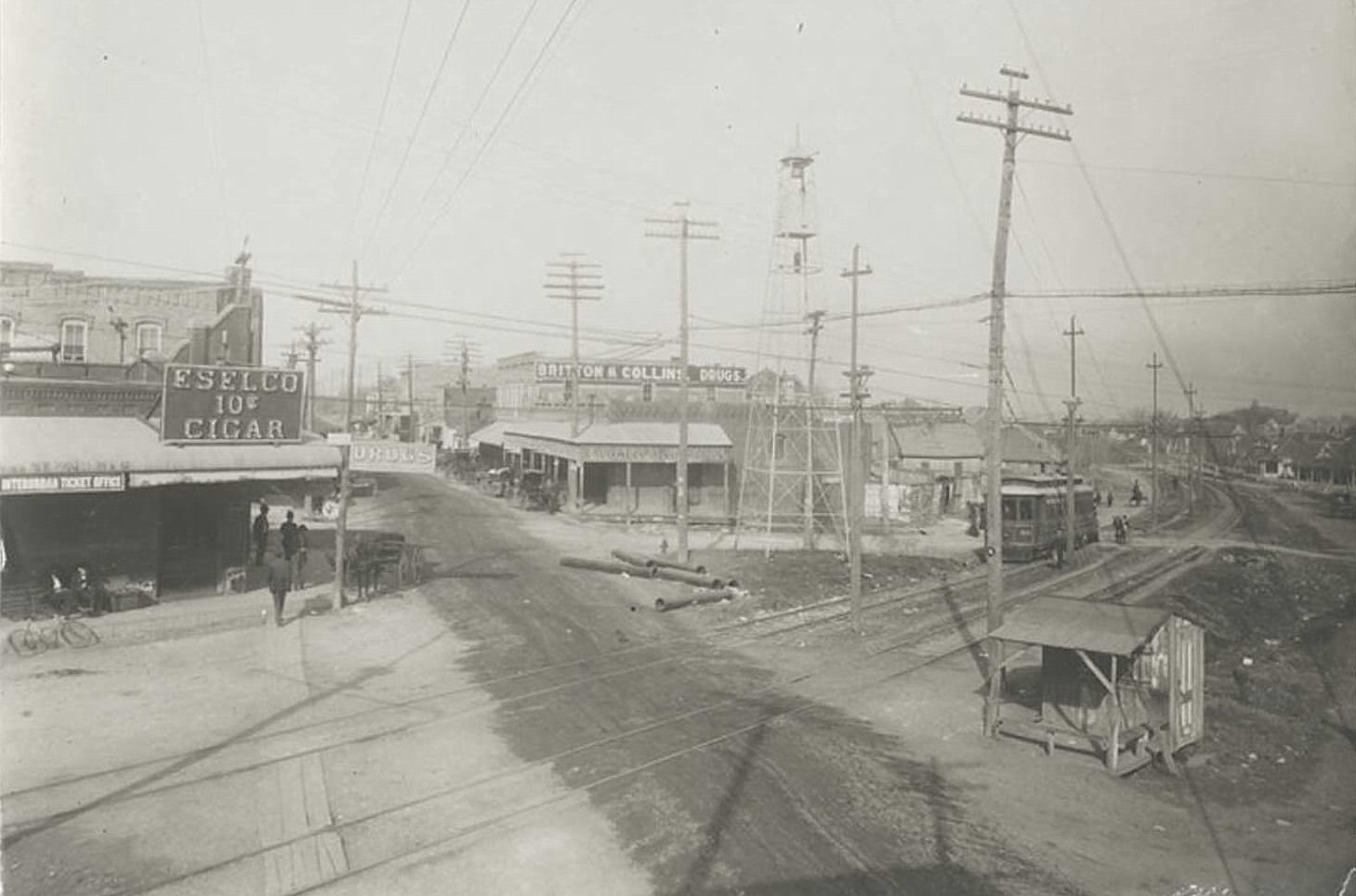
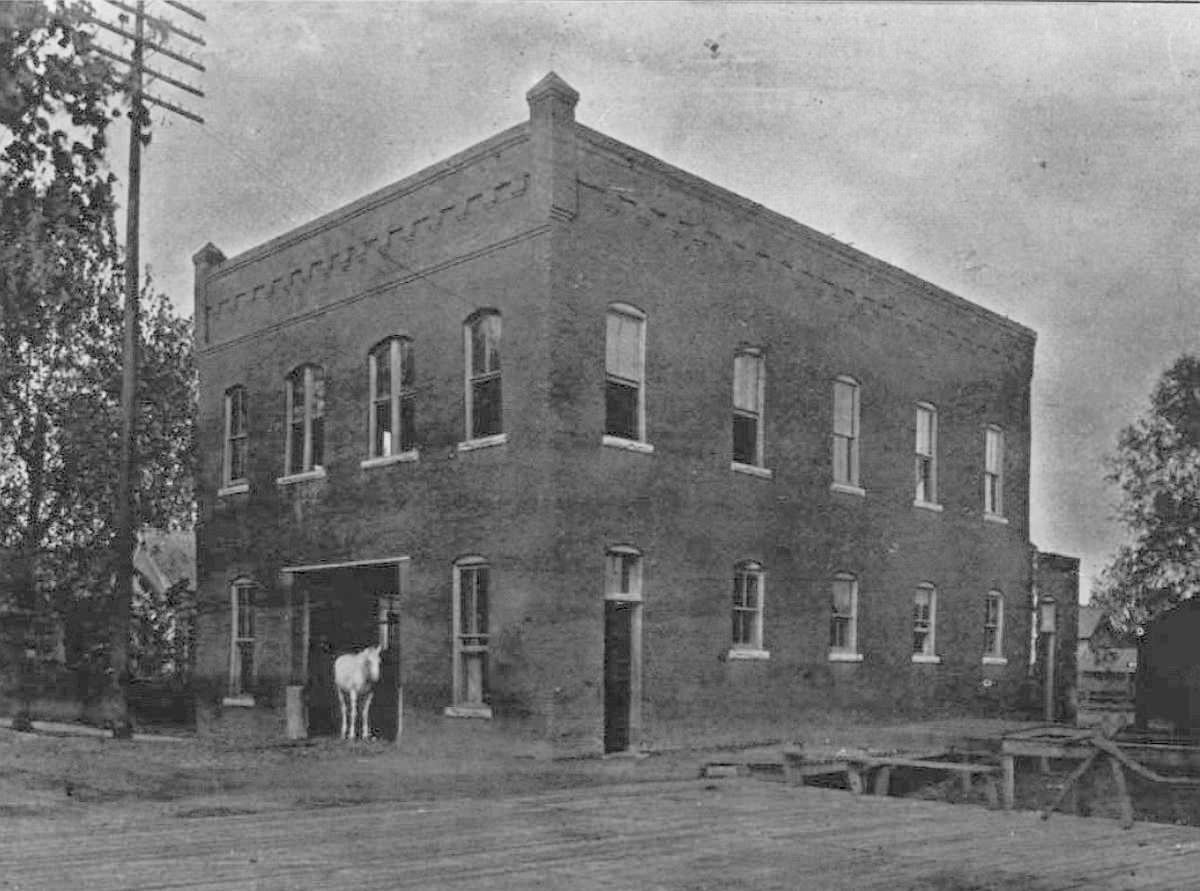
The Dallas Fire Station, photographed in 1901, represented one of the essential services a growing city needed to protect its expanding stock of buildings and residents. Fire was a constant threat in early 20th-century cities where wooden structures were common and gas lighting was still in use. A well-equipped fire station was not a luxury — it was a necessity for any city that took its own future seriously.
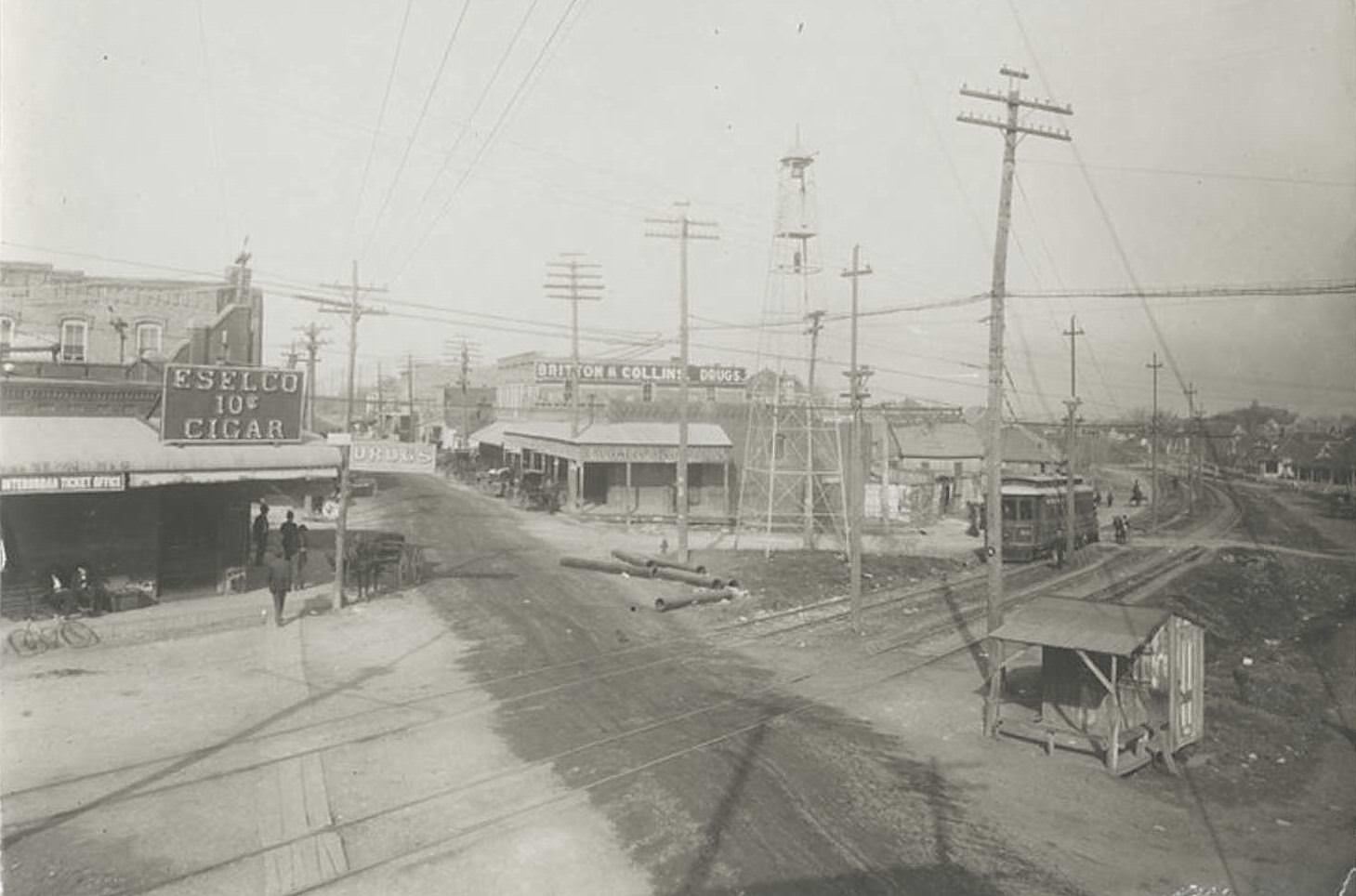
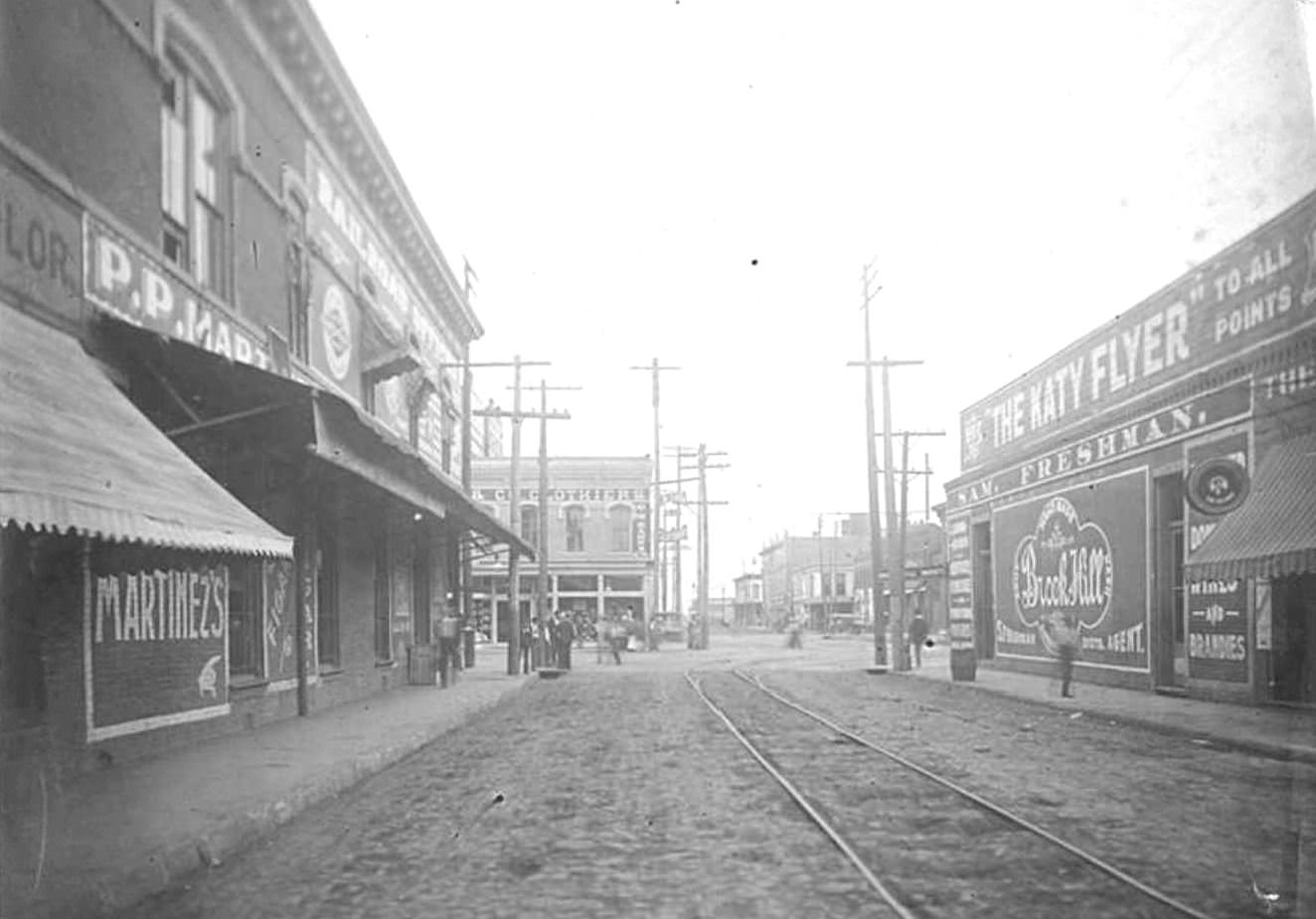
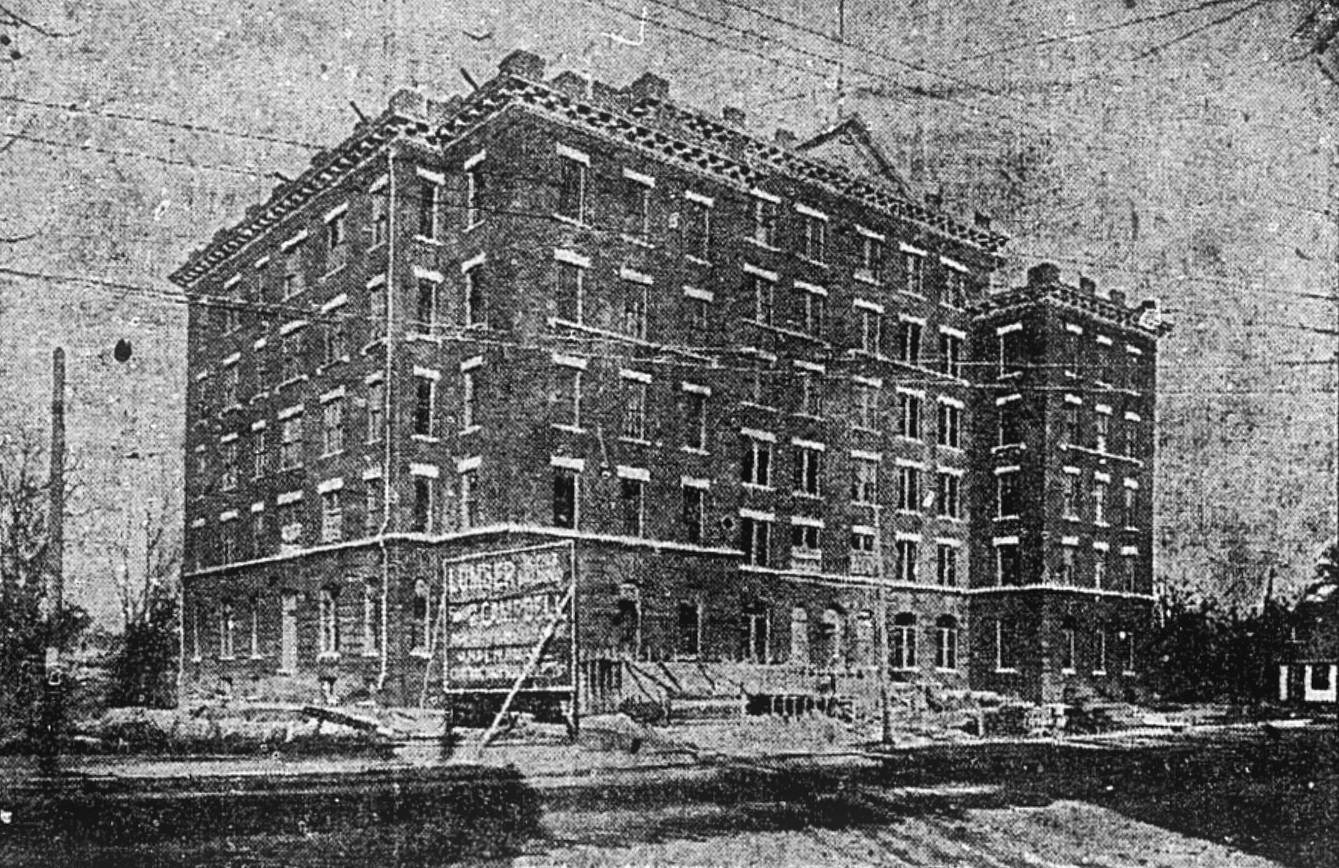
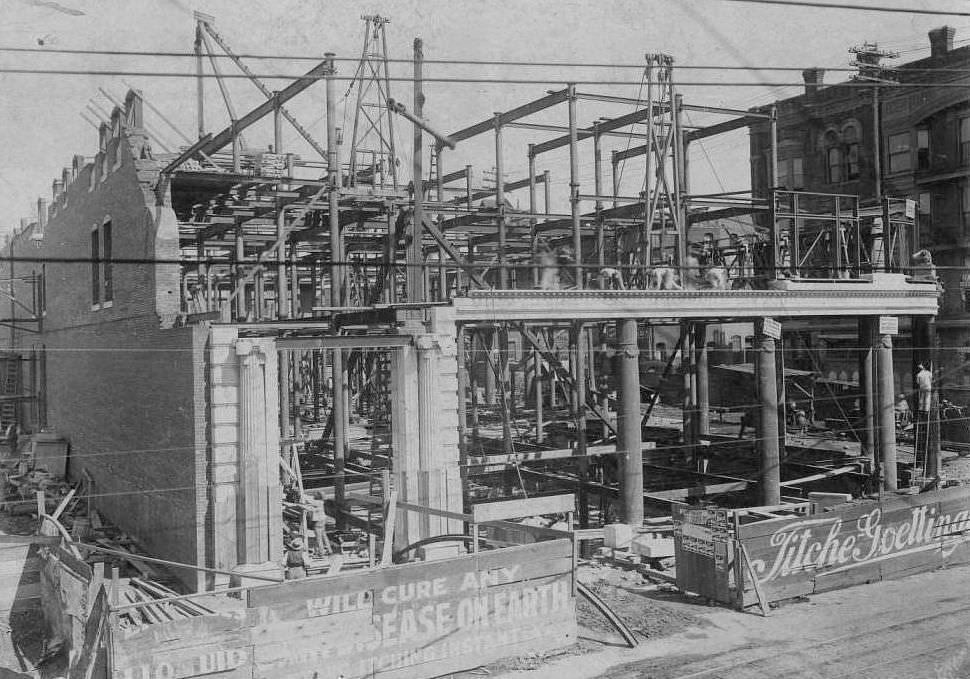
Few images better captured the pace of Dallas development in the early 1900s than the Wilson Building under construction in 1902. The Wilson Building would become one of downtown Dallas’ most prominent commercial structures. Its construction came in a wave of major building projects that reshaped the city’s skyline and business capacity within just a few years.
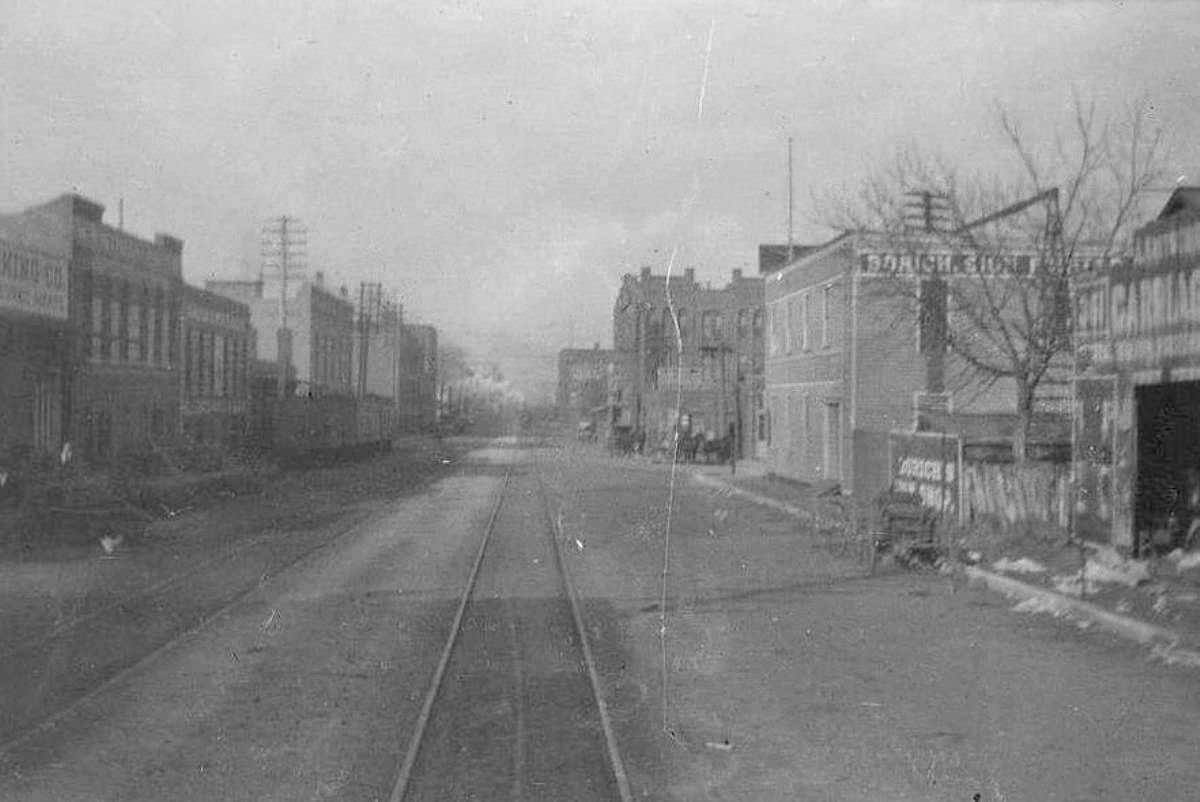
Deep Ellum, the neighborhood just east of downtown, had a character all its own. Jefferson Dagnal’s Saloon, photographed in 1906, was the kind of establishment that defined Deep Ellum’s rougher, working-class identity. Saloons like this one served the laborers, rail workers, and tradesmen who kept the city’s economy running. Dallas was the leading market for wholesale liquor in the Southwest, and establishments like Dagnal’s were part of that trade network at the retail level.
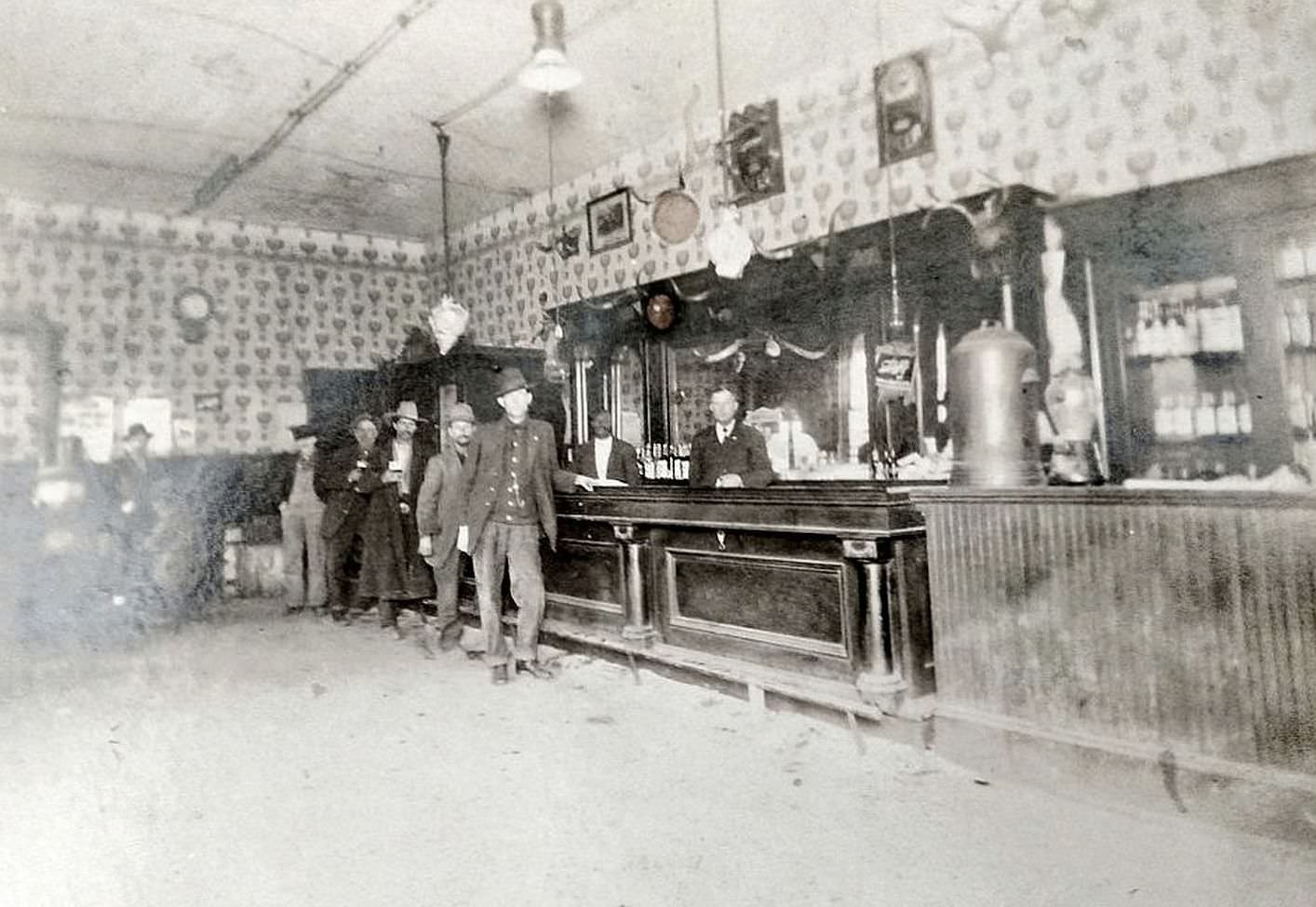
Dallas Medical College, photographed in 1904, anchored the city’s growing capacity for professional education. The college trained physicians at a time when medicine was rapidly modernizing and cities were dealing with the public health pressures of dense urban populations. A city that housed a medical college was a city that understood the long-term requirements of sustaining a large population.
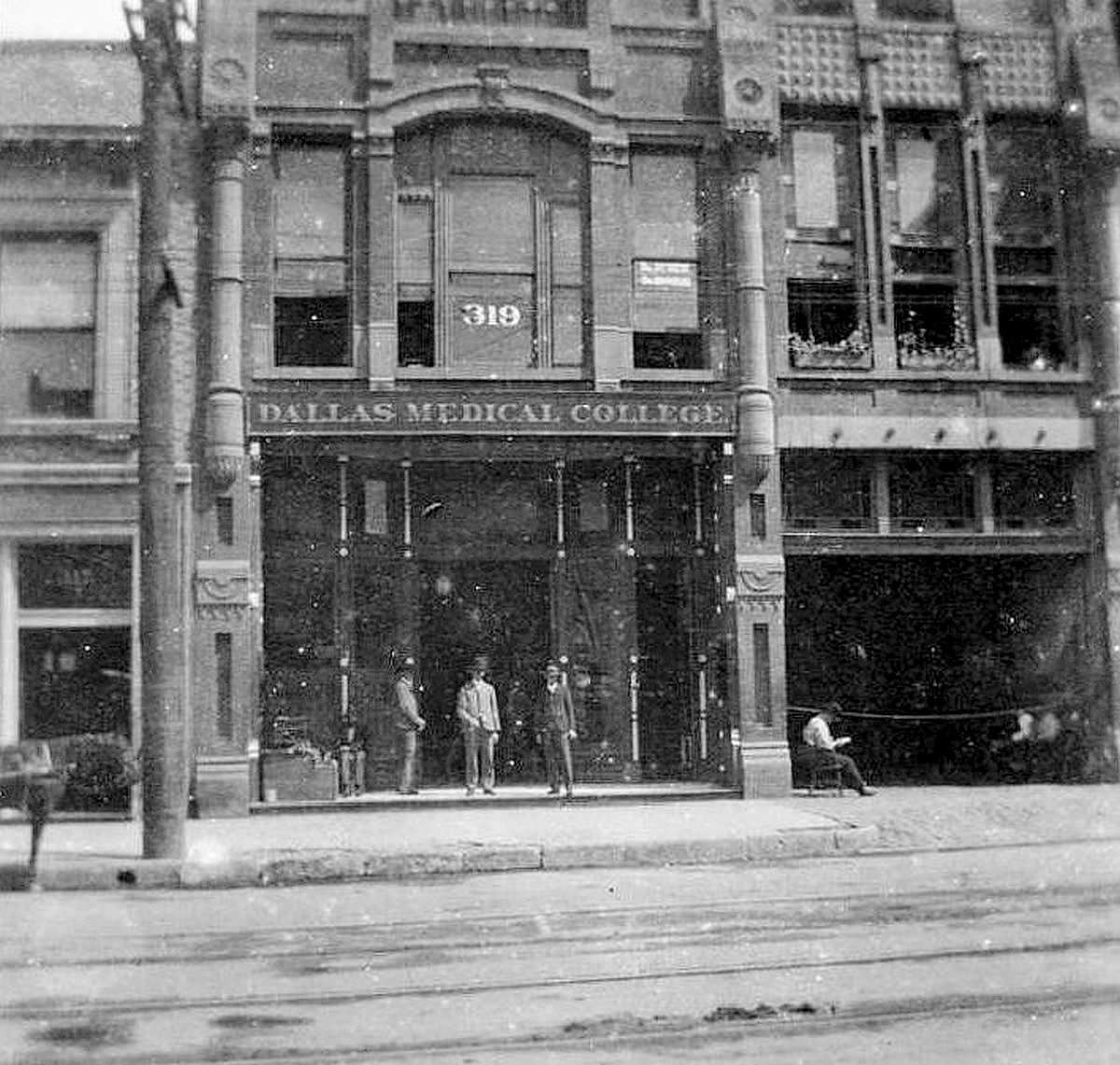
Main Street traffic in 1905 told the story of a city mid-transition. Horse-drawn wagons, early automobiles, pedestrians, and trolley cars competed for space on the same stretch of road. The Dallas Jockey Club had been established around this time, with thoroughbred racing drawing crowds to a local track. Trotters raced at a connected track in Fort Worth, where a drivers’ club operated as well. Sport, commerce, and transport — Dallas in 1905 was juggling all of it at once.
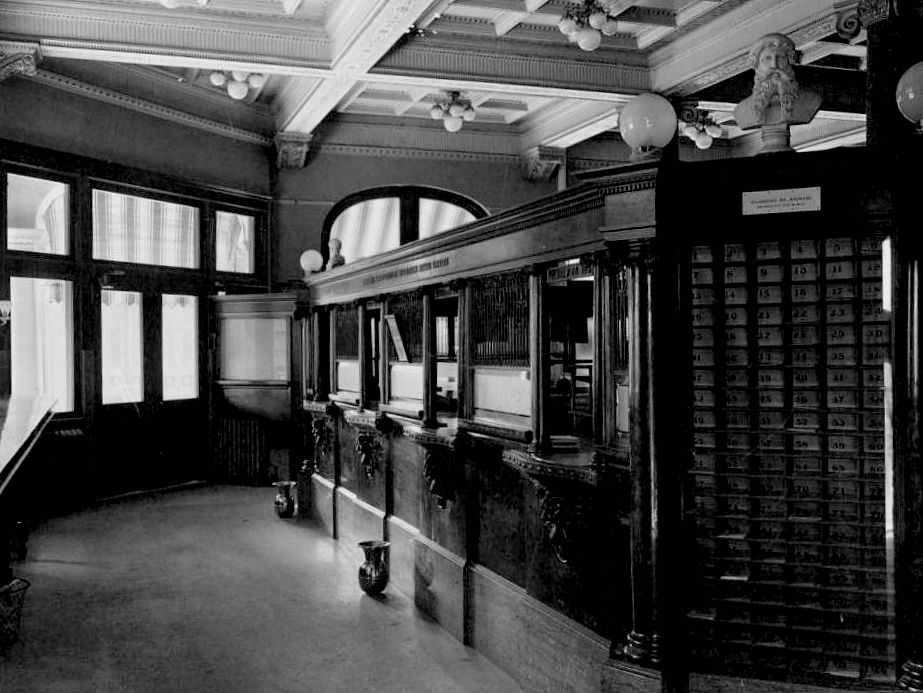
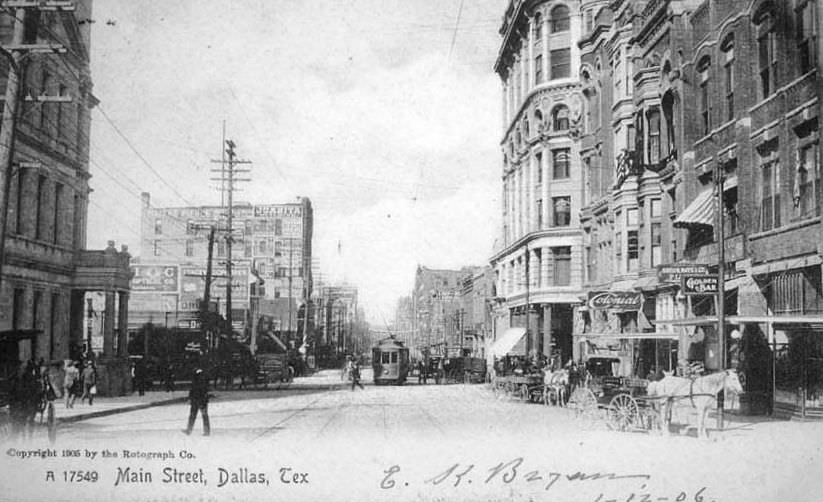
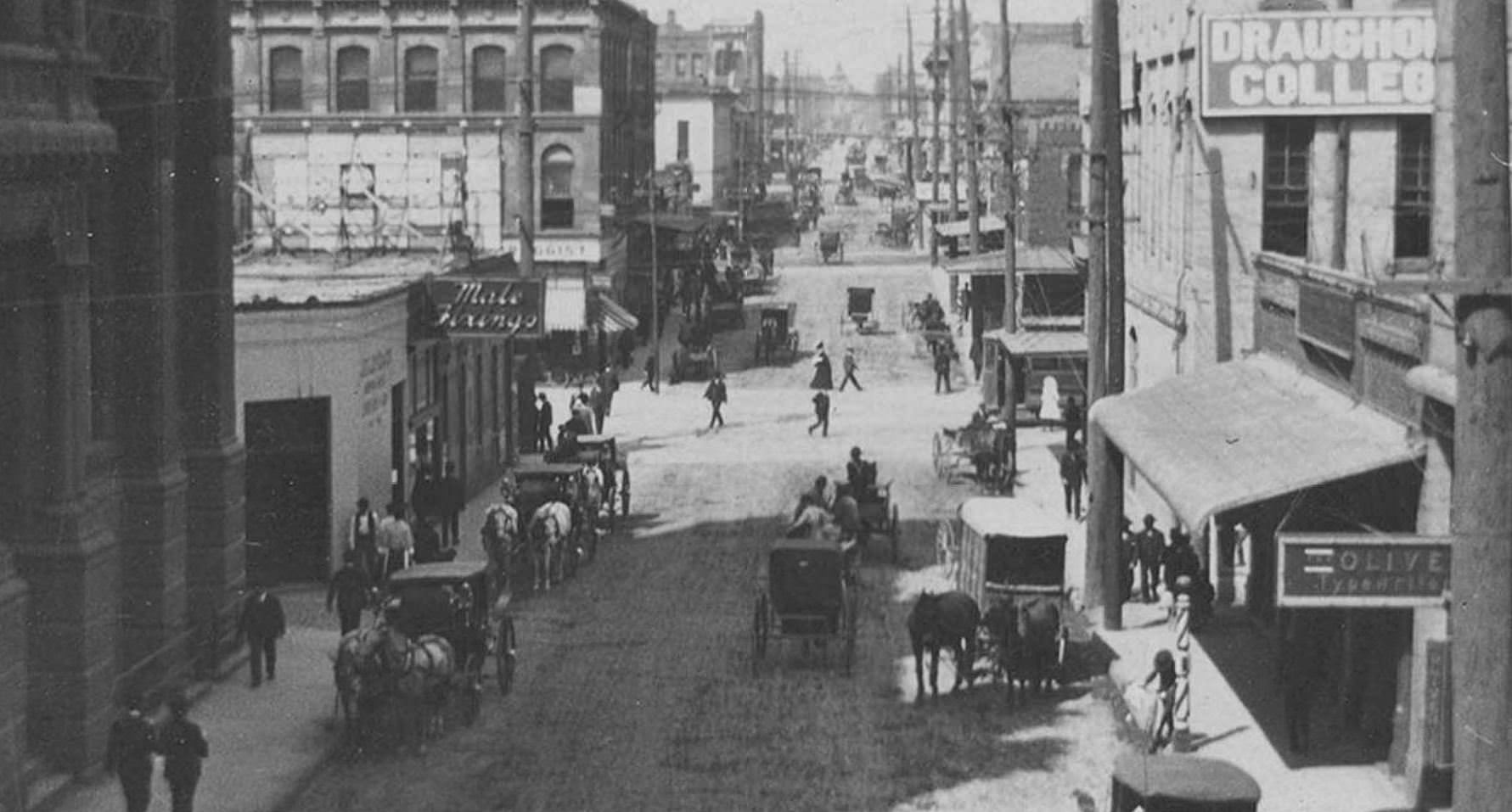
Main Street looking east in 1907 showed a corridor that had grown significantly denser since the start of the decade. Multi-story buildings now defined the streetscape rather than framing it. The Dallas Cotton Exchange had just been founded, and the commercial energy that photo captured was directly tied to the agricultural trade flowing through the city. Cotton was king, and Main Street was where king cotton’s profits got managed.
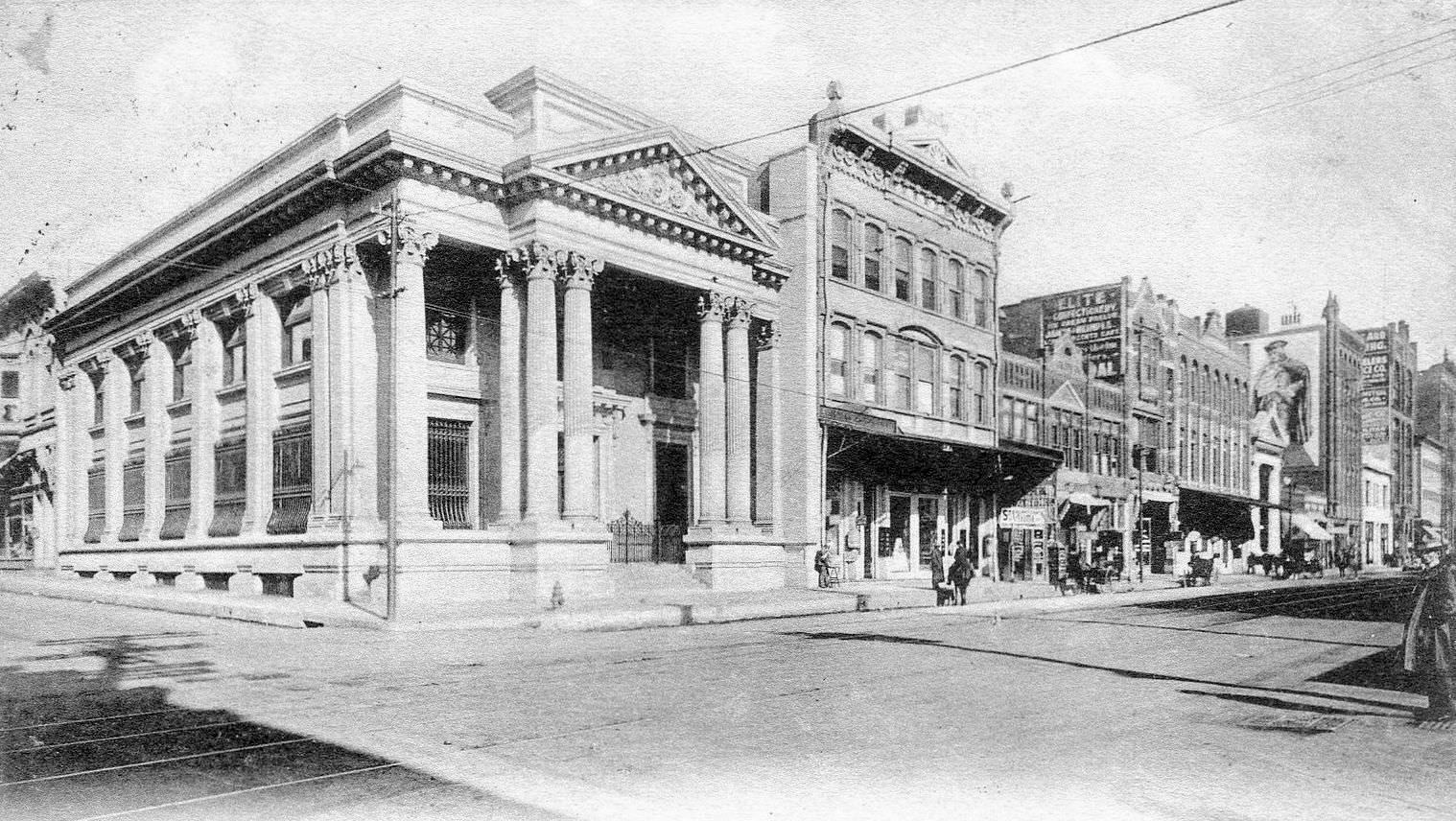
Dallas in 1908 was not immune to natural forces. A photograph titled ‘The Prelude to the Great Flood’ captured the sky and landscape in the ominous moments before a major flood event. The Trinity River, which ran along the edge of the city, periodically threatened Dallas with flooding. The city’s geography made it vulnerable, and water management was a challenge that Dallas would grapple with for decades.
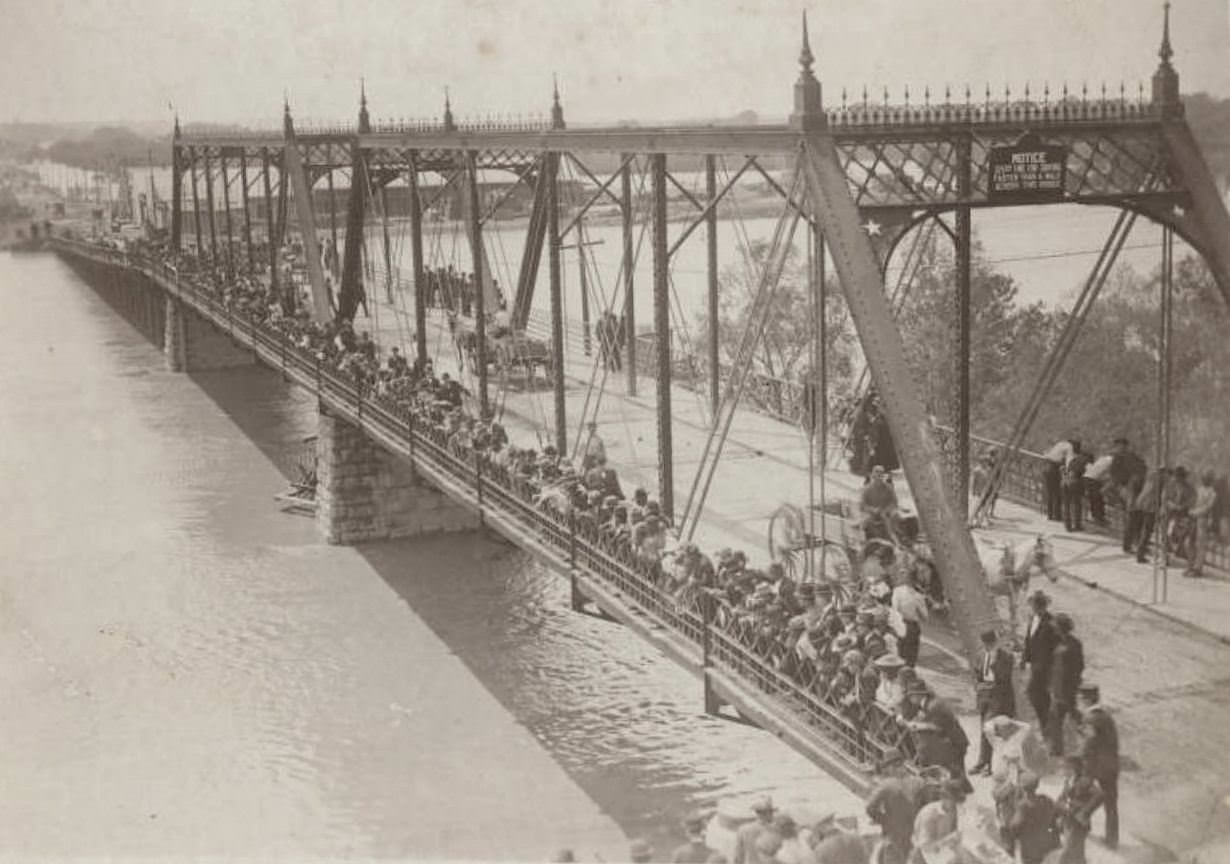
Main Street looking west from Ervay in 1909 placed the viewer at the heart of Dallas’ commercial core. By this point, the Praetorian Building was under construction just a block away. The street was lined with established businesses, and the infrastructure of a modern American city — electrical lines, street rails, paved sidewalks — was visible in every direction.
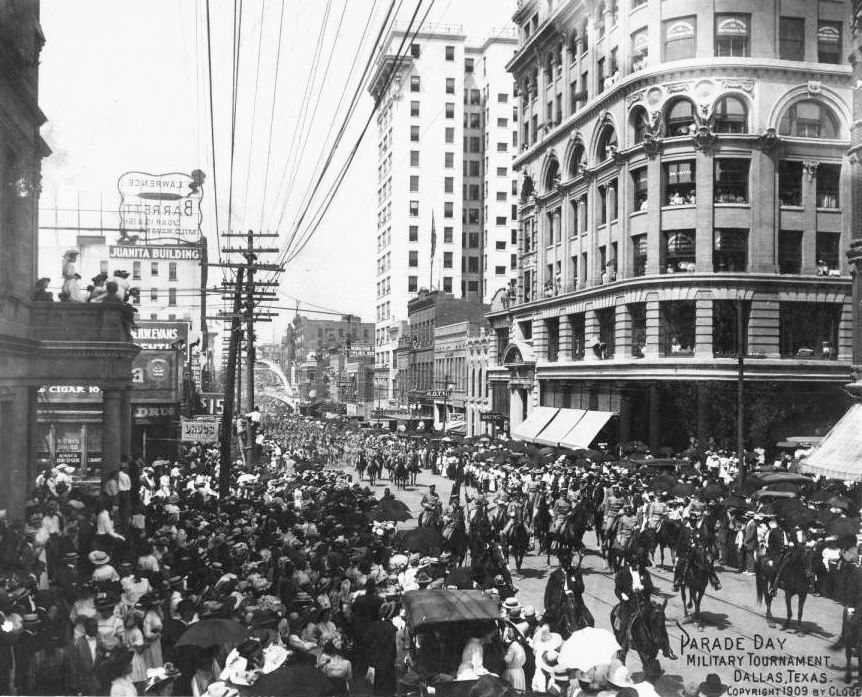
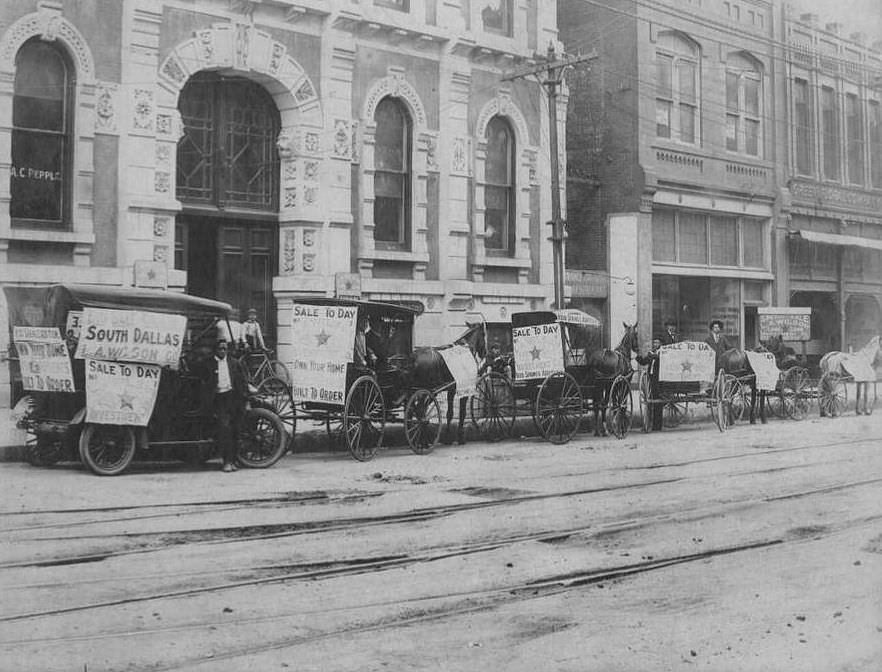
Real estate was booming alongside everything else. Kidd Springs Heights was being actively marketed and sold in 1909, as developers pushed outward from the city’s established core into new residential territory. Population growth made that expansion both possible and necessary. Housing competition was fierce, and new subdivisions were being platted and sold at a pace that reflected the urgency of a city adding people faster than it could build for them.
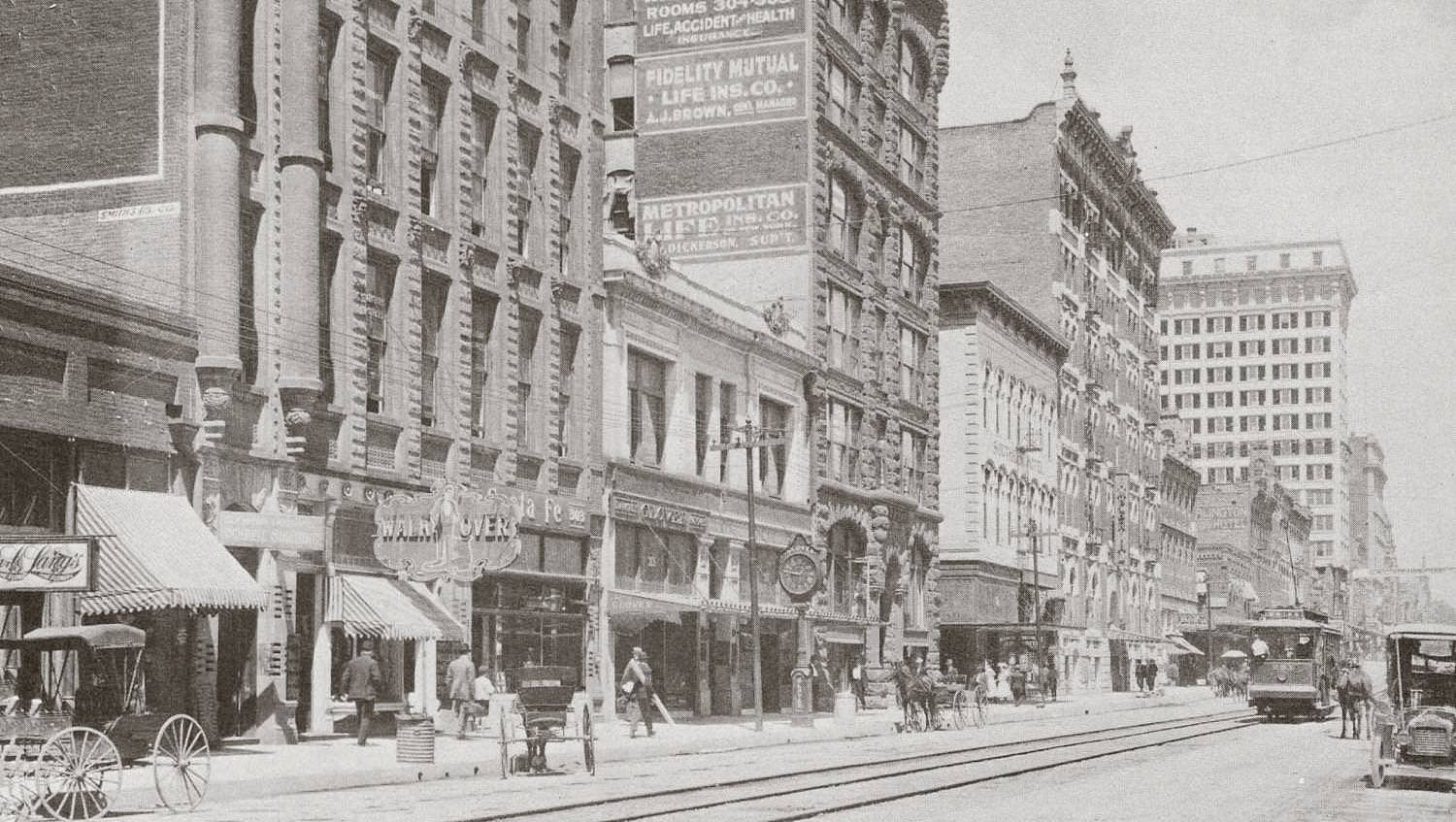
Main Street in 1909 put the city’s varied modes of transport on full display. Horse-drawn vehicles, electric streetcars, early automobiles, and pedestrians all moved together through the same busy corridor. It was a moment that summed up what Dallas was in the first decade of the 20th century — a city in the middle of becoming something larger, louder, and more complex than it had ever been before.





These pictures are cool, but some are obviously from different dates. Dallas policemen wouldn’t have been walking on paved roads regulated by then in 1905 if there were no electric stoplights.
Those are clearly 1930s or 1940s cars
the one thing that has stood the test of time… Dallas traffic
That magnificent building would have been tragic anyway, but the gratuitously ugly building they replaced it with is insulting.