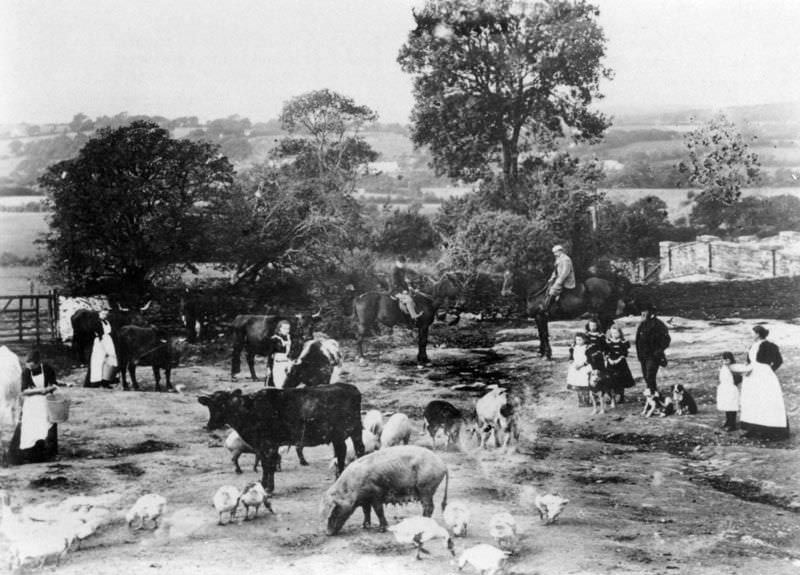
Cilgerran sits on the south bank of the River Teifi in Pembrokeshire, Wales. In the early 1900s, it was a working rural community with deep roots in farming, trade, and local craftsmanship. Once a market town with its own borough status, Cilgerran and the surrounding district of Dyfed carried on a way of life that had changed little over generations. The photographs in this collection capture that world in extraordinary detail.
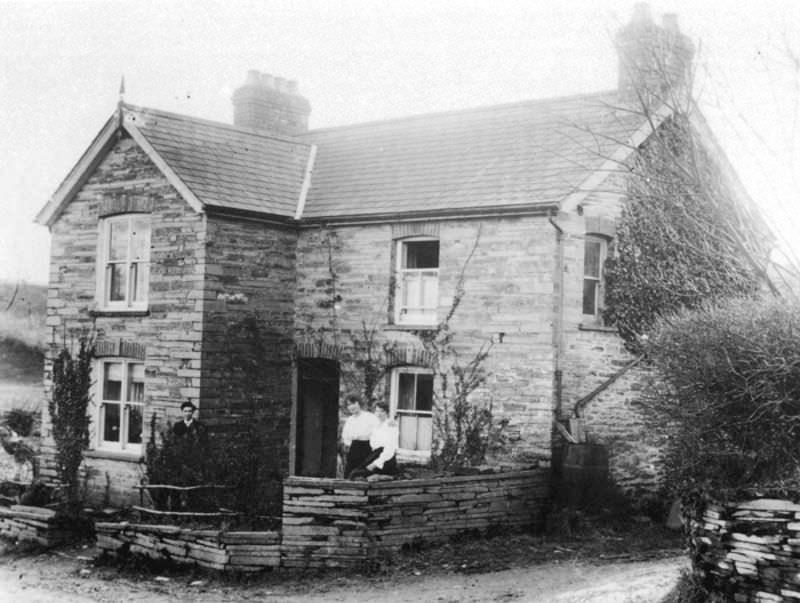
The man behind the camera was Tom Mathias, a local photographer who documented everyday life across the Cilgerran district at the turn of the 20th century. He photographed farms, workers, village streets, and the people who made up the fabric of rural West Wales. His work was not widely known during his lifetime, and after he died in 1940, his entire collection of glass plate negatives was left in an outhouse on his property.
For more than thirty years, the negatives sat forgotten, exposed to damp, cold, and neglect. Many were broken. Others were damaged so badly that no image could be recovered from them. The collection that survived did so largely by chance.
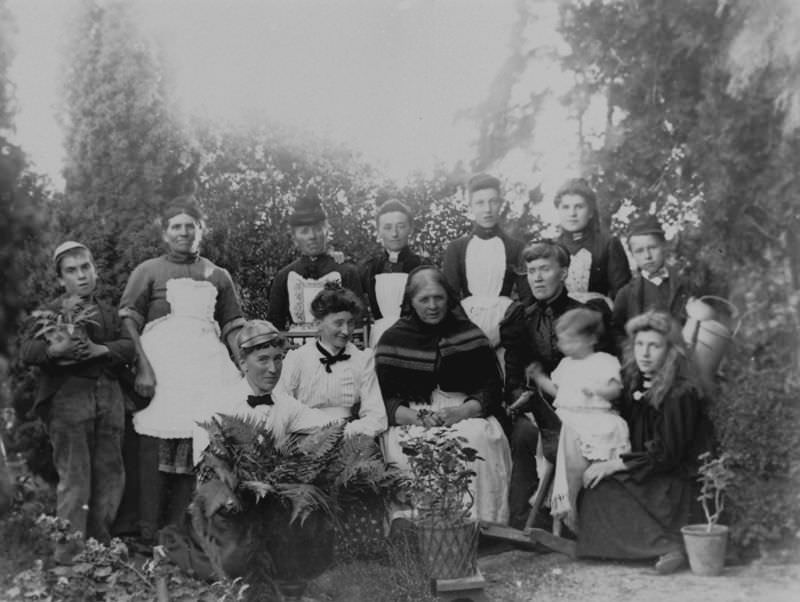
In the 1970s, James Maxwell Davis — known locally as Maxi — discovered the negatives. A professional photographer himself, Maxi immediately recognized the historical value of what he had found. He carefully sorted through the collection, assessed the damage, and began the slow work of conserving and restoring as many negatives as possible.
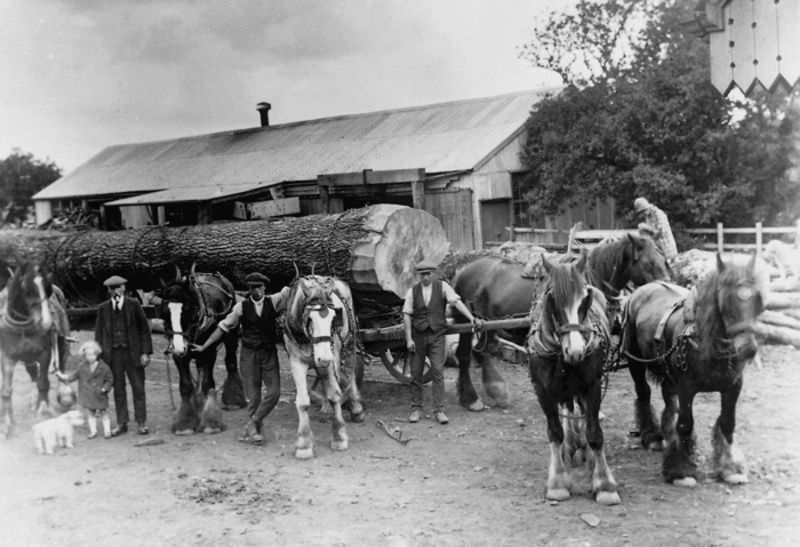
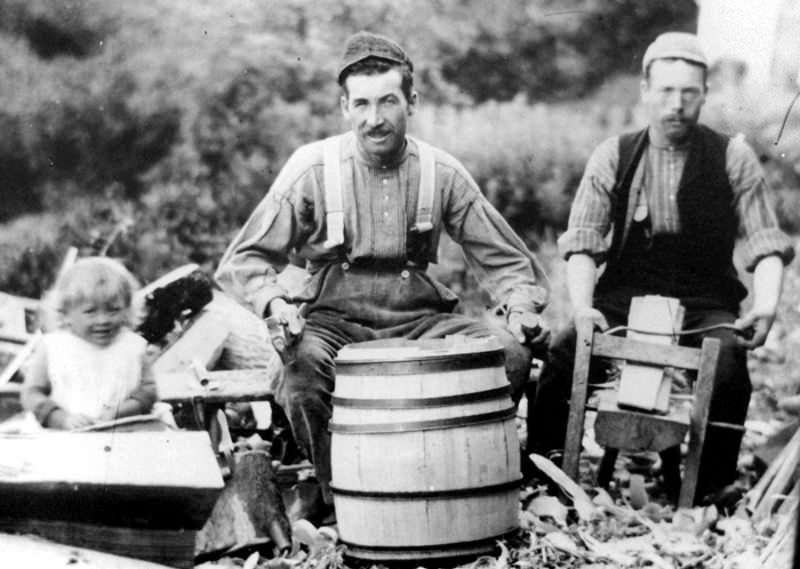
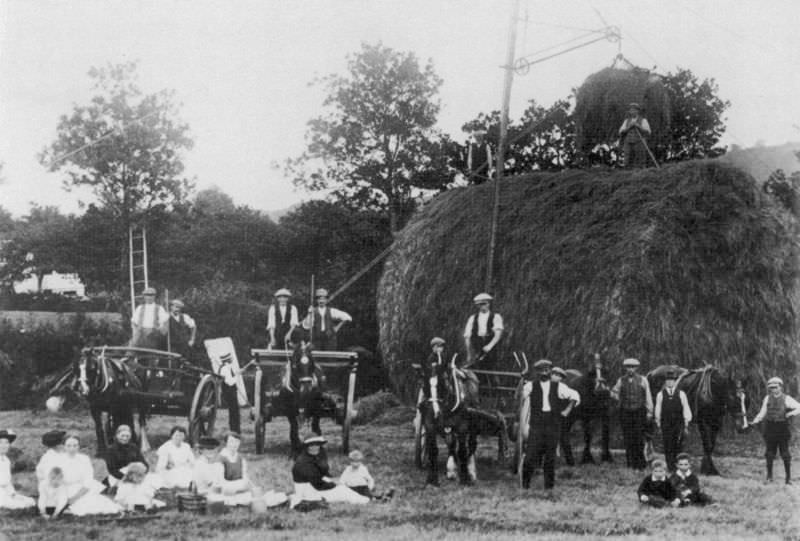
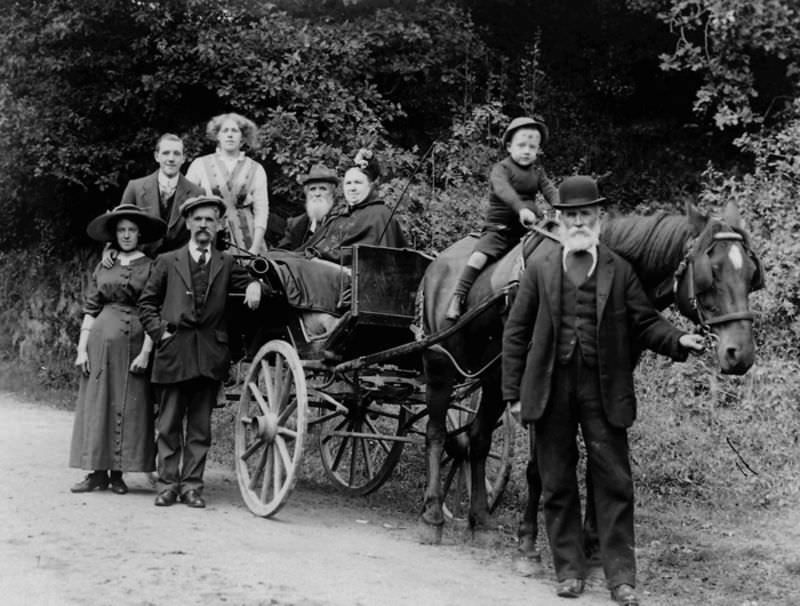
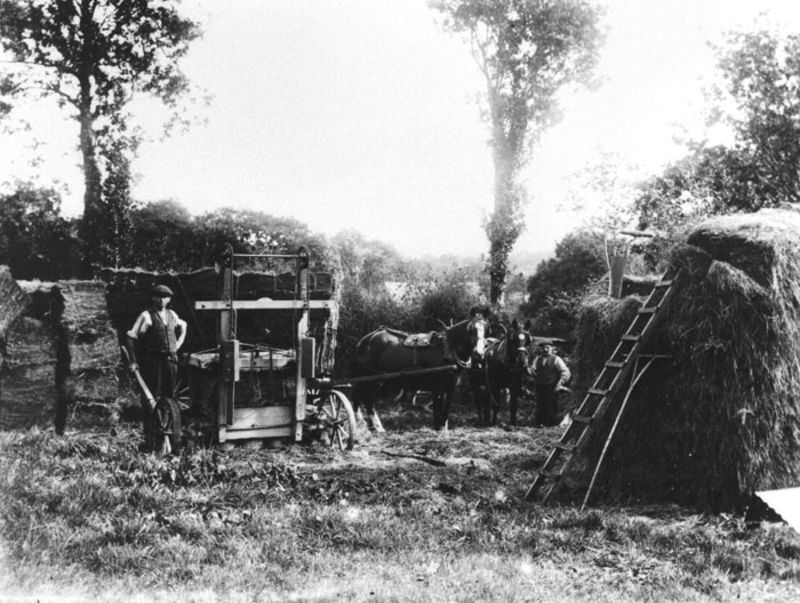
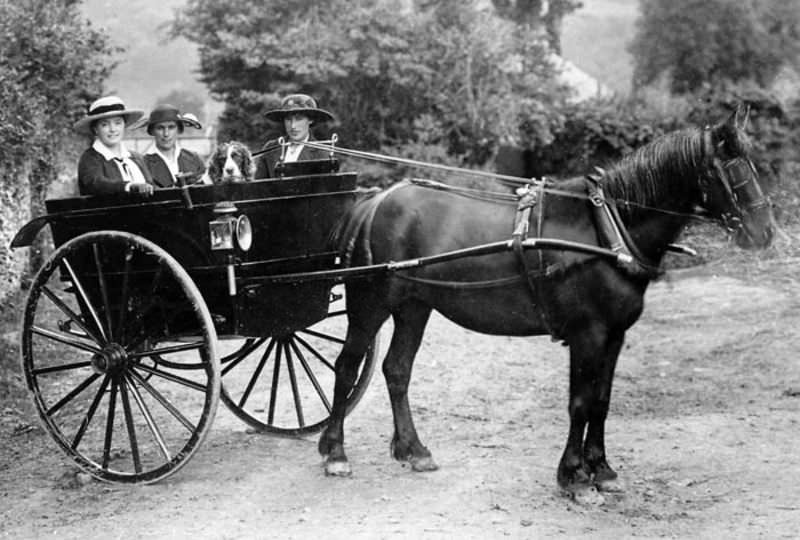
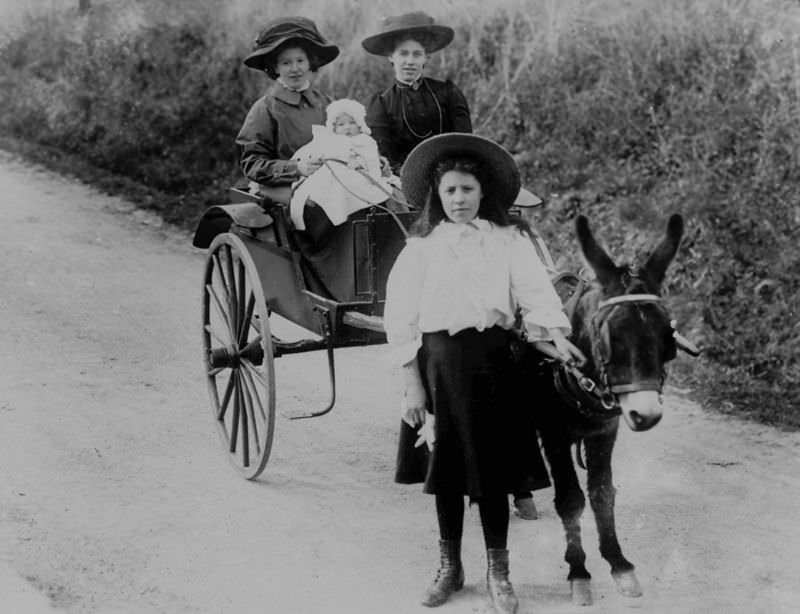
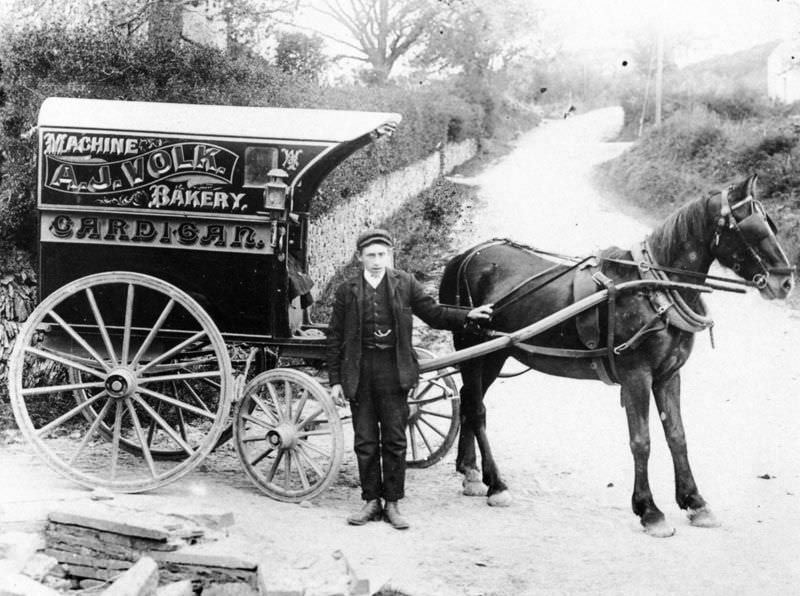
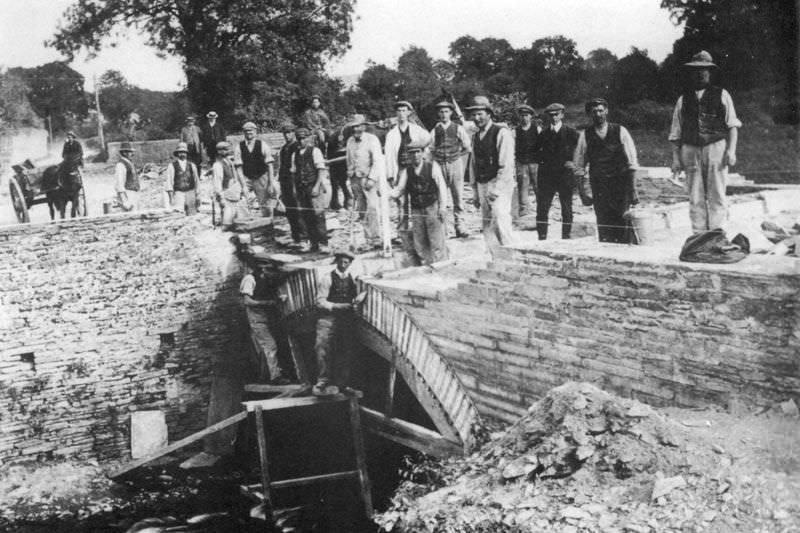
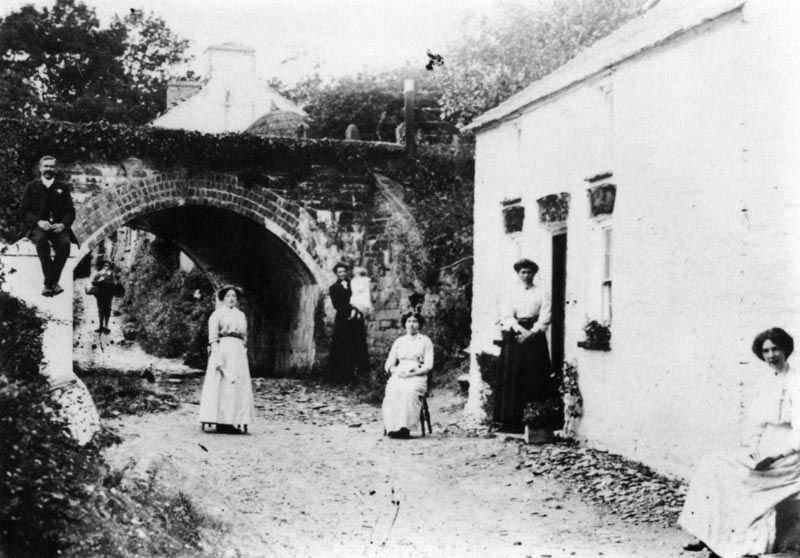
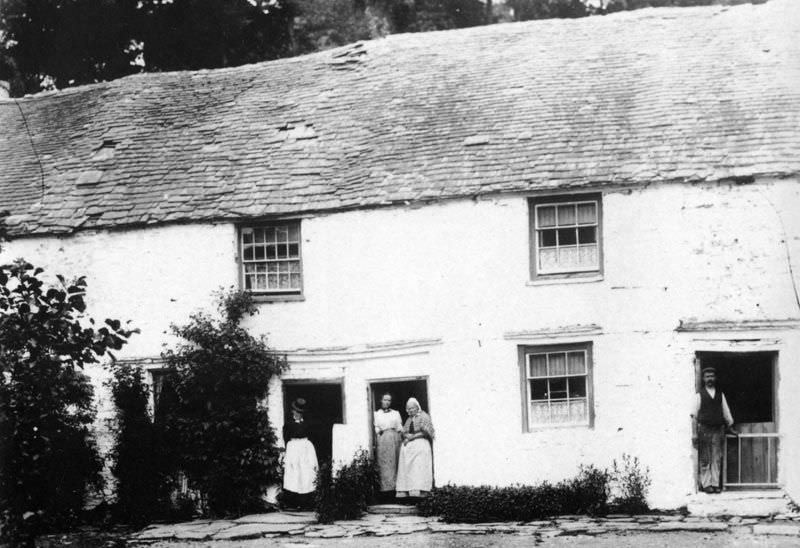
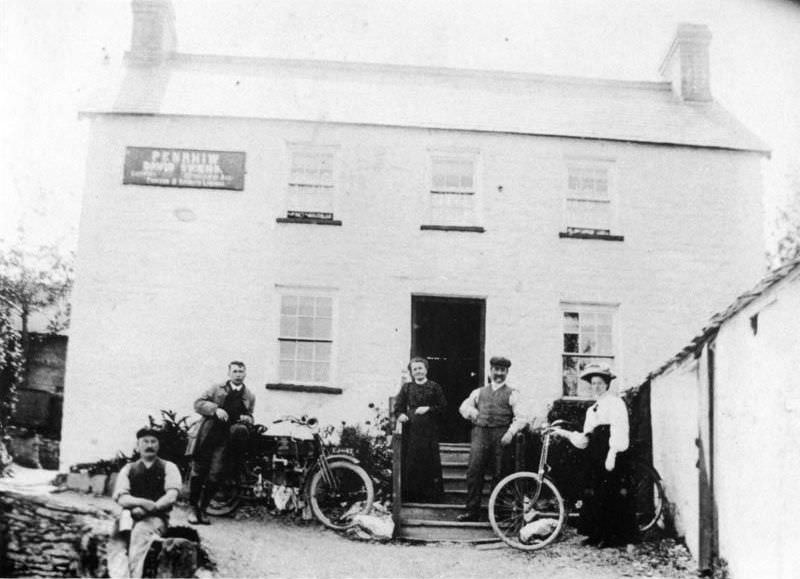
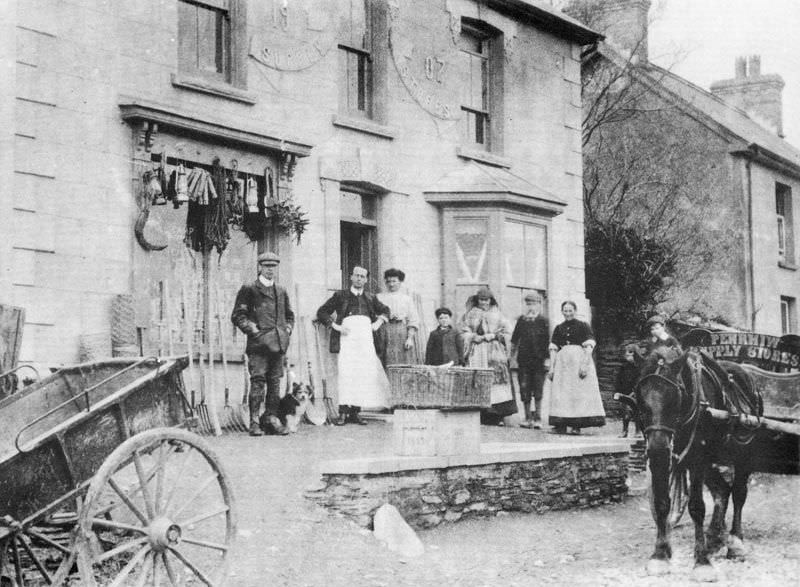
The images that survived give us a direct look at rural Welsh life in the early 1900s. Farm laborers, horse-drawn carts, stone cottages, and village gatherings all appear across Mathias’s work. These were not staged portraits for wealthy clients — they were honest records of working people going about their daily lives.
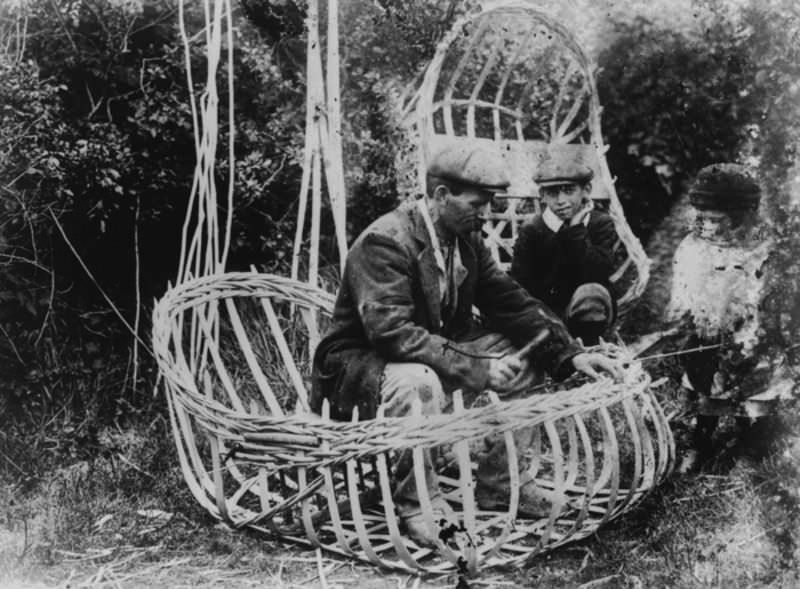
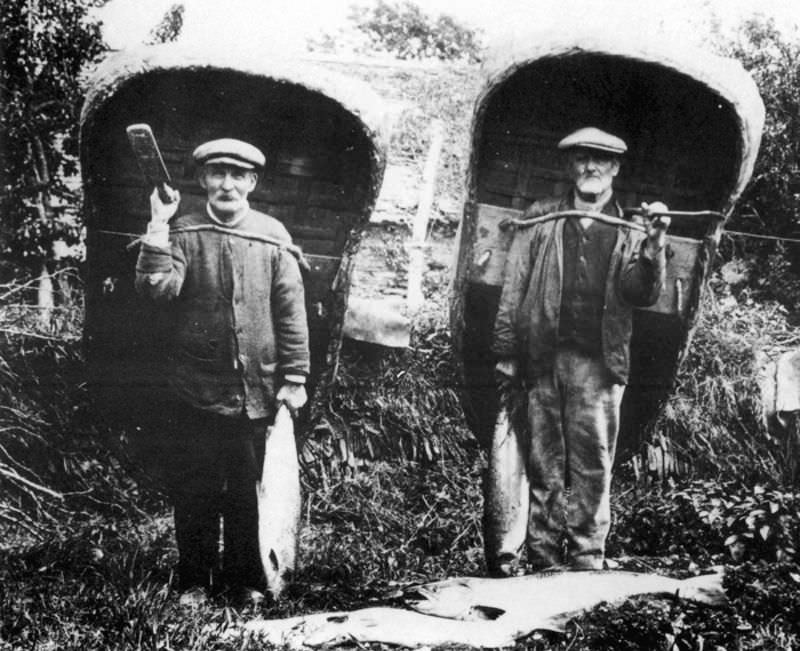
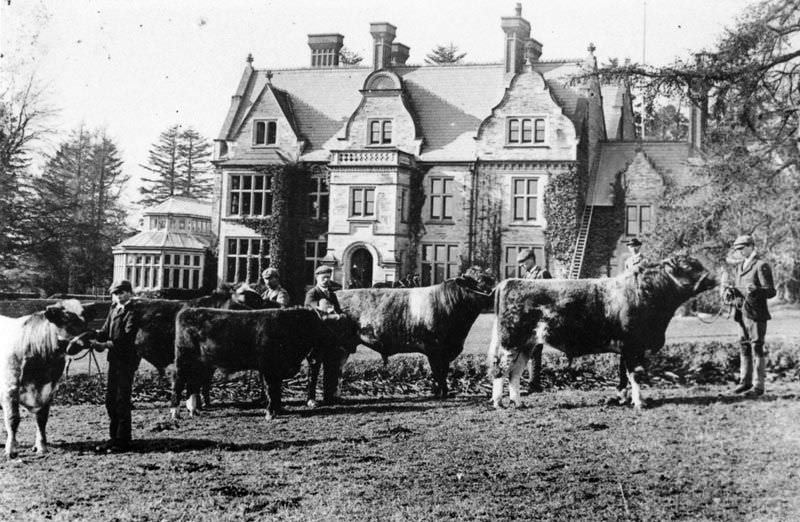
West Wales in this period was defined by its agricultural economy. Families worked the land through the seasons, and the community’s rhythms followed the demands of planting, harvesting, and livestock. Markets and fairs brought people together from across the district, and Cilgerran’s former status as a market town made it a natural center for that activity.
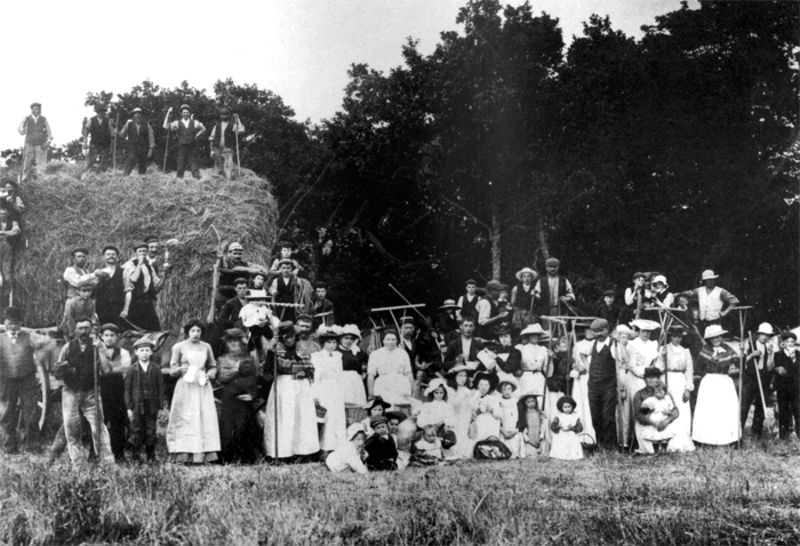
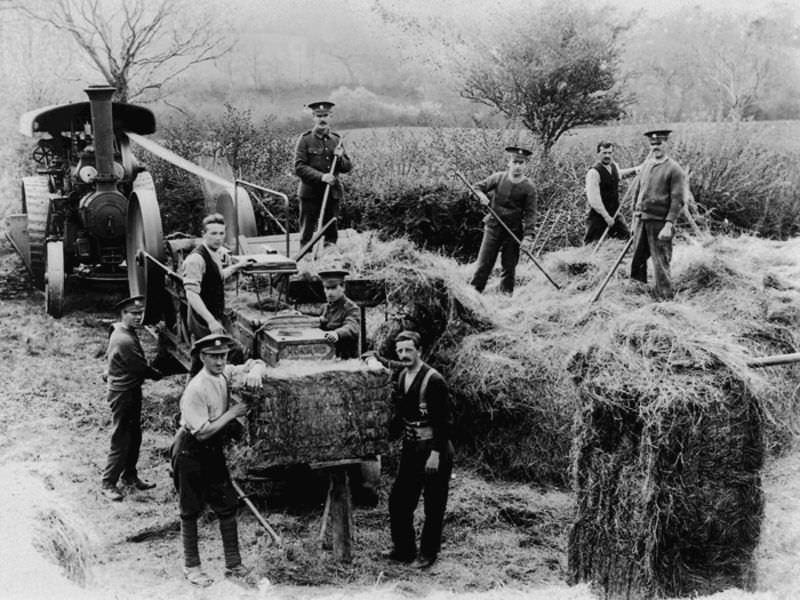
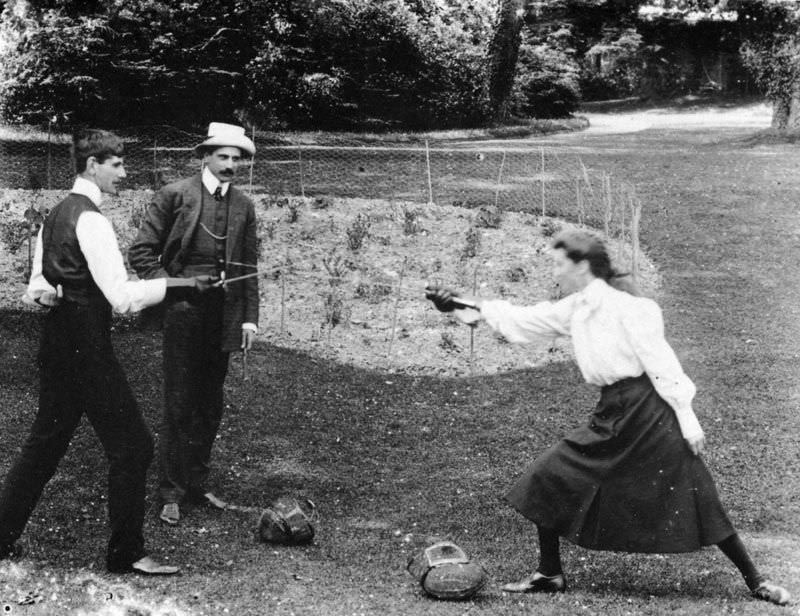
Mathias had an eye for the ordinary moment. A group of men resting after a day’s work, a woman standing in a doorway, children near a farm gate — these are the kinds of scenes he preserved. They are the details that formal historical records rarely capture.
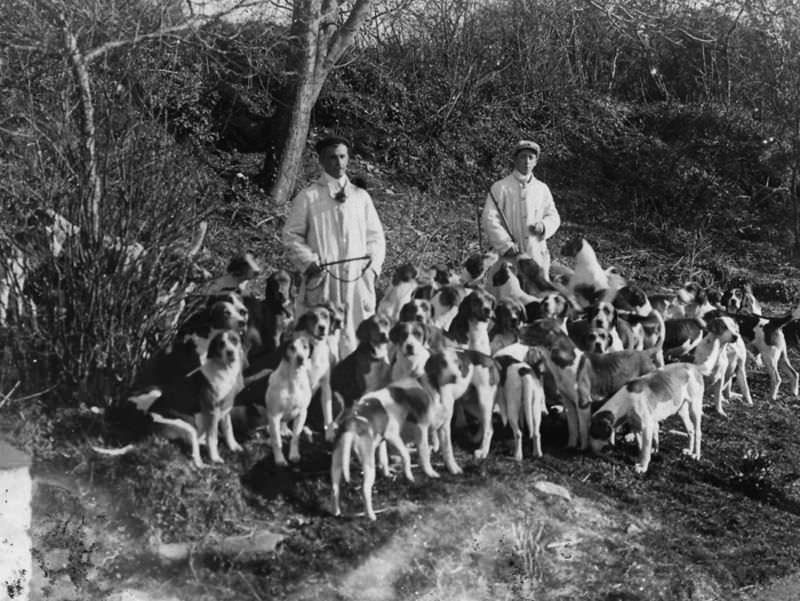
The River Teifi played a central role in the life of Cilgerran and the surrounding area. It was used for transport, fishing, and powering mills. The river’s banks and the landscape around them appear in several of Mathias’s photographs, showing how closely daily life was tied to the natural environment.
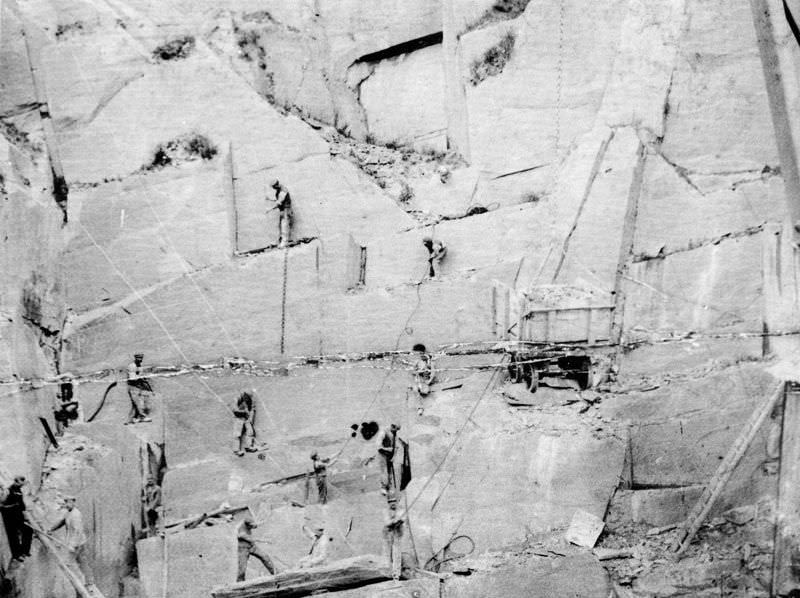
The condition of the surviving negatives varies considerably. Some produced sharp, well-defined prints. Others show the effects of decades of deterioration — scratches, moisture damage, and missing sections. Even in their imperfect state, the images carry a clarity about the people and places they depict.
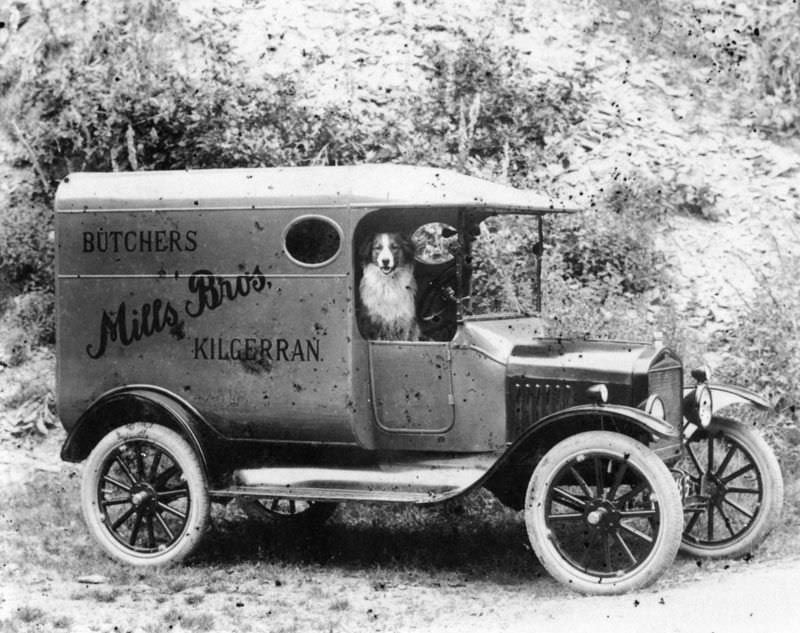
Maxi Davis’s decision to restore and preserve this collection meant that images which were weeks away from being lost forever were instead saved. His work as a professional photographer gave him both the technical skill and the understanding to know exactly what Mathias had accomplished.
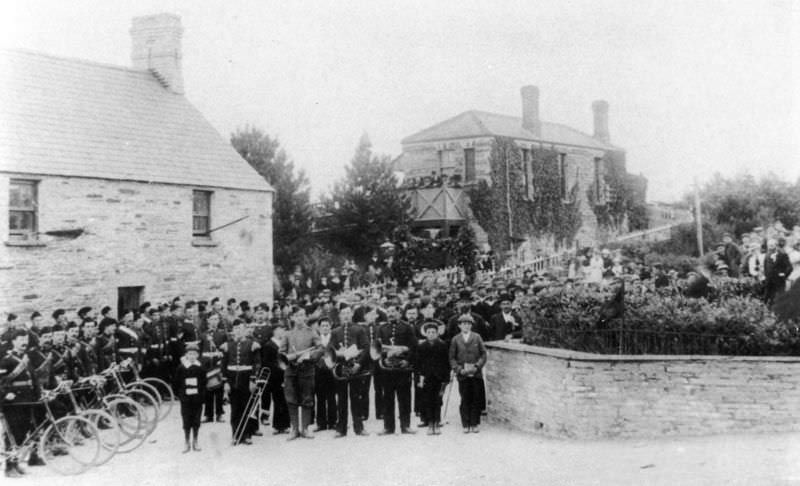
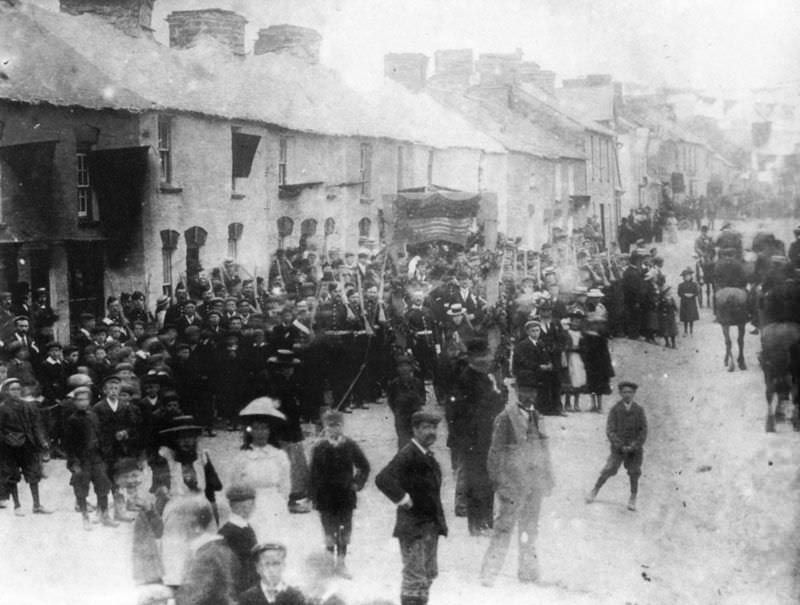
Pembrokeshire in the early 20th century was largely cut off from rapid industrialization. The landscape remained open farmland, dotted with small villages and isolated farms. This gave Mathias an uncluttered subject — a rural world still operating largely as it had for generations before him.
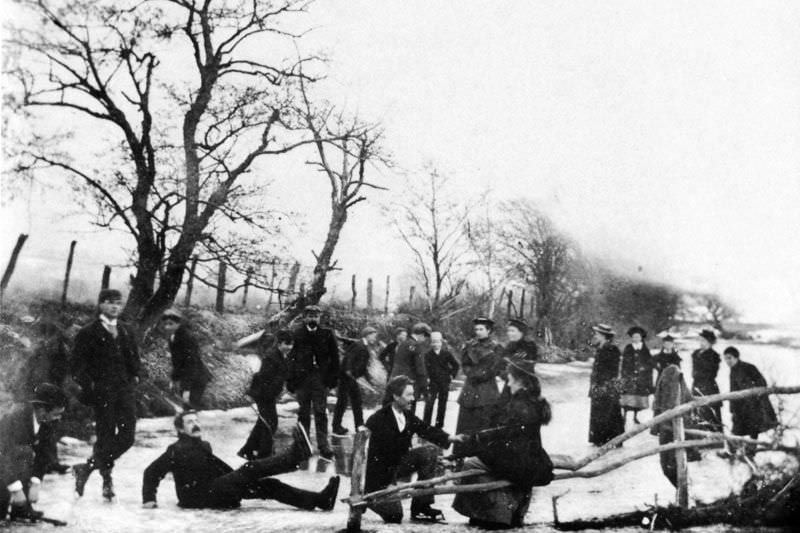
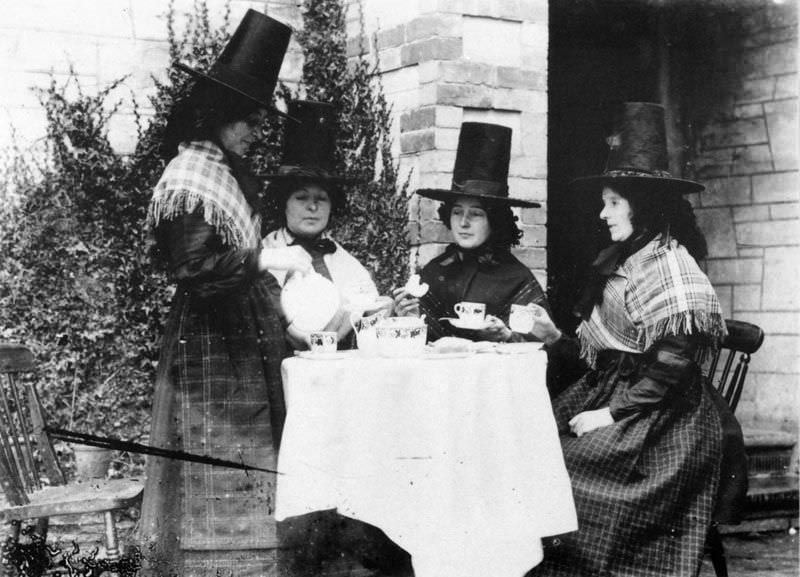
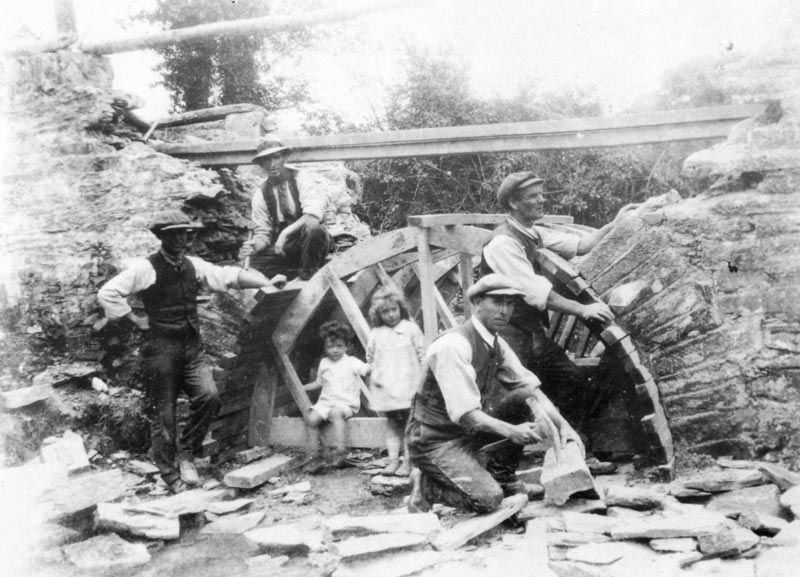
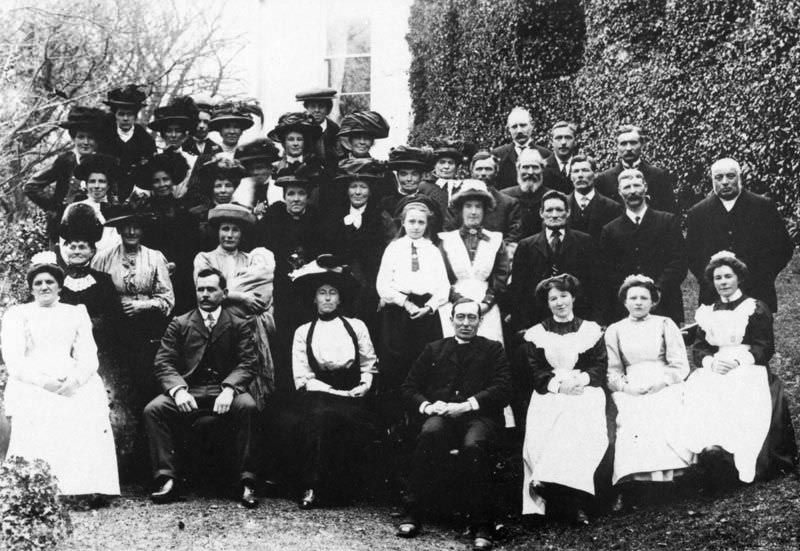
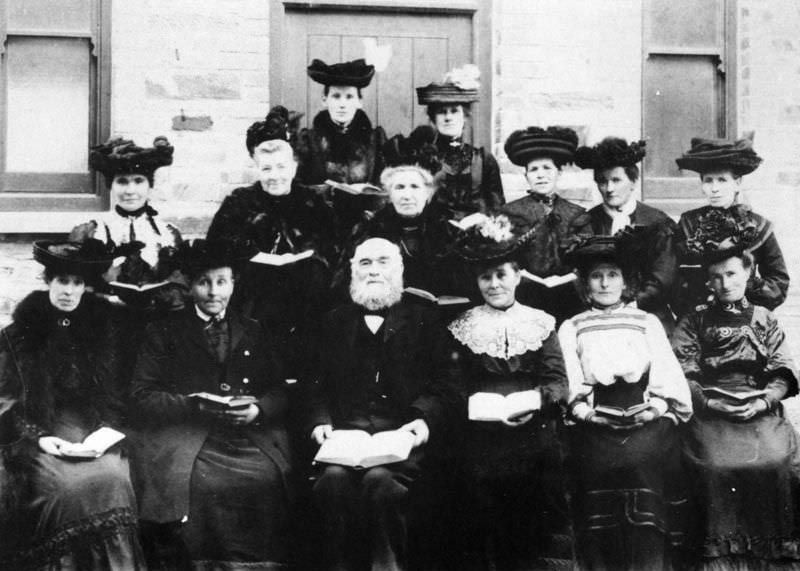
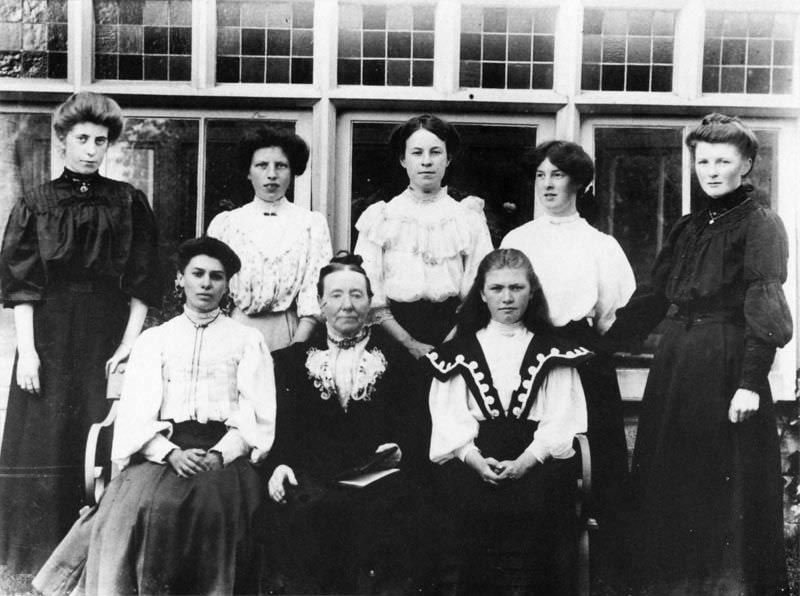
The Welsh language was the first language of most people across the Cilgerran district at this time. Community life — church, market, and field — was conducted in Welsh. That cultural identity is visible in the photographs through dress, through the architecture of the buildings, and through the tight-knit groupings of people who clearly knew one another well.
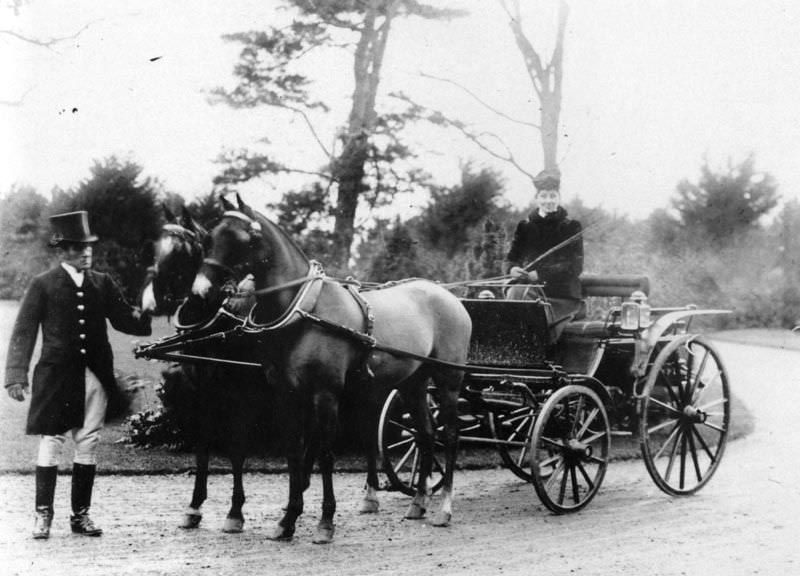
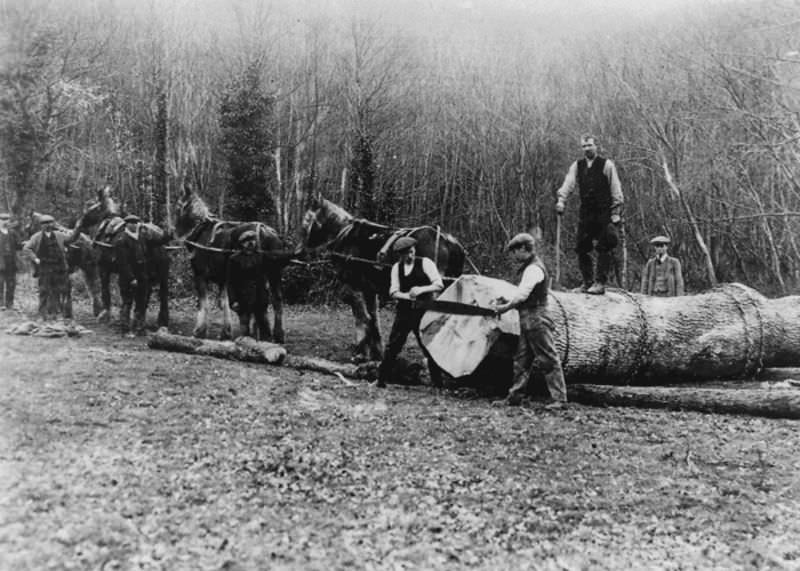
Horses were the primary source of working power across the district. They pulled plows, carried goods, and transported families to town. Mathias photographed these animals alongside their handlers, and the relationship between people and working horses is one of the recurring themes across the collection.
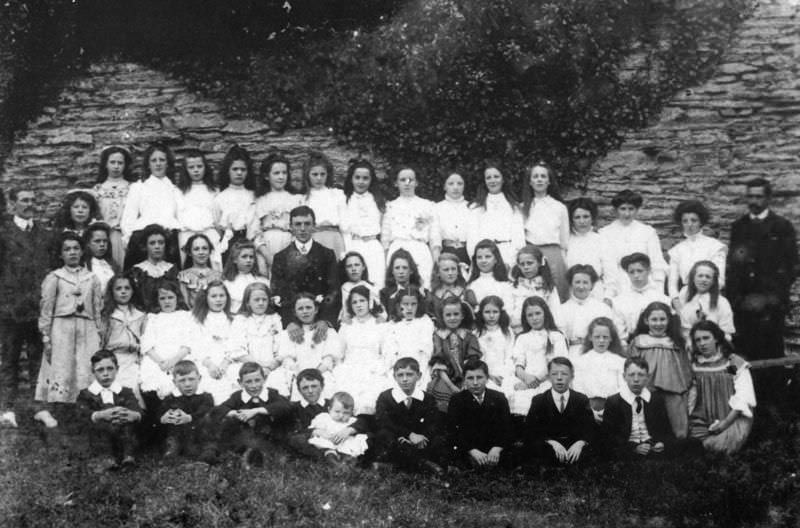
Children appear throughout the photographs too, often at the edges of adult activity — watching, helping, or simply present. Rural childhood in this era meant early exposure to farm work, and many of the young people pictured were already contributing to household and field labor by their early teenage years.
Stone walls, slate roofs, narrow lanes, and low farmhouses define the built landscape in Mathias’s photographs. These structures were built to last and to suit the wet, windswept climate of West Wales. Many of the buildings he photographed still stand today.
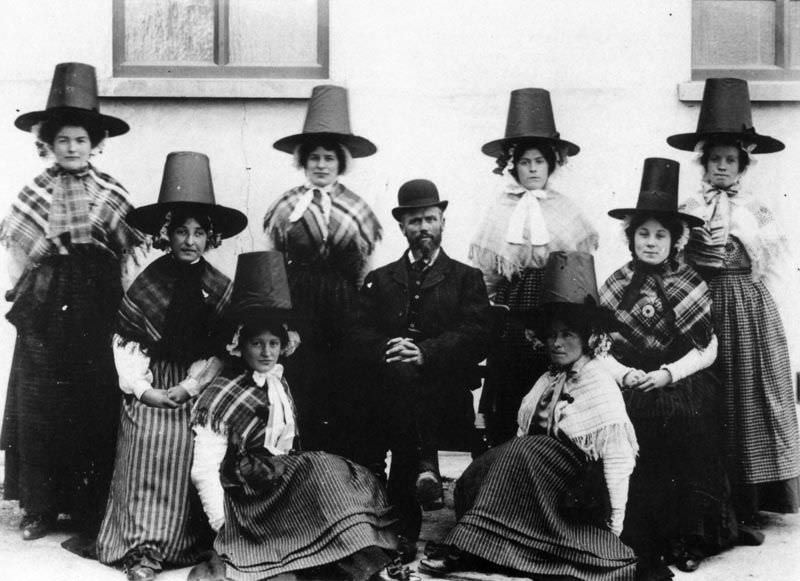
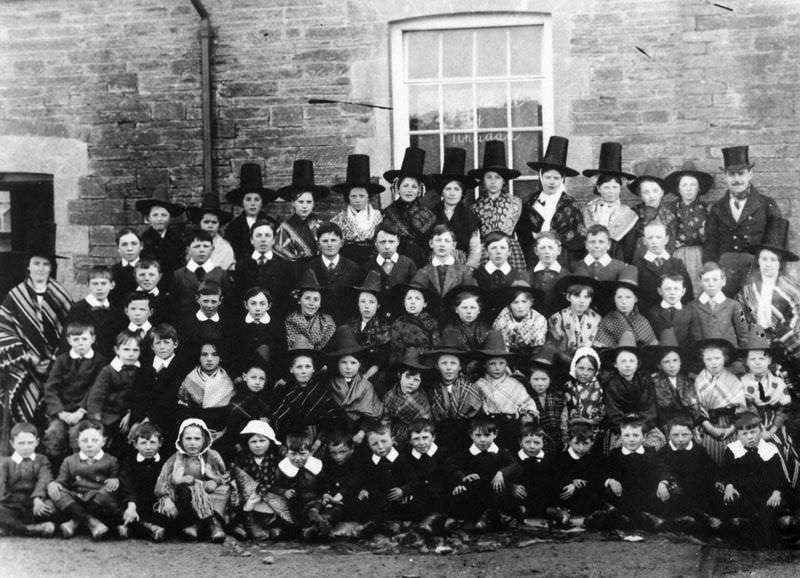
The tools and methods visible across the collection are entirely pre-mechanized. Hand tools, wooden implements, and horse-drawn equipment dominate. The physical labor required to run a farm in this period was enormous, and that reality is written across the faces and postures of the people in these images.
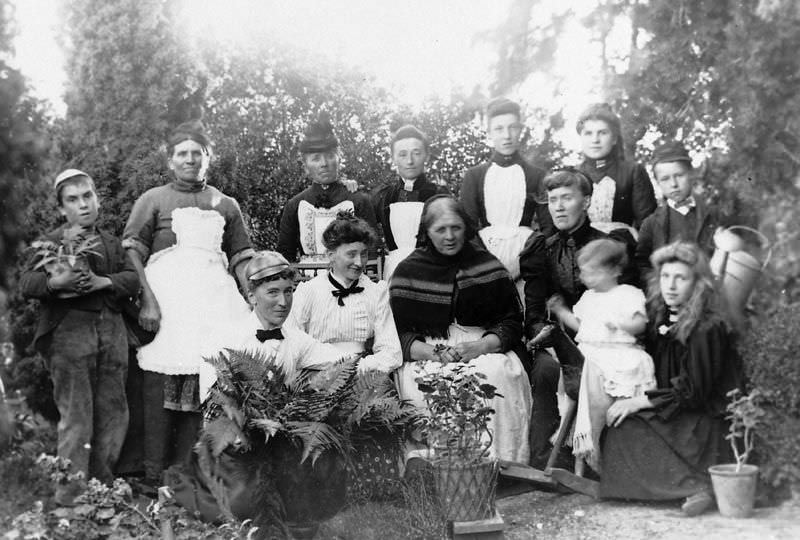
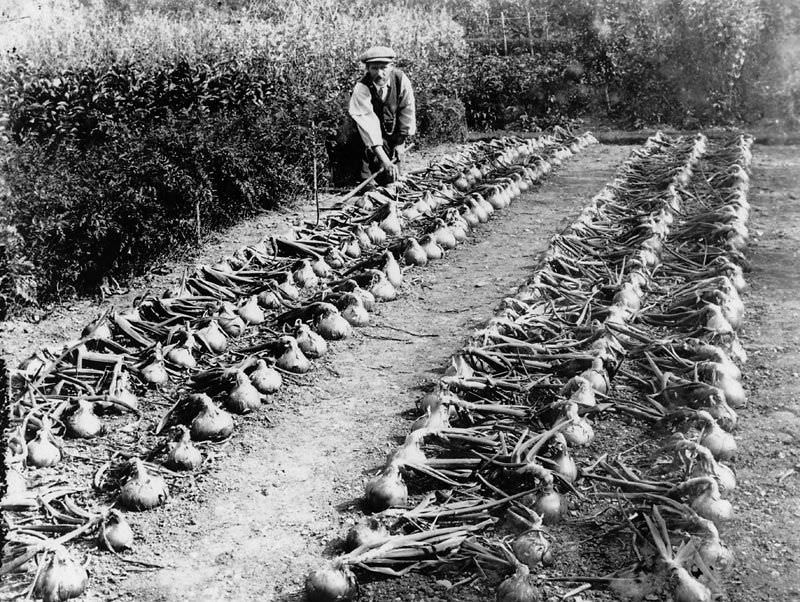
Taken together, Tom Mathias’s photographs of the Cilgerran district form one of the most detailed visual records of rural Welsh life from the early 1900s. Each image is a precise, unposed moment from a world that was already beginning to change when the shutter clicked.