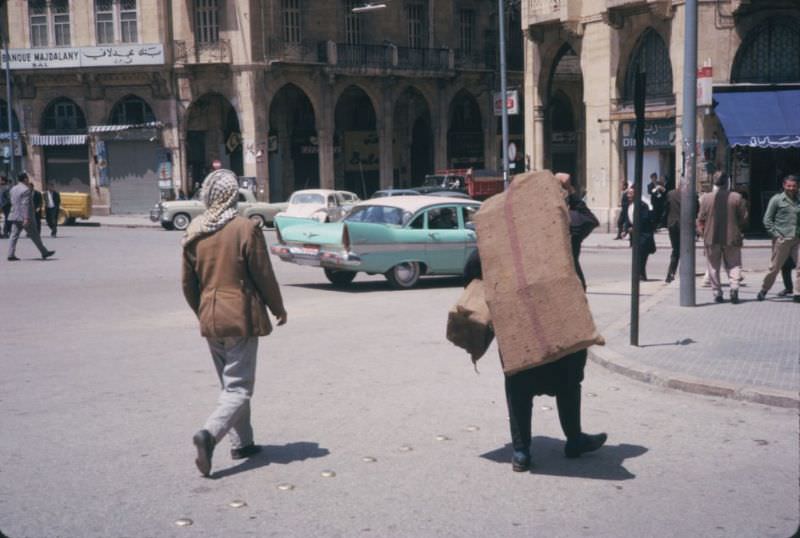
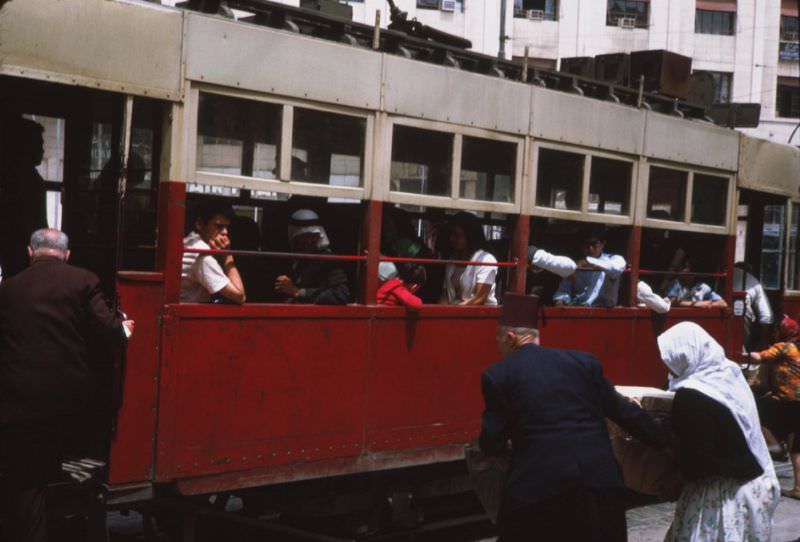
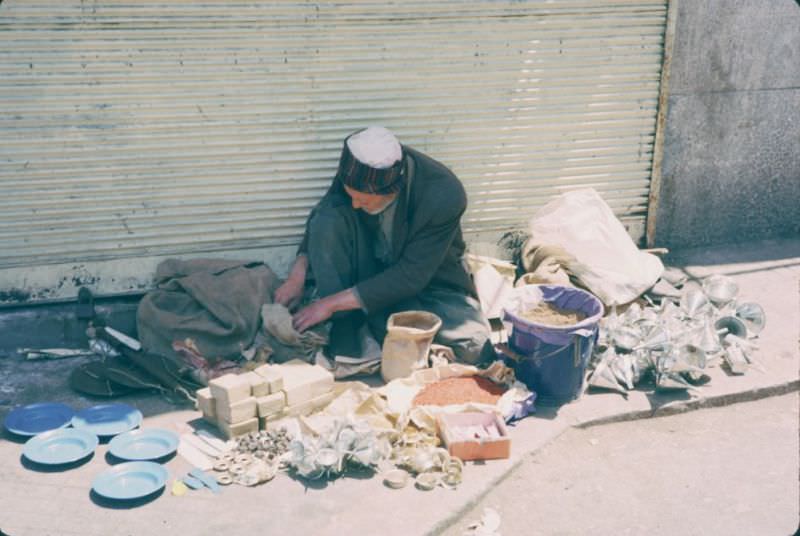
In May 1965, American photographer Charles Cushman visited Beirut, Lebanon, with a camera and a sharp eye for everyday life. What he captured was a city in full stride — busy streets, bustling markets, and a population going about their daily routines in one of the Middle East’s most important urban centers.
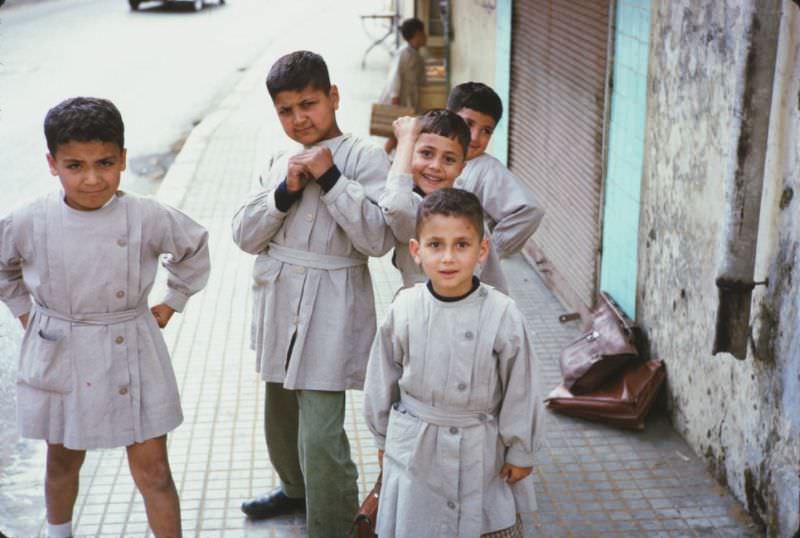
Beirut is one of the oldest continuously inhabited cities in the world. Archaeological evidence of settlement dates back more than 5,000 years. In ancient times, it was one of the key city-states of Phoenicia, a civilization known for its seafaring traders and the spread of the alphabet across the Mediterranean world.
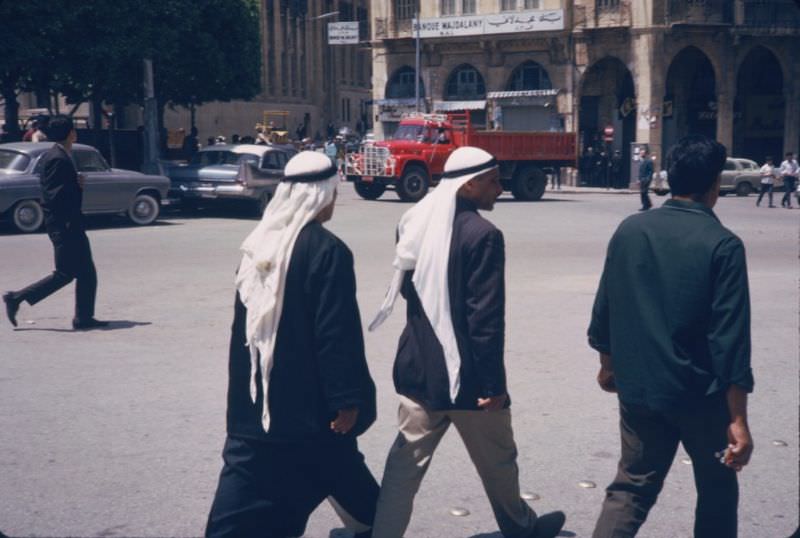
By the mid-1960s, Beirut had grown into the financial and cultural hub of the Arab world. The city’s banks, hotels, and universities attracted visitors and business people from across the region. The Persian Gulf oil boom had sent enormous wealth flowing through Beirut, which served as a banking gateway between East and West.
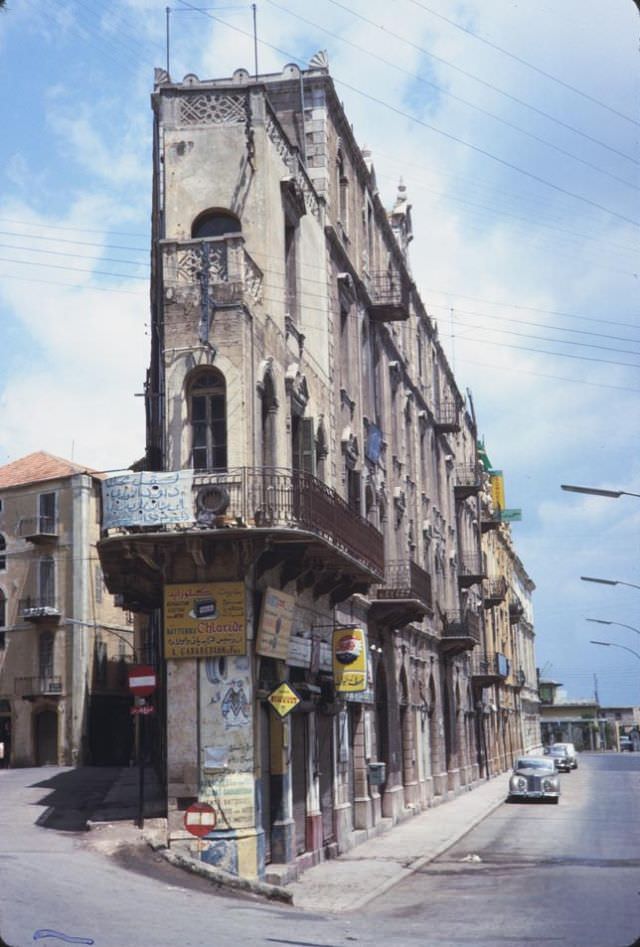
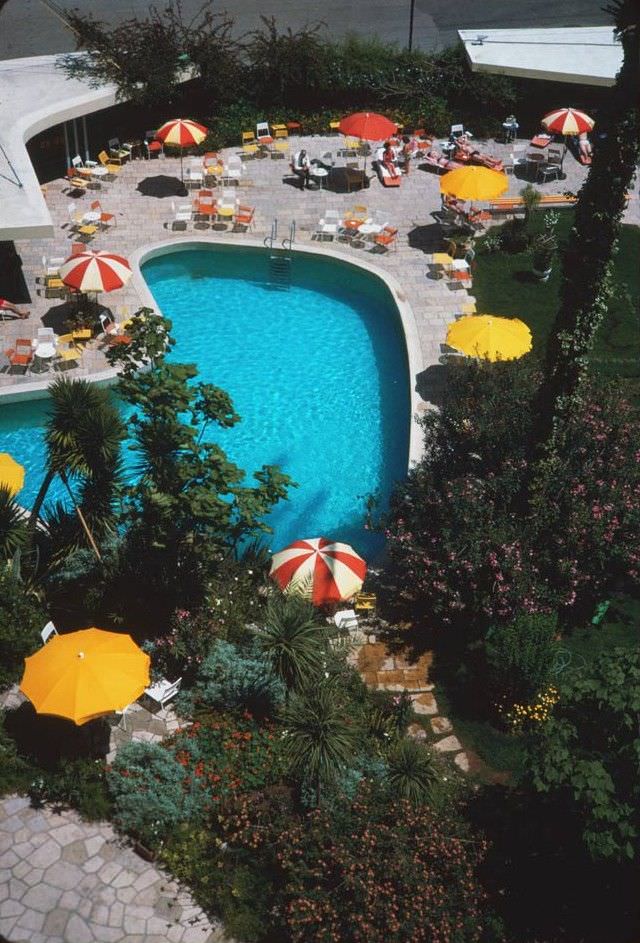
Tourism was a major part of Beirut’s identity during this era. Europeans and Americans traveled there for its beaches, restaurants, and nightlife. The city earned the nickname “the Paris of the Middle East” for its French-influenced architecture, open café culture, and cosmopolitan atmosphere.
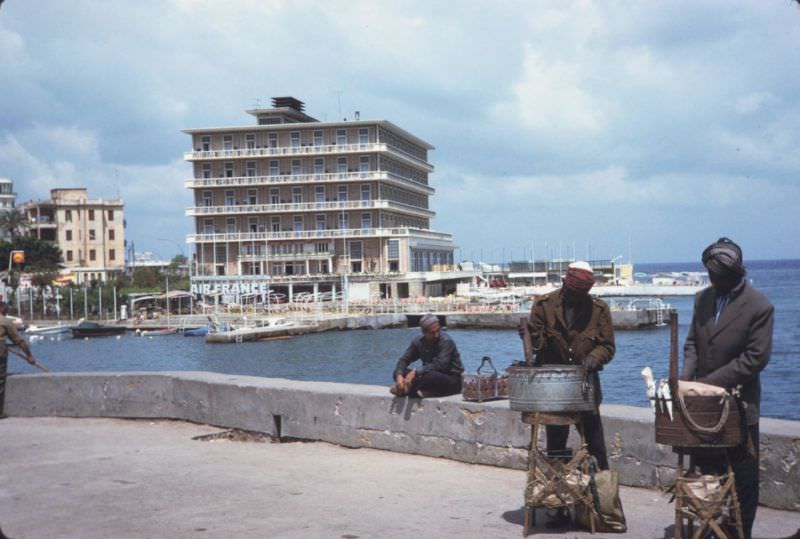
Cushman’s photographs show the street-level reality of that world. His images document vendors, pedestrians, vehicles, and storefronts — the ordinary texture of a city that was anything but ordinary in its regional importance.
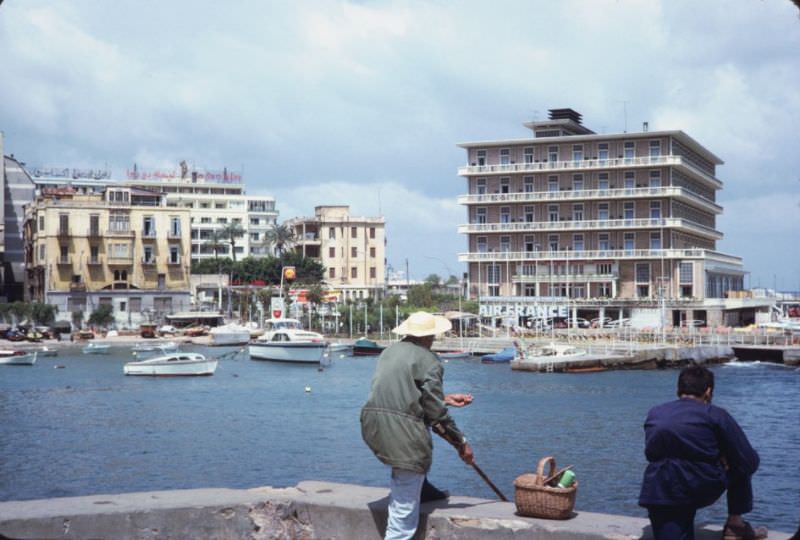
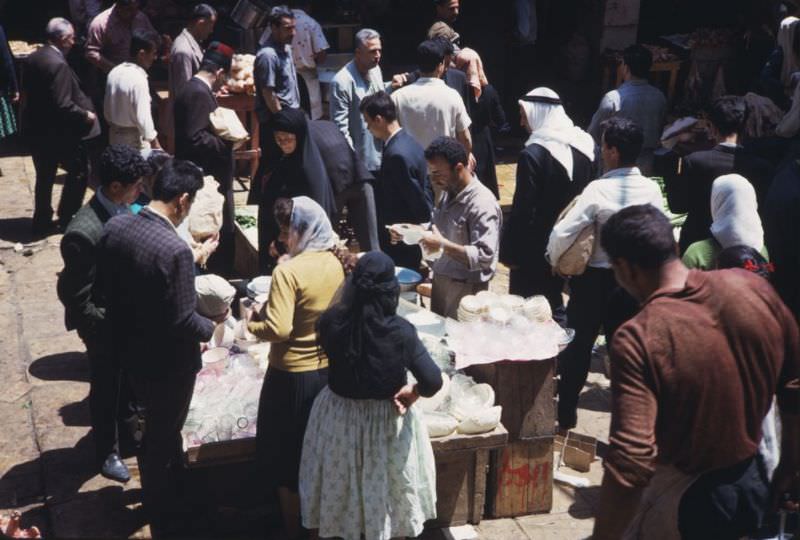
Lebanon’s capital sits on a peninsula jutting into the eastern Mediterranean Sea. The city’s geography gave it a natural advantage as a trading port for thousands of years. In 1965, the port of Beirut was still one of the busiest in the region, handling goods moving between Europe, Africa, and Asia.
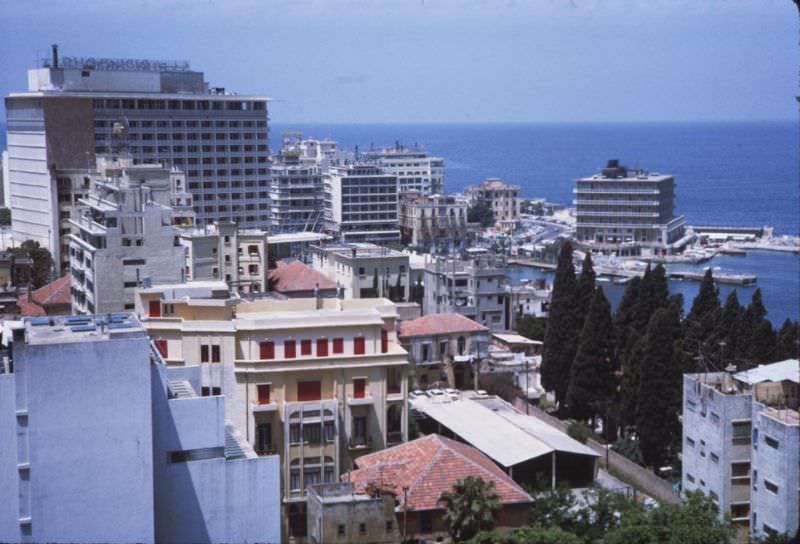
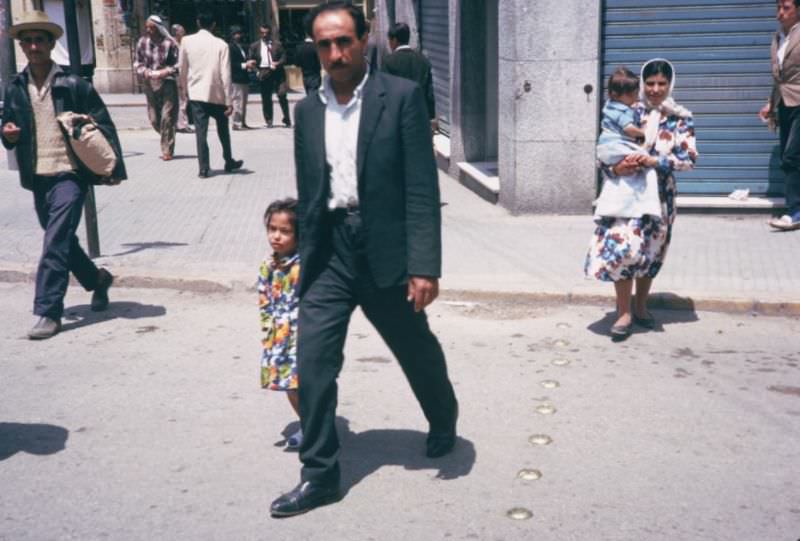
The streets Cushman photographed carried a mix of the old and the new. Traditional merchants sold goods alongside modern storefronts. Narrow older lanes ran close to wide, newly built roads. The city was actively modernizing while still holding onto older ways of life.
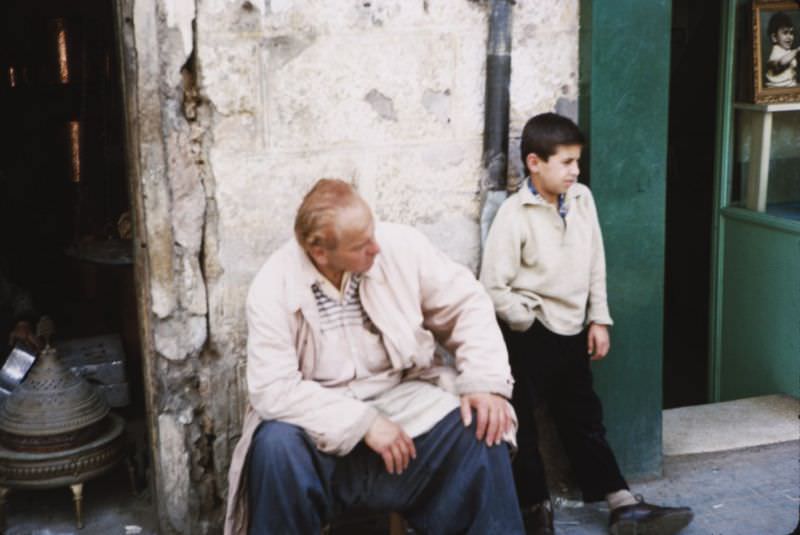
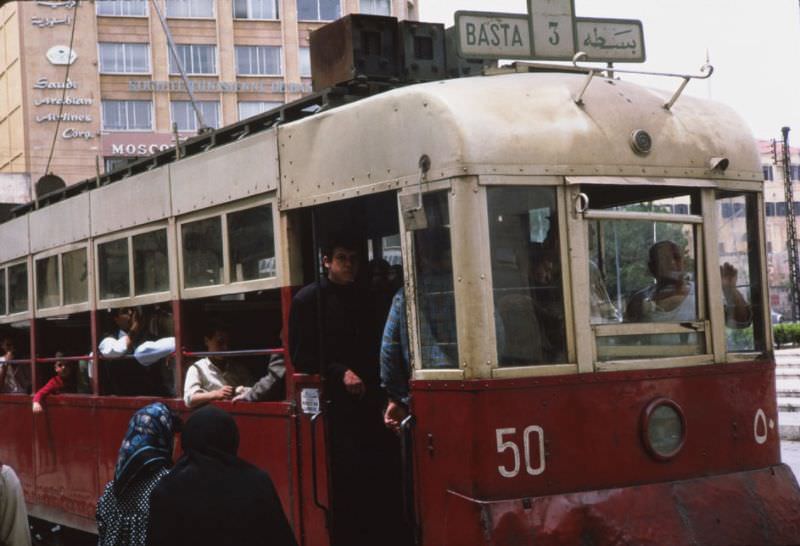
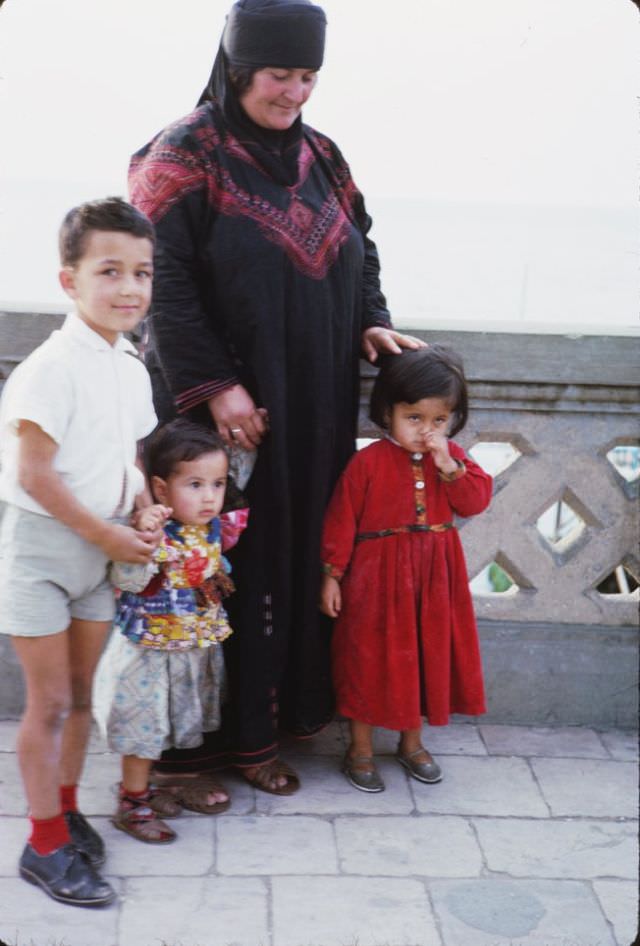
Lebanon’s population in the 1960s was diverse, made up of multiple religious and ethnic communities living together in the same urban spaces. Beirut reflected that mix clearly. Christian and Muslim neighborhoods existed side by side, and the city’s social fabric was defined by that coexistence.
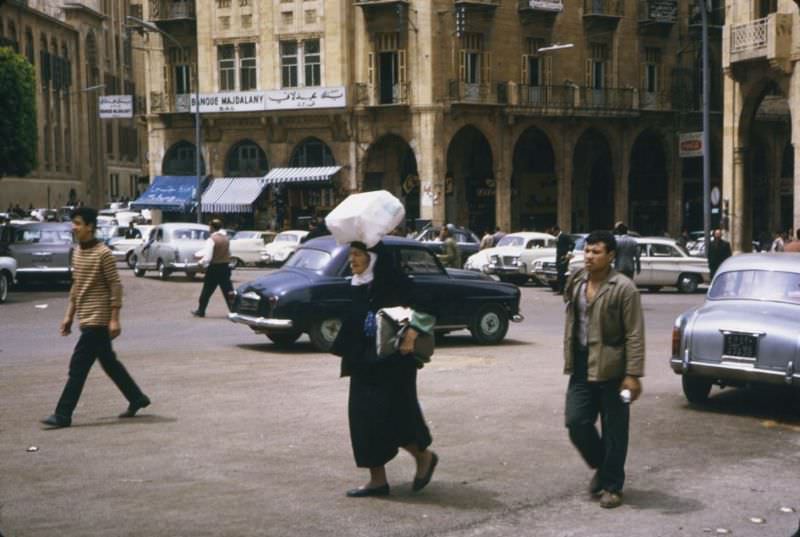
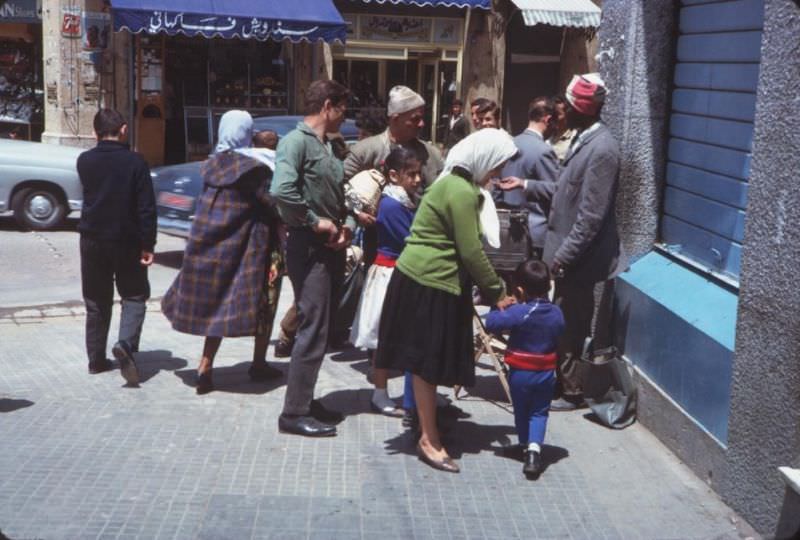
Cushman was a dedicated amateur photographer who traveled widely across the United States and abroad, documenting places through Kodachrome color slides. His Beirut collection stands out because color photography of everyday life in the Arab world from this period is relatively rare in public archives.
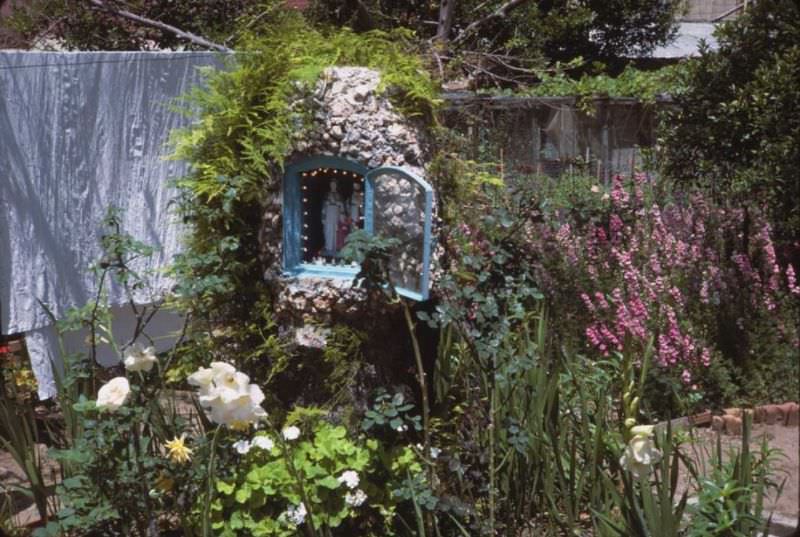
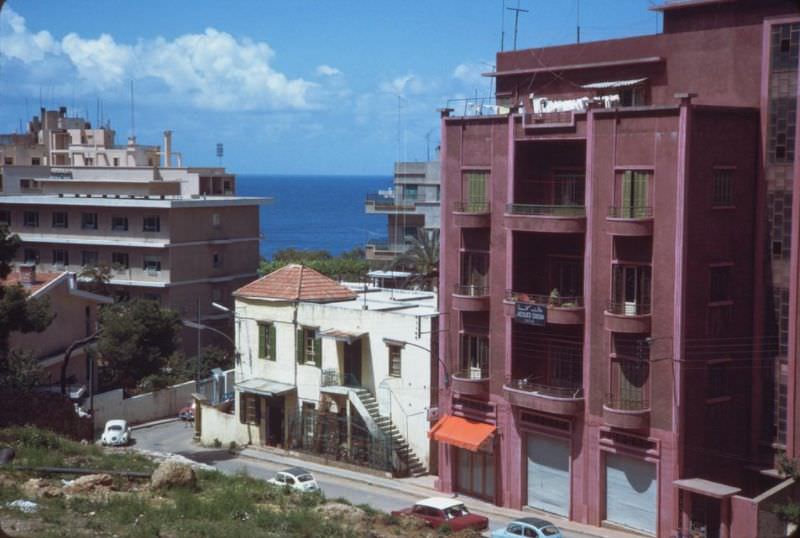
The Lebanese economy in 1965 was heavily service-based. Banking, trade, and tourism made up a large share of national income. Beirut functioned as the commercial engine of the country, drawing workers and entrepreneurs from across Lebanon and the wider Arab world into its city center.
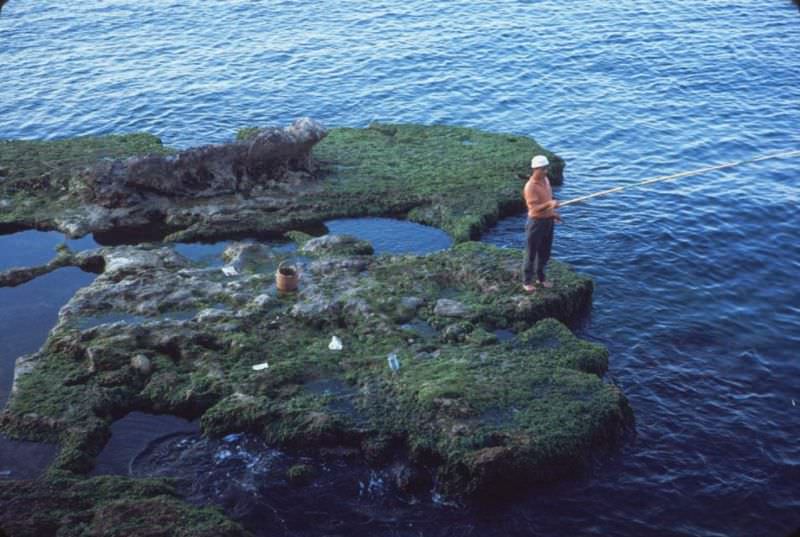
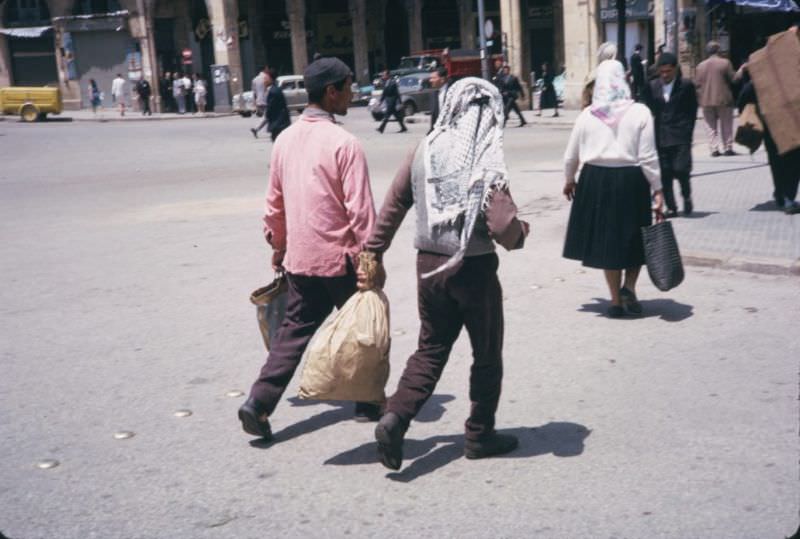
Street scenes from this period show a city with heavy foot traffic and growing car ownership. American and European vehicle brands were common on Beirut’s roads, reflecting the city’s strong trade ties with the West. Sidewalks were lively throughout the day.
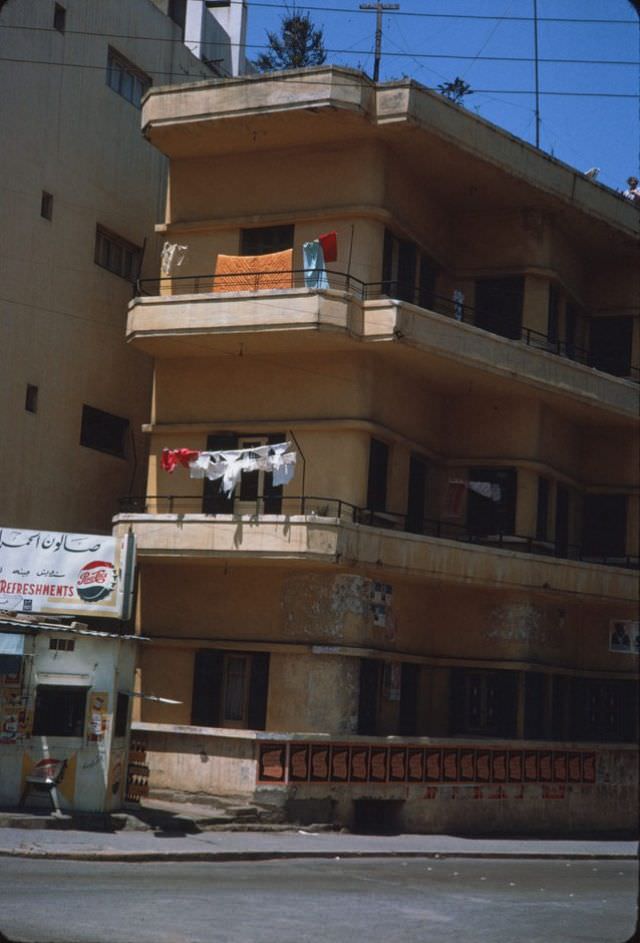
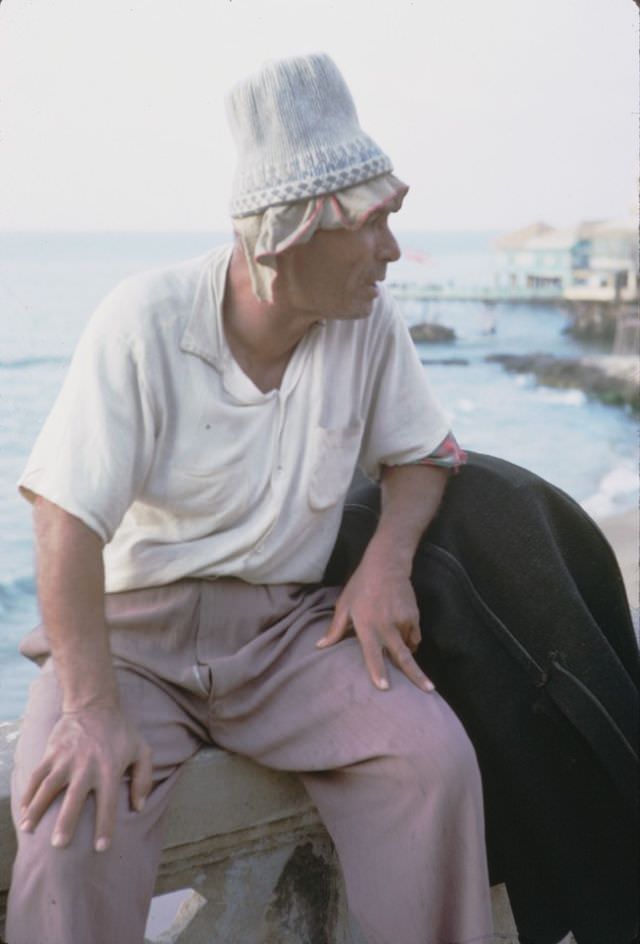
Cushman’s visit came during a period of relative political calm in Lebanon. The late 1950s had seen a brief civil conflict in 1958, but by the mid-1960s the country had stabilized. The government was functioning, and Beirut was expanding with new construction projects and infrastructure investments.
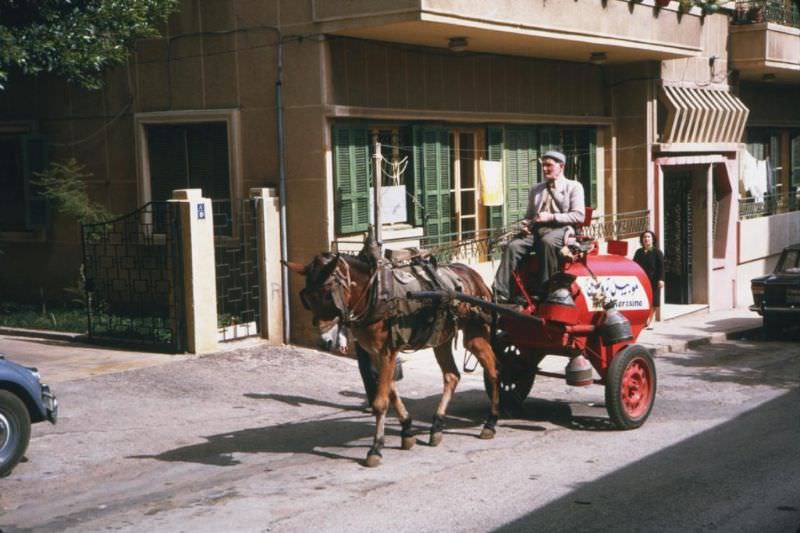
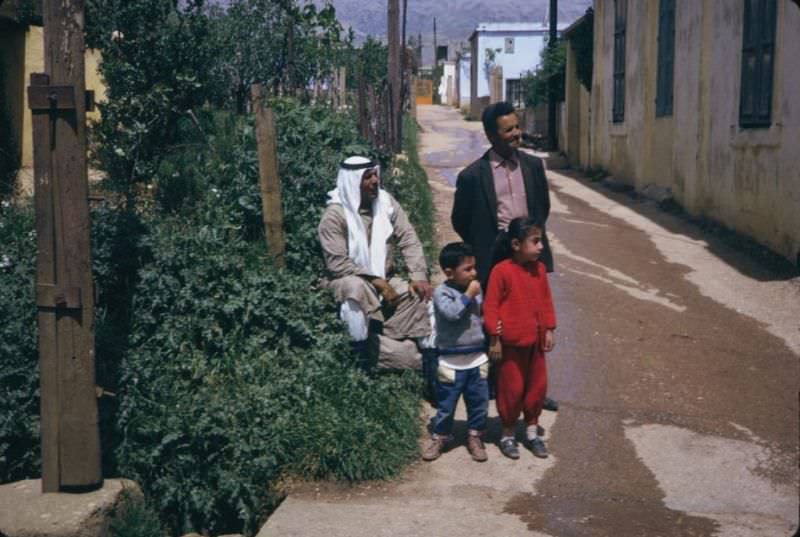
These photographs preserve a specific moment in time with a level of detail that written records alone cannot match. The colors, the clothing, the signage, and the layout of the streets all tell their own story about daily life in Beirut during one of the most prosperous decades in the city’s modern history.