The 1930s were a brutal decade for American roads. The Great Depression had already pushed millions to their limits, but a separate crisis was unfolding on streets and highways across the country — automobiles were killing and injuring people at an alarming rate. By 1935, the situation had grown serious enough that President Franklin D. Roosevelt wrote directly to state governors, urging them to act against what he called “the increasing number of deaths and injuries” caused by automobile accidents. In Boston, this crisis played out crash by crash, block by block.
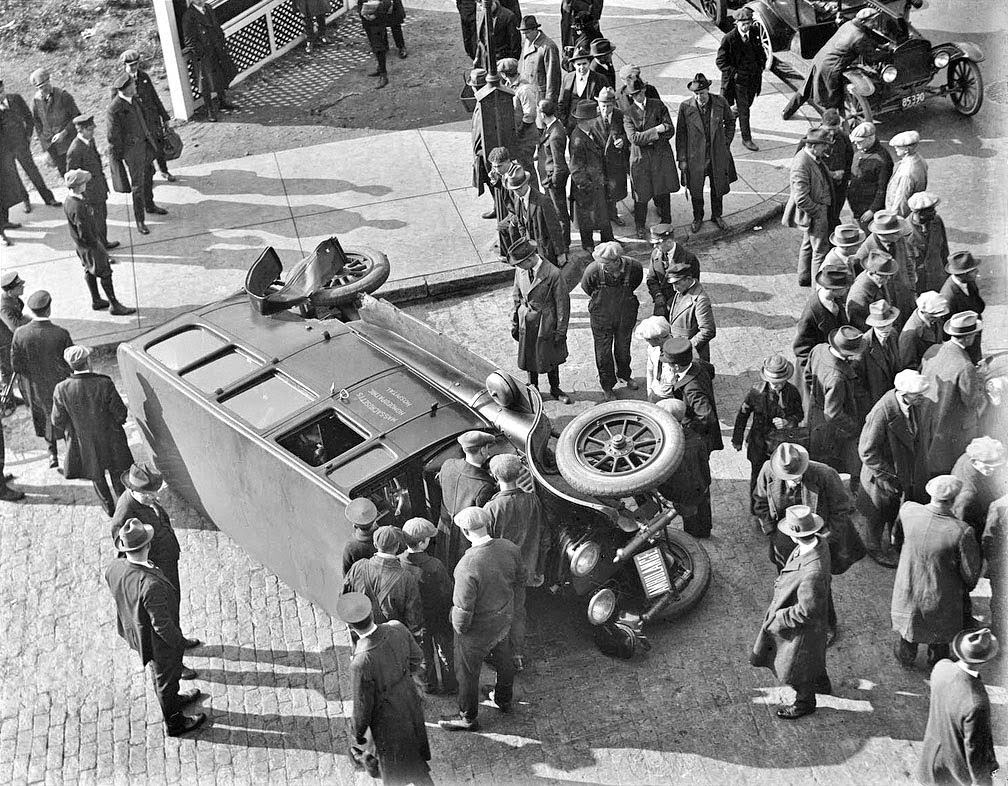
No one documented Boston’s traffic disasters more thoroughly than Leslie Jones, a photographer for the Boston Herald-Traveler. Jones responded to hundreds of accident scenes throughout the decade, often arriving before emergency responders. His camera captured everything from minor fender-benders to fatal collisions, producing a detailed visual record of just how dangerous city streets had become.
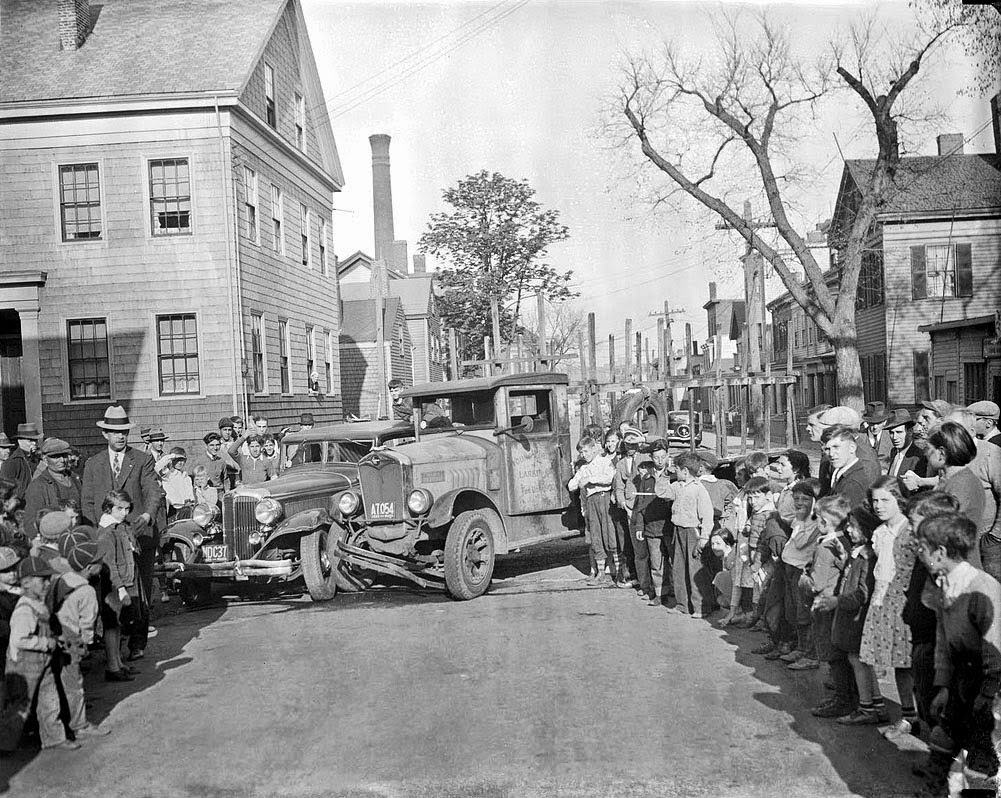
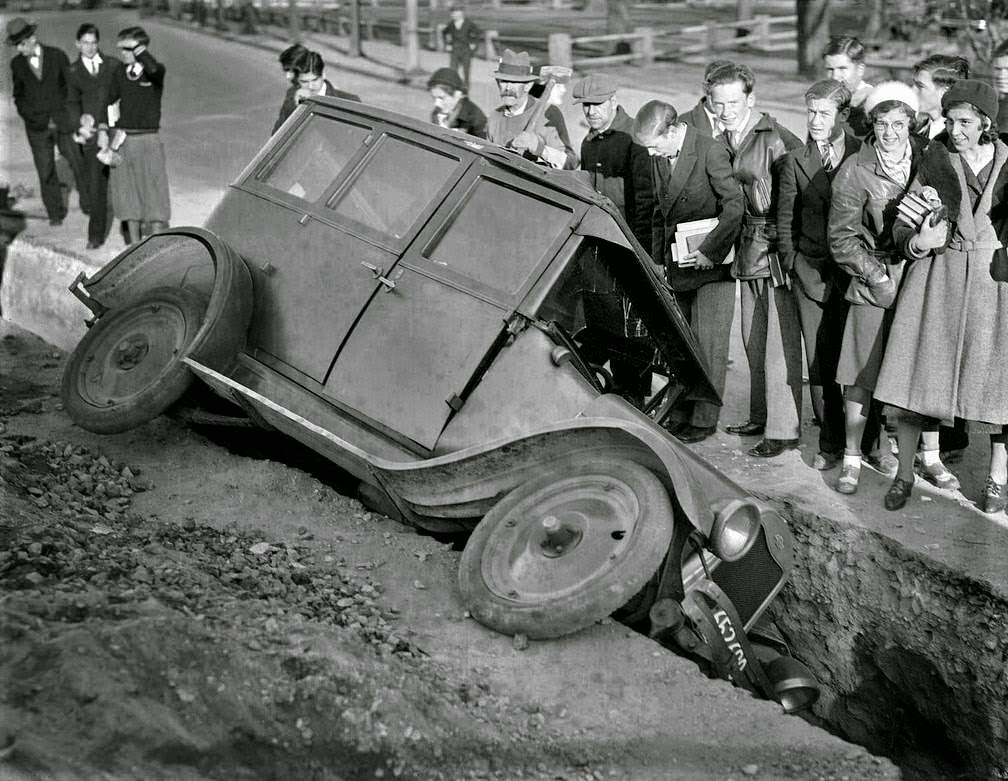
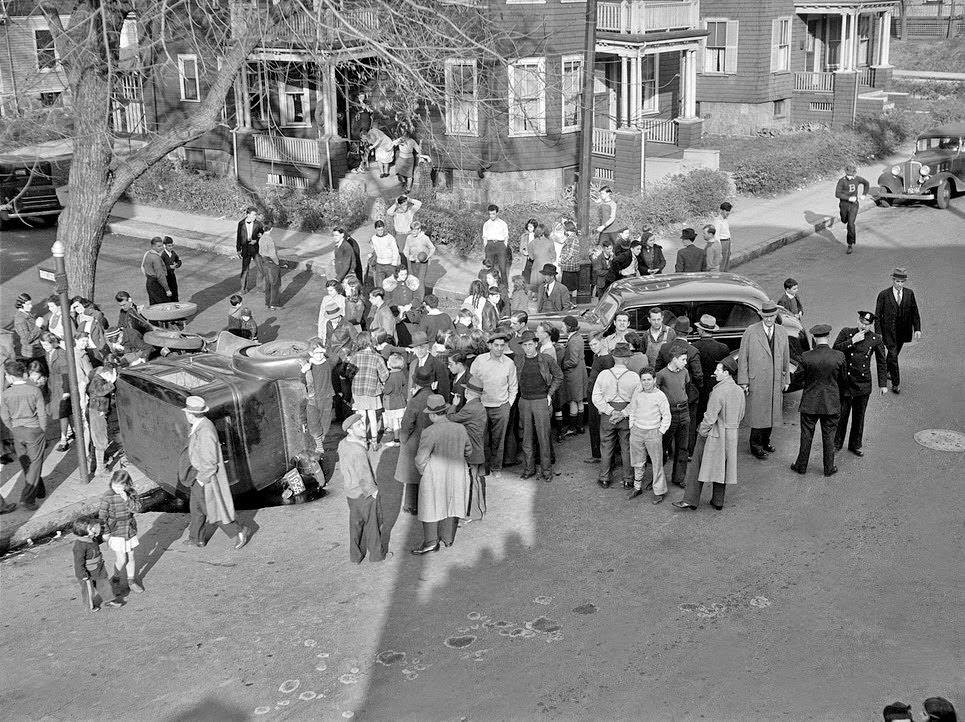
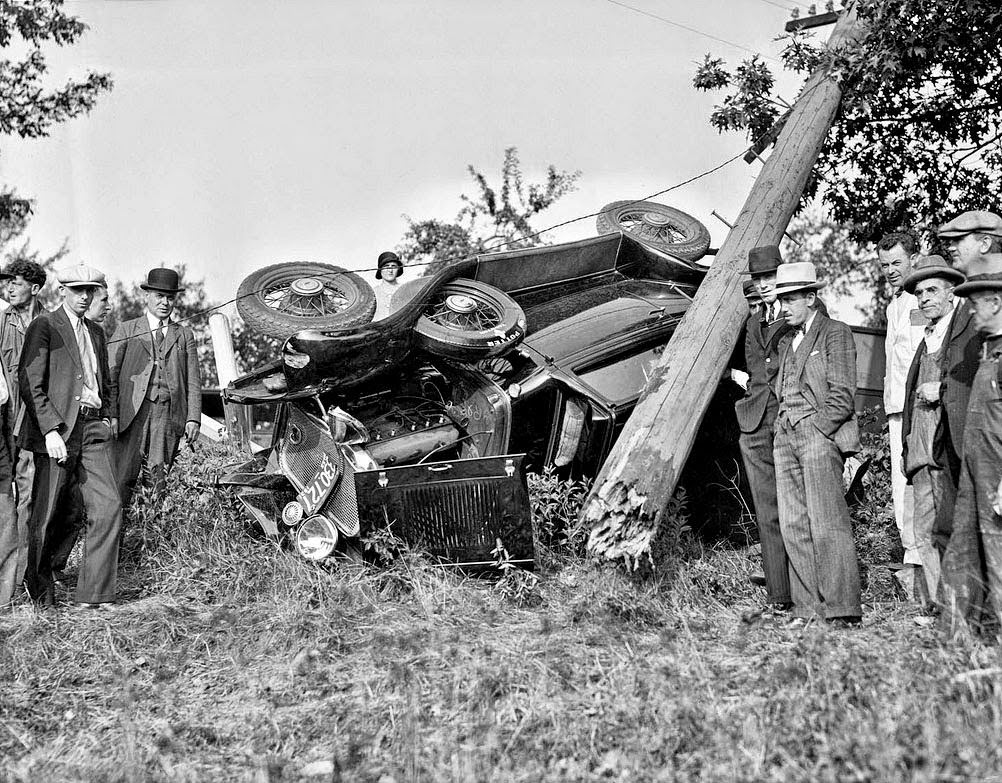
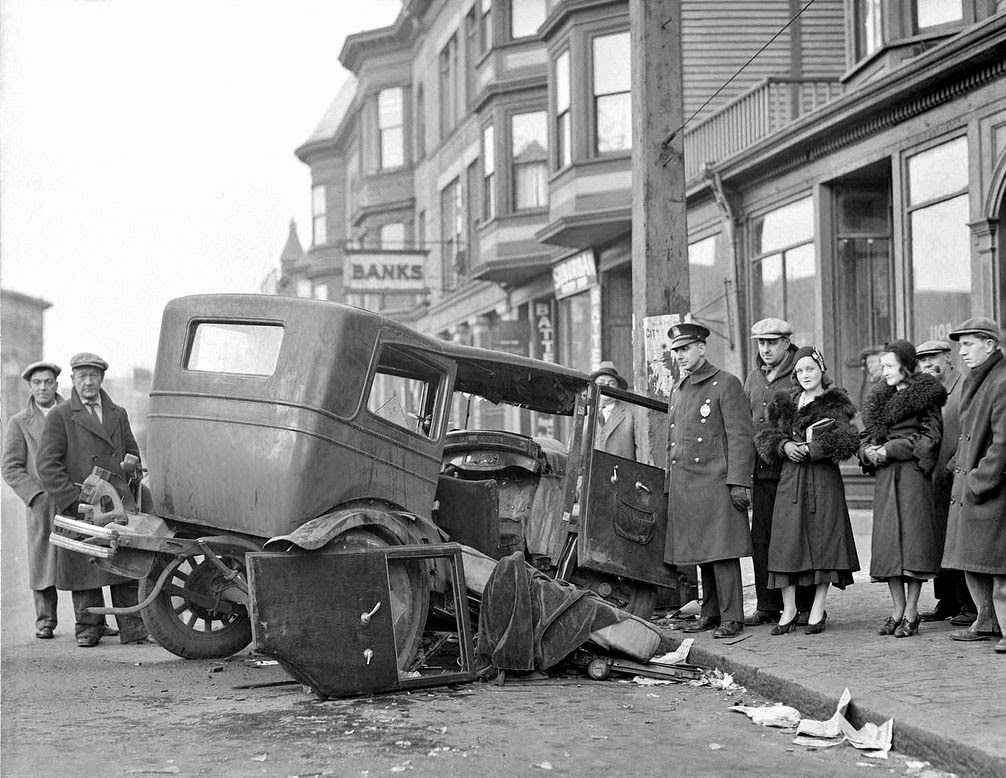
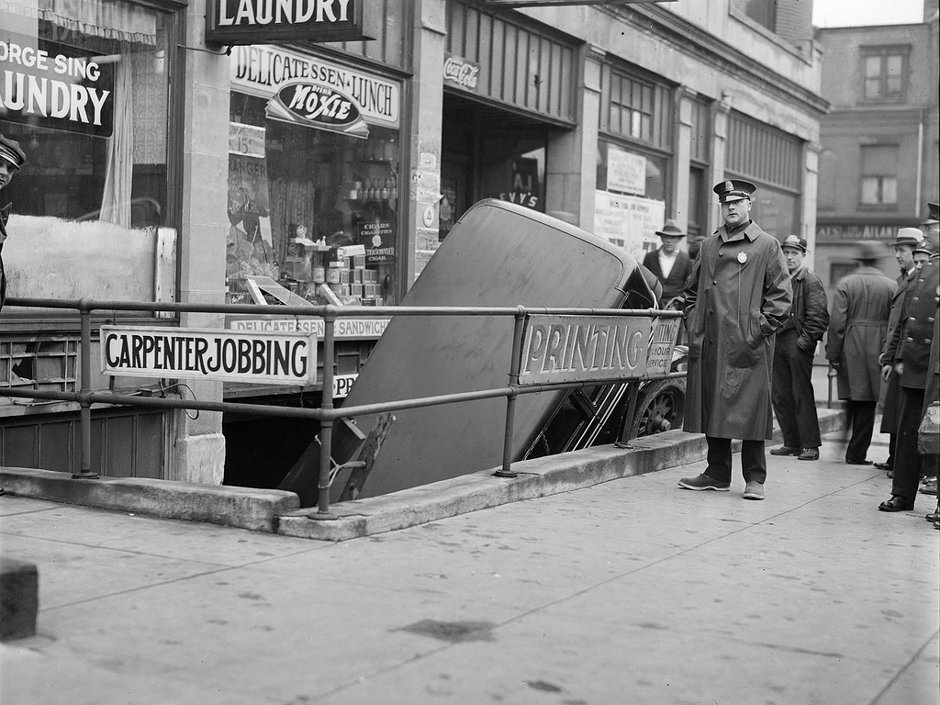
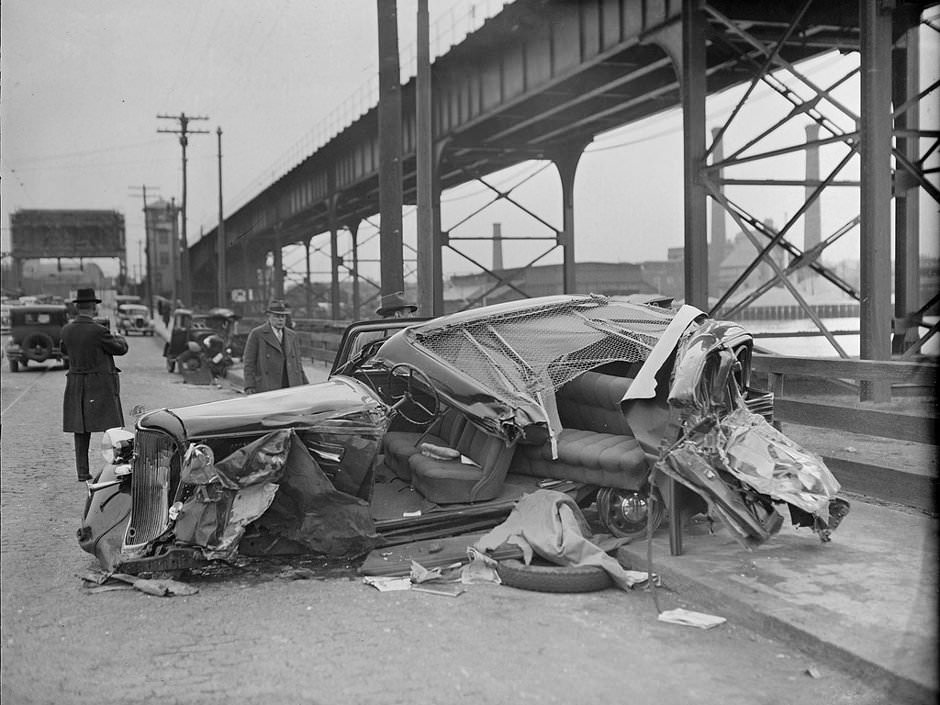
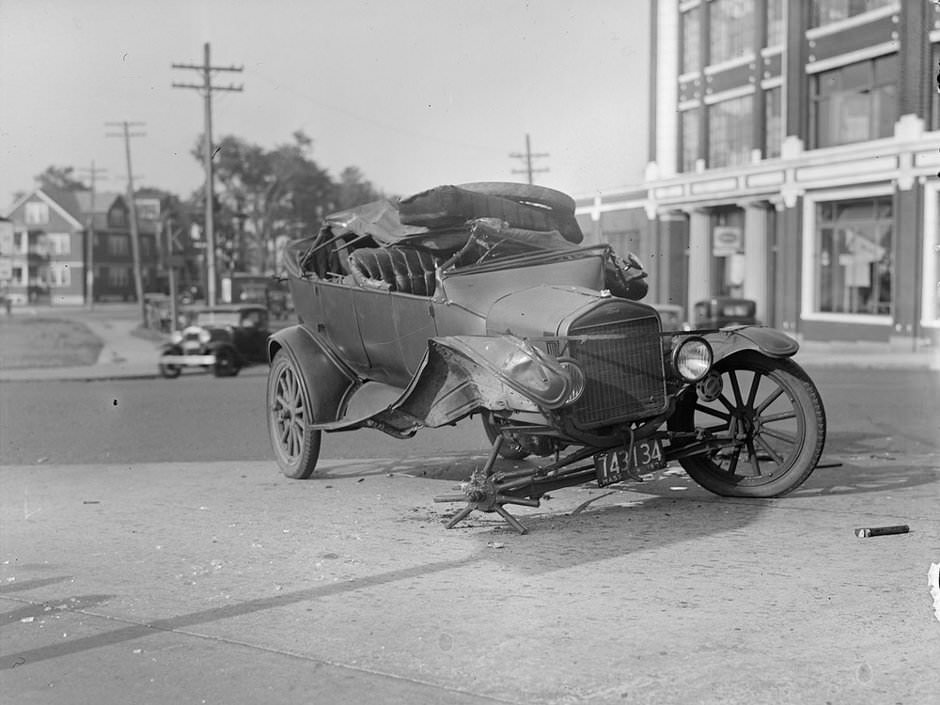
Boston’s neighborhoods saw no shortage of wreckage. The South End, Back Bay, Roxbury, and Cambridge all appeared repeatedly in Jones’s archive. Intersections were especially dangerous — vehicles colliding at corners, striking lamp posts, or jumping curbs into trenches and fences.
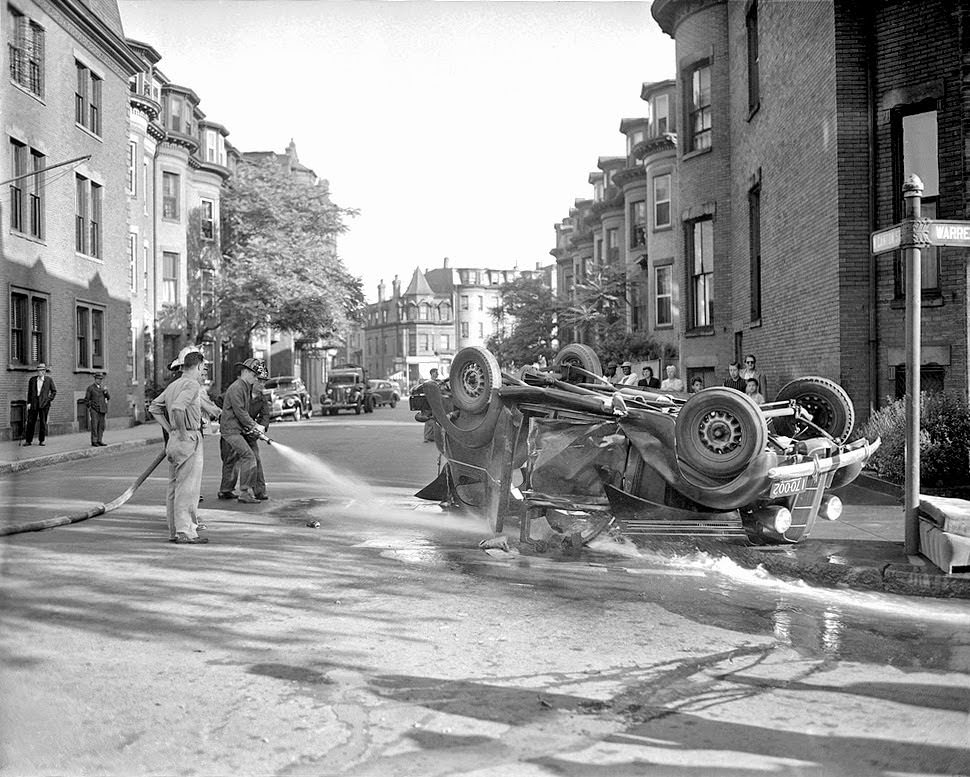
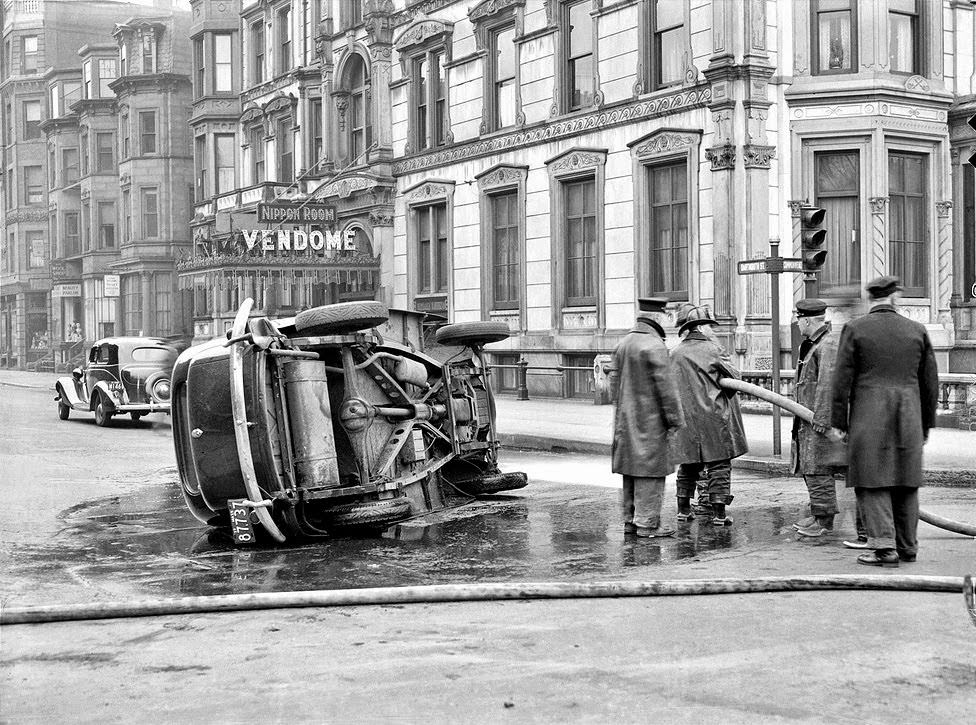
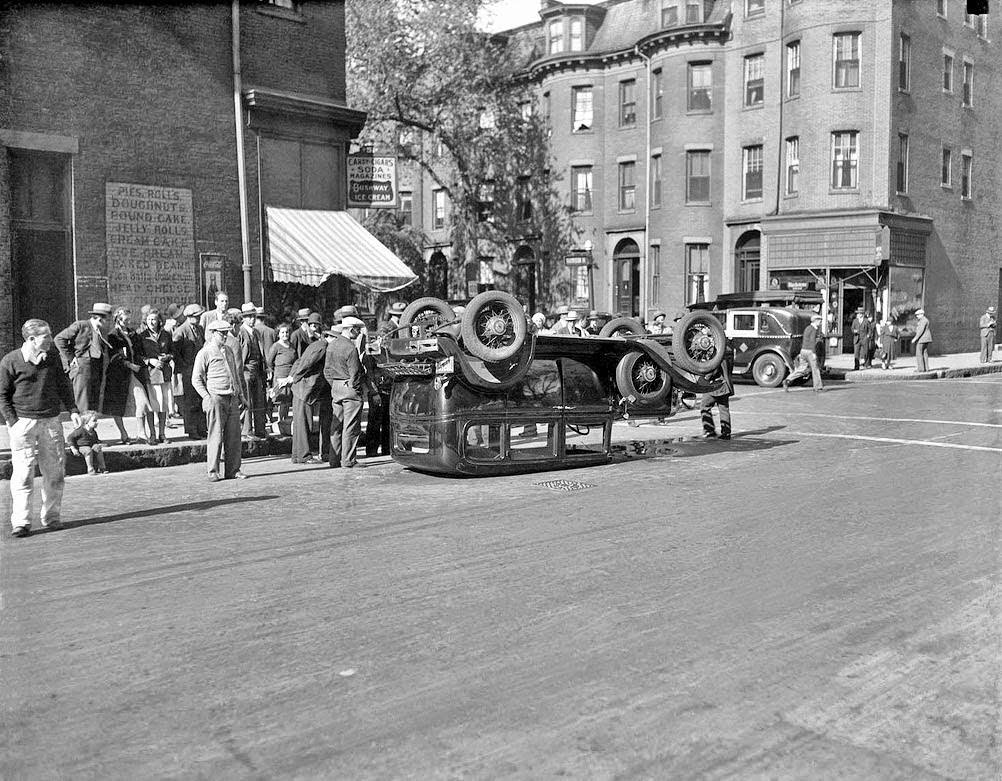
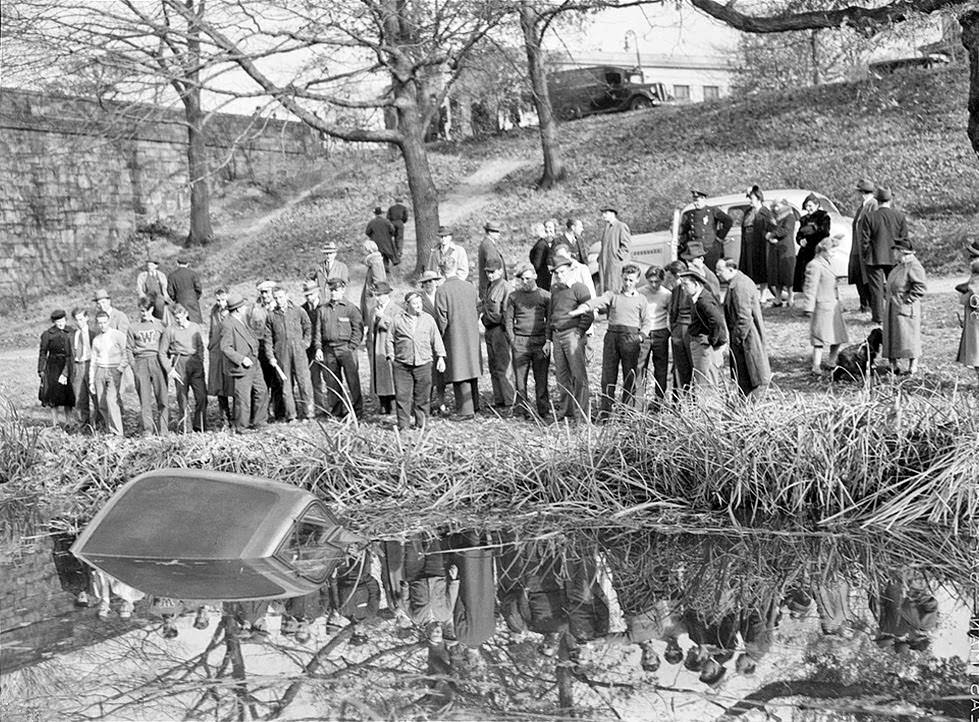
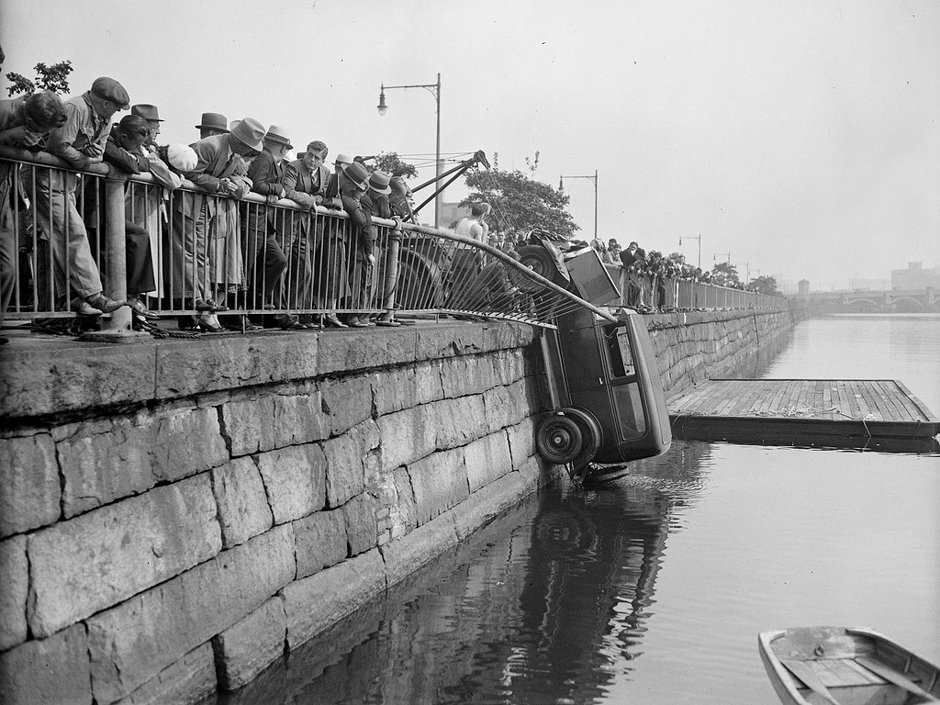
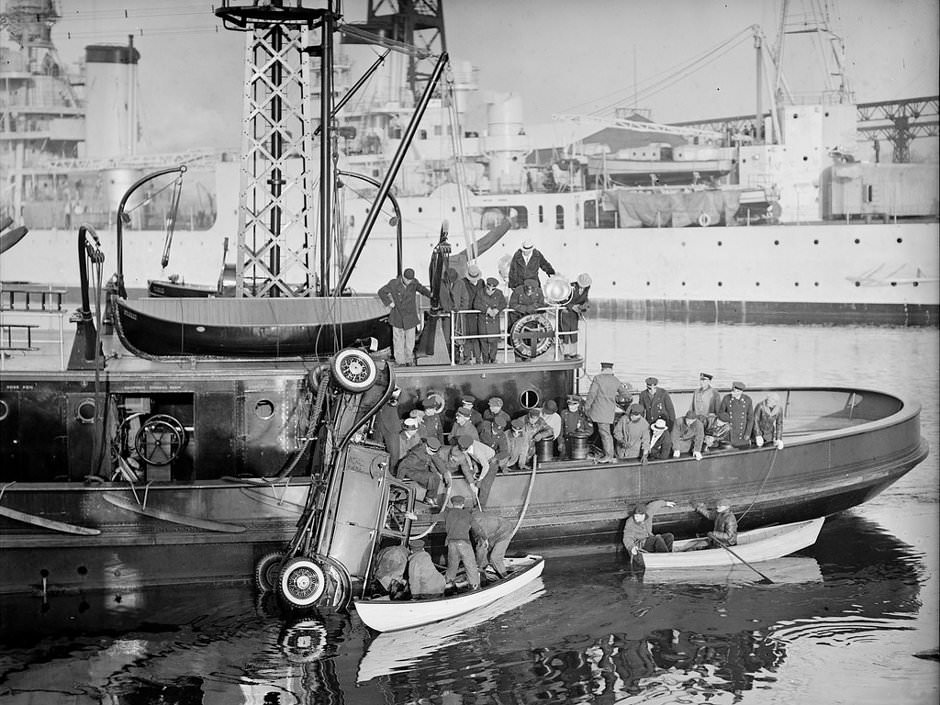
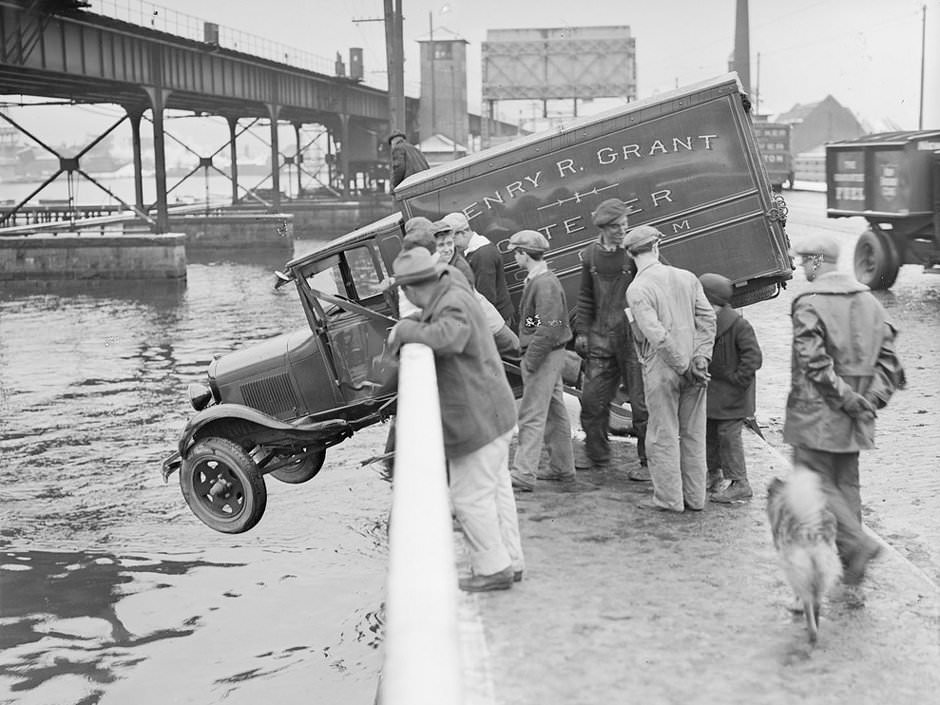
Water presented a particular danger. Boston’s rivers, ponds, and harbors claimed both cars and lives. In 1933, an automobile plunged into the Fore River, drowning three people inside. A fireboat was eventually brought in to pull the wreck from the water. Another car went into a pond in 1938, and a separate incident near the Charles River in Cambridge the same year added to the grim tally.
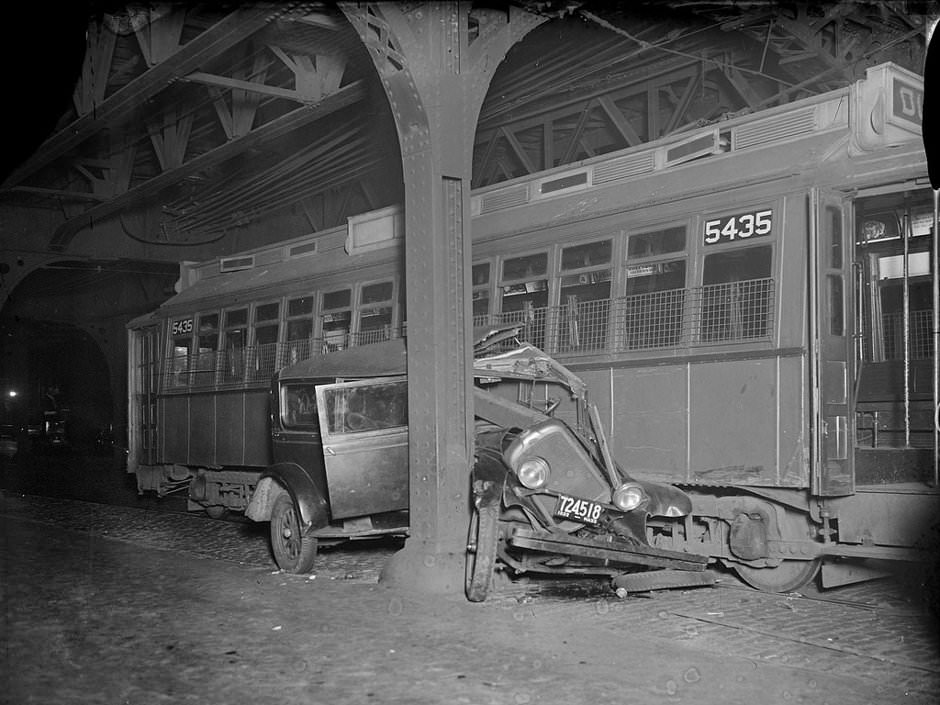
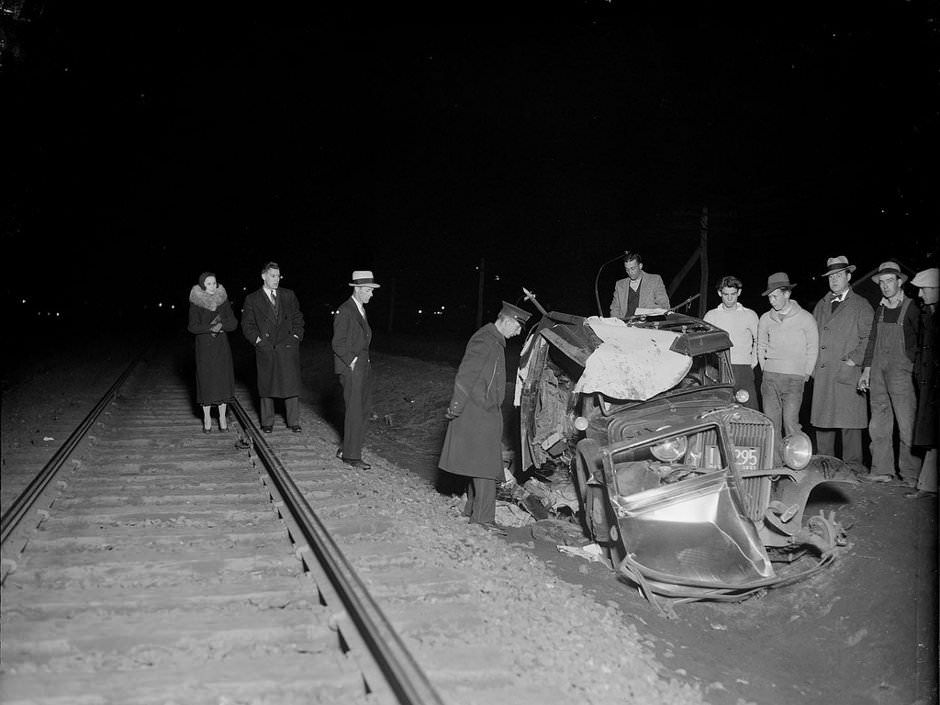
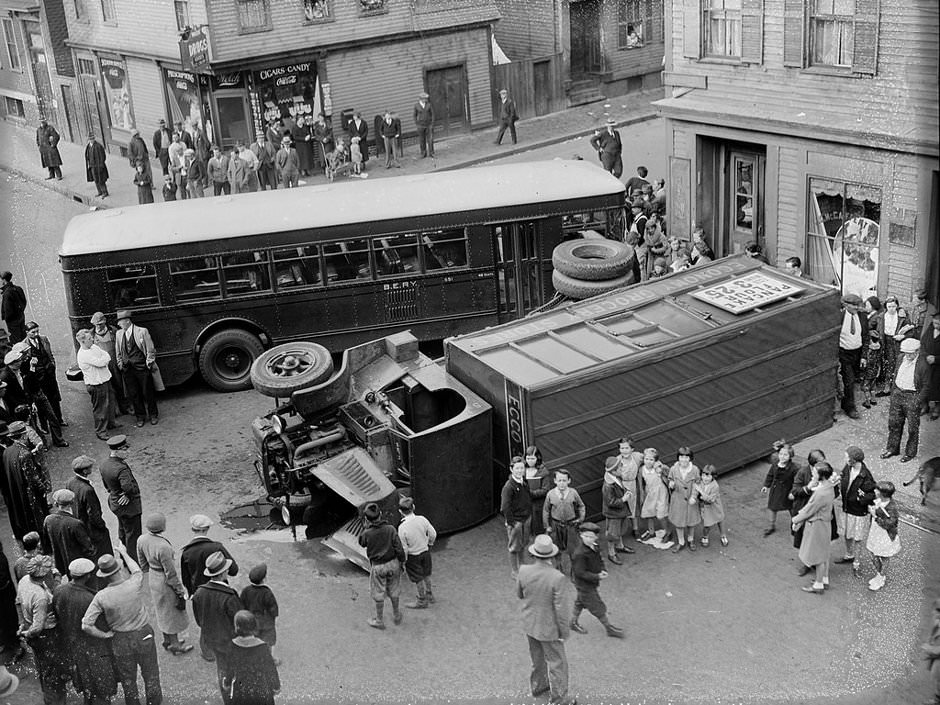
Rail was another deadly factor. Trolleys and trains shared the road network with automobiles, and the results were often catastrophic. In 1932, a car was crushed by a trolley at the corner of North Hampton and Washington Streets. A year later, in Belmont, a car struck by a train killed two people. In South Boston in 1934, a truck and an elevated bus collided in another violent multi-vehicle crash.
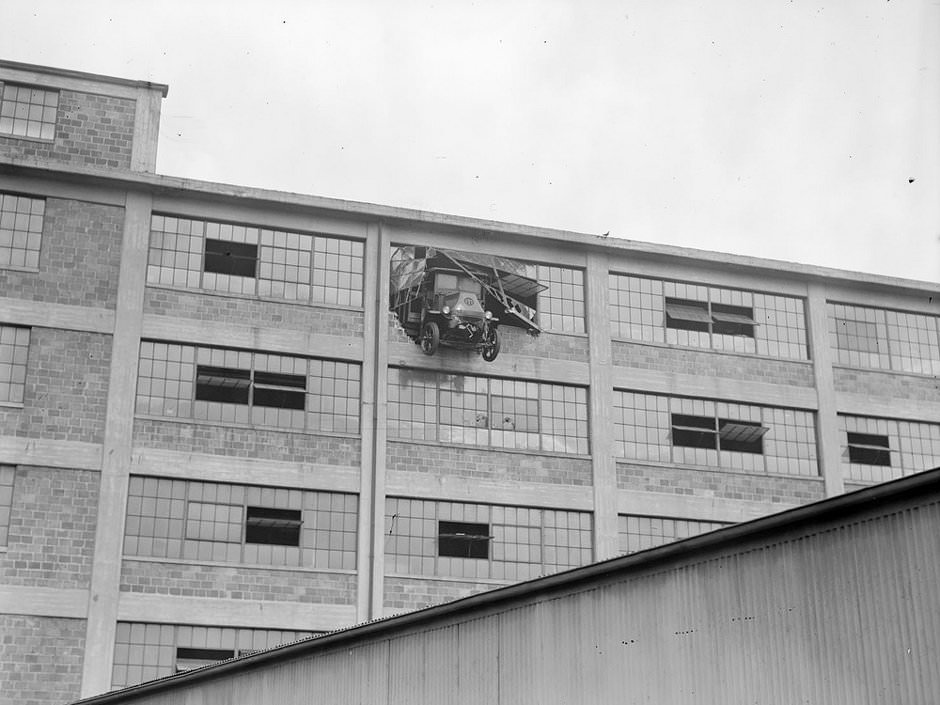
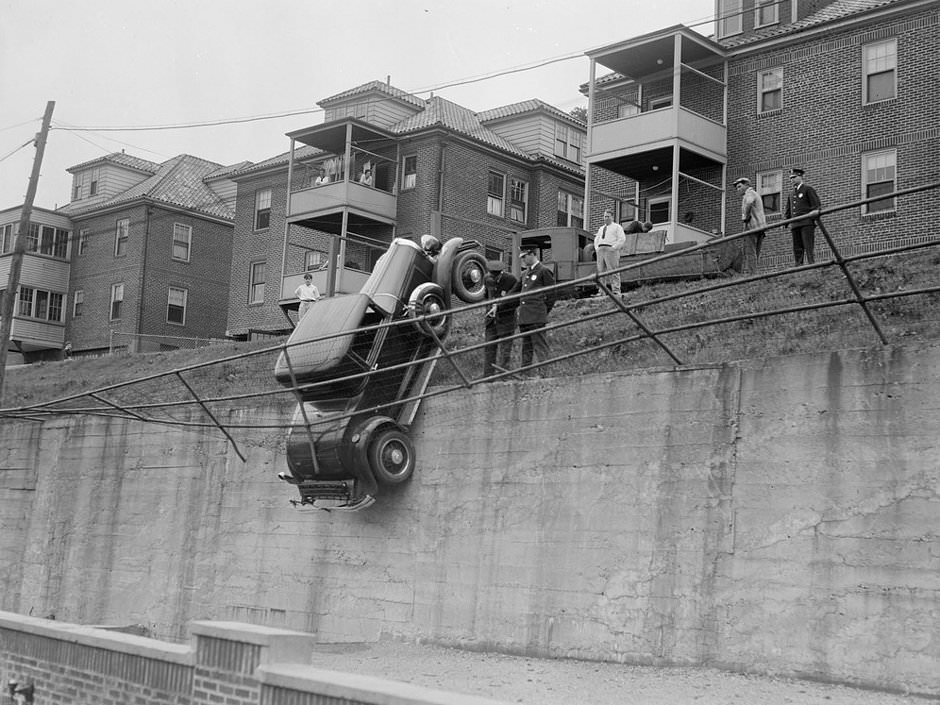
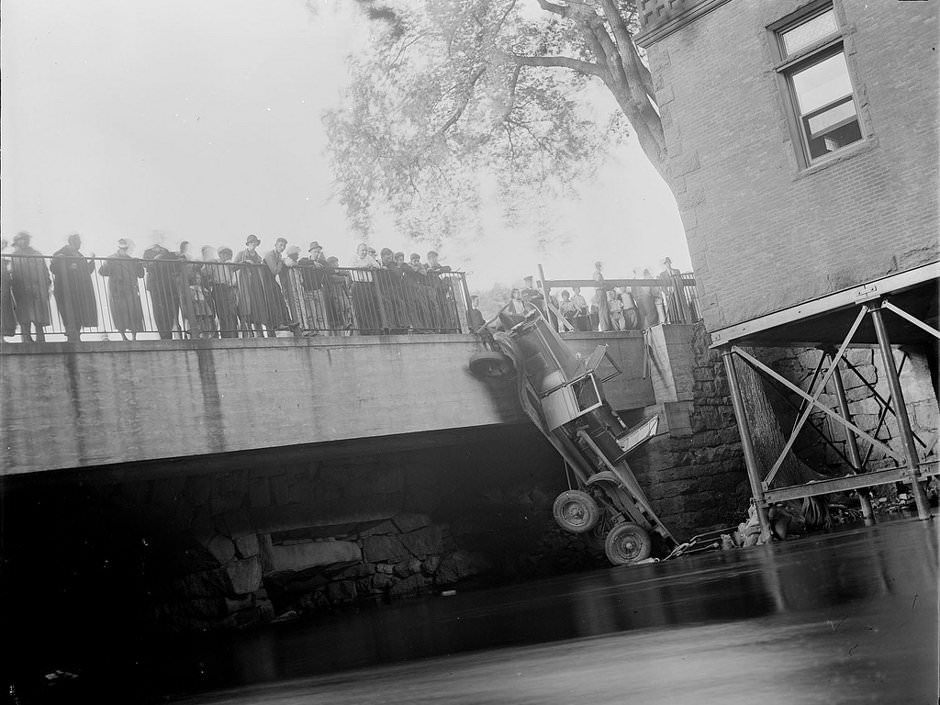
Some crashes defied expectation. In Brookline in 1931, a fence was the only thing stopping a car from plunging off an elevated surface. In East Cambridge in 1938, a truck crashed through a garage several stories above street level. A truck was also photographed dangling by a single wheel off a bridge in 1934 — an image that illustrated just how precarious road travel had become.
Not all accidents were the result of mechanical failure or reckless driving alone. In 1935, a car stolen by kids crashed into a lawyer’s vehicle, killing him. Crimes behind the wheel compounded an already dangerous landscape. Jones was there for that too, his lens steady amid the chaos.
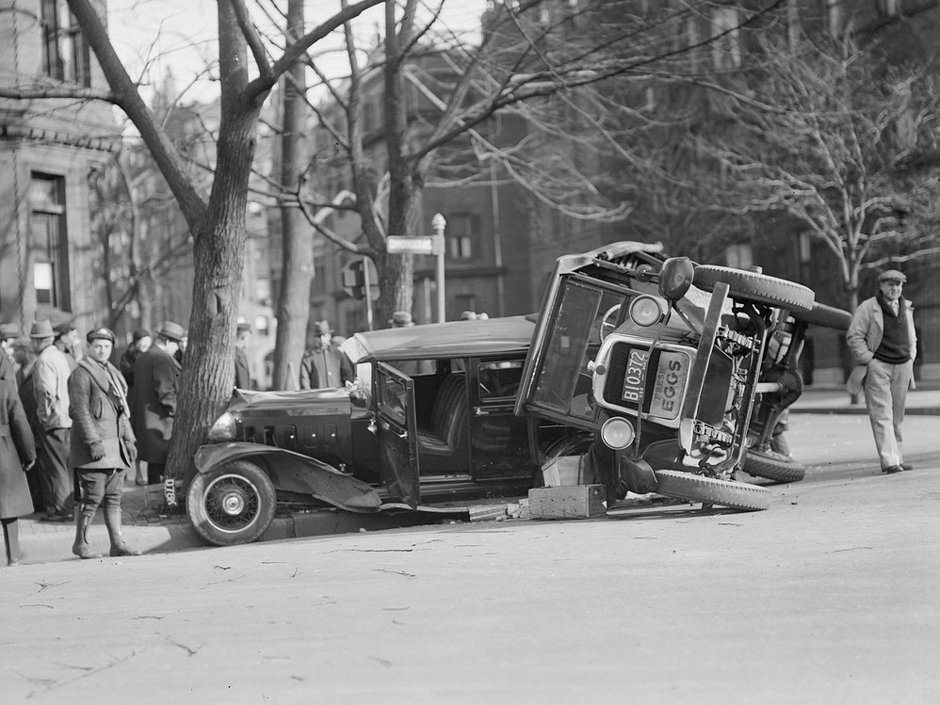
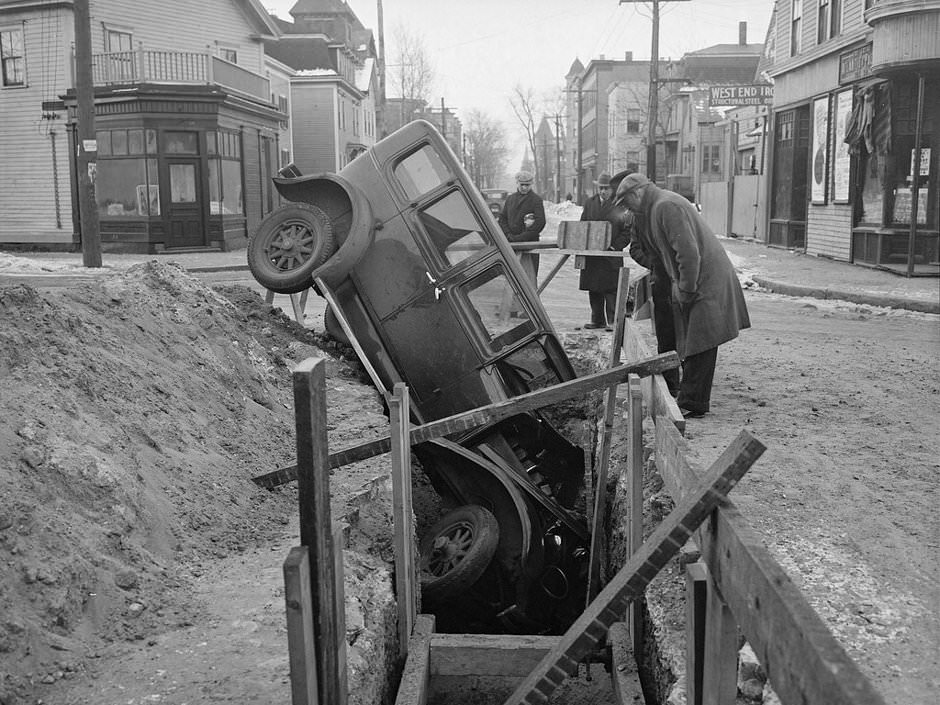
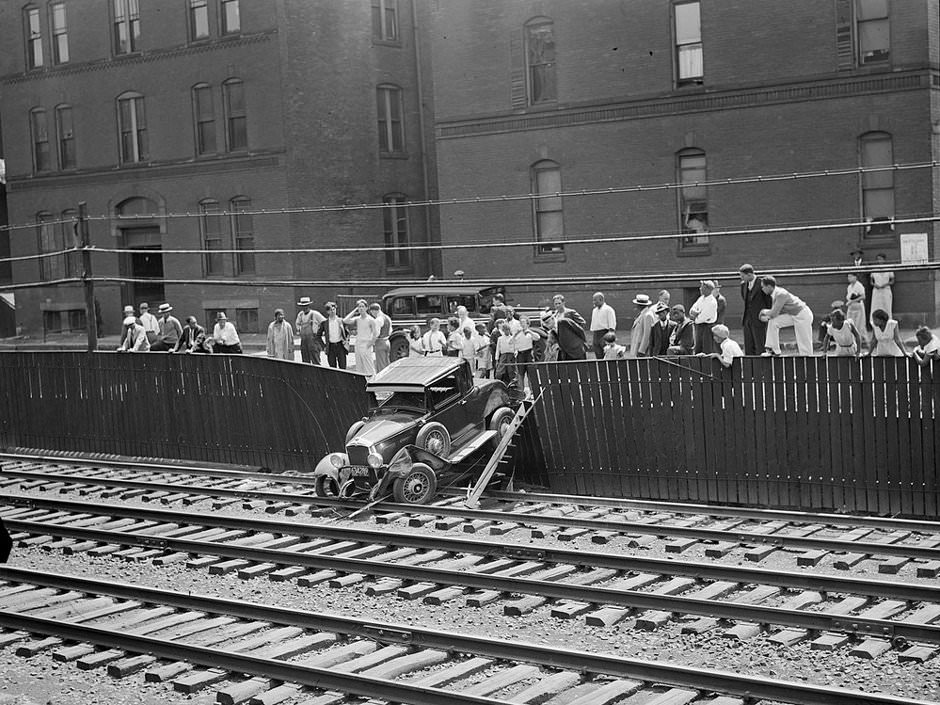
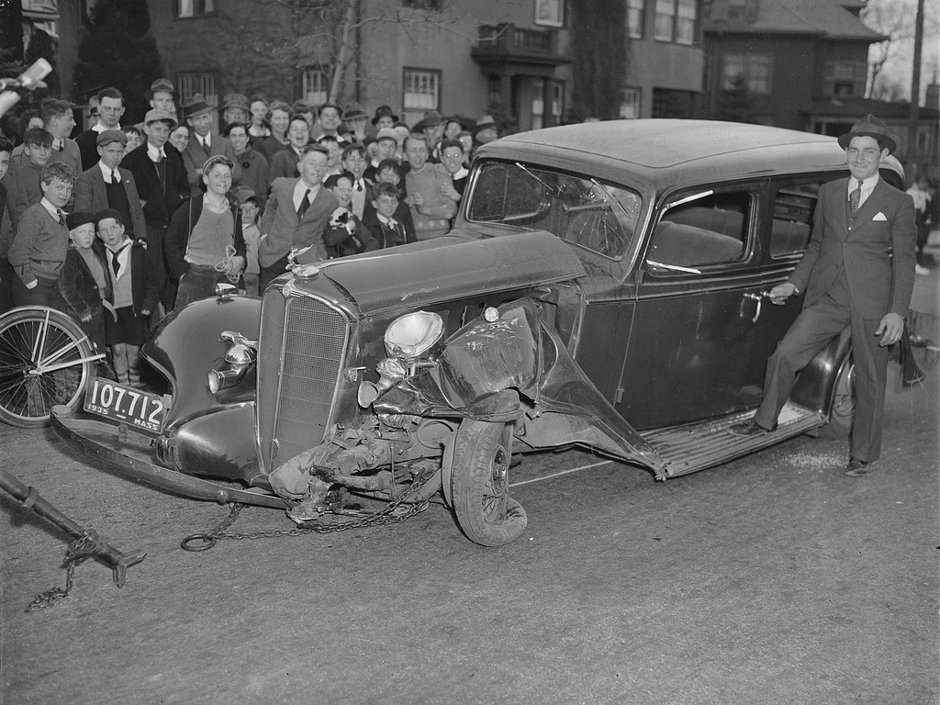
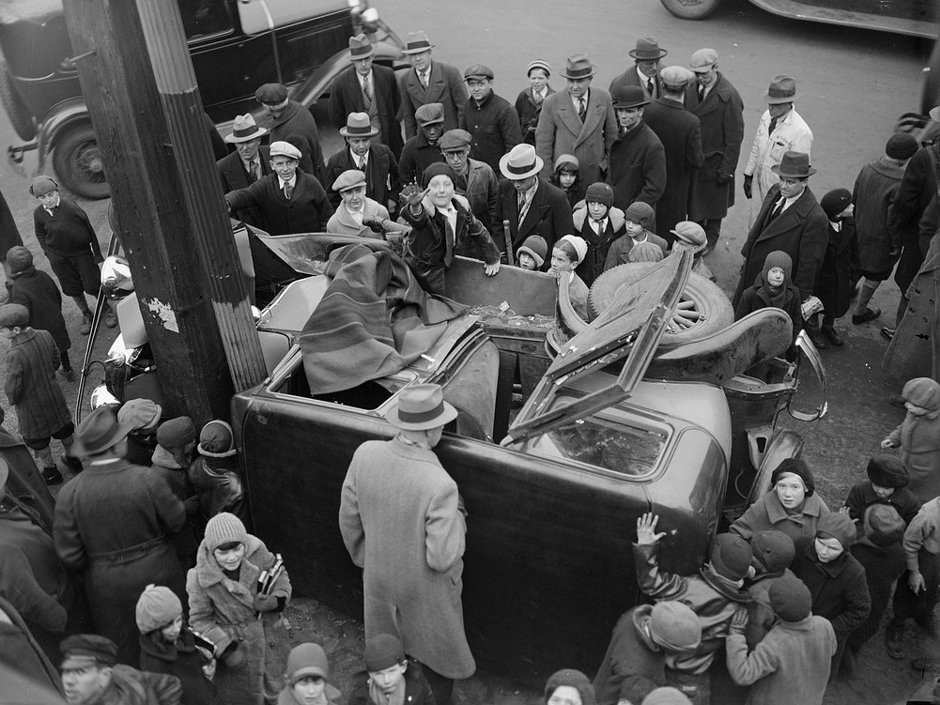
Jones’s photographs also captured the human response to these accidents. Crowds gathered at wreck sites regularly. Bystanders, police, and curious onlookers clustered around mangled metal while Jones worked. In 1935, one of his shots simply titled “Wreck draws crowd” captures this phenomenon plainly — disaster as public spectacle, ordinary people stopping to take in the wreckage of someone else’s ordeal.
By the late 1930s, auto manufacturers began introducing safety features such as hydraulic brakes — a small but meaningful step toward making cars less deadly. The road to that change was paved with scenes exactly like the ones Leslie Jones spent a decade photographing. His archive, now held in the Boston Public Library, stands as one of the most complete visual accounts of urban traffic danger in American history.