Martha Jane Cannary was born on May 1, 1852, in Princeton, Missouri, to Robert and Charlotte Cannary, Irish immigrants chasing a better life in America. Her early years were far from stable. Her father died when she was still young, and her mother’s remarriage brought an abusive stepfather into the picture. The family stayed constantly on the move, and Martha Jane grew up doing odd jobs and learning to survive. By the time she was a teenager, she already knew how to handle a gun and hunt — skills that would define the rest of her life.
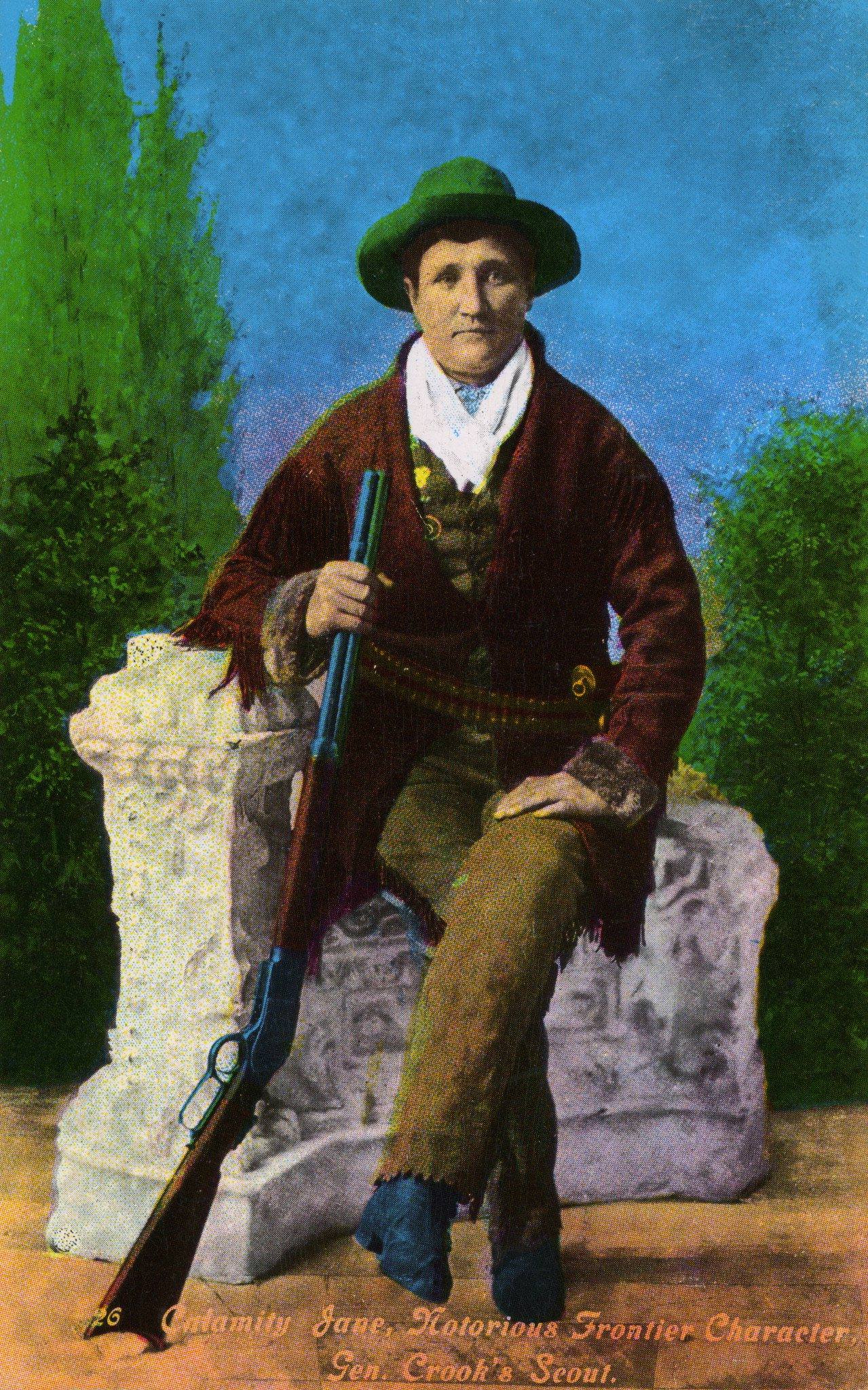
She eventually made her way to Wyoming, where she worked as a scout and ranch hand. It was there that she built her reputation as a hard-drinking, sharp-shooting woman who backed down from no one. According to one popular story, she rode into a group of hostile fighters to pull a wounded army captain to safety, emerging from the chaos completely unharmed. The grateful captain supposedly gave her the name “Calamity Jane” on the spot. Many historians, however, argue that the nickname came from her reckless behavior and her habit of stumbling into trouble rather than riding out of it.
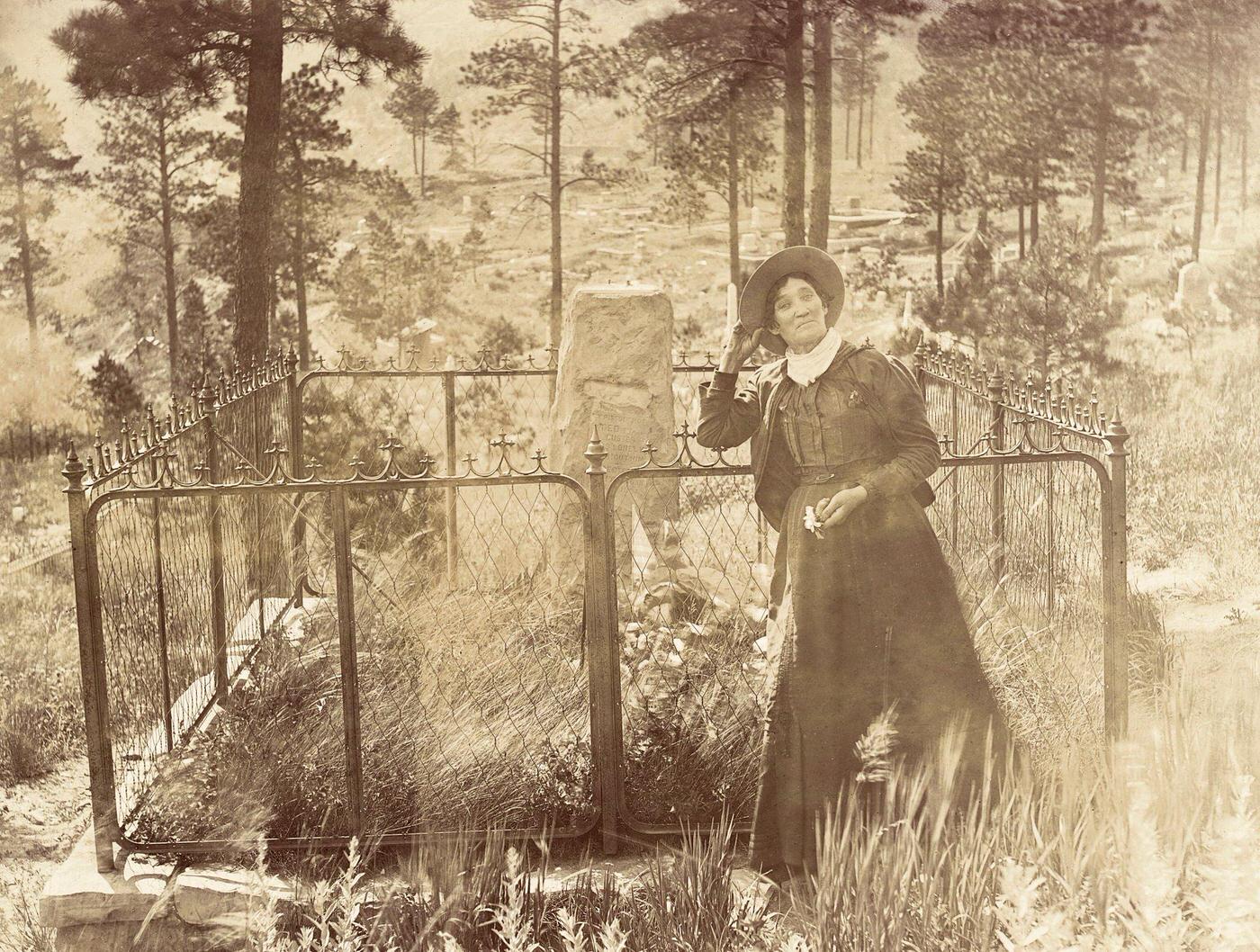
In the late 1870s, Calamity Jane landed in Deadwood, South Dakota, a booming mining town packed with saloons, gamblers, and gunslingers. She became a fixture in the local drinking establishments, entertaining crowds with her larger-than-life stories and bold personality. But beneath the bravado was a woman who genuinely cared for others. She gave away money and possessions to people in need and was especially kind to children. Locals knew her as someone who would help a stranger without hesitation, even when she had little to offer herself.
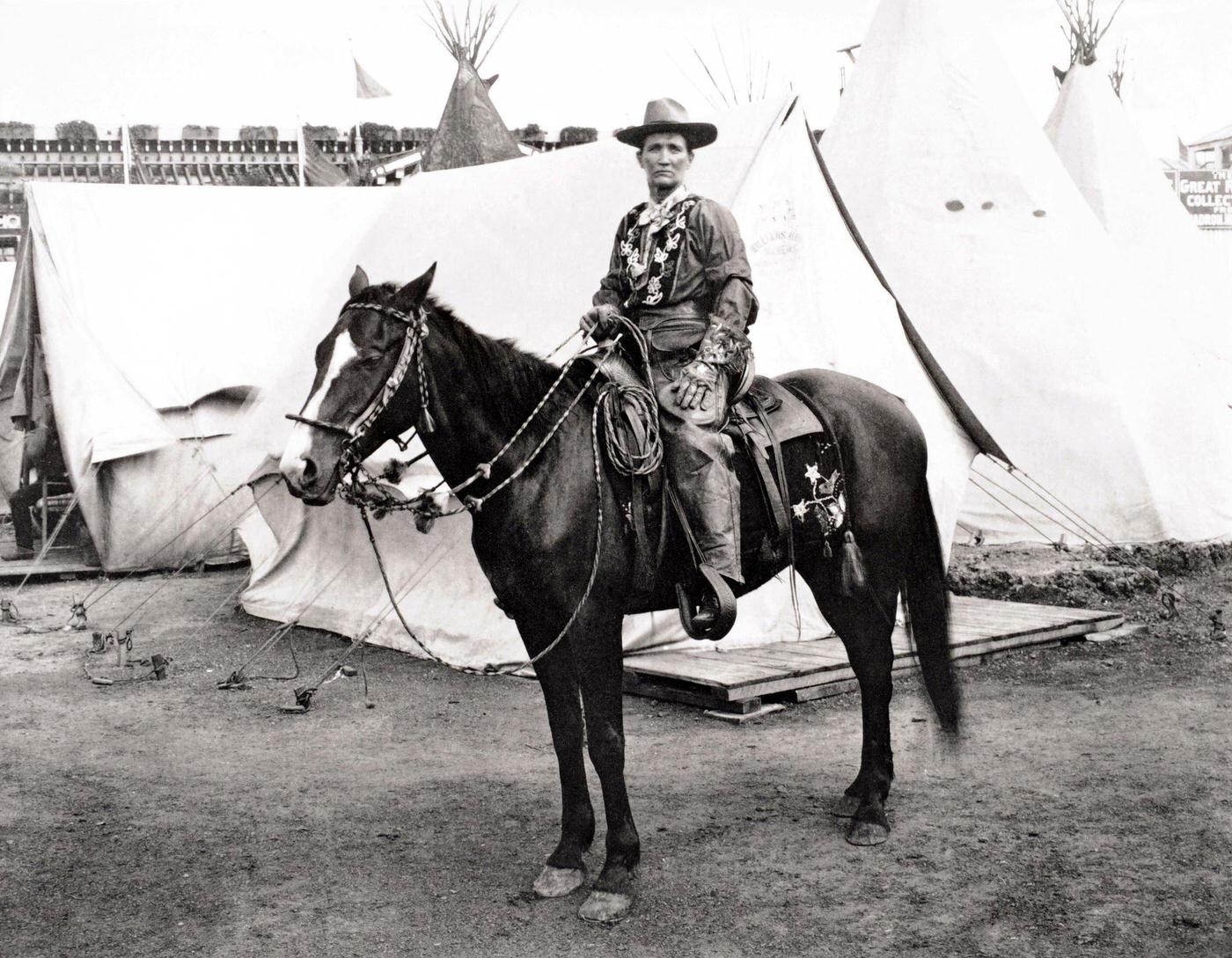
1876 brought one of the most significant relationships of her life. That year, she met Wild Bill Hickok — legendary gunfighter and lawman — in Deadwood. The two formed a close bond, and Calamity Jane openly declared her love for him. Whether Hickok returned those feelings remains uncertain. What is certain is that their time together was brief. In 1876, Hickok was shot dead during a poker game in Deadwood, and Calamity Jane was shattered. She claimed she had been by his side and that she had made a promise to one day be buried next to him.
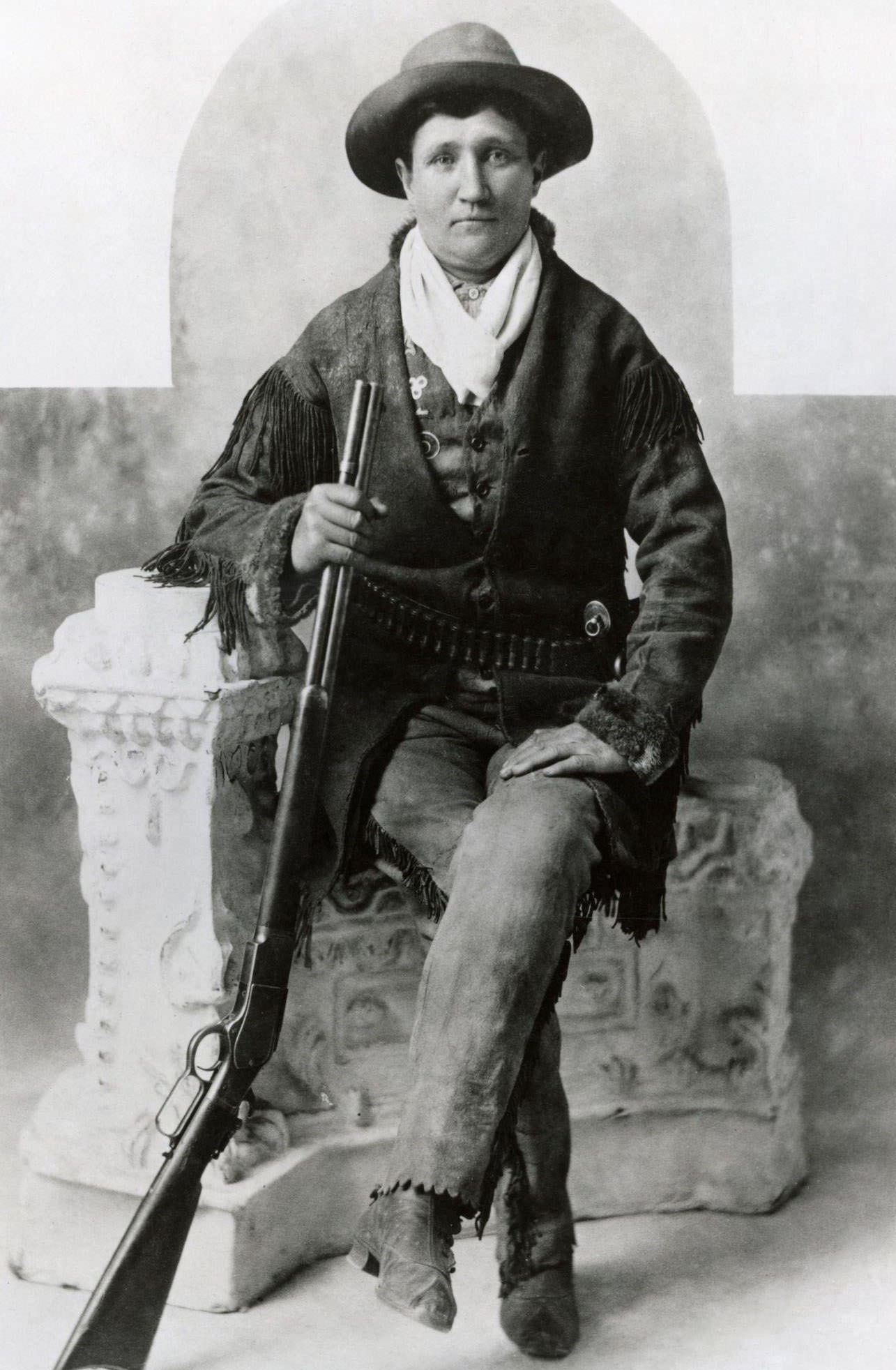
Hickok’s death sent Calamity Jane into a long, difficult spiral. She battled alcoholism and depression for the rest of her life, drifting from job to job across the West and never finding a permanent place to call home. She continued performing, telling her stories, and getting by — but the years wore on her hard. On August 1, 1903, she died in Terry, South Dakota. True to the promise she had made years before, she was buried right beside Wild Bill Hickok in Deadwood.
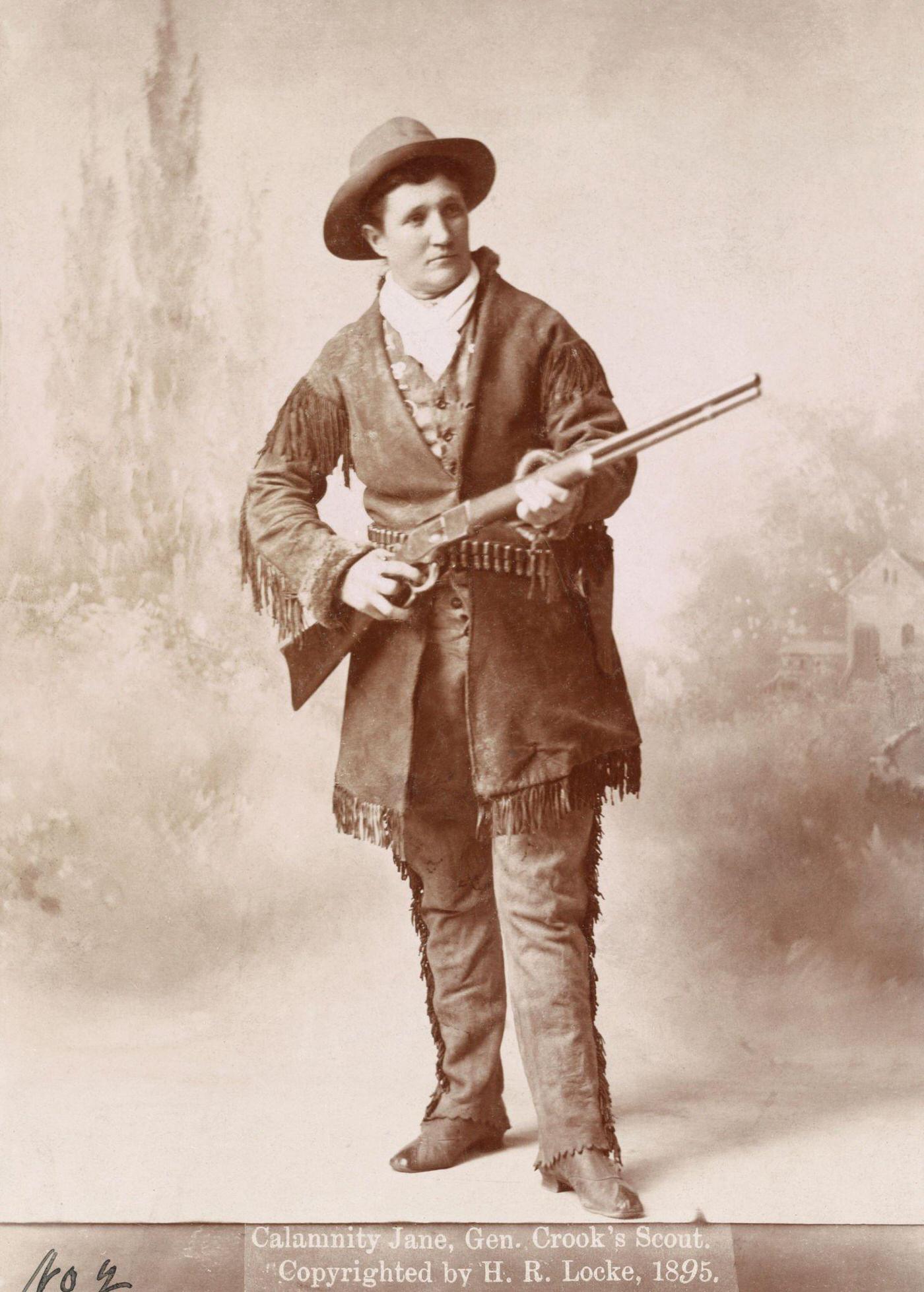
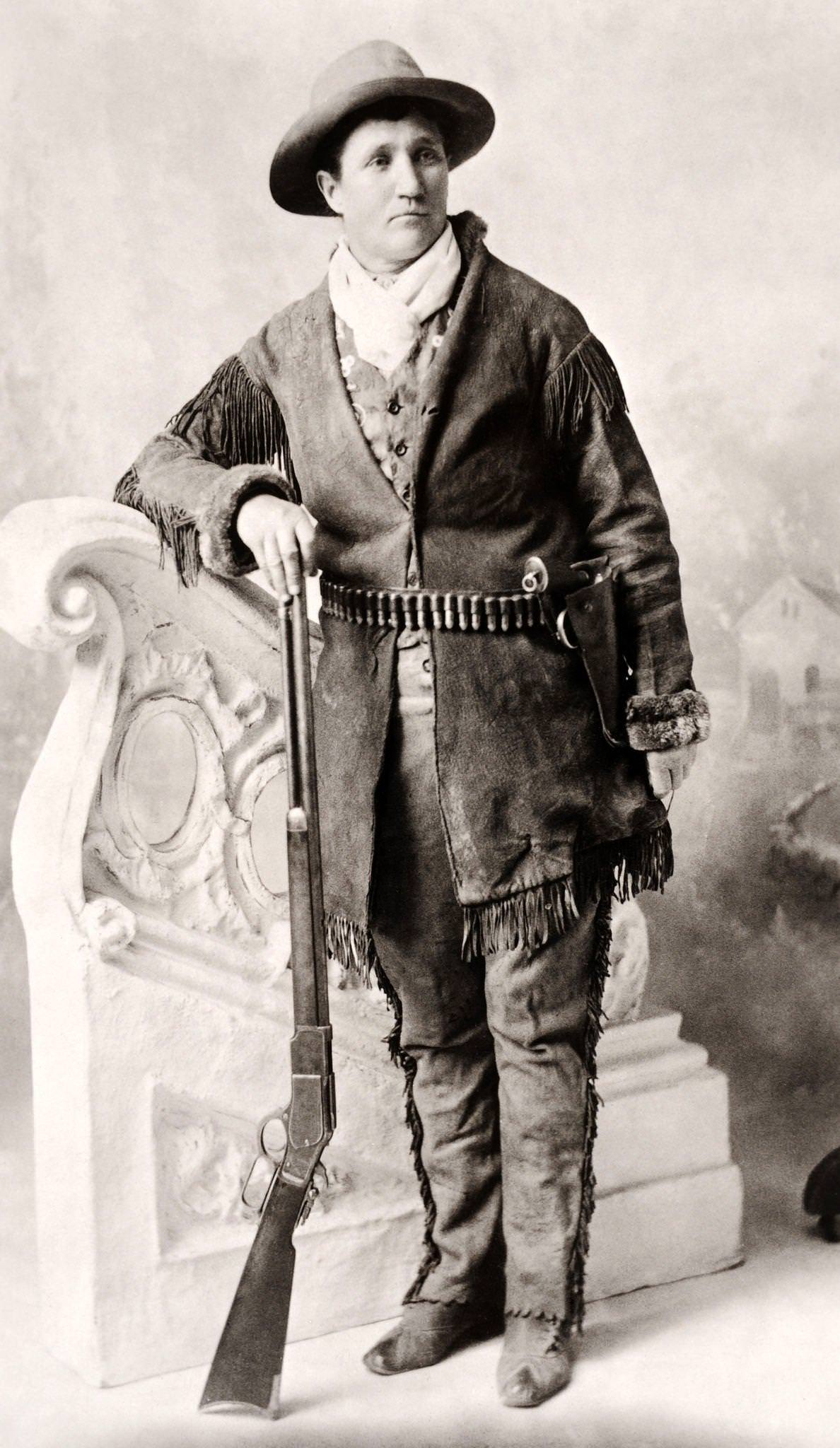
Calamity Jane defied almost every expectation placed on women in 19th-century America. She dressed in buckskin and men’s clothing, carried firearms, worked in male-dominated trades, and drank in saloons without apology. She was deeply flawed — her alcoholism was severe and her life rarely stable — but she was also fiercely loyal and genuinely compassionate. The woman who rode hard, drank harder, and still managed to give away her last dollar to someone in need was no myth. She was as real as the frontier she called home.