Frank Sinatra first crossed paths with Ava Gardner in 1940, but it wasn’t until 1948 that the two began building a real friendship. That friendship quickly grew into something far more intense. By the time the public caught on — spotting them at dinner together in 1950 — they had already been a couple for months. Hollywood had seen romances before, but this one was different. It was loud, passionate, and messy in all the ways that made headlines.
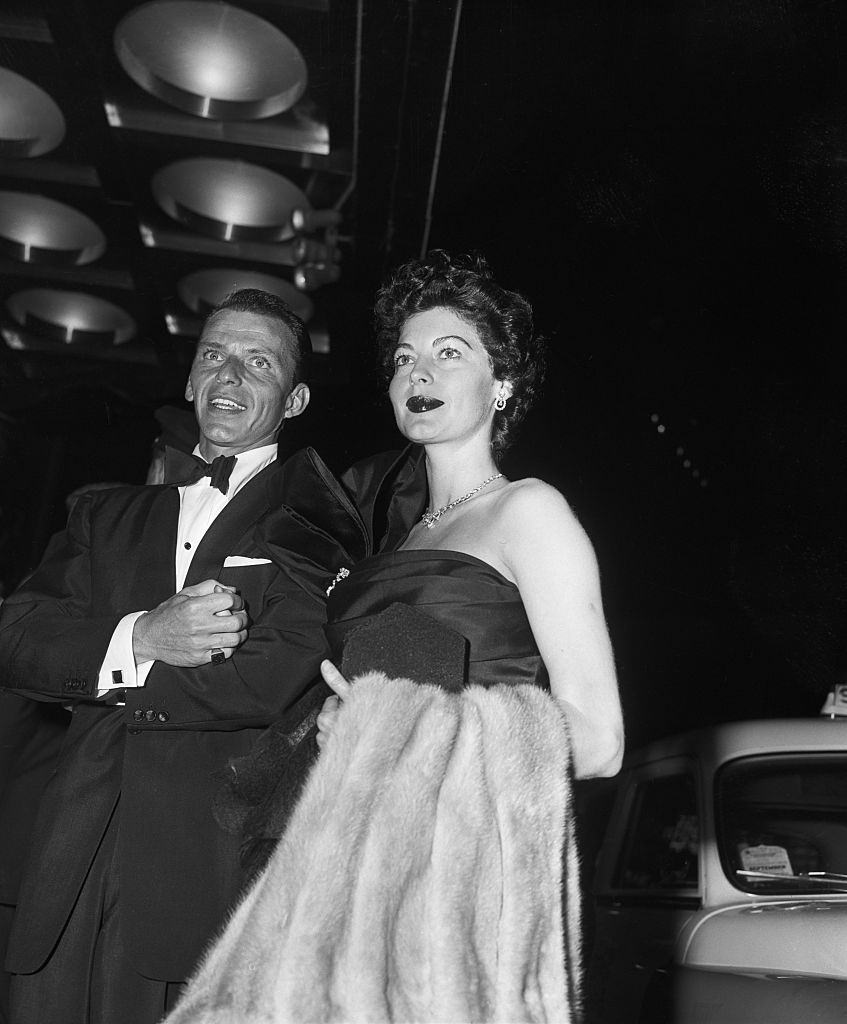
When they got together, the two were in very different places in their careers. Gardner had become a genuine star. Her name drew audiences, and MGM was betting big on her. Sinatra, on the other hand, was struggling. His fanbase was shrinking, and MGM had dropped him entirely. None of that seemed to matter to him. Early in their relationship, he told her plainly: “All of my life, being a singer was the most important thing in the world. Now you’re all I want.”
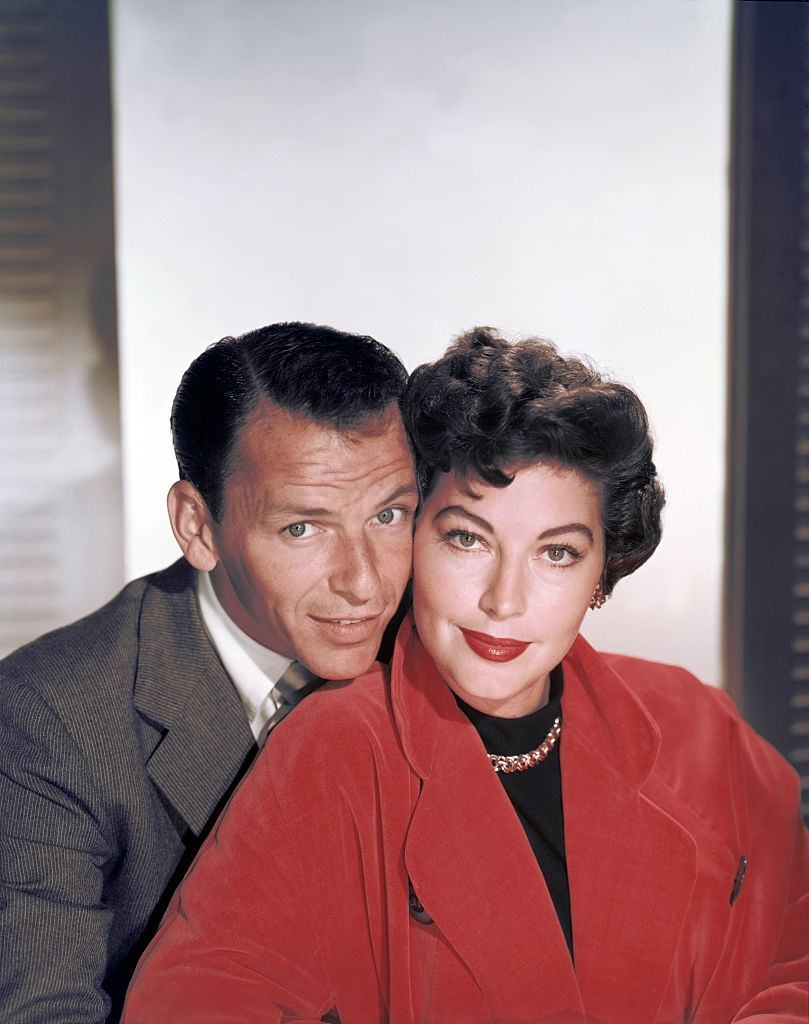
Both had complicated histories before finding each other. Gardner had already been through two divorces. Sinatra was still married to Nancy Barbato, with whom he had three children. Their affair was not a quiet one — it played out in the press, at parties, and in public venues across the country.
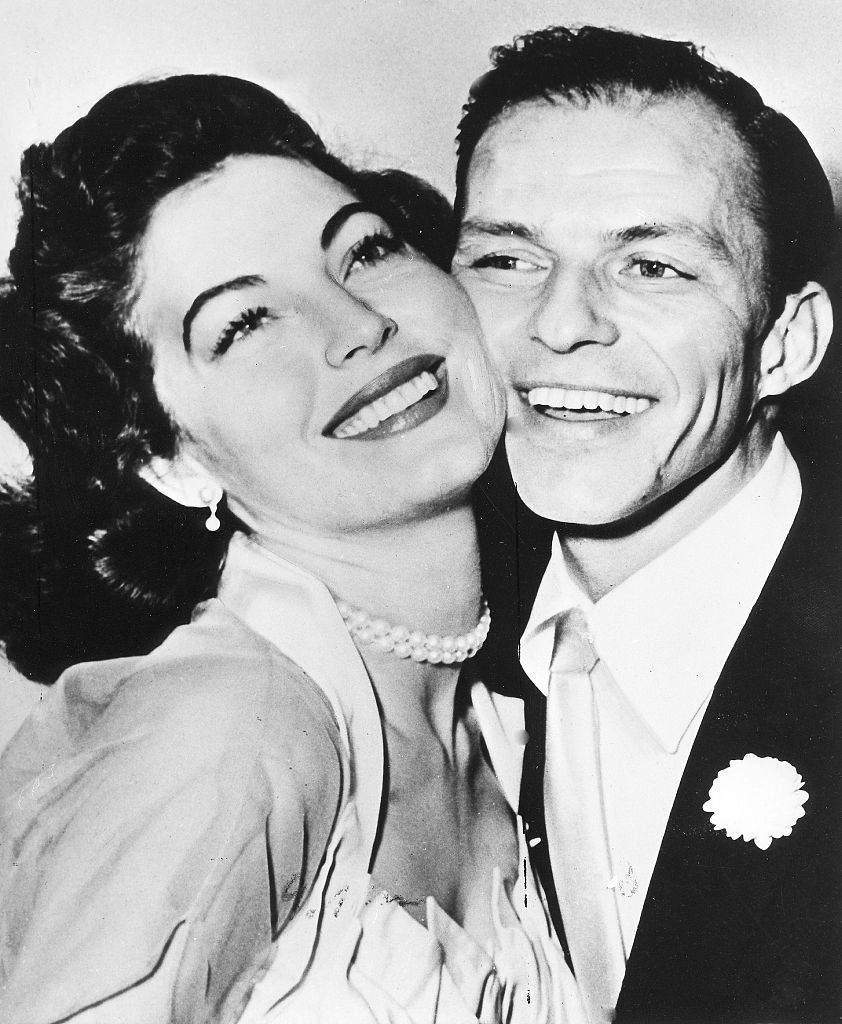
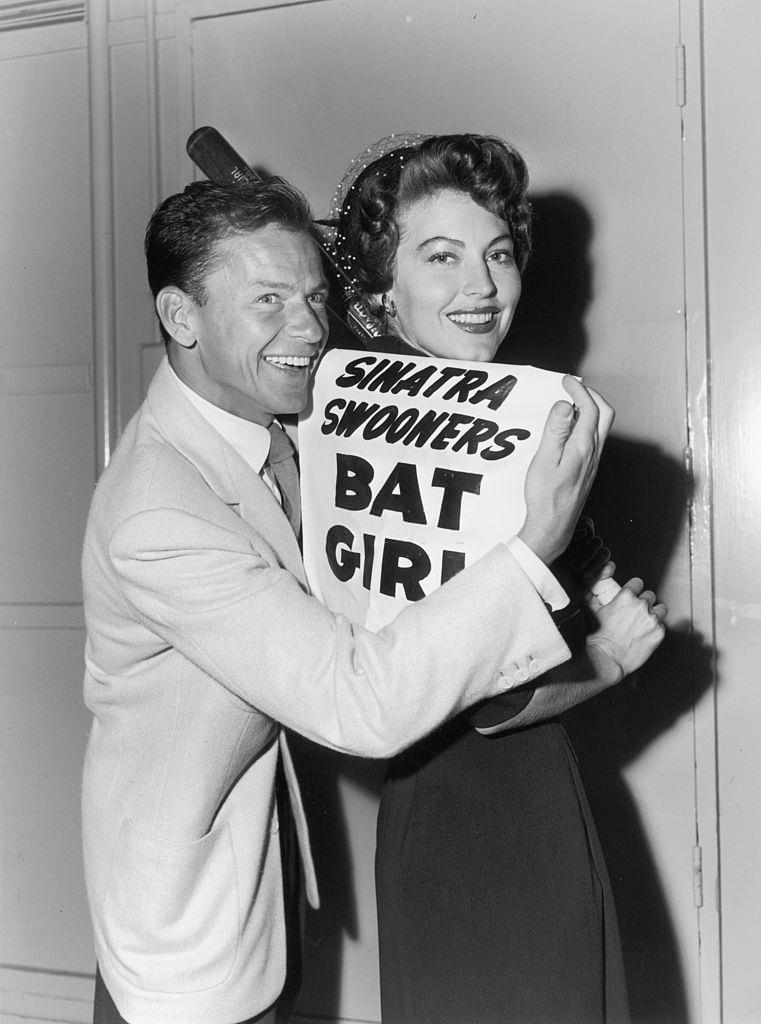
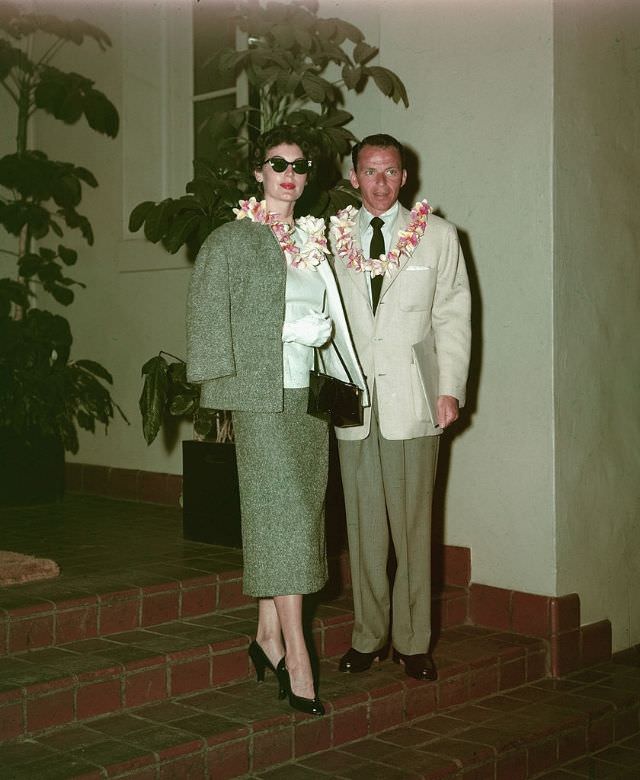
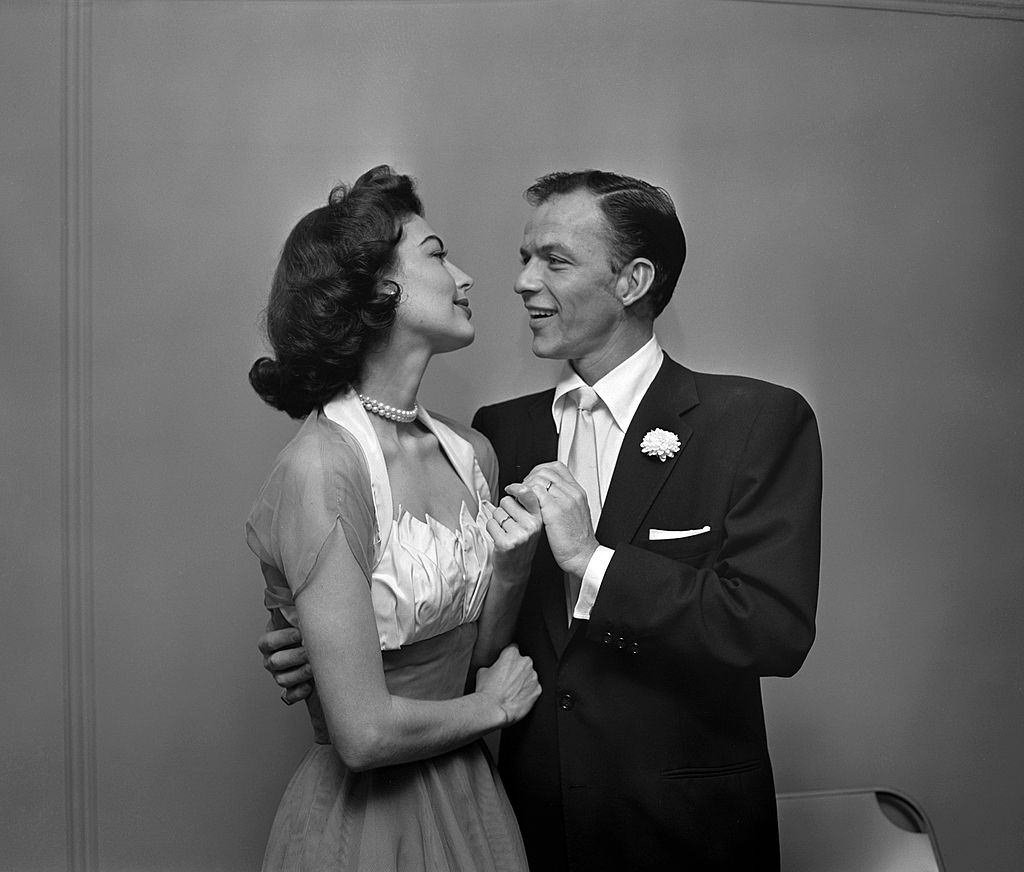
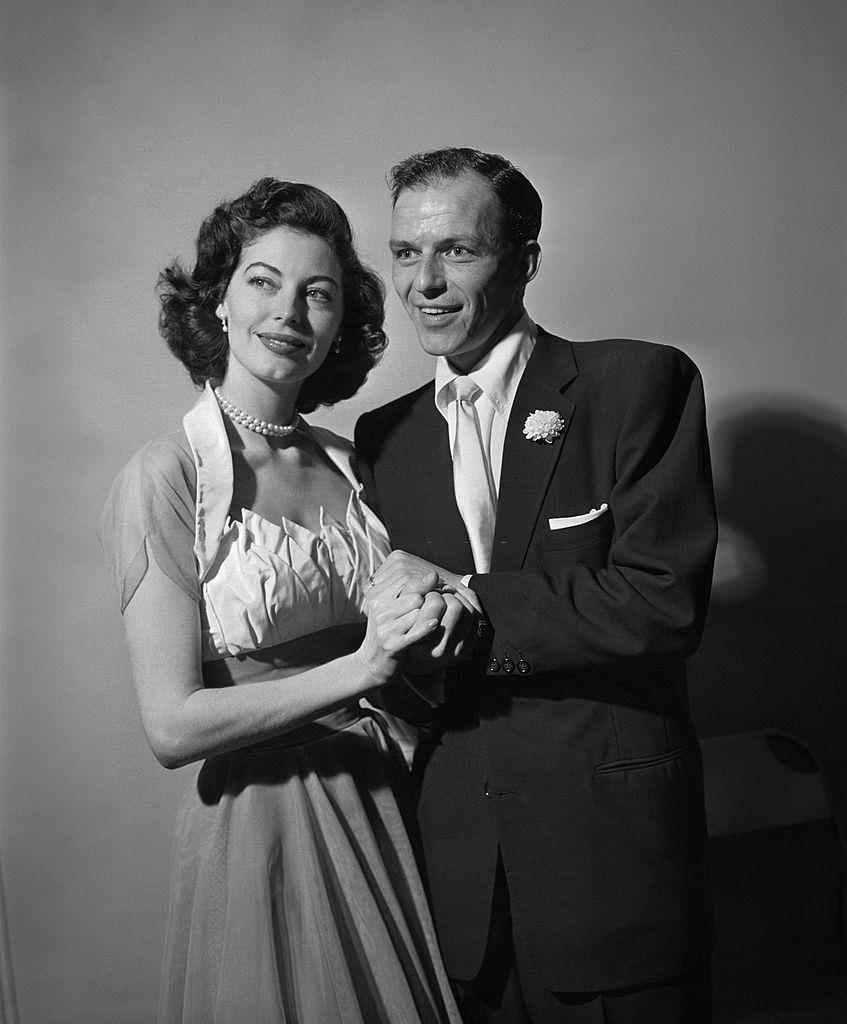
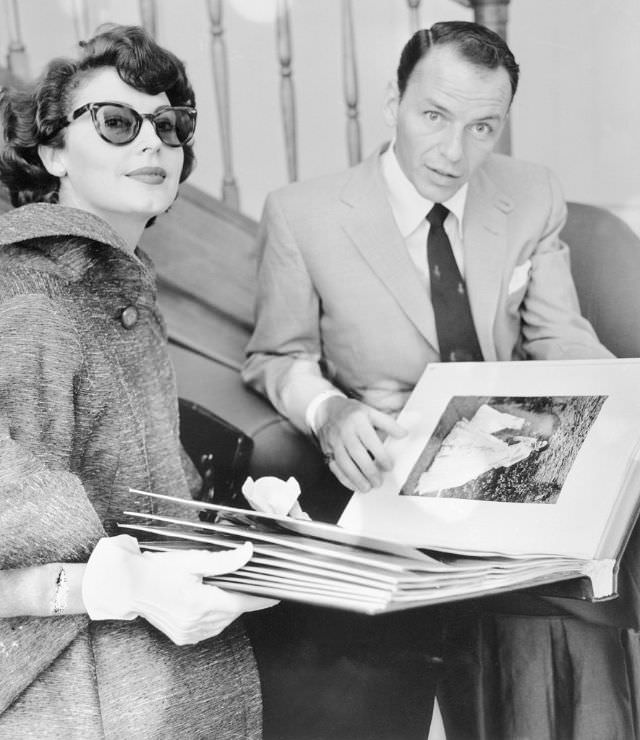
Sinatra was granted a divorce from Nancy Barbato in 1951, and he and Gardner married that same year. The early days carried a real sense of joy. They attended premieres together, traveled, and were rarely apart. Photos from this period show a couple genuinely at ease with each other — laughing, touching, leaning in close.
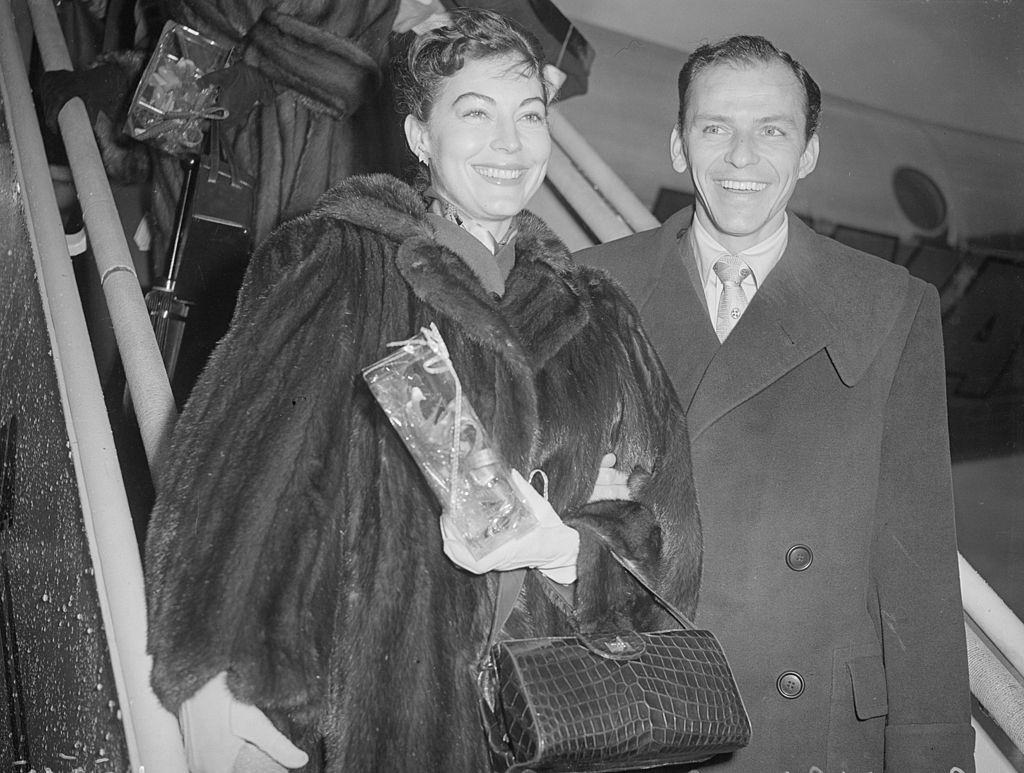
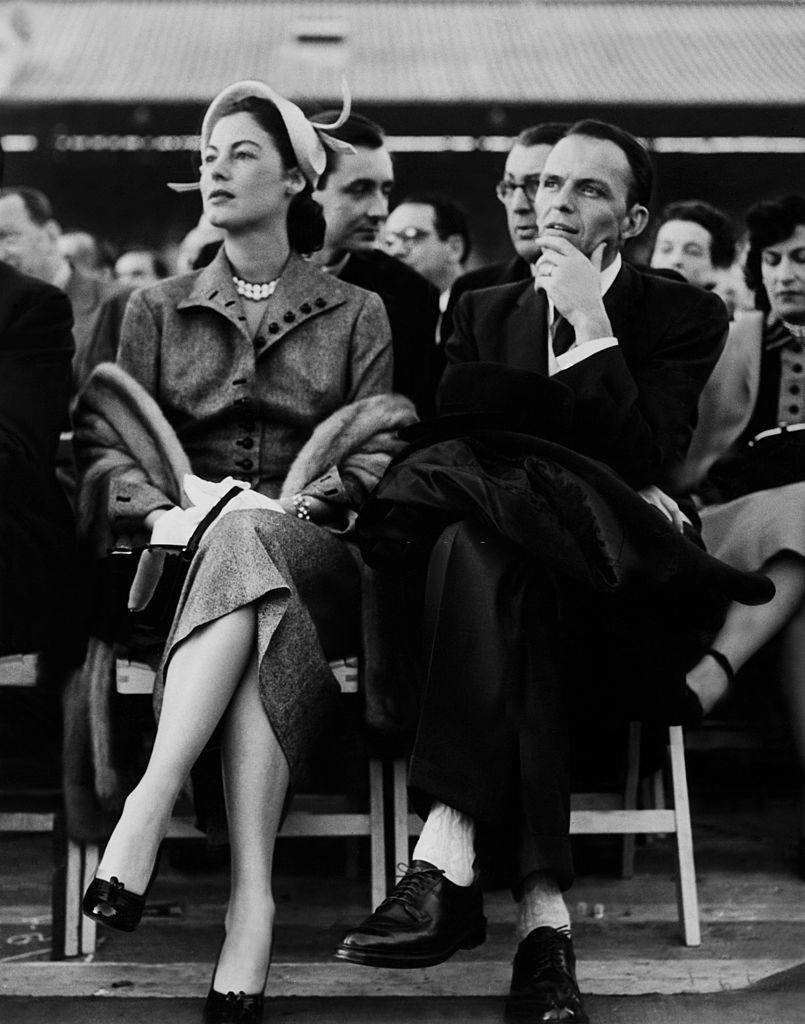
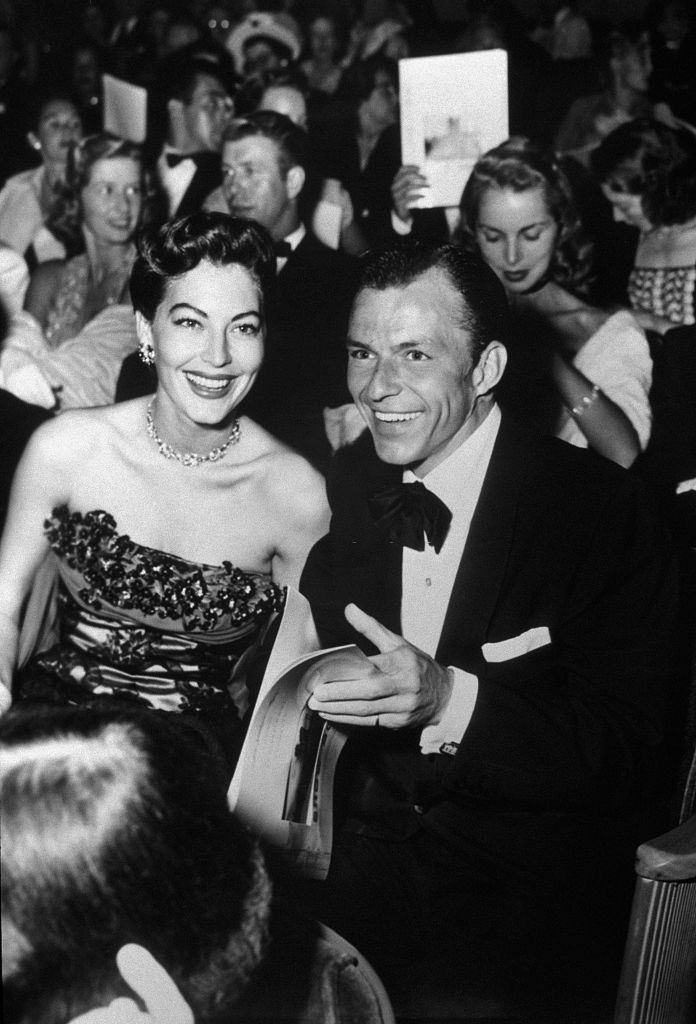
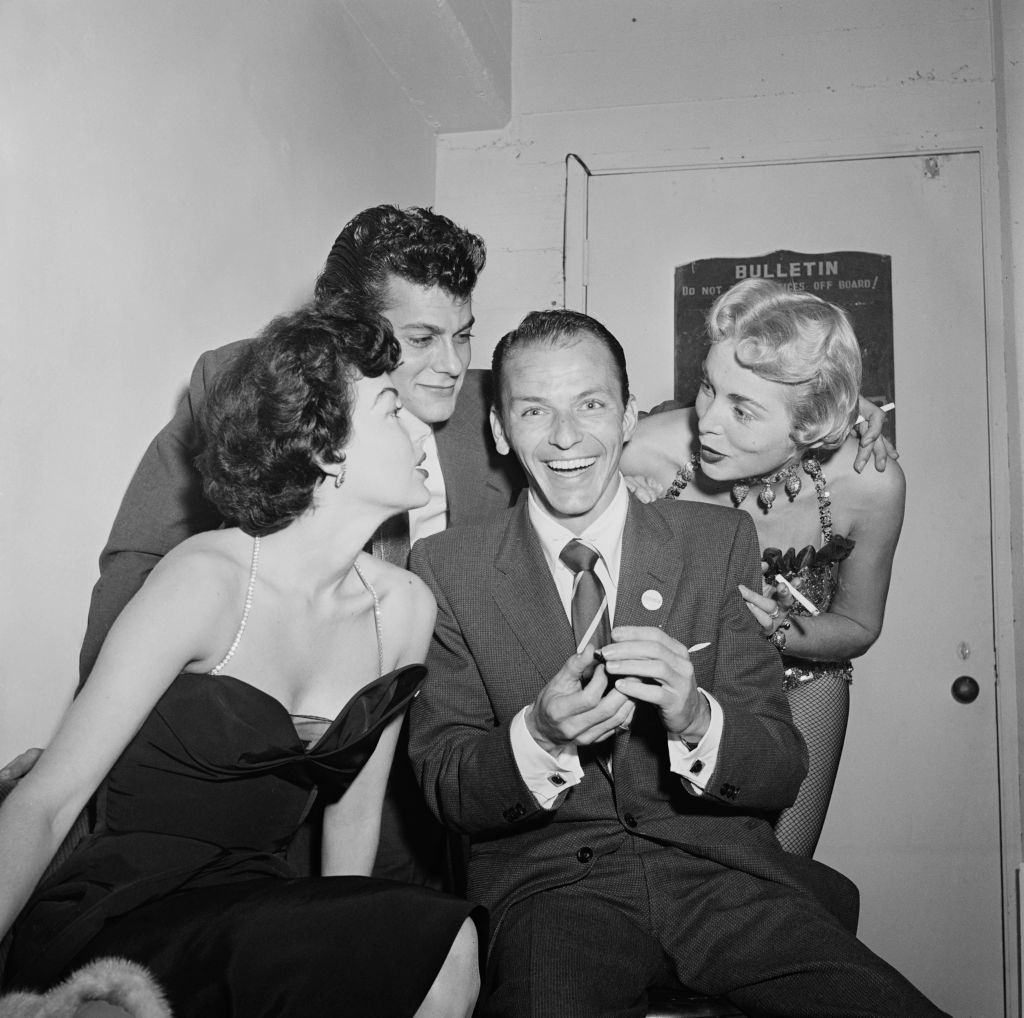
Their social circle was wide and well-known. They were frequently seen with other Hollywood figures of the era, attending dinners, events, and gatherings that put them squarely at the center of 1950s celebrity culture.
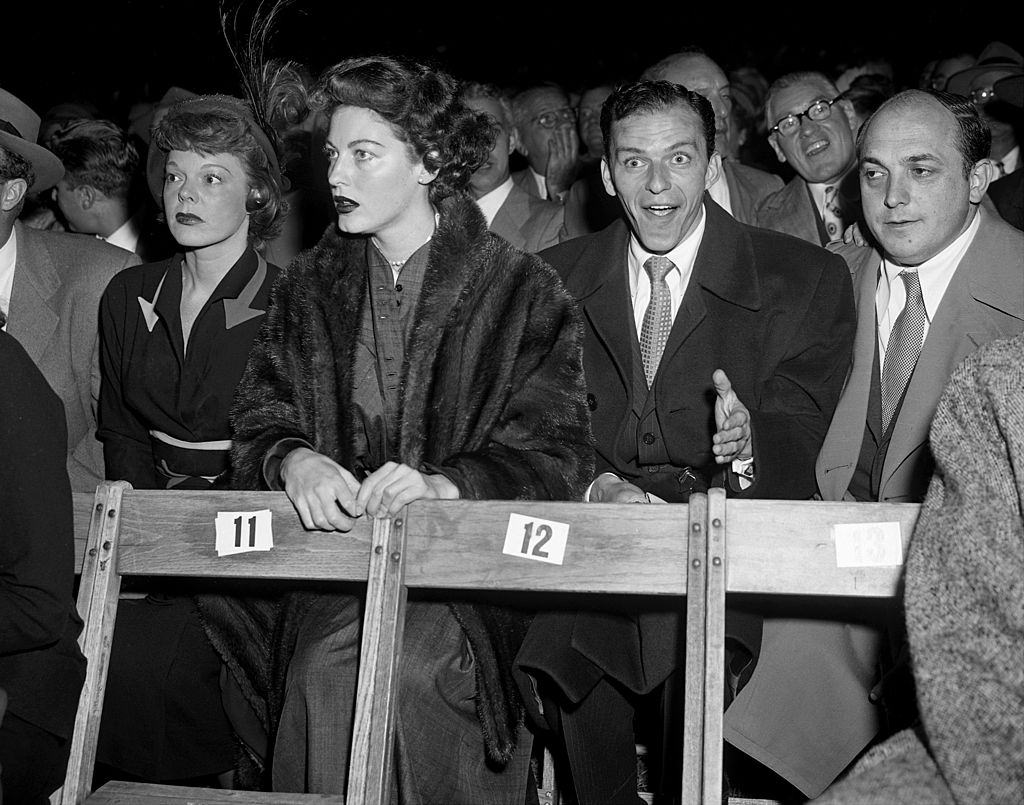
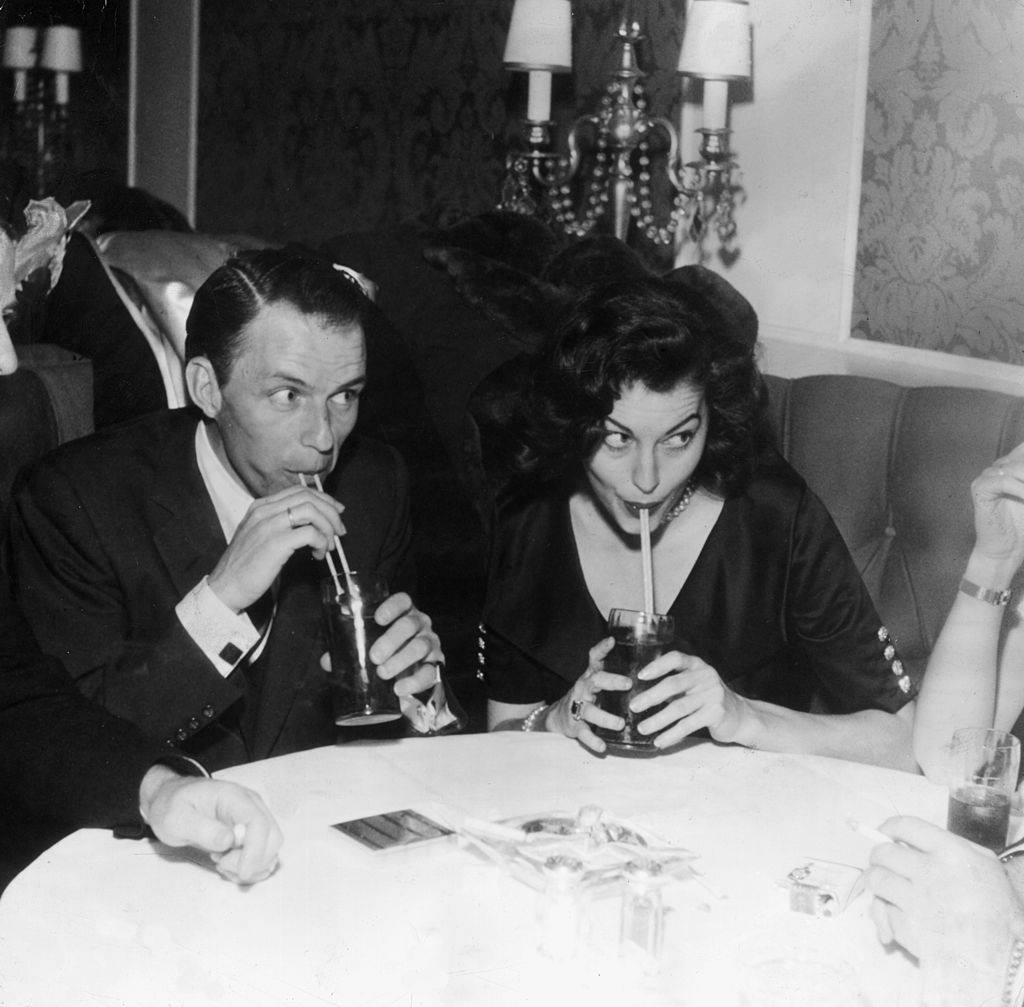
But the warmth of those early months gave way to serious friction. The same energy that made them magnetic together also made their fights explosive. Gardner was the primary breadwinner throughout their marriage. Her career was thriving while Sinatra’s remained in a slump, and that imbalance created tension that neither of them handled quietly. Their arguments were frequent and fierce.
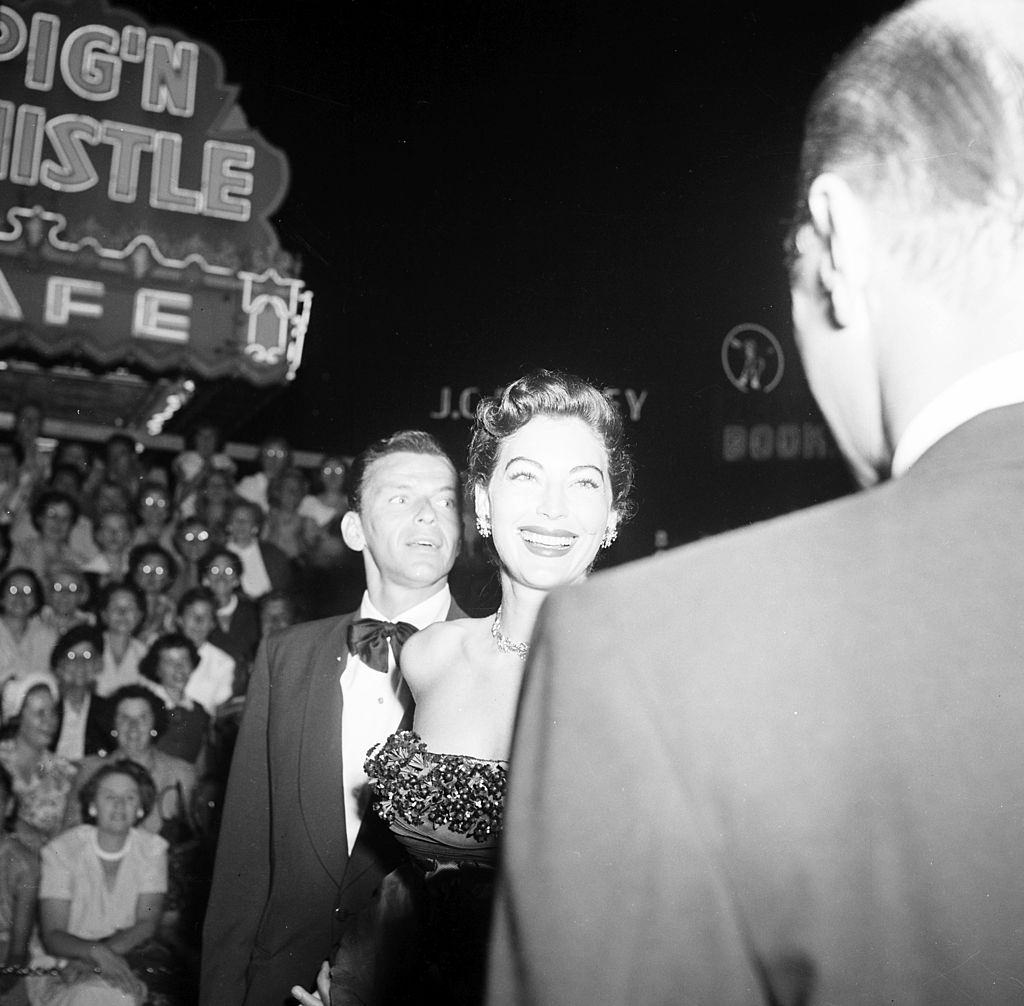
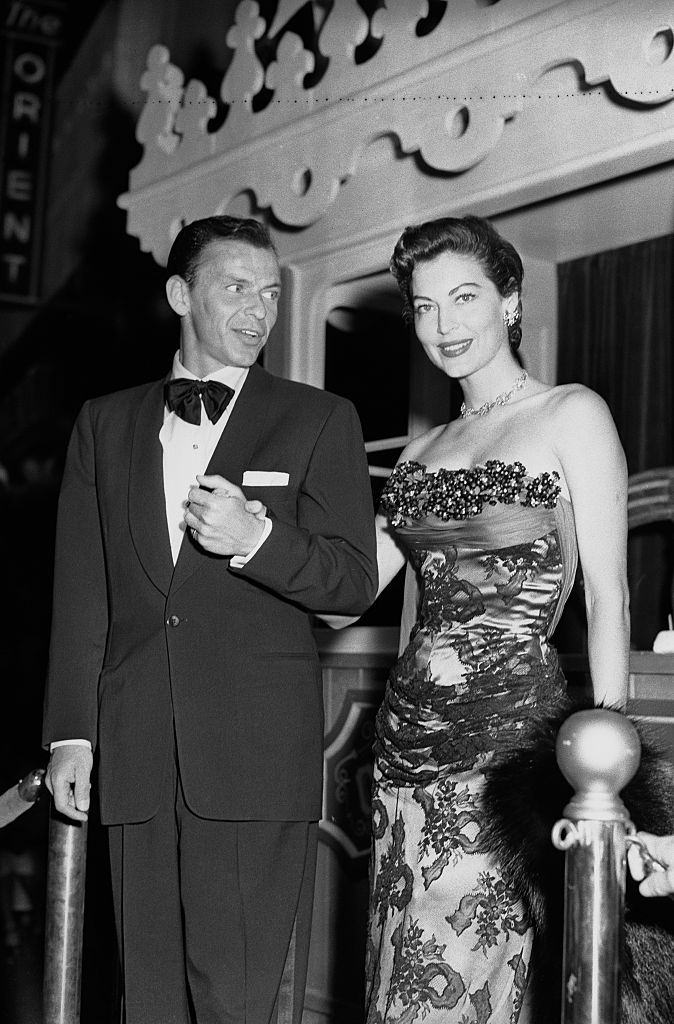
The damage ran deep on both sides. Sinatra attempted suicide twice during the marriage. Gardner had two abortions without telling him. These were not small fractures — they were the kinds of events that define a relationship and leave permanent marks. Yet neither of them walked away quickly. The marriage lasted until 1957, when Gardner formally filed for divorce.
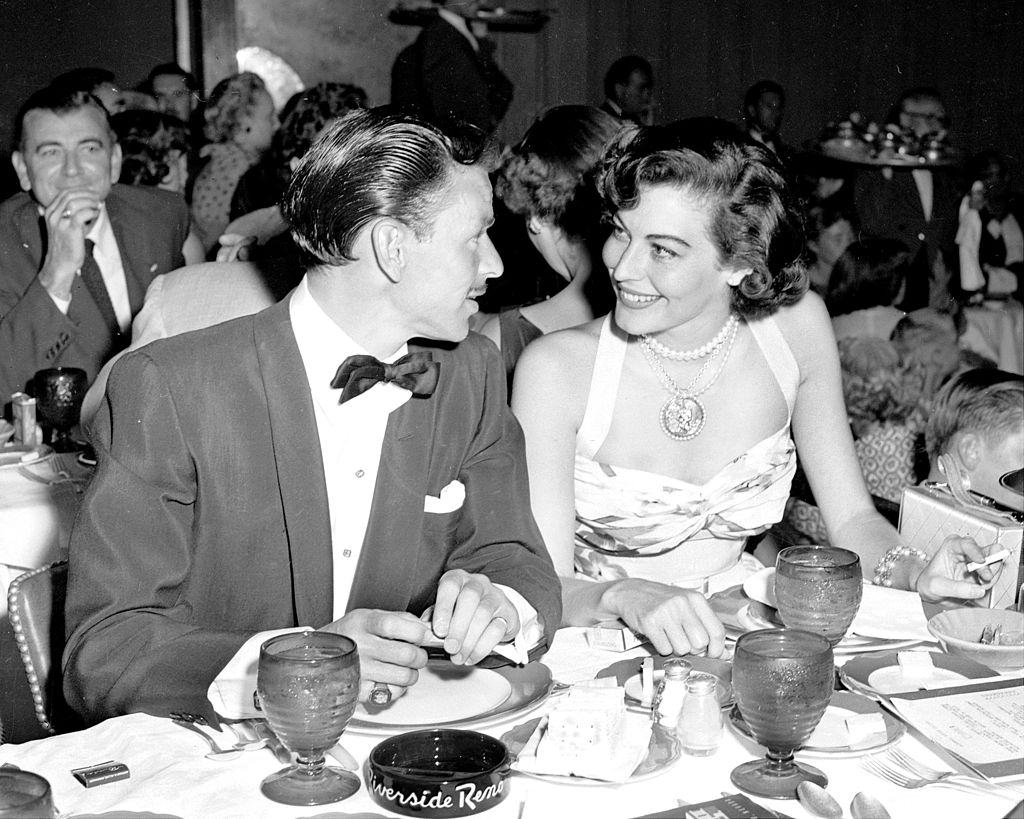
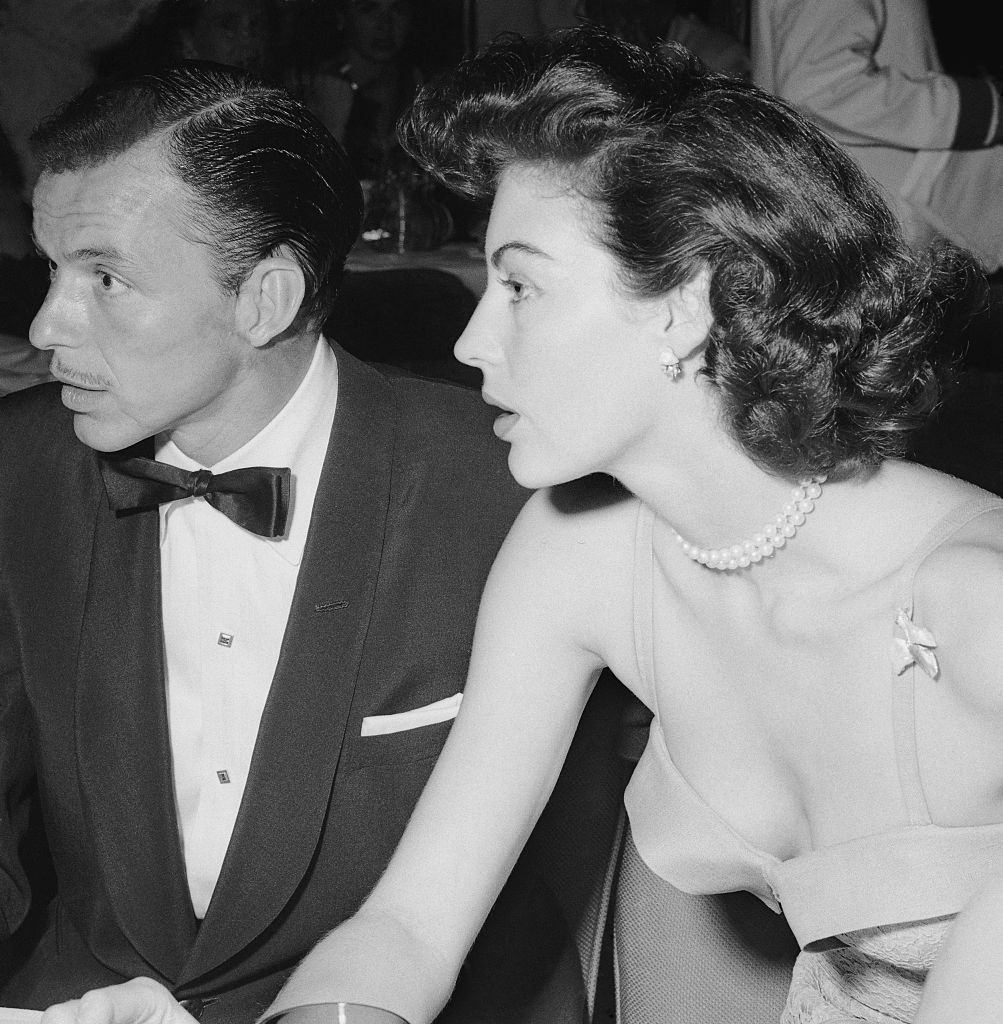
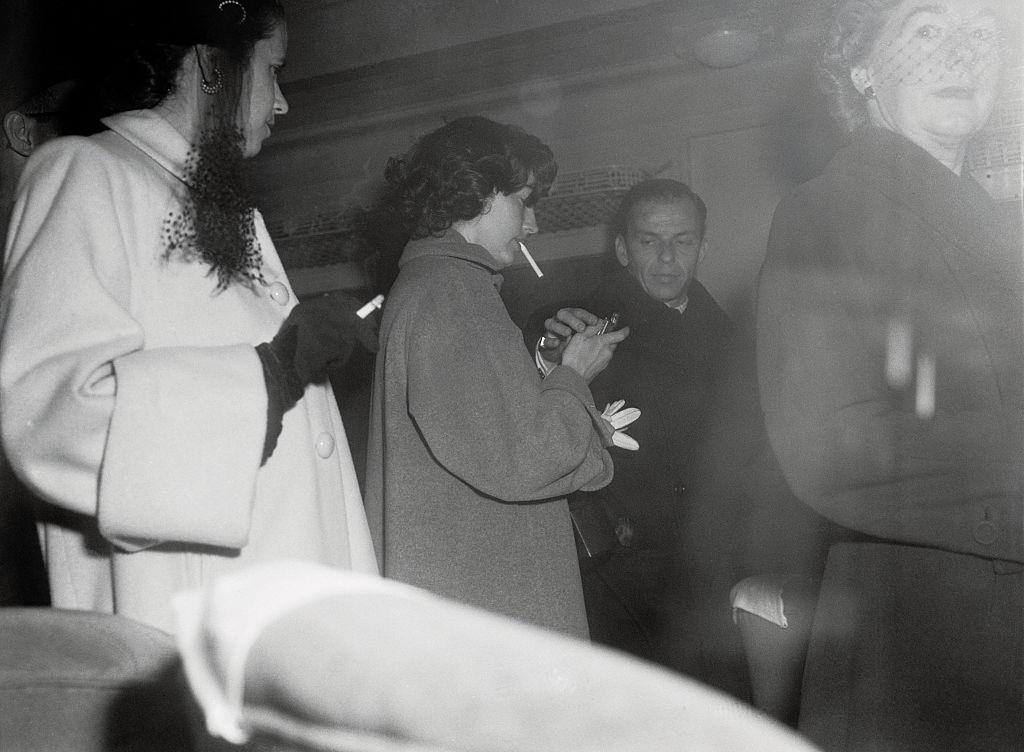
The legal end of their marriage did not end what they felt for each other. Sinatra continued sending Gardner floral bouquets long after the divorce. She kept a photograph from the early days of their relationship on her bedside table for the rest of her life. The affection was quieter after the split, but it never disappeared.
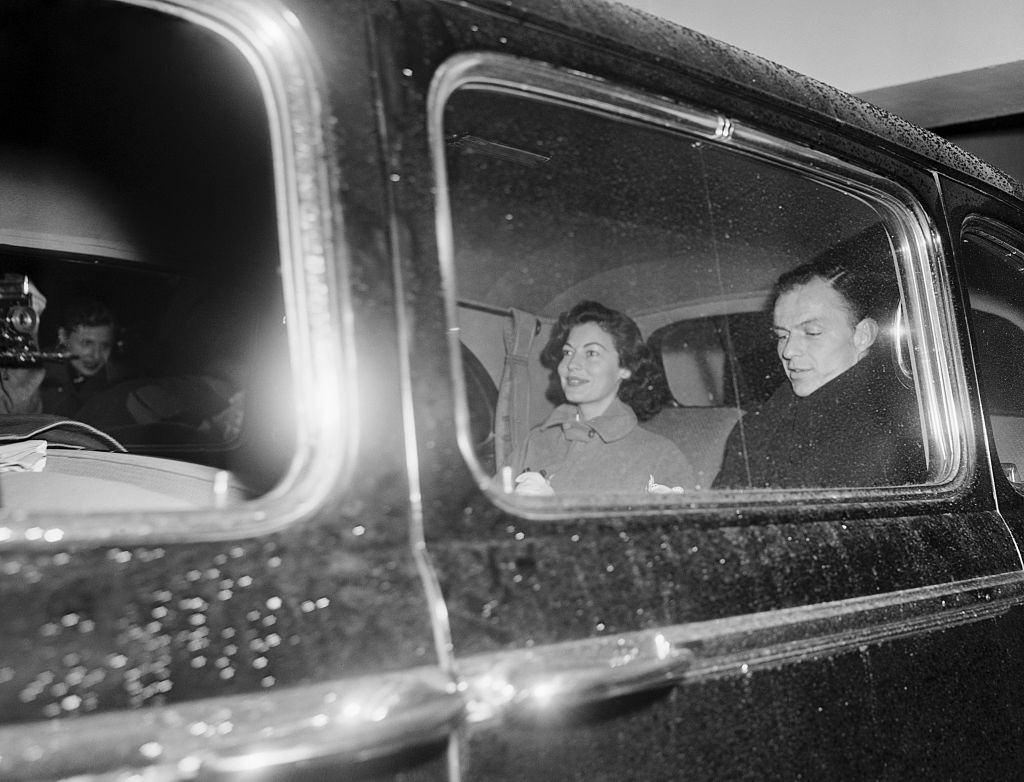
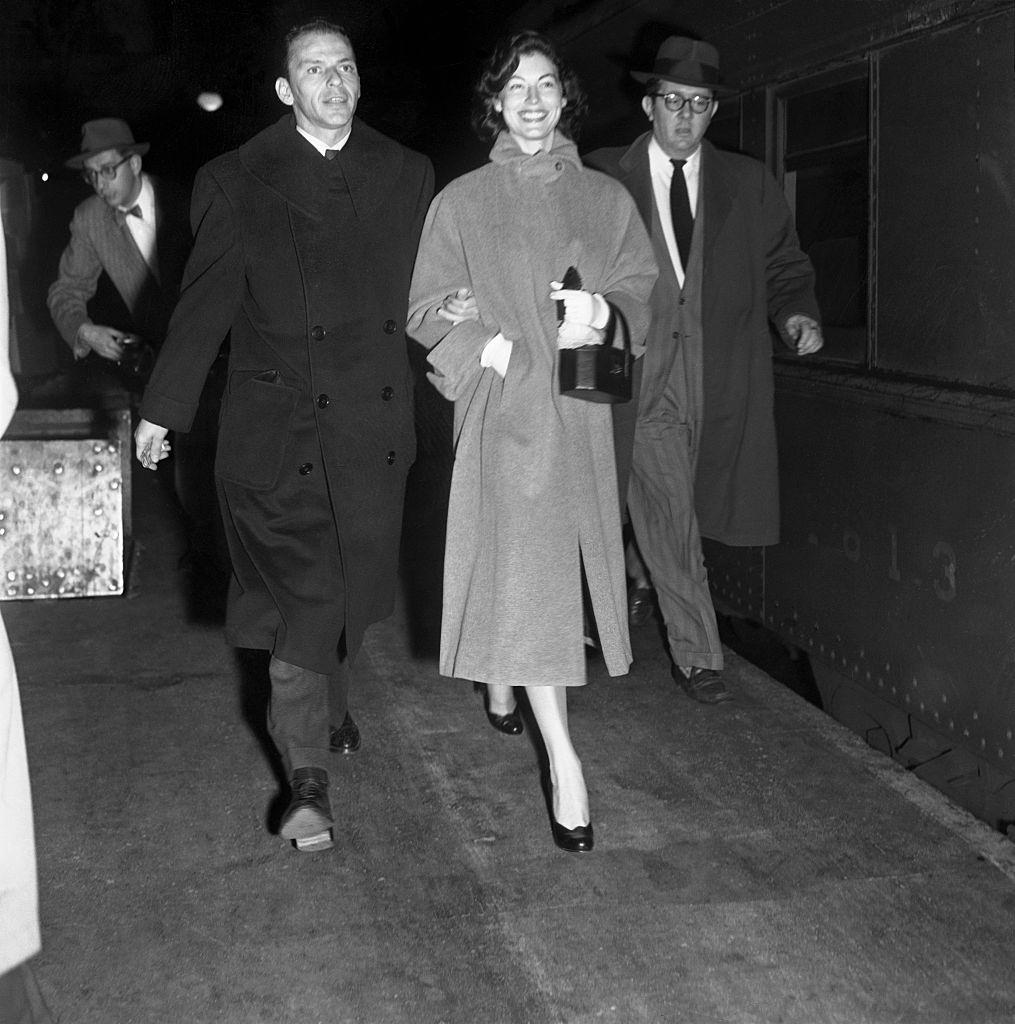
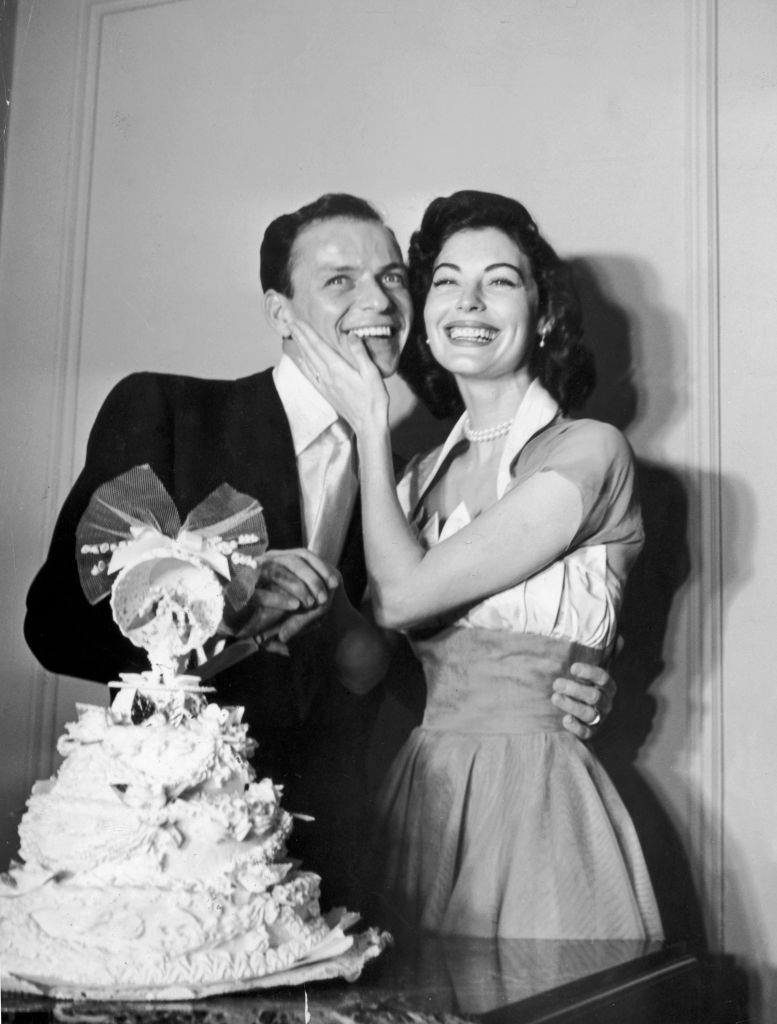
Their November 7, 1951 wedding was one of the most talked-about events of its time. The two had traveled to Philadelphia to apply for their marriage license, drawing photographers and reporters at every step. Images from their wedding day show them standing behind their cake, smiling — a rare moment of stillness between two people who rarely stood still.
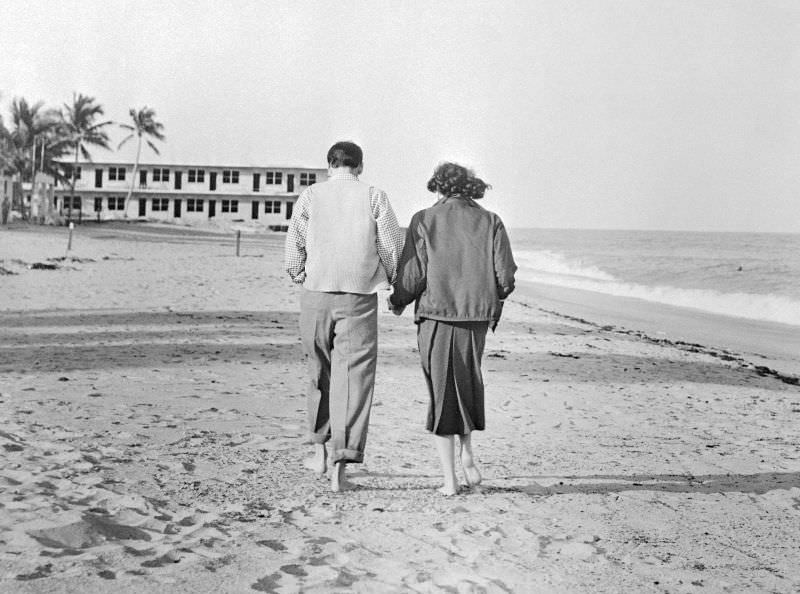
Their honeymoon took them to Miami, where they were photographed strolling along the beach just two days after the wedding. The newlywed ease in those photos — relaxed, close, unhurried — stood in sharp contrast to the storms that were already on their way.
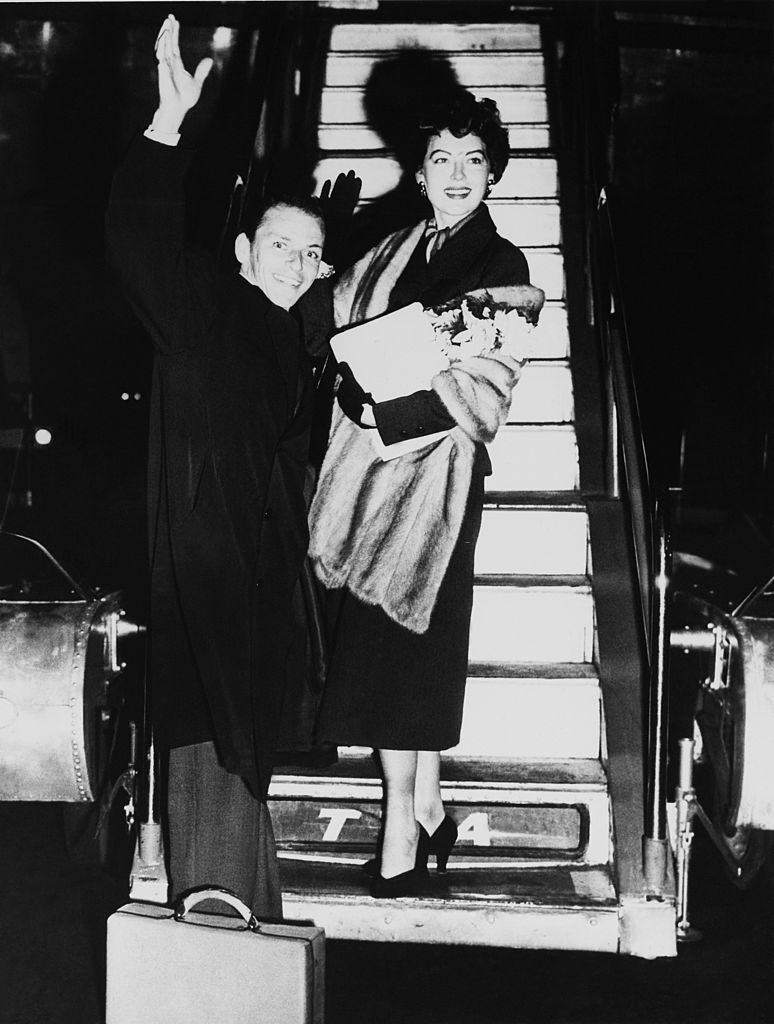
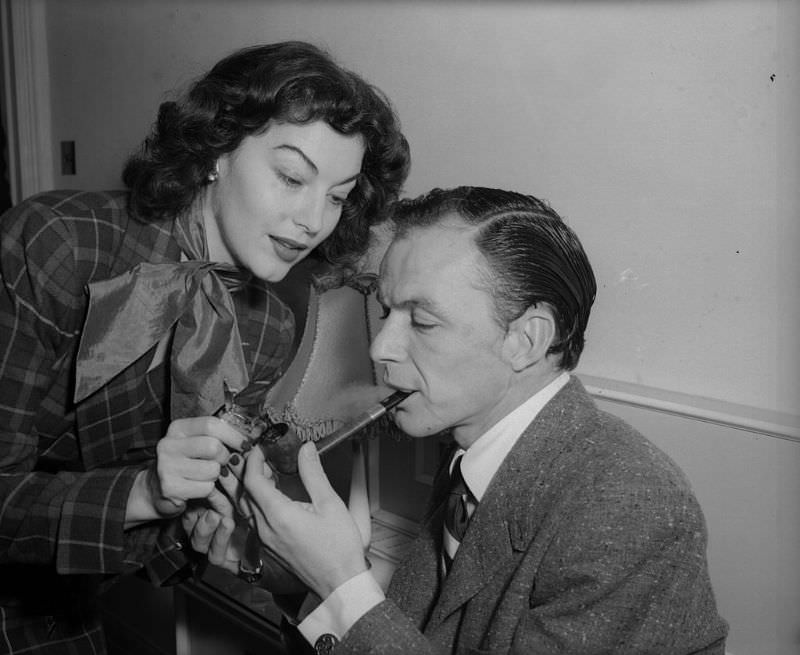
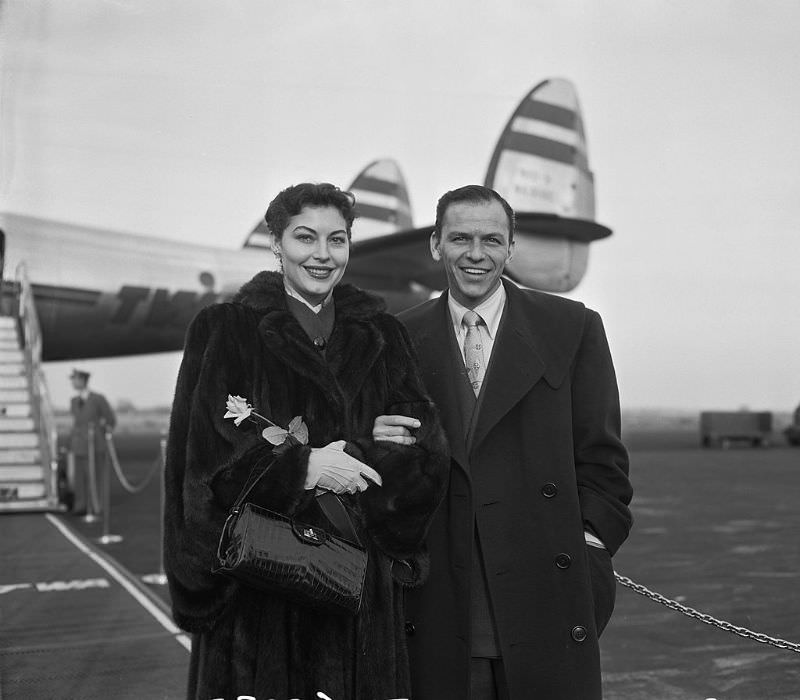
The couple moved through the early 1950s as one of Hollywood’s most watched pairs — attending premieres, flying between cities, dining with other famous faces. In London, they joined Tony Curtis and Janet Leigh for dinner at the Empress Club. In Rome, Sinatra helped Gardner choose a dress at a fashion salon. Even during the tense years, their public appearances showed moments of genuine tenderness.
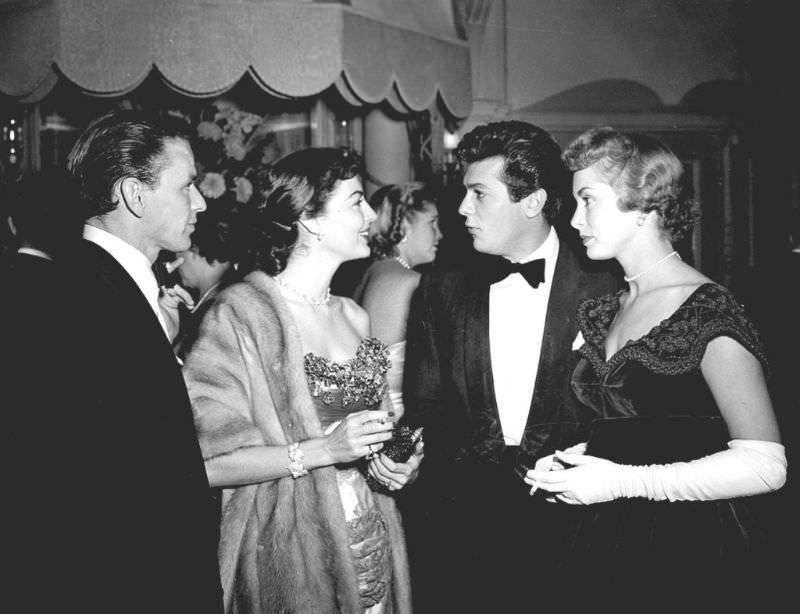
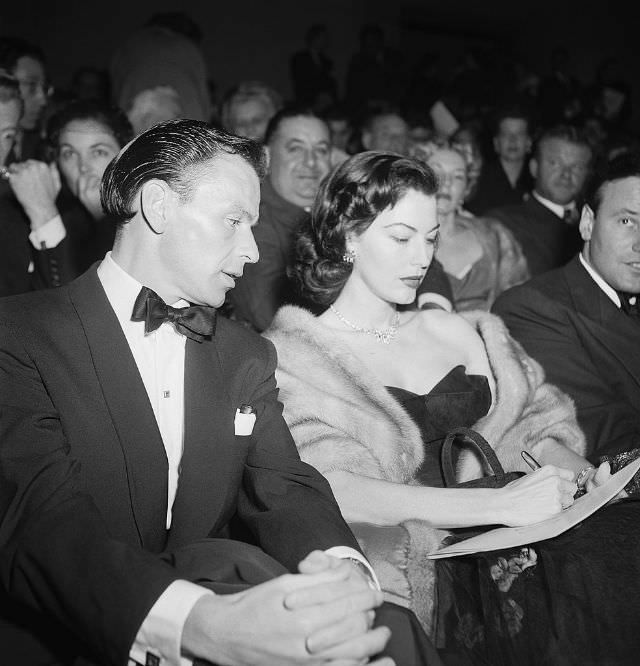
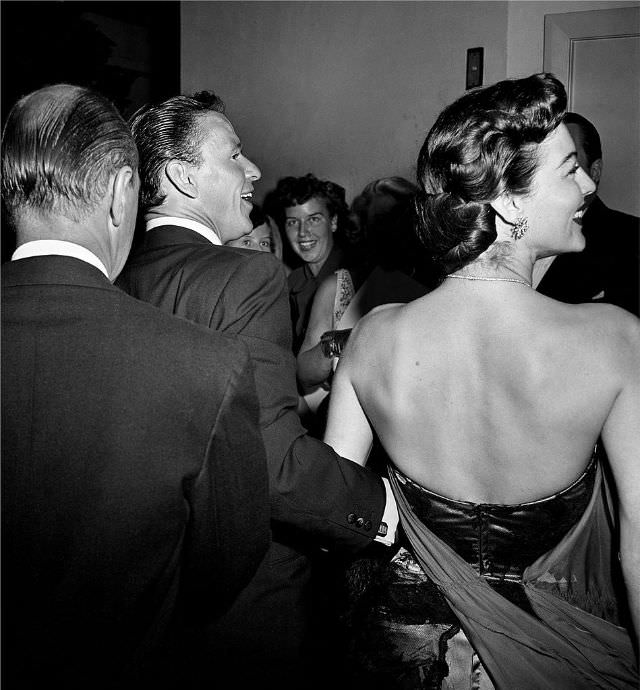
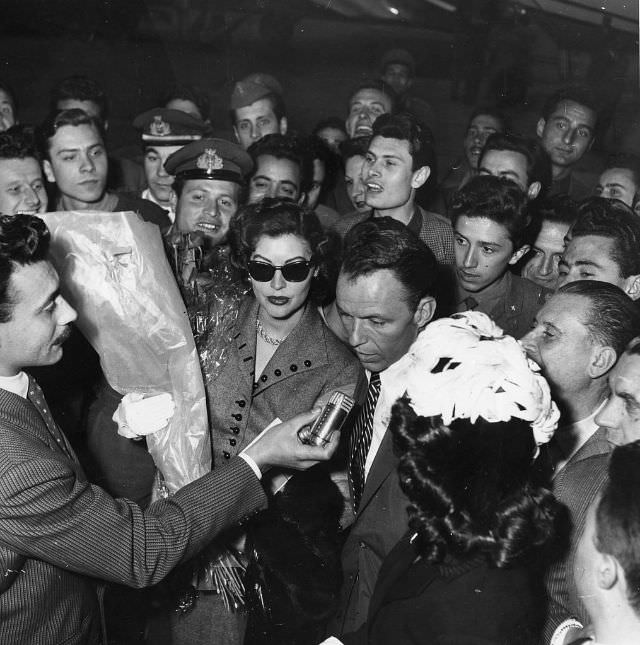
By 1953, they were still appearing together publicly, but the cracks were visible. In Milan, they were surrounded by journalists and onlookers — the press attention was relentless and neither seemed entirely at ease under it. The same year, they attended black-tie events that suggested a surface of normalcy, even as their marriage was deteriorating behind closed doors.
Ava Gardner died of emphysema in January 1990. When the news reached Sinatra, he wept uncontrollably. Those nearby heard him say, “I should have been there for her.” Friends who knew him well said that Frank Sinatra, through every relationship and every chapter of his life, never fully got over Ava Gardner.