
At the turn of the 20th century, Austria-Hungary was one of the most powerful empires in Europe. Its economy was growing at nearly 10% a year — a remarkable pace for that era. Factories were opening across the country, and rural families were leaving their farms in large numbers to find work in the cities. Vienna, the imperial capital, swelled with new residents, new businesses, and new ideas. Streets that had looked the same for generations were suddenly lined with electric trams, grand hotels, and bustling cafés.
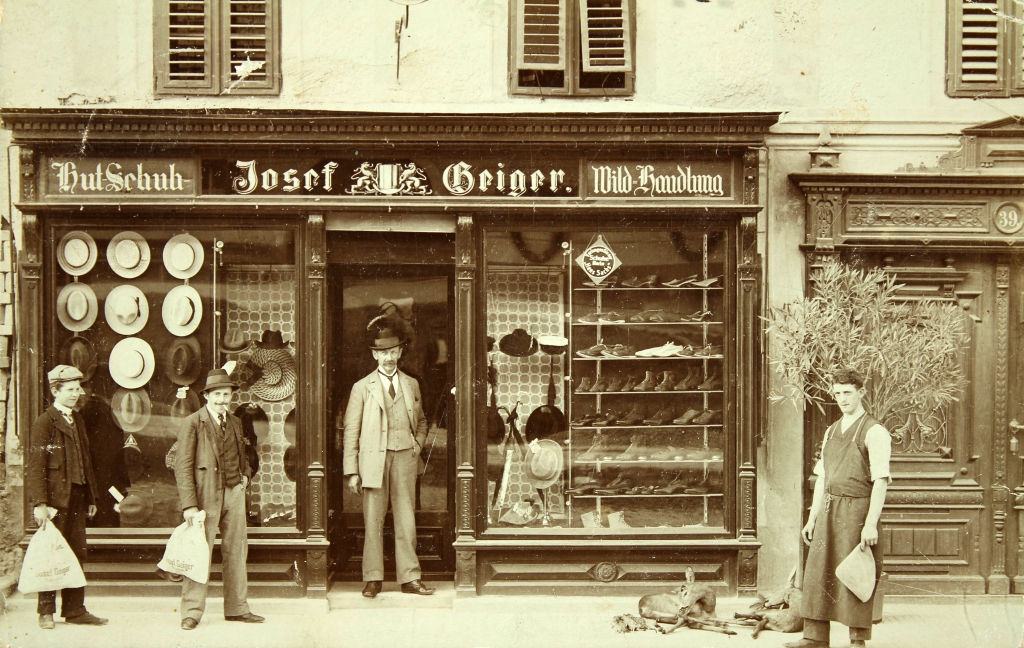
Vienna’s commercial life was thriving. Shopkeepers catered to a growing middle class with money to spend on goods that had once been luxuries. Stores selling clothing, shoes, food, and household items competed for foot traffic on busy streets. The city’s population was becoming more urban, more connected, and more cosmopolitan by the year.
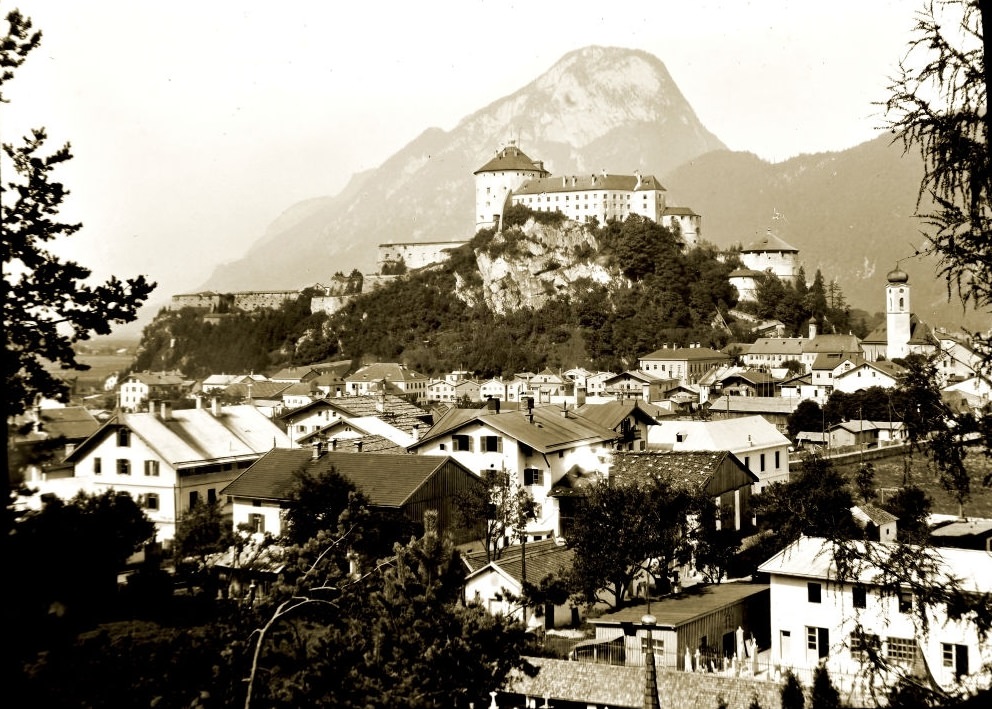
Beyond Vienna, Austria’s landscapes were dramatic and diverse. Ancient fortresses still stood watch over mountain valleys, serving as reminders of centuries of military history. Towns like Kufstein, nestled near the Bavarian border, blended medieval architecture with the energy of a modernizing nation. Rail lines were pushing deeper into the Alps, connecting remote communities to the wider empire for the first time.
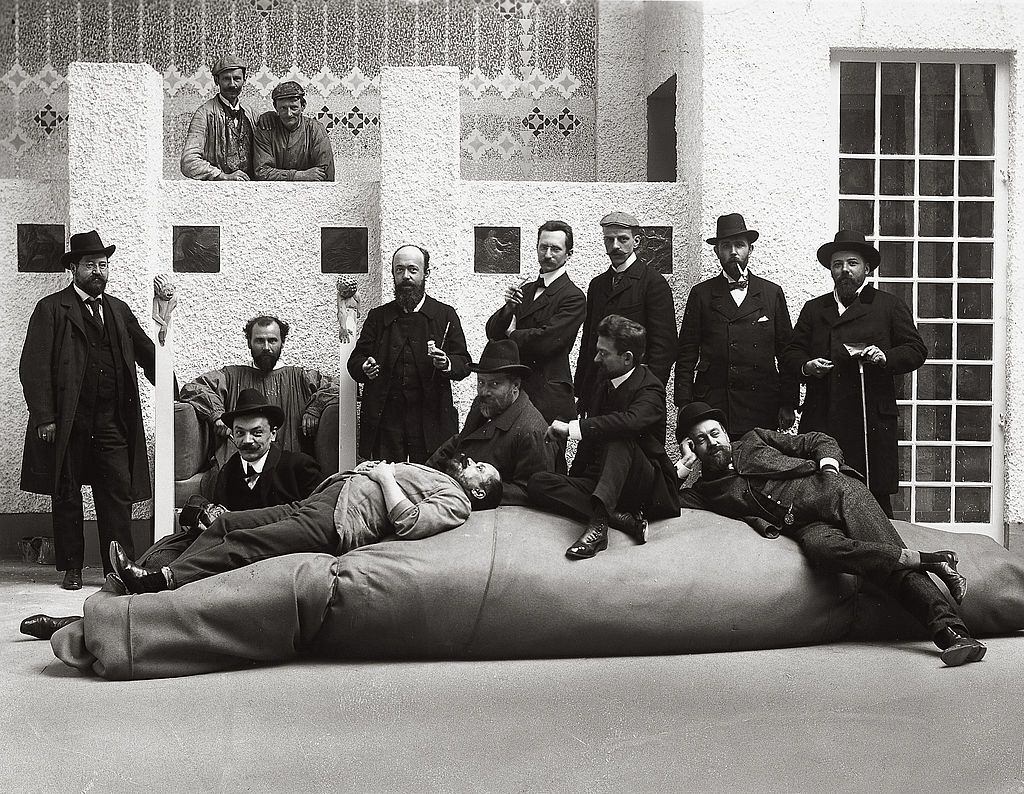
Vienna was not only a commercial hub — it was a cultural powerhouse. The Viennese Secession, founded in 1897, had broken from the conservative art establishment and was pushing Austrian visual art in bold new directions. Gustav Klimt led the movement, alongside colleagues like Kolo Moser and Josef Hoffmann. Their work appeared on posters, in exhibition halls, and in the pages of the movement’s journal, Ver Sacrum. This small circle of artists gave Vienna an international artistic reputation that far outweighed the city’s size.
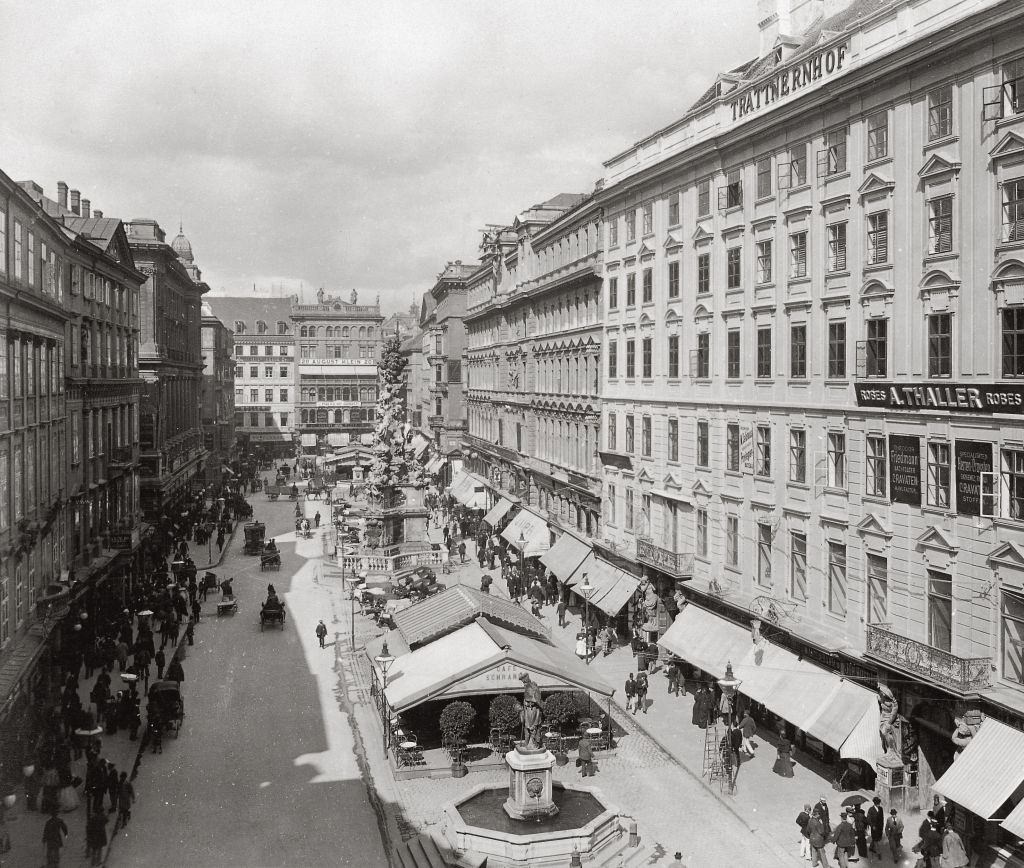
The streets of central Vienna carried centuries of history in plain view. The Pestsäule, or Black Death column, stood in the Graben as a monument to the plague epidemic of the 1670s. Erected by Emperor Leopold I to mark the end of the outbreak that killed tens of thousands, it remained one of the most recognizable landmarks in the city. By 1900, it stood surrounded by the commerce and movement of a thoroughly modern capital.
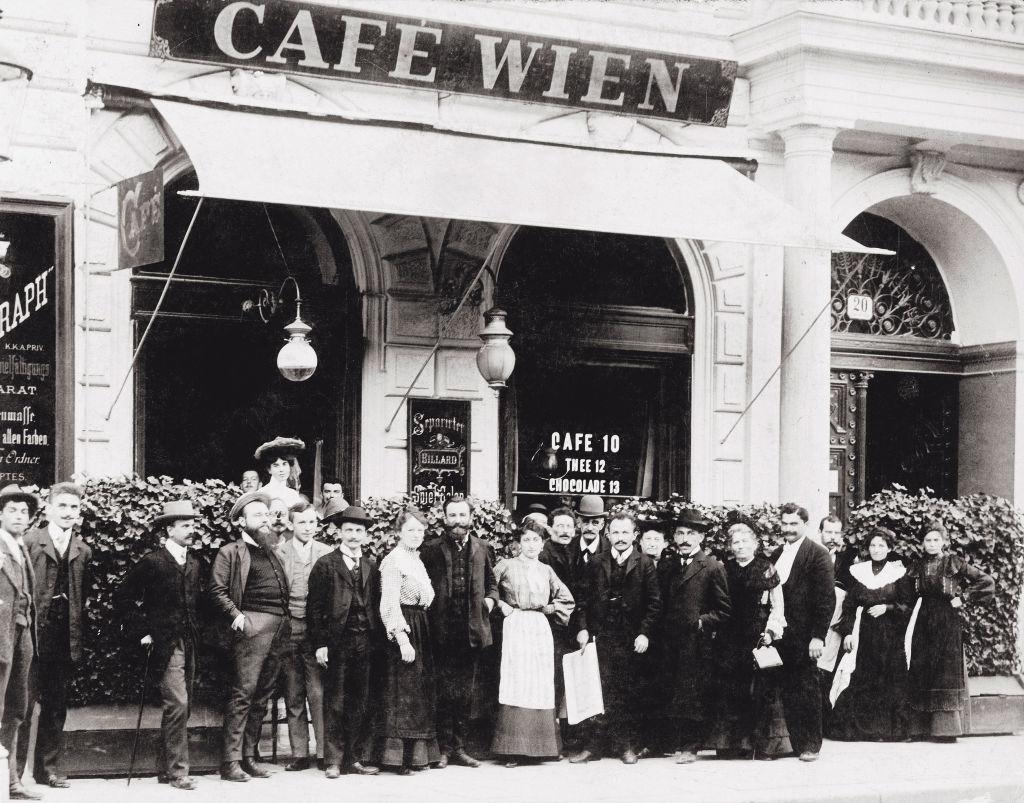
Viennese café culture was a world unto itself. Cafés served as offices, debating halls, and meeting places for writers, politicians, musicians, and businessmen alike. Staff took pride in their establishments, and regulars could sit for hours over a single coffee, reading newspapers provided by the house. The Café Wien and dozens like it were central to daily social life in a way that had no real equivalent outside Austria.
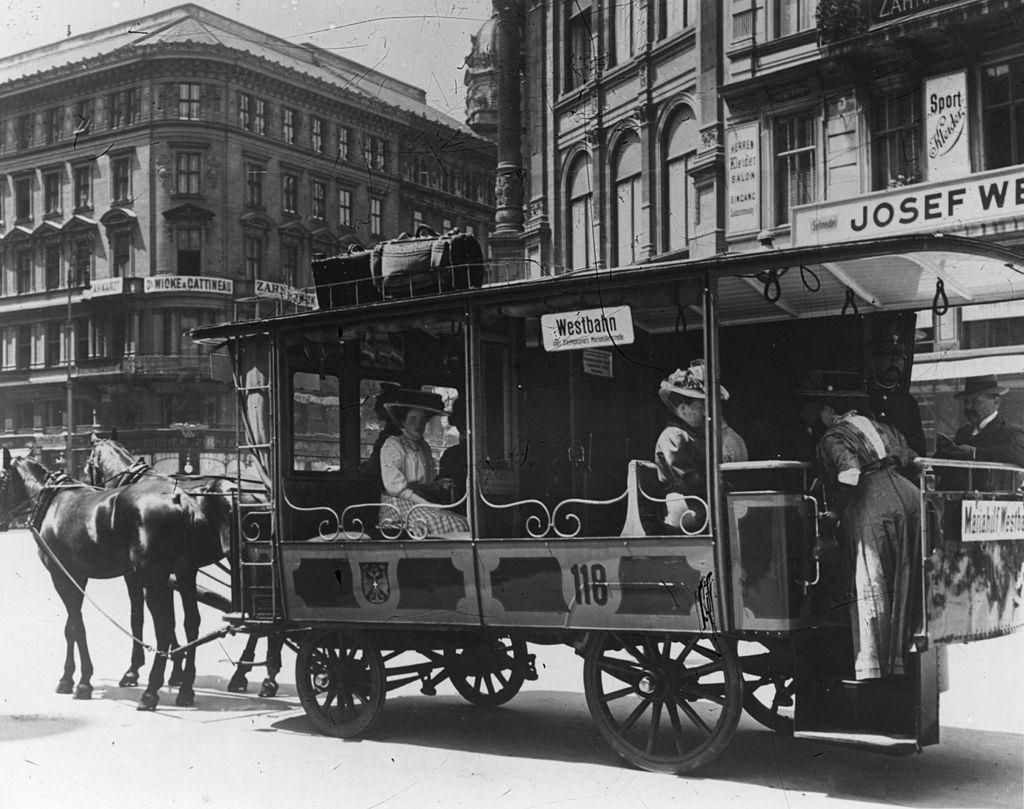
Vienna’s streets in the early 1900s were a mix of old and new. Horse-drawn trams still ran alongside the first electric streetcar lines that had begun operating in the 1890s. Stephansplatz, the great square at the heart of the city, saw a constant flow of pedestrians, vendors, carriages, and trams moving past the shadow of St. Stephen’s Cathedral. The city’s transit network was expanding rapidly, reflecting its growing population and the demands of modern urban life.
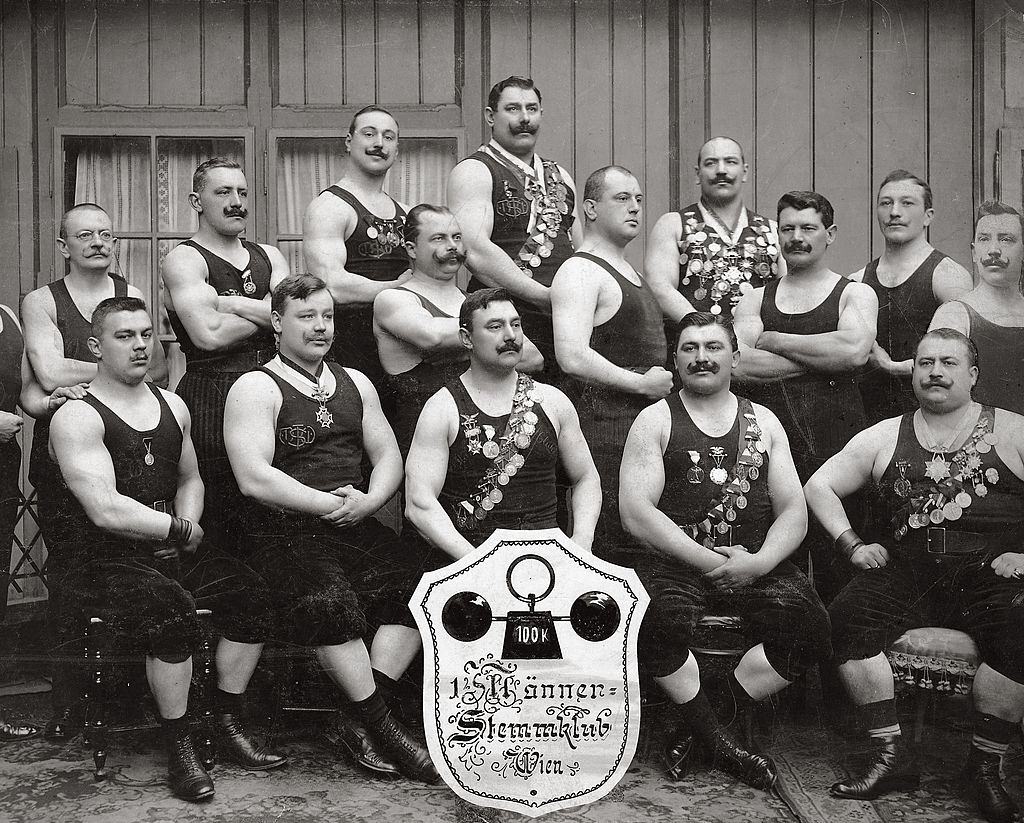
Private clubs were an important part of Viennese social life for the professional and upper classes. These spaces provided members with meeting rooms, libraries, and dining facilities in a setting that emphasized exclusivity and refinement. Membership often signaled status, and the clubs themselves served as informal networks for business dealings and political discussions.
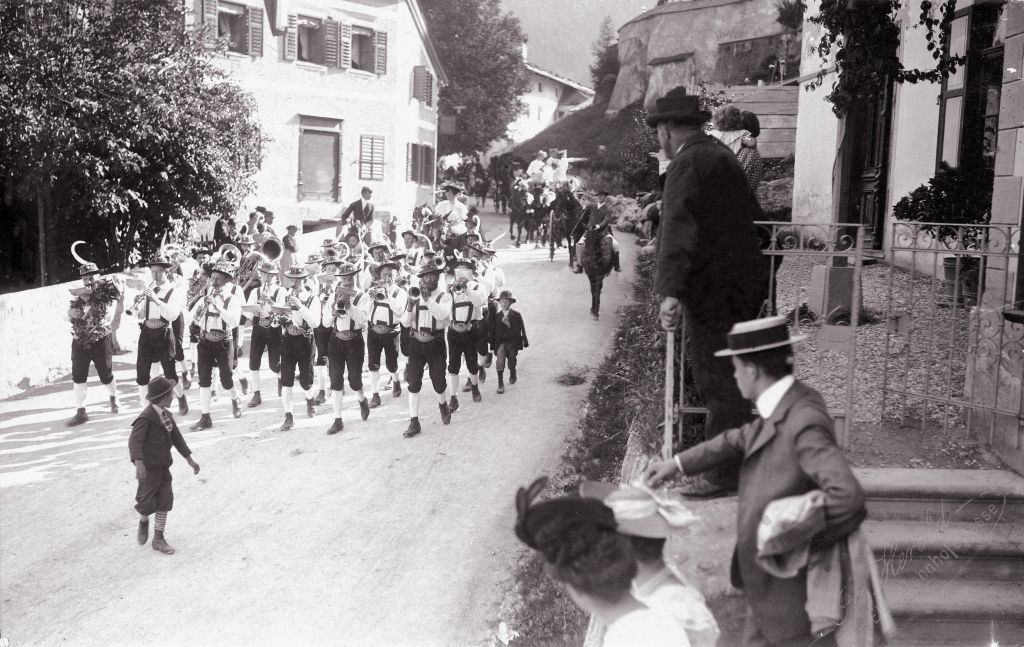
Regional traditions remained strong across Austria even as modernization accelerated. In the Tyrol, marching bands performed in traditional costumes at local festivals and civic events. The lederhosen, feathered hats, and embroidered jackets worn by musicians from towns like Kitzbühel were expressions of a distinct regional identity that existed within — but separate from — the broader Habsburg imperial culture.
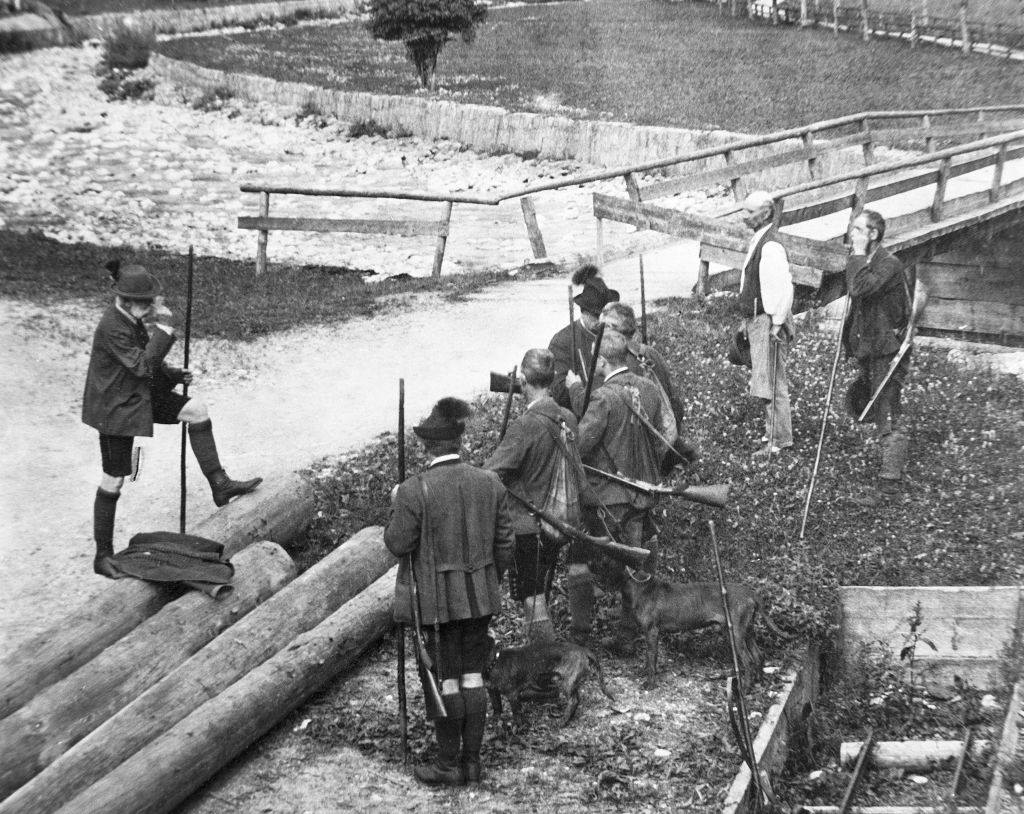
Emperor Franz Joseph I had ruled Austria since 1848, making him one of the longest-reigning monarchs in European history by the time the 20th century began. Already in his seventies, he maintained a disciplined daily routine and retained firm control over state affairs. Hunting in the alpine forests near Salzburg was among his few personal pleasures. His reign had survived wars, revolutions, the assassination of his wife Empress Elisabeth, and the constant political friction of ruling a multi-ethnic empire. He would remain on the throne until his death in 1916.
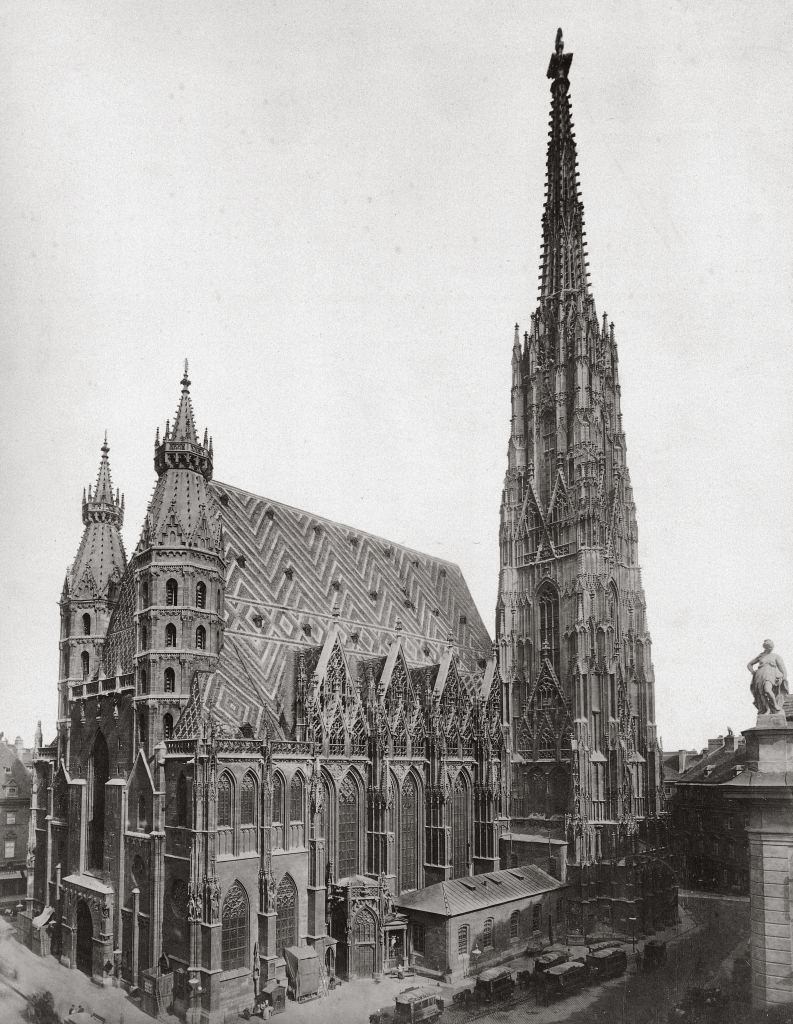
St. Stephen’s Cathedral — the Stephansdom — was the defining landmark of Vienna. Construction had begun in the 12th century and continued in stages over hundreds of years. Its distinctive mosaic-tiled roof and 136-meter south tower dominated the city’s skyline. By 1900, it served not only as the seat of the Archbishop of Vienna but as a symbol of the city’s identity. Coronations, royal funerals, and major state ceremonies had taken place within its walls across the centuries.
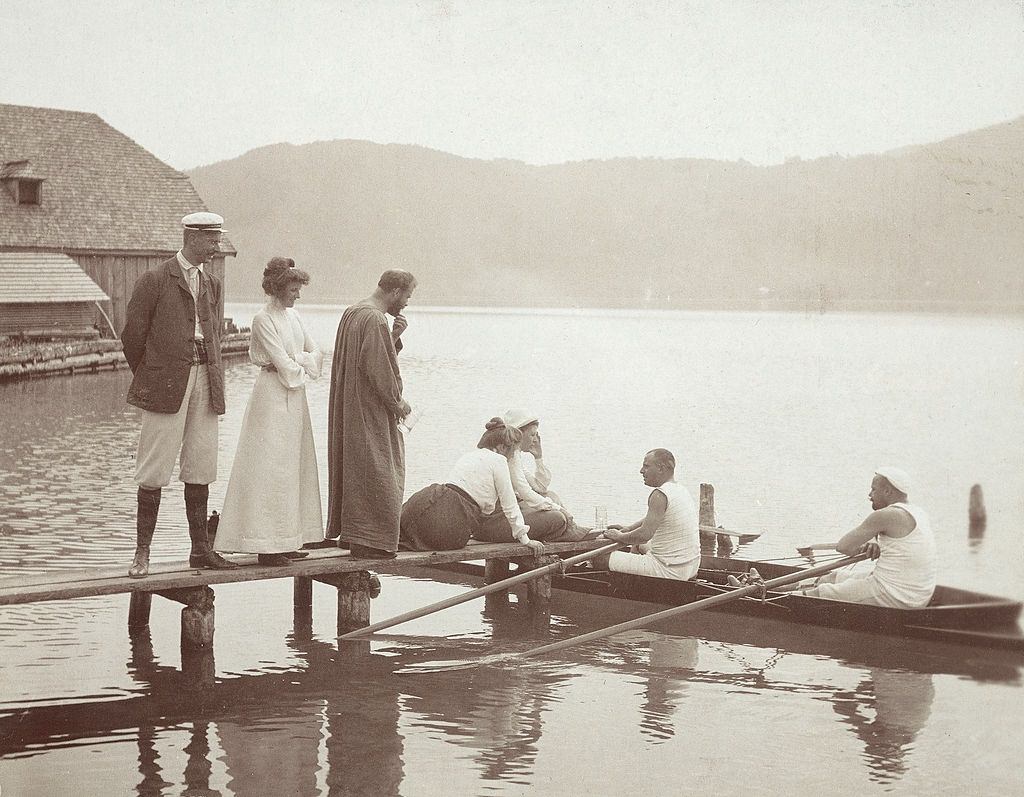
Gustav Klimt spent his summers at the Attersee lake in the Salzkammergut region, a tradition he maintained for nearly two decades. He painted landscapes there and found the slower pace a contrast to his active life in Vienna. Emilie Flöge, a successful fashion designer who ran her own Vienna salon, was his closest companion throughout his adult life. Klimt and Flöge were photographed together regularly at the lake, relaxed and surrounded by friends in a setting far removed from the formality of the imperial capital.
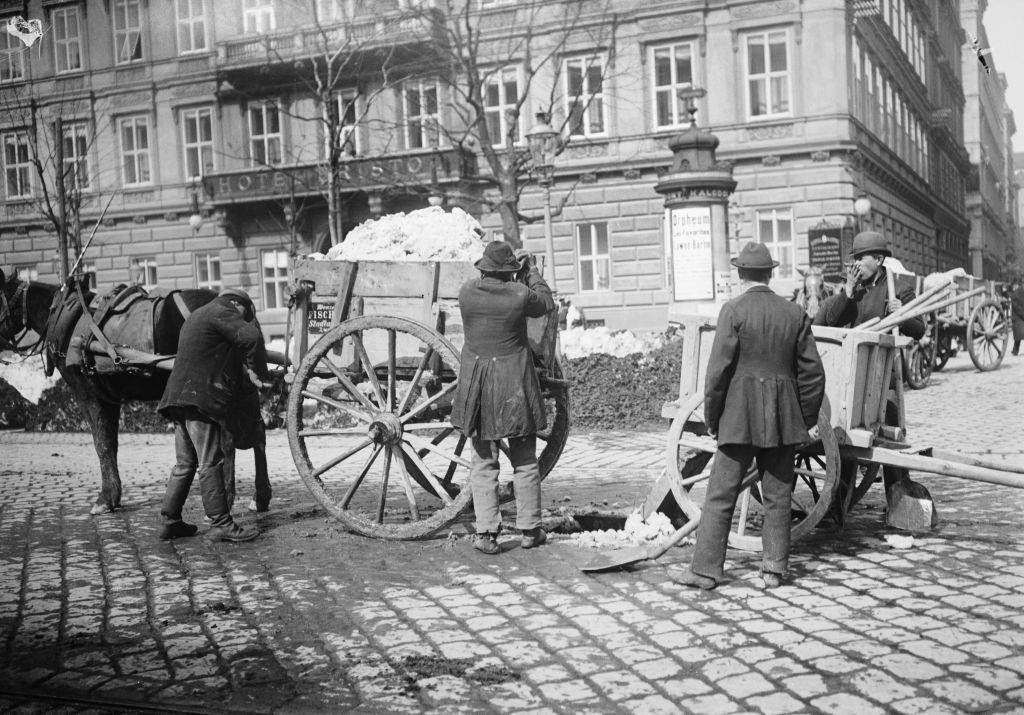
Vienna’s grand hotels catered to the aristocracy, wealthy tourists, diplomats, and business travelers who passed through the imperial capital. The Hotel Bristol, which opened in 1892 directly across from the Vienna State Opera, was among the most prestigious. It set a standard for luxury hospitality that drew guests from across Europe. The hotel’s location on the Ringstrasse — the grand boulevard Emperor Franz Joseph had ordered built in the 1850s and 1860s — placed it at the center of Vienna’s most impressive architectural showcase.
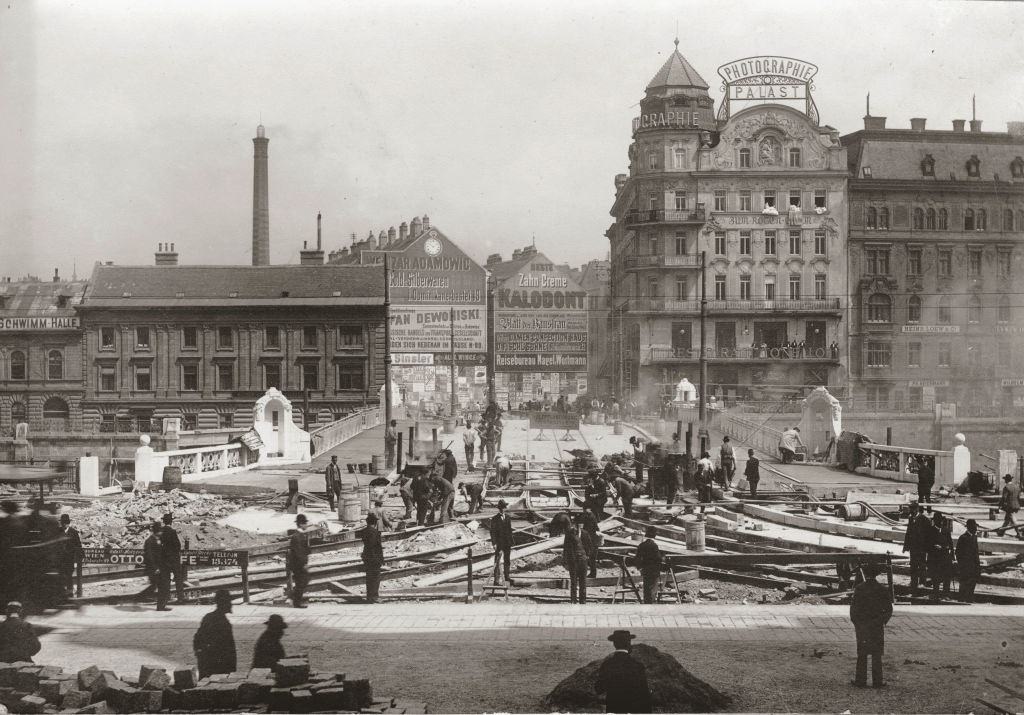
Infrastructure development was a major feature of Austria-Hungary’s economic expansion. New bridges, railways, and roads were being built across the empire during this period. Bridge construction was an engineering undertaking that required skilled workers, heavy materials, and careful planning. The building of the Marienbrücke between 1905 and 1906 was one of dozens of such projects that physically reshaped the country during these years.
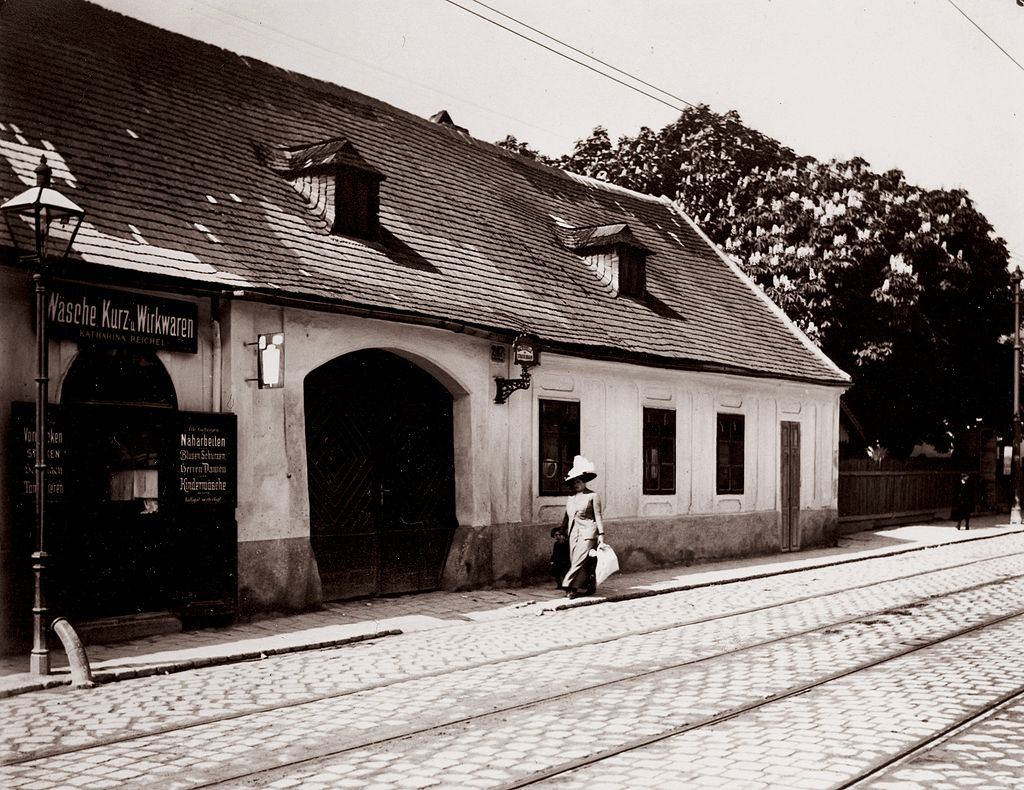
Gustav Klimt was born in 1862 in Baumgarten, a neighborhood in what was then the western outskirts of Vienna. His father was a gold engraver, a trade that would directly influence Klimt’s later use of gold leaf in his paintings. The family lived modestly, and Klimt earned a scholarship to the Vienna School of Arts and Crafts at the age of fourteen. From those humble beginnings he went on to become the most prominent figure in Austrian art at the turn of the century.
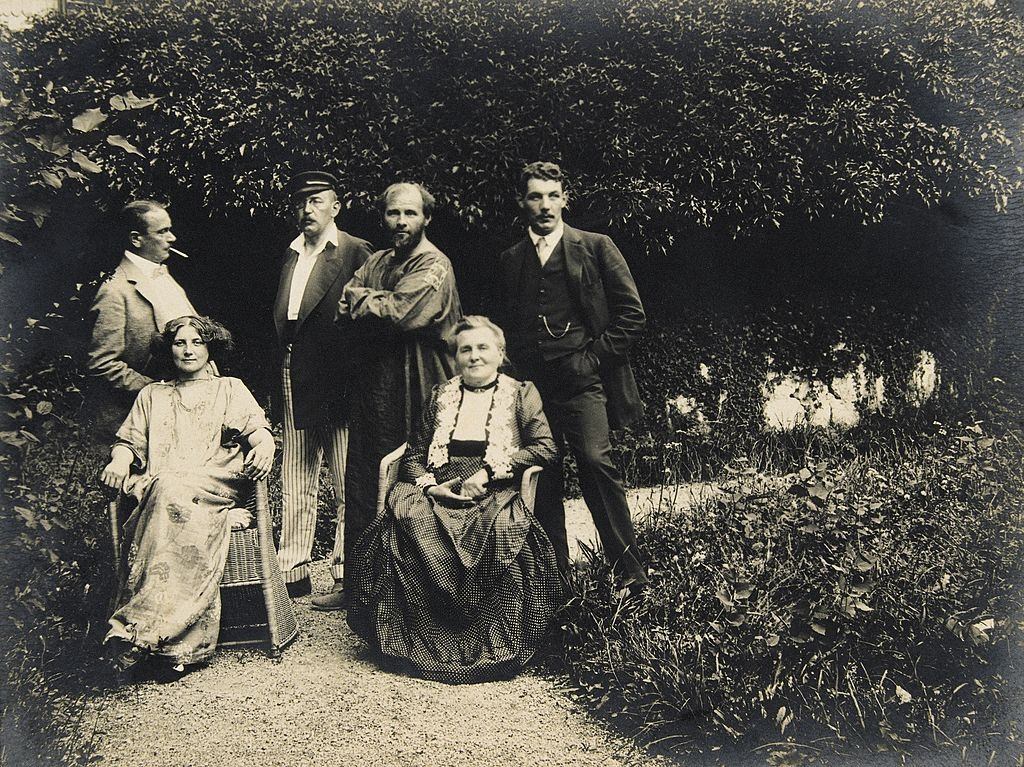
Klimt’s circle of friends included designers, architects, and artists who were reshaping Viennese culture. Emilie Flöge’s fashion work was closely tied to the Wiener Werkstätte, the design cooperative founded by Hoffmann and Moser in 1903. The Attersee gatherings brought this creative community together in an informal setting, away from commissions and exhibitions. The photos taken during those summers show a group of people at the height of their creative powers, enjoying a moment of peace that the coming decade would erase.
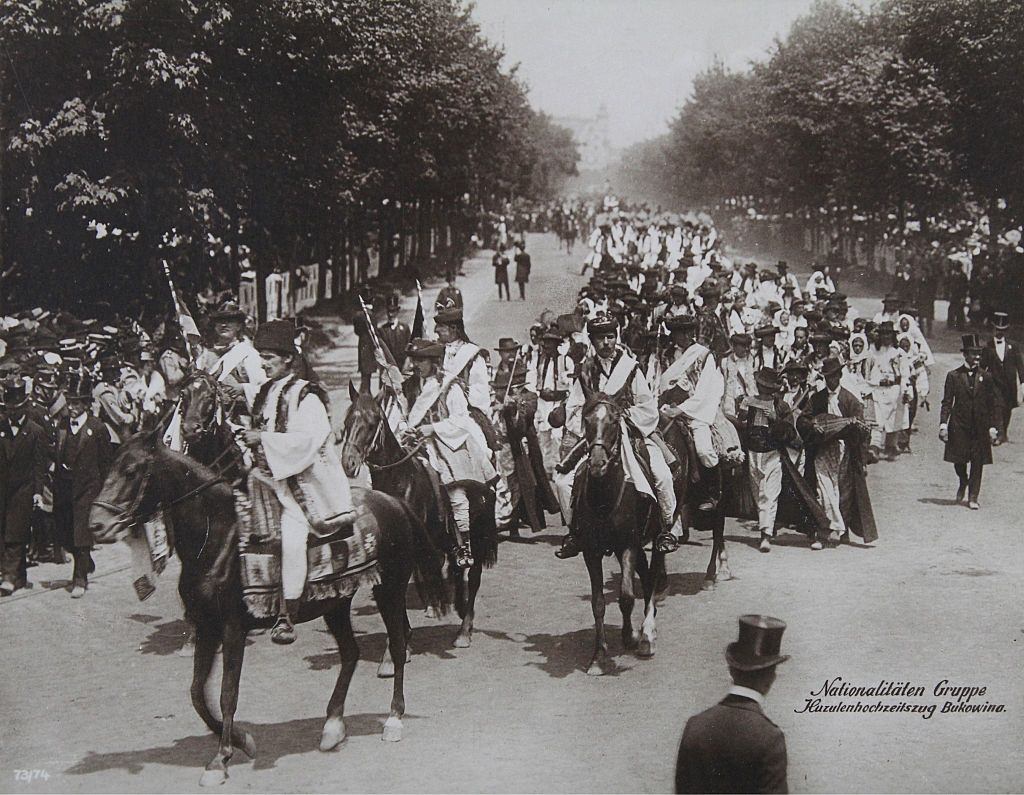
In 1908, Austria-Hungary marked the 60th anniversary of Franz Joseph’s reign with an enormous imperial pageant in Vienna. The procession featured thousands of participants in historical costumes representing every region and ethnic group in the empire. It was a deliberate display of Habsburg unity at a time when that unity was increasingly under strain. The same year, Austria-Hungary formally annexed Bosnia-Herzegovina, a move that outraged Serbia and Russia and pushed the empire closer to the armed conflict that would come six years later.
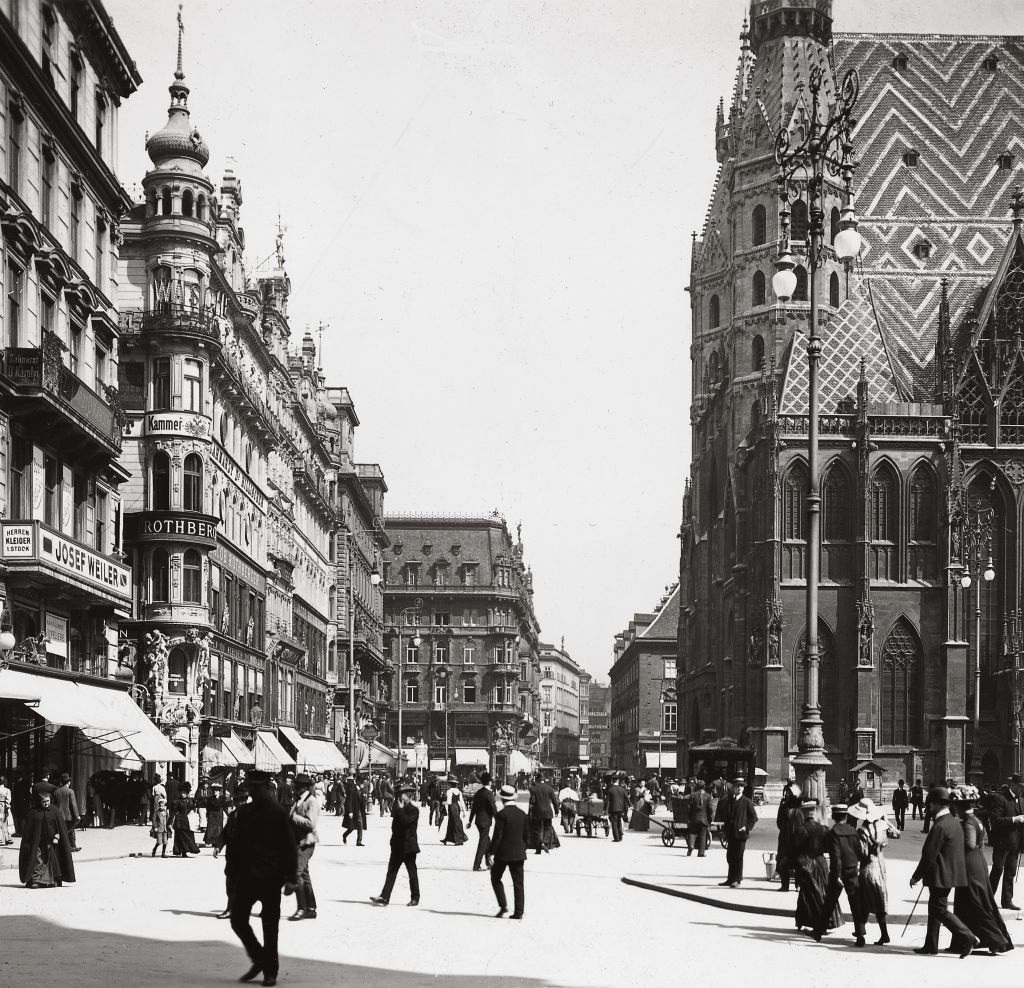
The area around St. Stephen’s Cathedral was one of the busiest in all of Vienna. Rotenturmstrasse, or Red Tower Street, led away from Stephansplatz toward the Danube Canal and was lined with shops, offices, and residential buildings. The square itself was a constant gathering point for locals and visitors, its open space providing a rare break in the dense urban fabric of the First District.
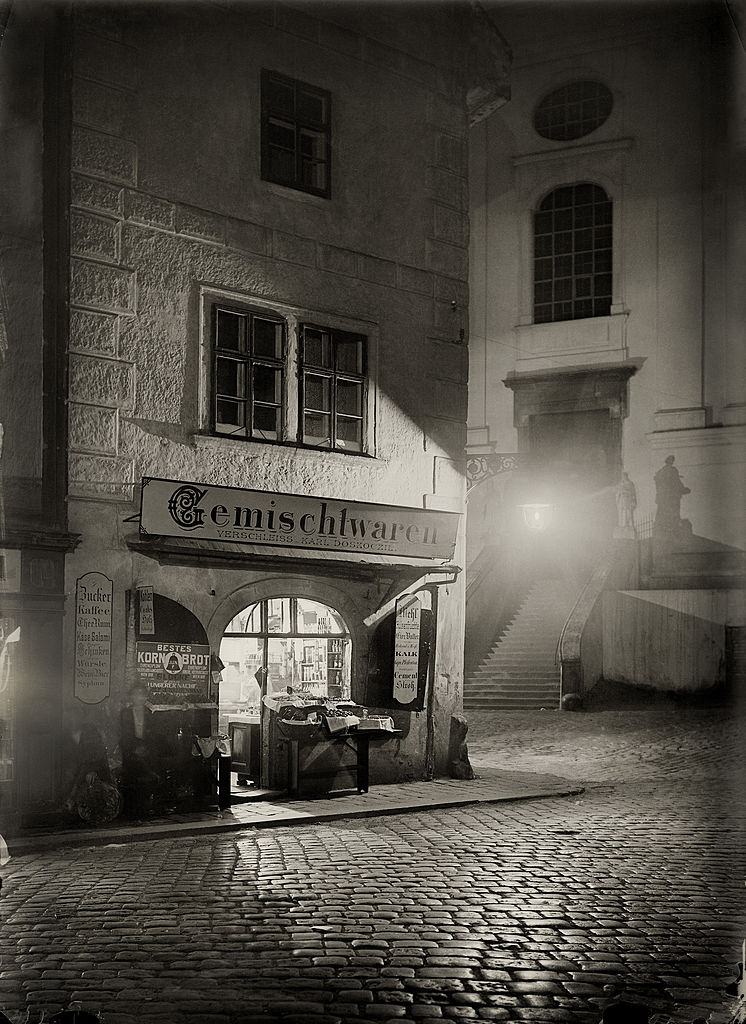
Neighborhood grocers were essential to daily life in Vienna’s residential districts. At Ulrichsplatz in the Sixth District, small shops like this one supplied the local population with food and household goods. These businesses operated at street level within the city’s dense apartment blocks, and their owners often lived on the premises. The working-class and lower-middle-class neighborhoods of Vienna depended on these modest storefronts for their daily provisions.
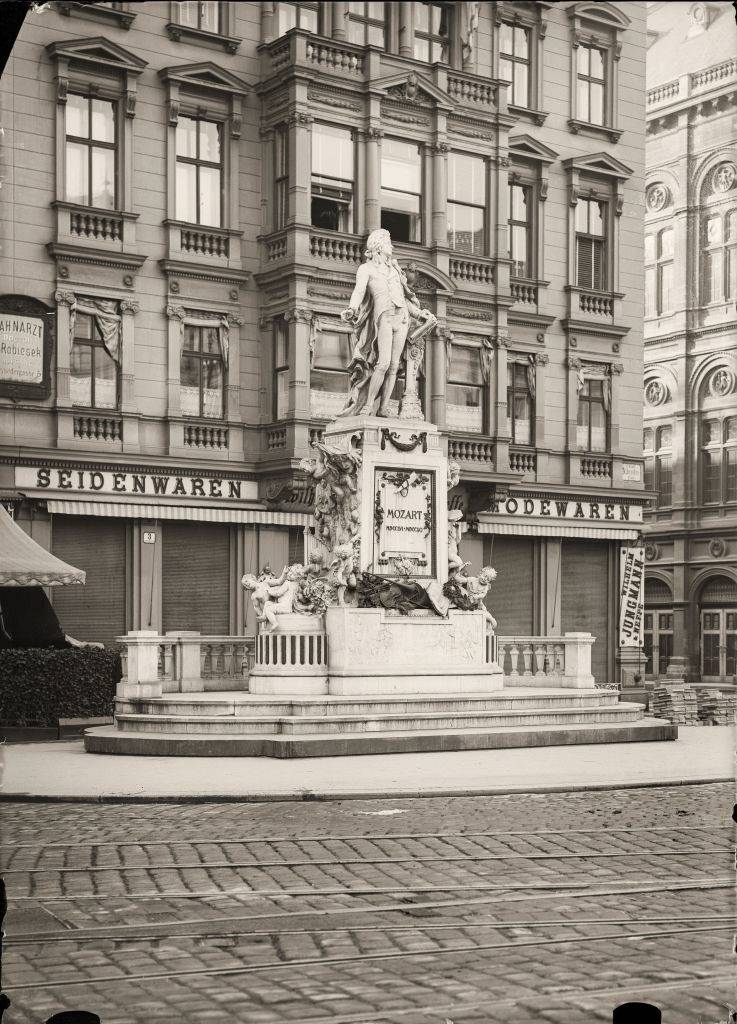
Vienna took great pride in its musical heritage, and the city’s public spaces reflected that. The Mozart Memorial in the Burggarten, unveiled in 1896, honored the composer who had lived and worked in Vienna for much of his life. By 1905, it had already become one of the city’s most visited landmarks. Vienna’s identity as the world capital of classical music was reinforced by its concert halls, opera houses, and the statues and memorials that dotted its parks and squares.
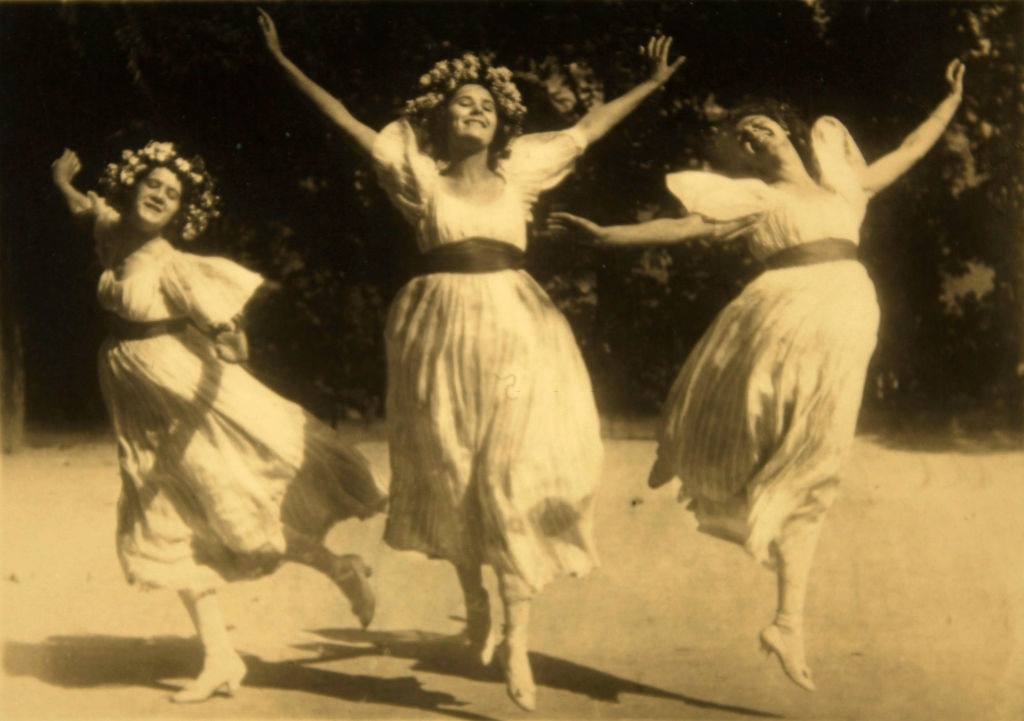
The performing arts in Vienna extended well beyond opera and classical music. Grete Wiesenthal was a dancer who trained at the Vienna Court Opera and then broke from its rigid classical tradition to develop a freer, more expressive style of movement. She and her sisters Elsa and Berta performed together at a time when modern dance was challenging established forms across Europe. Grete became one of the most celebrated performers in the city and attracted significant critical attention from the Viennese cultural press.
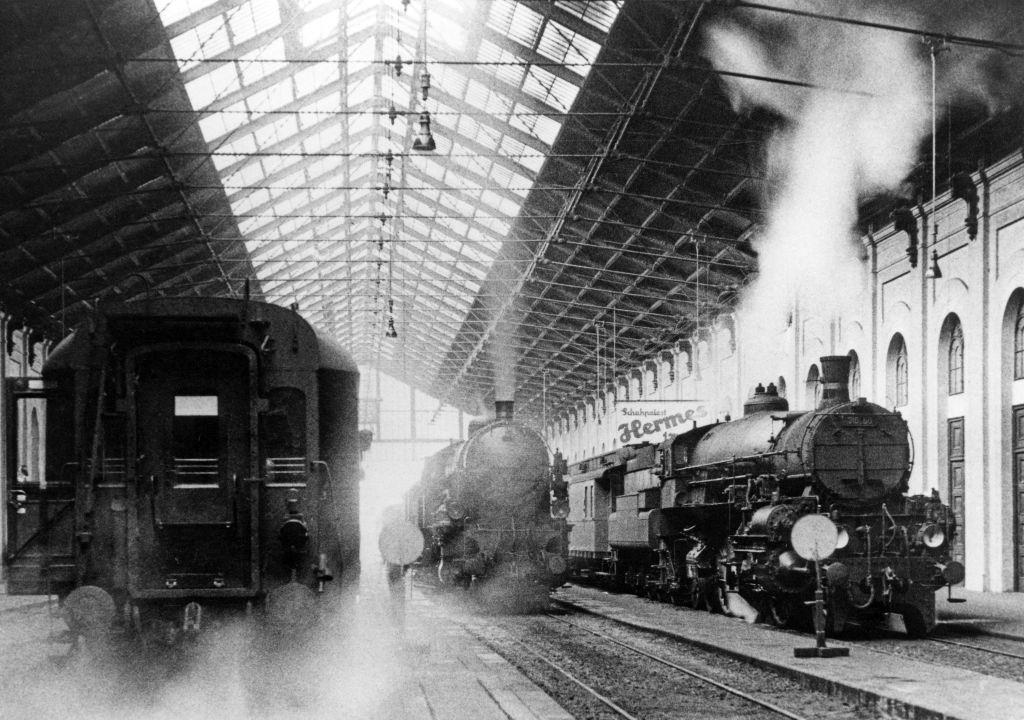
Rail travel was the backbone of movement across Austria-Hungary. The Wien Westbahnhof connected Vienna to the western parts of the empire and to Germany, Switzerland, and France. Steam locomotives pulled passenger and freight trains on a tight daily schedule, and the station itself was one of the busiest in Central Europe. The expansion of the rail network throughout the 1890s and 1900s had dramatically reduced travel times across the empire and accelerated the movement of goods, troops, and people.
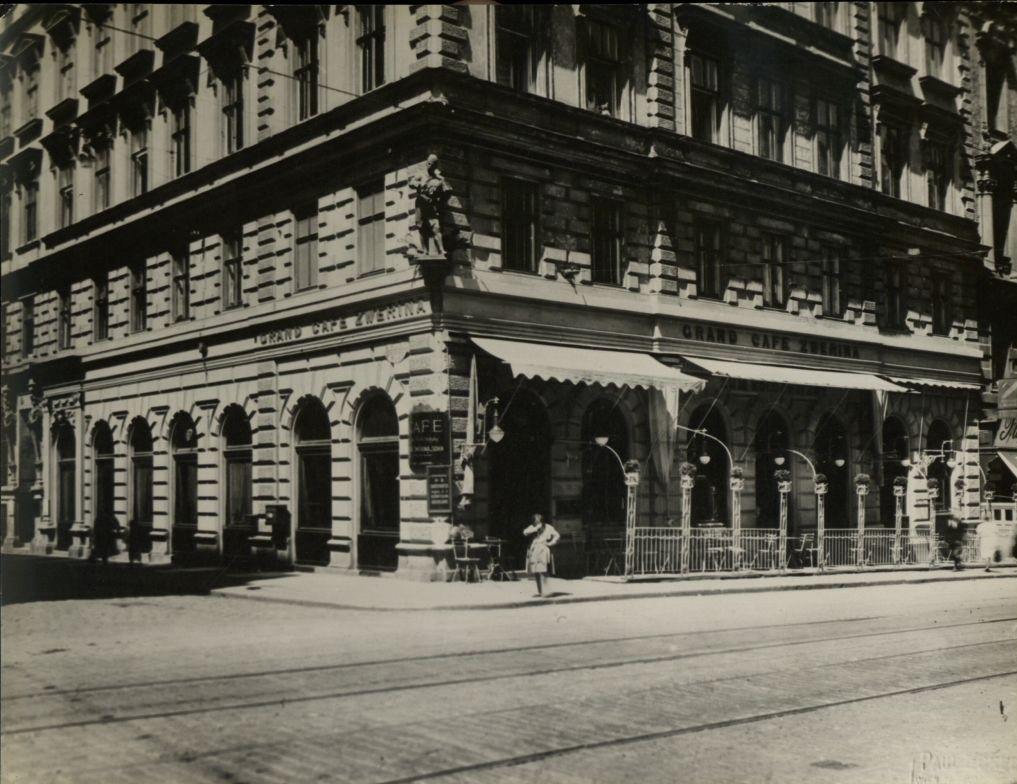
Vienna’s café scene was not limited to a few well-known establishments. Hundreds of cafés operated throughout the city, ranging from the grand and ornate to the modest and neighborhood-focused. The Grand Café Zwerina was one of many that offered Viennese residents a warm, well-lit public space away from their often small apartment living quarters. The city’s famous café culture grew in part out of this practical reality — Vienna’s apartment-dwellers needed public spaces to socialize, read, and conduct their daily business.
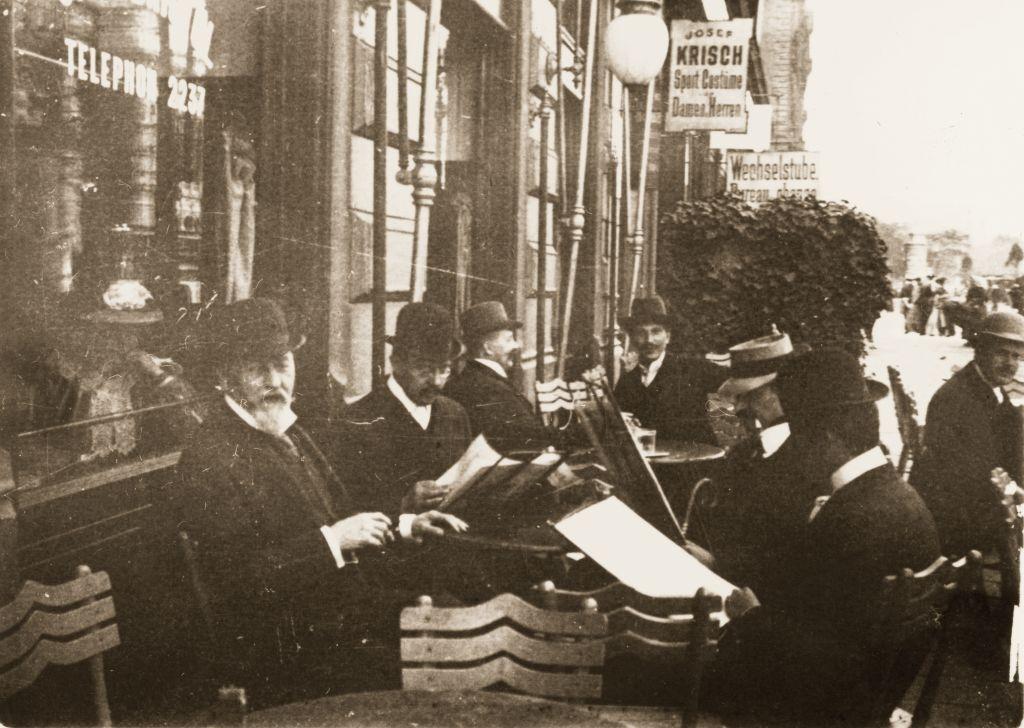
Some of the most important figures in early 20th-century architecture and design worked and socialized in Vienna during this period. Otto Wagner was reshaping the city’s built environment with his modernist approach, designing the Vienna City Railway stations and the Postal Savings Bank with clean lines and functional forms. Josef Hoffmann and Kolo Moser co-founded the Wiener Werkstätte that same year, 1903. These men were not just colleagues — they were part of a tightly connected creative network that was transforming how Austria looked and felt.
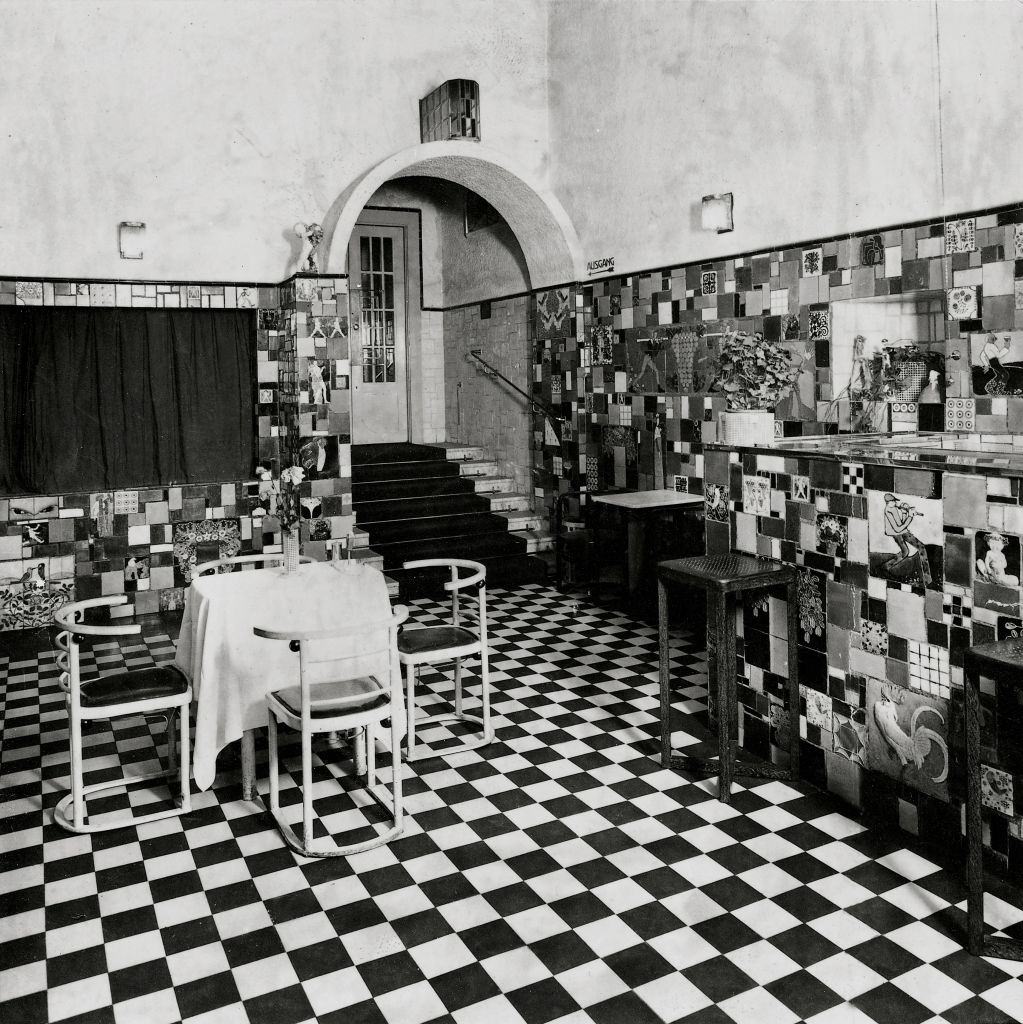
The Cabaret Fledermaus opened in 1907 at Kärntnerstrasse 33 in Vienna’s First District. It was designed by Josef Hoffmann and decorated by artists associated with the Wiener Werkstätte, making it one of the most artistically distinctive nightlife venues in Europe. The cabaret hosted performances, readings, and musical acts in a space where the décor itself was considered a work of art. It became a gathering point for Vienna’s artistic and intellectual elite during its brief but influential run.
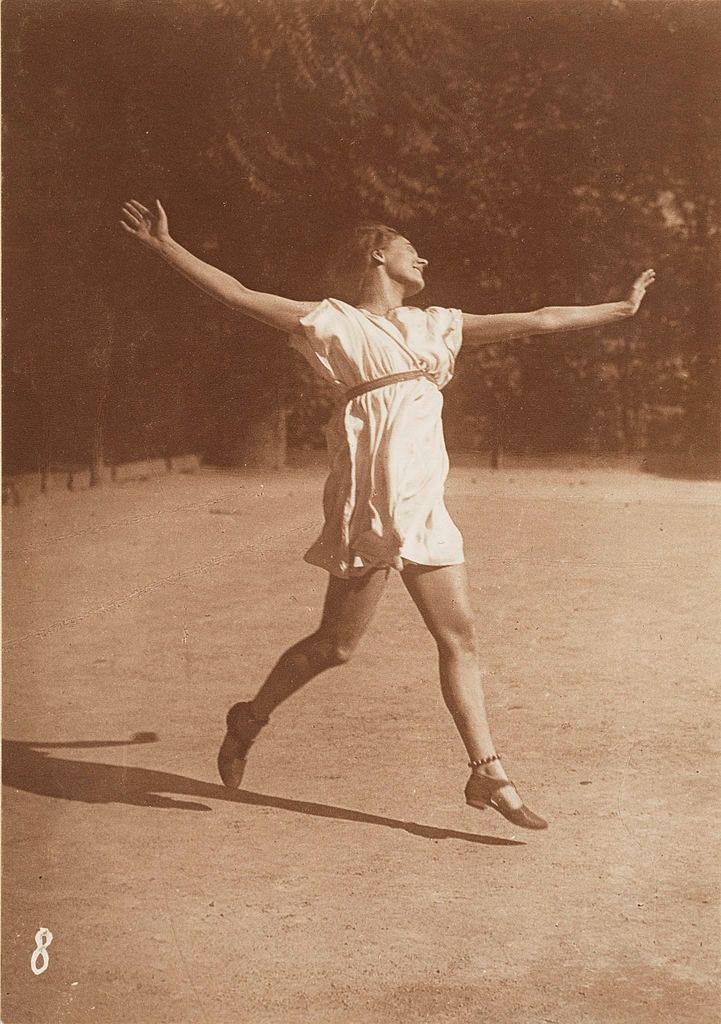
Grete Wiesenthal’s solo performances drew on the waltz tradition of Viennese composers like Joseph Lanner, reinterpreting familiar music through expressive modern movement. Her approach attracted the attention of artists across disciplines, and Gustav Klimt produced a drawing of her in motion. She represented a generation of performers who were redefining what dance could be — not just entertainment, but a serious art form with its own physical vocabulary.
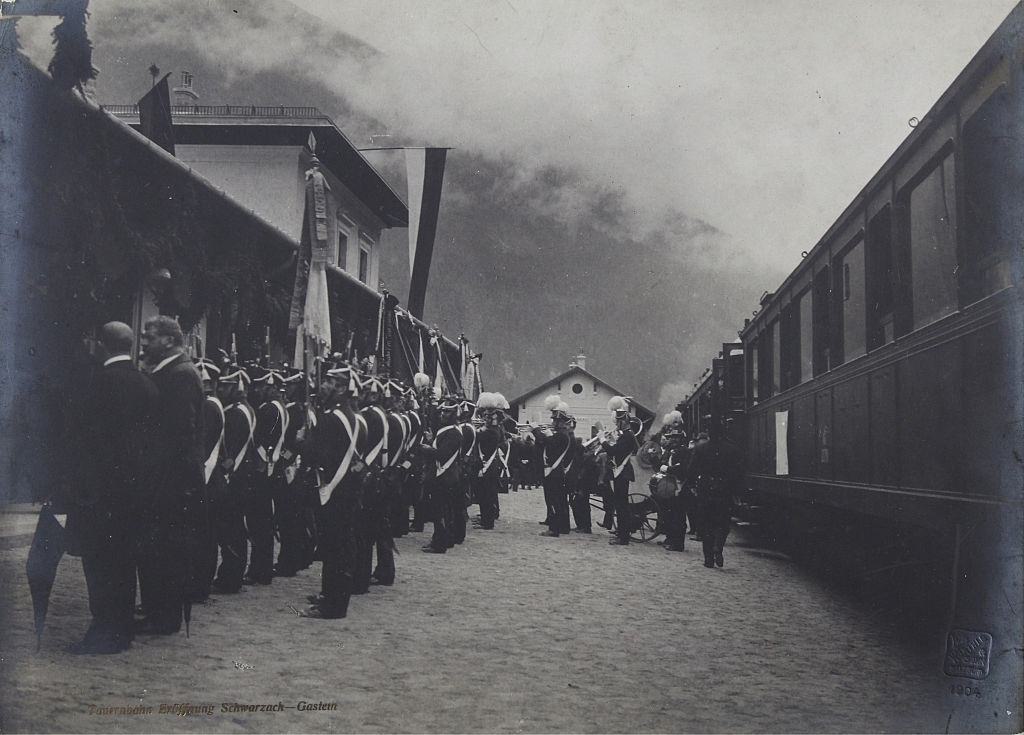
The Tauern Railway was an engineering achievement that cut through some of the most challenging alpine terrain in Europe. The line between Schwarzach-St. Veit and Bad Gastein opened in 1904 as part of a broader effort to improve connections through the Austrian Alps. It required deep tunnels and difficult mountain construction that had taken years to complete. The opening of the line represented both the technological ambition of the Habsburg state and the economic importance of linking the empire’s southern territories to the north.
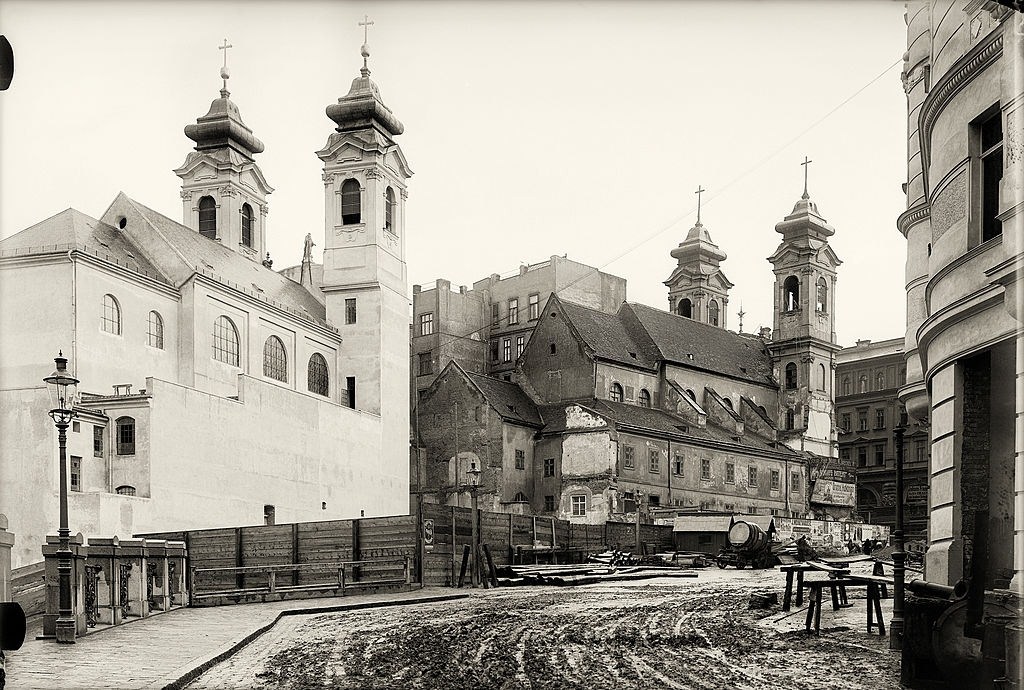
Religious architecture was a constant feature of Vienna’s urban landscape. In the Mariahilf district, the old Laimgrubenkirche stood alongside its newly constructed replacement, capturing a moment of transition that was common across the city during this period. Vienna’s rapid growth required larger and more modern churches to serve expanding parishes. The old buildings were often preserved even as new ones rose beside them, creating streetscapes that compressed centuries of architectural history into a single view.
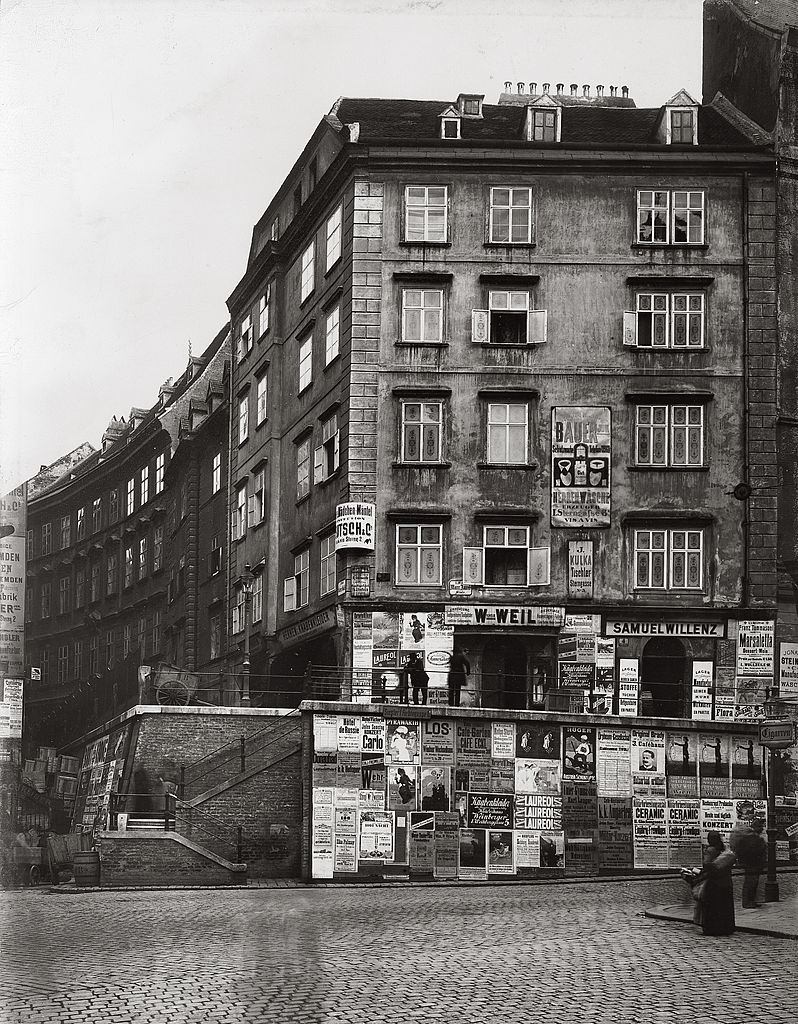
Advertising was becoming increasingly visible in Vienna by the mid-1900s. Billboards appeared on building facades, on kiosks, and along busy streets, promoting everything from theatrical performances to consumer products. The artists of the Vienna Secession and the Wiener Werkstätte brought a high level of graphic design to Austrian commercial art, and Viennese poster design of this era is still widely recognized for its quality and style. The walls of the city were themselves a kind of public gallery.
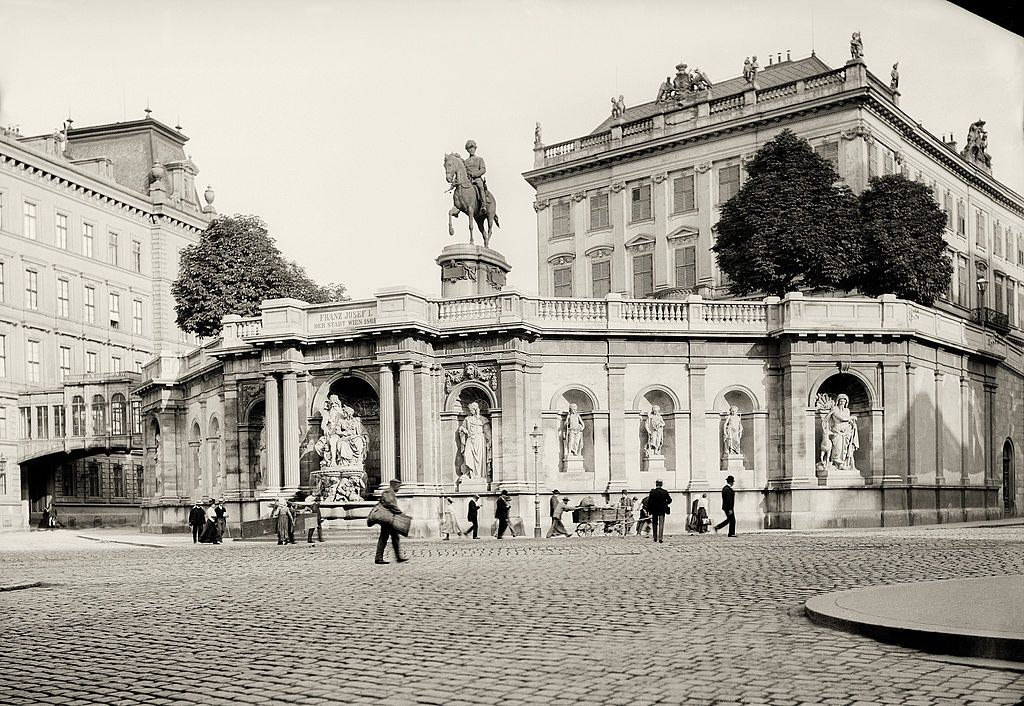
The Albertina palace, seat of the Archduke Albrecht, stood near the Vienna State Opera as one of the great aristocratic residences of the city. The Albrecht fountain at its base was a prominent feature of the surrounding square. Archduke Albrecht, a celebrated military commander who had died in 1895, was honored by an equestrian statue above the fountain. The palace’s collection of graphic art, assembled over generations, would eventually become one of the world’s great print and drawing museums.
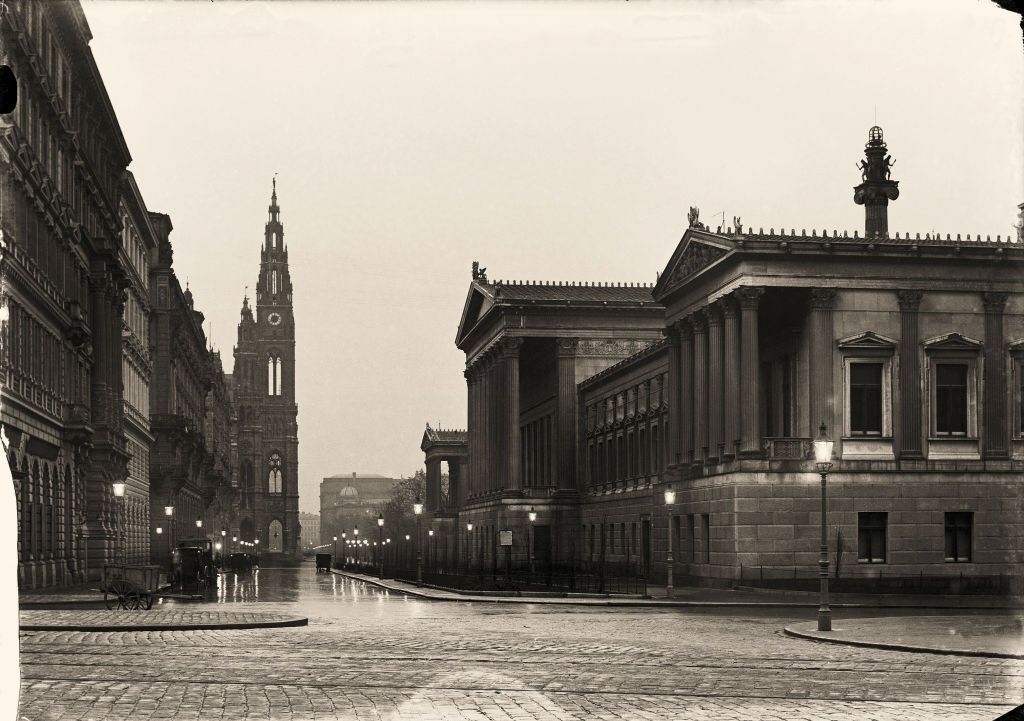
Vienna’s Ringstrasse was lined with monumental public buildings constructed during the second half of the 19th century. The Parliament building and the Rathaus — Vienna’s town hall — stood close together along this grand boulevard, each built in a different historical style. The Parliament was designed in the style of ancient Greece, while the Rathaus drew on Gothic architecture. Together they projected an image of a confident, historically grounded state. The political reality behind those facades, however, was considerably more complicated.
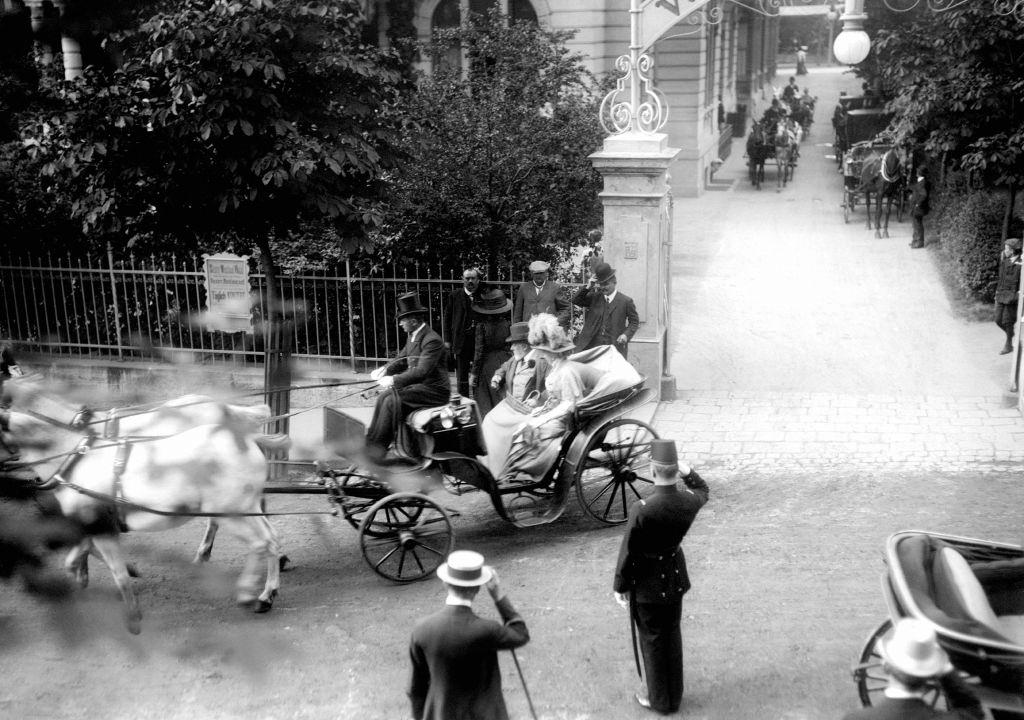
Marienbad — known today as Mariánské Lázně in the Czech Republic — was one of the most fashionable spa towns in Europe during the early 1900s. Its mineral springs and elegant hotels drew royalty, aristocrats, and wealthy tourists from across the continent. King Edward VII of Britain visited Marienbad regularly, and his stays there often included informal diplomatic conversations with European leaders. The town’s social season was a fixture of the elite European calendar.
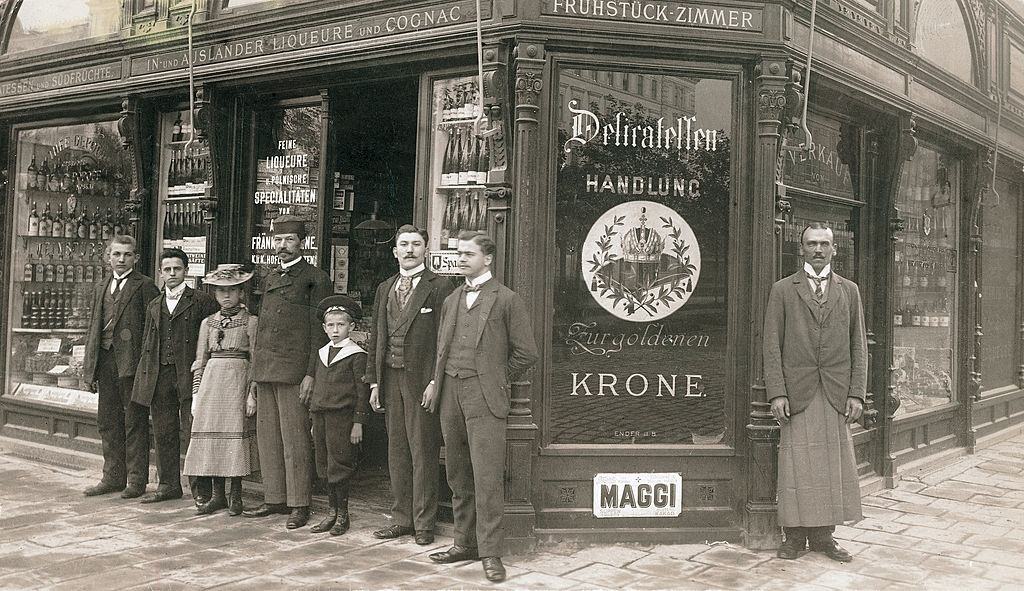
Small businesses like the delicatessen “Zur goldenen Krone” — The Golden Crown — were at the heart of Vienna’s neighborhood economies. The shop owner and his employees posed proudly for this photograph, their storefront stocked and well-presented. Delicatessens in Vienna sold cured meats, cheeses, pickled goods, and specialty food items that reflected the empire’s diverse culinary traditions. For many Viennese families, such shops were a weekly or even daily stop.
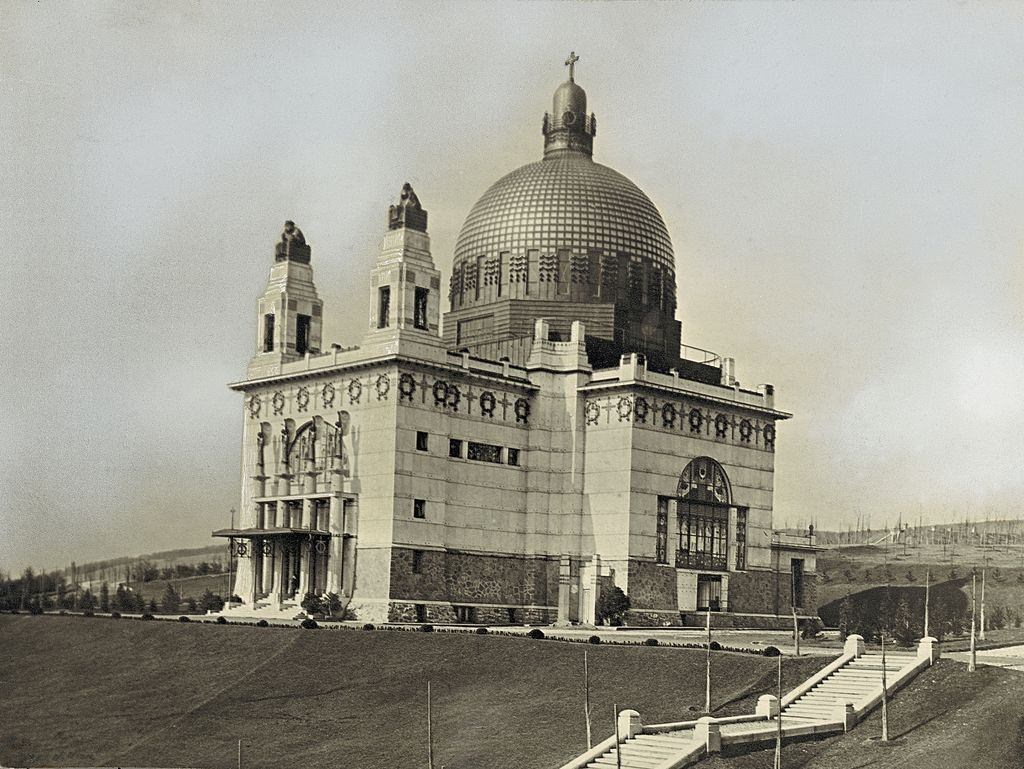
The Church of St. Leopold at the Steinhof psychiatric hospital was designed by Otto Wagner and completed in 1907. Even in 1905, while still under construction, it was recognized as a landmark of modern religious architecture. Wagner incorporated practical considerations into every detail — the pews were designed to be easily cleaned, the floor sloped slightly for drainage, and the décor was simplified to reduce visual overstimulation for patients. It represented a direct application of modernist principles to a building that served a vulnerable population.
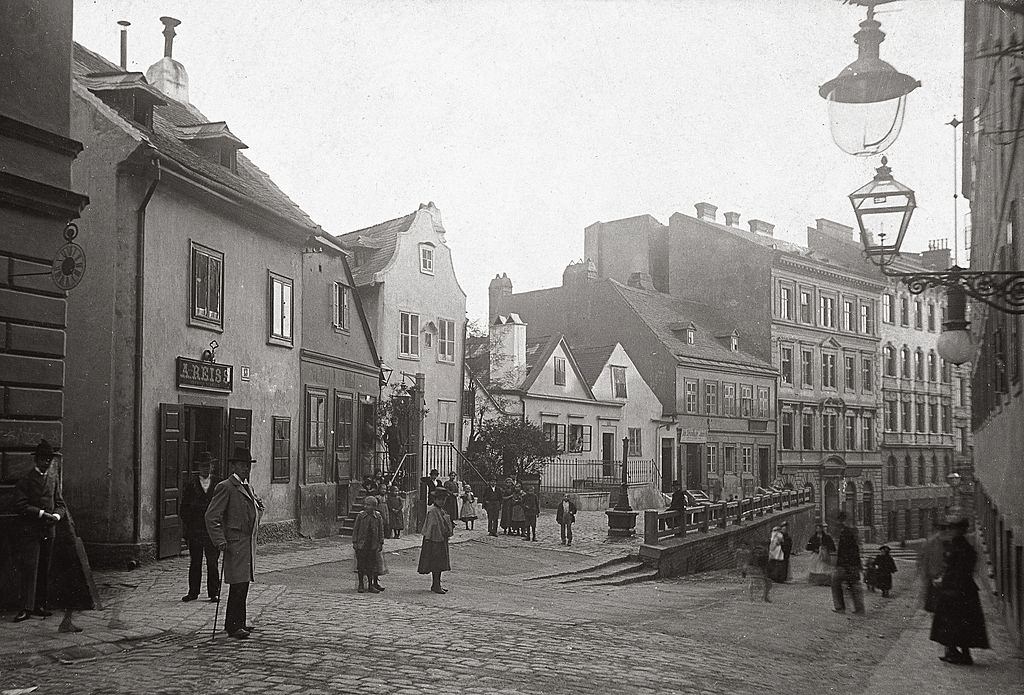
Vienna’s Sixth District, Mariahilf, was a working-class and lower-middle-class neighborhood in 1900. The Kaunitzlbergl area reflected the dense, layered character of these inner-city districts — narrow streets, tall apartment buildings, and the constant activity of people going about their daily lives. These neighborhoods housed the workers who kept Vienna’s factories, workshops, and service industries running.
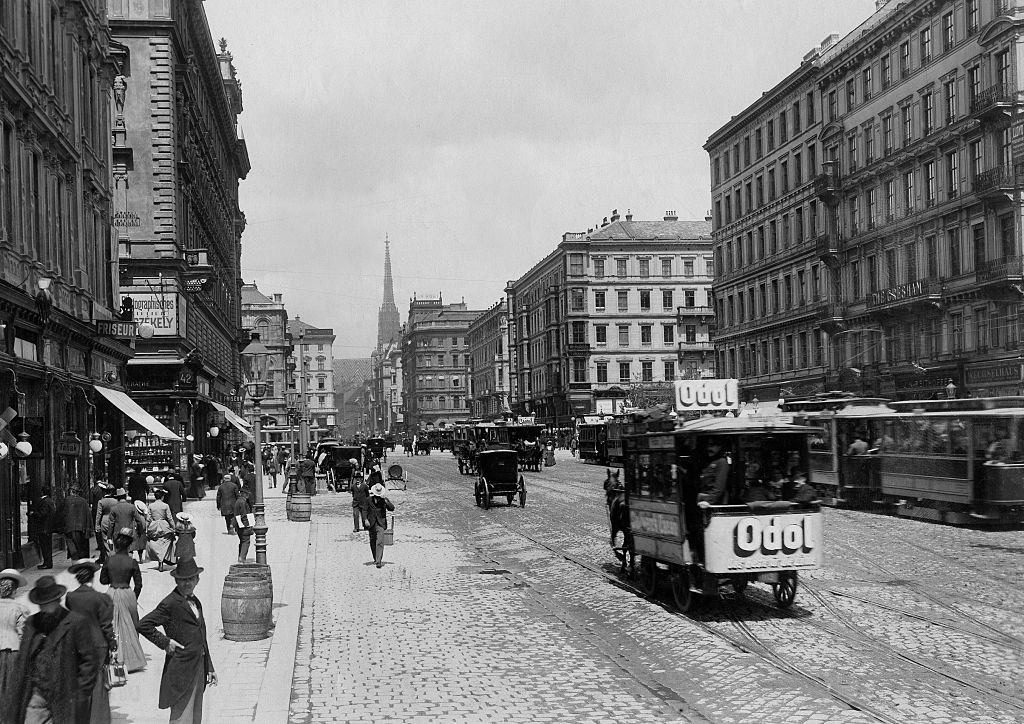
Kärntnerstrasse was Vienna’s main shopping street, running south from Stephansplatz toward the State Opera. In 1903 it was already one of the most commercially active streets in Central Europe, lined with high-end shops, hotels, and restaurants. The street was a destination for both residents and visitors, and its mix of commerce, culture, and pedestrian life made it the beating heart of daily Vienna. Florists, jewelers, tailors, and cafés all competed for space along its length.
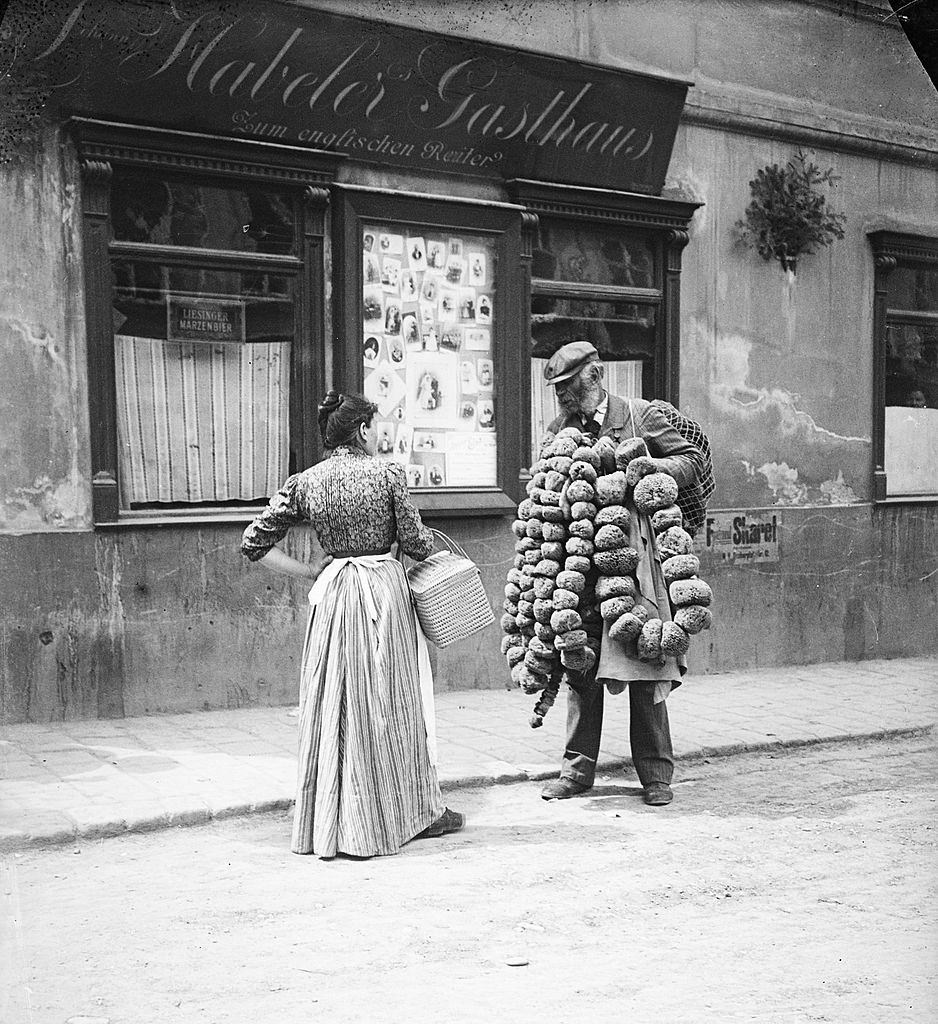
Vienna’s streets in 1900 were alive with street vendors selling all manner of goods. Sponge dealers, knife grinders, chestnut roasters, and flower sellers worked the city’s squares and sidewalks, serving customers who preferred to buy from the street rather than from fixed shops. These vendors were part of a large informal economy that existed alongside the city’s established retail trade. Many were recent migrants from rural Austria or from other parts of the empire.
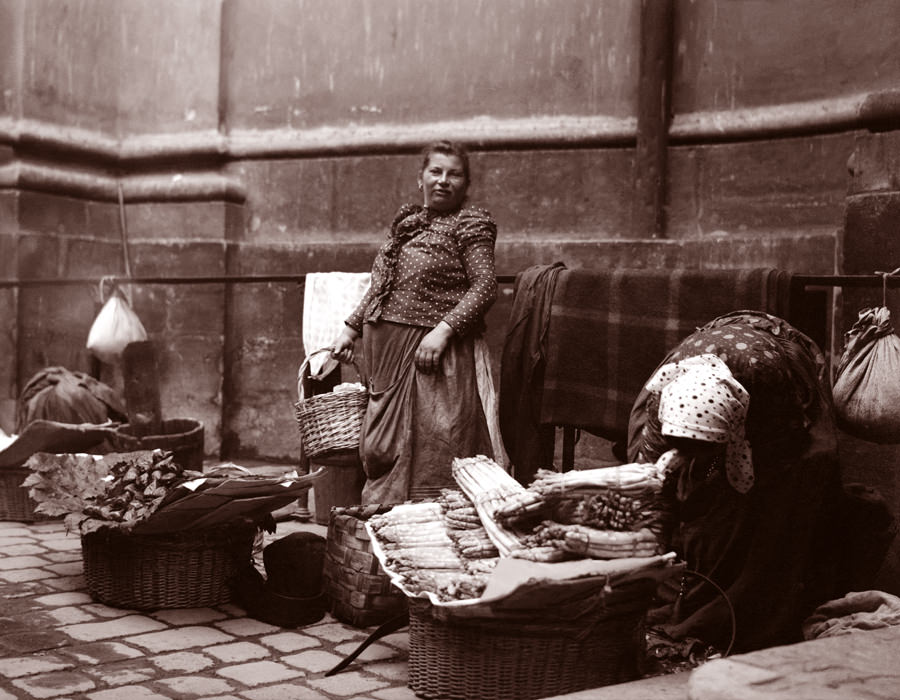
Seasonal food vendors were a common sight in Vienna. Asparagus, in particular, was a prized spring vegetable, and its brief season made it a much-anticipated item at markets and on restaurant menus. Vendors selling fresh produce directly on the street connected the city to its agricultural hinterland, supplying residents with goods that came directly from farms in the surrounding countryside and from across the empire.
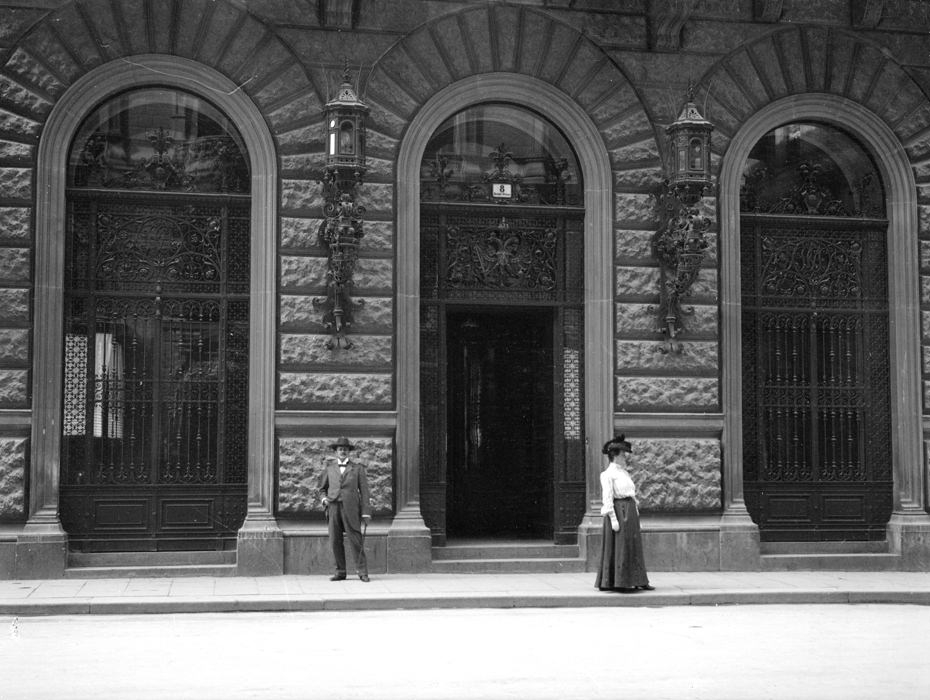
Vienna’s architectural character was built as much in its details as in its grand monuments. The doorways of the city’s apartment buildings and townhouses were often elaborately designed, featuring carved stonework, wrought iron, and decorative tilework. These entrances marked the boundary between the public life of the street and the private world within. Many were built during the great construction boom of the Ringstrasse era and remained largely unchanged into the 20th century.
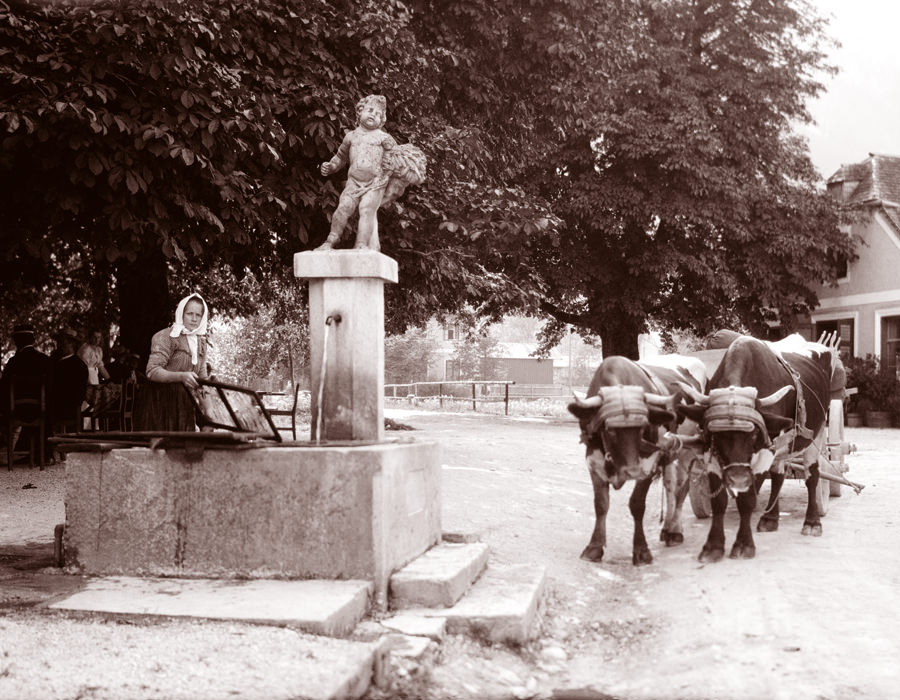
Rural Austria in the 1900s remained deeply tied to traditional farming practices. Even as industrialization transformed the cities, much of the countryside continued to operate as it had for generations. Oxen were still used for heavy farm work, and water was still drawn from wells by hand in many villages. The gap between urban and rural life in Austria was wide, and the flow of people from the countryside to the cities was driven in large part by the stark contrast in economic opportunity.
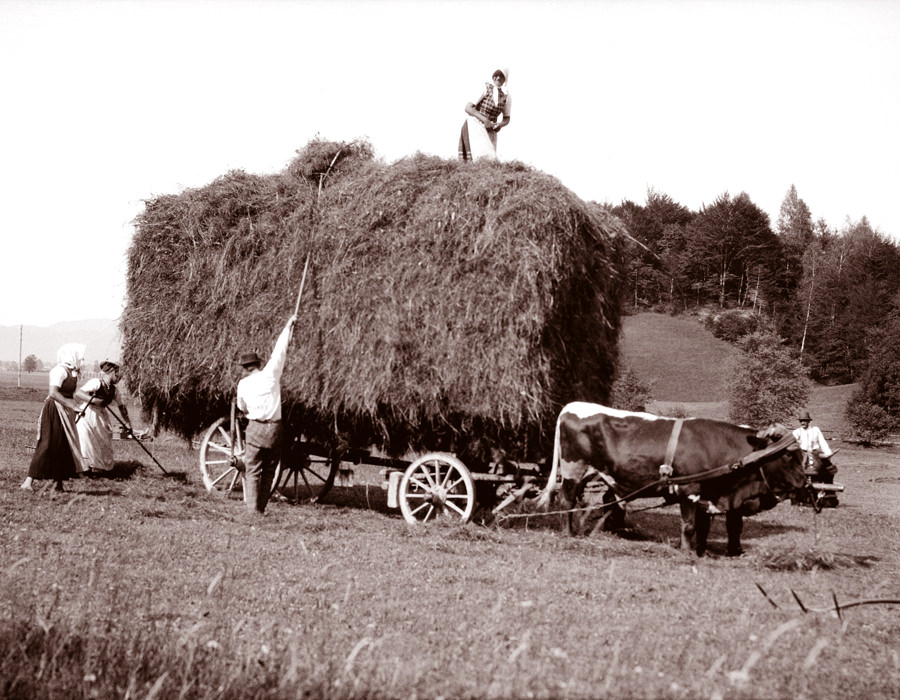
The harvest seasons structured life in Austria’s farming communities. Haying — cutting, drying, and collecting grass for winter fodder — was one of the most labor-intensive tasks of the agricultural year. Entire families worked together during hay season, and the work was done largely by hand and animal power. The oxen that pulled the hay wagons were among the most valuable animals on a farm, and their care was taken seriously.
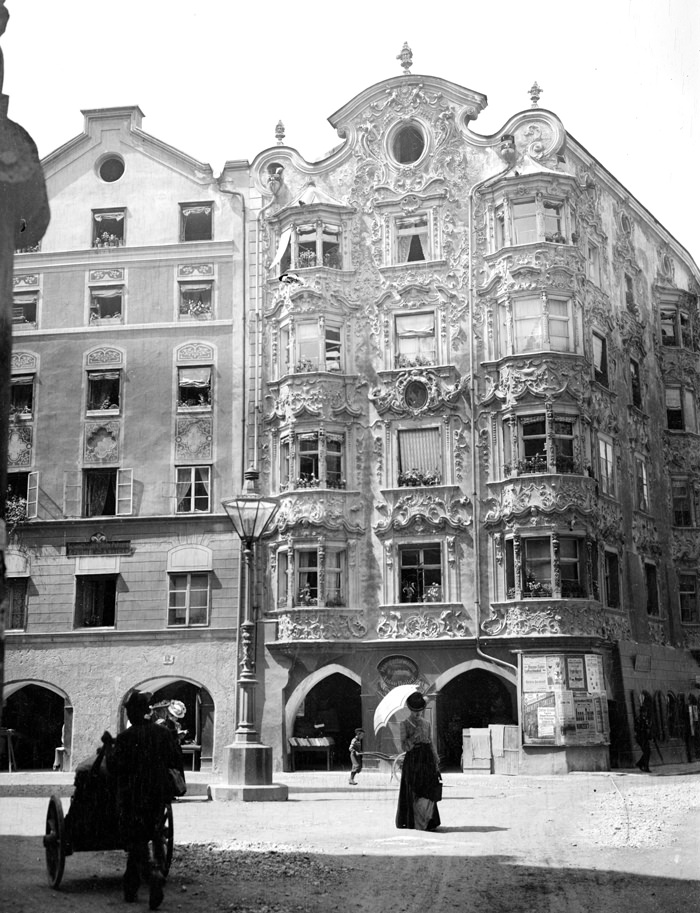
Innsbruck, the capital of the Tyrol, was one of Austria’s most historically significant cities. The Helblinghaus on the Herzog-Friedrich-Strasse was one of its most distinctive buildings, its Baroque façade covered in elaborate stucco ornamentation added in the 18th century. The city sat at a crossroads of alpine trade routes and had been a seat of Habsburg power since the 15th century. By the 1900s it was developing as a tourist destination, drawing visitors who came for the mountains and the town’s well-preserved medieval architecture.
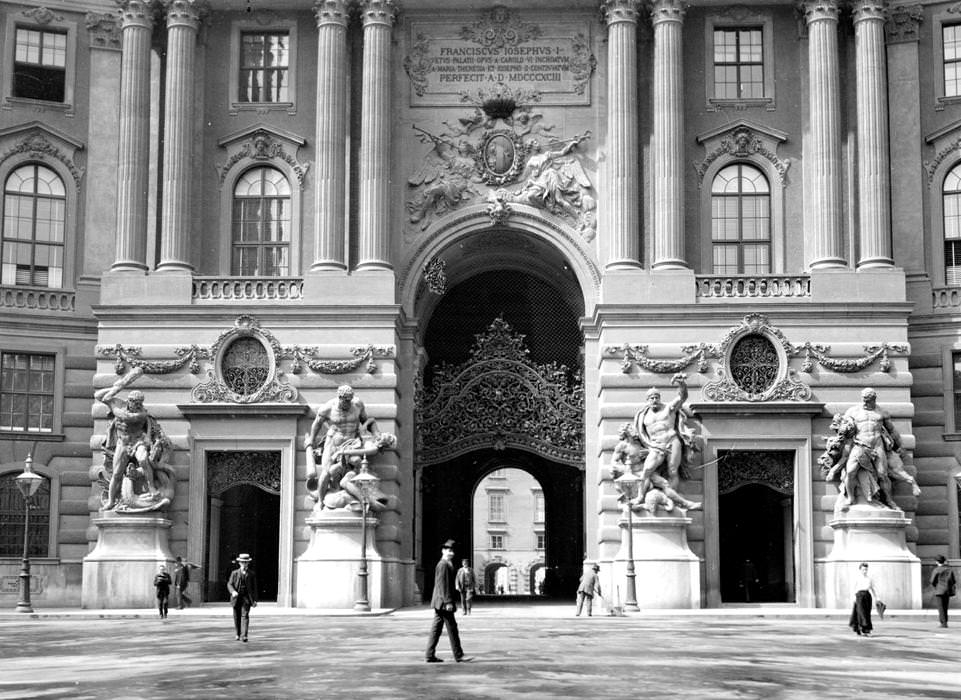
The Hofburg was the heart of Habsburg power in Vienna. The palace complex had grown over centuries into a sprawling collection of buildings that housed the emperor’s private apartments, the imperial court, government offices, and ceremonial halls. Franz Joseph lived and worked in the Hofburg, maintaining a demanding daily schedule that began well before dawn. The palace was also the site of grand imperial ceremonies that projected the dynasty’s authority to the population and to foreign visitors.
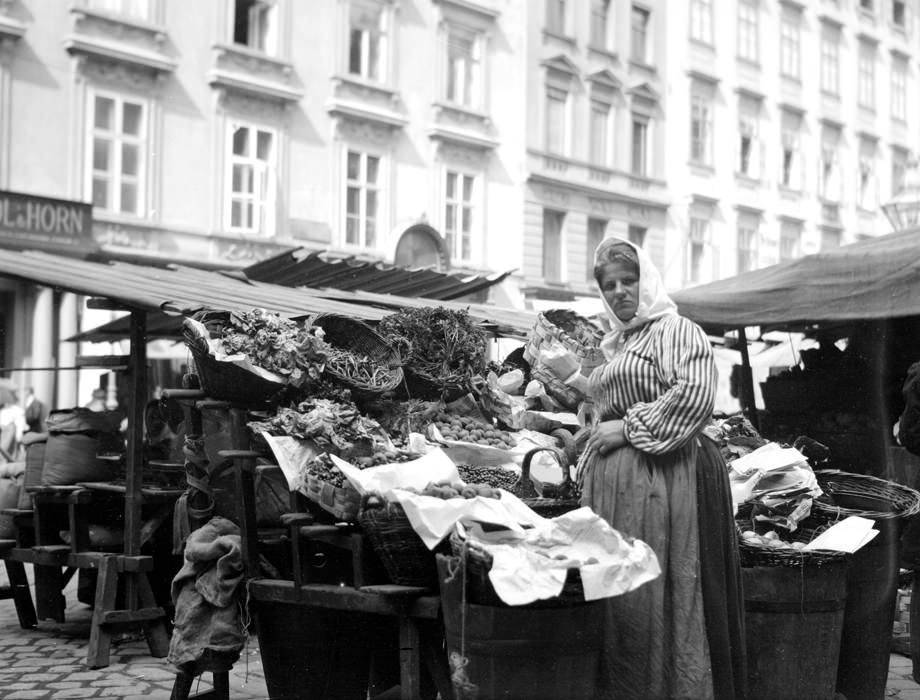
Hoher Markt was one of Vienna’s oldest public spaces, situated on the site of the ancient Roman military camp of Vindobona. By the 1900s it had become a lively commercial street, but remnants of its long history remained just beneath the surface — Roman ruins were later discovered under the square during the 20th century. The Anker Clock, an Art Nouveau masterpiece, would be installed spanning two buildings on the square in 1914, but in the 1900s the area was already a busy center of city life.
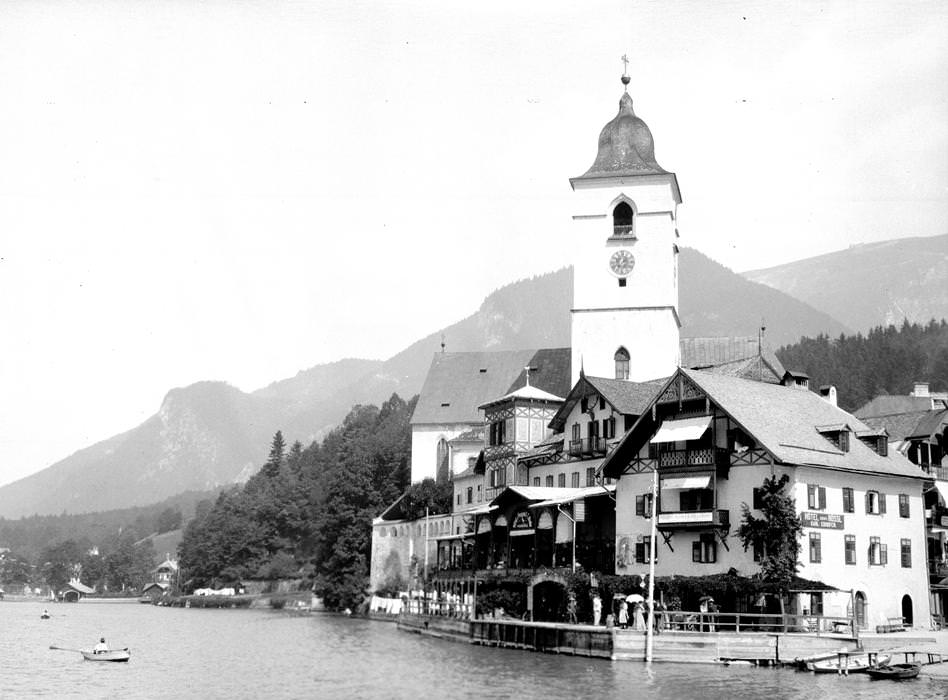
St. Wolfgang on the Wolfgangsee lake in the Salzkammergut was a popular destination for Austrian and German tourists seeking alpine scenery and fresh air. The Hotel Weisses Rössl — the White Horse Inn — was its most famous establishment. The hotel had operated since the 16th century and welcomed a steady stream of seasonal visitors. The lakeside town’s combination of natural beauty and comfortable hospitality made it exactly the kind of retreat that the growing Austrian middle class sought out during their holidays.
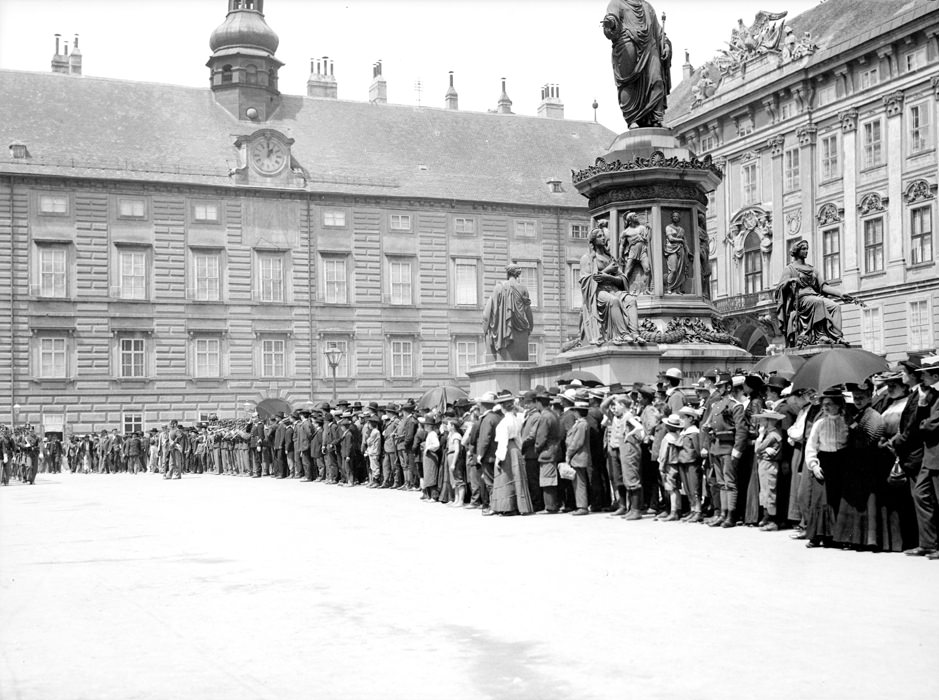
Military parades were a regular feature of public life in imperial Vienna. The Habsburg army was a central institution of the empire, and its public displays served both ceremonial and political purposes — projecting order, loyalty, and imperial strength to the population. Troops from across the empire’s many nationalities marched together in Vienna, offering a visible demonstration of the multinational character of the Habsburg armed forces. These displays took on added significance in the years after the Bosnian crisis of 1908, as international tensions rose.
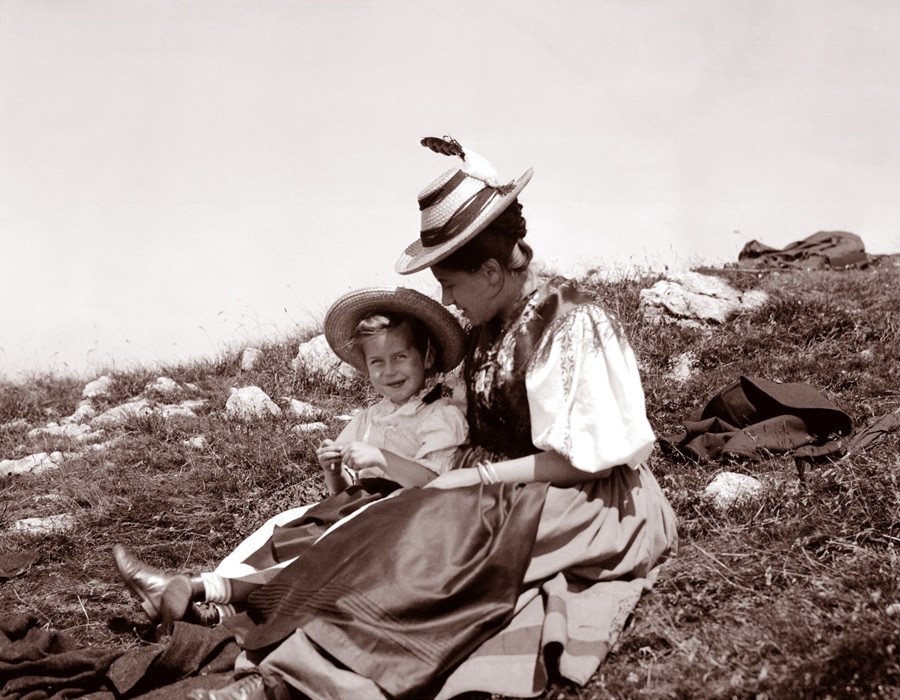
Mountain tourism was growing rapidly in Austria during the early 1900s. The opening of new rail lines into alpine regions made previously remote areas accessible to urban visitors. Hiking and mountaineering attracted both serious climbers and casual tourists, and the alpine clubs that had formed in the second half of the 19th century continued to expand. For many Viennese families, a summer trip to the mountains was becoming an annual tradition, made possible by rising wages and shorter working hours.
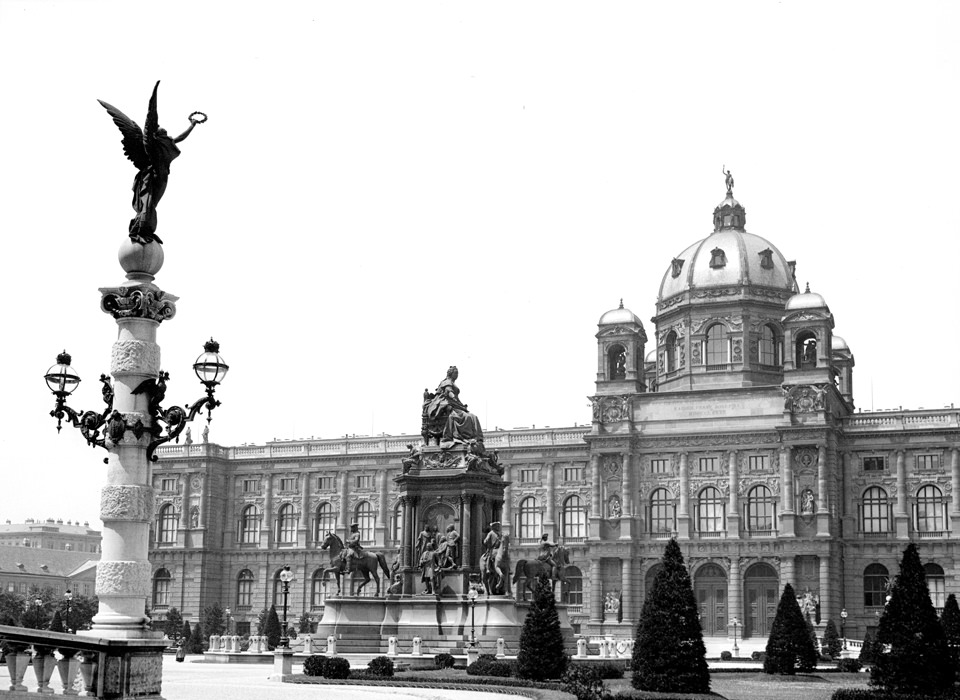
The Naturhistorisches Museum — the Museum of Natural History — faced the Kunsthistorisches Museum across the Maria-Theresien-Platz in central Vienna. Both buildings were completed in 1891 as part of the grand Ringstrasse development. The Natural History Museum housed one of the largest and most significant natural history collections in the world, including prehistoric artifacts, geological specimens, and zoological displays. It was a major public institution that drew school groups, researchers, and visitors from across the empire.
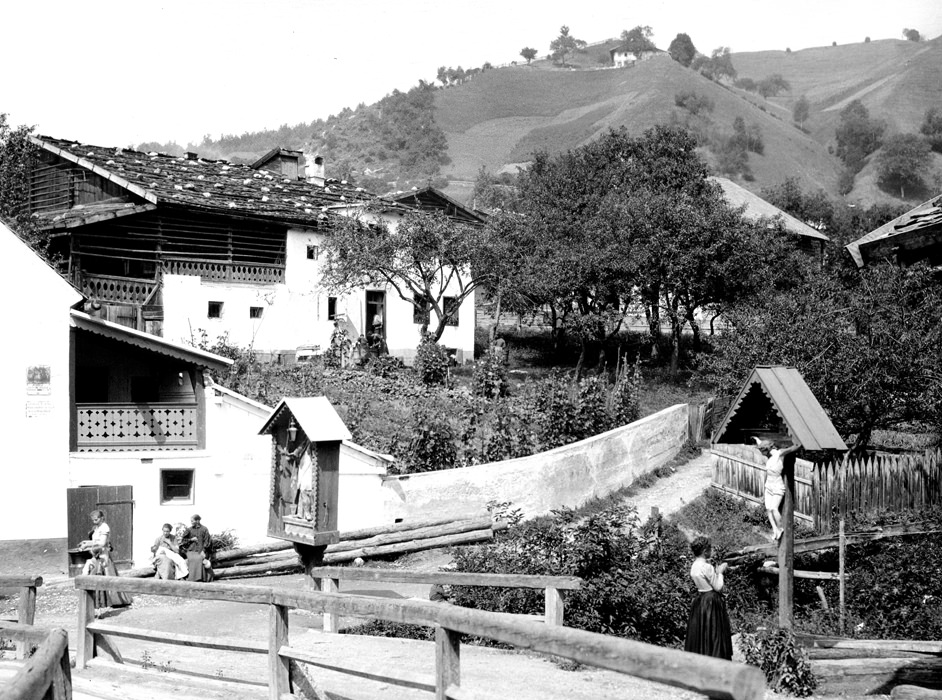
Roadside religious shrines were a fixture of the Austrian landscape, particularly in rural areas. These small structures — often featuring images of the Virgin Mary, crucifixes, or figures of saints — were placed at crossroads, field boundaries, and village entrances. They served as points for private prayer and as markers of the deep Catholic identity of the Austrian countryside. Many had stood for generations and were maintained by local communities as expressions of collective faith.
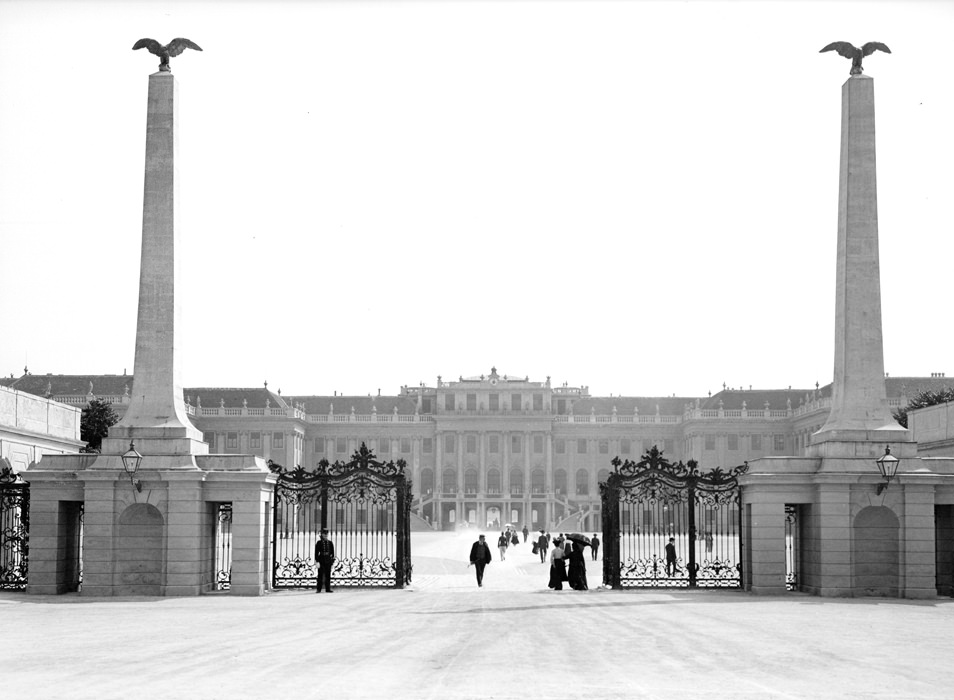
Schönbrunn Palace, on the western edge of Vienna, served as the Habsburg family’s summer residence. The palace had 1,441 rooms and was surrounded by formal gardens that extended up a hill to a neoclassical colonnade called the Gloriette. Franz Joseph spent significant portions of each year at Schönbrunn, and the palace was the scene of important state events. It was also where the young Napoleon II — the Duke of Reichstadt — had died in 1832, and where Franz Joseph himself would die in 1916.
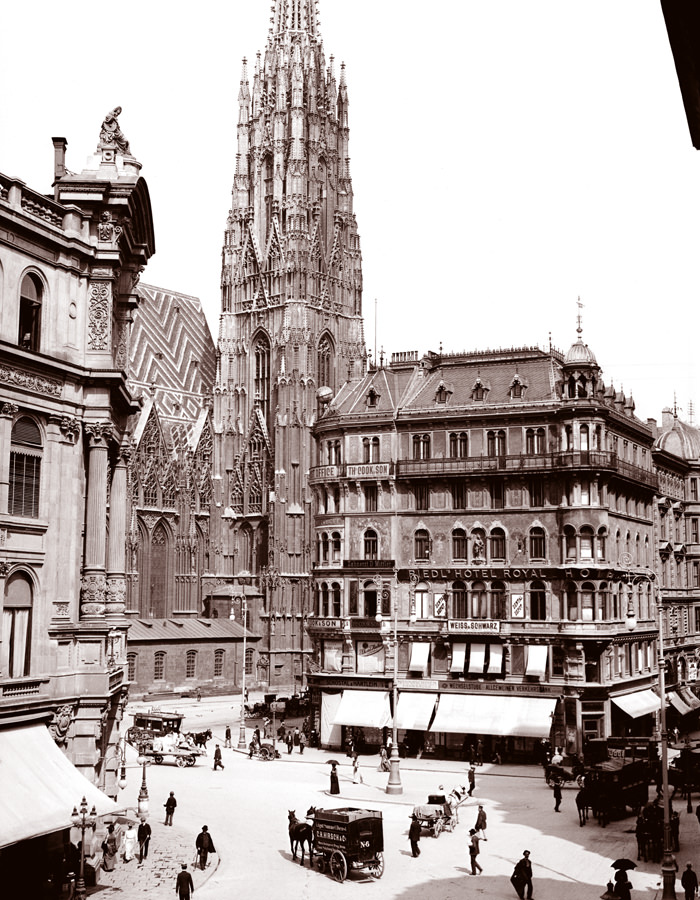
St. Stephen’s Cathedral was more than a place of worship — it was a working record of Vienna’s history. Its walls contained the tombs of Habsburg rulers, its treasury held centuries of imperial regalia, and its catacombs held the remains of tens of thousands of plague victims. The cathedral had survived fires, wars, and sieges, and its continued presence at the center of the city made it the most tangible link between Vienna’s past and its present.
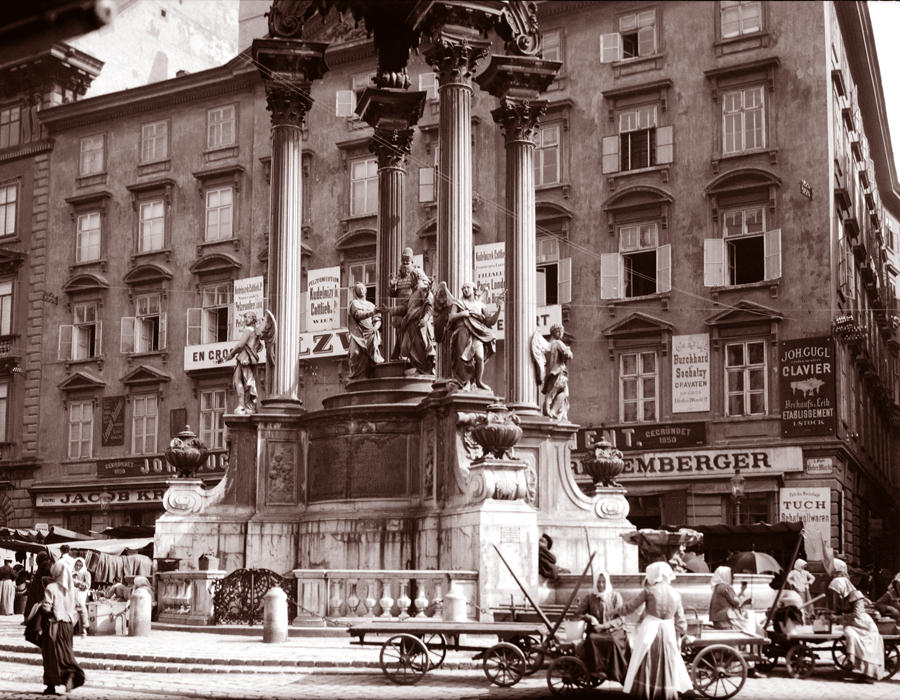
Street vendors gathered at Vienna’s public fountains and squares, using these natural gathering points to reach the largest possible number of potential customers. The area around Josef’s Fountain was typical — a fixed landmark that drew foot traffic throughout the day, providing vendors with a reliable location for selling their goods. These informal markets were part of the texture of daily urban life in Vienna, filling the gaps between the city’s formal retail establishments.
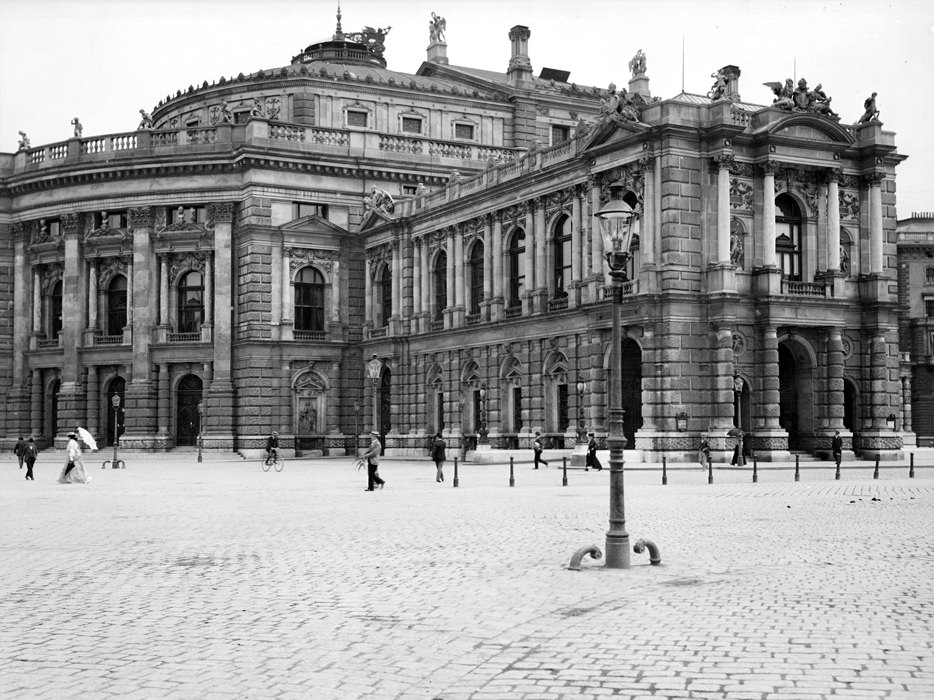
The Burgtheater on the Ringstrasse was the most prestigious German-language theater in the world. Founded in 1741 as the court theater of Maria Theresa, it had moved to its current location on the Ringstrasse in 1888. Actors who performed at the Burgtheater held a status in Viennese society comparable to that of star athletes today. The theater’s productions set the standard for German-language drama, and a premiere at the Burg was an event that drew intense public and critical attention.
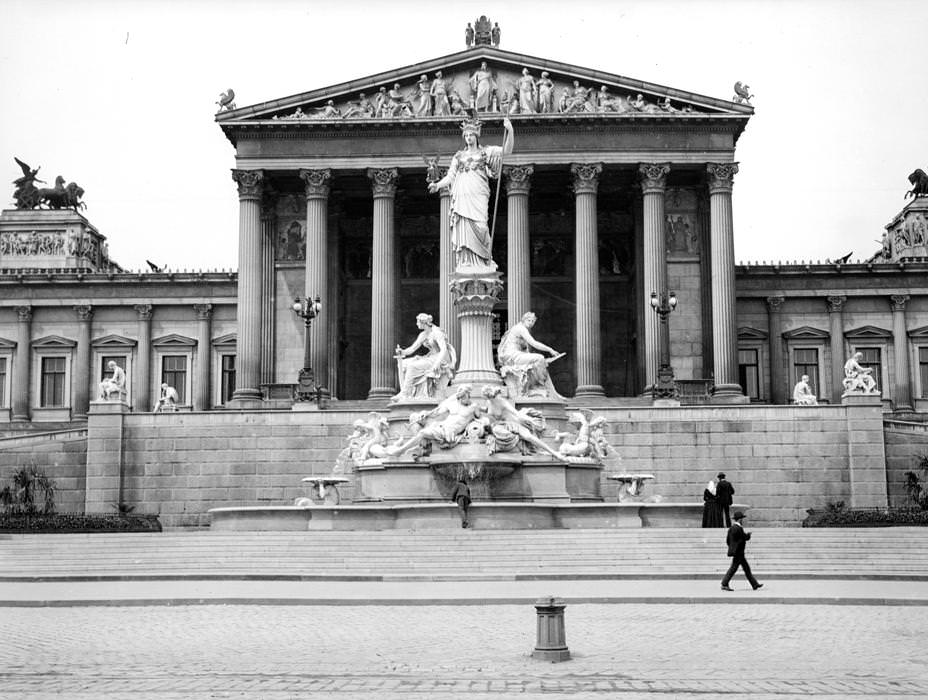
The Austrian Parliament building, completed in 1883 and designed by Theophil Hansen in the style of ancient Greece, housed the Reichsrat — the imperial parliament. The introduction of universal male suffrage in 1907 transformed the chamber’s political composition, revealing that German Austrians were now a minority within the broader empire. The 1911 elections produced a parliament that would govern Austria through the entire First World War and oversee the empire’s dissolution in 1918. The building itself, with its statue of Athena at the front gate, presented an image of reason and order that was increasingly at odds with the political realities within.
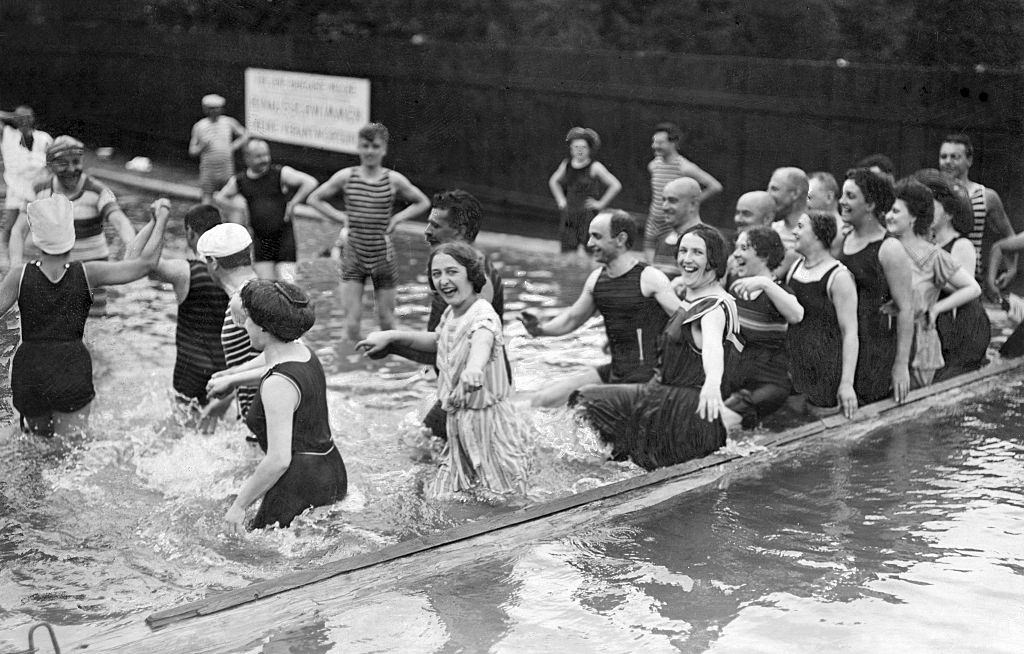
The Danube and its surrounding channels provided Vienna’s residents with a place to swim and relax during the summer months. Bathing in the river was a popular working-class activity, requiring nothing more than access to the water. The Danube canal and the river’s side channels — known as the Alte Donau — were busy with swimmers and boaters during warm weather. For a city where indoor plumbing was still not universal, the river also served a practical function for those living in the surrounding districts.
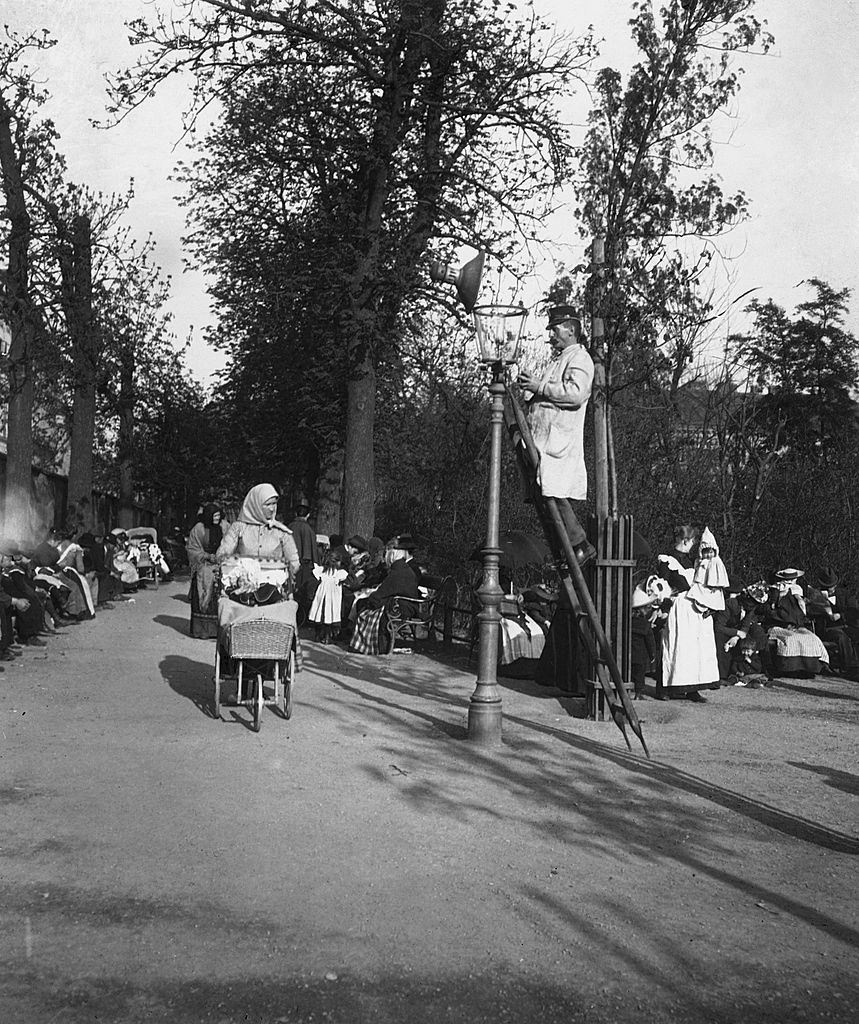
Wealthy Viennese families employed governesses to care for and educate their children. Afternoon walks in Vienna’s parks — the Stadtpark, the Prater, or the grounds of Schönbrunn — were part of the daily routine for children of the upper and upper-middle classes. These parks were carefully maintained public spaces that served as gathering points for different layers of Viennese society, from the nannies and their charges to the elderly residents who occupied the park benches throughout the day.
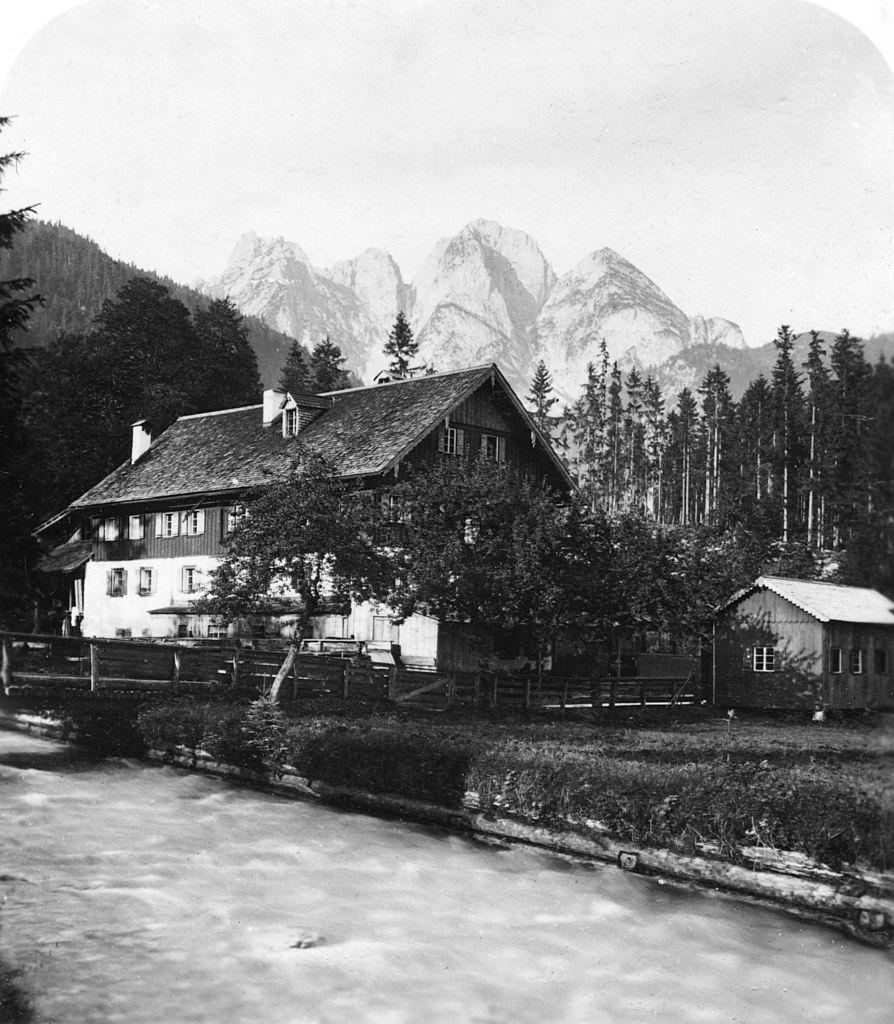
In the alpine villages of the Salzkammergut, traditional crafts and trades continued alongside the growing tourist economy. The blacksmith’s forge was one of the most important workshops in any rural community, producing and repairing the tools, horseshoes, and hardware that farming and forestry required. At Gosau, surrounded by the dramatic scenery of the Dachstein mountains, this forge served a community that remained deeply connected to the land and its seasonal rhythms.
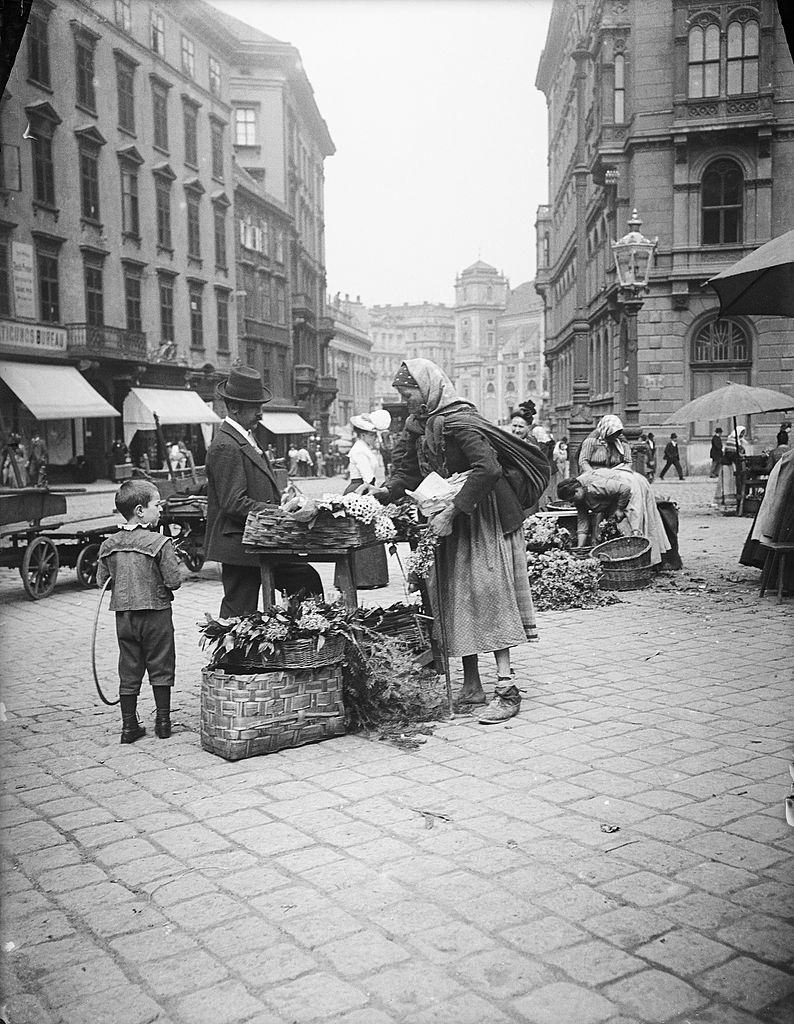
The Am Hof square, one of Vienna’s oldest public spaces, hosted a regular market that brought together vendors selling flowers, produce, and other goods. Florists were prominent fixtures at these markets, supplying both individual buyers and the restaurants and hotels that needed fresh flowers daily. The flower trade in Vienna was significant enough to support dozens of dedicated sellers, operating from fixed stalls as well as from baskets and carts throughout the city.
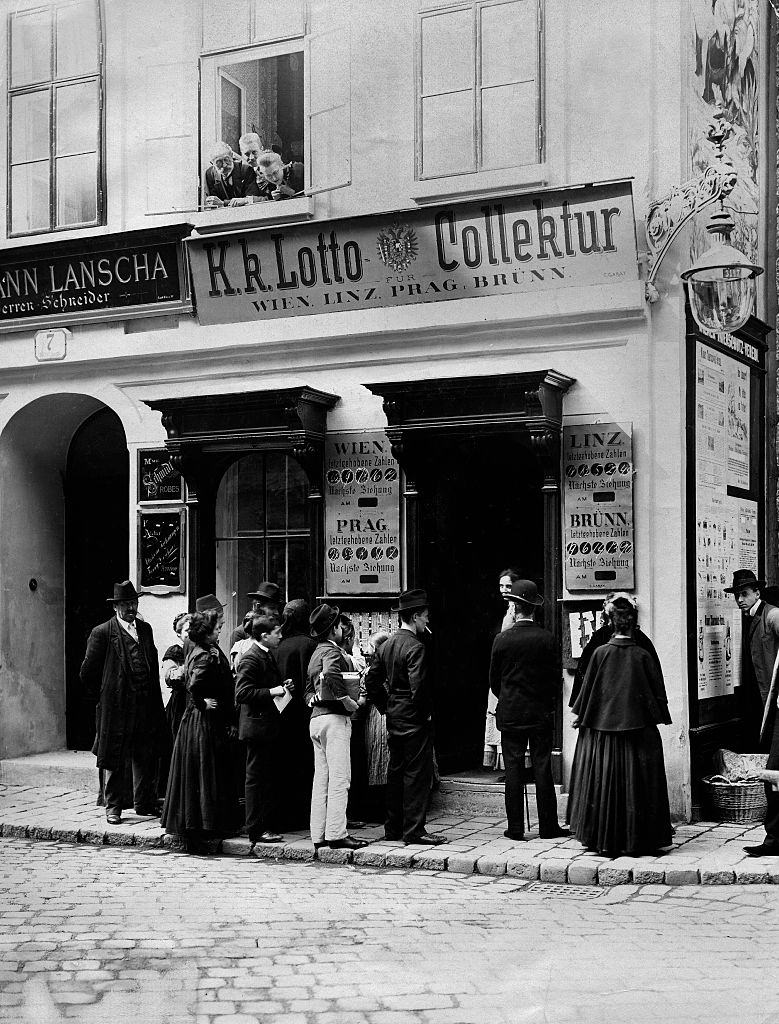
The state lottery was one of the most popular forms of gambling in the Habsburg Empire, drawing participants from every class. Lottery outlets operated throughout Vienna and across the empire, and draws were frequent enough to sustain regular participation. For working-class Austrians, a lottery ticket represented one of the few realistic chances of sudden financial change. The queues that formed outside lottery outlets before major draws were a familiar sight in Austrian cities.
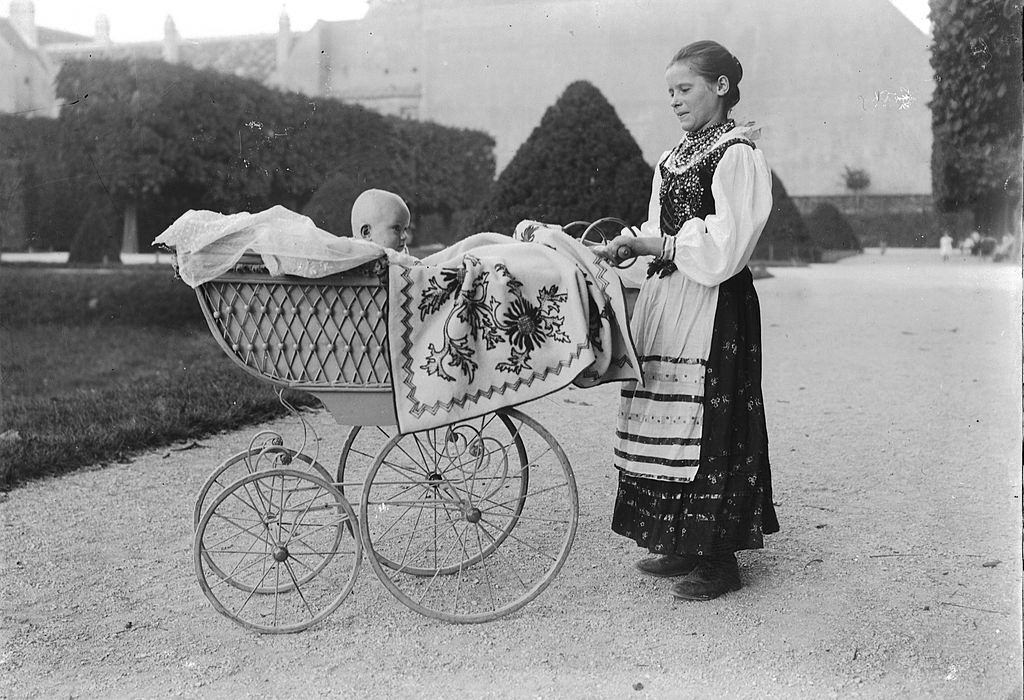
Everyday domestic life in Vienna in 1900 was shaped by the city’s mix of old customs and modern pressures. A mother taking her baby for a walk through the city’s streets was an ordinary scene, but one that took place against a backdrop of rapid change. Vienna’s birth rate was high, its infant mortality rate was still significant, and the public health infrastructure of the city was under constant strain from its growing population. The turn of the century brought improvements in sanitation and medical care that gradually improved conditions for young families.
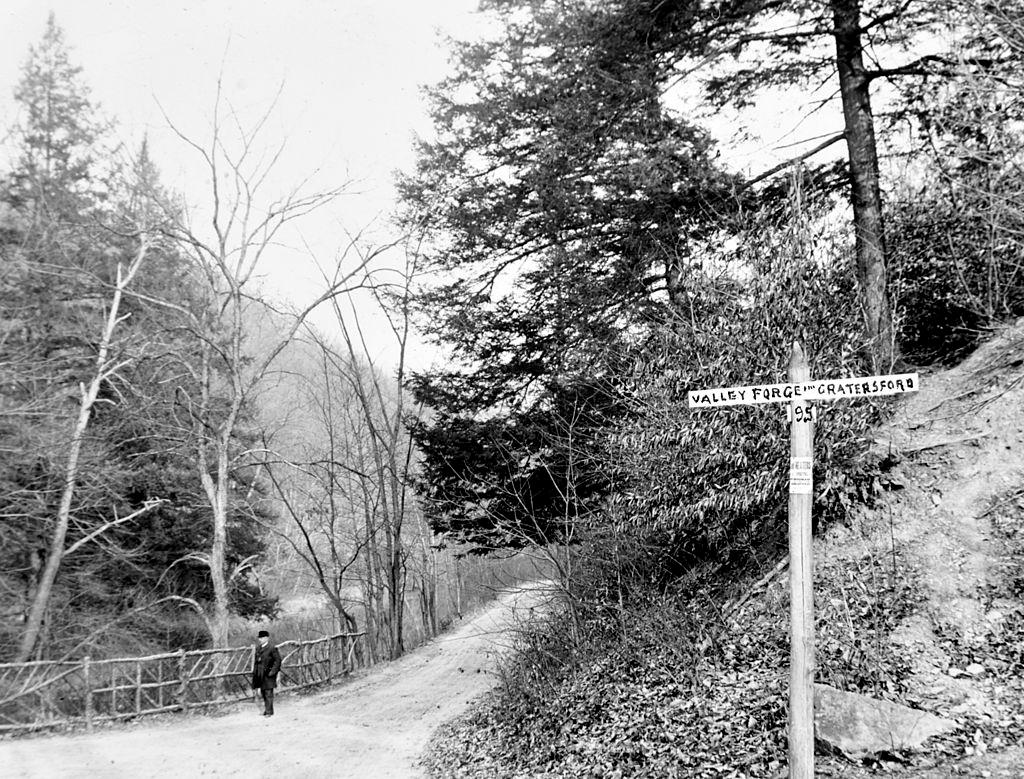
Salzburg, the birthplace of Mozart and the seat of one of Austria’s most powerful archbishoprics, was a city of churches, palaces, and fortress walls. St. Georg’s Chapel was one of many smaller religious structures tucked into the city’s dense historic fabric. Salzburg’s architecture reflected centuries of ecclesiastical wealth and power, with Baroque buildings dominating the city center and the Hohensalzburg Fortress watching over everything from the hilltop above.
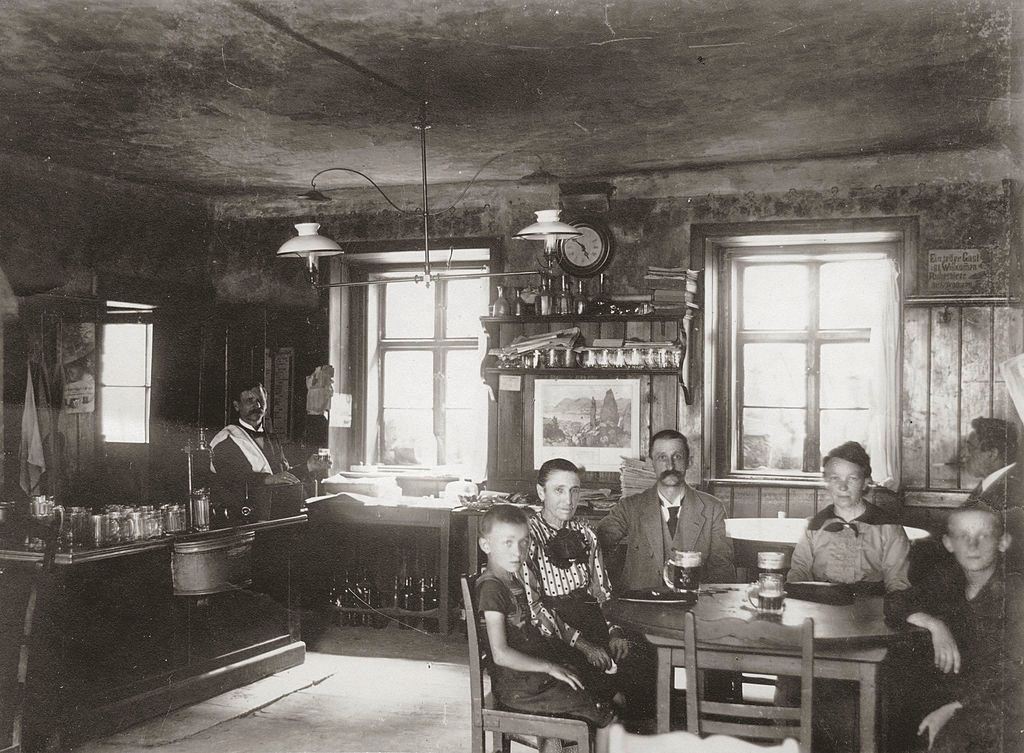
Not all of Vienna’s eating and drinking establishments were grand. The restaurant “Zum Kurfürsten” at Althahnstraße was the smallest tavern in the city, with only five tables. These tiny establishments served a purely local clientele — the workers and residents of the immediate neighborhood — and operated on a personal, almost familial level. The owner typically knew every regular customer by name. Such places were the social centers of Vienna’s working-class streets, far removed from the famous grand cafés of the city center.
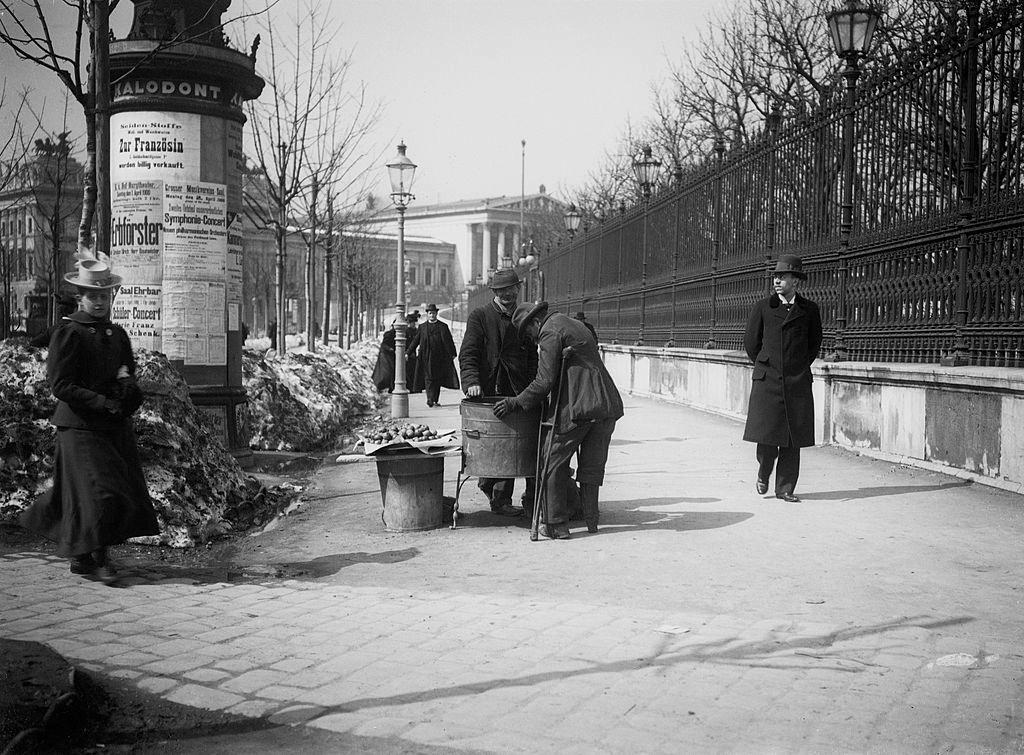
Roasted chestnuts were a seasonal staple on Vienna’s streets, particularly in the autumn and winter months. Chestnut dealers set up their portable roasting equipment at busy locations throughout the city, and the smell of roasting chestnuts was a sensory marker of the colder season in Vienna. The Burgring, running alongside the Kunsthistorisches Museum and the Volksgarten, was one of the busiest pedestrian routes in the city, making it a prime spot for street vendors of all kinds.
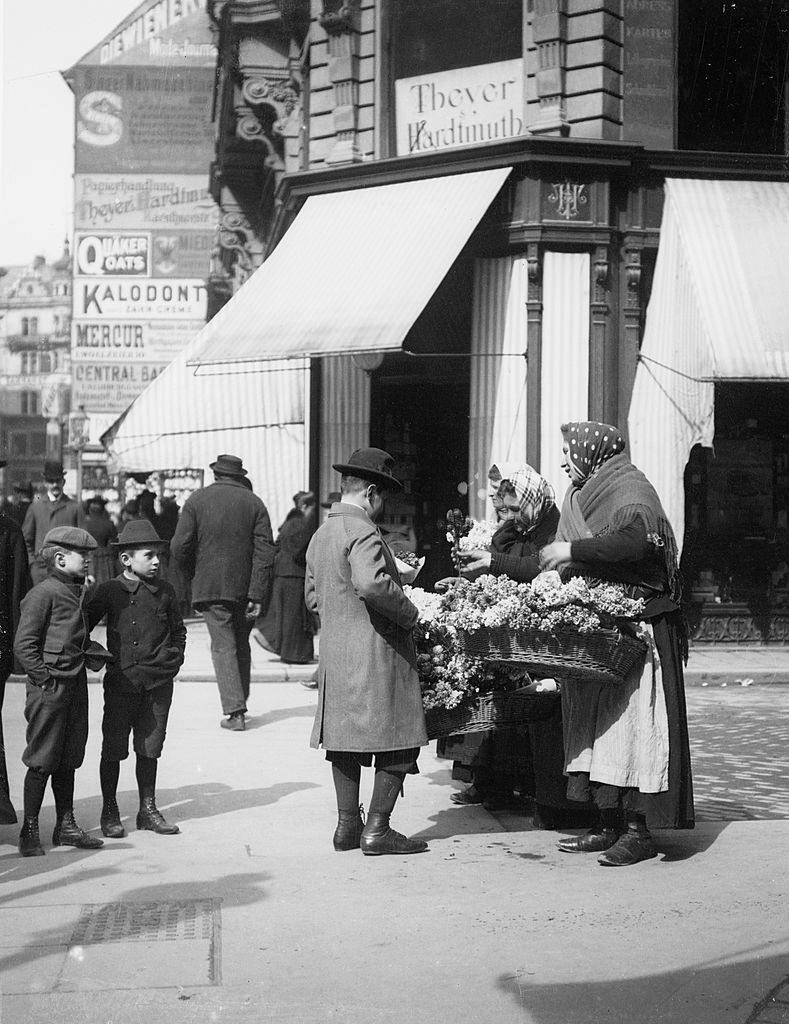
Flower sellers on Kärntnerstrasse catered to the constant flow of shoppers, tourists, and theater-goers moving along Vienna’s main commercial artery. Buying flowers was a common practice for Viennese men visiting restaurants, attending the opera, or calling on friends, and the florists who worked the street did a brisk trade. The proximity to the State Opera made Kärntnerstrasse particularly active in the evening hours.
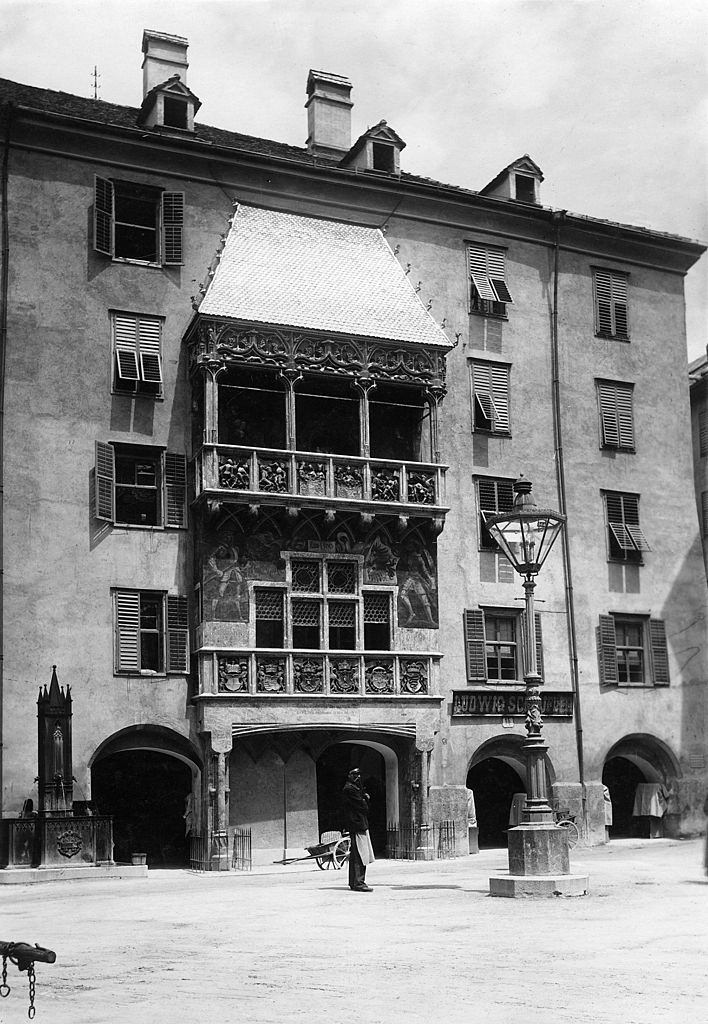
The Goldenes Dachl — the Golden Roof — was Innsbruck’s most famous landmark. Built in the late 15th century for Emperor Maximilian I, its loggia was covered with more than 2,600 fire-gilded copper tiles. Maximilian used the balcony to watch tournaments and civic events in the square below. By 1909, it was already a major tourist attraction and a symbol of Innsbruck’s deep connection to the early Habsburg dynasty. The building stood at the end of the medieval Herzog-Friedrich-Strasse, the main street of Innsbruck’s old town.
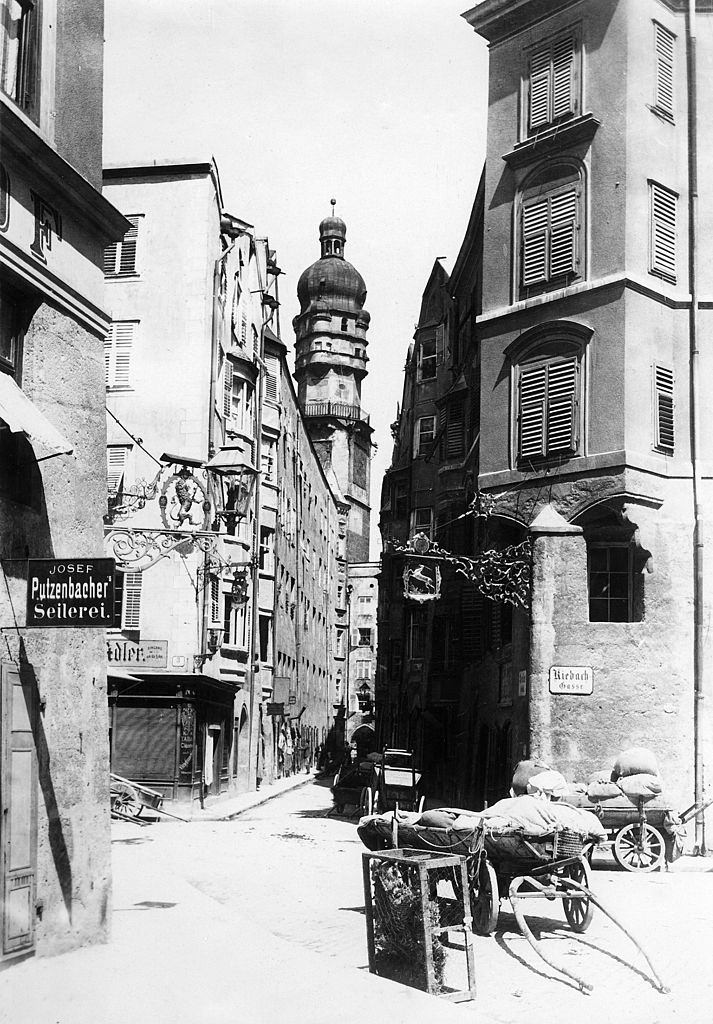
Innsbruck’s old town preserved much of its medieval street plan into the 20th century. Narrow alleys like the Kiebachgasse wound between tall, brightly colored townhouses, their upper stories extending out over the street in the traditional Tyrolean fashion. These arcaded streets provided shelter from rain and snow, a practical feature in a city surrounded by mountains. The pedestrian scale of Innsbruck’s historic center was a direct contrast to the broad boulevards being cut through Vienna at the same time.
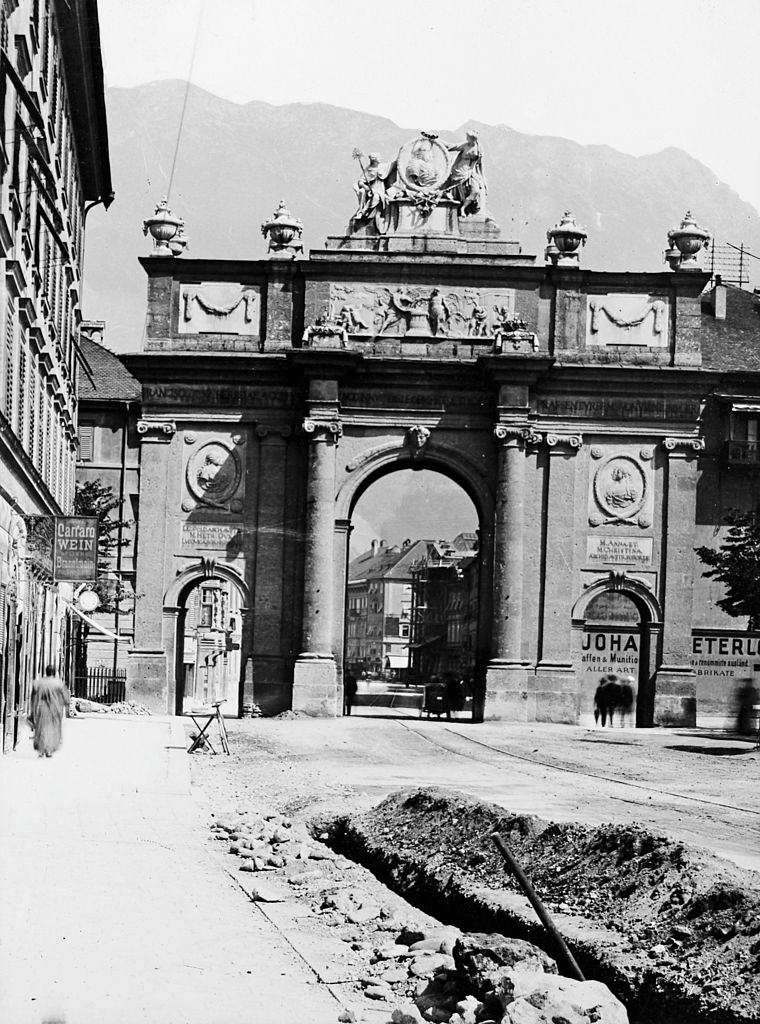
The Triumphpforte — the triumphal arch — at the southern end of Maria-Theresien-Strasse was built in 1765 to mark the marriage of Leopold II and simultaneously to mourn the death of Emperor Franz I, who died during the wedding celebrations. Its two faces therefore carried different meanings — one decorated with wedding imagery, the other with mourning. By the early 1900s, the arch framed the view down Innsbruck’s grandest street, with the Alps rising dramatically in the background.
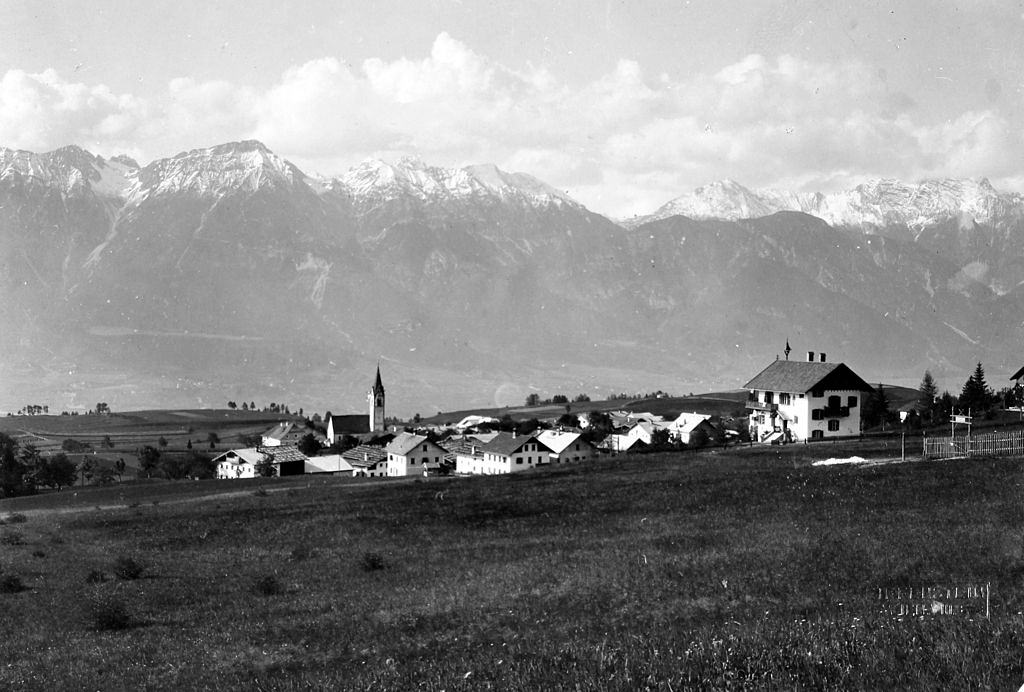
The villages near Innsbruck sat on elevated terraces above the Inn Valley, offering sweeping views of the Alps and down to the city below. Sistrans was one such village, its farmhouses and church clustered on a hillside a short distance from the Tyrolean capital. Life in these mountain communities followed agricultural rhythms shaped by altitude and climate, with short growing seasons and long winters defining the local economy and social calendar.
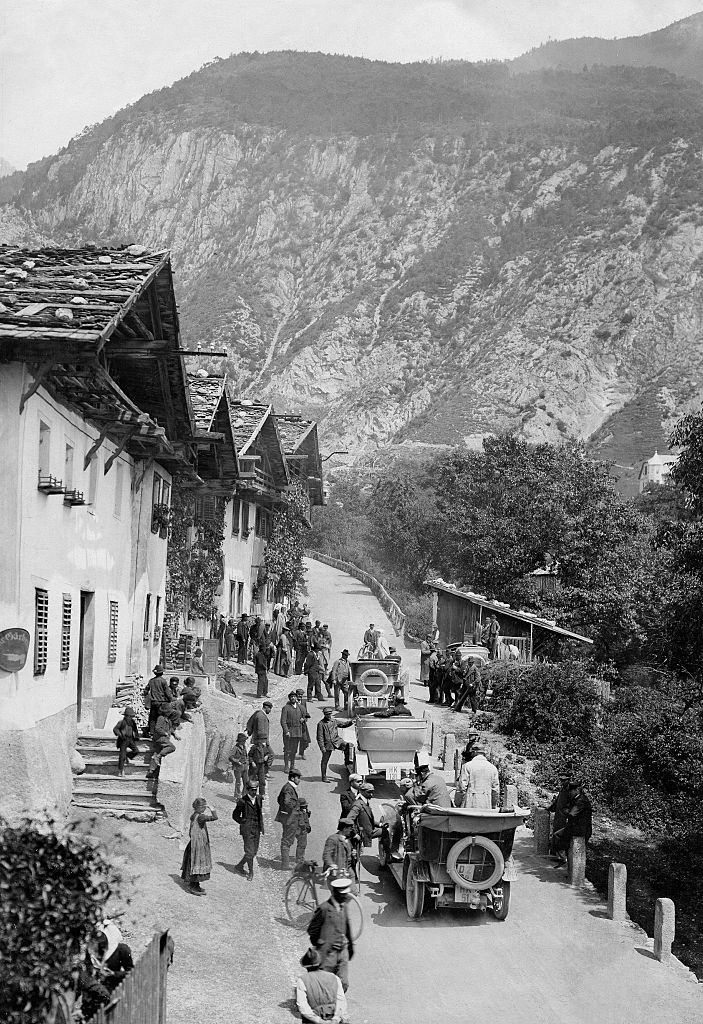
The Herkomer Competition was one of the earliest long-distance motor trials in Europe, named after its founder, the artist Sir Hubert von Herkomer. It ran between 1905 and 1907 and challenged early automobiles on mountain roads that were not designed for motor traffic. The Zirler mountain near Innsbruck was one of the most feared sections of the course — a steep, winding road with gradients that pushed early engines to their limits. The competition attracted entries from across Europe and drew large crowds of spectators who had never seen cars attempt such terrain.
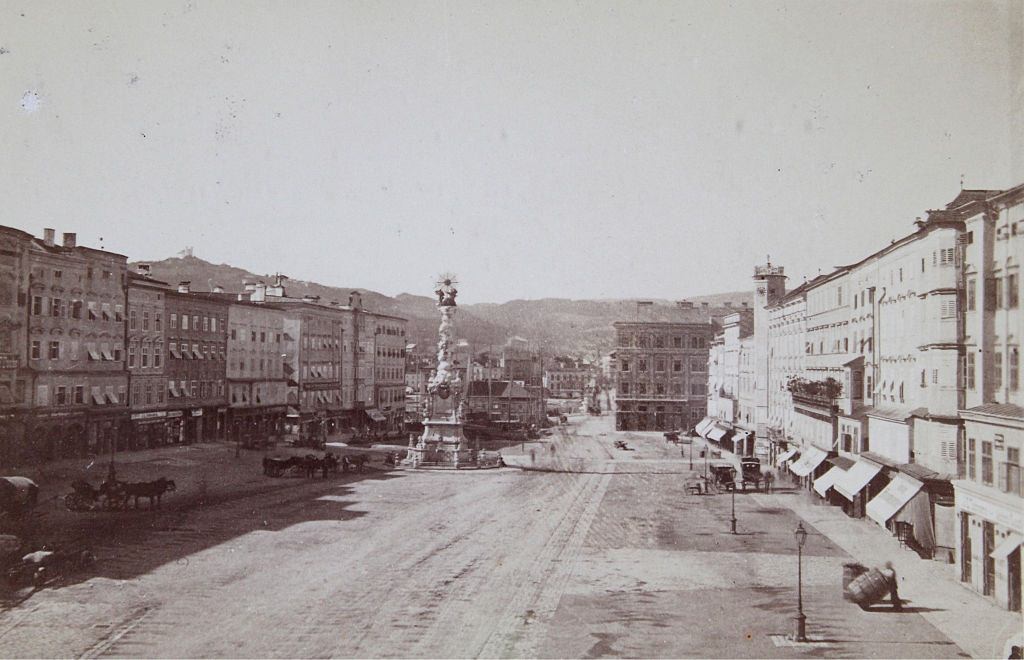
Linz, the capital of Upper Austria, was a mid-sized provincial city in the 1900s with a growing industrial base. Its Hauptplatz — the main square — was one of the largest baroque town squares in Central Europe, anchored by a tall marble Trinity Column erected in the early 18th century. The square served as the commercial and civic center of the city, with the town hall and a range of businesses lining its perimeter. Adolf Hitler grew up in Linz during this era and would later speak of wanting to transform it into a great cultural capital.
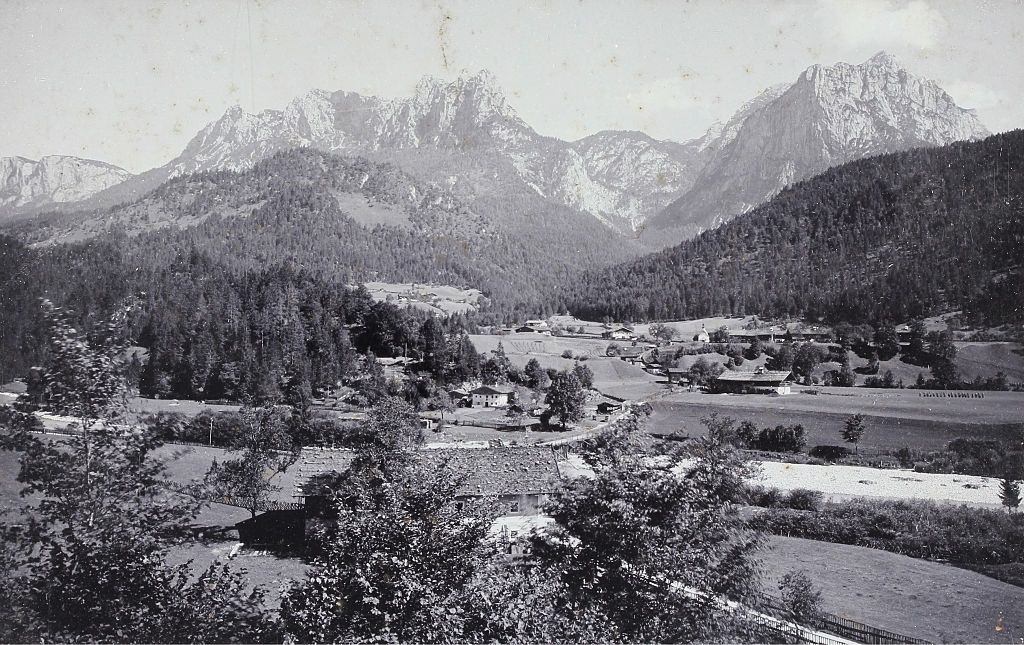
The Salzburg region beyond the city itself was a landscape of river valleys, farming communities, and alpine foothills. The area around Lofer in the Saalachtal valley was characteristic of the Salzburg countryside — meadows, forests, and small villages set against the backdrop of the Loferer Steinberge mountains. These communities maintained traditional ways of life that changed slowly, shaped more by geography and season than by the industrial forces transforming Austria’s cities.
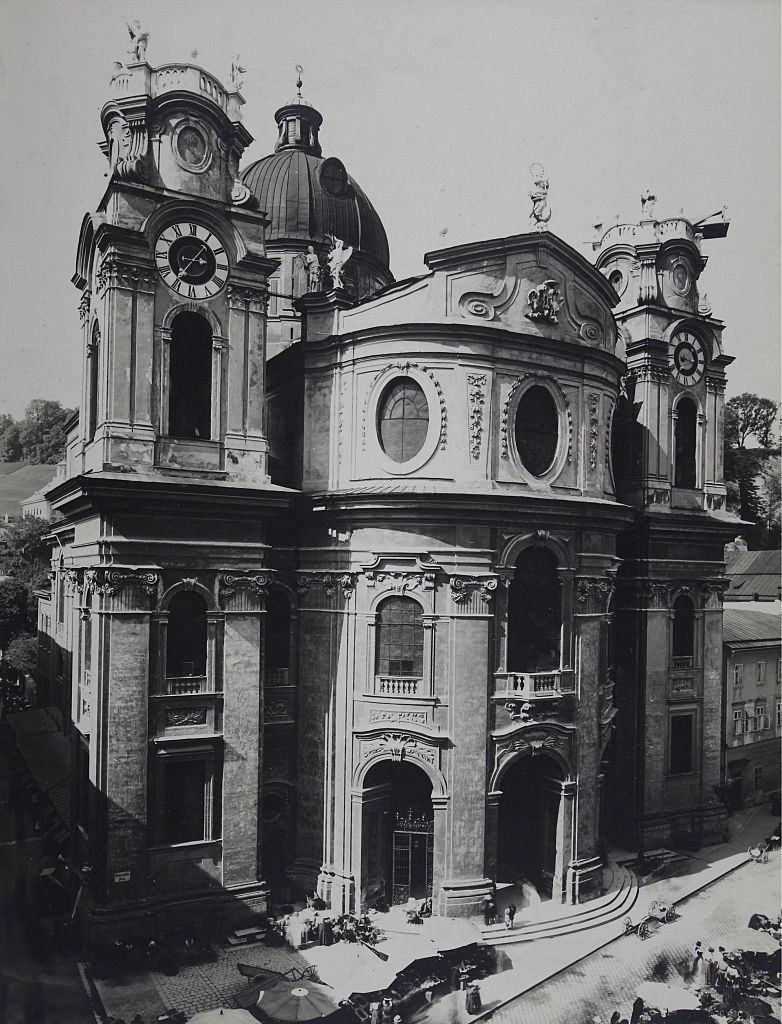
The Kollegienkirche — the Collegiate Church — in Salzburg was designed by Johann Bernhard Fischer von Erlach and completed in 1707. It was one of the finest examples of Baroque architecture in the German-speaking world, with a dramatically curved façade and a white-plastered interior of exceptional spatial complexity. By 1900 it stood as it had for nearly two centuries, a dominant presence on Universitätsplatz and a central feature of Salzburg’s celebrated Baroque cityscape.
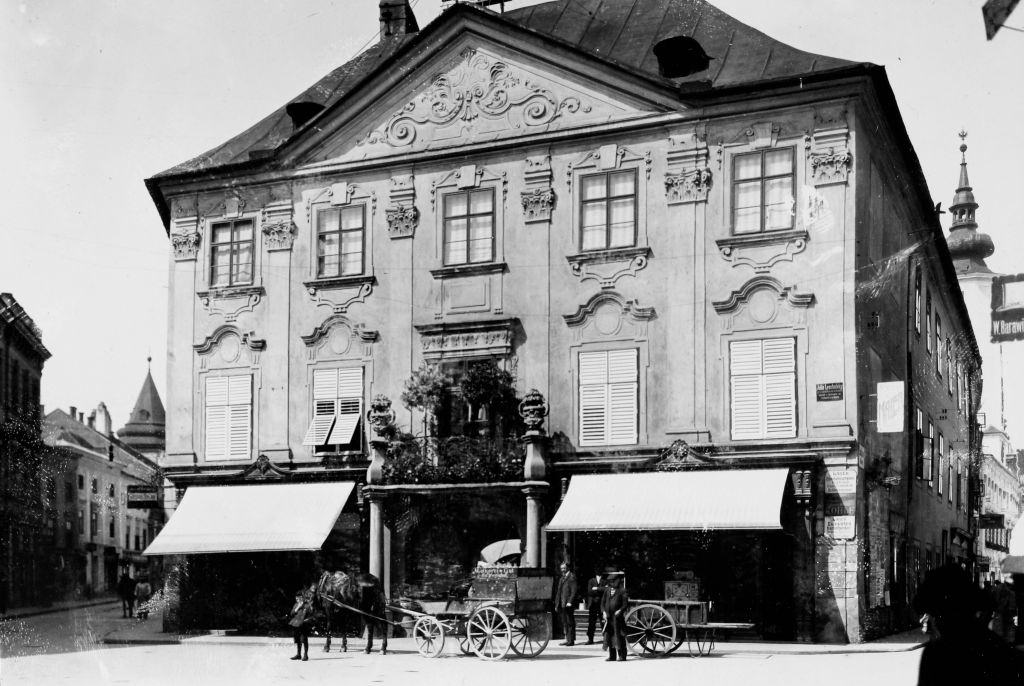
St. Pölten, located about 65 kilometers west of Vienna, had been confirmed as the capital of Lower Austria in 1986 — but in the early 1900s it was a modest provincial town with a long history as a market center. Its architecture reflected centuries of growth, with Baroque facades lining the streets of the old town. The assassination of Archduke Franz Ferdinand in Sarajevo on June 28, 1914, would set in motion the chain of events that Austria’s diplomats had long warned was inevitable after the Bosnian crisis of 1908. Austria declared war on Serbia on July 28, 1914, and within weeks, the world that these photographs captured was gone.





Wow. The beautiful writings on the signs looked so great and went just perfectly with the architecture, and the style of clothing people wear. Great pictures.
Nice! I am also impressed by how stylish the people were back then and how beautiful the business fronts were. Not much was better in the past, but one or the other was.
Thank you for sharing
It looks like they were taken just now – very cool.
Very interesting, thank you! Although Klimt seems to have always worn the same smock.
really cool, i have never seen those pictures 🙂
It’s funny how much of Vienna looks almost exactly the same as it did back then.
You have to hand it to them, men had style back then. I would give anything for a proper barber.
I would trade all of these ‘man purses’ any day.
Die im Stemmclub hatten fast alle einen Schnauzer. Ich kann gar nicht Schnauzer wachsen lassen – das wird immer nur Haardreck um die Lippen rum … 🙁