The Massachusetts Anti-Slavery Society was founded in Boston in 1835 as an auxiliary of the American Anti-Slavery Society. Its roots stretch back to the New England Anti-Slavery Society, established in 1831 by William Lloyd Garrison, editor of The Liberator. Garrison formed the New England society after a proposal to build a college for Black students was defeated in New Haven, Connecticut. In 1838, the New England Anti-Slavery Society reorganized and narrowed its focus, becoming the Massachusetts Anti-Slavery Society and giving up its broader regional role.
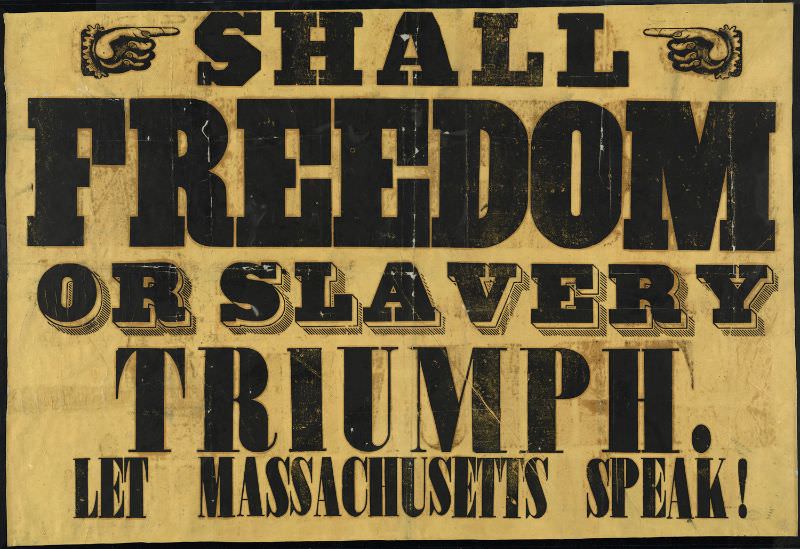
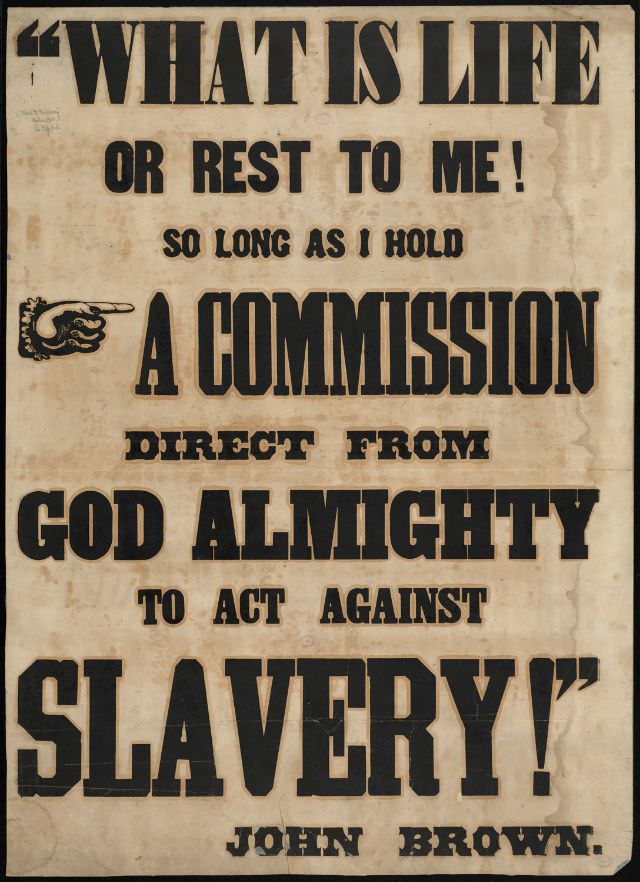
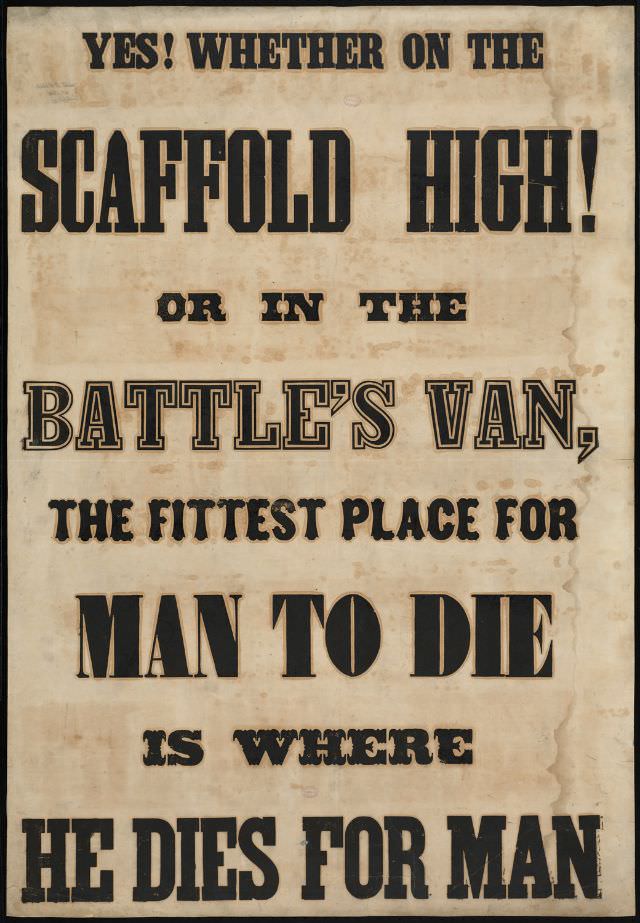
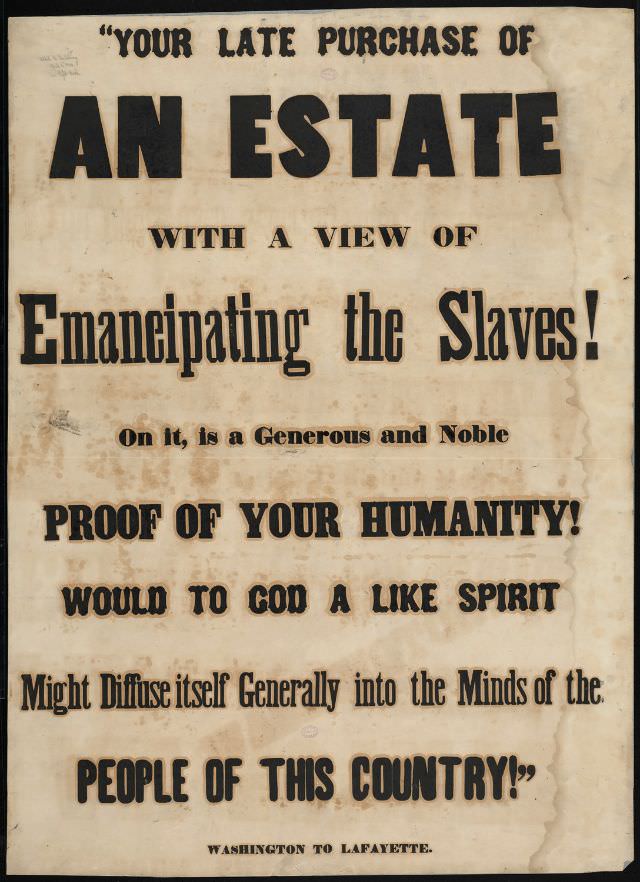
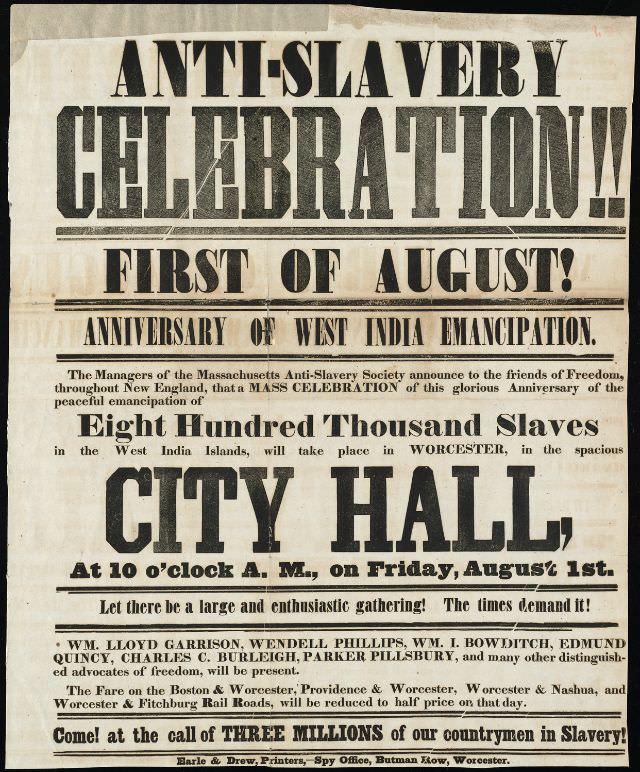
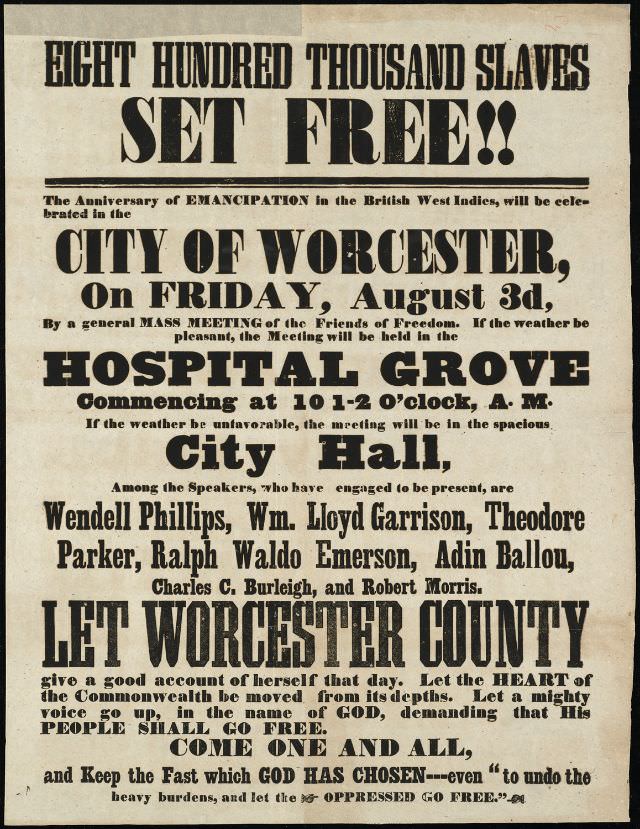
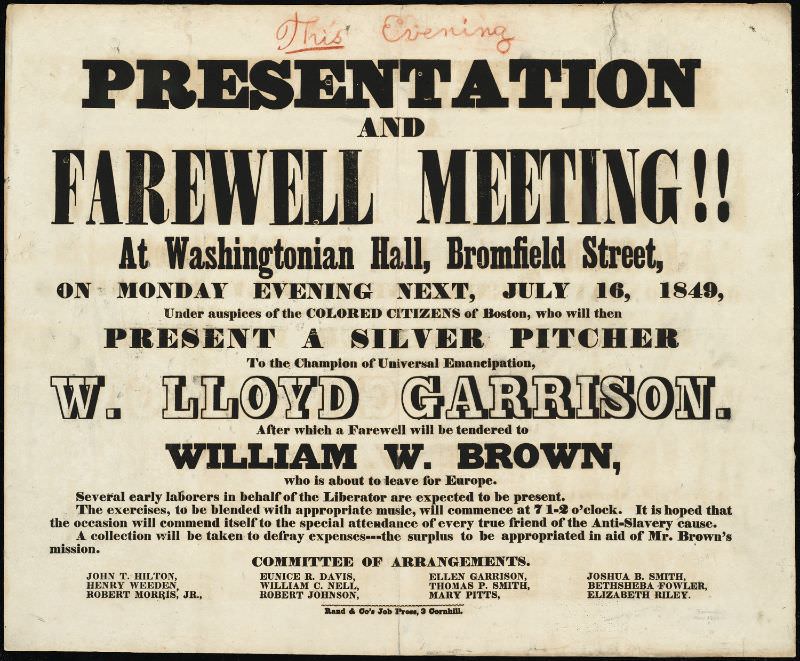
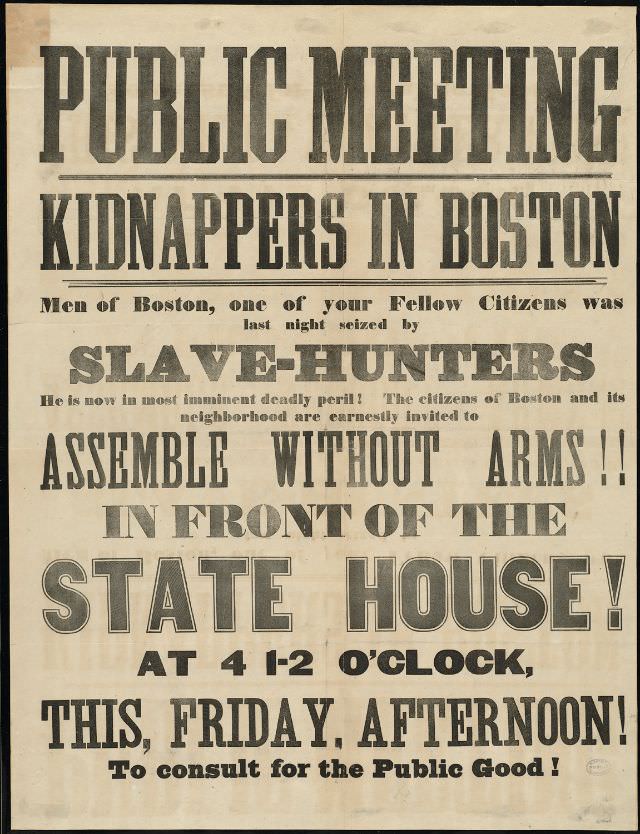
From the start, the society used printed broadsides as one of its sharpest tools. These single-sheet announcements were posted across Boston and distributed at public gatherings. They called citizens to meetings, reported on kidnappings of free Black residents, and quoted scripture alongside the words of the Founding Fathers to make the moral case against slavery.
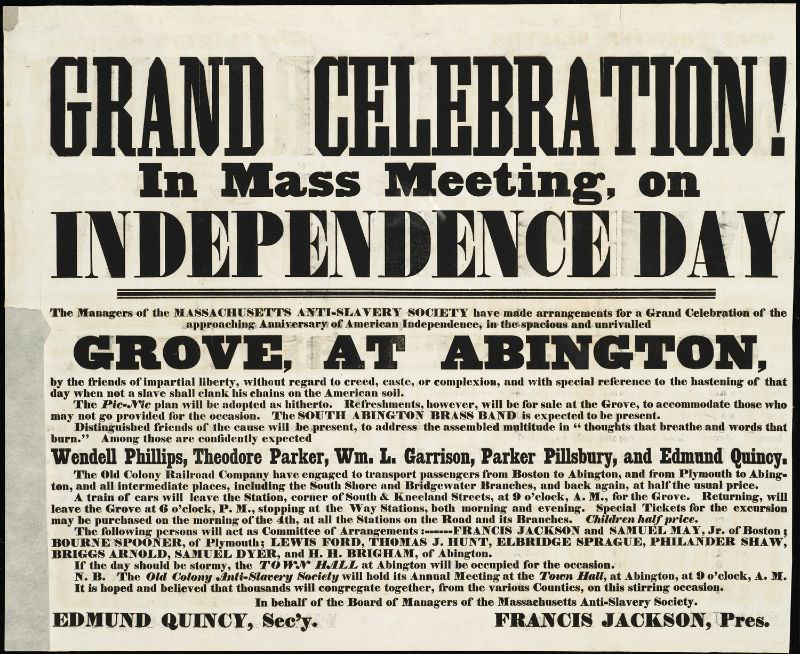
The society met annually at some of Boston’s most prominent venues, including Julien Hall, the Melodeon, and Tremont Temple. Joel W. Lewis served as Chairman in 1840. These gatherings drew large crowds and were used to organize resistance to pro-slavery legislation at both the state and federal levels.
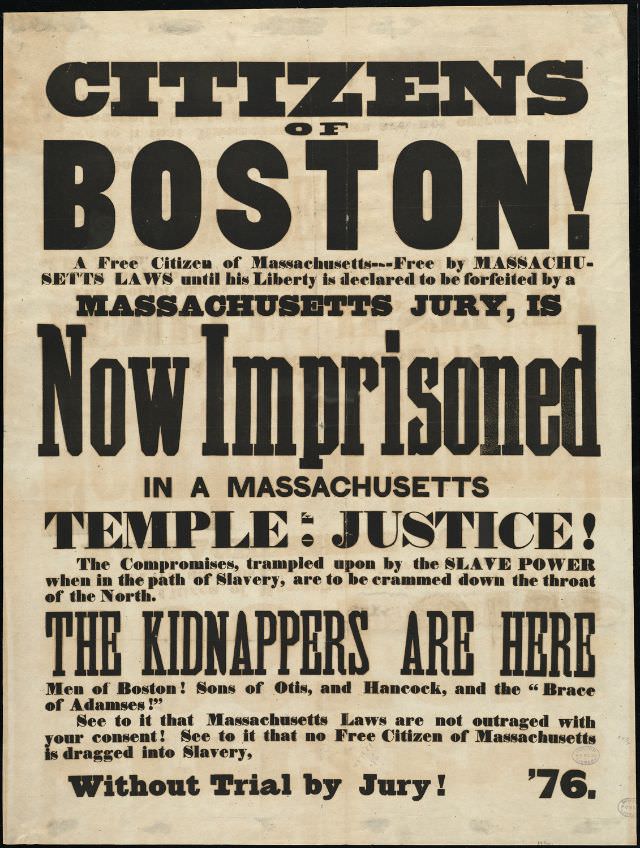
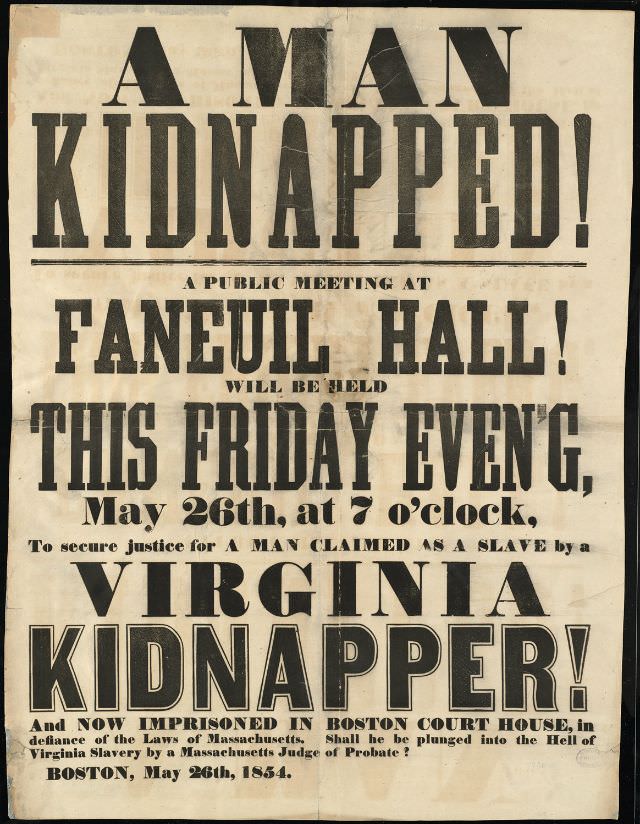
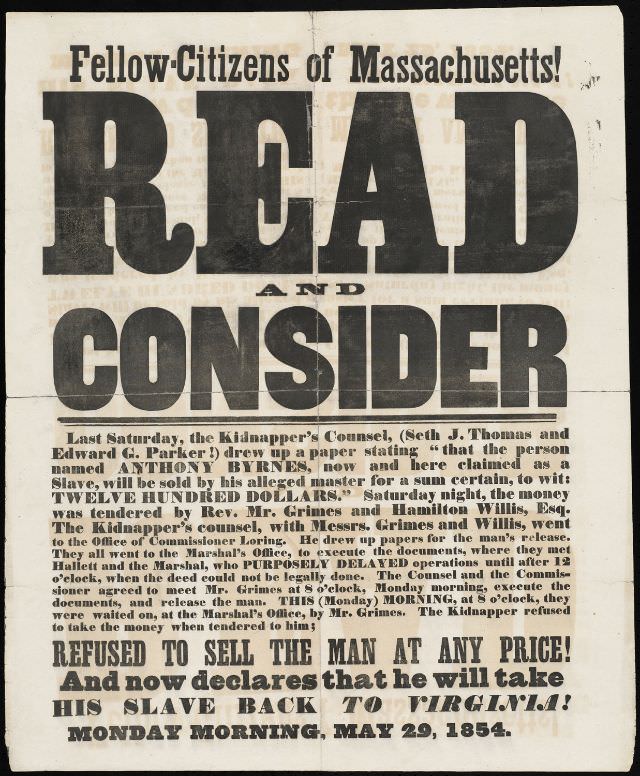
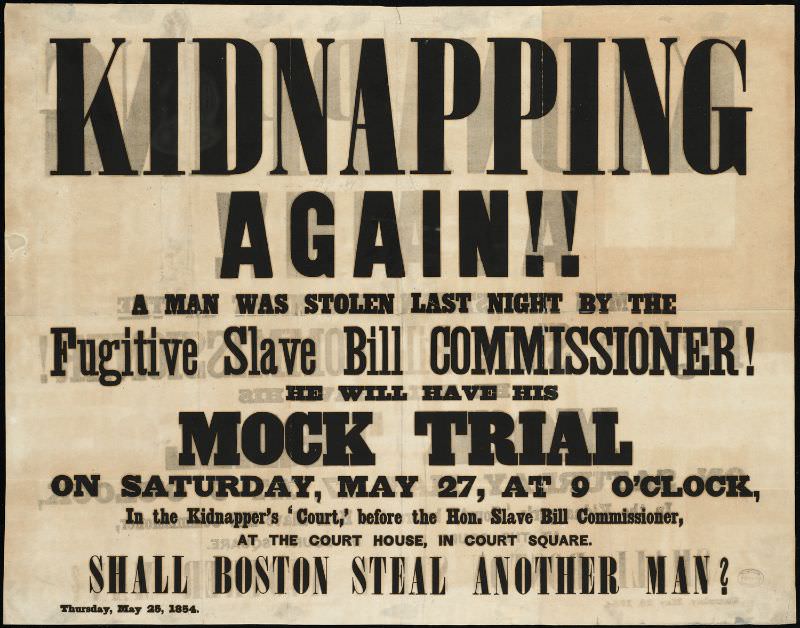
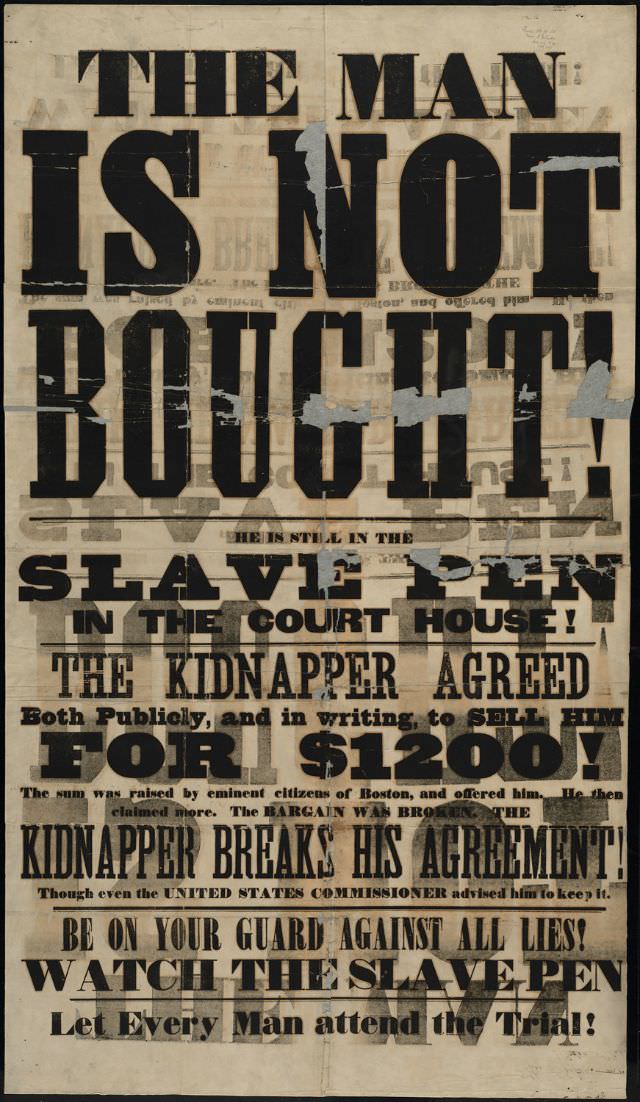
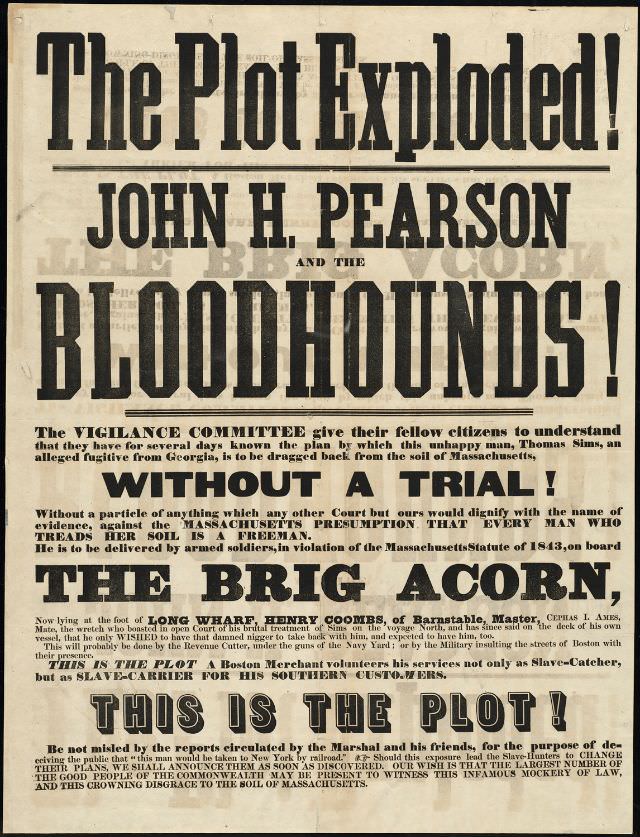
One of the society’s central concerns was fighting back against the Fugitive Slave Act and the local enforcement of slave codes. Broadsides with headlines like “A Man Kidnapped!” and “Kidnapping Again!!” documented real incidents in which people were seized off Boston streets by federal commissioners and returned to slavery. These were not abstract arguments — they named specific victims and demanded immediate public response.
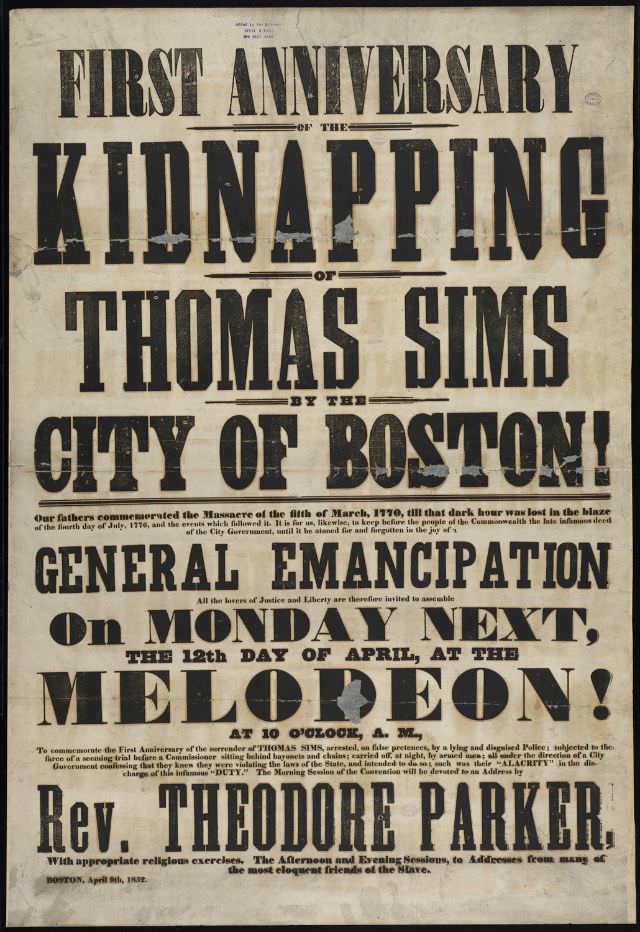
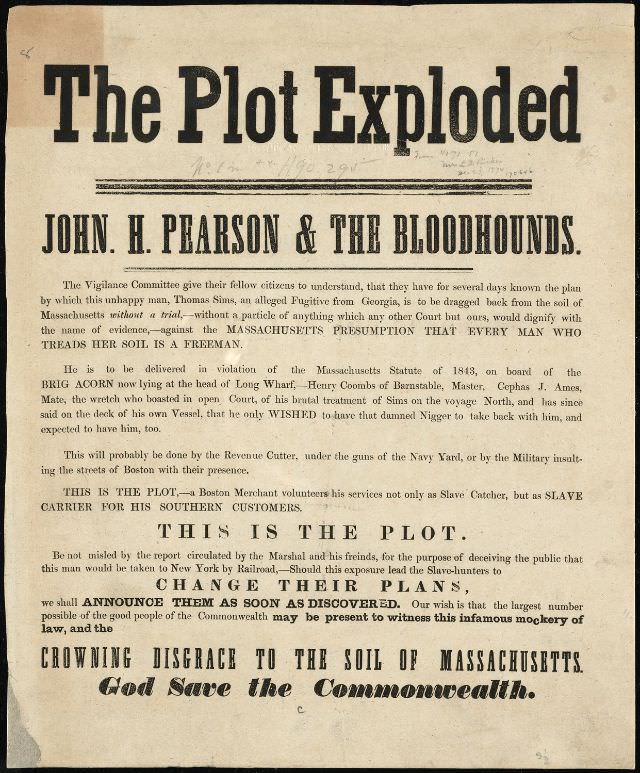
The case of Thomas Sims was among the most galvanizing in Boston’s abolitionist history. In 1851, Sims was arrested under the Fugitive Slave Act and forcibly returned to Georgia — the first person returned to slavery from Massachusetts since the state had abolished it. The society marked the anniversary of his capture with a dedicated broadside, keeping his case in the public eye.
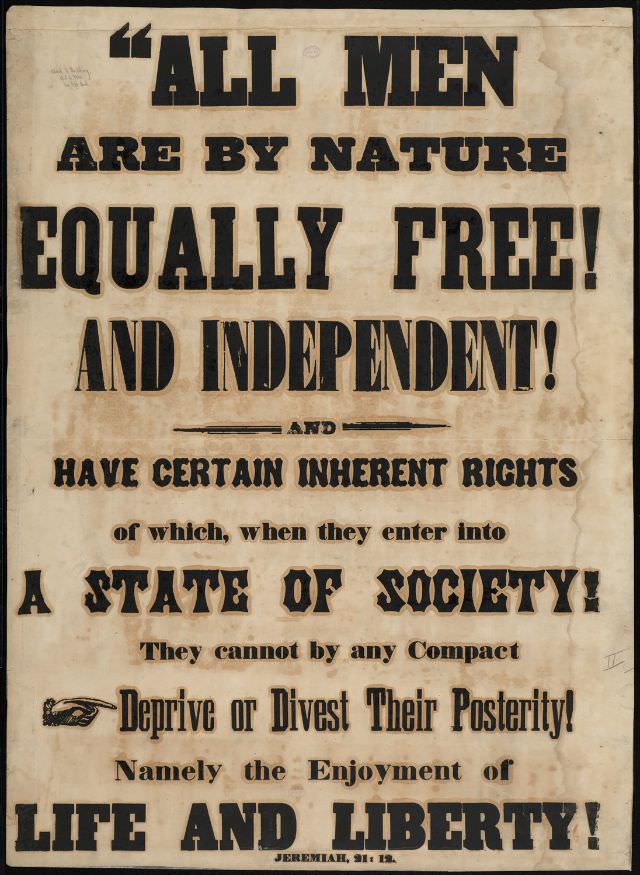
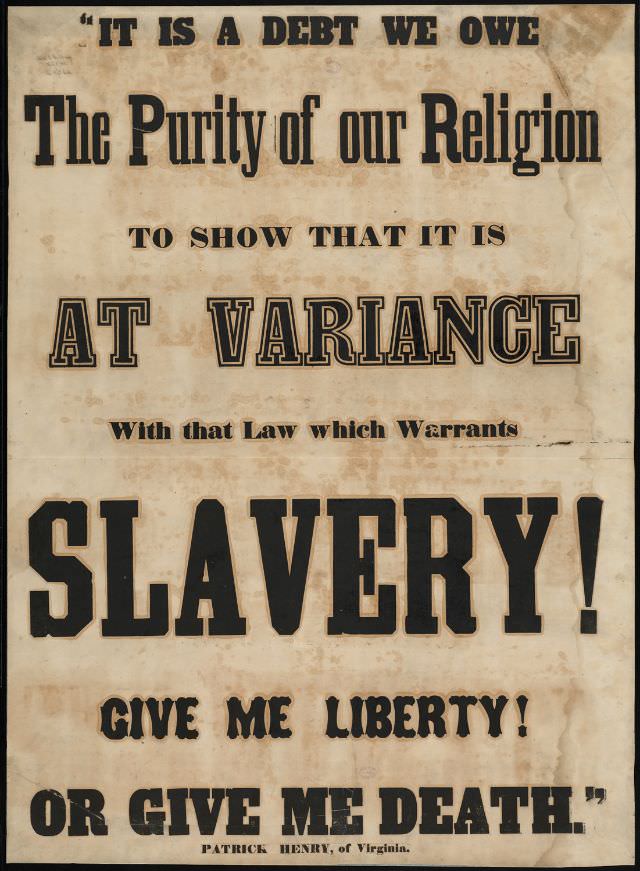
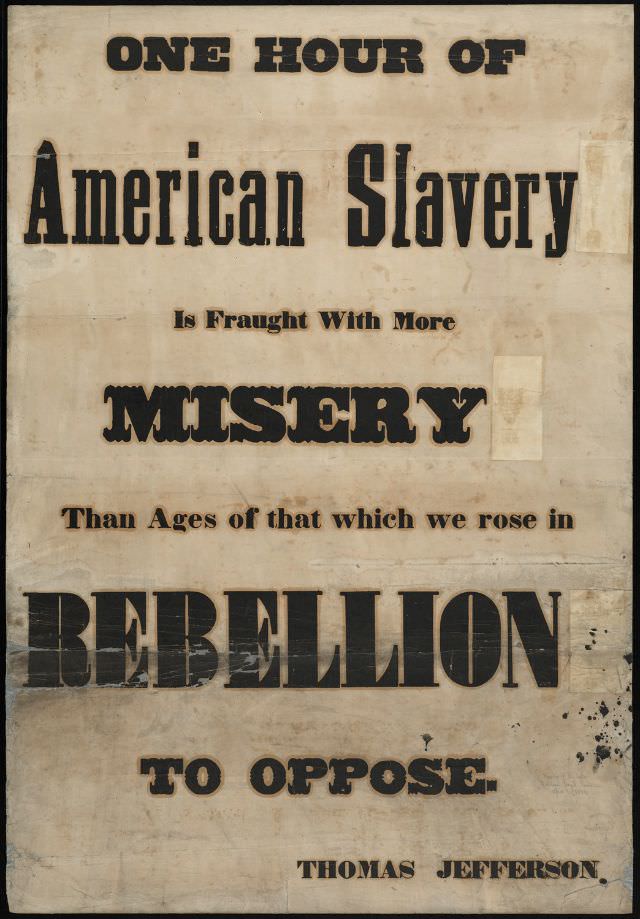
Many broadsides drew directly on the words of well-known figures to reinforce abolitionist arguments. Quotes attributed to Thomas Jefferson, Patrick Henry, and other founders appeared alongside passages from the Bible. The rhetorical strategy was deliberate: if these men believed in liberty, how could the nation justify slavery?
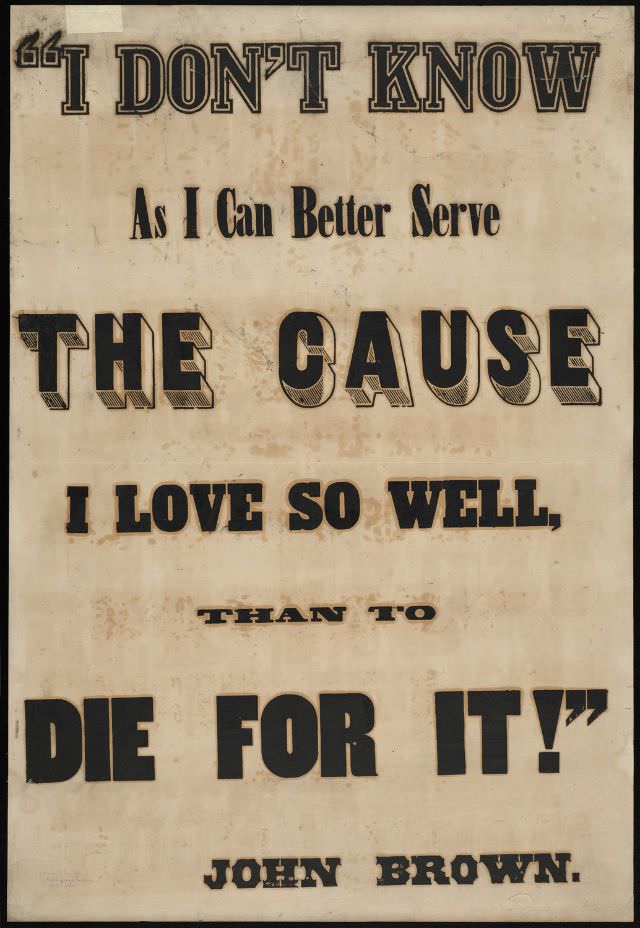
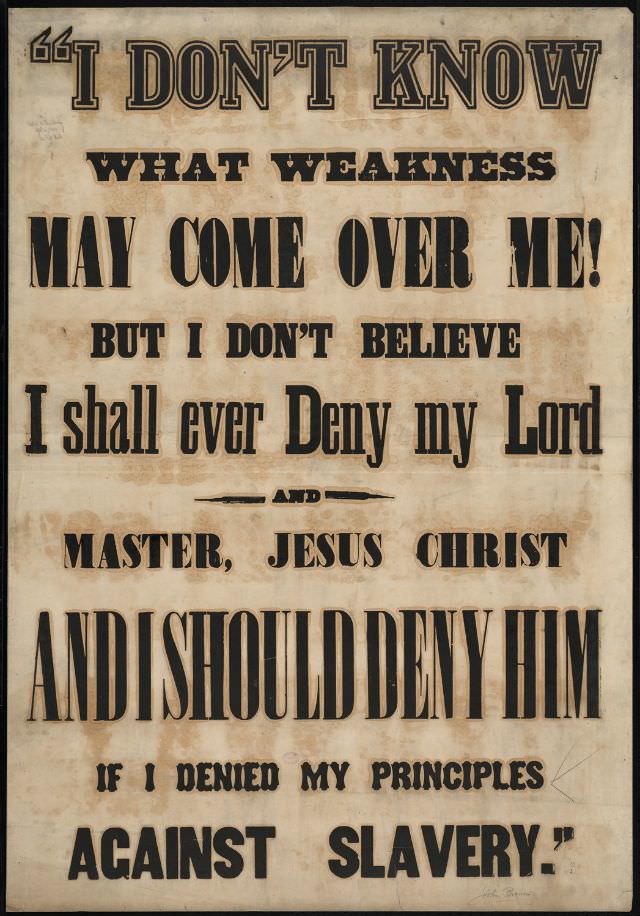
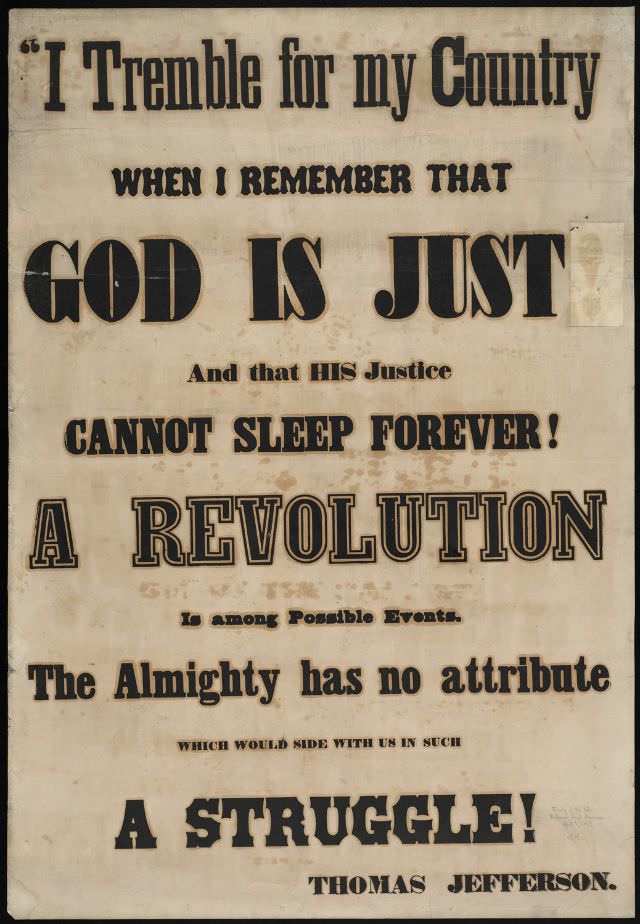
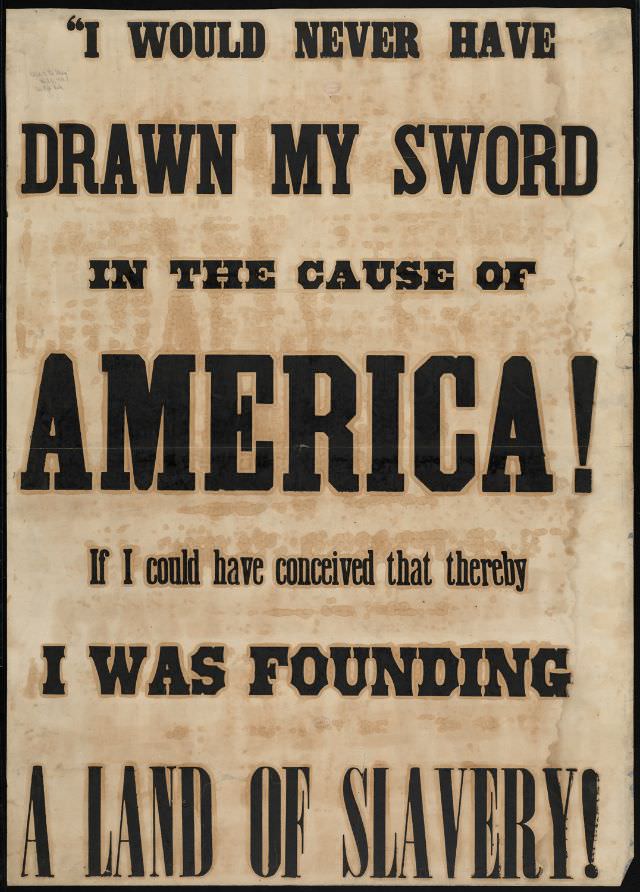
The broadsides also invoked the Revolutionary War generation directly, quoting the founding ideals of the republic and turning them against the institution of slavery. One broadside quoted a figure declaring he would never have drawn his sword for America had he known it would become a land of slavery — a direct challenge to the nation’s self-image as a beacon of freedom.
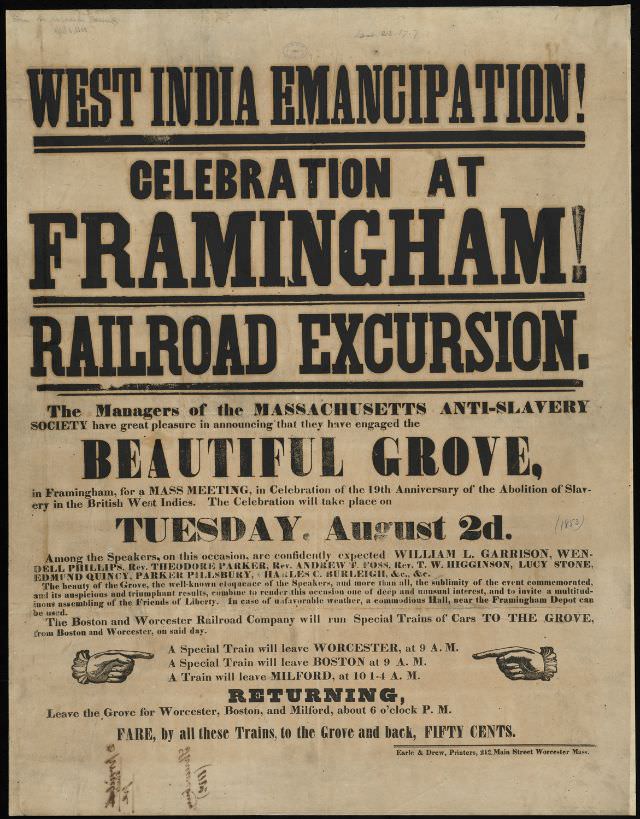
The society also publicized celebratory events, including gatherings marking West Indian Emancipation — the 1834 abolition of slavery across British colonies — as proof that freedom was achievable. These celebrations at locations like Framingham served both as public commemorations and as rallying points for the ongoing American abolitionist movement.
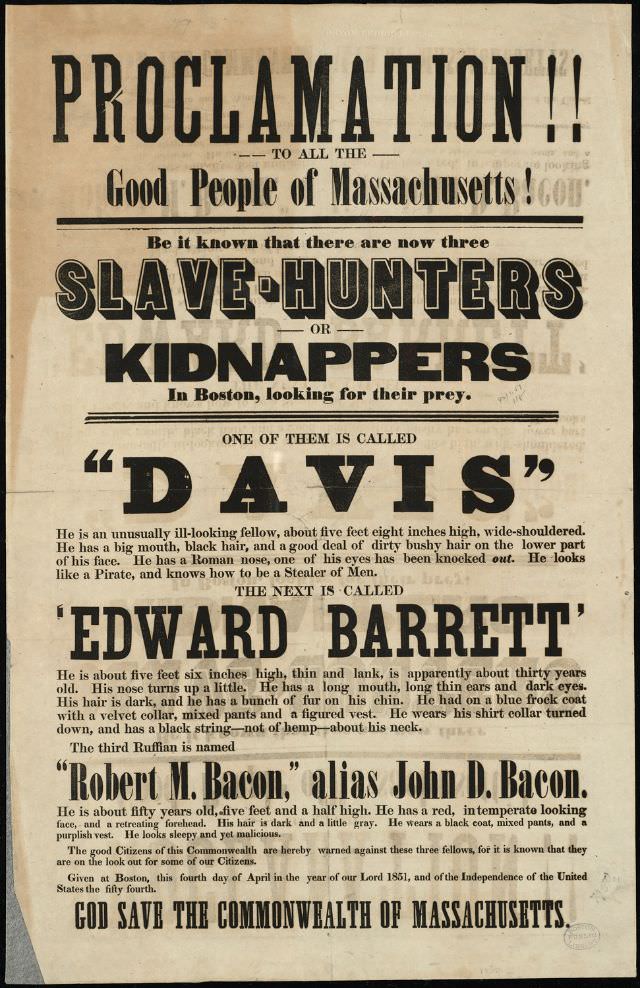
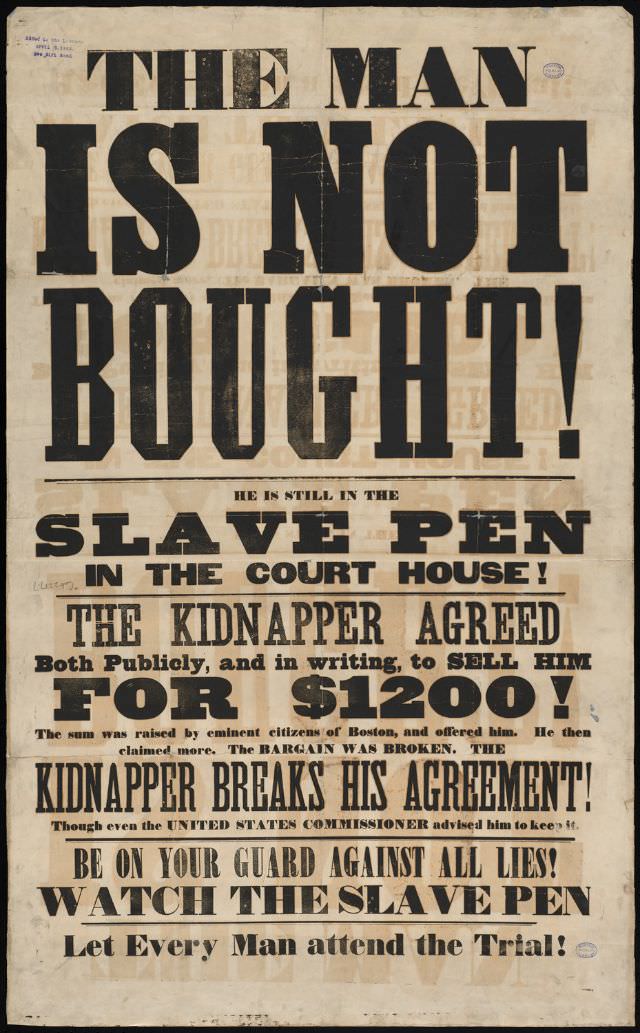
When slaveholders or their agents entered Boston to reclaim freedom-seekers, the society moved fast. Broadsides were printed and circulated within hours, urging citizens to act. Headlines like “The Man Is Not Bought! He Is Still in the Slave Pen in the Courthouse!” created urgency and kept crowds informed in real time before newspapers could respond.
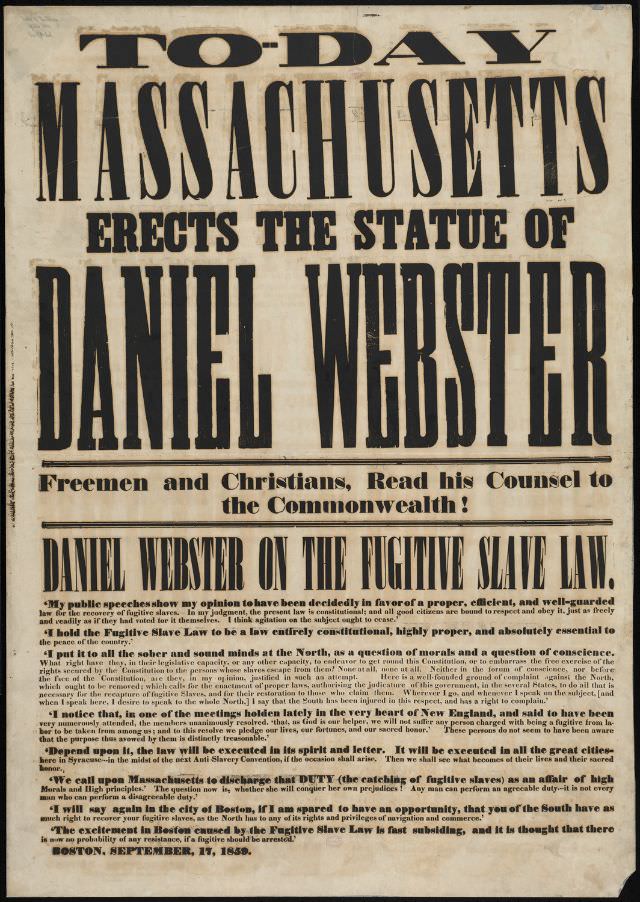
The society also targeted specific political figures. A broadside marking the unveiling of a statue of Daniel Webster called out his support for the Compromise of 1850 and its Fugitive Slave provisions. Webster had once been celebrated in Massachusetts, but his vote for the compromise made him a target of sustained abolitionist criticism.
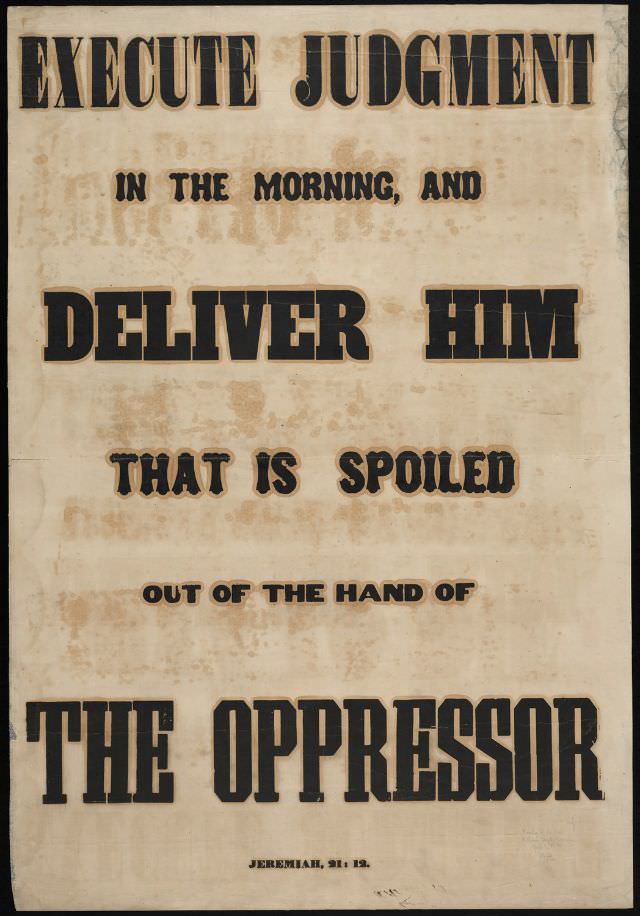
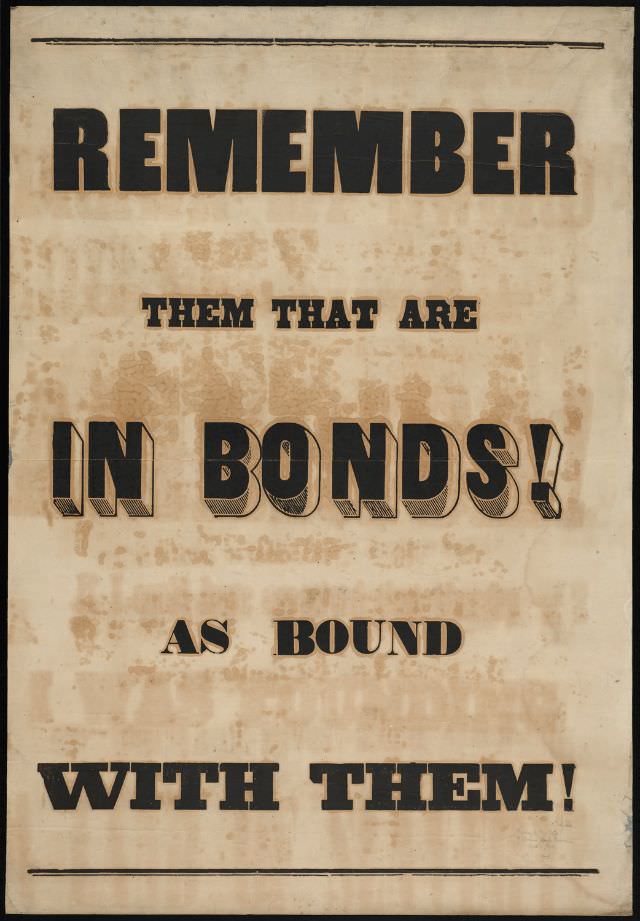
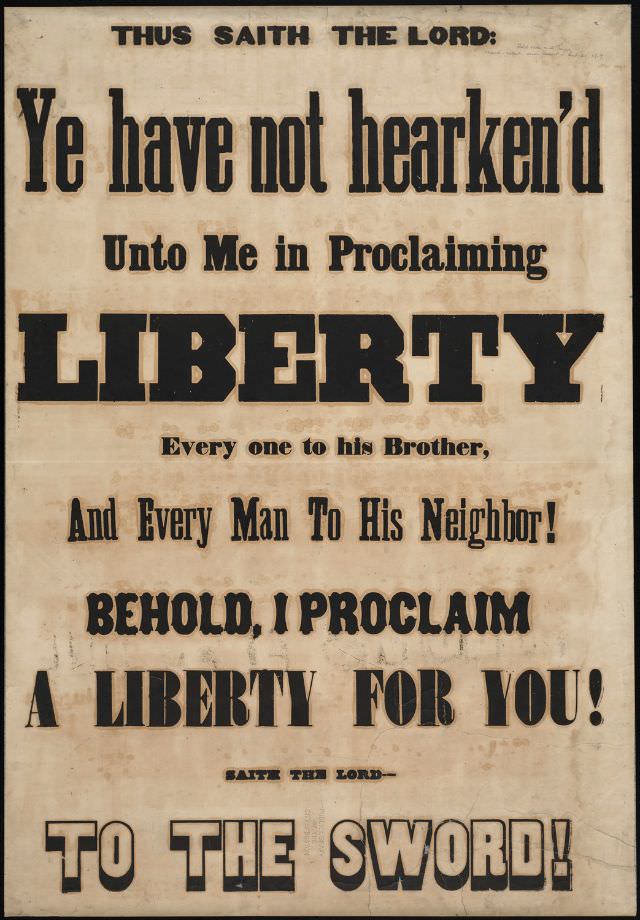
Religious language ran through nearly every broadside the society produced. Scripture was quoted to condemn slaveholders, to call on citizens to act, and to frame the abolitionist fight as a moral duty. Passages from Jeremiah and other books of the Bible appeared alongside political arguments, presenting slavery as a sin that demanded immediate action — not gradual reform.
The full collection of these broadsides represents the society’s wide-ranging approach: legal challenges, public protests, political pressure, and moral appeals all printed on single sheets designed to reach as many eyes as possible.