When General Motors unveiled the Buick Centurion at the 1956 Motorama, it stopped people in their tracks. This was not just a flashy show car — it was a rolling preview of technologies that the auto industry would not seriously revisit for decades. From its camera-based rear vision system to its aircraft-inspired body, the Centurion stood in a class entirely its own.
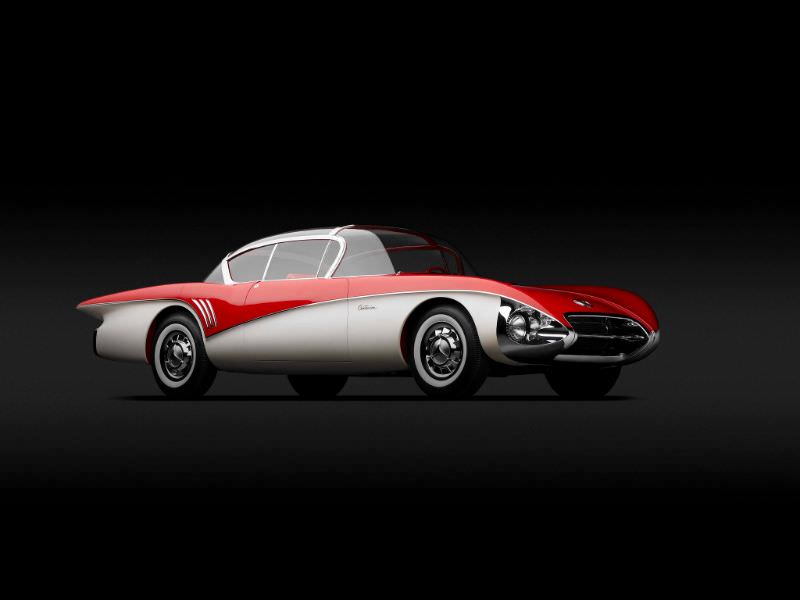
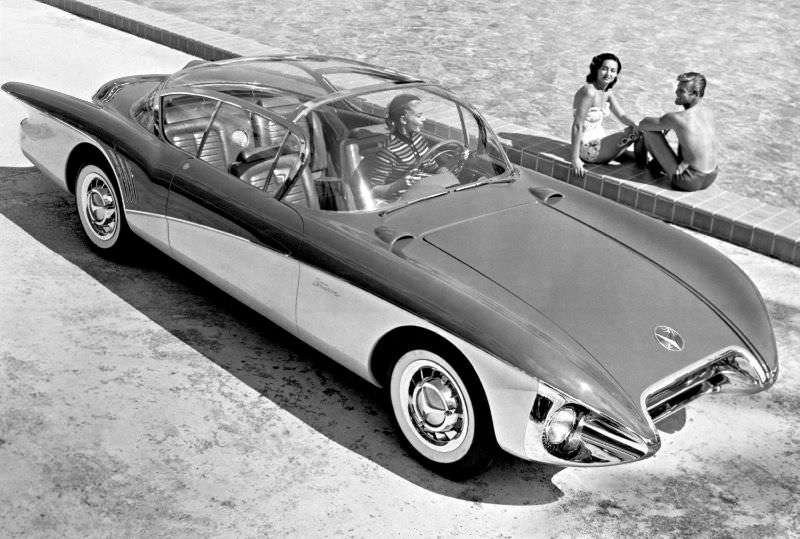
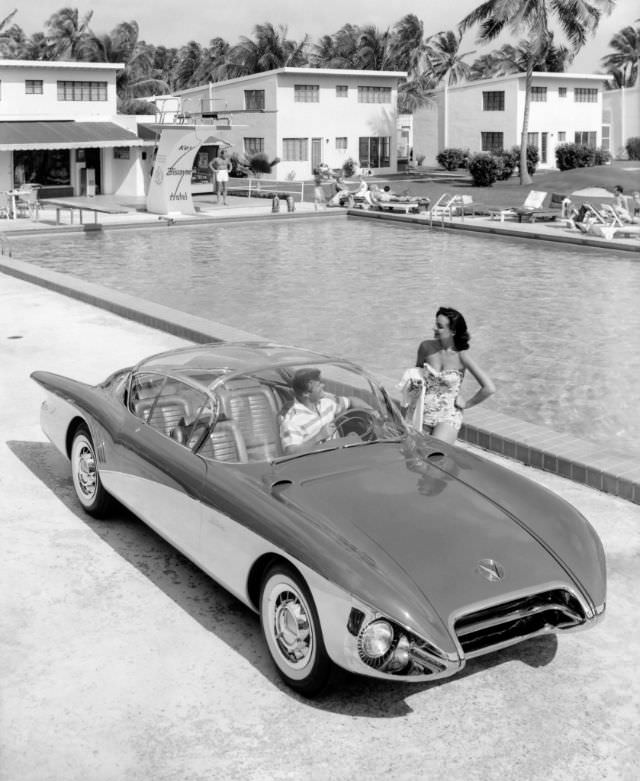
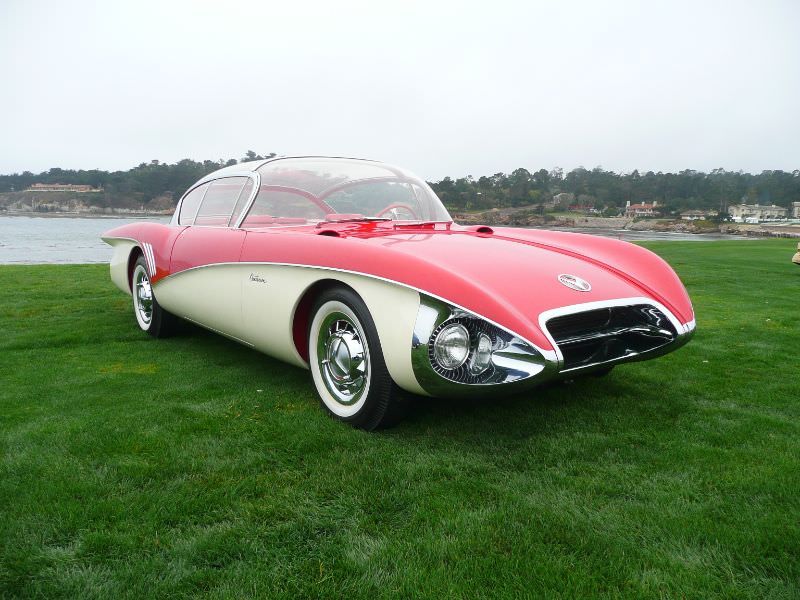
Buick fans will spot familiar details on the Centurion’s body. The signature “sweep-spear” chrome trim running along the sides closely resembles what appeared on Buick’s production 1957 models. The dramatic rear fins echo styling cues that would later show up on the 1959 models. But beyond those two details, the Centurion’s design was entirely its own — nothing else in Buick’s lineup looked anything like it.
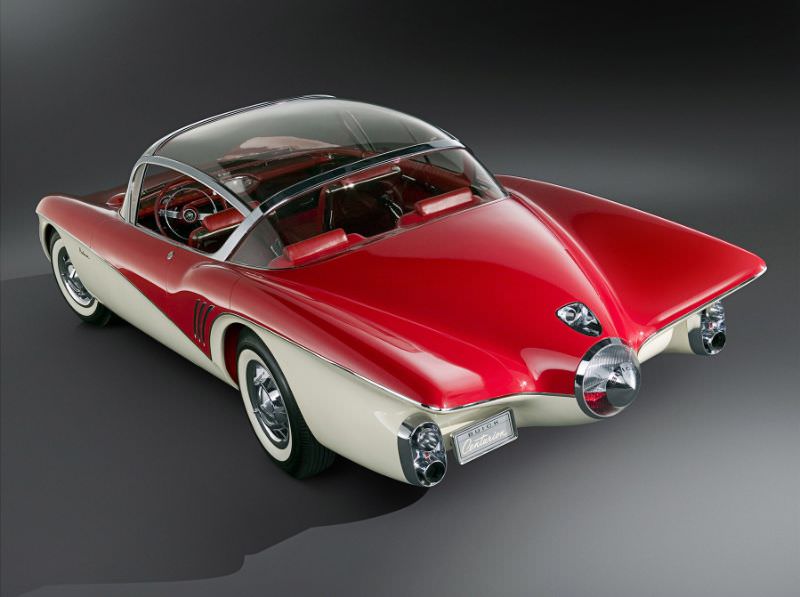
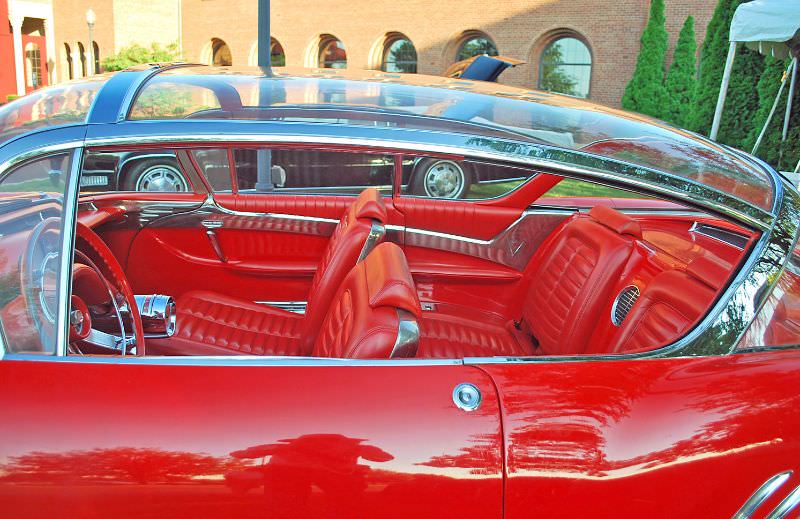
The wings, tail cone, and bubble canopy top make it clear where GM’s designers were looking for inspiration: the sky. Aviation was booming in the mid-1950s, and jet aircraft heavily influenced the way many GM concept cars were shaped during this era. The Centurion took that influence further than most.
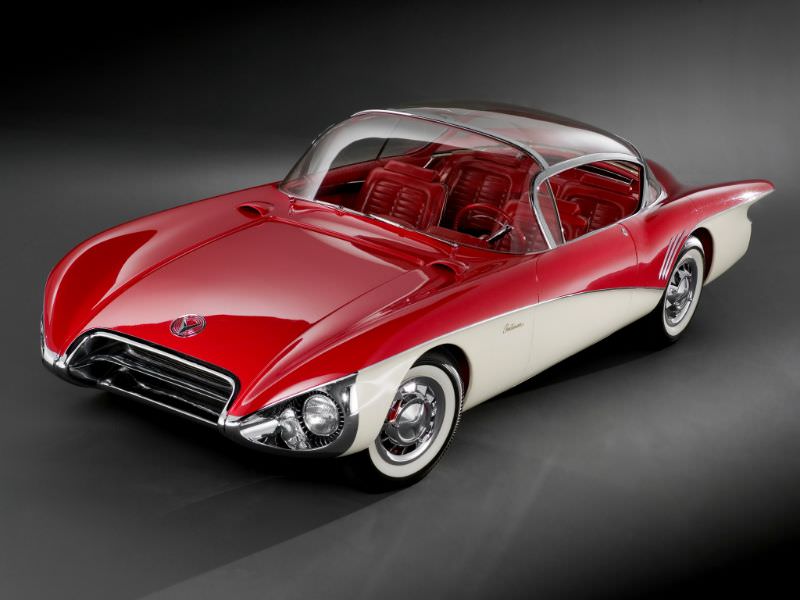
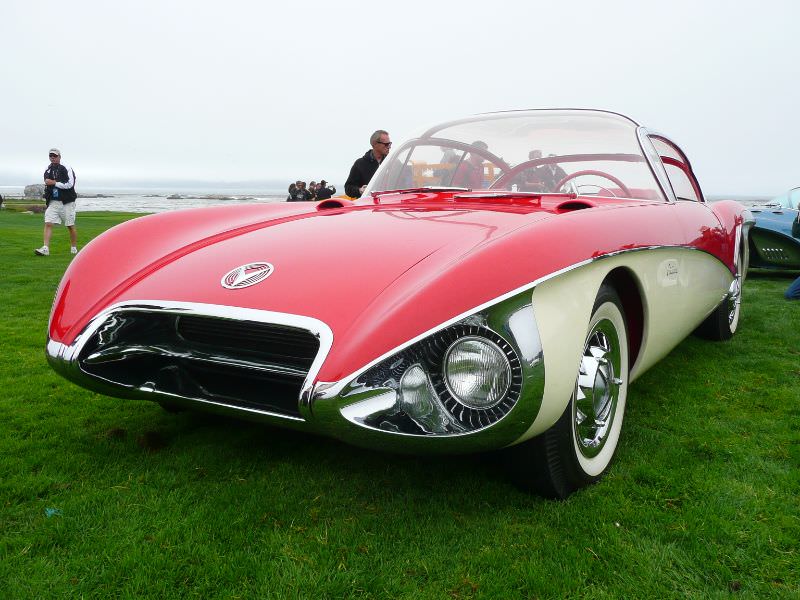
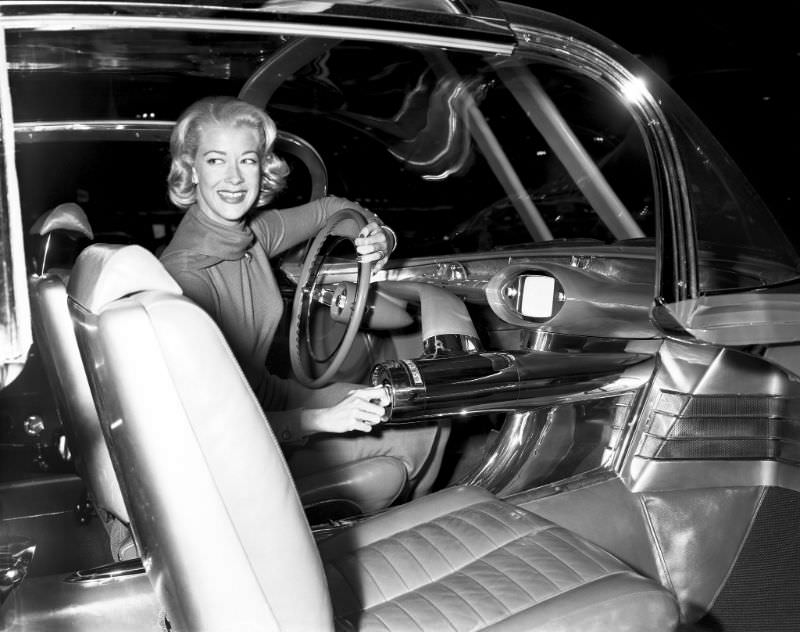
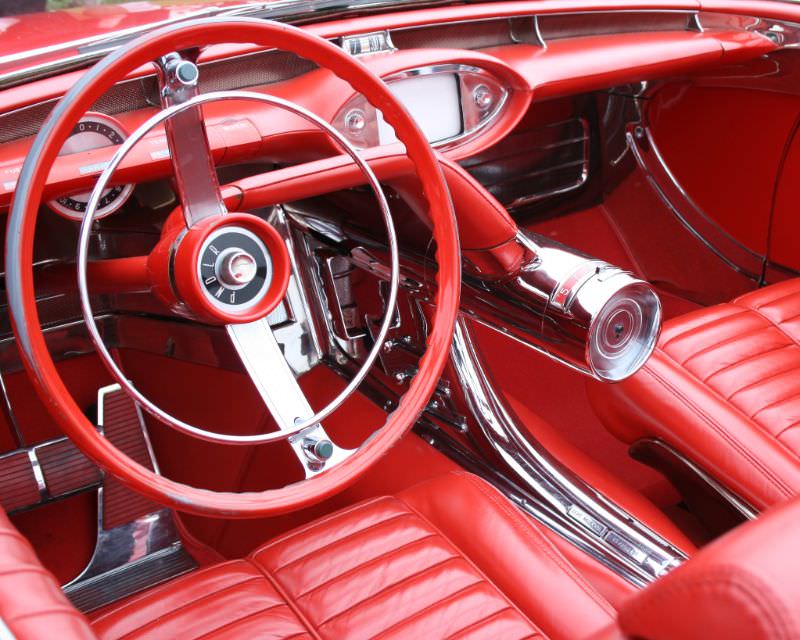
Inside, the Centurion was just as bold. The speedometer was freestanding, with a fixed needle and a rotating dial — the opposite of what drivers were used to. It was a deliberate design choice that prioritized a clean, futuristic look on the dashboard.
The most technically remarkable feature was the rear-view camera system. Television cameras mounted just above the tail cone captured live footage from behind the car and projected it onto a screen on the dashboard. There was no rear-view mirror at all. In 1956, this was pure science fiction made real. Backup cameras did not become standard equipment on new American cars until 2018 — more than 60 years later.
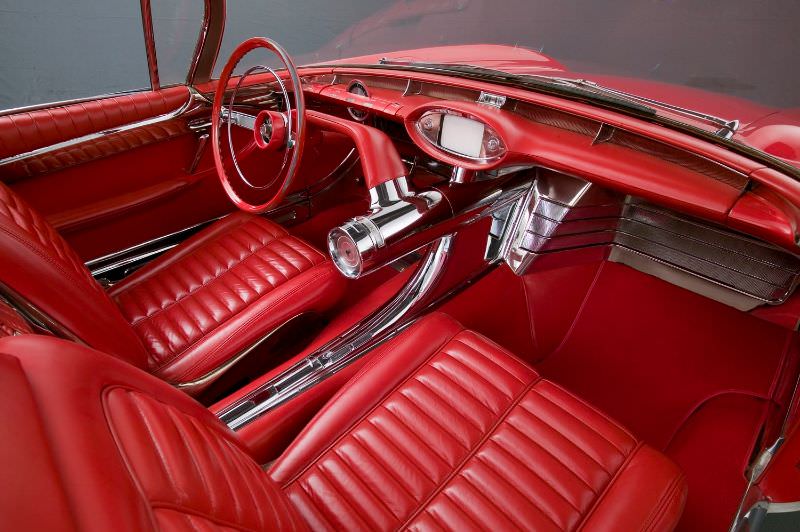
The overall shape of the Centurion was long, low, and aggressive. Its tail cone gave the rear end the look of a jet engine nacelle, and the transparent canopy over the cabin reinforced the fighter-plane feel. No pillars interrupted the glasswork, creating an open and airy cockpit-style interior.
The Centurion was never meant for production. Like most Motorama dream cars, it existed to generate excitement, test public reactions to bold ideas, and push the boundaries of what a car could look and feel like. On all three counts, it succeeded.
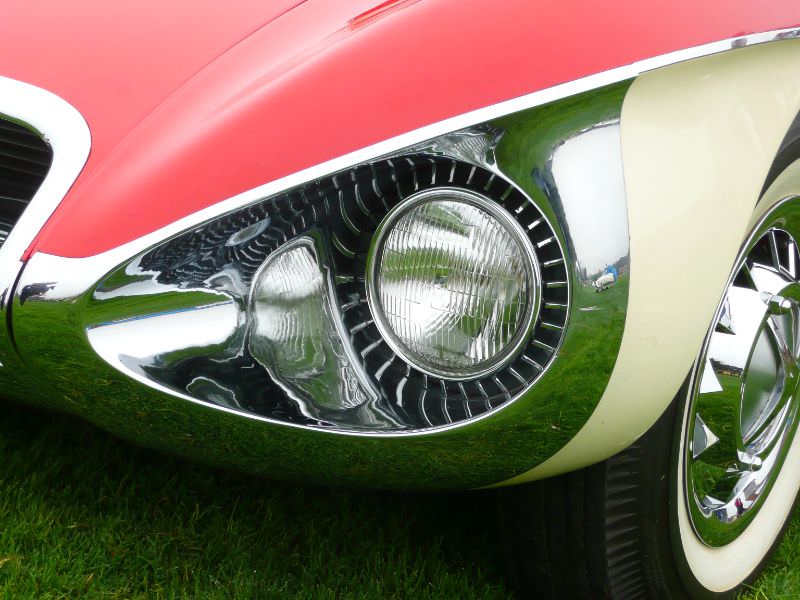
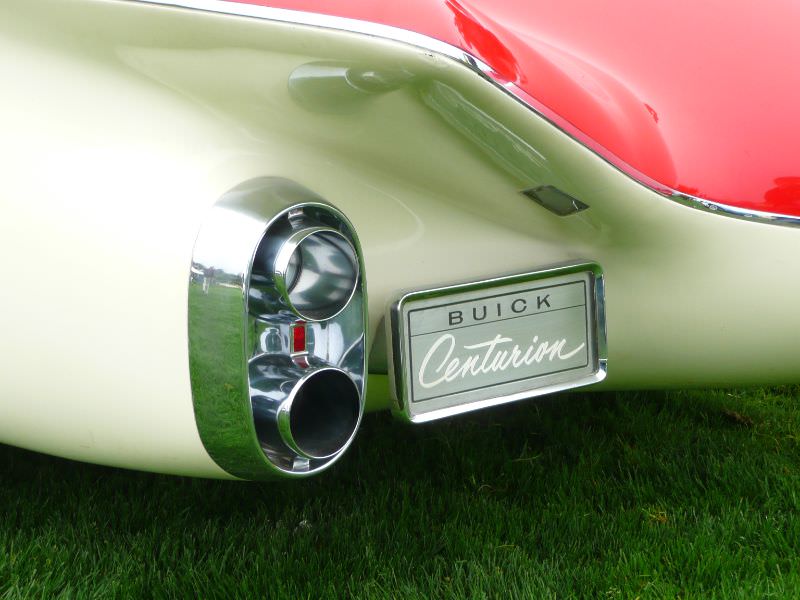
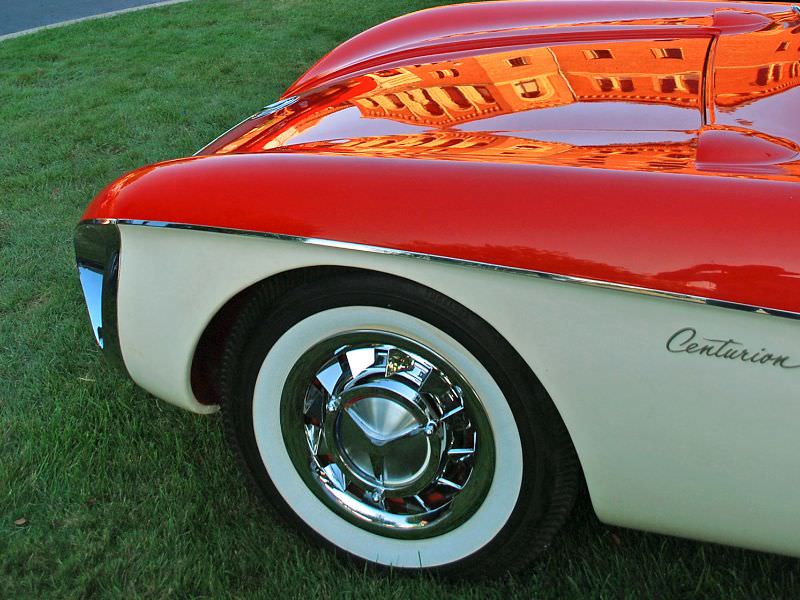
The chrome details on the Centurion were carefully finished to catch the light from every angle. Show car or not, GM made sure the Centurion looked production-quality up close. Motorama visitors in 1956 were seeing craftsmanship that matched the ambition of the design itself.
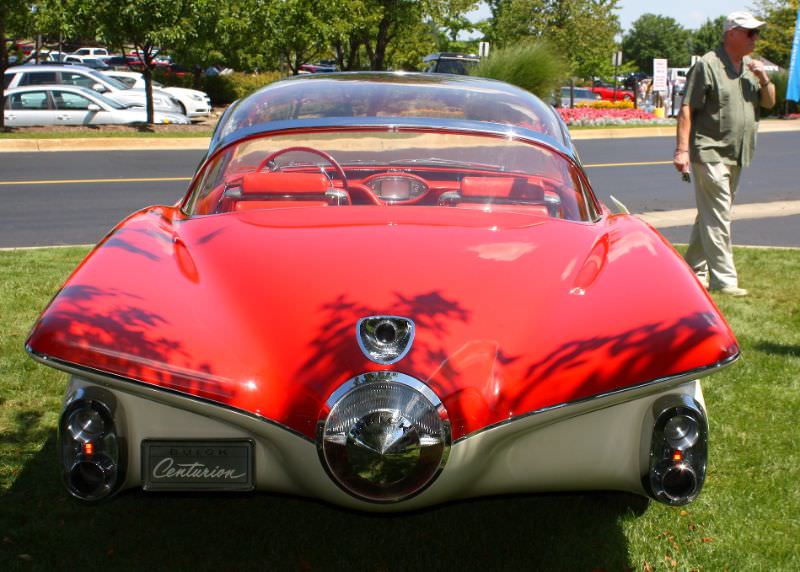
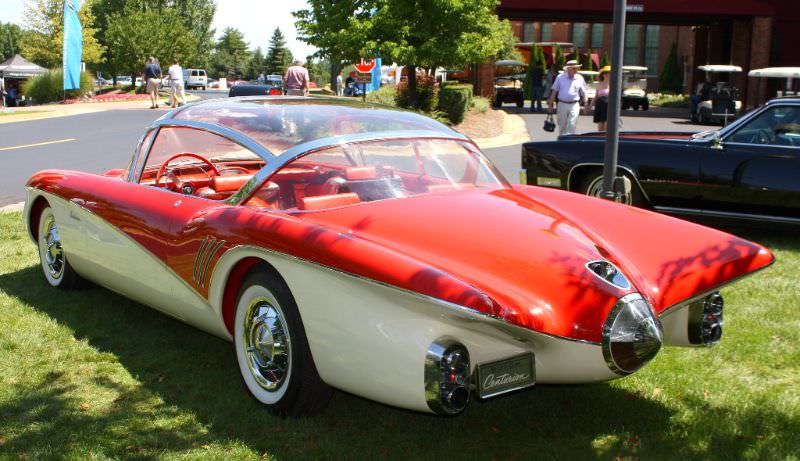
Viewed from any angle, the Centurion holds up as one of the most striking concept cars of the entire 1950s. Its proportions were balanced despite how extreme the styling was, and every element — from the fins to the canopy to the tail cone — tied together into one coherent vision.