In December 1911, the SY Aurora left Hobart, Tasmania, carrying a team of scientists and explorers bound for one of the most remote places on Earth. Dr. Douglas Mawson, a geologist, led the mission. The goal was to study Antarctica’s geology, biology, and weather patterns in areas that had never been mapped. The journey became known as the Australasian Antarctic Expedition.
Among the crew was James Francis Hurley — known as Frank Hurley — the expedition’s official photographer. He carried his camera into brutal cold and fierce wind, documenting everything from scientific work to the raw power of Antarctic ice. His photographs are the clearest surviving record of what the team saw and endured.
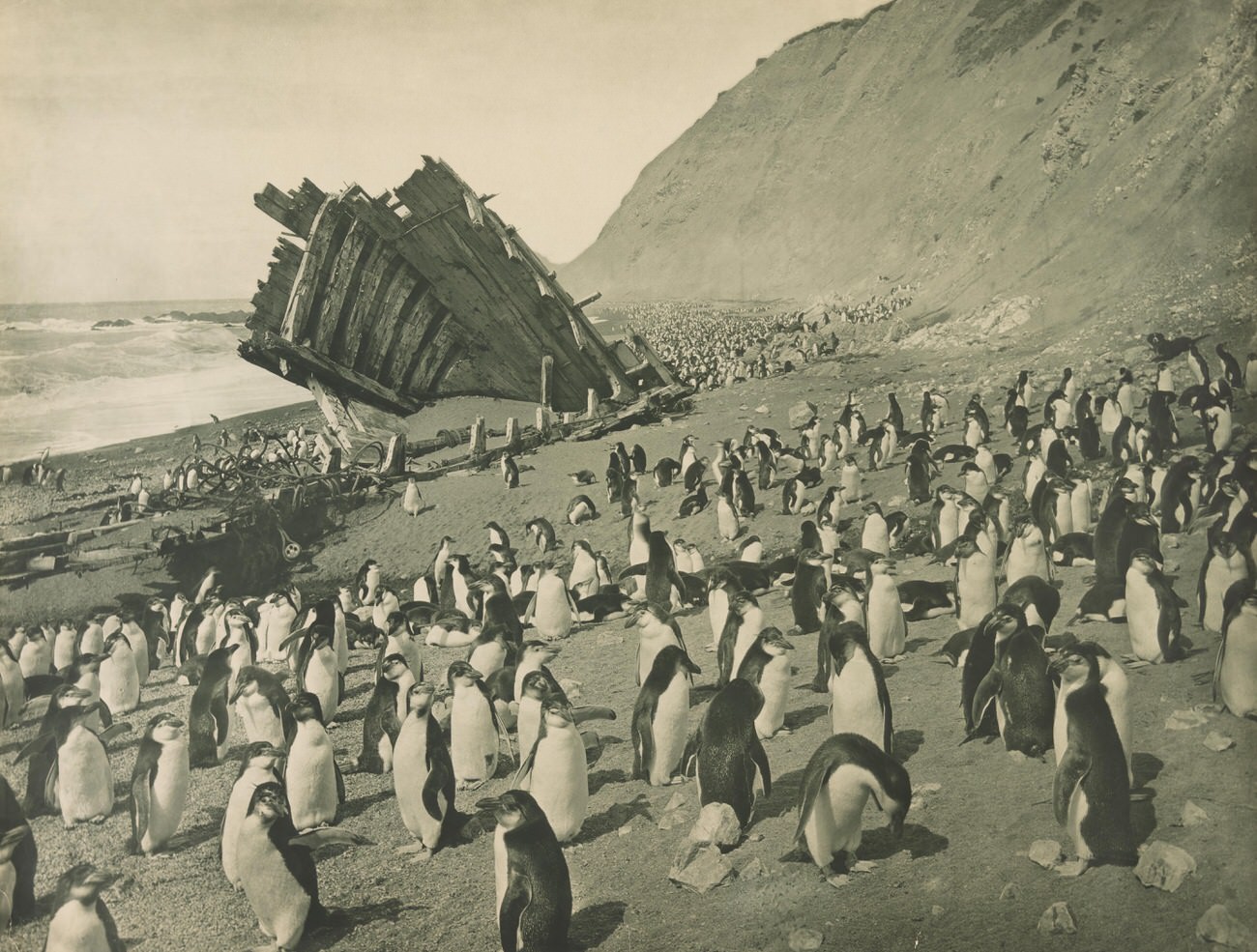
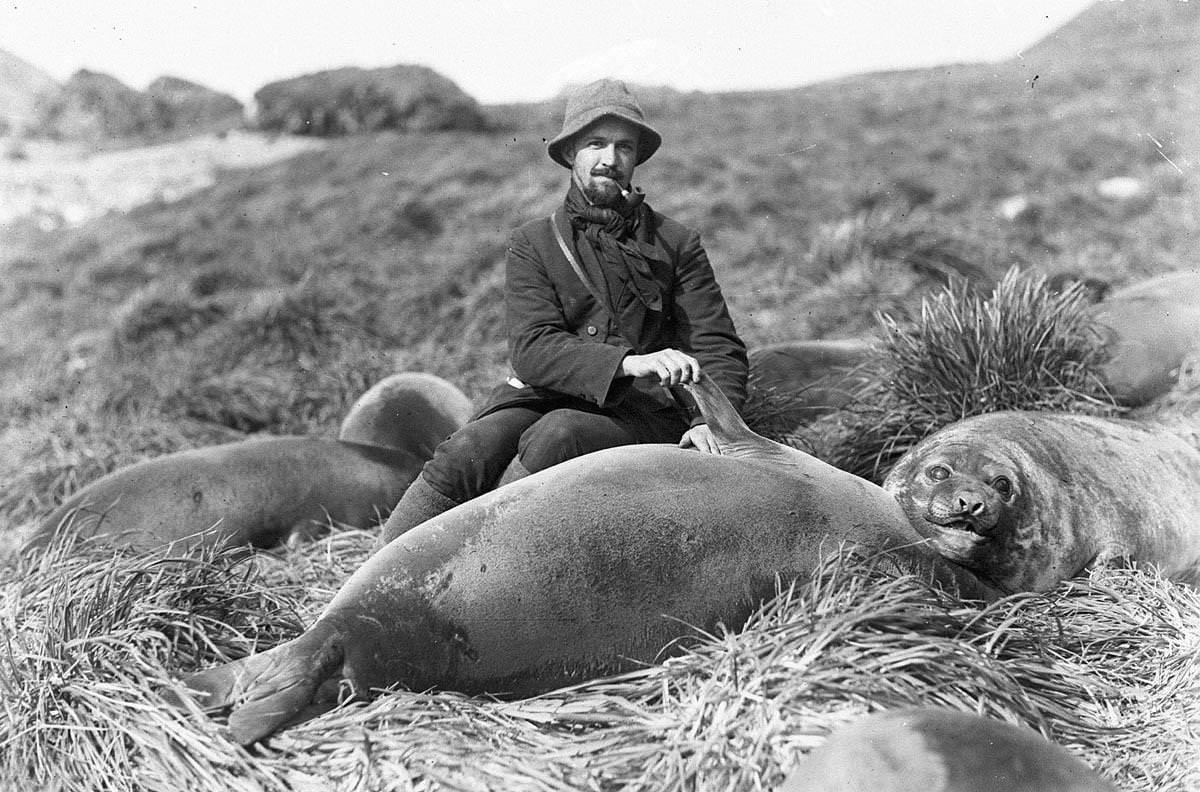
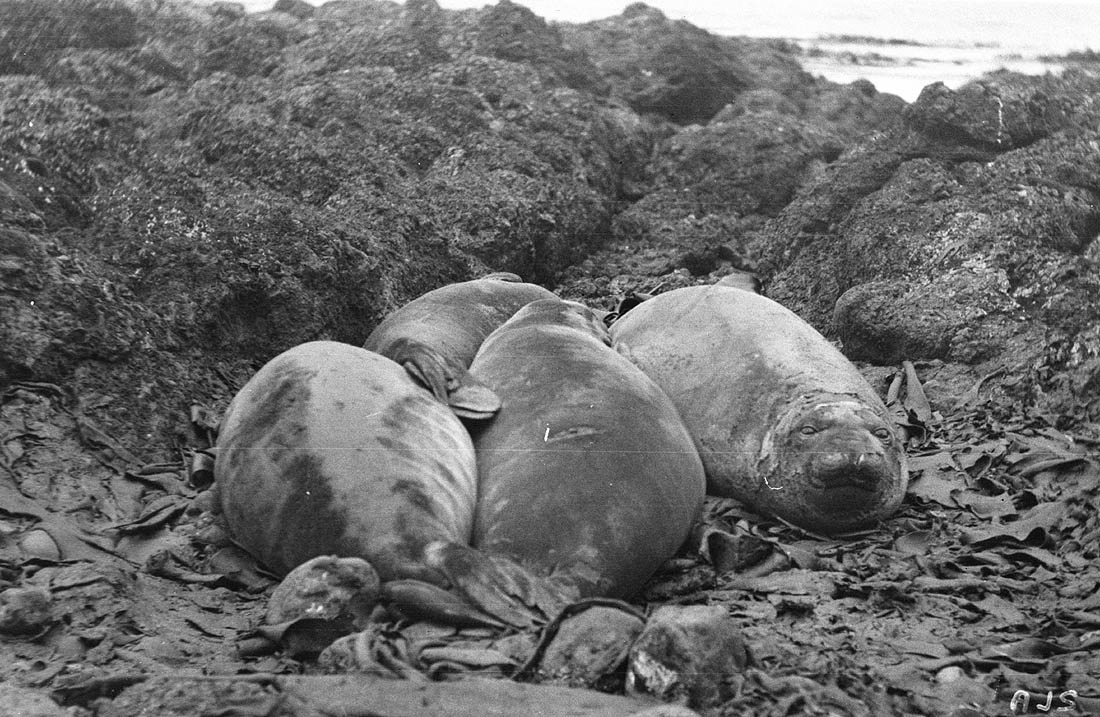
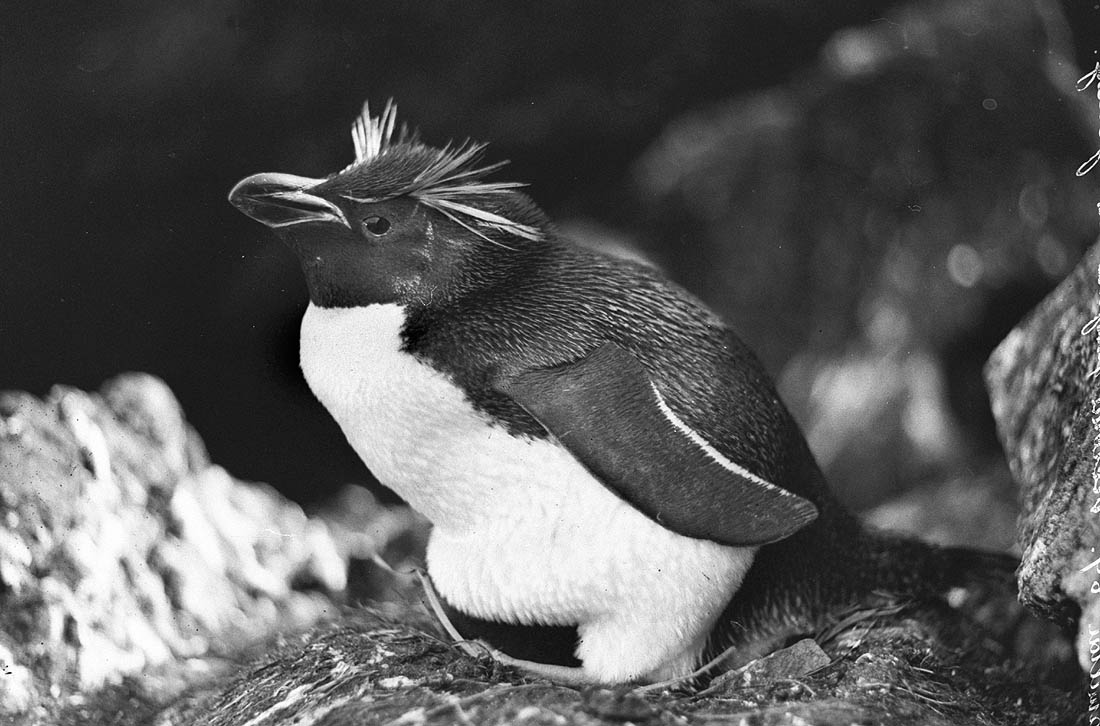
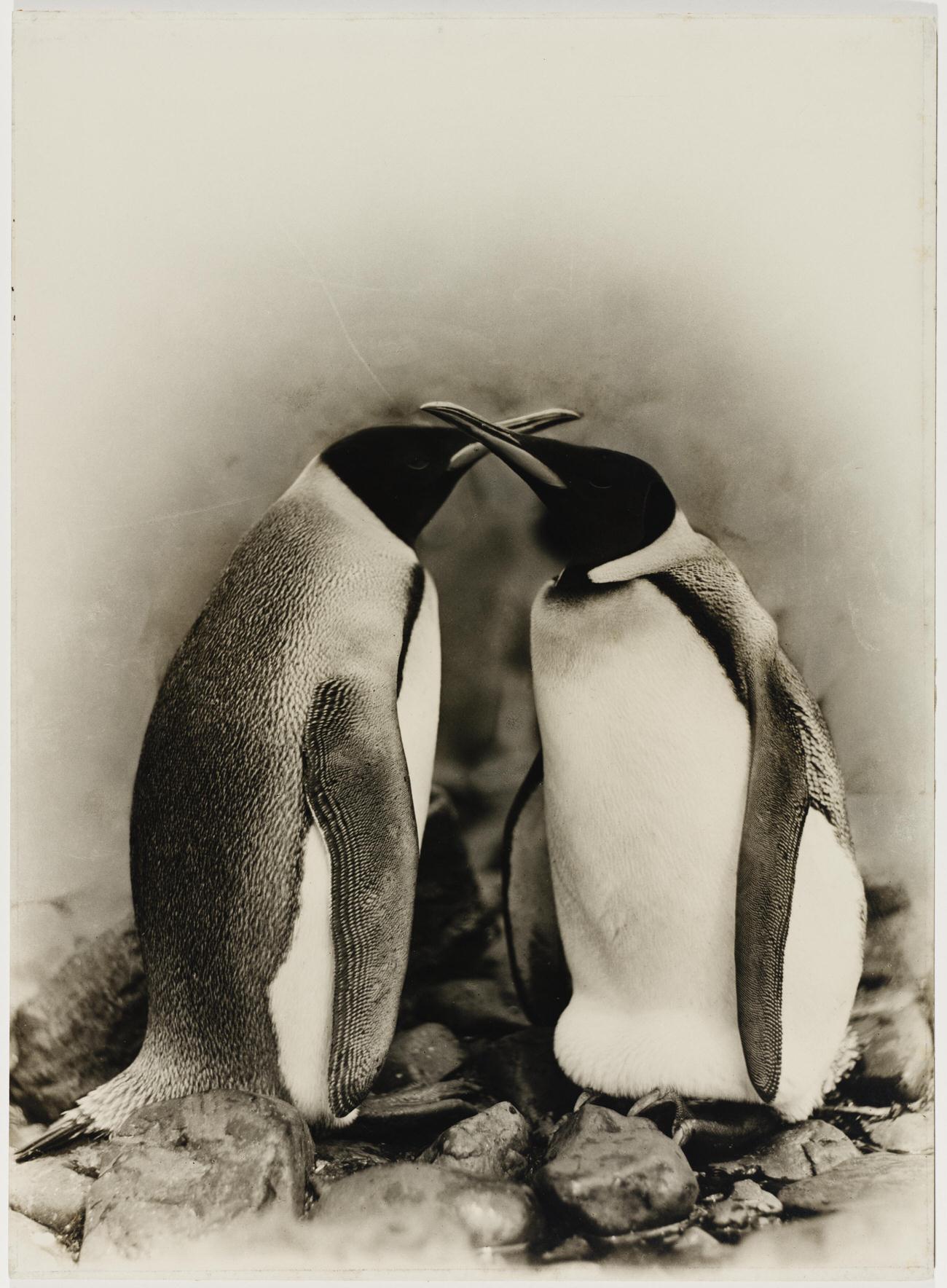
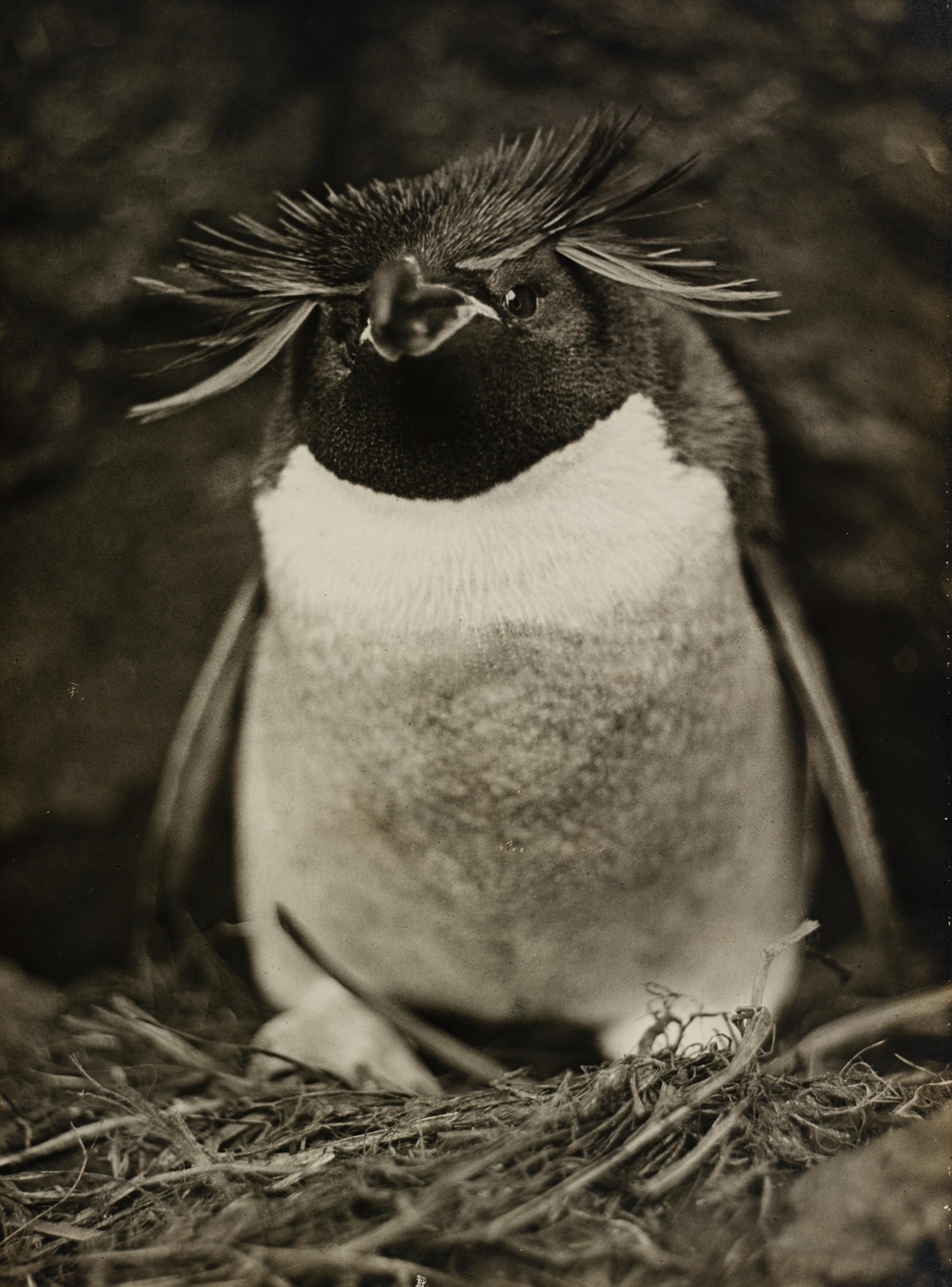
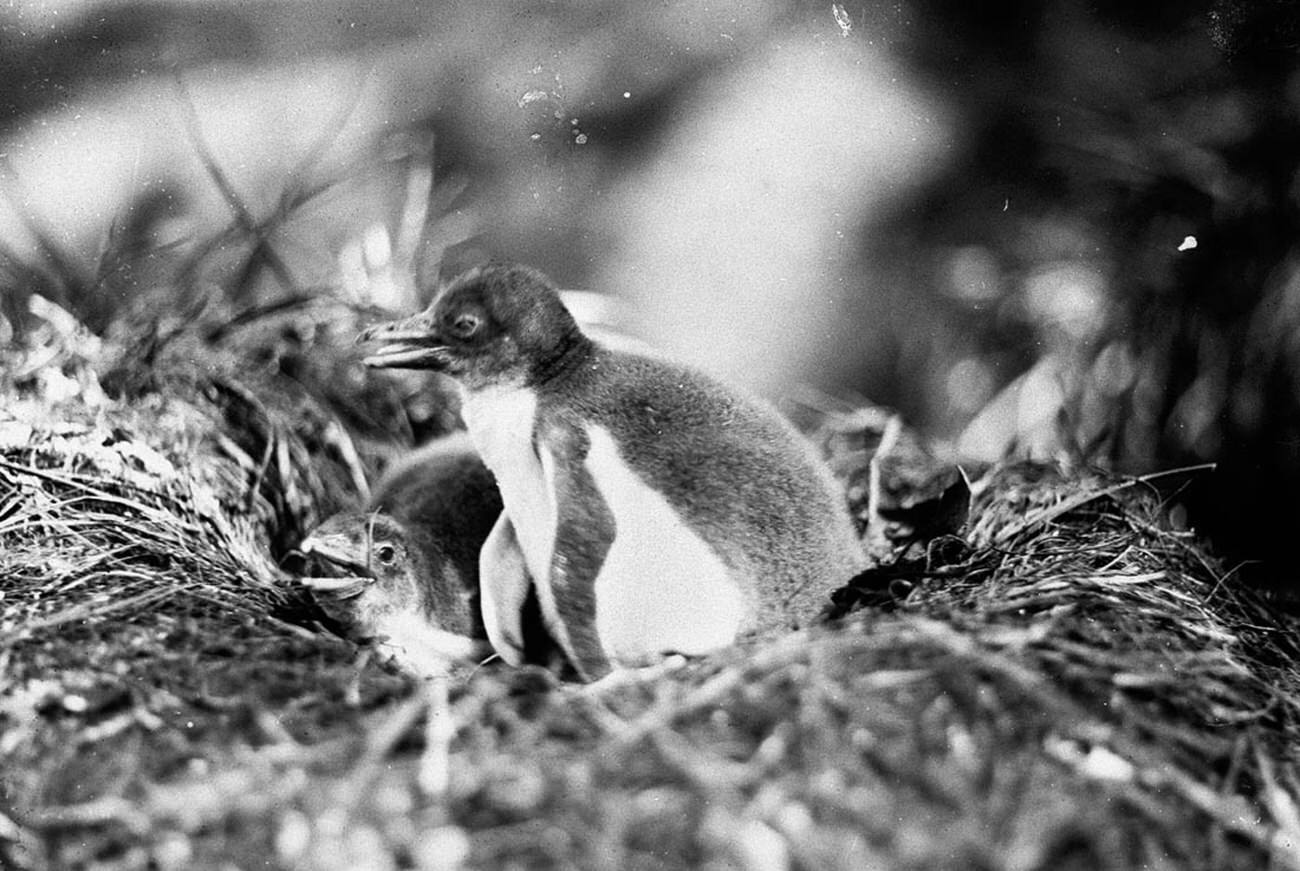
The expedition’s first stop was Macquarie Island, a sub-Antarctic island about halfway between Tasmania and the Antarctic continent. The team set up a research station there. Rocky shores, grassy patches, seals, and large colonies of penguins filled the landscape. Hurley photographed the island’s wildlife and terrain in detail, showing life thriving in a place most people never see.
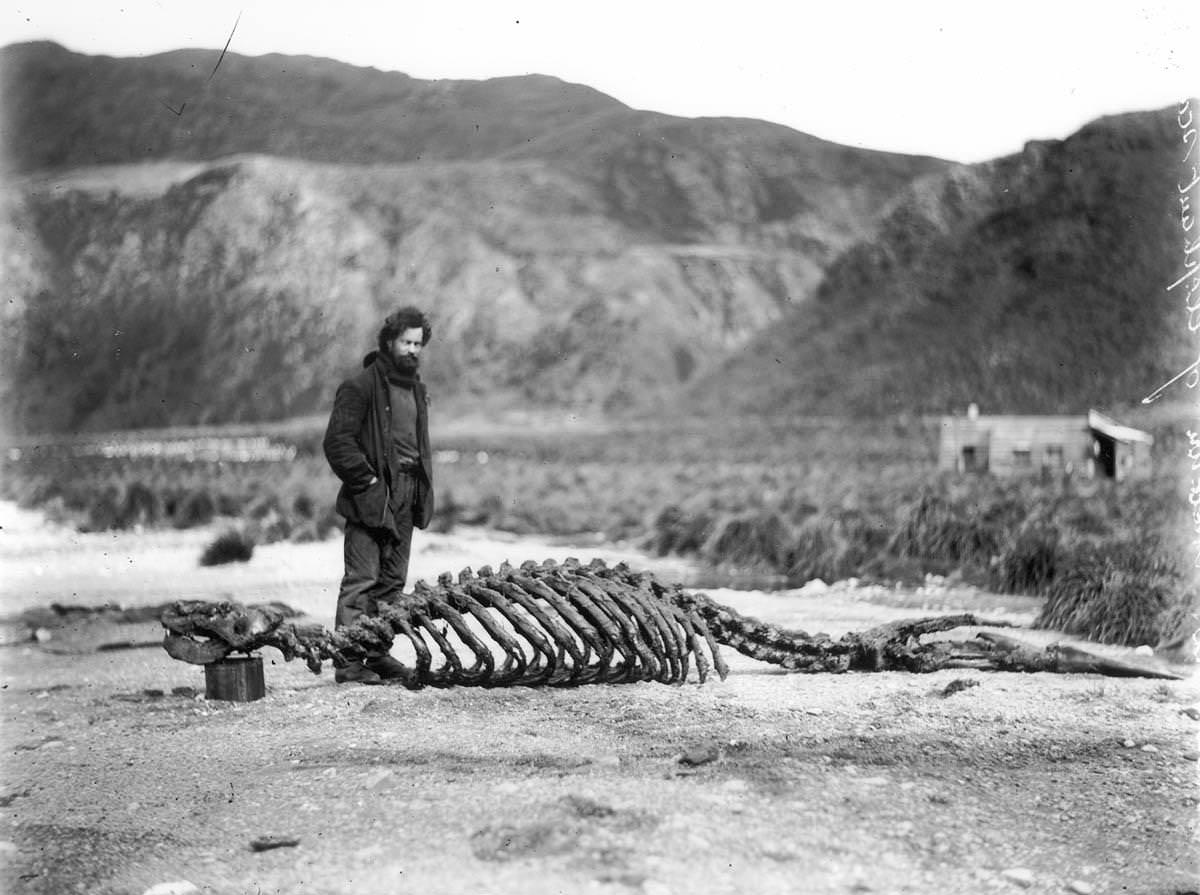
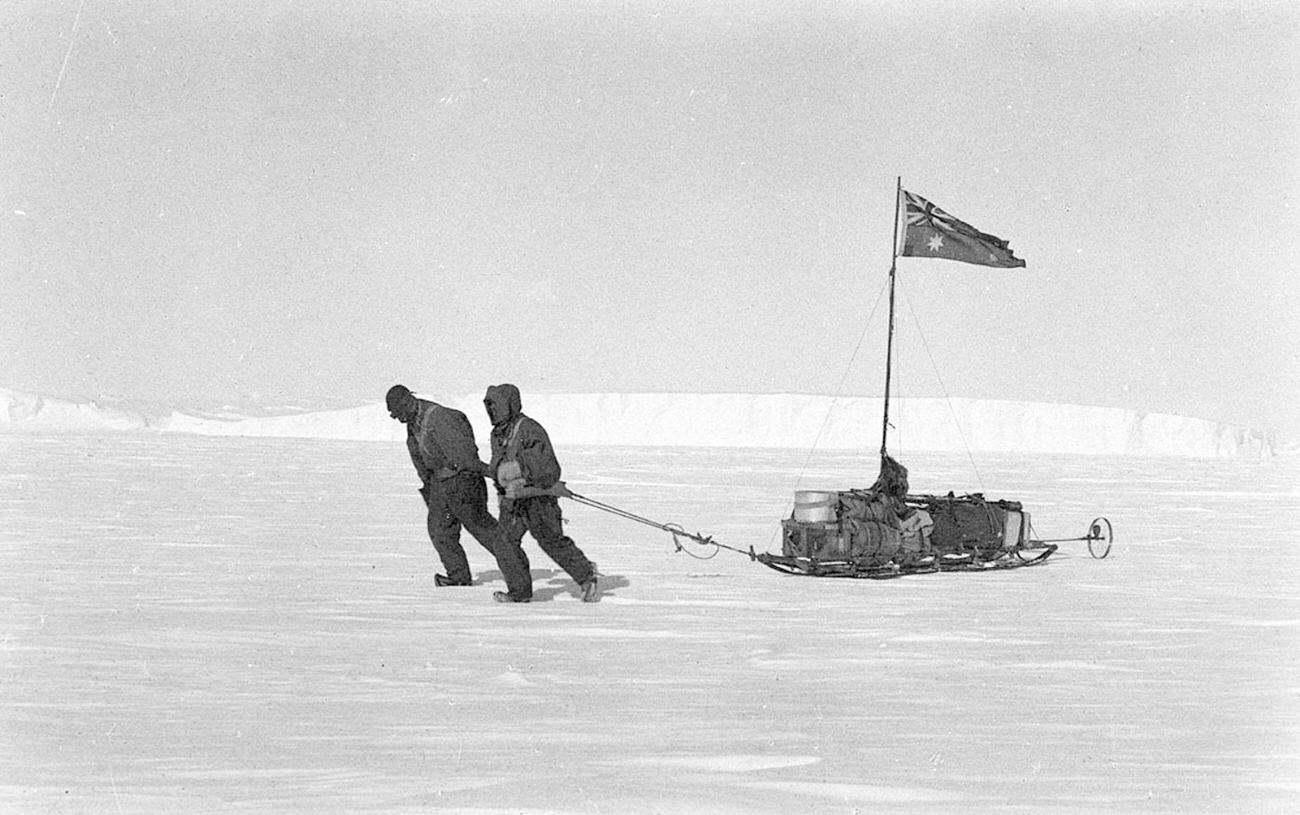
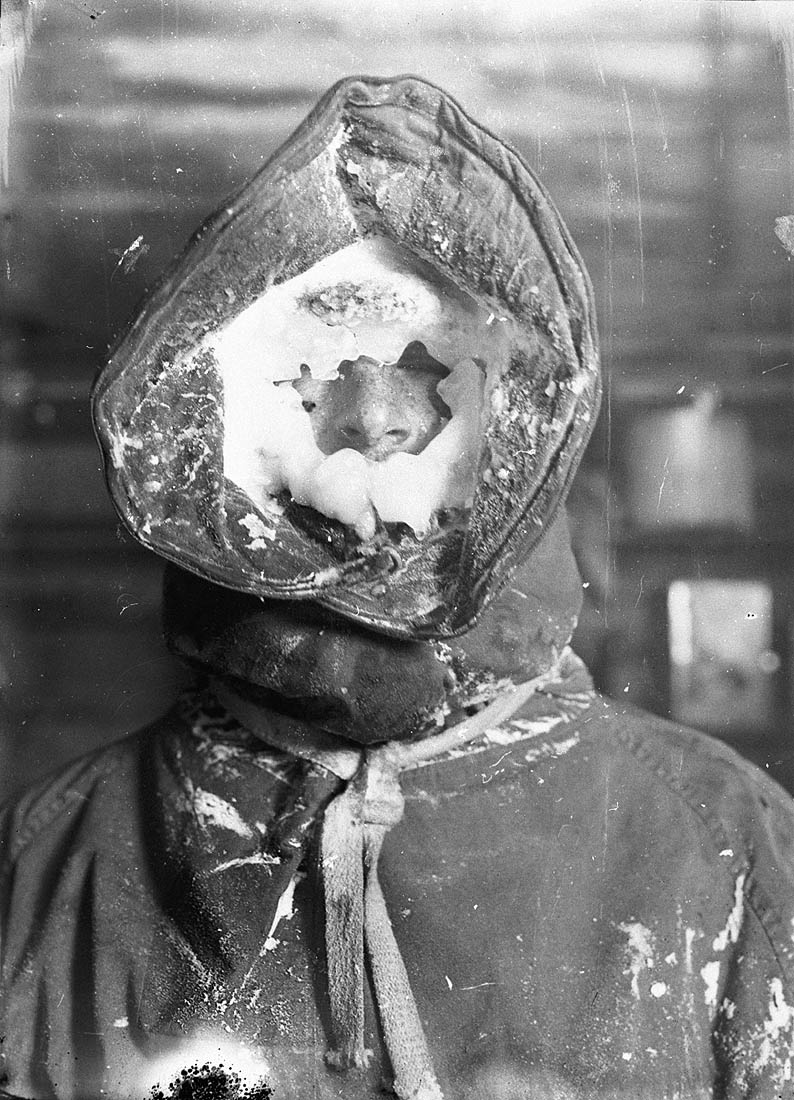
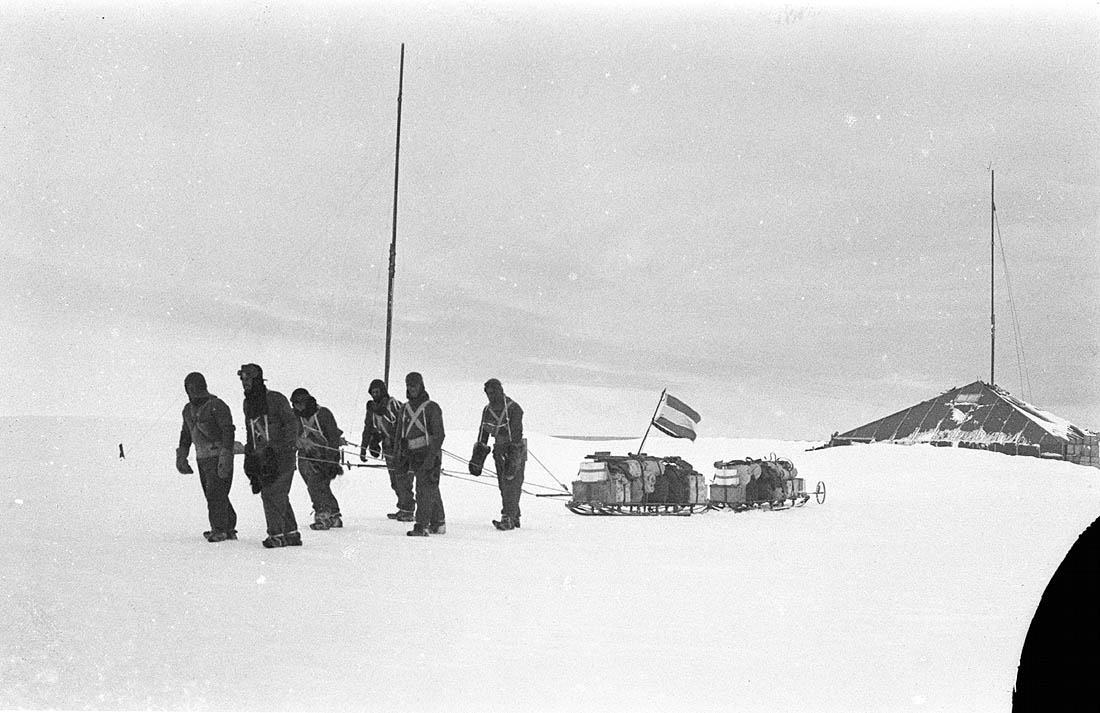
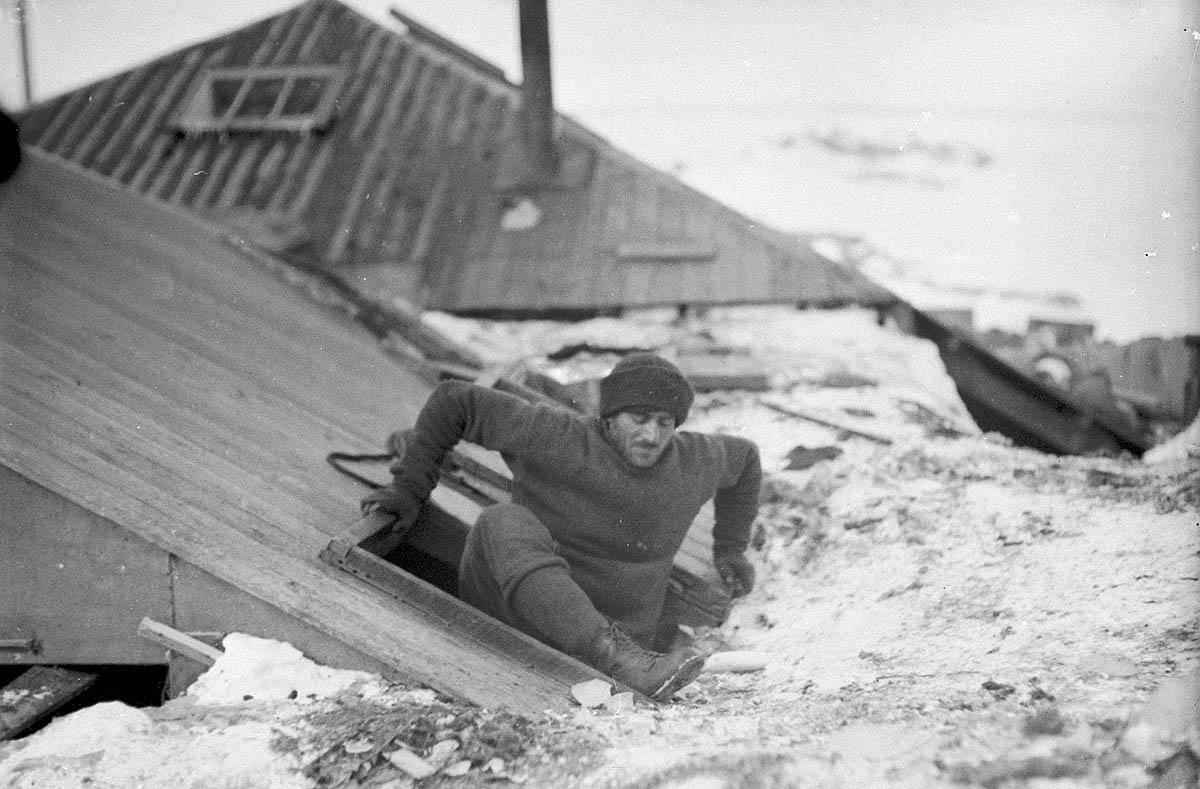
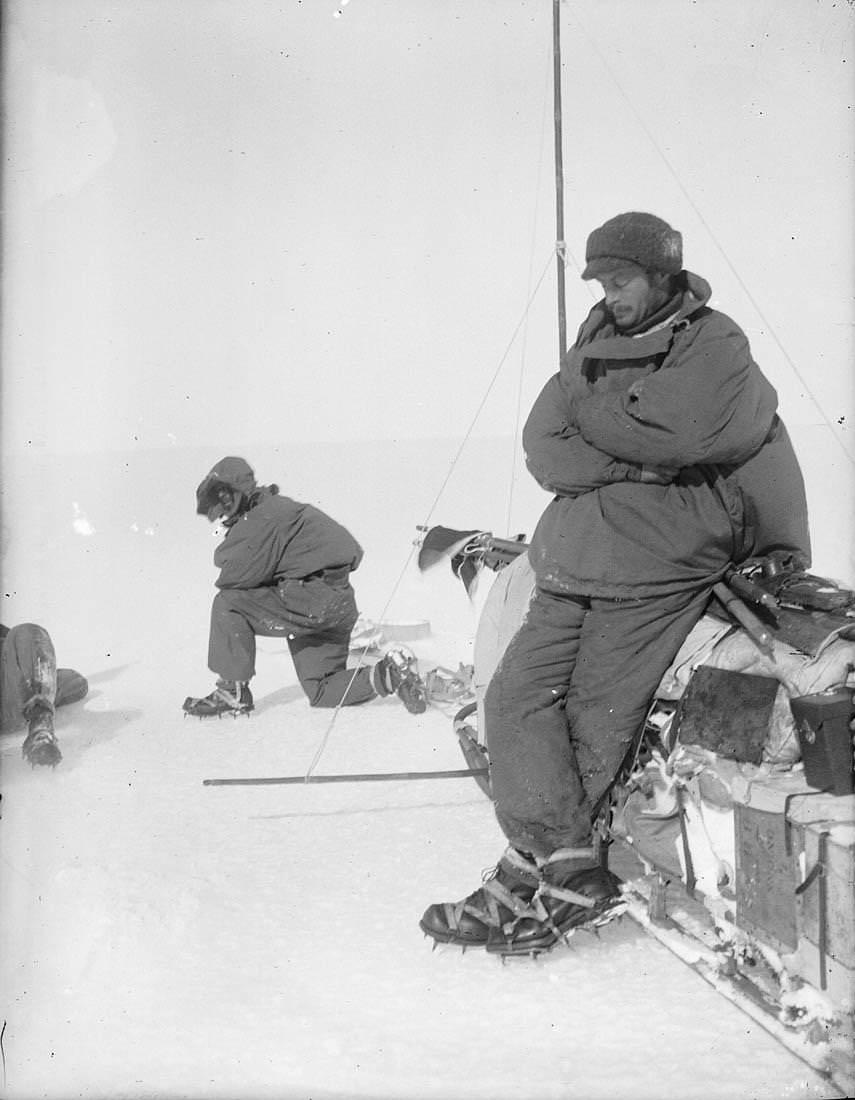
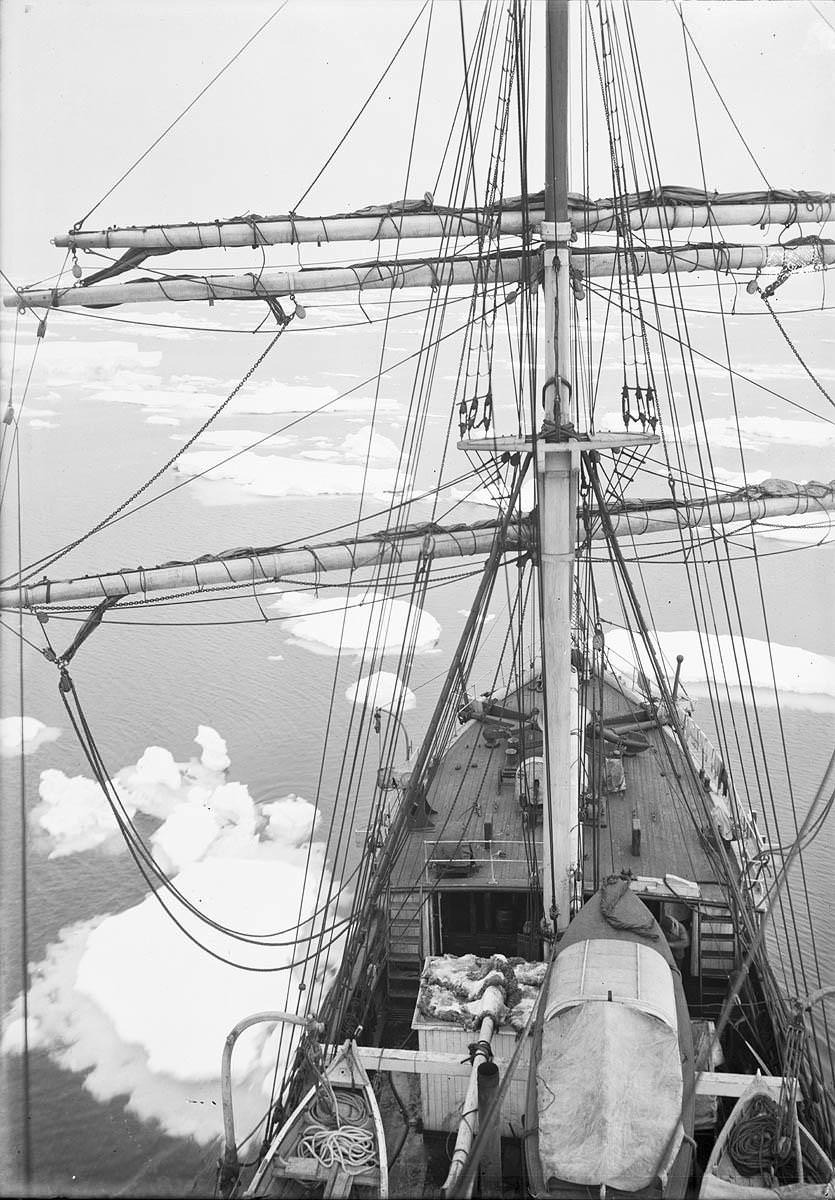
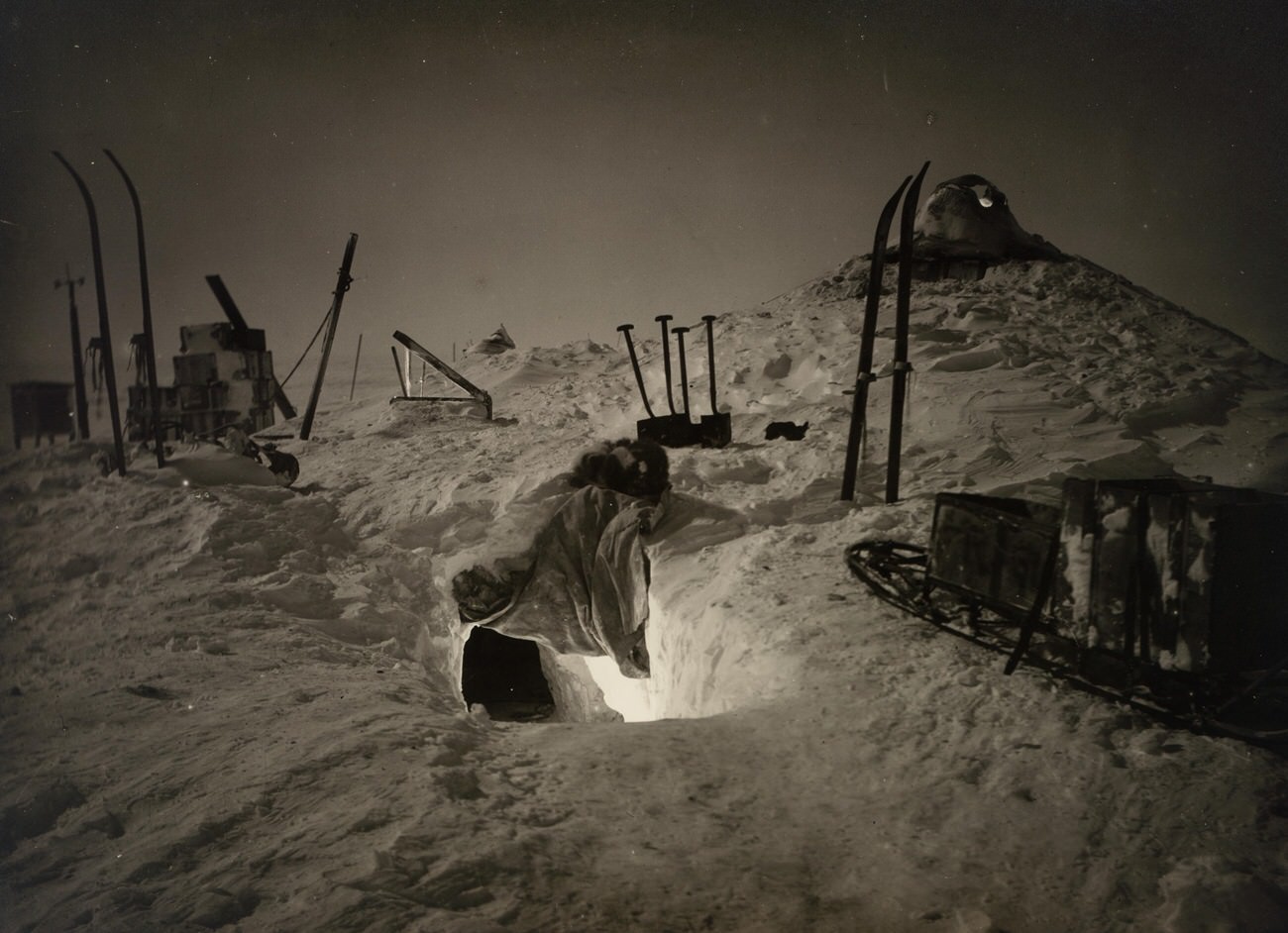
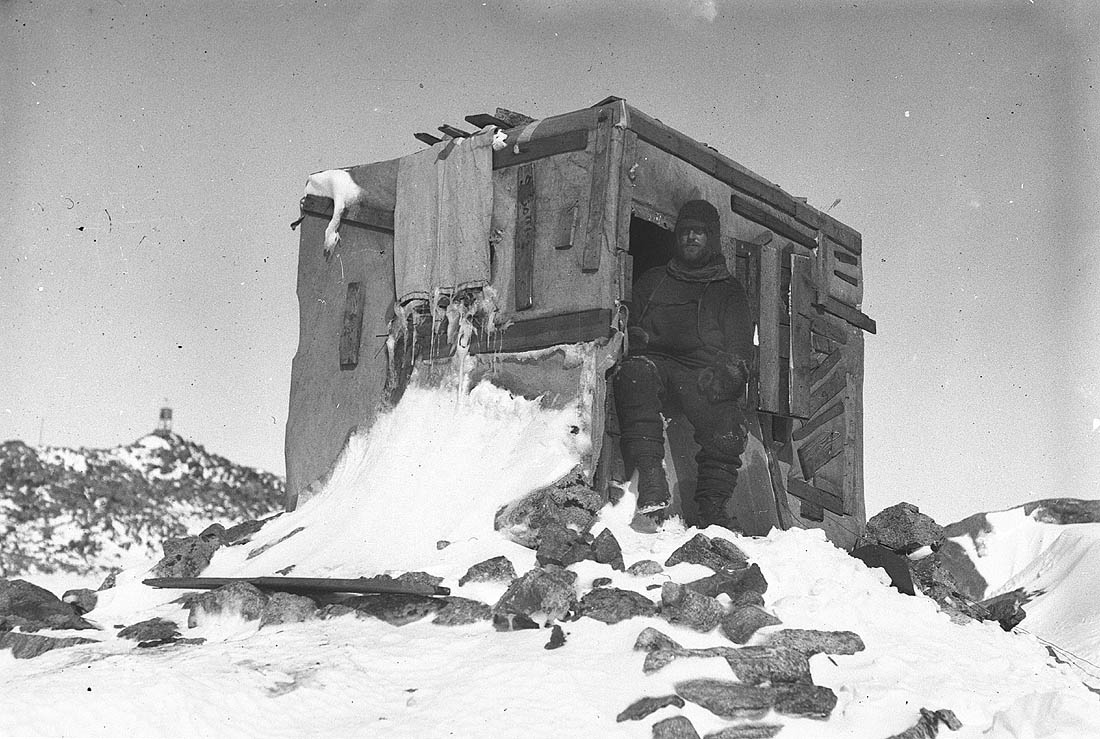
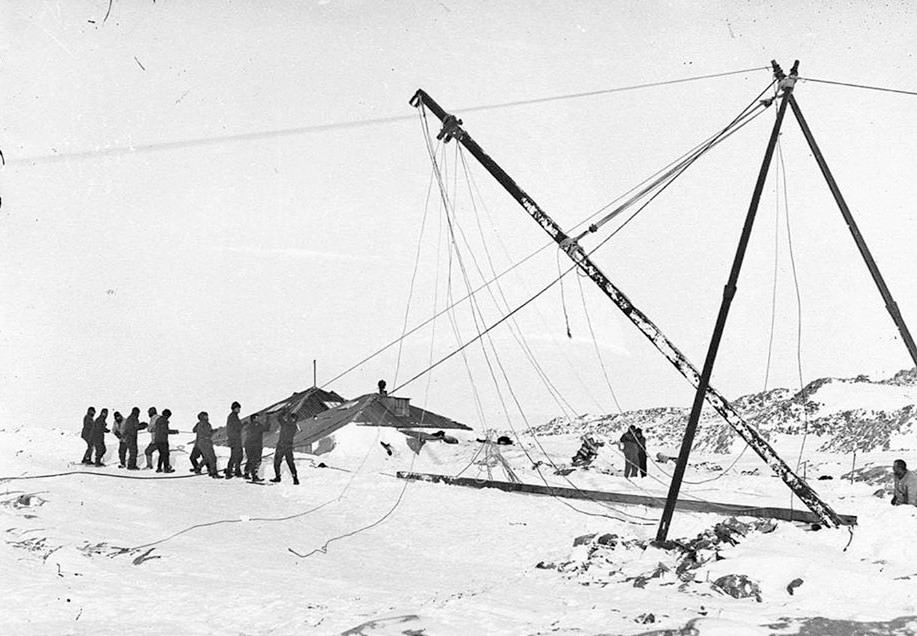
After Macquarie Island, the Aurora pushed further south into Antarctica. The team reached Commonwealth Bay and established their main base at Cape Denison — one of the windiest places on the planet, with gusts regularly exceeding 150 mph. Mawson called it “the home of the blizzard.” Hurley’s photographs show crew members leaning hard into the wind, faces buried in heavy wool and fur.
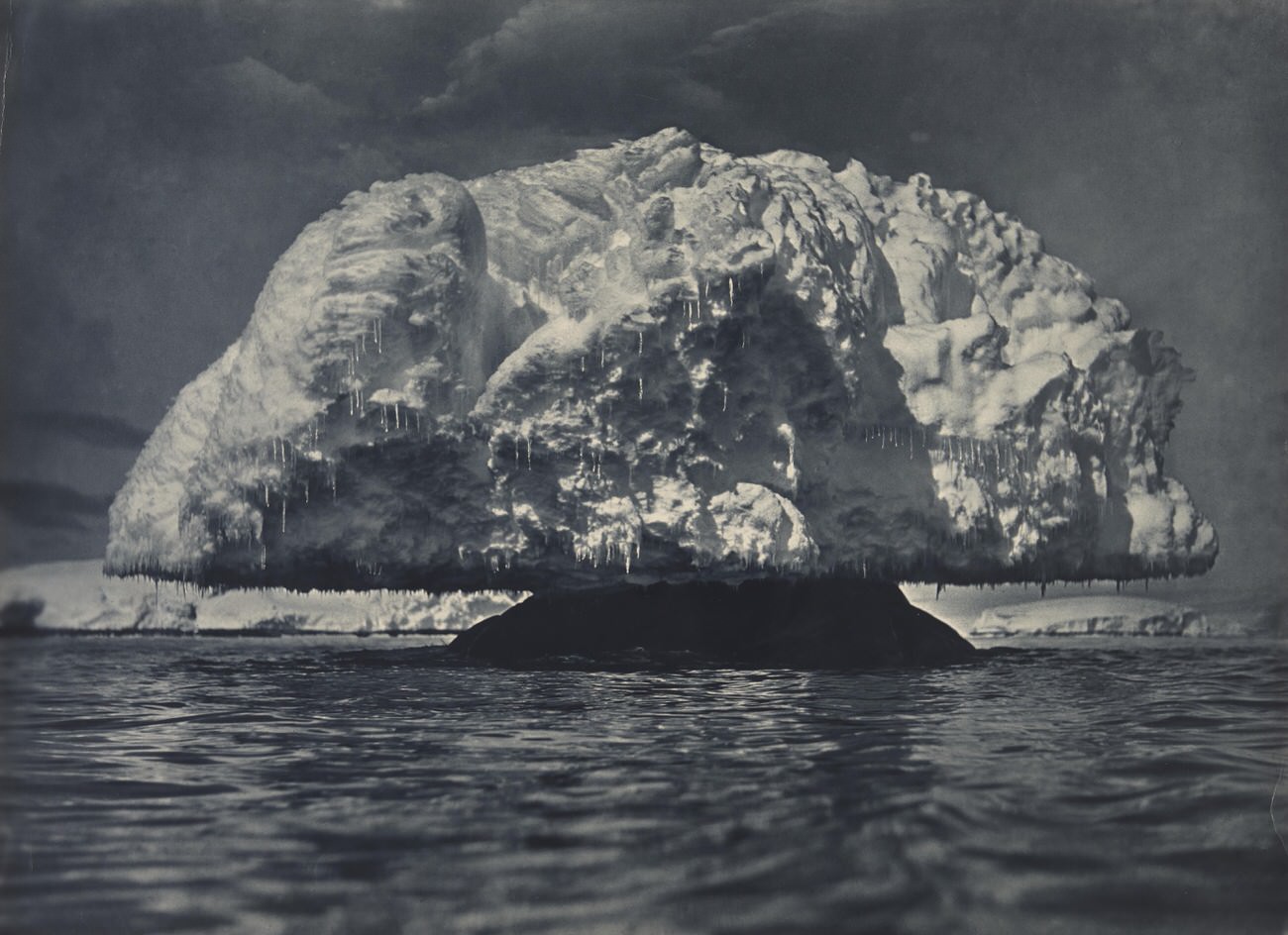
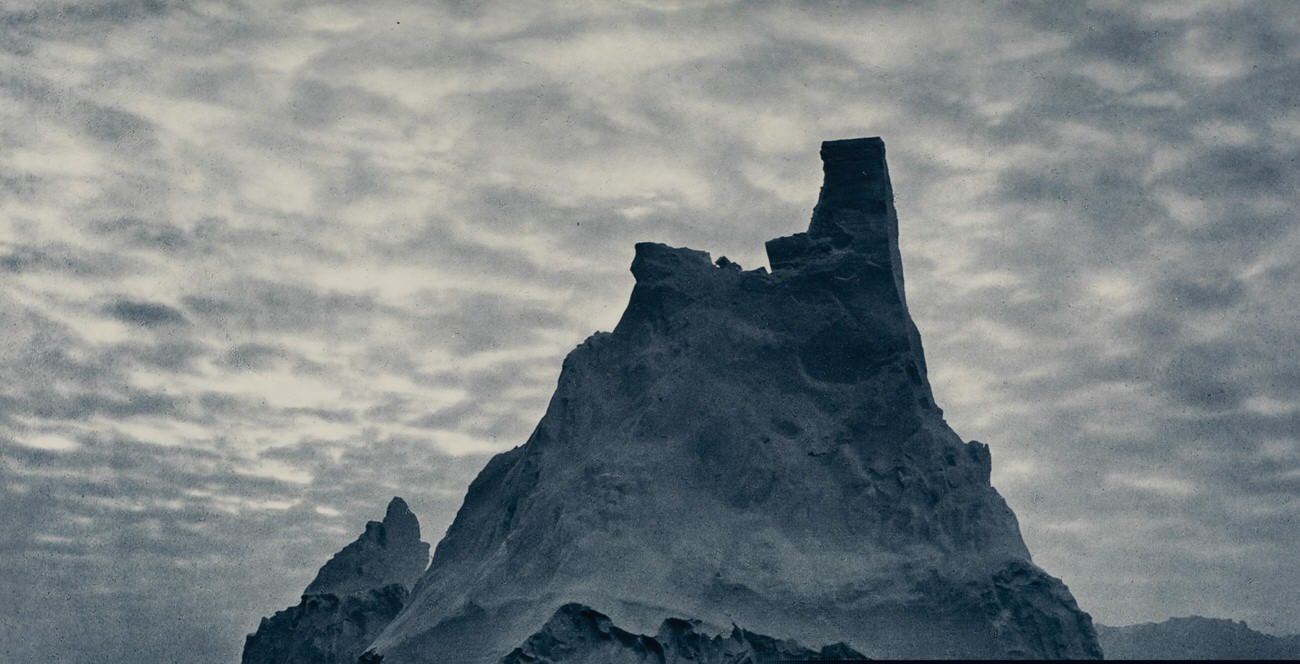
Massive icebergs and towering glaciers surrounded the base. Hurley captured their deep blue tones against stark white snow, producing images that were technically difficult under those conditions. He worked with glass plate negatives in temperatures that made every step of the process a challenge.
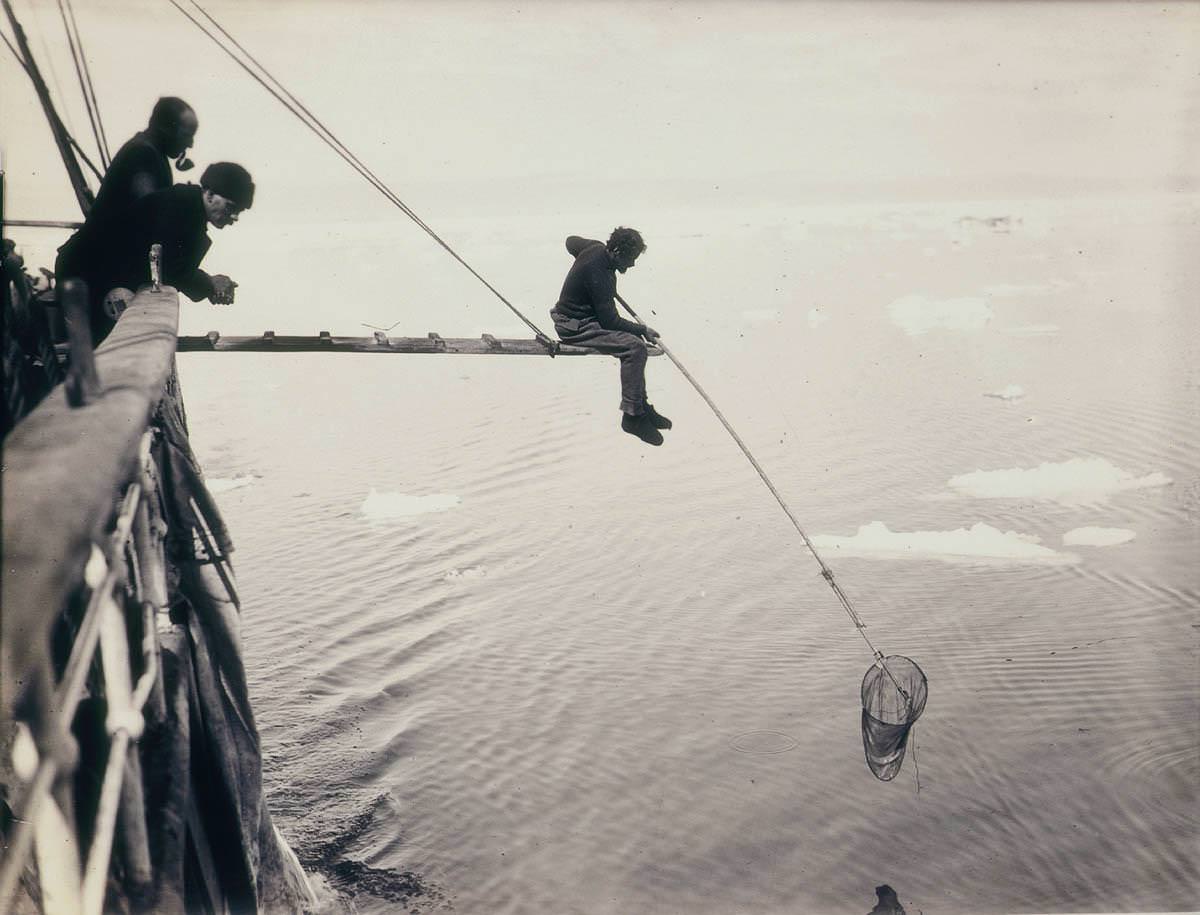
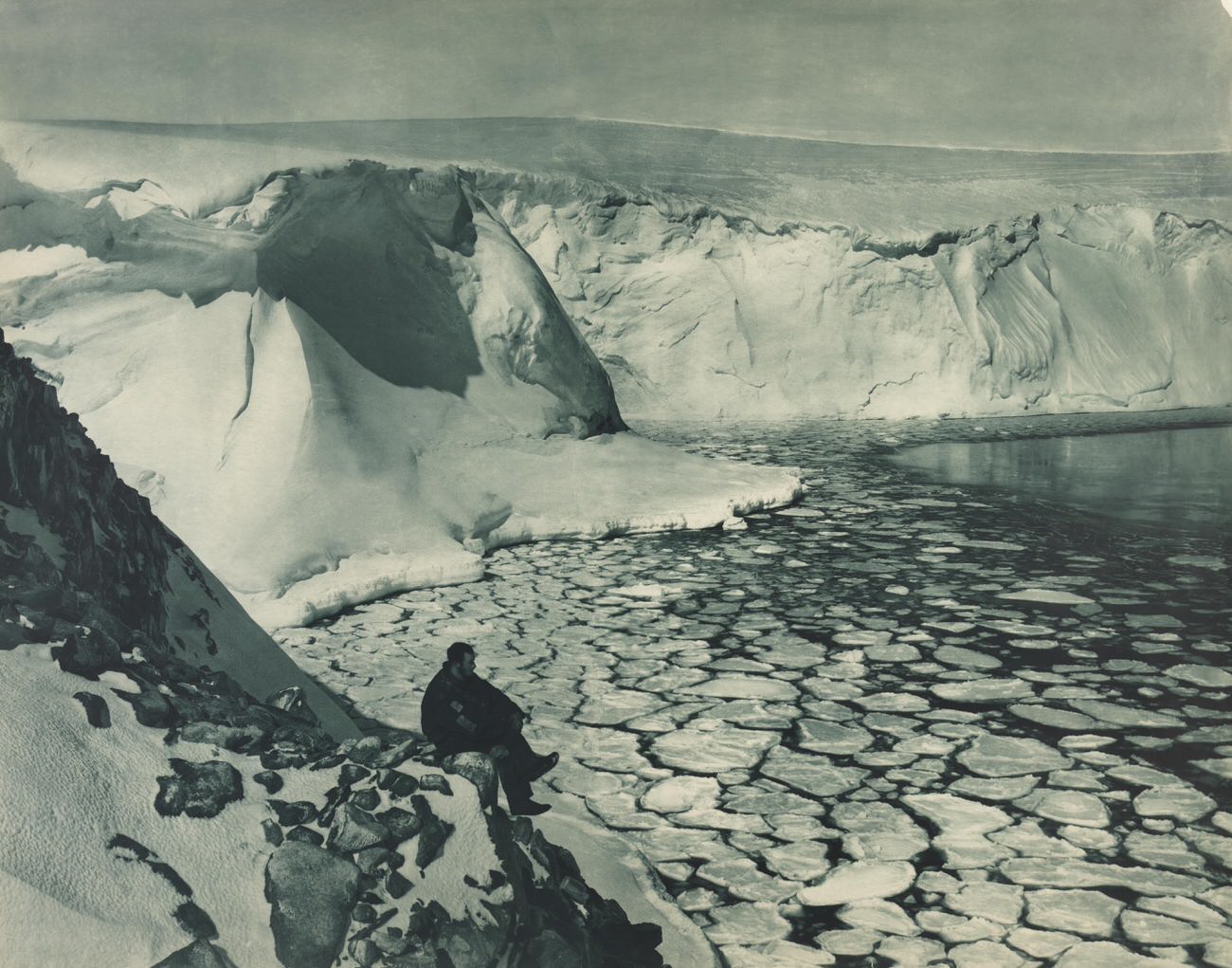
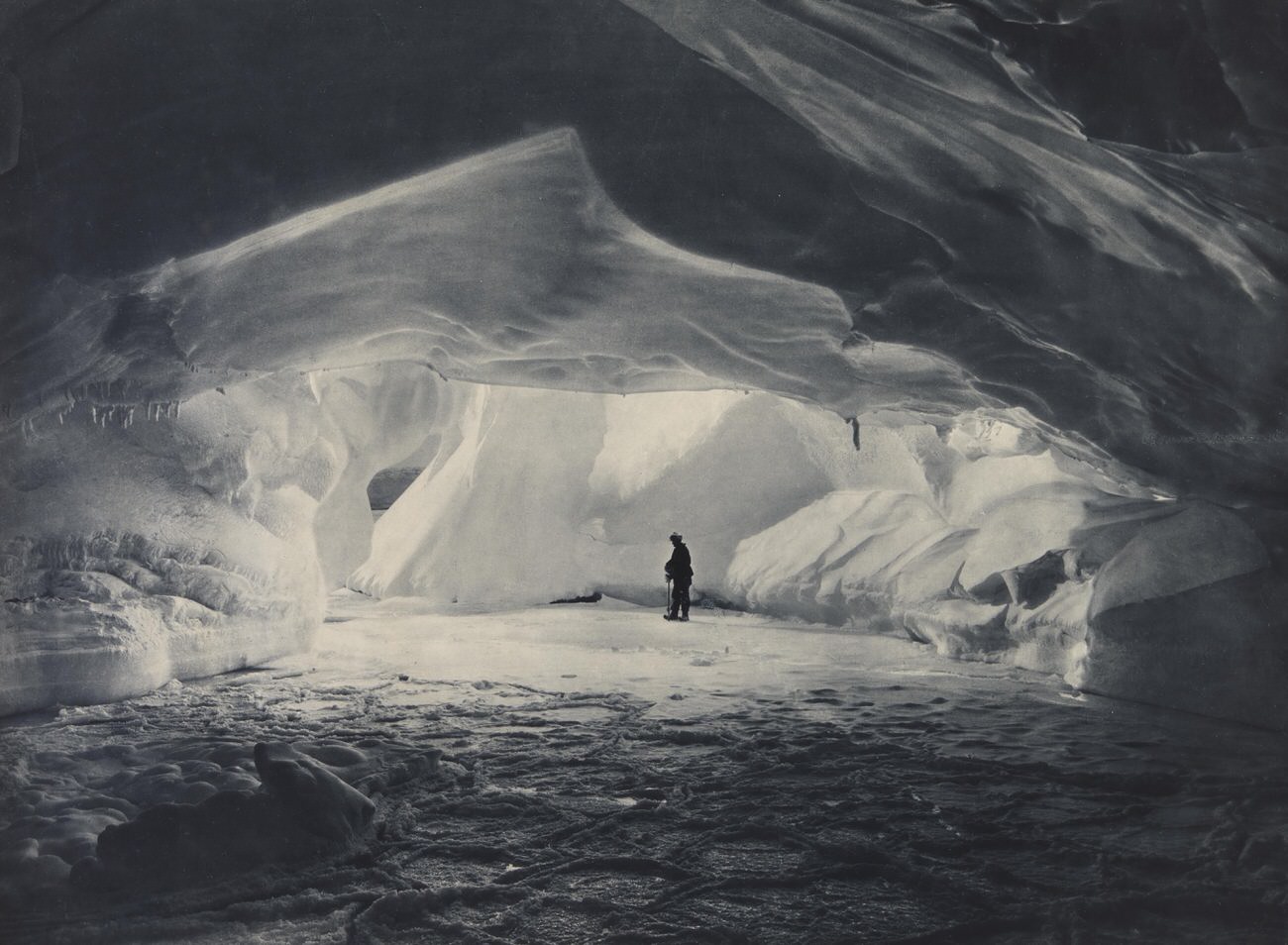
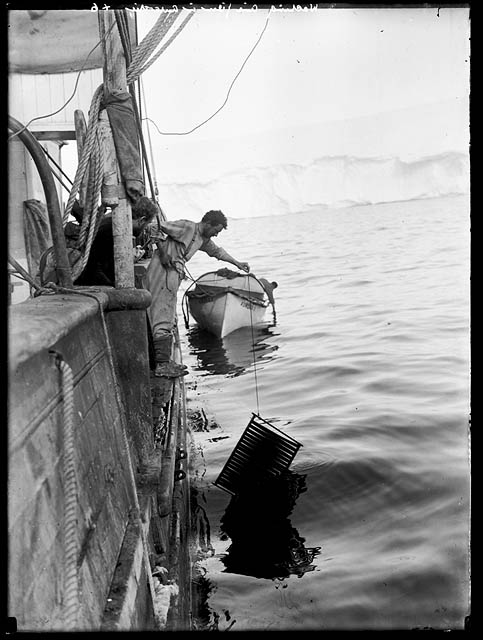
Scientific work continued through the Antarctic seasons. The team collected rock samples and ice cores, recorded weather data, and mapped large stretches of previously uncharted coastline. This research later formed the scientific foundation for Australia’s territorial claims in Antarctica, formally recognized in 1936 as the Australian Antarctic Territory.
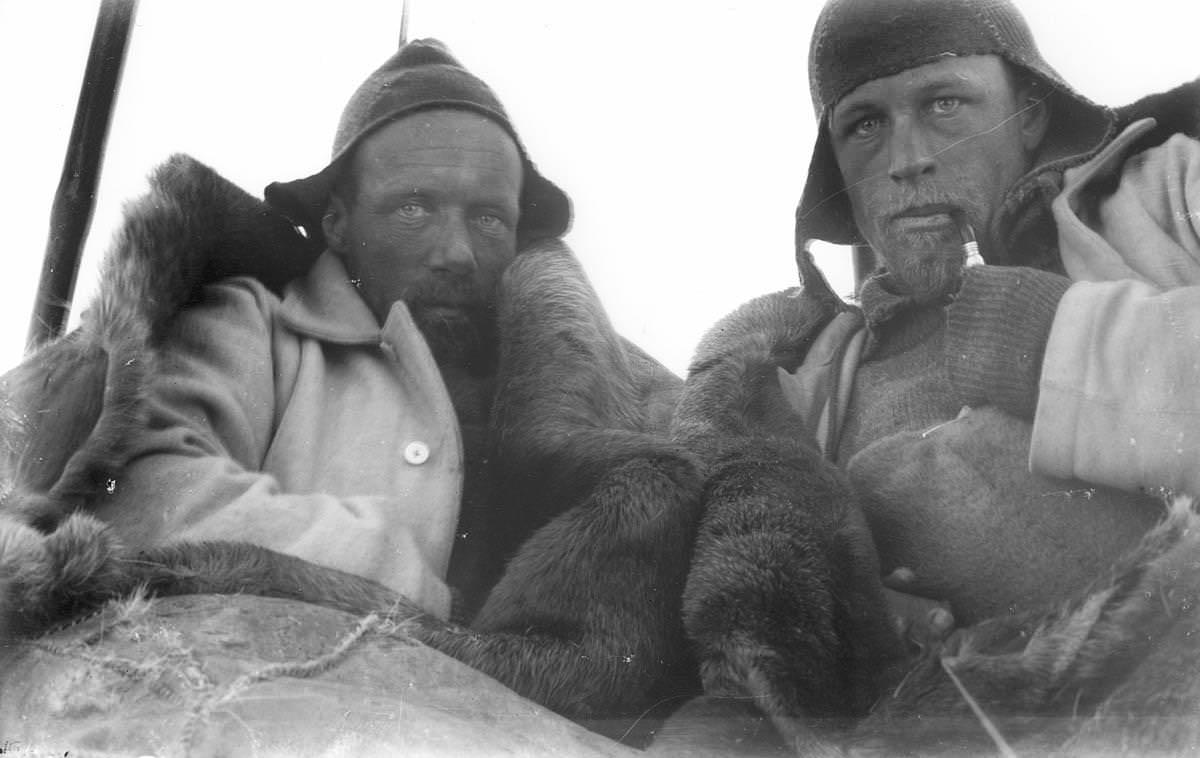
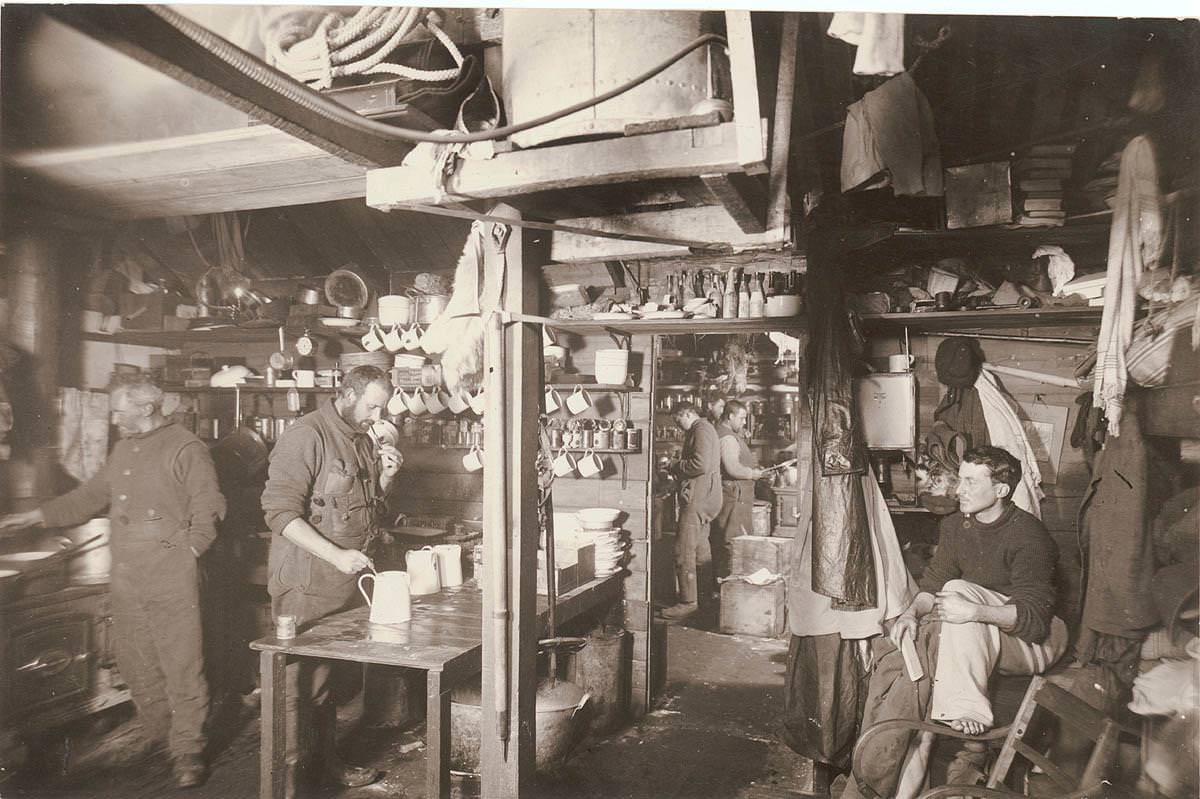
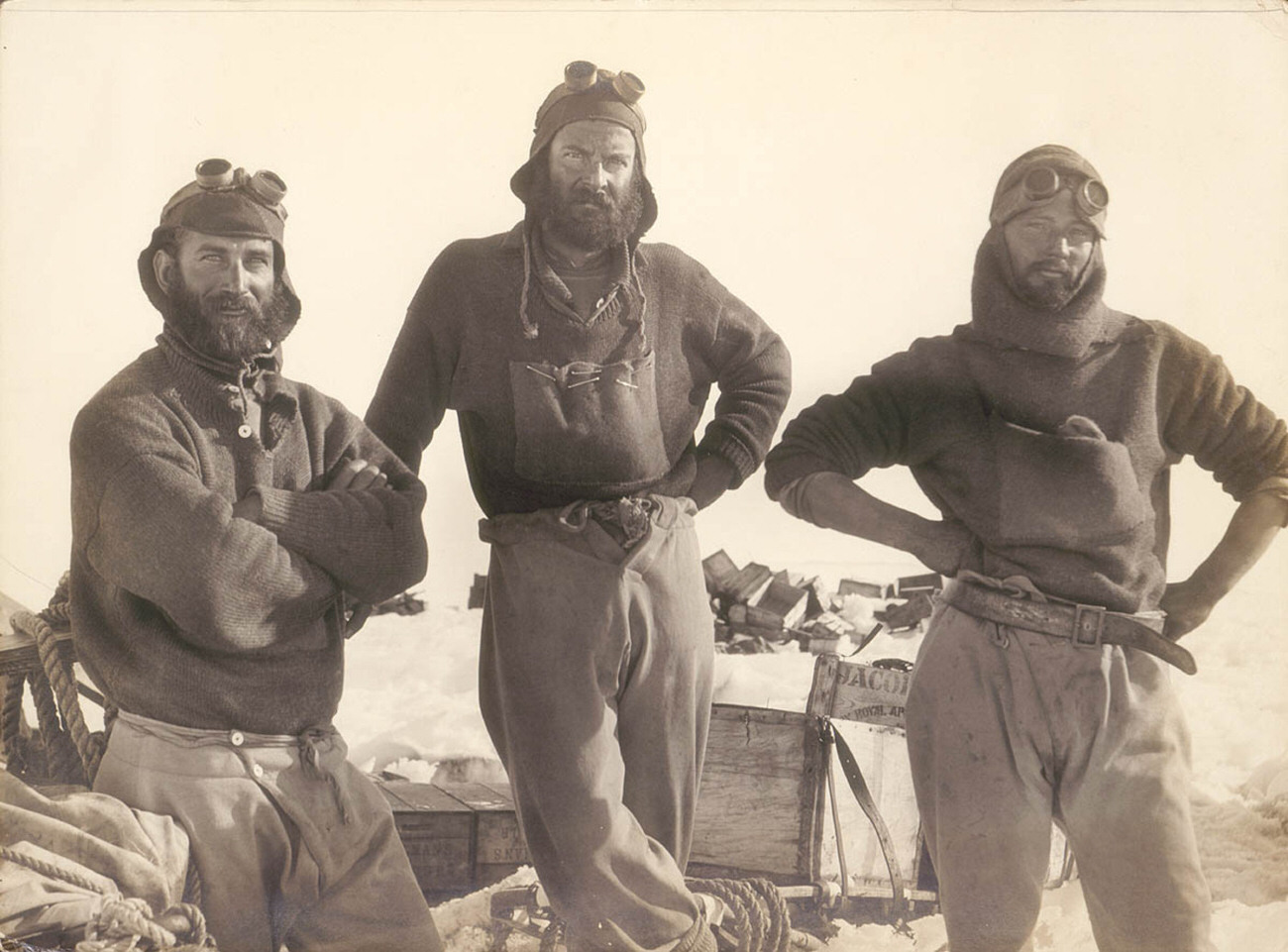
Other expedition members also carried cameras, adding to the visual record Hurley was building. Group photographs show the men gathered together — weathered, bundled up, and focused. These images make the isolation of their situation concrete. They were thousands of miles from the nearest city, dependent entirely on each other.
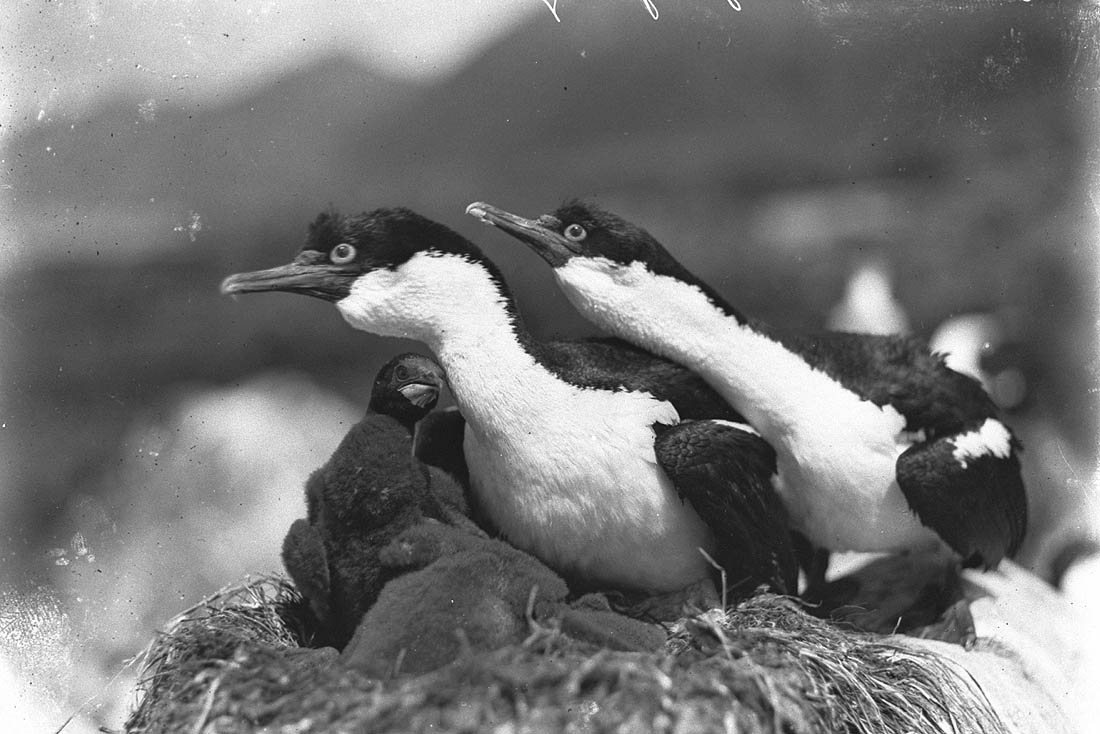
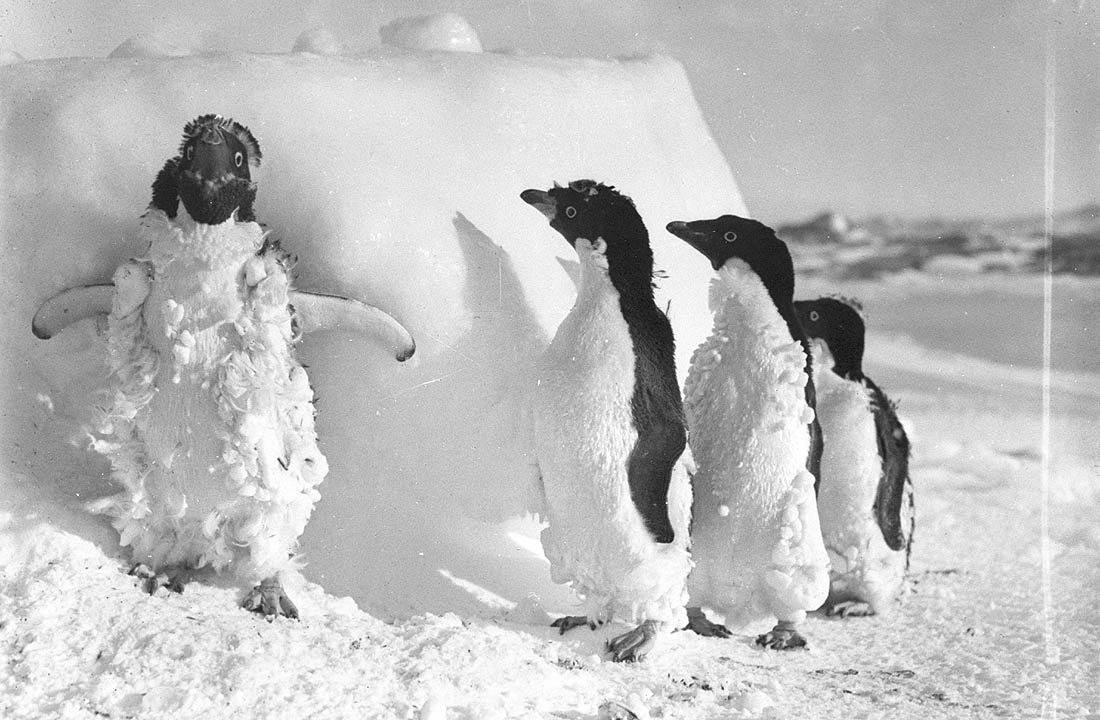
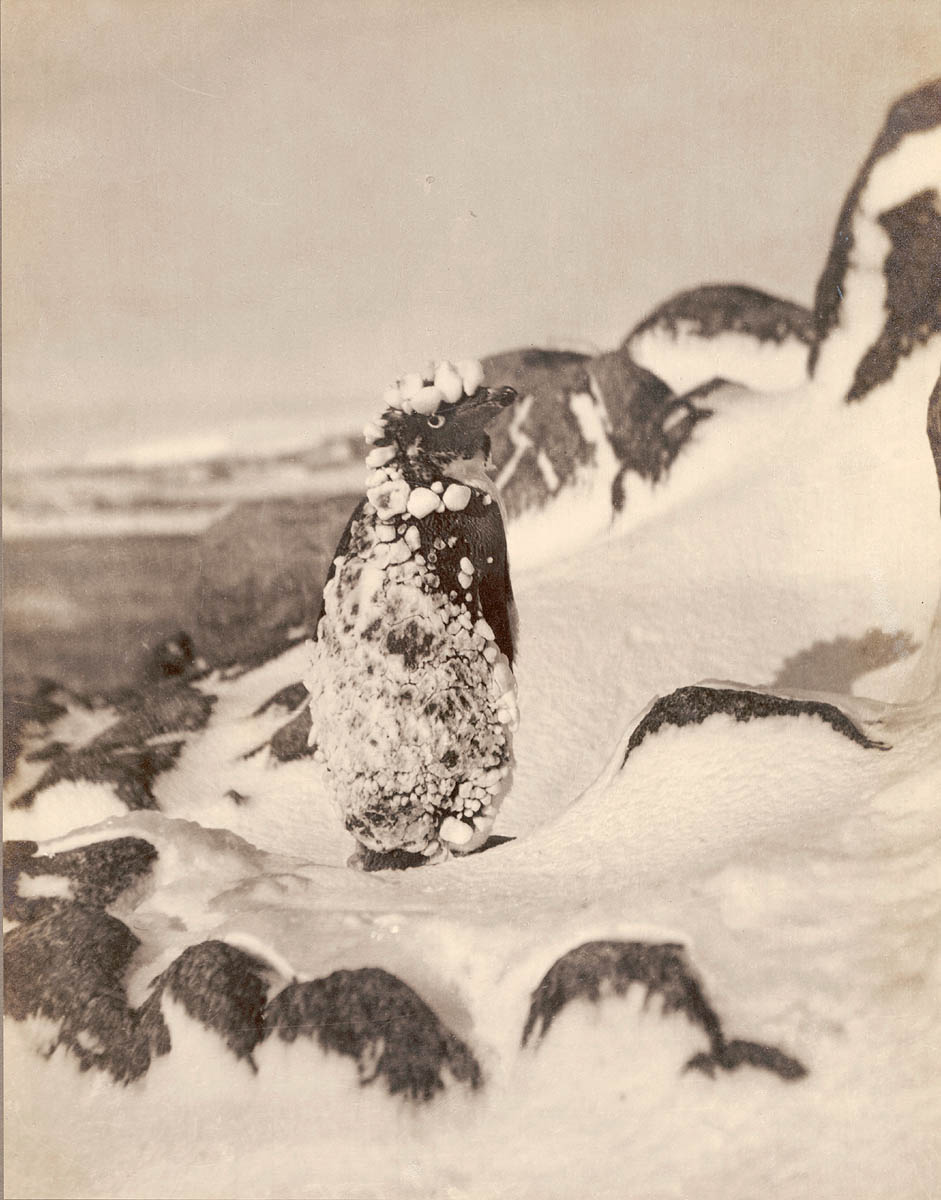
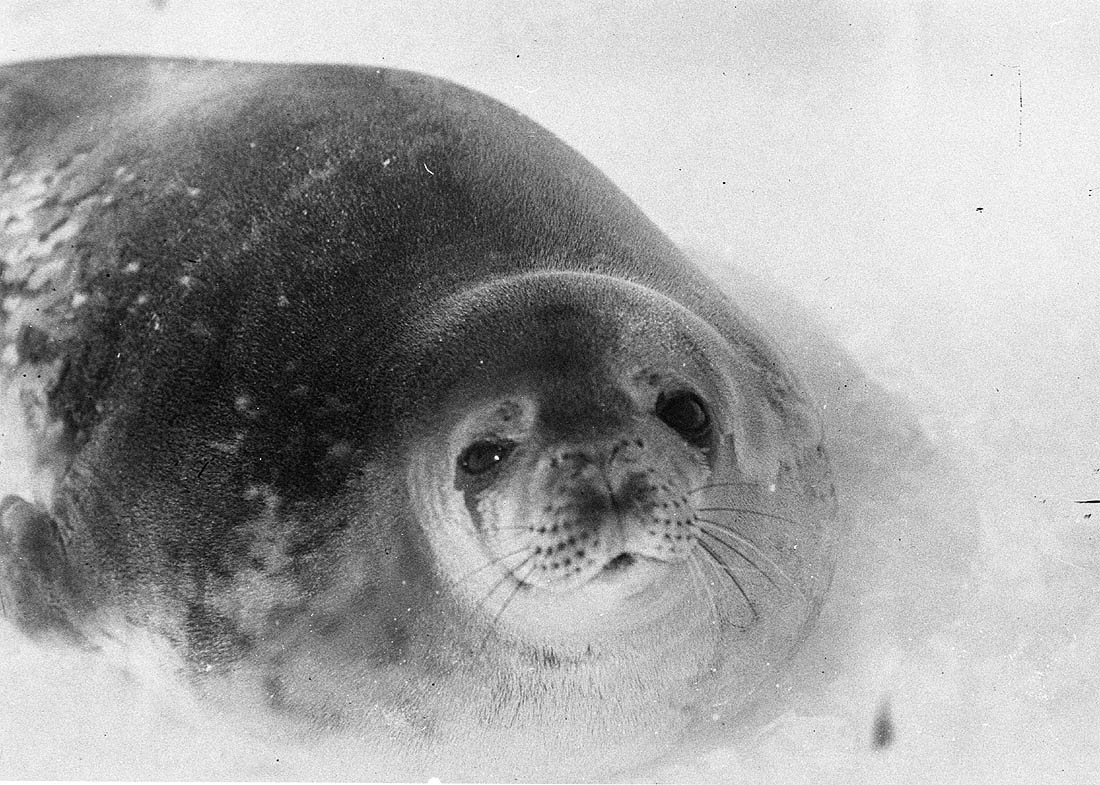
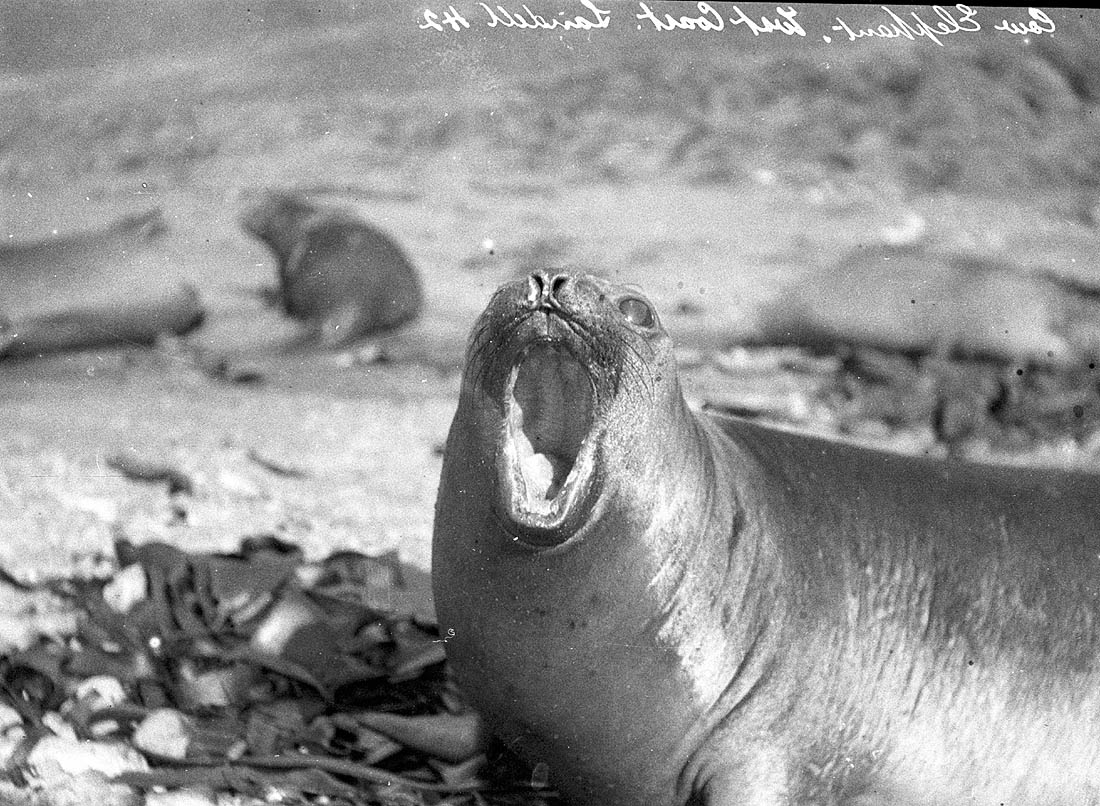
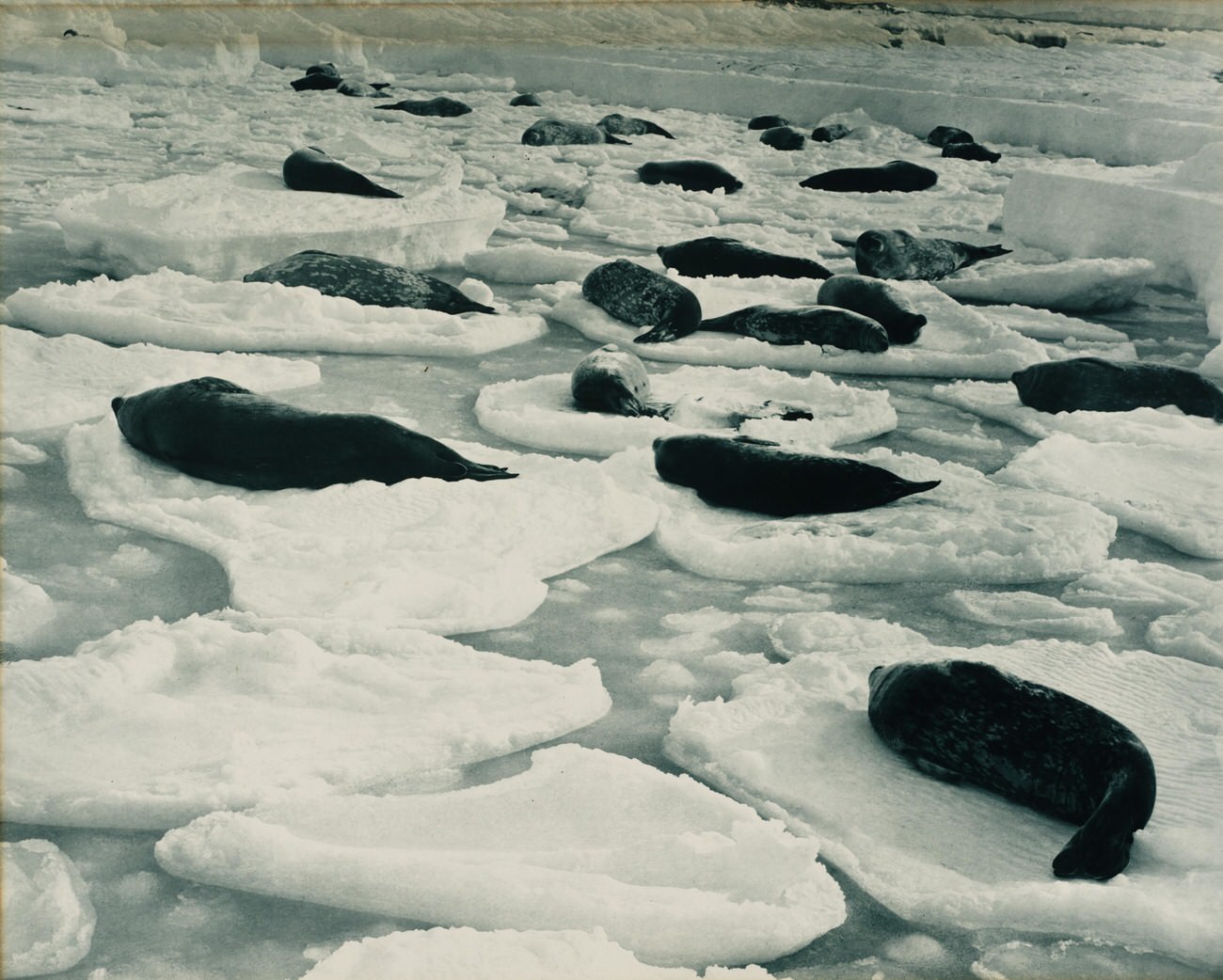
Wildlife appeared constantly throughout the expedition. Penguins approached camp with little fear, and seals rested on the ice near the shore. Hurley photographed them close up, showing natural behavior that scientists back in Australia had never directly observed. These animal images gave the public their first real look at Antarctic life.
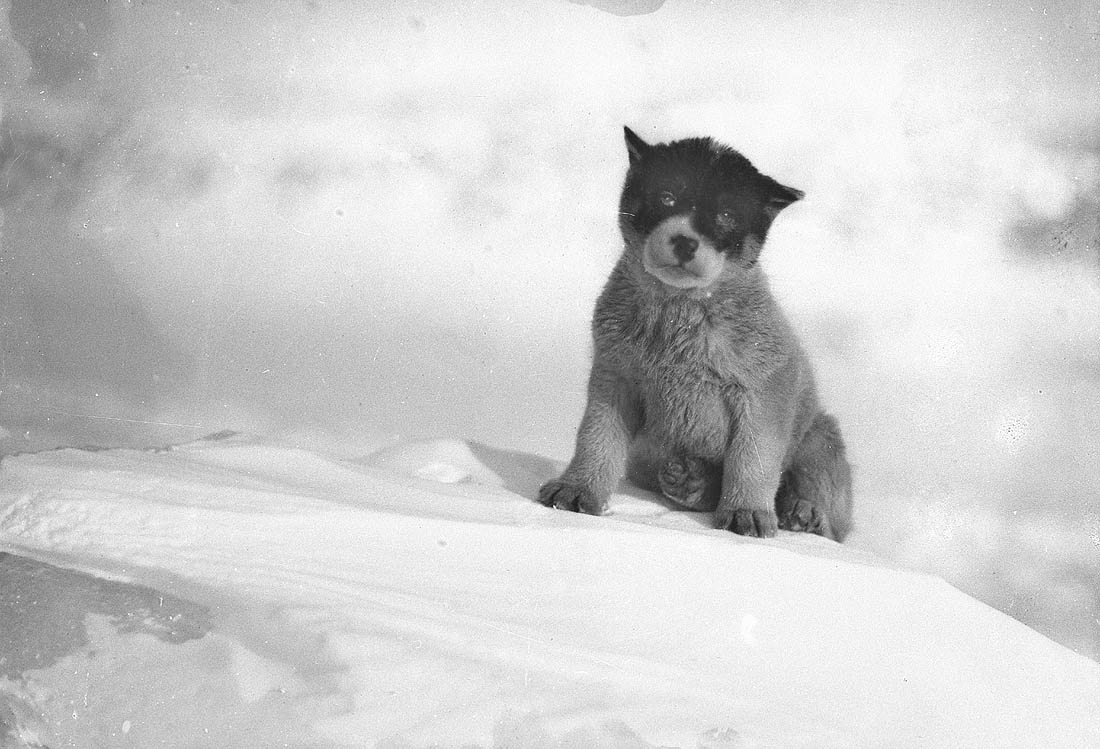
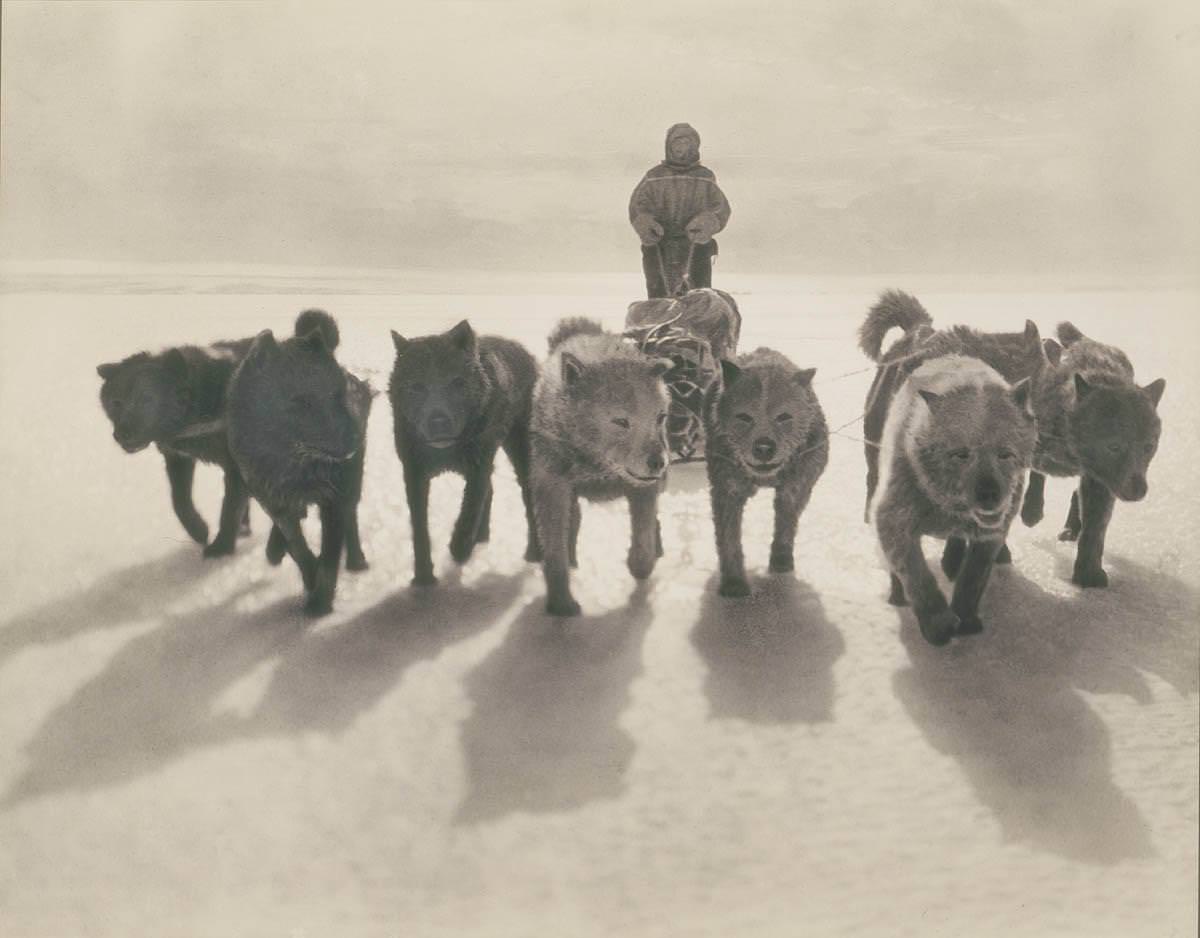
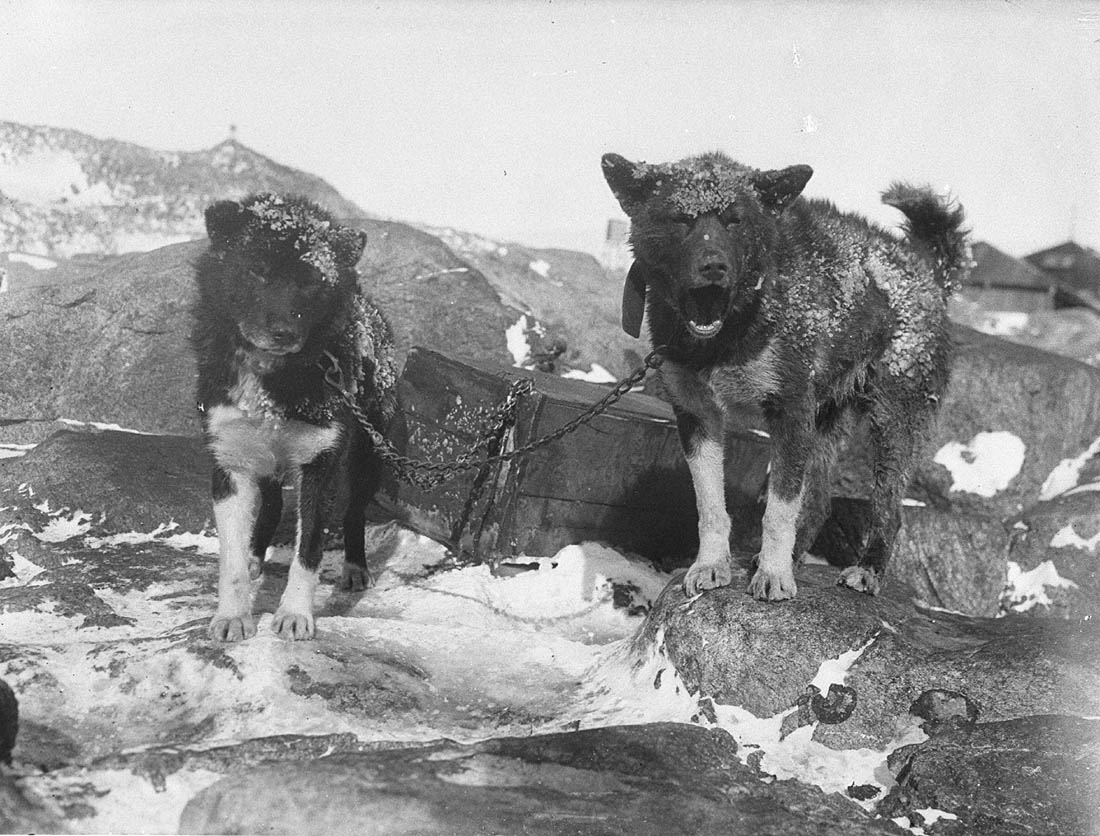
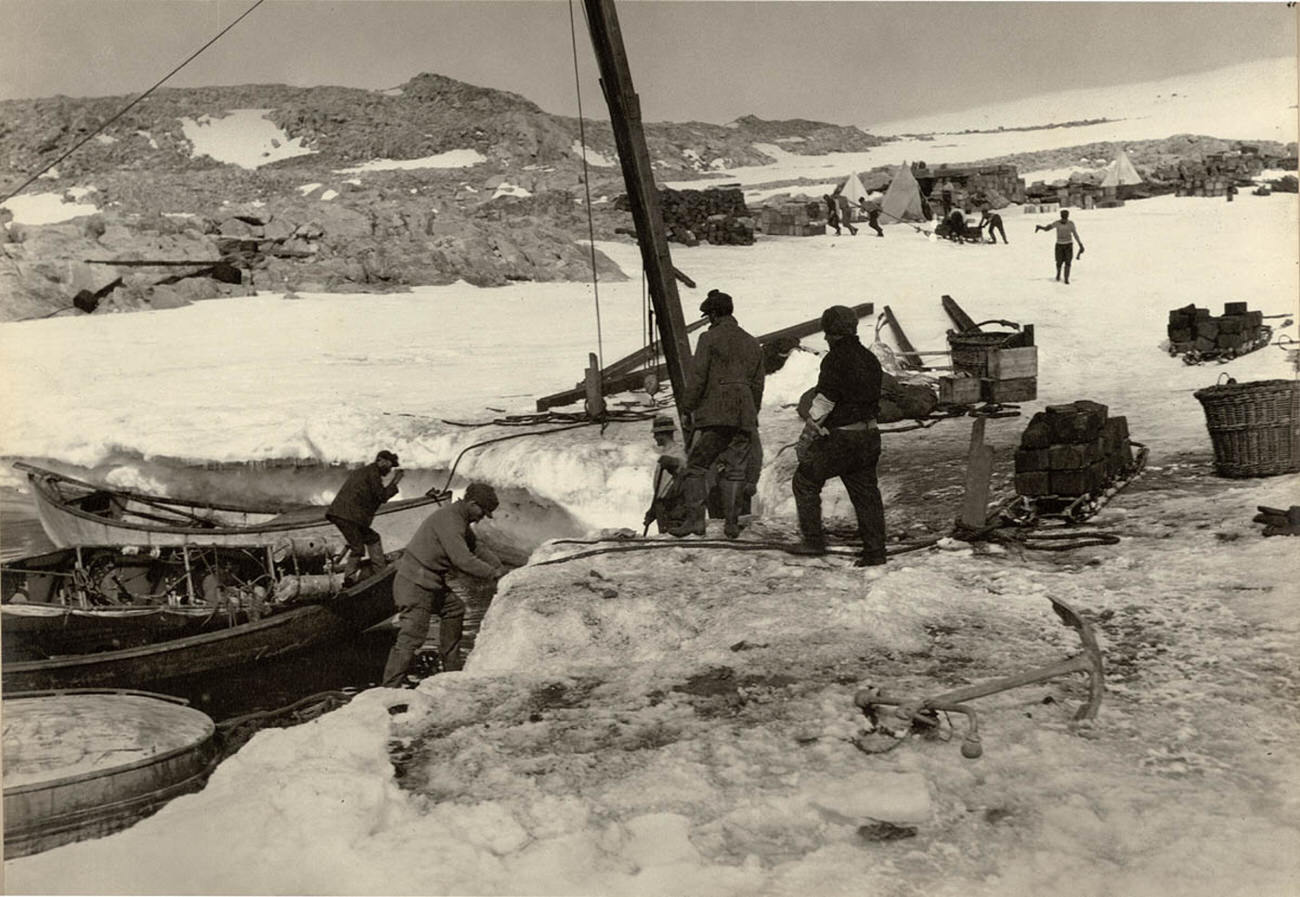
Sledging parties pushed far inland across the ice sheet. Teams hauled supplies over crevasse-riddled terrain in temperatures well below freezing. These overland journeys were physically brutal and dangerous. Hurley and other photographers captured the sledges, the dogs, and the men mid-march, preserving the scale of effort each journey required.
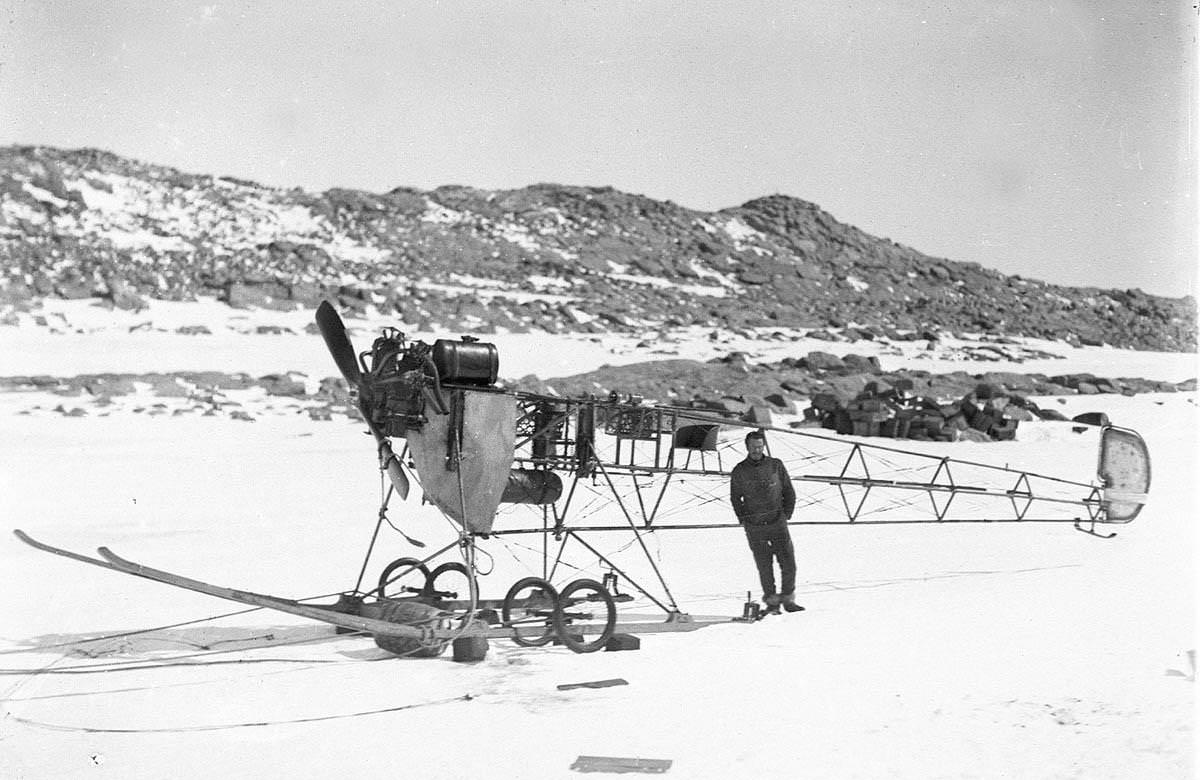
The expedition brought an air-tractor — an early motorized sled intended to assist with transport over the ice. It was one of the first motorized vehicles ever used in Antarctica. Mechanical breakdowns in the extreme cold were frequent, requiring constant repairs under difficult conditions.
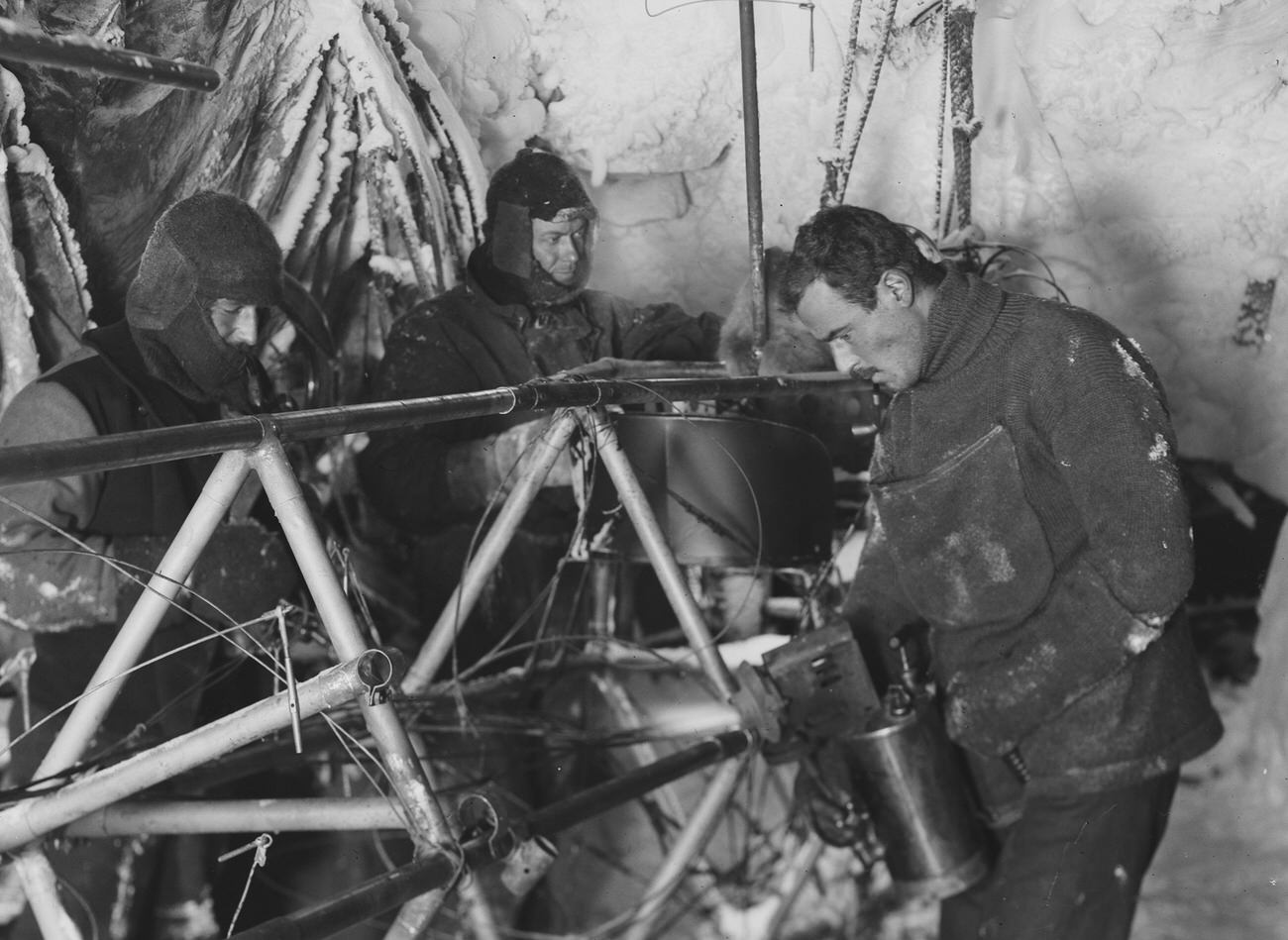
Hurley photographed Frederick Bickerton working on the air-tractor inside the hangar at Cape Denison in 1912–1913, with Robert Bage and Belgrave Ninnis standing nearby. The shot is precise and unhurried — a rare moment of relative stillness inside a structure battered constantly by wind outside.
By January 1913, relief parties were moving across the ice to assist sledging teams still in the field. Andrew Watson and Frank Wild were photographed setting out to relieve Jones’ sledging party — a reminder that the expedition’s final weeks still demanded full effort from every man on the ice.