
In the late 1930s, American engineers built one of the most ambitious vehicles ever conceived. It weighed 20 tons, stretched 55 feet from end to end, and was designed to roll across one of the most hostile environments on Earth. The Antarctic Snow Cruiser was meant to be a rolling research station, a self-contained home for a small crew spending a full year on the Antarctic ice. It ended up being one of the most spectacular engineering failures in polar exploration history.
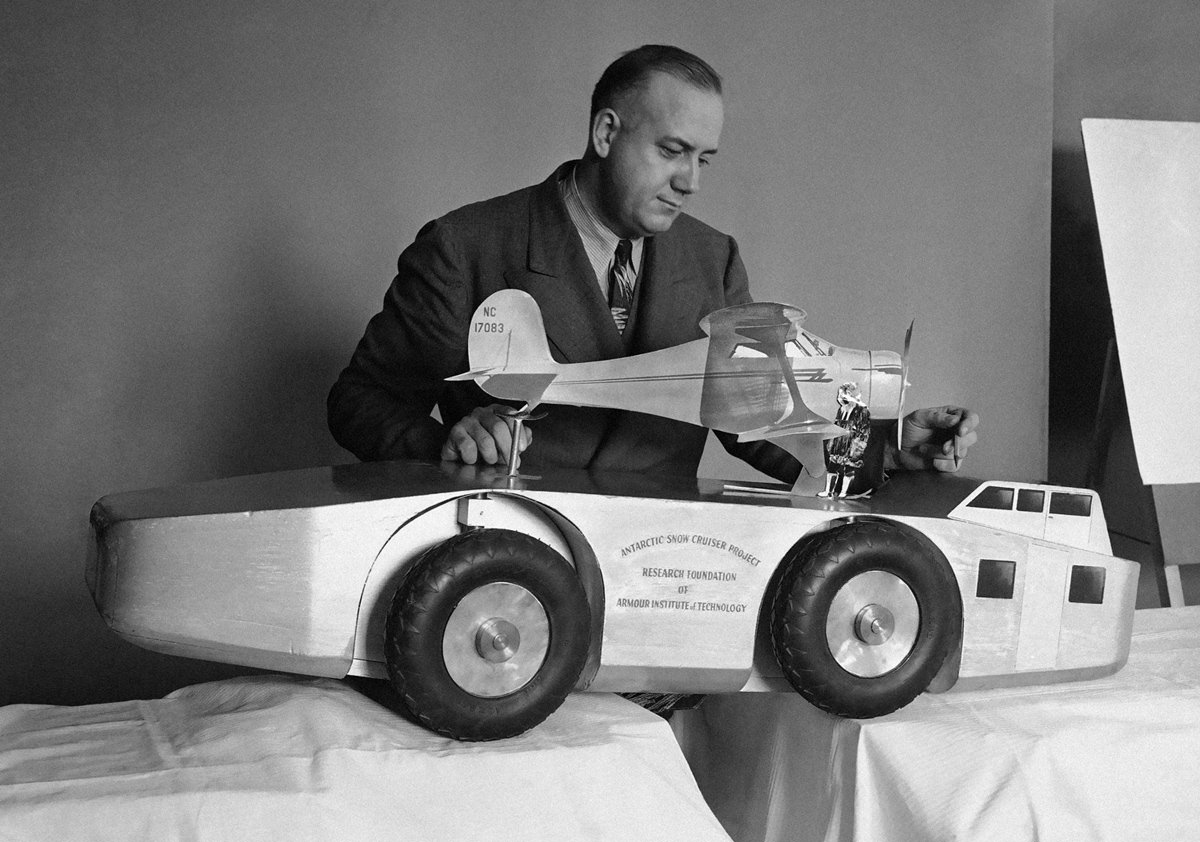
The idea came from Dr. Thomas Poulter, second-in-command to Admiral Richard Byrd during Byrd’s 1934 Antarctic expedition. Poulter watched his team struggle with the continent’s brutal terrain and saw a clear need for a purpose-built machine that could handle long distances across ice and snow fields. He envisioned a vehicle large enough to carry people, supplies, and scientific equipment across the continent — something that could cross crevasses, survive extreme cold, and keep a crew alive for months. Poulter and the Research Foundation of the Armour Institute of Technology presented the plans to officials in Washington, D.C., on April 29, 1939. The estimated cost was $150,000. Construction began just over three months later, on August 8, 1939, and the entire build took only 11 weeks.
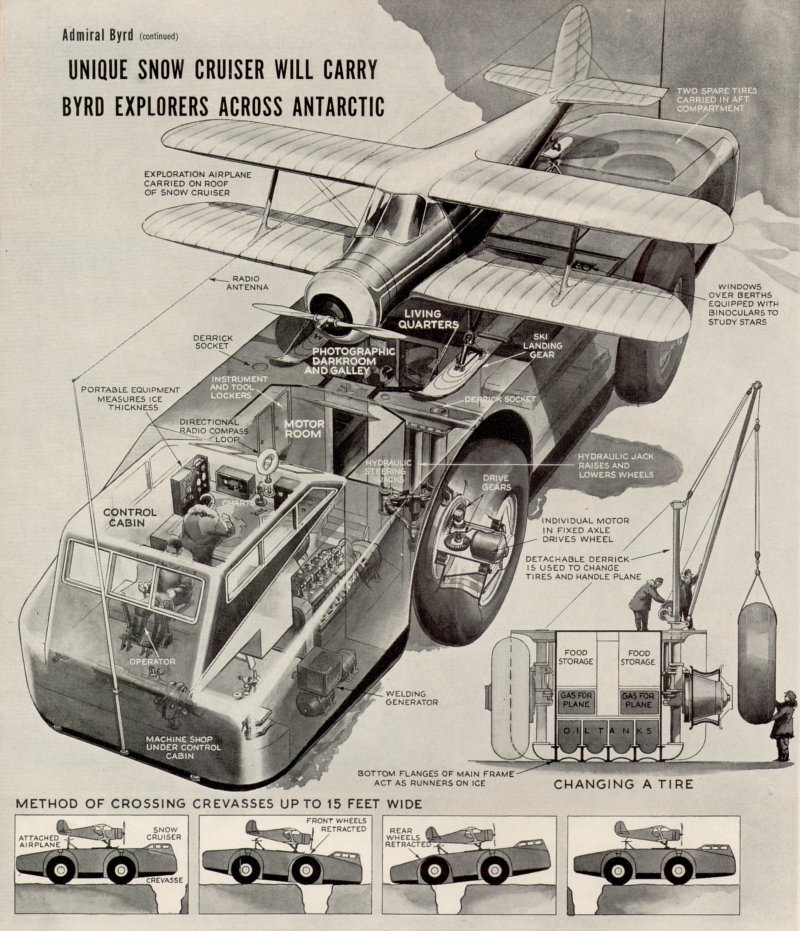
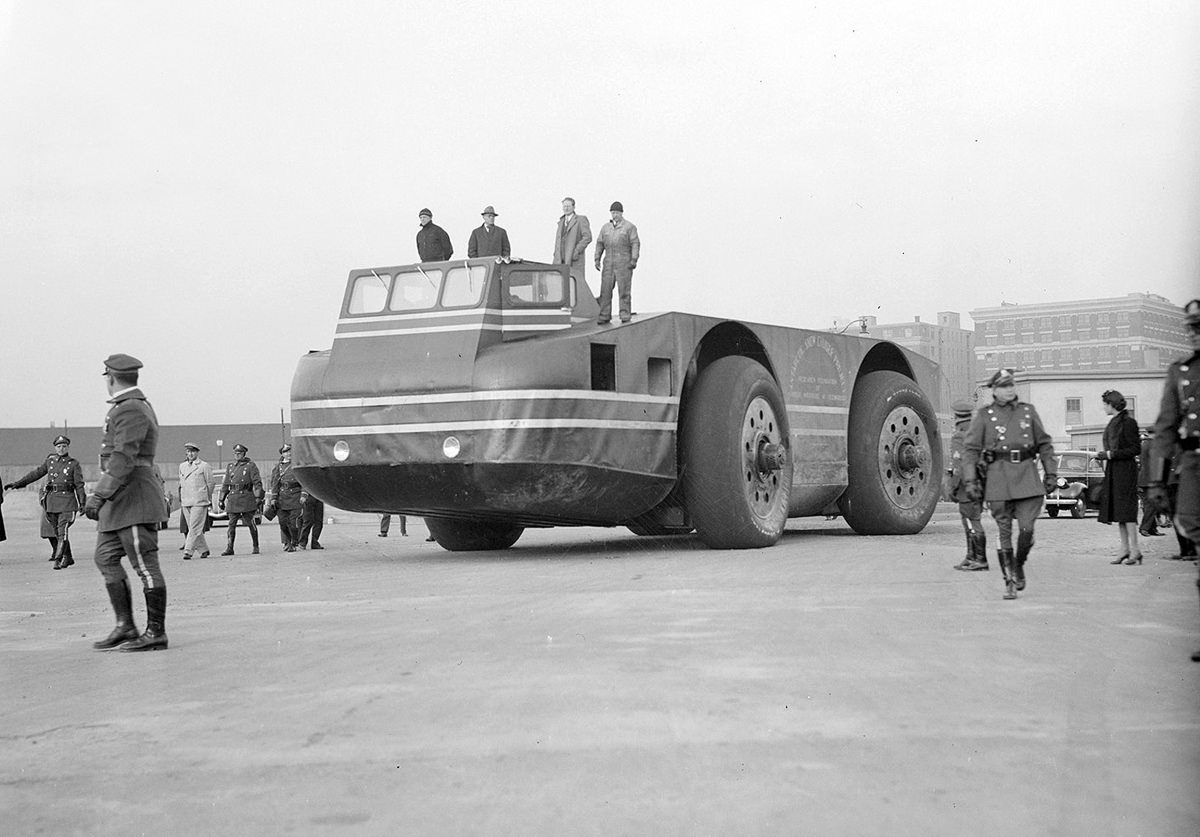
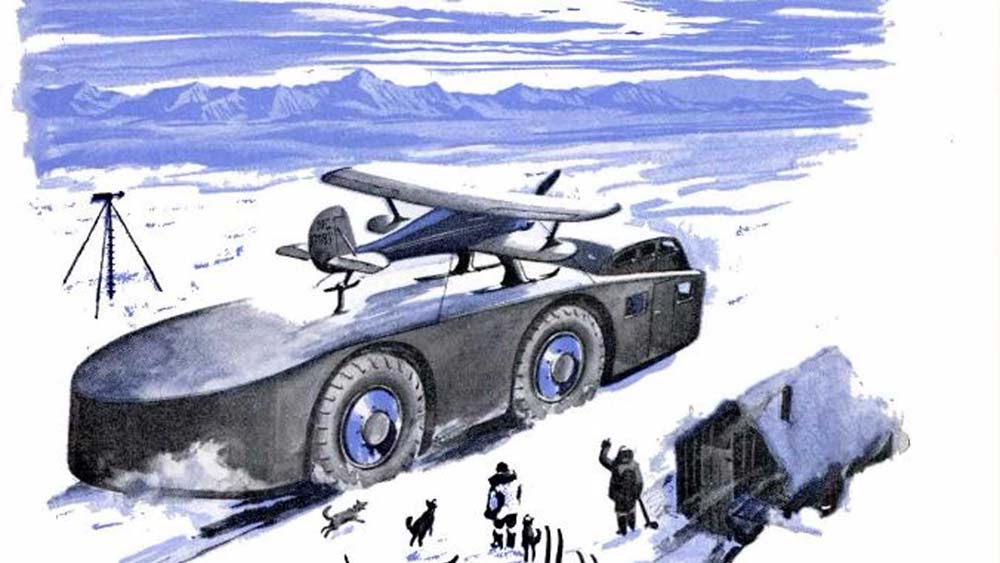
The finished vehicle was unlike anything that had been built before. At 55 feet long and 15 feet wide, it was closer in scale to a naval vessel than a truck. The Snow Cruiser weighed 45,000 pounds and was built to carry four to five people for a full year, along with all of their food, fuel, and equipment. Inside, it contained a science laboratory, a photography darkroom, an engine room, and a small machine shop. The cabin structure was heated using engine coolant, which kept the interior livable even in extreme Antarctic cold. The upper deck was wide enough to carry a small airplane, and a pilot was included in the crew specifically to fly it.
The engineering behind the vehicle’s wheels was particularly impressive on paper. Each of the four wheels measured 10 feet in diameter, weighed 700 pounds, and was made from a specially formulated rubber designed not to crack or crumble in extreme cold. The wheels could be retracted, and each one could be steered independently by its own electric motor. This design was meant to allow the Snow Cruiser to straddle crevasses up to 15 feet wide by extending its wheels outward and rolling across the gap. Long overhangs at both ends of the vehicle helped with this maneuver. Power came from a pair of Cummins inline-six diesel engines generating a combined 300 horsepower, paired with two General Electric generators and four electric motors — also rated at 300 horsepower combined. Top speed on flat ground was 30 miles per hour, with an operational range of 1 to 13 miles per hour on difficult terrain.
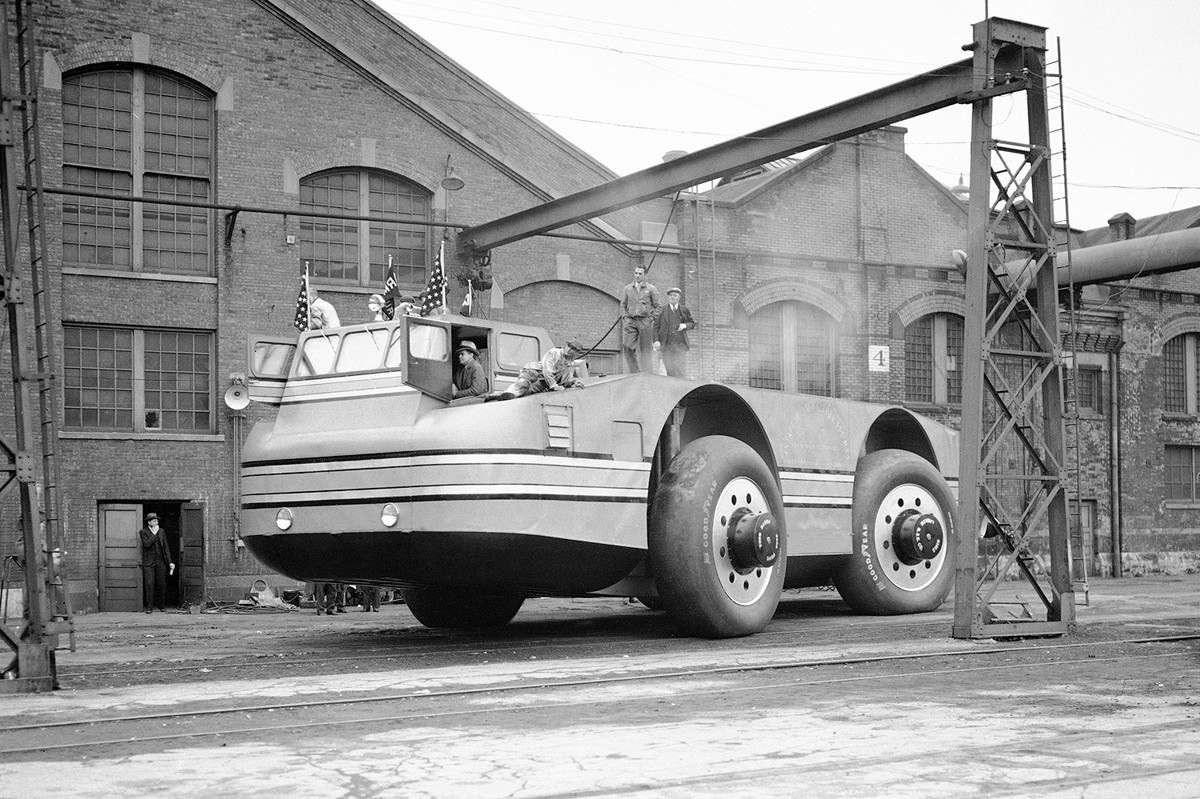
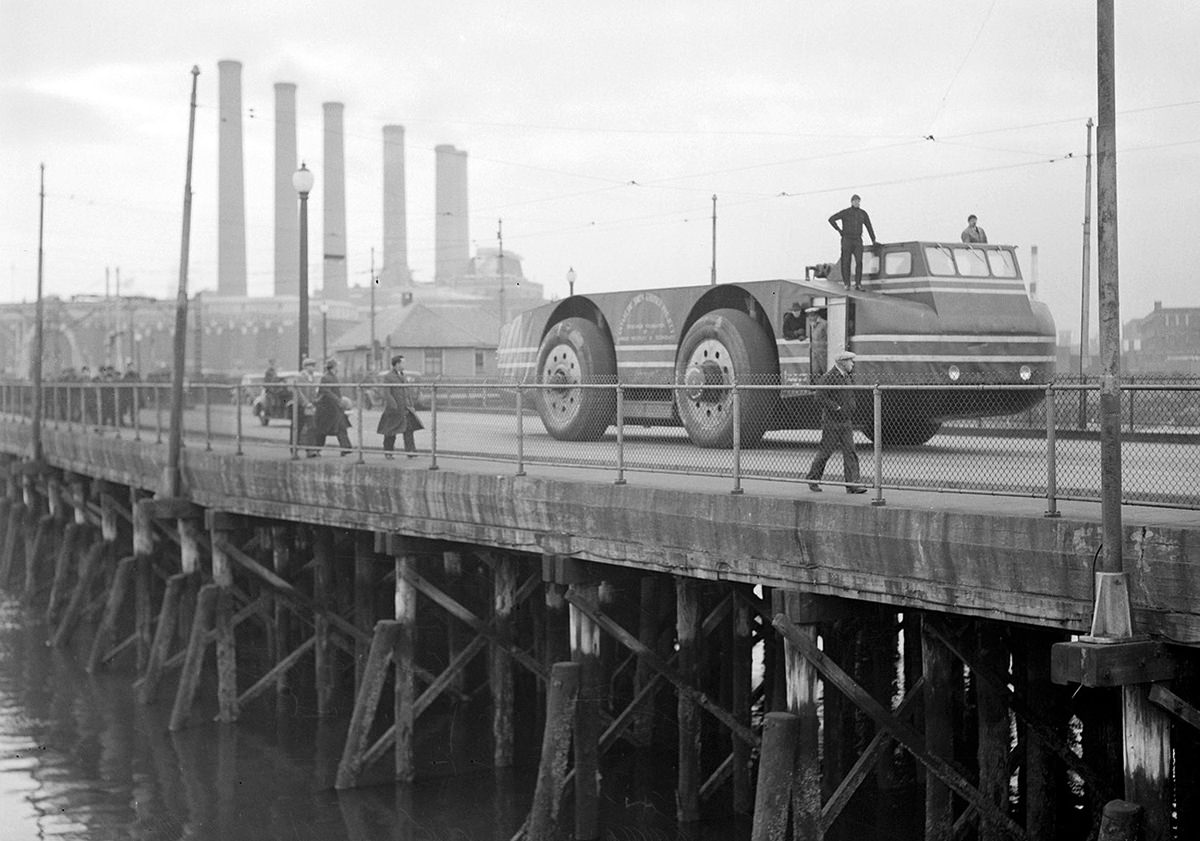
The Snow Cruiser was fired up for the first time on October 24, 1939, at the Pullman Company facility just south of Chicago. Before it could be shipped to Antarctica, the team drove it across the American Midwest to test it and deliver it to Boston for loading. The vehicle required both lanes of every road it traveled on. Crowds gathered wherever it passed. The team stopped at the Lake Michigan sand dunes in northern Indiana to run field tests, then continued through Ohio, Pennsylvania, and New York.
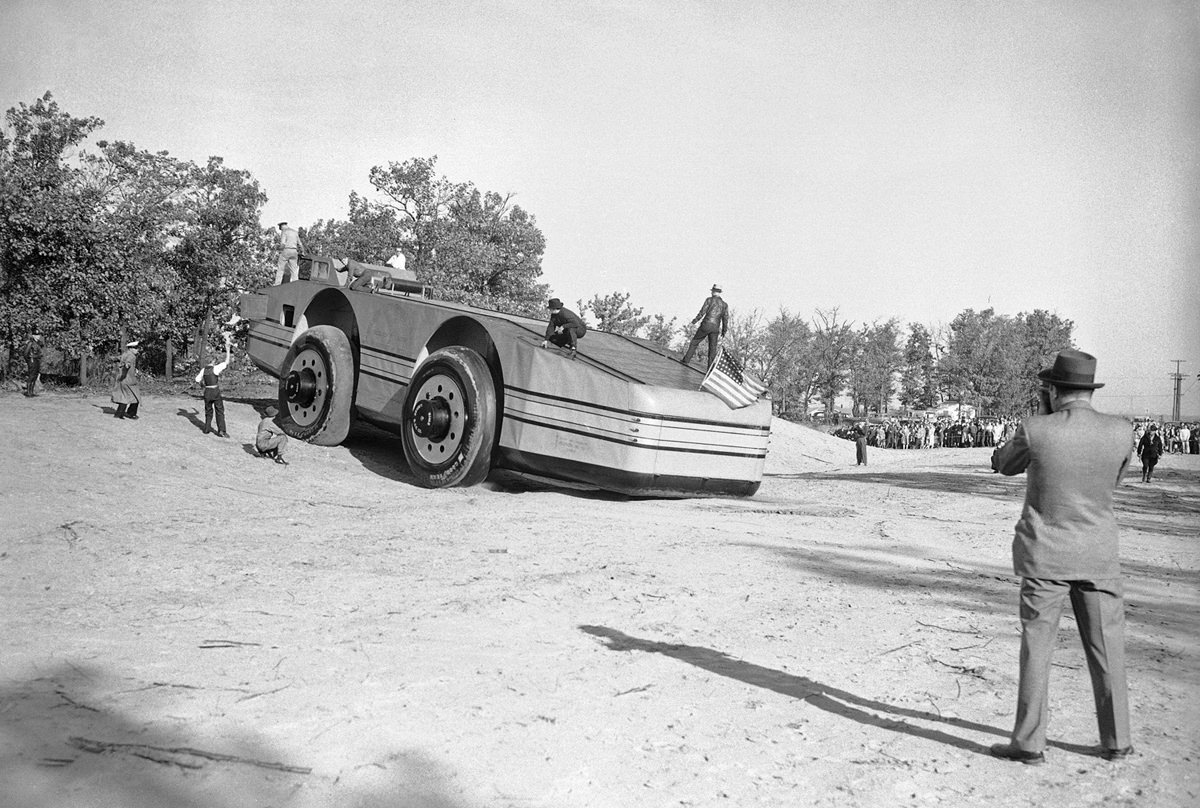
The cross-country trip drew enormous public attention. Near Framingham, Massachusetts, the traffic jam caused by onlookers stretched 20 miles and involved 70,000 automobiles. Newspapers nicknamed the vehicle “The Penguin,” “Penguin 1,” and “The Turtle.” As it rolled toward Boston, the crew had to carefully navigate the vehicle under bridges and through narrow passages, a challenge given the machine’s sheer size.
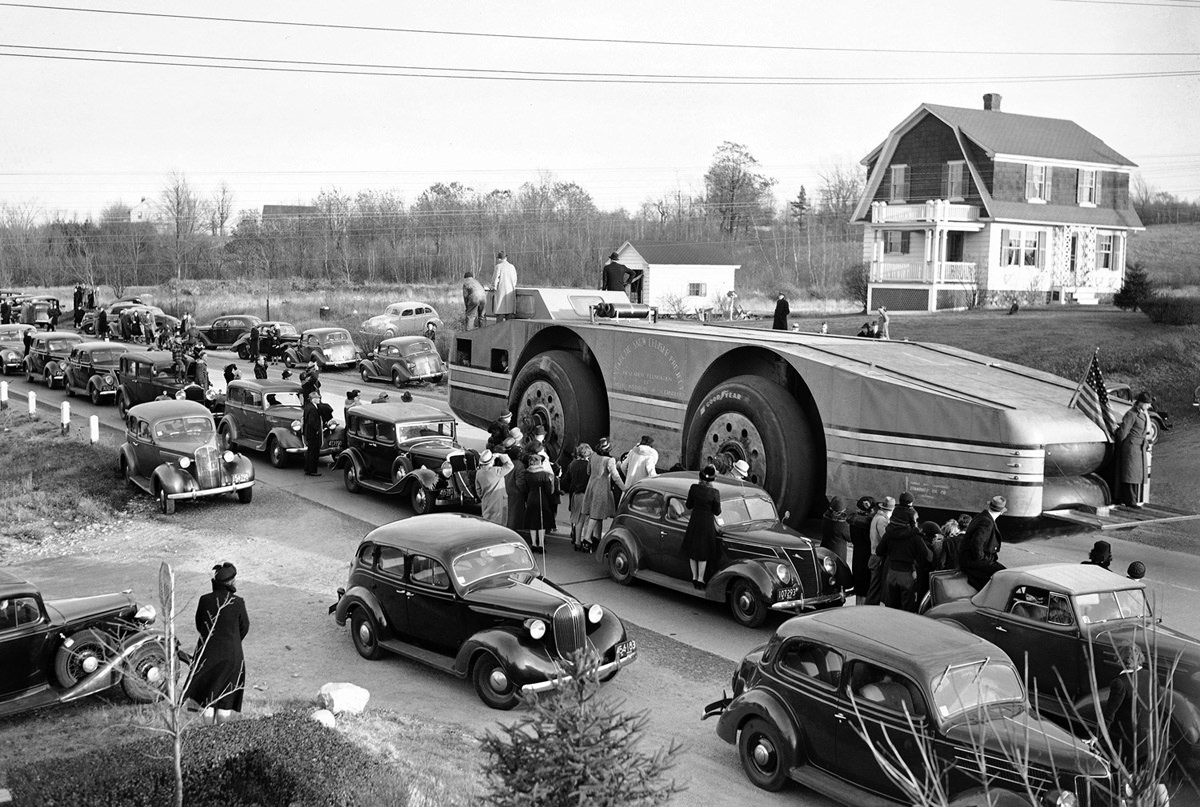
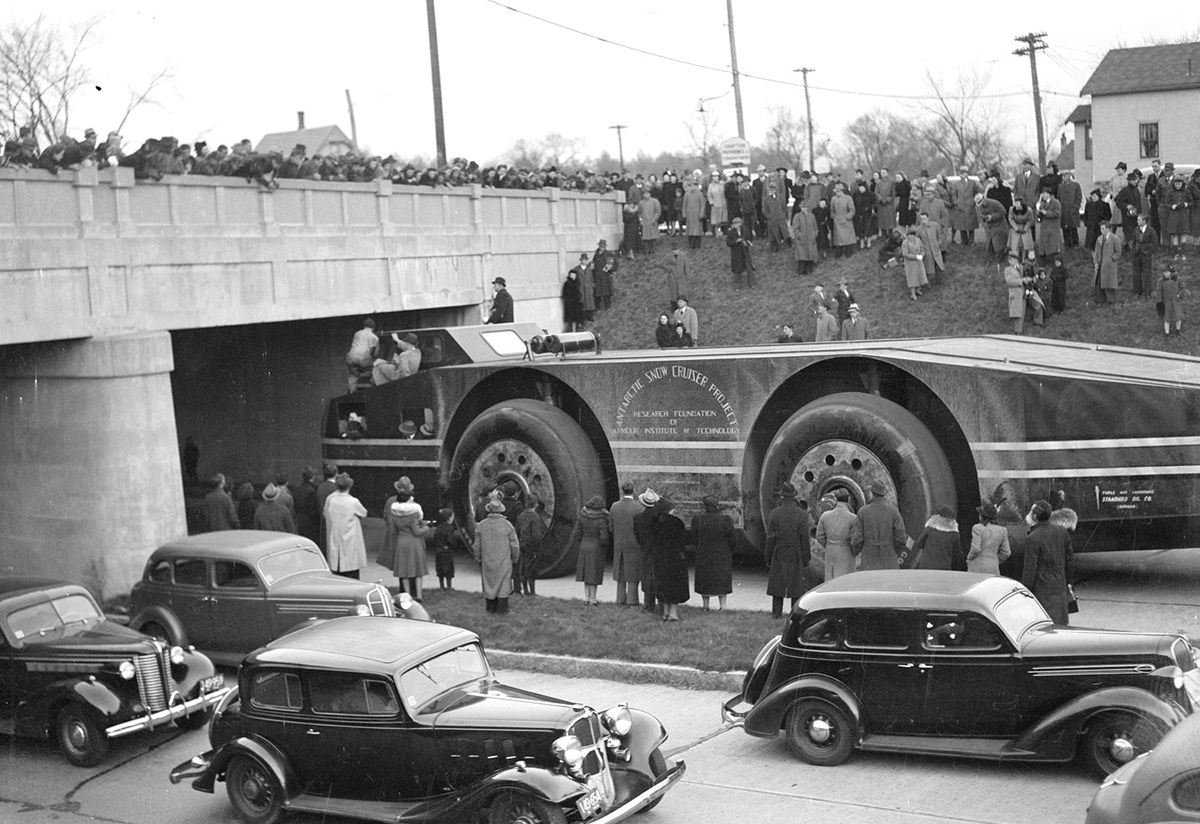
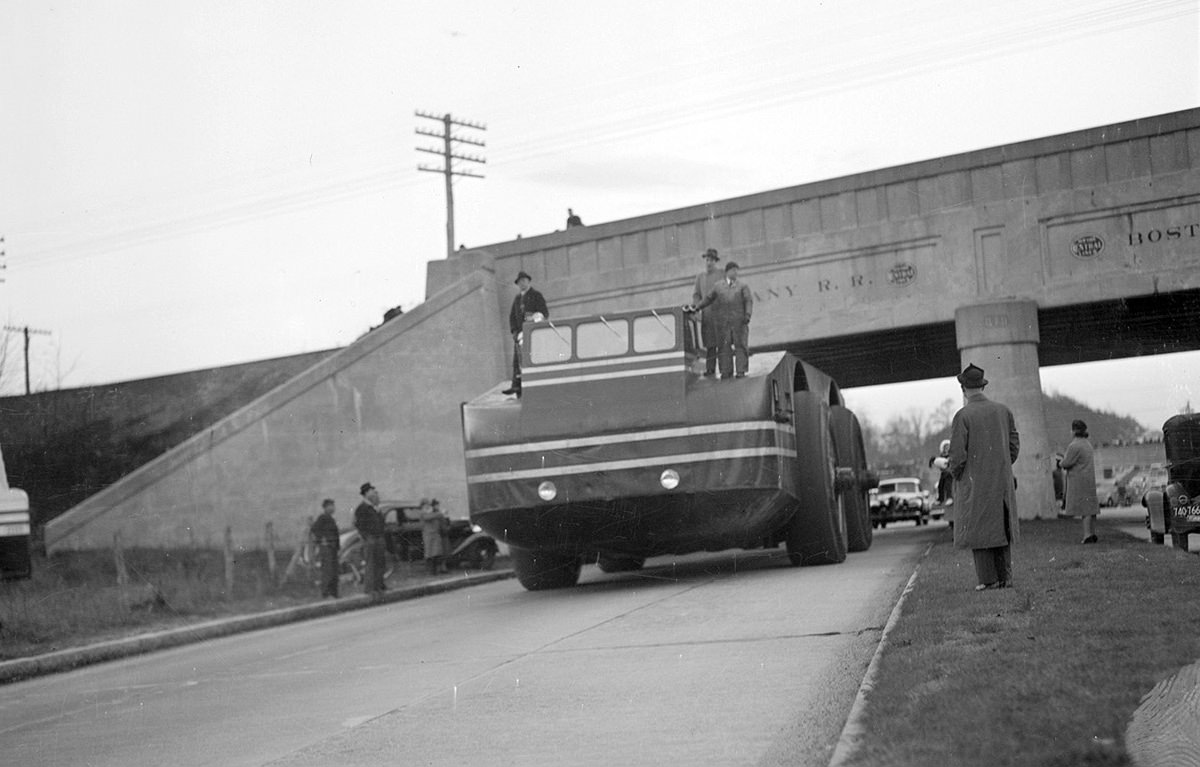
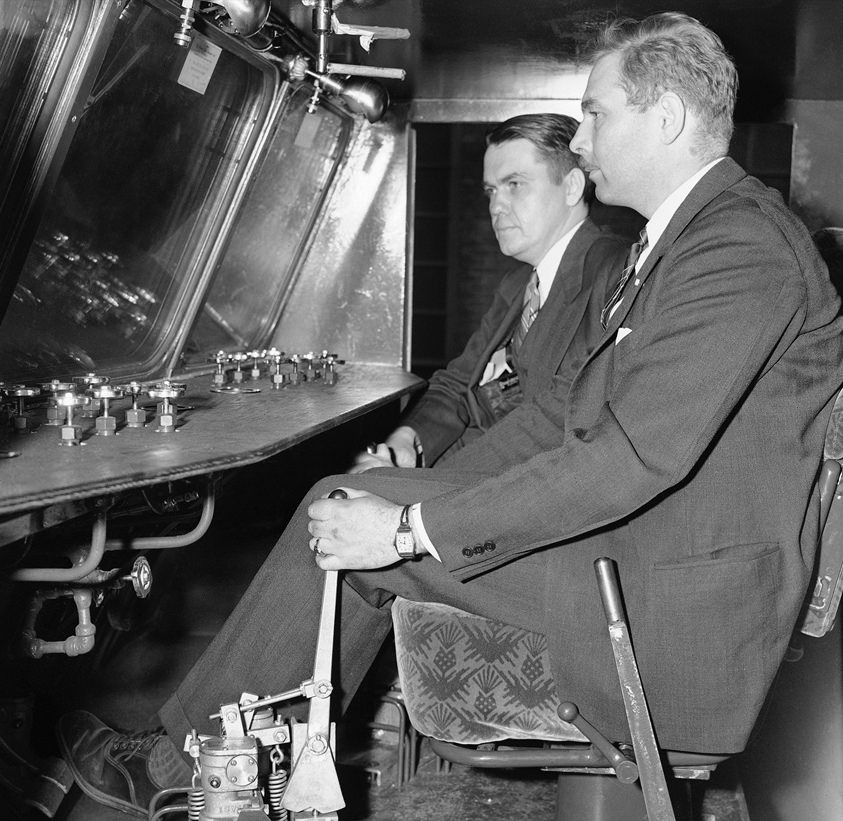
The control room sat at the front of the vehicle, elevated above the chassis, giving the driver and navigator a clear view ahead. Below the control room, a catwalk ran over the machine shop, snow melter, generators, pumps, and hoists. Dr. F. A. Wade, the chief scientist of the U.S. Antarctic Service, and Harold Vagtborg, director of the Armour Institute’s Research Foundation, were among those who took their places at the controls as the vehicle was prepared for the journey.
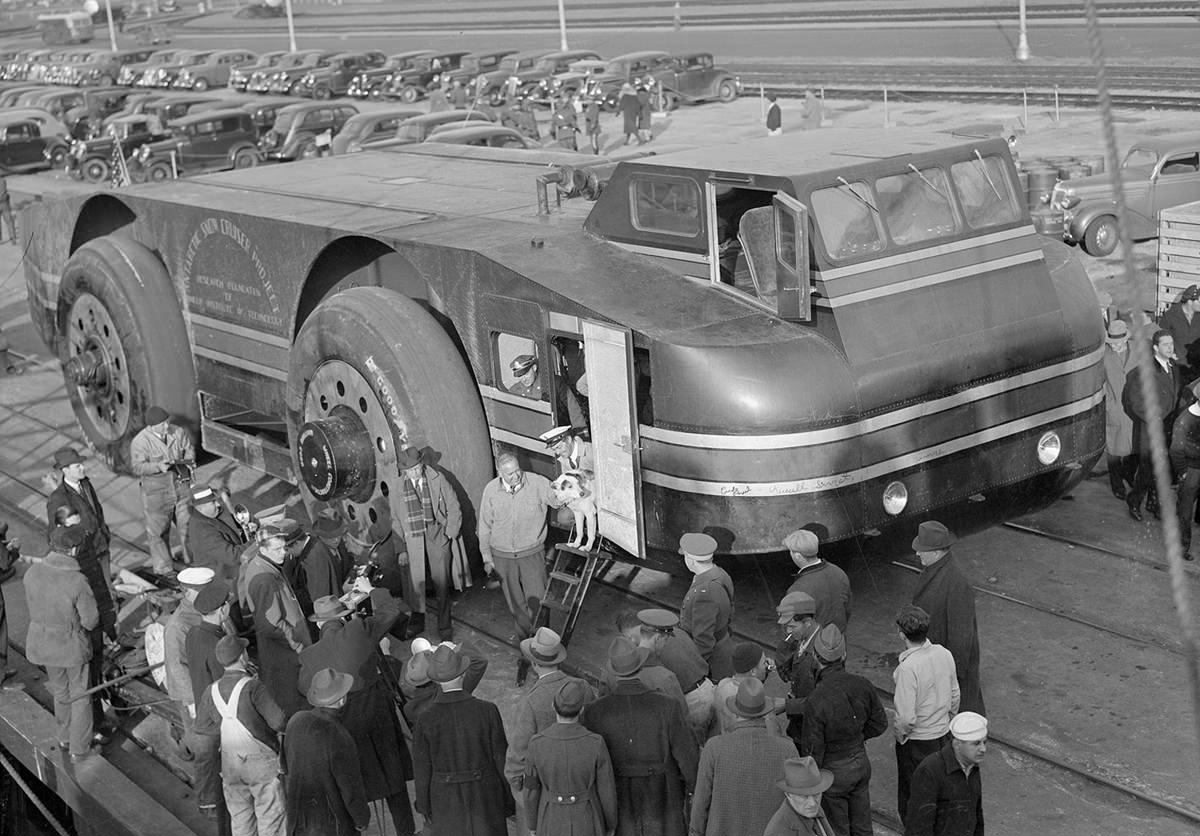
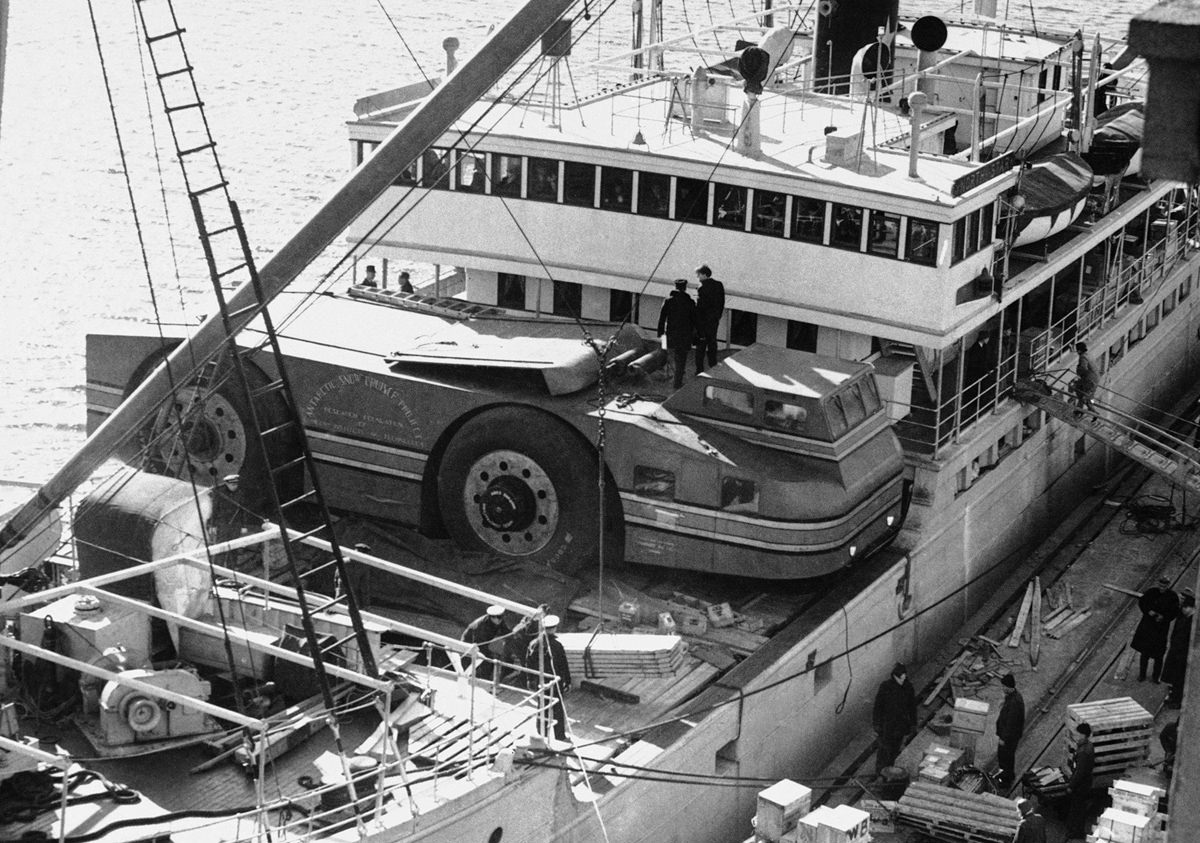
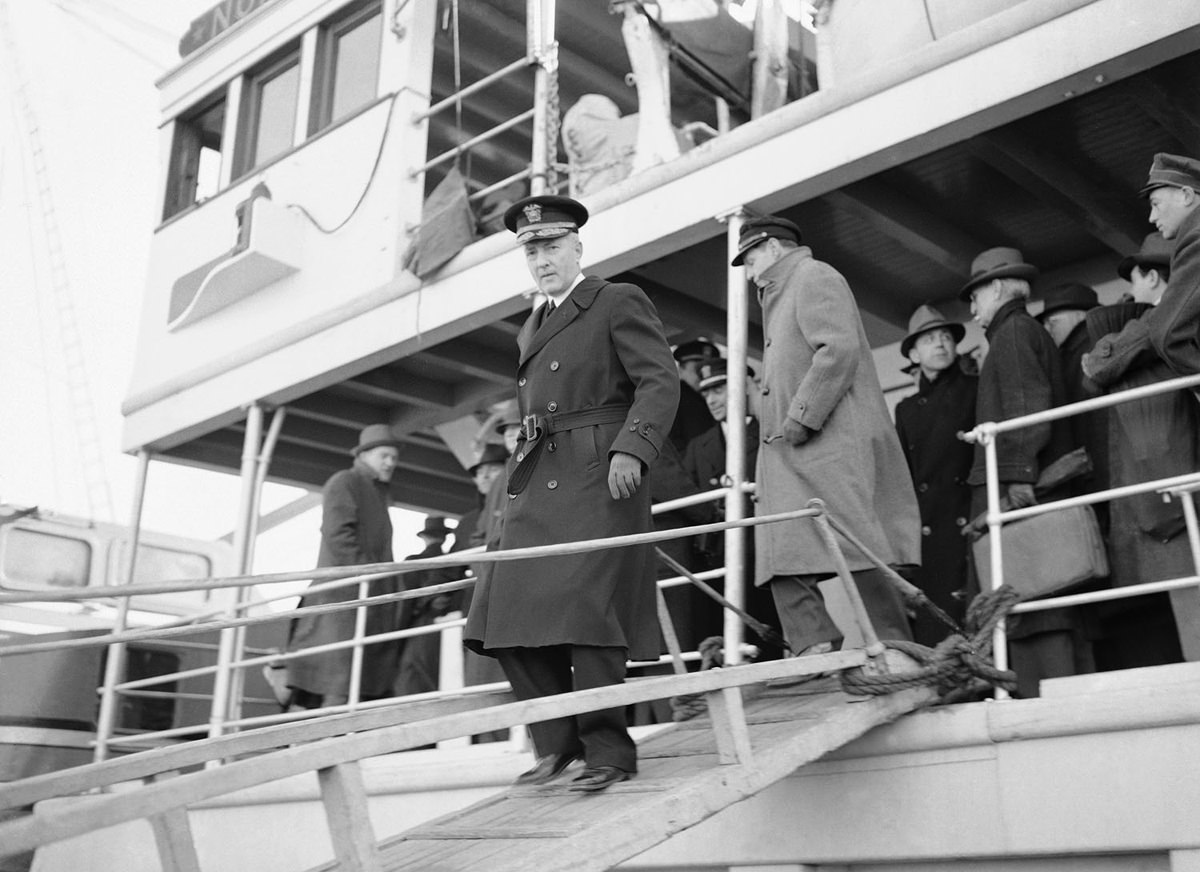
When the Snow Cruiser arrived at Boston’s waterfront, police officers had to clear a path through the crowds as it maneuvered to the dock. Loading the vehicle onto the USCGC North Star presented its own engineering problem. Even with a 10-foot rear section removed to reduce its length, the Snow Cruiser still protruded two feet over the port rail of the ship. It was loaded at high tide on November 15, 1939, with expedition members and spectators watching from the wharf.
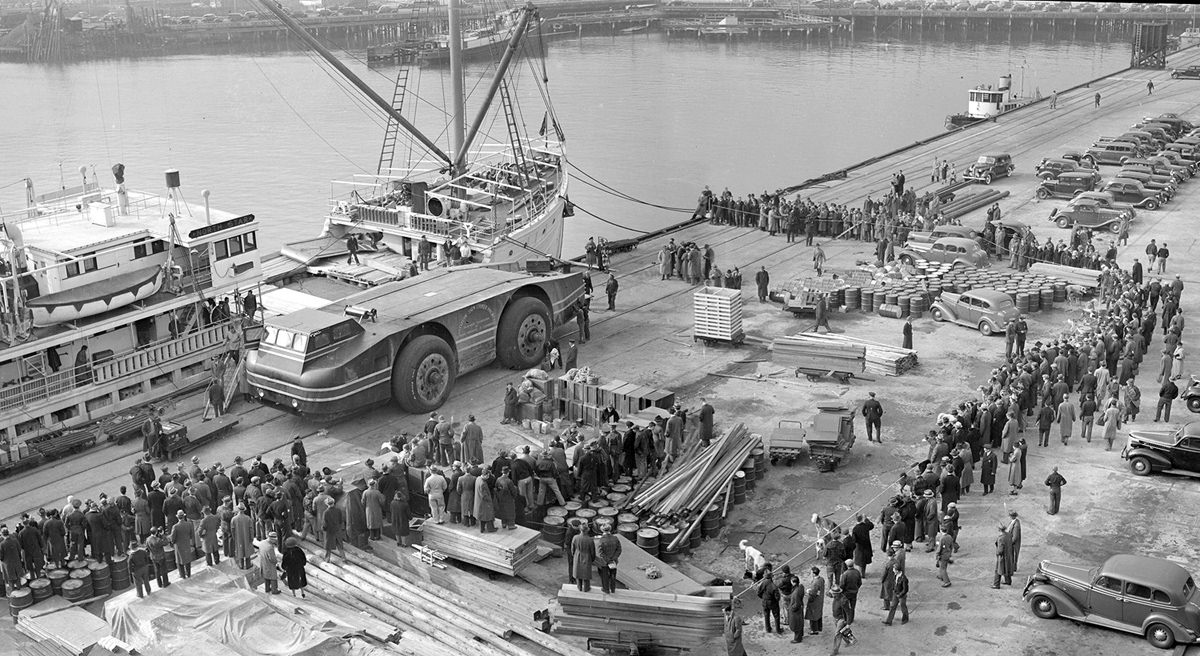
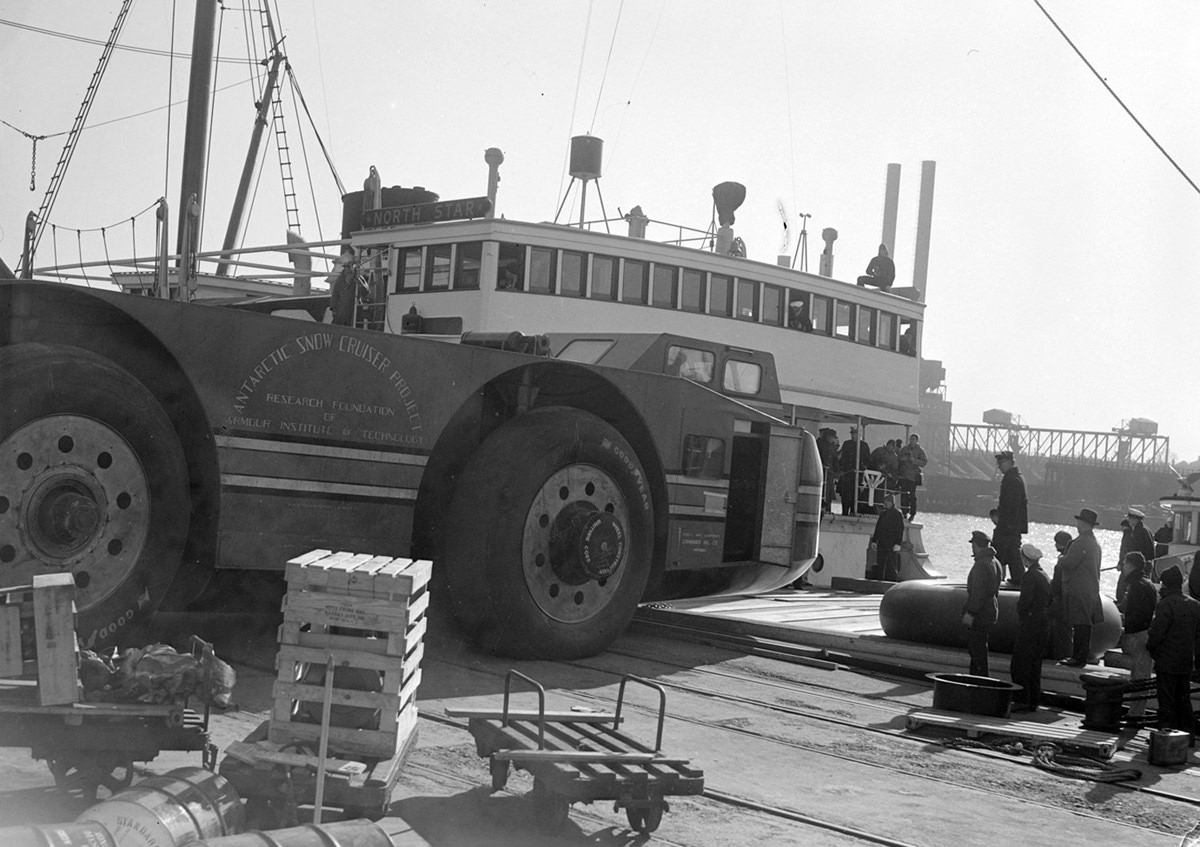
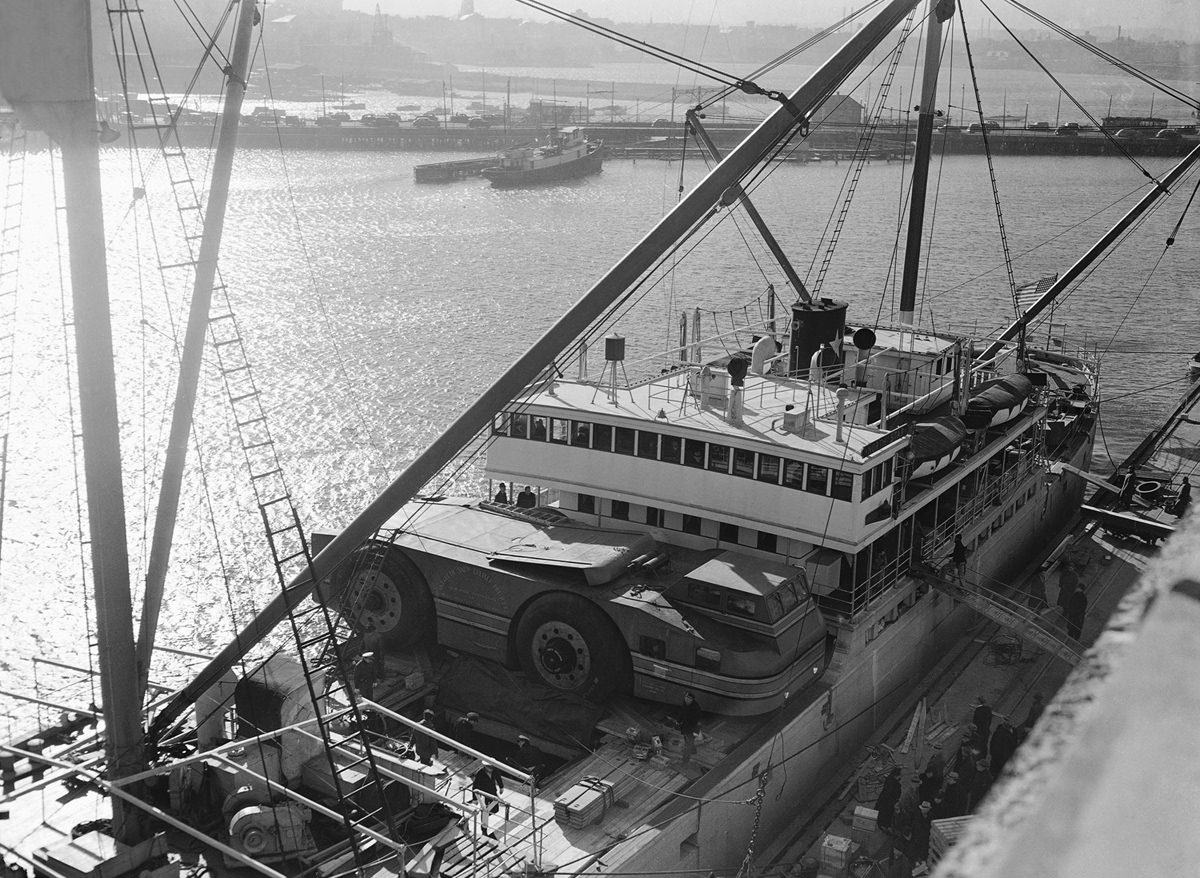
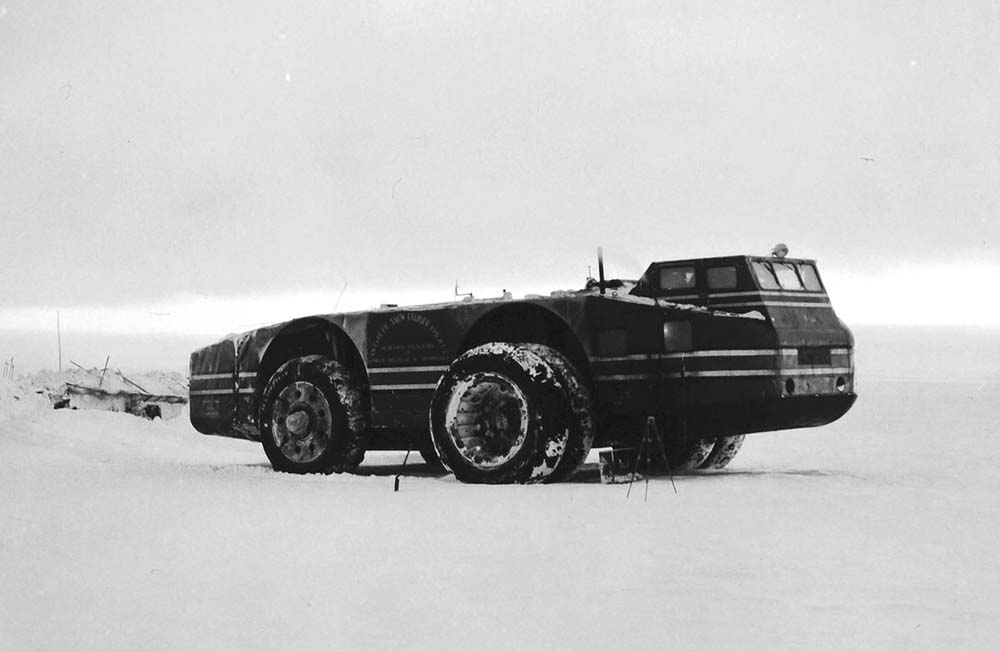
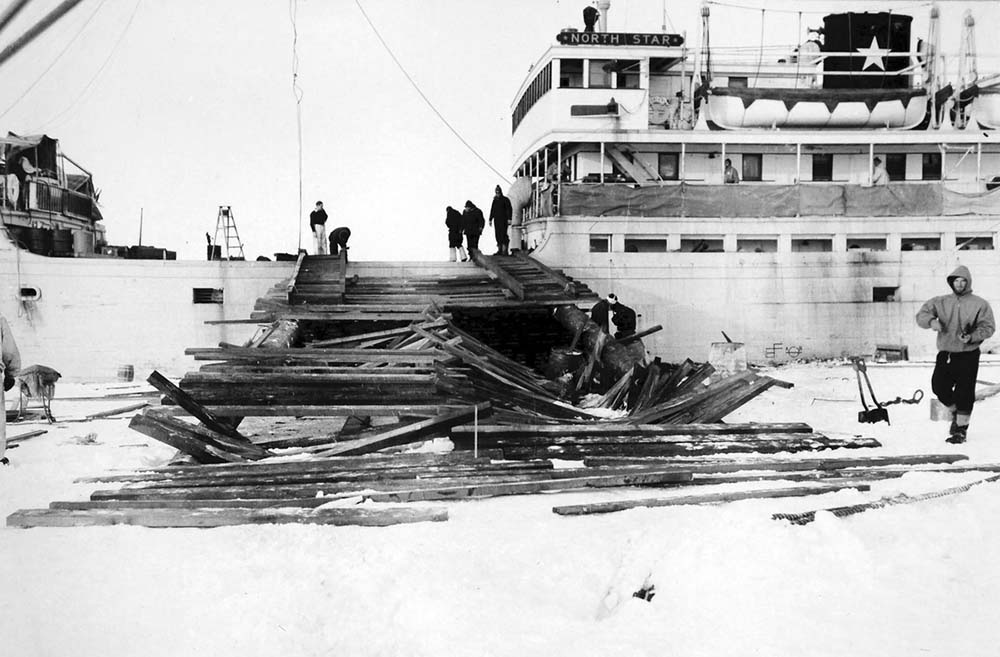
The North Star arrived at the Bay of Whales, Antarctica, in early January 1940. The Snow Cruiser was to be unloaded down a ramp built from timber. During the unloading, one of the massive wheels broke through the ramp. The crew managed to power it free, and a cheer went up — but it was short-lived. The moment the Snow Cruiser reached the Antarctic snow, it sank up to three feet. The smooth rubber tires simply spun in place. There was almost no forward traction at all.
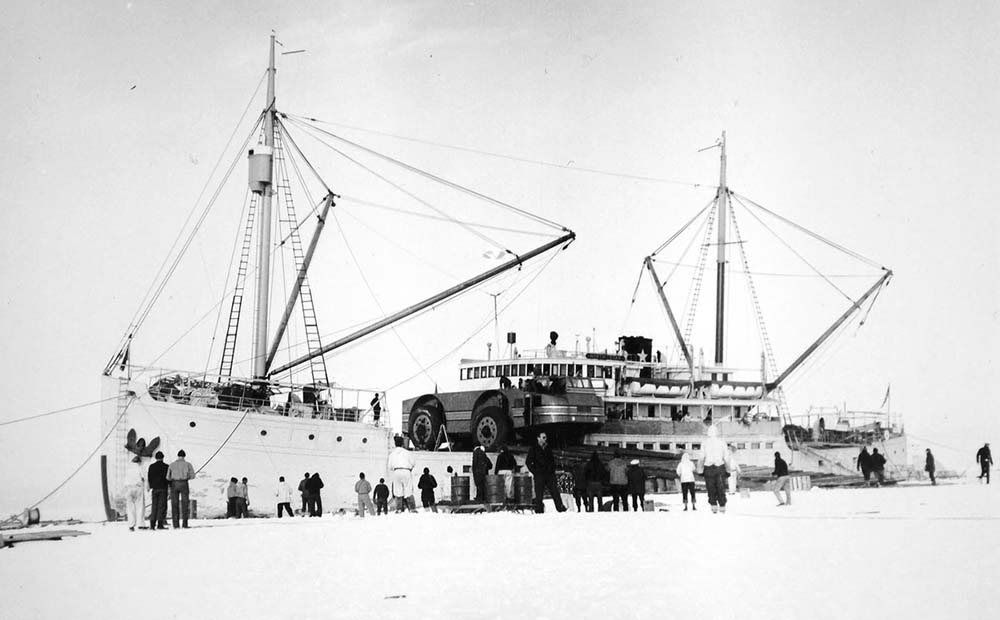
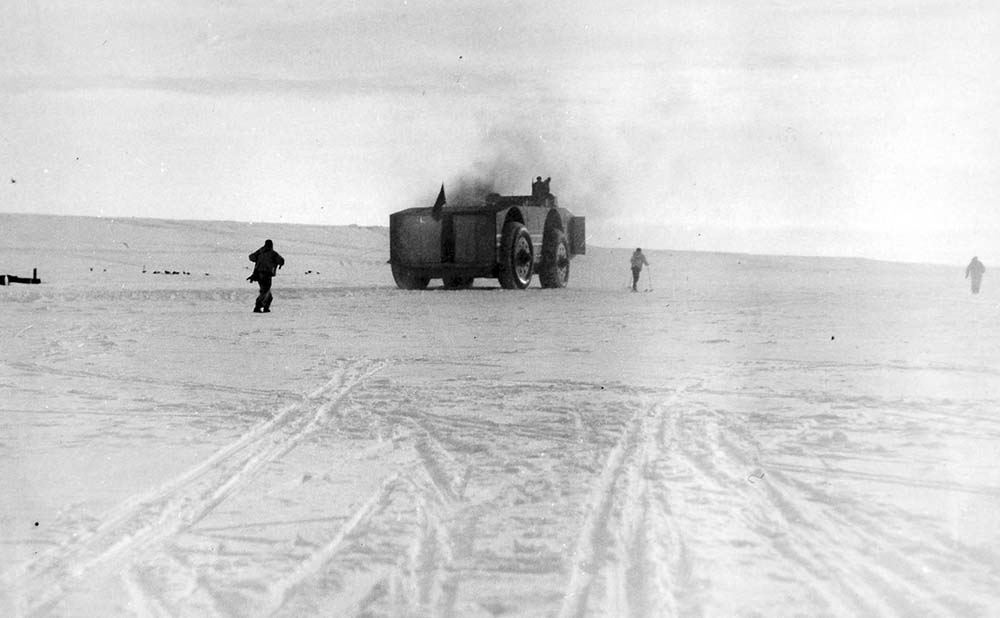
The crew tried everything. They attached two spare tires to the front wheels to increase surface area. They fitted chains to the rear wheels. Nothing produced enough grip to move the vehicle effectively through the Antarctic snow. Then someone tried driving in reverse. It worked better. The tread pattern on the tires was more effective in that direction, and the crew ended up driving the Snow Cruiser in reverse for its longest single journey — 92 miles. The vehicle’s original mission, a drive to the South Pole to track auroras, was abandoned entirely.
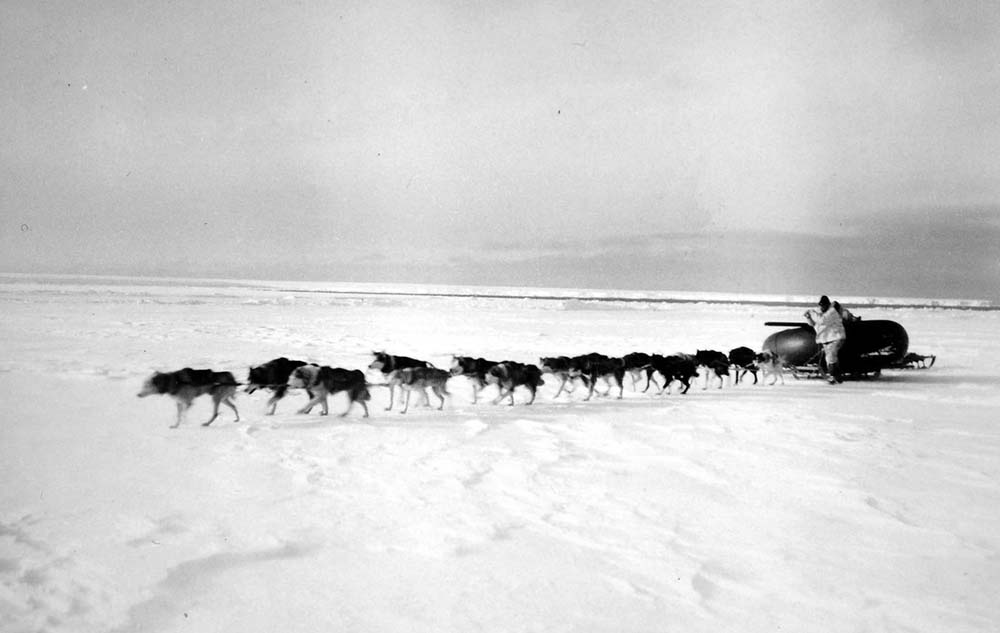
Poulter returned to the United States on January 24, 1940, leaving F. Alton Wade in charge of a reduced crew. The Snow Cruiser was repurposed as a fixed base camp. It served that role well. The engine coolant heating system kept the interior warm even when outside temperatures plunged to -50 degrees Fahrenheit. The crew lived inside it and used it to conduct seismologic experiments, cosmic-ray measurements, and ice core sampling. Radio operator Felix Ferranto kept communications running, and the crew’s small airplane, piloted by T.A. Petras, was used for aerial survey work.
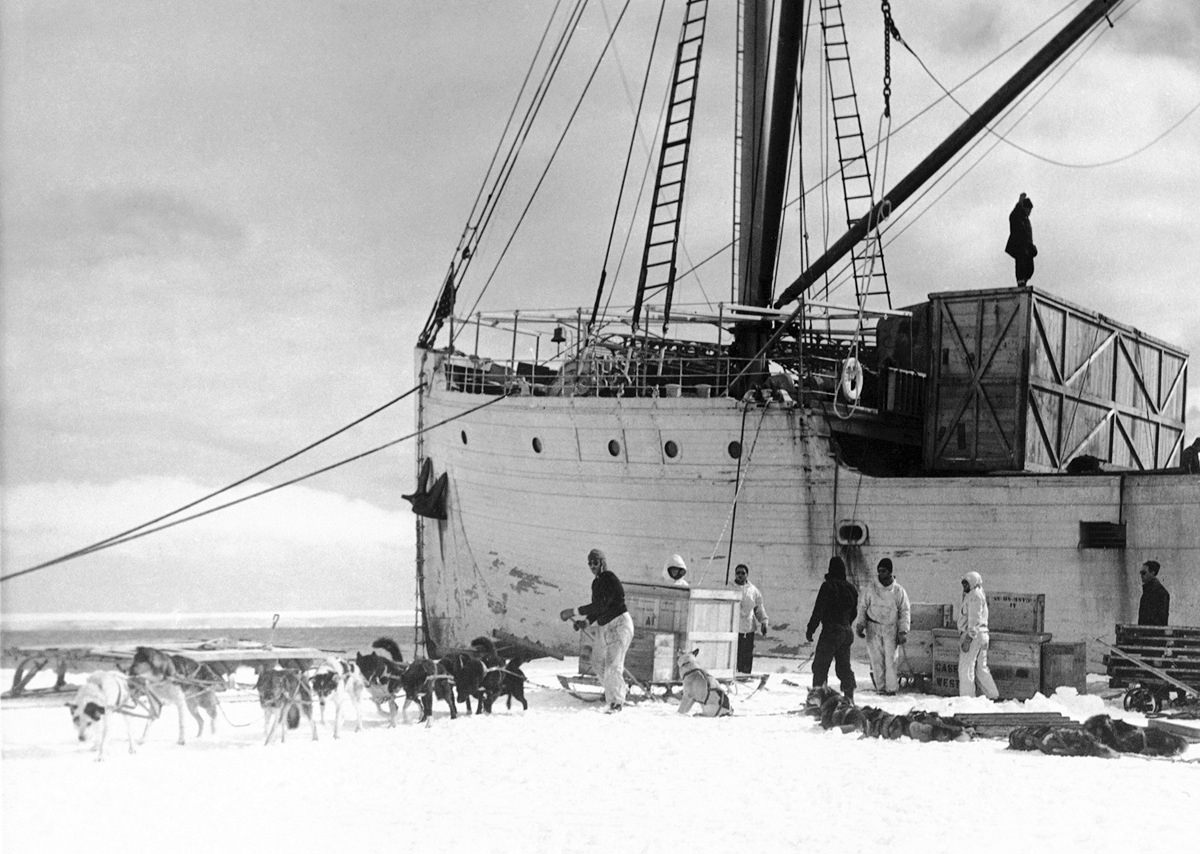
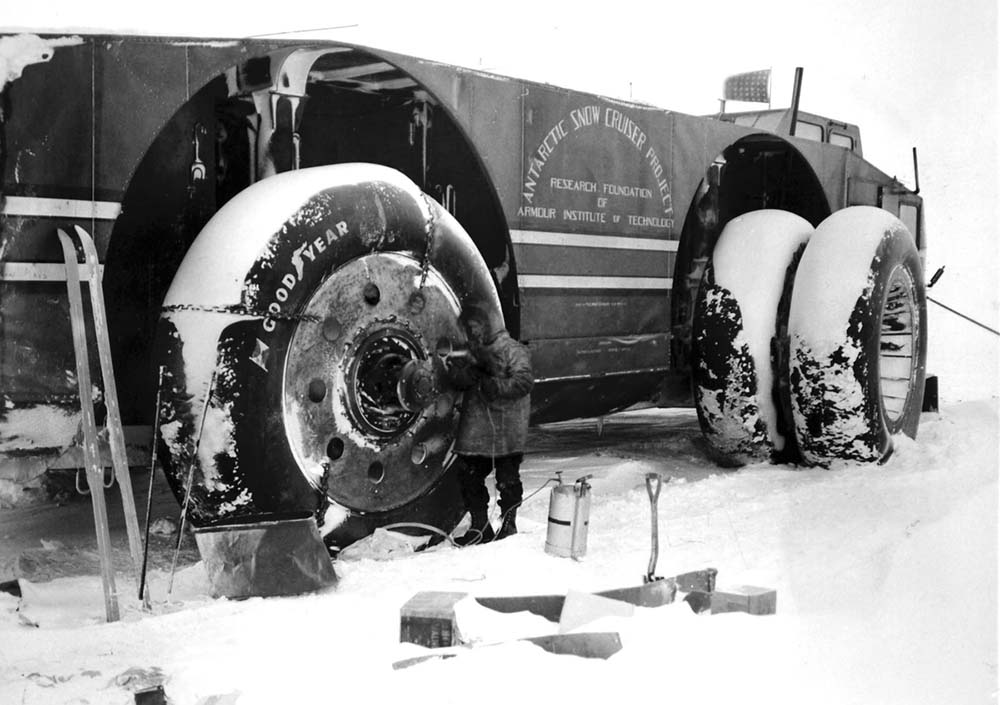
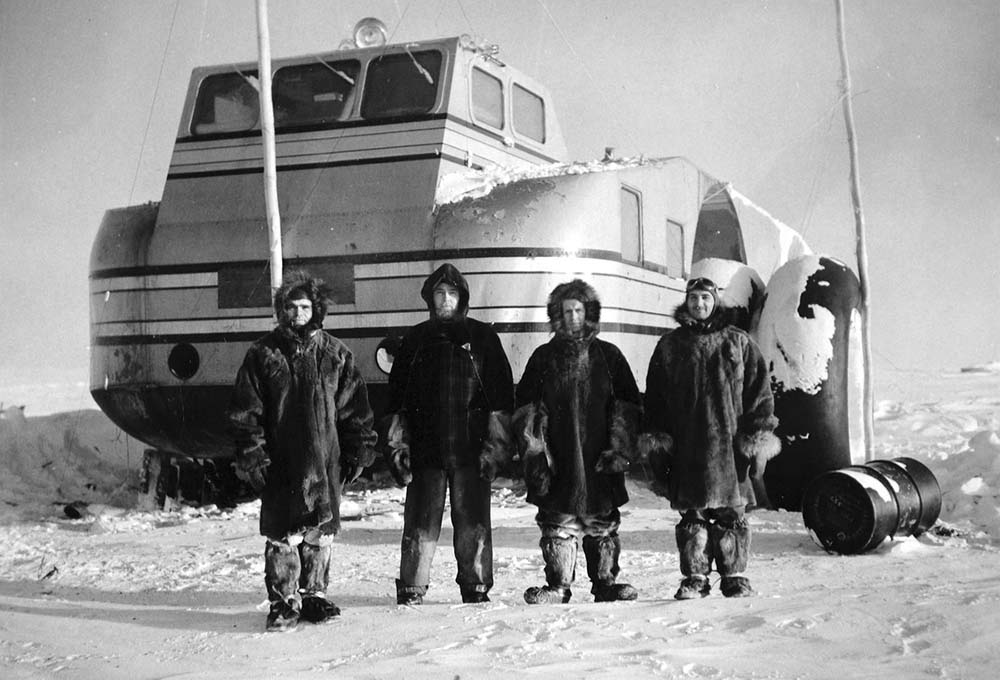
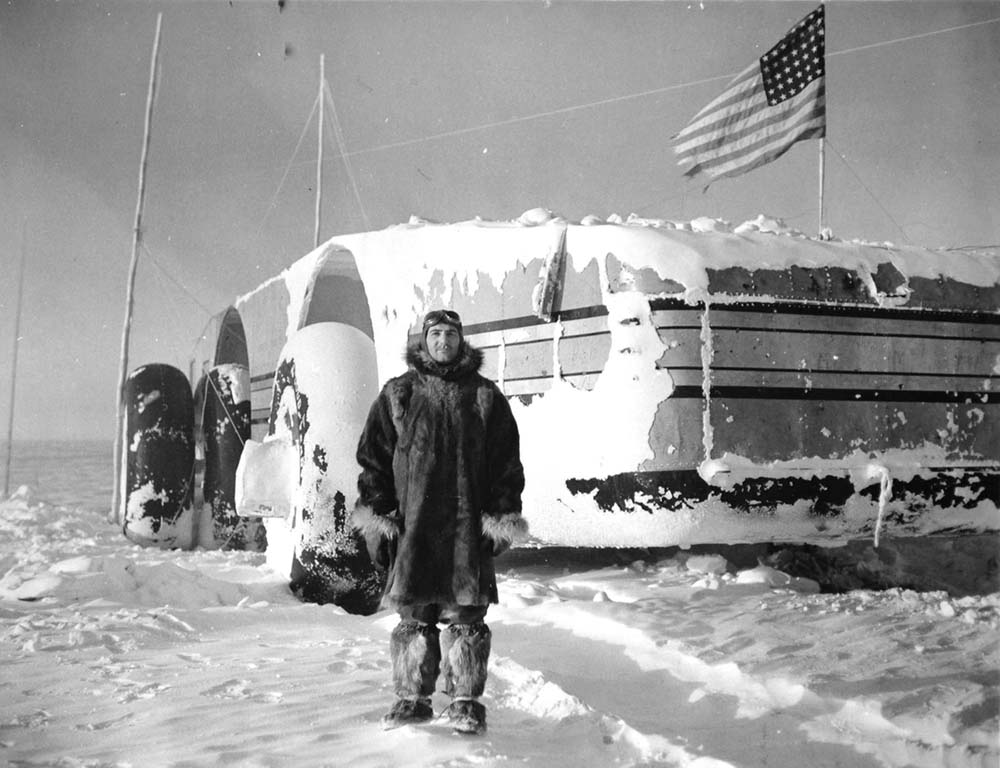
Antarctica’s blizzards steadily buried the vehicle. Snow piled against its sides, drifted over its deck, and slowly swallowed it from all directions. When the United States entered World War II, Poulter could not return to Antarctica with upgraded parts and equipment as he had planned. The Snow Cruiser was officially abandoned at the Little America III base on December 22, 1940, left exactly as the crew had used it — papers, magazines, and cigarettes scattered across the interior.
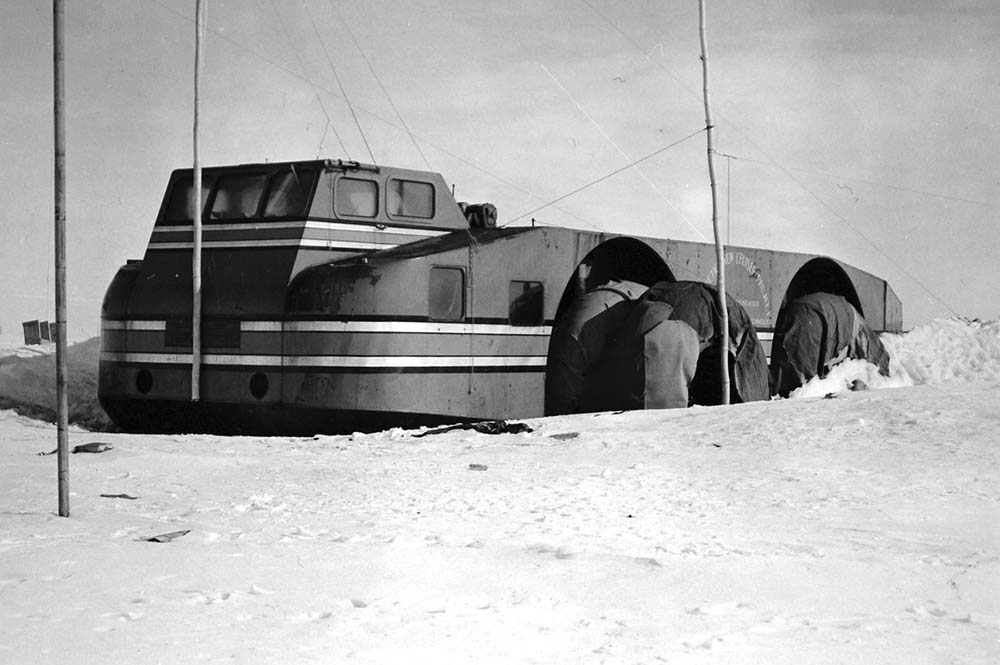
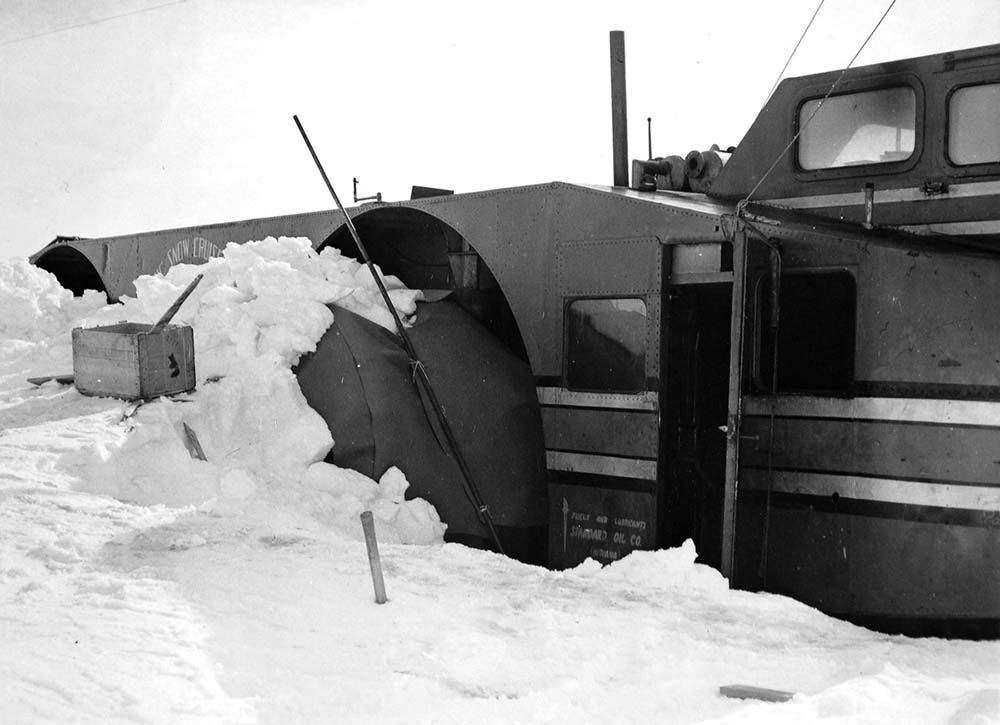
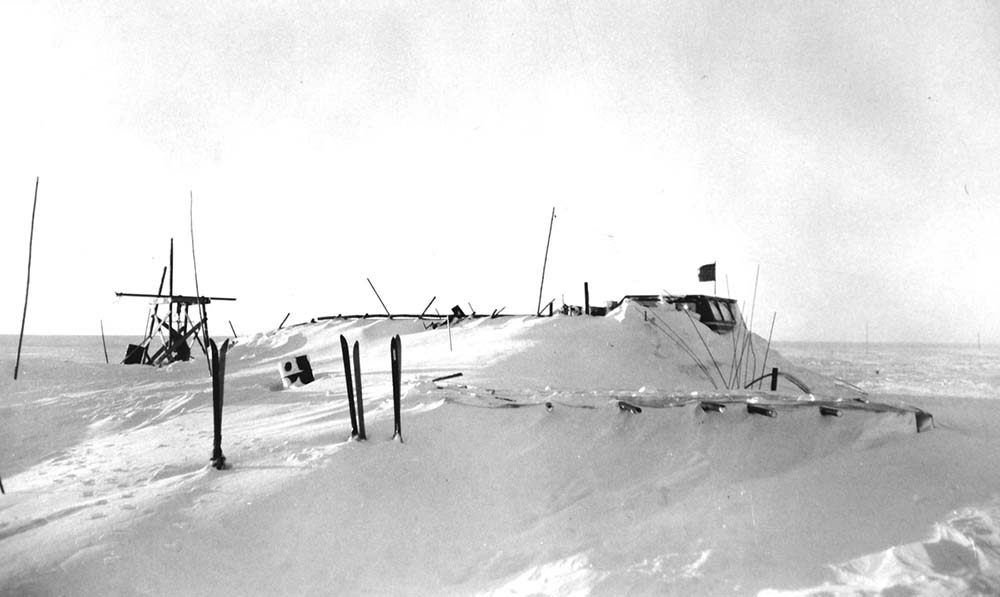
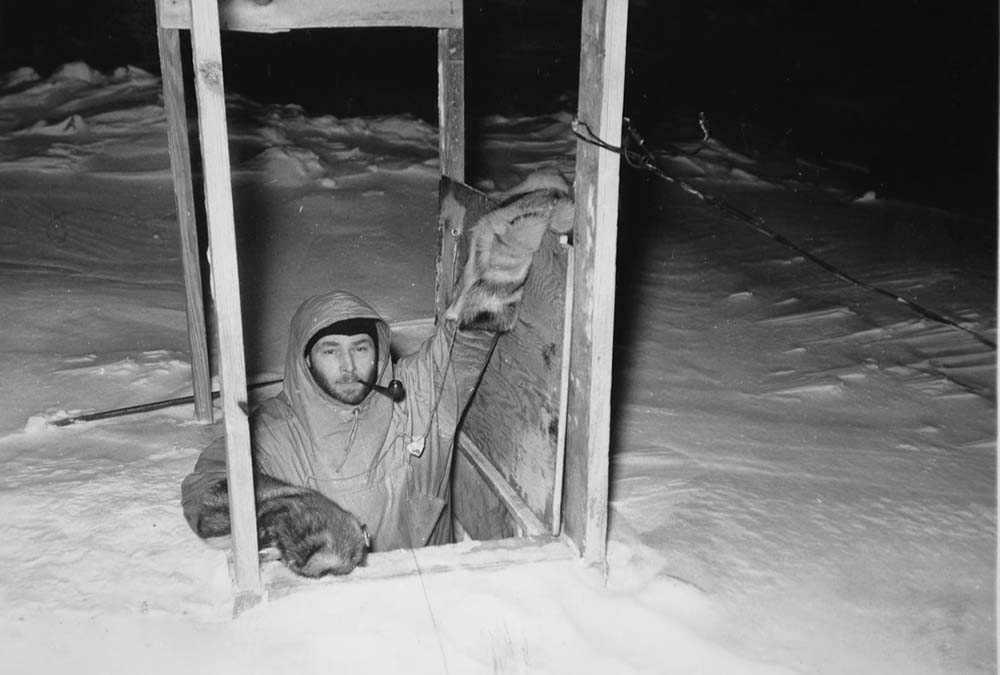
An expedition team rediscovered the Snow Cruiser during Operation Highjump in late 1946 and found it in remarkably intact condition — it needed only air in its tires and basic maintenance. Then in 1958, an international expedition used a bulldozer to dig it out from beneath 23 feet of accumulated snow, using a bamboo pole as a marker to find it. Crews entered the vehicle and found it exactly as the 1940 crew had left it. After that visit, no subsequent expedition has ever reported seeing it again. The Antarctic ice shelf moves constantly, carrying everything on and within it toward the sea. The Snow Cruiser is almost certainly either buried far beneath the surface or has since slid into the Southern Ocean.

If they remembered to properly test it it would have gone better, but they were on severe time crunch.
It would have worked if they did better suspension and tires on it. The tires it had when I watched a documentary made them seem like they were practically bald tires. How’s it supposed to travel on snow and stuff if it has no traction?
I think it was assumed that they were low pressure enough that it wouldn’t be a problem, this turned out to be a mistake. When they started driving around Antarctica they had severe traction issues. Solutions they tried included makeshift tire chains, doubling up the front wheels, and eventually they discovered it actually made better progress when driven in reverse.
Insane that engineers much smarter than myself thought smooth tires would work in the snow. I guess things that seem obvious aren’t until you try it.
Thunderbirds are go!
ou try it.
Near Lima Oh, on old Rt 40, are signs marking the crash site, where it slid off the road, while traveling from Chicago to New York, I believe.
I used to drive a route in that area, and saw the signs several times, before investigating. It took quite a bit of effort to get it back on the road. There are old articles about it, and pictures of it off the road.
Awesome, I’d read and heard about it but this was the first time I’ve seen pictures.
It’s a behemoth.
Must’ve been Ruzzians. Stupid is as stupid does….
It failed in great part because some genius thought it would be a great idea to send such massive mammoth of a machine in the snow with fucking smooth tires…
Top Gear: 1930