Hey There! Before You Go. 😧
Get the best vintage content straight into your inbox!

Don't worry, we don't spam

A Nation in Focus: Walker Evans’ “American Photographs” from the 1930s

In 1938, Walker Evans published “American Photographs,” a book built from work he shot throughout the early 1930s. The images were tied to exhibitions from that same decade and formed a direct, unfiltered record of life across the United States during the Great Depression. Evans had no interest in drama or sentiment. He pointed his camera at the world as it was and let the facts speak.
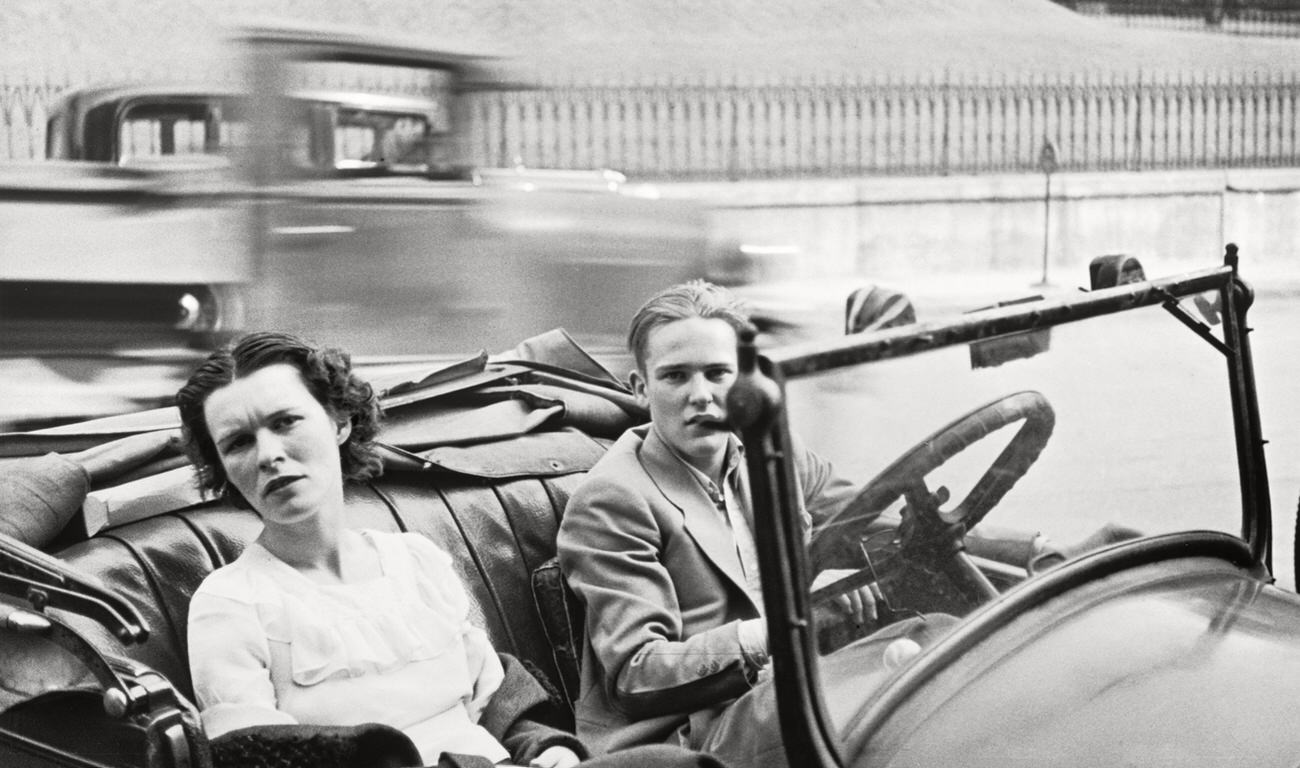
A parked car on a small-town main street, 1932.

Evans worked without special lighting or staged compositions. His style was plain and direct. He paid close attention to line, form, and texture, giving each frame a quiet sense of order. That stillness was intentional. With no dramatic action pulling the eye, viewers are drawn into the details — a cracked wall, a weathered sign, the look on a face.
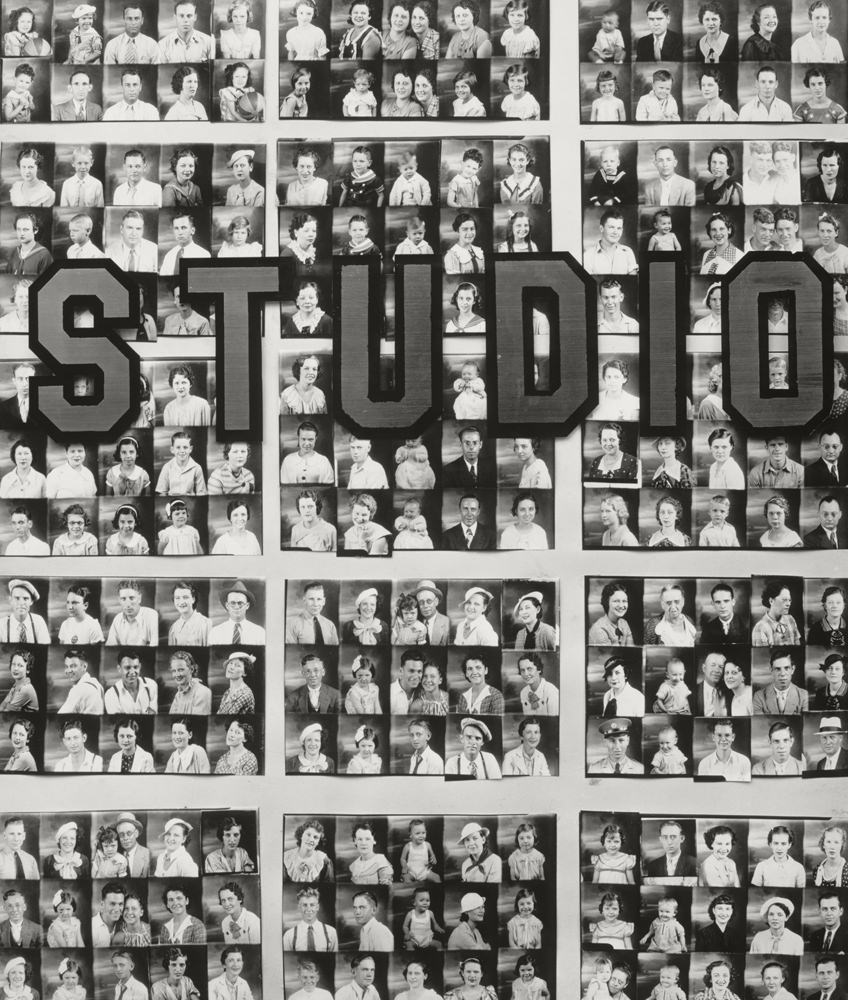
A penny picture display in Savannah, Georgia, 1936.
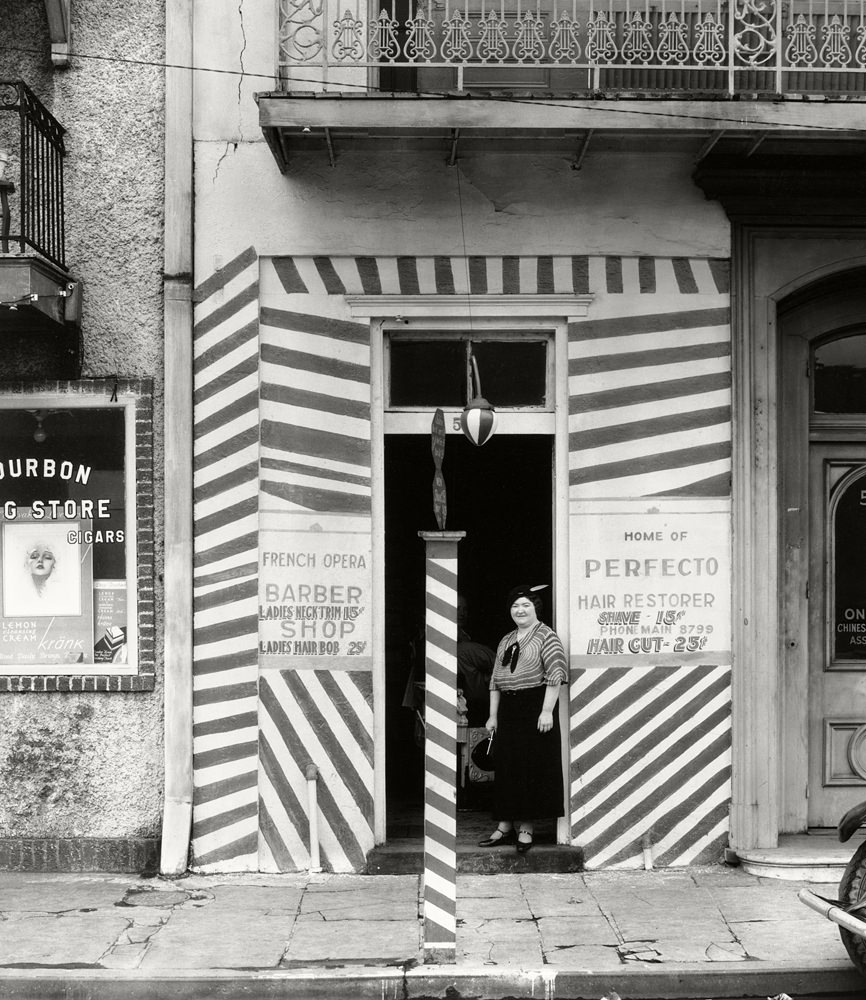
A sidewalk and shopfront in New Orleans, 1935.

His subjects ranged widely — rural landscapes, small-town main streets, urban storefronts, and ordinary people going about their lives. Each location told its own story about economic pressure and social reality. A torn poster, a boarding house wall, a cotton field — these weren’t symbols. They were facts.
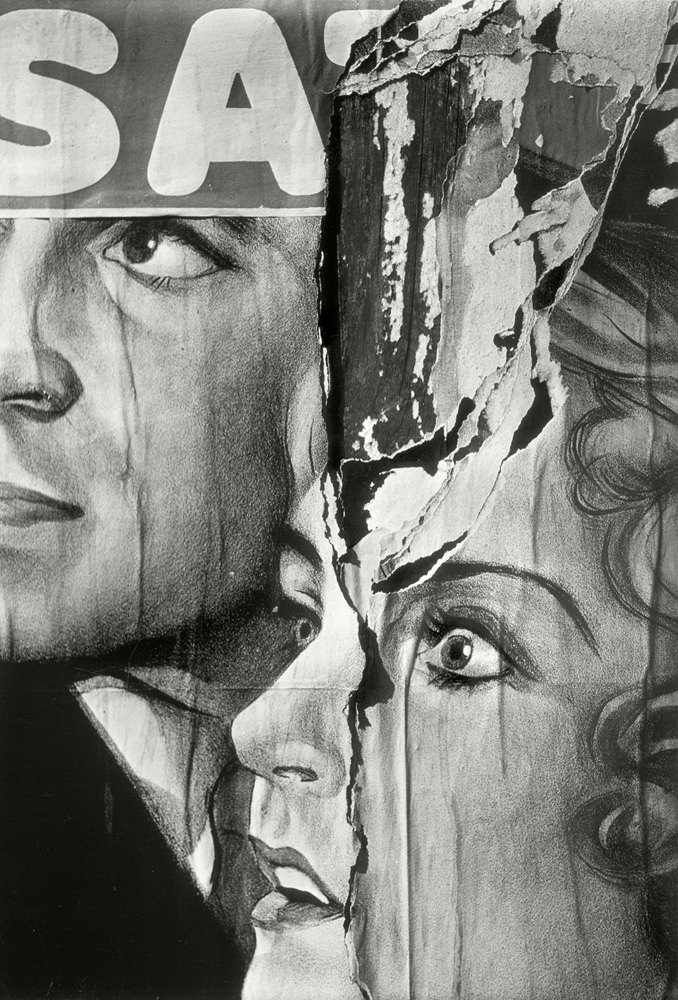
A torn movie poster, 1930.
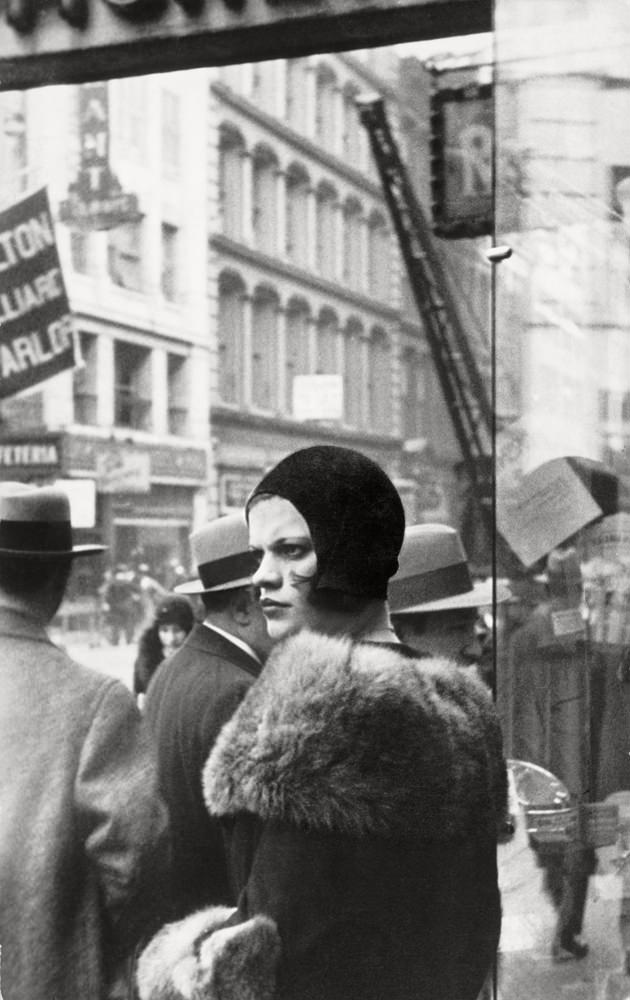
A girl on Fulton Street, New York, 1929.
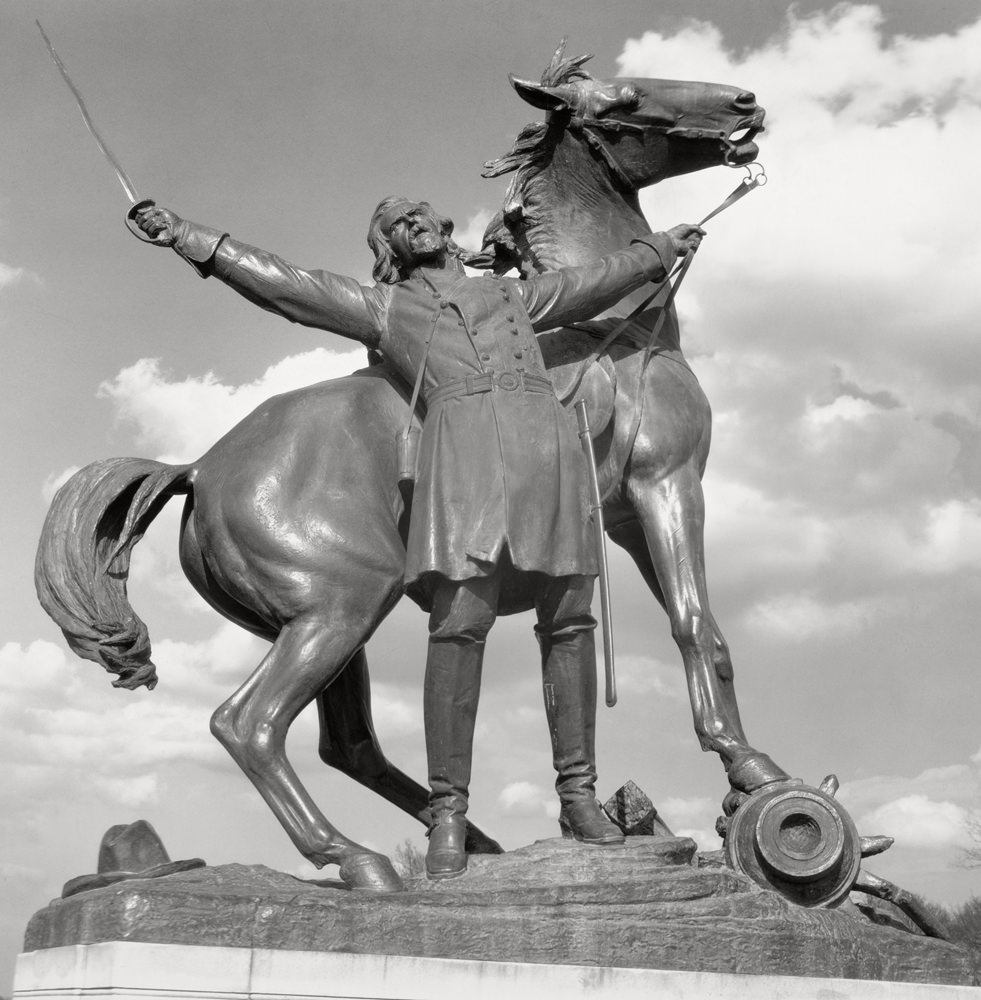
A battlefield monument in Vicksburg, Mississippi, 1936.

Evans documented people across the South with particular depth. In Alabama in 1936, he photographed cotton tenant farmers and their families in their actual homes and fields. These were not posed portraits meant to inspire pity. They were careful, respectful records of real lives under real hardship.
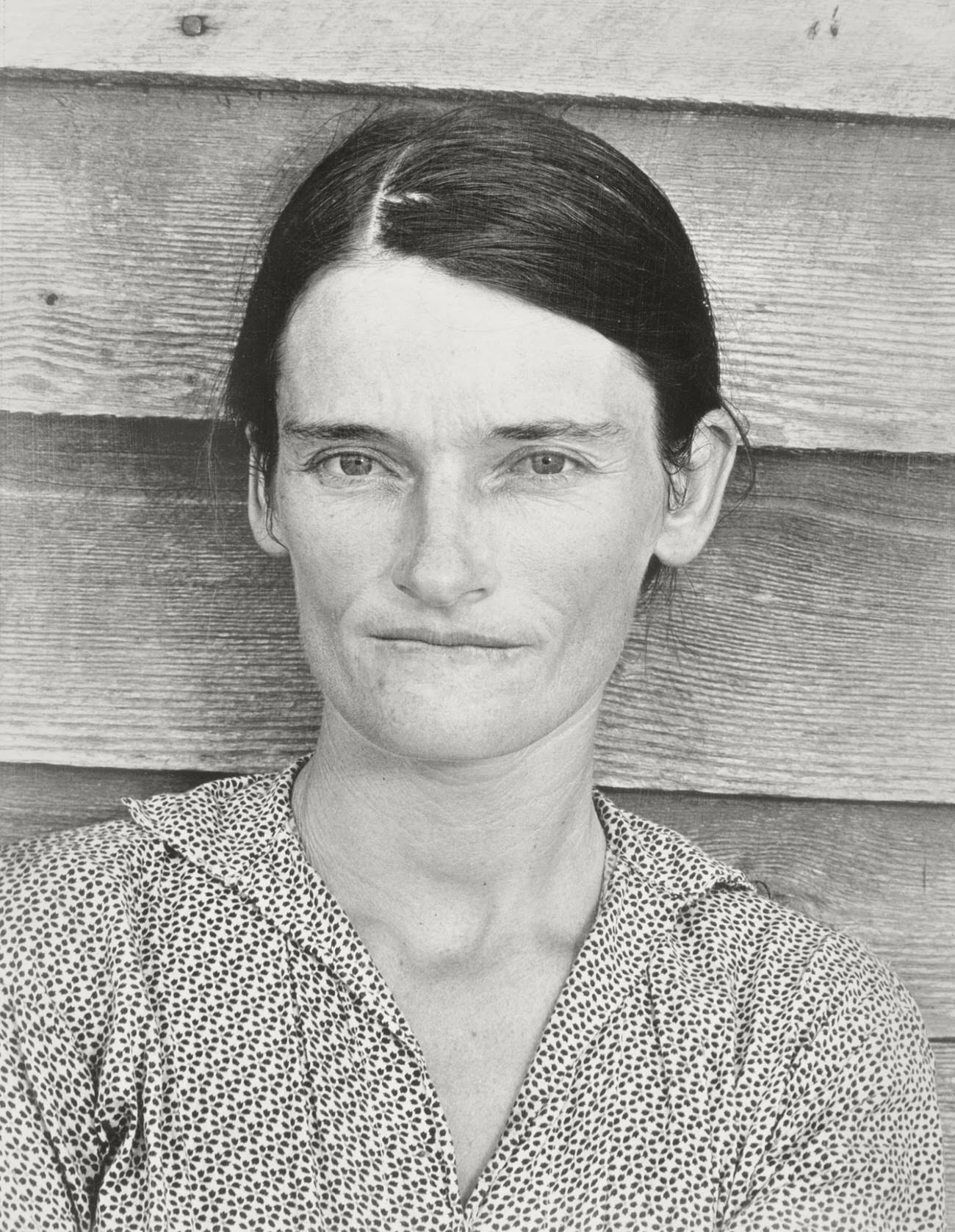
An Alabama cotton tenant farmer's wife, 1936.
An Alabama cotton tenant farmer’s wife, 1936.
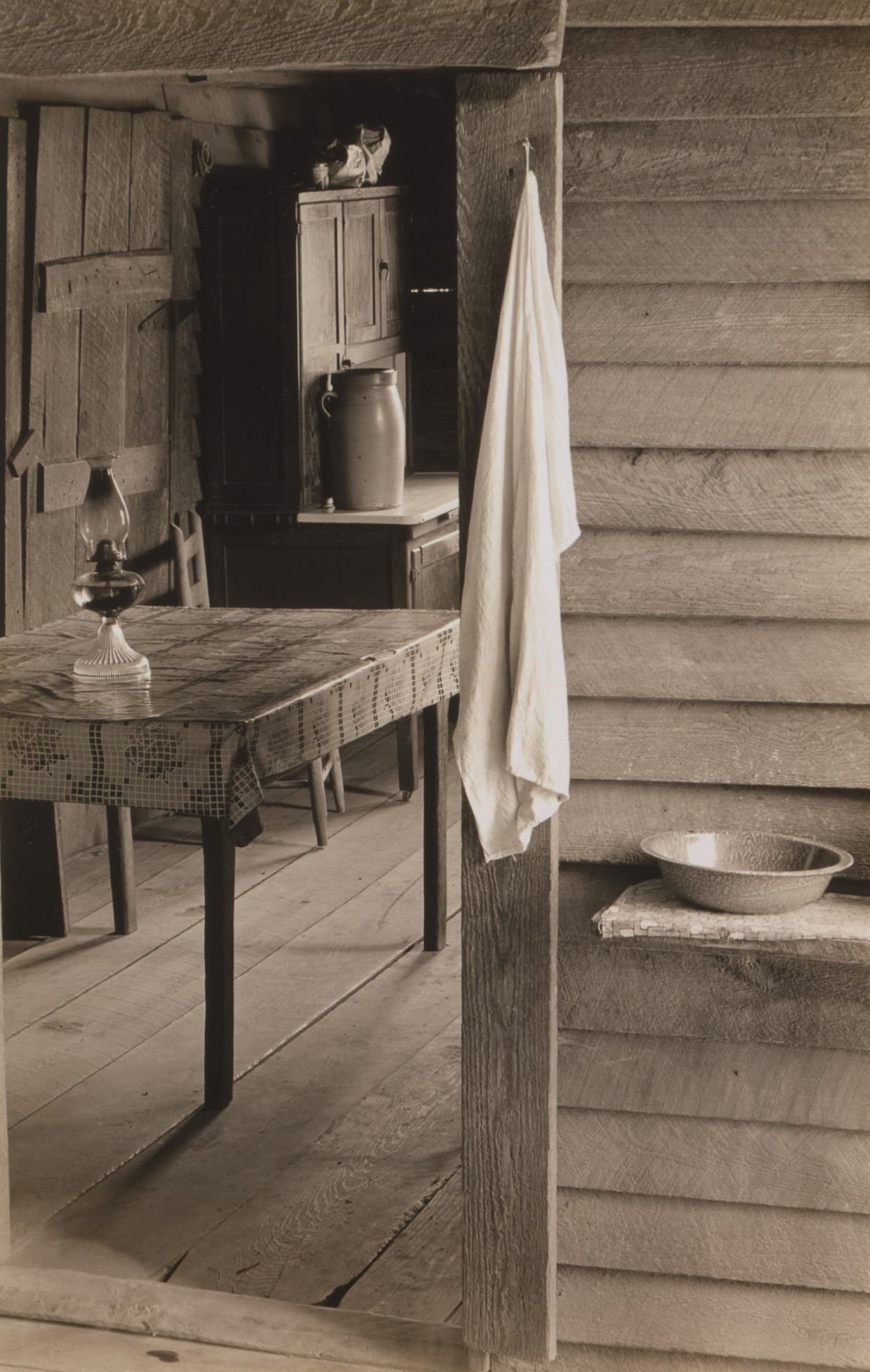
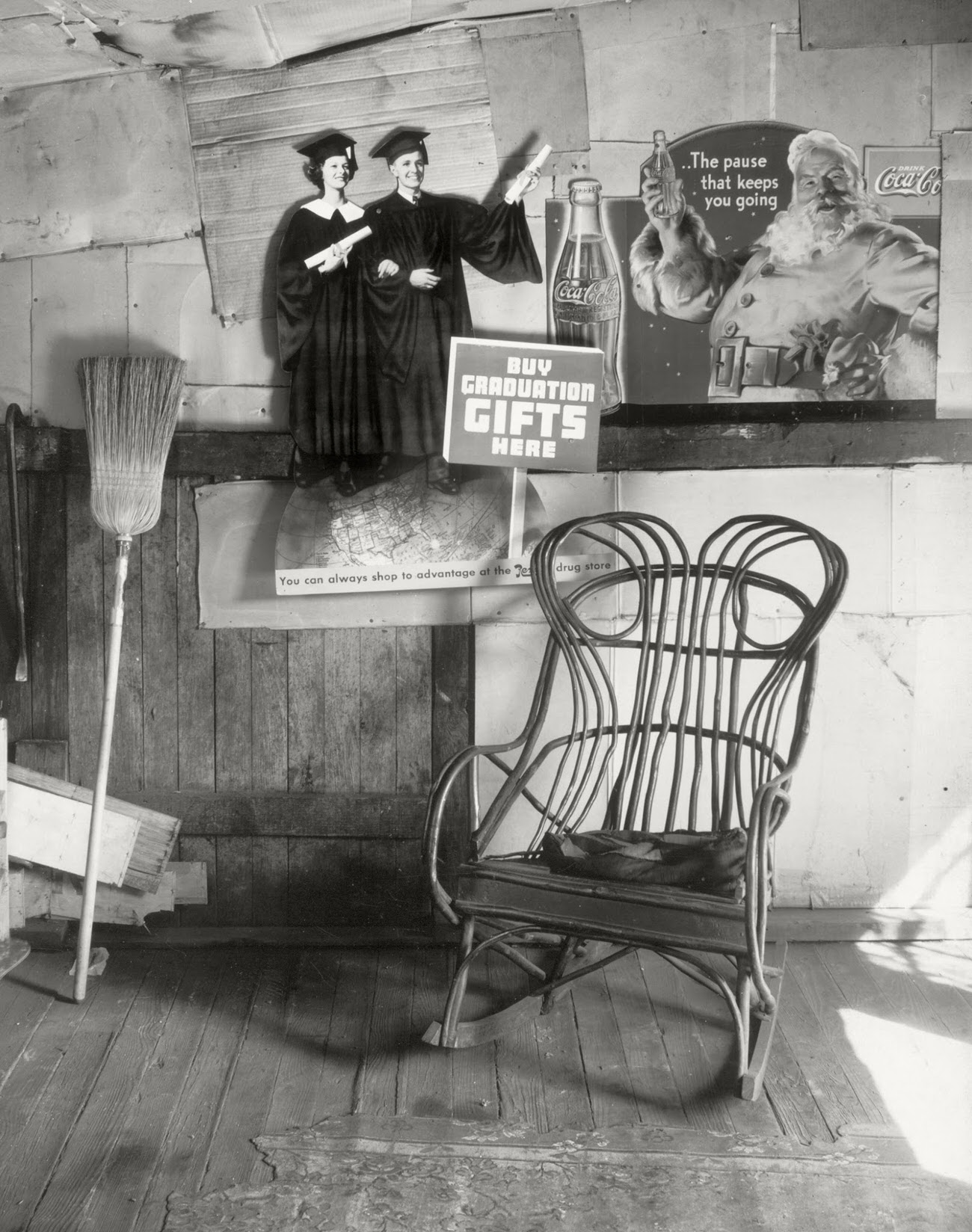
Interior detail of a West Virginia coal miner's house, 1935.
Interior detail of a West Virginia coal miner’s house, 1935.
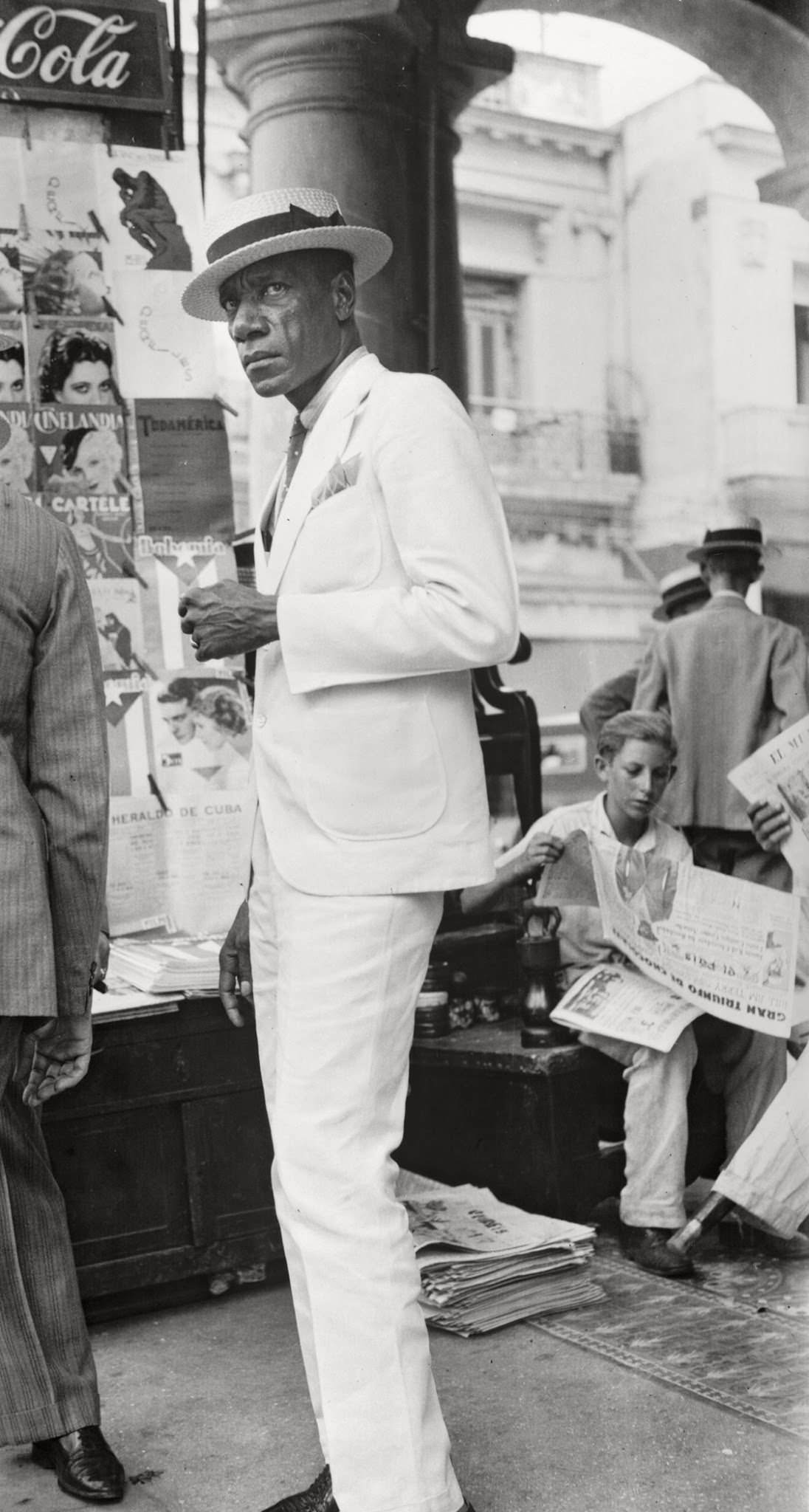
A citizen in downtown Havana, 1932.

His geographic range stretched from New England to the Deep South, and even into Cuba. A roadside stand near Birmingham sat alongside a Maine water pump in his visual catalog. Each image added another piece to a larger picture of how Americans — and those nearby — actually lived.
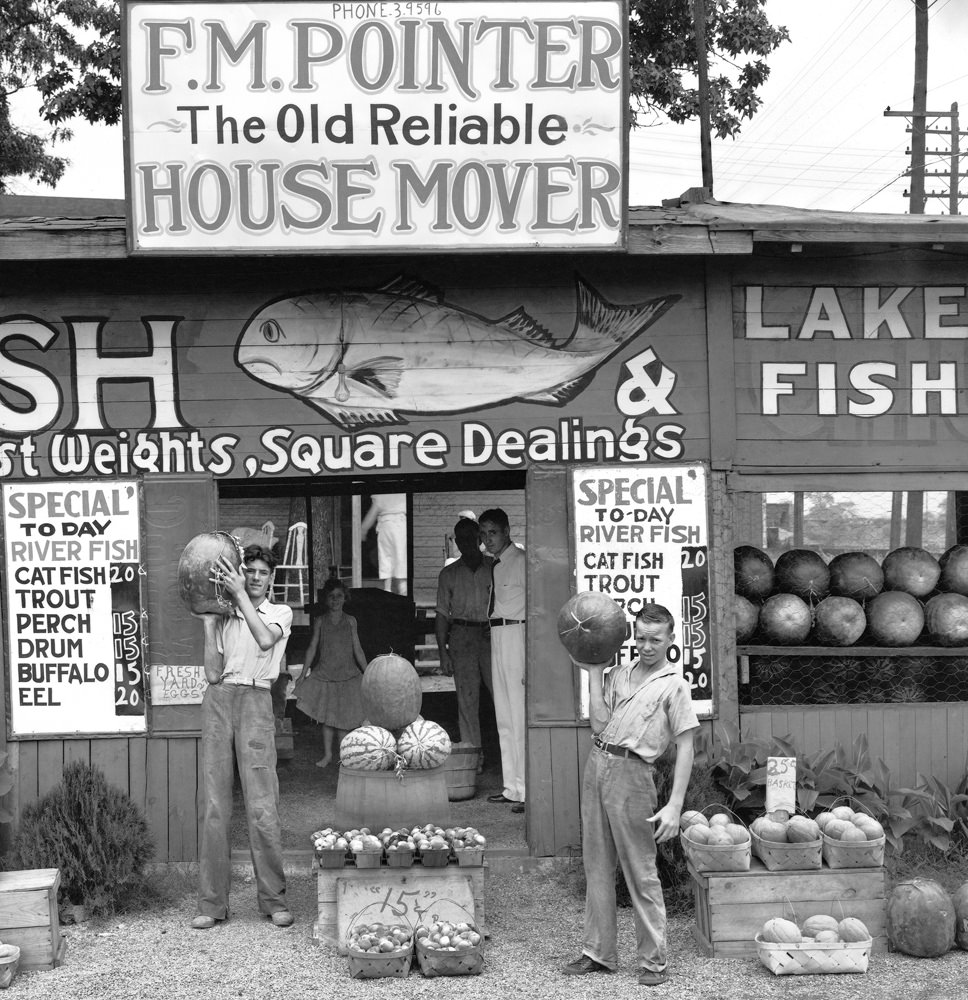
A roadside stand near Birmingham, 1936.
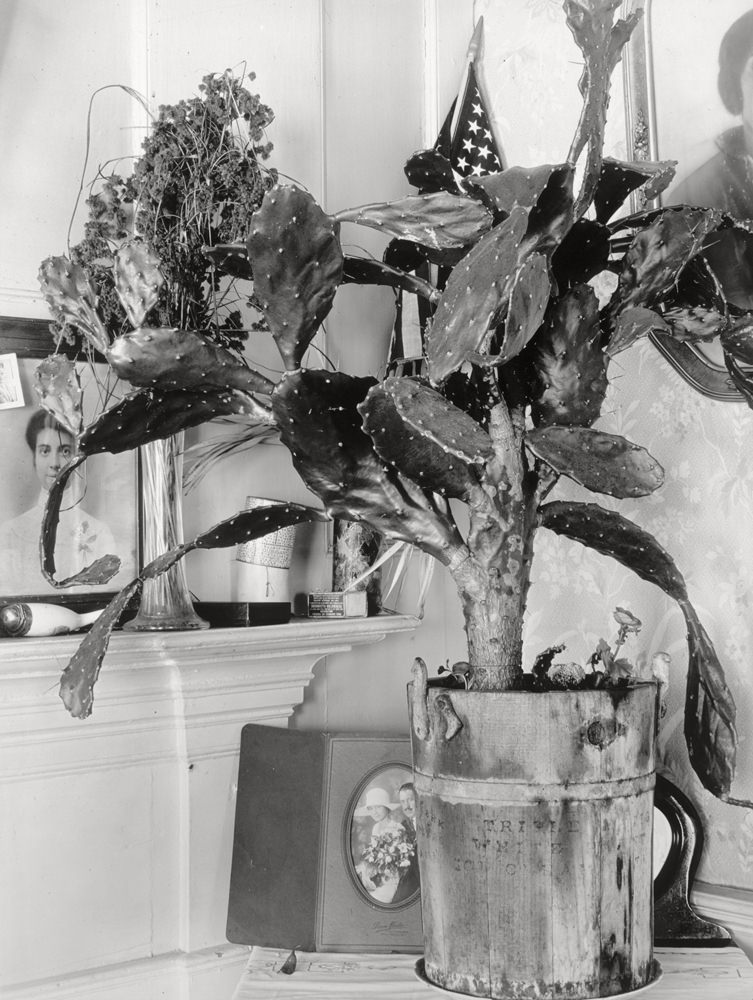
Interior detail of a Portuguese house, 1930.
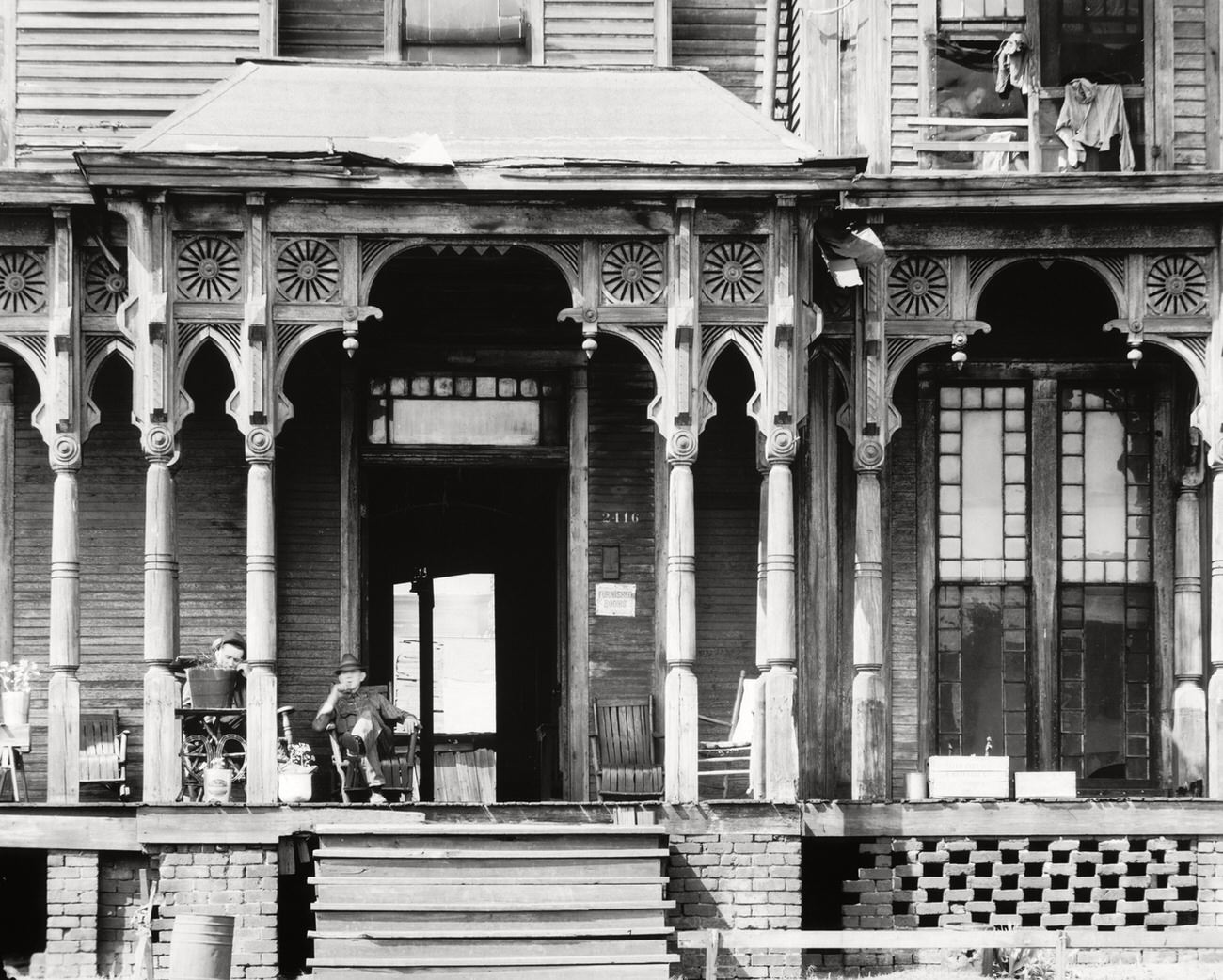
A Birmingham boarding house, 1936.
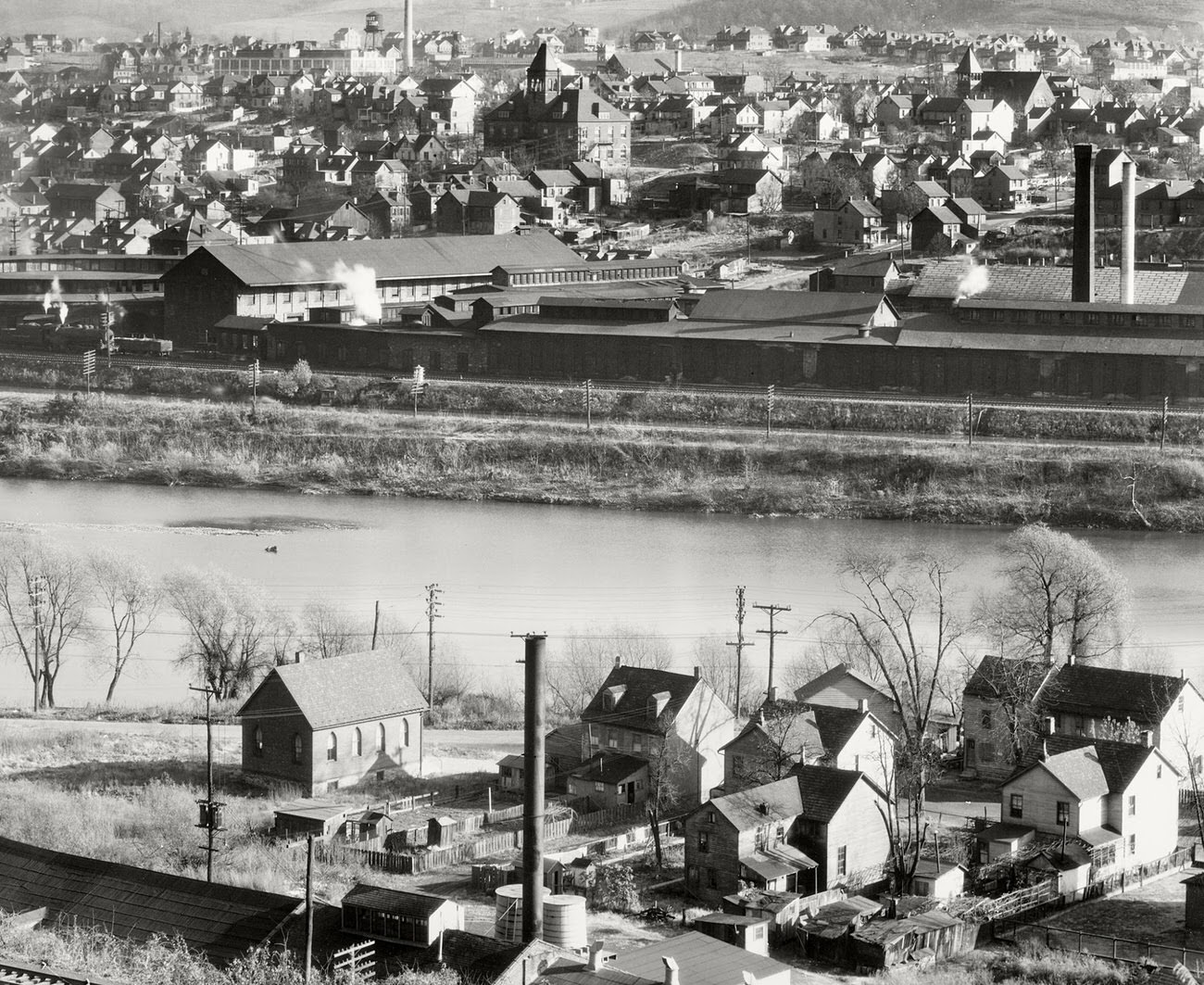
Easton, Pennsylvania, 1936.

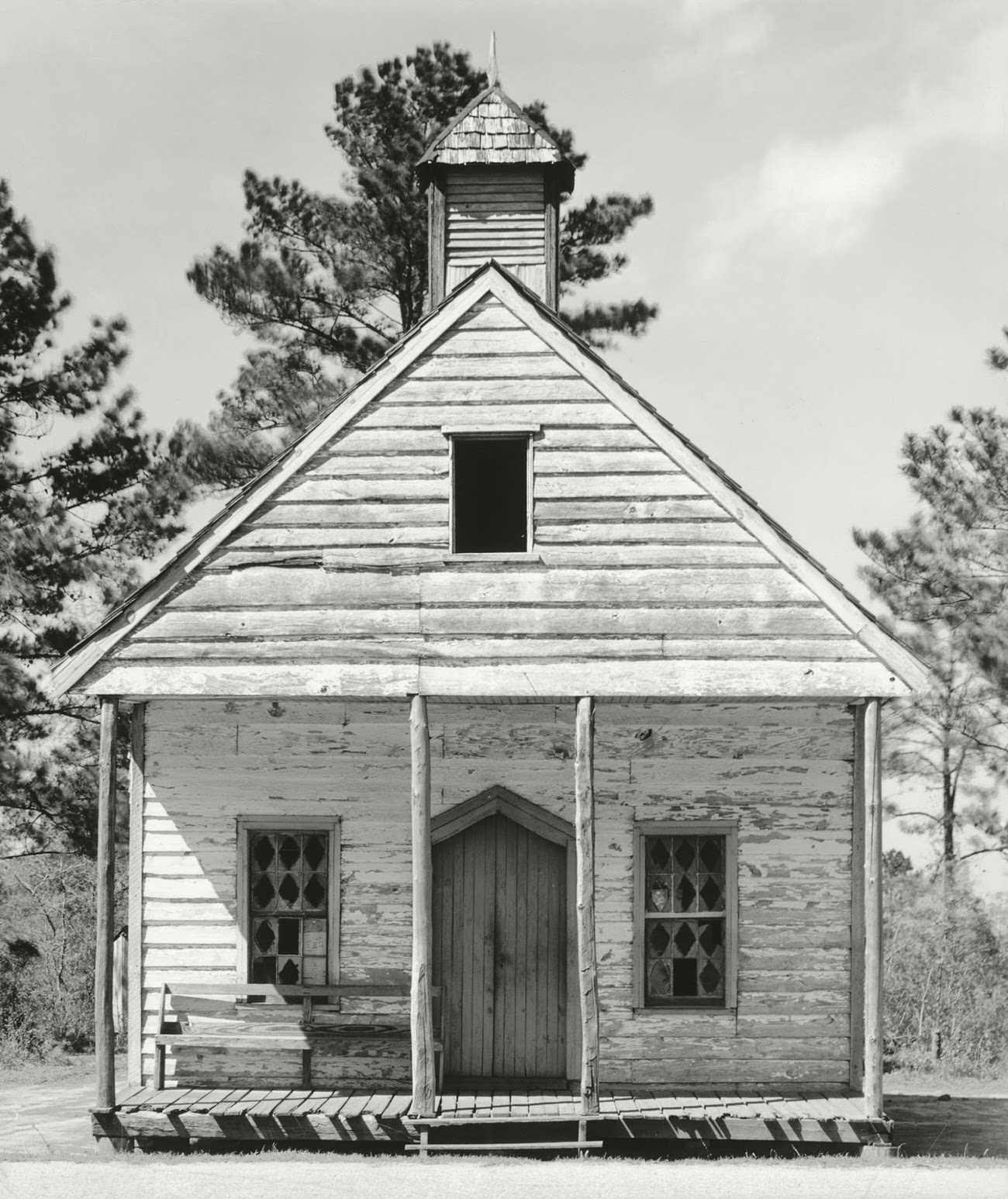
Farmhouses, churches, and small-town streets appear throughout the collection. Evans found meaning in structures as much as in people. A wooden church in South Carolina or a farmhouse in Westchester carried the same documentary weight as any portrait.
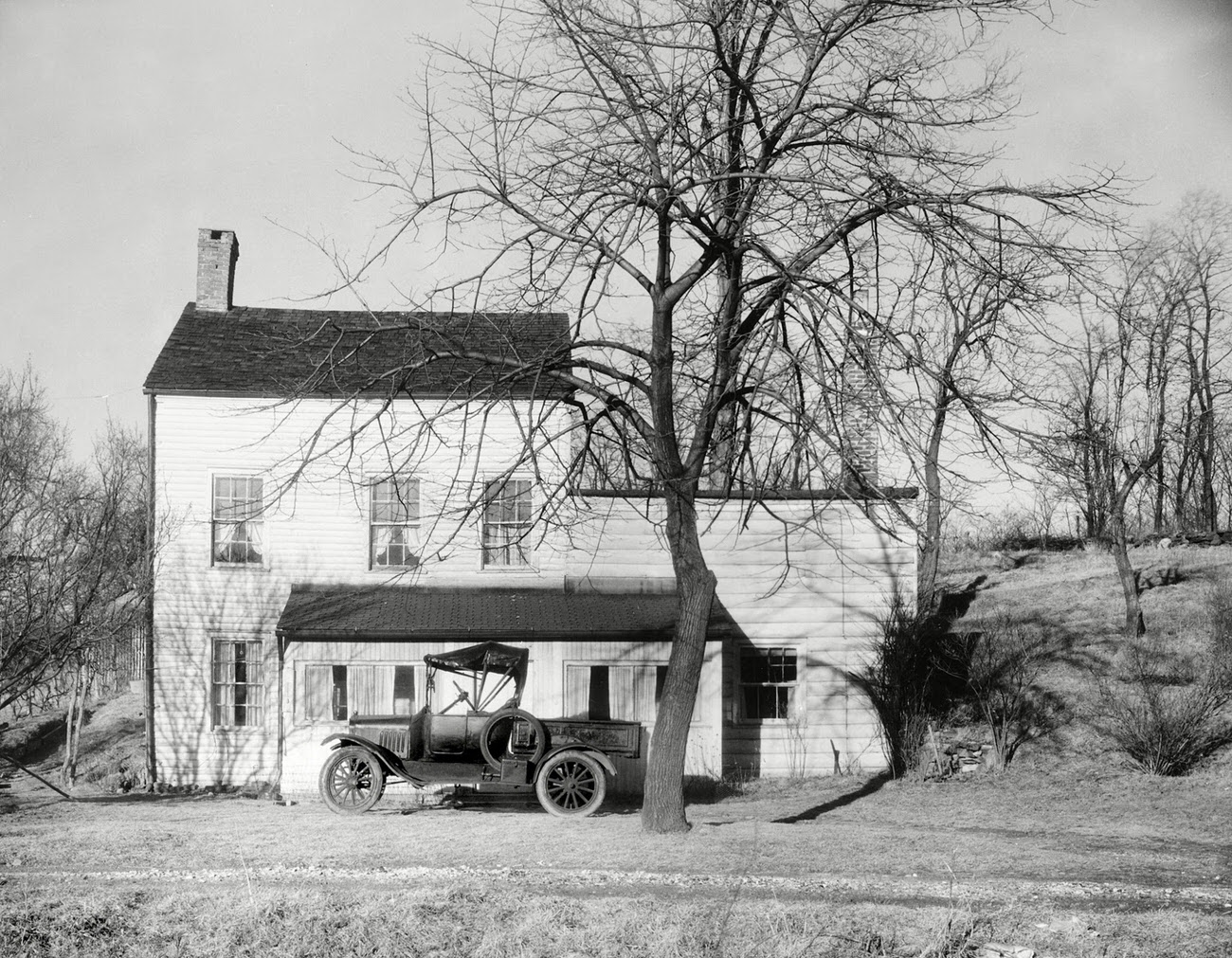
A farmhouse in Westchester, New York, 1931.
A wooden church in South Carolina, 1936.
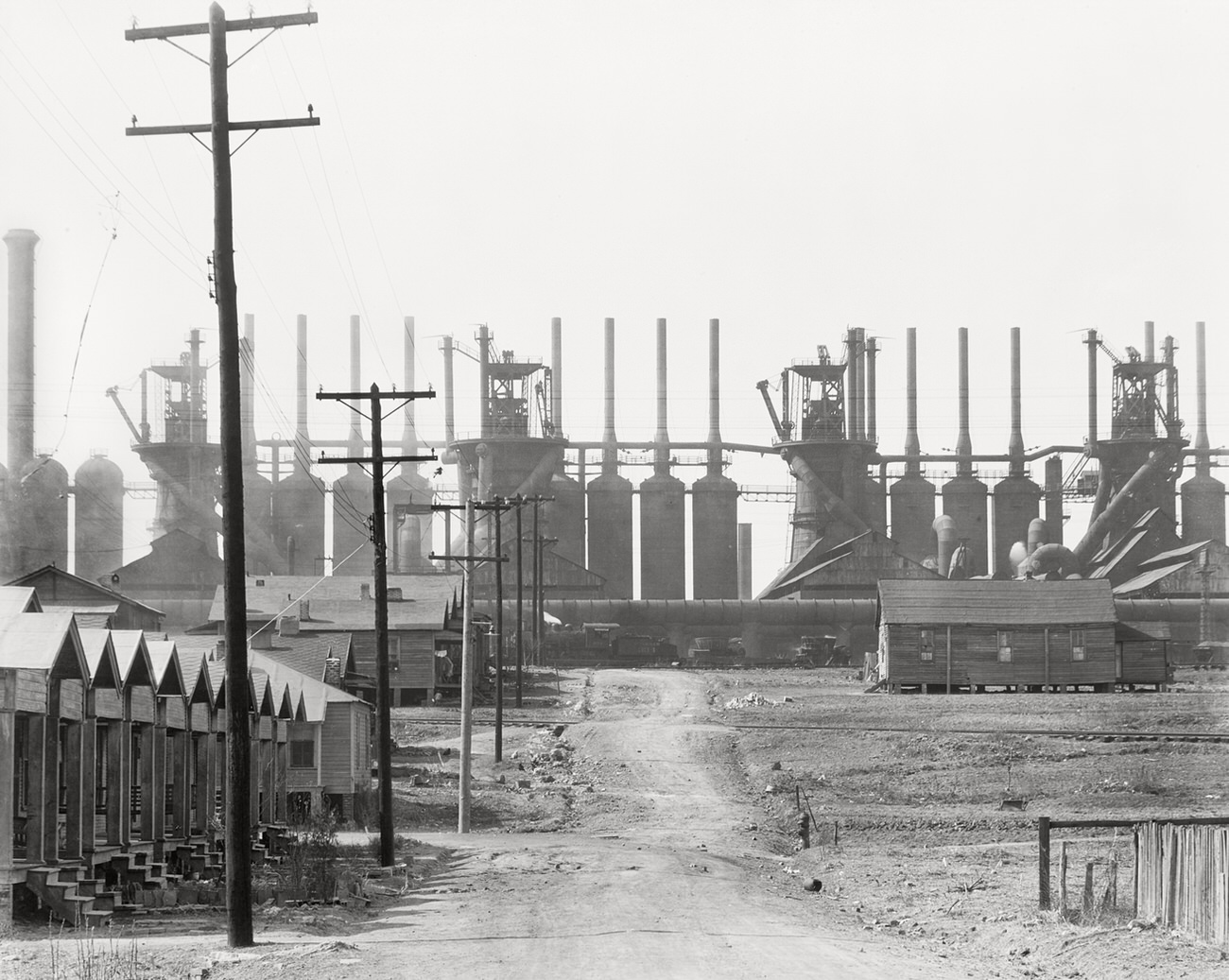
A Birmingham steel mill and workers' house, 1936.
A Birmingham steel mill and workers’ house, 1936.
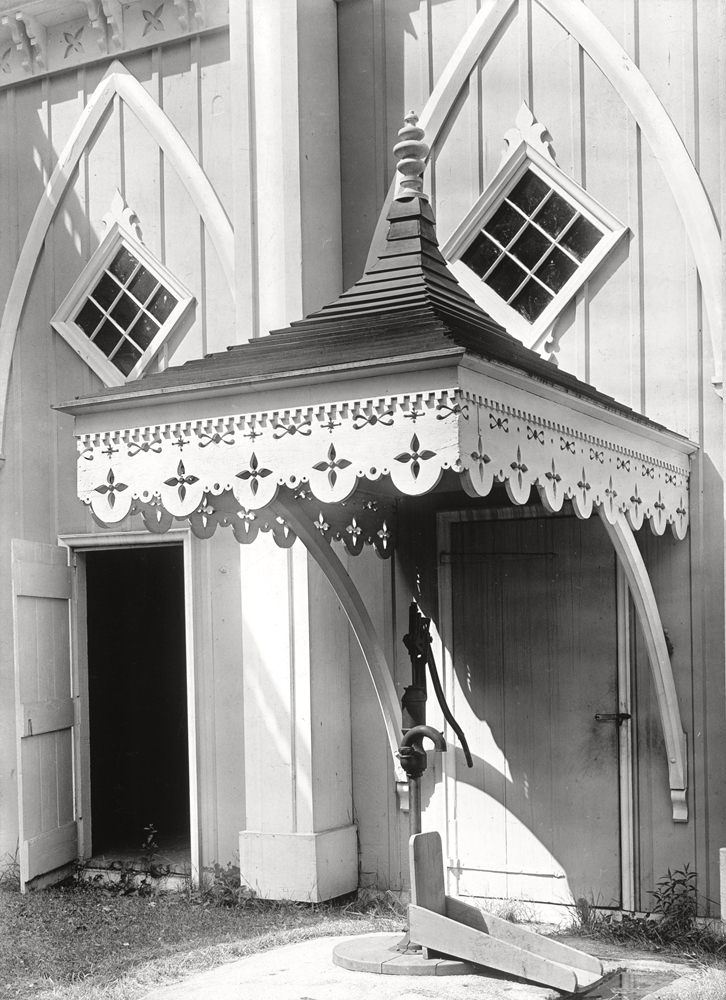
A Maine pump, 1933.
A Maine pump, 1933.

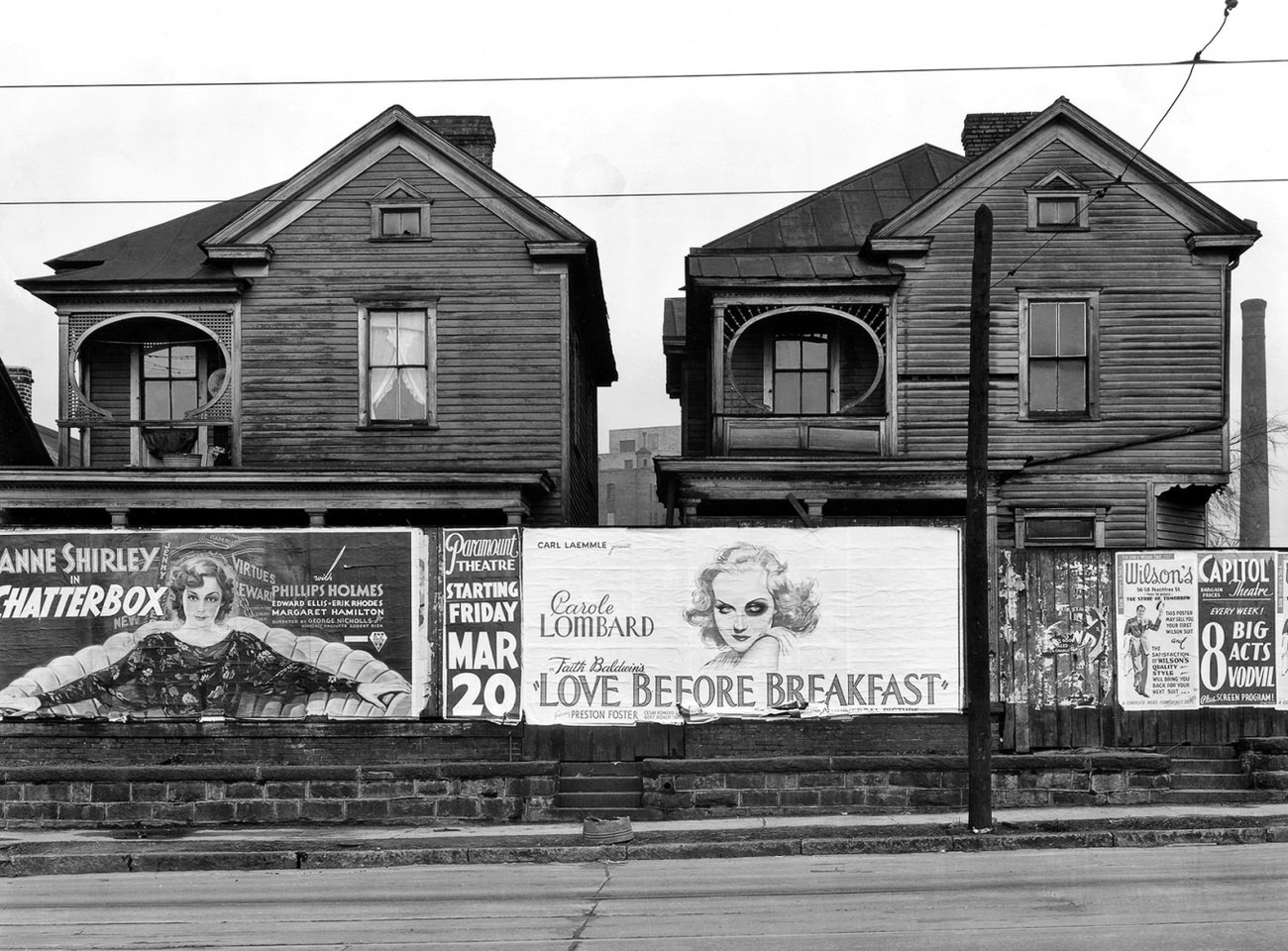
Not every image in Evans’ broader body of work came from the Depression’s darkest corners. A soda fountain worker in Corpus Christi, a Saturday crowd in London, Ohio, and billboard-lined streets in Atlanta all appear. These scenes of relative normalcy sit alongside images of poverty, giving the collection its full range.
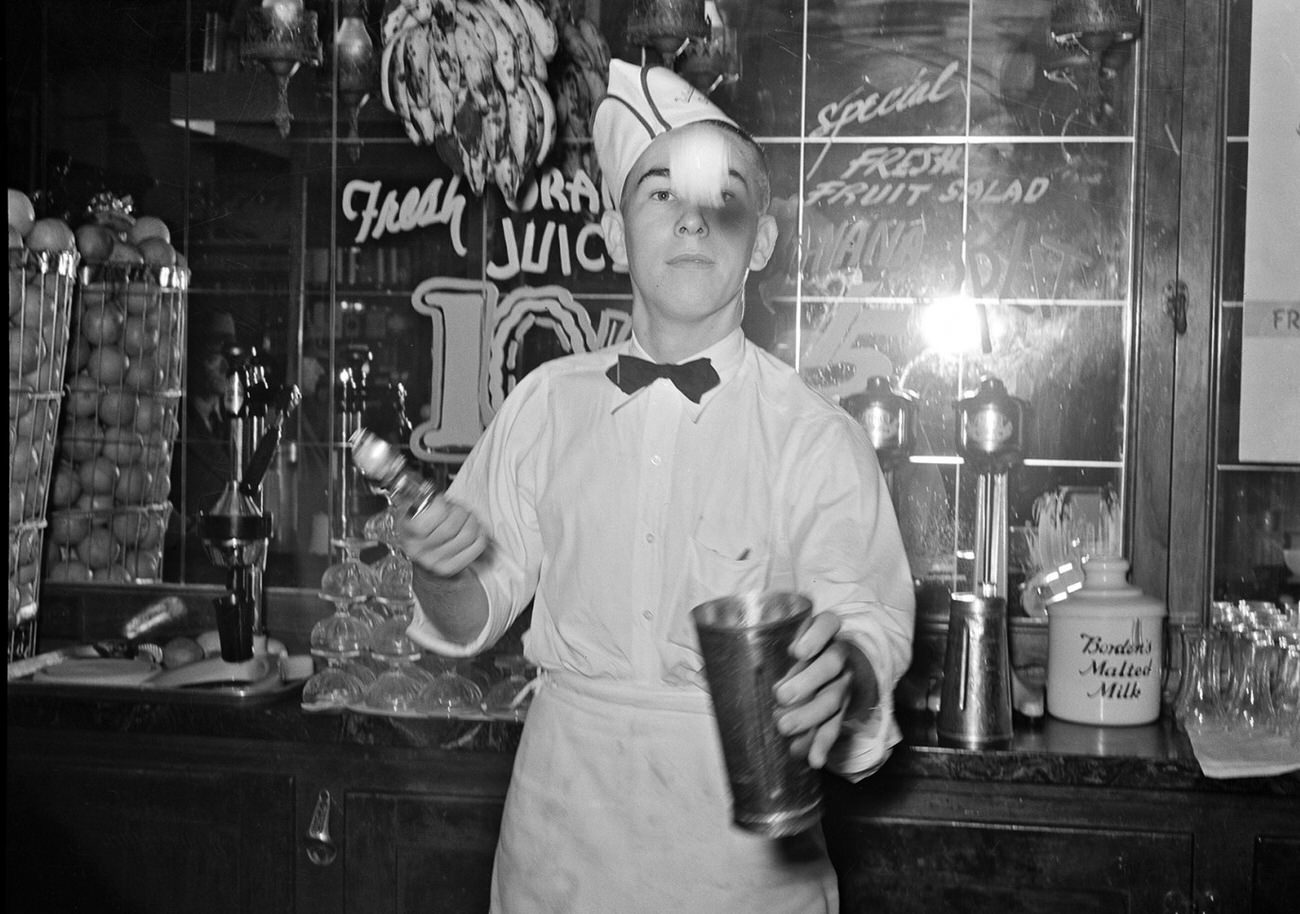
A soda jerk making malted milk shakes in Corpus Christi, Texas, 1939.
Frame houses and a billboard in Atlanta, Georgia, 1936.
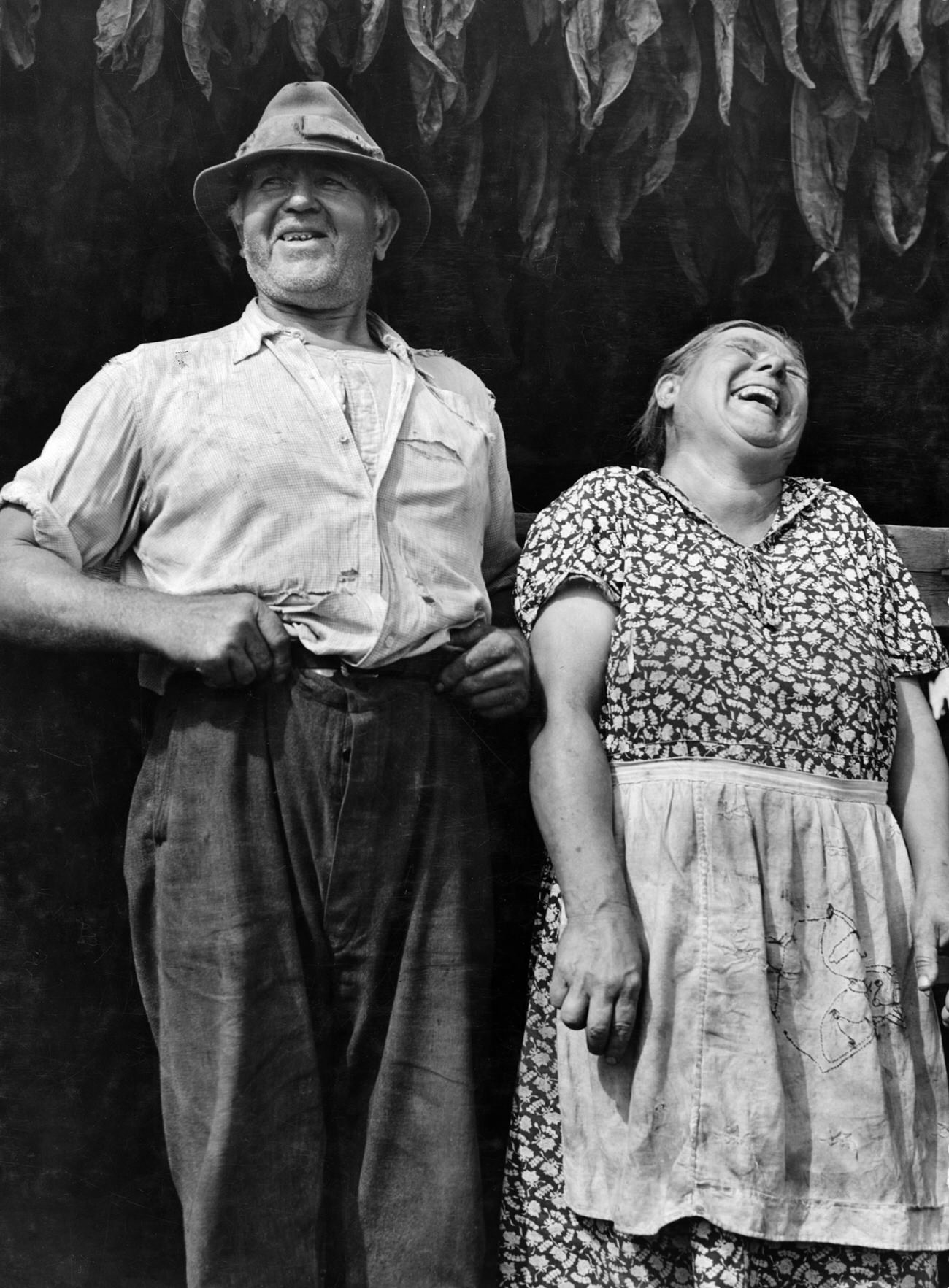
Andrew and his wife, Polish tobacco farmers near Windsor Locks, Connecticut, 1940.
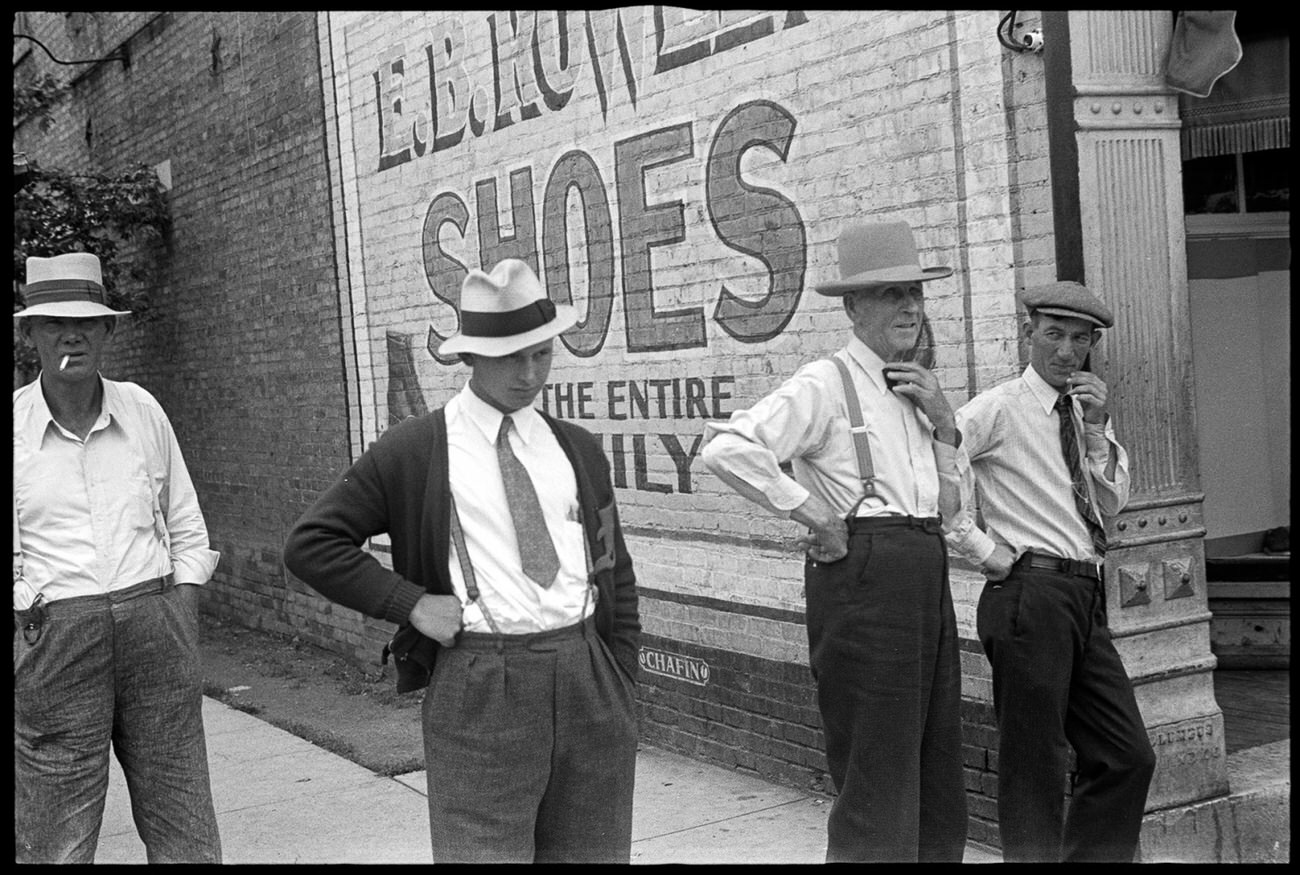
A Saturday afternoon on the main street of London, Ohio, 1938.

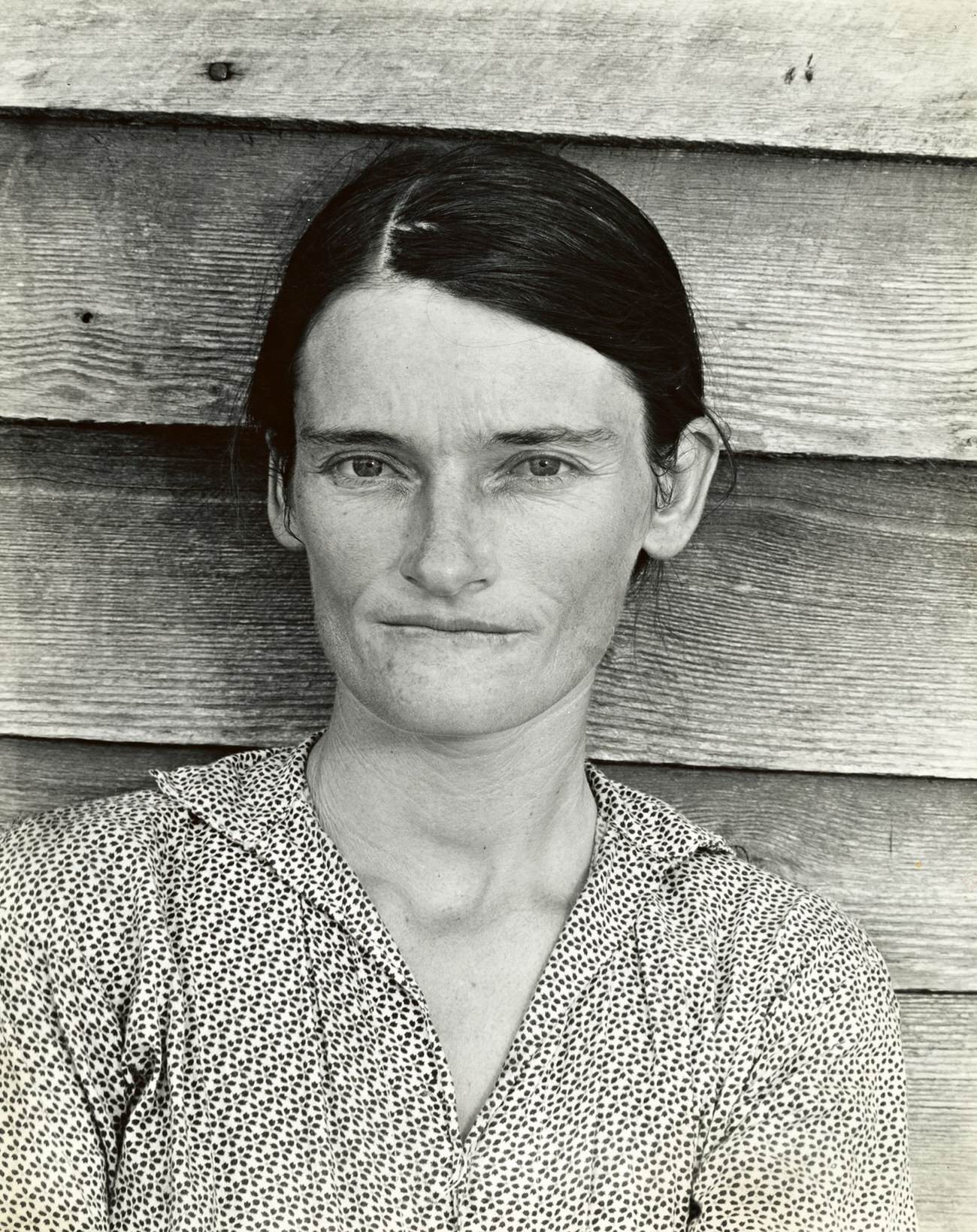
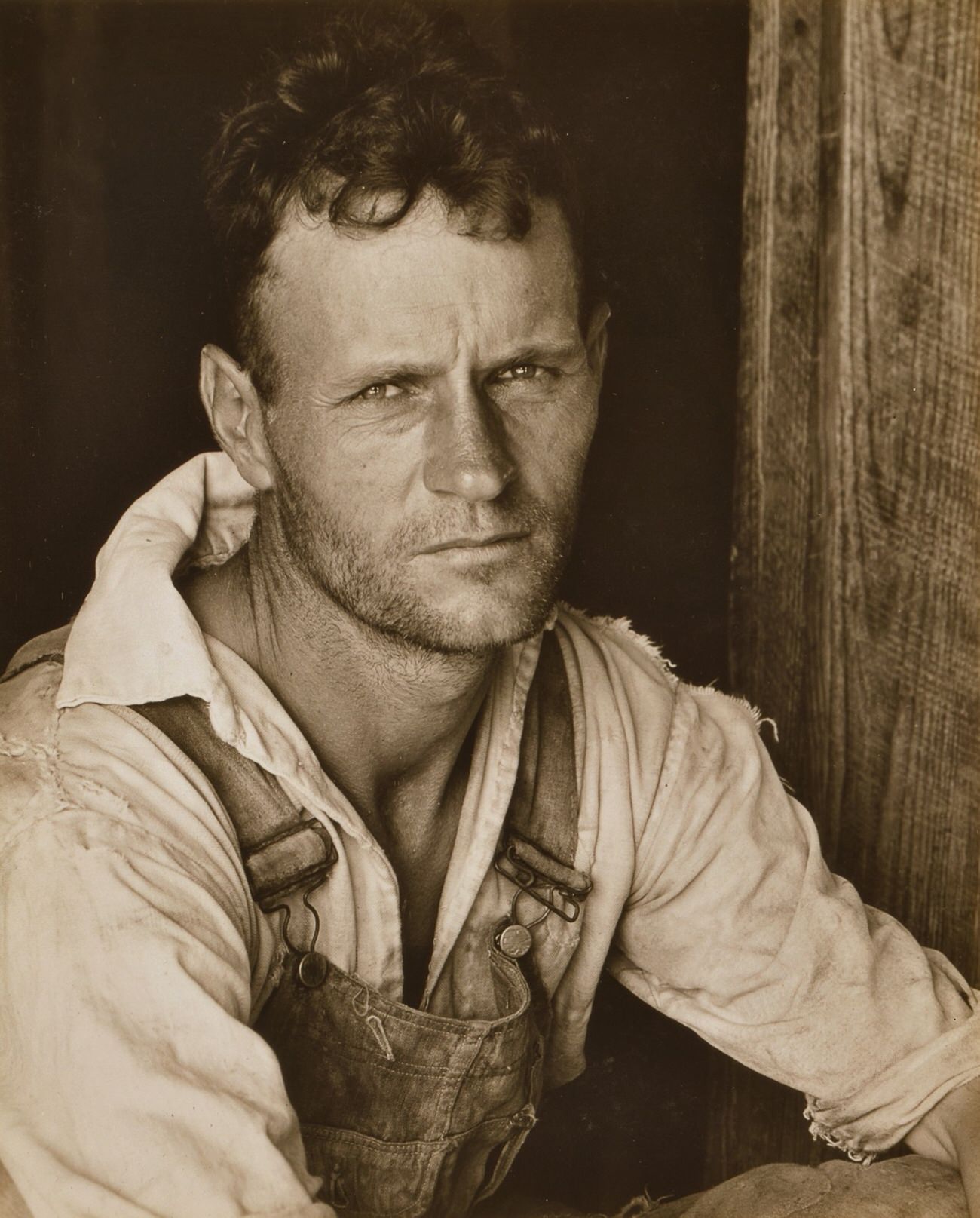
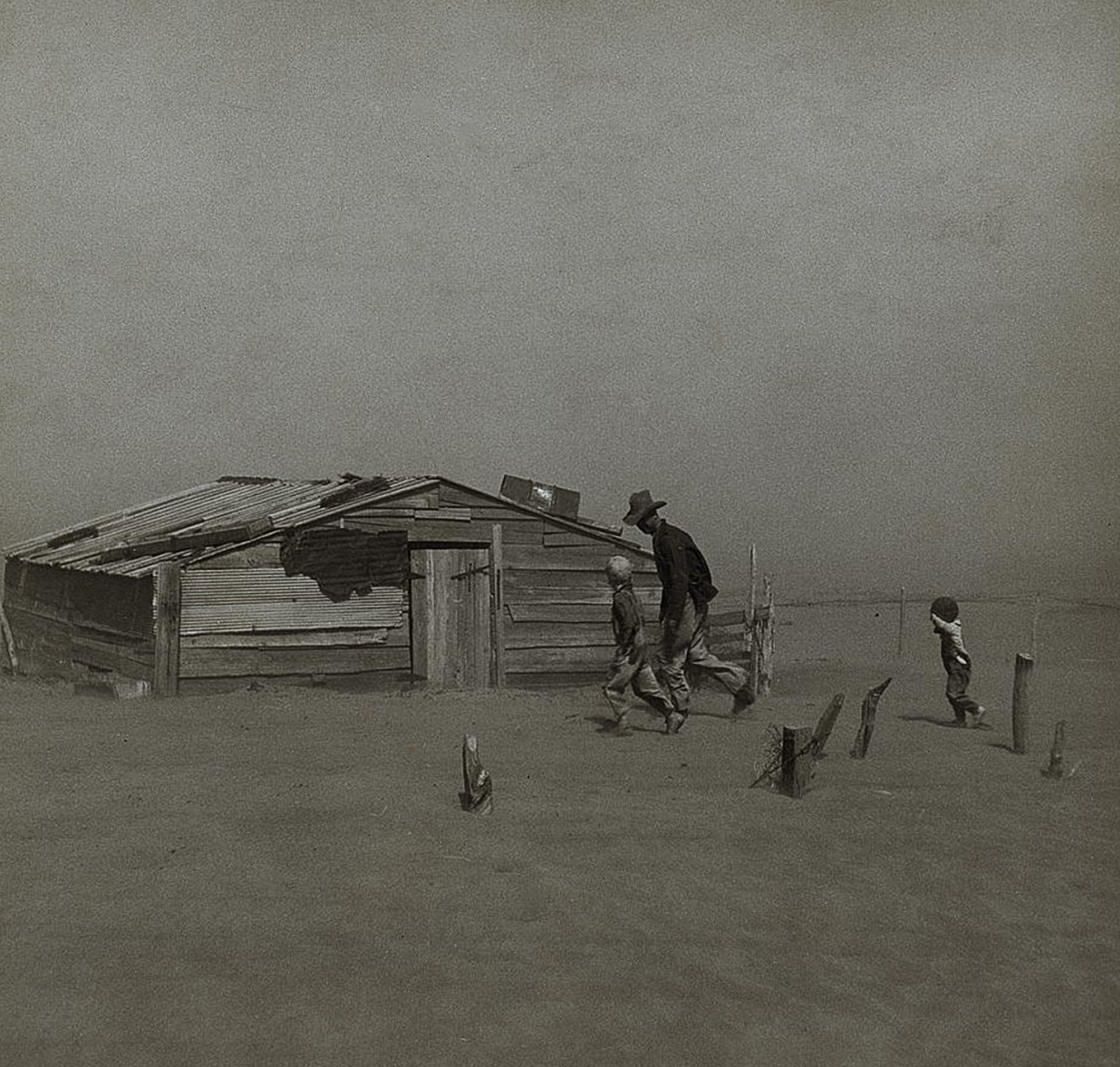
Evans also captured the physical spread of America — the open highways approaching Los Angeles, dust storms swallowing Oklahoma farmland, and sharecropper families in Alabama. The Burroughs family of Hale County appeared in several frames, including portraits of Floyd Burroughs and his wife Allie Mae that became some of the most recognized images of the era.
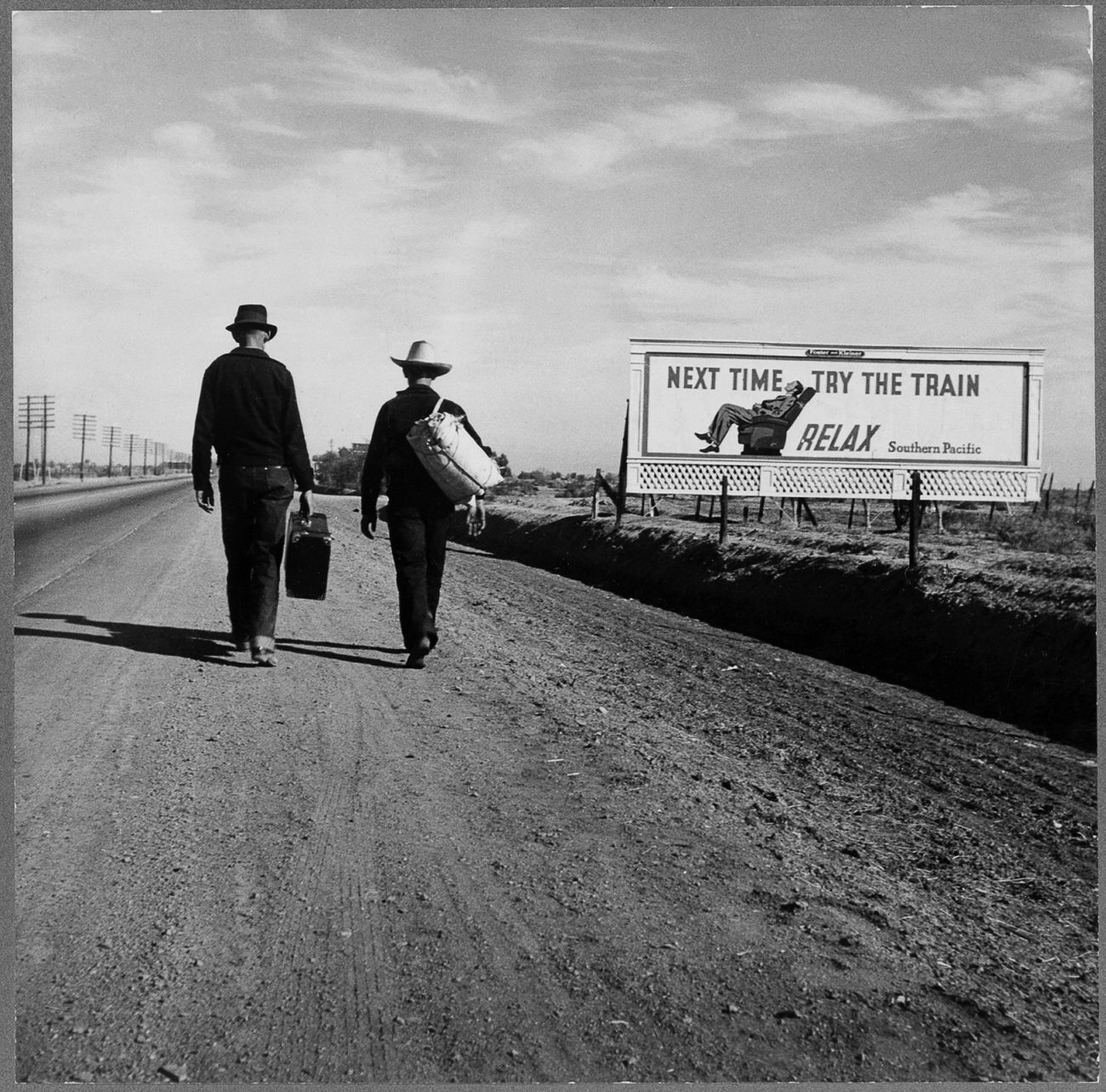
Approaching Los Angeles, California, 1937.
Farmers and sons walking during a dust storm in Cimarron County, Oklahoma, 1936.
Allie Mae Burroughs, wife of a cotton sharecropper in Hale County, Alabama, 1935.
The home of sharecropper Floyd Burroughs in Alabama, 1935.
Floyd Burroughs, a sharecropper in Alabama, 1935.

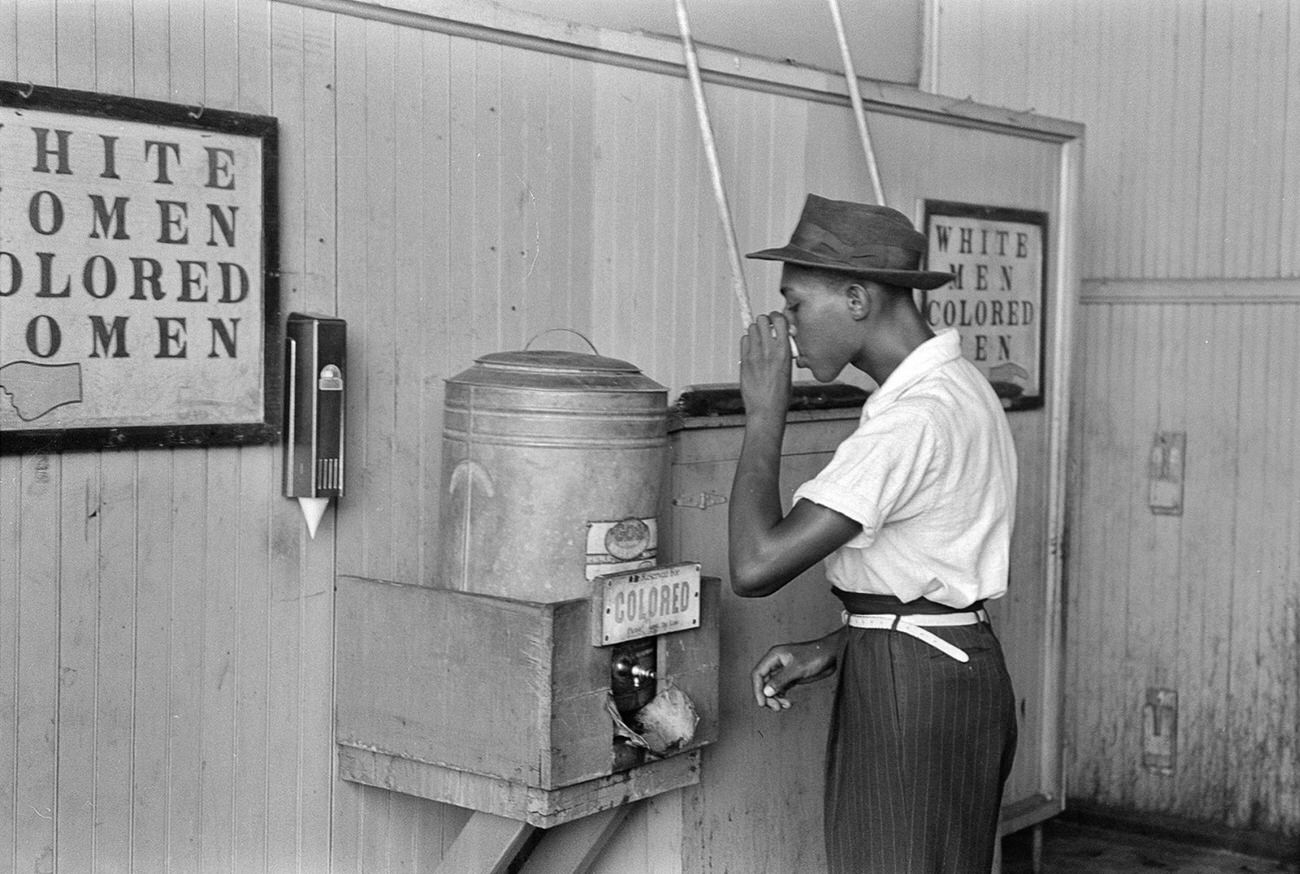
Evans also recorded the open reality of racial segregation. A man using a “Colored” entrance at a Mississippi movie house in 1939, and another drinking from a “Colored” water cooler in Oklahoma City that same year, appear in his work without commentary. The signs and the separation were documented as facts of American life.
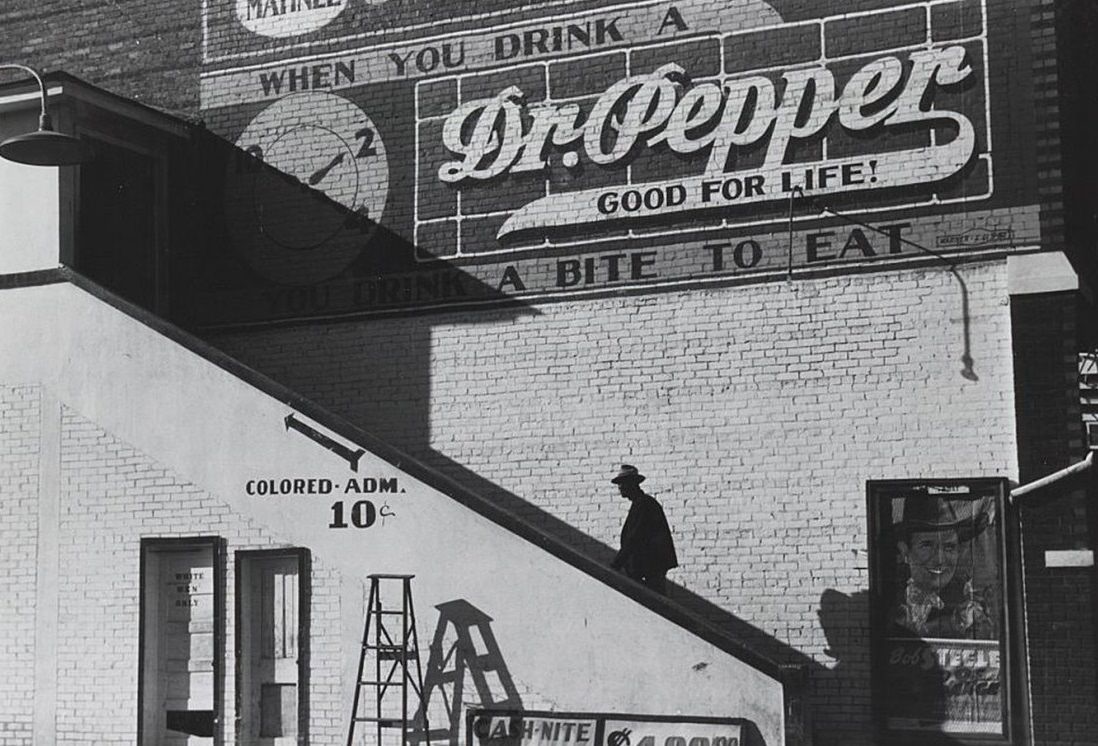
A man ascending the "colored" entrance of a movie house in Belzoni, Mississippi, 1939.
A man ascending the “colored” entrance of a movie house in Belzoni, Mississippi, 1939.
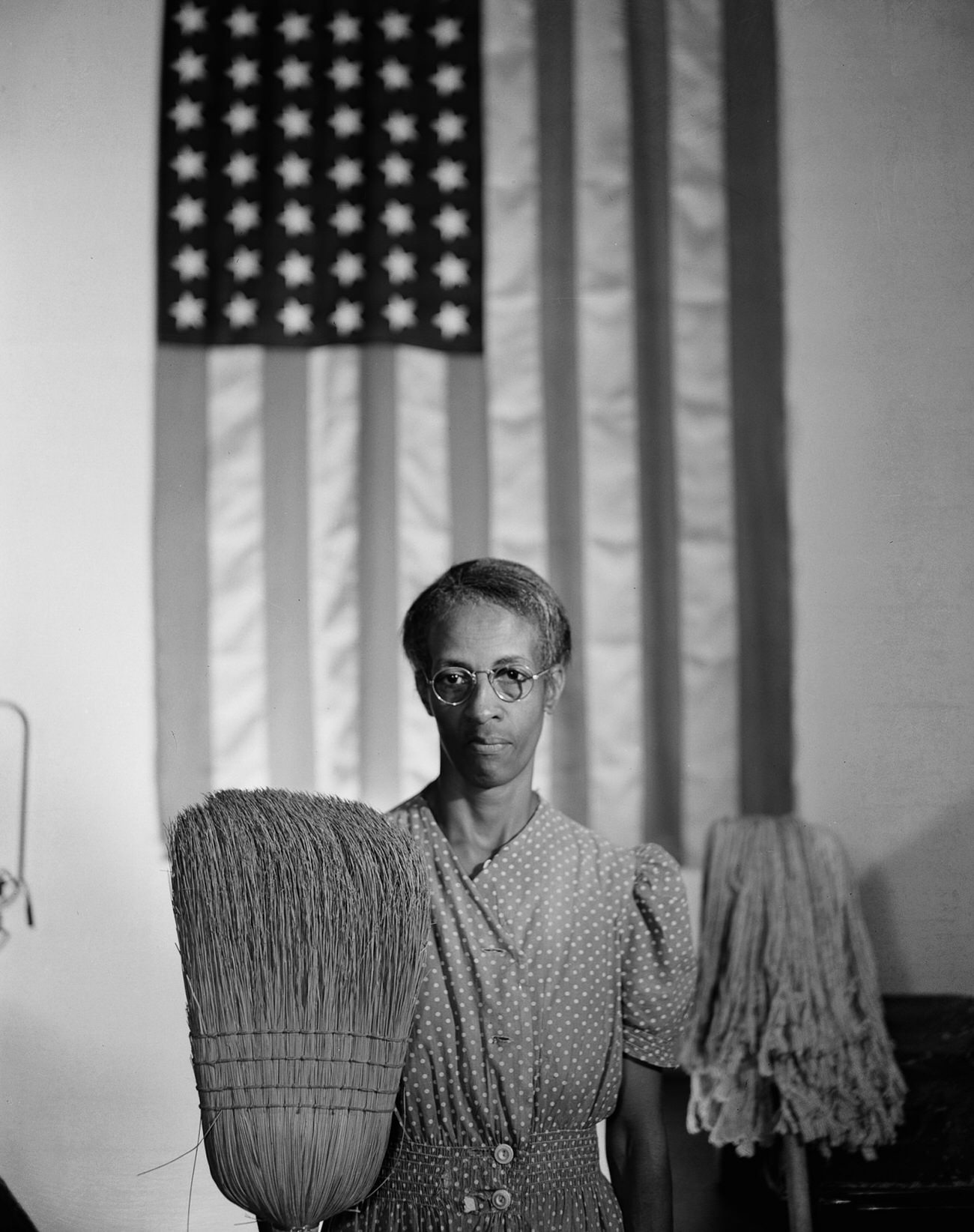
A government cleaner in Washington, D.C., 1942.
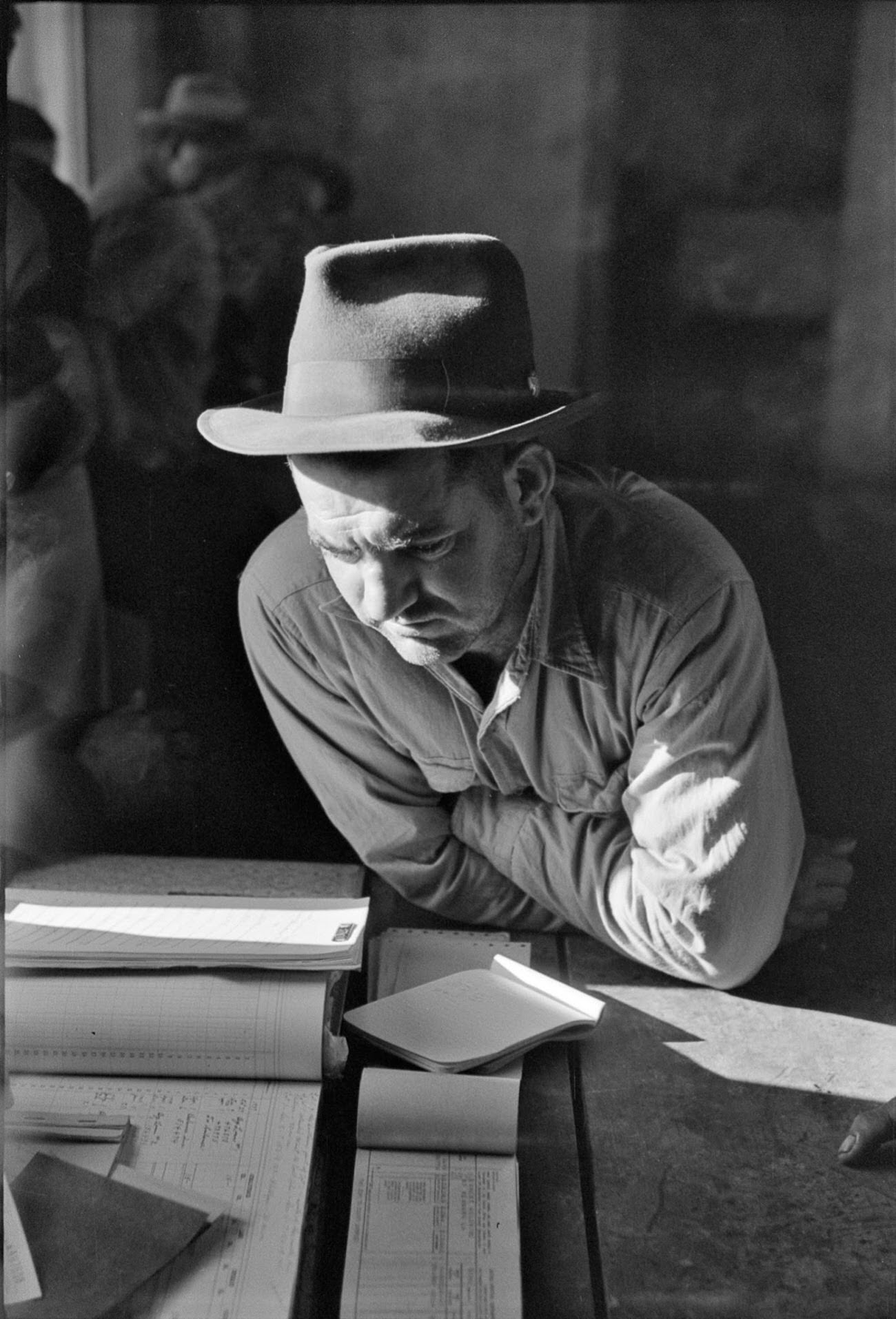
A fur buyer from New Orleans at a muskrat auction on Delacroix Island, Louisiana, 1941.
A man drinking at a "Colored" water cooler in Oklahoma City, Oklahoma, 1939.
A man drinking at a “Colored” water cooler in Oklahoma City, Oklahoma, 1939.

Some of his most striking juxtapositions placed death and industry side by side. A graveyard set against a Bethlehem steel mill in 1935 needed no caption to deliver its meaning. Across his entire body of work, Evans built a cumulative record — each photograph linked to the next, scene by scene, across a nation under strain.
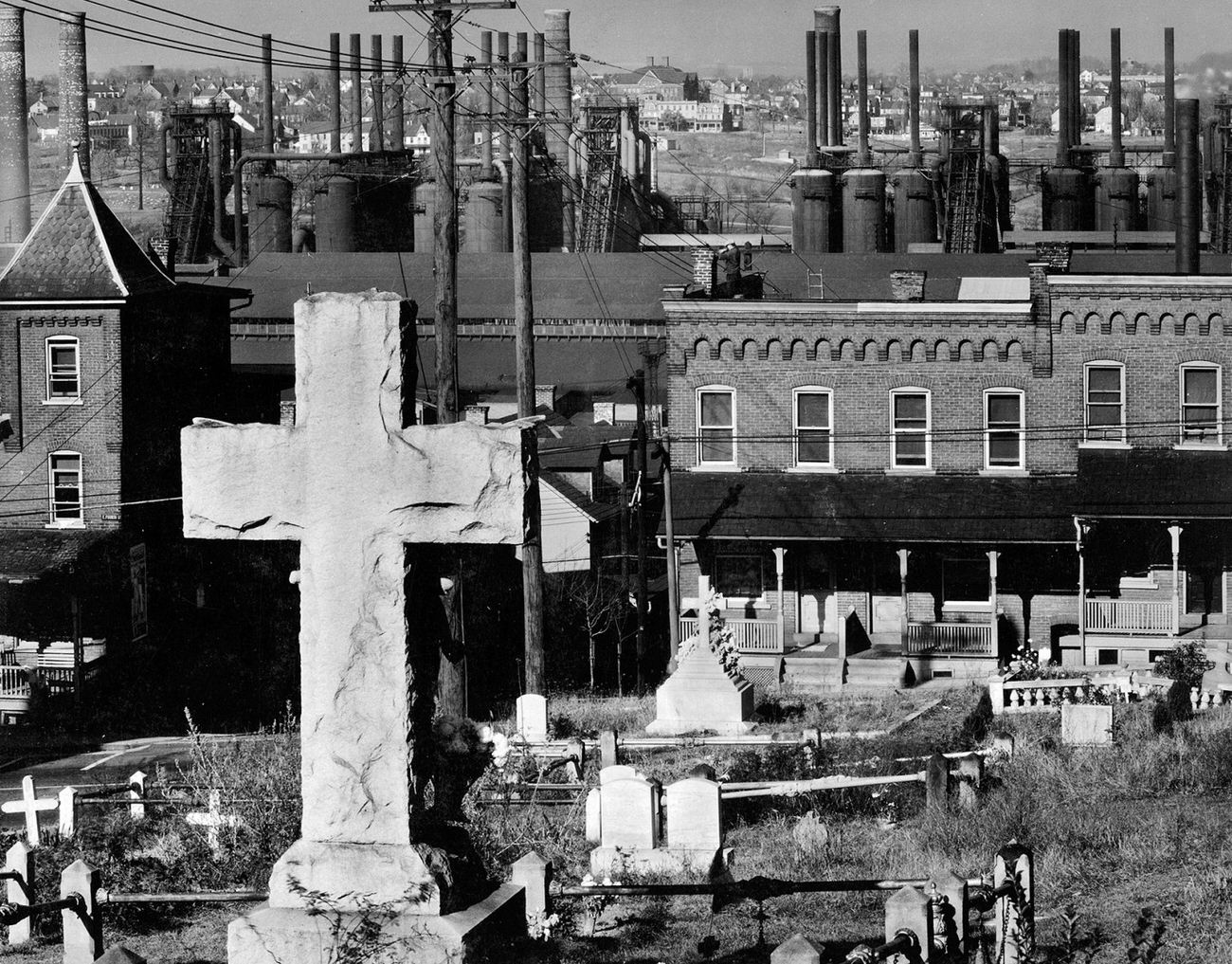
A graveyard and steel mill in Bethlehem, Pennsylvania, 1935.
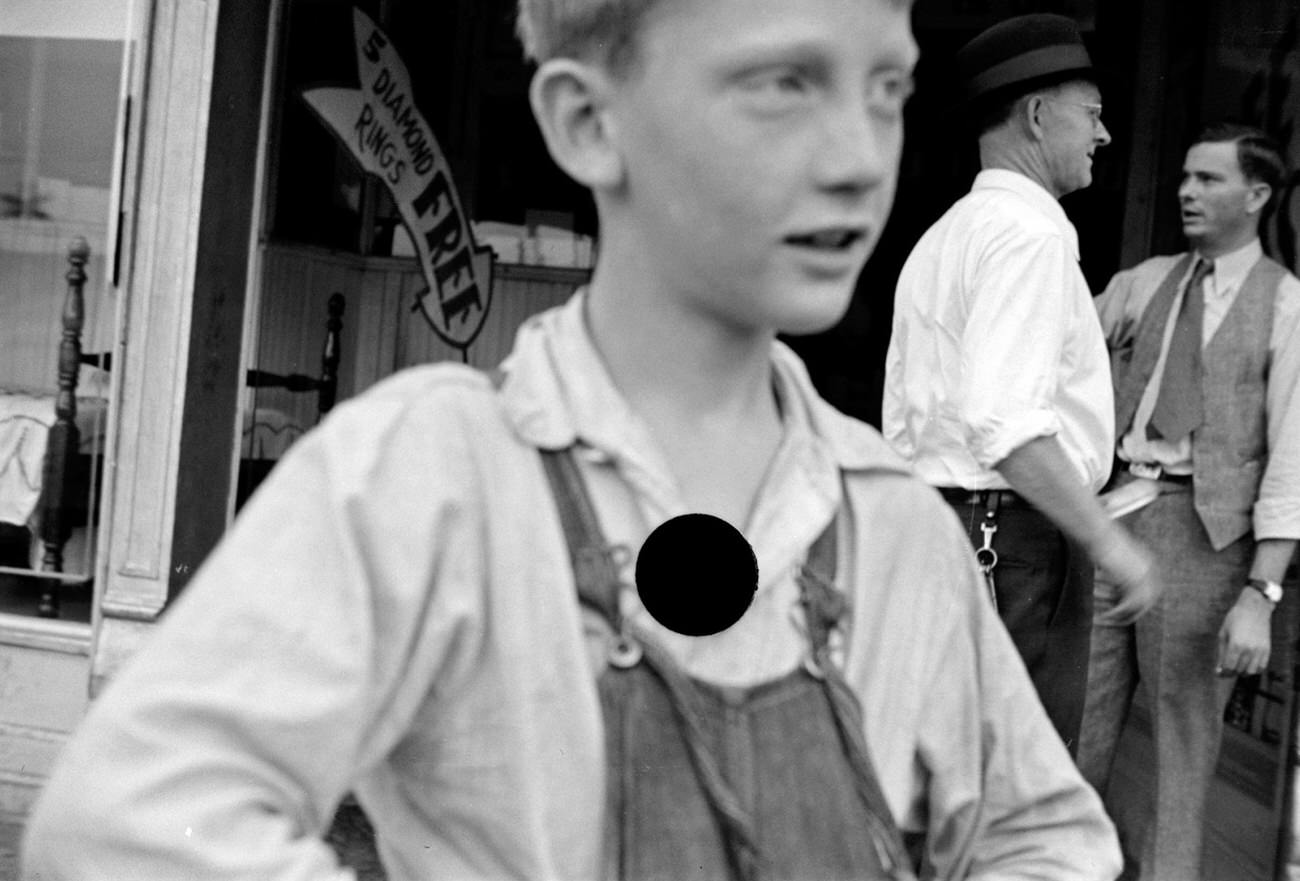
An untitled photo, possibly related to inhabitants of Marked Tree, Arkansas, 1935.
Enjoyed this post? Get new ones in your inbox.

Leave a Comment

Your email address will not be published. Required fields are marked *

Share this Post 🥺

Please take a moment to share this content. Your support is greatly appreciated! 🙌🙏

Share this Post 🥺

Please take a moment to share this content. Your support is greatly appreciated! 🙌🙏
Scroll to Top
 
Hey Friend, Before You Go.. Please like & follow for more interesting content