
America’s cities were once home to remarkable buildings and landmarks that defined their communities and reflected the values of their time. From grand train stations and towering hotels to historic courthouses and theaters, these structures stood as symbols of American culture and ambition. Over the decades, many of them were torn down to make way for new development, parking lots, and modern buildings. Below is a collection of iconic American landmarks that no longer exist.
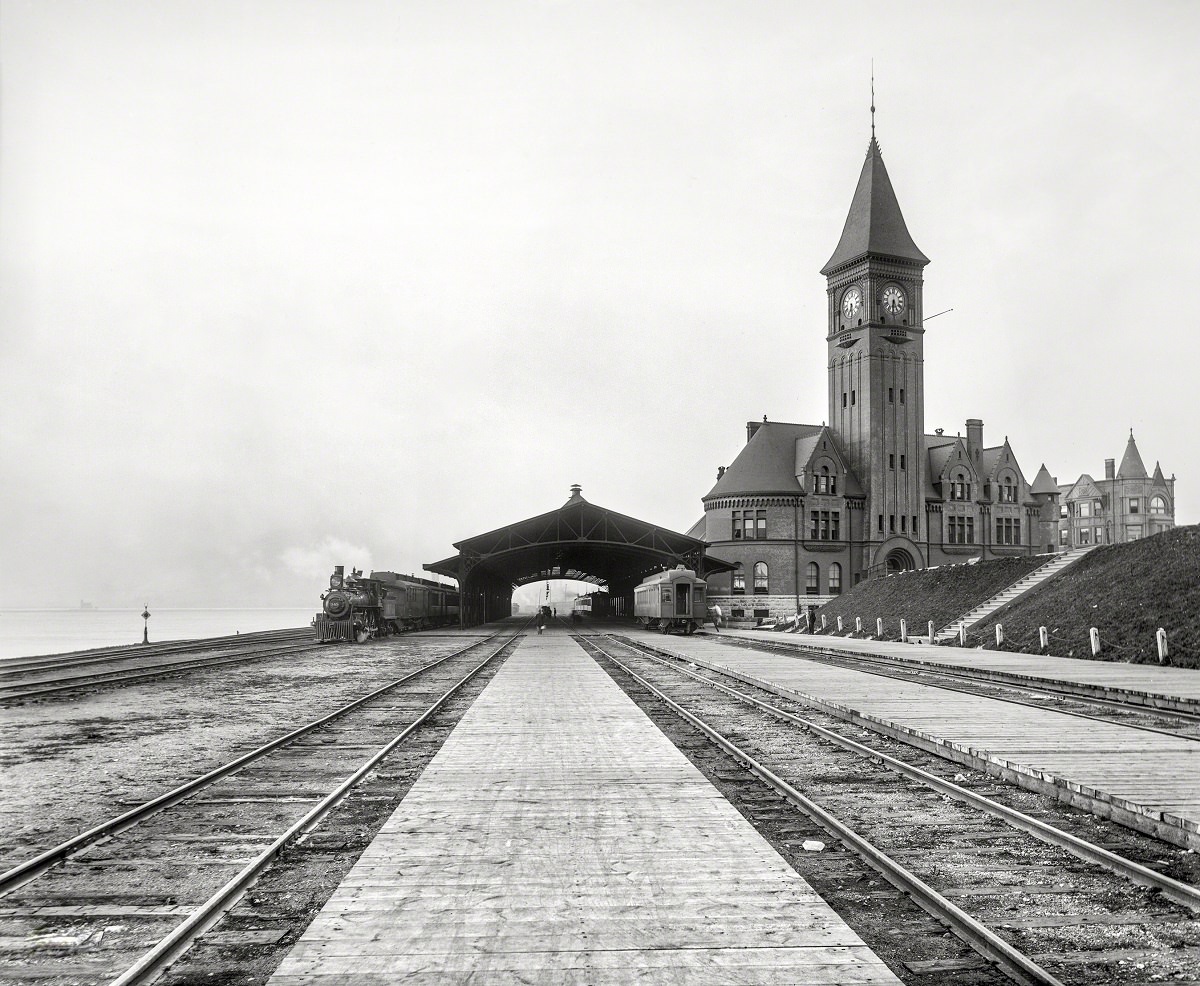
It was demolished in 1968.
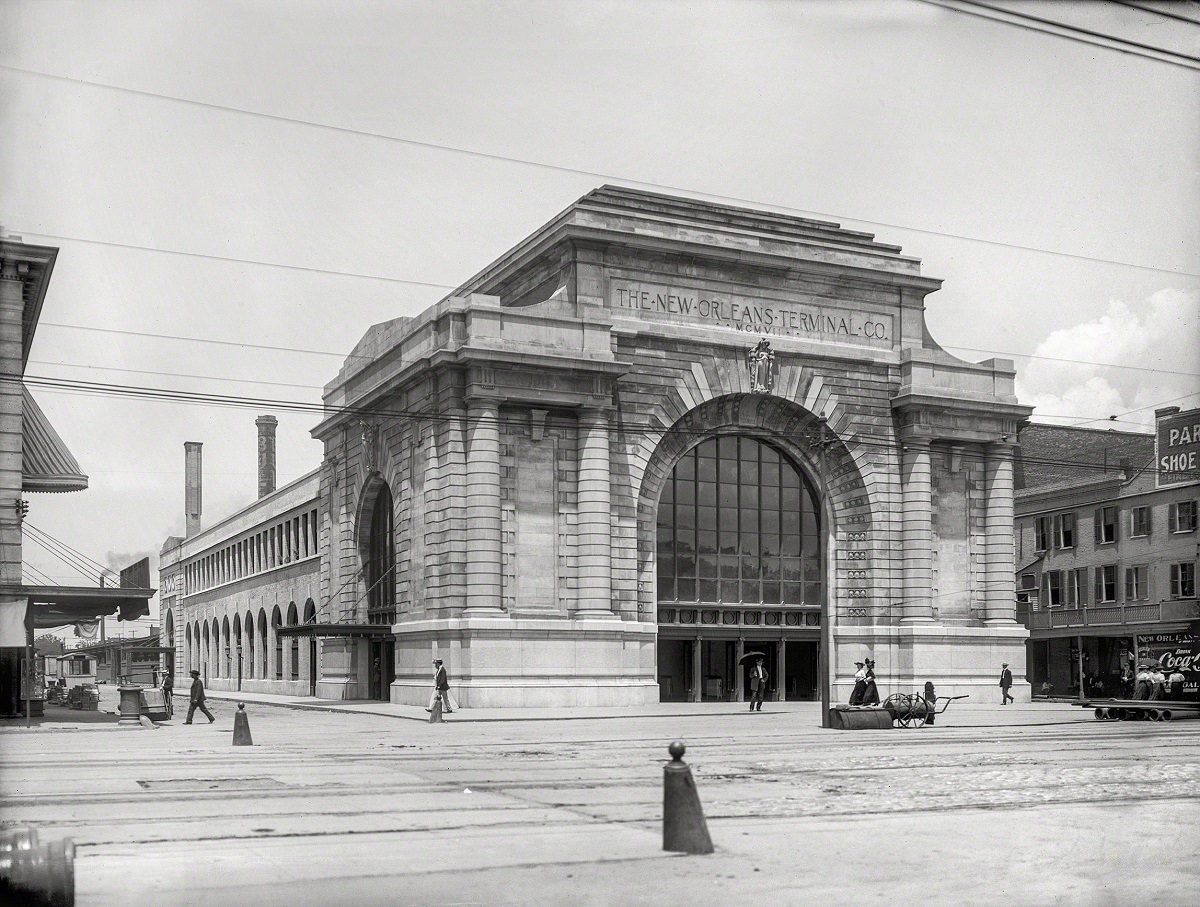
It was demolished in 1956.
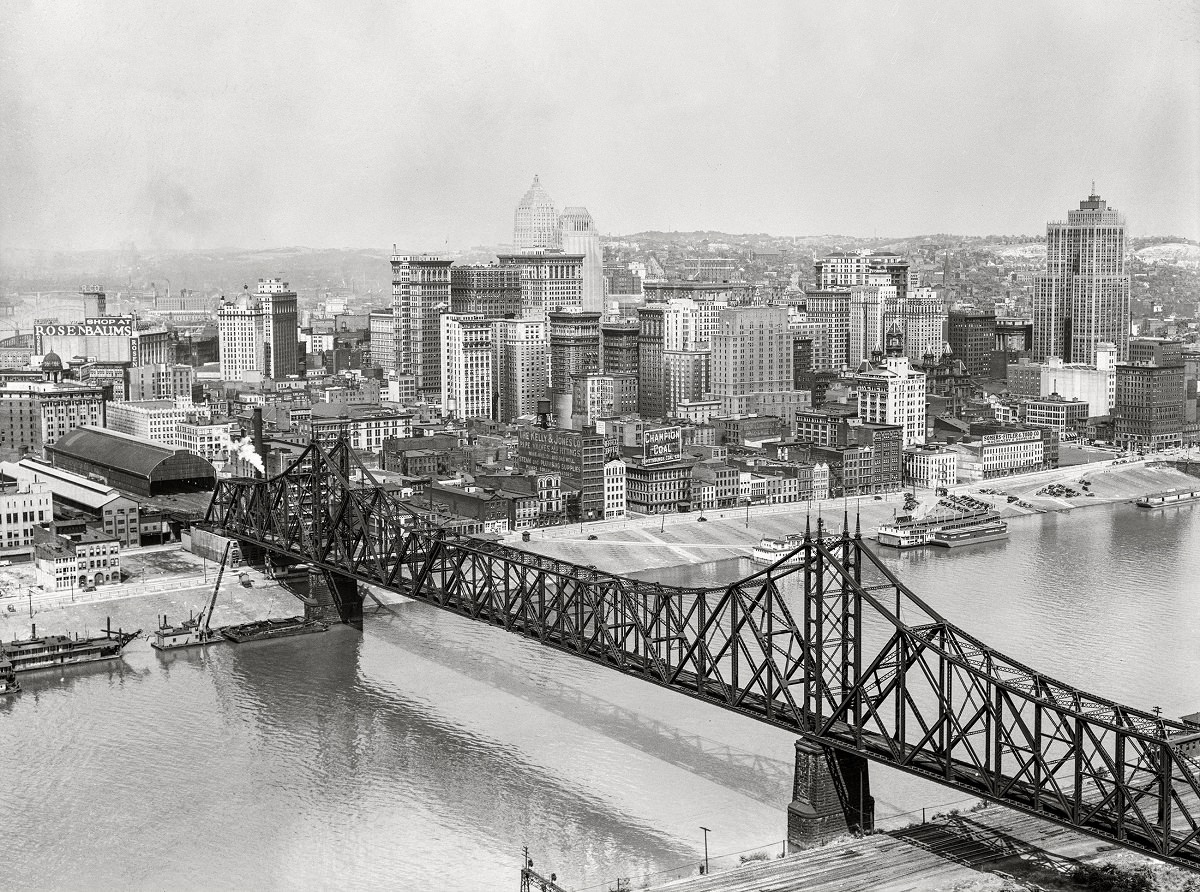
When the terminal burned in 1946, the bridge became useless. It was demolished in 1948.
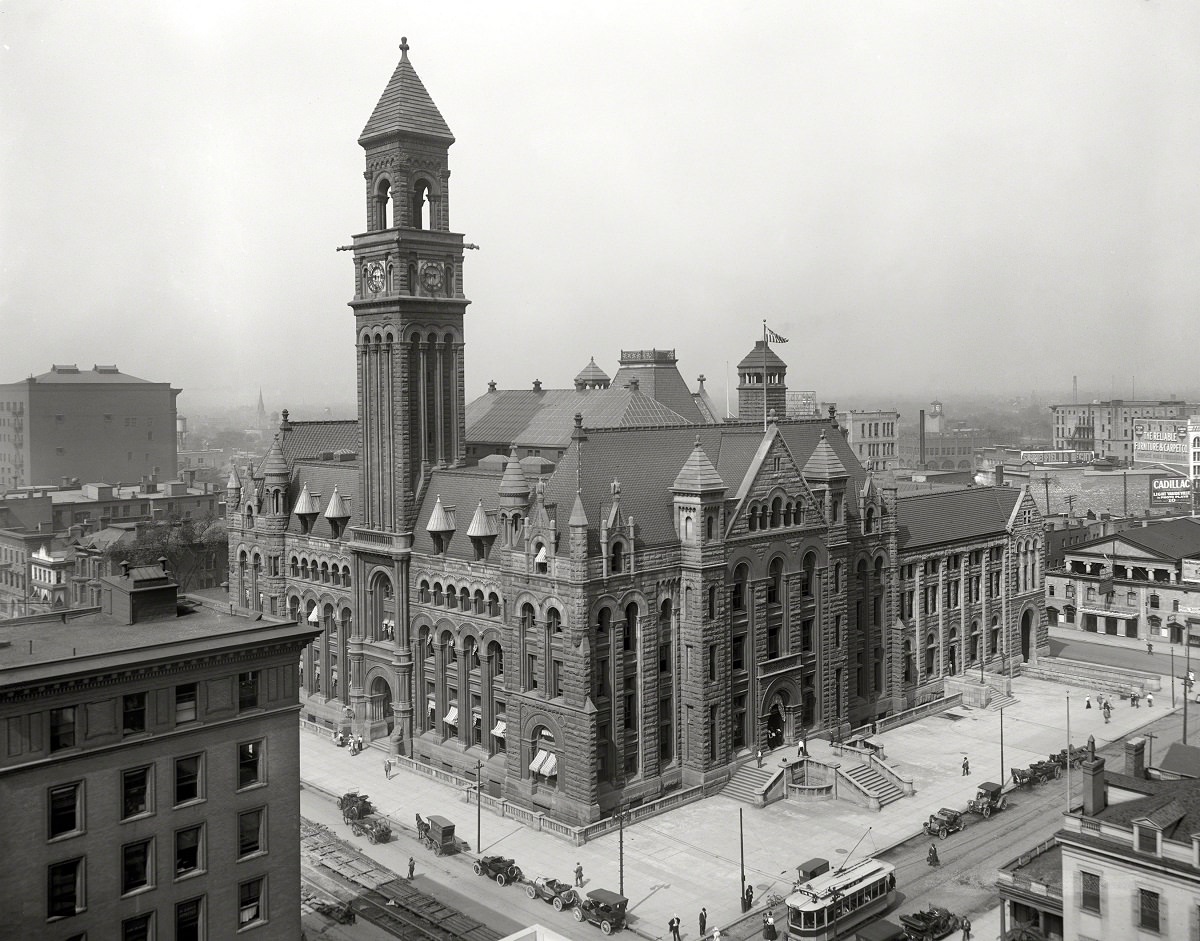
It was demolished in 1931.
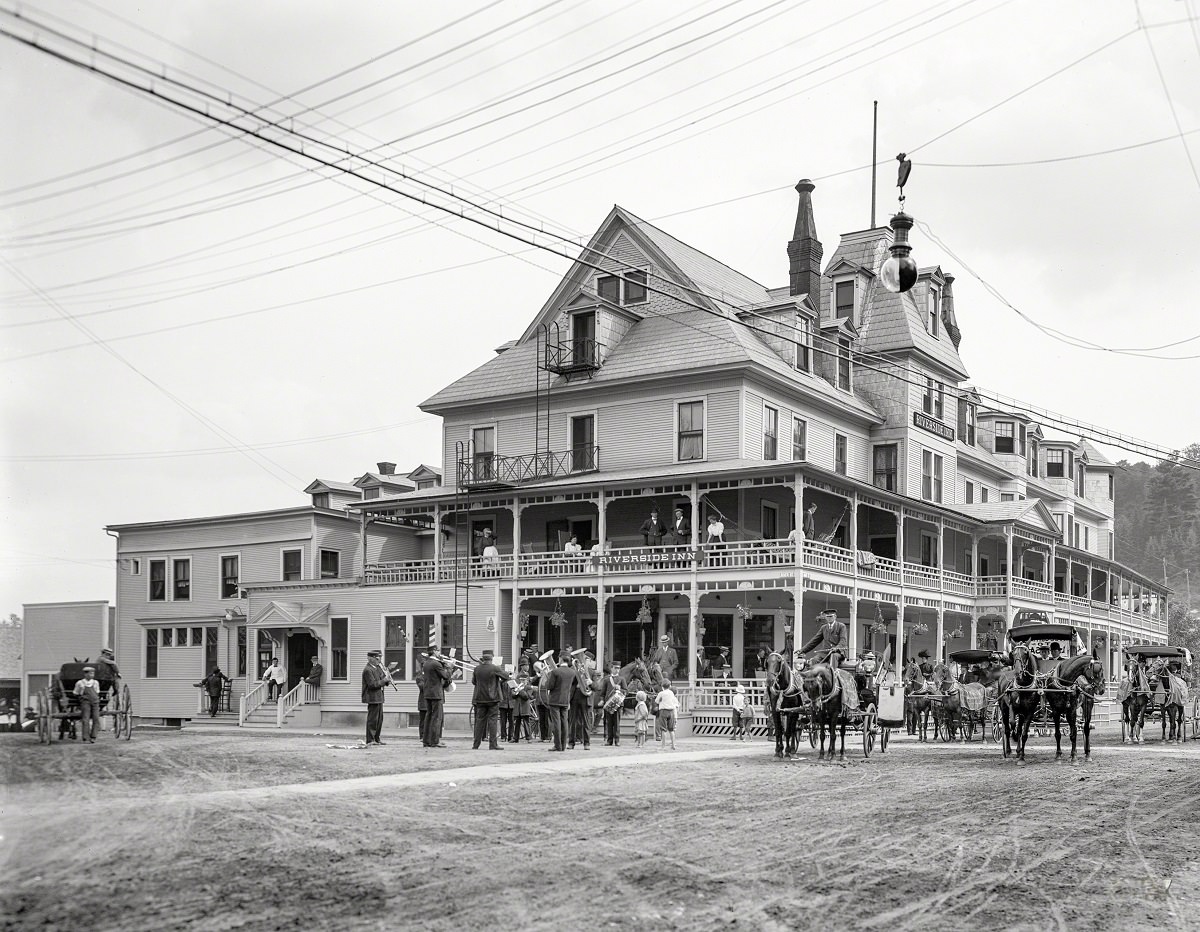
It was demolished in 1935.
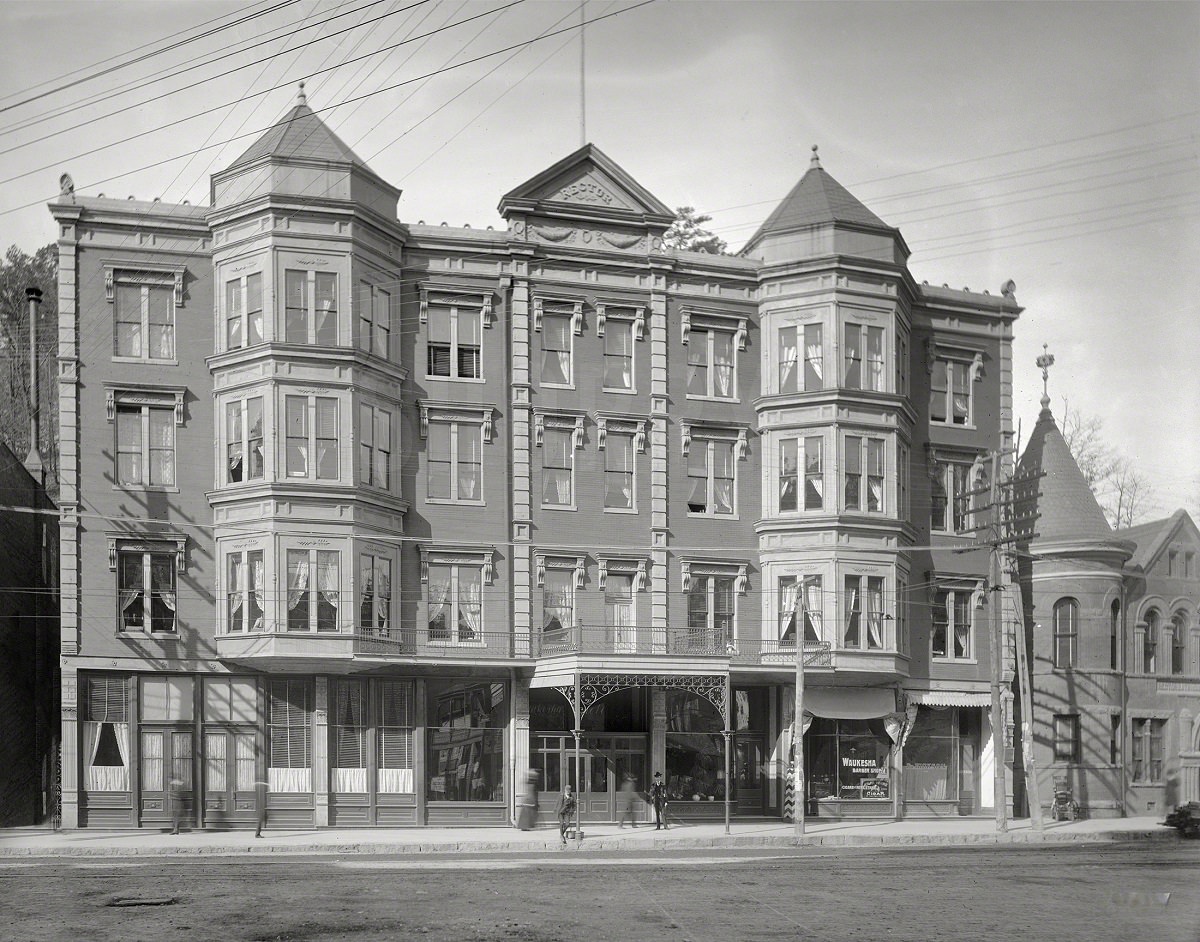
It was demolished in 1960.
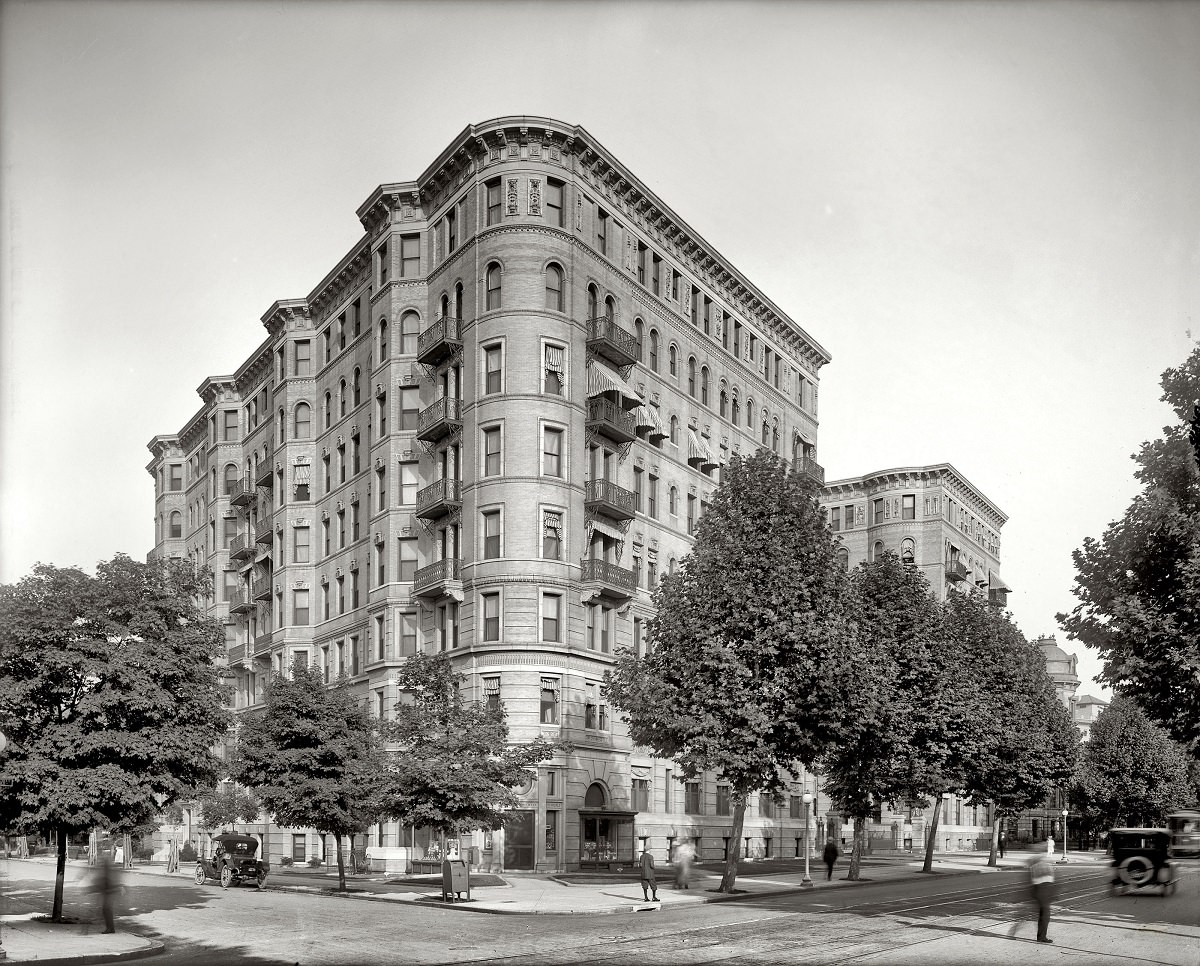
Stoneleigh Court, completed in 1902, was home to many Washington notables over the years, including Supreme Court Justice Louis Brandeis. It was demolished in 1965.
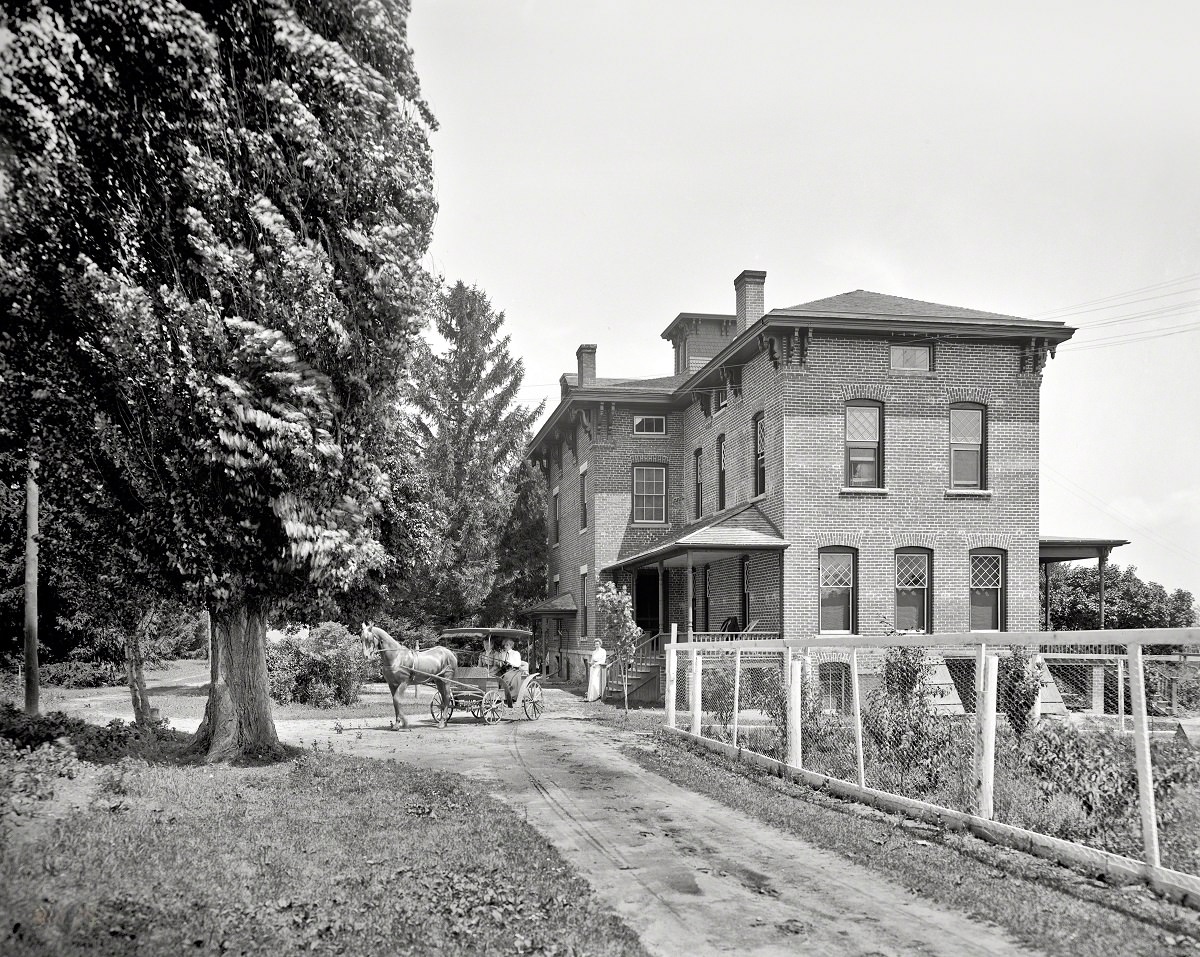
It was constructed in 1860 by Gilbert Hatheway and demolished in 2005.
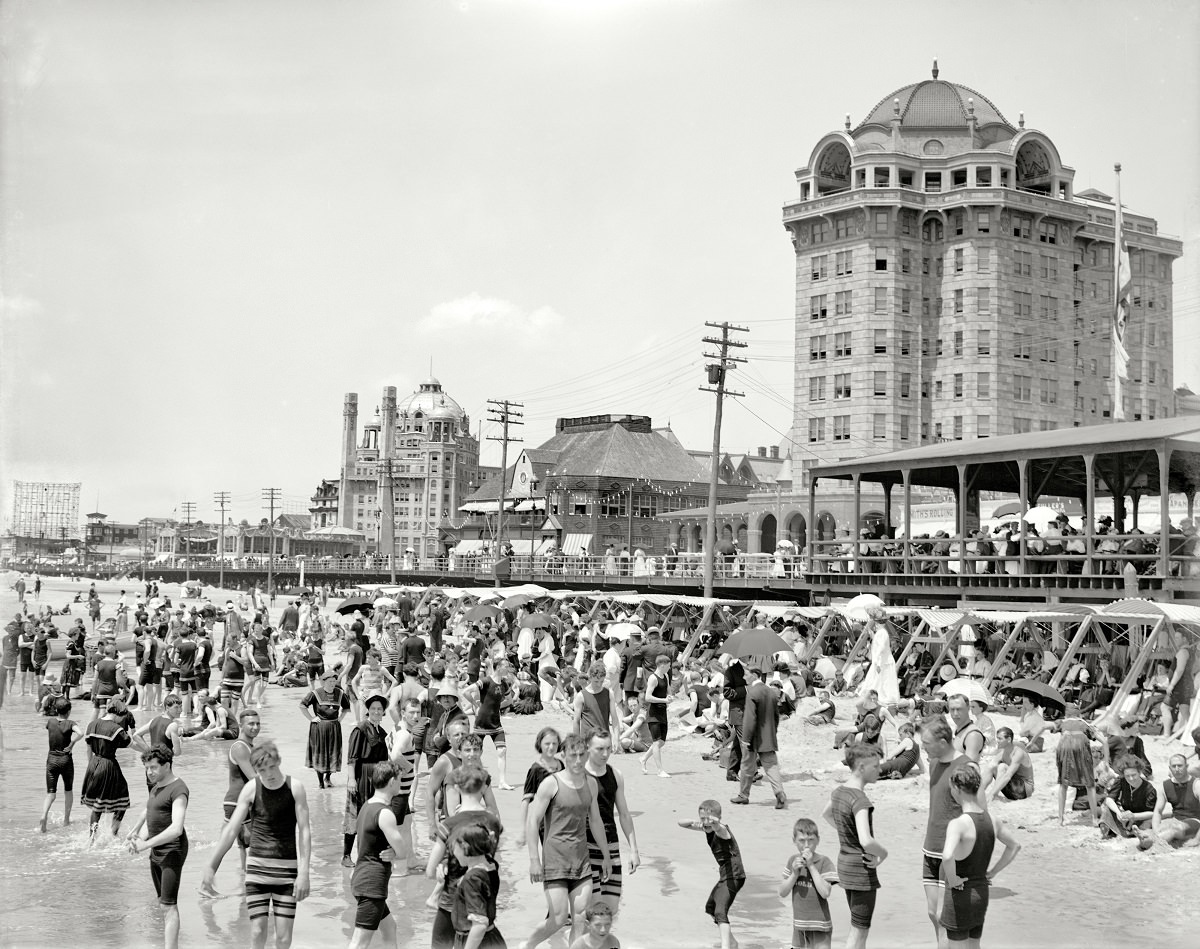
It was demolished in 1972.
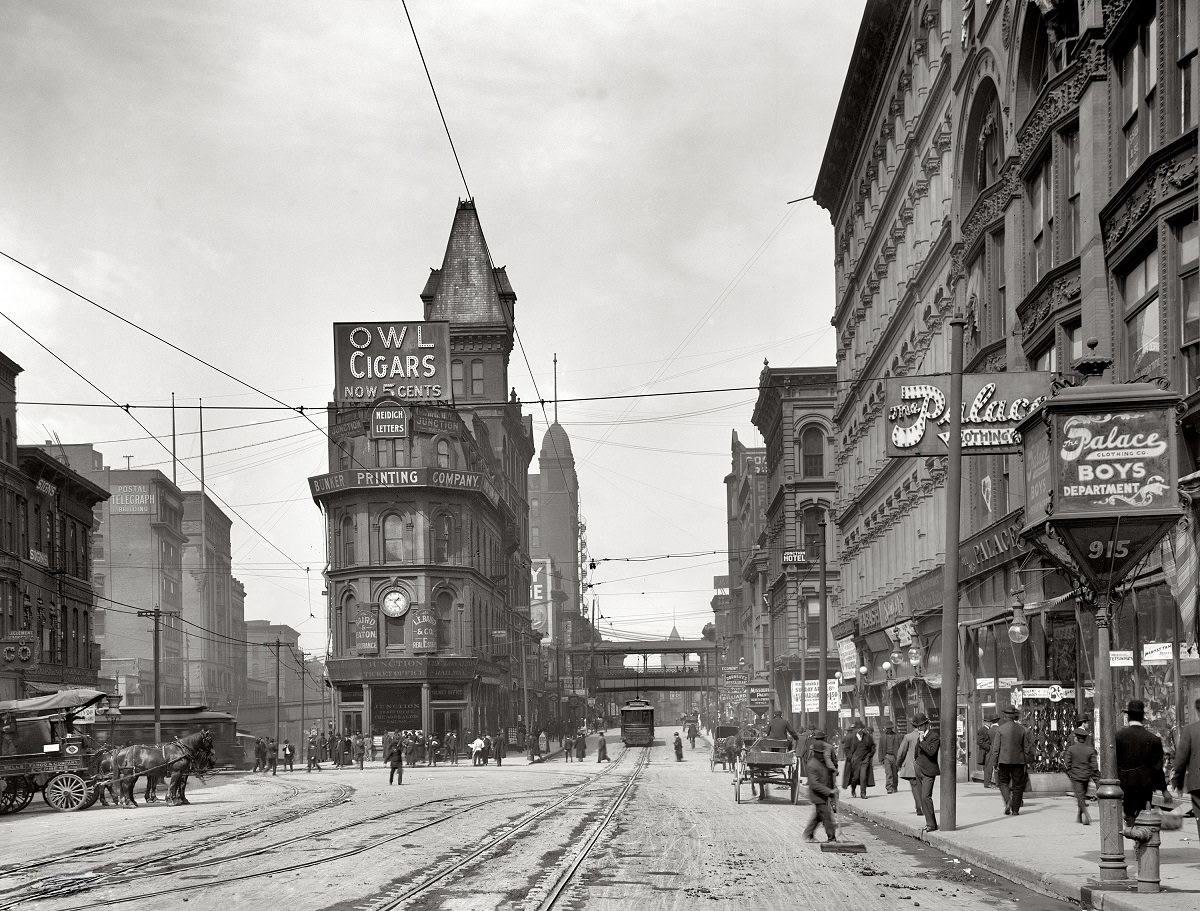
It was demolished in 1952.
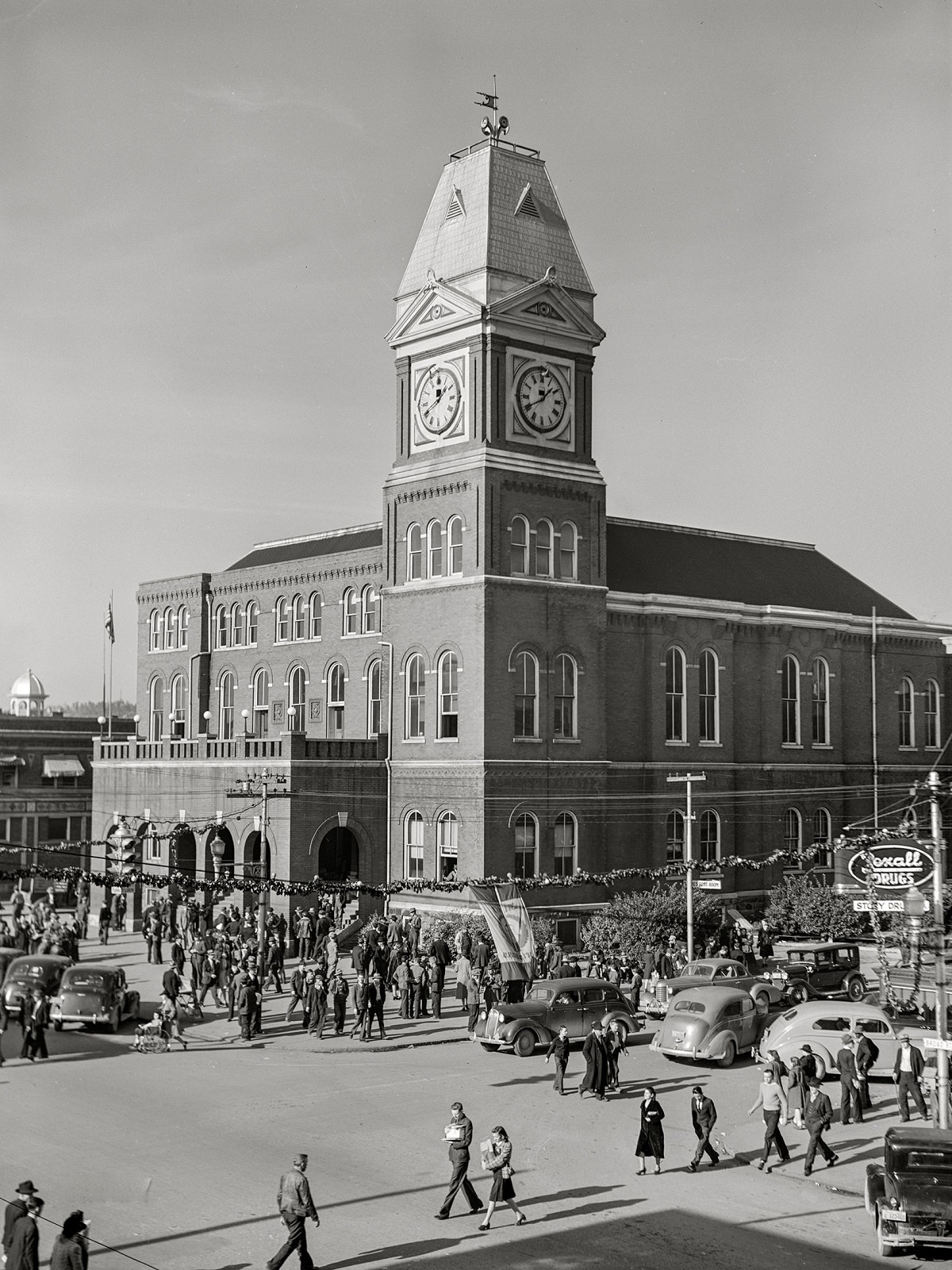
It was demolished in the 1950s.
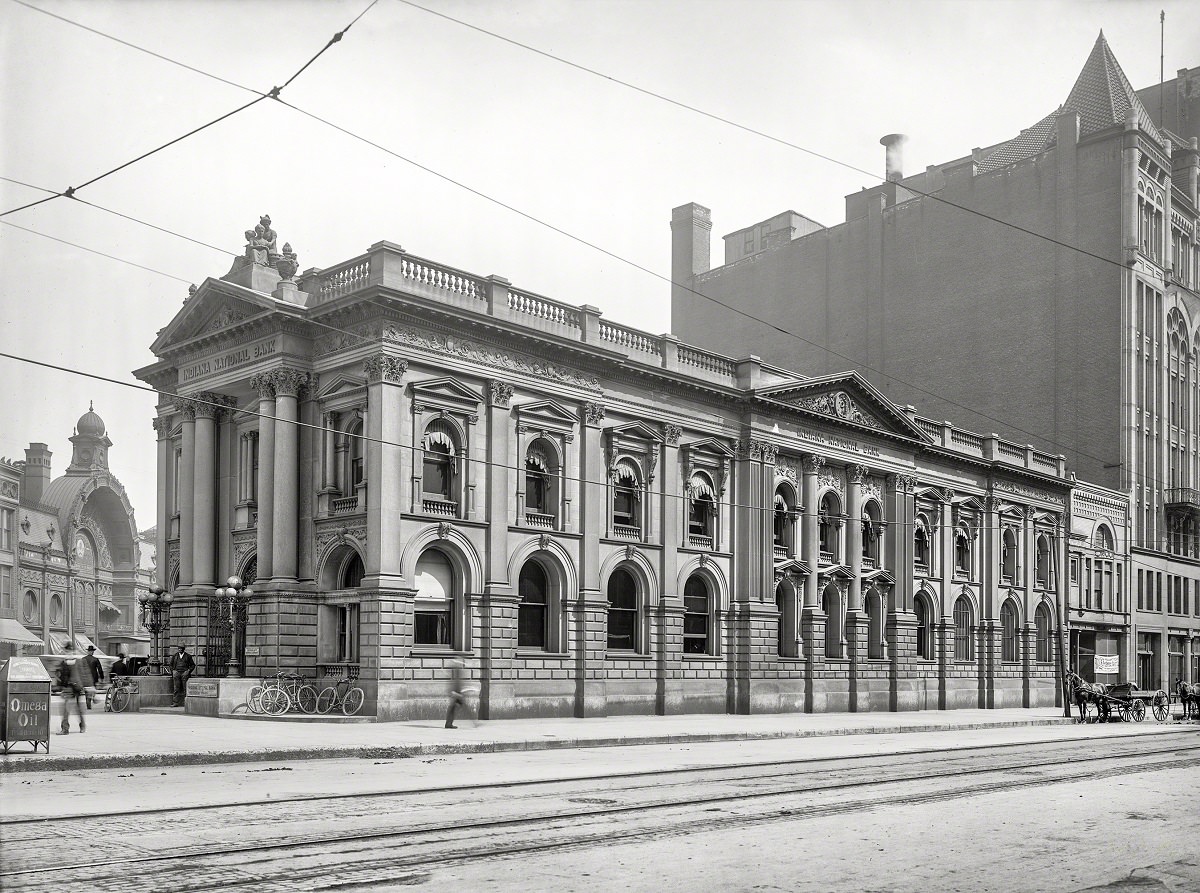
Originally built in 1869, the hotel went through a long series of owners and renovations before finally being demolished 117 years later in 1986.
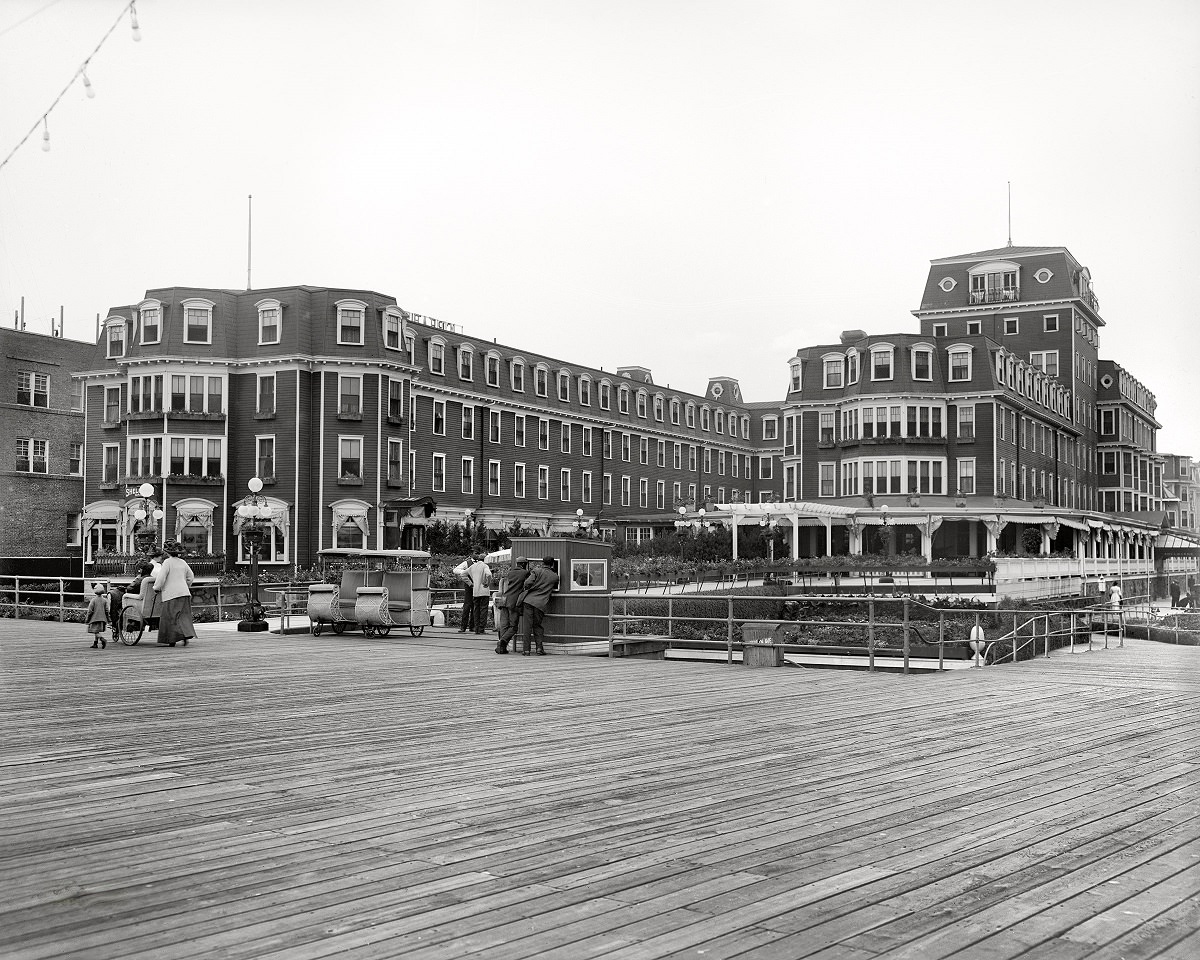
It was demolished in 1970.
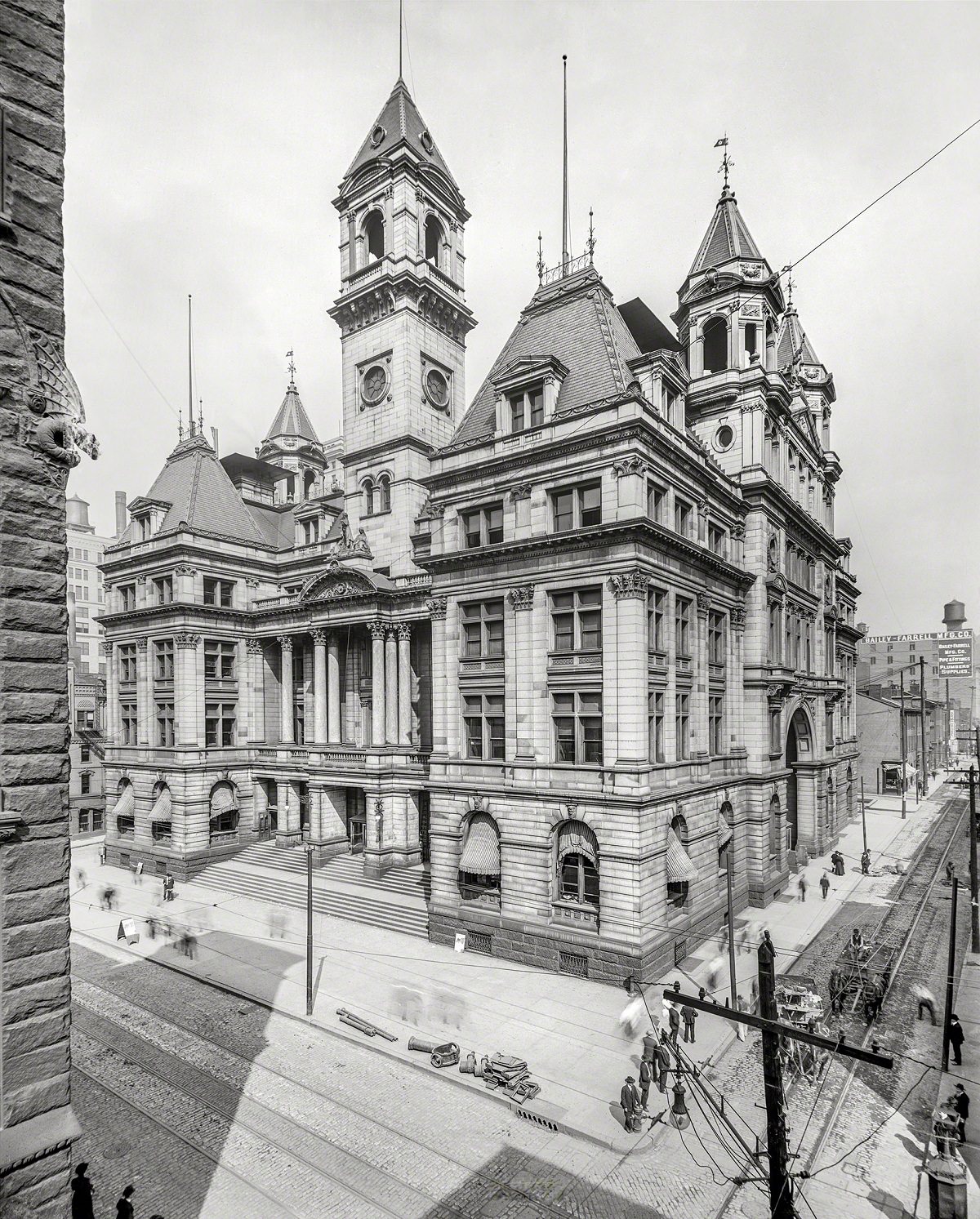
Built in the 1880s and demolished in 1966.
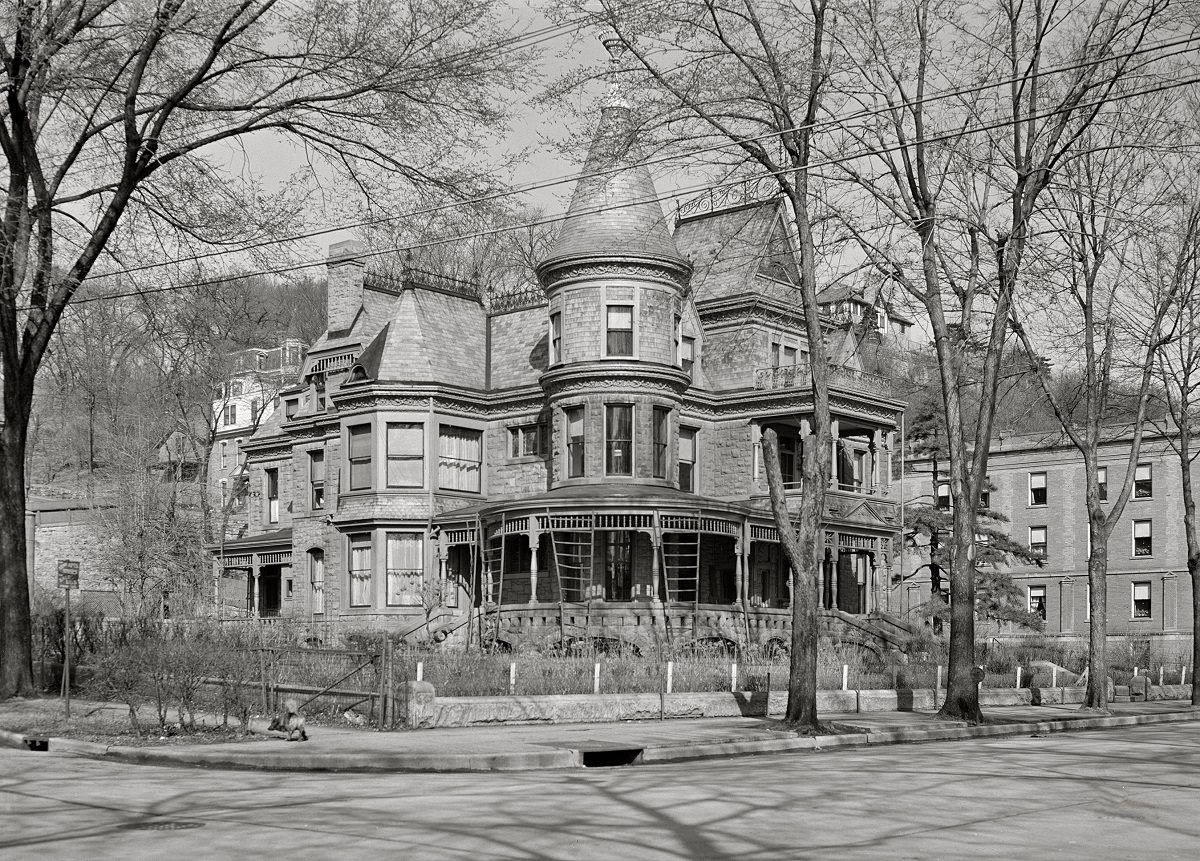
It was demolished in 1956 for a parking lot.
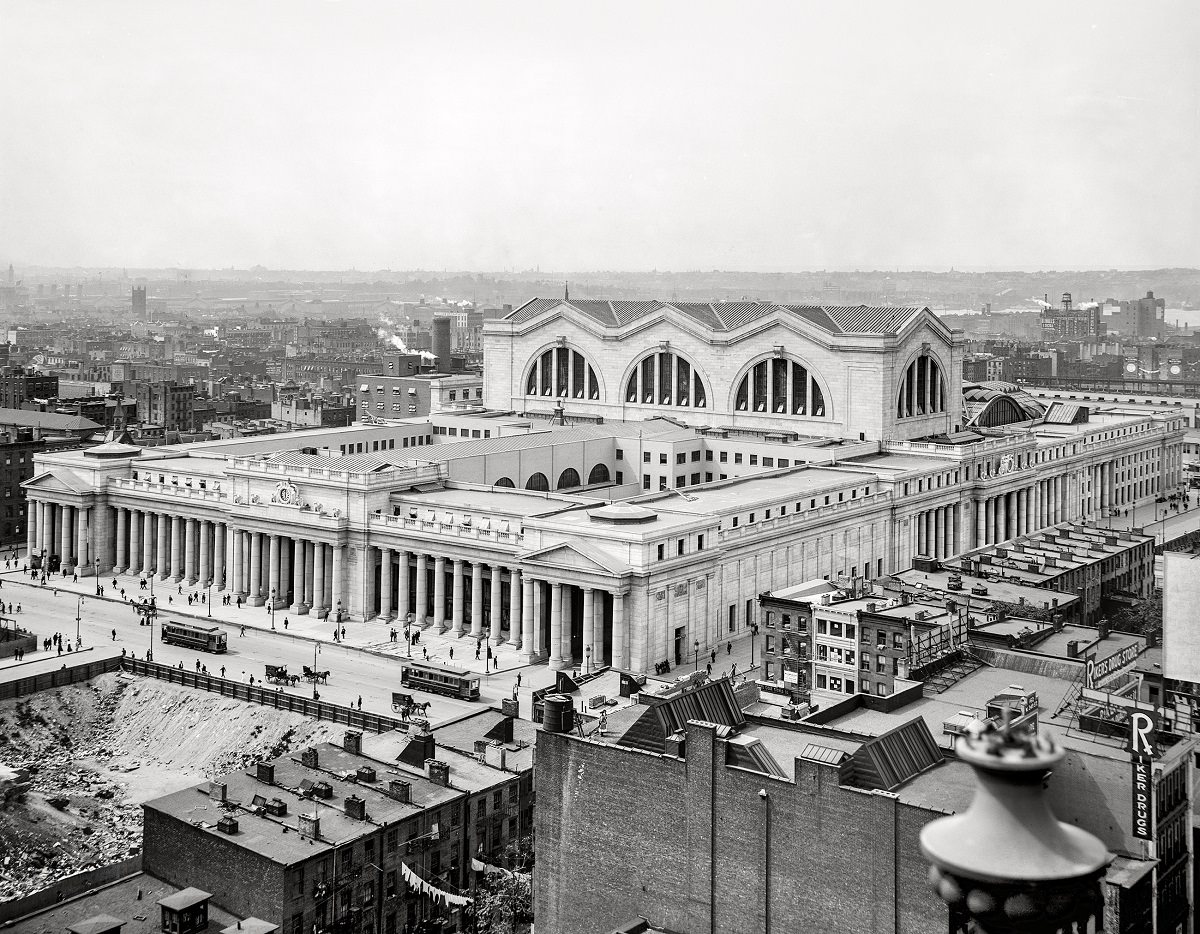
It was demolished in 1963.
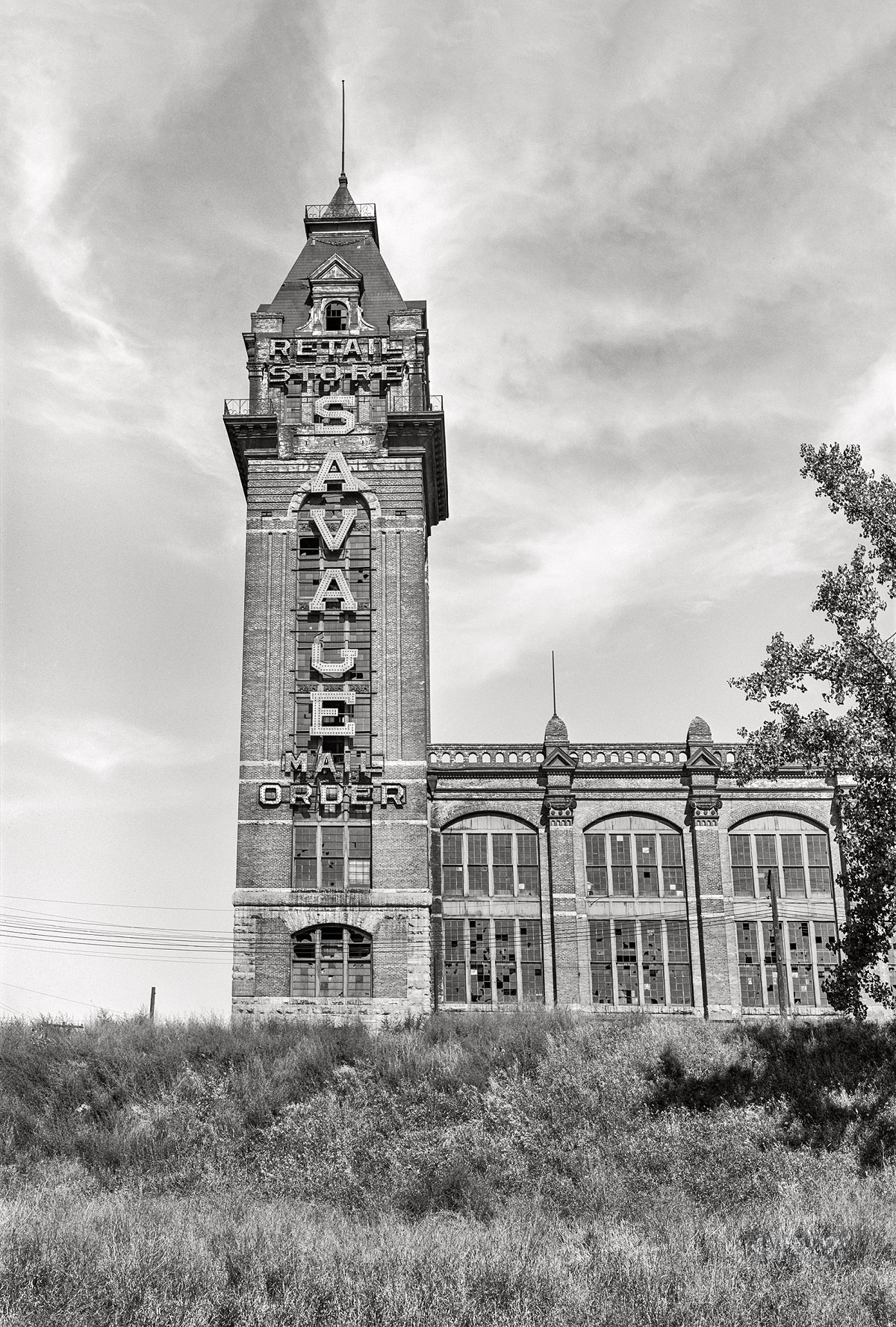
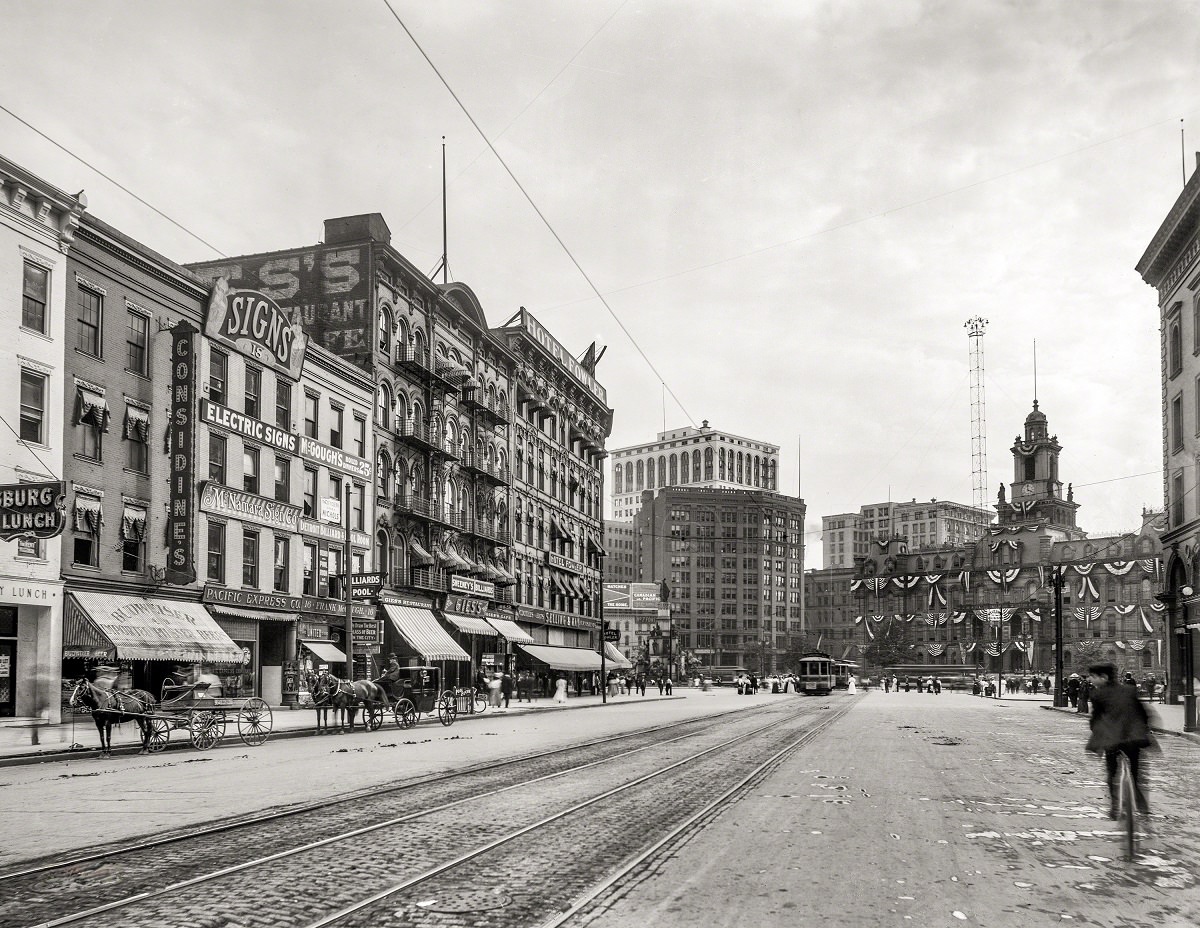
All of these buildings were demolished around 1990.
![[Factually Corrected] City Hall Post Office, New York State, 1905.](https://www.bygonely.com/wp-content/uploads/2020/05/American_demolished_Landmarks_buildings_19.jpg)
Designed by Alfred Mullett, completed in 1880 and demolished in 1939.
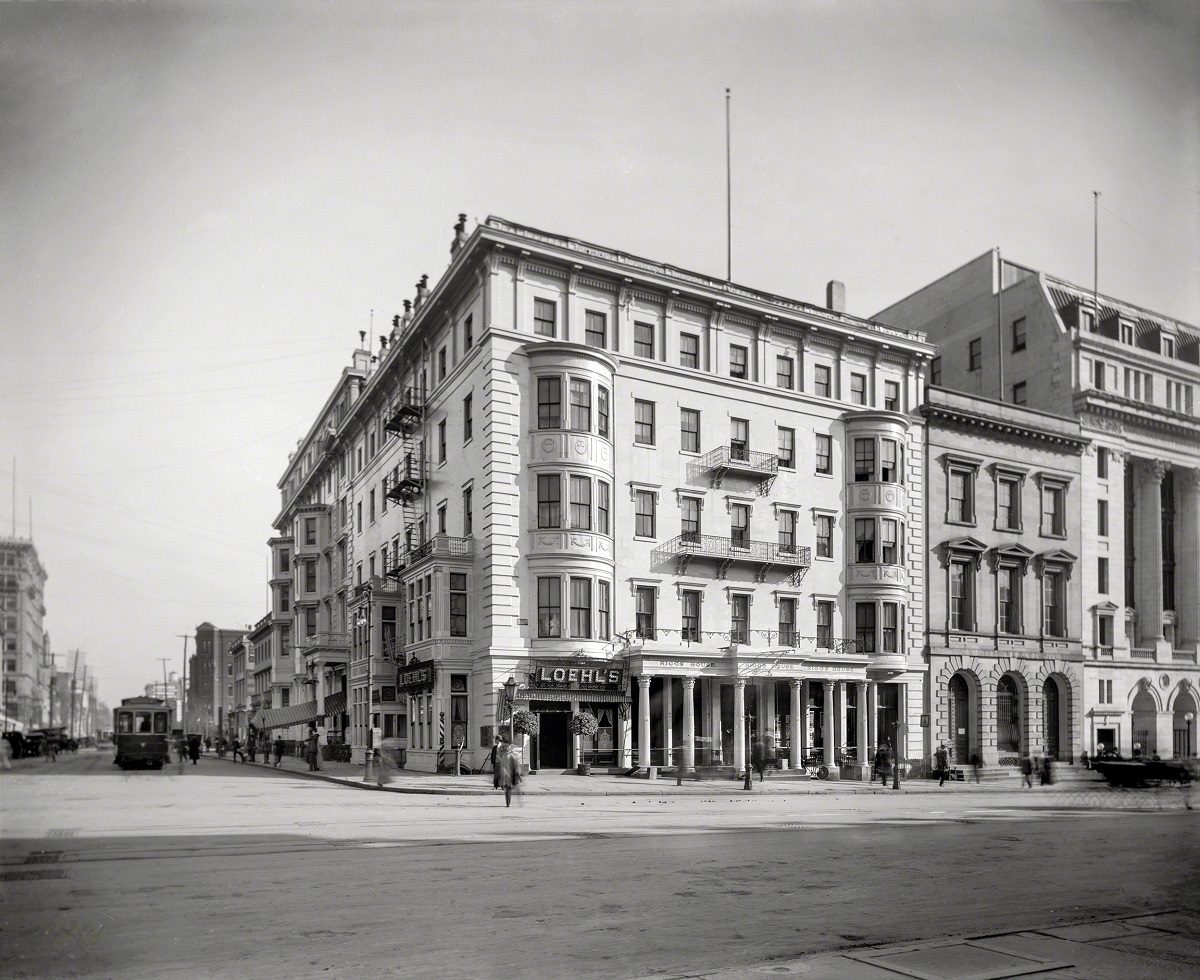
It was demolished in the 1950s to make way for a much larger office building.
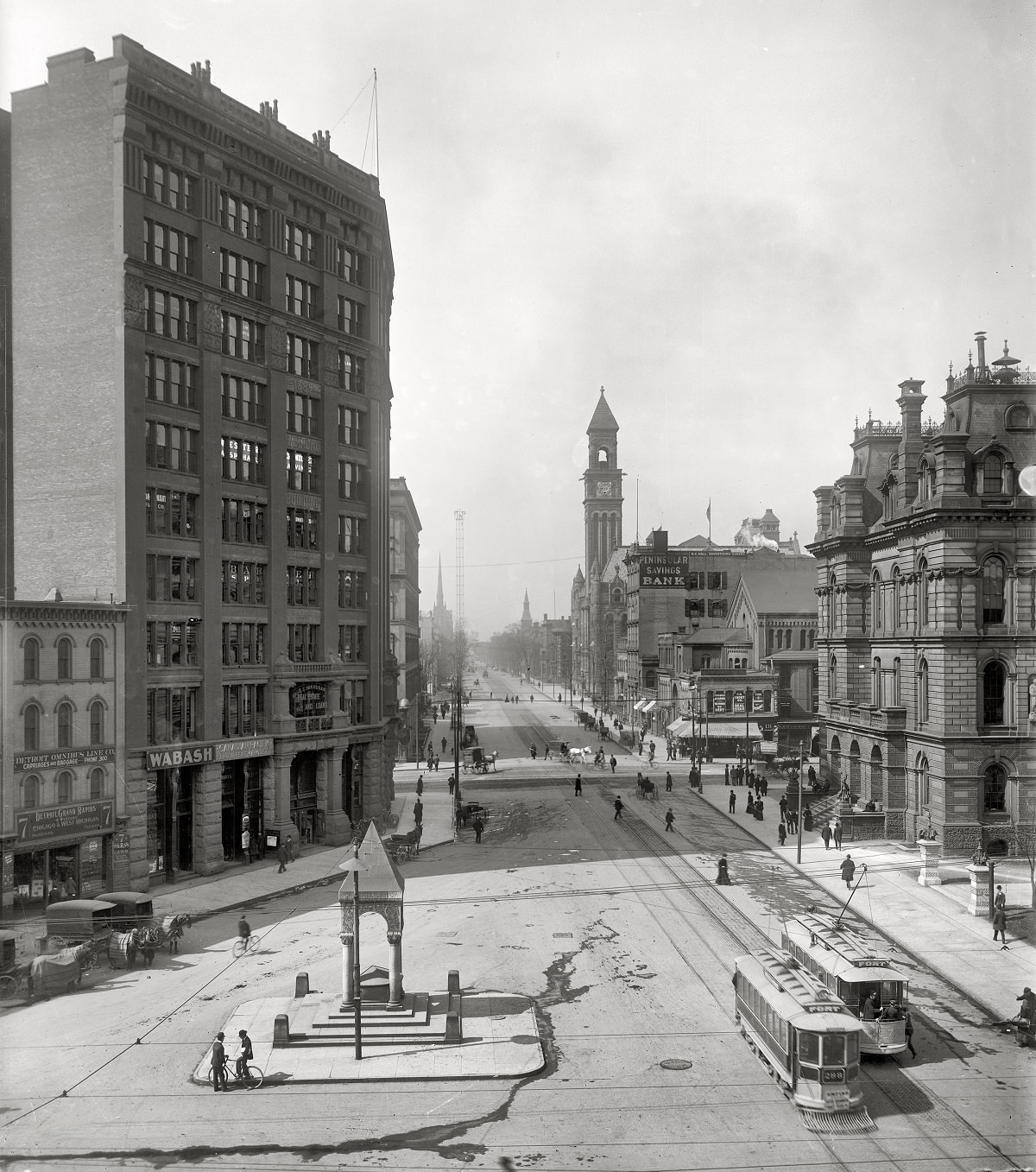
It was demolished in 1960 to build an underground parking garage.
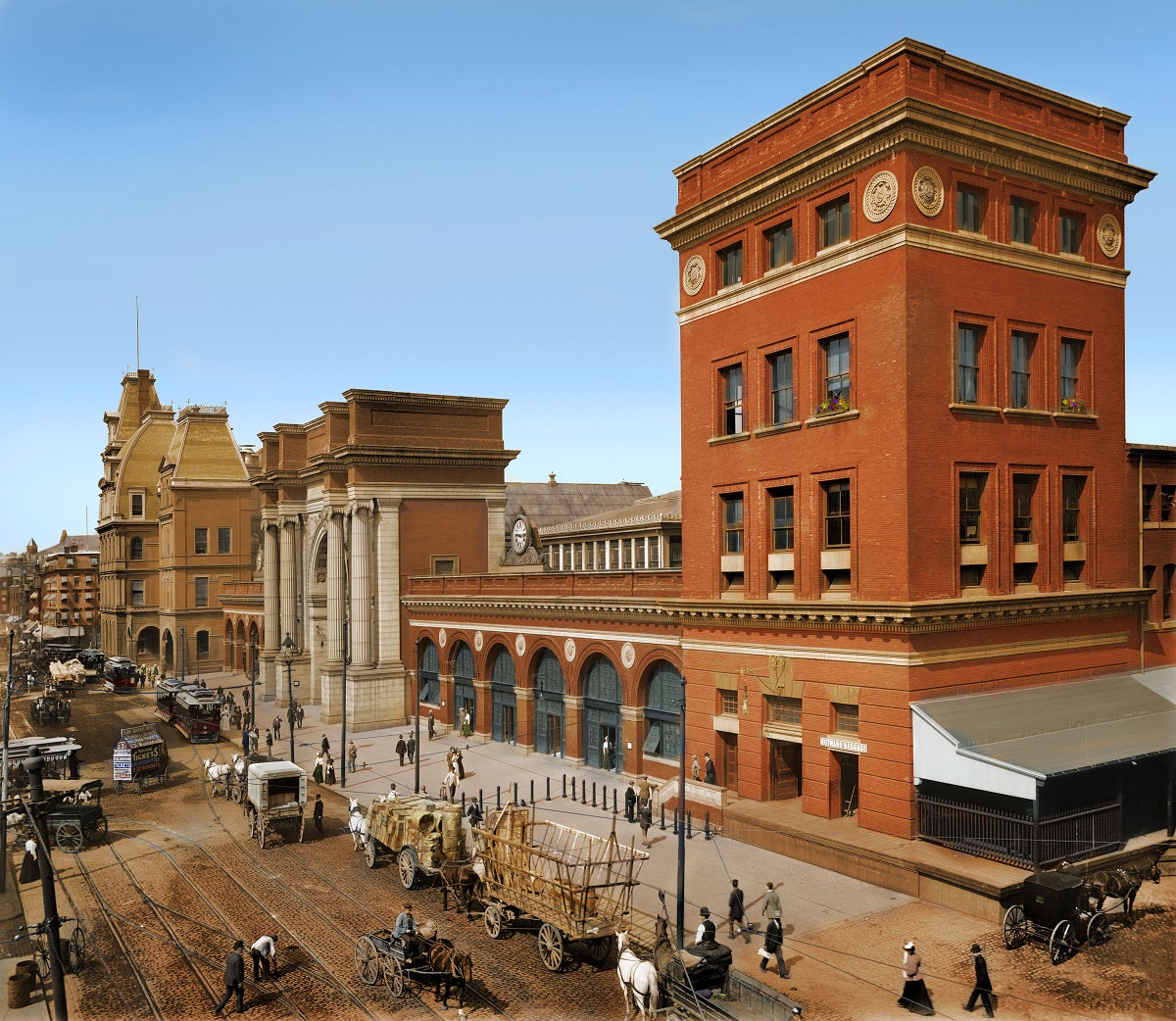
It was demolished in 1927.
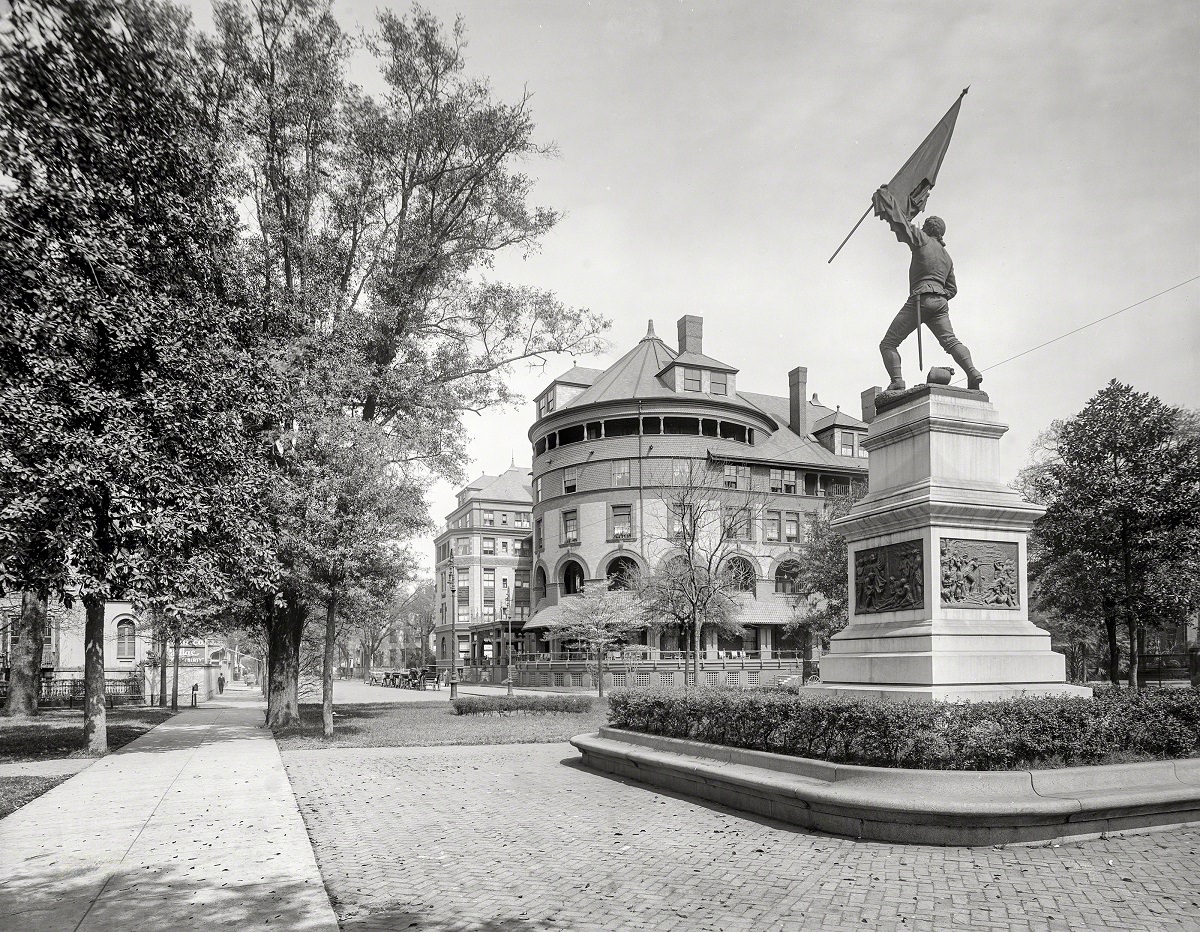
The hotel was demolished in 1968.
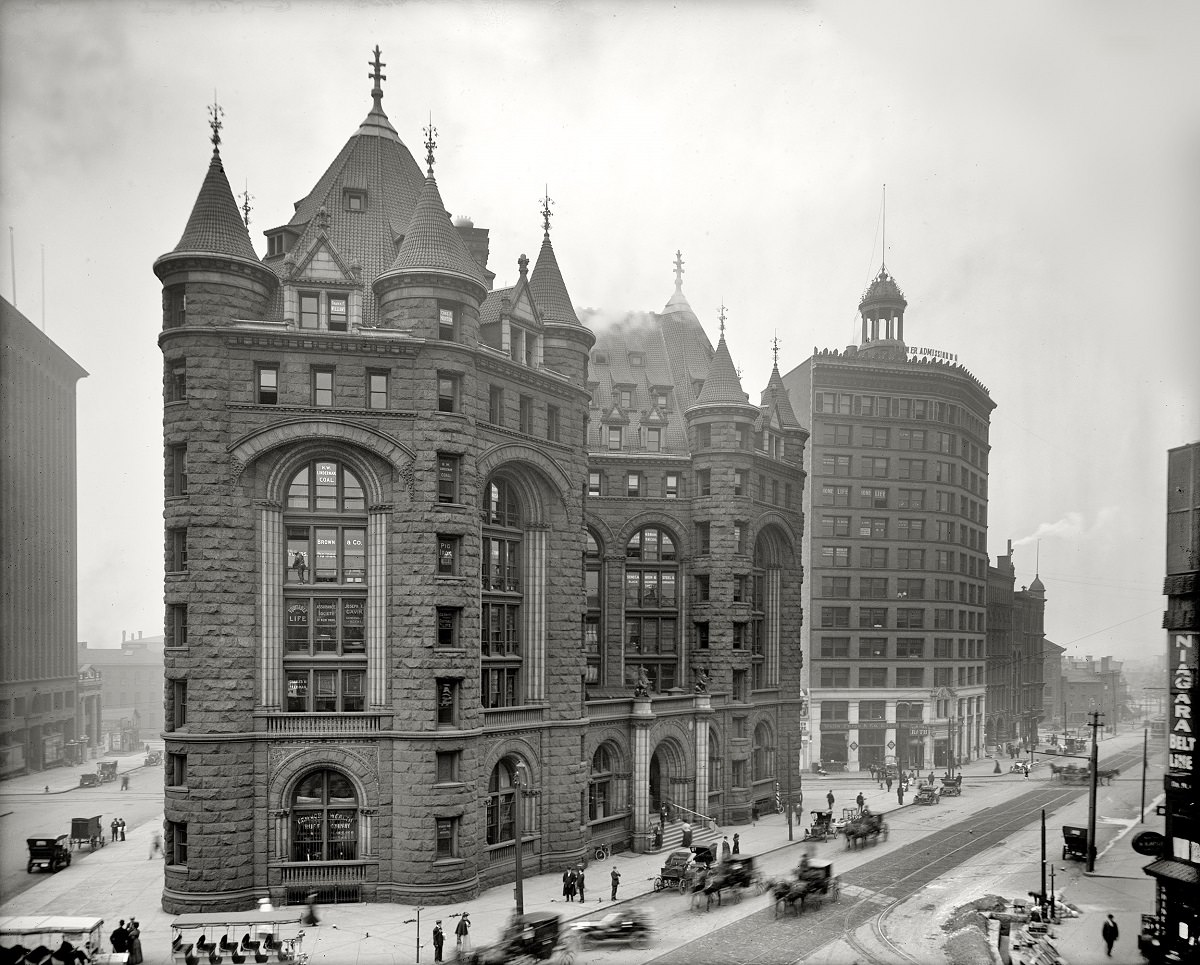
Demolished around 1970 to make room for a mall.
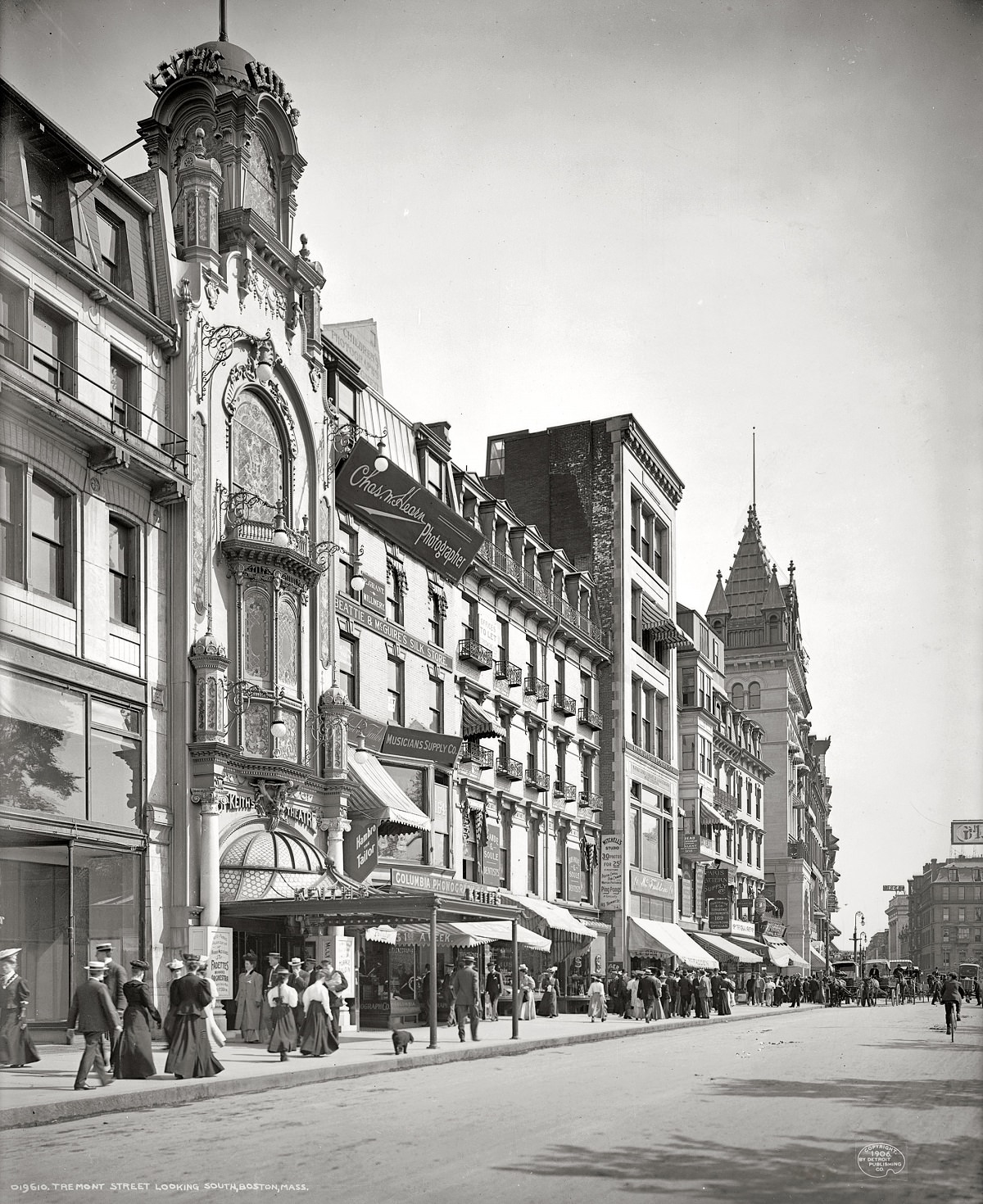
It was demolished in the early 1950s, and for many years its former site stood empty as a parking lot.
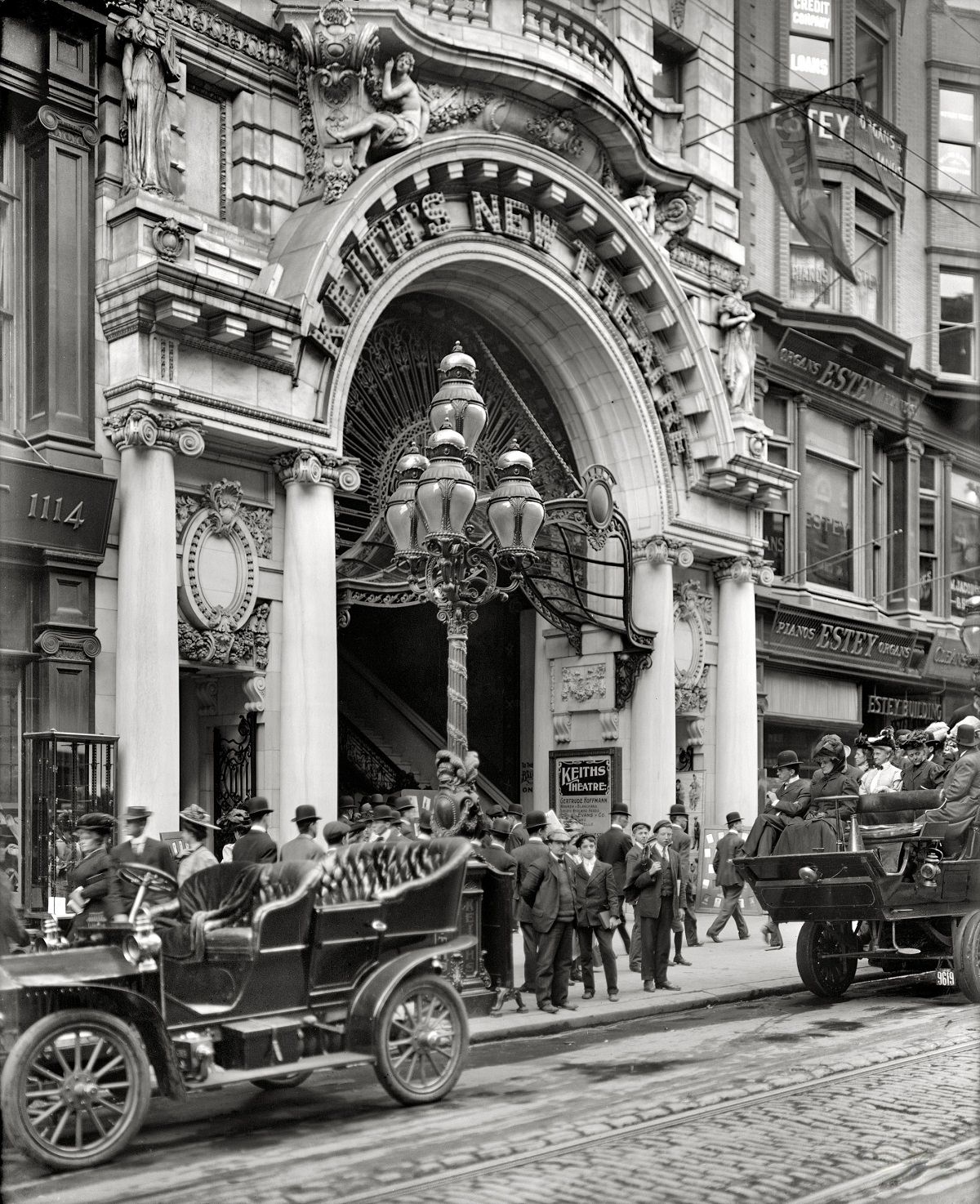
It was demolished in 1971.
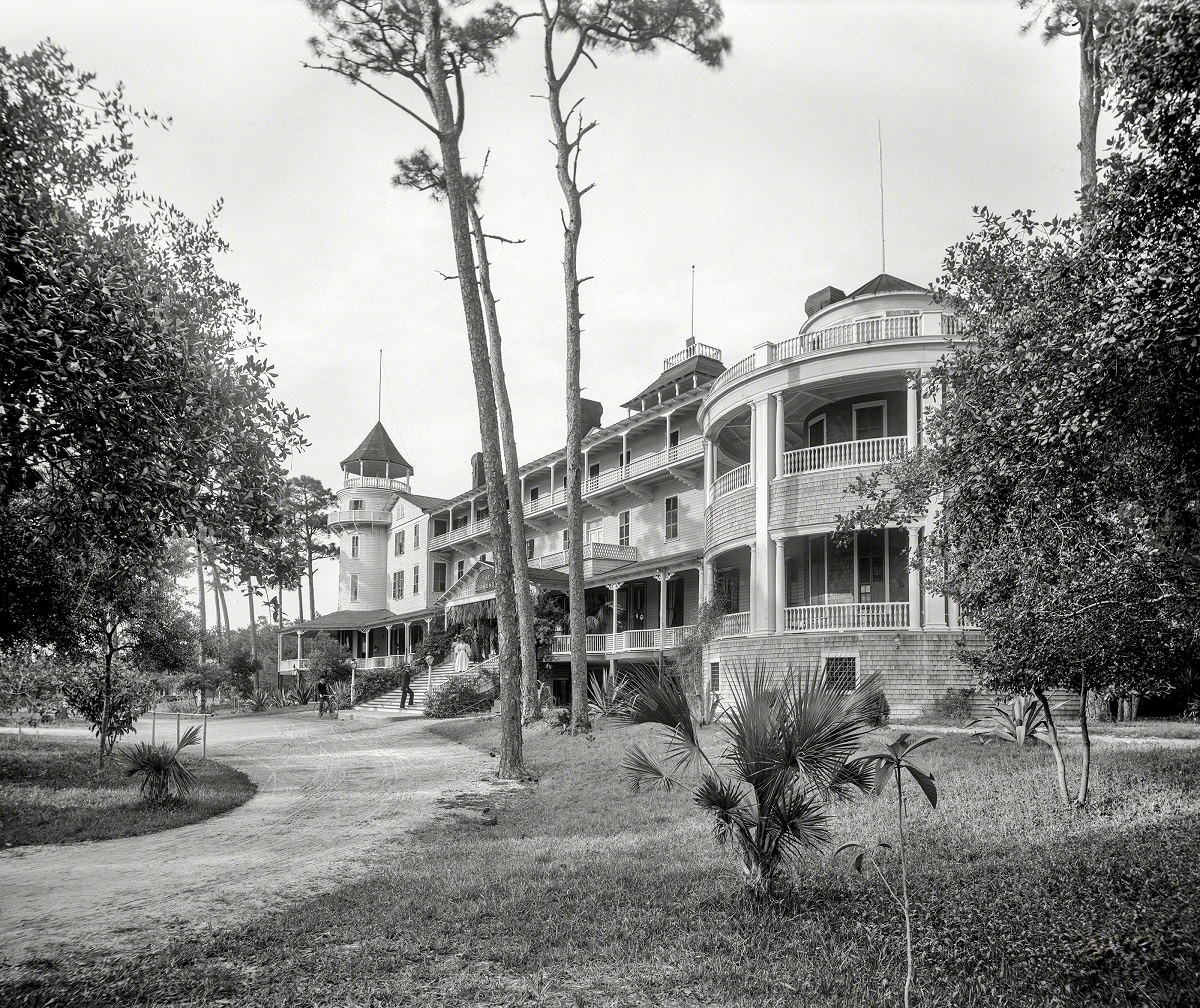
It was demolished in 1992.
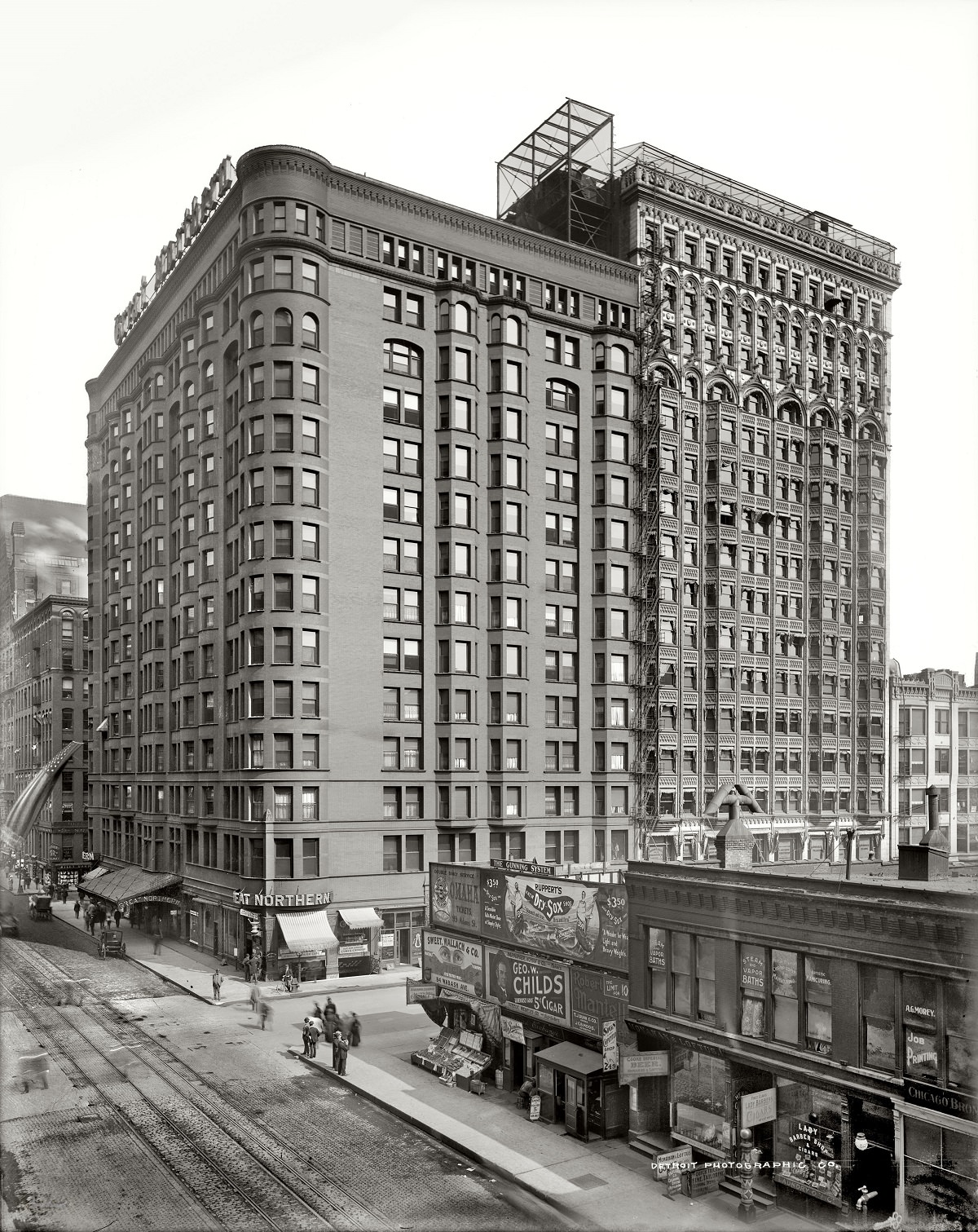
It was demolished in 1940 and has since been replaced by the Dirksen Federal Building.
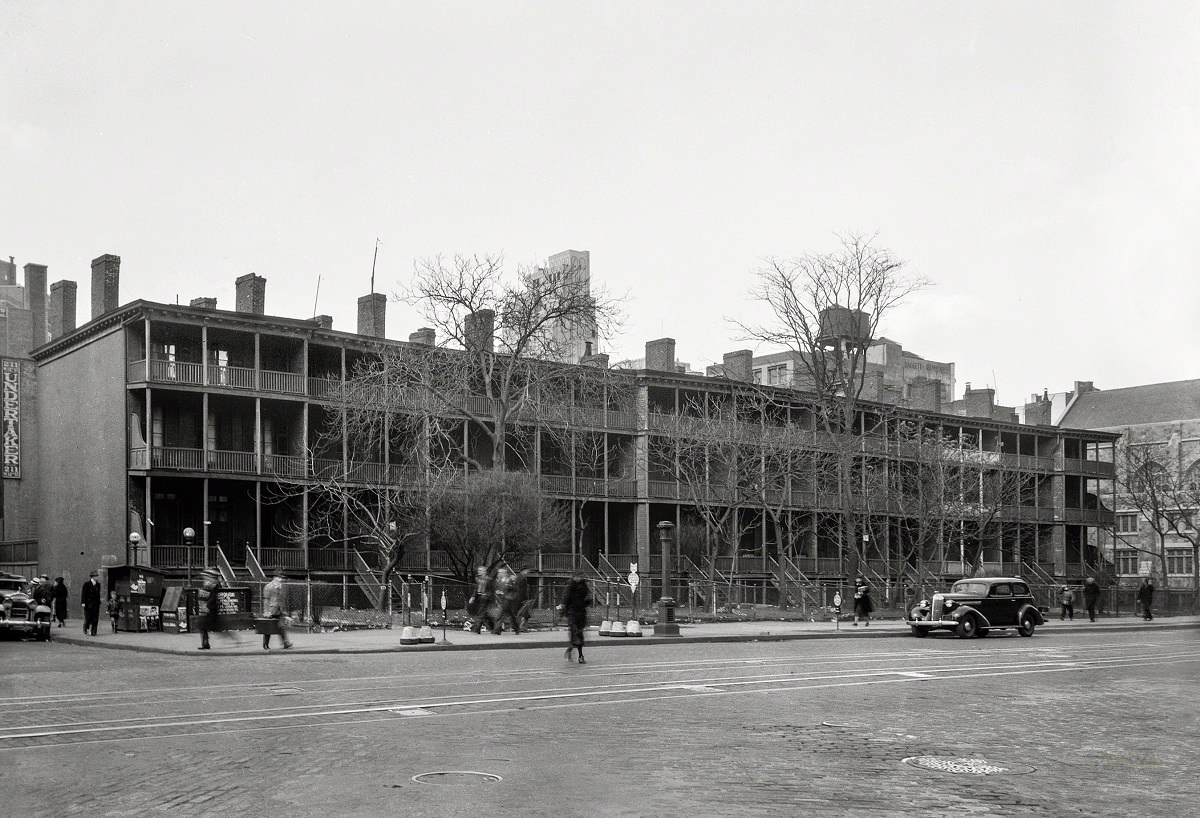
It was demolished in 1937.
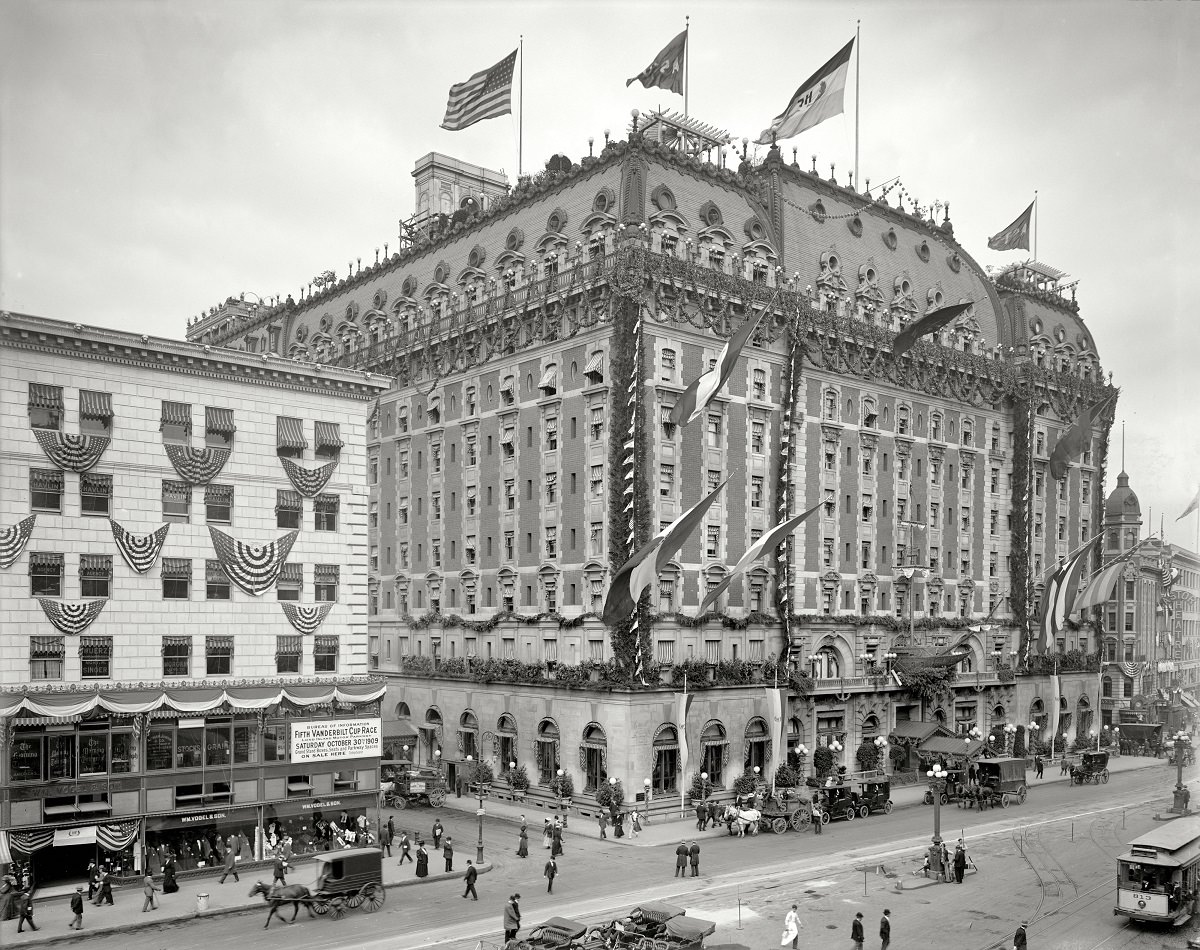
It was demolished in 1968.
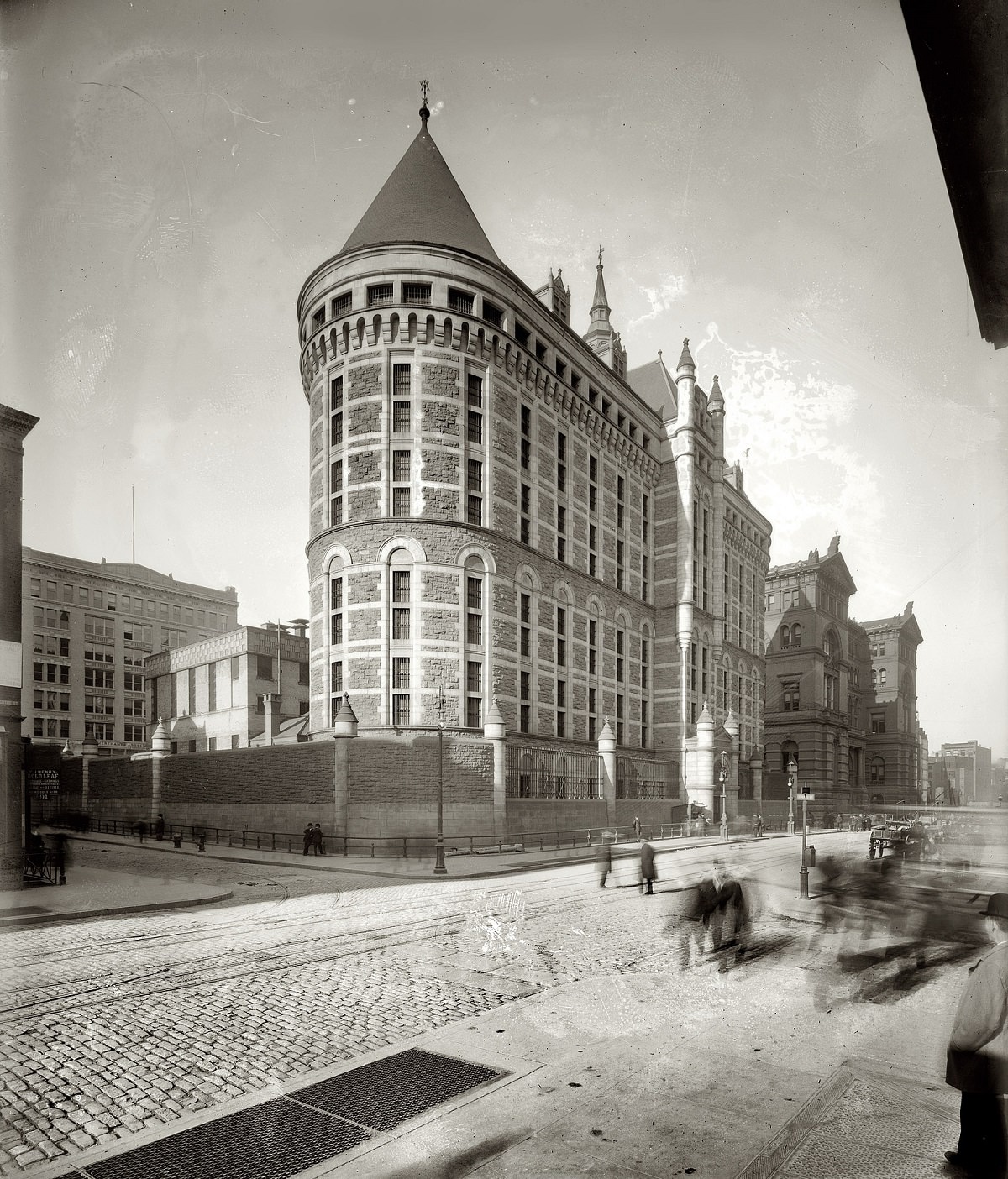
It was demolished in 1941.
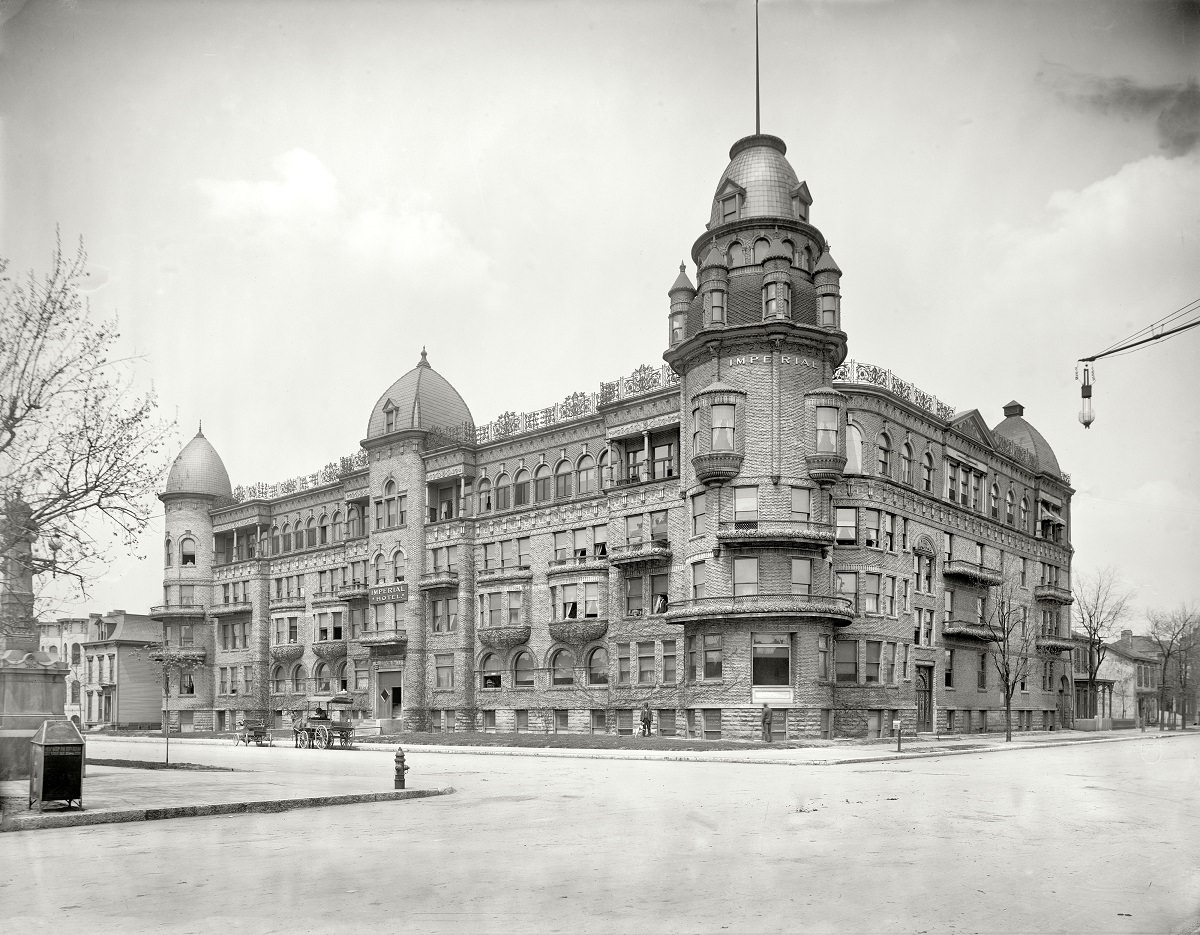
It was built as the National Surgical Institute in the mid-1890s, but quickly went bankrupt. After serving as a medical school for a short time, it was converted into a hotel. In the late 1940s it was demolished for a parking lot.
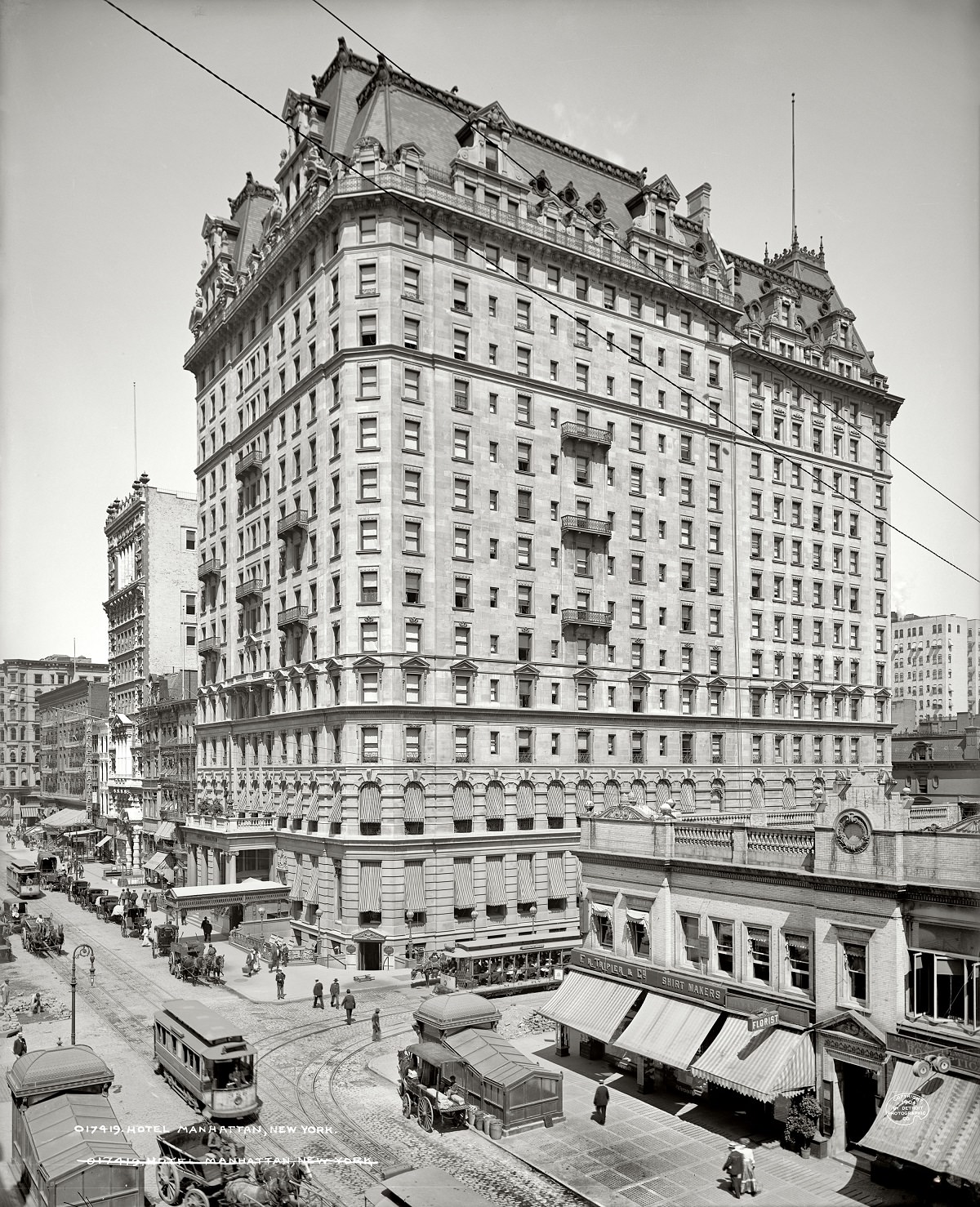
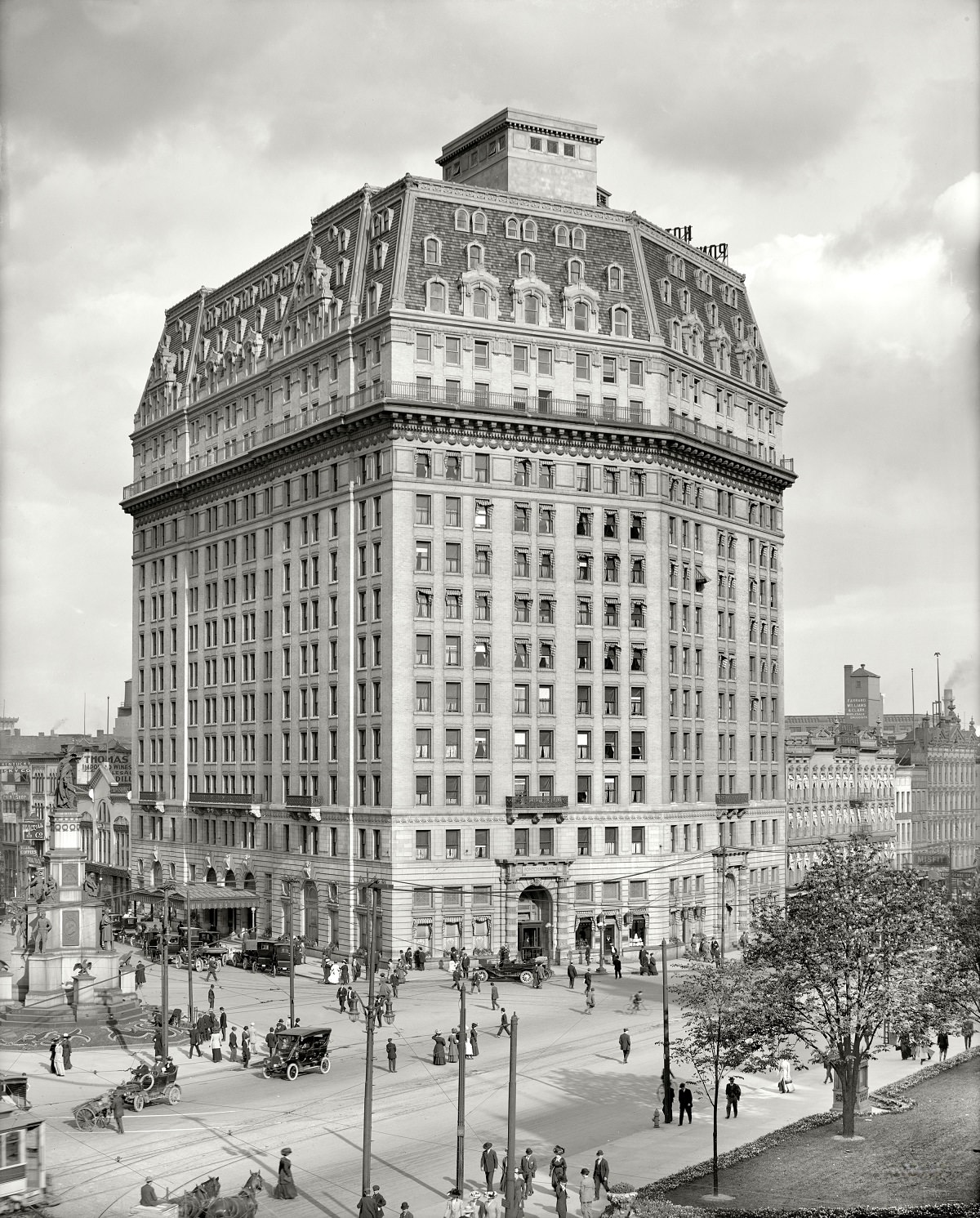
The Hotel Manhattan was designed by Henry Hardenbergh, architect of the Dakota Apartments and the Plaza Hotel, and built in 1896–1897. It was demolished in 1961.
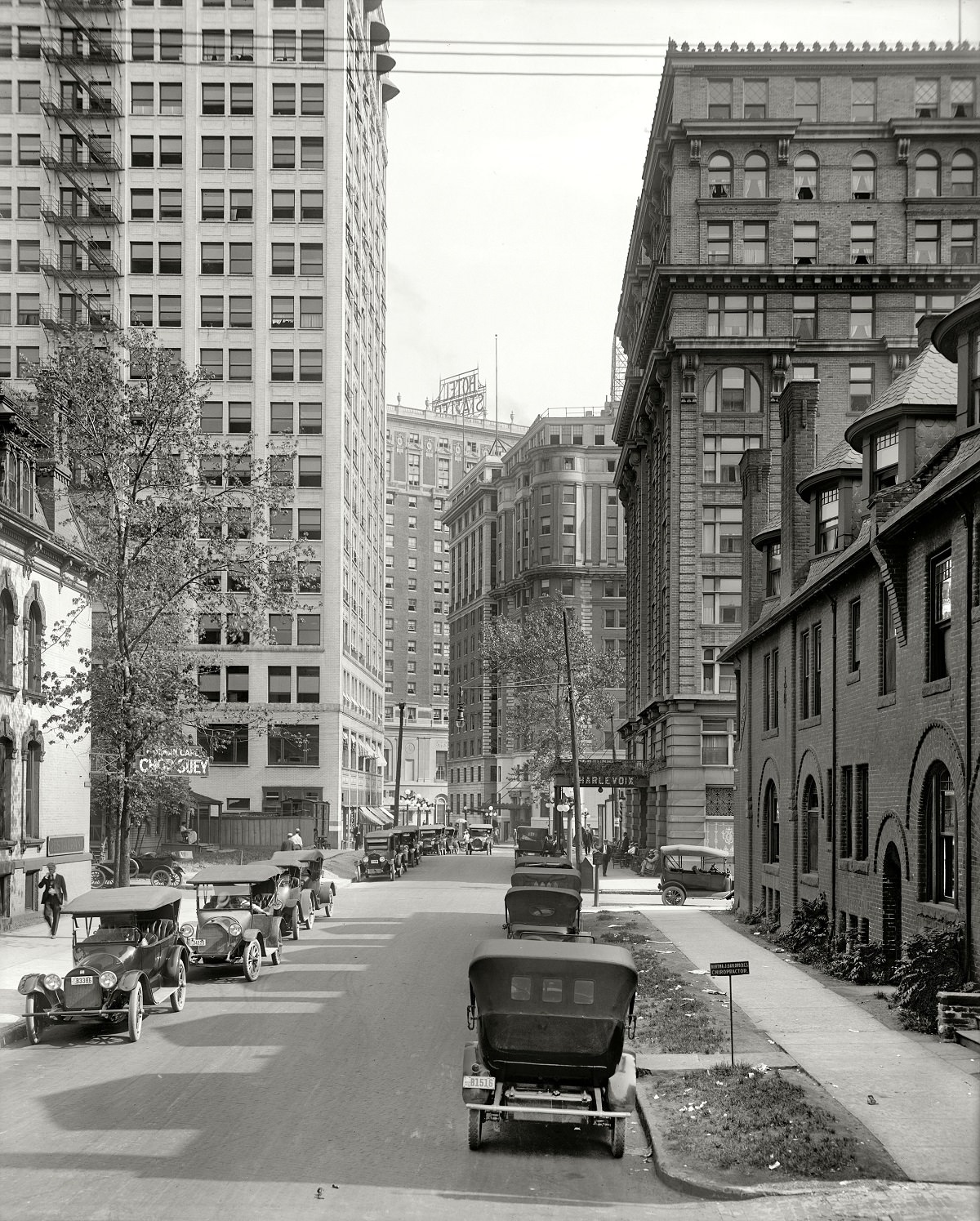
It was demolished on June 23, 2013.
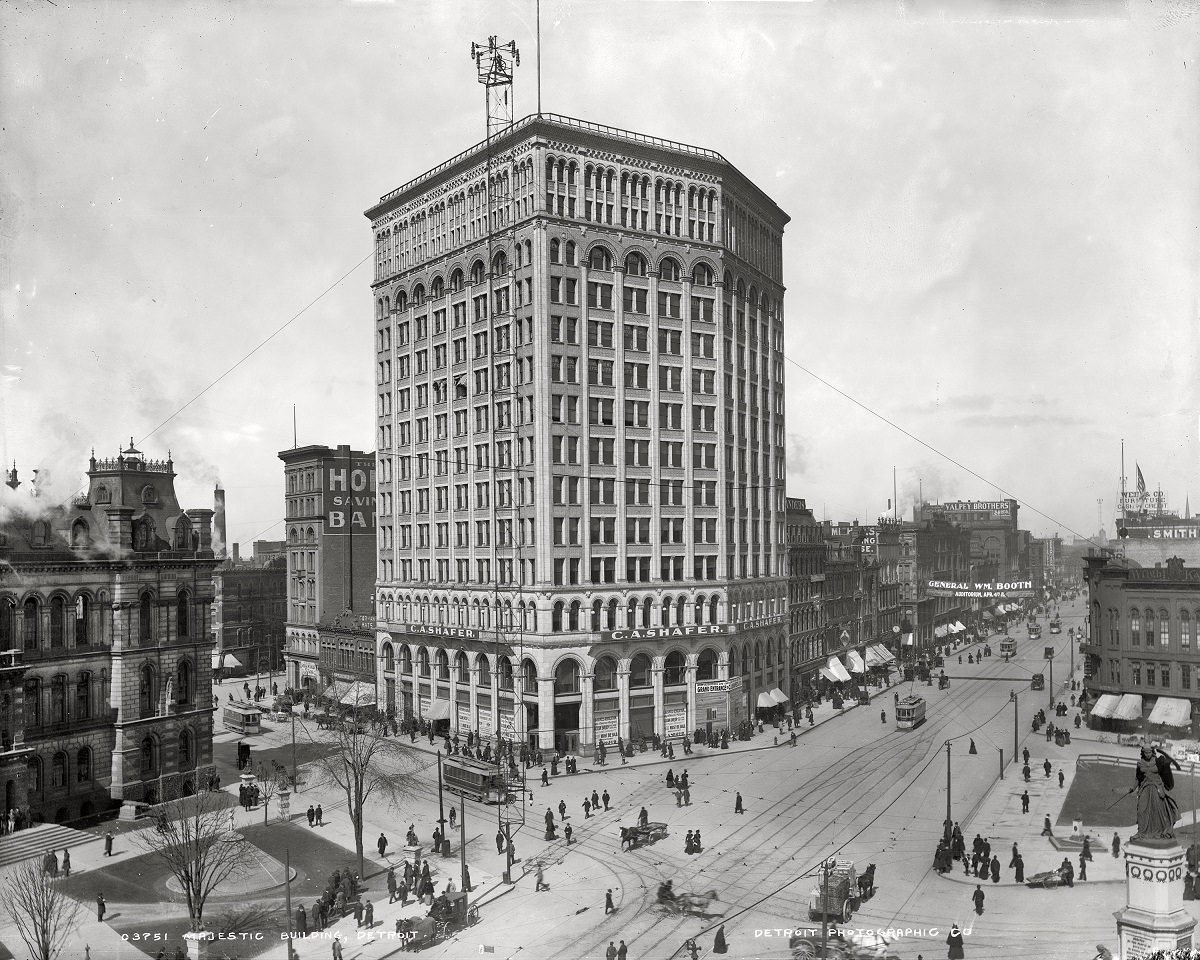
It was demolished in 1962.
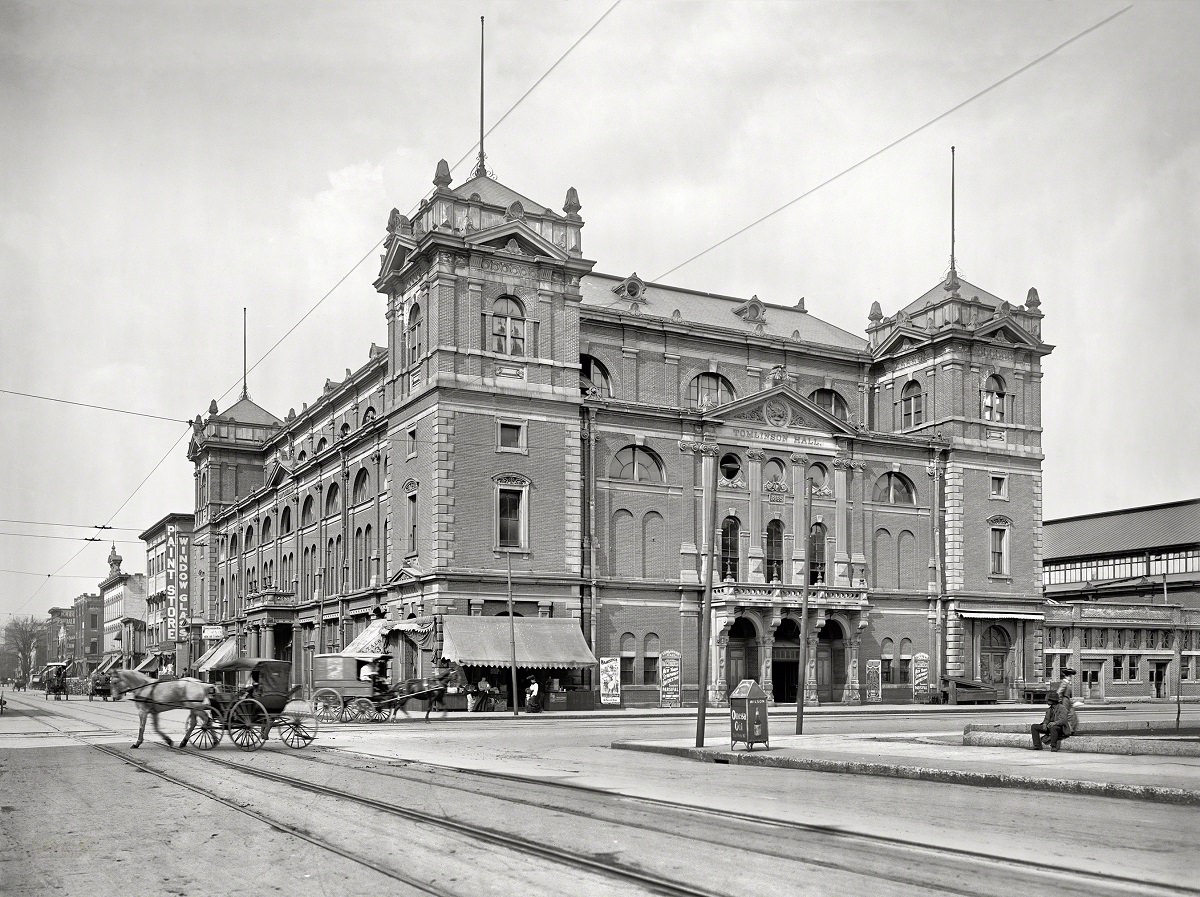
It was demolished in 1958 after being gutted by a four-alarm fire.
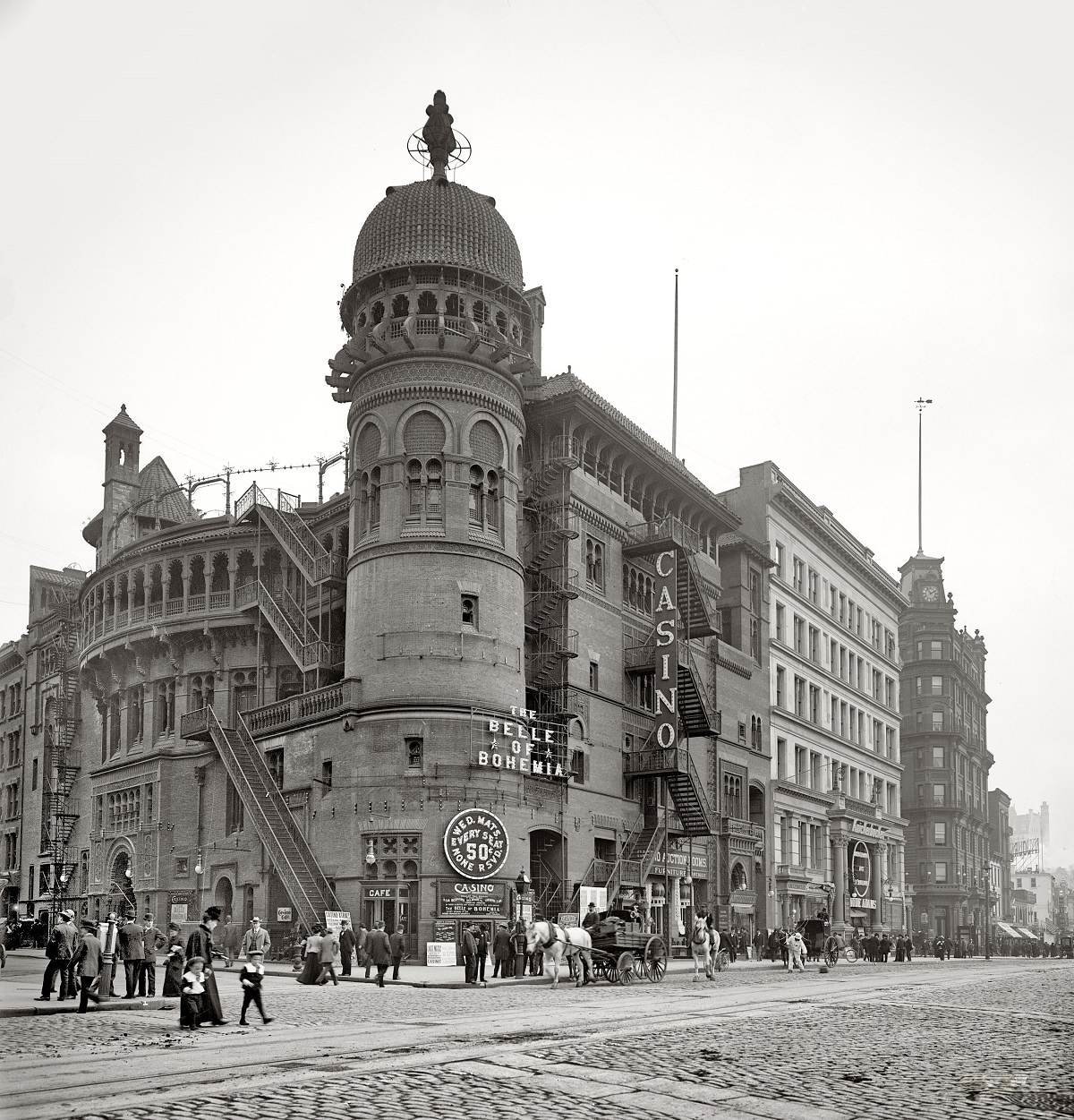
Built in 1882 and demolished in 1930.
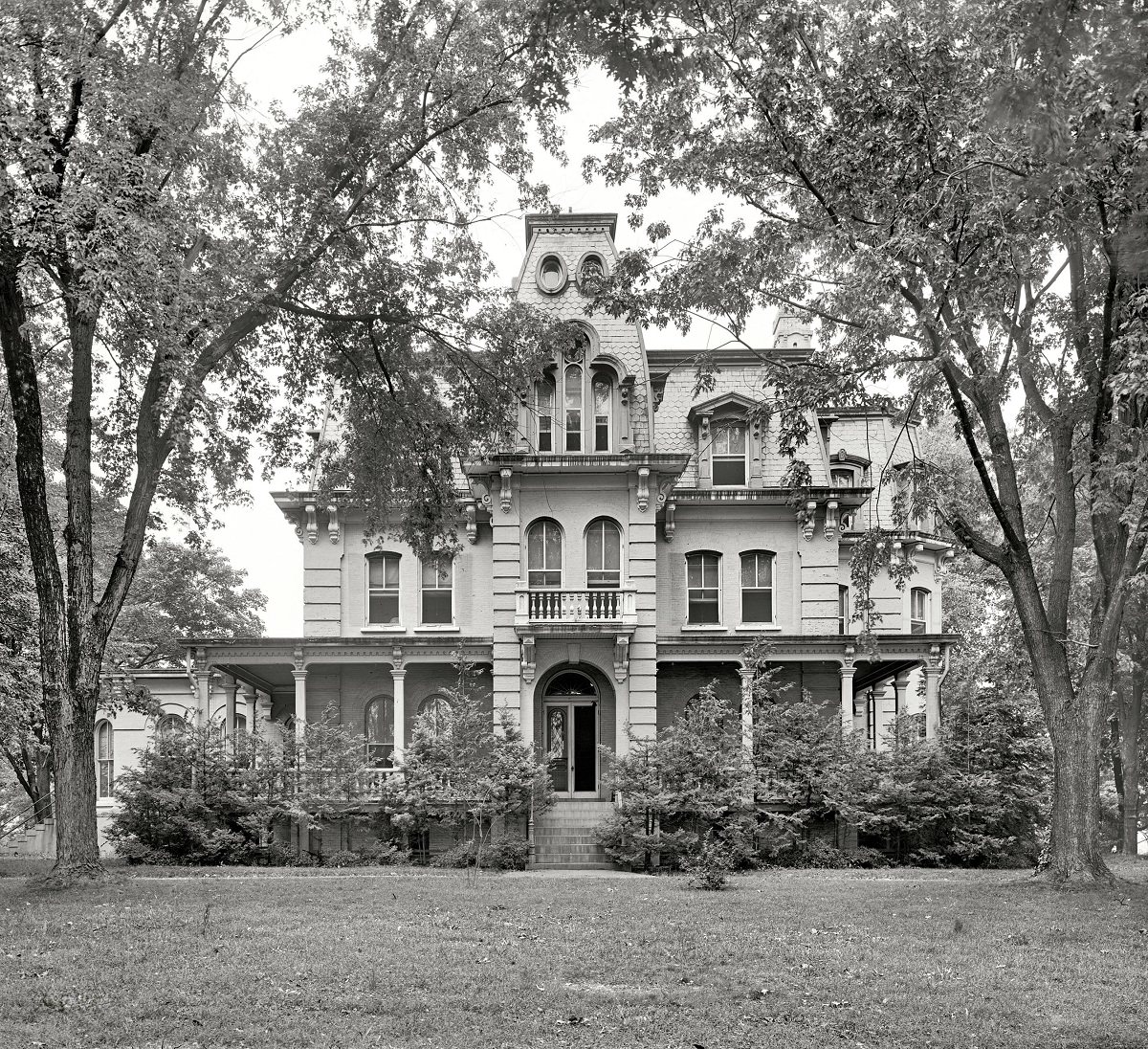
The residence was demolished in 1970.

It was opened in 1890 and demolished in 1961.
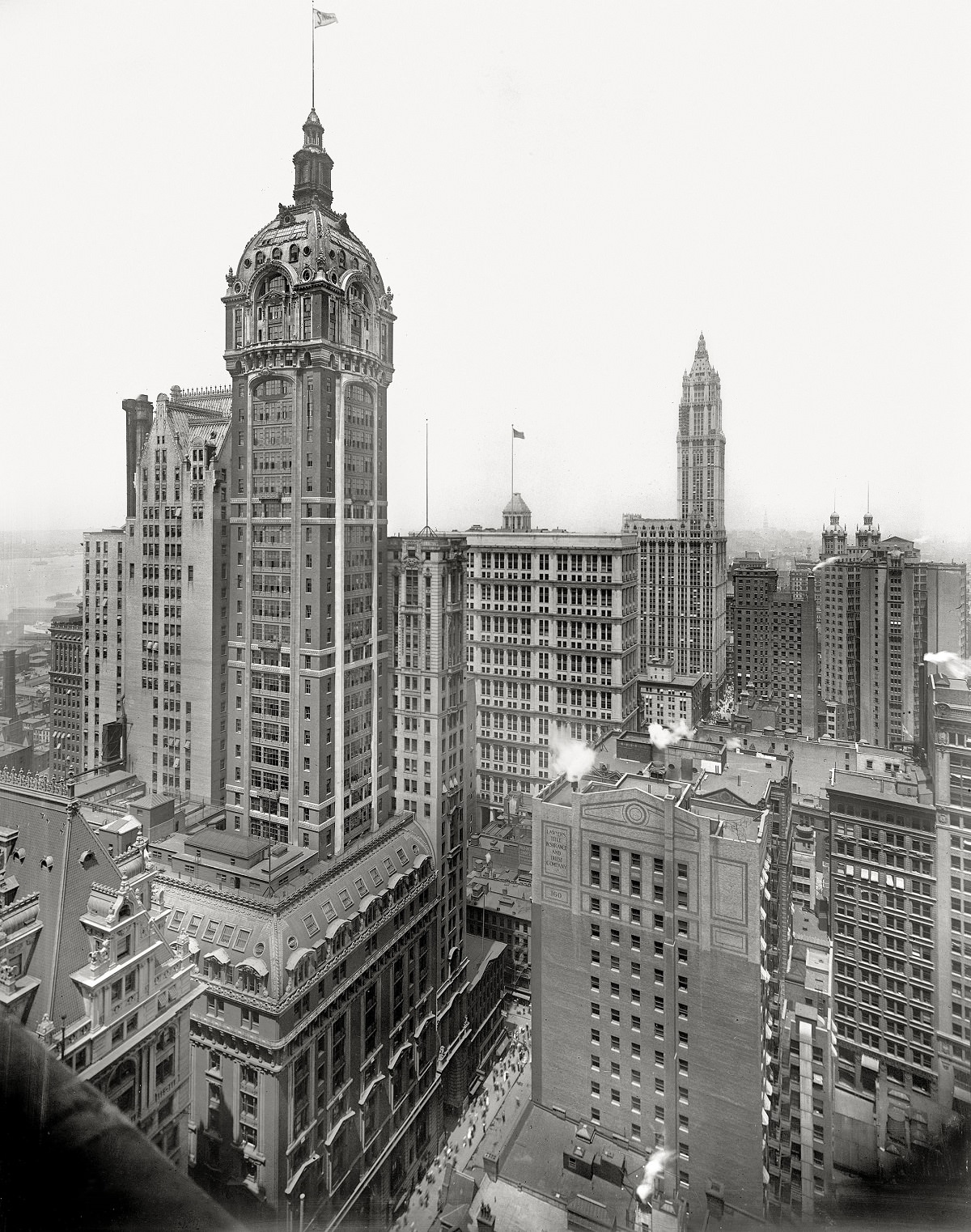
It was completed in 1908 and demolished in 1967.
Demolished in the 1920s and now there is a Crown Plaza.
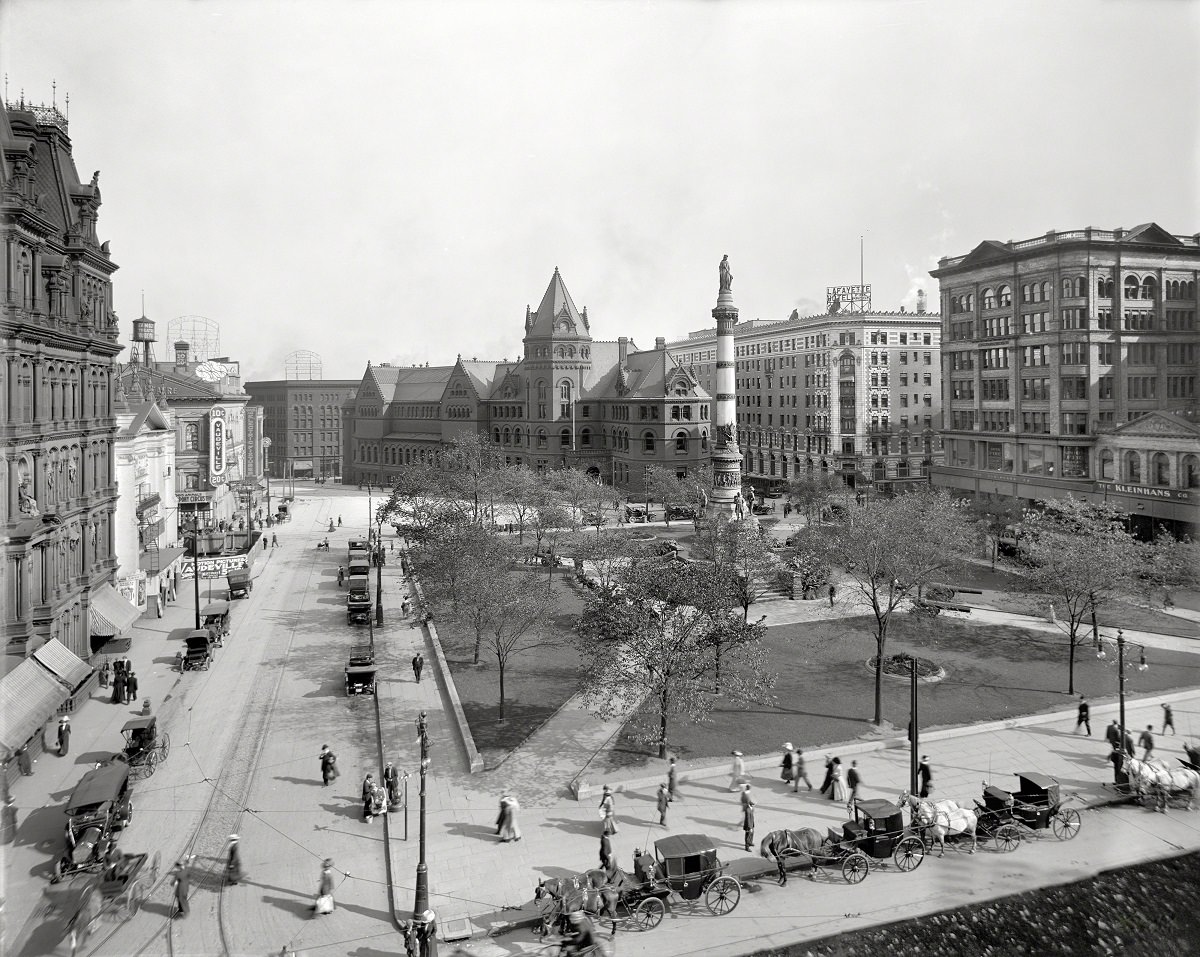
It was demolished in 1960 and replaced by the current library building.
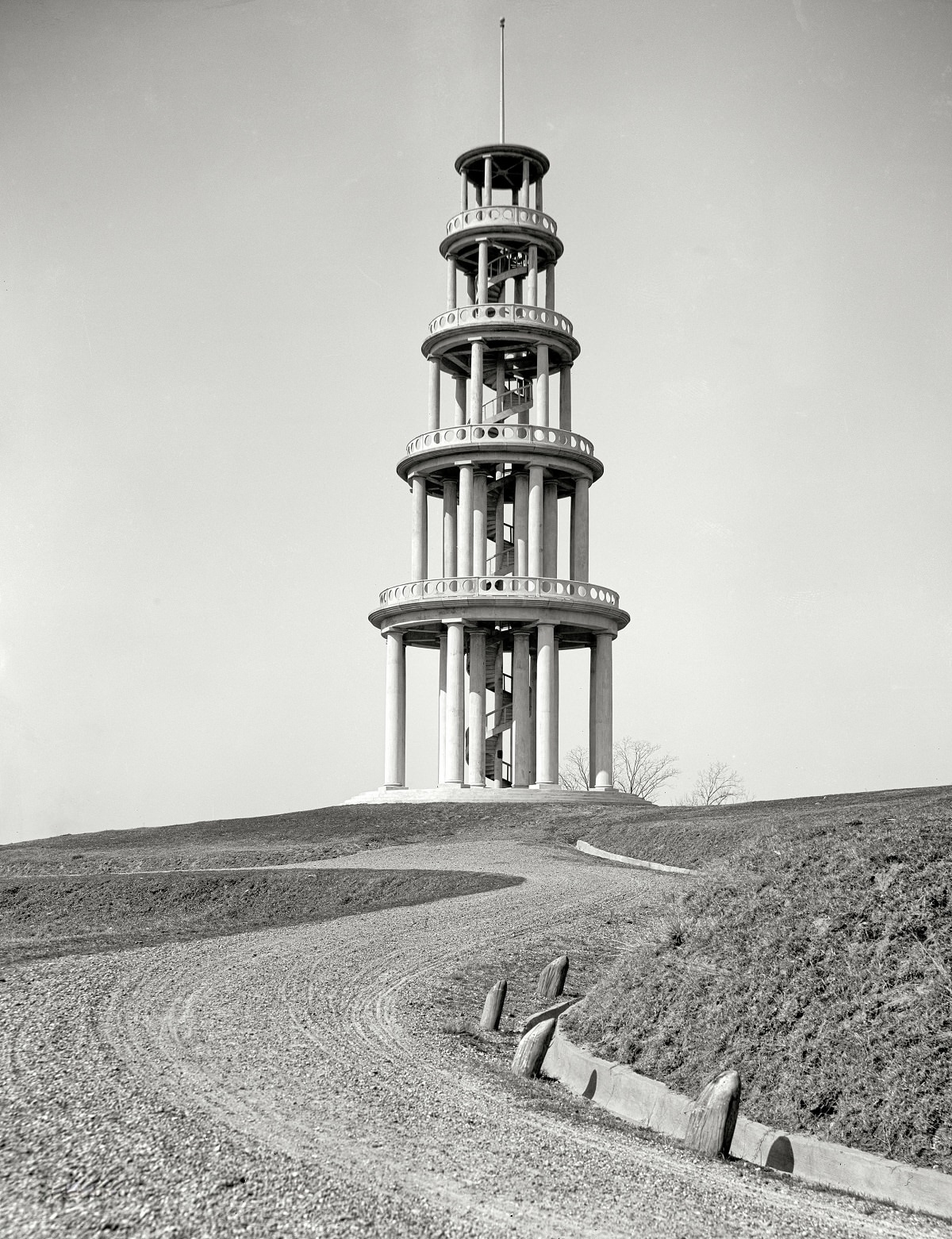
It was demolished in the 1960s.
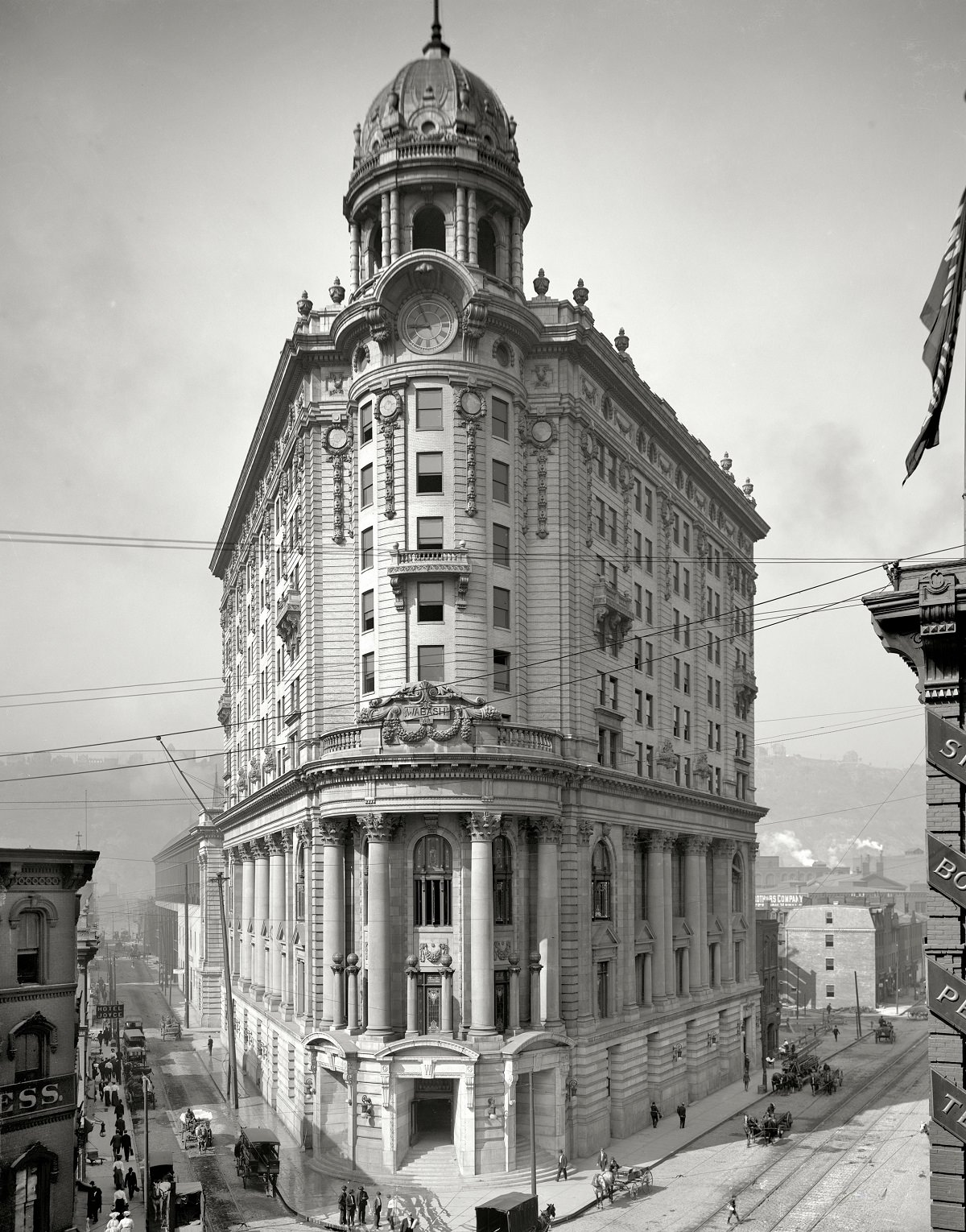
It was demolished in 1954.
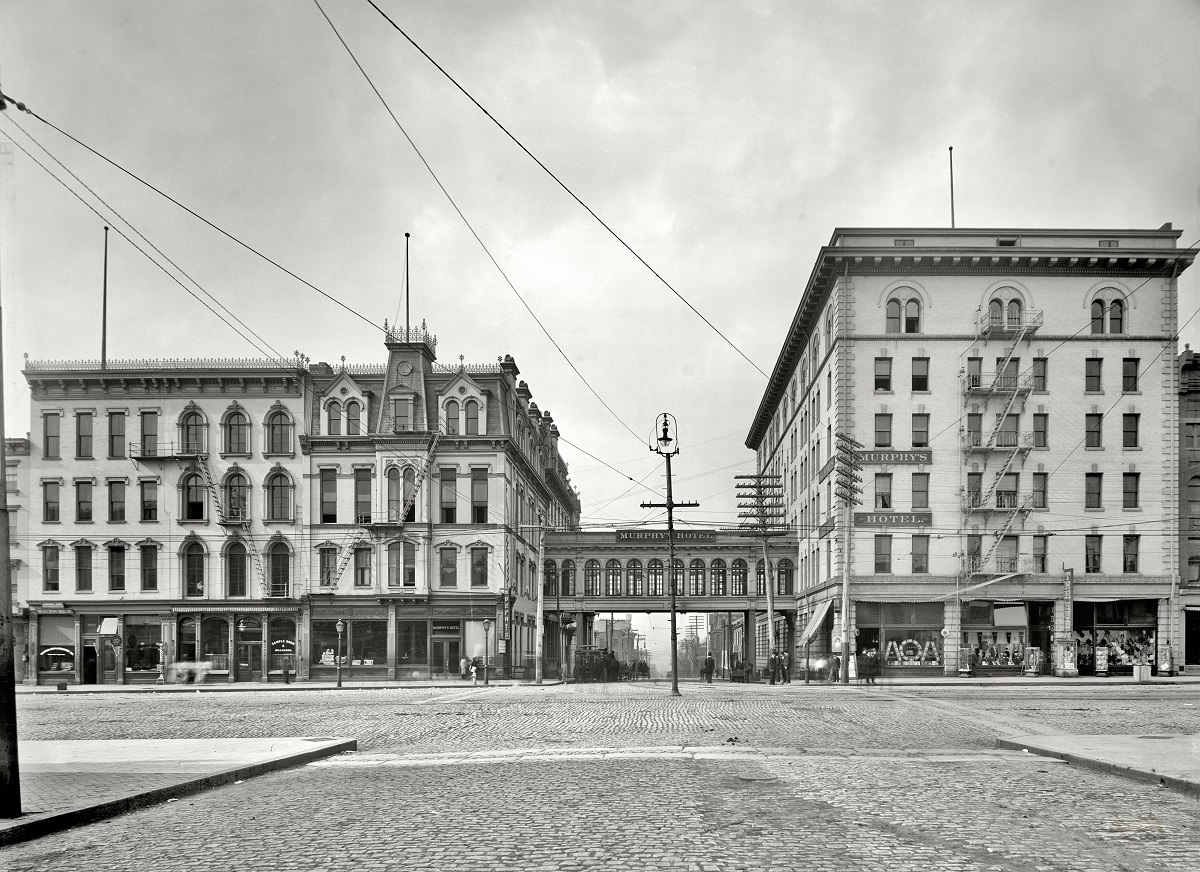
It was demolished in 2007.
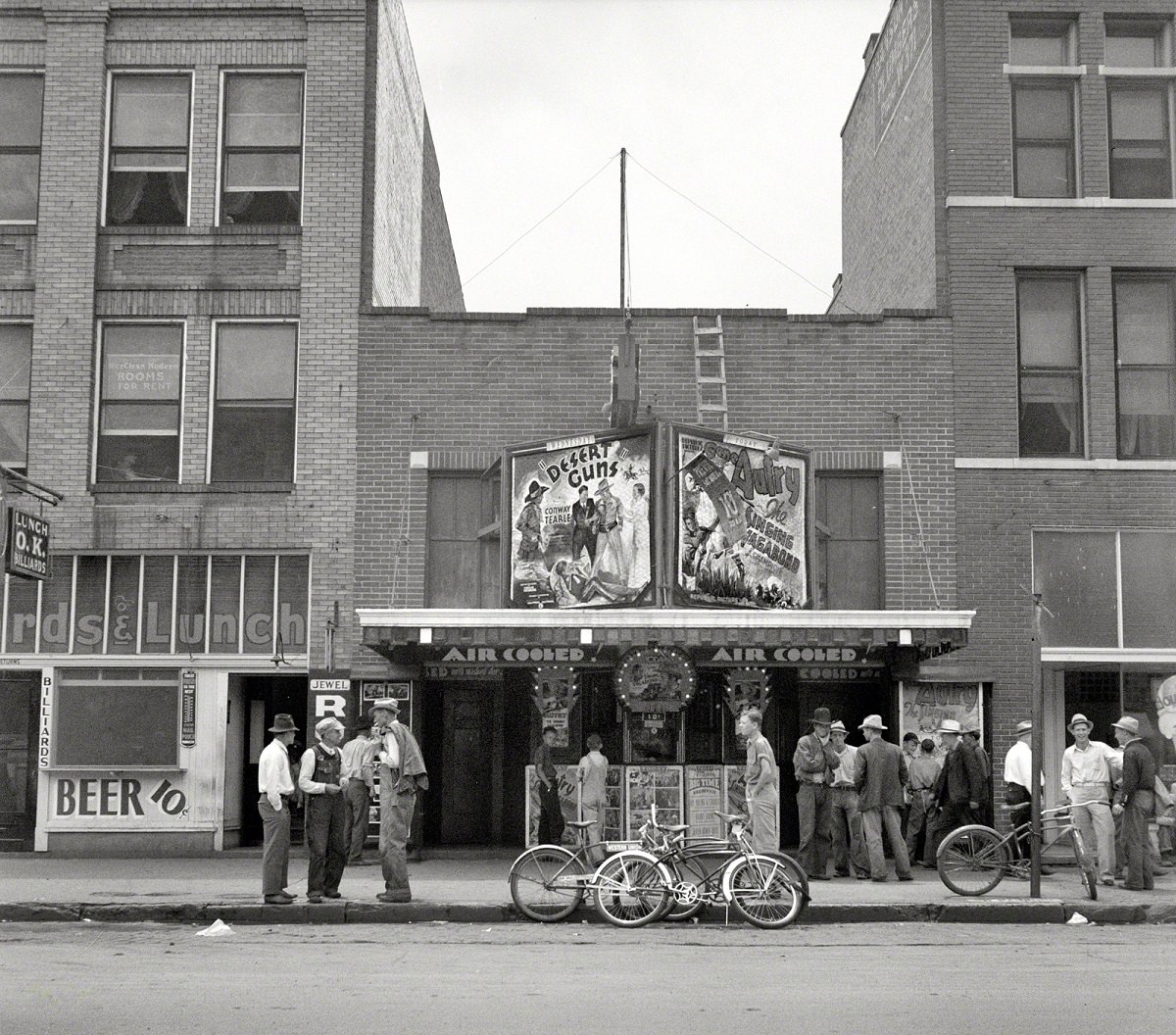
It was demolished in the late 1950s.
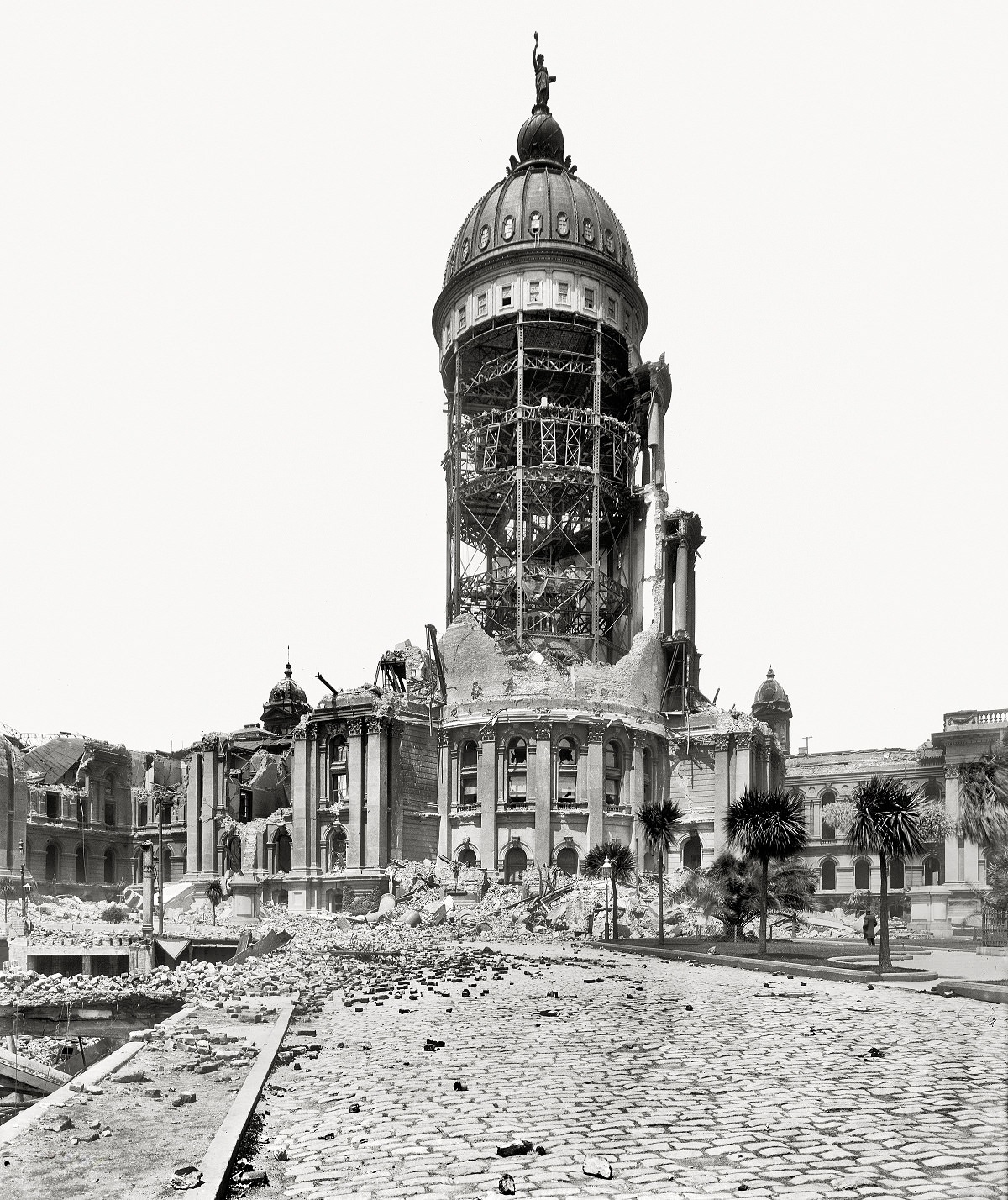
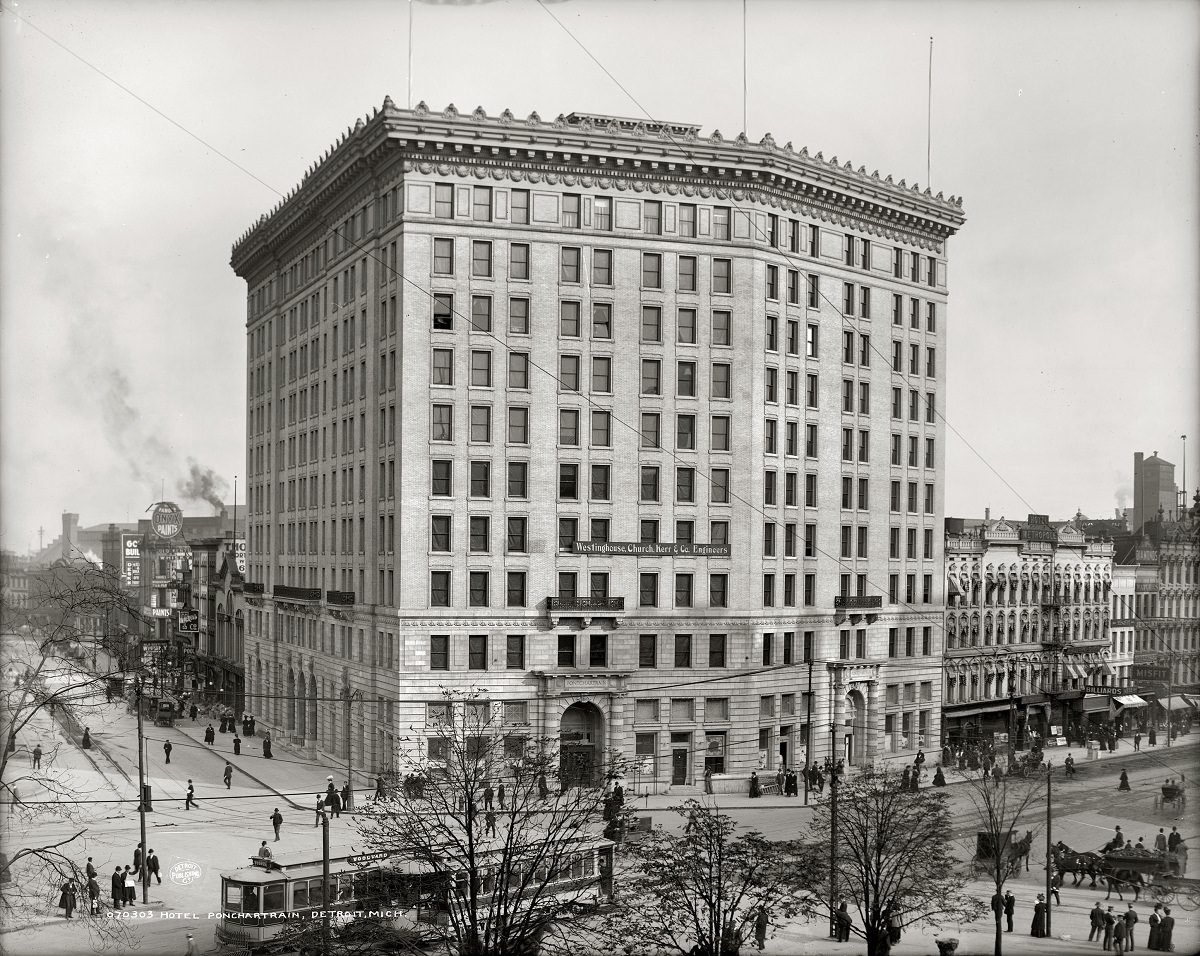
It was demolished in 1920 to make way for the National Bank Building at 660 Woodward Ave.
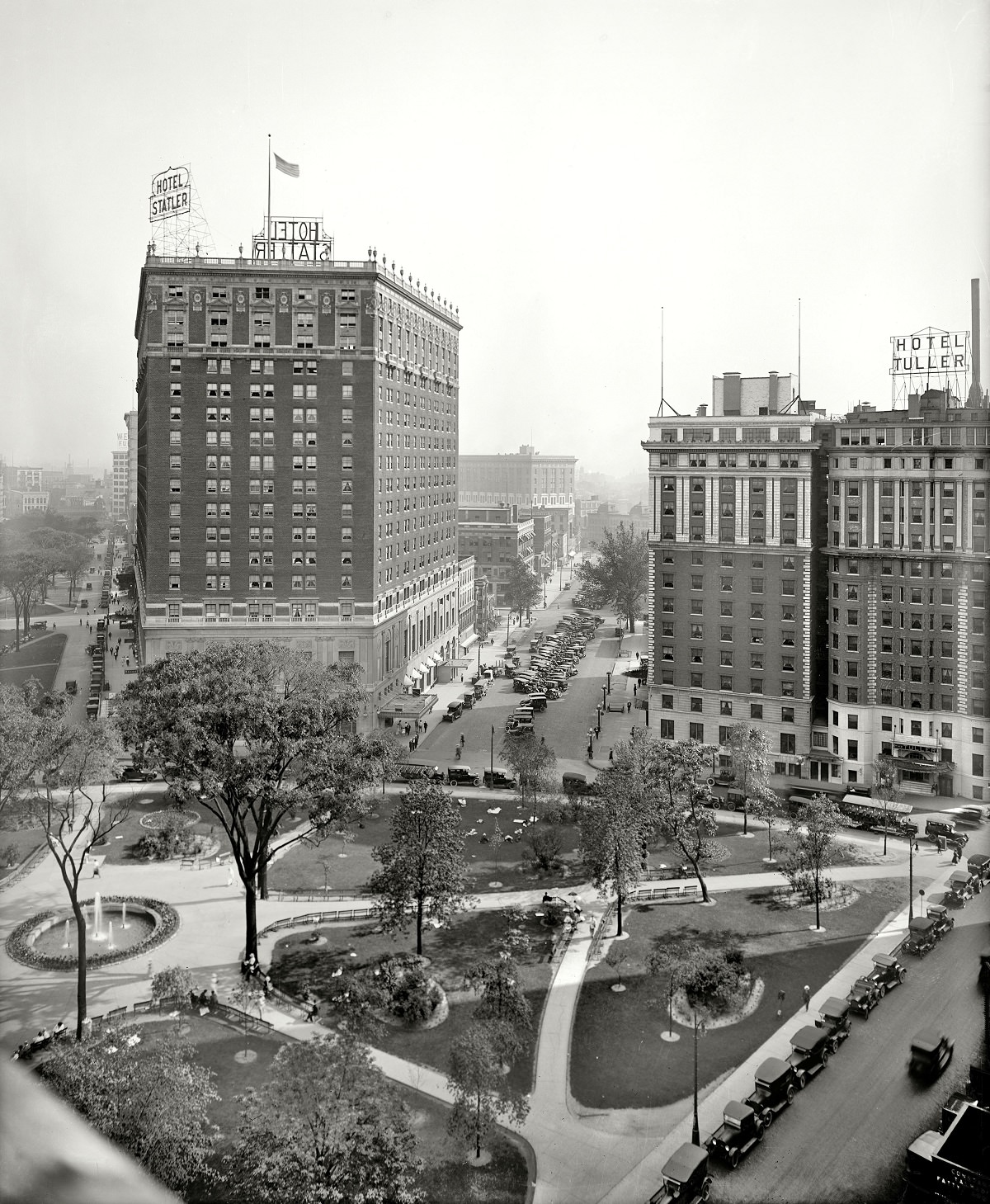
The Tuller was demolished in 1992, and the Statler went down in 2005.
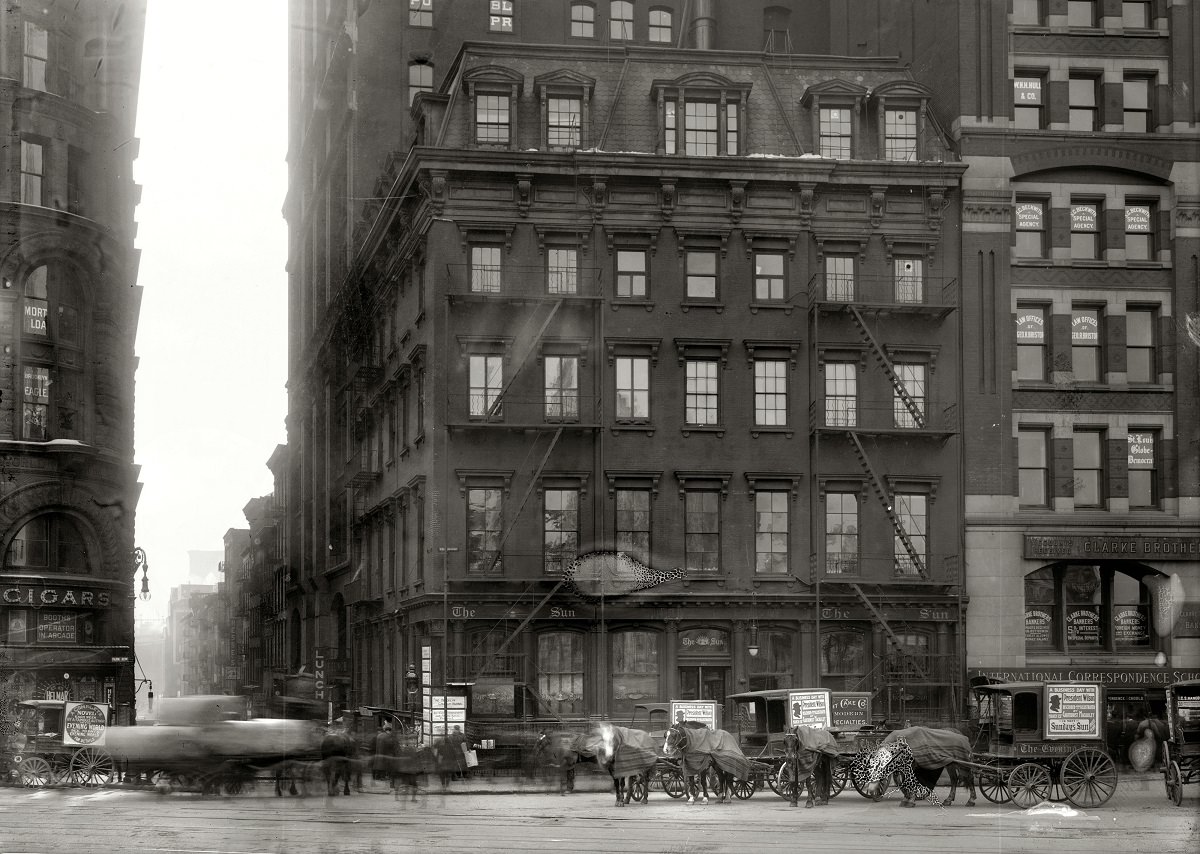
It was demolished in the 1960s.
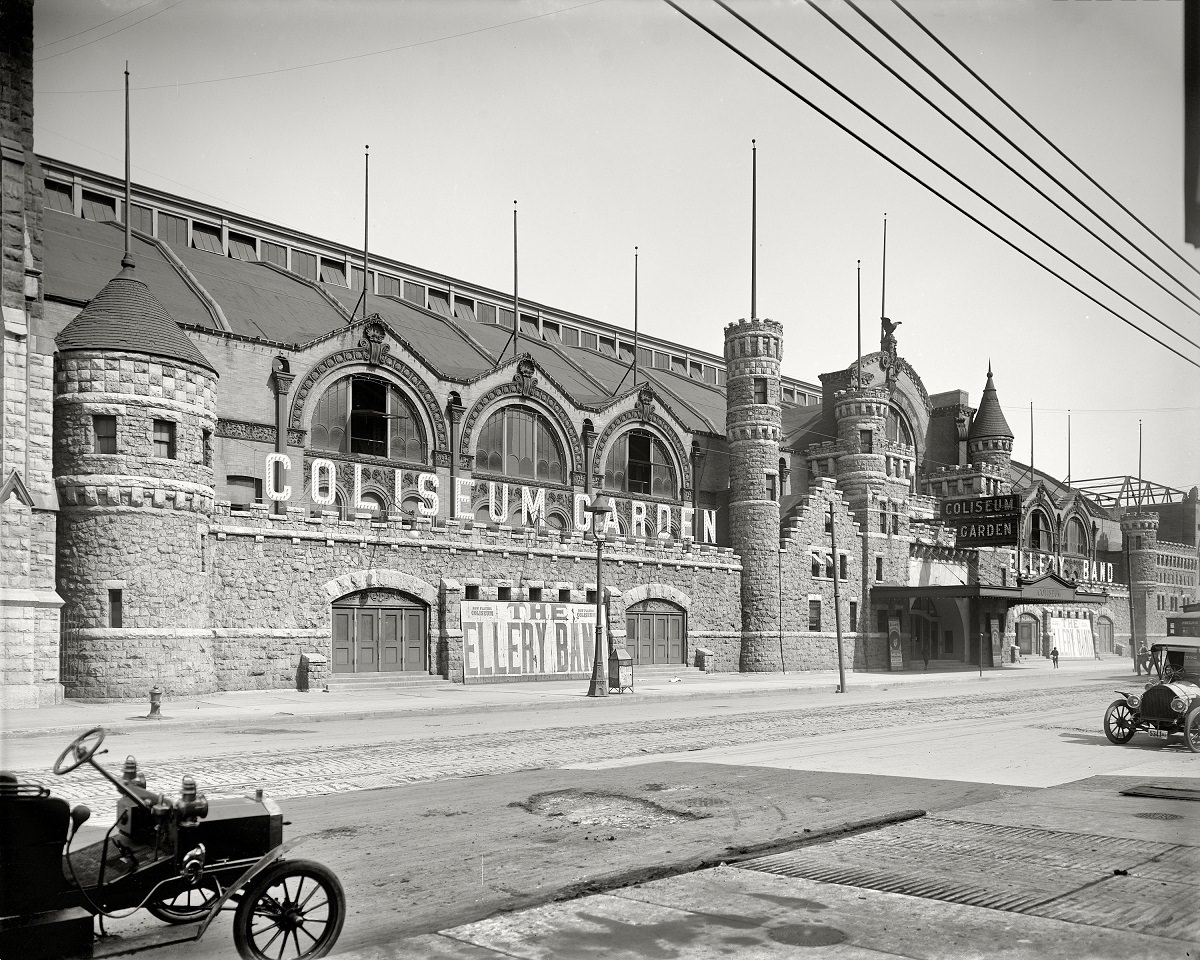
Built in 1899, closed 1971, demolished 1982.
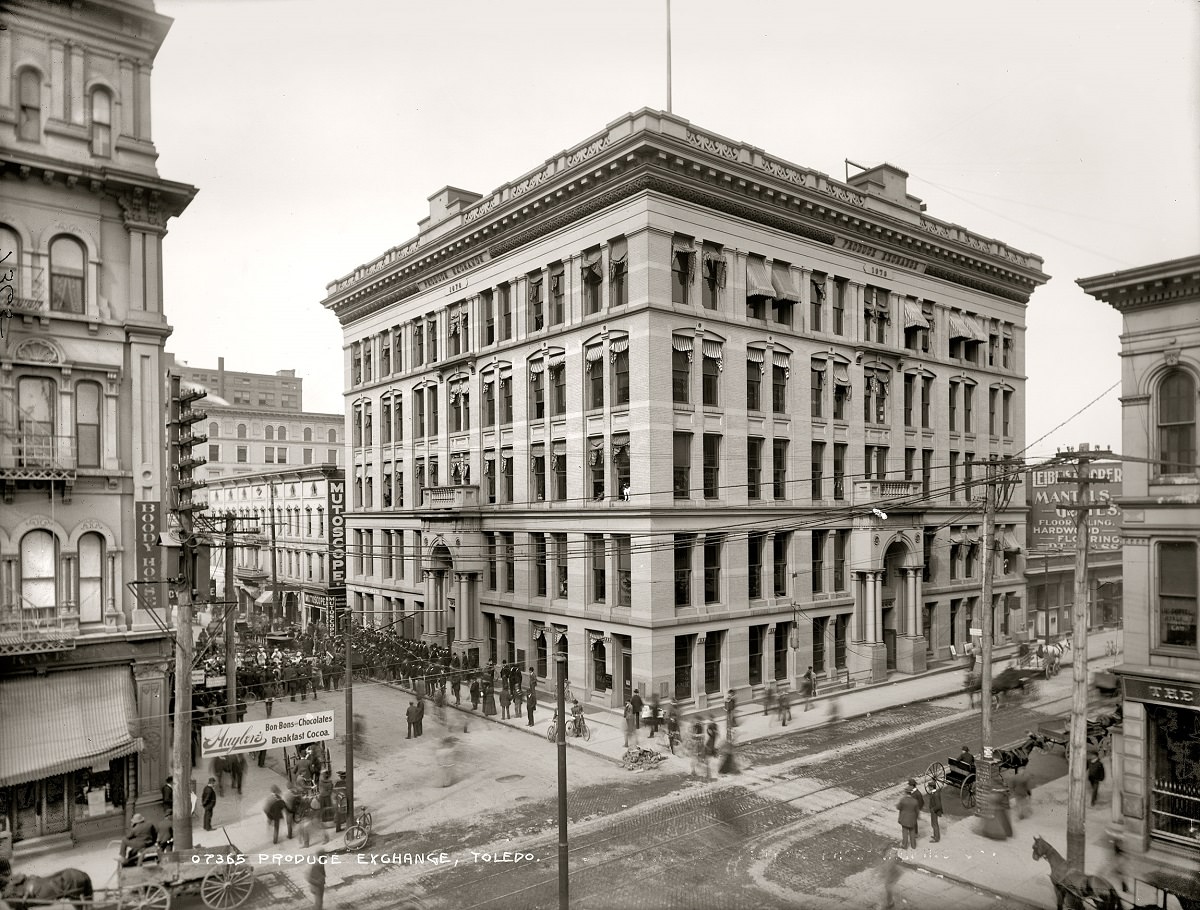
Built in 1878 and demolished in 1984.
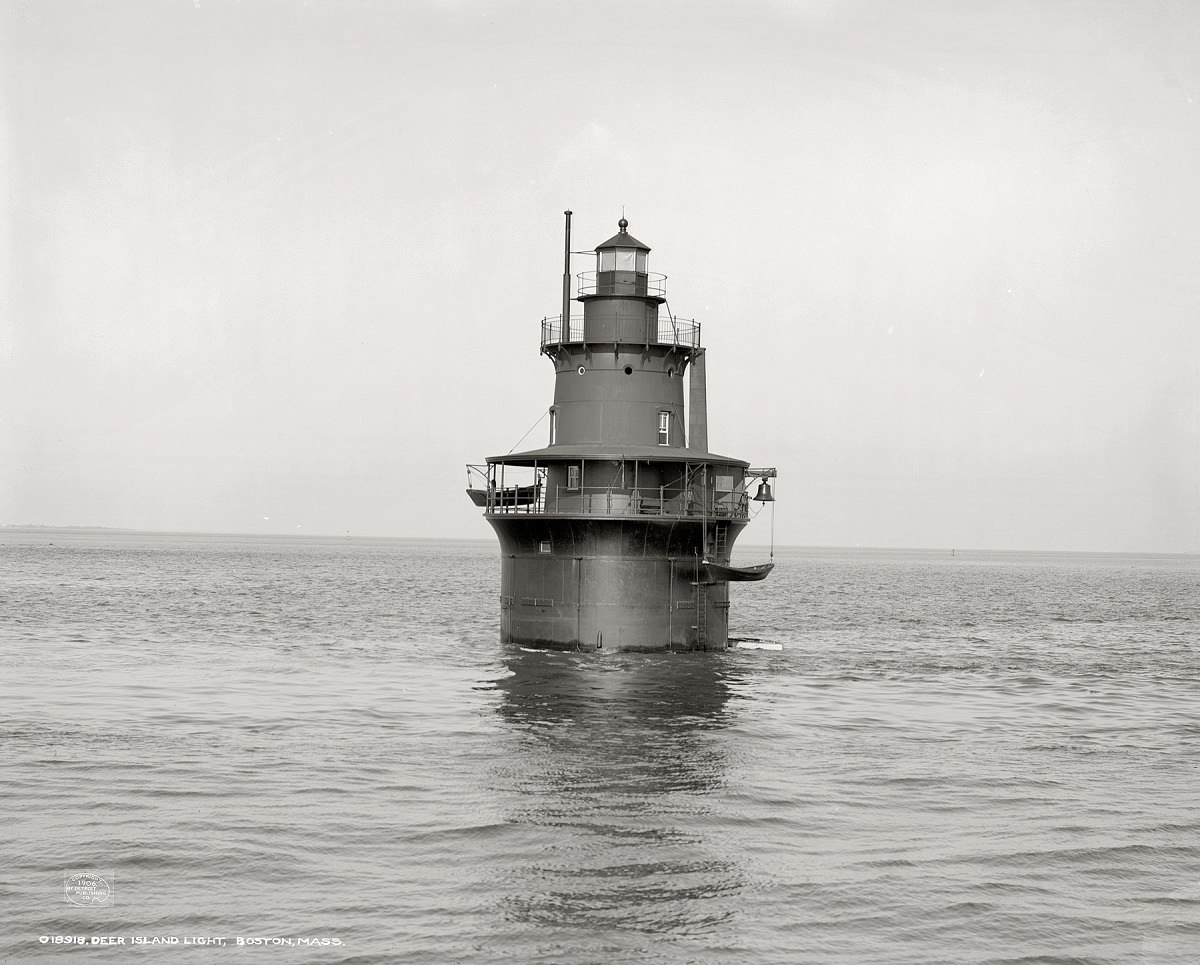
The old lighthouse was demolished in 1982 and replaced with a new one.
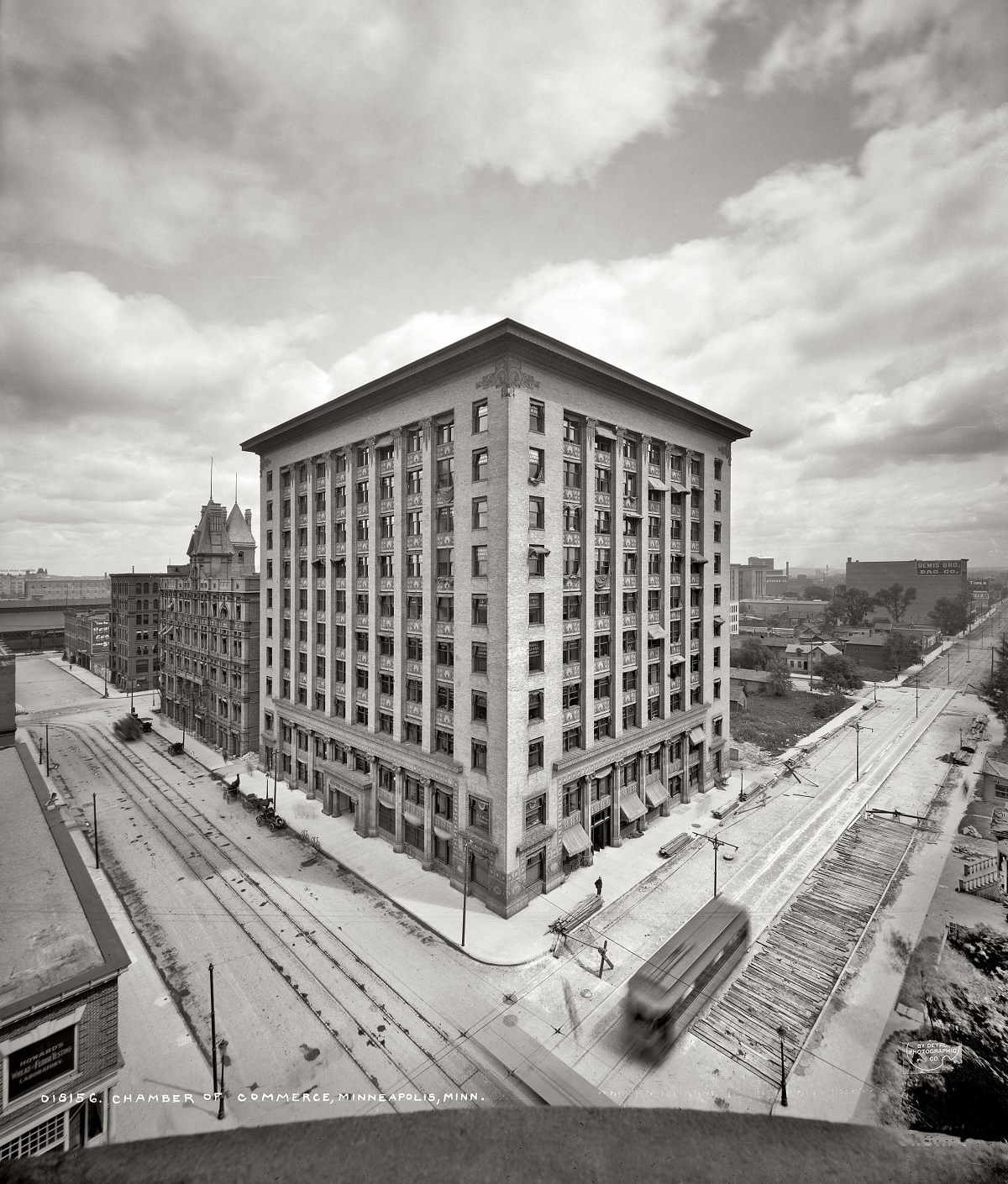
Demolished in the 1920s and replaced with a new building.
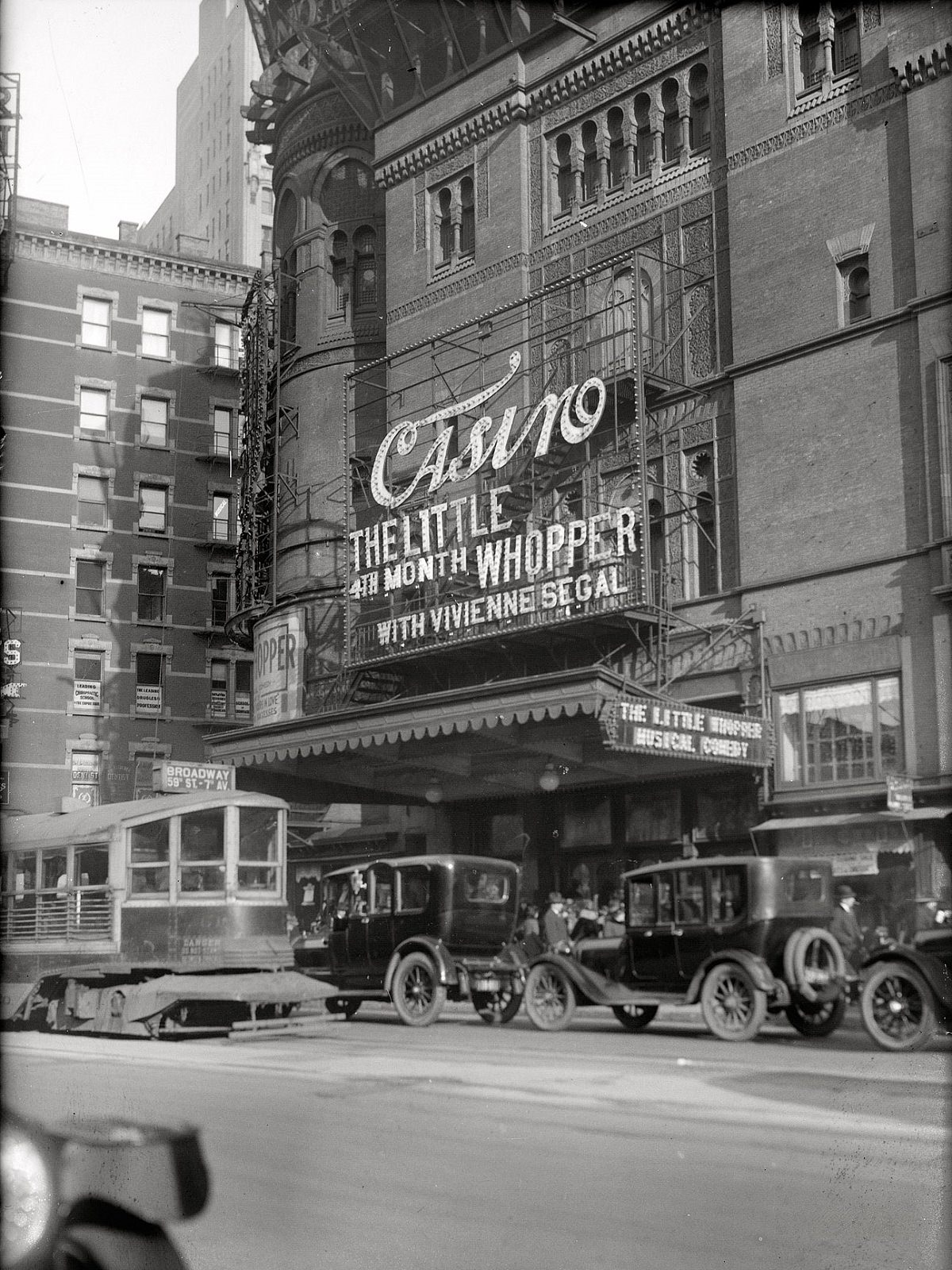
The Casino was demolished in 1930.
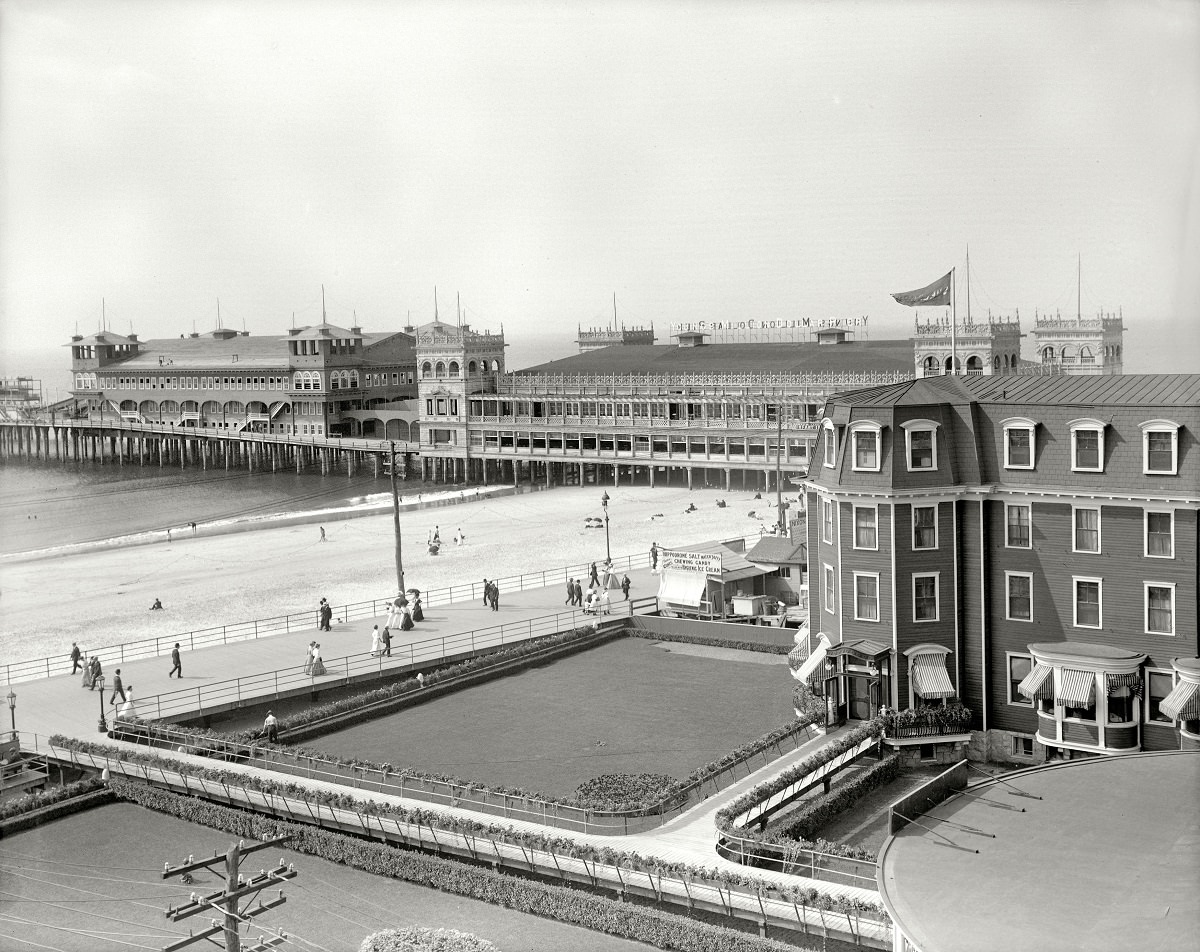
Young’s Million Dollar Pier survived until 1981, when it was demolished and replaced with a concrete pier known as “Ocean One.” In 2002 it became “The Pier Shops At Caesars” but is currently in foreclosure.
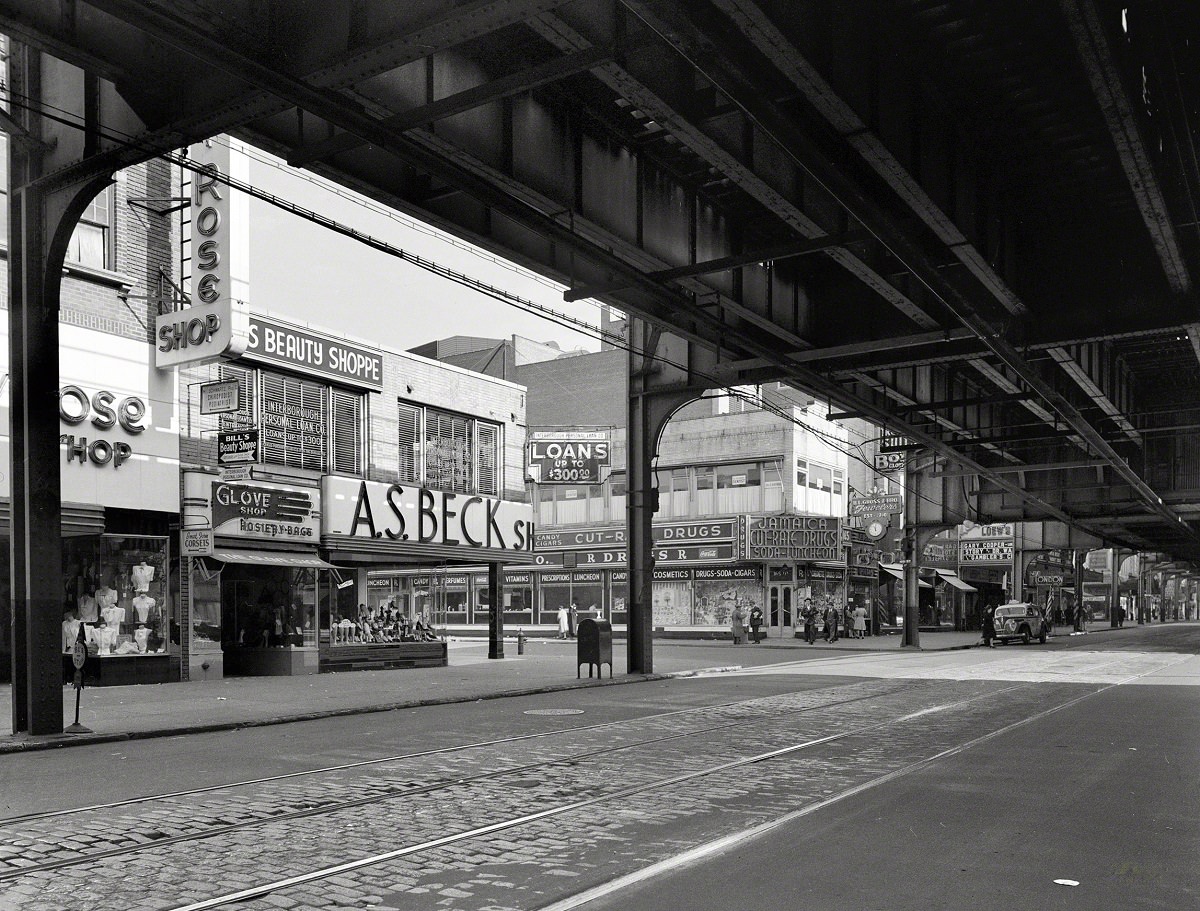
It was demolished in 1977 and replaced with entirely new structures.
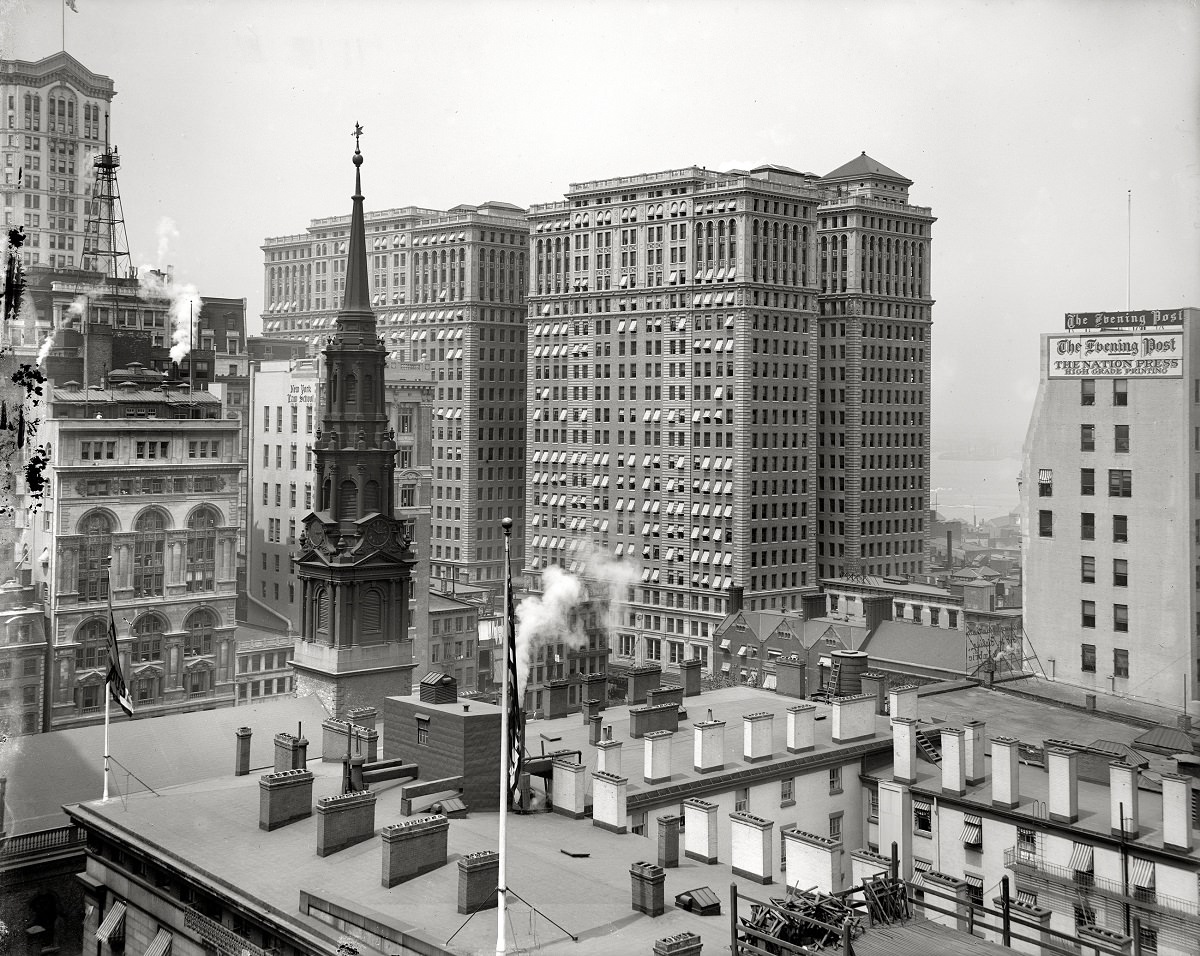
It was demolished in 1972.
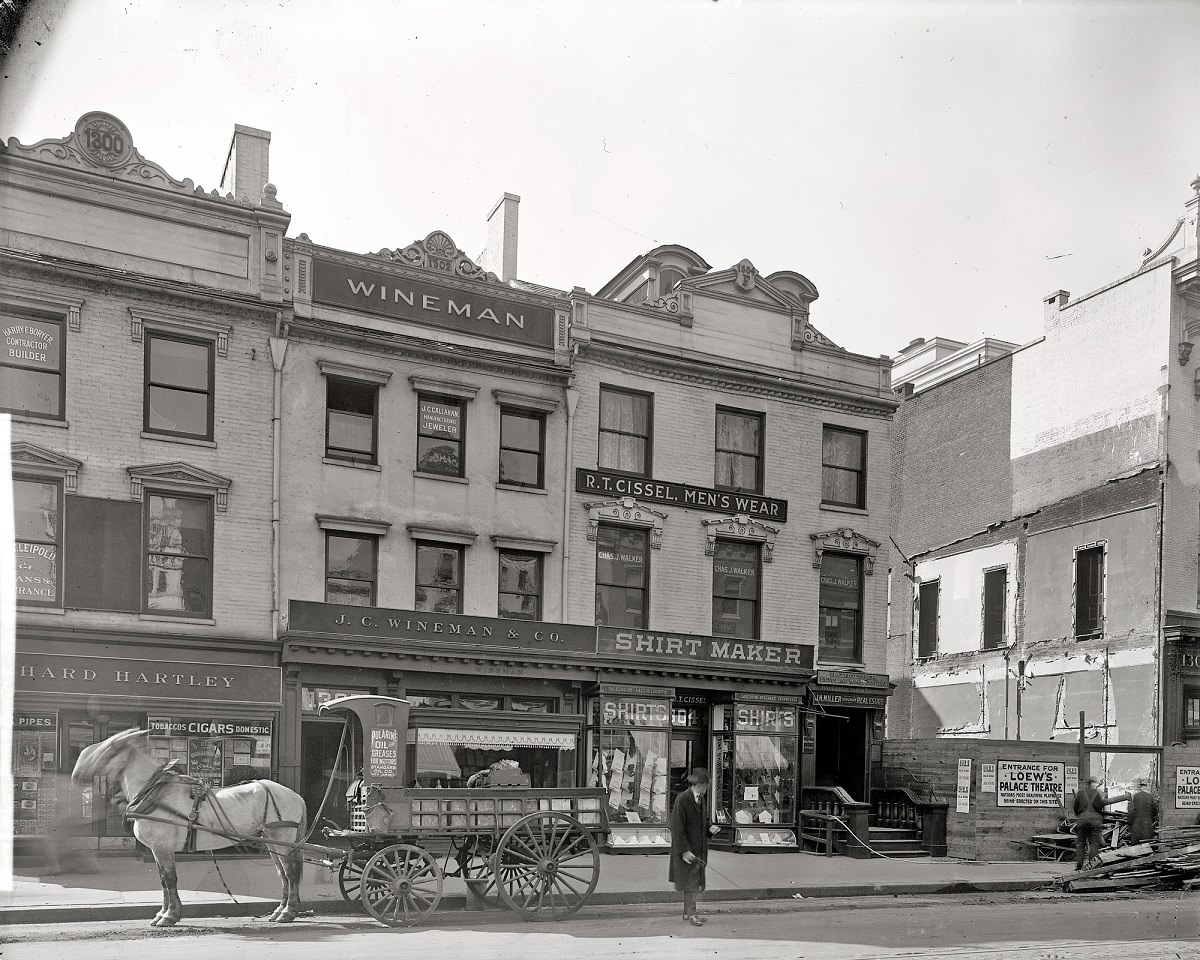
It closed in 1978 and was demolished a year later.
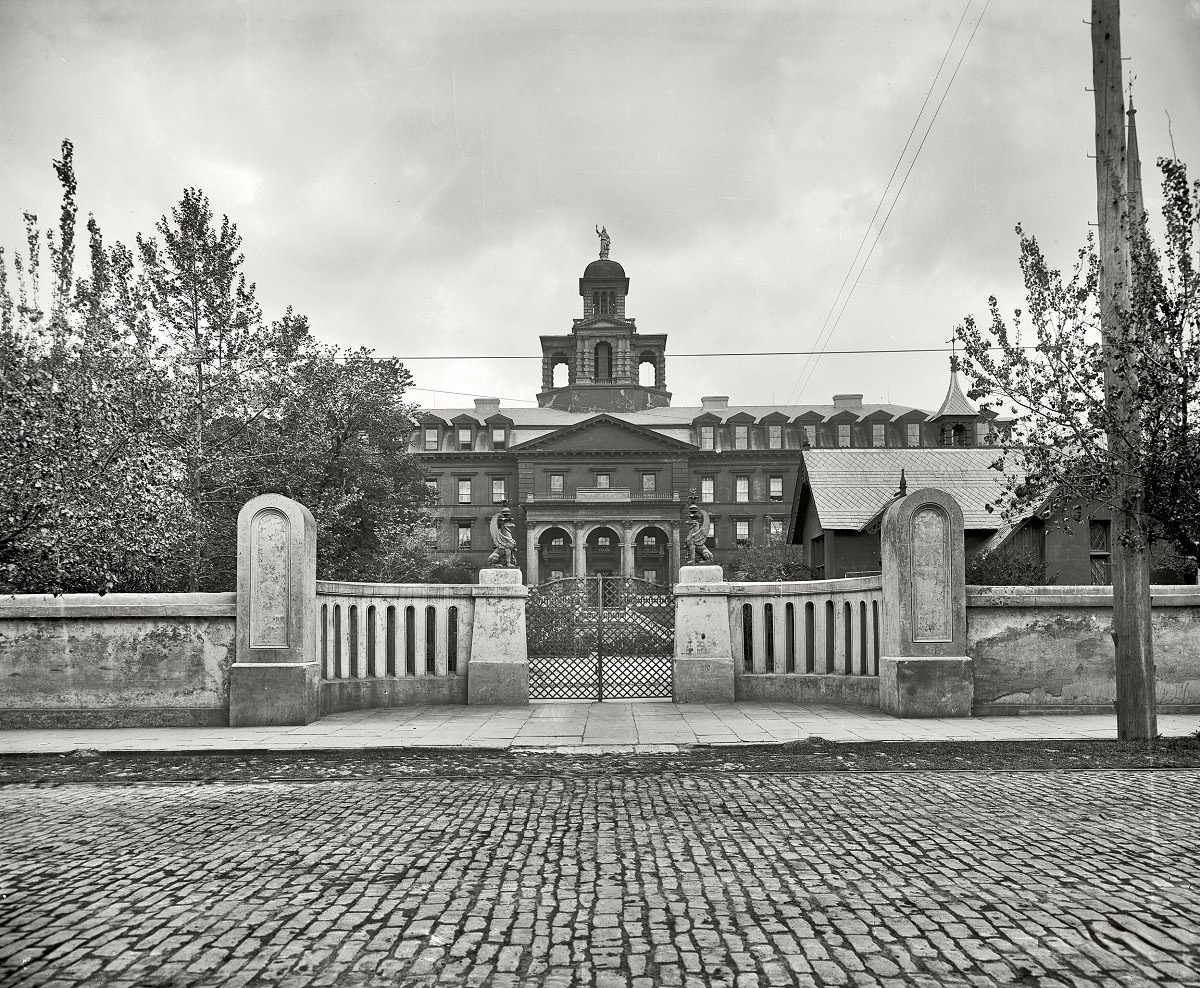
In 1951, the Orphan House property on the corner of Calhoun and St. Philip Streets in downtown Charleston was sold, and the Orphan House itself was demolished.
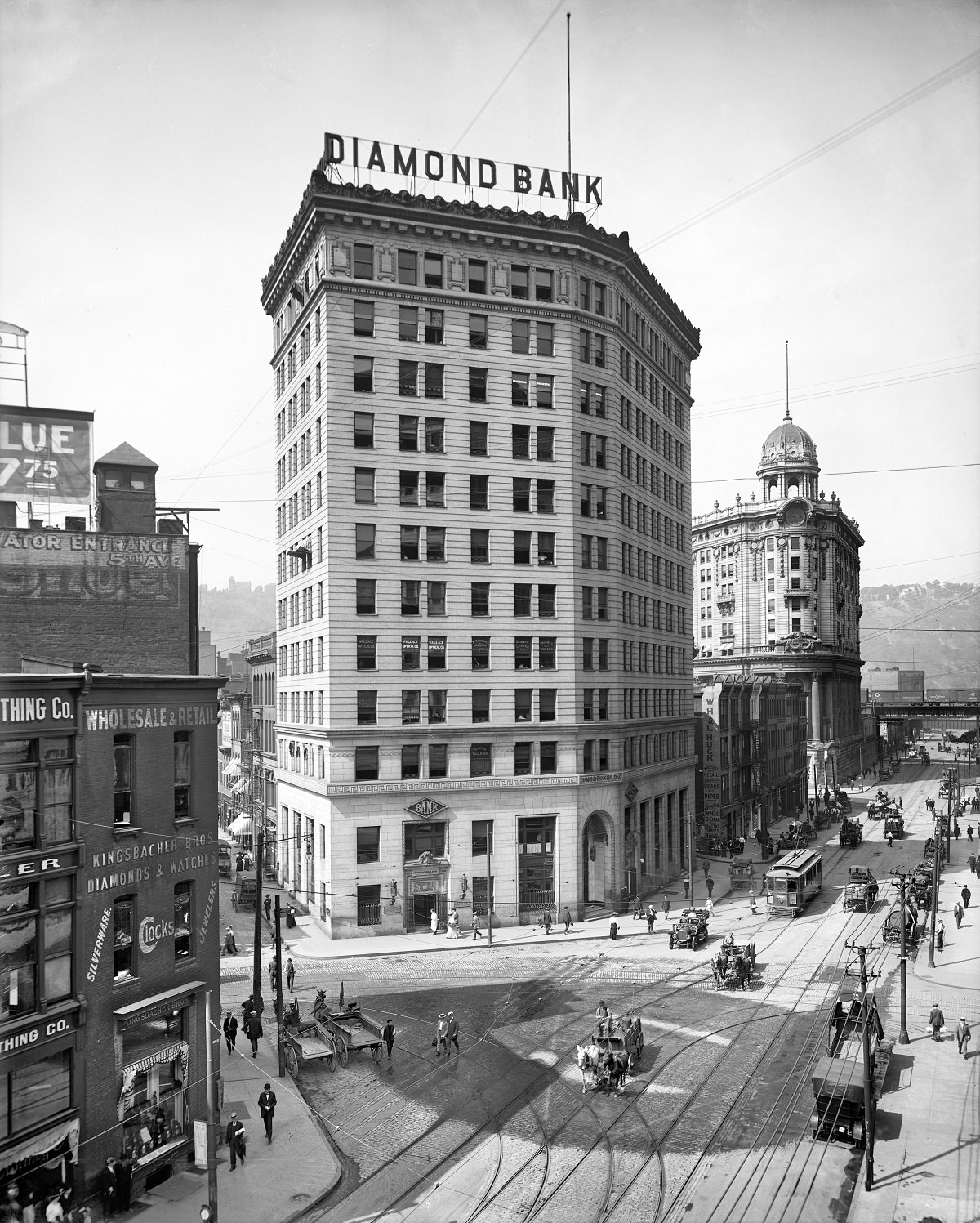
It was demolished in the 1950s.
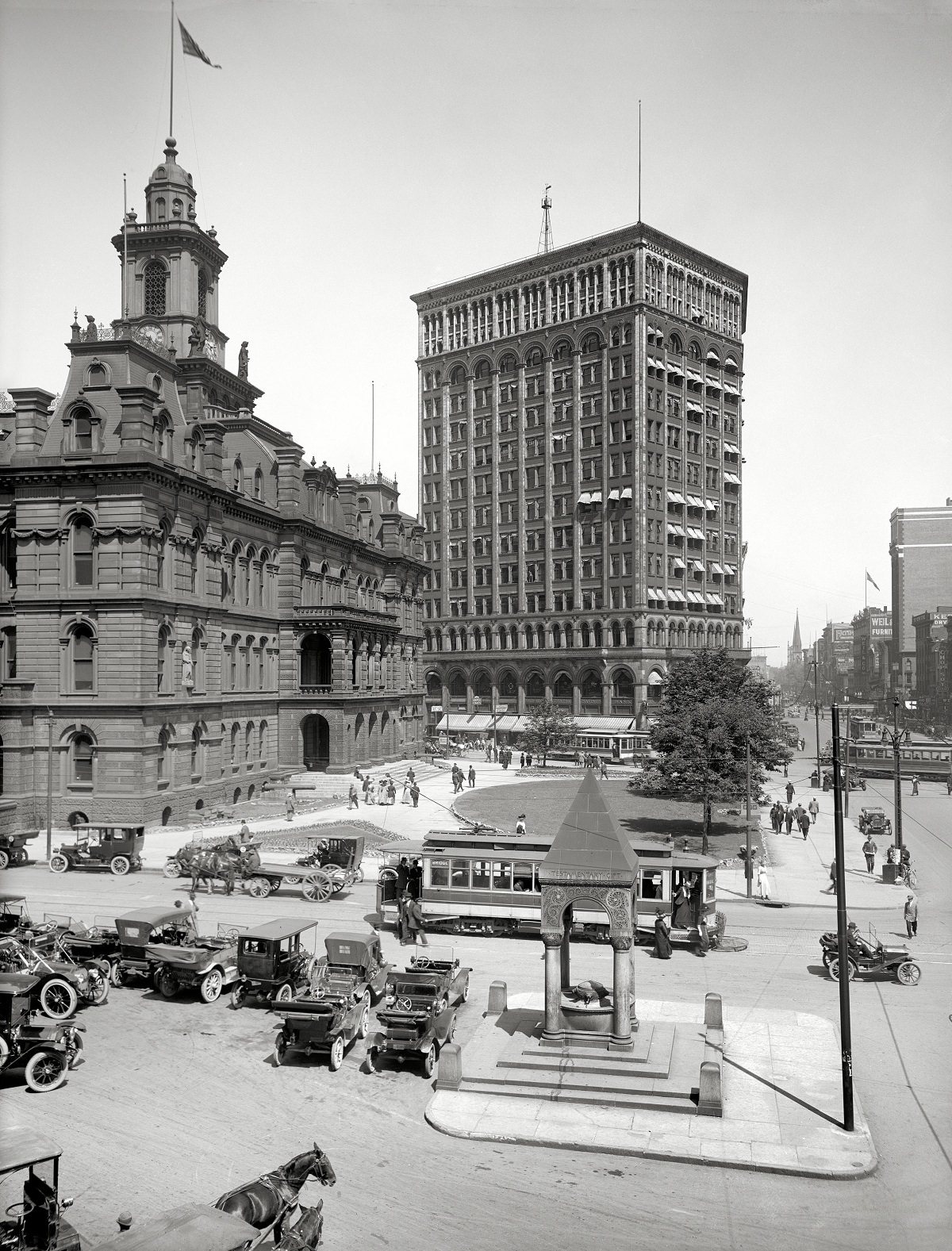
Old City Hall was demolished in the 1960s.
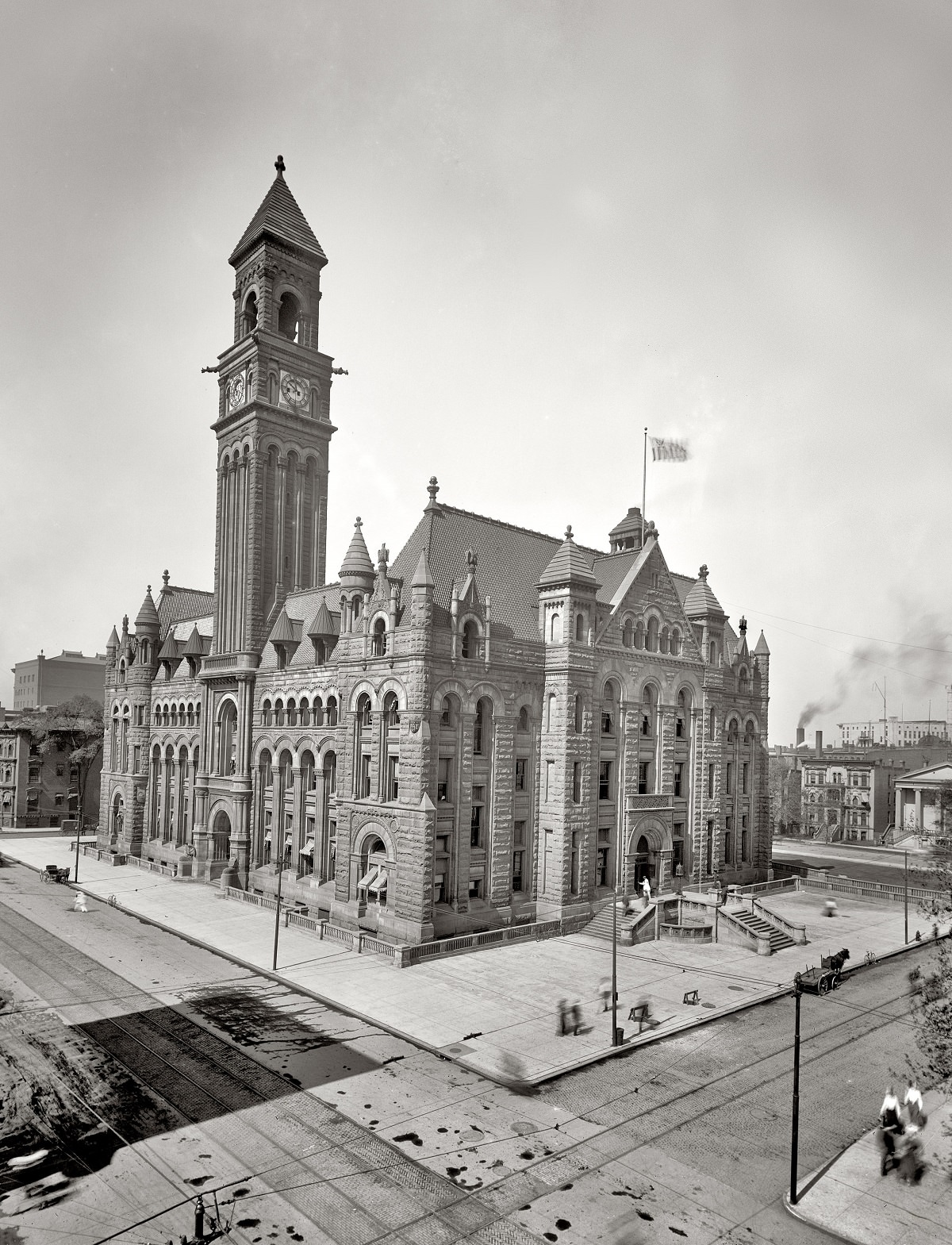
It was demolished in 1931.
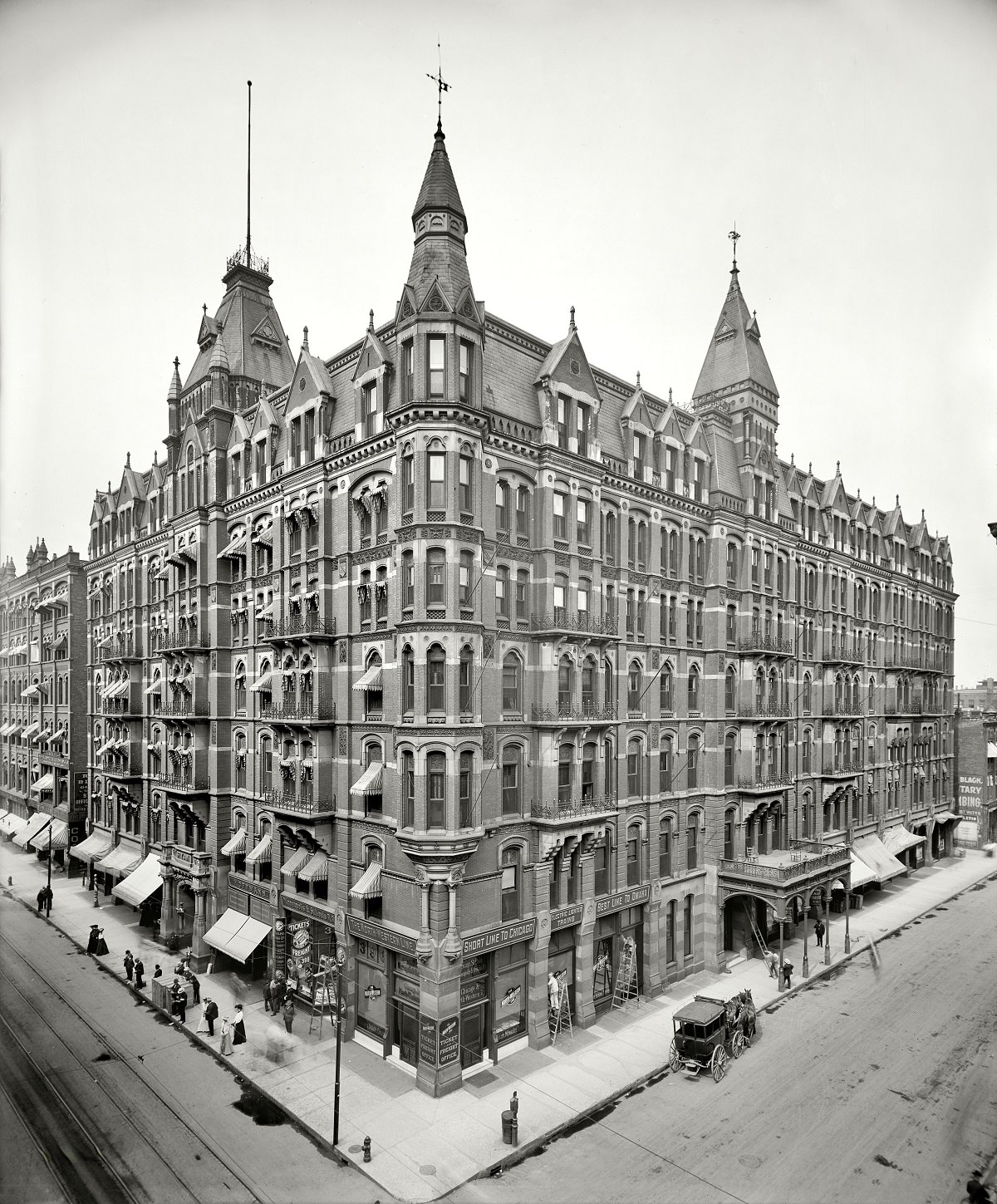
The Hotel Ryan was demolished in 1962.
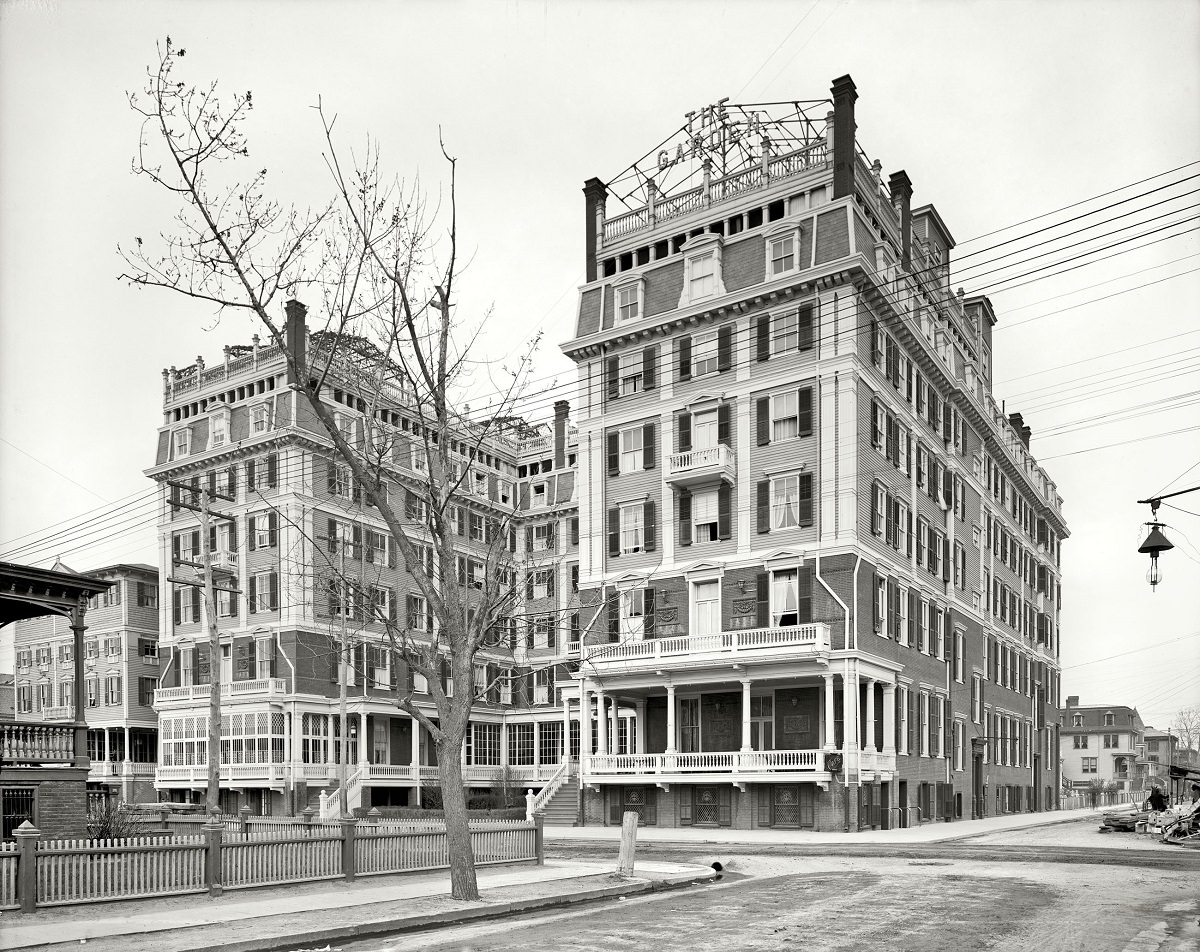
The hotel was demolished in 1933.
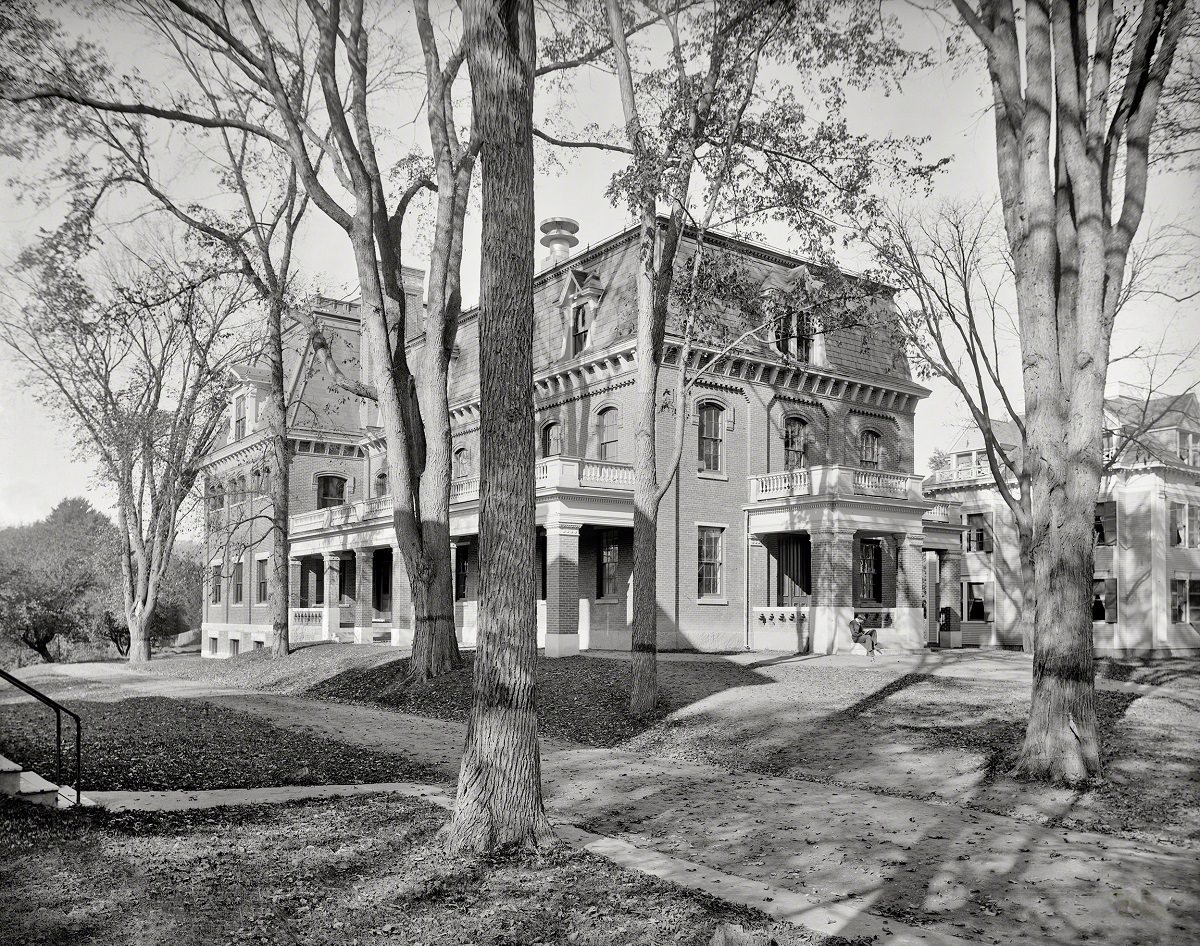
It was demolished in 1937.
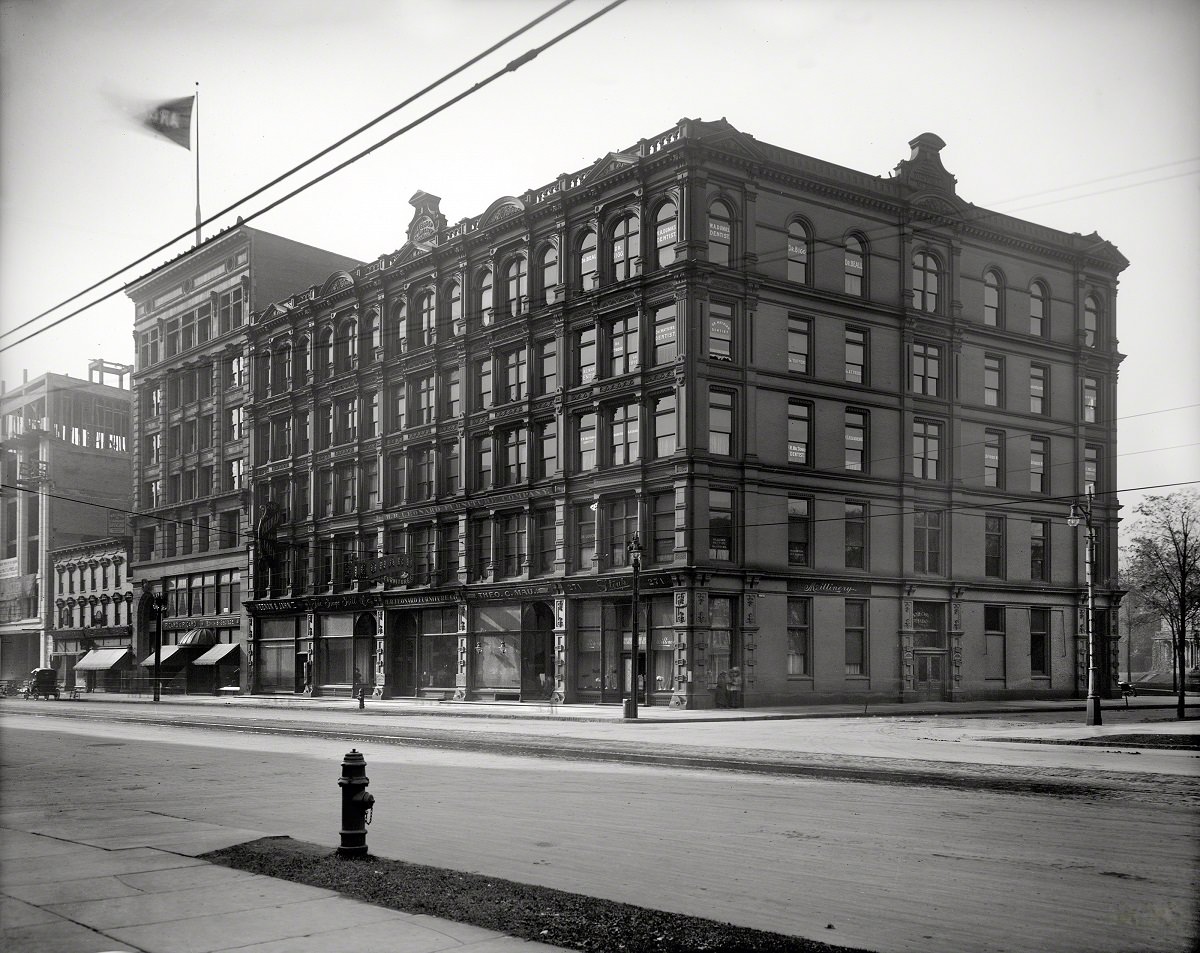
The Grand Circus building was built in 1887 by David Whitney. It was demolished in 1914.
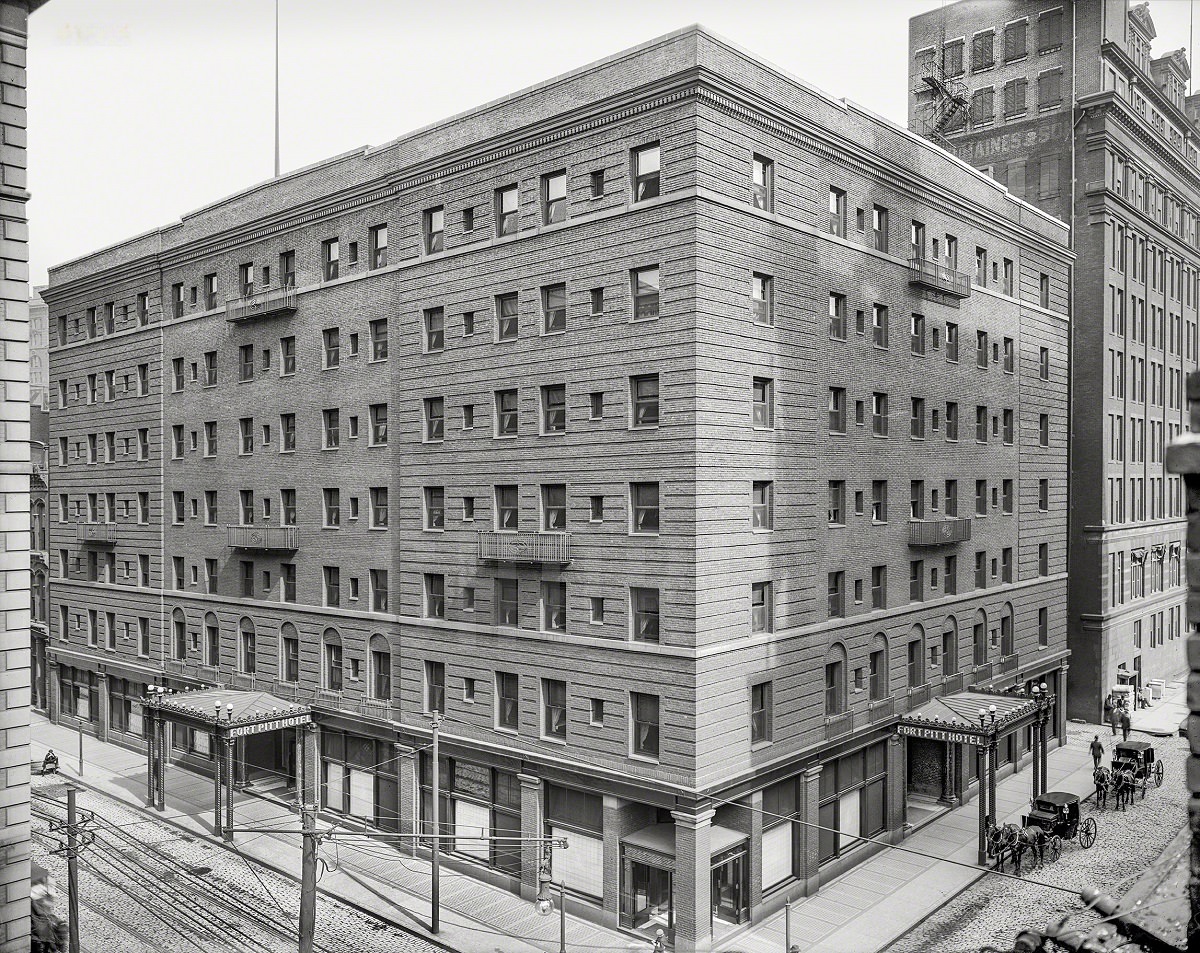
It was demolished in 1967.
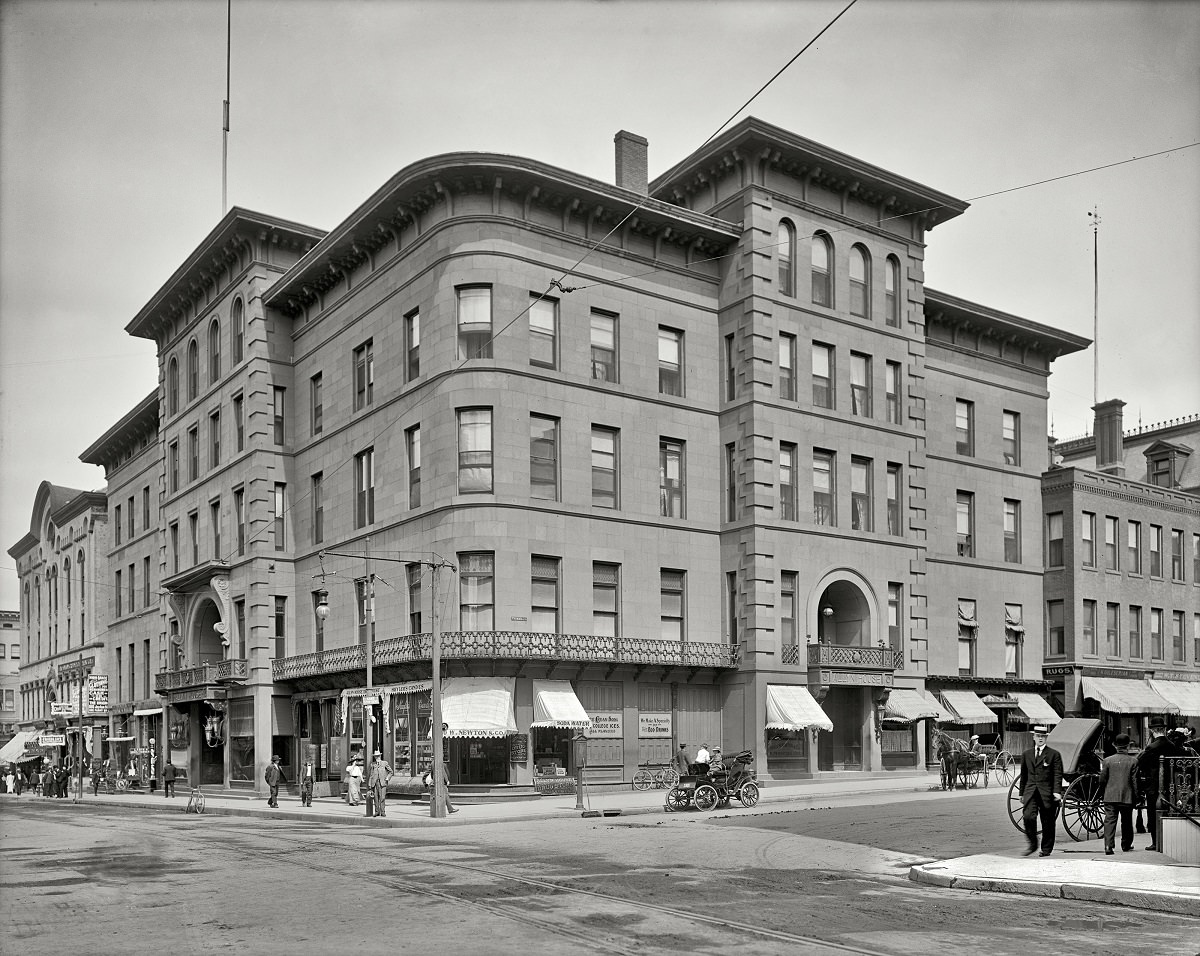
It was demolished in 1960.
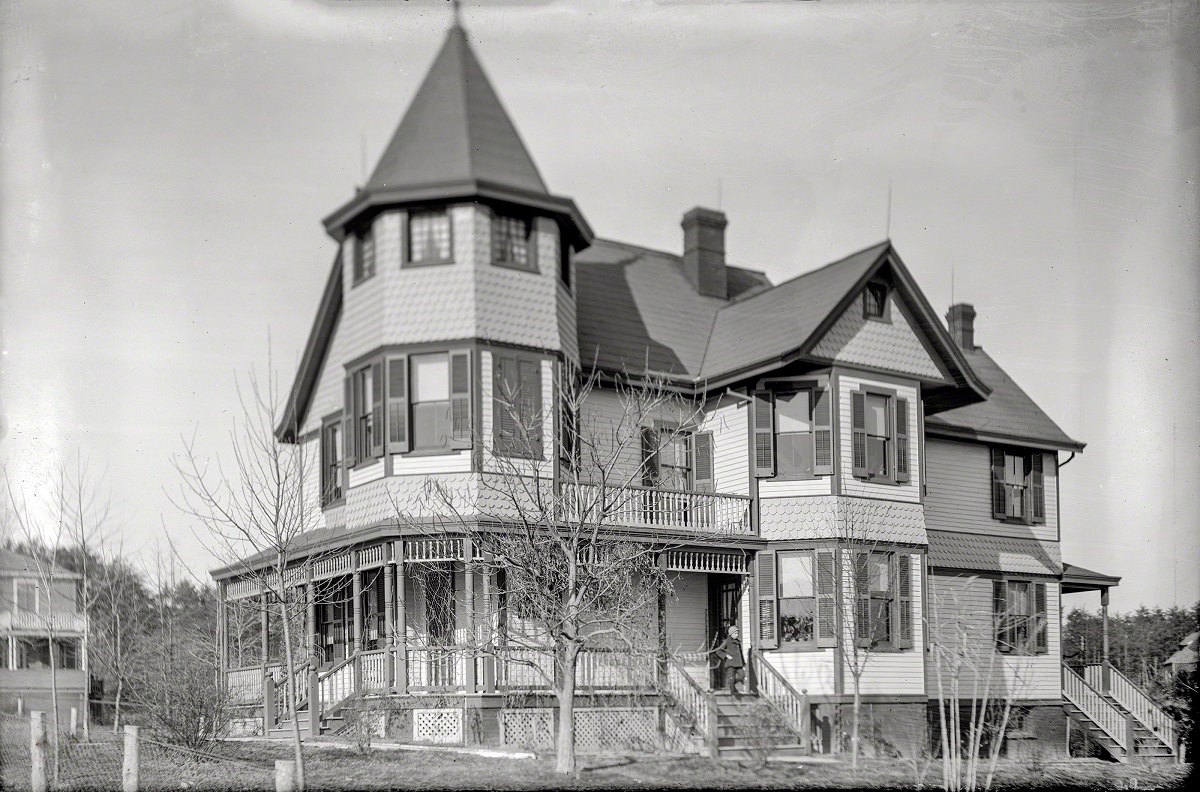
It was demolished in 1960 to make way for a nursing home.
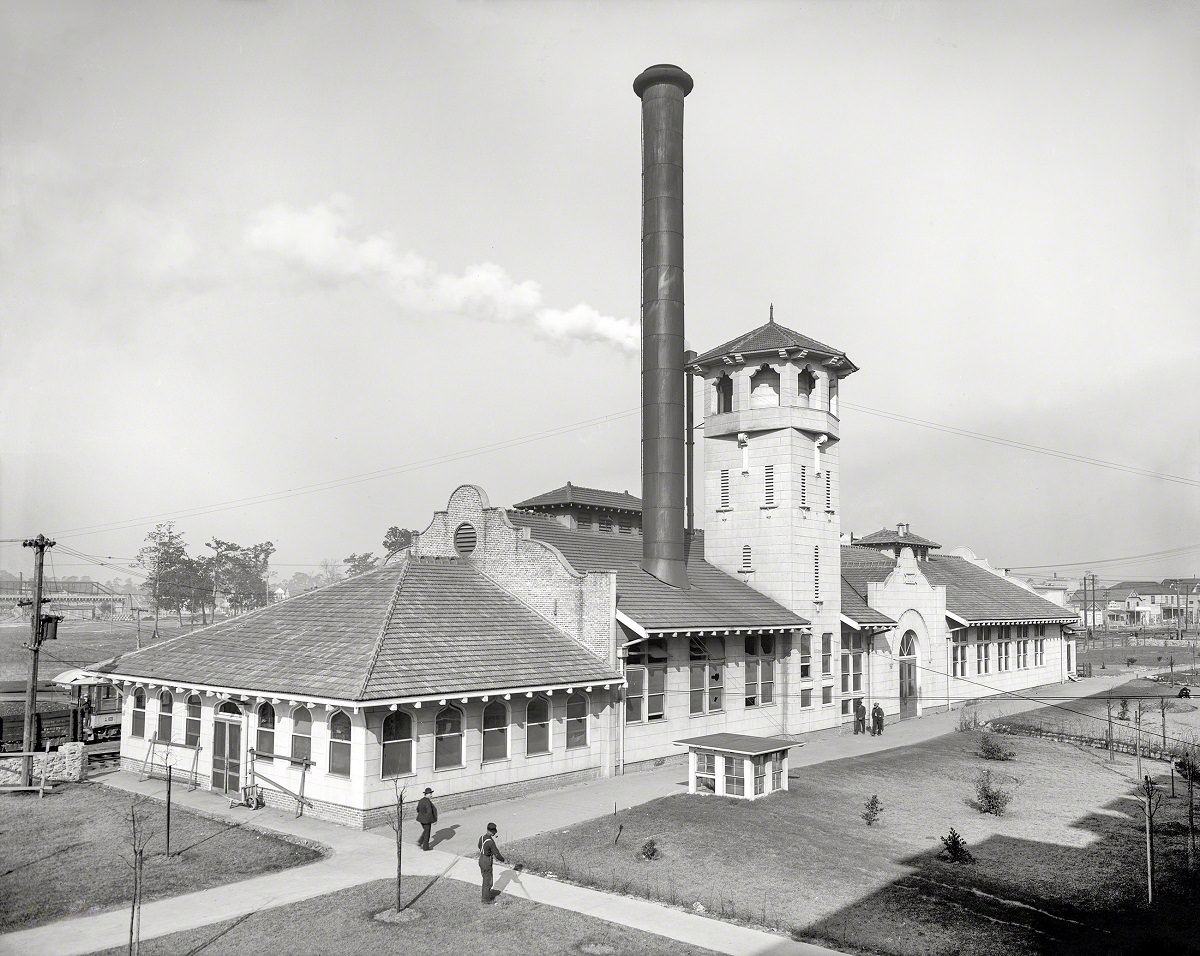
It was demolished in the 1980s.
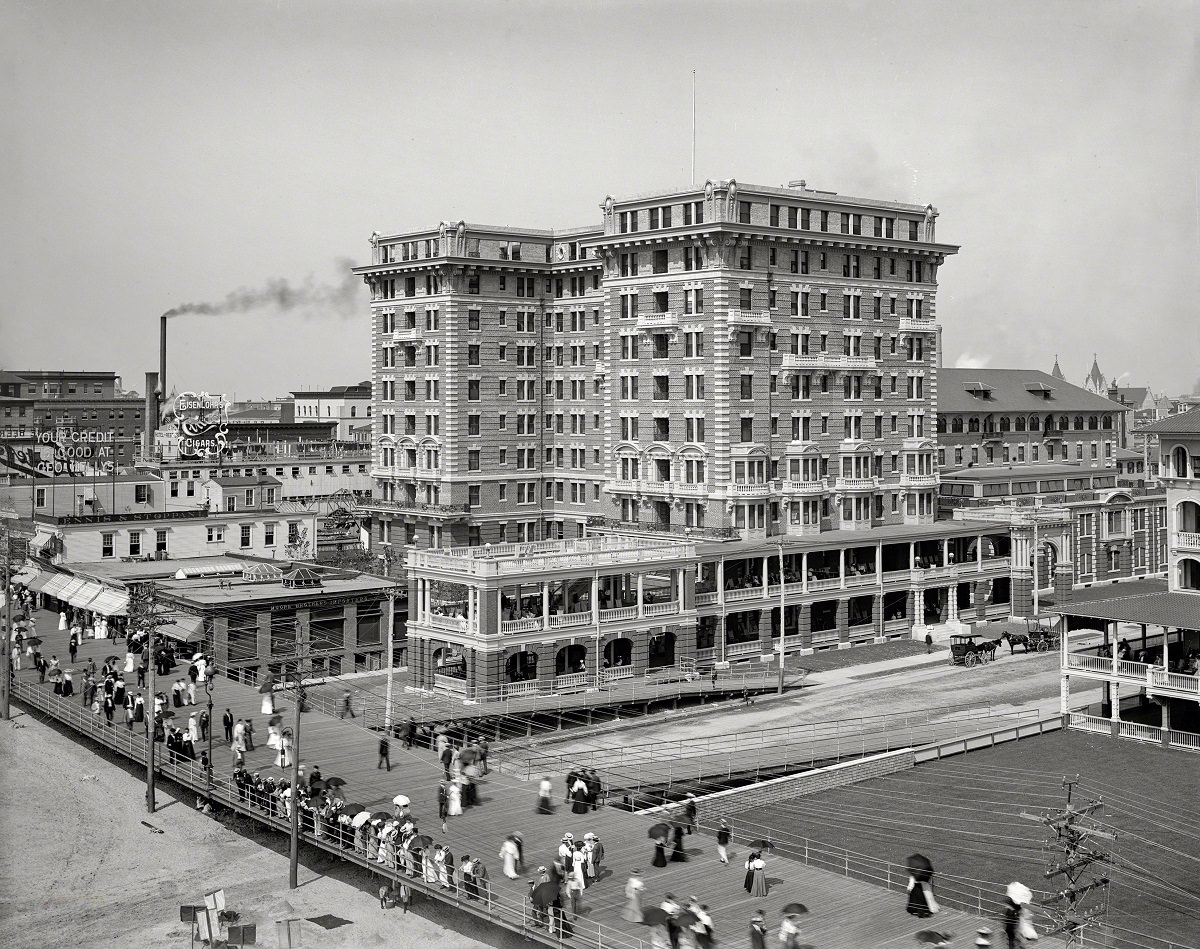
It was demolished in 1980 to make room for a parking lot.
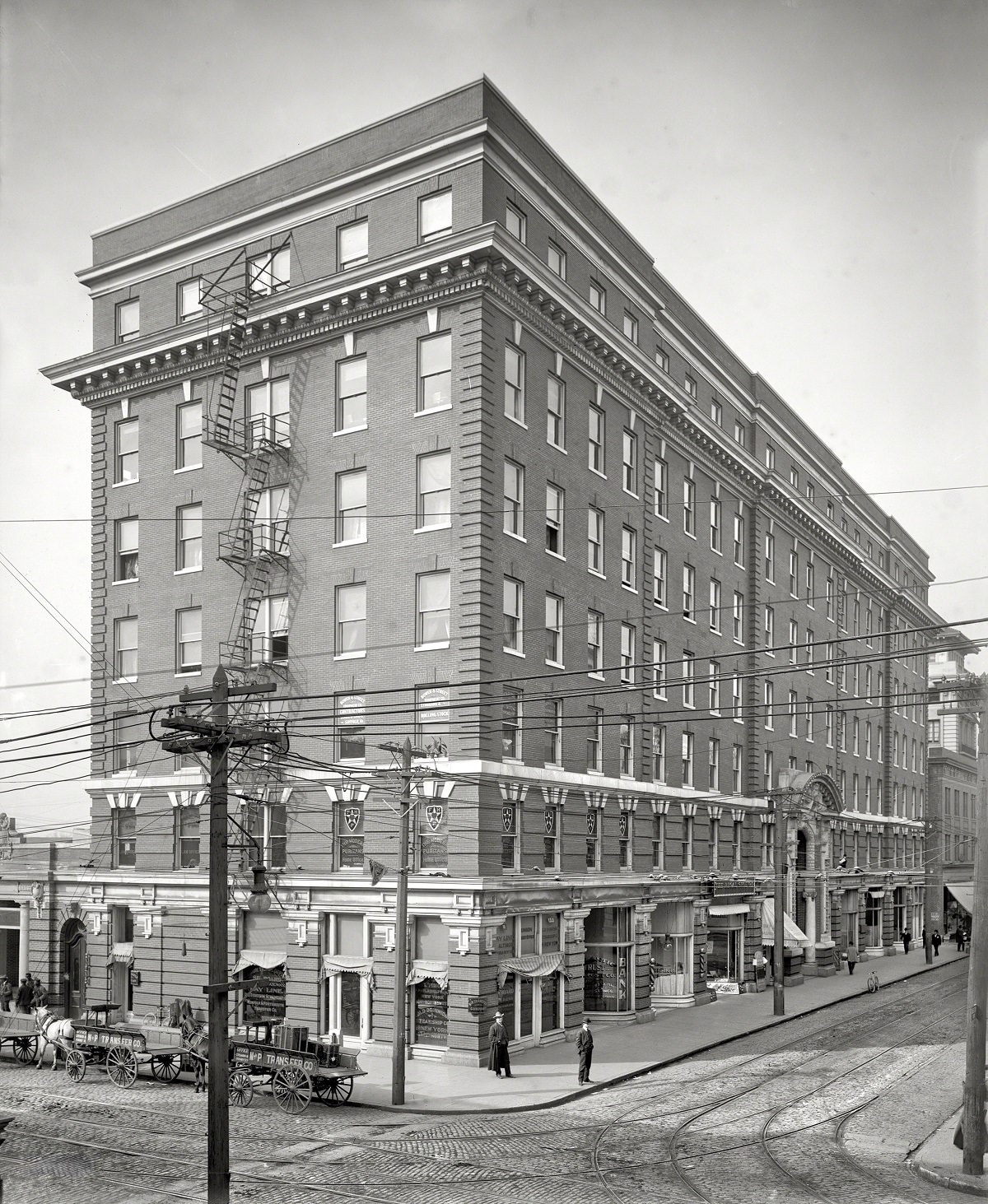
It was demolished in the 1970s.
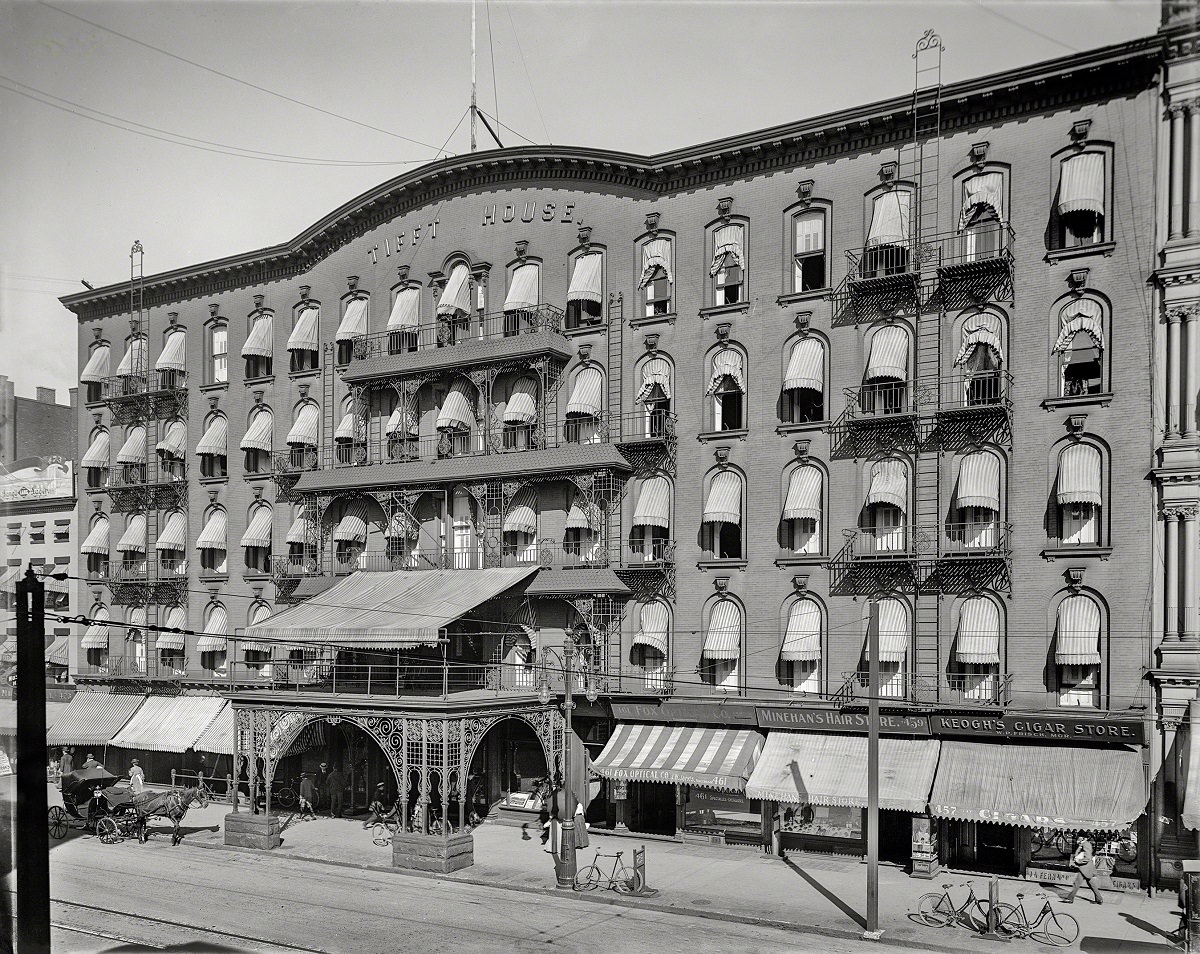
It was demolished in 1902.
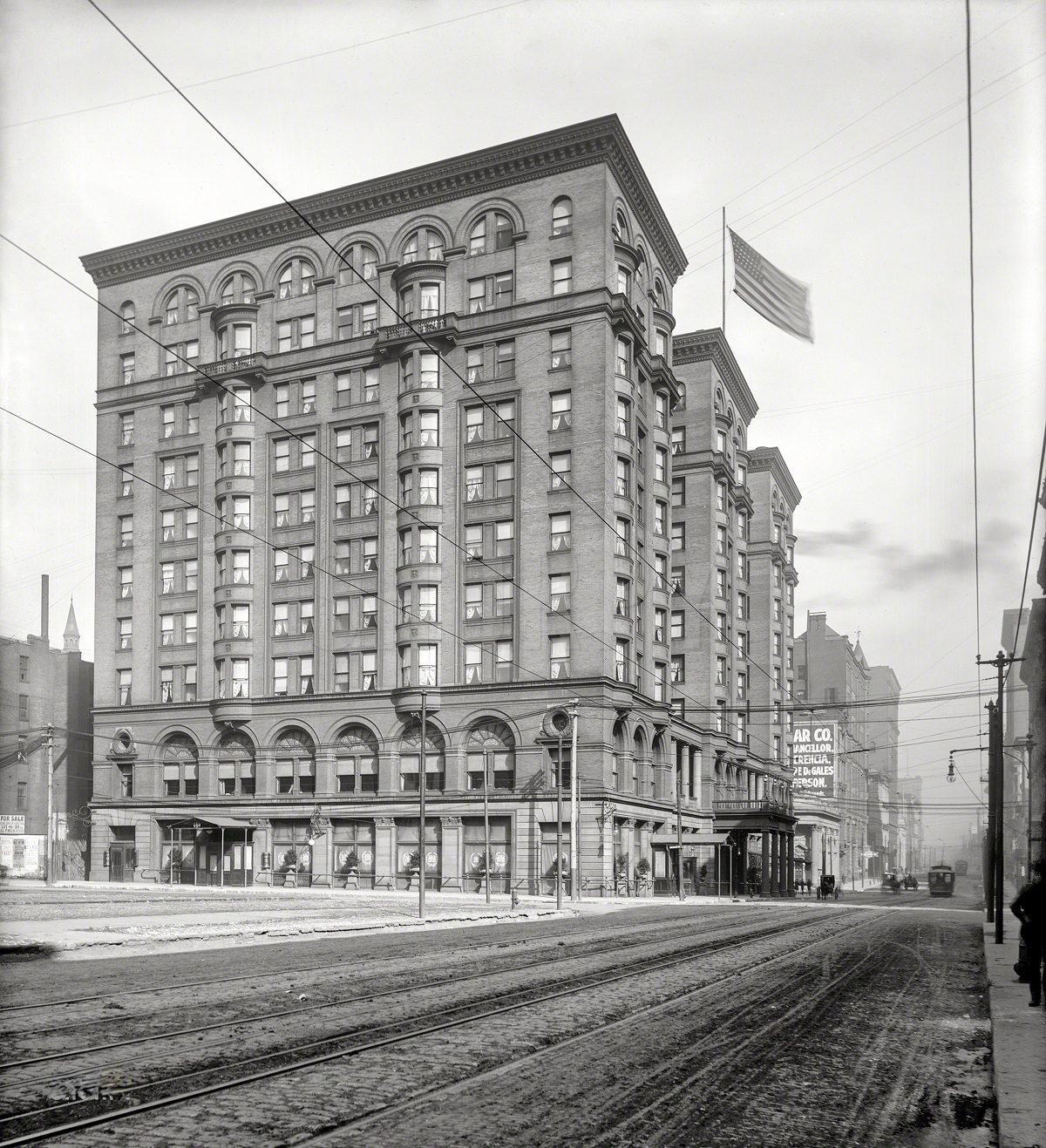
It was completed in 1893 and demolished in 1976.
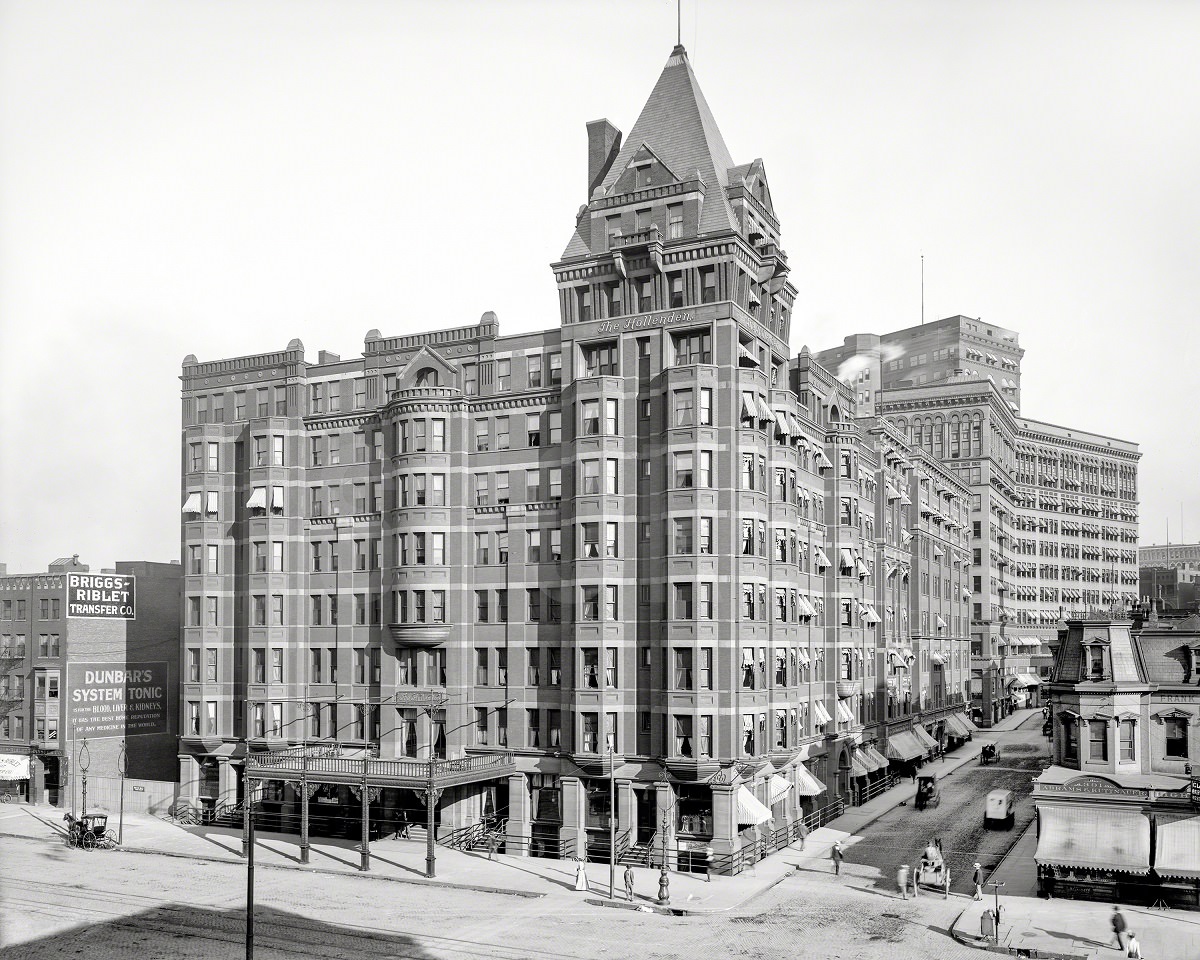
It first opened in 1885 and was demolished in 1962.
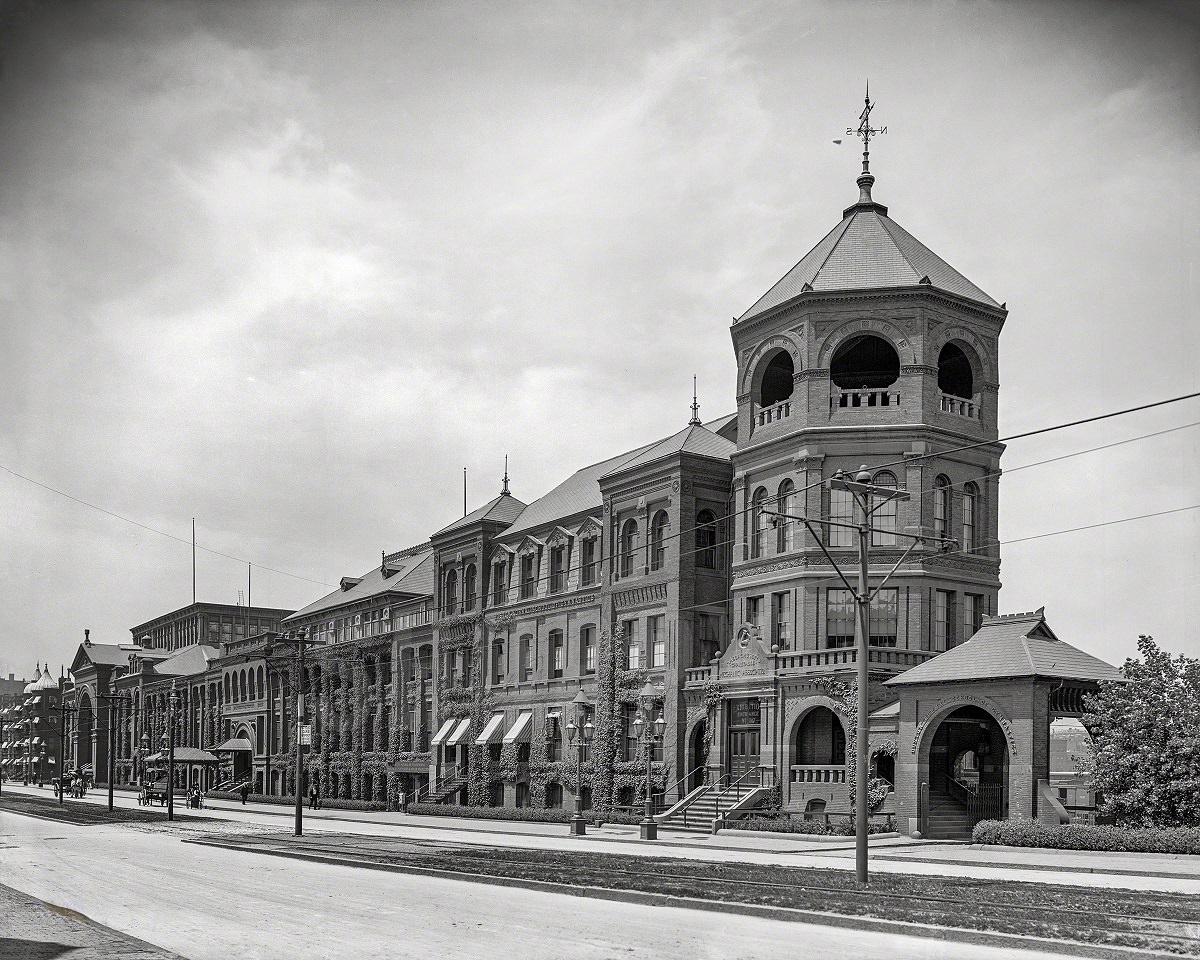
Demolished in 1959 to make way for Prudential Center.
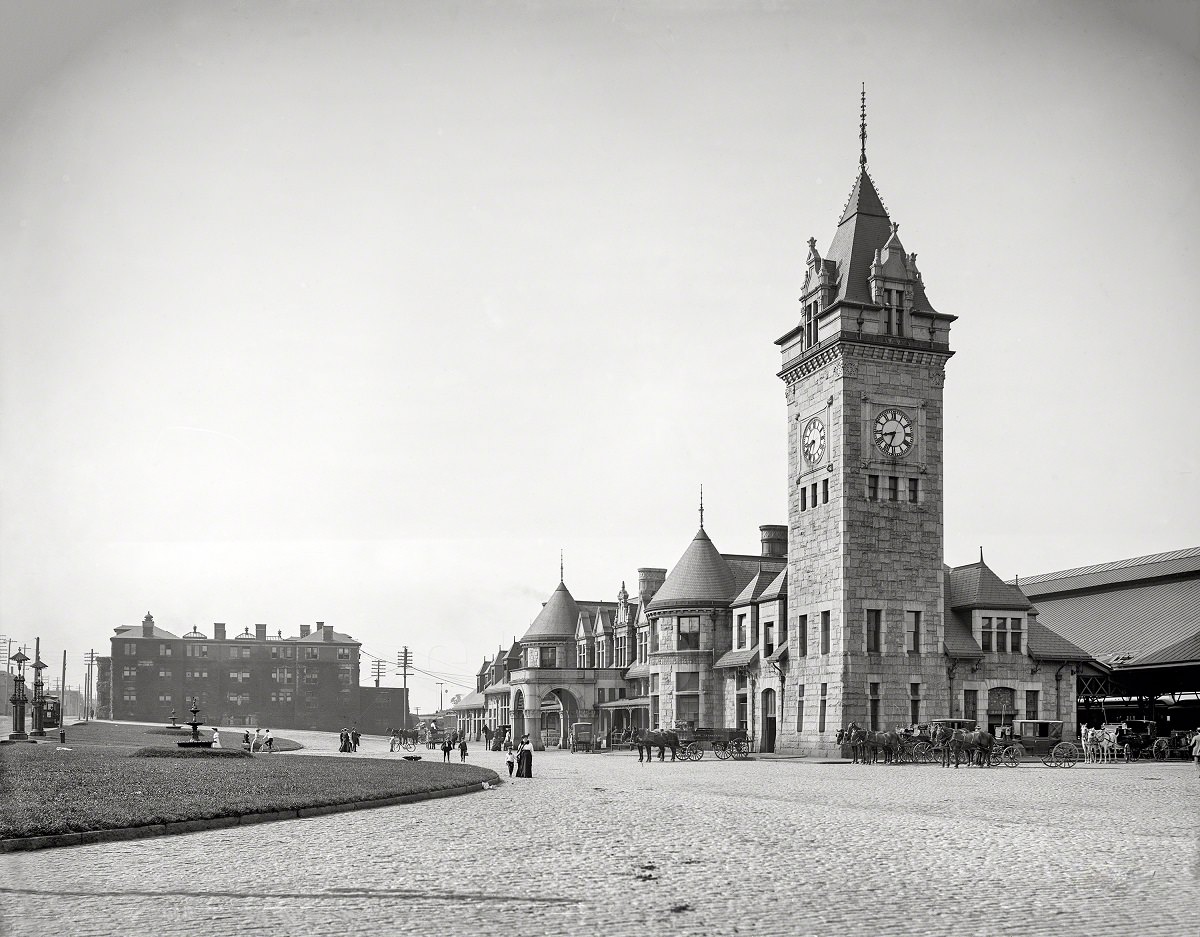
It was demolished in 1961.
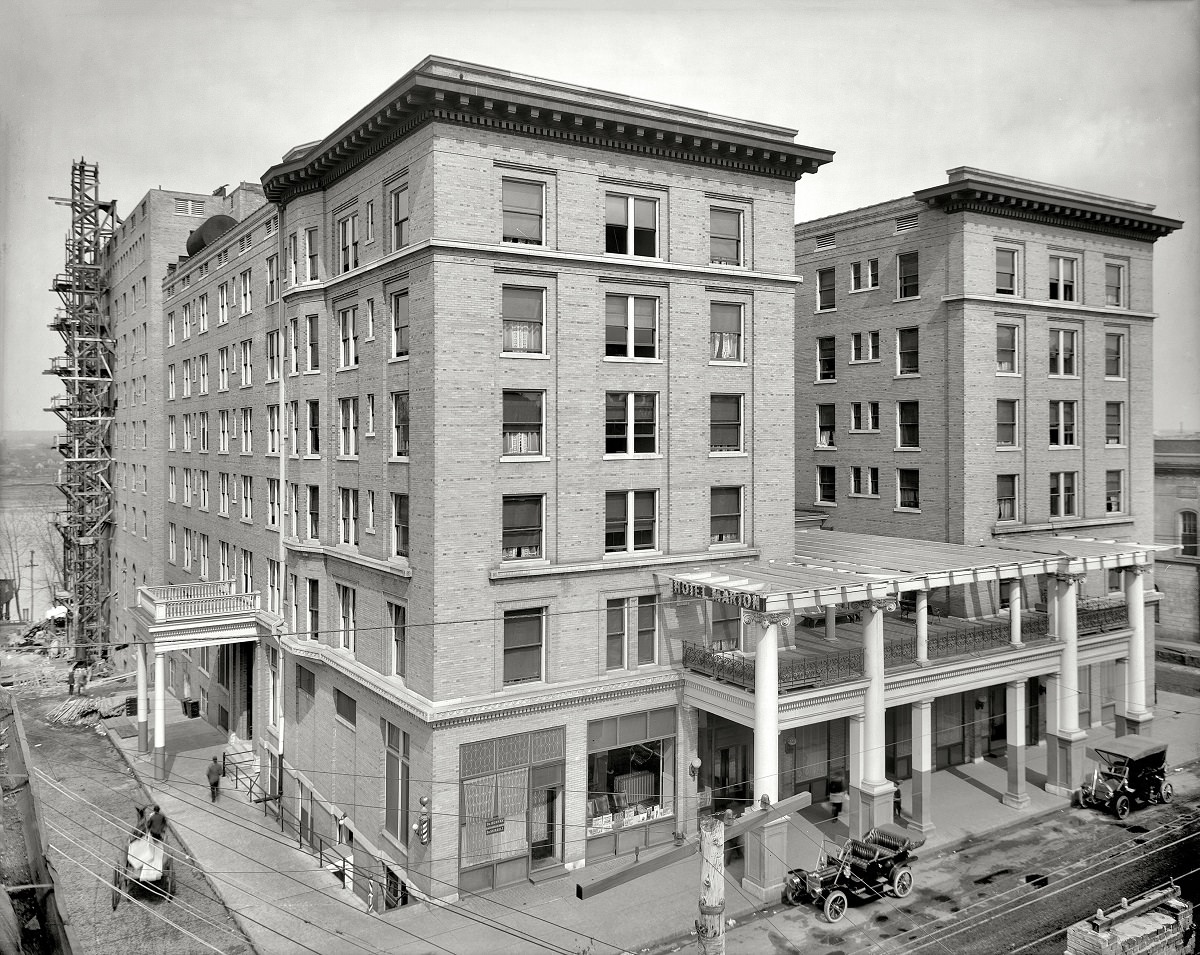
It was demolished in 1980.
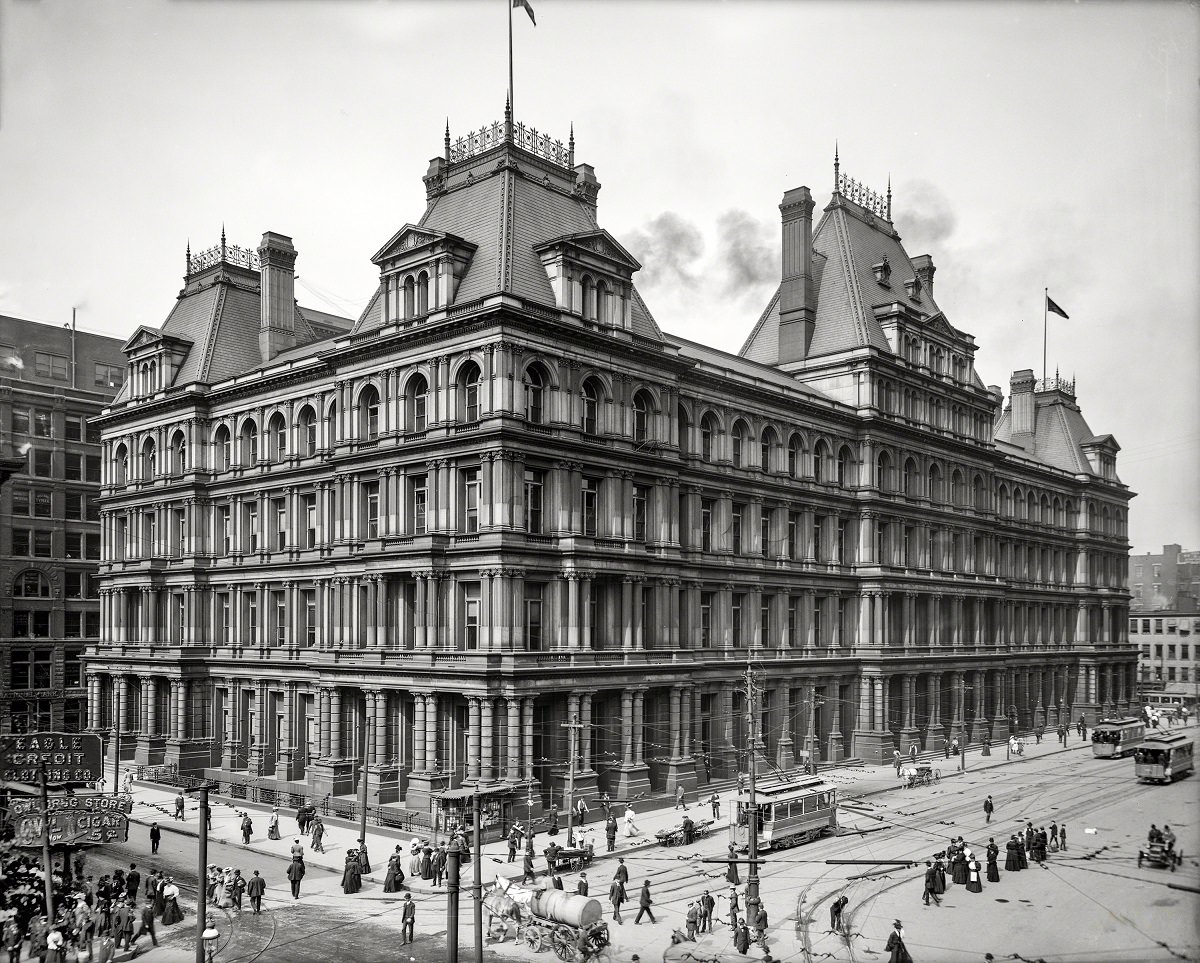
It was completed in 1885 and demolished in 1936.
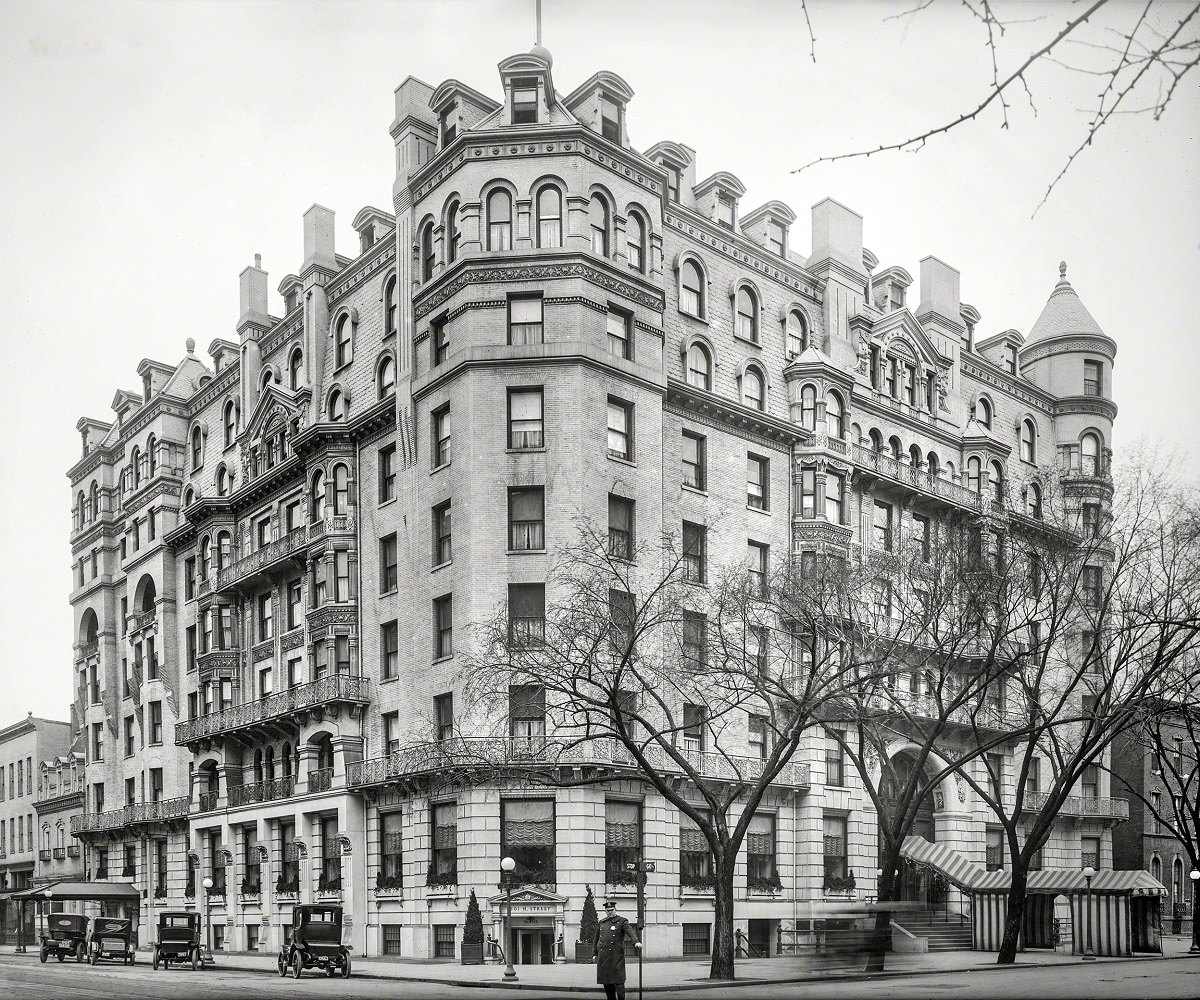
It was demolished in 1929.
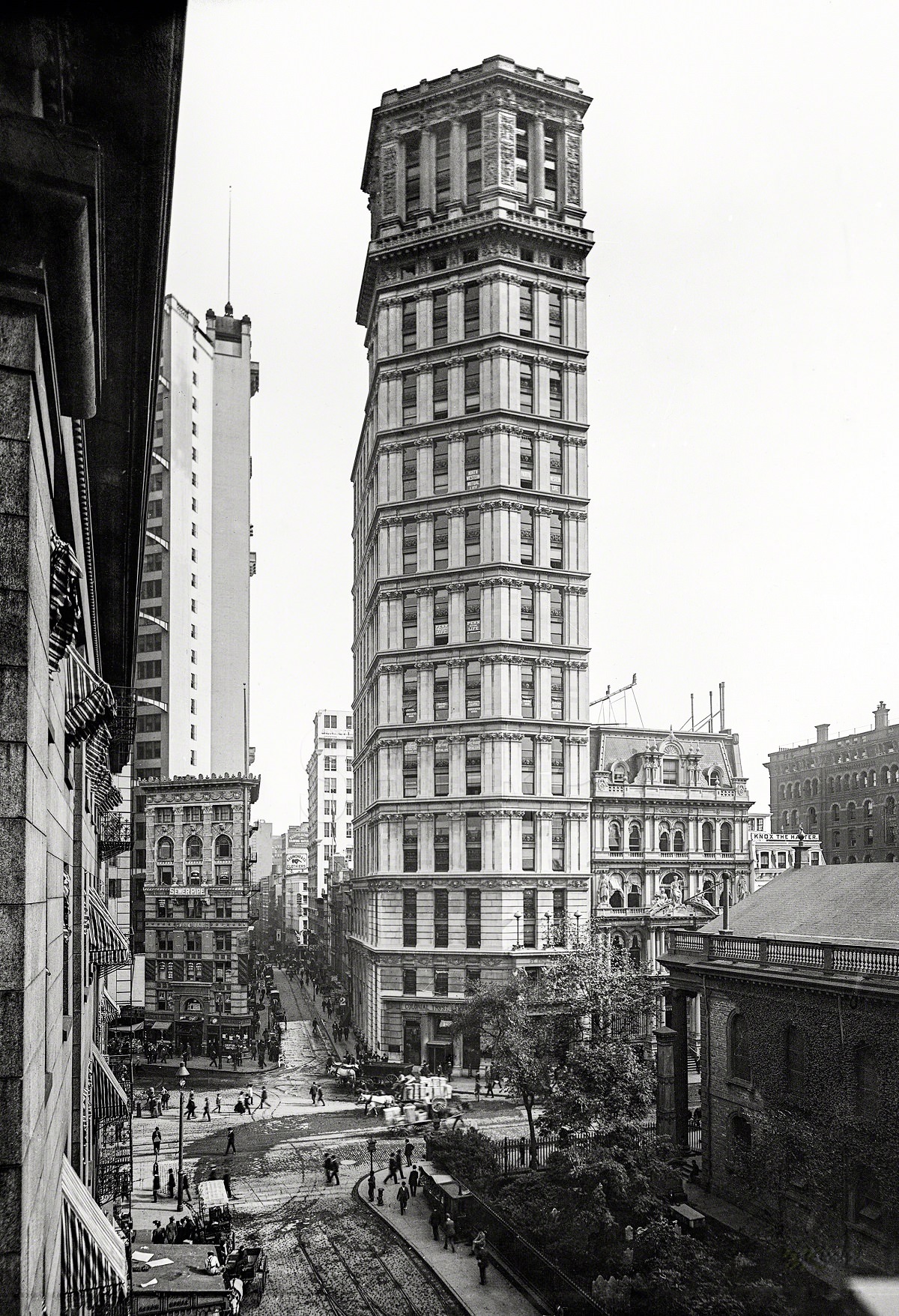
One of the first structures to be called a skyscraper, the 26-story St. Paul was completed in 1898 and demolished 60 years later.
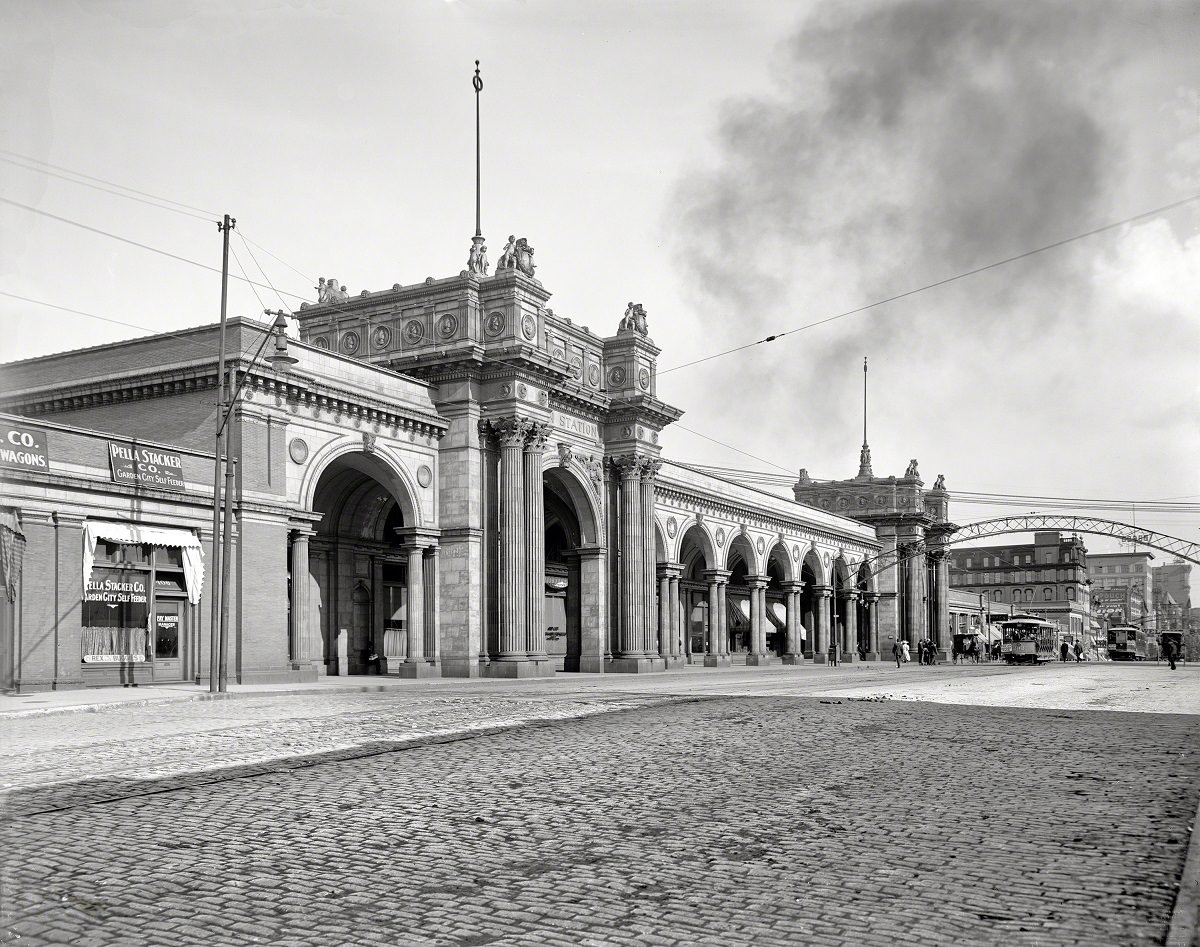
It was built in 1897 and demolished in 1976.
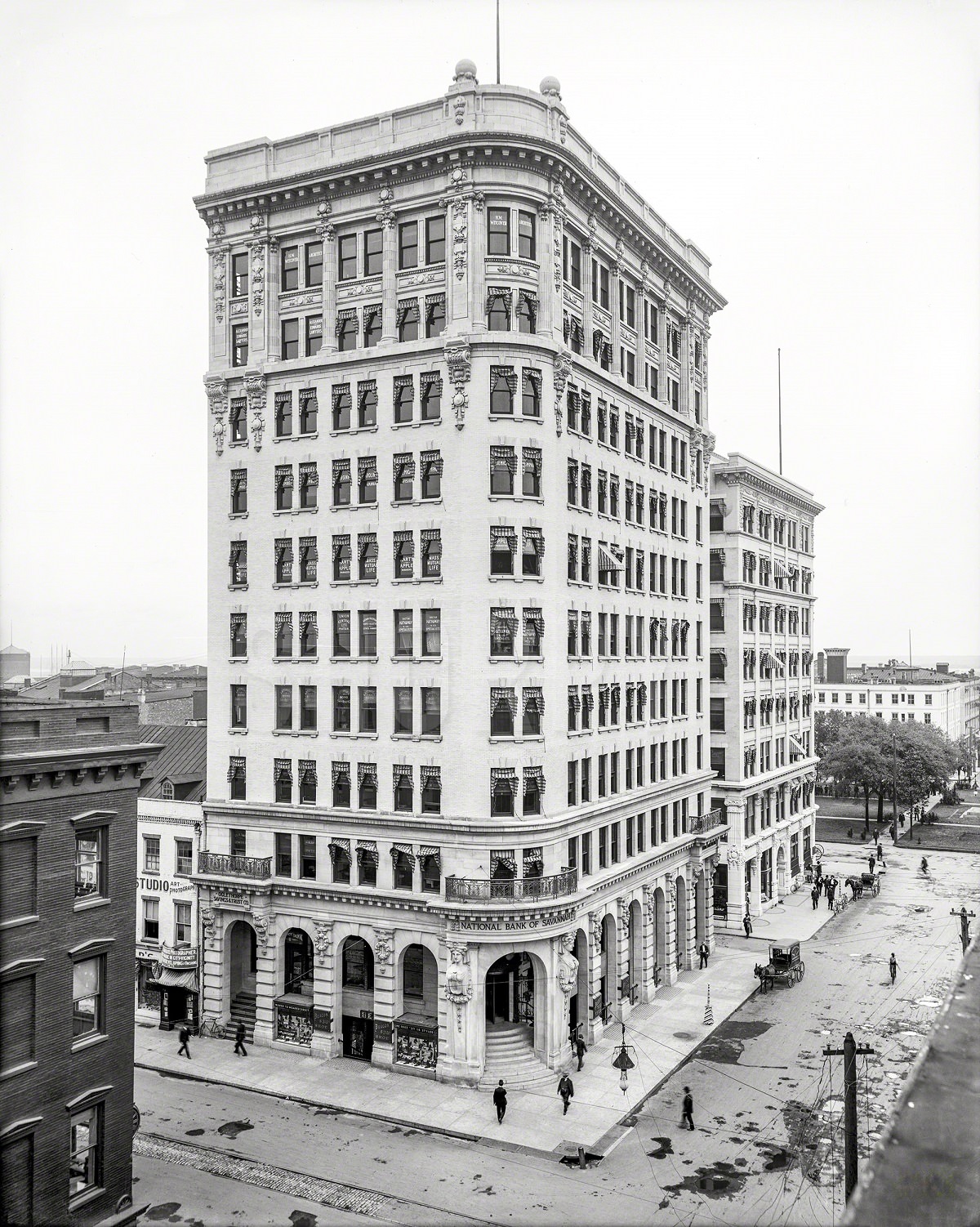
It was completed in 1905 and demolished in 1975.
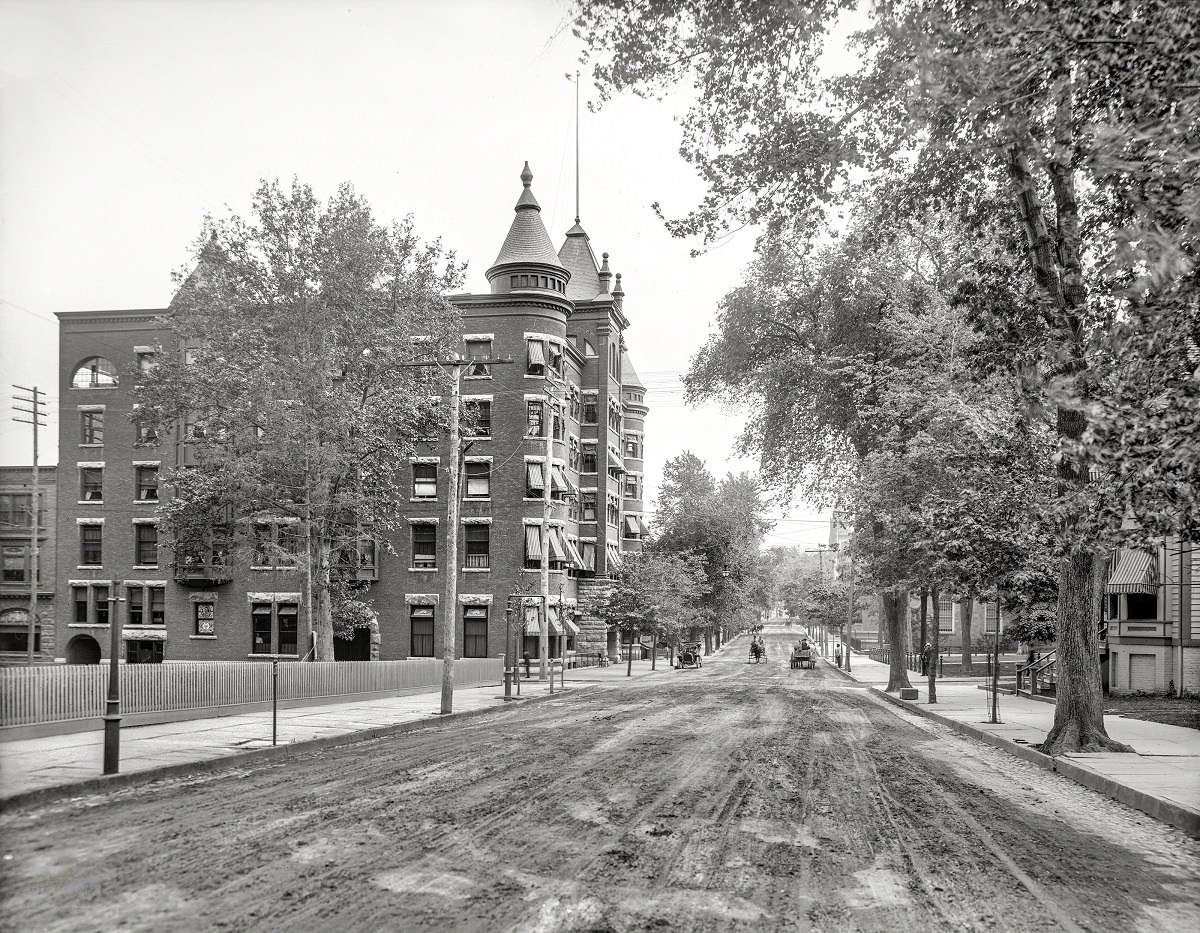
It was demolished in 1970.
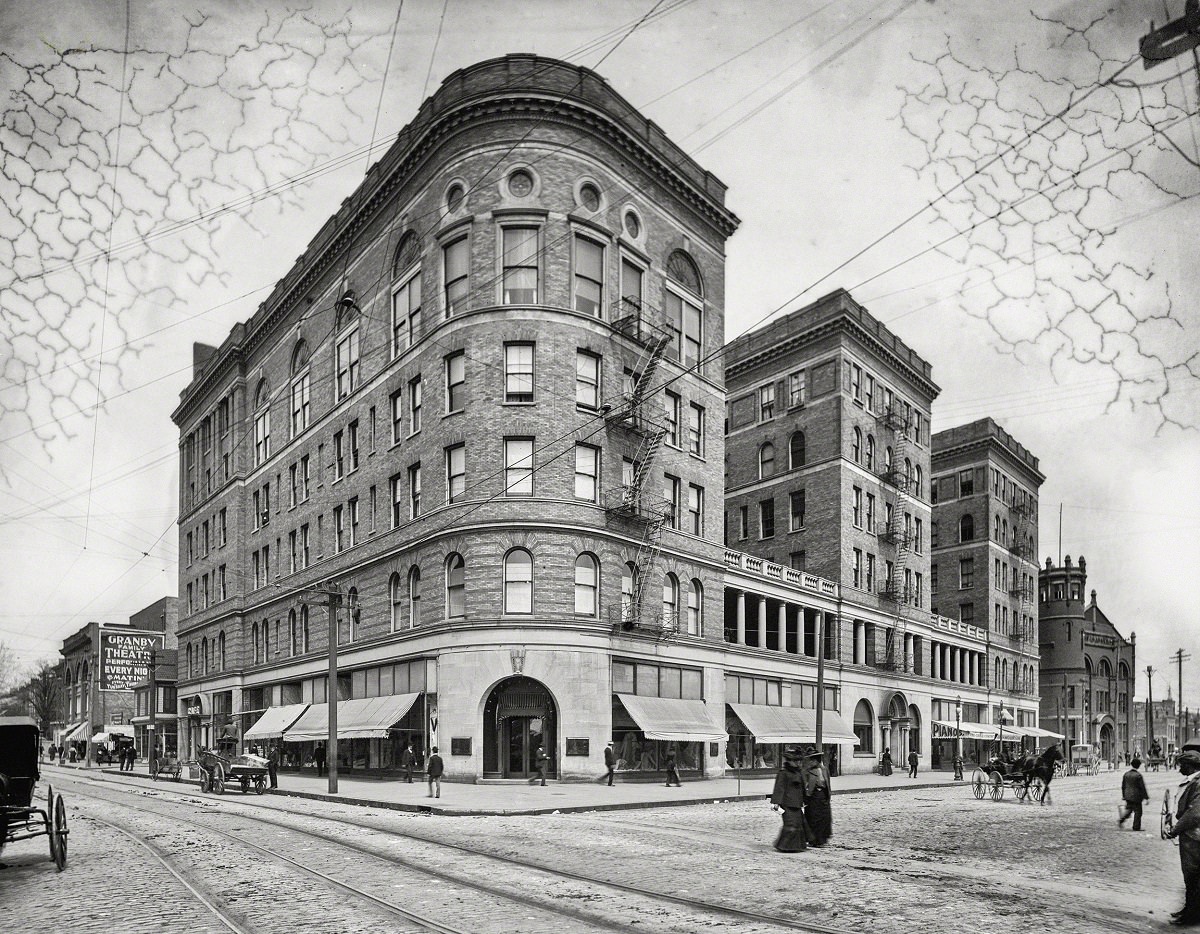
The original hotel was destroyed by a fire on New Year’s Day in 1918 and rebuilt in 1919. It was demolished in 1976 as part of Norfolk’s ongoing urban renewal project.
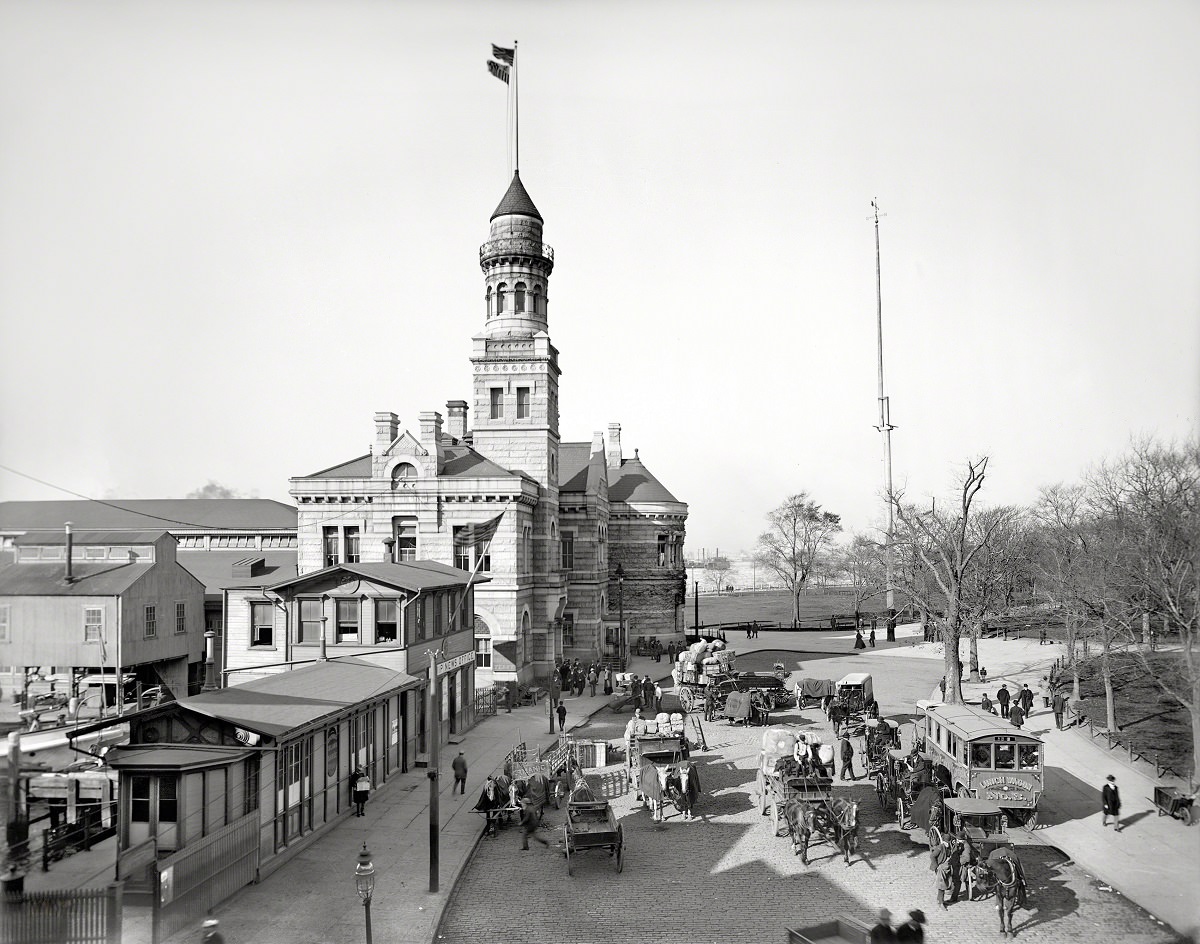
It was demolished in the early 20th century.
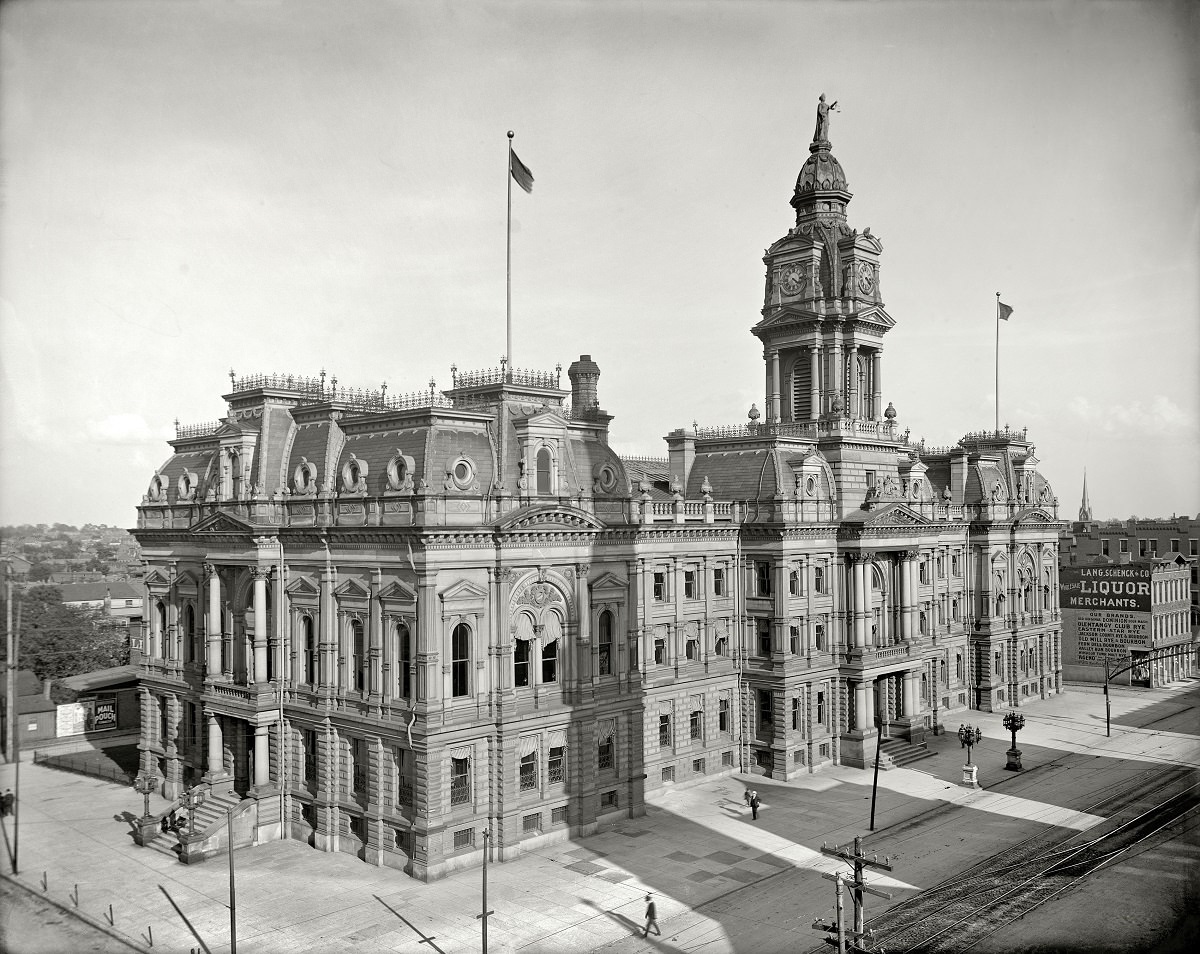
It was built in 1884 and was demolished in January 2012.
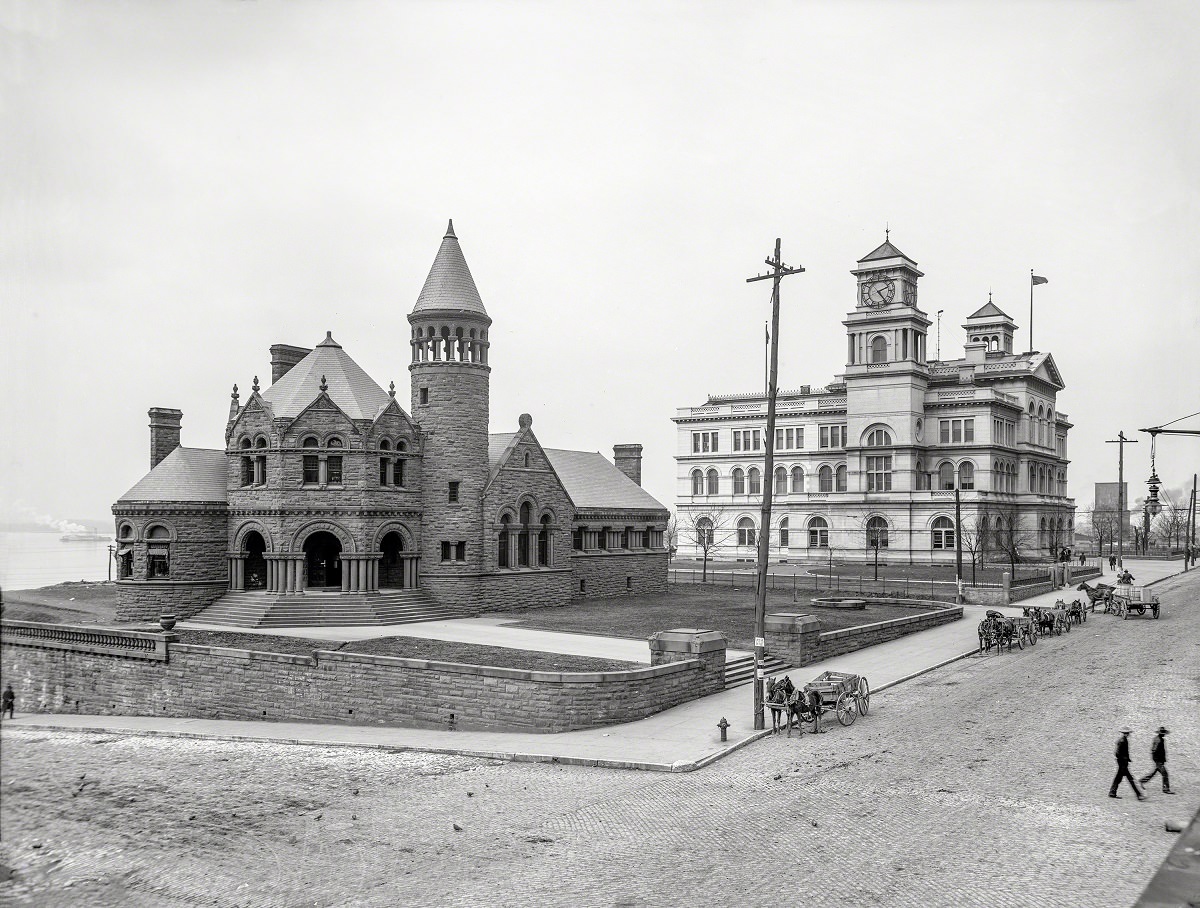
The Cossitt was demolished in 1958.
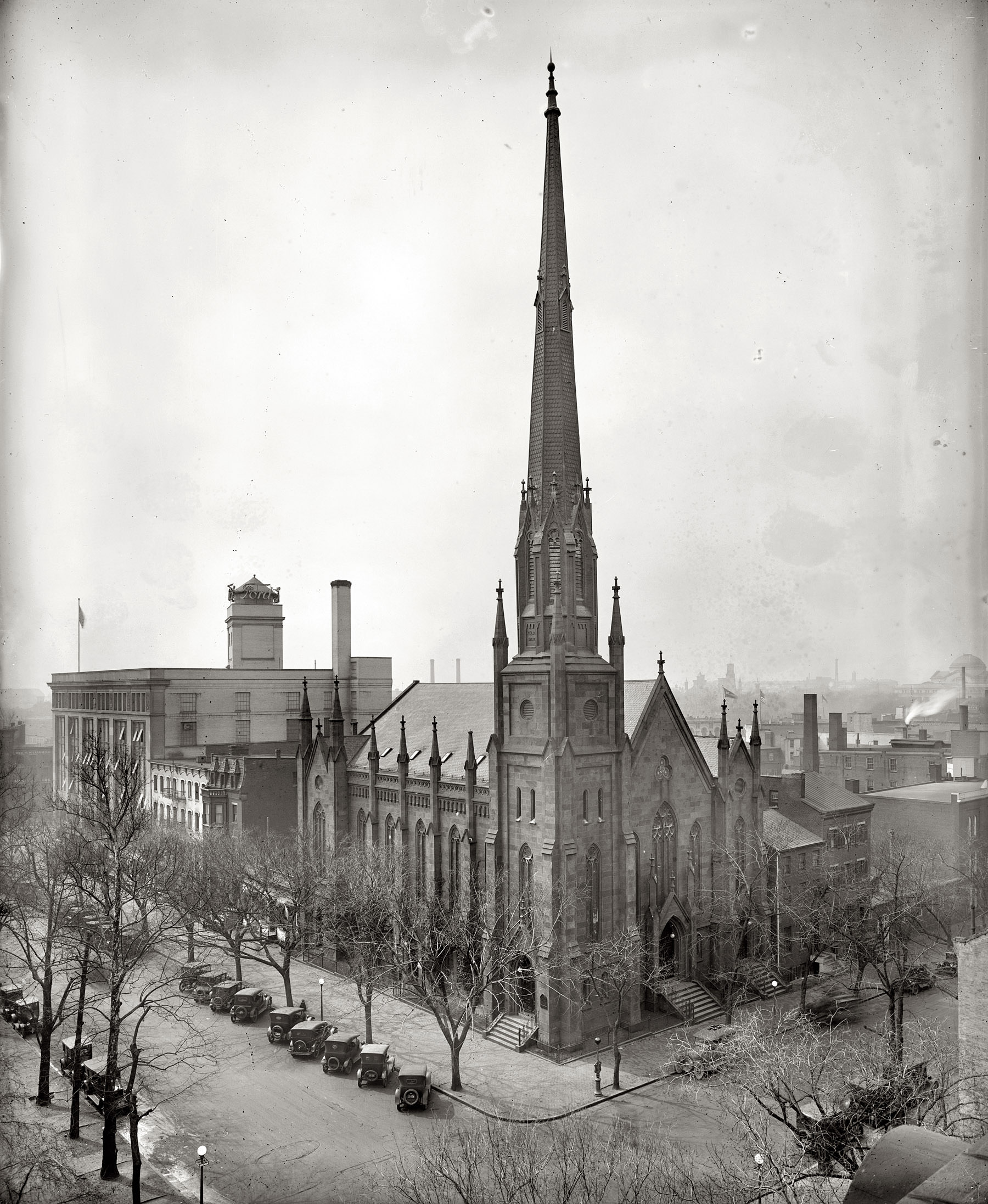
It was demolished in 1936.
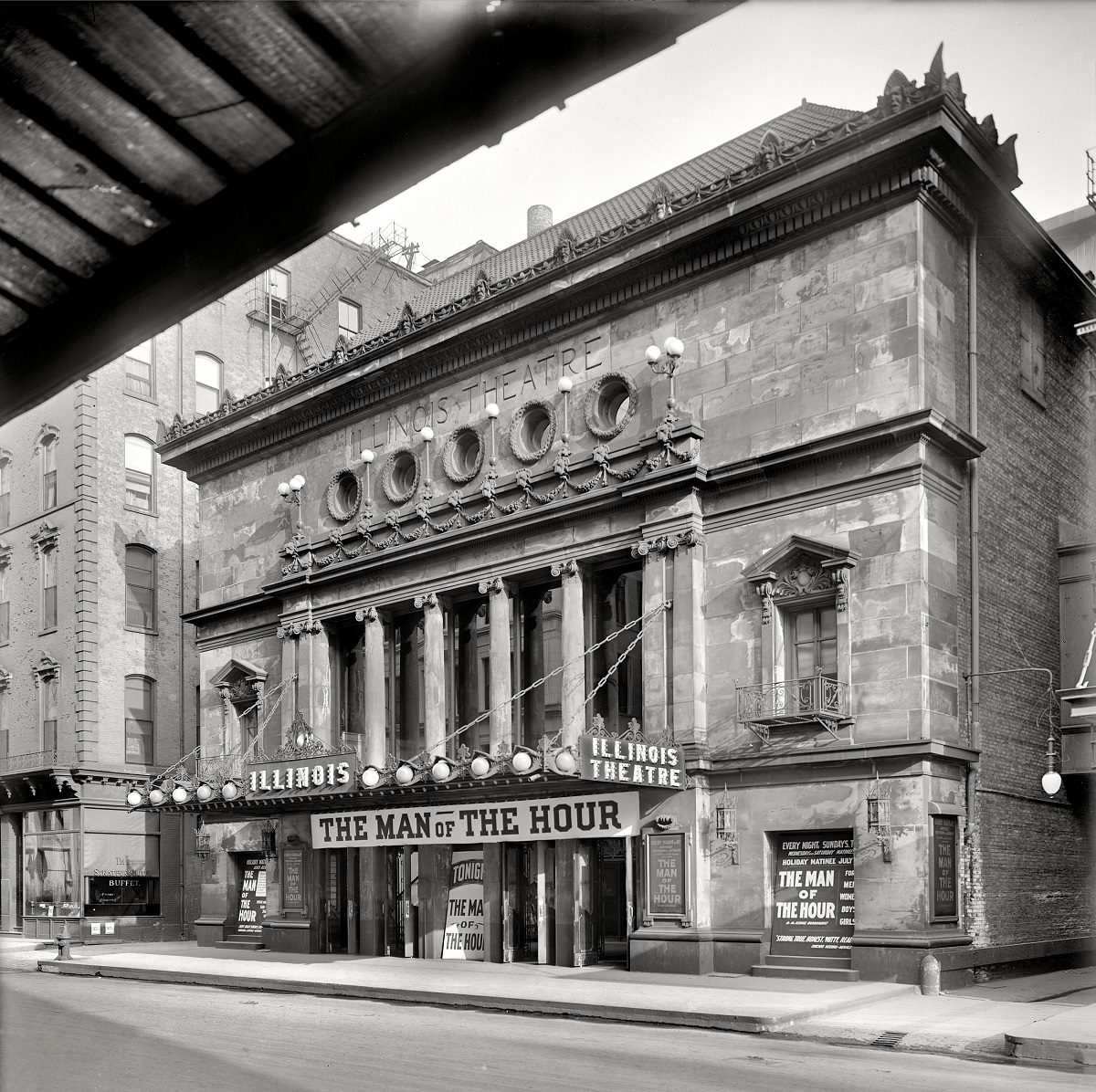
Built in 1900, shuttered during the Depression, and demolished in 1936.
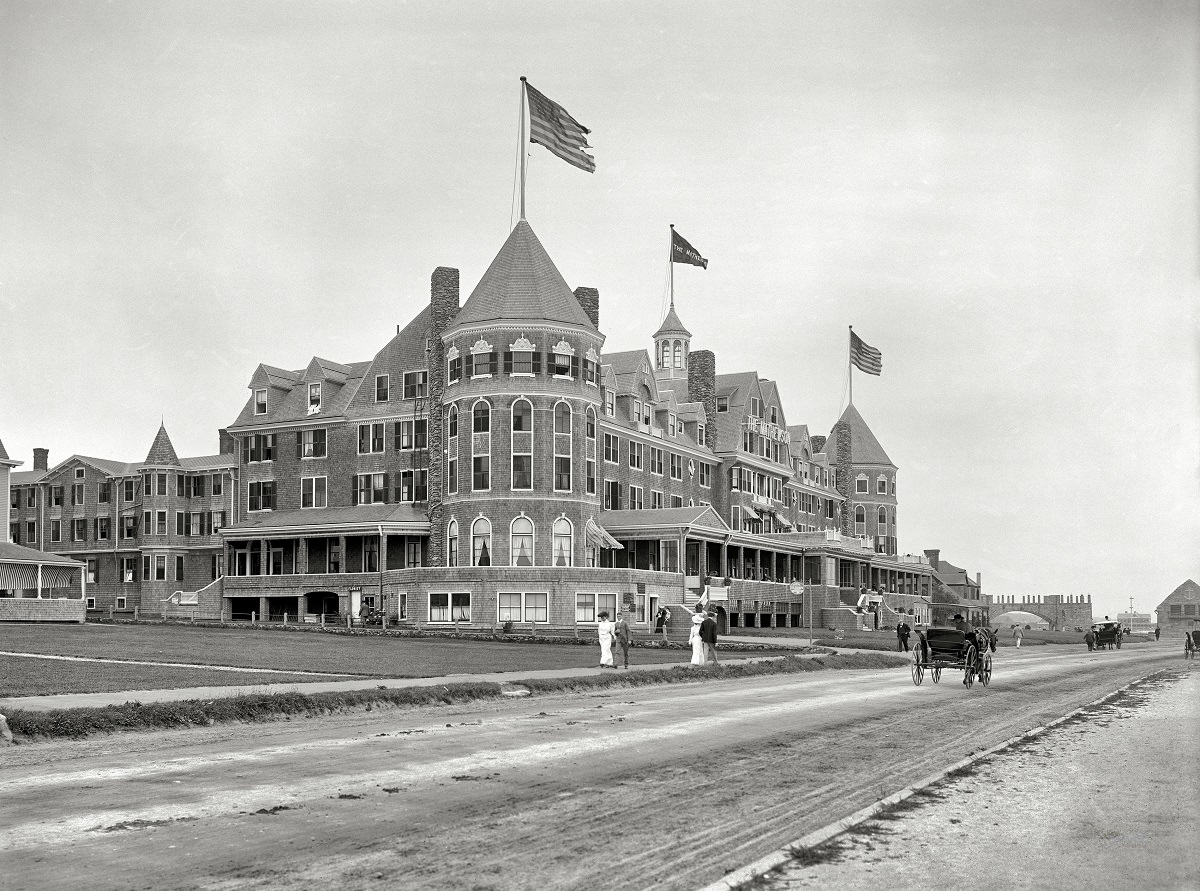
It was demolished in 1918.
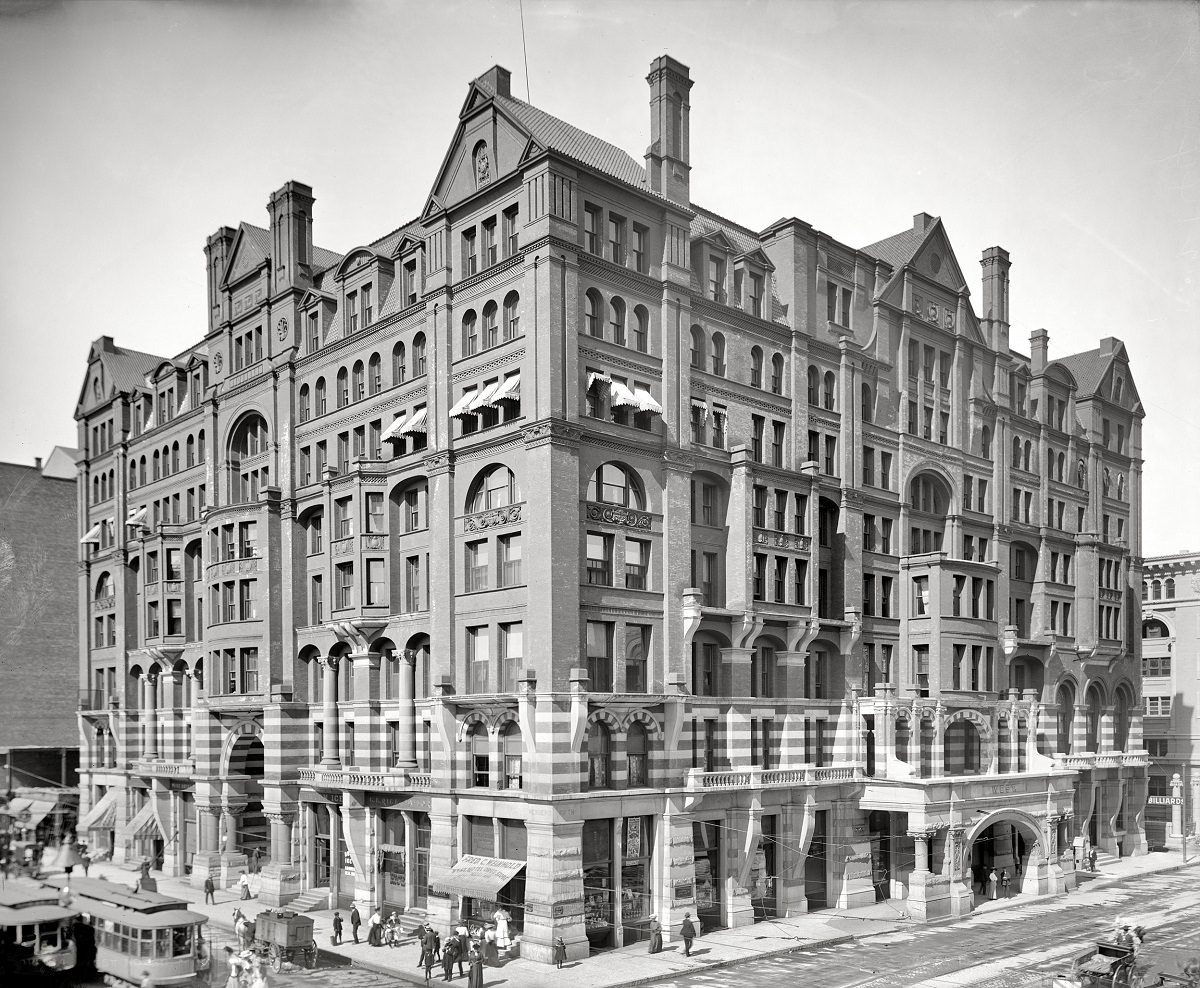
It was demolished in 1940.
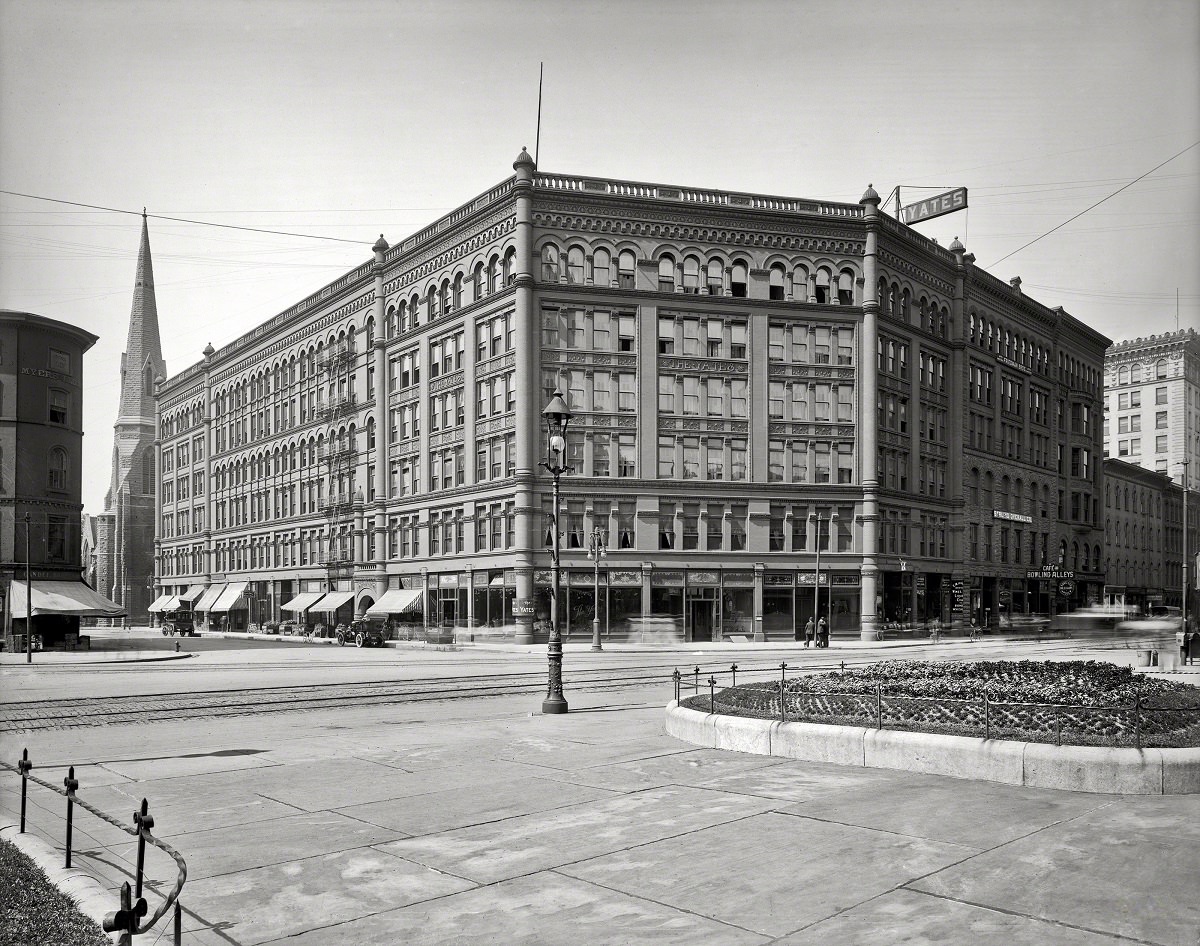
Opened in 1892 and demolished in 1971.
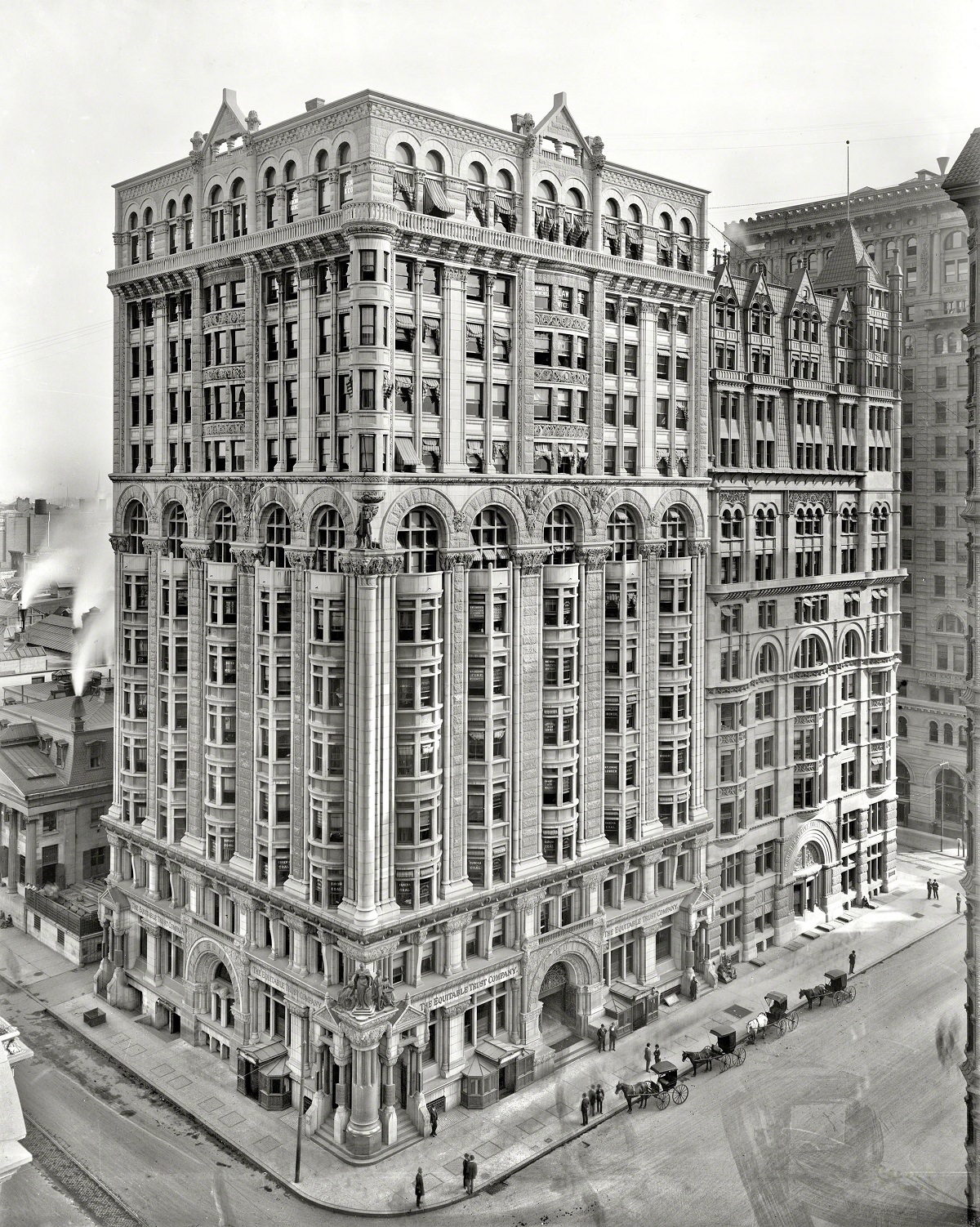
It was demolished in 1926.
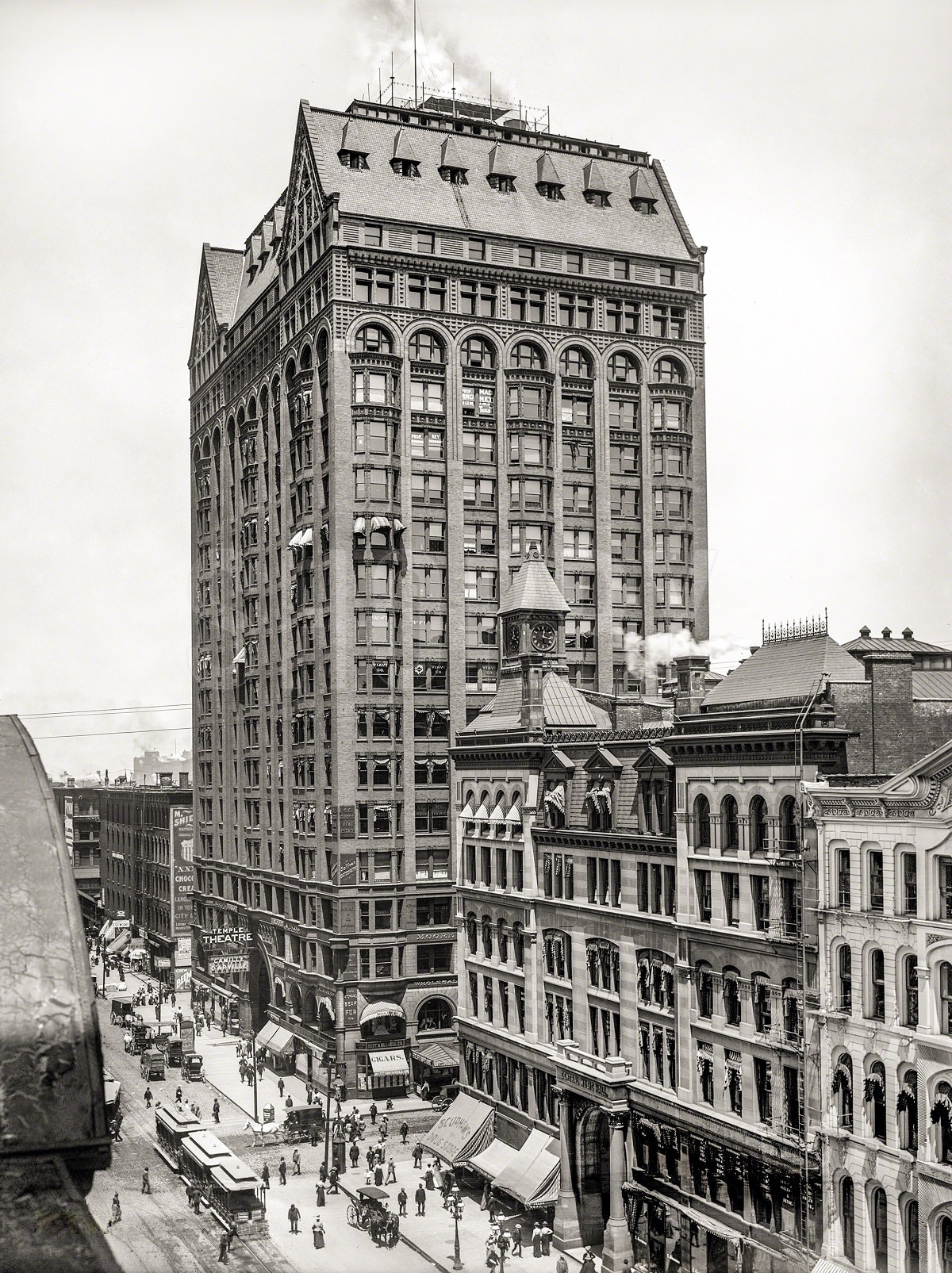
It was completed in 1892 and demolished in 1939.
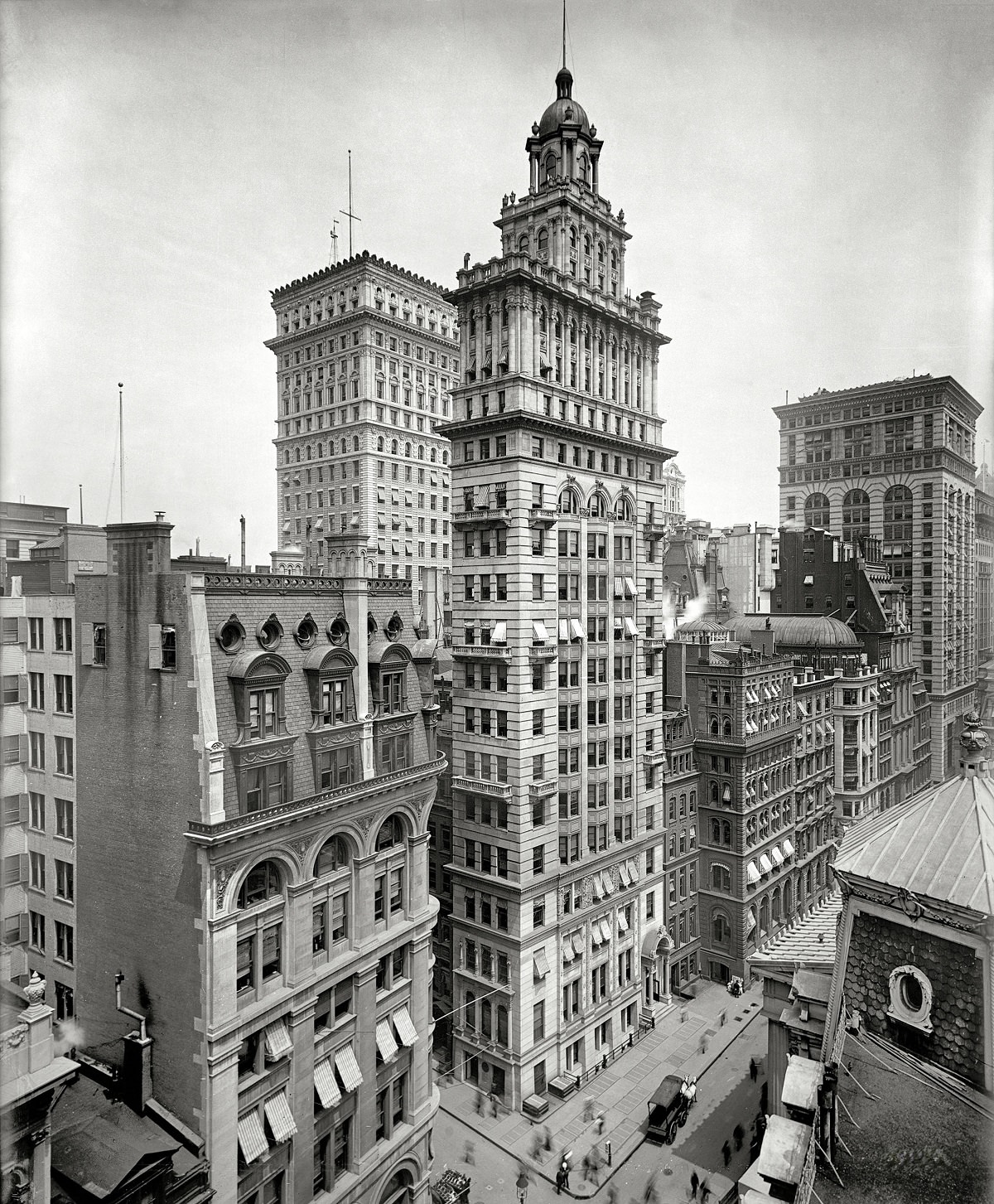
It was completed in 1897 and met the wrecking ball in 1910.





All of these building were demolished over 70 years ago, they were replaced with new landmarks for people living in this century.
I don’t get your point.
People think historical landmarks in the US are cool and lament the loss of some of them. It’s not a hard concept to understand.
Old buildings are like a cancer. Cut them out and replace them with buildings that are in code and fit the function of a 21st century building.
You suck
What is the counter argument that we should support and maintain older buildings that are not in code?
Artistic, cultural, and aesthetic value. The same reasons we have things like UNESCO (which many buildings worldwide fall under).
Check the date, all of these buildings were torn down over 70 years ago.
Artistic, cultural, and aesthetic value are subjective buildings Should reflect today’s Artistic, cultural, and aesthetic values and be up to present day building codes.
It’s not that difficult to bring existing buildings up to code. Plus it’s more environmentally friendly than building a new one. The number of buildings on that list were razed in favor of a parking lot is disgraceful
How do you prove this post?
I’ve worked on restoring buildings for 20 years, both as a carpenter and structural engineer. If you’d like to know anything specific feel free to ask. Just saying something isn’t up to code is an incredibly broad statement.
All of these building listed were demolished over 70 years ago, a little late to have regret.
If an owner of a piece of property converts a building to a parking lot, what is actually going on here? I would think a building would offer more income than a parking lot. Maybe the building wasn’t worth keeping, but the property was, maybe there was a massive tax write off for demolishing the building?
My mistake any building that is in use, is up to code, otherwise it would be able to lease units.
My question is there a tax benefits for restoring older buildings than tear them down, recycle, and build new ones?
I like the way the one company in Japan dismantles buildings floor by floor (https://www.wired.com/2013/01/japan-building-demolition/)
Do you remember the NYC Highline were a group of New Yorkers were rediscovering the unused elevated structures that had a virtual natural greenscape and converted it into a park (https://www.thehighline.org/)? This would be a good example of not tearing down an old structure.
Buildings have life cycles, cities are natural hubs of social connections, so buildings should be able to be easily demolished, recycled, and new buildings arise, to fit the needs of the present and future users.
My City had this beautiful historic Hotel that went back to the 1870s with 3 different buildings over the years until it was demolished in 1978
Wonderful collection.
My wife has very large breasts.
Wow so many beautiful and large buildings. Too bad some of them couldn’t have been saved.