The American Civil War tore the nation apart from 1861 to 1865. Eleven southern states broke away from the Union, forming the Confederate States of America, largely over the issue of slavery. By the time the fighting ended, more than 2.4 million military members had been killed, millions more were wounded, and the South lay in ruins. Behind the front lines, a group of determined women stepped forward to provide medical care under conditions that were brutal, chaotic, and often deadly. These are their faces.
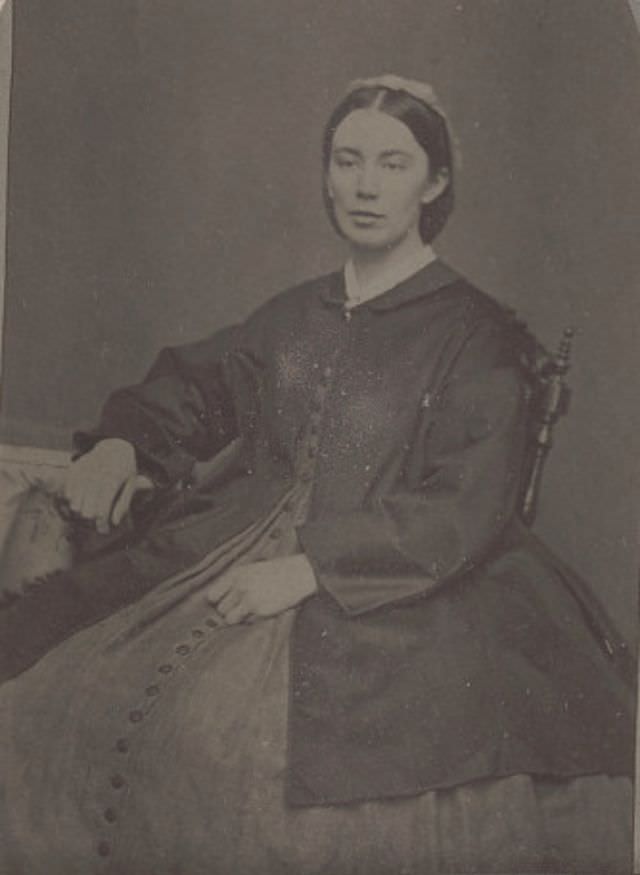
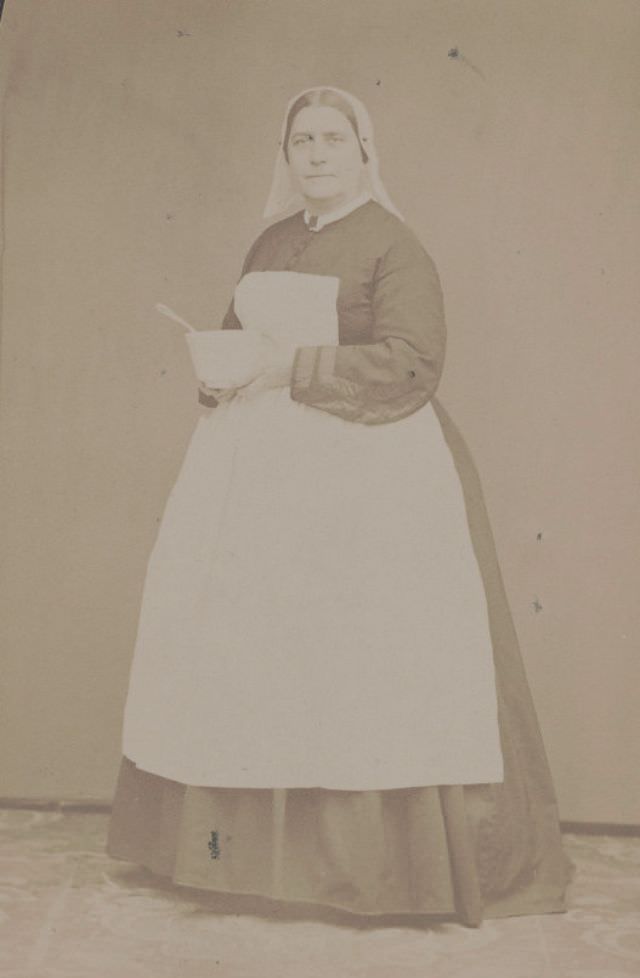
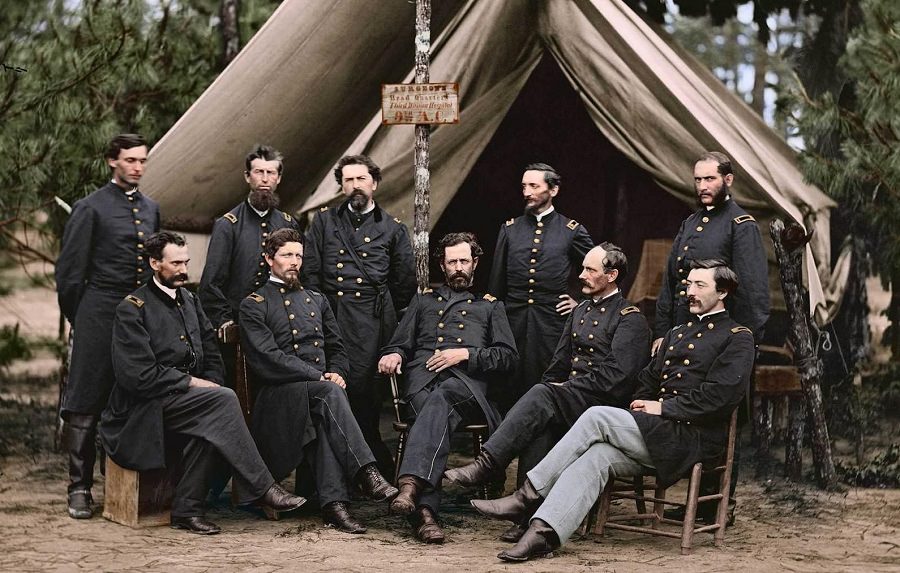
The photos collected here come from the Library of Congress and offer a rare look at the women who served as nurses during the Civil War. Some worked in established hospitals. Others followed troops directly onto the battlefield. A few managed entire hospital systems. Together, they represent one of the most overlooked groups in Civil War history. Before meeting them, it helps to understand the figure who inspired many of them to serve.
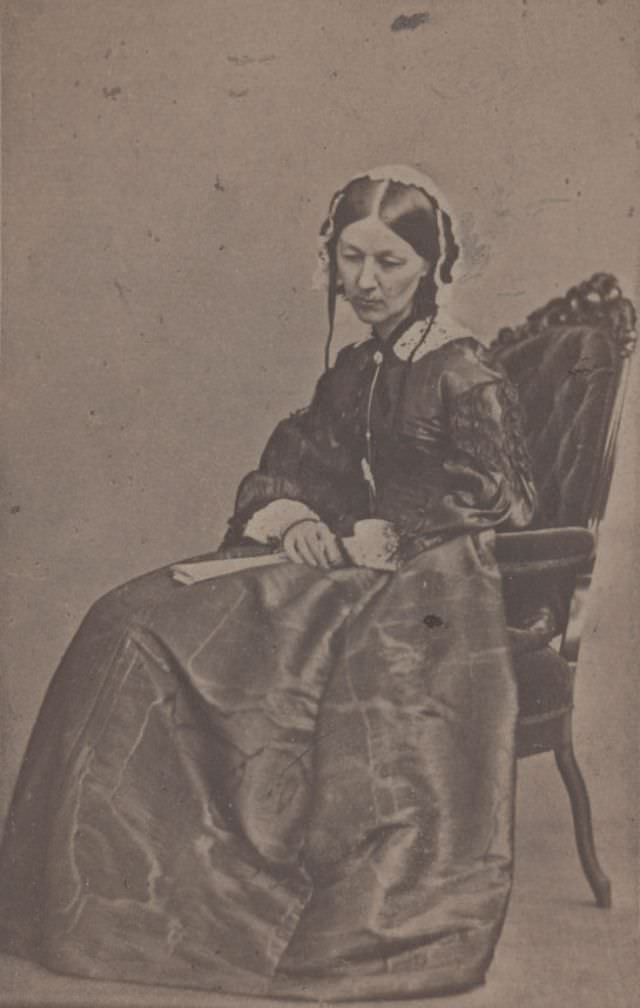
Florence Nightingale had already changed the world’s understanding of nursing during the Crimean War in the 1850s. She brought discipline, sanitation, and organized care to military hospitals at a time when infection killed more soldiers than bullets did. American women took direct inspiration from her example when the Civil War broke out. One of the most powerful of those women was Dorothea Dix, who took on the massive job of organizing nursing across the entire Union Army.
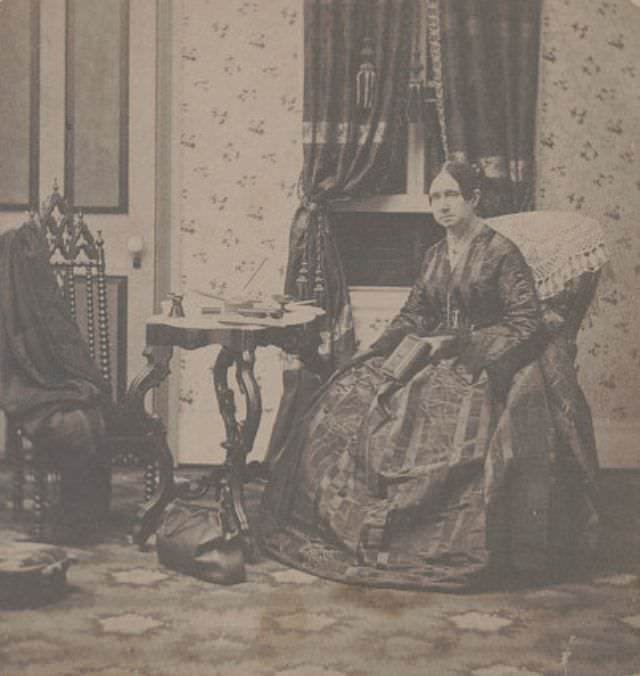
Dorothea Dix served as Superintendent of Army Nurses for the Union Army, overseeing the recruitment and placement of female nurses across military hospitals. She was strict and demanding, but her efforts brought structure to a system that badly needed it. Among the nurses who worked directly under her authority was Mary A.E. Keen, who served from 1861 all the way through 1865 at Seminary Hospital in Washington, D.C., and later at Chesapeake Hospital in Fort Monroe, Virginia.
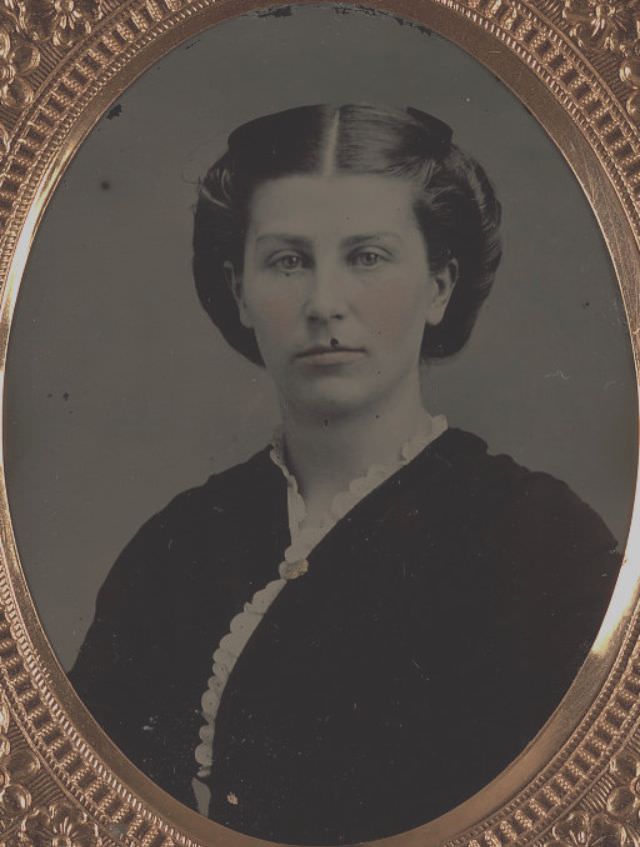
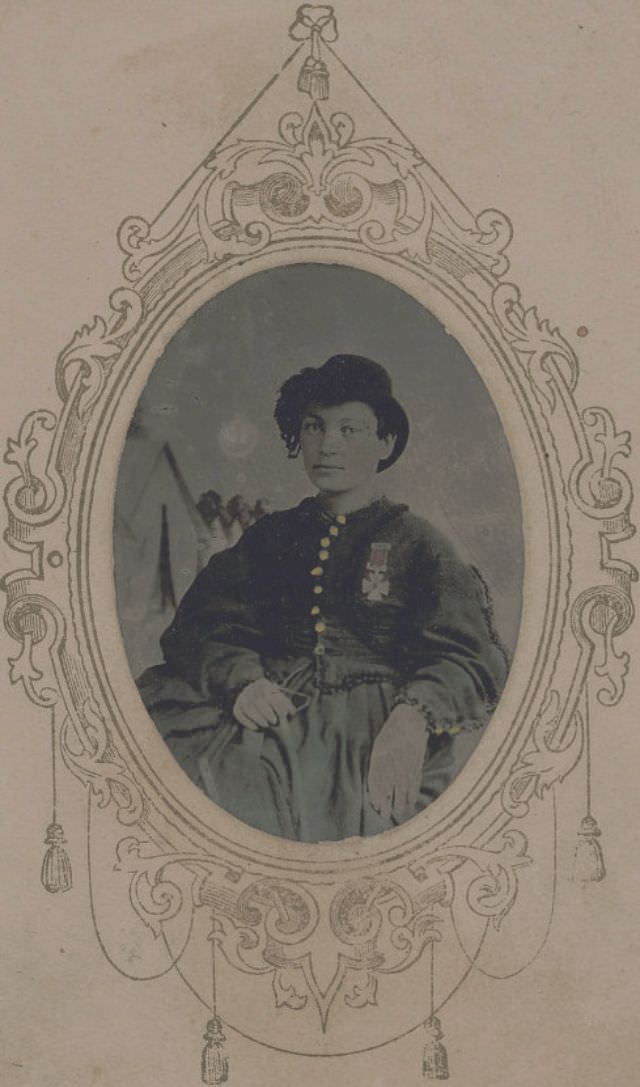
Not every nurse worked in a fixed hospital. Some went where the fighting was worst. Annie Etheridge attached herself to the 3rd Michigan Infantry Regiment and was present at some of the deadliest engagements of the war, including Bull Run, Antietam, Fredericksburg, and Gettysburg. Her bravery under fire earned her the Kearny Cross medal — a decoration typically reserved for soldiers.
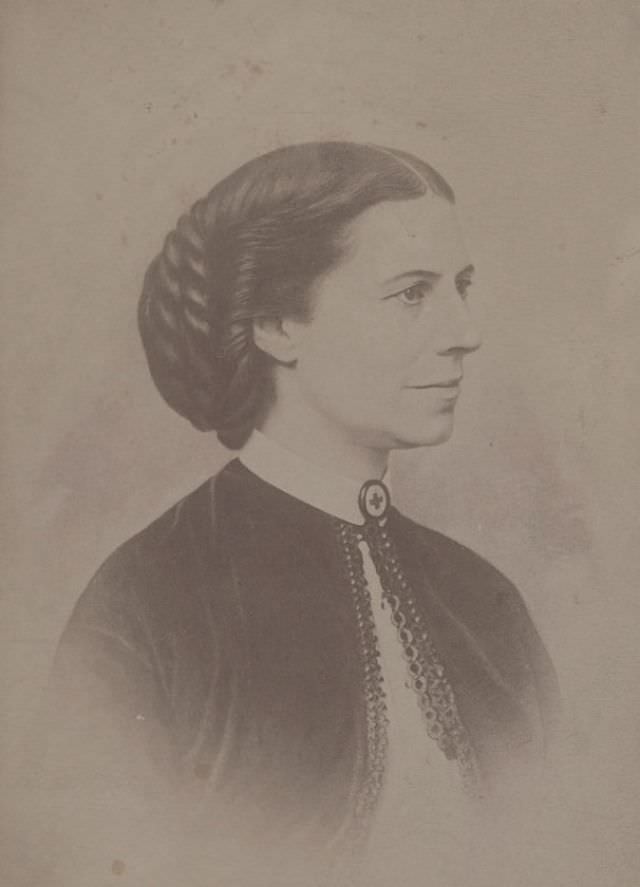
Clara Barton is perhaps the most famous name in Civil War nursing. She organized her own supply efforts early in the war and personally delivered supplies to field hospitals. She later founded the American Red Cross. Two photographs of her survive from this period, including one showing her wearing her Red Cross brooch — an early symbol of the organization she would spend decades building.
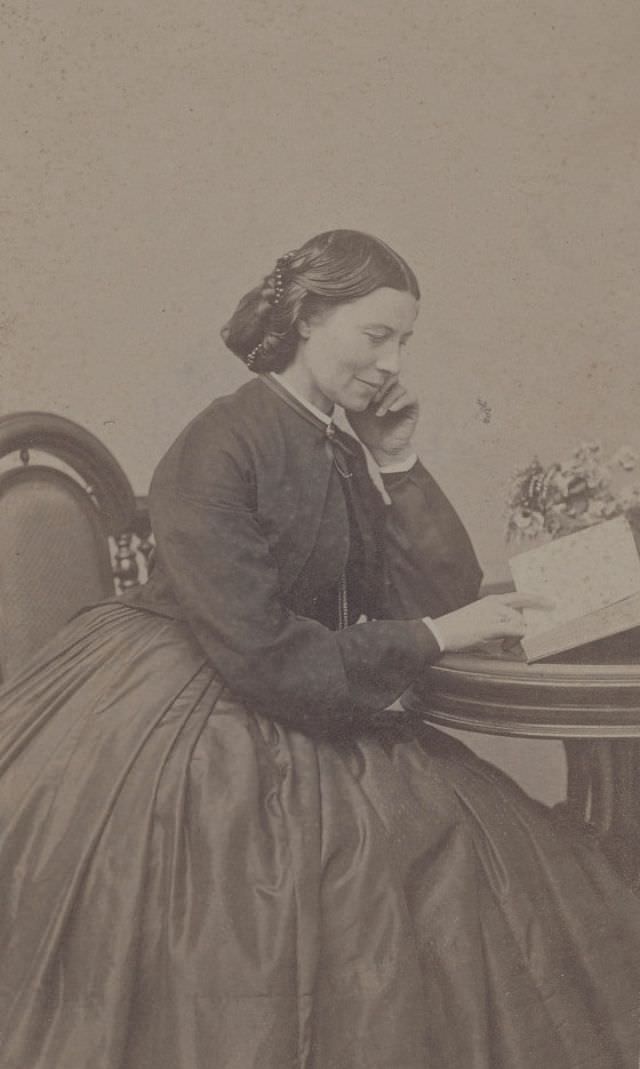
Mary Ann Bickerdyke, widely known as “Mother to the Boys in Blue,” took her work to nineteen different battlefields, including Shiloh, Vicksburg, Chattanooga, and Atlanta. As an agent of the U.S. Sanitary Commission, she improved or personally established roughly 300 hospitals. Her fearlessness in the field became legendary among both the soldiers she treated and the generals she served alongside.
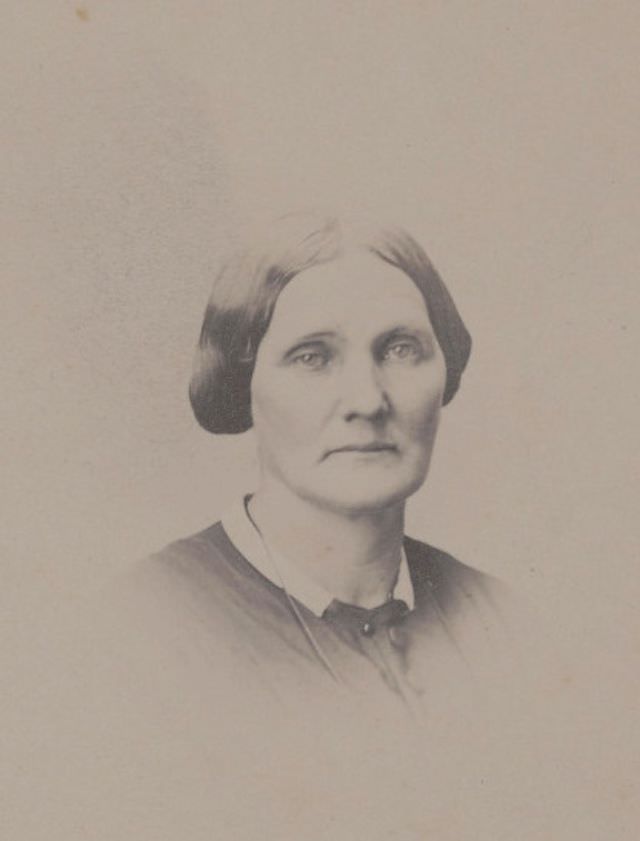
Helen L. Gilson’s service stands out not only for its scope but for what she fought for beyond the battlefield. She treated wounded and dying soldiers at Yorktown, Antietam, Gettysburg, Fredericksburg, Chancellorsville, and Petersburg. She also pushed hard for better hospital conditions for African American soldiers and eventually headed the Colored Hospital Service until the end of the war.
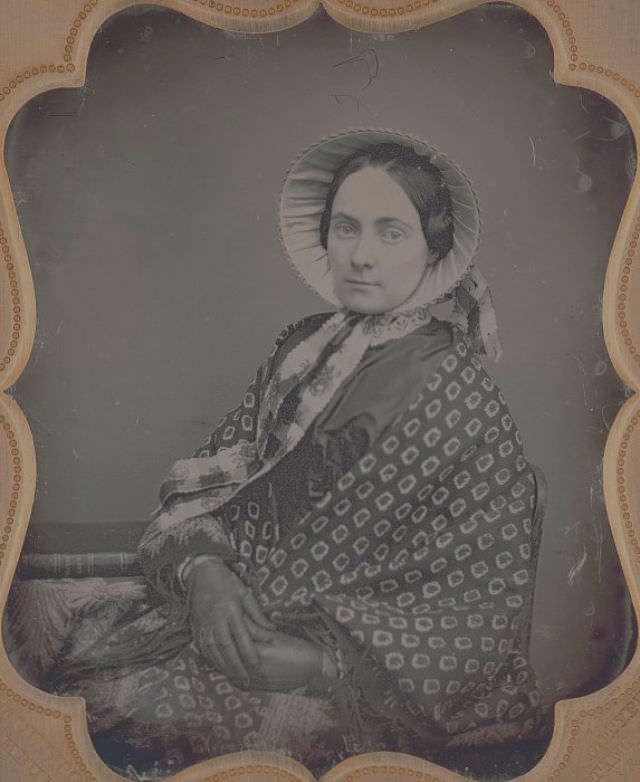
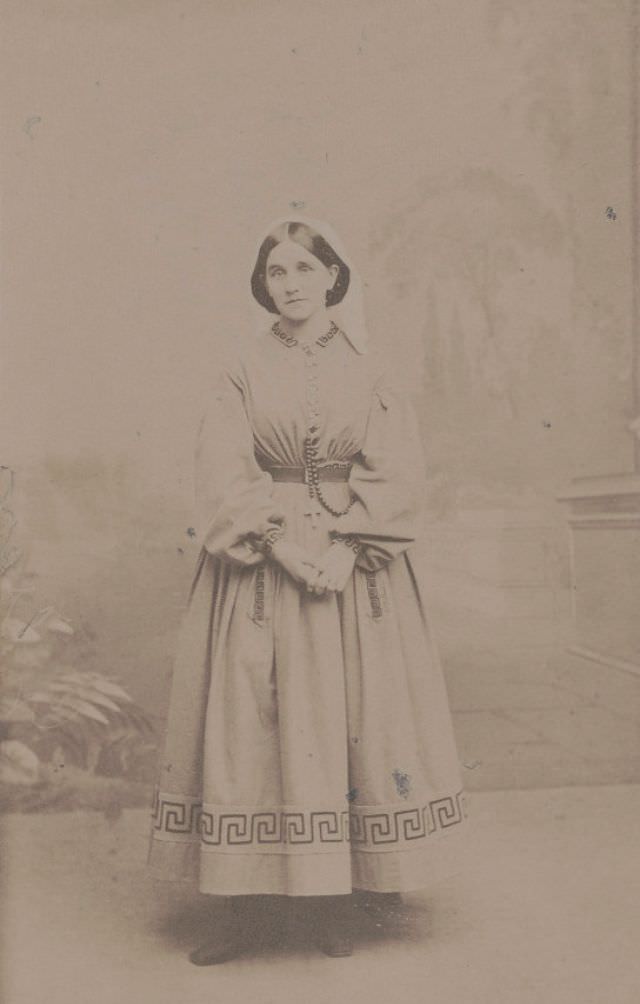
Susie King Taylor’s story is one of the most remarkable of the war. She served more than three years with the 33rd U.S. Colored Troops Infantry Regiment, nursing soldiers through combat and illness. The Army officially listed her as a laundress — a common practice used to get Black women into service roles — but her nursing work was real, sustained, and documented.
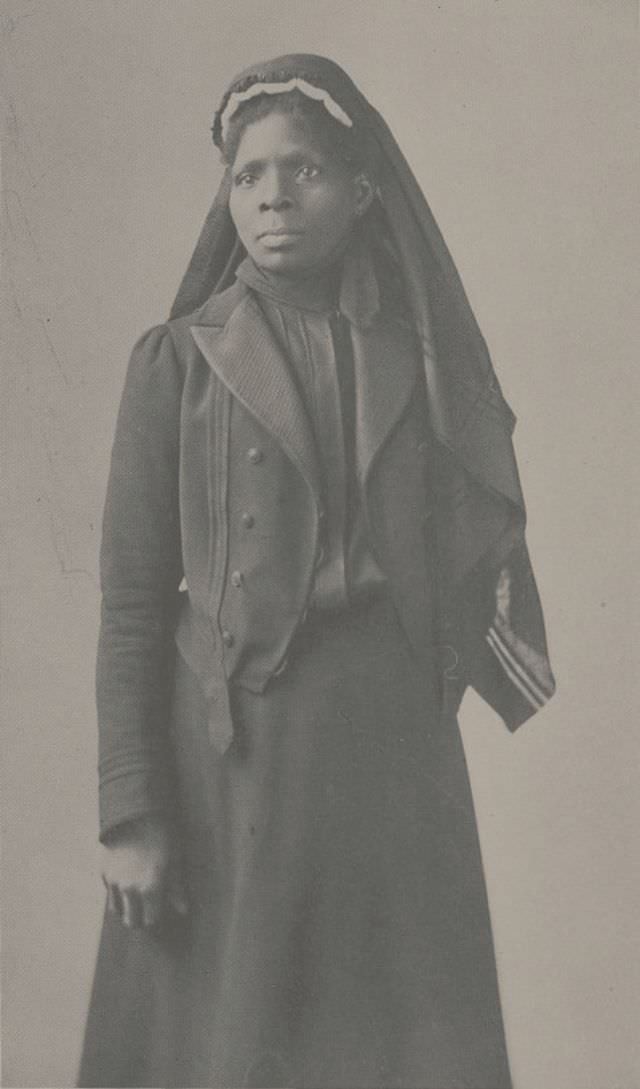
Religious women also formed a major part of the nursing corps. Sister Ann Alexis Shorb of the Daughters of Charity of St. Vincent de Paul served as head nurse at Satterlee General Hospital in Philadelphia, one of the largest military hospitals in the country. She later founded Carney Hospital in Boston. Sybil Jones, a Quaker missionary, nursed both Union soldiers and Confederate prisoners in Philadelphia and Washington, D.C.
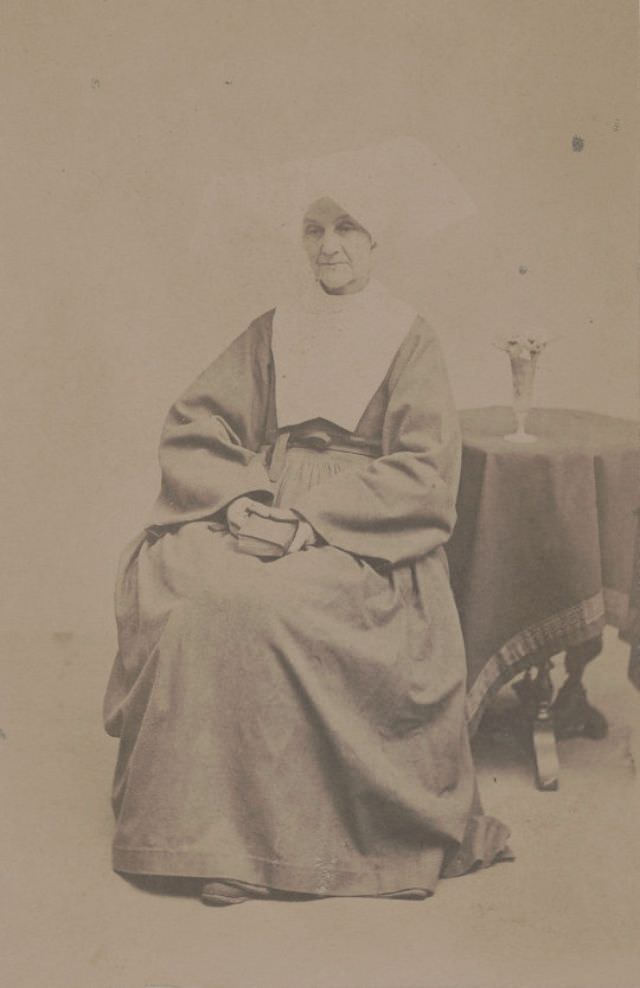
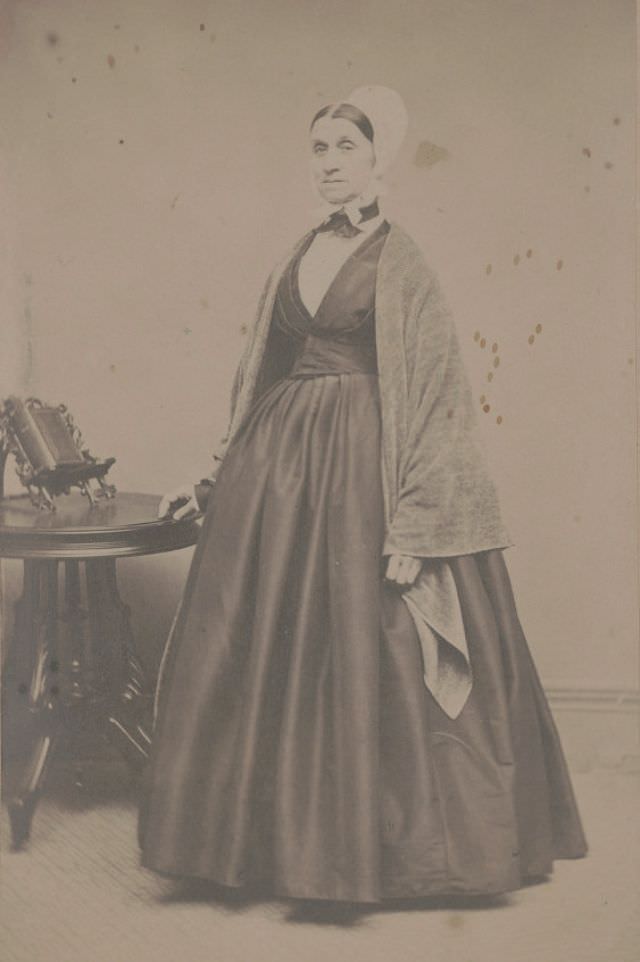
Louisa May Alcott, best known today as the author of Little Women, also served as a Civil War nurse before illness forced her to leave the work. Her experiences in a Union hospital in Washington, D.C., shaped much of her later writing about the war.
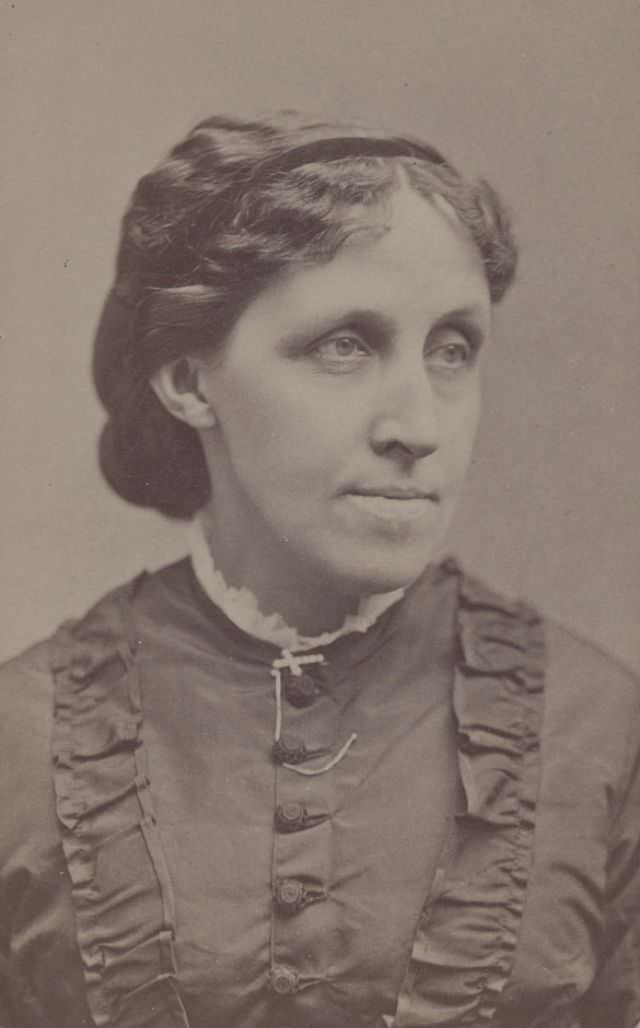
Nancy Maria Hill worked at Armory Square Hospital in Washington, D.C., one of the busiest hospitals in the capital. After the war ended, she went on to earn a medical degree and become a physician, then founded an organization to support single mothers and their babies in Dubuque, Iowa. Her postwar path illustrates how wartime nursing opened doors for women that had previously been closed.
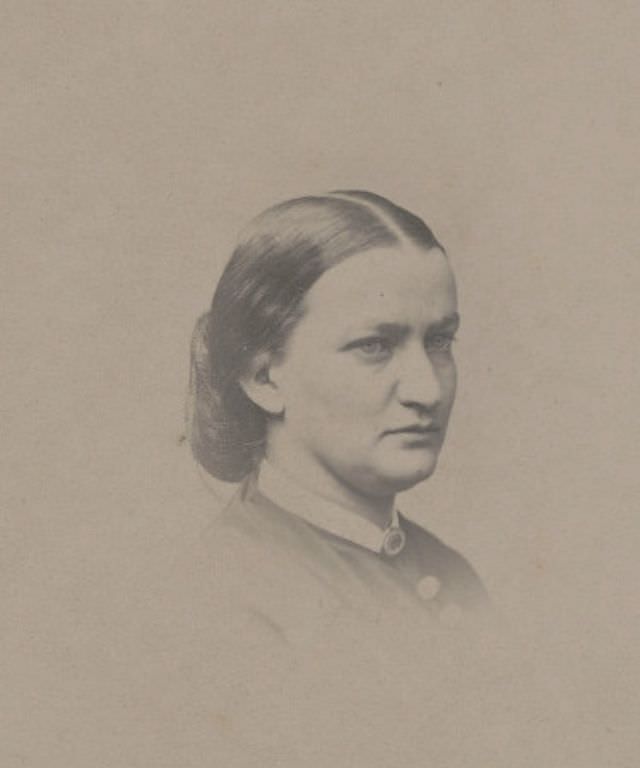
The U.S. Sanitary Commission and the U.S. Christian Commission both sent nurses to hospitals across the country. Katharine Prescott Wormeley worked with the Sanitary Commission and later directed Lovell Hospital in Portsmouth, Rhode Island. Alma S. Wolcott Bennett served with the Christian Commission at Hospital No. 1 in Nashville, Tennessee, a city that became a major hub for Union medical operations in the Western Theater.
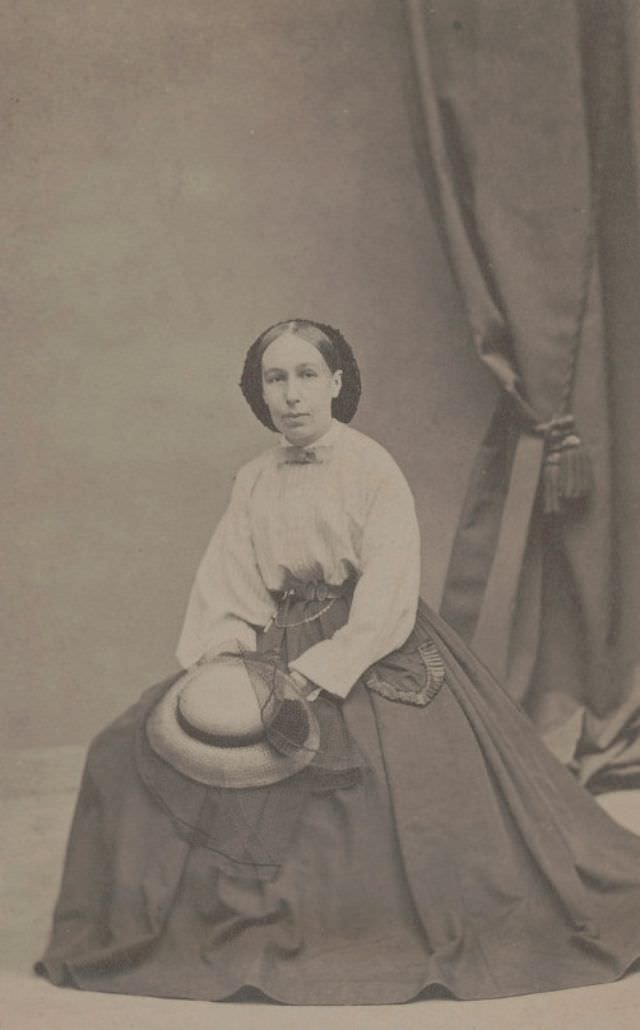
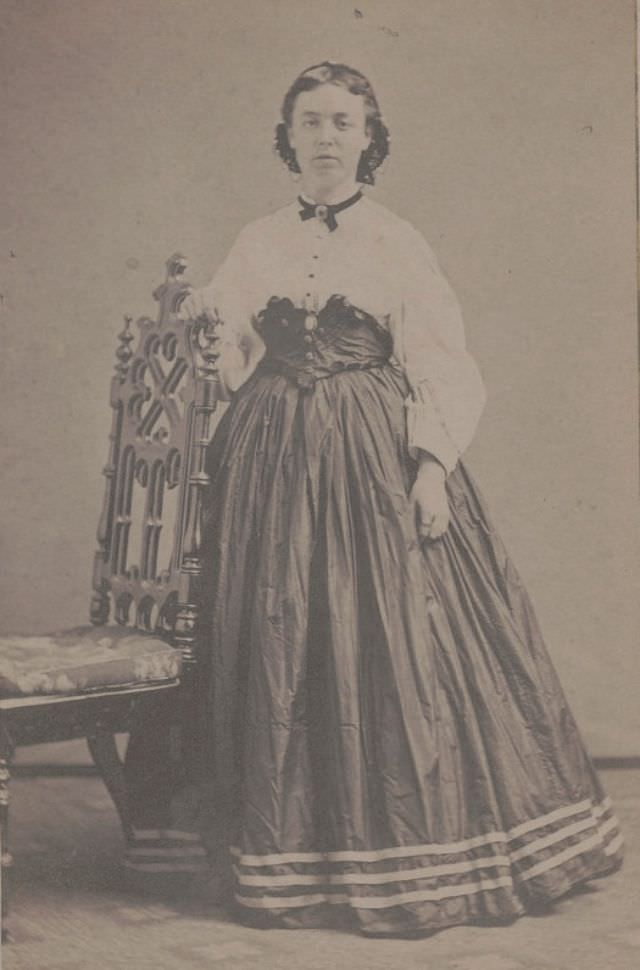
Nashville also hosted Carrie Wilkins Pollard, who served at U.S. field hospitals in Louisville and at Lookout Mountain, Tennessee, as well as on the Floating Hospital on the Cumberland River. Eleanor C. Ransom — called “Mother” by those who knew her — served in a Union hospital in Tennessee and aboard the transport ship North America, where wounded soldiers were moved by water to reach care.
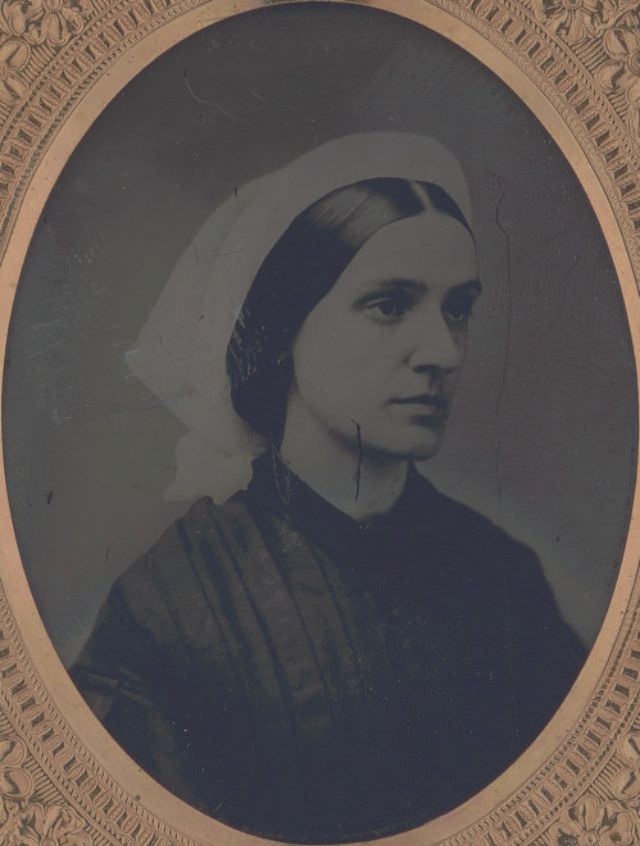
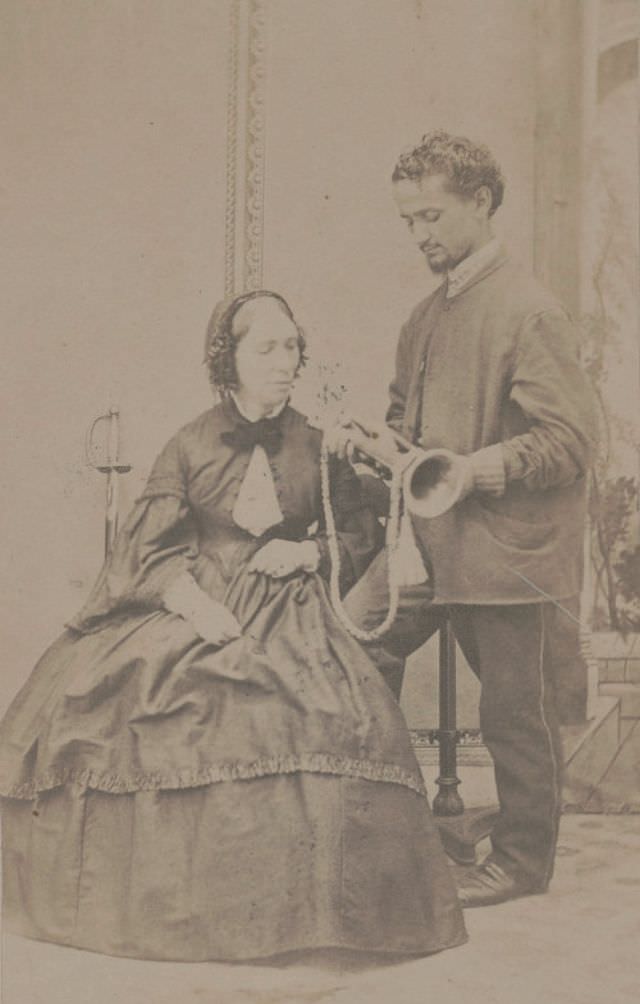
The war did not only call Union women to serve. Otelia Butler Mahone nursed patients at hospitals in Richmond, Virginia, the capital of the Confederacy, while her husband, Confederate Major General William Mahone, fought on the front lines. Women on both sides of the conflict found themselves thrust into the same desperate work: trying to keep men alive long enough to heal.
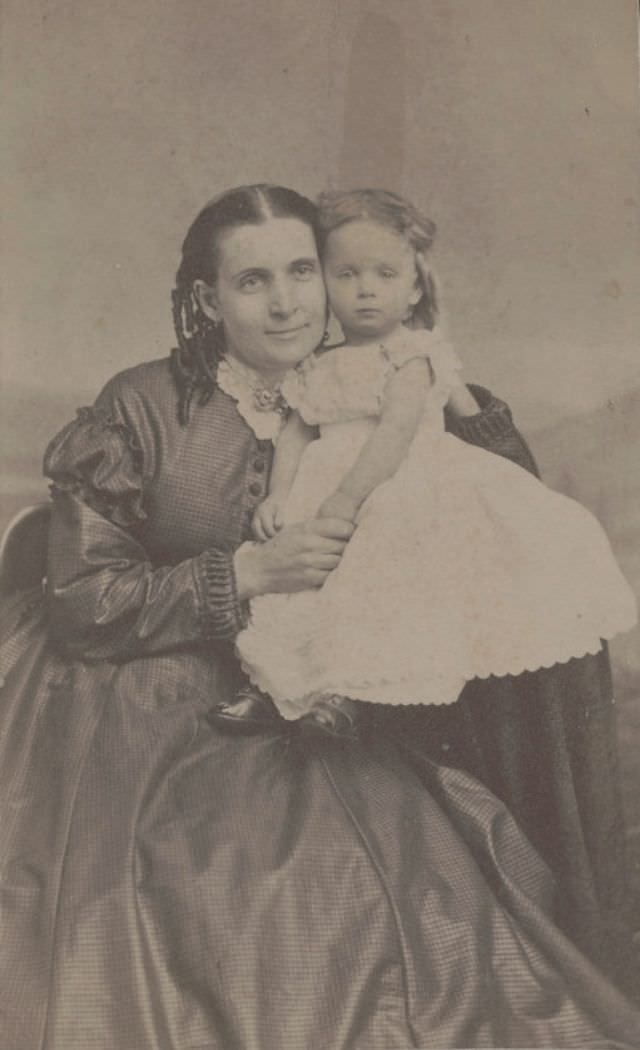
Maria M.C. Hall worked at the Patent Office Hospital in Washington, D.C., then on the hospital ship Daniel Webster during the Peninsular Campaign, then at Smoketown Hospital after the Battle of Antietam, and finally at General Hospital No. 1 in Annapolis. Her record shows how mobile these nurses often had to be, moving from assignment to assignment as the war’s demands shifted.
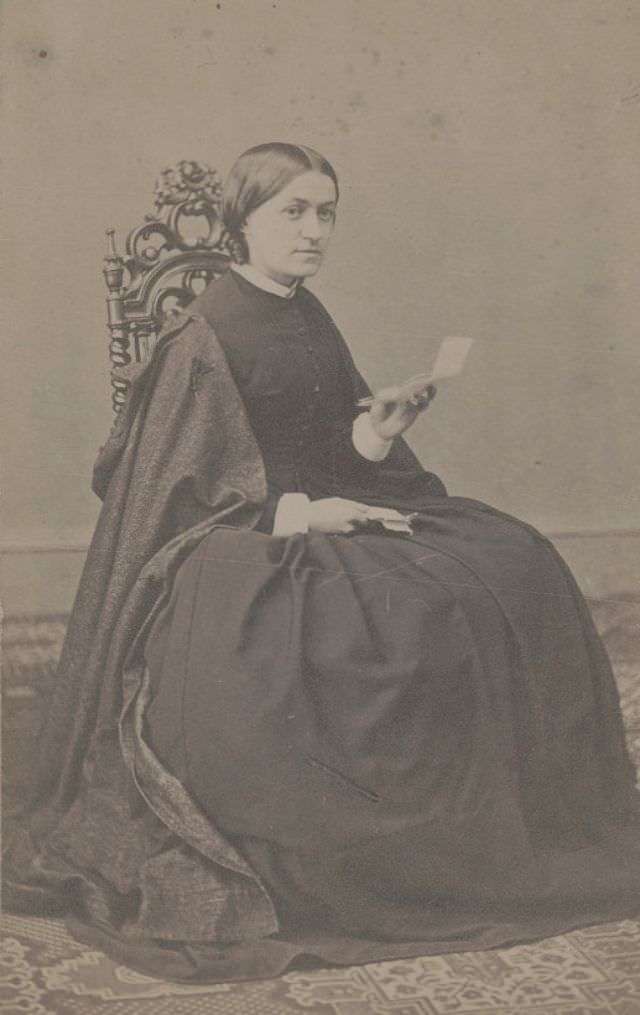
Adeline Blanchard Tyler, known to patients and colleagues as “Sister Tyler,” served in Baltimore, Chester, Pennsylvania, and Annapolis, Maryland. Almira Fales combined philanthropy with nursing throughout the war. Ann Burtis served as matron and head nurse at the 1st Division U.S. General Hospital in Hampton, Virginia, overseeing the day-to-day operations of an entire ward.
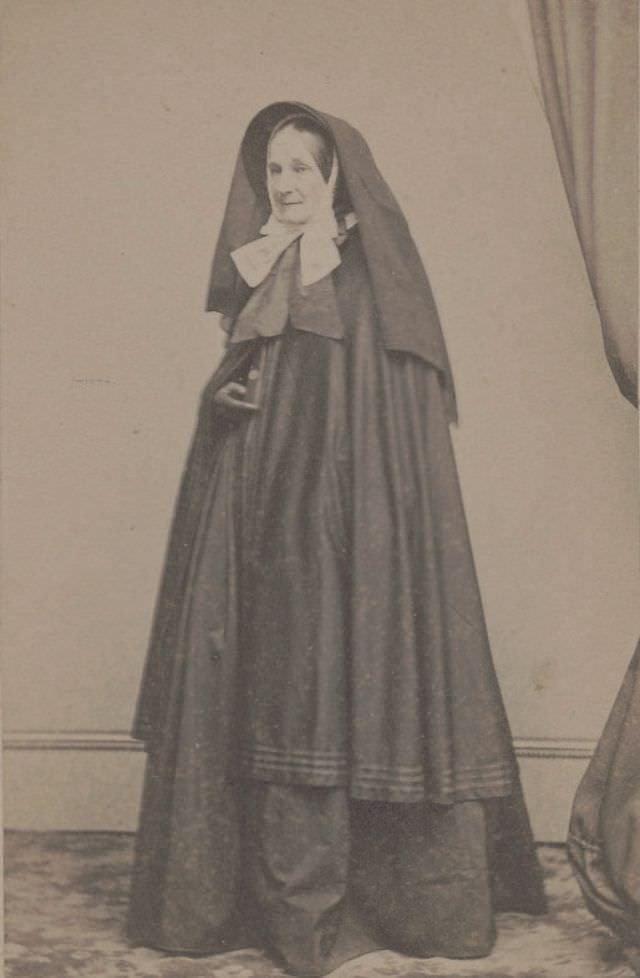
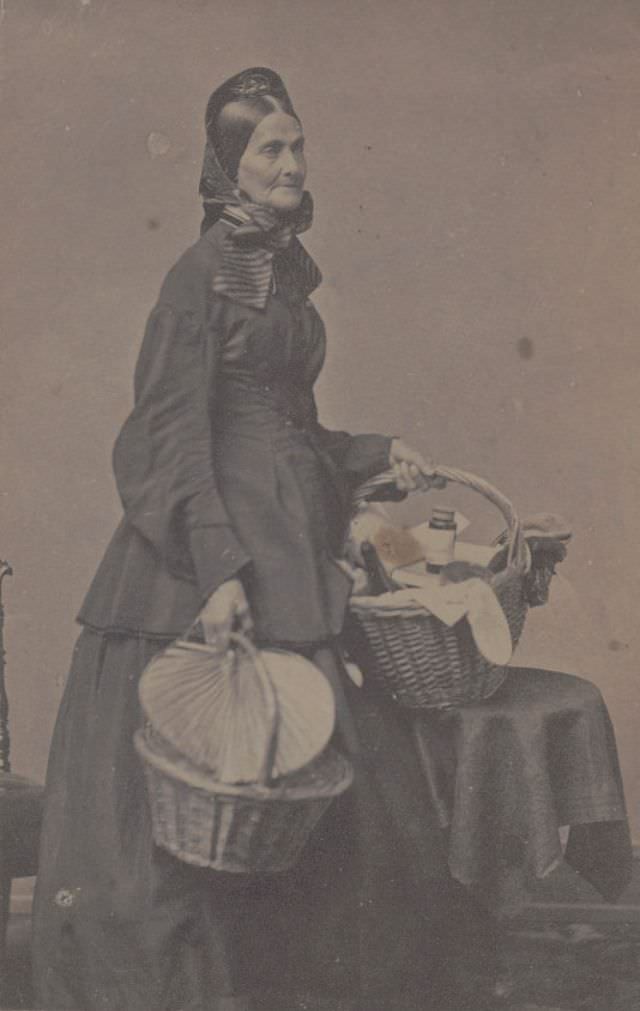
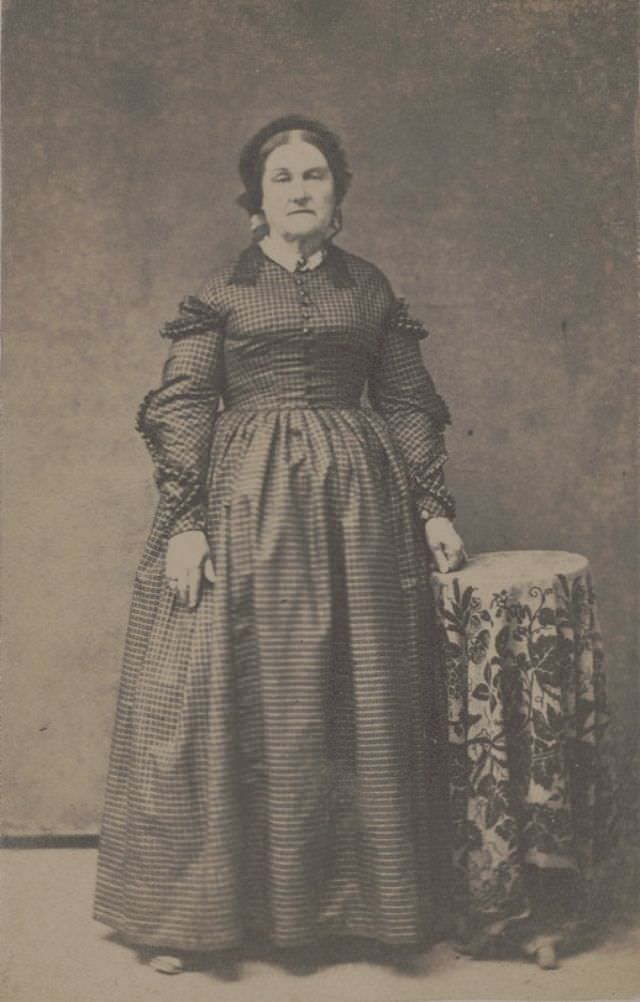
Harriet E. Preston Grogan served the U.S. Army Medical Department at Chesapeake Hospital in Hampton, Virginia, the same region where Ann Burtis also worked. Mary Morris Husband split her time between hospitals in Philadelphia and field hospitals at Chancellorsville, Gettysburg, and Port Royal, also making runs on hospital transports to Baltimore, Antietam, and Fredericksburg.
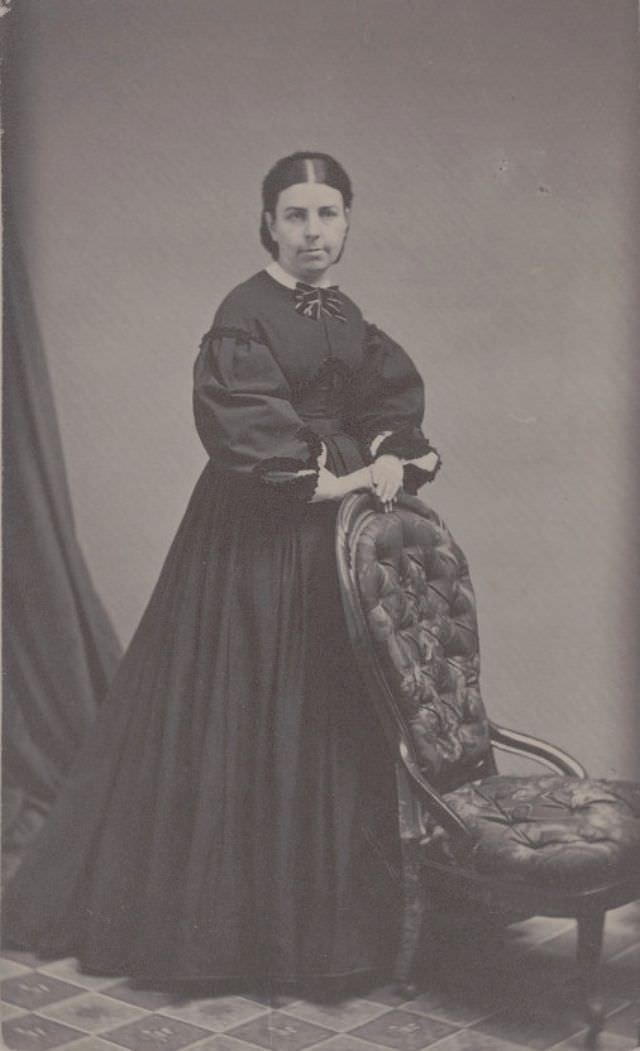
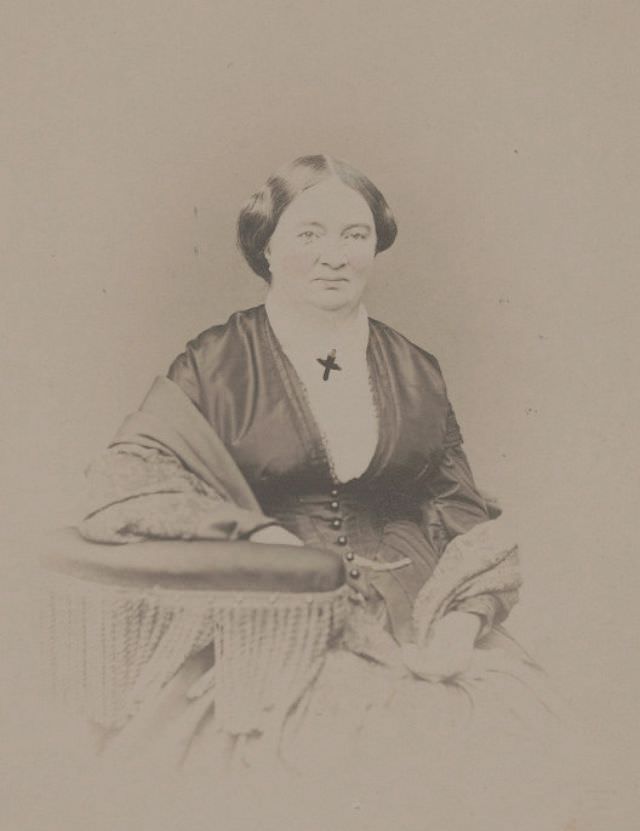
Some nurses left records that stretch beyond the Civil War itself. Jane Jennings, who served in Washington, D.C. during the Civil War, also went to Cuba during the Spanish-American War. Mary Jewett Telford, who worked at Hospital No. 8 in Nashville, became a charter member of the Woman’s Relief Corps after the war ended. Belle Reynolds held the rank of Major and served as a Union nurse, one of the few women to hold any formal military title during the conflict.
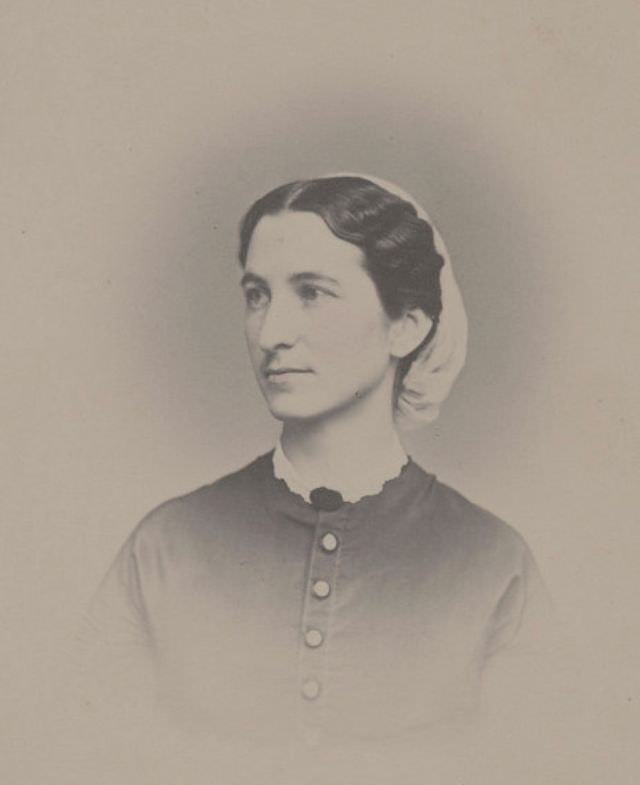
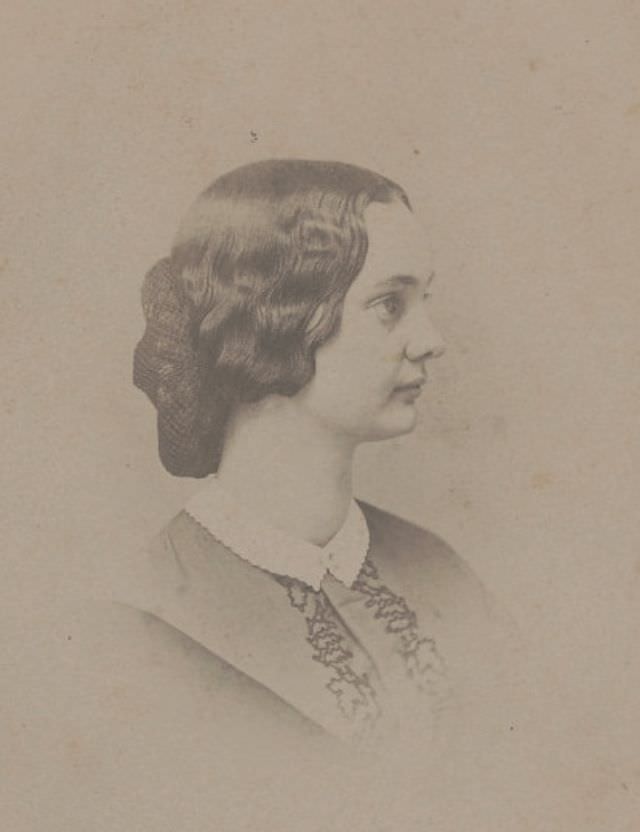
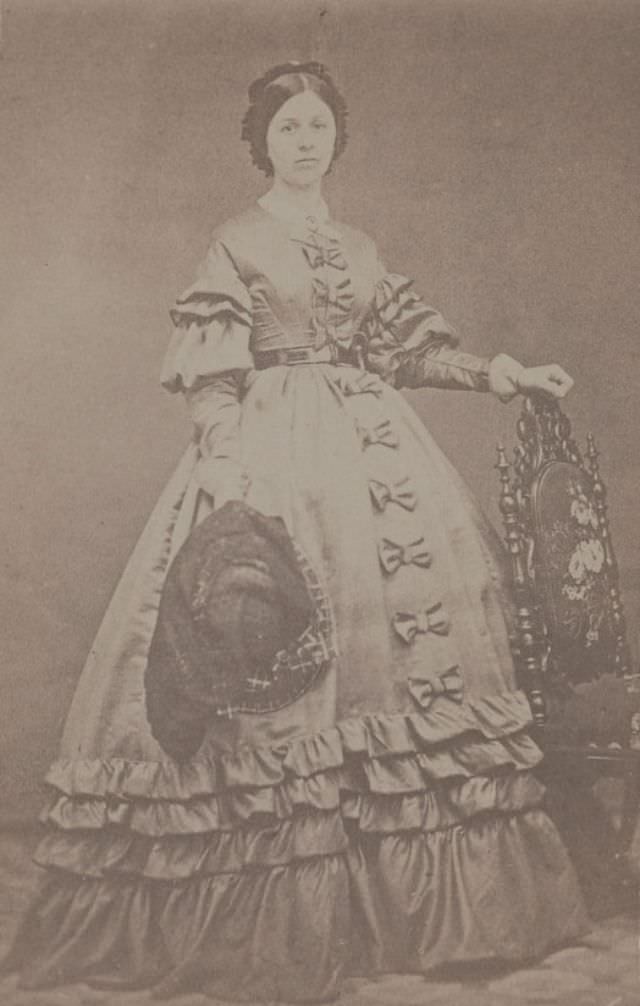
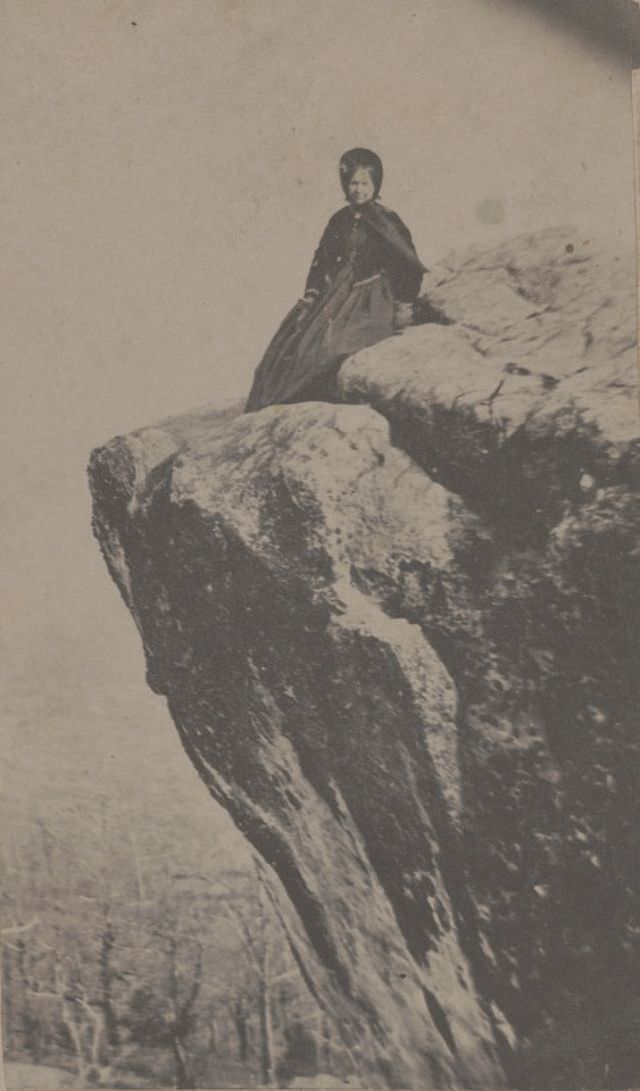
Grace Babcock sat for a photograph atop Lookout Mountain in Tennessee, likely connected to either the U.S. Sanitary Commission or the U.S. General Hospital in Chattanooga. Debbie A. Hughes was photographed in her Union nurse’s uniform — one of many women whose names history recorded but whose full stories were never widely told. The woman identified only as Miss Davis of South Street Hospital in Philadelphia represents the many nurses whose complete identities were never captured in the record at all.